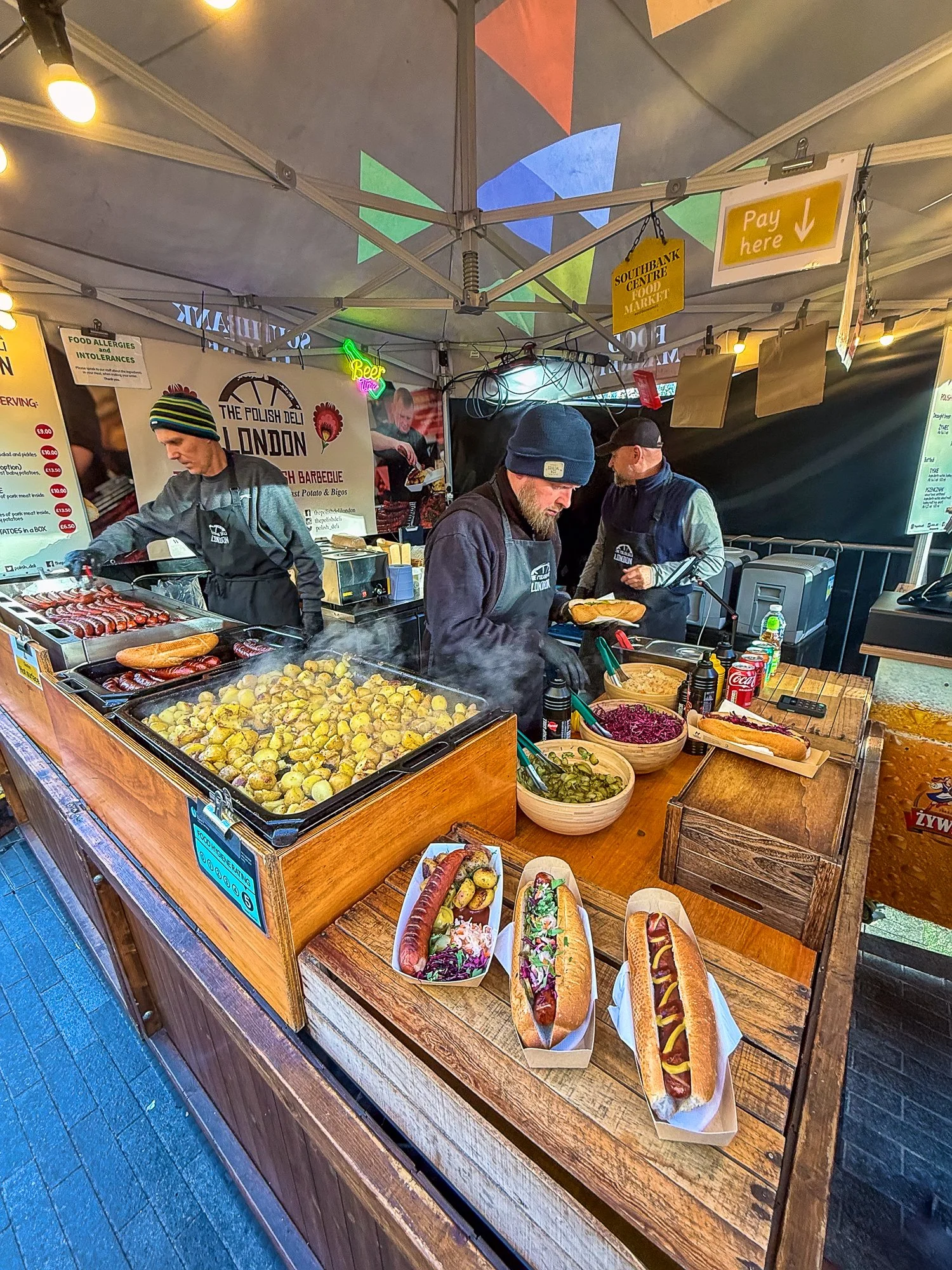
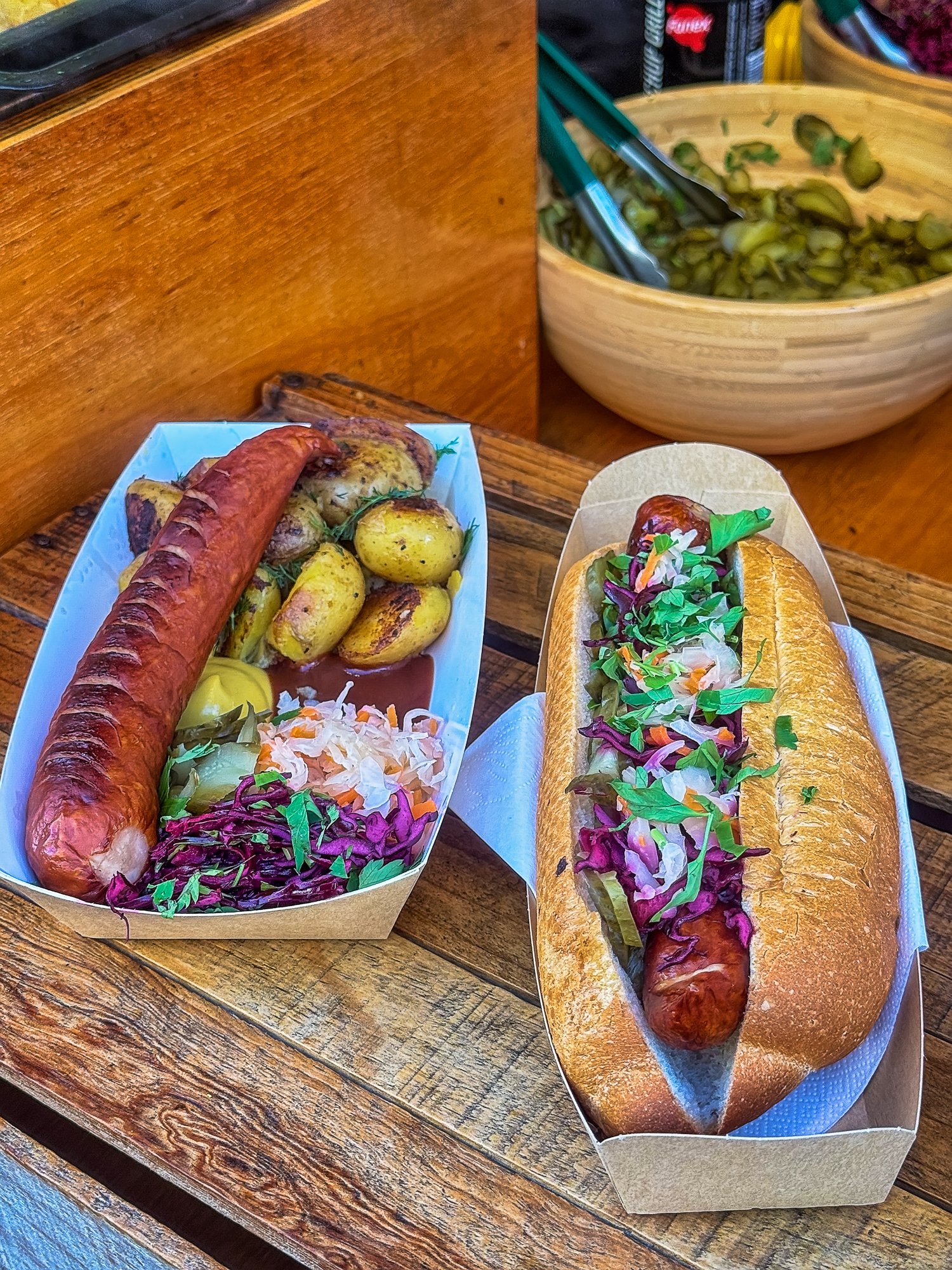
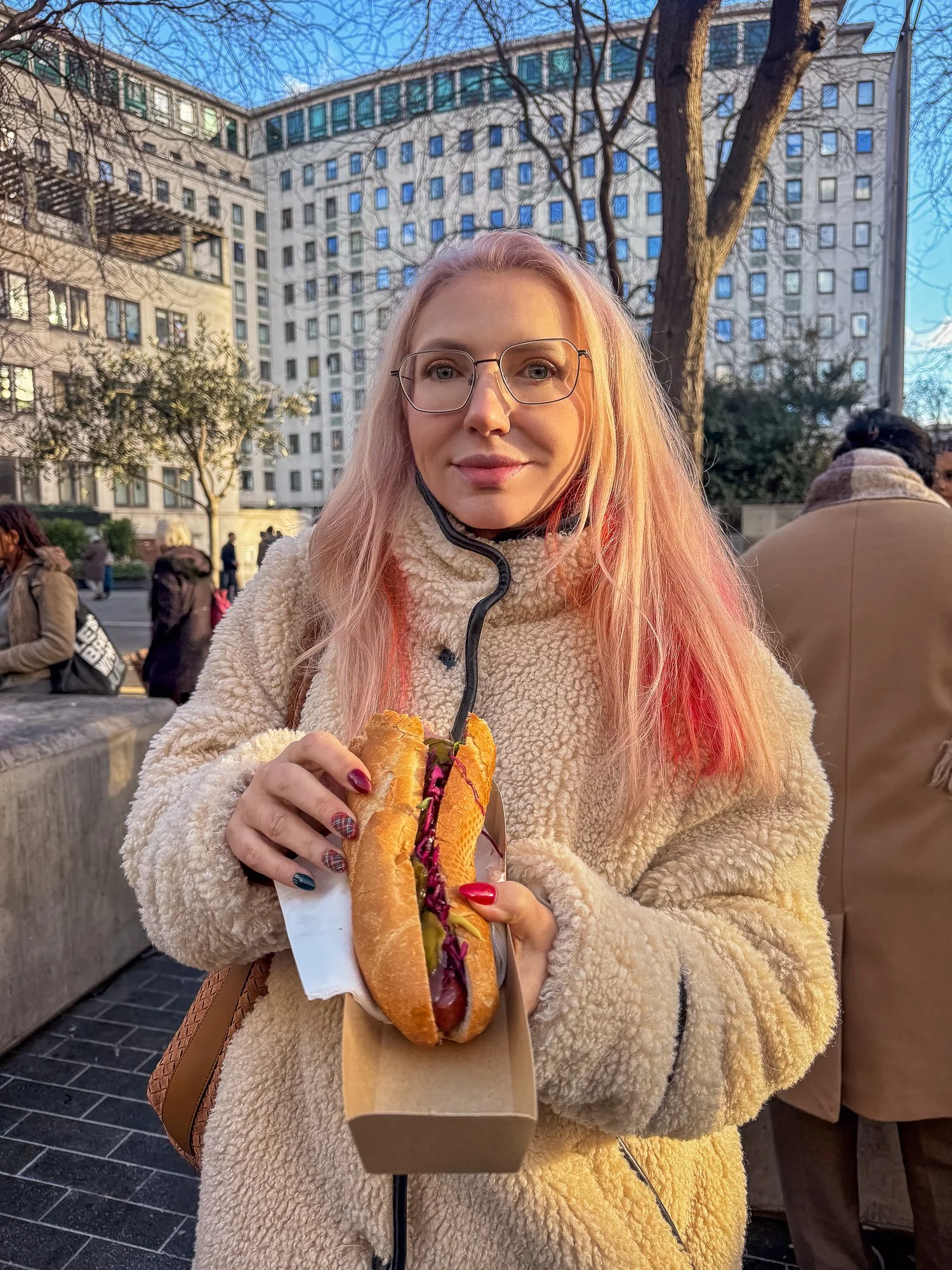
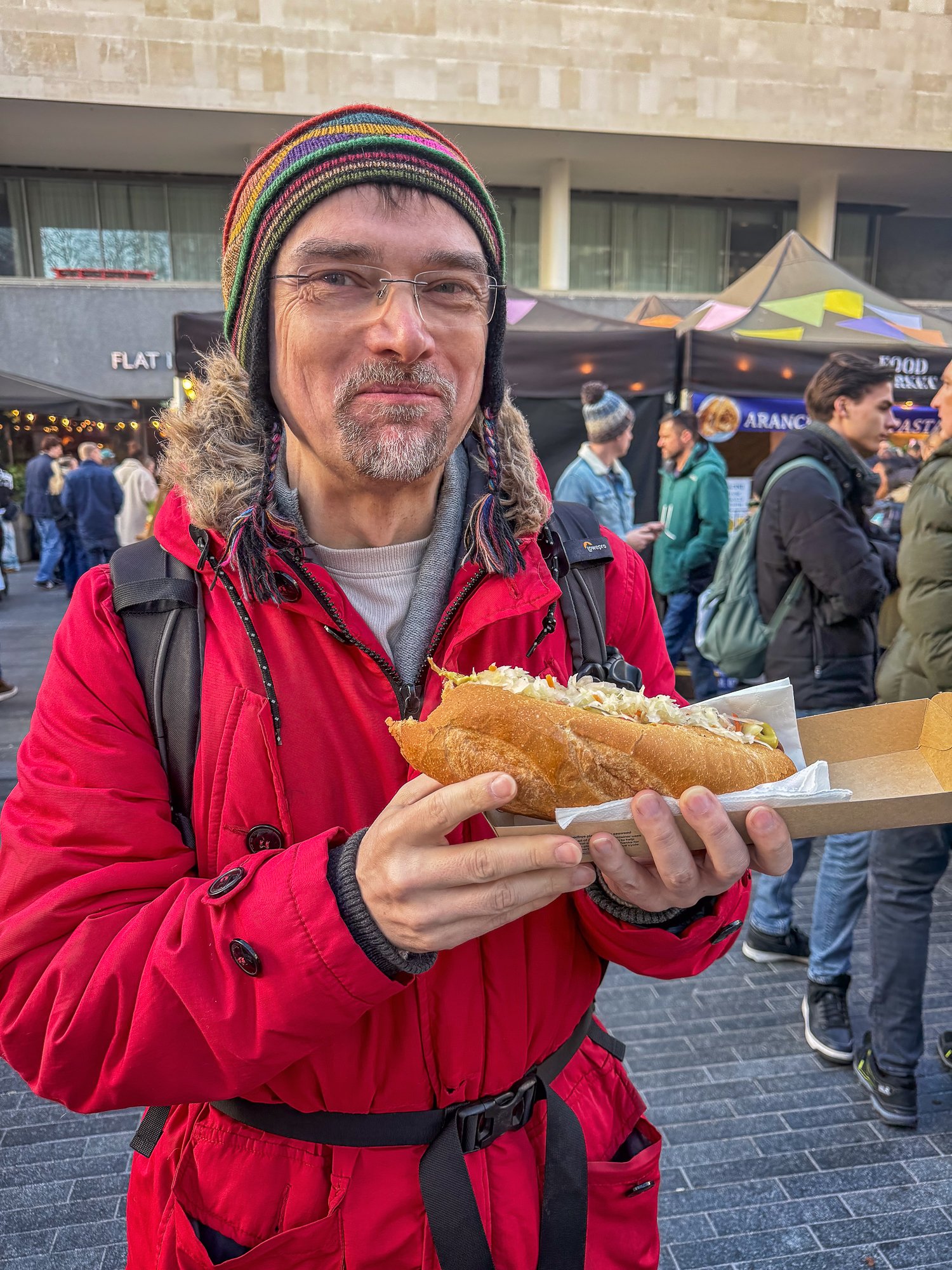
As always, a visit to London means food. On the way to the theatre, we briefly stop at the Southbank Centre Food Market after noticing a Polish stand selling grilled sausages. We very rarely eat sausages these days, but the pull of nostalgia was strong.
Jak zawsze, wizyta w Londynie oznacza że będziemy jeść. W drodze do teatru zatrzymujemy się na chwilę na Southbank Centre Food Market, bo zauważamy polskie stoisko z grillowanymi kiełbaskami. Bardzo rzadko jemy obecnie kiełbasę, ale nostalgia zrobiła swoje.
After the spectacle, we have dinner booked at Wahaca, a colourful, casual Mexican restaurant serving tacos, small plates, and quesadillas, with a lively, buzzy vibe right in the heart of the West End. It is actually the original Wahaca location, where the whole chain began back in 2007, inspired by the street food markets of Mexico. Btw, these Mexican eateries are the brainchild of Thomasina Miers, who won MasterChef in 2005.
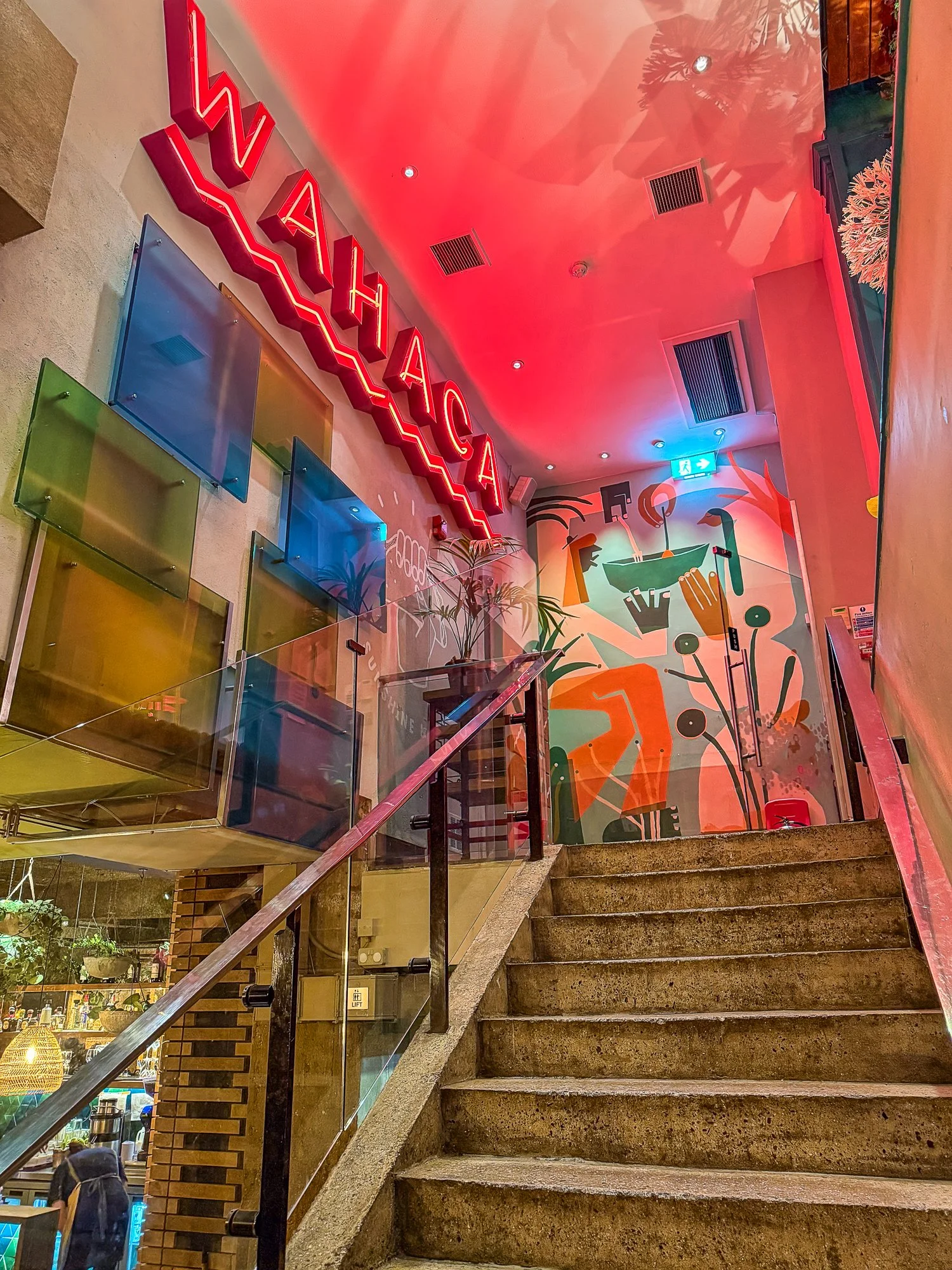
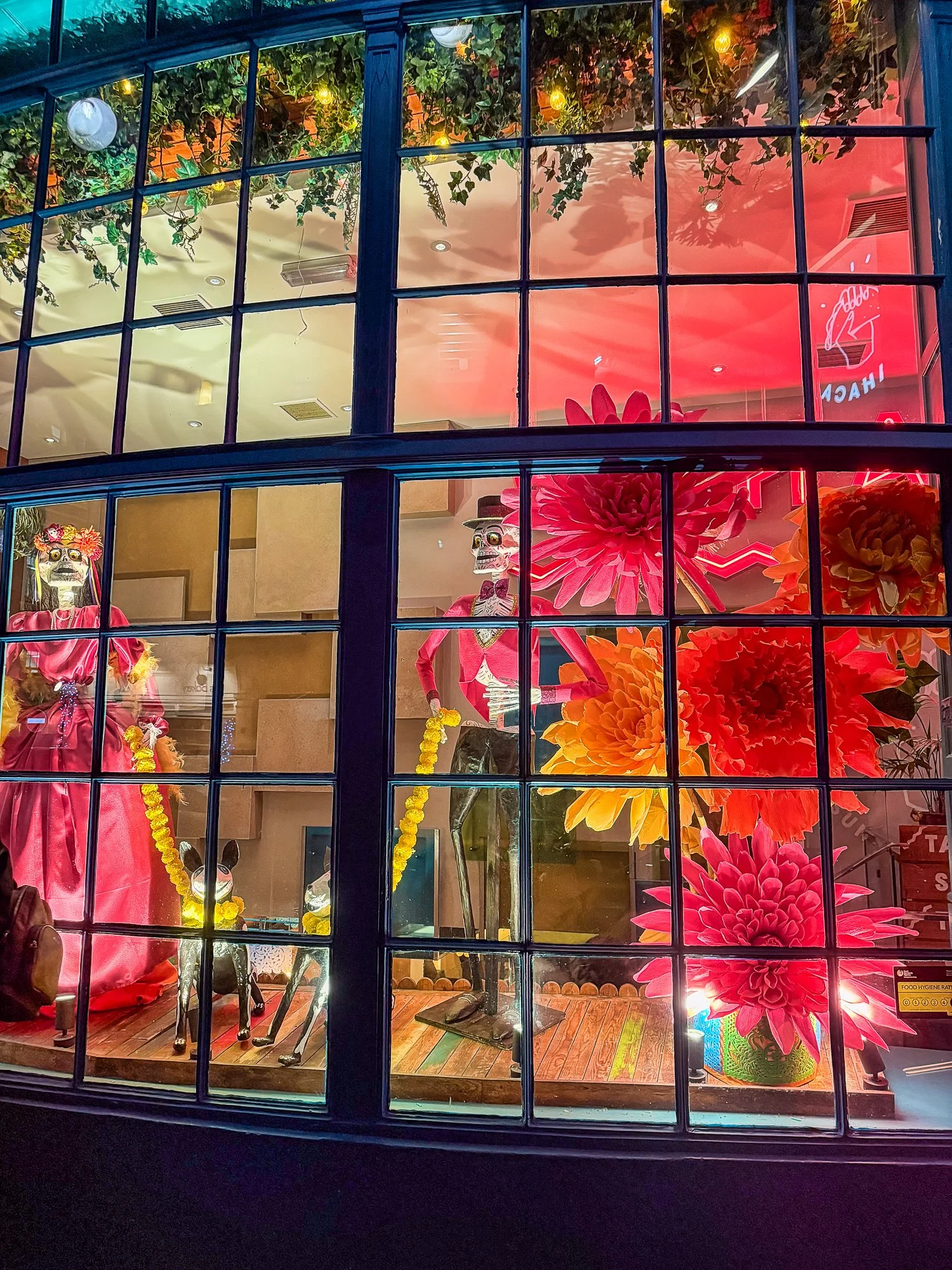
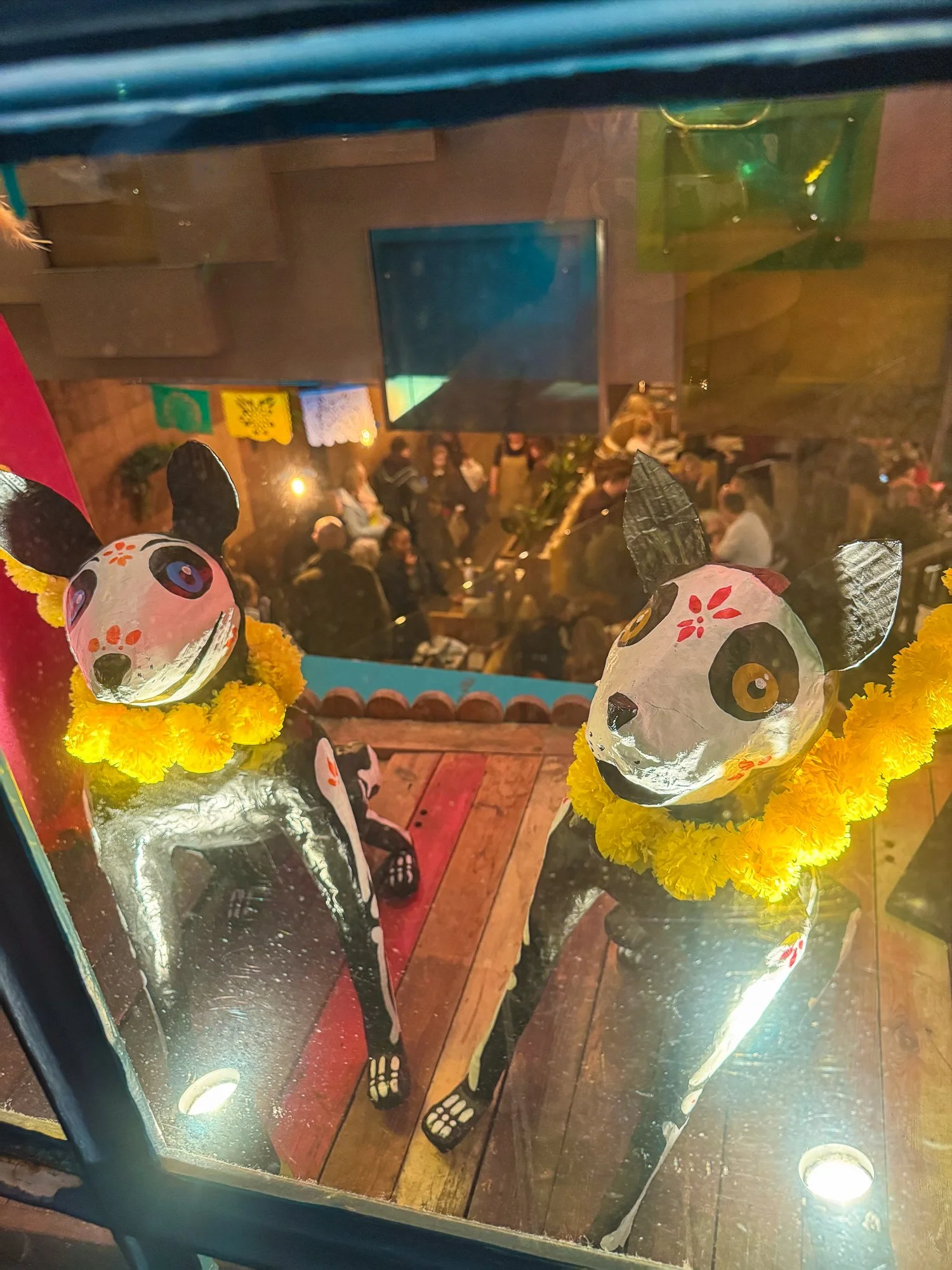
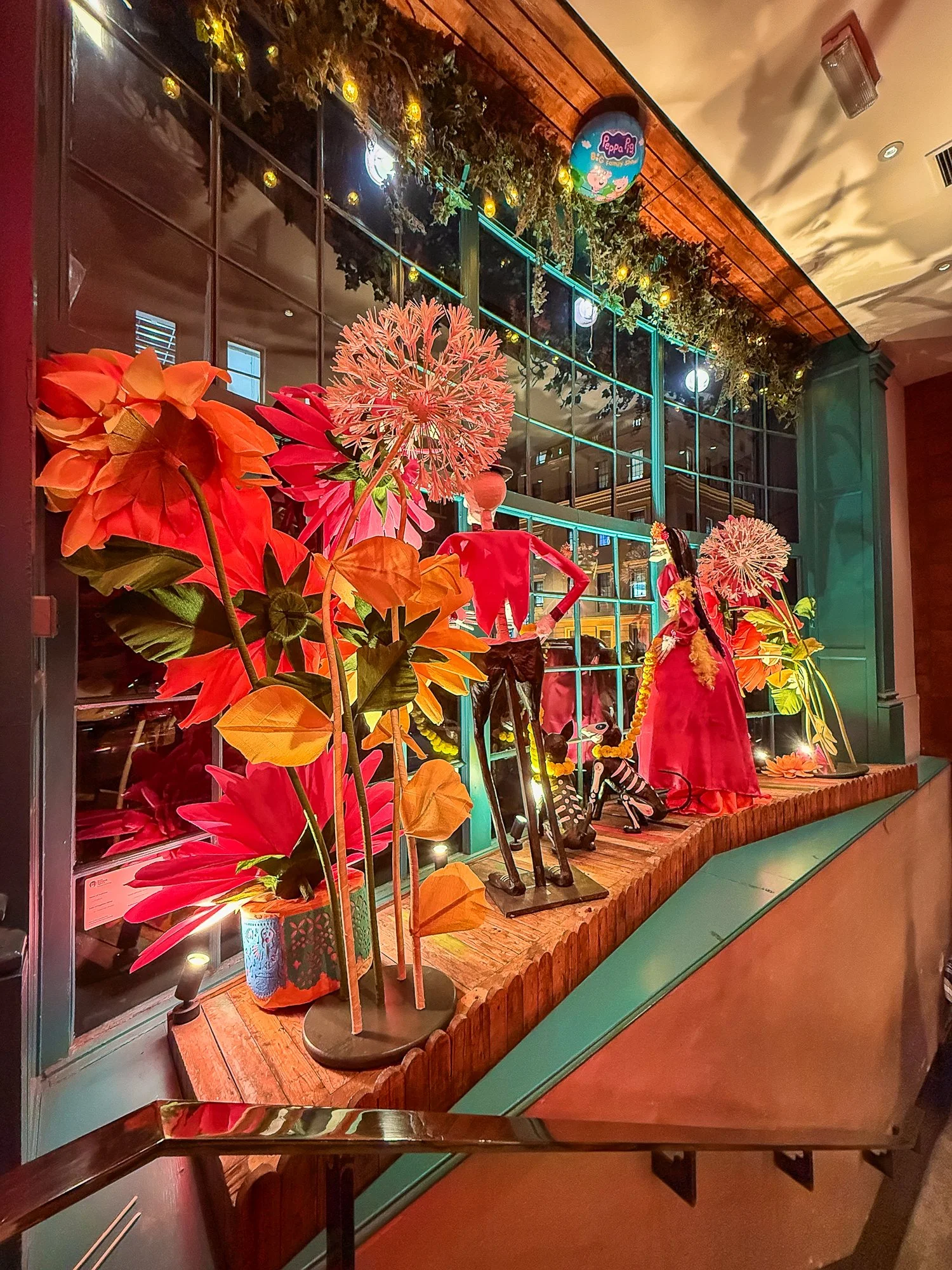
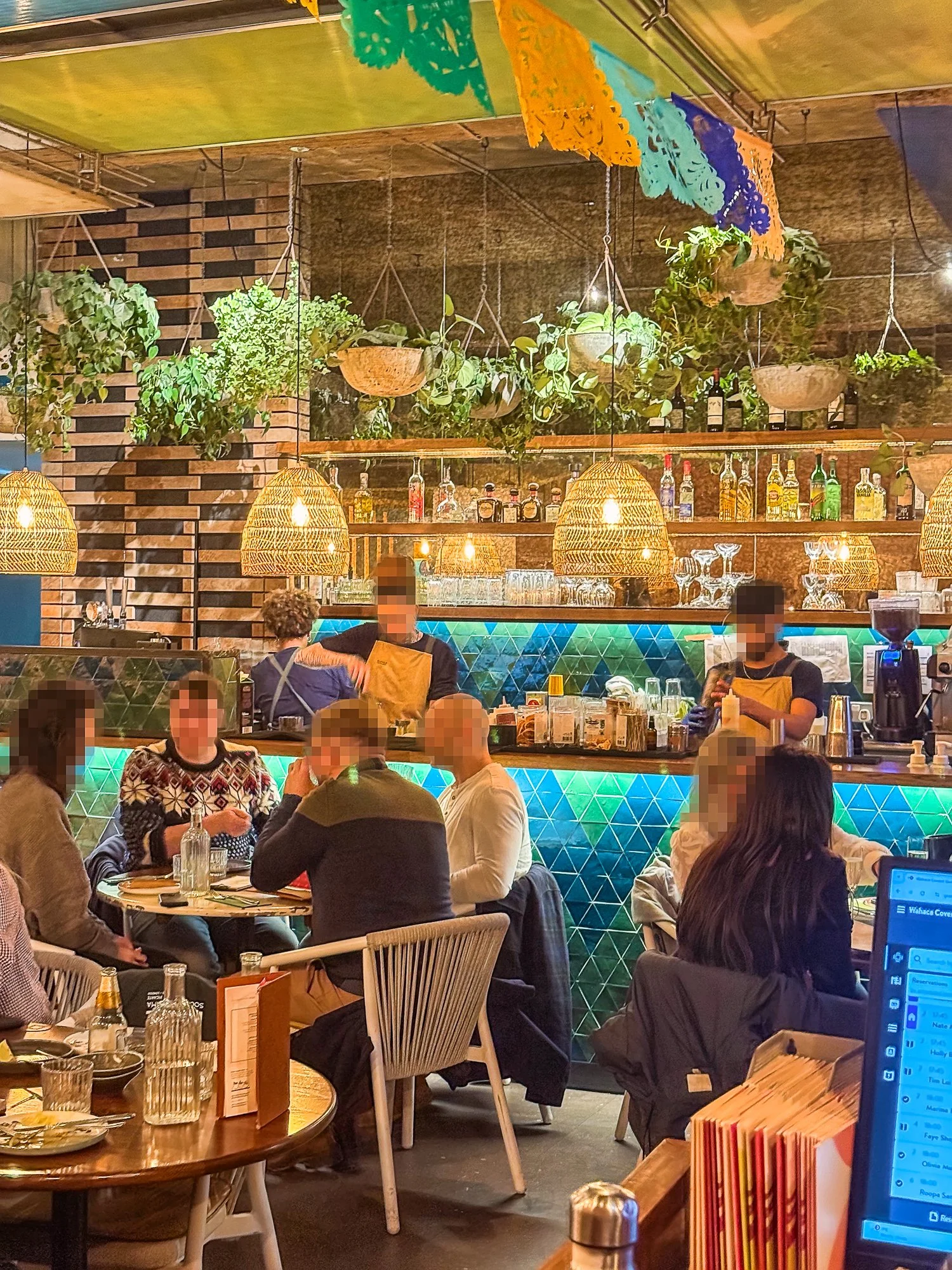
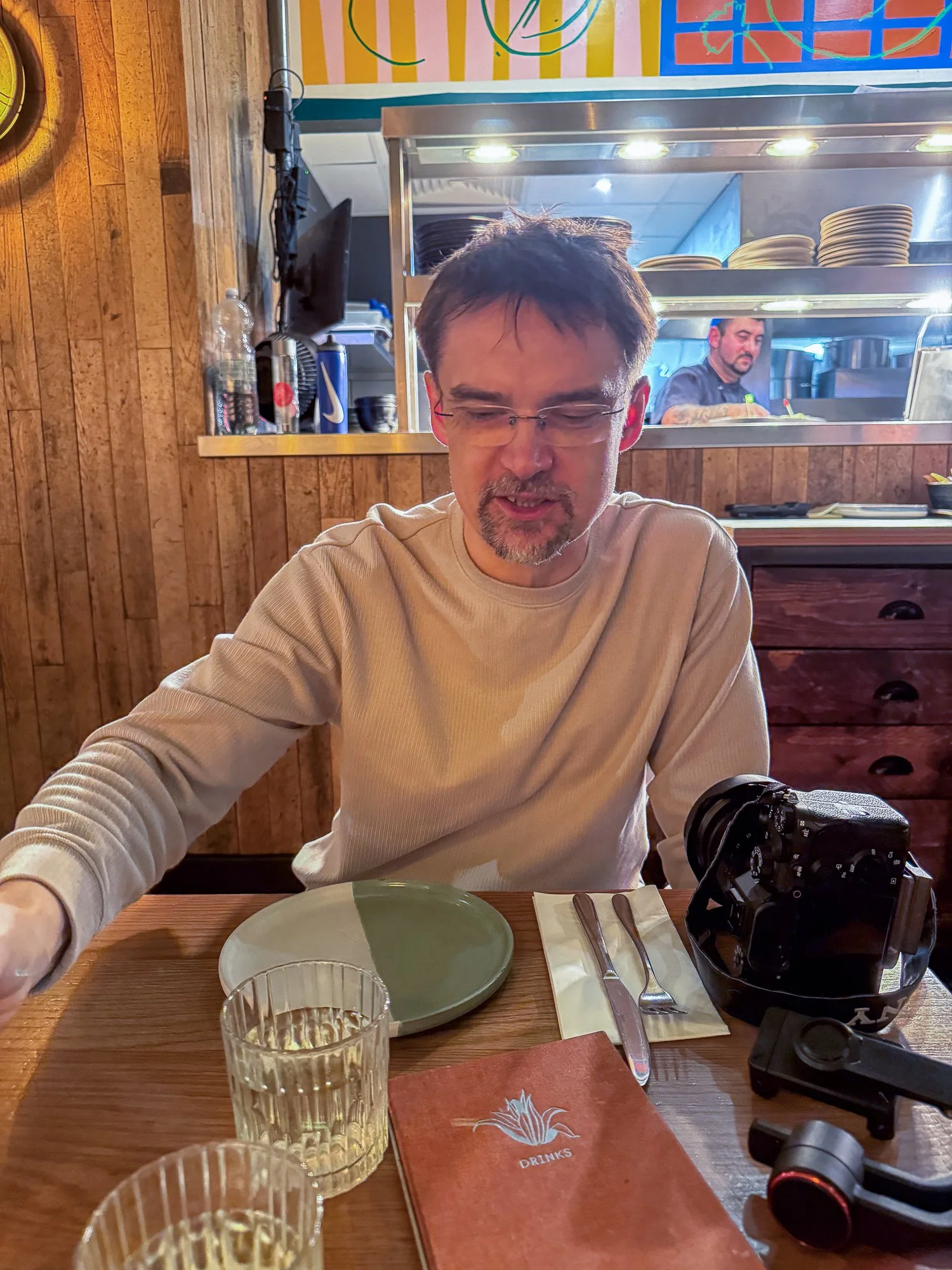
We spot it easily thanks to the bold, colourful display in the front window, filled with papier-mâché decorations and floral elements, and step down into the restaurant. The interior aims to evoke Mexico’s lively street markets and urban hangouts rather than a formal dining room. We are welcomed by bright colours, relaxed seating and a touch of industrial chic. The place is crowded, and we wait in line for a few minutes before getting our table. Without a reservation, they would likely have sent us away. From this moment on, though, everything runs smoothly and efficiently.
Po spektaklu mamy zarezerwowaną kolację w Wahaca, kolorowej meksykańskiej restauracji serwującej tacos, tapas i quesadillas w samym sercu West Endu. Jest to pierwsza lokalizacja sieci Wahaca, od której wszystko się zaczęło w 2007 roku, po tym, jak Thomasina Miers zwyciężyła w MasterChef w 2005 roku.
Łatwo ją zauważyć dzięki odważnej, kolorowej witrynie pełnej figure z papier-mâché, kwiatowych dekoracji i ozdób. Schodzimy zatem po schodach do środka Restauracja jest położona poniżej ulicy). Wnętrze przywołuje klimat tętniących życiem meksykańskich ulicznych targów i miejskich miejsc spotkań, a nie formalnej restauracji. Wita nas feeria barw, wygodne chociaż bardzo różne miejsca do siedzenia i lekka nuta industrialnego klimatu. Lokal jest pełen gości i czekamy dobrych kilka minut w kolejce, zanim dostaniemy stolik. Bez rezerwacji pewnie odesłaliby nas z kwitkiem. Od tego momentu jednak wszystko działa sprawnie i bez zarzutu.
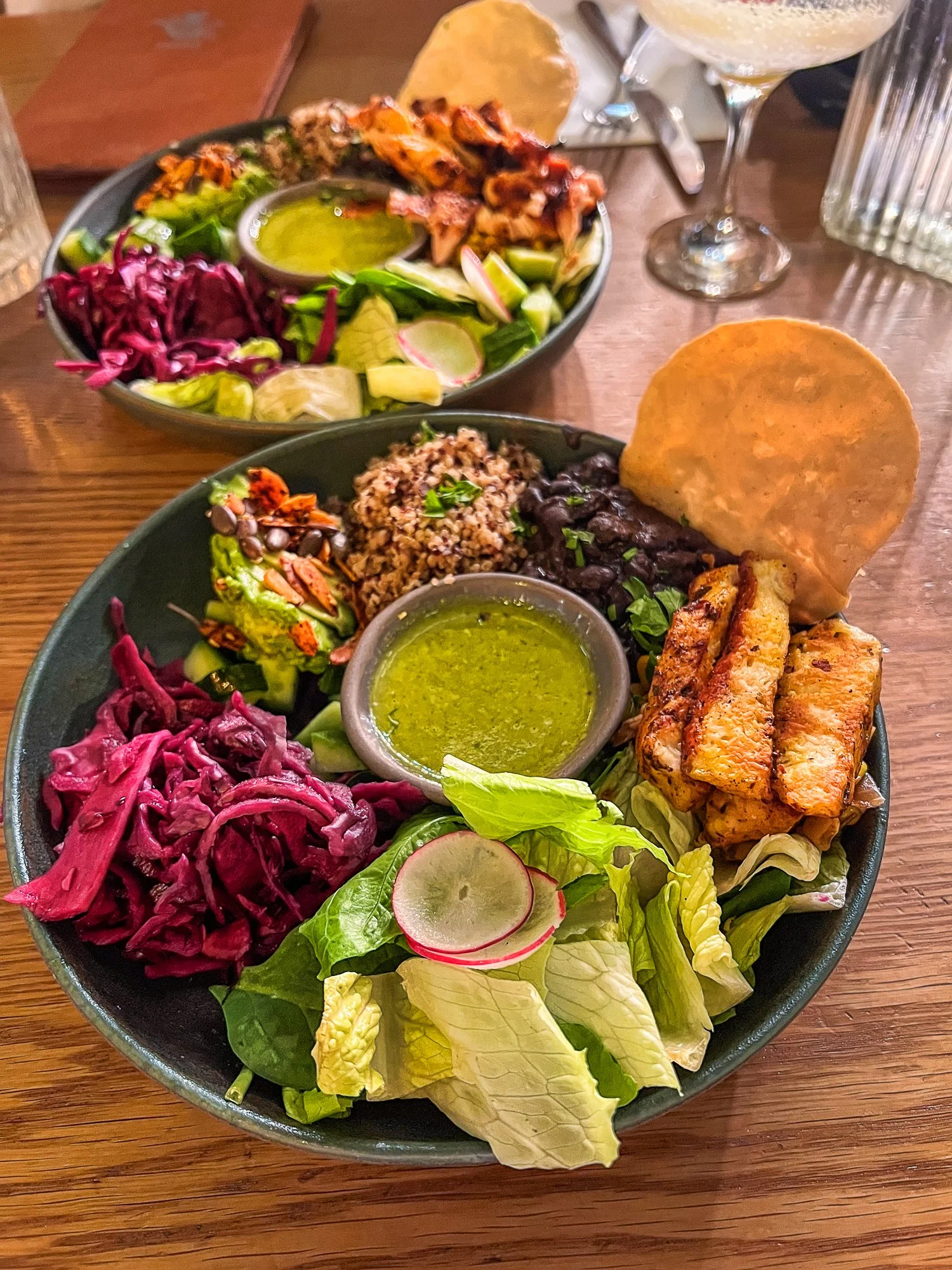
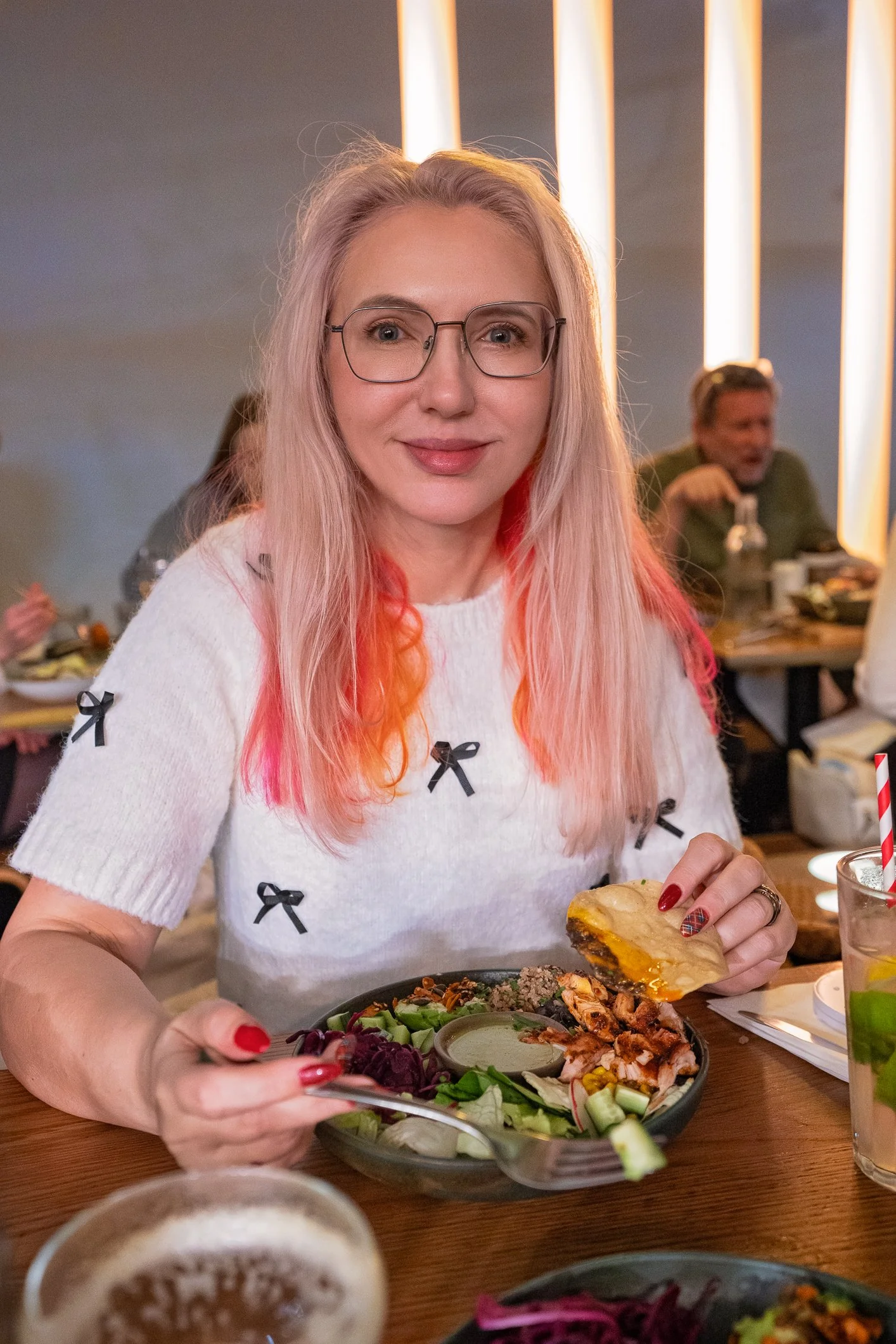
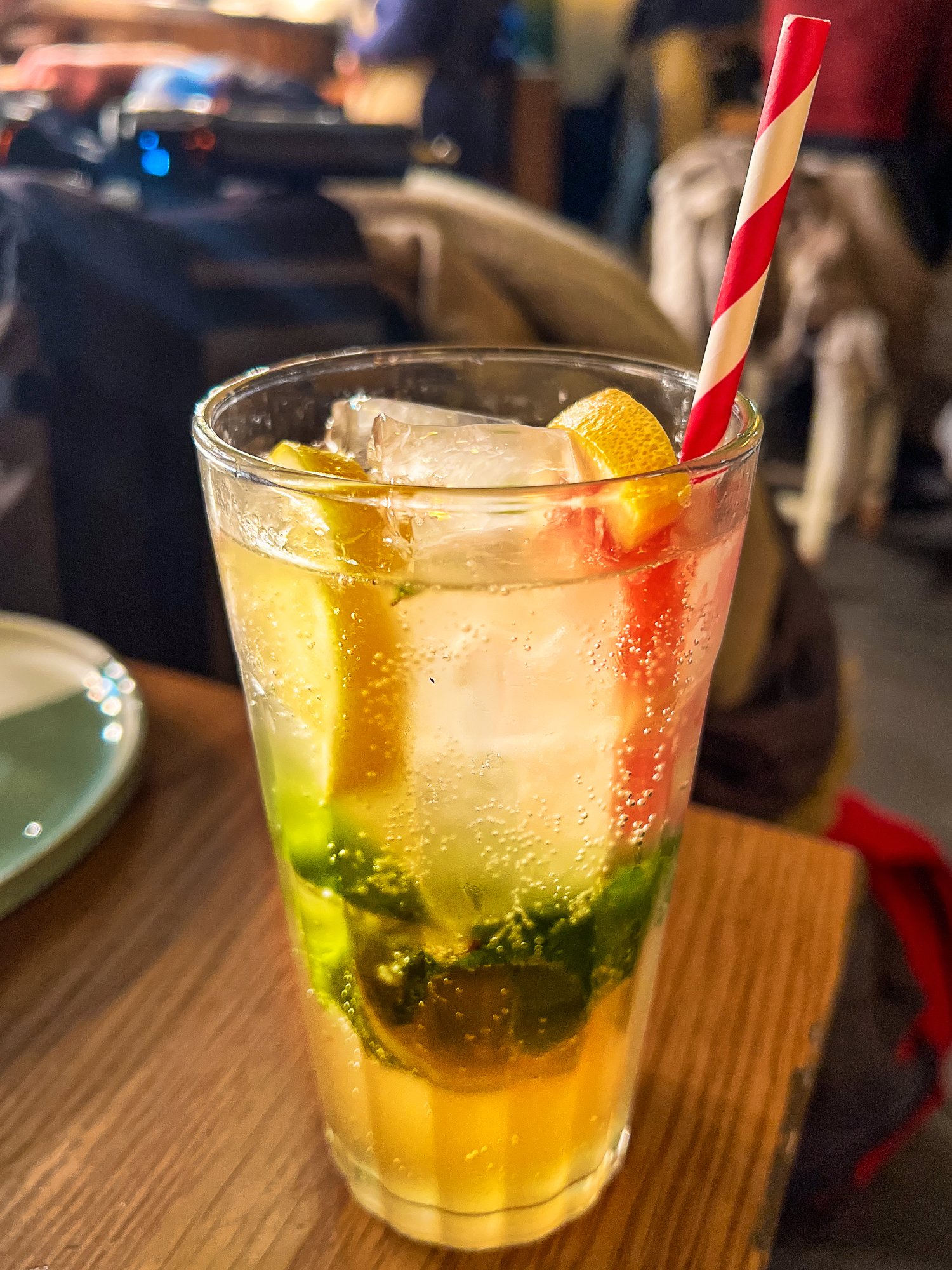
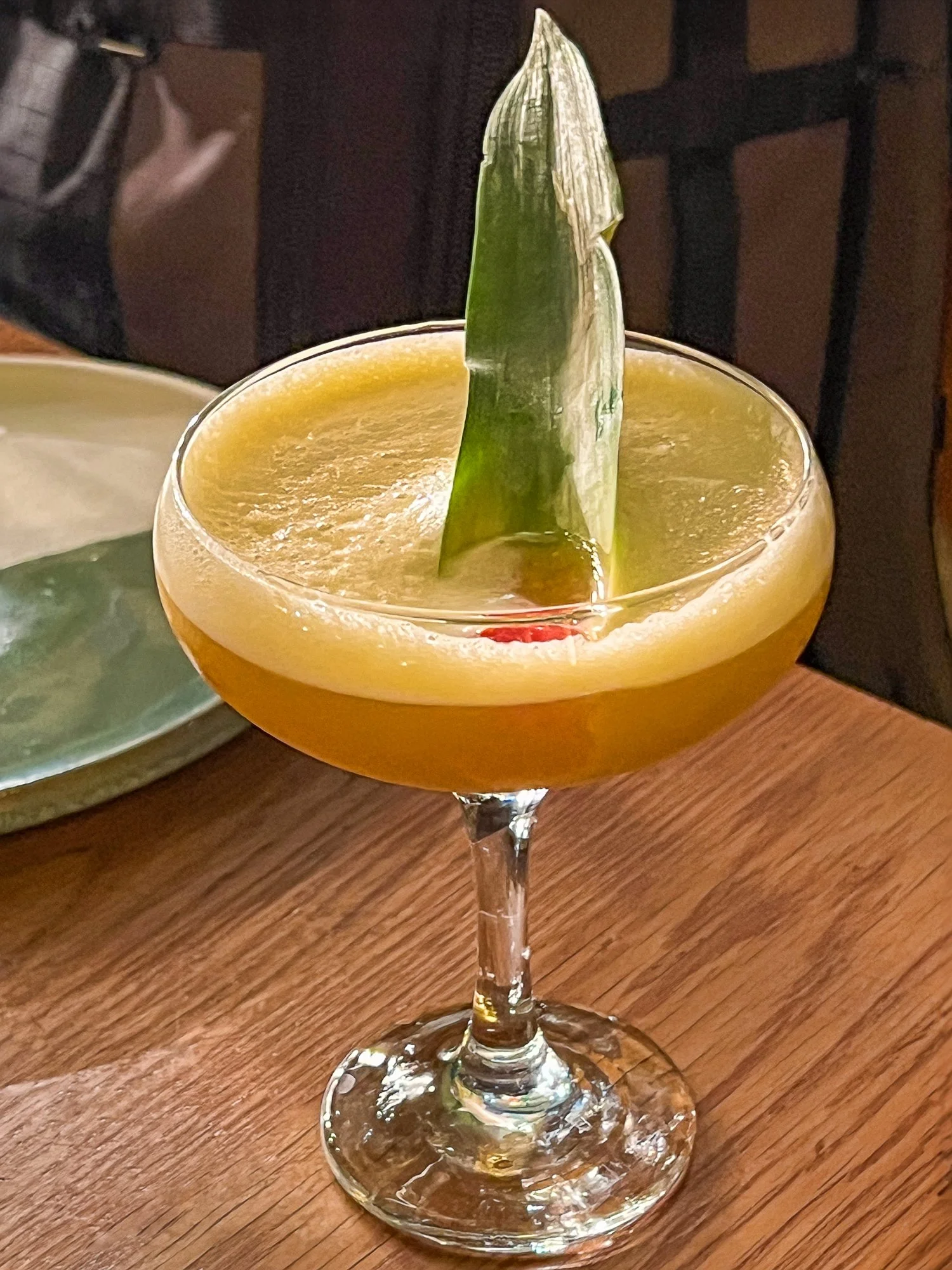
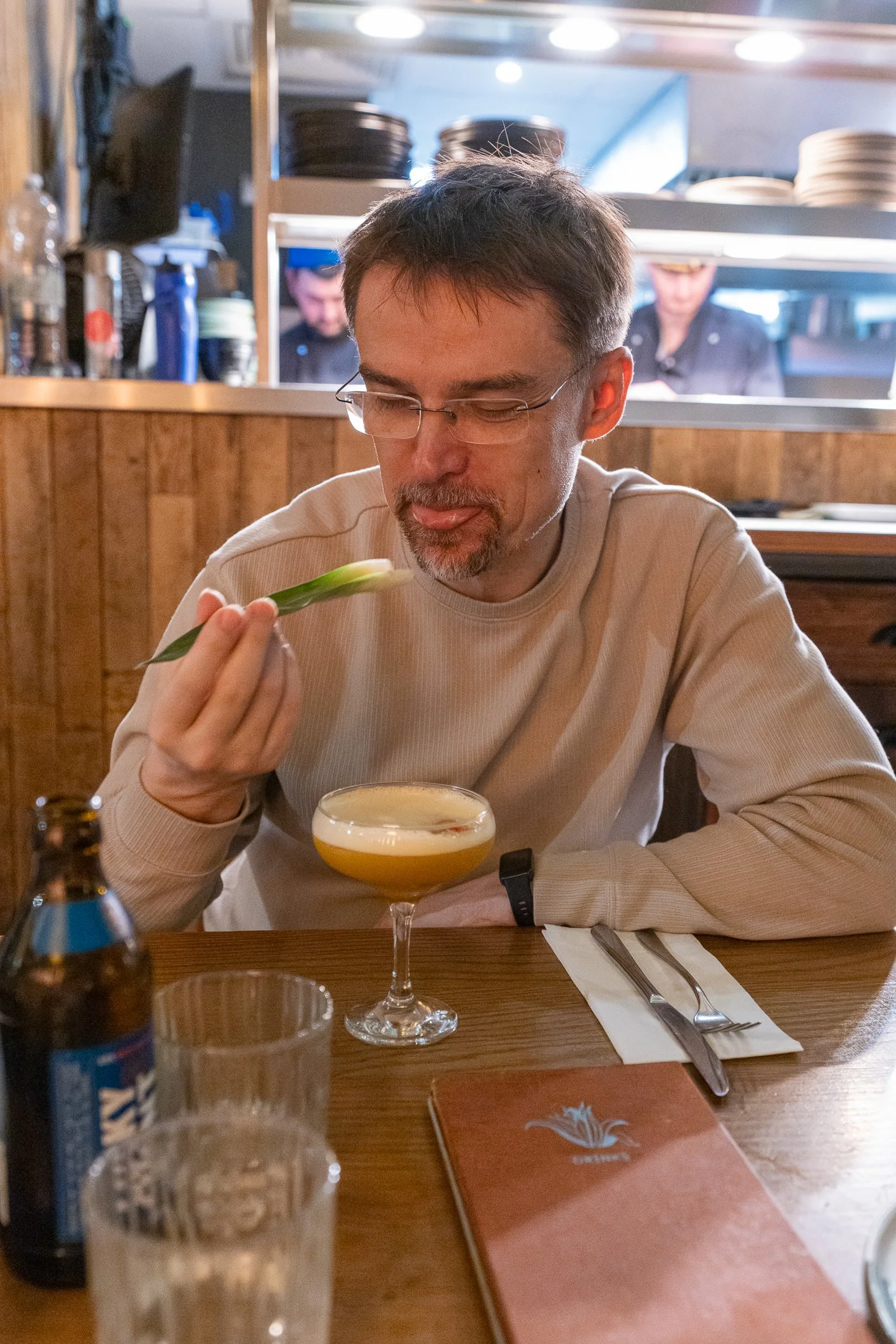
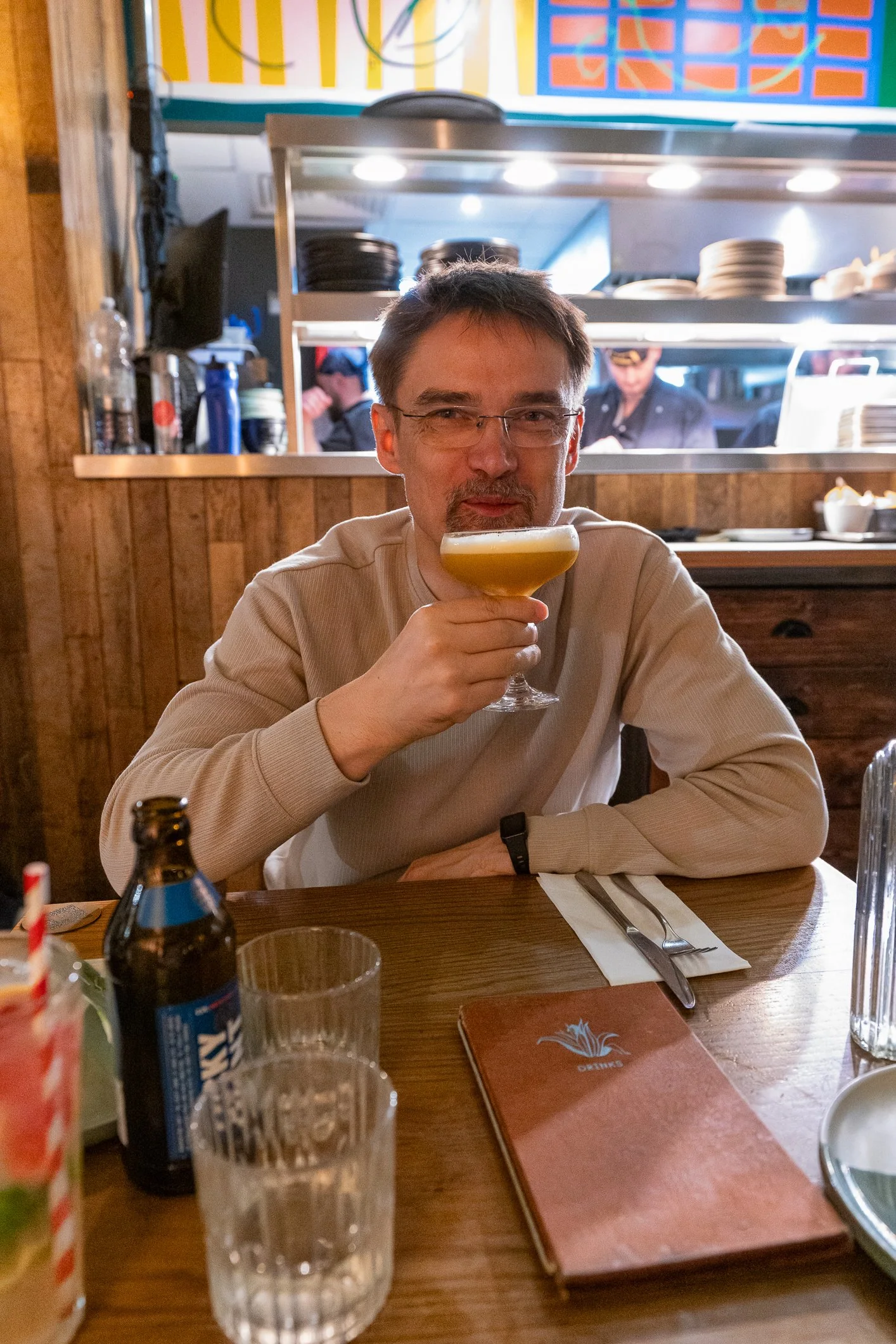
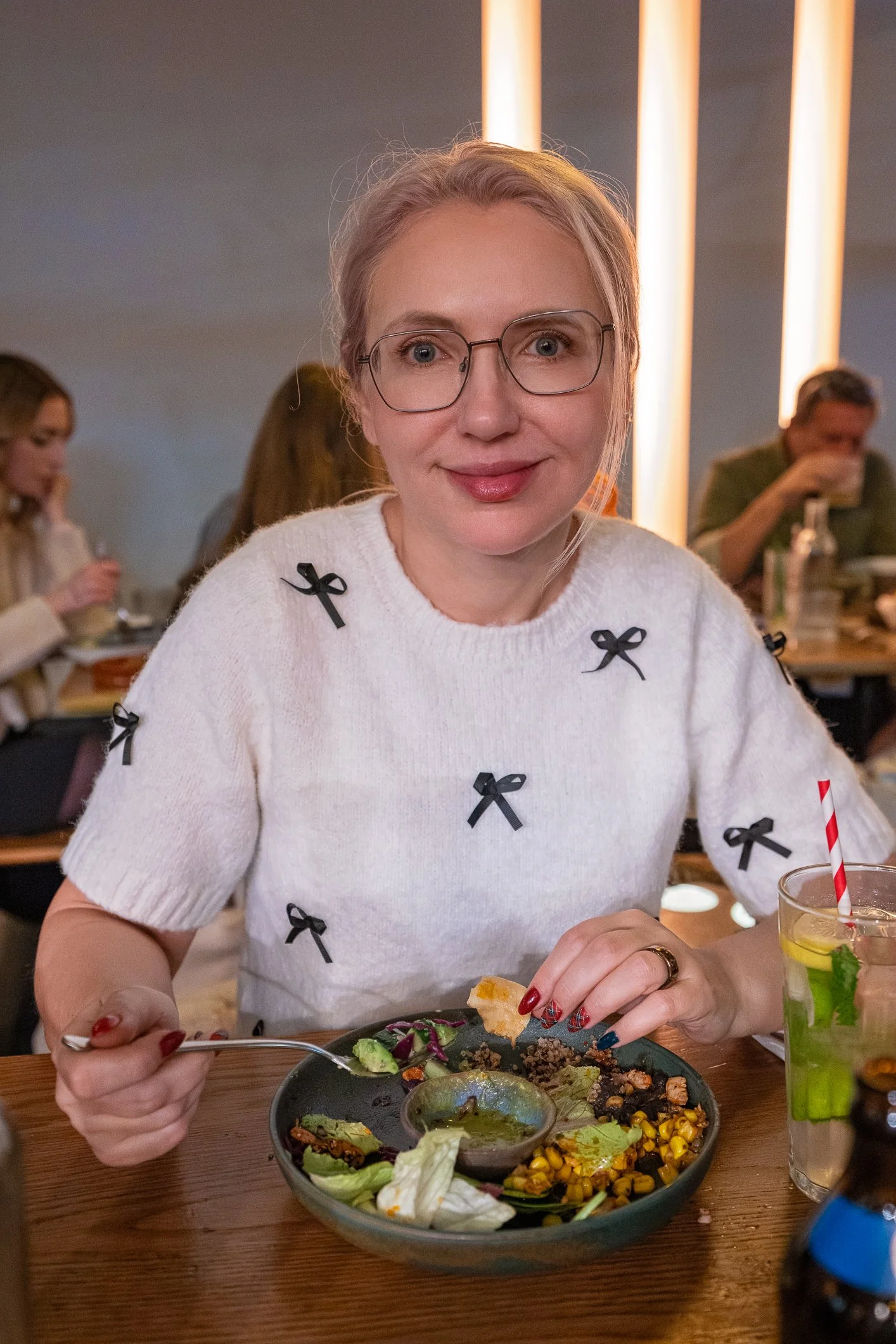
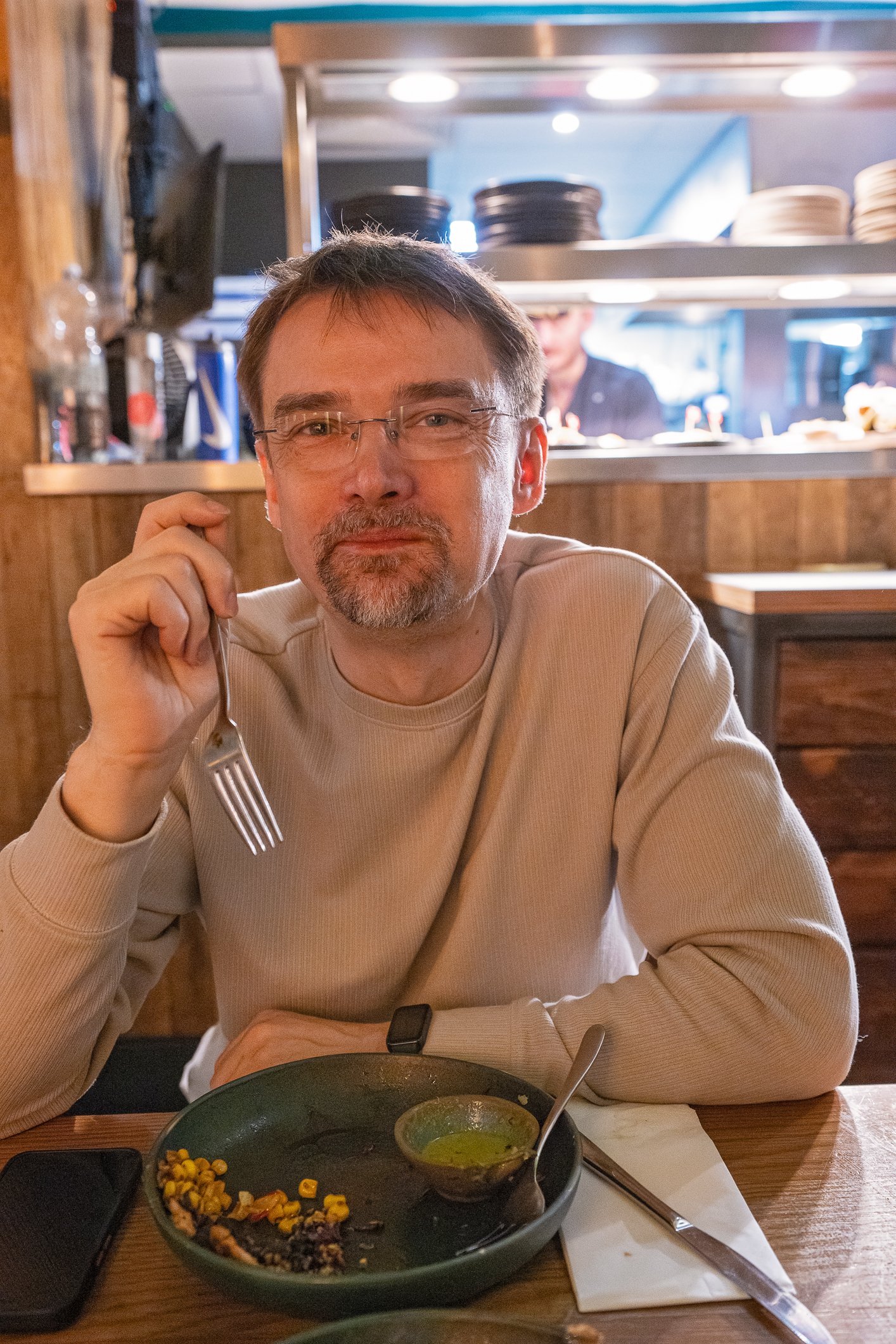
The menu offers a variety of fresh, street-food style Mexican dishes. Do not confuse it with the heavy, cheesy plates common in Tex-Mex, but instead think soft corn tortillas, smoky grilled flavours and fresh salsas. We immediately know what we want, even though many options are tempting. The Sunshine Bowls call our names. They are vibrant bowls of 30 plants, with avocado, corn, spinach, quinoa, black beans and a coconut and lime dressing. I choose grilled chicken, while Marcin goes for halloumi. They look beautiful and taste even better. I also order a Three Citrus Fizz, pink grapefruit, lime and lemon served sparkling over ice, while Marcin opts for a margarita and Lucky Saint.
Menu oferuje szeroki wybór świeżych, street foodowych dań kuchni meksykańskiej. Nie chodzi tu o ciężkie, serowe potrawy znane jako Tex-Mex, raczej zaś o miękkie kukurydziane tortille, dymne grillowane smaki i świeże salsy. Od razu wiemy, co chcemy zamówić, choć wiele propozycji w menu naprawdę kusi. Sunshine Bowls wołają do nas najgłośniej. To kolorowe miski pełne aż 30 roślin, z awokado, kukurydzą, szpinakiem, komosą ryżową, czarną fasolą i kokosowo-limonkowym dressingiem. Ja wybieram wersję z grillowanym kurczakiem, a Marcin z halloumi. Wyglądają pięknie i smakują jeszcze lepiej. Do tego zamawiam Three Citrus Fizz, różowy grejpfrut, limonkę i cytrynę podane na lodzie z bąbelkami, a Marcin decyduje się na margaritę i Lucky Saint.

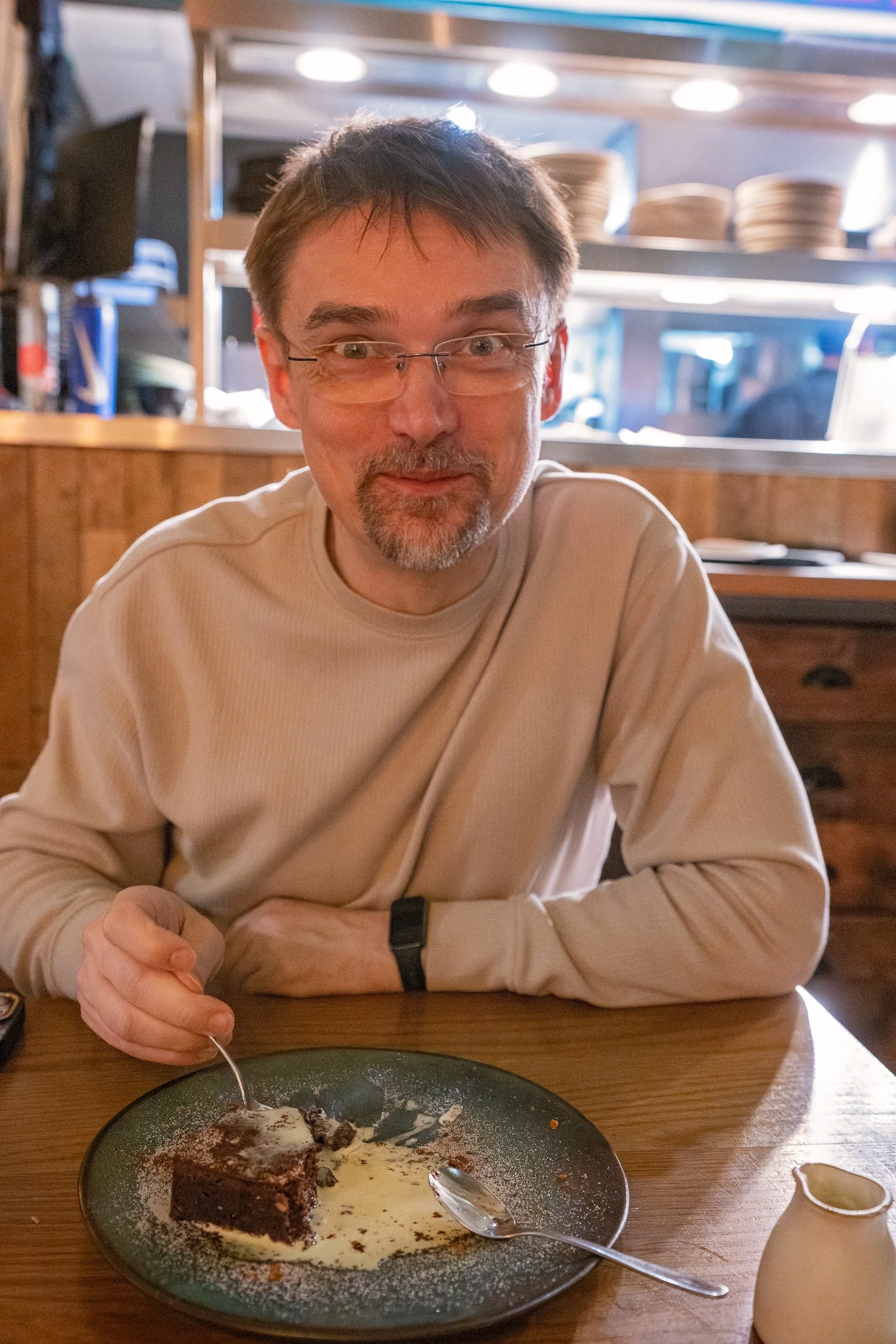
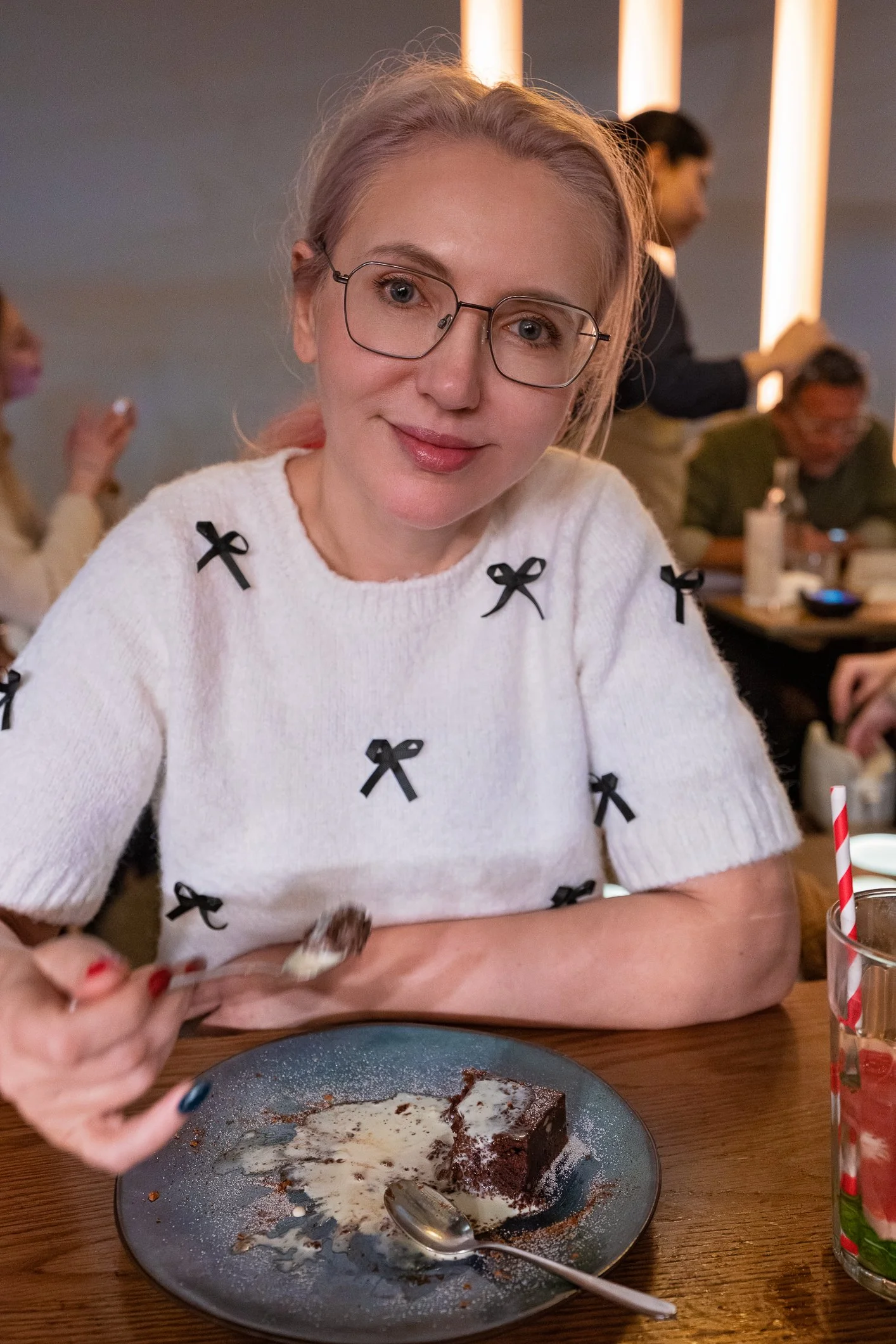
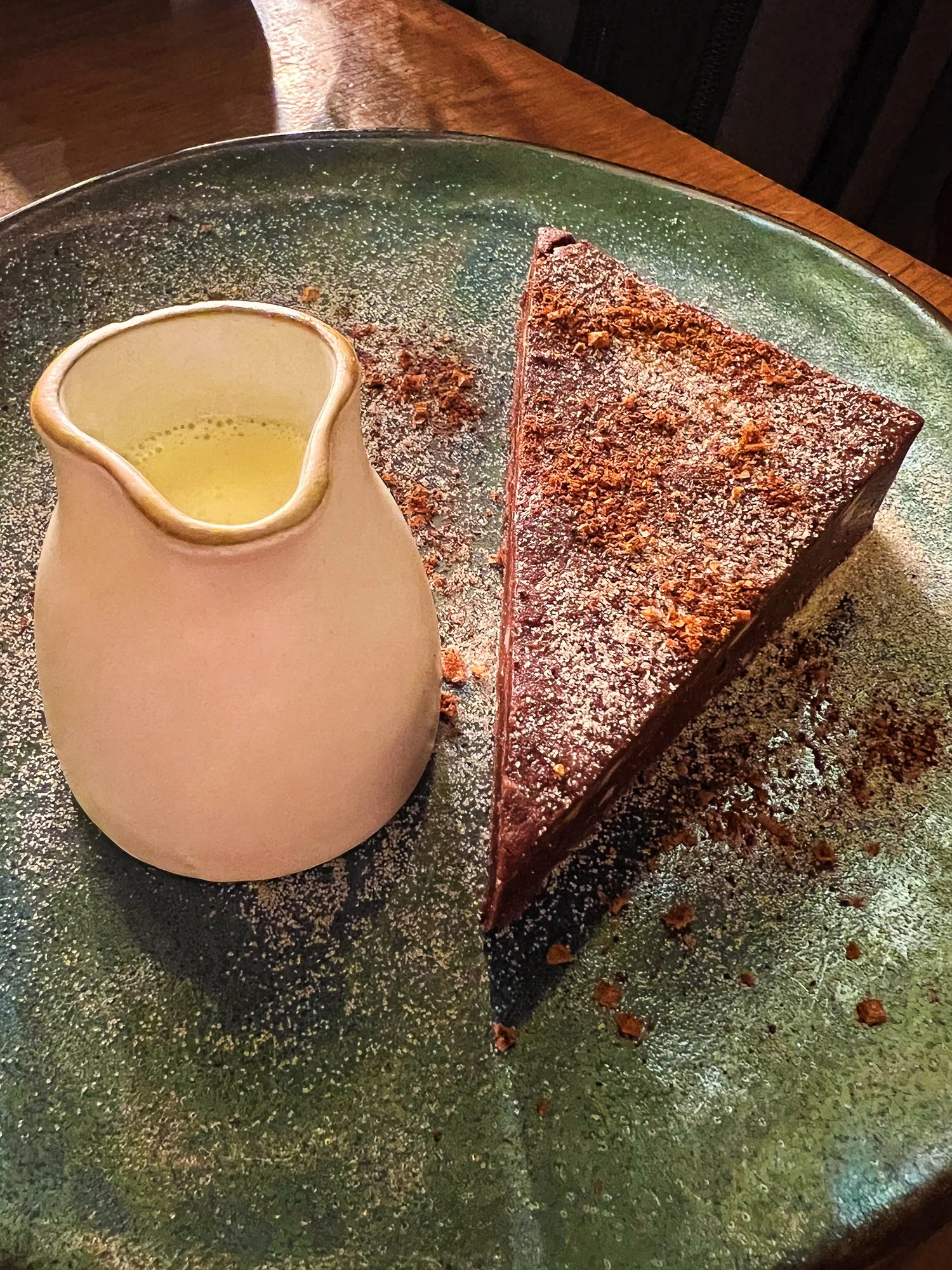
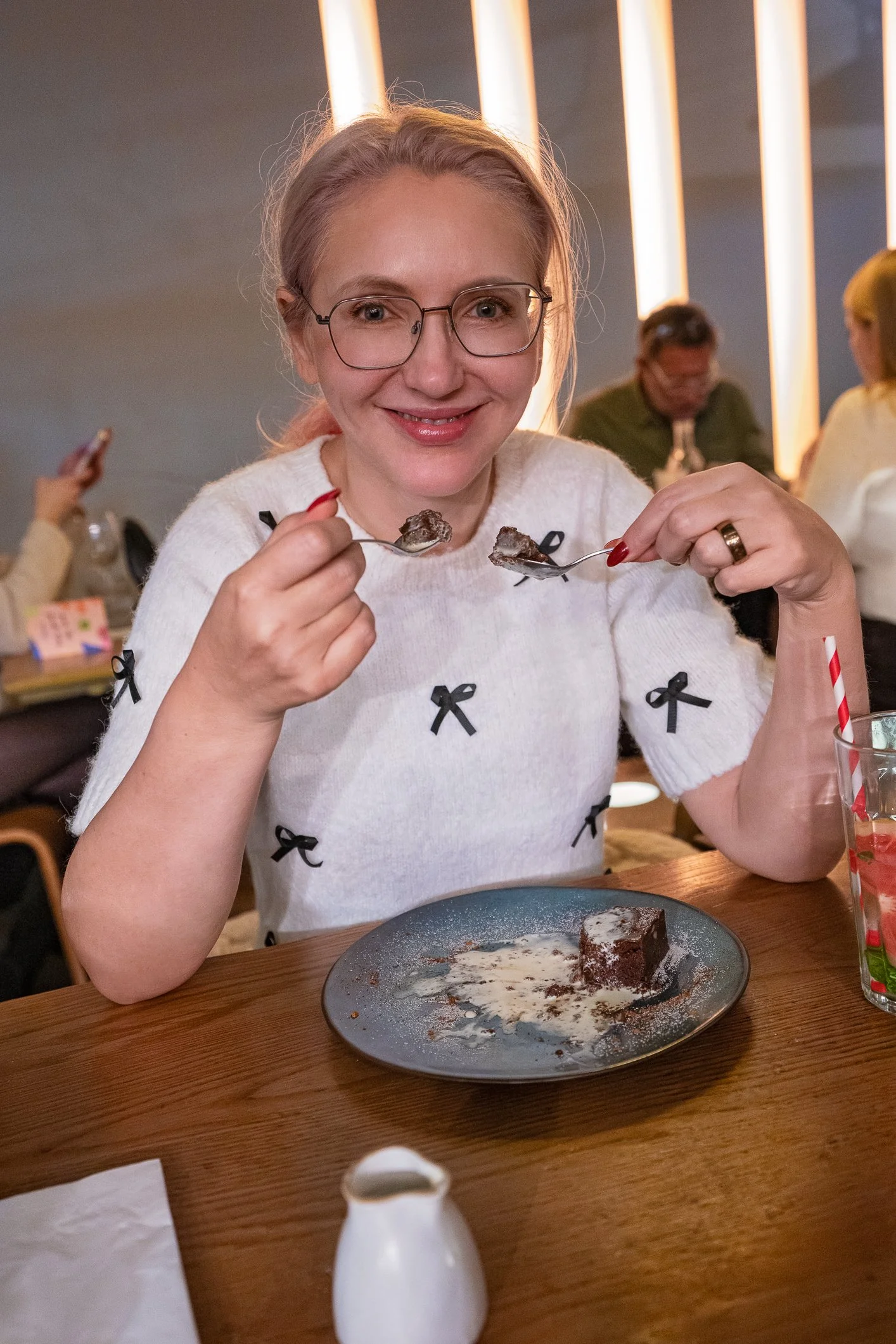
For dessert, we decide on the Warm Chocolate and Pecan Cake, a dense, moist cake featuring toasted sesame and ancho sugar, served with a unique, very slightly alcoholic whipped tequila cream, Earl Grey tea and coffee. I am officially a fan of Wahaca after this first visit. It was so good that I now want to visit all the Wahacas.
Na deser wybieramy ciepłe ciasto czekoladowo-pekanowe, gęste i wilgotne, z dodatkiem prażonego sezamu i cukru ancho, podawane z wyjątkowym, lekko alkoholowym kremem z tequilą. Oczywiście do tego herbata Earl Greyem i kawa. Po tej pierwszej wizycie zostałam oficjalną fanką Wahaki. Jedzenie było tak dobre, że teraz chcę odwiedzić wszystkie Wahaki w Londynie.