Morocco

Dinner

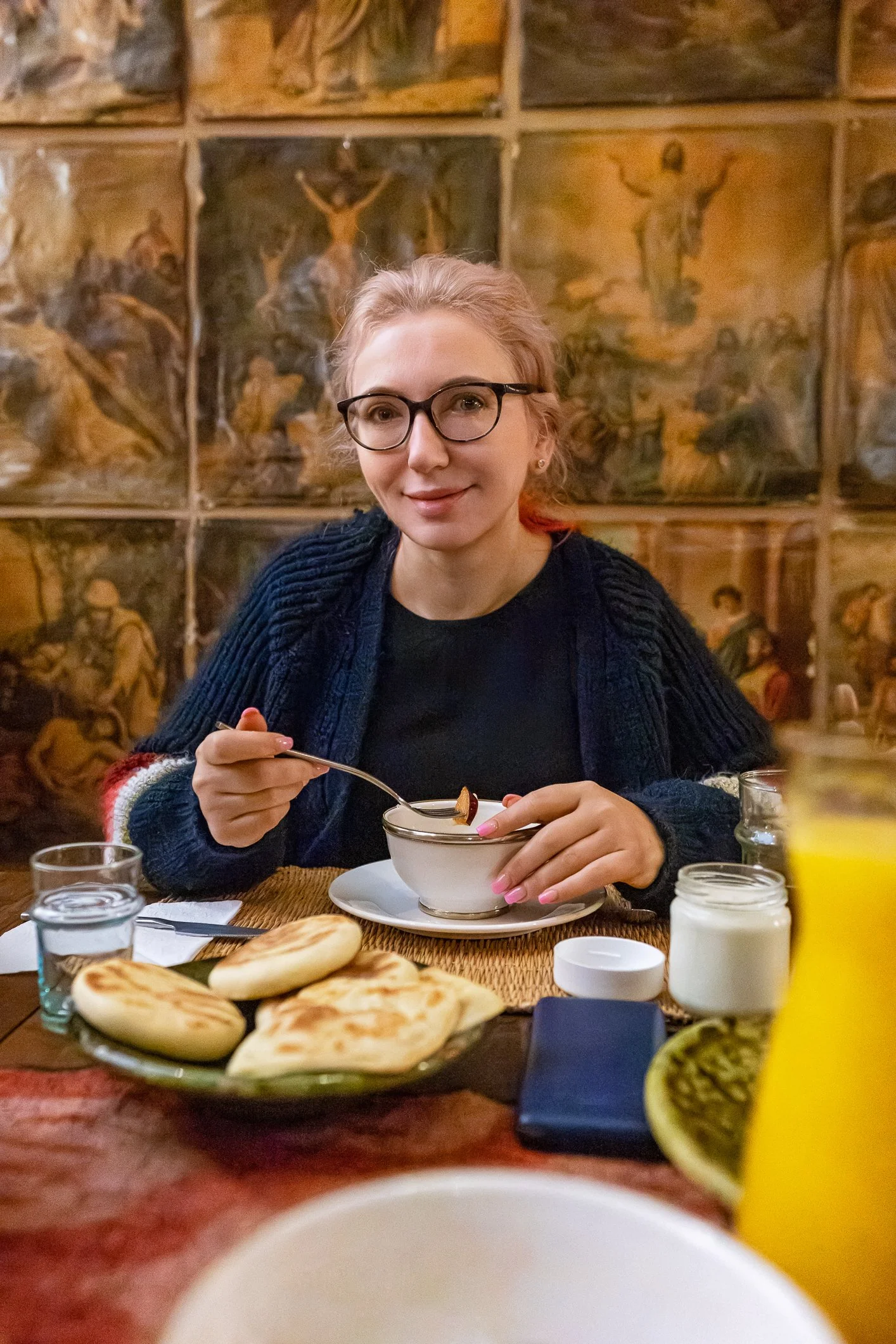
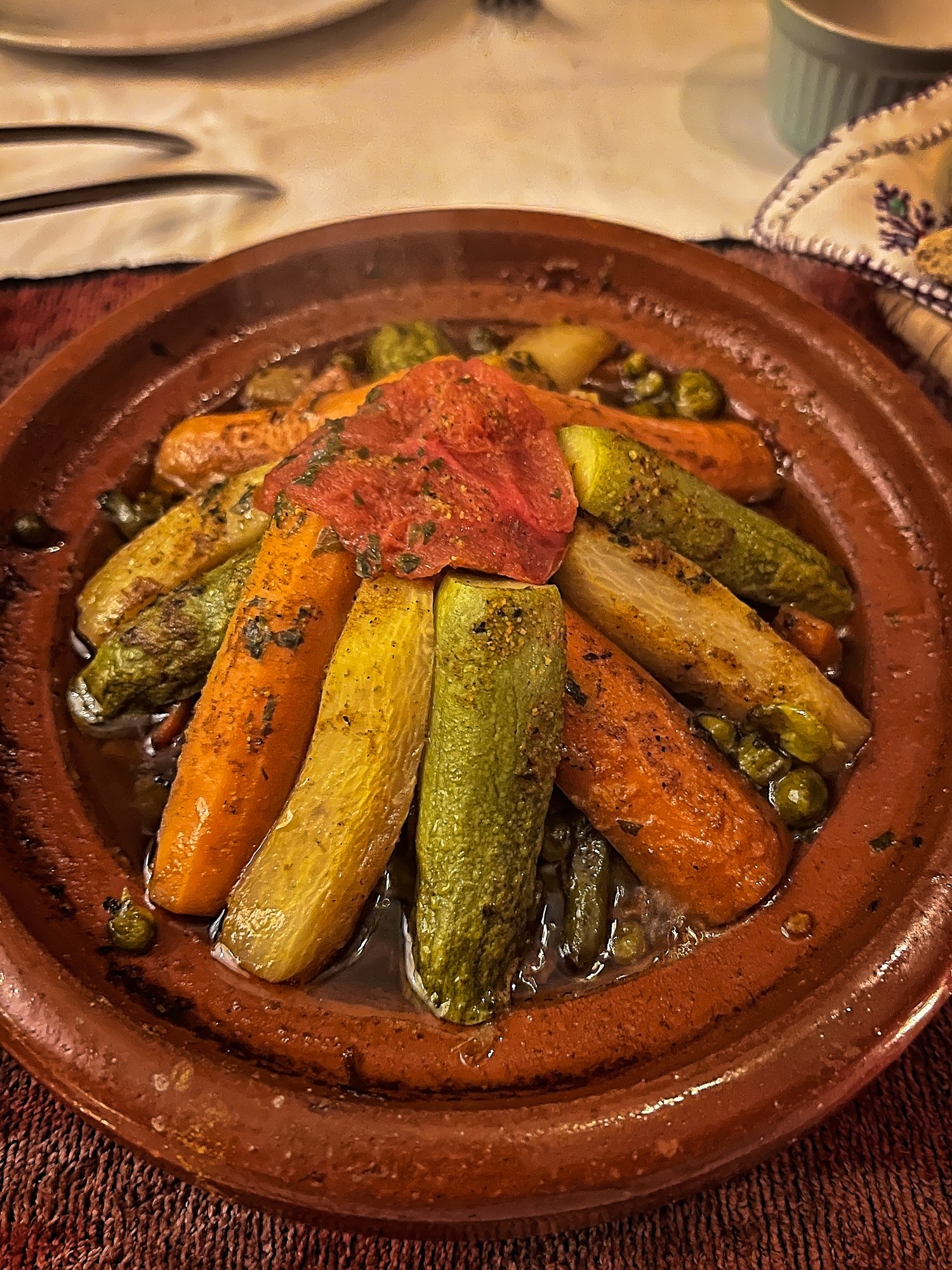
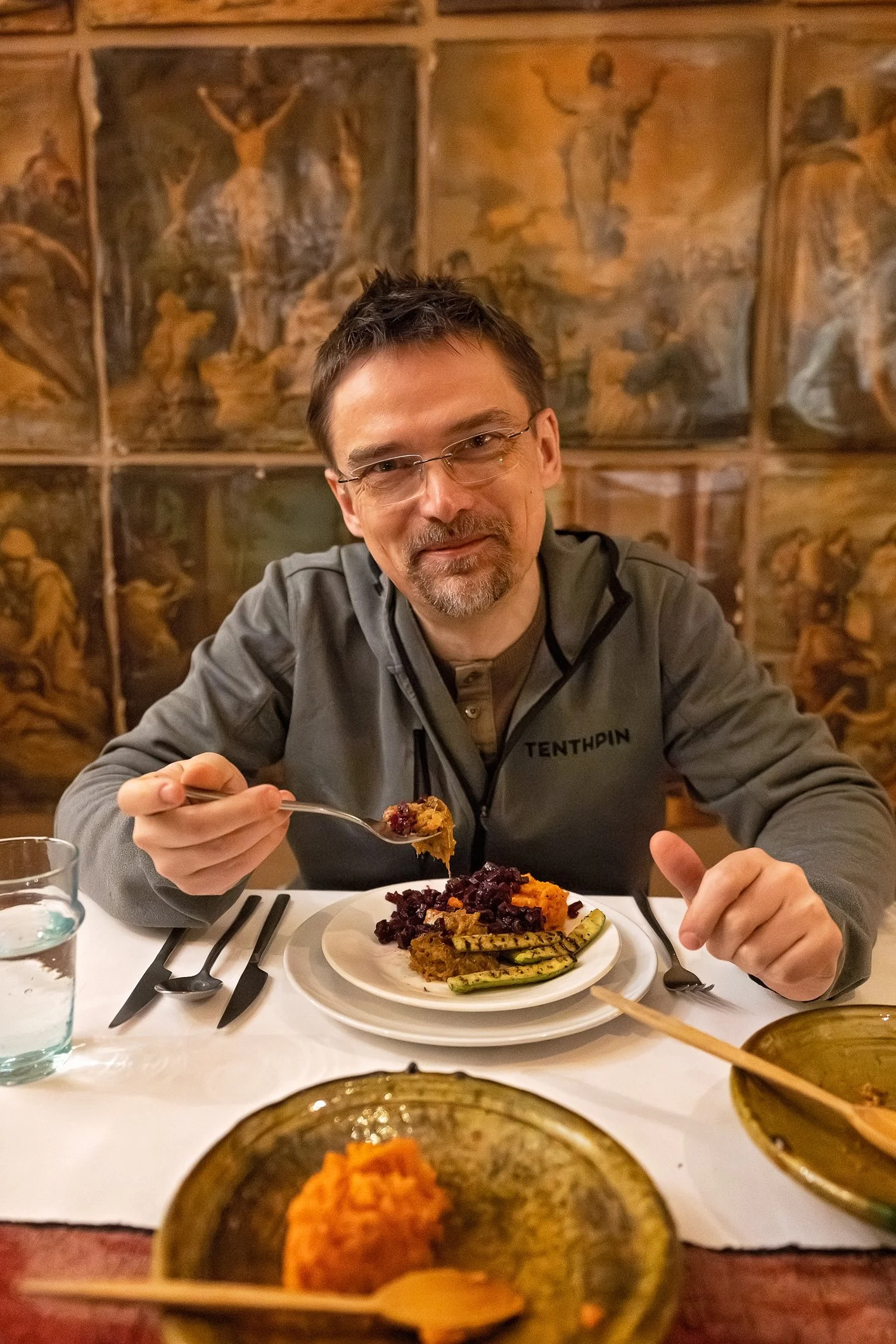
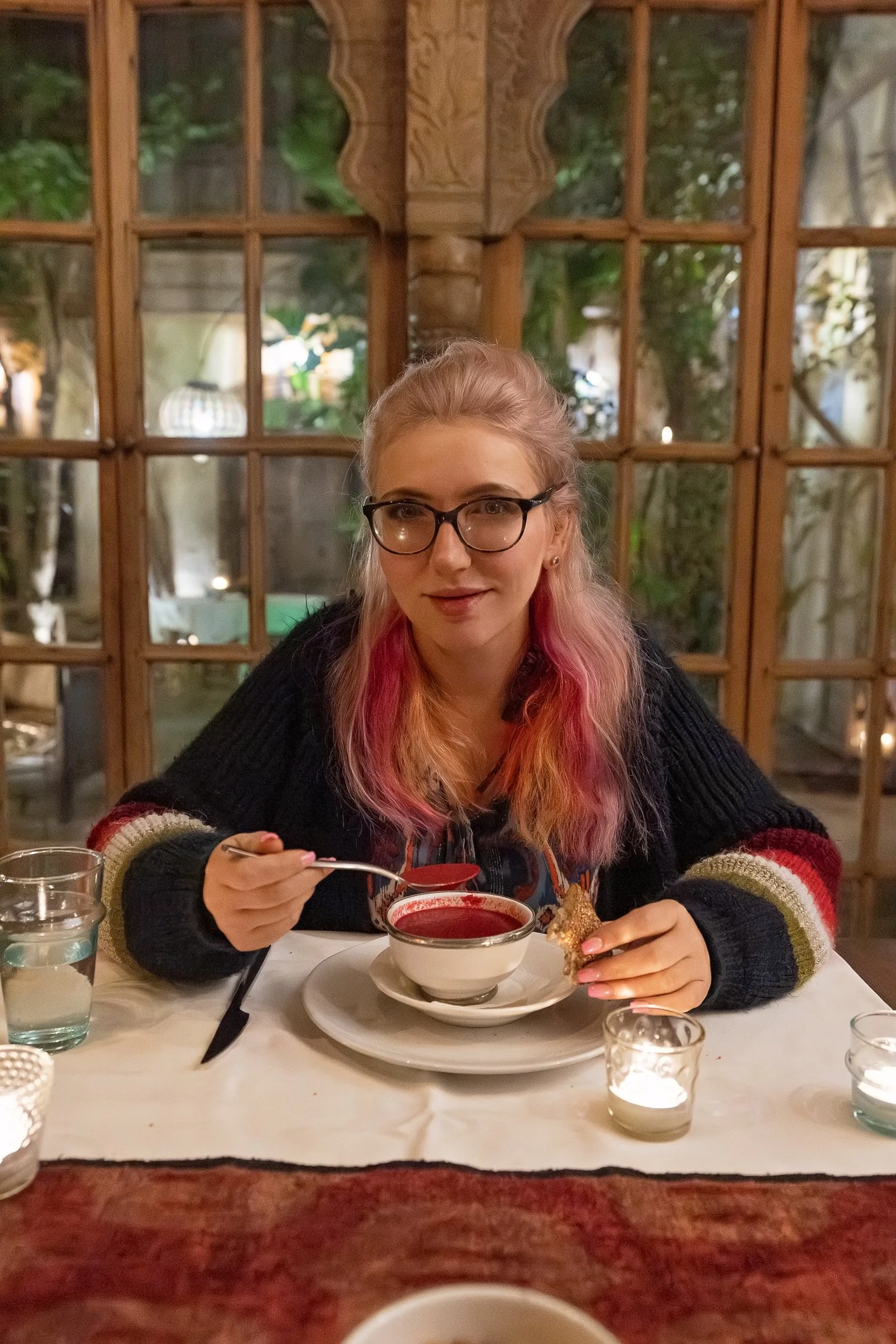
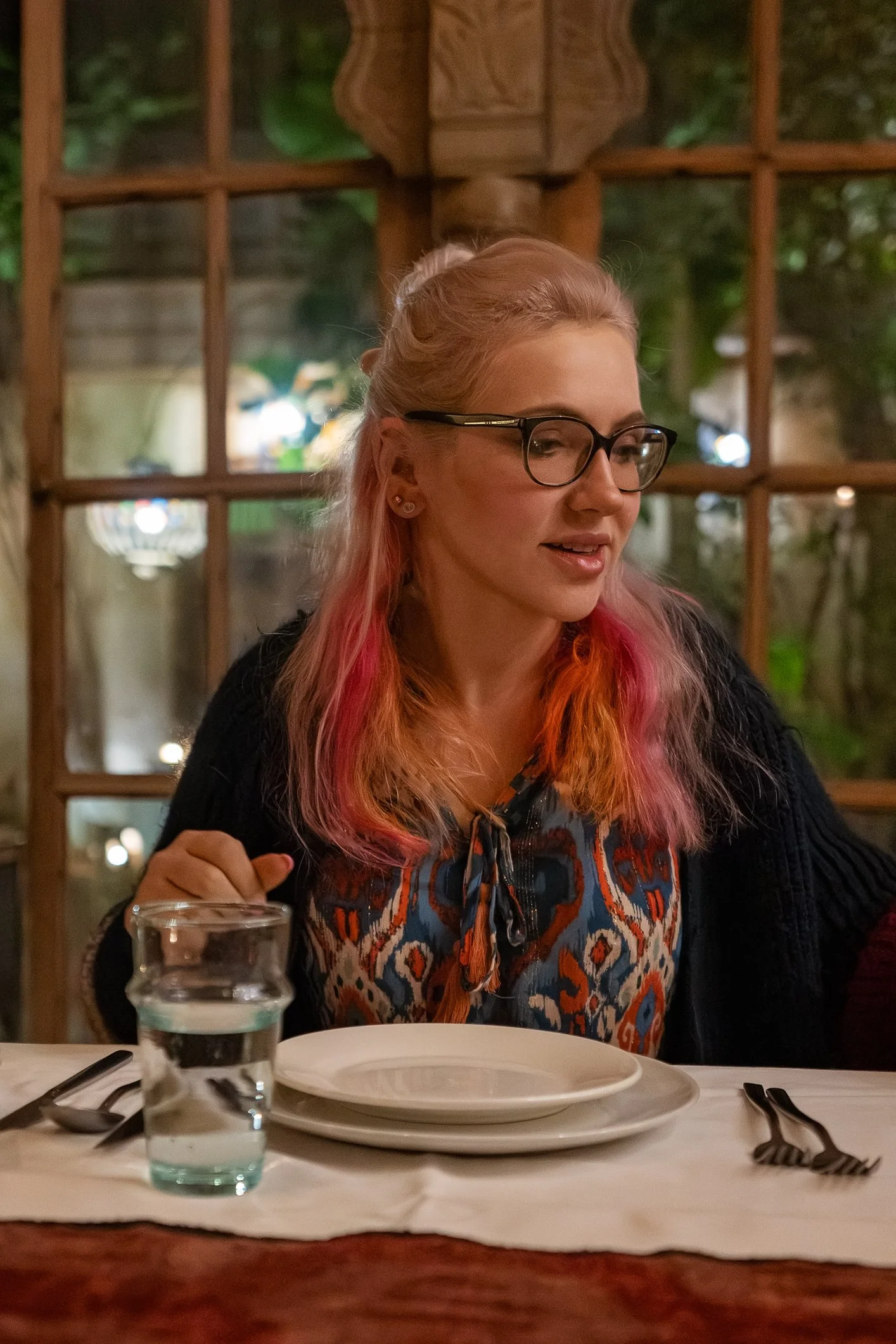
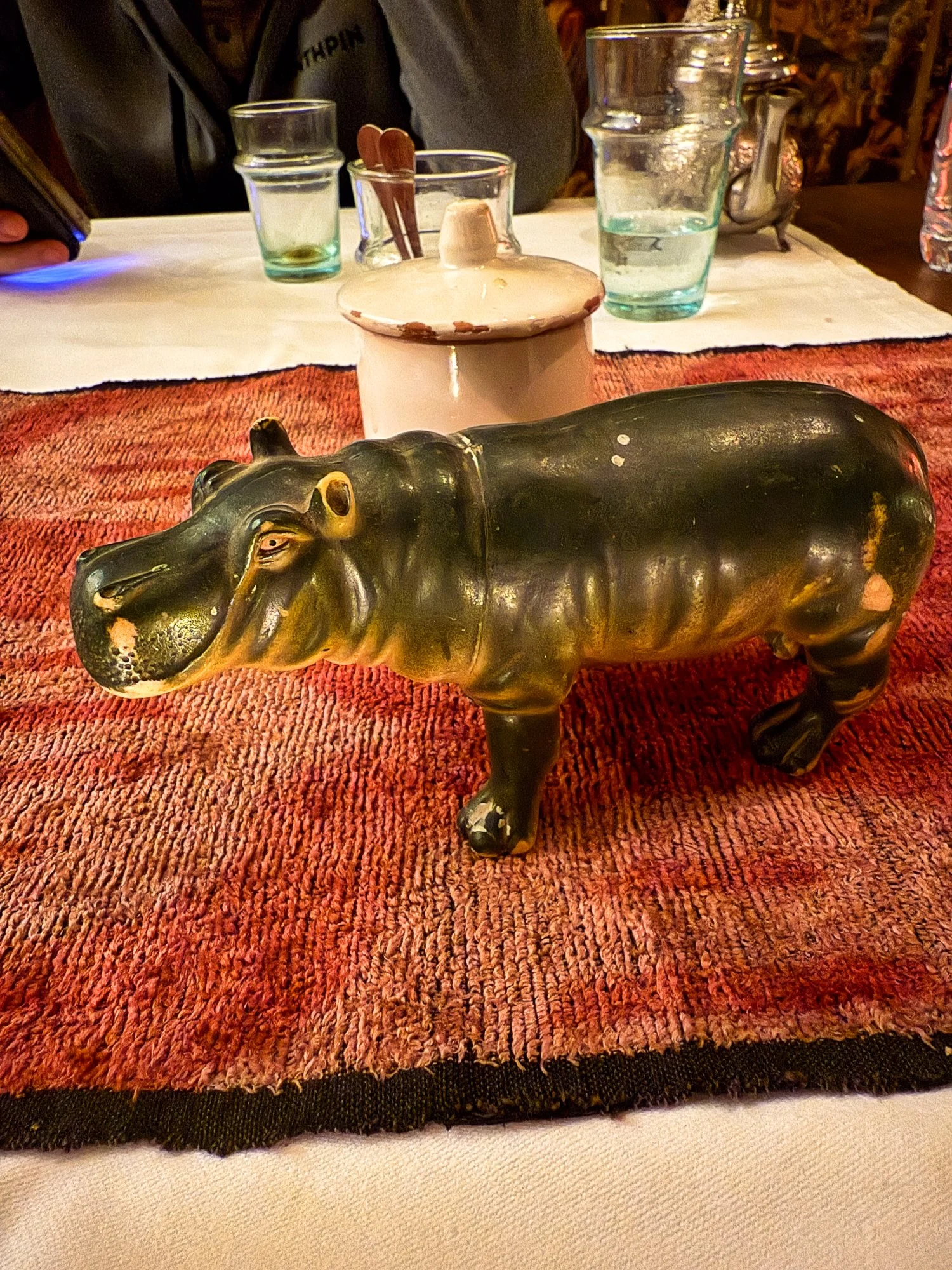
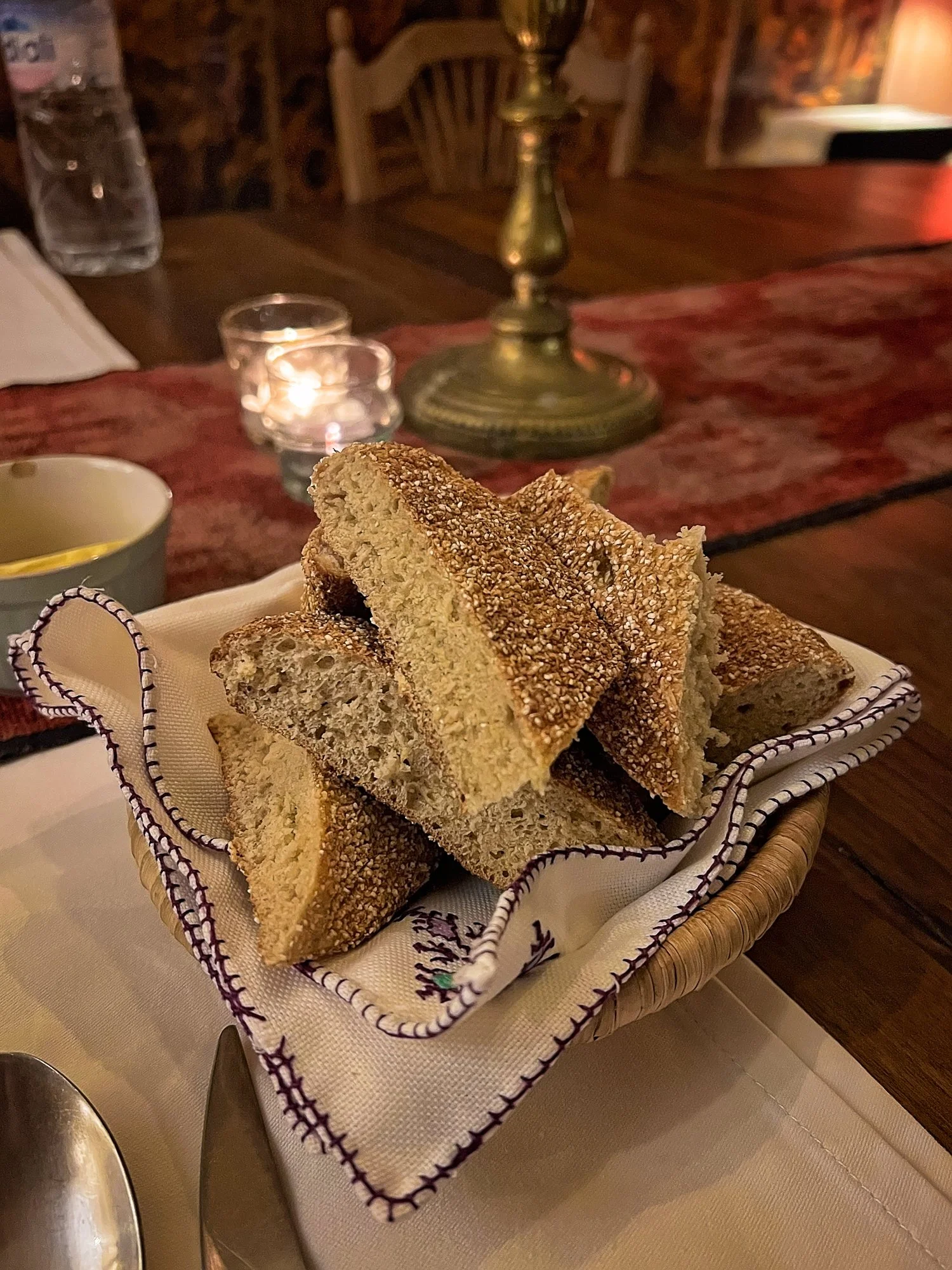
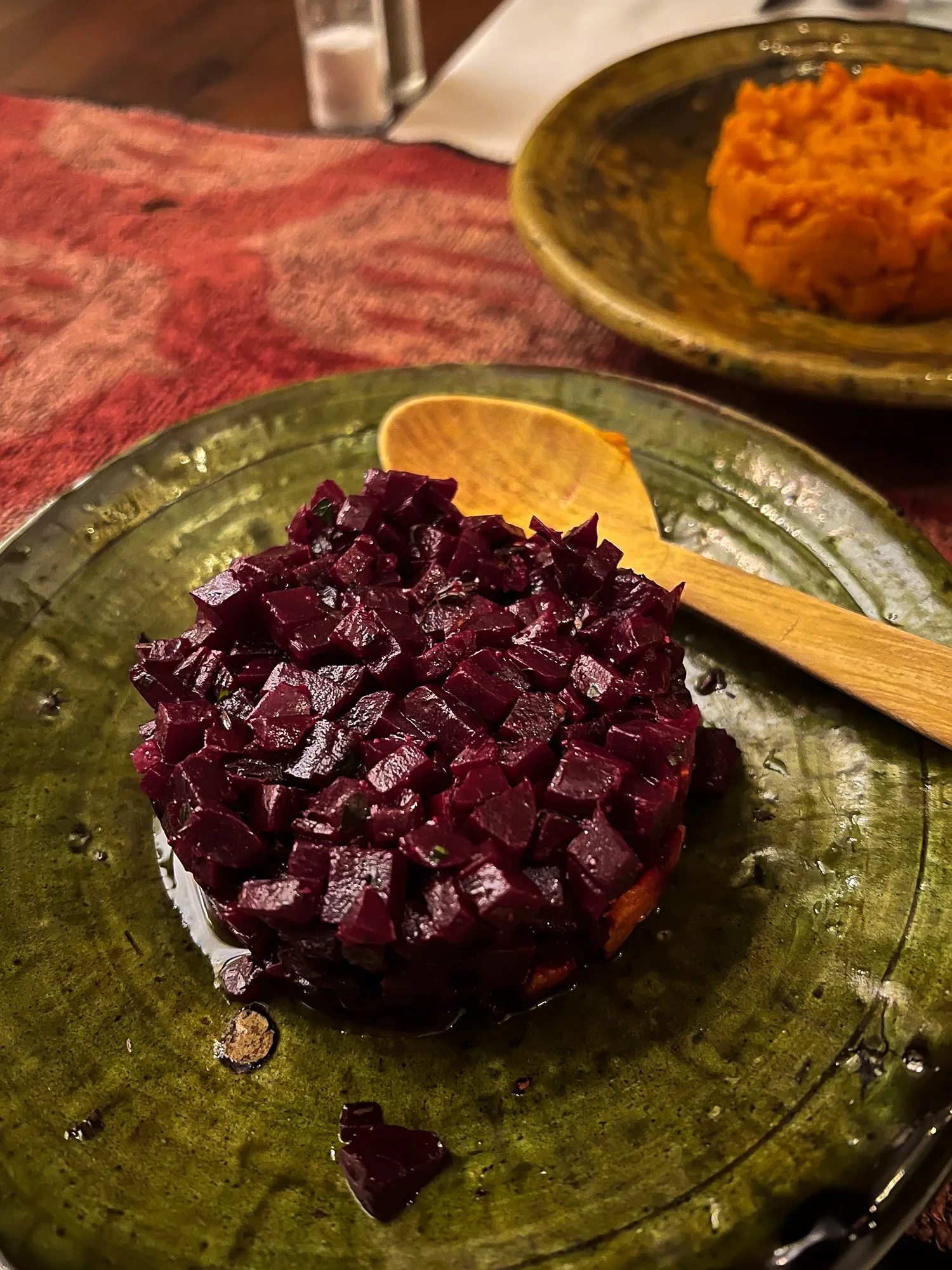
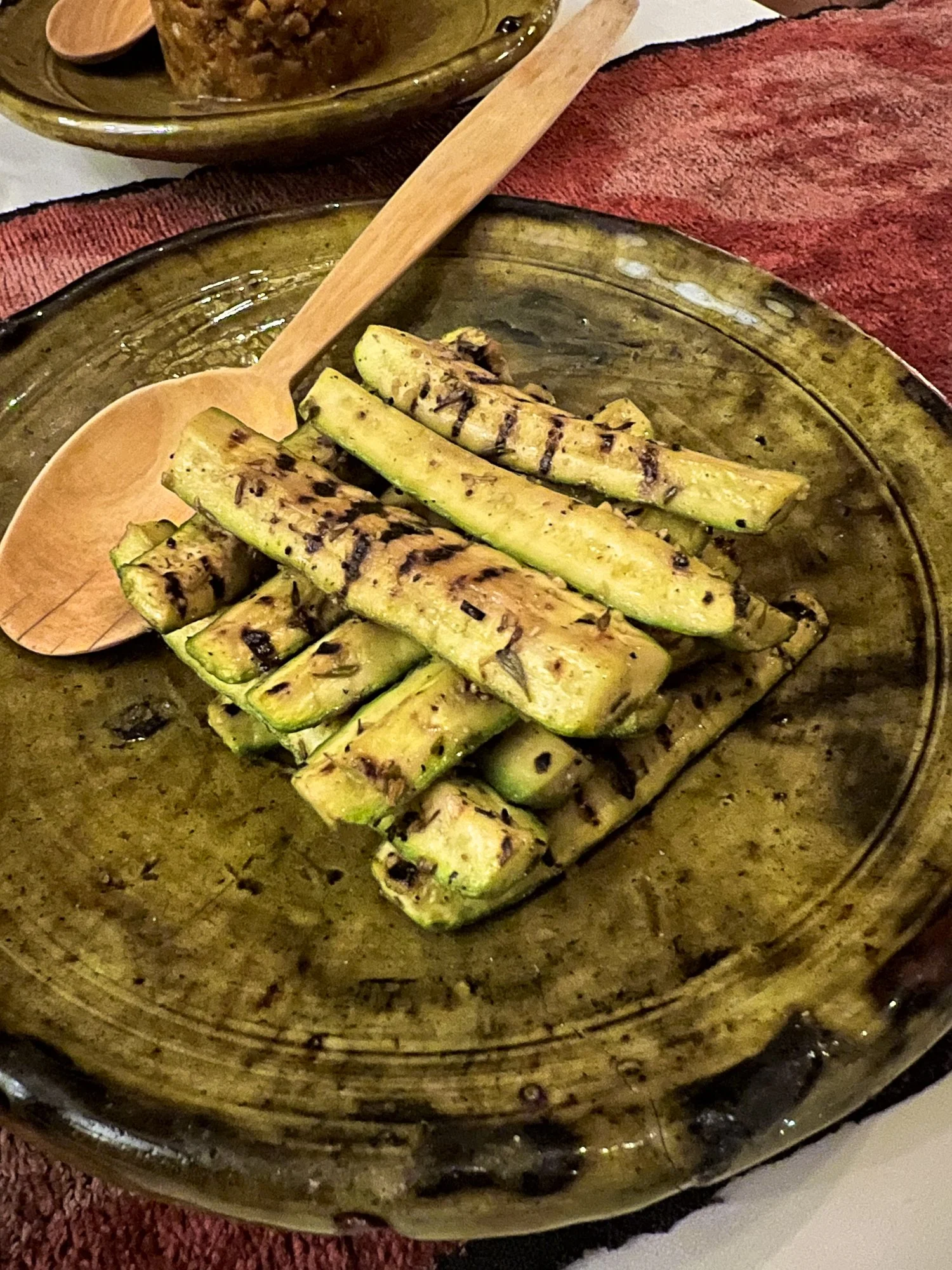
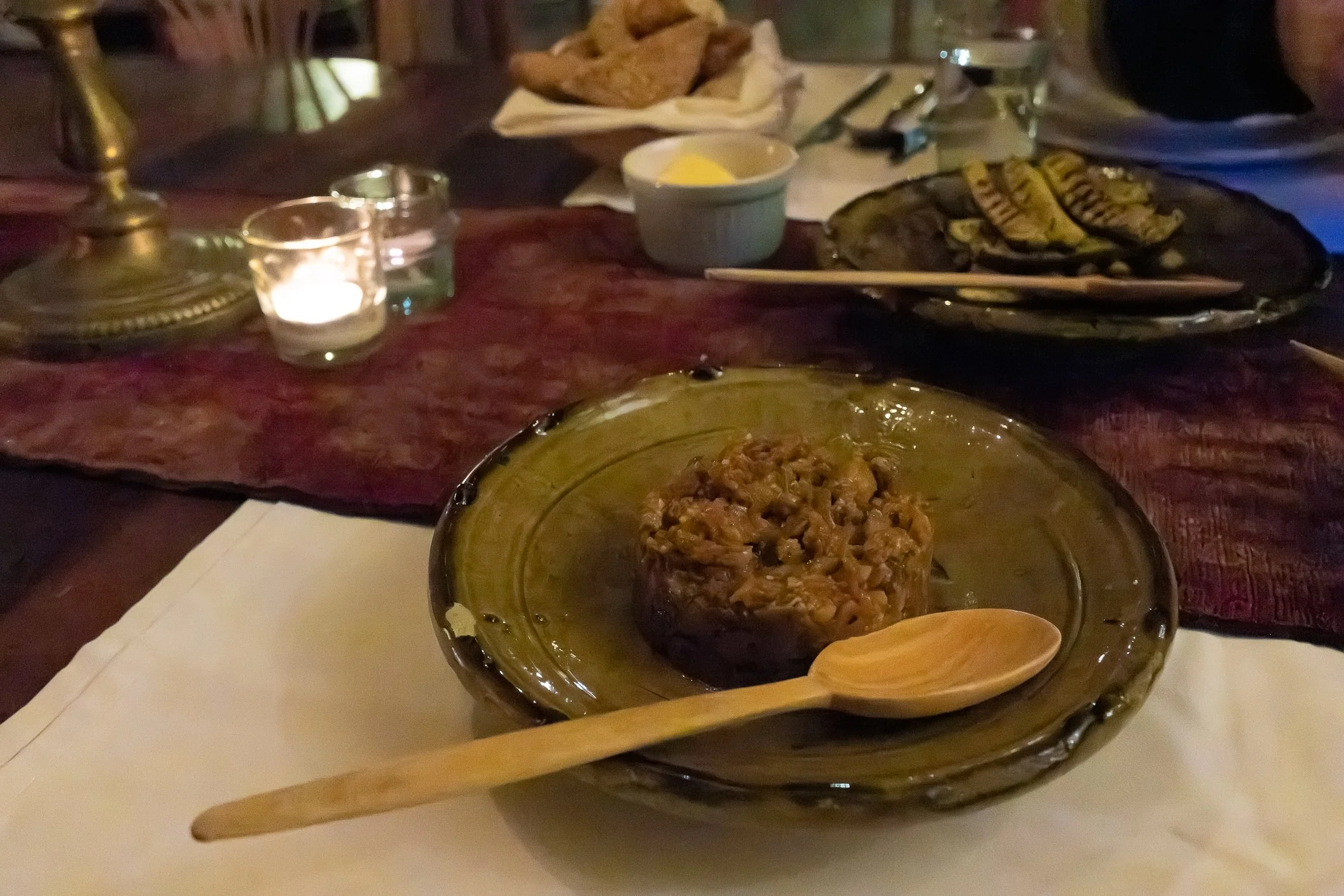
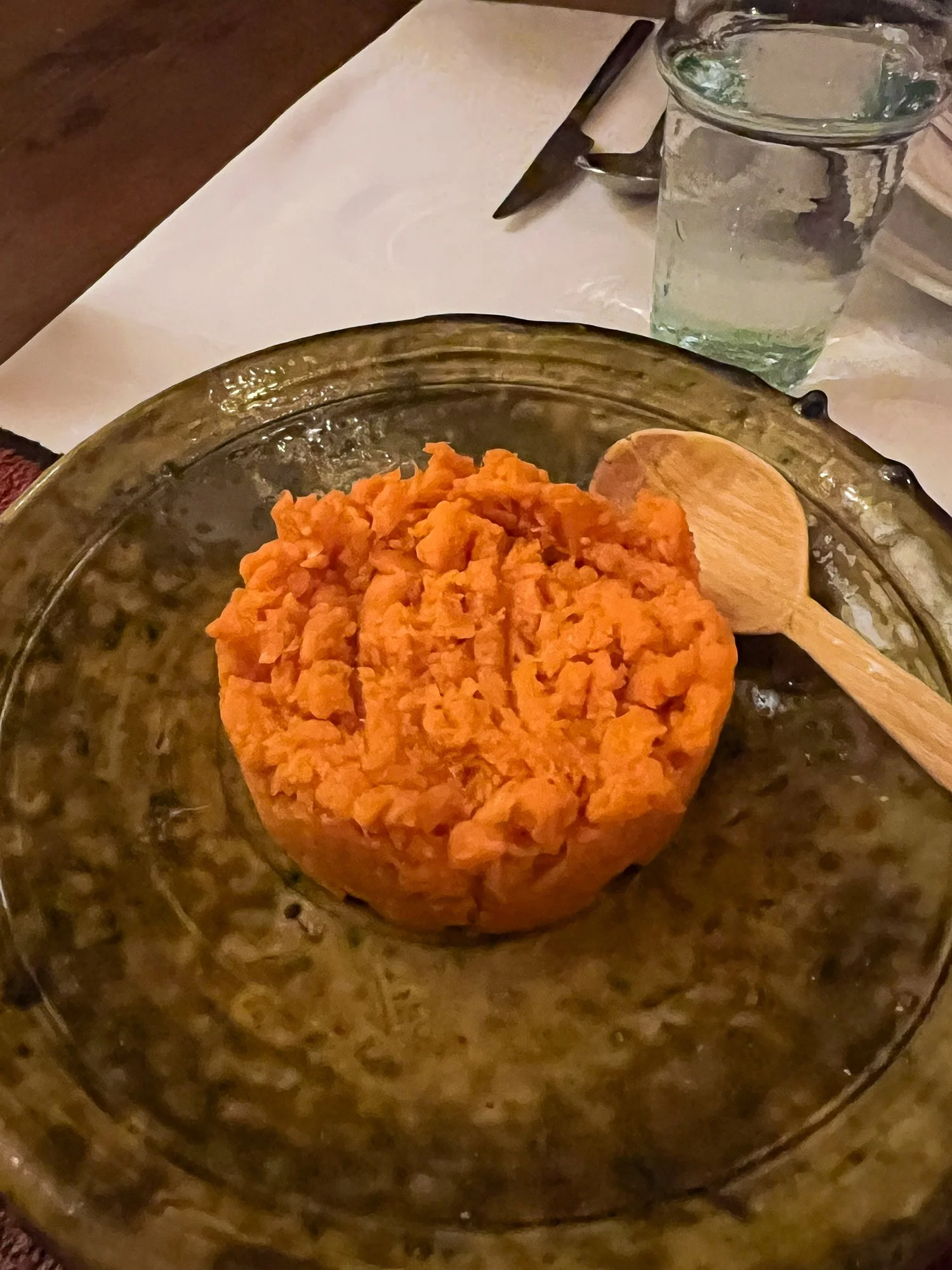
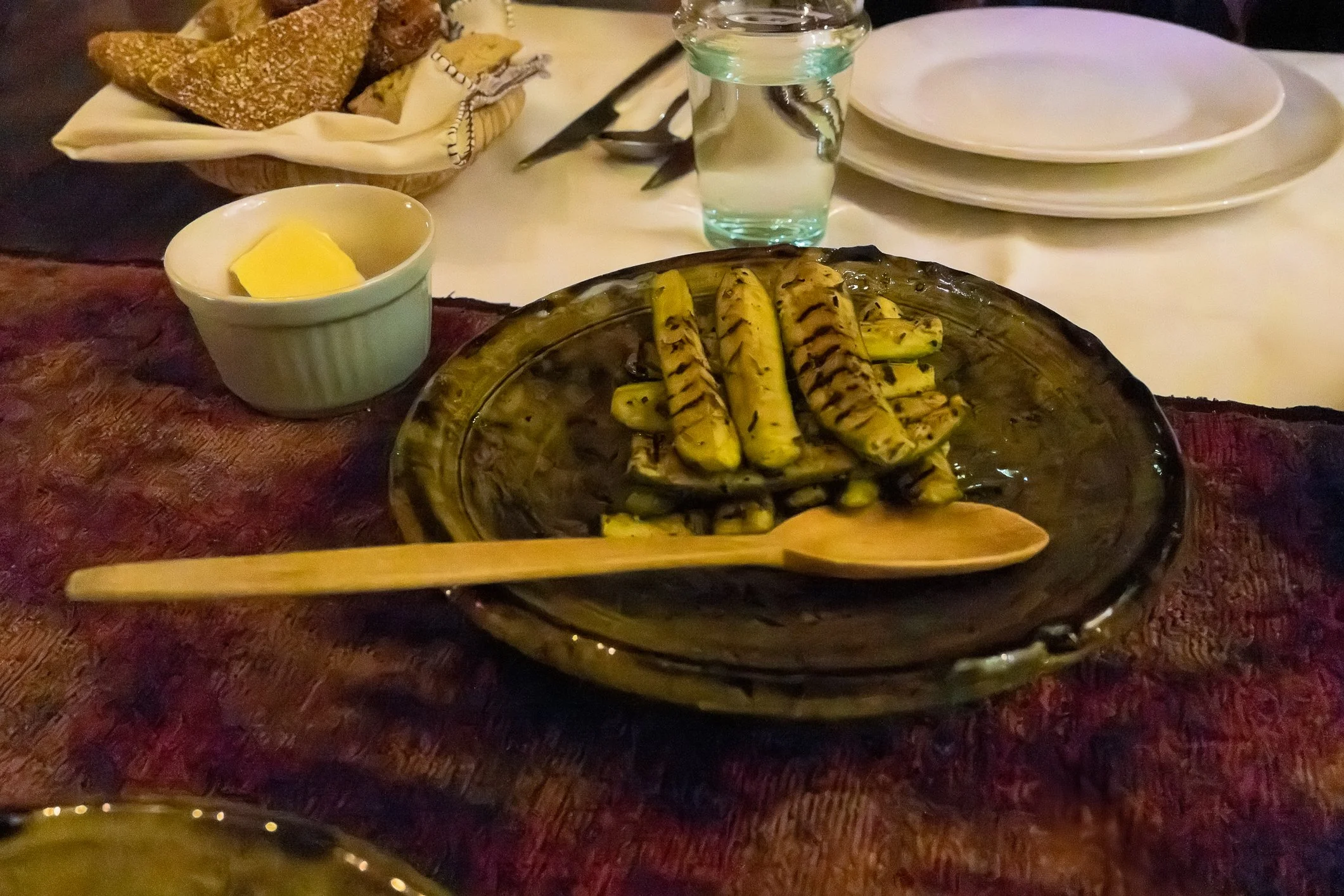
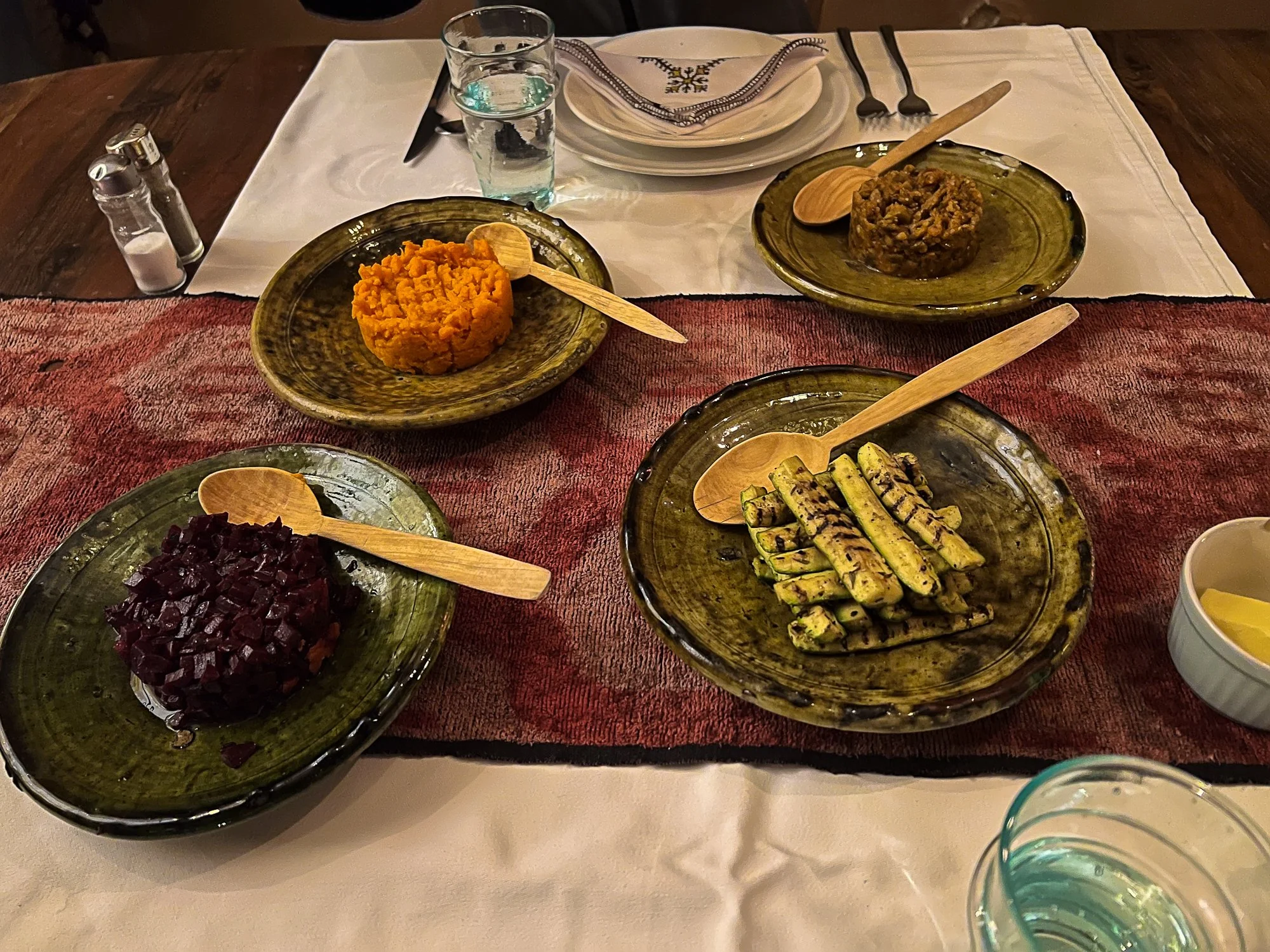
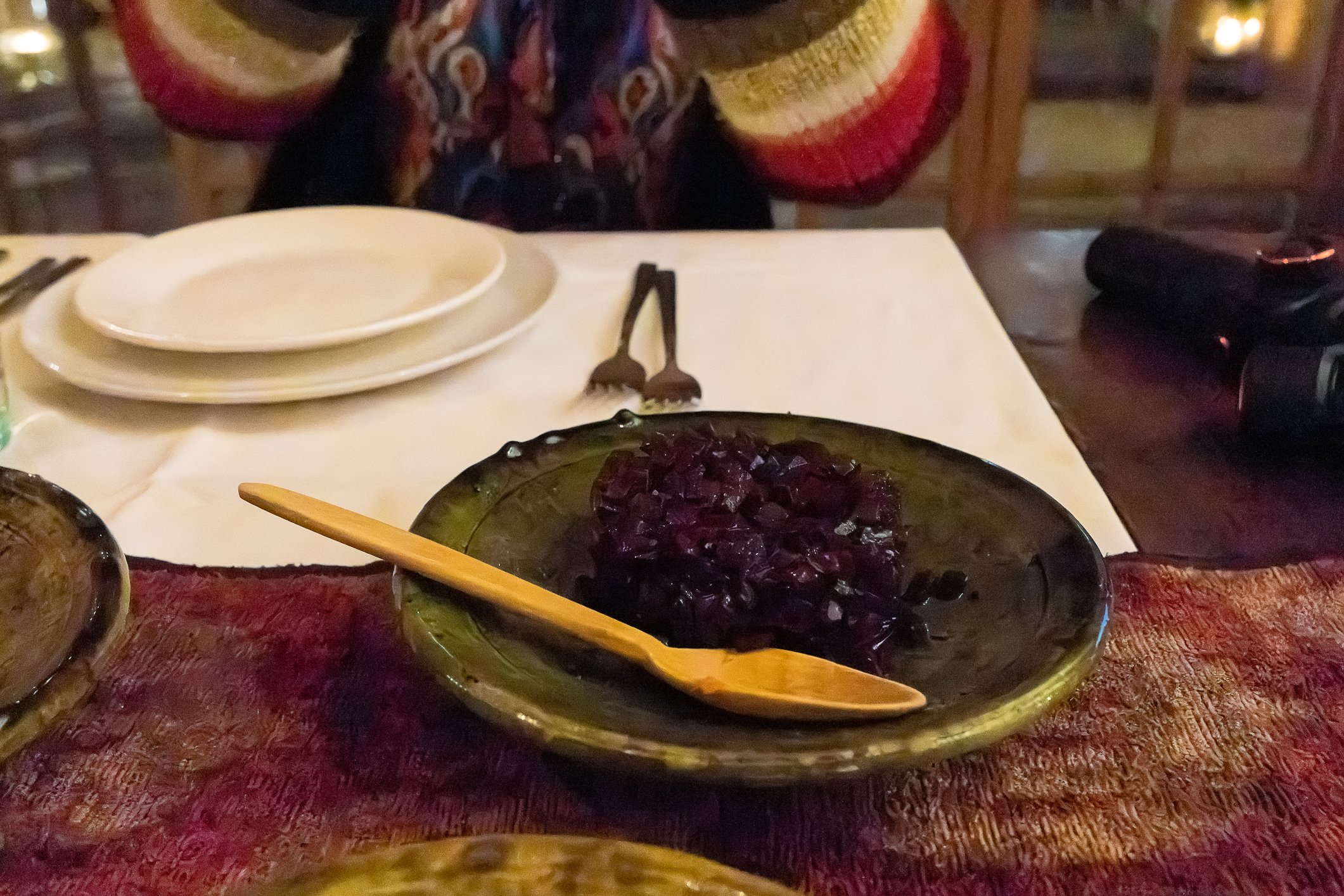
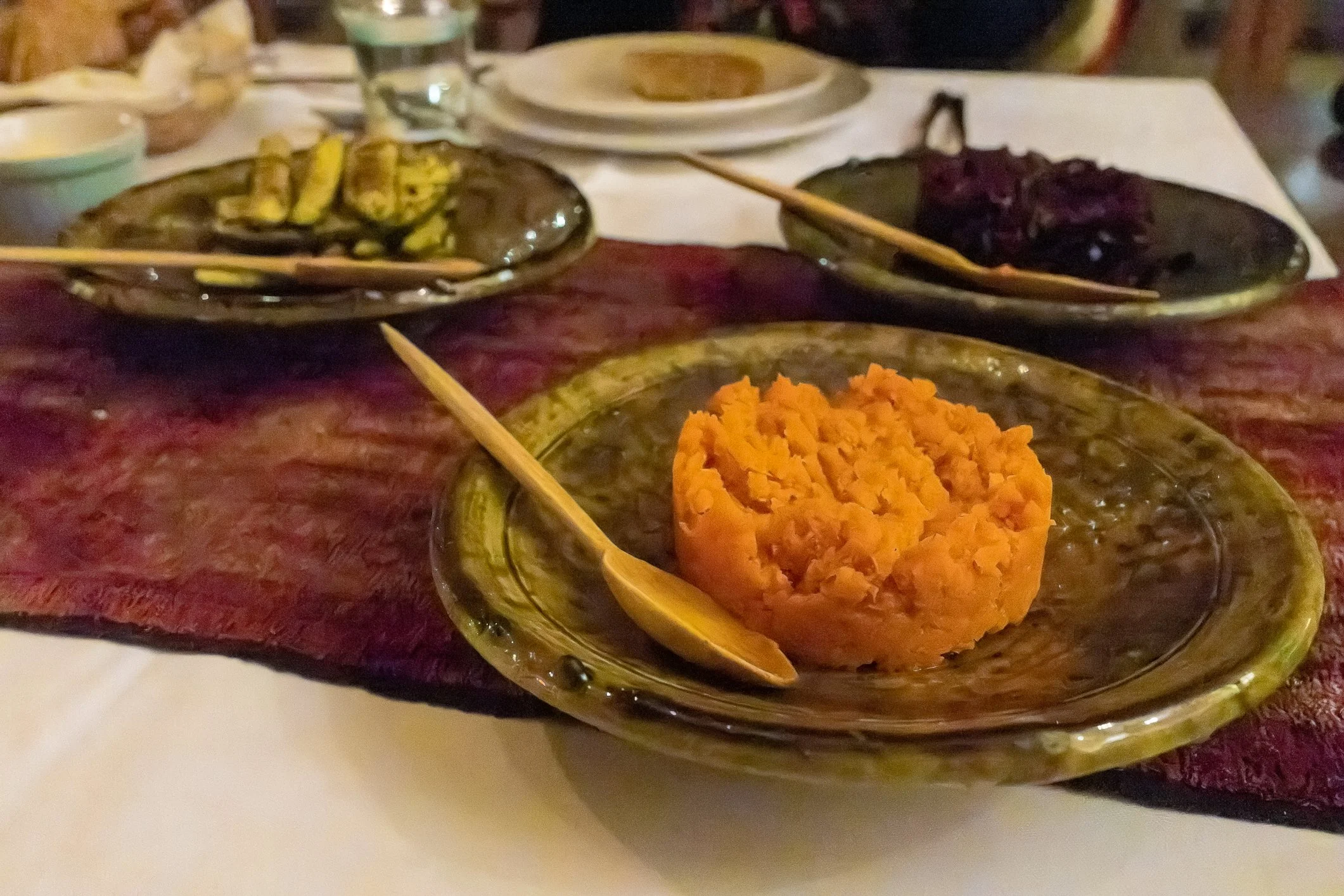
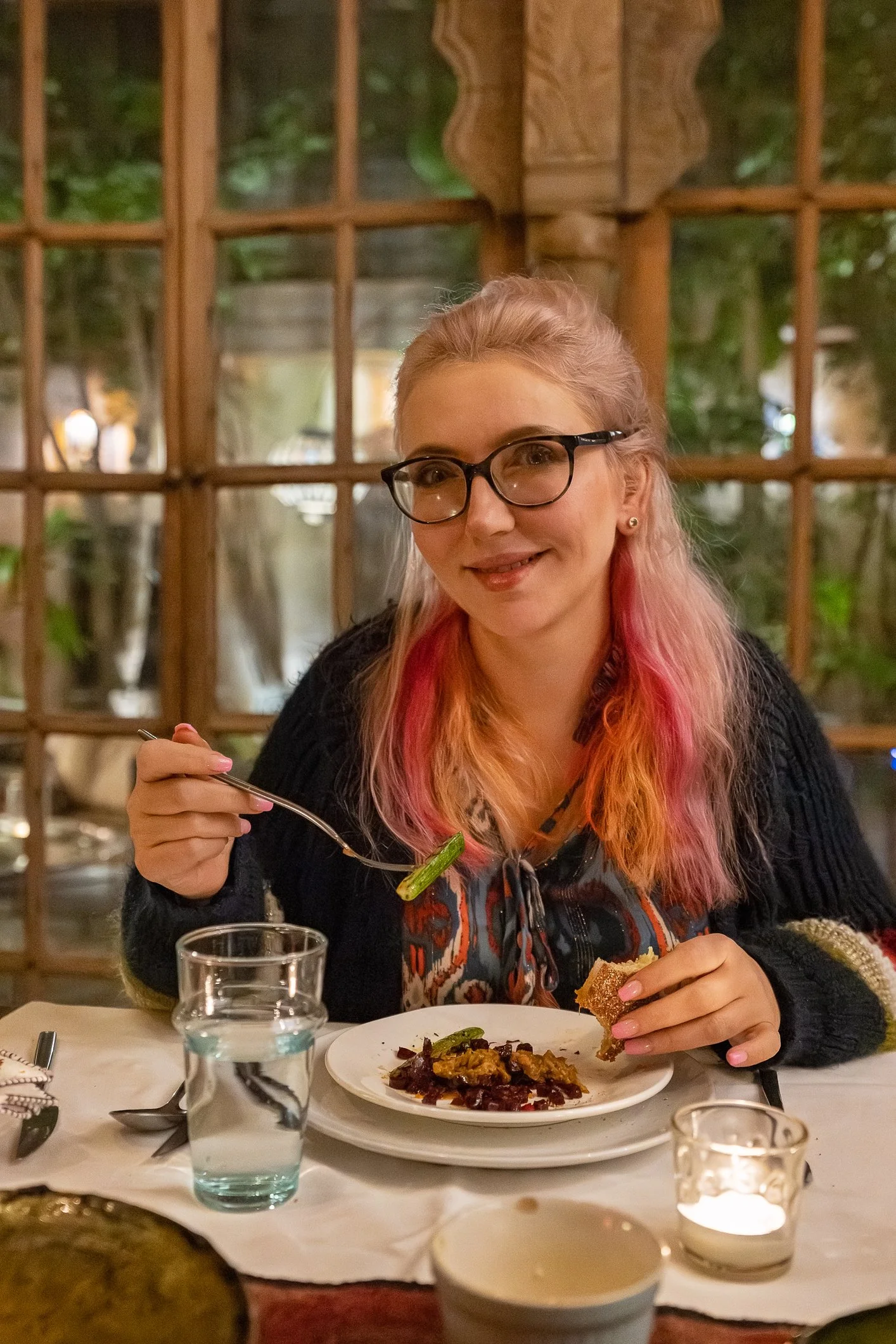
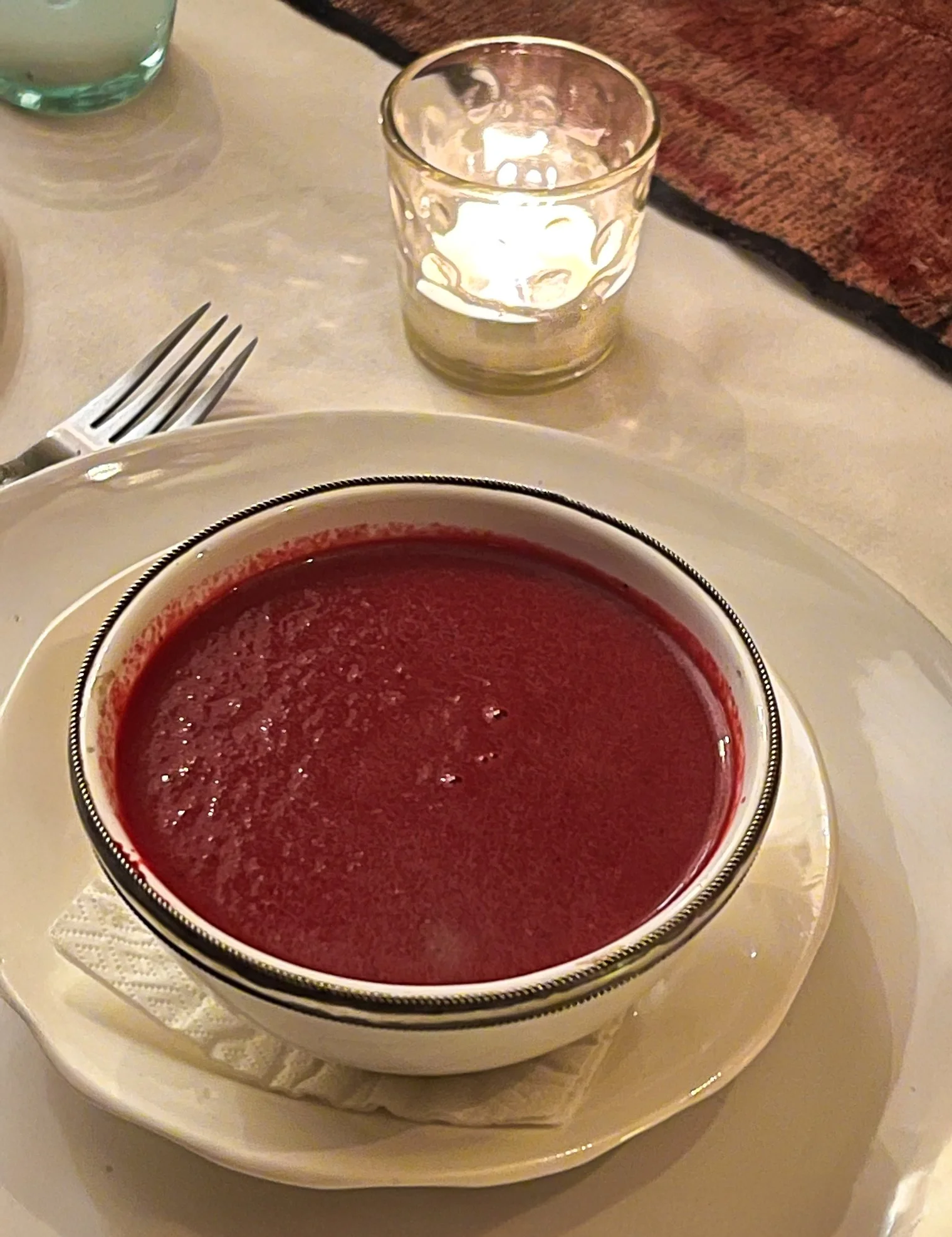
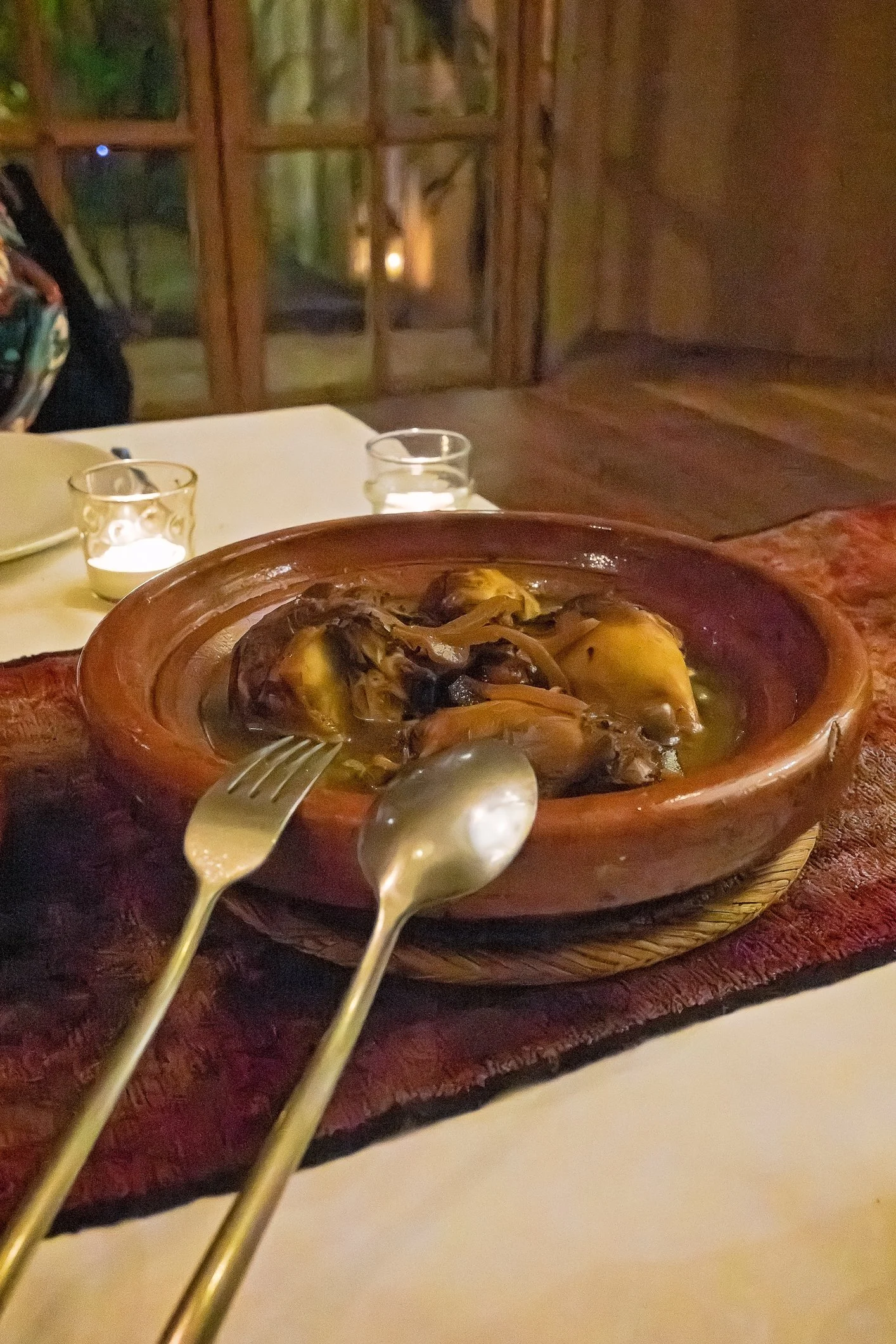
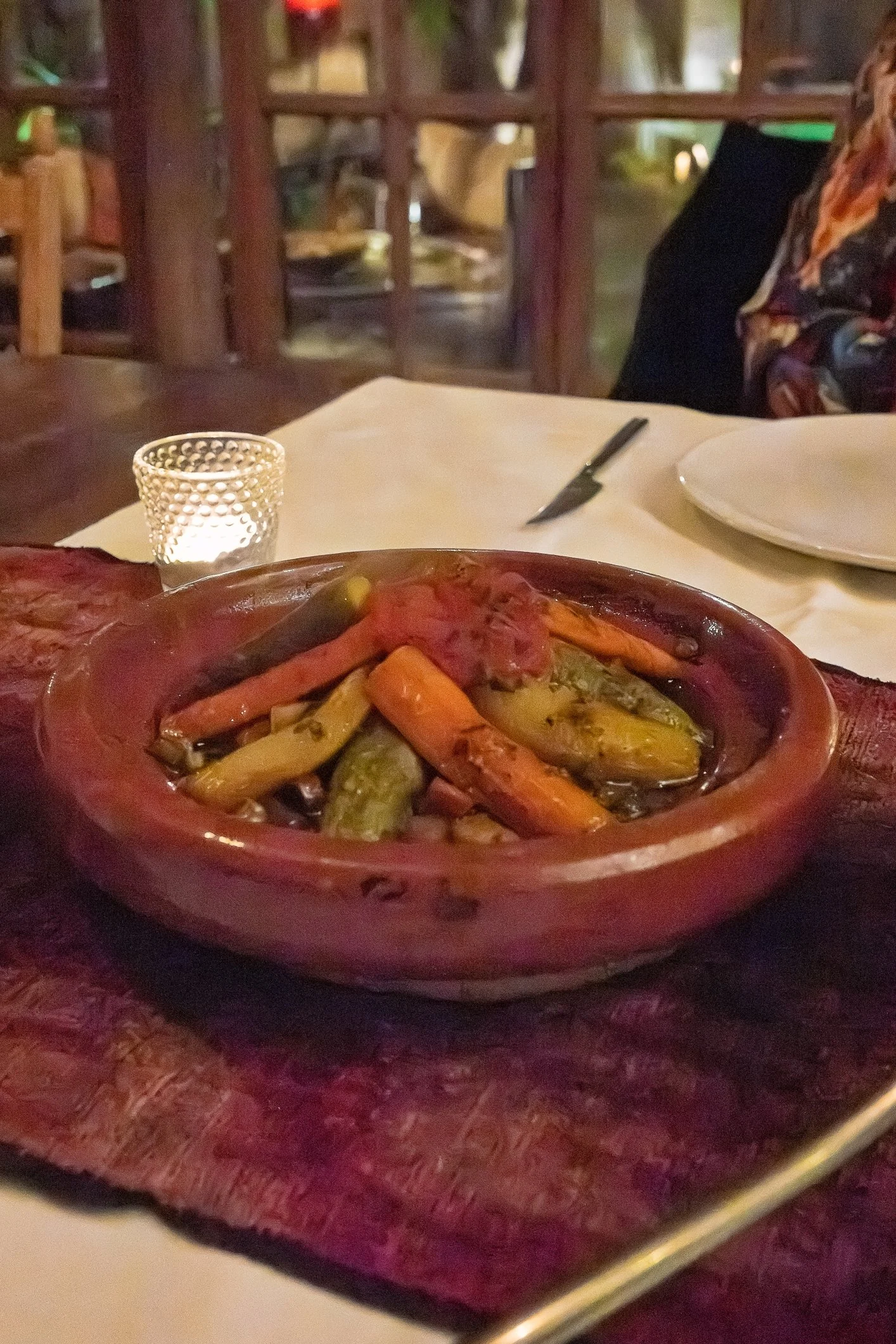
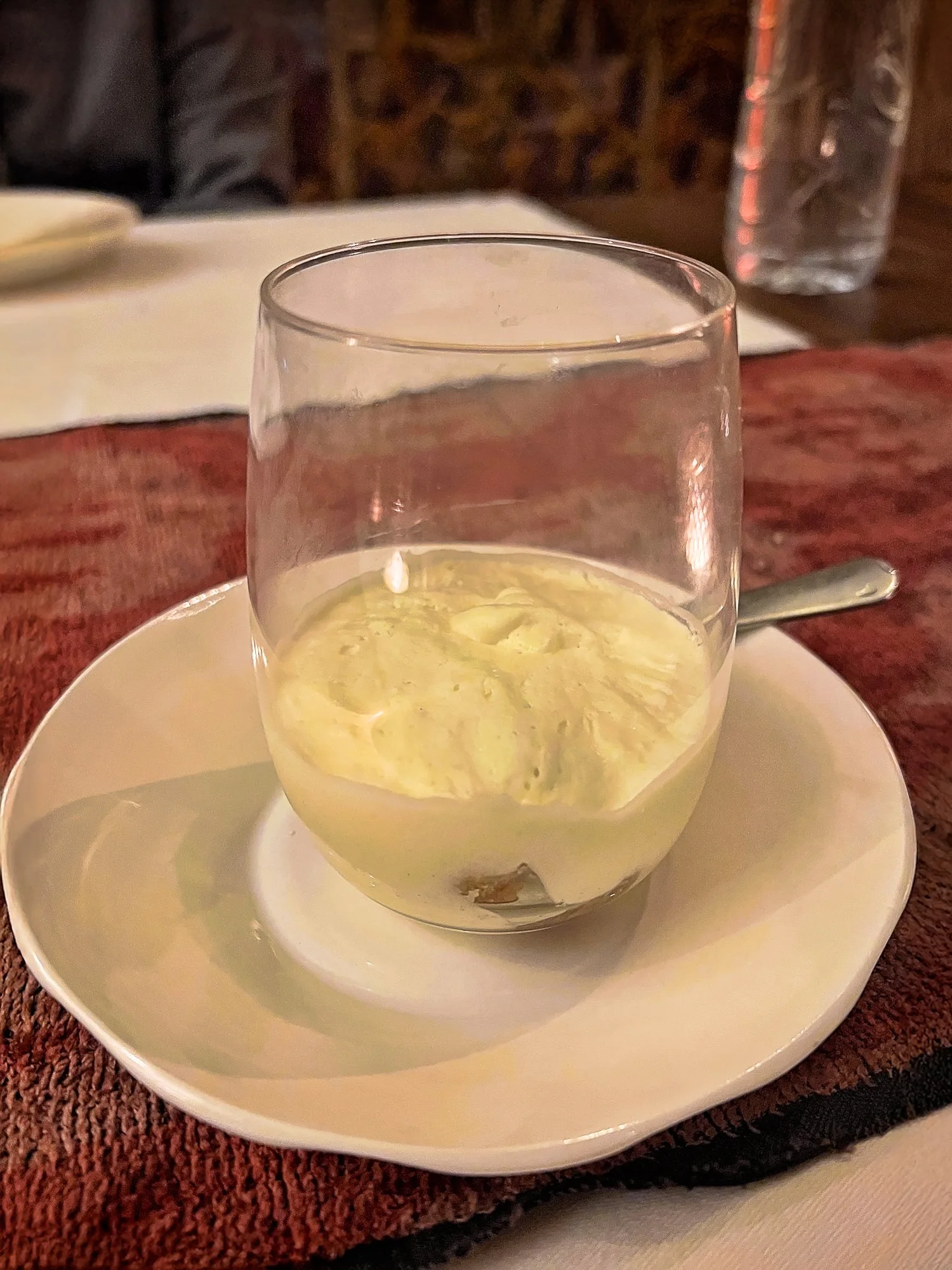
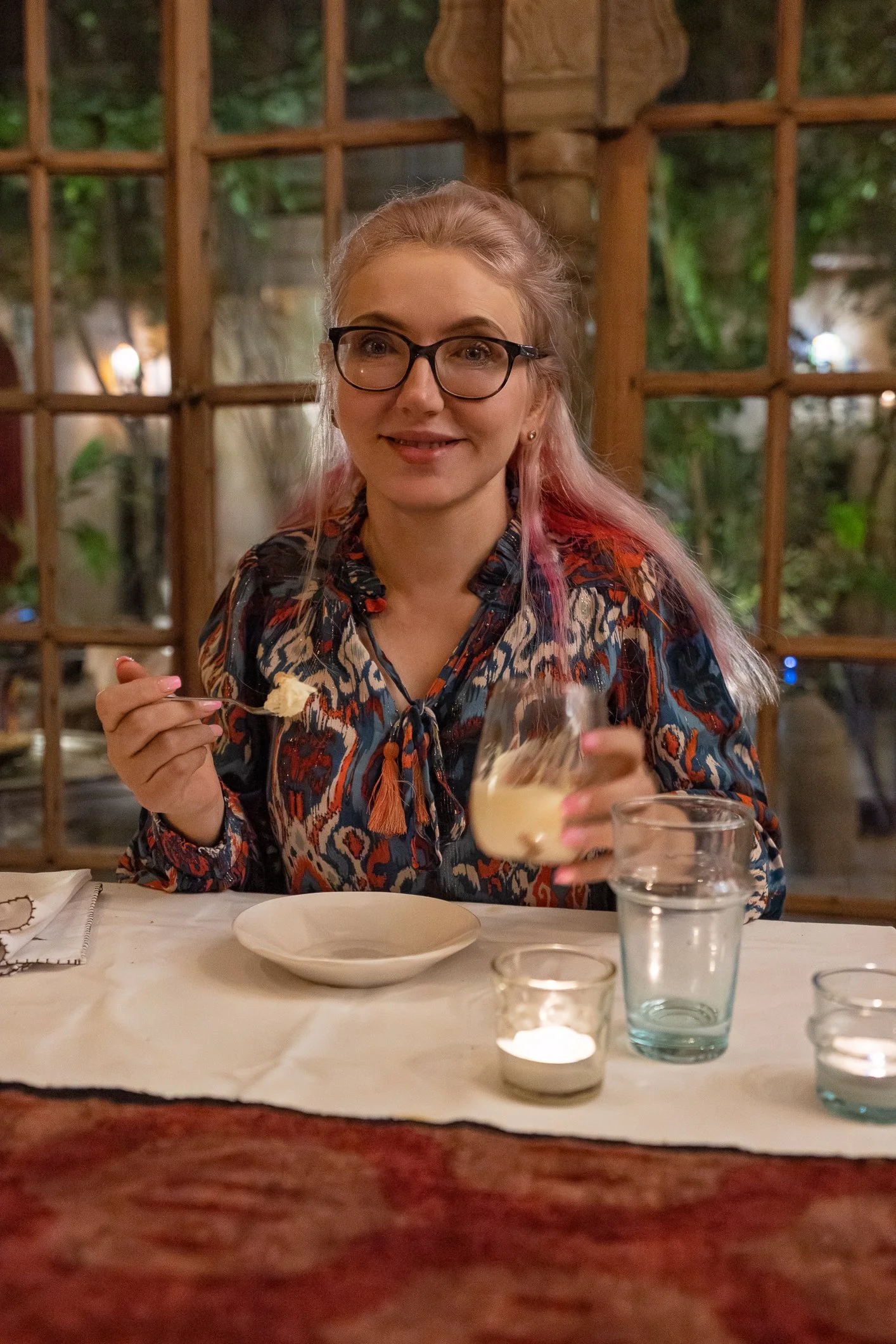
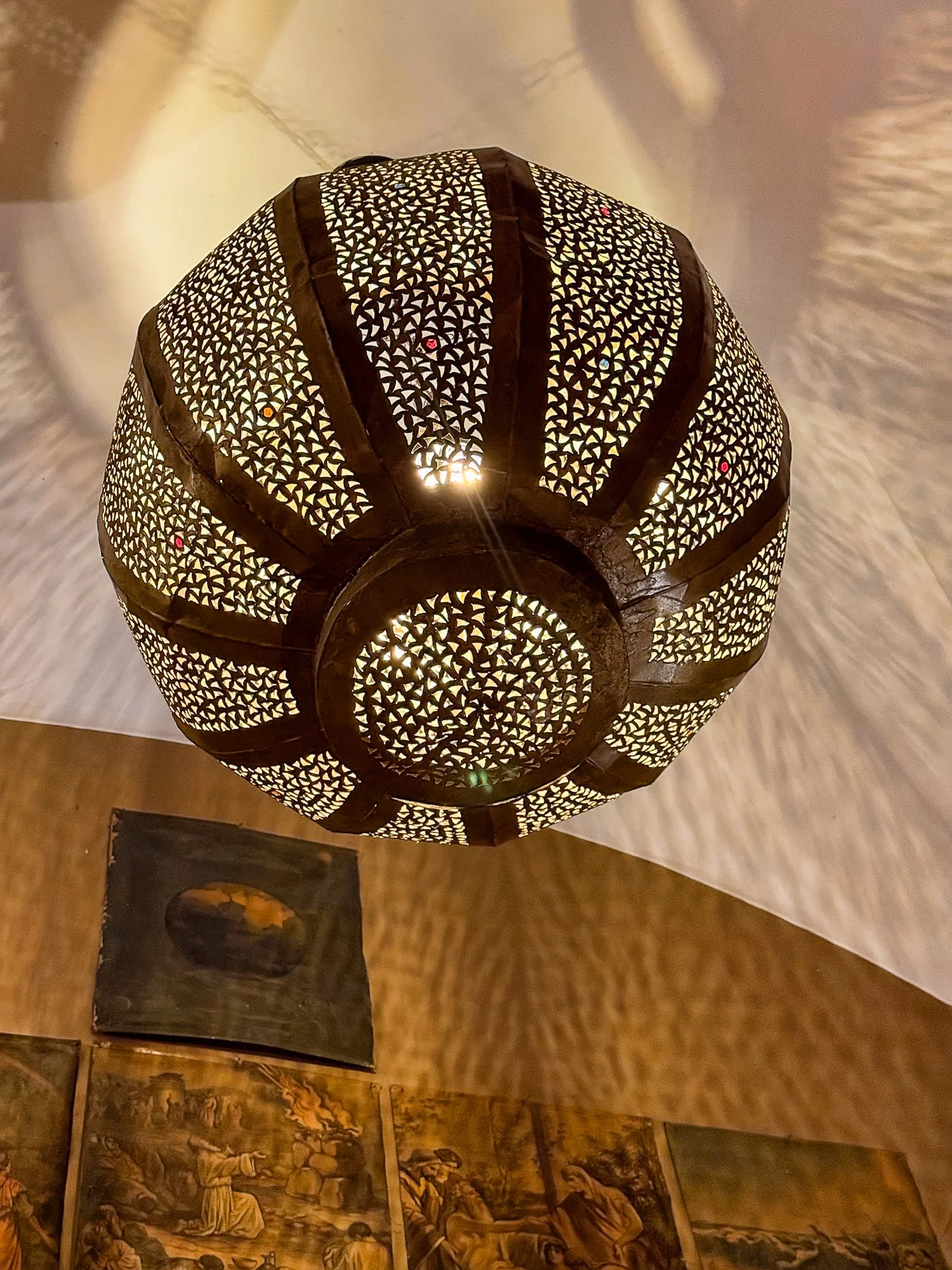
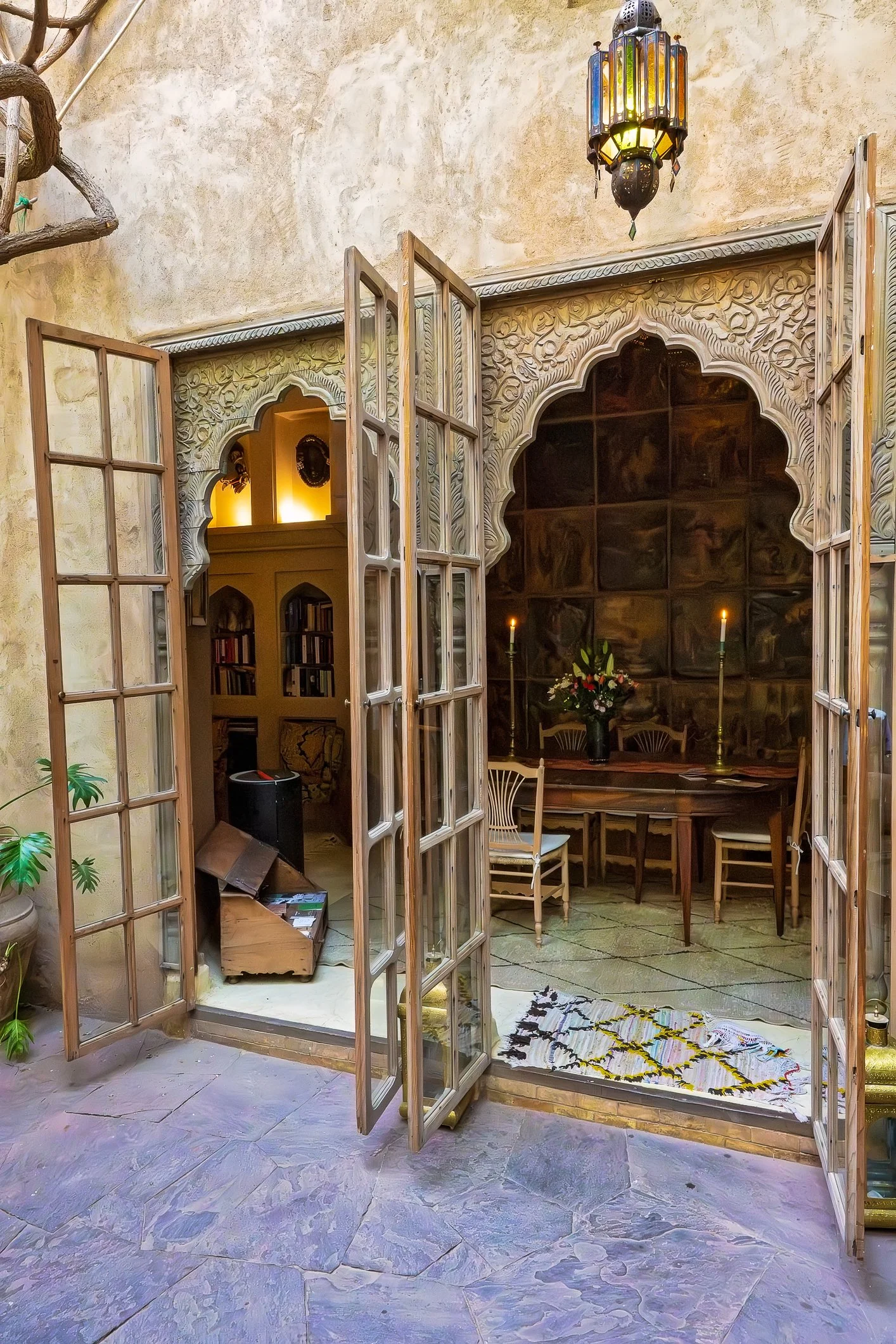
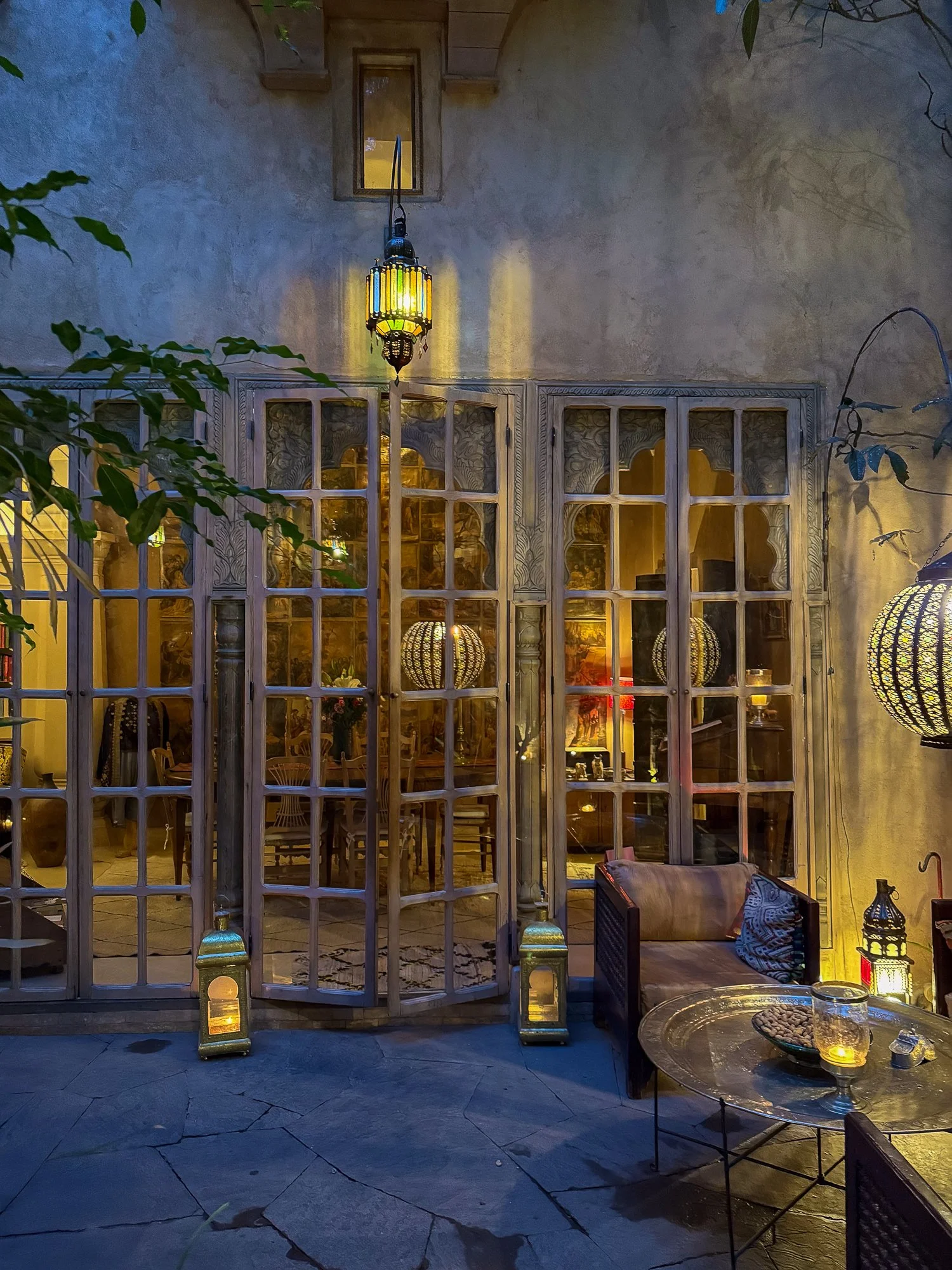
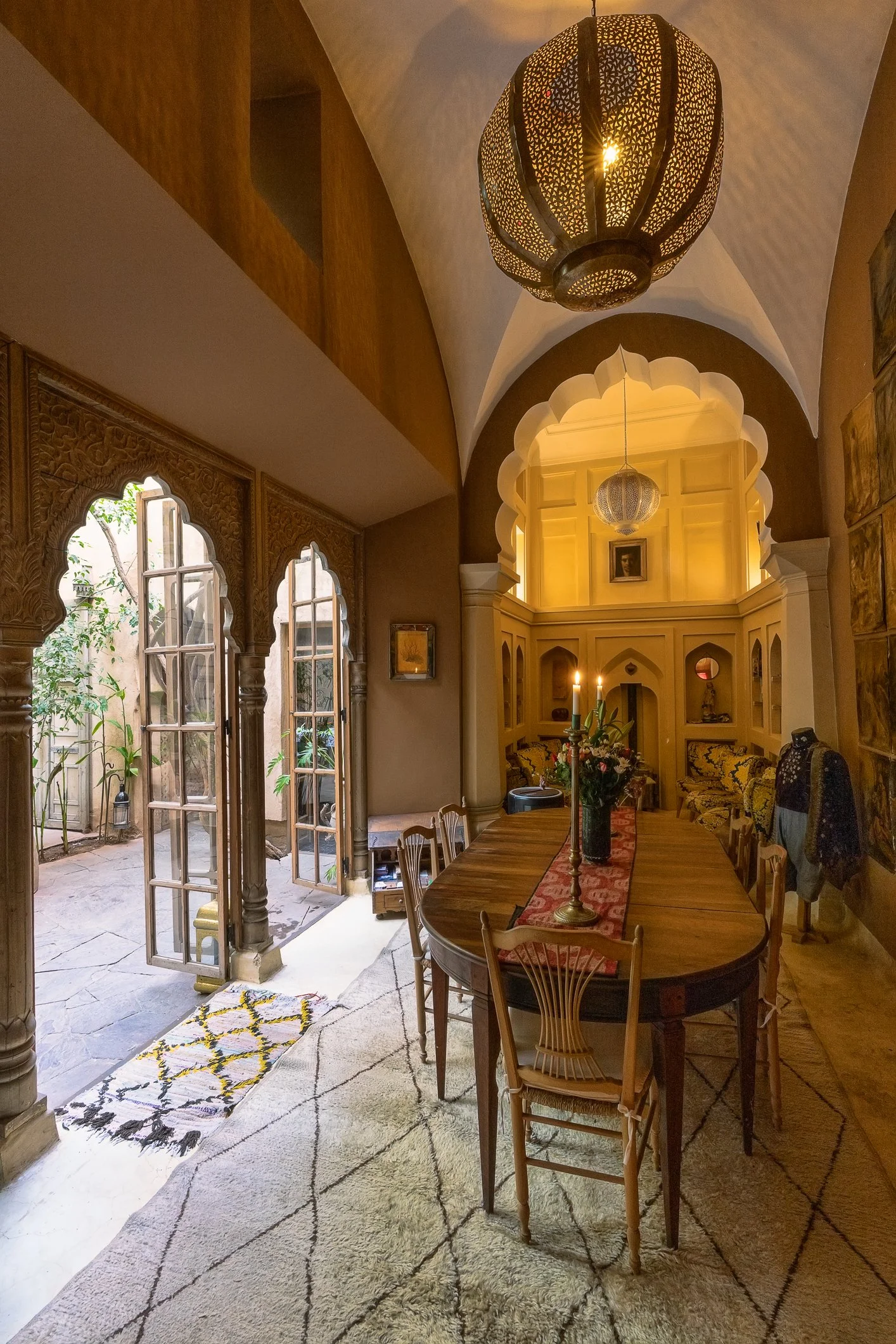
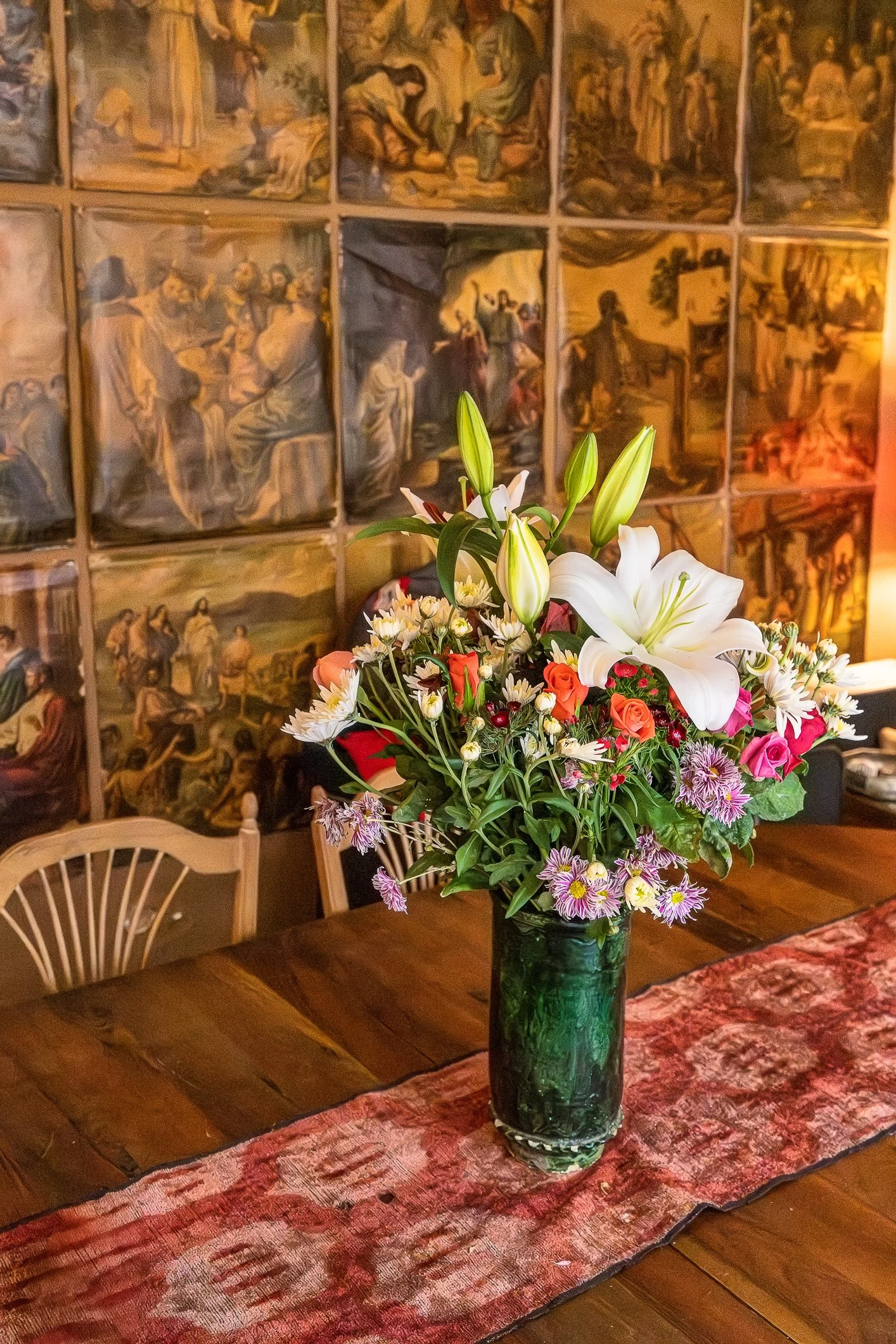
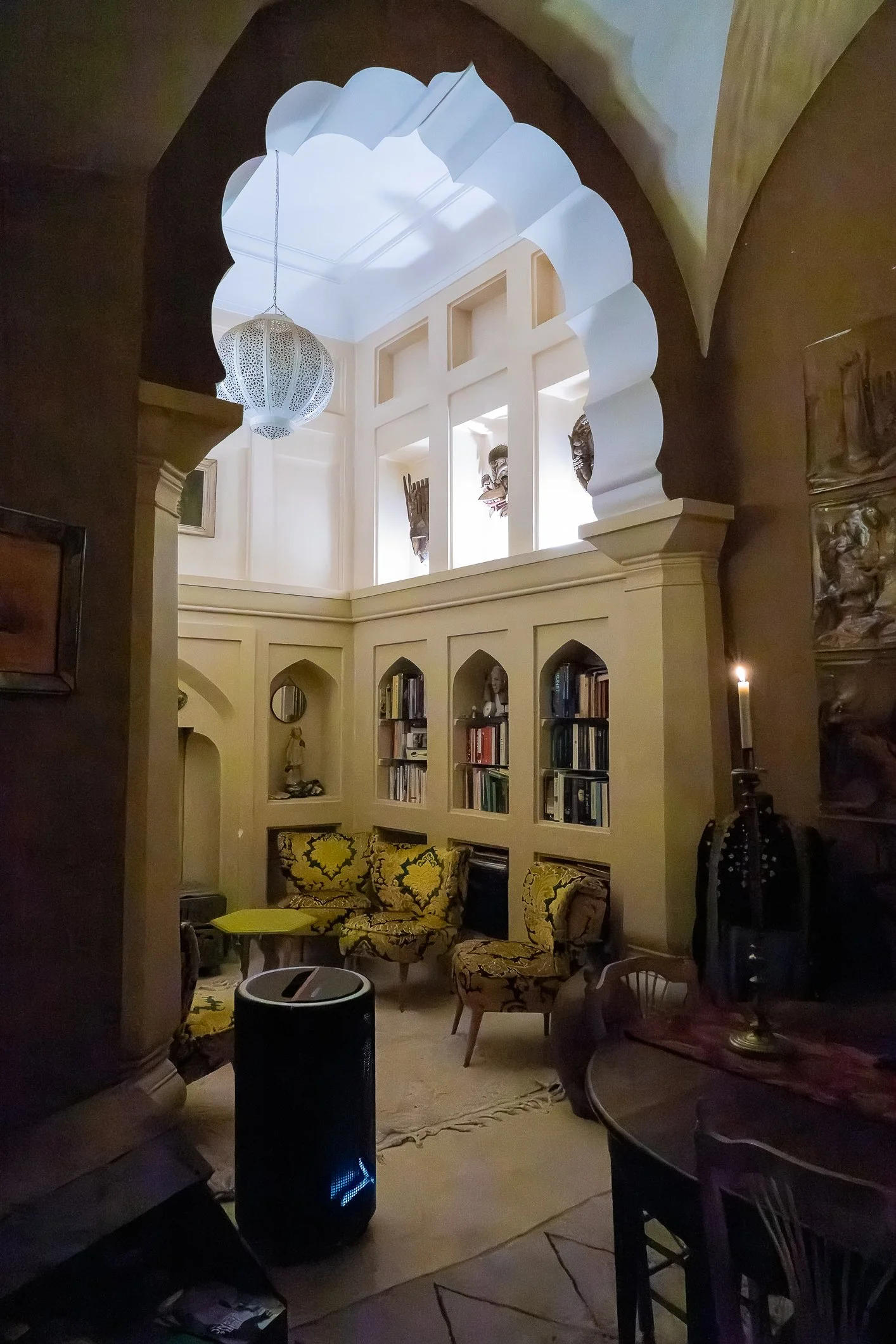
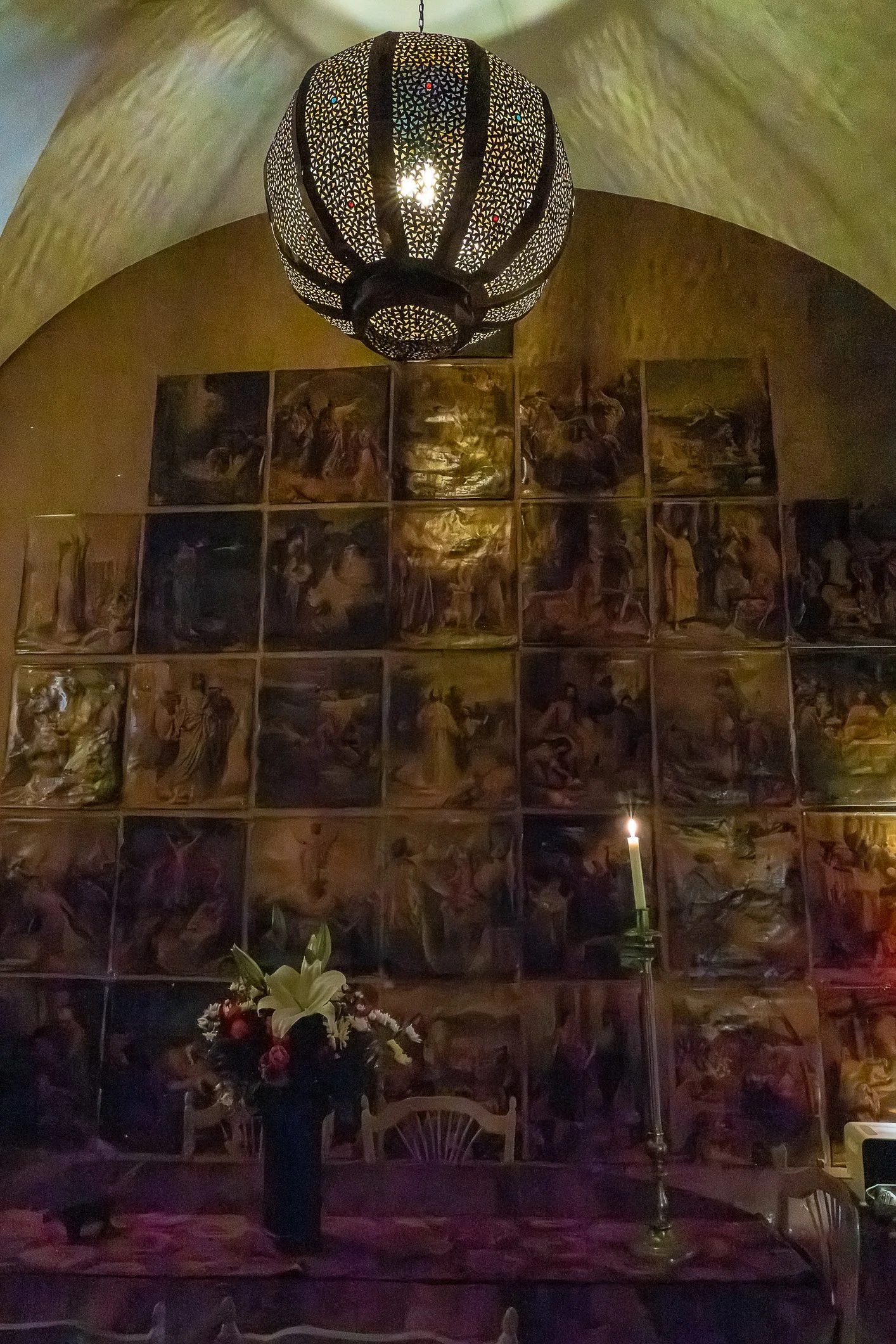
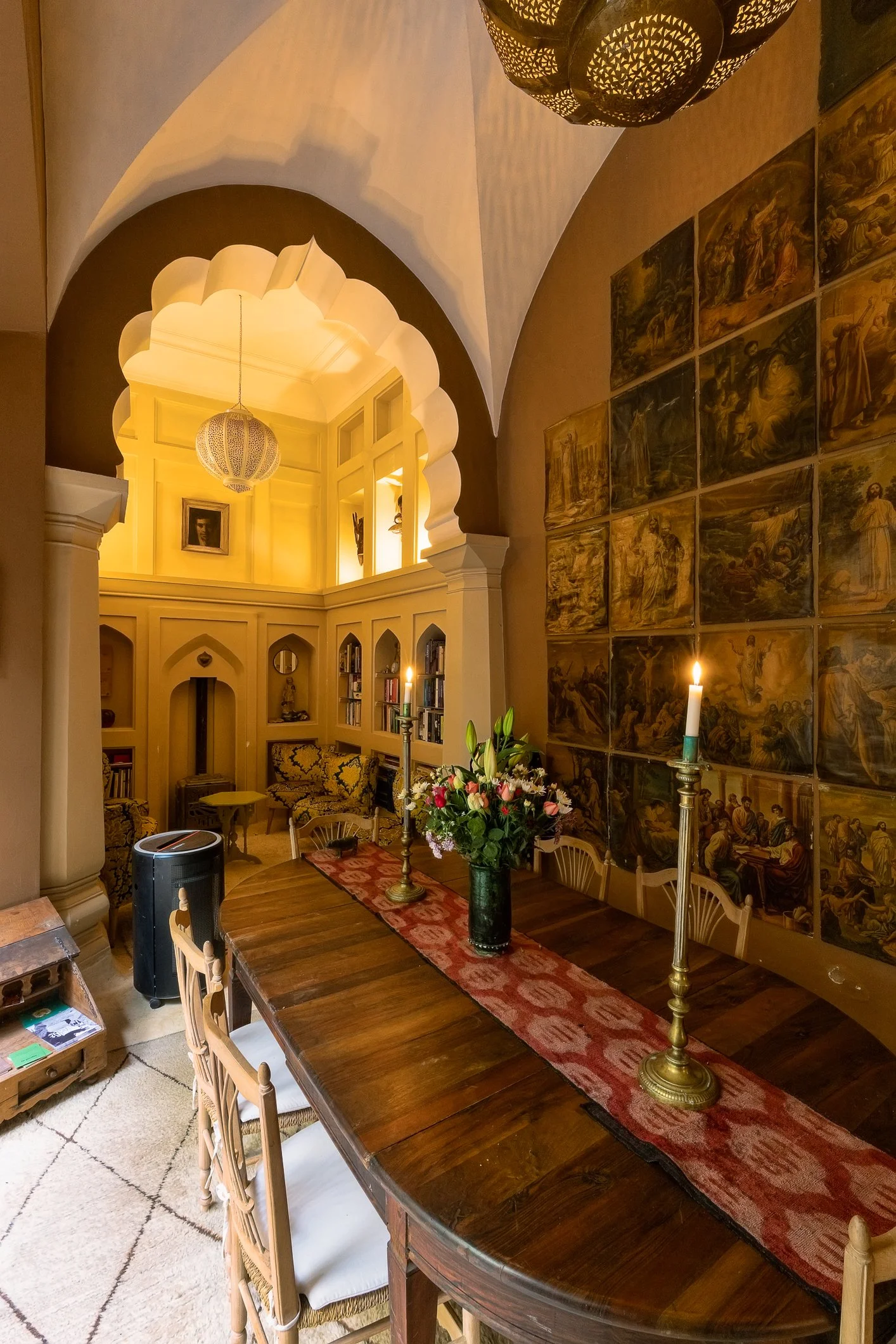
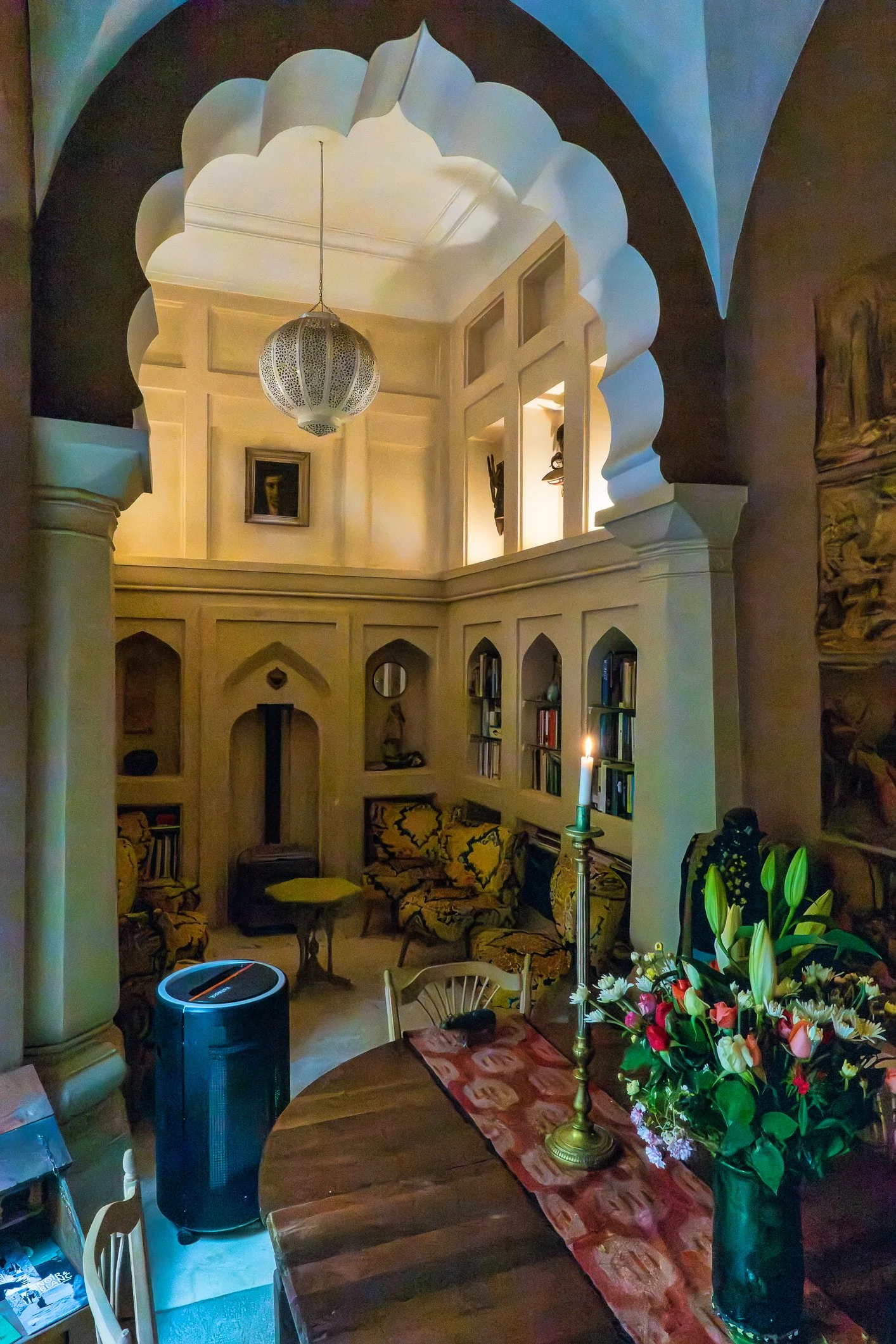
Today, we decided to have dinner at our riad. At Kbour & Chou, dinner is traditionally served in an elegant, communal indoor salon. The room is designed with candlelit tables and features an eclectic aesthetic. The highlight is the striking wall of antique Dutch manganese tiles, often called "Bible tiles" (bijbeltegels). These tiles use a distinct purple-brown or reddish-sepia tone; under the dim, warm light, the scenes look like aged sepia ink on the walls. Marrakech is quite cold at night during the winter, but the heating was on to keep us warm and happy. Our food was great, and after dinner, we were definitely ready for bed.

Dzisiaj postanowiliśmy zjeść kolację w naszym riadzie. W Kbour & Chou posiłki serwowane są w eleganckim salonie urządzonym w eklektycznym stylu. Największe wrażenie robi ściana wyłożona antycznymi holenderskimi płytkami, zwanymi „płytkami biblijnymi”. W ciepłym świetle świec ich purpurowo-brązowe zdobienia wyglądają jak stare ryciny wykonane sepią, tworząc nastrojowe tło dla tradycyjnych marokańskich potraw. Zimowe noce w Marrakeszu są naprawdę chłodne, ale przez całą kolacje dmuchała na nas przyjemnie farelka. Jedzenie było bardzo dobre, a po kolacji udaliśmy się prosto do pokoju - w końcu kiedyś trzeba się wyspać.

Through the souks

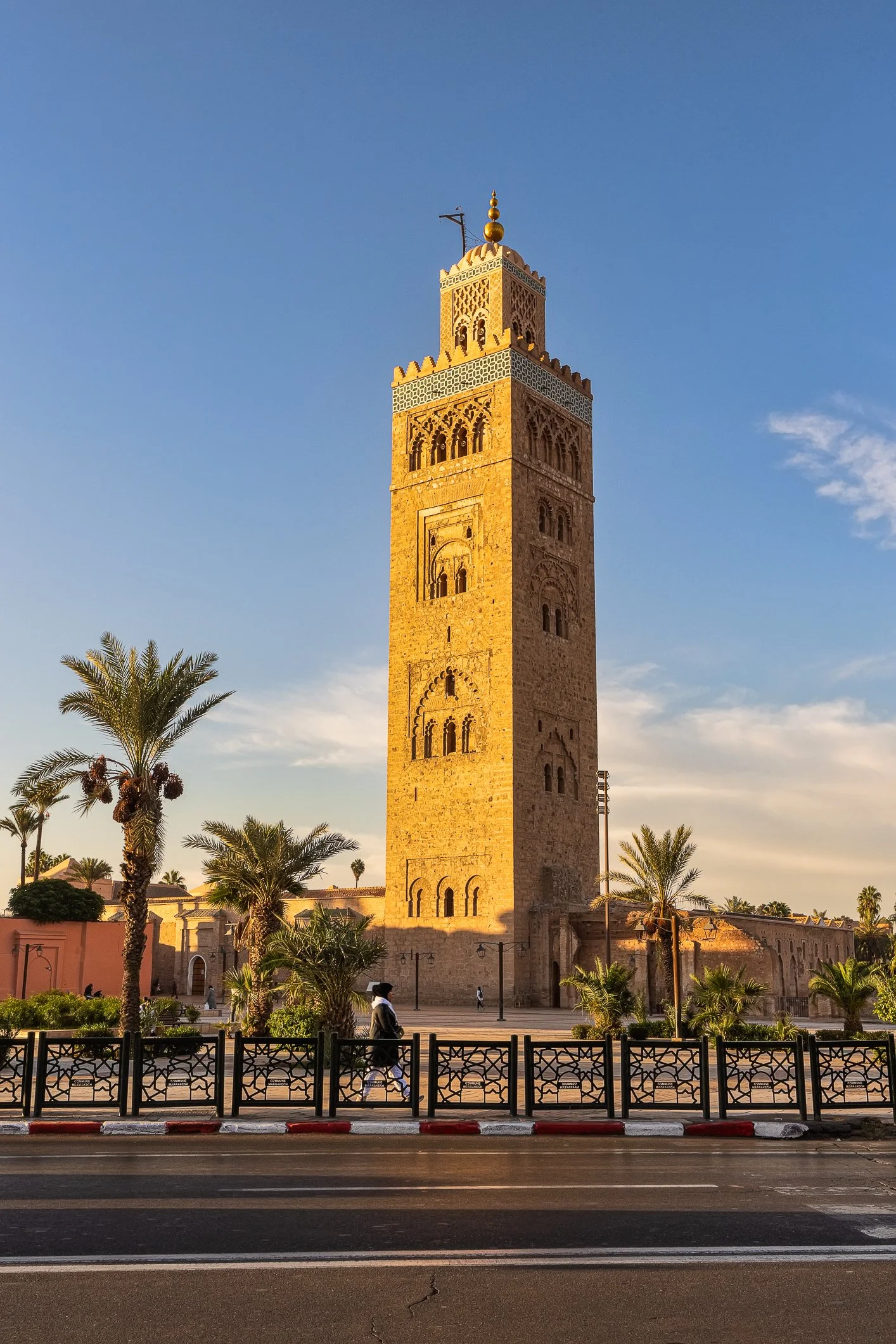
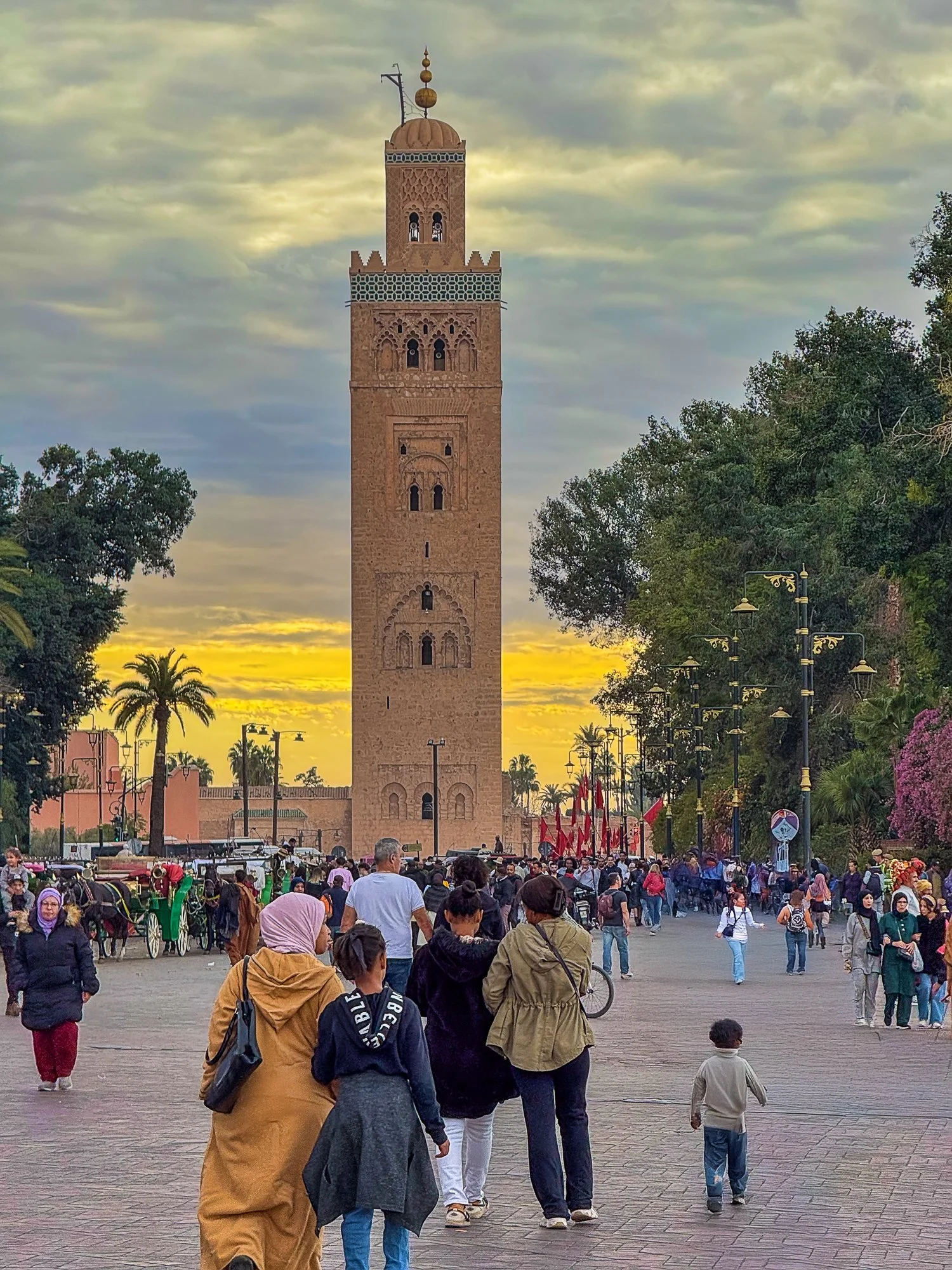
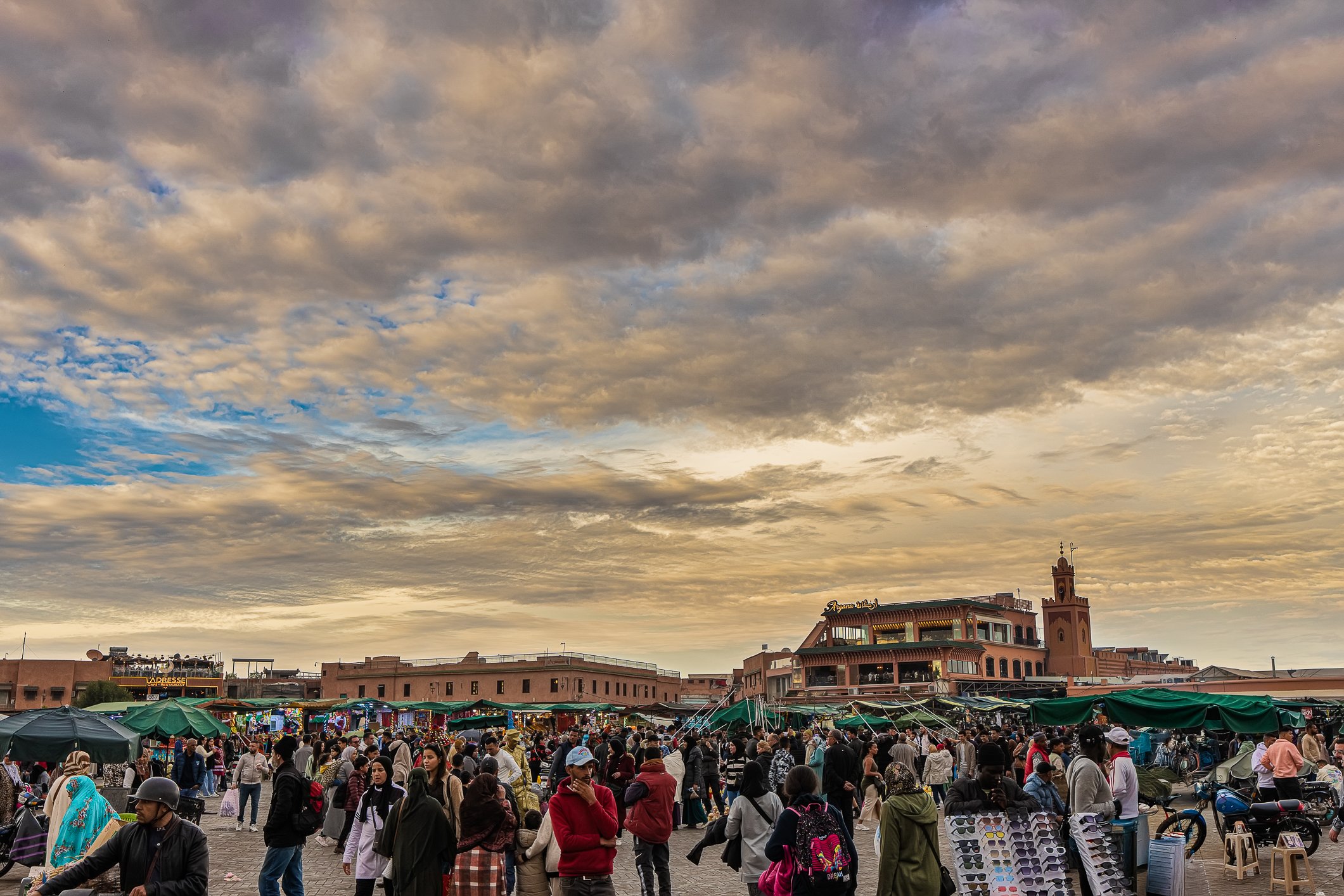
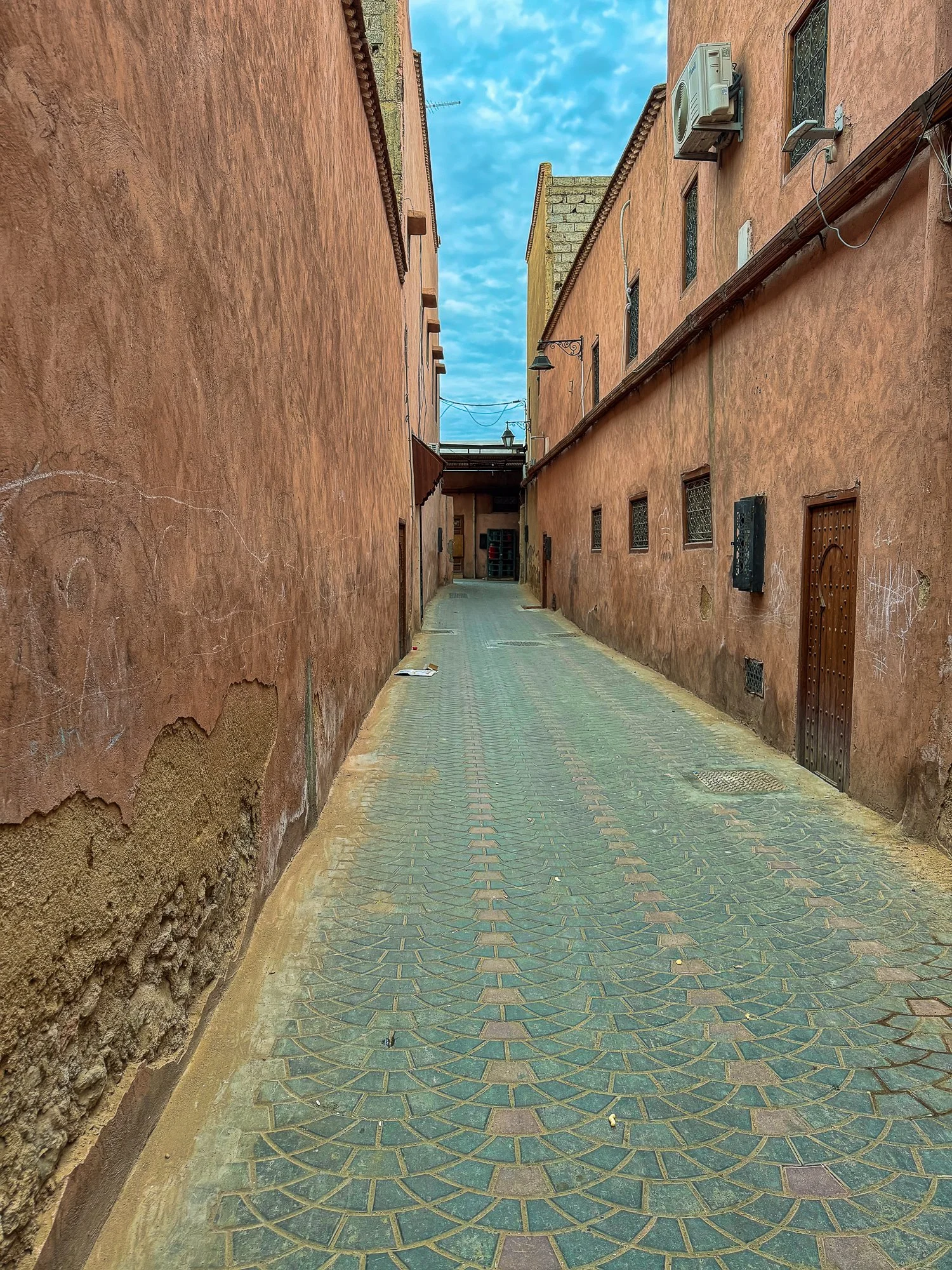
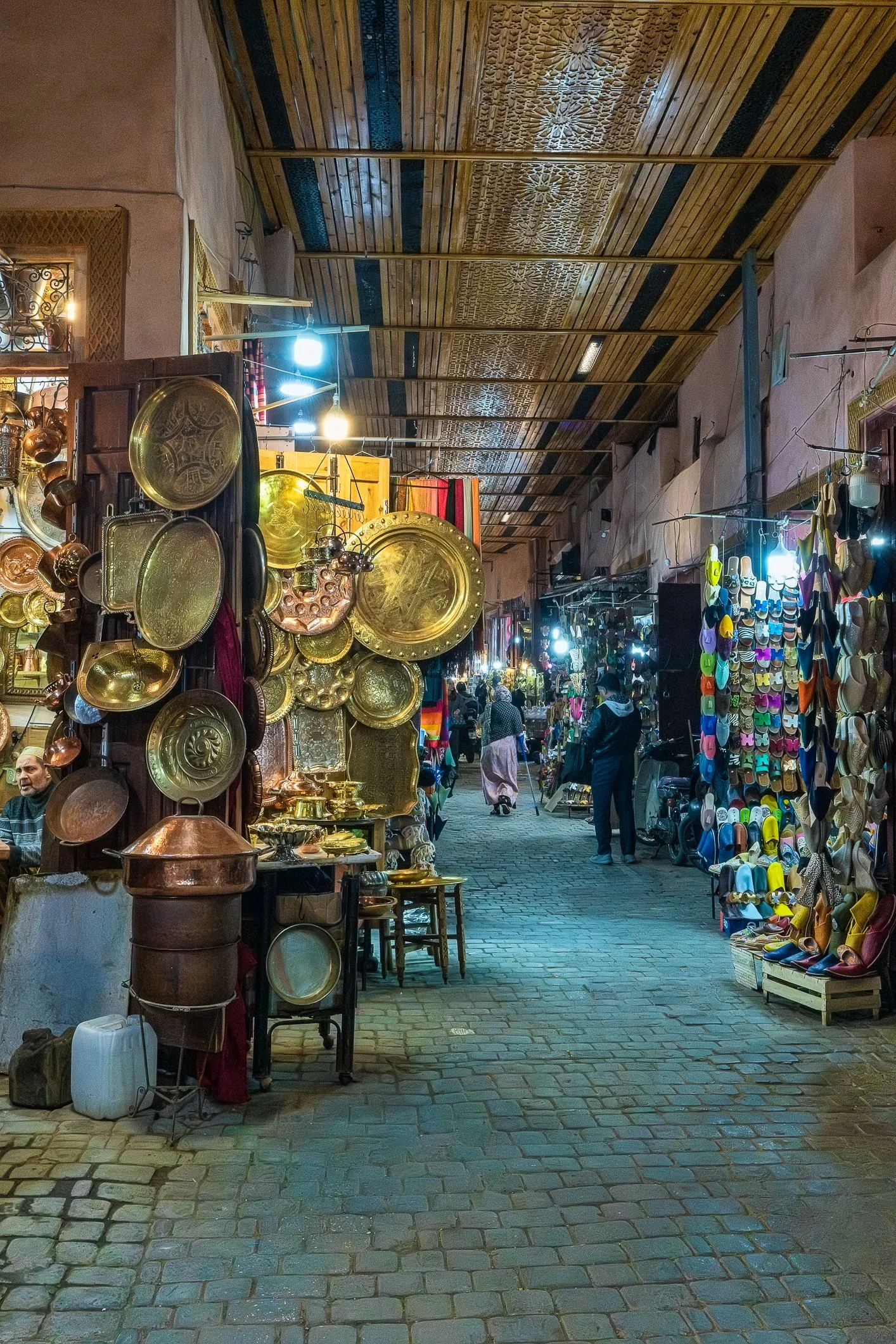
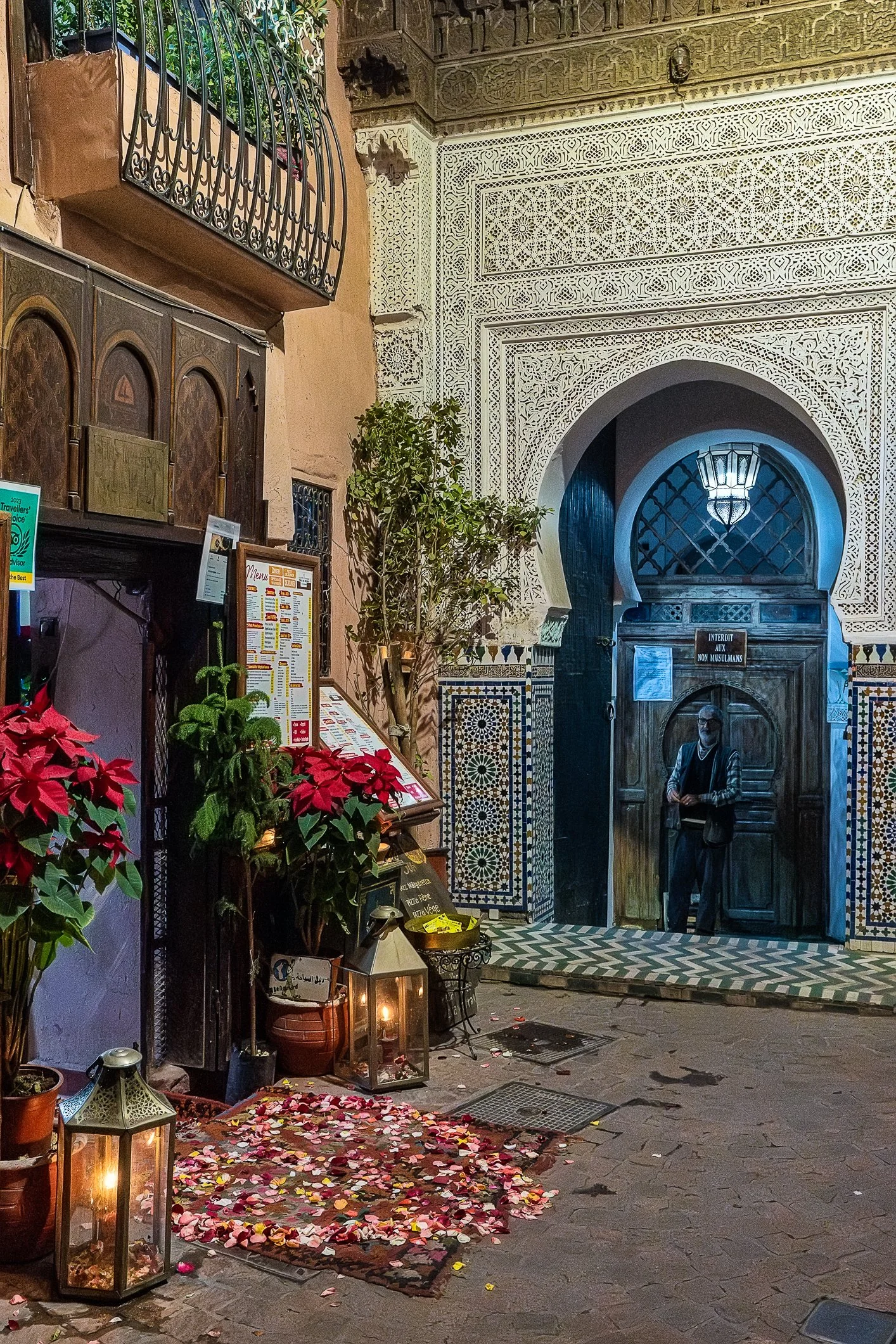
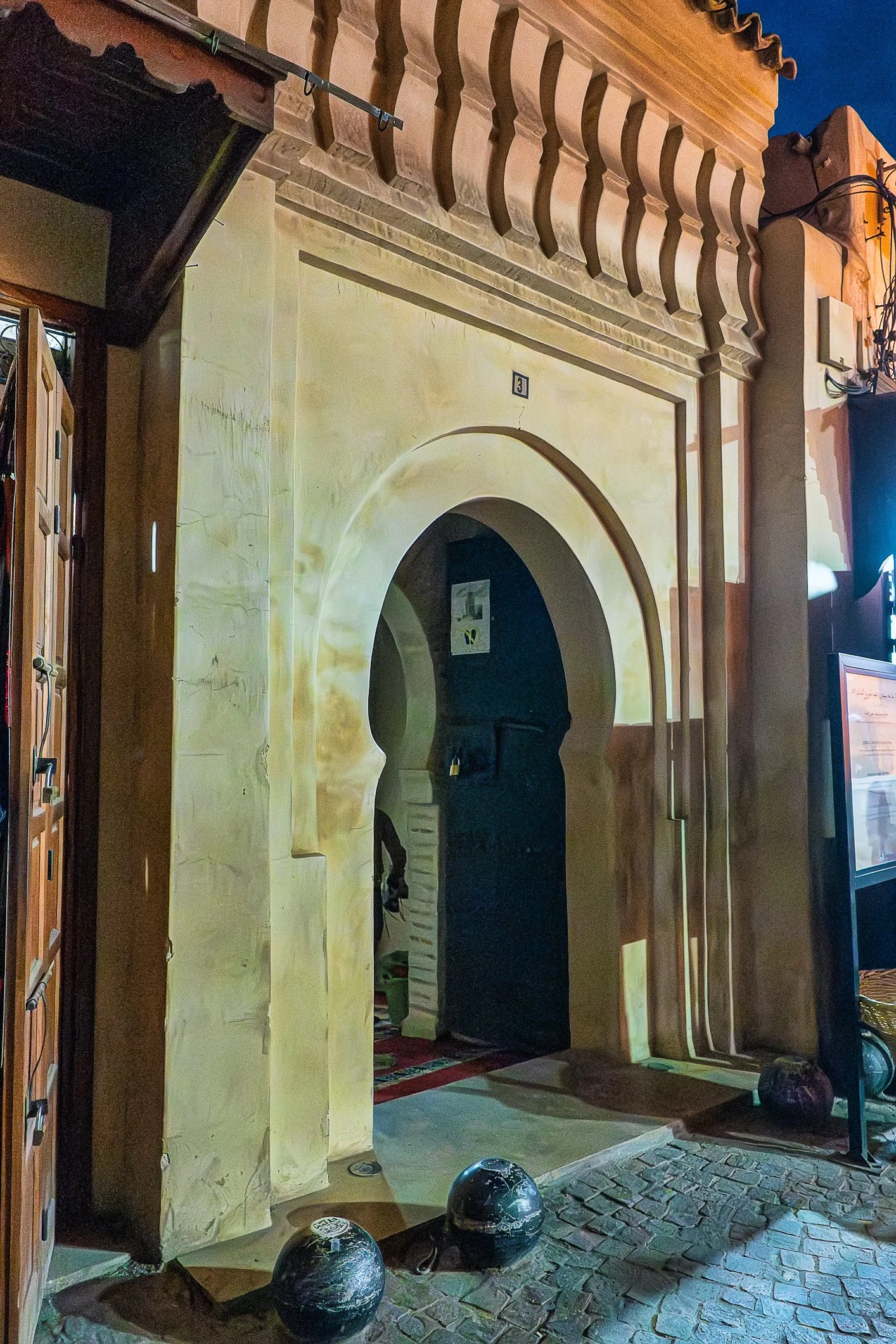
It was already dark by the time we started the walk back through the medina to the sanctuary of our riad. We passed the Koutoubia Mosque and headed through Jemaa el-Fnaa, which was predictably packed (check my previous post if you want the full scoop on that chaos).

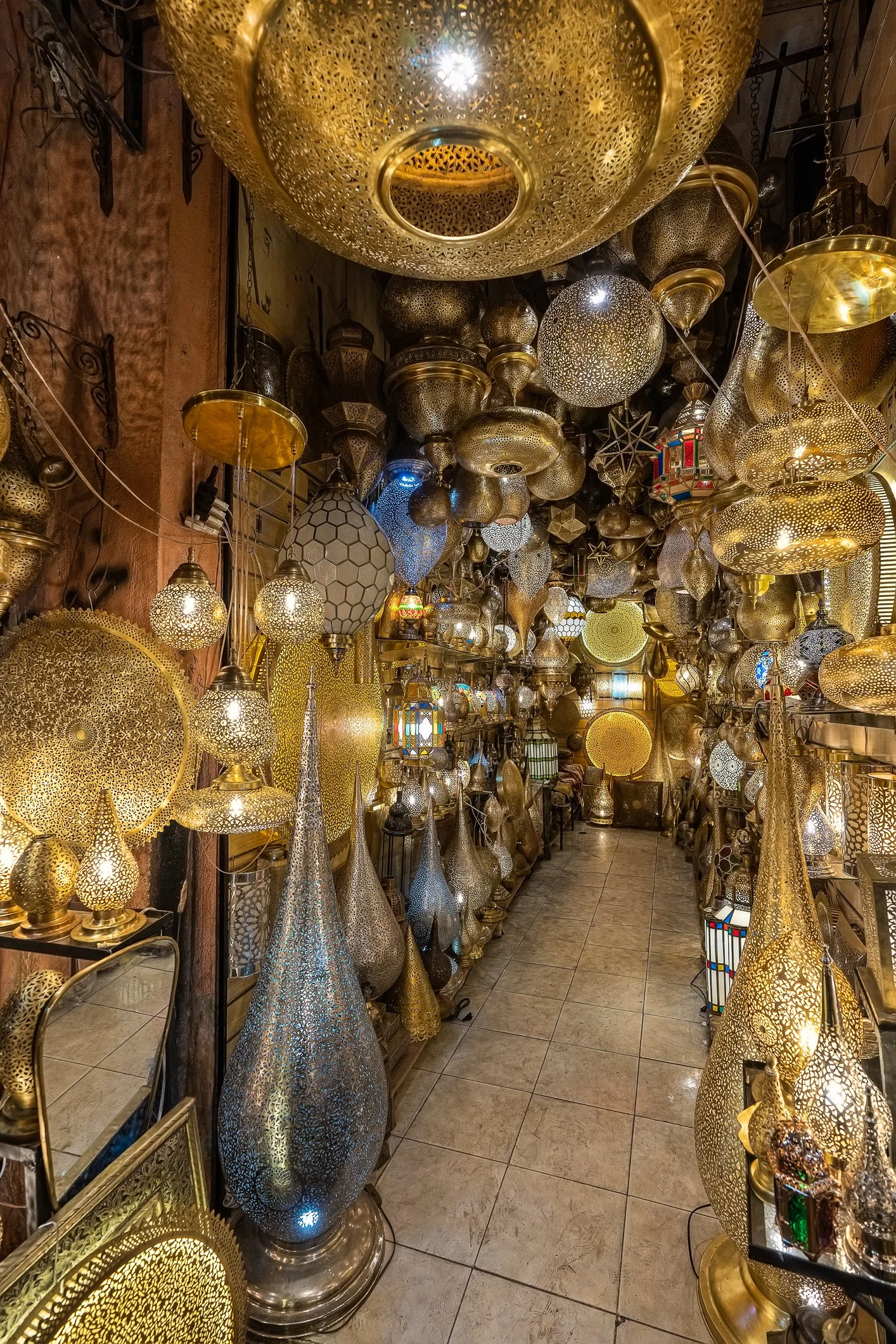
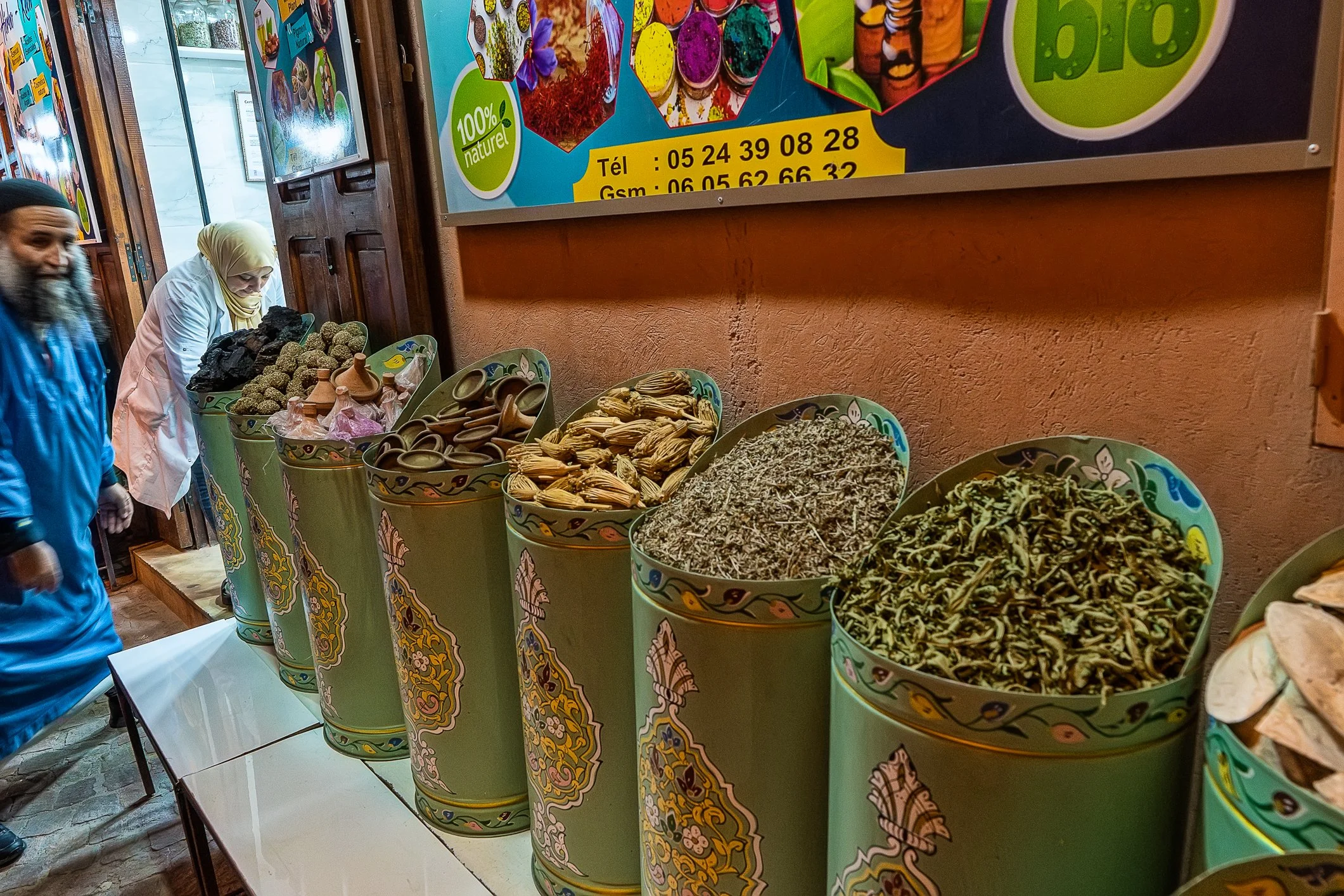
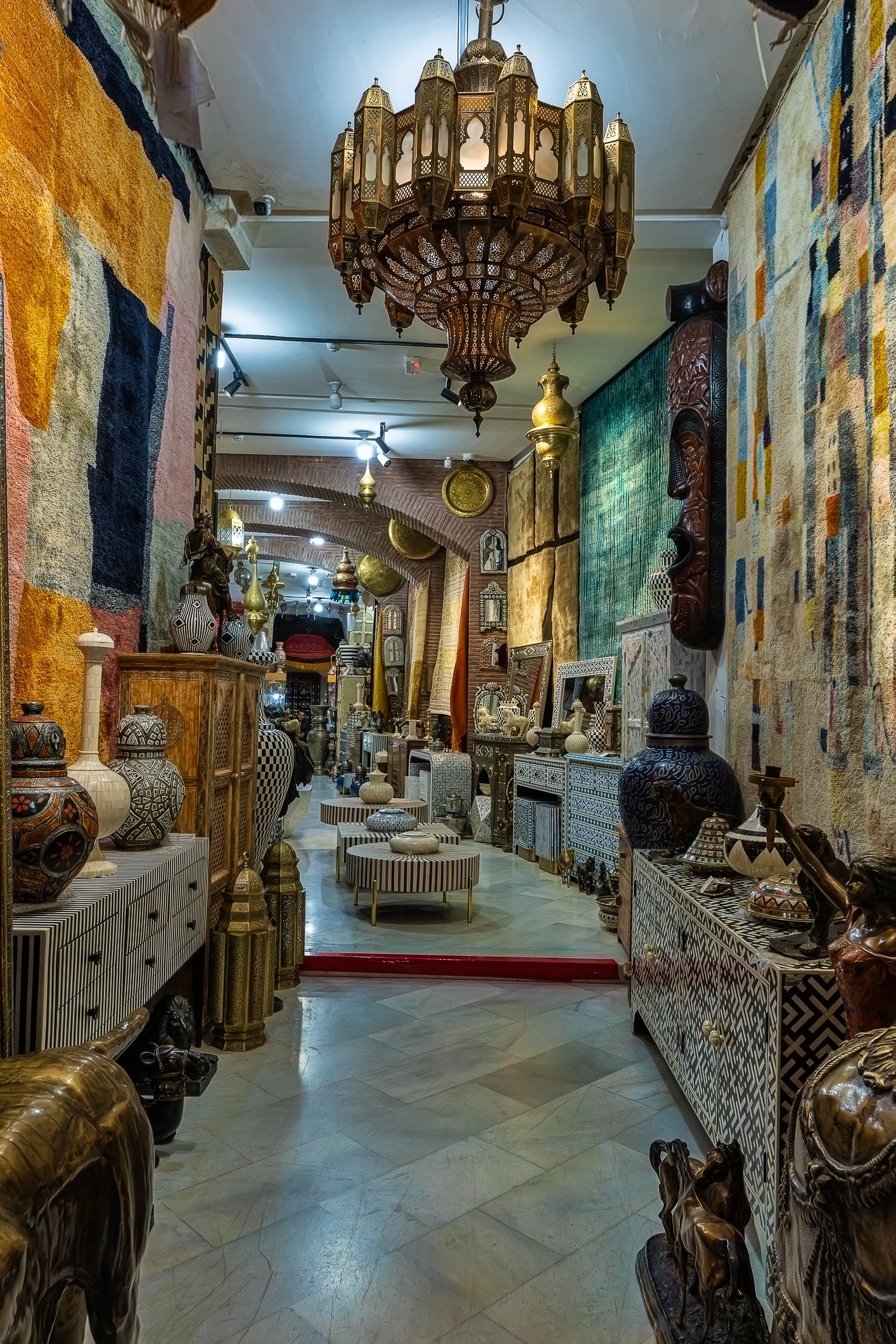
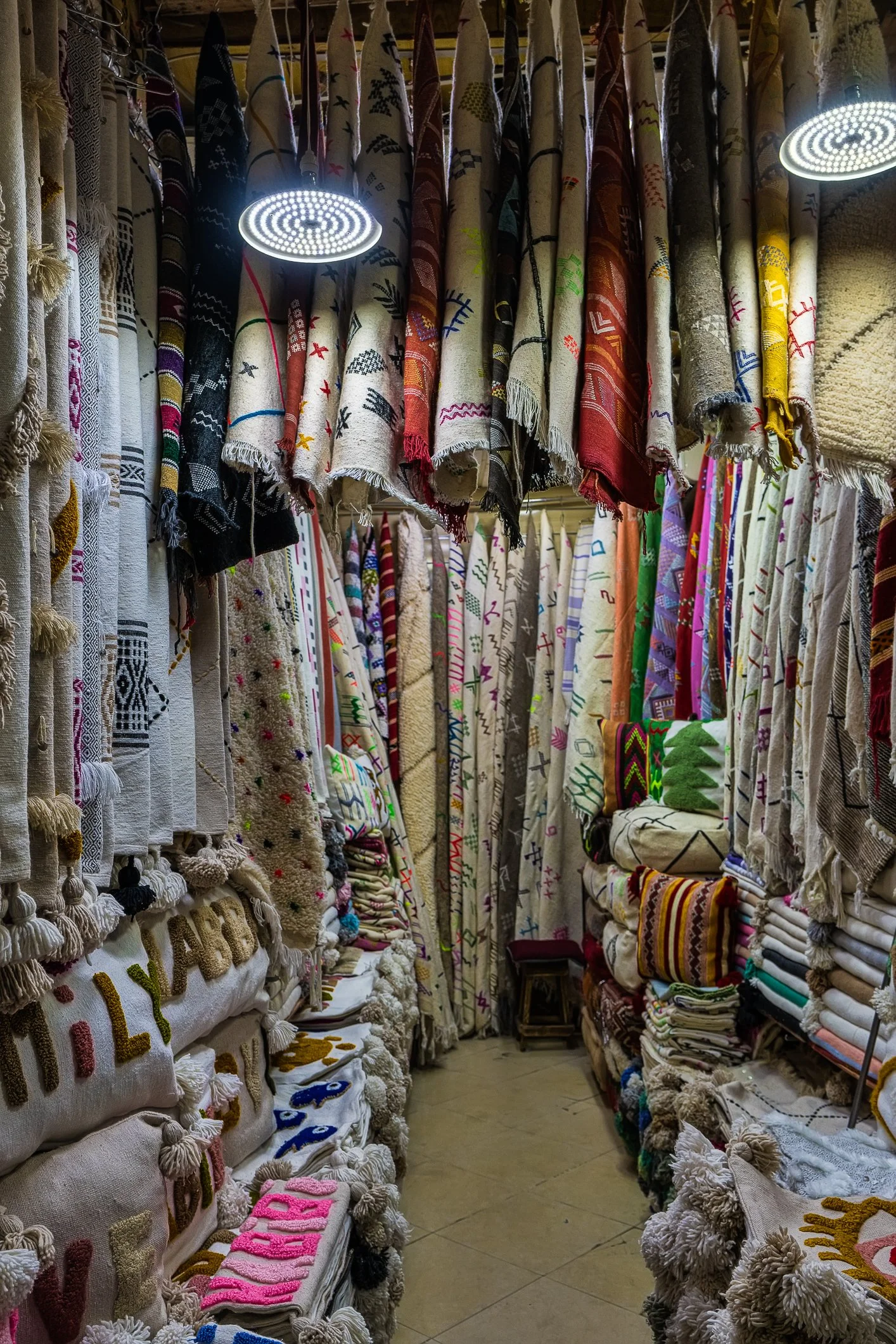
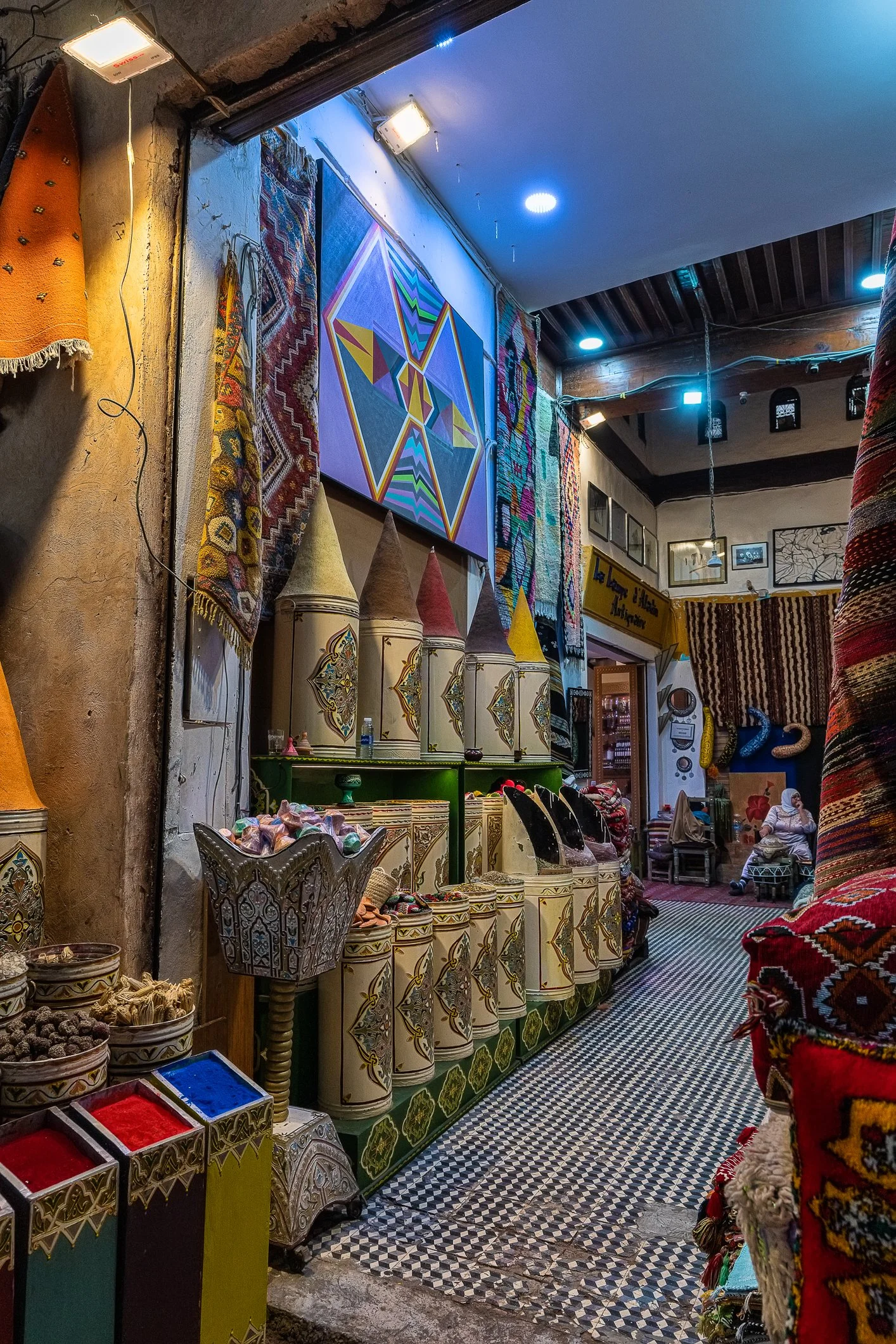
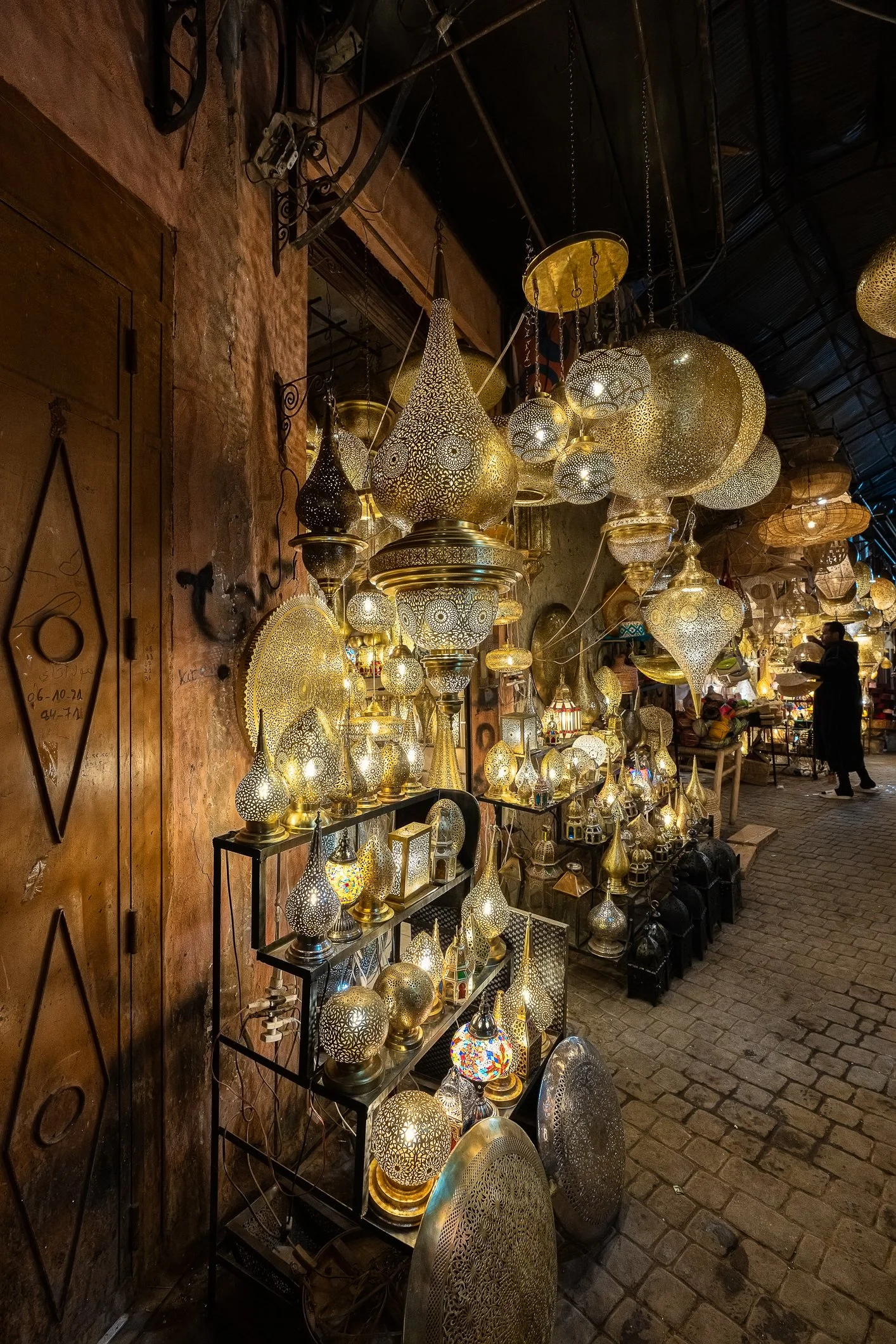
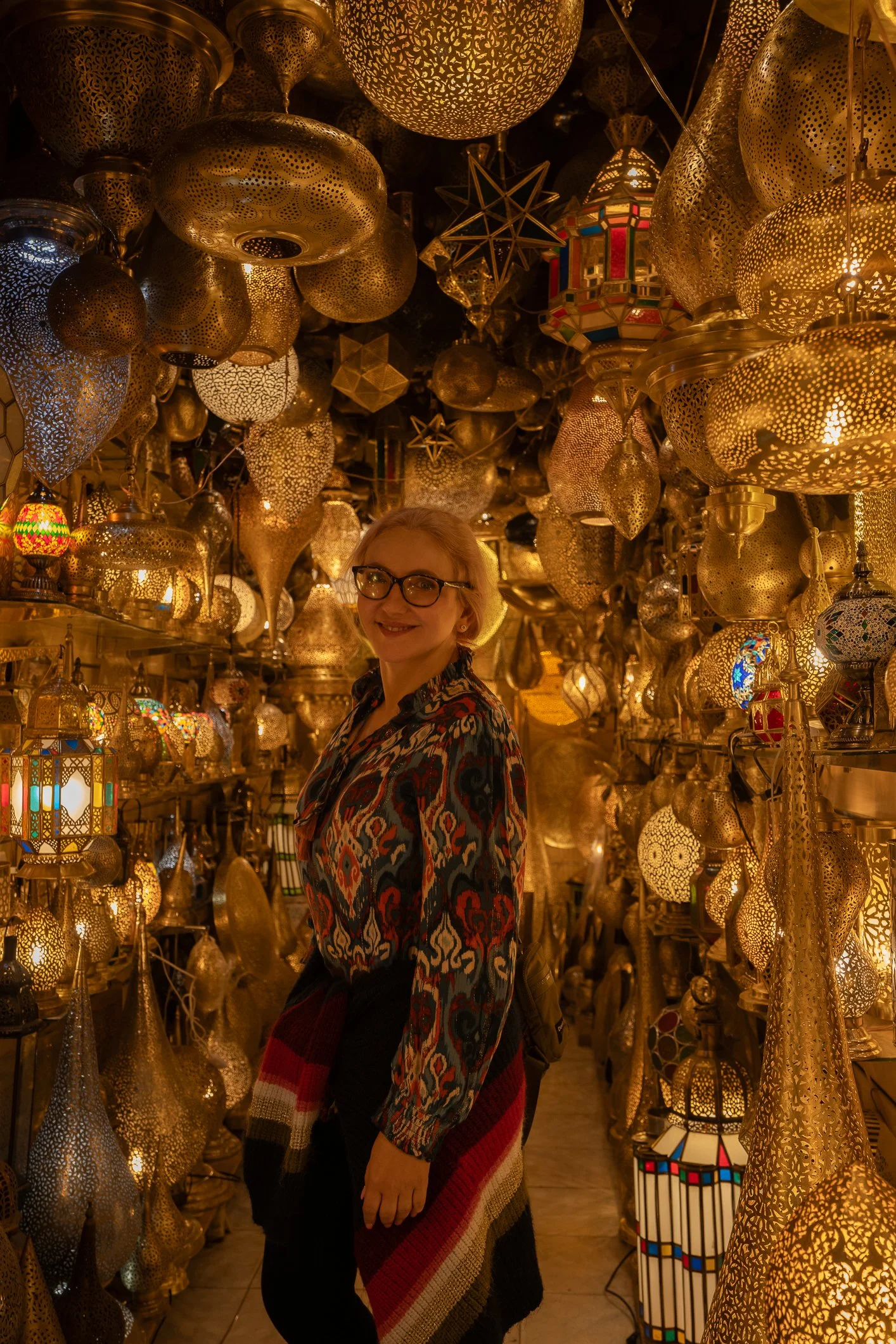
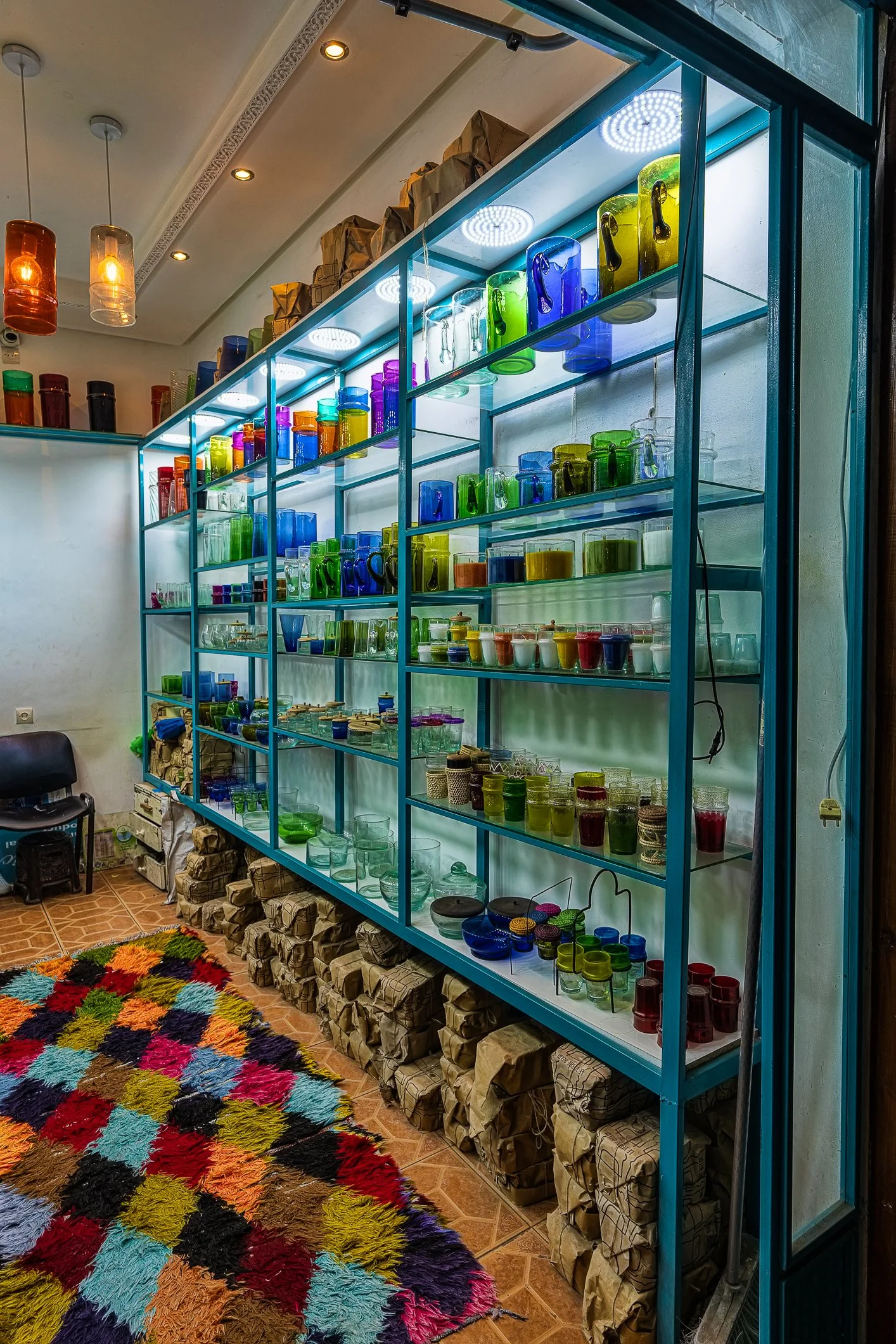
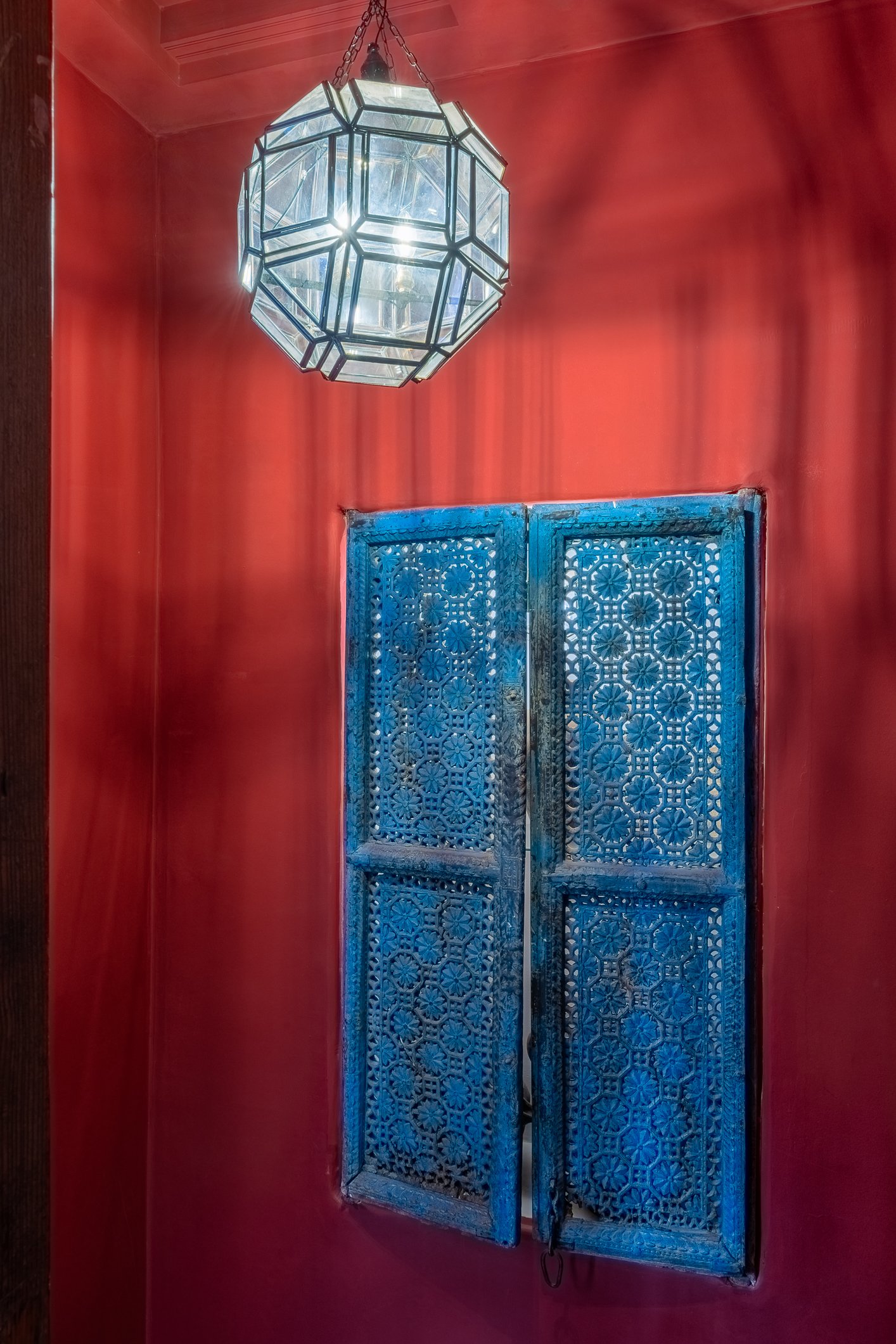
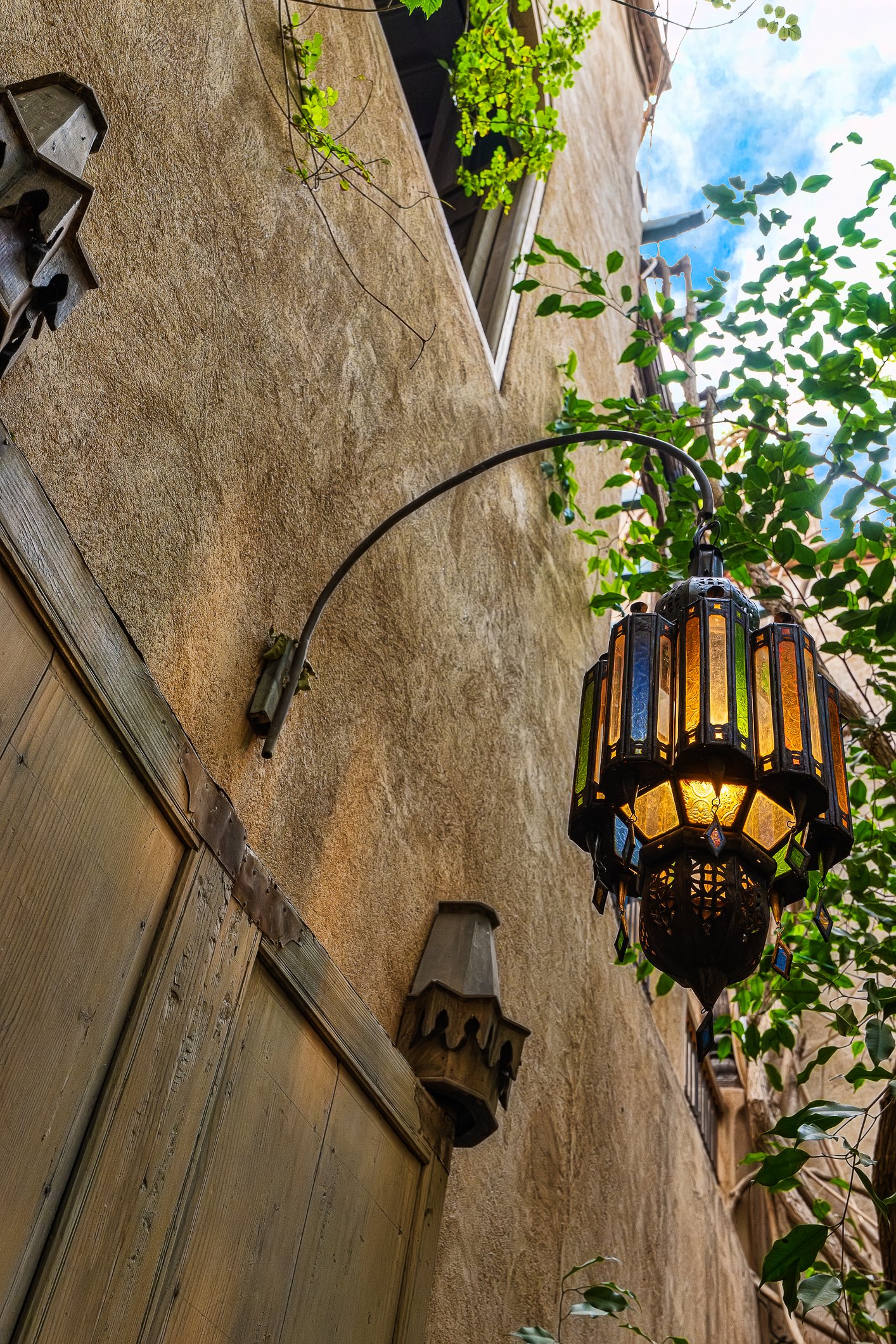
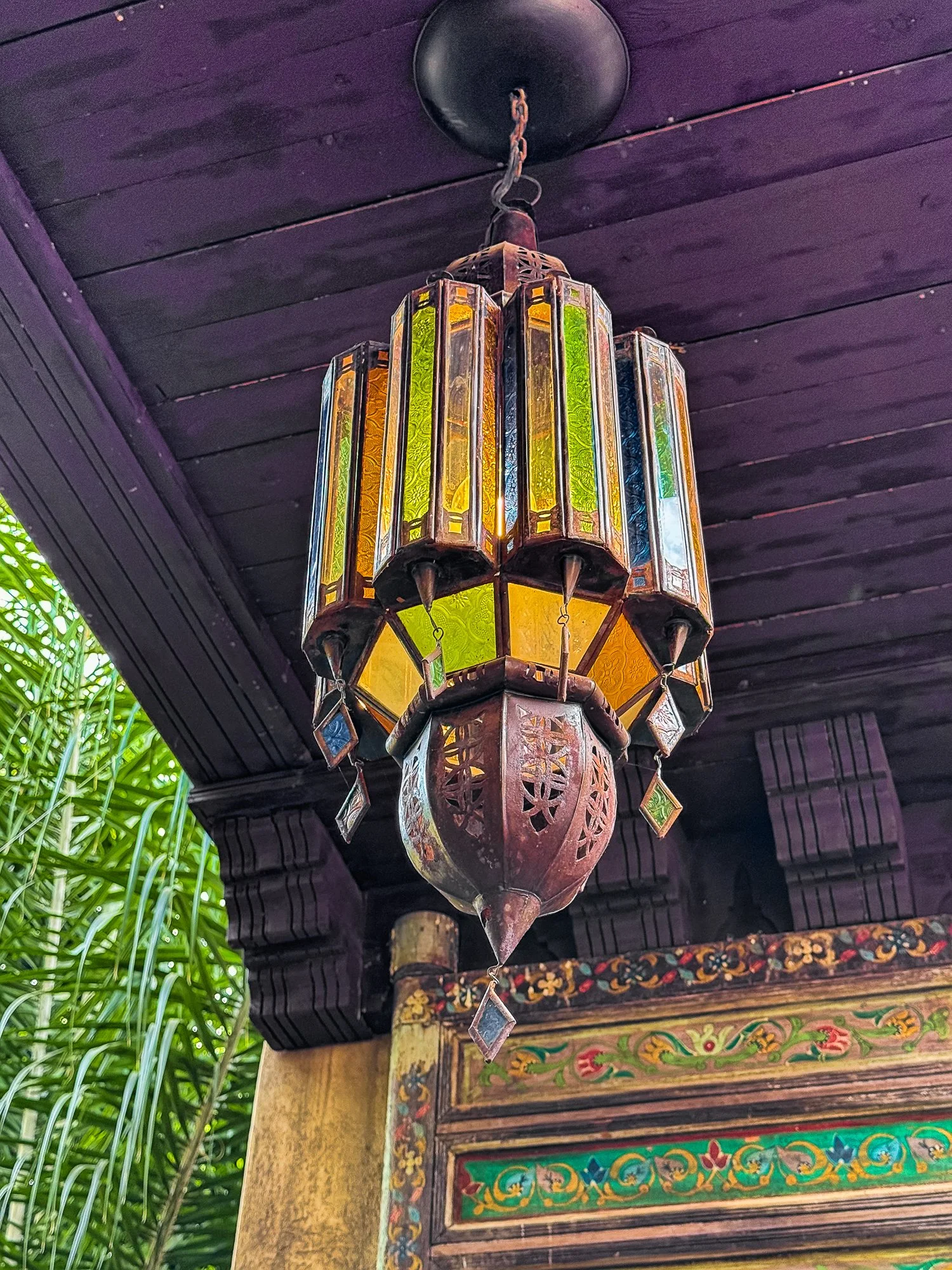
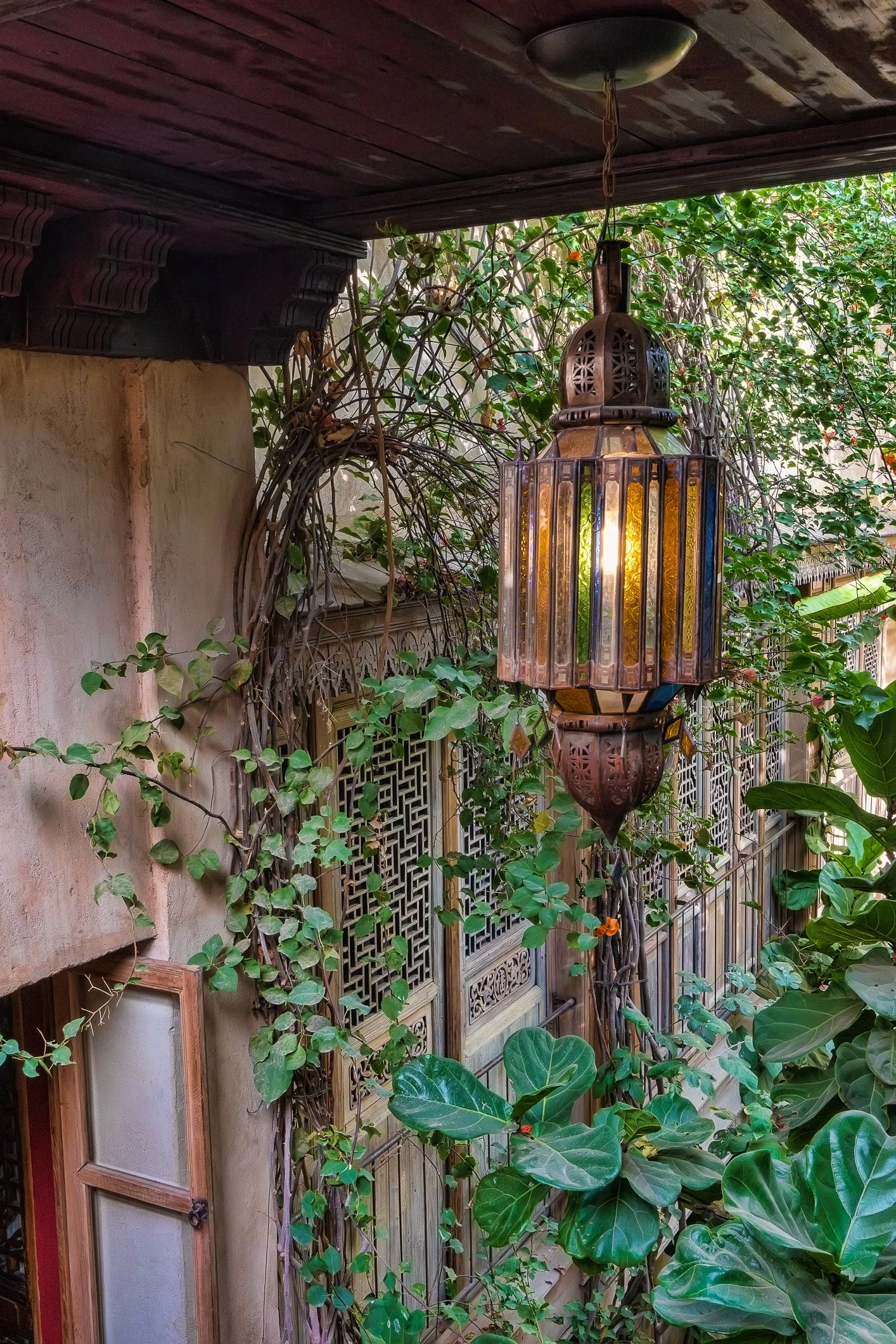
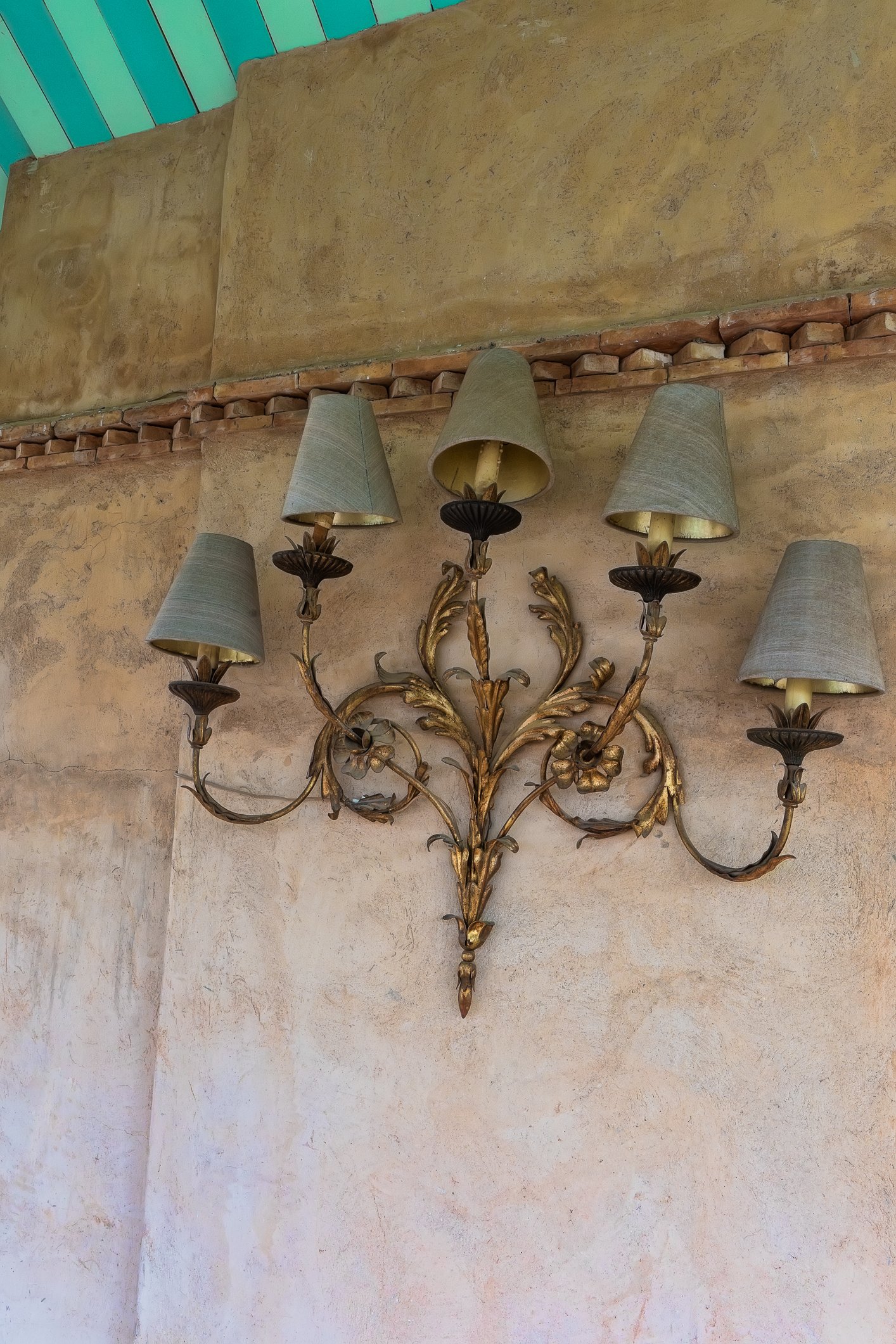
From there, we ducked into the labyrinth of the souks. We stopped for a bit at a lamp shop to chat with the owners. In Morocco, these brass lamps are everywhere - they’re basically a symbol of hospitality and are used to create that classic, cosy vibe in homes and cafes. Some are covered in intricate geometric patterns, while others are more about bold, colourful glass.

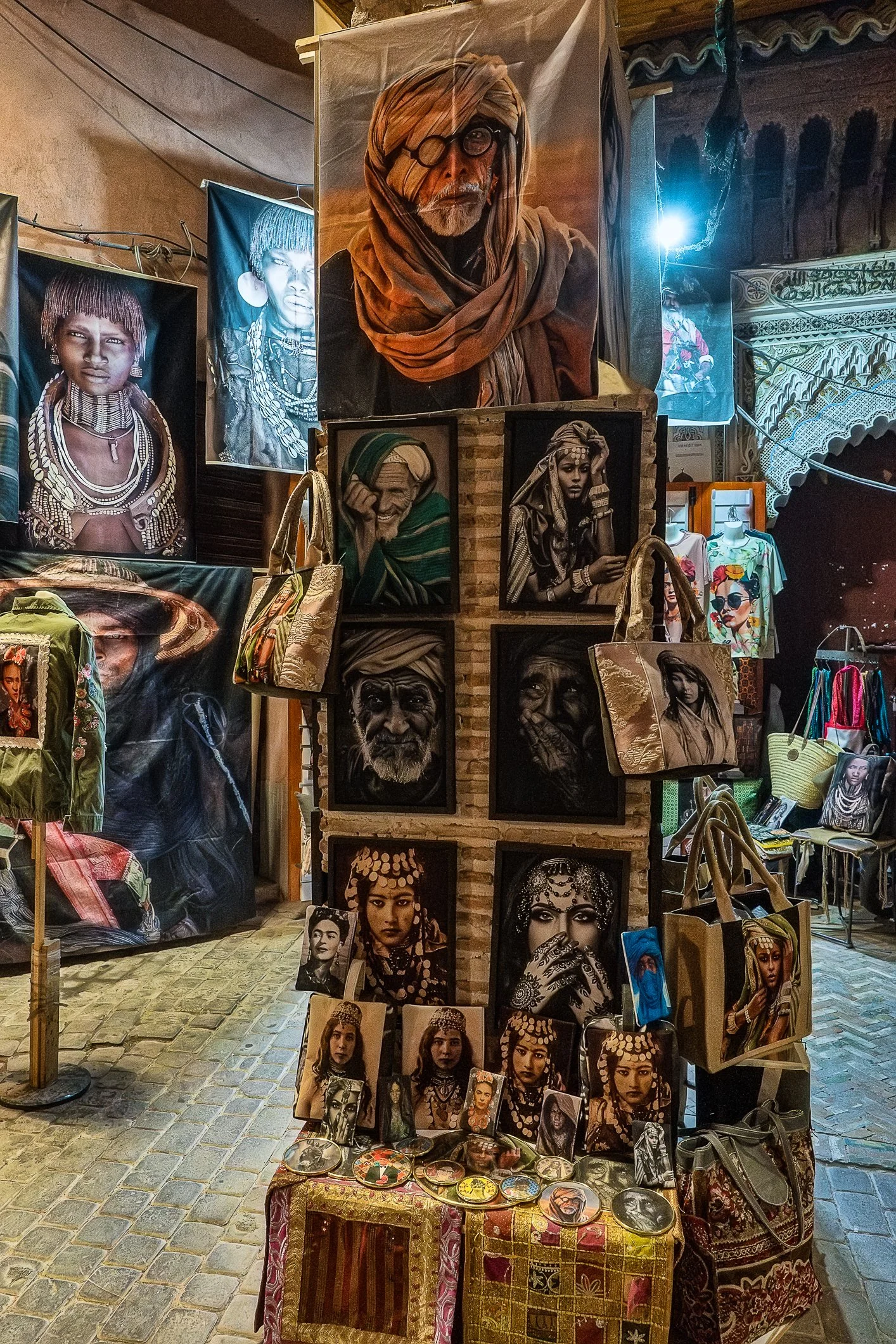
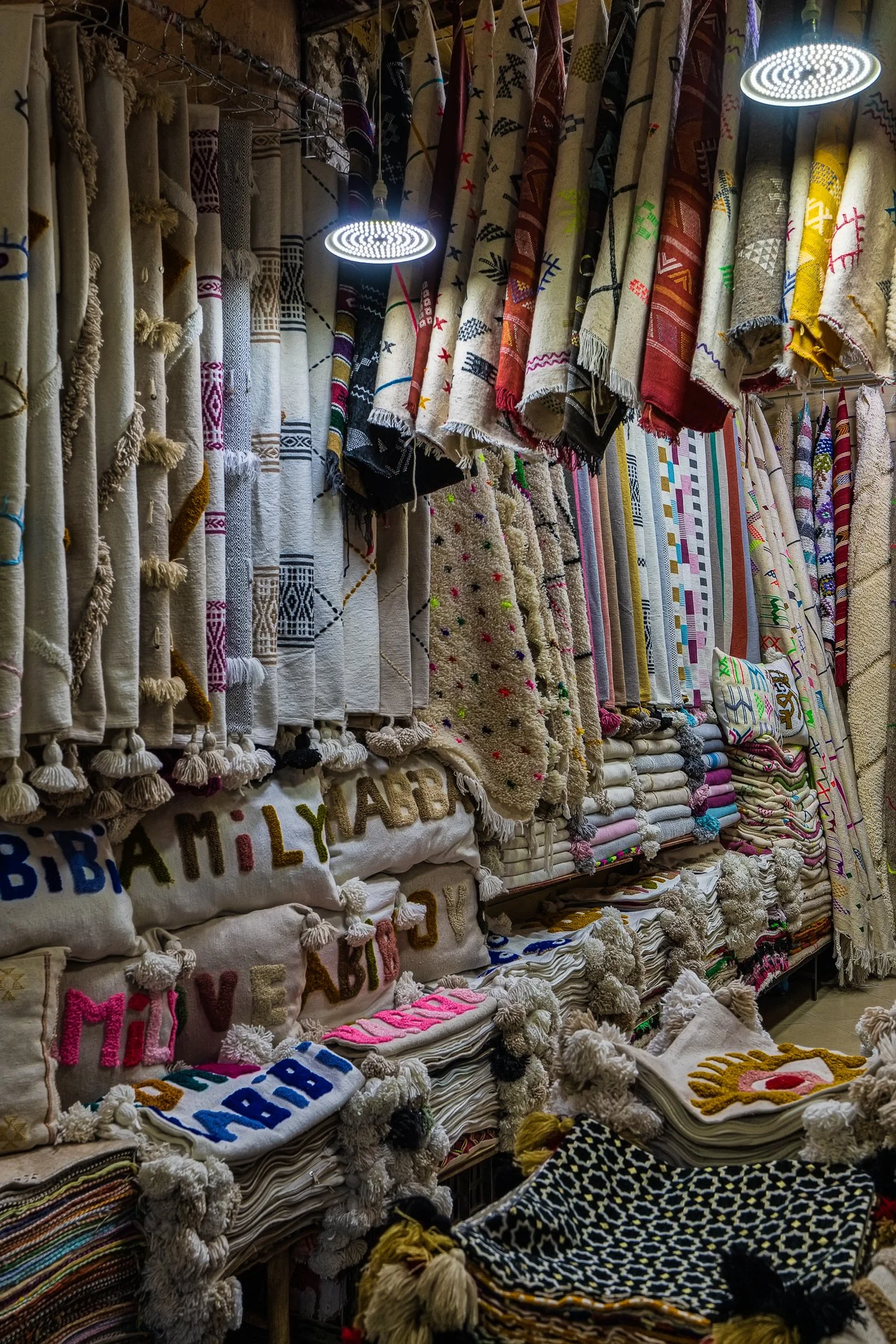
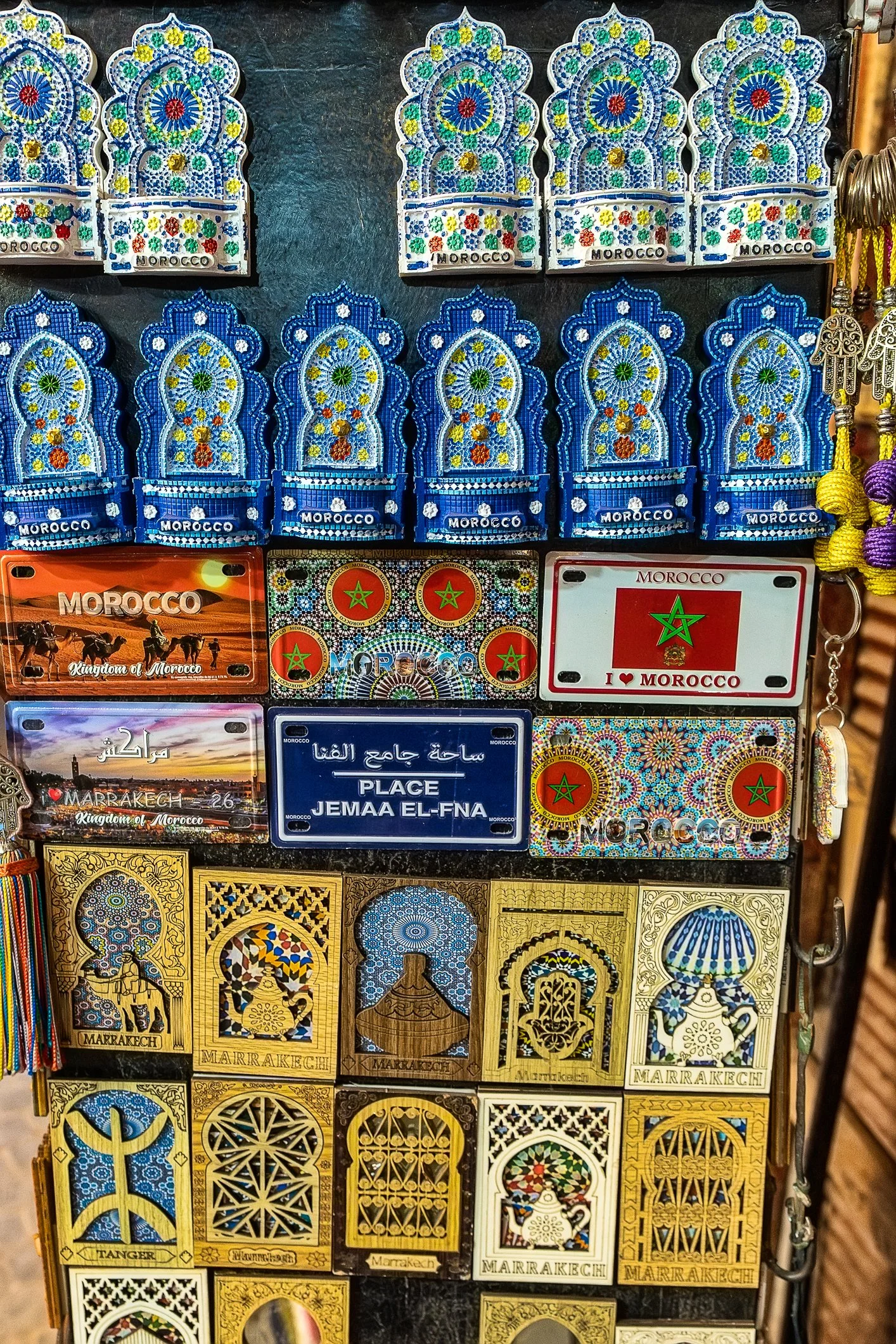
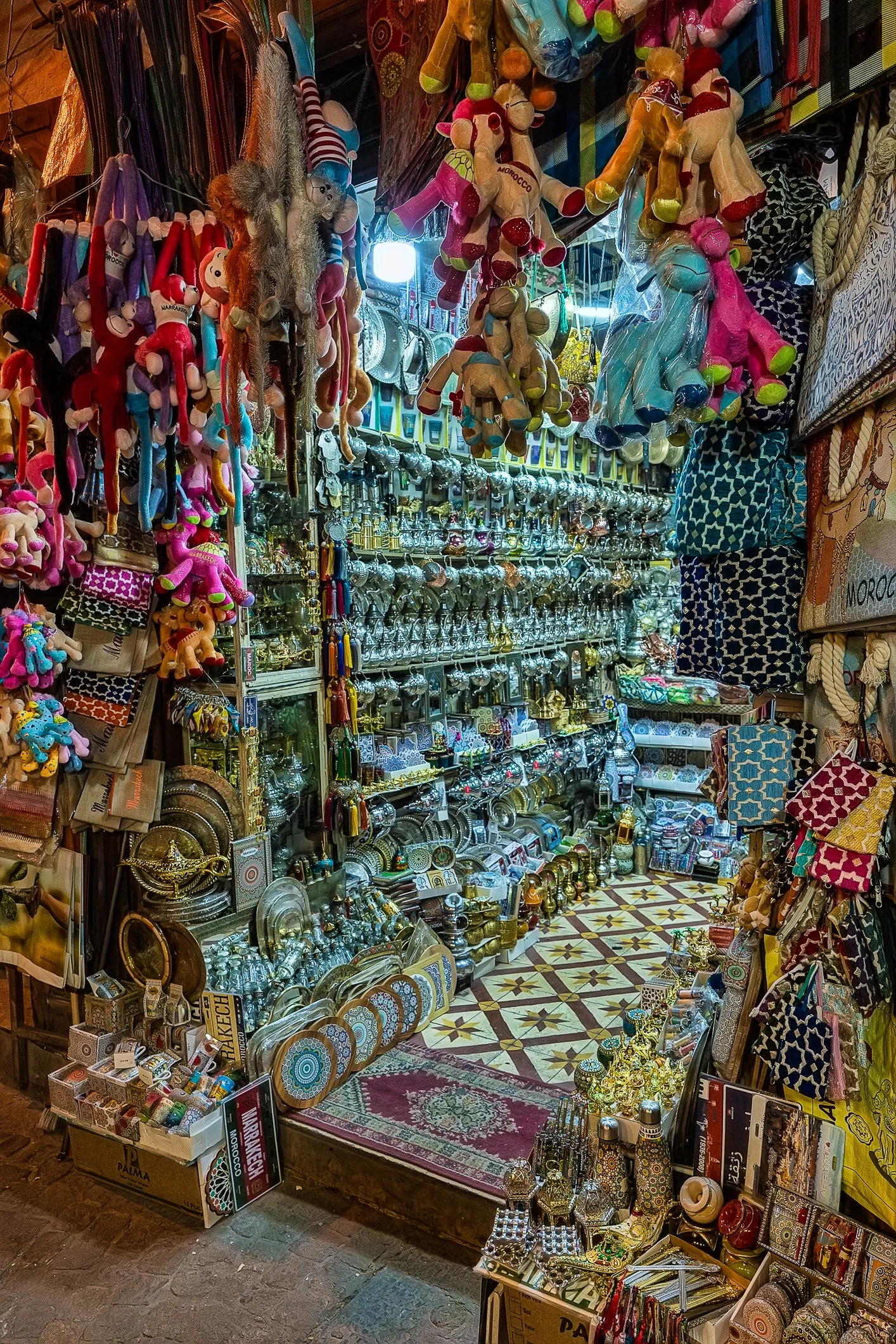
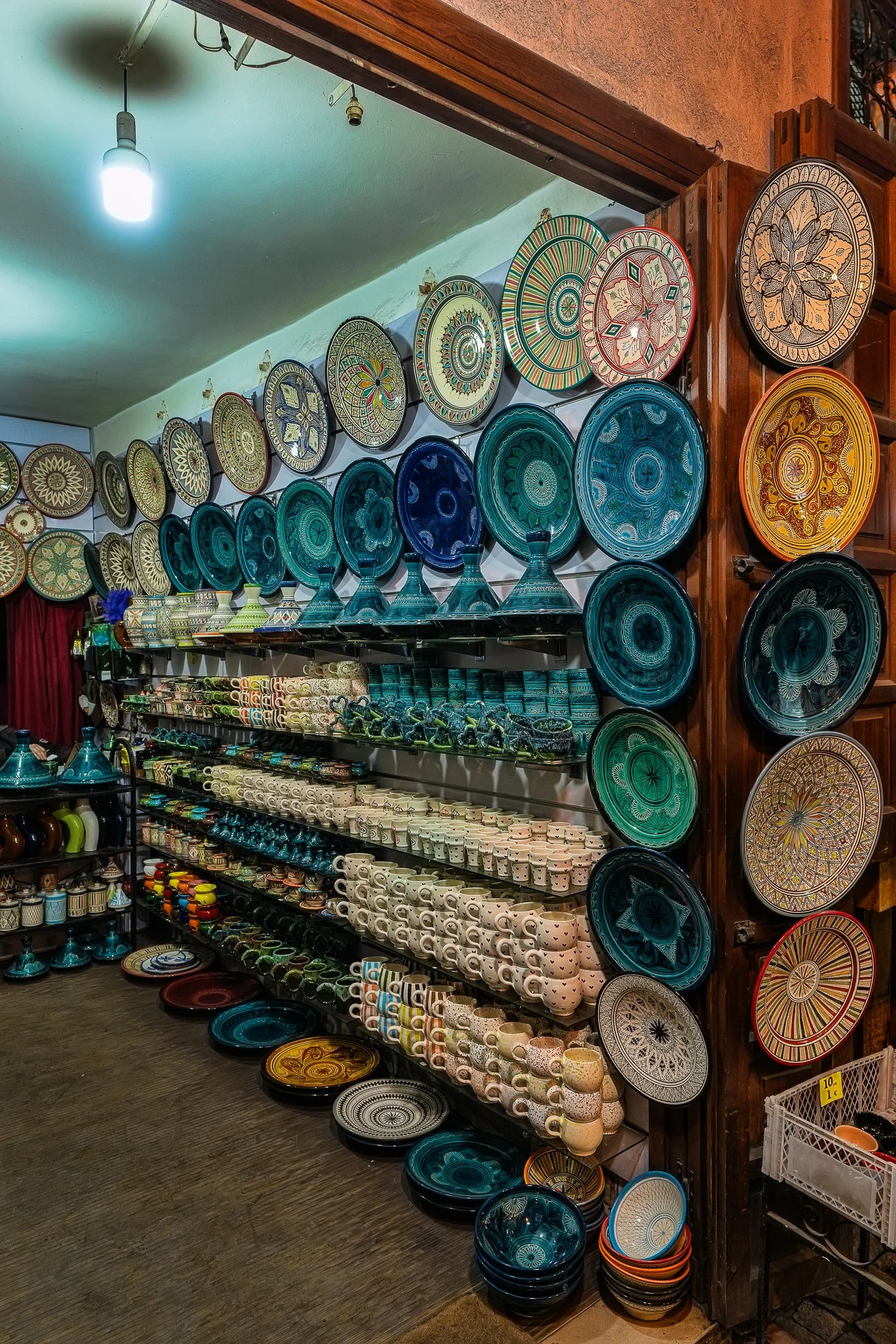
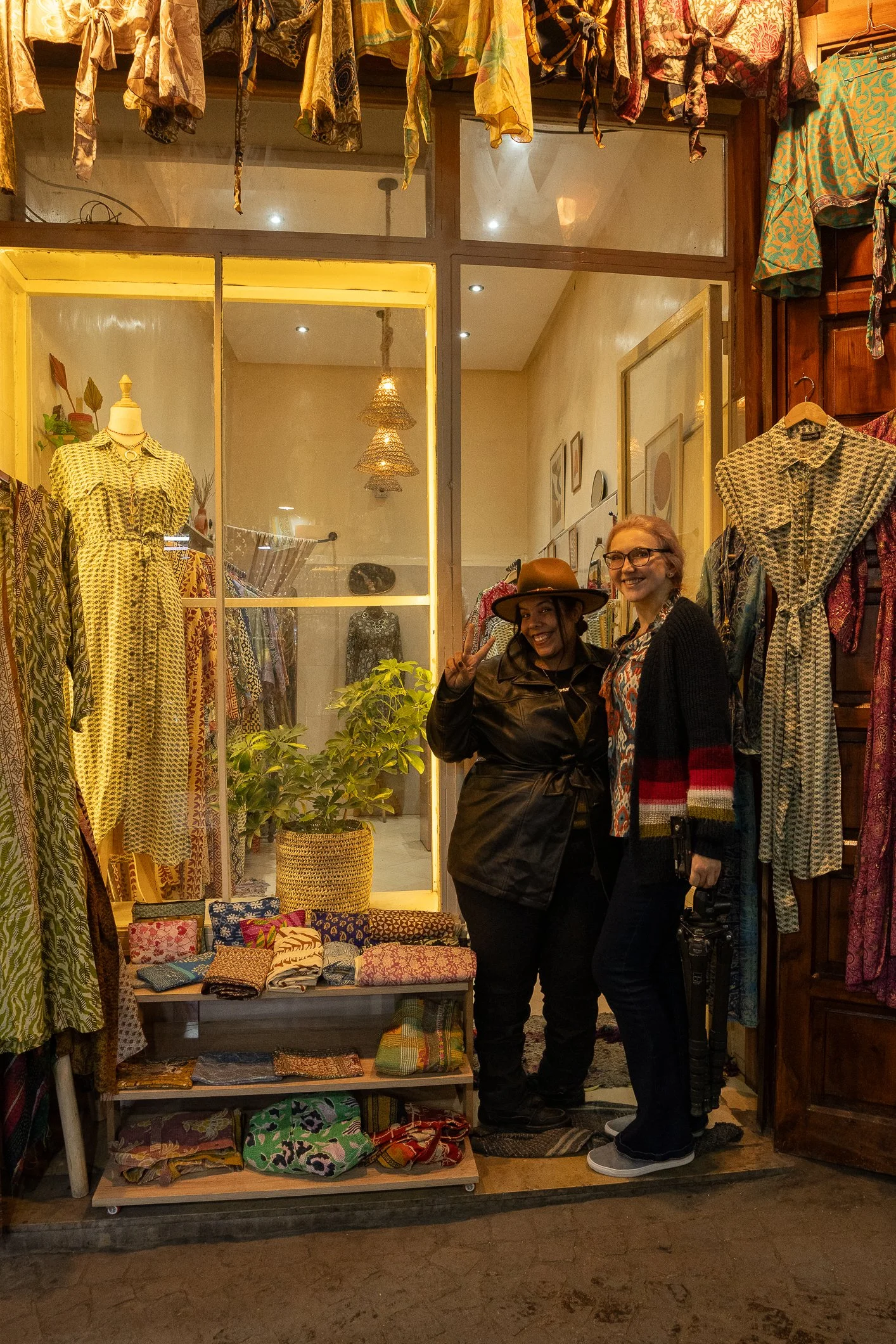
We browsed a few other stalls along the way, but I played it safe and didn't buy anything. The last thing I want is to be lugging extra bags with us once we head out to the desert.


Kiedy wracamy do naszego riadu, nad Marrakeszem zdążył już zapaść zmrok. Po drodze mijamy meczet Koutoubia i plac Jemaa el-Fnaa, który o tej porze tętni życiem (szczegóły w moim wpisie z poprzedniej wyprawy do Maroka).

Szybko jednak uciekamy w labirynt wąskich uliczek suku. Zatrzymujemy się przy sklepie z lampami, zatrzymani na chwilę przez przyjaznych właścicieli. Mosiężne lampy to w zasadzie wizytówka tutejszego rzemiosła - dla Marokańczyków są one symbolem gościnności i domowego ciepła. Niektóre zachwycają precyzyjnymi, geometrycznymi wycięciami, inne przyciągają wzrok kolorowym szkłem.

Zajrzeliśmy jeszcze do paru innych sklepików, ale tym razem obyło się bez zakupów. Wolę nie dociążać bagażu, bo przed nami jeszcze wyprawa na pustynię, a dodatkowe torby to ostatnia rzecz, której teraz potrzebujemy.

Riad Kbour & Chou

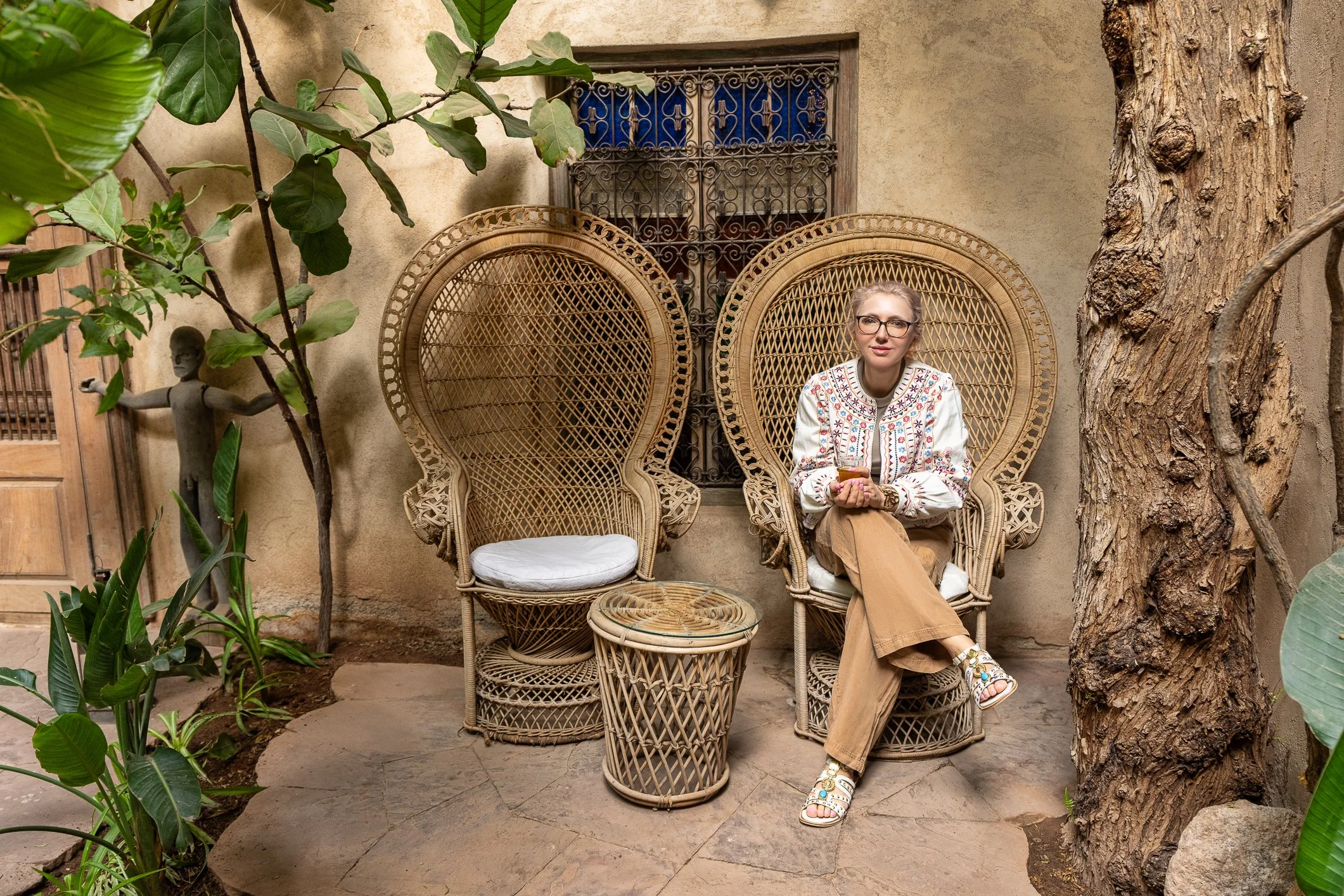
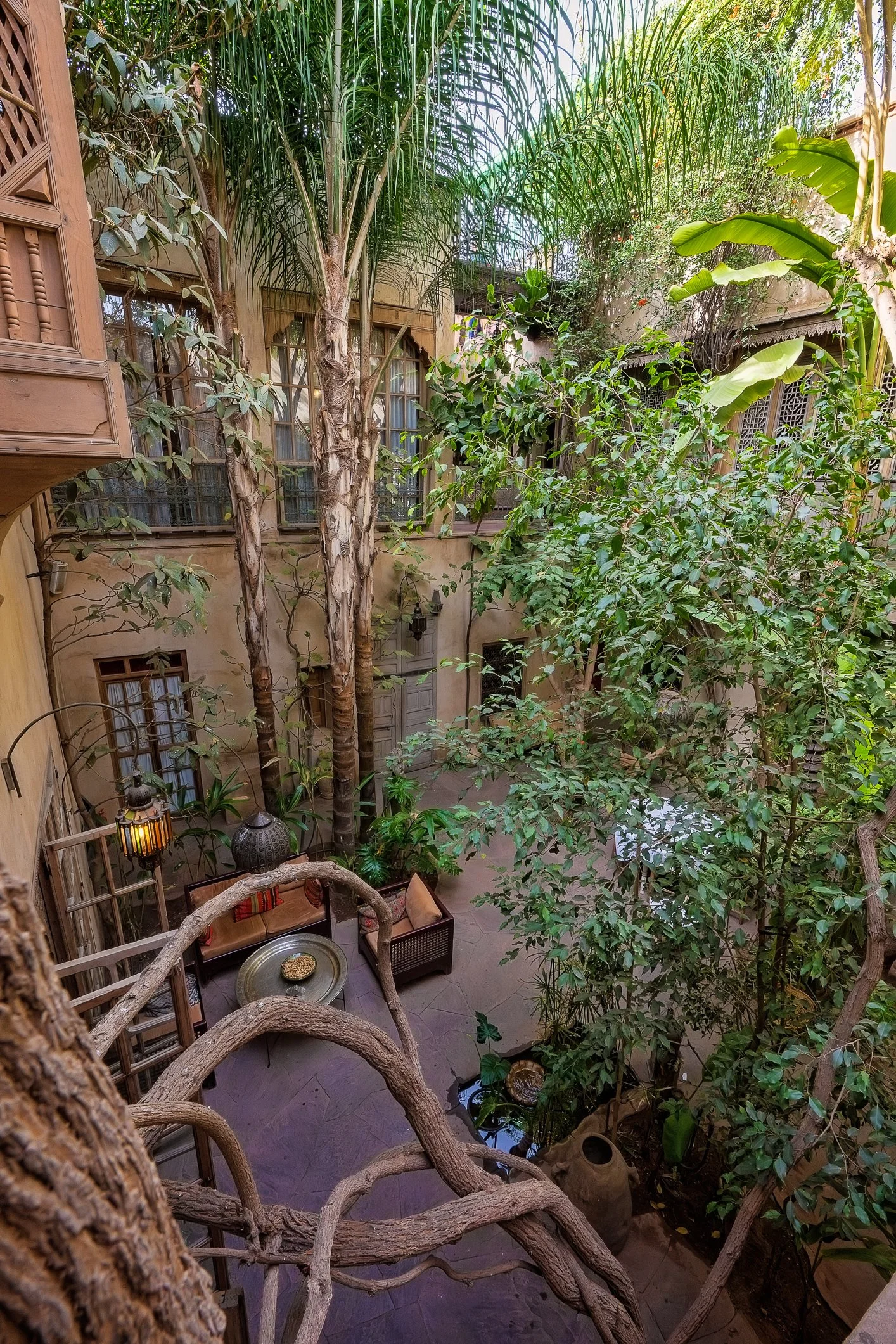
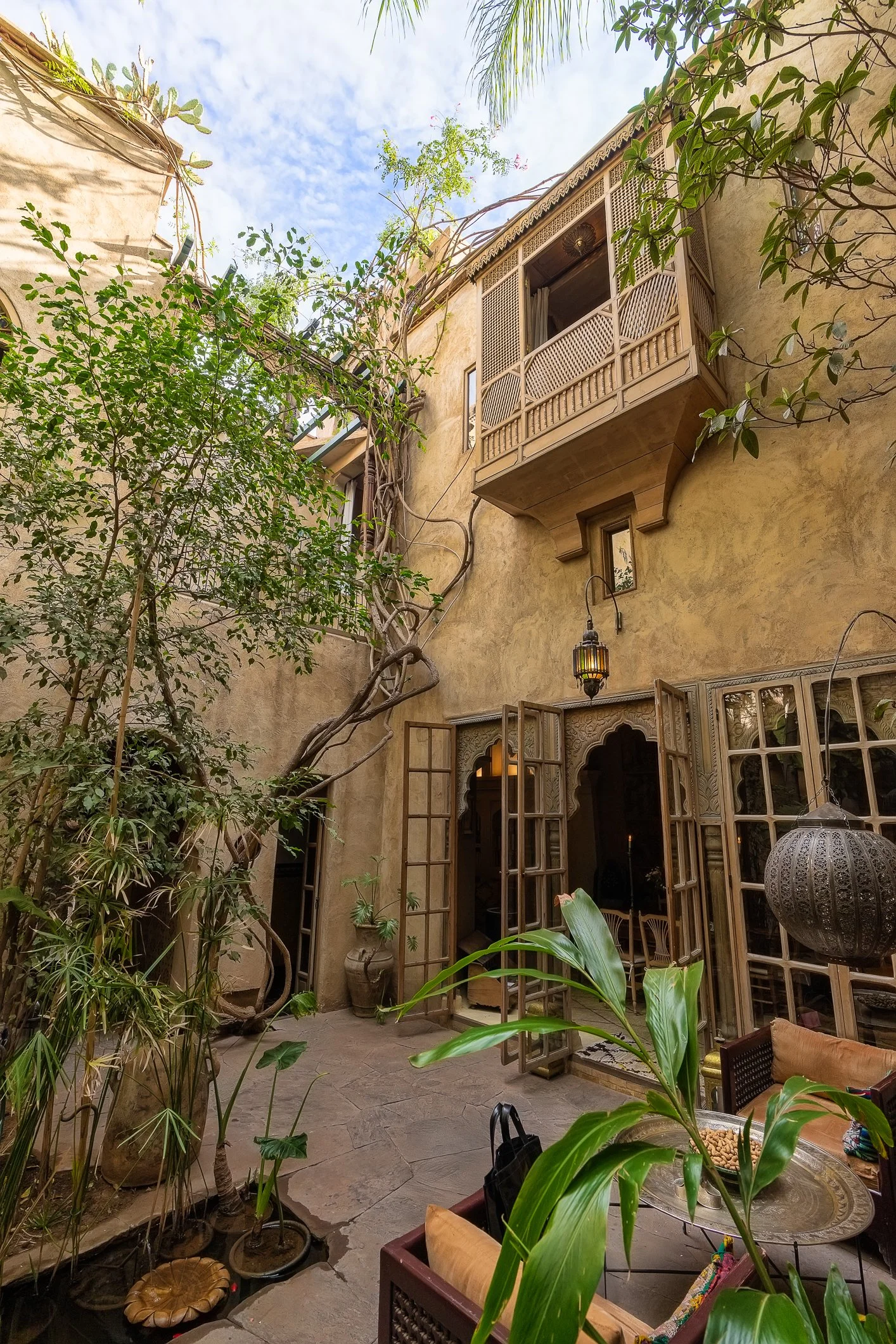
Our first riad this time is Kbour & Chou, located in the quiet northwest corner of the Marrakech medina. The riad is celebrated for its seamless blend of traditional Arab-Moorish architecture.

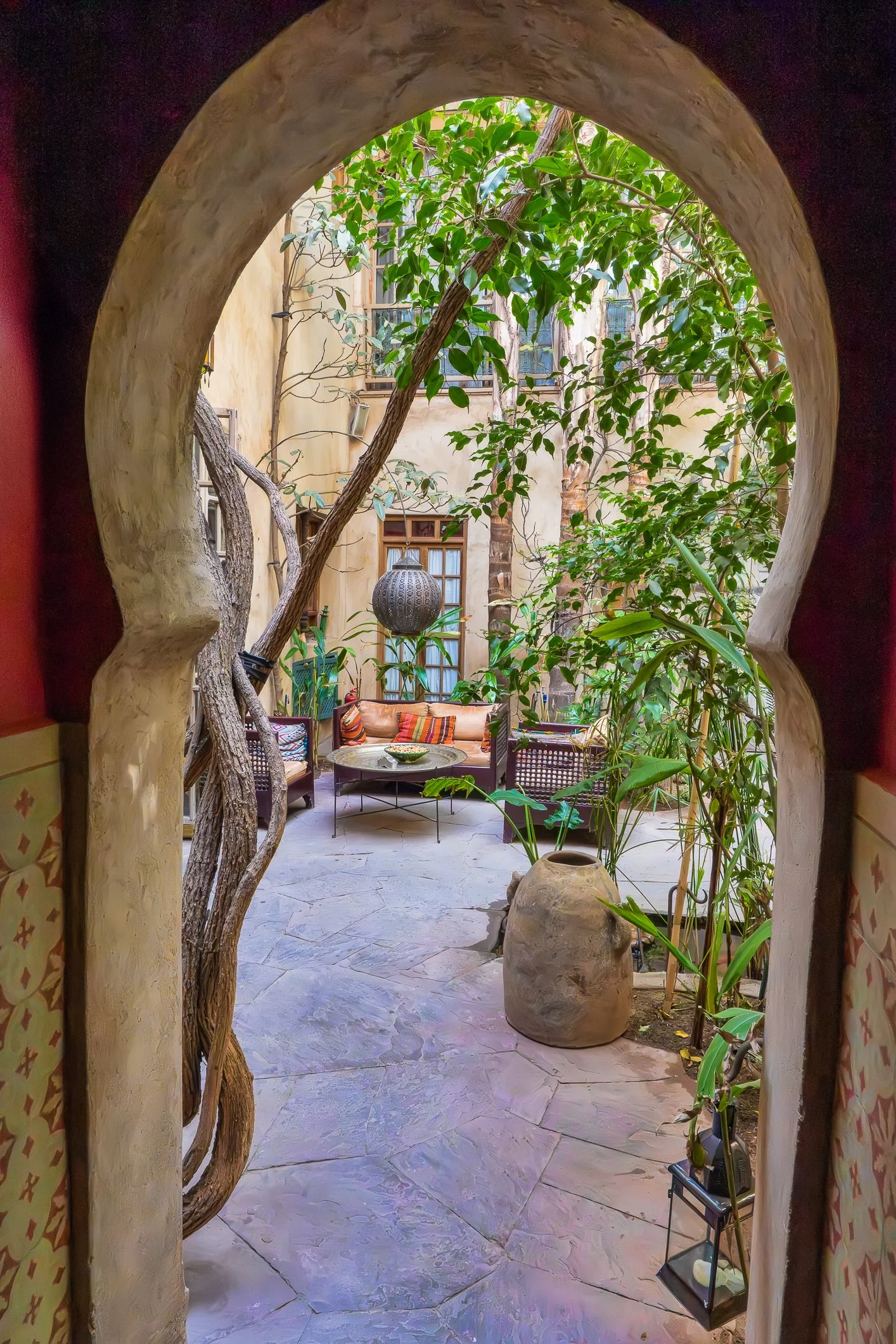
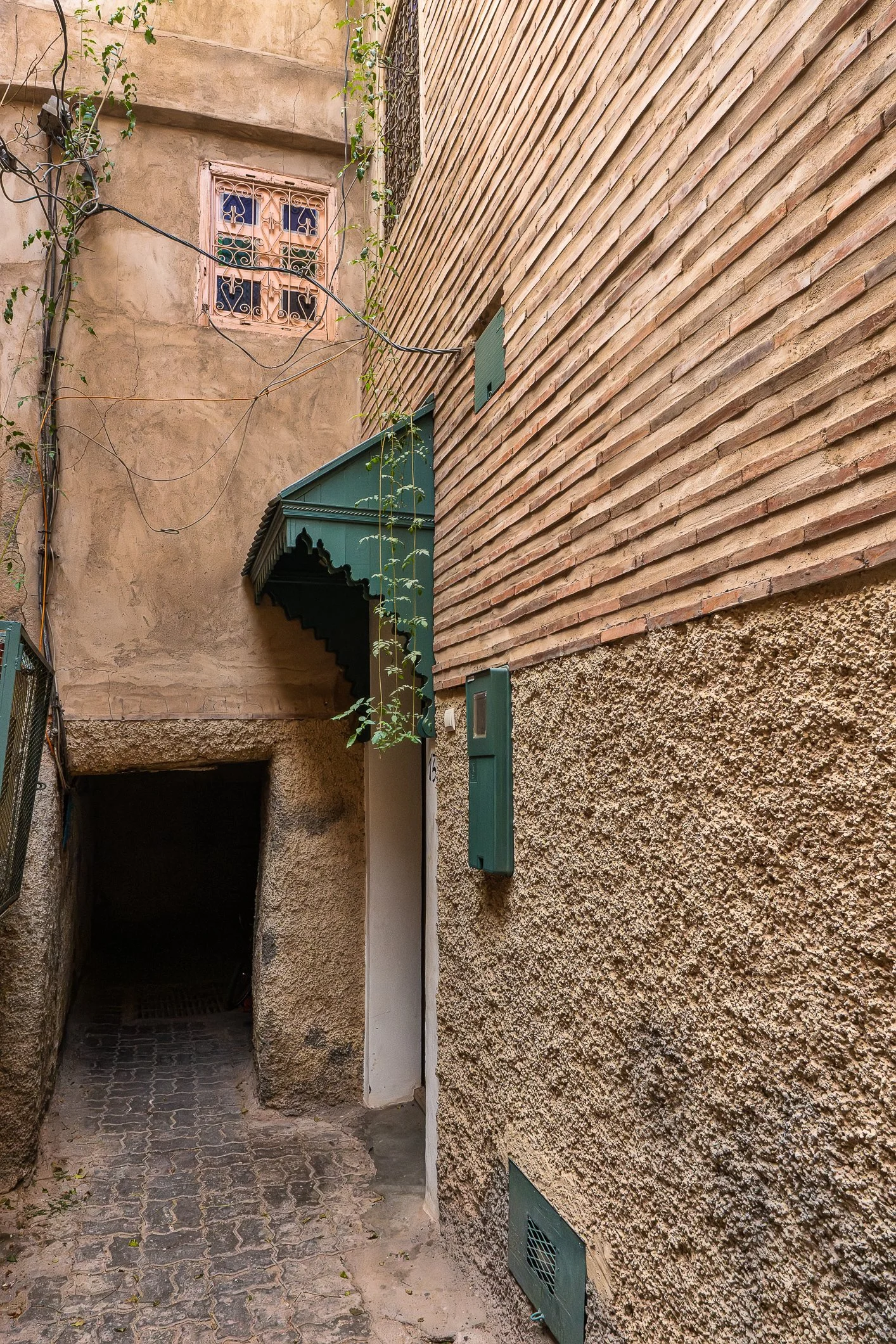
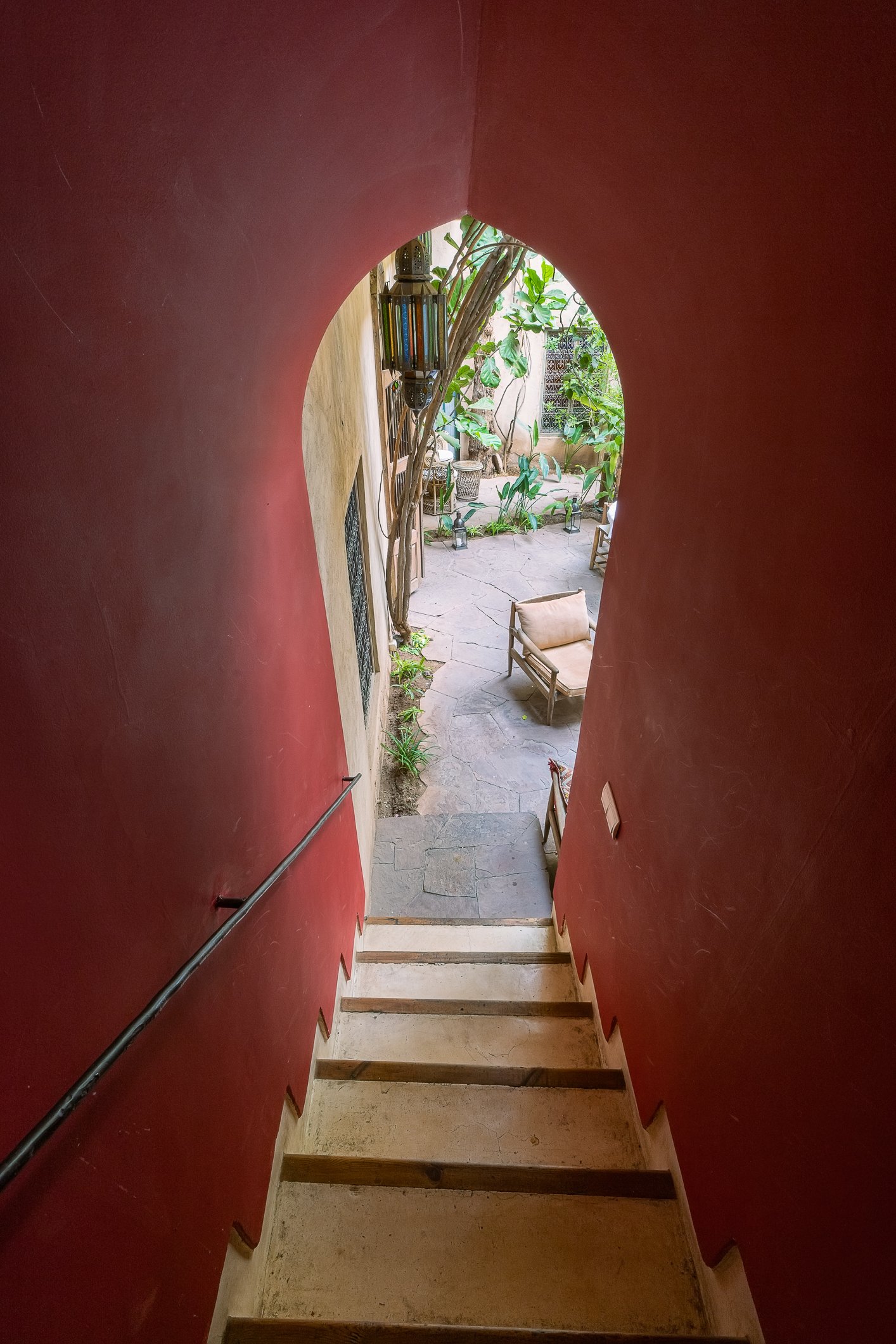
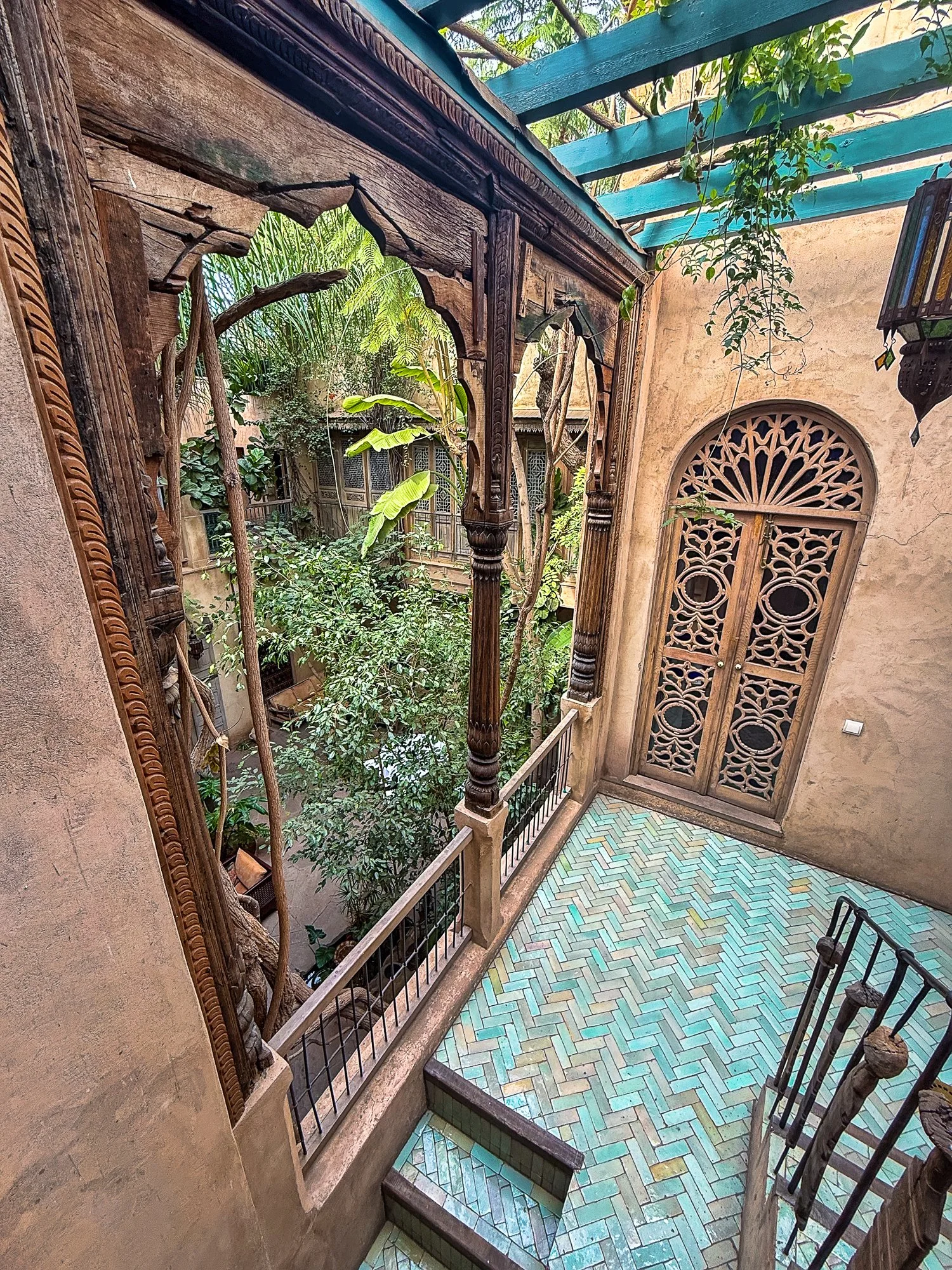
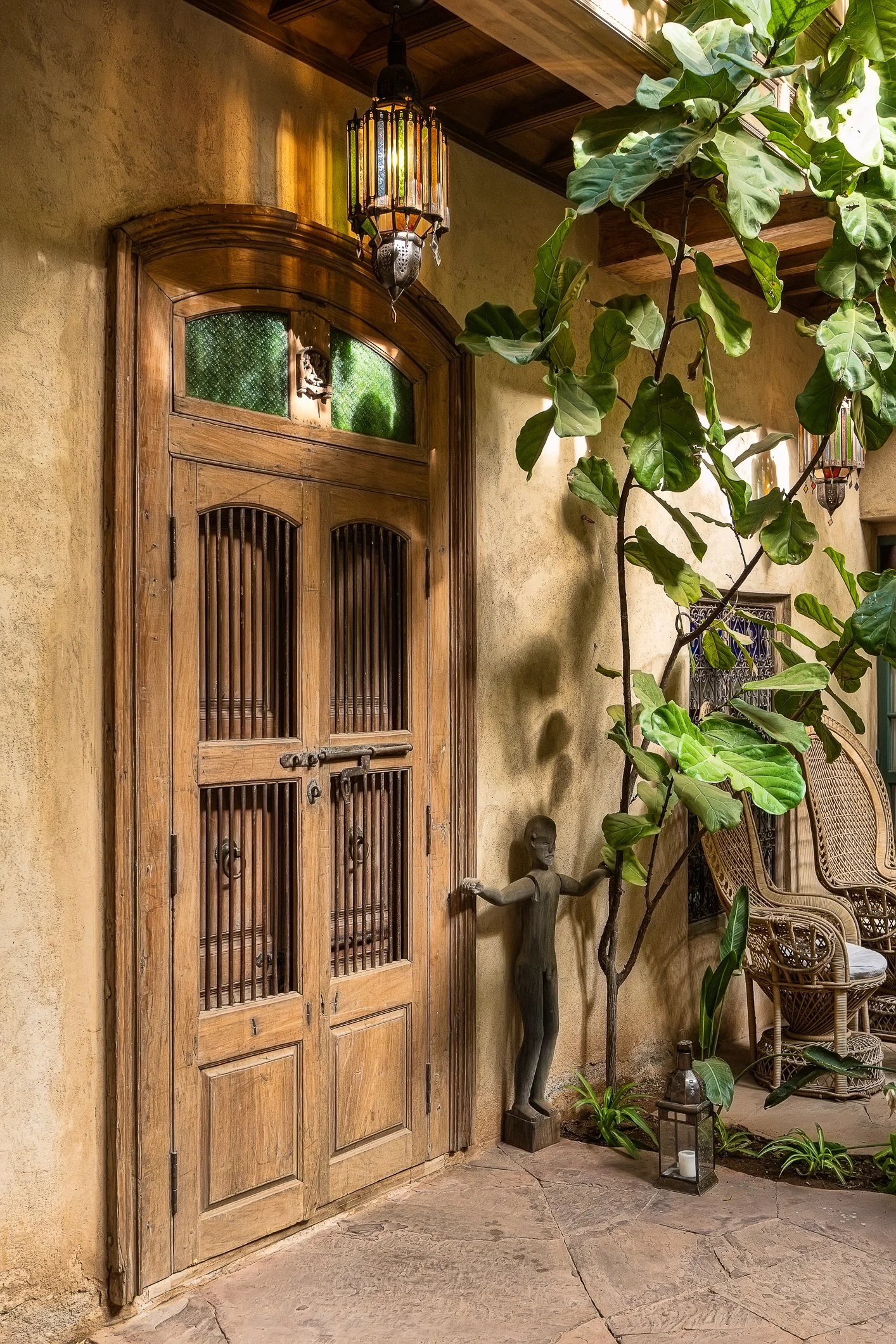
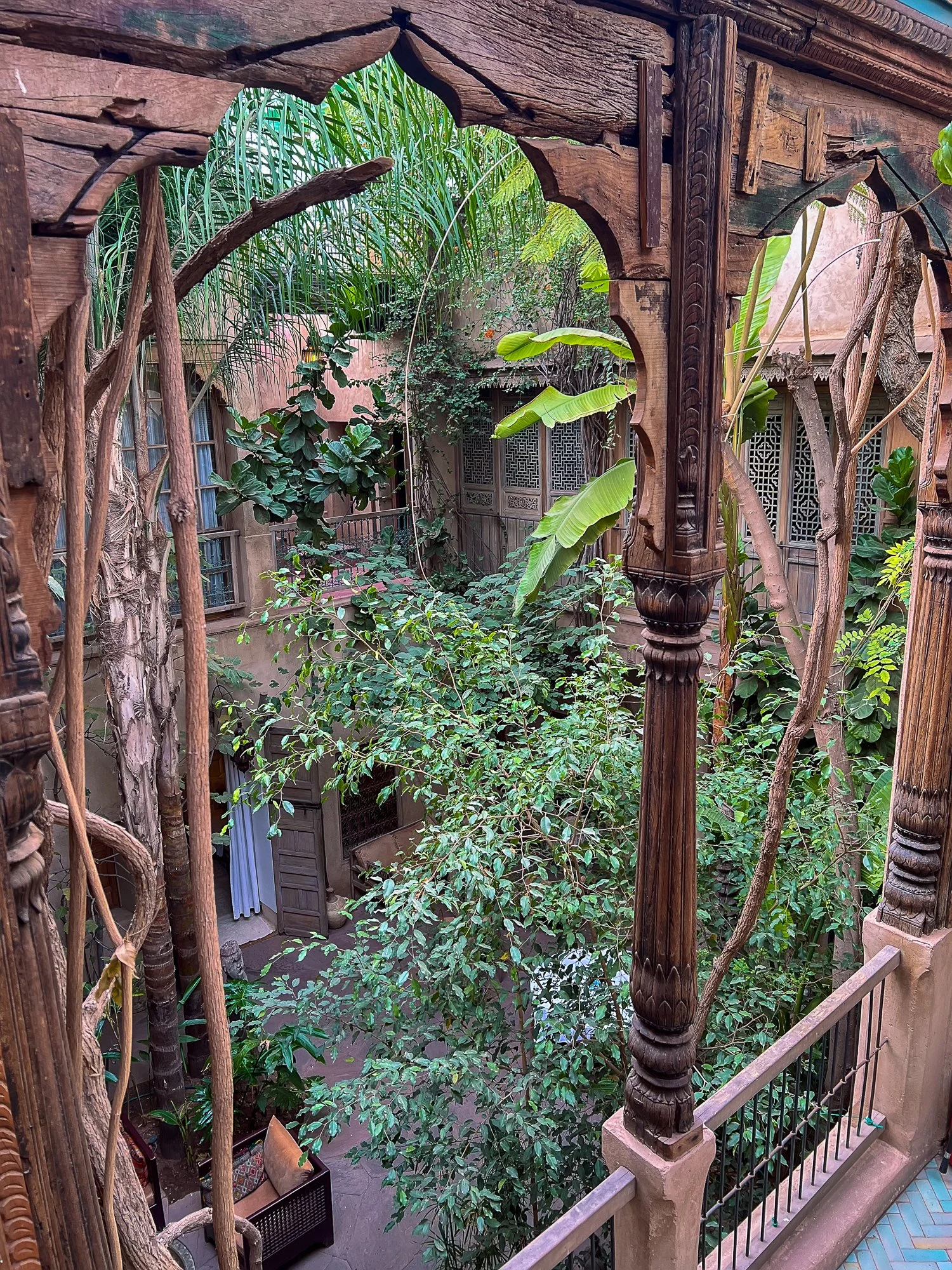
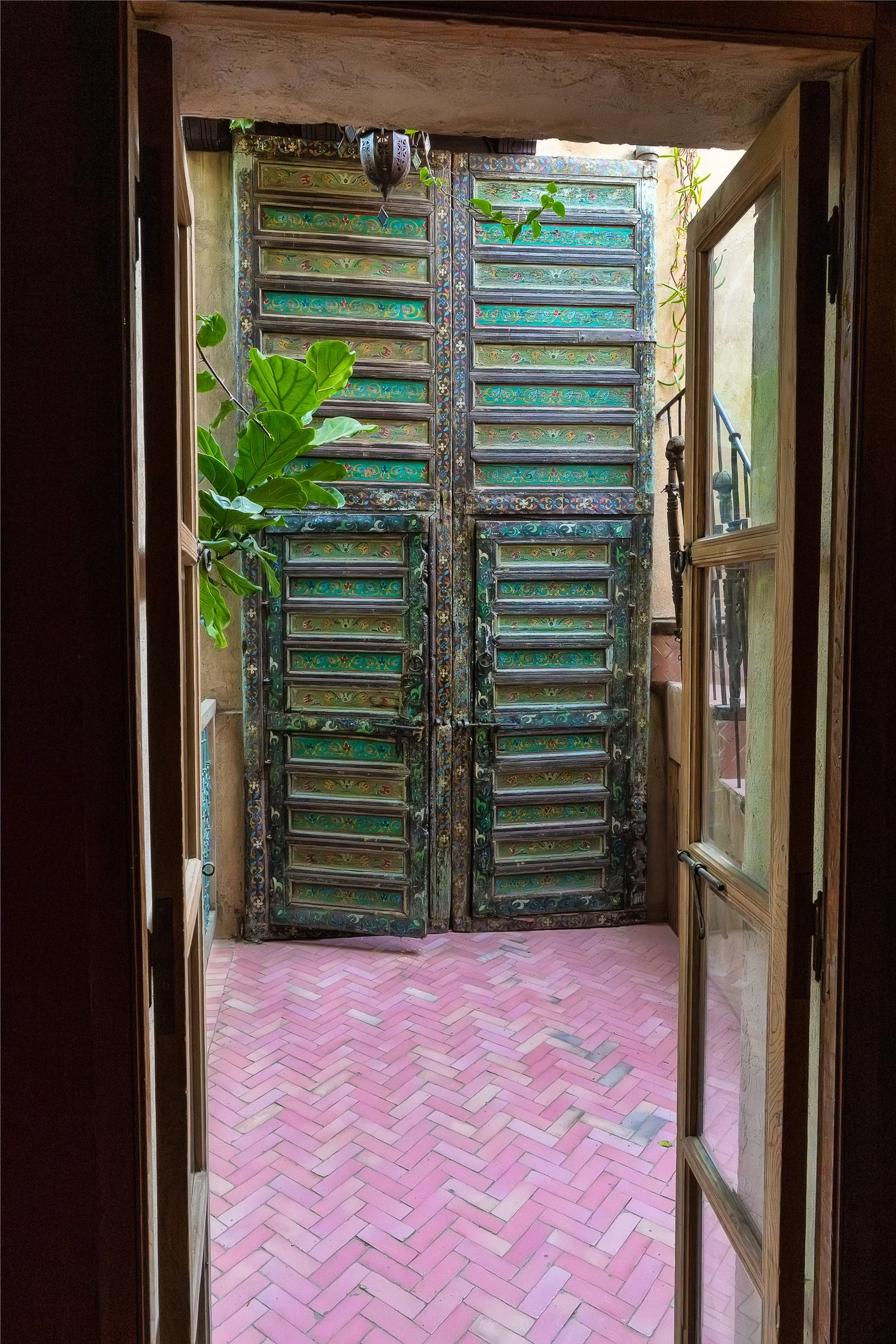
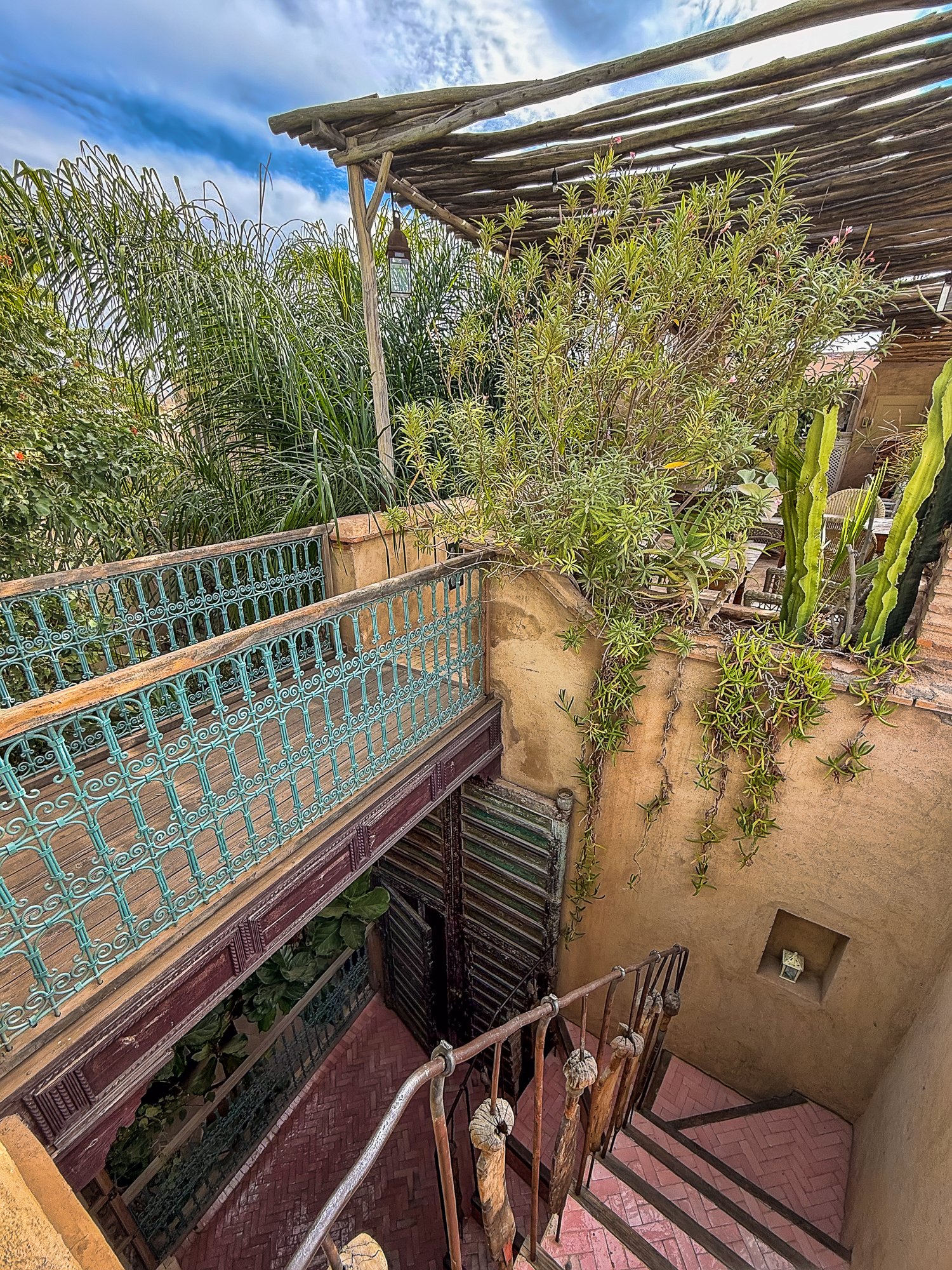
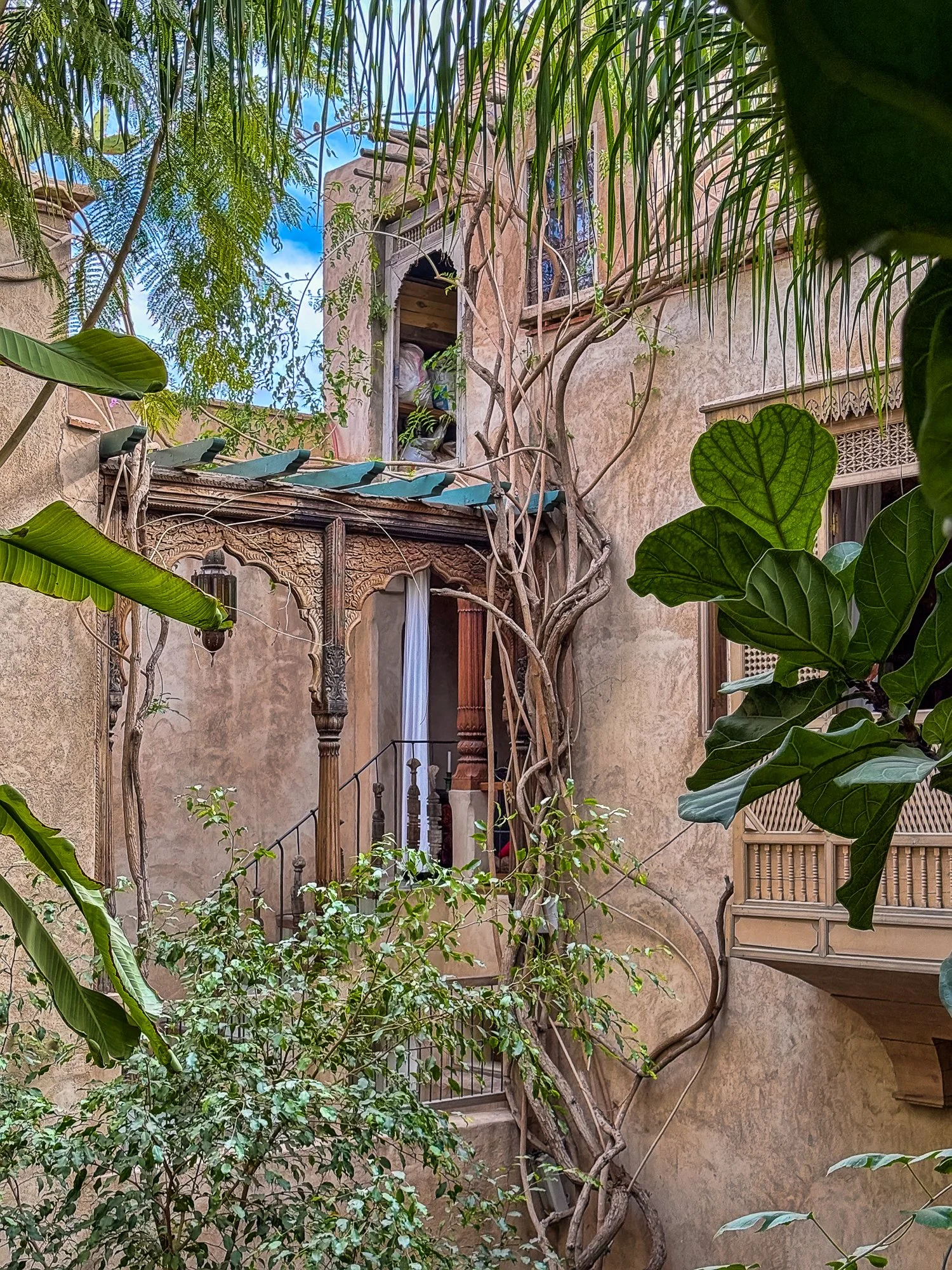
From the street, the riad is very discreet, tucked behind a modest door that offers little hint of the splendid and somewhat eccentric interior within. Upon entering, your attention is immediately captured by a wealth of interesting details: wrought-iron balconies, spiral staircases, and doorways that require a small dip of the head to pass through.


Naszą marokańską przygodę zaczynamy tym razem w północno-zachodniej części medyny, z dala od największego zgiełku. Tutaj, w cichym zakątku dzielnicy Zaouia el Abassia, kryje się Kbour & Chou – riad łączący w sobie architektuę arabsko-mauretańskią z dodatkową nutką artystycznej finezji.

Z zewnątrz budynek wygląda dość niepozornie i nie zdradza swoich tajemnic. Skromne drzwi są barierą oddzielającą uliczkę medyny od wnętrza pełnego niespodzianek. Po przekroczeniu progu od razu uderza bogactwo detali: od kręconych schodów i kutych balustrad po wąskie przejścia i malowane ręcznie drzwi.

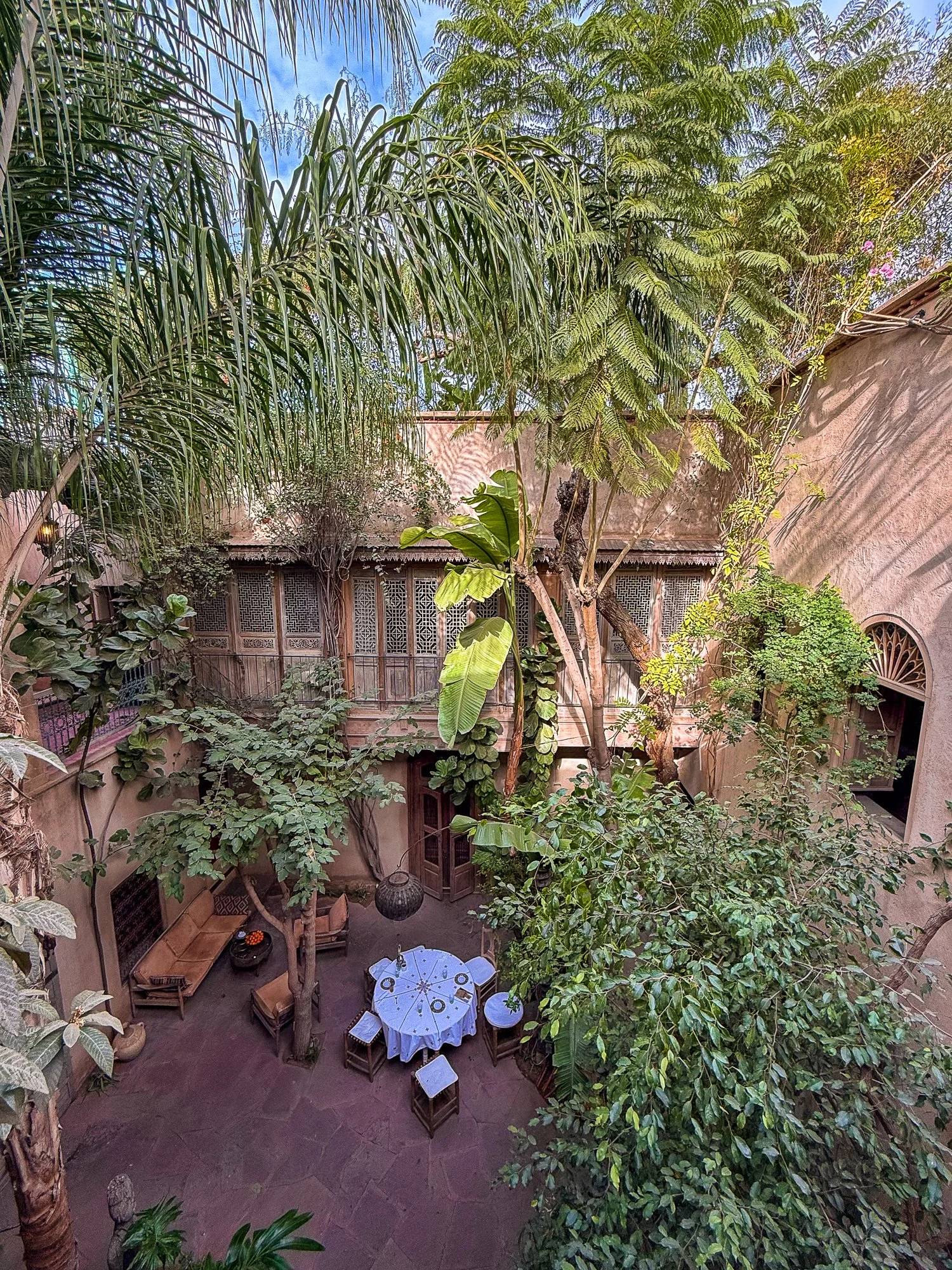
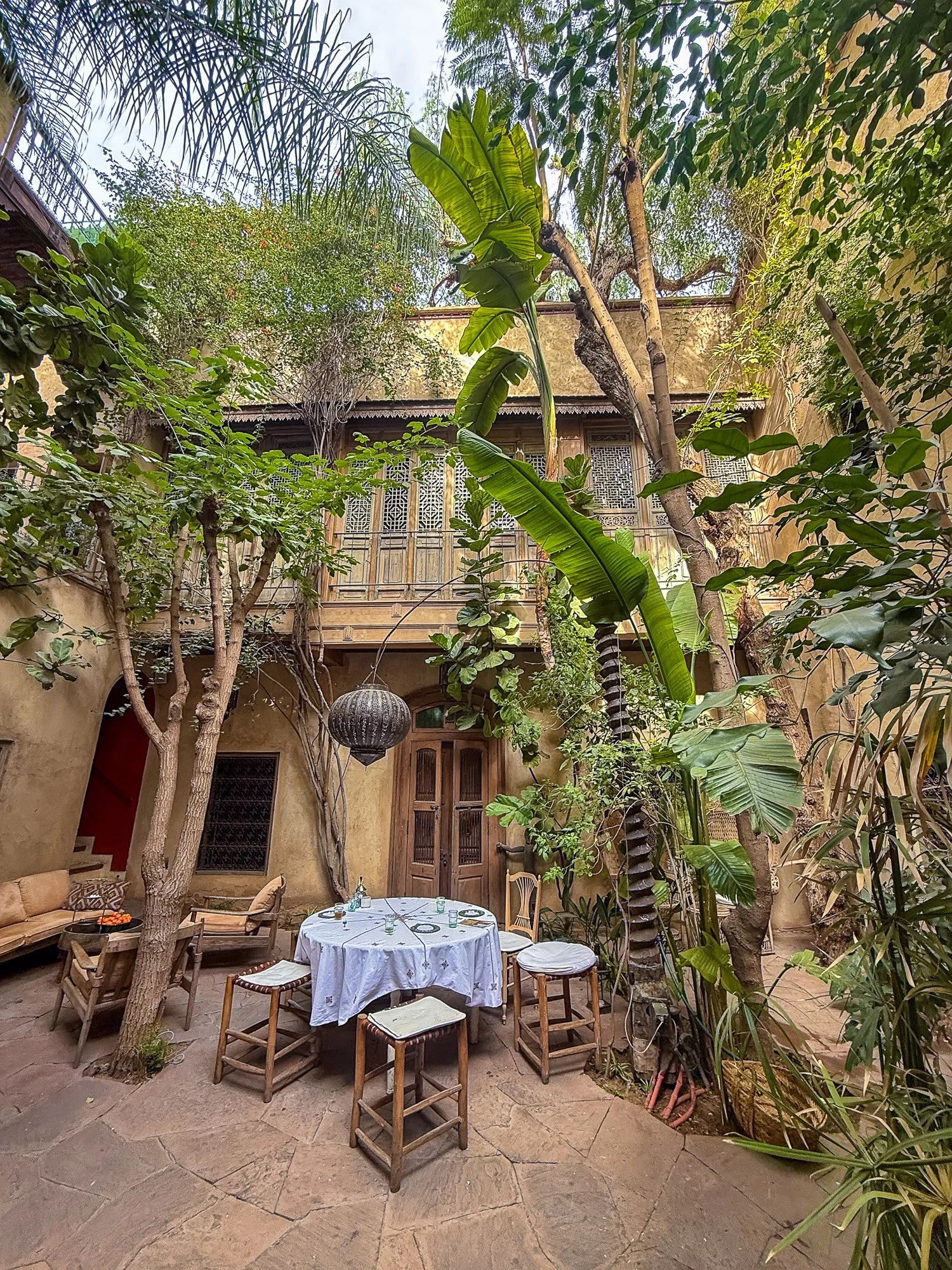
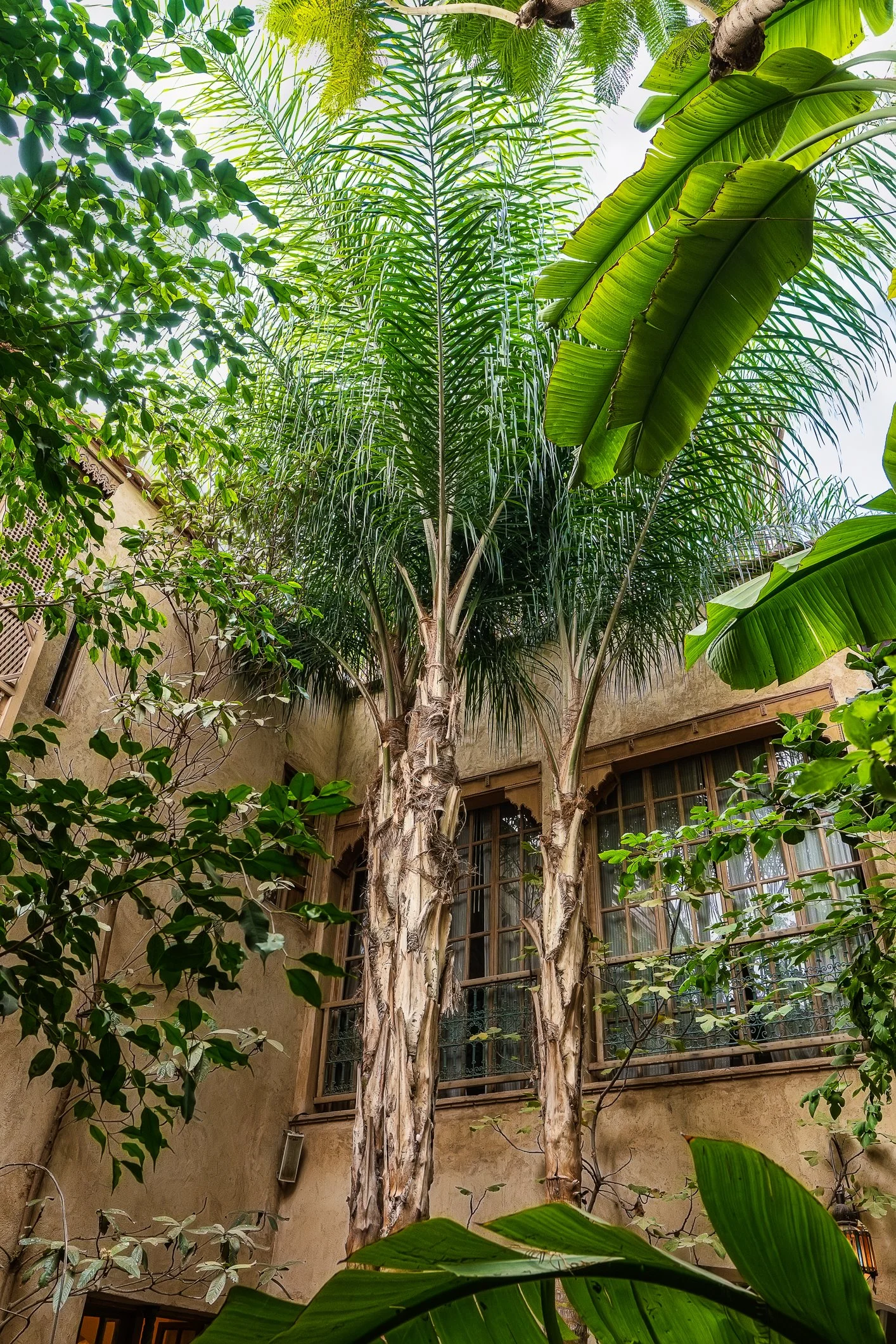
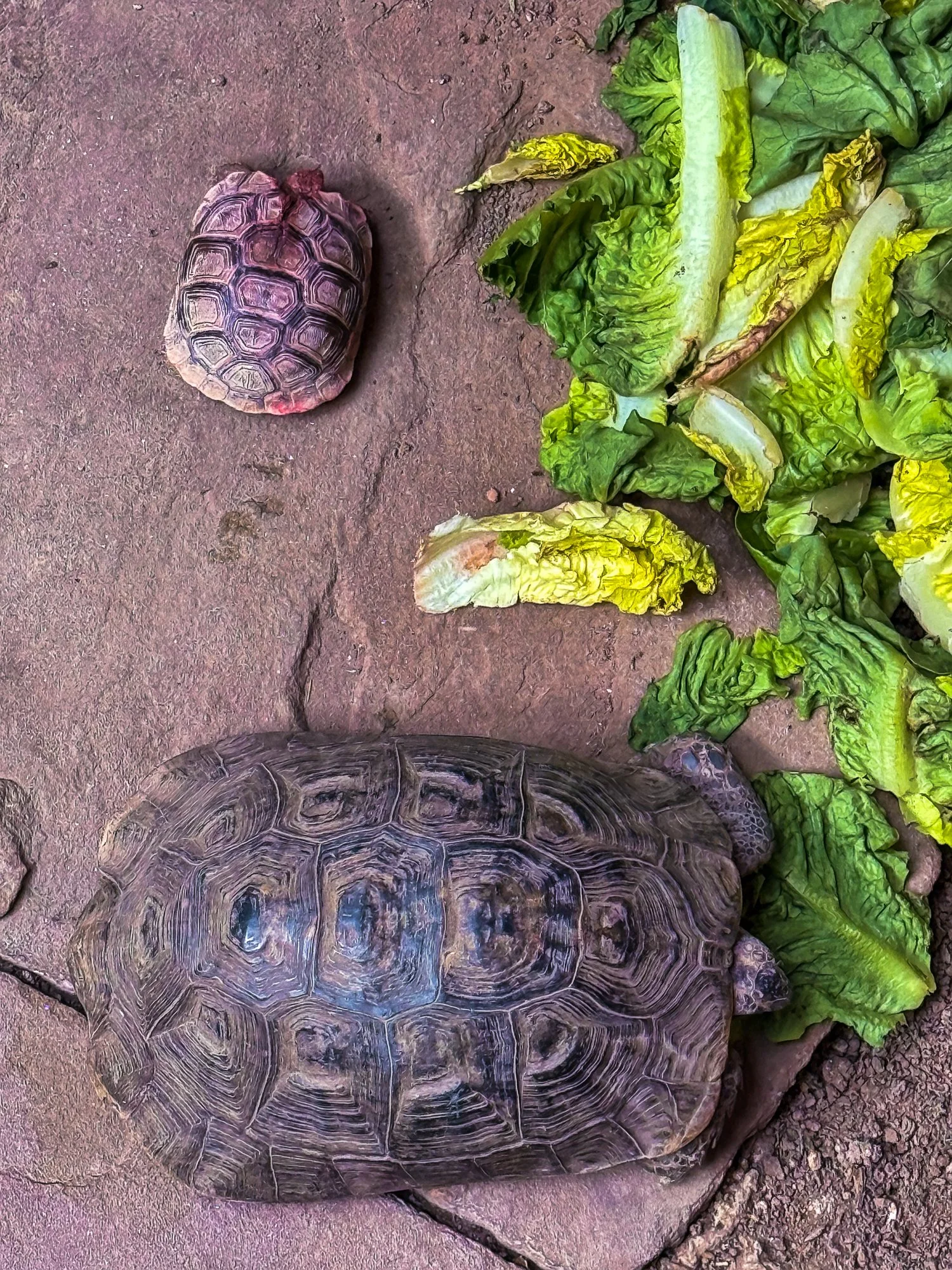
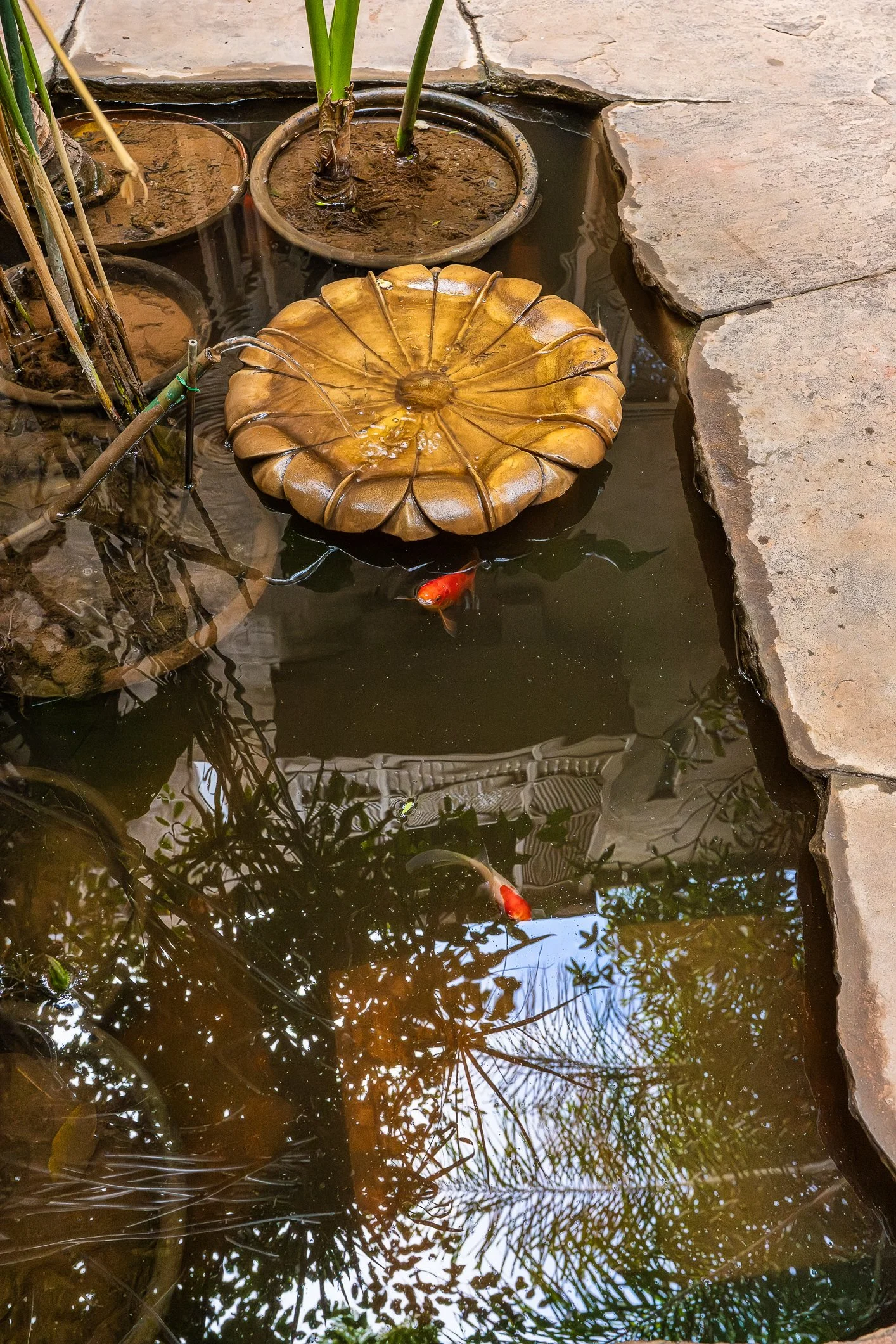
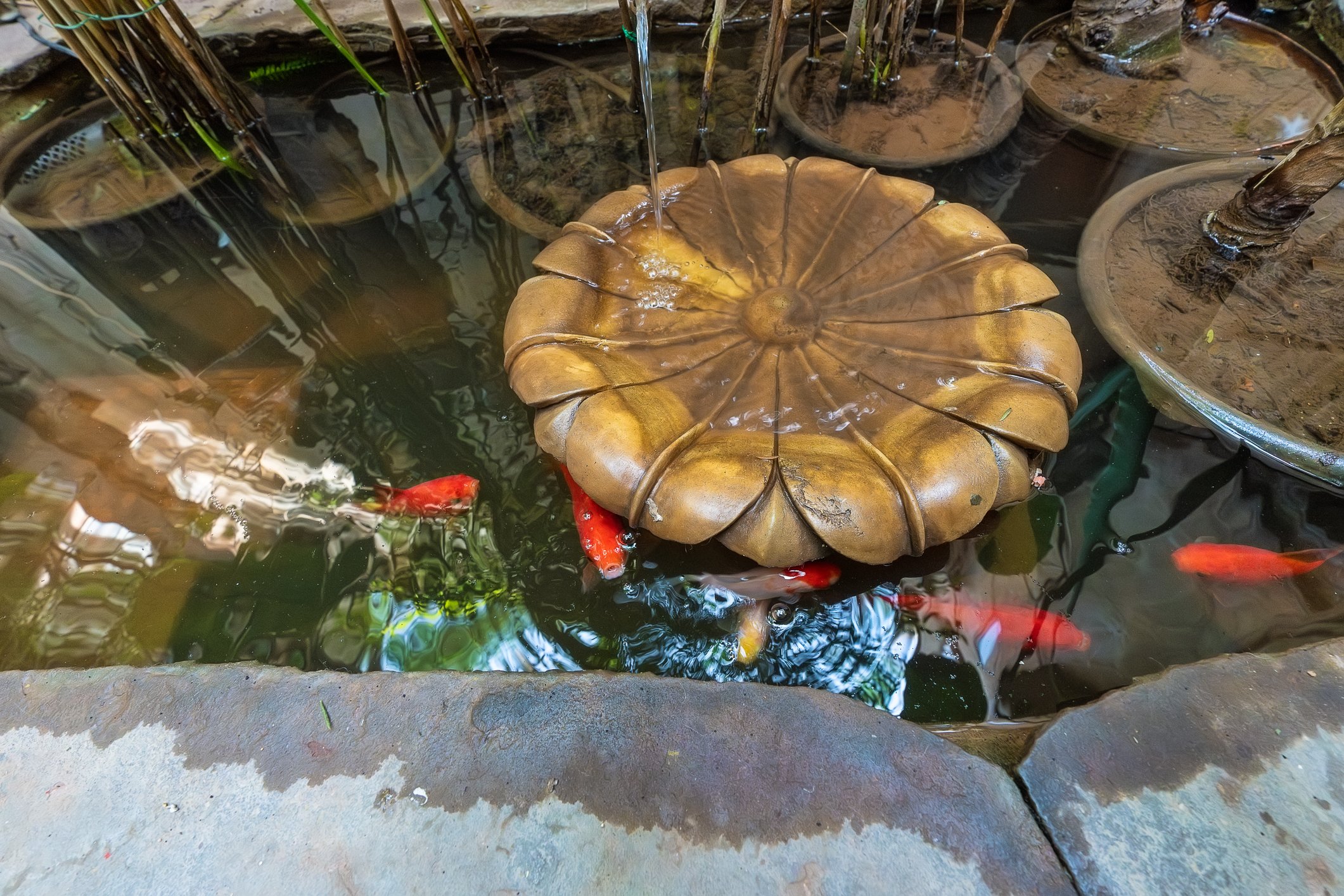
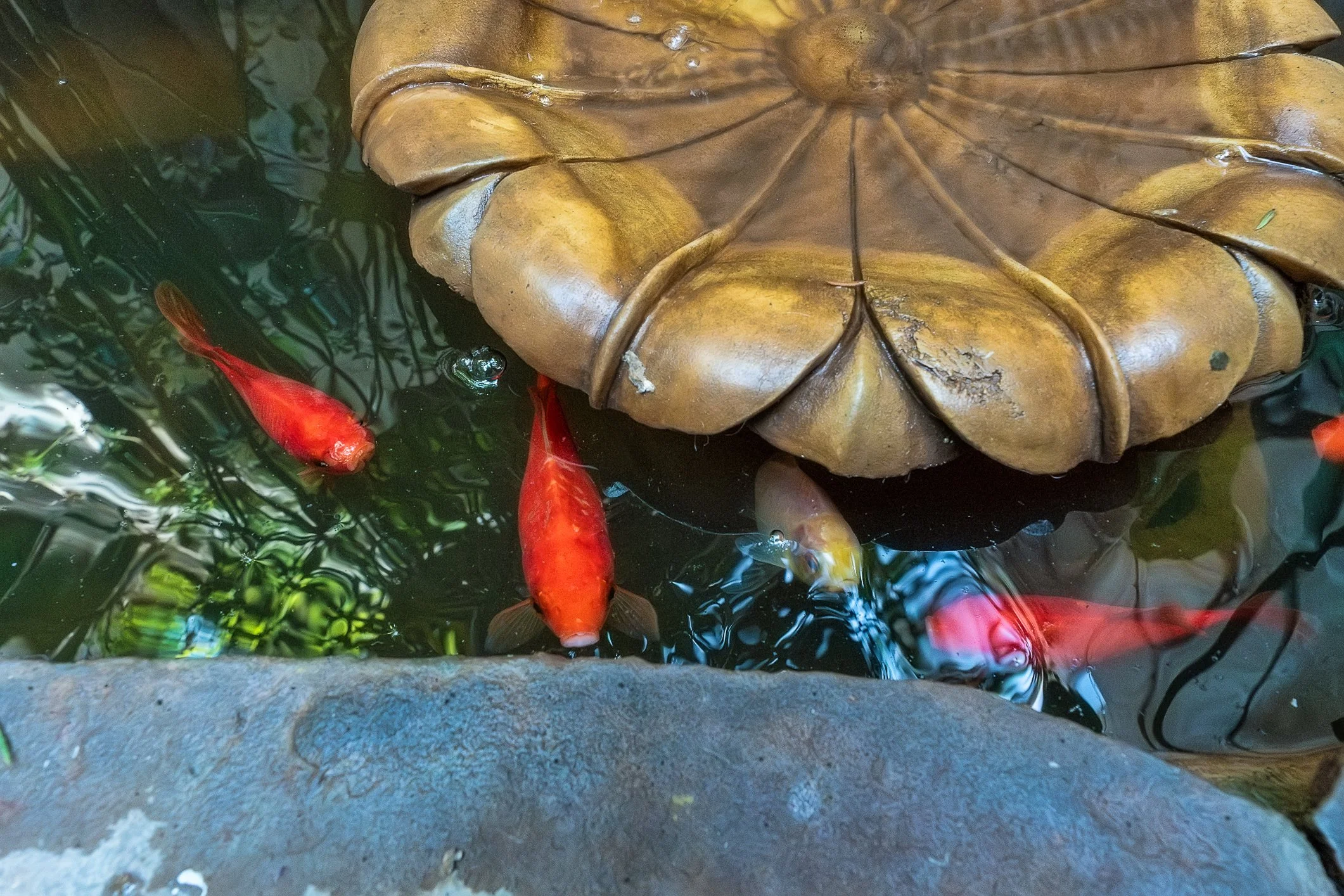
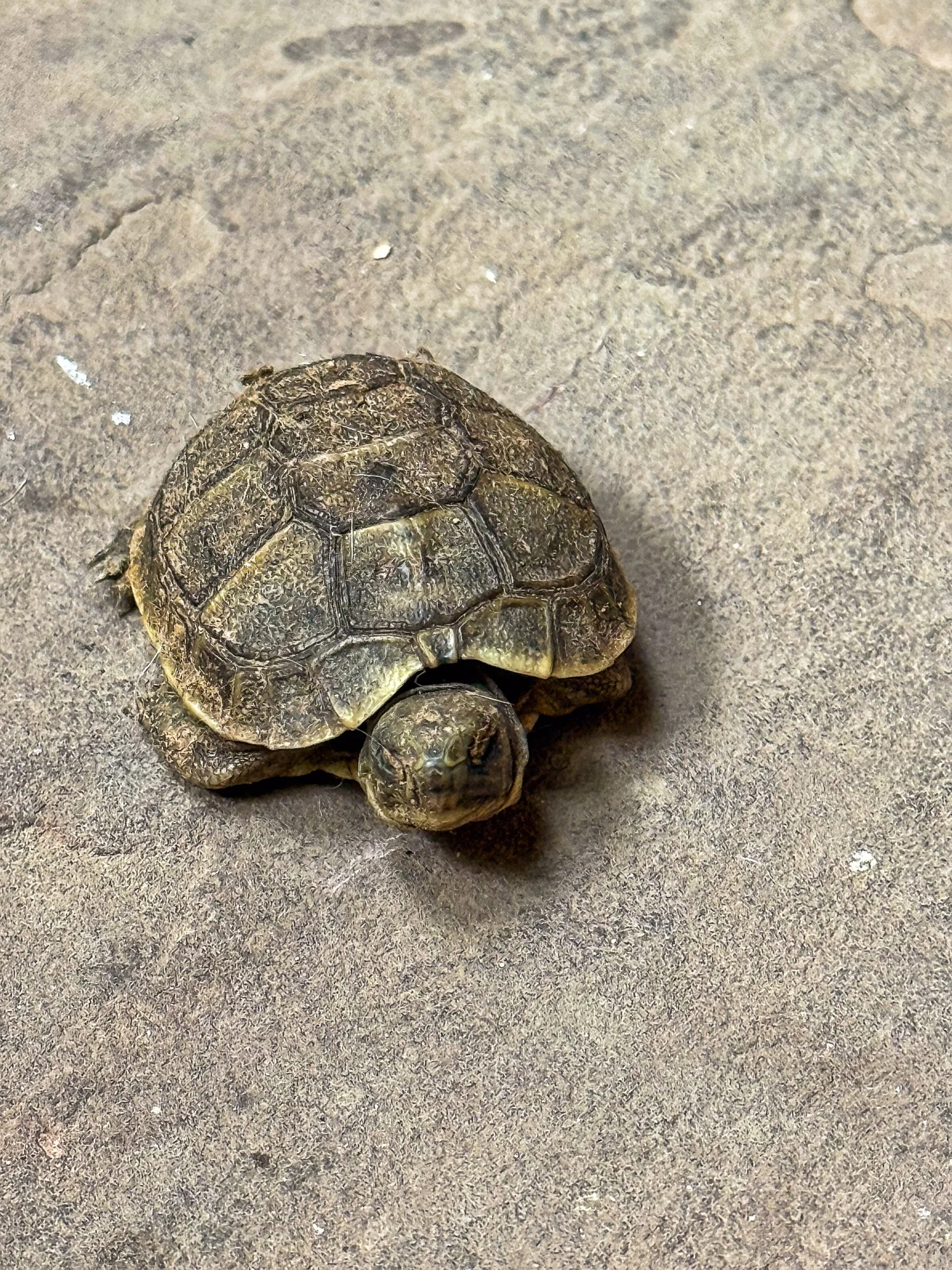
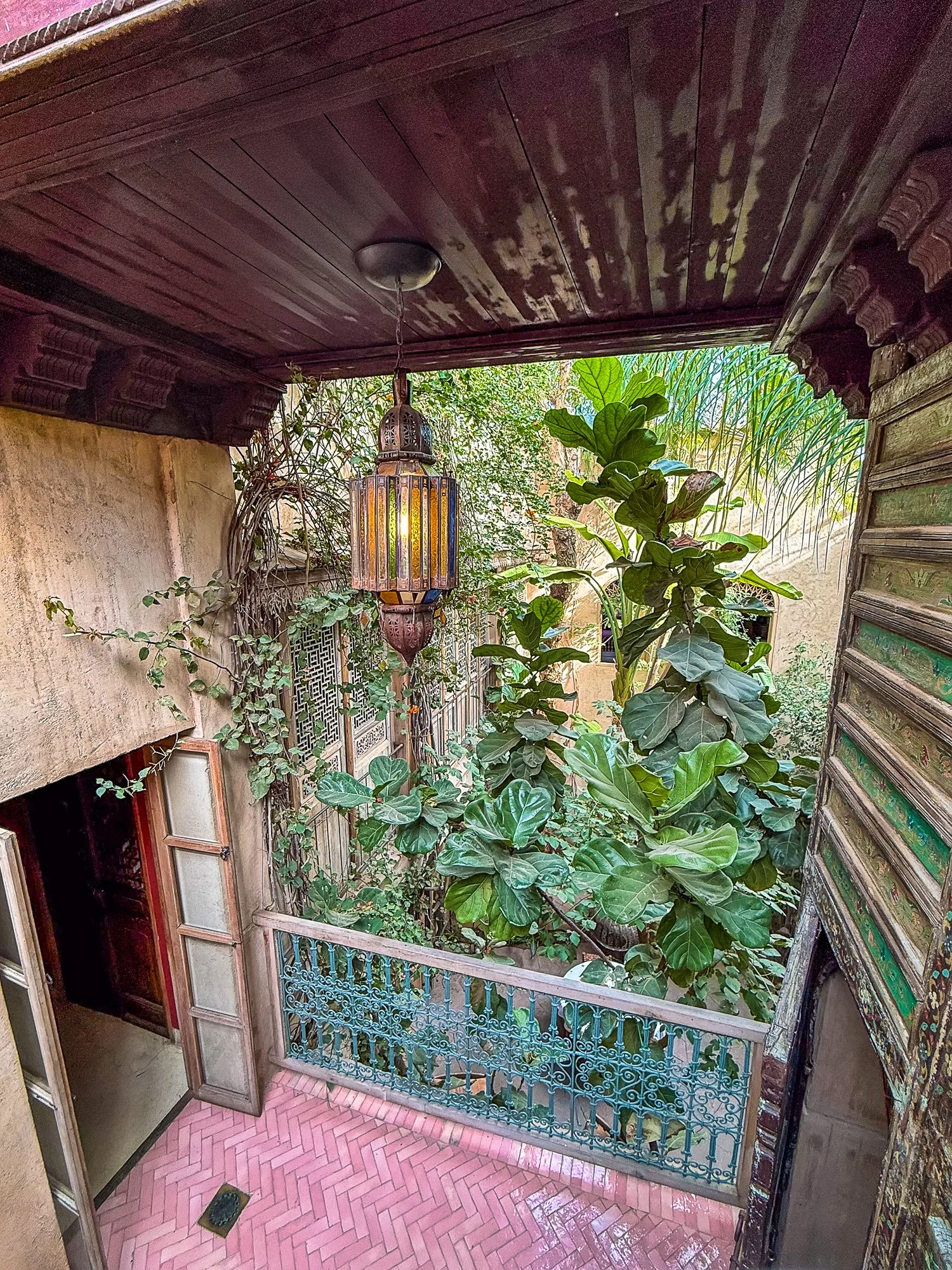
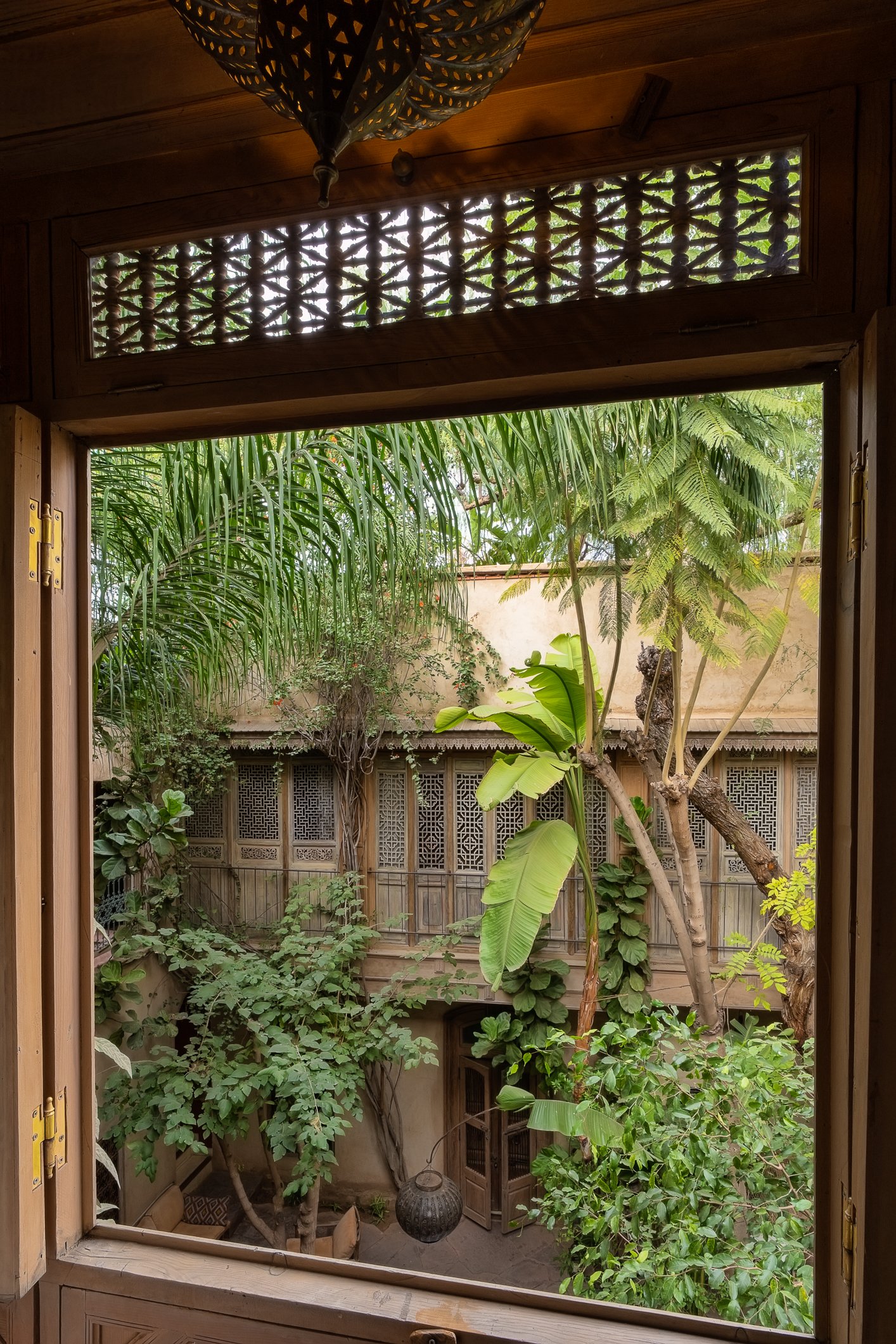
The central courtyard and garden serve as a lush, green oasis featuring 10-meter-tall eucalyptus and palm trees. It feels remarkably like a tropical hideaway. A traditional stone pond is home to several koi fish, and a few tortoises roam freely among the greenery.

Sercem riadu jest wewnętrzny ogród, który przypomina tropikalną dżunglę. Dziesięciometrowe palmy i eukaliptusy dają przyjazny cień, a pośród gęstej zieleni leniwie spacerują sobie mieszkające tutaj żółwie. W tradycyjnej kamiennej sadzawce pływają zaś karpie koi.

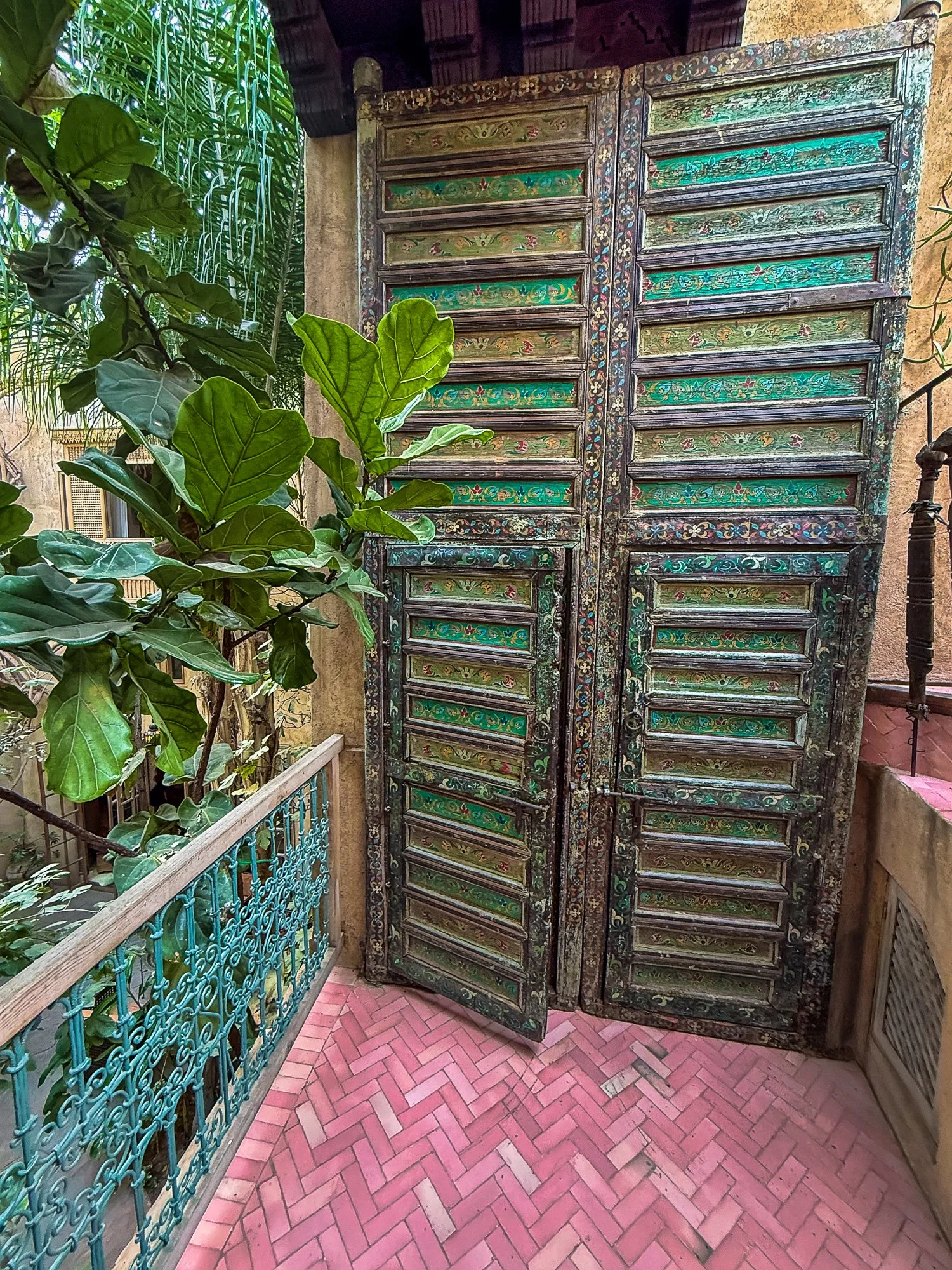
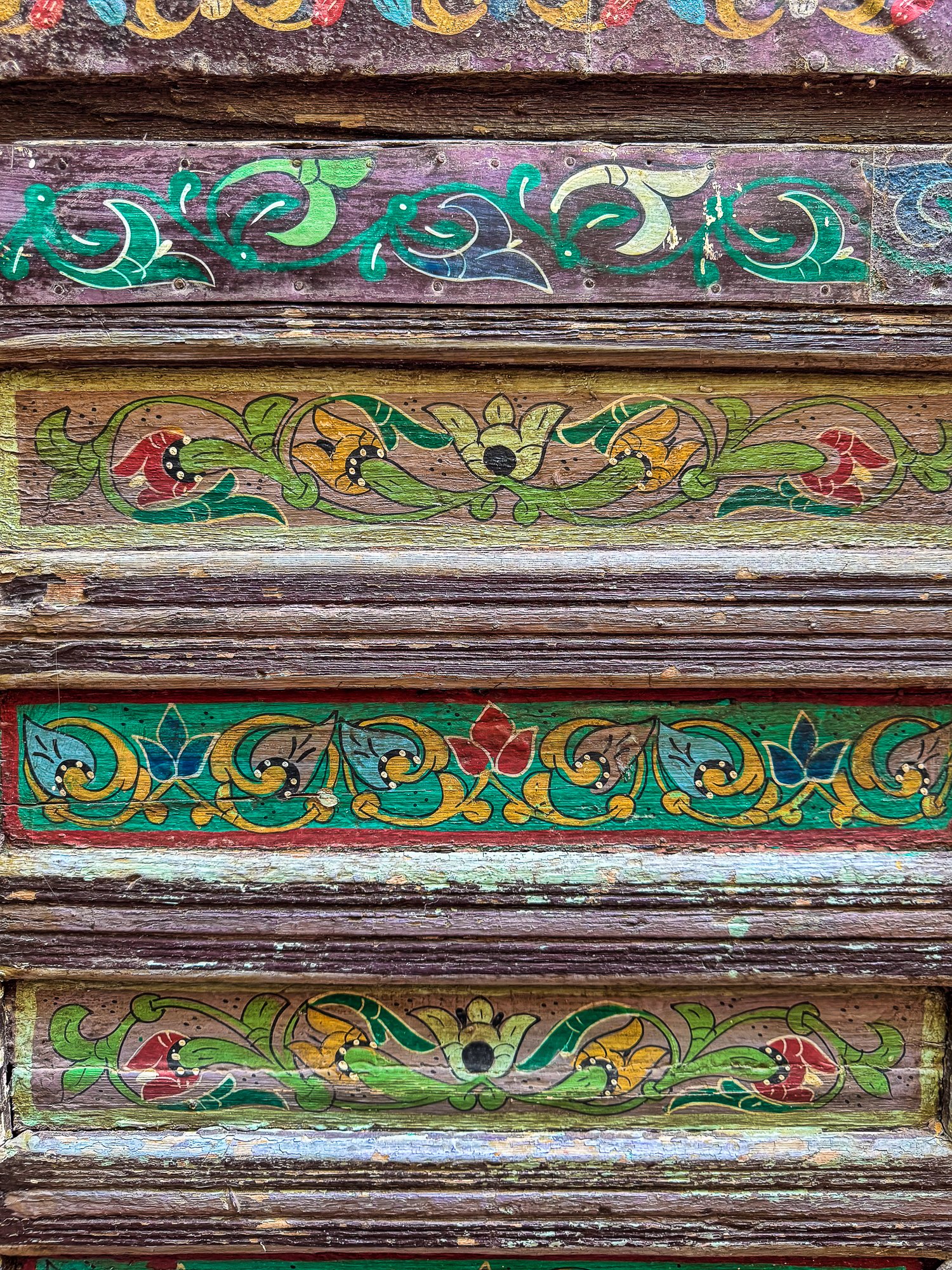
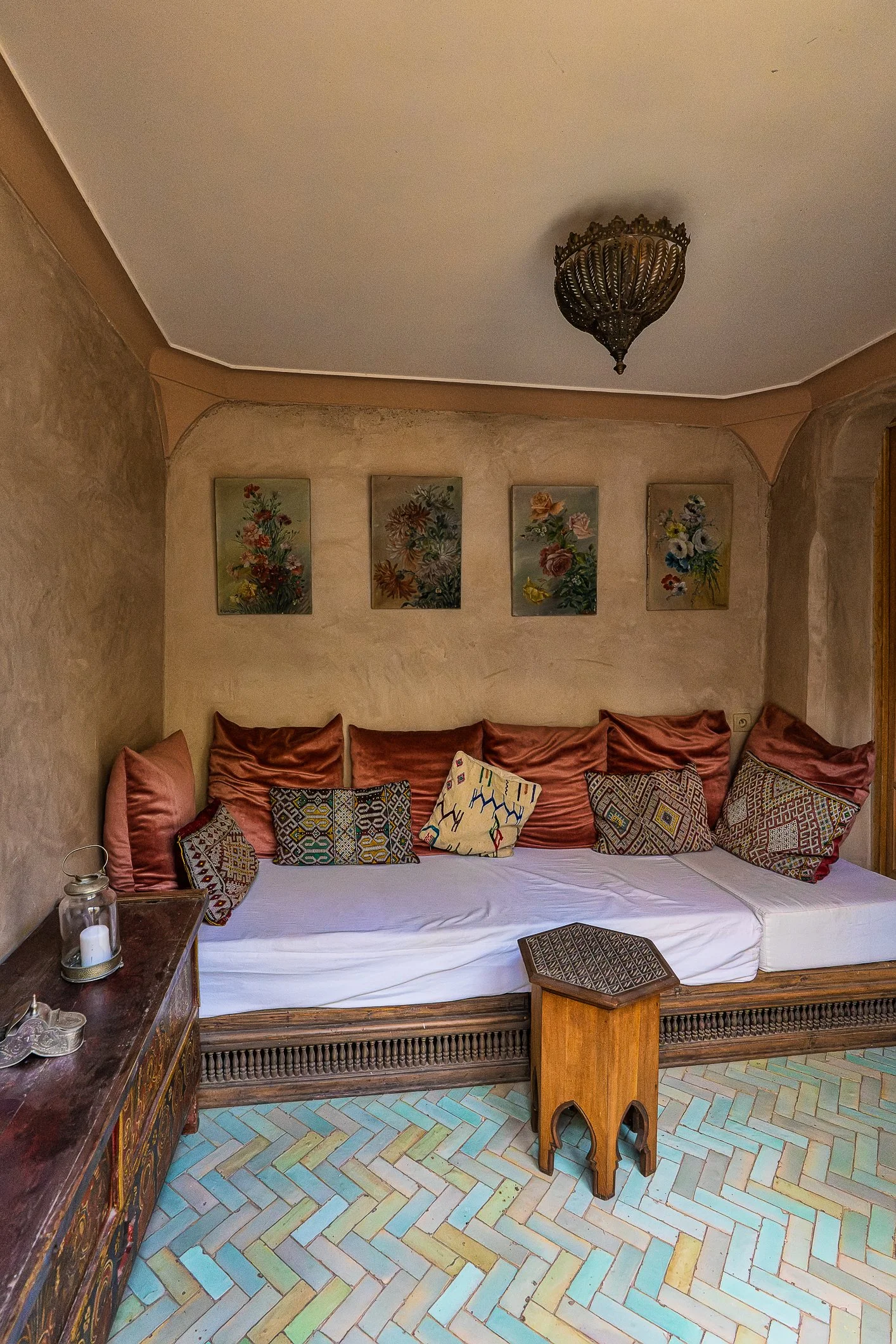
Throughout the riad, the floors utilize traditional terracotta tiles. Designs range from pure white bejmat (the rustic, rectangular bricks often used for a natural, earthy feel) to intricate zellige patterns, which are meticulously hand-cut tile mosaics. Hand-painted zouak doors are also featured, showcasing traditional floral and geometric motifs painted directly onto the wood.

To, co zachwyca w tym riadzie najbardziej, to autentyczność materiałów. Podłogi to surowe, terakotowe płytki bejmat lub misterne, ręcznie wycinane mozaiki zellige, ręcznie malowane drzwi zouak zdobią motywy roślinne, a sufity tatoui wykonane są z plecionych gałązek oleandra. Ściany są często wykończone gładkim, lśniącym tynkiem tadelakt, polerowanym rzecznymi kamieniami.

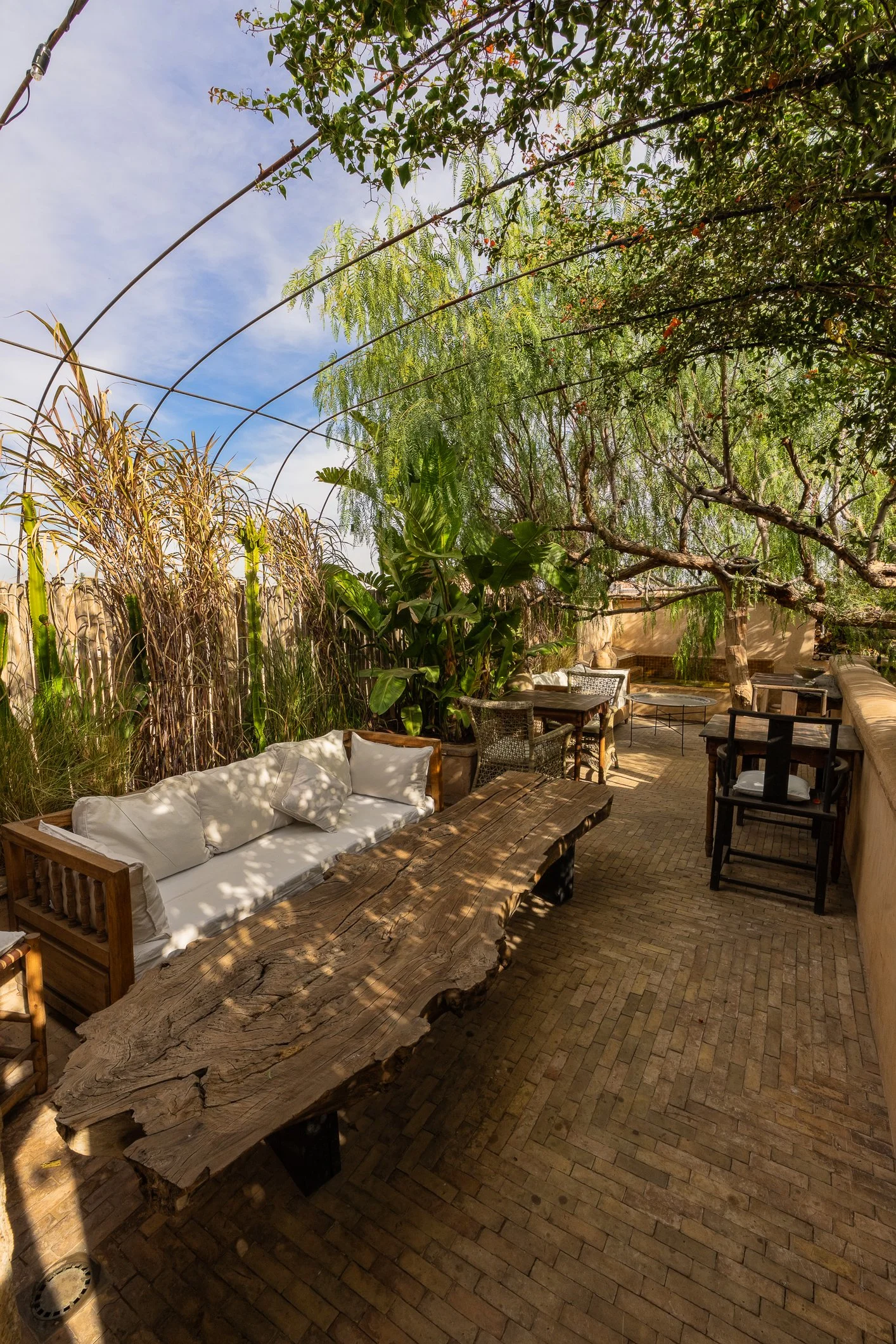
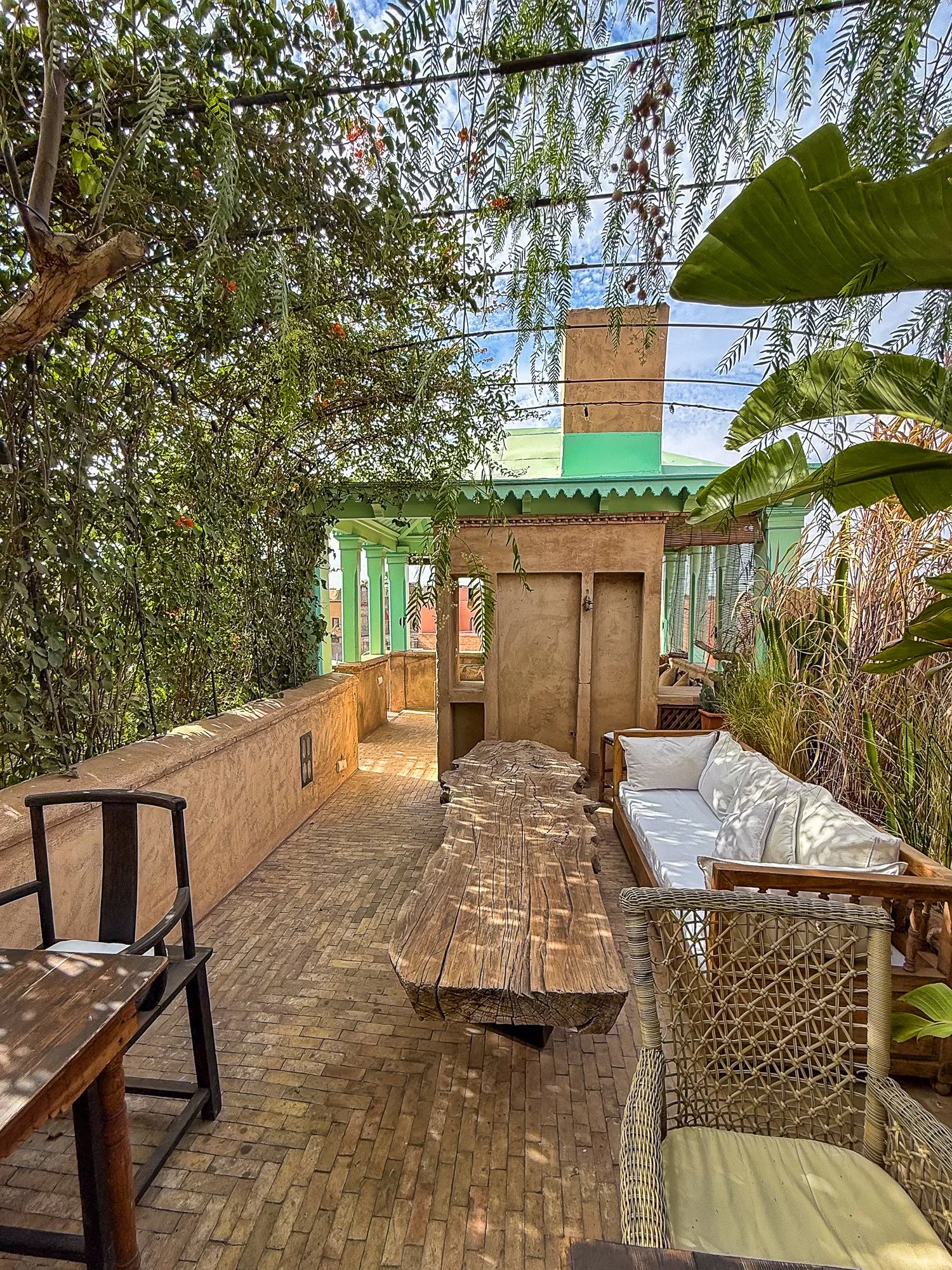
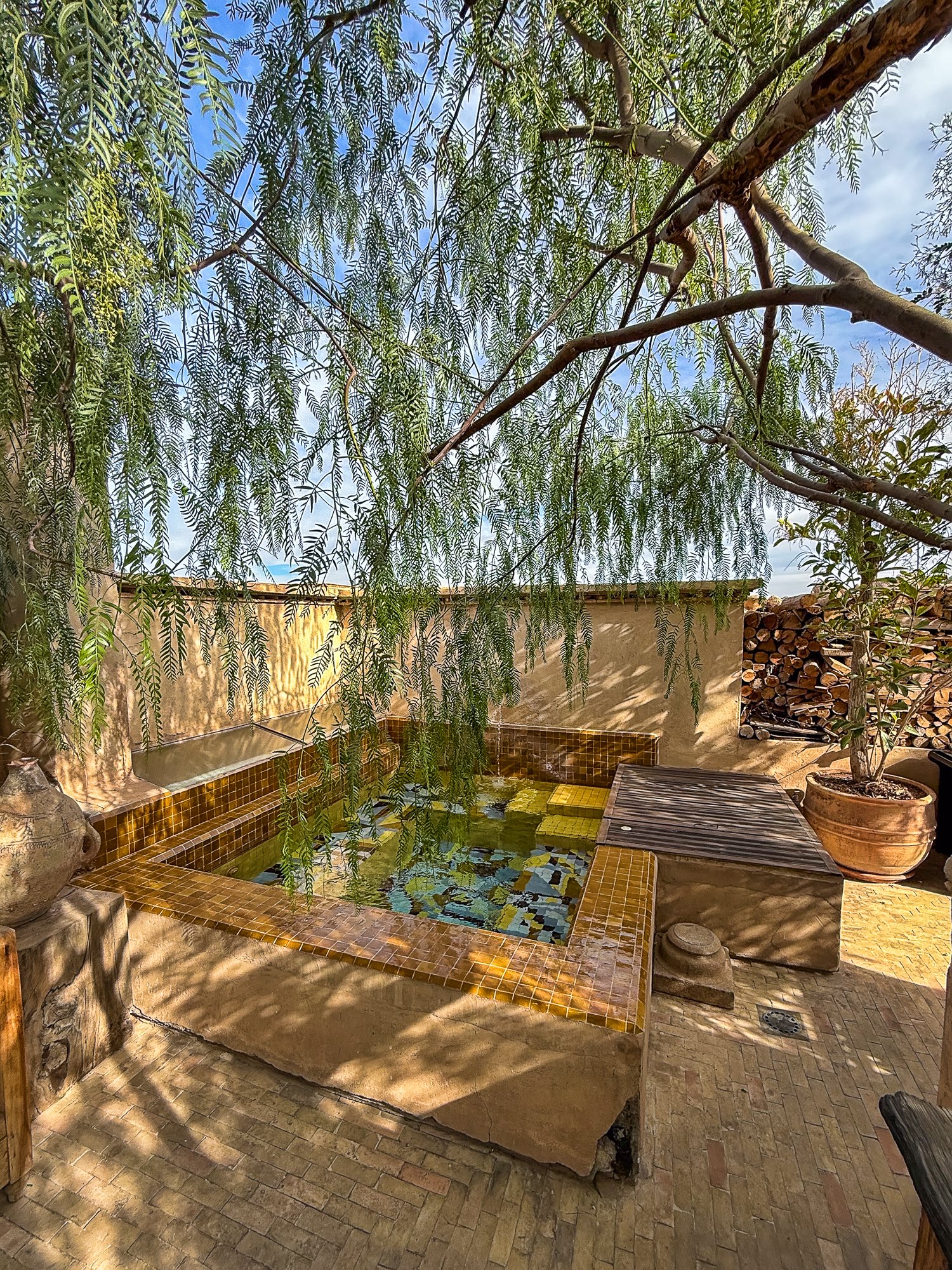
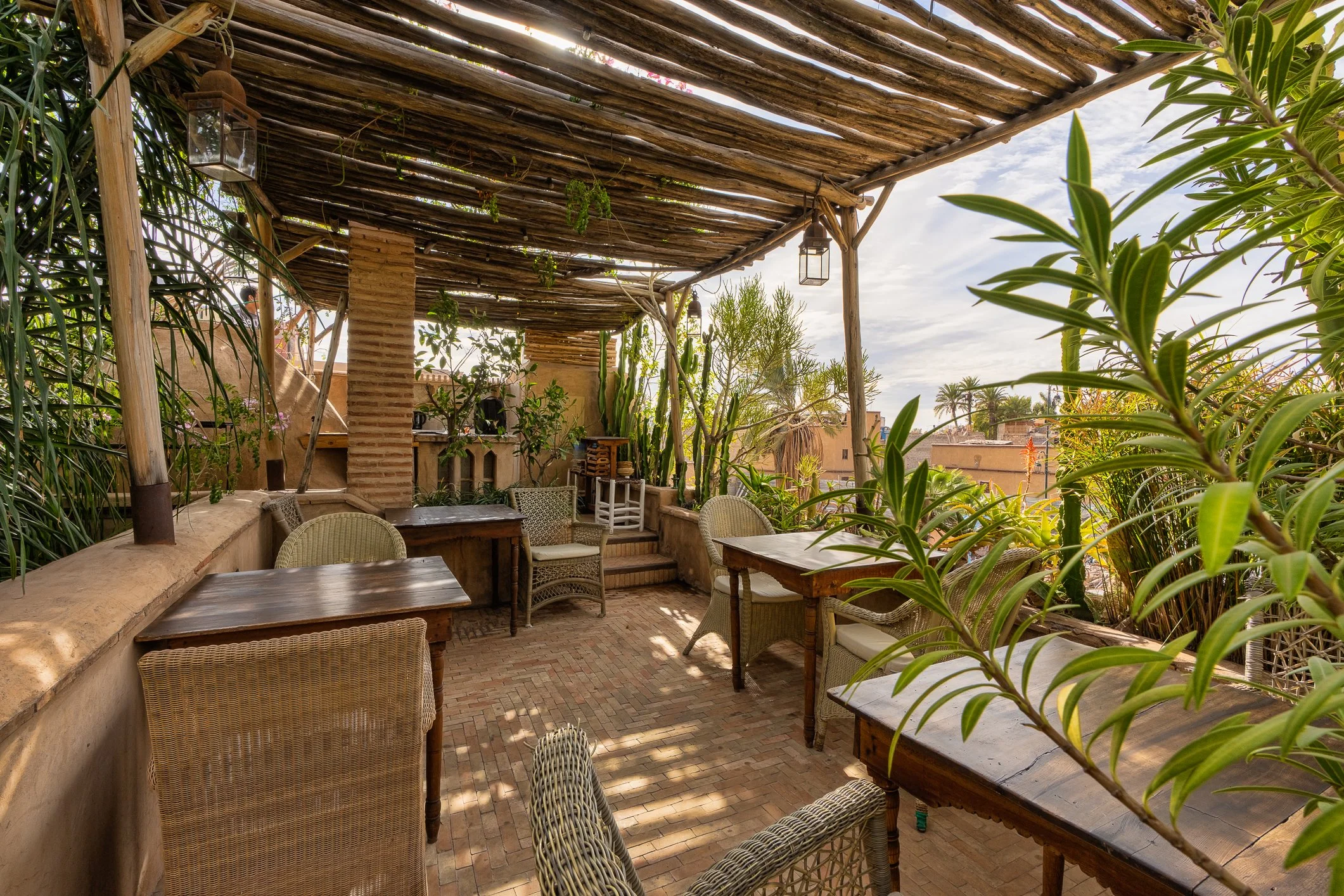
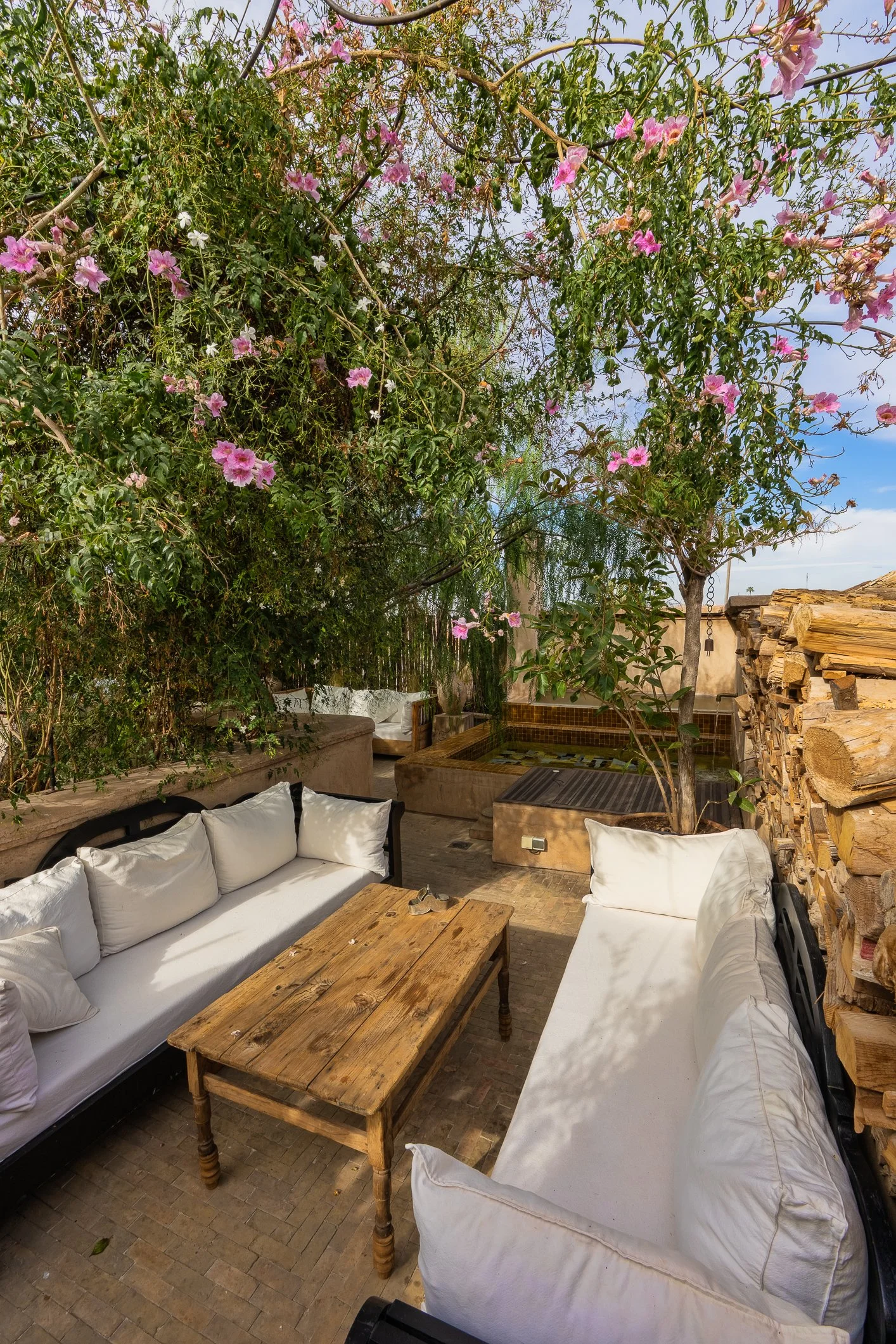
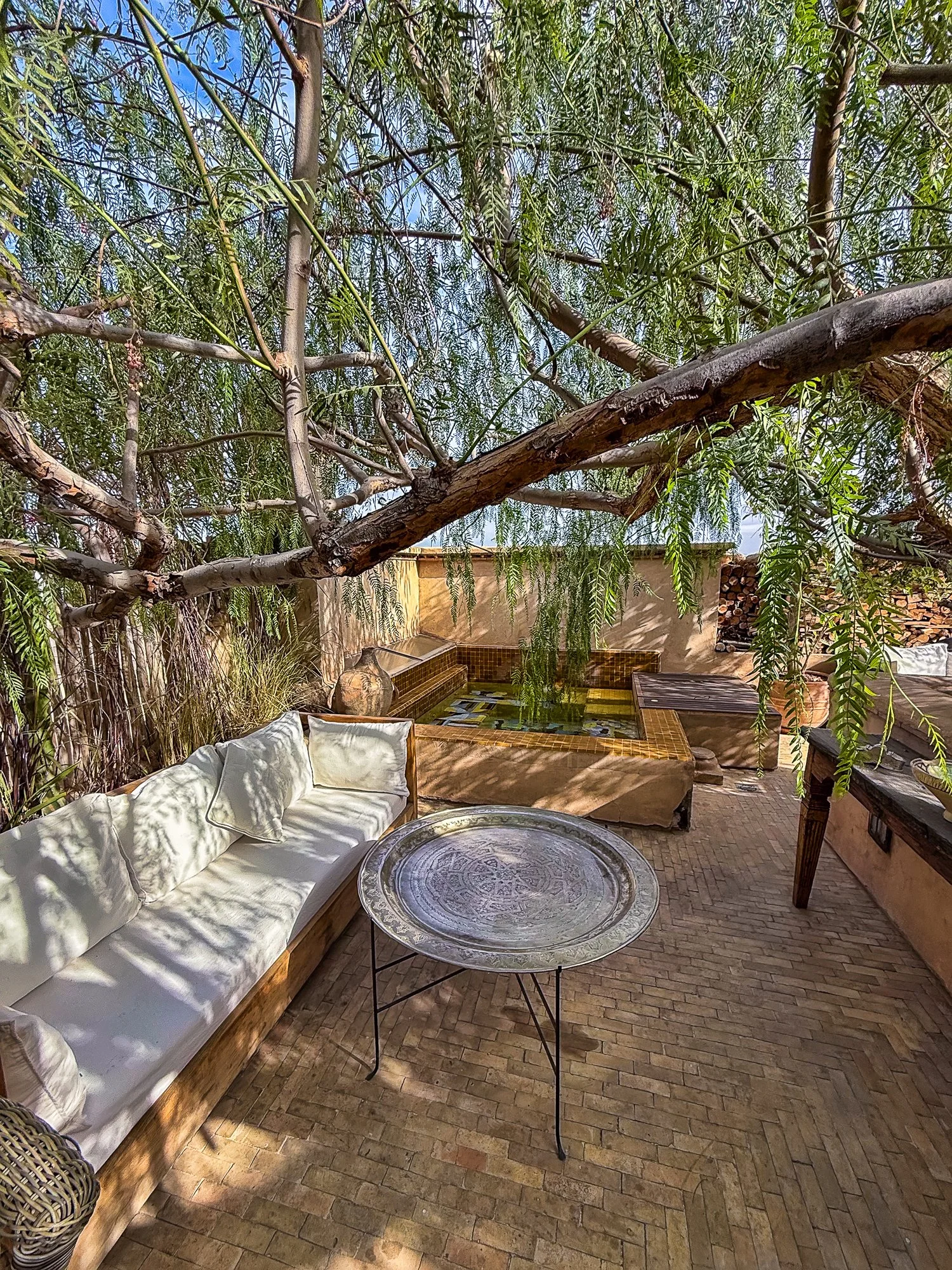
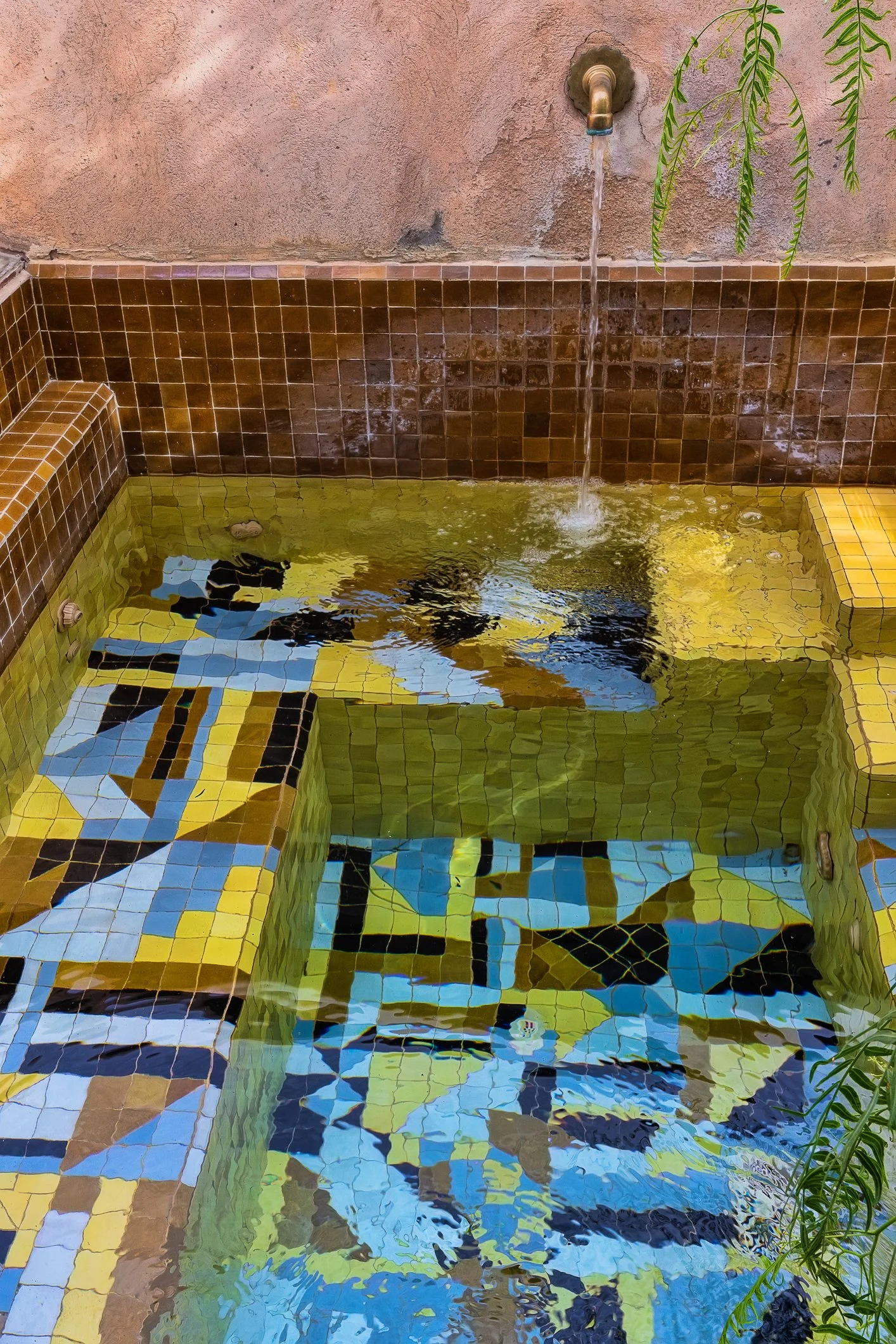
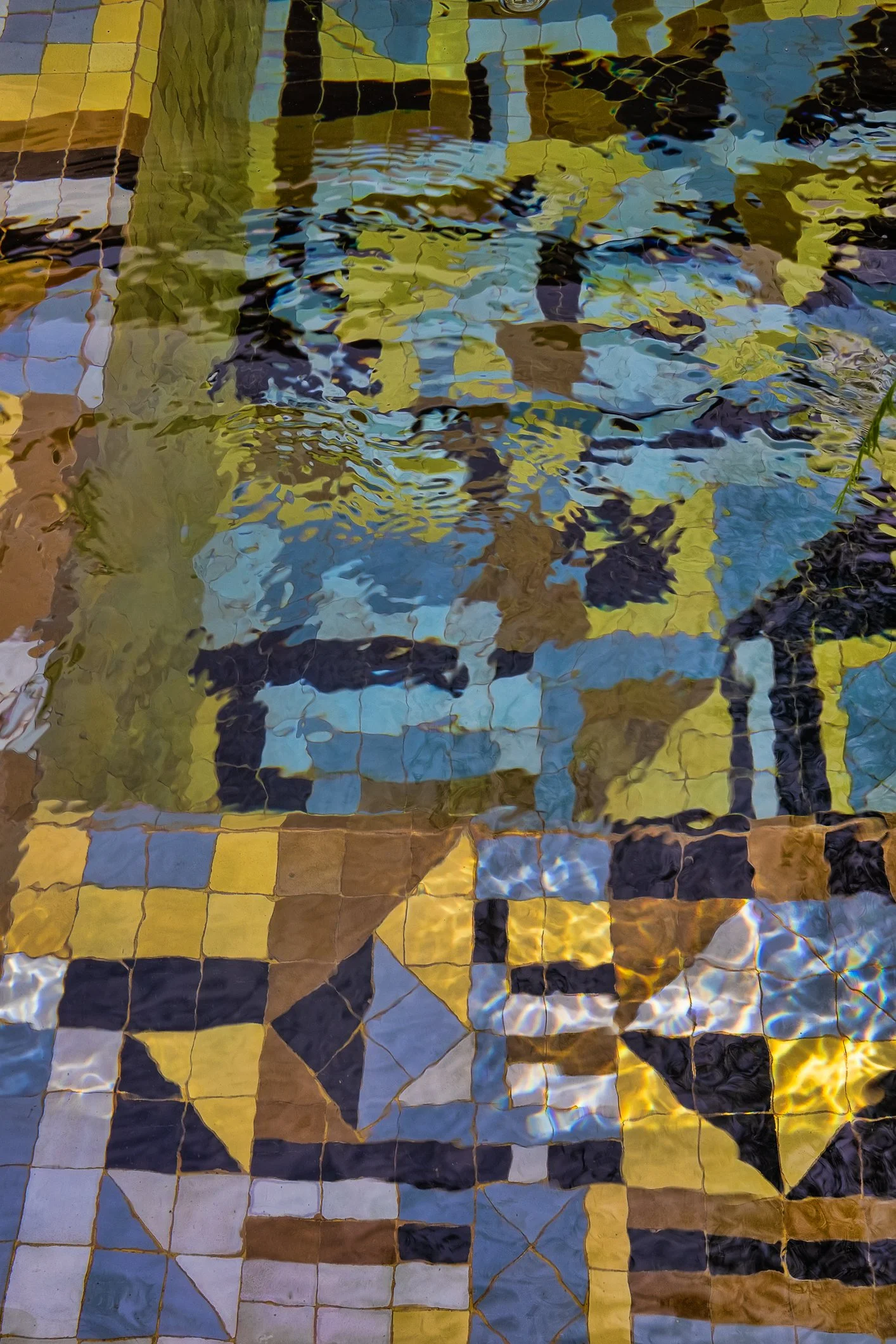
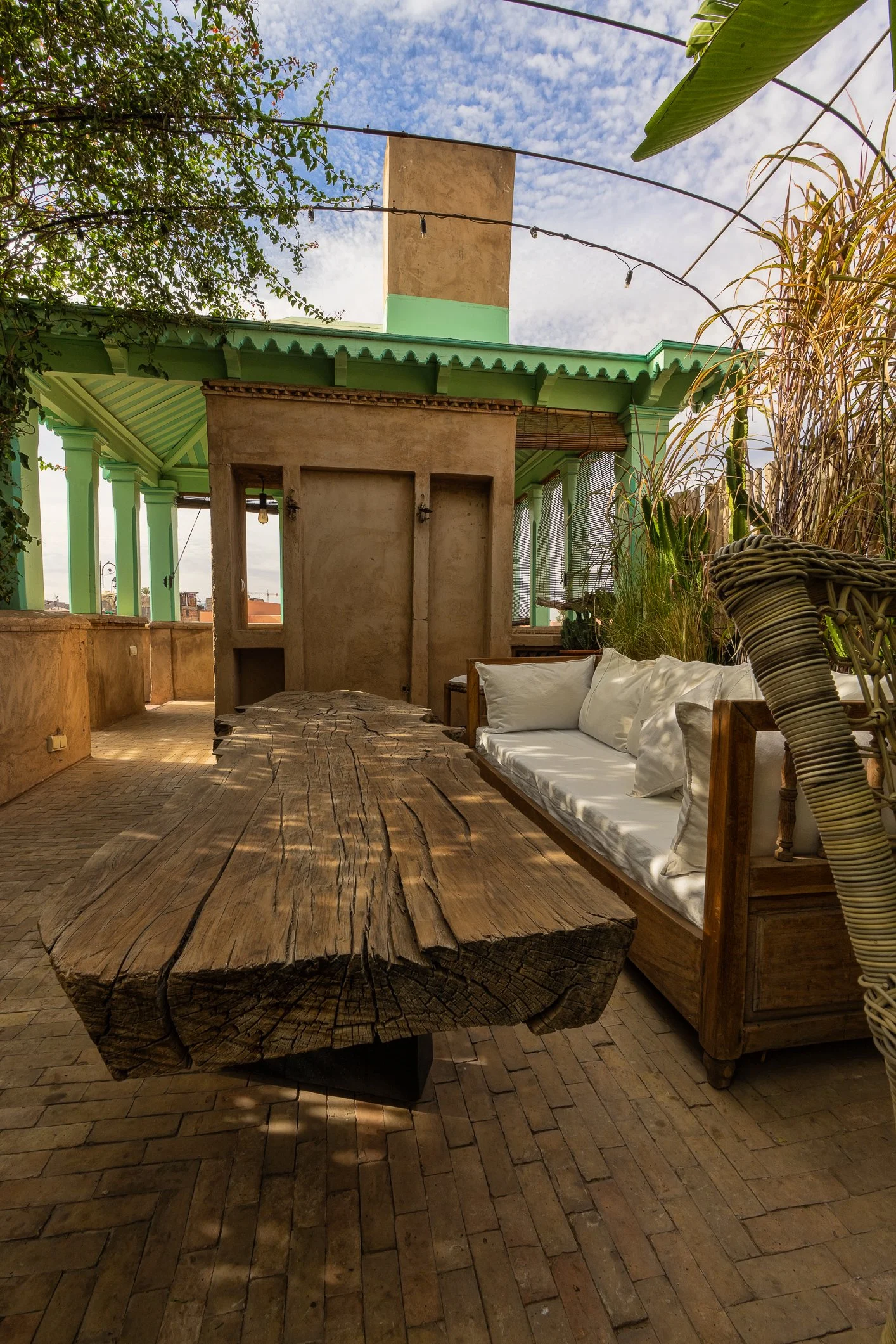
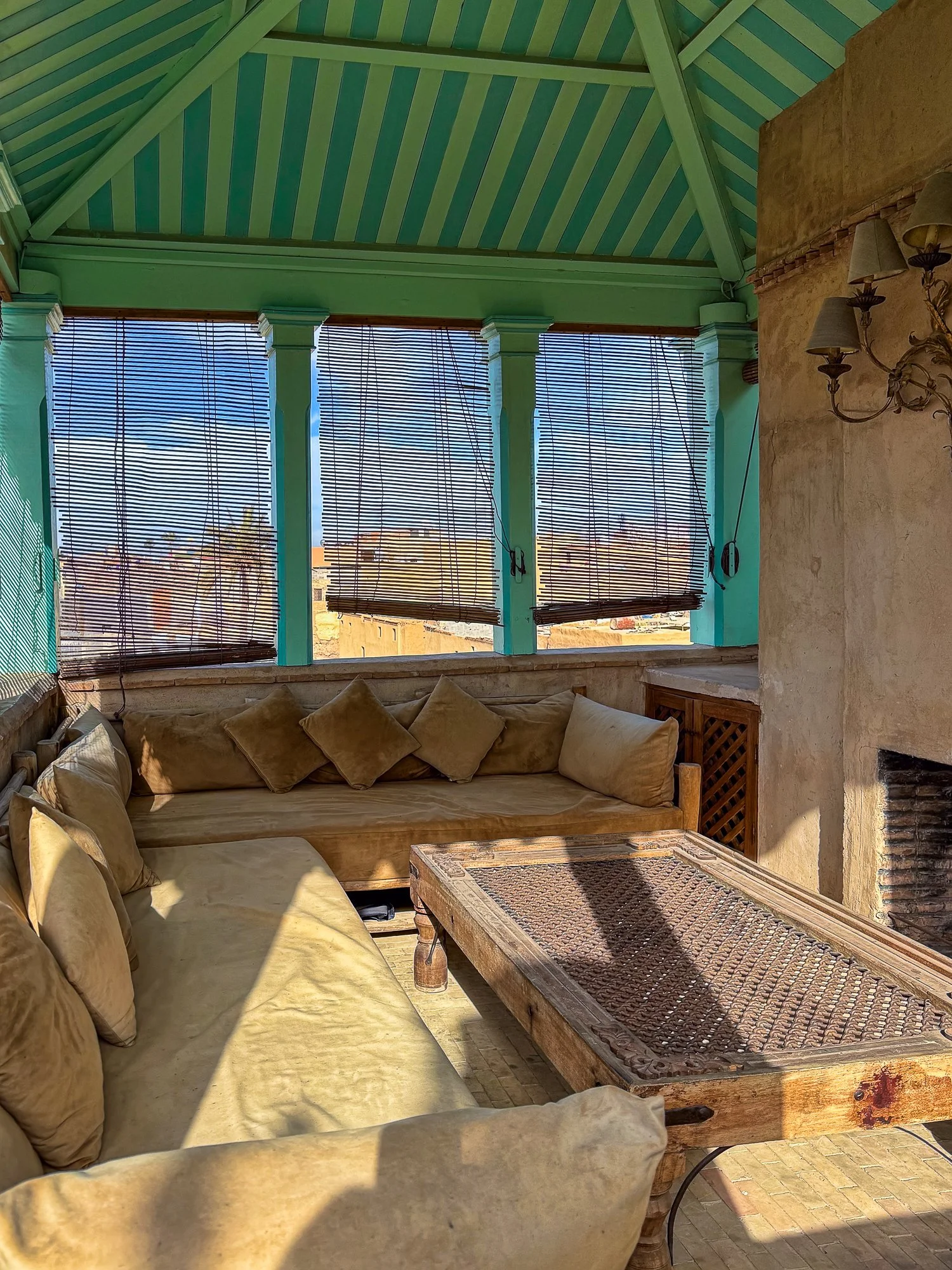
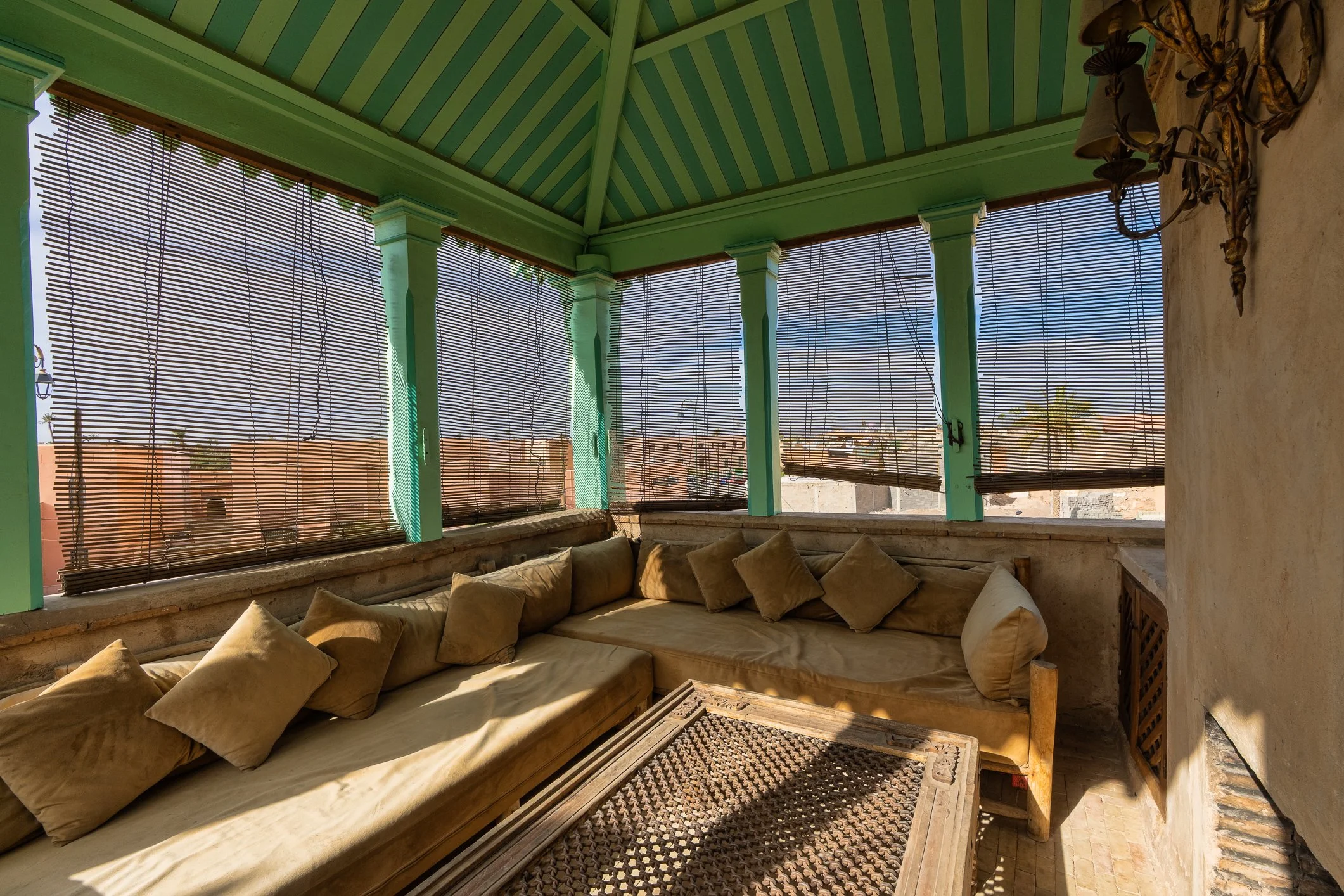
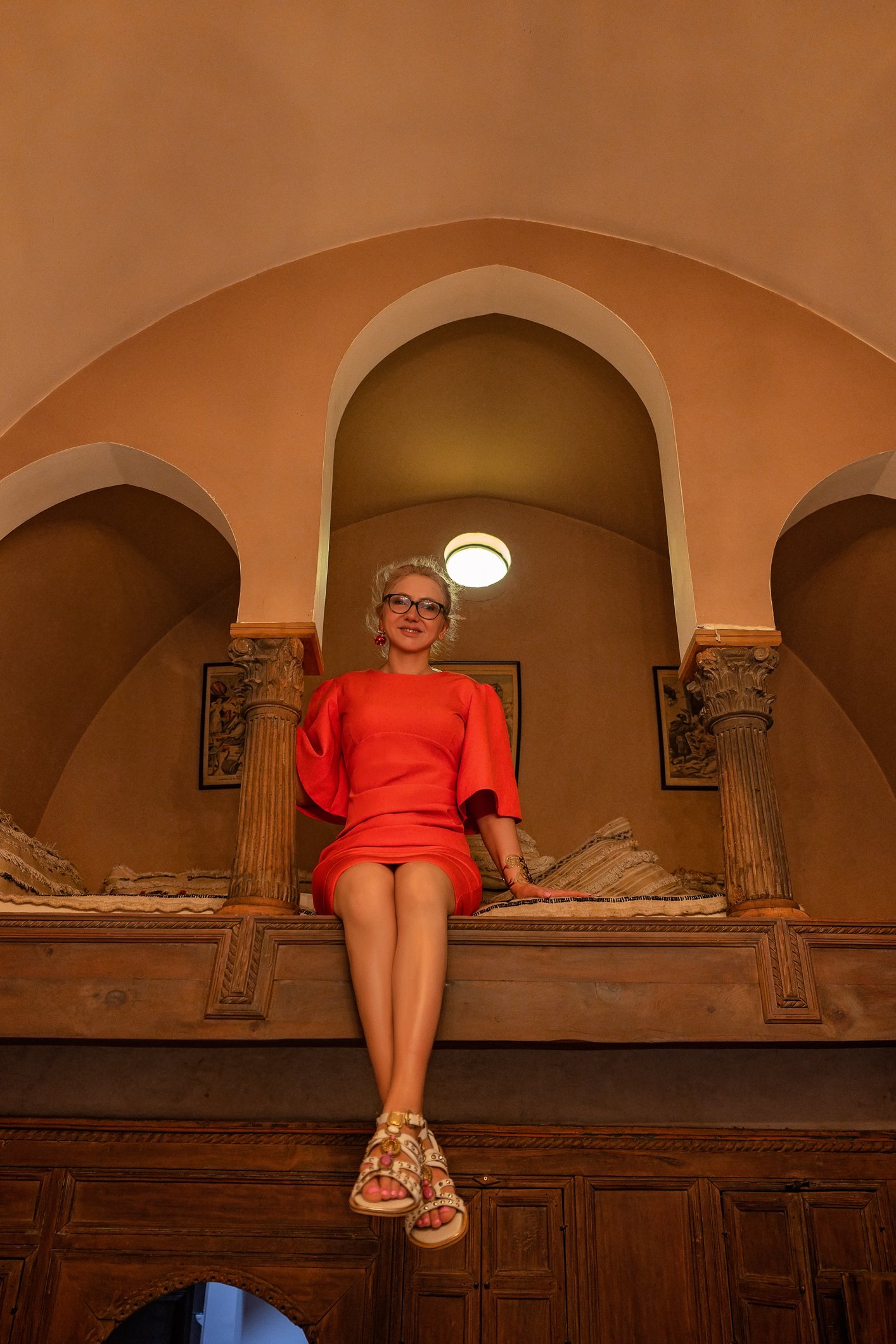
The terrace is designed as a series of intimate "pockets" rather than a large open plaza. It provides panoramic views over the authentic, less-developed Zaouia el Abassia quarter of the medina. A modest traditional plunge pool is integrated into the terrace design, providing a cool retreat from the heat. This is not the season though to jump in, at least not for us.

W przeciwieństwie do ogromnych, otwartych tarasów, ten w Kbour & Chou jest podzielony na kameralne wnęki. Można się w nich zaszyć z książką lub dzbankiem herbaty, obserwując panoramę mniej turystycznej, surowej części medyny. Dla ochłody przygotowano tradycyjny mały basen (plunge pool), idealnie wkomponowany w architekturę dachu. Latem pewnie byśmy już tam moczyli swoje odwłoki, ale Marrakesz o tej porze roku jest na to dla nas za zimny.

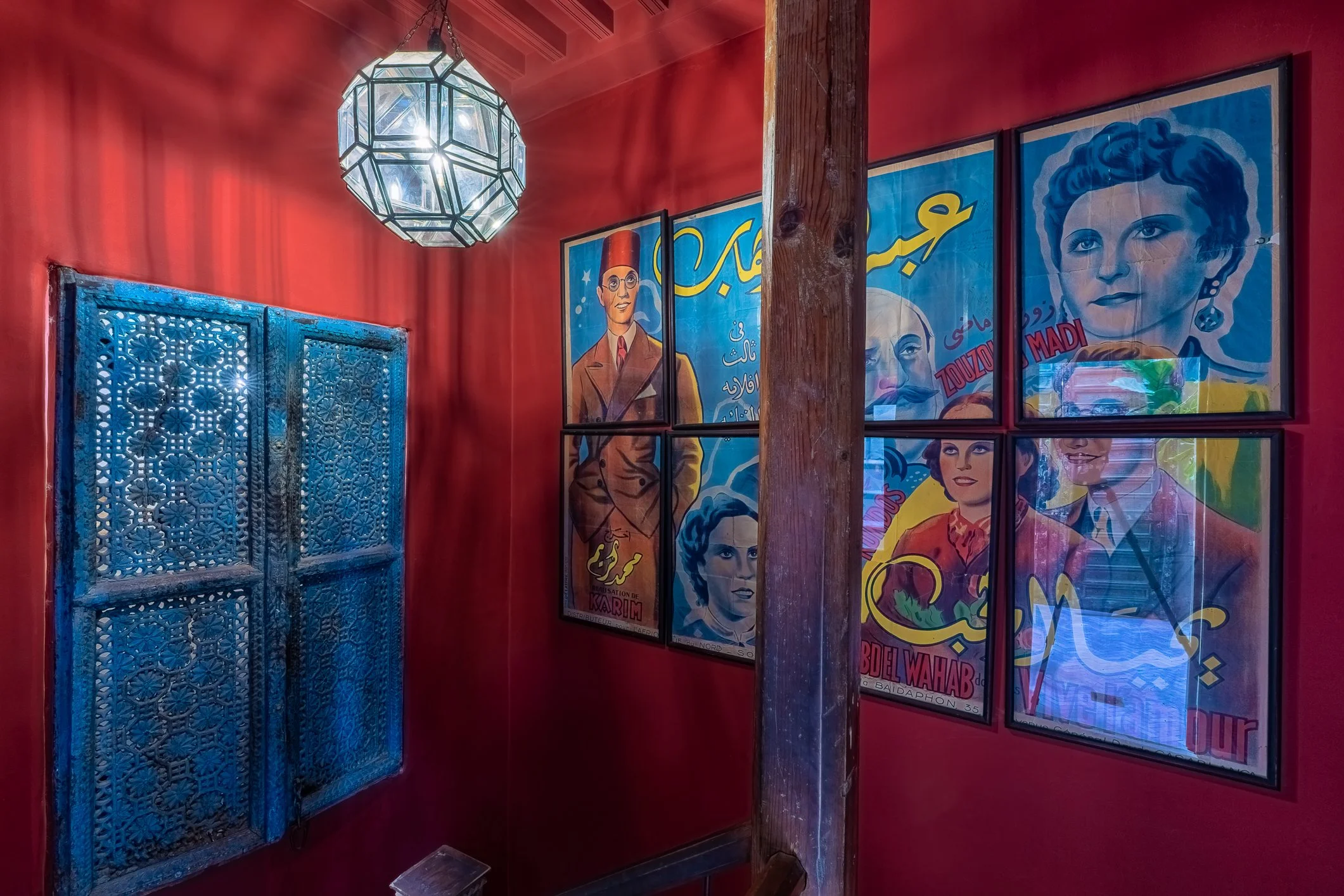
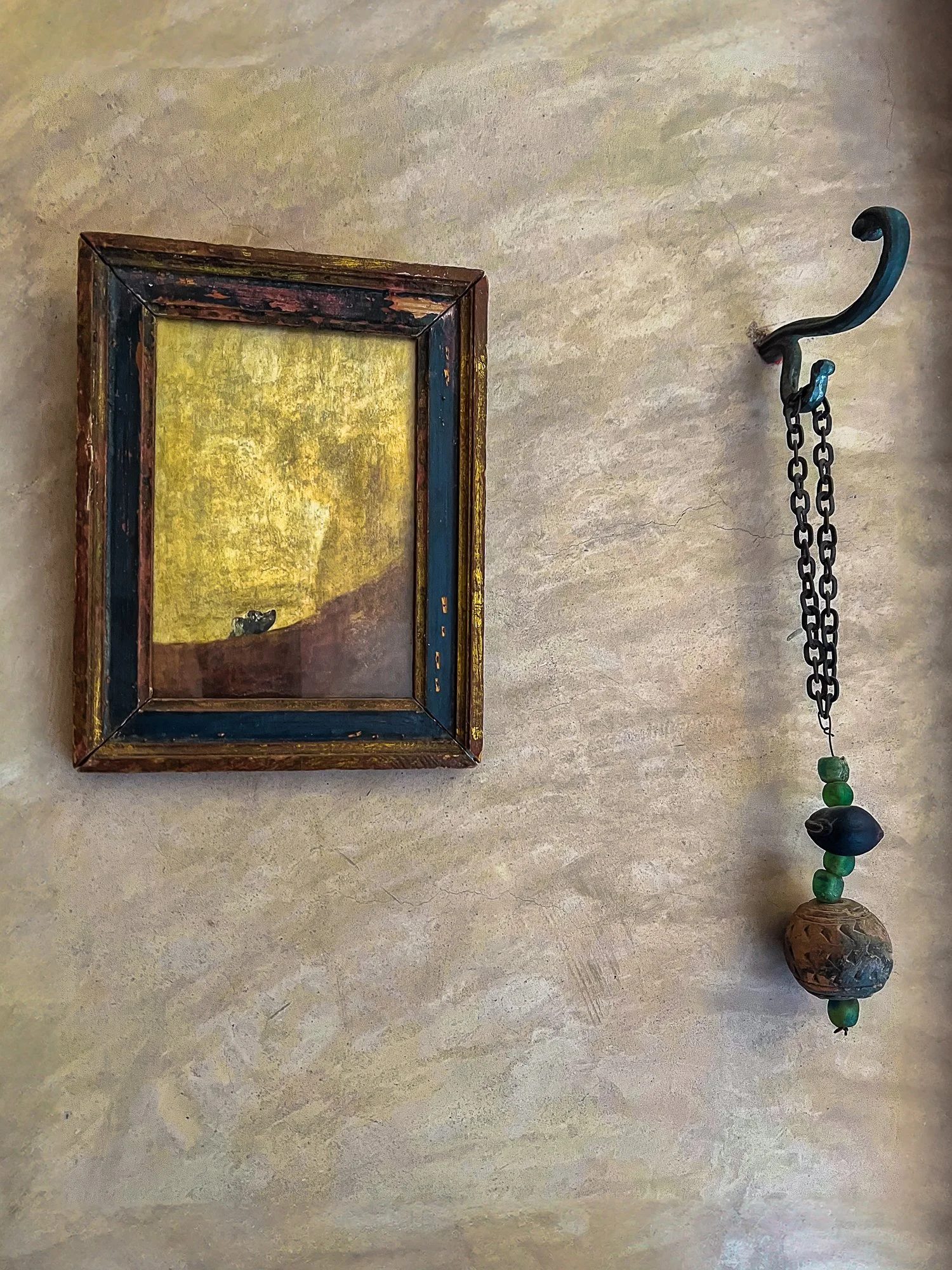
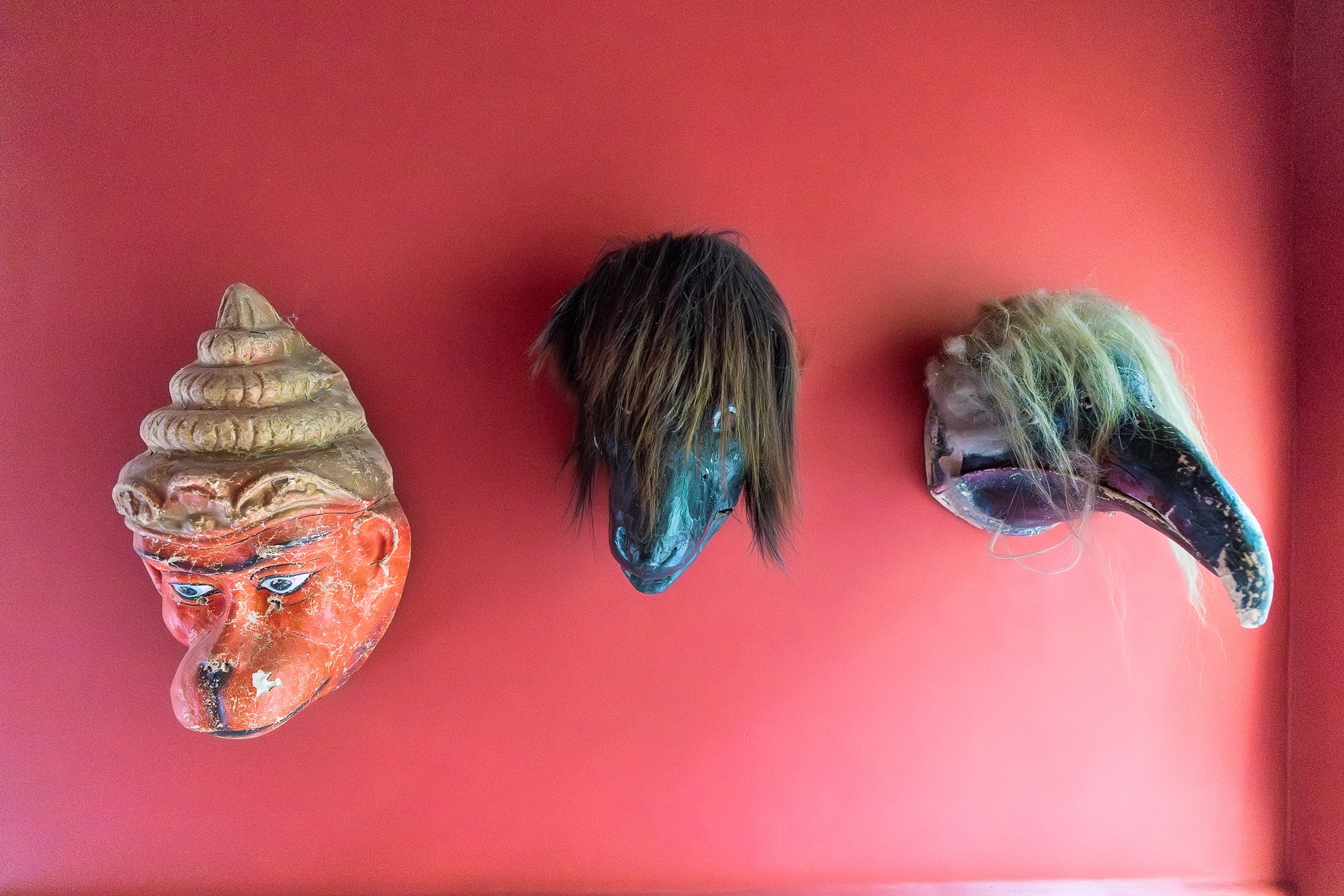
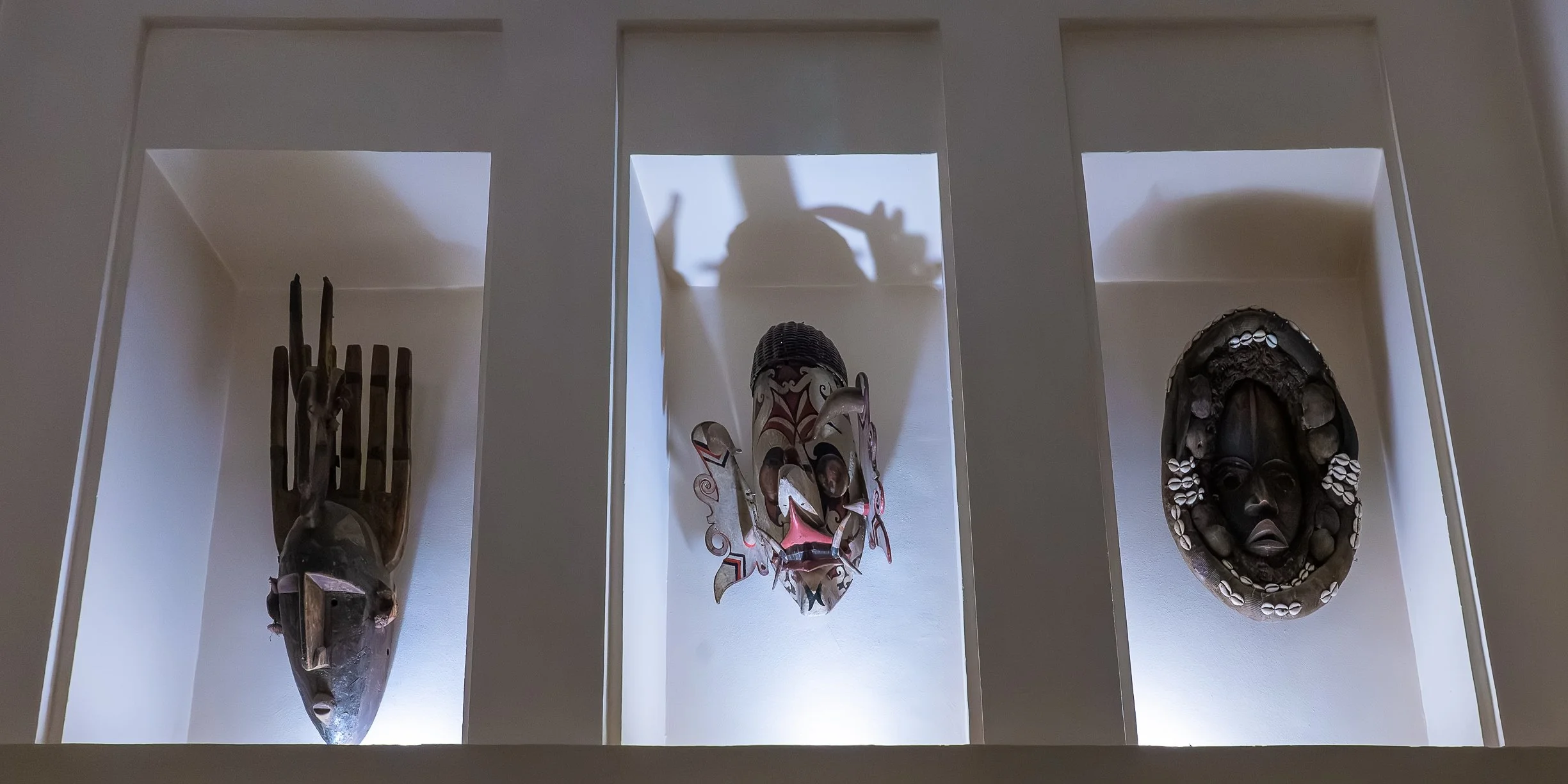
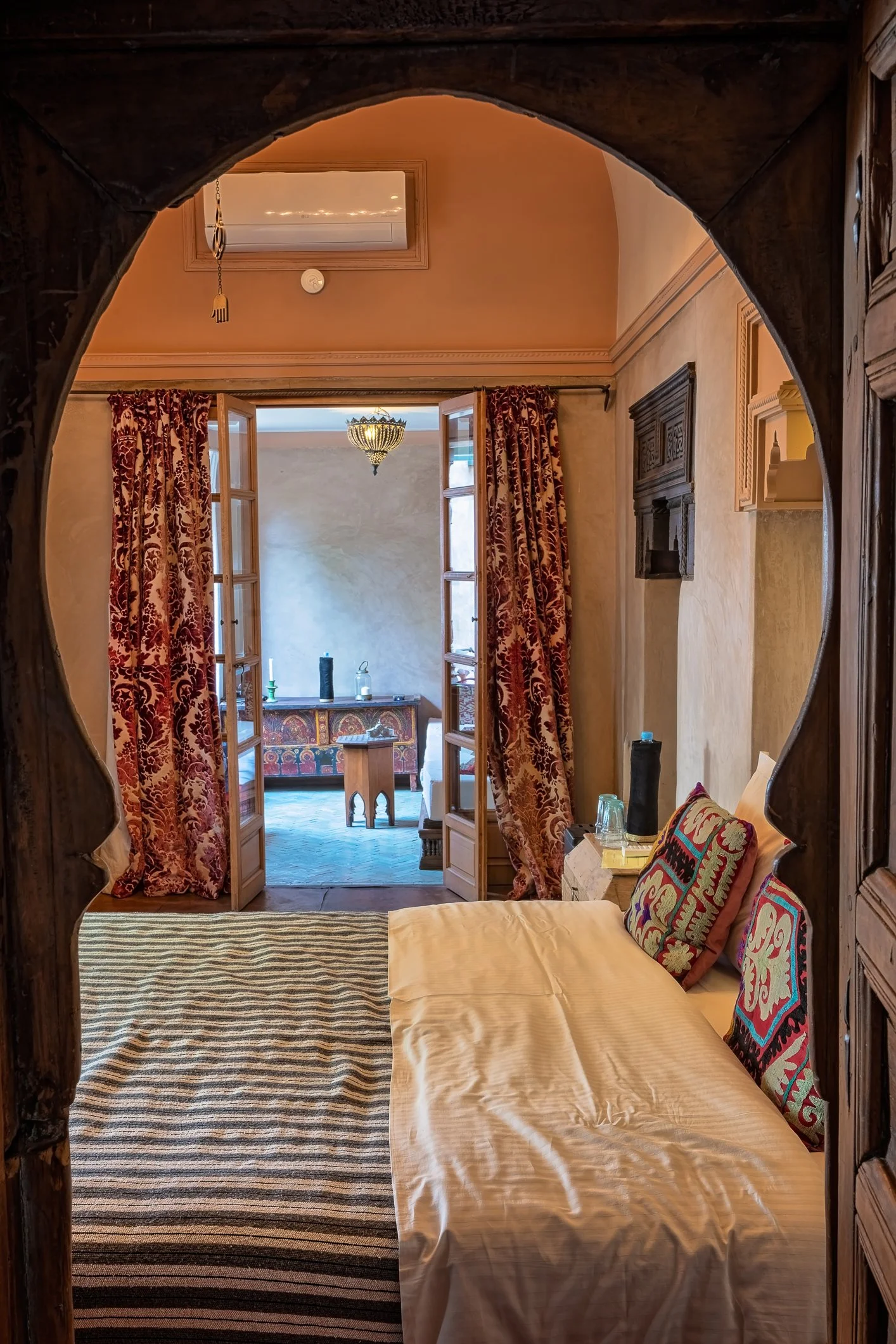
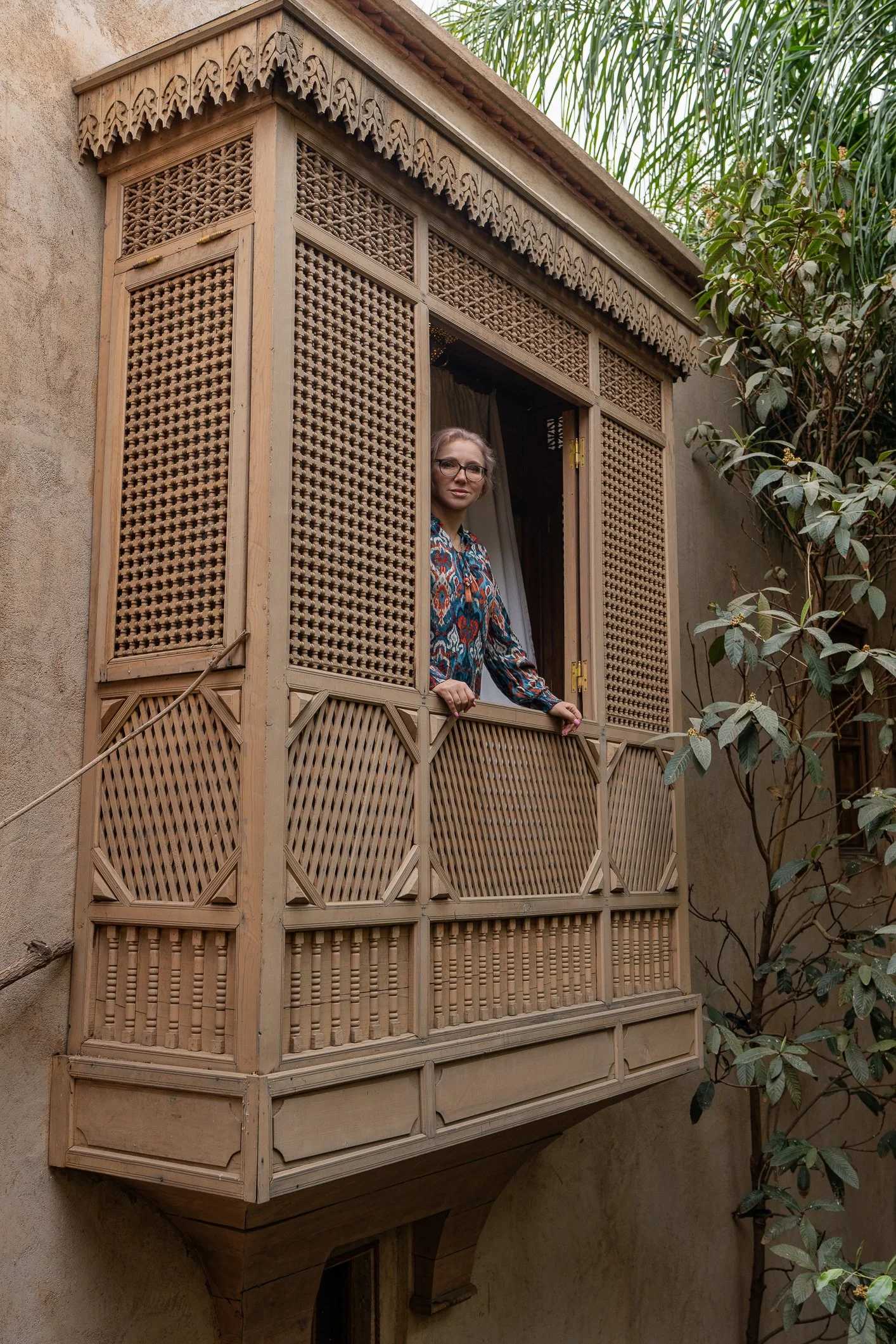
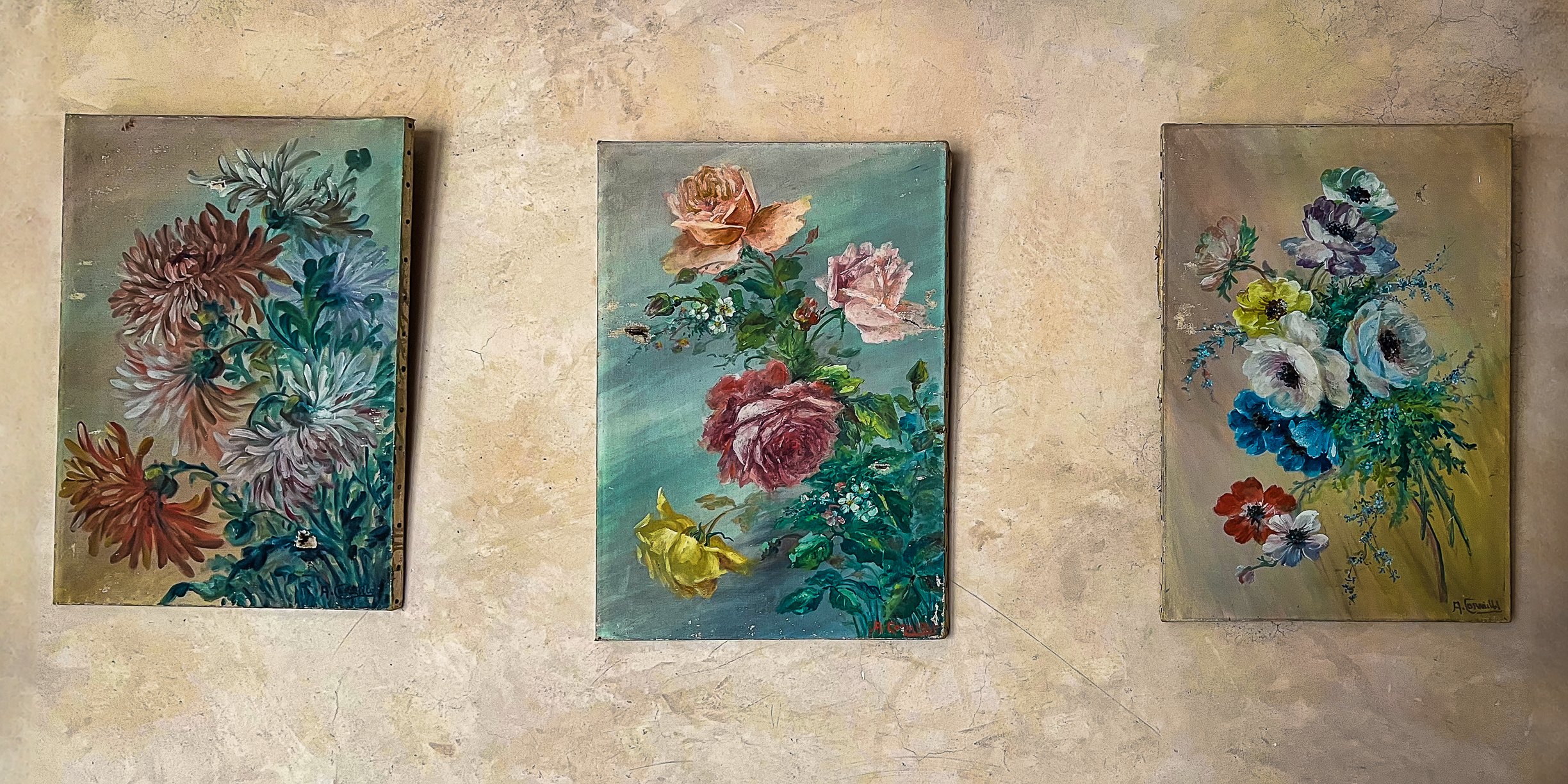
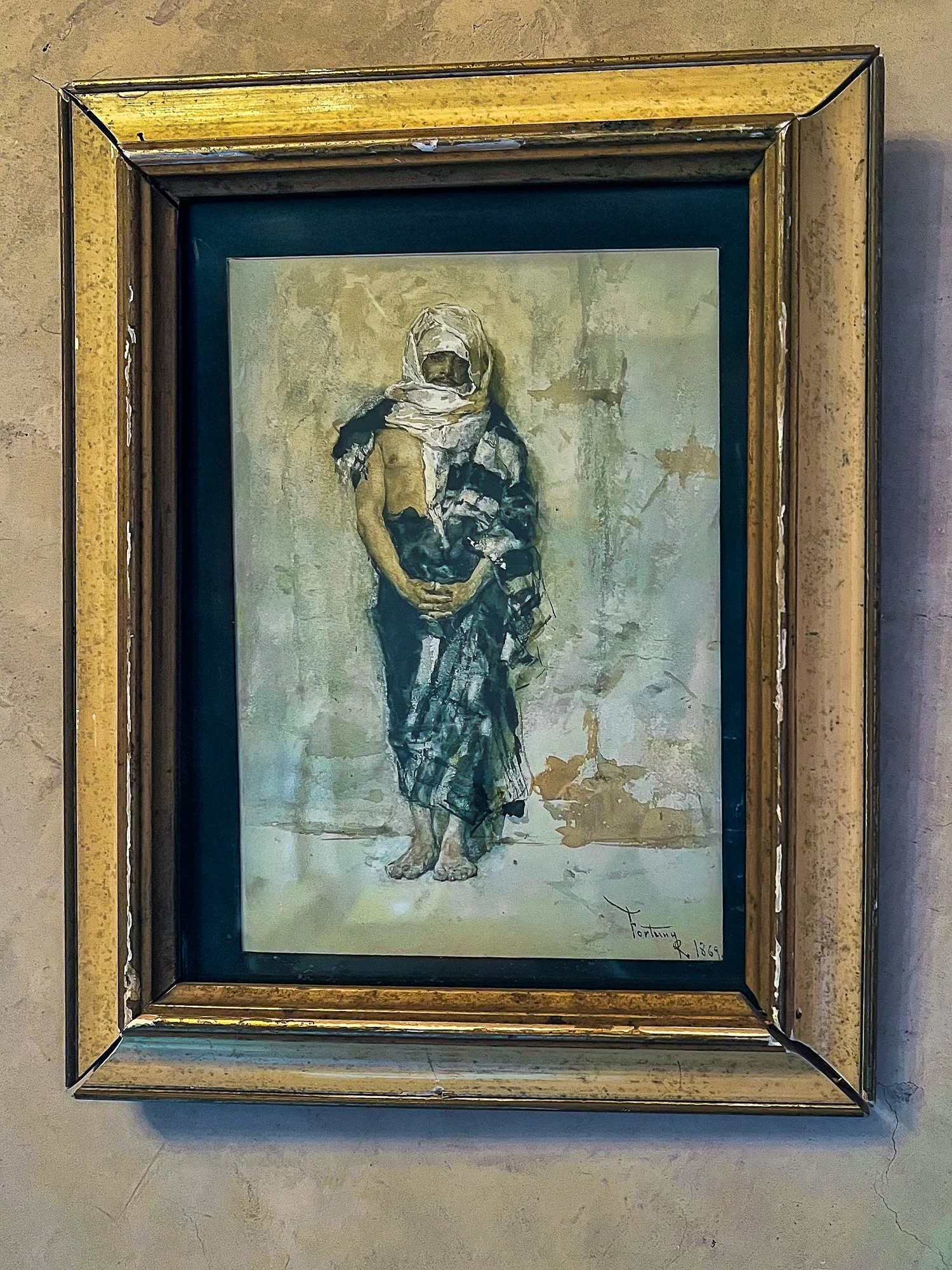
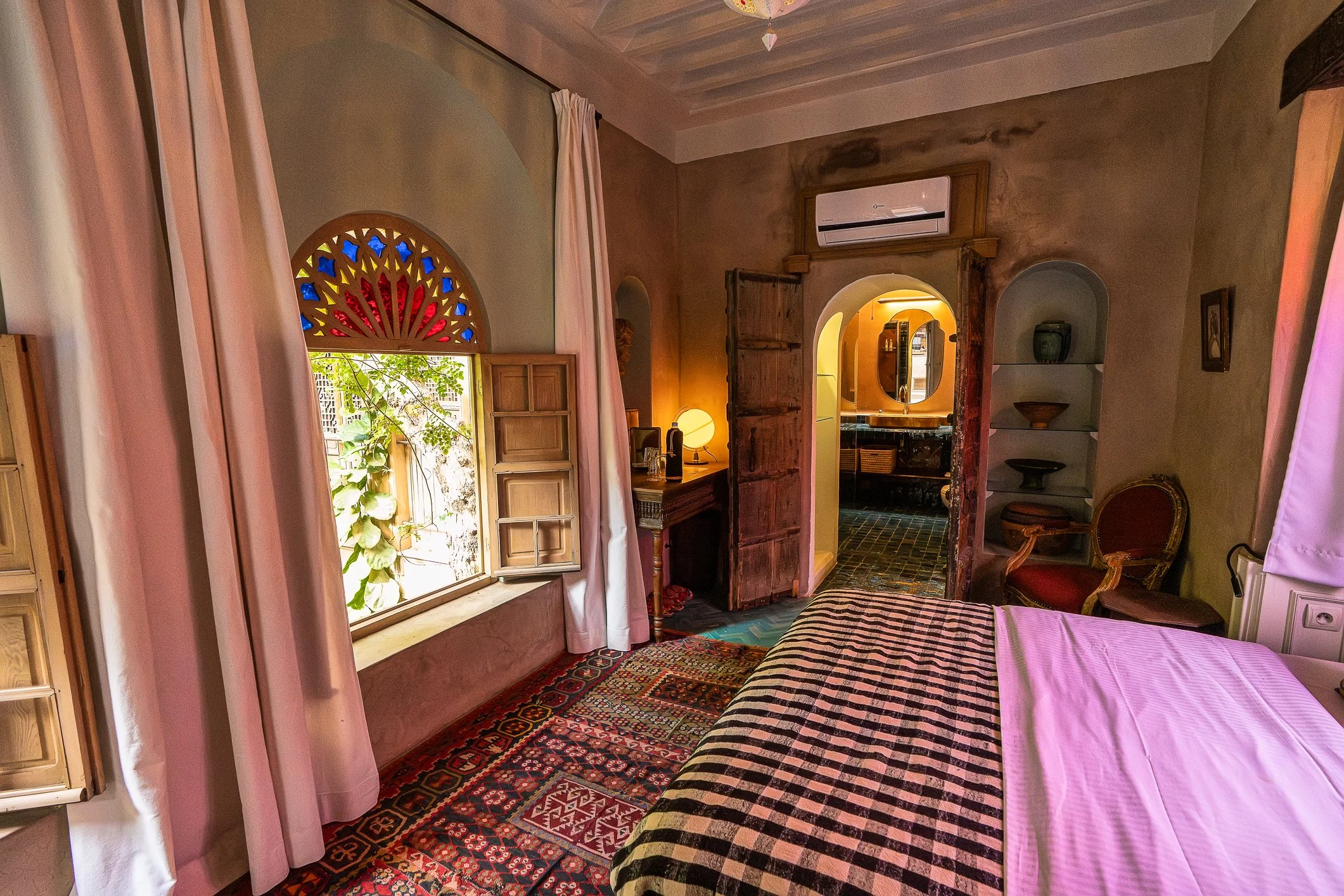
There are only seven rooms, each with its own character and distinct features: traditionally painted wooden arches and vaulted roofs, sculpted plaster, and tadelakt. You’ll also find tatoui ceilings made of woven oleander branches, antique Chinese moucharabieh doors featuring intricate lattice woodwork for privacy and ventilation, and stained glass alongside bejmat vaults.The spaces are further decorated with artefacts collected during the owners’ travels across Africa and the rest of the world.

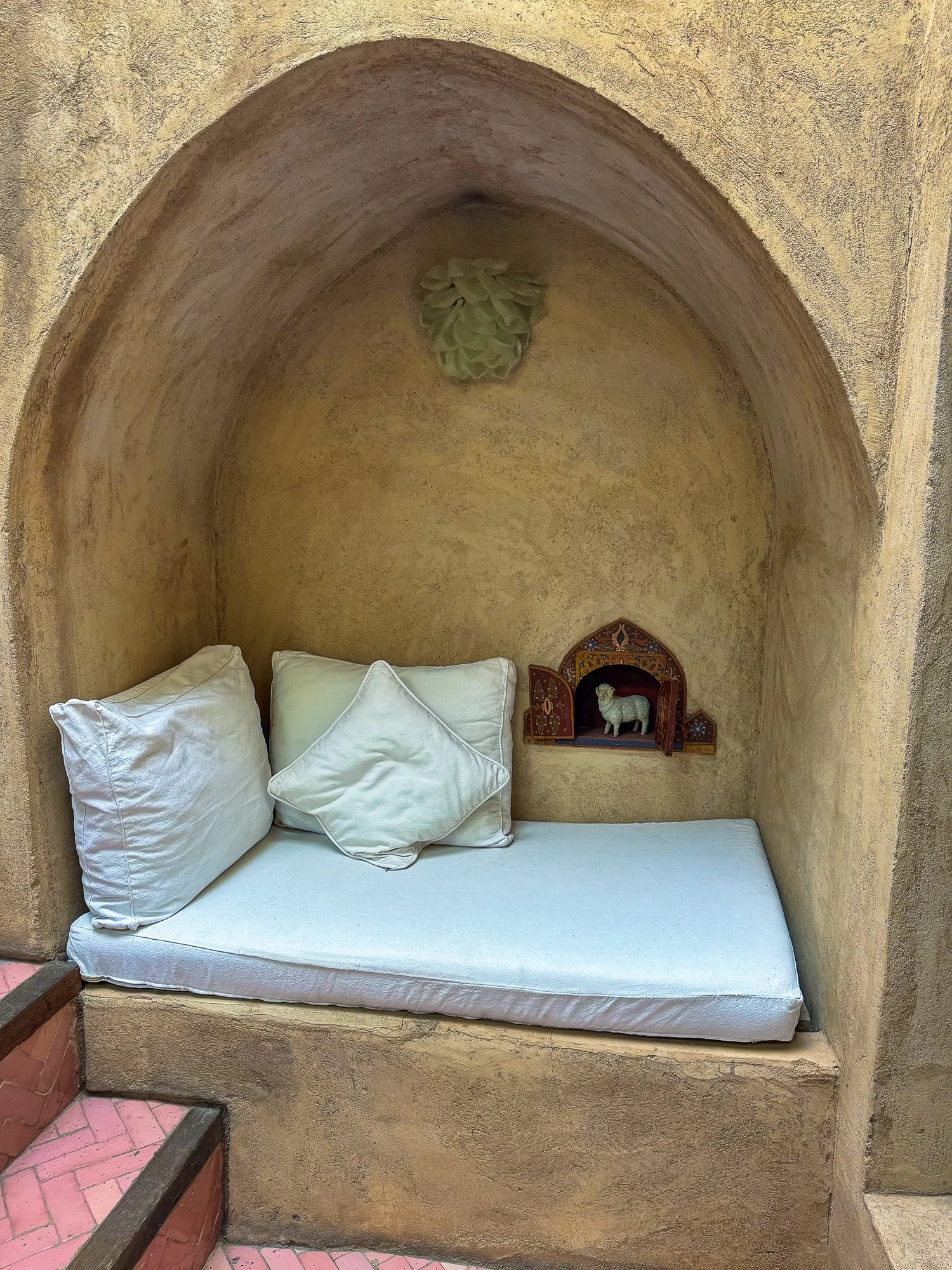
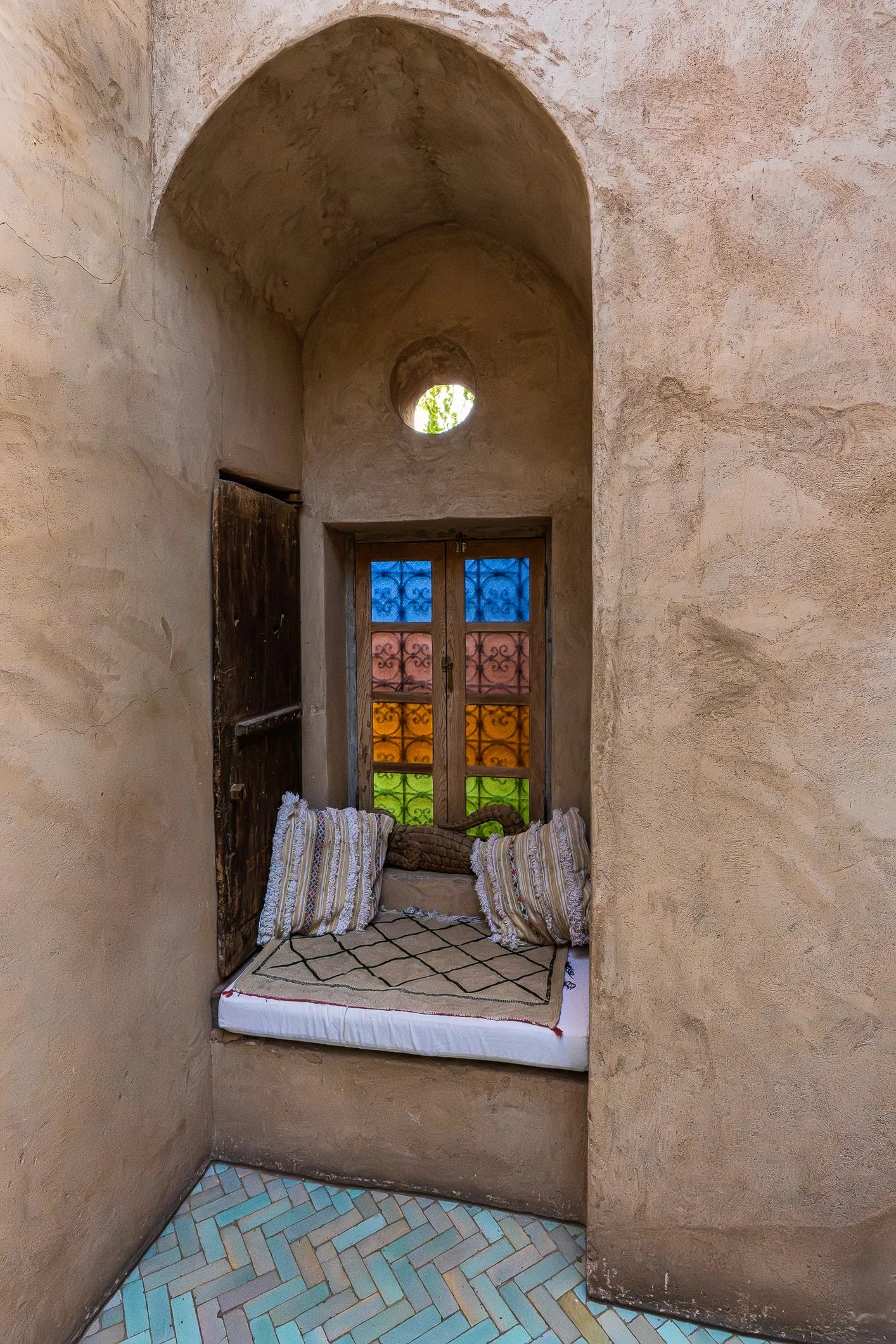
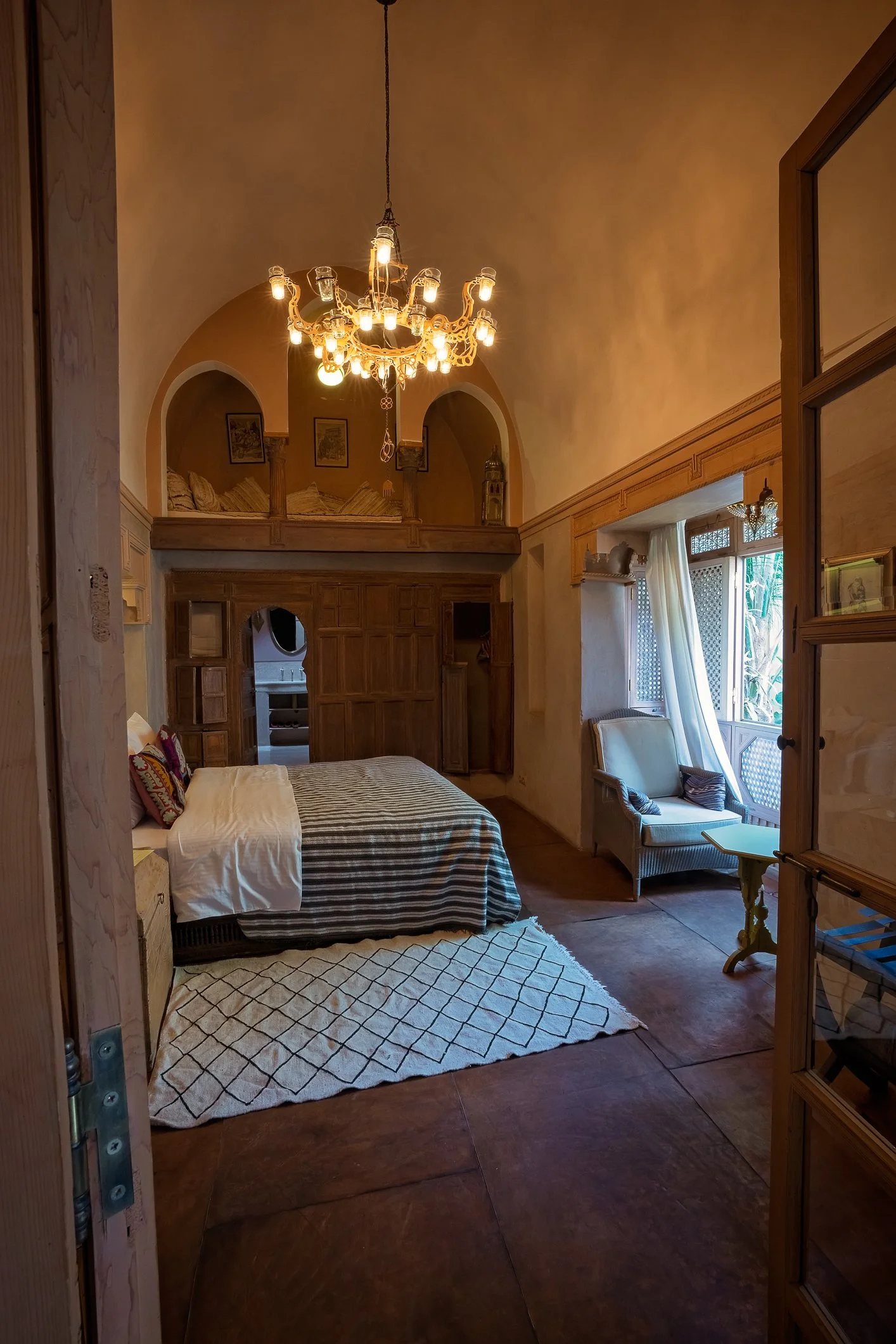
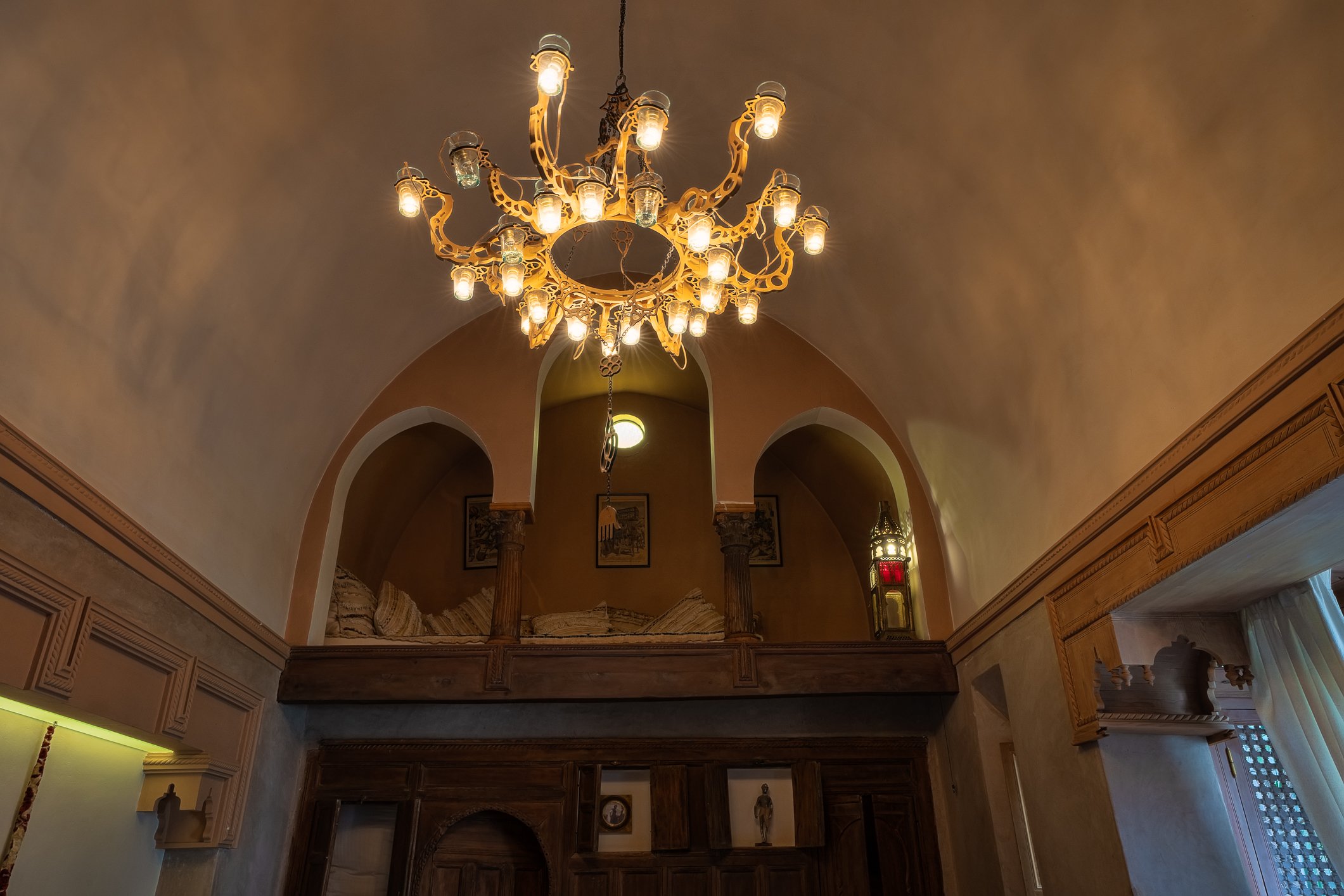
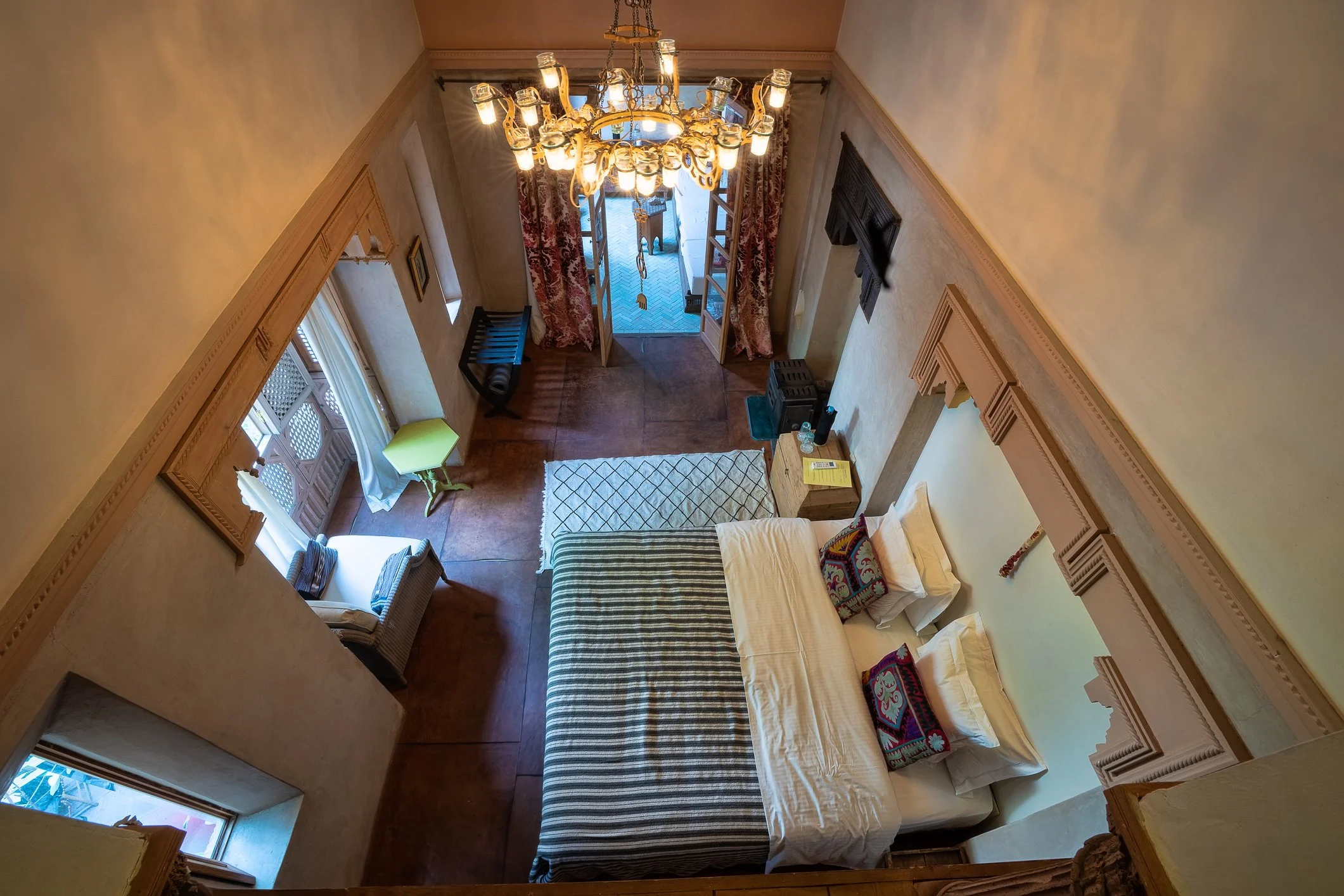
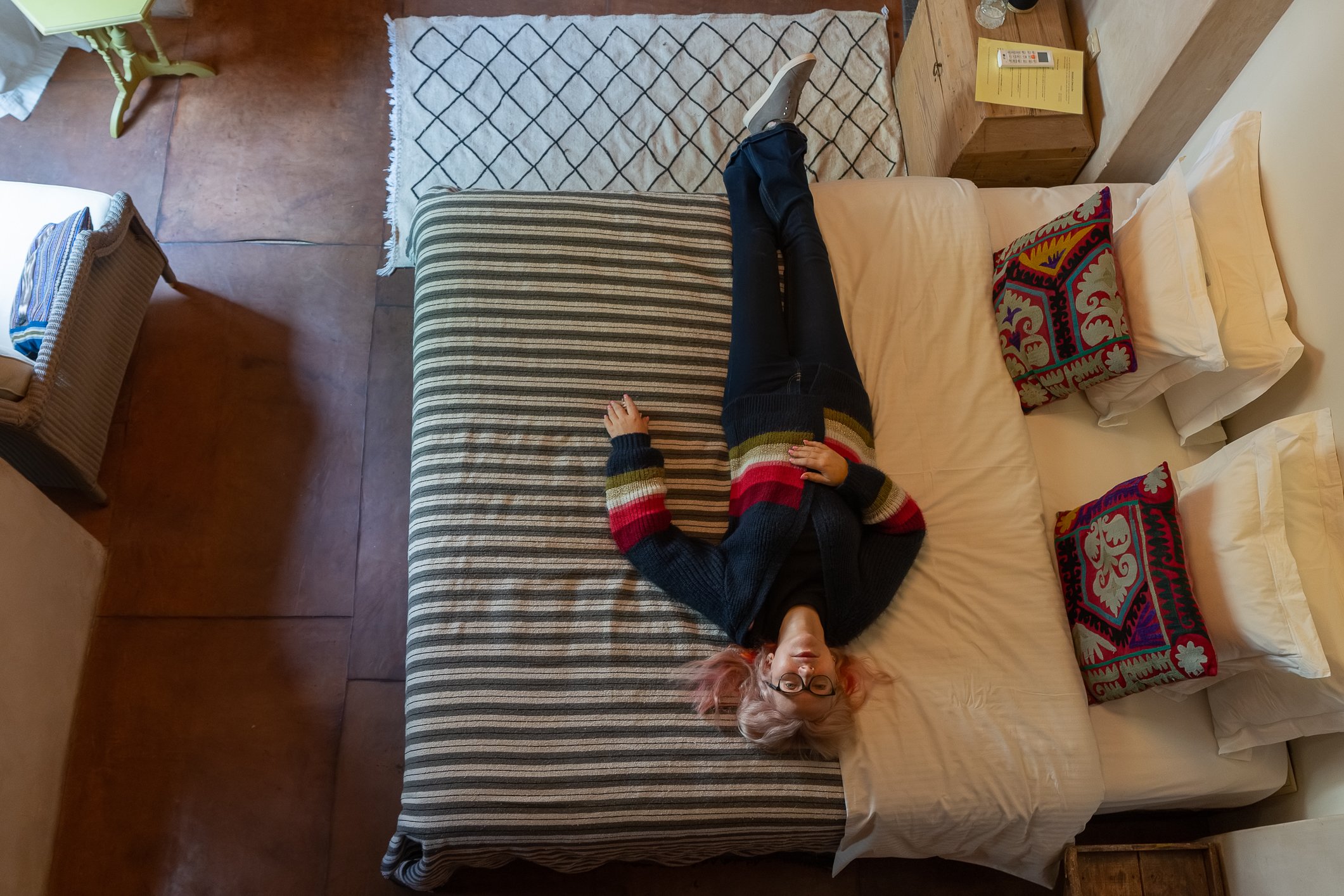
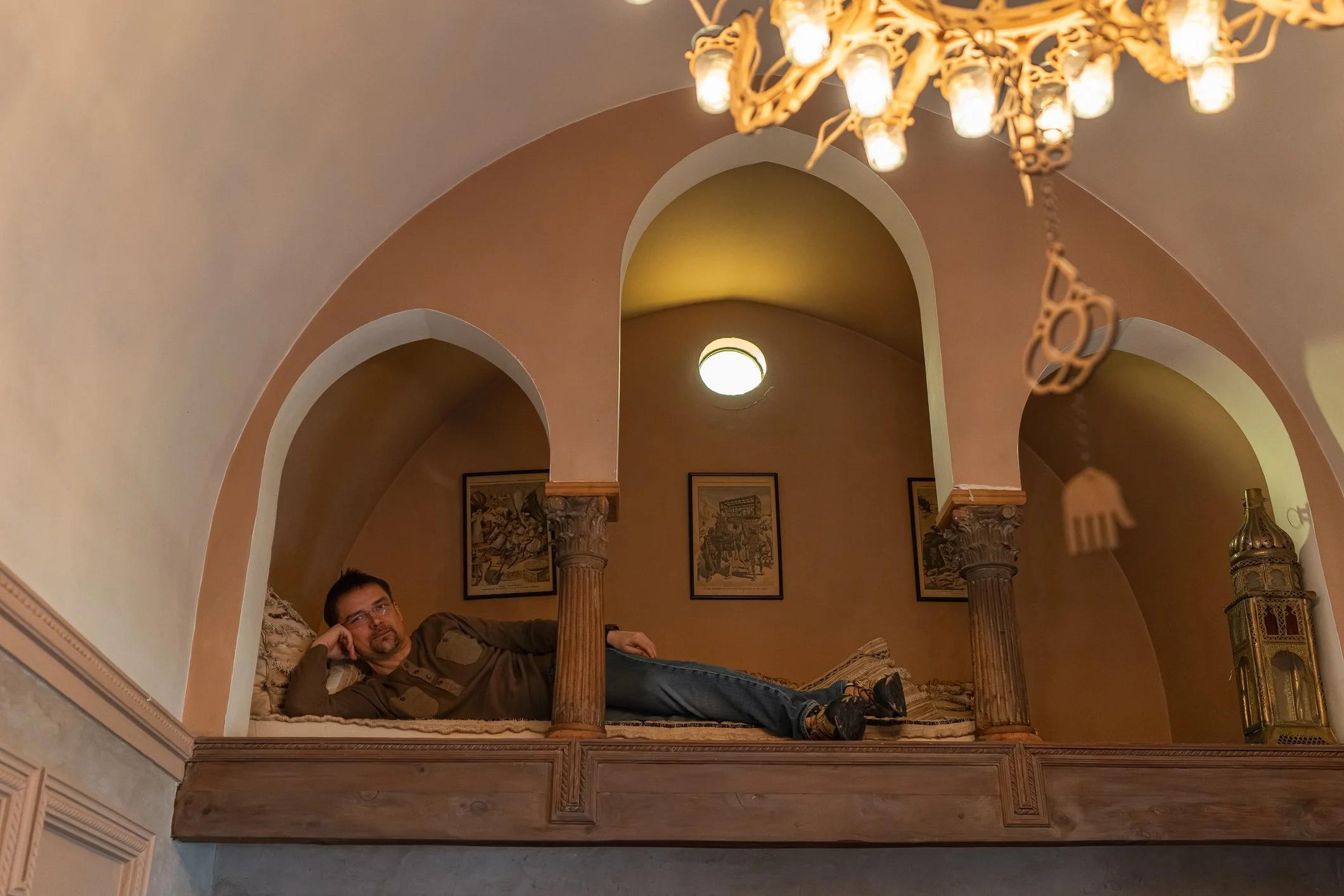
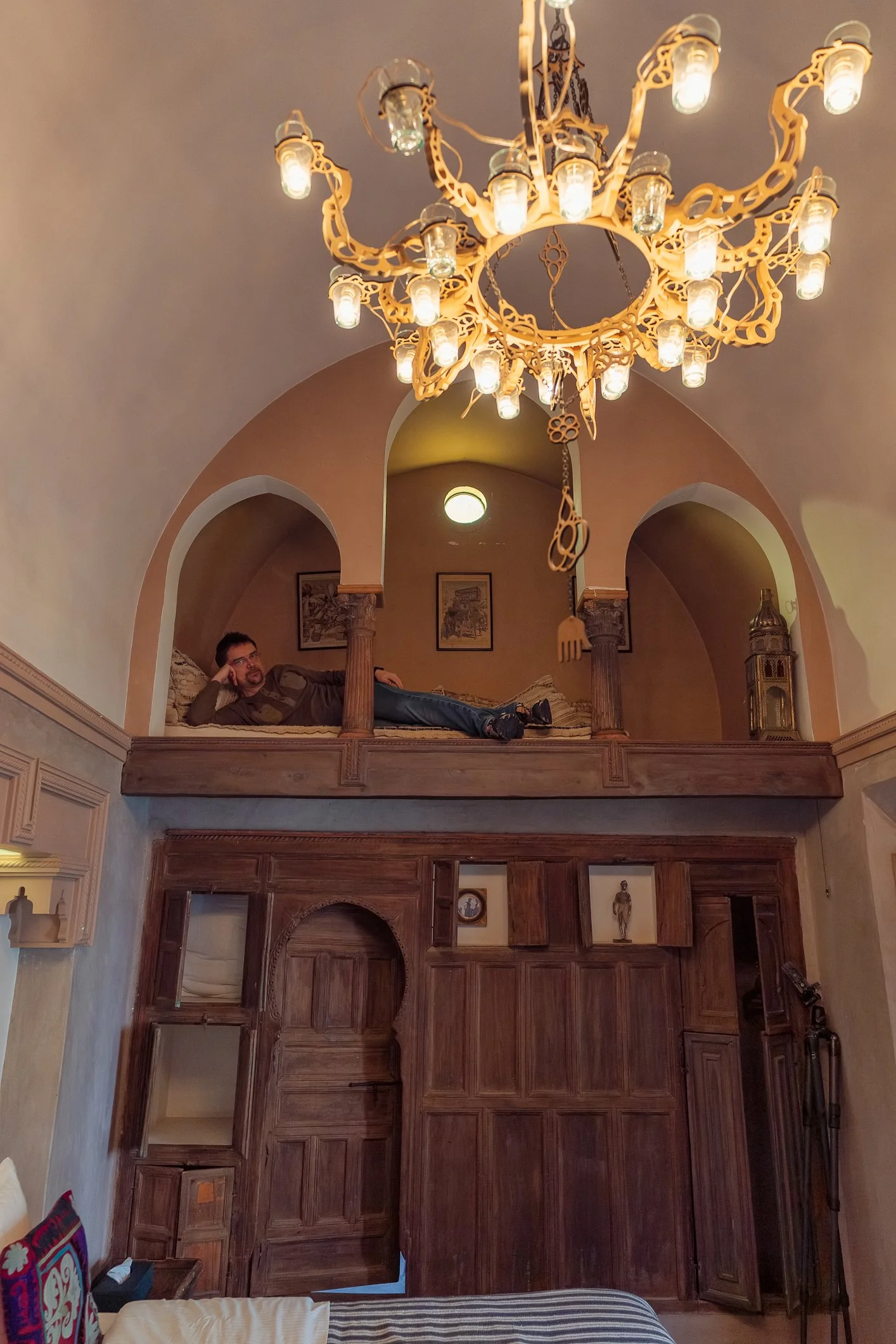
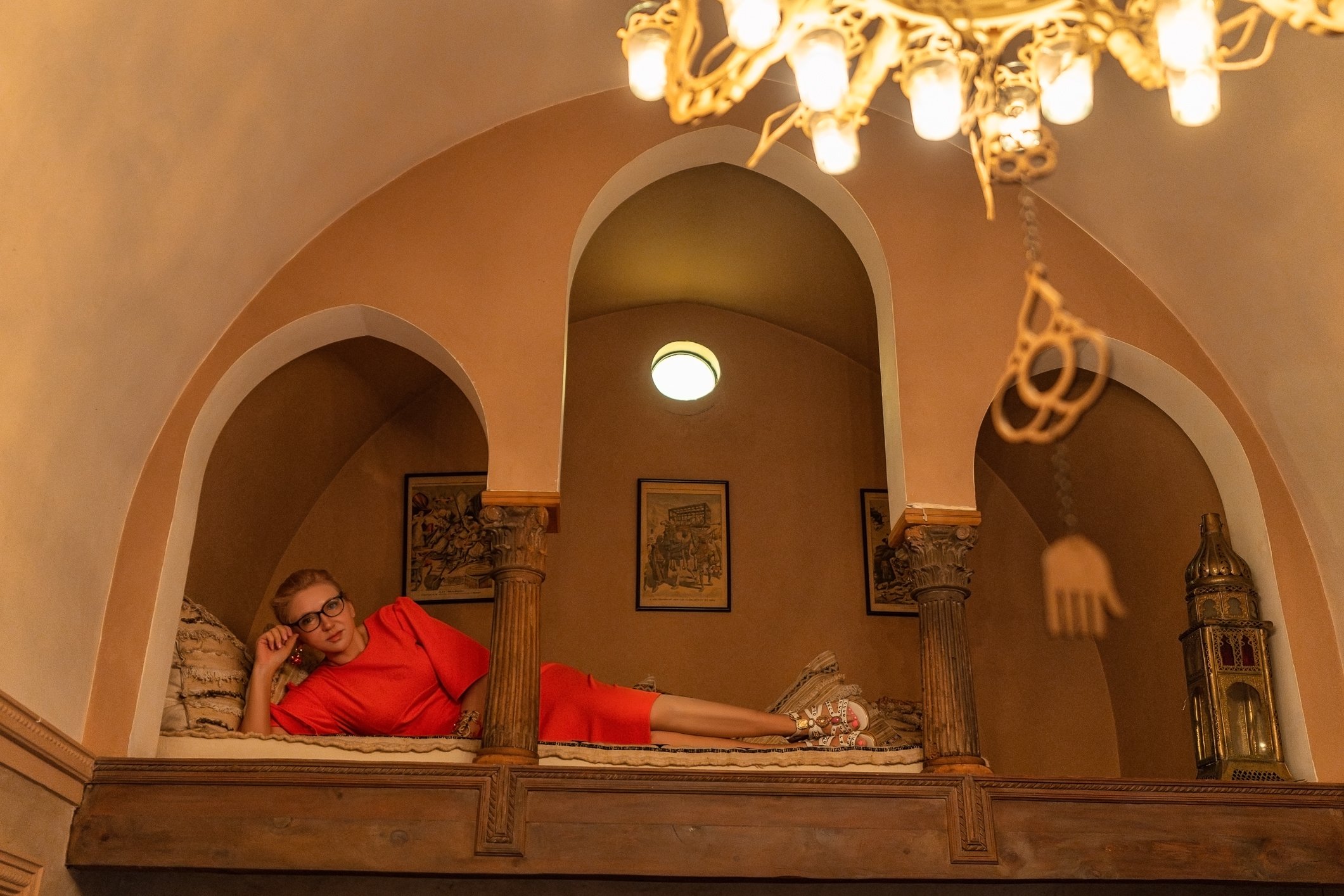
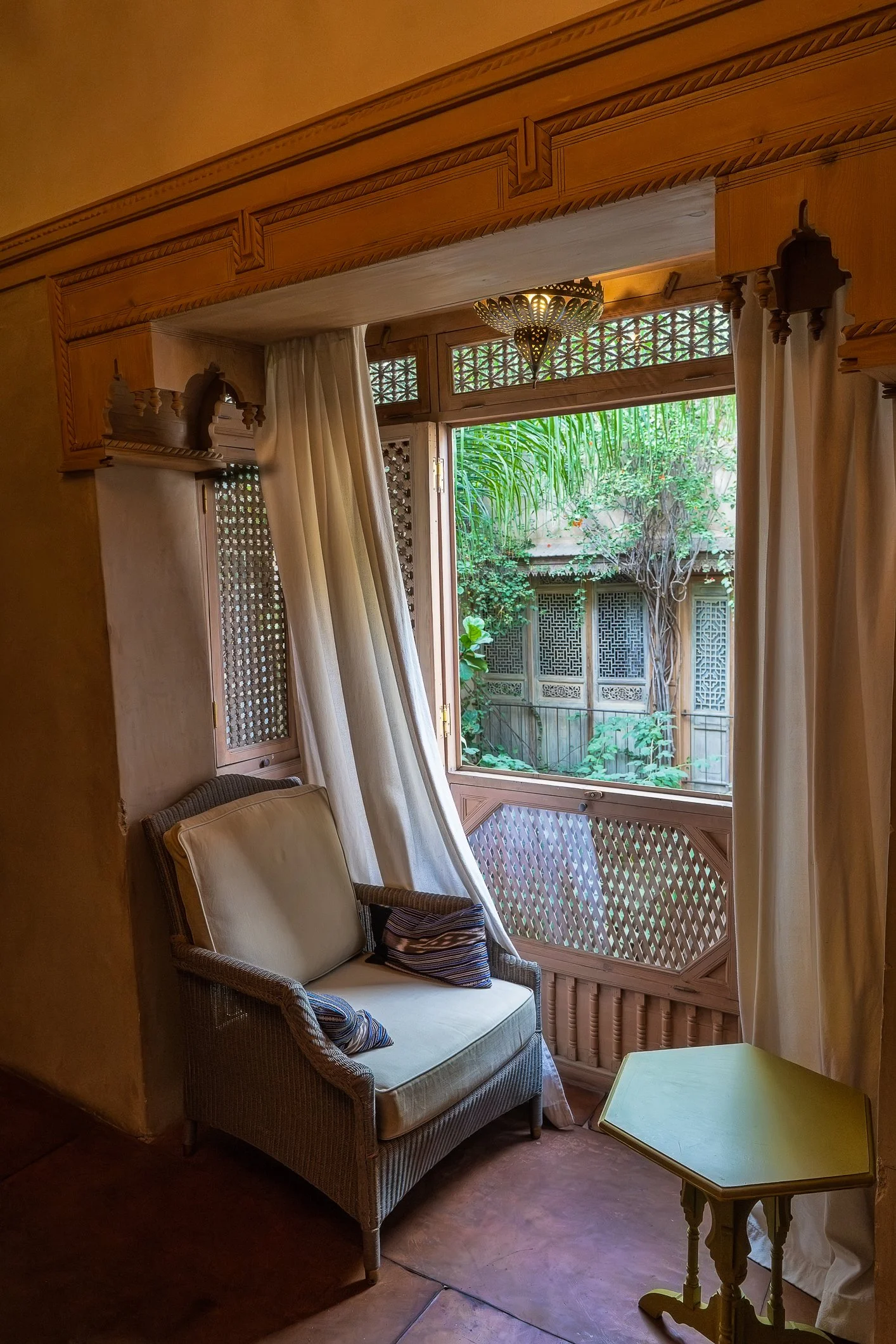
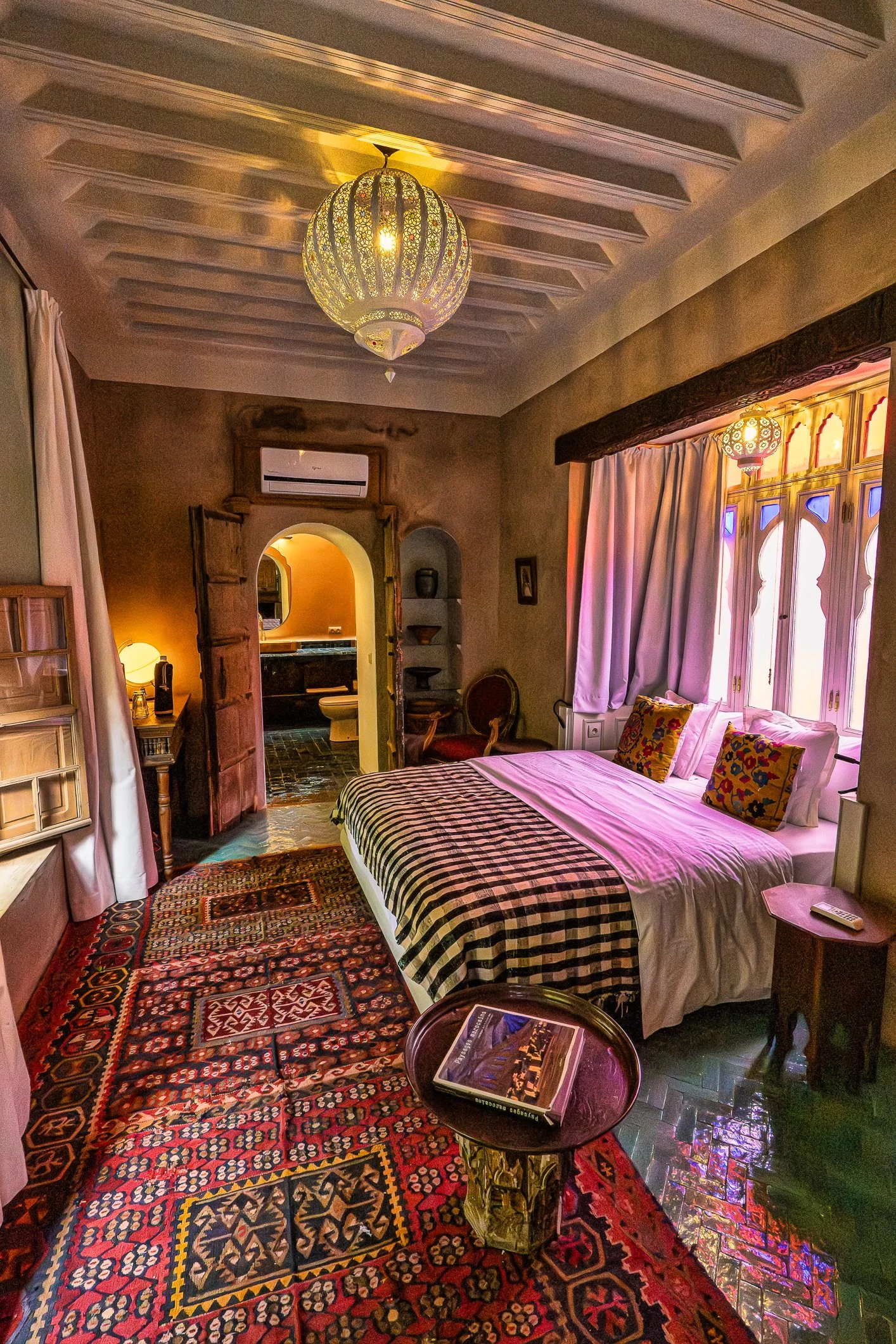
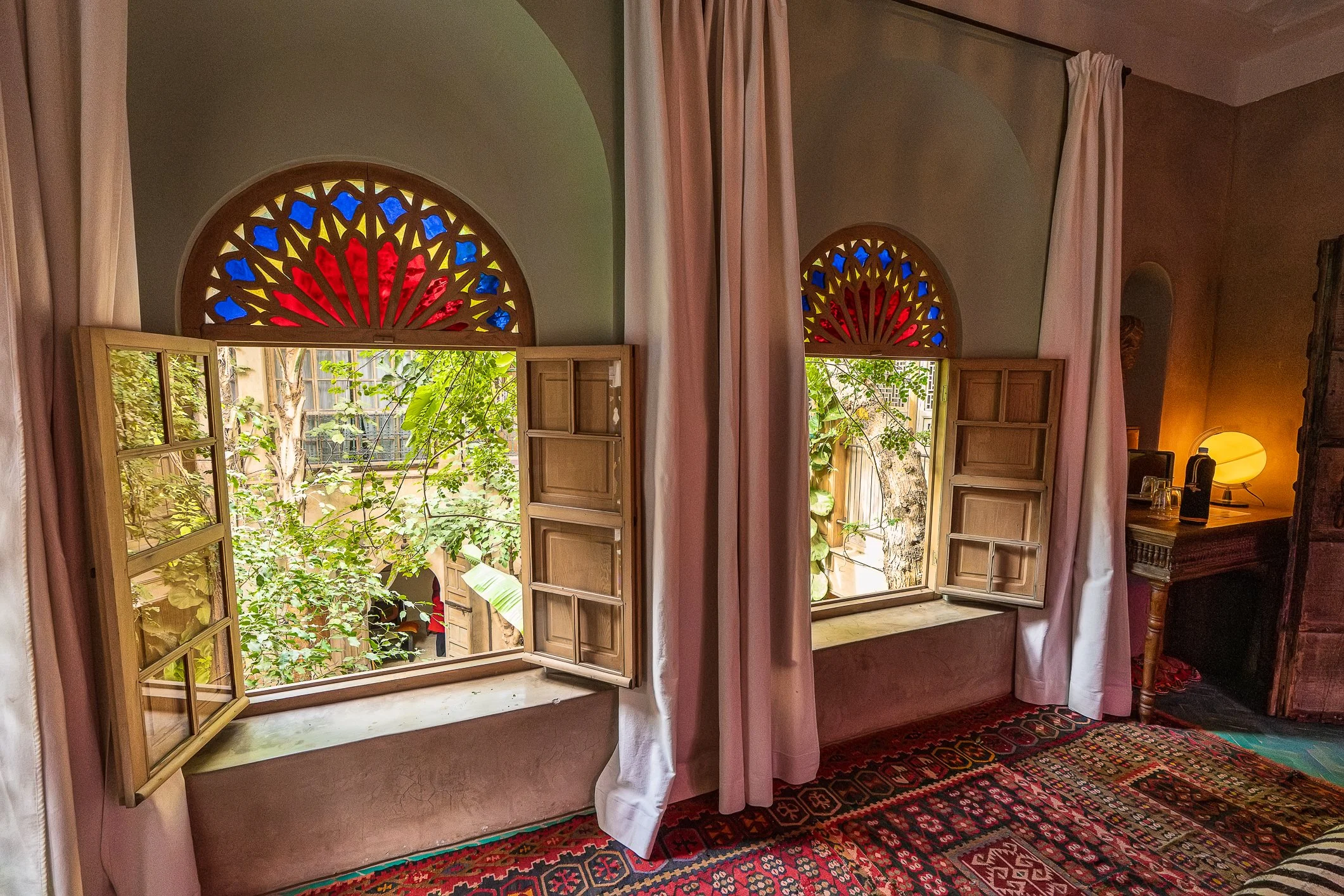
We chose the Koubba room for our stay. Koubba is the name for traditional brick vaults - masterpieces of Arab-Moorish architecture - and this suite features two of them (one in the main room, one in the bathroom). It also includes a private loggia with a daybed. The walls are finished in tadelakt. A menzeh (bow window) opens onto the lush greenery of the courtyard, while a wooden wall hides a ladder to a sleeping loft and the door to a very atmospheric bathroom.

W riadzie znajduje się tylko siedem pokoi, a każdy z nich ma swoj spcyficzny charakter. Wnętrza zdobią artefakty przywiezione przez właścicieli z dalekich podróży po Afryce i Azji.

My zatrzymaliśmy się w apartamencie Koubba. Nazwa nawiązuje do tradycyjnych ceglanych sklepień, które są wizytówką tego pokoju. Mamy tu też prywatną loggię z szezlongiem do popołudniowej drzemki oraz uroczy wykusz (menzeh) z widokiem na ogród. Największym zaskoczeniem są jednak ukryte za drewnianą ścianą schodki prowadzące na antresolę oraz bardzo nastrojowa łazienka.

The room closest to us, the Driba room, utilises coloured glass in the doors and windows to create kaleidoscopic light patterns.

Najblizej naszej suity znajduje się pokój Driba, gdzie kolorowe witraże w oknach i drzwiach tworzą na ścianach kalejdoskop barw, gdy tylko padną na nie promienie słońca.

Dinner is traditionally served in an elegant, communal indoor salon. The room is designed with candlelit tables and features an eclectic aesthetic. The highlight is the striking wall of antique Dutch manganese tiles, often called "Bible tiles" (bijbeltegels). These tiles use a distinct purple-brown or reddish-sepia tone; under the dim, warm light, the scenes look like aged sepia ink on the walls.

Kolacje w Kbour & Chou serwowane są w eleganckim salonie w bardzo eklektycznym stylu. Największe wrażenie robi ściana wyłożona antycznymi holenderskimi płytkami z manganu, zwanymi "płytkami biblijnymi". W ciepłym świetle świec ich purpurowo-brązowe zdobienia wyglądają jak stare ryciny wykonane sepią, tworząc niesamowite tło dla tradycyjnych marokańskich potraw.

Cactus Thiemann

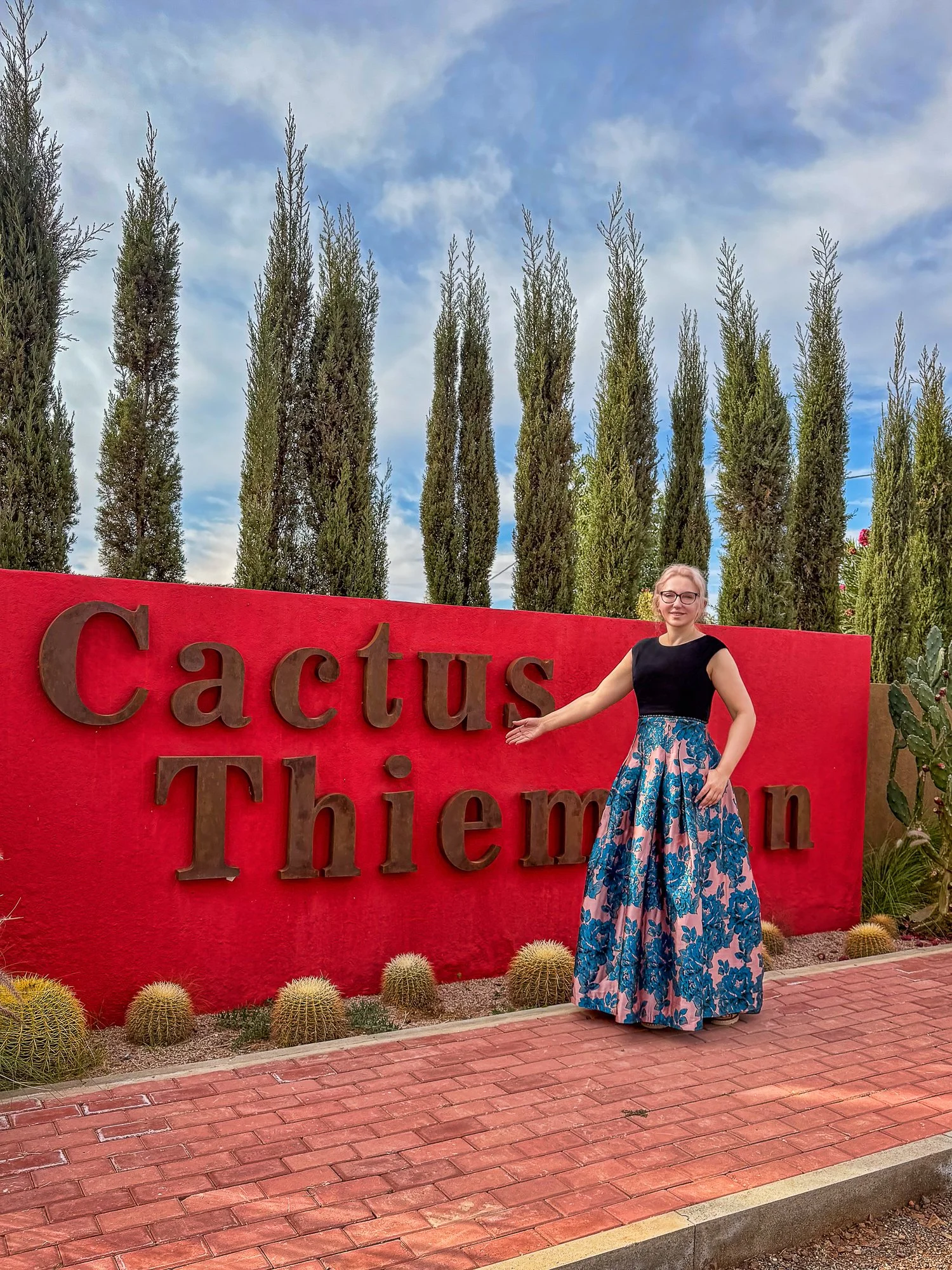
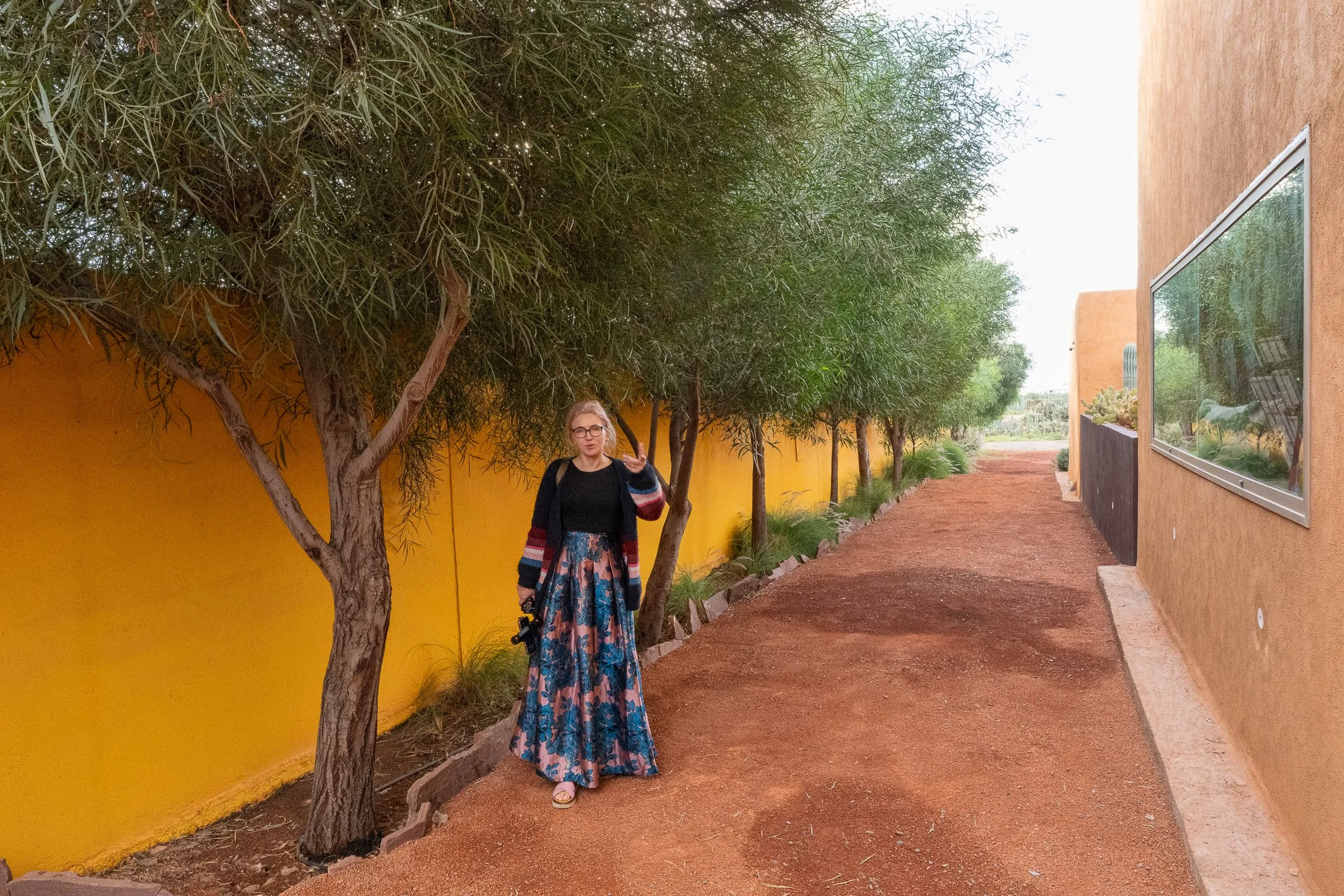
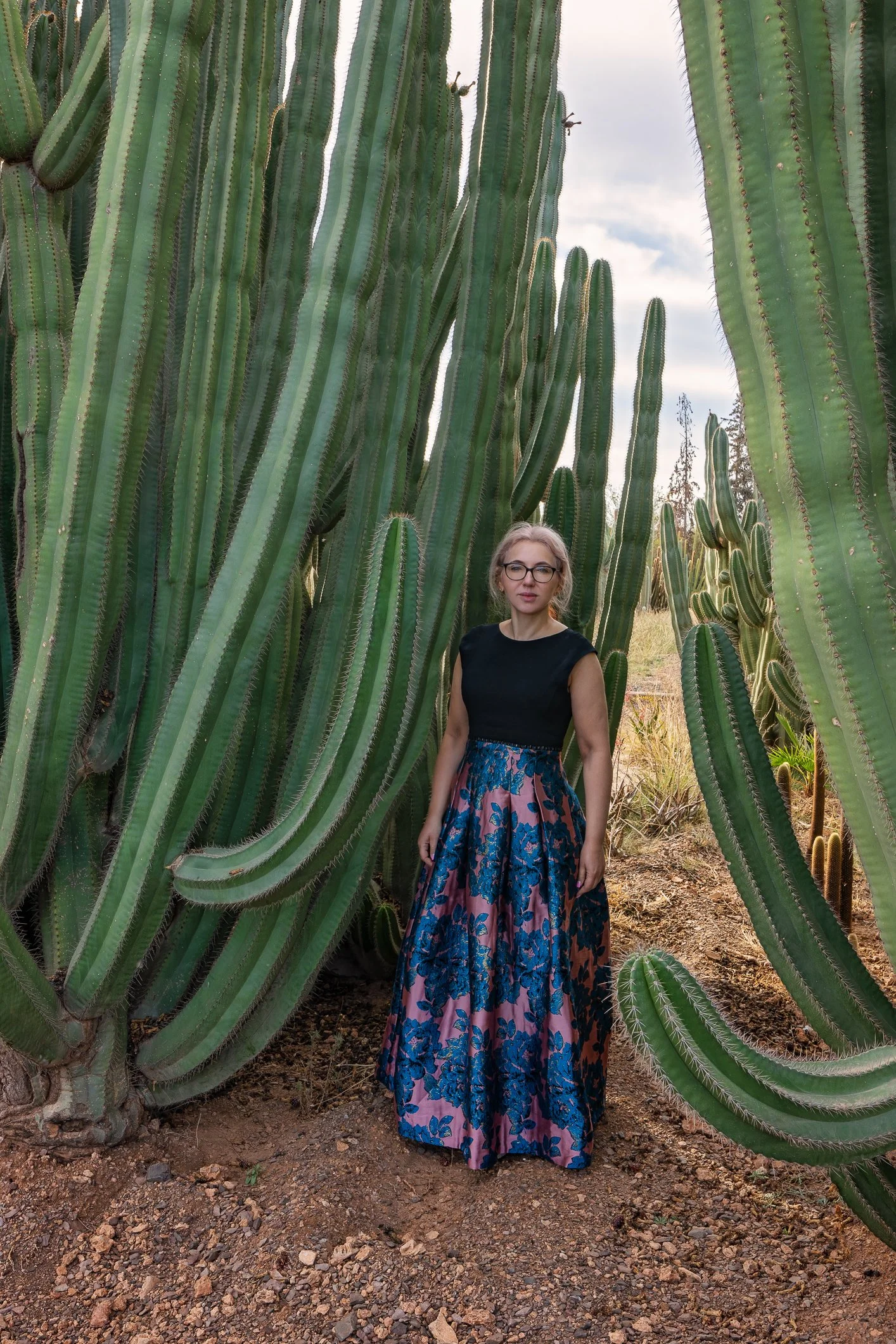
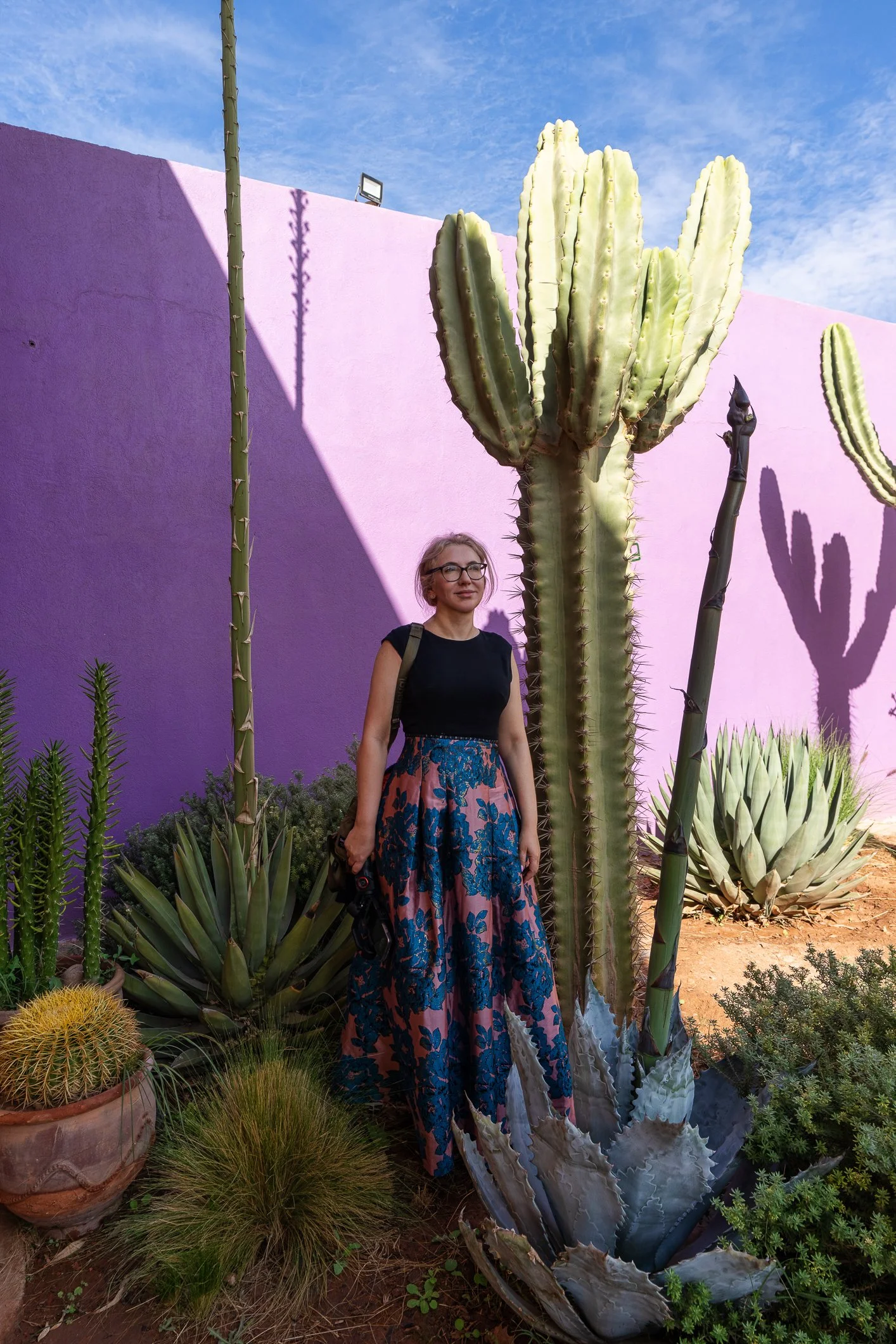
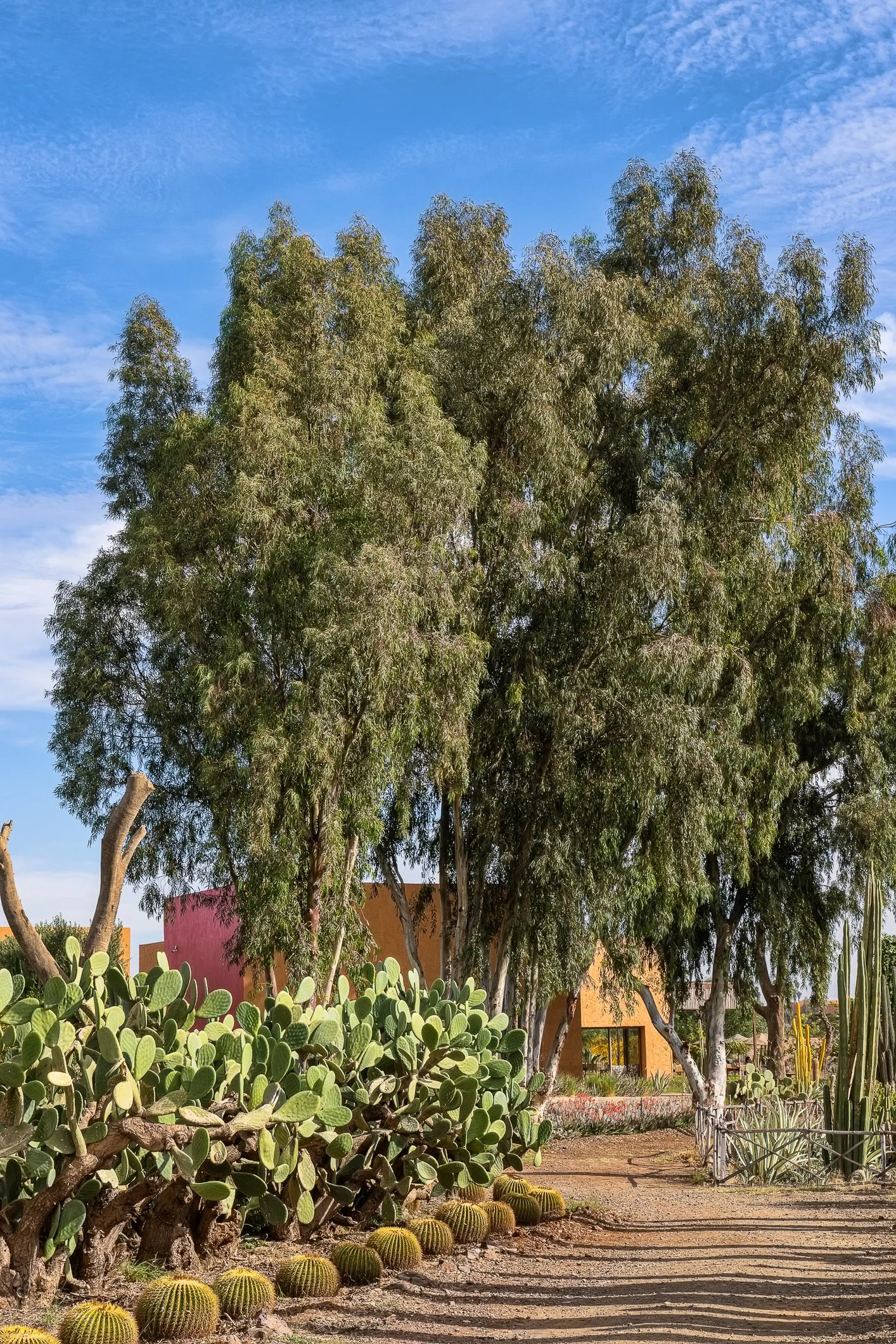
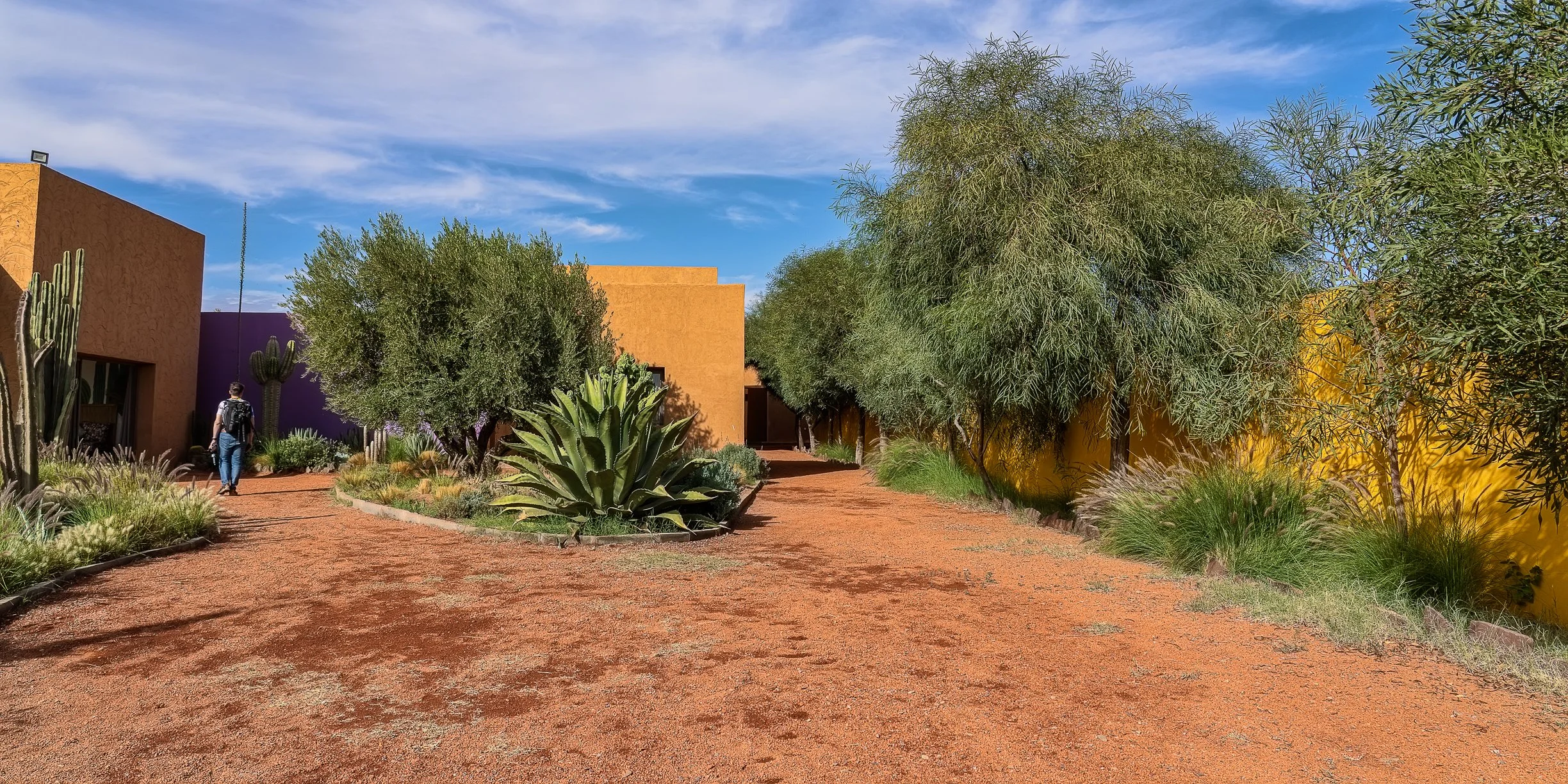
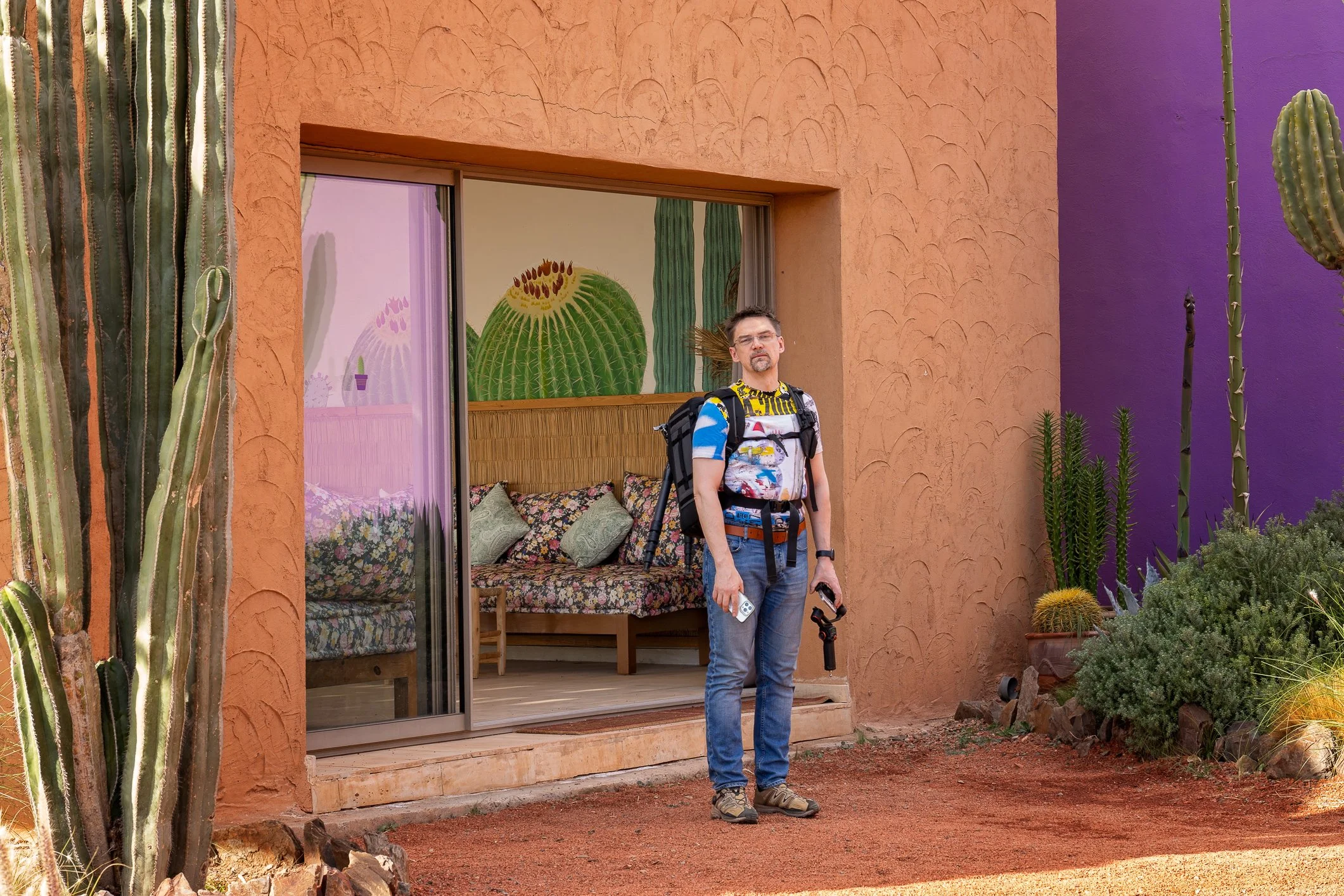
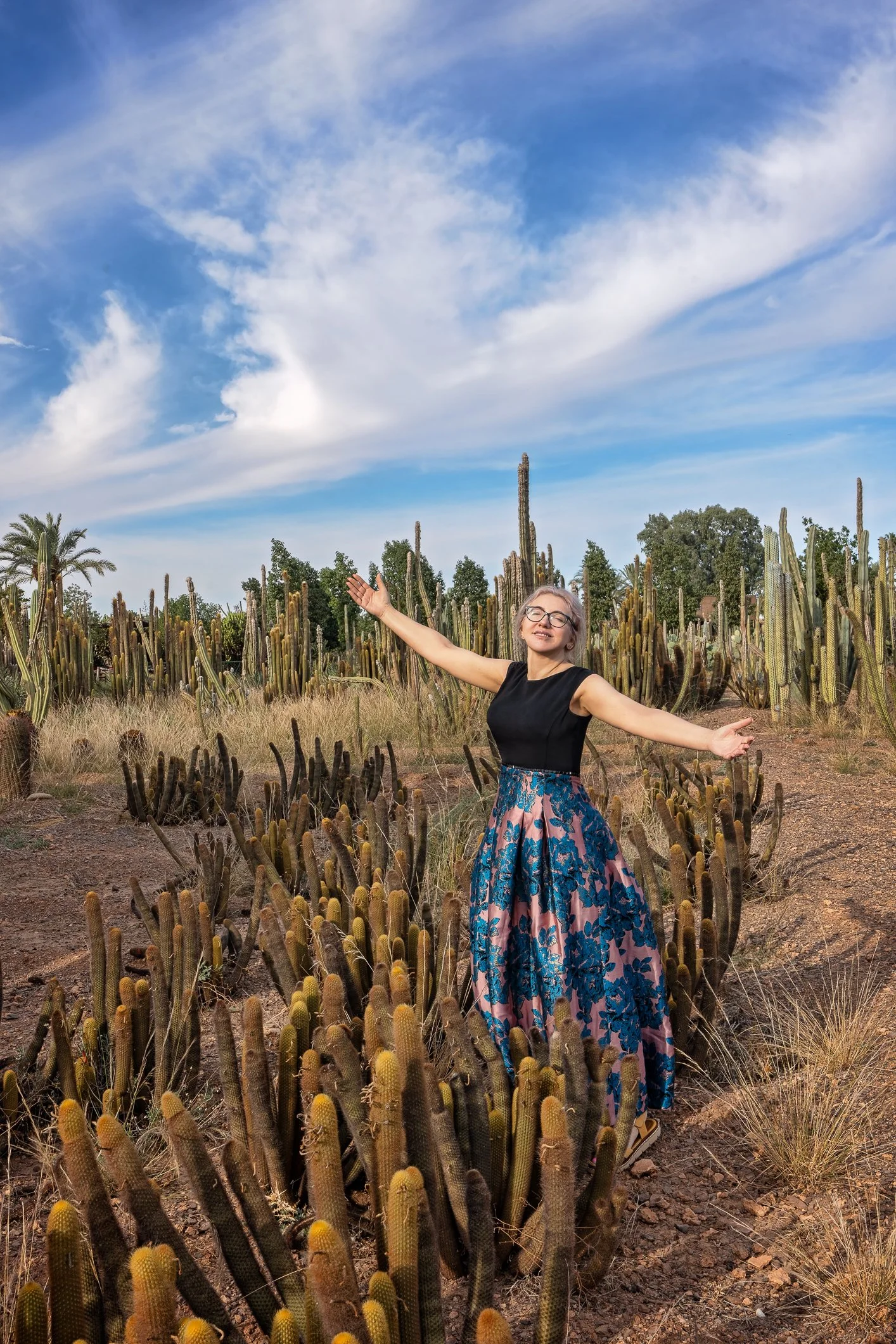
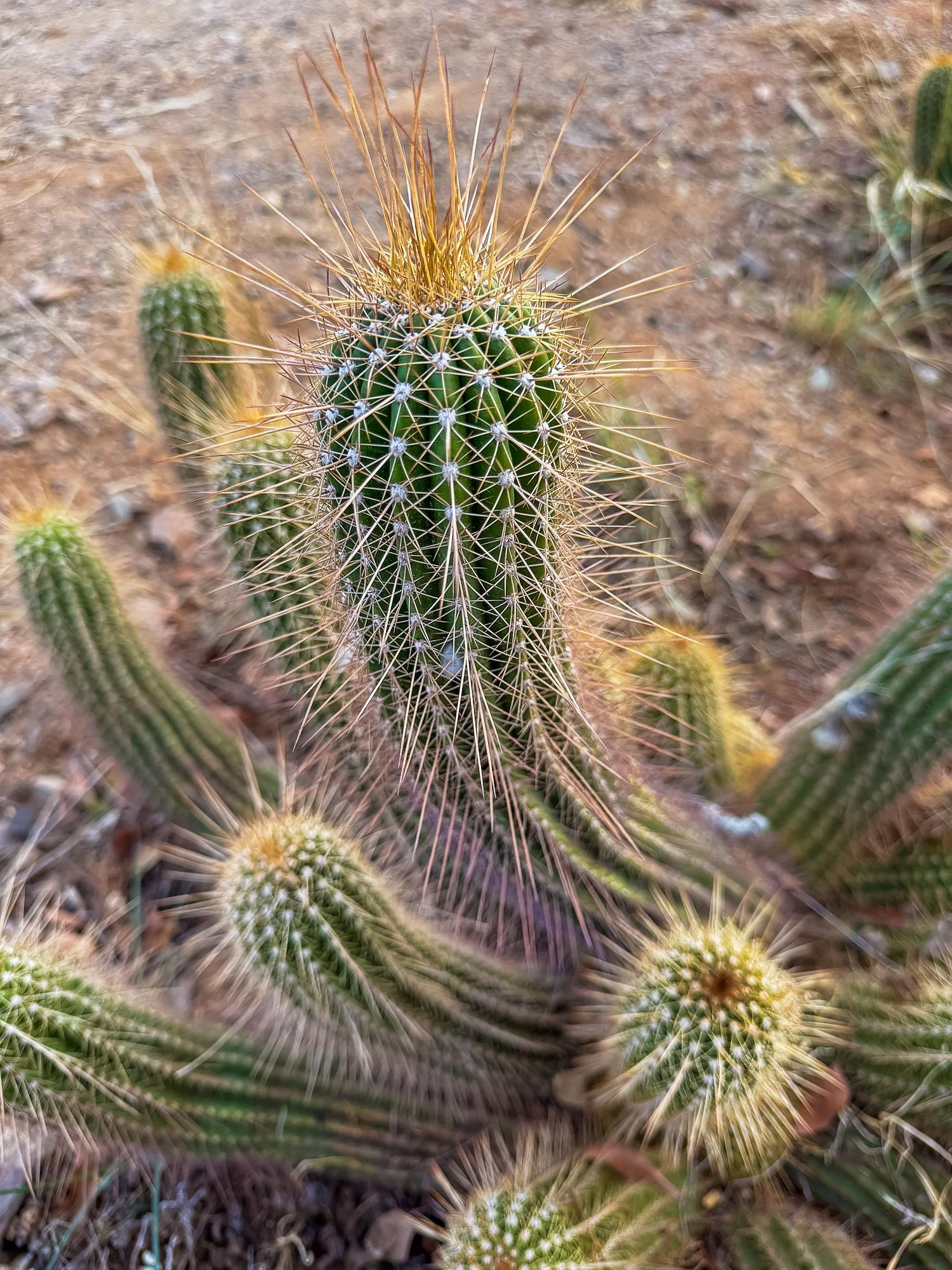
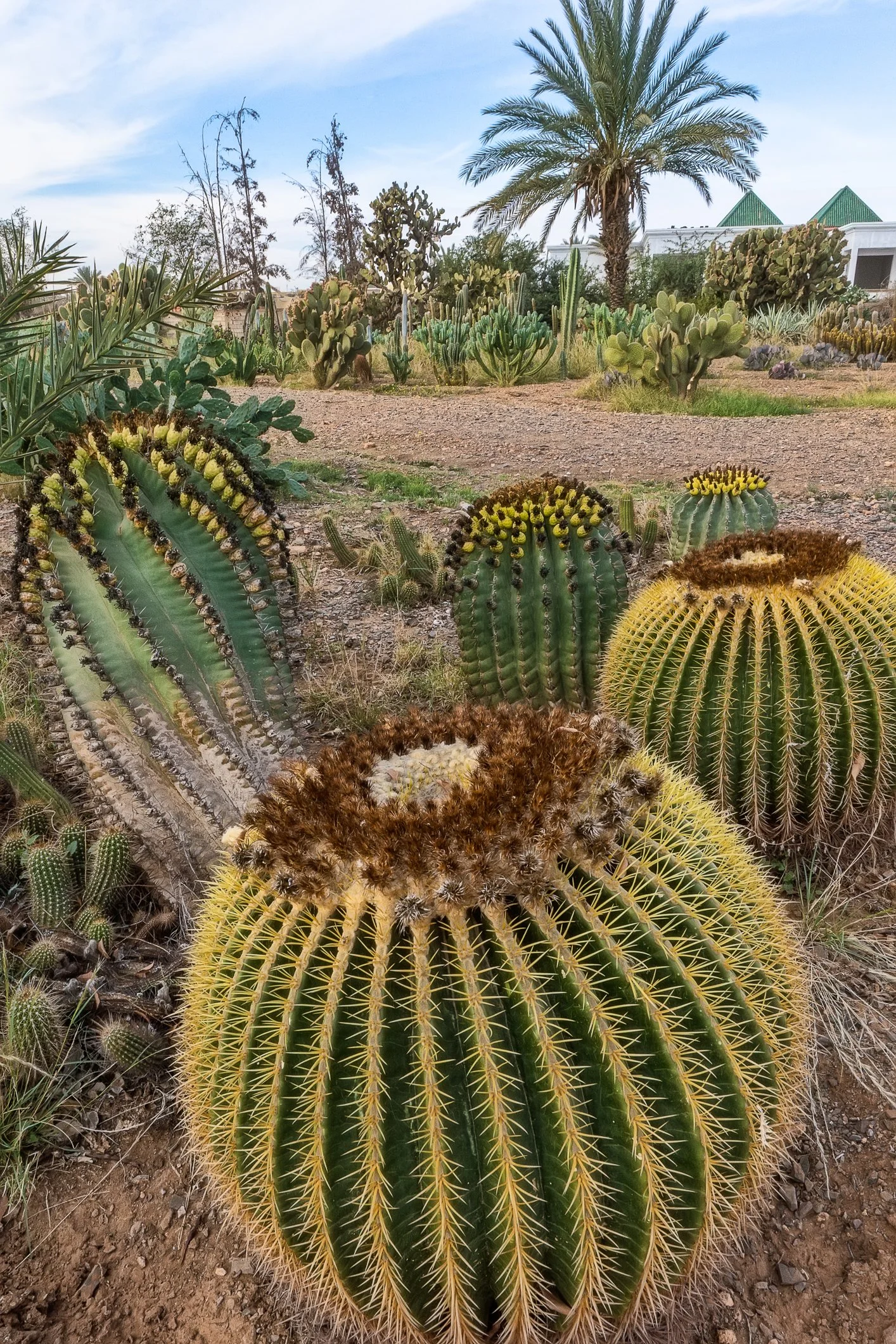
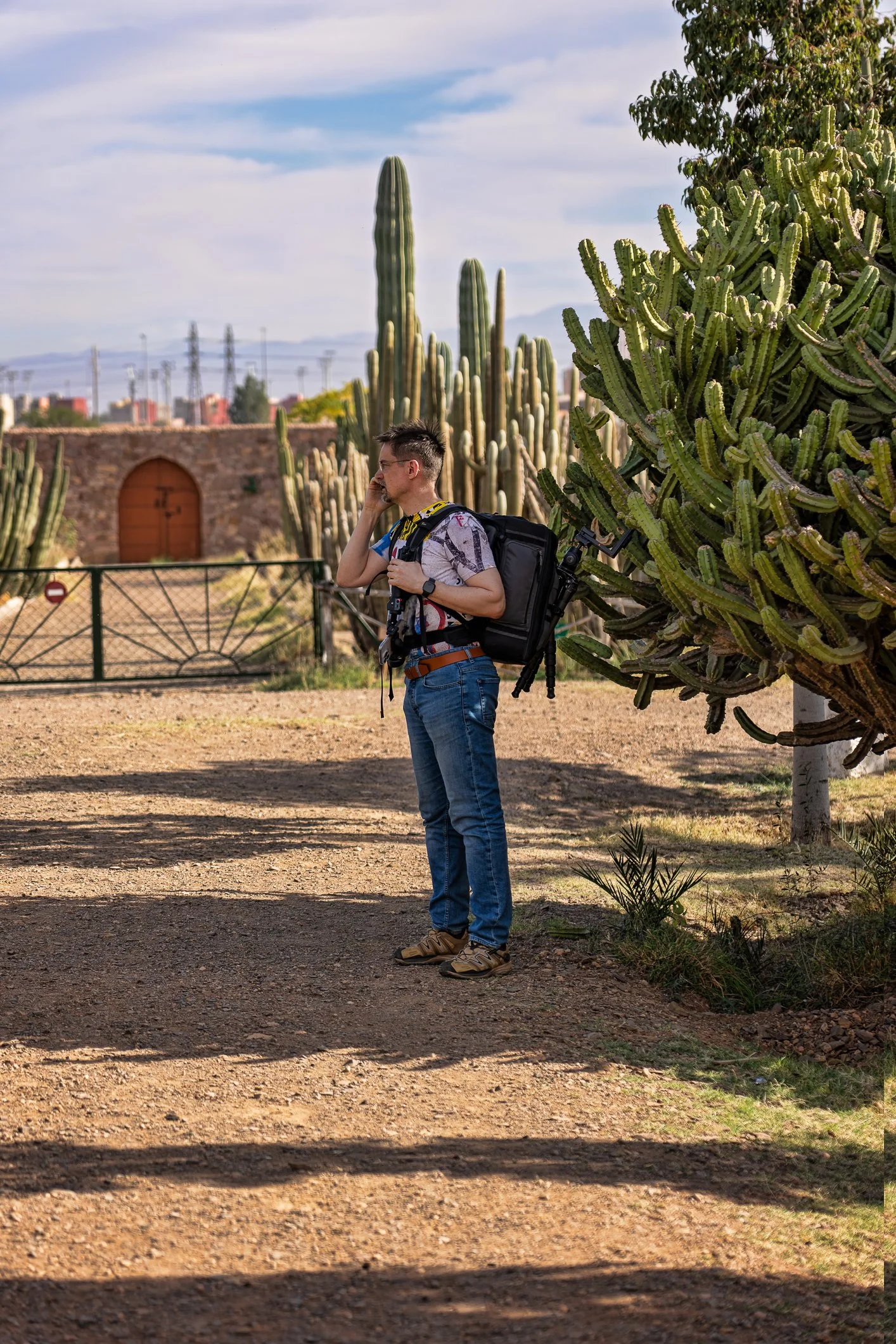
Cactus Thiemann sits about 10 km outside Marrakesh on the road toward Casablanca. It’s not a landscaped “designer garden” like Jardin Majorelle. It feels closer to a large-scale agricultural collection that just happens to be visually striking. The farm has also historically supplied plants to hotels and landscaping projects around Marrakesh, so it has had a commercial role alongside being a private collection. It was started in 1964 by Hans Thiemann, a German engineer who began importing and cultivating cactus species on what was essentially farmland.

In terms of visiting, it’s relatively straightforward but slightly inconvenient. There’s no real public transport that drops you anywhere close to the entrance. We opted for transport included in the online ticket, and they collected us from central Marrakesh. The return, however, was too early for us, so we called a taxi to take us back in the late afternoon. The result was perfect: a nearly empty farm in the morning, and then no one else but us later on. It makes such a difference when you can take in all this beauty without crowds everywhere.


Cactus Thiemann znajduje się około 10 km od Marrakesz, przy drodze w kierunku Casablanki. Nie jest to wypielęgnowany, „designerski” ogród w stylu Jardin Majorelle. Bardziej przypomina rozległą kolekcję rolniczą, która przy okazji wygląda spektakularnie. Przez lata farma dostarczała rośliny do hoteli i projektów zieleni w Marrakeszu, więc oprócz funkcji prywatnej kolekcji miała też całkiem praktyczne zastosowanie. Miejsce zostało założone w 1964 roku przez Hansa Thiemanna, niemieckiego inżyniera, który zaczął sprowadzać i uprawiać kaktusy na terenie, który wcześniej był po prostu ziemią rolną.

Sama wizyta jest dość prosta do zorganizowania, choć nieco niewygodna logistycznie. Nie ma bowiem za bardzo transportu publicznego, który dowoziłby pod samo wejście. Jadąc w tamtą stronę skorzystaliśmy z transportu wliczonego w bilet kupiony online - odebrano nas z centrum Marrakeszu. Problem pojawił się przy powrocie, bo przewidziana godzina odjazdu do Marrakeszu była dla nas za wczesna, więc w końcu udało nam się zamówić taksówkę na późne popołudnie. Wyszło to jednak bardzo na plus: rano było niemal pusto, a później mieliśmy to miejsce praktycznie już tylko dla siebie. Zupełnie inne doświadczenie niż zwiedzanie w tłumie.
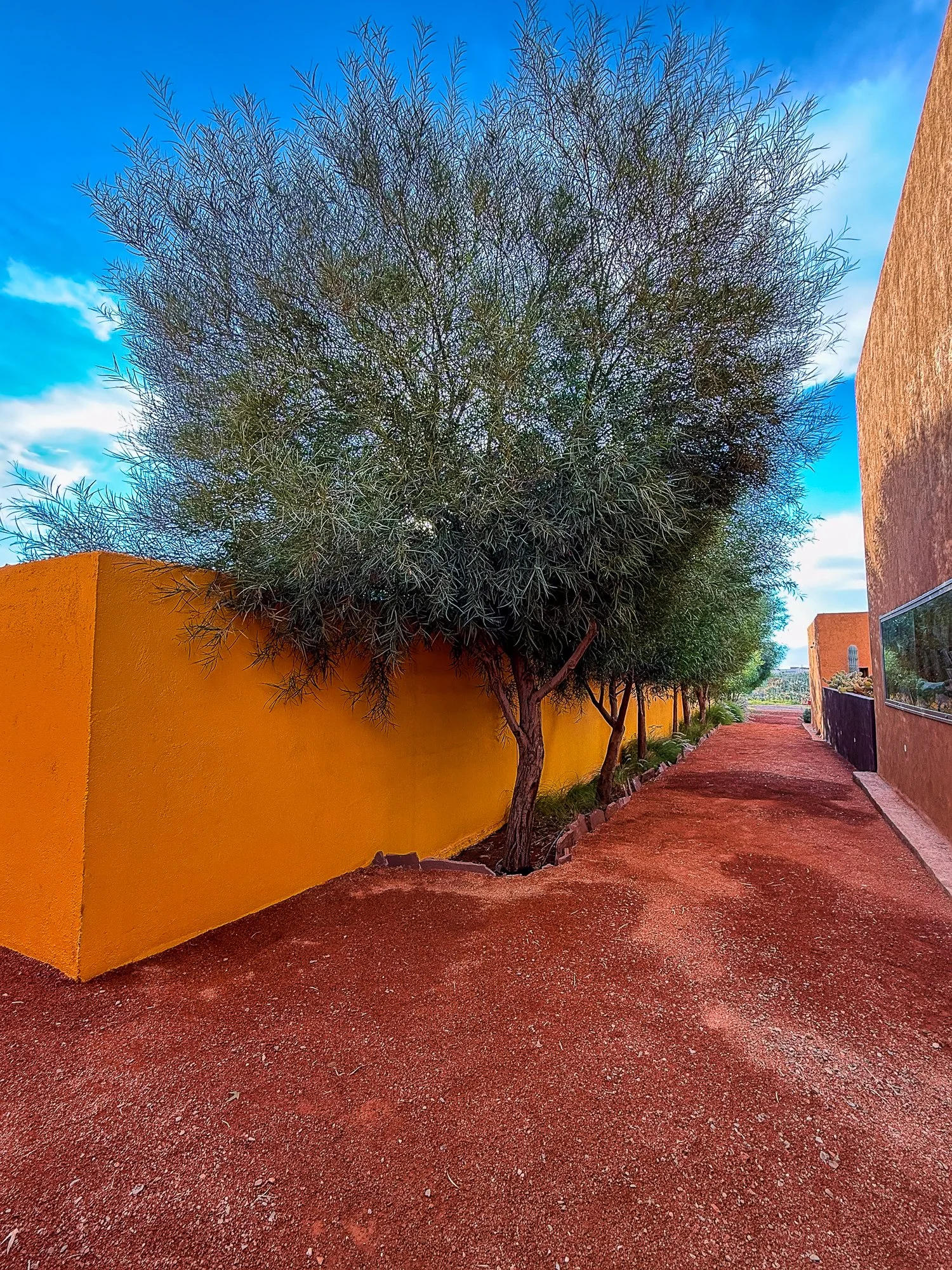
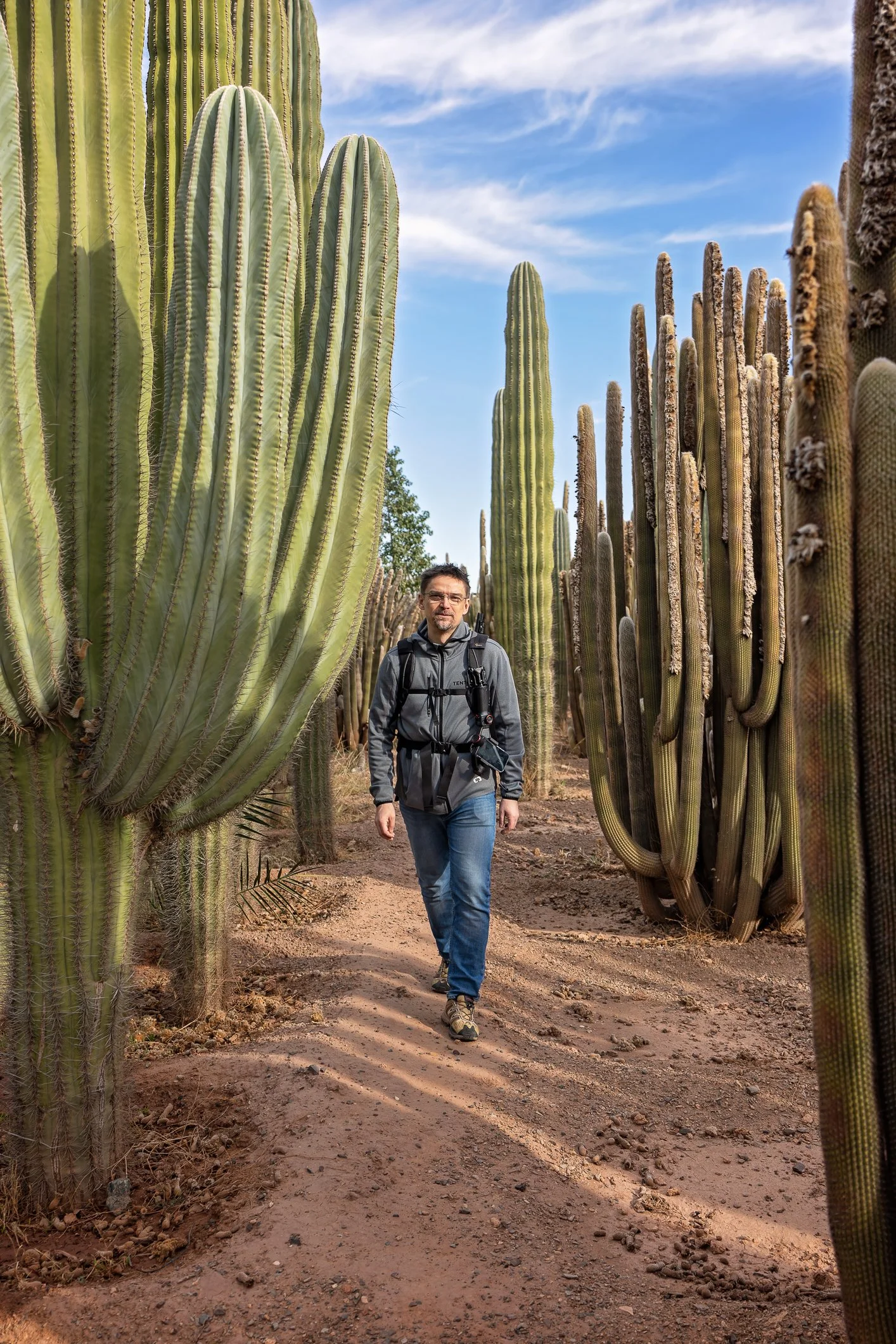
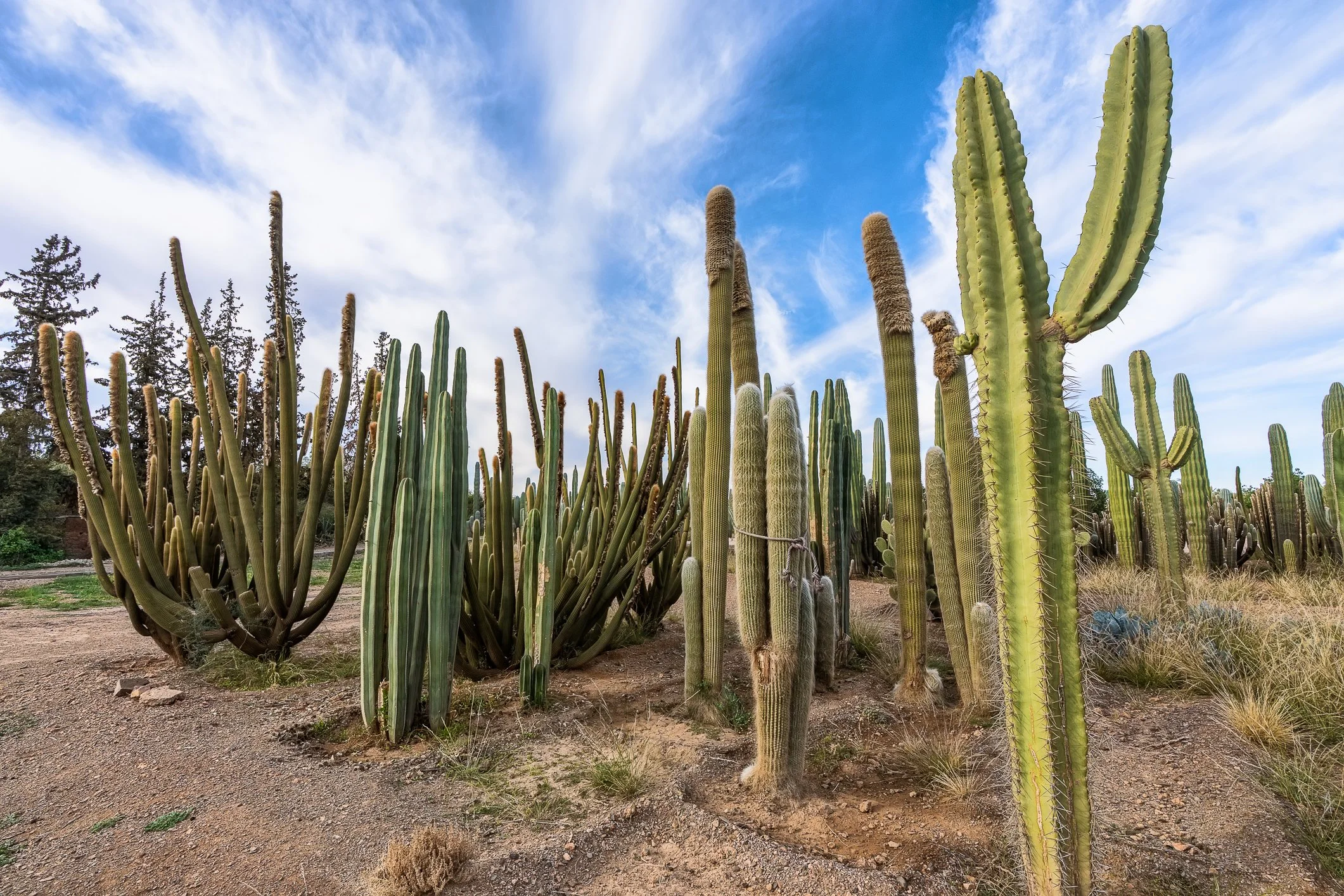
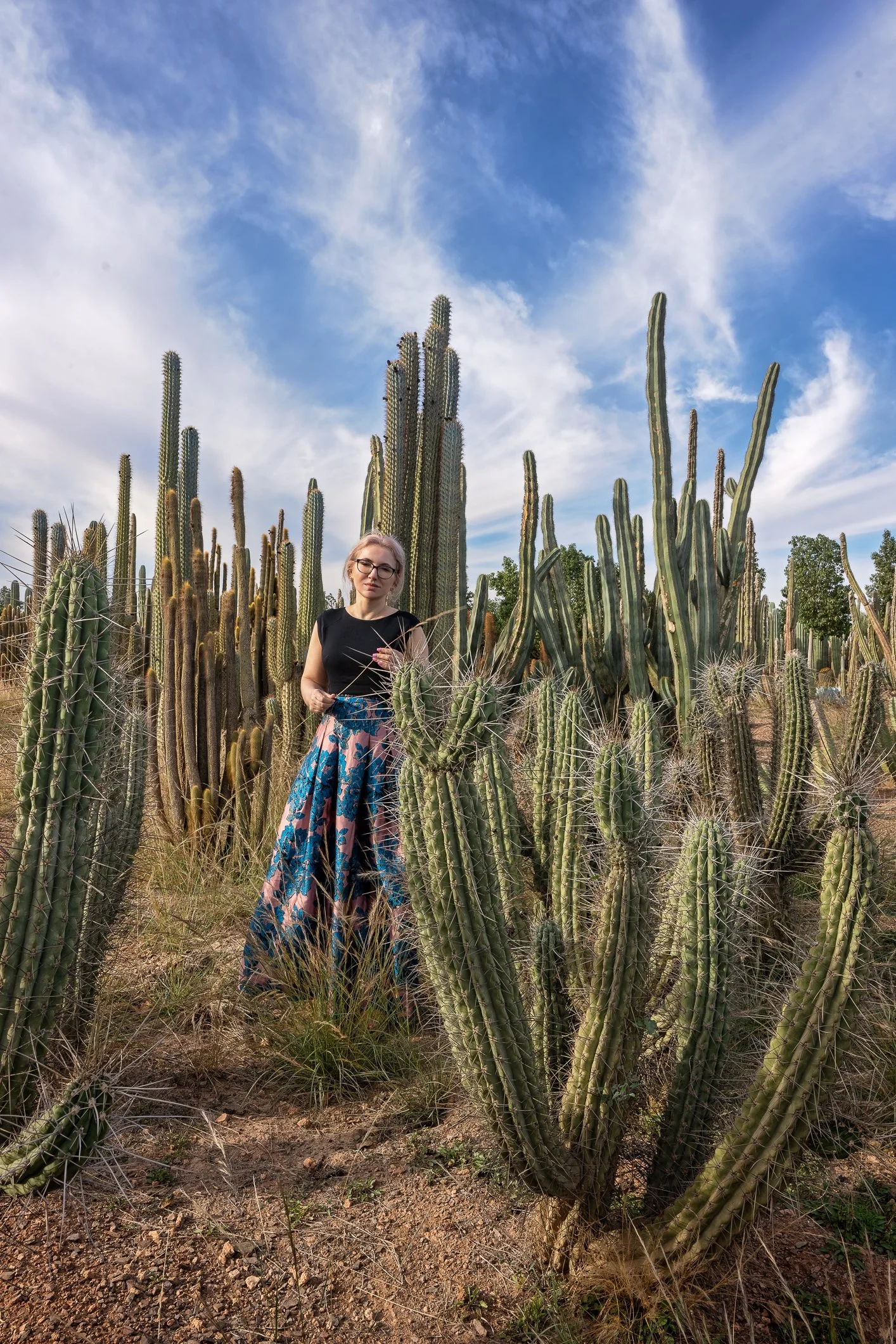
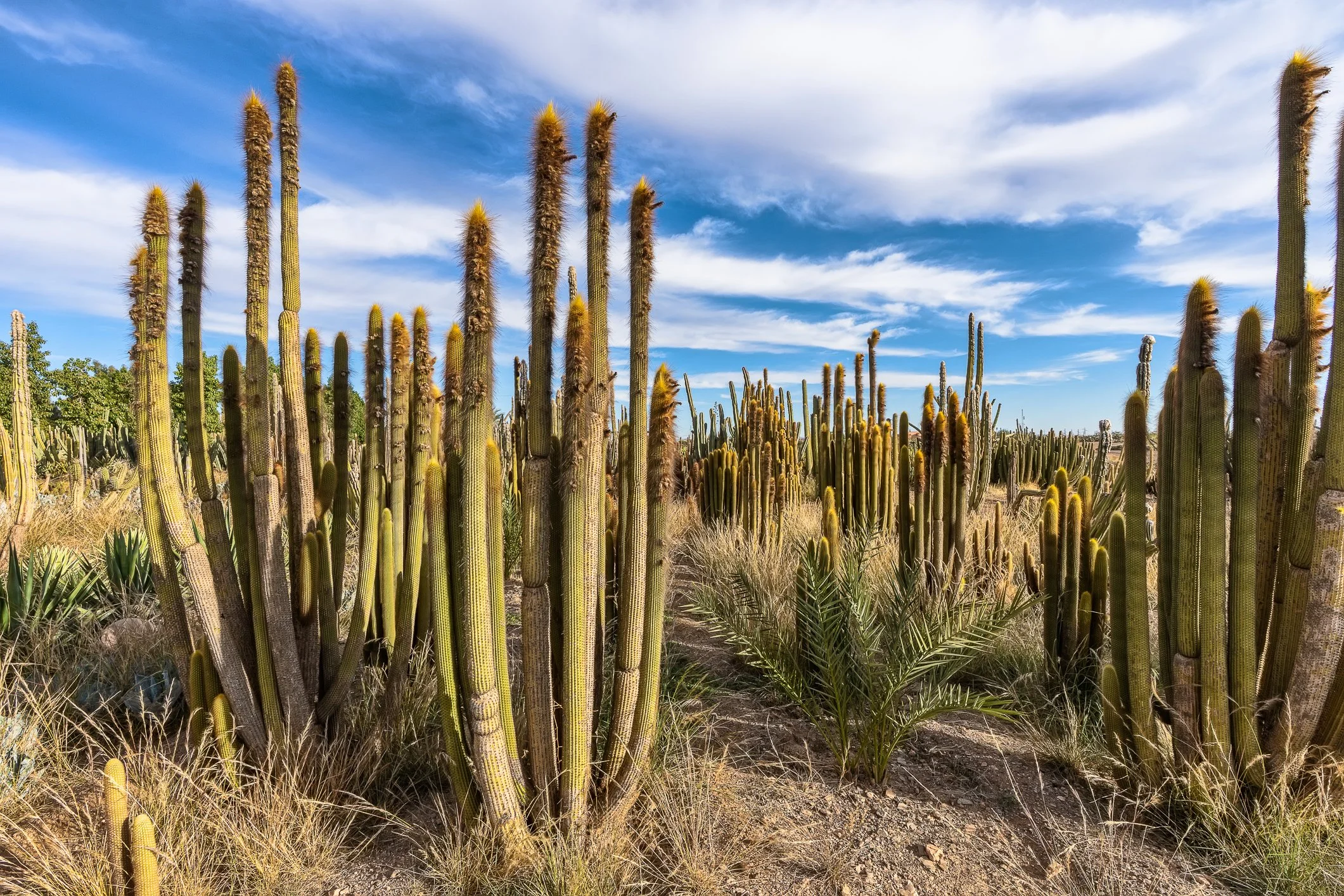
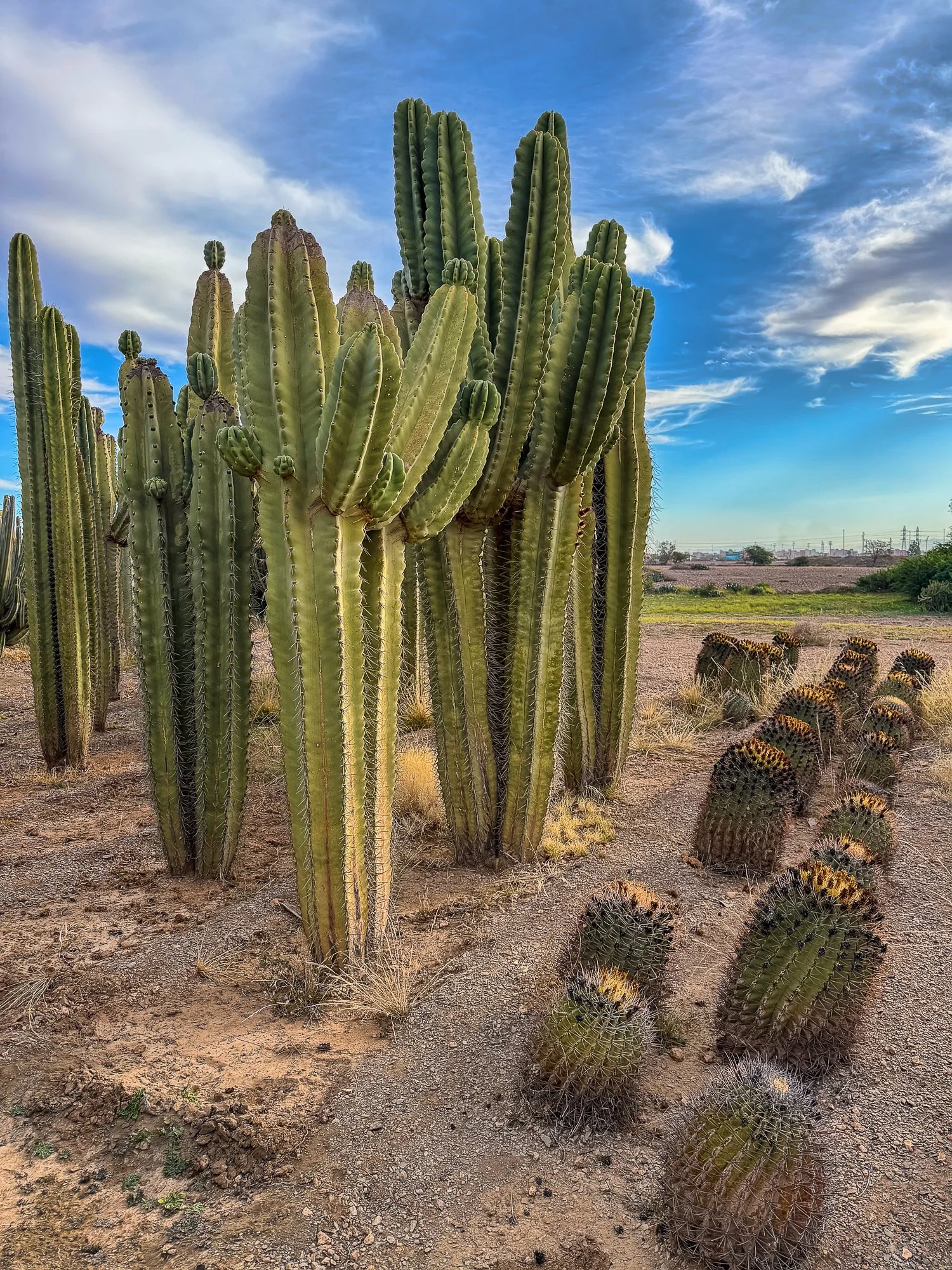
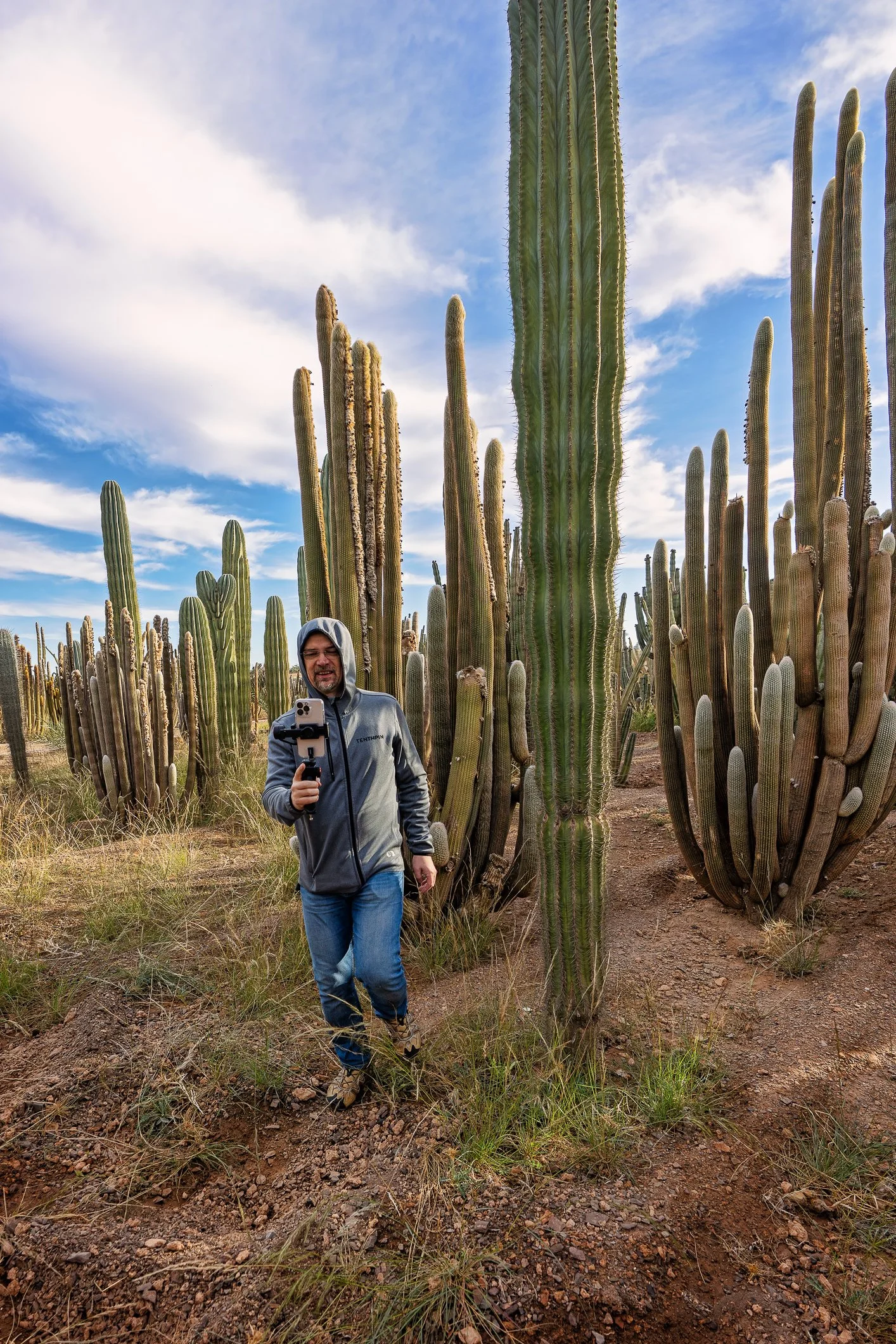
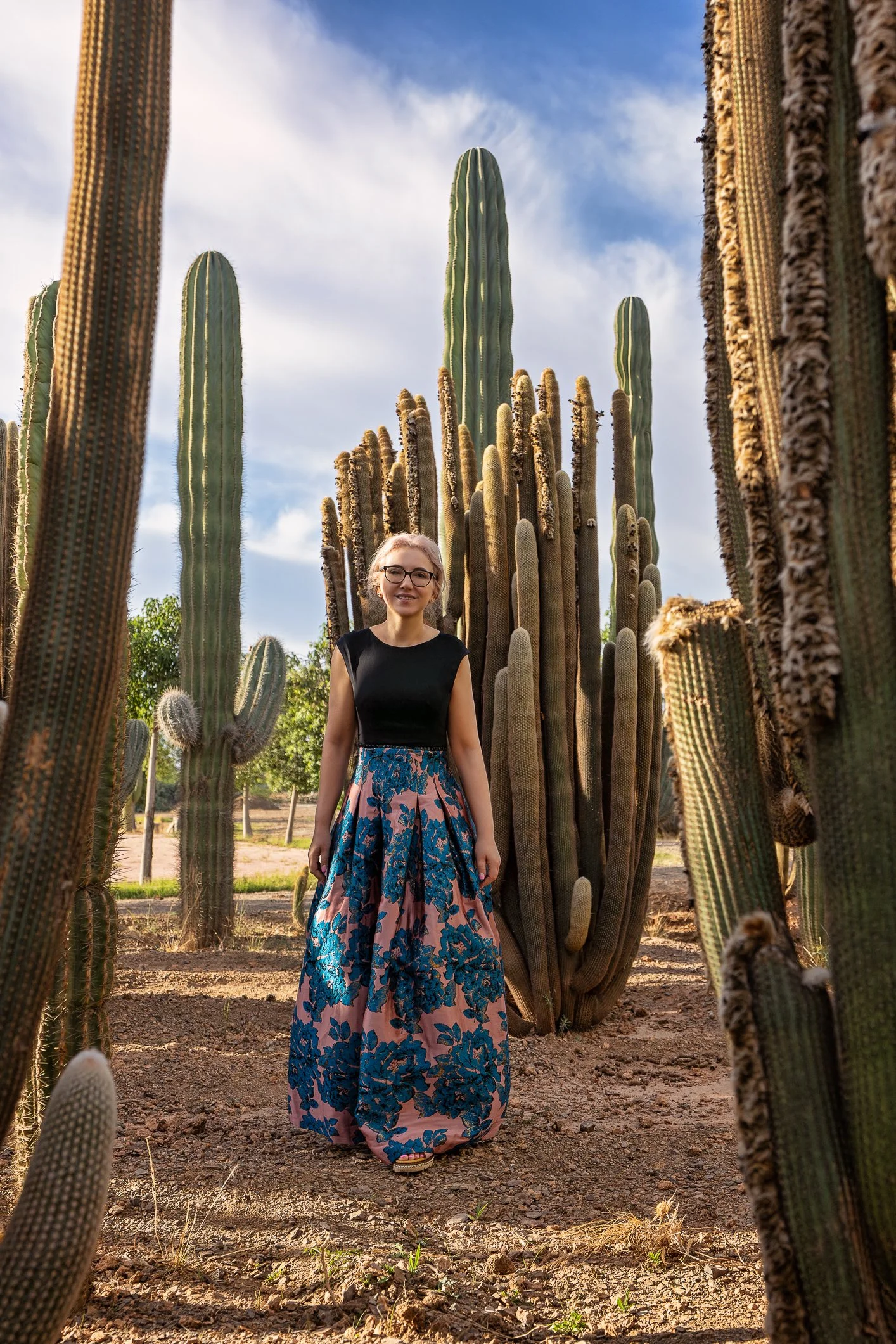
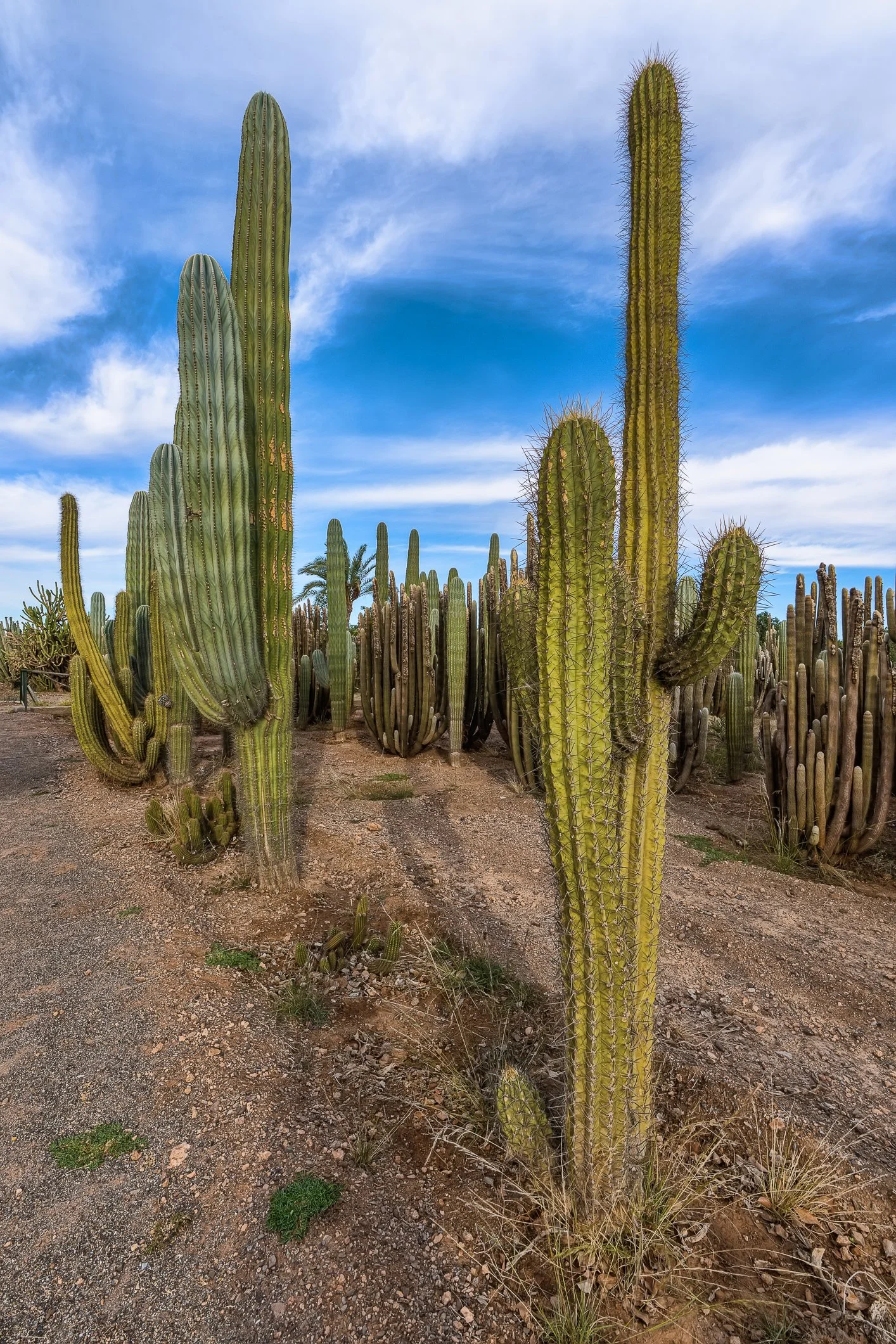
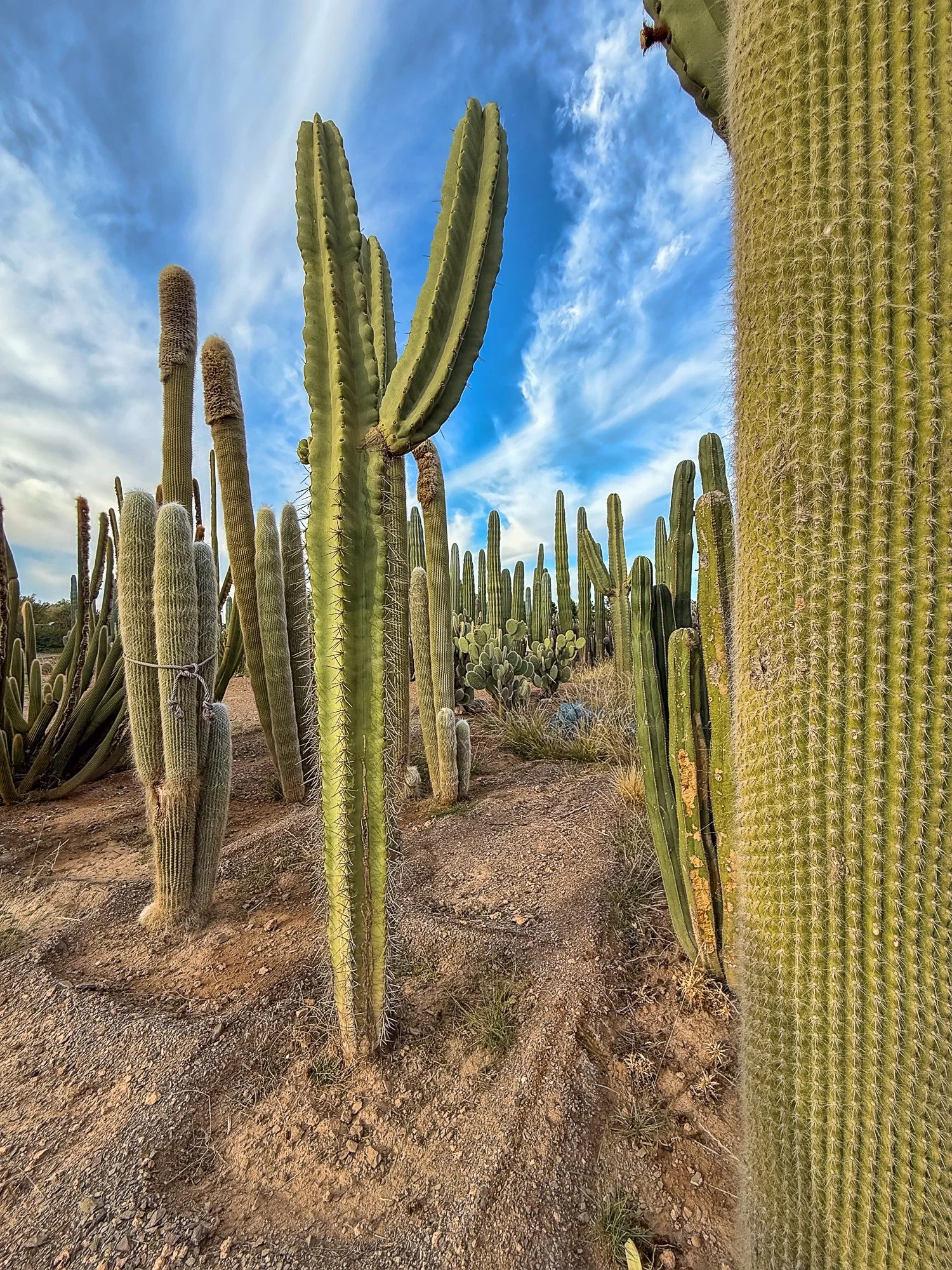
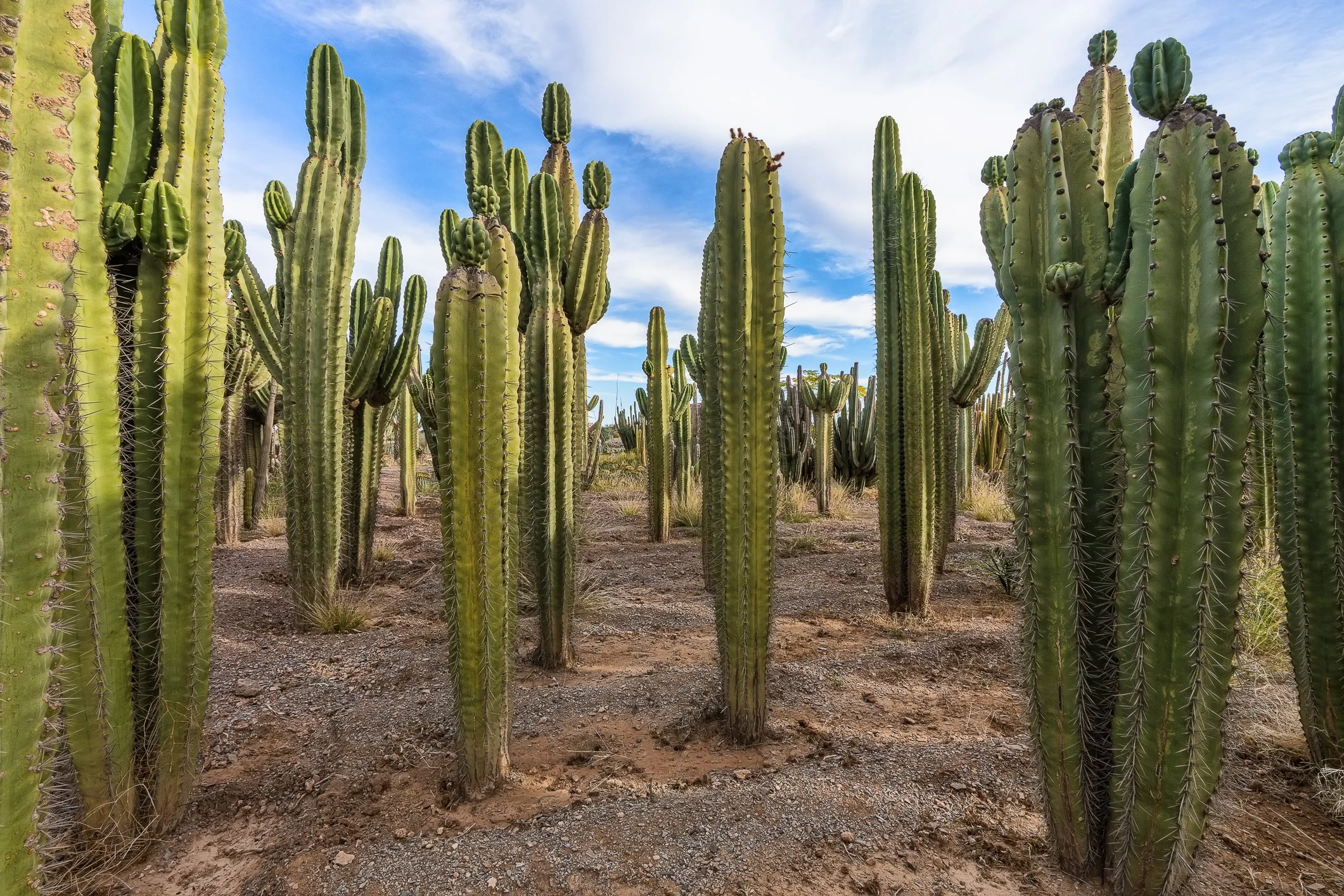
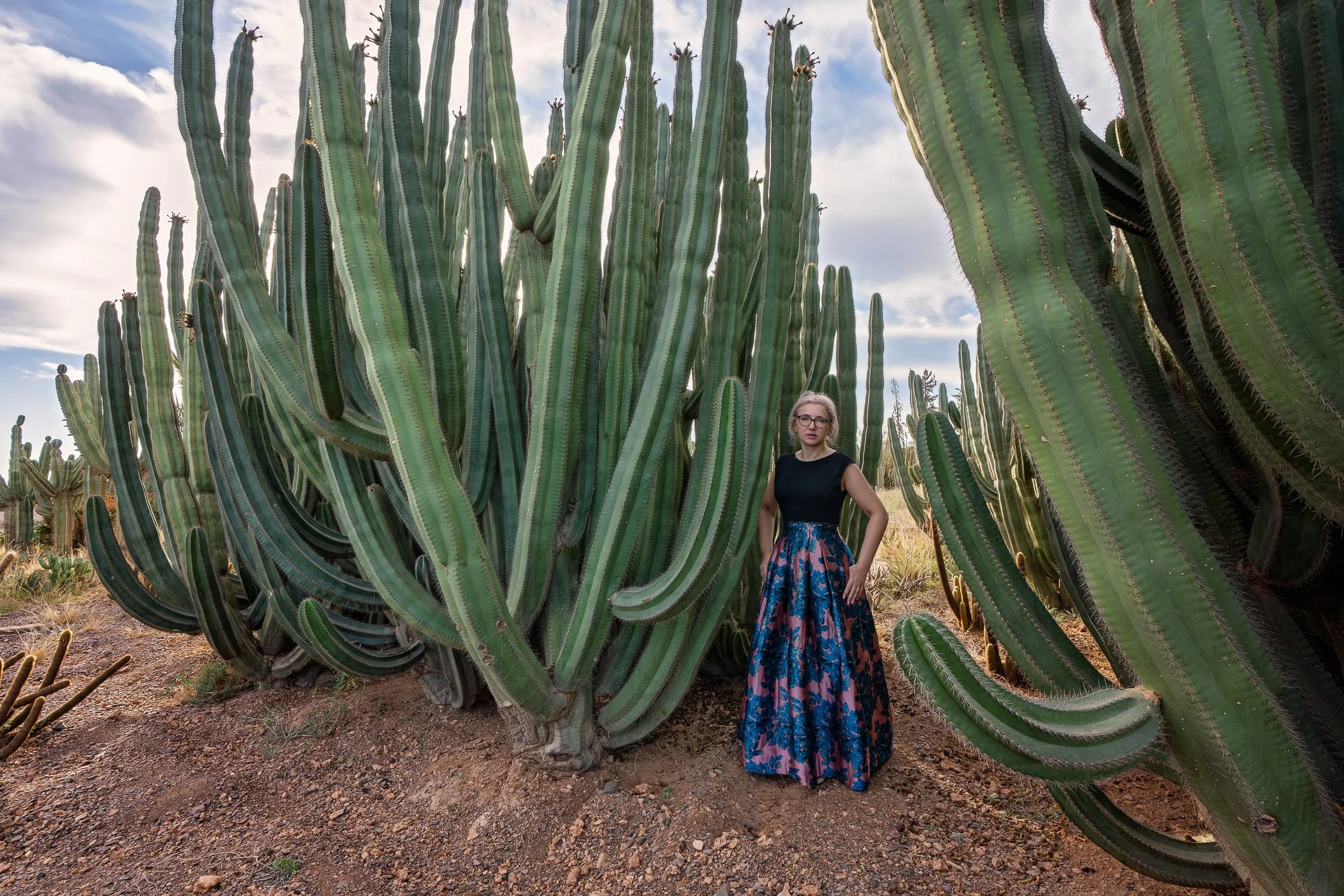
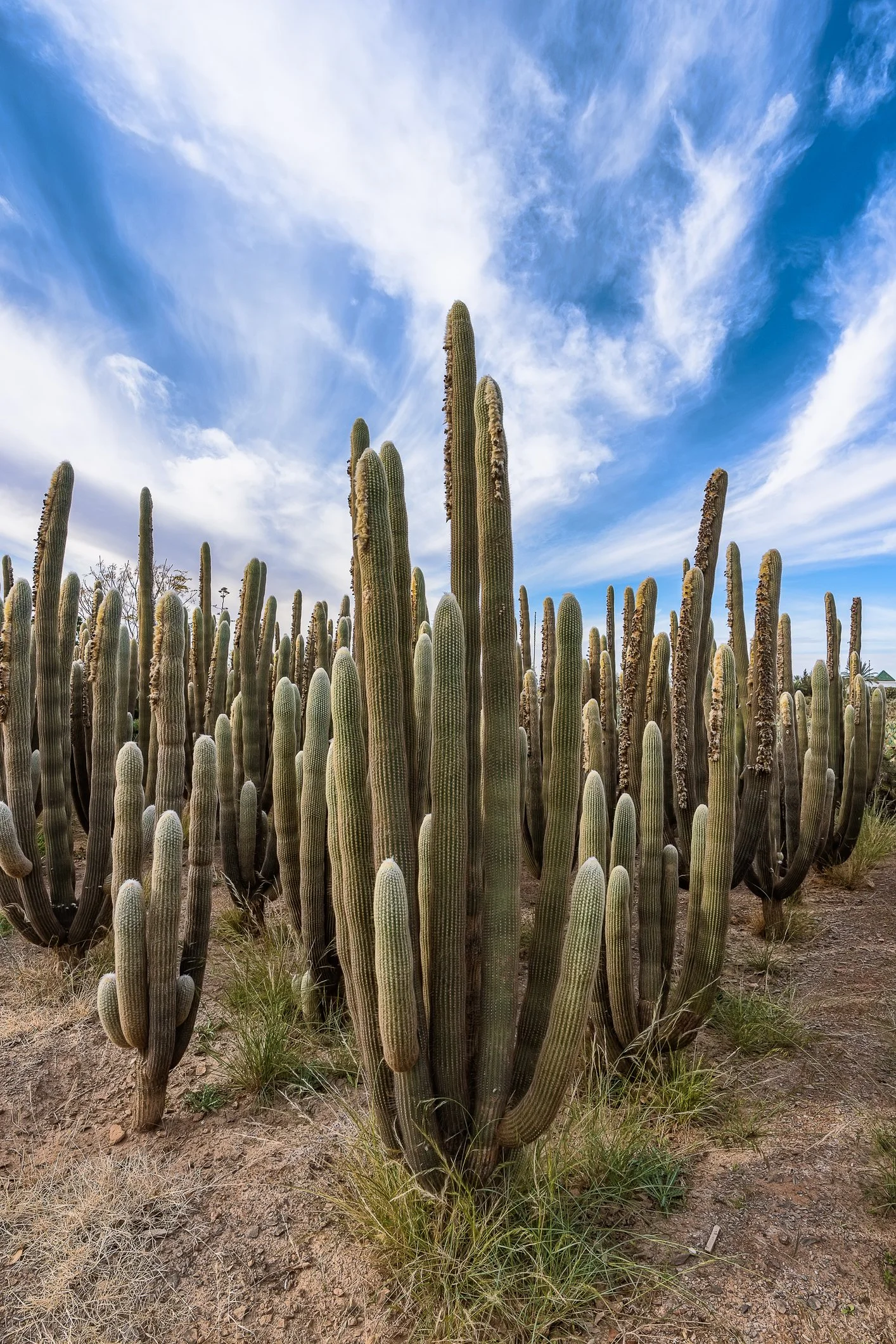
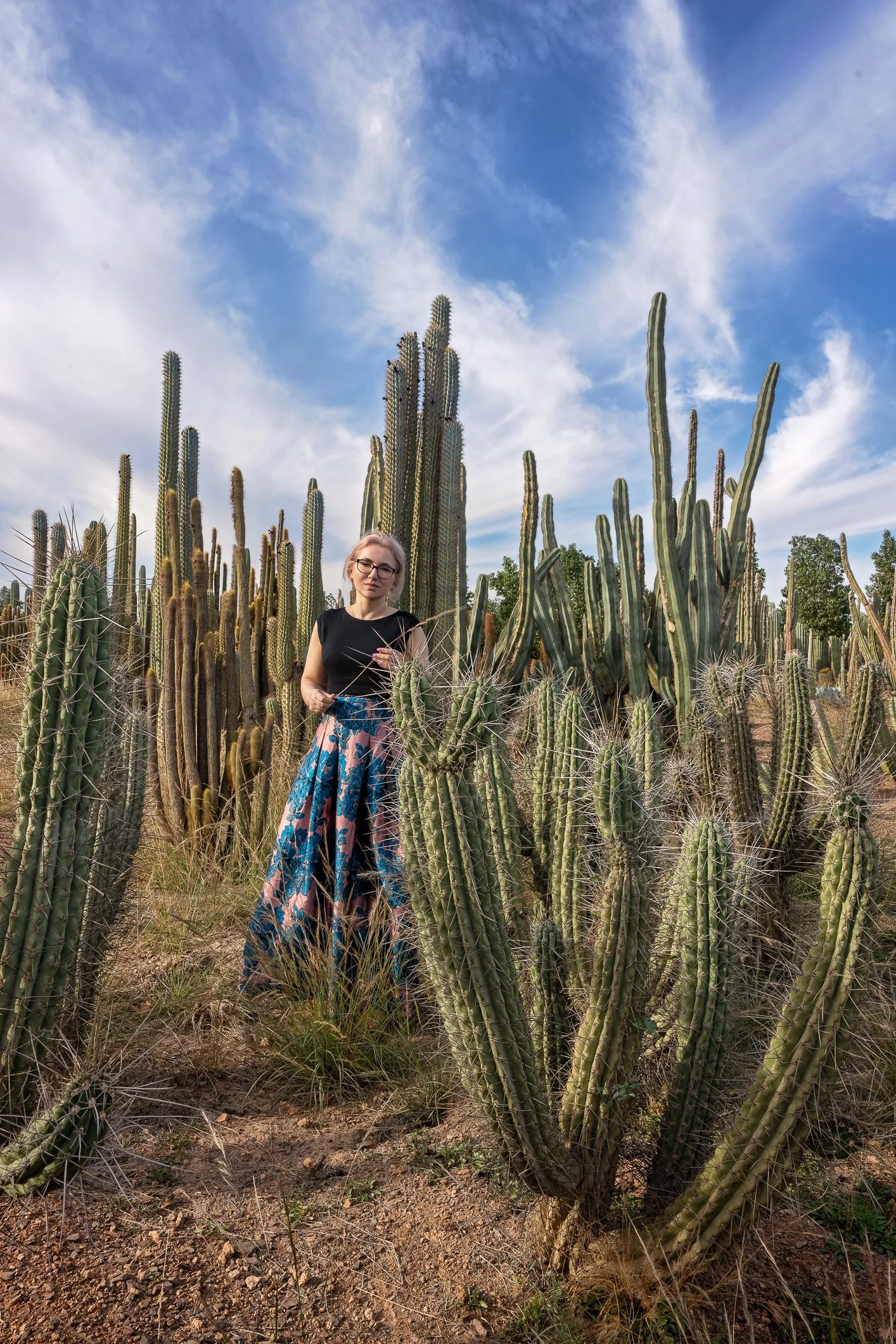
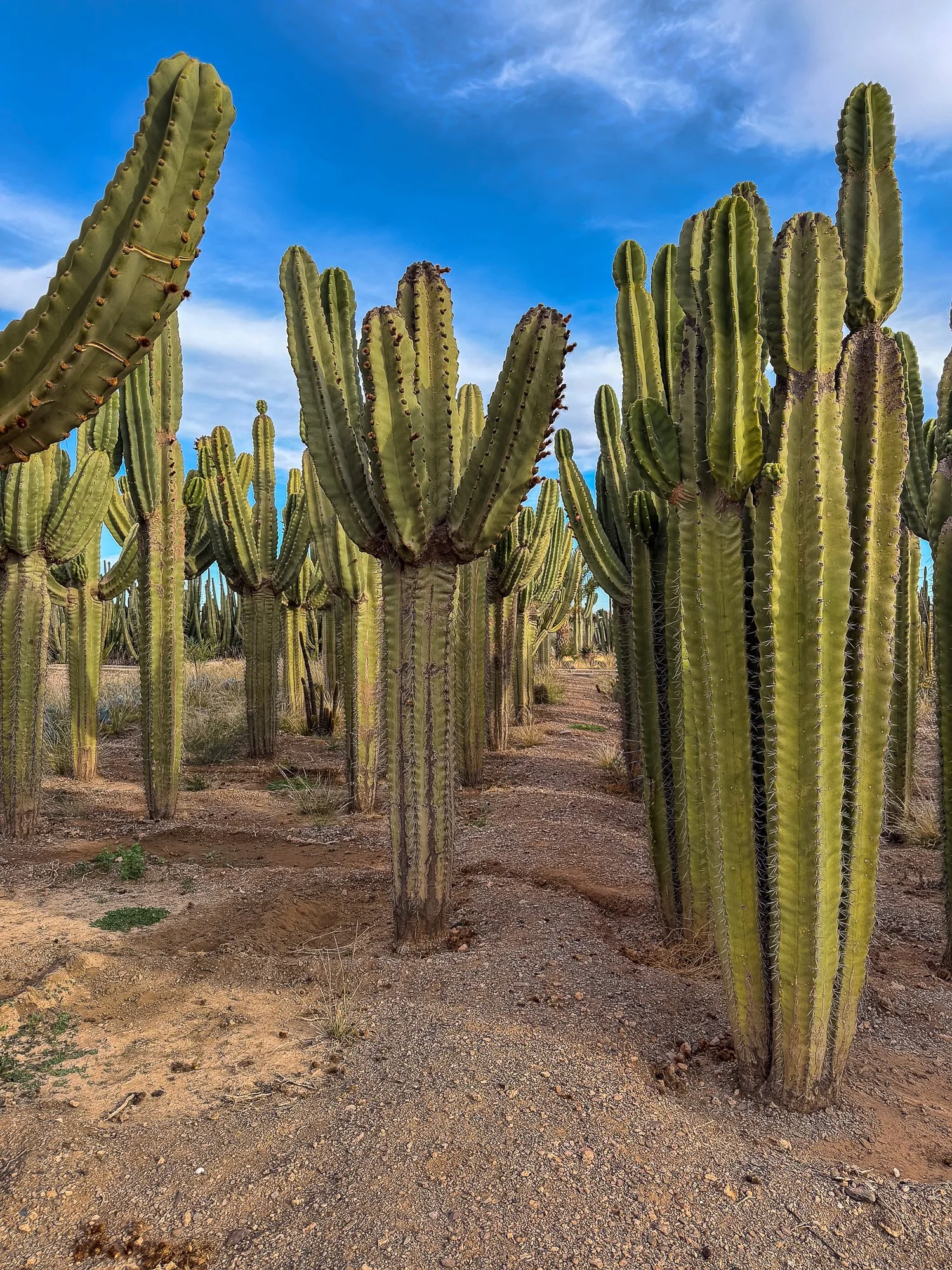
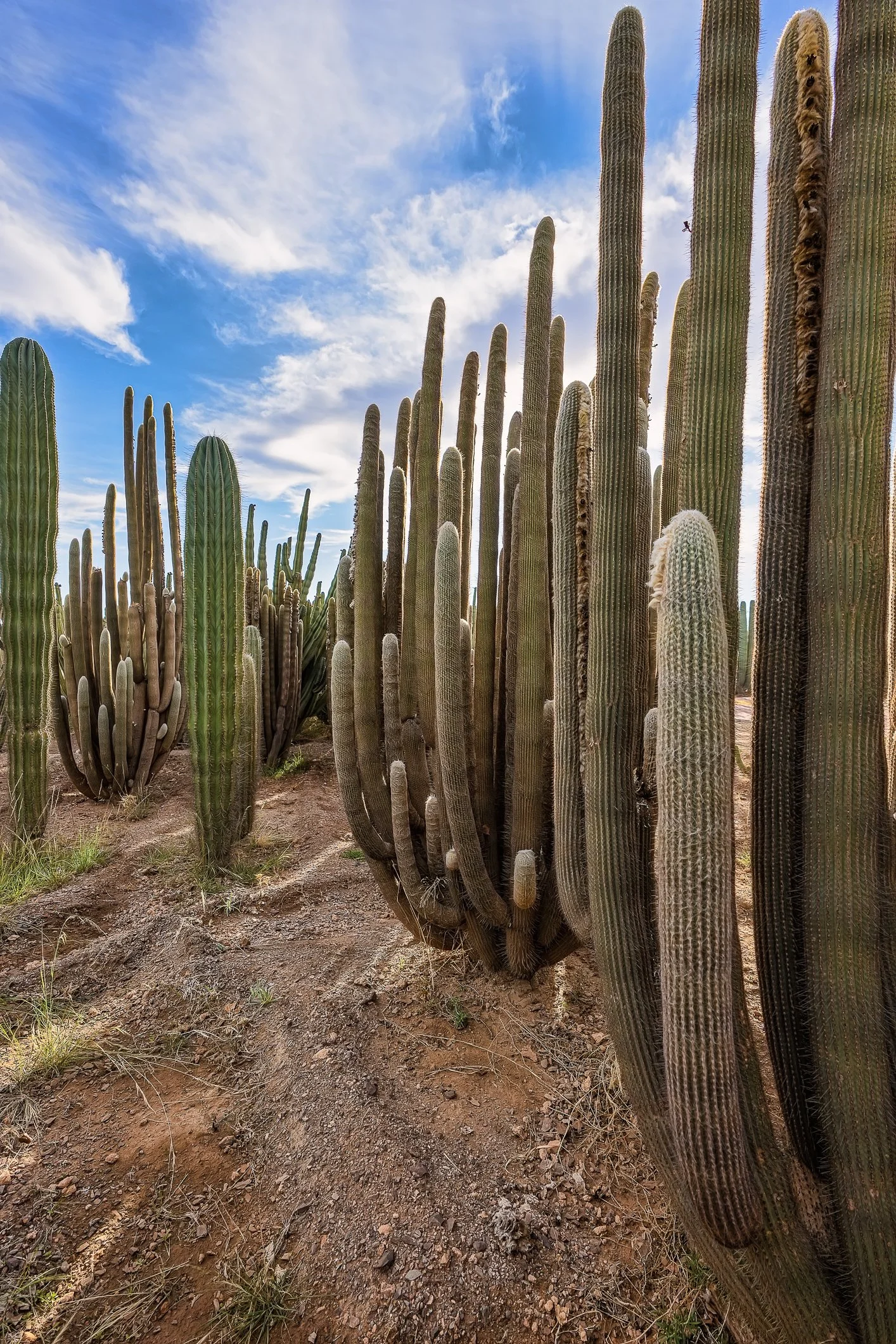
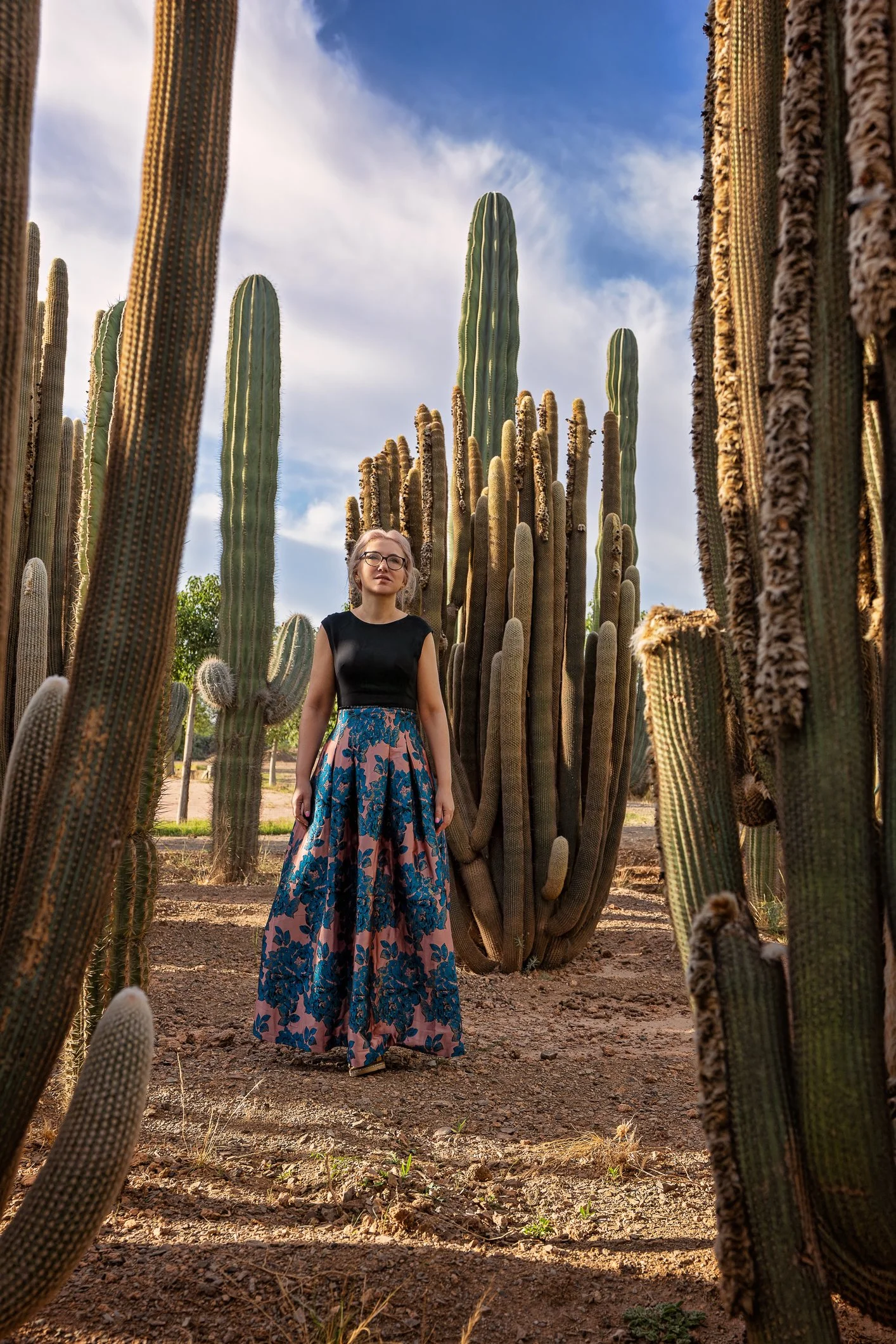
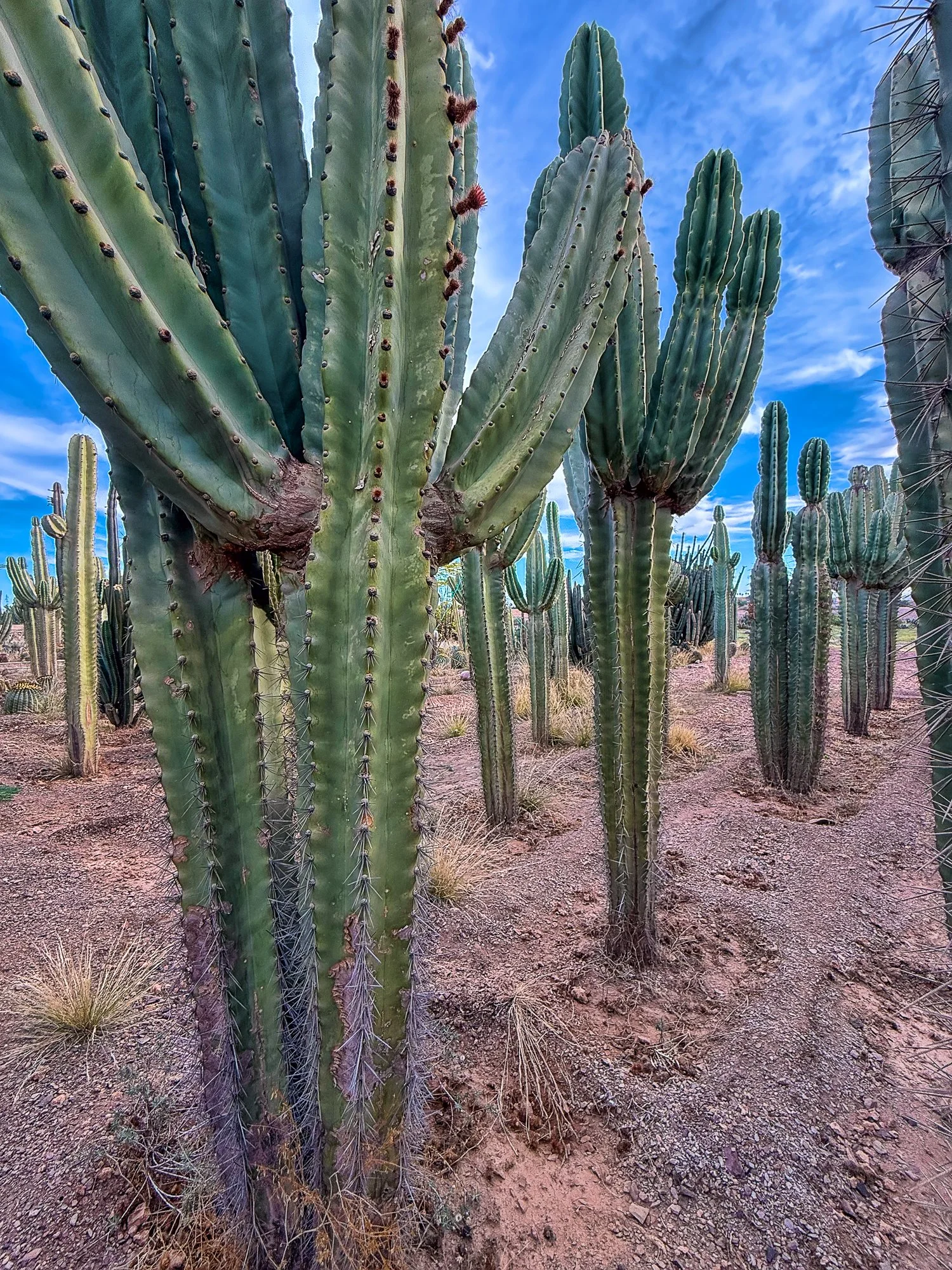
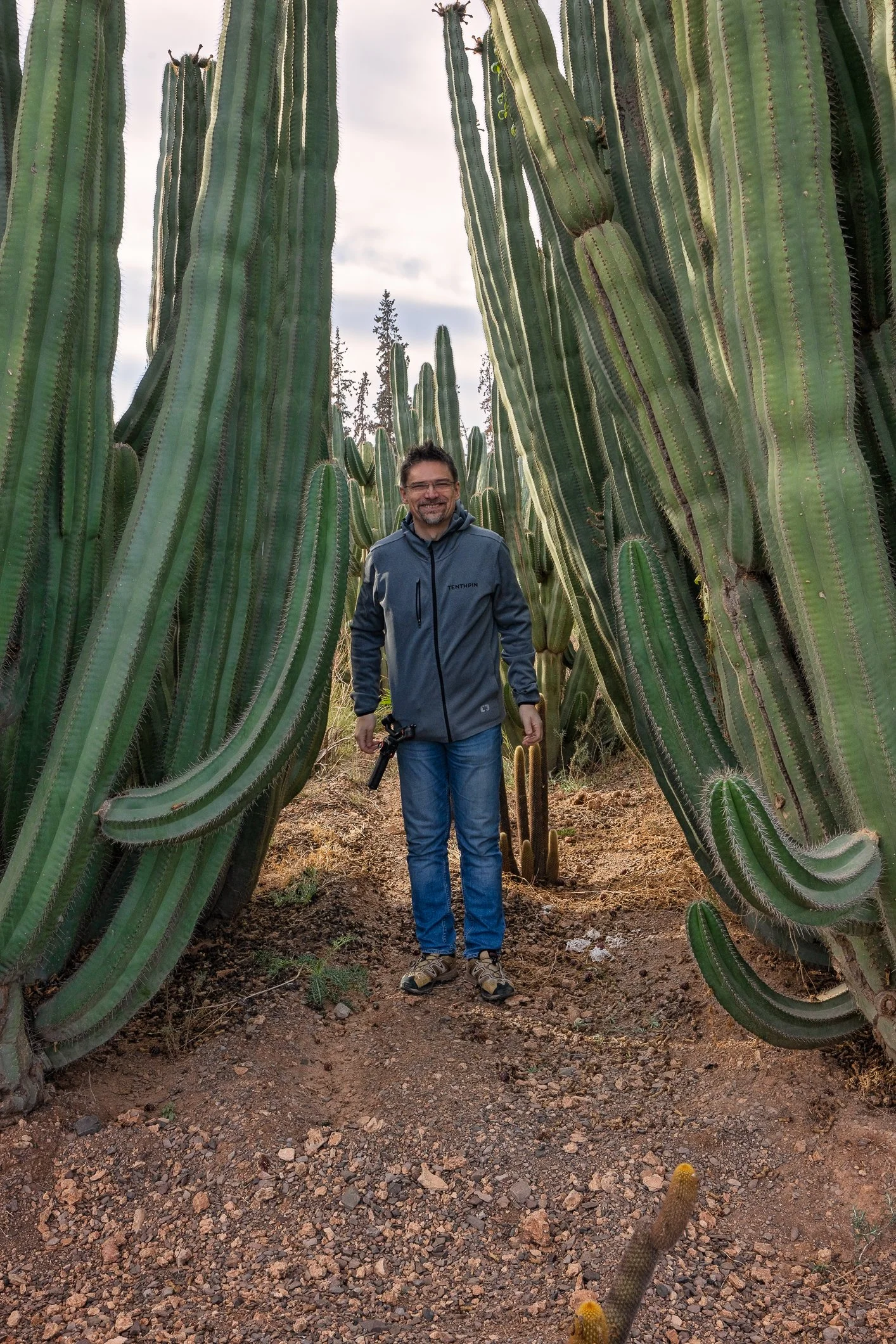
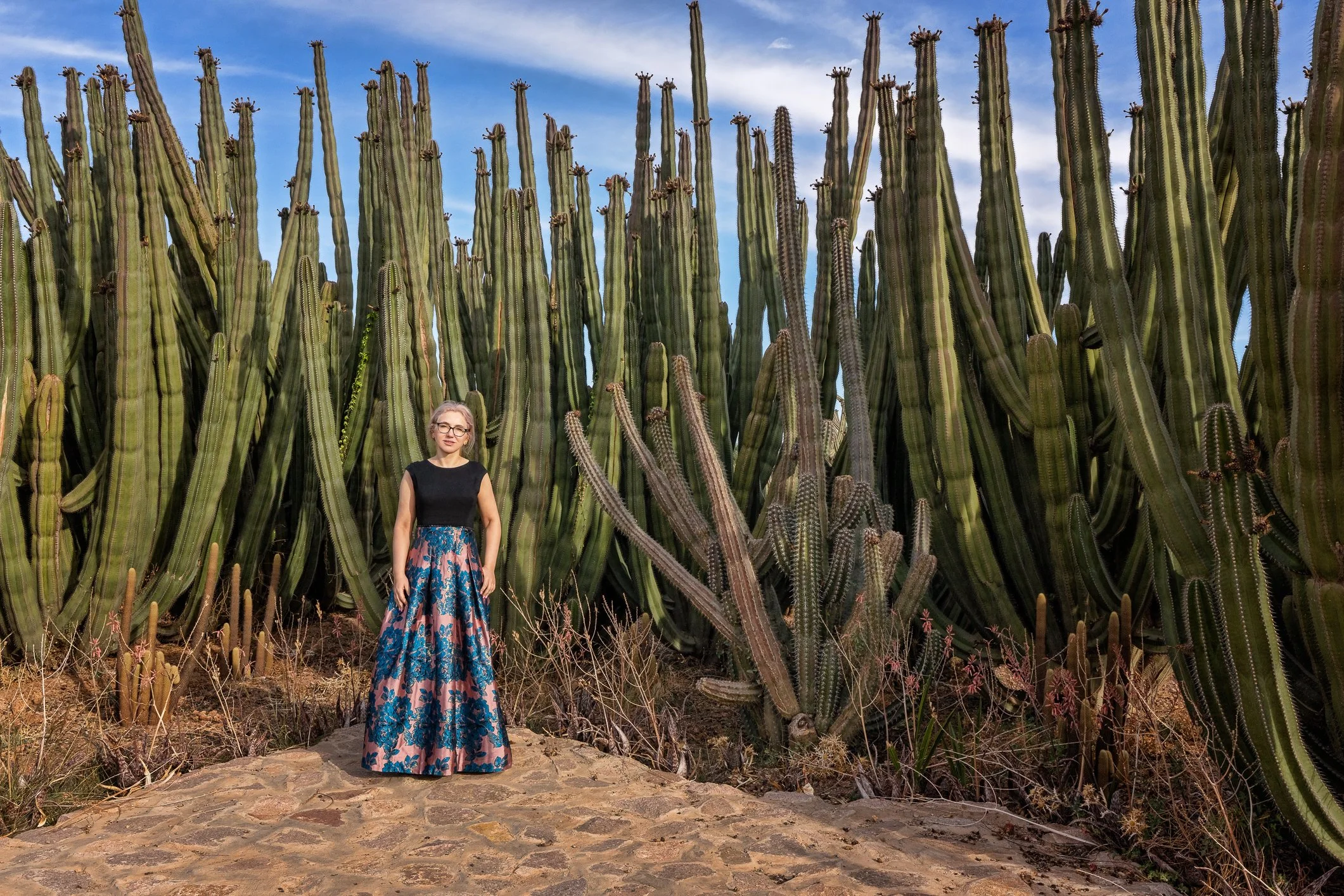
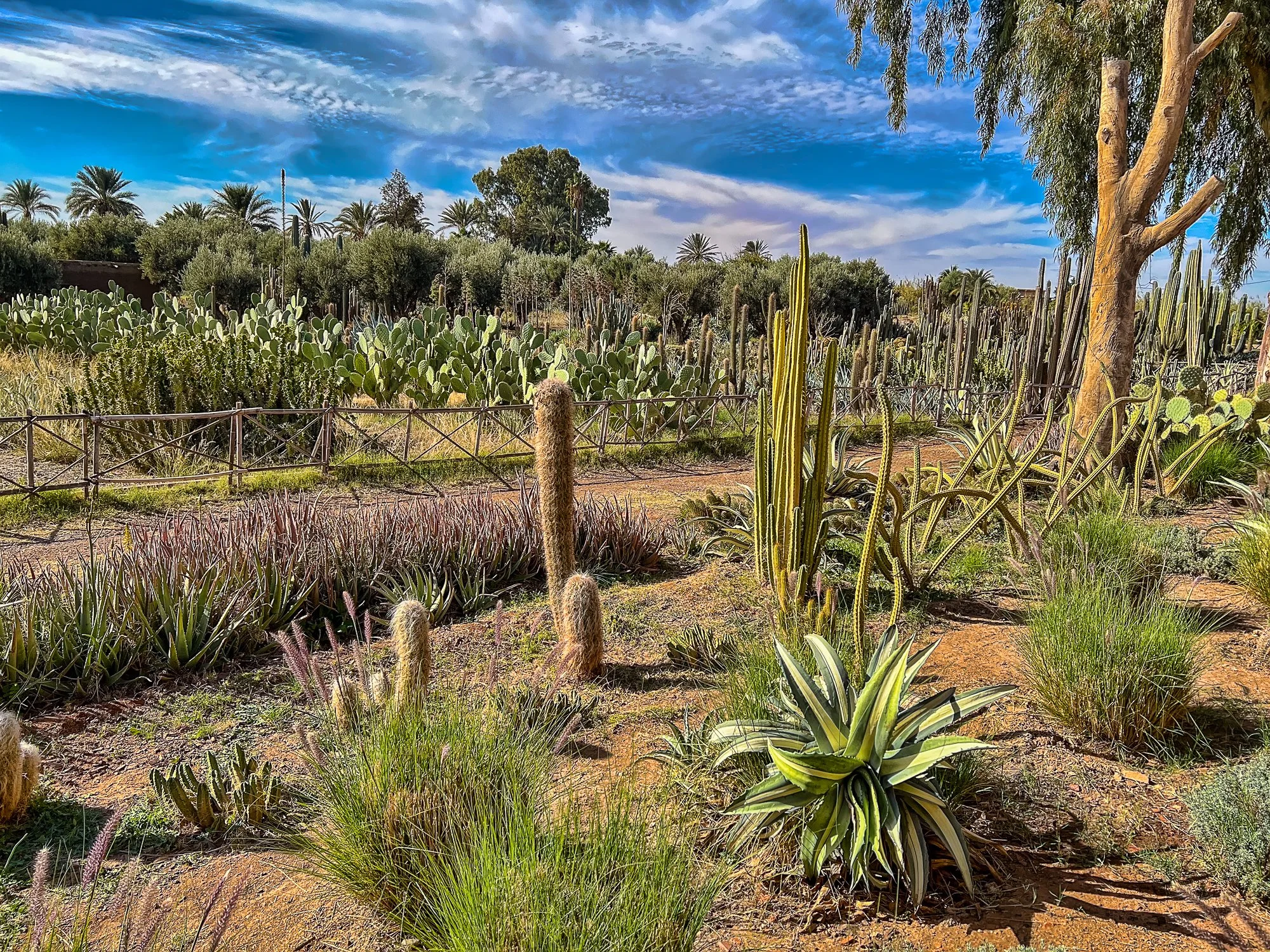
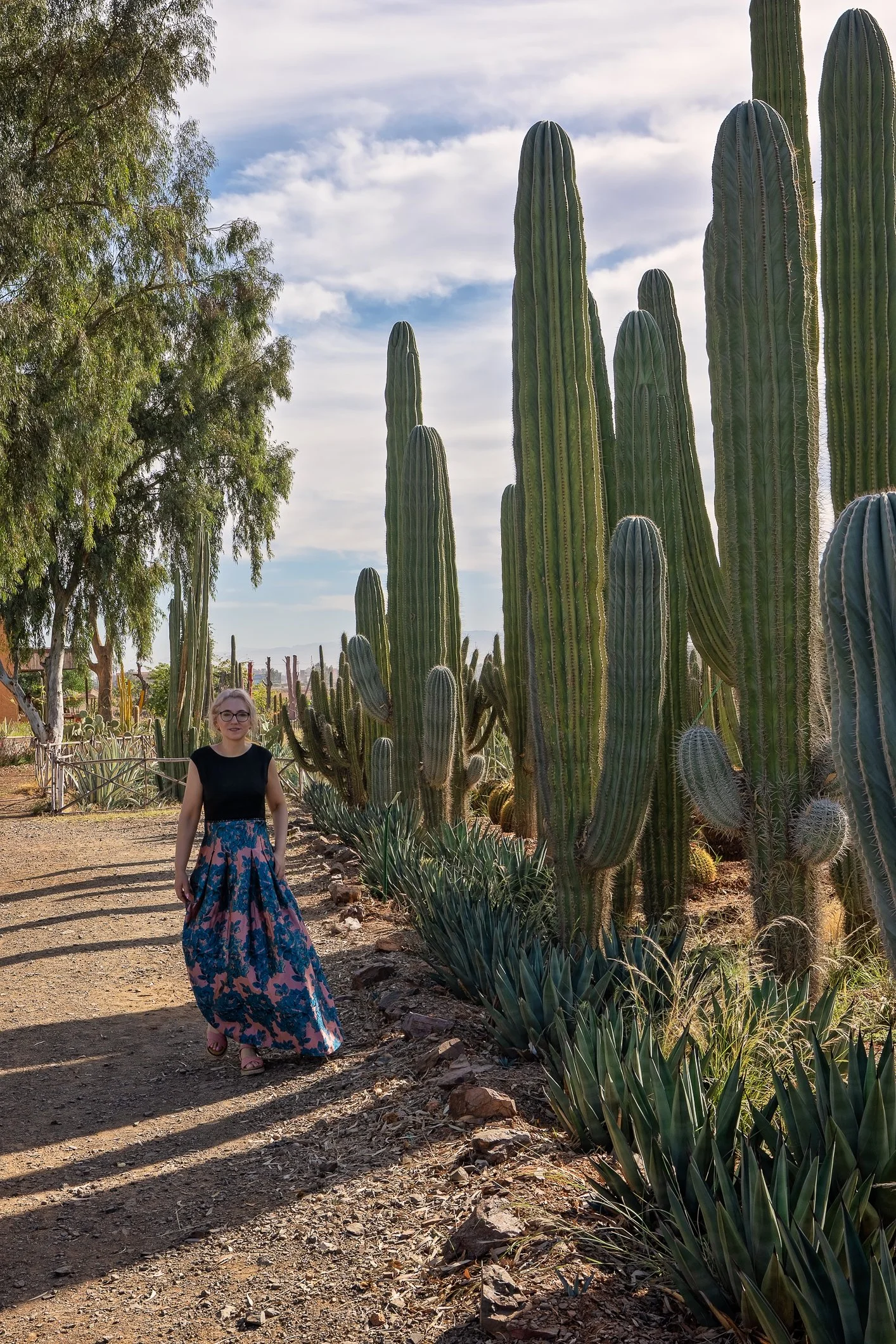
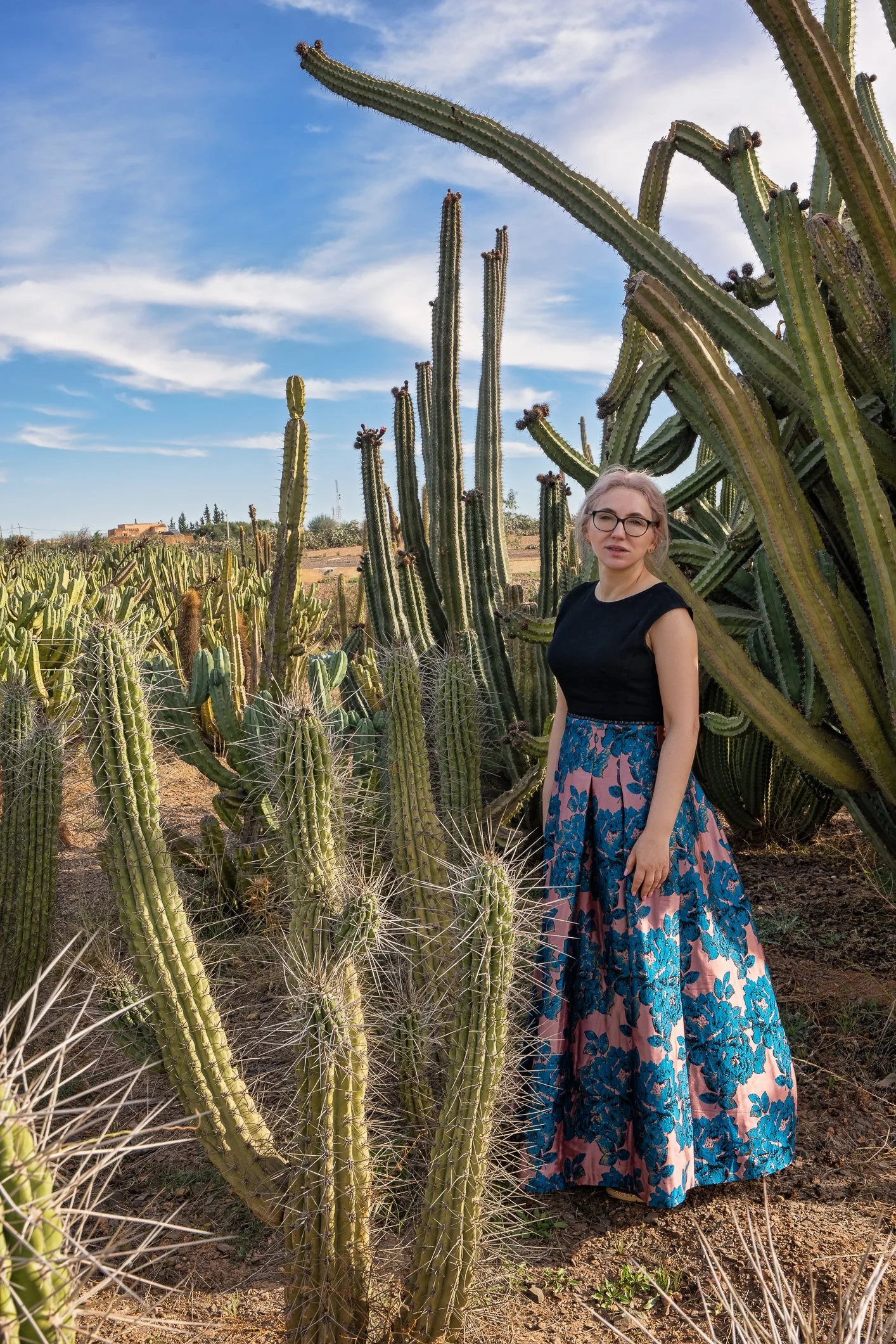
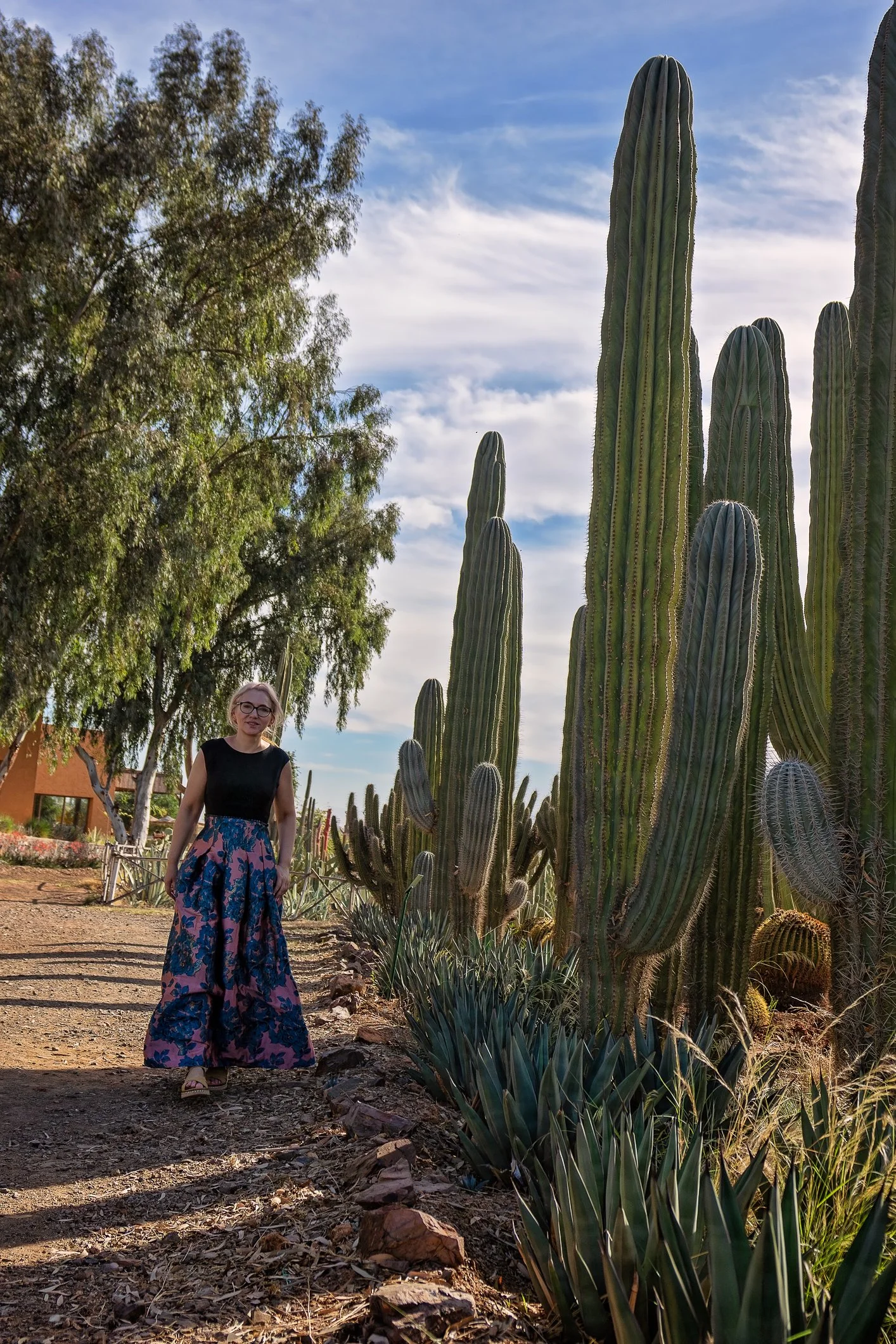
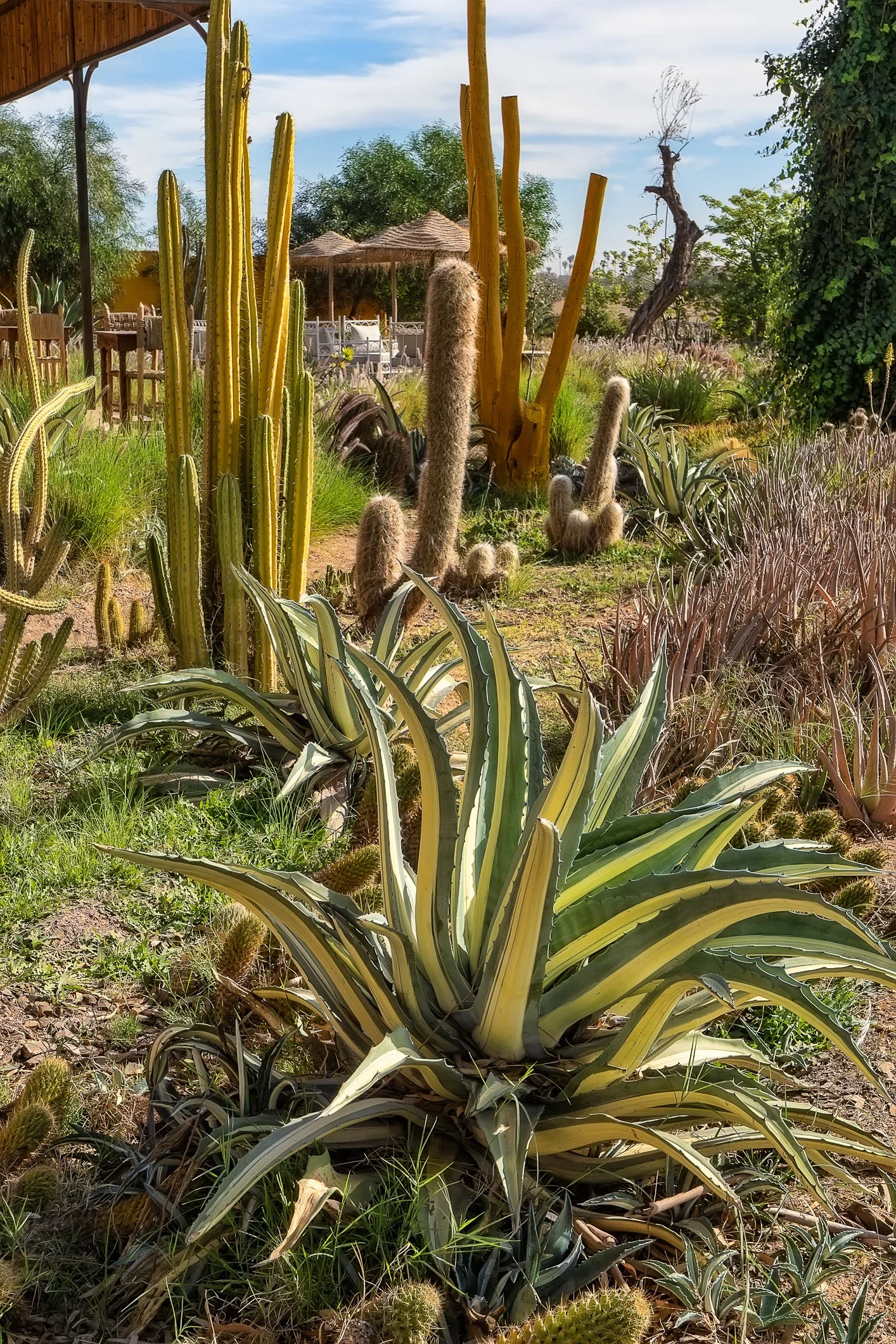
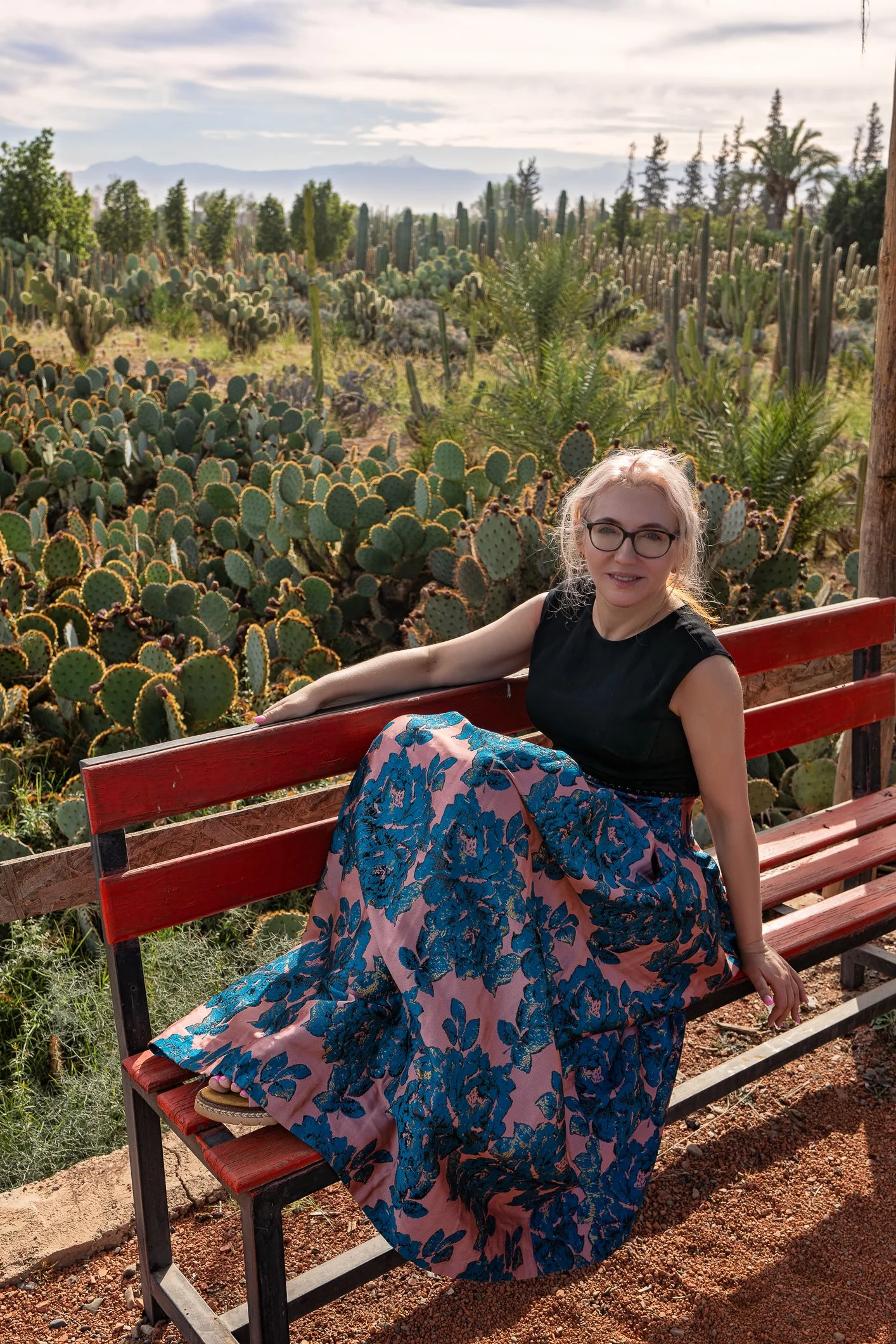
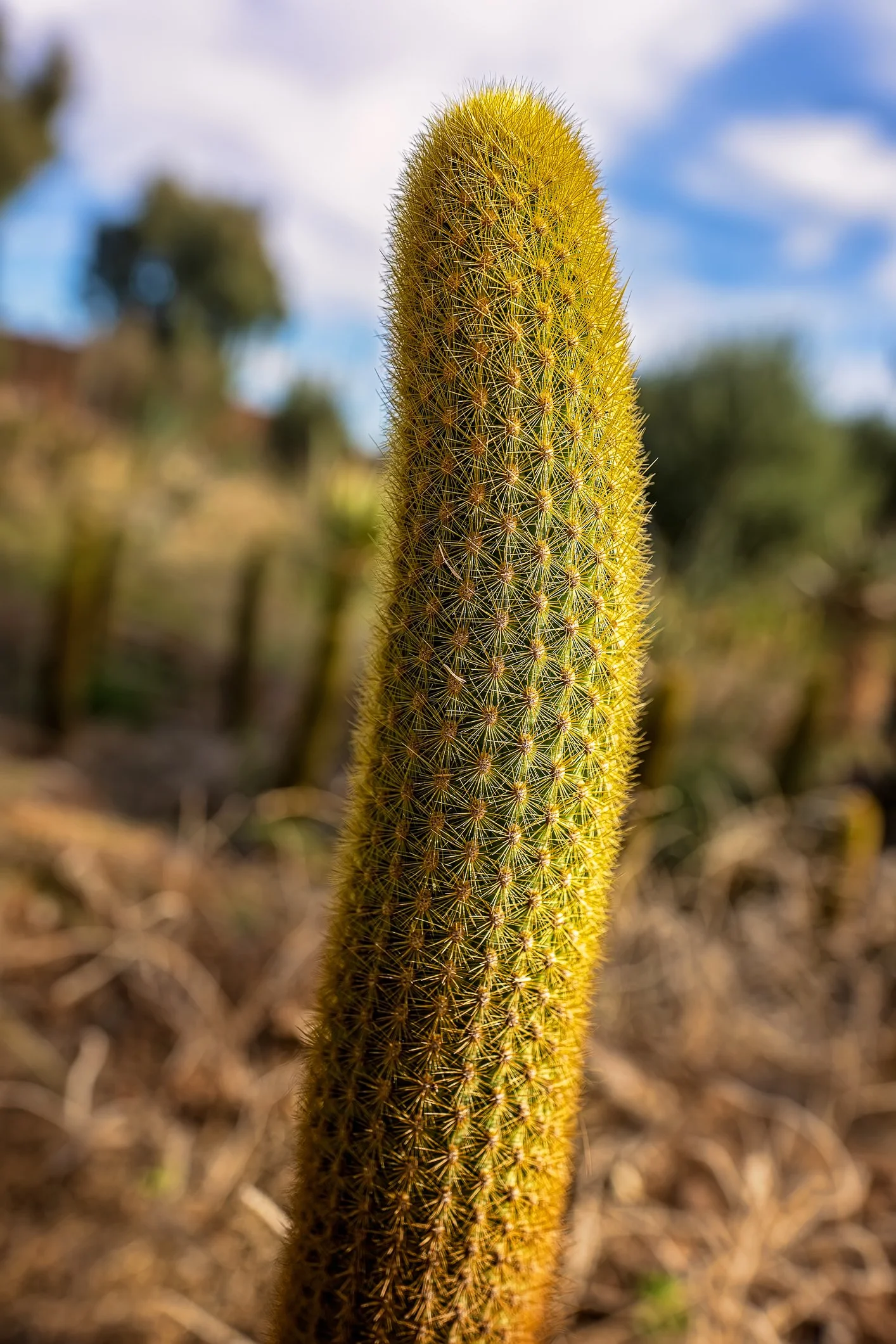
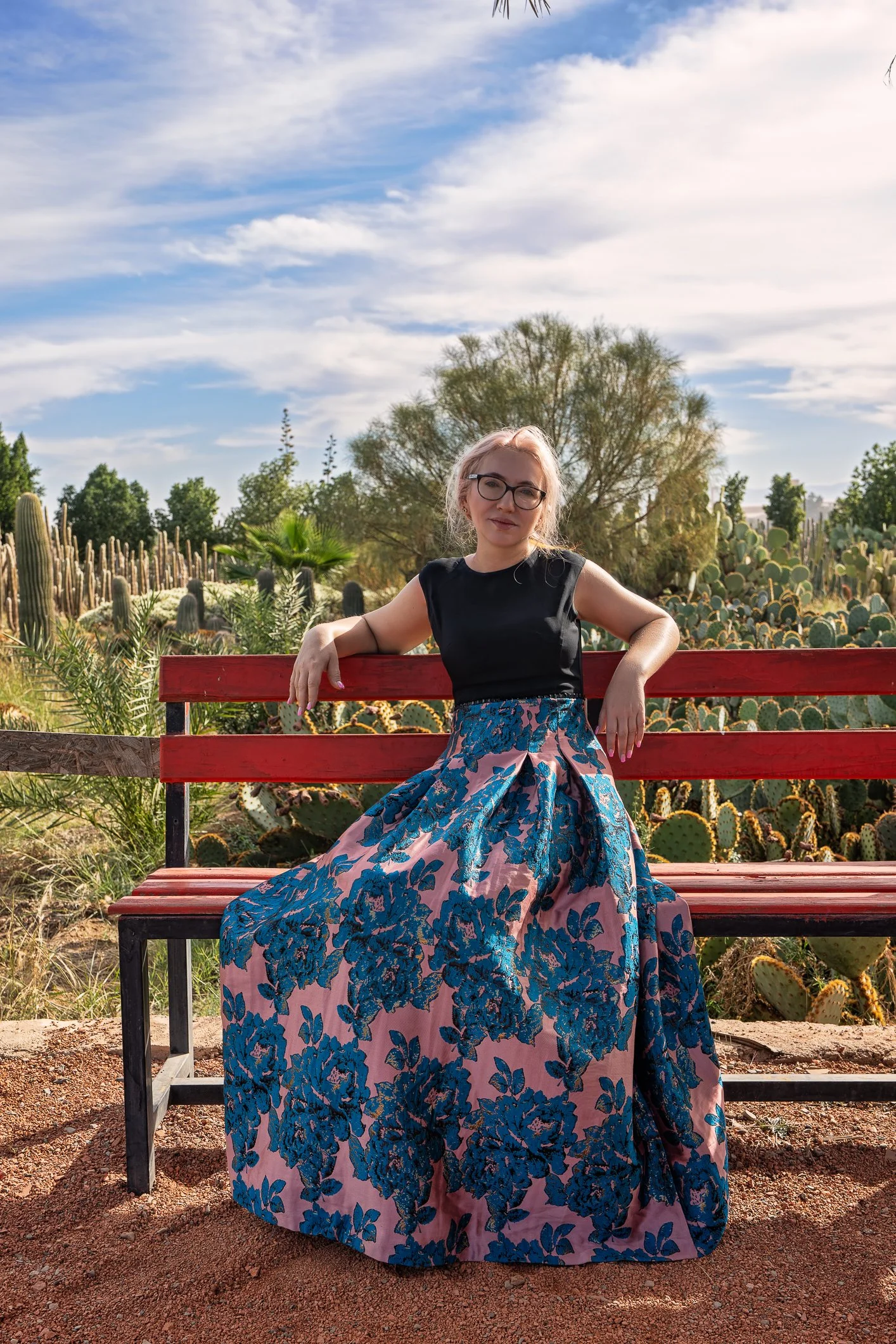
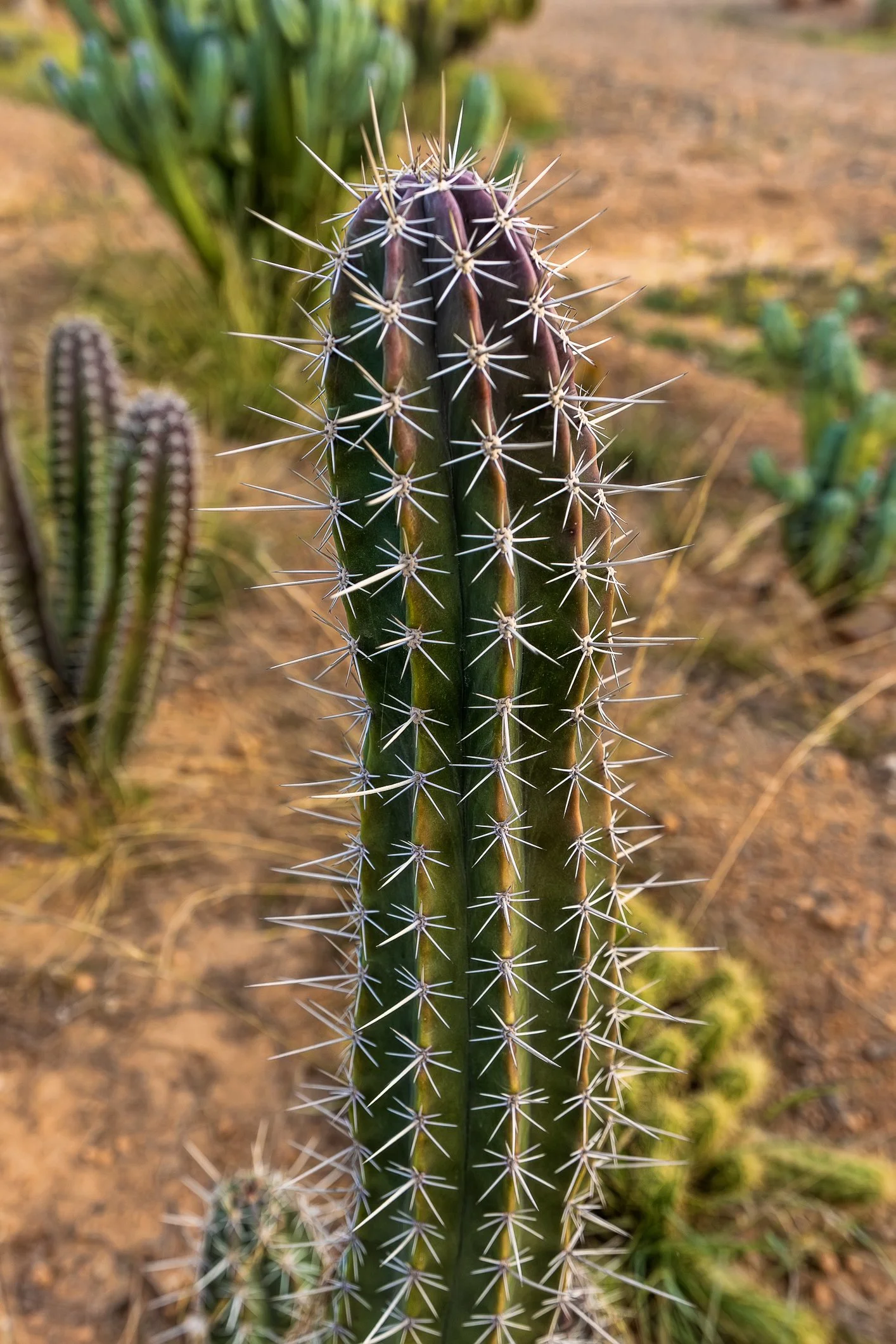
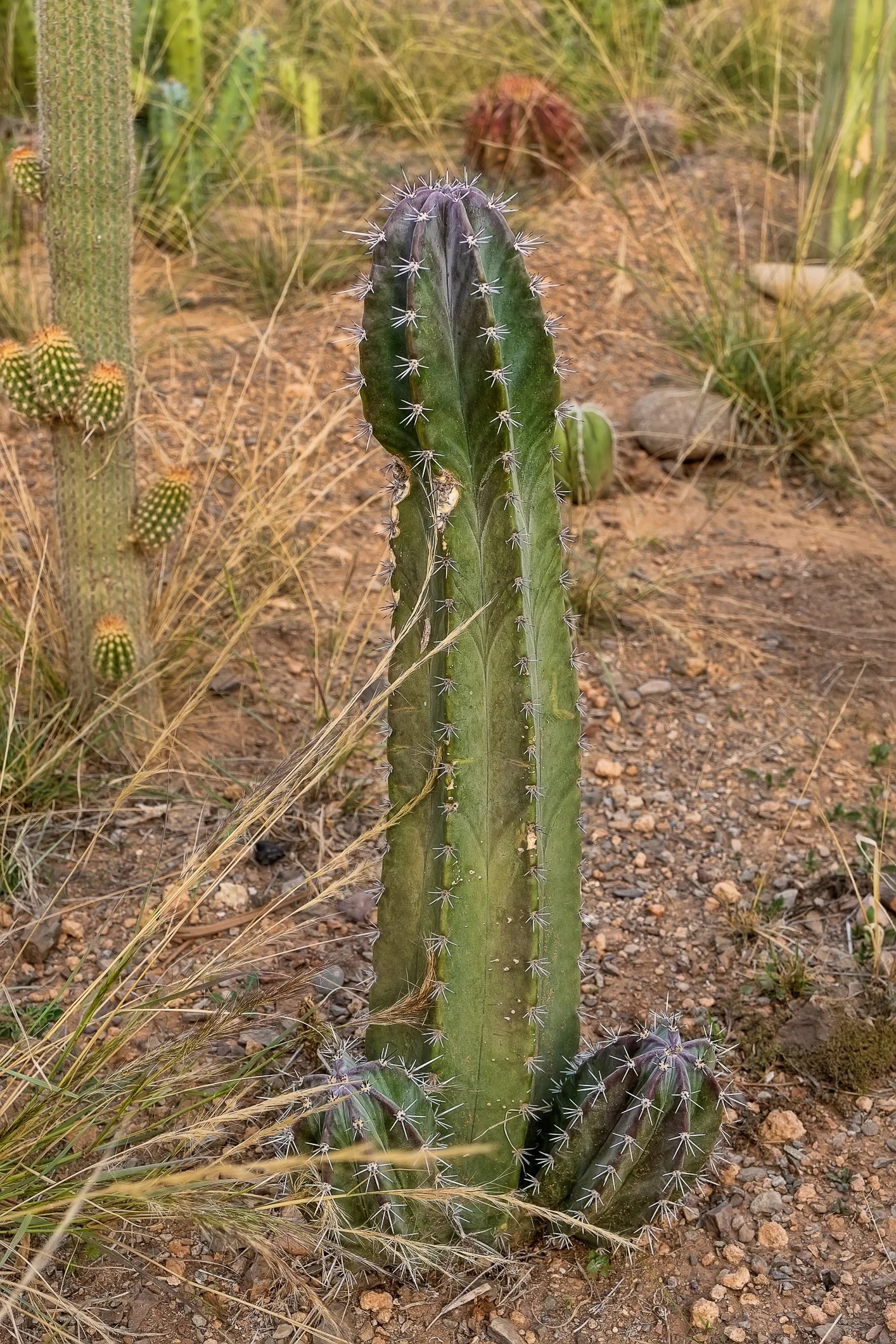
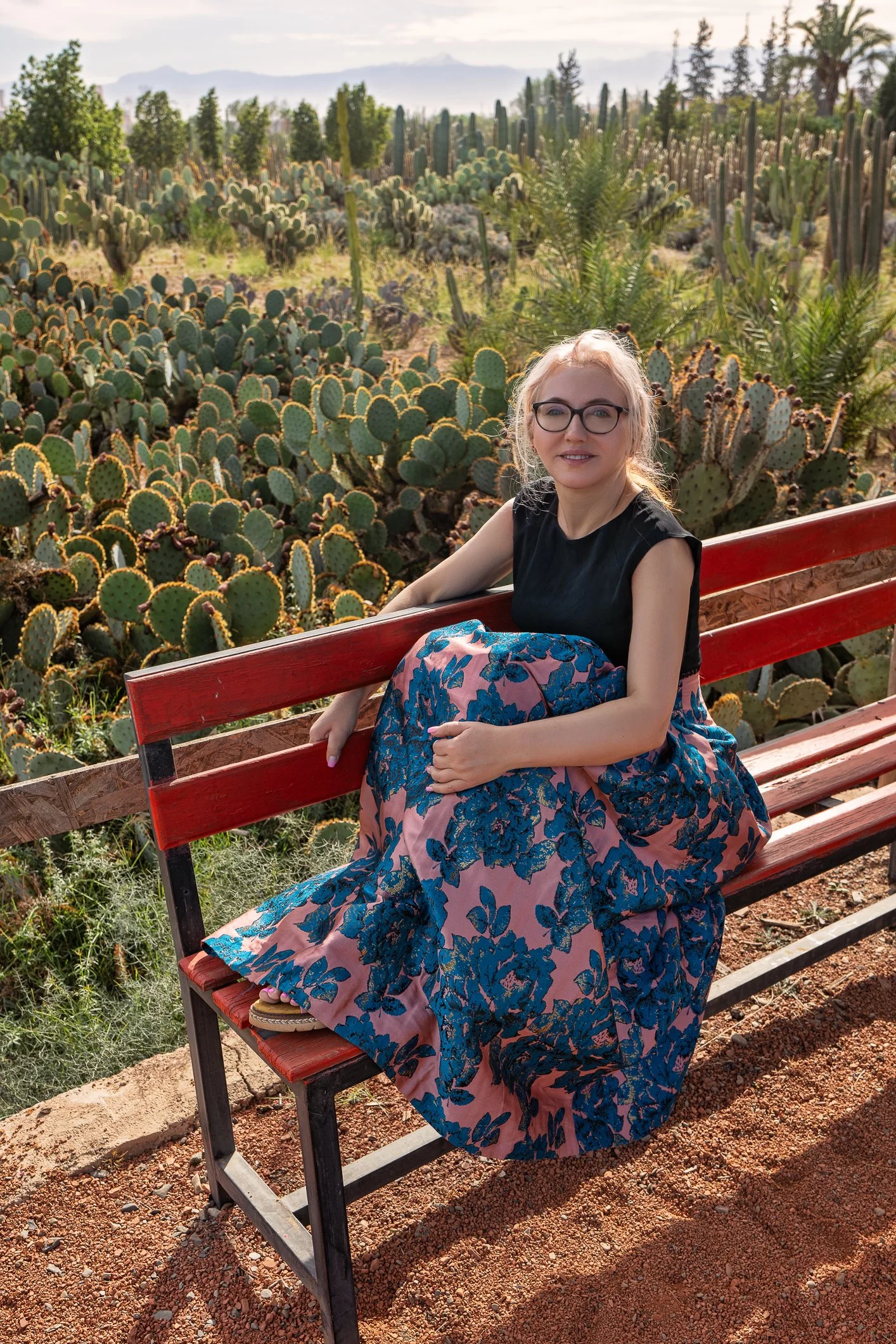
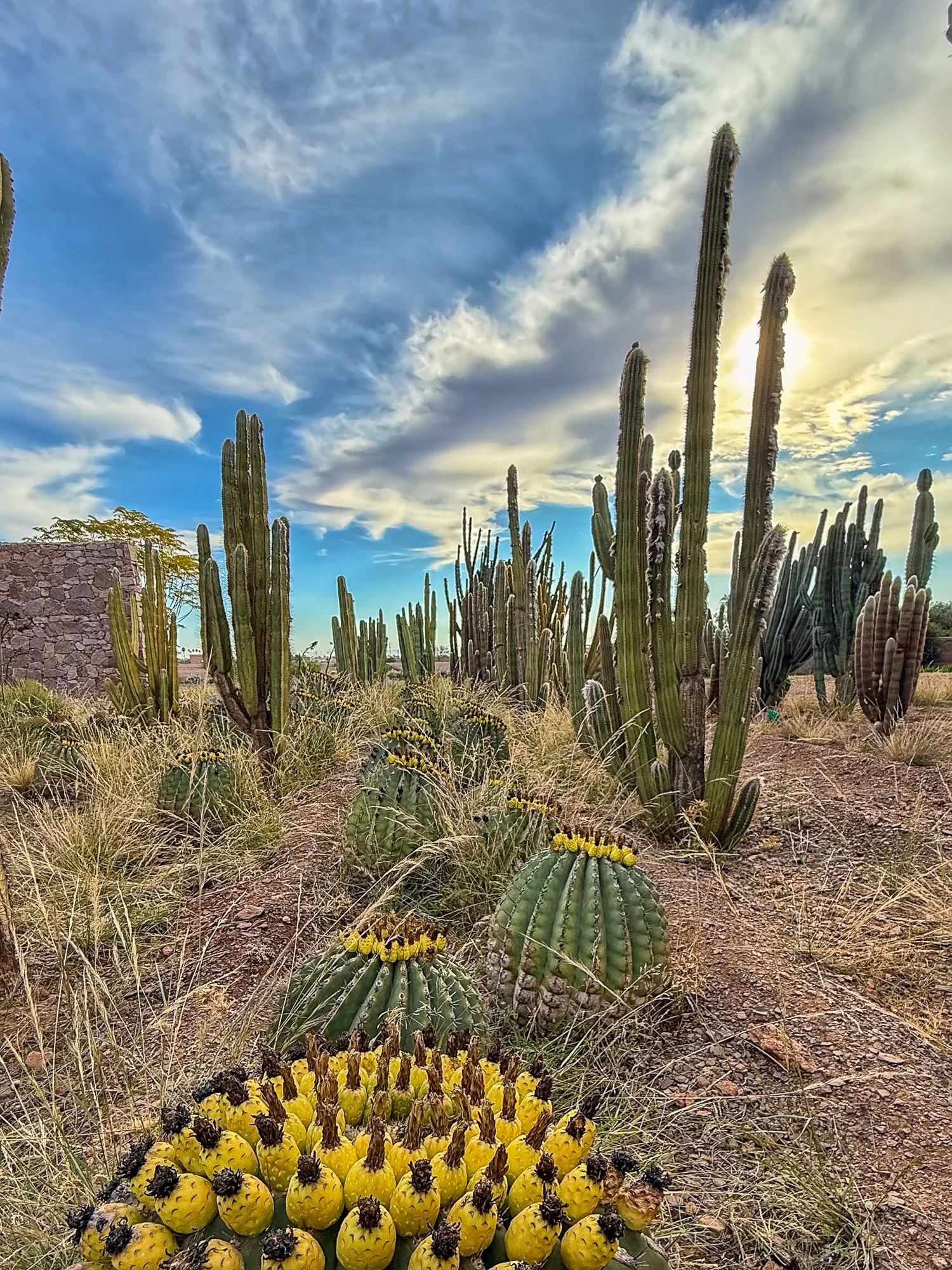
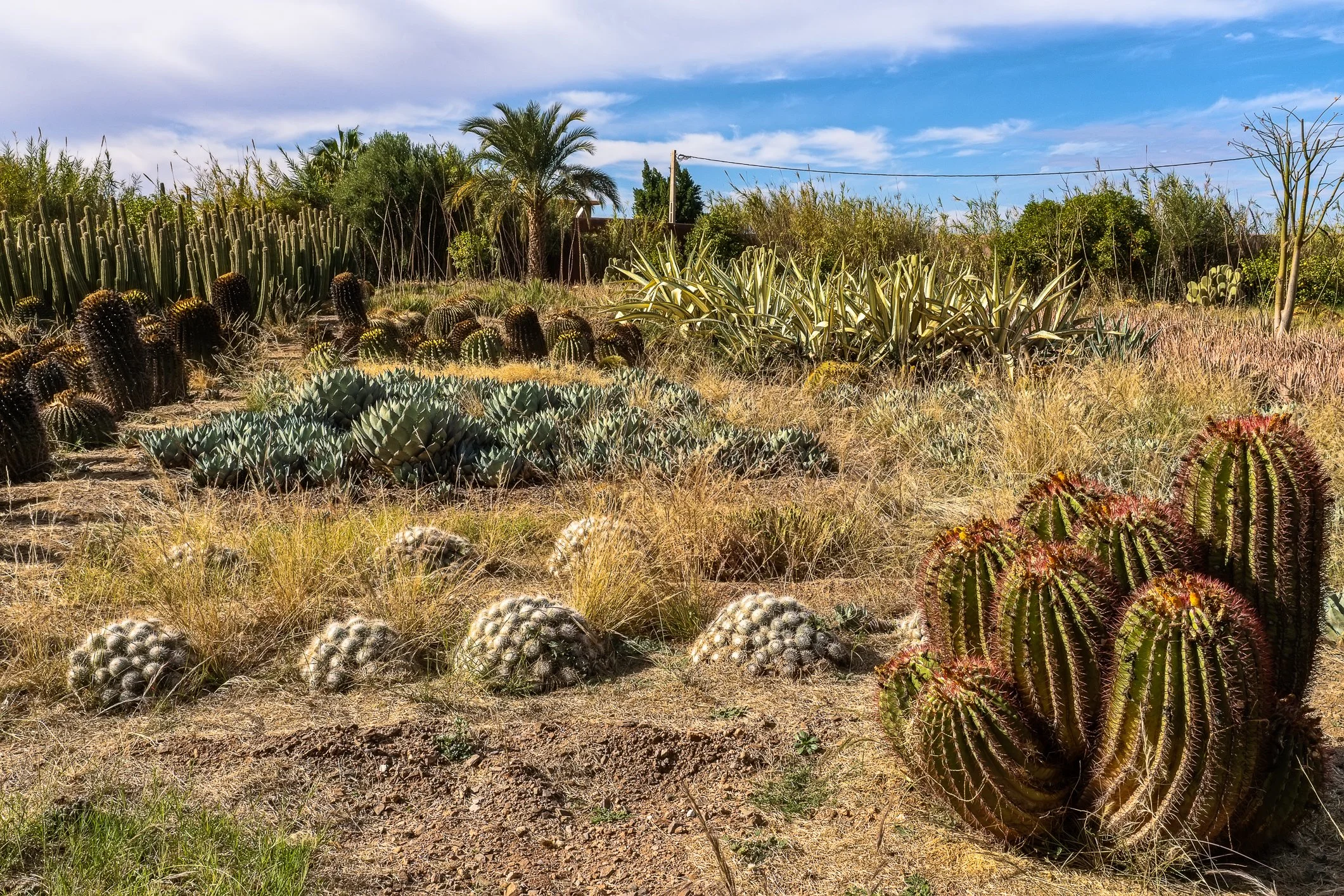
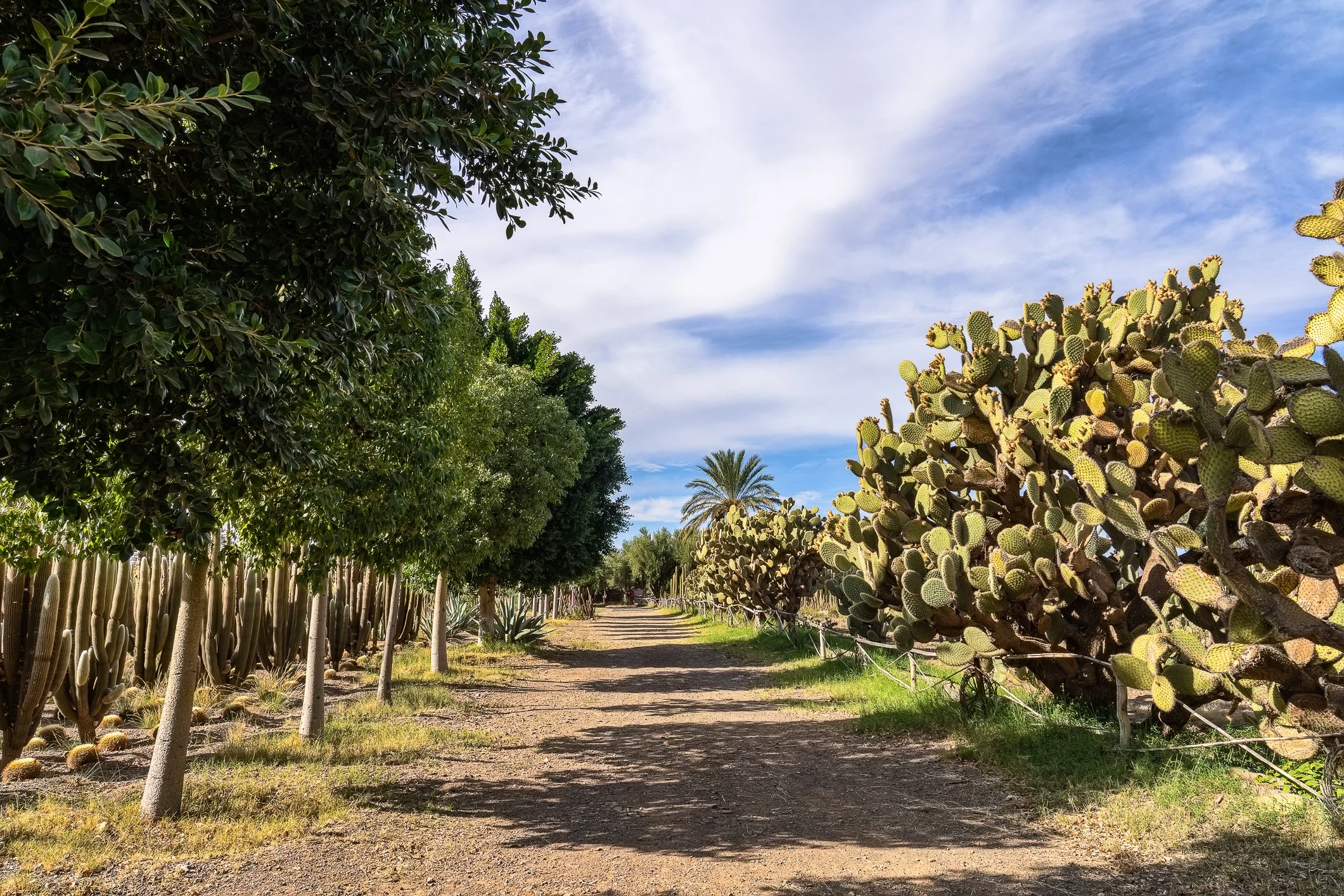
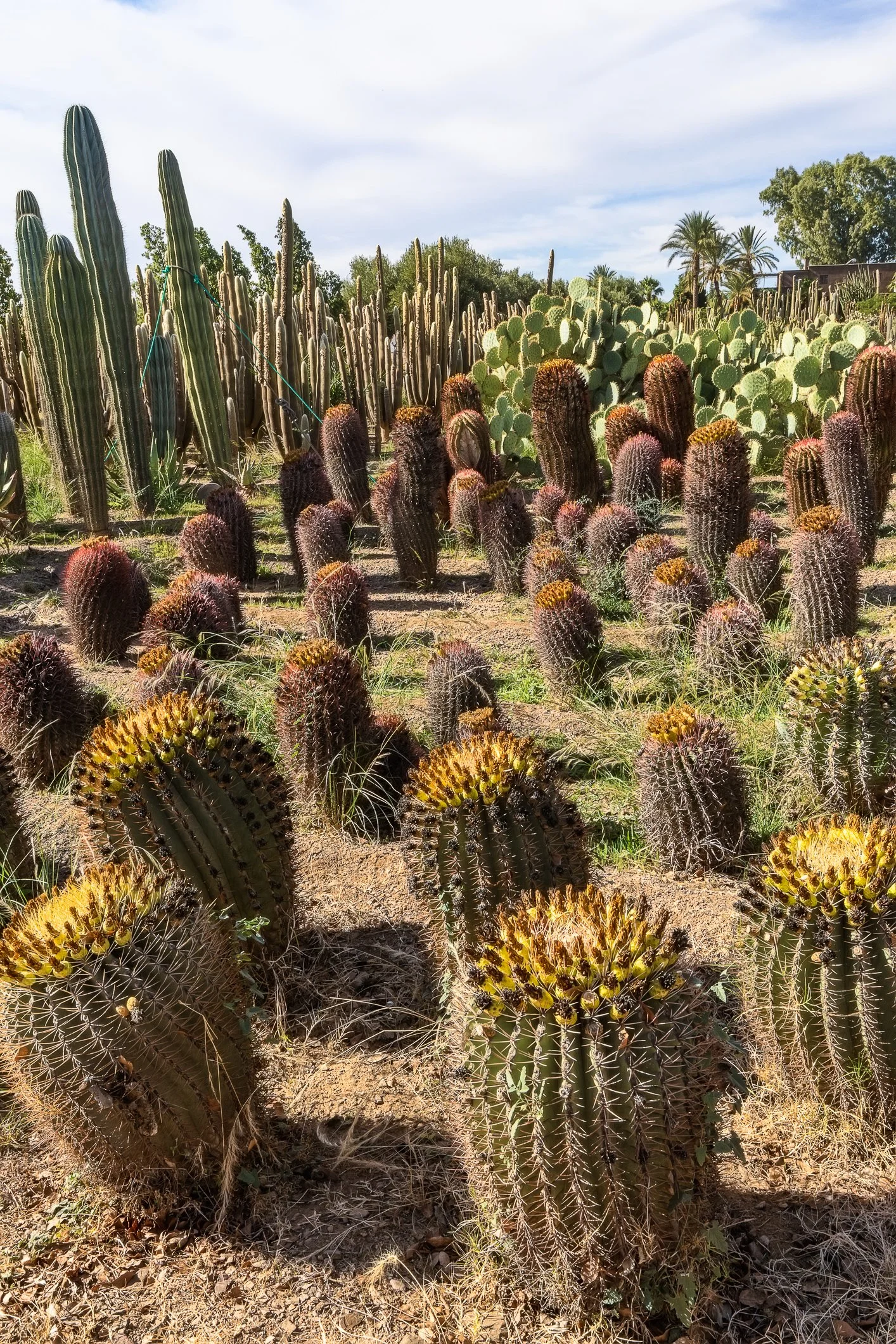
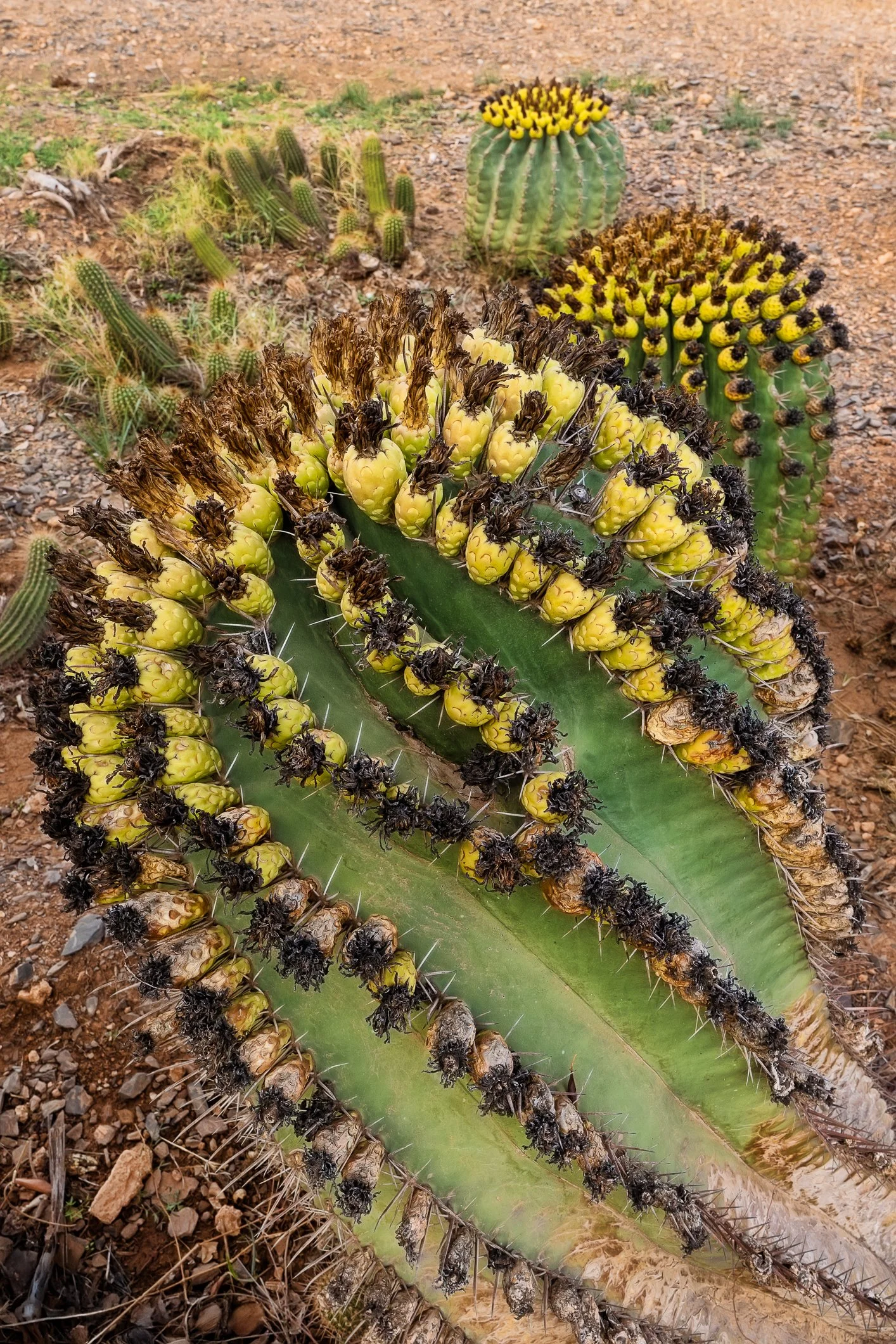
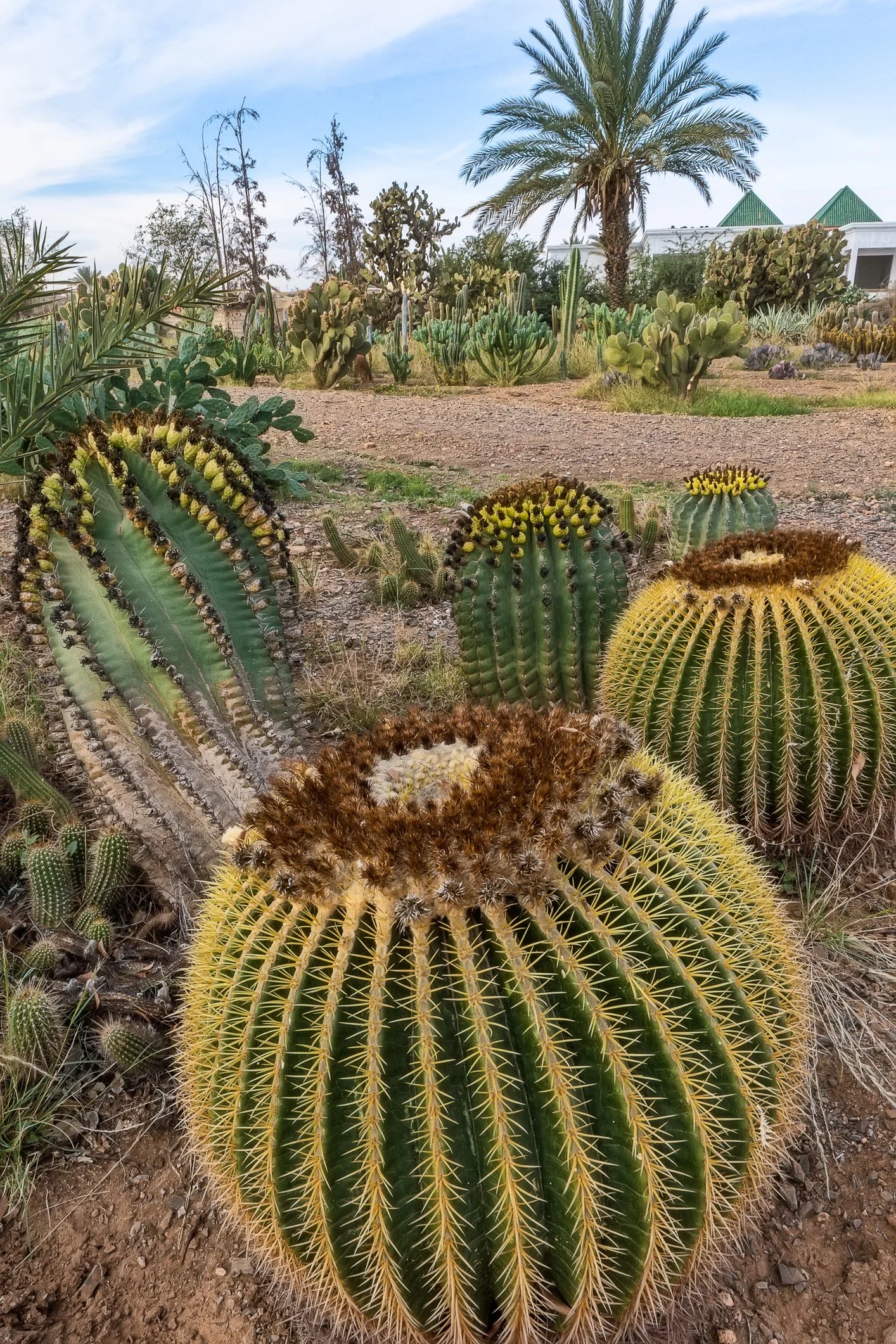
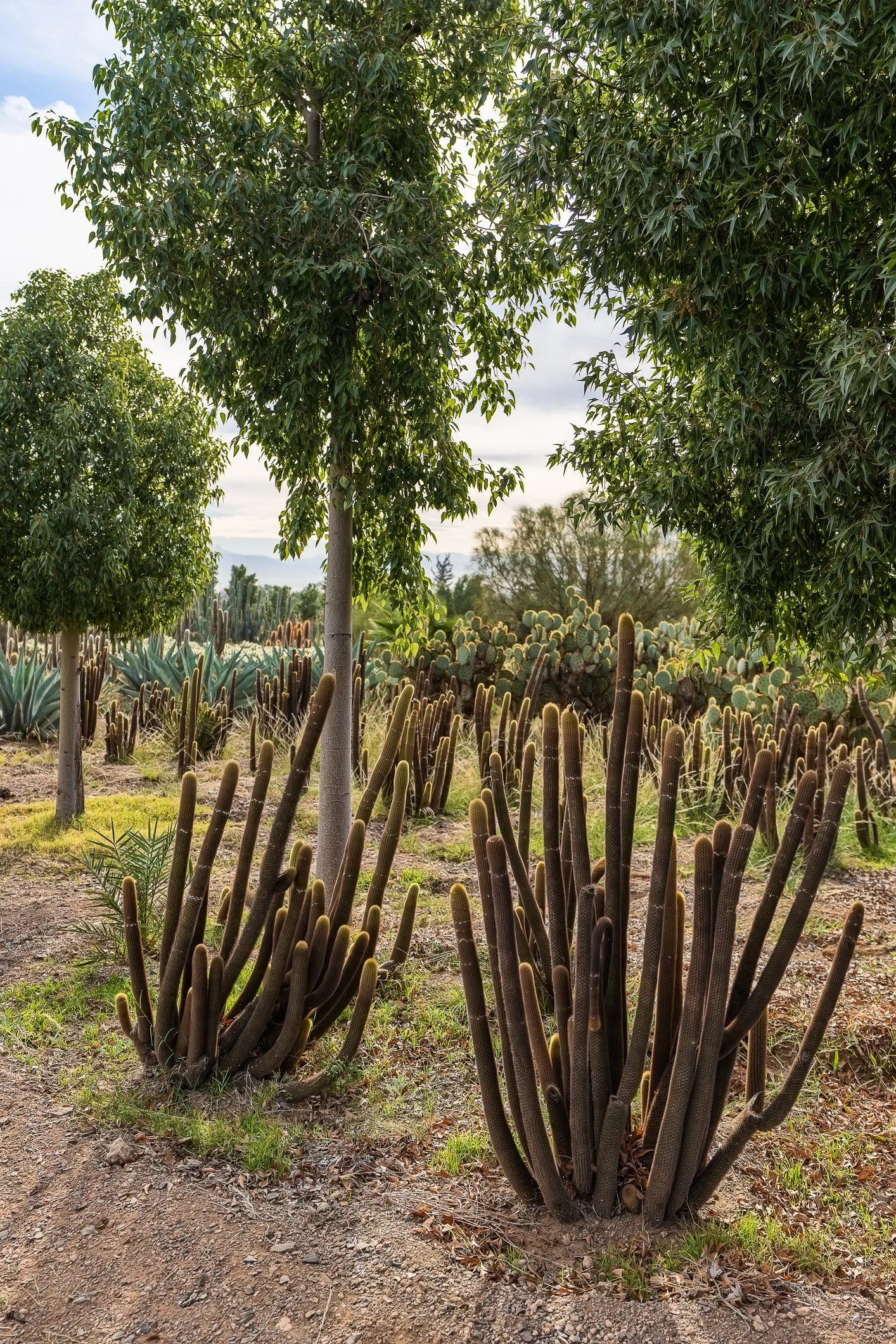
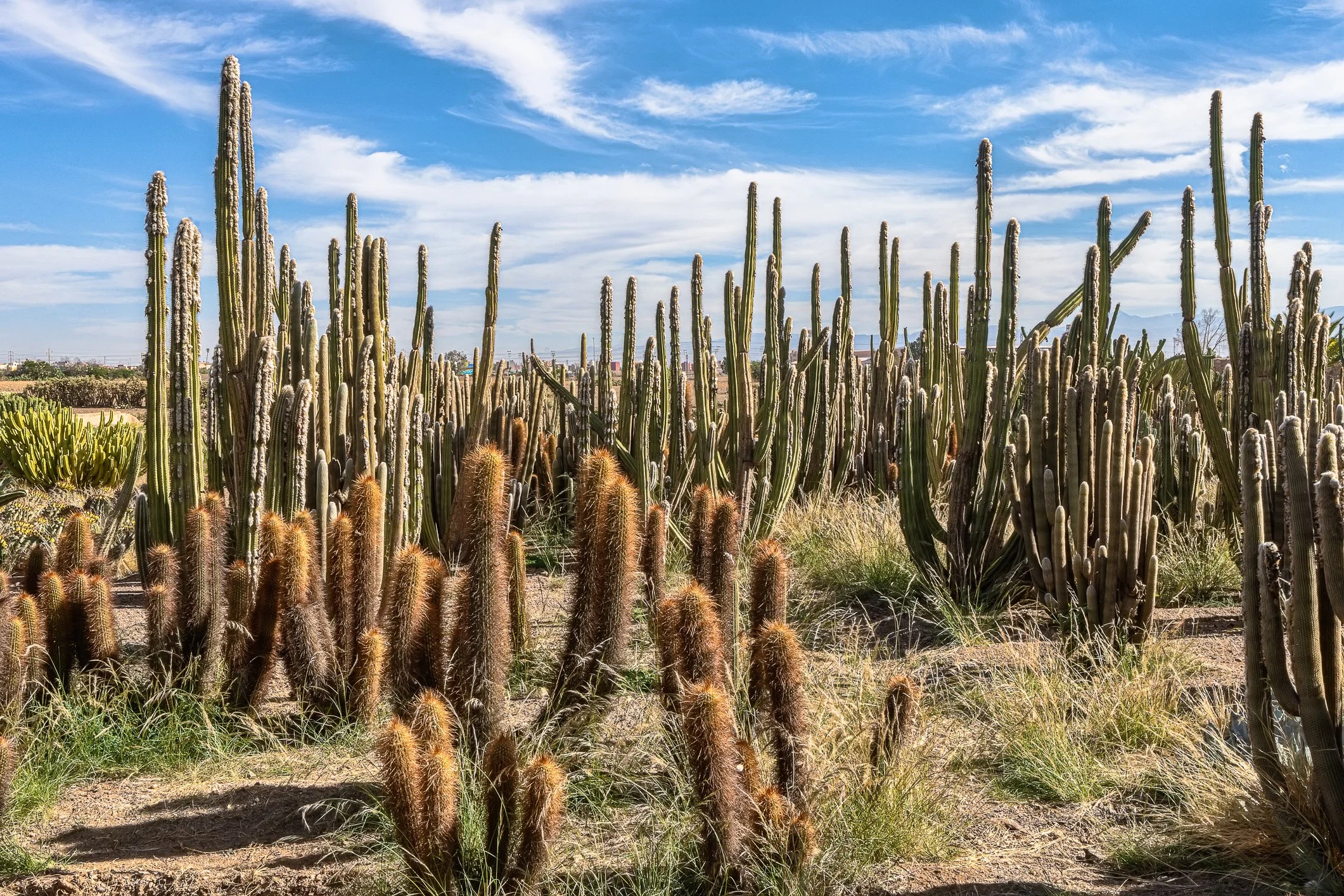
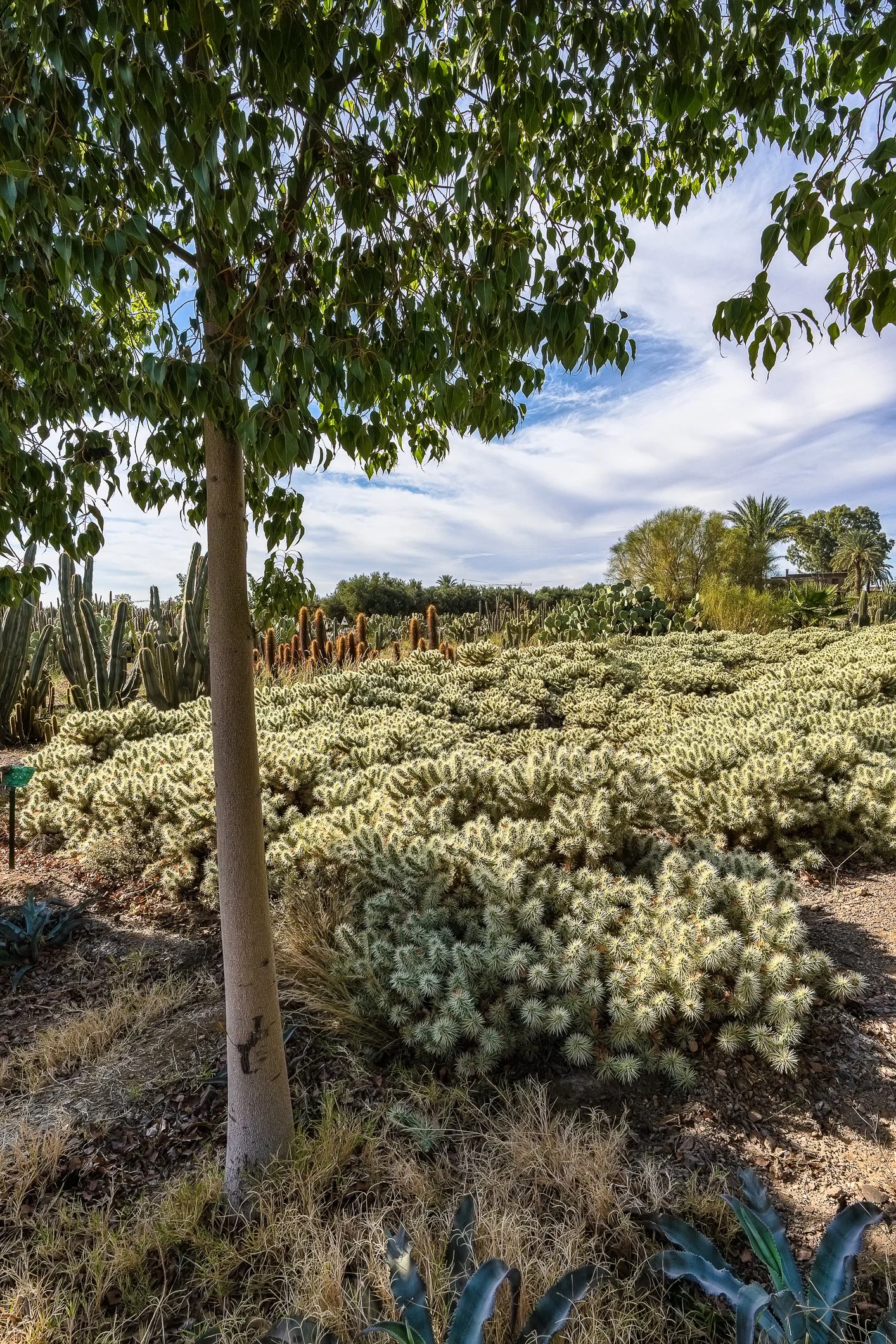
The scale is what makes this place notable. The site covers several hectares (figures vary depending on the source), with over 150 species of cacti and succulents. Many are mature specimens, some planted in the 1960s, so these are not decorative plants but fully grown desert flora. Columnar cacti reach several metres high, and there are dense groupings that resemble small forests rather than individual displays.

Największe wrażenie robi skala tego miejsca. Teren zajmuje kilka hektarów (dokładne dane różnią się w zależności od źródła) i rośnie tu ponad 150 gatunków kaktusów i sukulentów. Wiele z nich to dojrzałe okazy, sadzone jeszcze w latach 60-tych, więc nie są to małe rośliny ozdobne, tylko w pełni rozwinięta roślinność pustynna. Niektóre kaktusy osiągają kilka metrów wysokości, a ich skupiska przypominają raczej niewielki las niż klasyczny ogród.
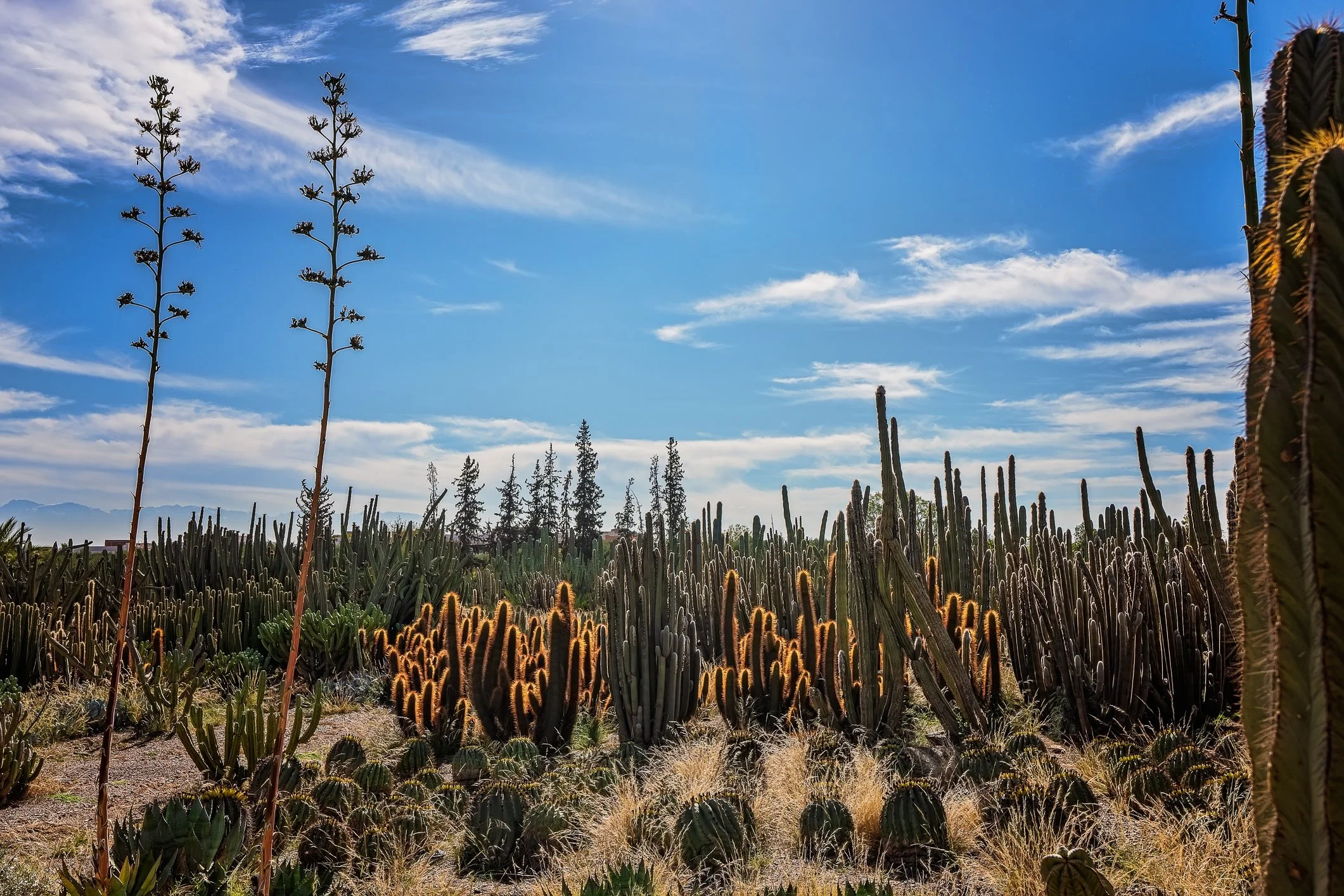
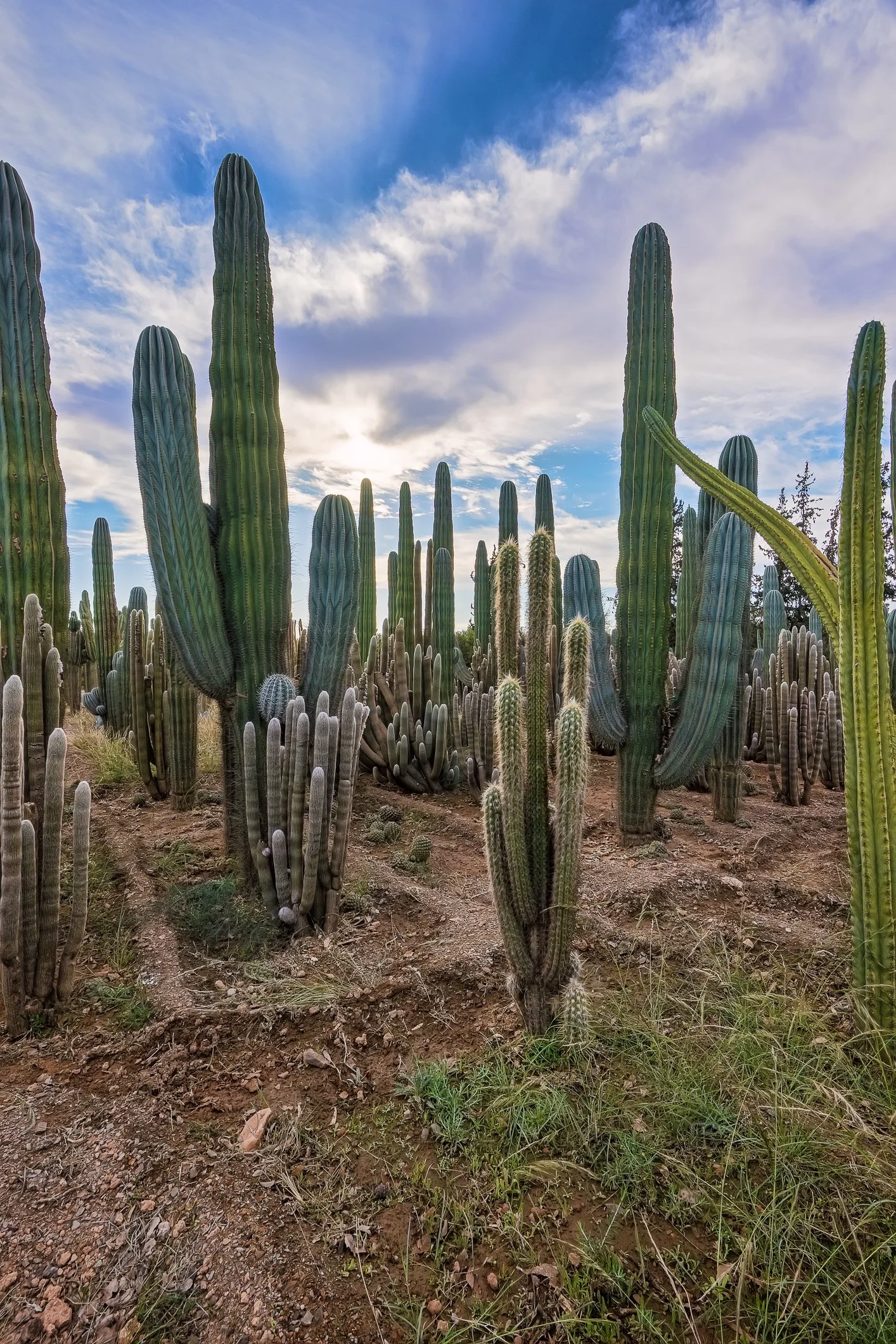
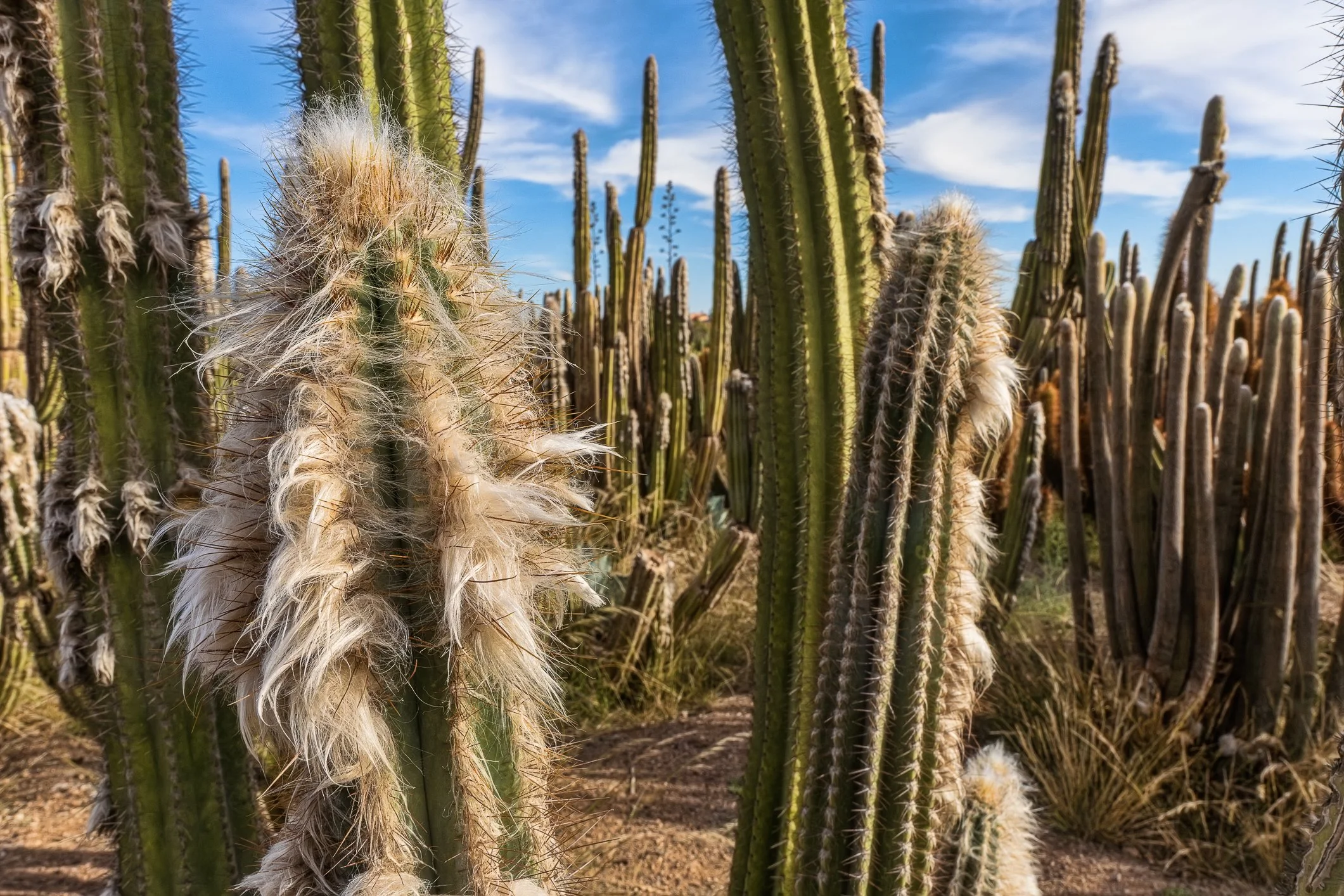
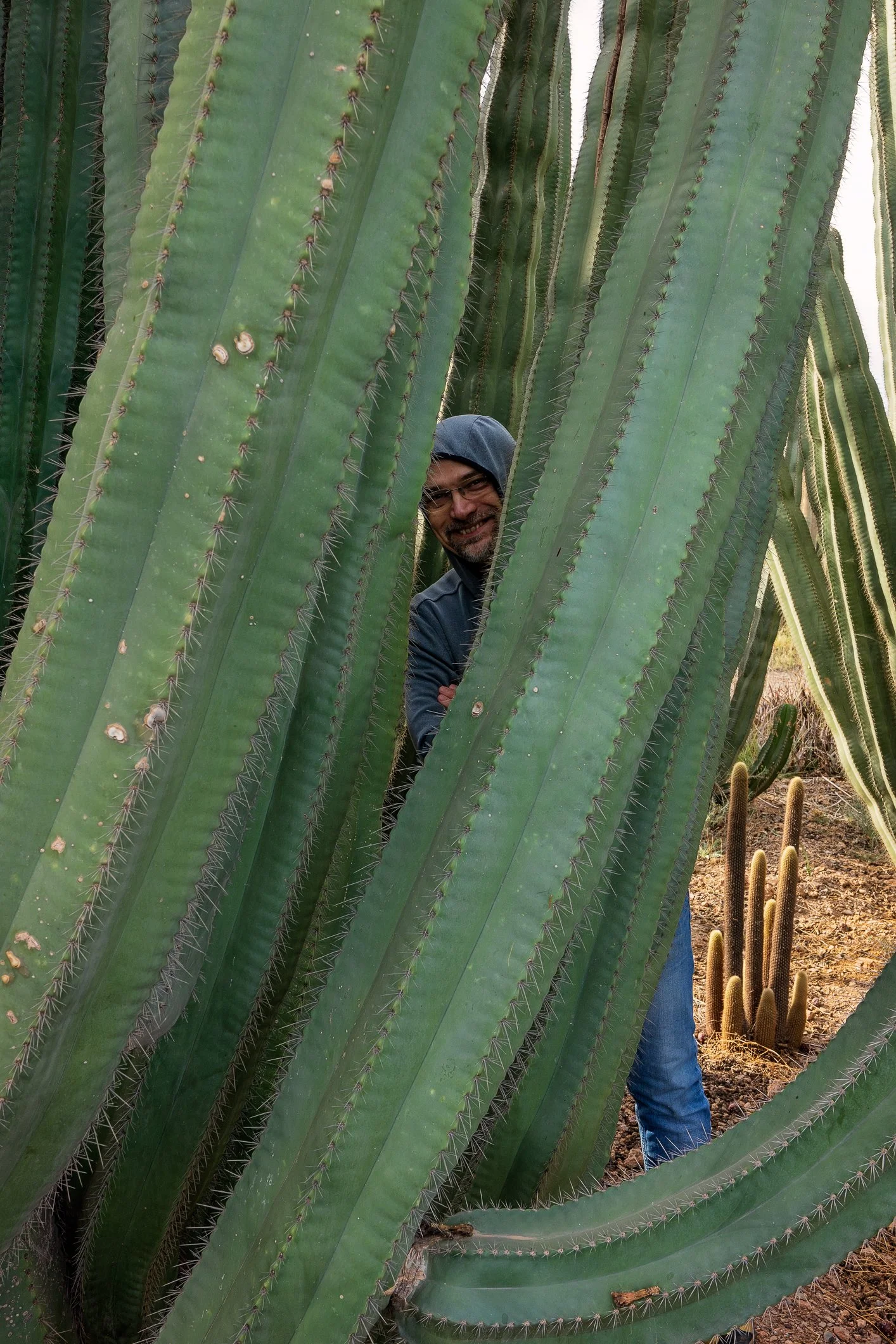
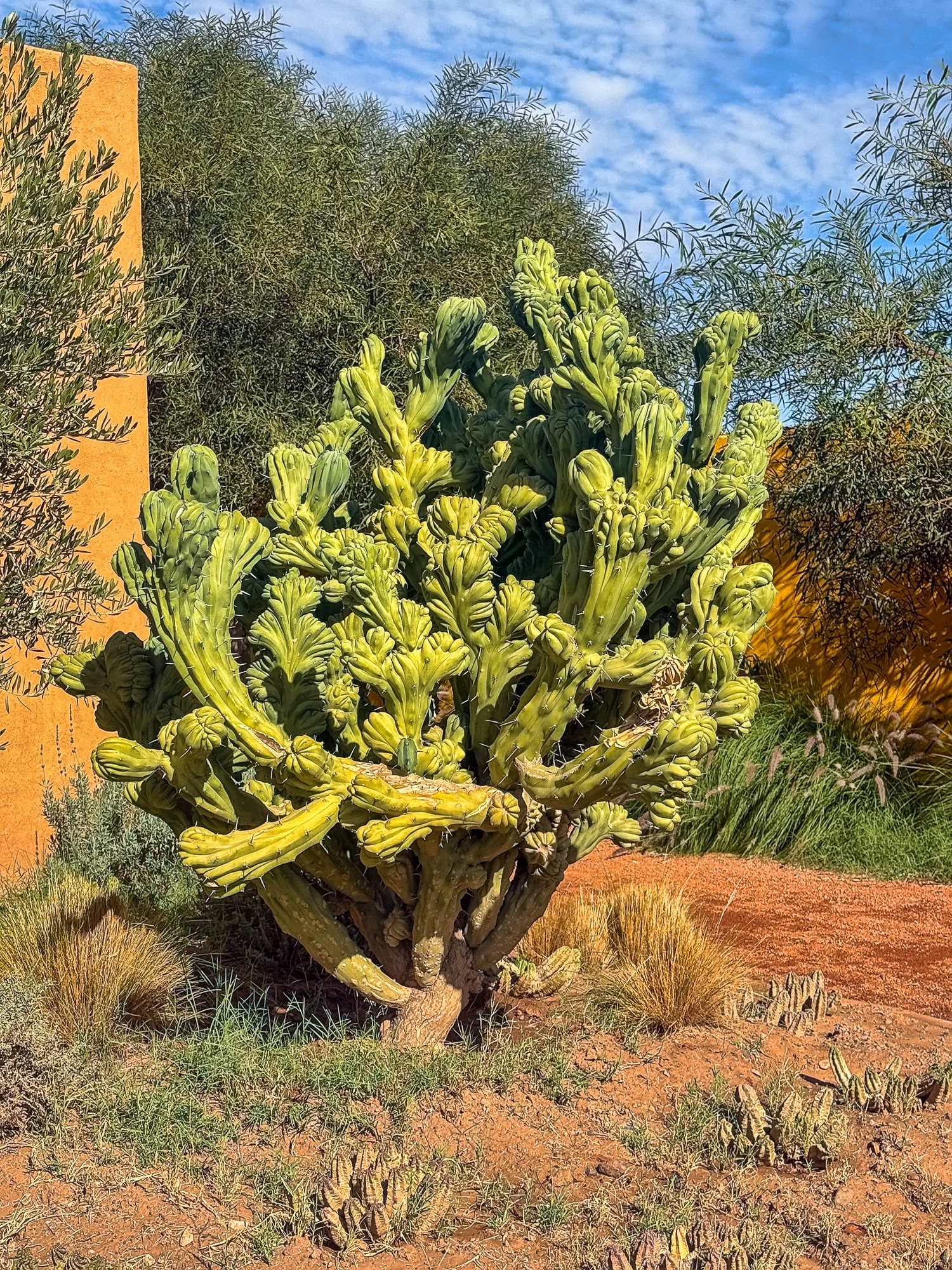
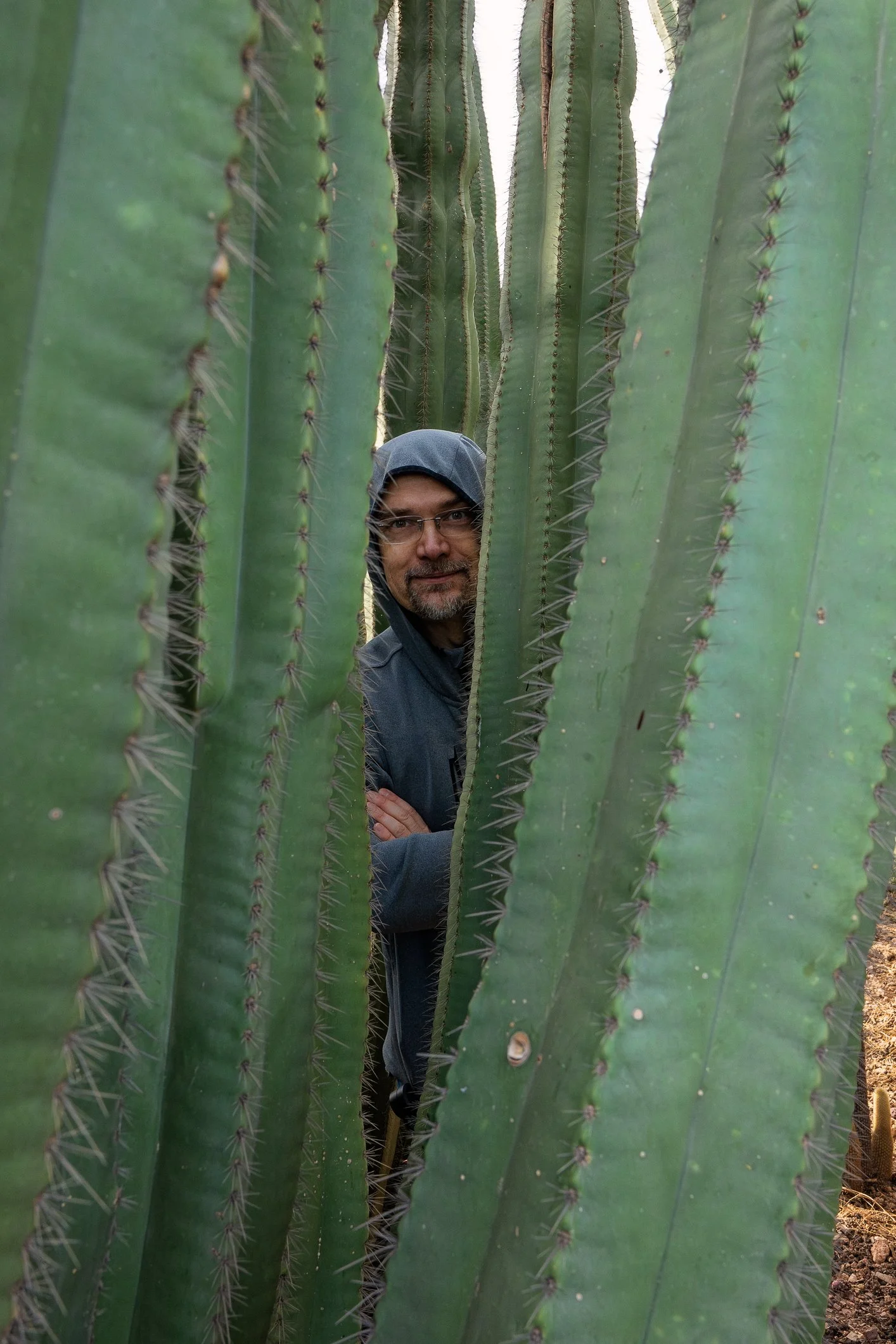
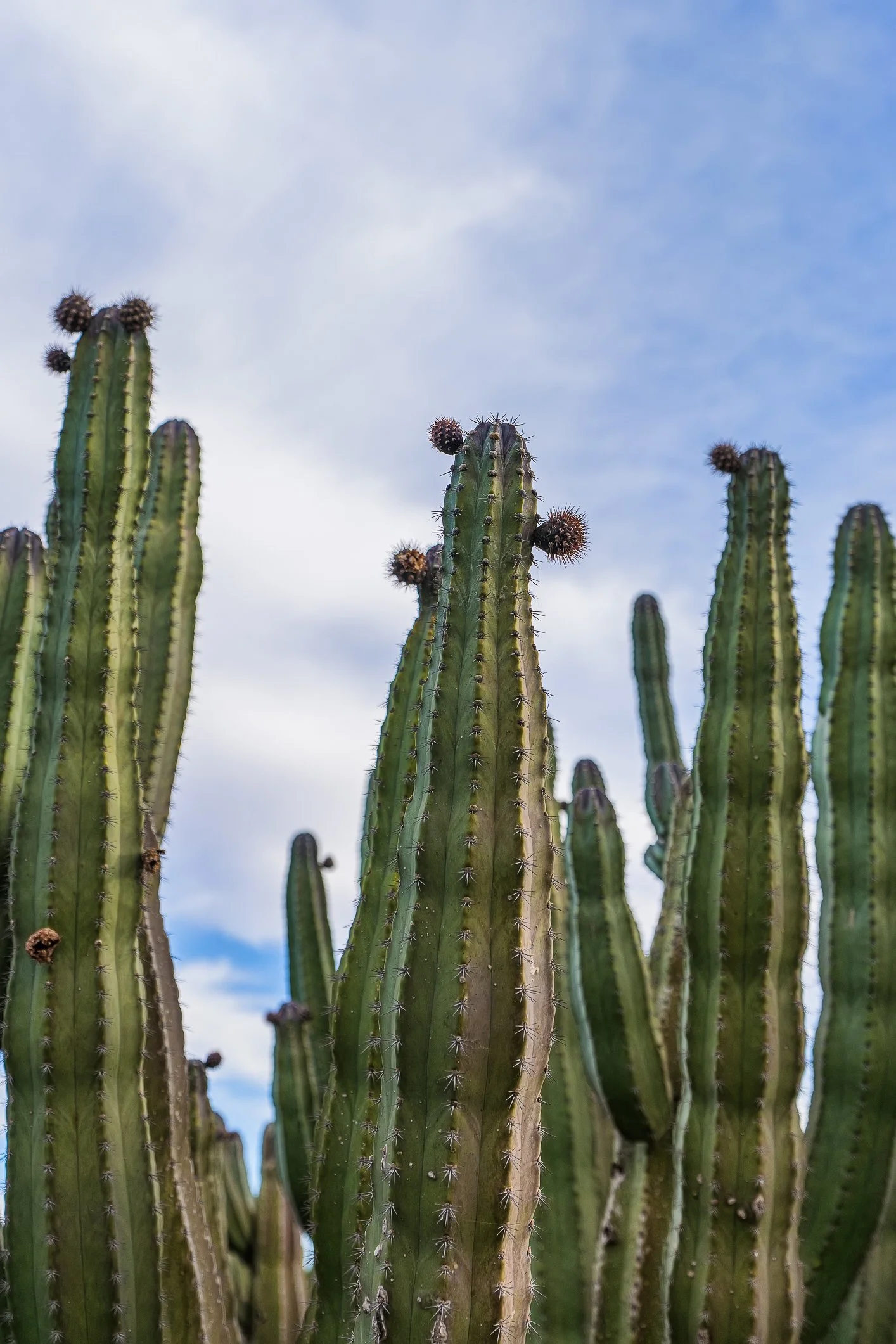
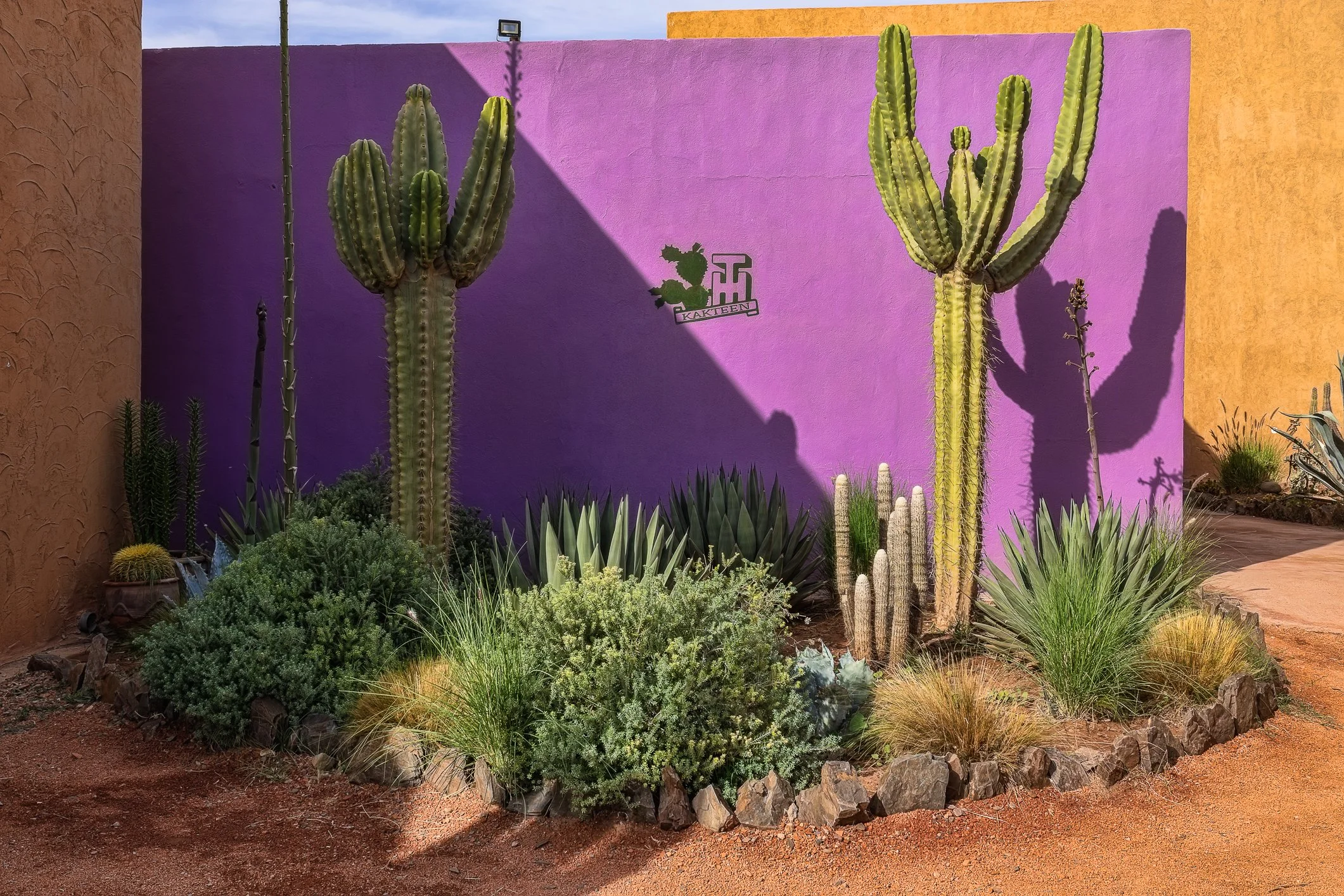
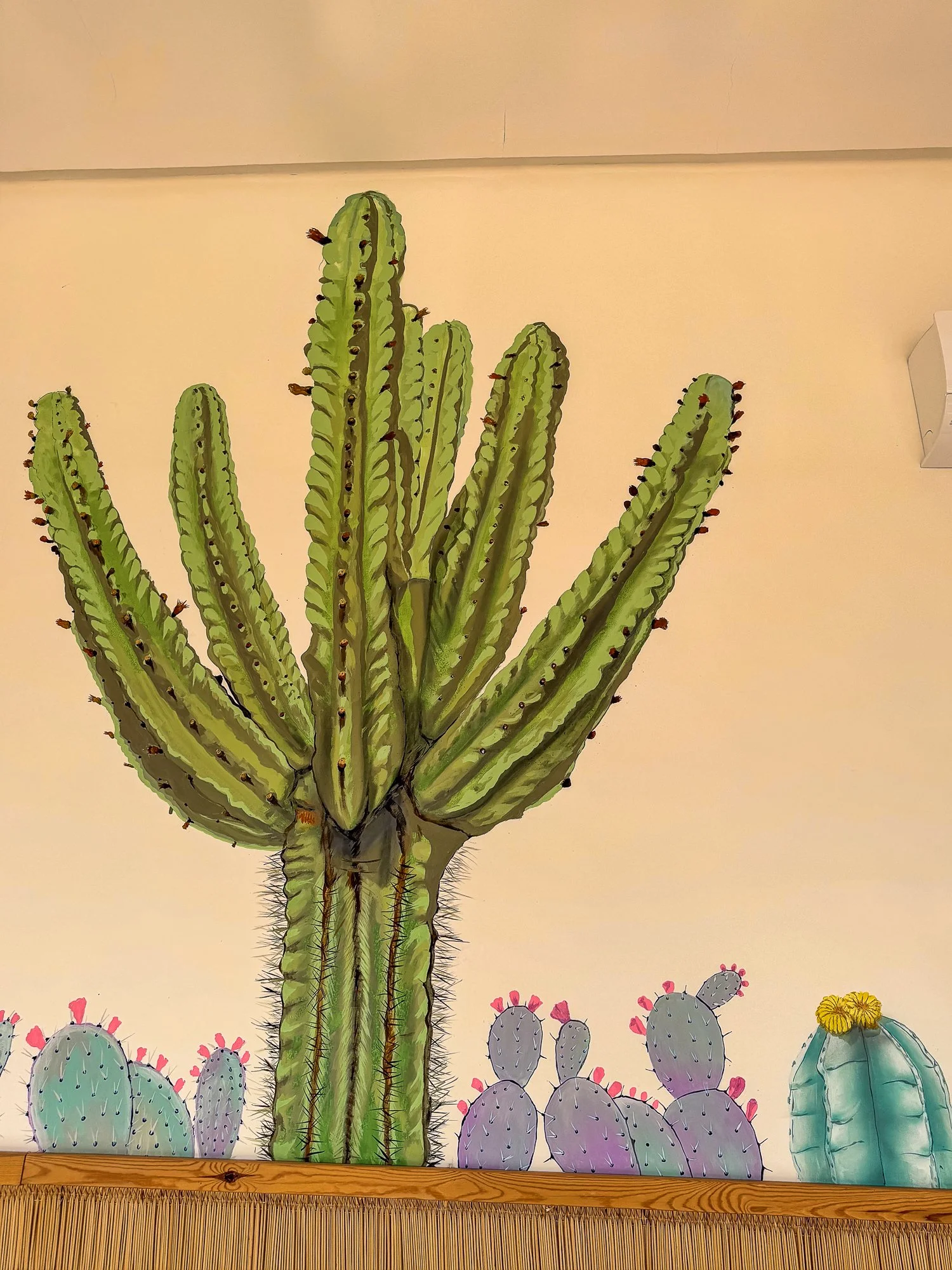
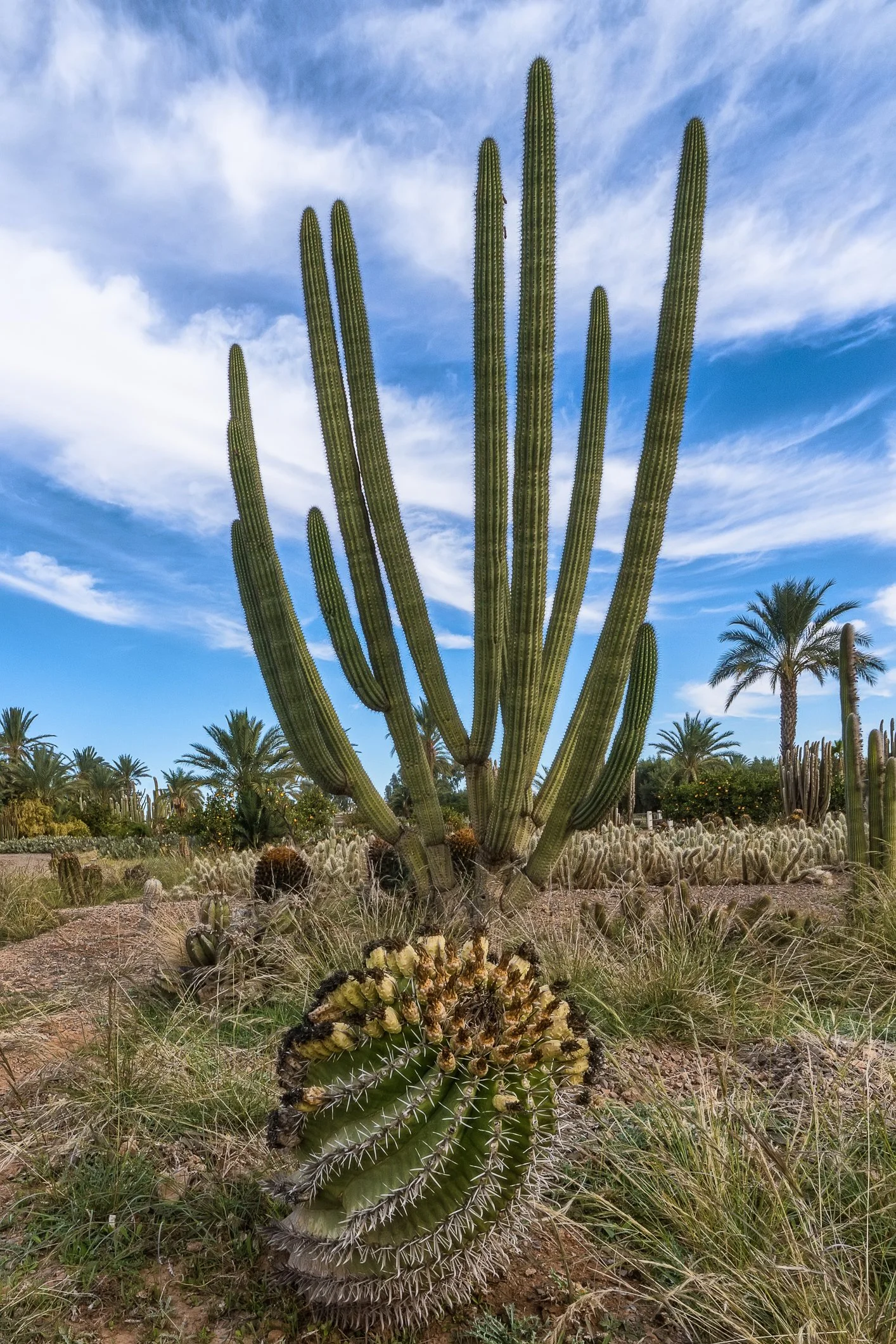
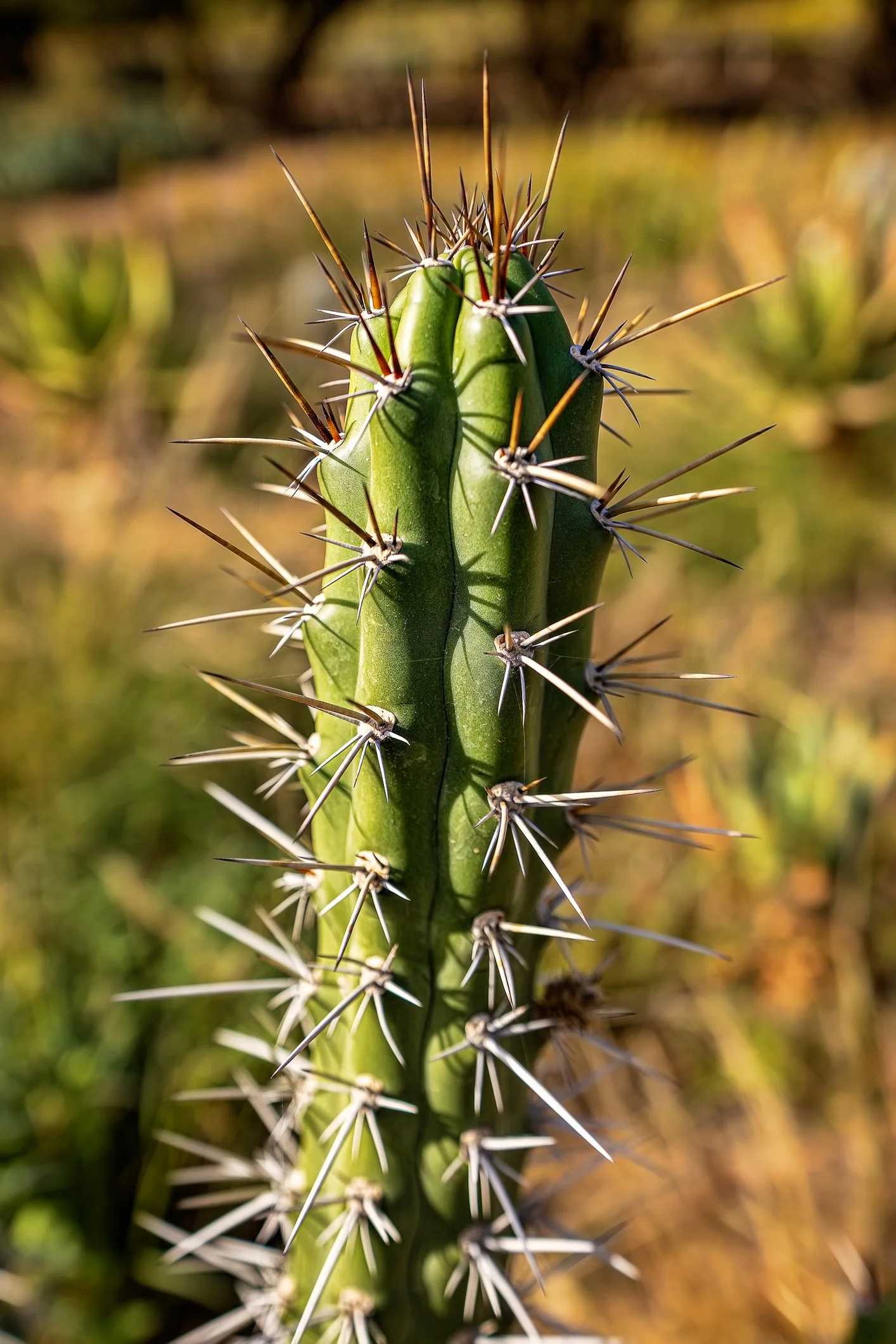
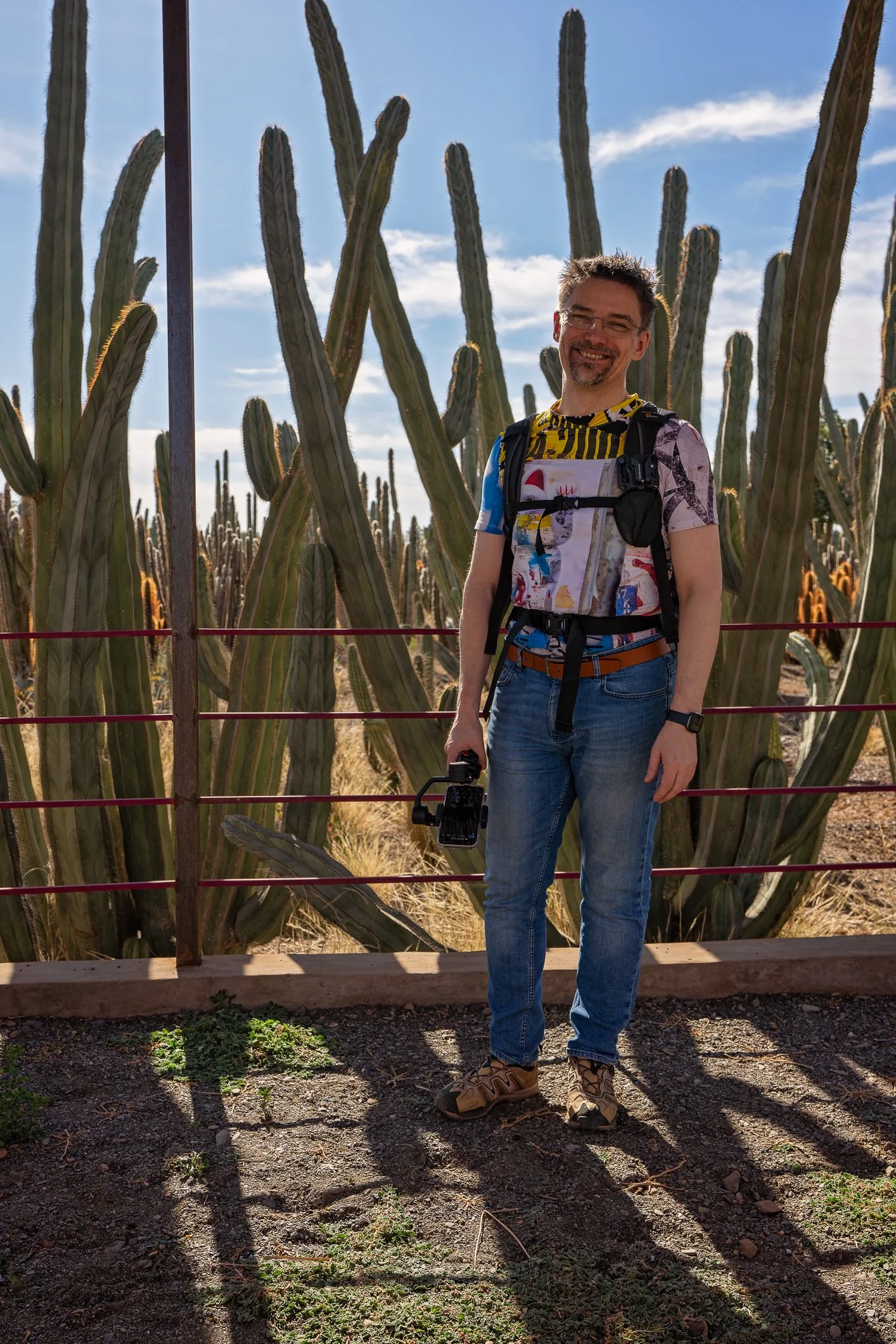
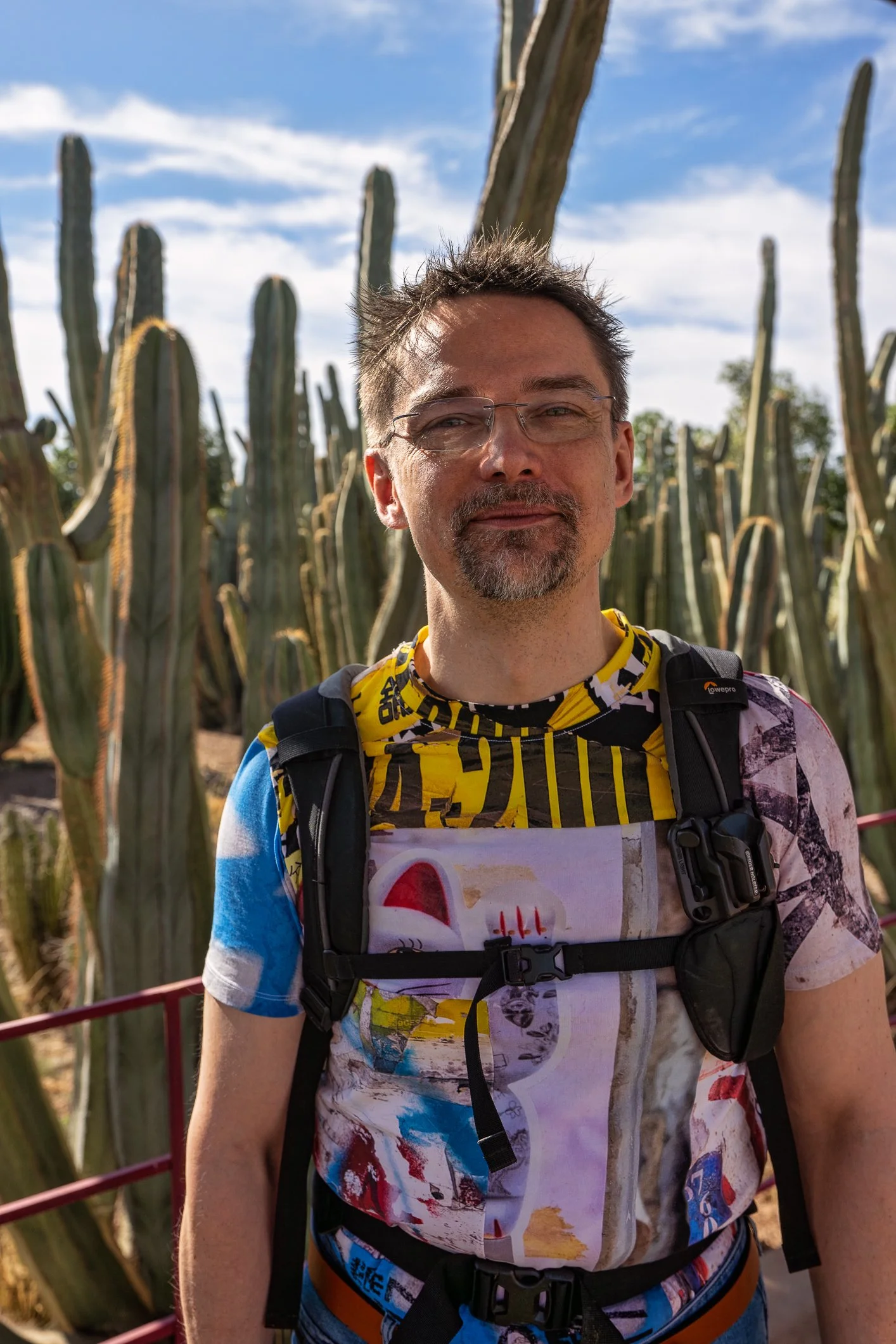
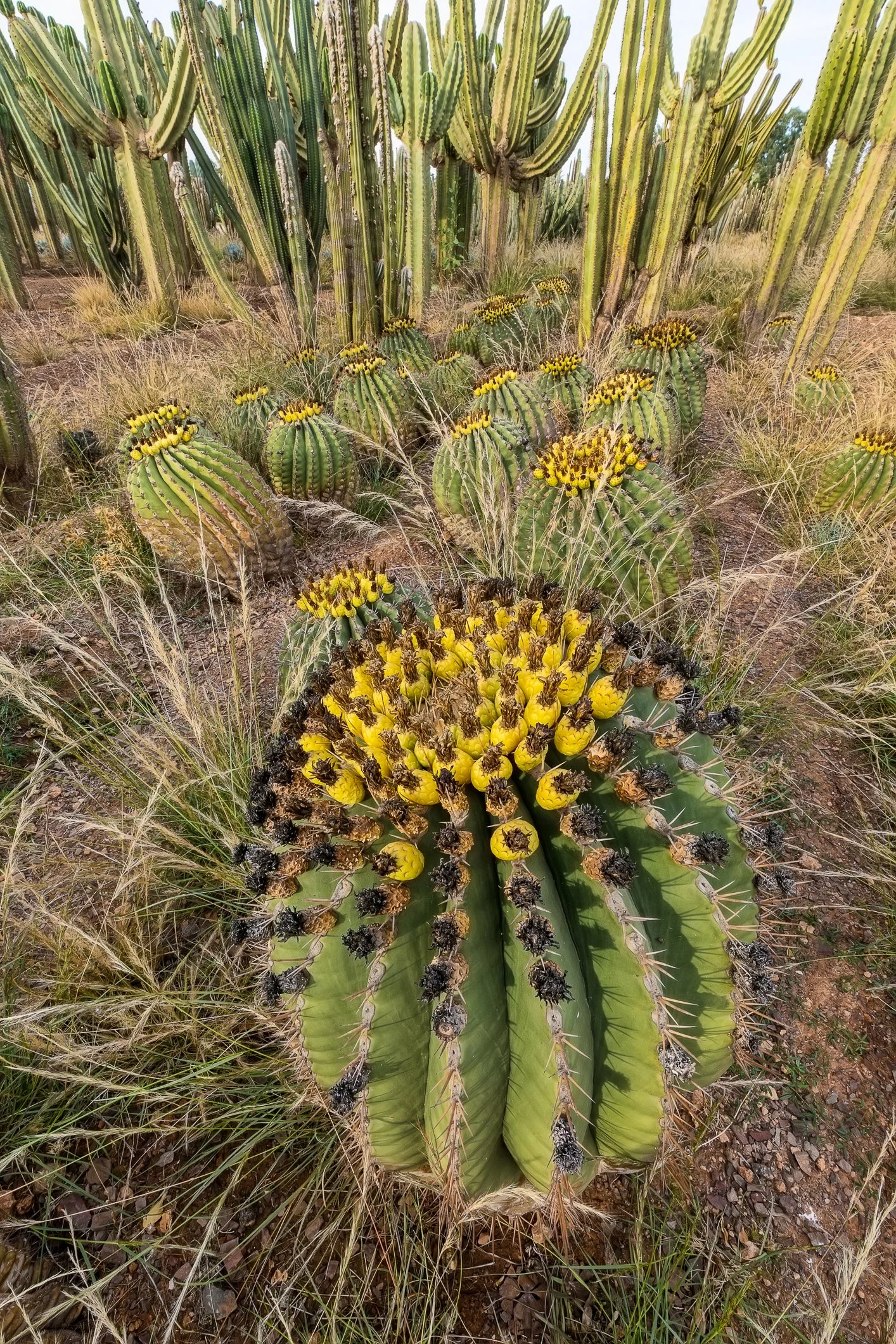
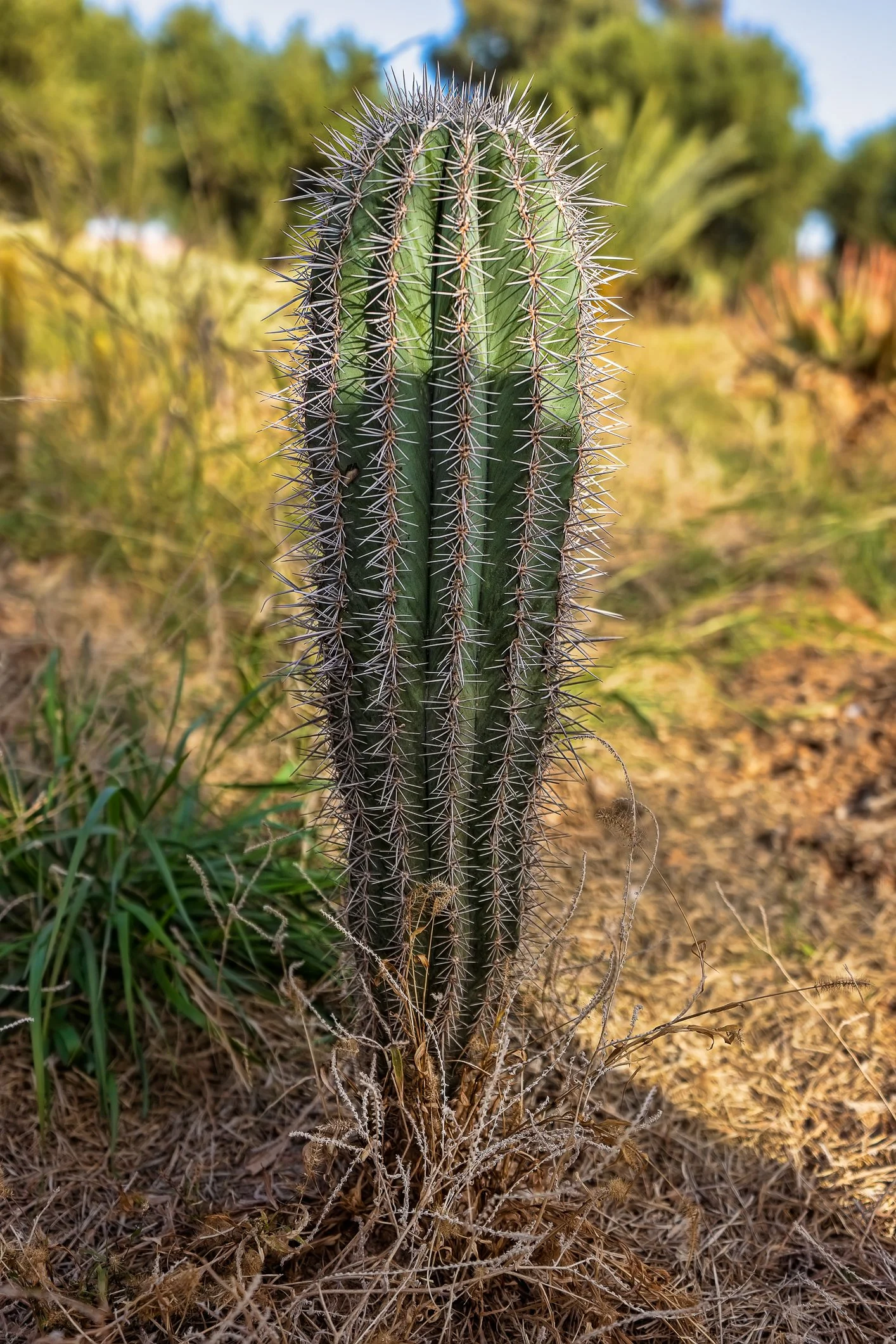
As we walk through the garden, the most striking plants are the tall, tree-like cacti. These include species from genera such as Pachycereus and Carnegiea, which can grow several metres high and create the impression of a cactus “forest.” Some of these are among the oldest plants on the site.


Spacerując po ogrodzie, największe wrażenie robią wysokie, drzewiaste kaktusy. Należą między innymi do rodzajów Pachycereus i Carnegiea, które mogą osiągać imponujące rozmiary i tworzą efekt „kaktusowego lasu”. To jedne z najstarszych roślin w całej kolekcji.
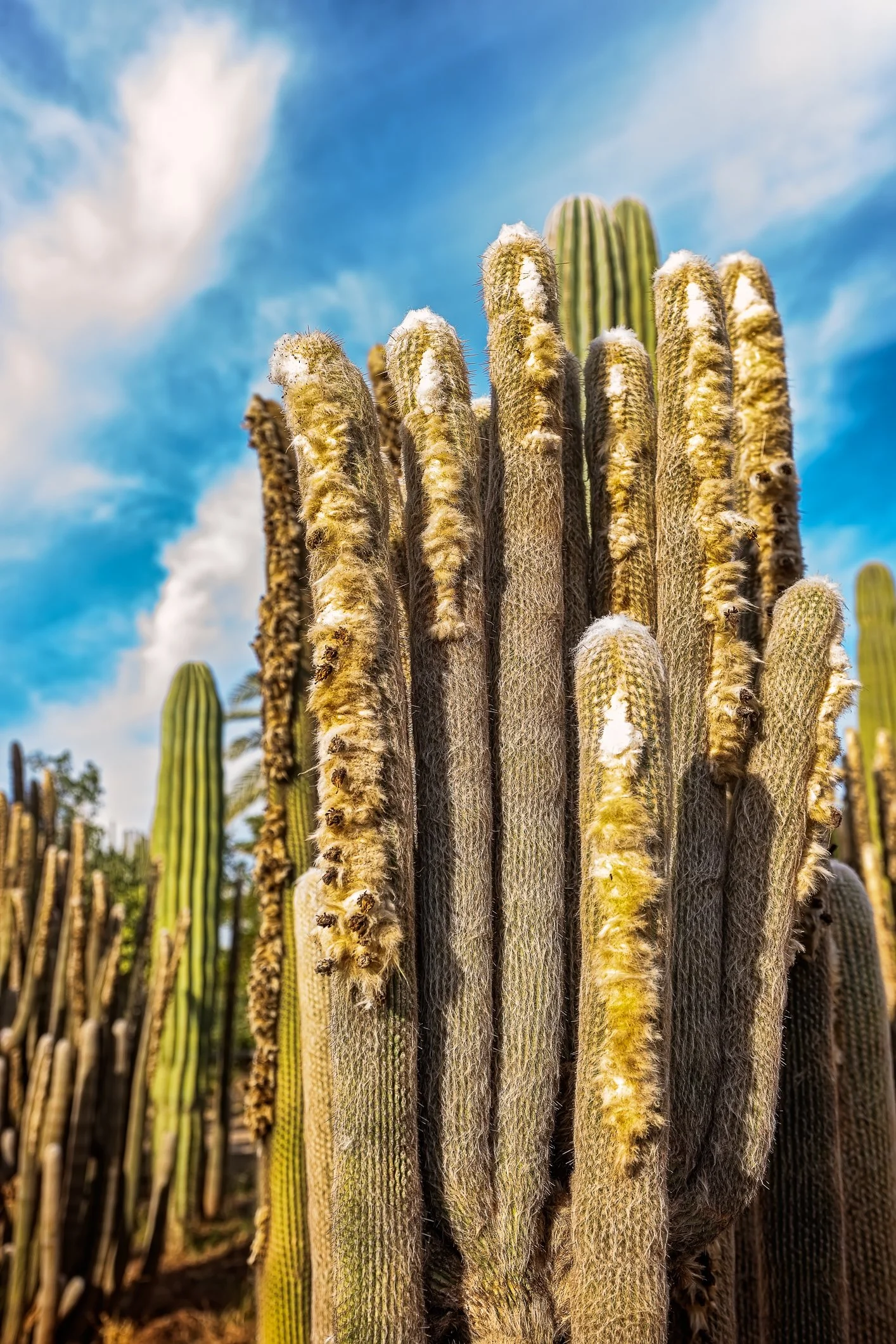
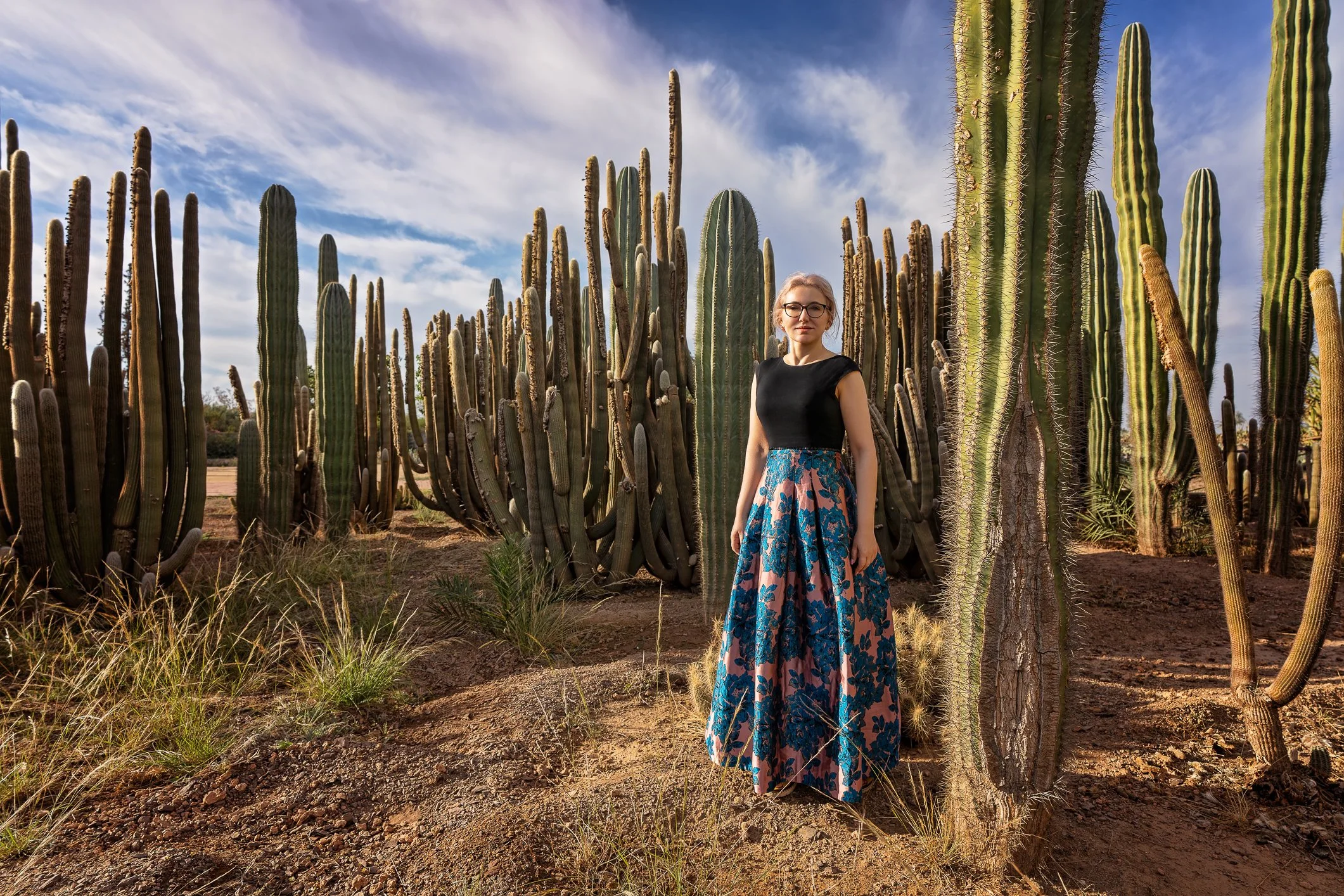
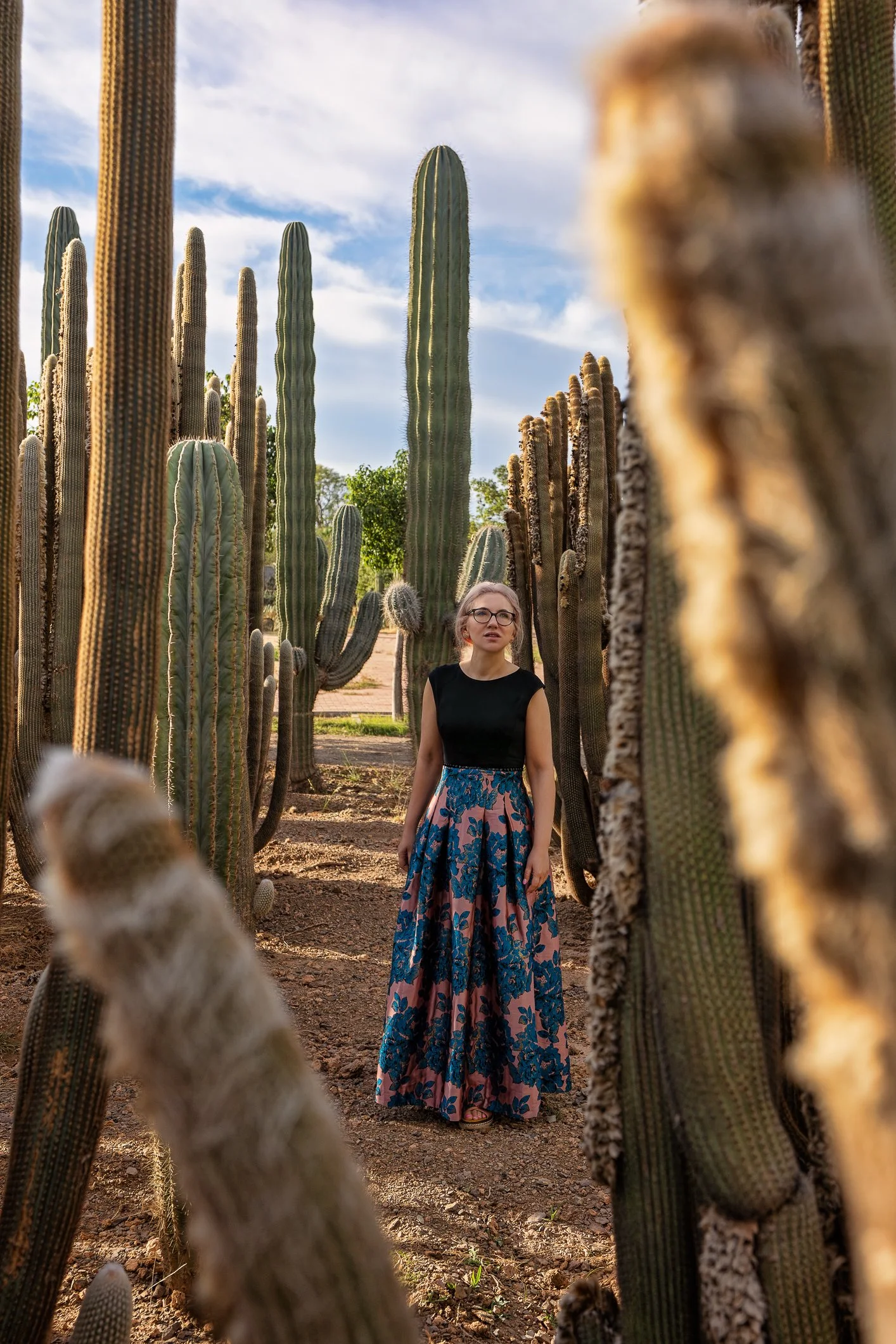
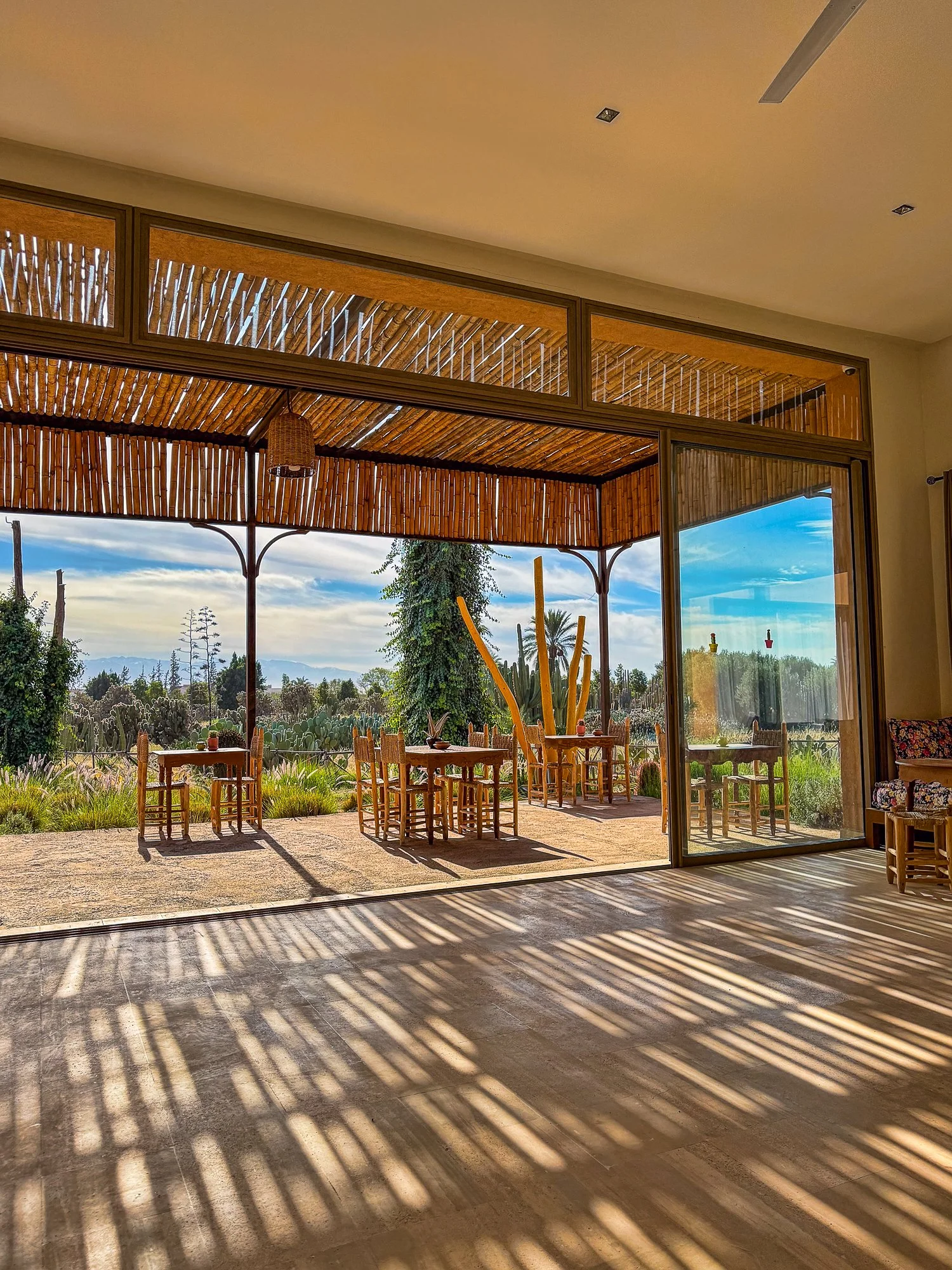
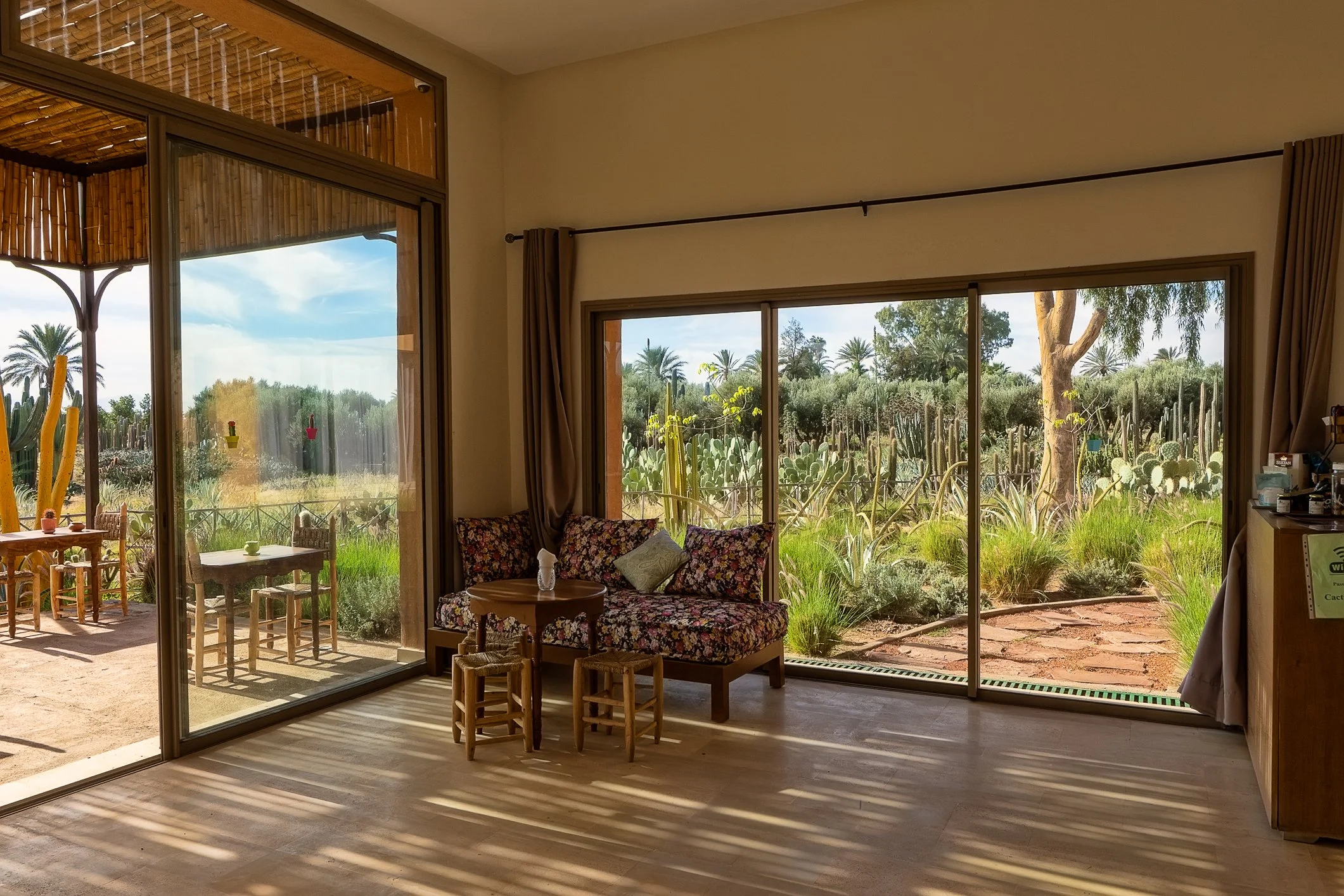
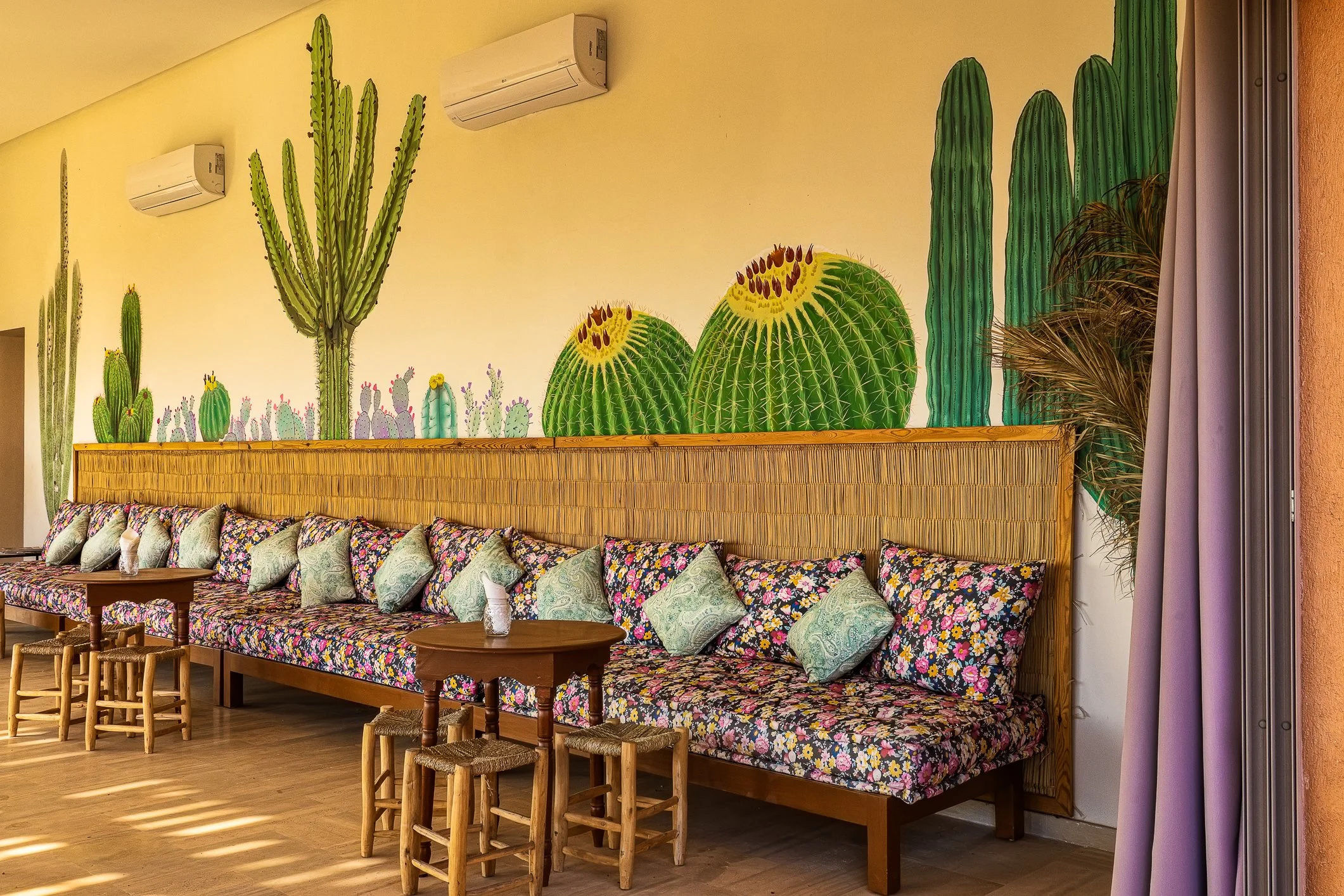
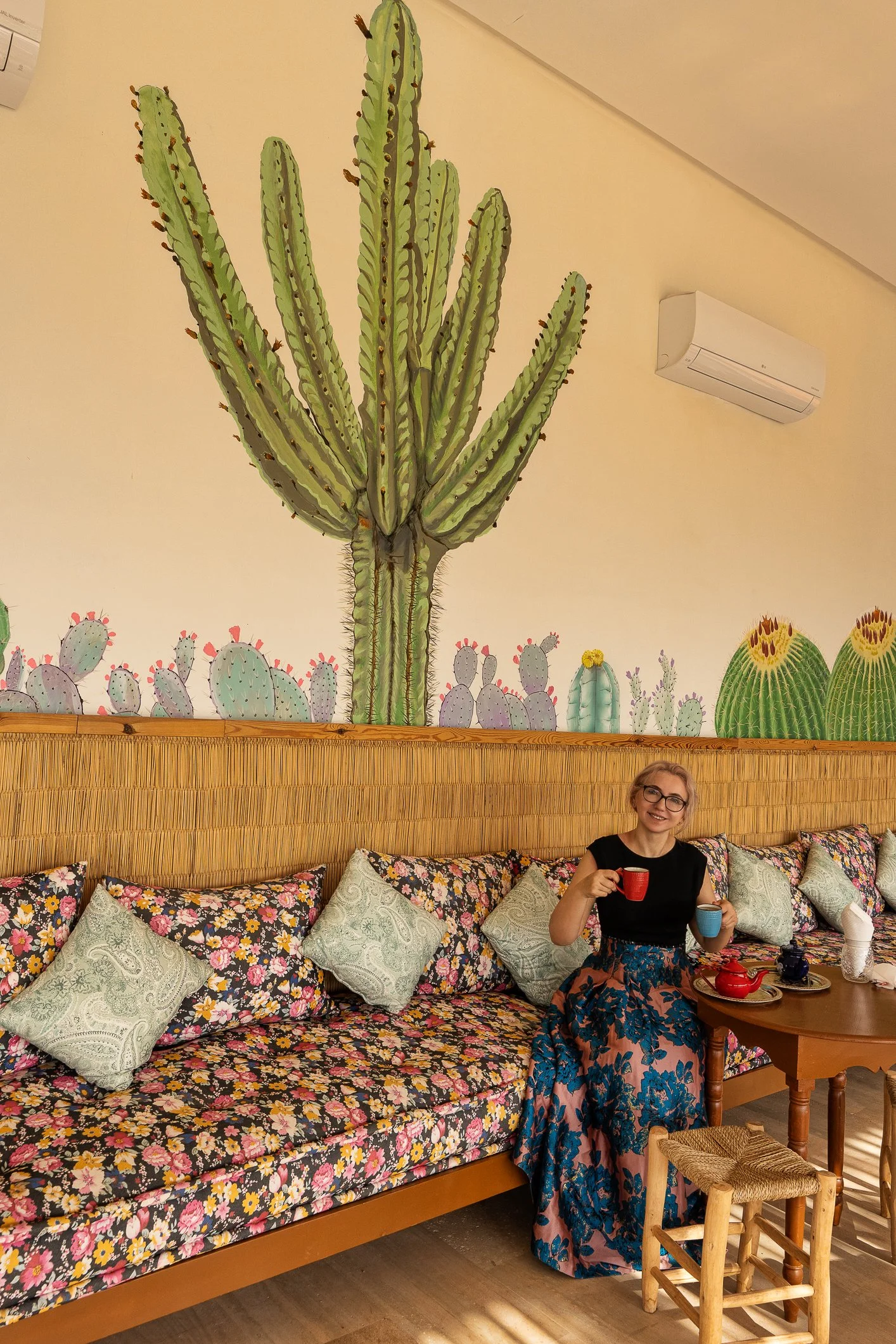
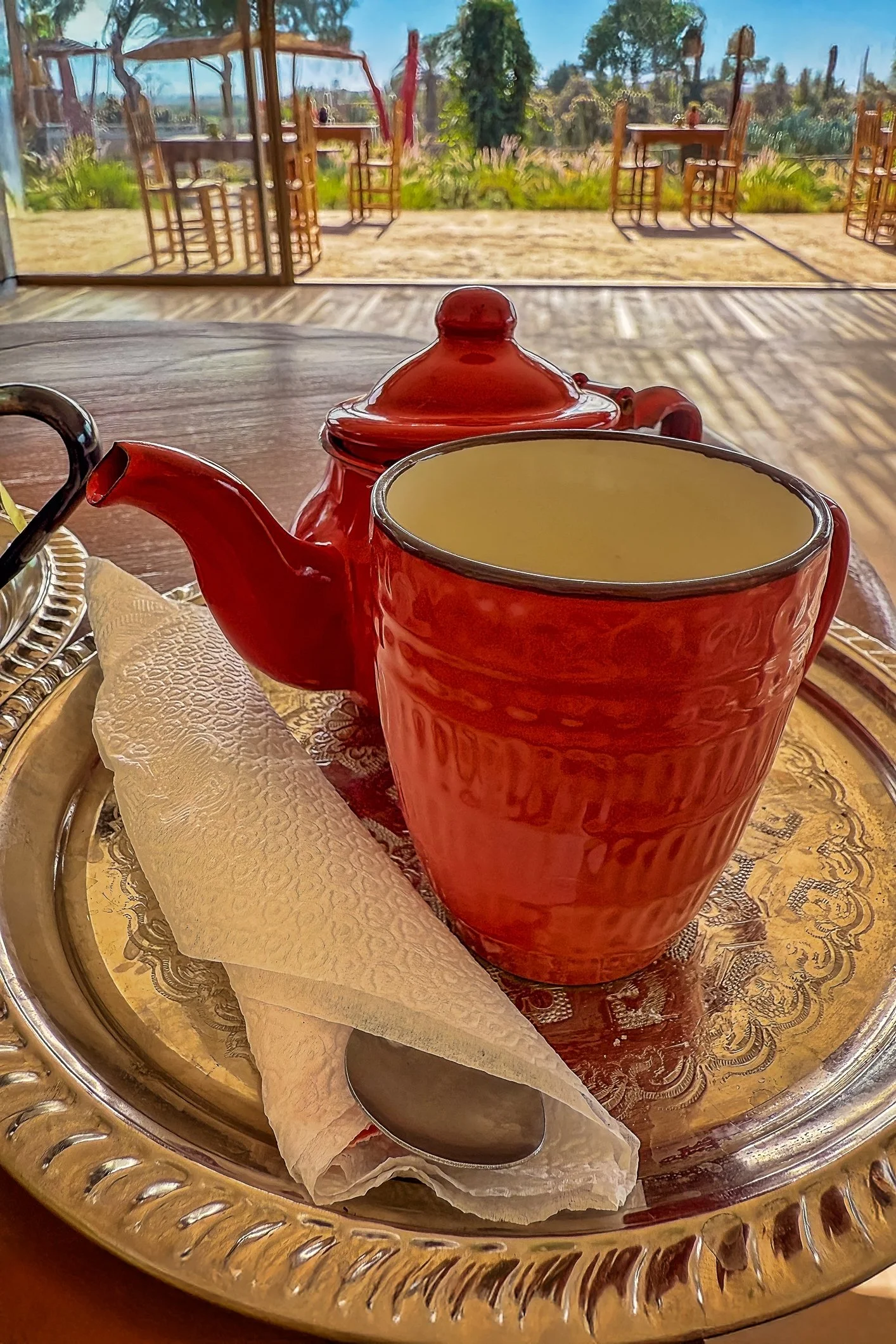
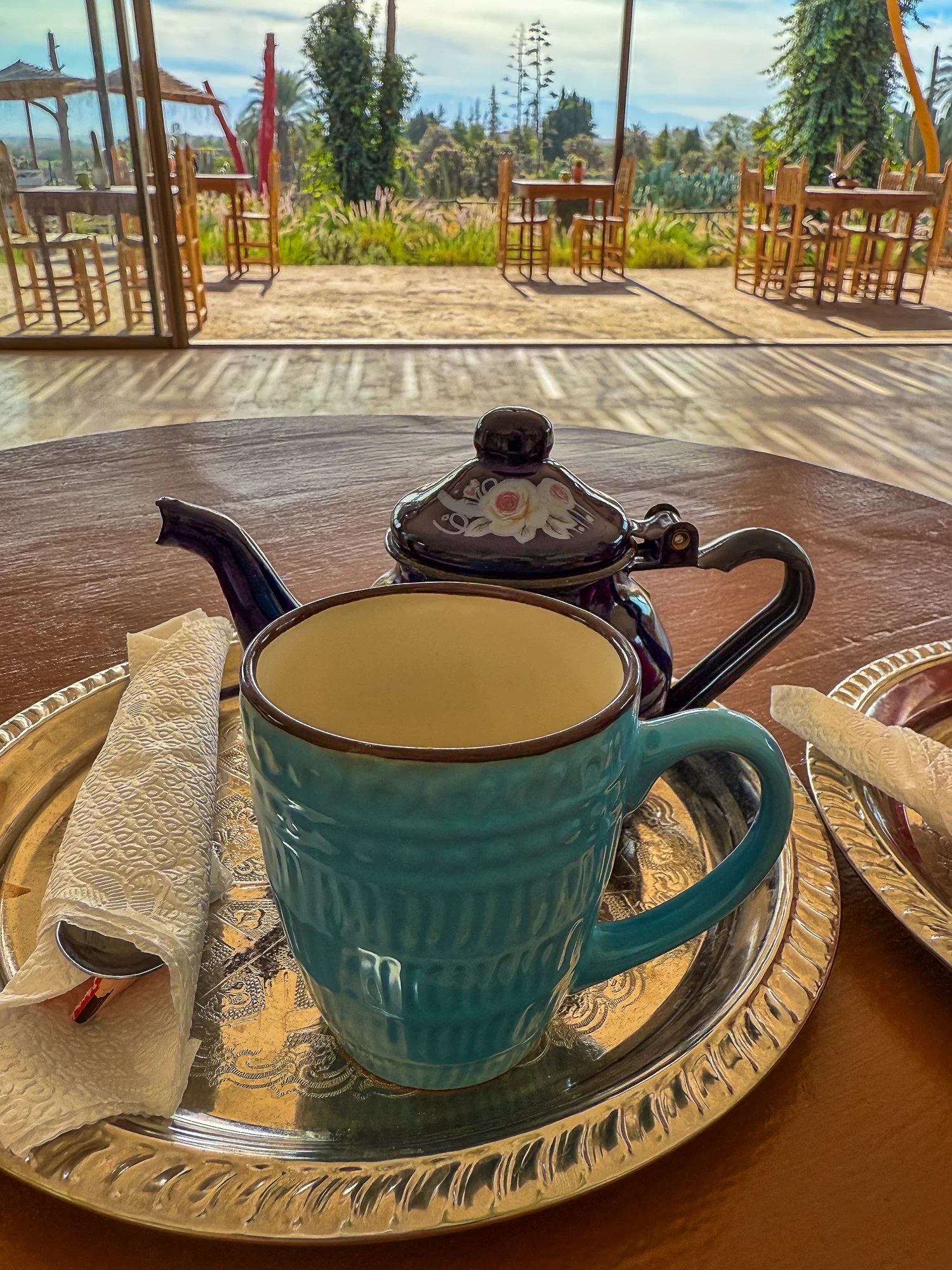
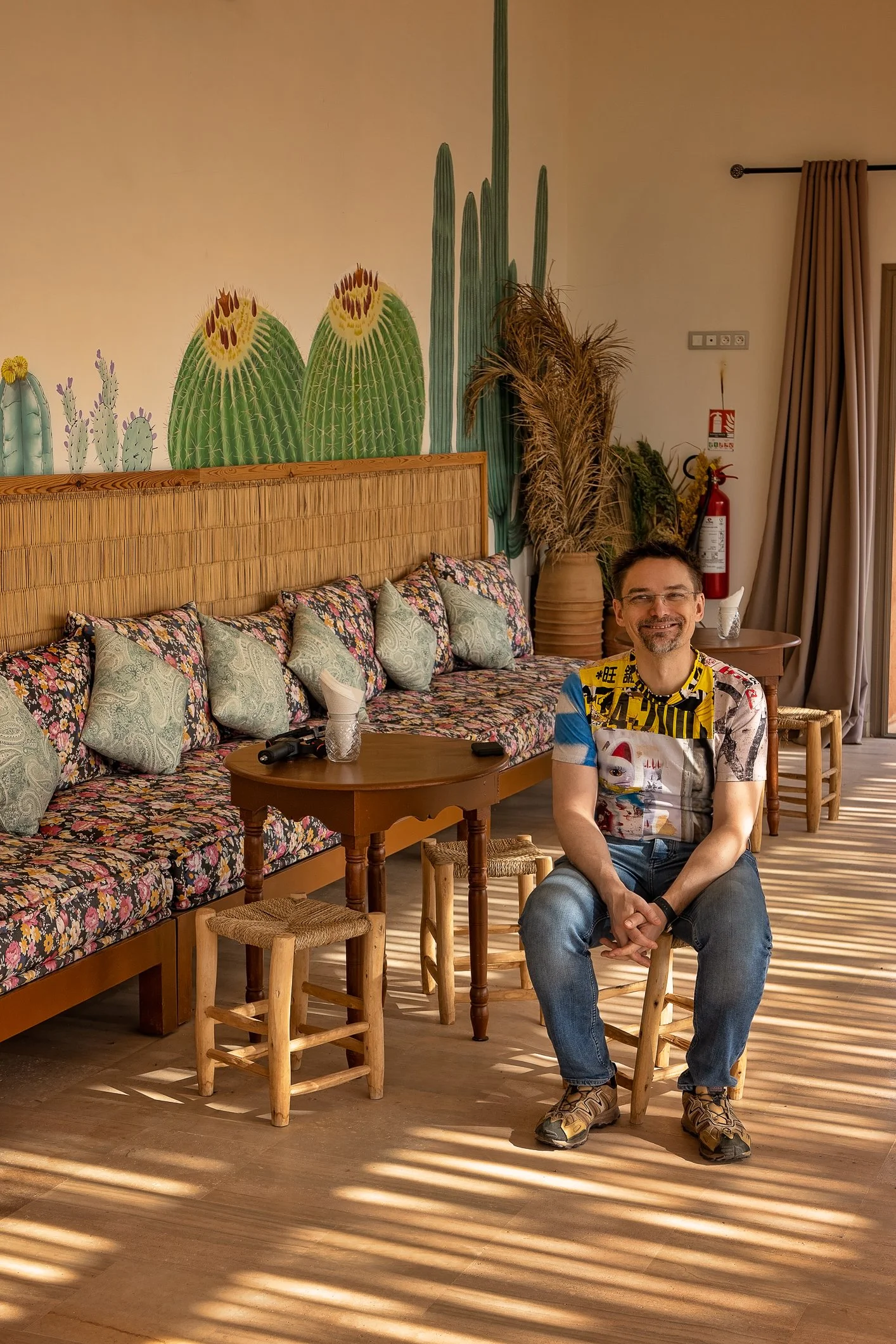
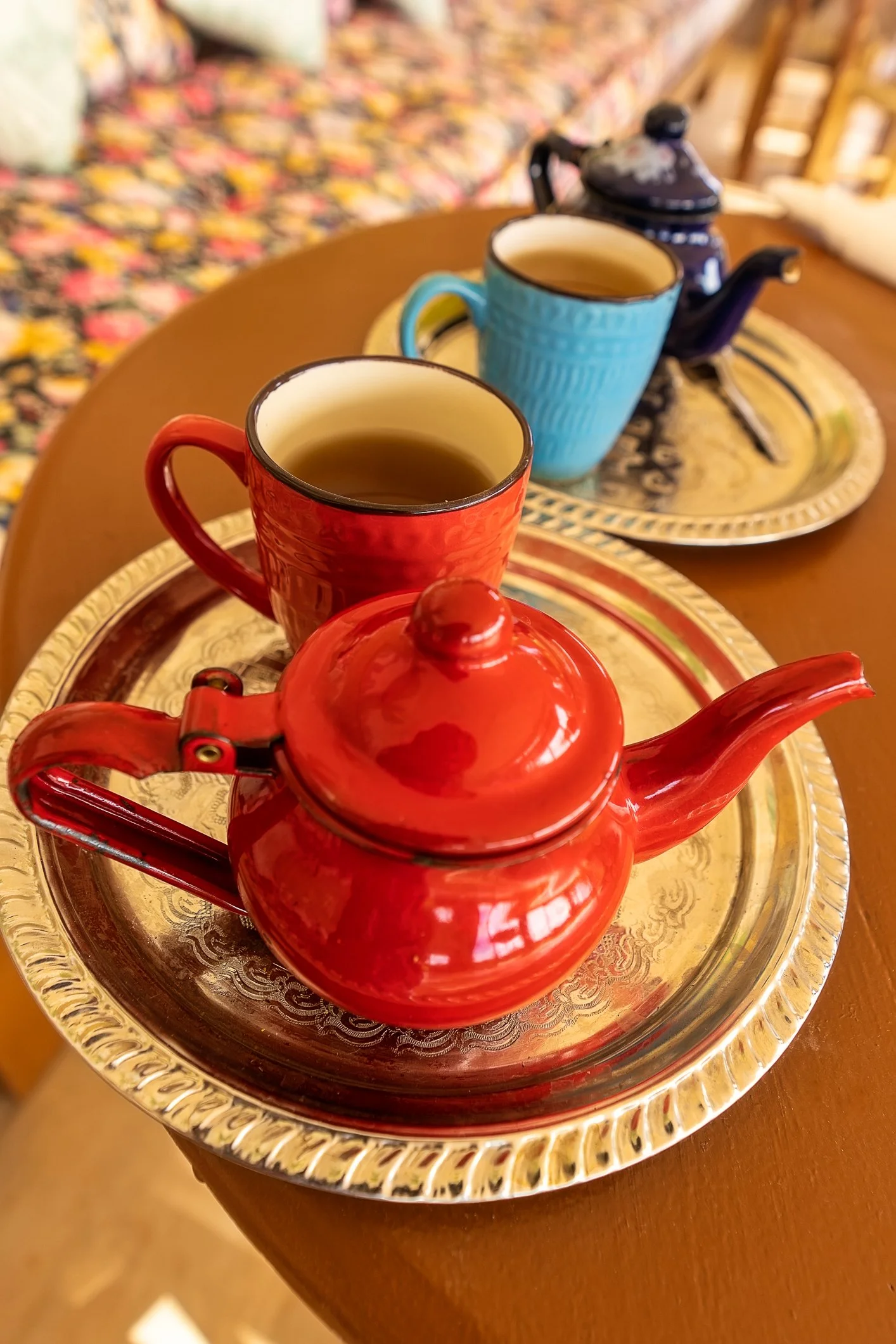
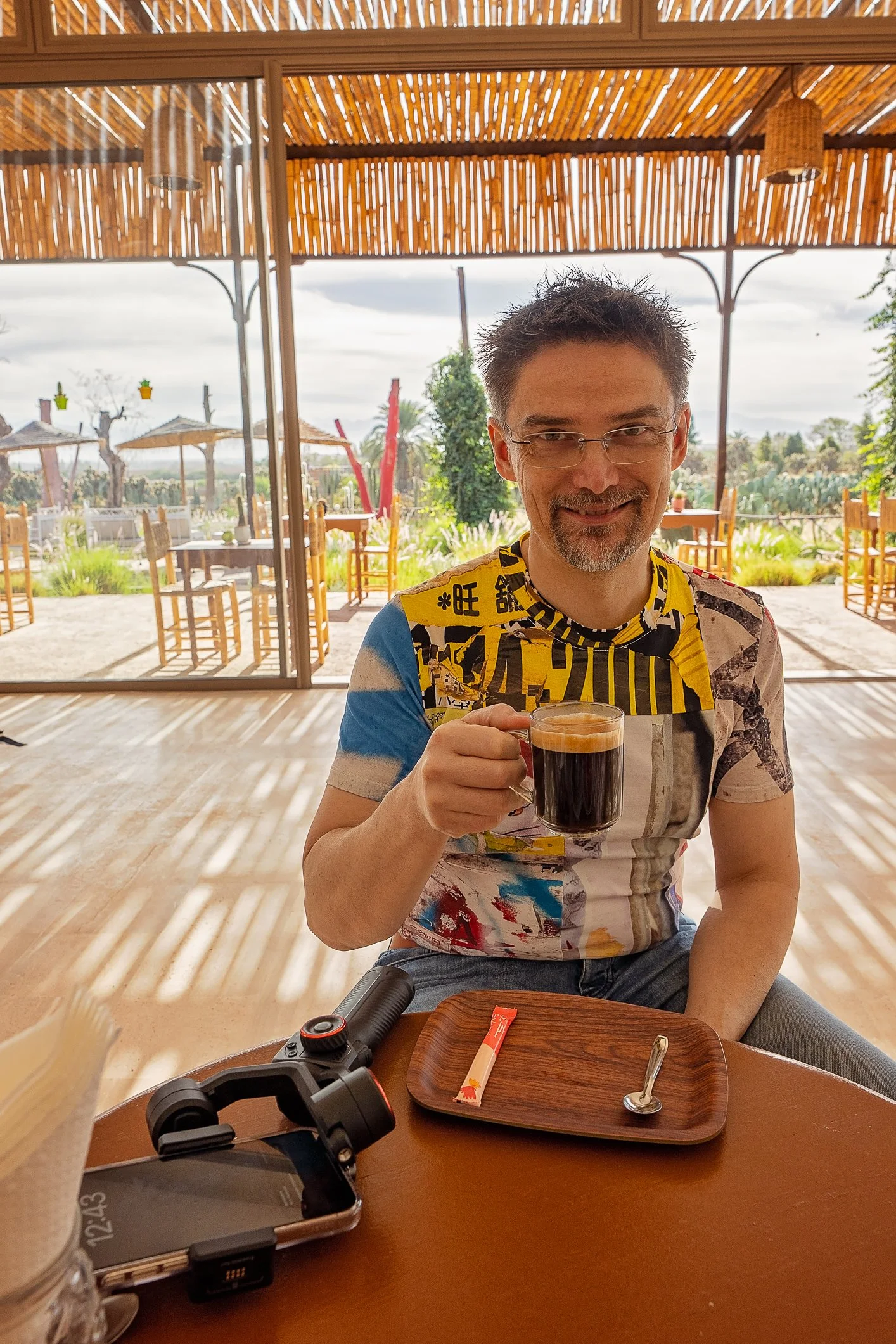
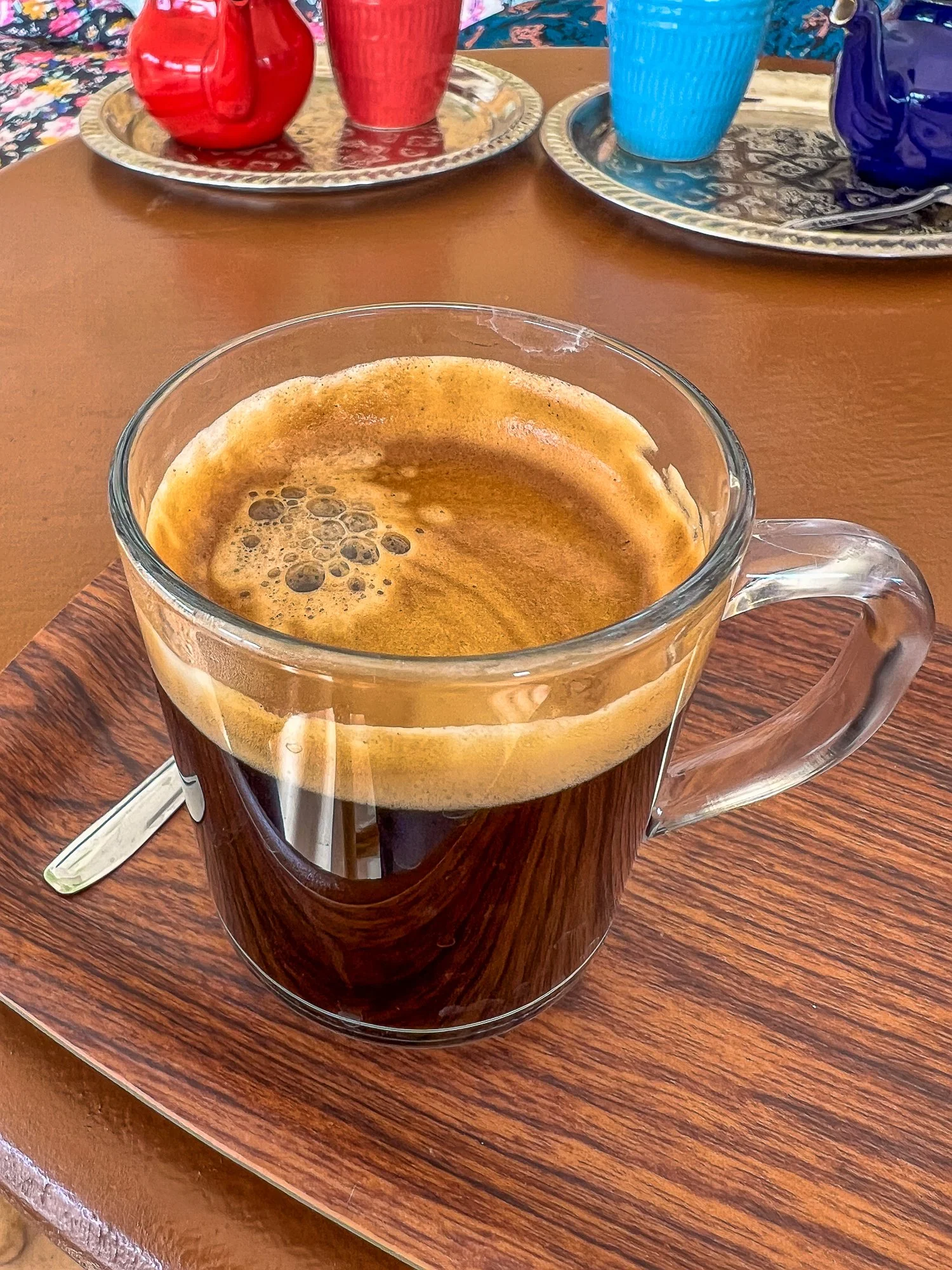
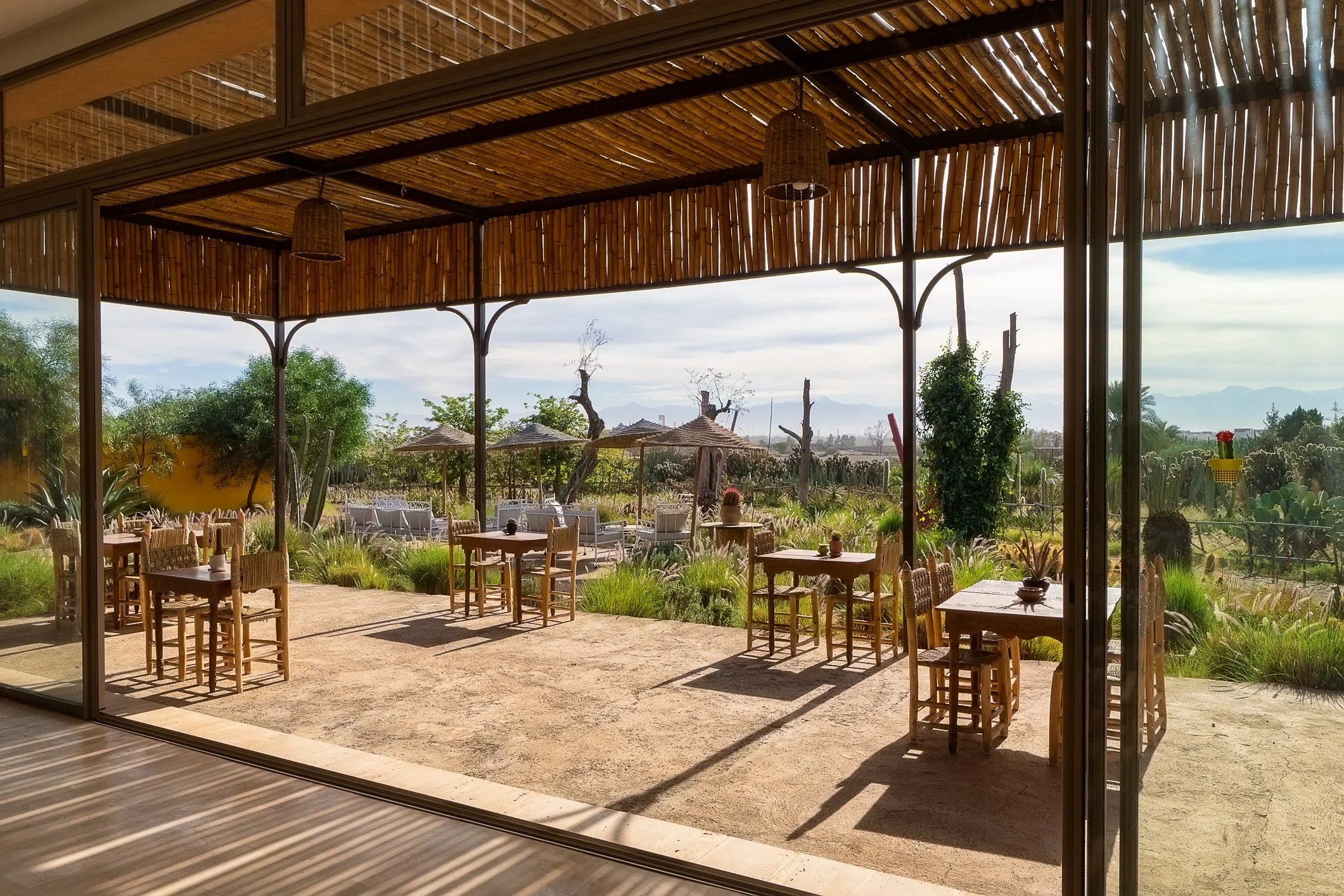
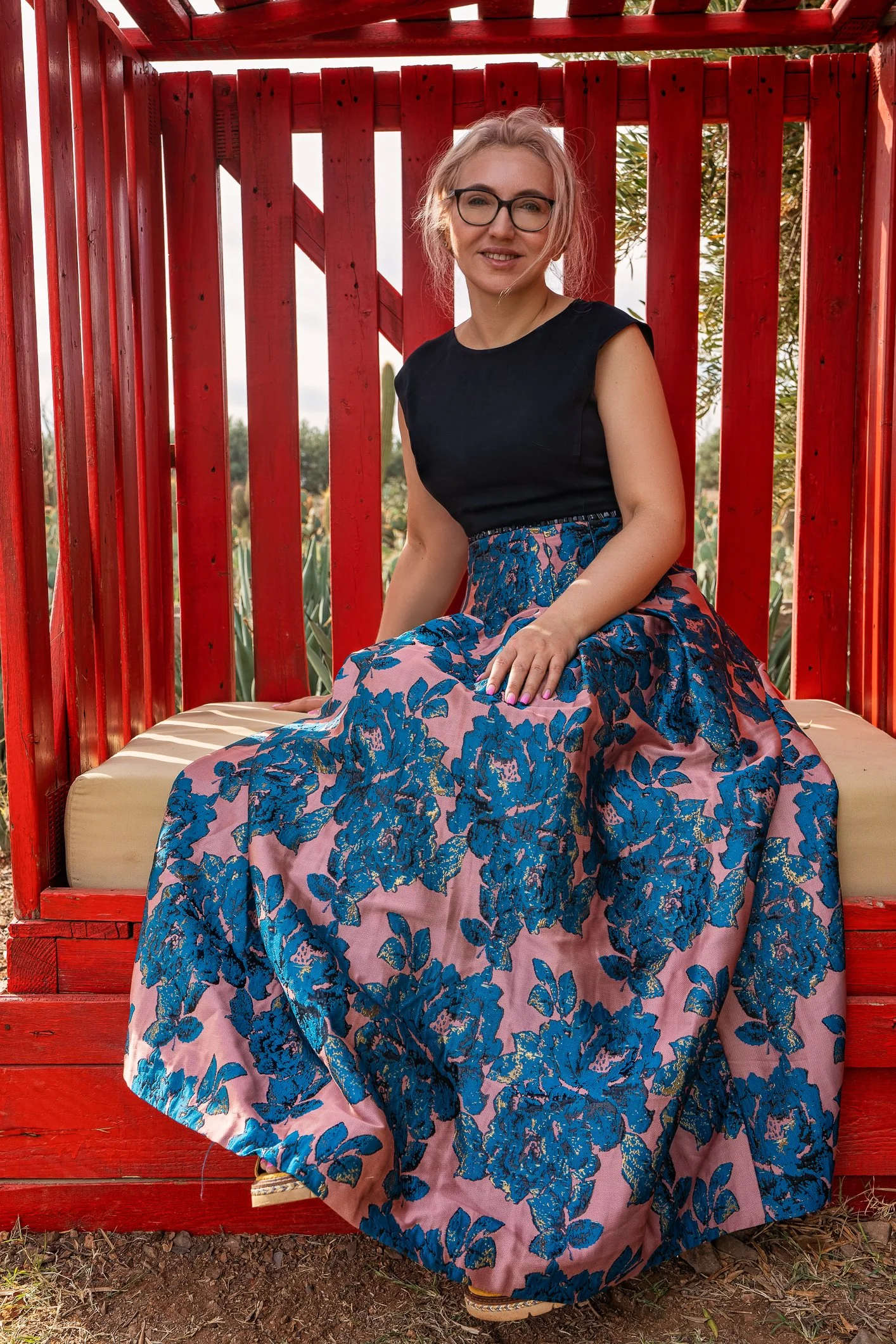
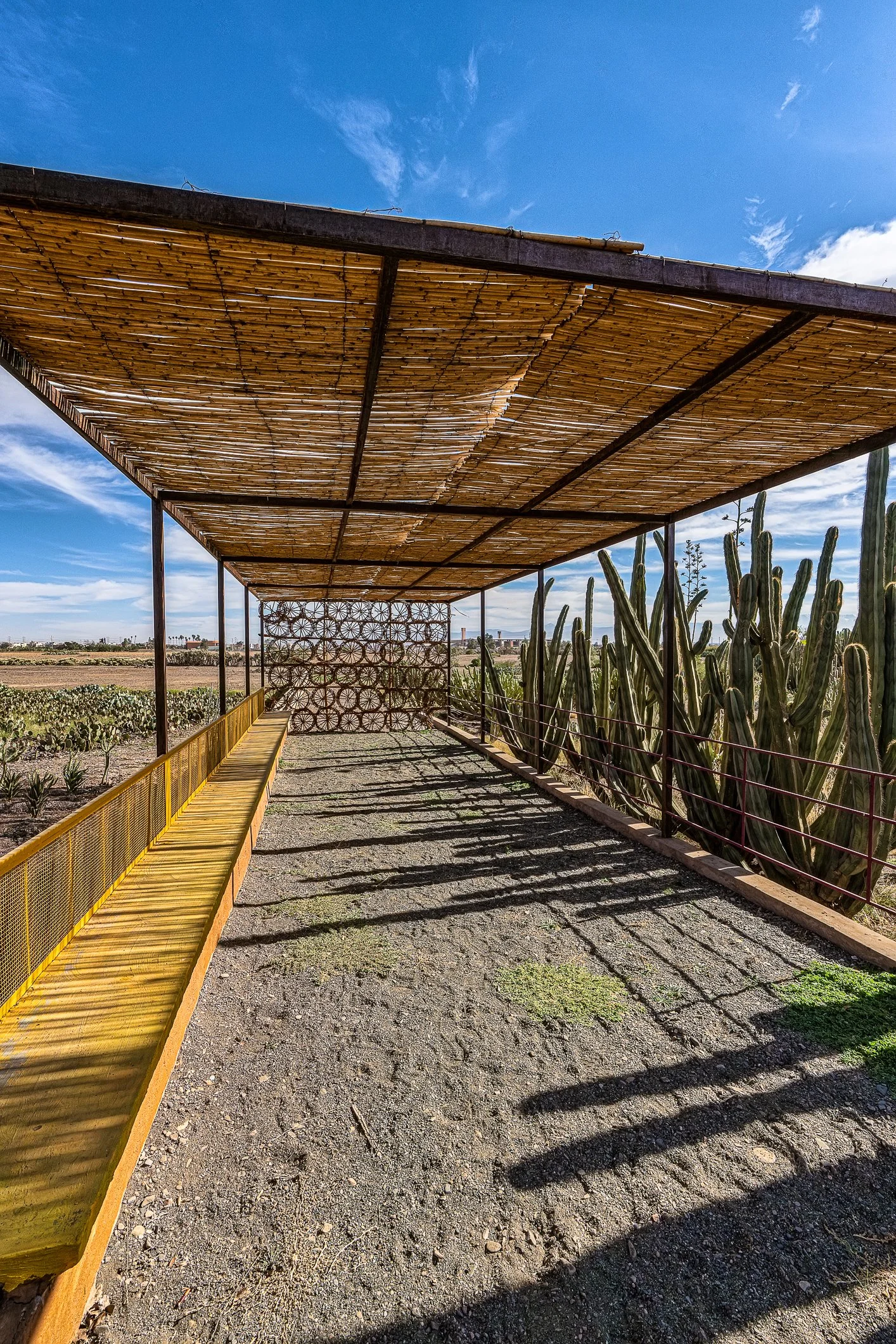
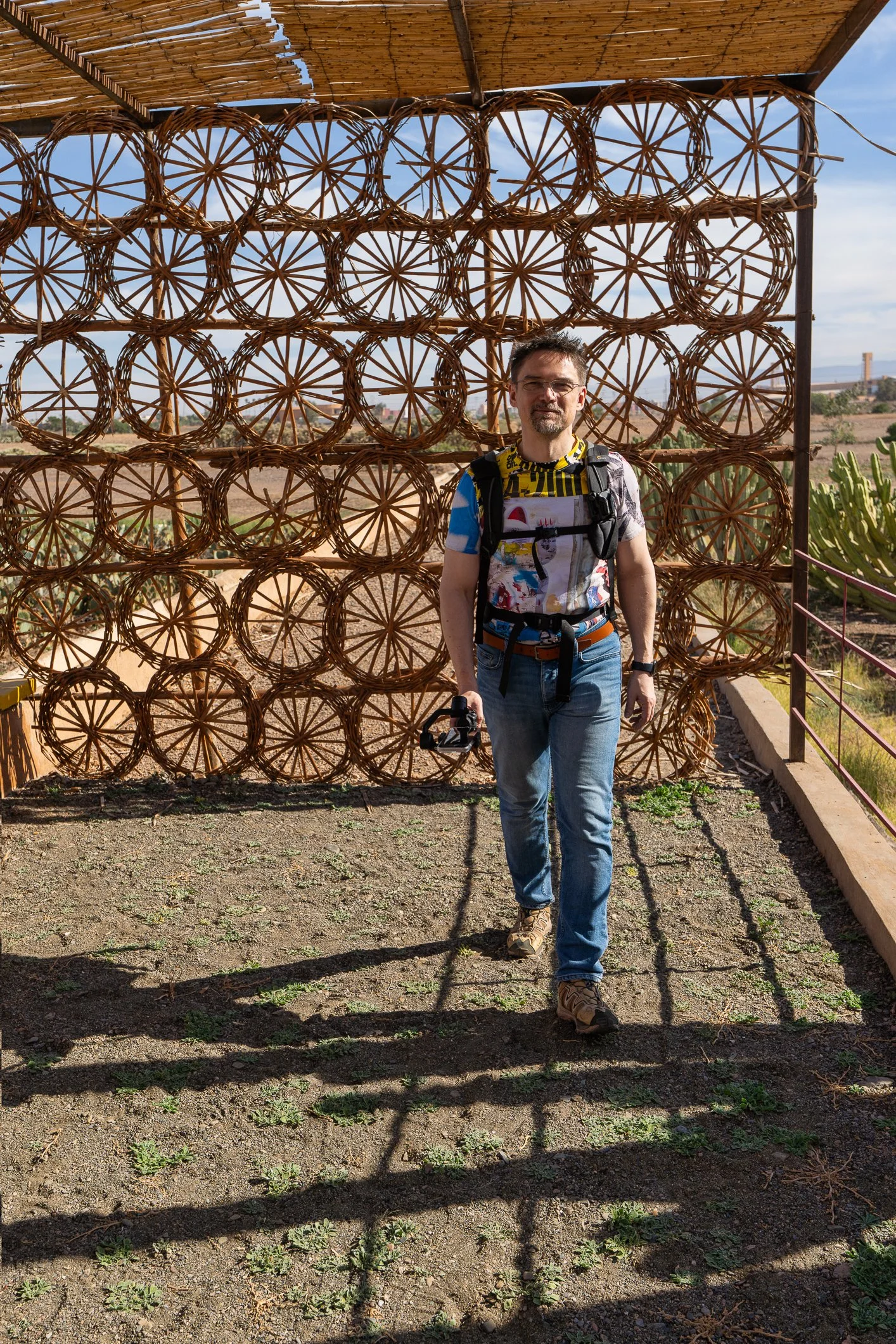
For a couple of hours, we meander through this “forest,” taking pictures and admiring the landscape. As the sun climbs higher, the day becomes hotter, and we retreat to the on-site café to rehydrate. The café is really charming, with light and shadow creating beautiful patterns, and it offers a commanding view over the garden.

Przez dobre kilka godzin spacerujemy po kaktusowym lesie, robimy zdjęcia i po prostu chłoniemy ten krajobraz. Tymczasem słonce wspina się po nieboskłonie i zaczyna przygrzewać więc udajemy się do kawiarni na terenie ogrodu w celu nawodnienia. Kafejka jest naprawdę urokliwa - gra światła i cienia tworzy piękne wzory w jej wnętrzu, a widok na ogród tylko dodaje klimatu.
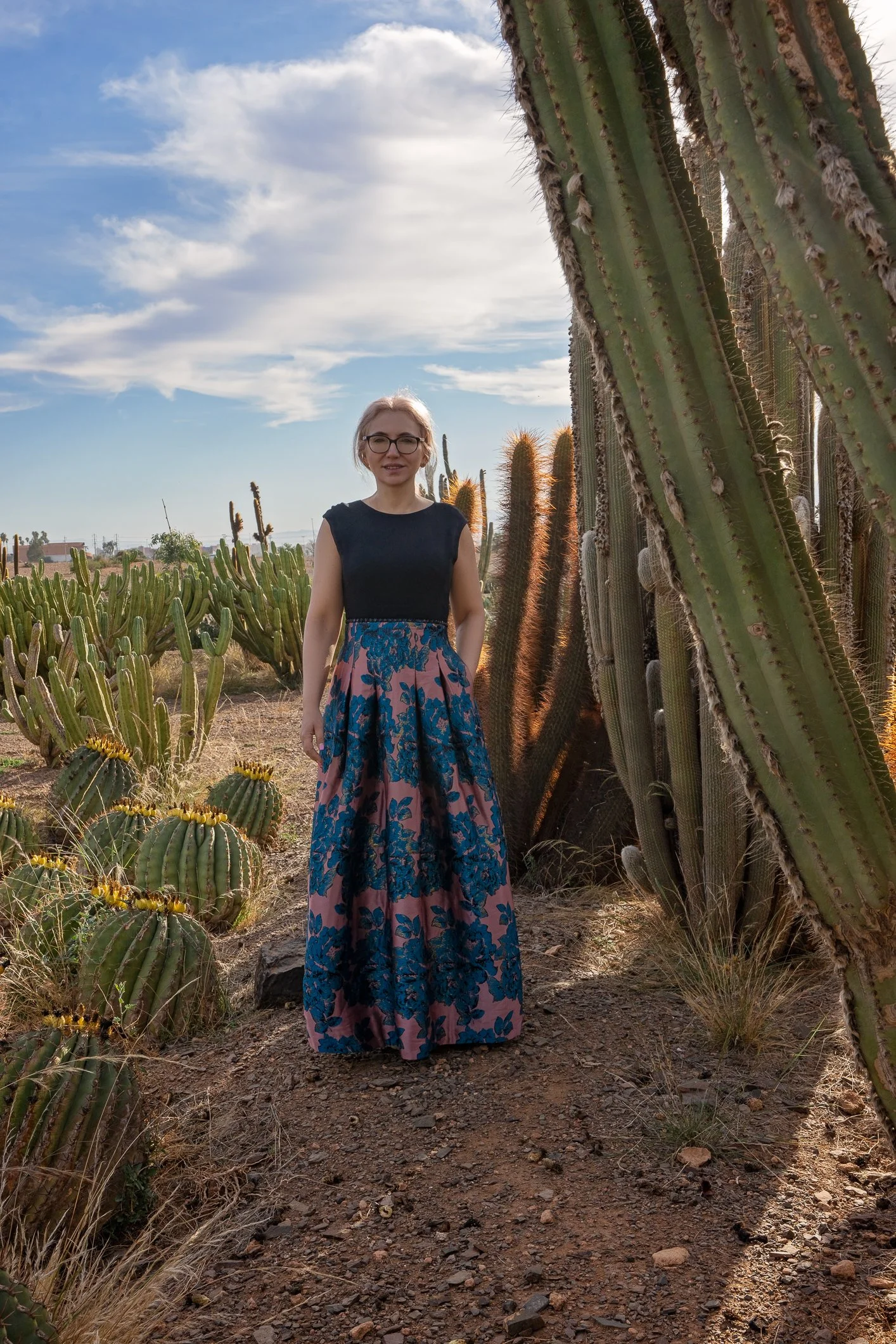
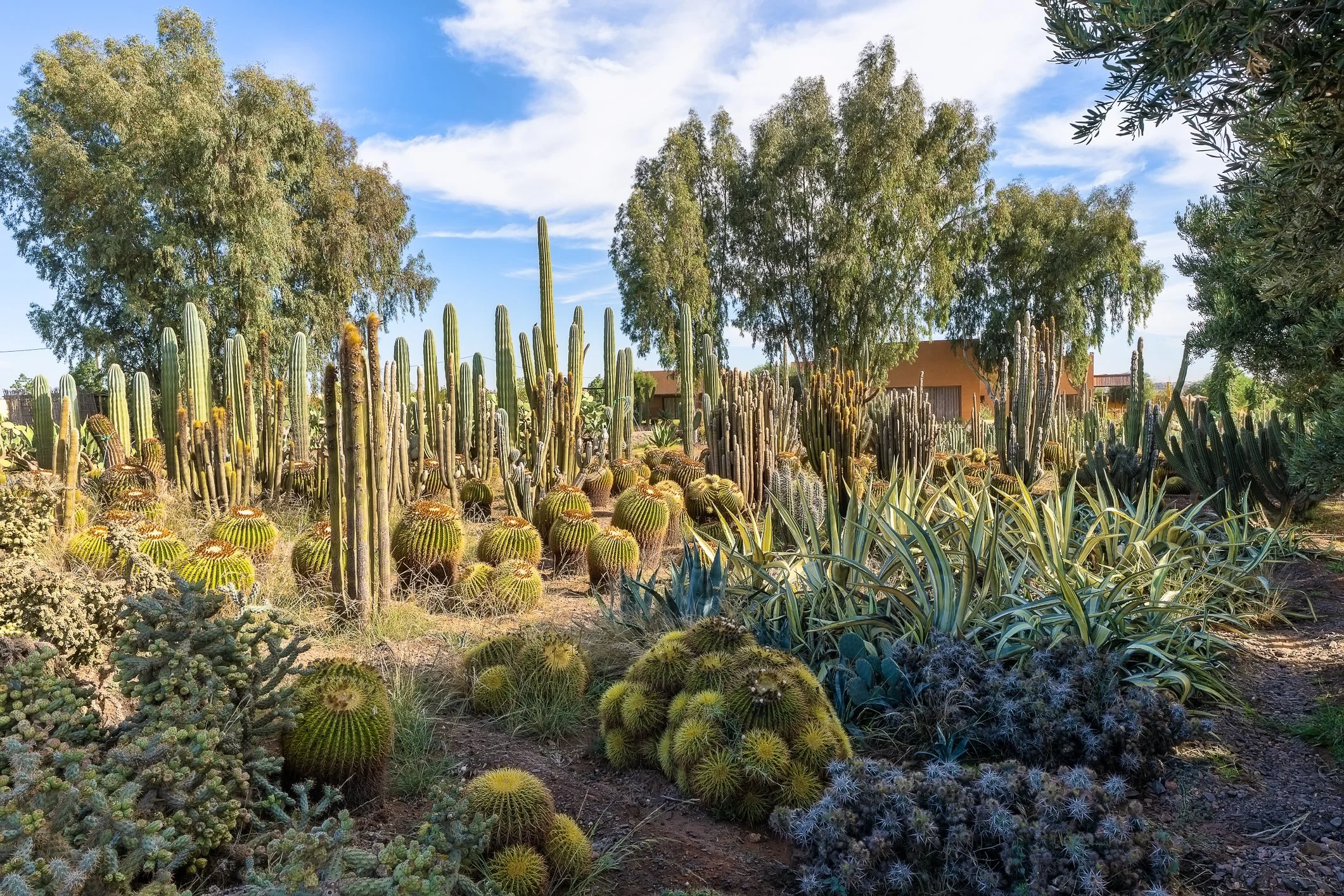
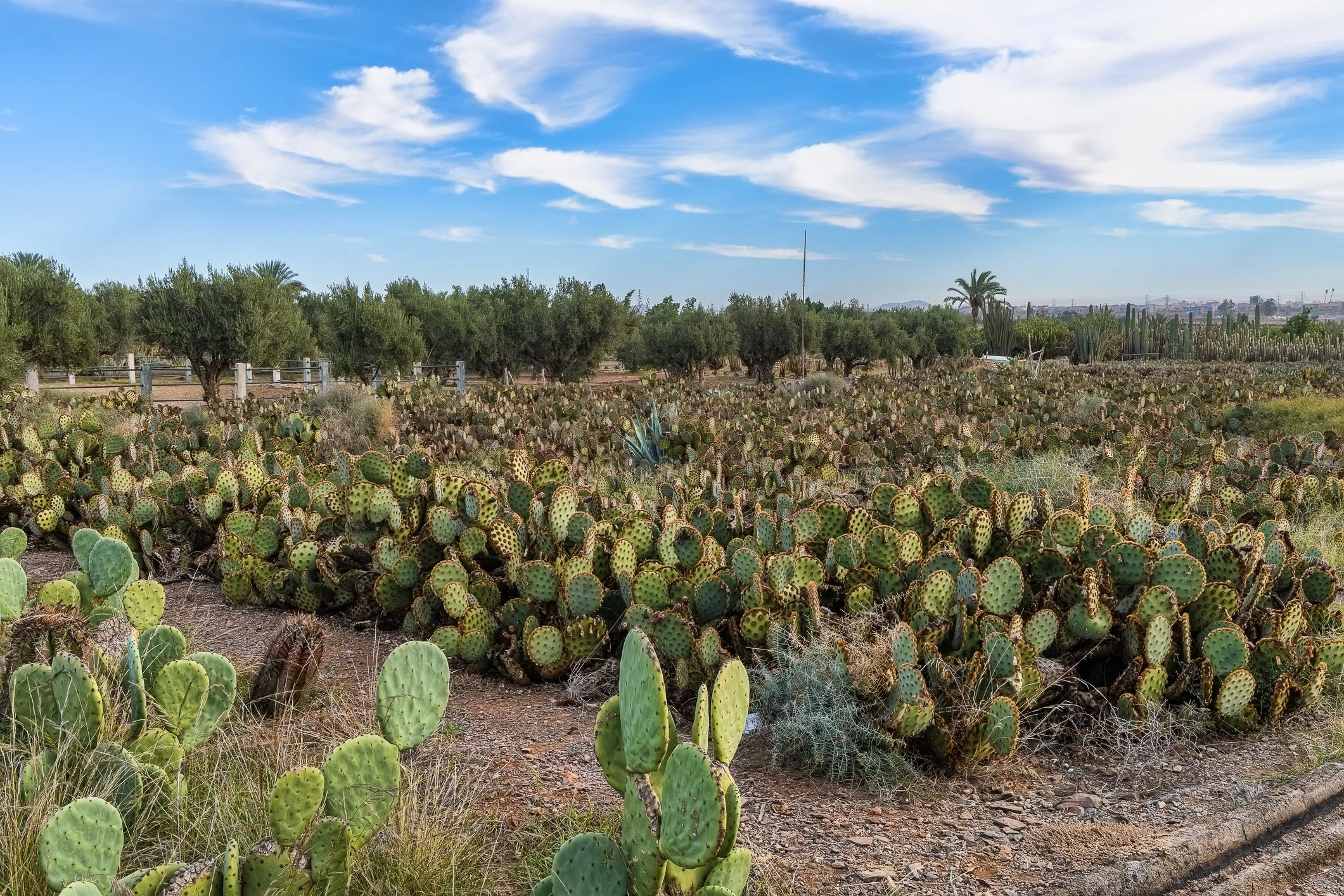
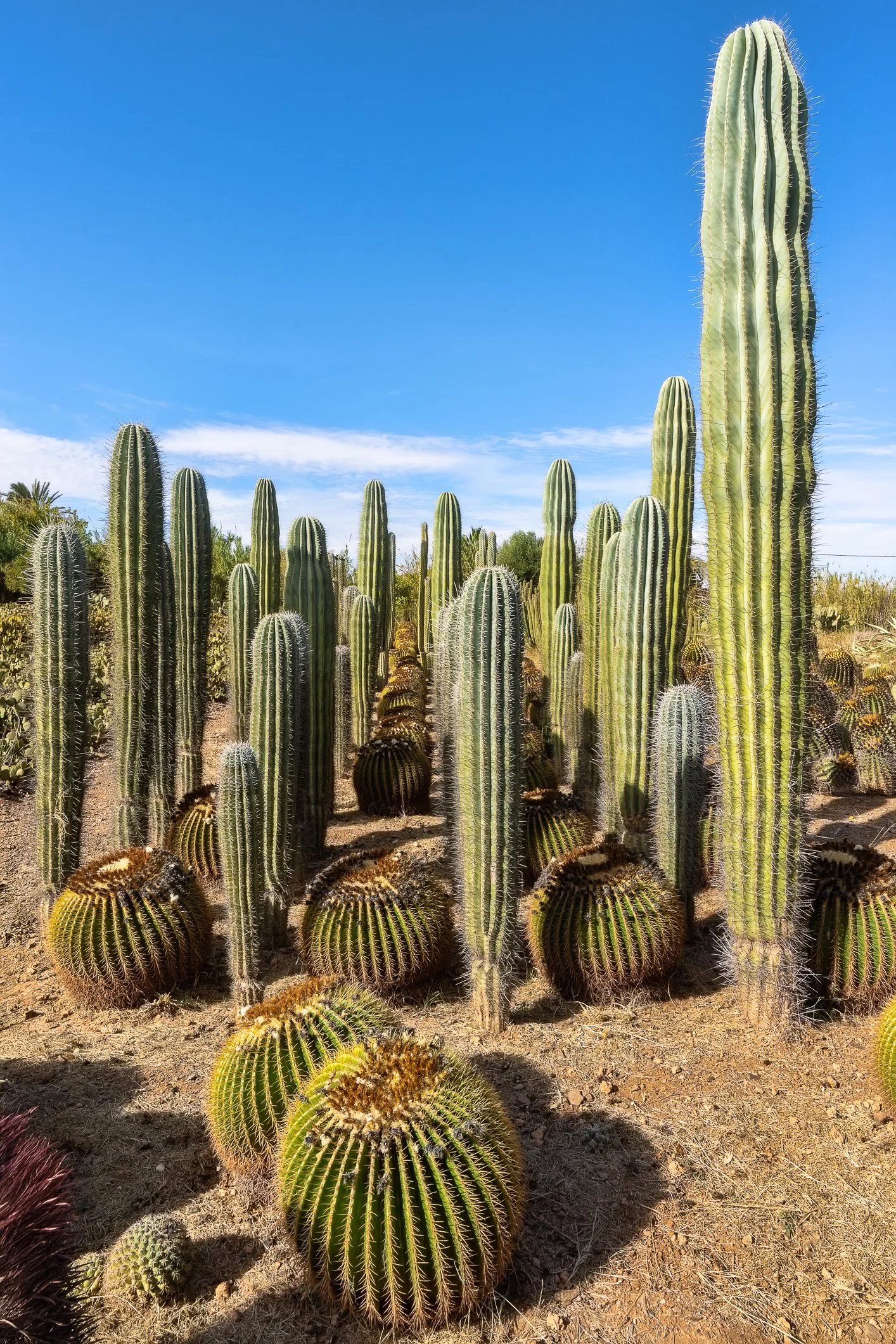
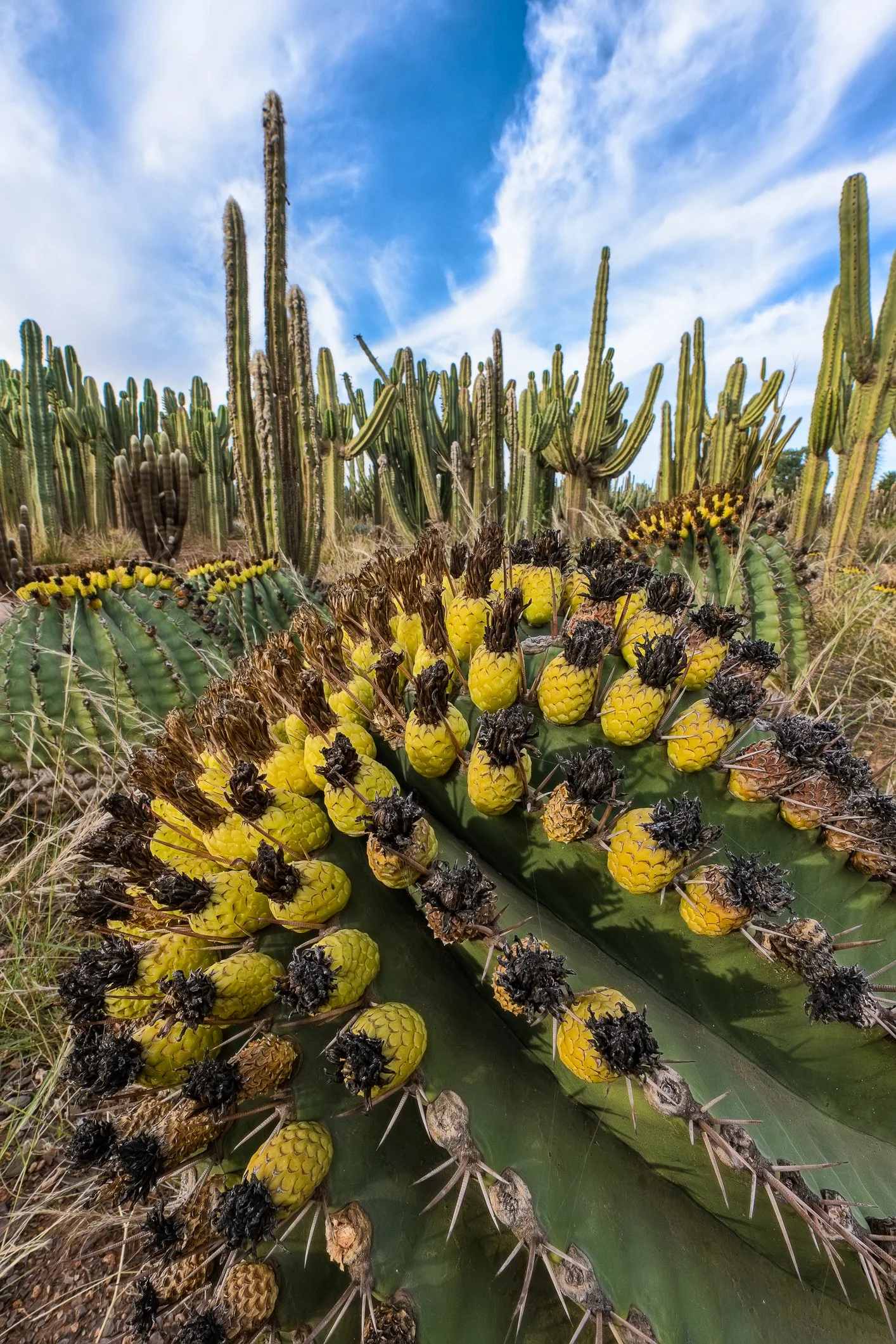
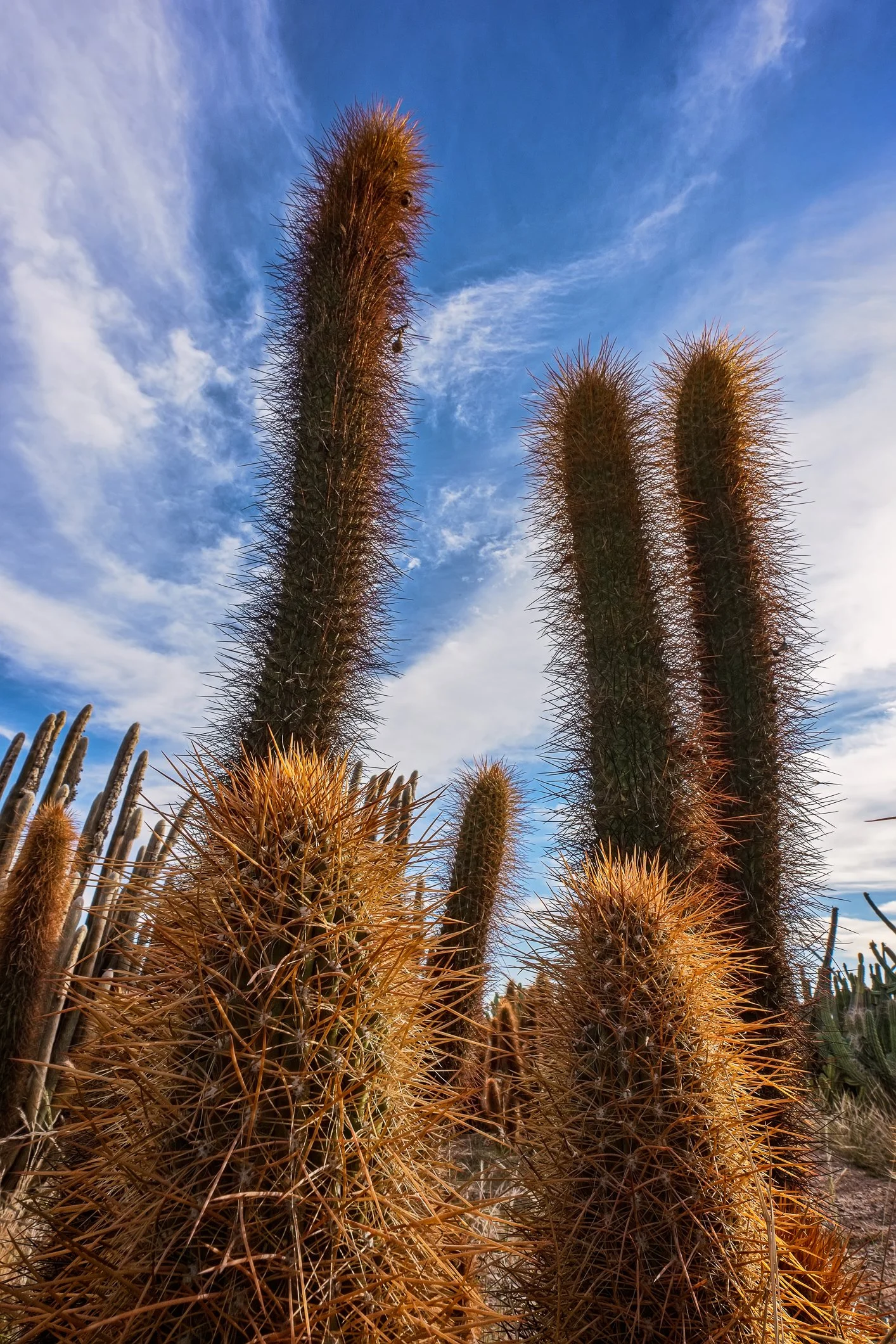
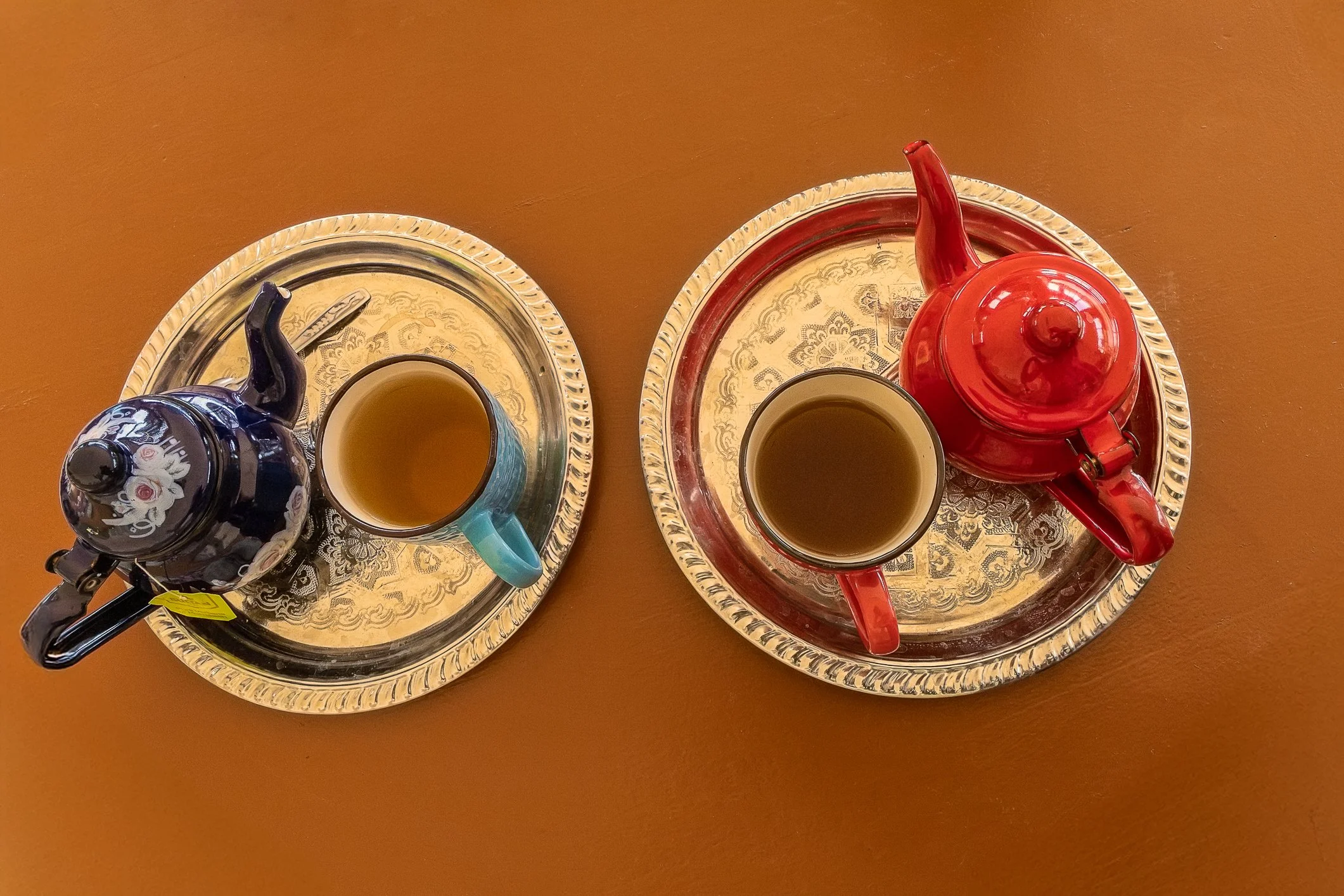
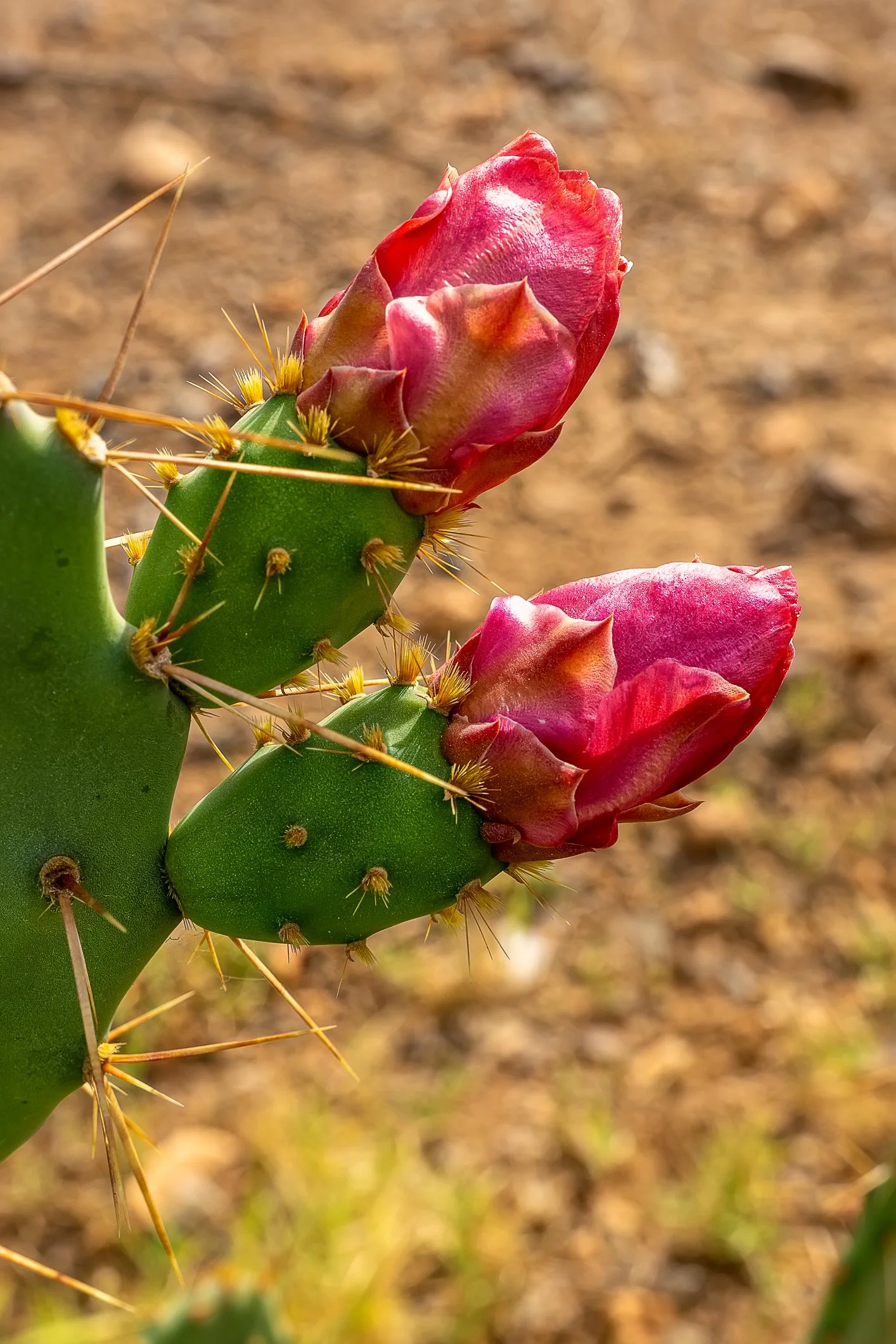
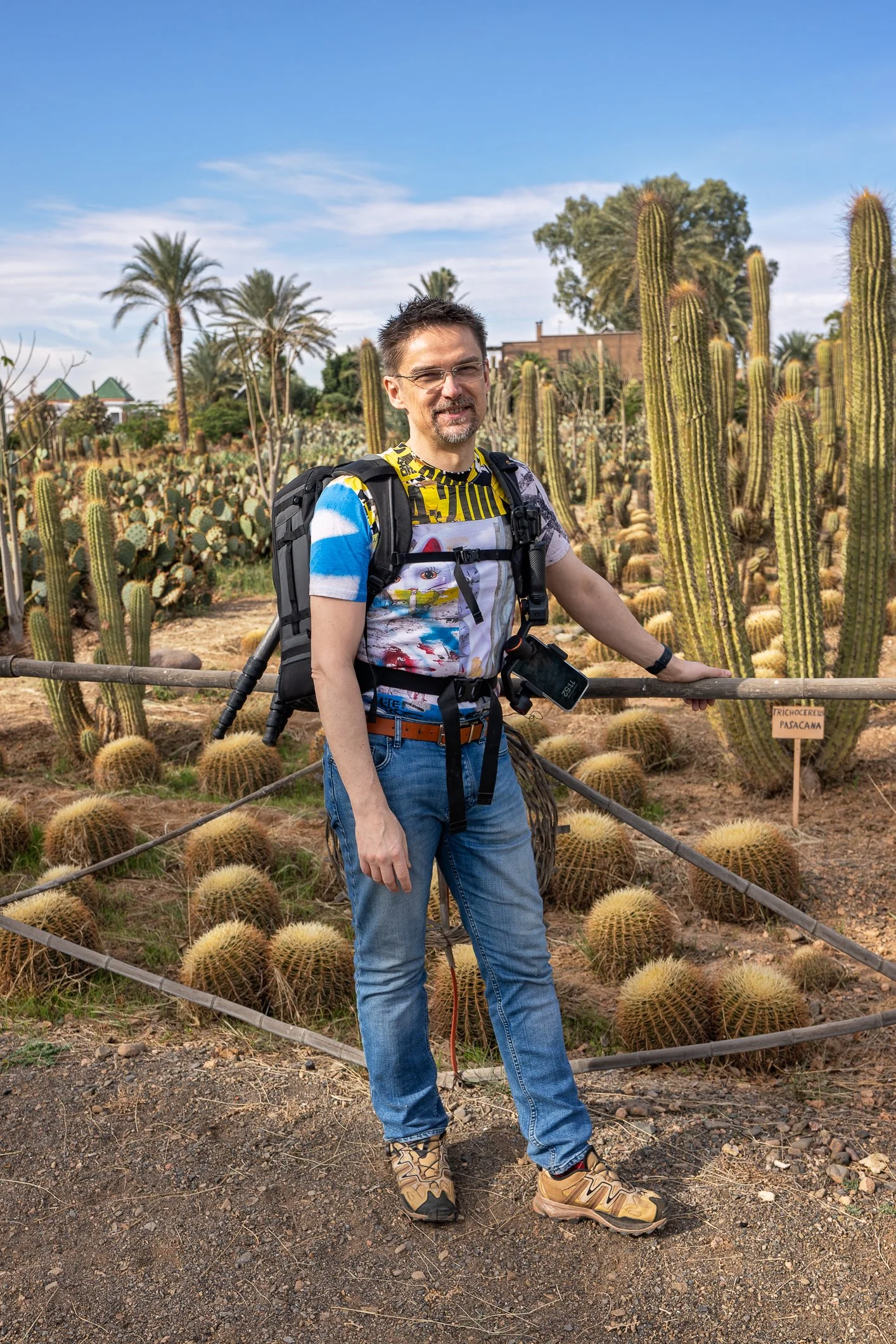
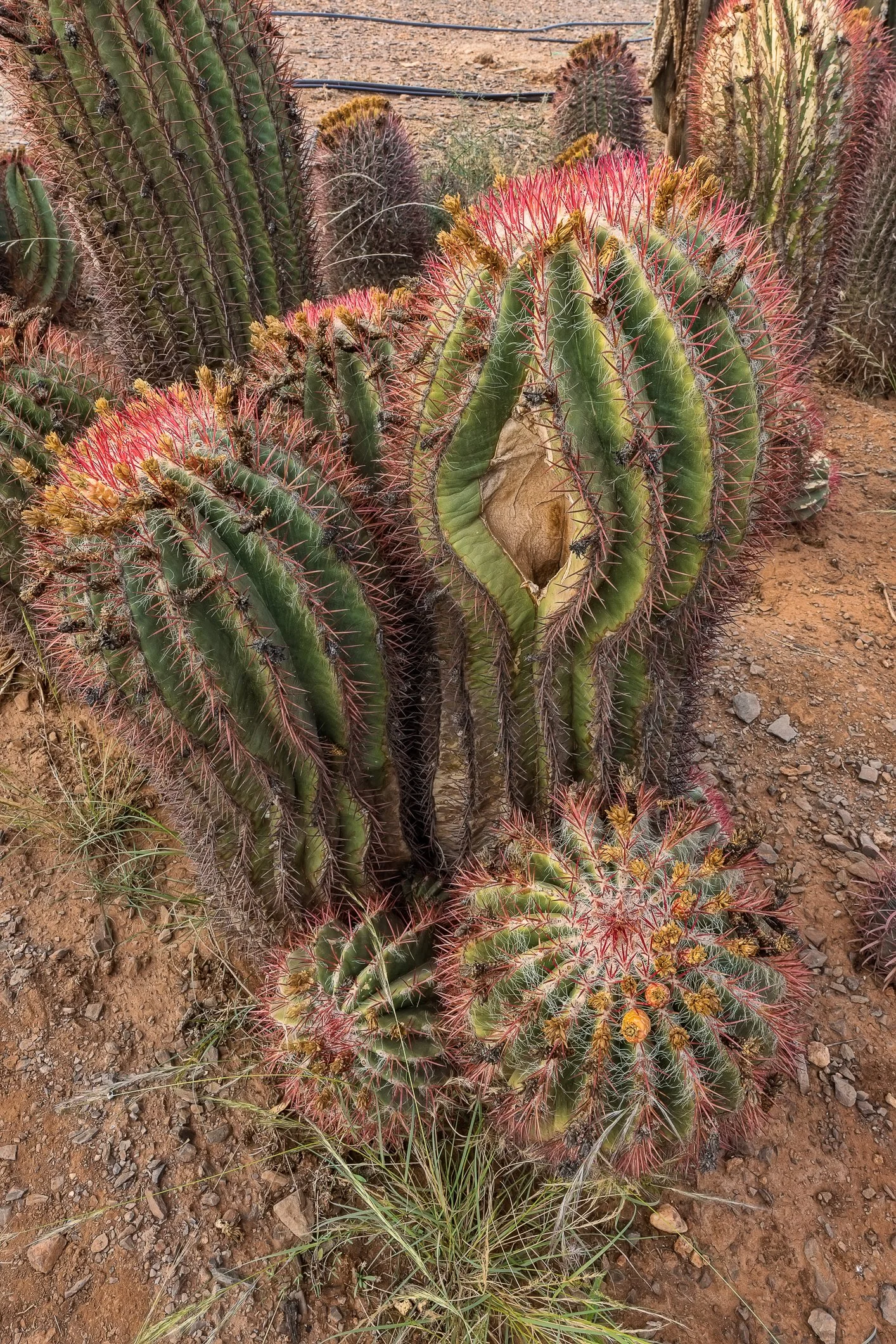
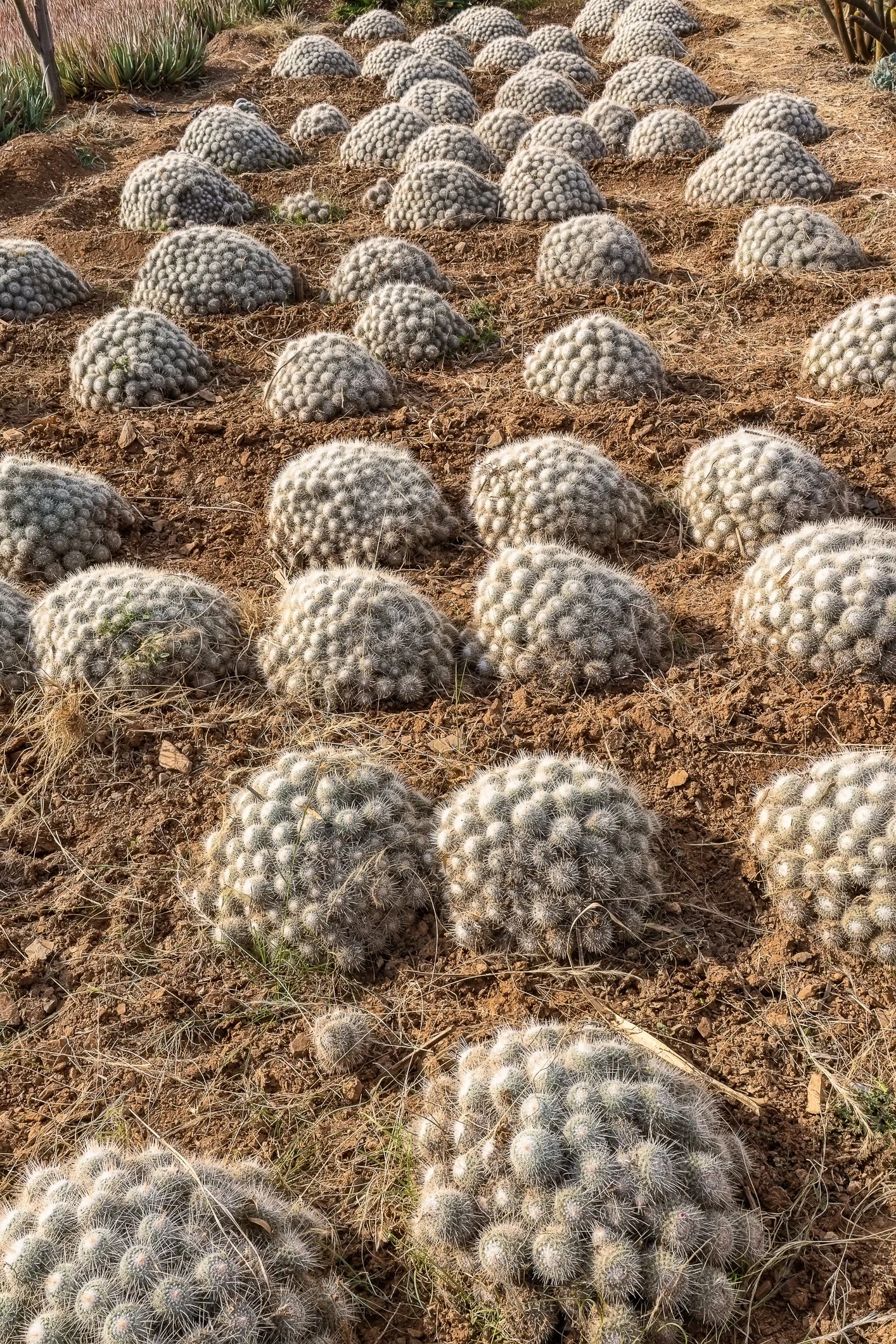
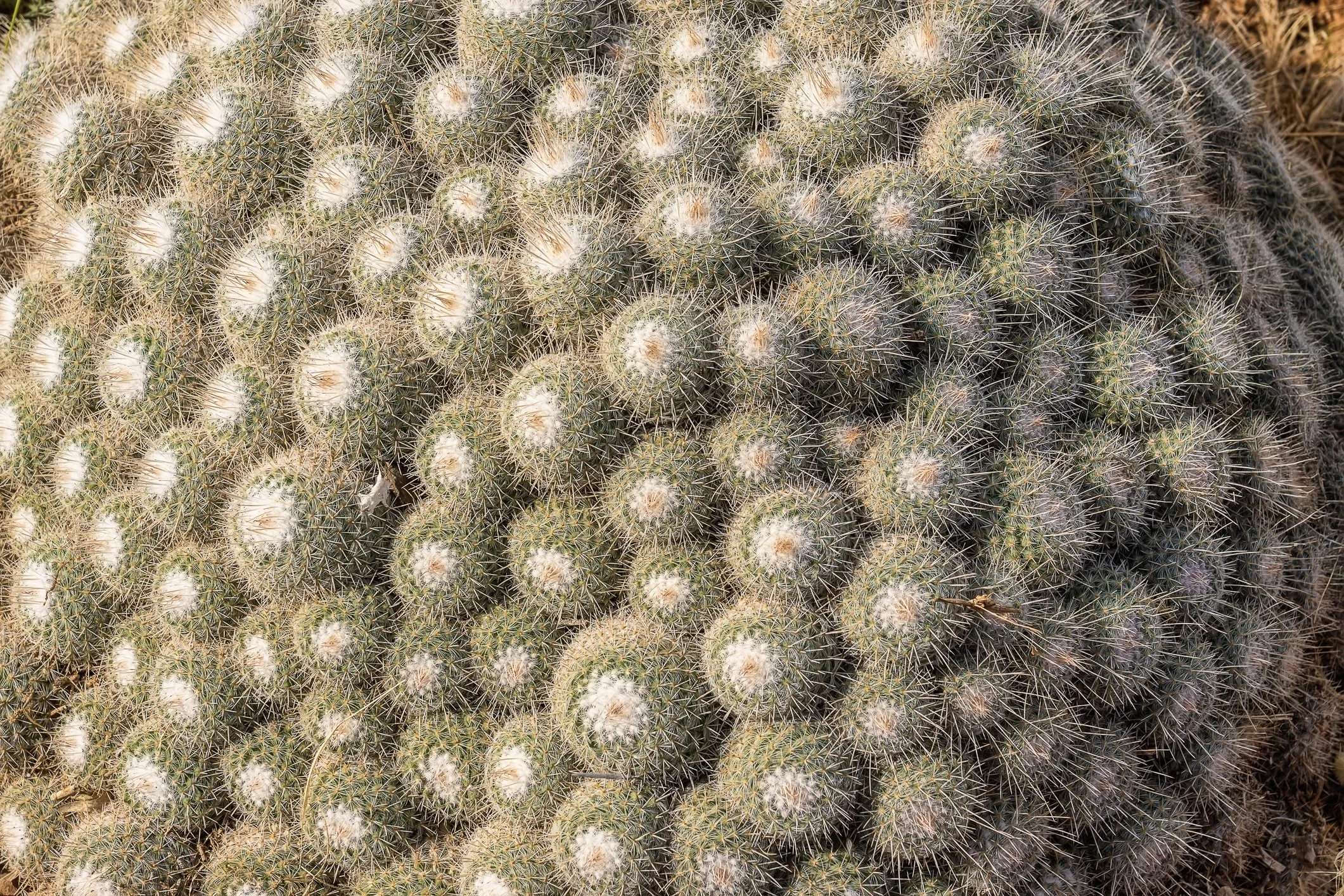
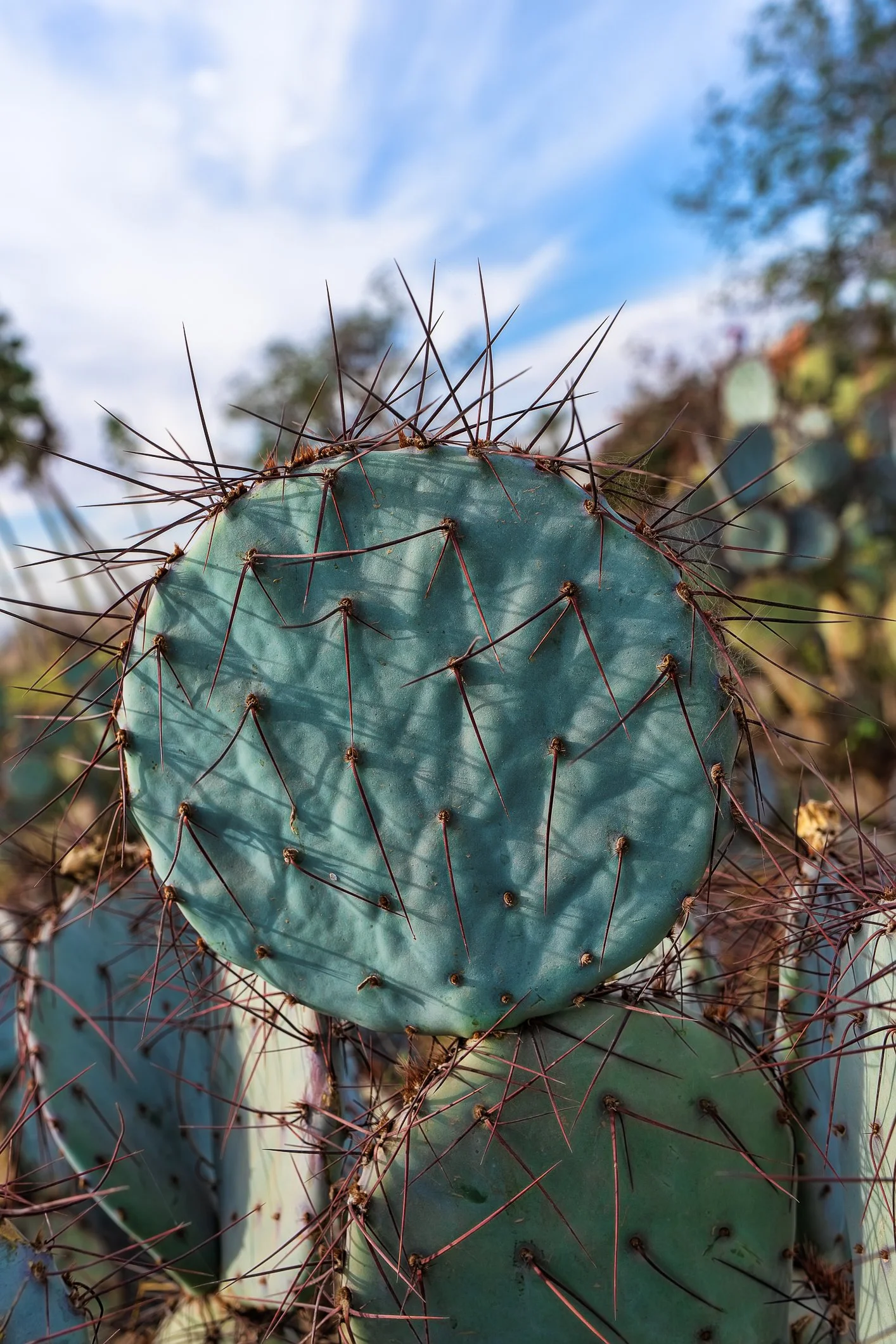
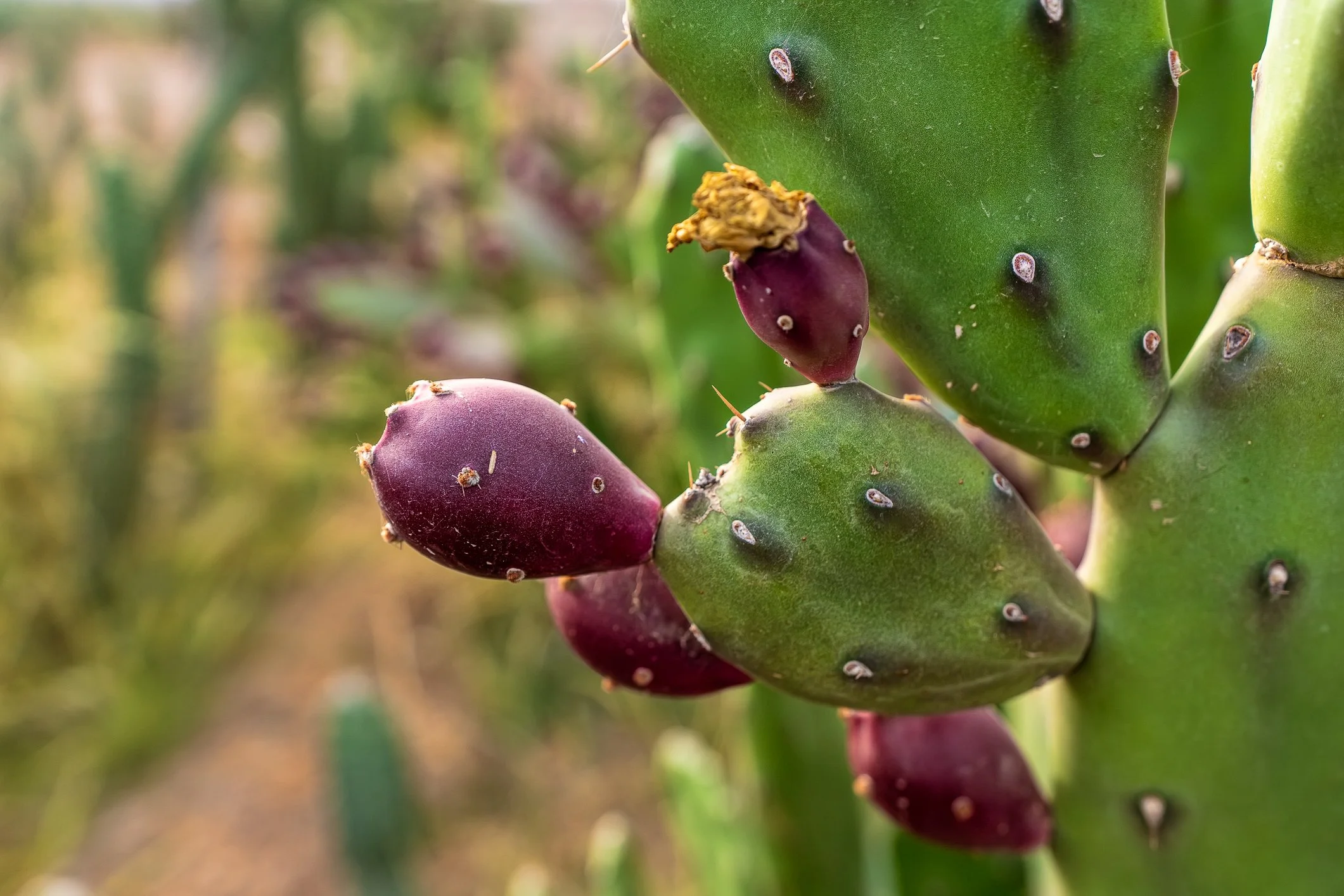
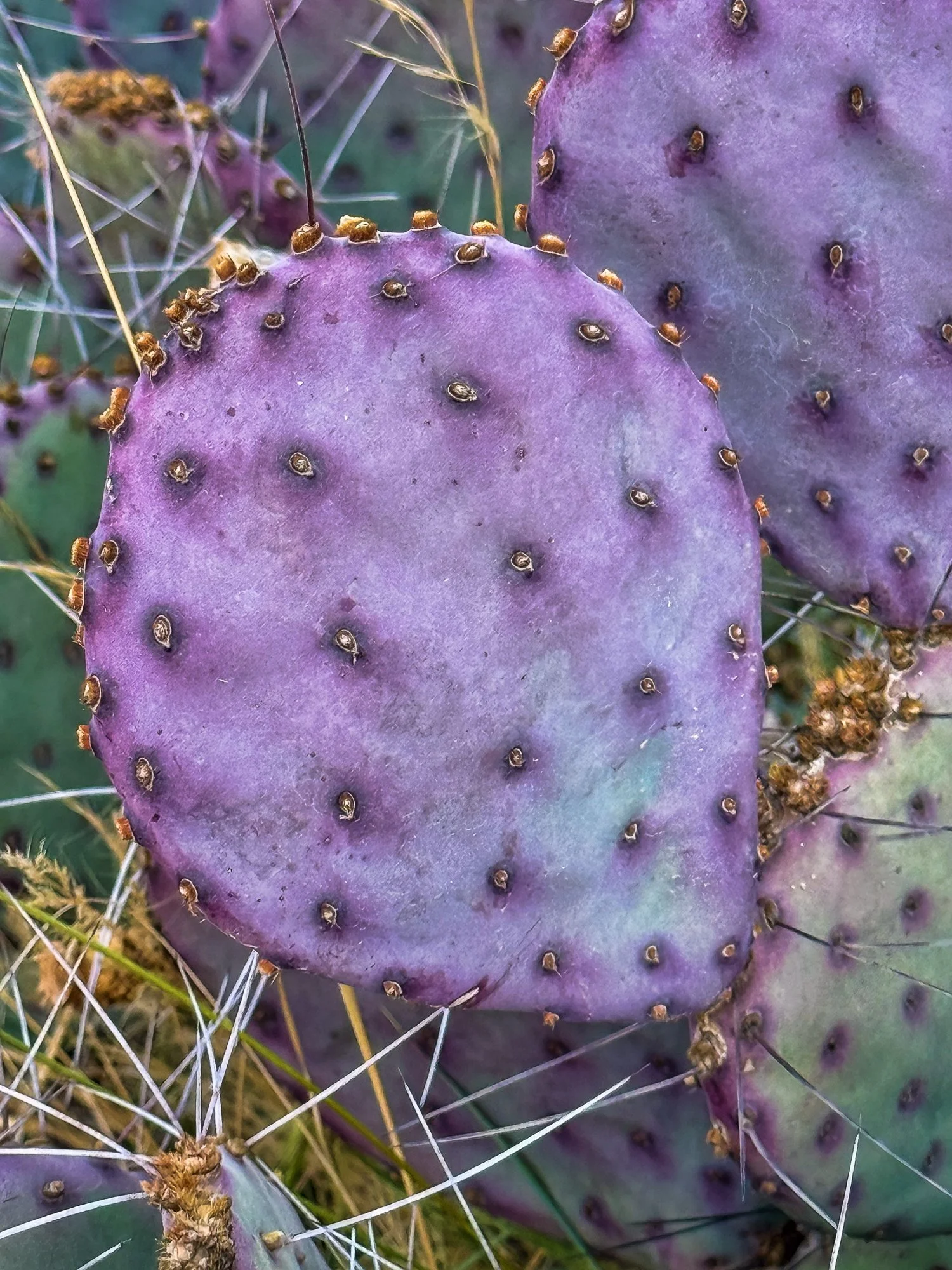
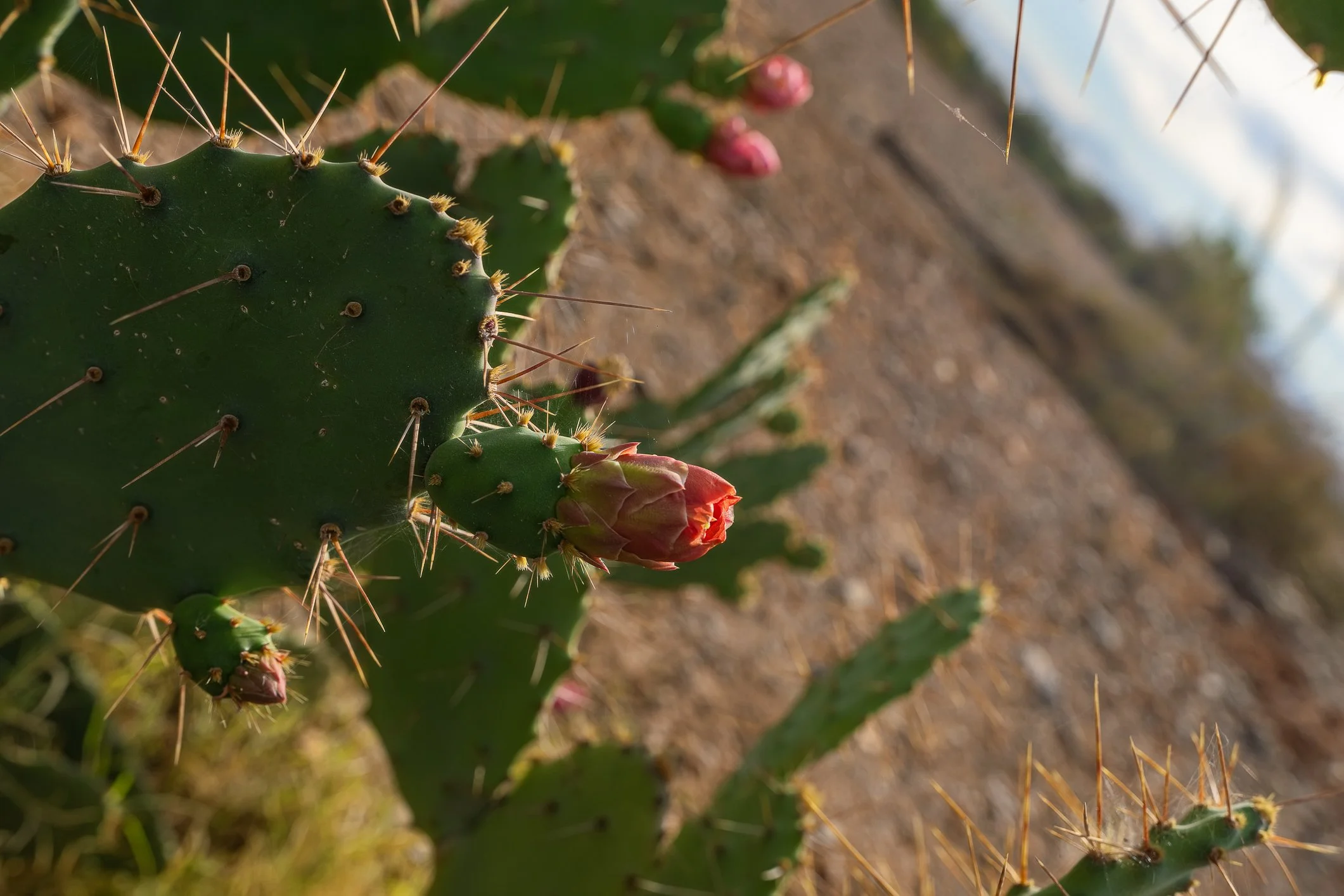
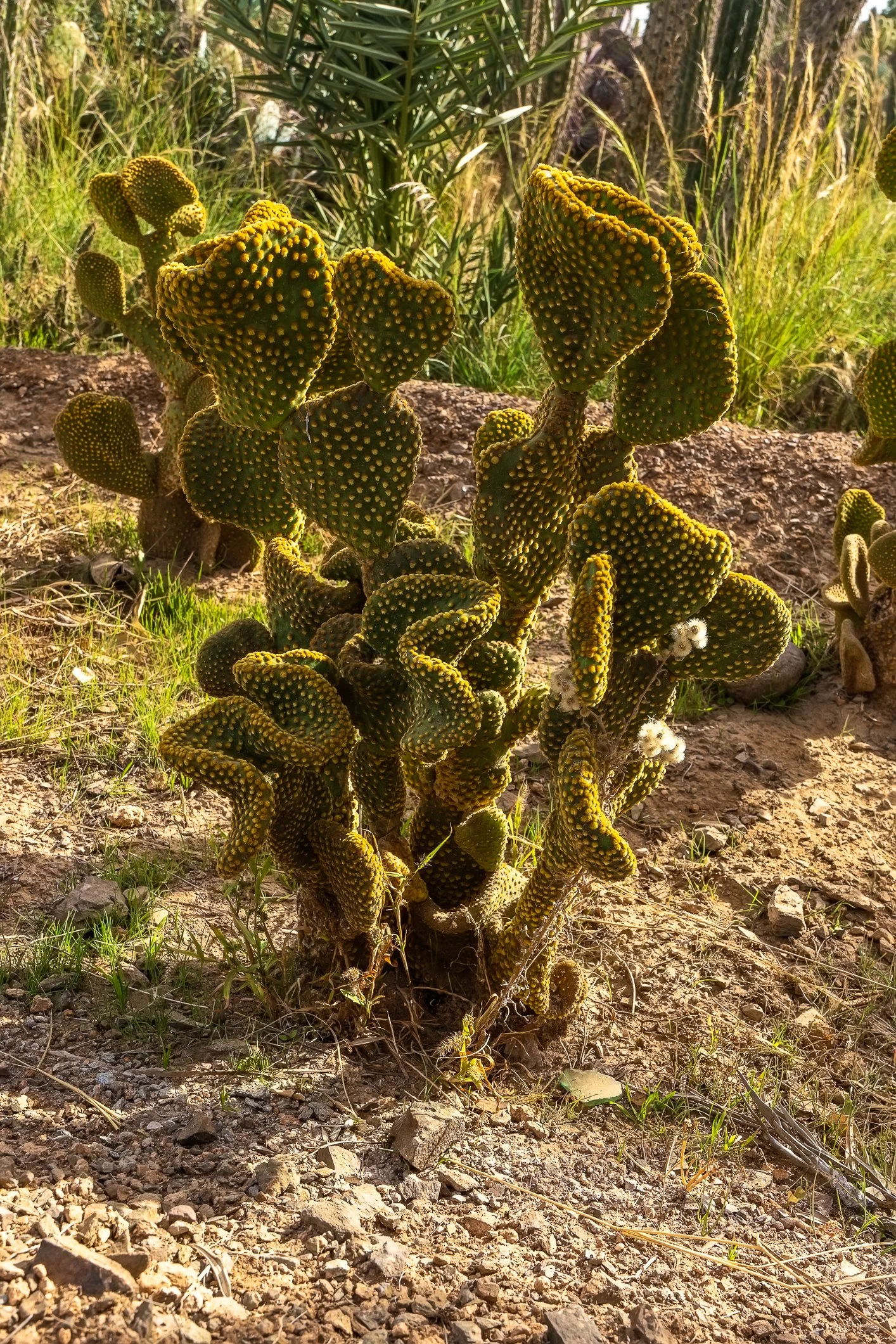
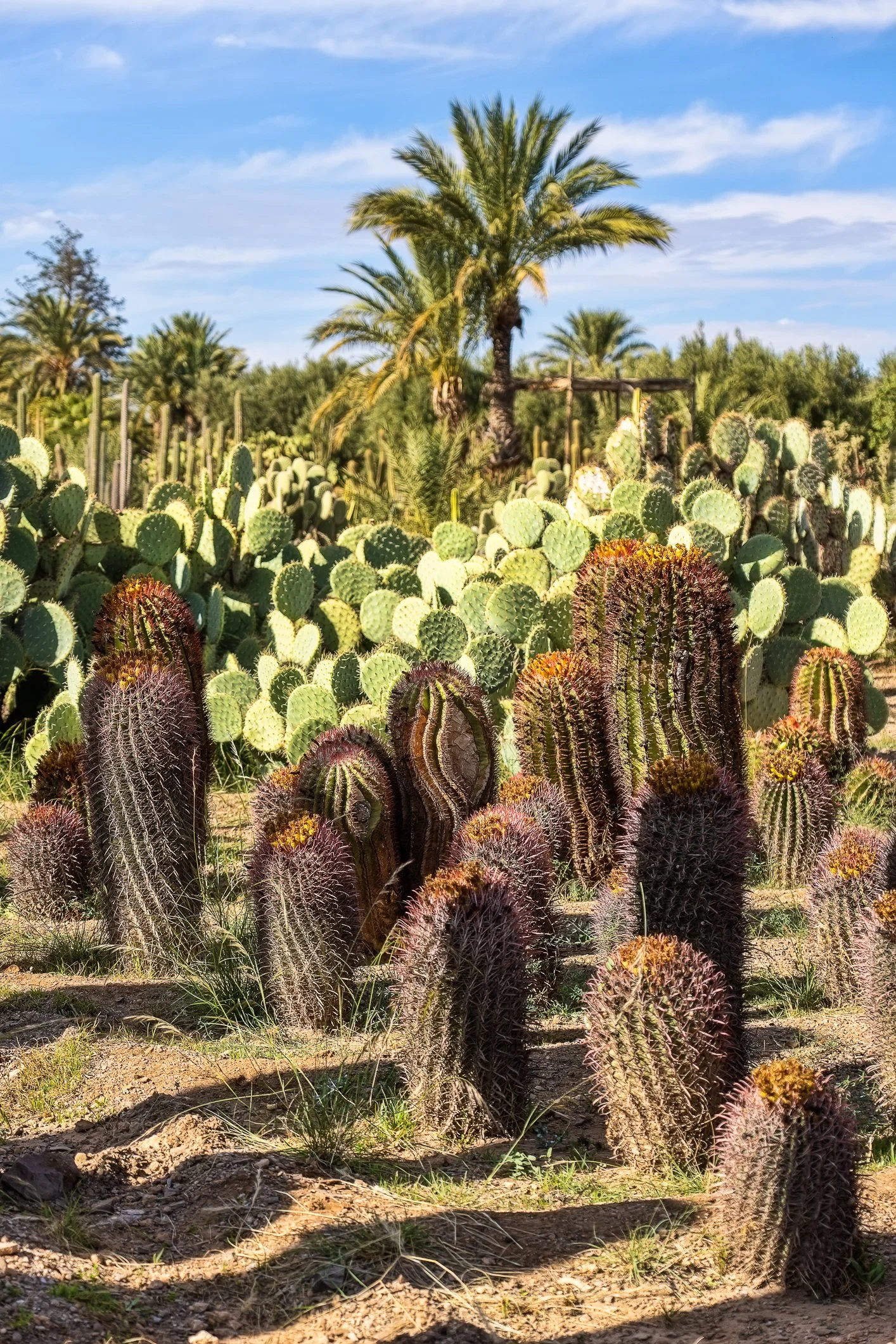
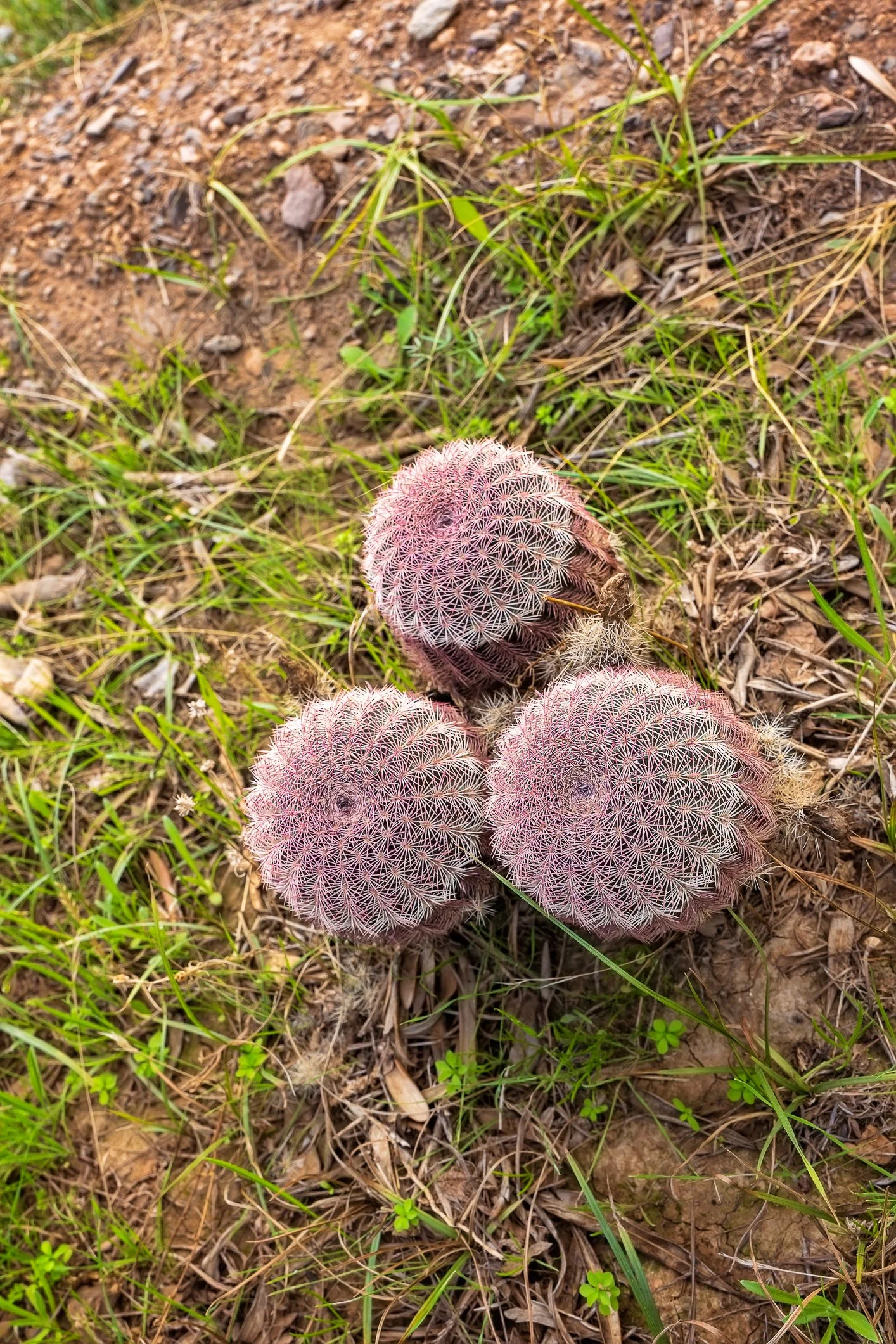
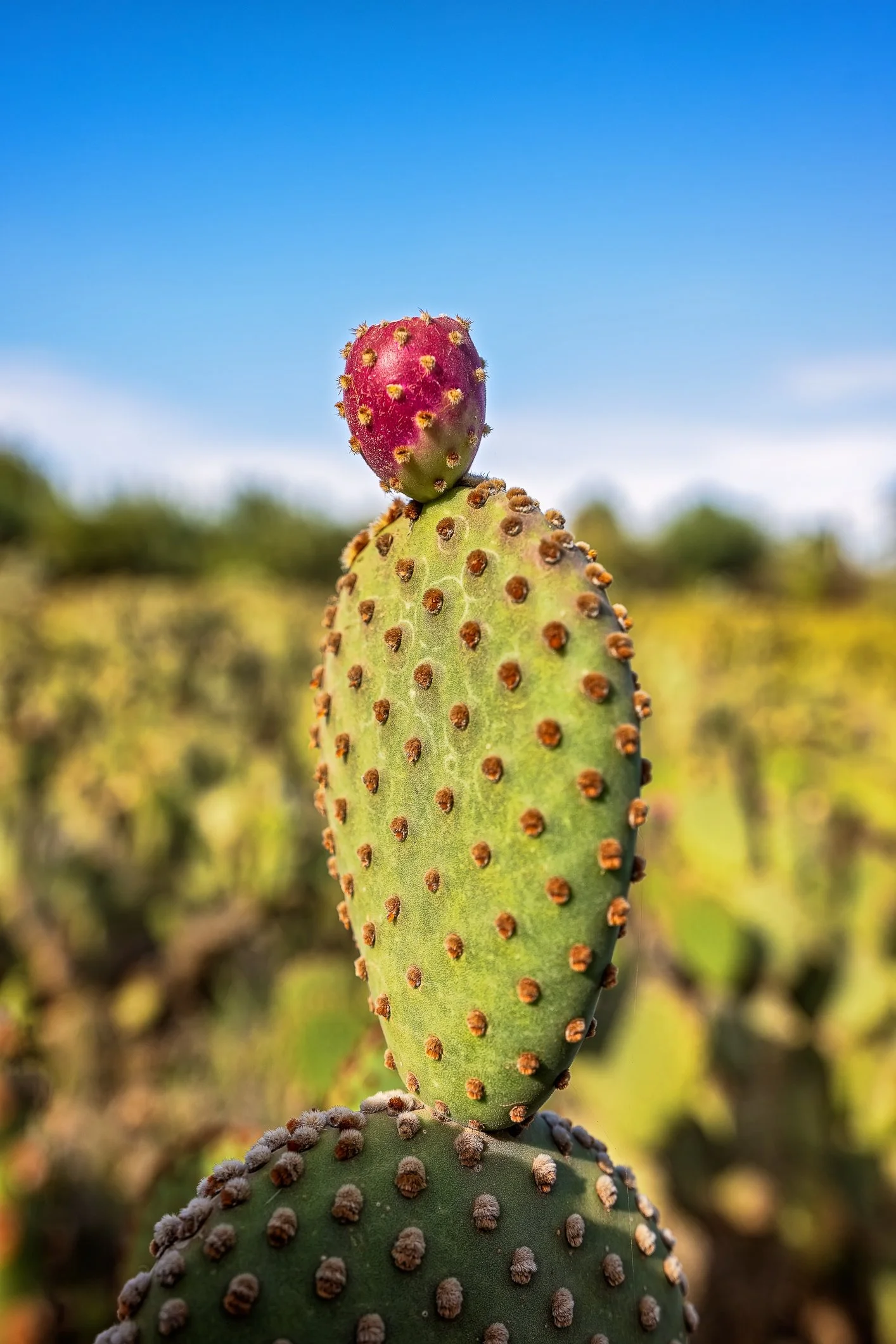
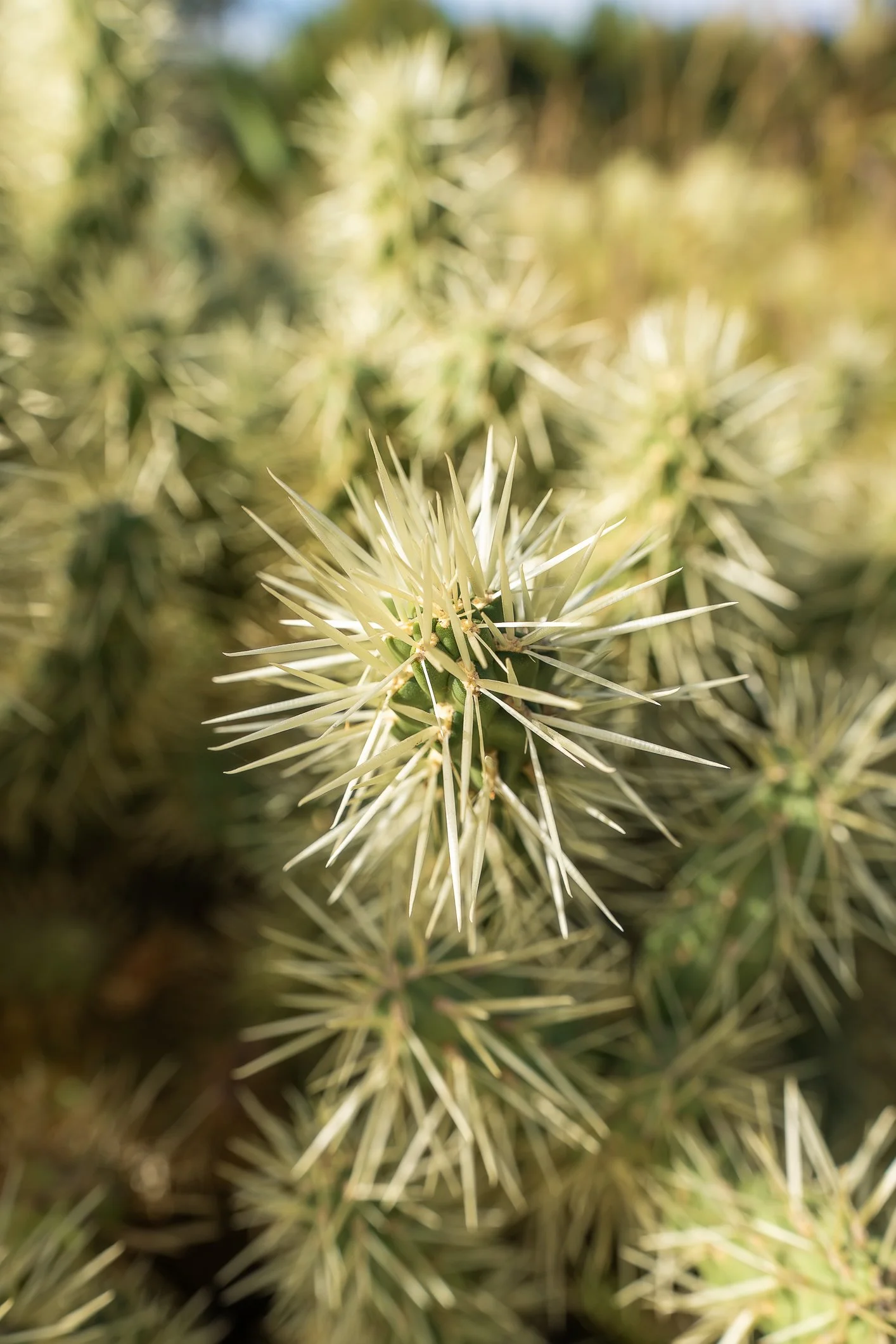
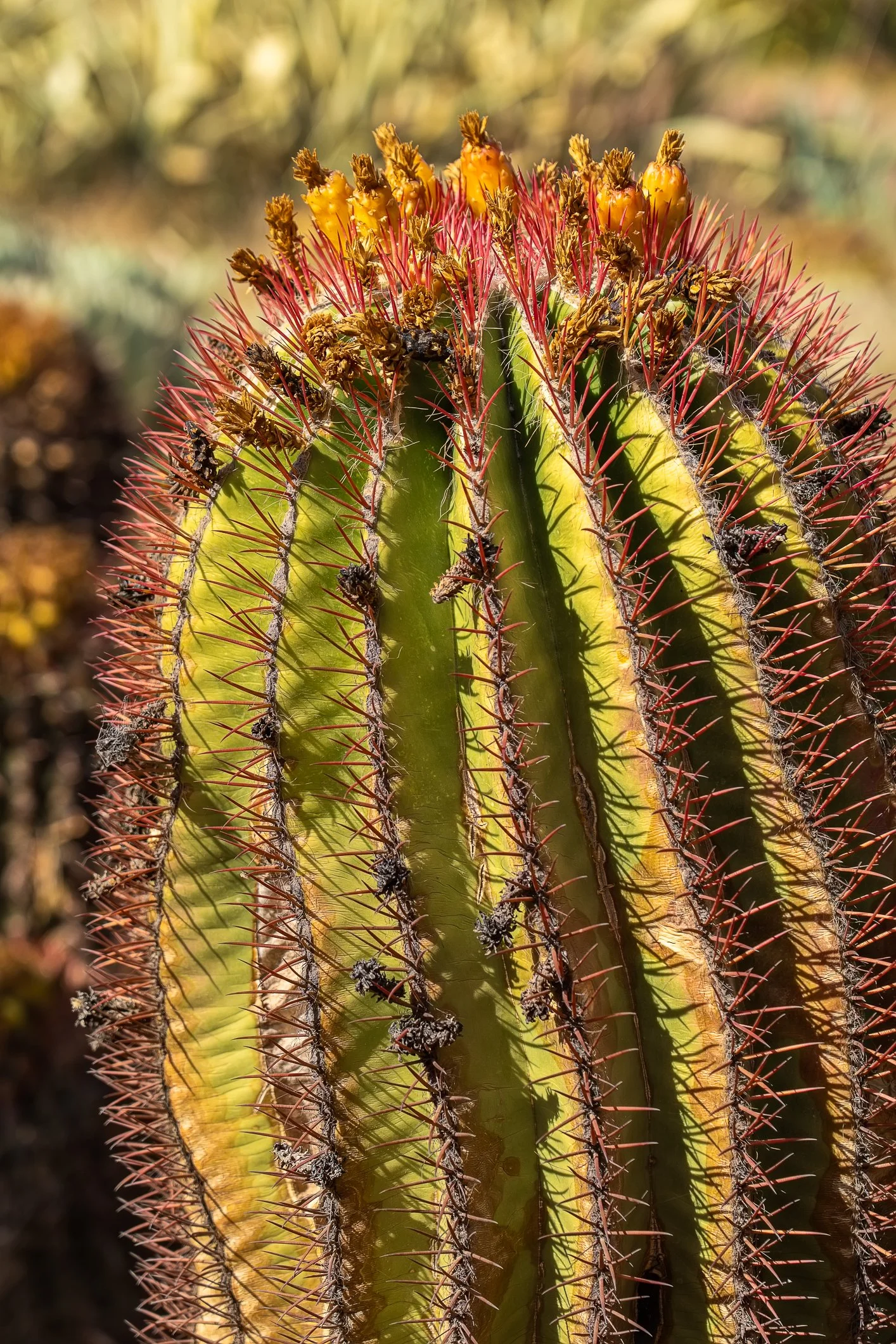
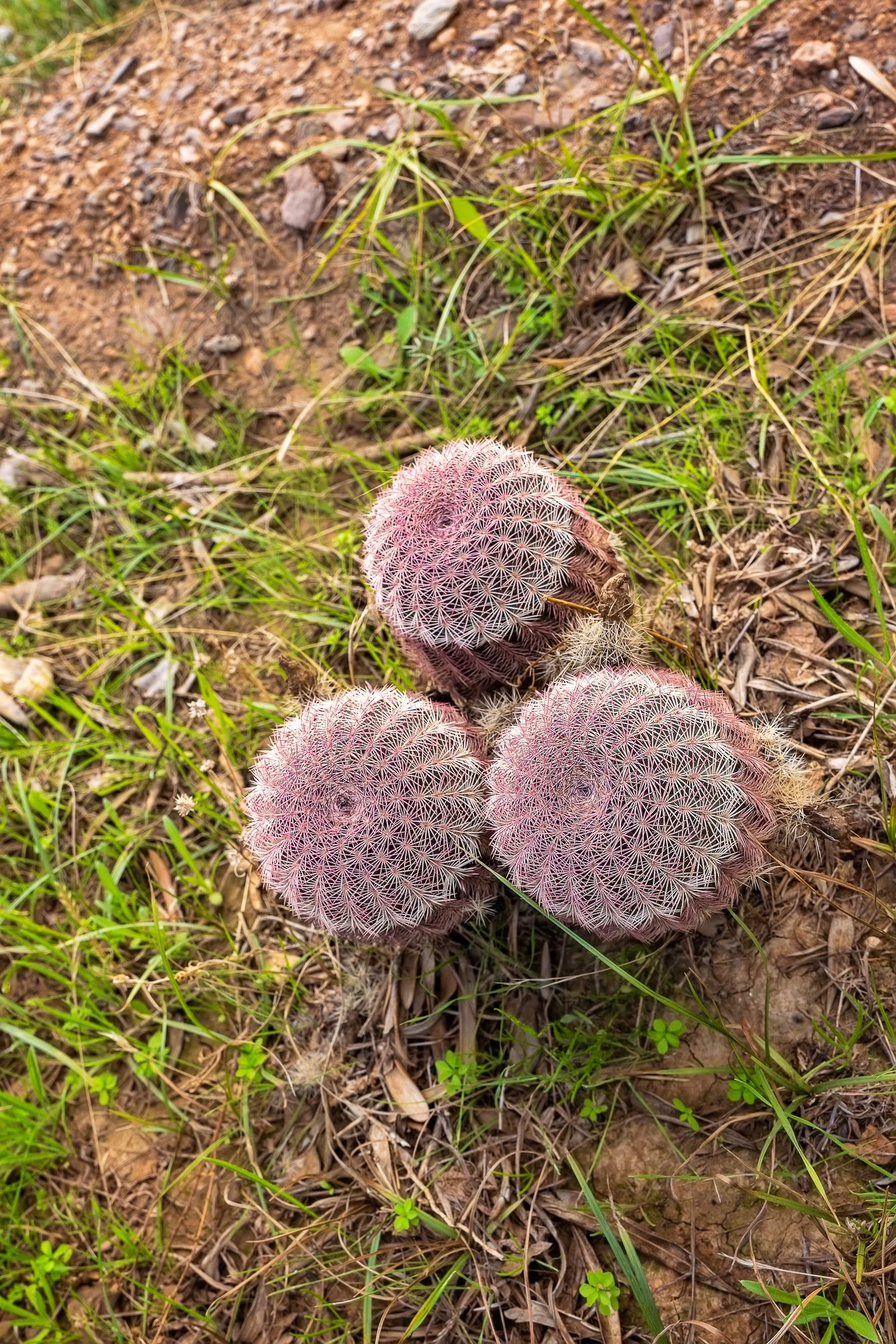
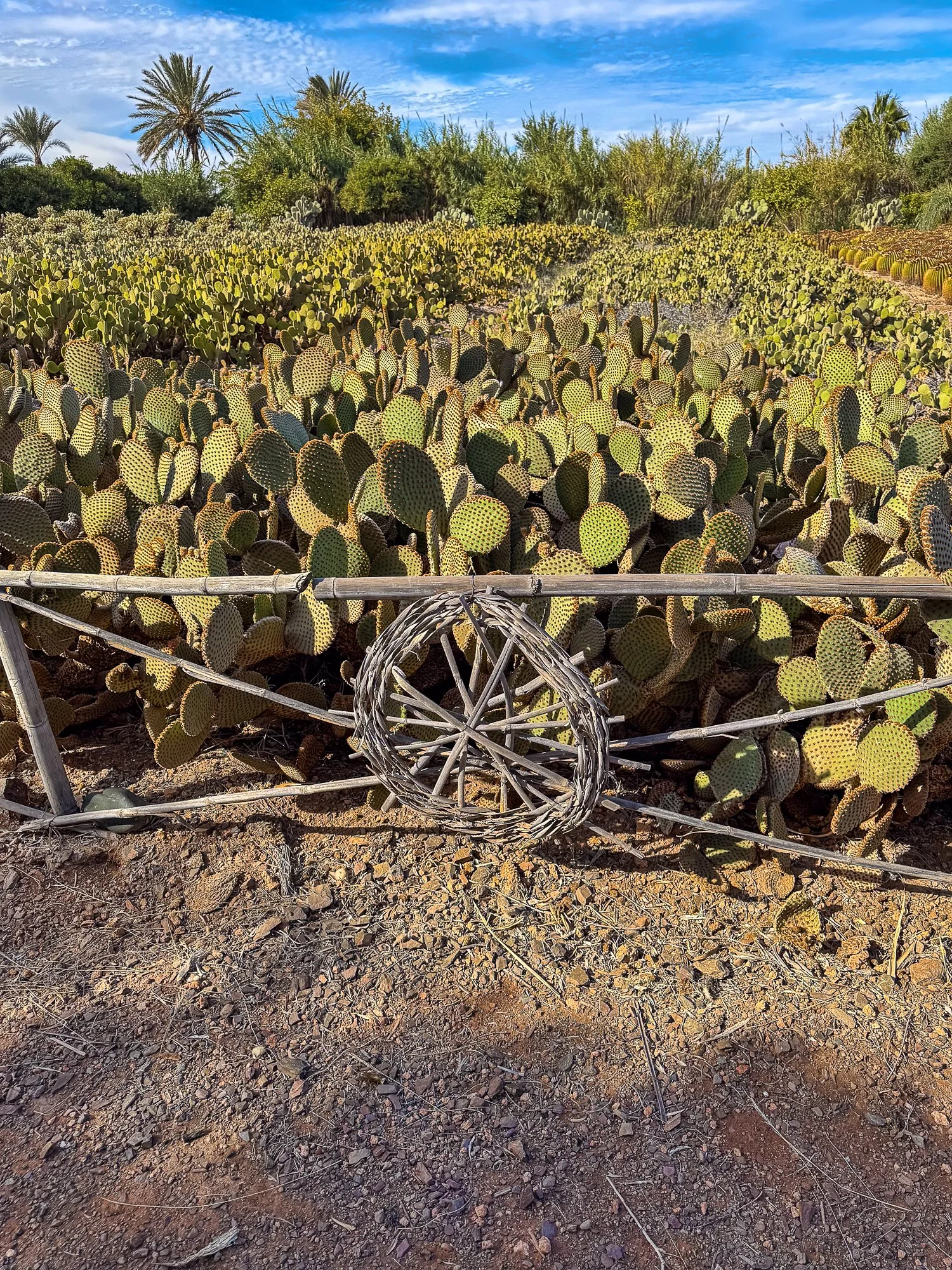
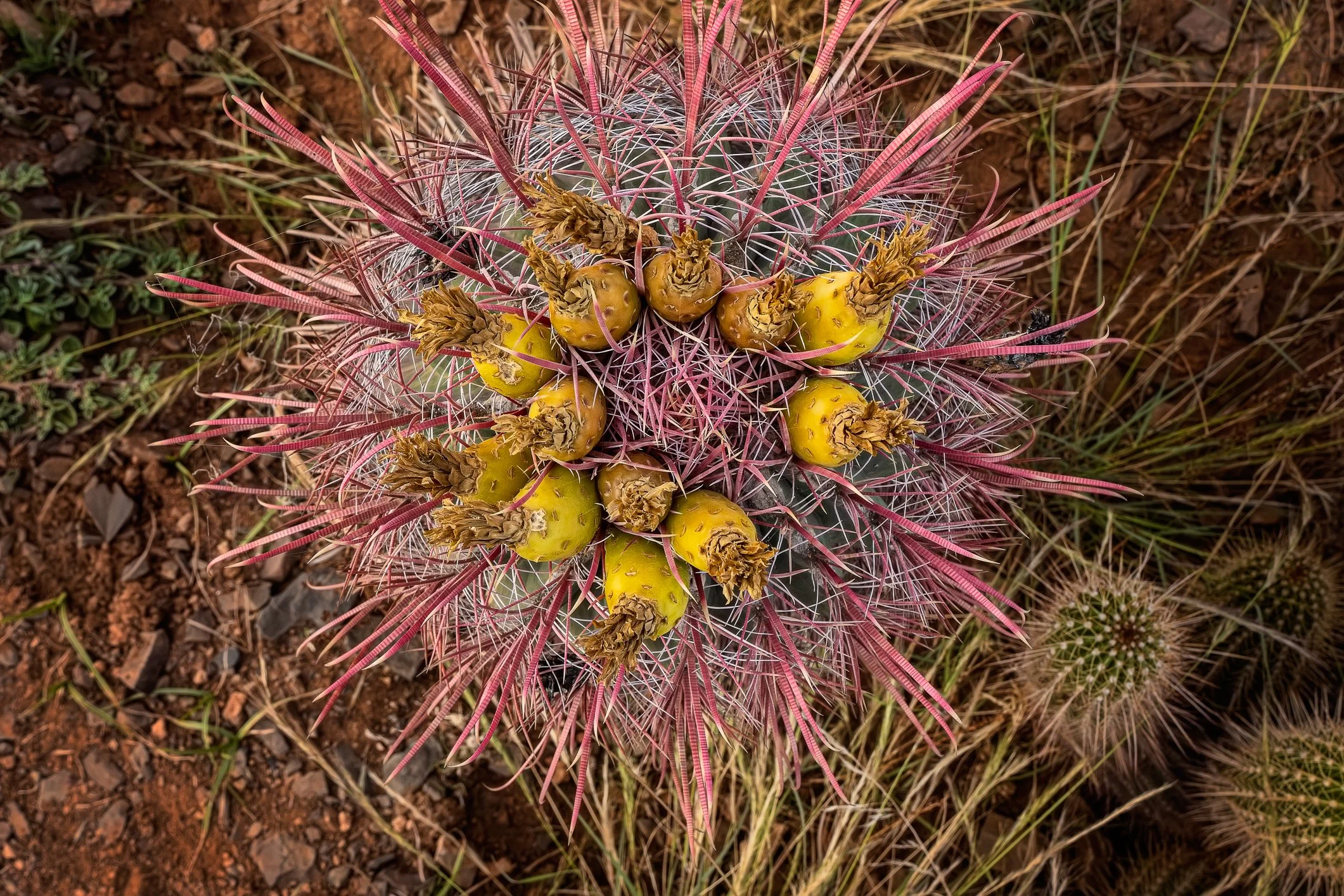
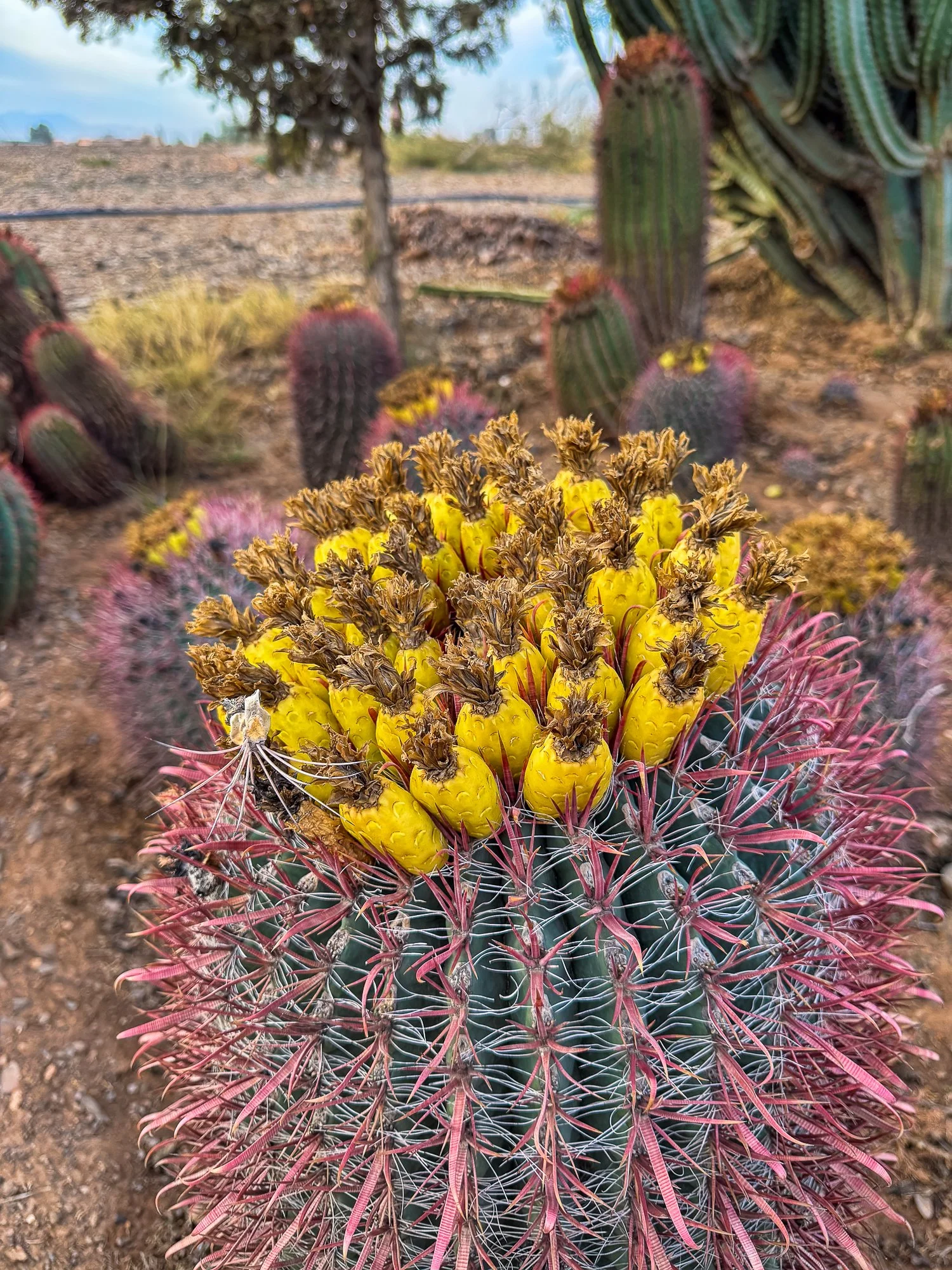
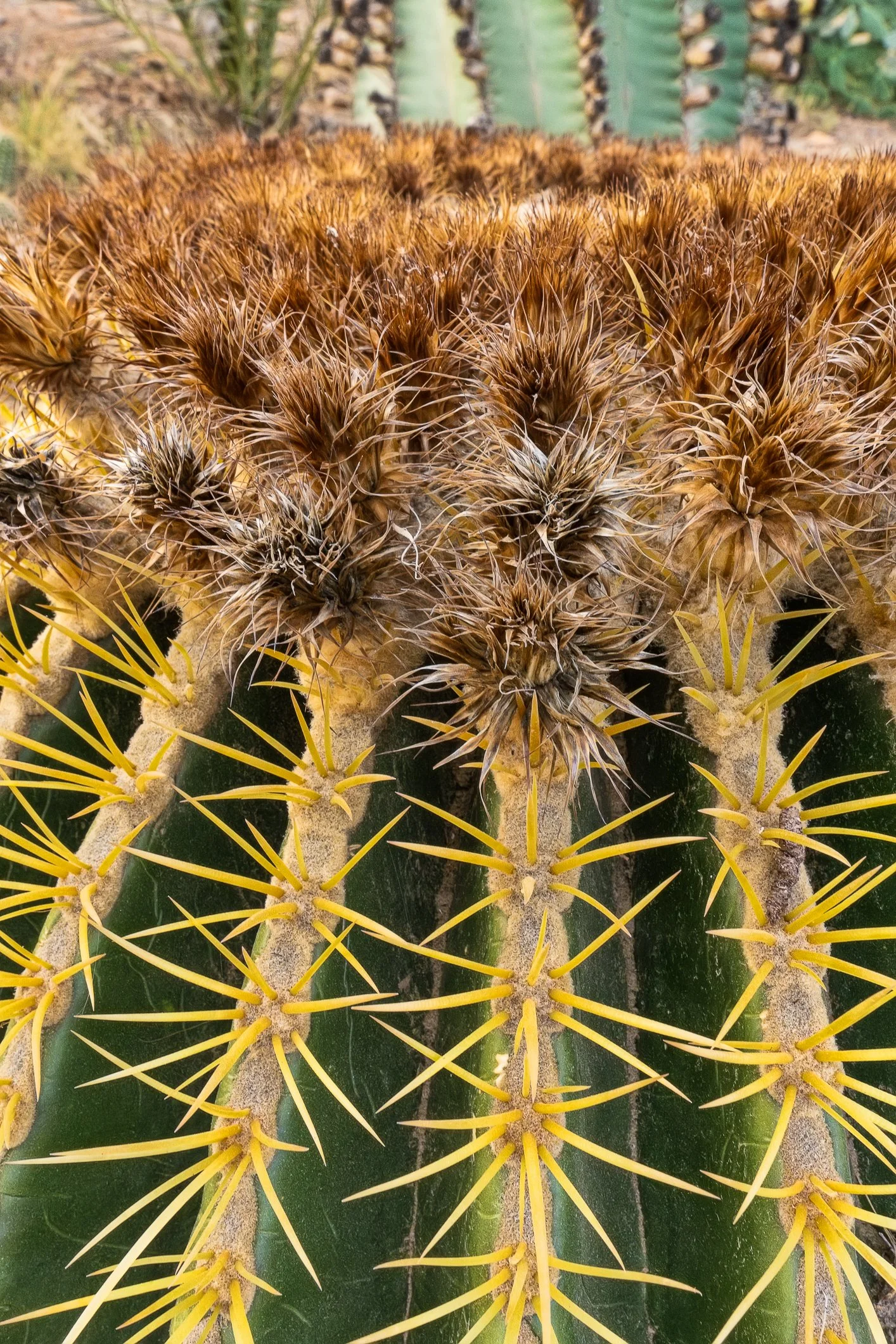
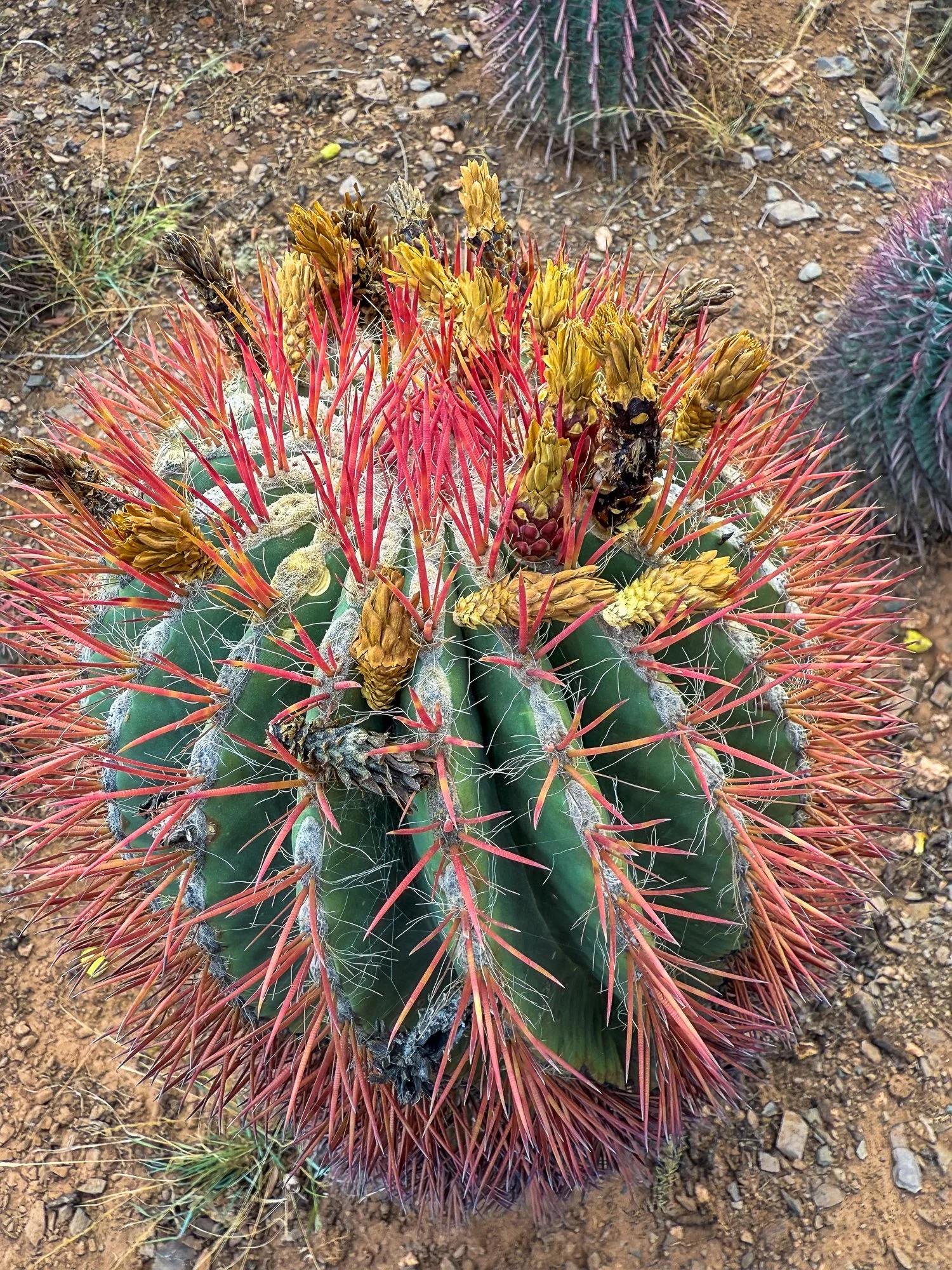
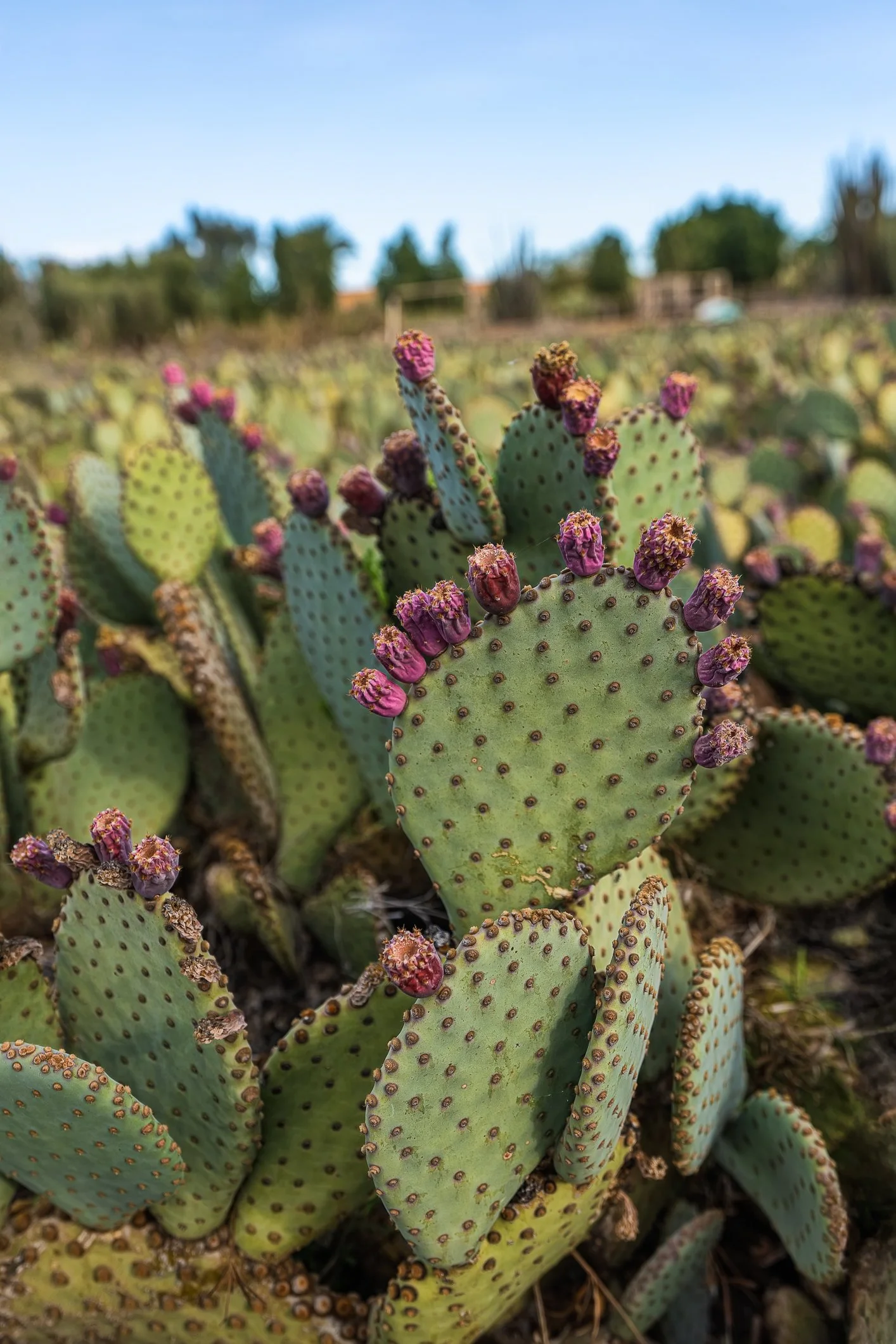
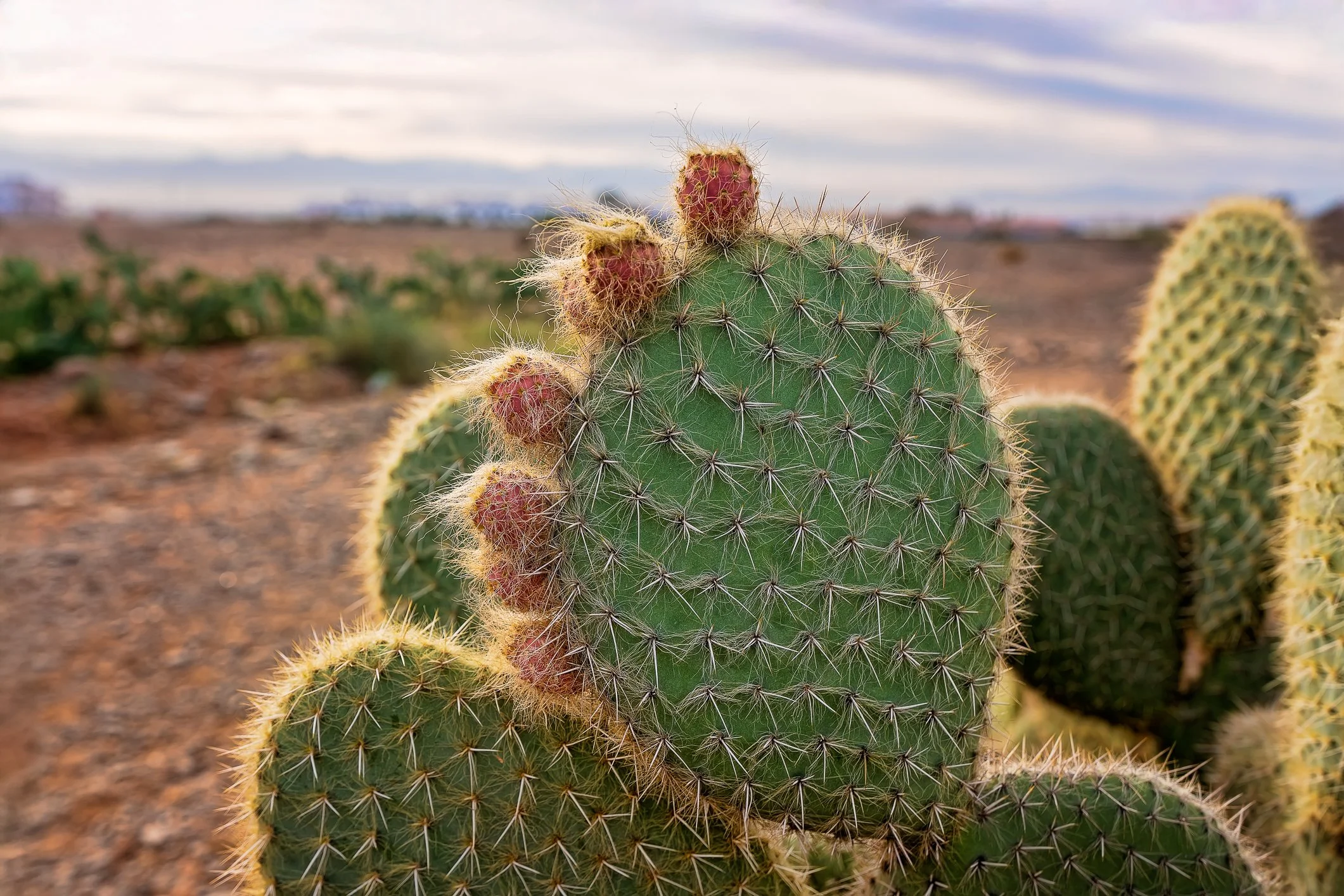
After a few cups of tea and coffee, we are ready to explore the remaining part of the farm. There are many flatter, paddle-shaped cacti from the genus Opuntia. These are quite familiar in Morocco and are known for producing edible fruit. We also find many round, spiny varieties such as those from Ferocactus and Echinocactus, which grow in compact, globe-like shapes. The collection also includes smaller and more delicate species, such as Mammillaria and Gymnocalycium, often admired for their detailed patterns and, at the right time of year, their bright flowers.

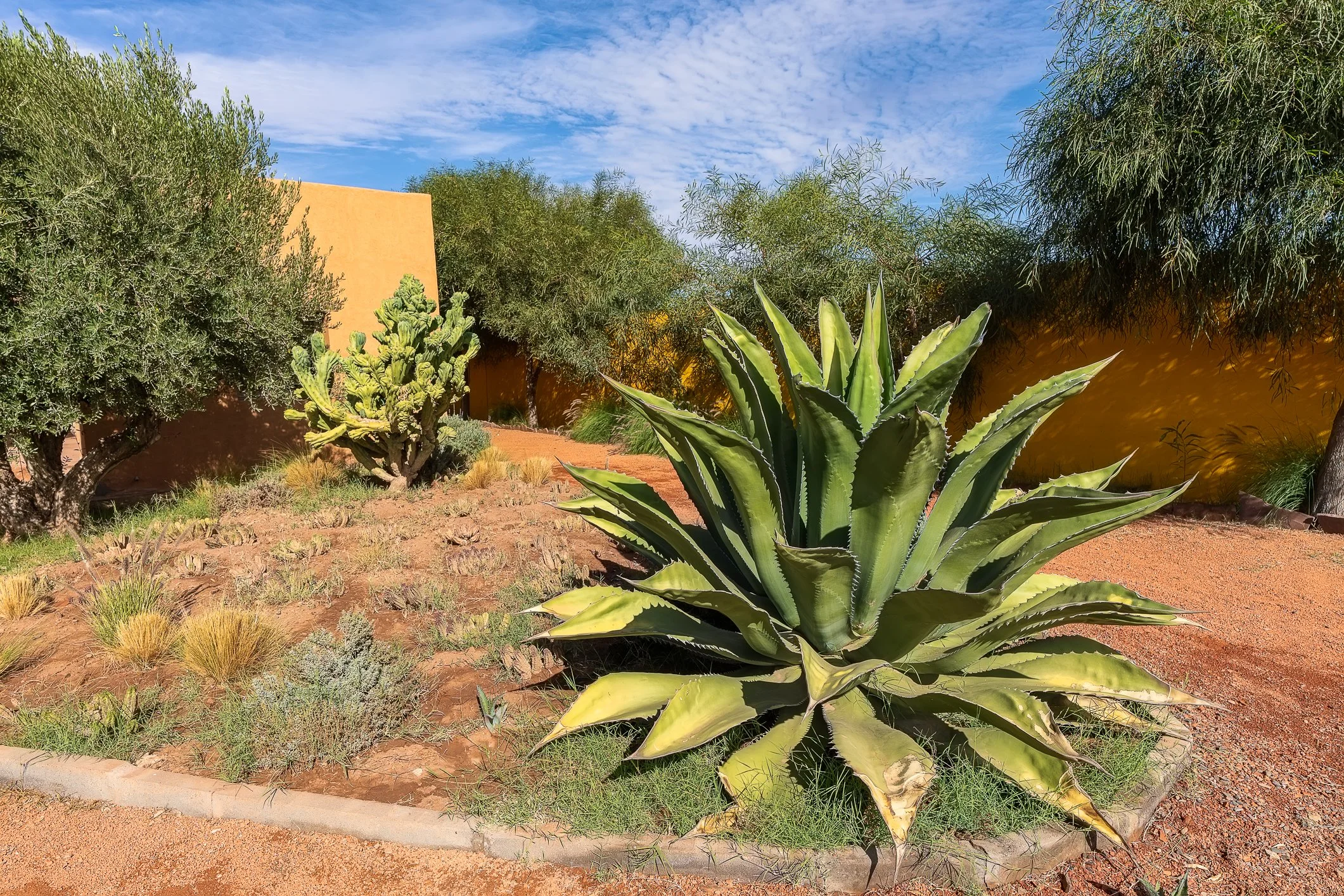
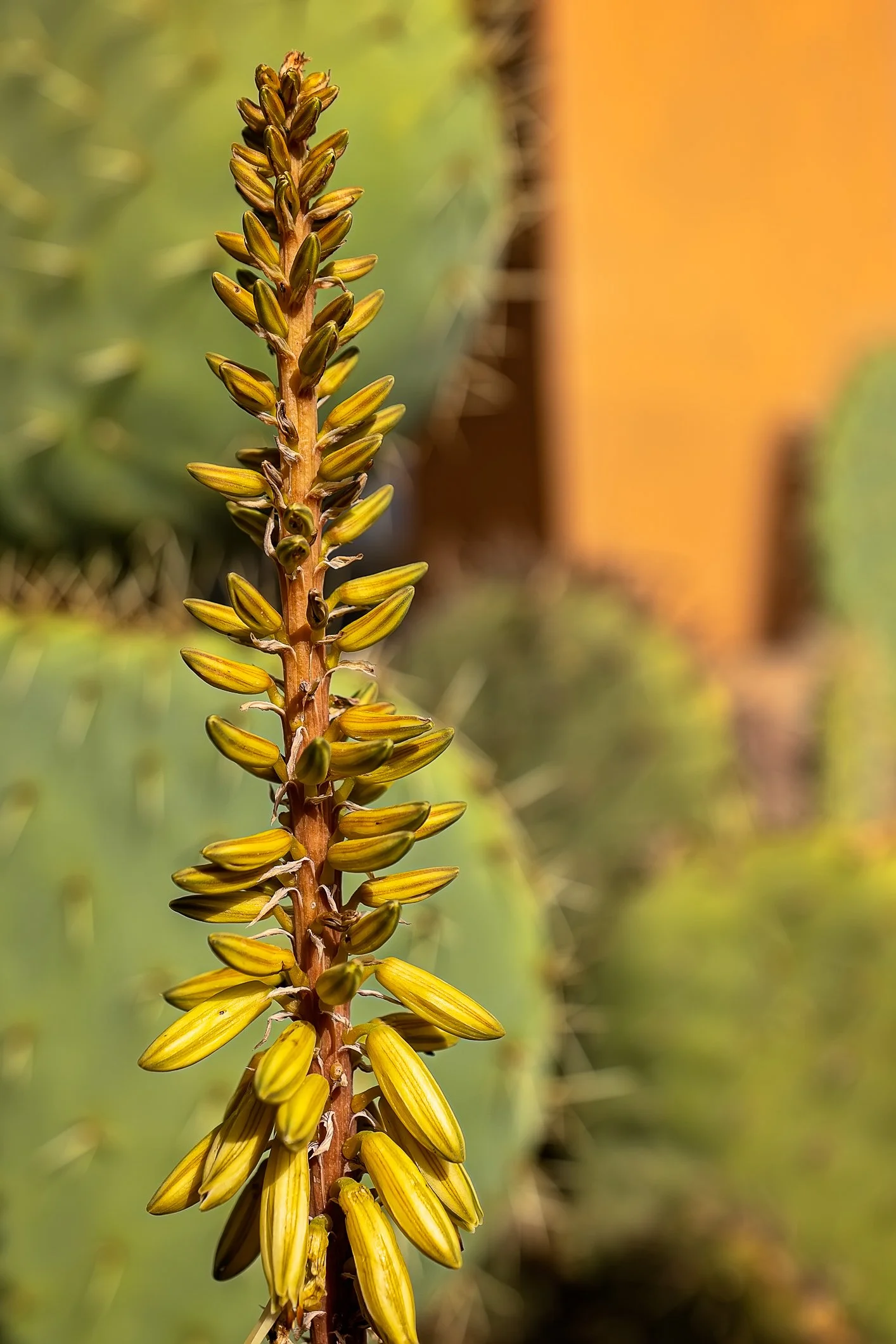
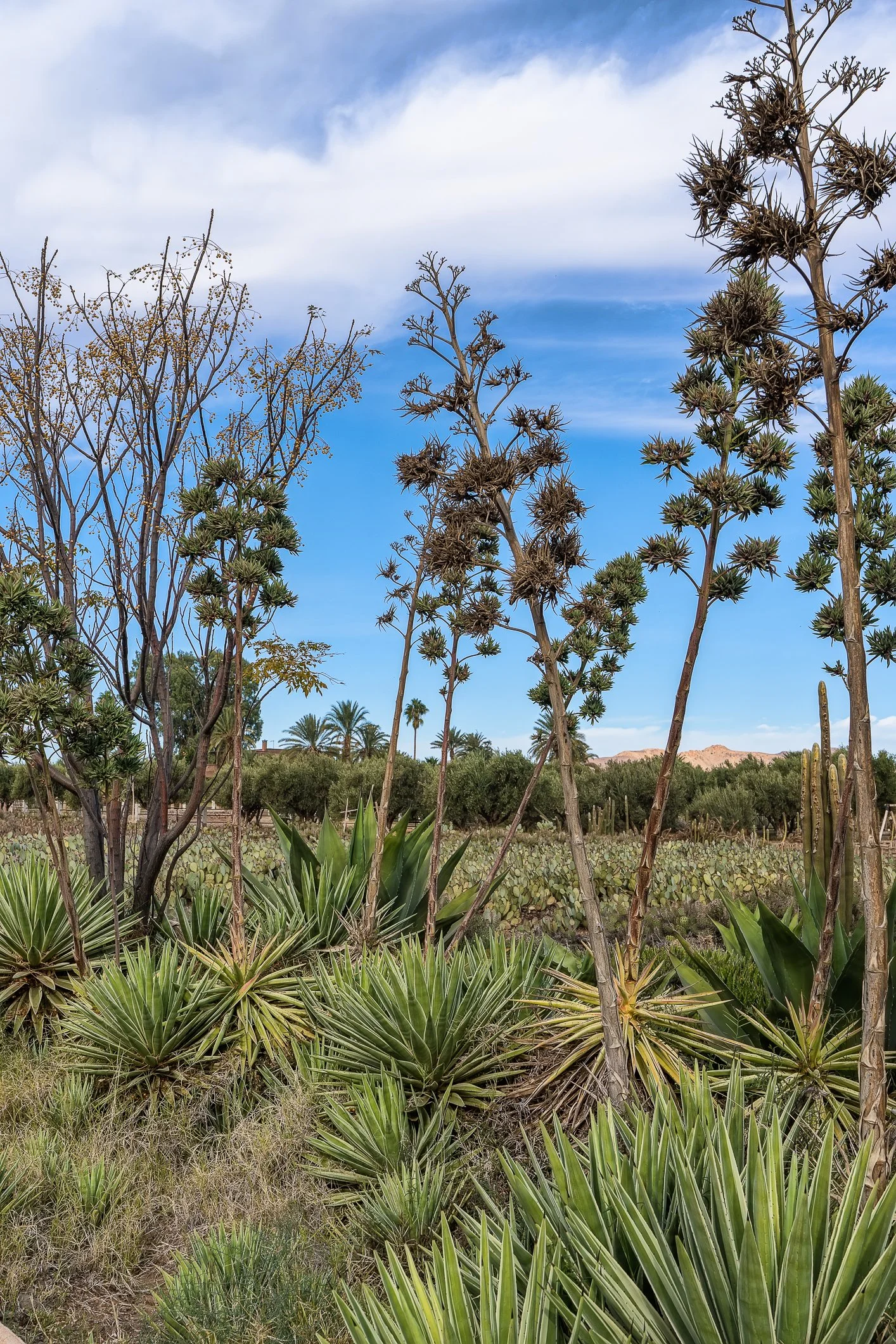
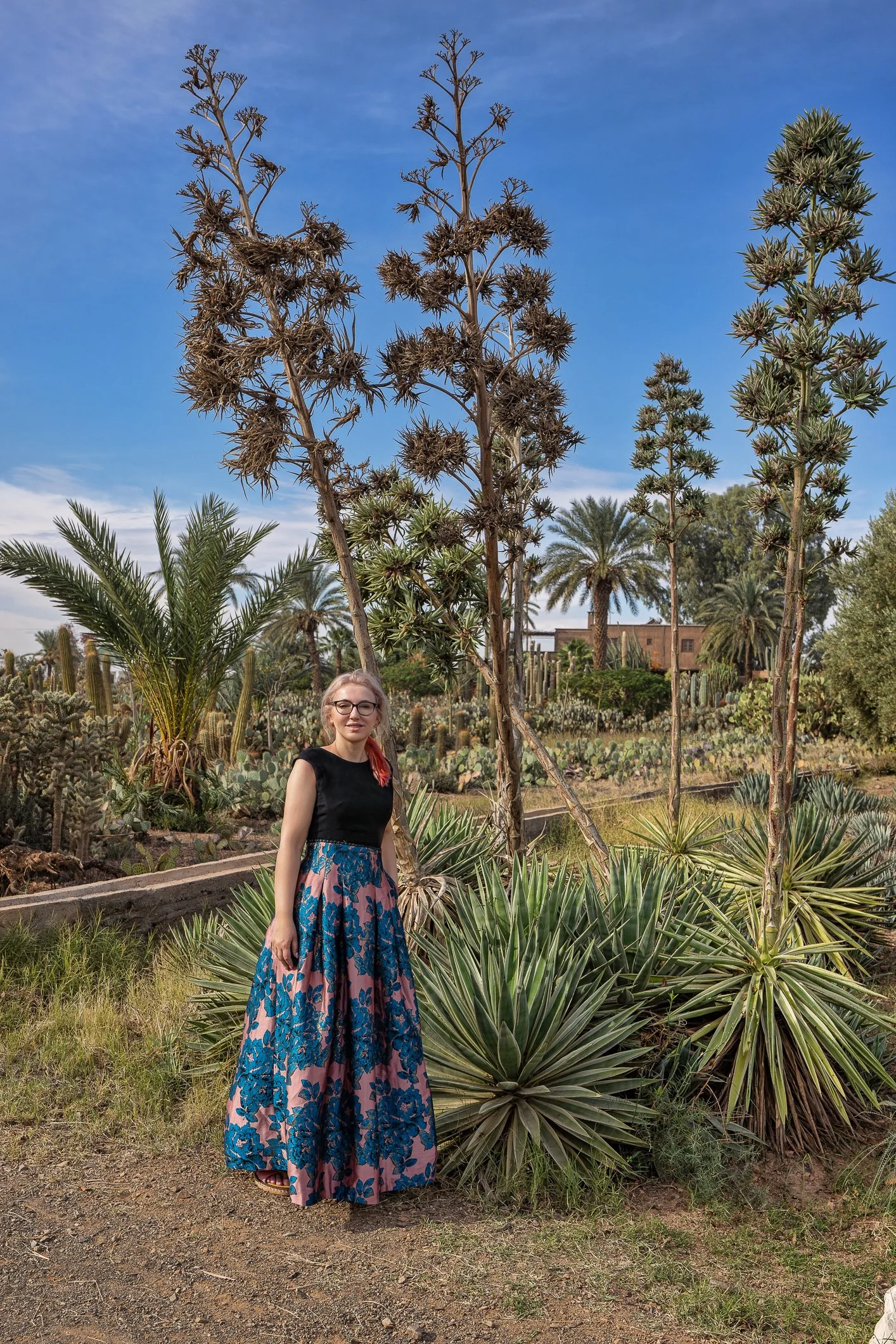
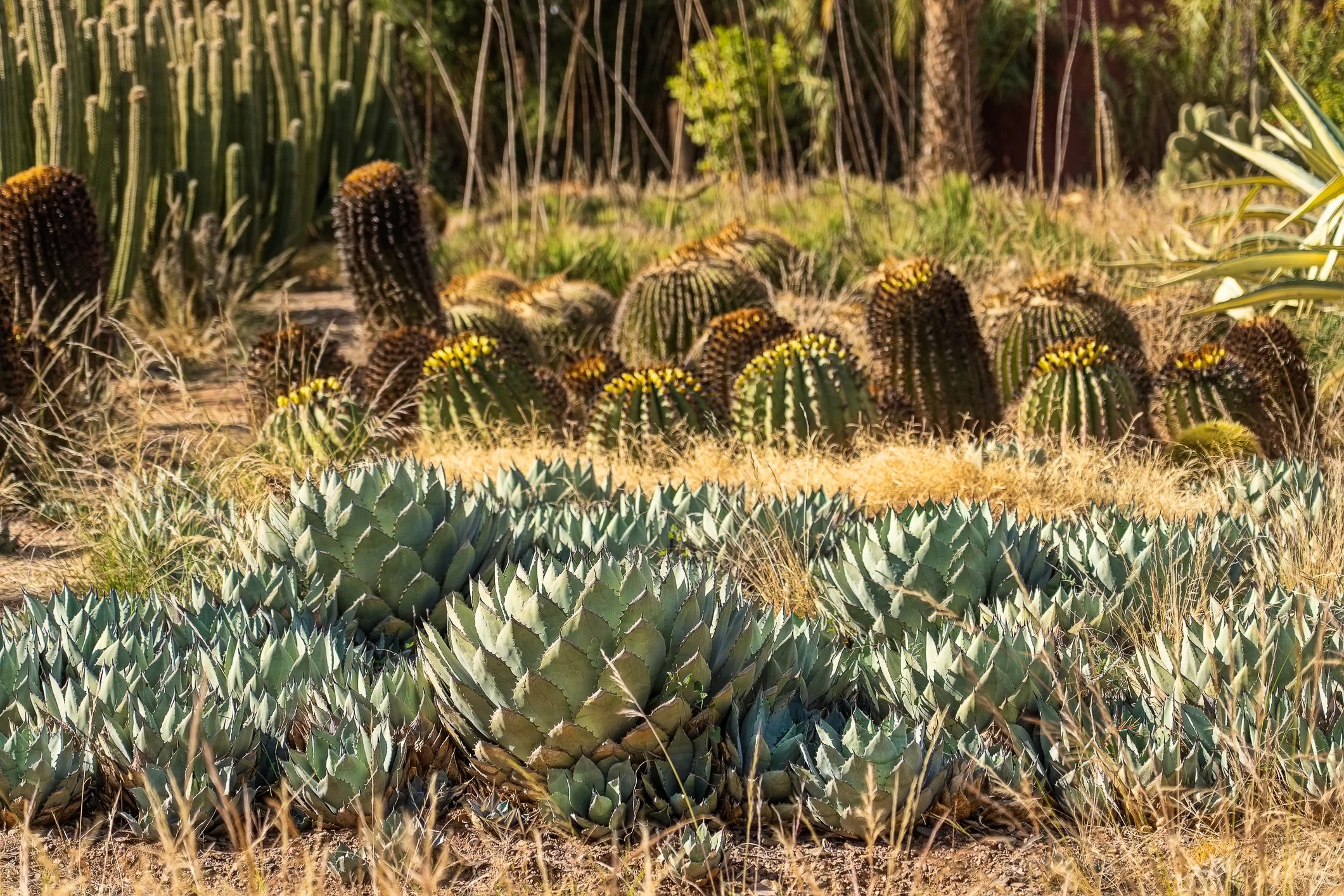
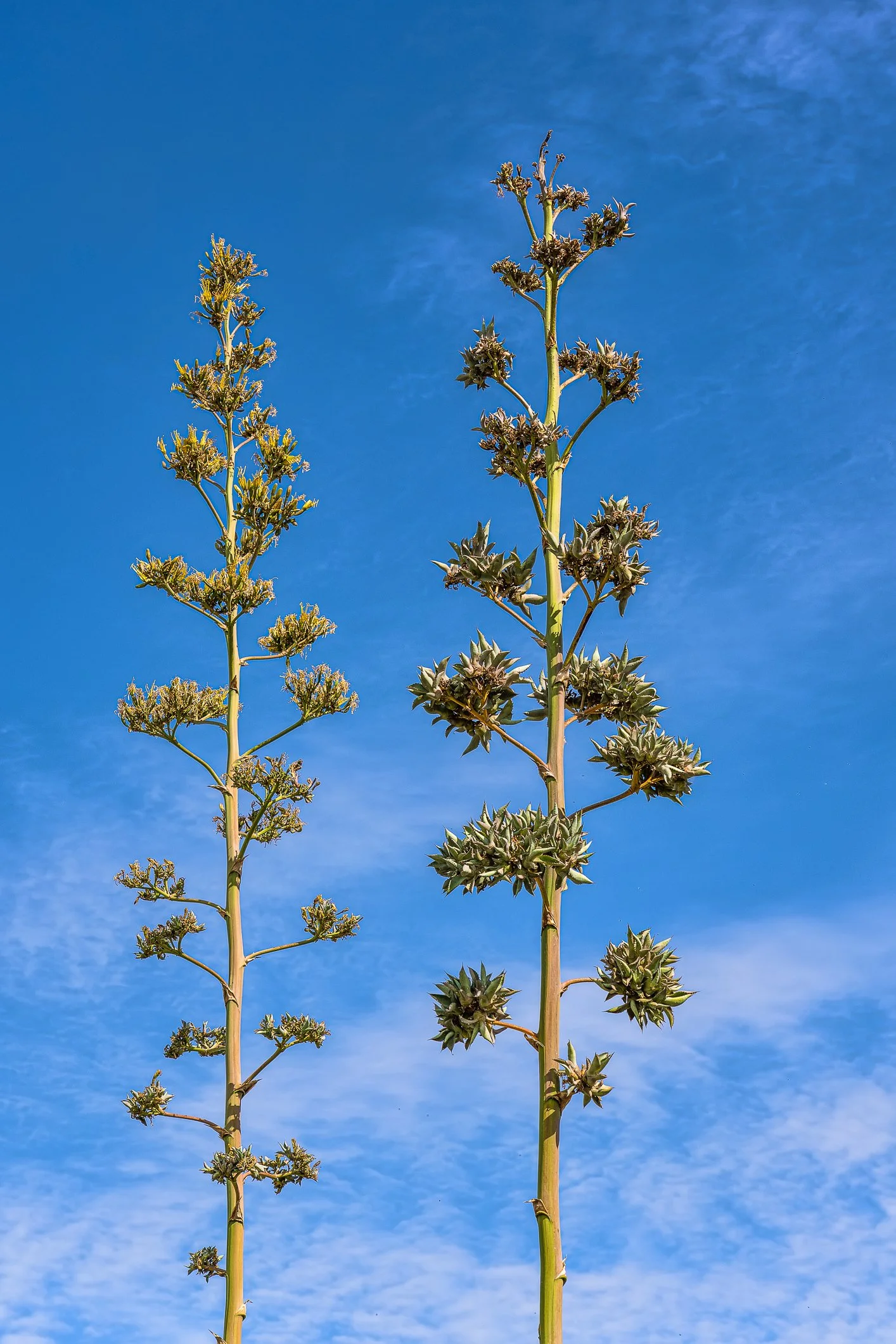
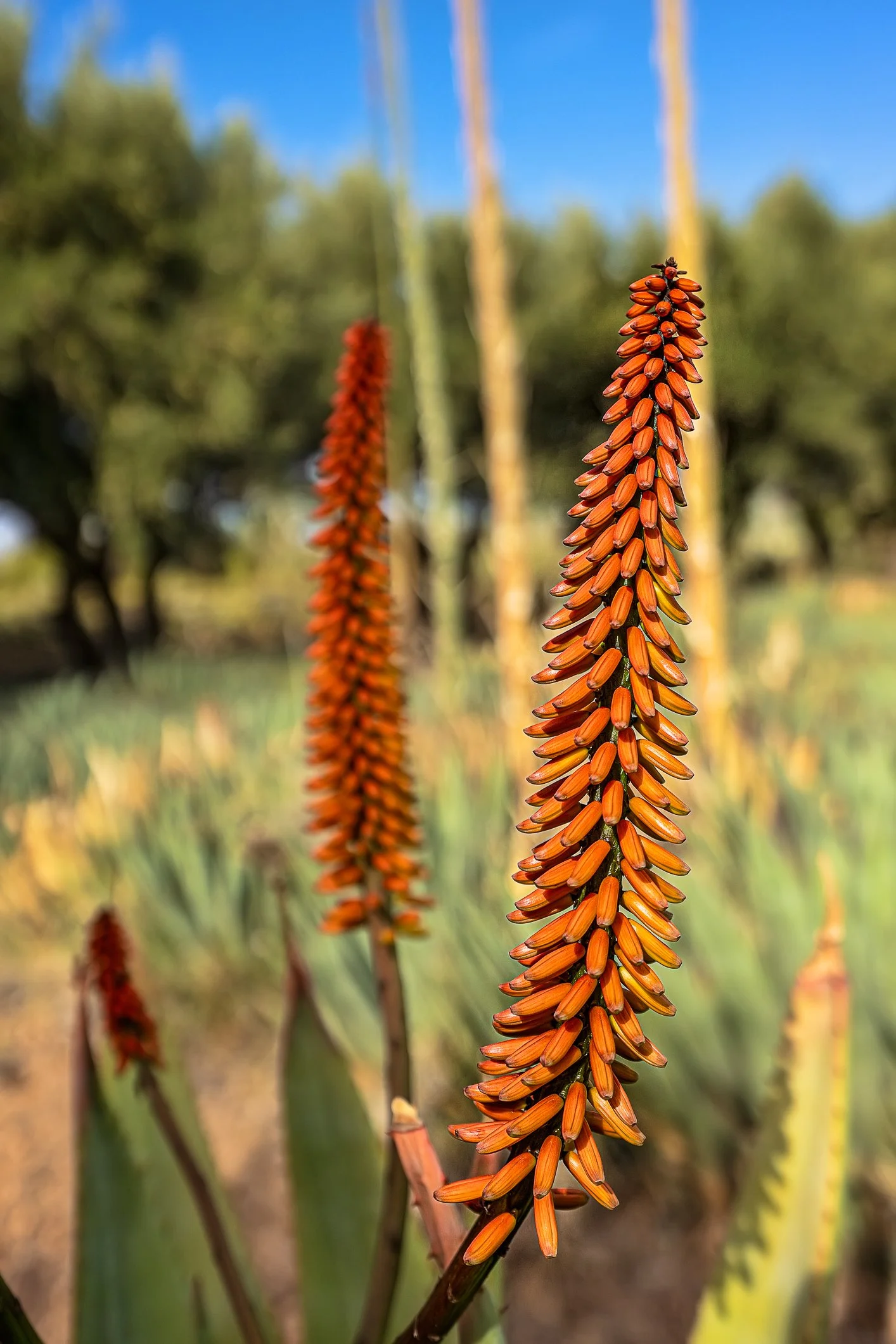
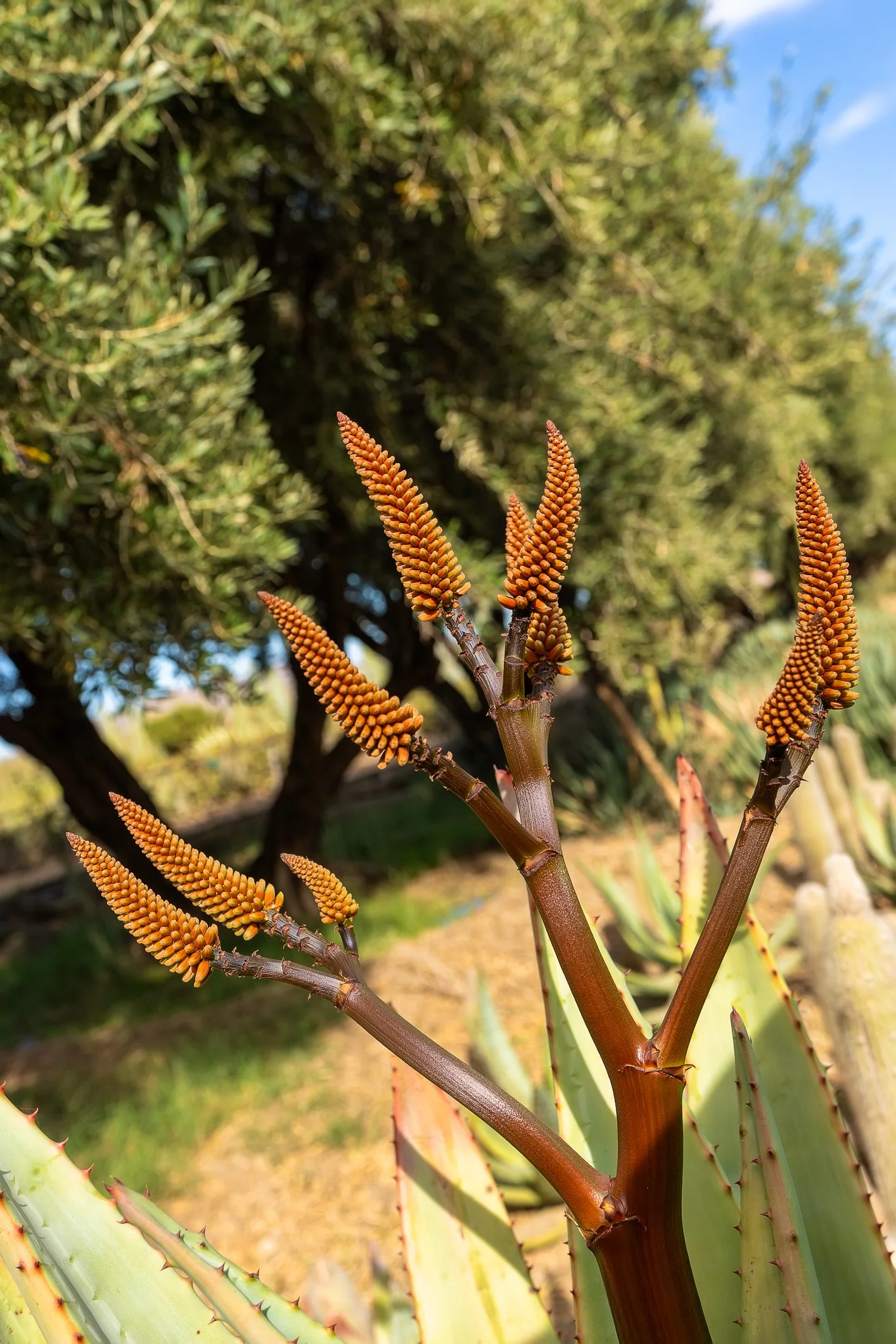
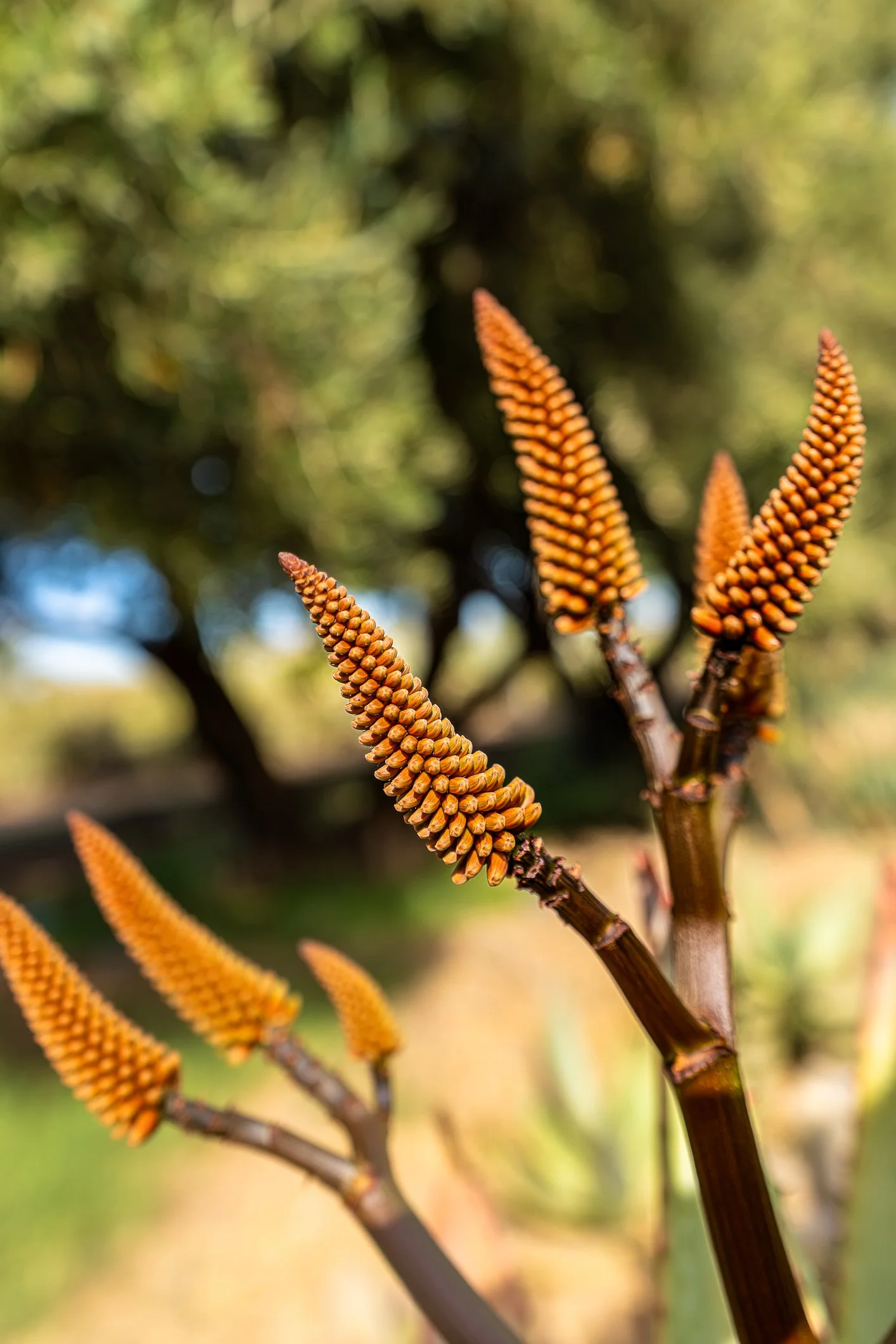
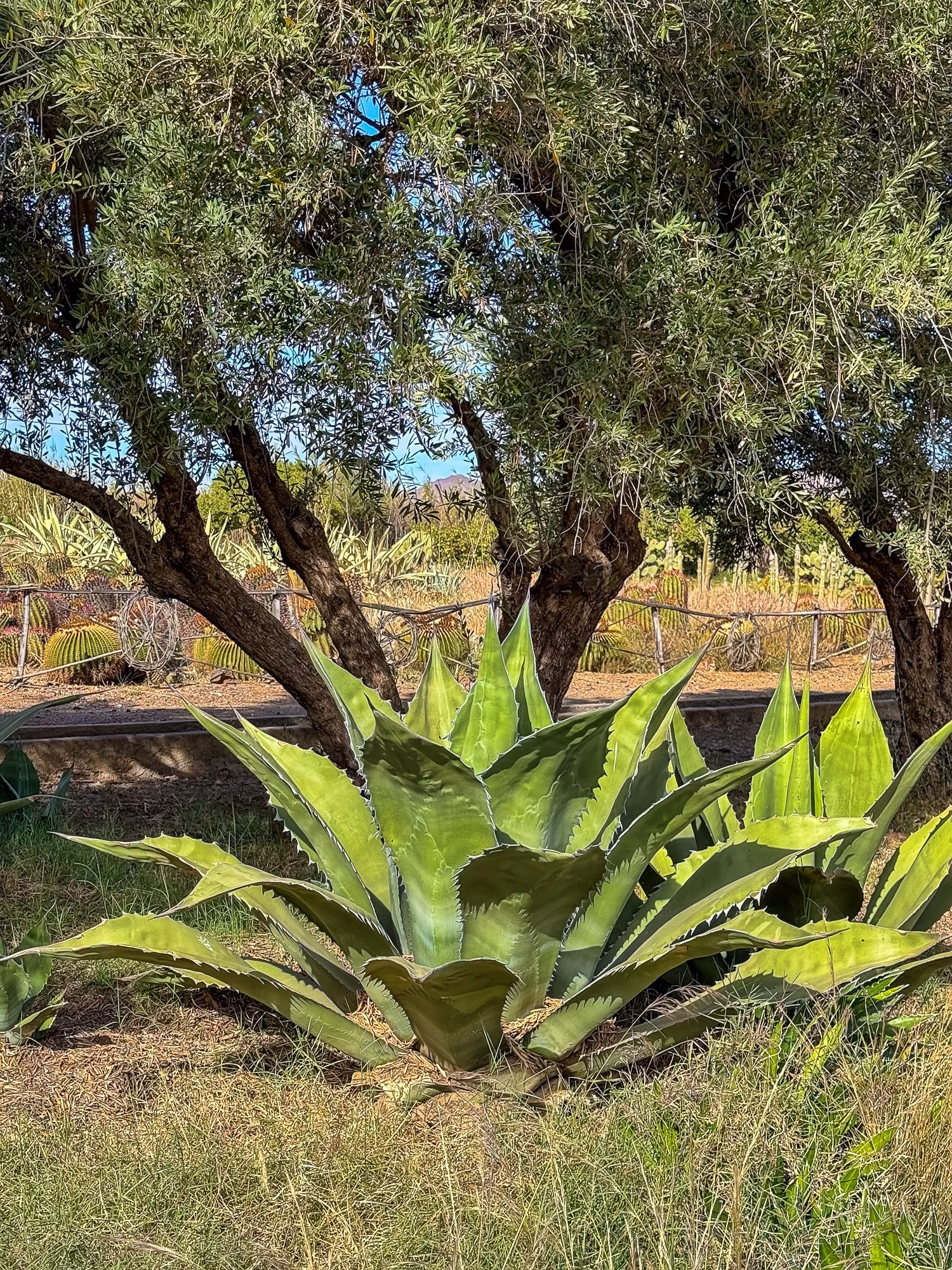
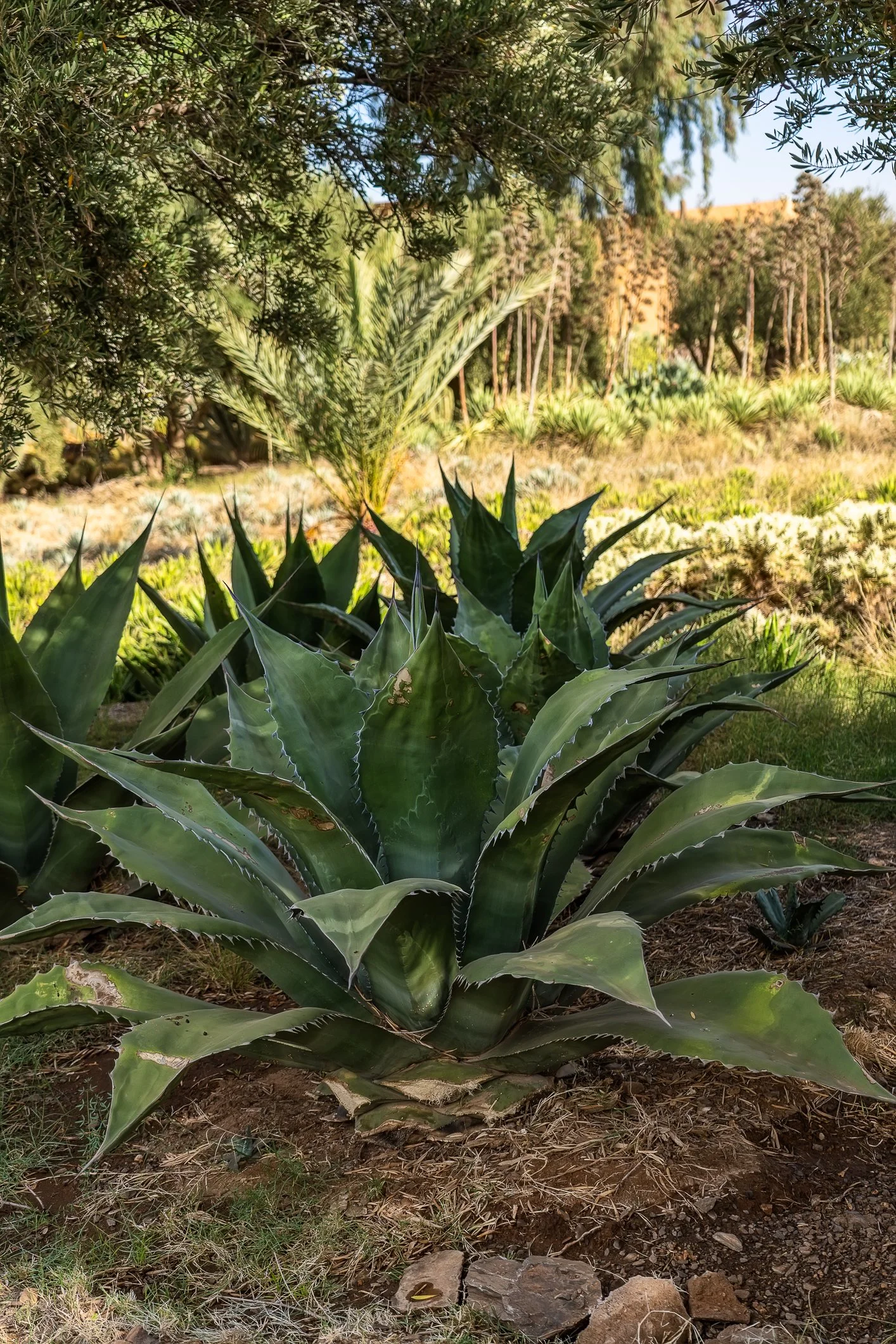
Botanically, it’s not just cacti. We also see agave, aloe, and other arid-climate plants, although the focus is clearly on large cactus species adapted to hot, dry environments.

Po kilku szklankach herbaty i kawy wracamy na dalsze zwiedzanie. W innej części ogrodu pojawiają się bardziej płaskie kaktusy z rodzaju Opuntia - bardzo popularne w Maroku i znane z jadalnych owoców. Widzimy też wiele kulistych, kolczastych form, takich jak Ferocactus czy Echinocactus. Są też mniejsze, bardziej delikatne gatunki, na przykład Mammillaria i Gymnocalycium, które zachwycają strukturą, a w odpowiednim sezonie także kwiatami.

Cactus Thiemann to jednak nie tylko kaktusy. Widzimy też agawy, aloesy i inne rośliny przystosowane do suchego klimatu, choć wyraźnie to właśnie kaktusy grają tu główną rolę.
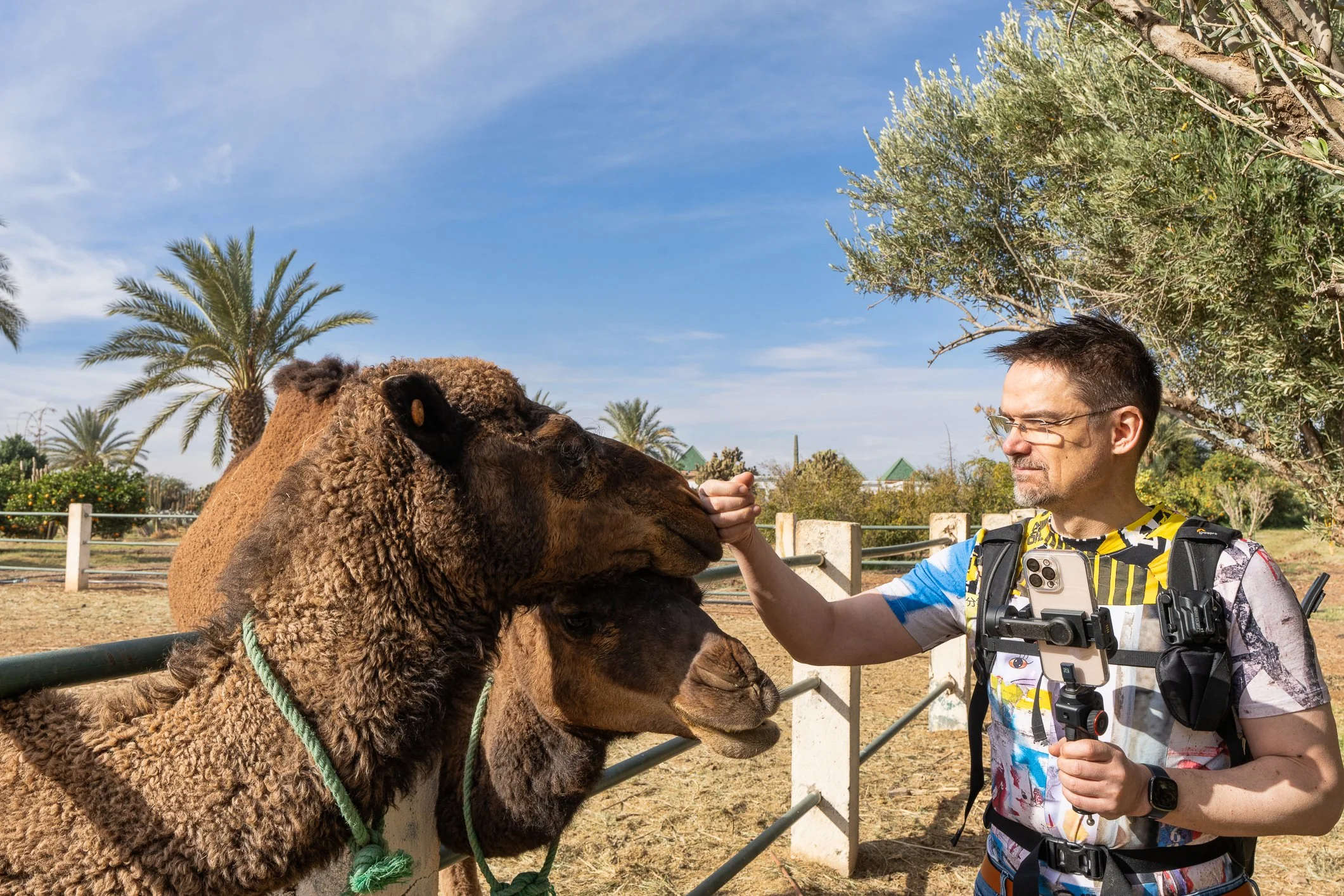
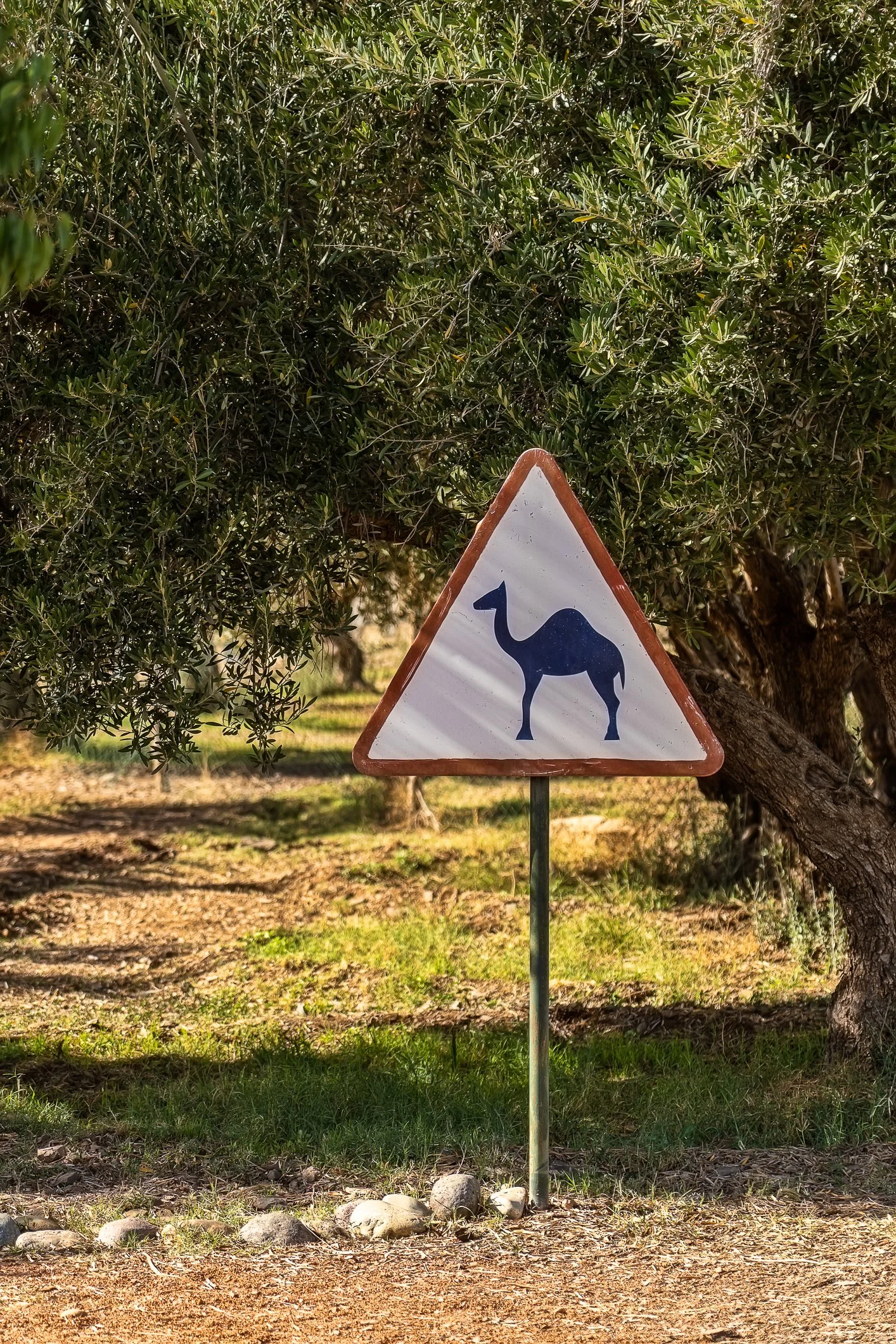
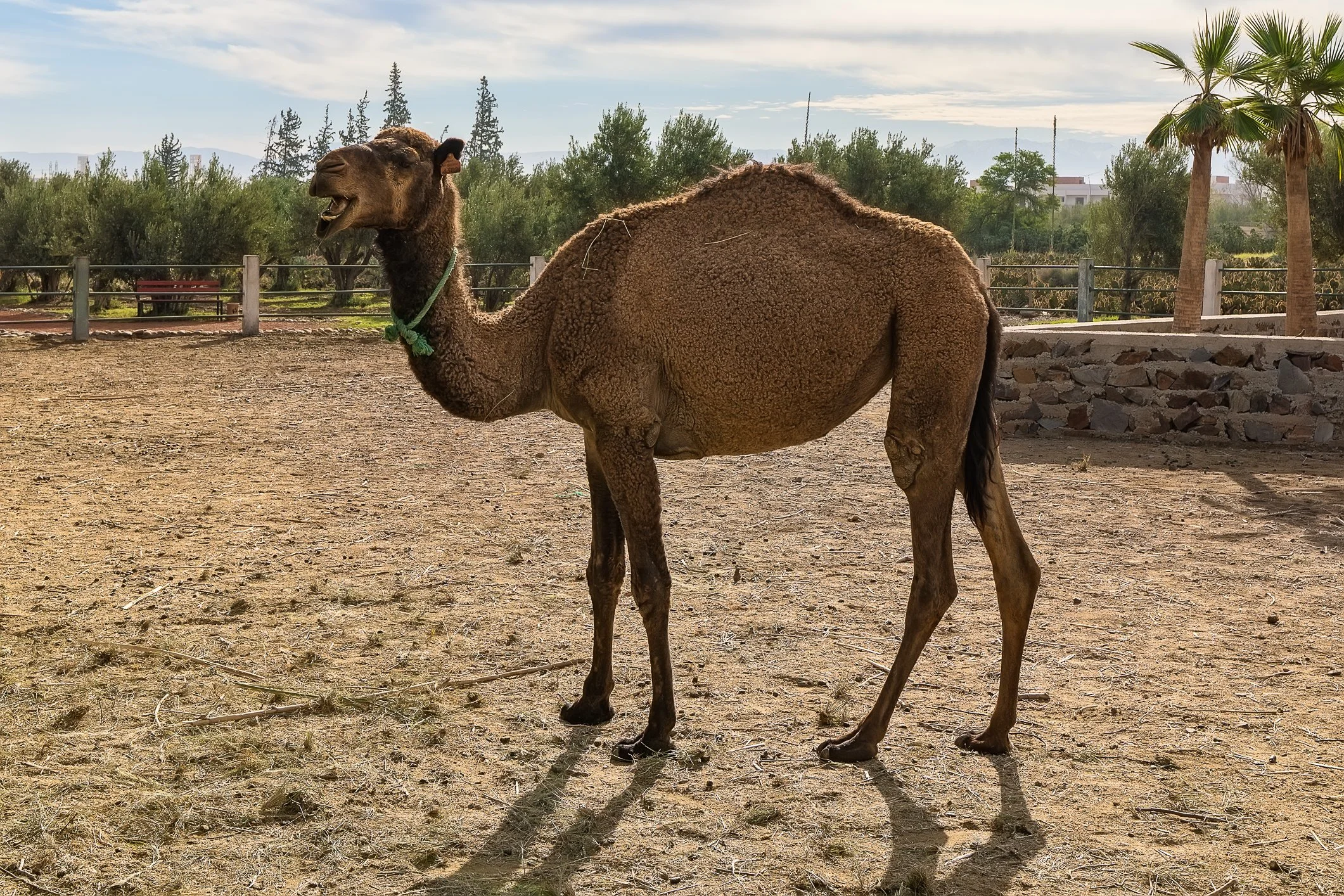
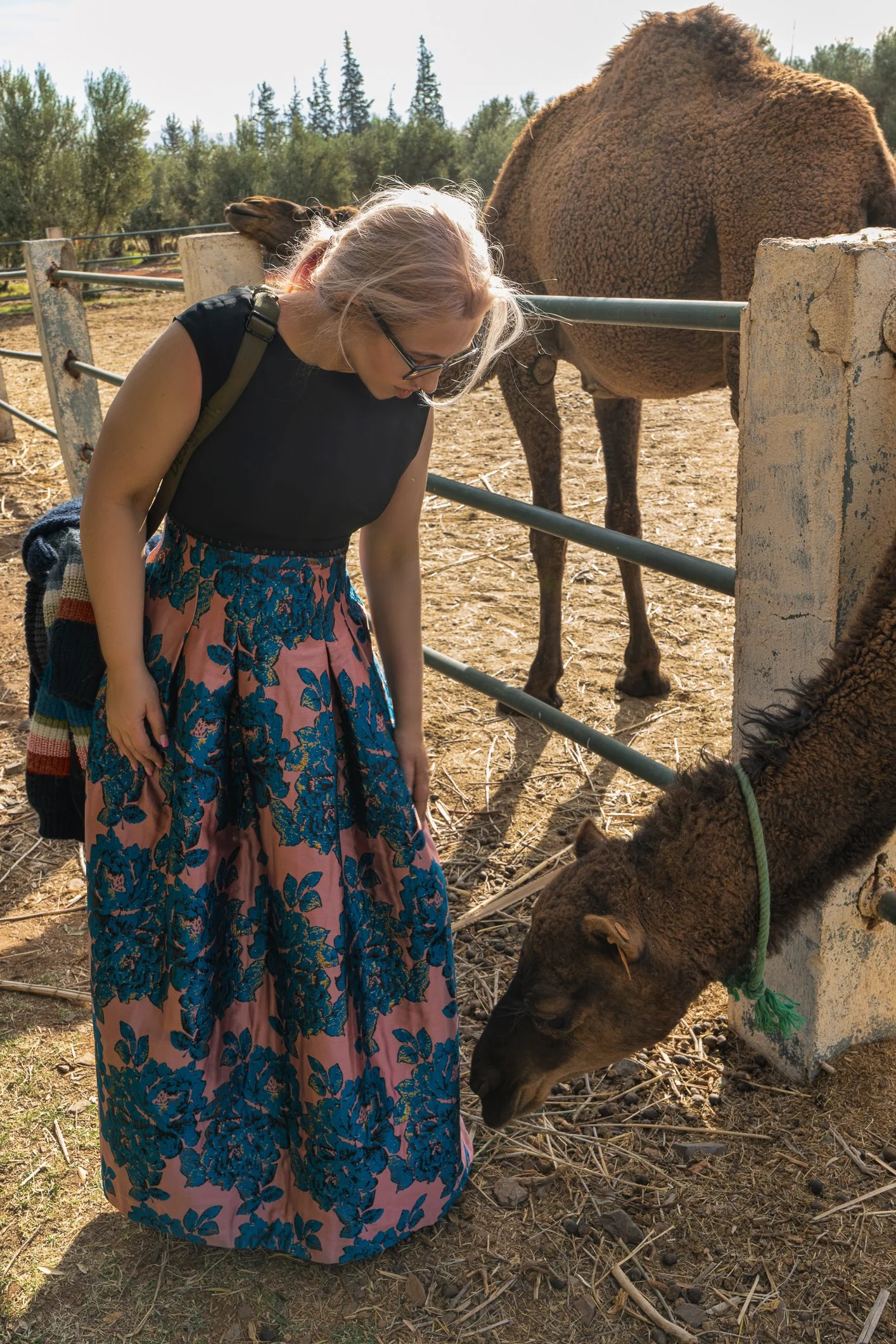
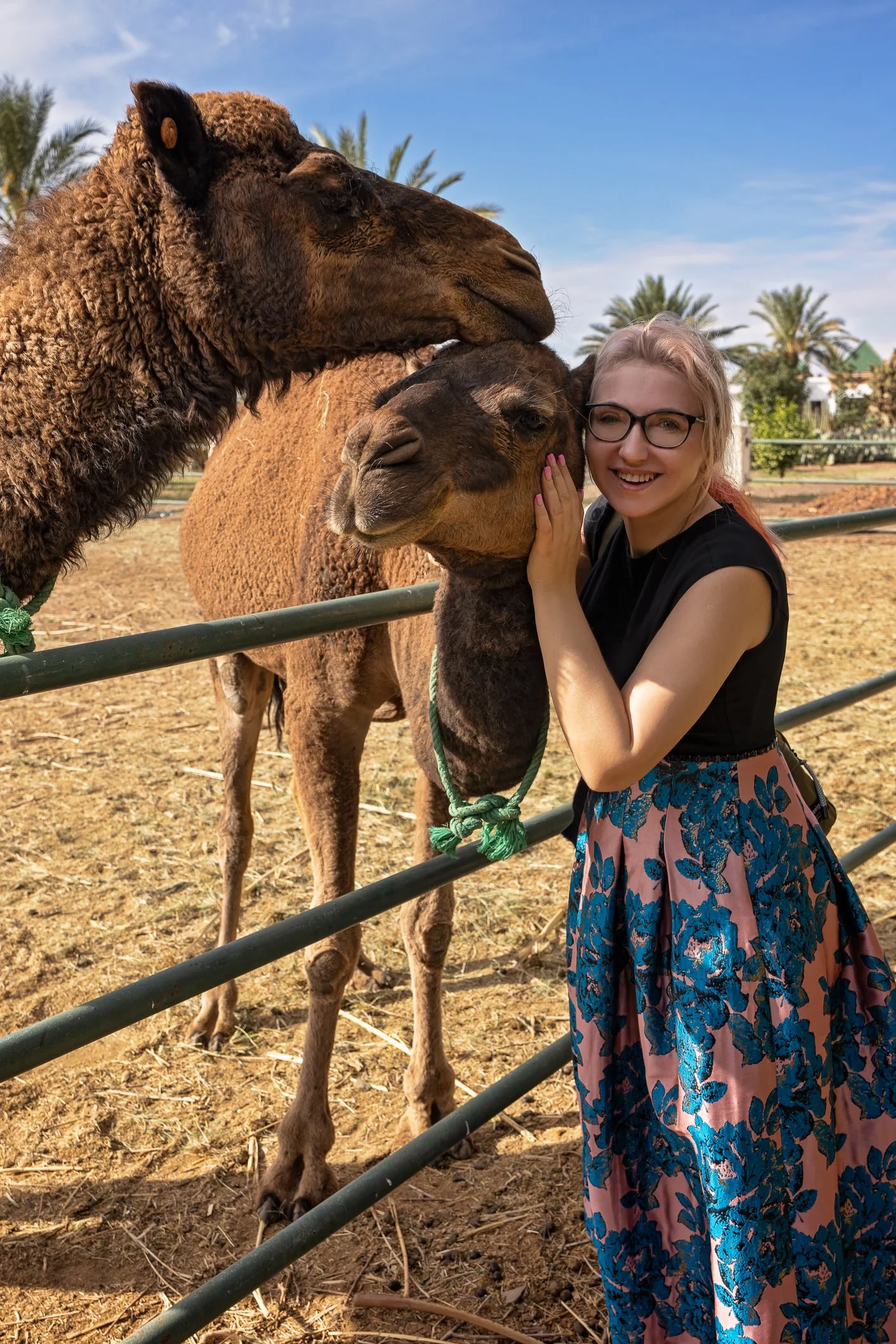
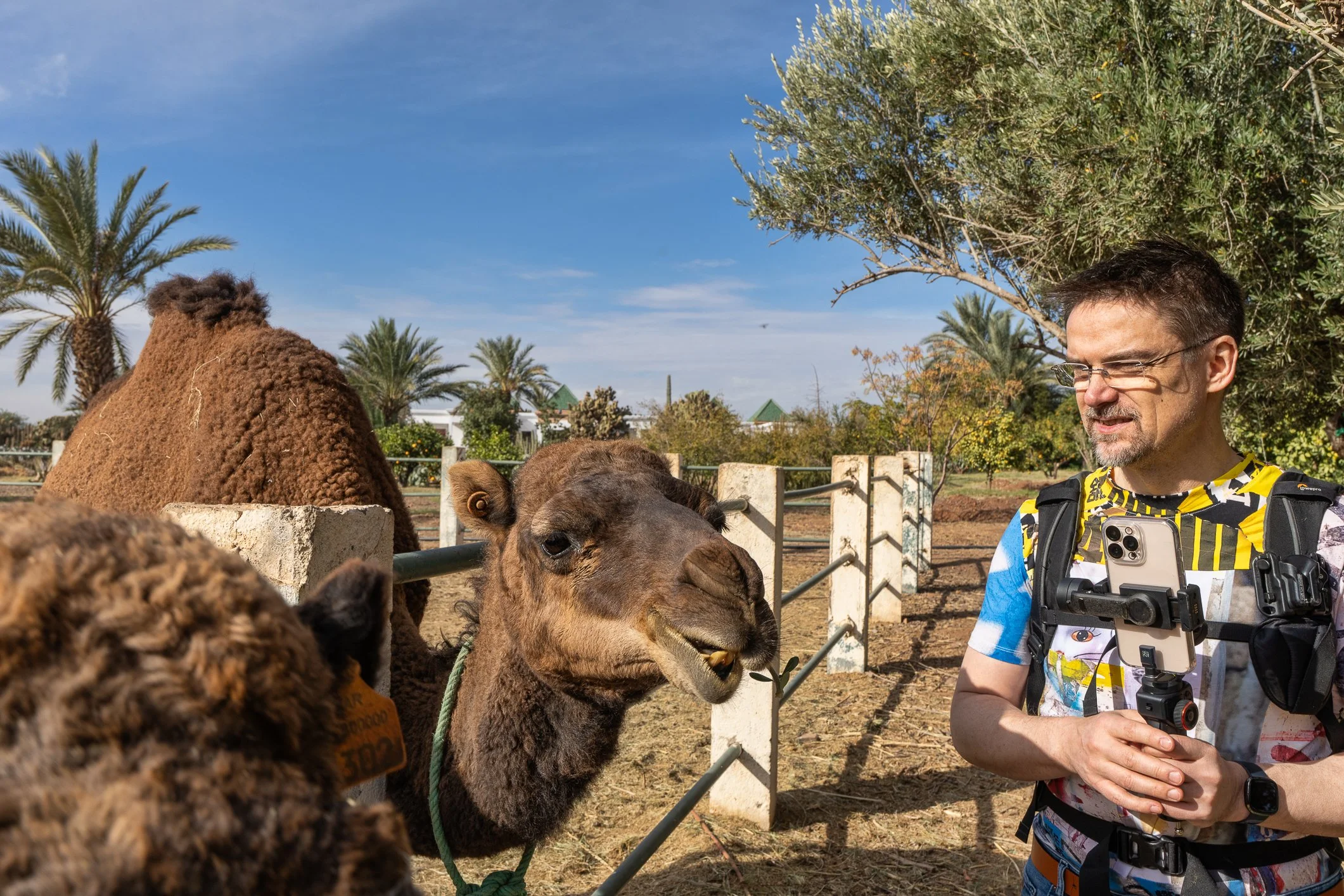
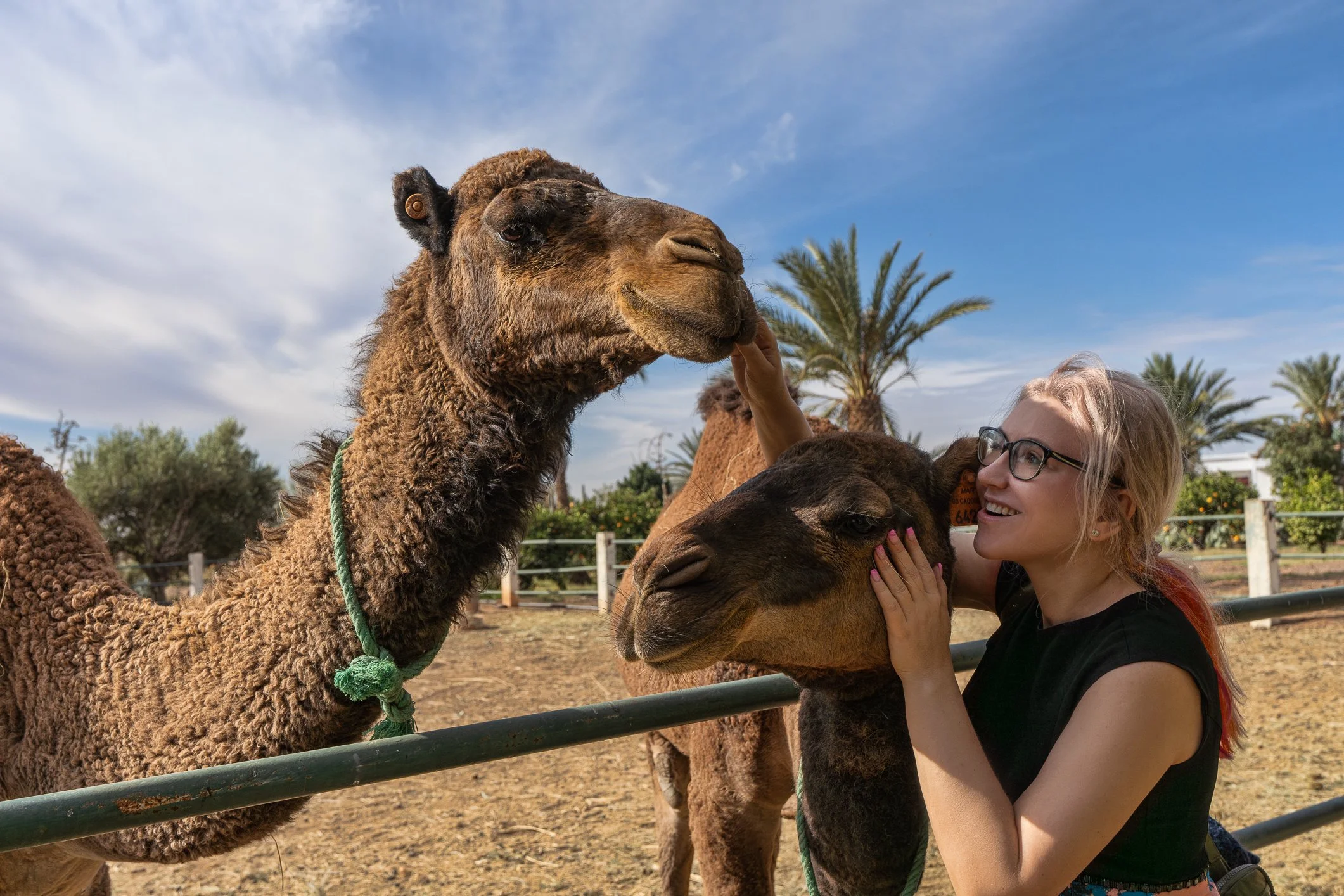
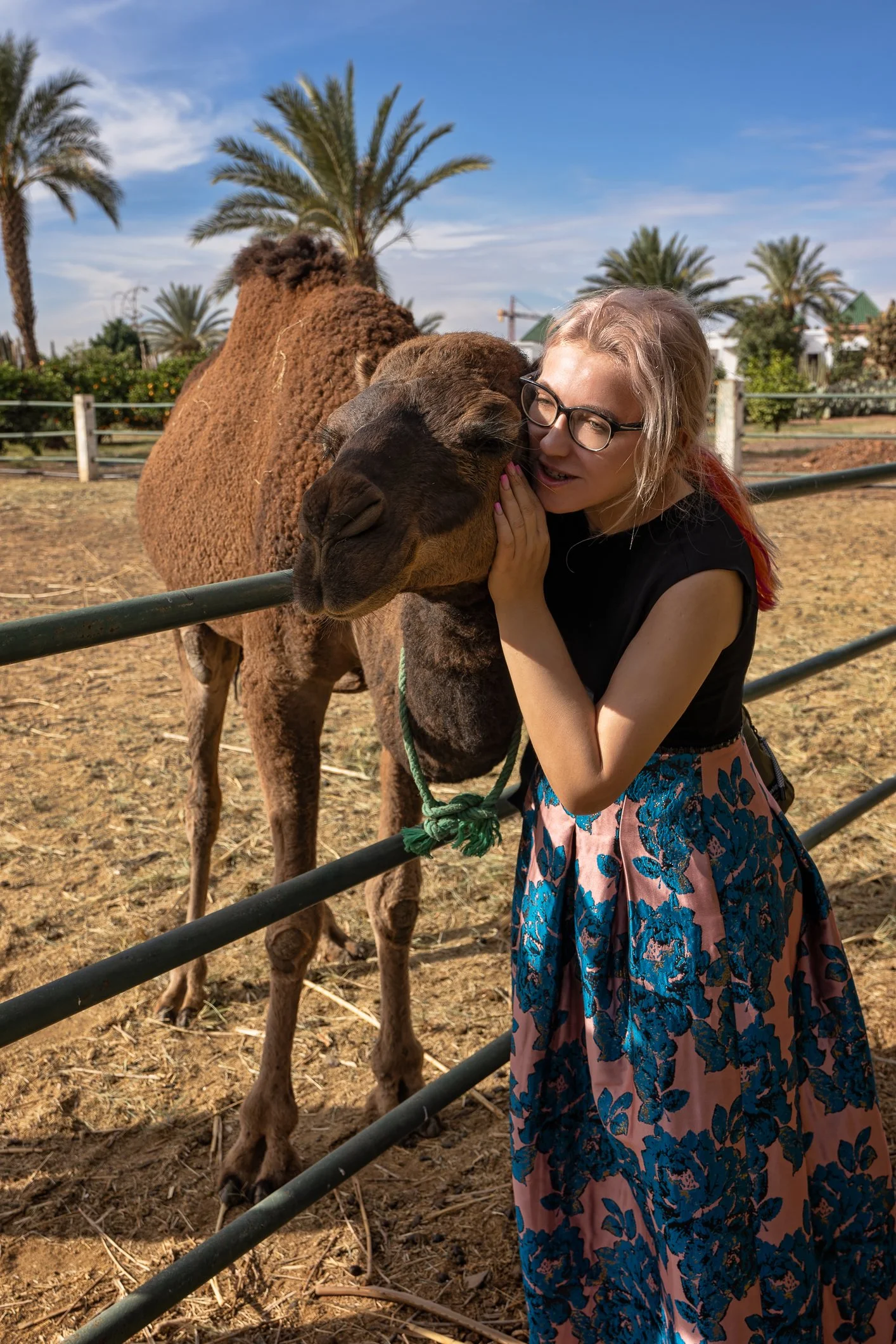
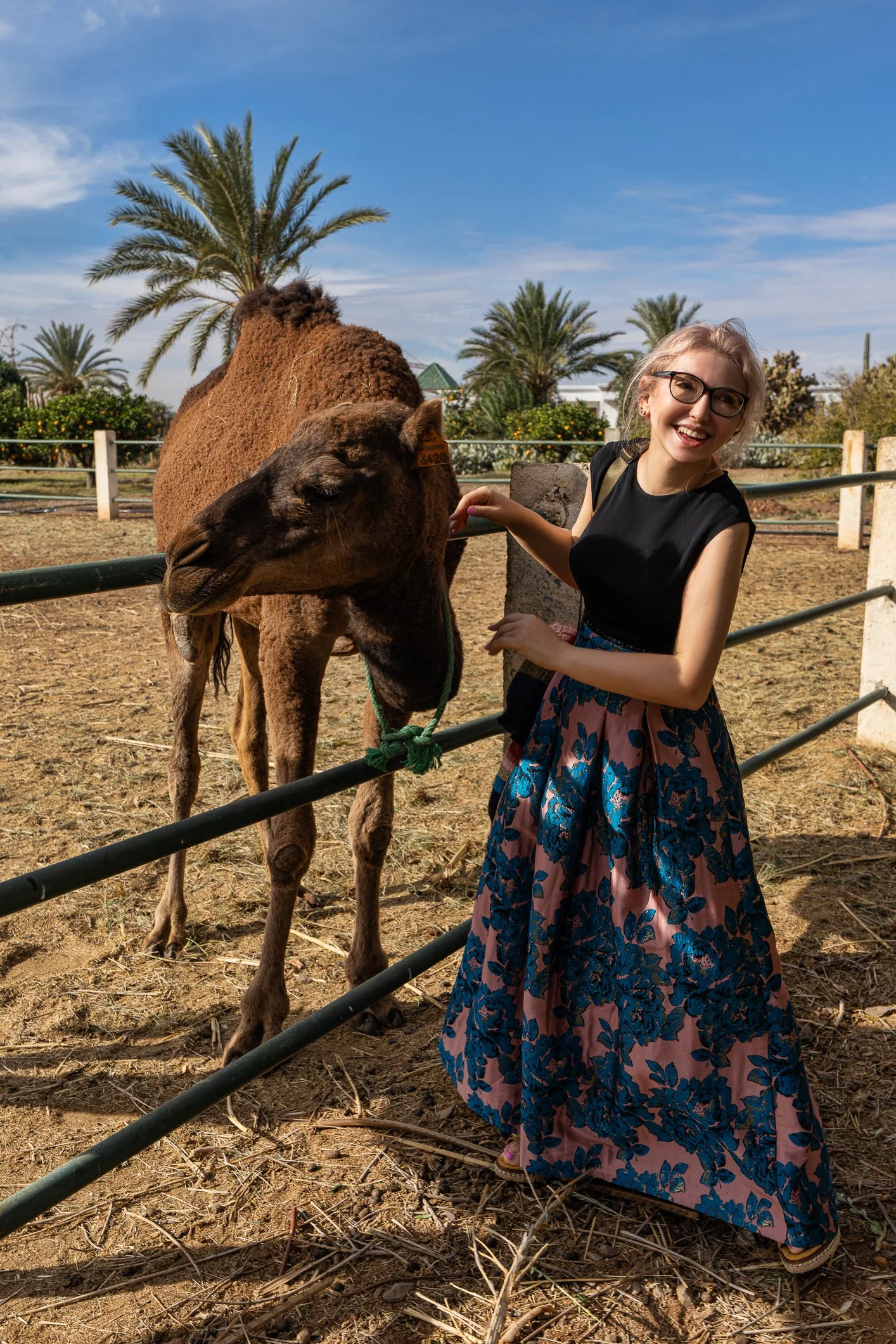
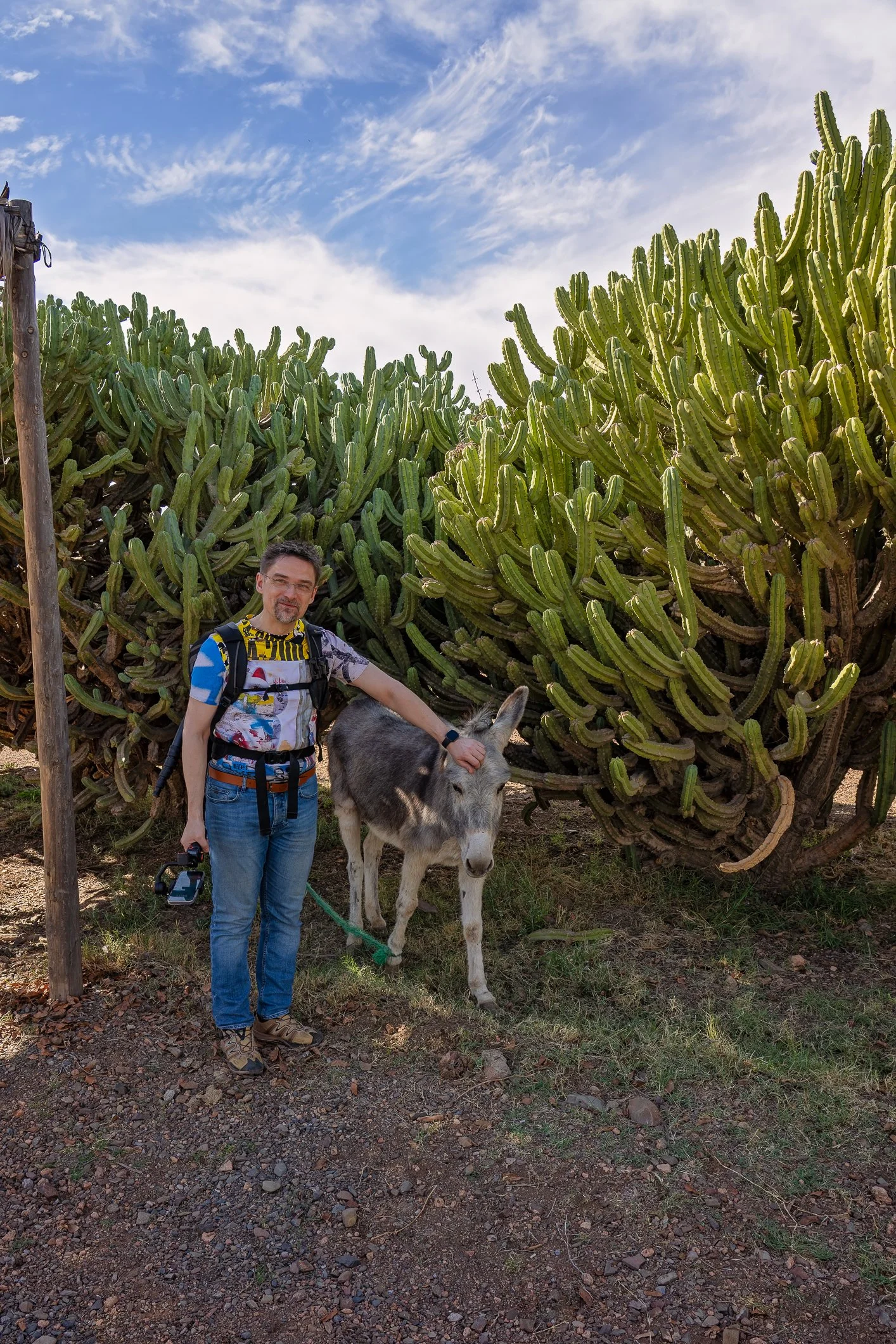
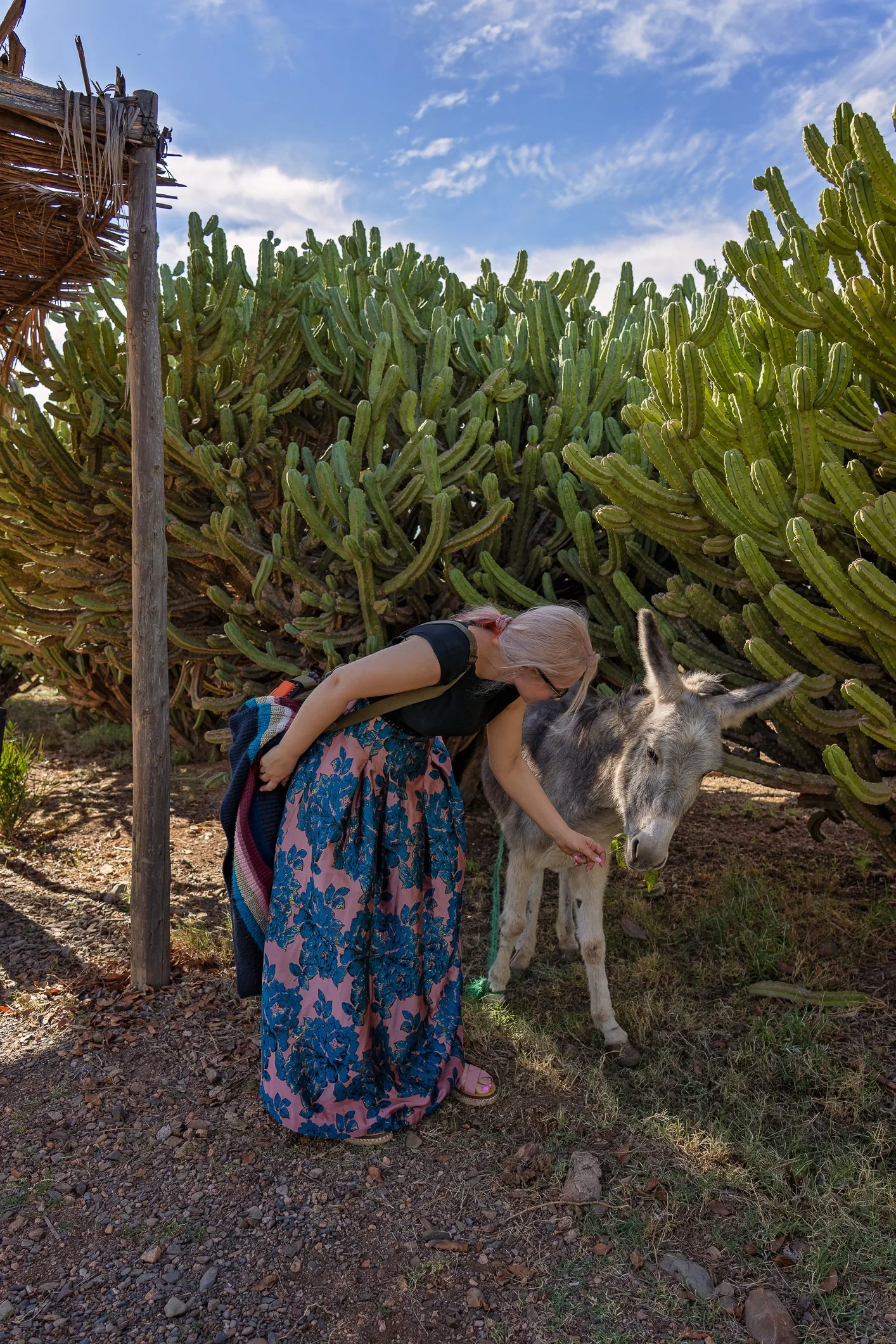
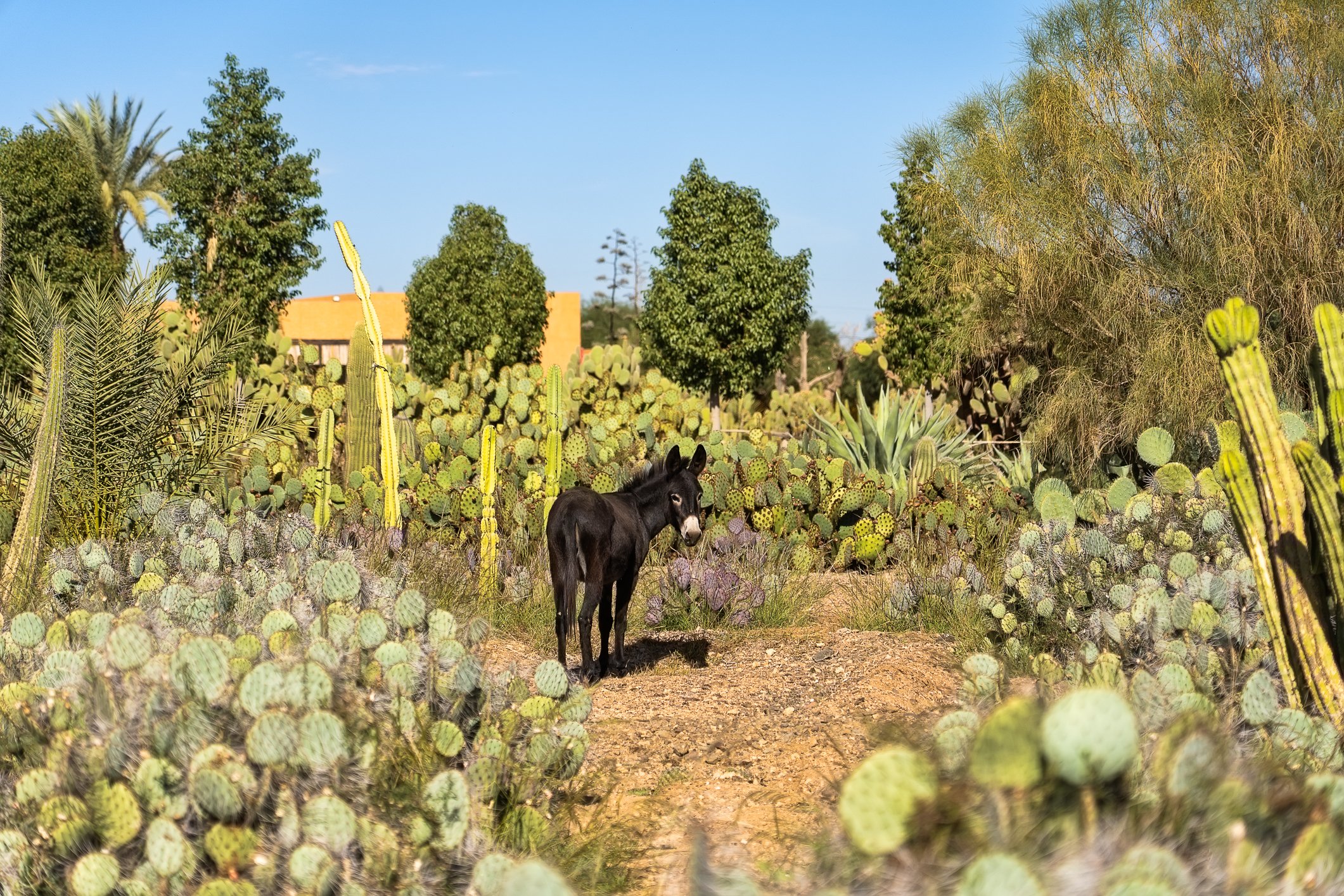
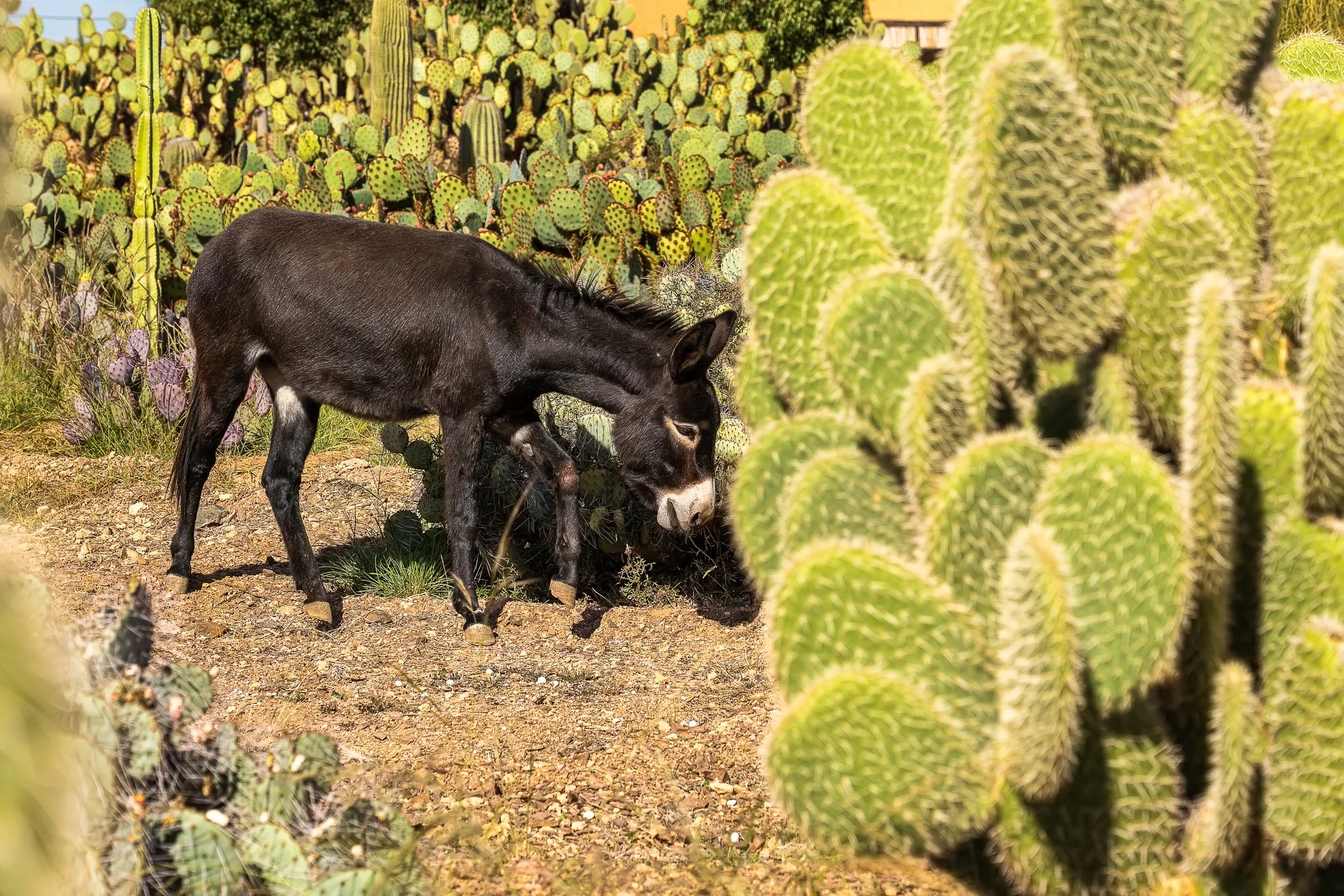
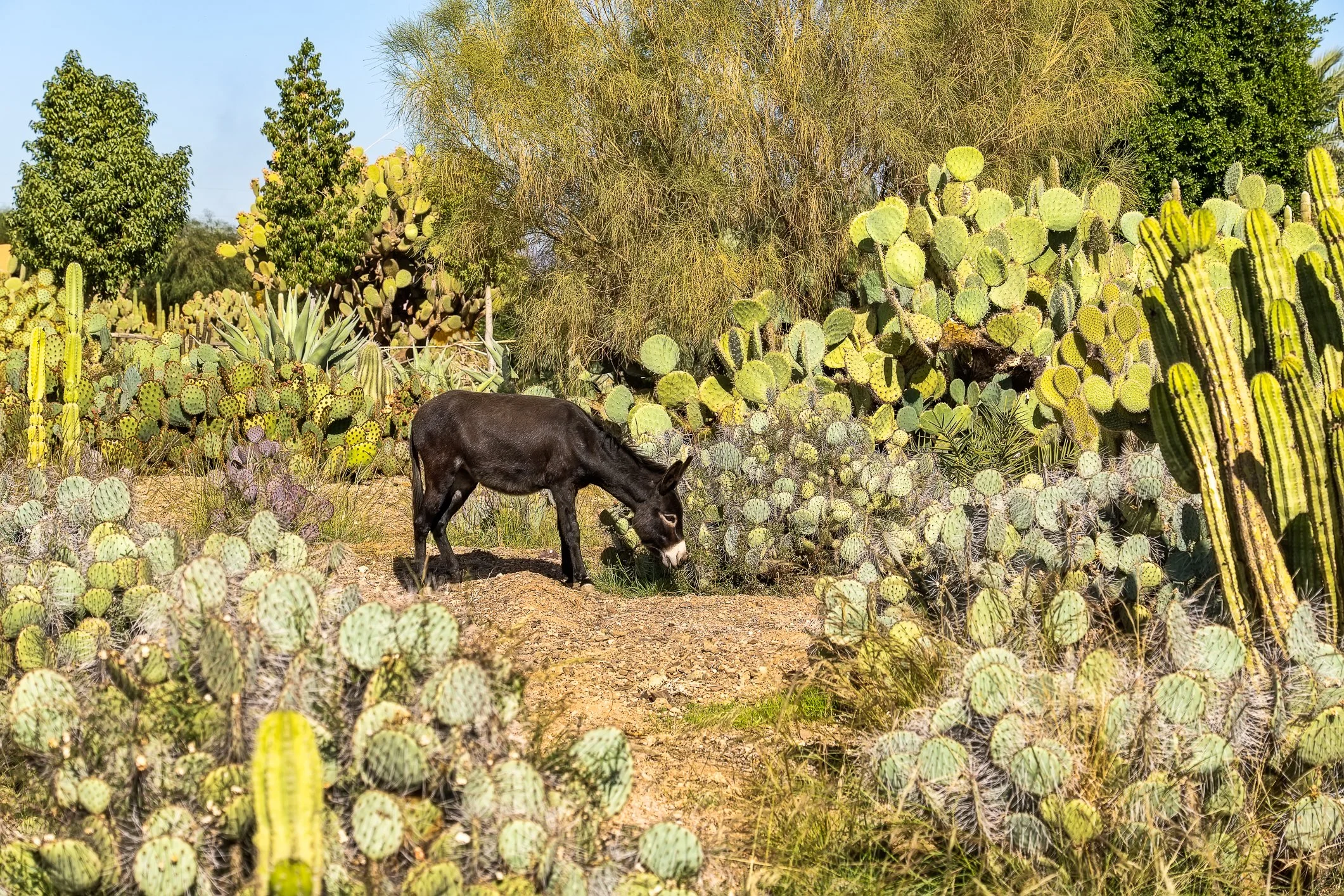
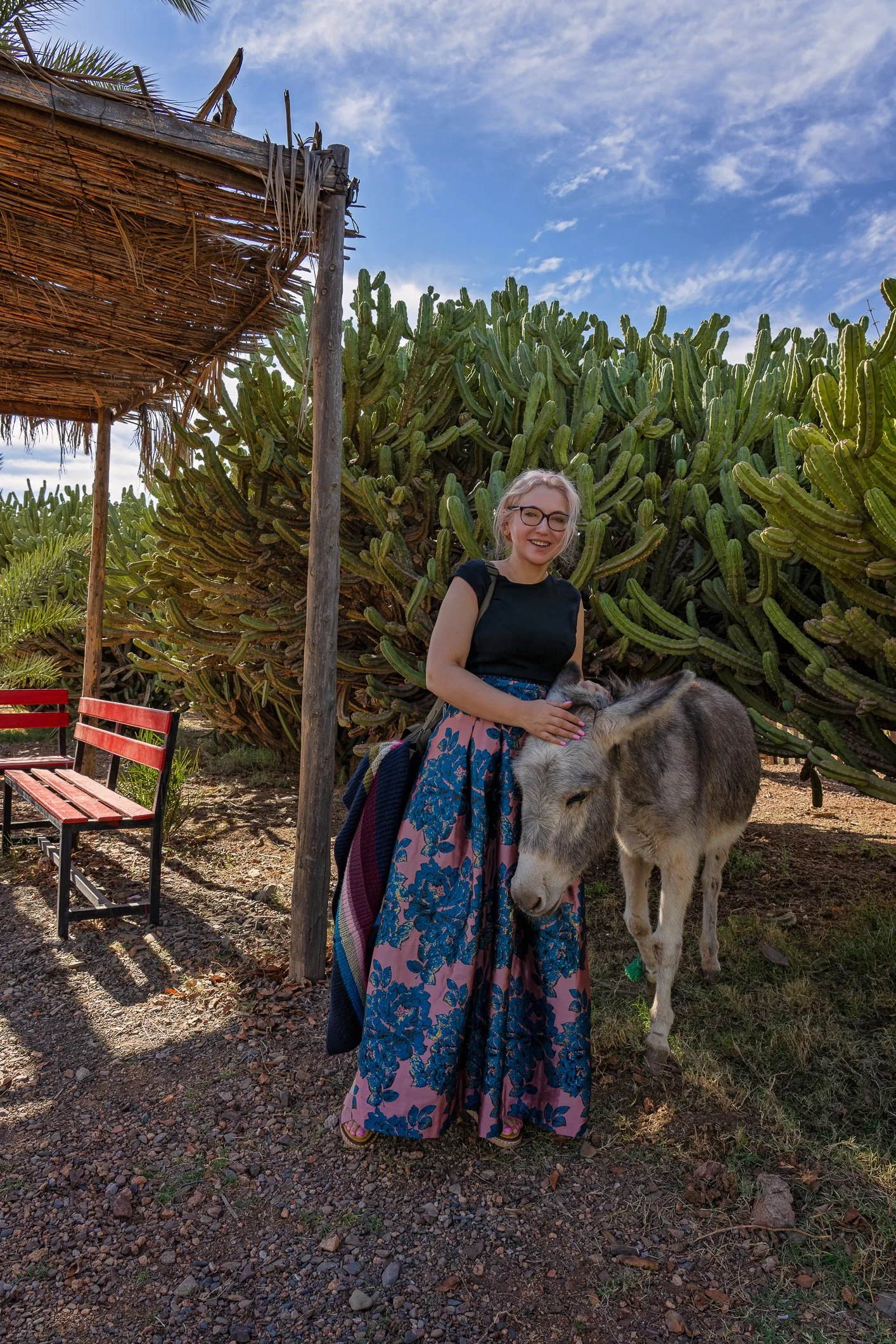
Alongside the plant collection from the Cactaceae, there are also a few animals, including Dromedary camels and Domestic donkeys - and we make friends with them immediately. The camels are kept in an enclosure they’ve eaten completely bare (so I guess we know why they are enclosed). They are very friendly and come up to us, expecting food, of course. A local worker notices us and brings some grass they like, and they are more than happy - not just to eat, but also to cuddle. One donkey we encounter is tied, but we spot several others walking freely through the fields.

Na terenie ogrodu są również zwierzęta, między innymi dromadery i osiołki. Oczywiście od razu się z nimi zaprzyjaźniamy. Wielbłądy przebywają na ogrodzonym terenie, który jest już całkowicie „wyjedzony”, więc łatwo się domyślić dlaczego. Są bardzo przyjazne, same podchodzą do nas, licząc na jedzenie. Jeden z pracowników przynosi nam trawę i wtedy zaczyna się prawdziwa interakcja: jedzenie, głaskanie i nawet trochę przytulania. Jeden napotkany przez nas osiołek jest uwiązany, ale kilka innych spaceruje swobodnie po terenie.
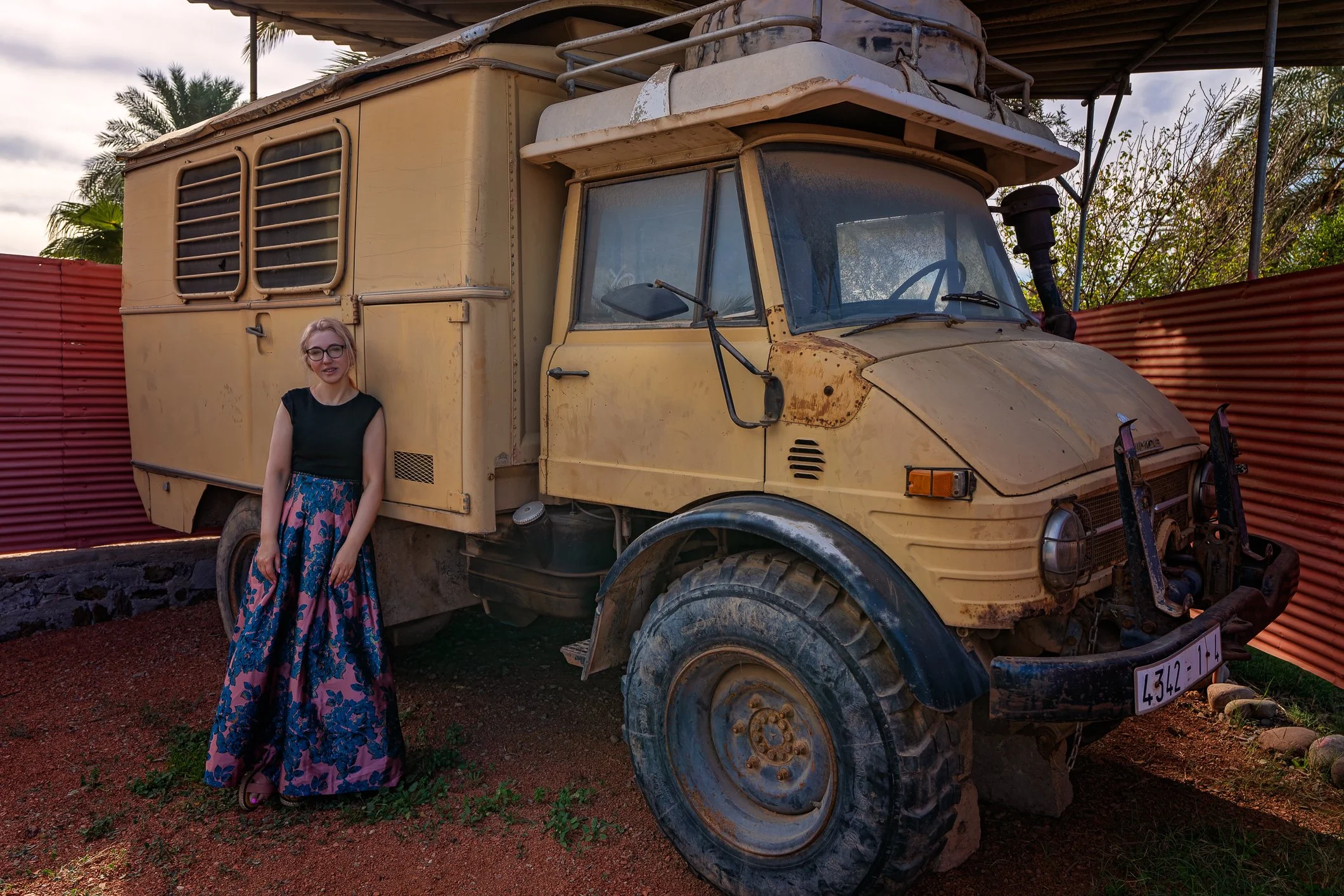
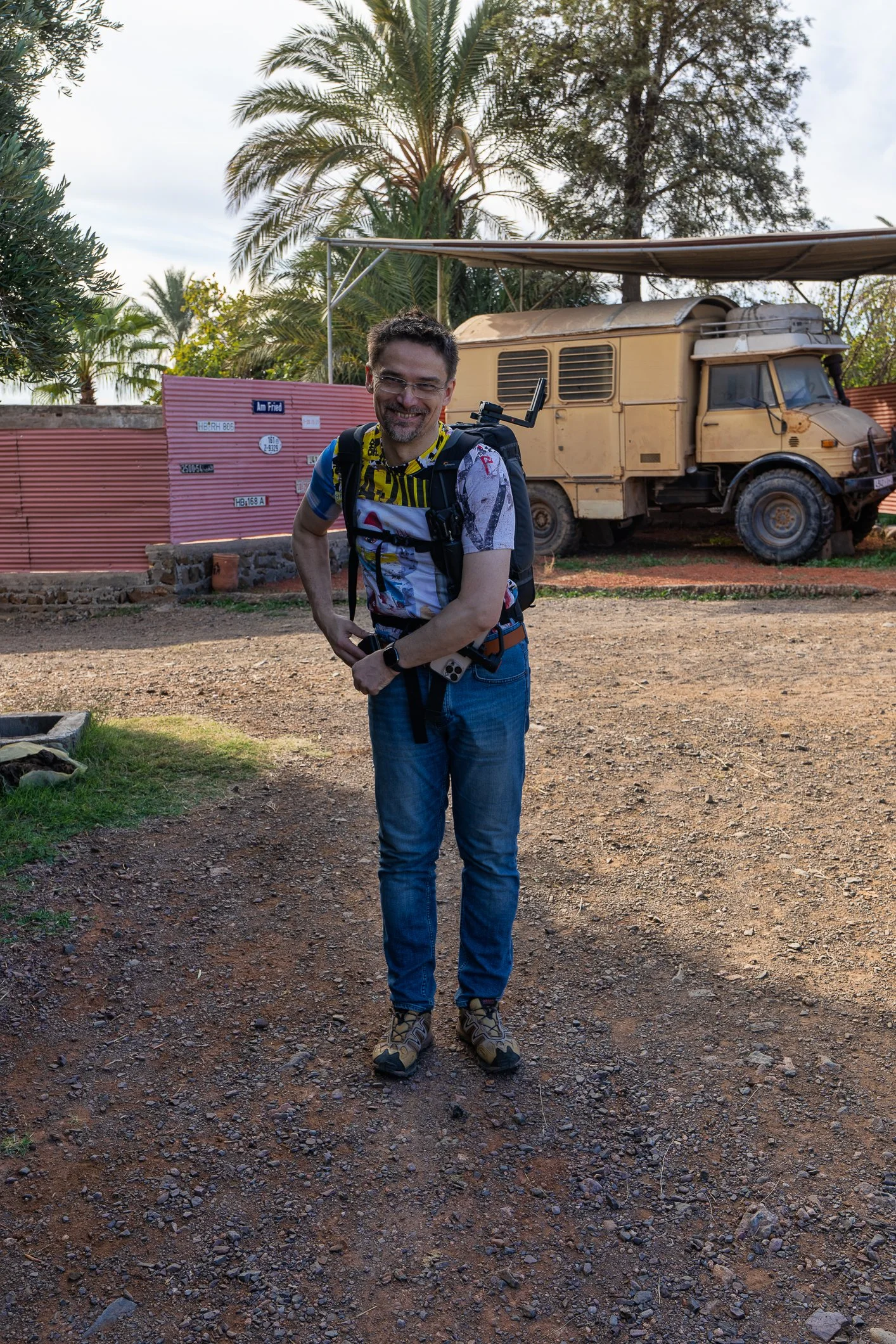
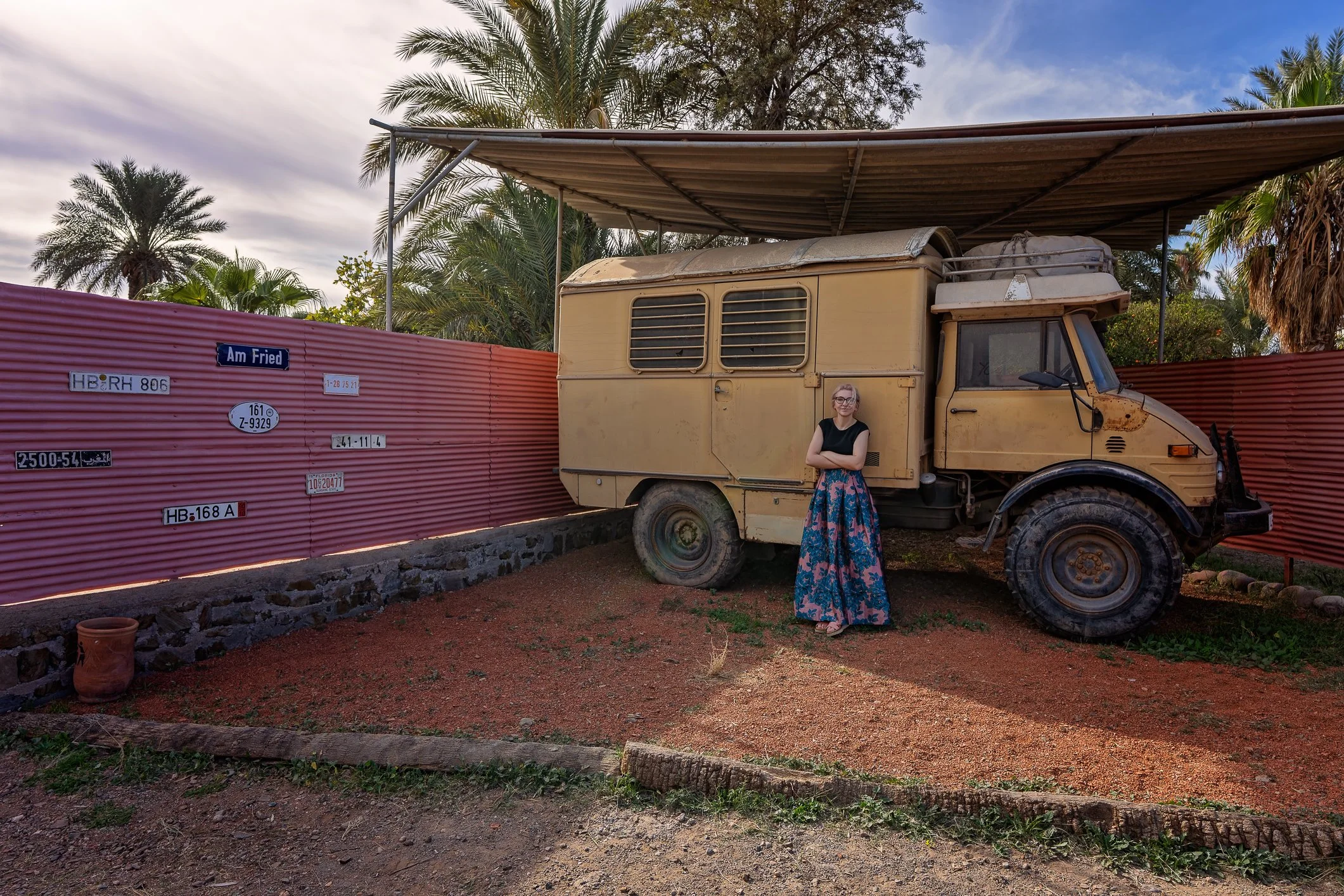
There is also an old truck on display that once belonged to Hans Thiemann. It is an Unimog, a legendary off-road utility vehicle made by Mercedes-Benz. Designed to handle extreme terrain like deserts, farms, and mountains, it has been used around the world since the 1950s for agriculture, military work, and expeditions. Thiemann used it when he first came to Morocco and when he was collecting and transporting cactus plants.

Na terenie ogrodu stoi też stary samochód należący kiedyś do Hansa Thiemanna. To Mercedes-Benz Unimog, legendarny pojazd użytkowy zaprojektowany do pracy w trudnych warunkach - na pustyni, w górach czy na farmach,  który przez dekady był wykorzystywany na całym świecie. Thiemann używał go do transportu kaktusów i pracy na farmie.
After quite a few hours of exploring, we are finally ready for our taxi. While waiting, we pop into the small shop selling cactus-related products like oils and honey. I treat myself to a rather luxurious hair oil and, of course, some chocolate. A perfect finish to a wonderful visit.

Po dobrych  kilku godzinach spędzonych na łażeniu po ogrodach jesteśmy w końcu gotowi na powrót. Czekając na taksówkę, zaglądamy jeszcze do małego sklepiku z produktami na bazie kaktusów - olejkami, miodami i innymi drobiazgami. Kupuję luksusowy olejek do włosów i, oczywiście, czekoladę. I jest to idealne zakończenie tej wizyty.
Off to Marrakech (again)

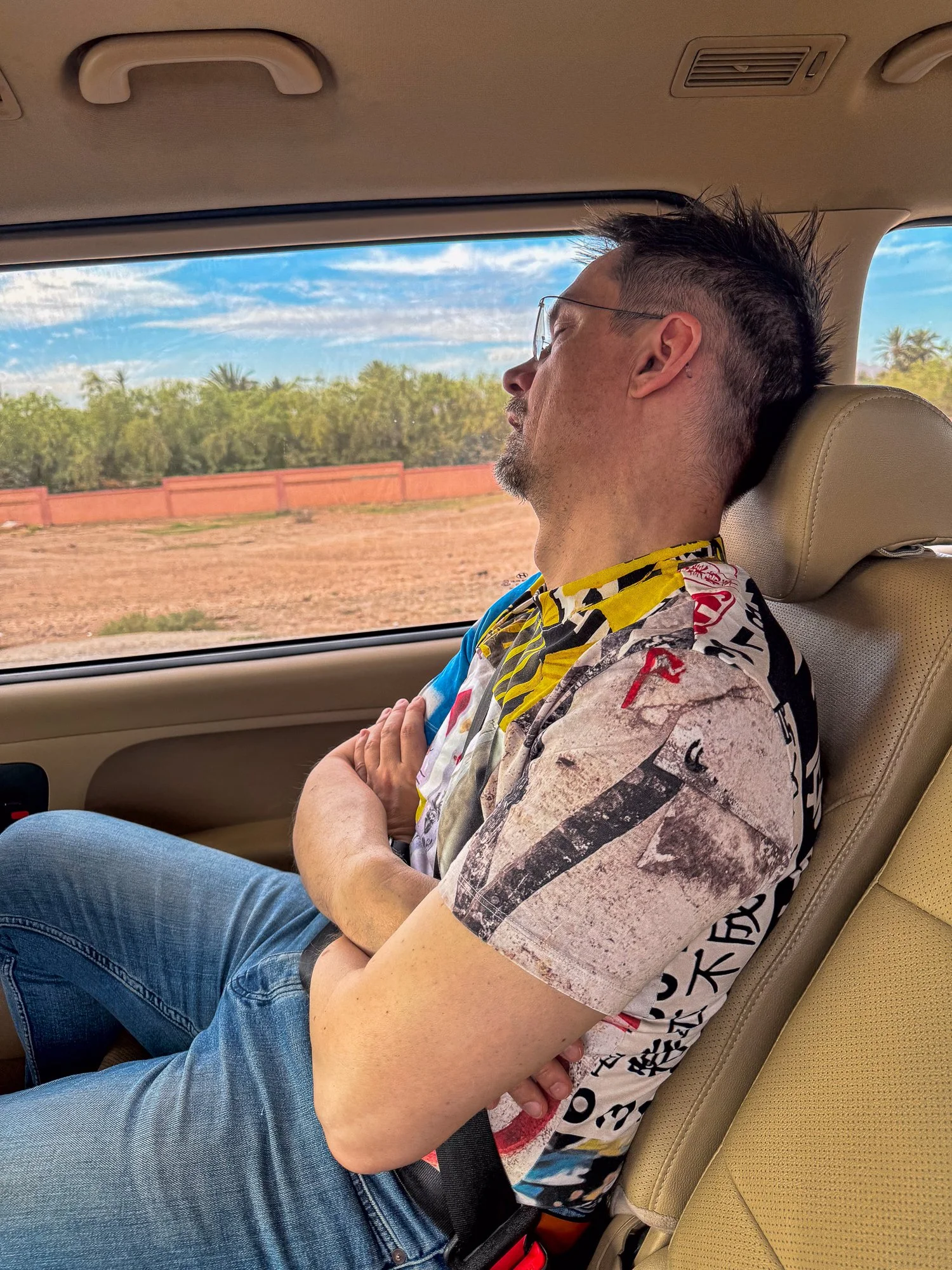
The taxi pulls up in front of our house at 2 am, and I'm just about ready with my packing. I could really use another two hours to wrap up some work tasks, but that will have to wait. Marcin is asleep in the car, as usual, while I chat with the driver. Before I know it, we're arriving at Gatwick. Check-in is quick and efficient, leaving us some time to grab a bite to eat before our flight. I’m not sure why we feel hungry at 5 am, but being at the airport is an excuse good enough. We stop at Itsu and opt for sushi, miso soup, and chocolate bao.

Once aboard the plane, we both drift off to sleep. When we wake up again, we find ourselves in Marrakech. The airport check-out takes longer than expected, with incredibly long queues, but at least the process is smooth. Finally, our driver from the riad is there to greet us. And just like that, the adventure begins…


Taksówka podjeżdża pod nasz dom o 2 w nocy i akurat zdążyłam dokończyć pakowanie. Tak naprawdę przydałyby mi się jeszcze ze dwie godziny, żeby skończyć kilka zadań do pracy, ale cóż, będzie musiało to chwilę poczekać. Marcin w taksówce od razu zasypia, jak zwykle zresztą, podczas gdy ja rozmawiam z kierowcą. Zanim się obejrzę, jesteśmy już na Gatwick. Odprawa przebiega szybko i sprawnie, zostawiając nam trochę czasu na zjedzenie czegoś przed lotem. Nie wiem, dlaczego w ogóle myślimy o jedzeniu o 5 rano, ale bycie na lotnisku jest wystarczająco dobrą wymówką w naszych głowach... Zatrzymujemy się więc w Itsu na sushi, miso i czekoladowe bao. Po wejściu na pokład samolotu oboje zasypiamy. Kiedy się budzimy, okazuje się, że jesteśmy już praktycznie w Marrakeszu. Odprawa na lotnisku trwa dłużej niż się spodziewaliśmy, bo wszędzie są bardzo długie kolejki, ale przynajmniej proces przebiega sprawnie. Po drugiej stronie znajdujemy się z kierowca wysłanym do nas przez riad i tak zaczyna się kolejna marokańska przygoda…