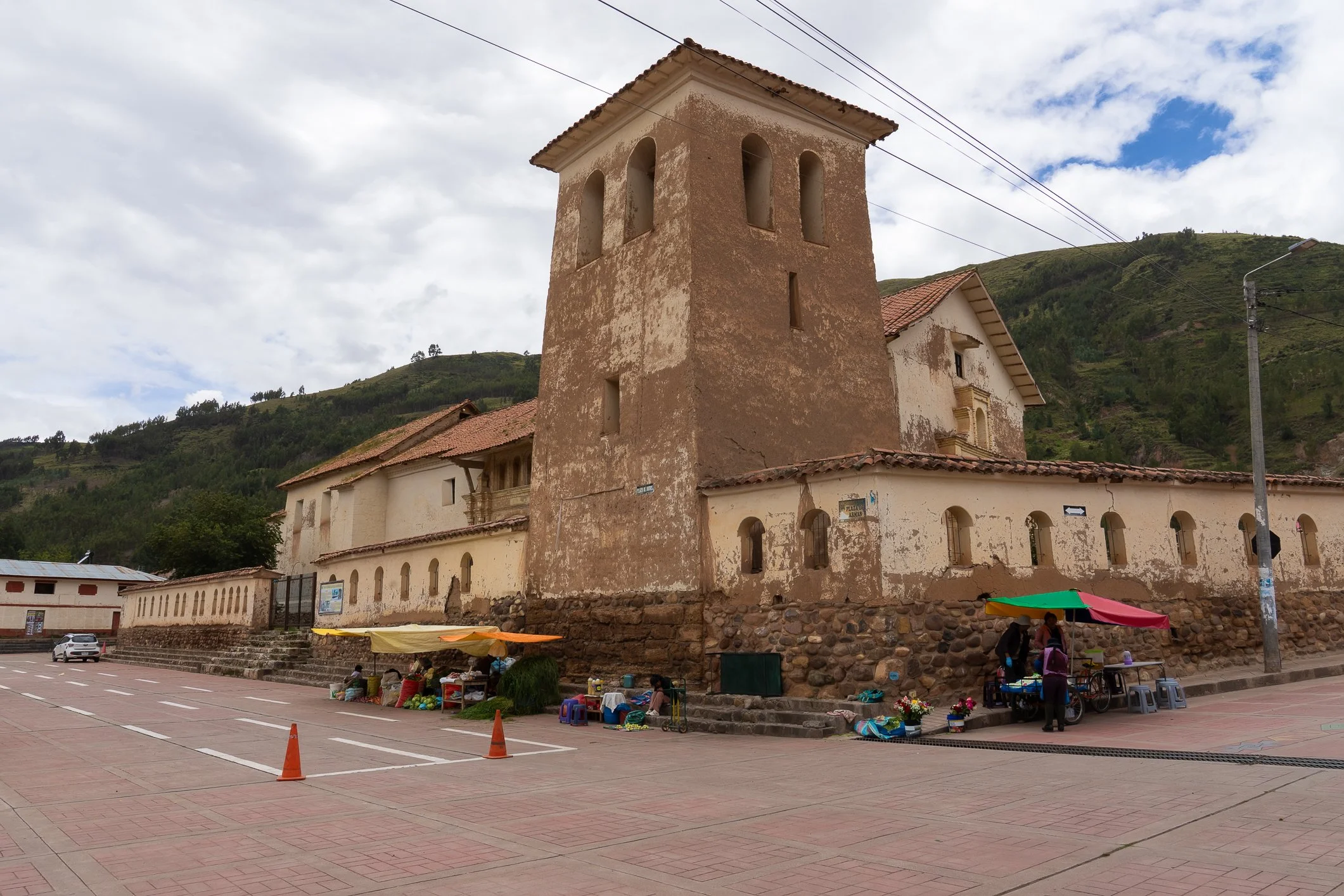
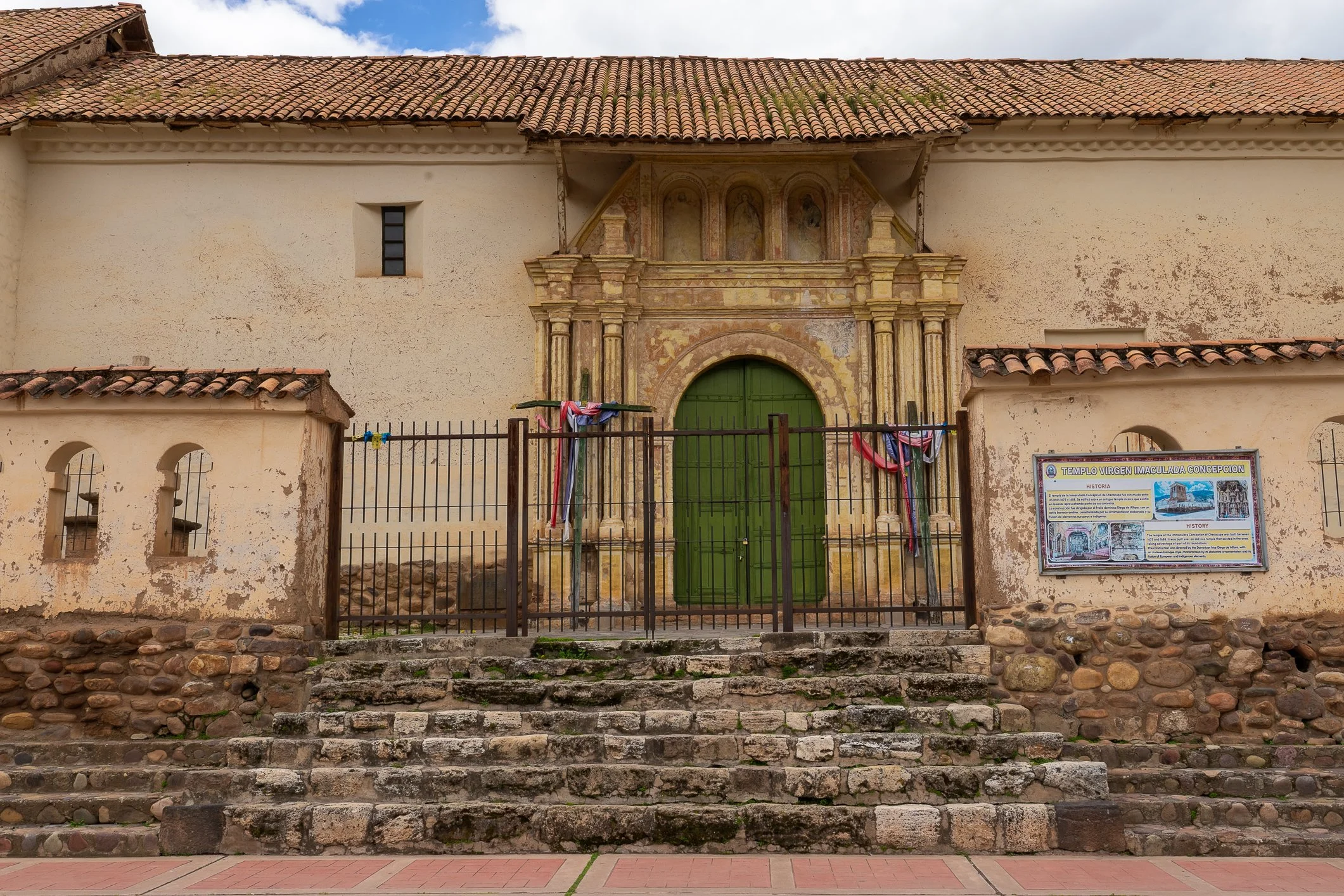
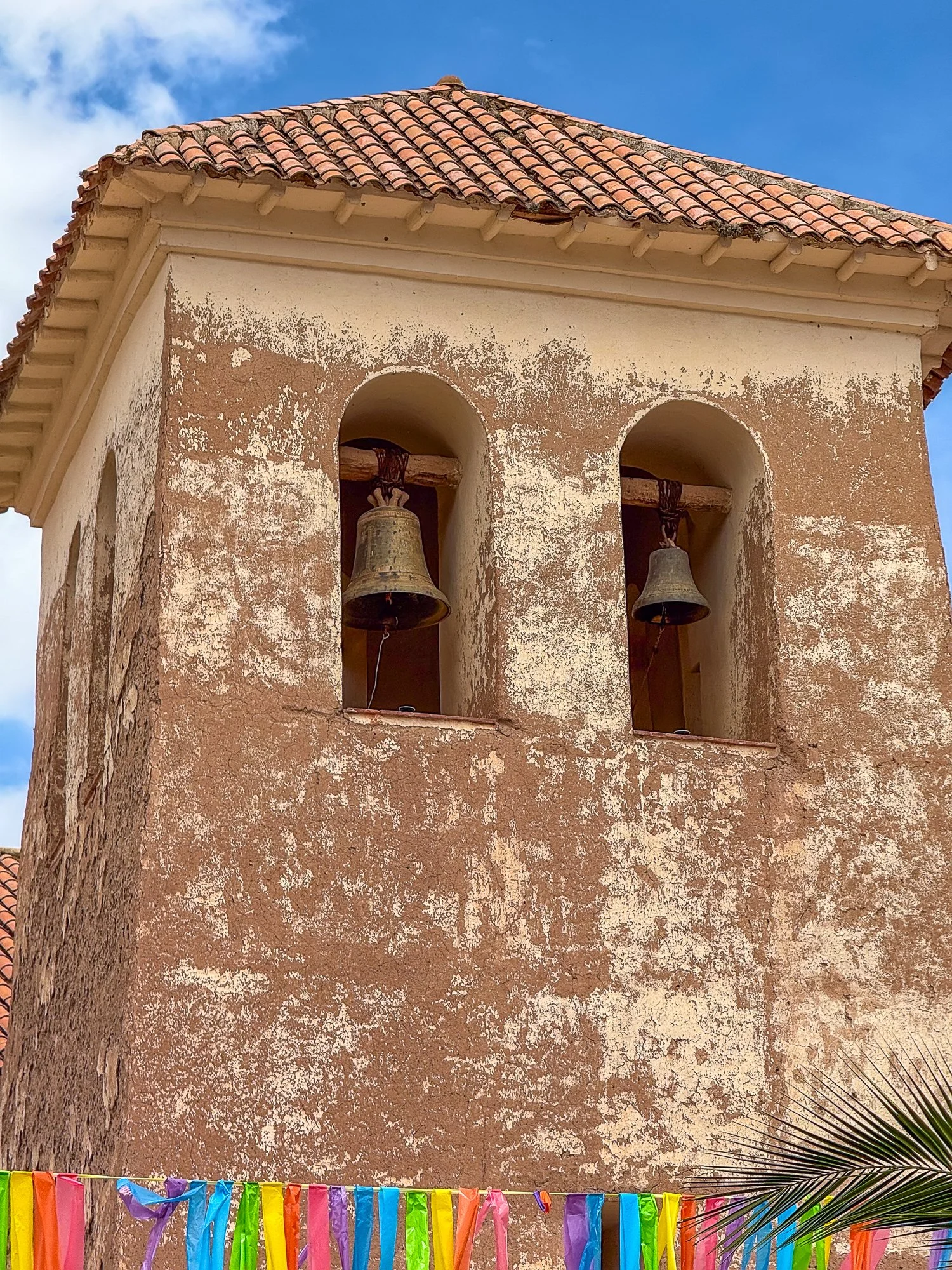
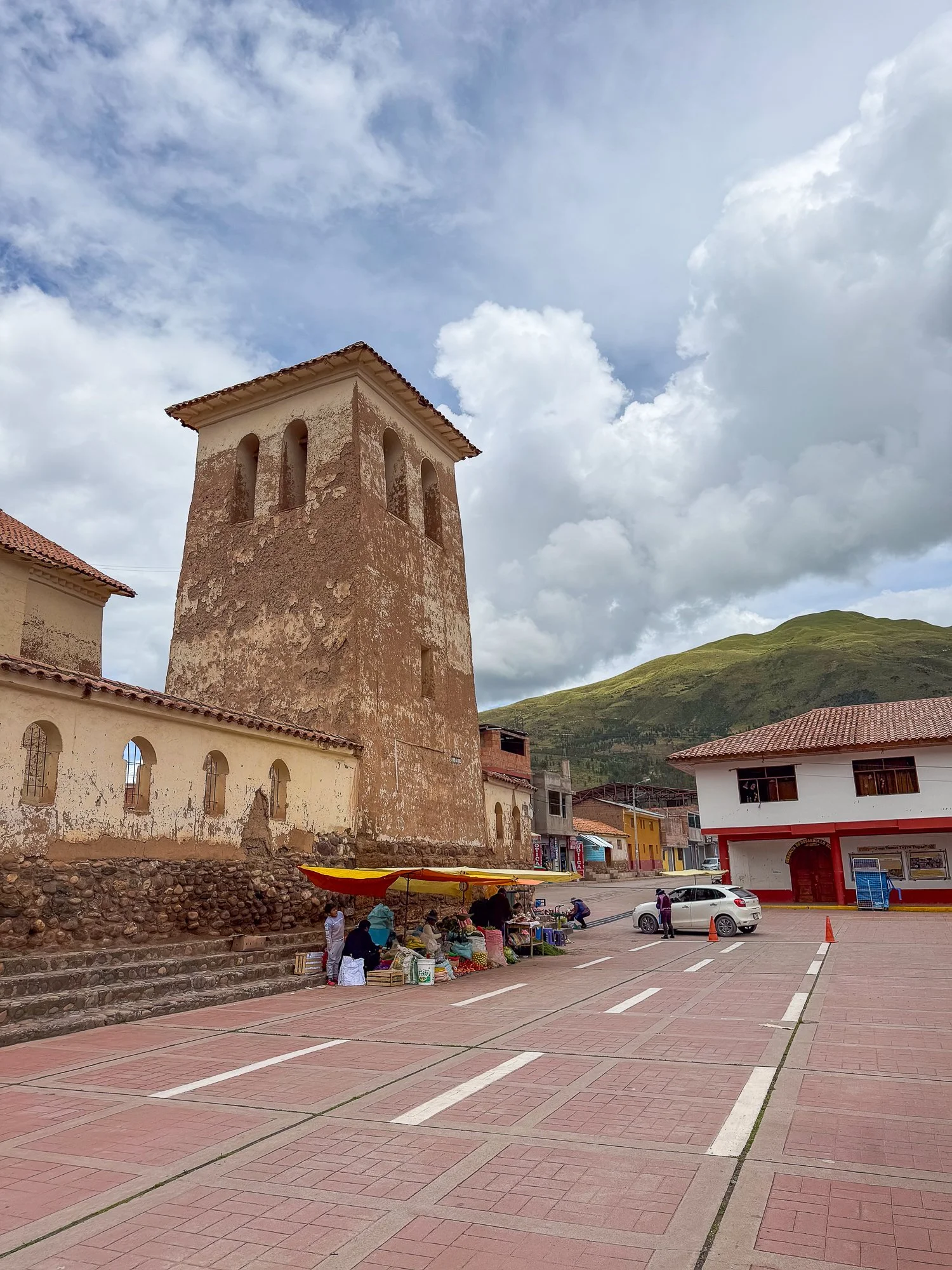
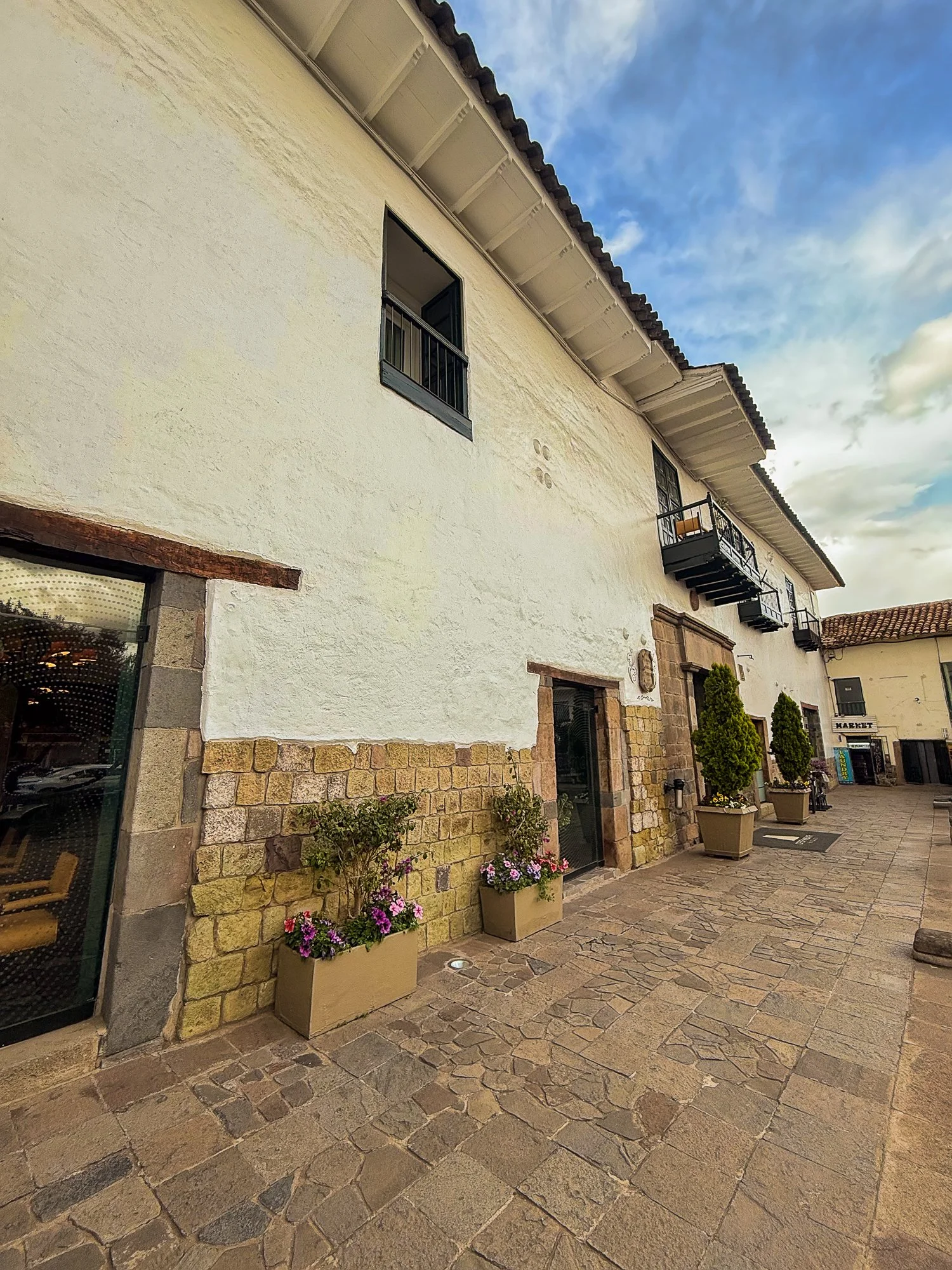
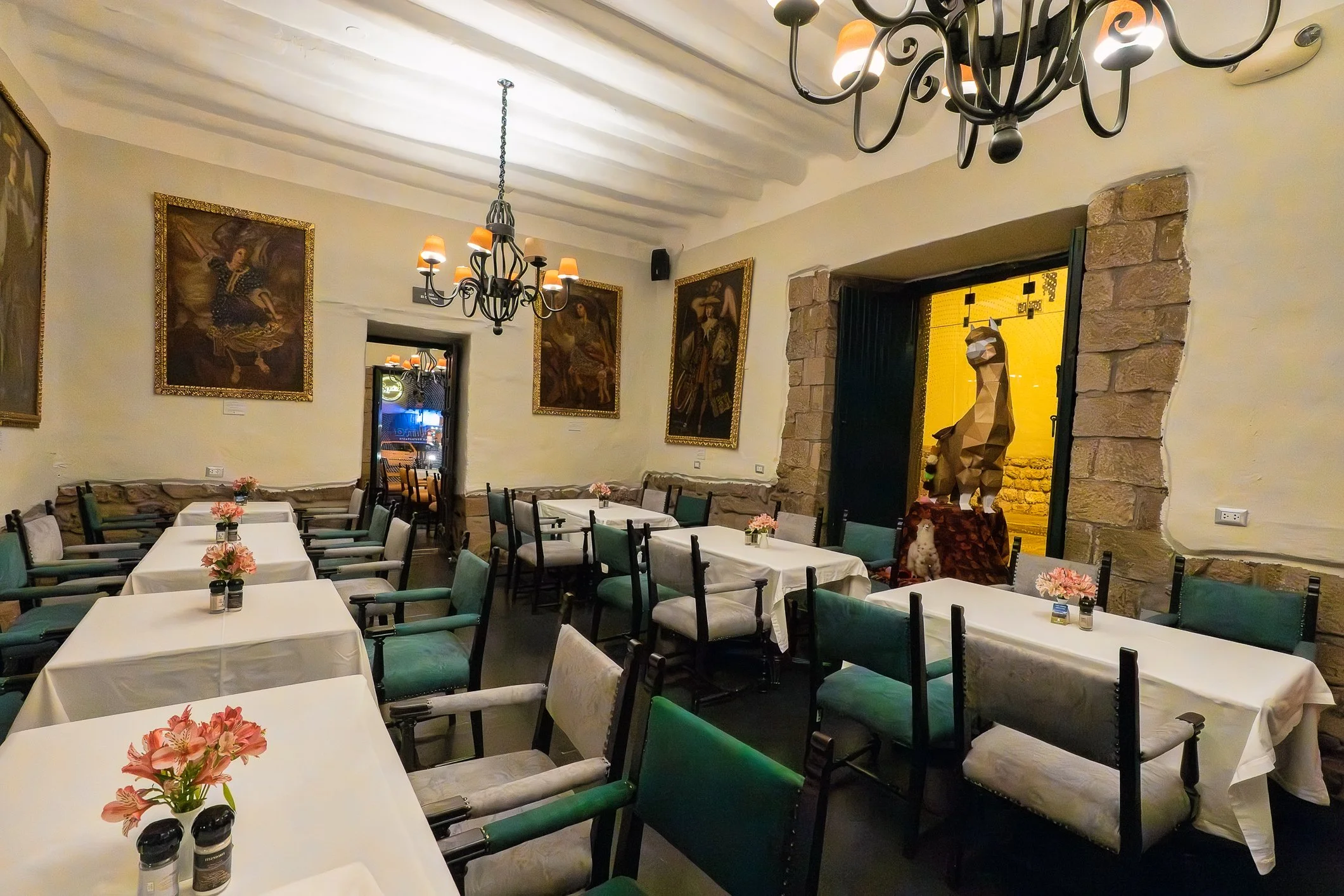
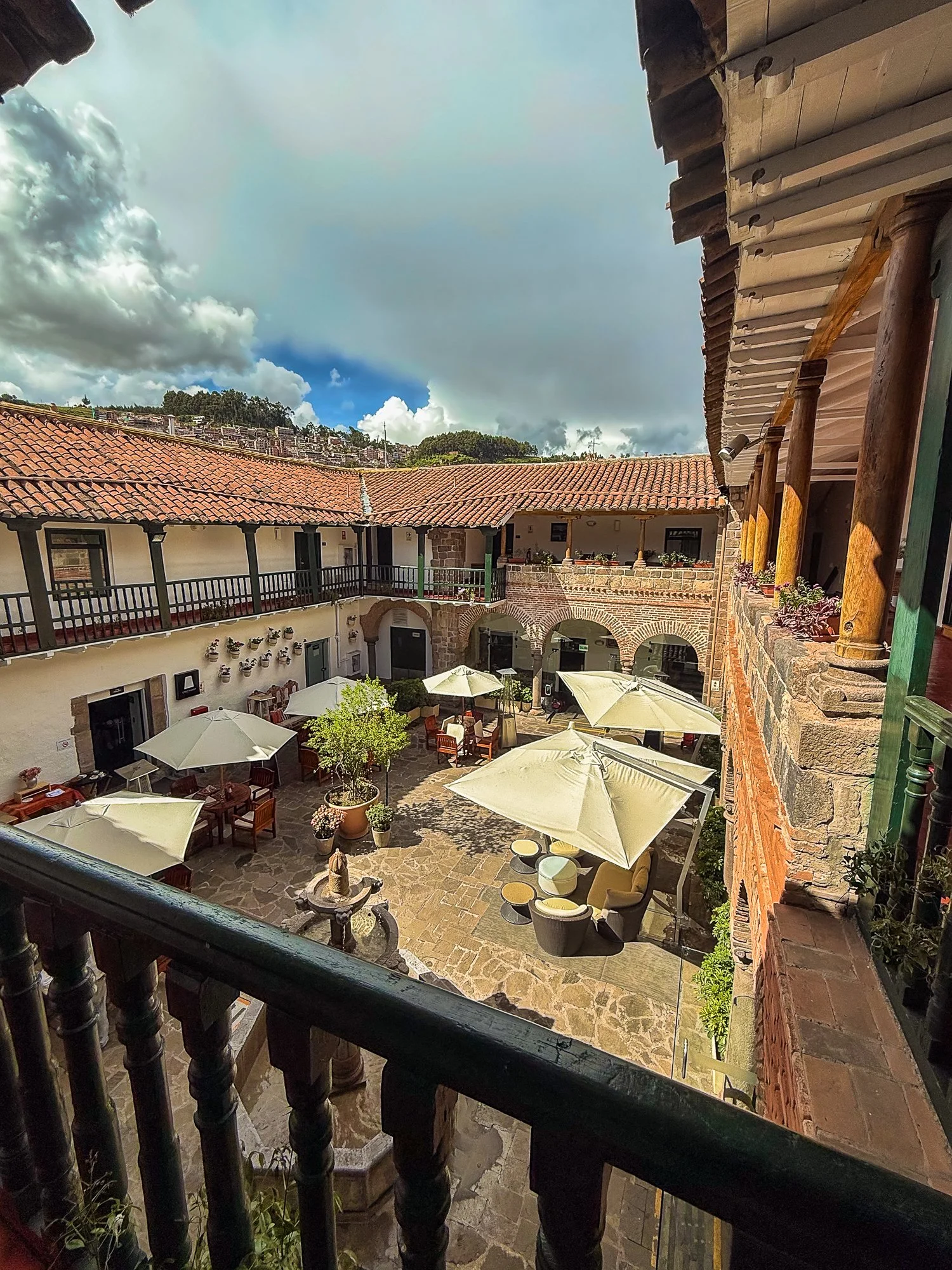
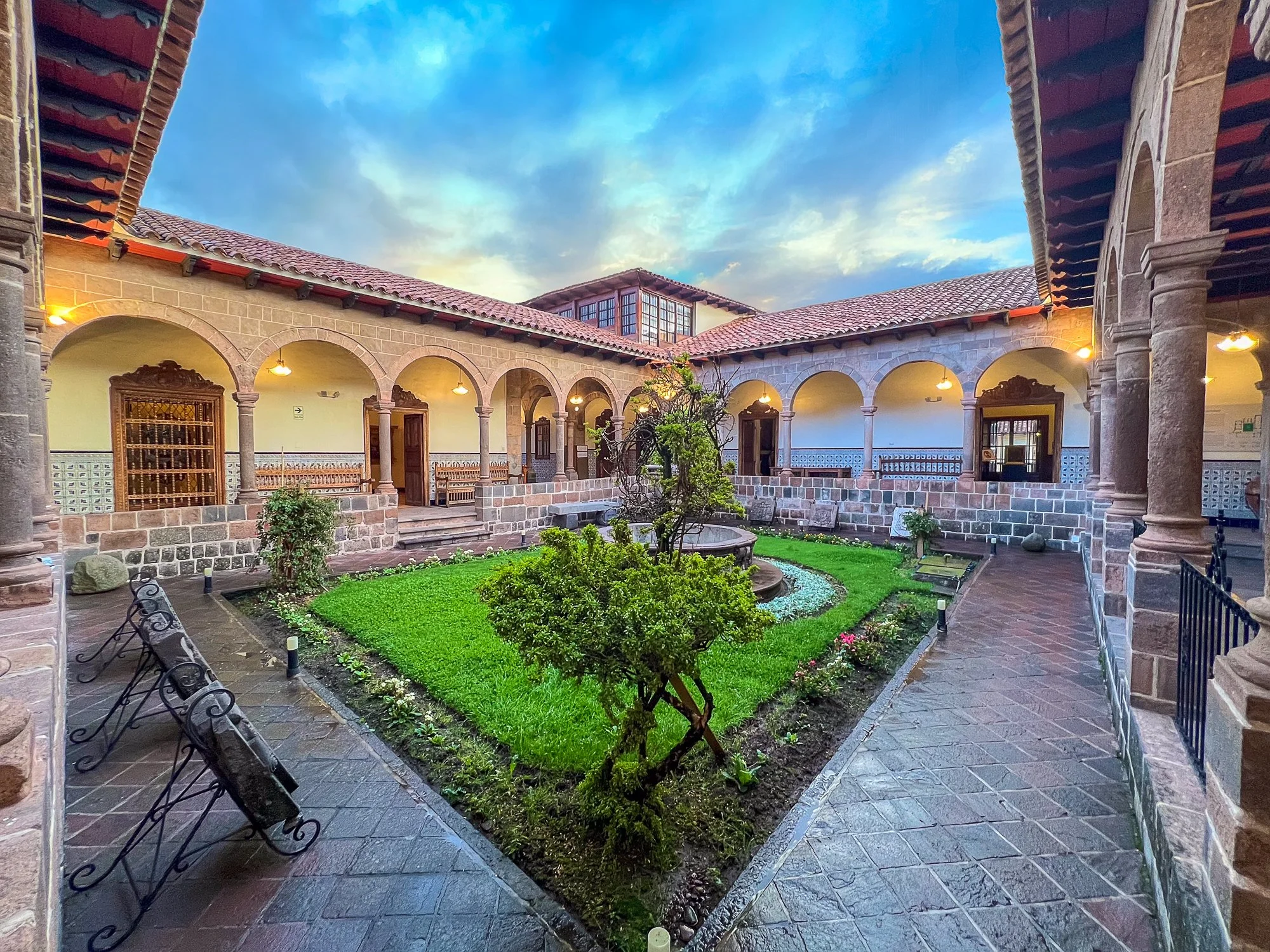
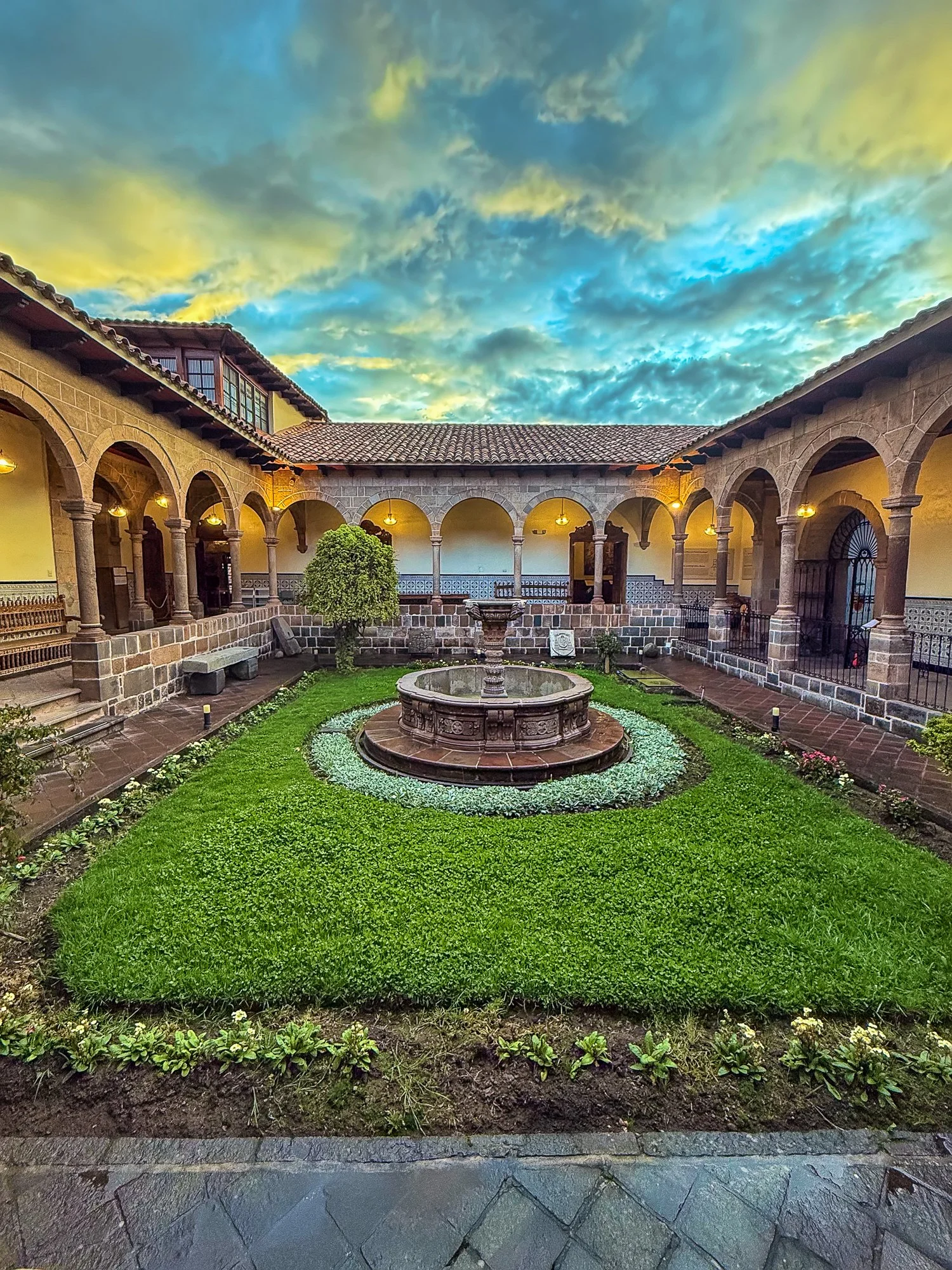
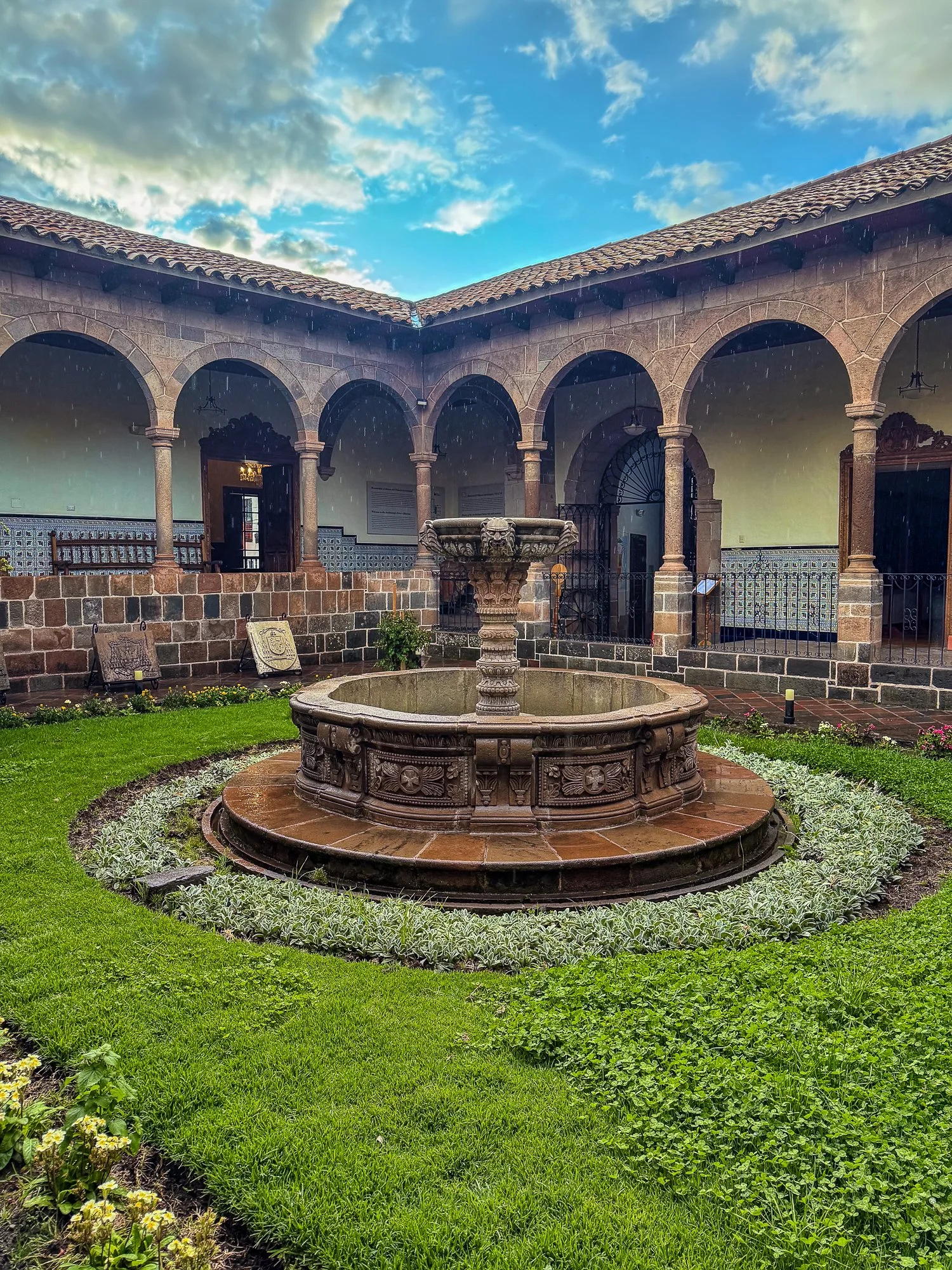
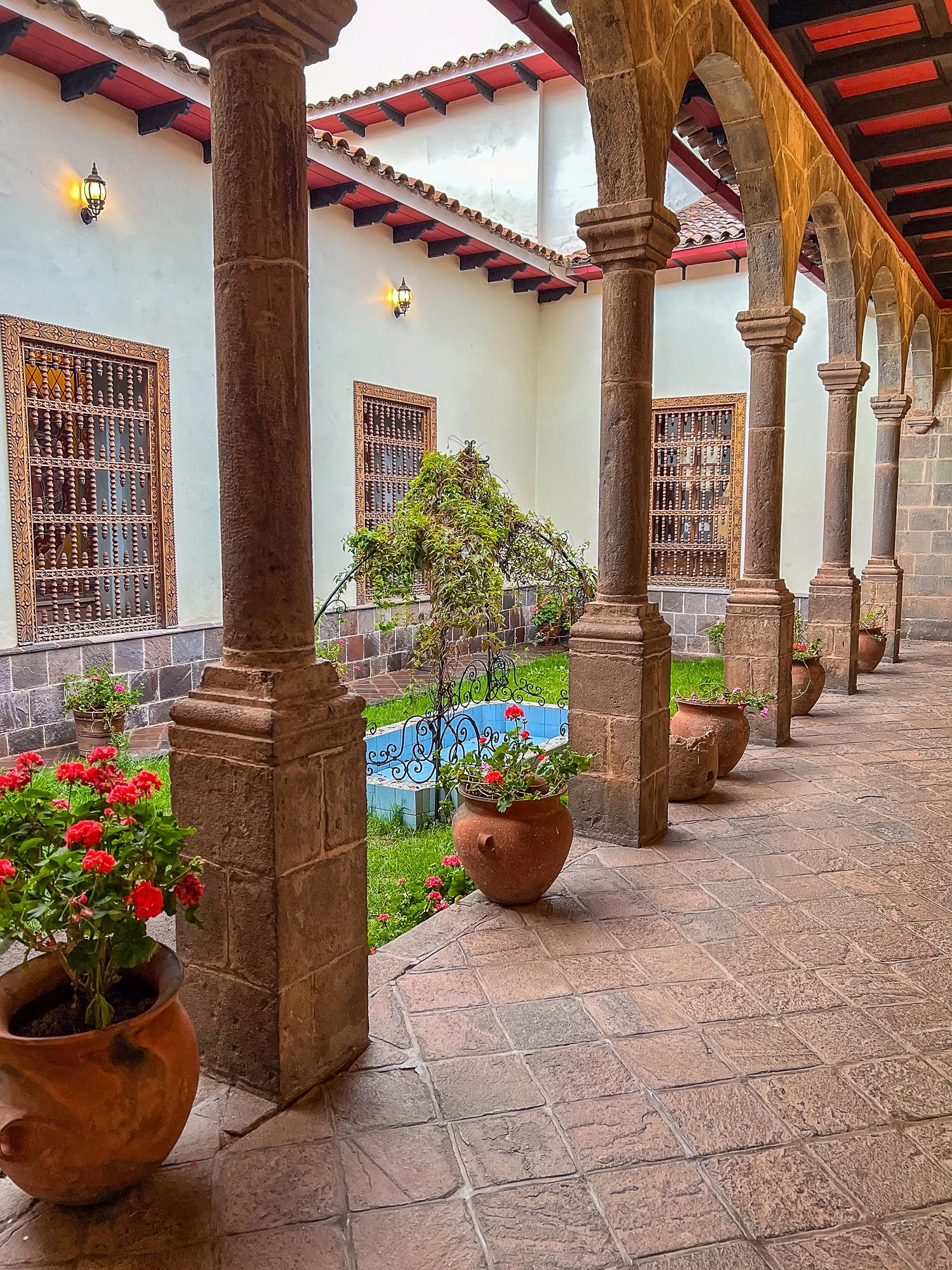
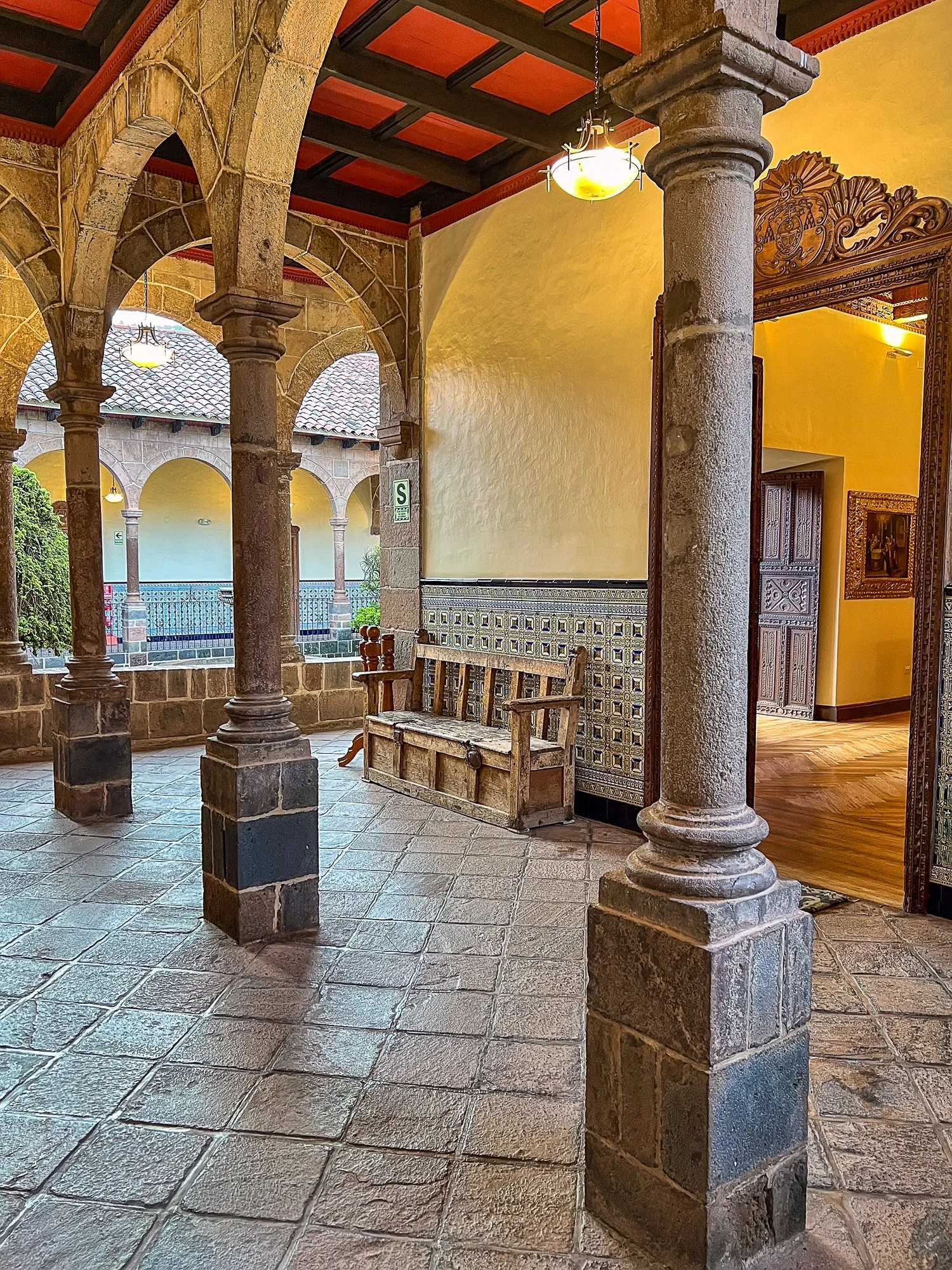
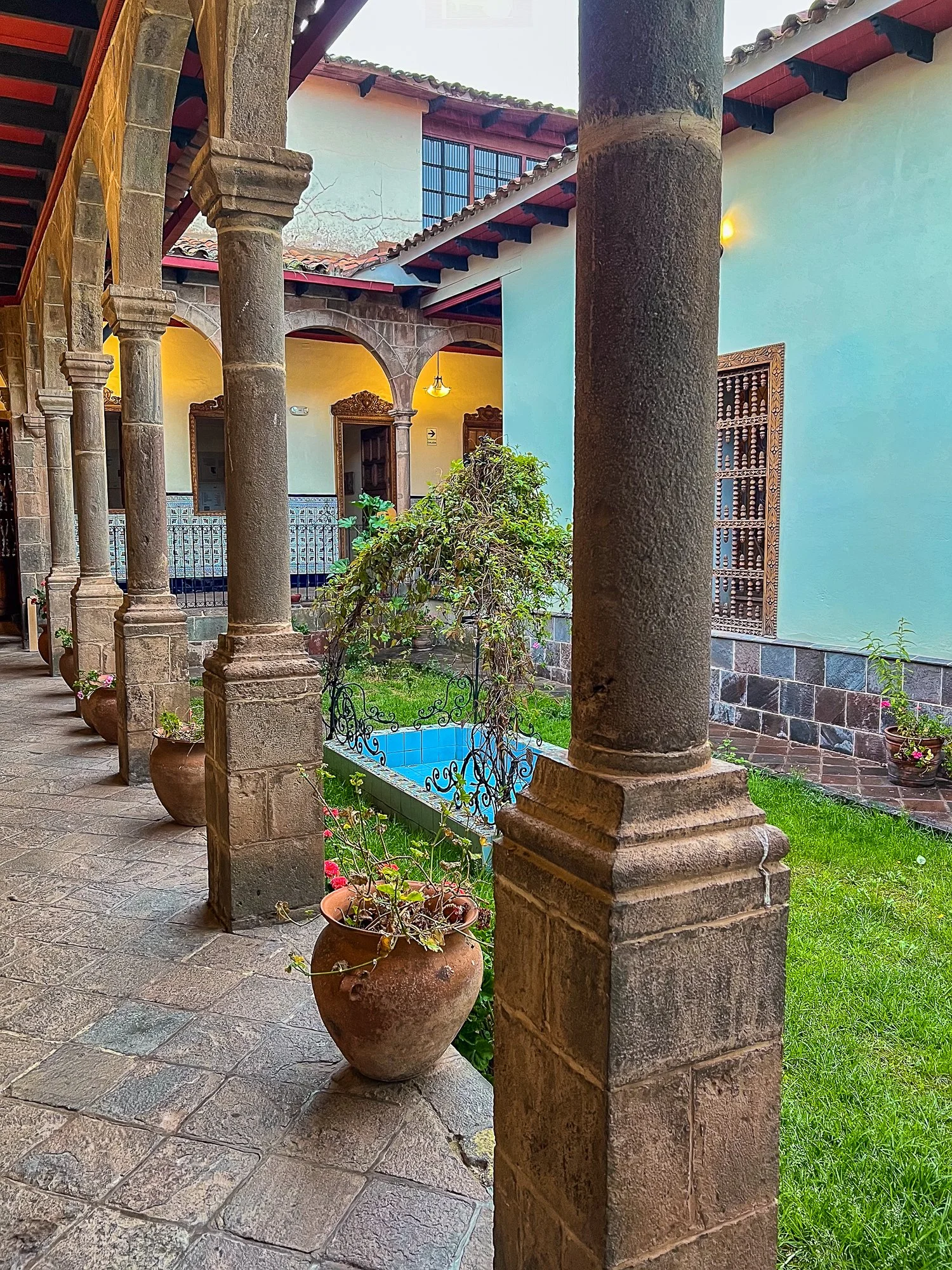
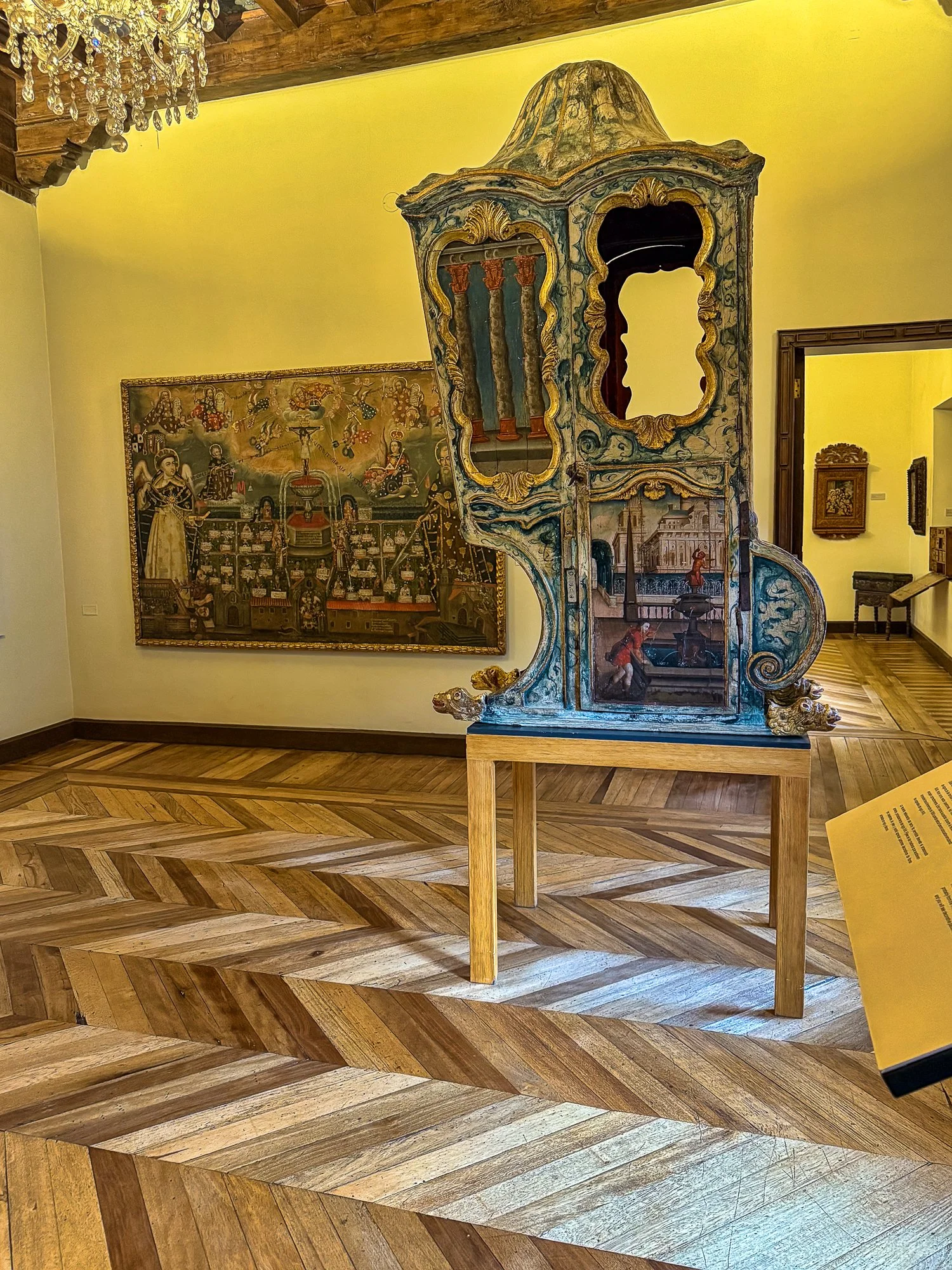
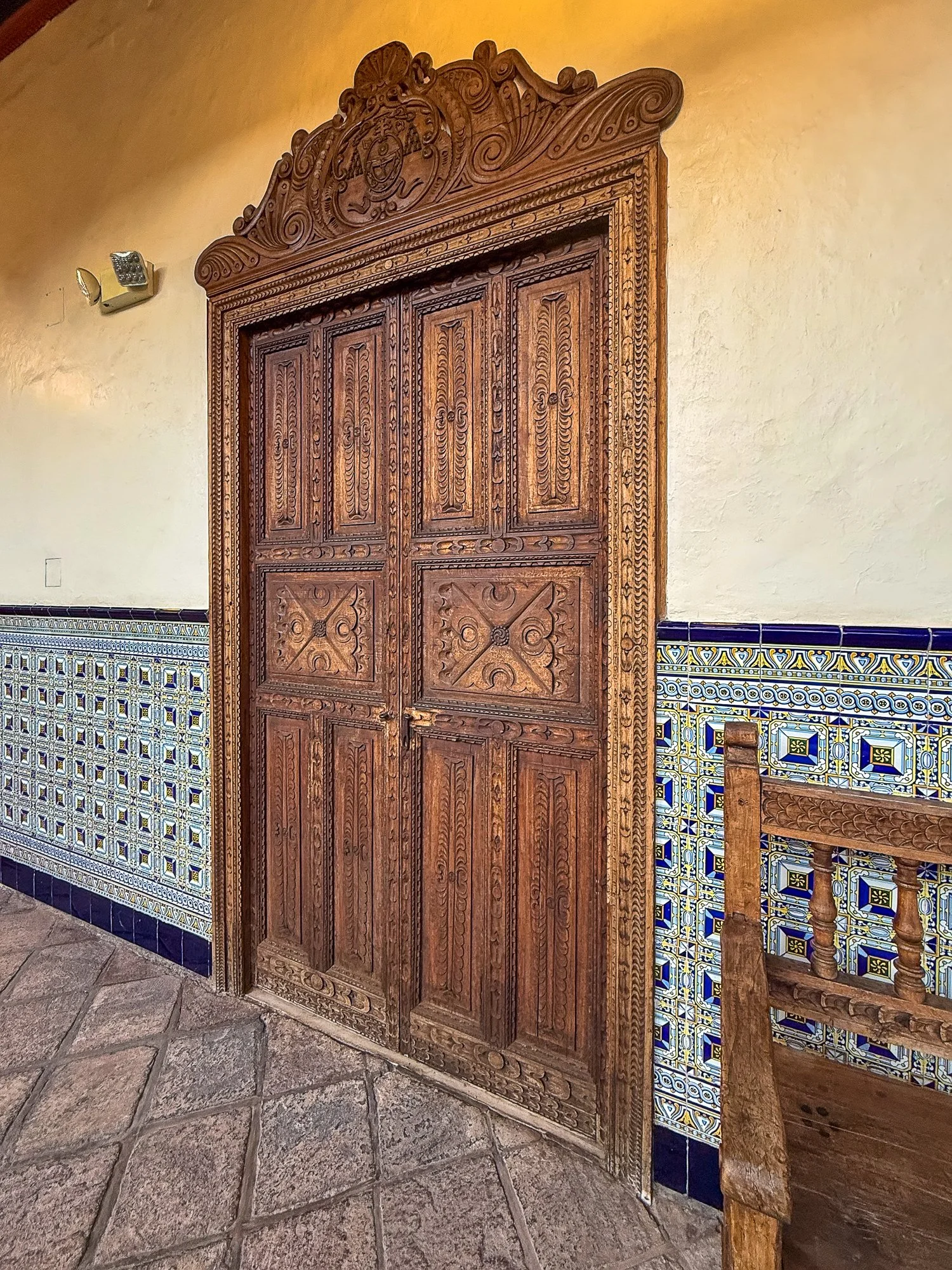
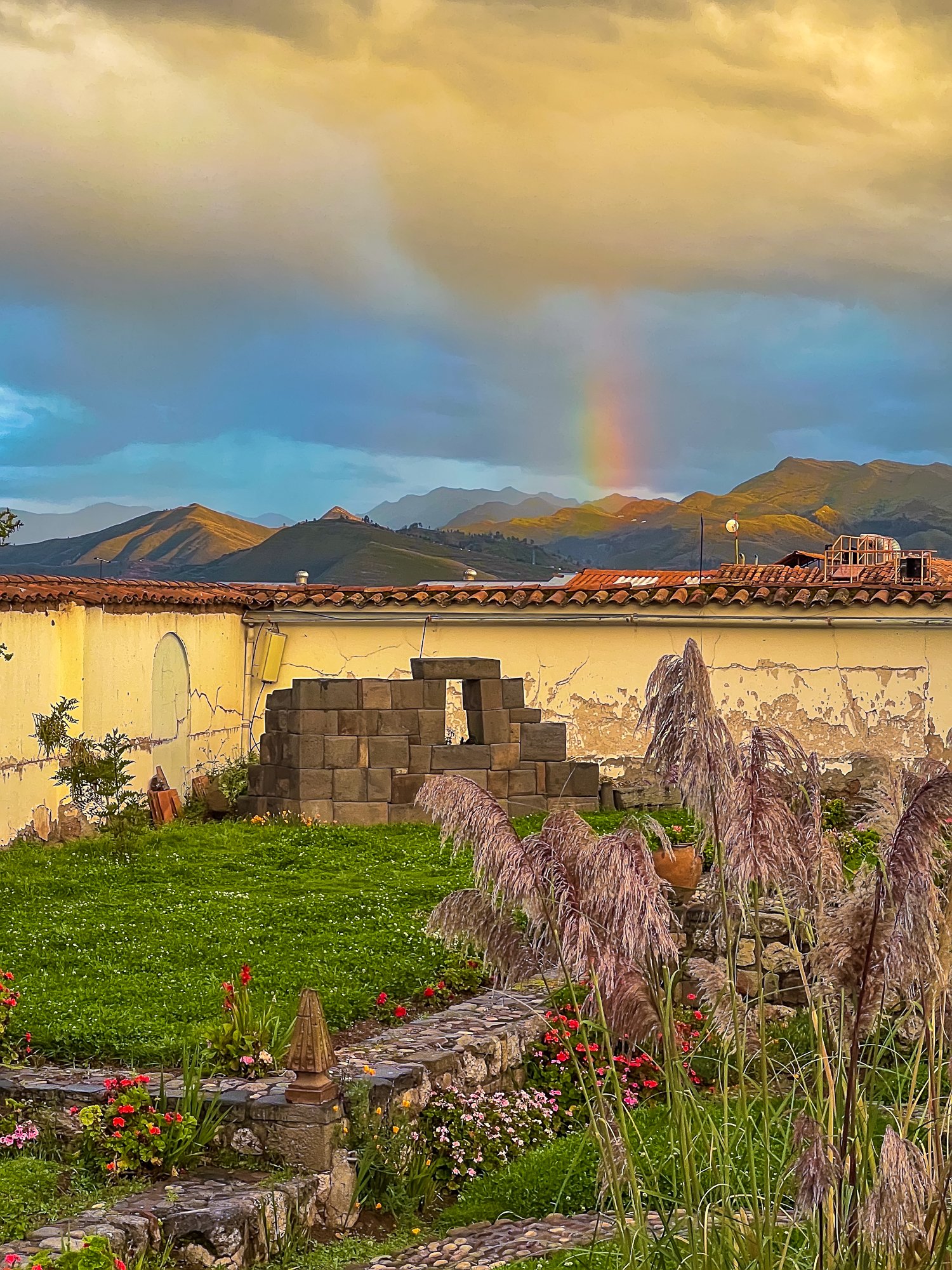
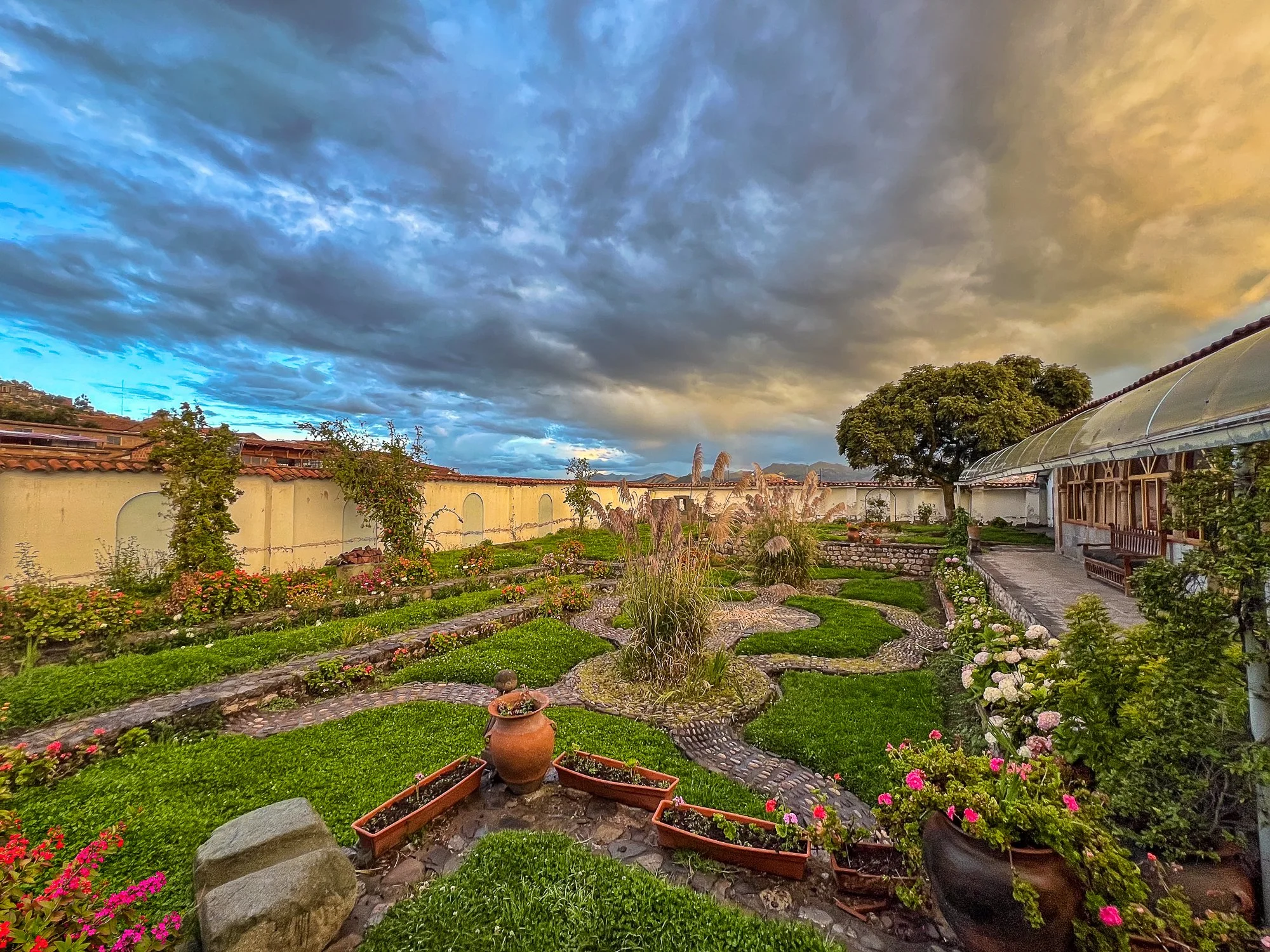
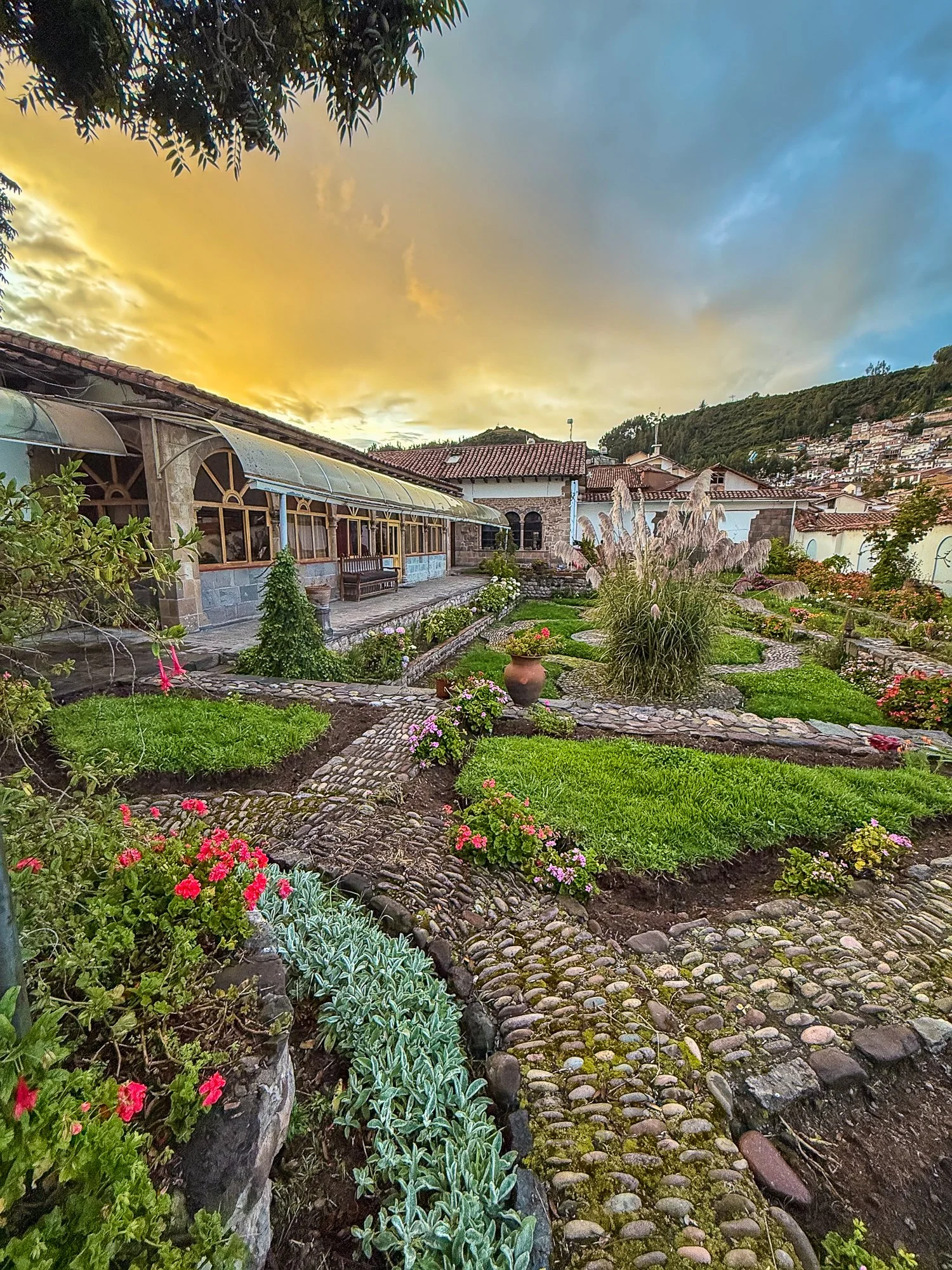
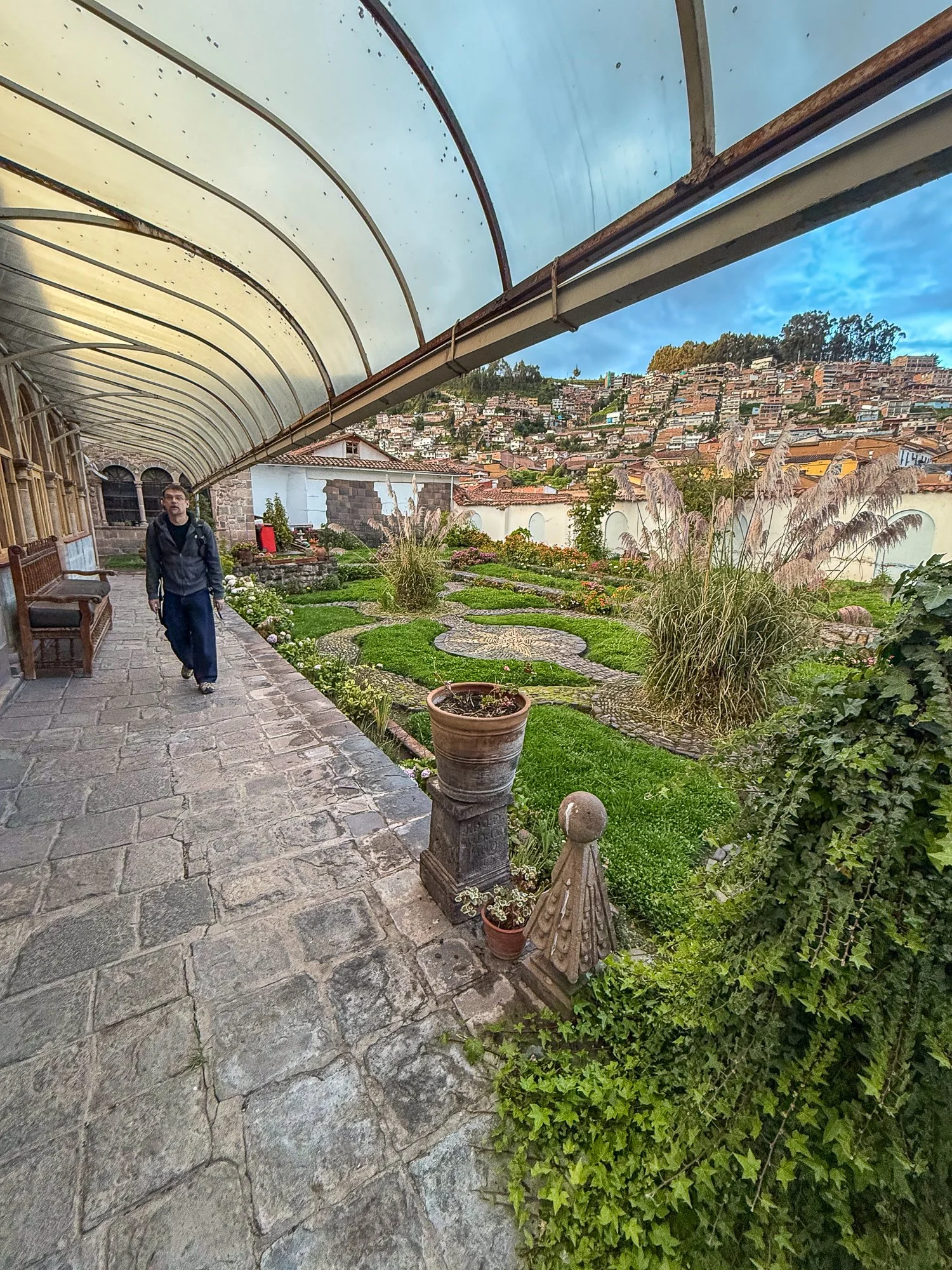
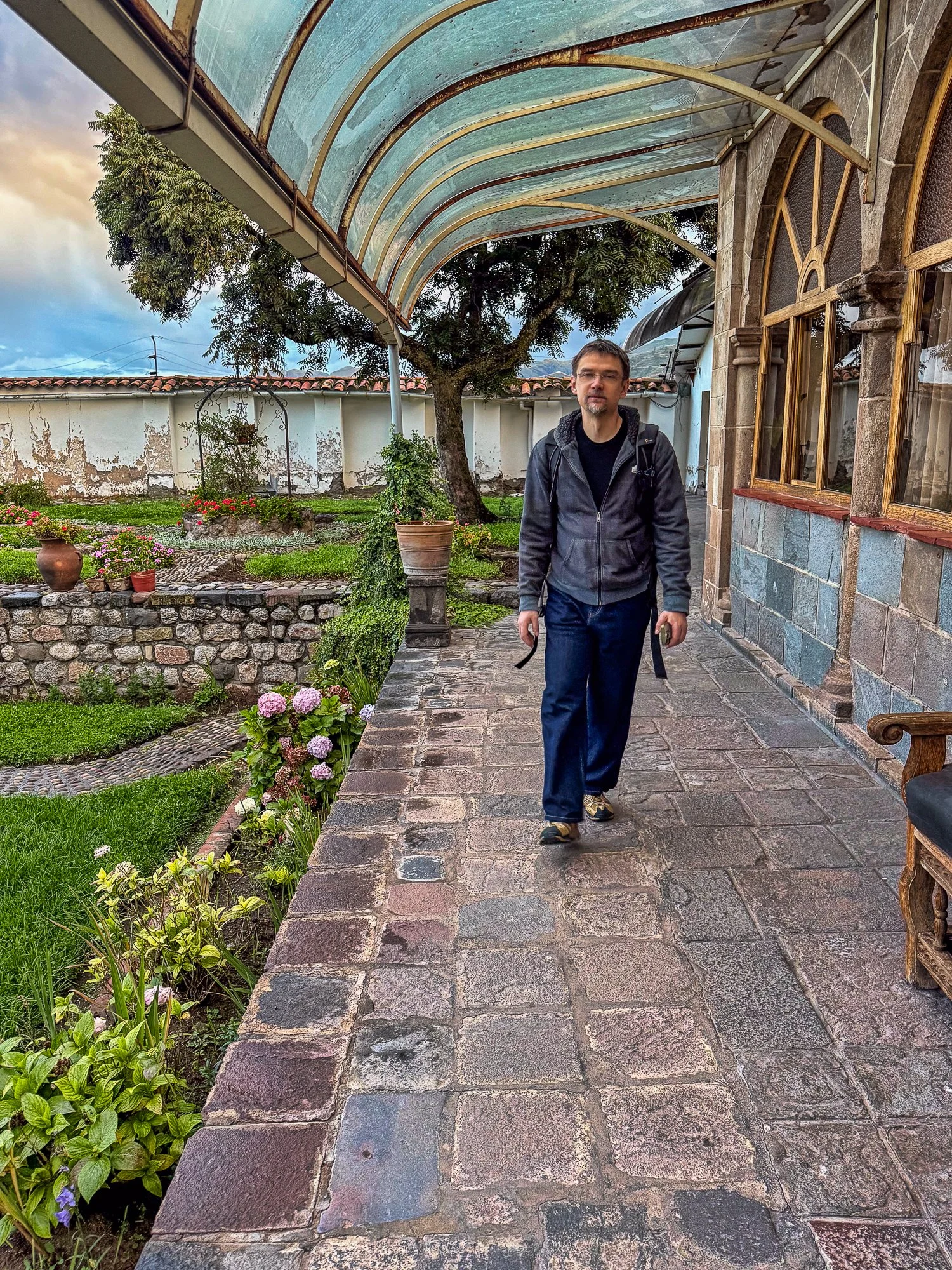
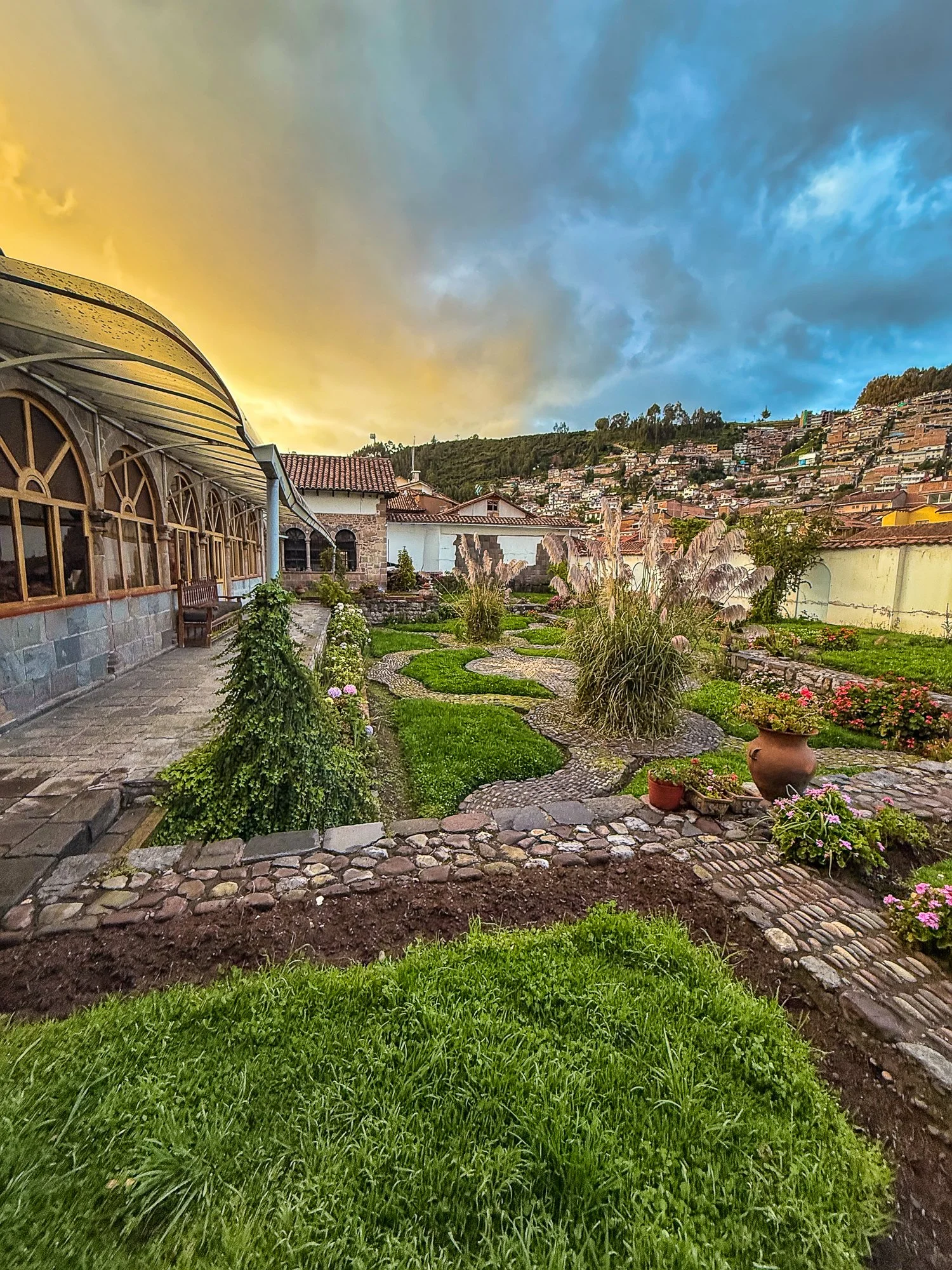
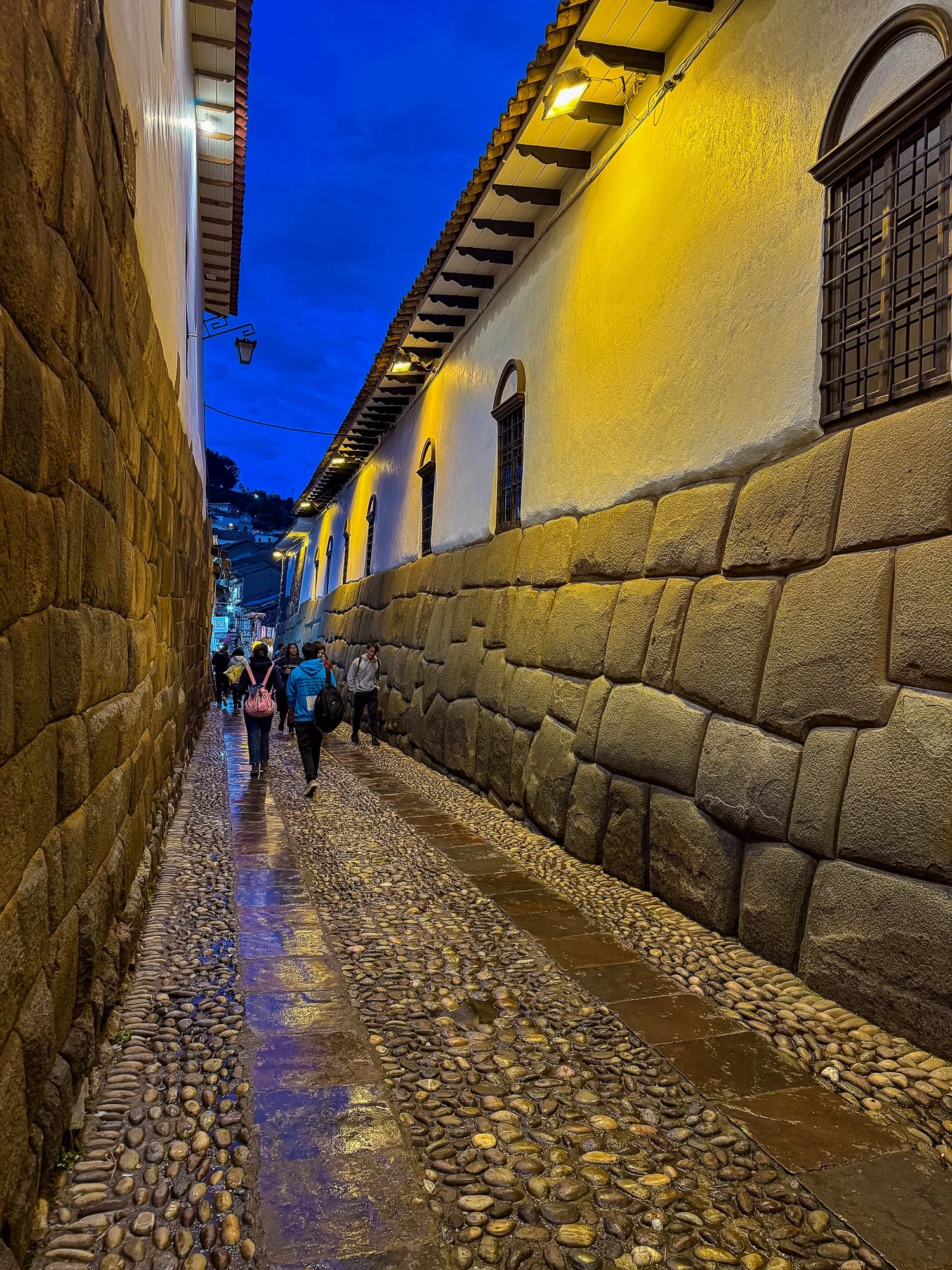
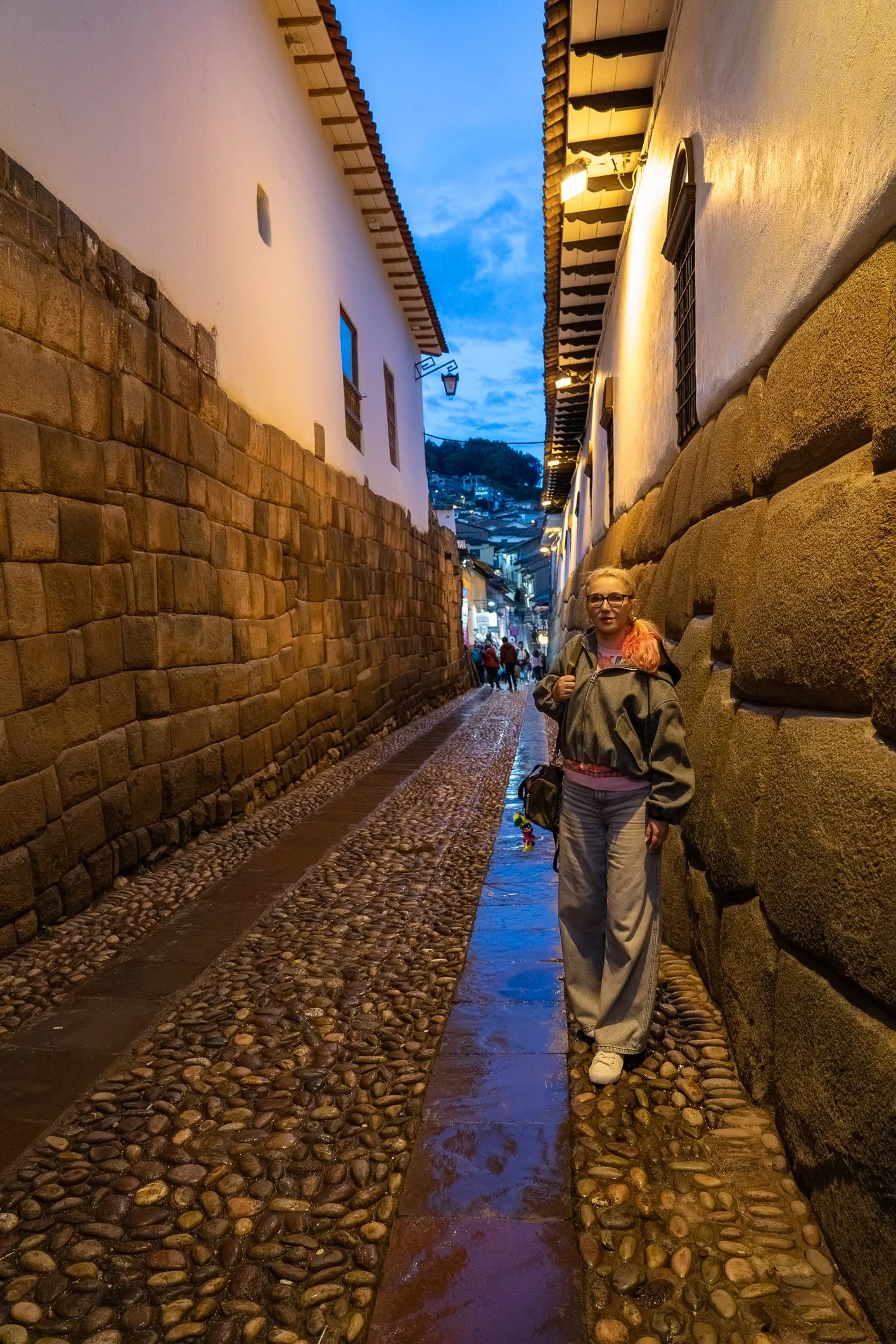
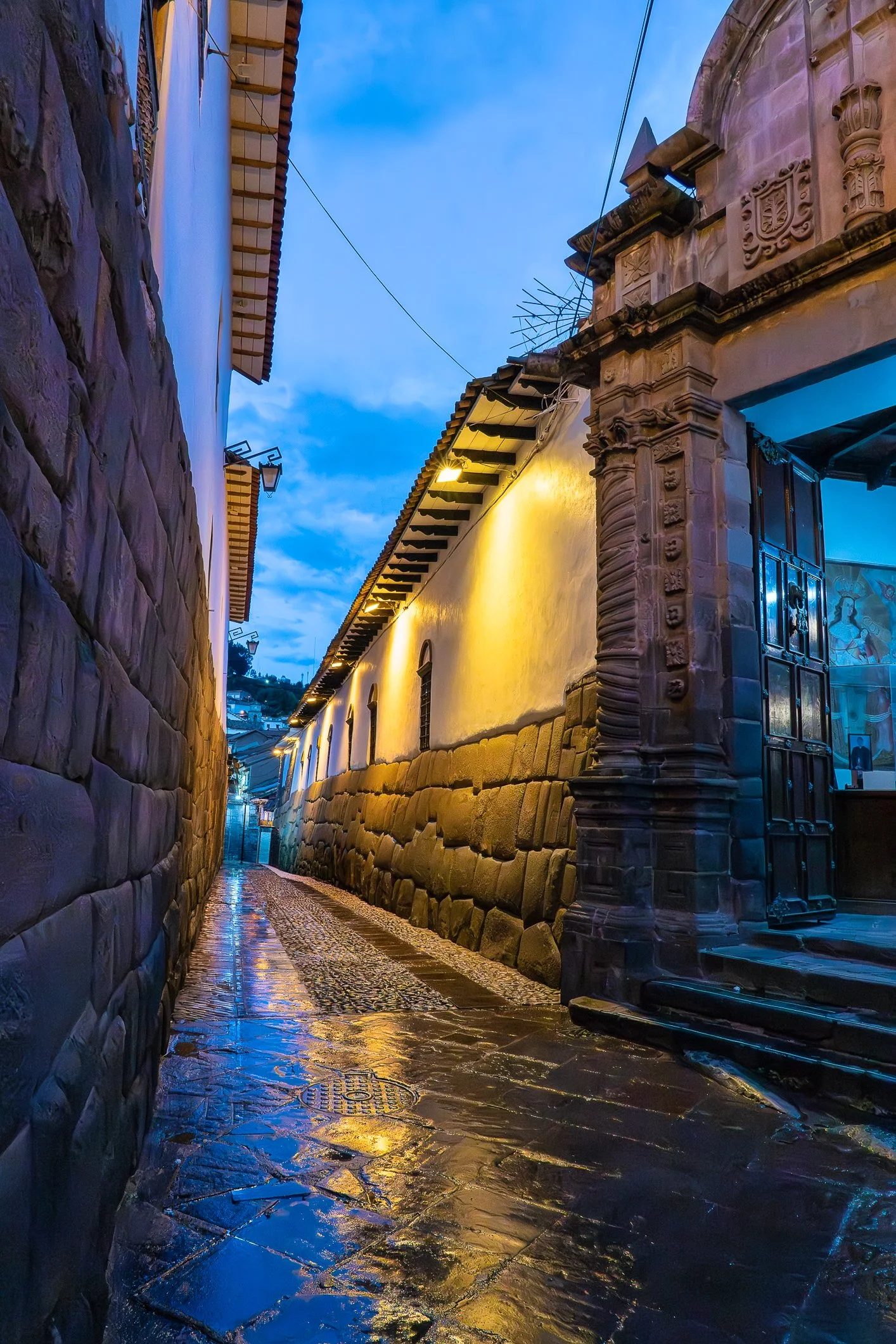
architecture

Café des Épices

After a sleepless night, we are going to take it easy today. So, we lazily walk to Café des Épices, trading the hushed seclusion of a riad for the rhythmic pulse of the medina
The café is located in the heart of Rahba Kedima (the vibrant Spice Square). Much like the architecture of Kbour & Chou, it serves as a masterclass in textures - though here, the palette shifts from lush garden greens to the warm, sun-baked ochres and terracottas of the desert.
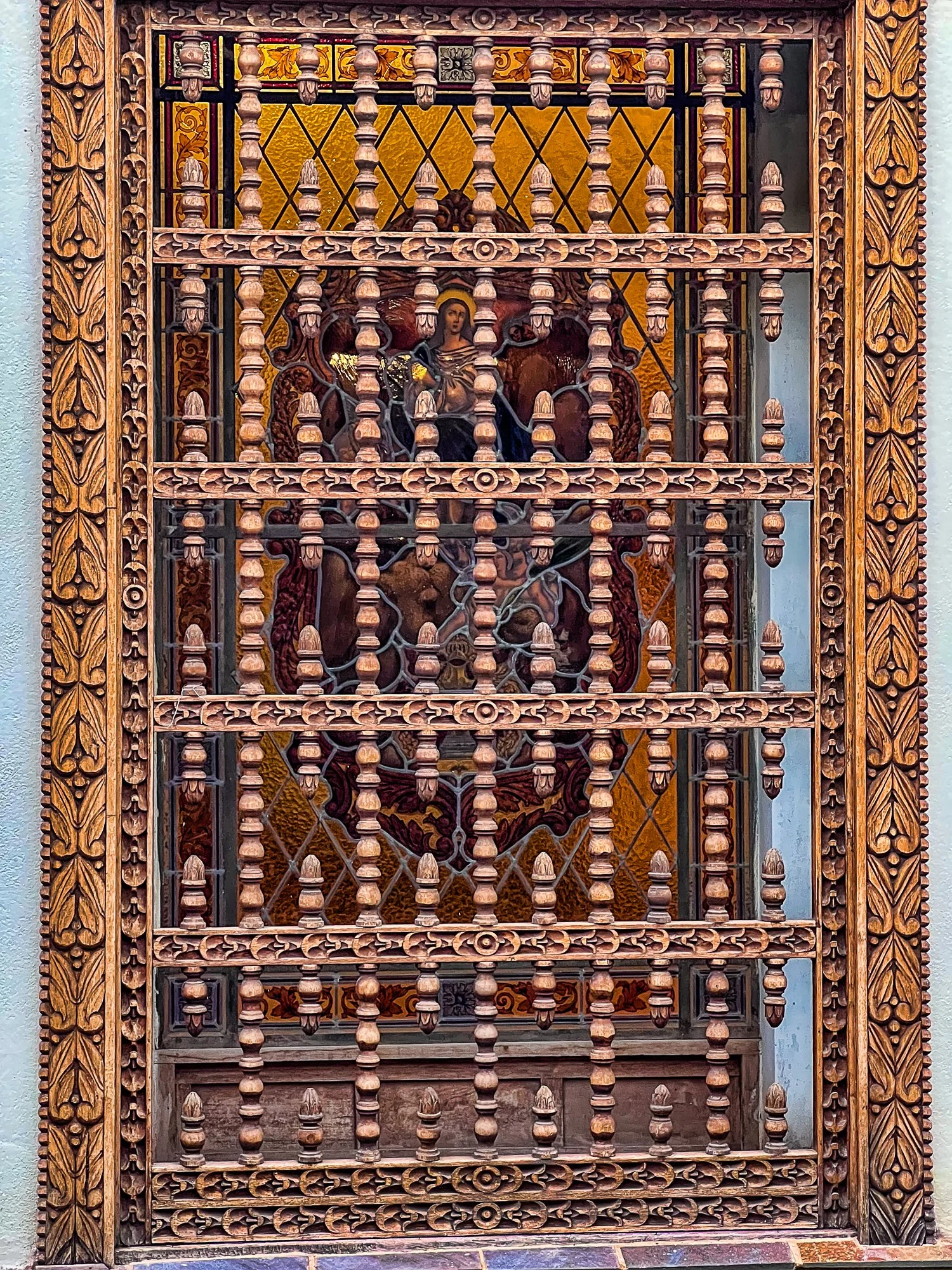
The design is a nod to "Beldi" chic - a refined, rustic simplicity. The walls are finished in a raw, earthy Tadelakt in shades of sand and apricot, providing a calm backdrop to the vibrant mounds of cumin and saffron sold just outside. Interior spaces feature dark wood accents, simple straw hats used as wall décor, and windows that frame the square like living postcards. The café opts for a clean, almost cinematic Moroccan vibe.


Po nieprzespanej nocy stawiamy dziś na powolne tempo. Idziemy sobie więc leniwym sacerem w stronę Café des Épices, zamieniając ciszę i spokój naszego riadu na rytm i puls medyny.

Kawiarnia ta to legendarne miejsce w samym sercu Rahba Kedima (tętniącego życiem Placu Przypraw). Podobnie jak w architekturze Kbour & Chou, mamy tu do czynienia z prawdziwym mistrzowskim operowaniem teksturą – z tą różnicą, że paleta barw zmienia się z soczystej ogrodowej zieleni na ciepłe, wypalone słońcem ochry i pustynną terakotę.

Wystrój to ukłon w stronę stylu „Beldi chic”- wyrafinowanej, rustykalnej prostoty. Ściany wykończone surowym, ziemistym tadelaktem w odcieniach piasku i moreli stanowią spokojne tło dla jaskrawych kopców kuminu i szafranu, sprzedawanych tuż za progiem. Wnętrza zdobią akcenty z ciemnego drewna, słomkowe kapelusze na ścianach i okna, które kadrują widok na plac niczym pocztówki.

The ground floor is open to the square, a place for a quick espresso while watching herb sellers and carpet merchants haggle. The middle floor is more intimate and shaded, offering small "pockets" of seating—ideal for escaping the midday heat while still hearing the muffled roar of the market below. The rooftop terrace is the café’s crown jewel, providing a panoramic view of the "Red City." On clear days, the Atlas Mountains provide a jagged, snow-capped backdrop to the terracotta skyline. Some say it is the best spot in the medina to watch the sunset turn the square into a sea of long shadows and deep ambers.

Parter otwiera się bezpośrednio na plac - to idealne miejsce na szybkie espresso. Piętro jest bardziej kameralne i zacienione, oferując przytulne zakamarki pozwalające uciec przed częstym tu upałem. Taras na dachu to jednak prawdziwa tutejsza perła w koronie, oferująca panoramiczny widok na „Czerwone Miasto”. W pogodne dni góry Atlas stanowią postrzępione, pokryte śniegiem tło dla terakotowej linii horyzontu. Niektórzy nawet twierdzą, że to najlepszy punkt w medynie, by obserwować zachód słońca, który zmienia plac w morze długich cieni na tle głębokiego bursztynu.

The food here is designed for the light-drenched terrace lifestyle. Their signature spiced coffee (infused with ginger and cinnamon) is a sensory bridge to the market below. Their mint tea is served traditionally, often accompanied by fresh pastries. The menu focuses on "market-to-table" simplicity and everything is delicious.

Tutejsza kuchnia idealnie pasuje do skąpanego w słońcu tarasu. Ich popisowa kawa z przyprawami (imbirem i cynamonem) to sensoryczny pomost łączący kawiarnię z targiem poniżej. Herbata miętowa podawana jest tradycyjnie, często w towarzystwie świeżych wypieków. Menu stawia na prostotę w duchu „market-to-table”, a wszystkie dania, które zamówiliśmy były pyszne.

Riad Kbour & Chou

Our first riad this time is Kbour & Chou, located in the quiet northwest corner of the Marrakech medina. The riad is celebrated for its seamless blend of traditional Arab-Moorish architecture.

From the street, the riad is very discreet, tucked behind a modest door that offers little hint of the splendid and somewhat eccentric interior within. Upon entering, your attention is immediately captured by a wealth of interesting details: wrought-iron balconies, spiral staircases, and doorways that require a small dip of the head to pass through.


Naszą marokańską przygodę zaczynamy tym razem w północno-zachodniej części medyny, z dala od największego zgiełku. Tutaj, w cichym zakątku dzielnicy Zaouia el Abassia, kryje się Kbour & Chou – riad łączący w sobie architektuę arabsko-mauretańskią z dodatkową nutką artystycznej finezji.

Z zewnątrz budynek wygląda dość niepozornie i nie zdradza swoich tajemnic. Skromne drzwi są barierą oddzielającą uliczkę medyny od wnętrza pełnego niespodzianek. Po przekroczeniu progu od razu uderza bogactwo detali: od kręconych schodów i kutych balustrad po wąskie przejścia i malowane ręcznie drzwi.

The central courtyard and garden serve as a lush, green oasis featuring 10-meter-tall eucalyptus and palm trees. It feels remarkably like a tropical hideaway. A traditional stone pond is home to several koi fish, and a few tortoises roam freely among the greenery.

Sercem riadu jest wewnętrzny ogród, który przypomina tropikalną dżunglę. Dziesięciometrowe palmy i eukaliptusy dają przyjazny cień, a pośród gęstej zieleni leniwie spacerują sobie mieszkające tutaj żółwie. W tradycyjnej kamiennej sadzawce pływają zaś karpie koi.

Throughout the riad, the floors utilize traditional terracotta tiles. Designs range from pure white bejmat (the rustic, rectangular bricks often used for a natural, earthy feel) to intricate zellige patterns, which are meticulously hand-cut tile mosaics. Hand-painted zouak doors are also featured, showcasing traditional floral and geometric motifs painted directly onto the wood.

To, co zachwyca w tym riadzie najbardziej, to autentyczność materiałów. Podłogi to surowe, terakotowe płytki bejmat lub misterne, ręcznie wycinane mozaiki zellige, ręcznie malowane drzwi zouak zdobią motywy roślinne, a sufity tatoui wykonane są z plecionych gałązek oleandra. Ściany są często wykończone gładkim, lśniącym tynkiem tadelakt, polerowanym rzecznymi kamieniami.

The terrace is designed as a series of intimate "pockets" rather than a large open plaza. It provides panoramic views over the authentic, less-developed Zaouia el Abassia quarter of the medina. A modest traditional plunge pool is integrated into the terrace design, providing a cool retreat from the heat. This is not the season though to jump in, at least not for us.

W przeciwieństwie do ogromnych, otwartych tarasów, ten w Kbour & Chou jest podzielony na kameralne wnęki. Można się w nich zaszyć z książką lub dzbankiem herbaty, obserwując panoramę mniej turystycznej, surowej części medyny. Dla ochłody przygotowano tradycyjny mały basen (plunge pool), idealnie wkomponowany w architekturę dachu. Latem pewnie byśmy już tam moczyli swoje odwłoki, ale Marrakesz o tej porze roku jest na to dla nas za zimny.

There are only seven rooms, each with its own character and distinct features: traditionally painted wooden arches and vaulted roofs, sculpted plaster, and tadelakt. You’ll also find tatoui ceilings made of woven oleander branches, antique Chinese moucharabieh doors featuring intricate lattice woodwork for privacy and ventilation, and stained glass alongside bejmat vaults.The spaces are further decorated with artefacts collected during the owners’ travels across Africa and the rest of the world.

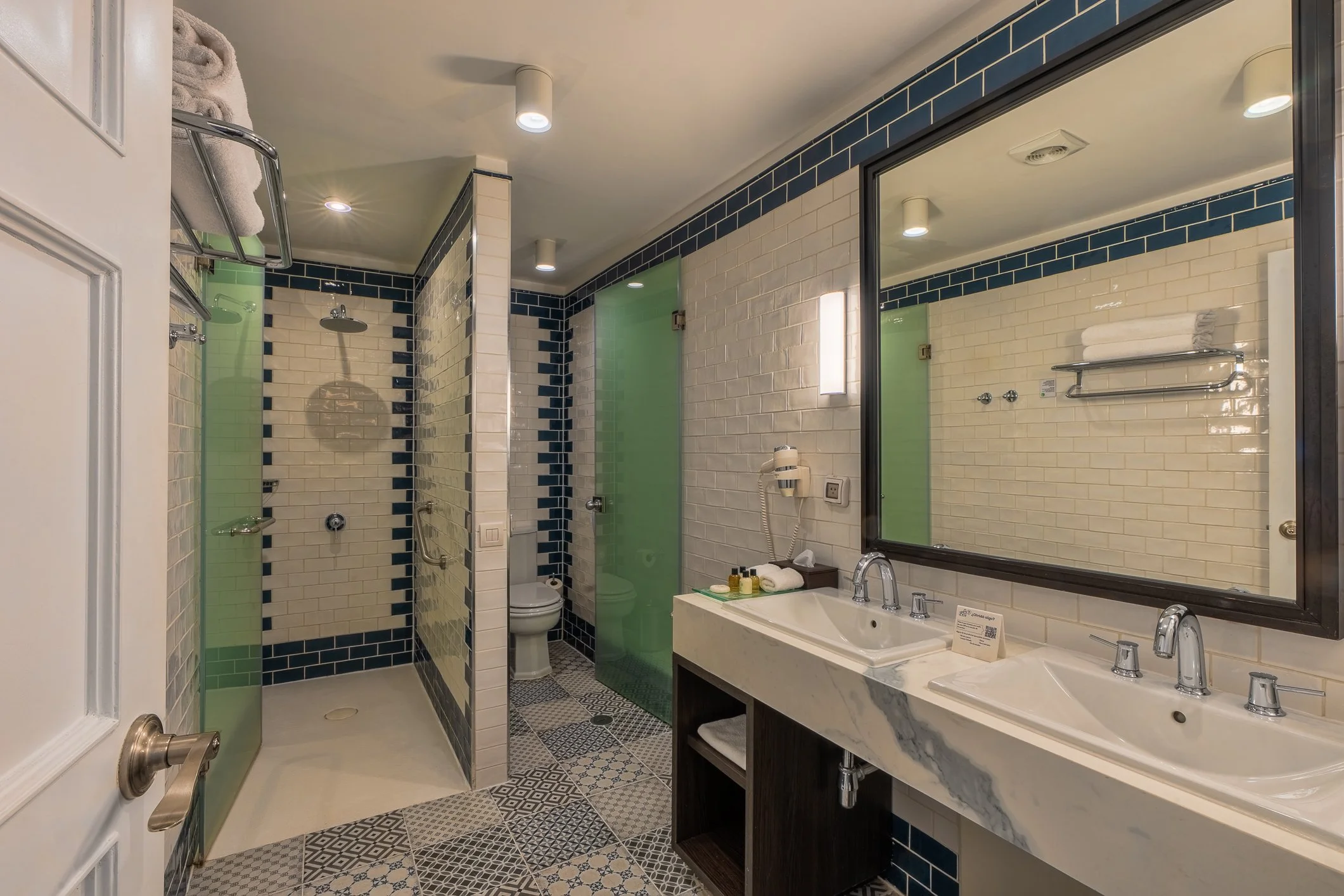
We chose the Koubba room for our stay. Koubba is the name for traditional brick vaults - masterpieces of Arab-Moorish architecture - and this suite features two of them (one in the main room, one in the bathroom). It also includes a private loggia with a daybed. The walls are finished in tadelakt. A menzeh (bow window) opens onto the lush greenery of the courtyard, while a wooden wall hides a ladder to a sleeping loft and the door to a very atmospheric bathroom.

W riadzie znajduje się tylko siedem pokoi, a każdy z nich ma swoj spcyficzny charakter. Wnętrza zdobią artefakty przywiezione przez właścicieli z dalekich podróży po Afryce i Azji.

My zatrzymaliśmy się w apartamencie Koubba. Nazwa nawiązuje do tradycyjnych ceglanych sklepień, które są wizytówką tego pokoju. Mamy tu też prywatną loggię z szezlongiem do popołudniowej drzemki oraz uroczy wykusz (menzeh) z widokiem na ogród. Największym zaskoczeniem są jednak ukryte za drewnianą ścianą schodki prowadzące na antresolę oraz bardzo nastrojowa łazienka.

The room closest to us, the Driba room, utilises coloured glass in the doors and windows to create kaleidoscopic light patterns.

Najblizej naszej suity znajduje się pokój Driba, gdzie kolorowe witraże w oknach i drzwiach tworzą na ścianach kalejdoskop barw, gdy tylko padną na nie promienie słońca.

Dinner is traditionally served in an elegant, communal indoor salon. The room is designed with candlelit tables and features an eclectic aesthetic. The highlight is the striking wall of antique Dutch manganese tiles, often called "Bible tiles" (bijbeltegels). These tiles use a distinct purple-brown or reddish-sepia tone; under the dim, warm light, the scenes look like aged sepia ink on the walls.

Kolacje w Kbour & Chou serwowane są w eleganckim salonie w bardzo eklektycznym stylu. Największe wrażenie robi ściana wyłożona antycznymi holenderskimi płytkami z manganu, zwanymi "płytkami biblijnymi". W ciepłym świetle świec ich purpurowo-brązowe zdobienia wyglądają jak stare ryciny wykonane sepią, tworząc niesamowite tło dla tradycyjnych marokańskich potraw.

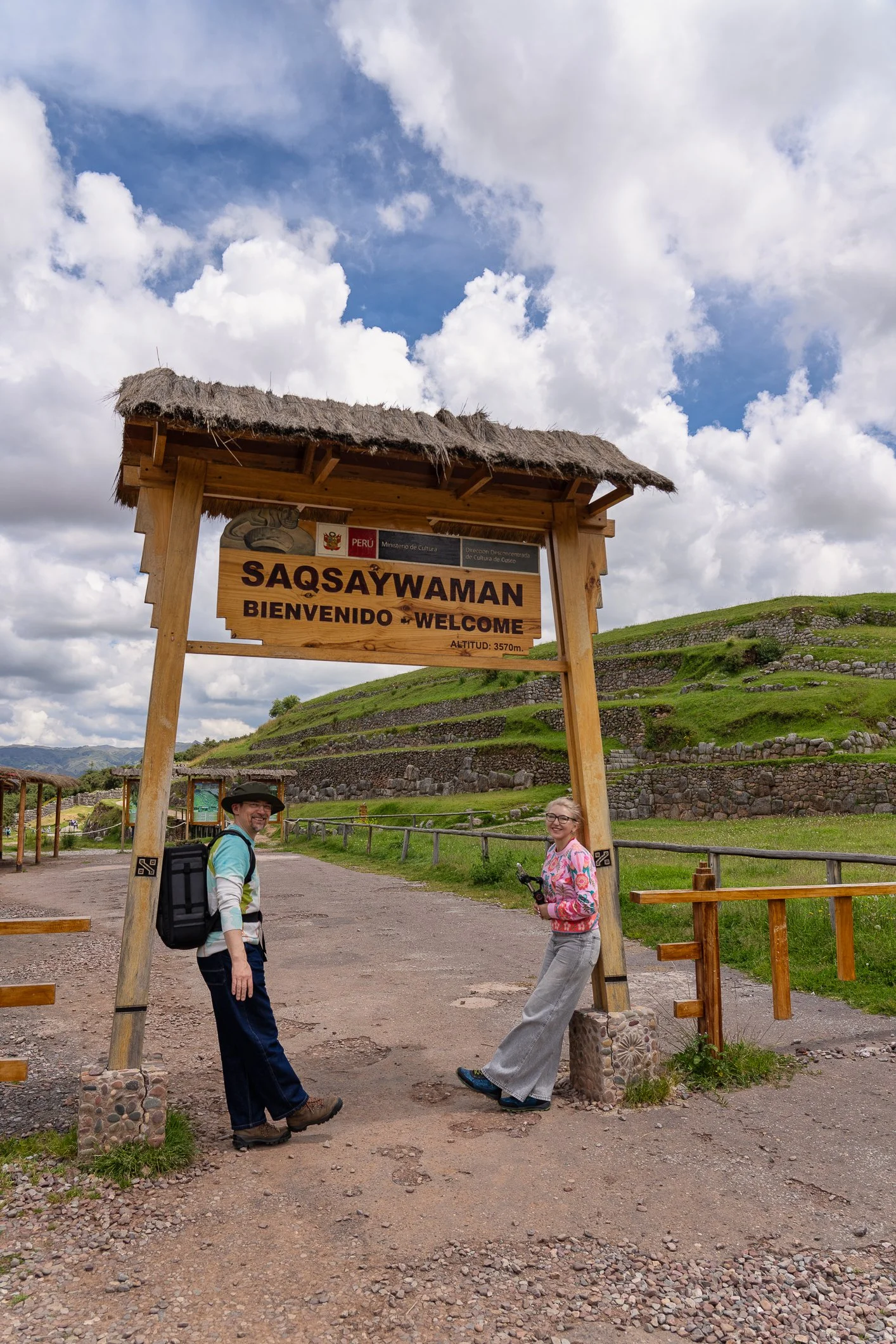
Sacsayhuamán

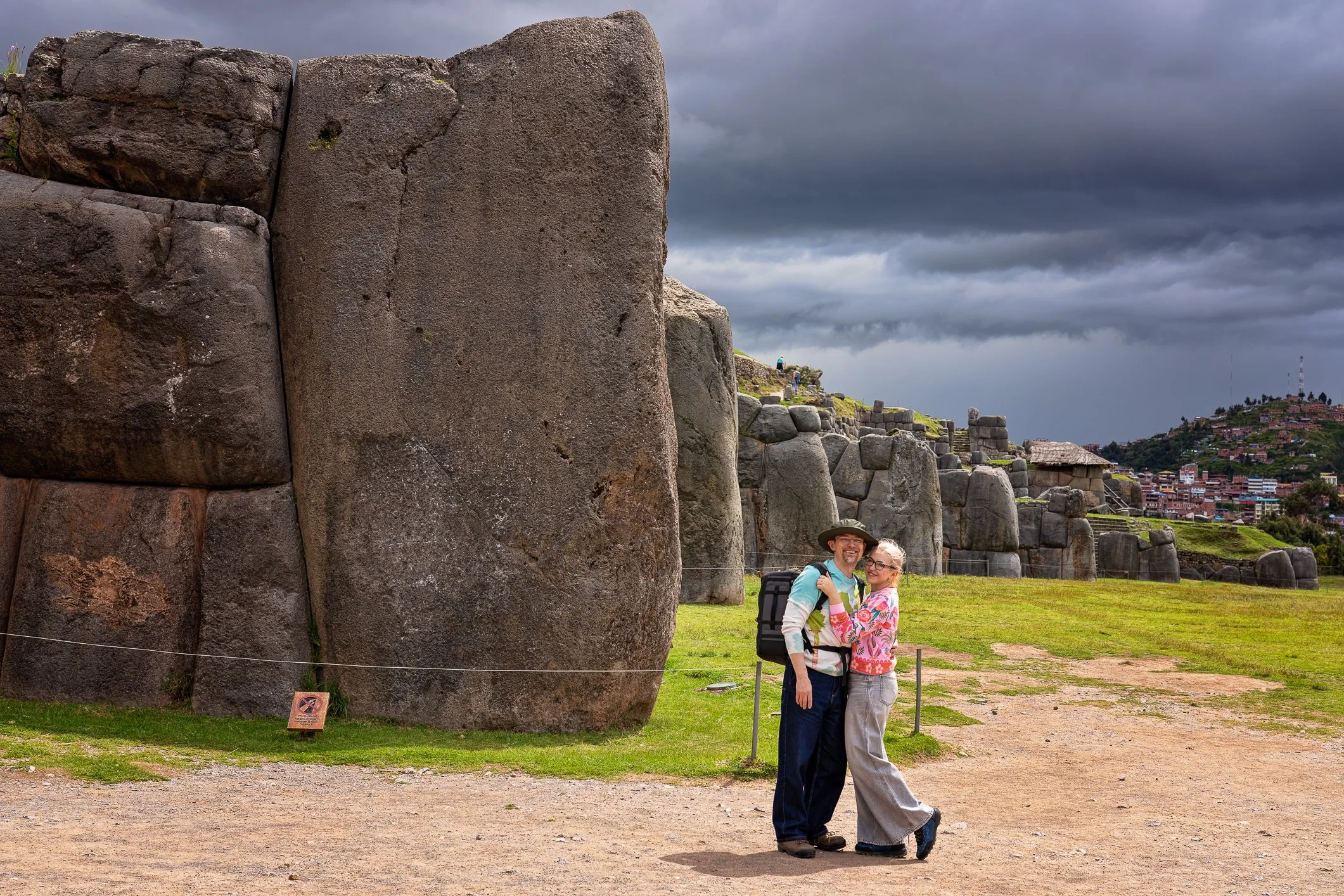
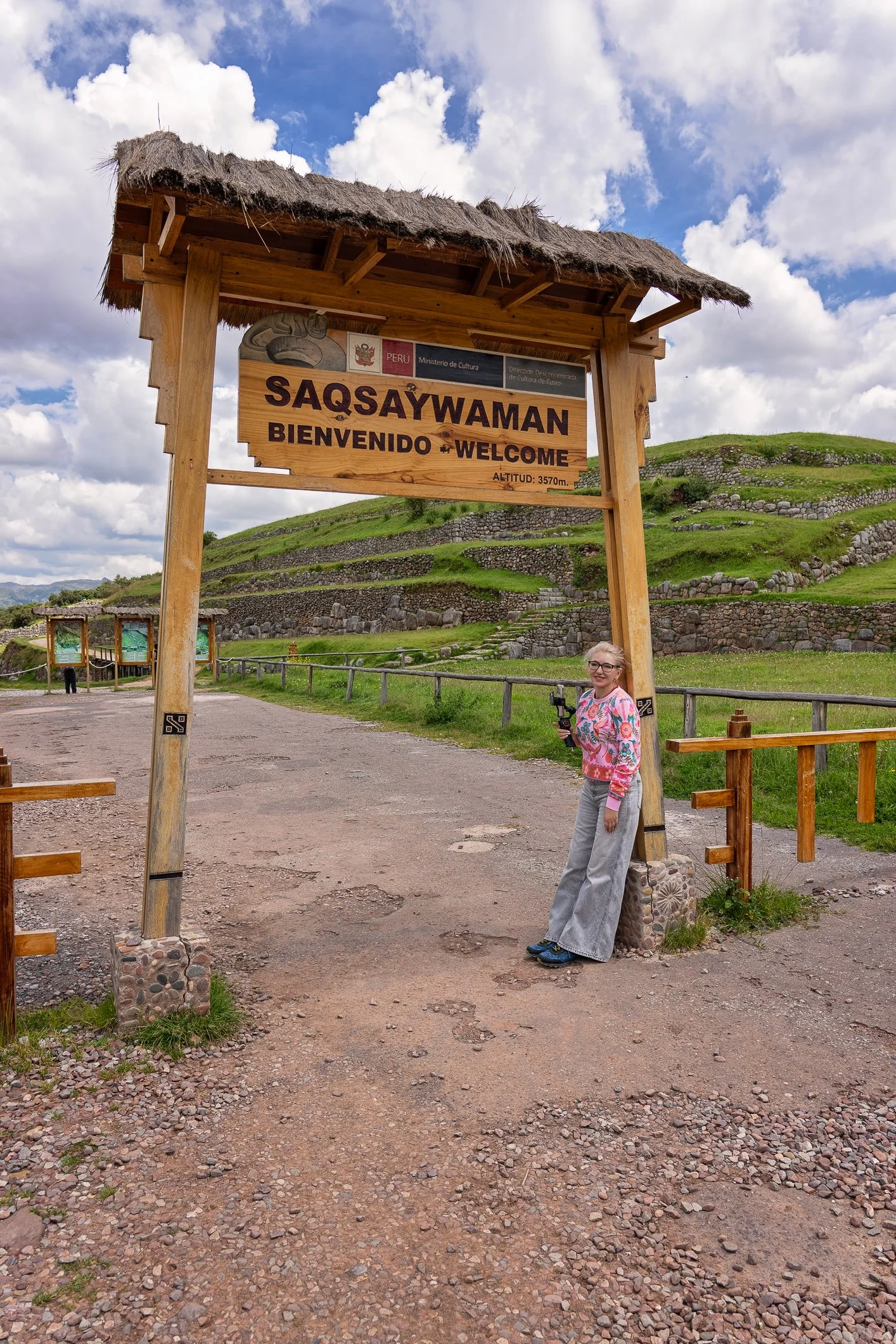
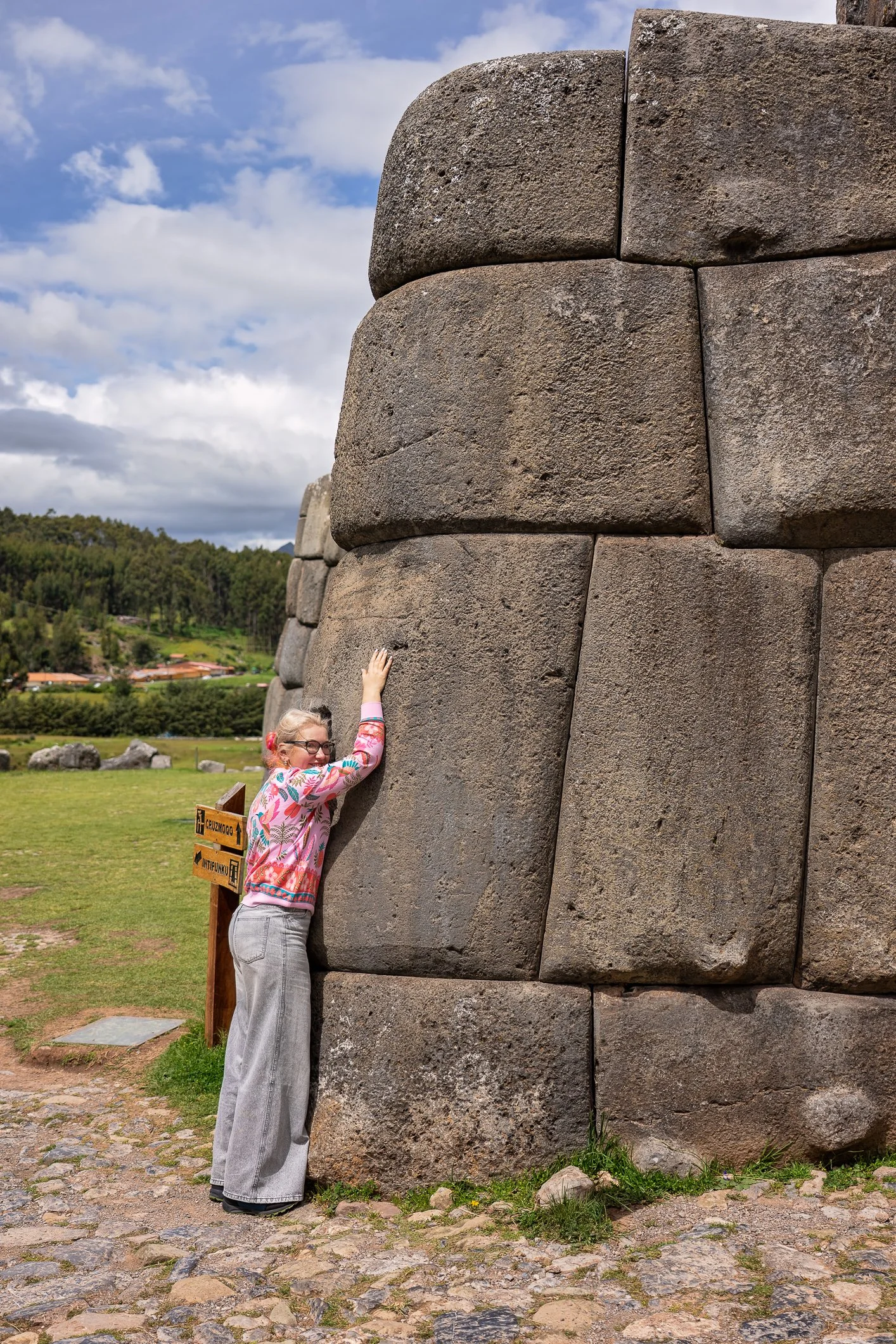
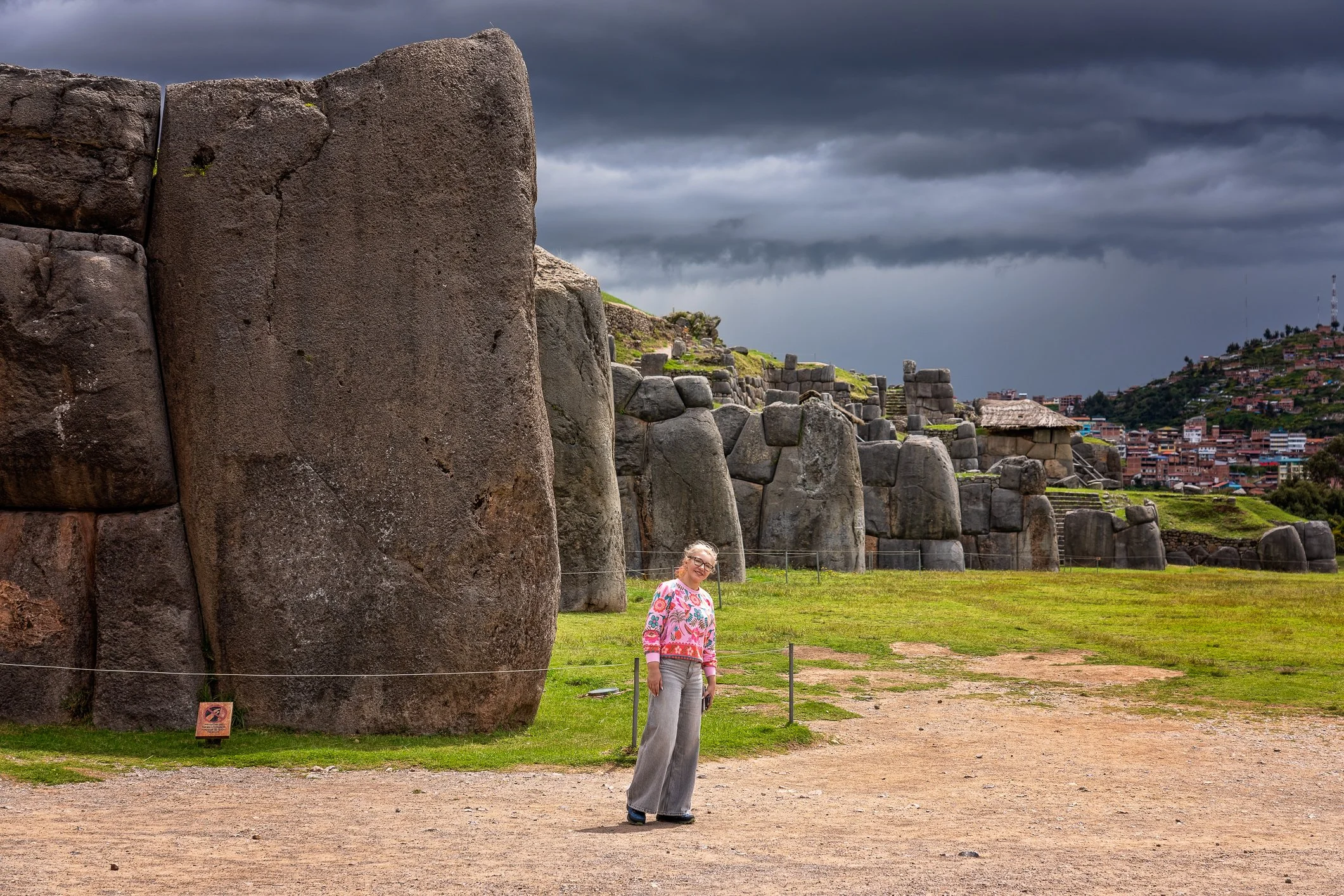
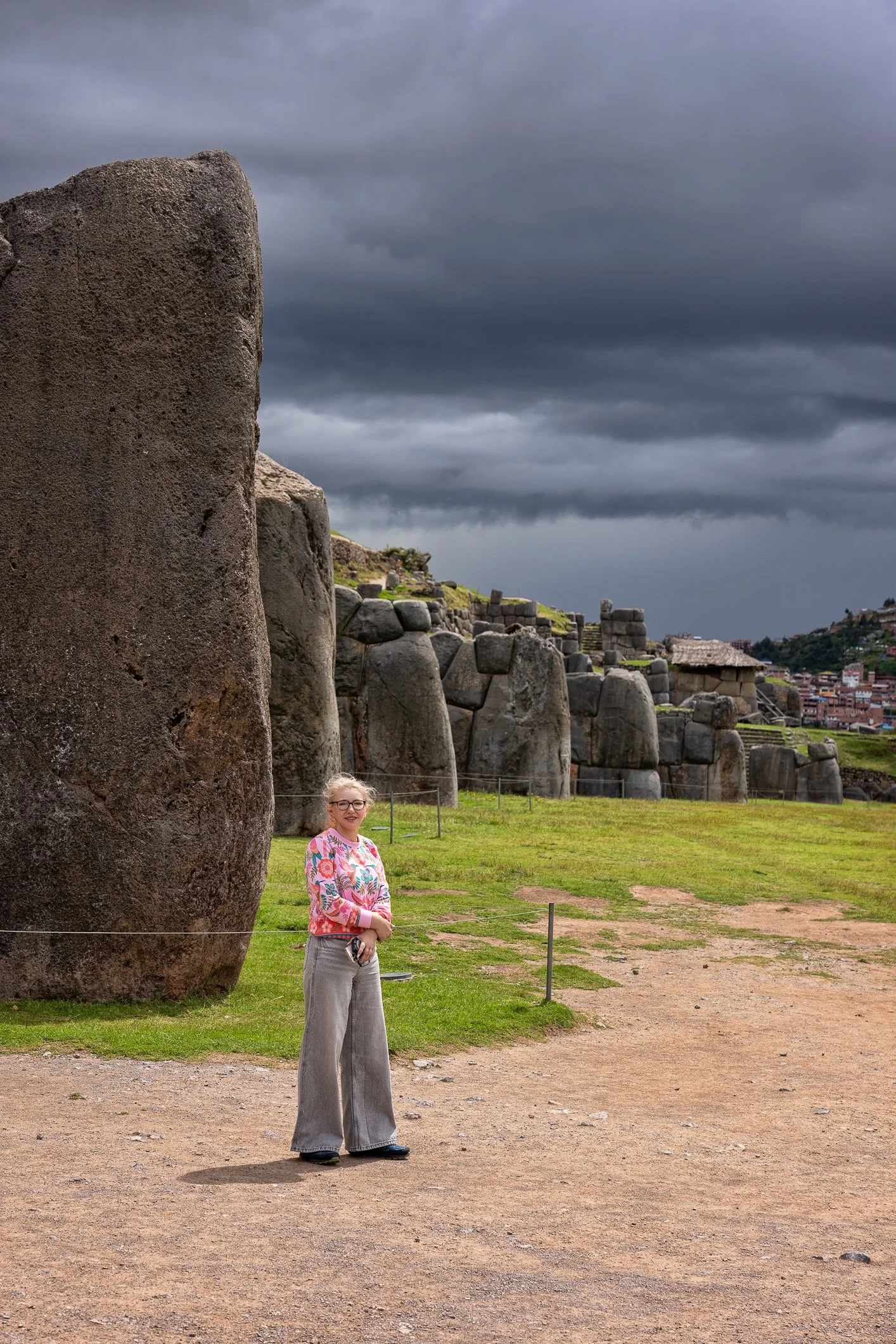
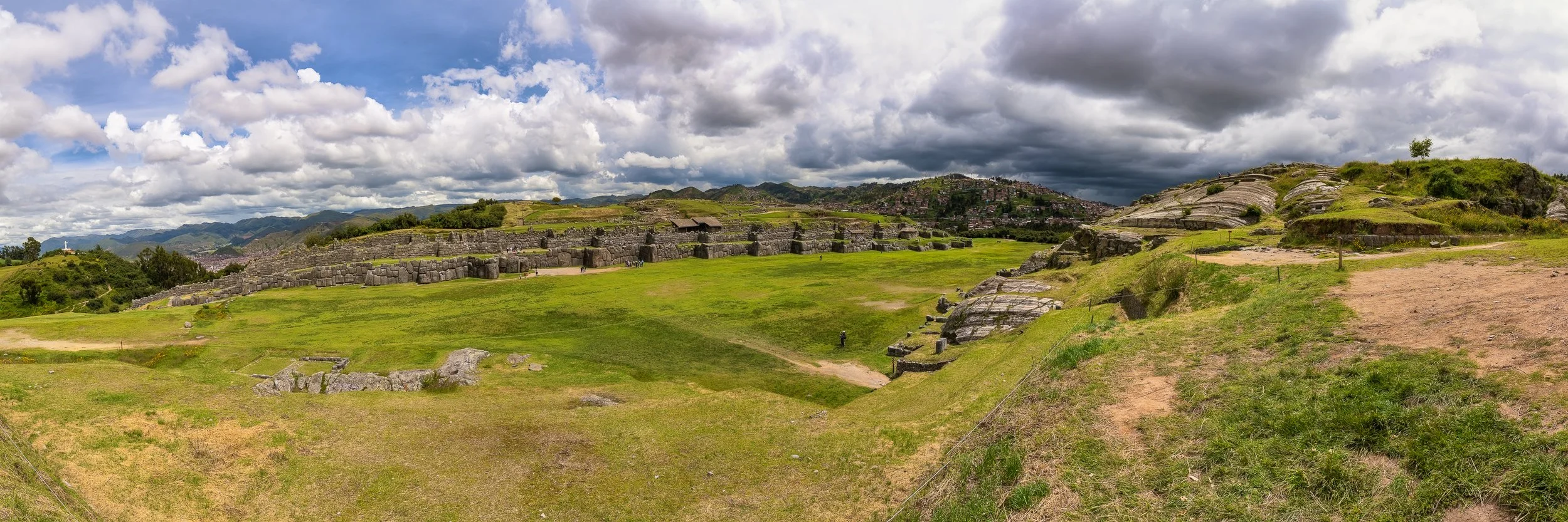
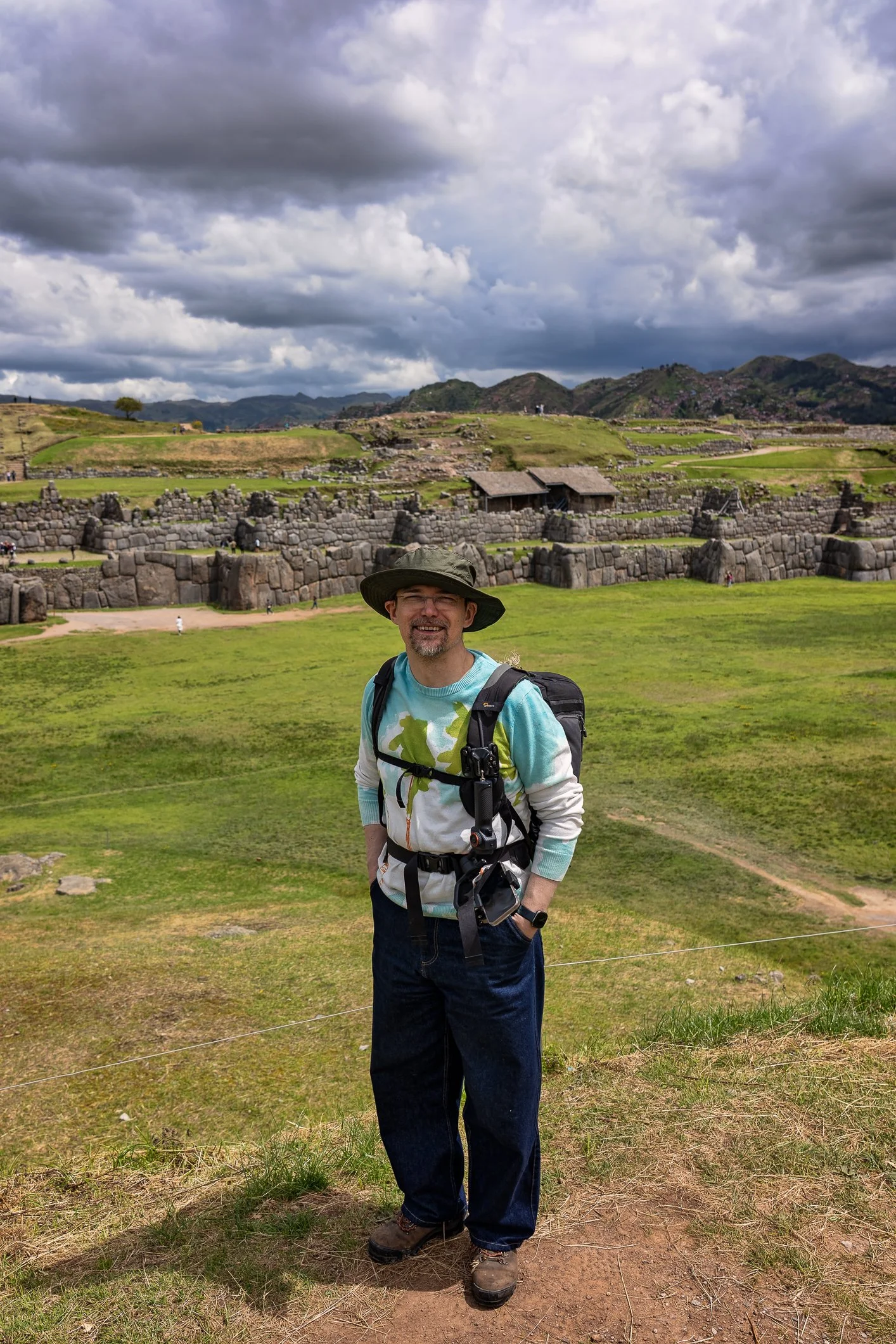
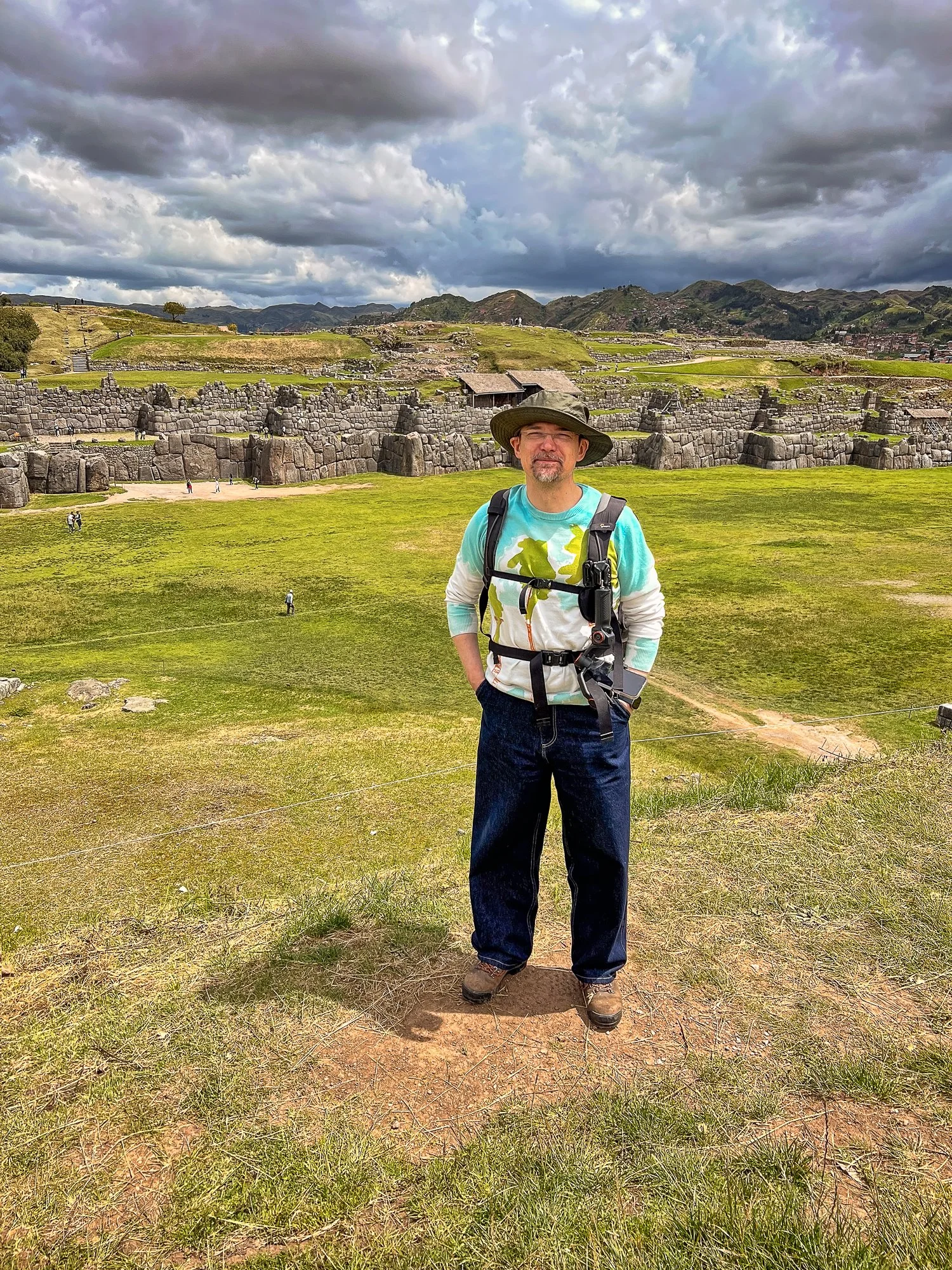
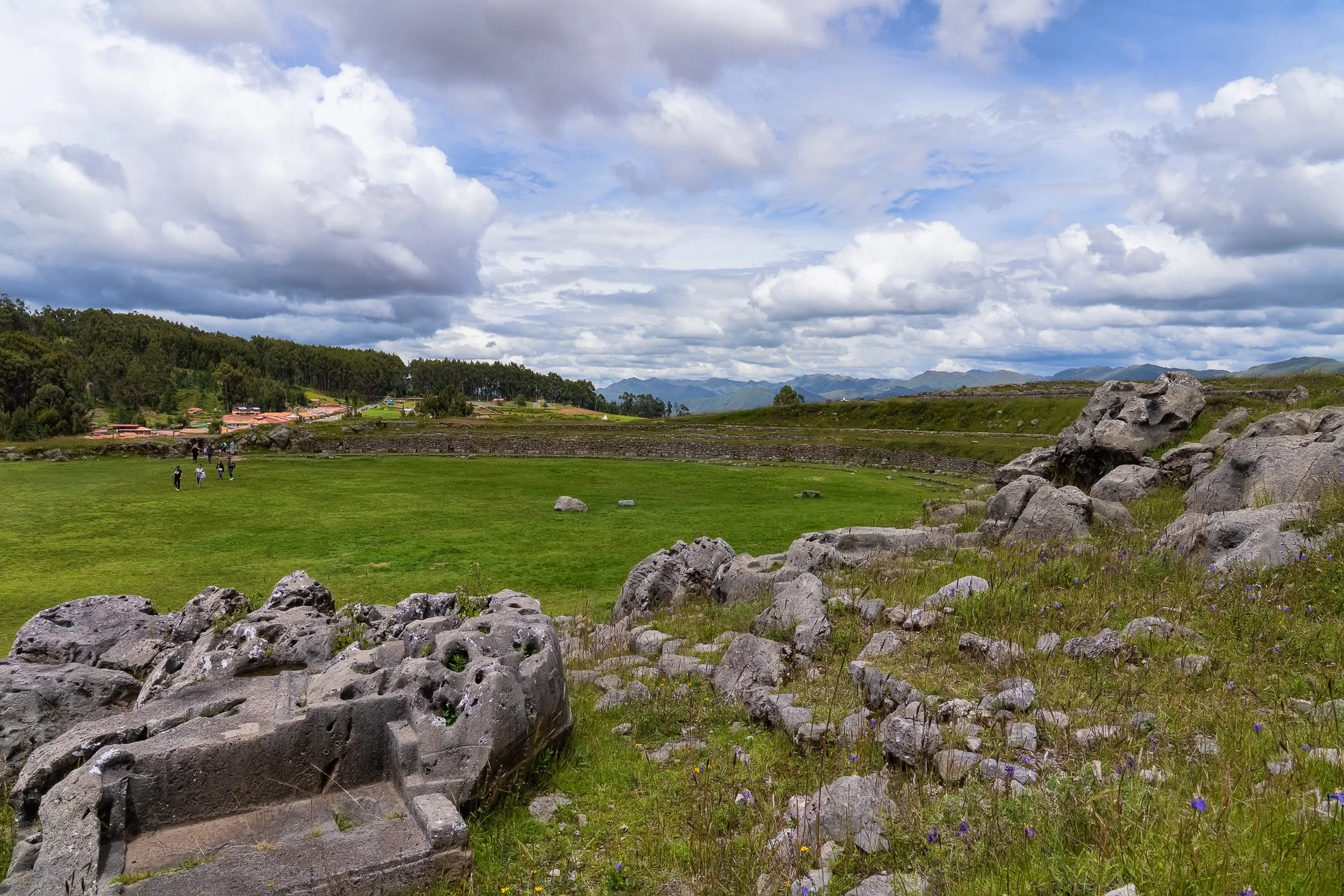
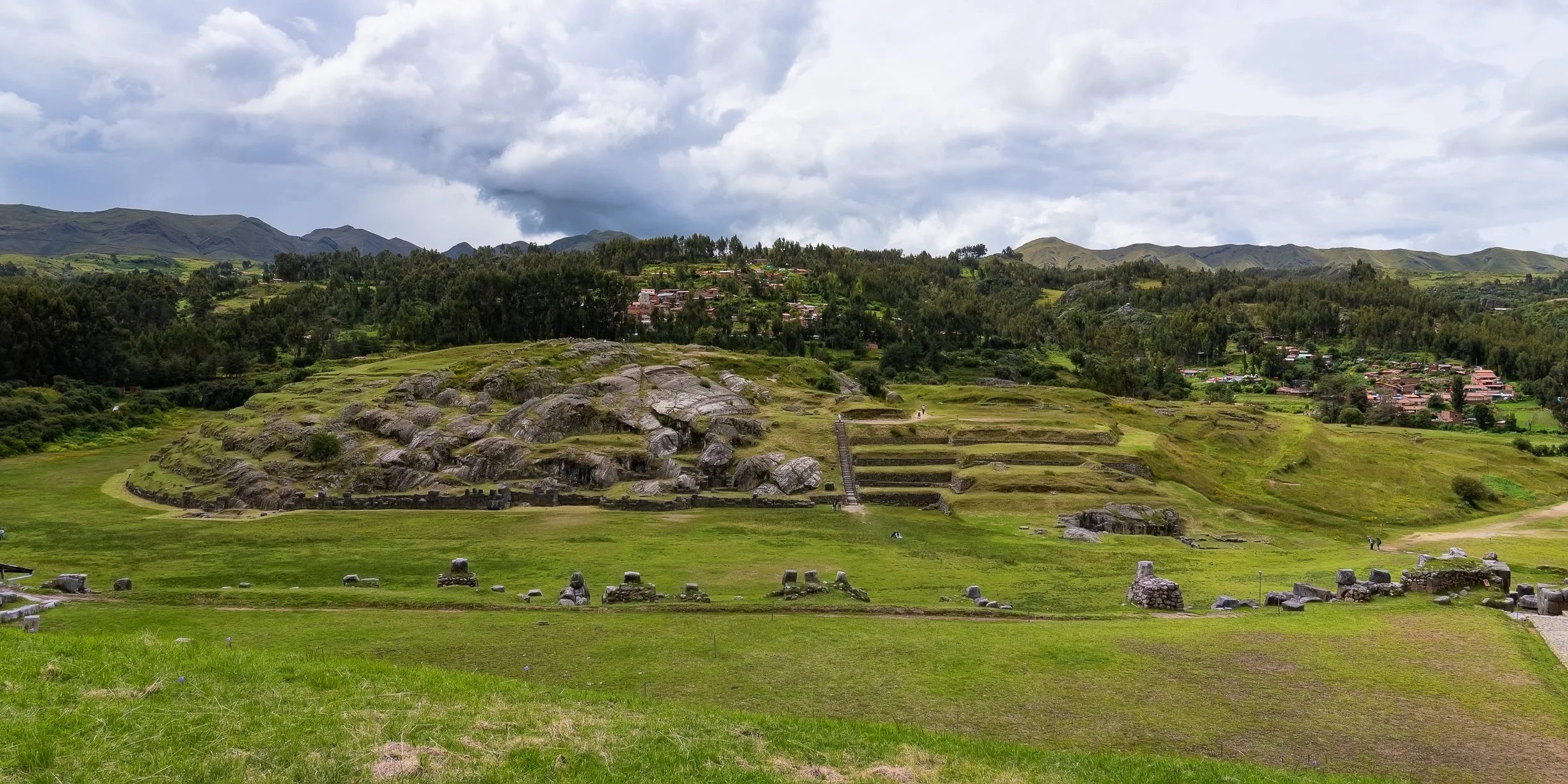
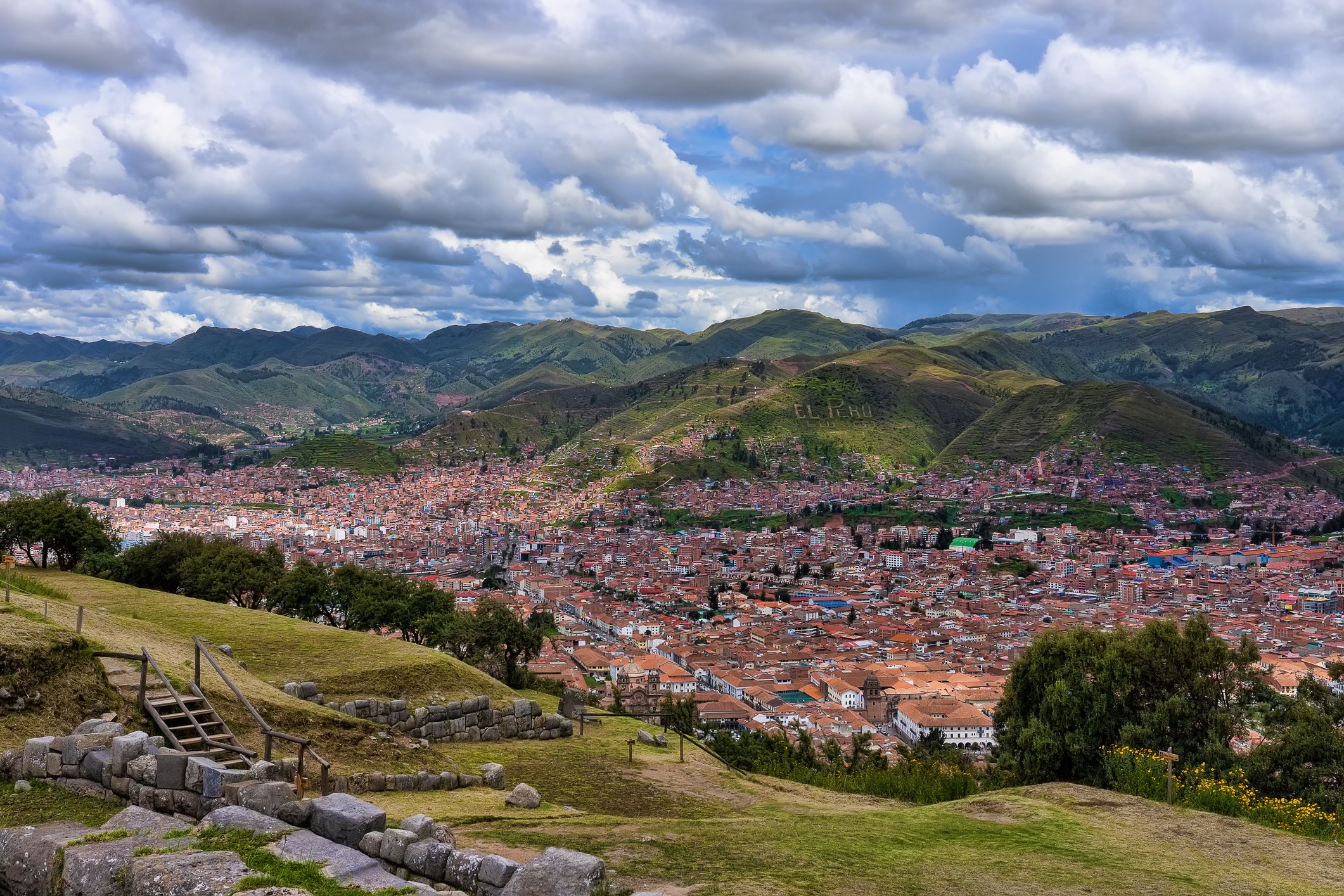
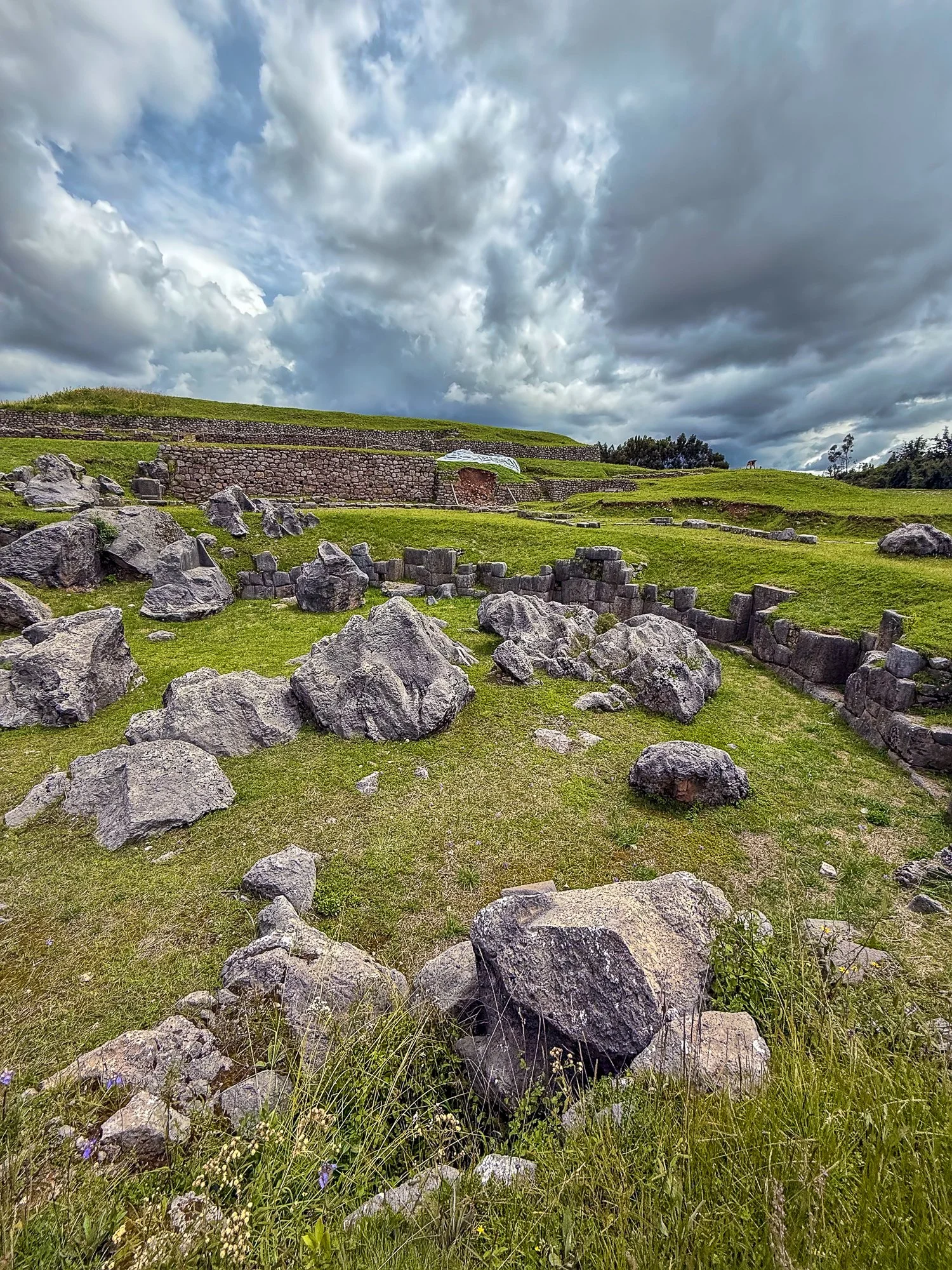
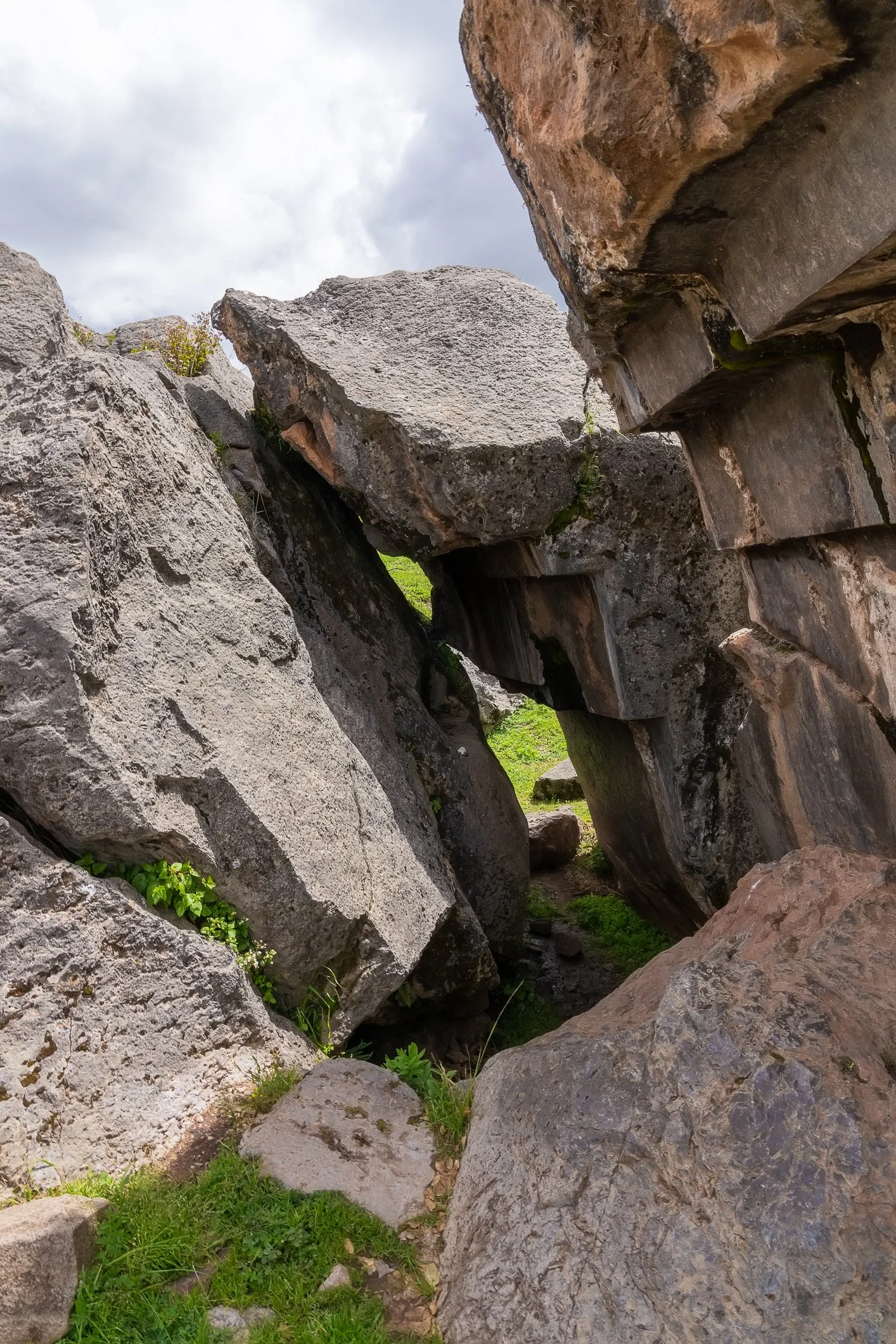
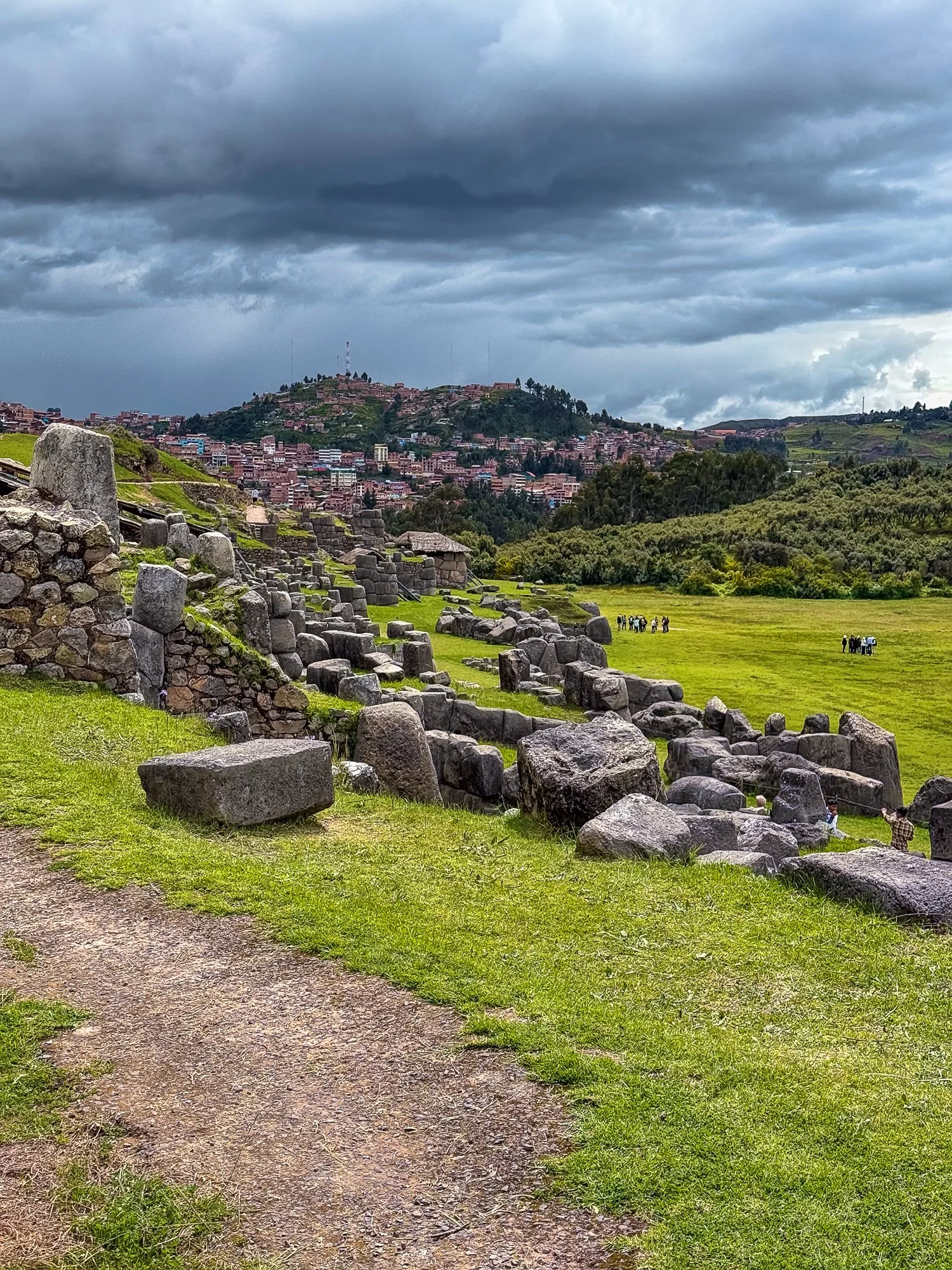
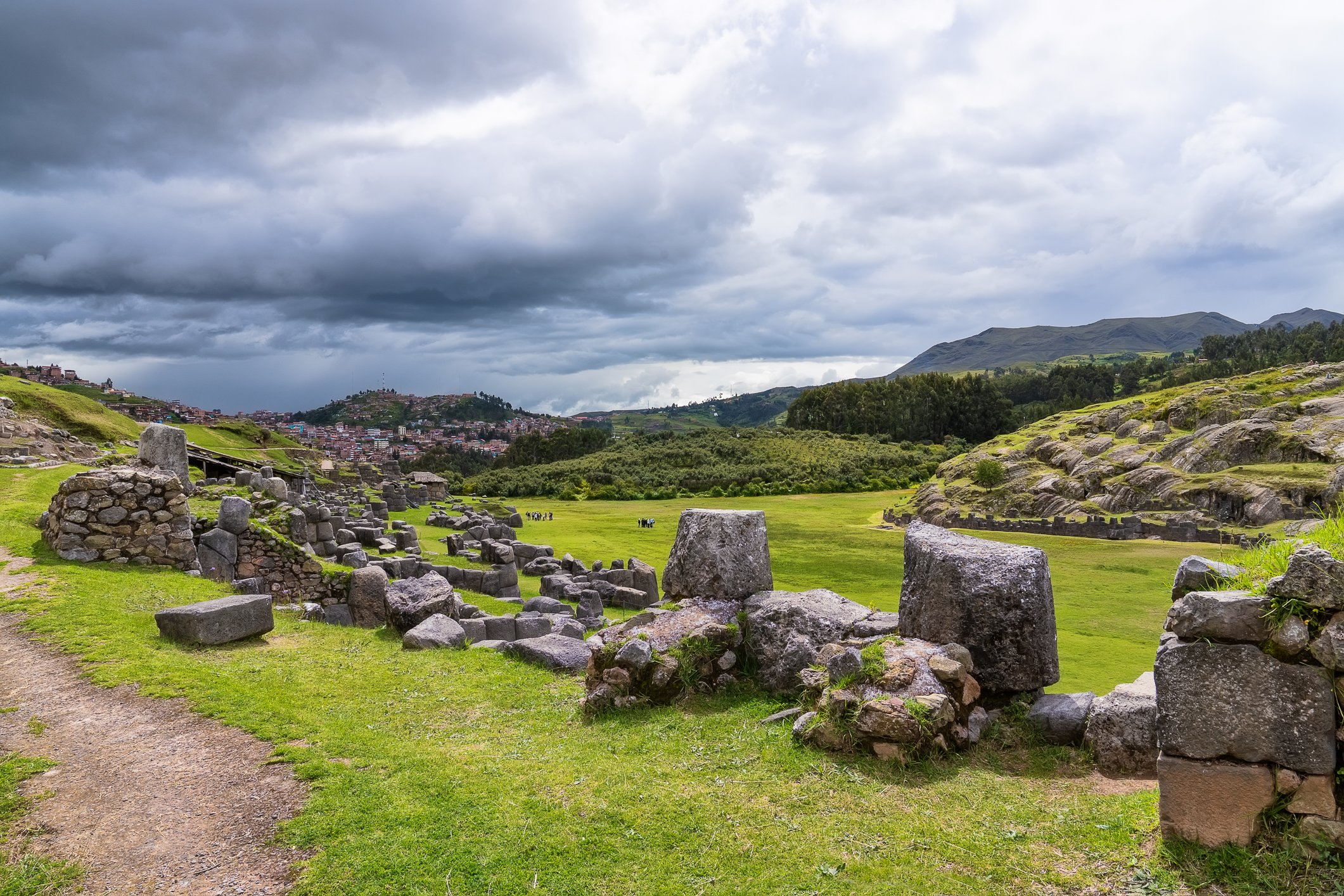
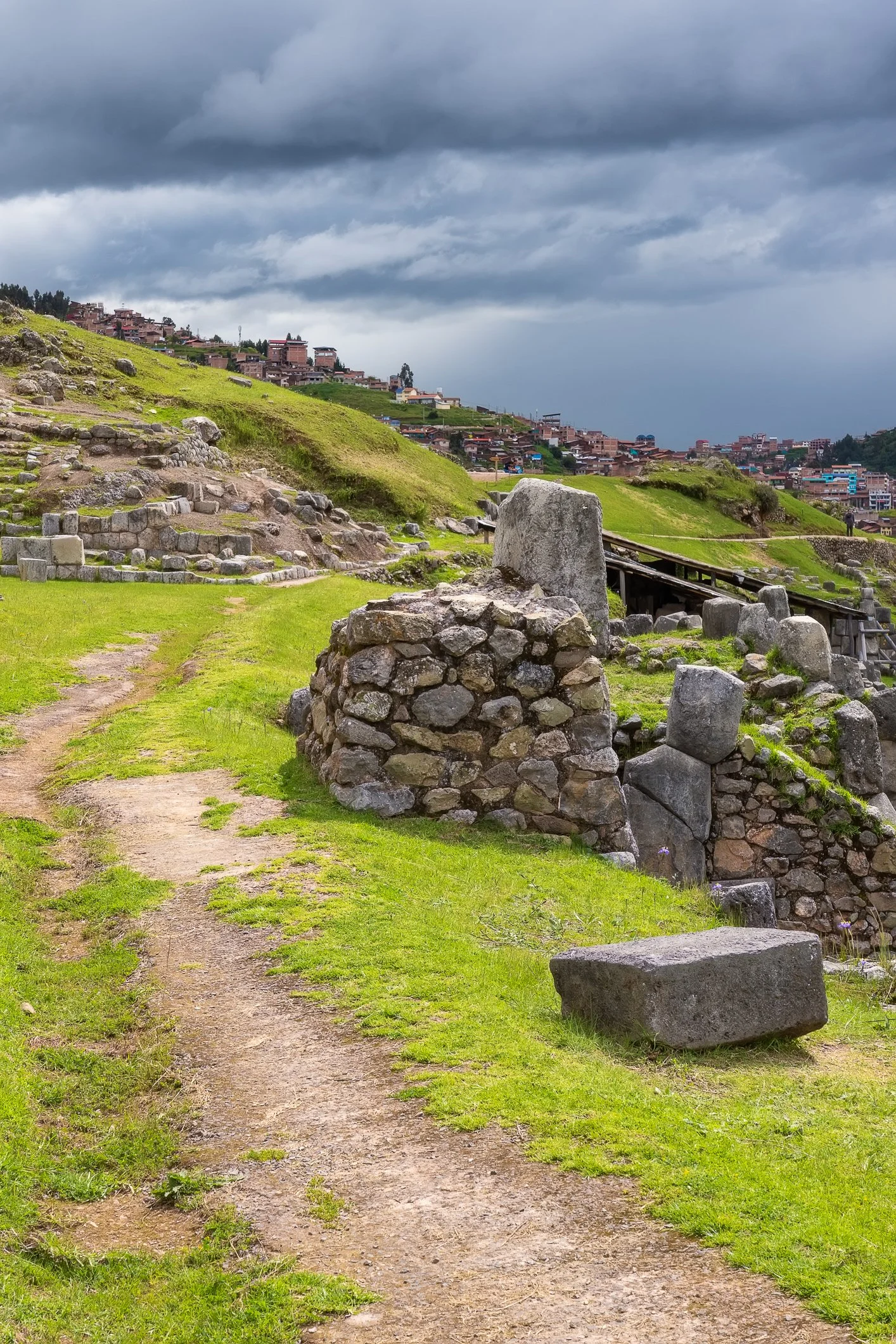
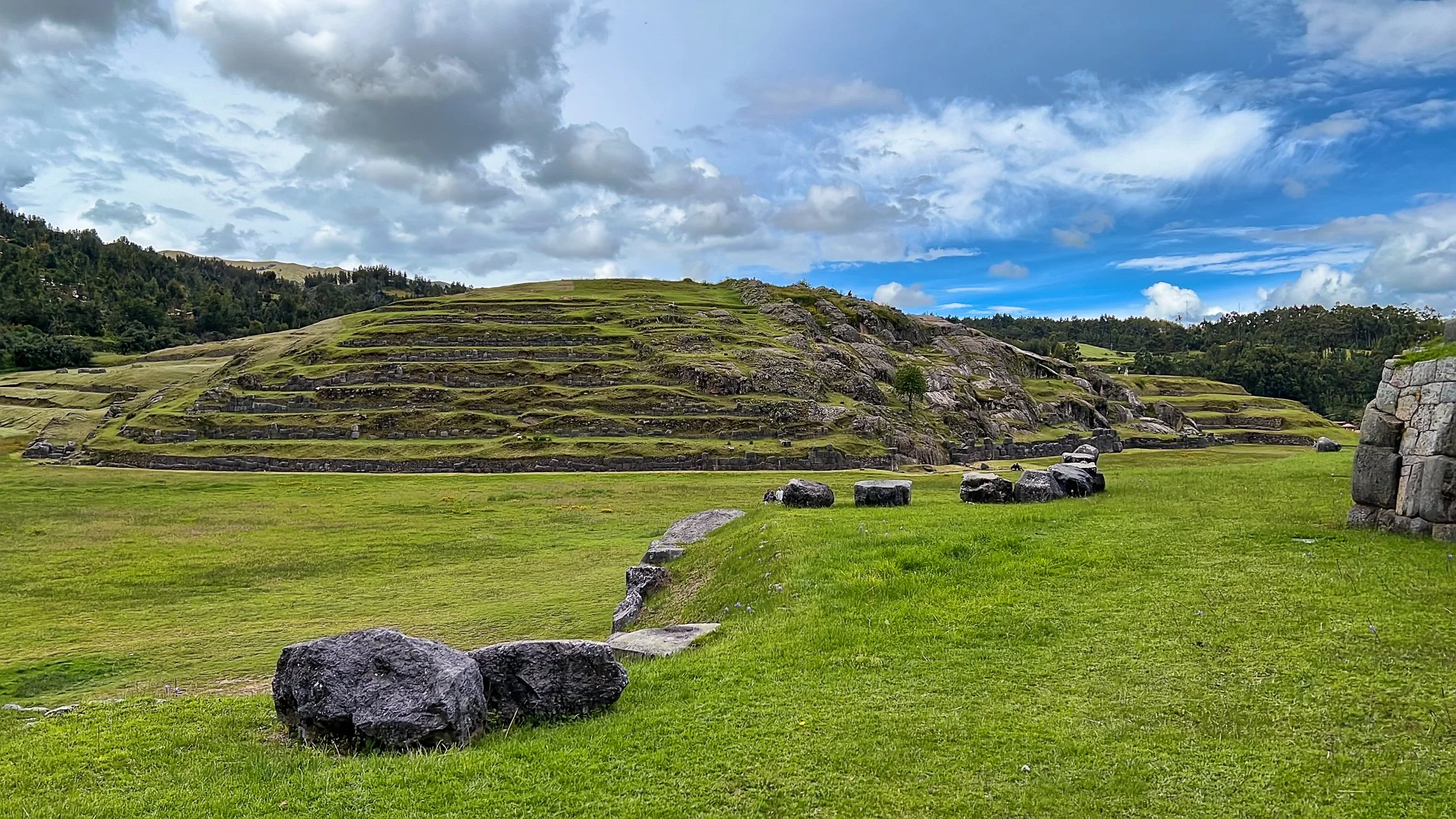
Sacsayhuamán (Saqsaywaman in Quechua, which is usually translated as something like “satisfied falcon”, “speckled head” or even “city of stone”) is a massive stone complex sitting on a hill just above Cusco. Work on Sacsayhuamán began in the 1440s, but it took nearly a century to complete. The Incas did not use mortar, iron tools, or wheels. The site is the result of extremely patient stonework, shaping rocks with harder stones, sand, and bronze chisels, and then moving them with sheer manpower, ramps, and leverage. It is estimated that 20,000 men were involved in the construction: 4,000 cutting blocks from quarries, 6,000 dragging them on rollers to the site, and 10,000 working on finishing and fitting the blocks into position. Some estimates suggest that a few thousand lives were lost while dragging the enormous stones. First, boulders were split by boring holes with stone or cane rods and wet sand. Next, wooden wedges were inserted into these holes and saturated with water to crack the rocks into more manageable sizes. Finally, the rocks were moved into place using levers.


Sacsayhuamán (w języku keczua Saqsaywaman, co bywa tłumaczone jako „zadowolony sokół”, „nakrapiana głowa” albo nawet „miasto z kamienia”) to ogromny kompleks kamienny położony na wzgórzu tuż nad Cusco. Budowę Sacsayhuamán rozpoczęto w latach 40. XV wieku, a jej ukończenie zajęło niemal sto lat. Inkowie nie używali zaprawy, żelaznych narzędzi ani koła. Cała konstrukcja jest efektem niezwykle precyzyjnej pracy w kamieniu - skały były obrabiane twardszymi kamieniami, piaskiem oraz brązowymi dłutami, a następnie transportowane przy użyciu siły ludzkiej, ramp i systemów dźwigni. Szacuje się, że przy budowie mogło pracować około 20 tysięcy osób: część z nich wydobywała bloki w kamieniołomach, inni transportowali je na miejsce, a jeszcze inni zajmowali się ich dopasowywaniem i wykończeniem. Według niektórych szacunków w trakcie tych prac mogło zginąć nawet kilka tysięcy ludzi. Same skały rozłupywano, wiercąc w nich otwory za pomocą kamiennych lub trzcinowych prętów z mokrym piaskiem, a następnie wbijano w nie drewniane kliny, które po nasiąknięciu wodą powodowały pękanie bloków. Ostateczne przesuwanie i ustawianie kamieni odbywało się przy użyciu dźwigni.

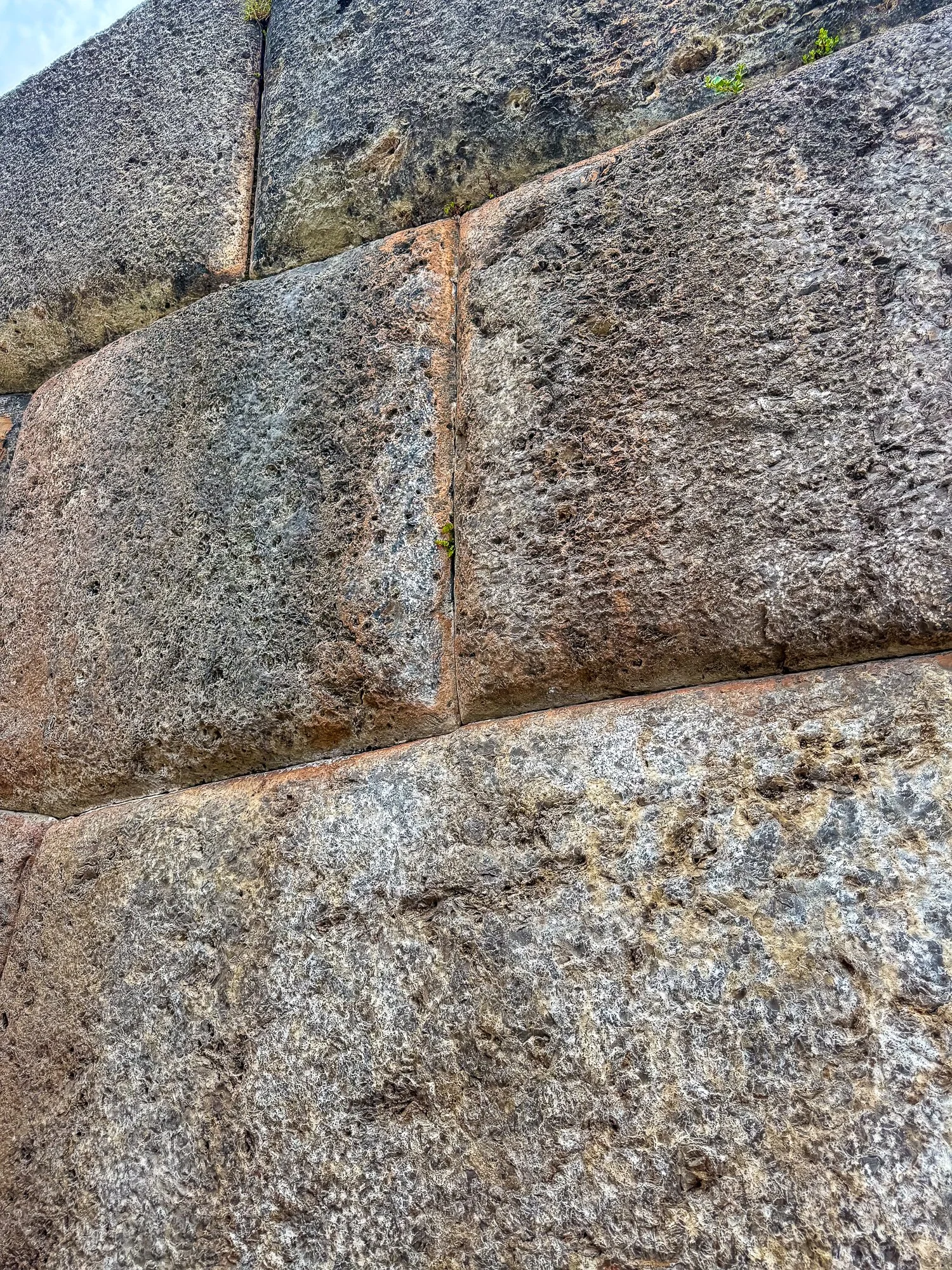
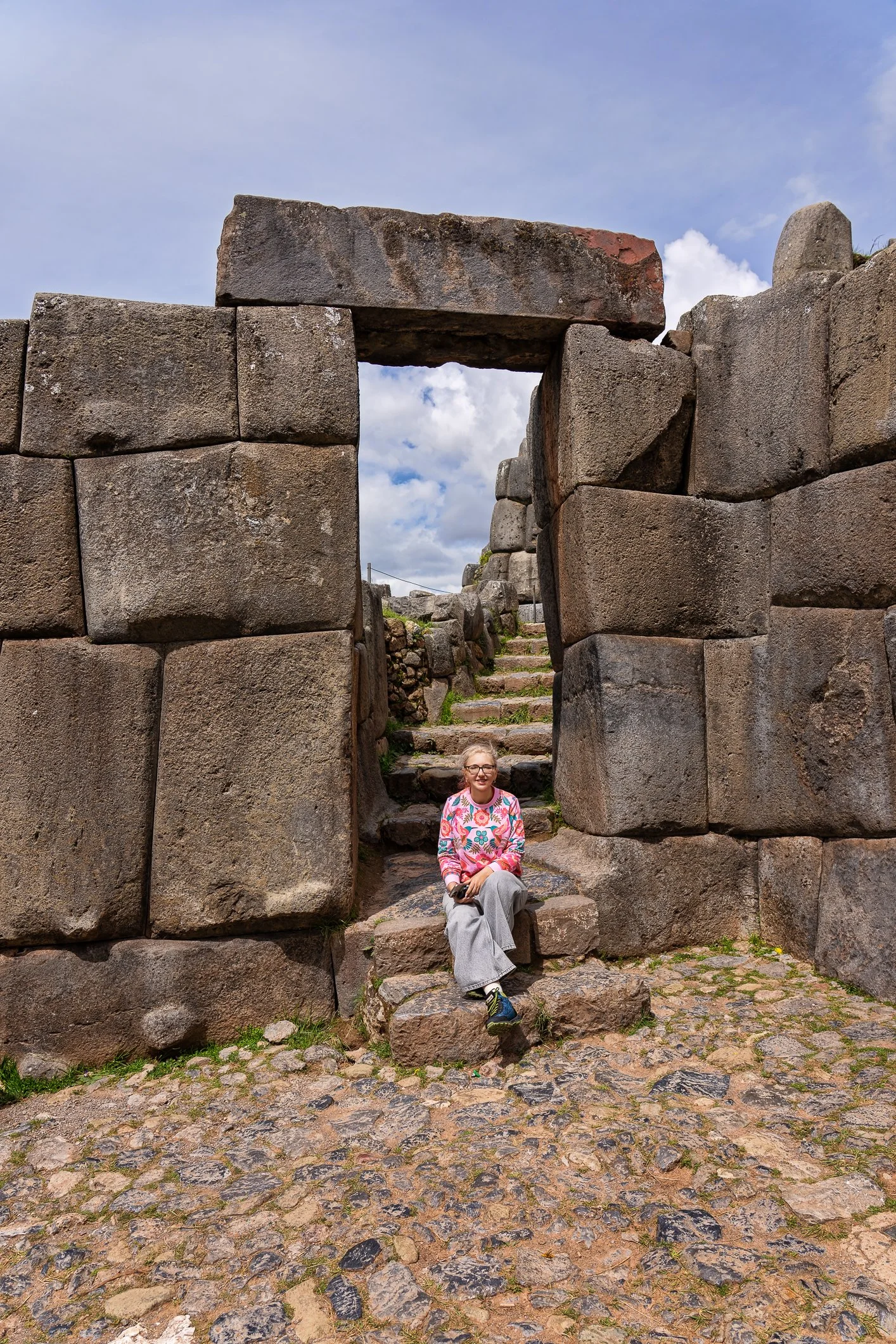
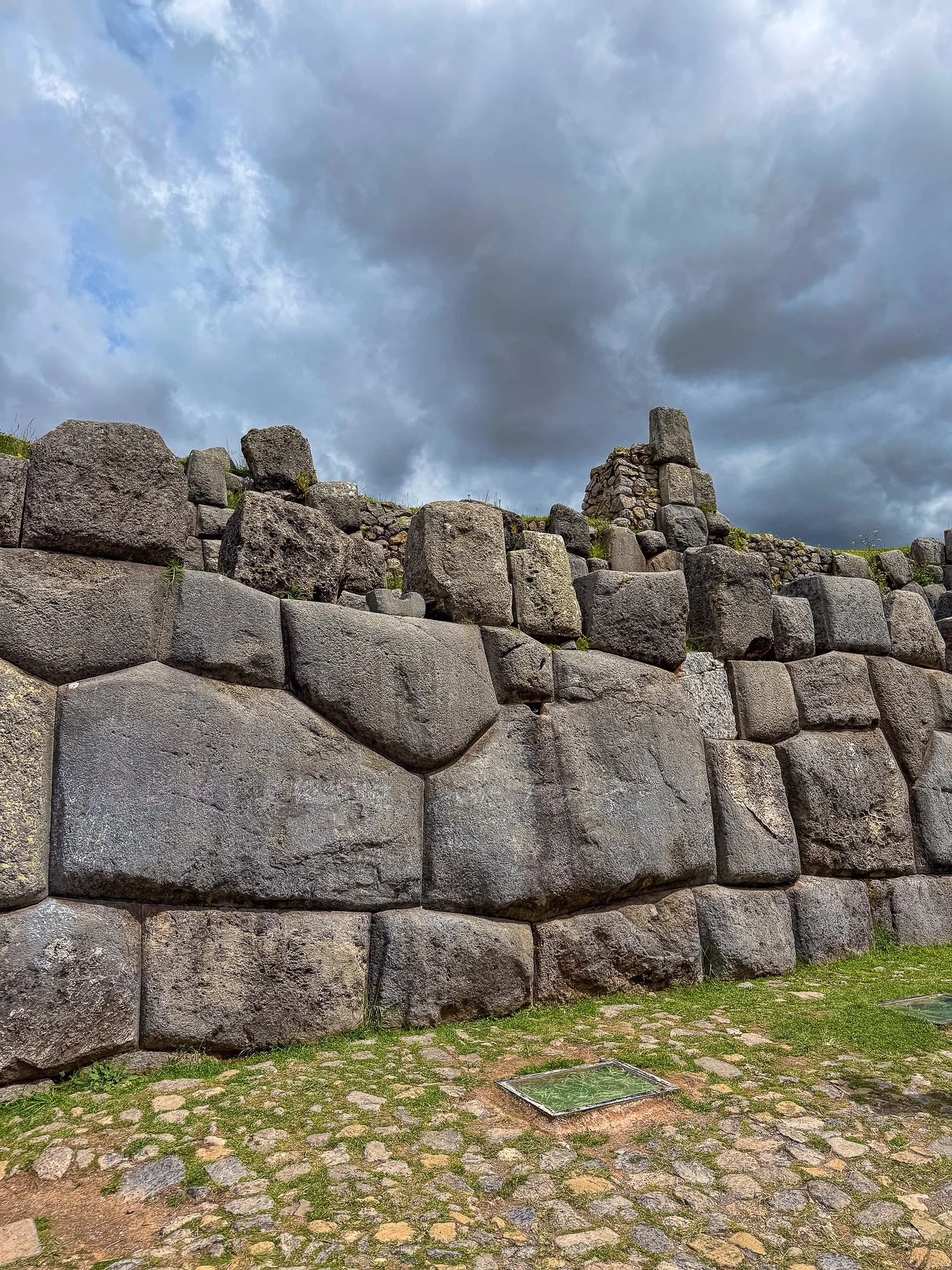
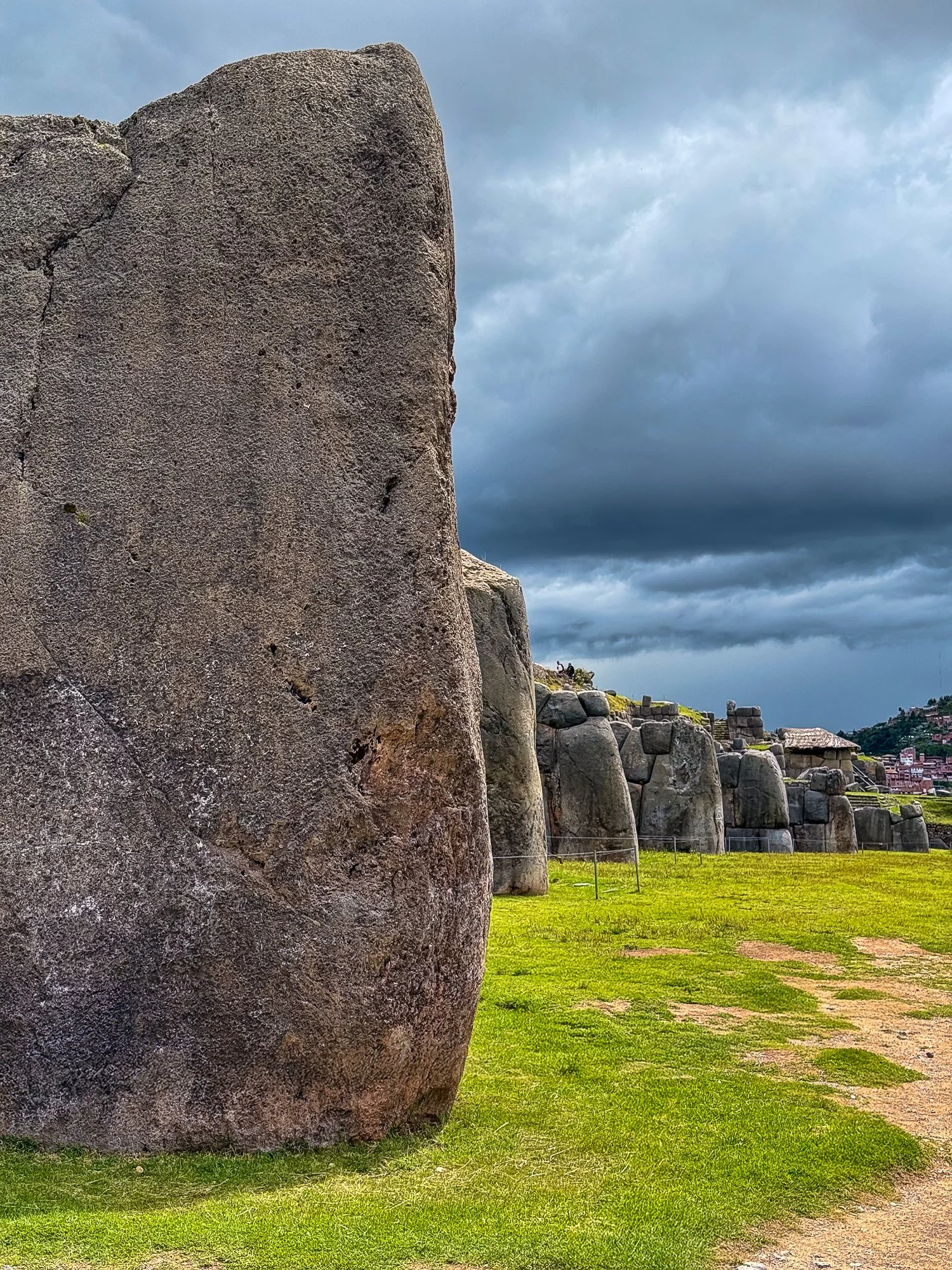
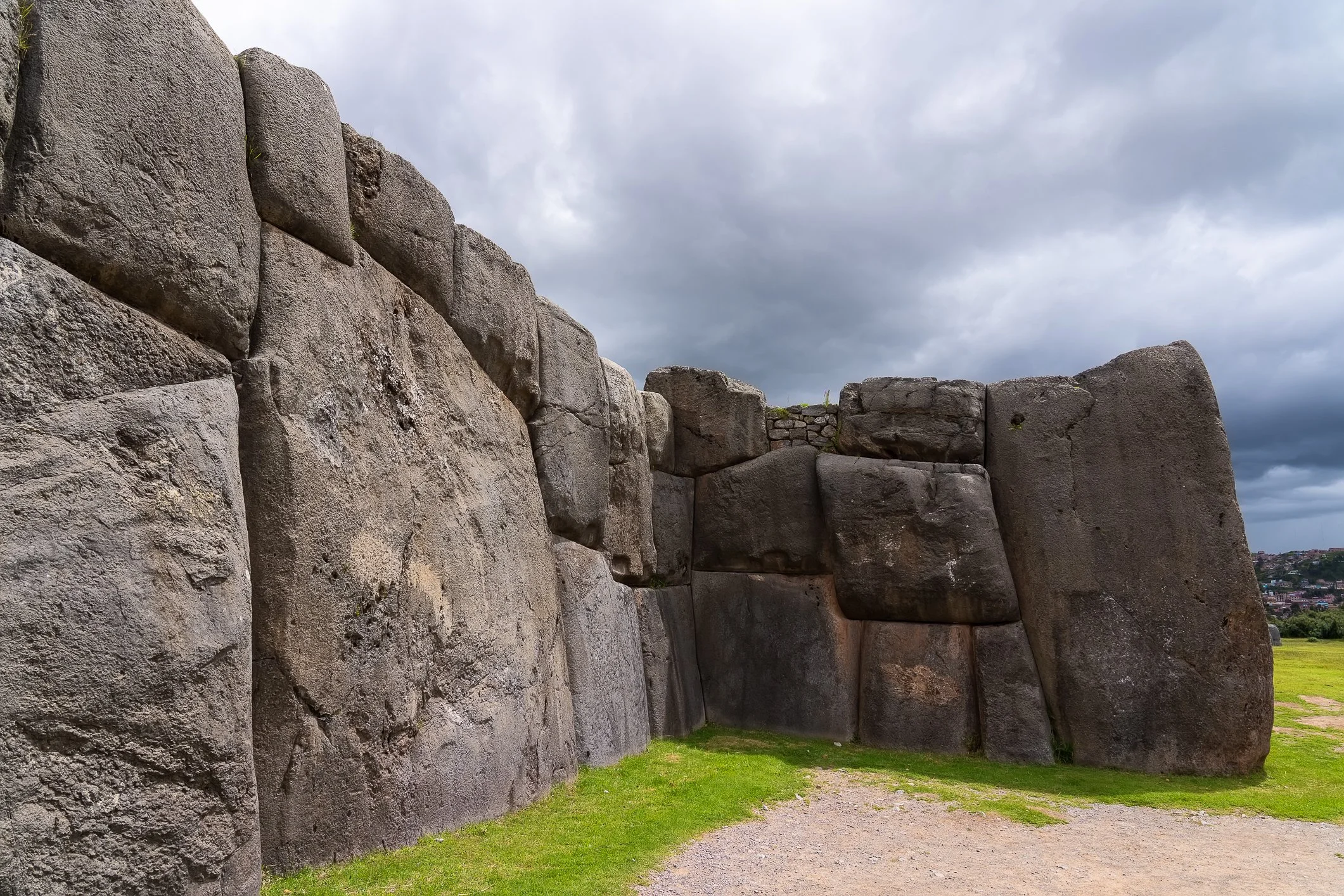
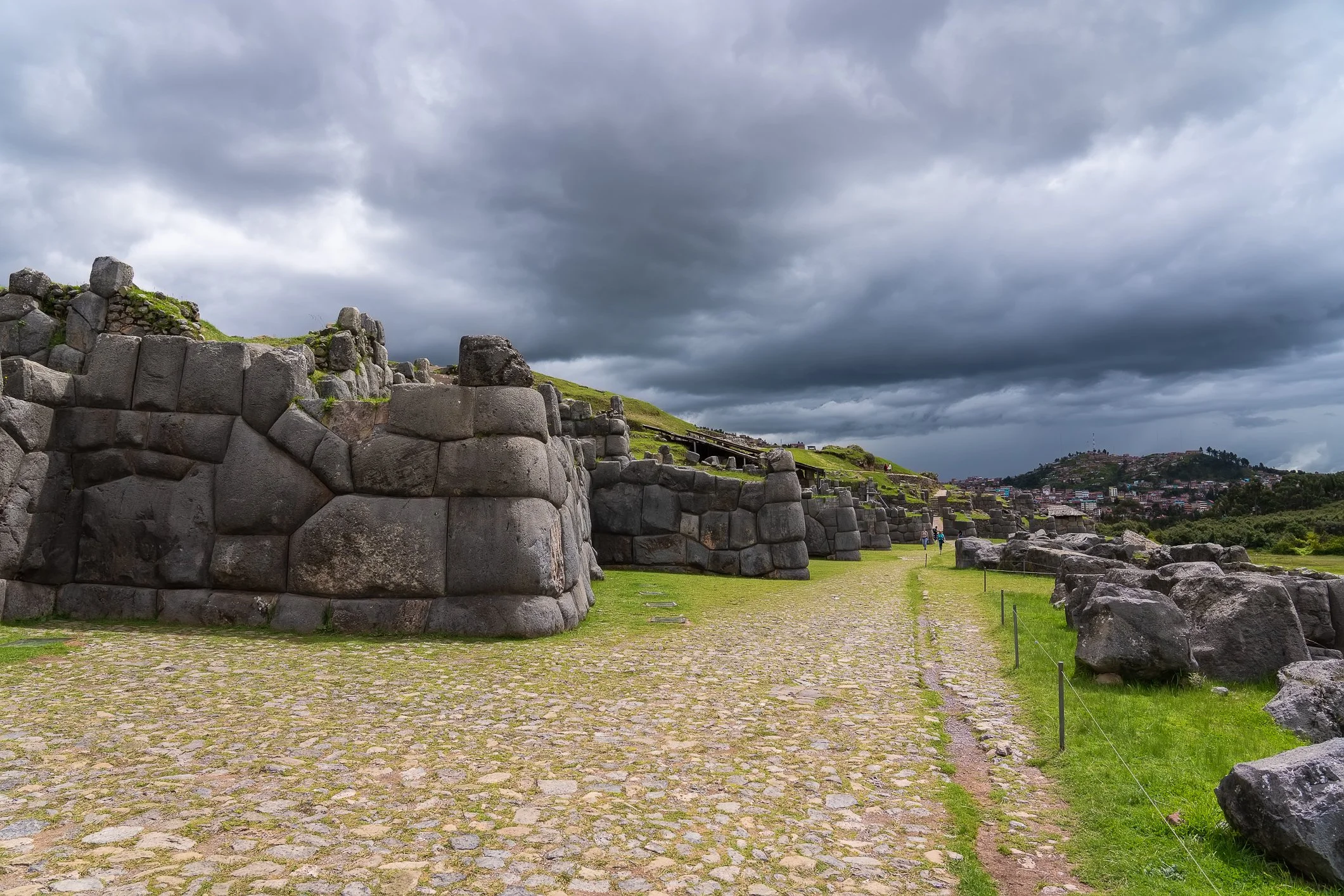
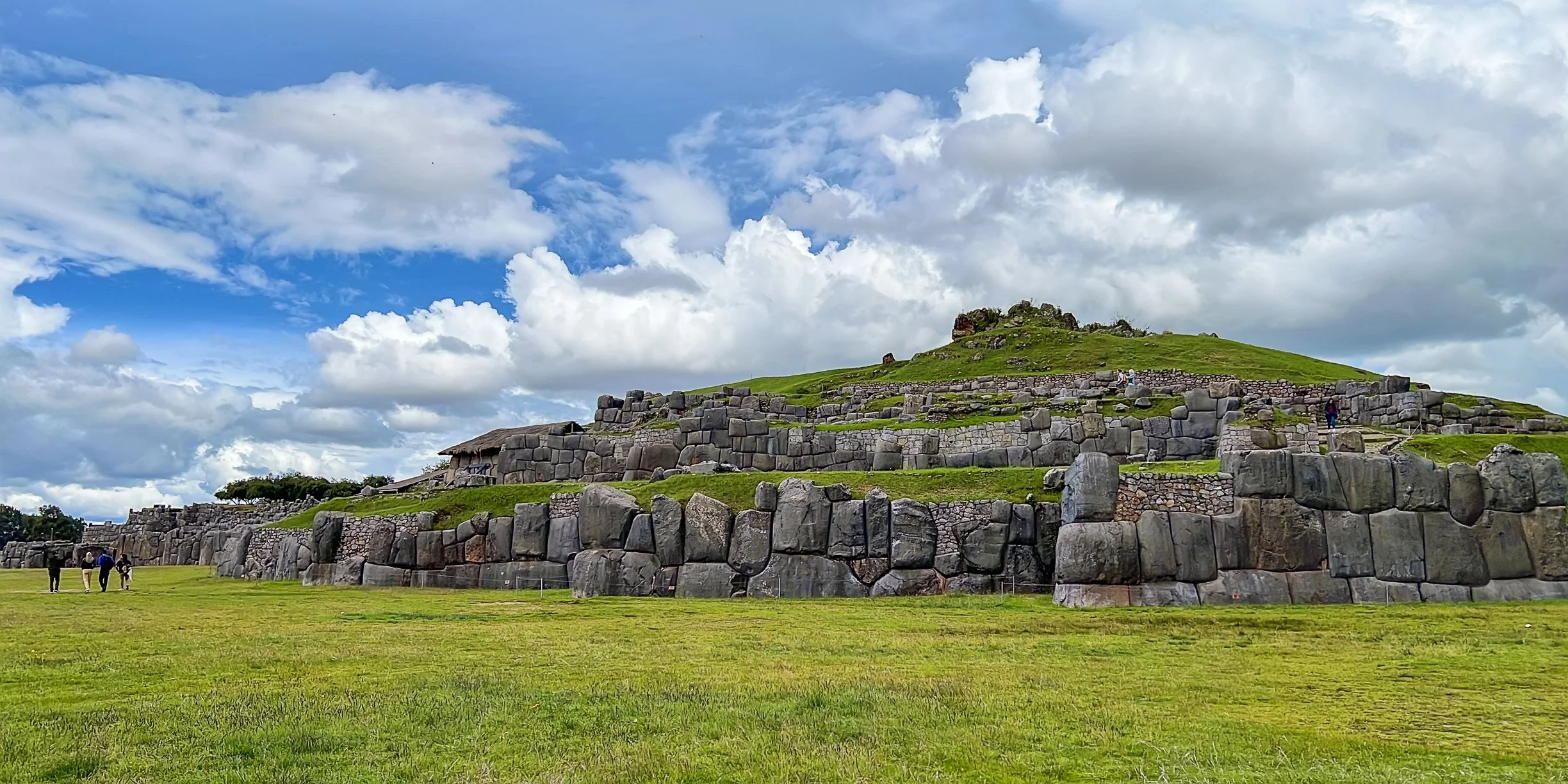
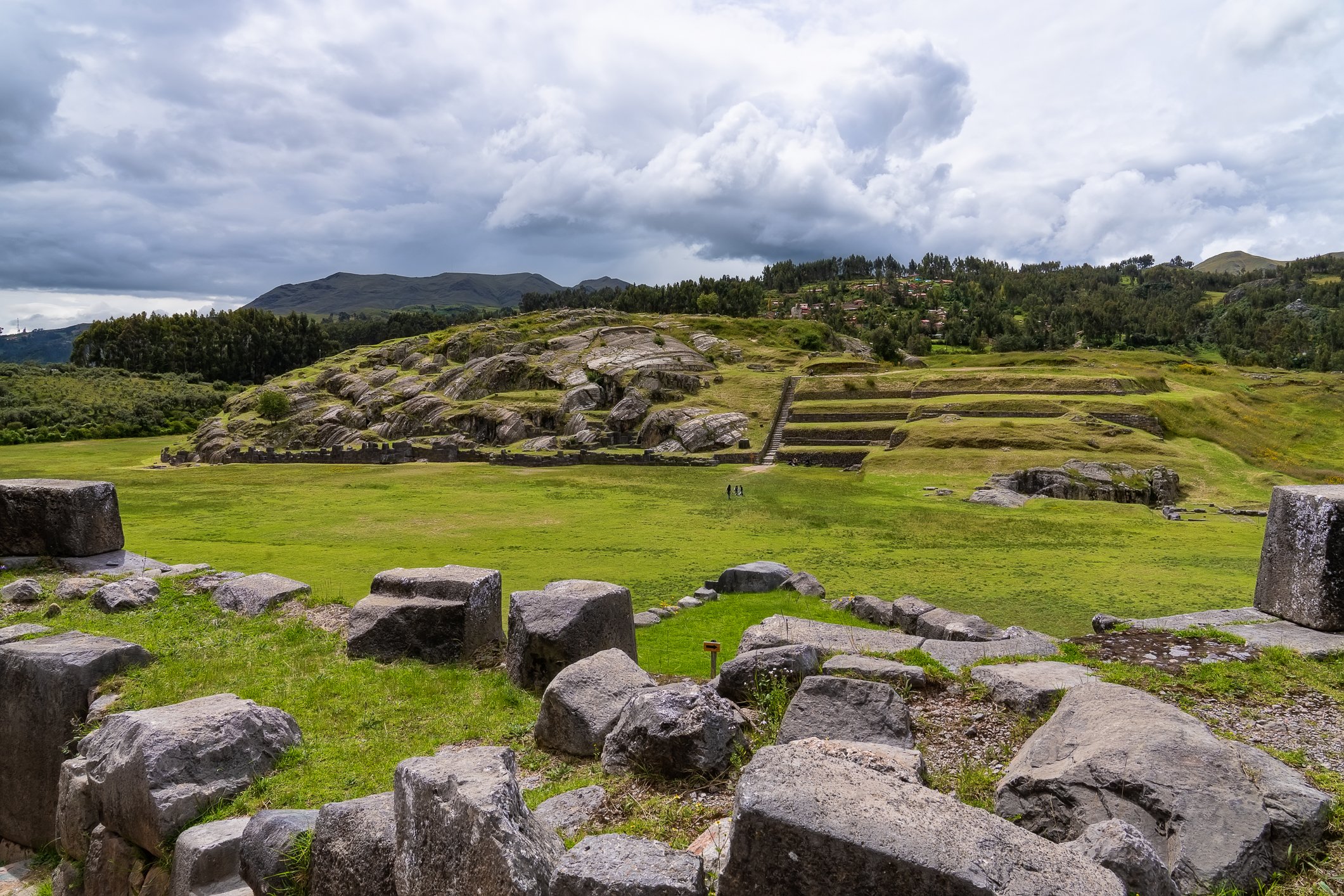
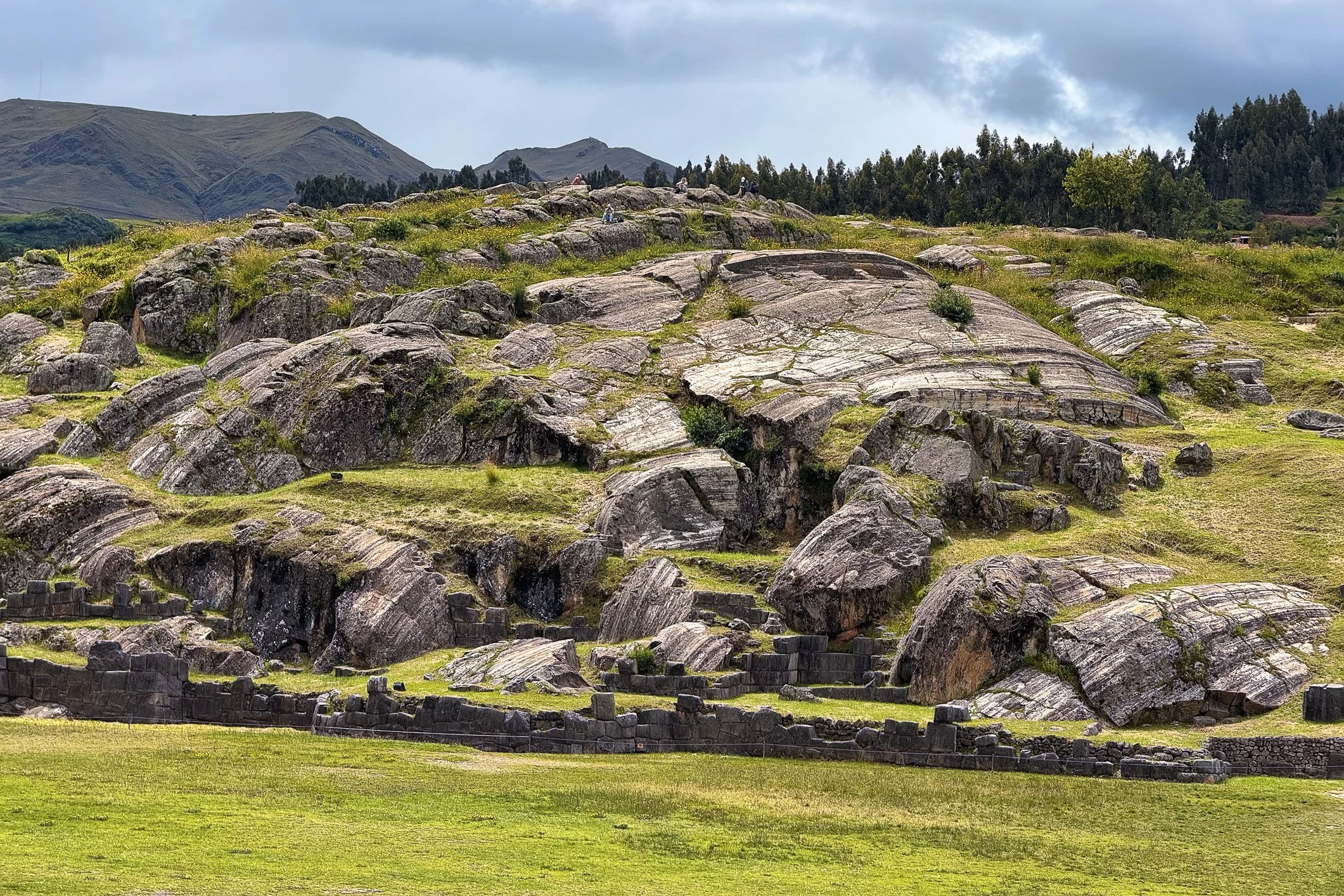
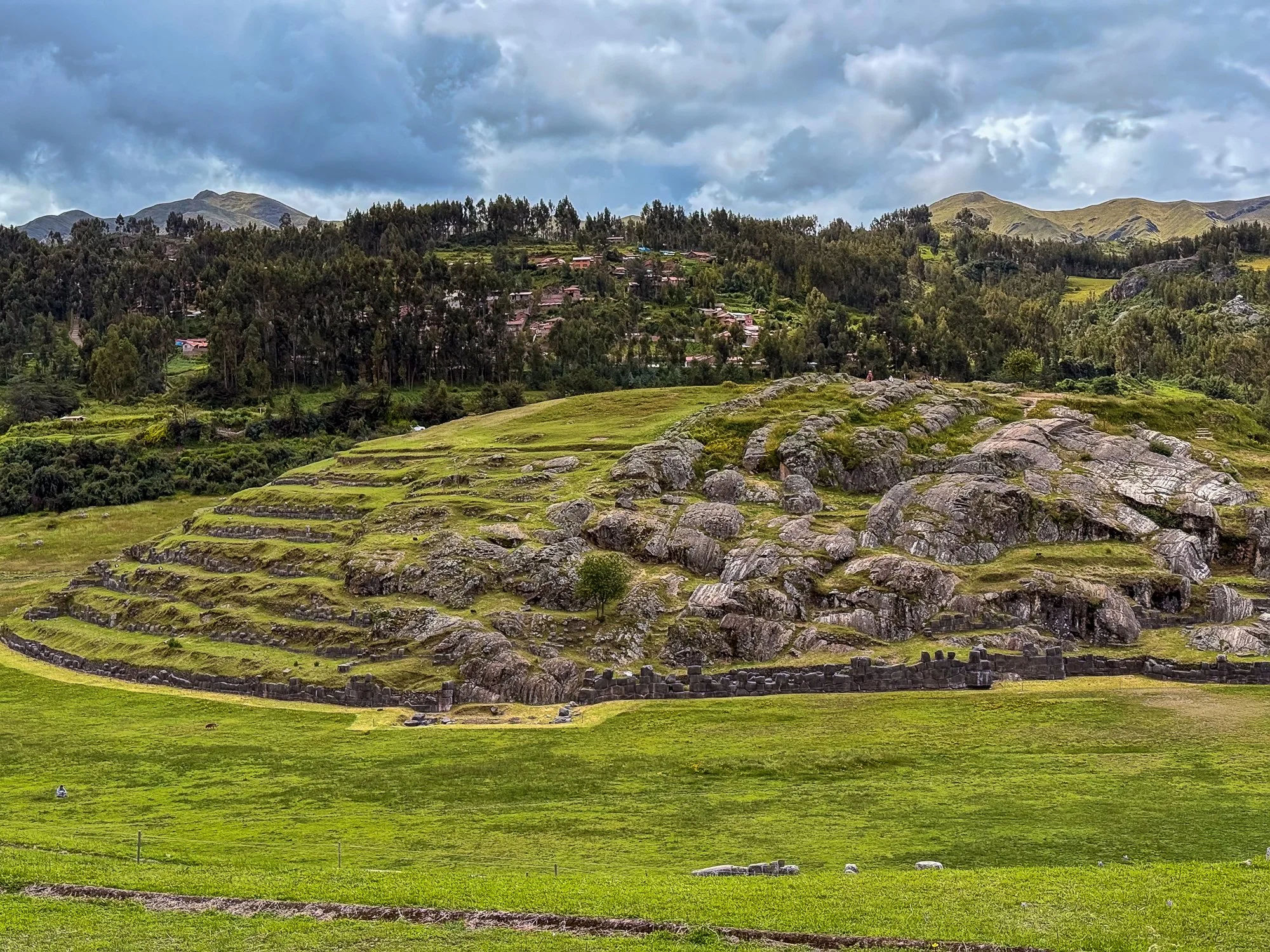
It is not just the scale of this place that makes it remarkable, but also how absurdly precise everything is. The walls zig-zag across the hillside in huge terraces, built from stones so large that some weigh over a hundred tons, yet they fit together so tightly that there is essentially no gap between them.

Nie tylko skala tego miejsca robi wrażenie, ale także jego niewiarygodna precyzja. Kamienne mury układają się w ogromne, zygzakowate tarasy, a niektóre bloki ważą ponad sto ton. Mimo to idealnie do siebie pasują, bez użycia jakiejkolwiek zaprawy - między kamieniami praktycznie nie ma szczelin.

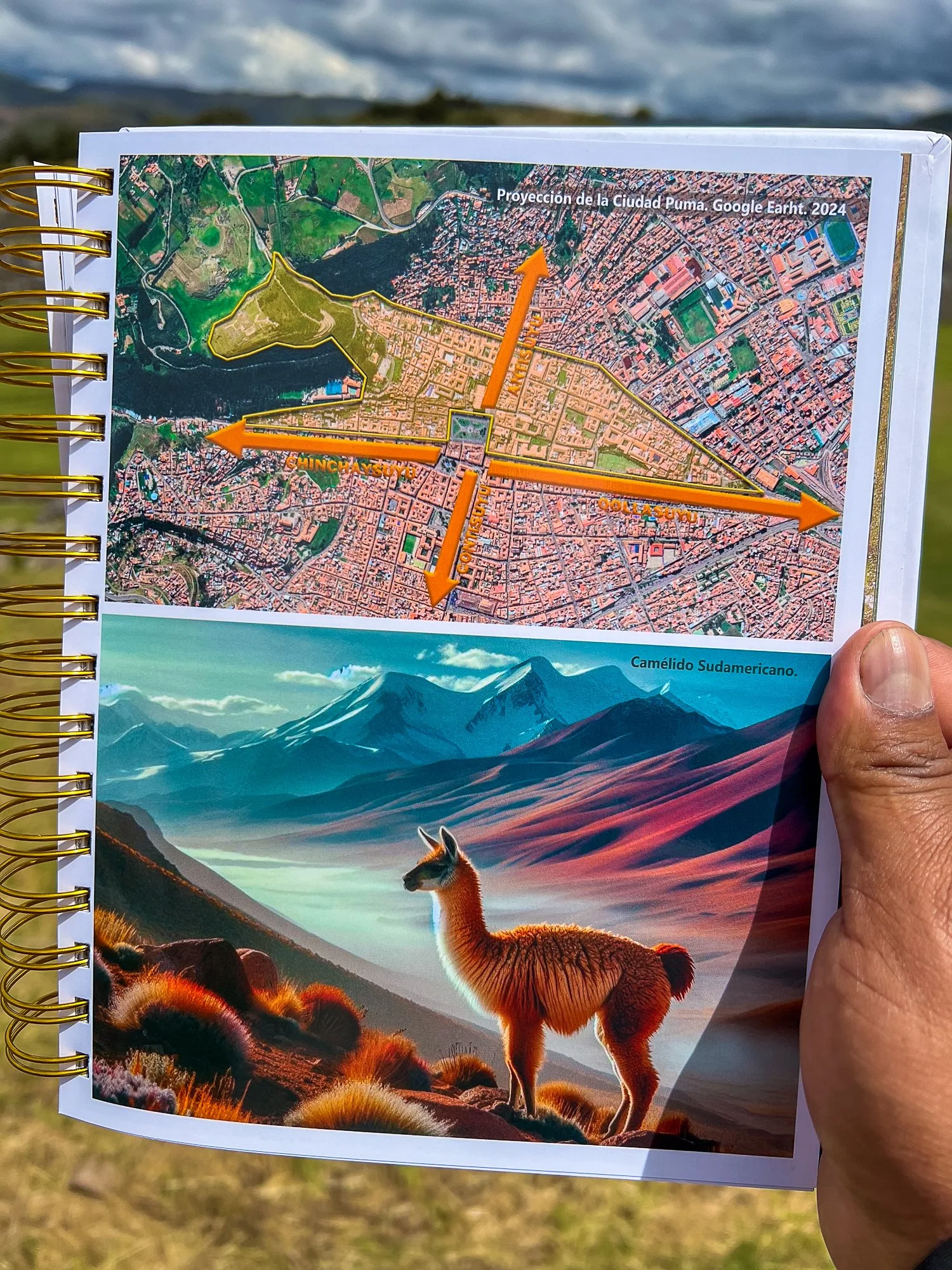
Functionally, it was not just a fortress, even though it clearly had a defensive role. It also had ceremonial importance, and its layout is tied to how the Incas designed Cusco itself. There is a long-standing idea that the city was shaped like a puma, with Sacsayhuamán forming the “head”, which suggests it held symbolic meaning as well as practical use.

After the Spanish took control, they dismantled parts of the fortress and reused the stones to build colonial buildings in Cusco. Ironically, many of those Spanish structures did not survive earthquakes as well as the original Inca stonework, which still stands today.


Sacsayhuamán nie była wyłącznie fortecą, choć pełniła również funkcje obronne. Miała także ogromne znaczenie ceremonialne i wpisywała się w plan urbanistyczny Cusco. Według jednej z popularnych interpretacji miasto miało kształt pumy, a Sacsayhuamán stanowiła jej „głowę”, co podkreśla jej symboliczne znaczenie.

Po przybyciu Hiszpanów część kompleksu została rozebrana, a kamienie wykorzystano do budowy kolonialnych budynków w Cusco. Paradoksalnie wiele z tych konstrukcji okazało się znacznie mniej odporne na trzęsienia ziemi niż oryginalna kamienna architektura Inków, która przetrwała do dziś.

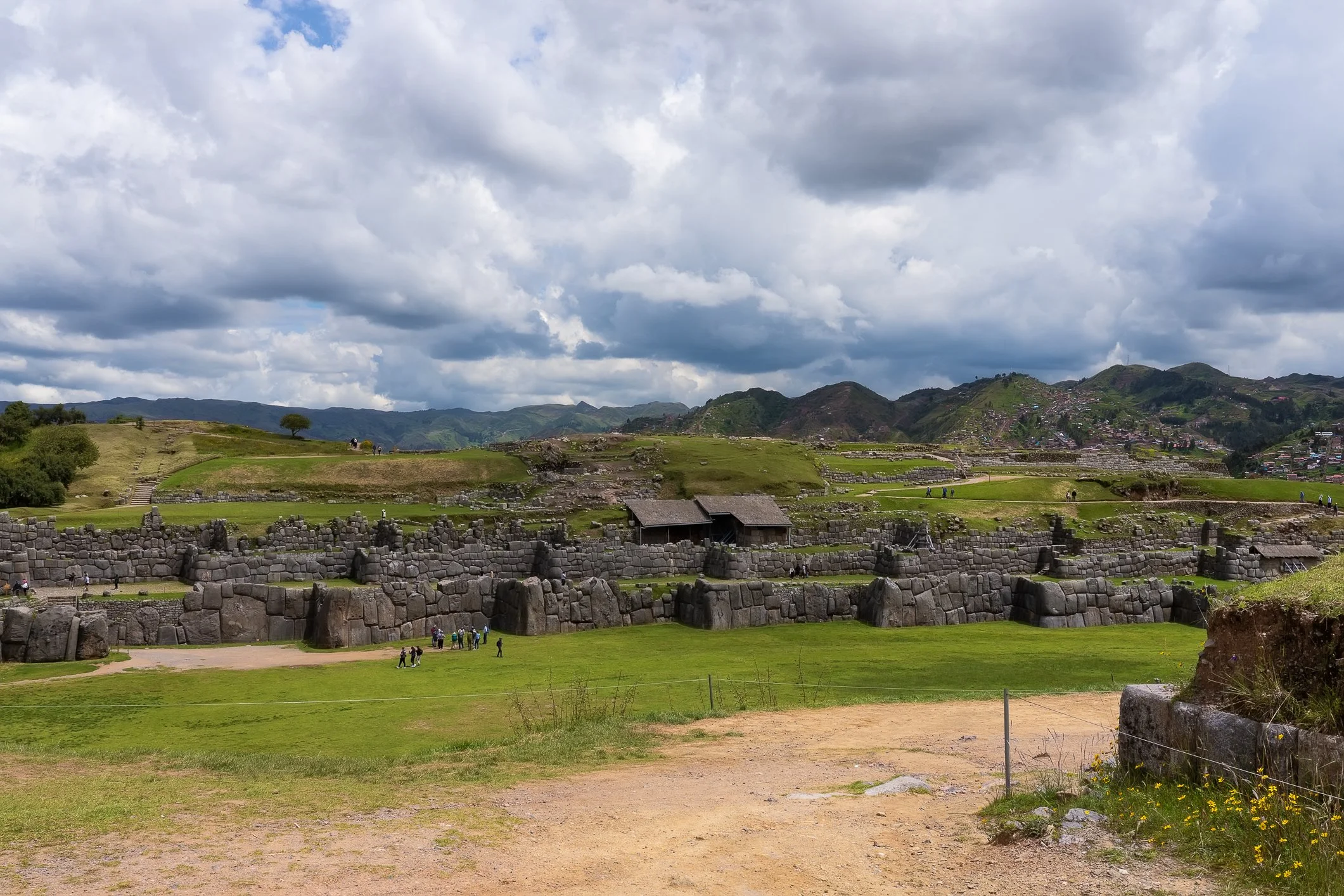
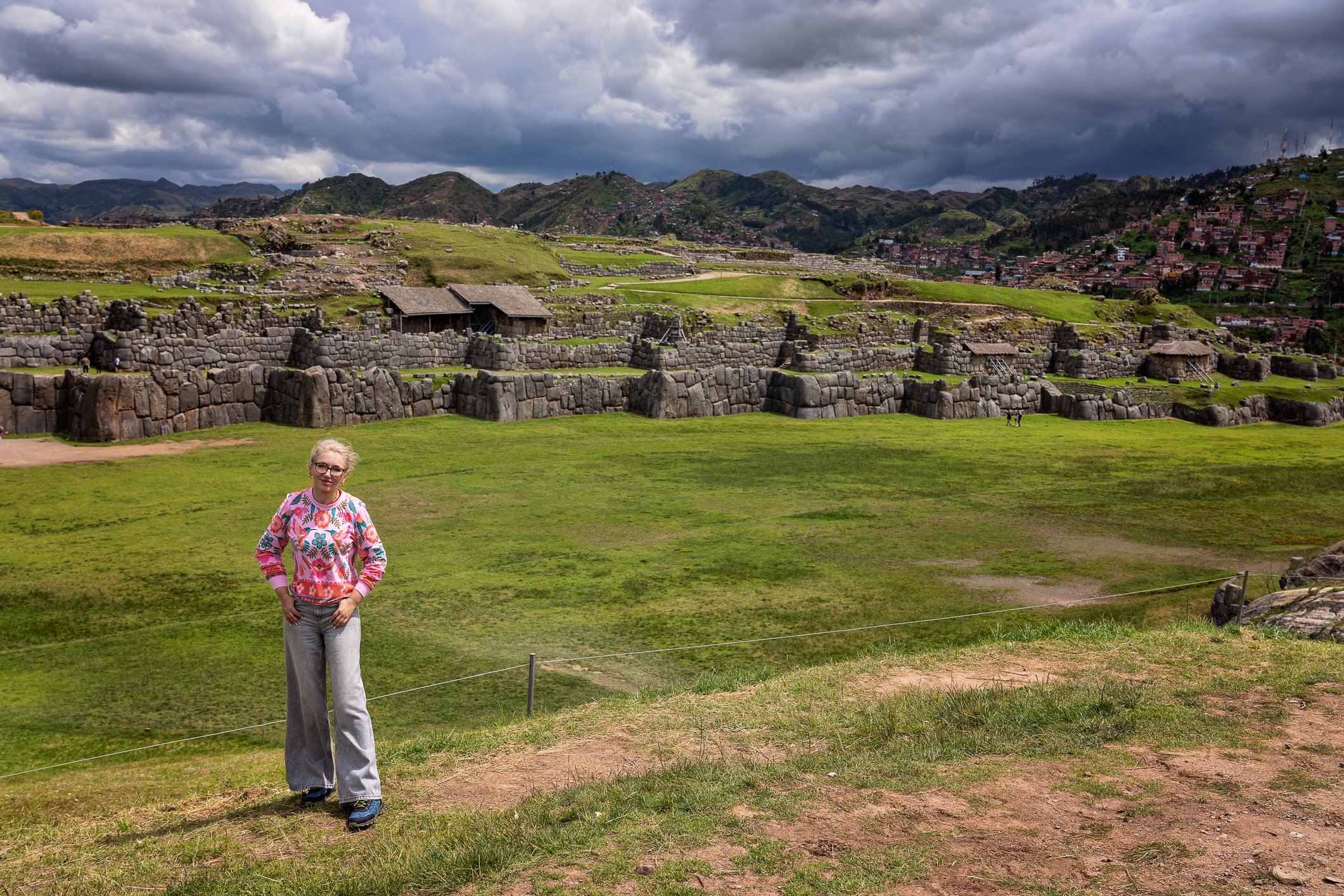
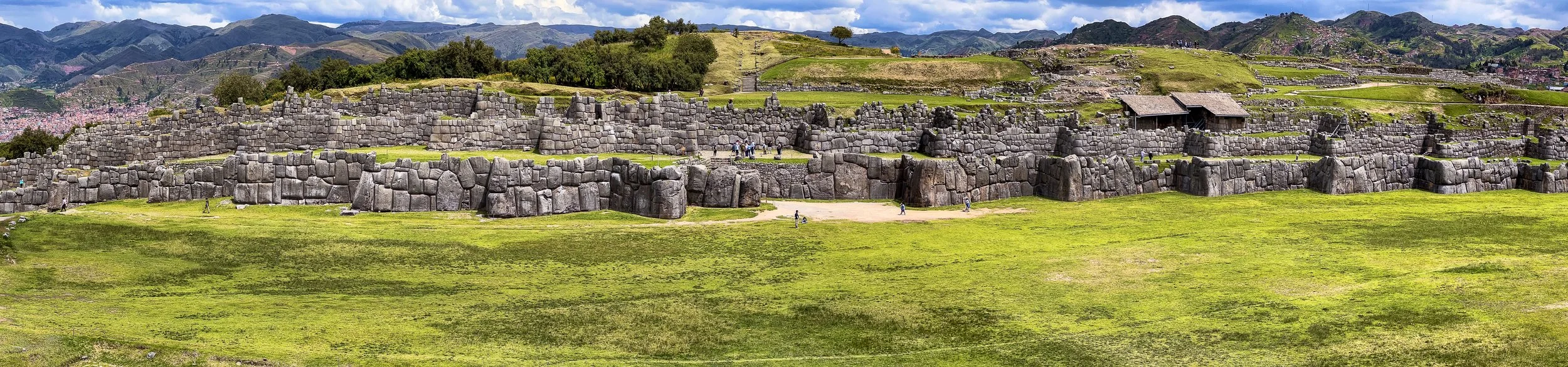
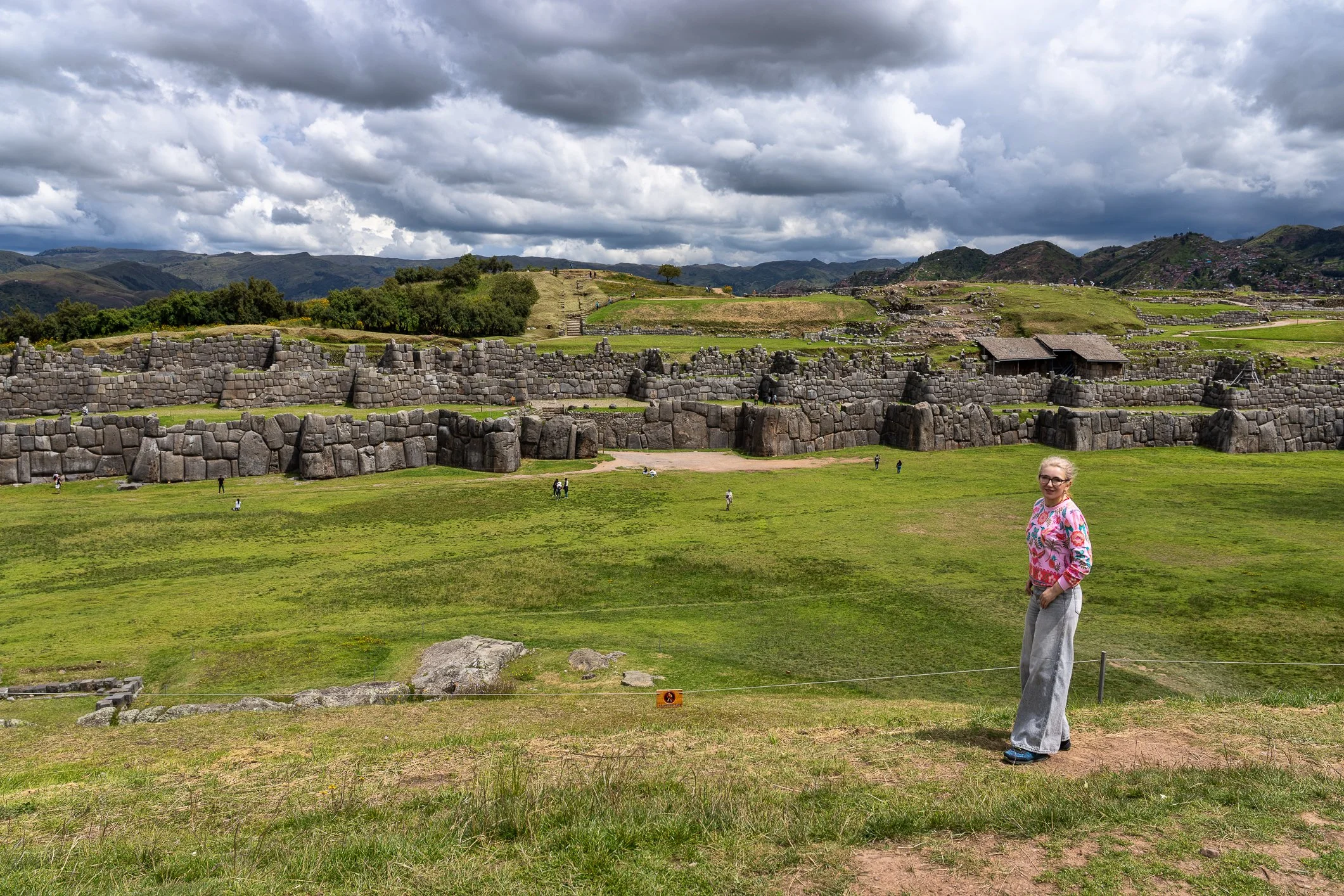
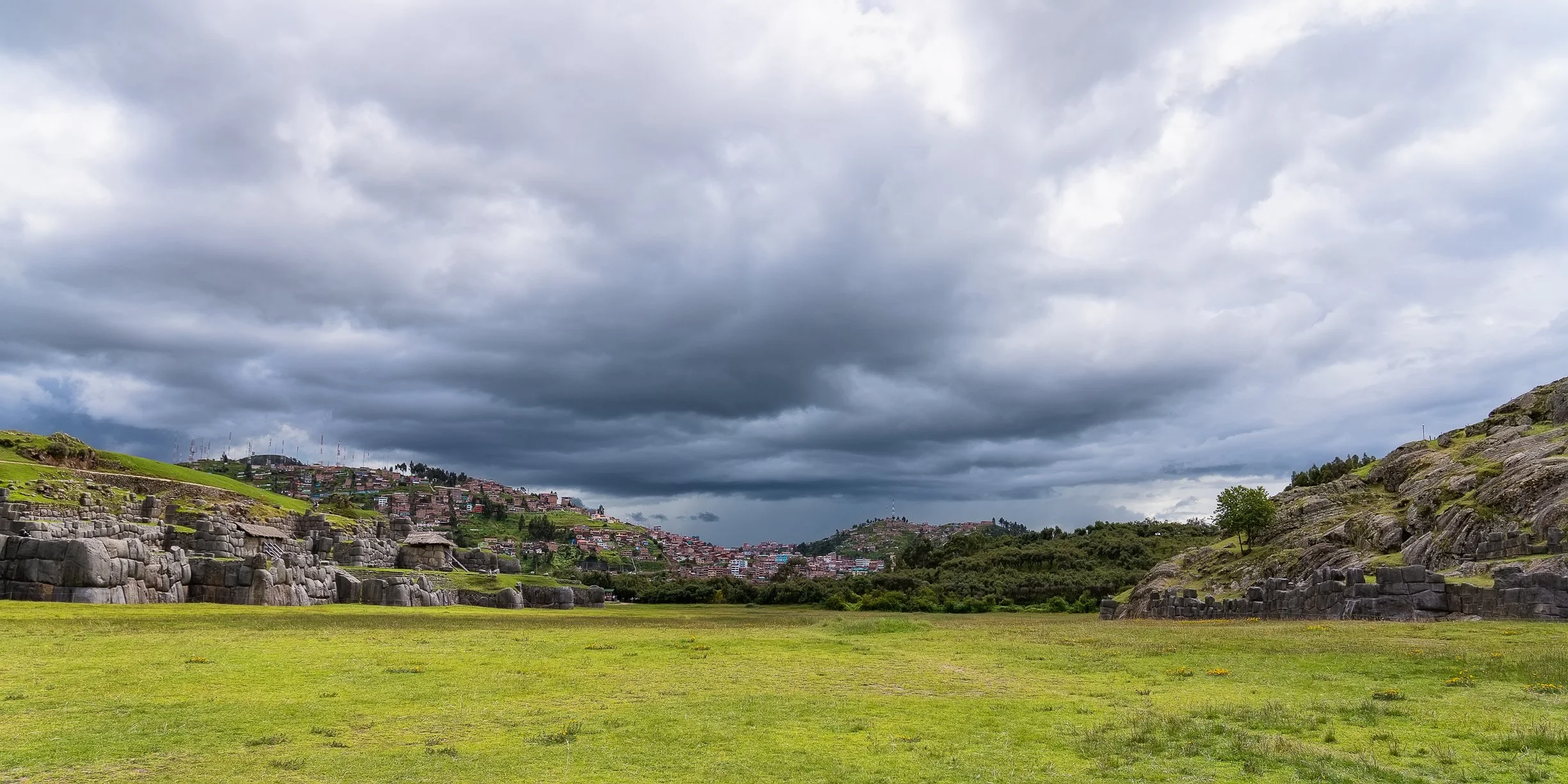
There are three main zones stacked from bottom to top: the zig-zag defensive walls, the central esplanade (a huge open plaza), and the upper hill structures and towers, which are now mostly in ruins.

Protected by a steep approach from the town, the fortress only needed defensive walls on one side. These consist of three parallel terraces, each forming a massive wall that zig-zags back and forth across the hillside. The zig-zag pattern is not decorative; it creates defensive angles so that attackers would be exposed from multiple sides. The stones here are the largest in the entire site. Some are over 8-9 metres tall and weigh over 100 tons. Each stone has dozens of angles, cut so that it interlocks perfectly with its neighbours. There is no repeating pattern; every block is unique.

Archaeologists believe this section had a strong military function, but it also likely carried symbolic meaning. The zig-zags are often interpreted as representing lightning or the teeth of a puma, both of which tie into Inca cosmology.

Cały kompleks można umownie podzielić na trzy główne strefy: dolne, zygzakowate mury obronne, centralny, ogromny plac oraz górną część ze strukturami i wieżami, z których dziś zachowały się jedynie fragmenty fundamentów.

Od strony miasta forteca była chroniona stromym podejściem, dlatego mury obronne zbudowano głównie z jednej strony. Tworzą je trzy równoległe tarasy, które biegną w charakterystycznym zygzaku wzdłuż zbocza. Ten układ nie był dekoracyjny  - pozwalał na obronę z wielu kierunków jednocześnie. To właśnie tutaj znajdują się największe bloki kamienne w całym kompleksie, sięgające 8-9 metrów wysokości i ważące ponad 100 ton. Każdy z nich ma unikalny kształt, idealnie dopasowany do sąsiednich bloków, bez powtarzalnego wzoru.

Archeolodzy uważają, że ta część pełniła przede wszystkim funkcję militarną, choć mogła mieć również znaczenie symboliczne. Zygzakowate linie często interpretuje się jako odniesienie do błyskawic albo zębów pumy, co wiąże się z wierzeniami Inków.

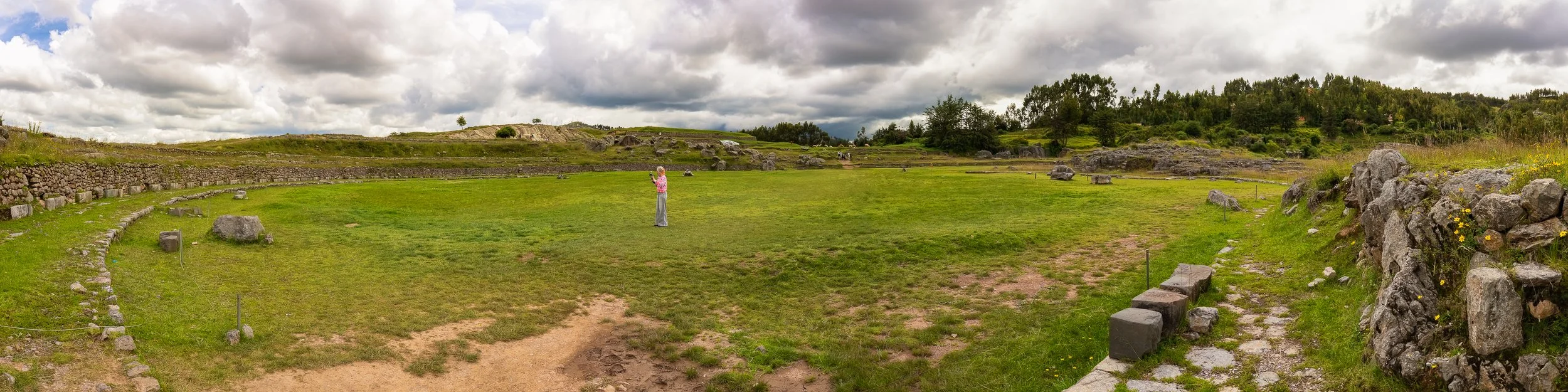
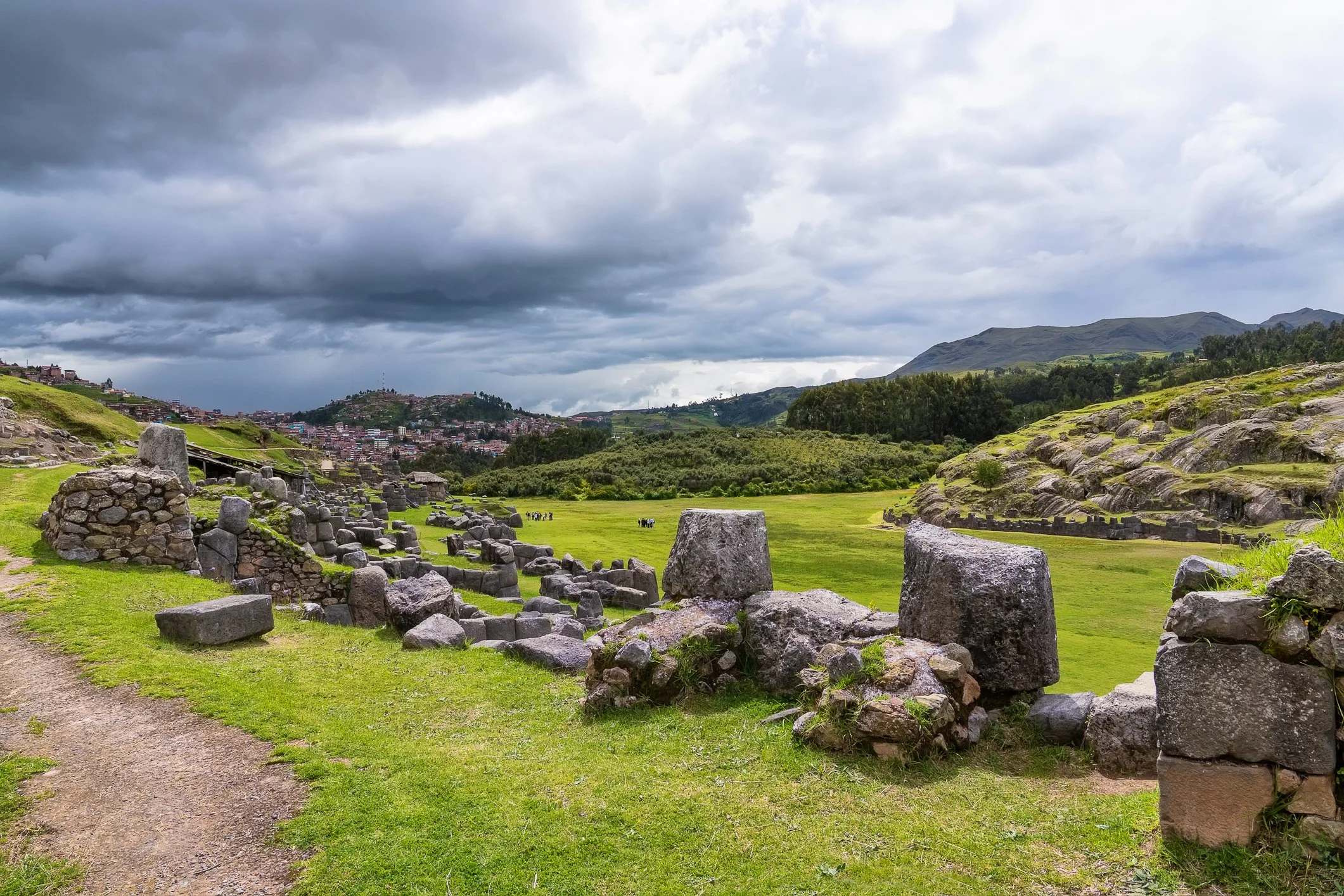
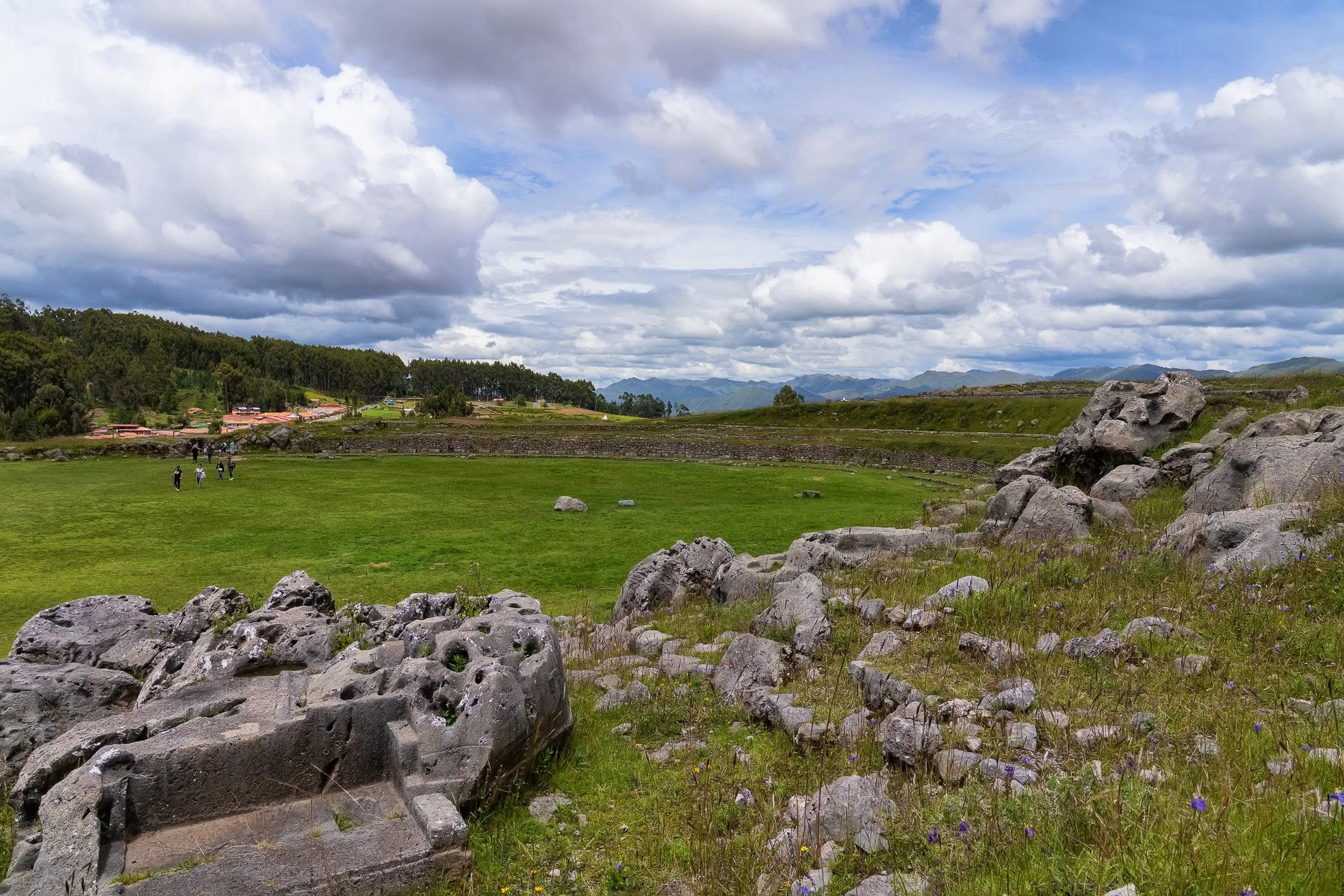
Passing the walls, everything suddenly opens into a vast flat area. This esplanade is large enough to hold thousands of people. It was likely used for large gatherings and rituals, military assemblies, and state ceremonies linked to the Inca Empire. Today, it is where the annual Inti Raymi festival is performed every June.

Przechodząc przez mury, przestrzeń nagle otwiera się na ogromny, płaski plac. Mógł on pomieścić tysiące osób i prawdopodobnie służył zgromadzeniom, rytuałom, ćwiczeniom wojskowym oraz uroczystościom państwowym związanym z imperium Inków. Dziś odbywa się tu coroczna inscenizacja święta Inti Raymi w czerwcu.

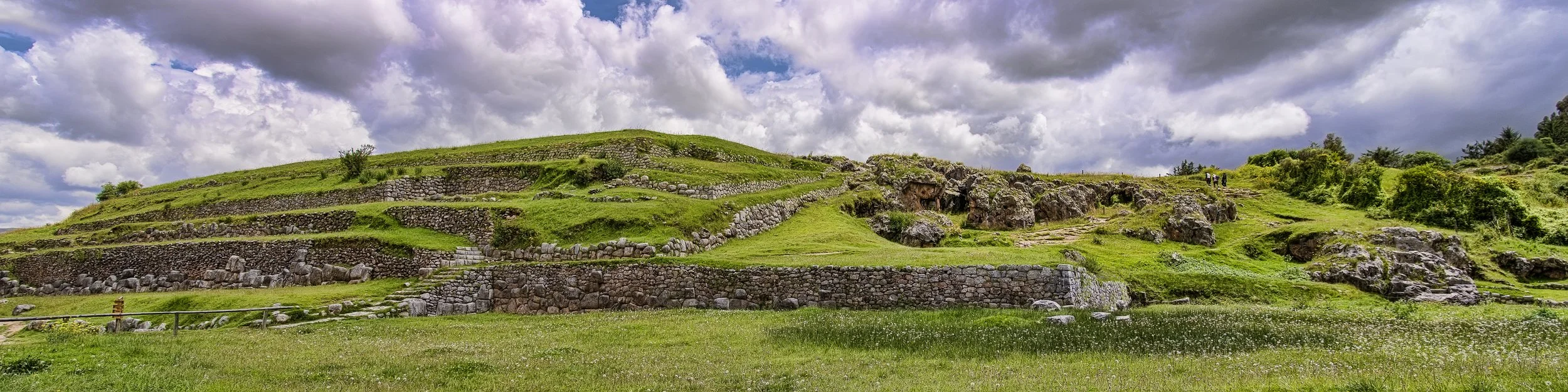
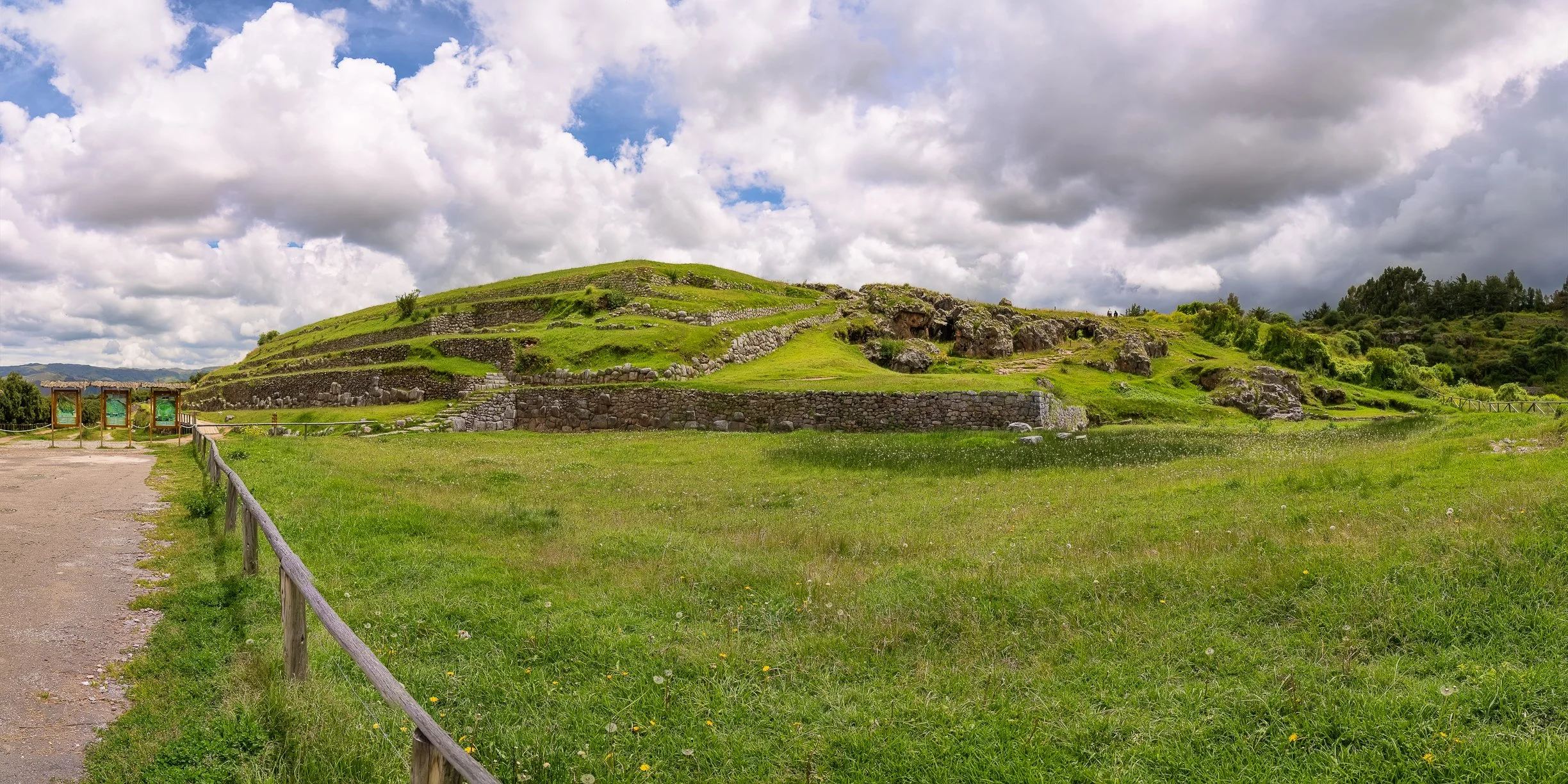
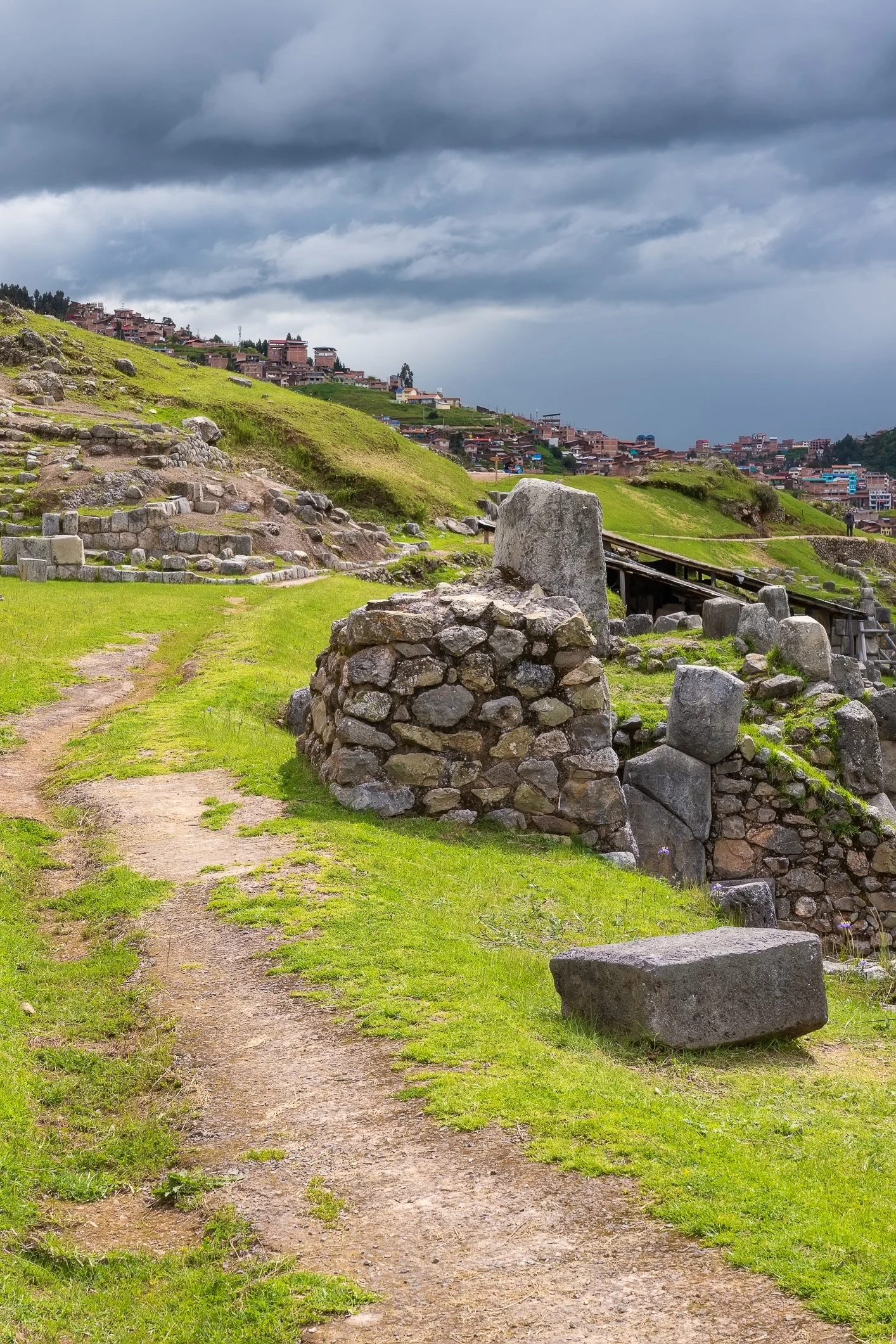
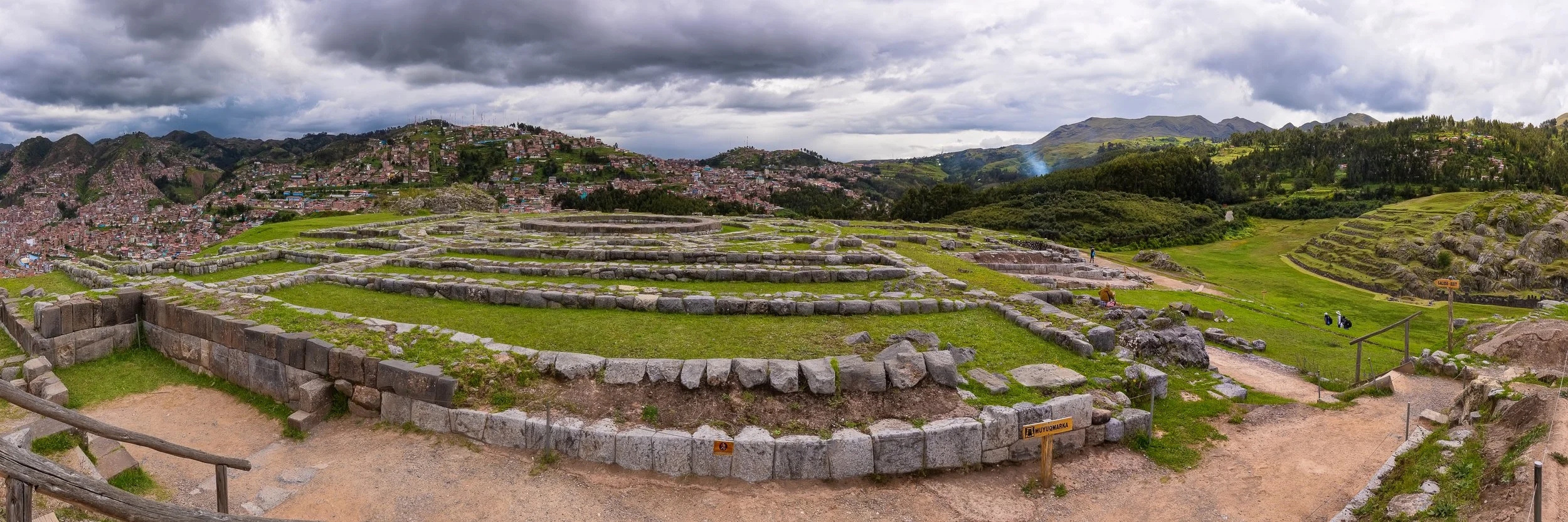
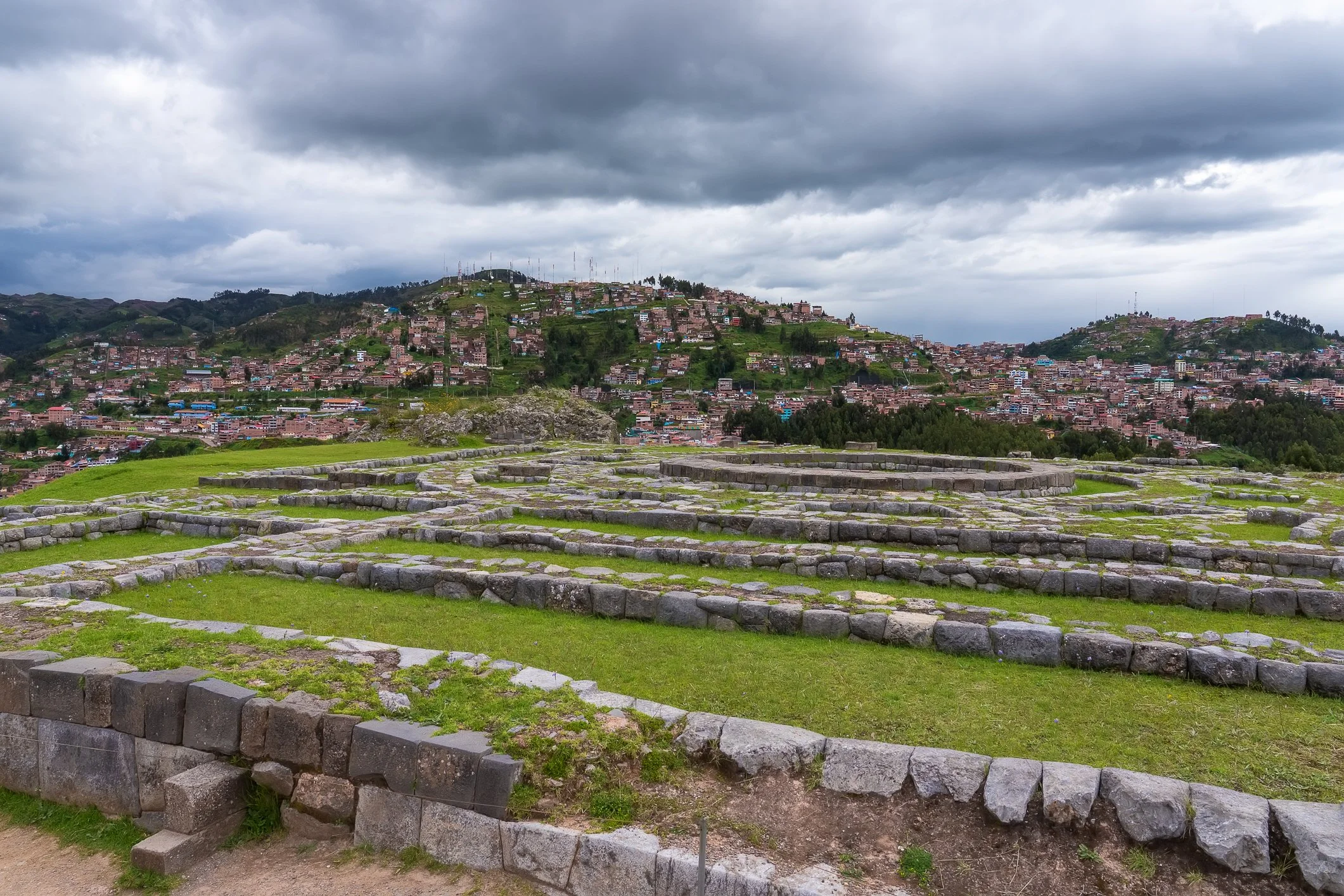
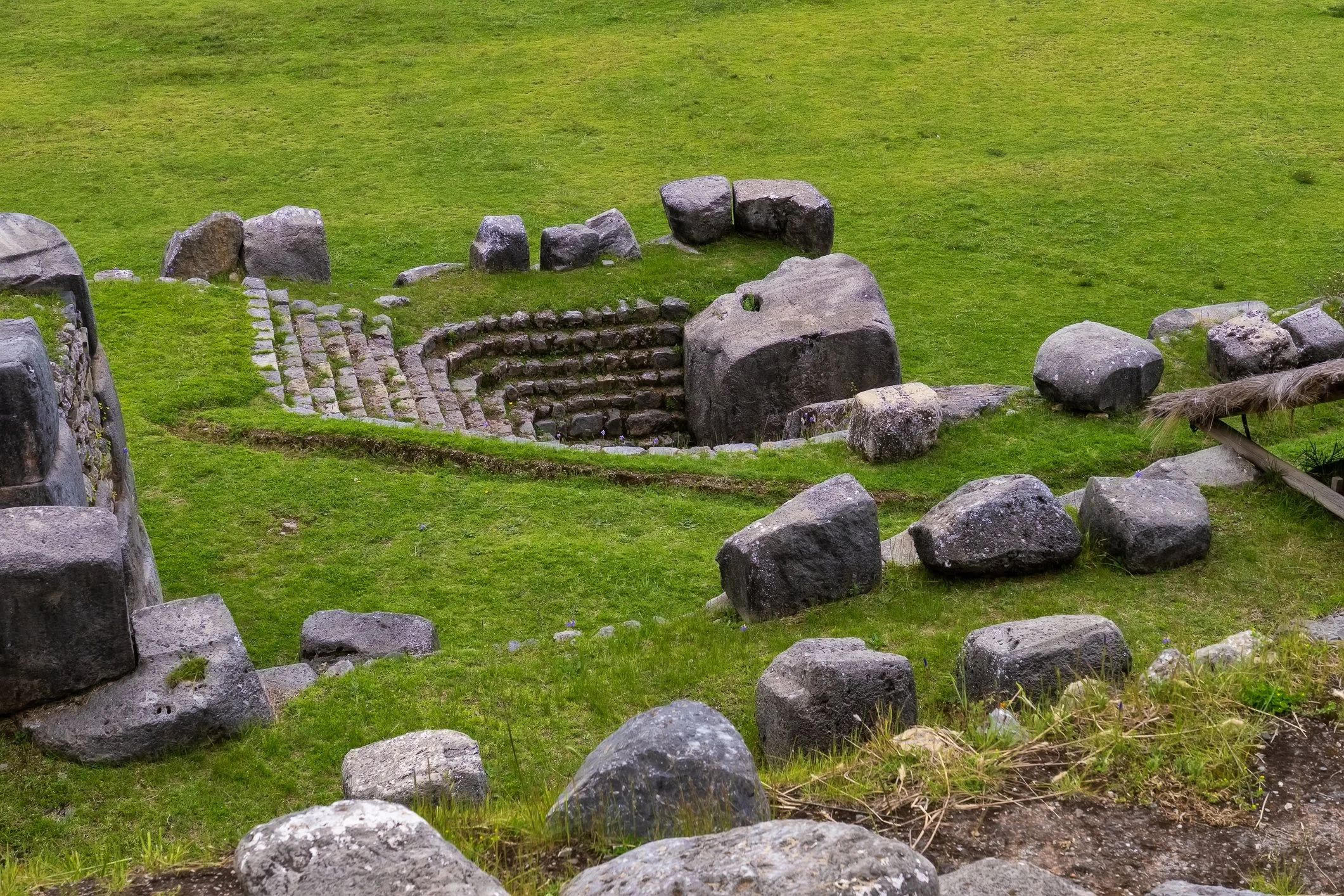
At the top of the complex, things become more fragmented today, as this is the area that the Spanish dismantled most heavily. Originally, there were three major towers that dominated the landscape, but today only foundations and scattered stones remain.

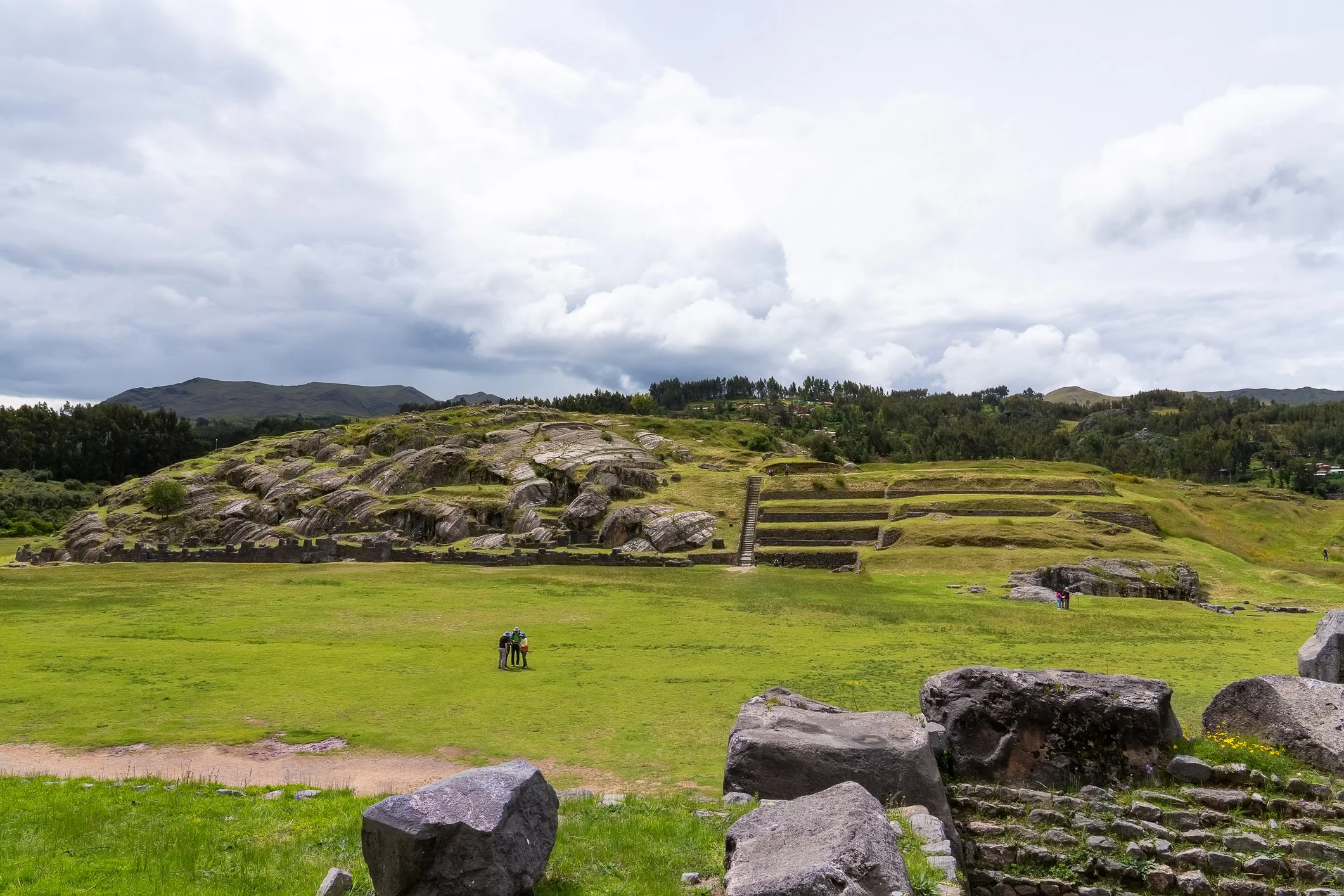
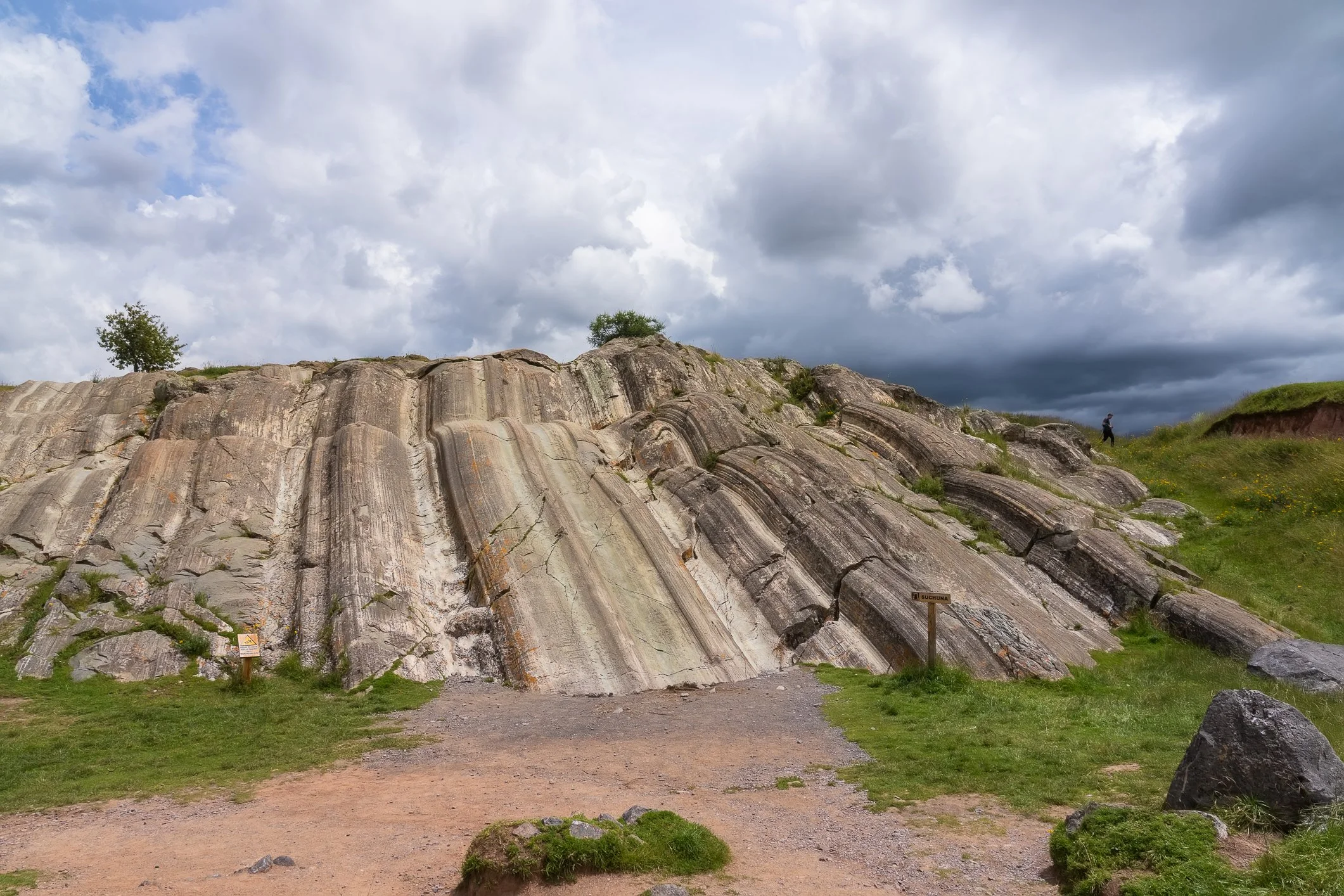
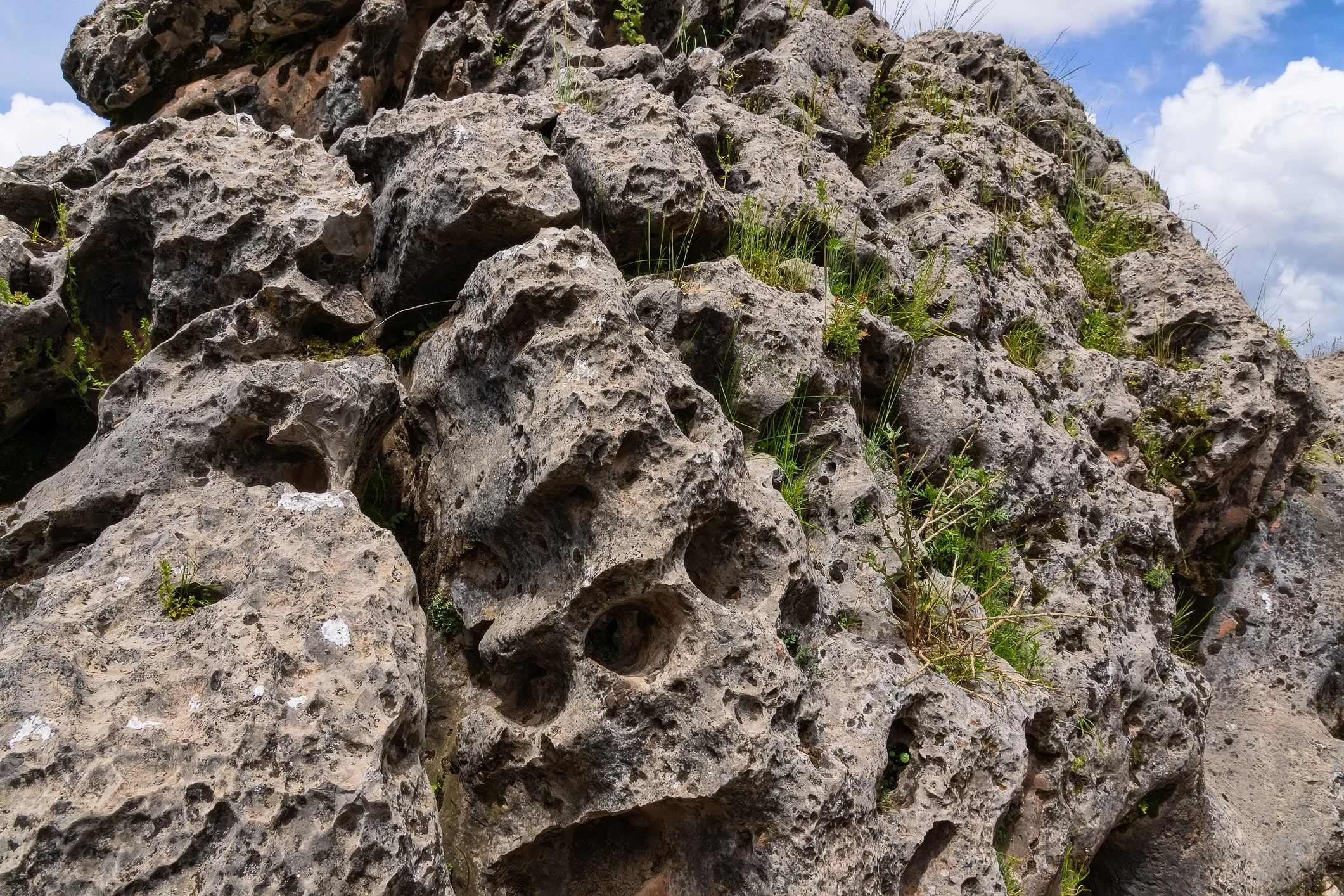
Off to one side of the main complex is a fascinating area that is often overlooked. This is a natural rock outcrop that the Incas carved directly into, creating smooth stone slides (yes, literal slides), steps and terraces, and channels cut into the rock. It is known today as Rodadero because it is slippery, and people still slide down it.

Na szczycie kompleksu znajduje się najbardziej zniszczona część, ponieważ to właśnie tutaj Hiszpanie dokonali największych rozbiórek. Dawniej stały tu trzy główne wieże dominujące nad całą okolicą, jednak obecnie zachowały się jedynie ich fundamenty i rozrzucone fragmenty kamieni.

Na uboczu kompleksu znajduje się również mniej znany, ale bardzo ciekawy fragment – naturalna skała, którą Inkowie częściowo obrobili, tworząc gładkie ślizgi, schody, tarasy i kanały wyżłobione w kamieniu. Miejsce to nazywane jest dziś Rodadero (sliding place), ponieważ jest śliskie i do dziś ludzie zjeżdżają po jego powierzchni.

Big Fish

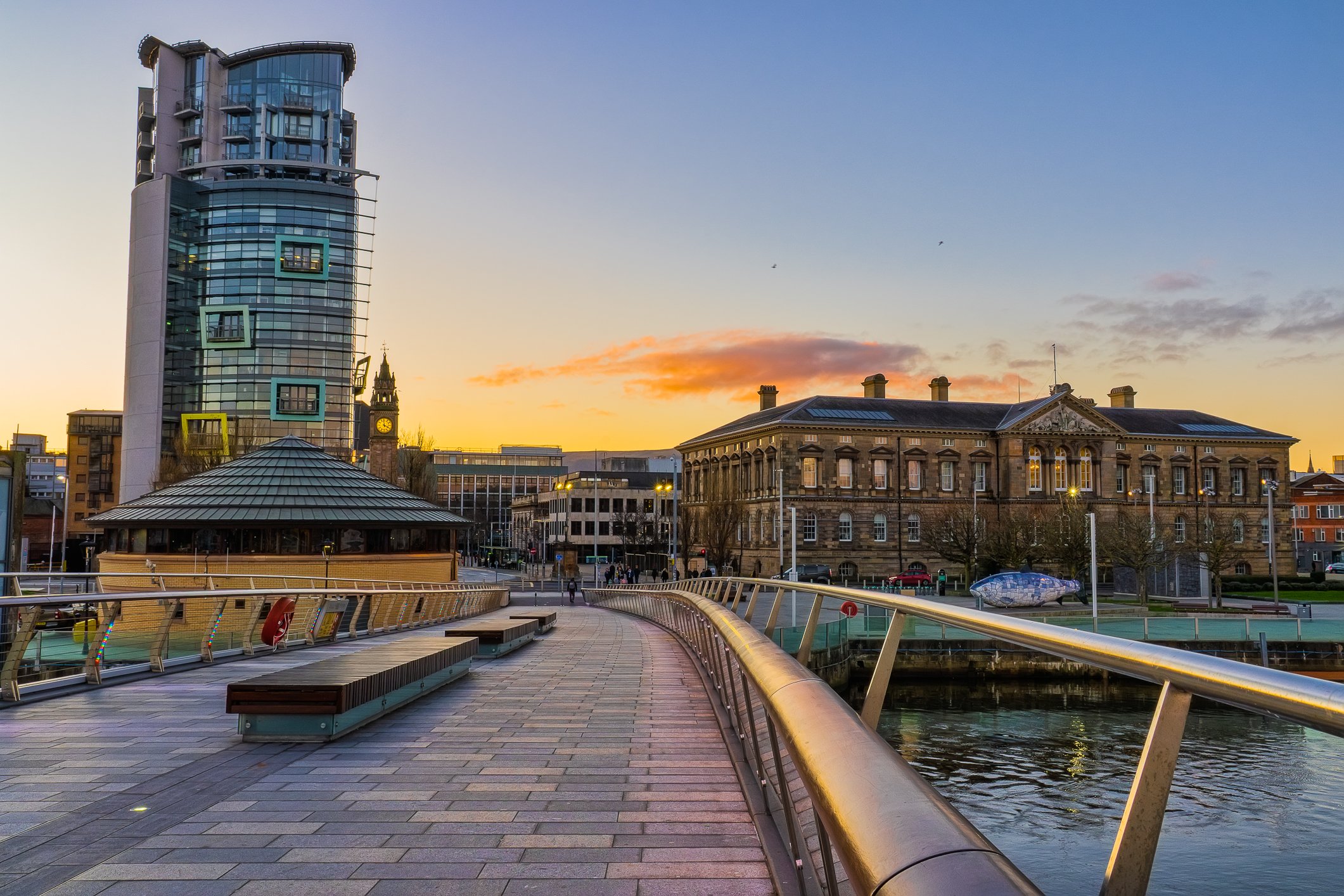
We are staying in Moxy, but I will write more about the hotel later. Before we start our Titanic adventure tomorrow, we go for a stroll to the river to reconnoitre the area. The plan is to reach the River Lagan and see the Salmon of Knowledge.

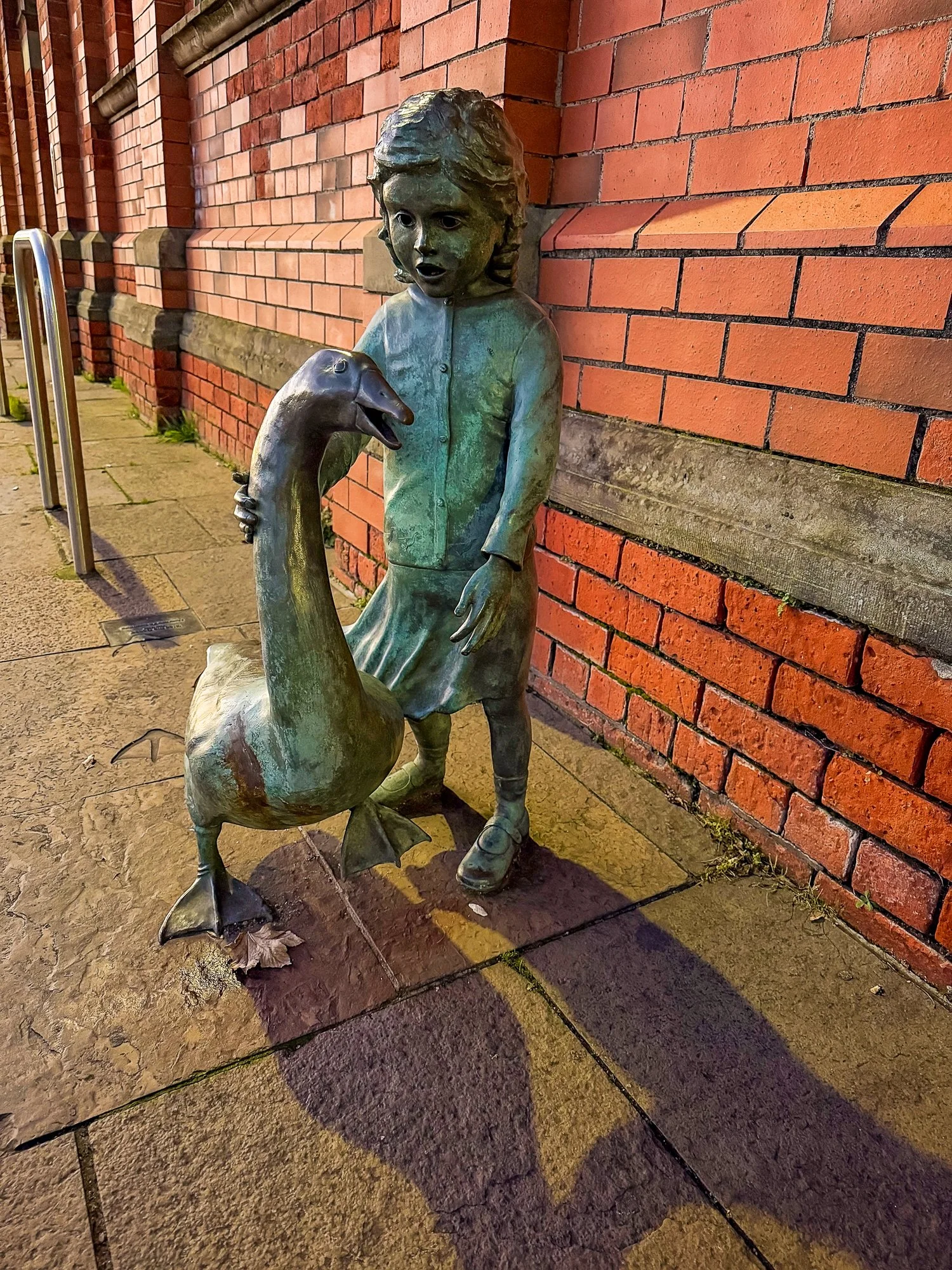
The first interesting thing we pass is a bronze artwork standing right outside the southern entrance of St. George’s Market on East Bridge Street - a girl with a goose. It commemorates a real goose named Alec, who became something of a local character in the 1920s. Alec belonged to a poultry vendor at the market and was known for wandering around the area and even escorting local schoolchildren on their way to school. Sadly, Alec was hit by a vehicle and died, but his memory lives on in this charming statue that shows him beside a young girl, capturing a little of quirky Belfast history and community spirit.


Zatrzymujemy się w Moxy, ale o hotelu napiszę później. Dziś, zanim ruszymy jutro na naszą przygodę z Titanikiem, wybieramy się na rekonesans okolicy. Naszym celem jest dotarcie do rzeki Lagan i zobaczenie Salmon of Knowledge (Łosia Wiedzy).

Pierwszą ciekawostką, na którą natrafiamy, jest rzeźba stojąca tuż przy południowym wejściu na St. George's Market przy East Bridge Street – dziewczynka z gęsią. Upamiętnia ona prawdziwą gęś o imieniu Alec, która w latach dwudziestych była tu przez wszystkich znana. Należała do lokalnego sprzedawcy drobiu i często wędrowała po okolicy, a czasem nawet odprowadzała dzieci do szkoły. Niestety, Alec został potrącony przez samochód i tak zginął, ale jego pamięć przetrwała w tej uroczej rzeźbie, przedstawiającej gęś obok dziewczynki - mały fragment lokalnej historii Belfastu.

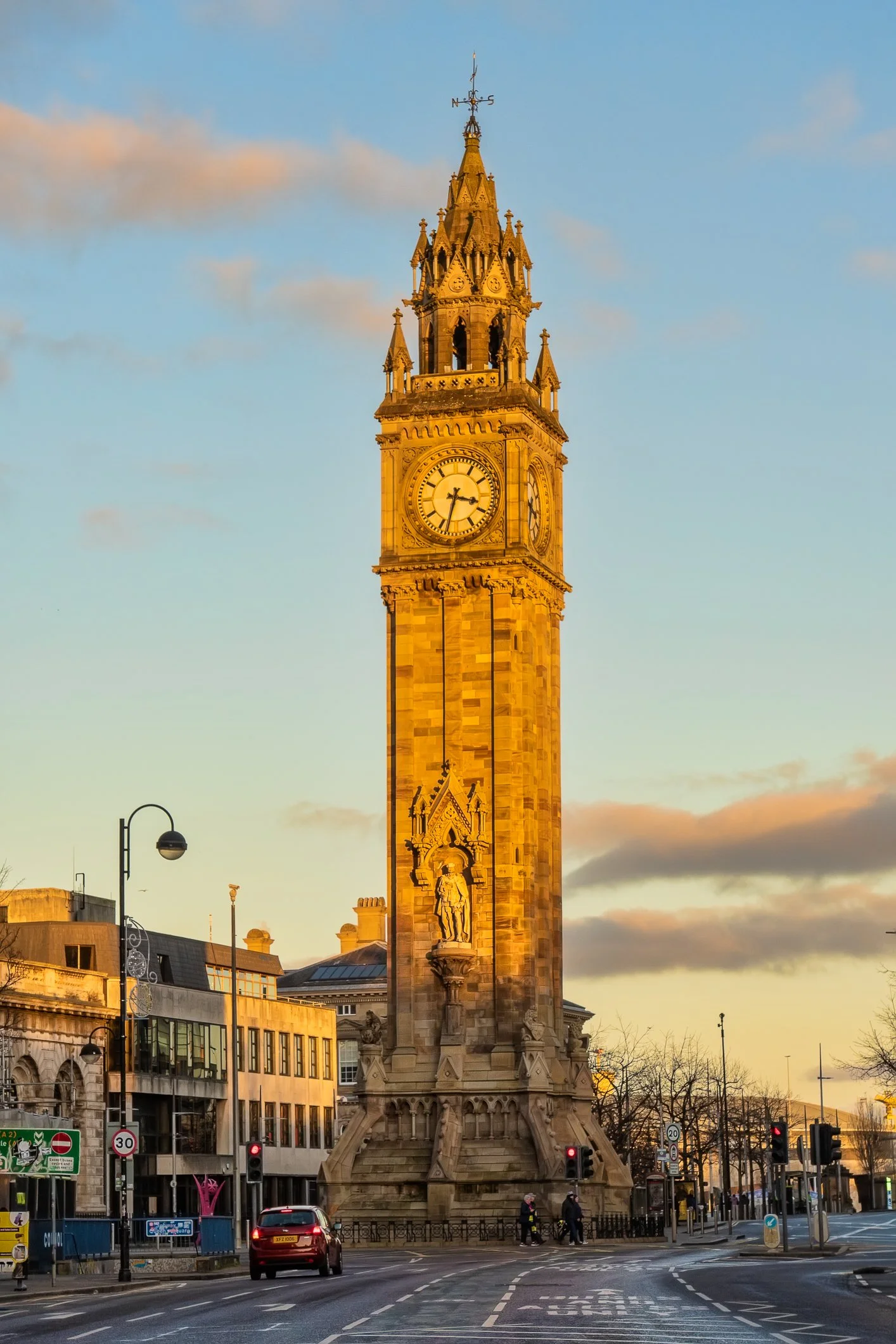
On our way to the waterfront, we pass one of Belfast’s best-known landmarks, the Albert Memorial Clock, built in 1869 in memory of Prince Albert, the husband of Queen Victoria. It is about 34 metres (113 feet) tall sandstone tower built in a Gothic Revival style.

The tower stands at Queen’s Square, not far from the River Lagan and the Big Fish sculpture. Fun fact: it actually leans slightly due to unstable ground near the river. For years it tilted about 4 feet off centre at the top, so it is sometimes called Belfast’s “Leaning Tower.” It was restored in the early 2000s to stabilise it and prevent further movement. The landmark is now affectionately described as having both „the time and inclination”.

Idąc w stronę nabrzeża mijamy jeden z najbardziej rozpoznawalnych punktów miasta - Albert Memorial Clock, zbudowany w 1869 roku na cześć księcia Alberta, męża królowej Wiktorii. Wieża zegarowa ma około 34 metrów wysokości i jest wykonana w piaskowcu w stylu neogotyckim.

Zegar stoi na Queen's Square, niedaleko rzeki Lagan i wielkiej ryby. Ciekawostka: wieża lekko się przechyliła z powodu niestabilnego gruntu nad rzeką. Przez lata odchylenie w górnej części doszło do około 1,2 metra, dlatego czasami nazywana jest ona „Krzywą Wieżą Belfastu”. W 2002 przeszła restaurację, aby ustabilizować konstrukcję i zapobiec dalszym przesunięciom.

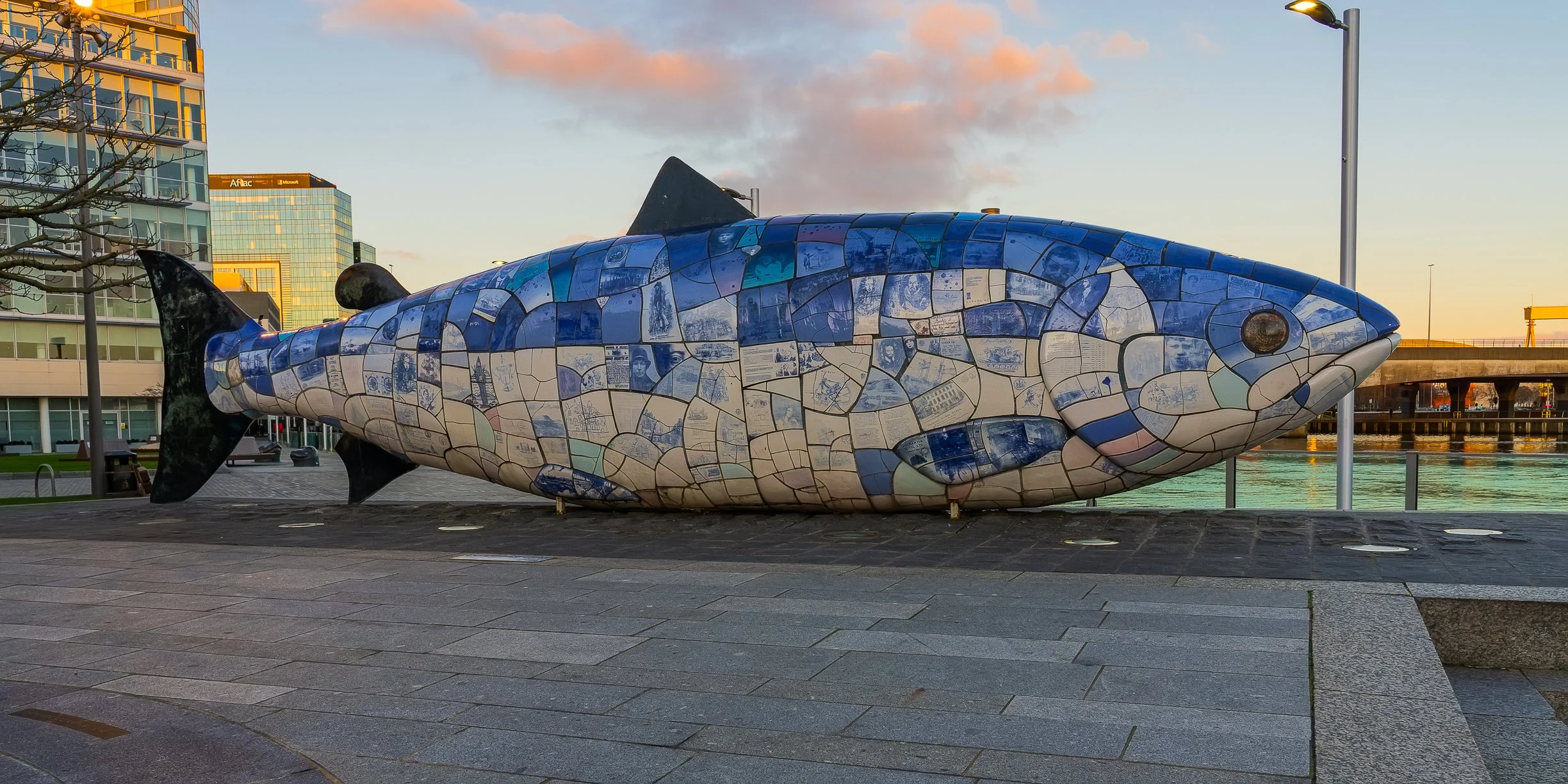
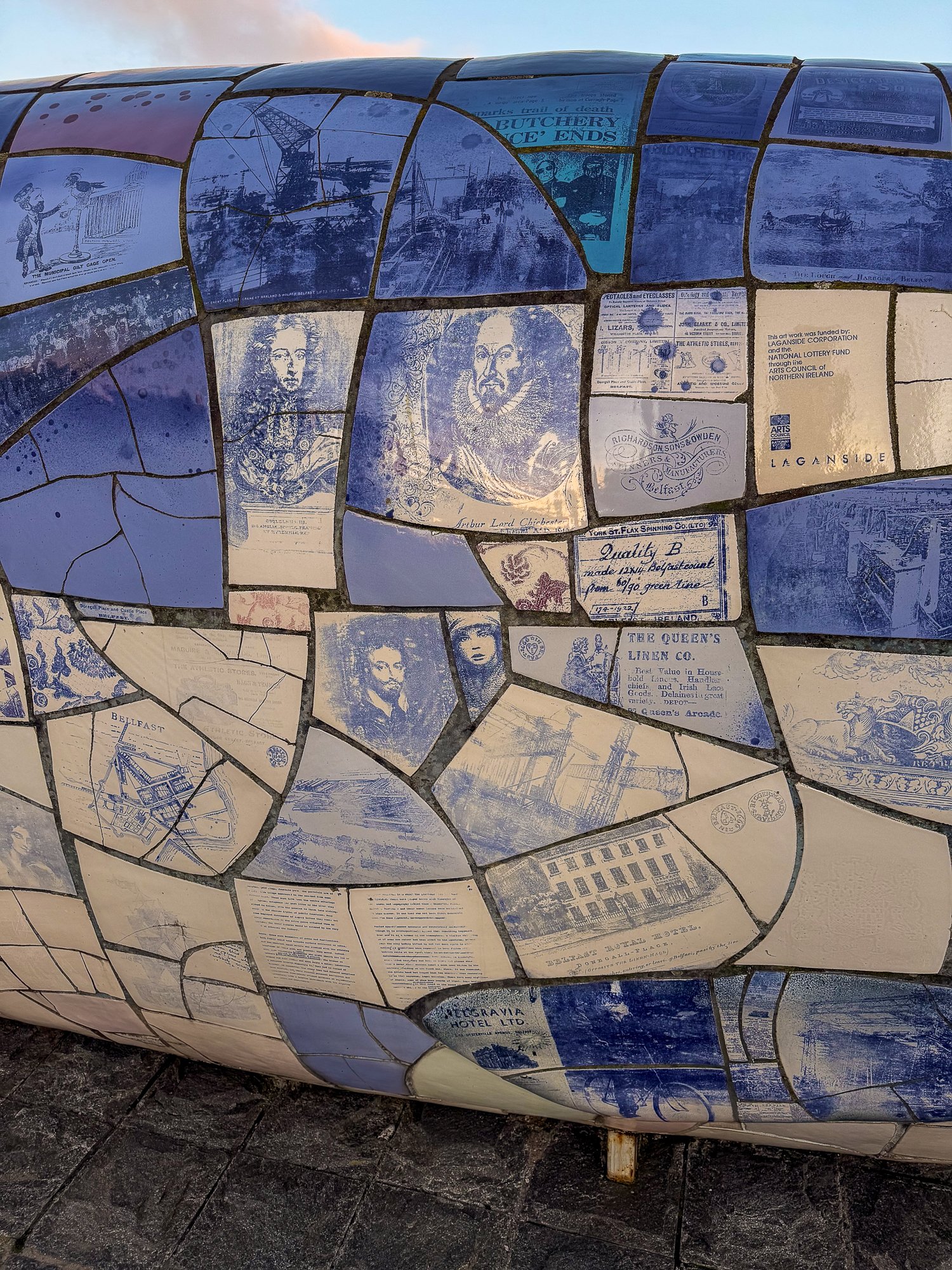
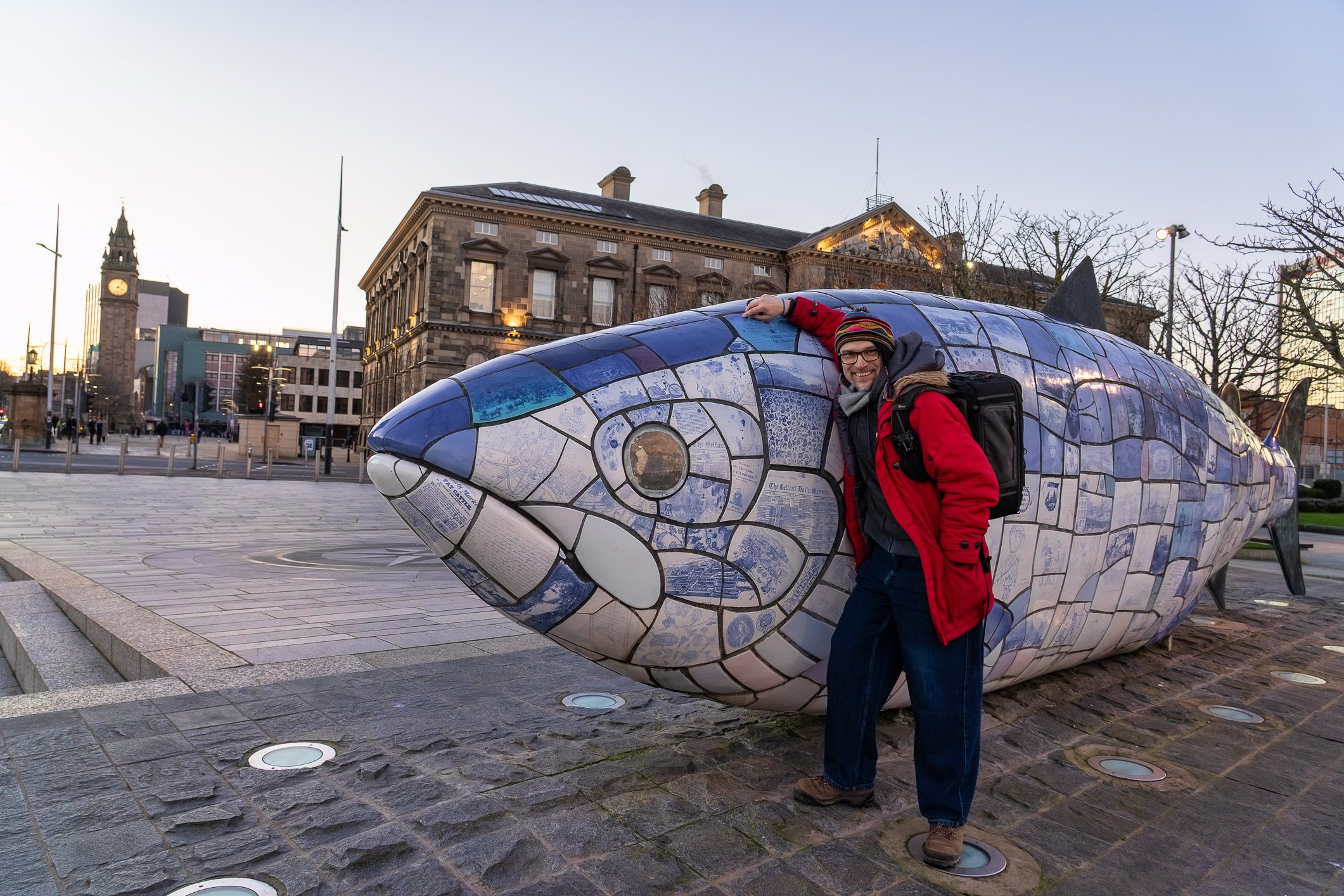
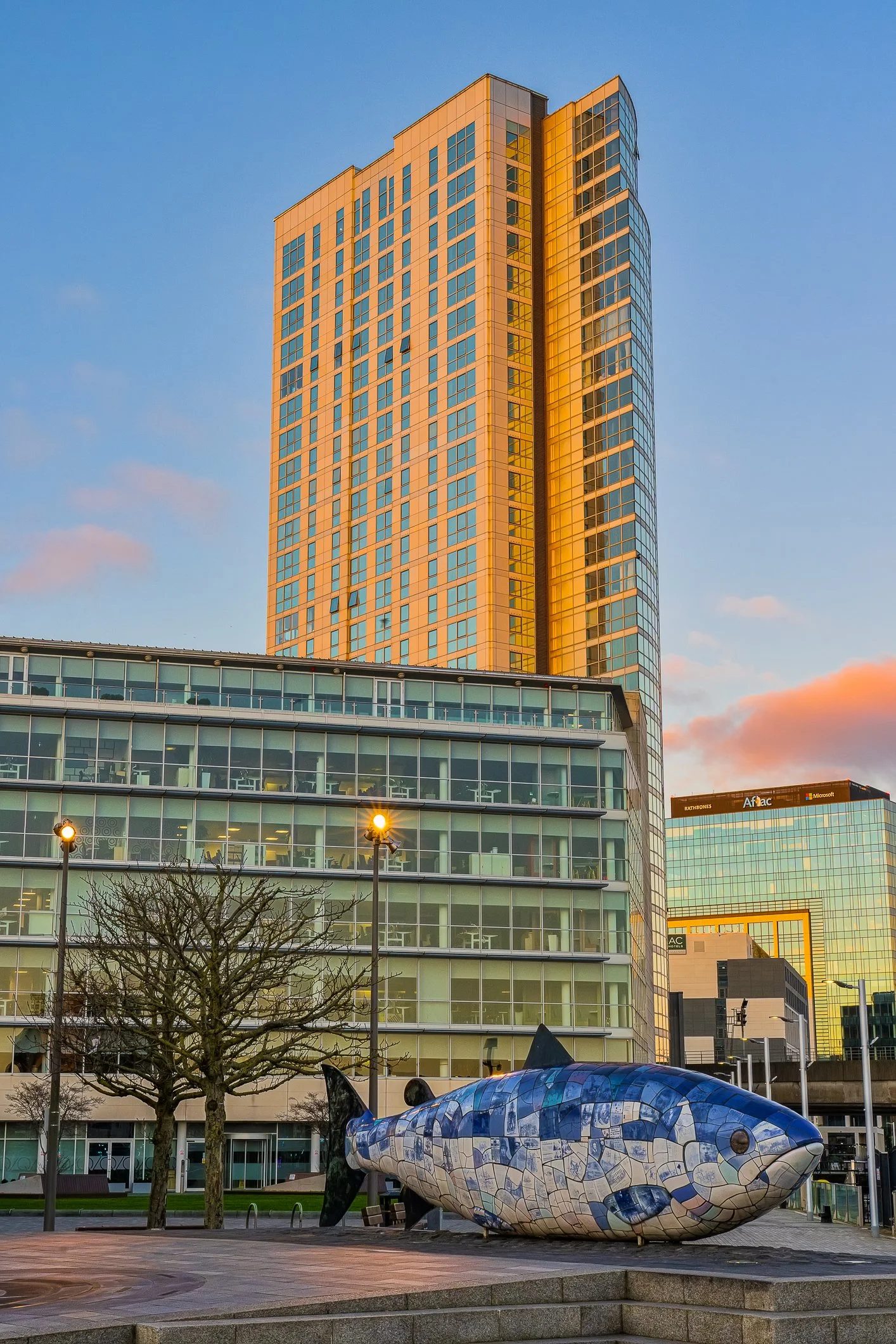
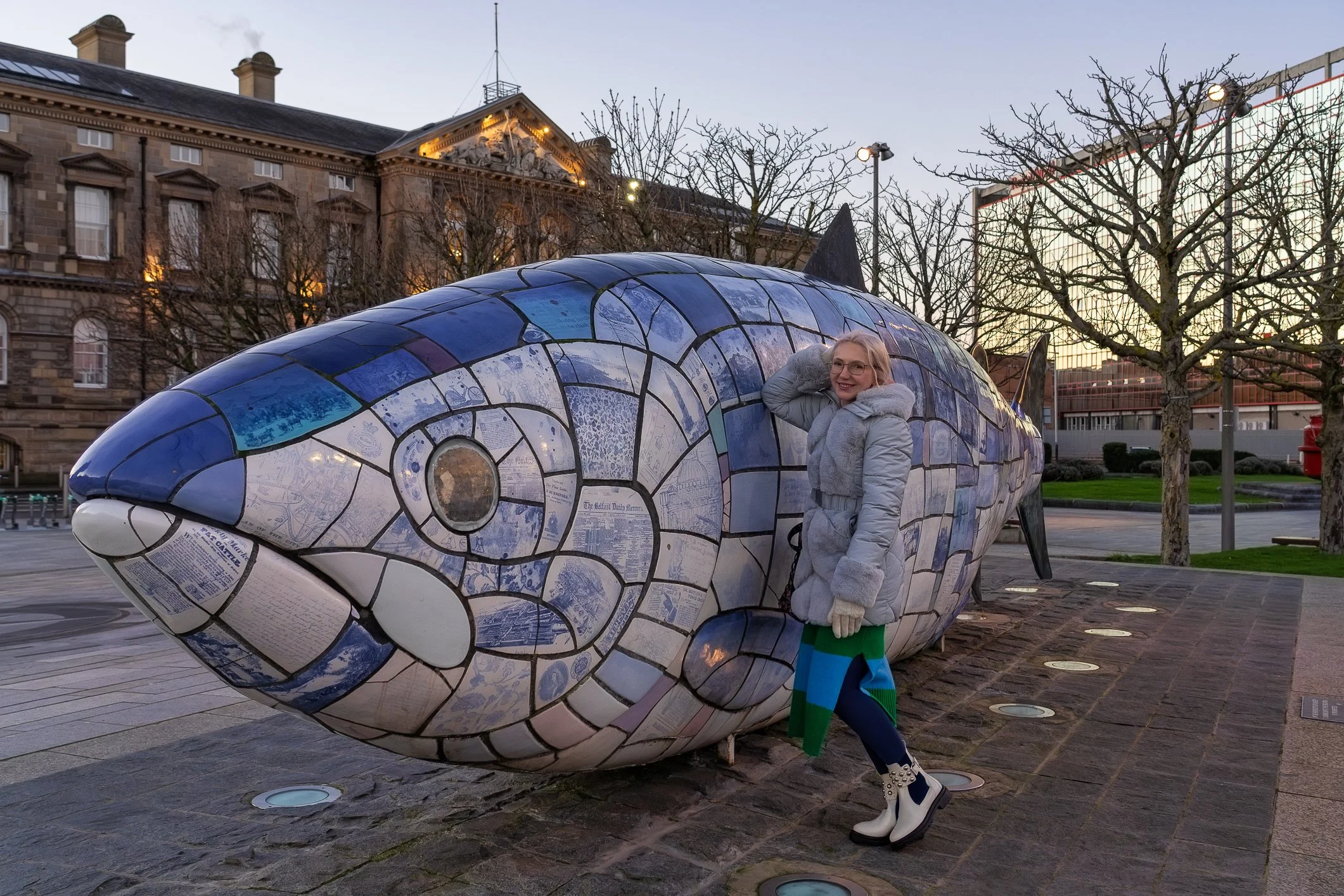
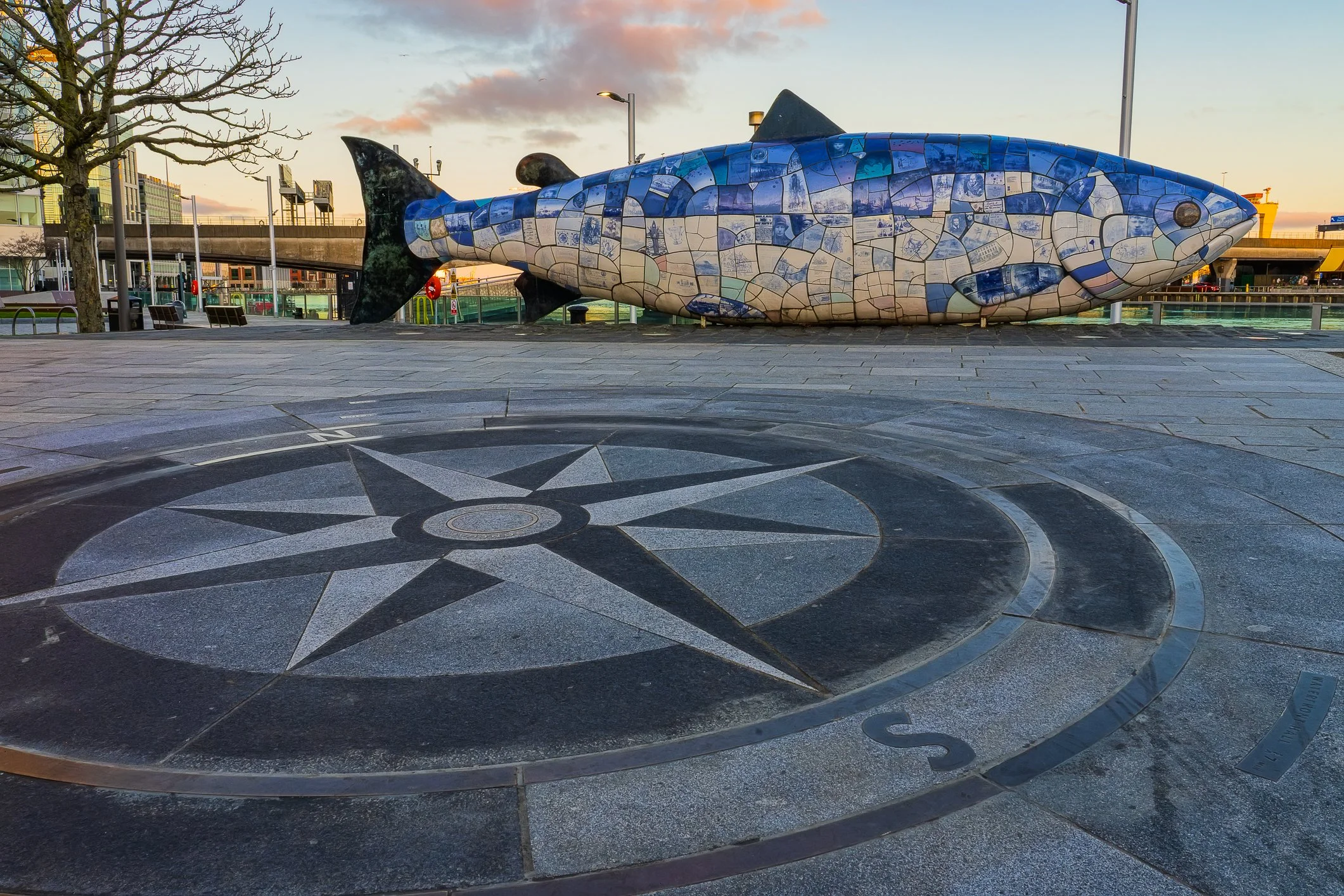
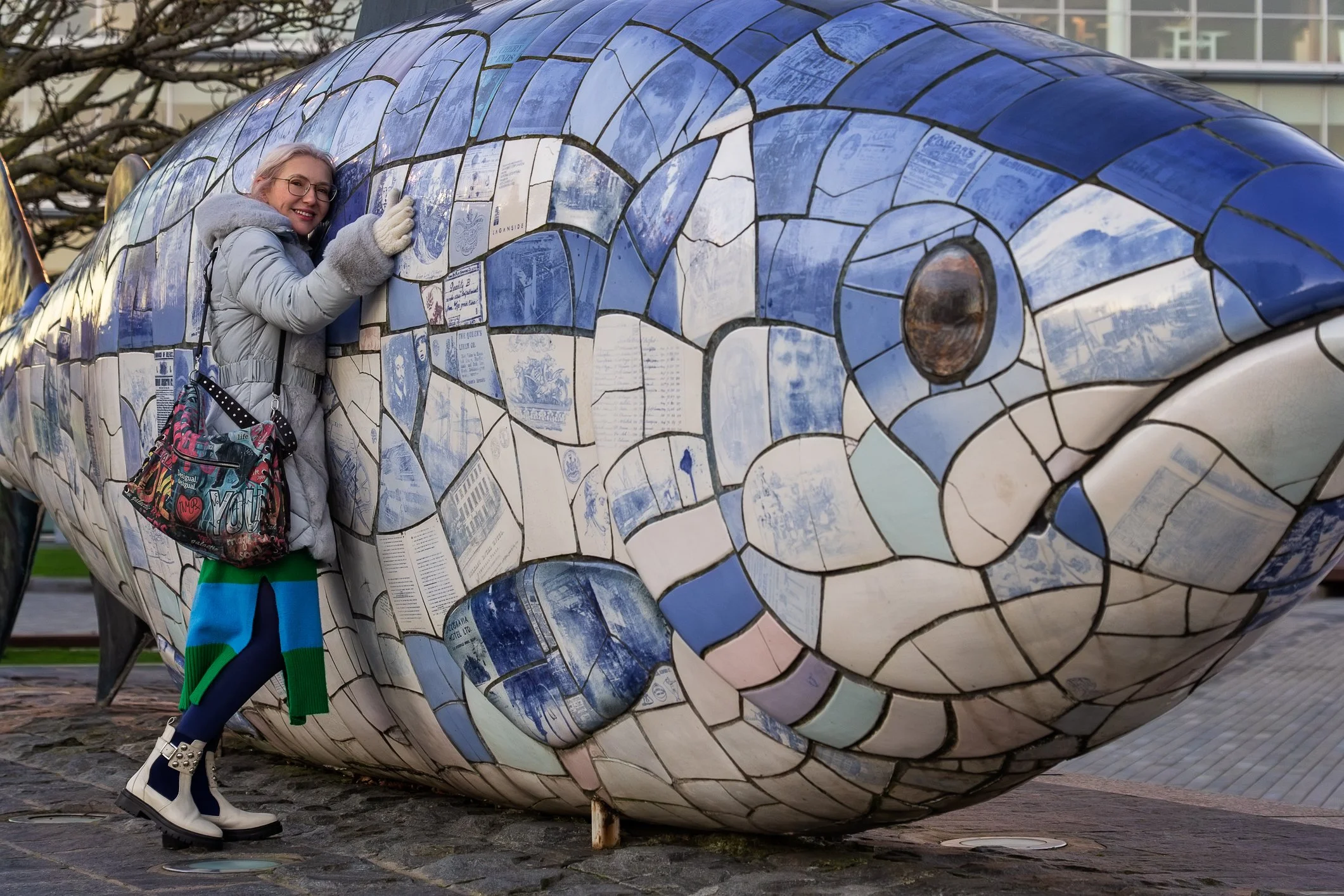
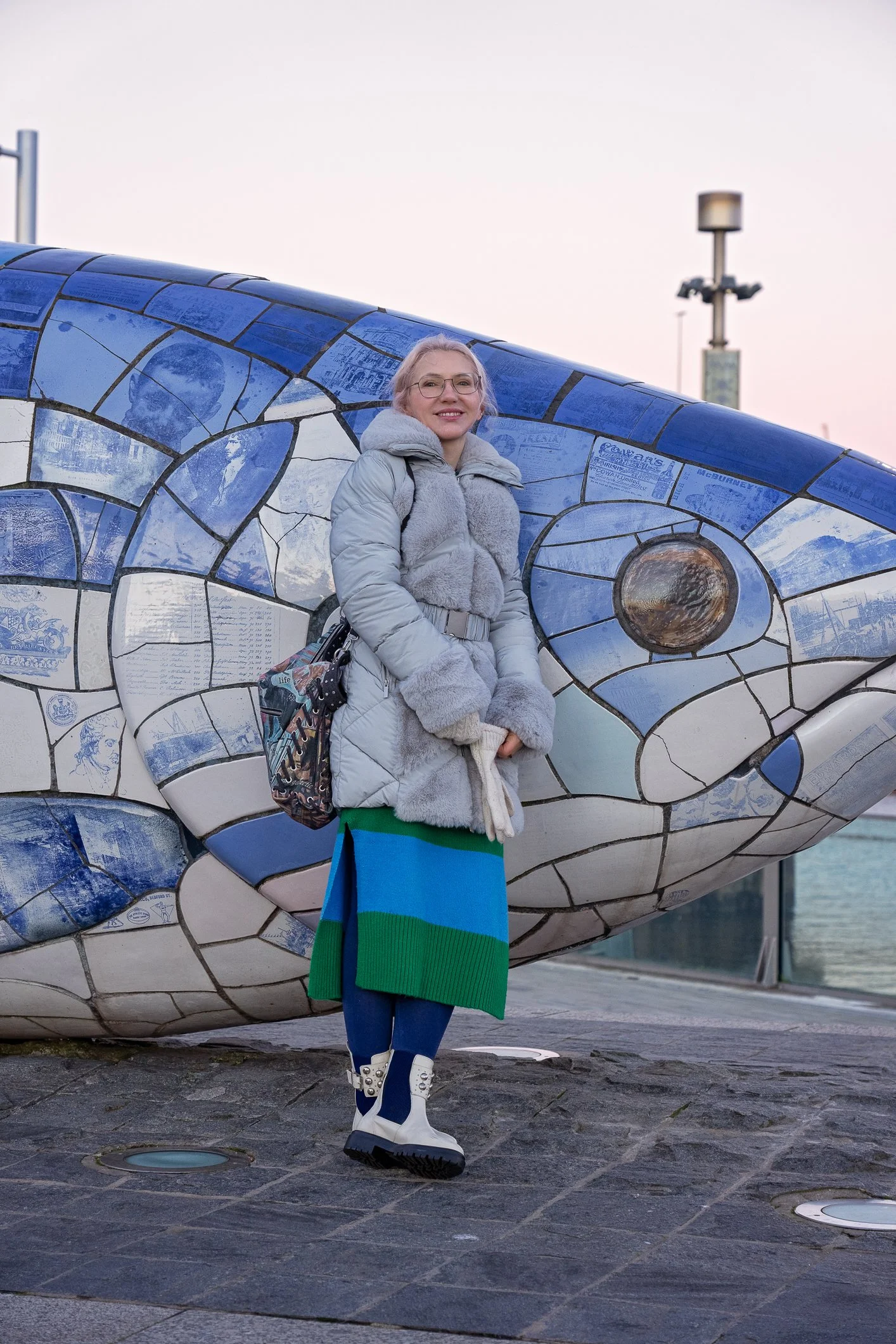
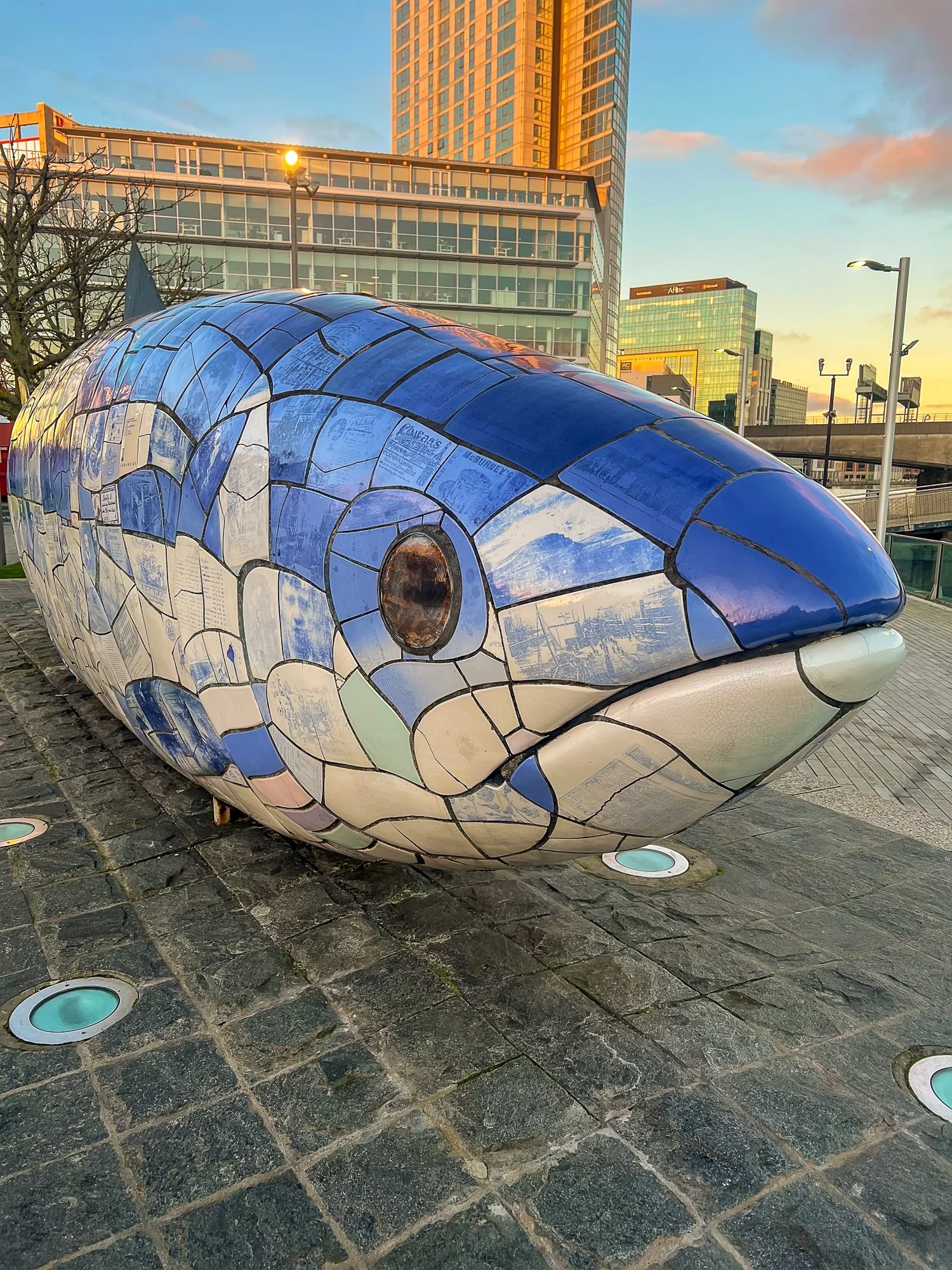
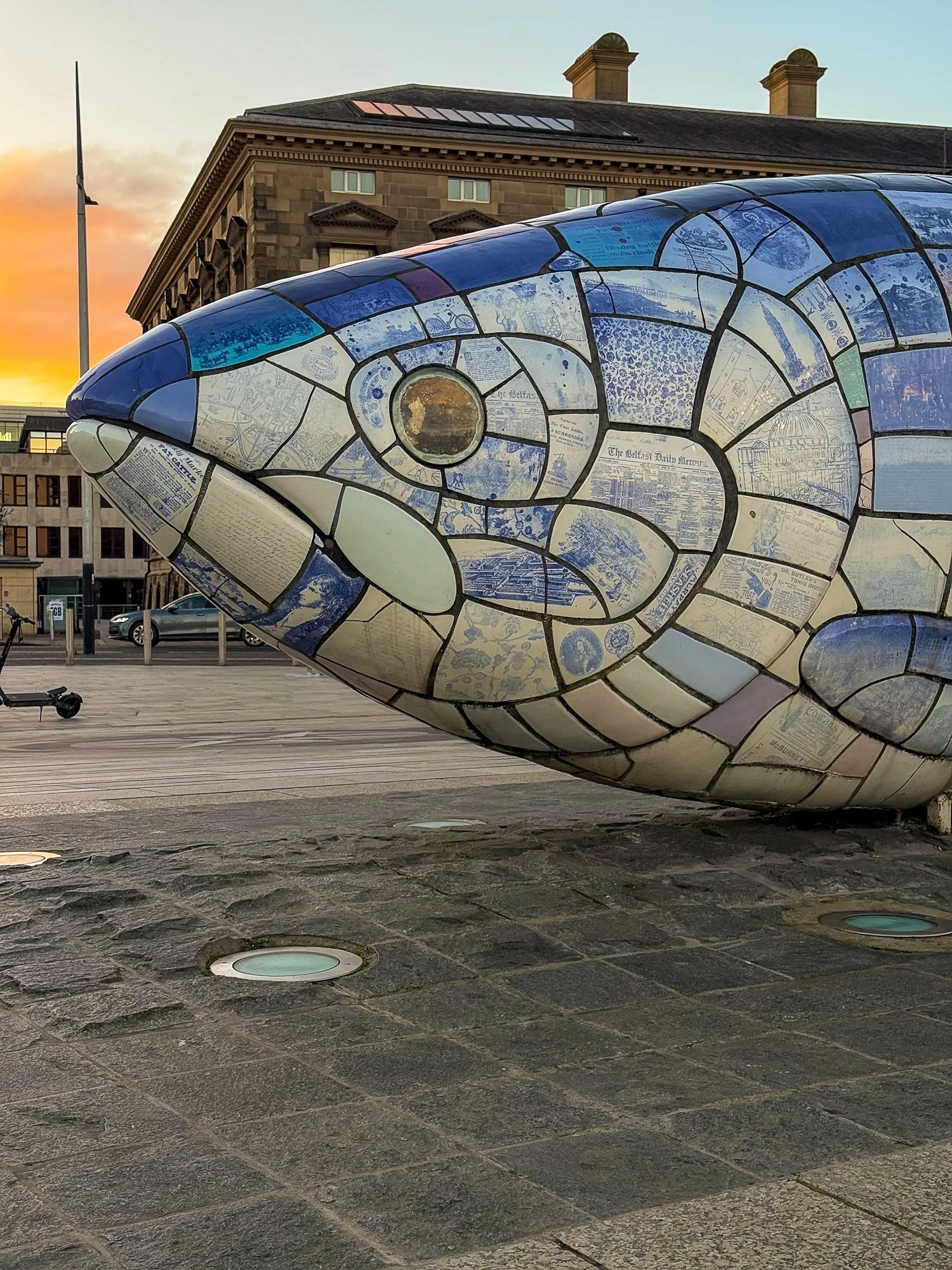
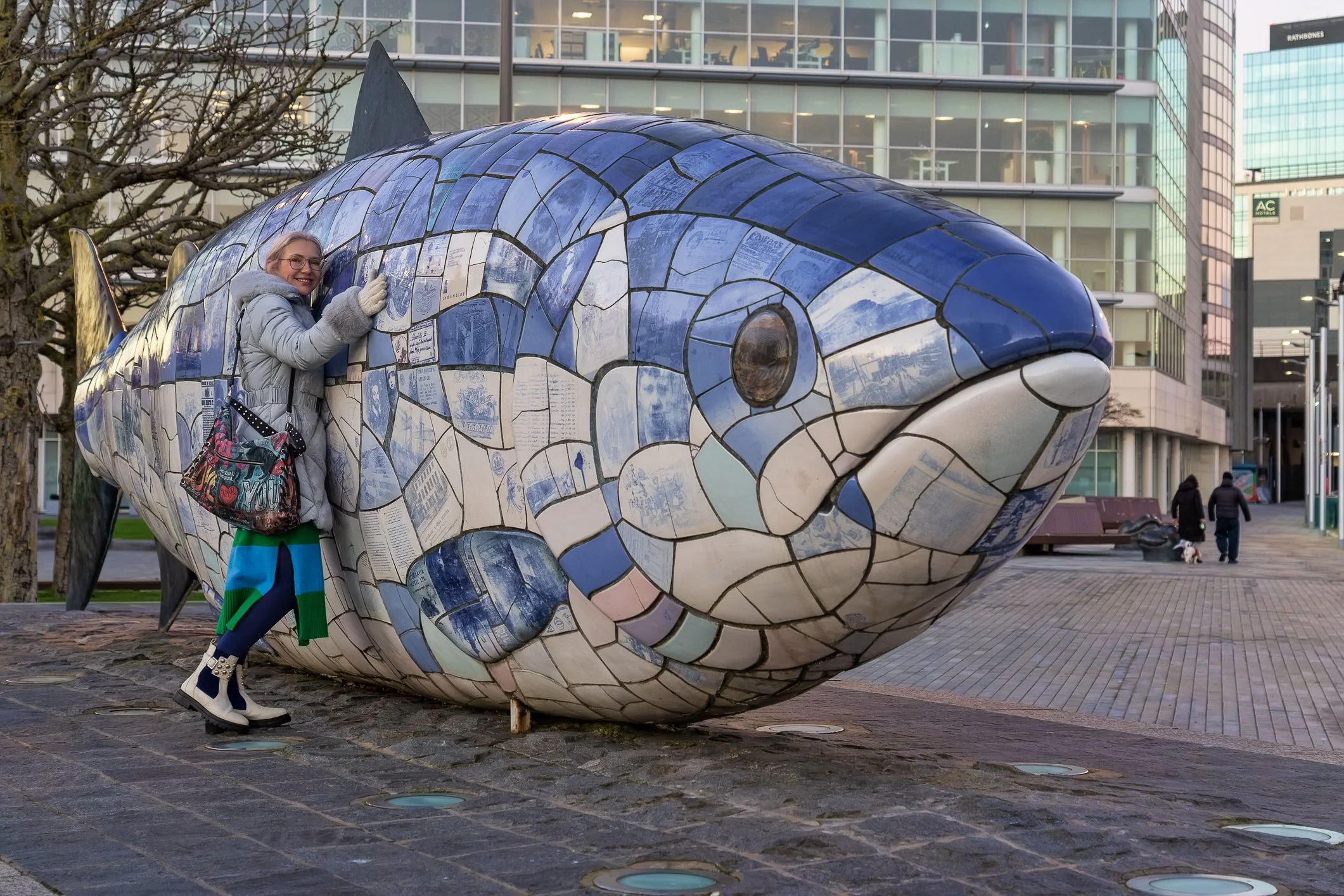
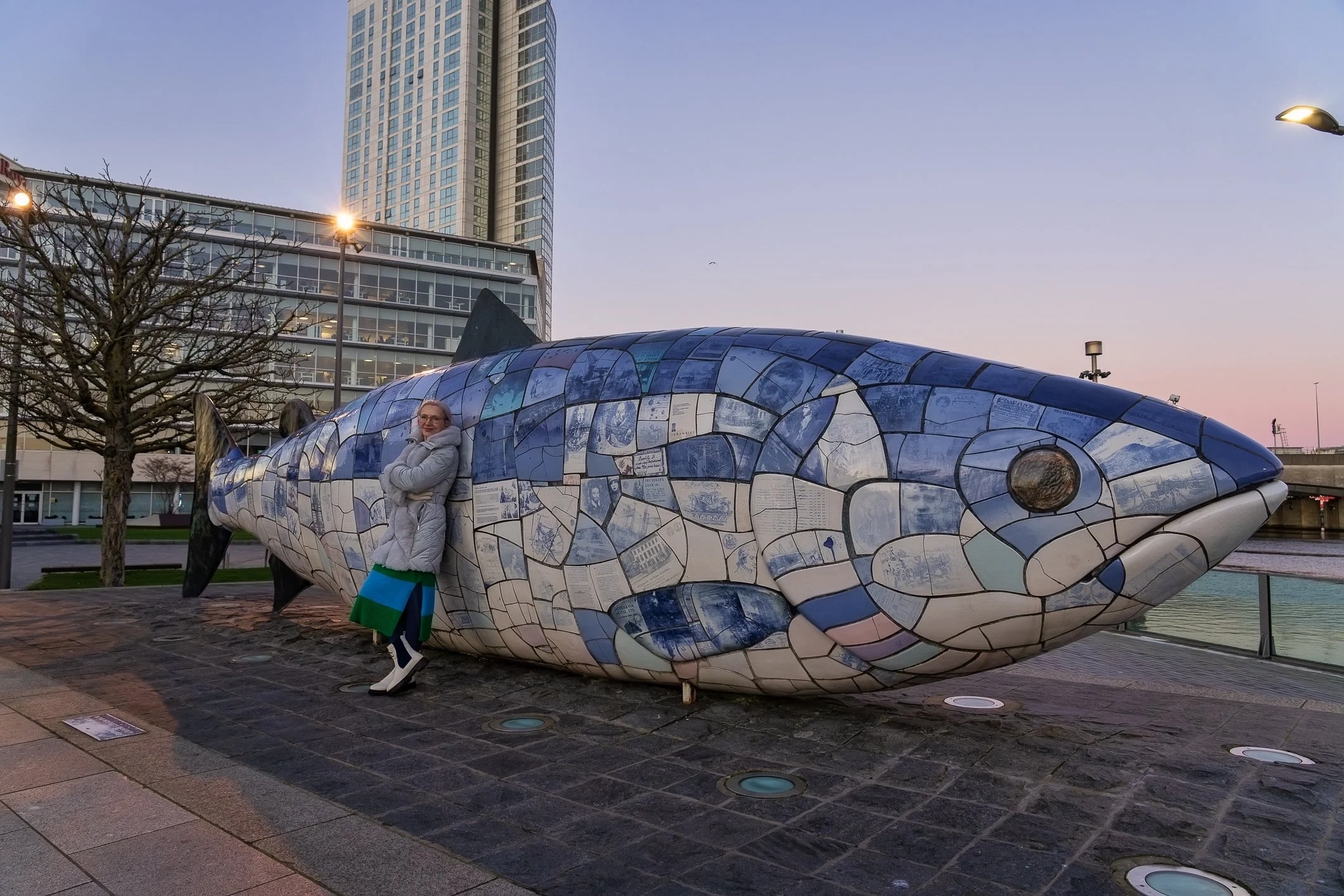
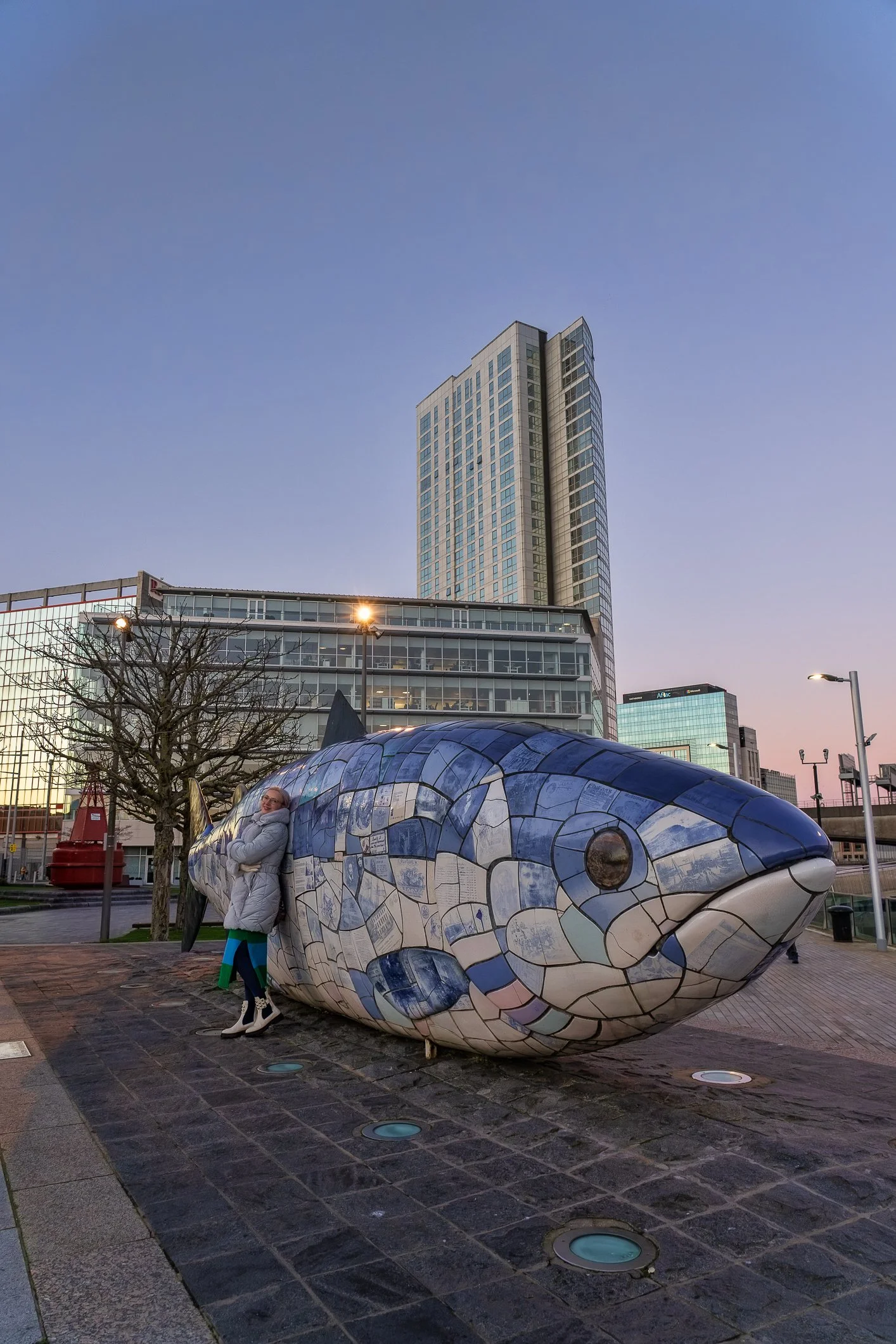
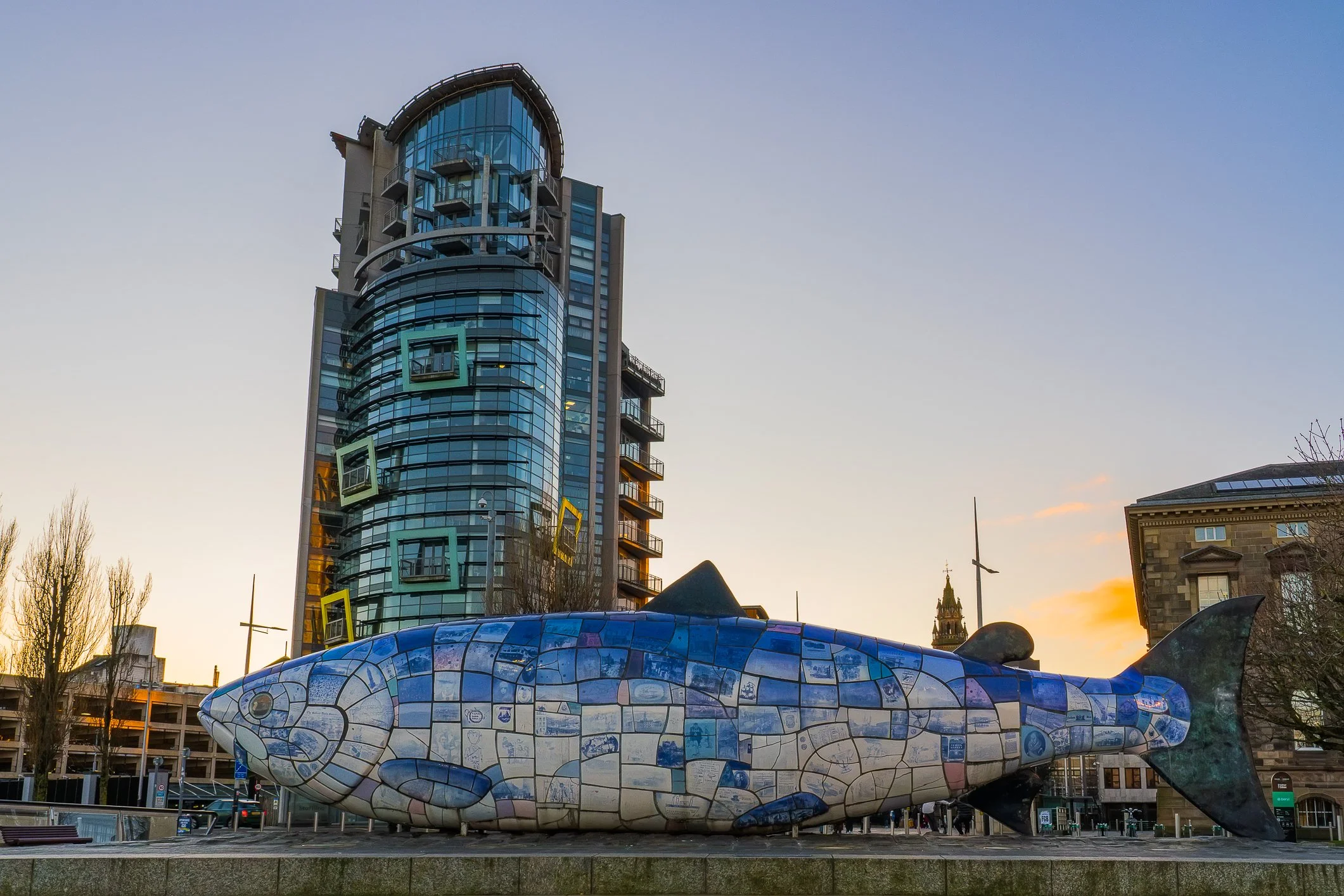
A few steps from here, we arrive at today’s destination - the Big Fish, officially called the Salmon of Knowledge. This 10-metre-long sculpture was created in 1999. The fish is covered in blue-and-white ceramic tiles decorated with images, texts, maps, and newspaper clippings that reflect Belfast’s history. In a way, it acts as a visual time capsule, capturing moments from the city’s past and preserving them in art. There are images of politicians John Hume and David Trimble, architectural drawings of the Grand Opera House, U2’s Bono as a reference to a concert held to promote the Good Friday Agreement of 1998, and many more.

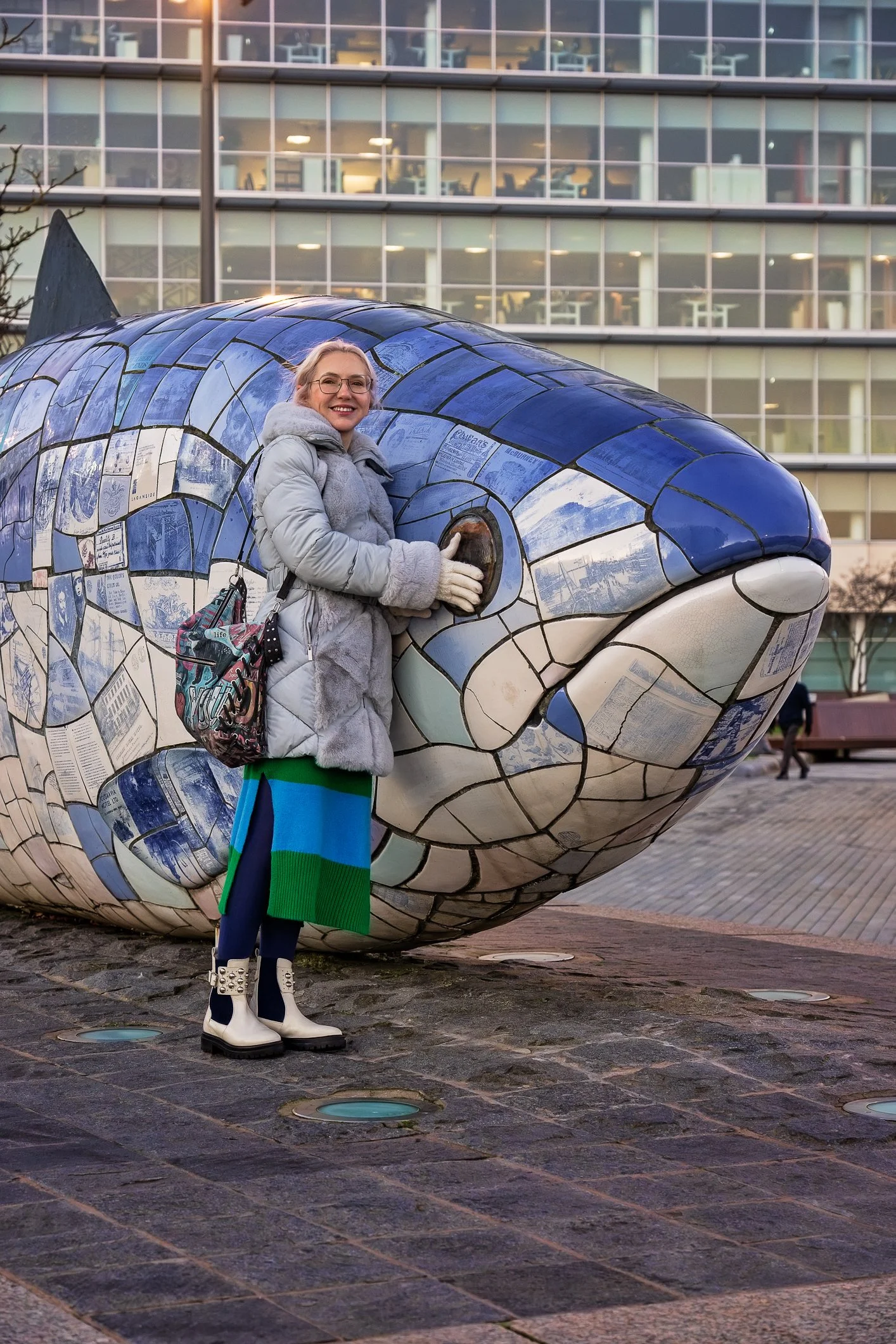
The name “Salmon of Knowledge” comes from Irish mythology. According to legend, a magical salmon gained all the wisdom in the world by eating hazelnuts that had fallen into the Well of Wisdom (it is complicated, I know). The hero Fionn mac Cumhaill accidentally tasted the salmon and instantly acquired its knowledge. Because of this story, there is a playful belief that touching the sculpture might bring you wisdom. So from now on, call me the wise one.

Salmon were historically found in the River Lagan, so at least the fish makes sense. Today, the sculpture symbolises renewal and shared history, especially meaningful given its installation not long after the peace process in Northern Ireland. It has become not just a piece of public art, but a gentle reminder of Belfast’s stories, resilience, and cultural roots.


Kilka kroków dalej docieramy do naszego celu – Wielkiej Ryby (Big Fish), oficjalnie zwanej Łososiem Wiedzy - Salmon of Knowledge. Ta 10-metrowa figura powstała w 1999 roku i jest pokryta ceramicznymi płytkami w odcieniach niebieskiego i białego, ozdobnymi obrazami, tekstami, mapami i wycinkami z gazet, które opowiadają historię Belfastu. W pewnym sensie pełni rolę wizualnej kapsuły czasu, zachowując fragmenty przeszłości miasta w formie sztuki. Wśród motywów znajdują się wizerunki polityków Johna Hume’a i Davida Trimble’a, szkice Grand Opera House, zdjęcie Bono z koncertu promującego Porozumienie Wielkopiątkowe z 1998 roku i wiele innych.

Nazwa „Salmon of Knowledge” pochodzi z mitologii irlandzkiej. Według legendy magiczny łosoś zdobył całą mądrość świata, jedząc orzechy laskowe spadające do Studni Wiedzy (to jest długa historia…). Bohater Fionn mac Cumhaill przypadkowo spróbował łososia i natychmiast przyswoił jego wiedzę. W związku z tym powstał zabobon, że dotknięcie rzeźby może przynieść wielką mądrość. No to podotykaliśmy.

Historycznie łososie żyły w rzece Lagan, więc wybór ryby ma przynajmniej sens. Dziś rzeźba symbolizuje odnowę i wspólną historię, co jest szczególnie wymowne, biorąc pod uwagę, że powstała niedługo po procesie pokojowym w Irlandii Północnej. Stała się nie tylko dziełem sztuki publicznej, ale też subtelnym przypomnieniem historii, wytrwałości i kulturowych korzeni Belfastu.

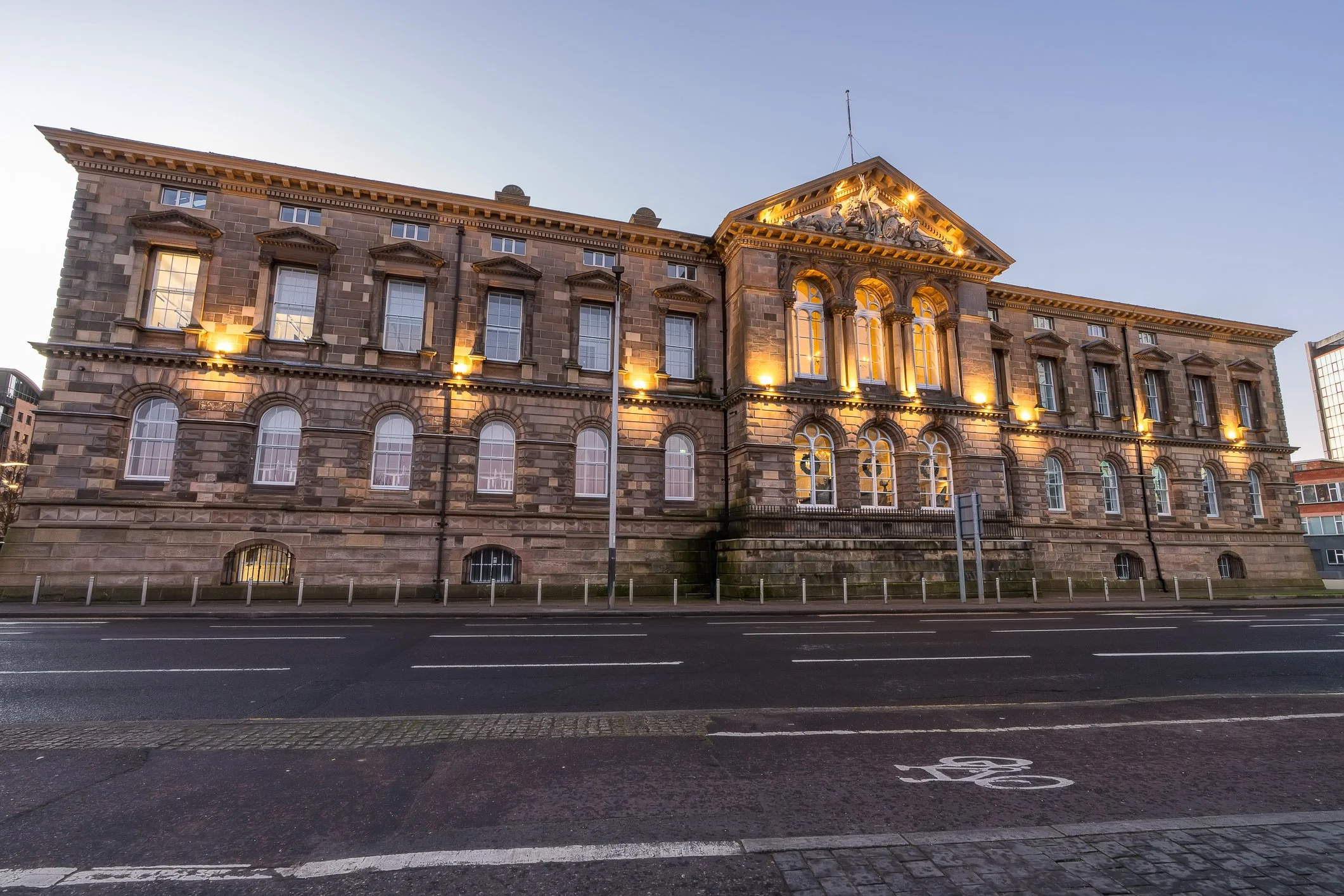
The large historic building directly opposite The Big Fish is the Custom House. It is one of Belfast’s most impressive 19th-century buildings. Completed in 1857, it was originally used by the Commissioners of Customs to manage trade and shipping in what was then a booming industrial port. At that time, Belfast was expanding rapidly thanks to shipbuilding, linen production, and global trade. The building is designed in a classical style, with a symmetrical façade, grand columns, and a central dome topped with sculptures representing commerce and navigation, a nod to Belfast’s maritime importance. Its prominent position facing the River Lagan symbolised the city’s connection to trade and the wider world.


Duży, historyczny budynek naprzeciw Big Fish to Custom House. Jest to jeden z najbardziej imponujących budynków XIX wieku w Belfaście. Został ukończony w 1857 roku dla Urzędu Celnego do zarządzania handlem i transportem w rozwijającym się porcie przemysłowym. W tym czasie Belfast szybko się rozrastał dzięki stoczniom, produkcji lnu i handlowi międzynarodowemu. Budynek zaprojektowano w stylu klasycystycznym, z symetryczną fasadą, kolumnami i centralną kopułą zwieńczoną rzeźbami symbolizującymi handel i żeglugę. Jego położenie nad rzeką podkreślało znaczenie Belfastu jako ośrodka handlu i kontaktów ze światem.

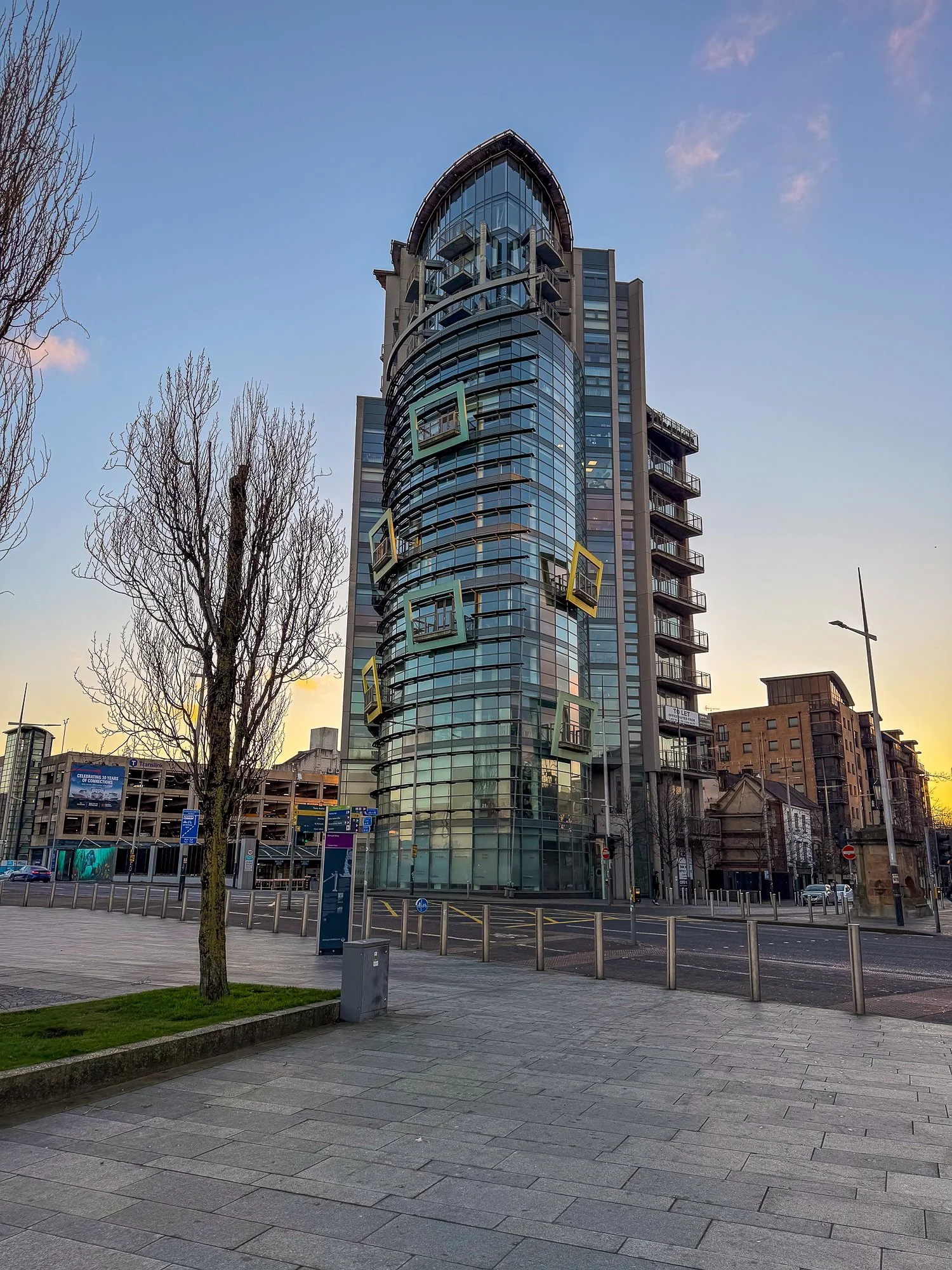
Our attention also goes to a different riverside building called The Boat, a modern block with distinctive geometric shapes in different colours on its façade. It is designed to resemble the prow of a boat.

Naszą uwagę przyciąga też nowoczesny budynek nad rzeką, zwany The Boat (Łódź), o geometrycznej, kolorowej fasadzie, która ma przypominać dziób statku.

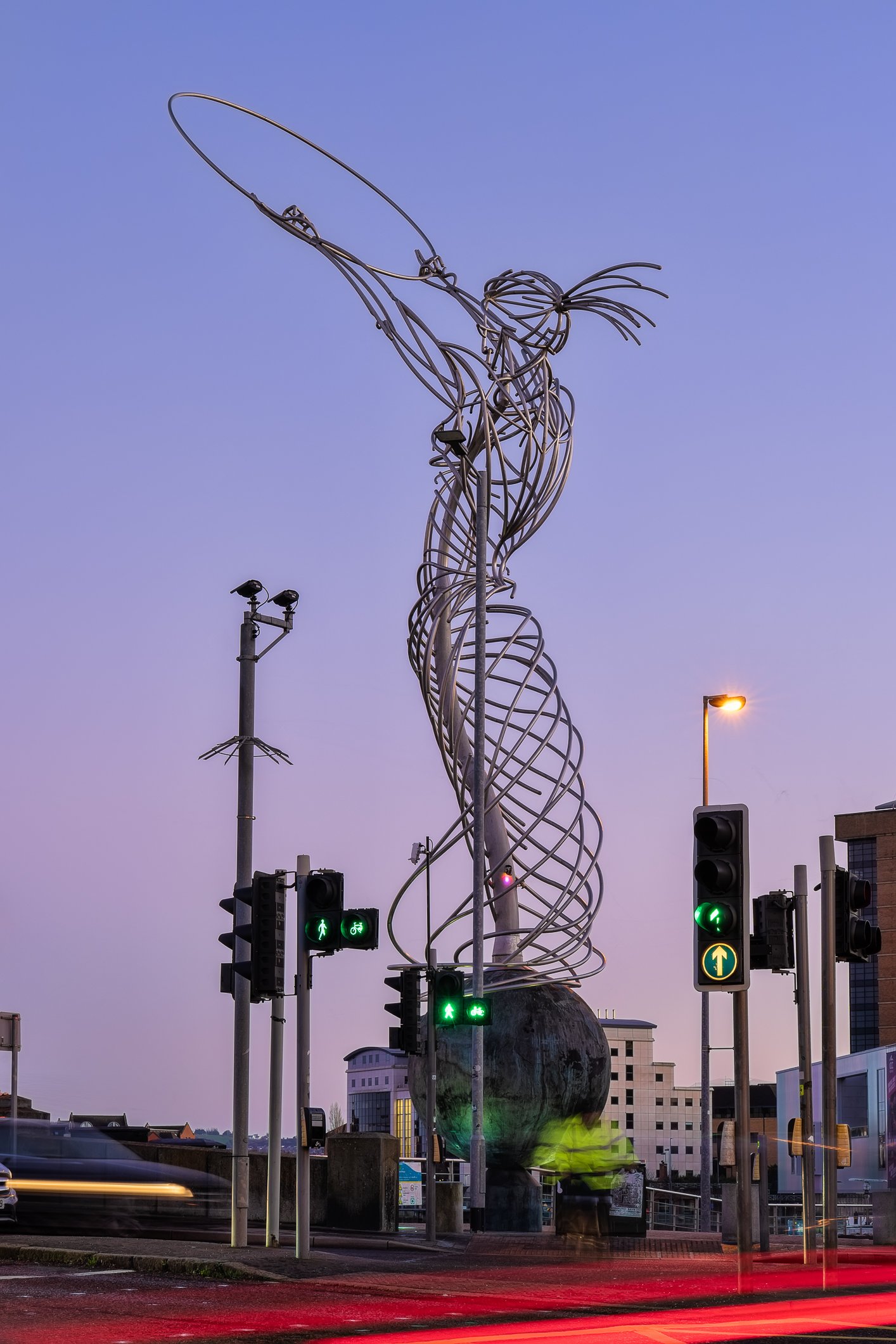
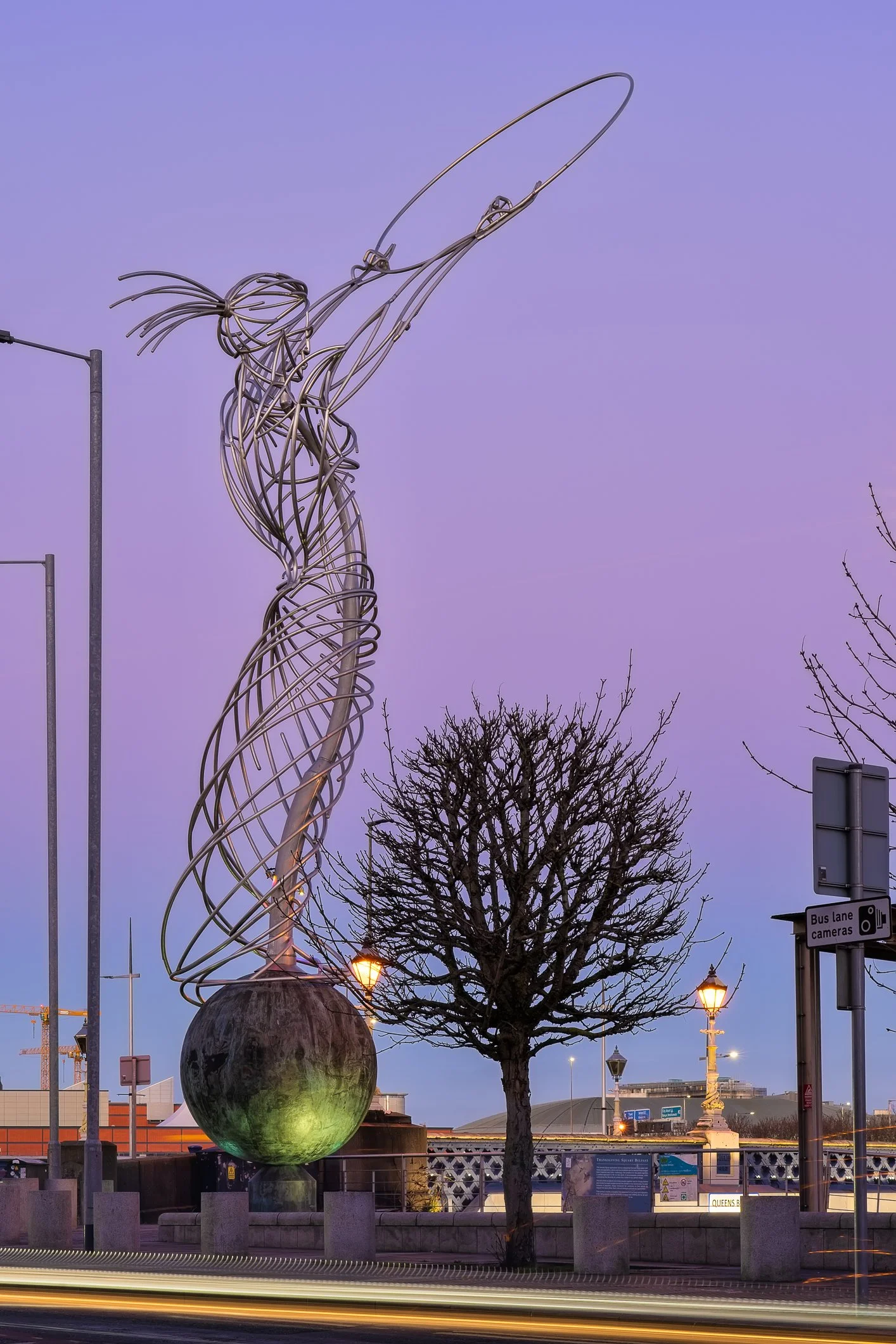
Just a short stroll along the River Lagan brings us to the Beacon of Hope, a sculpture created by Andy Scott in 2007. It depicts a woman holding a shimmering globe, symbolising peace, harmony, and gratitude. Locals affectionately call it “Nuala with the Hula.”


Zaledwie krótki spacer wzdłuż rzeki Lagan prowadzi nas do „Beacon of Hope”, rzeźby stworzonej przez Andy’ego Scotta w 2007 roku. Przedstawia ona kobietę trzymającą lśniącą kulę, symbolizującą pokój, harmonię i wdzięczność. Mieszkańcy nazywają ją pieszczotliwie „Nuala z Hula”.

Q’enqo

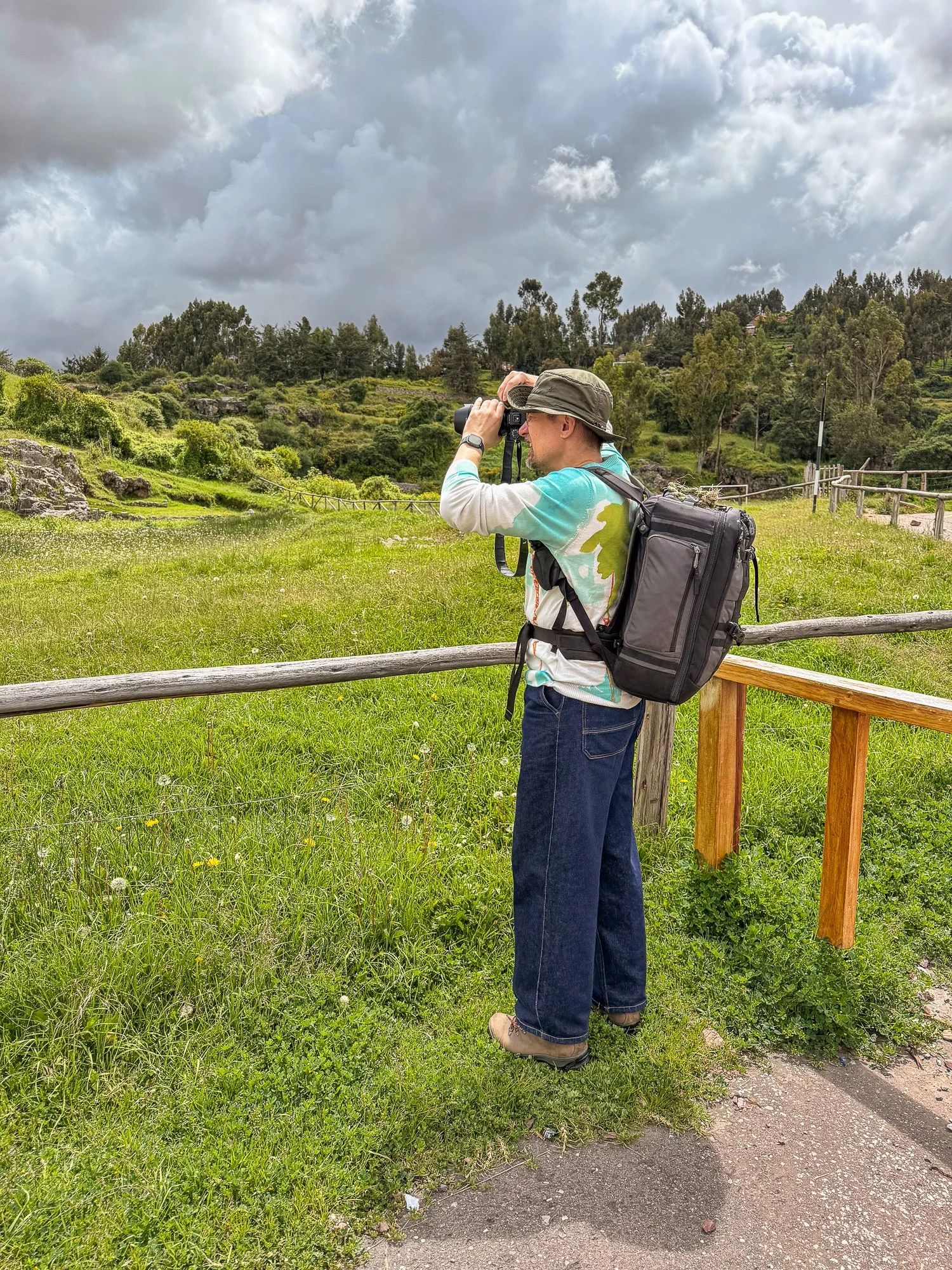
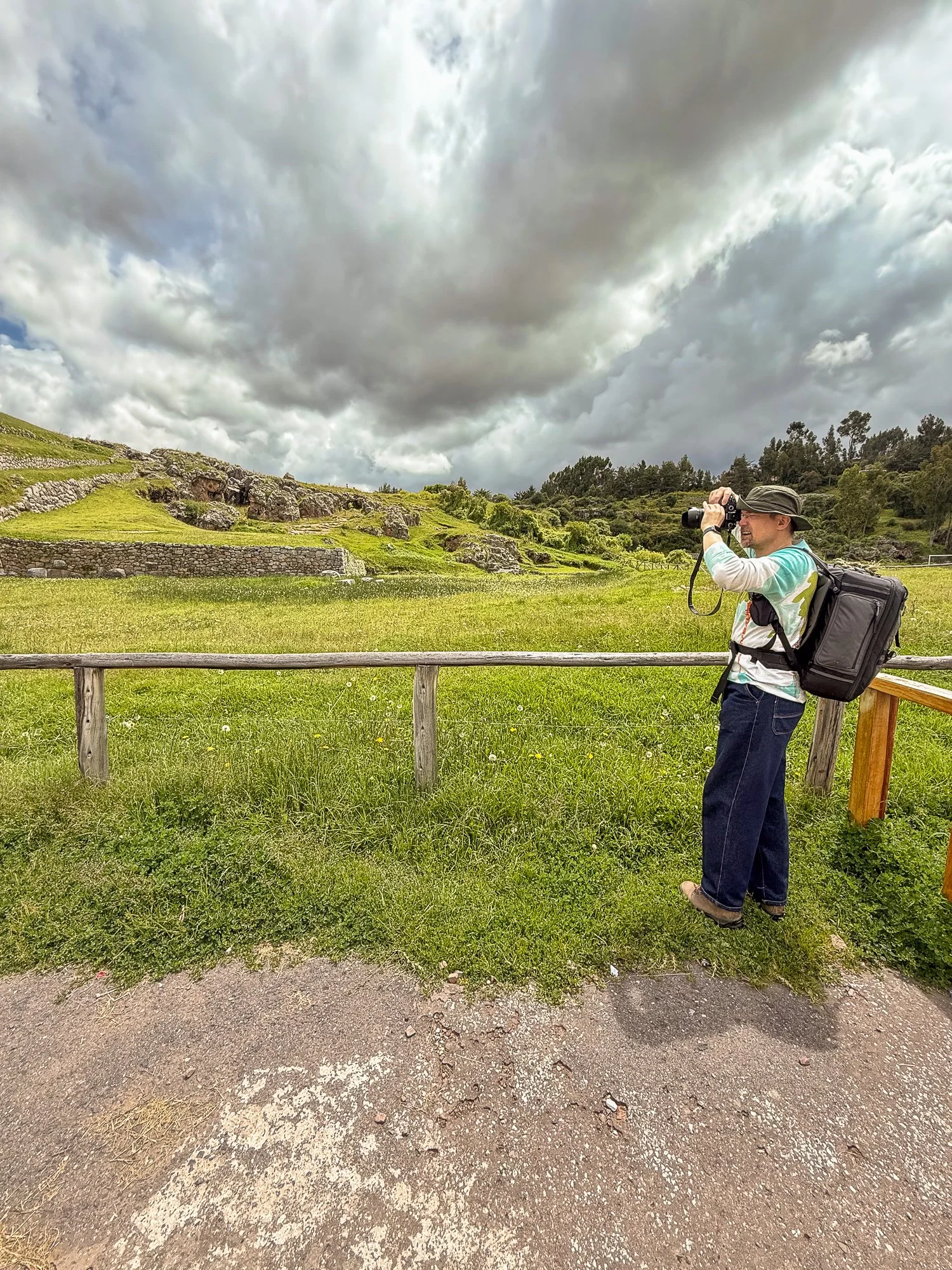
About 6 km east of Cusco, on Socorro Hill, lies our next destination - the archaeological complex of Q’enqo, located just 15 minutes from the city at an altitude of approximately 3,580 meters. The name Q’enqo comes from Quechua and means “labyrinth” or “zig-zag,” referring to the tunnels, passages, underground channels, or perhaps to the crooked canal carved into the rock above the ritual chamber. Q’enqo is one of the largest huacas (sacred places) in the Cusco region and served as an important Inca ceremonial and worship centre, where rituals in honour of the major gods were performed.

Około 6 km na wschód od Cusco, na wzgórzu Socorro, znajduje się nasz kolejny przystanek - kompleks archeologiczny Q’enqo. Położony jest zaledwie 15 minut jazdy od miasta, na wysokości około 3580 m n.p.m. Nazwa Q’enqo pochodzi z języka keczua i oznacza „labirynt” lub „zygzak”, nawiązując do sieci tuneli, przejść, podziemnych korytarzy albo do krętego kanału wykutego w skale przy komnacie rytualnej. Q’enqo należy do największych huacas, czyli świętych miejsc, w regionie Cusco i pełniło ważną funkcję ceremonialno-religijną w czasach Inków - to właśnie tutaj odbywały się rytuały ku czci najważniejszych bóstw.

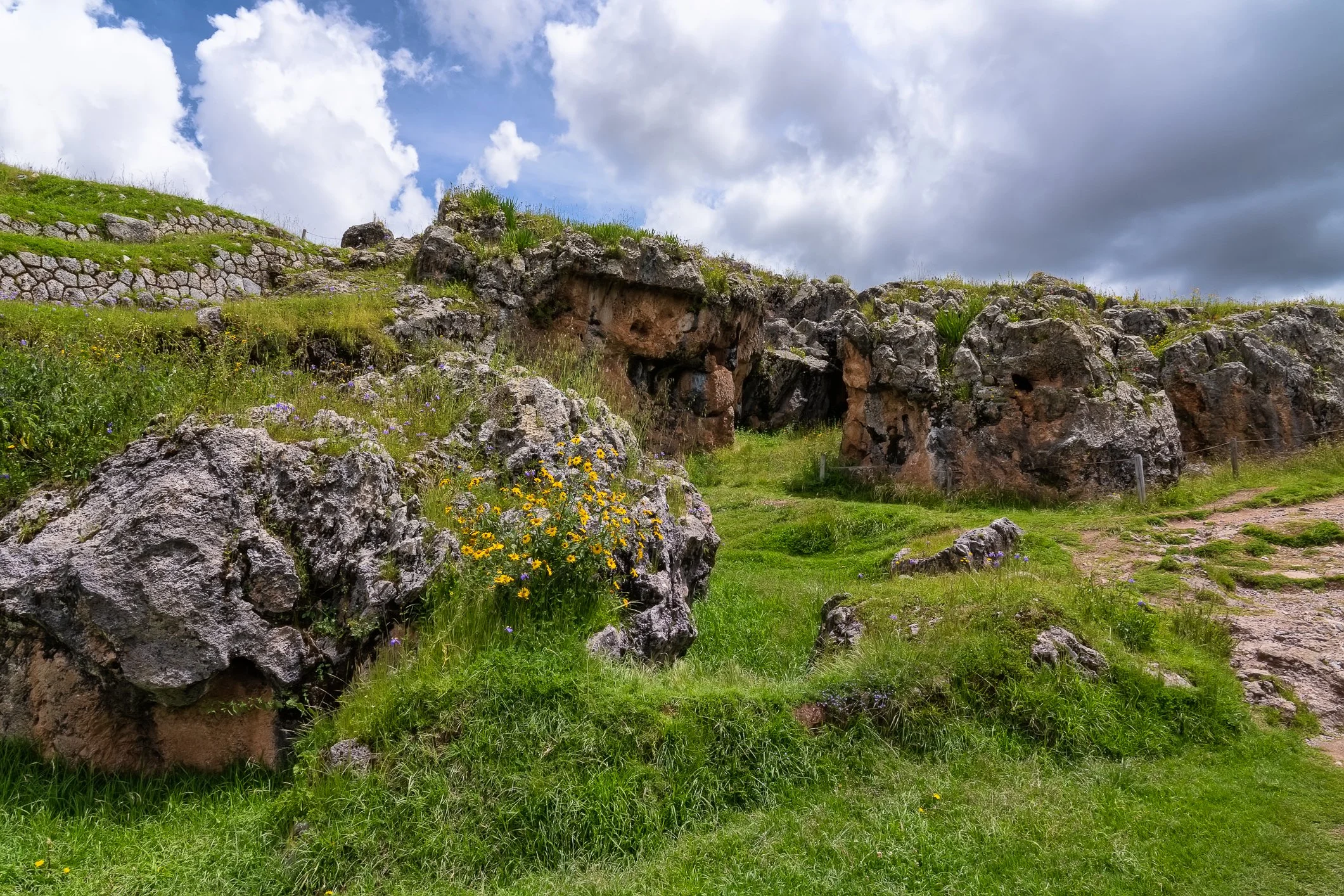
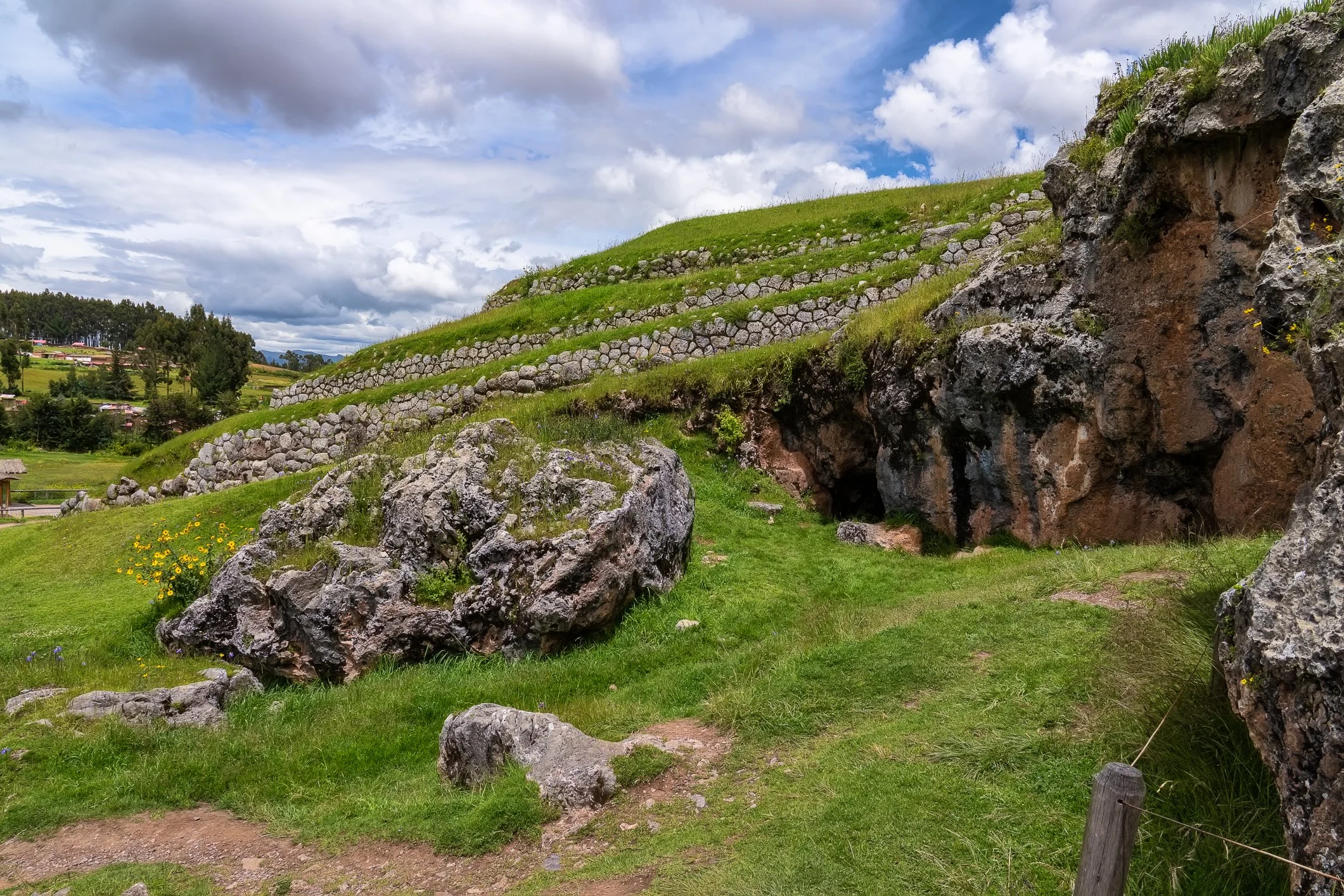
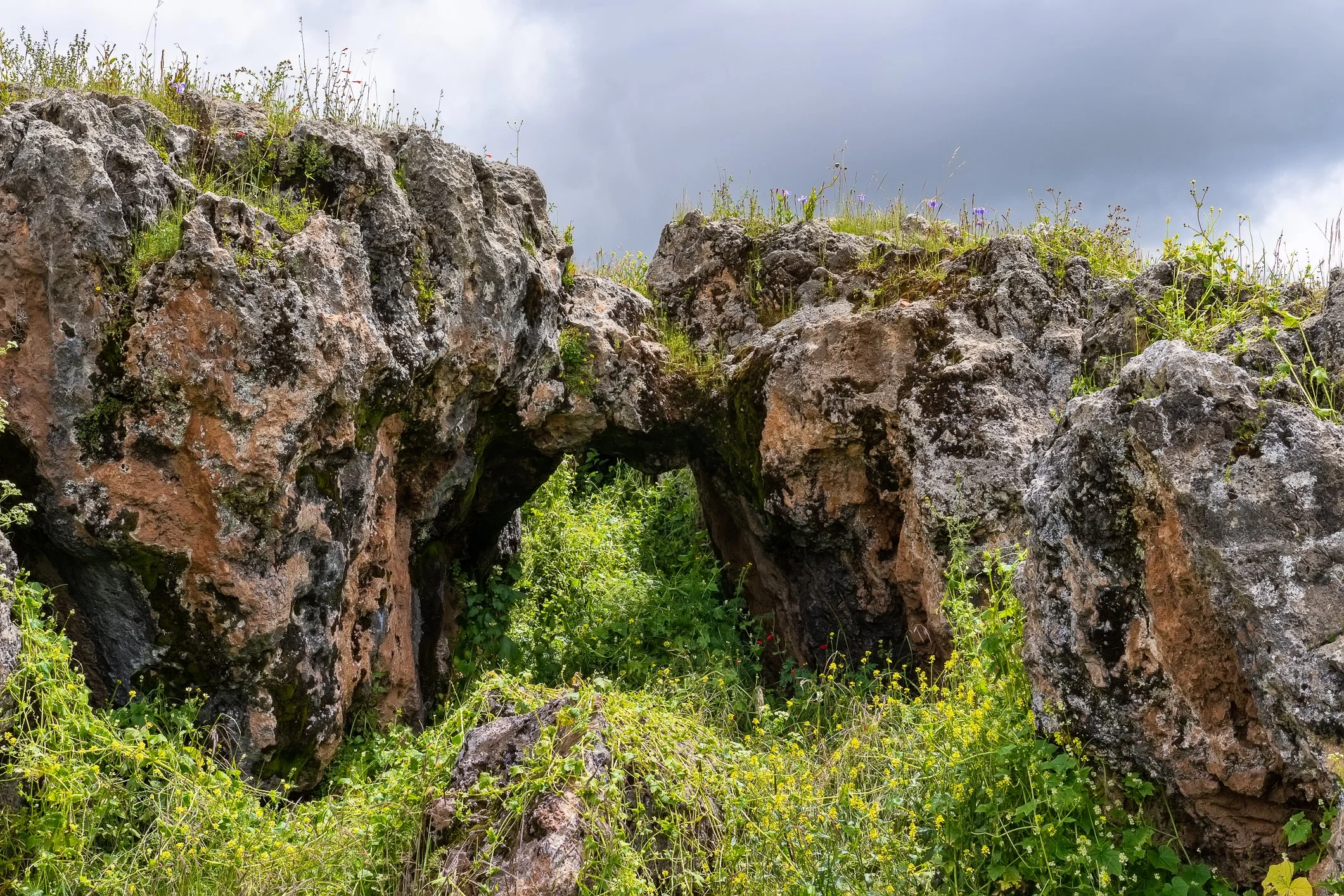
Like many Inca huacas, Q’enqo was created from a naturally occurring rock formation and is entirely sculpted from living stone. Because of its strong religious significance, the site was largely destroyed during the Spanish colonial period. However, as it was carved directly into solid rock, parts of Q’enqo managed to withstand this destruction. What remains today are mainly the carved rock formations, while most of the original paths and aqueducts have disappeared. The complex consists of two main areas: Q’enqo Grande (also known as Hatun Q’enqo), the larger sector open to visitors, and Q’enqo Chico (Huchuy Q’enqo), a smaller area that is currently closed to the public.

Podobnie jak wiele innych inkaskich huacas, Q’enqo powstało na bazie naturalnej formacji skalnej i zostało w całości wykute w litej skale. Ze względu na swoje ogromne znaczenie religijne miejsce to zostało w dużej mierze zniszczone w okresie kolonizacji hiszpańskiej. Ponieważ jednak obiekty były bezpośrednio wykute w skale, część kompleksu zdołała przetrwać do naszych czasów. Obecnie zachowały się przede wszystkim rzeźbione formacje skalne, natomiast większość dawnych ścieżek i akweduktów uległa zniszczeniu. Kompleks składa się z dwóch głównych części: Q’enqo Grande (znanego również jako Hatun Q’enqo), czyli większego obszaru udostępnionego zwiedzającym, oraz Q’enqo Chico (Huchuy Q’enqo), mniejszej części, która pozostaje zamknięta dla publiczności.

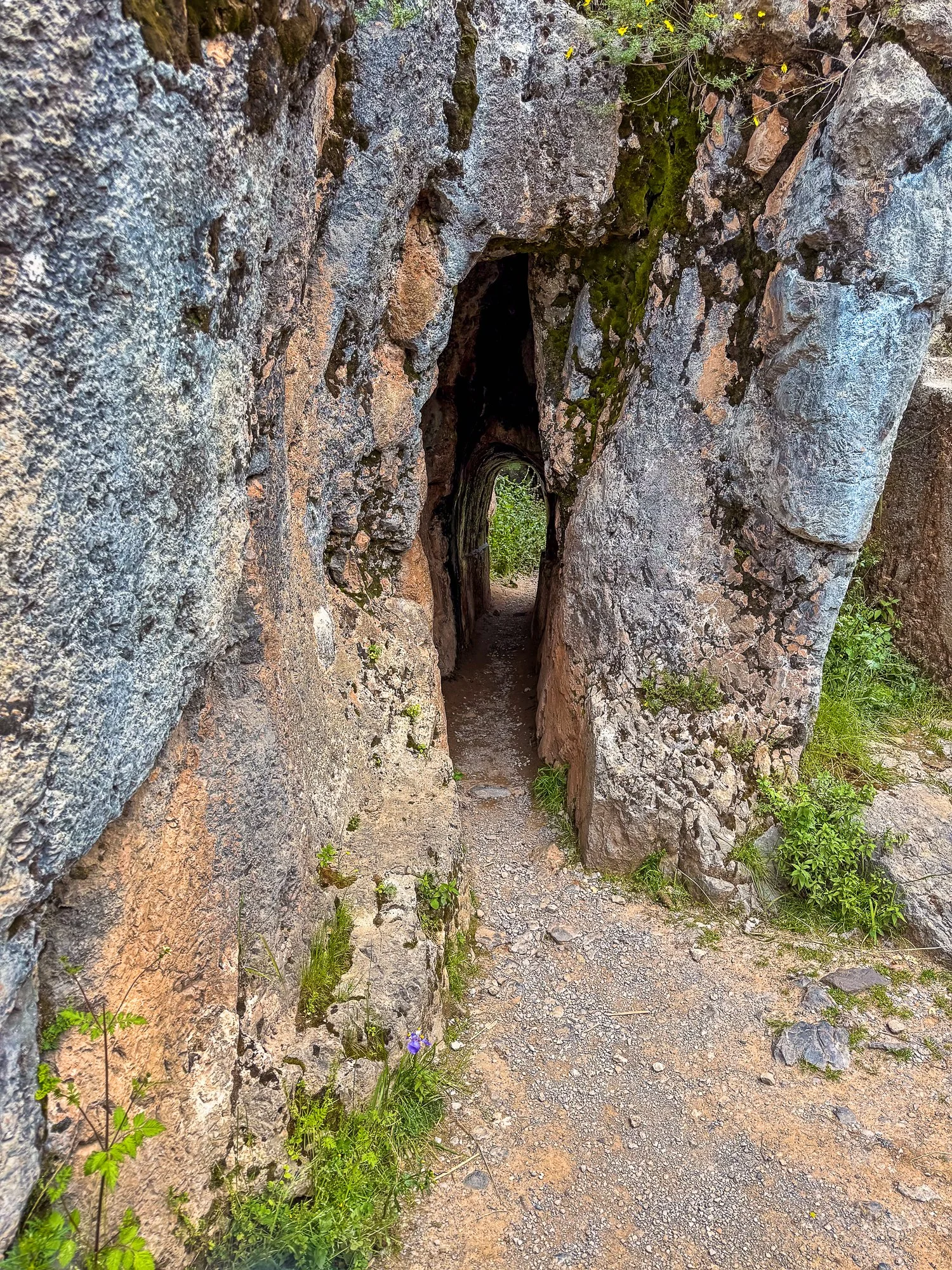
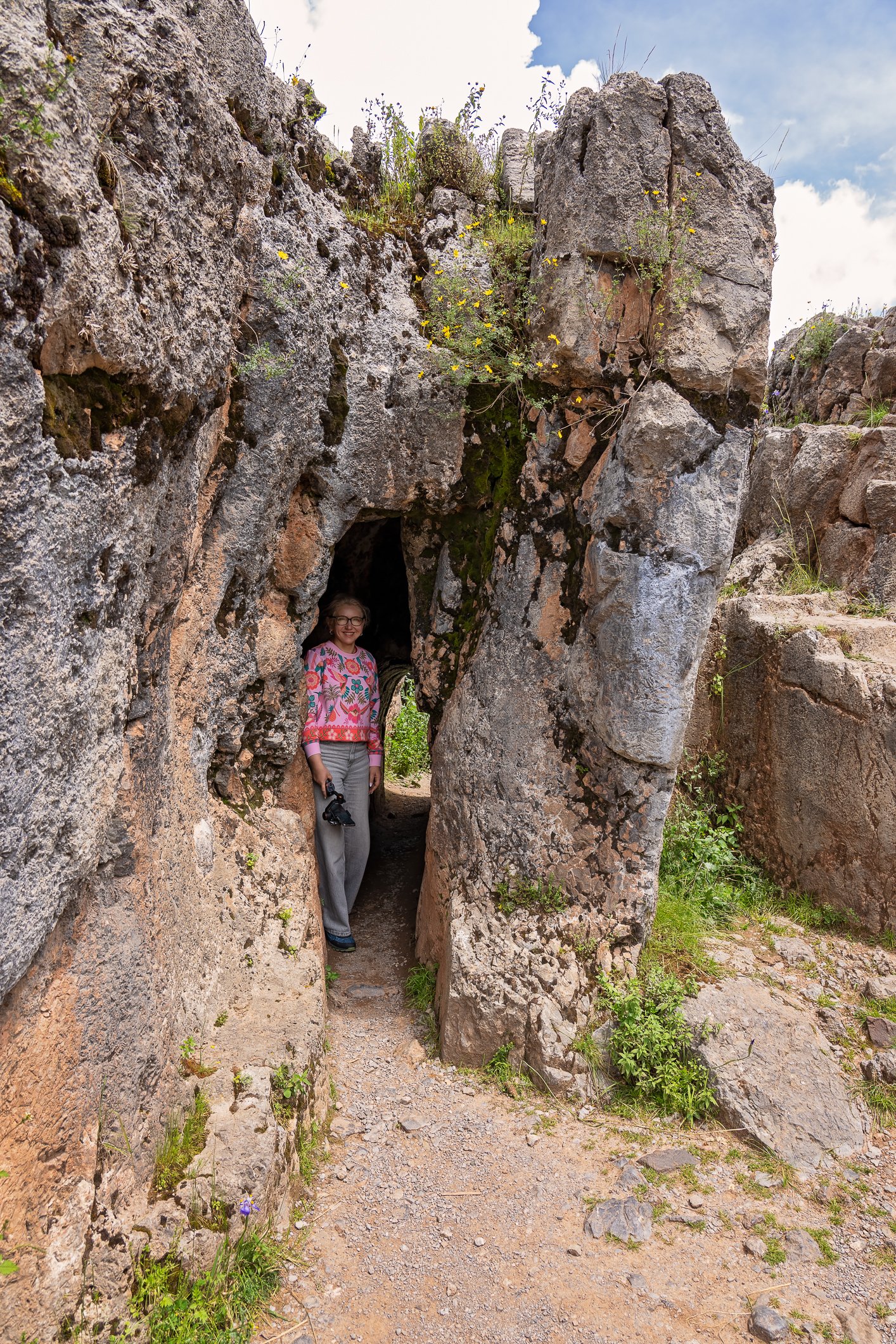
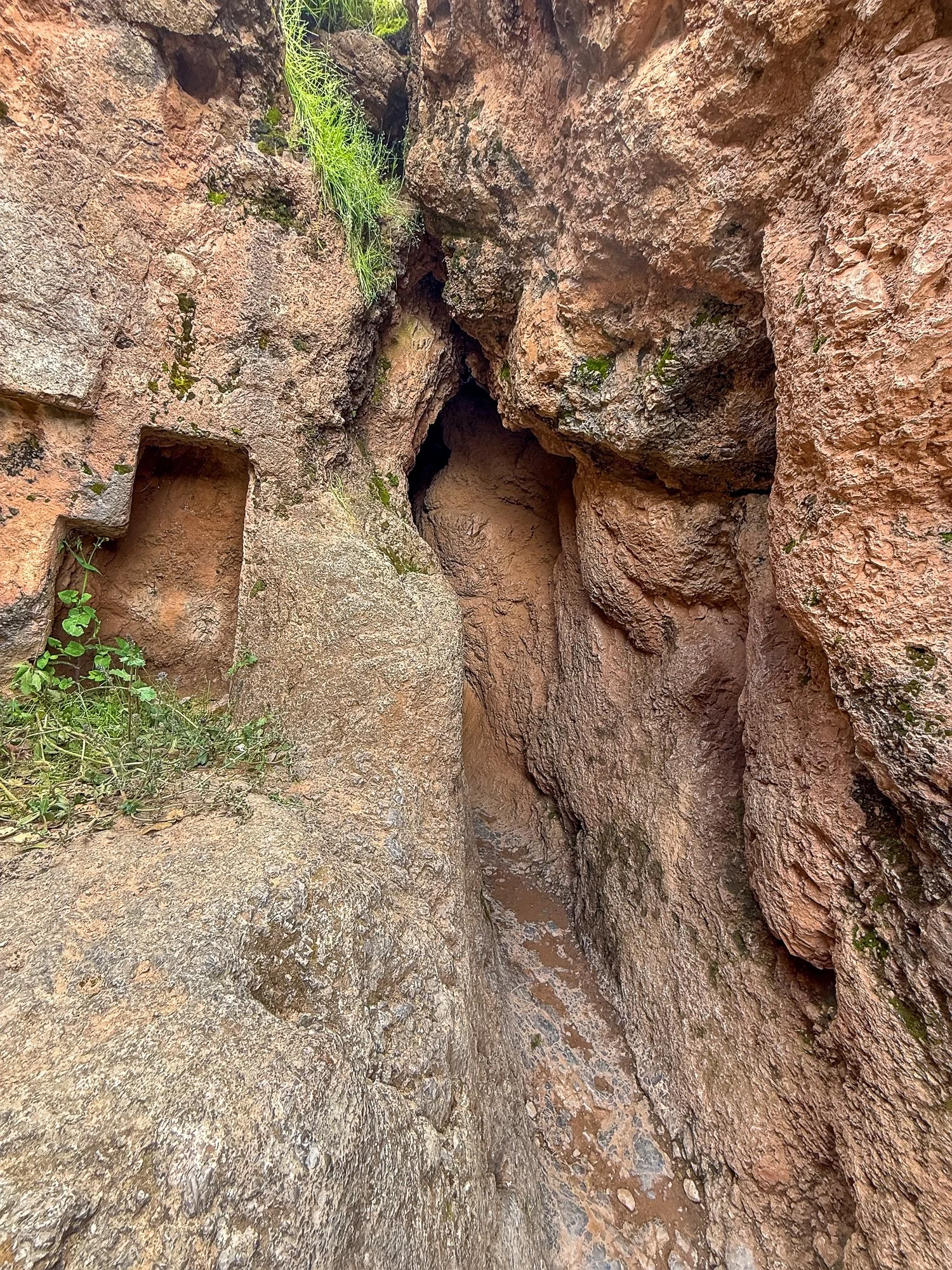
The most remarkable feature of Q’enqo is its underground Ritual Chamber, a single interconnected space carved entirely from a massive natural rock. The floor, ceiling, walls, ceremonial tables, niches, and tunnels were all sculpted from the same stone. Access is through a tunnel carved into the rock, alongside which runs a large zigzagging gutter. This channel leads into the main ritual area and is believed to have carried ceremonial chicha (a fermented corn beverage) or the blood of sacrificial animals. The discovery of numerous bones within the gutter suggests that this chamber was used for ritual sacrifices, most likely involving llamas and possibly humans.

This underground space also played a role in Inca death rituals. One niche may have been used to place mummies, while another reportedly held a large silver plate that reflected the sun’s rays into the chamber. Being underground, the Sacrifice Chamber symbolised an entrance to the world of the dead, and rituals may have taken place on a stone slab carved into the rock. Some researchers believe the tunnels were also used for the embalming or mummification of Inca nobles, although this interpretation is not universally accepted.

Najbardziej niezwykłym elementem Q’enqo jest podziemna Komnata Rytualna - pomieszczenie wykute w całości w potężnej, naturalnej skale. Podłoga, sufit, ściany, stoły ceremonialne, nisze oraz tunele zostały wyrzeźbione z tego samego bloku kamienia. Do wnętrza prowadzi tunel wykuty w skale, wzdłuż którego biegnie duży, zygzakowaty kanał. Prowadzi on do głównej przestrzeni rytualnej i prawdopodobnie służył do odprowadzania ceremonialnej chichy (fermentowanego napoju z kukurydzy) lub krwi zwierząt ofiarnych. Odkrycie licznych kości w tym kanale wskazuje, że komnata była miejscem rytualnych ofiar, najczęściej z lam, ale być może także z ludzi.

Podziemna przestrzeń pełniła również ważną rolę w inkaskich obrzędach związanych ze śmiercią. Jedna z nisz służyła prawdopodobnie do umieszczania mumii, natomiast w innej  znajdowała się duża srebrna płyta, która odbijała promienie słoneczne i kierowała je do wnętrza komnaty. Ze względu na swoje położenie pod ziemią Komnata Rytualna symbolizowała wejście do świata zmarłych, a rytuały mogły odbywać się na kamiennej płycie wykutej w skale. Niektórzy badacze uważają również, że tunele wykorzystywano do balsamowania lub mumifikacji inkaskiej elity, choć interpretacja ta nie jest powszechnie akceptowana.   

Above ground, Q’enqo shows clear evidence of structures related to Inca astronomy and cosmology. As with many Inca stoneworks, the carved shapes appear to represent stars and constellations. An Intihuatana, or “sun post,” or “the place where the sun is tied”can also be seen, and it may have been used to mark solar events.

Na powierzchni Q’enqo widać wyraźne ślady budowli związanych z astronomią i kosmologią Inków. Podobnie jak w wielu innych inkaskich kamiennych konstrukcjach, wyryte kształty zdają się przedstawiać gwiazdy i konstelacje. Znajduje się tu również Intihuatana, czyli „słup słoneczny” lub „miejsce, w którym wiąże się słońce”, który prawdopodobnie służył do obserwacji i wyznaczania ważnych wydarzeń słonecznych.

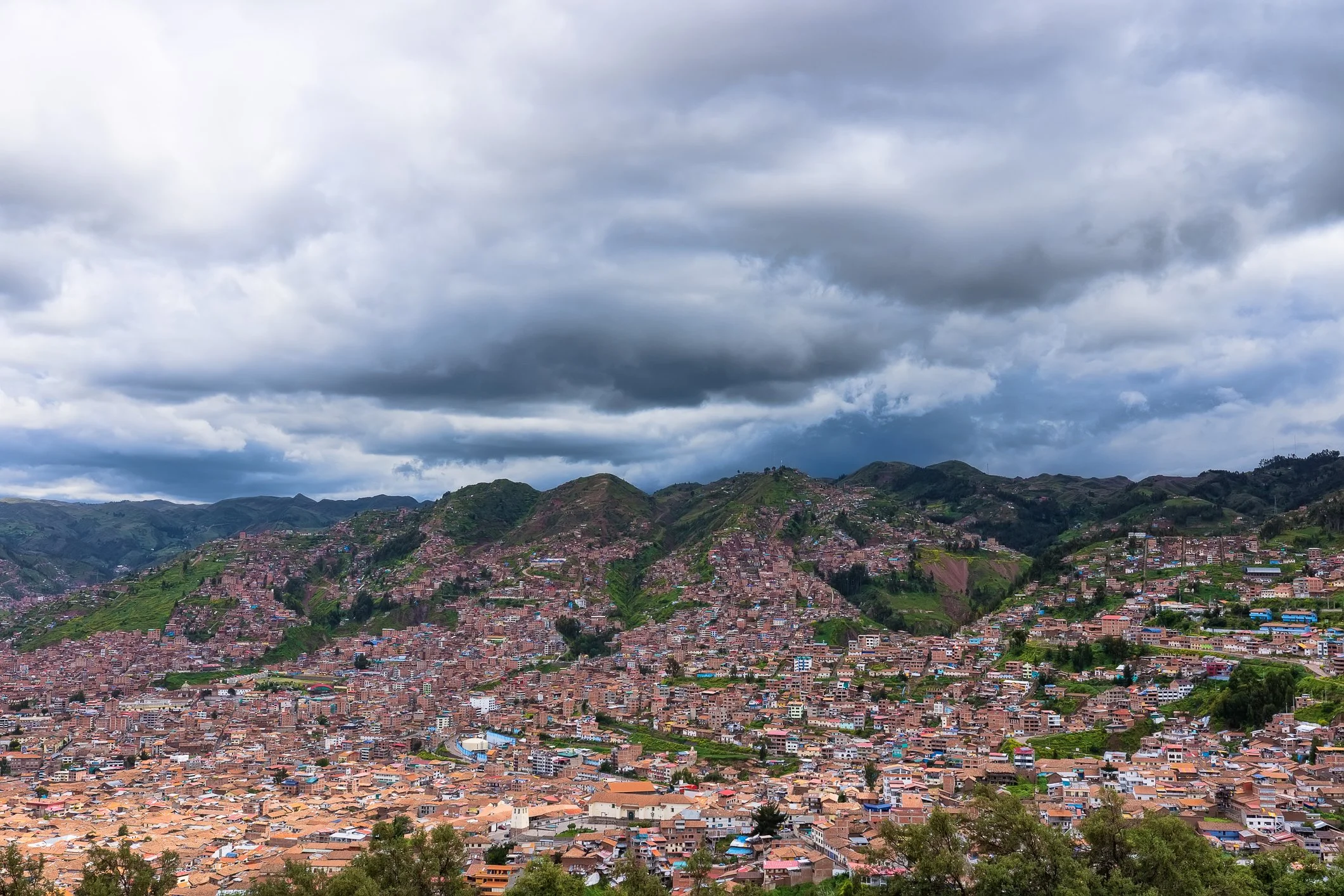
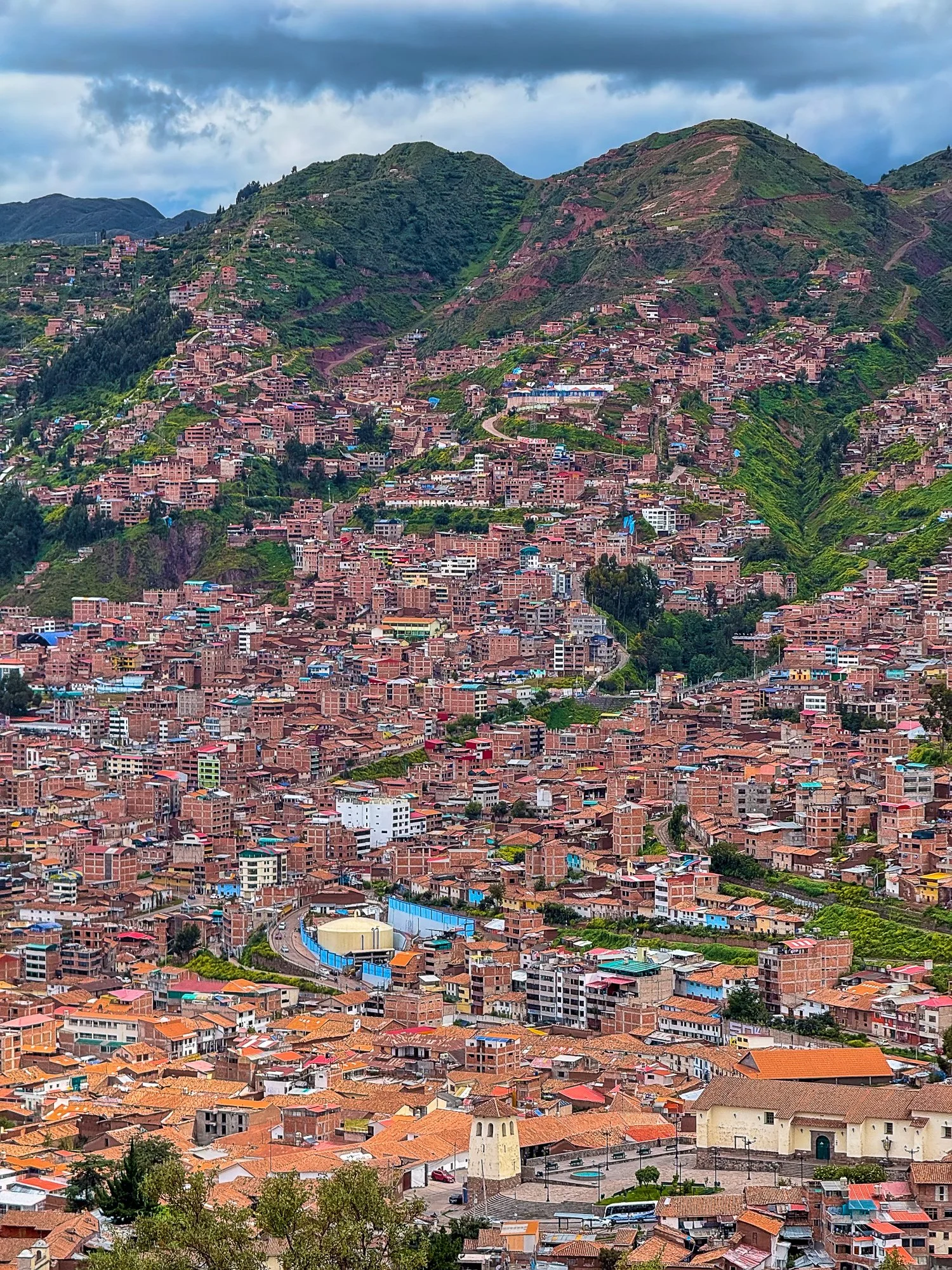
From Q’enqo, the Incas would have looked down upon the city of Cusco, which lay in the heart of the valley like the centre of the world. The elevated position of Socorro Hill gave them not only a commanding view of the urban centre but also a spiritual perspective: the city itself was part of a sacred landscape, intertwined with rivers, mountains, and huacas. From this vantage point, the Incas could observe the alignment of the sun and stars over the city, marking solstices, equinoxes, and other important celestial events that guided agricultural and ceremonial calendars.

Z Q’enqo Inkowie spoglądali w dół na miasto Cusco, położone w sercu doliny niczym centrum świata. Wysokie położenie wzgórza Socorro dawało im nie tylko panoramiczny widok na miasto, lecz także duchową perspektywę: samo Cusco było częścią świętego krajobrazu, splecionego z rzekami, górami i miejscami świętymi (huacas). Z tego punktu Inkowie mogli obserwować ustawienie słońca i gwiazd nad miastem, wyznaczając przesilenia, równonoce oraz inne ważne zjawiska astronomiczne, które regulowały kalendarze rolnicze i ceremonialne.

Surrounding the archaeological site is an eucalyptus forest filled with imposing trees, which has been declared a UNESCO World Heritage Site.

Wokół Q’enqo rośnie las eukaliptusowy, który został wpisany na listę światowego dziedzictwa UNESCO.