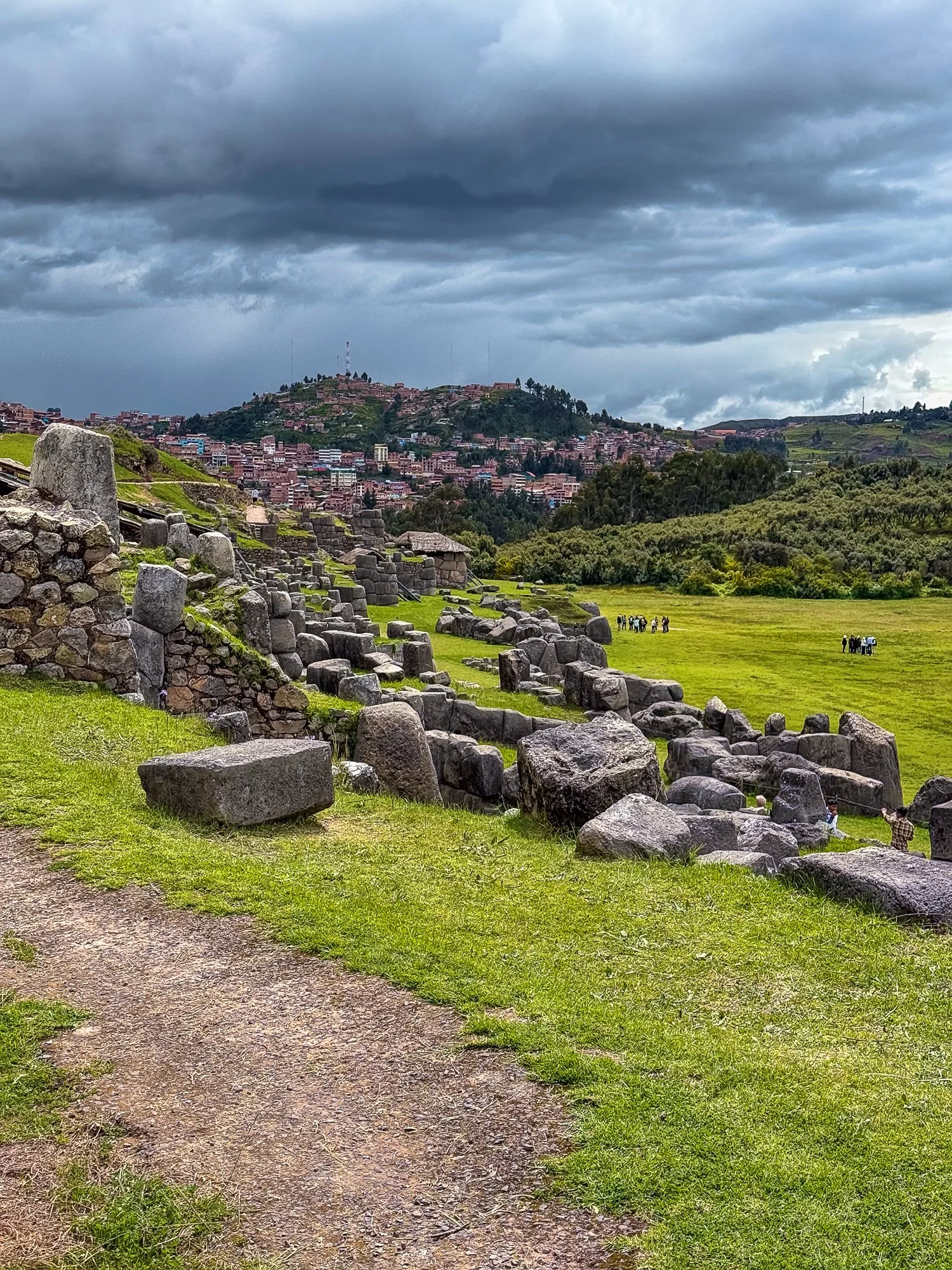
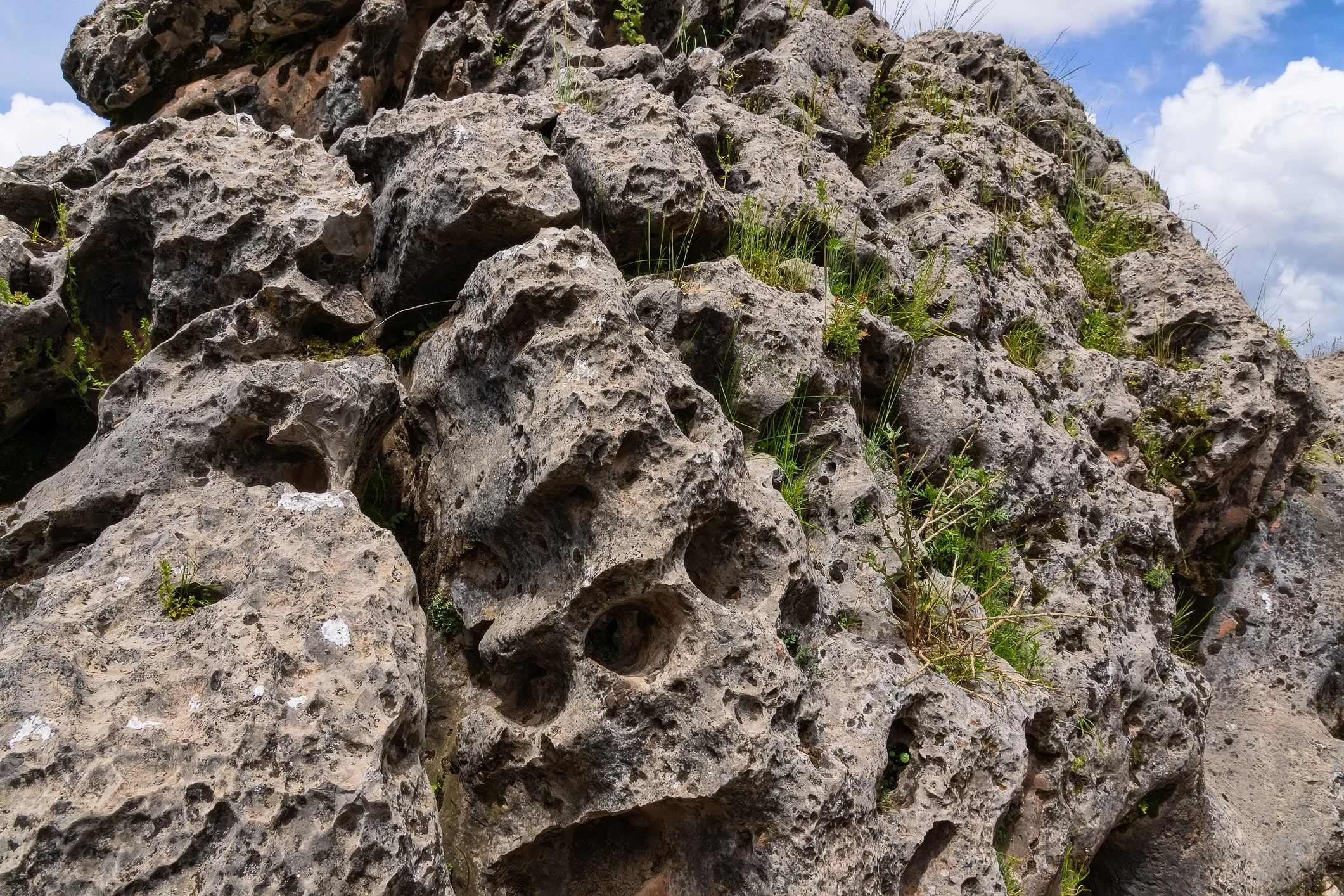
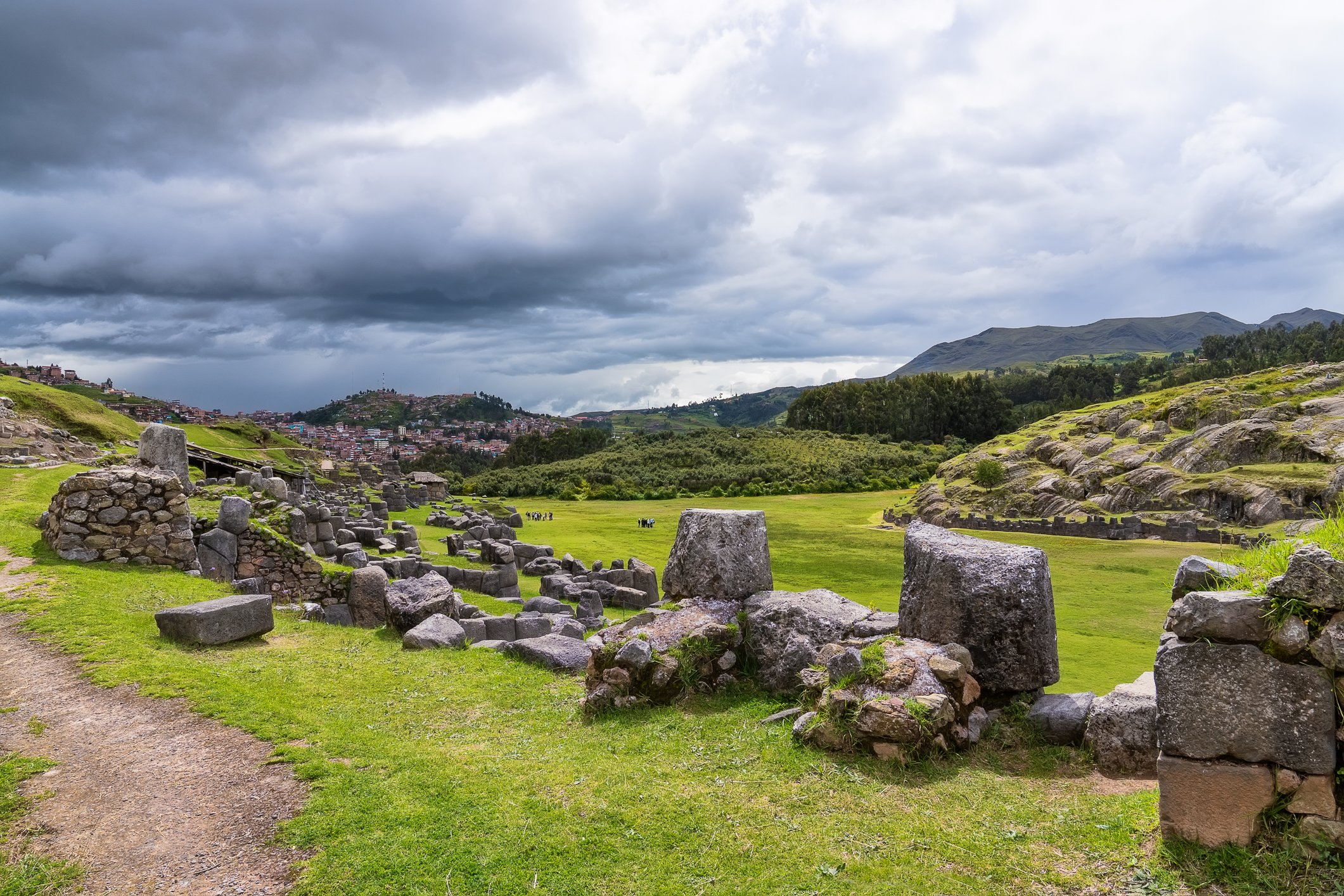
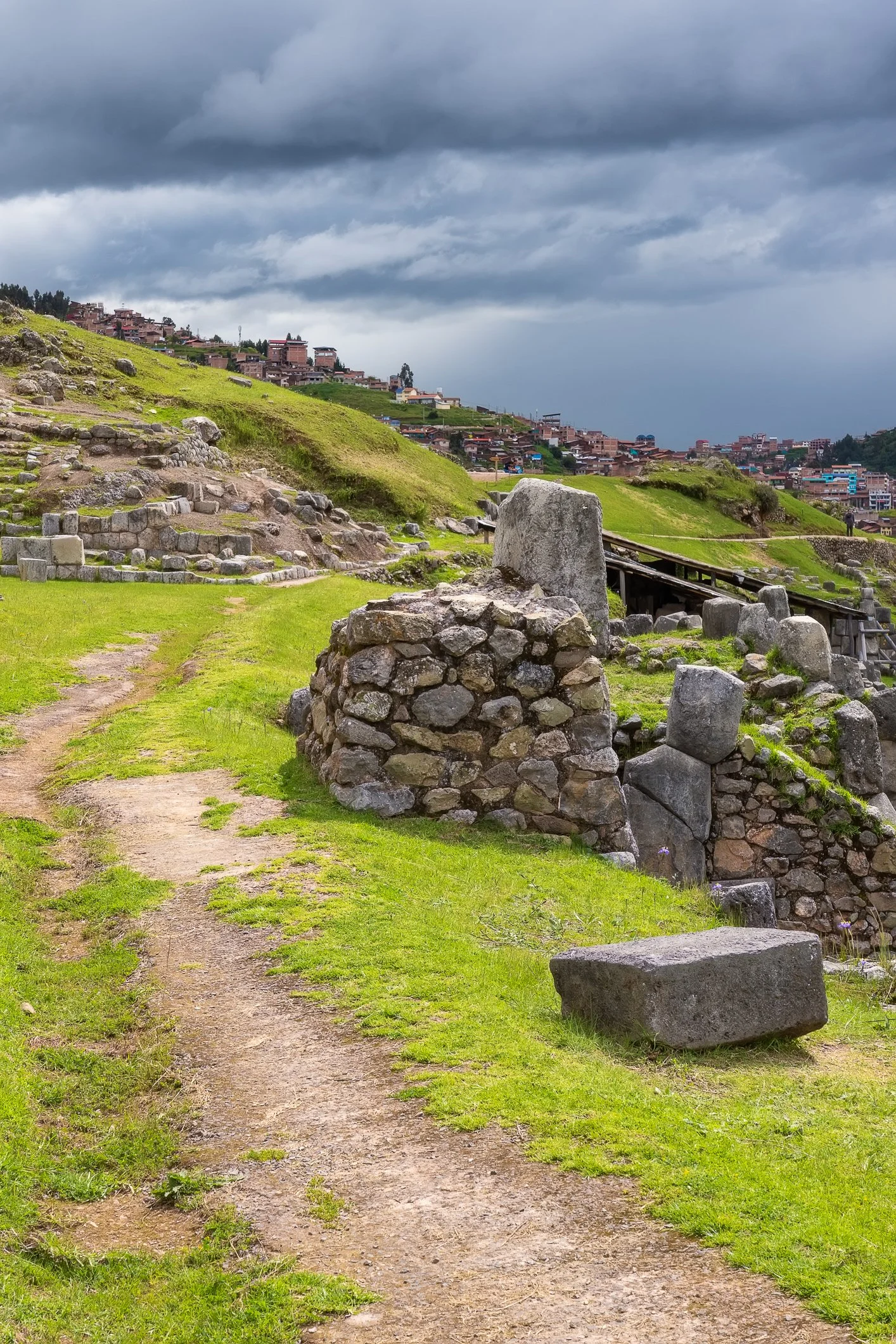
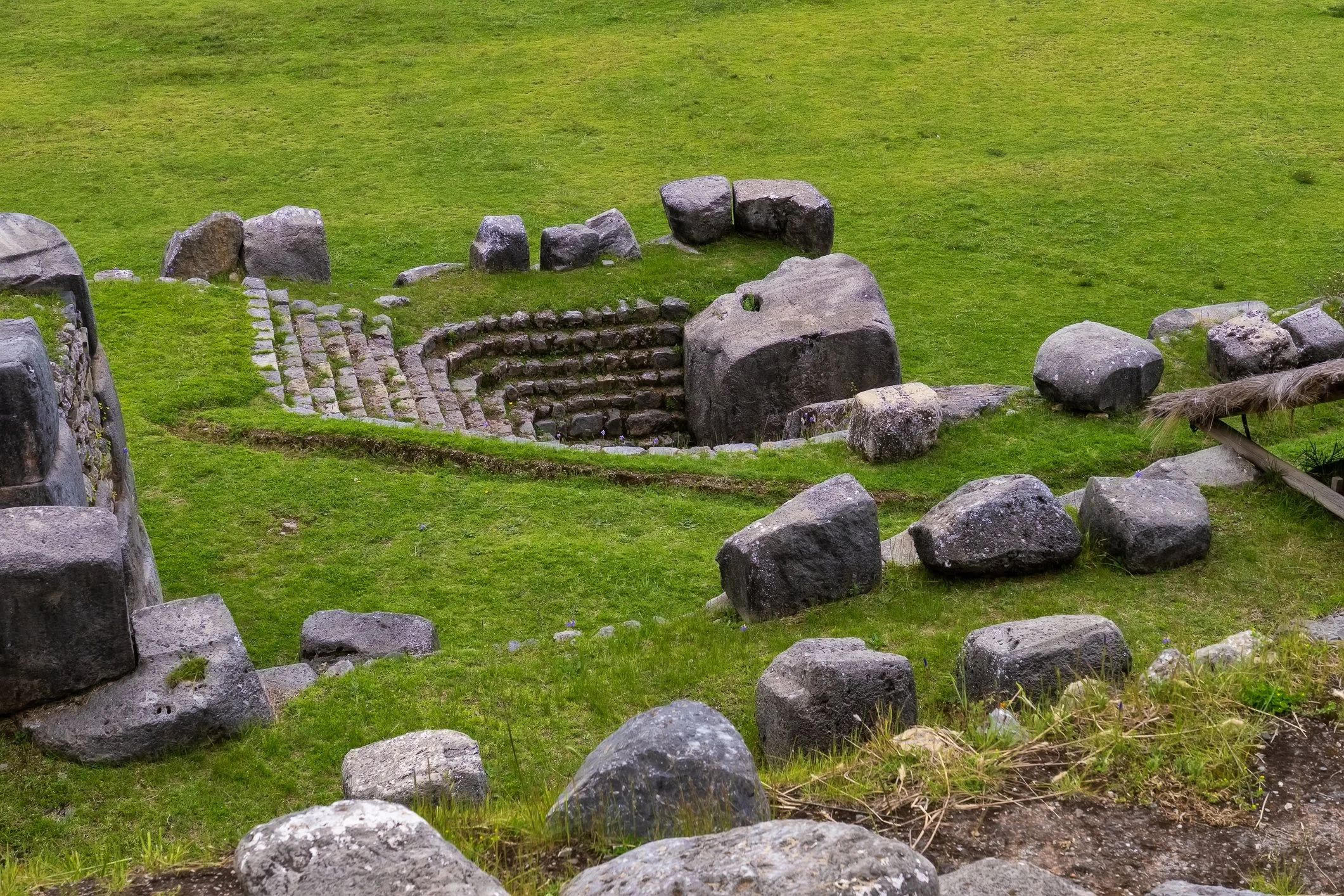
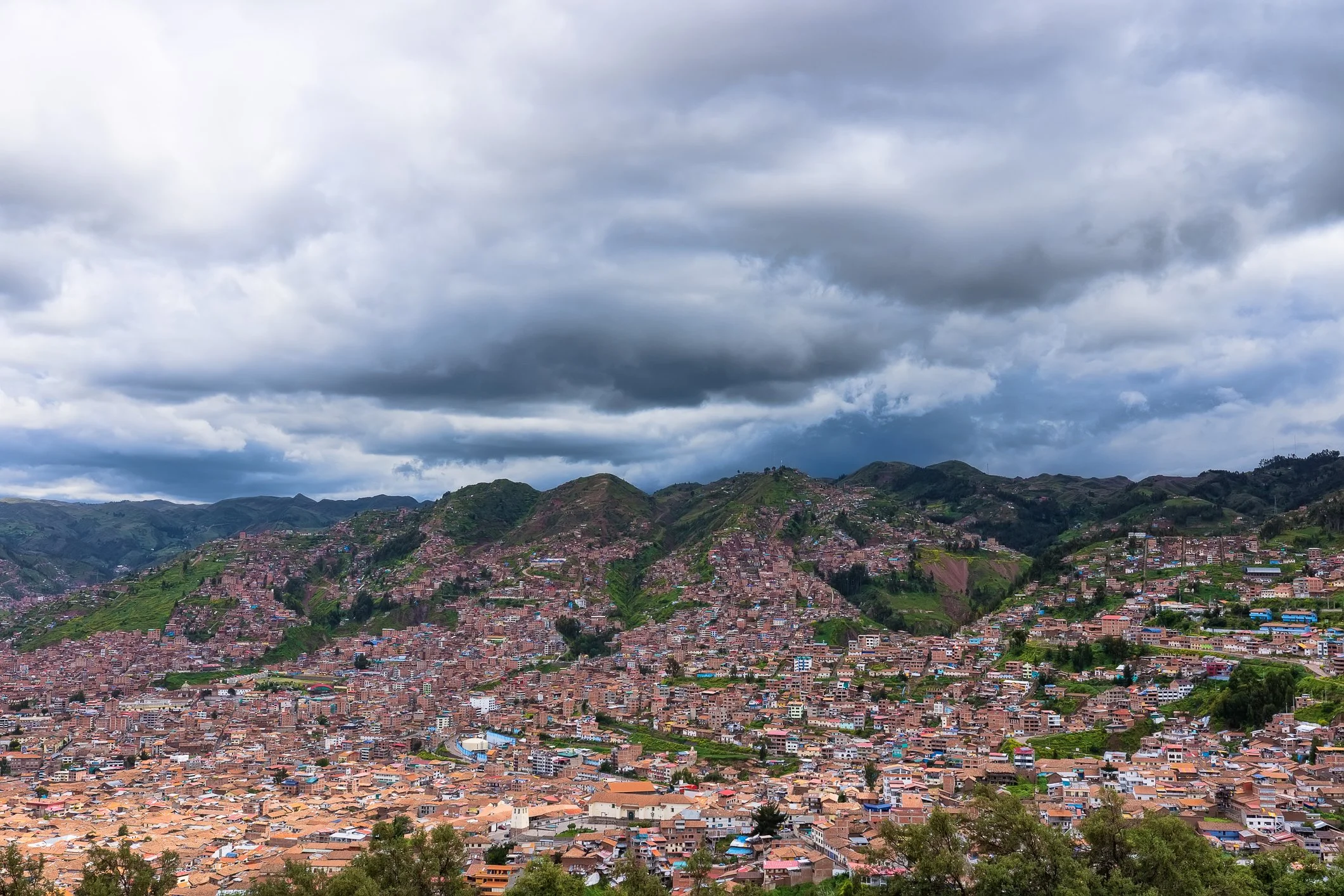
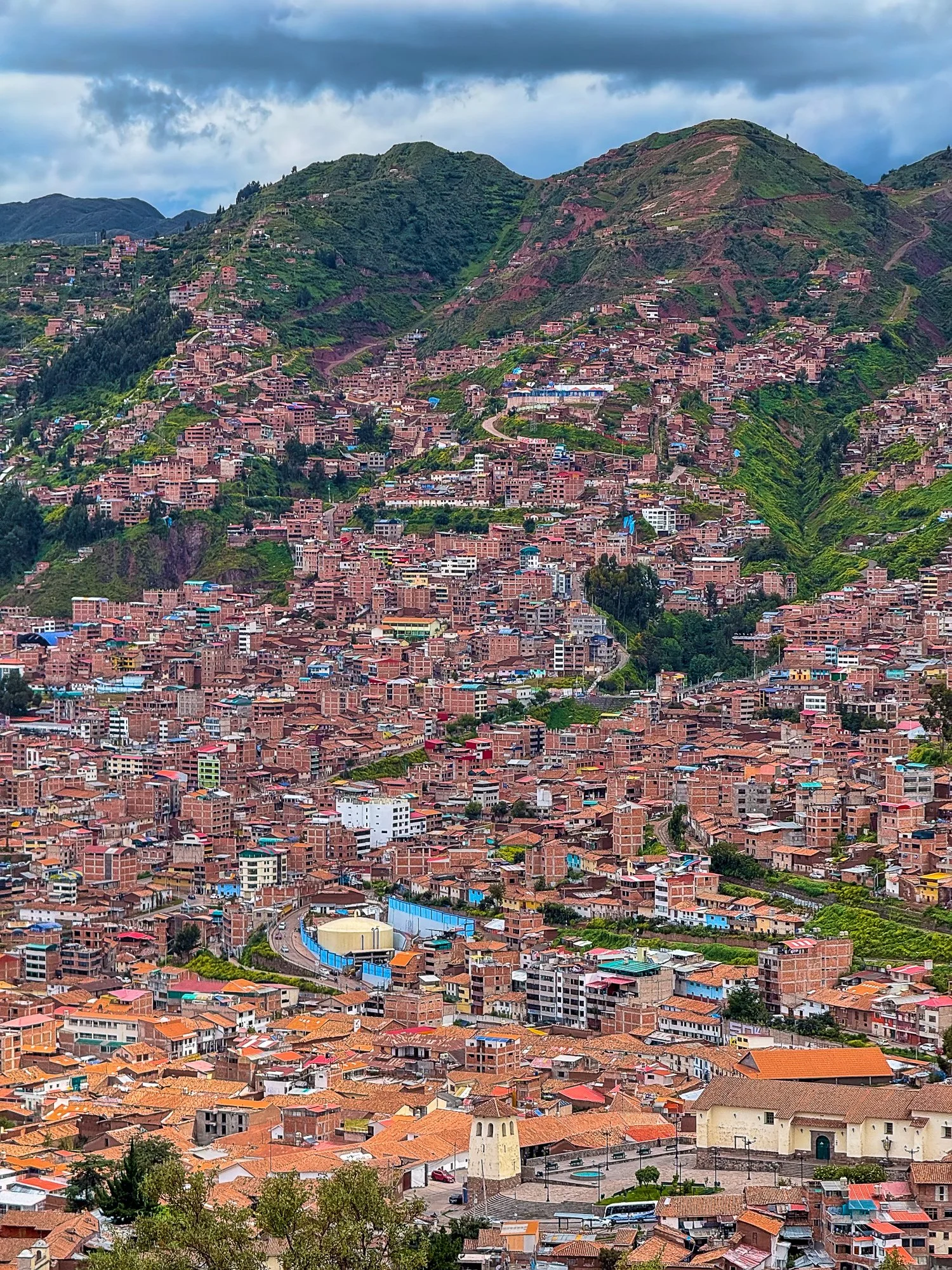
Sacsayhuamán (Saqsaywaman in Quechua, which is usually translated as something like “satisfied falcon”, “speckled head” or even “city of stone”) is a massive stone complex sitting on a hill just above Cusco. Work on Sacsayhuamán began in the 1440s, but it took nearly a century to complete. The Incas did not use mortar, iron tools, or wheels. The site is the result of extremely patient stonework, shaping rocks with harder stones, sand, and bronze chisels, and then moving them with sheer manpower, ramps, and leverage. It is estimated that 20,000 men were involved in the construction: 4,000 cutting blocks from quarries, 6,000 dragging them on rollers to the site, and 10,000 working on finishing and fitting the blocks into position. Some estimates suggest that a few thousand lives were lost while dragging the enormous stones. First, boulders were split by boring holes with stone or cane rods and wet sand. Next, wooden wedges were inserted into these holes and saturated with water to crack the rocks into more manageable sizes. Finally, the rocks were moved into place using levers.
Sacsayhuamán (w języku keczua Saqsaywaman, co bywa tłumaczone jako „zadowolony sokół”, „nakrapiana głowa” albo nawet „miasto z kamienia”) to ogromny kompleks kamienny położony na wzgórzu tuż nad Cusco. Budowę Sacsayhuamán rozpoczęto w latach 40. XV wieku, a jej ukończenie zajęło niemal sto lat. Inkowie nie używali zaprawy, żelaznych narzędzi ani koła. Cała konstrukcja jest efektem niezwykle precyzyjnej pracy w kamieniu - skały były obrabiane twardszymi kamieniami, piaskiem oraz brązowymi dłutami, a następnie transportowane przy użyciu siły ludzkiej, ramp i systemów dźwigni. Szacuje się, że przy budowie mogło pracować około 20 tysięcy osób: część z nich wydobywała bloki w kamieniołomach, inni transportowali je na miejsce, a jeszcze inni zajmowali się ich dopasowywaniem i wykończeniem. Według niektórych szacunków w trakcie tych prac mogło zginąć nawet kilka tysięcy ludzi. Same skały rozłupywano, wiercąc w nich otwory za pomocą kamiennych lub trzcinowych prętów z mokrym piaskiem, a następnie wbijano w nie drewniane kliny, które po nasiąknięciu wodą powodowały pękanie bloków. Ostateczne przesuwanie i ustawianie kamieni odbywało się przy użyciu dźwigni.
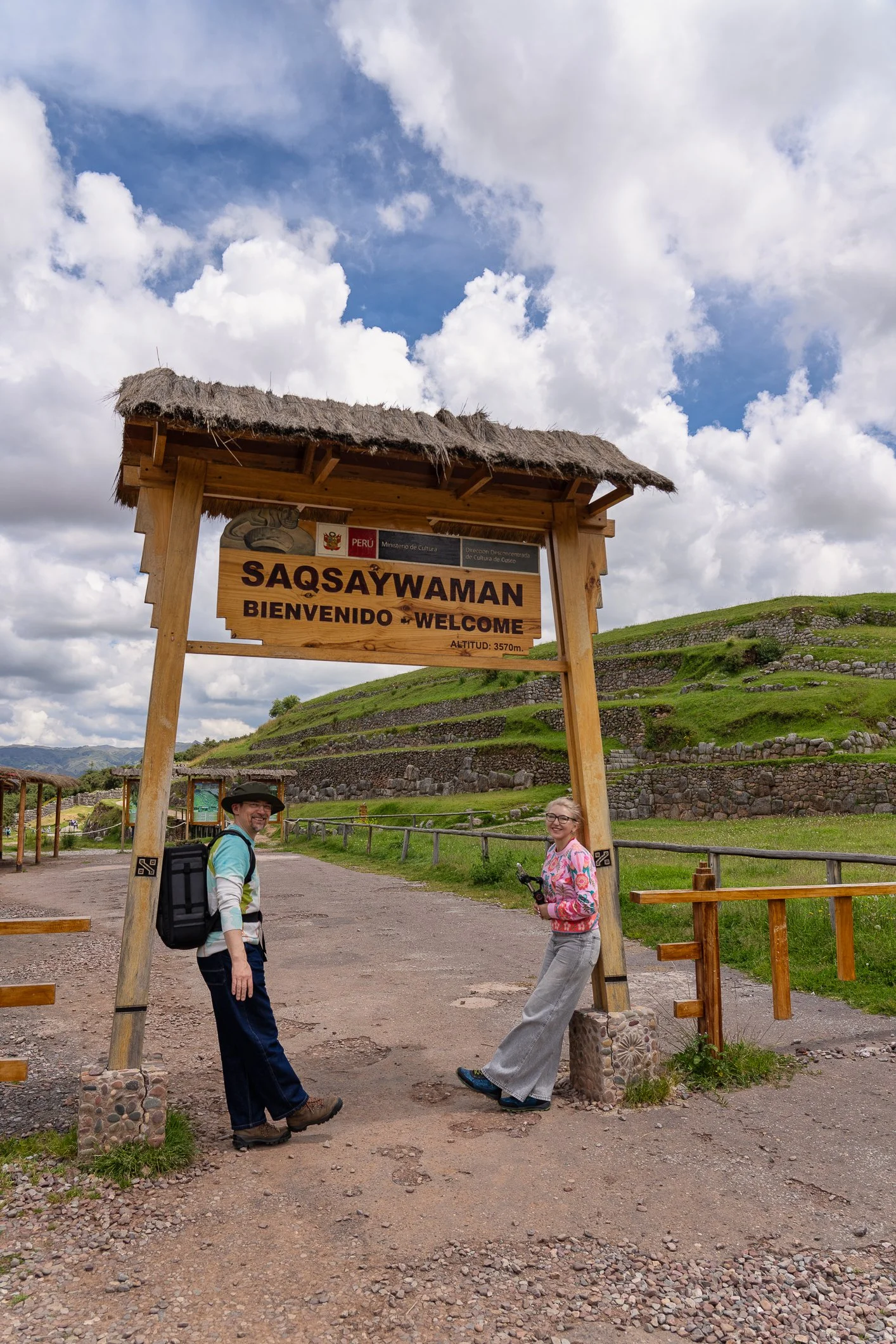
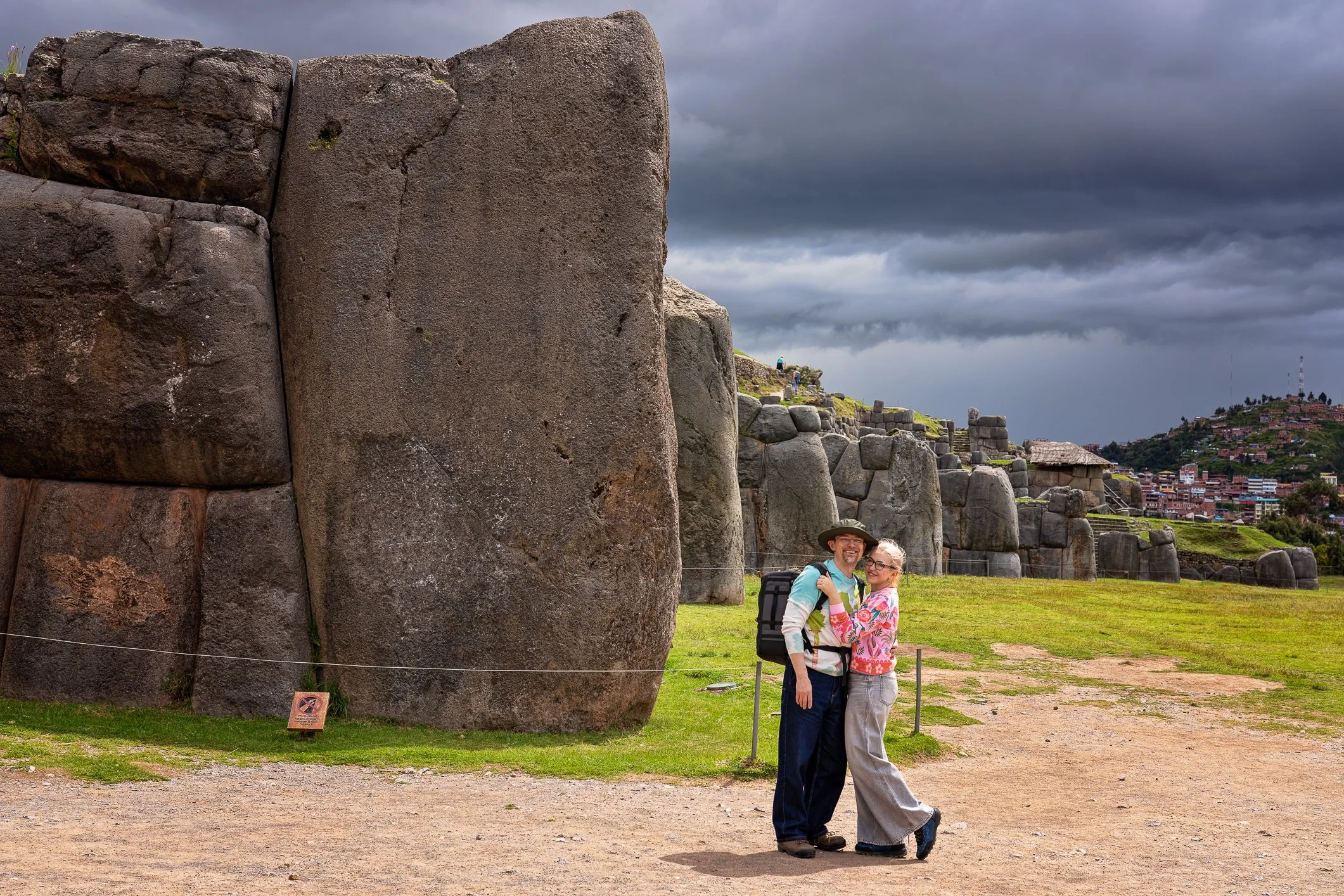
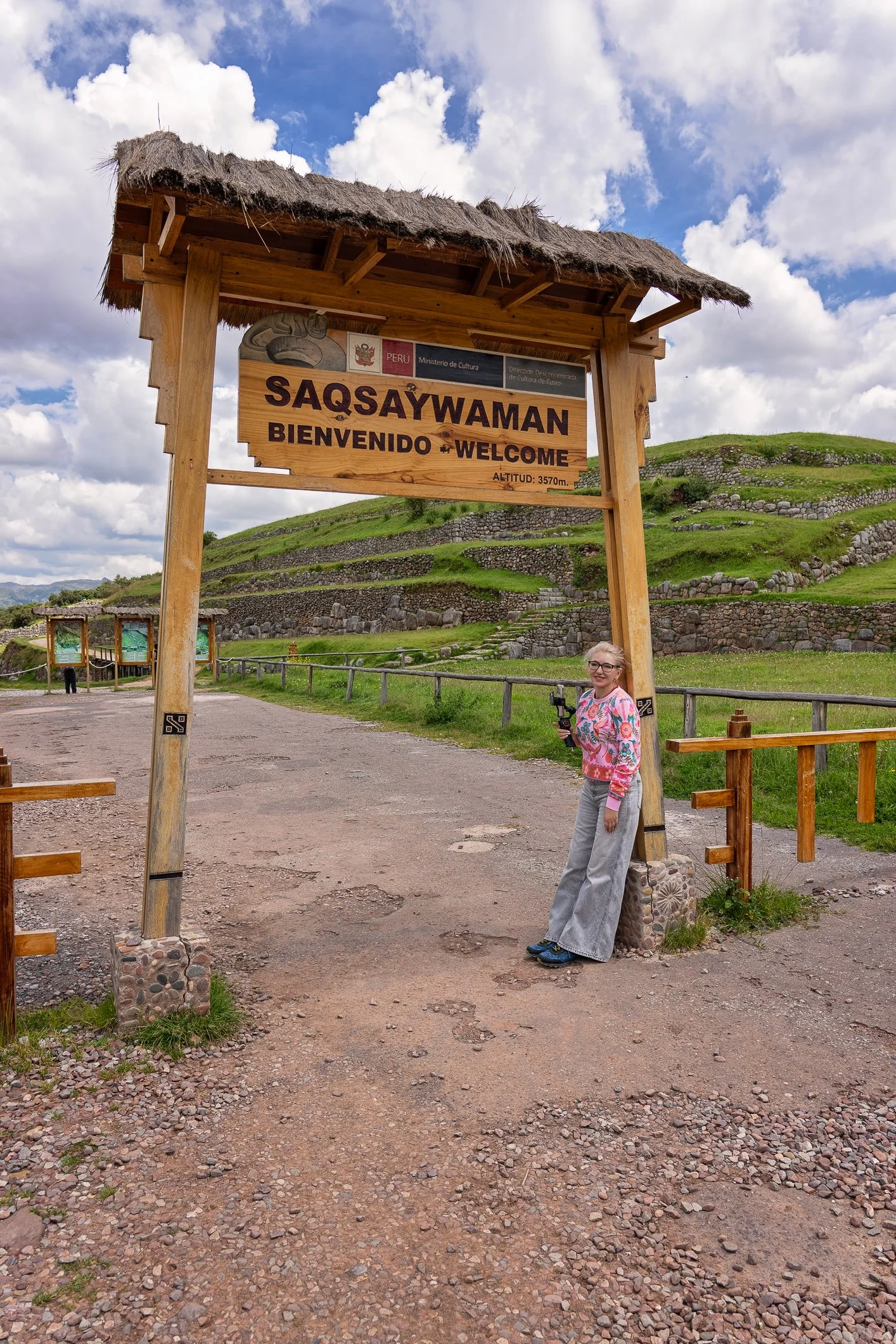
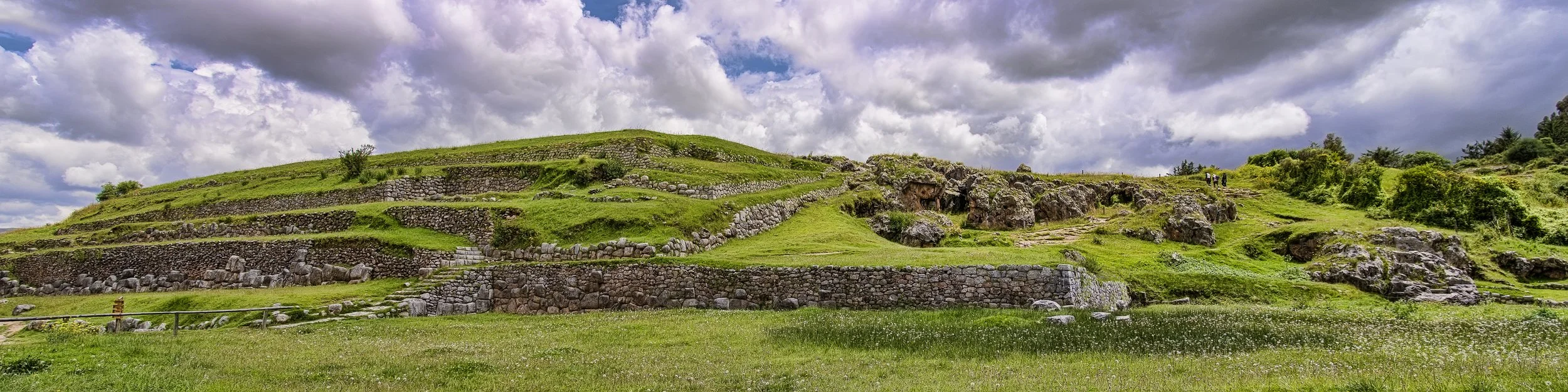
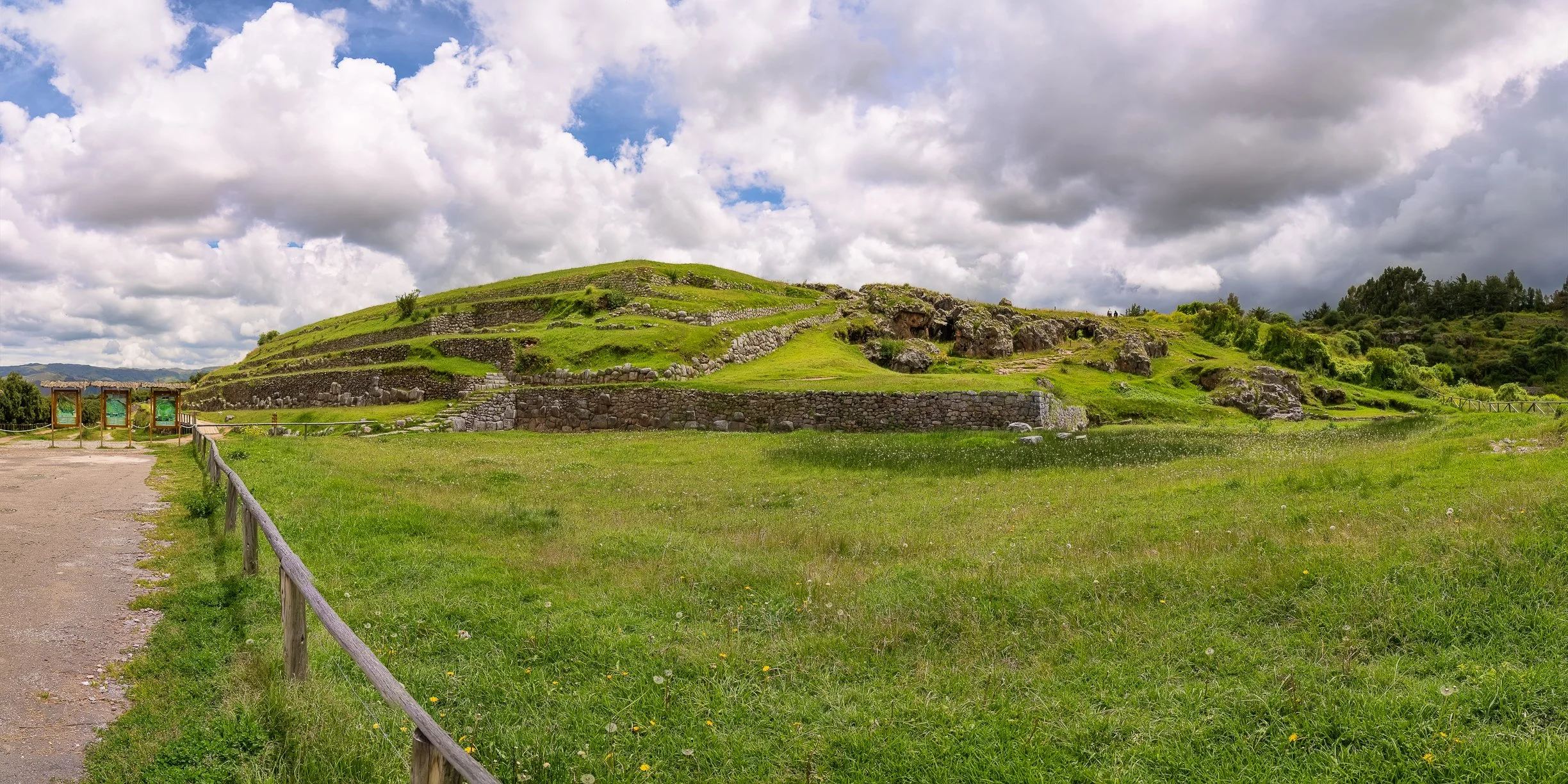
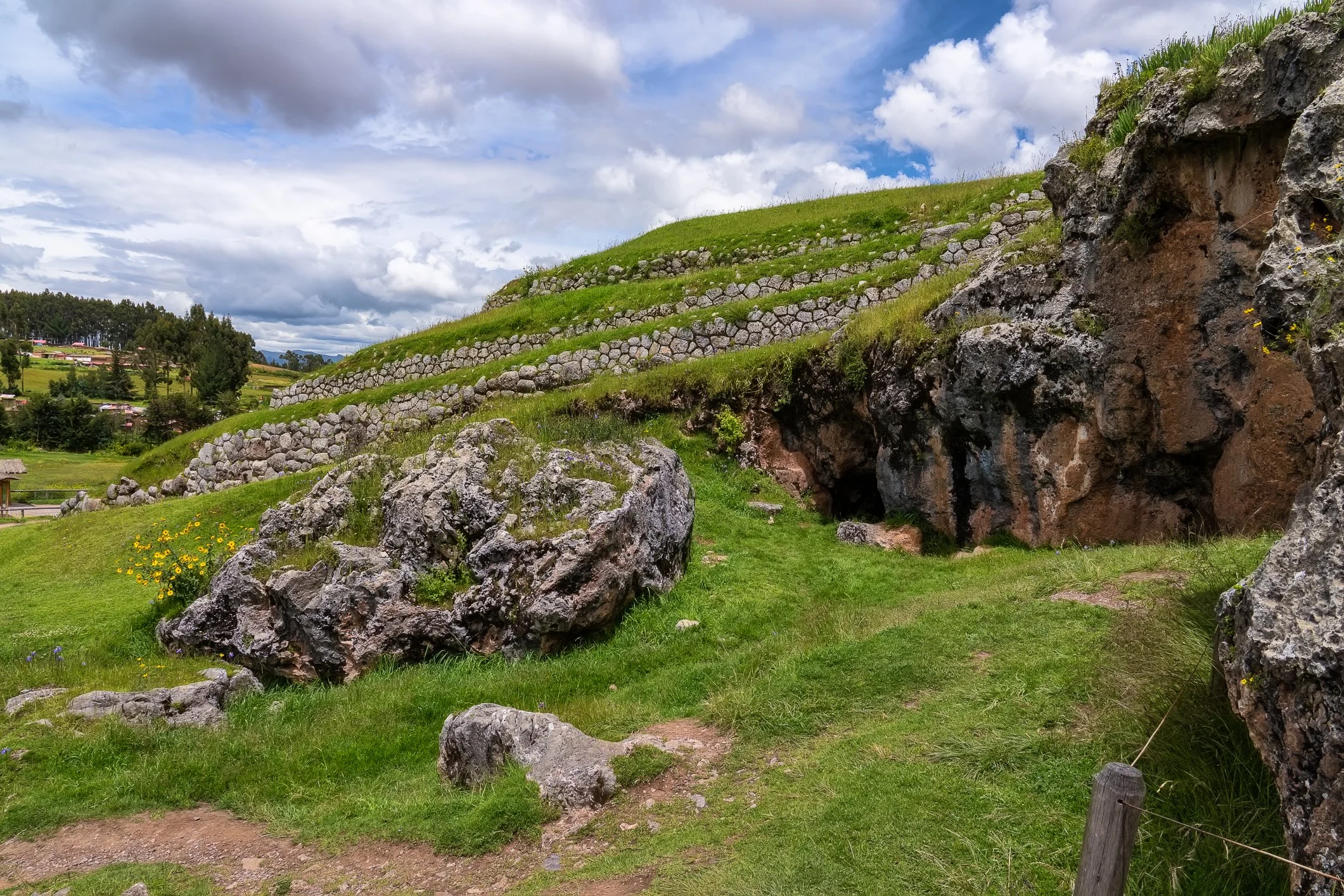
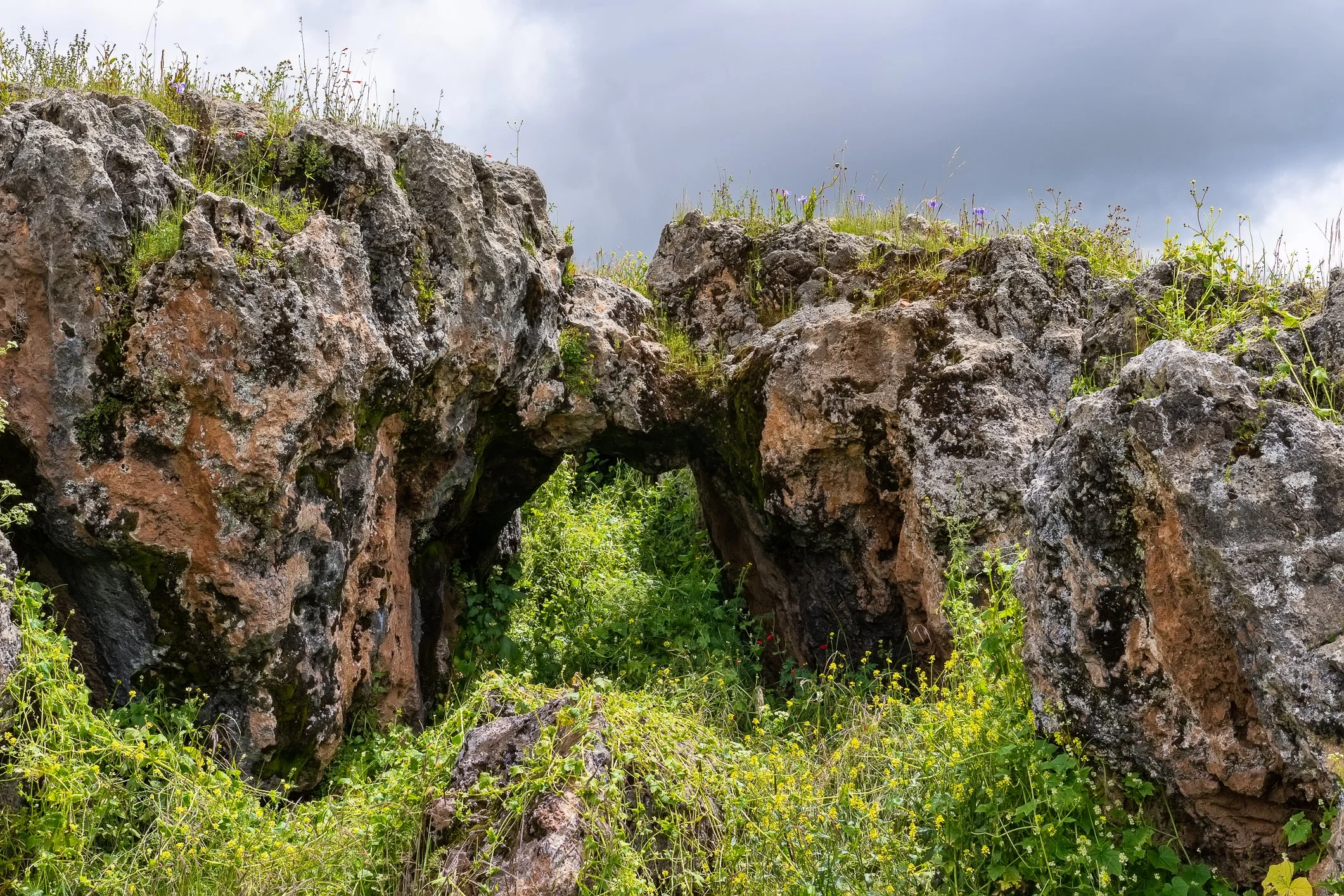
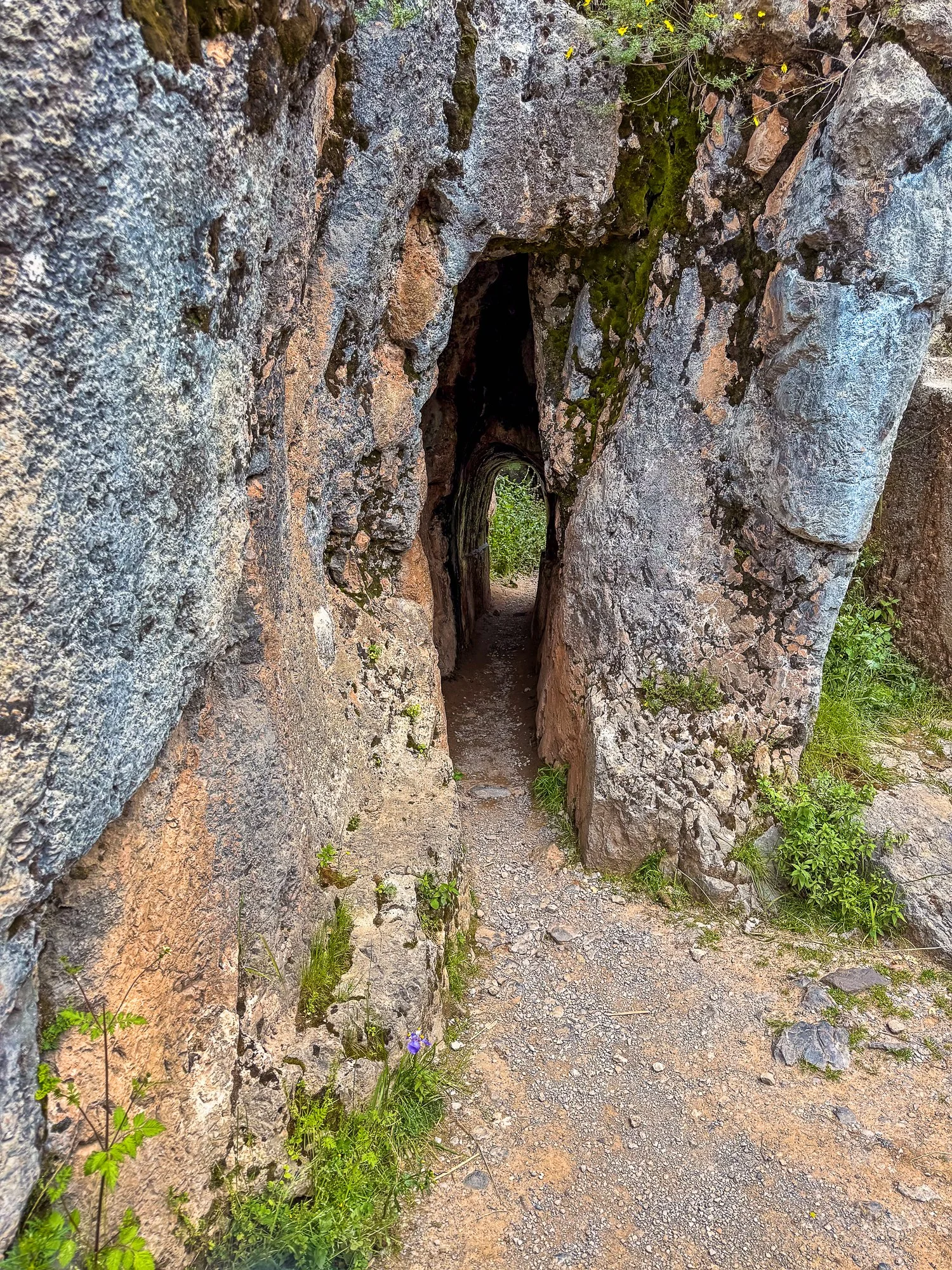
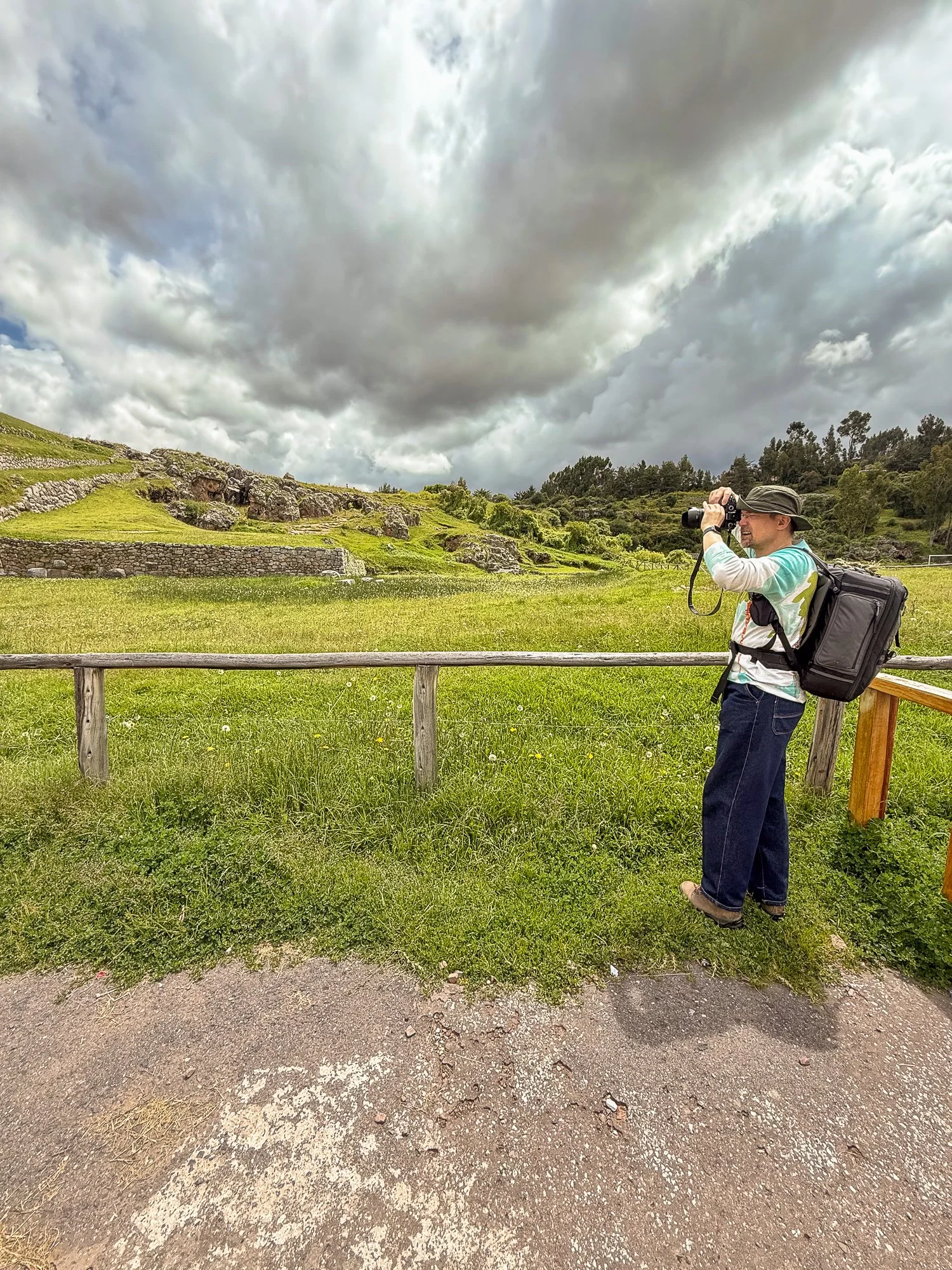
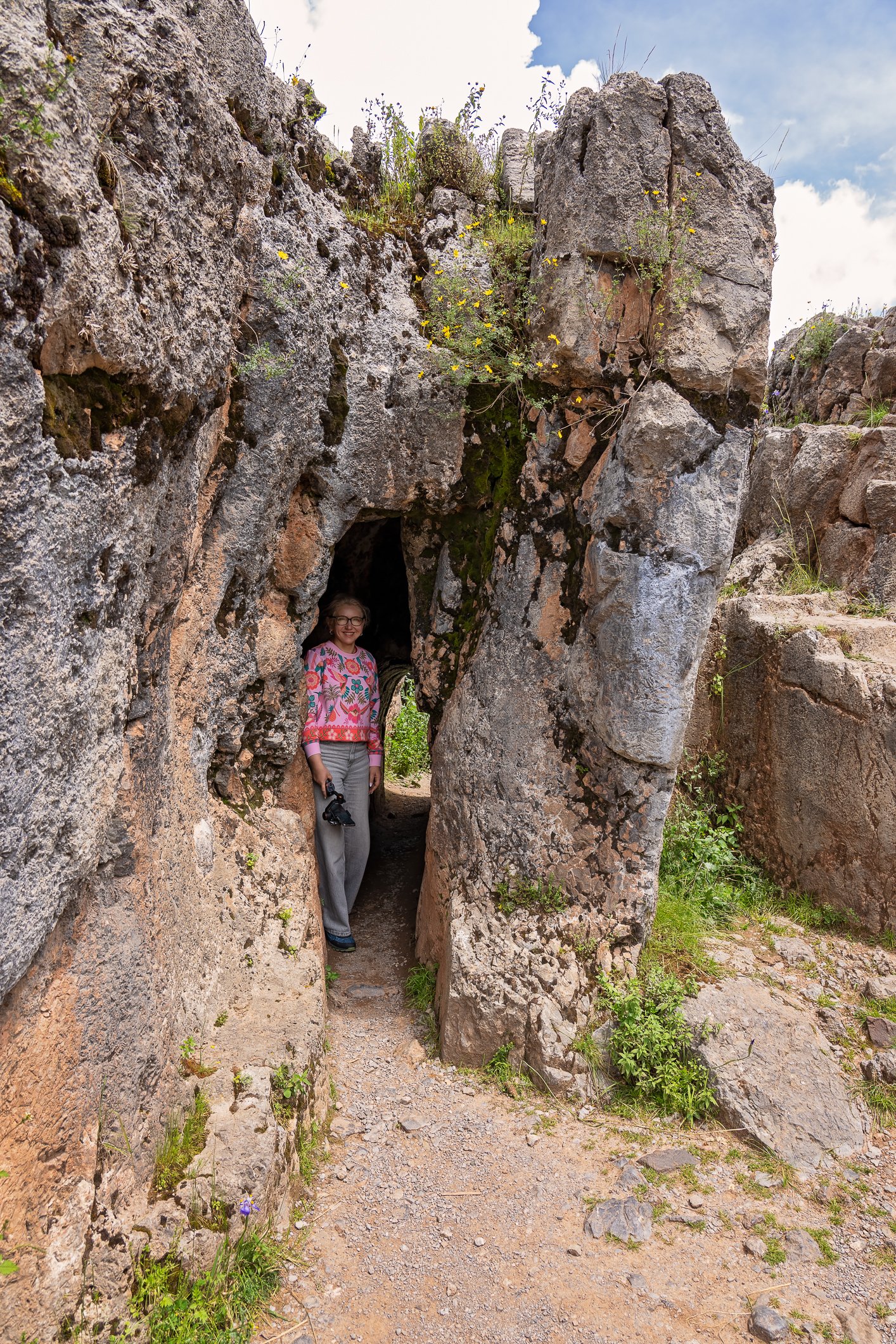
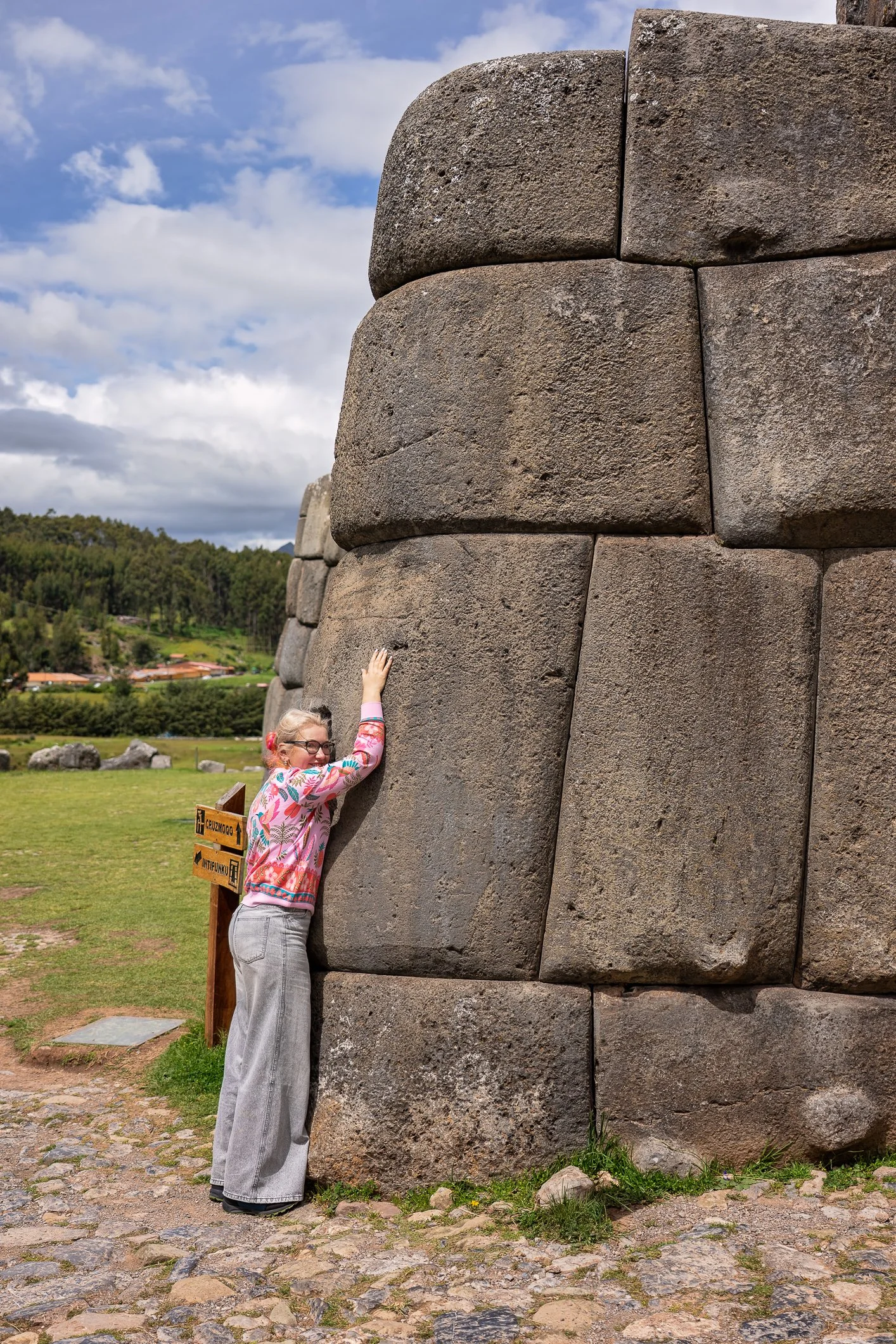
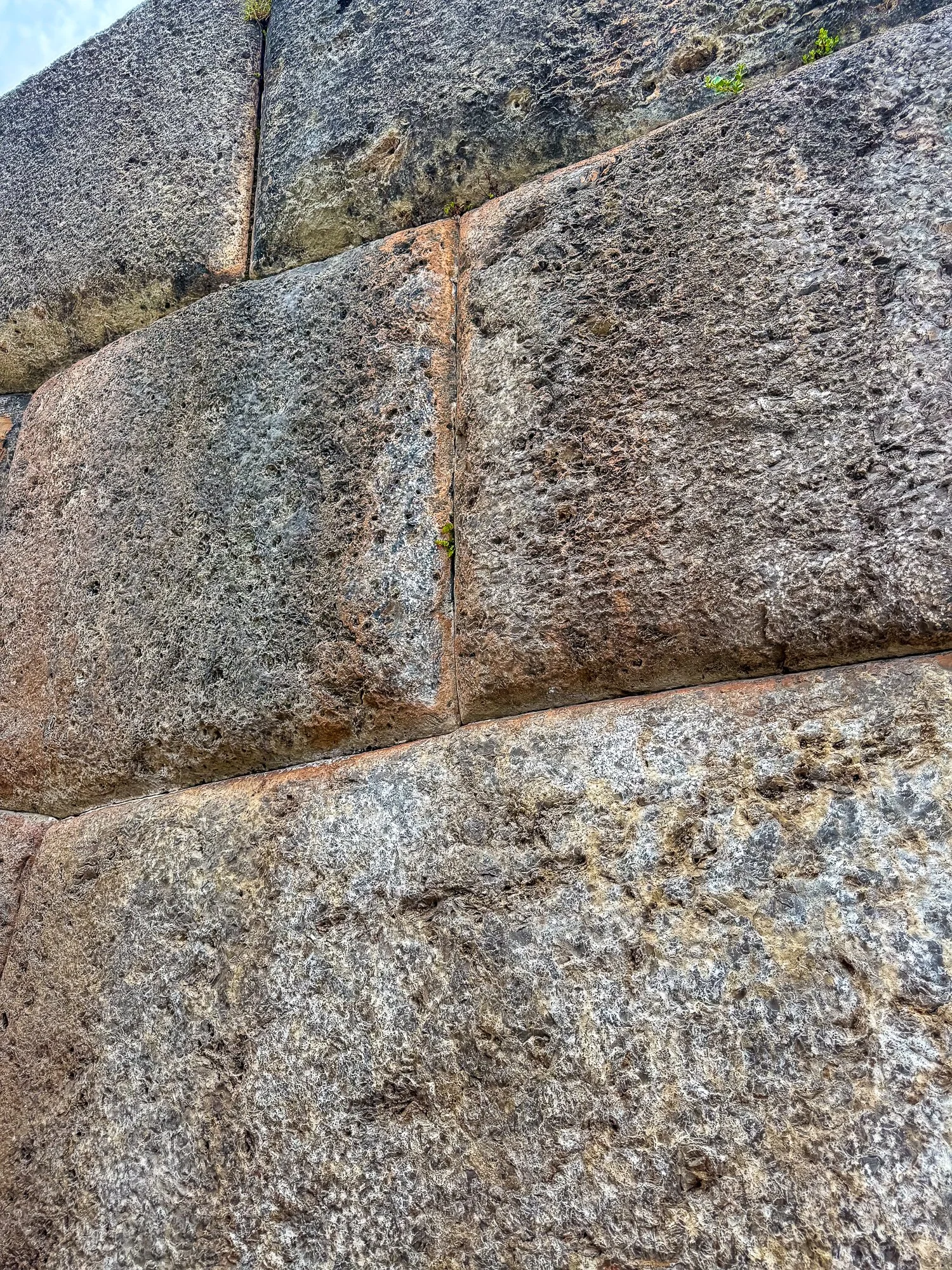
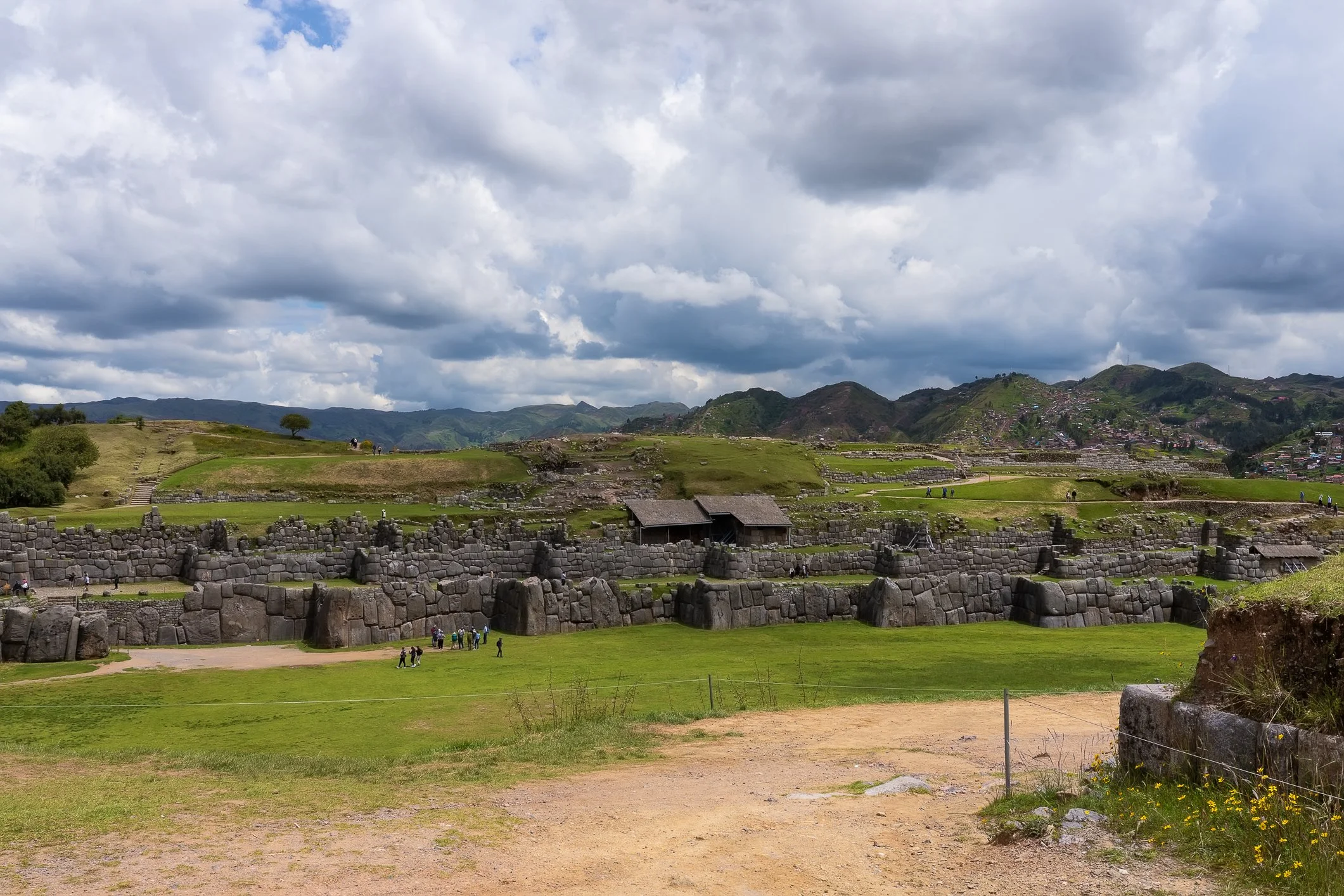
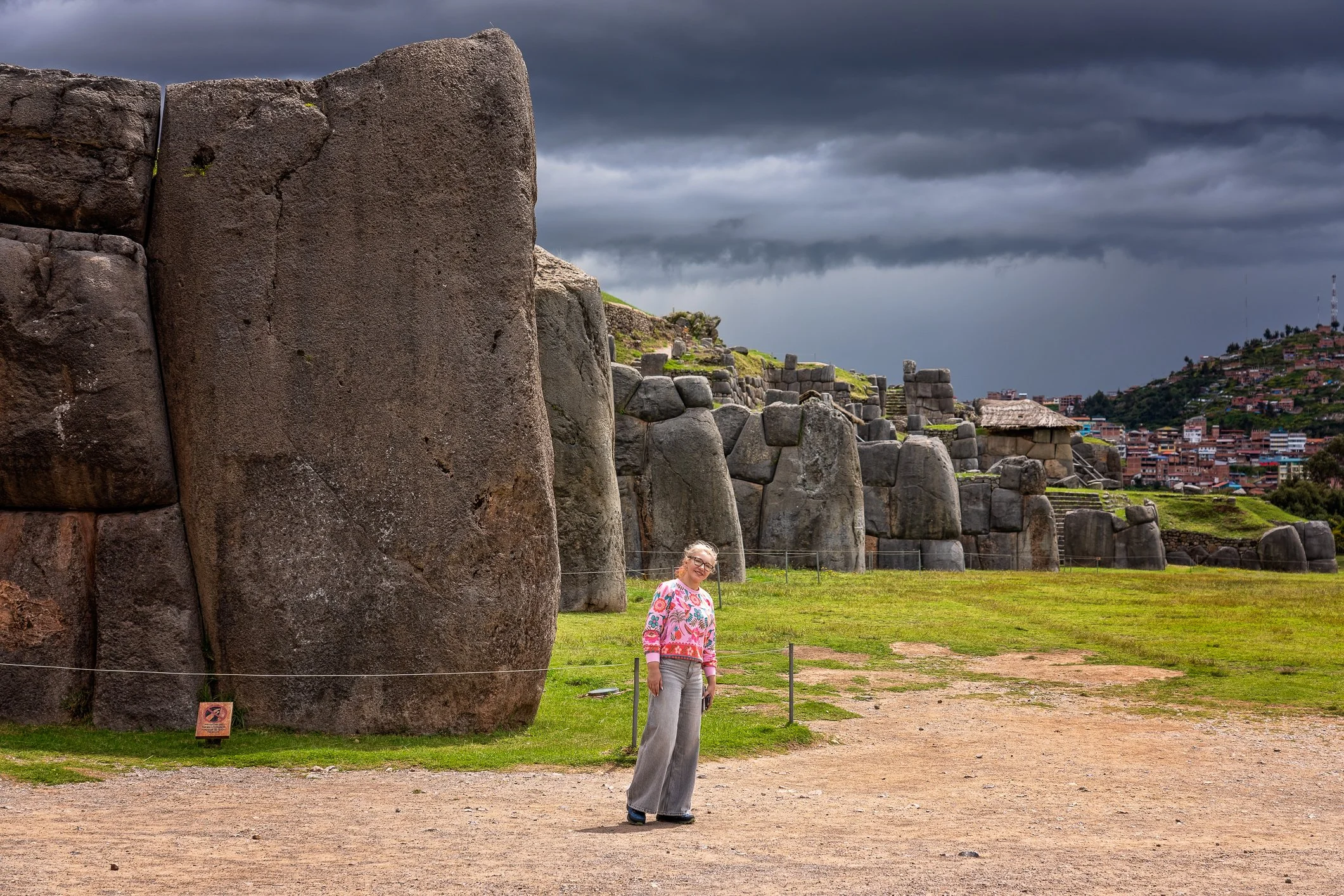
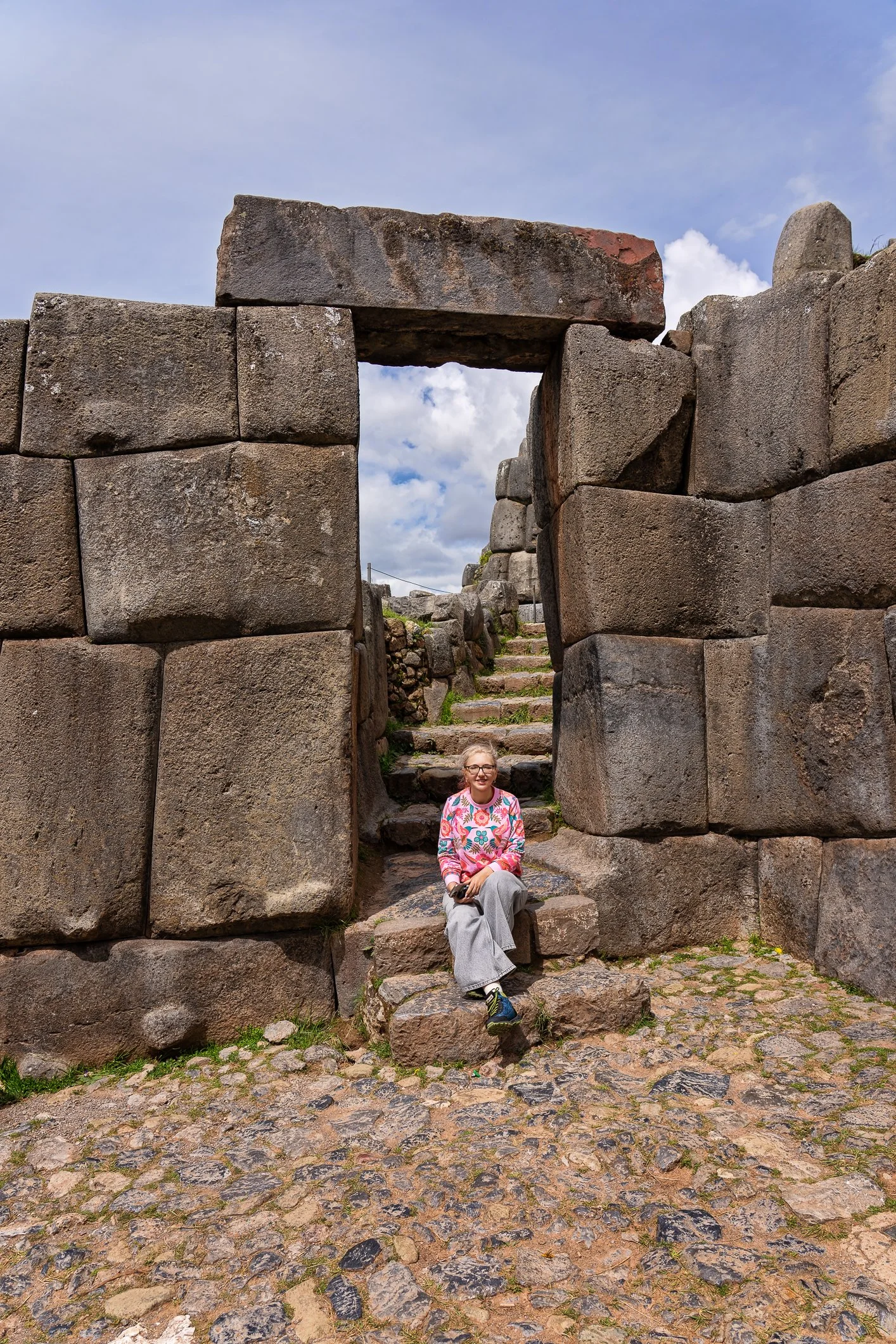
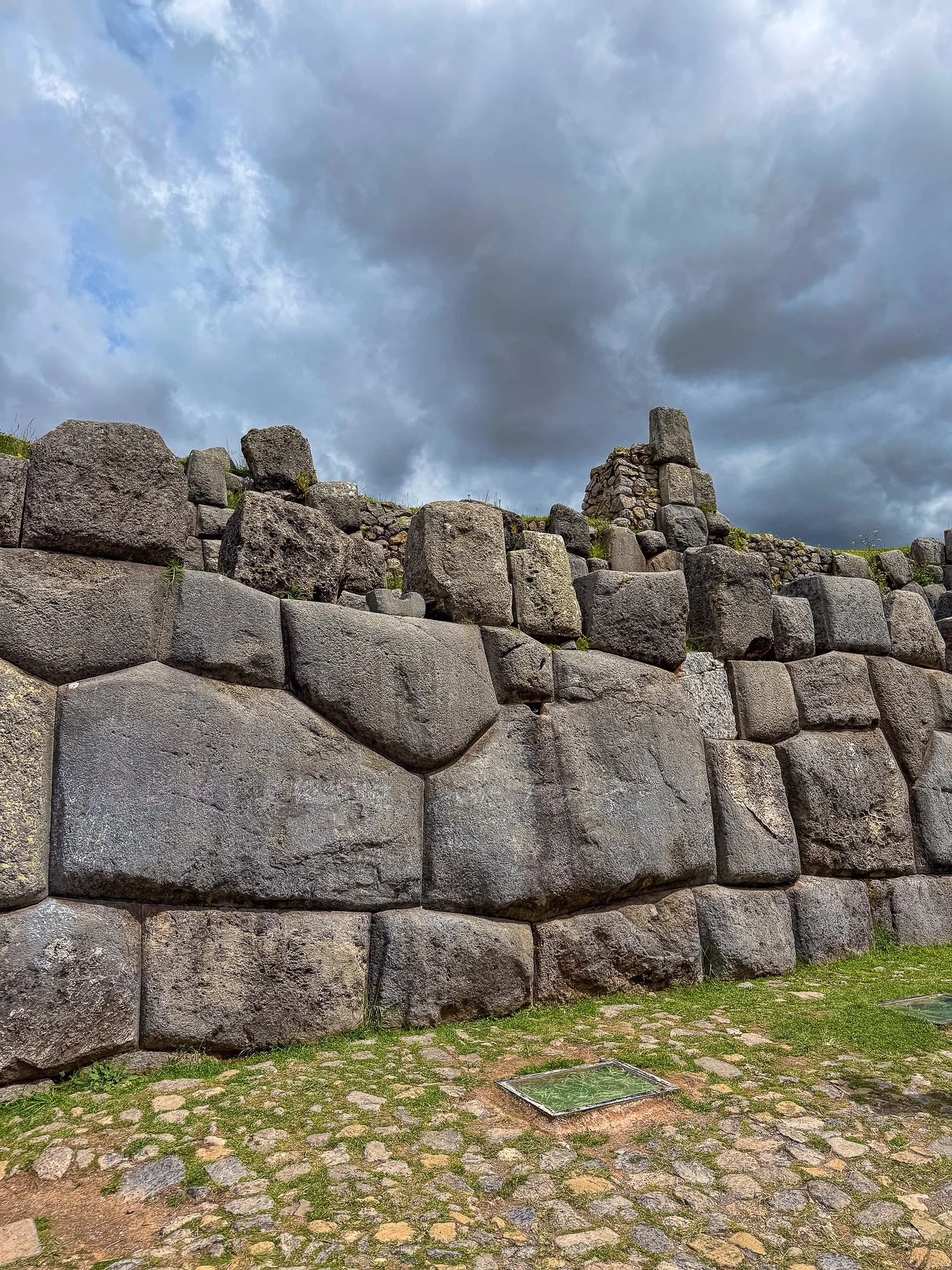
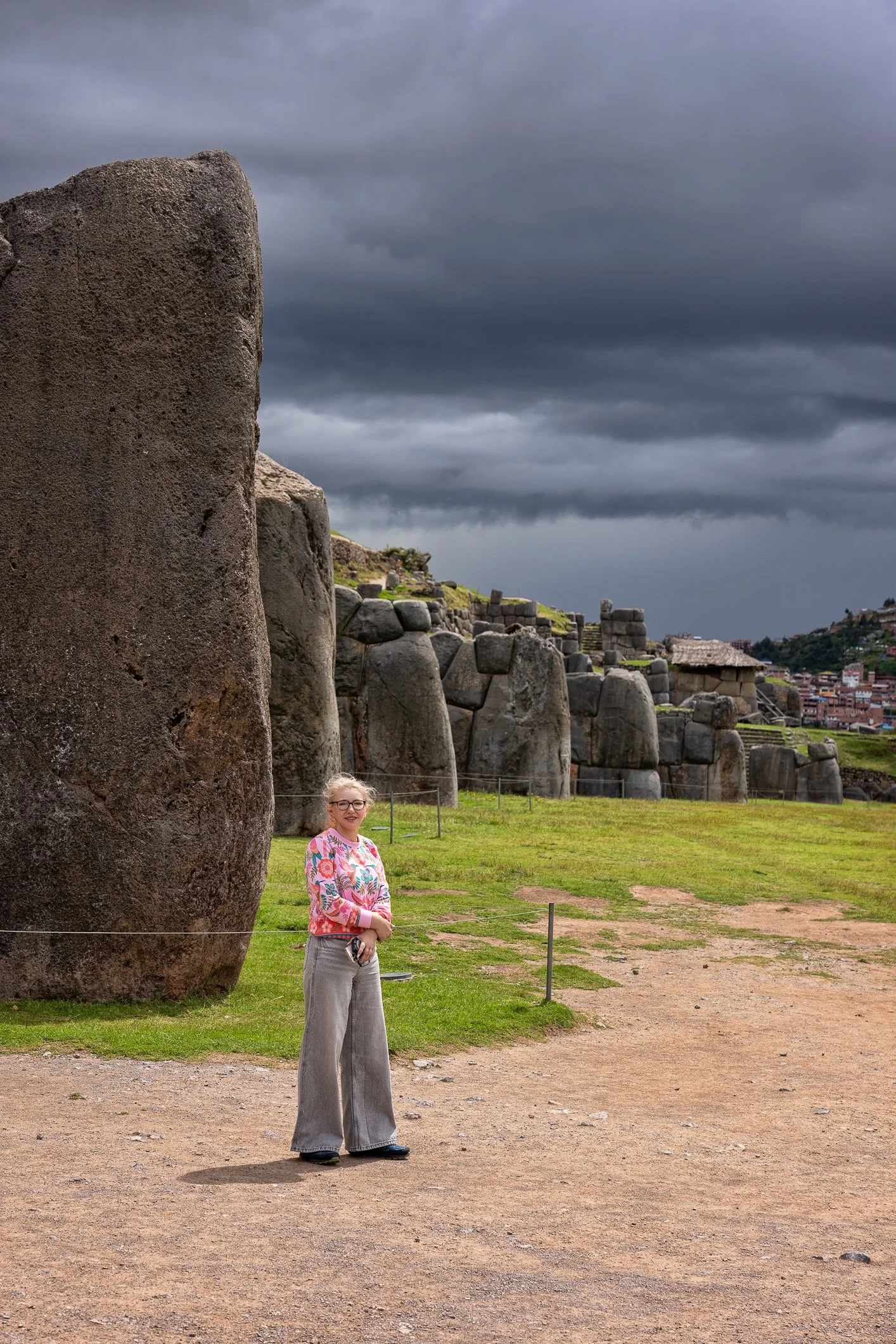
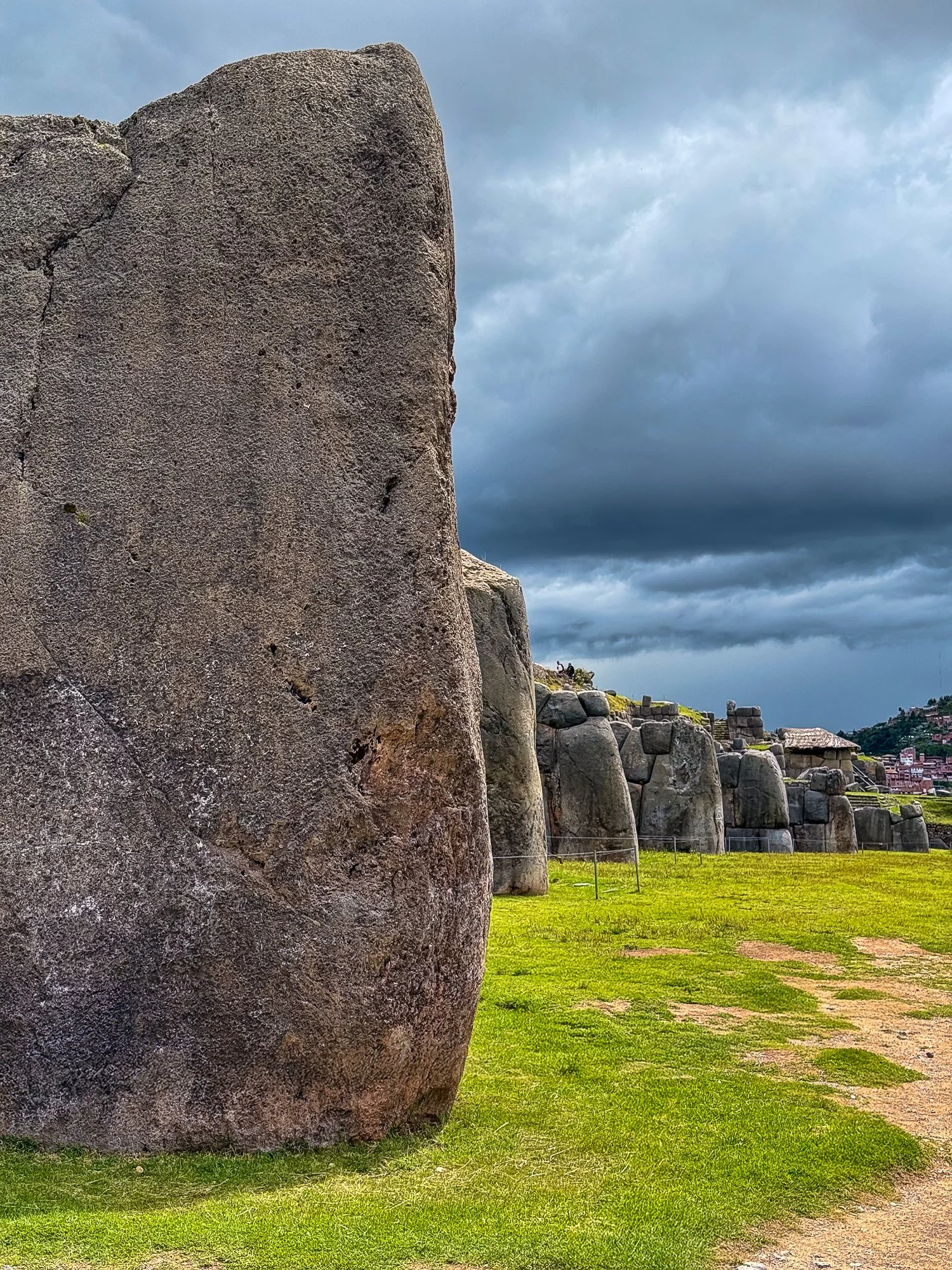
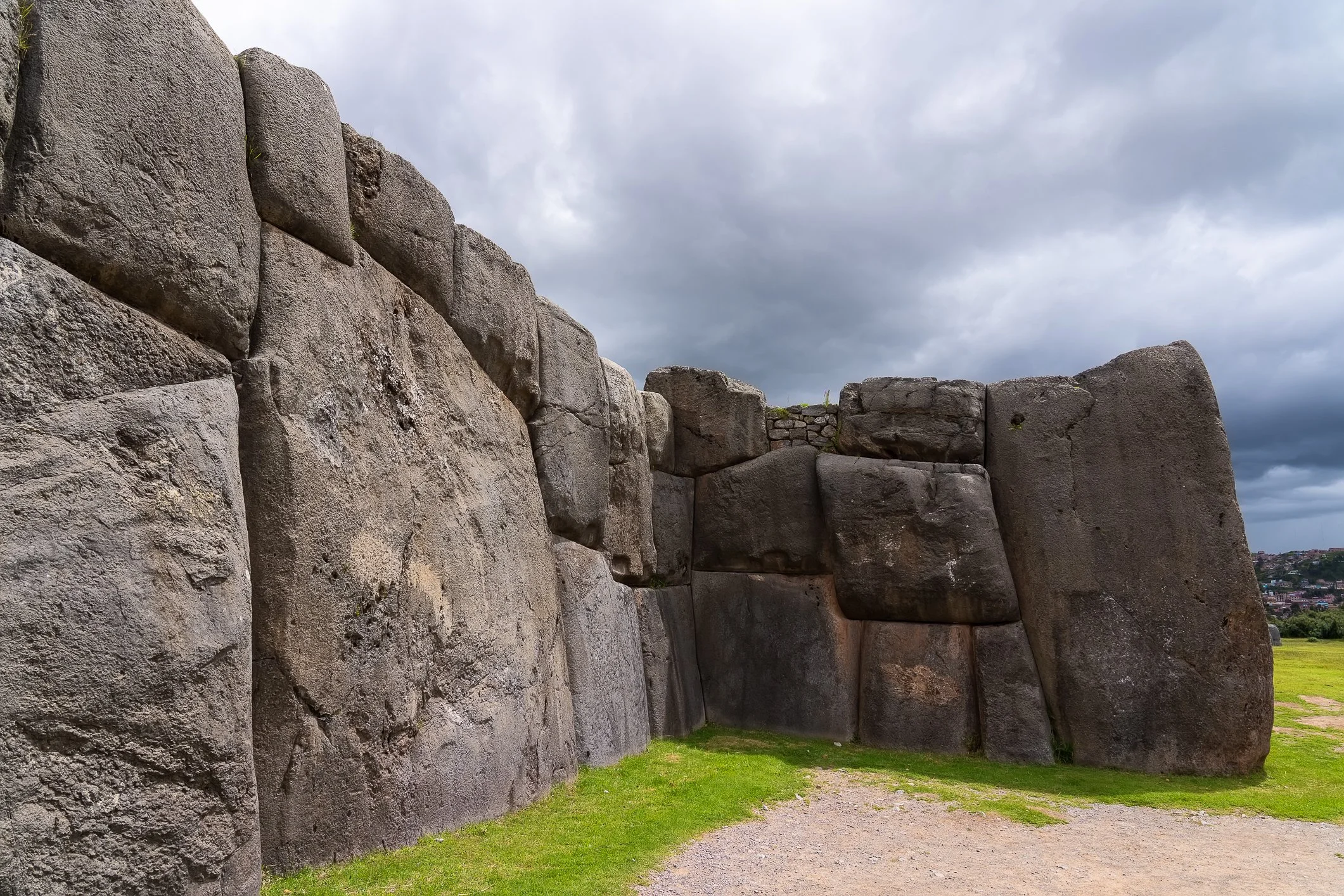
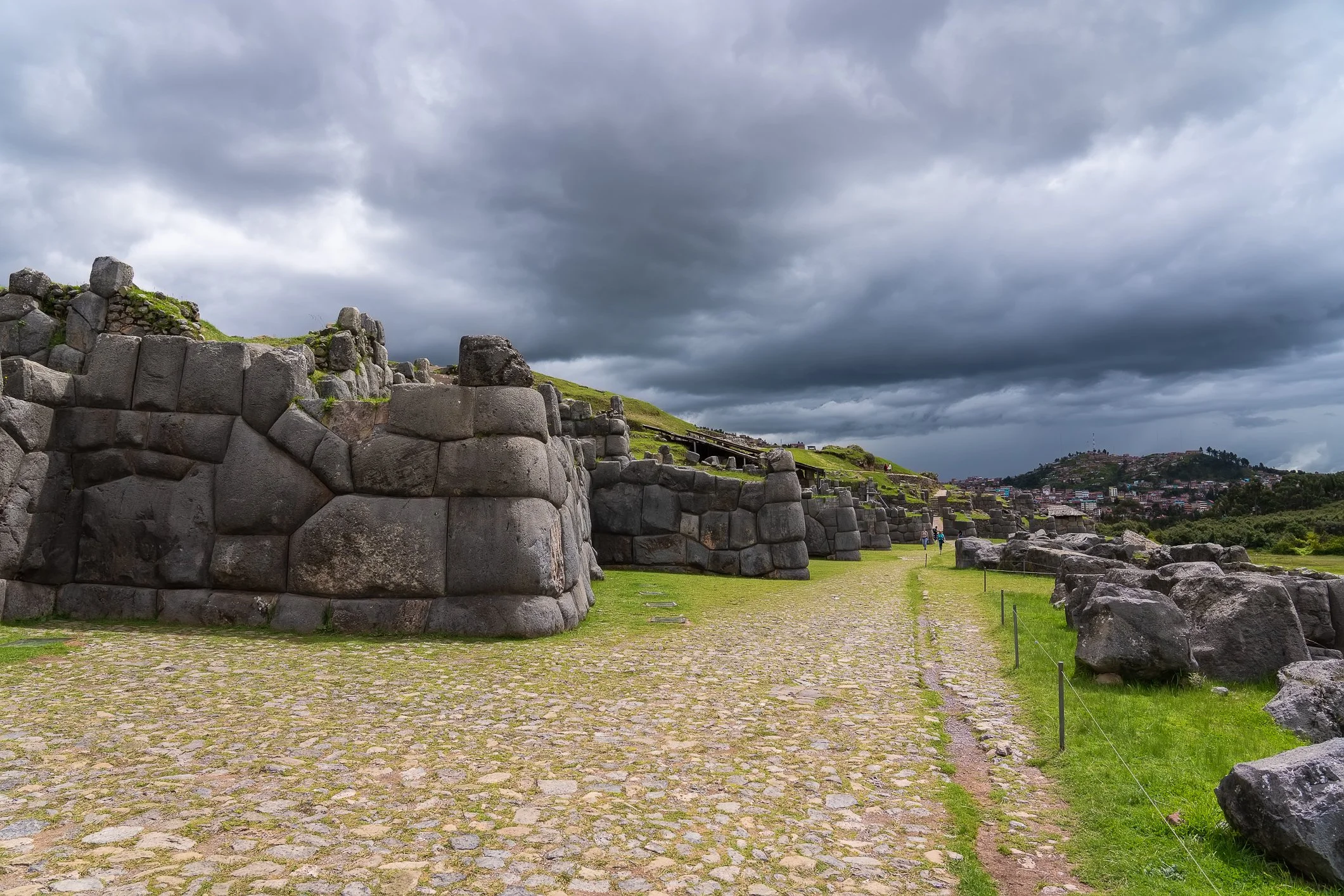
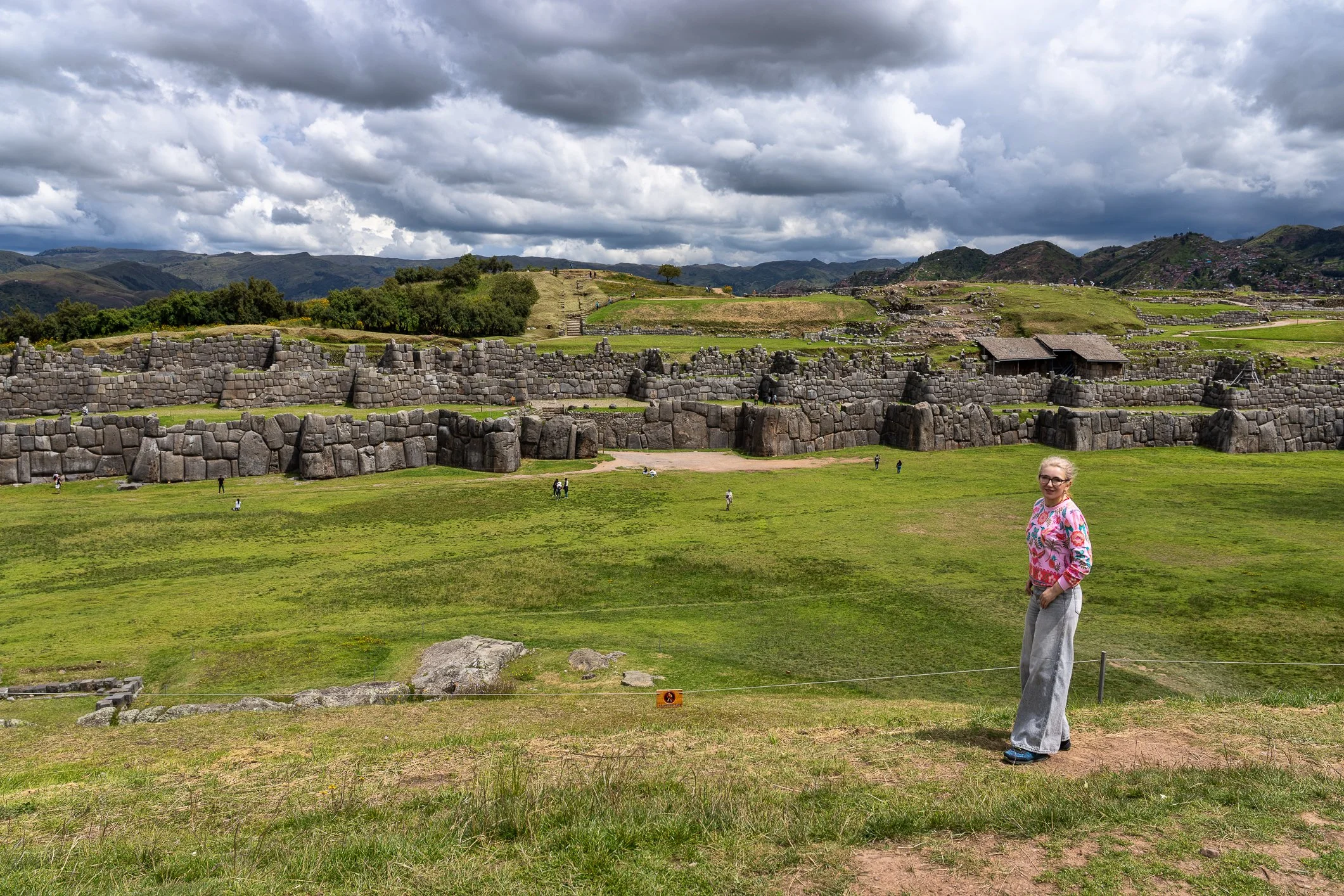
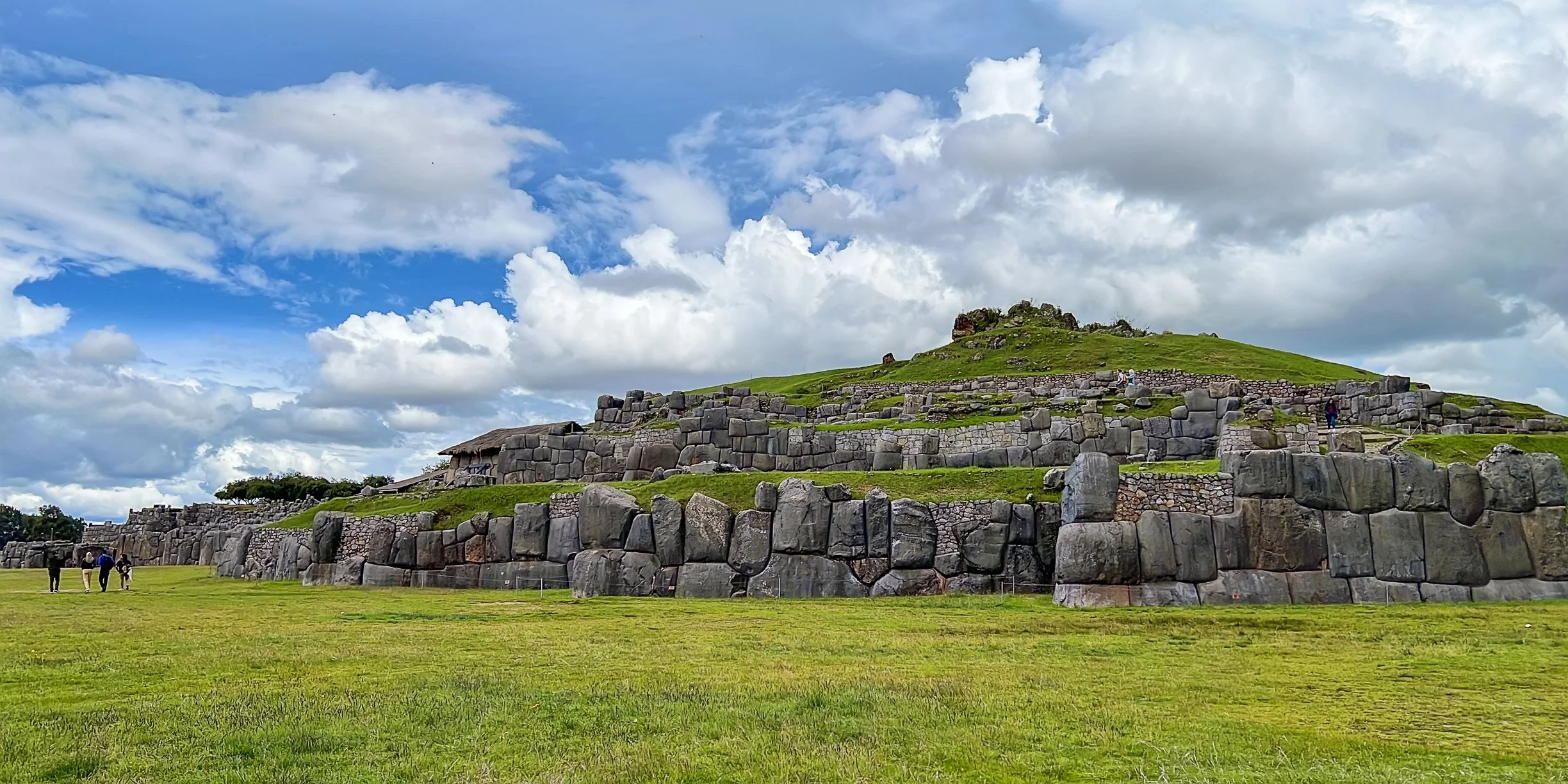
It is not just the scale of this place that makes it remarkable, but also how absurdly precise everything is. The walls zig-zag across the hillside in huge terraces, built from stones so large that some weigh over a hundred tons, yet they fit together so tightly that there is essentially no gap between them.
Nie tylko skala tego miejsca robi wrażenie, ale także jego niewiarygodna precyzja. Kamienne mury układają się w ogromne, zygzakowate tarasy, a niektóre bloki ważą ponad sto ton. Mimo to idealnie do siebie pasują, bez użycia jakiejkolwiek zaprawy - między kamieniami praktycznie nie ma szczelin.
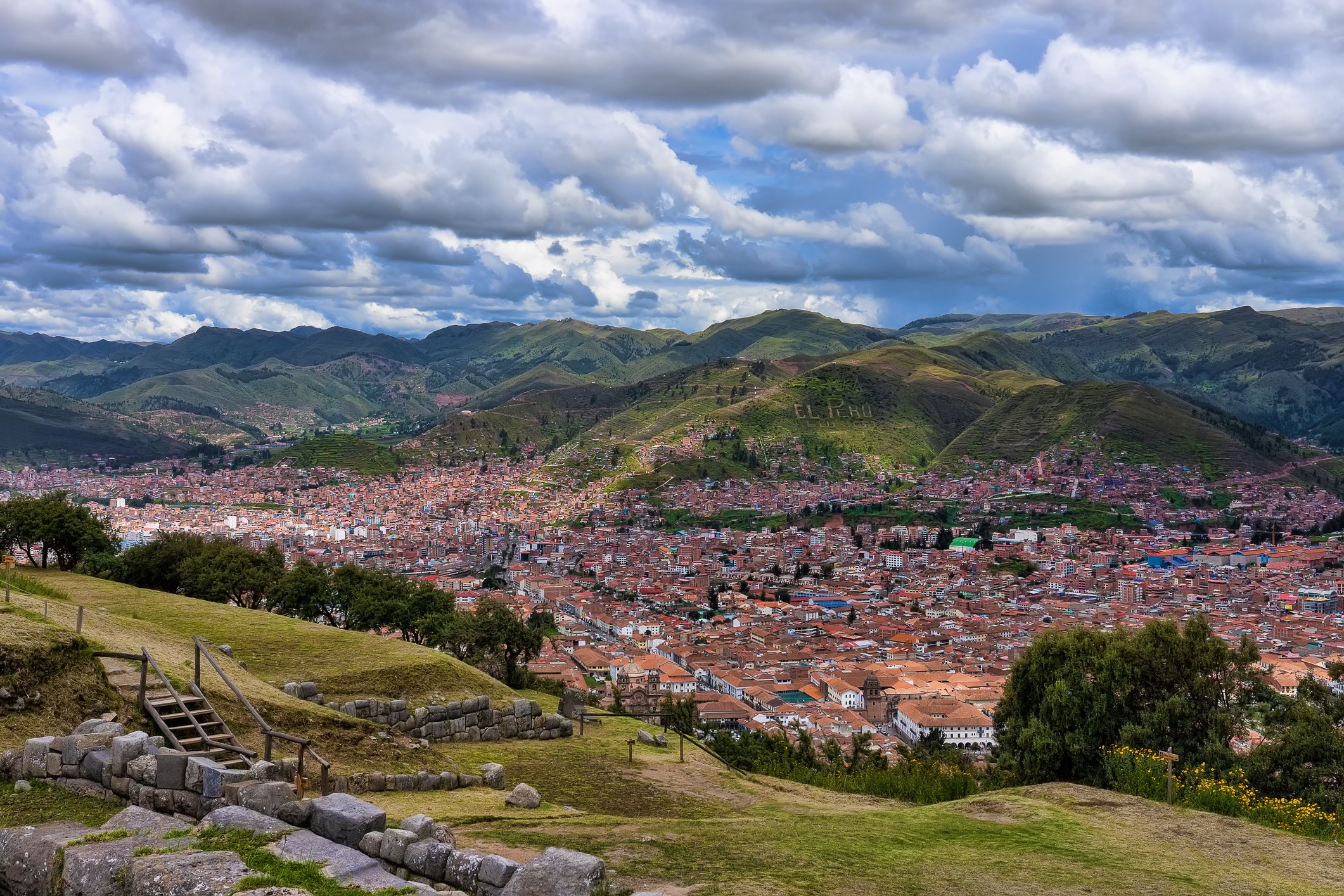
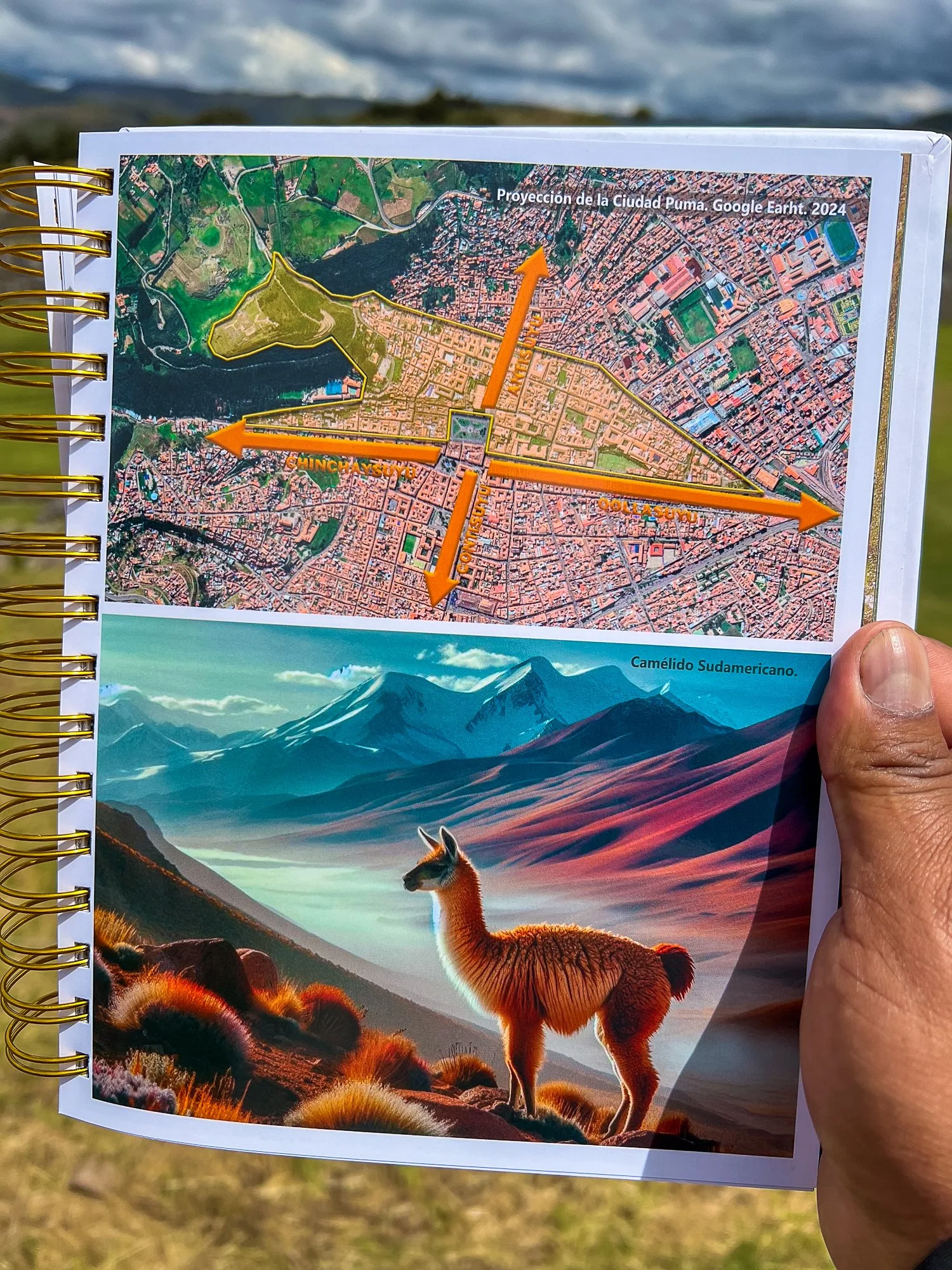
Functionally, it was not just a fortress, even though it clearly had a defensive role. It also had ceremonial importance, and its layout is tied to how the Incas designed Cusco itself. There is a long-standing idea that the city was shaped like a puma, with Sacsayhuamán forming the “head”, which suggests it held symbolic meaning as well as practical use.
After the Spanish took control, they dismantled parts of the fortress and reused the stones to build colonial buildings in Cusco. Ironically, many of those Spanish structures did not survive earthquakes as well as the original Inca stonework, which still stands today.
Sacsayhuamán nie była wyłącznie fortecą, choć pełniła również funkcje obronne. Miała także ogromne znaczenie ceremonialne i wpisywała się w plan urbanistyczny Cusco. Według jednej z popularnych interpretacji miasto miało kształt pumy, a Sacsayhuamán stanowiła jej „głowę”, co podkreśla jej symboliczne znaczenie.
Po przybyciu Hiszpanów część kompleksu została rozebrana, a kamienie wykorzystano do budowy kolonialnych budynków w Cusco. Paradoksalnie wiele z tych konstrukcji okazało się znacznie mniej odporne na trzęsienia ziemi niż oryginalna kamienna architektura Inków, która przetrwała do dziś.
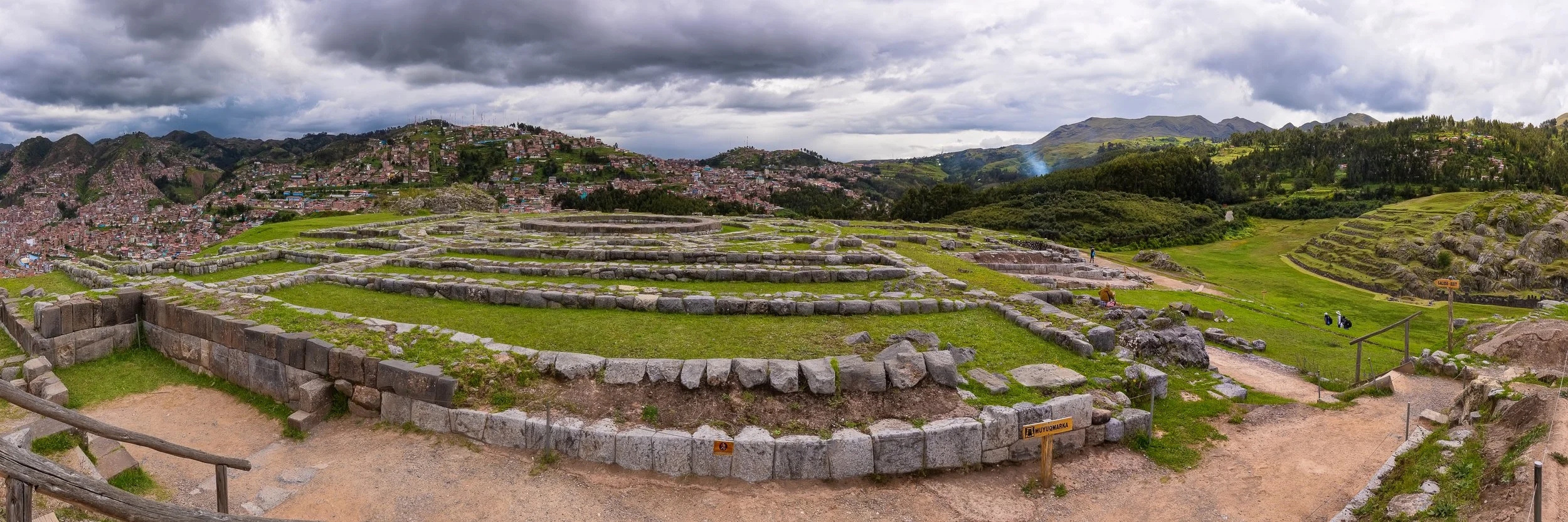
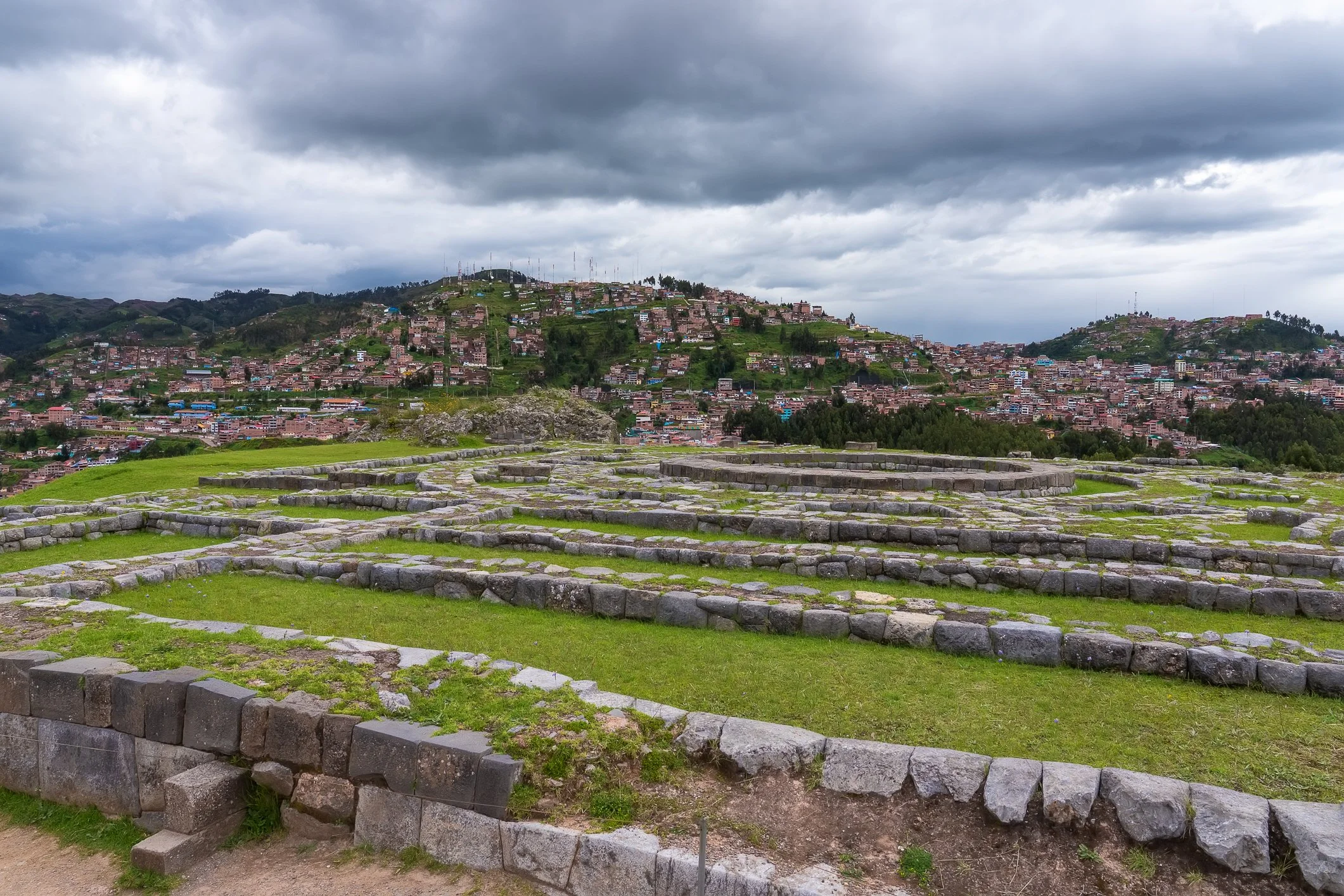
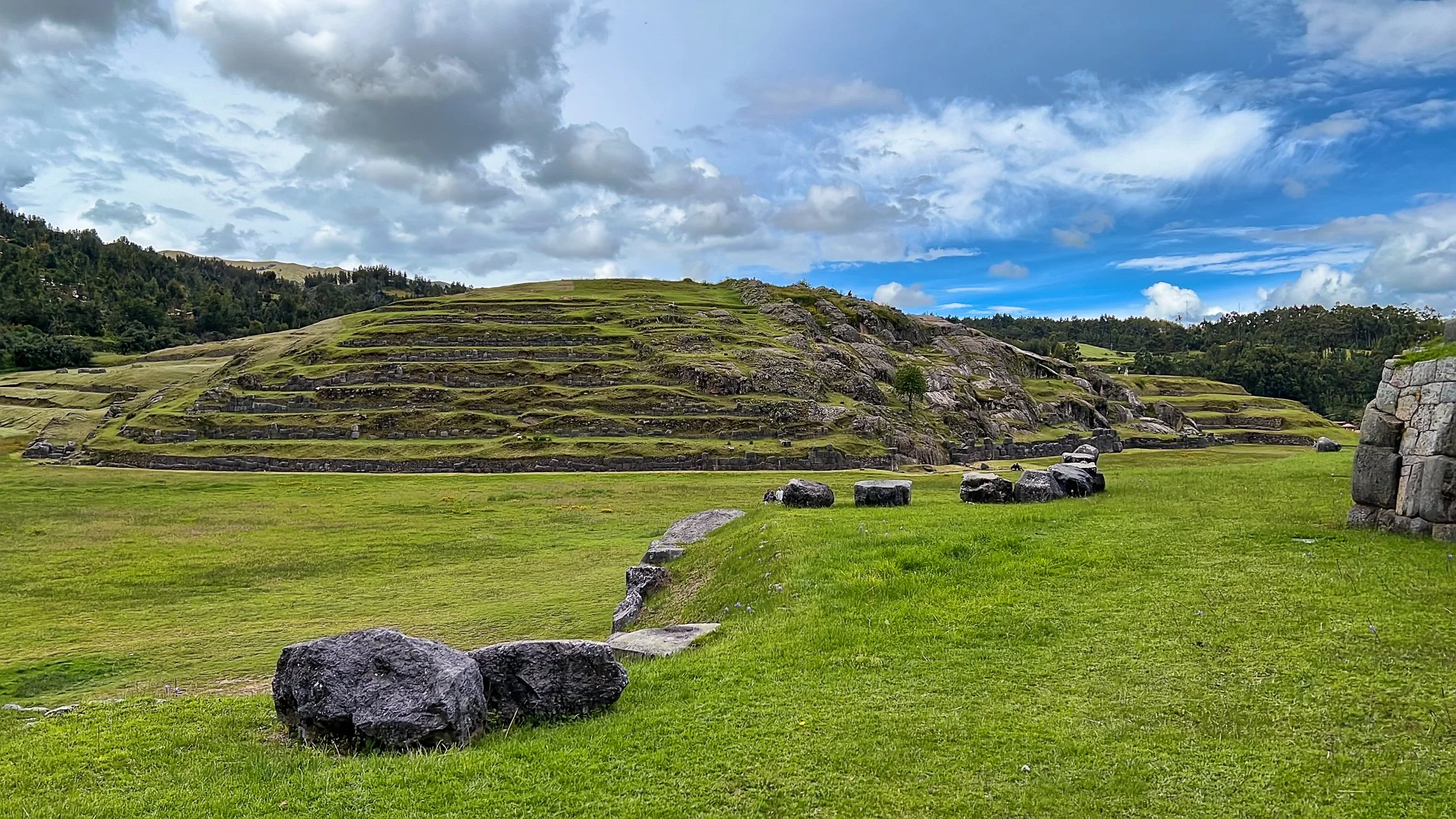
There are three main zones stacked from bottom to top: the zig-zag defensive walls, the central esplanade (a huge open plaza), and the upper hill structures and towers, which are now mostly in ruins.
Protected by a steep approach from the town, the fortress only needed defensive walls on one side. These consist of three parallel terraces, each forming a massive wall that zig-zags back and forth across the hillside. The zig-zag pattern is not decorative; it creates defensive angles so that attackers would be exposed from multiple sides. The stones here are the largest in the entire site. Some are over 8-9 metres tall and weigh over 100 tons. Each stone has dozens of angles, cut so that it interlocks perfectly with its neighbours. There is no repeating pattern; every block is unique.
Archaeologists believe this section had a strong military function, but it also likely carried symbolic meaning. The zig-zags are often interpreted as representing lightning or the teeth of a puma, both of which tie into Inca cosmology.
Cały kompleks można umownie podzielić na trzy główne strefy: dolne, zygzakowate mury obronne, centralny, ogromny plac oraz górną część ze strukturami i wieżami, z których dziś zachowały się jedynie fragmenty fundamentów.
Od strony miasta forteca była chroniona stromym podejściem, dlatego mury obronne zbudowano głównie z jednej strony. Tworzą je trzy równoległe tarasy, które biegną w charakterystycznym zygzaku wzdłuż zbocza. Ten układ nie był dekoracyjny - pozwalał na obronę z wielu kierunków jednocześnie. To właśnie tutaj znajdują się największe bloki kamienne w całym kompleksie, sięgające 8-9 metrów wysokości i ważące ponad 100 ton. Każdy z nich ma unikalny kształt, idealnie dopasowany do sąsiednich bloków, bez powtarzalnego wzoru.
Archeolodzy uważają, że ta część pełniła przede wszystkim funkcję militarną, choć mogła mieć również znaczenie symboliczne. Zygzakowate linie często interpretuje się jako odniesienie do błyskawic albo zębów pumy, co wiąże się z wierzeniami Inków.
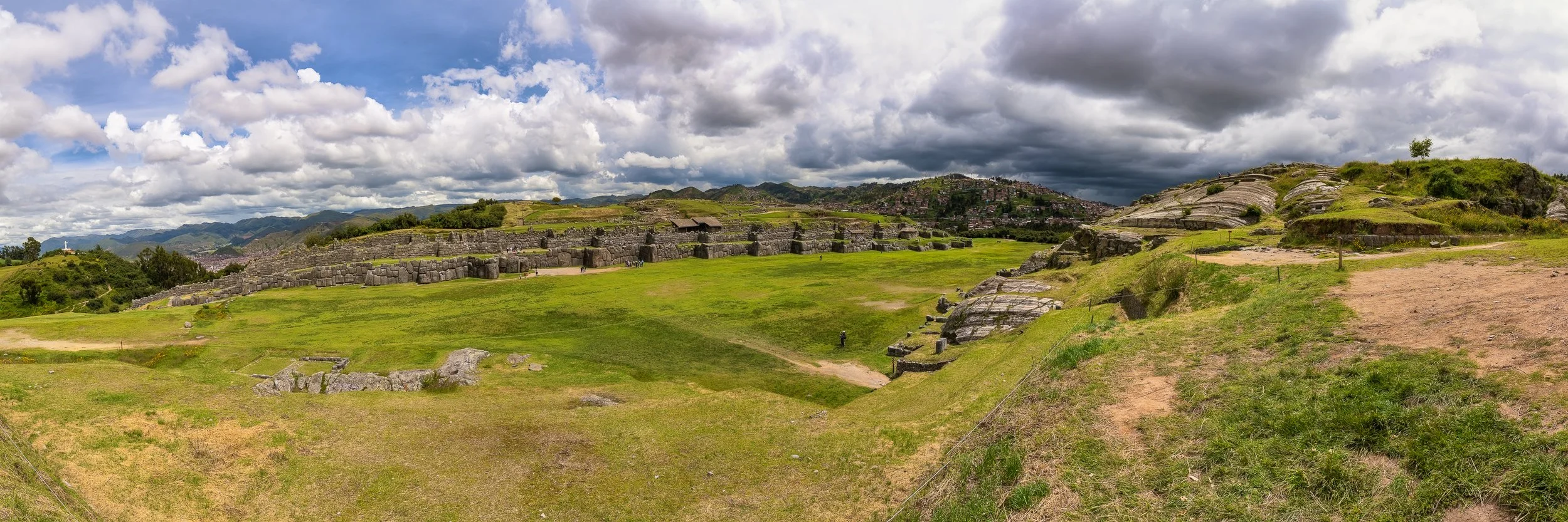
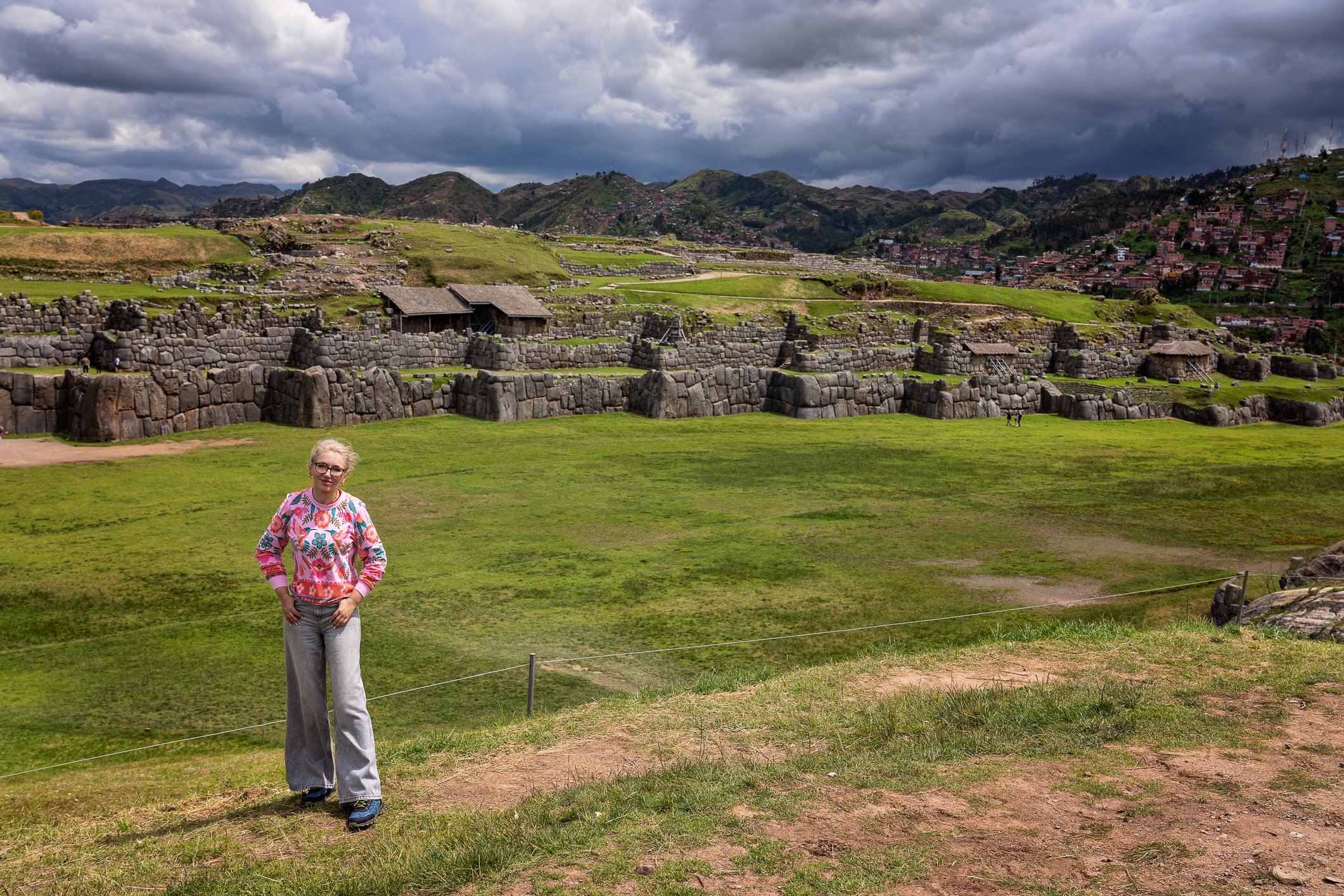
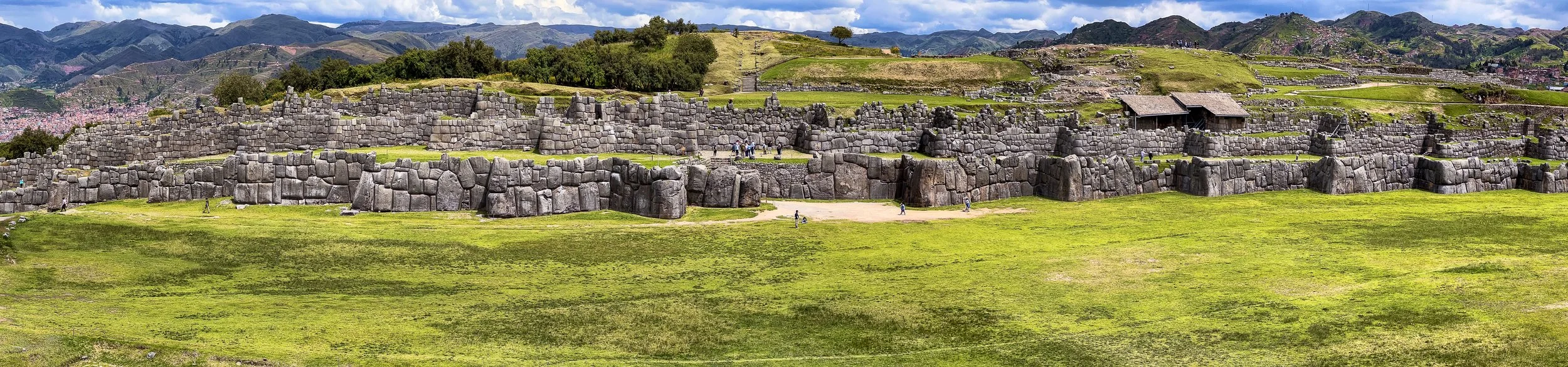
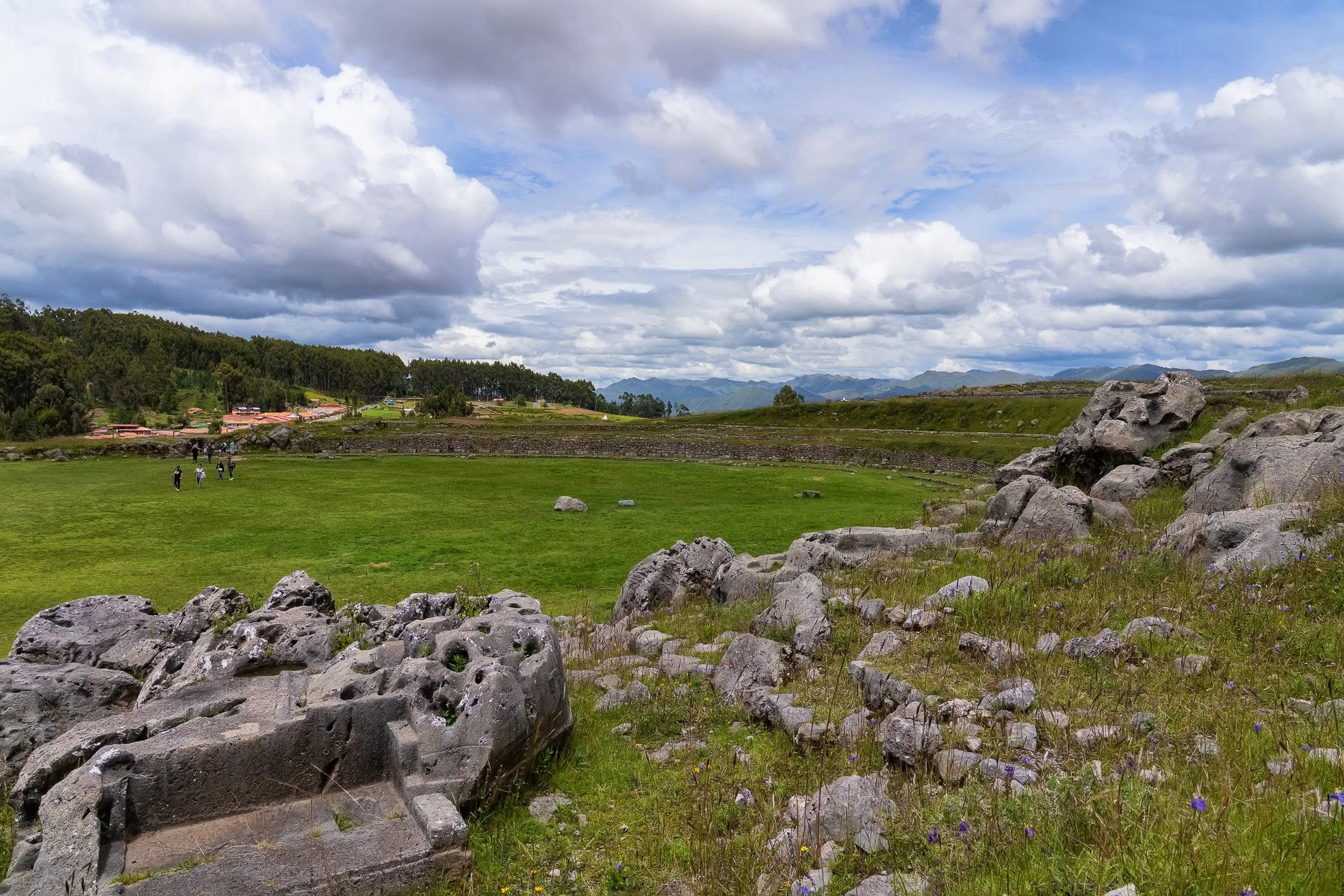
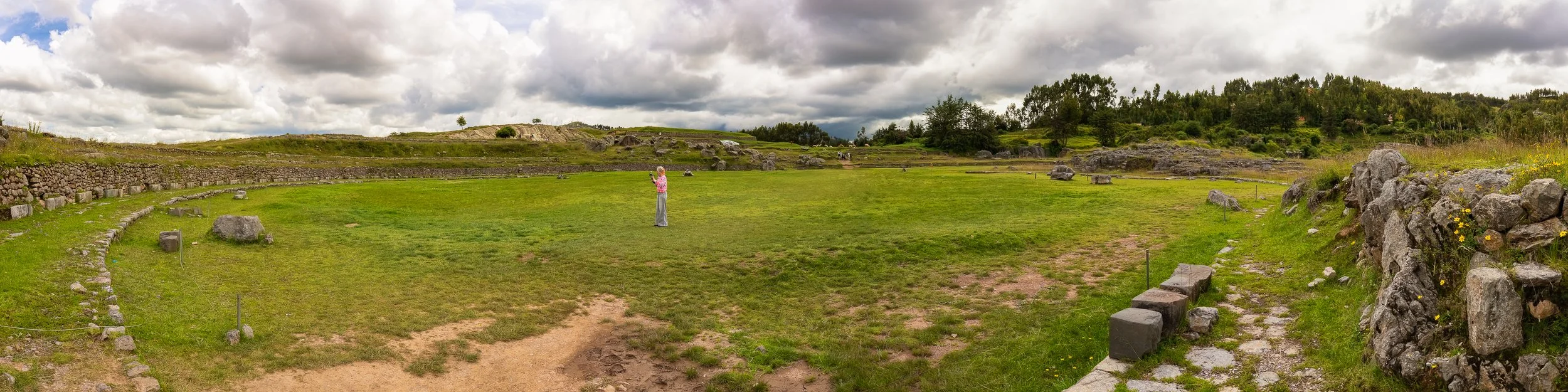
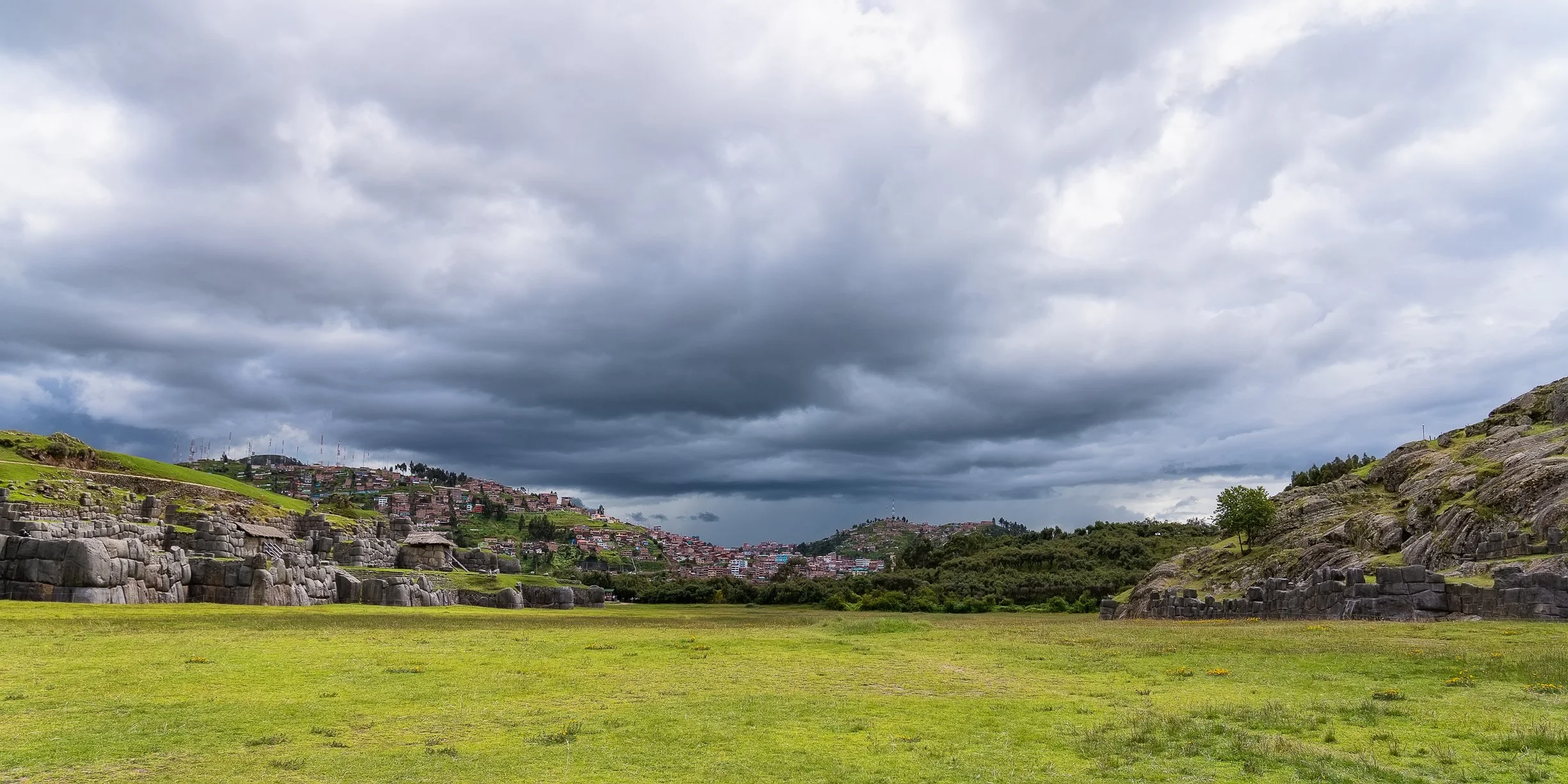
Passing the walls, everything suddenly opens into a vast flat area. This esplanade is large enough to hold thousands of people. It was likely used for large gatherings and rituals, military assemblies, and state ceremonies linked to the Inca Empire. Today, it is where the annual Inti Raymi festival is performed every June.
Przechodząc przez mury, przestrzeń nagle otwiera się na ogromny, płaski plac. Mógł on pomieścić tysiące osób i prawdopodobnie służył zgromadzeniom, rytuałom, ćwiczeniom wojskowym oraz uroczystościom państwowym związanym z imperium Inków. Dziś odbywa się tu coroczna inscenizacja święta Inti Raymi w czerwcu.
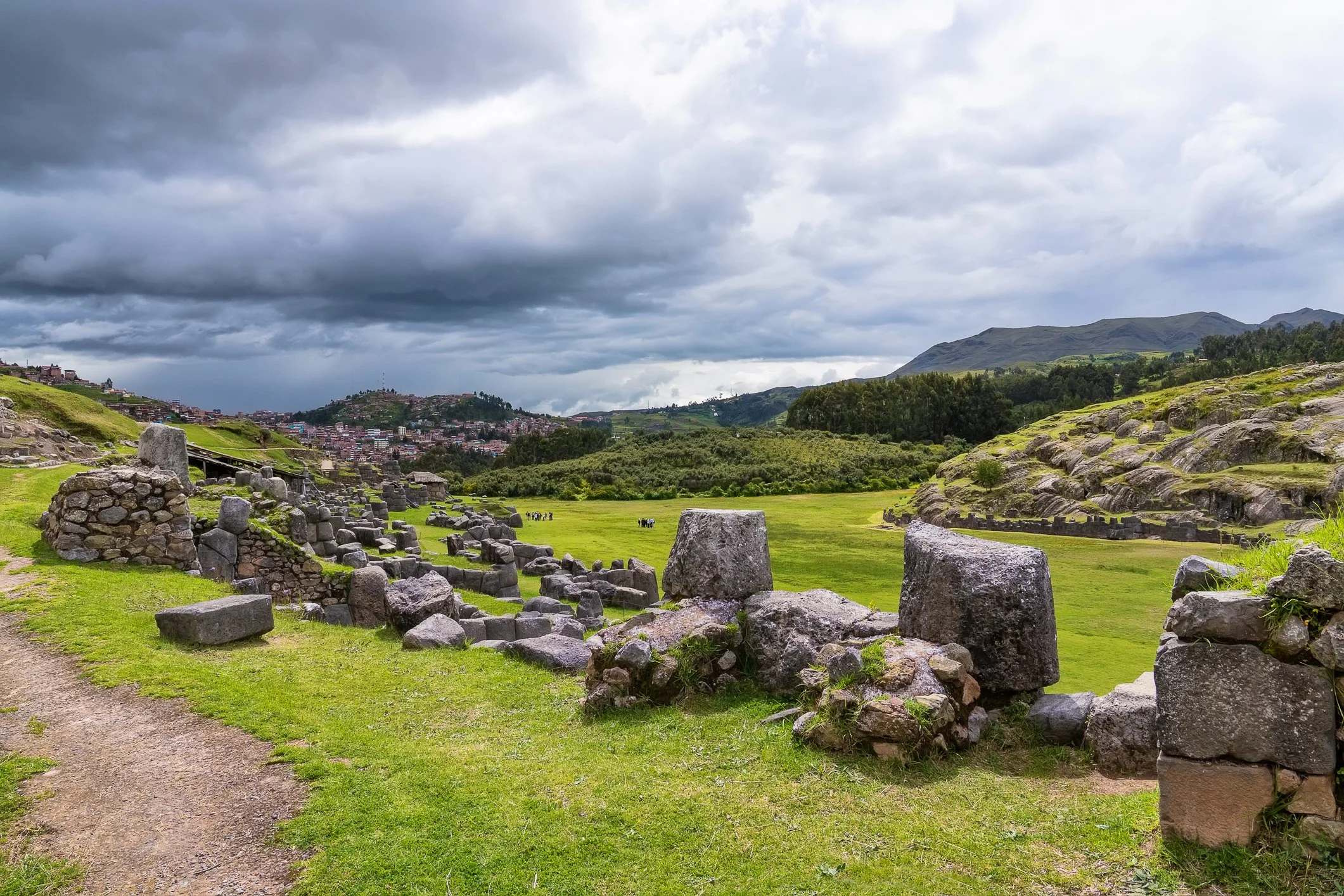
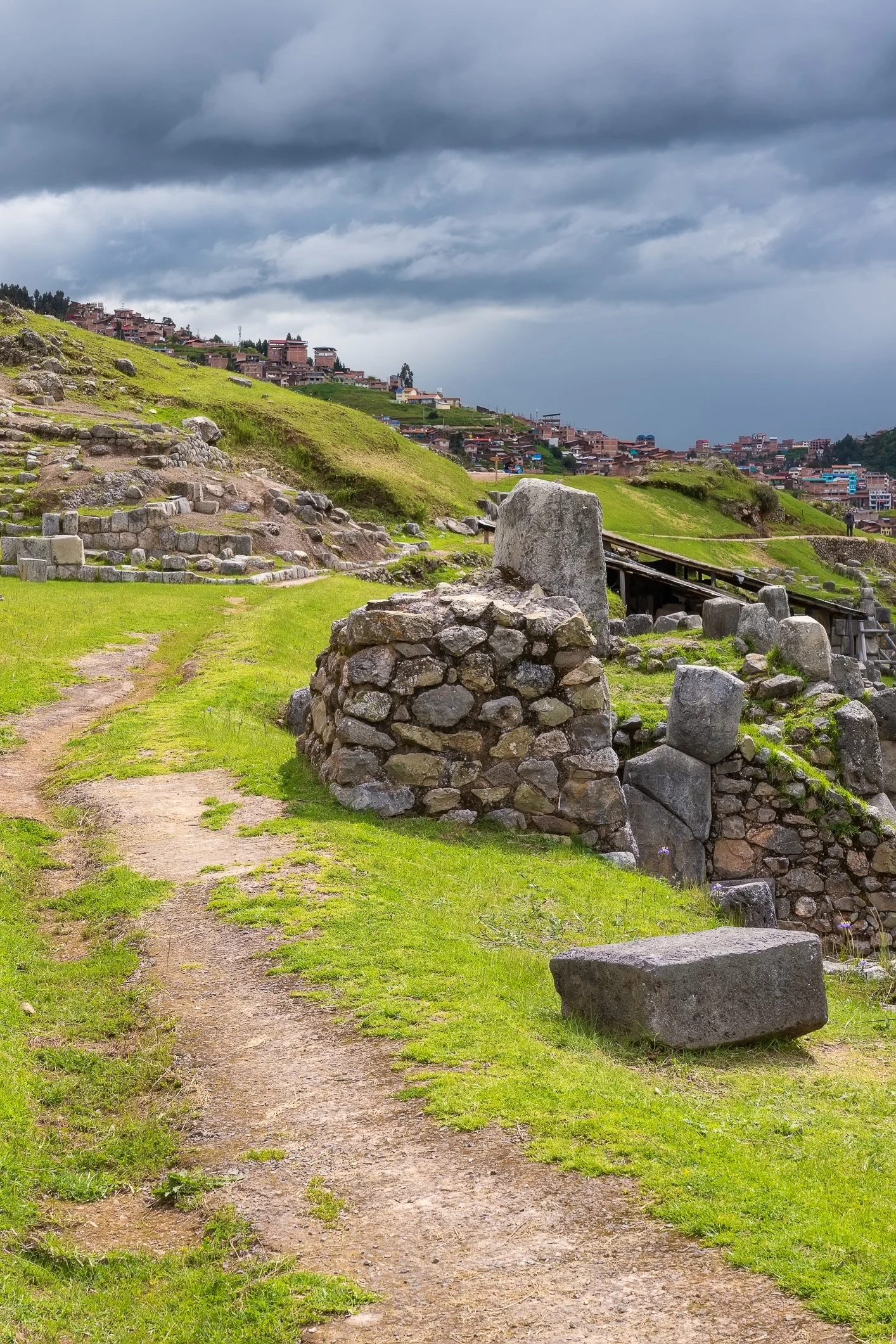
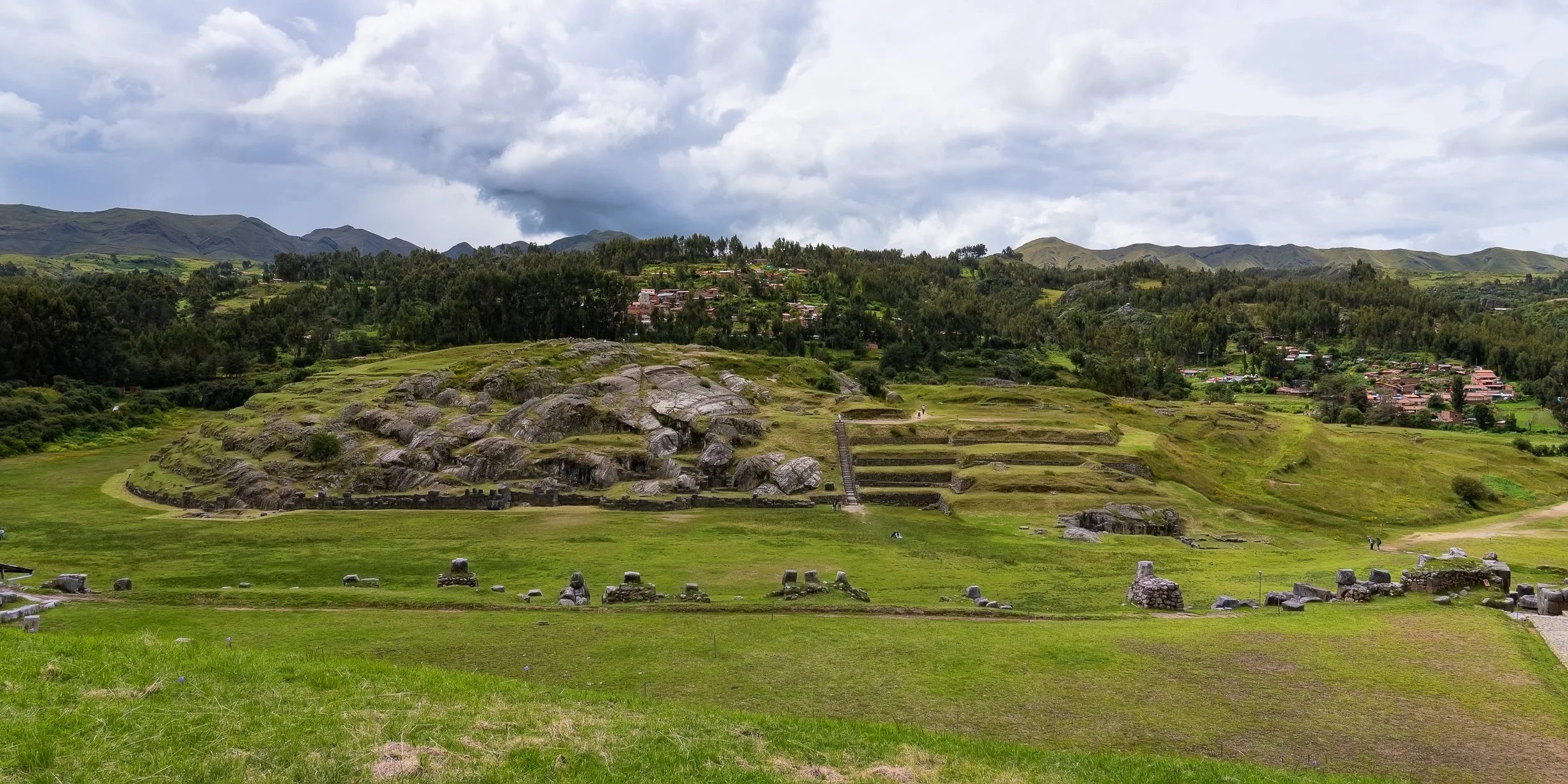
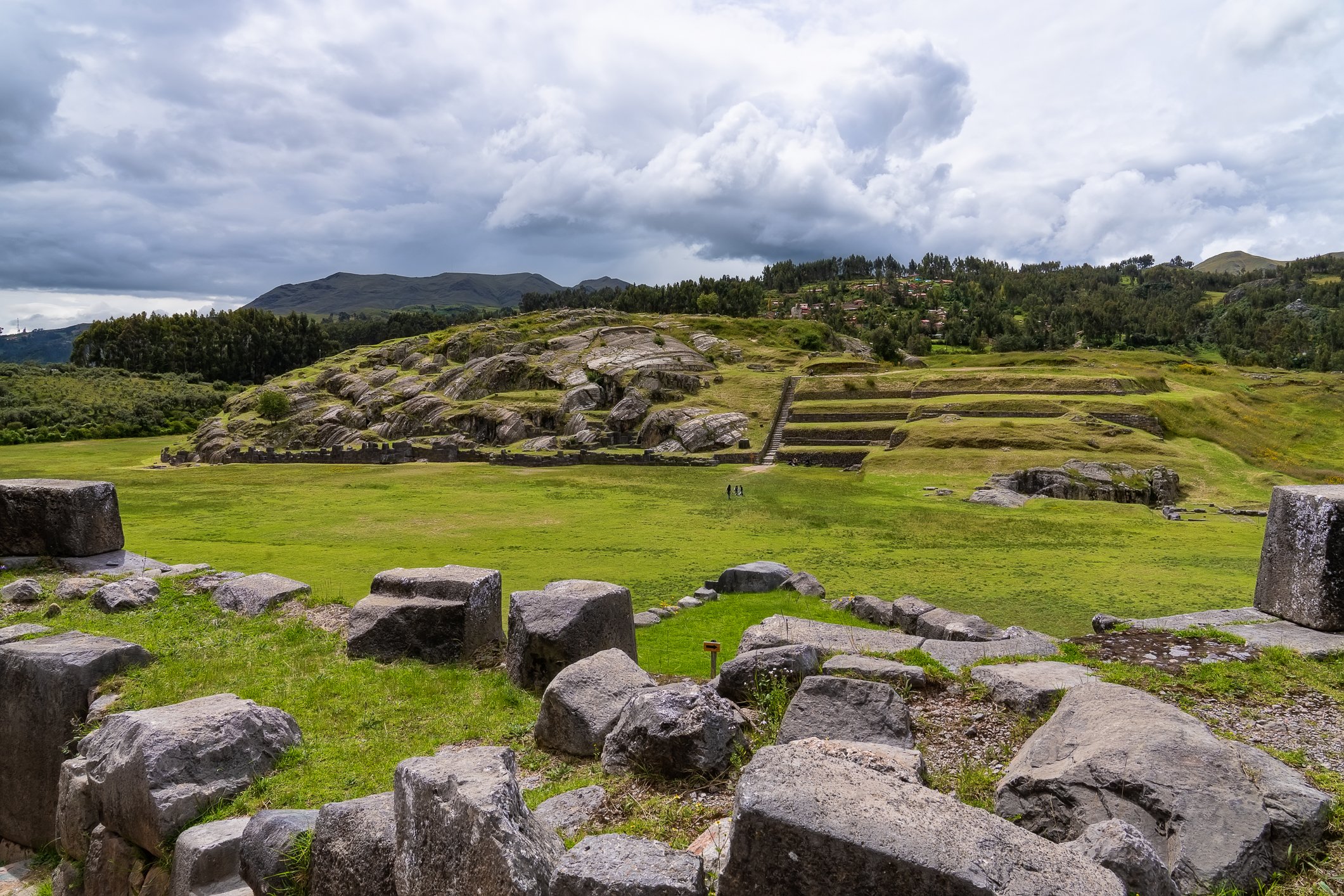
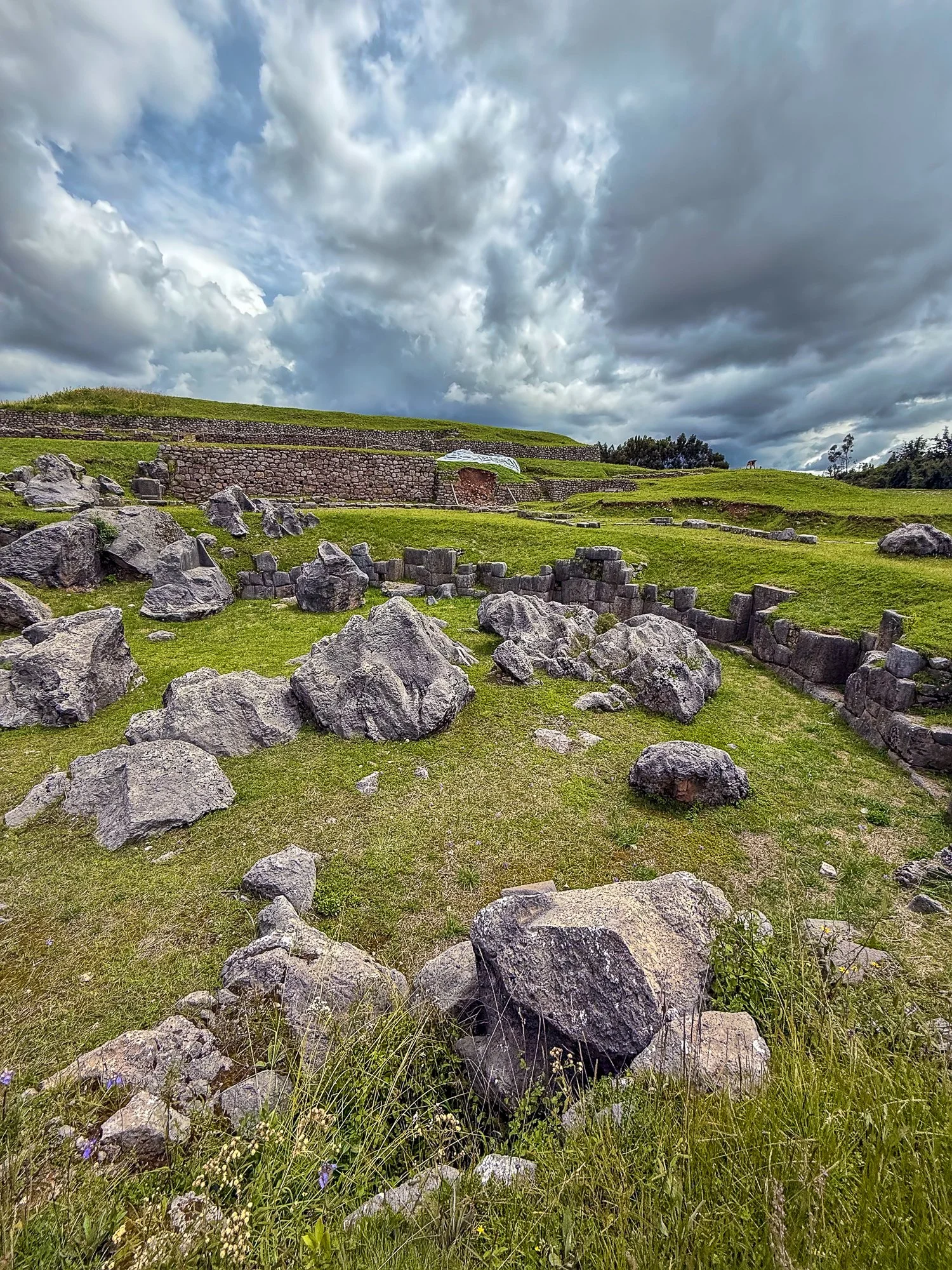
At the top of the complex, things become more fragmented today, as this is the area that the Spanish dismantled most heavily. Originally, there were three major towers that dominated the landscape, but today only foundations and scattered stones remain.
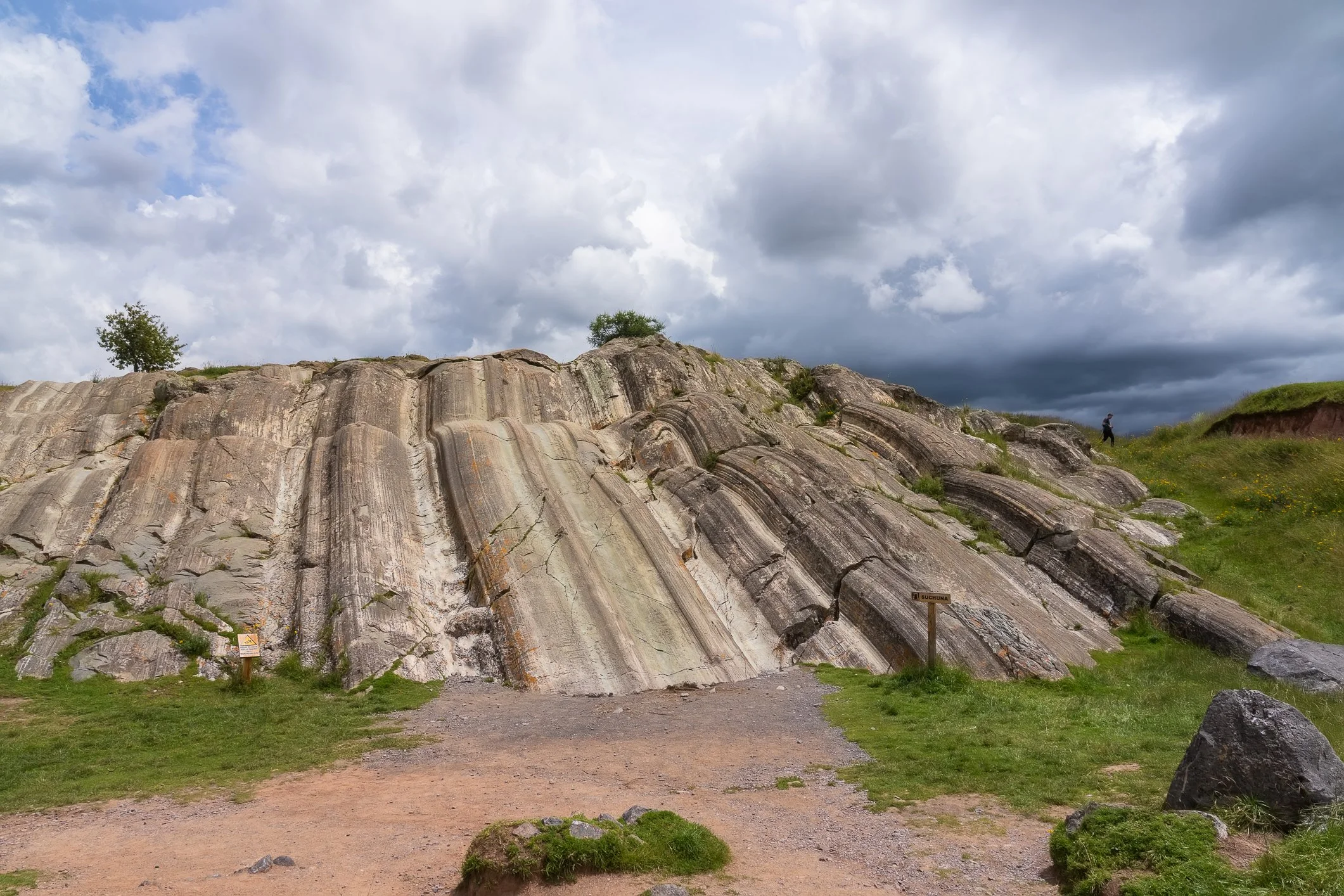
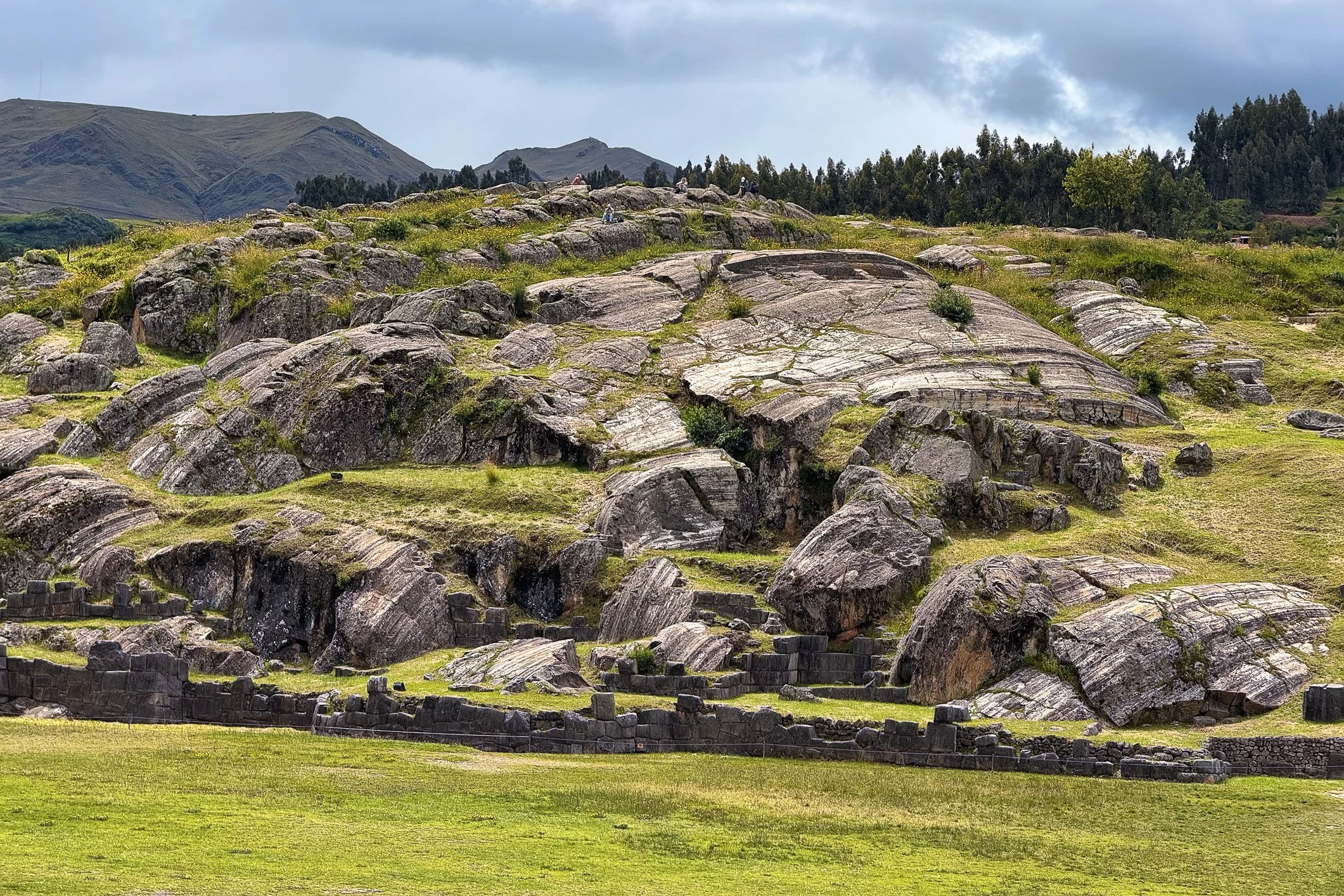
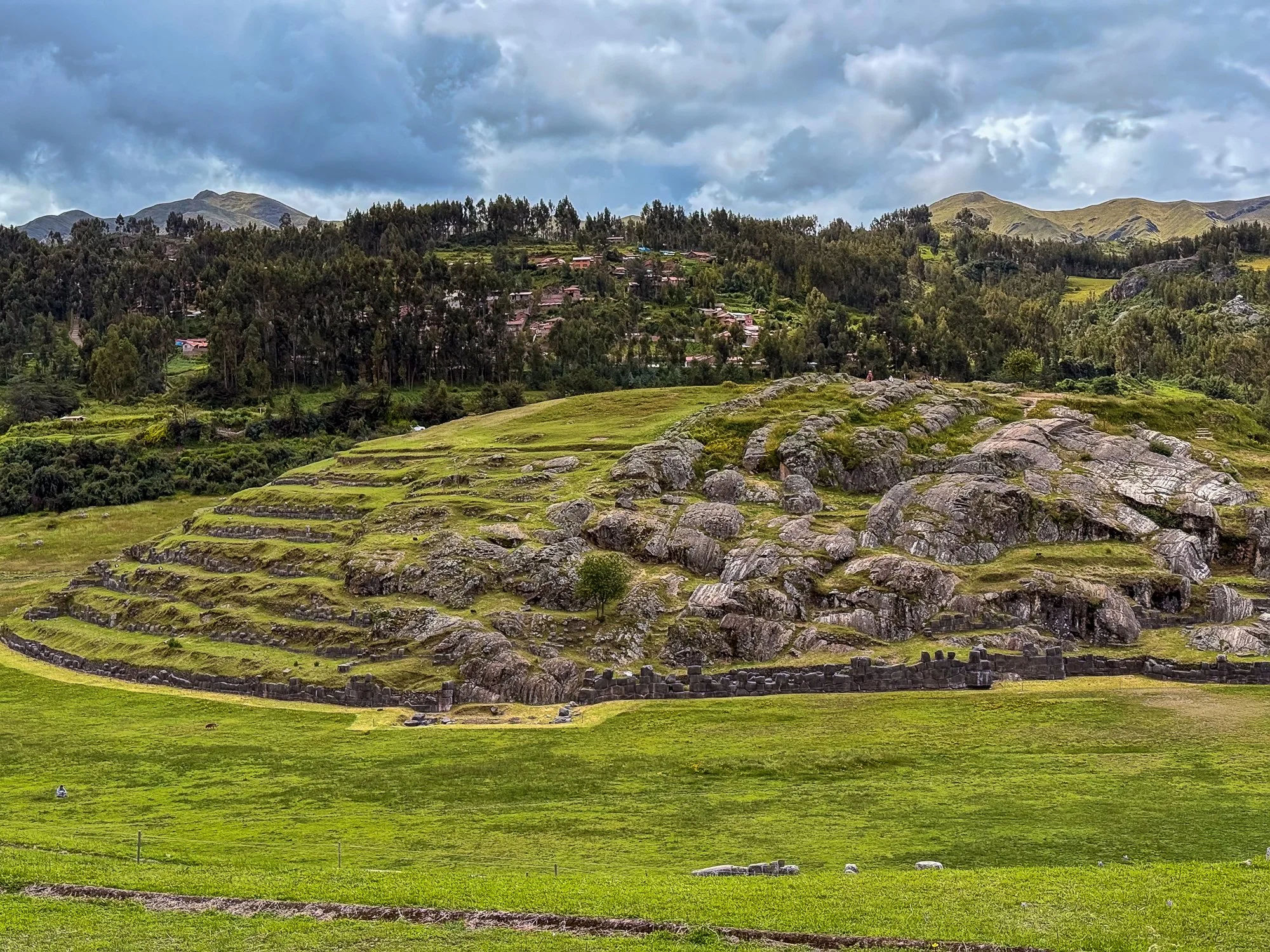
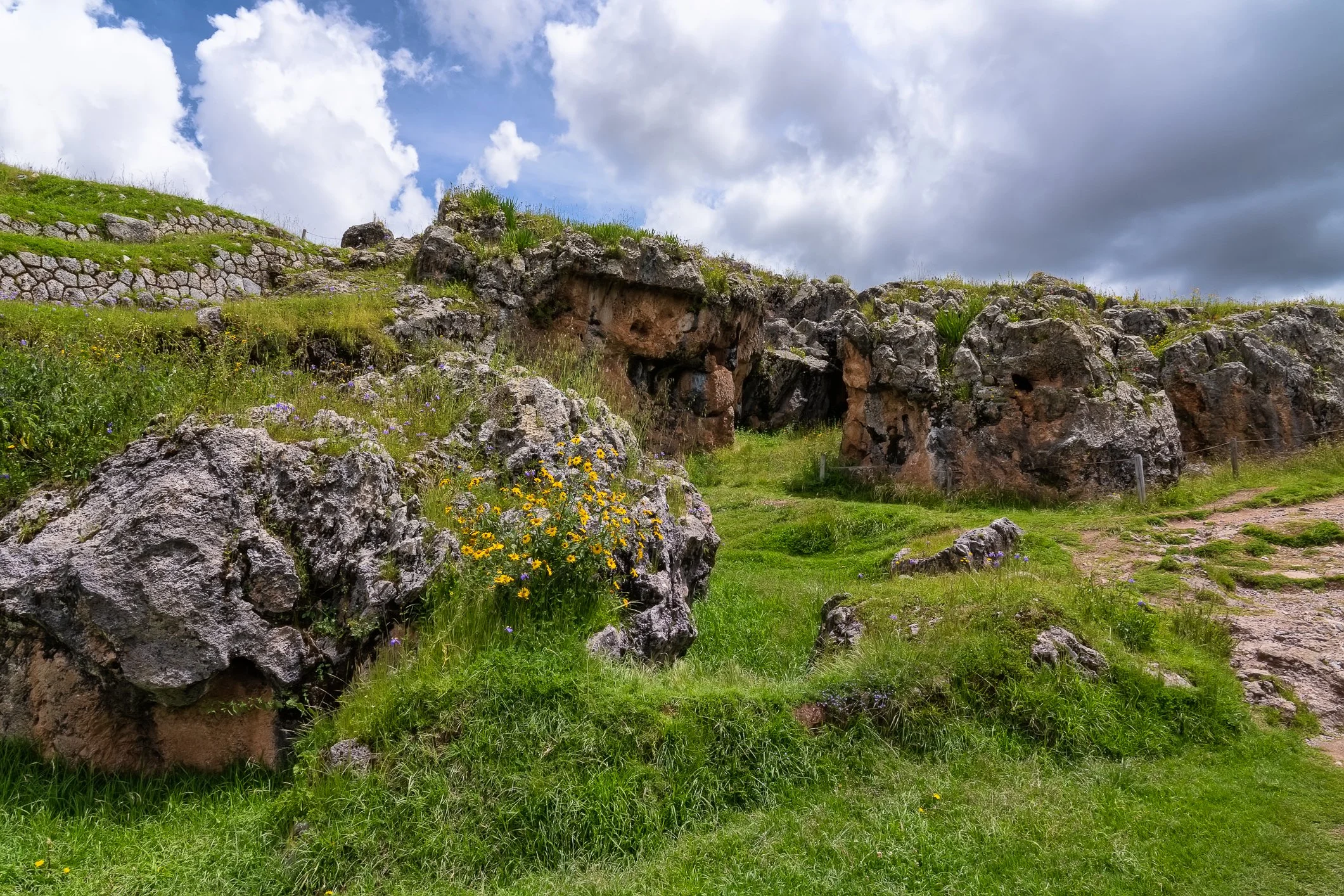
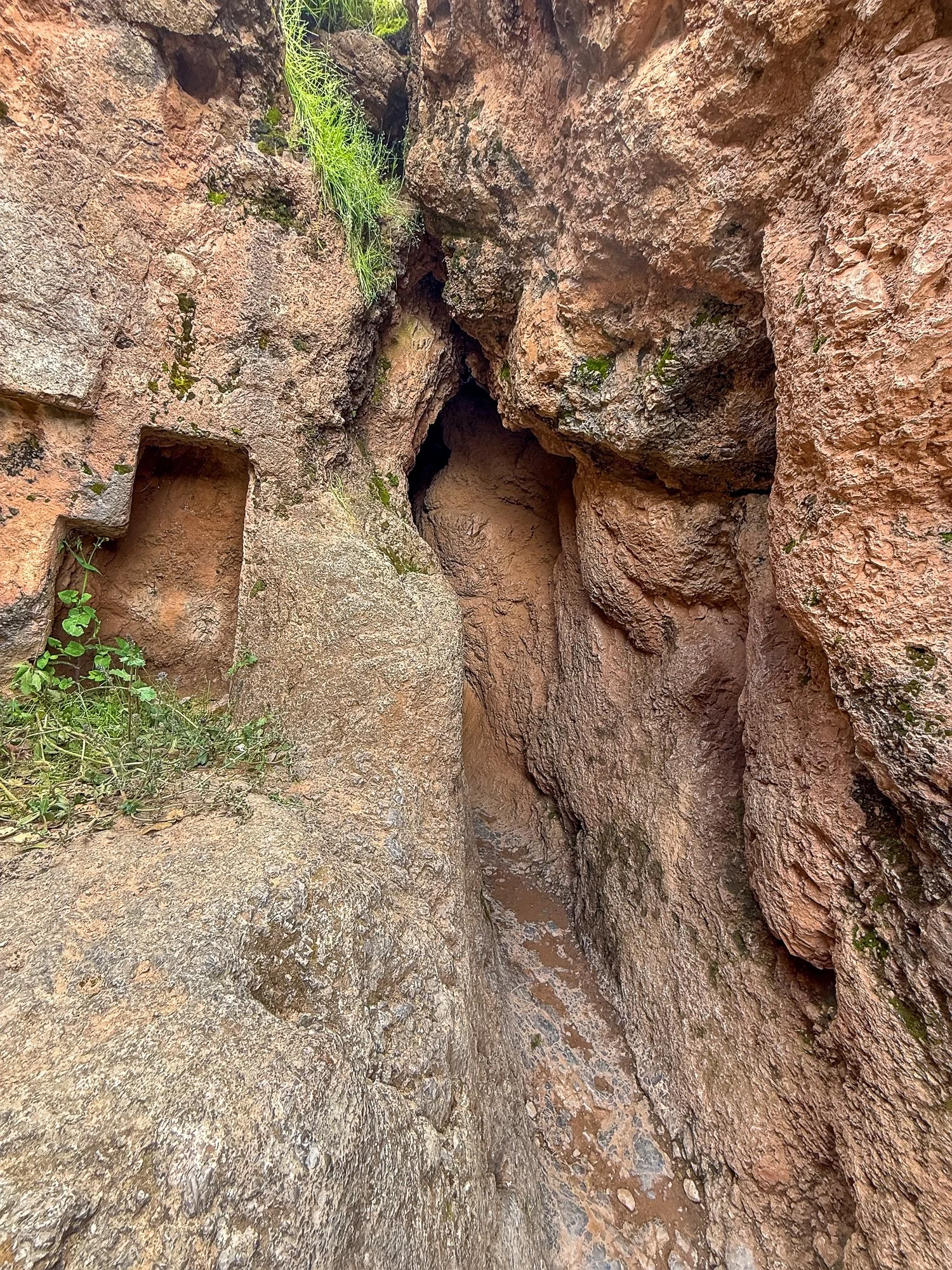
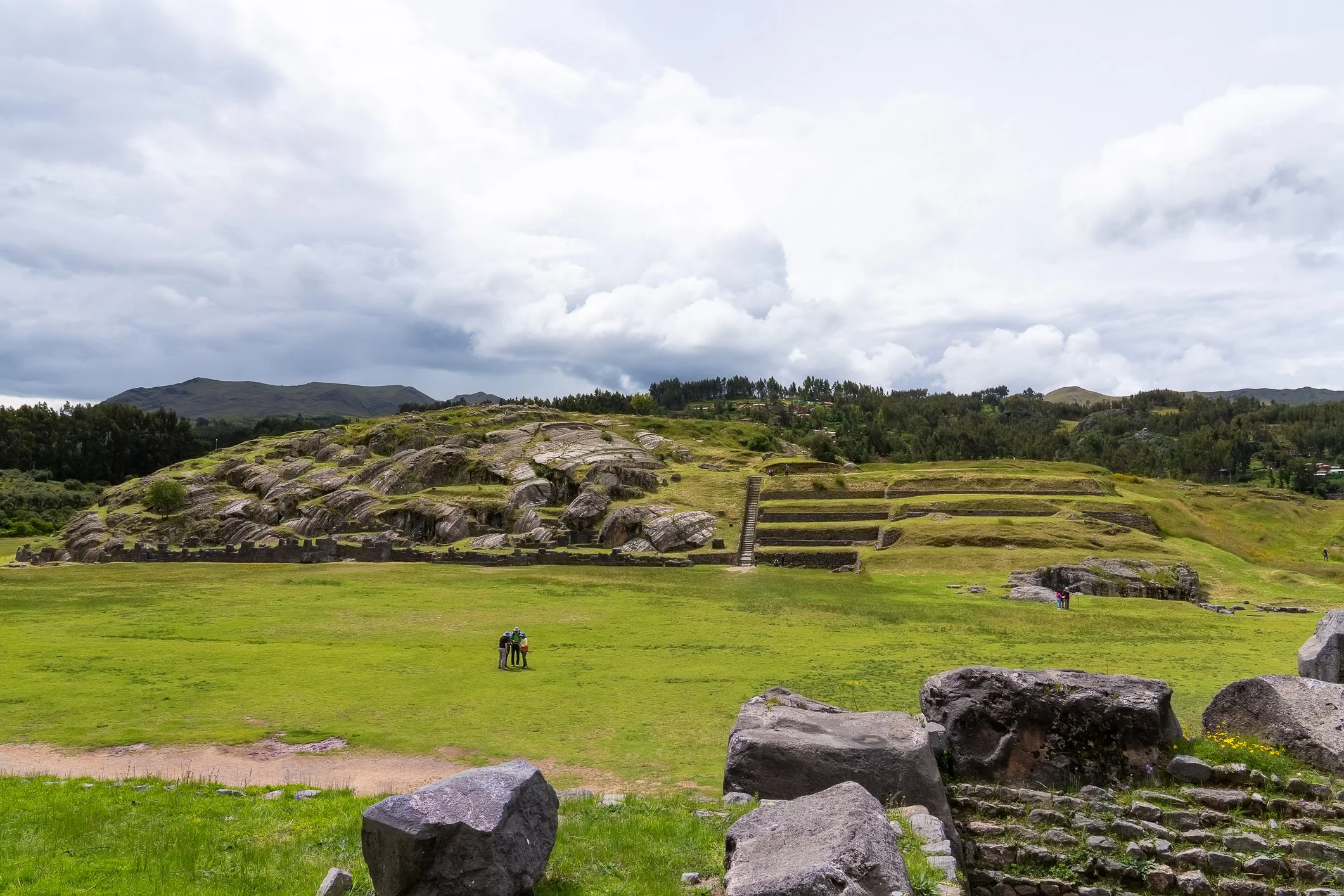
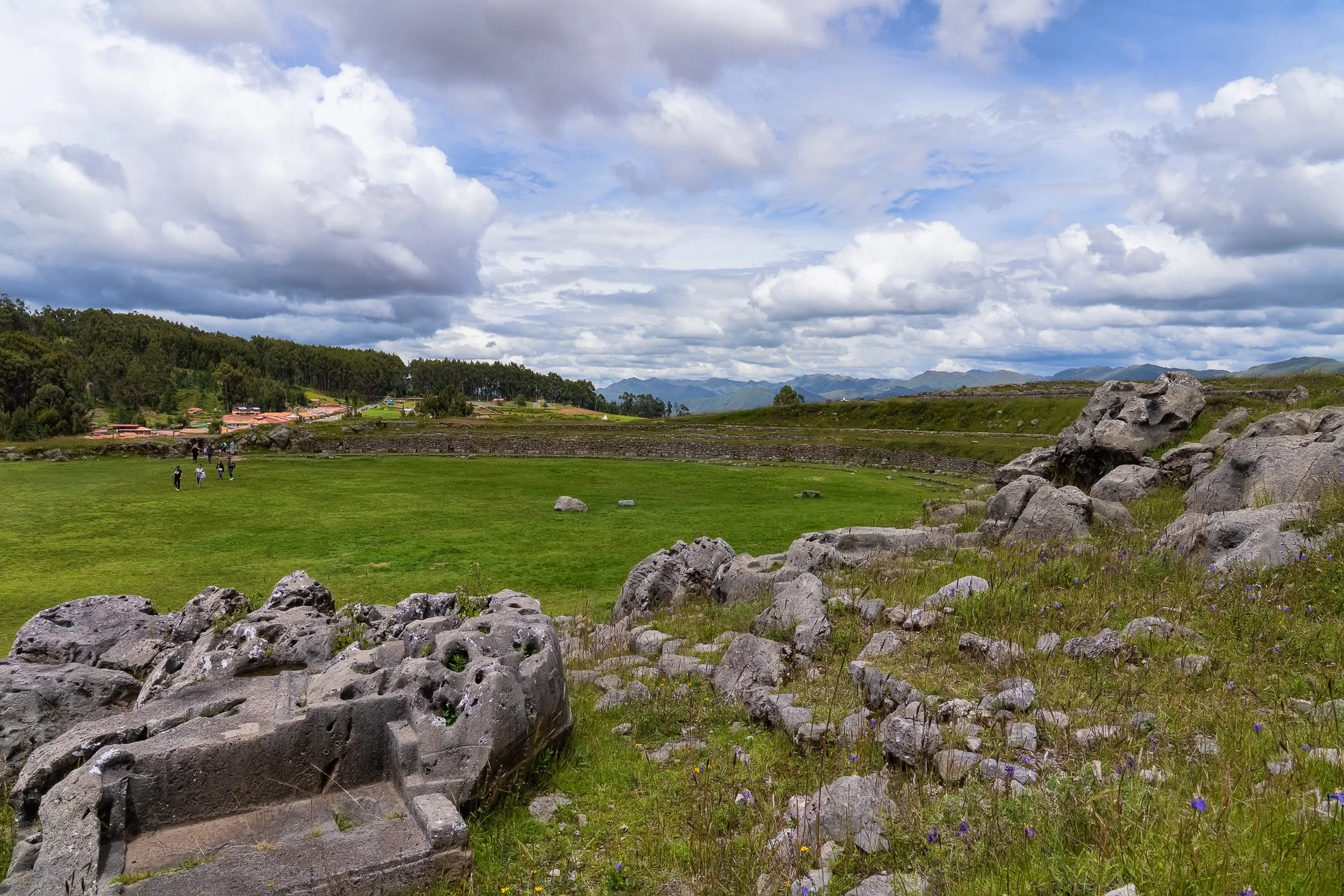
Off to one side of the main complex is a fascinating area that is often overlooked. This is a natural rock outcrop that the Incas carved directly into, creating smooth stone slides (yes, literal slides), steps and terraces, and channels cut into the rock. It is known today as Rodadero because it is slippery, and people still slide down it.
Na szczycie kompleksu znajduje się najbardziej zniszczona część, ponieważ to właśnie tutaj Hiszpanie dokonali największych rozbiórek. Dawniej stały tu trzy główne wieże dominujące nad całą okolicą, jednak obecnie zachowały się jedynie ich fundamenty i rozrzucone fragmenty kamieni.
Na uboczu kompleksu znajduje się również mniej znany, ale bardzo ciekawy fragment – naturalna skała, którą Inkowie częściowo obrobili, tworząc gładkie ślizgi, schody, tarasy i kanały wyżłobione w kamieniu. Miejsce to nazywane jest dziś Rodadero (sliding place), ponieważ jest śliskie i do dziś ludzie zjeżdżają po jego powierzchni.