architecture

Riad Kbour & Chou

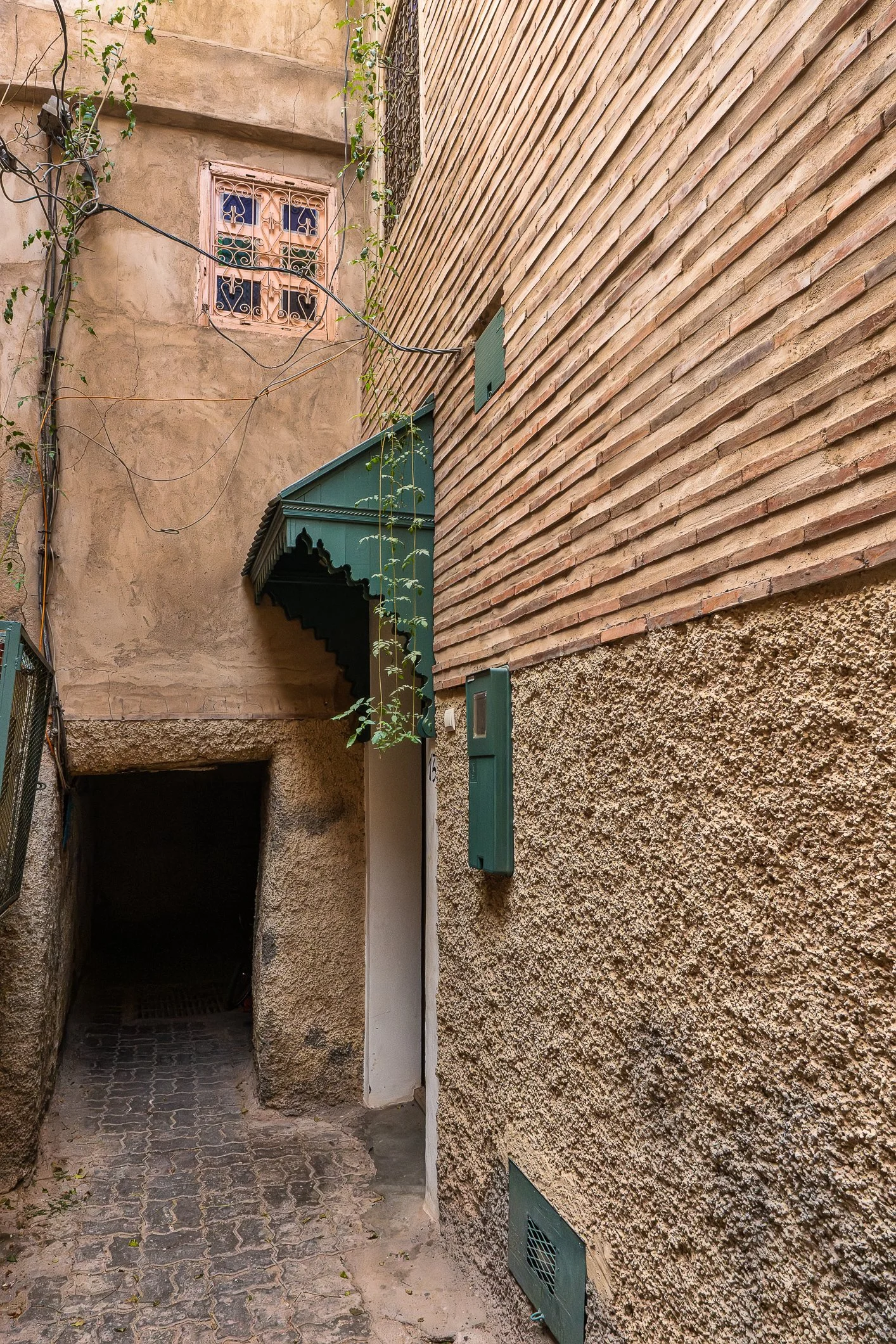
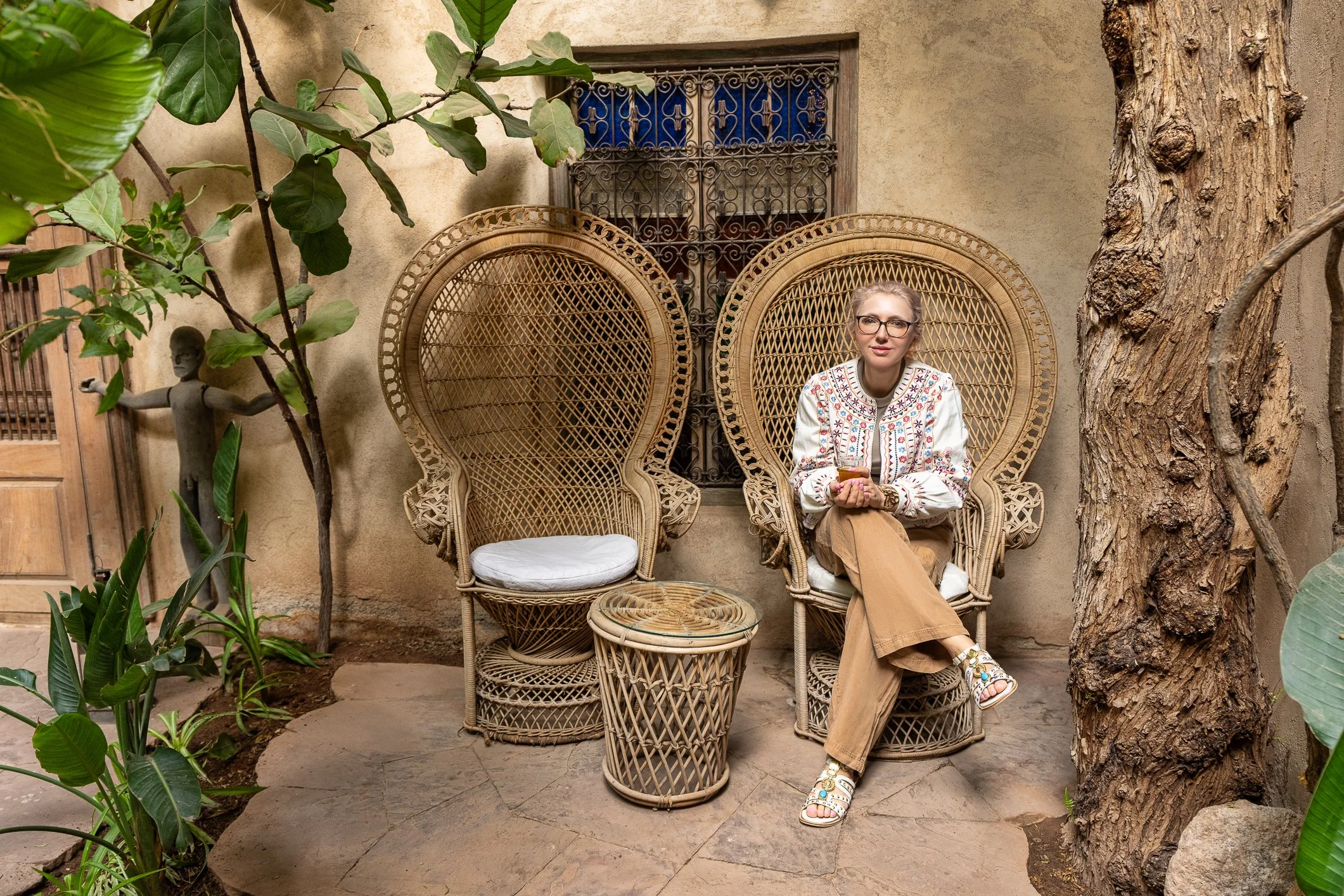
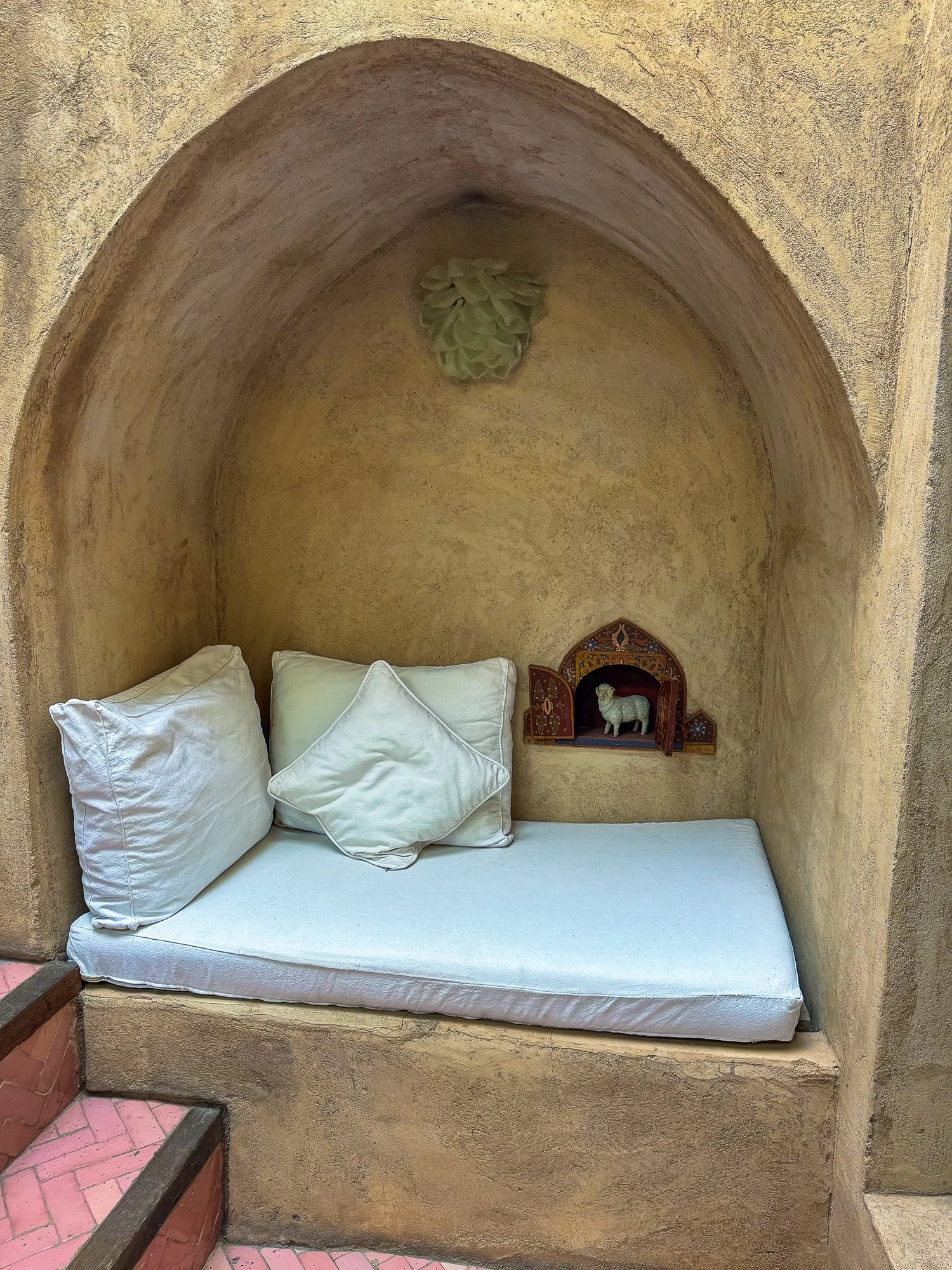
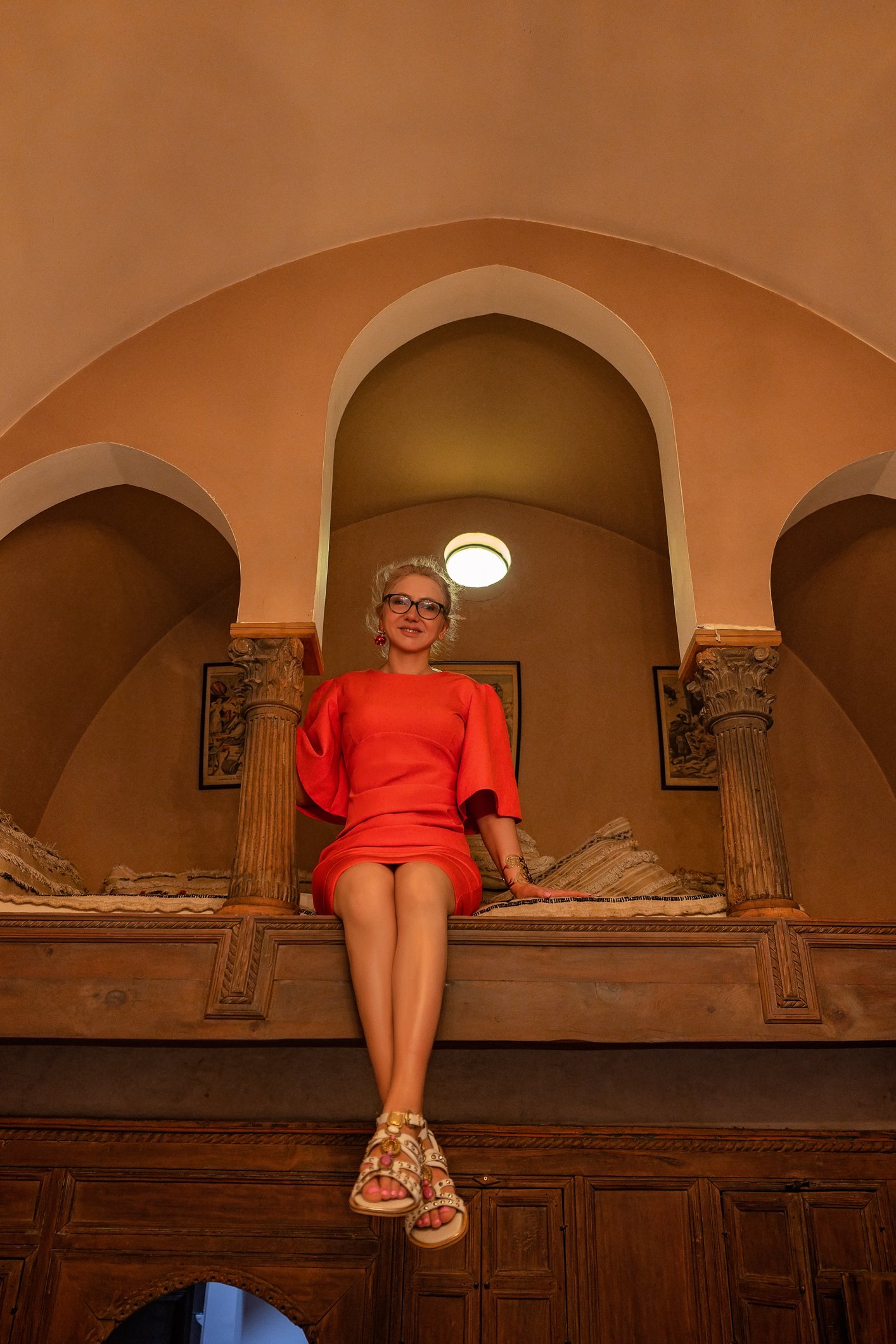
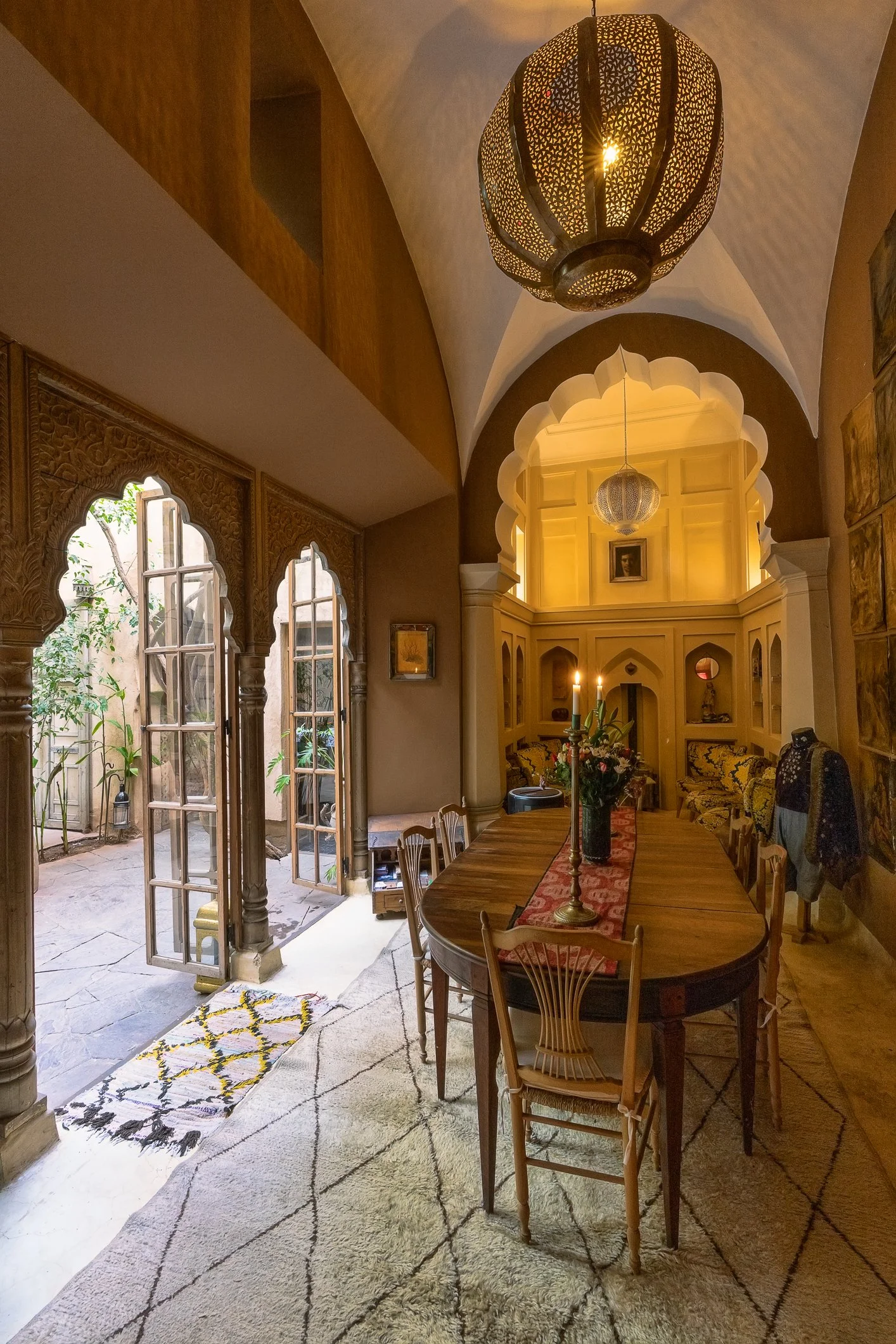
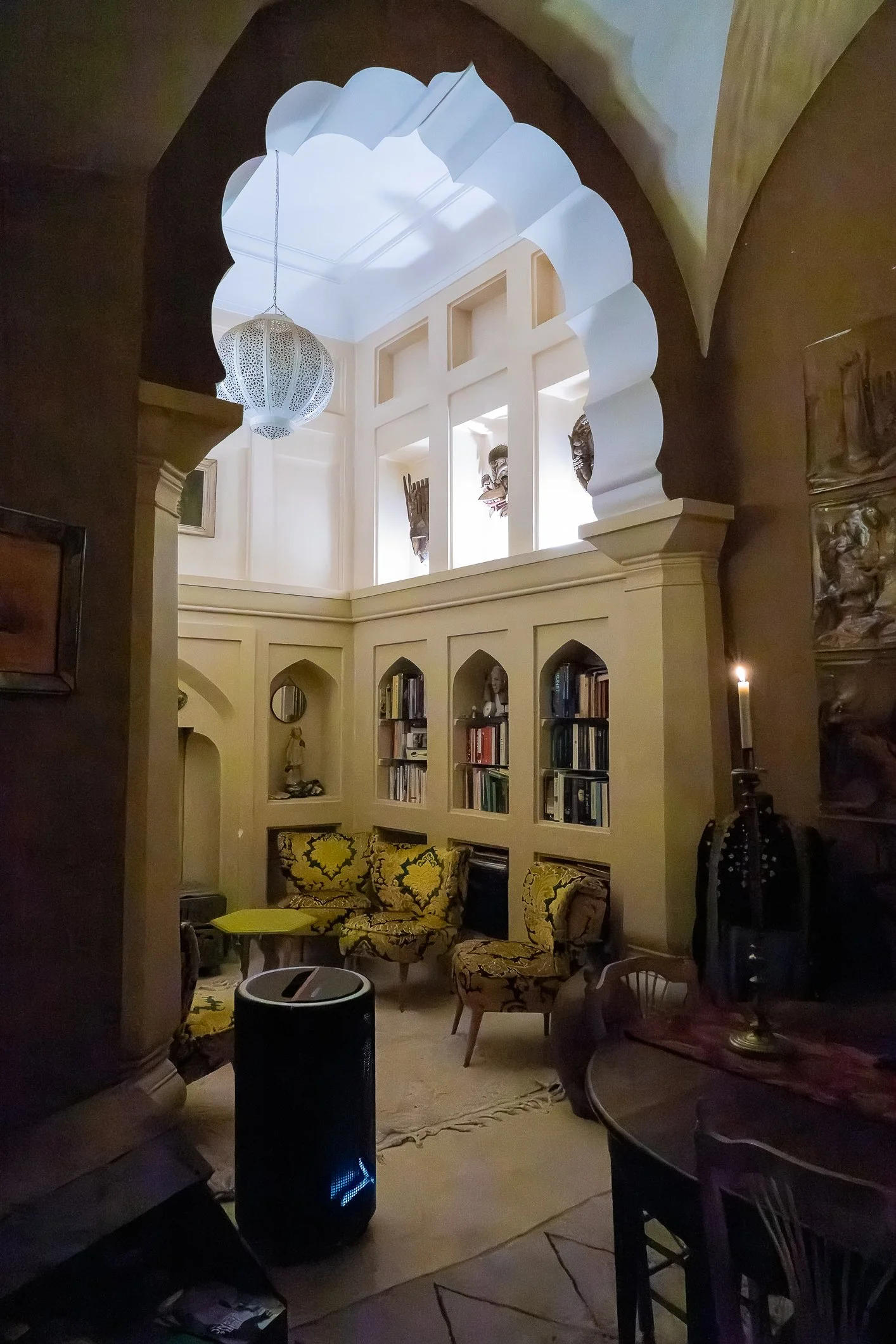
Our first riad this time is Kbour & Chou, located in the quiet northwest corner of the Marrakech medina. The riad is celebrated for its seamless blend of traditional Arab-Moorish architecture.

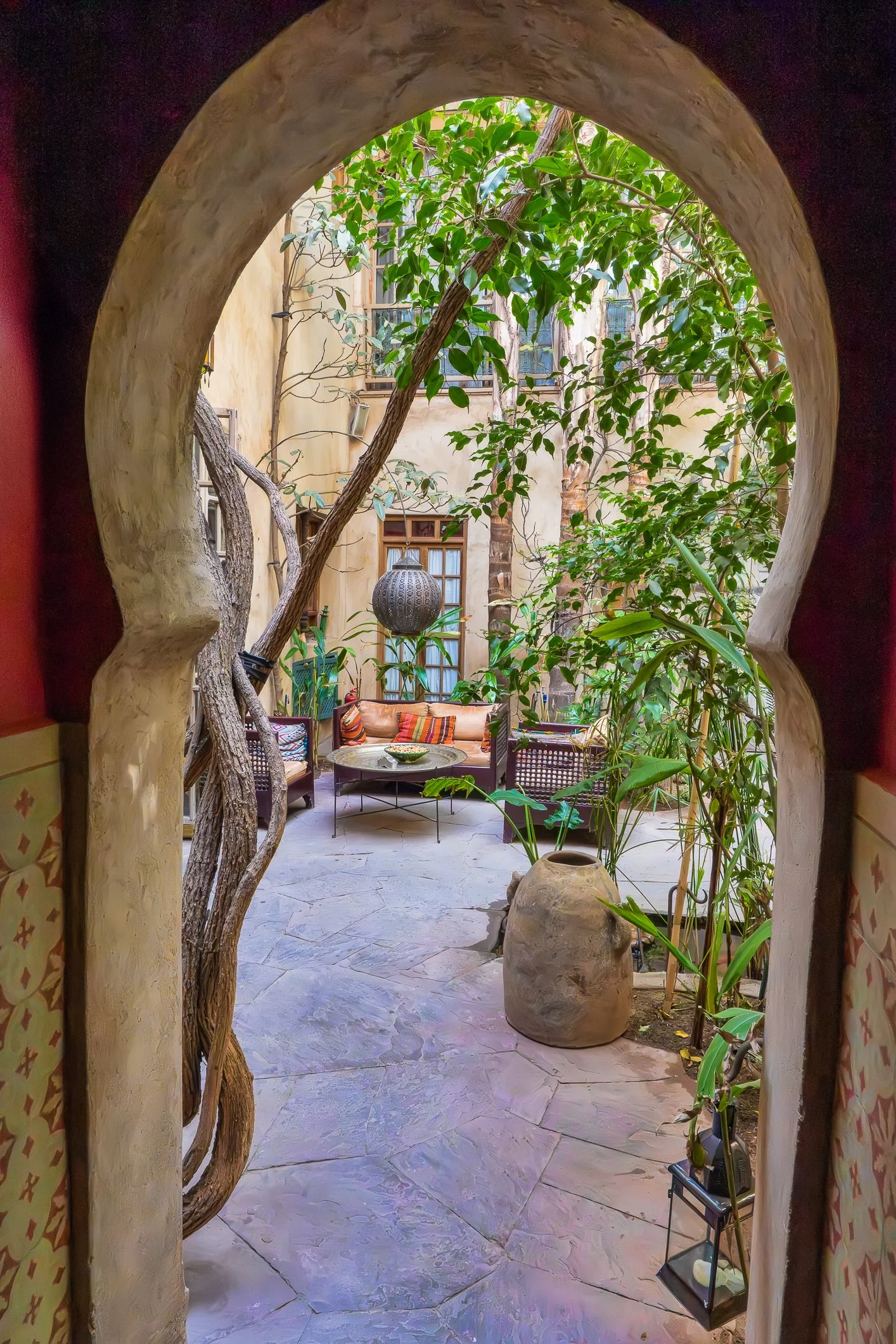
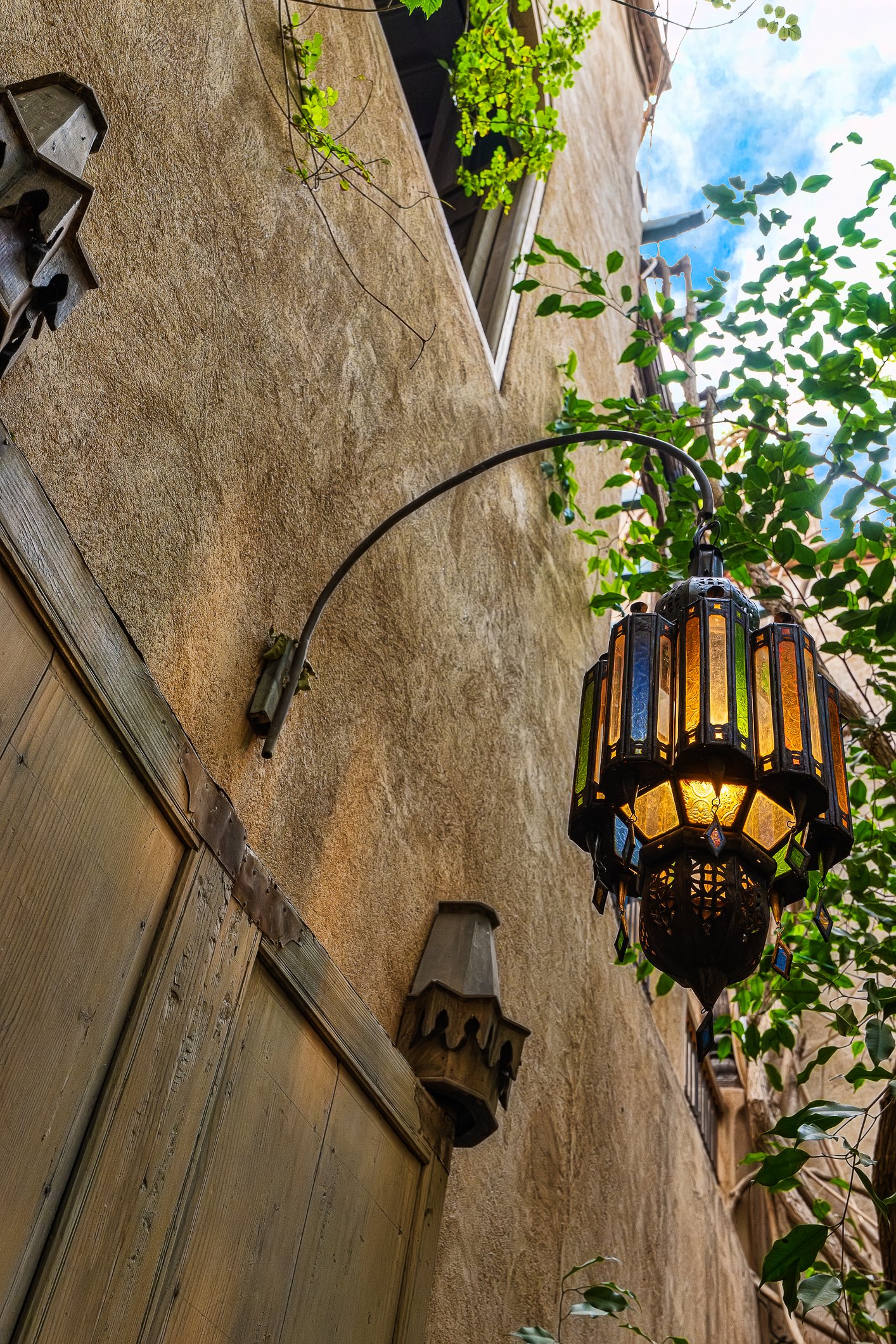
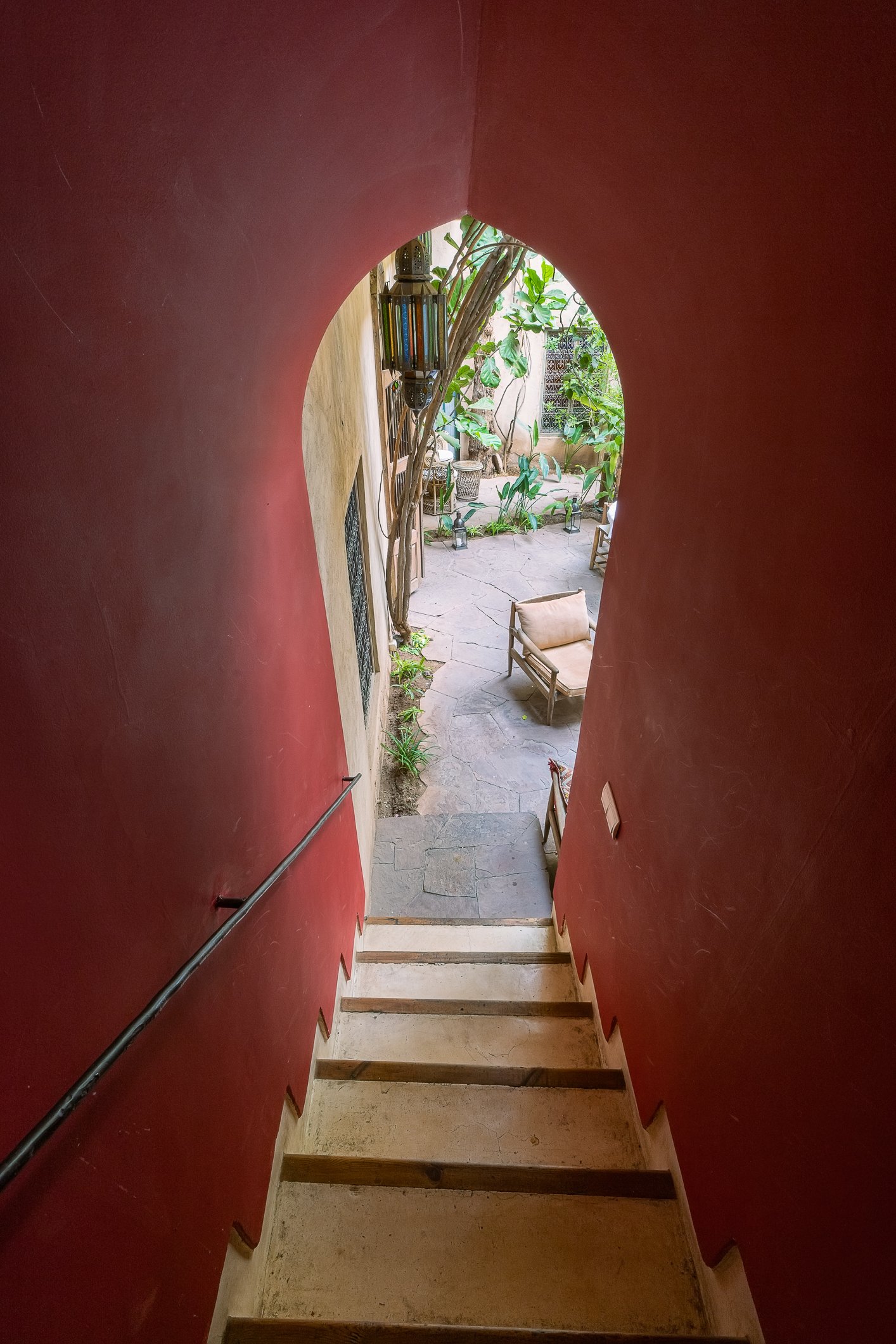
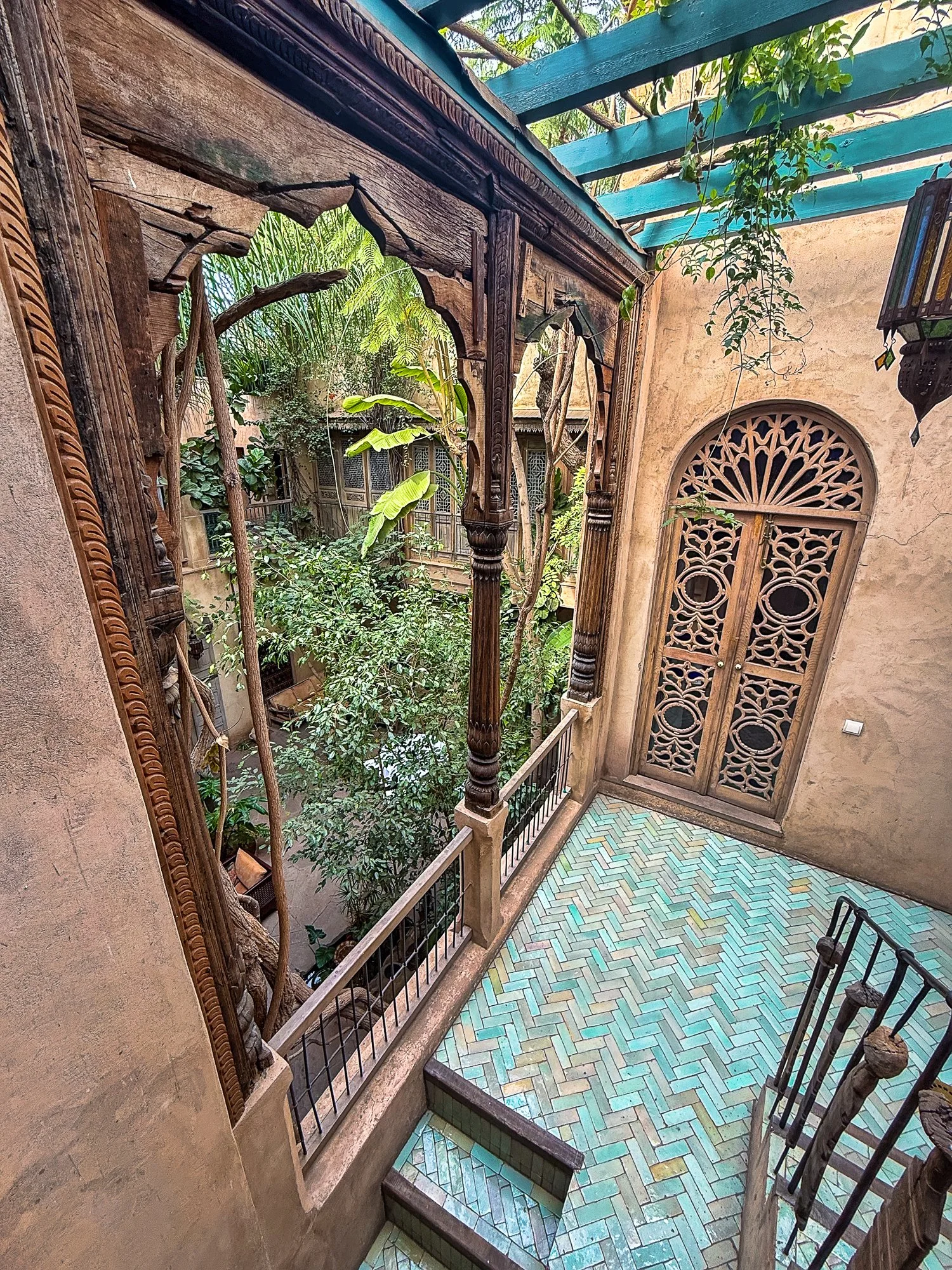
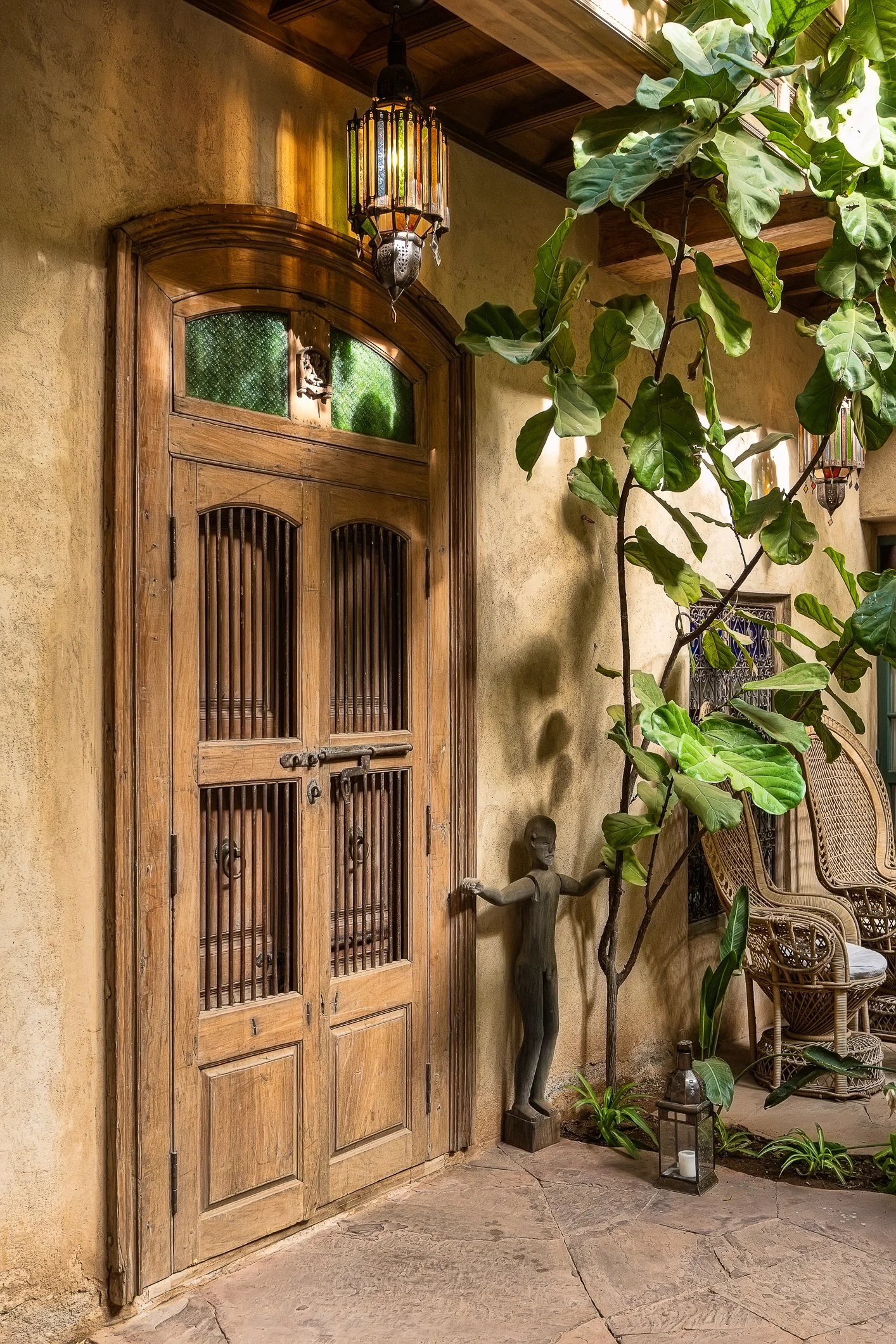
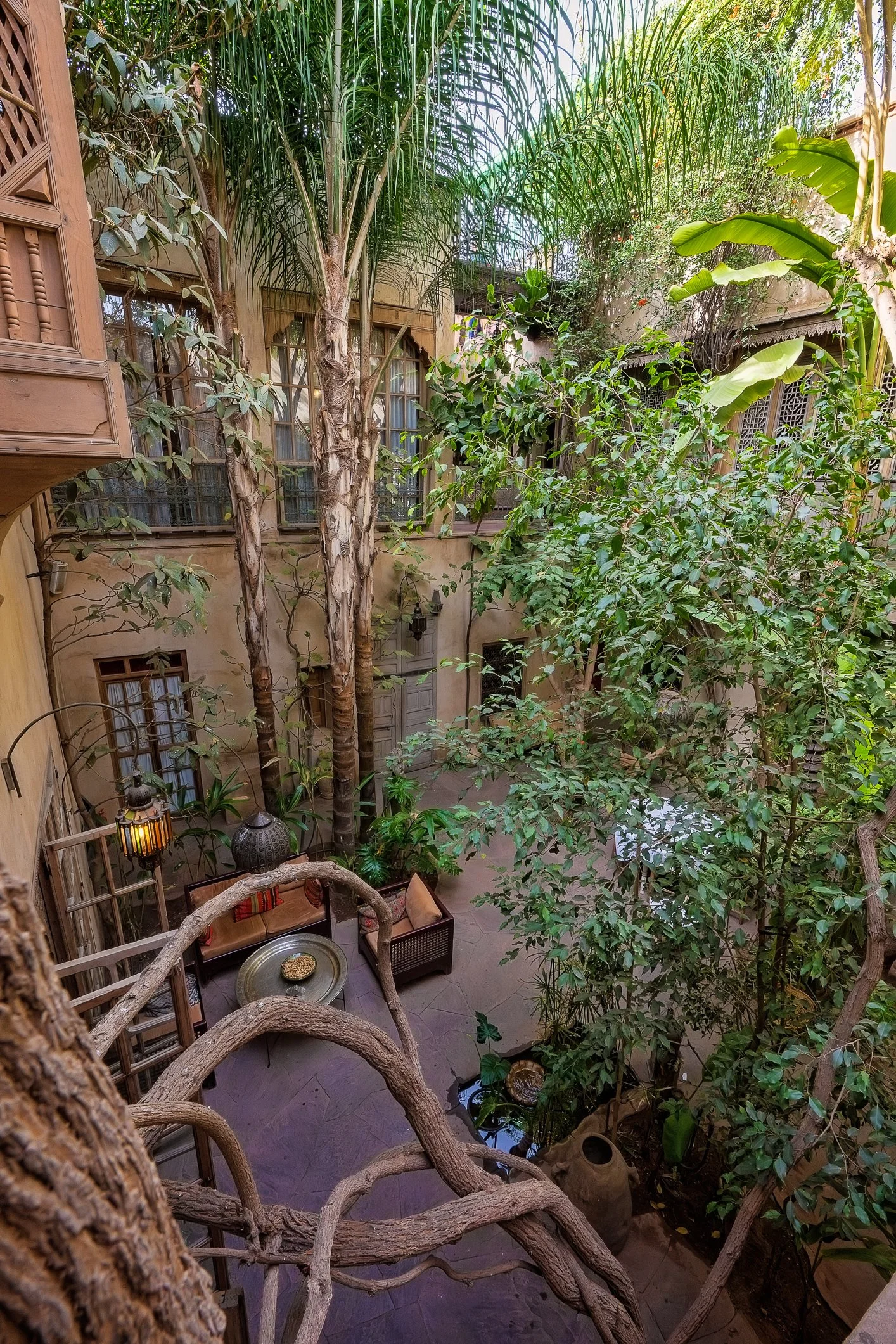
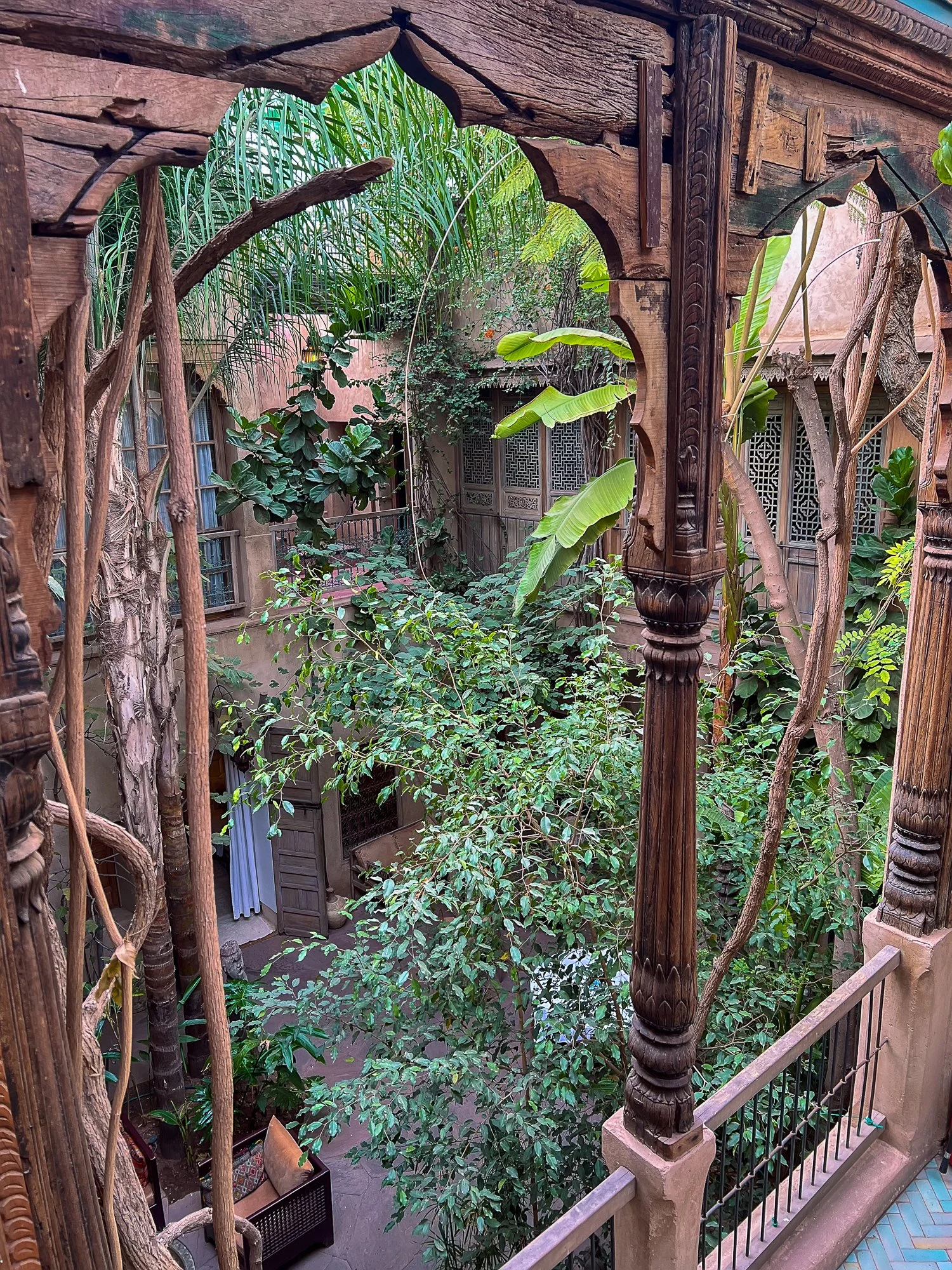
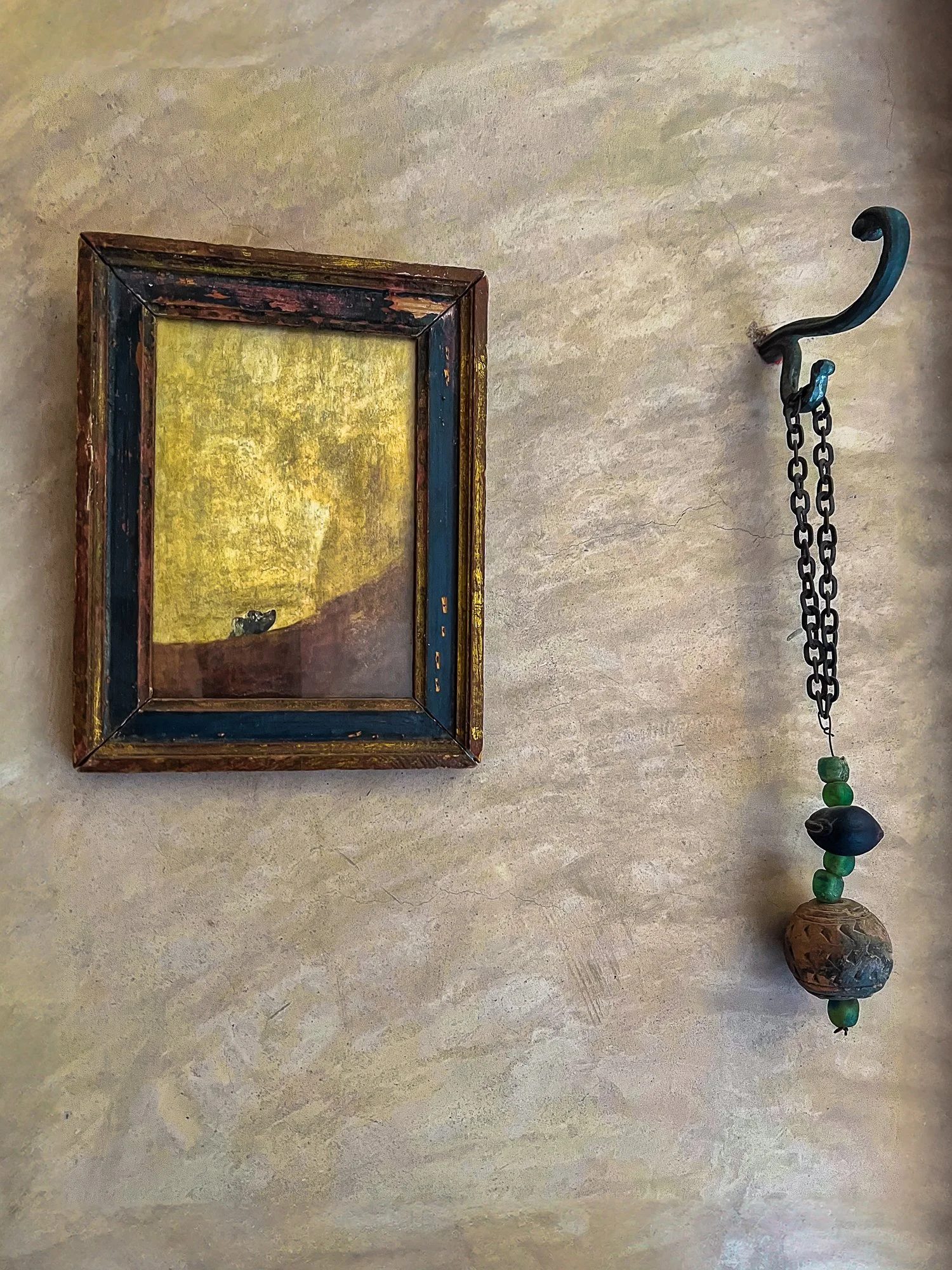
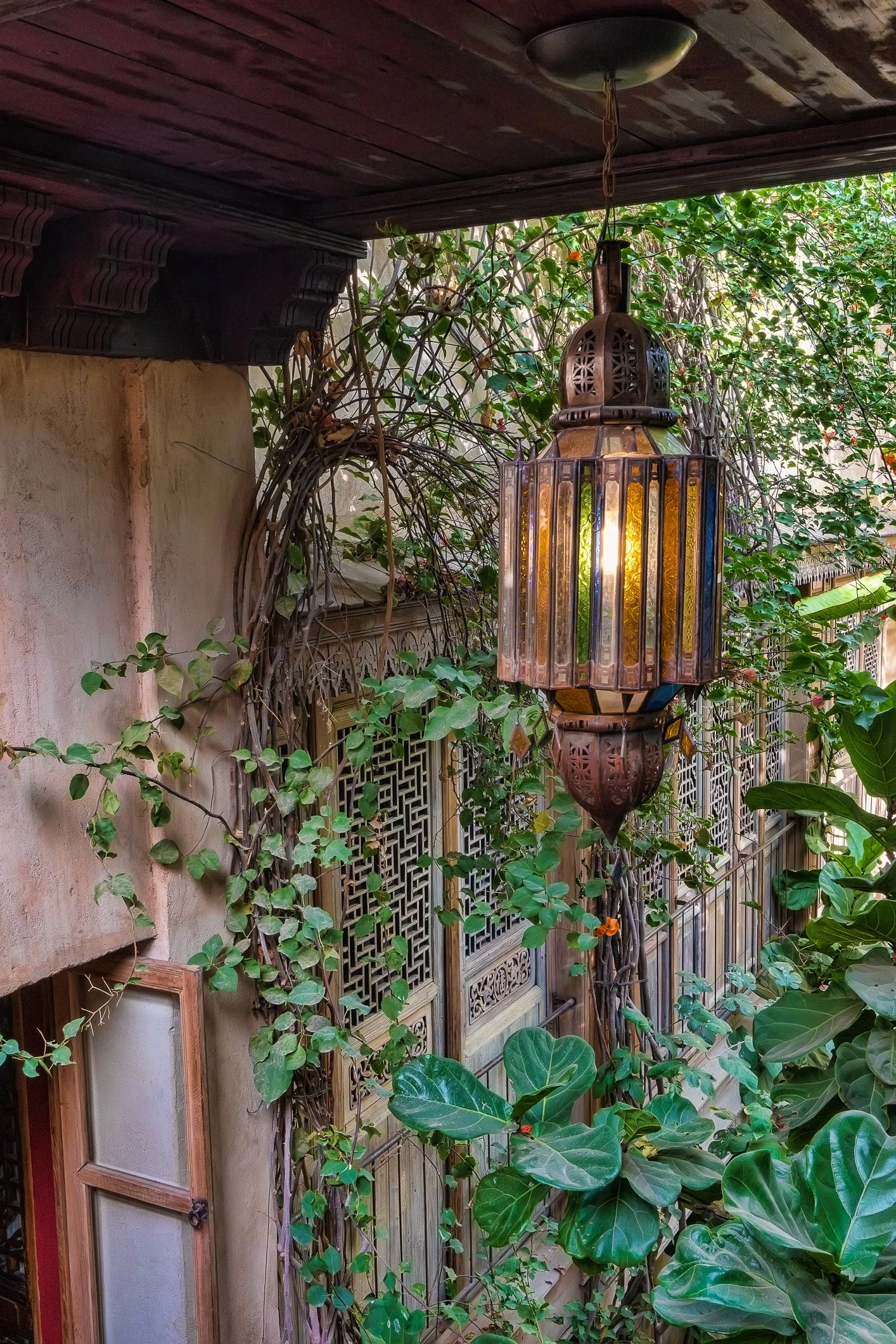
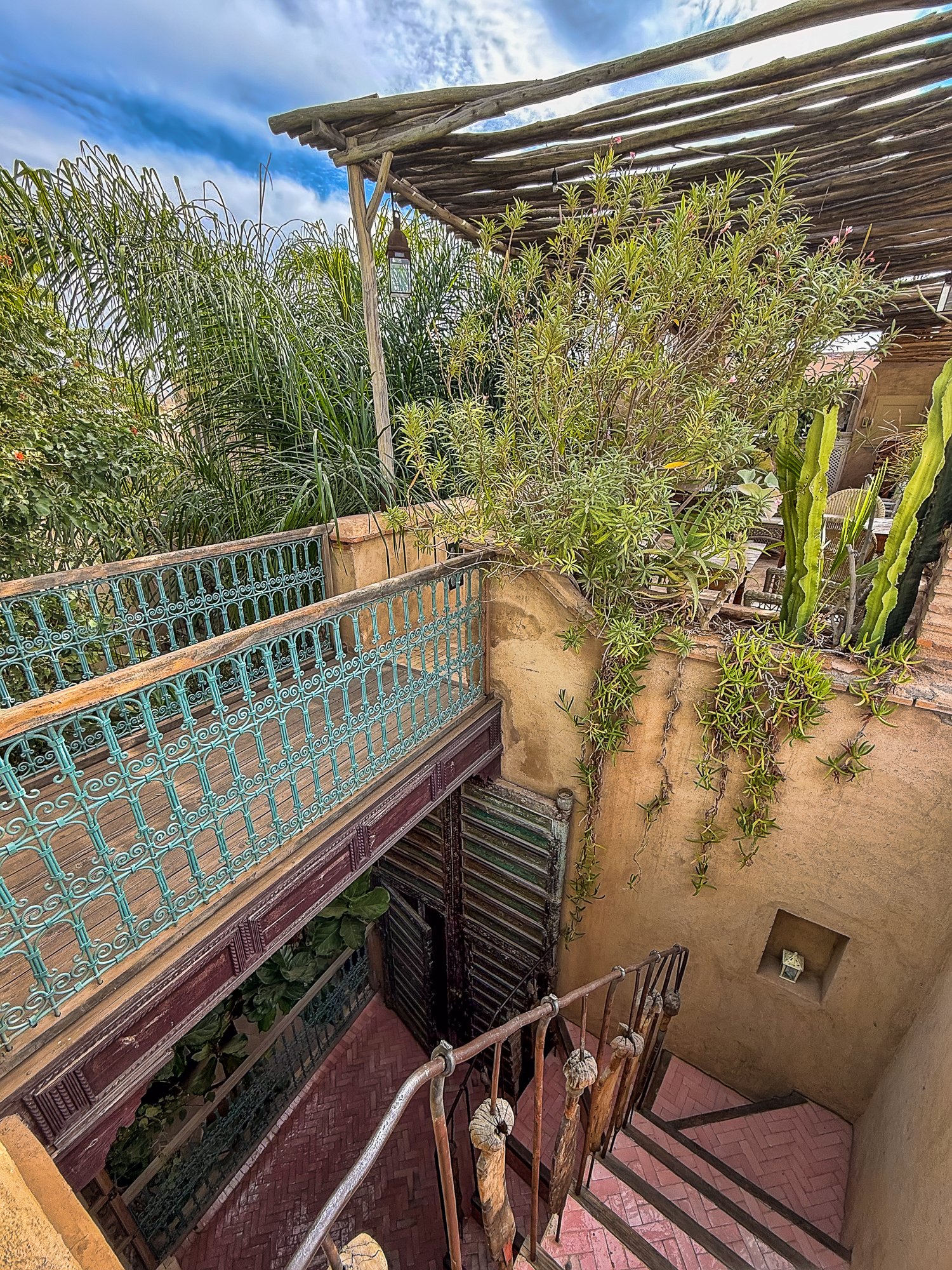
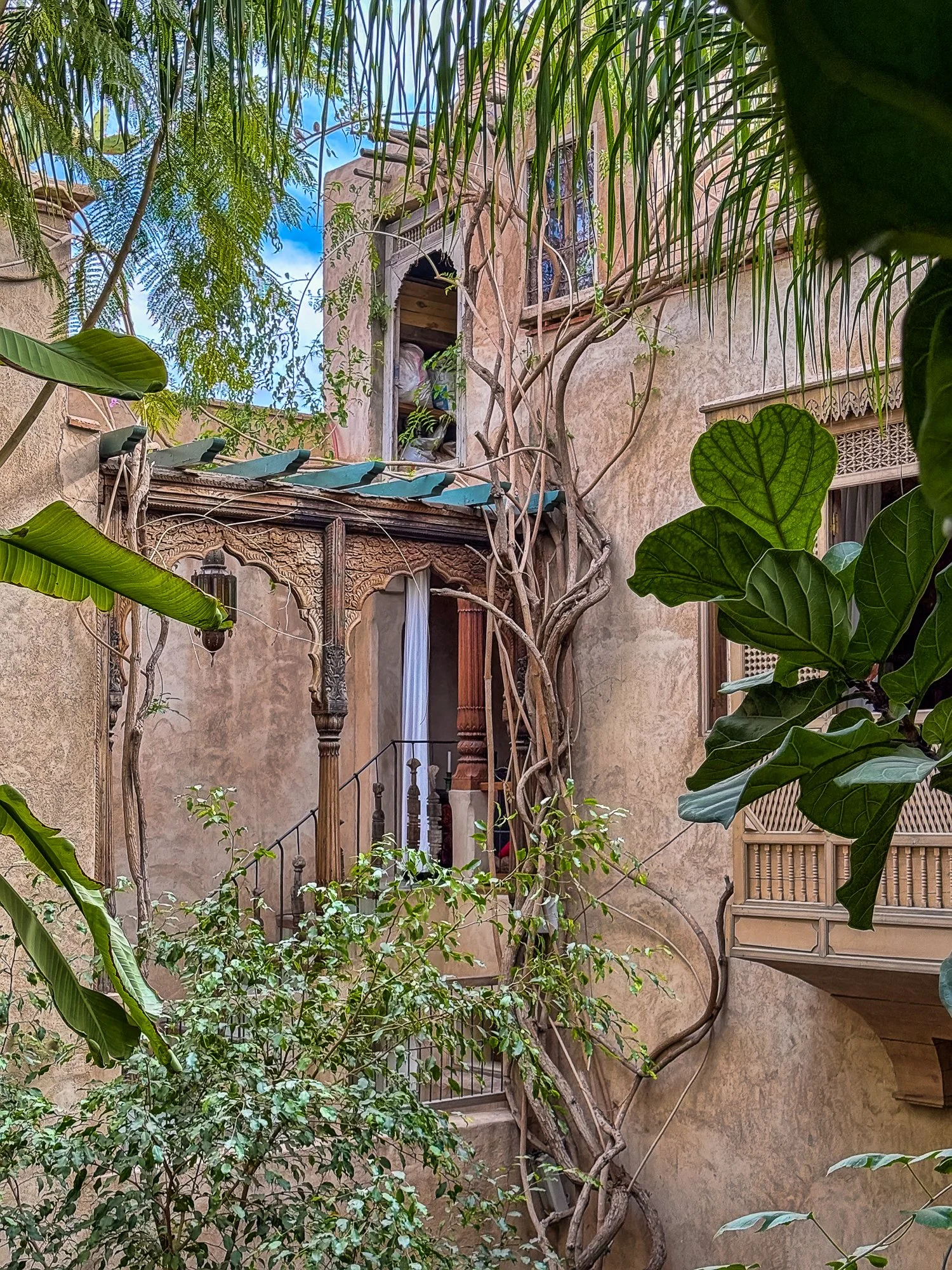
From the street, the riad is very discreet, tucked behind a modest door that offers little hint of the splendid and somewhat eccentric interior within. Upon entering, your attention is immediately captured by a wealth of interesting details: wrought-iron balconies, spiral staircases, and doorways that require a small dip of the head to pass through.


Naszą marokańską przygodę zaczynamy tym razem w północno-zachodniej części medyny, z dala od największego zgiełku. Tutaj, w cichym zakątku dzielnicy Zaouia el Abassia, kryje się Kbour & Chou – riad łączący w sobie architektuę arabsko-mauretańskią z dodatkową nutką artystycznej finezji.

Z zewnątrz budynek wygląda dość niepozornie i nie zdradza swoich tajemnic. Skromne drzwi są barierą oddzielającą uliczkę medyny od wnętrza pełnego niespodzianek. Po przekroczeniu progu od razu uderza bogactwo detali: od kręconych schodów i kutych balustrad po wąskie przejścia i malowane ręcznie drzwi.

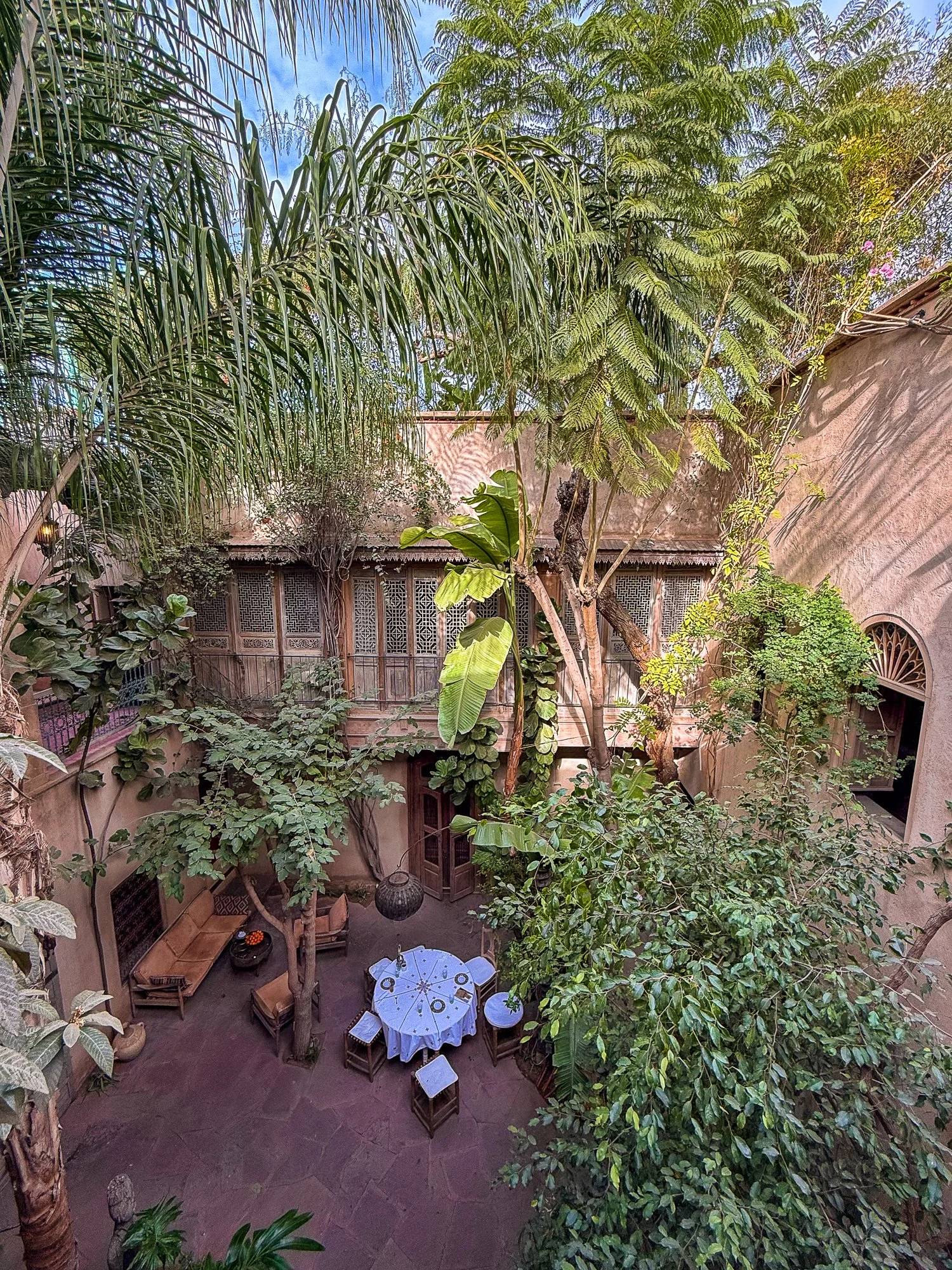
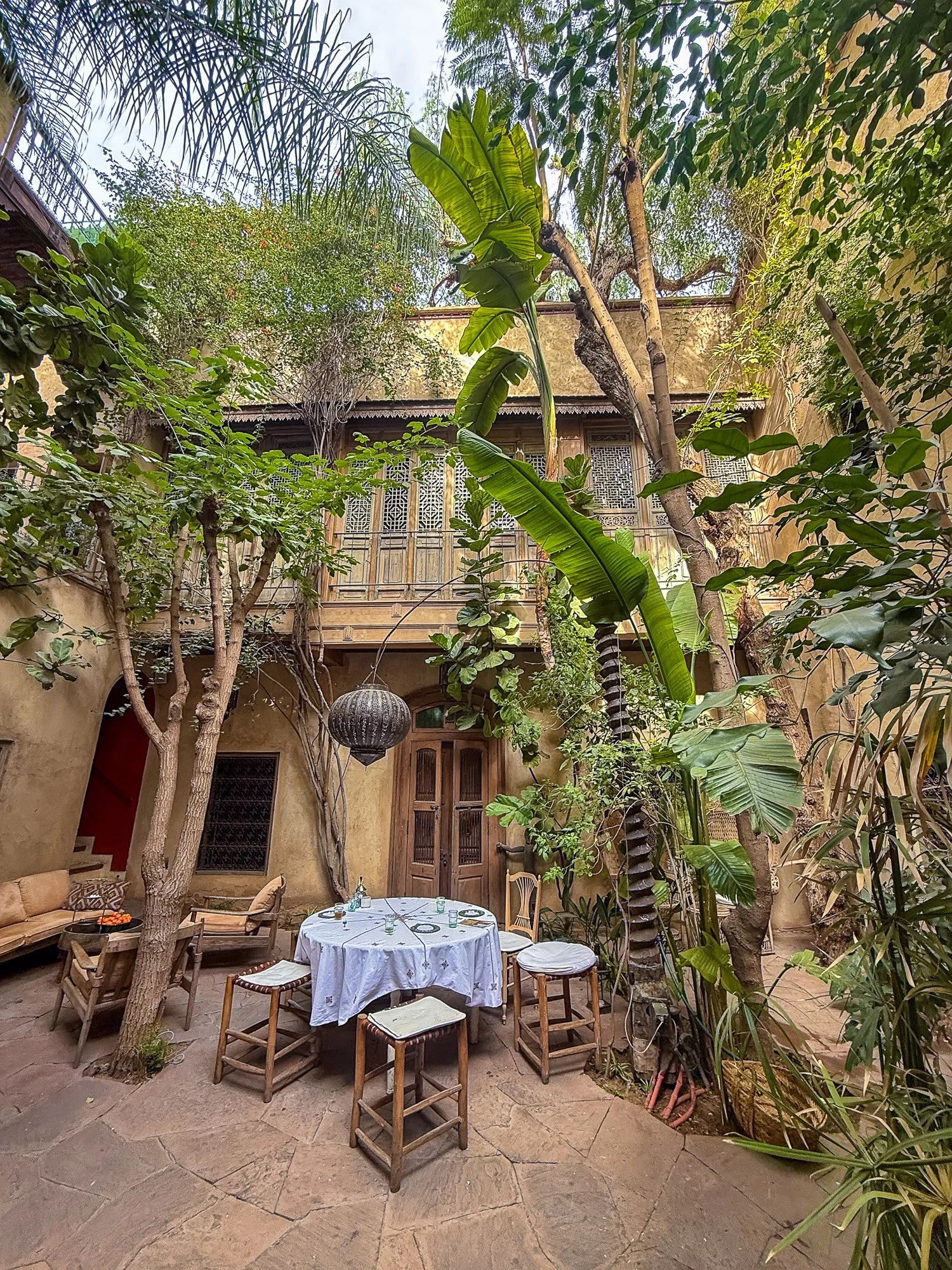
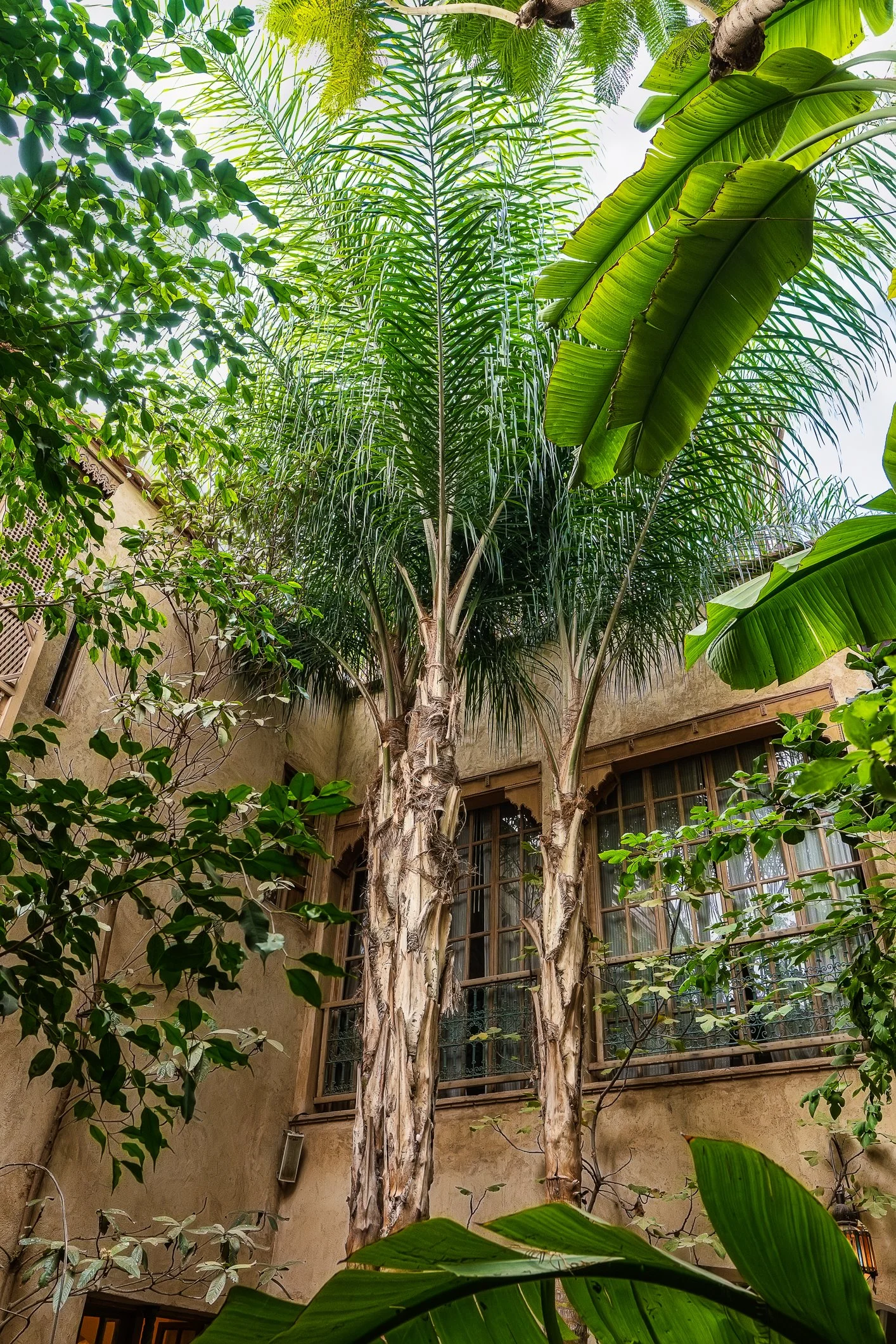
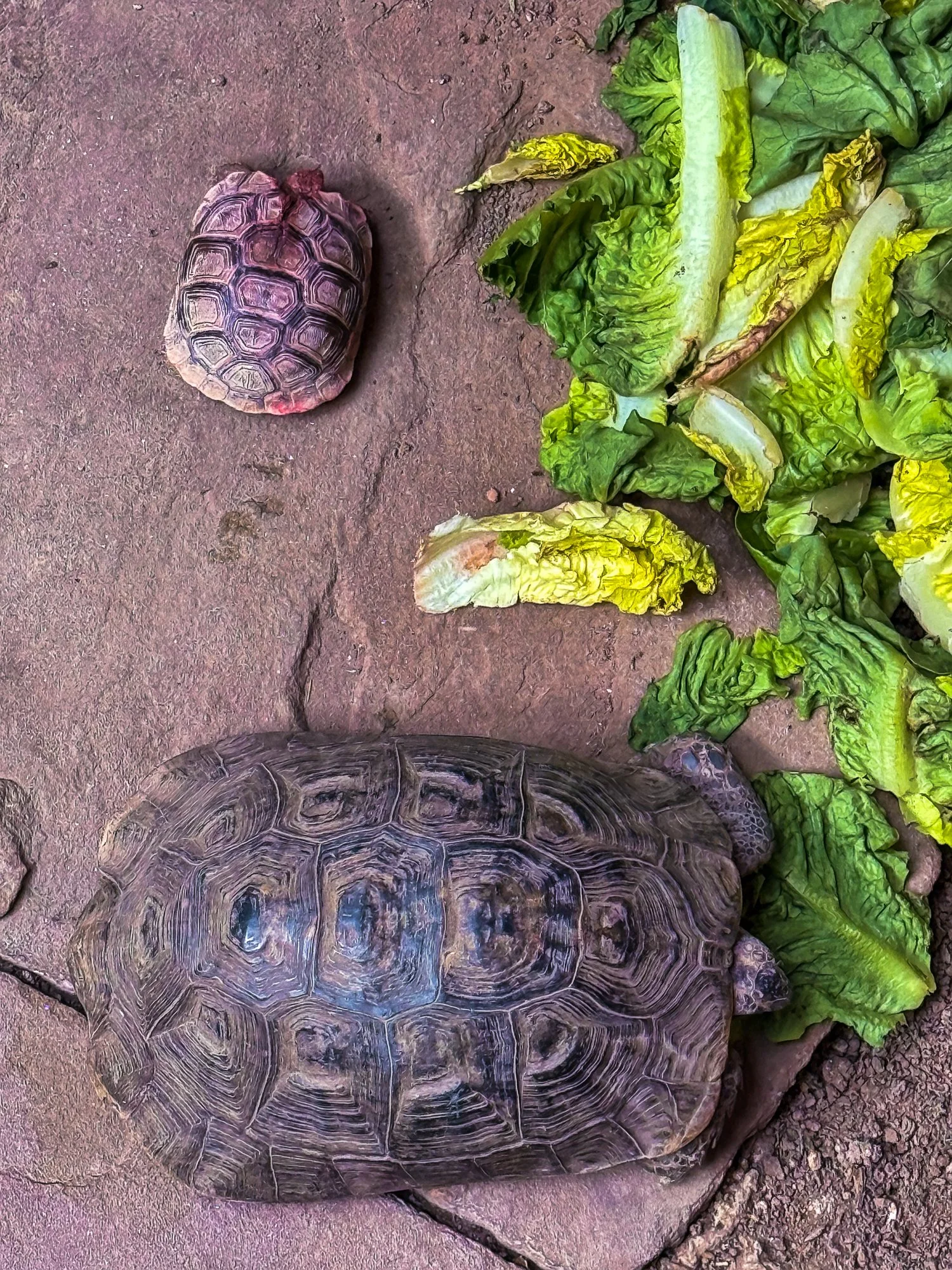
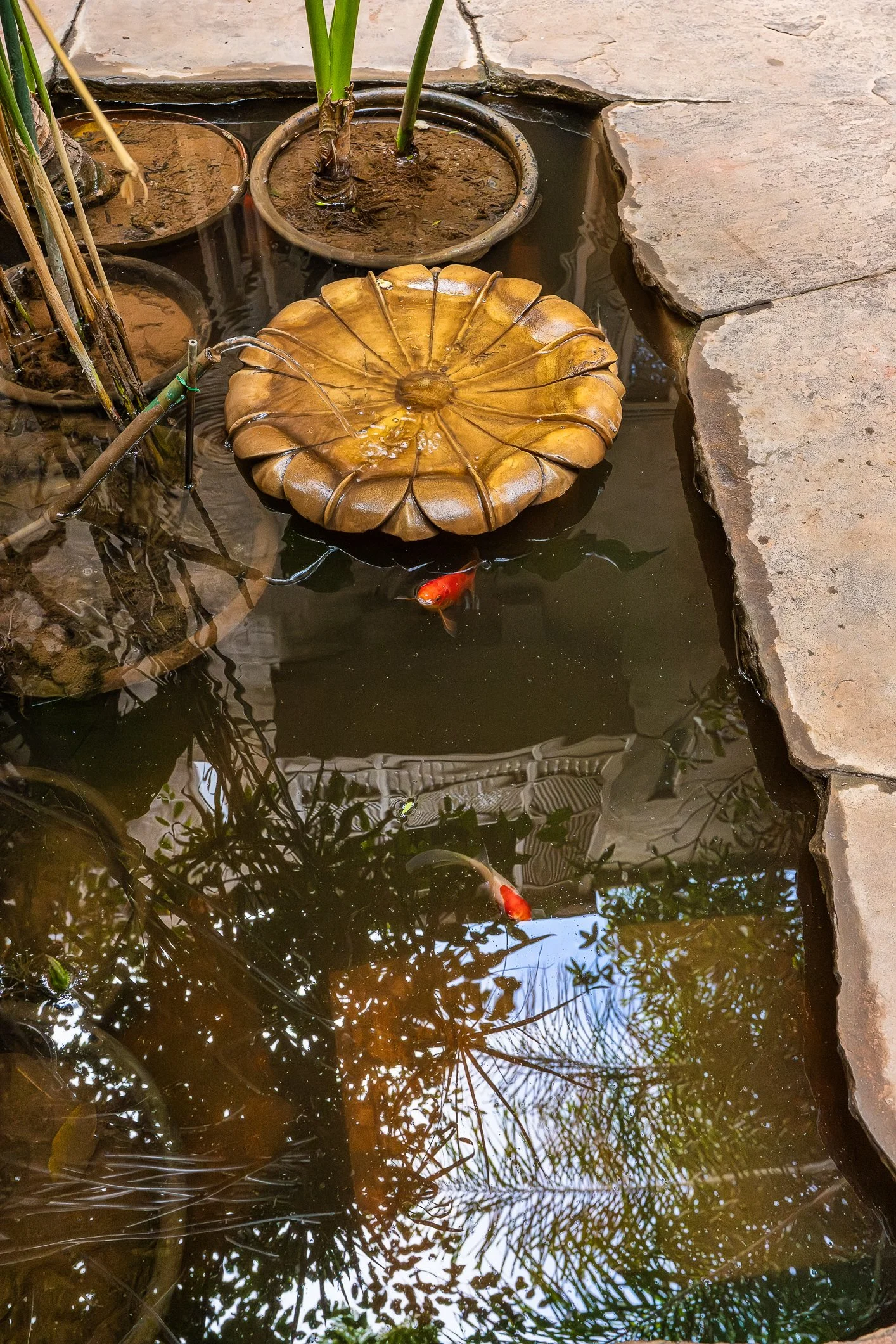
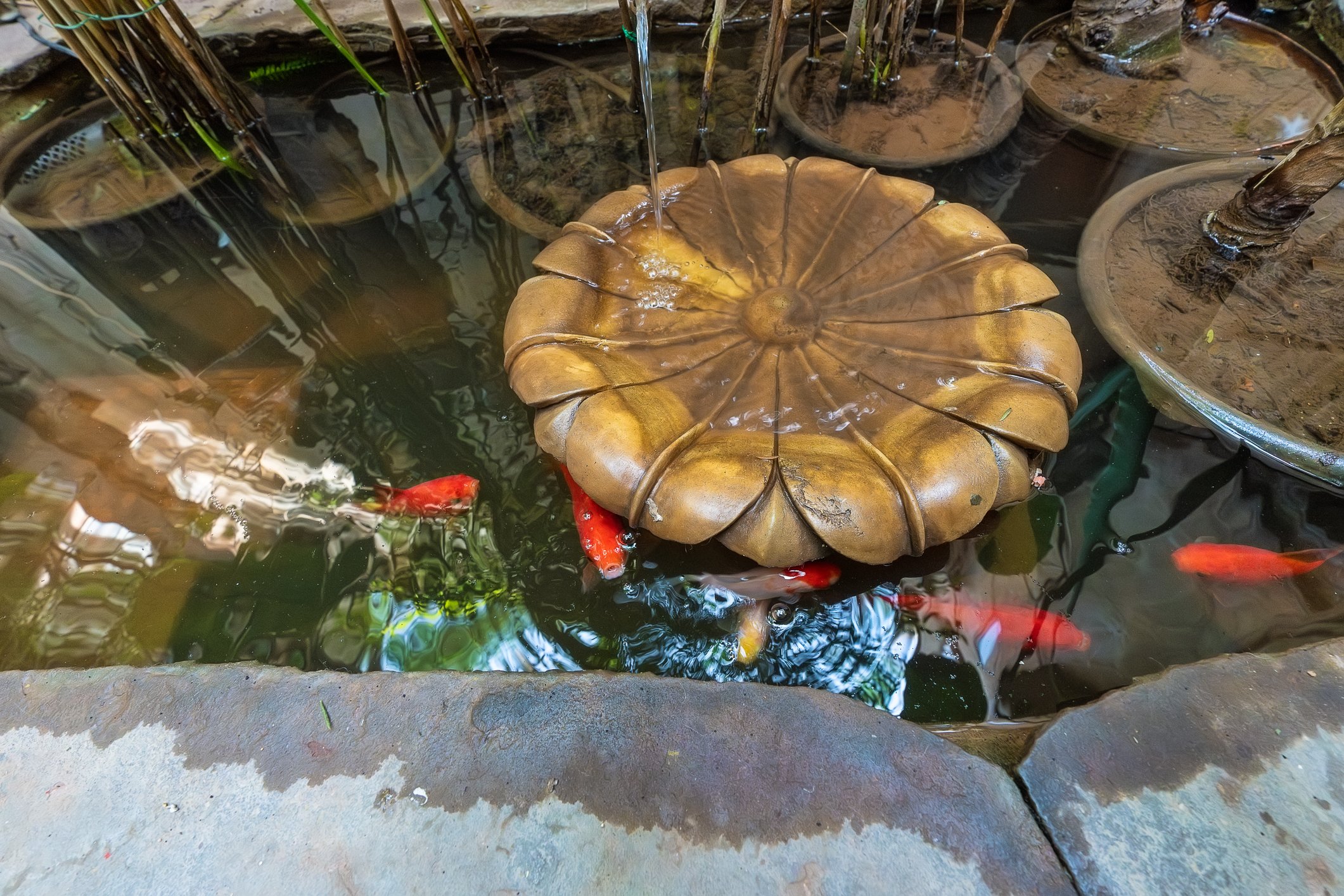
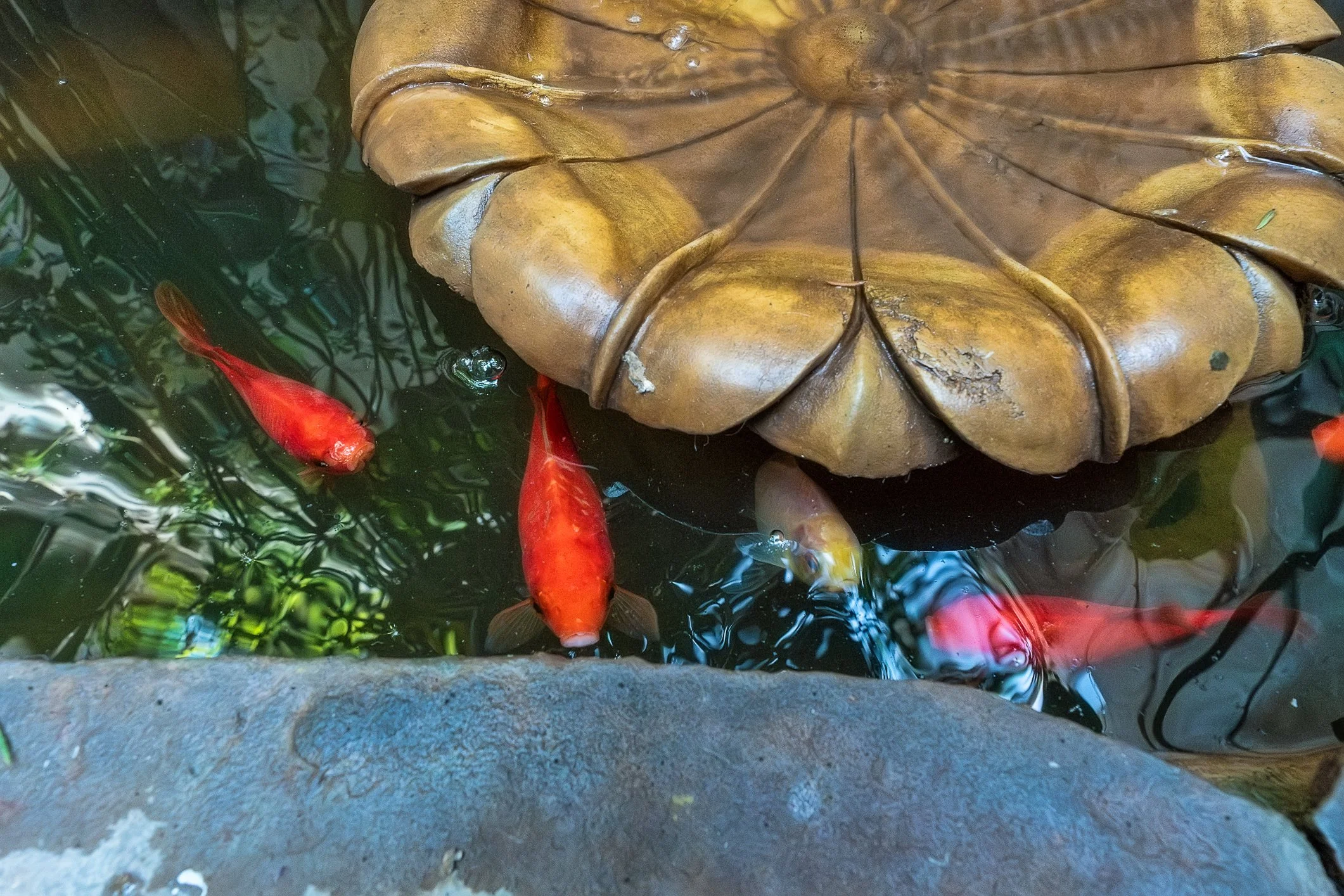
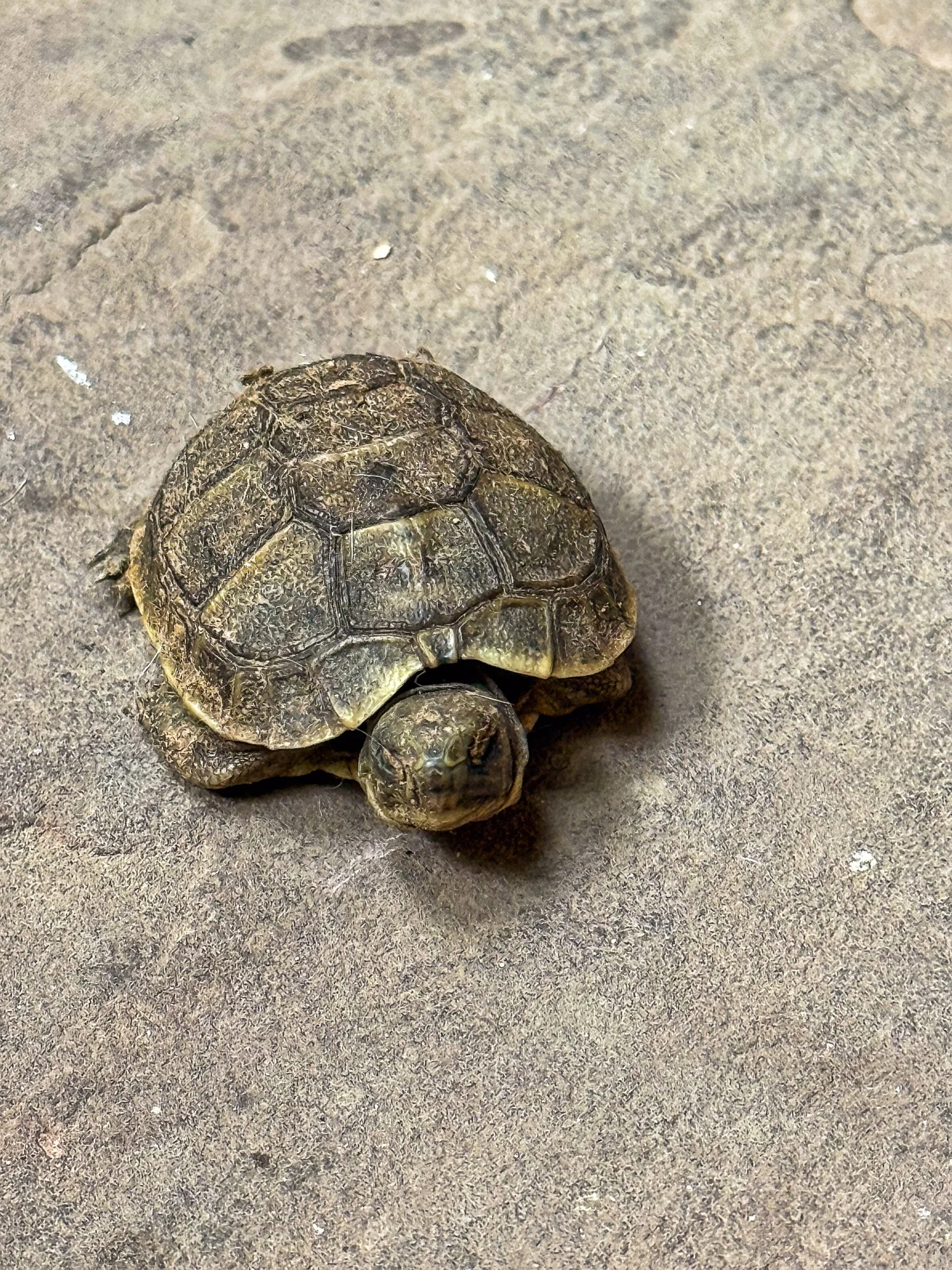
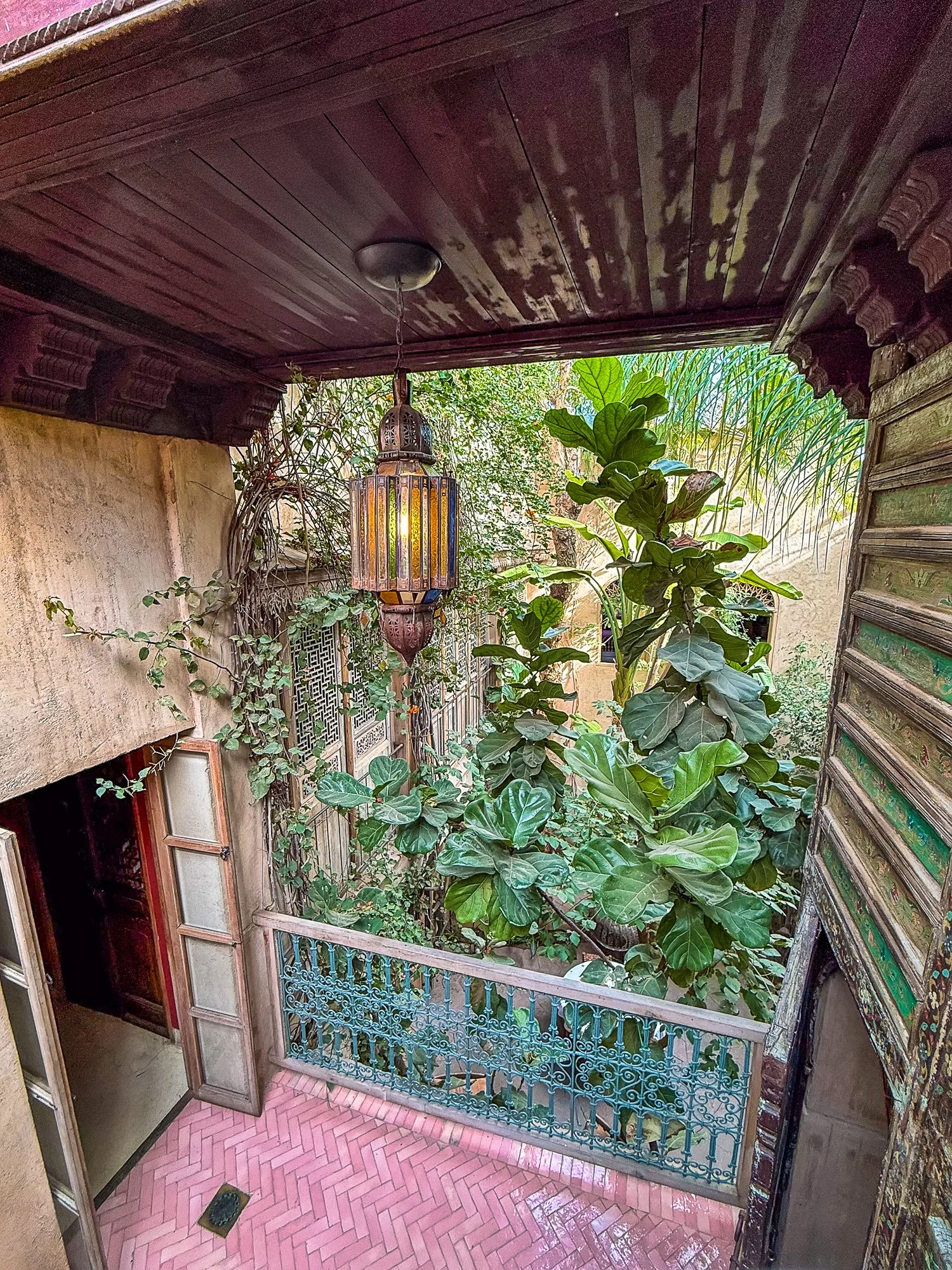
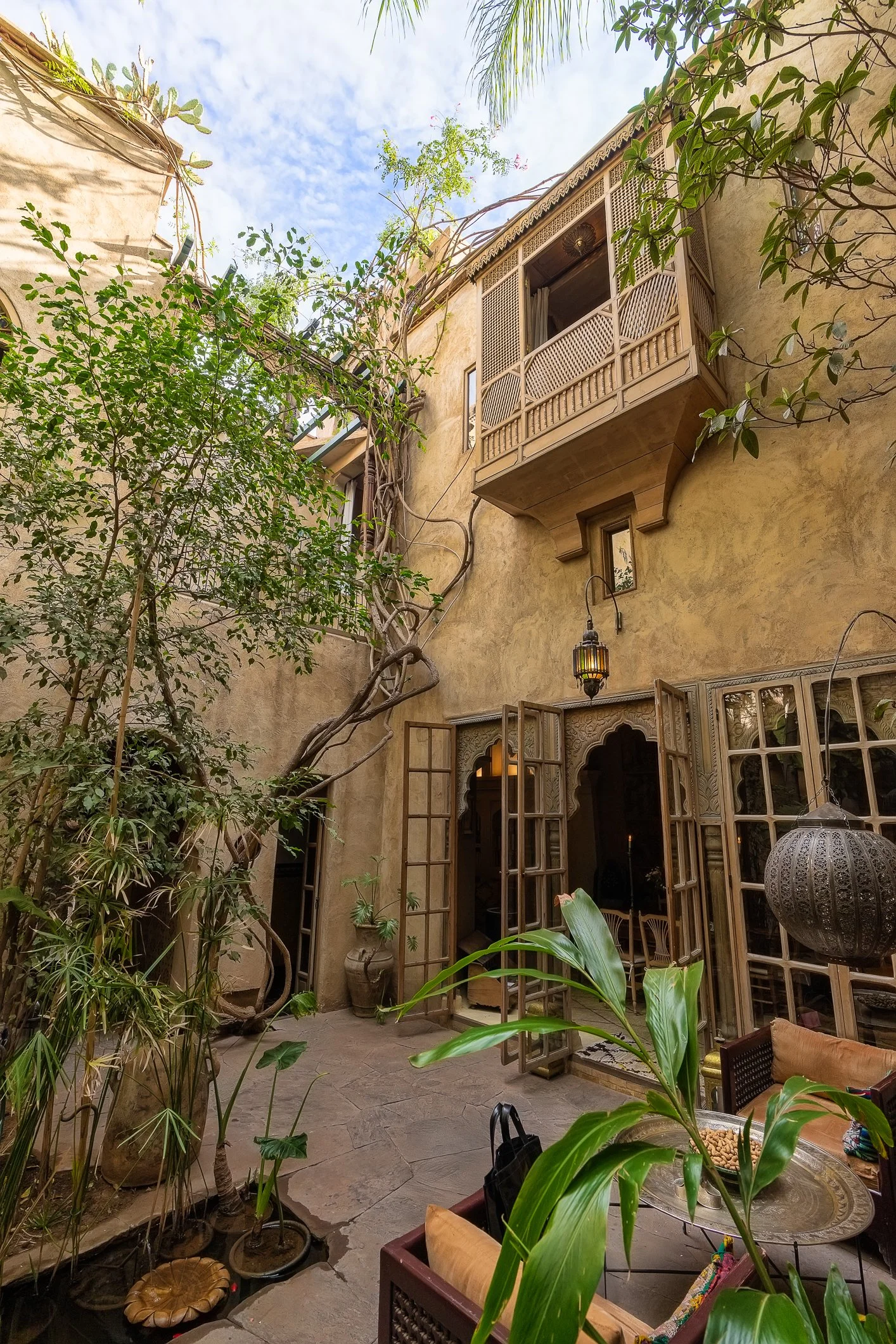
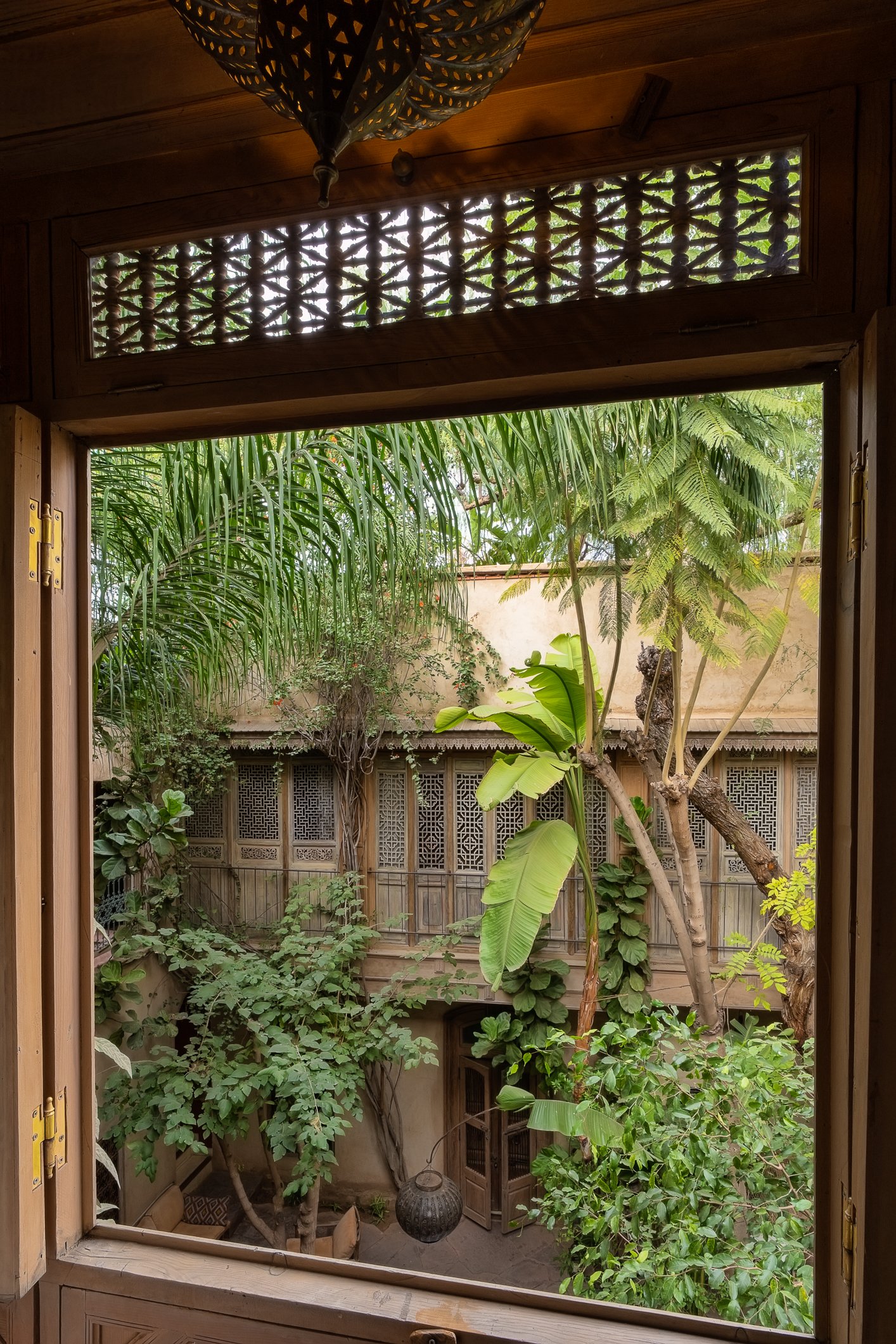
The central courtyard and garden serve as a lush, green oasis featuring 10-meter-tall eucalyptus and palm trees. It feels remarkably like a tropical hideaway. A traditional stone pond is home to several koi fish, and a few tortoises roam freely among the greenery.

Sercem riadu jest wewnętrzny ogród, który przypomina tropikalną dżunglę. Dziesięciometrowe palmy i eukaliptusy dają przyjazny cień, a pośród gęstej zieleni leniwie spacerują sobie mieszkające tutaj żółwie. W tradycyjnej kamiennej sadzawce pływają zaś karpie koi.

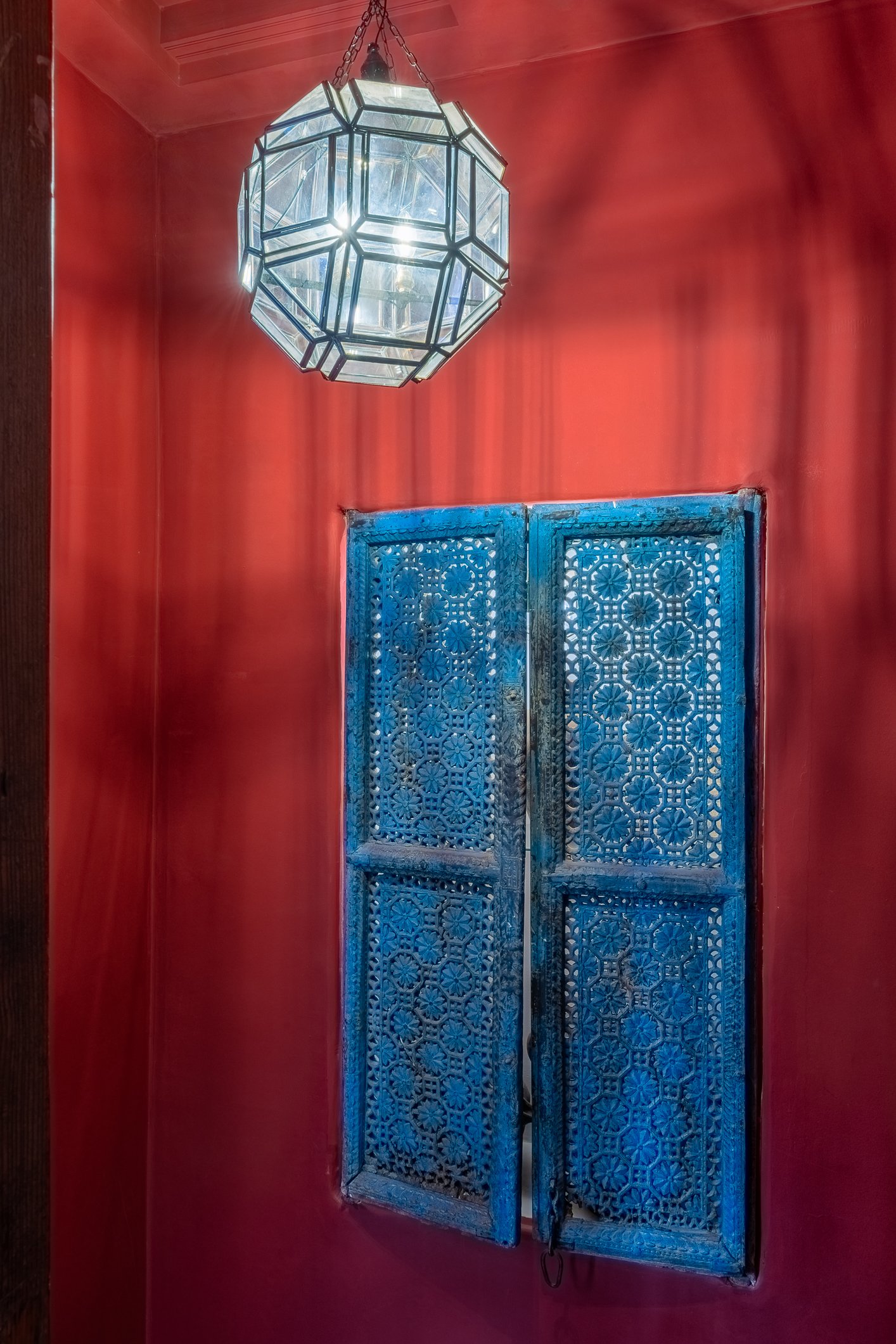
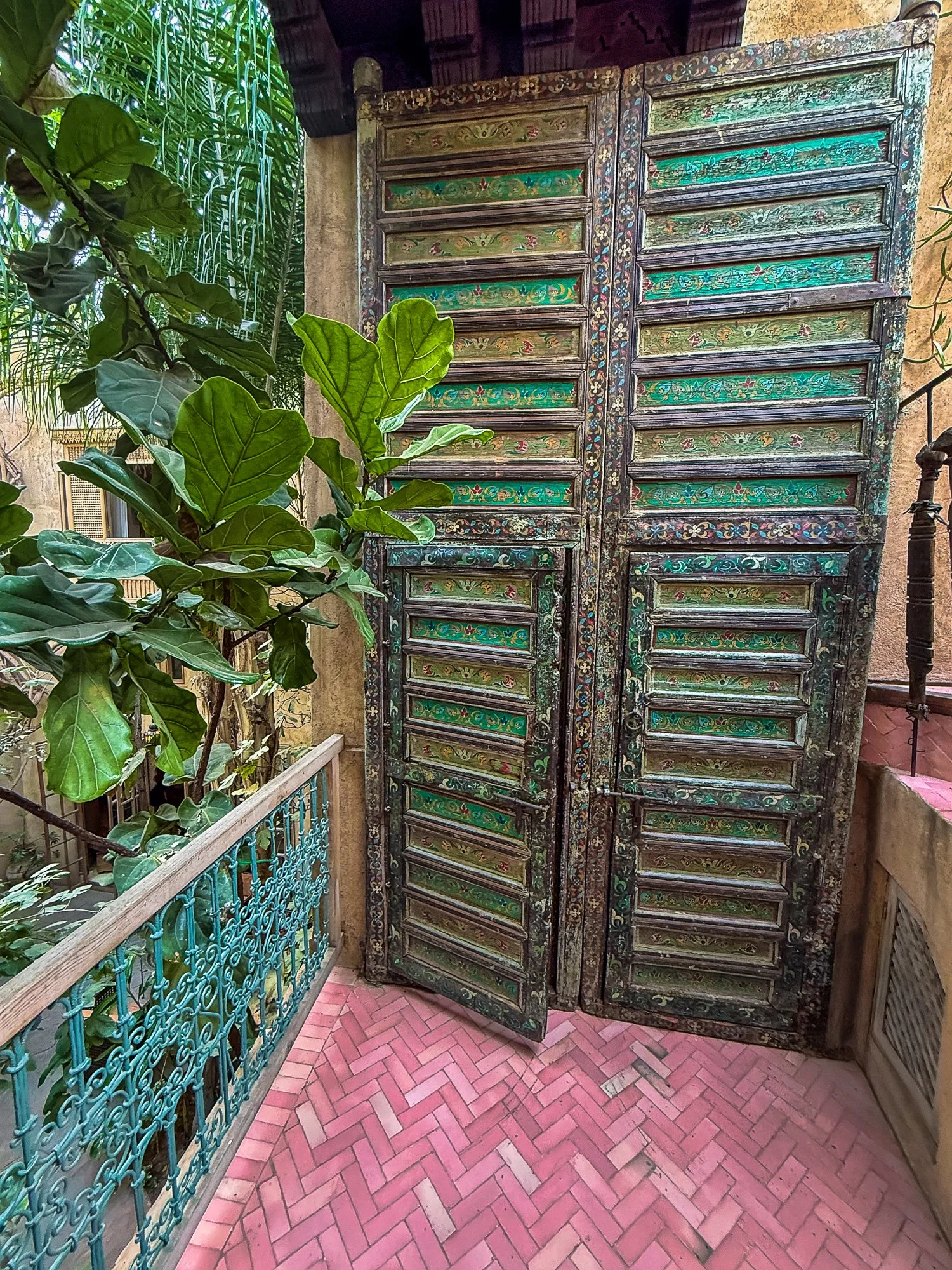
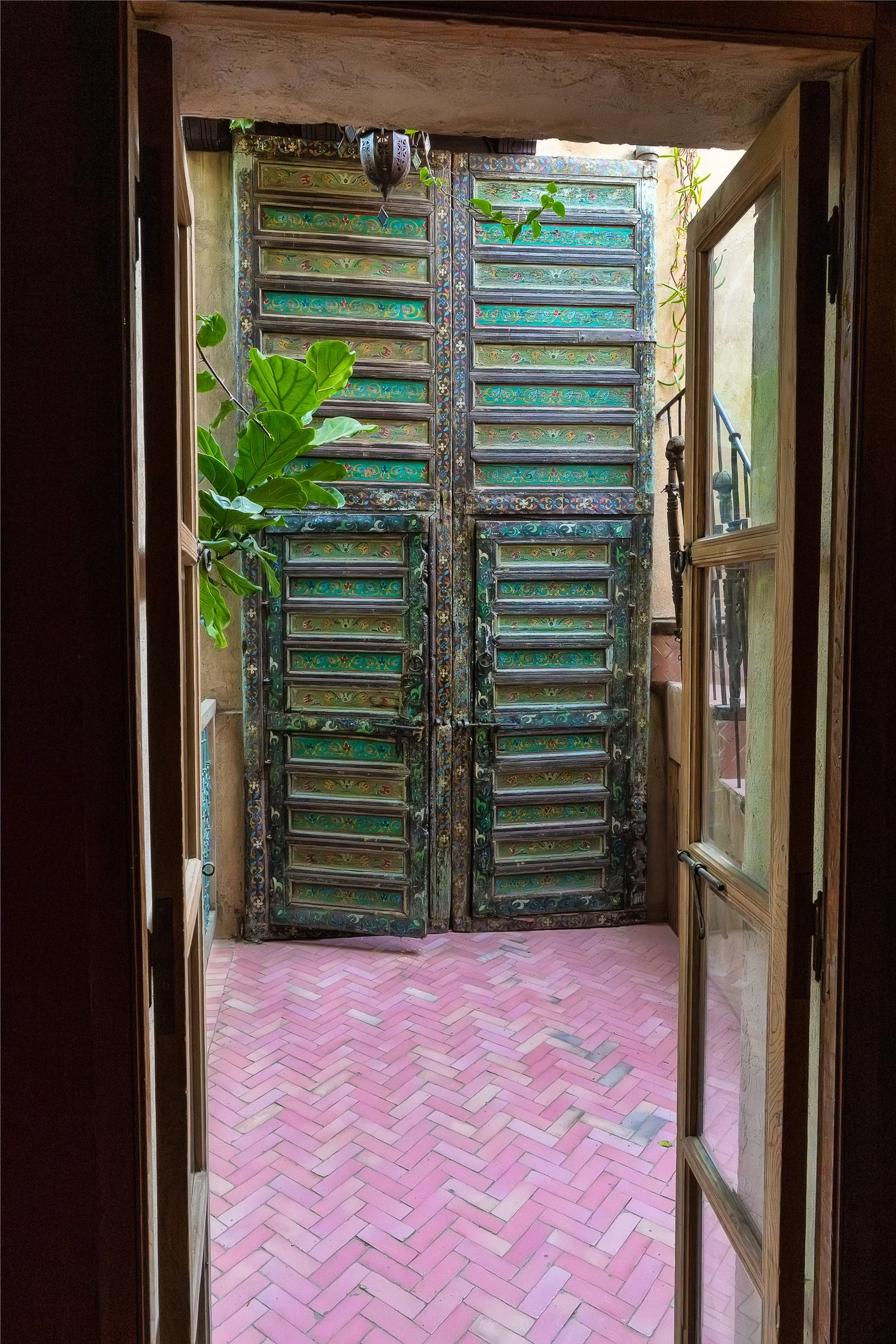
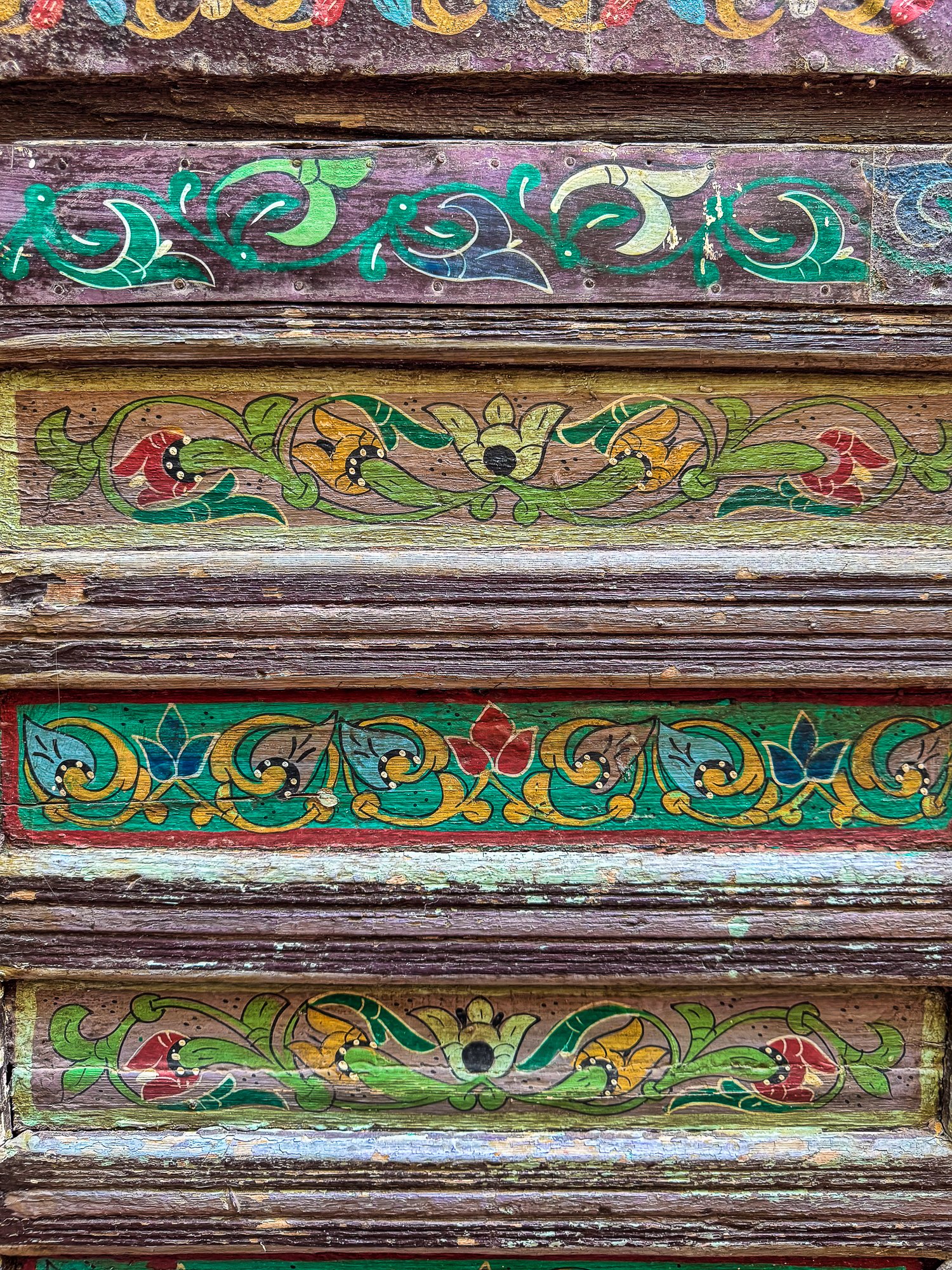
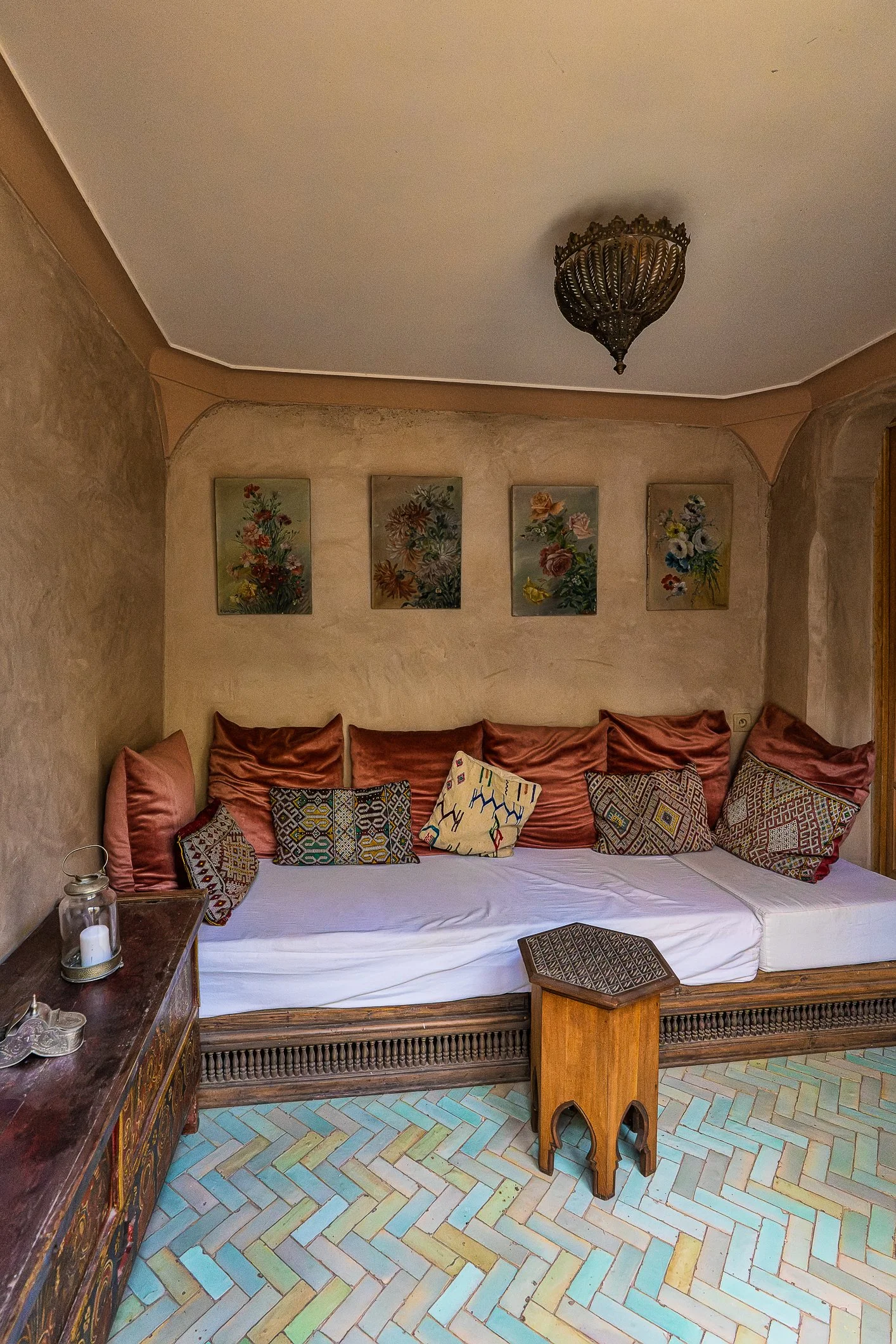
Throughout the riad, the floors utilize traditional terracotta tiles. Designs range from pure white bejmat (the rustic, rectangular bricks often used for a natural, earthy feel) to intricate zellige patterns, which are meticulously hand-cut tile mosaics. Hand-painted zouak doors are also featured, showcasing traditional floral and geometric motifs painted directly onto the wood.

To, co zachwyca w tym riadzie najbardziej, to autentyczność materiałów. Podłogi to surowe, terakotowe płytki bejmat lub misterne, ręcznie wycinane mozaiki zellige, ręcznie malowane drzwi zouak zdobią motywy roślinne, a sufity tatoui wykonane są z plecionych gałązek oleandra. Ściany są często wykończone gładkim, lśniącym tynkiem tadelakt, polerowanym rzecznymi kamieniami.

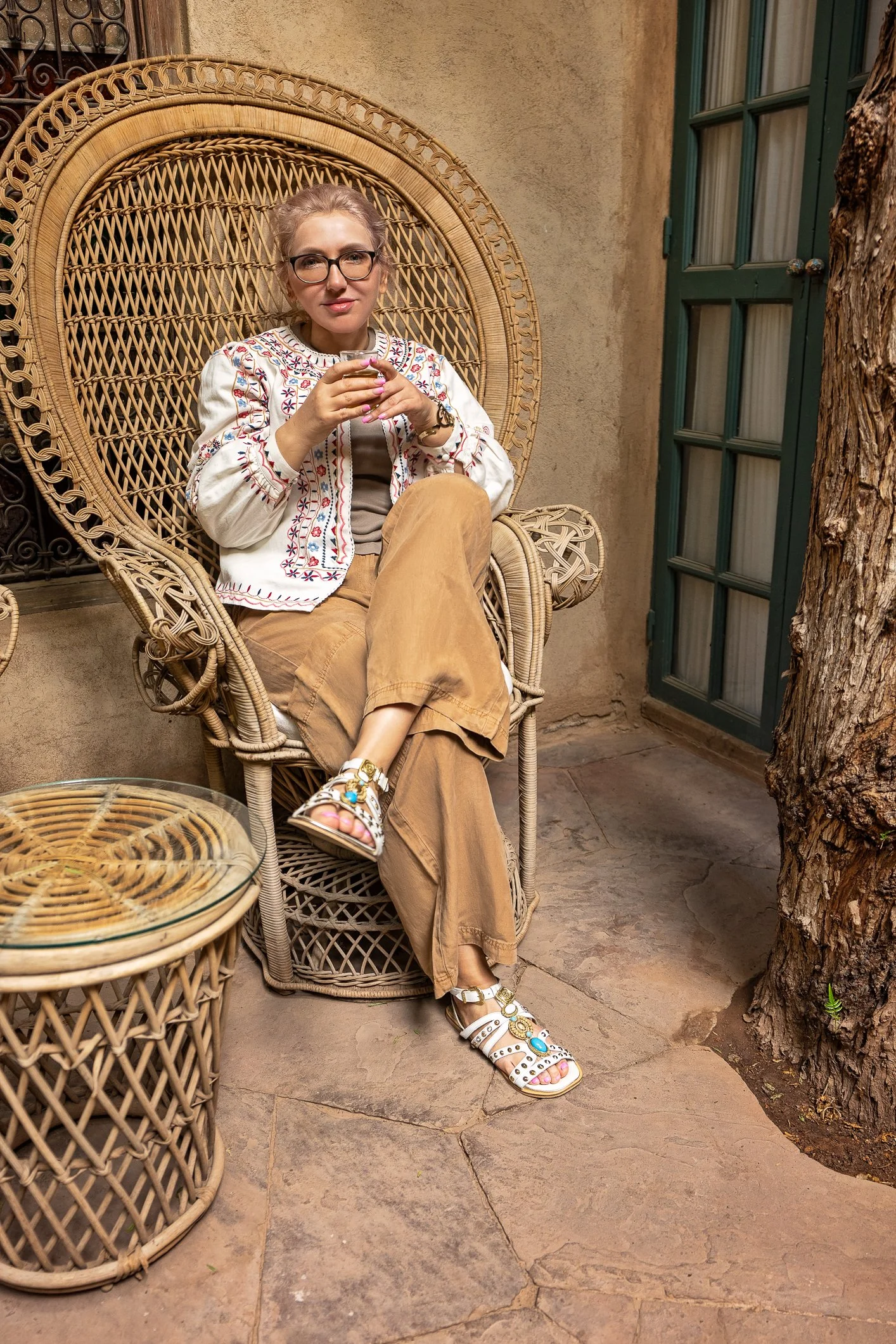
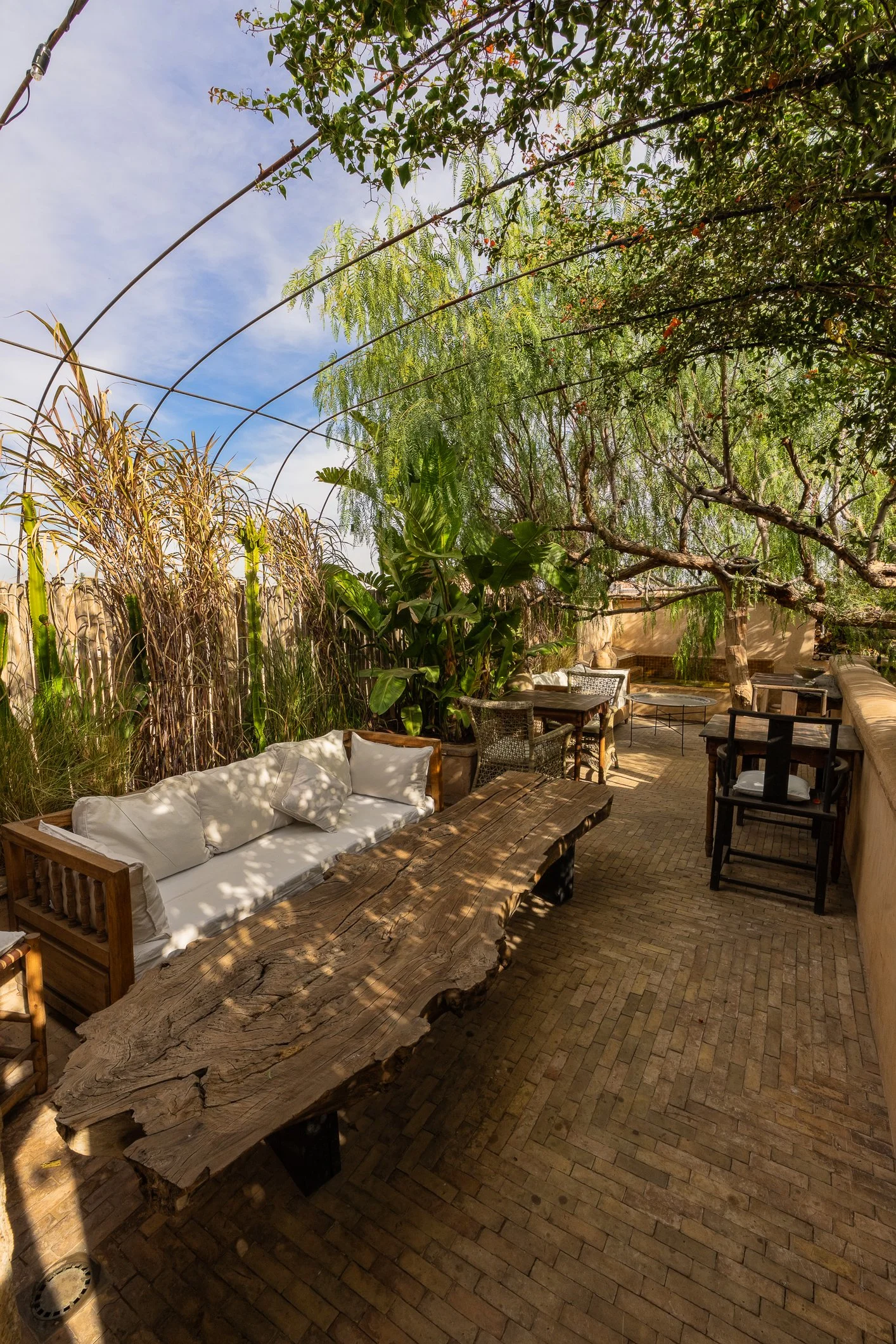
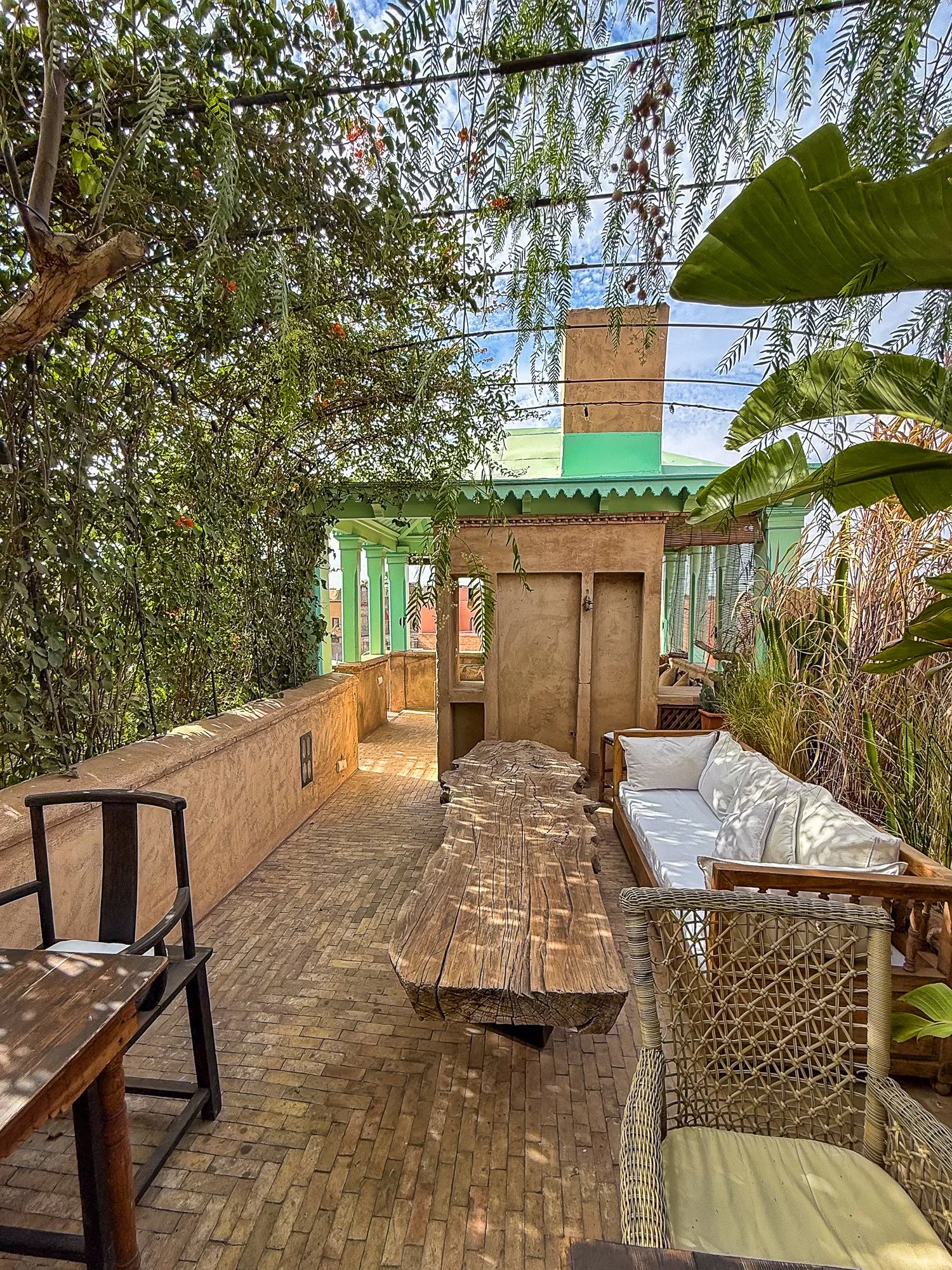
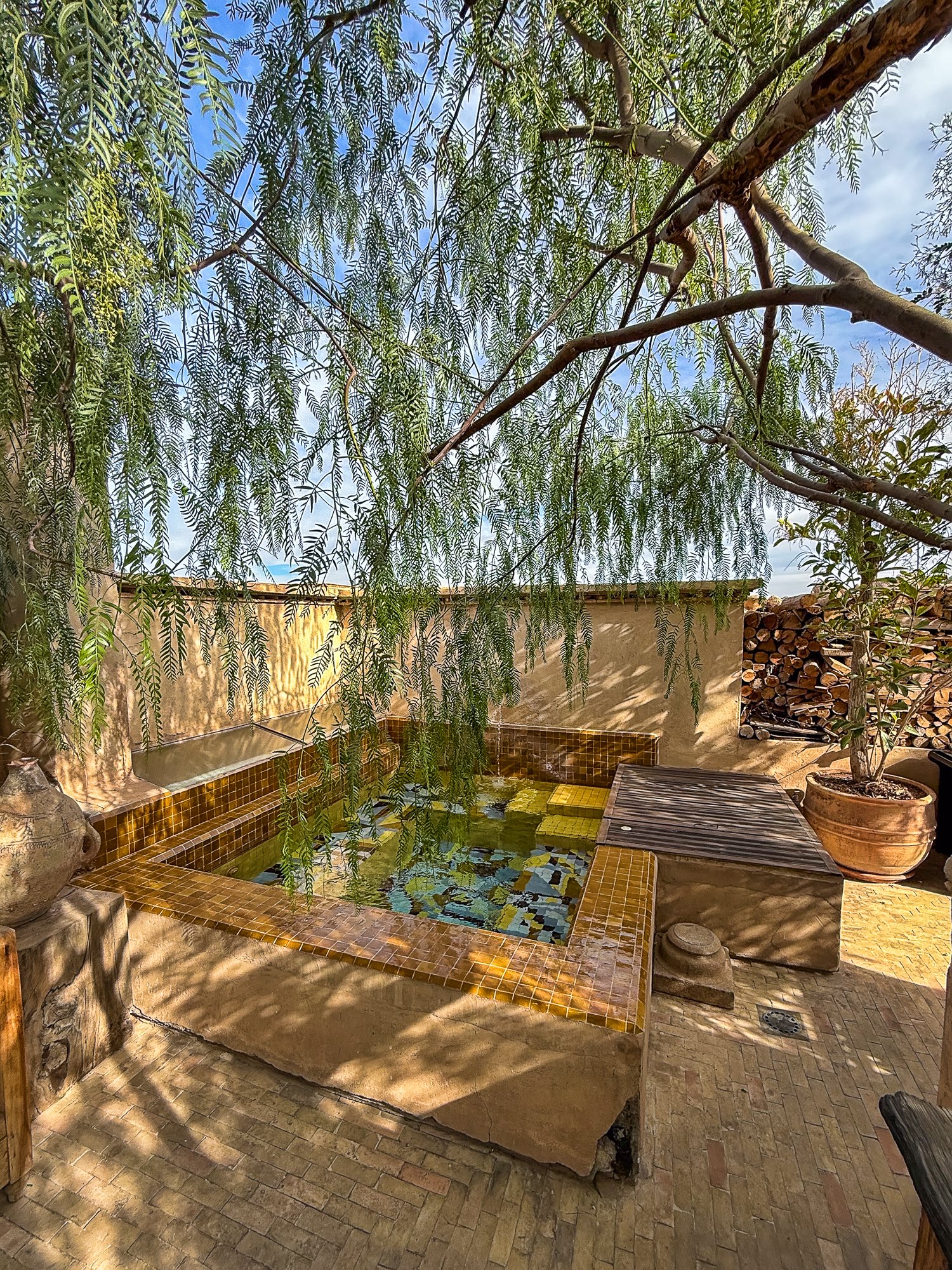
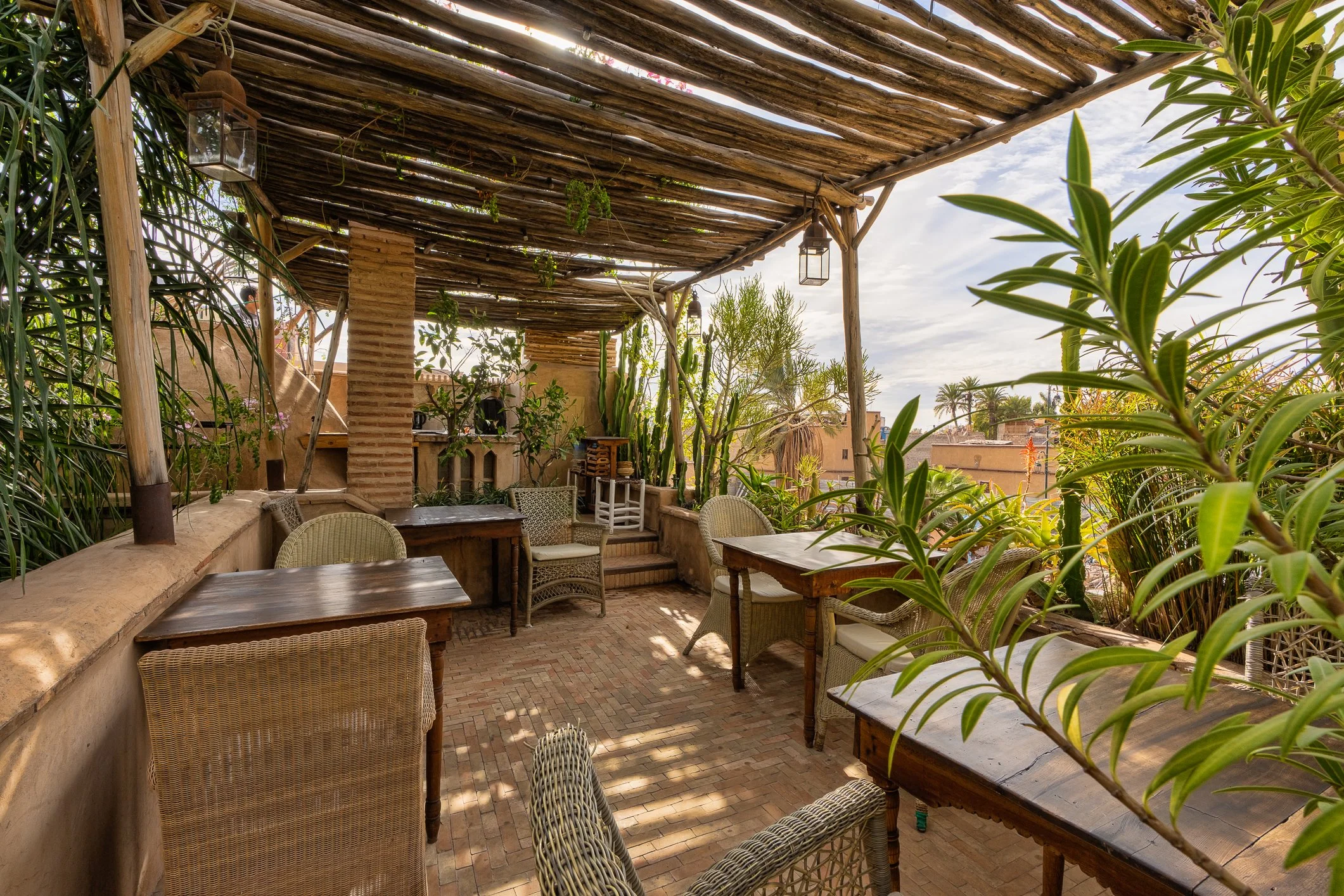
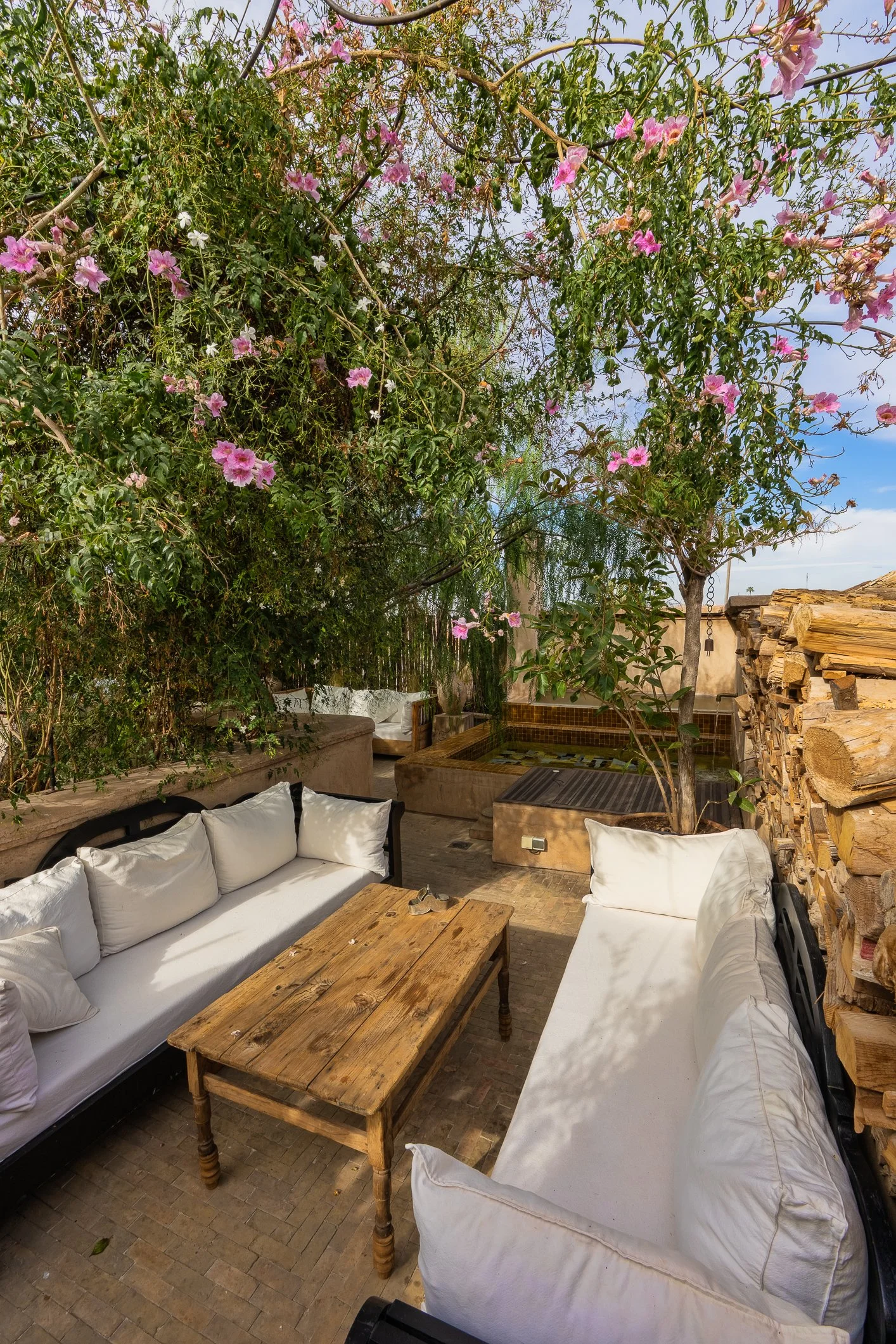
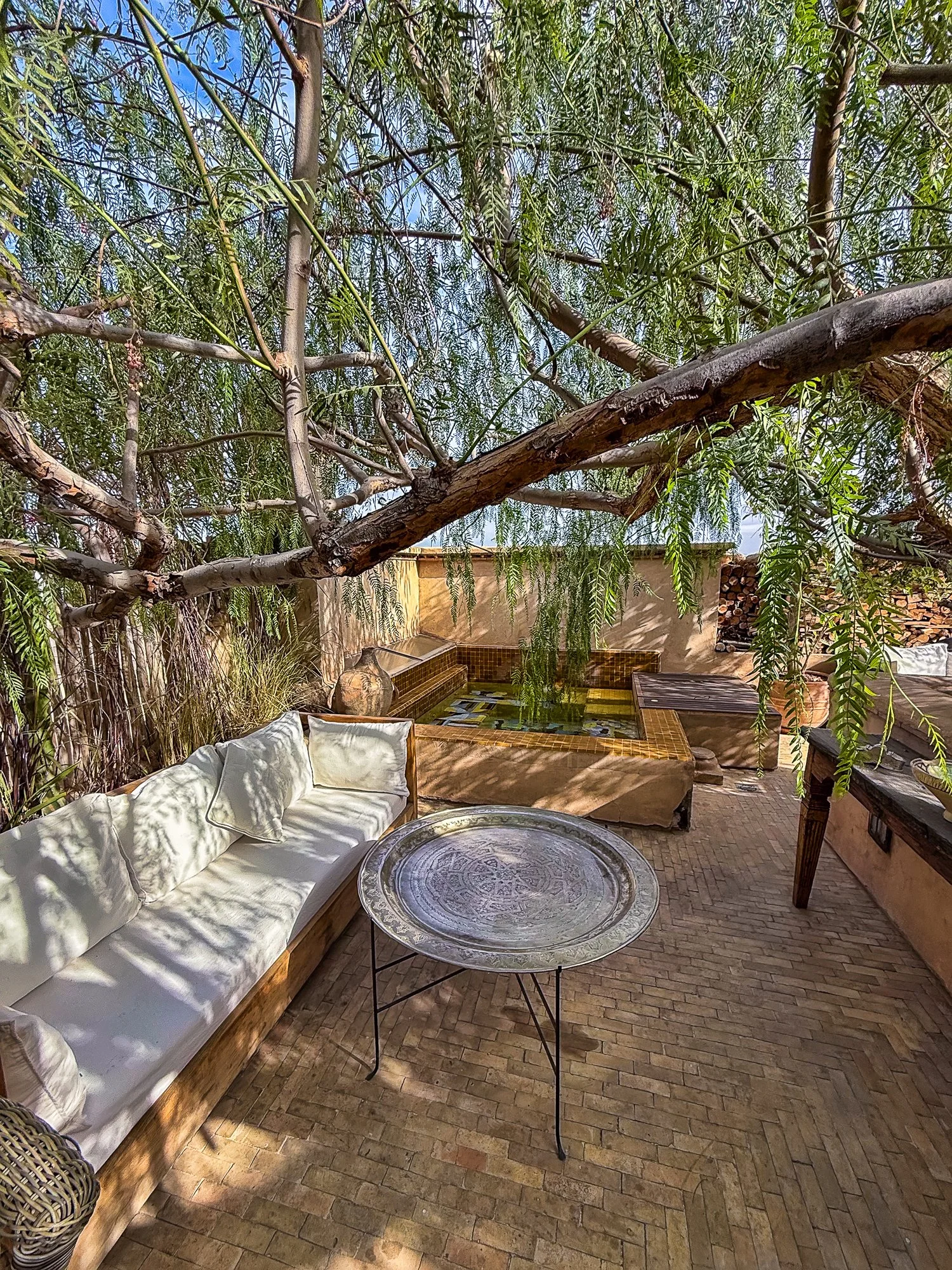
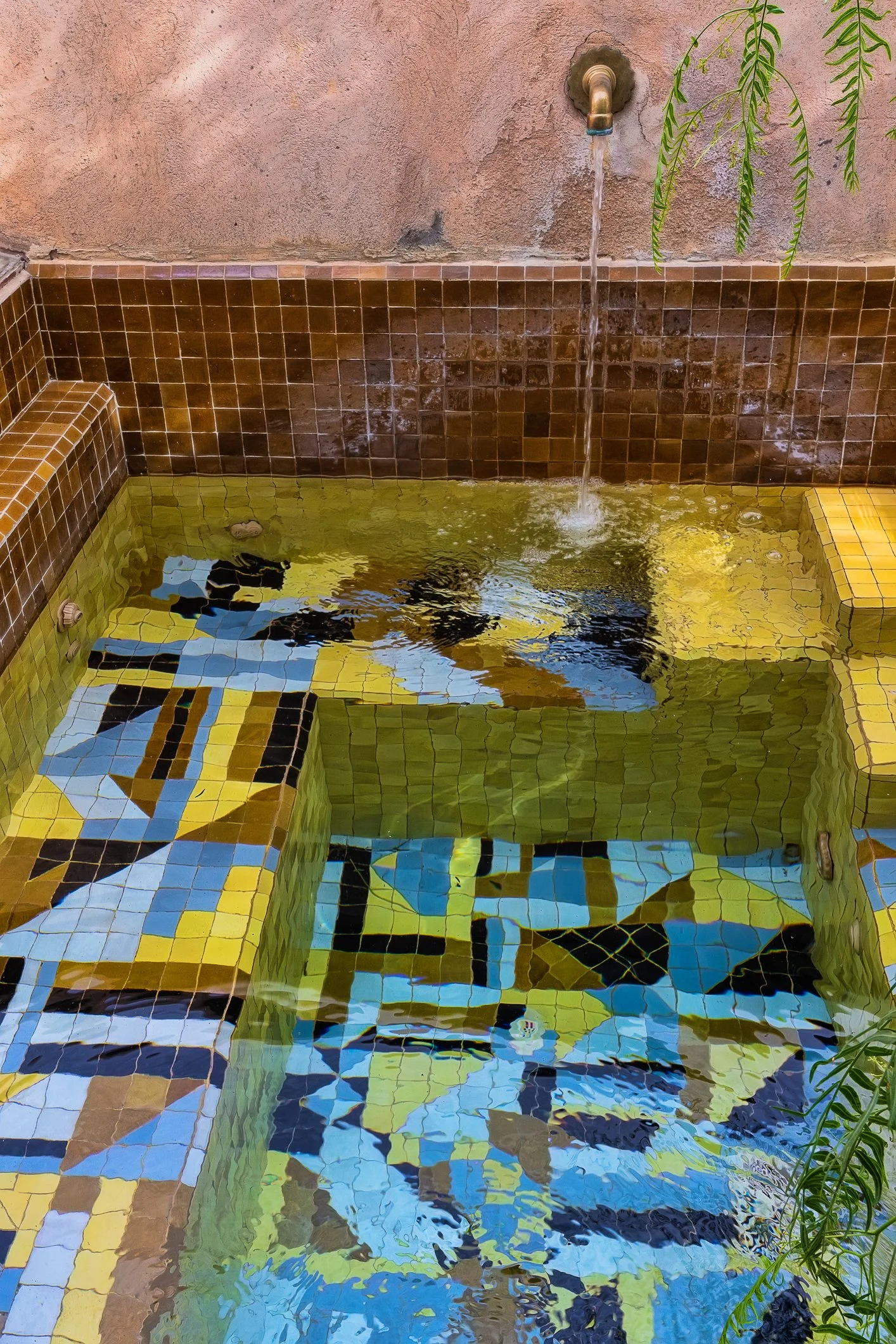
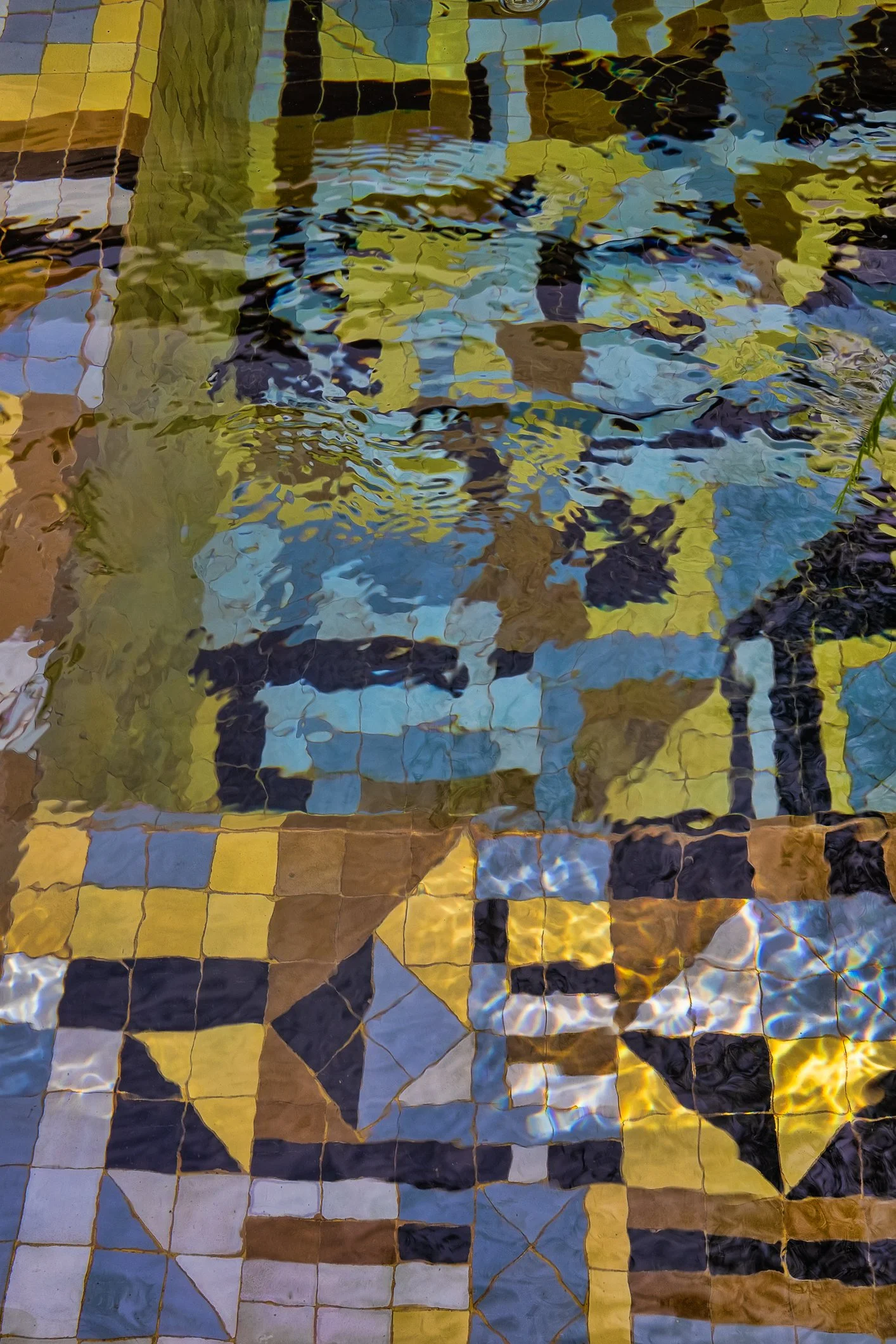
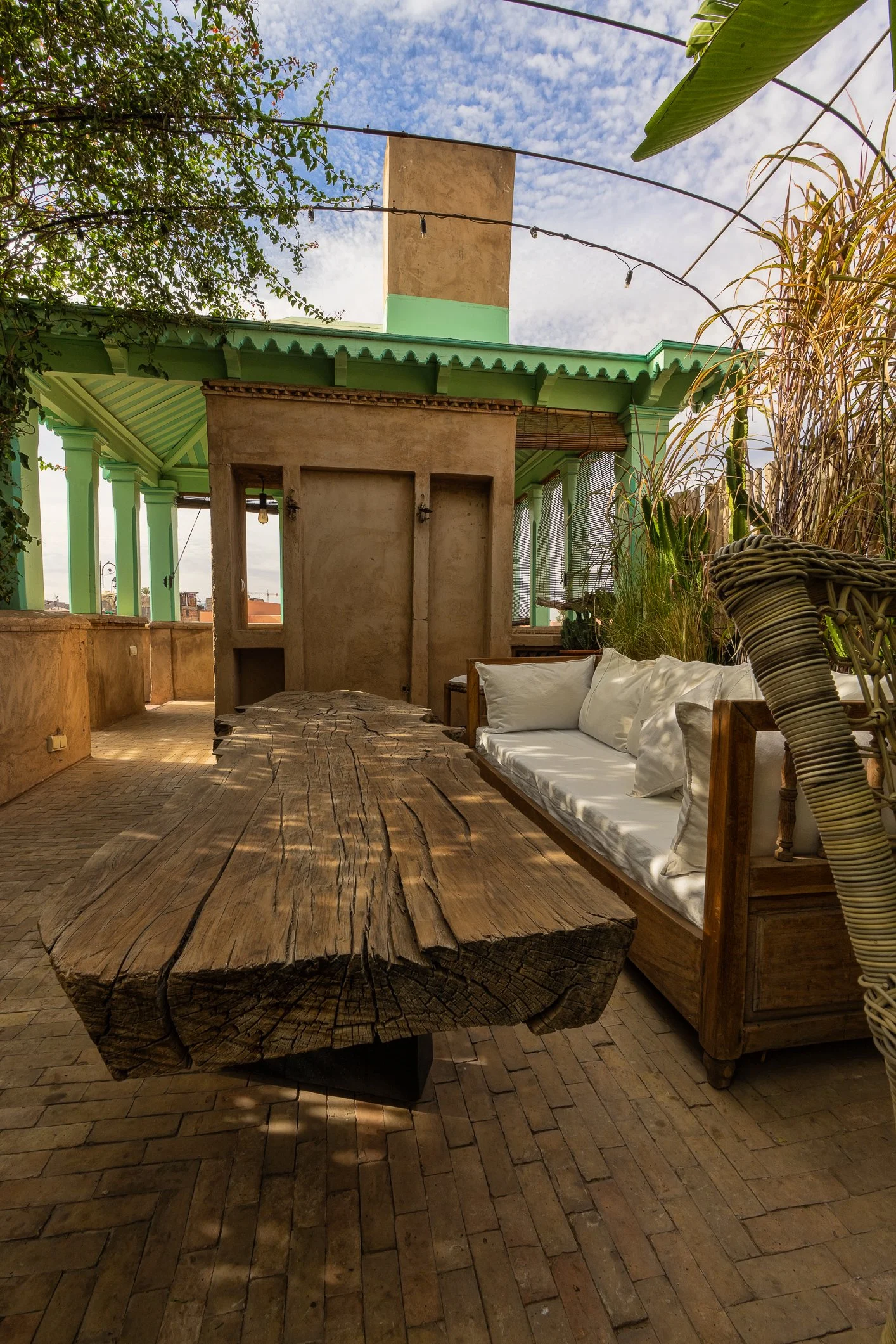
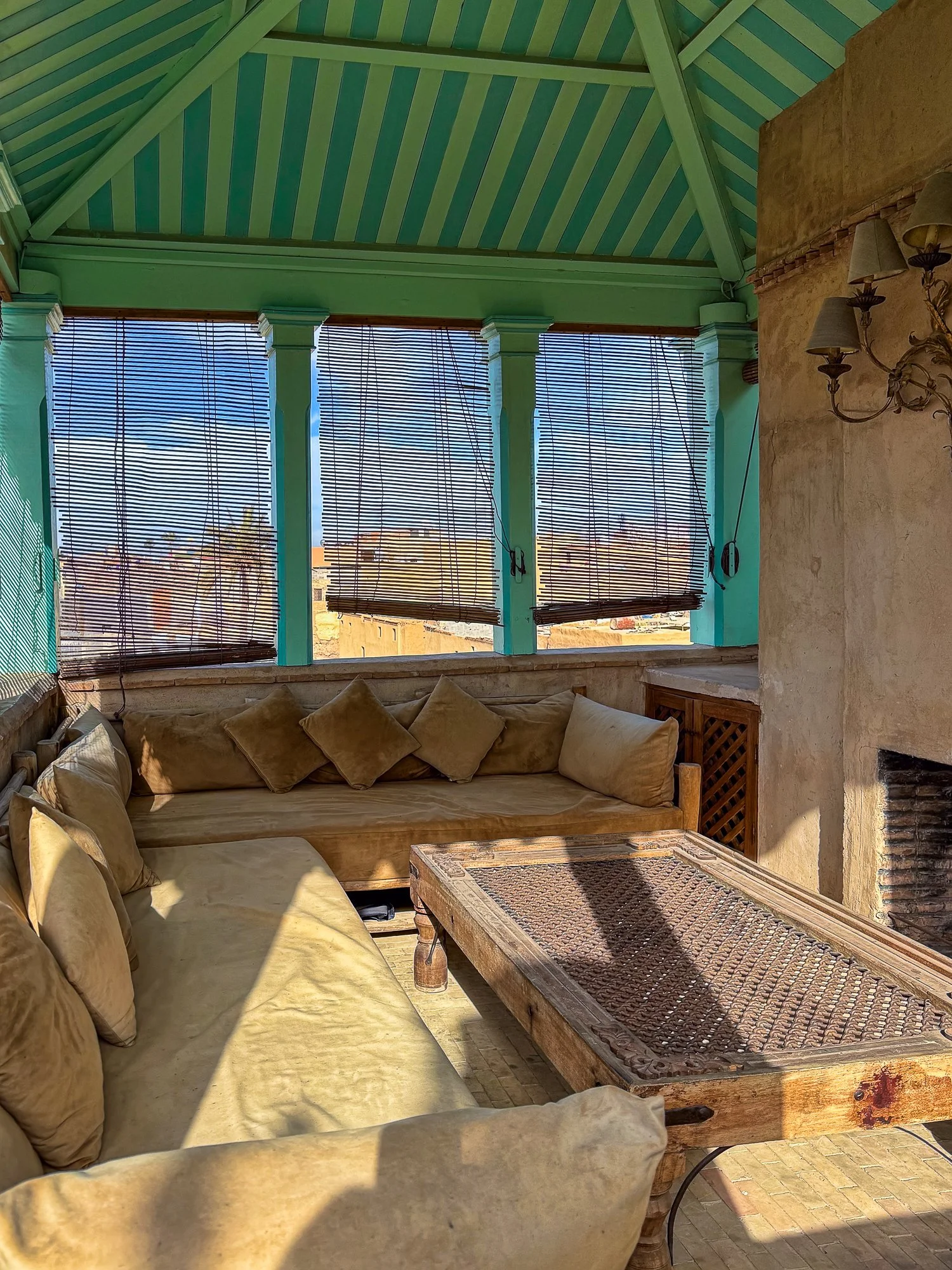
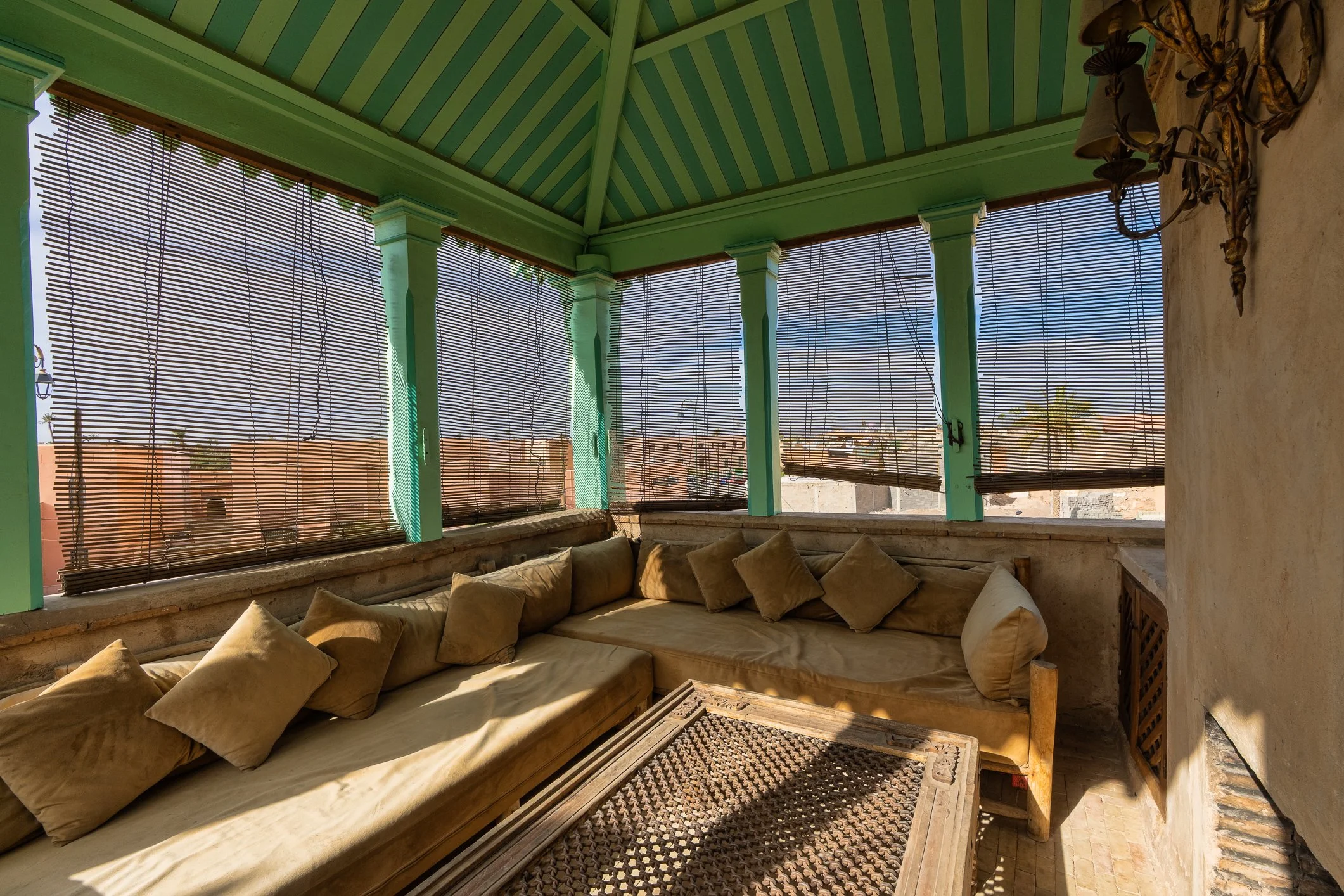
The terrace is designed as a series of intimate "pockets" rather than a large open plaza. It provides panoramic views over the authentic, less-developed Zaouia el Abassia quarter of the medina. A modest traditional plunge pool is integrated into the terrace design, providing a cool retreat from the heat. This is not the season though to jump in, at least not for us.

W przeciwieństwie do ogromnych, otwartych tarasów, ten w Kbour & Chou jest podzielony na kameralne wnęki. Można się w nich zaszyć z książką lub dzbankiem herbaty, obserwując panoramę mniej turystycznej, surowej części medyny. Dla ochłody przygotowano tradycyjny mały basen (plunge pool), idealnie wkomponowany w architekturę dachu. Latem pewnie byśmy już tam moczyli swoje odwłoki, ale Marrakesz o tej porze roku jest na to dla nas za zimny.

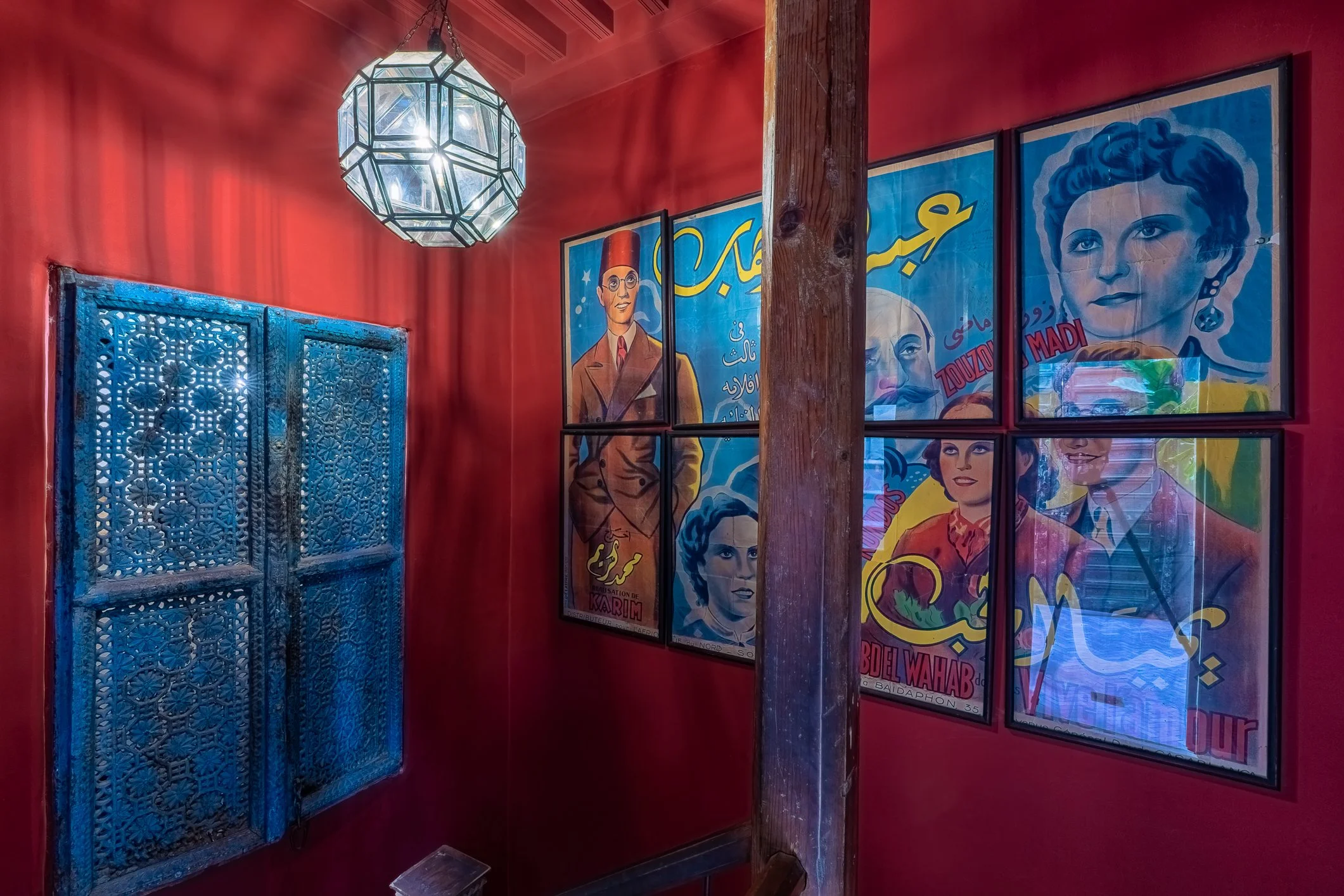
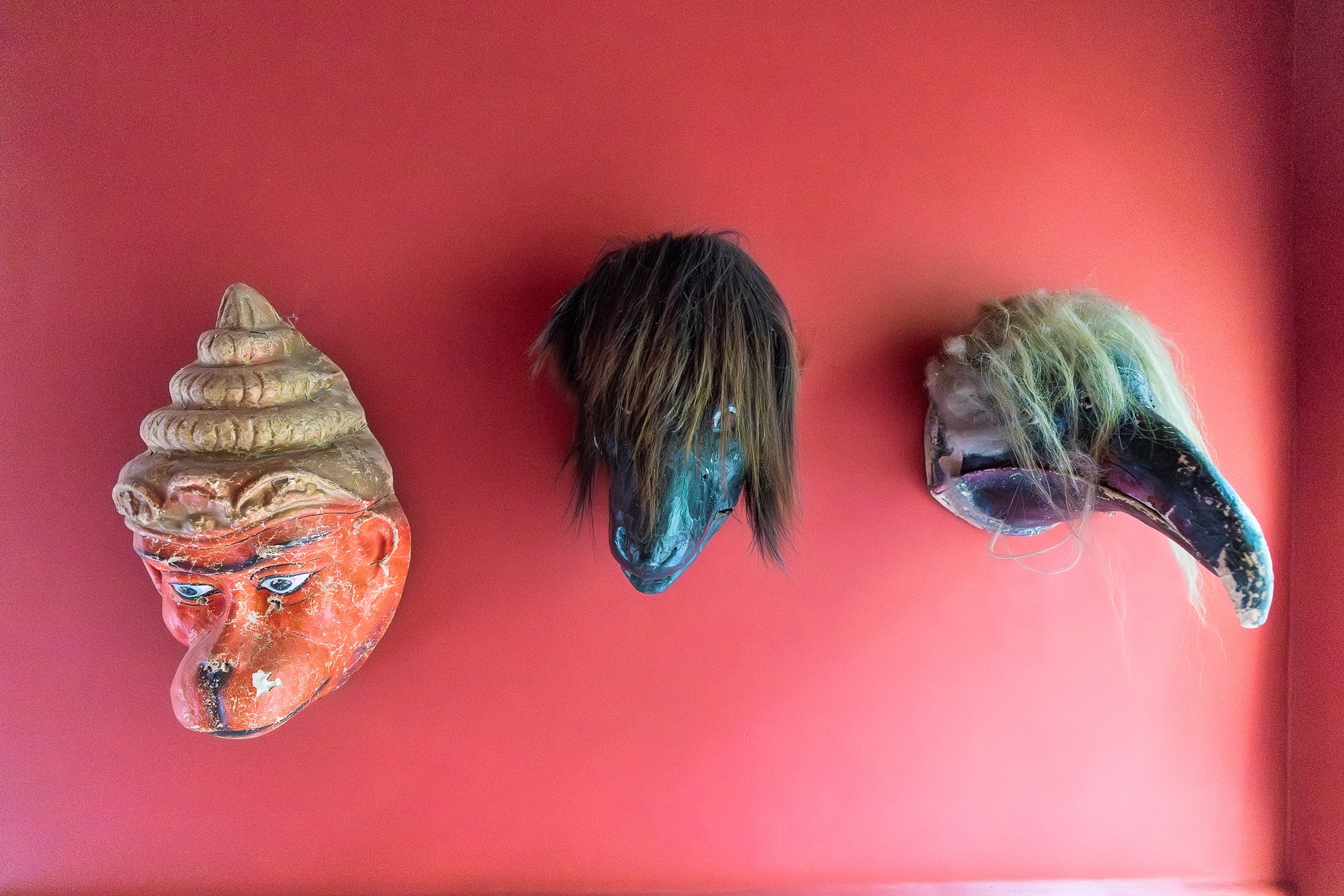
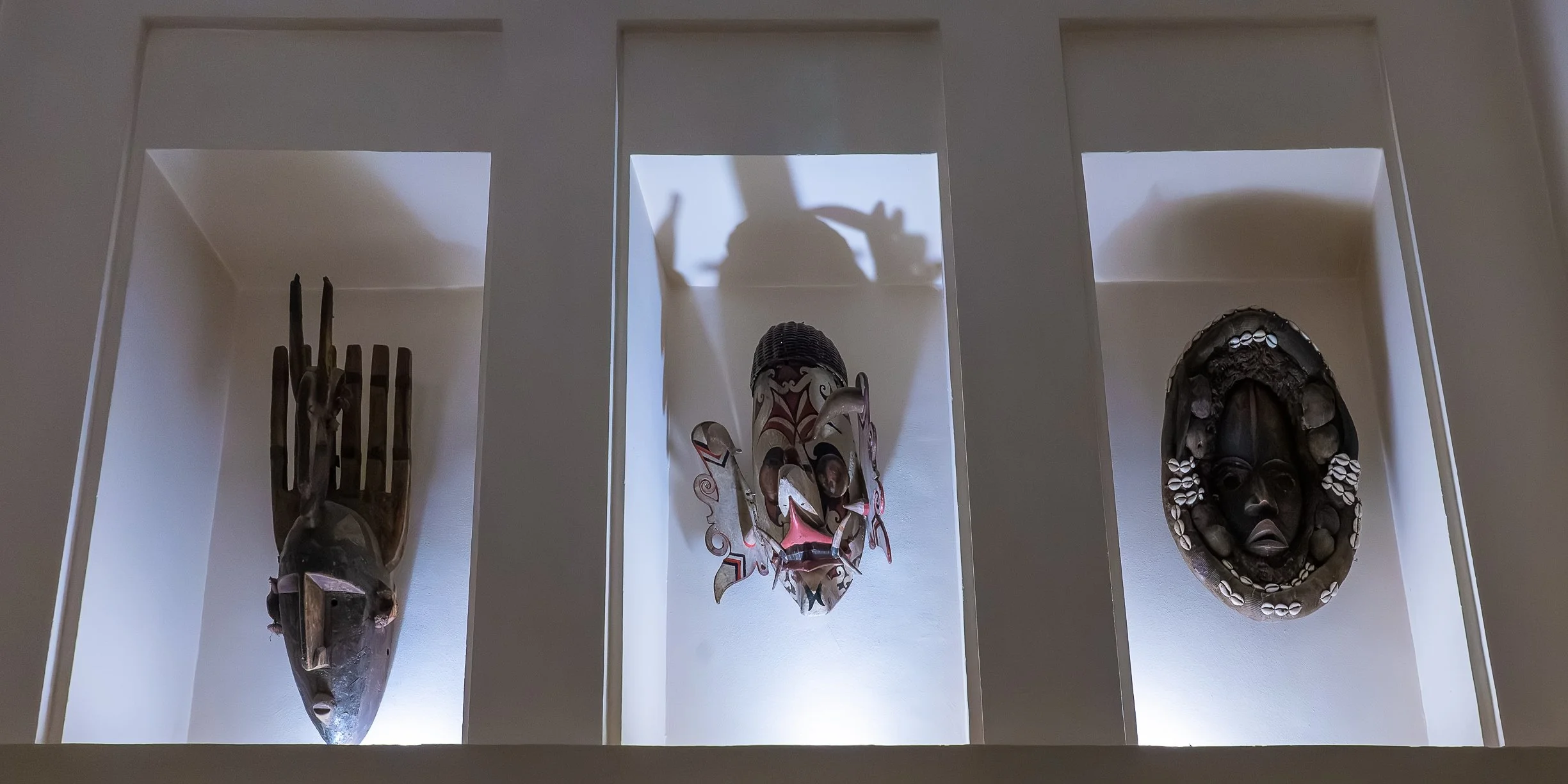
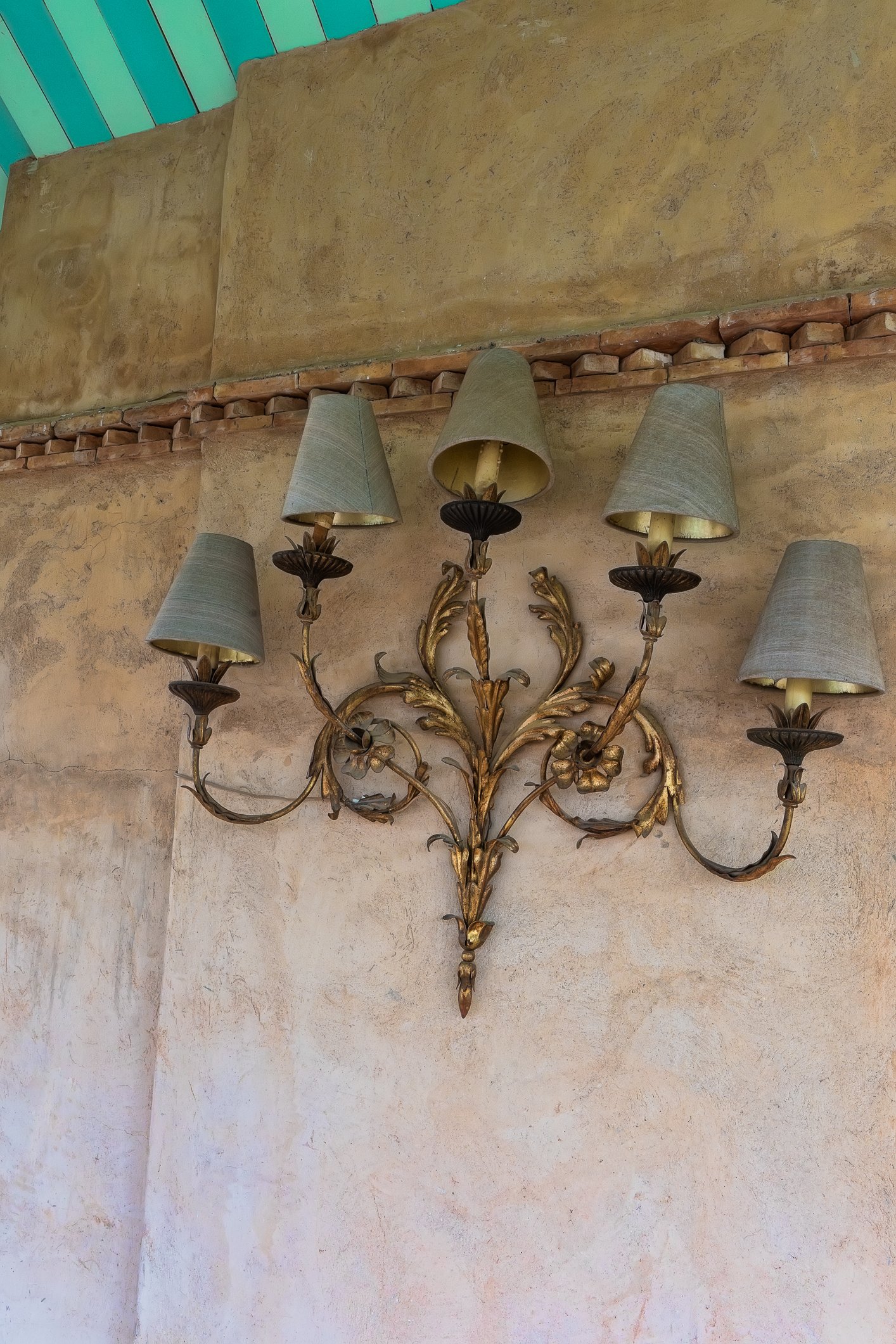
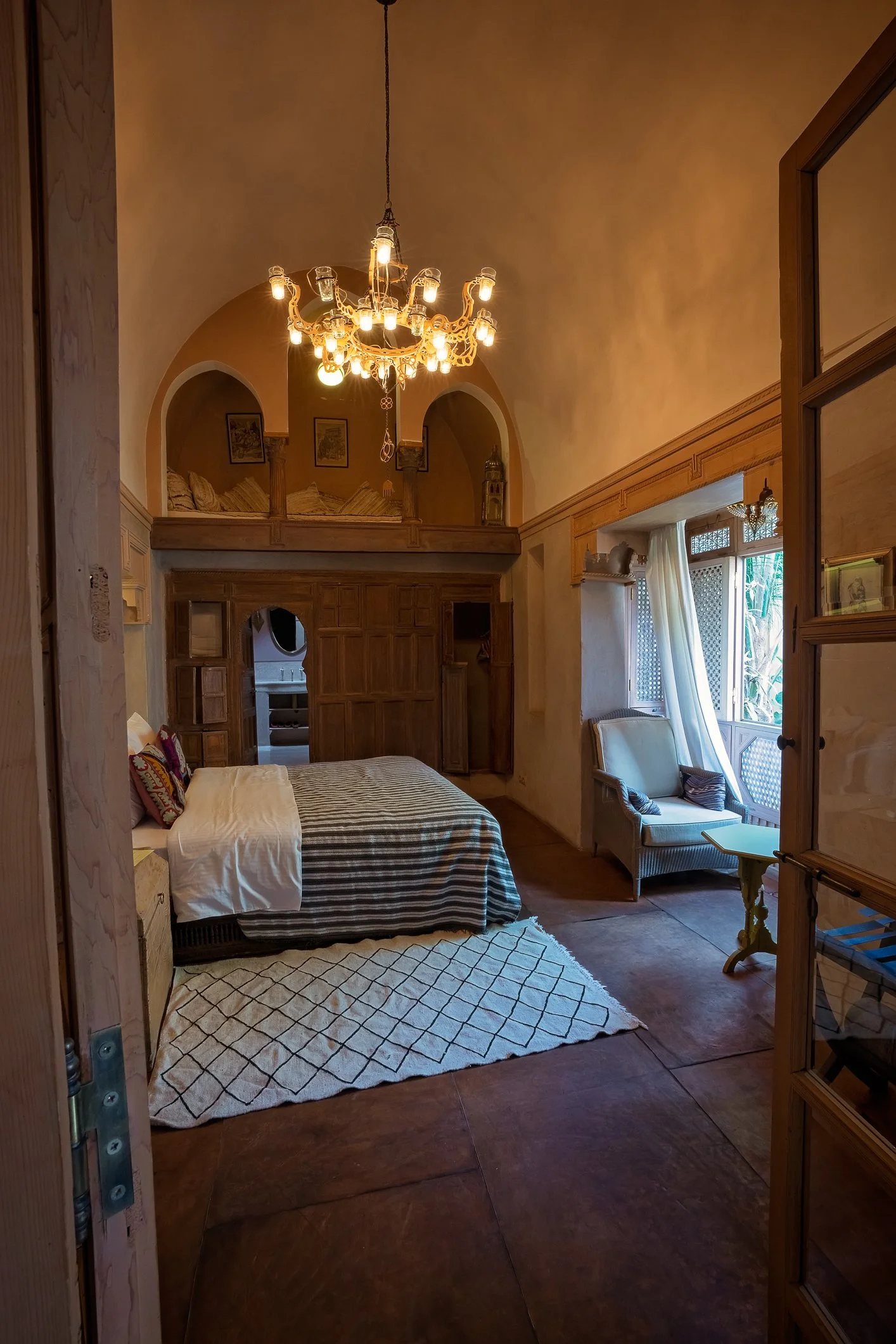
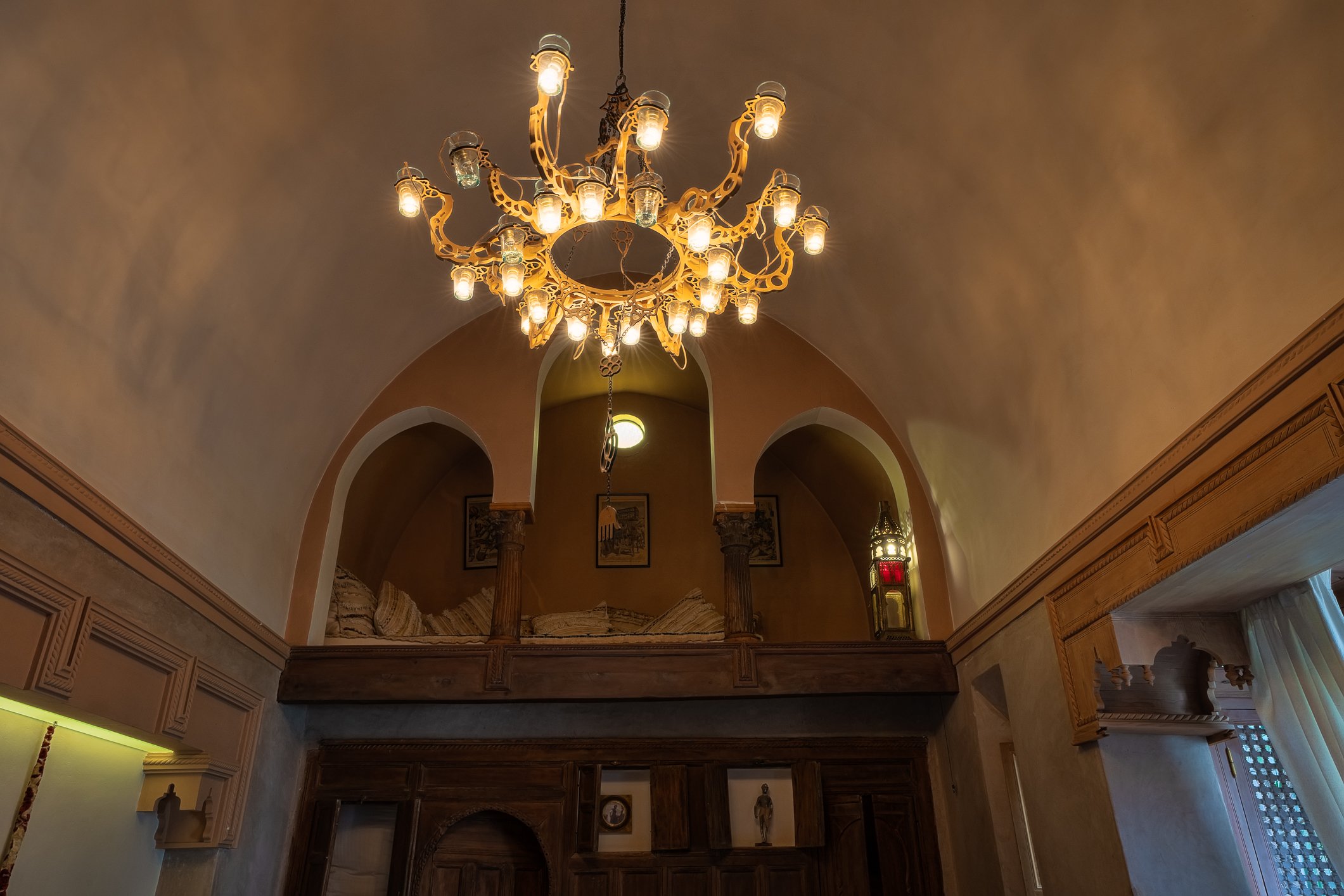
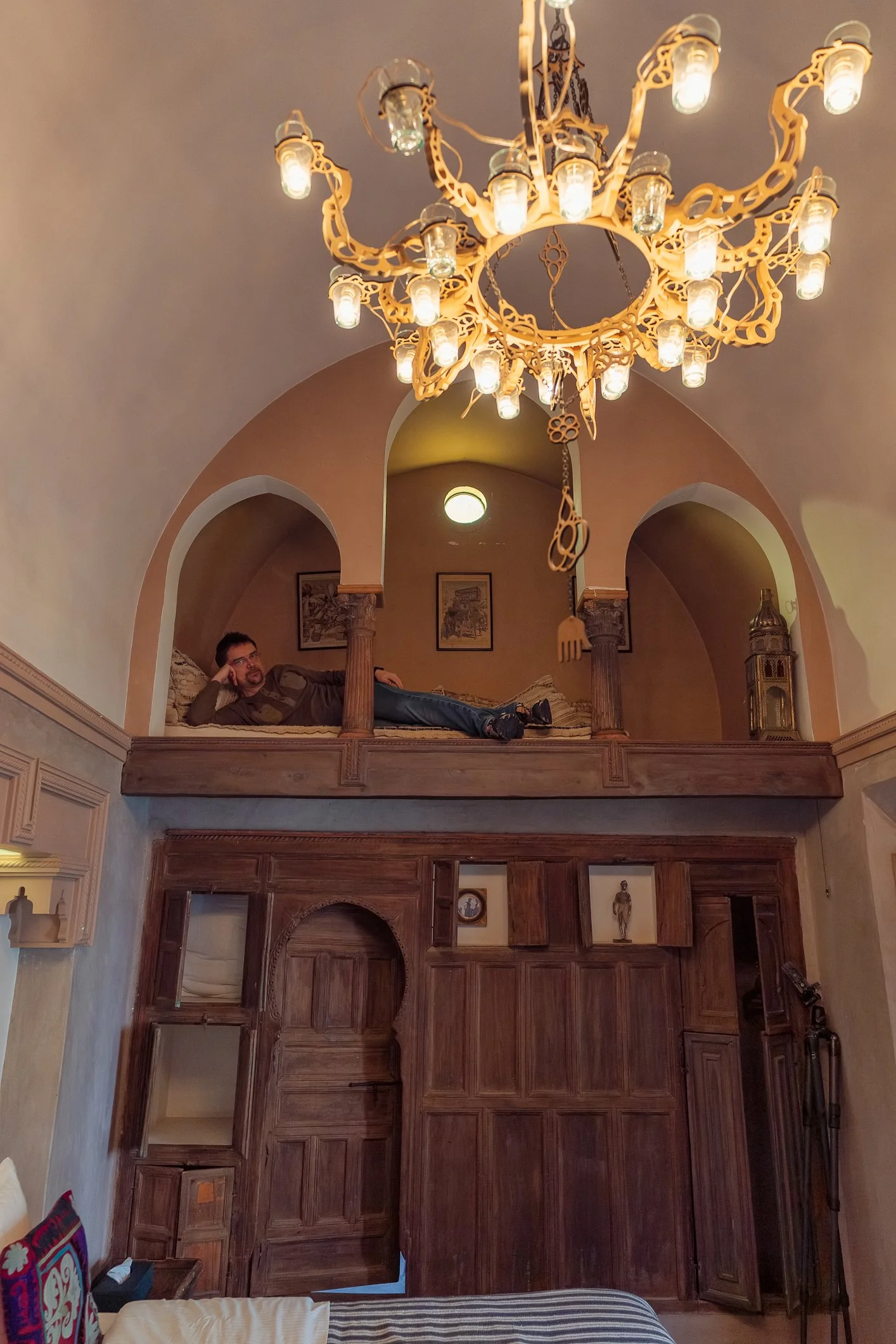
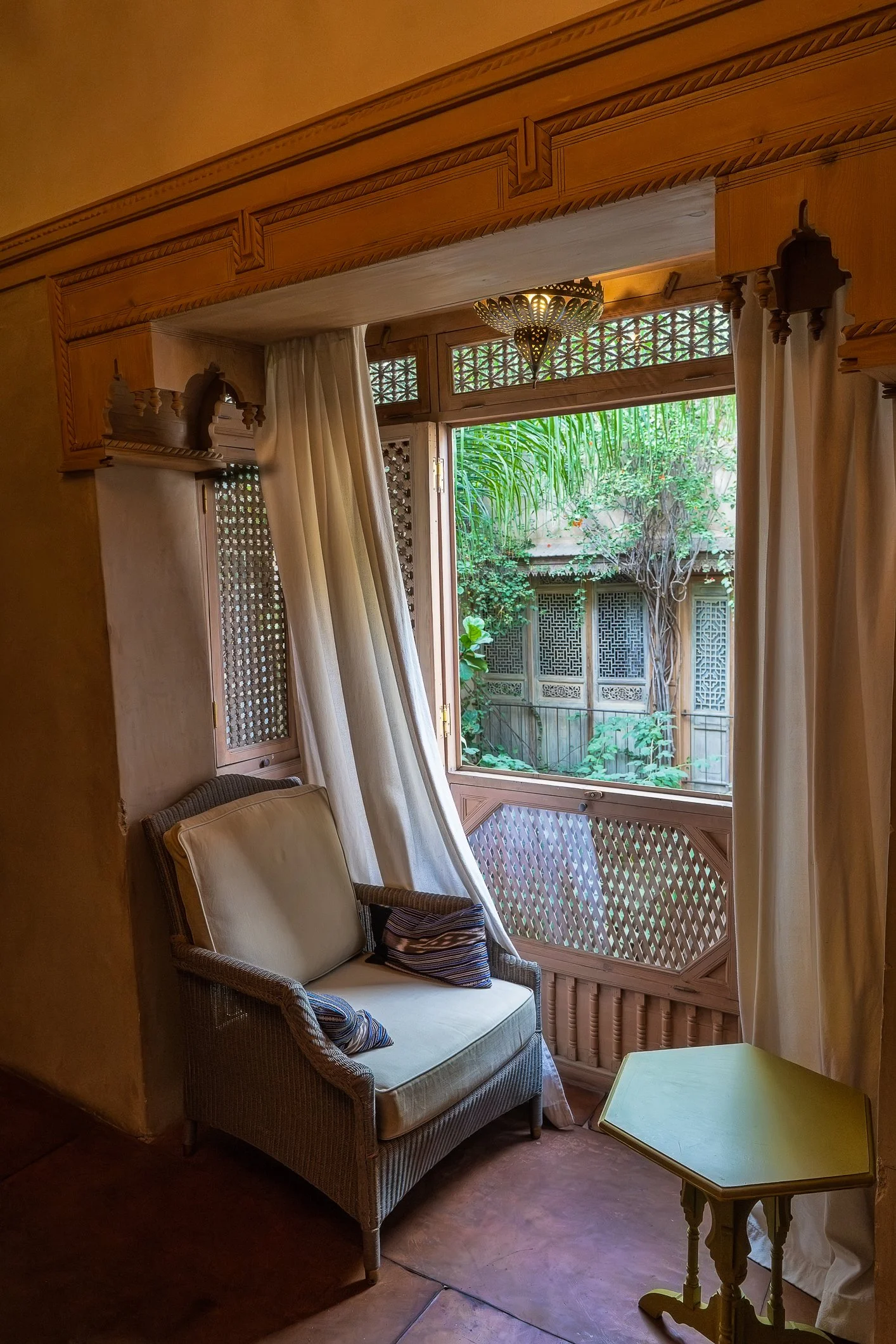
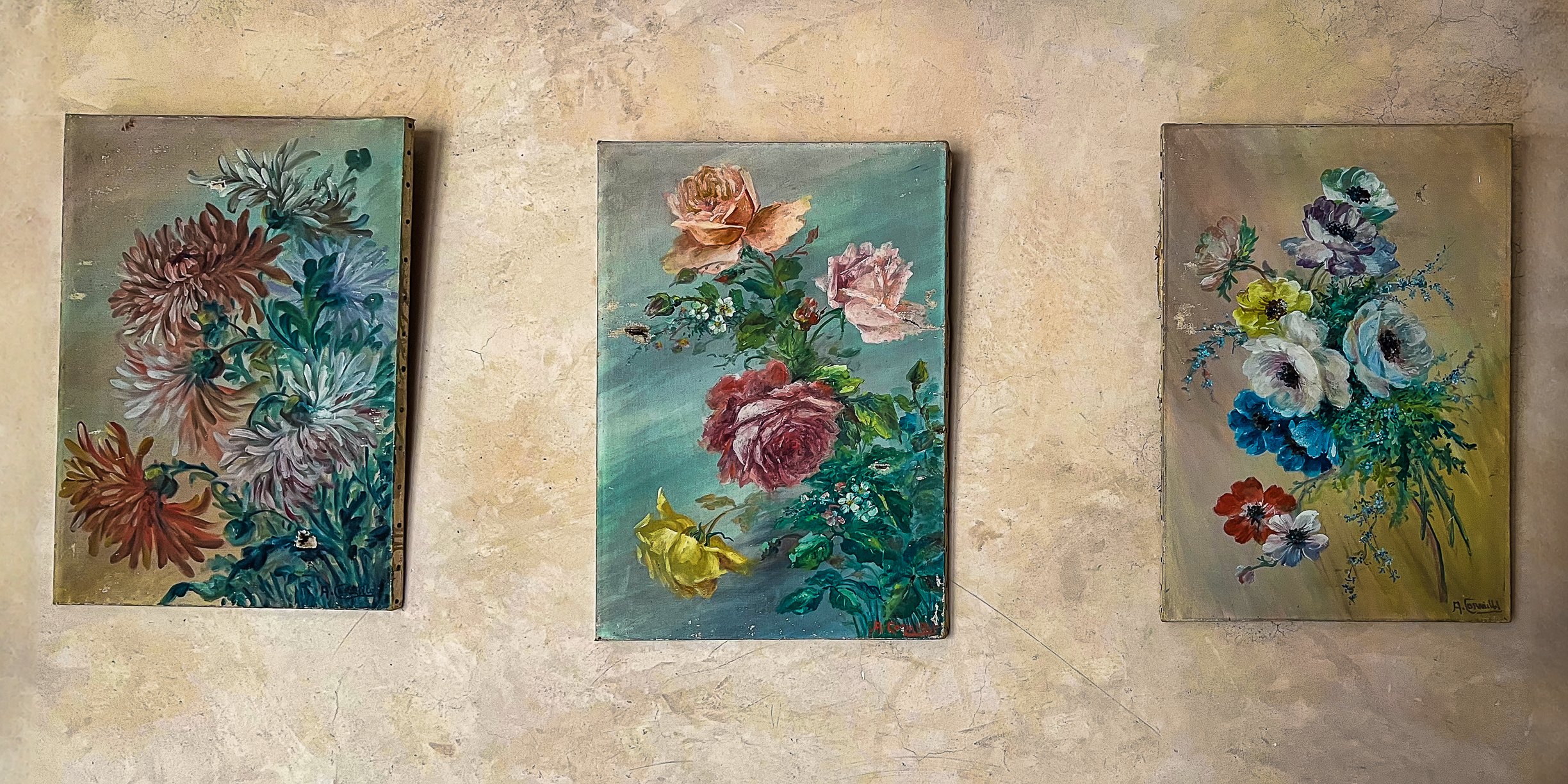
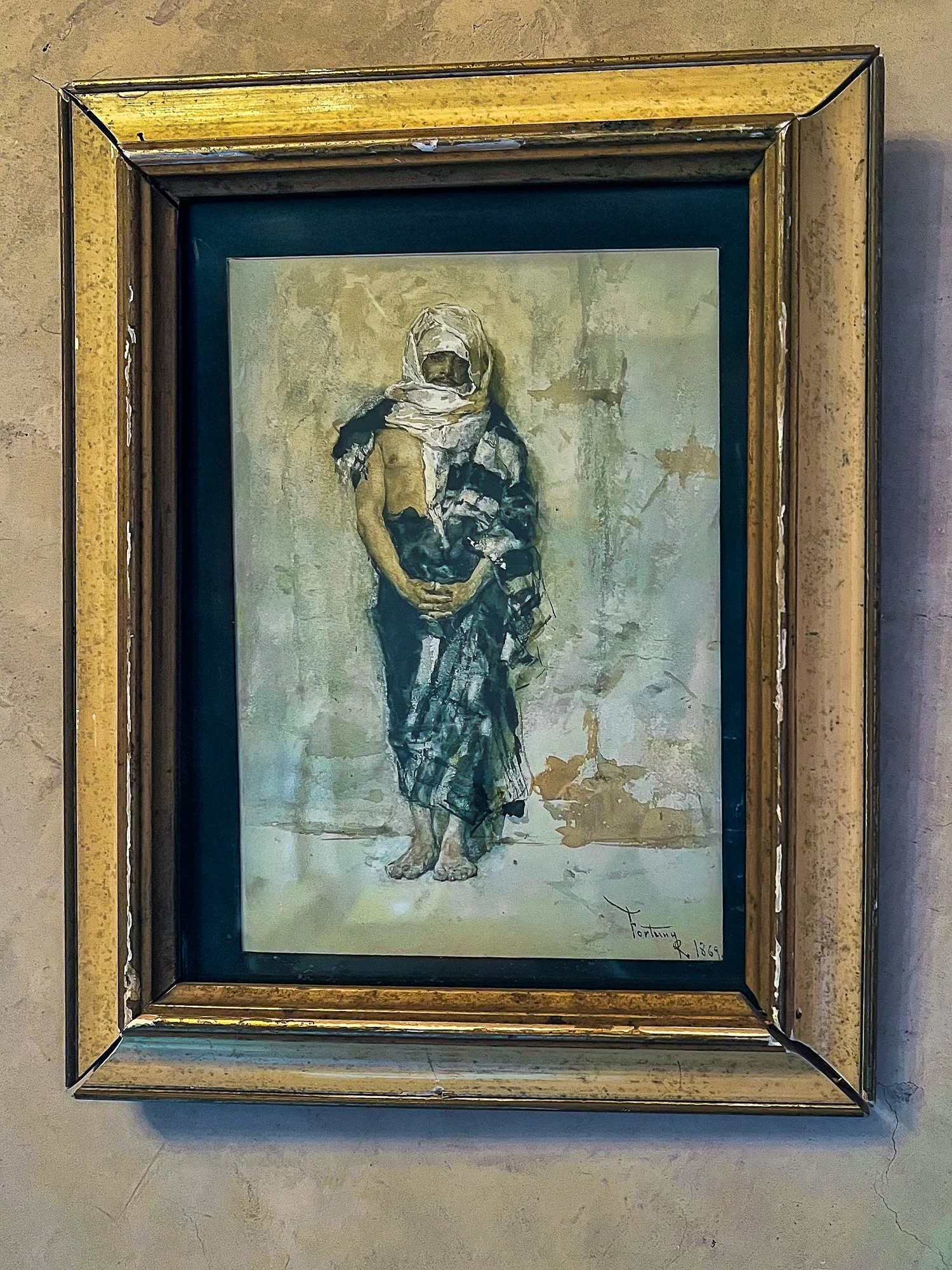
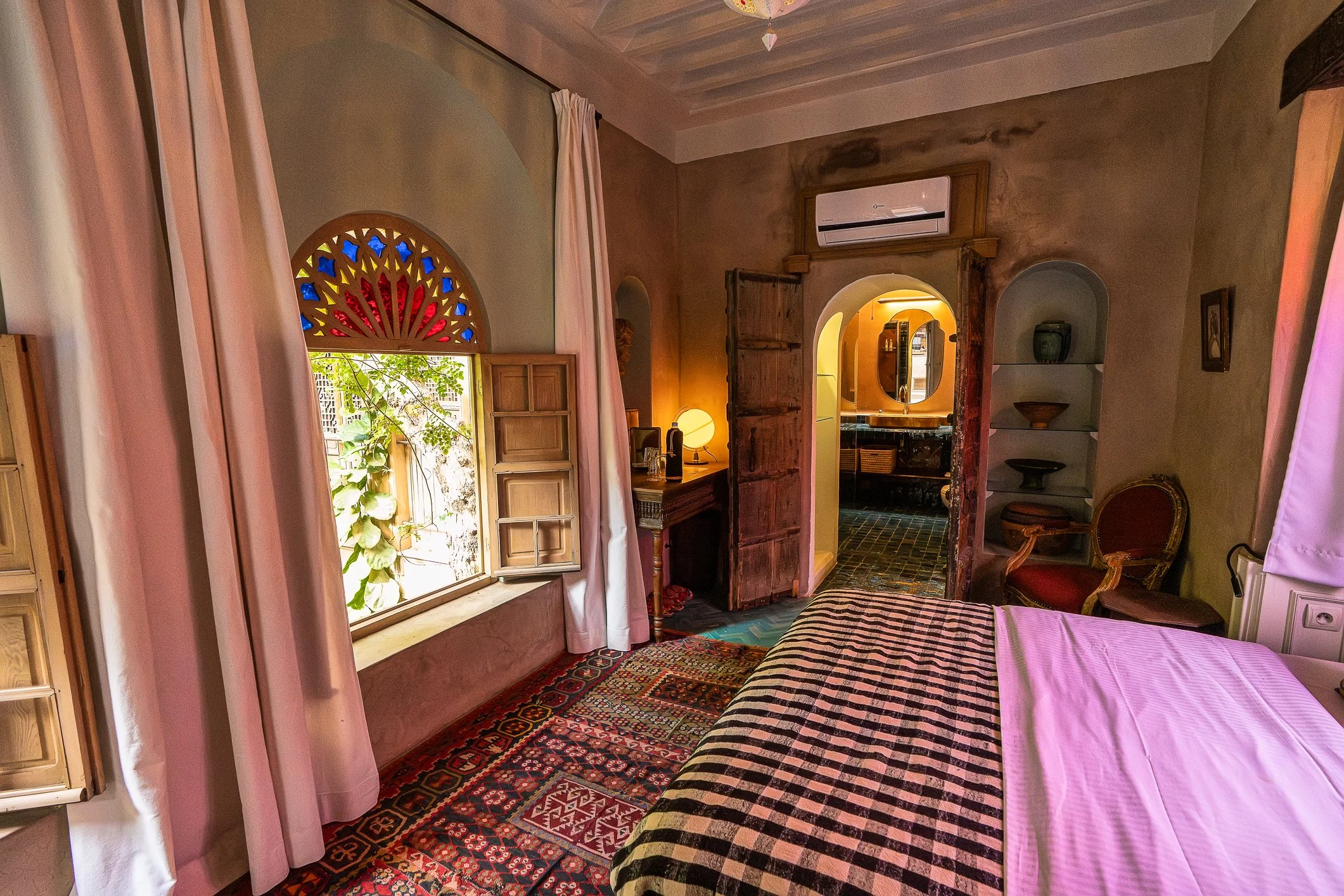
There are only seven rooms, each with its own character and distinct features: traditionally painted wooden arches and vaulted roofs, sculpted plaster, and tadelakt. You’ll also find tatoui ceilings made of woven oleander branches, antique Chinese moucharabieh doors featuring intricate lattice woodwork for privacy and ventilation, and stained glass alongside bejmat vaults.The spaces are further decorated with artefacts collected during the owners’ travels across Africa and the rest of the world.

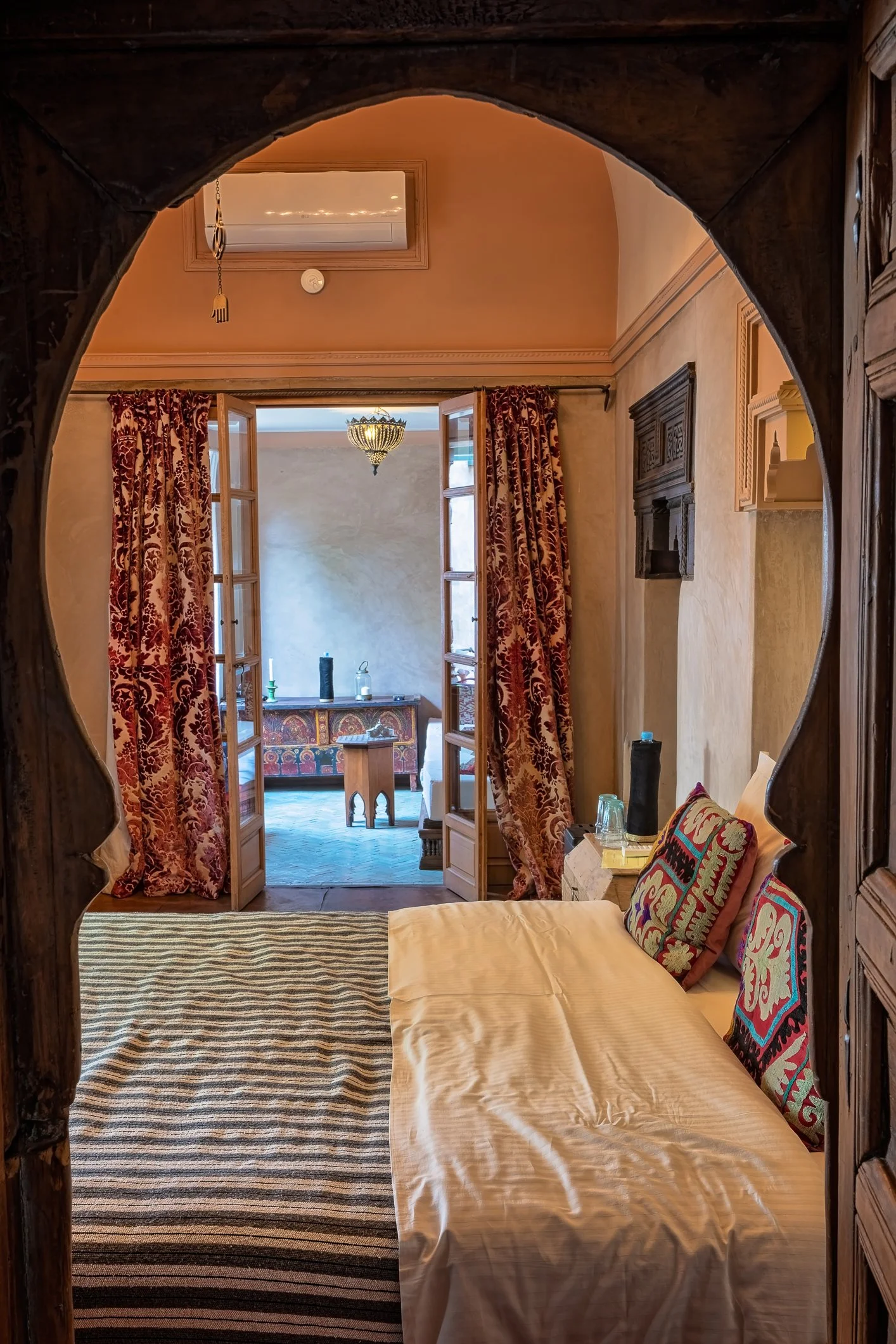
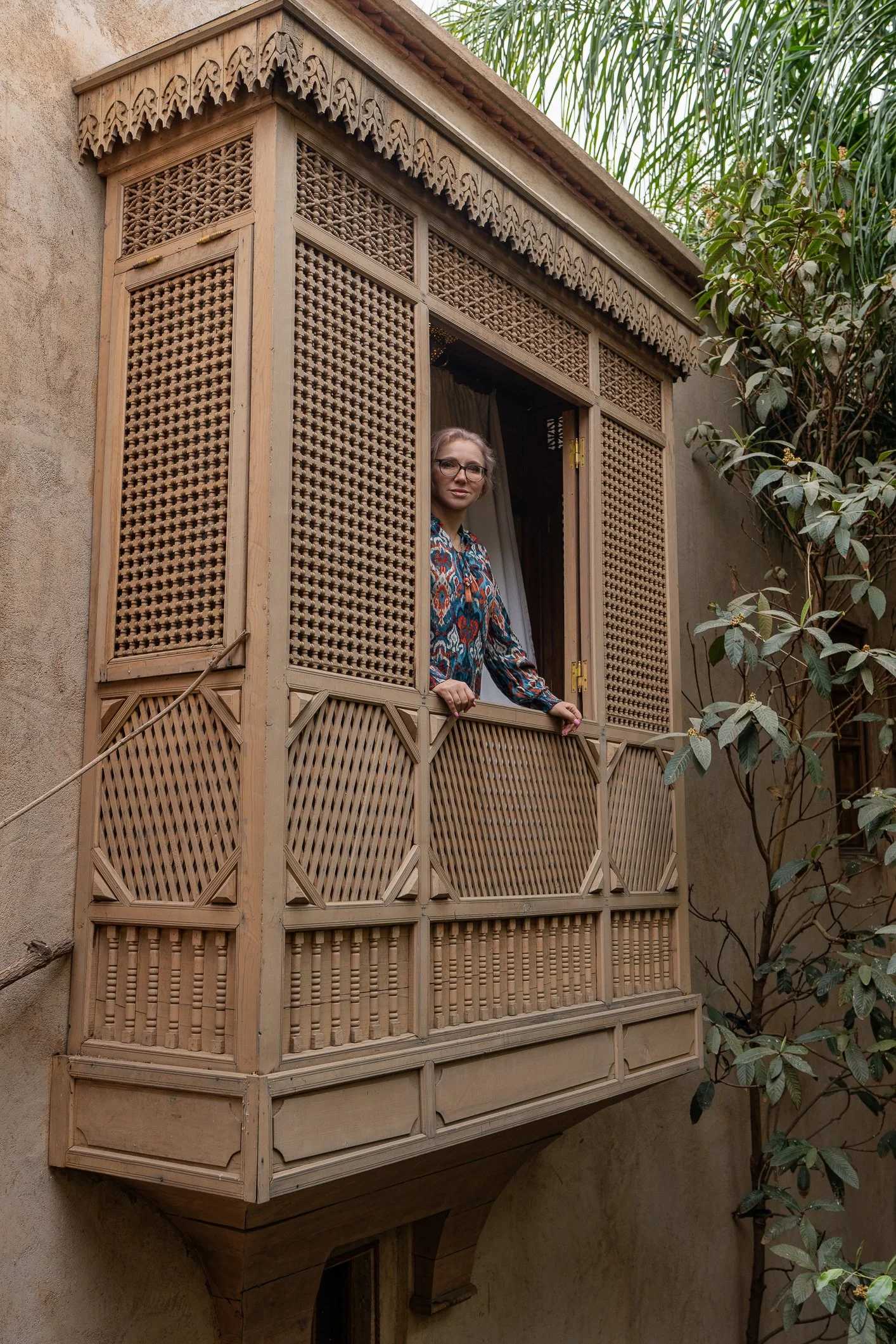
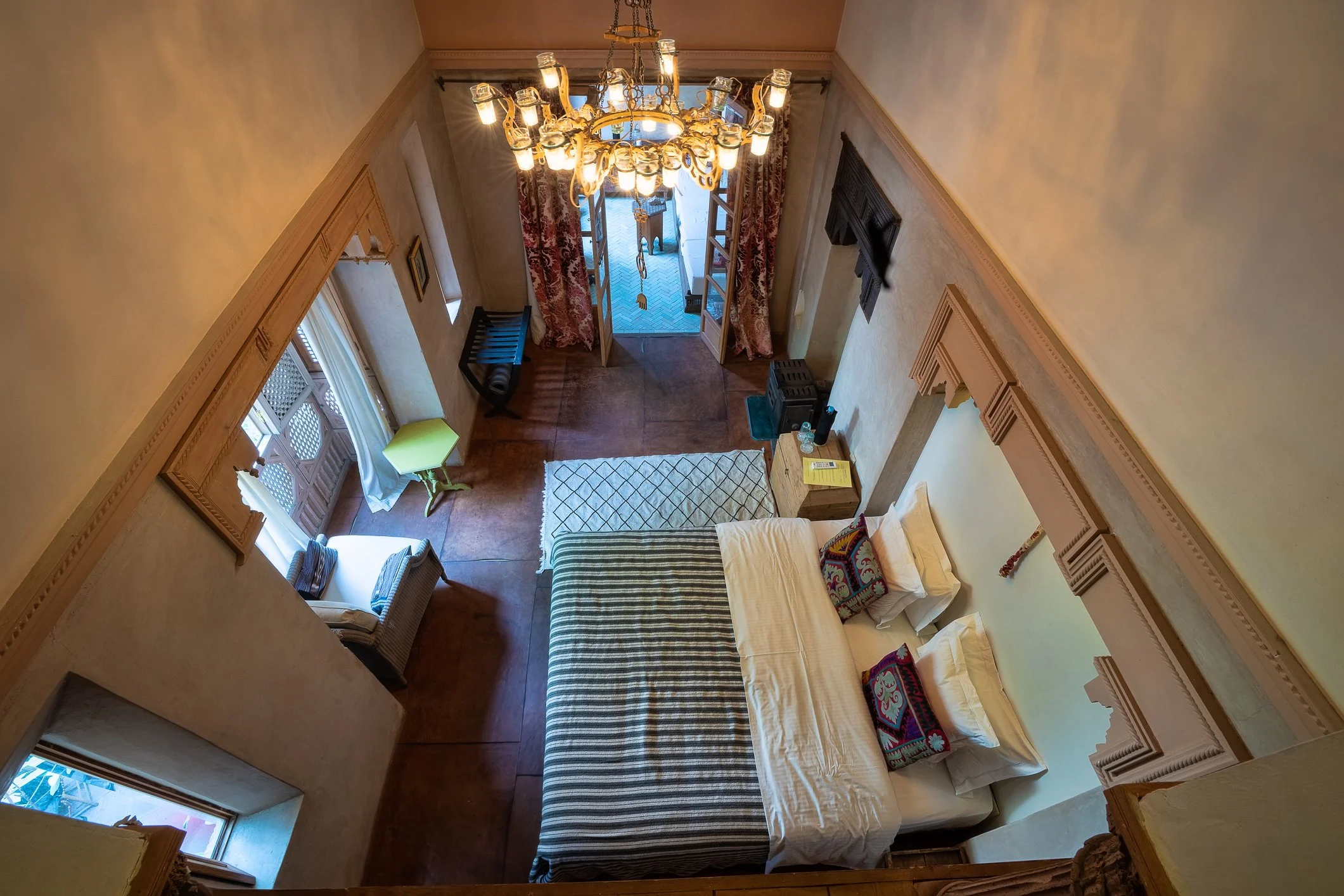
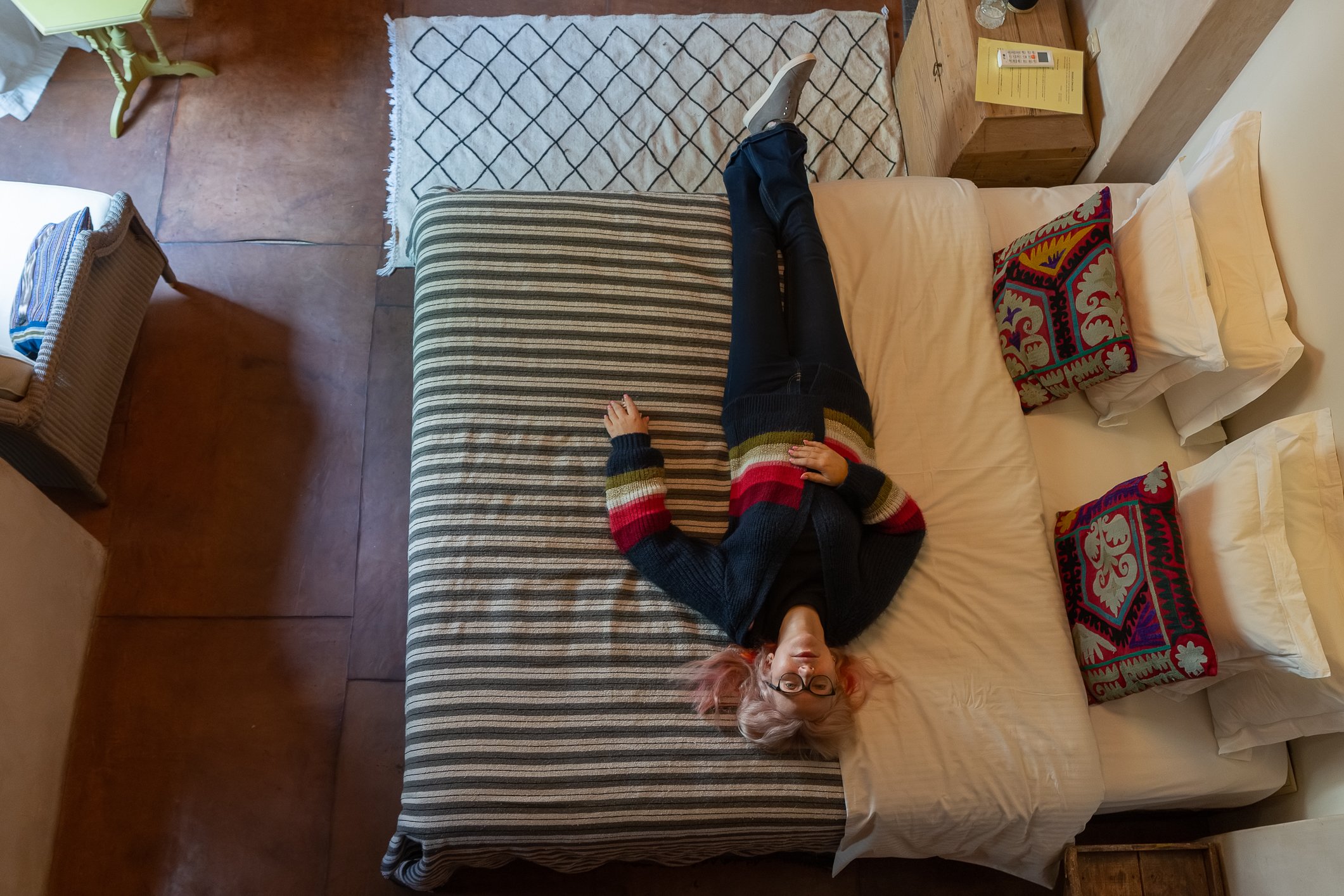
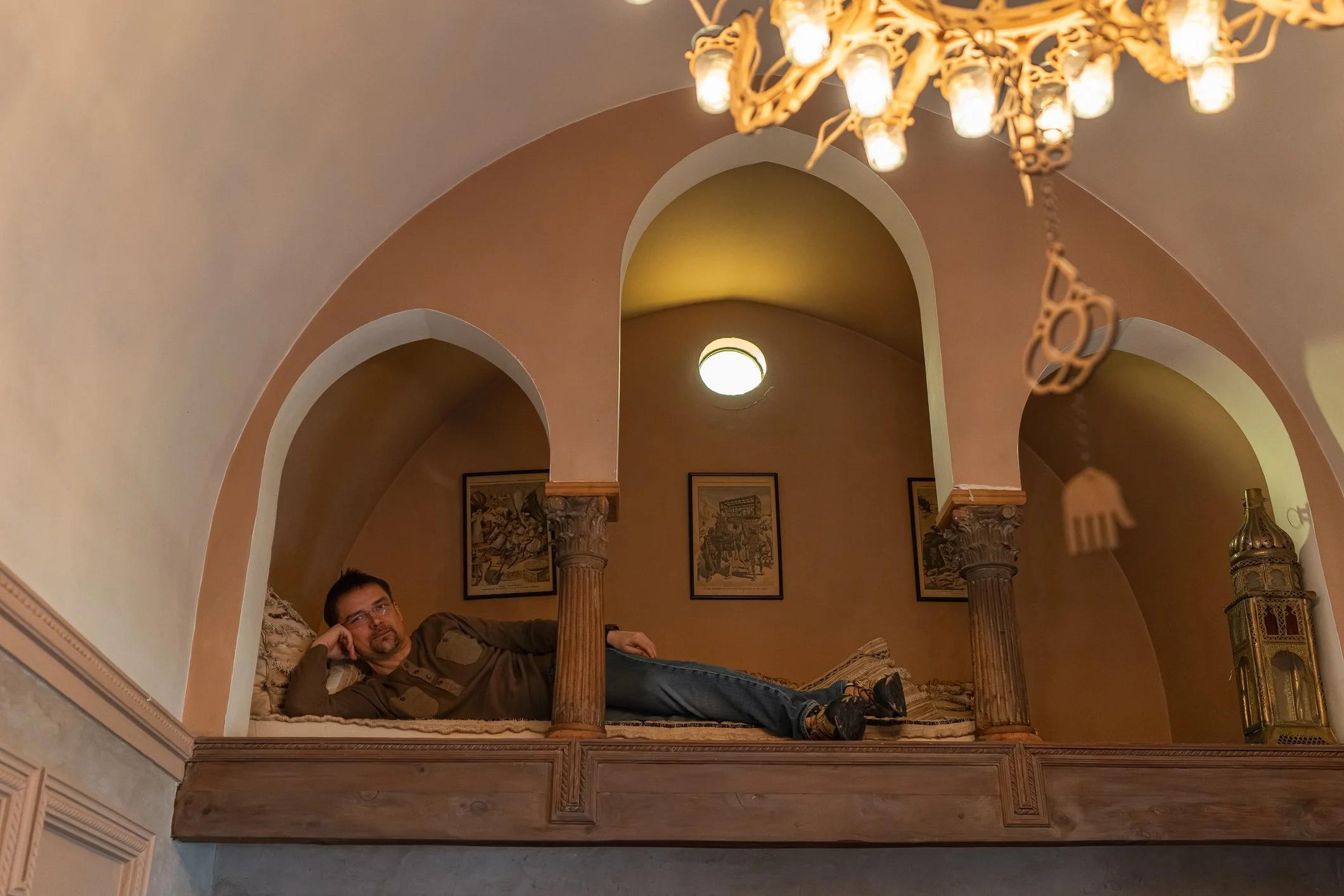
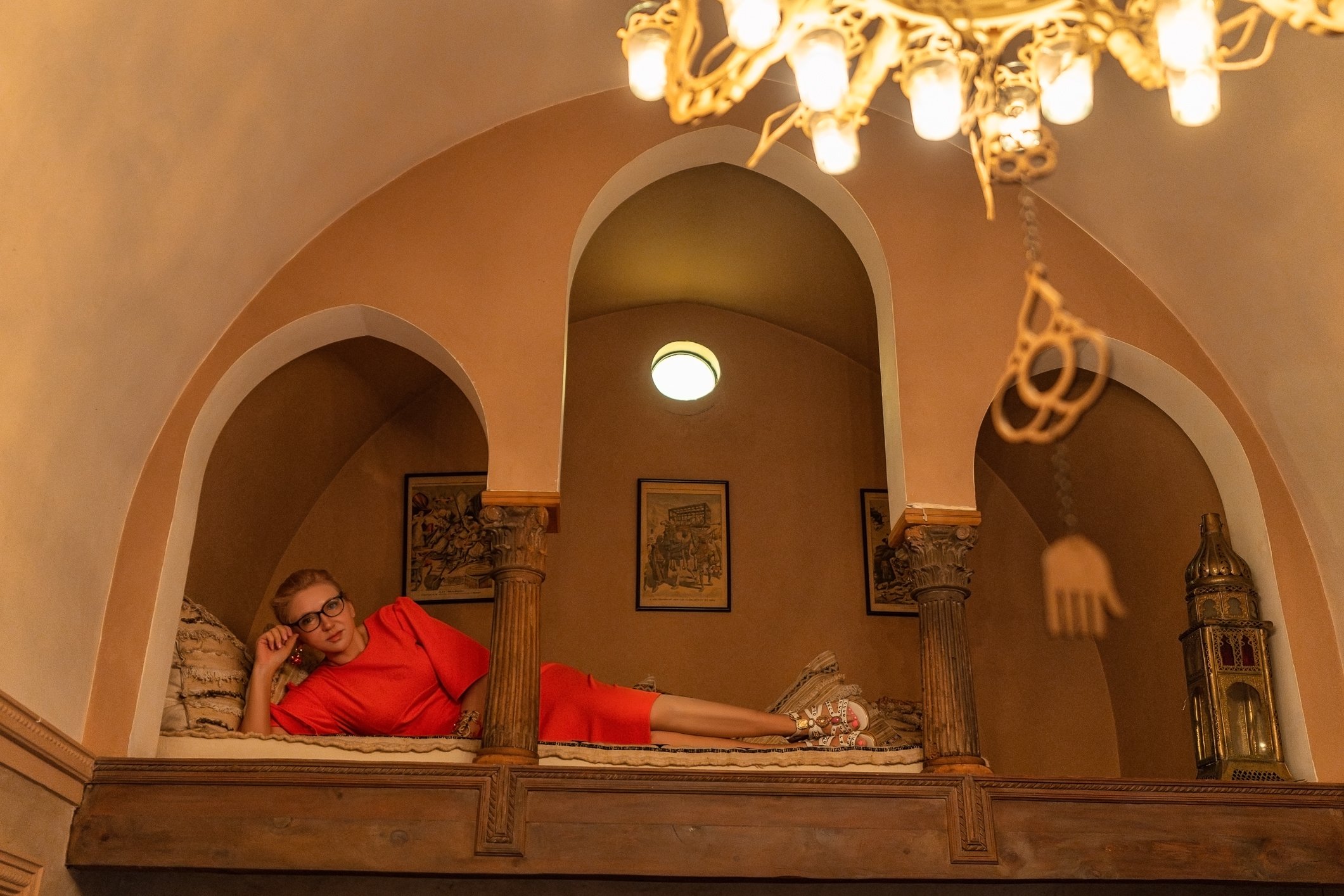
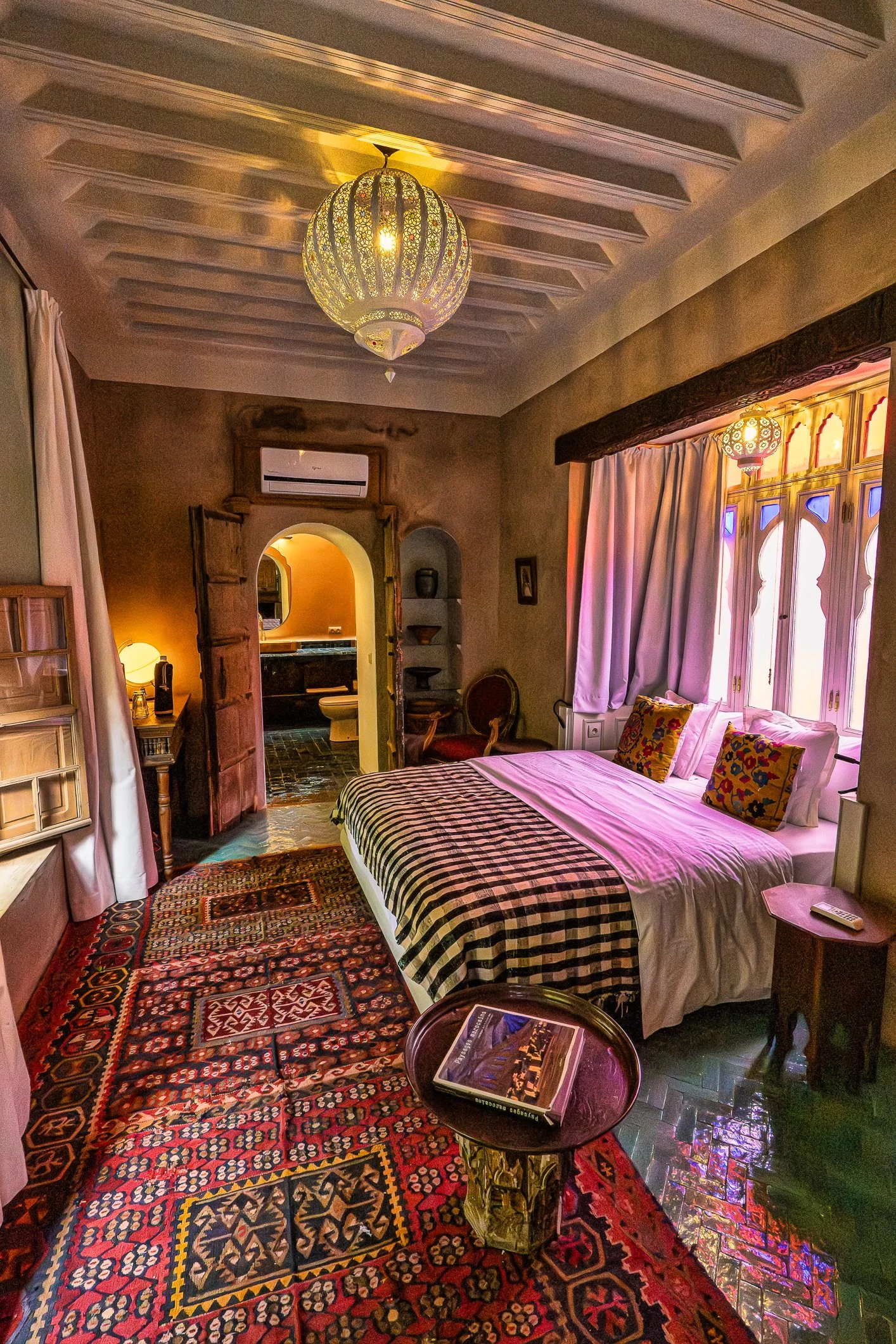
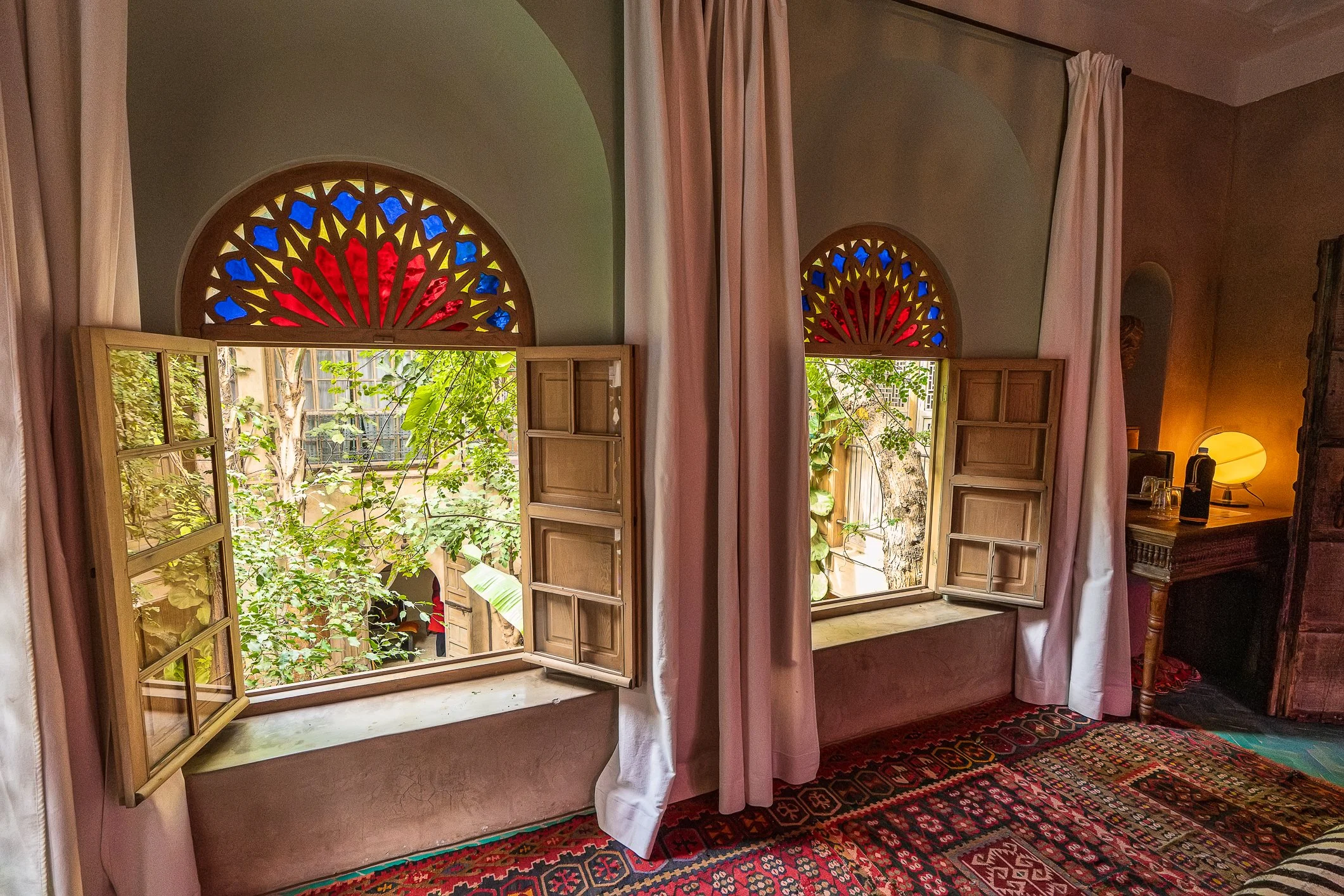
We chose the Koubba room for our stay. Koubba is the name for traditional brick vaults - masterpieces of Arab-Moorish architecture - and this suite features two of them (one in the main room, one in the bathroom). It also includes a private loggia with a daybed. The walls are finished in tadelakt. A menzeh (bow window) opens onto the lush greenery of the courtyard, while a wooden wall hides a ladder to a sleeping loft and the door to a very atmospheric bathroom.

W riadzie znajduje się tylko siedem pokoi, a każdy z nich ma swoj spcyficzny charakter. Wnętrza zdobią artefakty przywiezione przez właścicieli z dalekich podróży po Afryce i Azji.

My zatrzymaliśmy się w apartamencie Koubba. Nazwa nawiązuje do tradycyjnych ceglanych sklepień, które są wizytówką tego pokoju. Mamy tu też prywatną loggię z szezlongiem do popołudniowej drzemki oraz uroczy wykusz (menzeh) z widokiem na ogród. Największym zaskoczeniem są jednak ukryte za drewnianą ścianą schodki prowadzące na antresolę oraz bardzo nastrojowa łazienka.

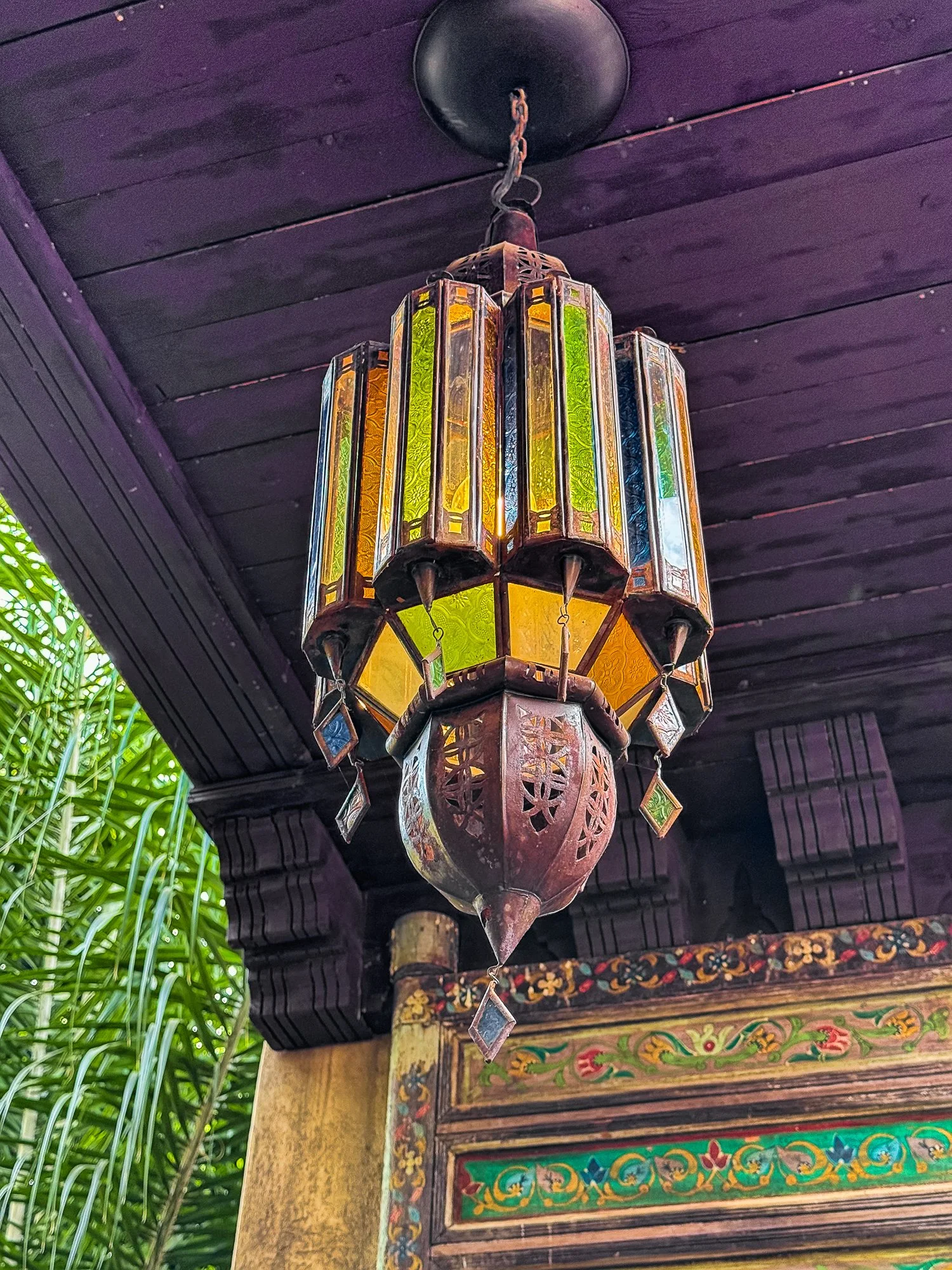
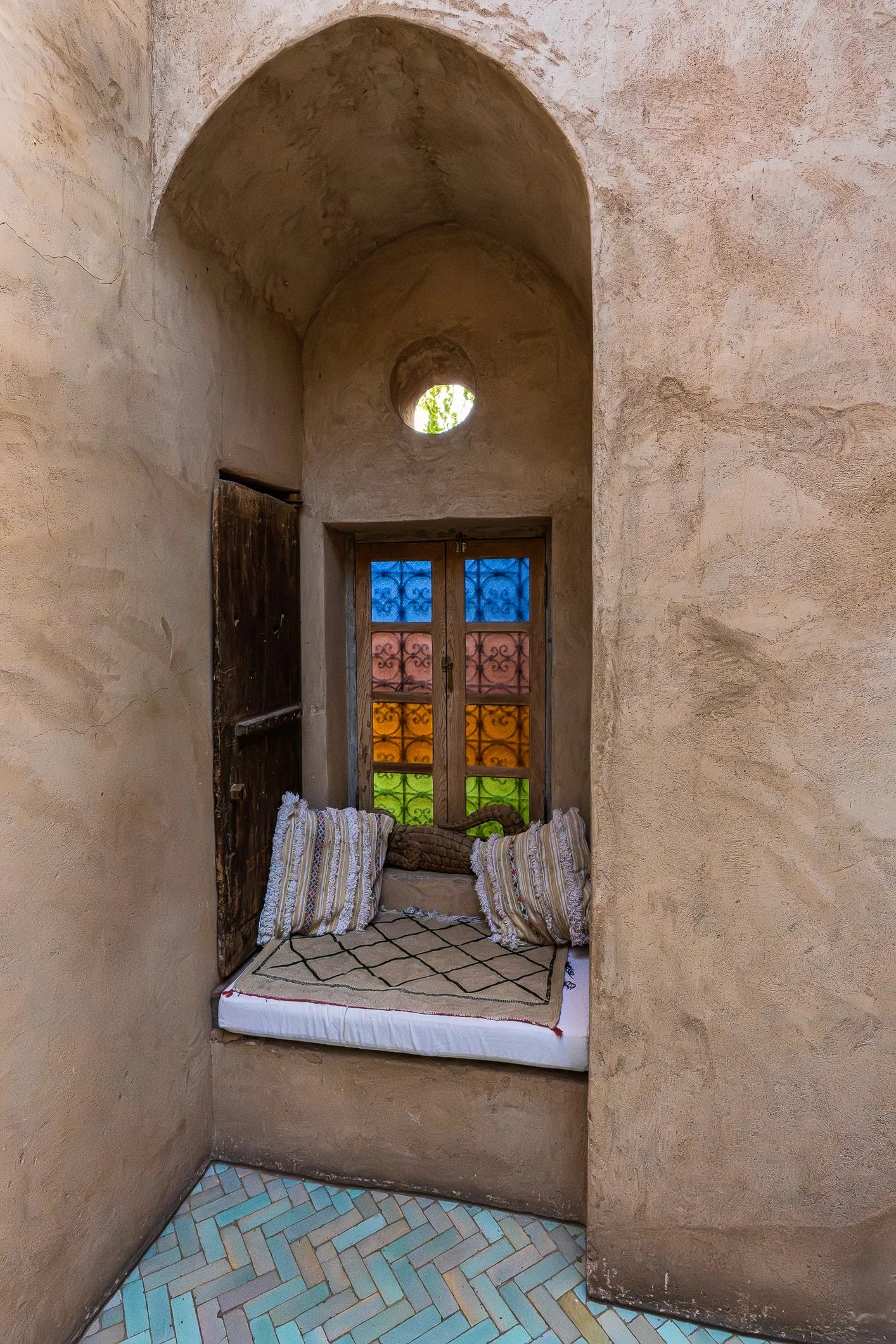
The room closest to us, the Driba room, utilises coloured glass in the doors and windows to create kaleidoscopic light patterns.

Najblizej naszej suity znajduje się pokój Driba, gdzie kolorowe witraże w oknach i drzwiach tworzą na ścianach kalejdoskop barw, gdy tylko padną na nie promienie słońca.

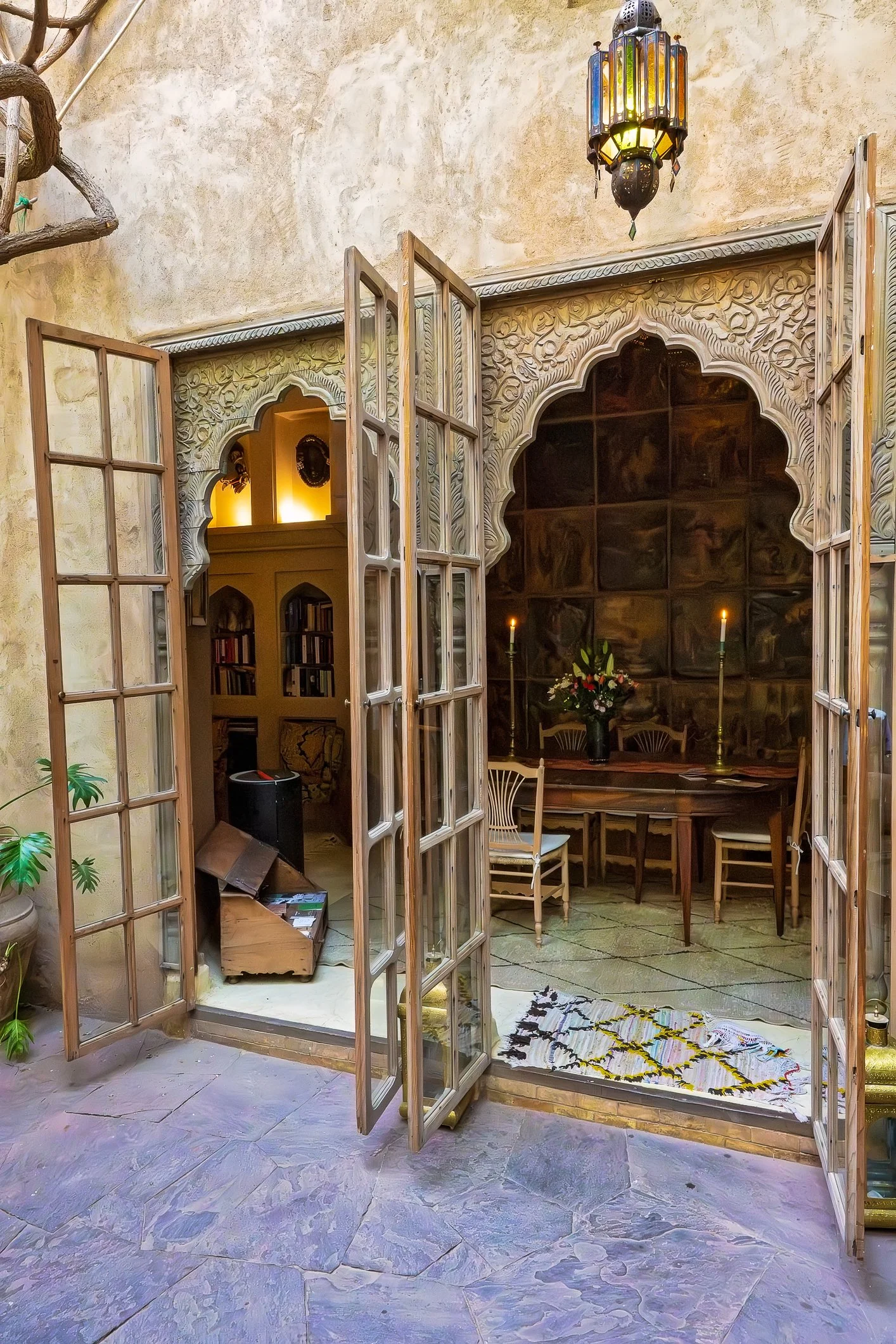
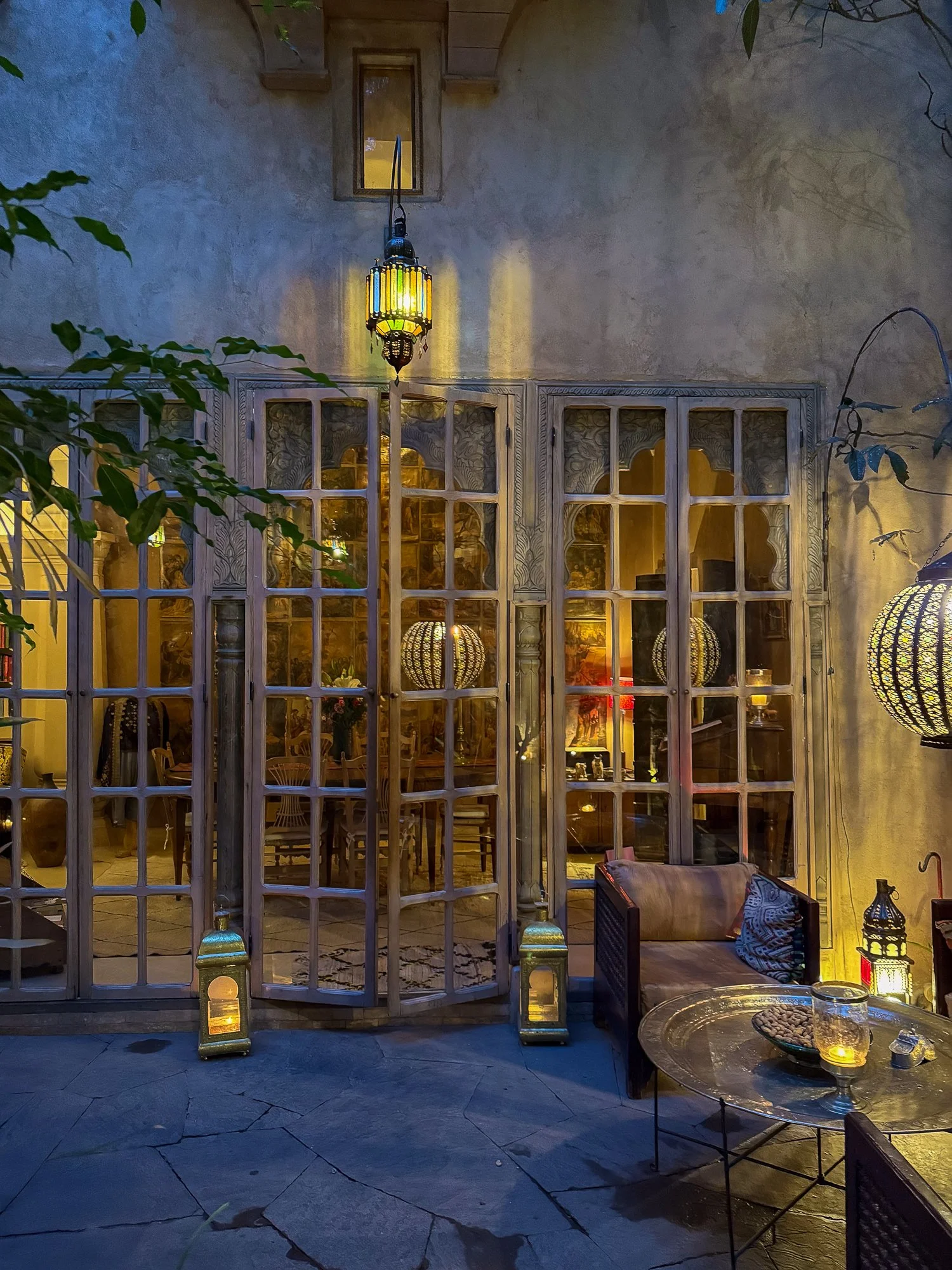
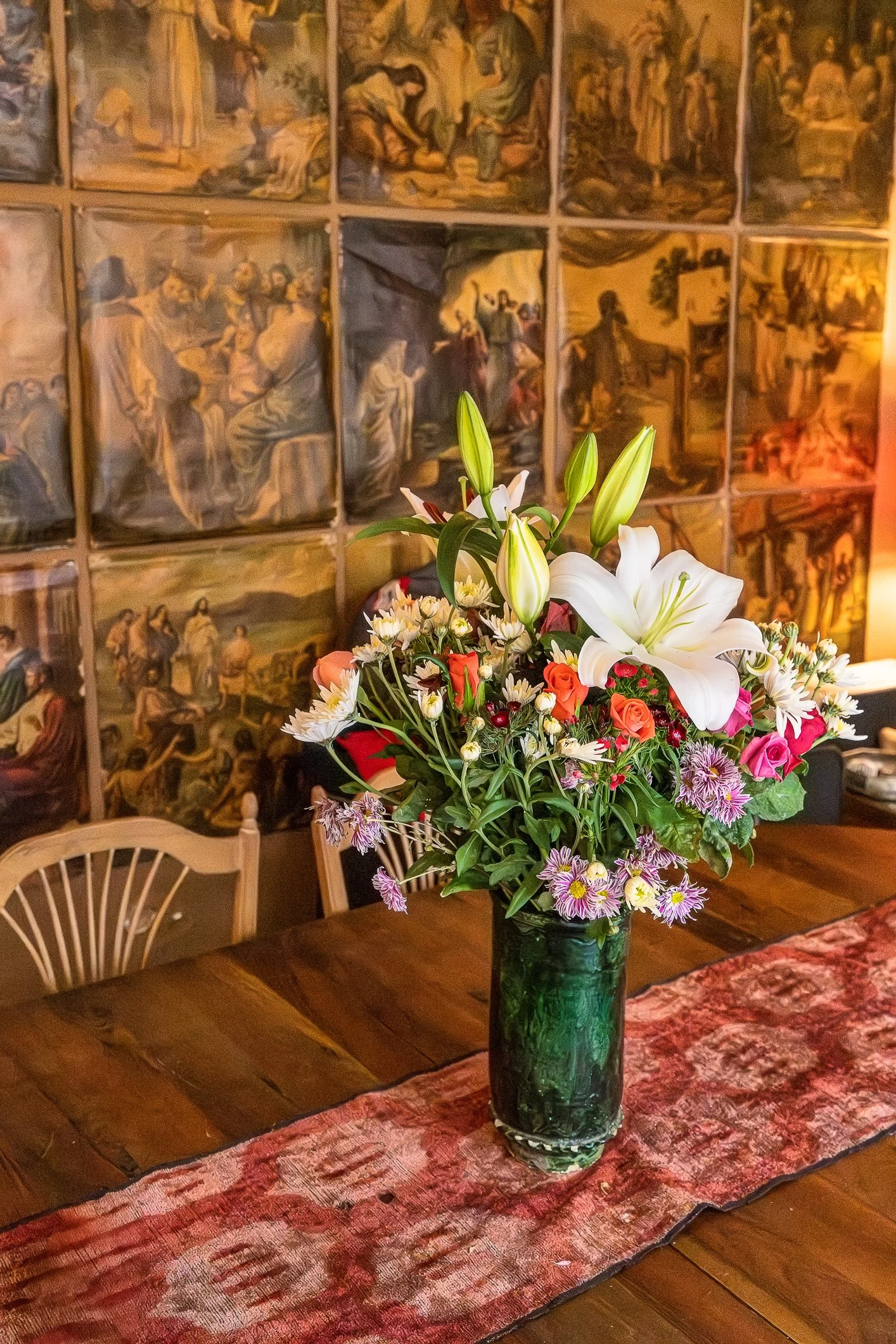
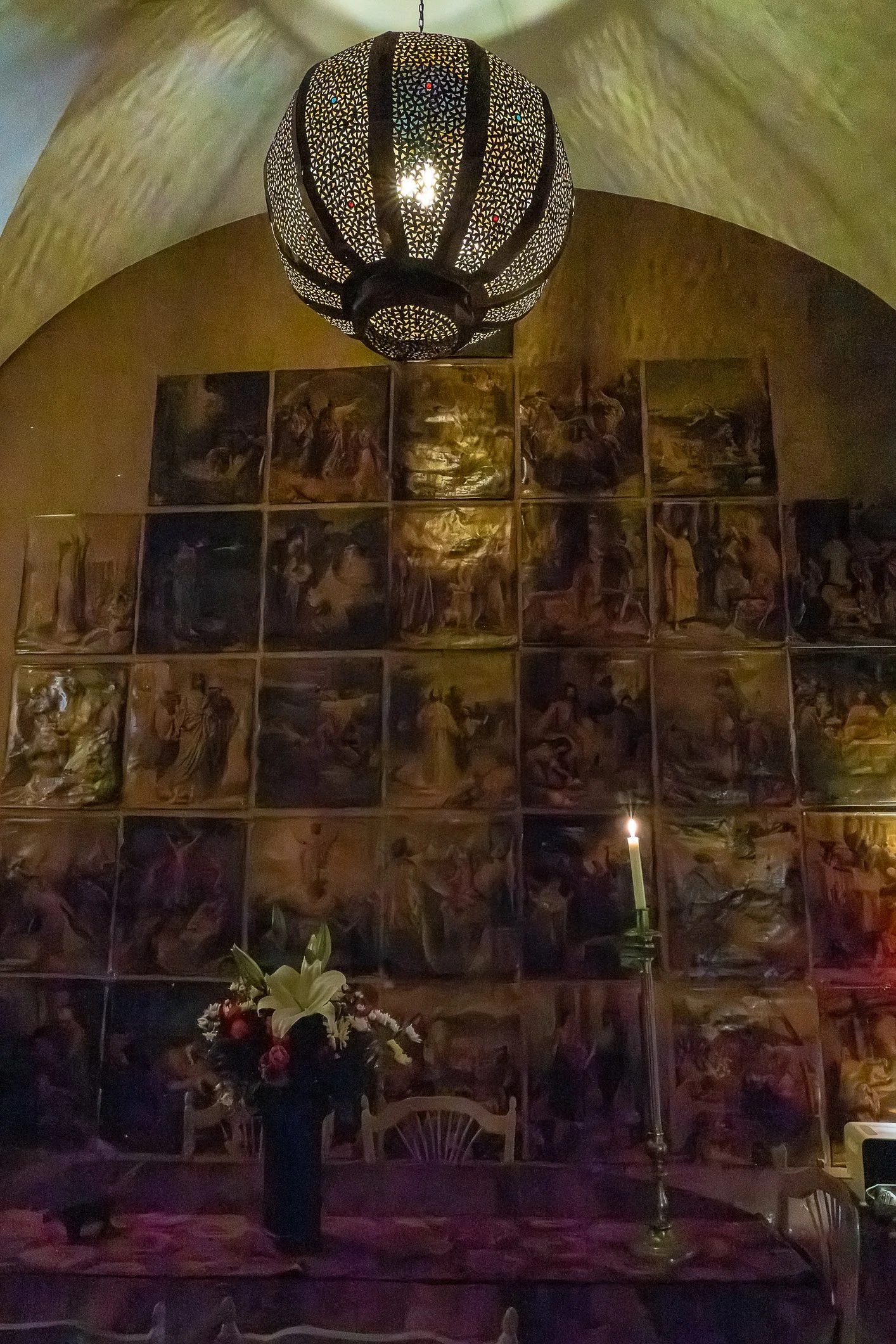
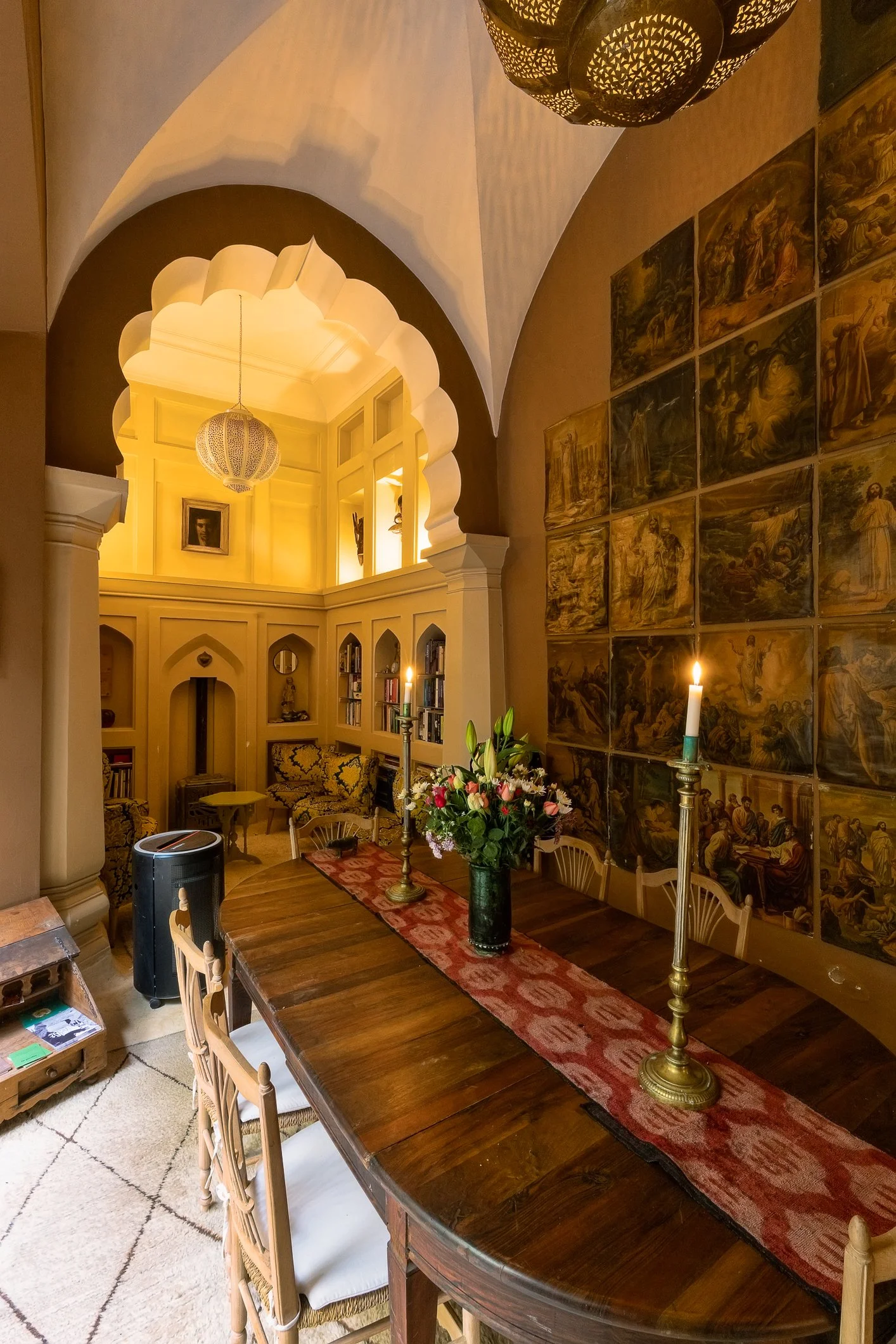
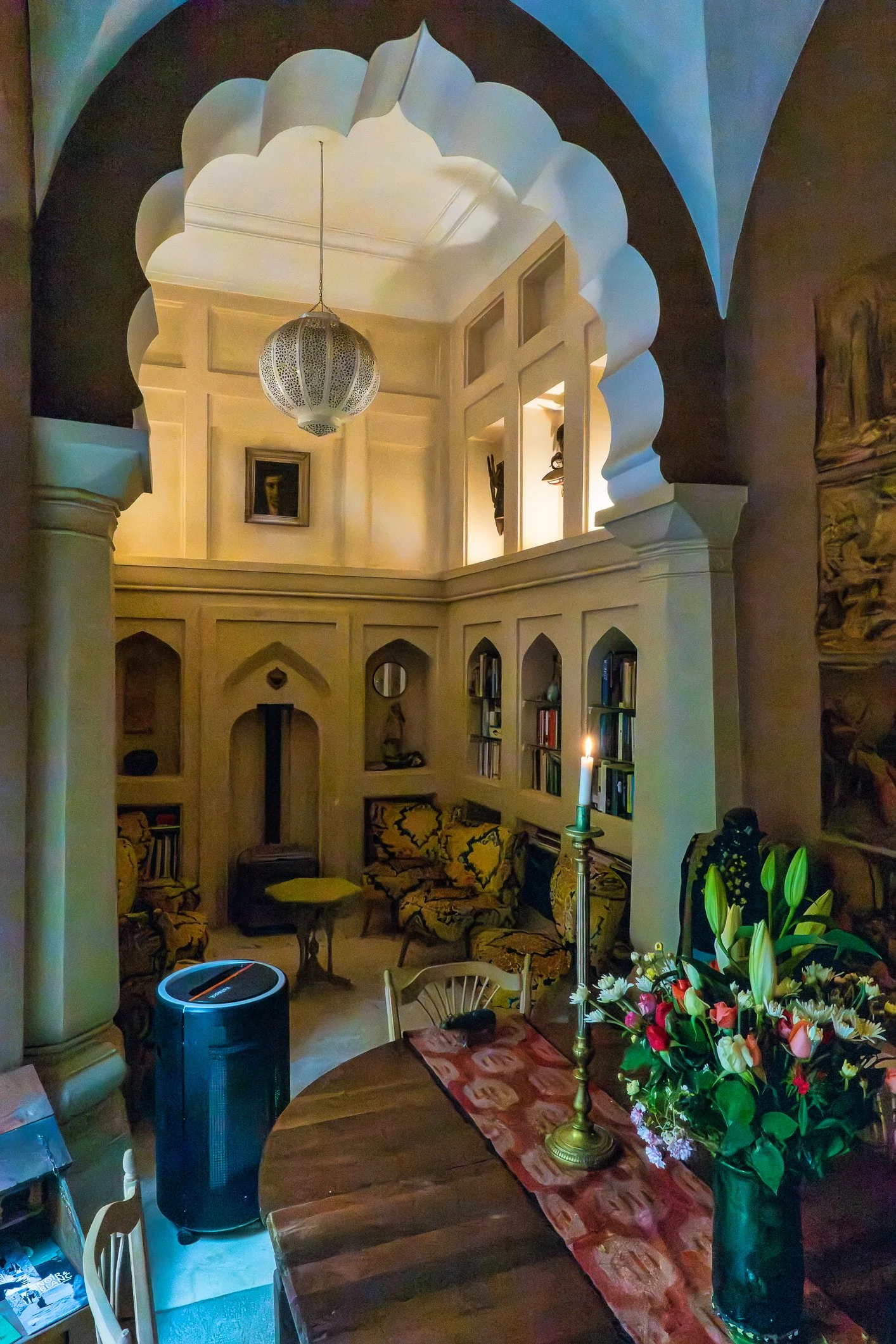
Dinner is traditionally served in an elegant, communal indoor salon. The room is designed with candlelit tables and features an eclectic aesthetic. The highlight is the striking wall of antique Dutch manganese tiles, often called "Bible tiles" (bijbeltegels). These tiles use a distinct purple-brown or reddish-sepia tone; under the dim, warm light, the scenes look like aged sepia ink on the walls.

Kolacje w Kbour & Chou serwowane są w eleganckim salonie w bardzo eklektycznym stylu. Największe wrażenie robi ściana wyłożona antycznymi holenderskimi płytkami z manganu, zwanymi "płytkami biblijnymi". W ciepłym świetle świec ich purpurowo-brązowe zdobienia wyglądają jak stare ryciny wykonane sepią, tworząc niesamowite tło dla tradycyjnych marokańskich potraw.

Sacsayhuamán

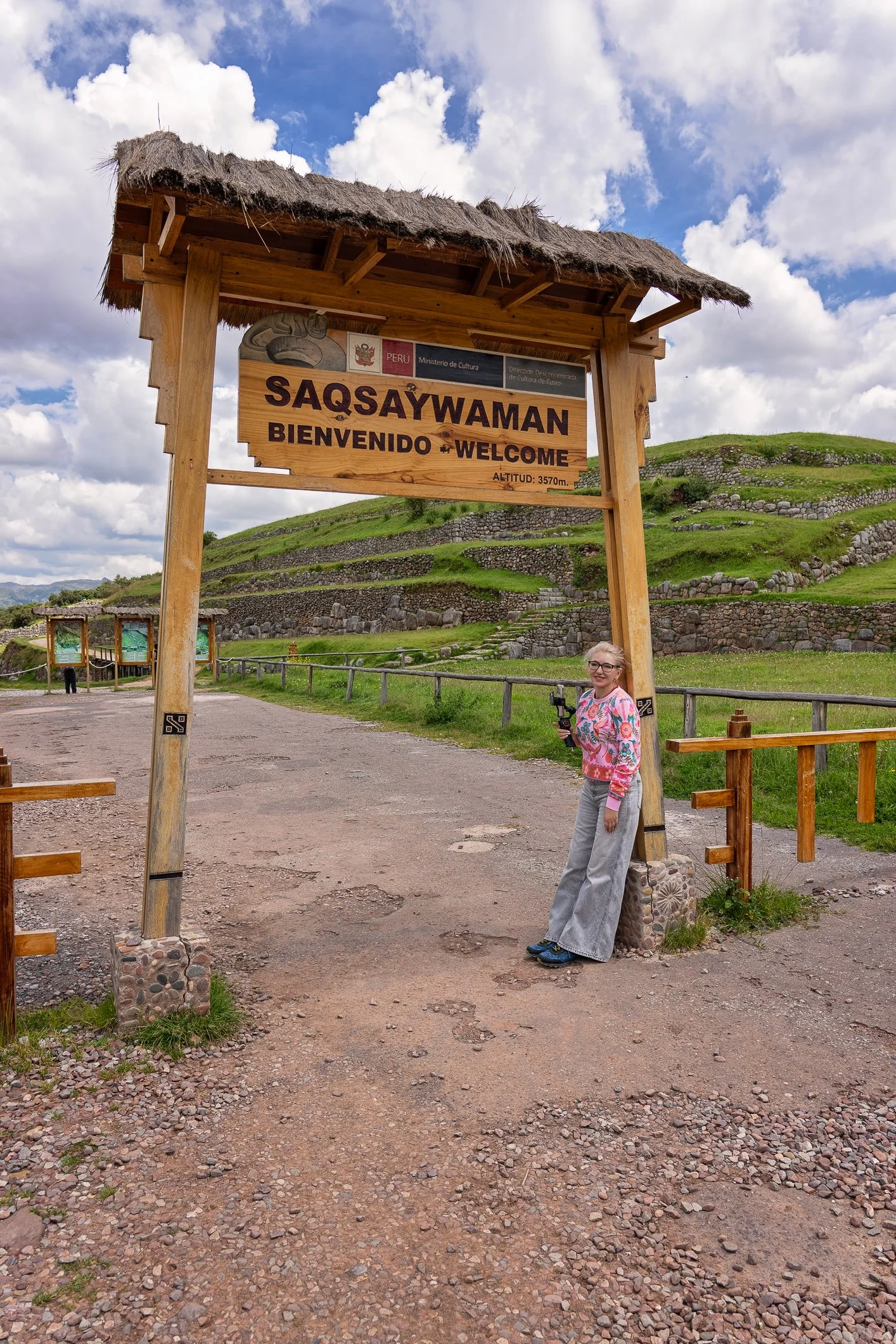
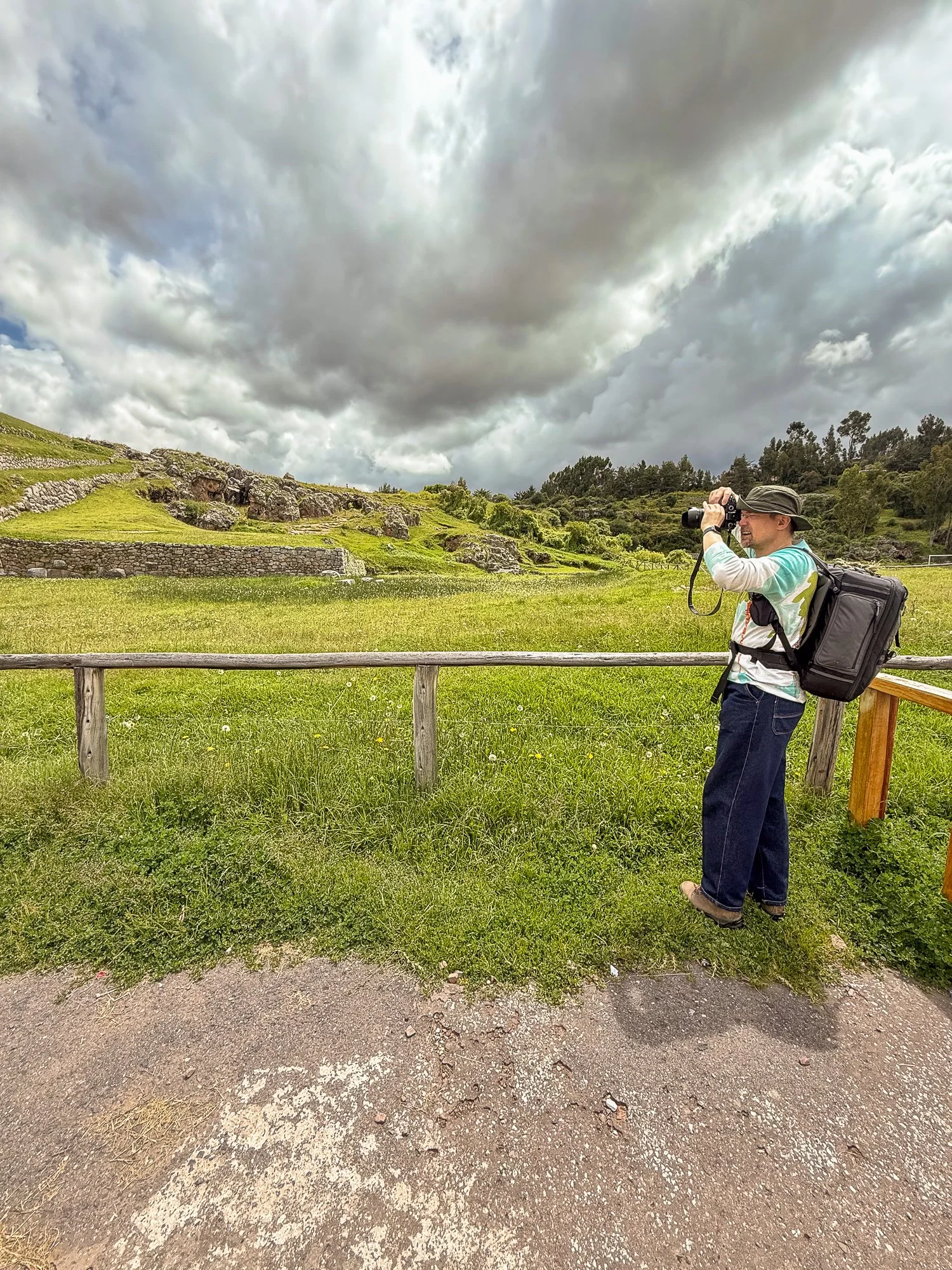
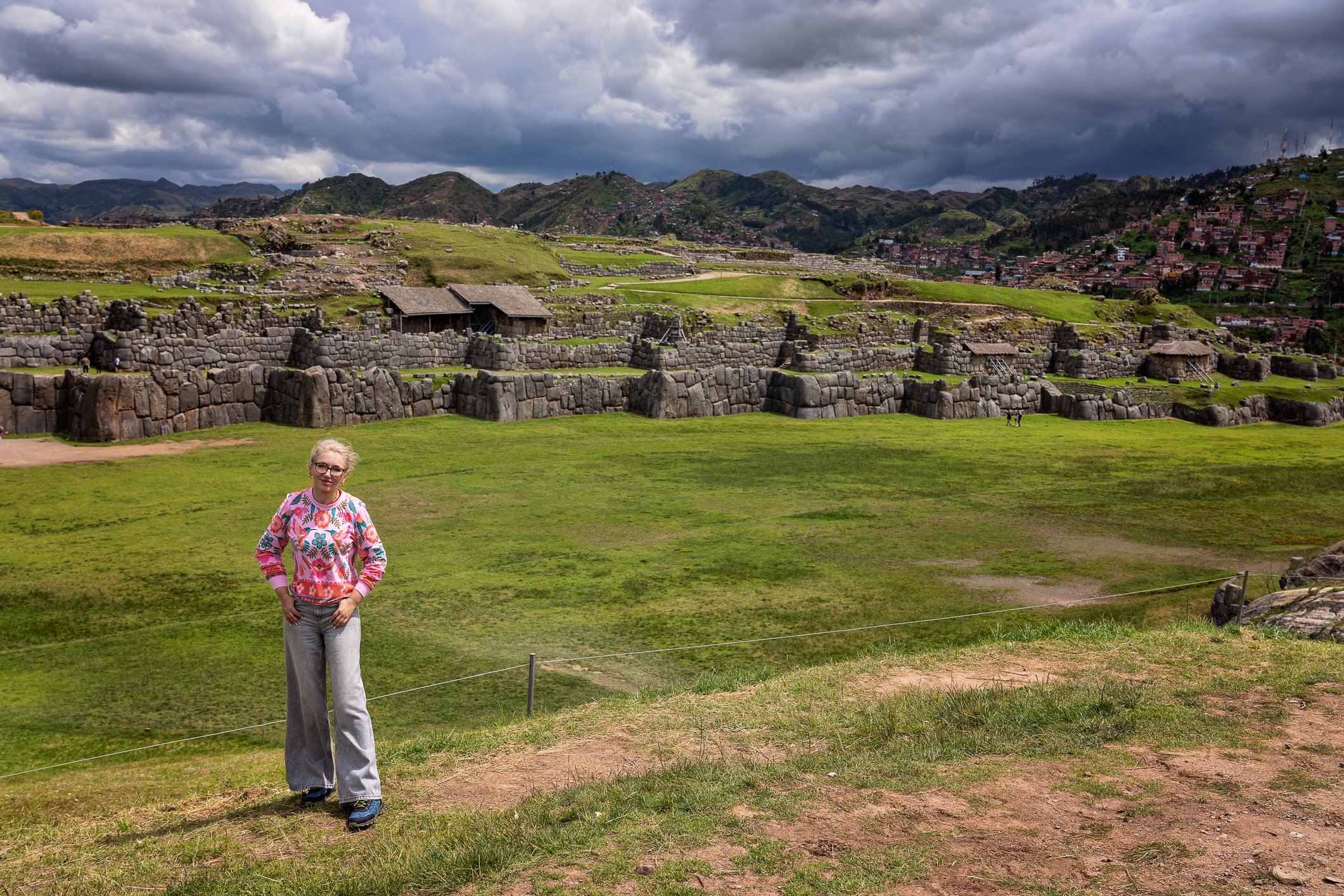
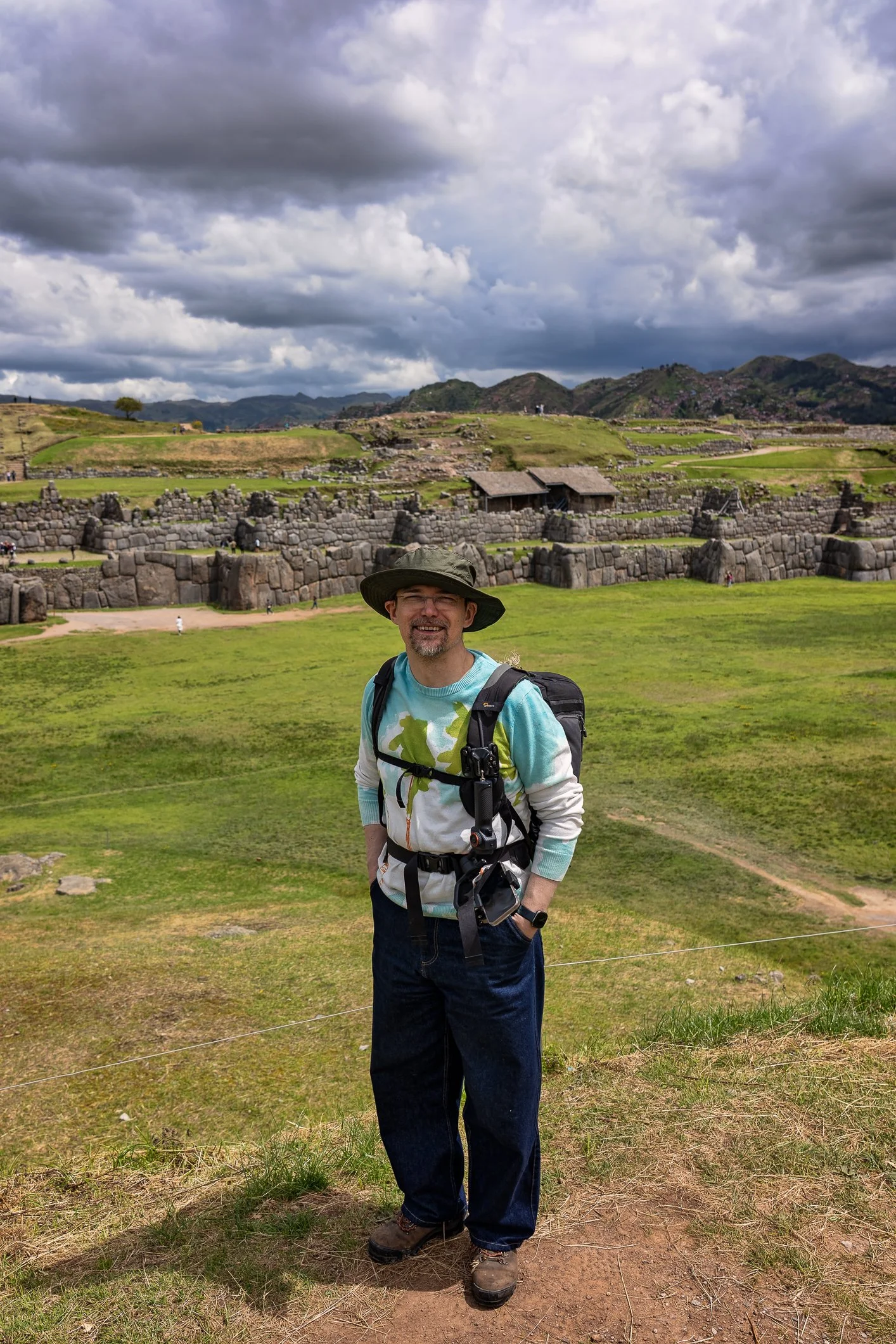
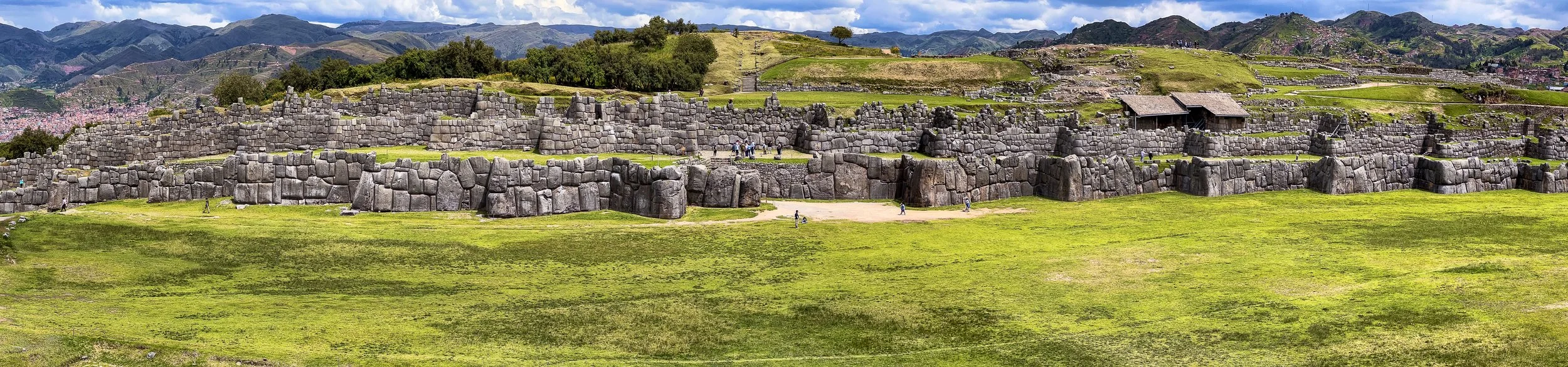
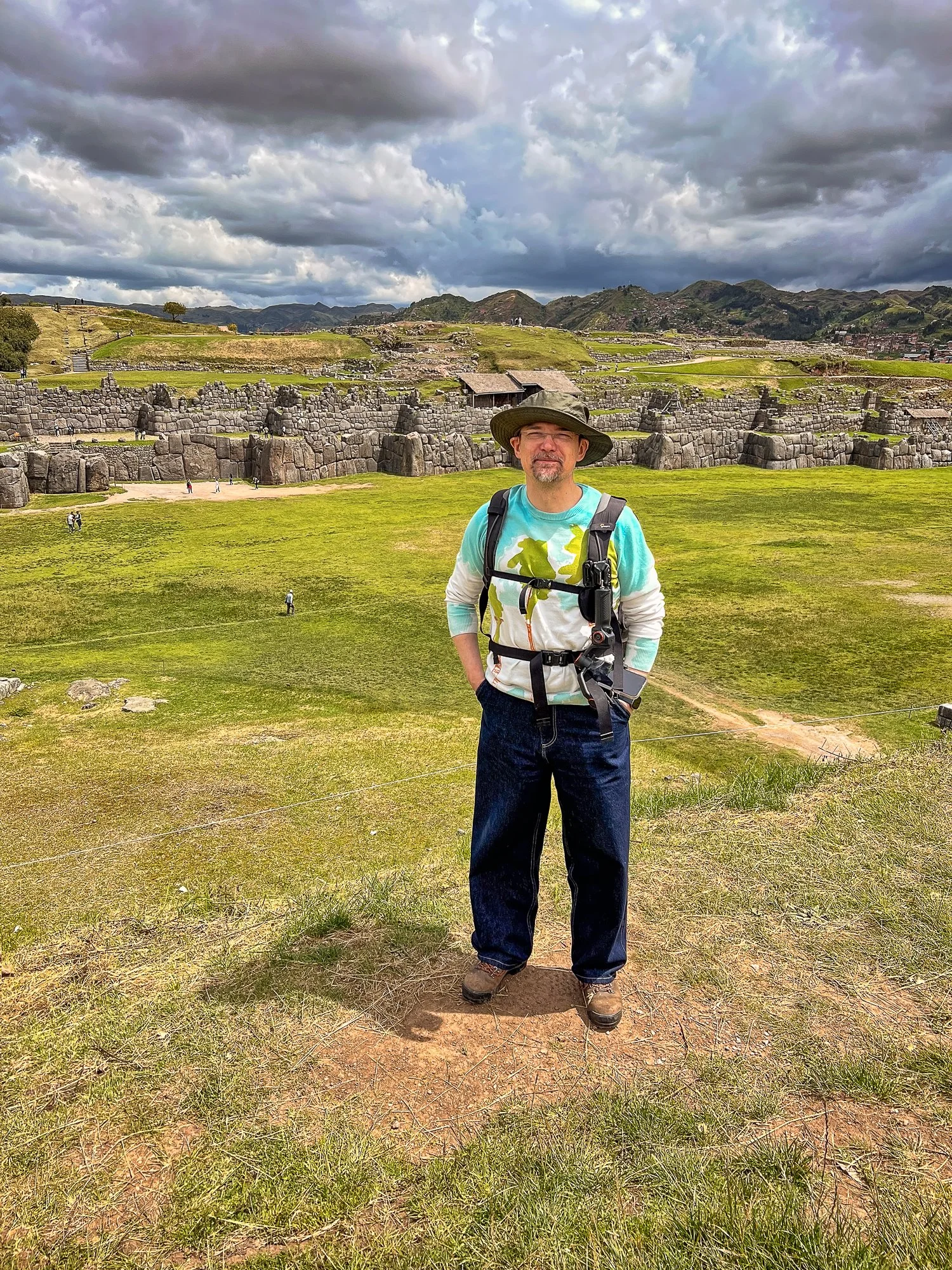
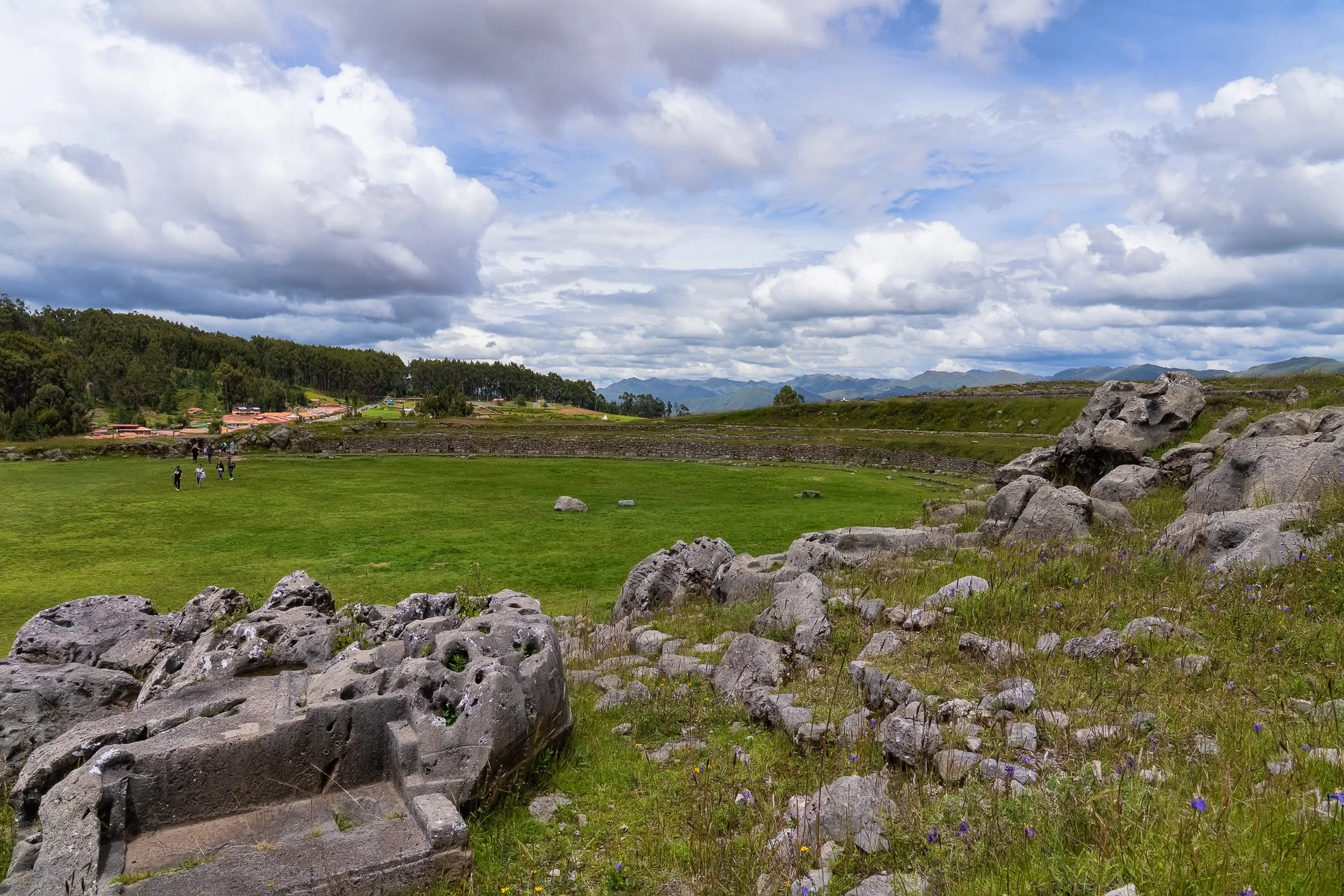
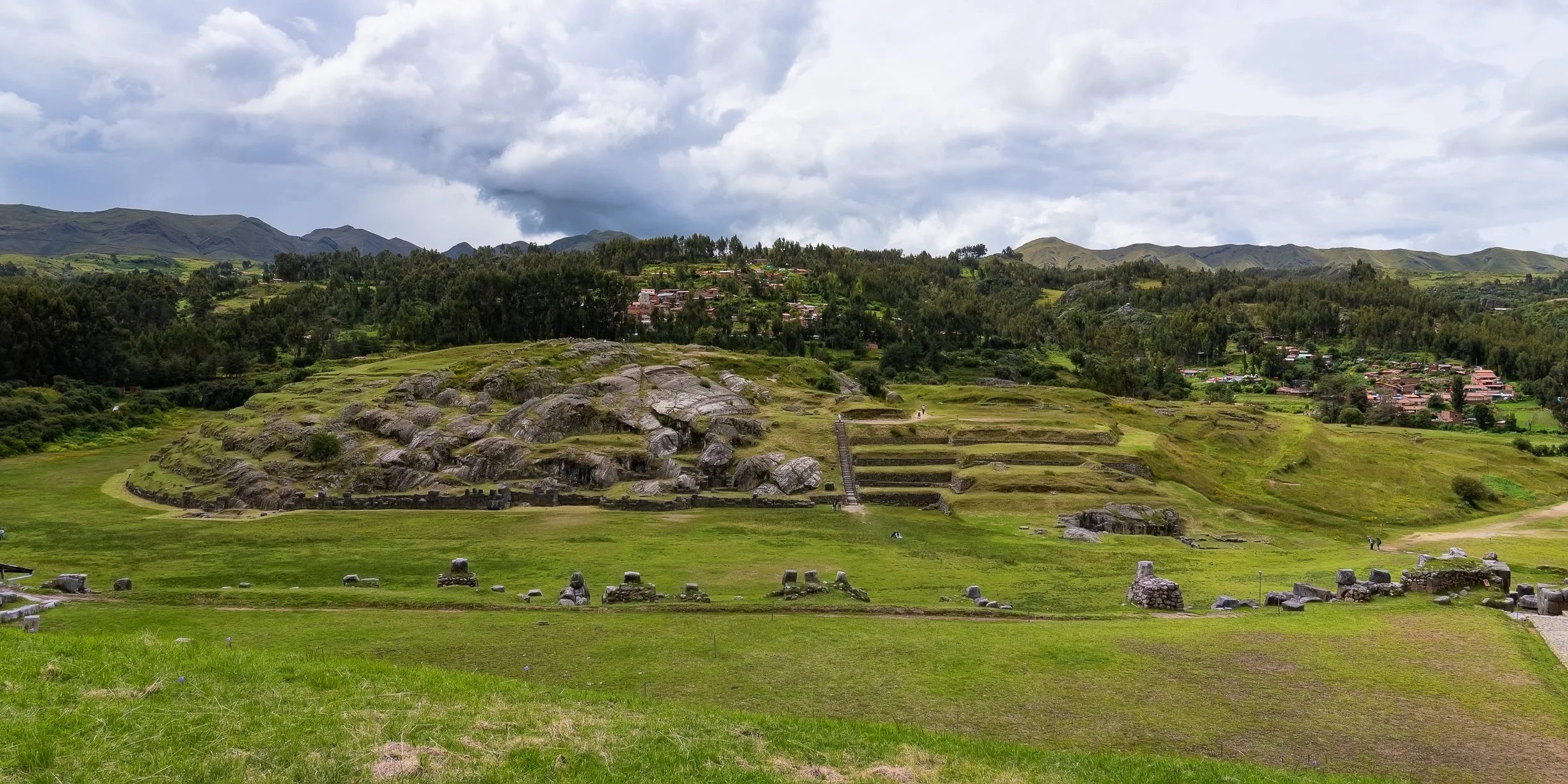
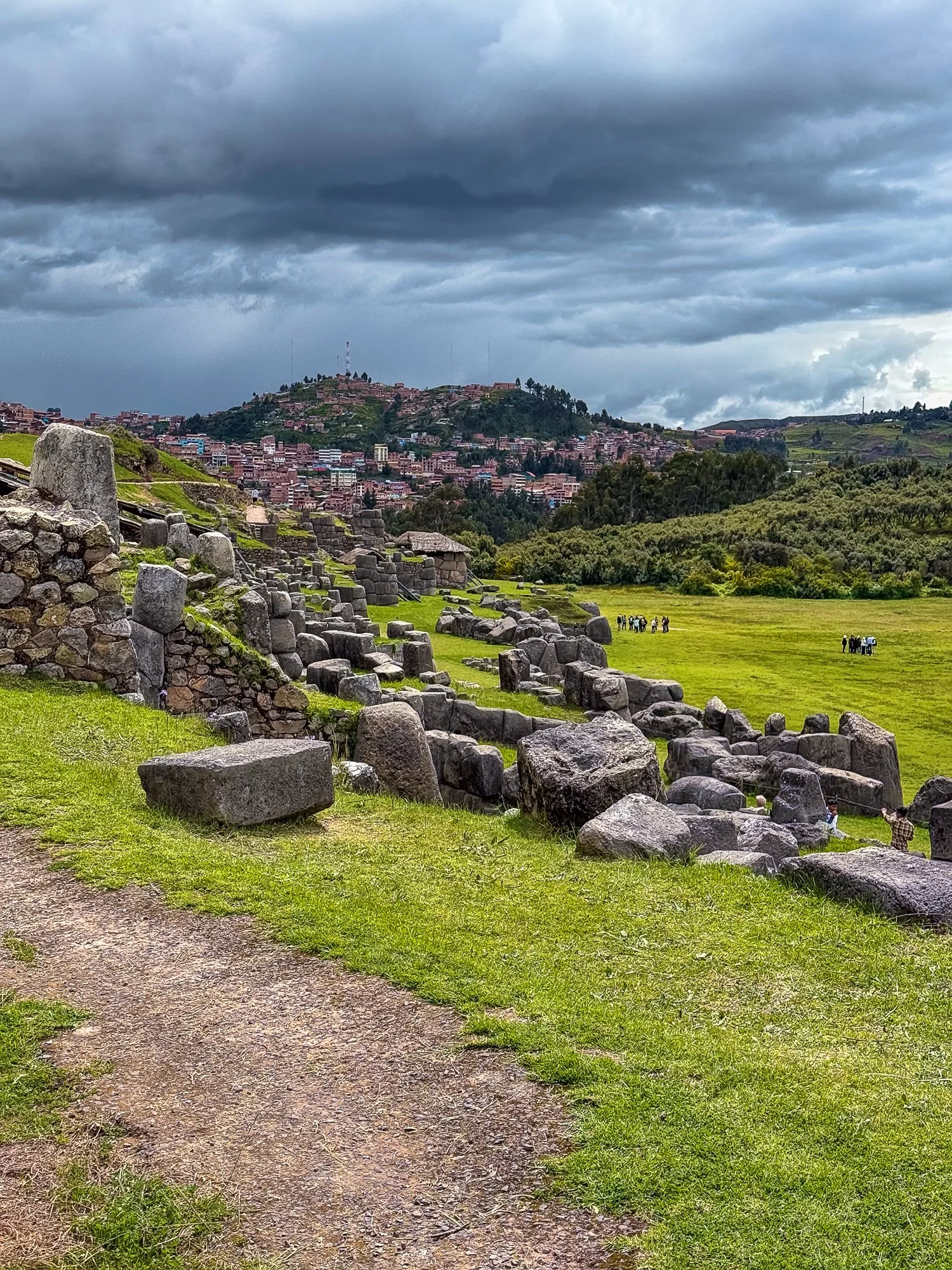
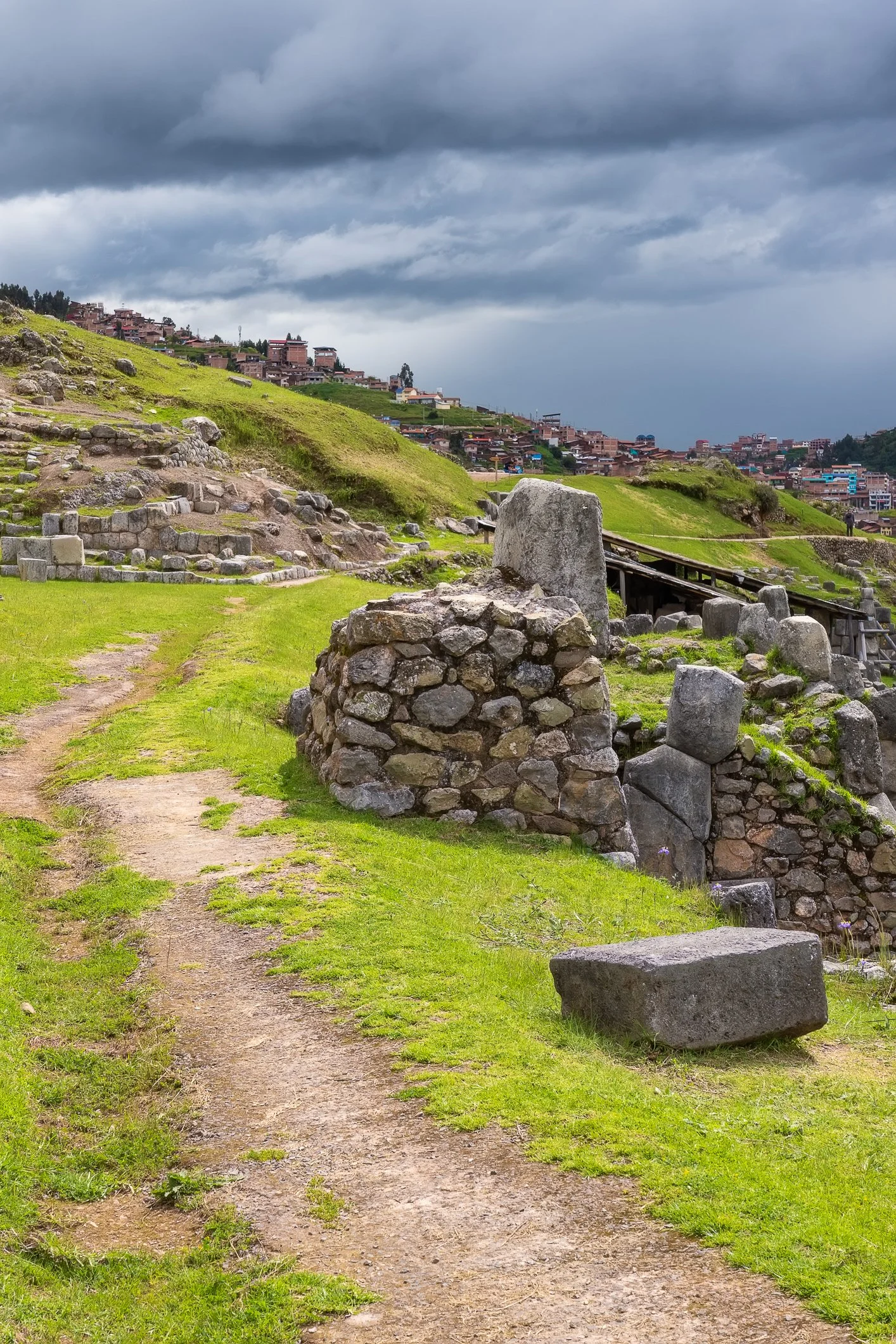
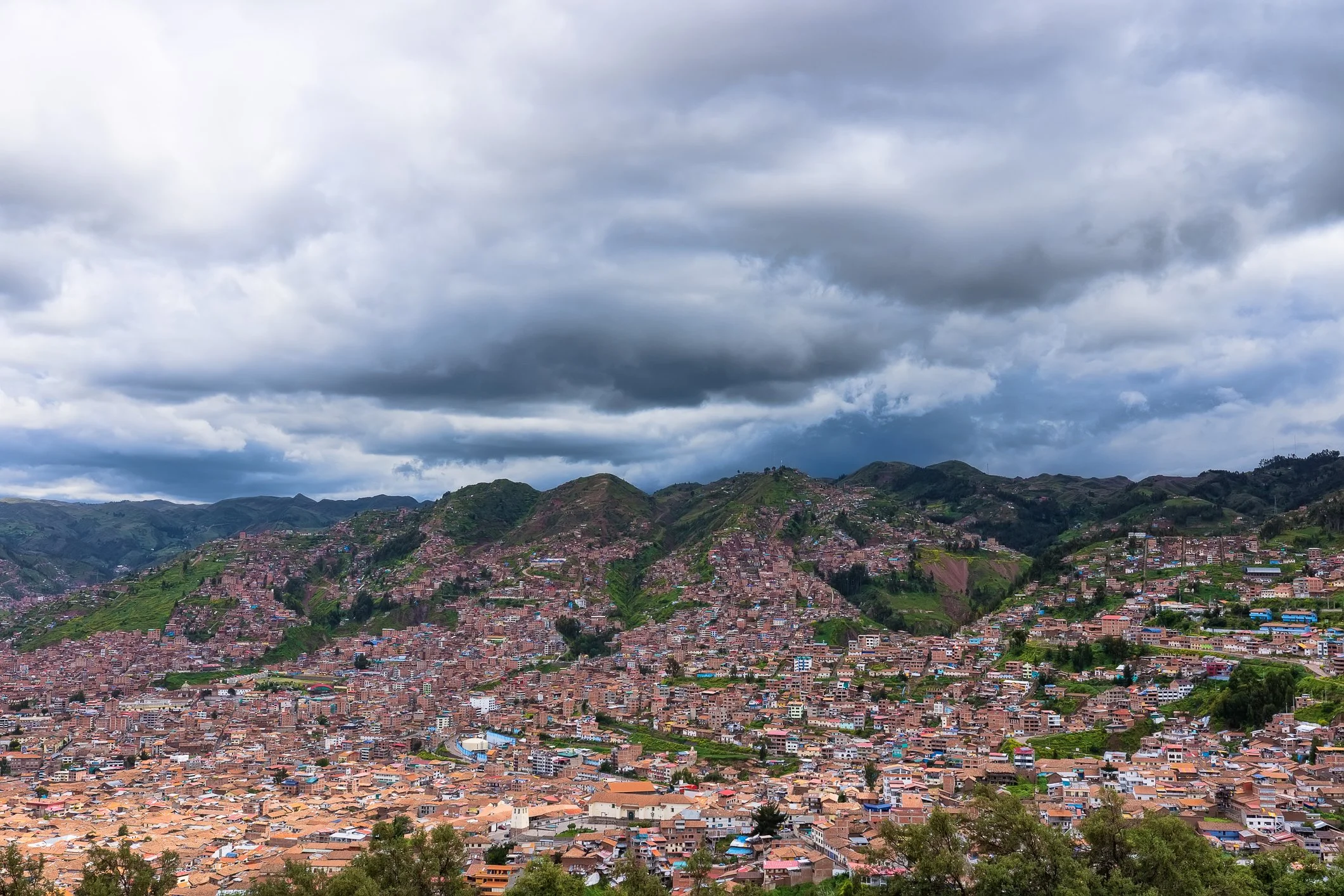
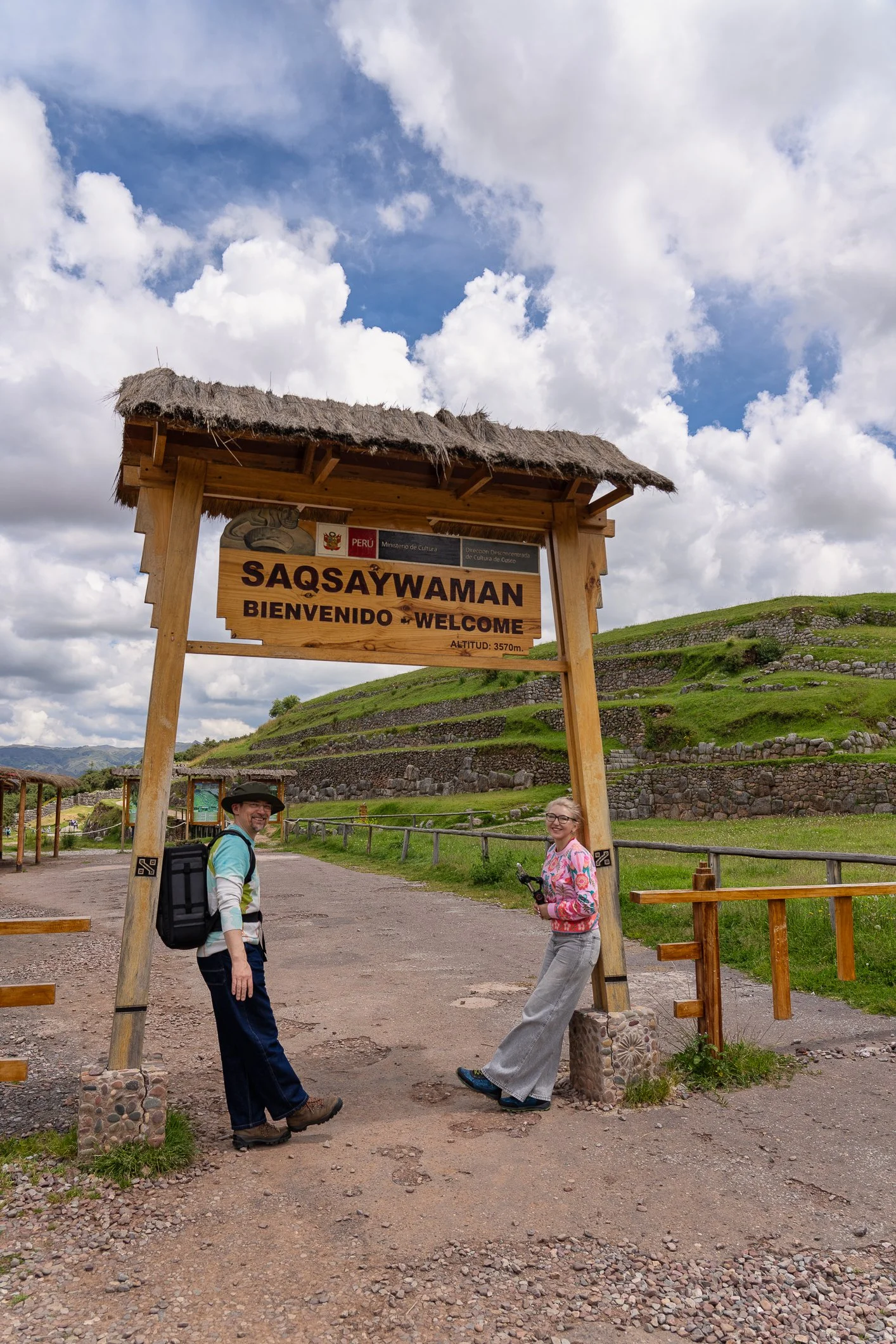
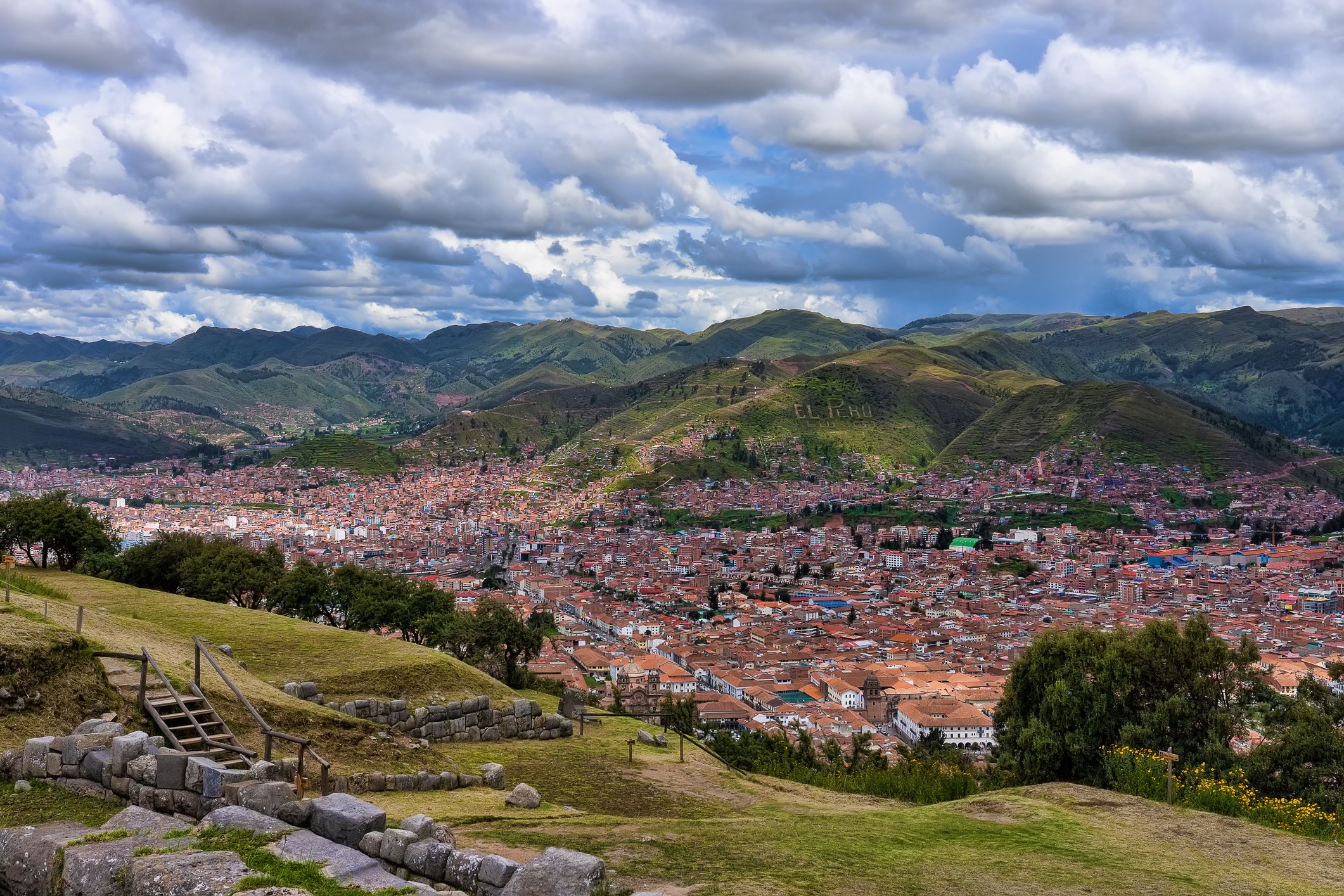
Sacsayhuamán (Saqsaywaman in Quechua, which is usually translated as something like “satisfied falcon”, “speckled head” or even “city of stone”) is a massive stone complex sitting on a hill just above Cusco. Work on Sacsayhuamán began in the 1440s, but it took nearly a century to complete. The Incas did not use mortar, iron tools, or wheels. The site is the result of extremely patient stonework, shaping rocks with harder stones, sand, and bronze chisels, and then moving them with sheer manpower, ramps, and leverage. It is estimated that 20,000 men were involved in the construction: 4,000 cutting blocks from quarries, 6,000 dragging them on rollers to the site, and 10,000 working on finishing and fitting the blocks into position. Some estimates suggest that a few thousand lives were lost while dragging the enormous stones. First, boulders were split by boring holes with stone or cane rods and wet sand. Next, wooden wedges were inserted into these holes and saturated with water to crack the rocks into more manageable sizes. Finally, the rocks were moved into place using levers.


Sacsayhuamán (w języku keczua Saqsaywaman, co bywa tłumaczone jako „zadowolony sokół”, „nakrapiana głowa” albo nawet „miasto z kamienia”) to ogromny kompleks kamienny położony na wzgórzu tuż nad Cusco. Budowę Sacsayhuamán rozpoczęto w latach 40. XV wieku, a jej ukończenie zajęło niemal sto lat. Inkowie nie używali zaprawy, żelaznych narzędzi ani koła. Cała konstrukcja jest efektem niezwykle precyzyjnej pracy w kamieniu - skały były obrabiane twardszymi kamieniami, piaskiem oraz brązowymi dłutami, a następnie transportowane przy użyciu siły ludzkiej, ramp i systemów dźwigni. Szacuje się, że przy budowie mogło pracować około 20 tysięcy osób: część z nich wydobywała bloki w kamieniołomach, inni transportowali je na miejsce, a jeszcze inni zajmowali się ich dopasowywaniem i wykończeniem. Według niektórych szacunków w trakcie tych prac mogło zginąć nawet kilka tysięcy ludzi. Same skały rozłupywano, wiercąc w nich otwory za pomocą kamiennych lub trzcinowych prętów z mokrym piaskiem, a następnie wbijano w nie drewniane kliny, które po nasiąknięciu wodą powodowały pękanie bloków. Ostateczne przesuwanie i ustawianie kamieni odbywało się przy użyciu dźwigni.
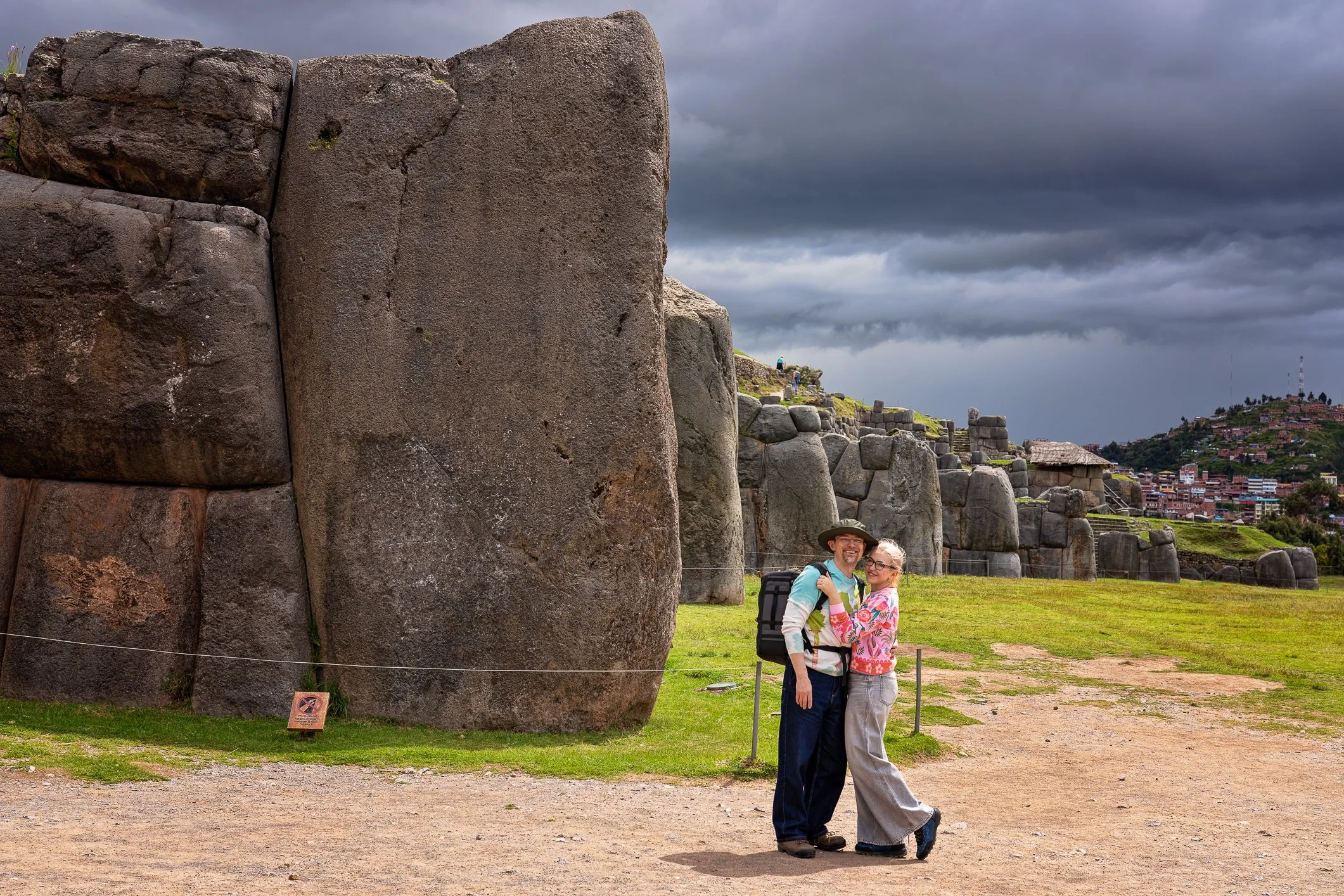
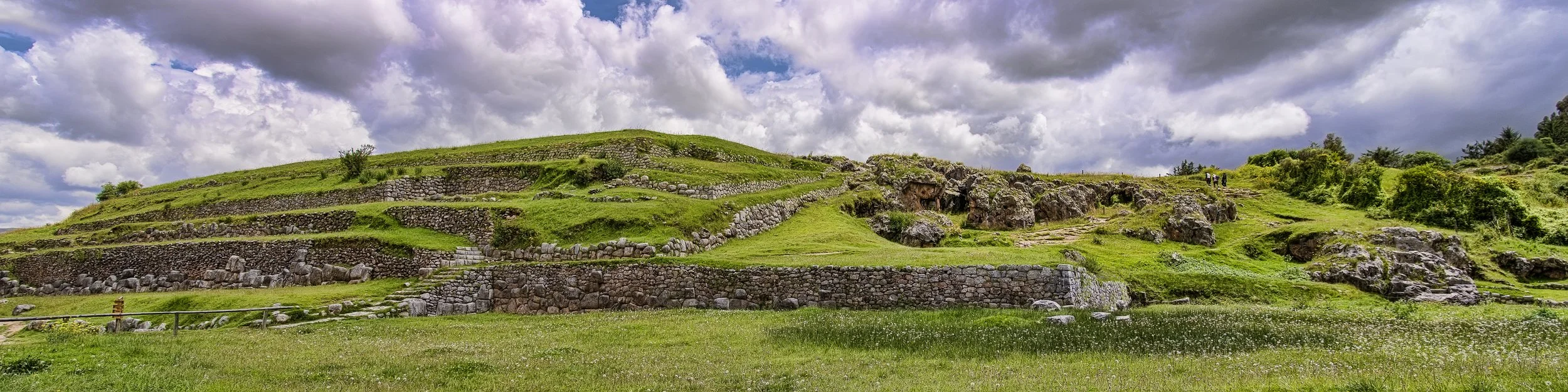
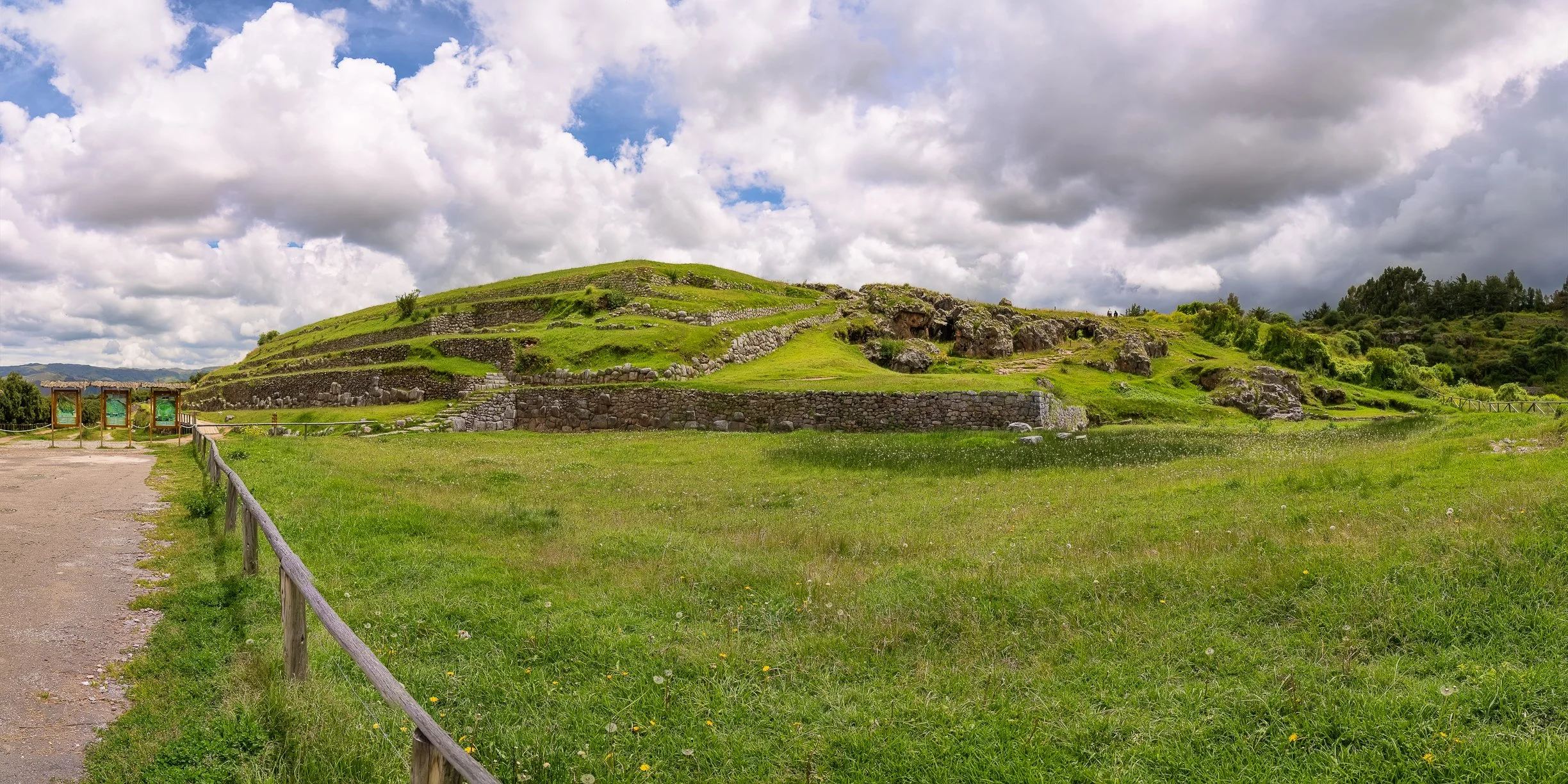
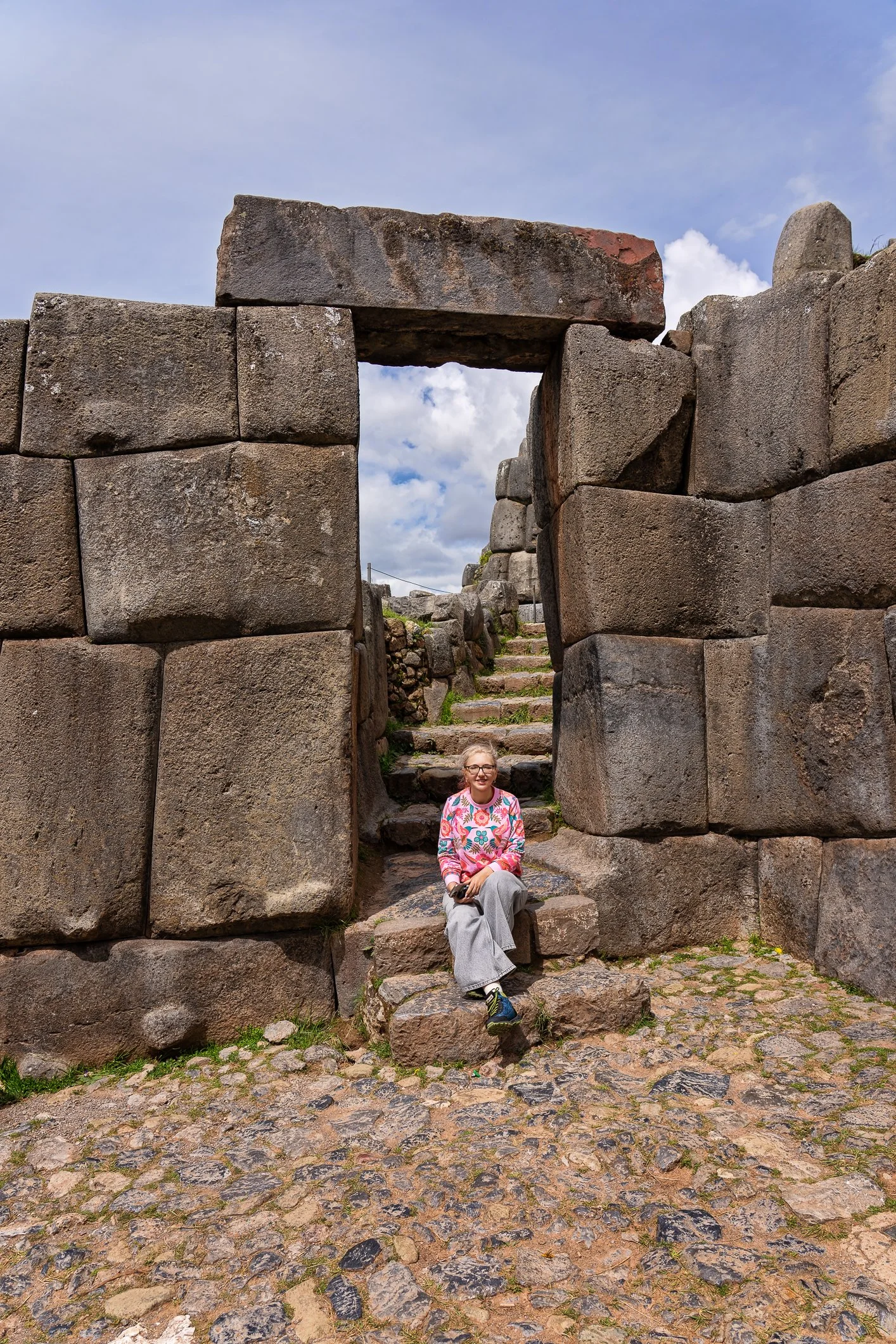
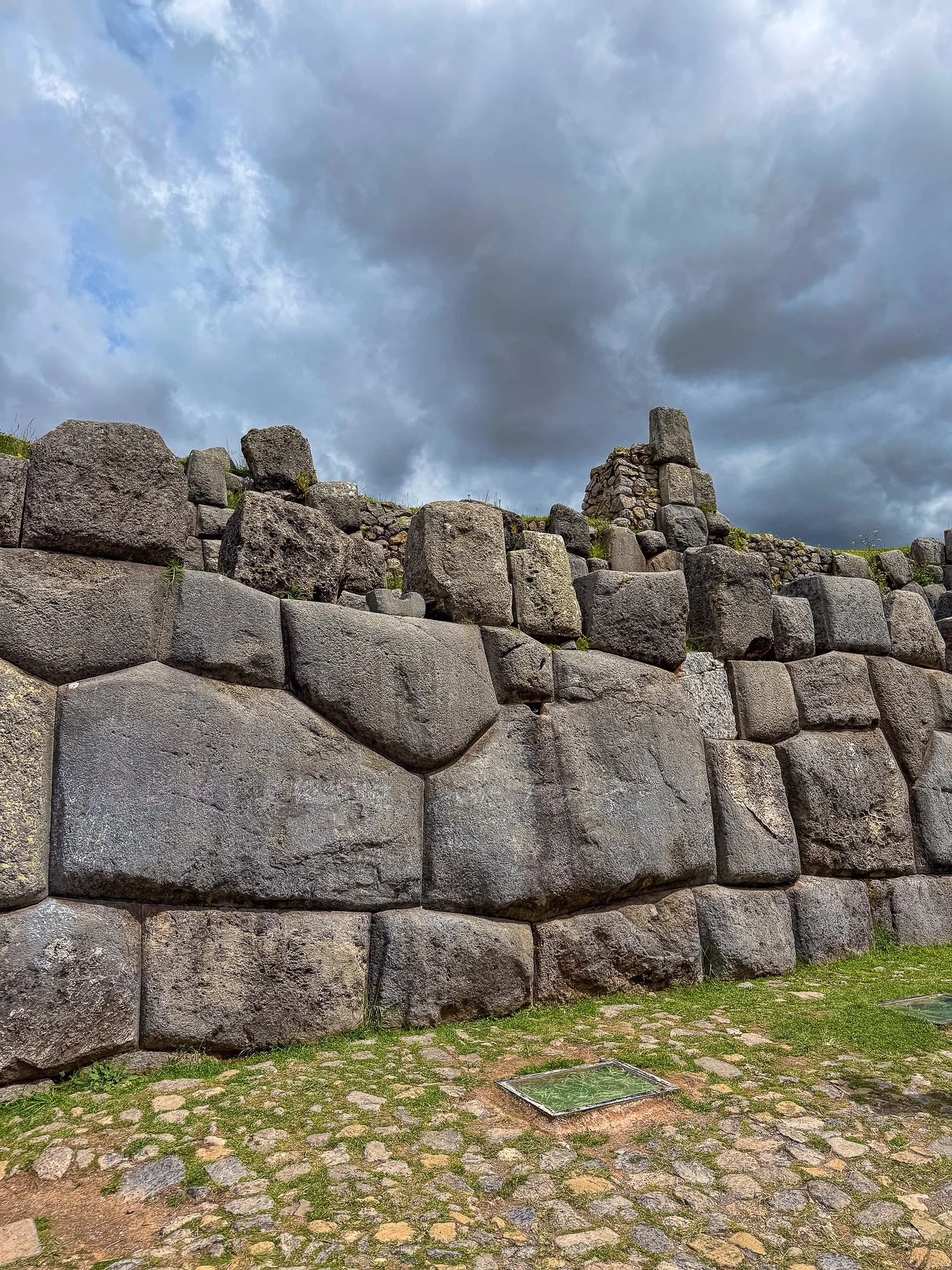
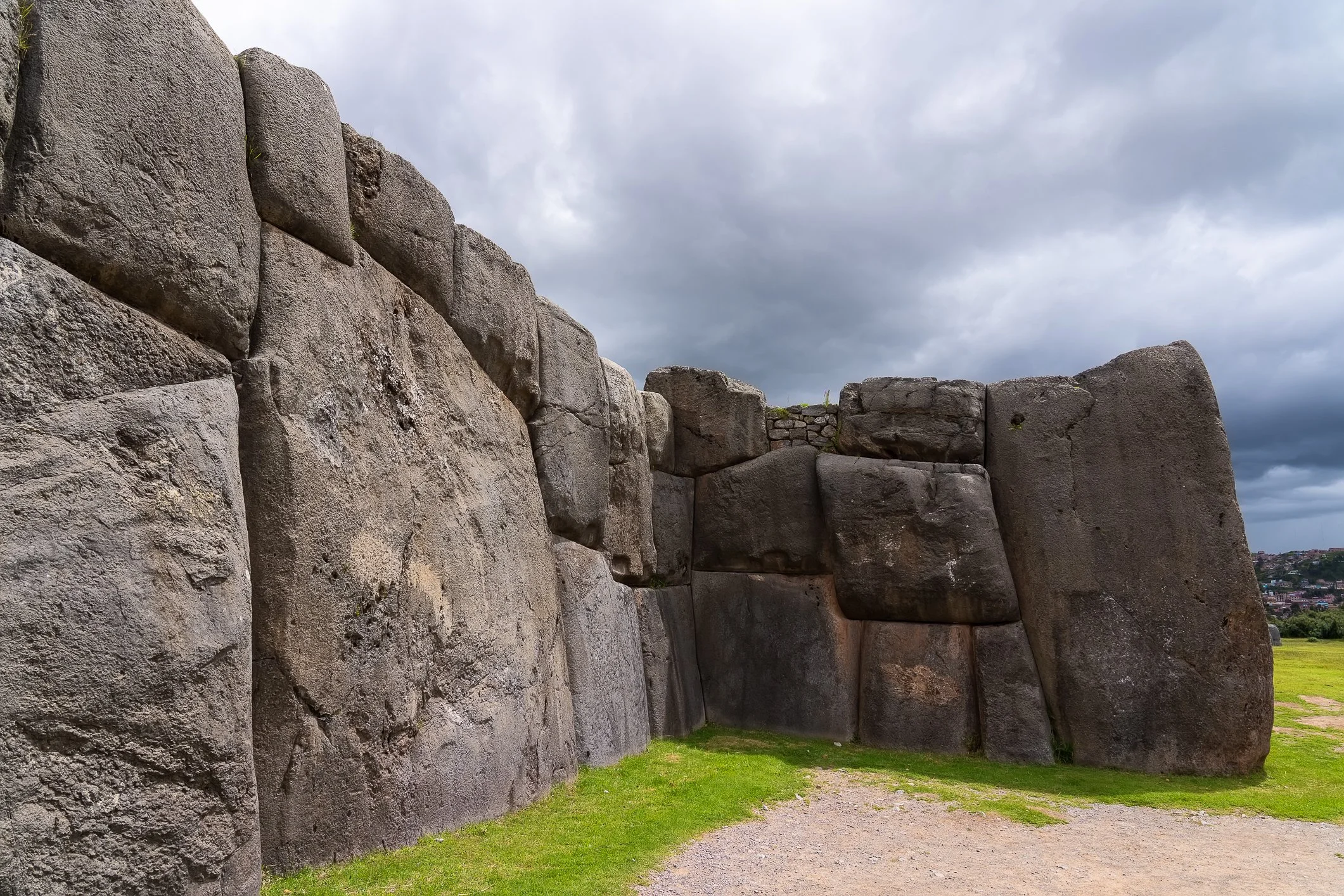
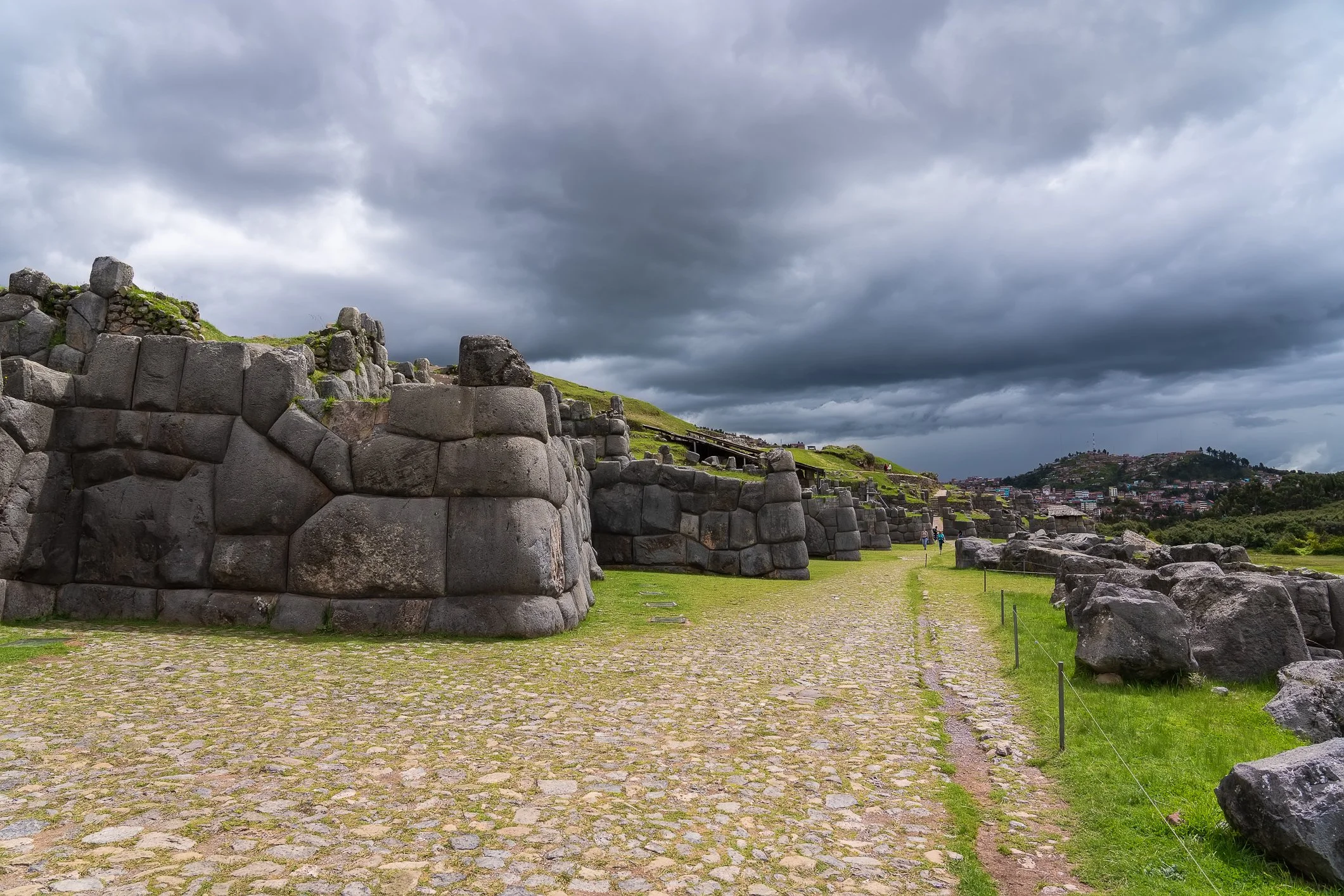
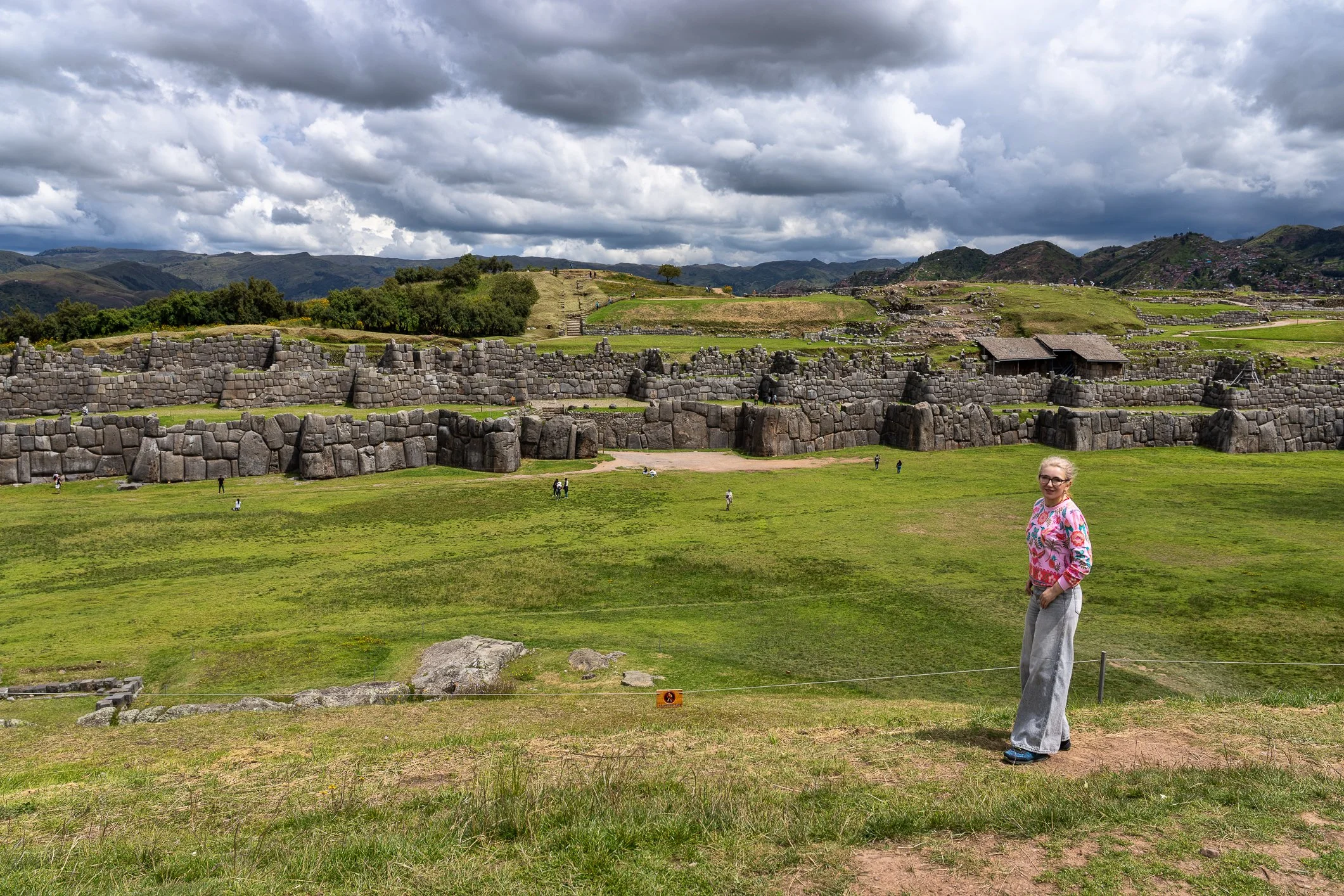
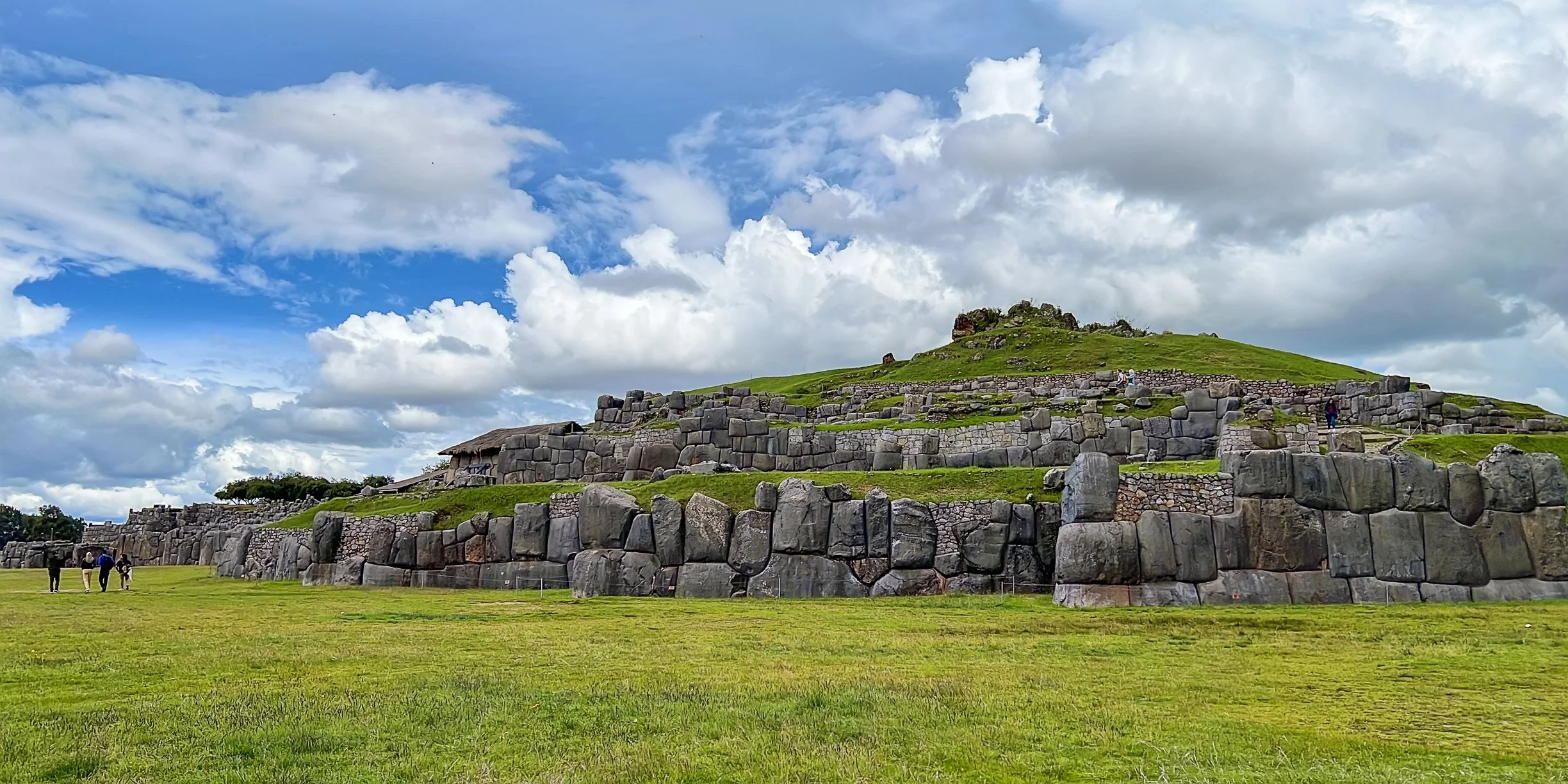
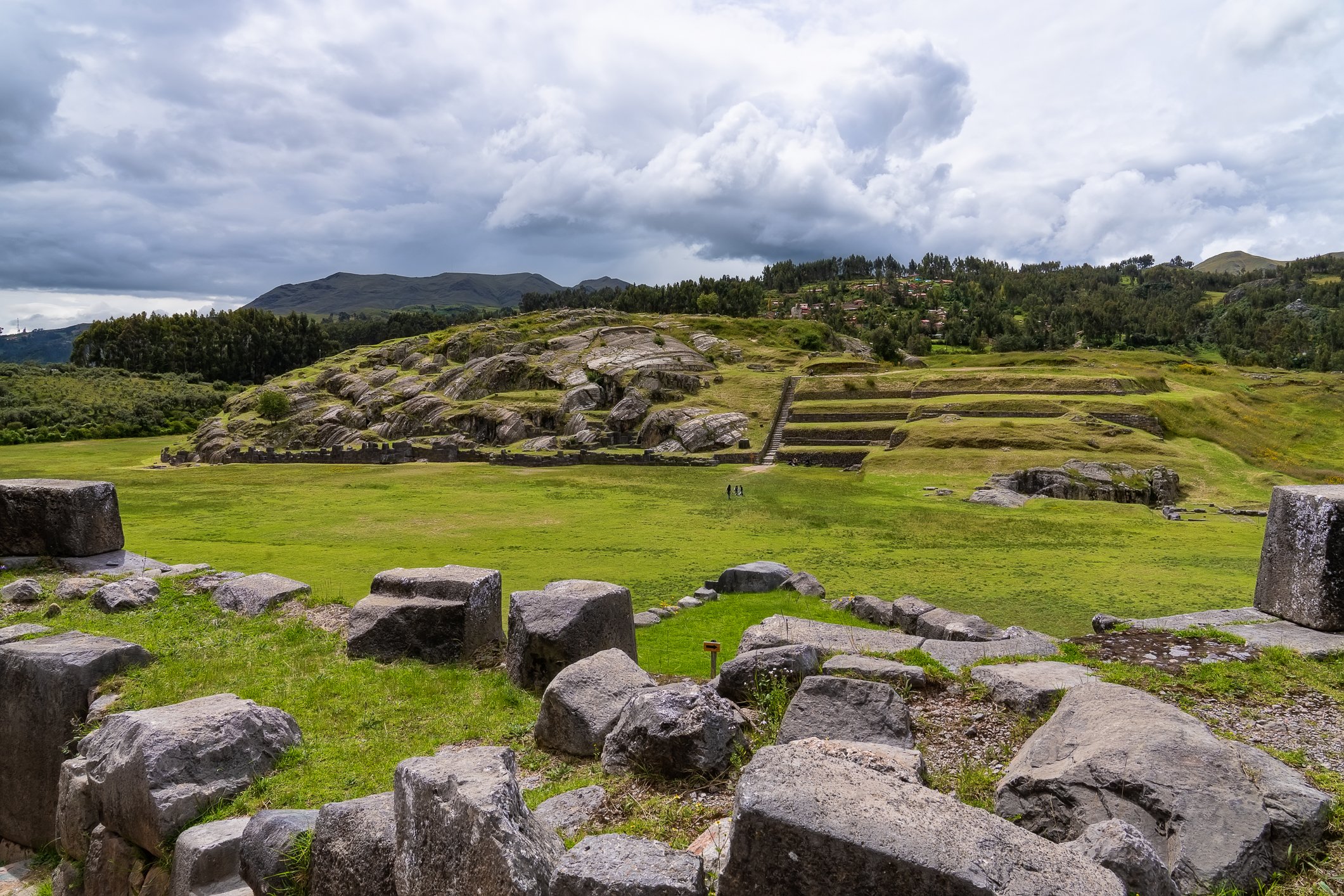
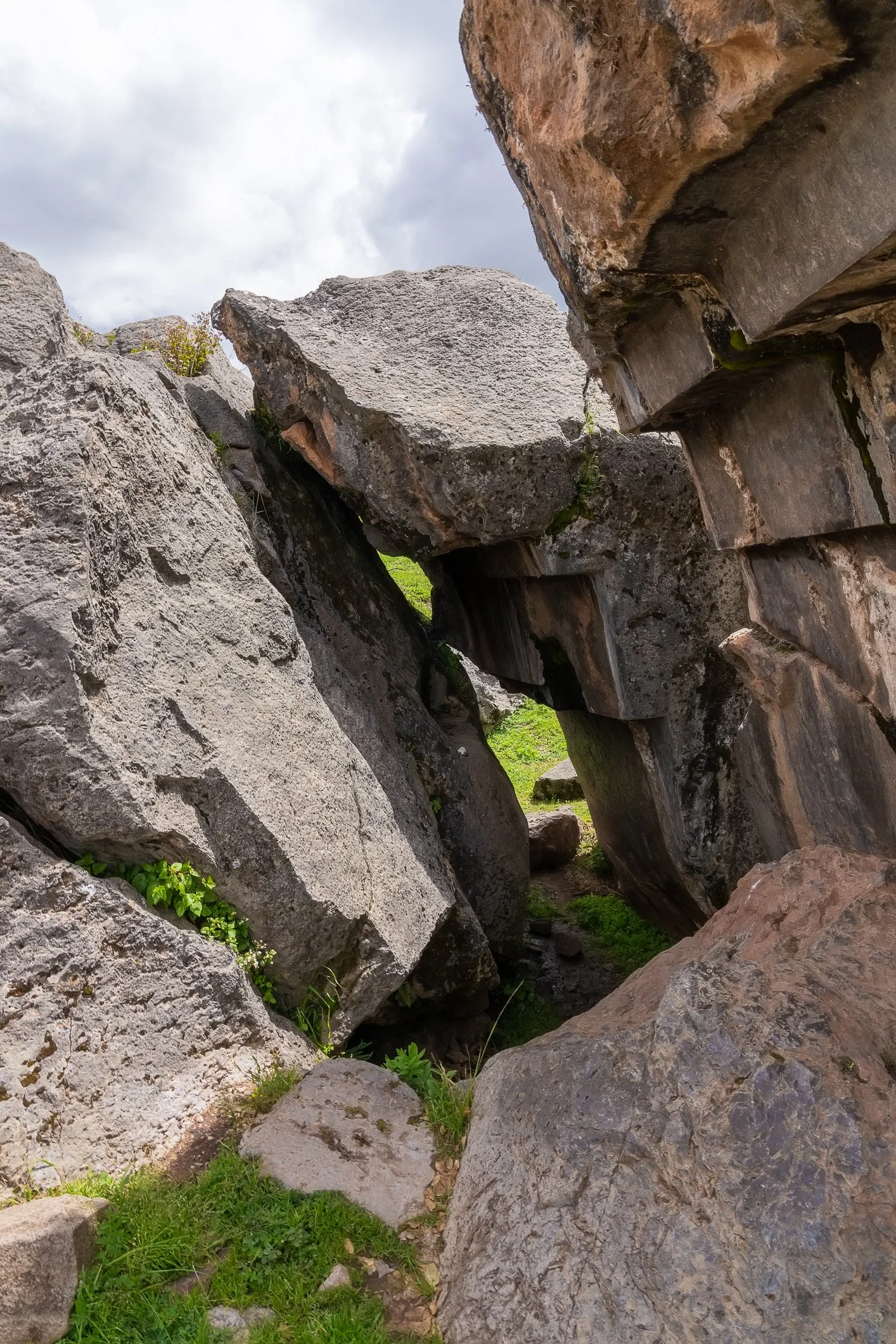
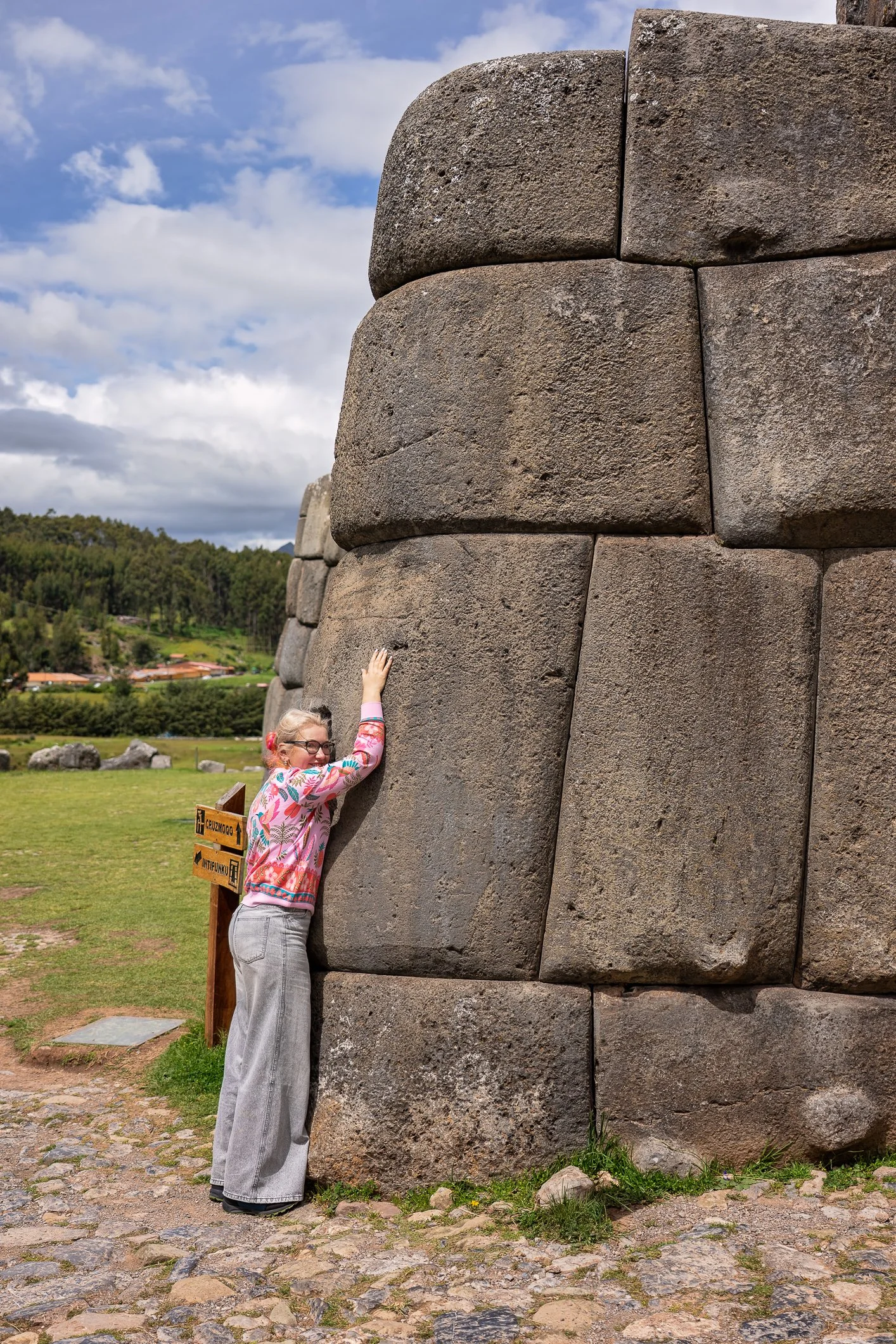
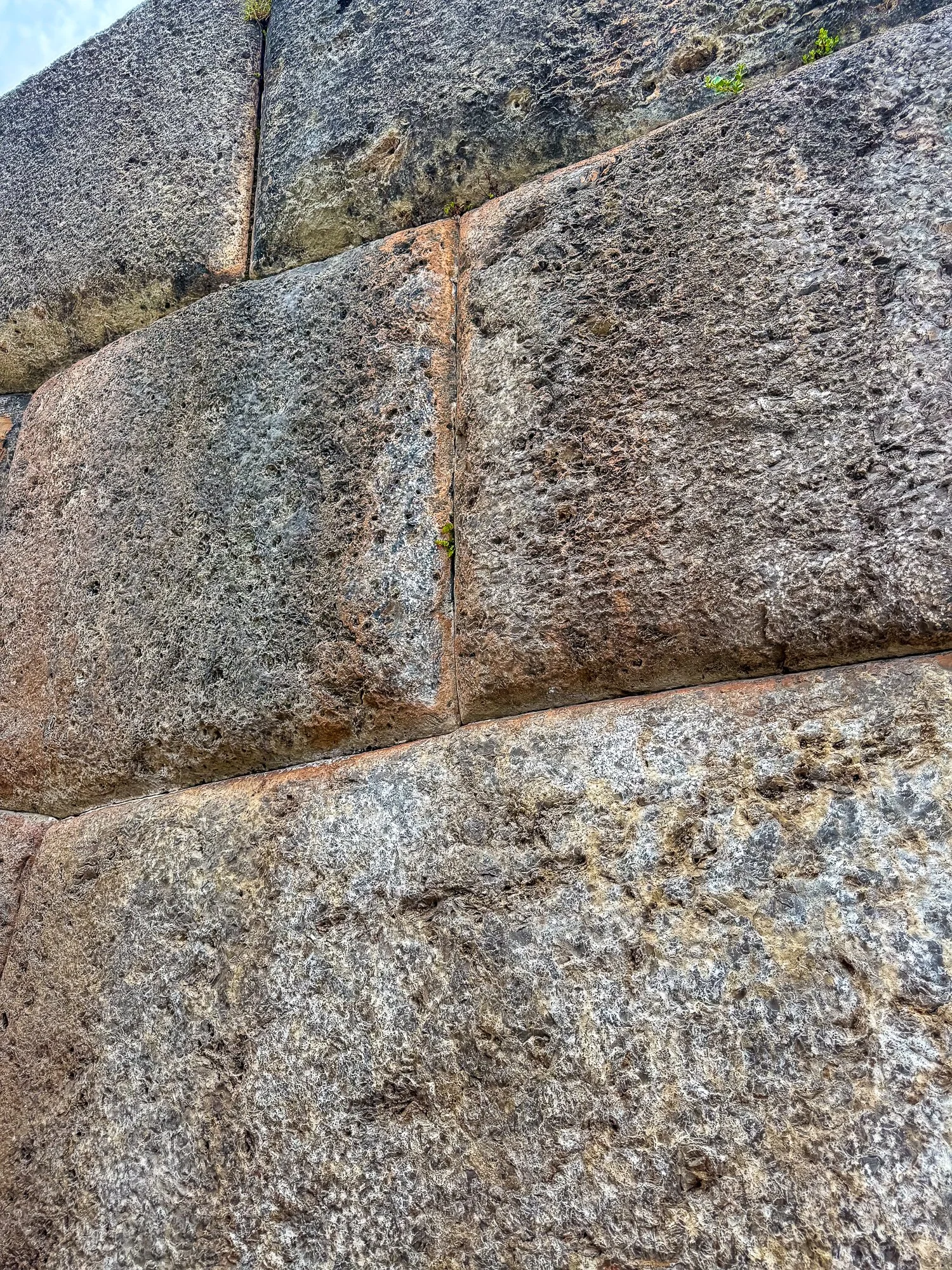
It is not just the scale of this place that makes it remarkable, but also how absurdly precise everything is. The walls zig-zag across the hillside in huge terraces, built from stones so large that some weigh over a hundred tons, yet they fit together so tightly that there is essentially no gap between them.

Nie tylko skala tego miejsca robi wrażenie, ale także jego niewiarygodna precyzja. Kamienne mury układają się w ogromne, zygzakowate tarasy, a niektóre bloki ważą ponad sto ton. Mimo to idealnie do siebie pasują, bez użycia jakiejkolwiek zaprawy - między kamieniami praktycznie nie ma szczelin.
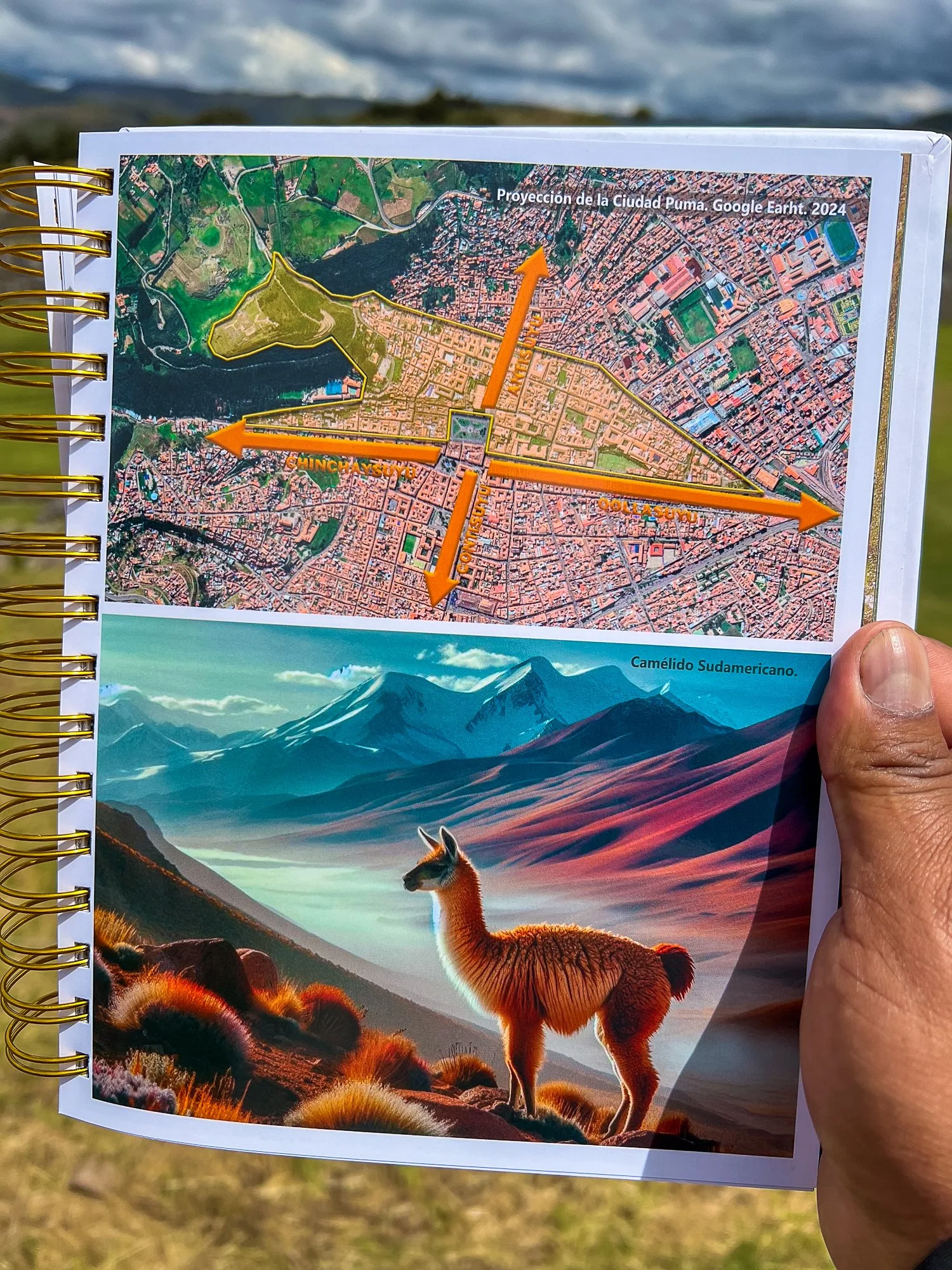
Functionally, it was not just a fortress, even though it clearly had a defensive role. It also had ceremonial importance, and its layout is tied to how the Incas designed Cusco itself. There is a long-standing idea that the city was shaped like a puma, with Sacsayhuamán forming the “head”, which suggests it held symbolic meaning as well as practical use.

After the Spanish took control, they dismantled parts of the fortress and reused the stones to build colonial buildings in Cusco. Ironically, many of those Spanish structures did not survive earthquakes as well as the original Inca stonework, which still stands today.


Sacsayhuamán nie była wyłącznie fortecą, choć pełniła również funkcje obronne. Miała także ogromne znaczenie ceremonialne i wpisywała się w plan urbanistyczny Cusco. Według jednej z popularnych interpretacji miasto miało kształt pumy, a Sacsayhuamán stanowiła jej „głowę”, co podkreśla jej symboliczne znaczenie.

Po przybyciu Hiszpanów część kompleksu została rozebrana, a kamienie wykorzystano do budowy kolonialnych budynków w Cusco. Paradoksalnie wiele z tych konstrukcji okazało się znacznie mniej odporne na trzęsienia ziemi niż oryginalna kamienna architektura Inków, która przetrwała do dziś.
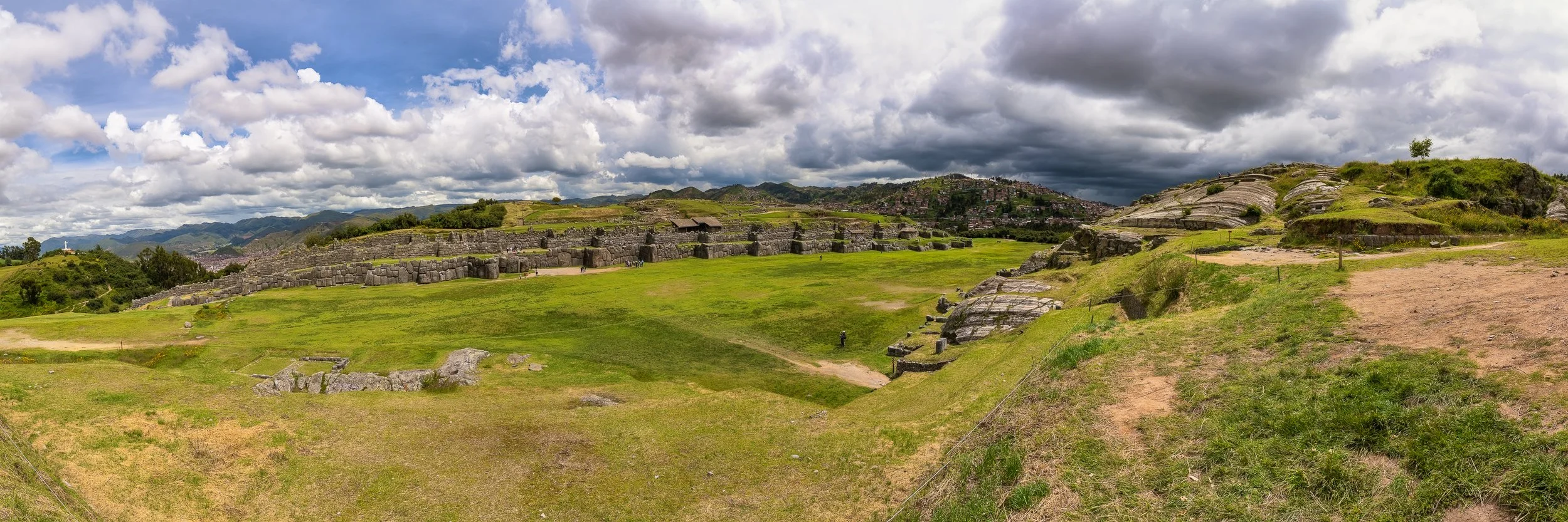
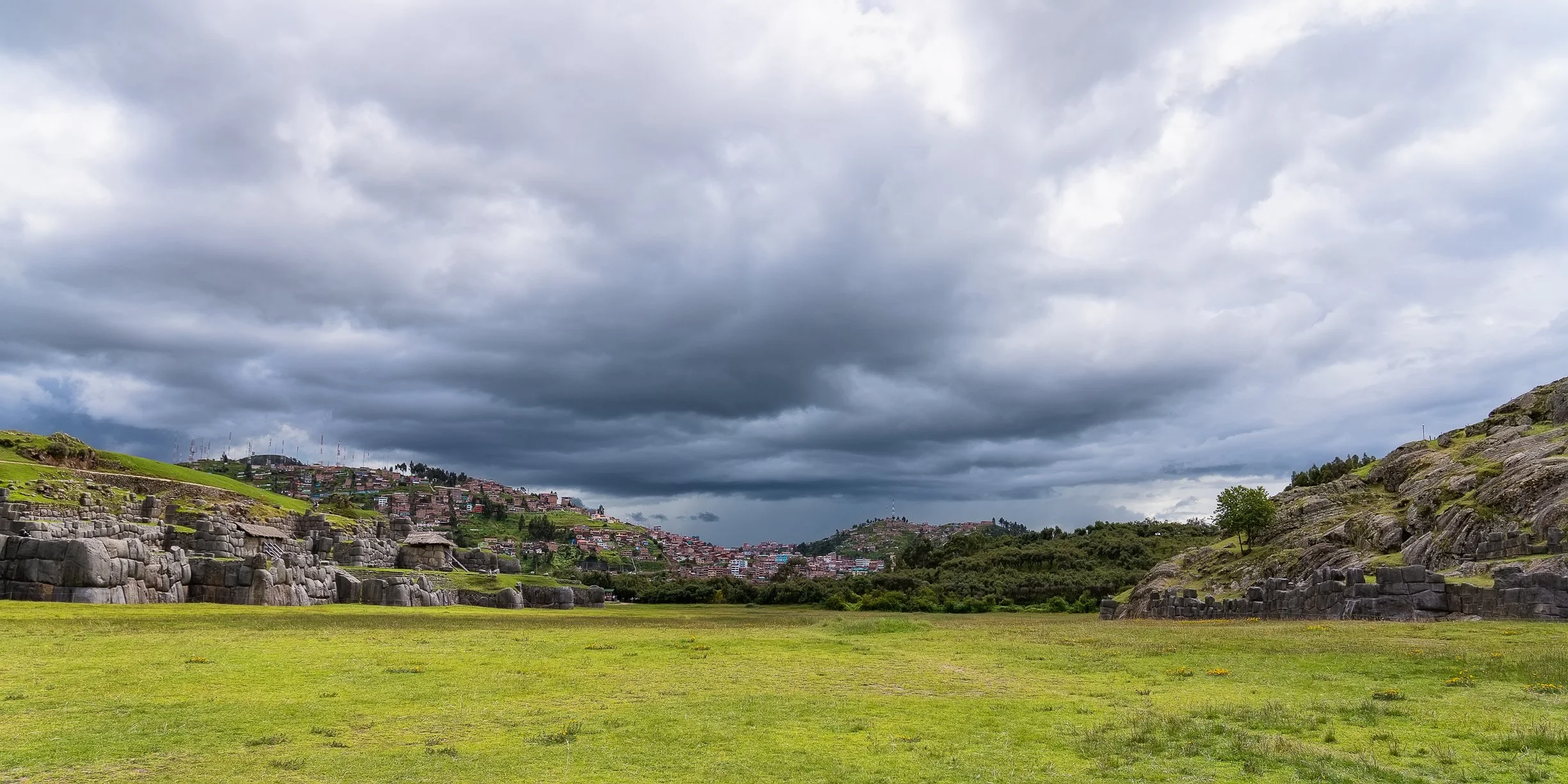
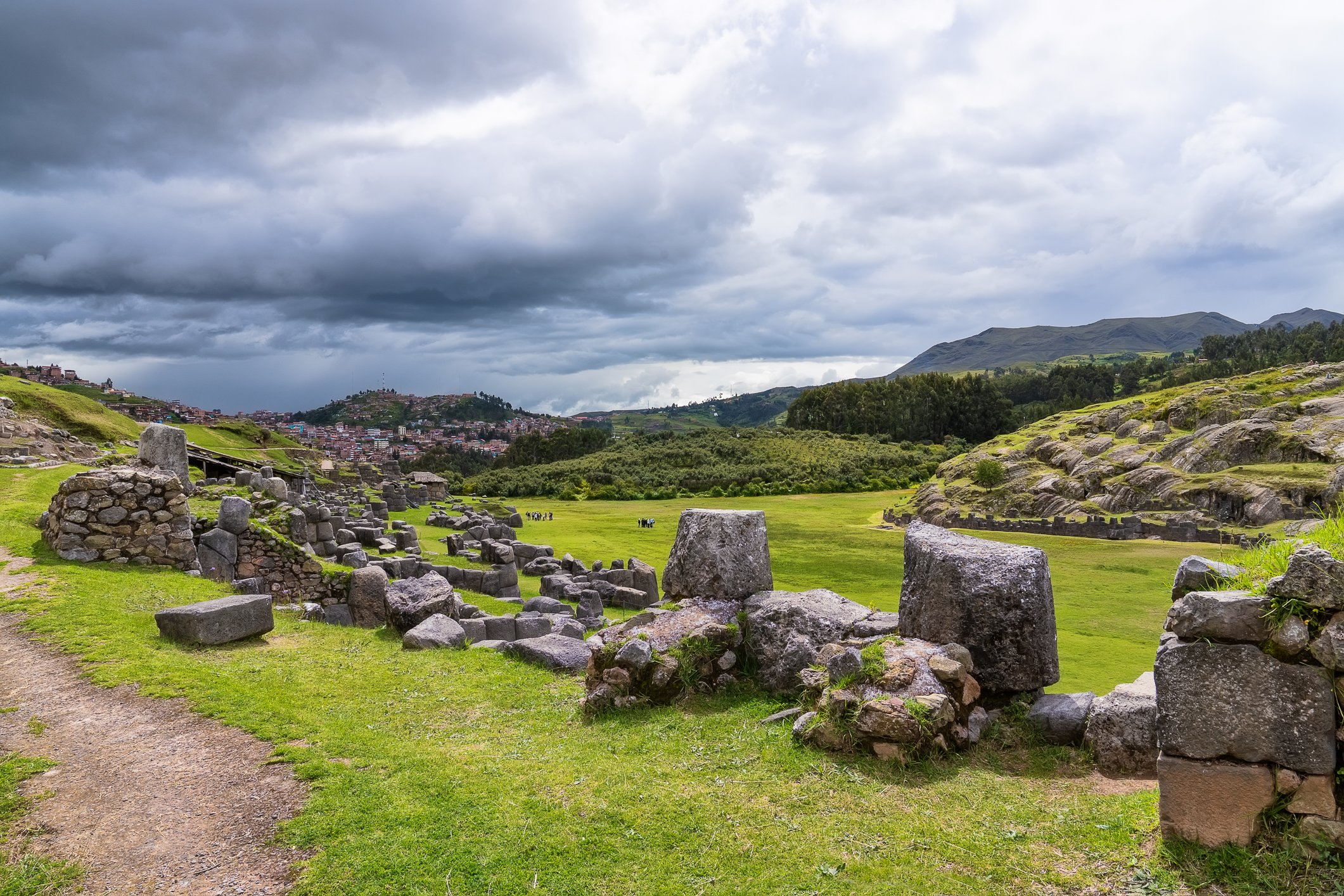
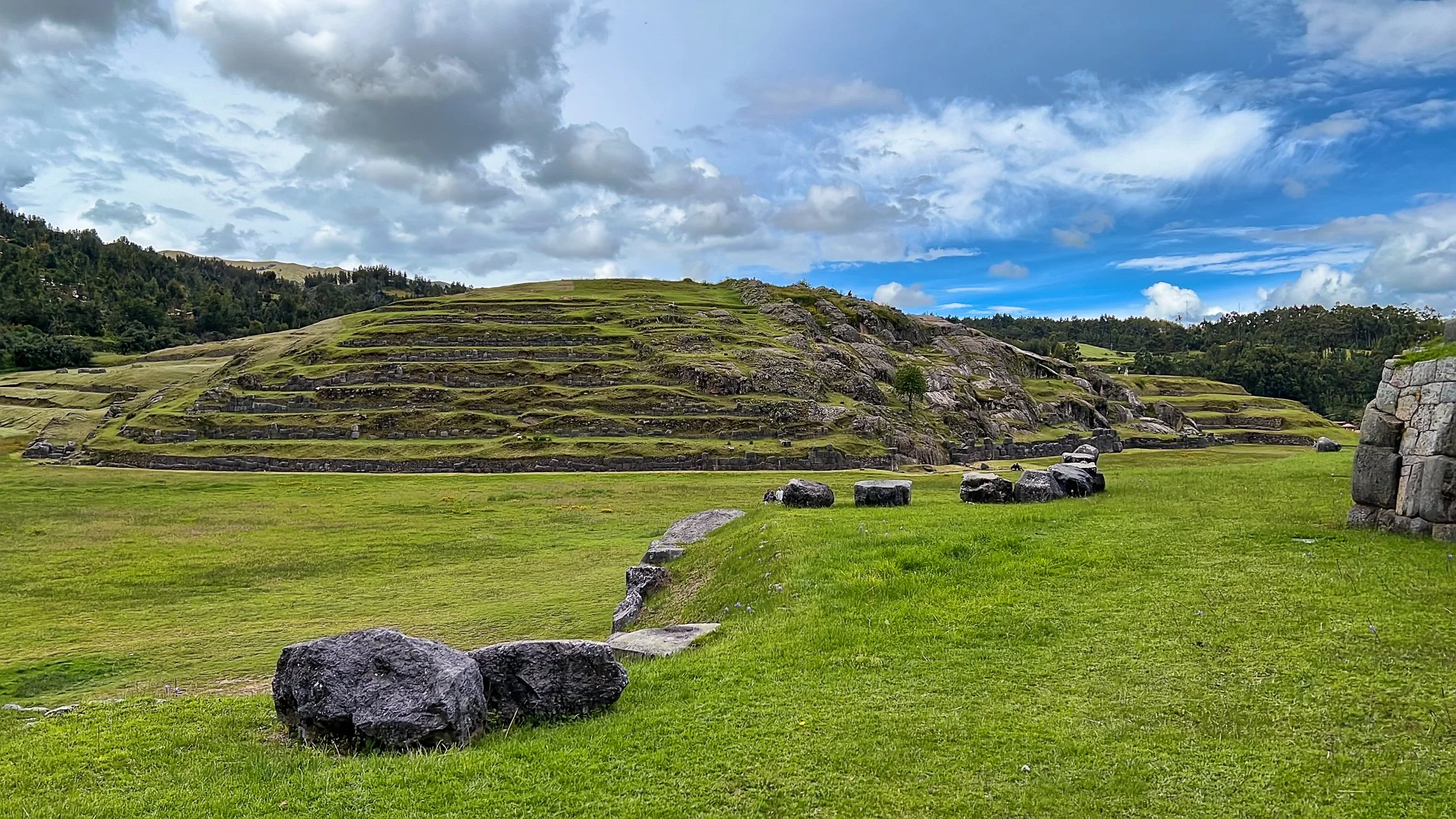
There are three main zones stacked from bottom to top: the zig-zag defensive walls, the central esplanade (a huge open plaza), and the upper hill structures and towers, which are now mostly in ruins.

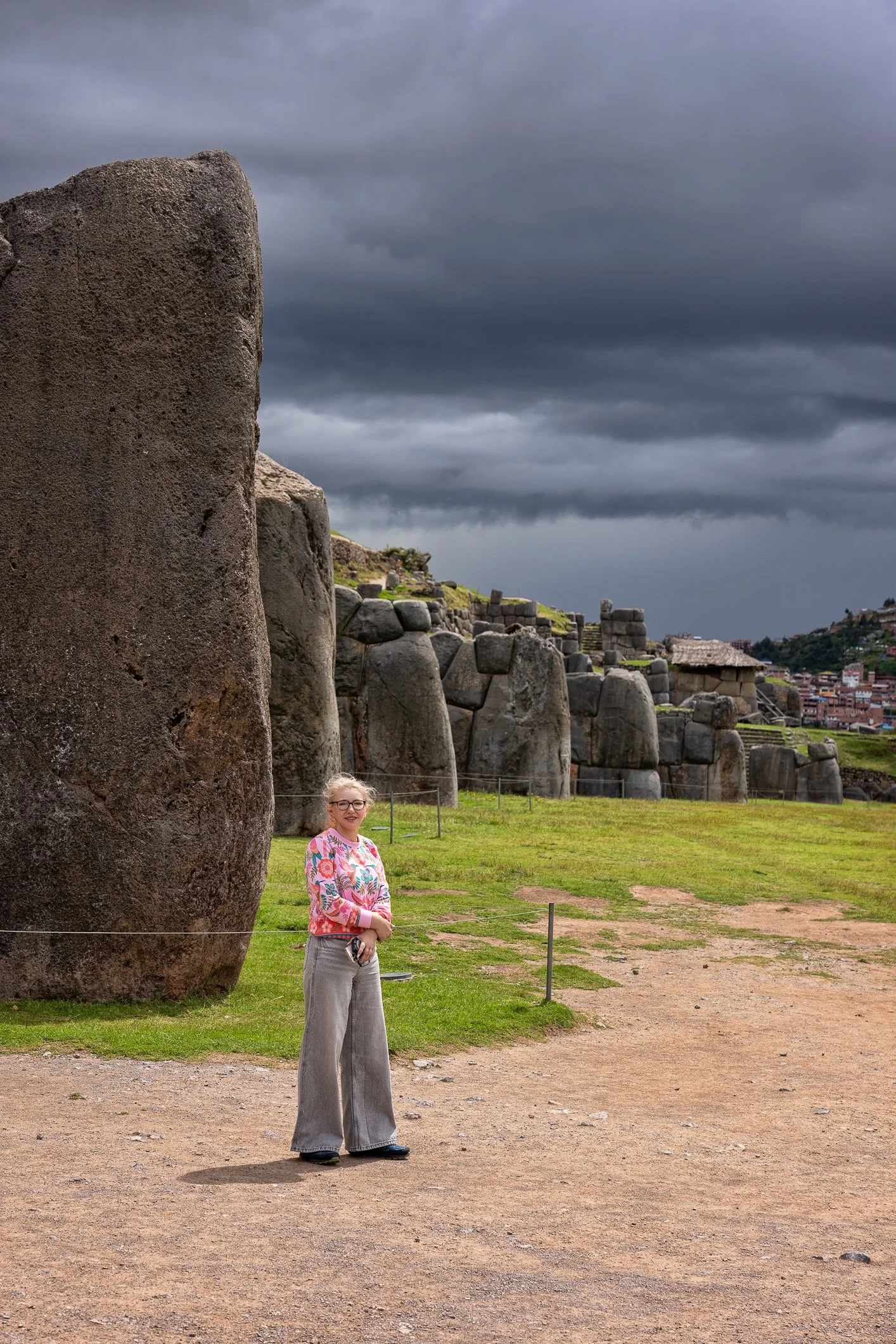
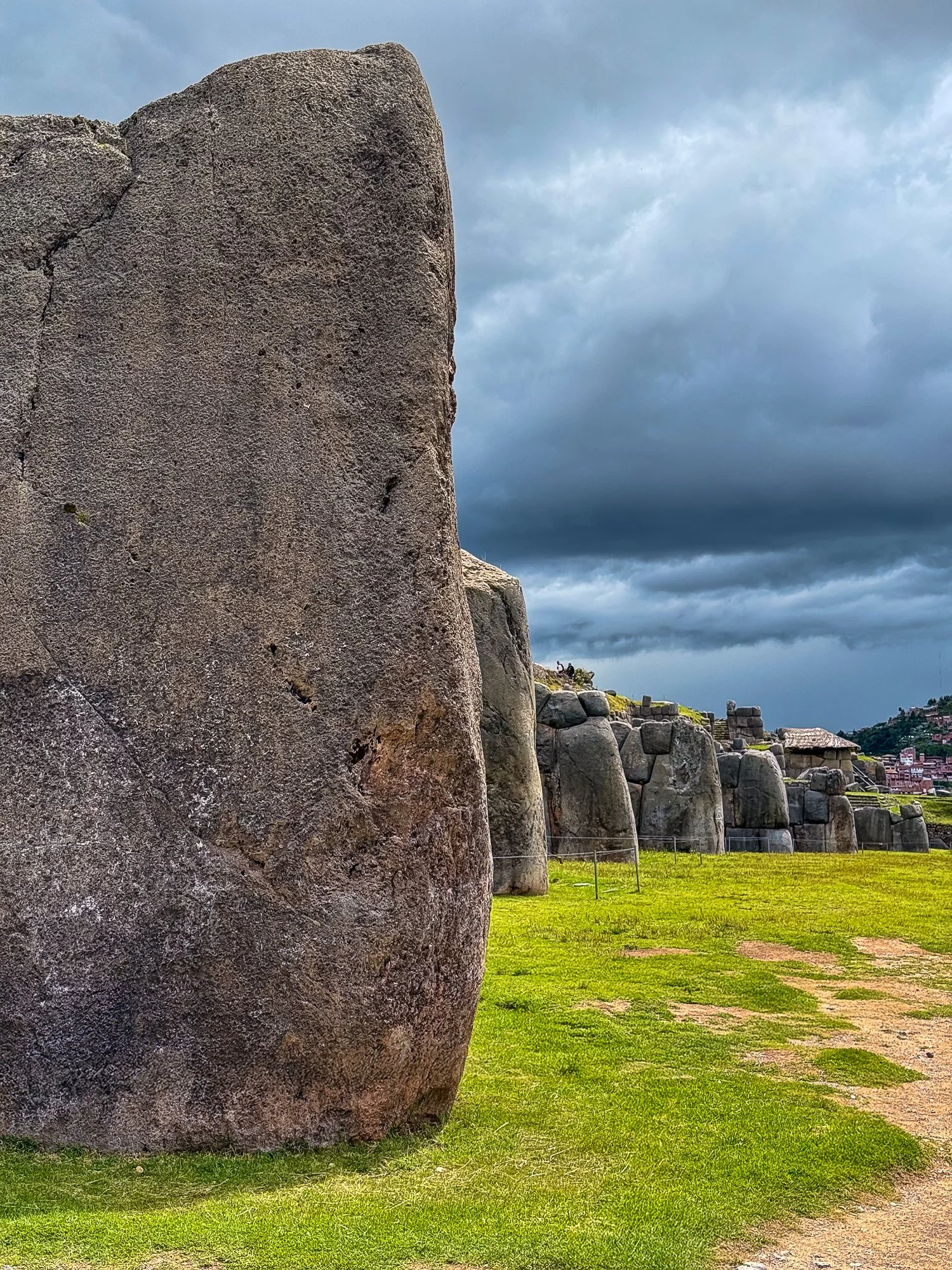
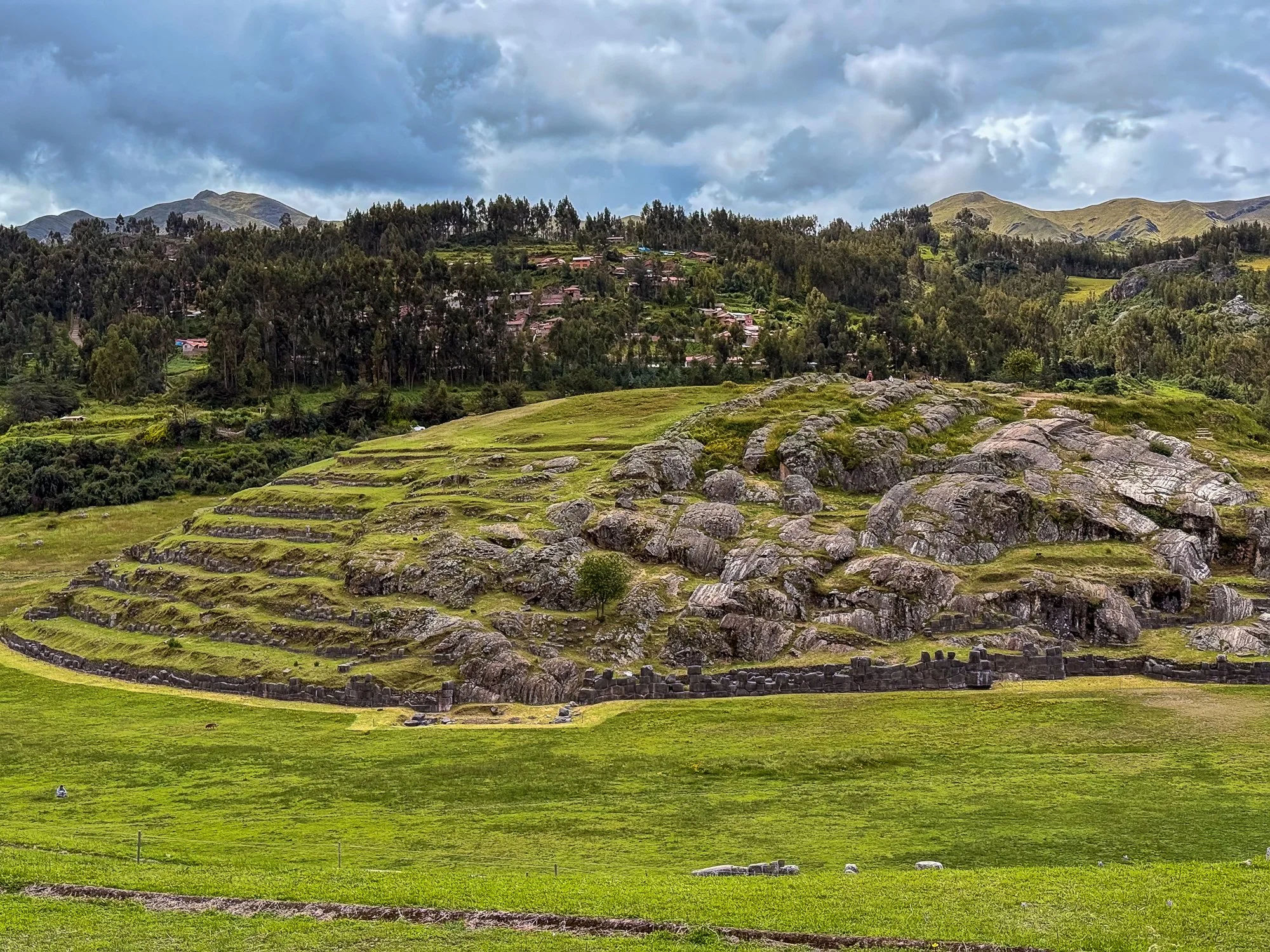
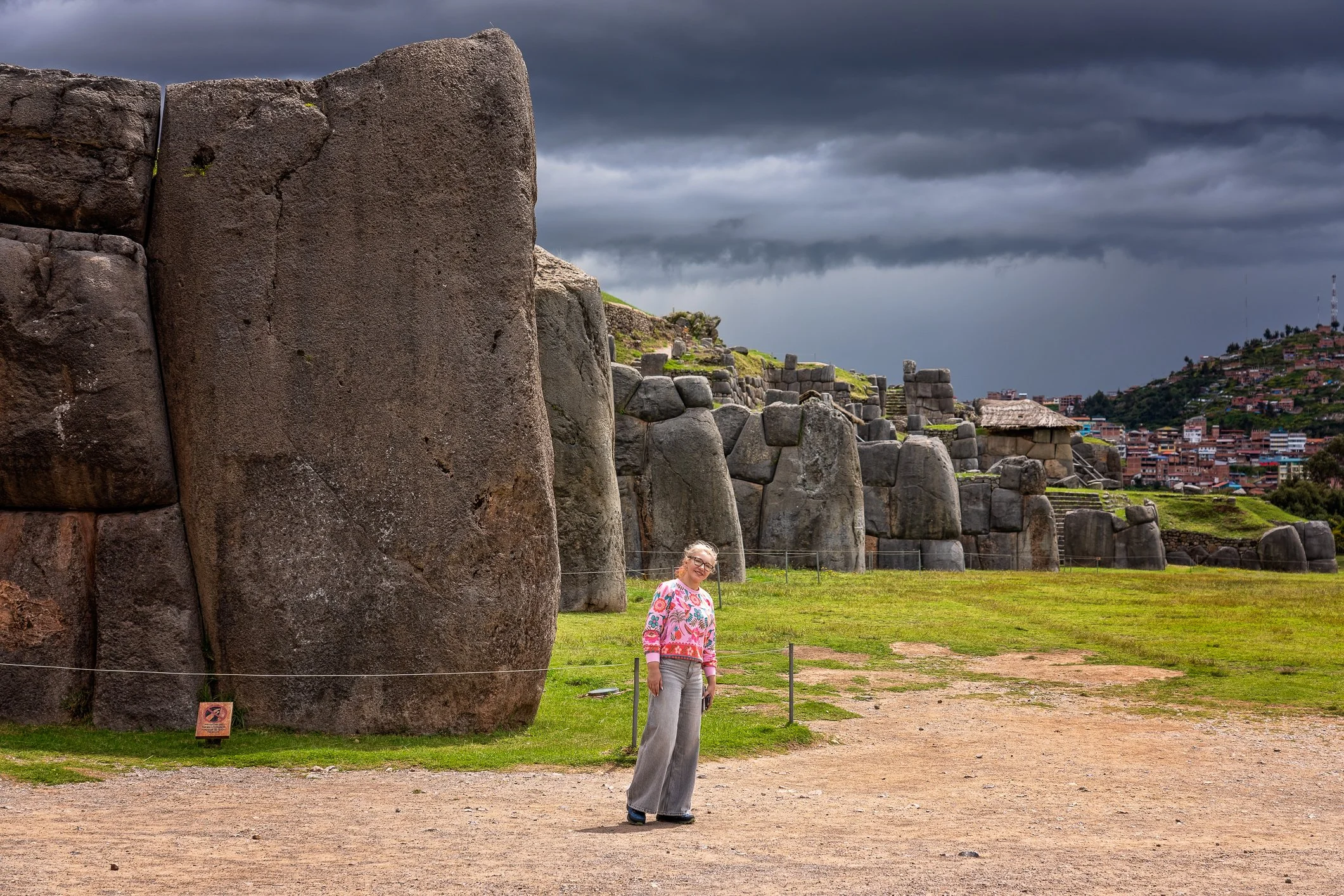
Protected by a steep approach from the town, the fortress only needed defensive walls on one side. These consist of three parallel terraces, each forming a massive wall that zig-zags back and forth across the hillside. The zig-zag pattern is not decorative; it creates defensive angles so that attackers would be exposed from multiple sides. The stones here are the largest in the entire site. Some are over 8-9 metres tall and weigh over 100 tons. Each stone has dozens of angles, cut so that it interlocks perfectly with its neighbours. There is no repeating pattern; every block is unique.

Archaeologists believe this section had a strong military function, but it also likely carried symbolic meaning. The zig-zags are often interpreted as representing lightning or the teeth of a puma, both of which tie into Inca cosmology.

Cały kompleks można umownie podzielić na trzy główne strefy: dolne, zygzakowate mury obronne, centralny, ogromny plac oraz górną część ze strukturami i wieżami, z których dziś zachowały się jedynie fragmenty fundamentów.

Od strony miasta forteca była chroniona stromym podejściem, dlatego mury obronne zbudowano głównie z jednej strony. Tworzą je trzy równoległe tarasy, które biegną w charakterystycznym zygzaku wzdłuż zbocza. Ten układ nie był dekoracyjny  - pozwalał na obronę z wielu kierunków jednocześnie. To właśnie tutaj znajdują się największe bloki kamienne w całym kompleksie, sięgające 8-9 metrów wysokości i ważące ponad 100 ton. Każdy z nich ma unikalny kształt, idealnie dopasowany do sąsiednich bloków, bez powtarzalnego wzoru.

Archeolodzy uważają, że ta część pełniła przede wszystkim funkcję militarną, choć mogła mieć również znaczenie symboliczne. Zygzakowate linie często interpretuje się jako odniesienie do błyskawic albo zębów pumy, co wiąże się z wierzeniami Inków.
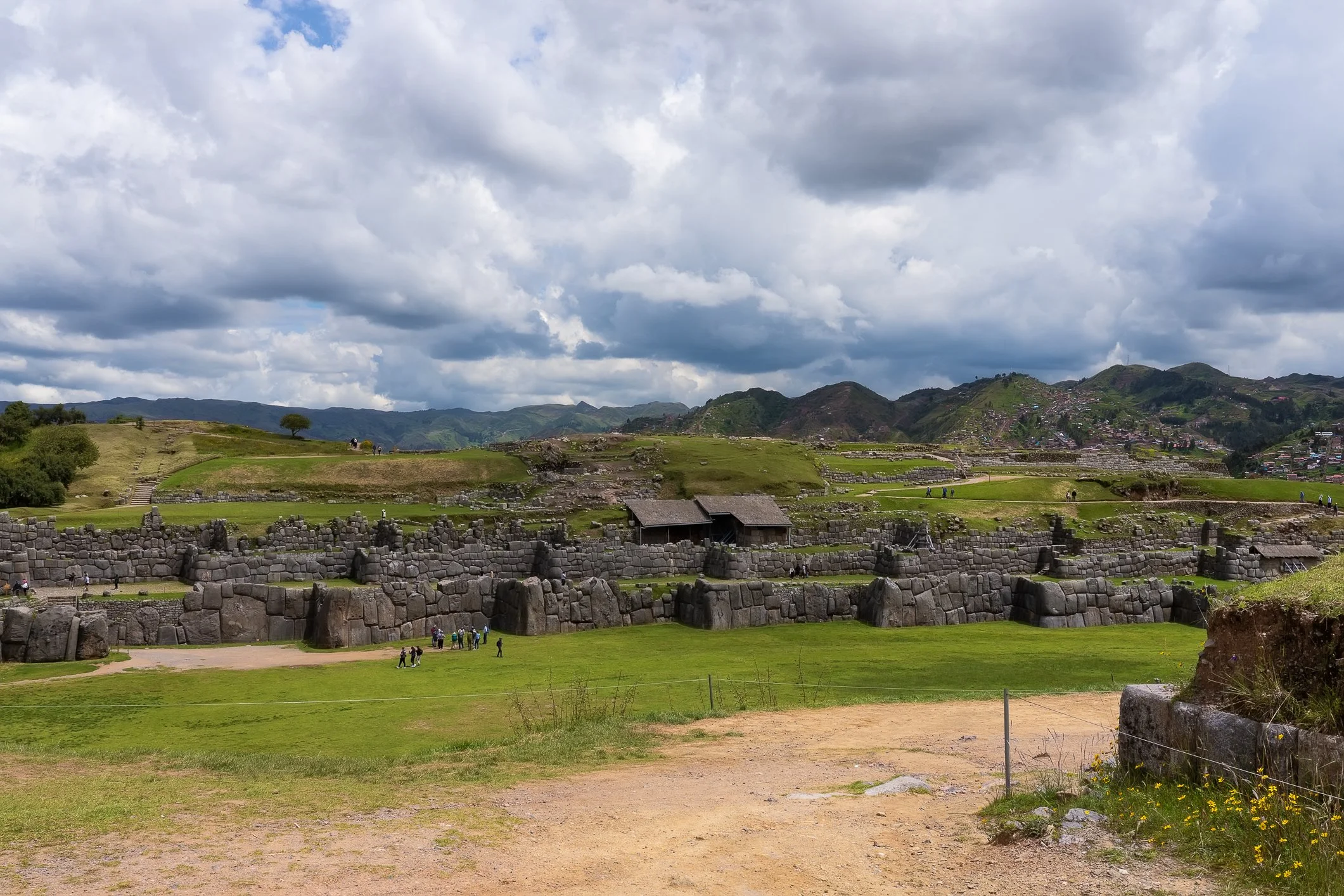
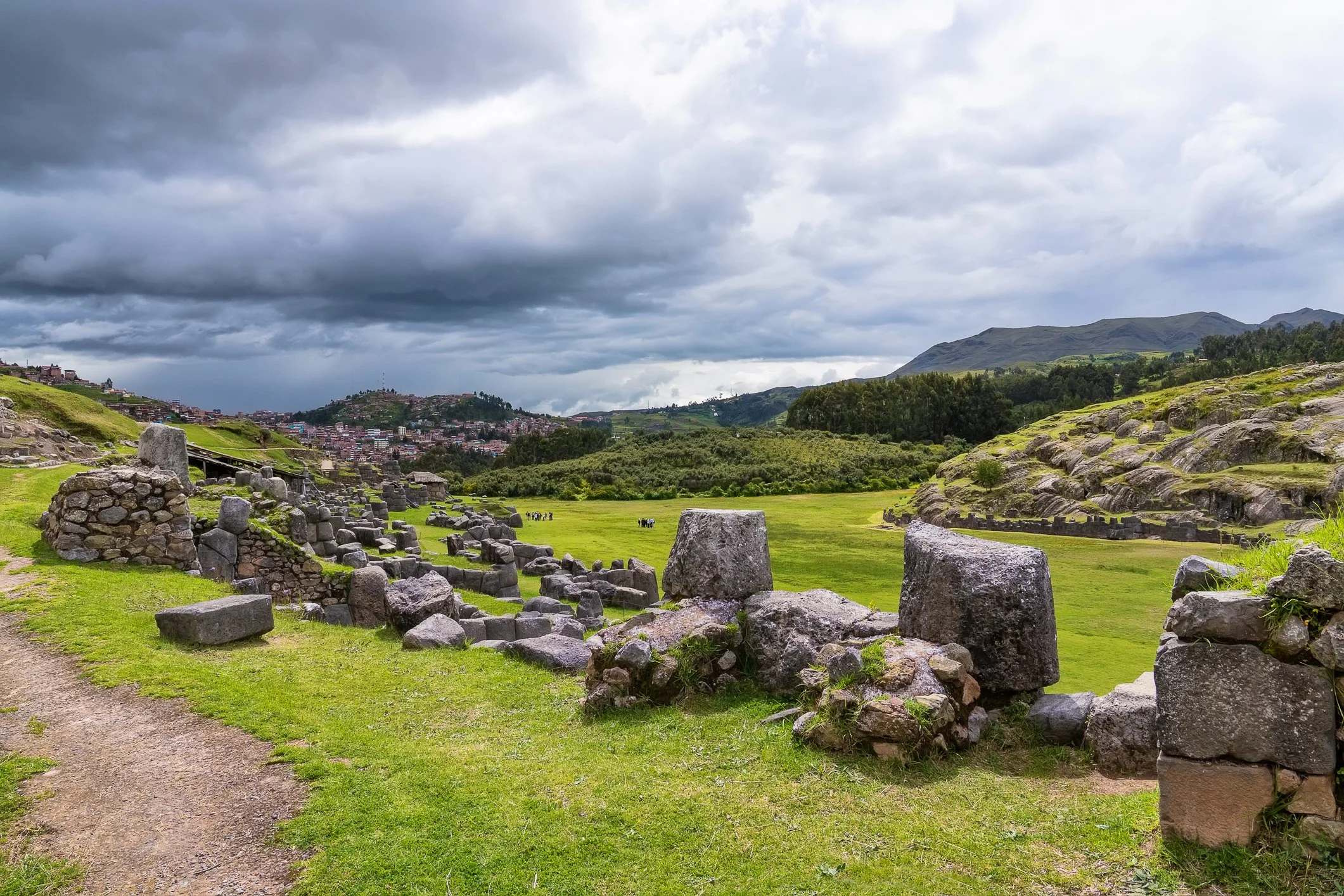
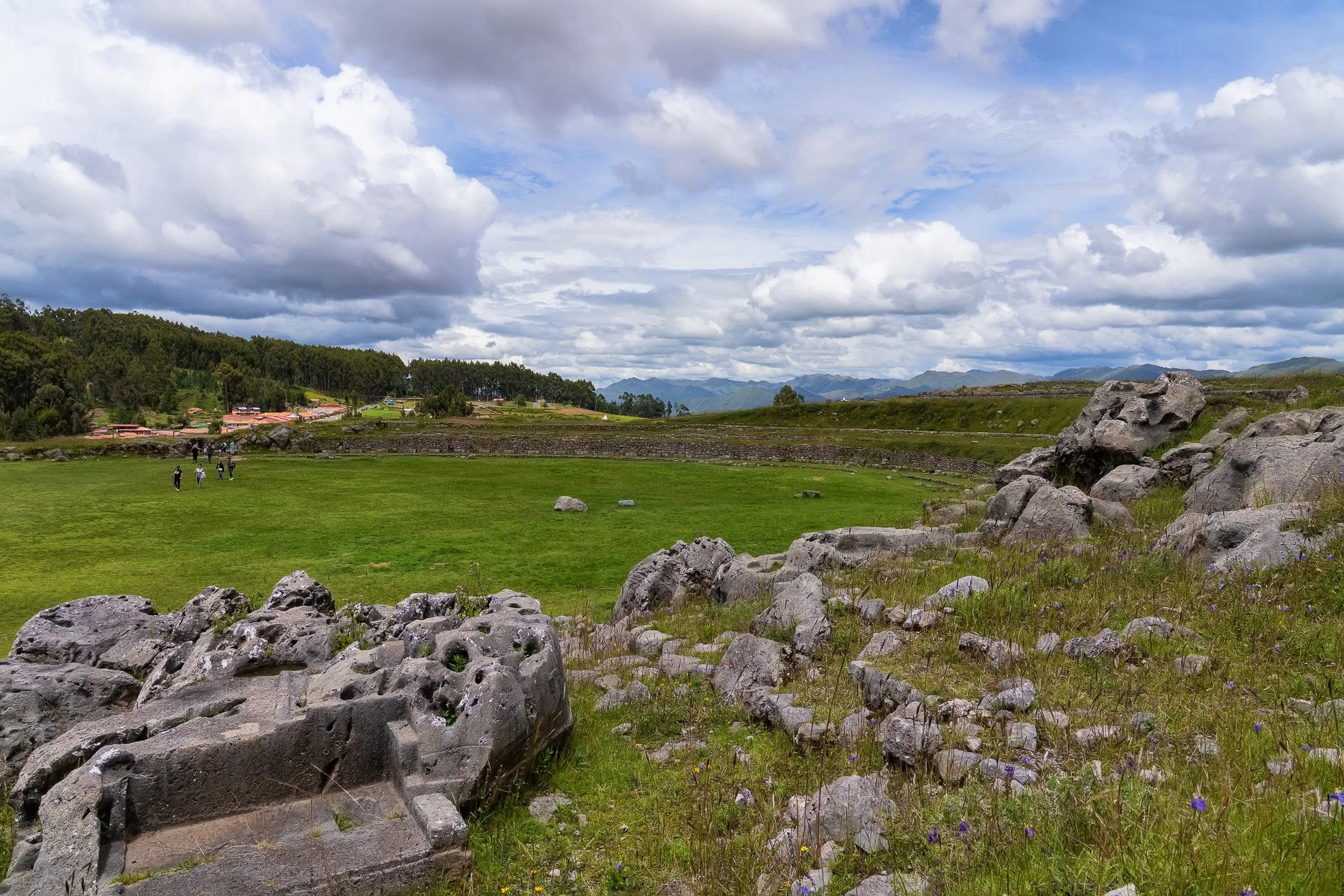
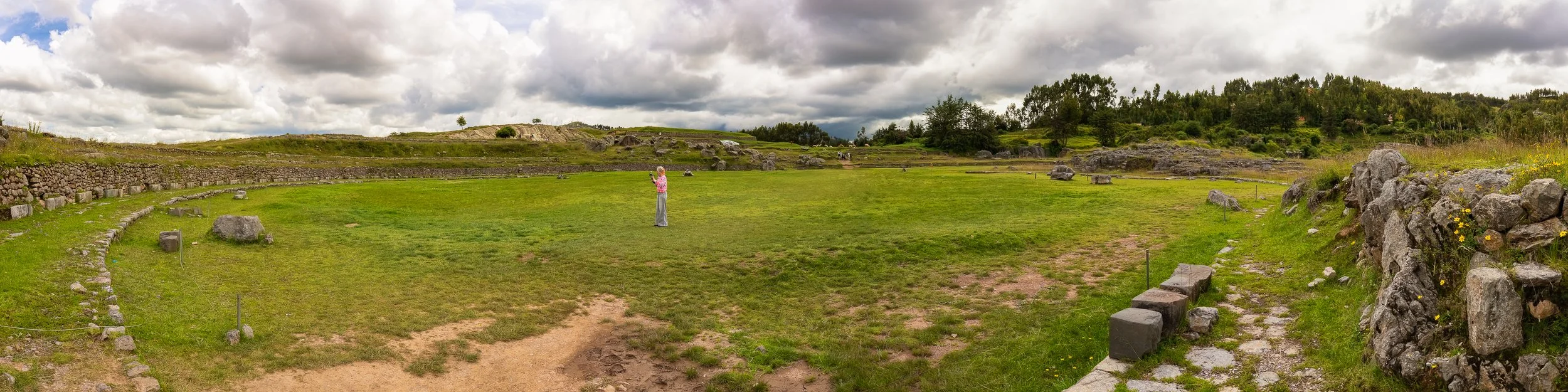
Passing the walls, everything suddenly opens into a vast flat area. This esplanade is large enough to hold thousands of people. It was likely used for large gatherings and rituals, military assemblies, and state ceremonies linked to the Inca Empire. Today, it is where the annual Inti Raymi festival is performed every June.

Przechodząc przez mury, przestrzeń nagle otwiera się na ogromny, płaski plac. Mógł on pomieścić tysiące osób i prawdopodobnie służył zgromadzeniom, rytuałom, ćwiczeniom wojskowym oraz uroczystościom państwowym związanym z imperium Inków. Dziś odbywa się tu coroczna inscenizacja święta Inti Raymi w czerwcu.
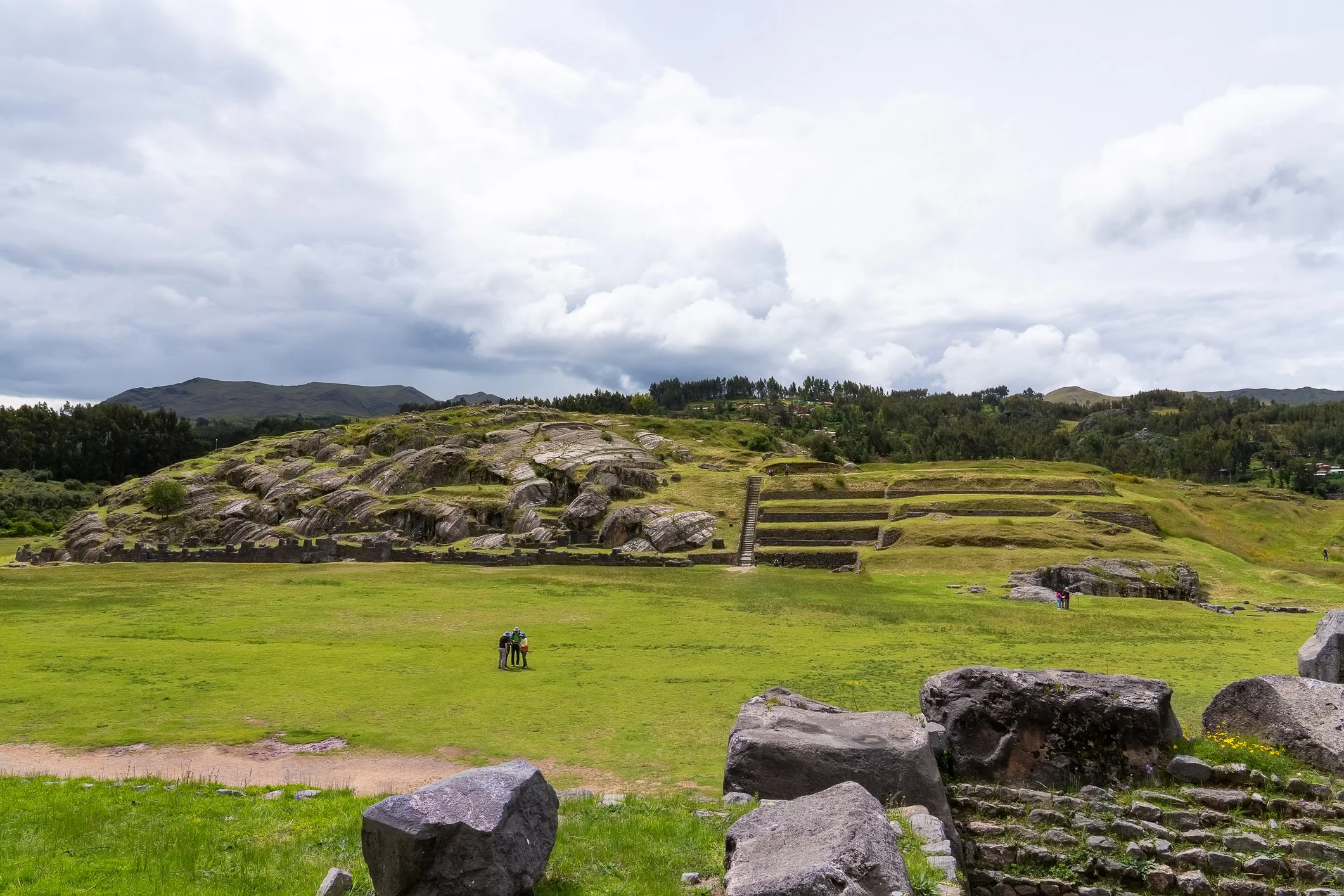
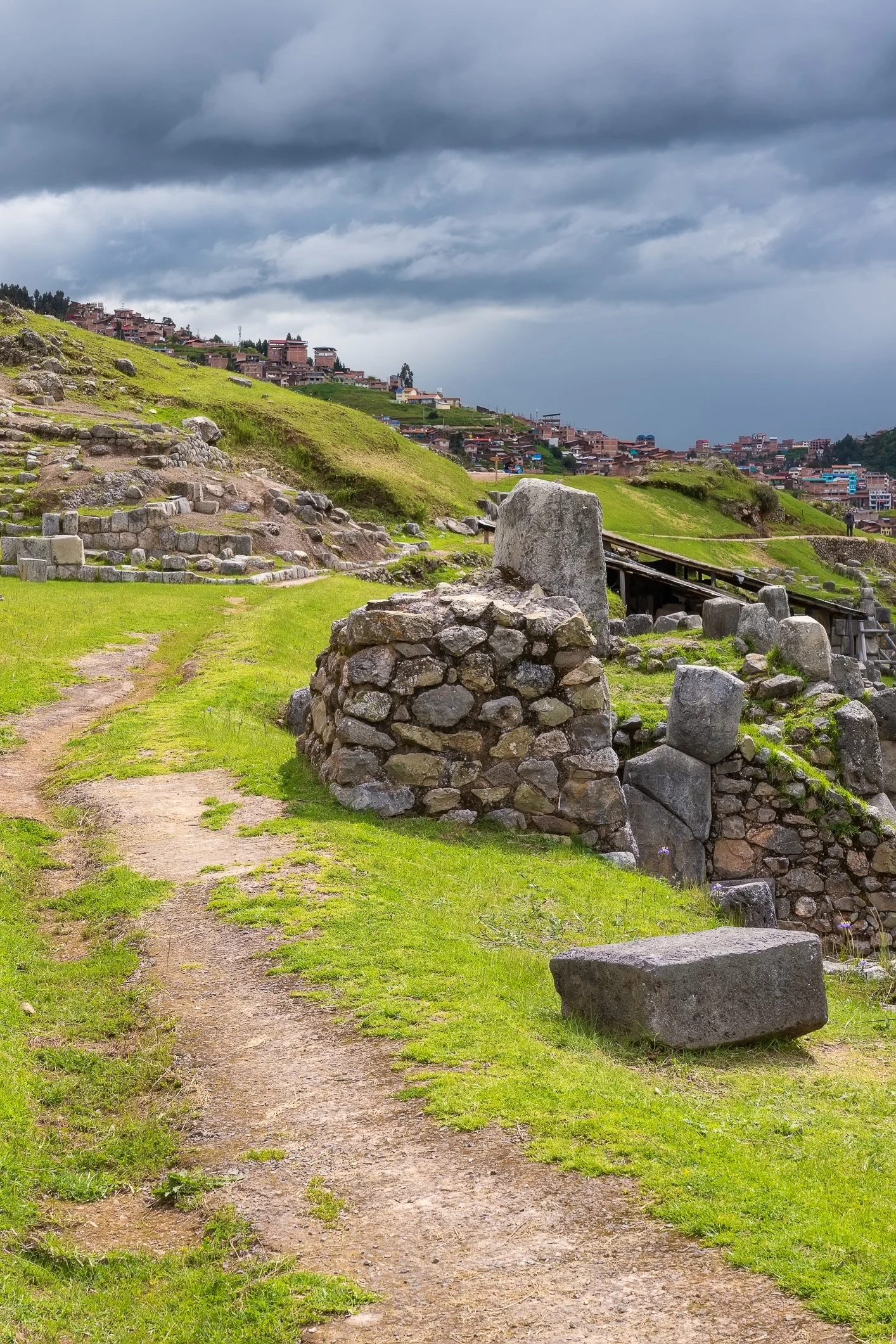
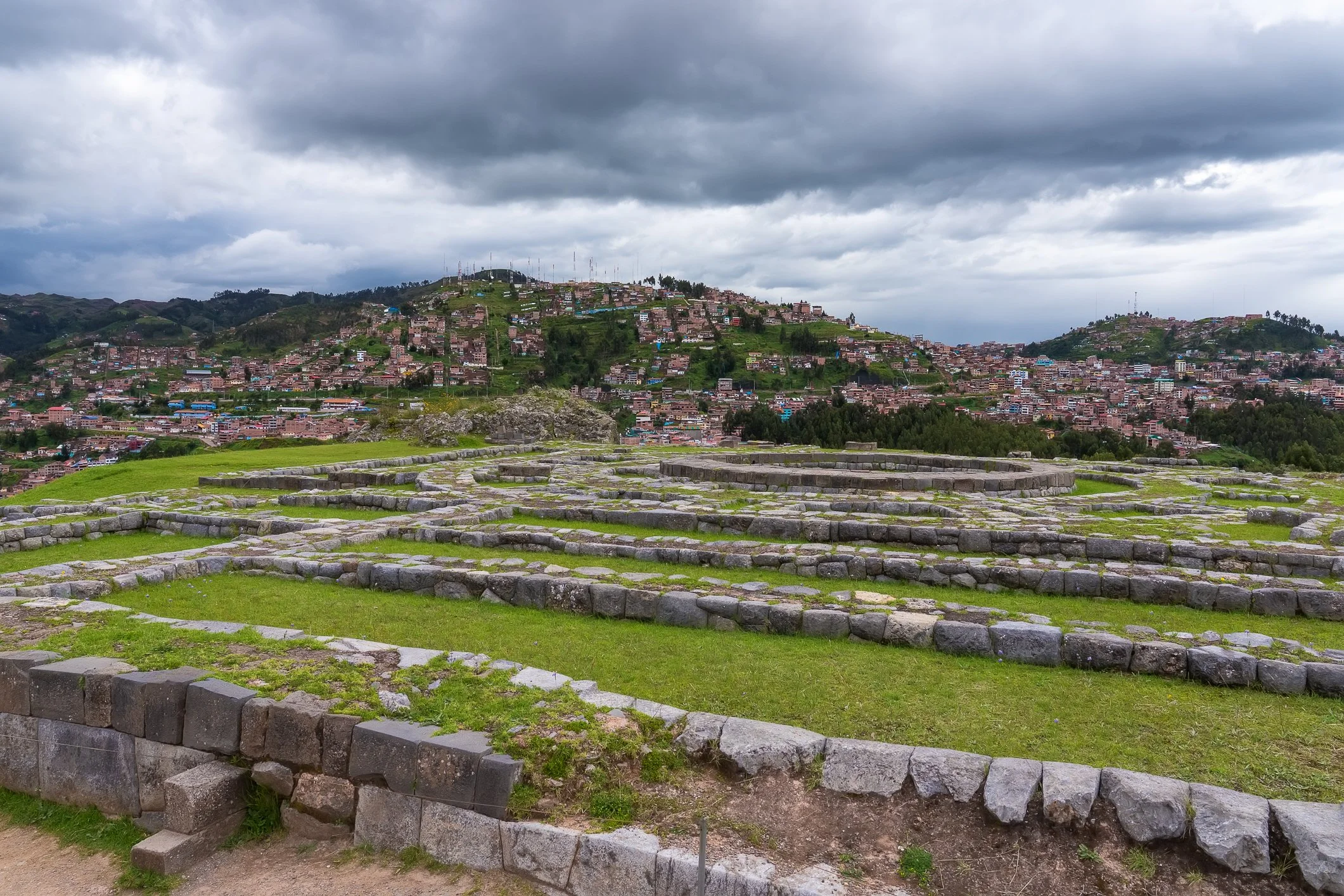
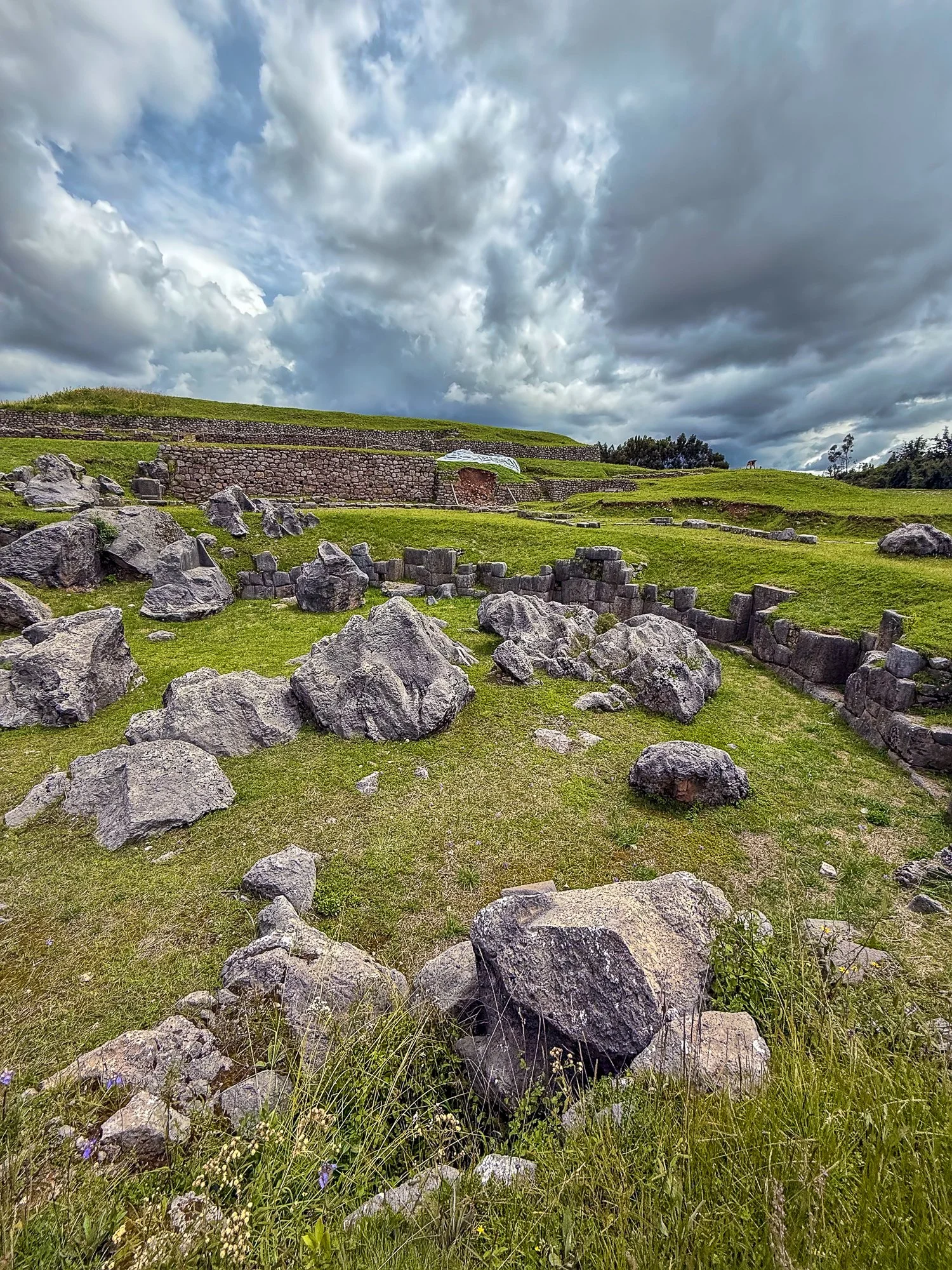
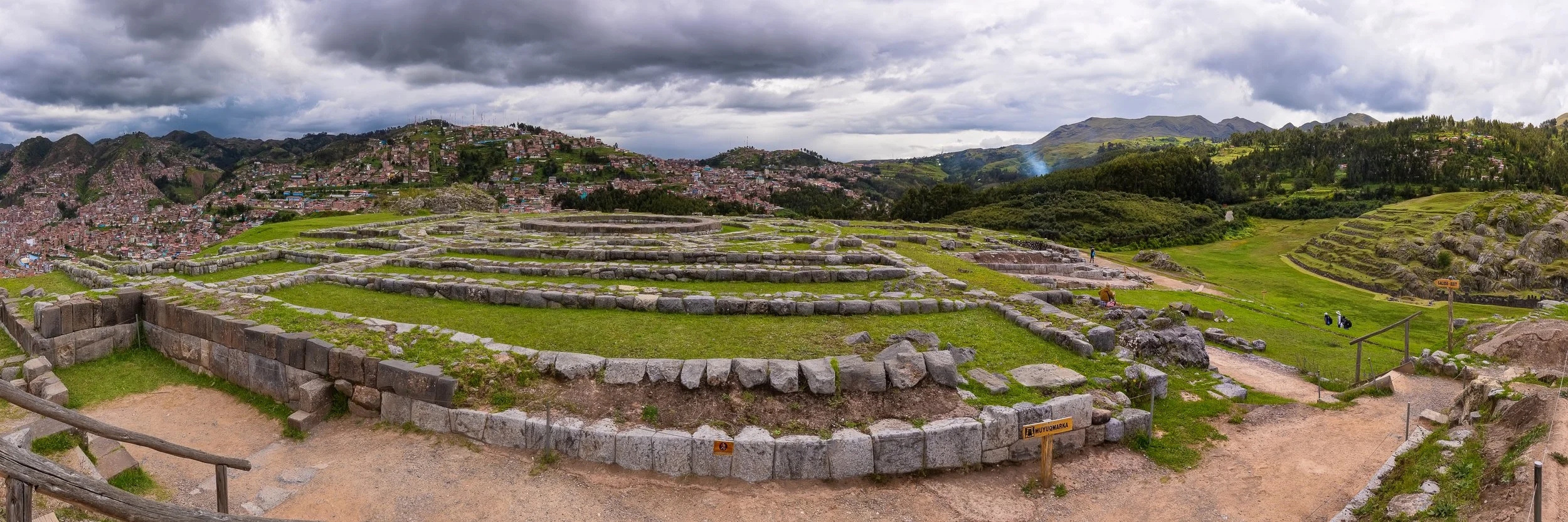
At the top of the complex, things become more fragmented today, as this is the area that the Spanish dismantled most heavily. Originally, there were three major towers that dominated the landscape, but today only foundations and scattered stones remain.

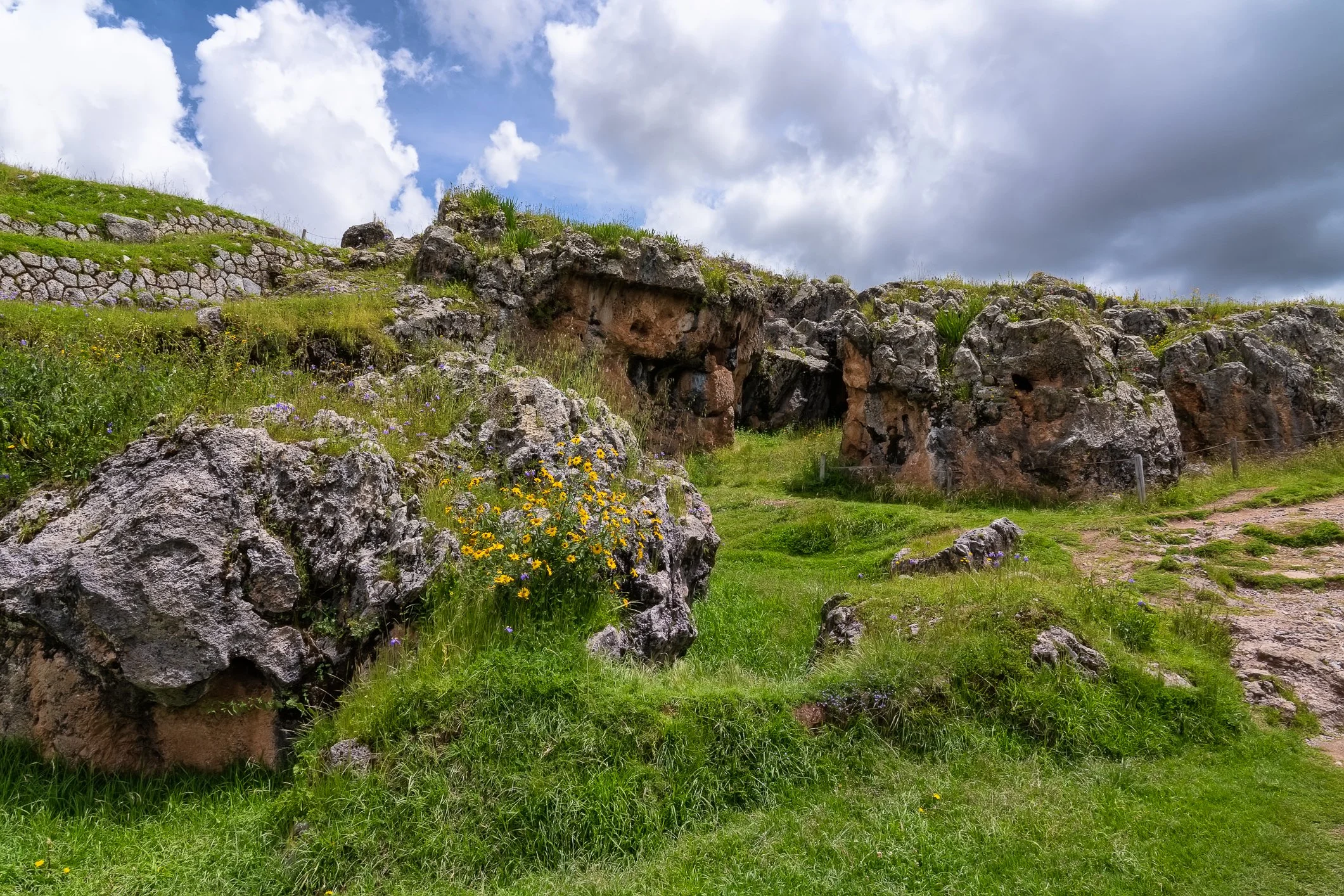
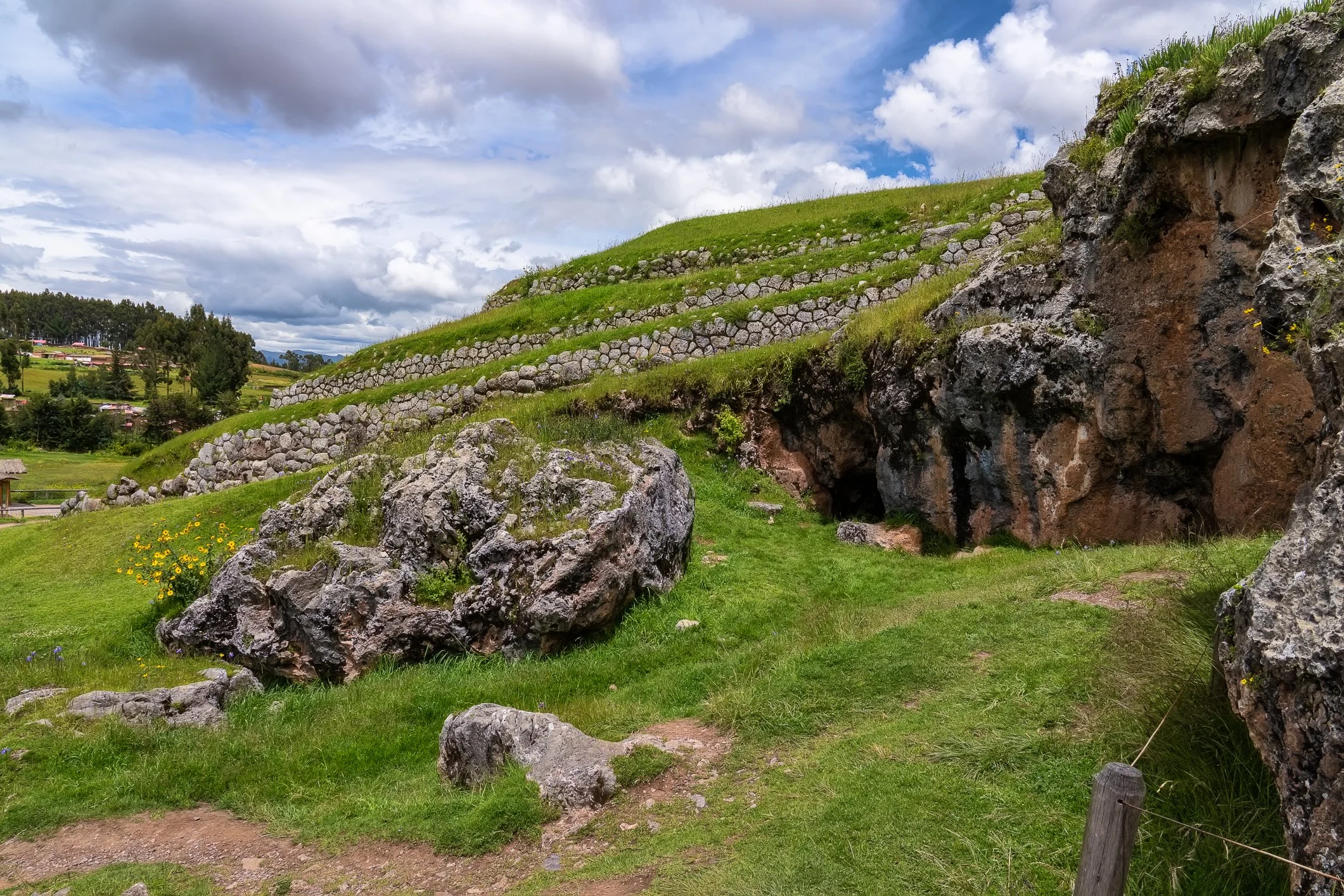
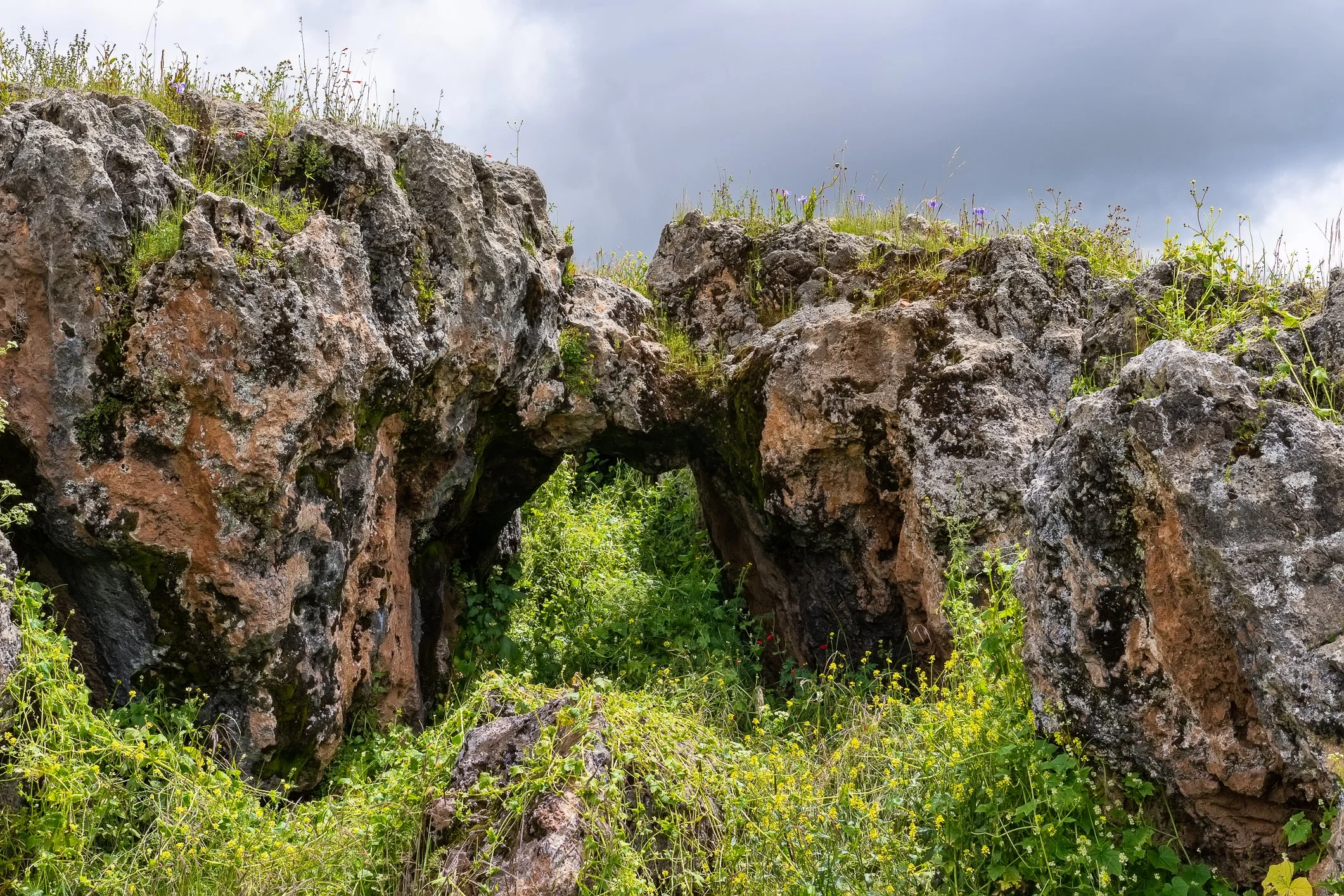
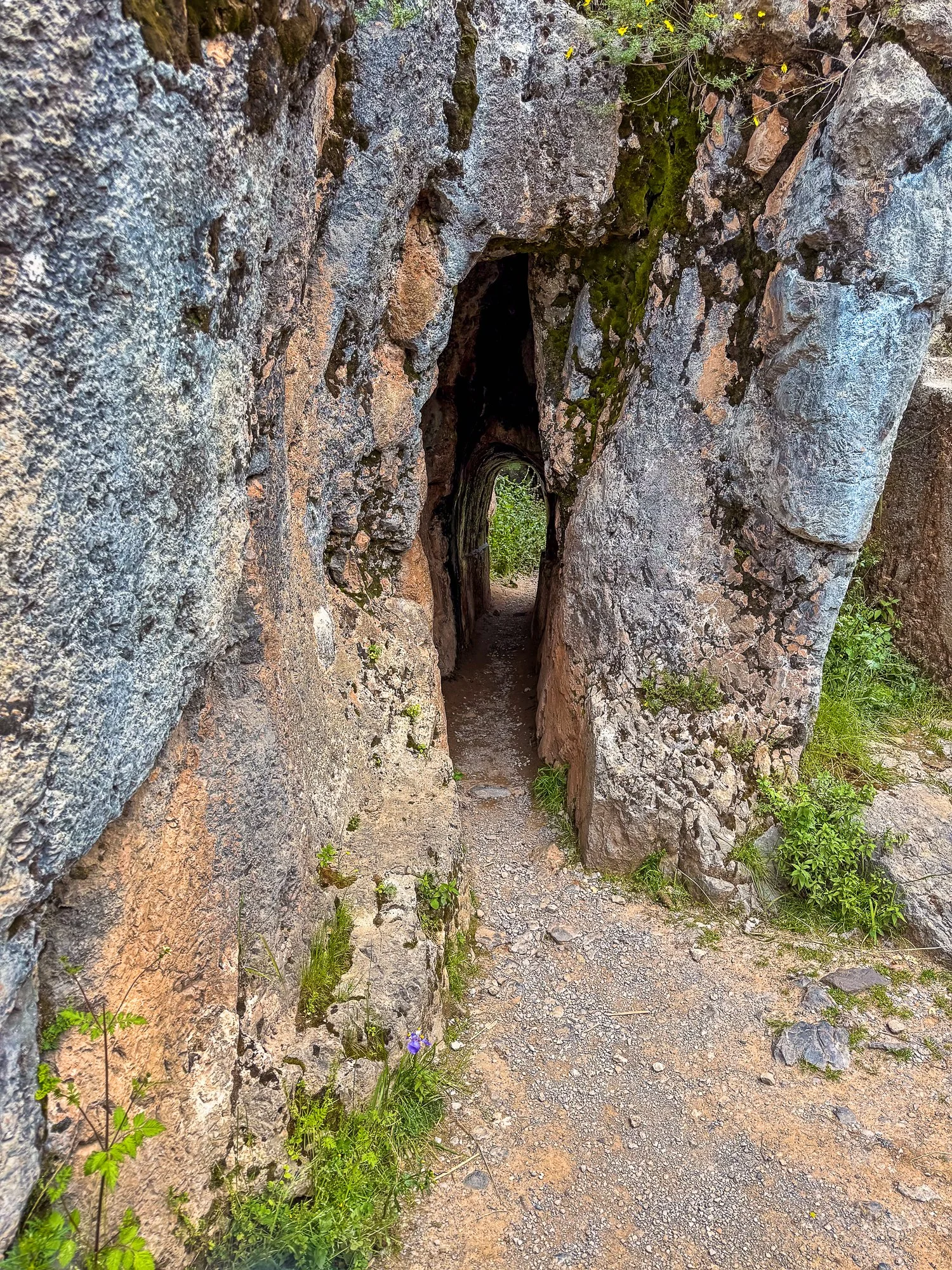
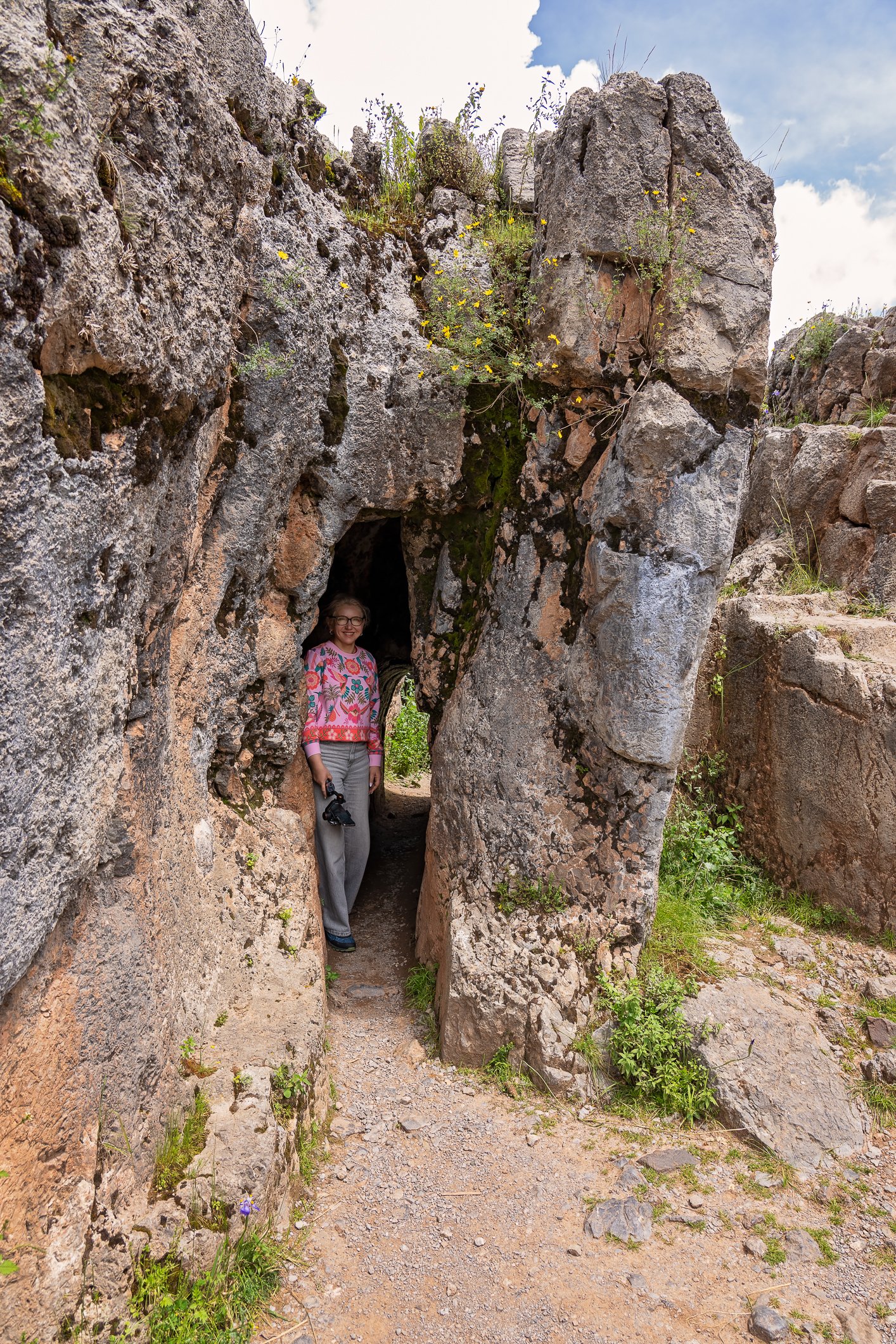
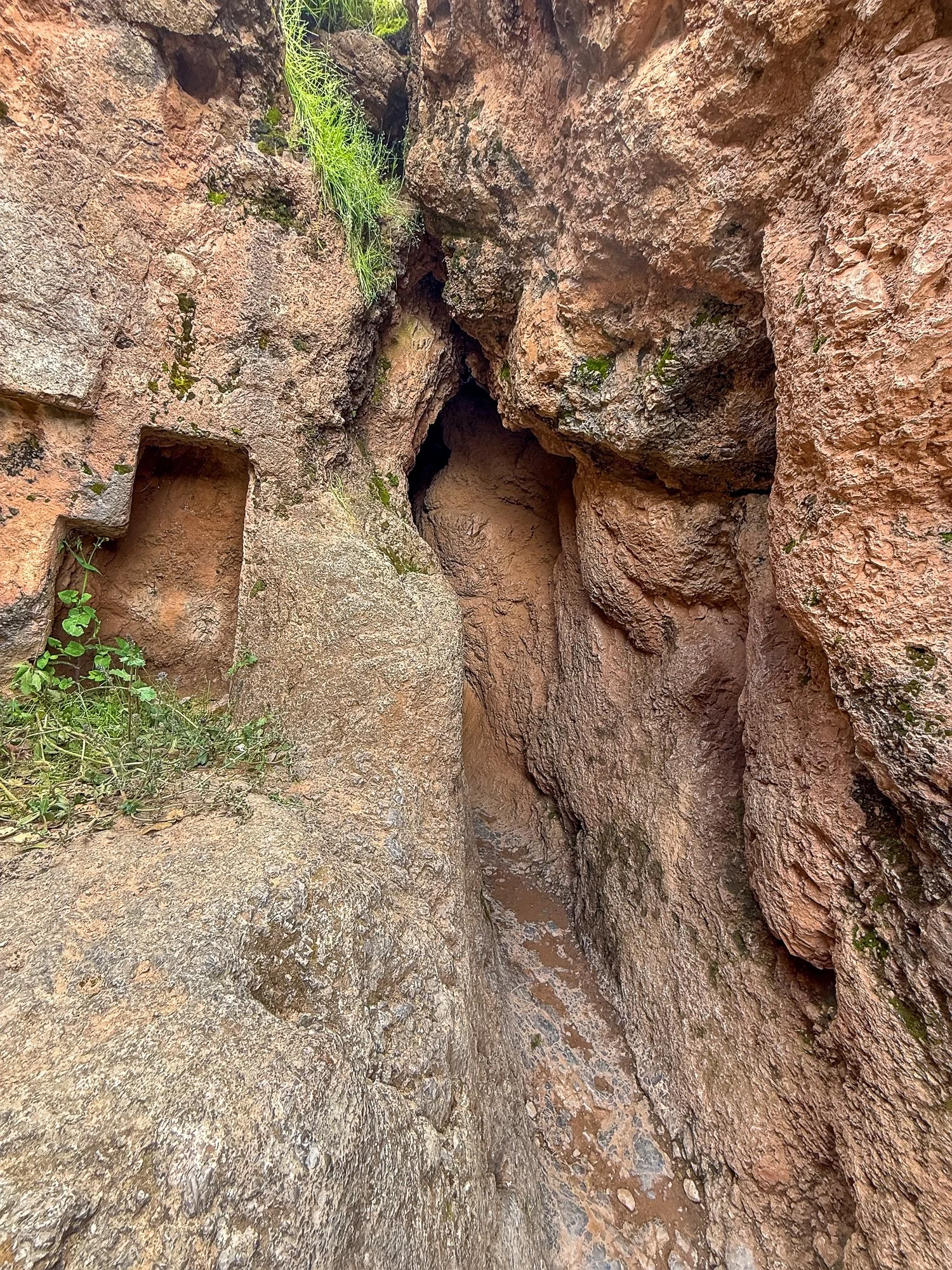
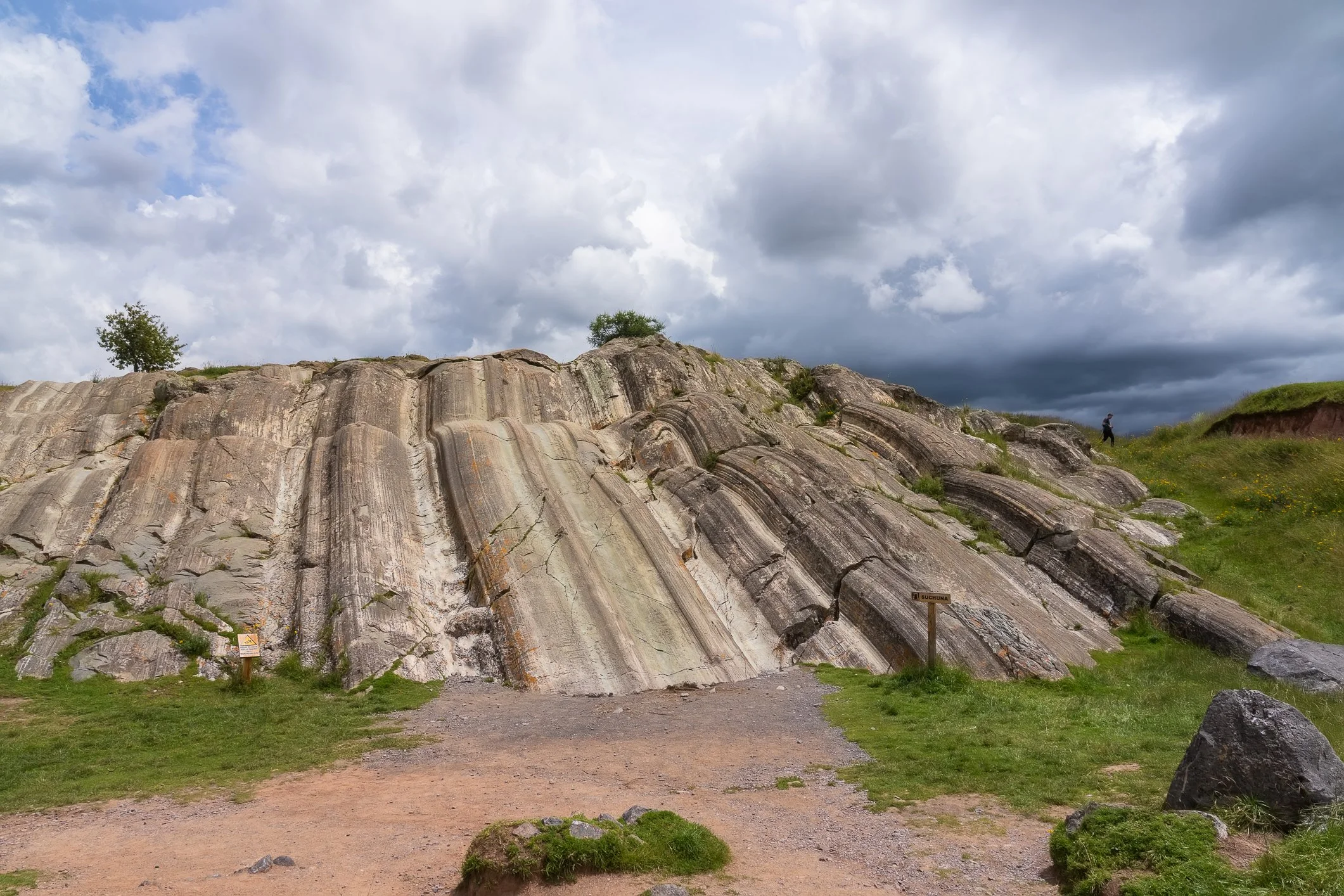
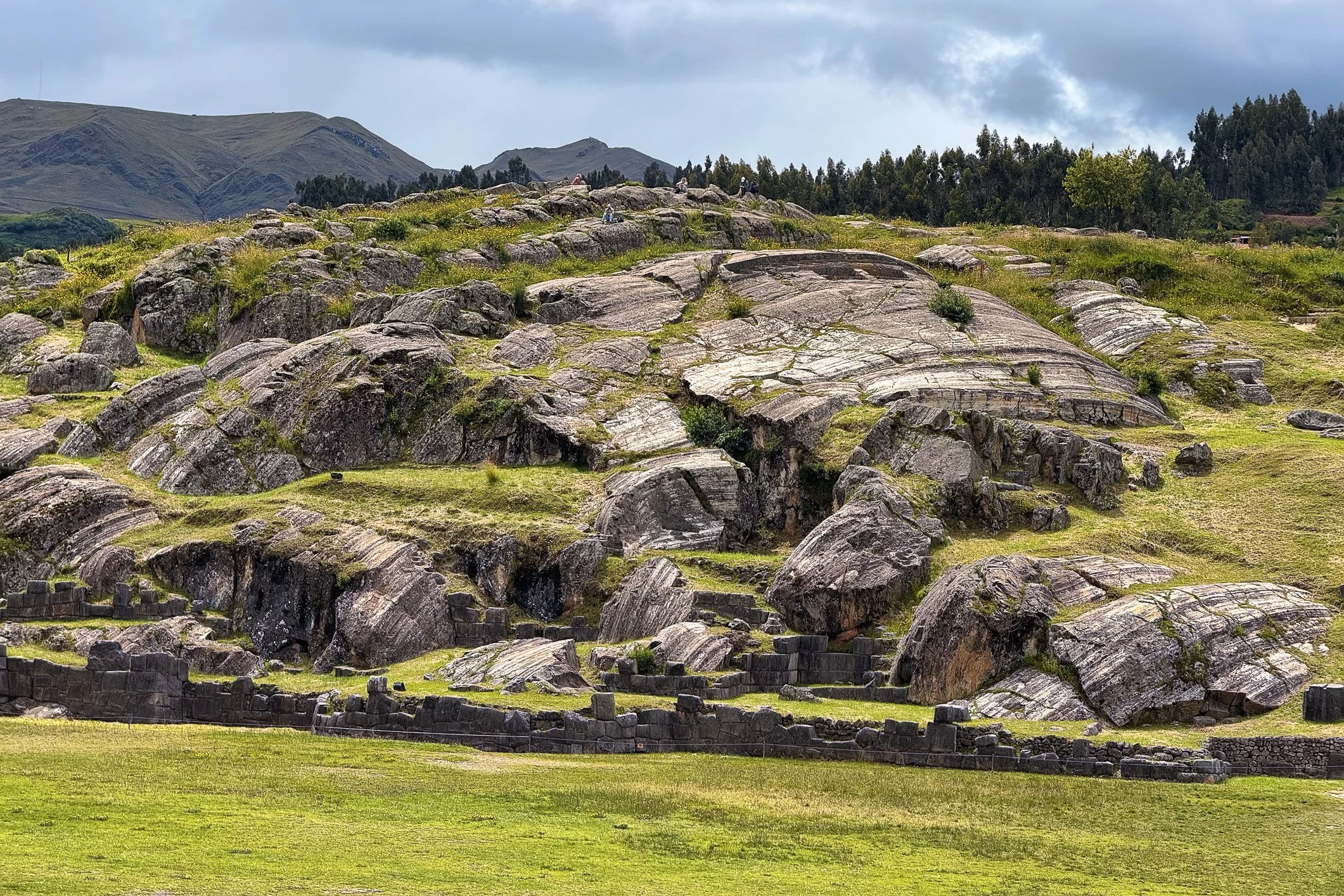
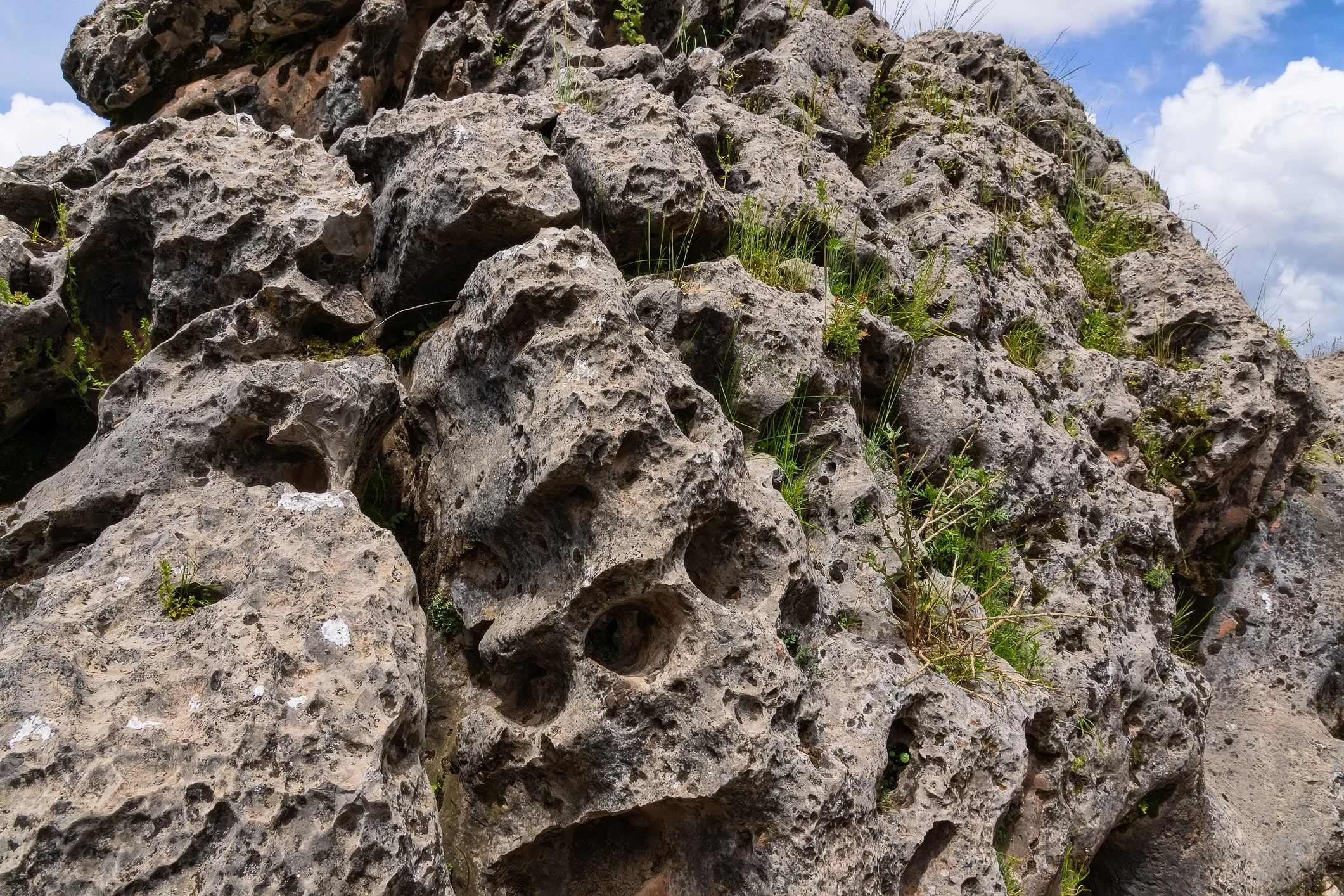
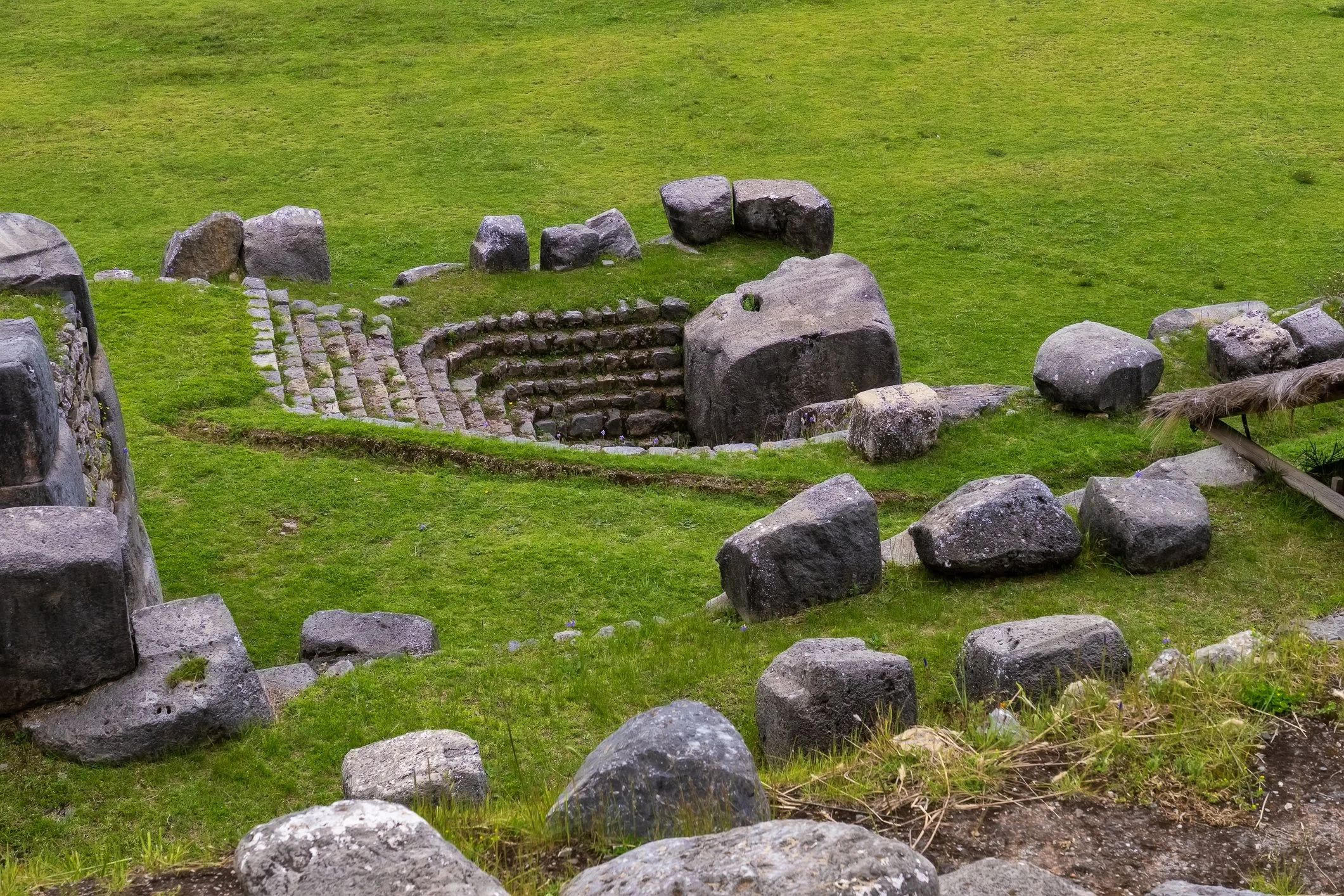
Off to one side of the main complex is a fascinating area that is often overlooked. This is a natural rock outcrop that the Incas carved directly into, creating smooth stone slides (yes, literal slides), steps and terraces, and channels cut into the rock. It is known today as Rodadero because it is slippery, and people still slide down it.

Na szczycie kompleksu znajduje się najbardziej zniszczona część, ponieważ to właśnie tutaj Hiszpanie dokonali największych rozbiórek. Dawniej stały tu trzy główne wieże dominujące nad całą okolicą, jednak obecnie zachowały się jedynie ich fundamenty i rozrzucone fragmenty kamieni.

Na uboczu kompleksu znajduje się również mniej znany, ale bardzo ciekawy fragment – naturalna skała, którą Inkowie częściowo obrobili, tworząc gładkie ślizgi, schody, tarasy i kanały wyżłobione w kamieniu. Miejsce to nazywane jest dziś Rodadero (sliding place), ponieważ jest śliskie i do dziś ludzie zjeżdżają po jego powierzchni.
Museo de Arte Contemporáneo

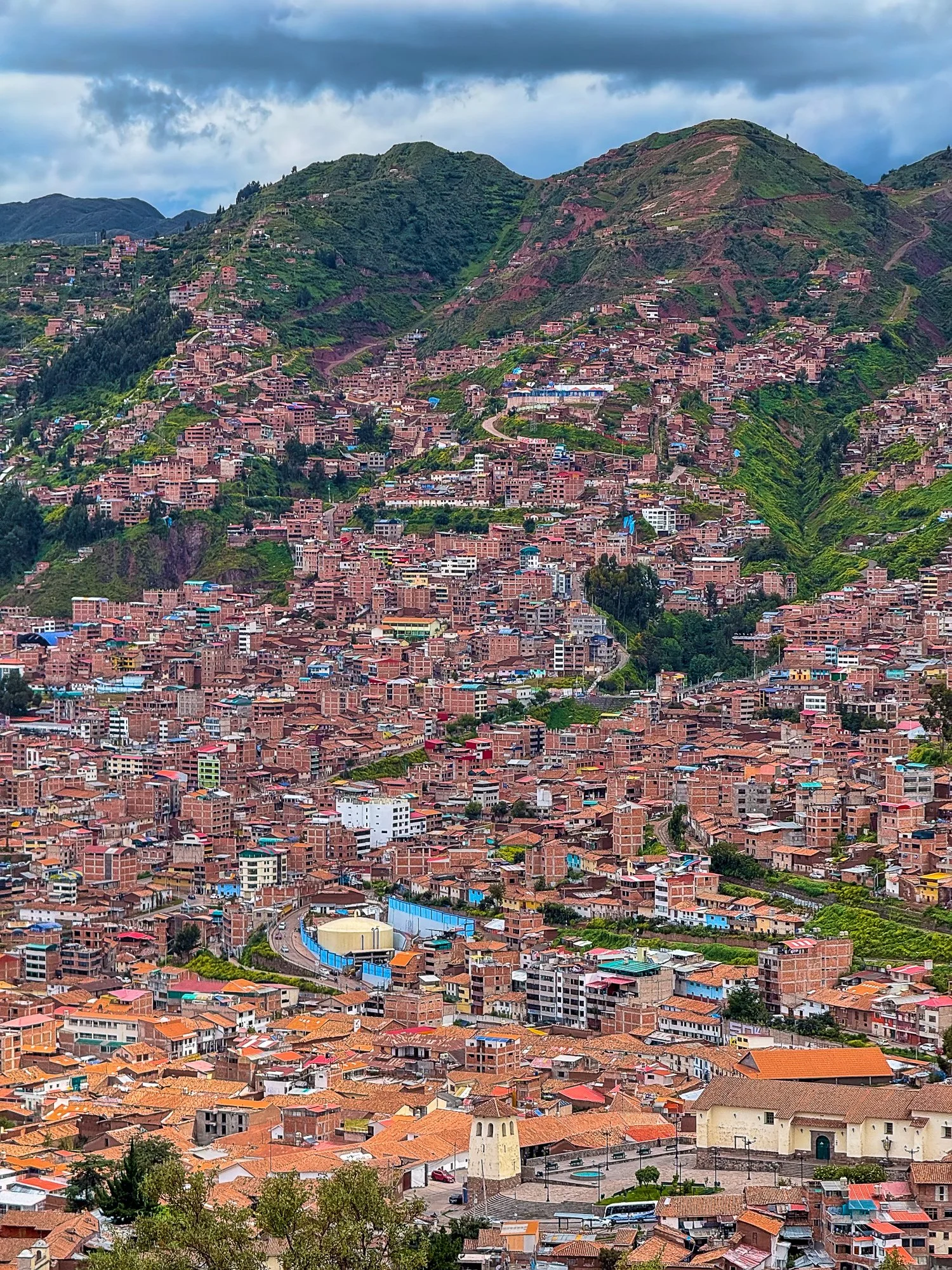
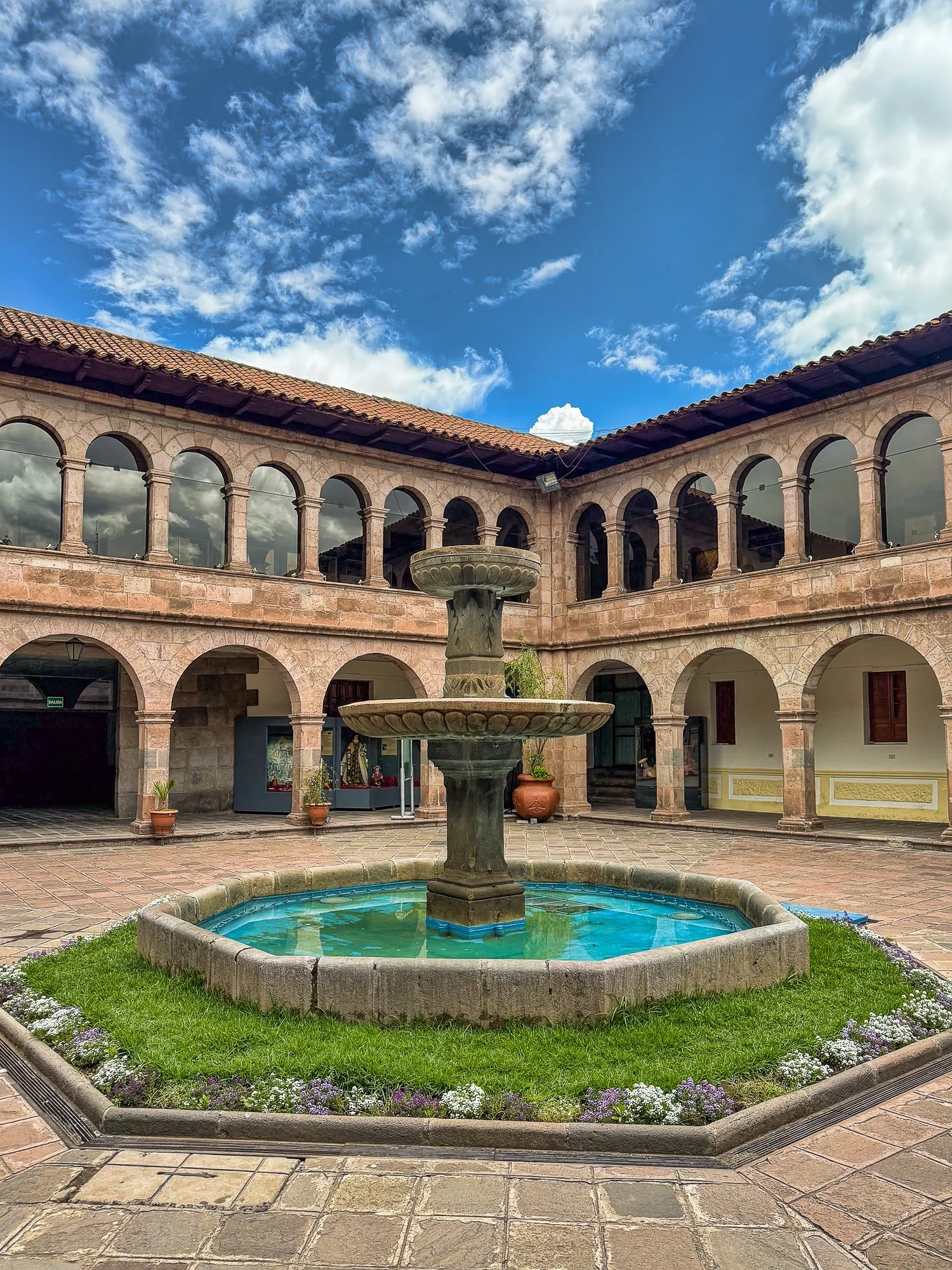
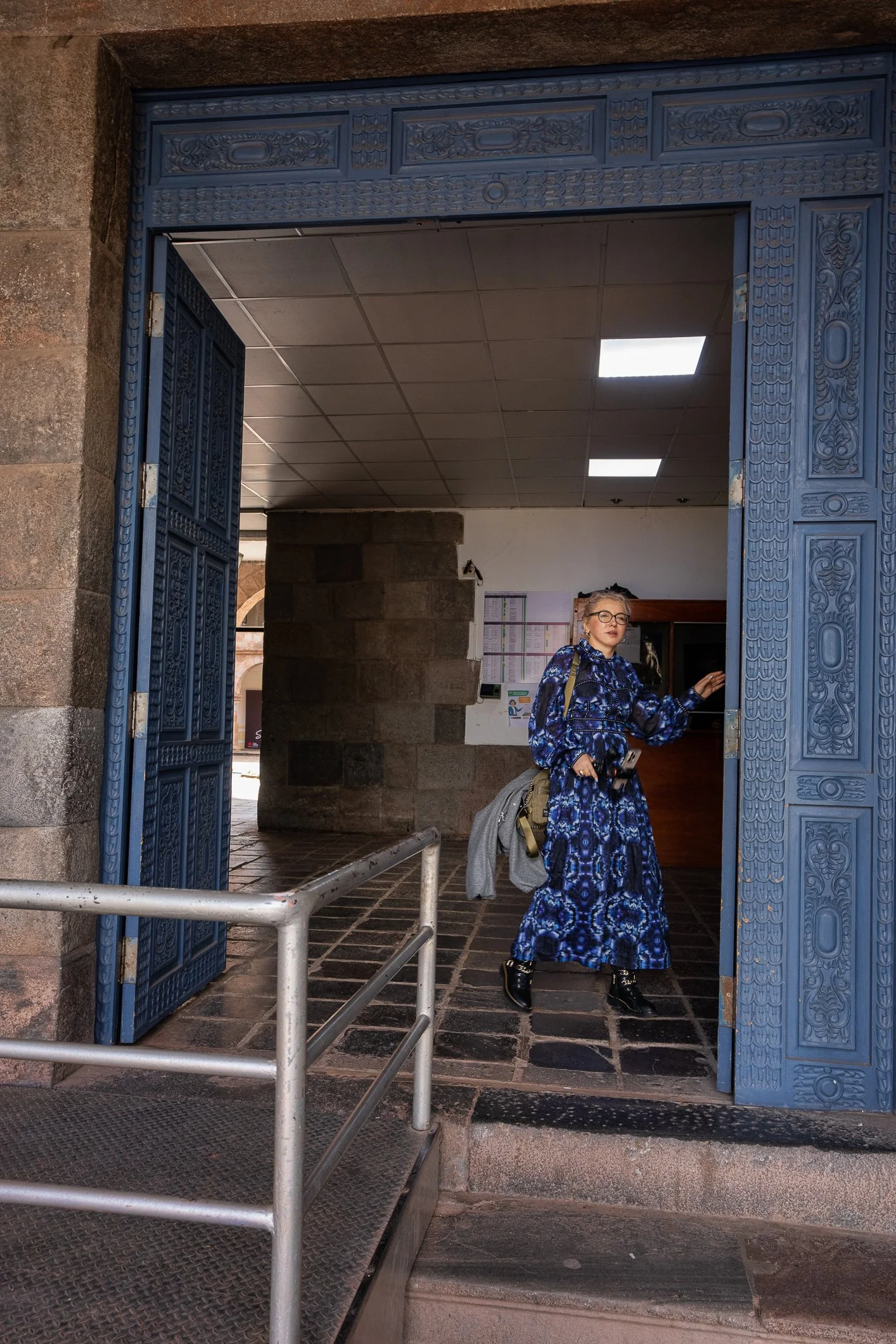
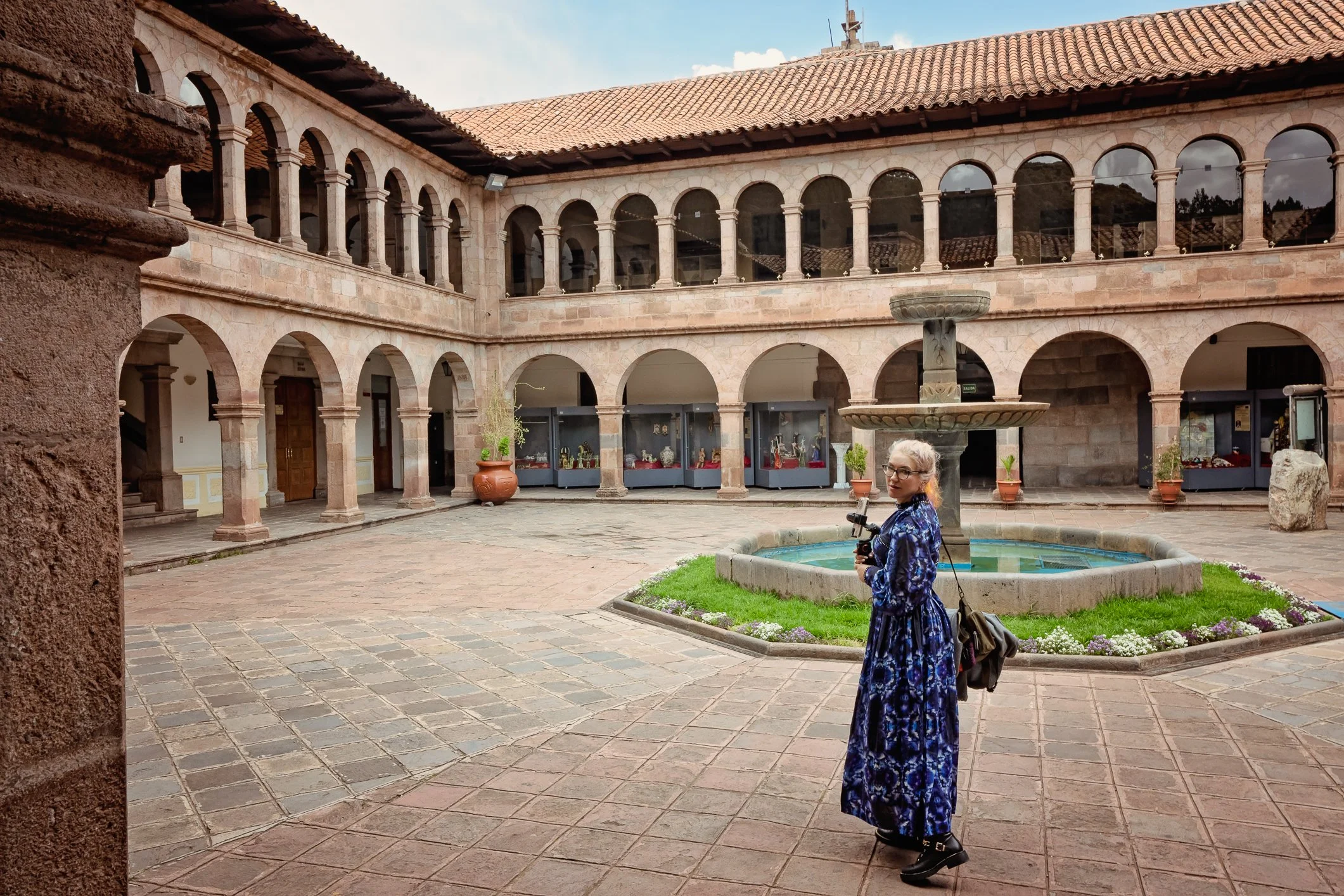
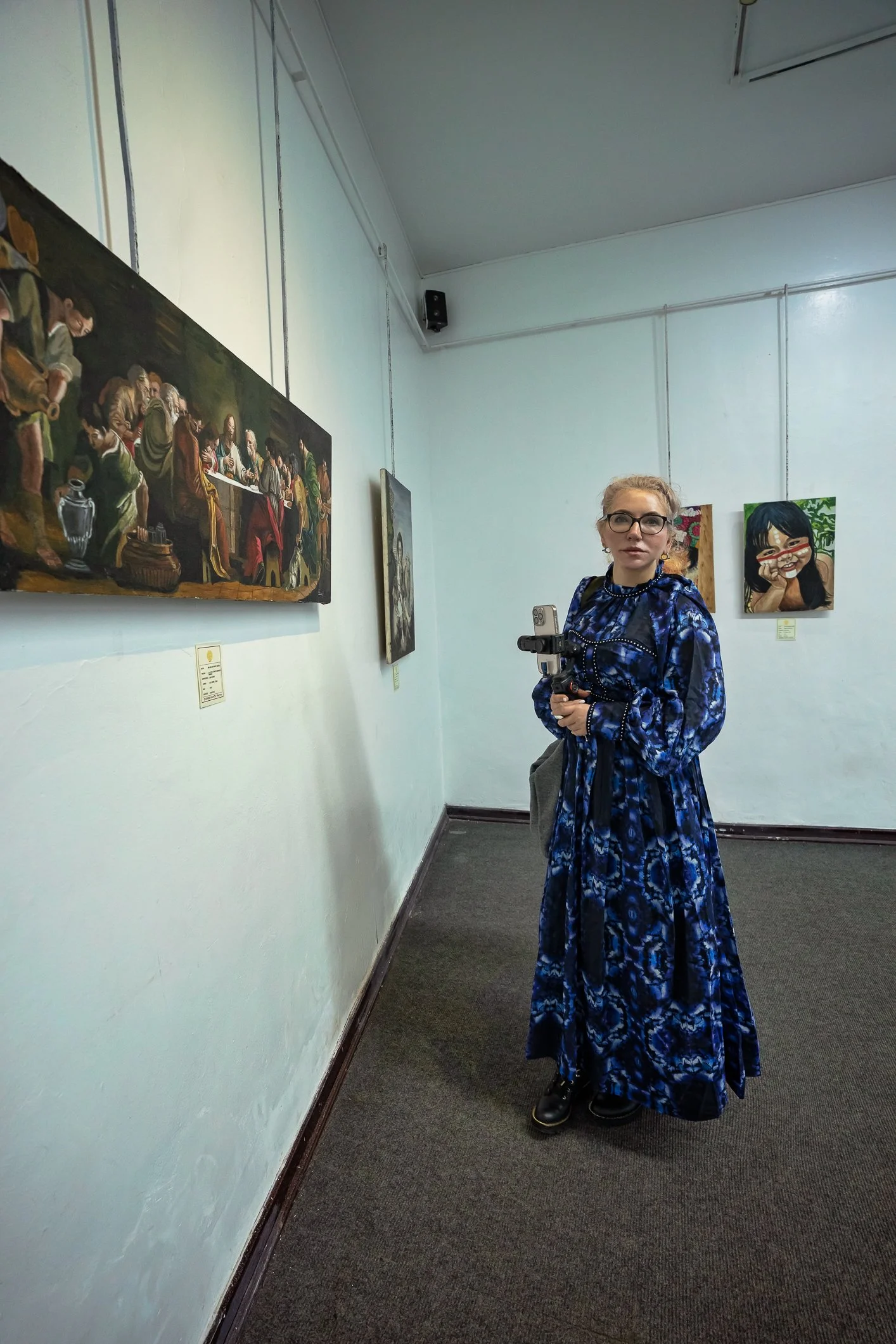
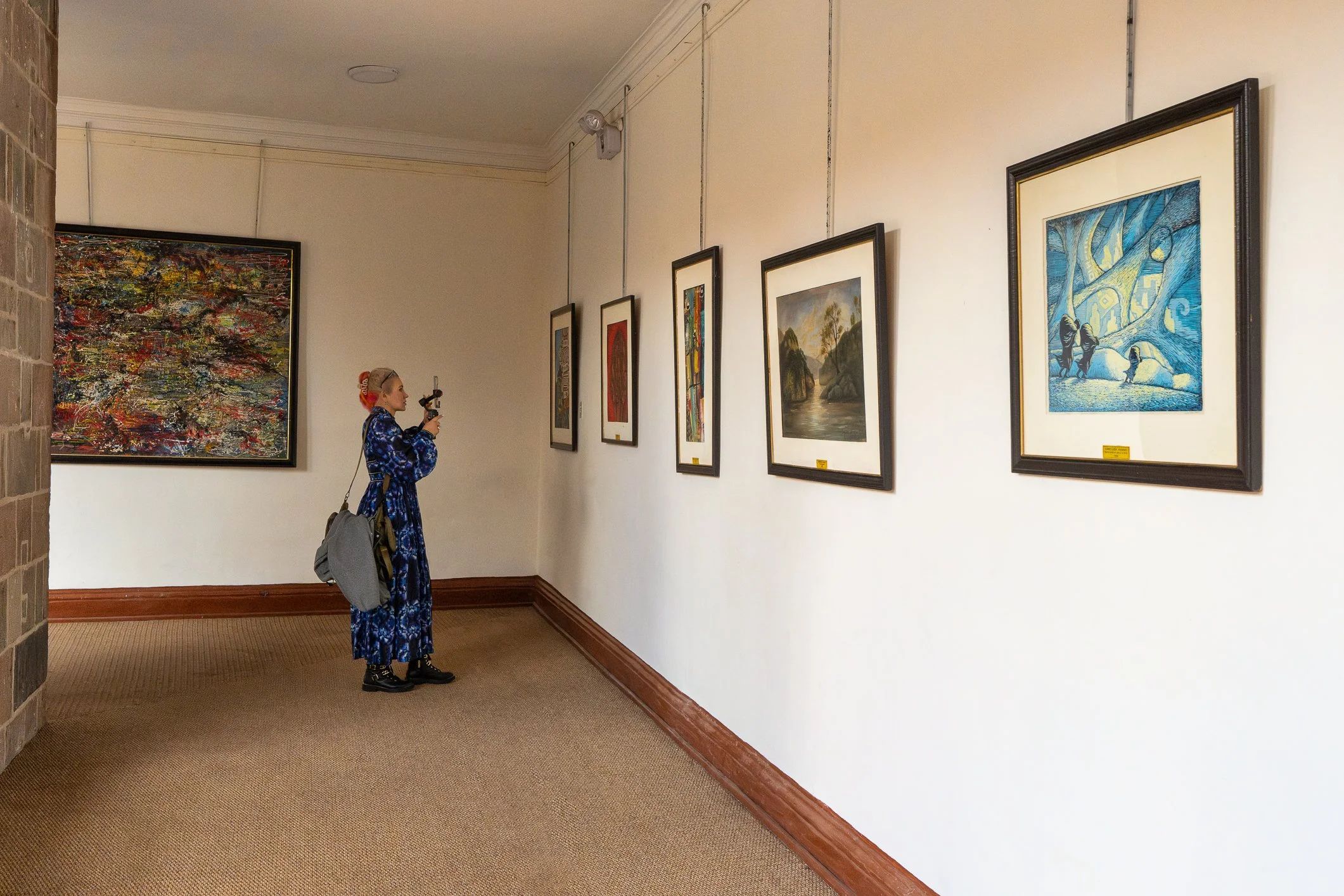
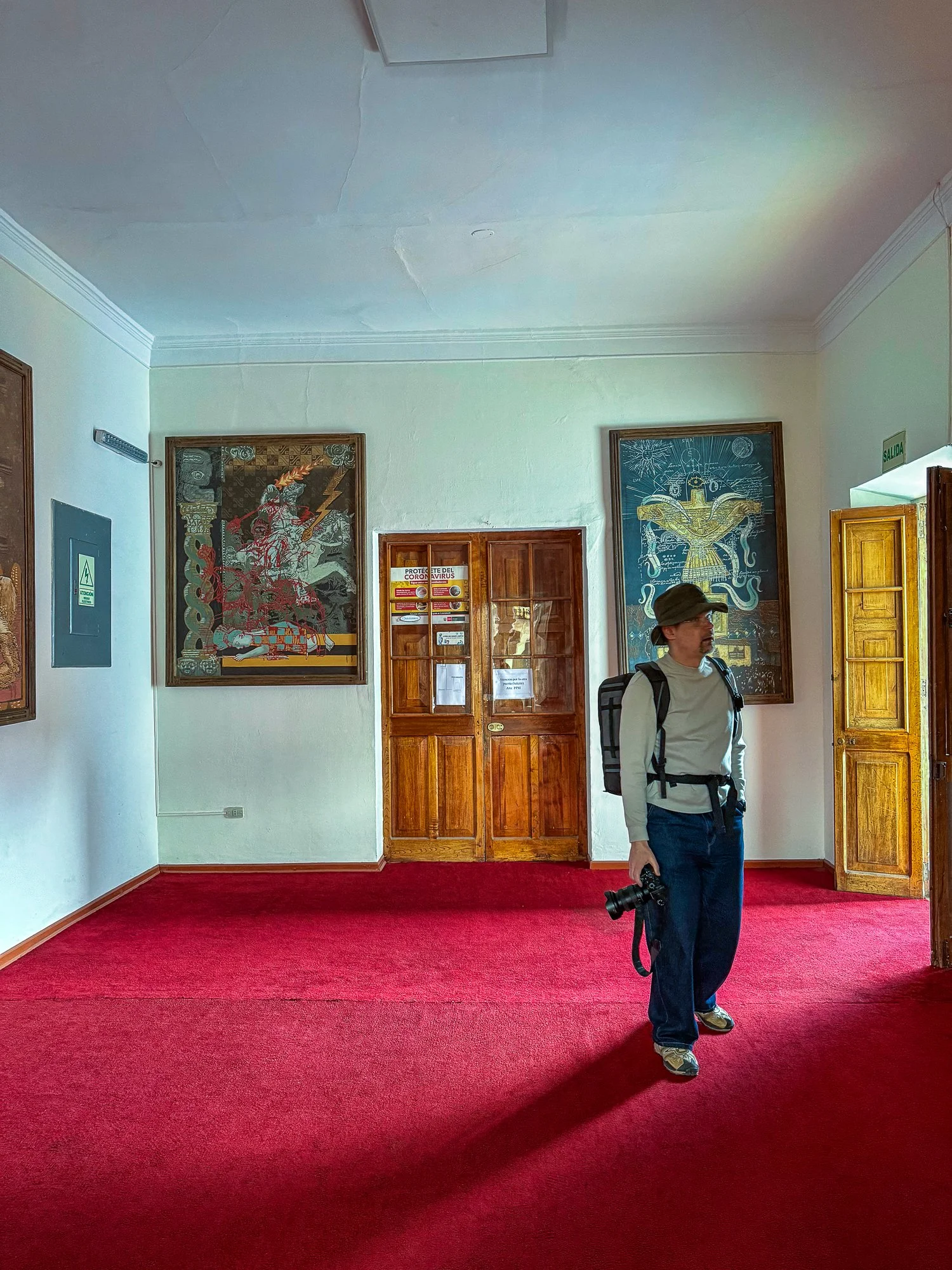
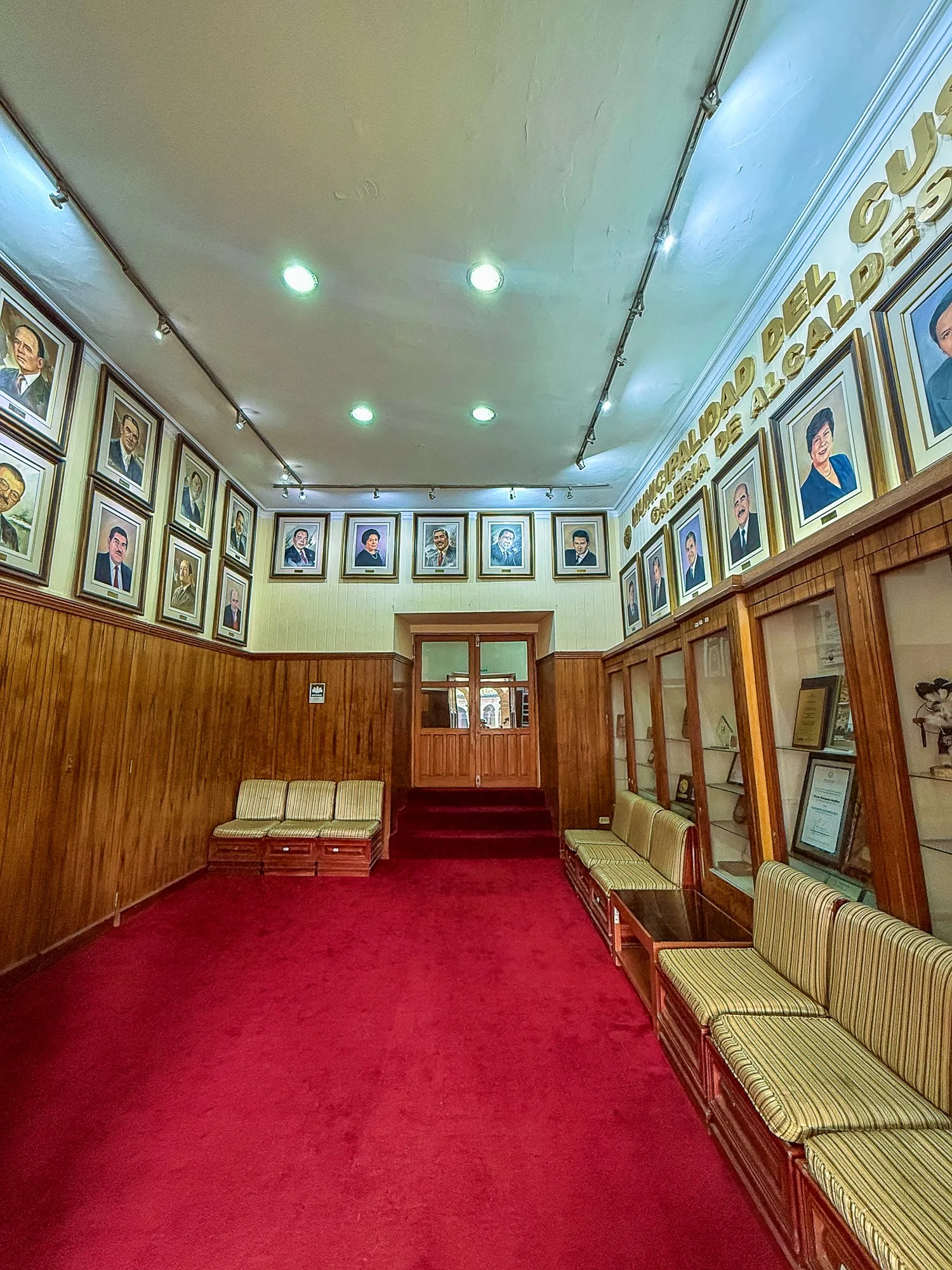
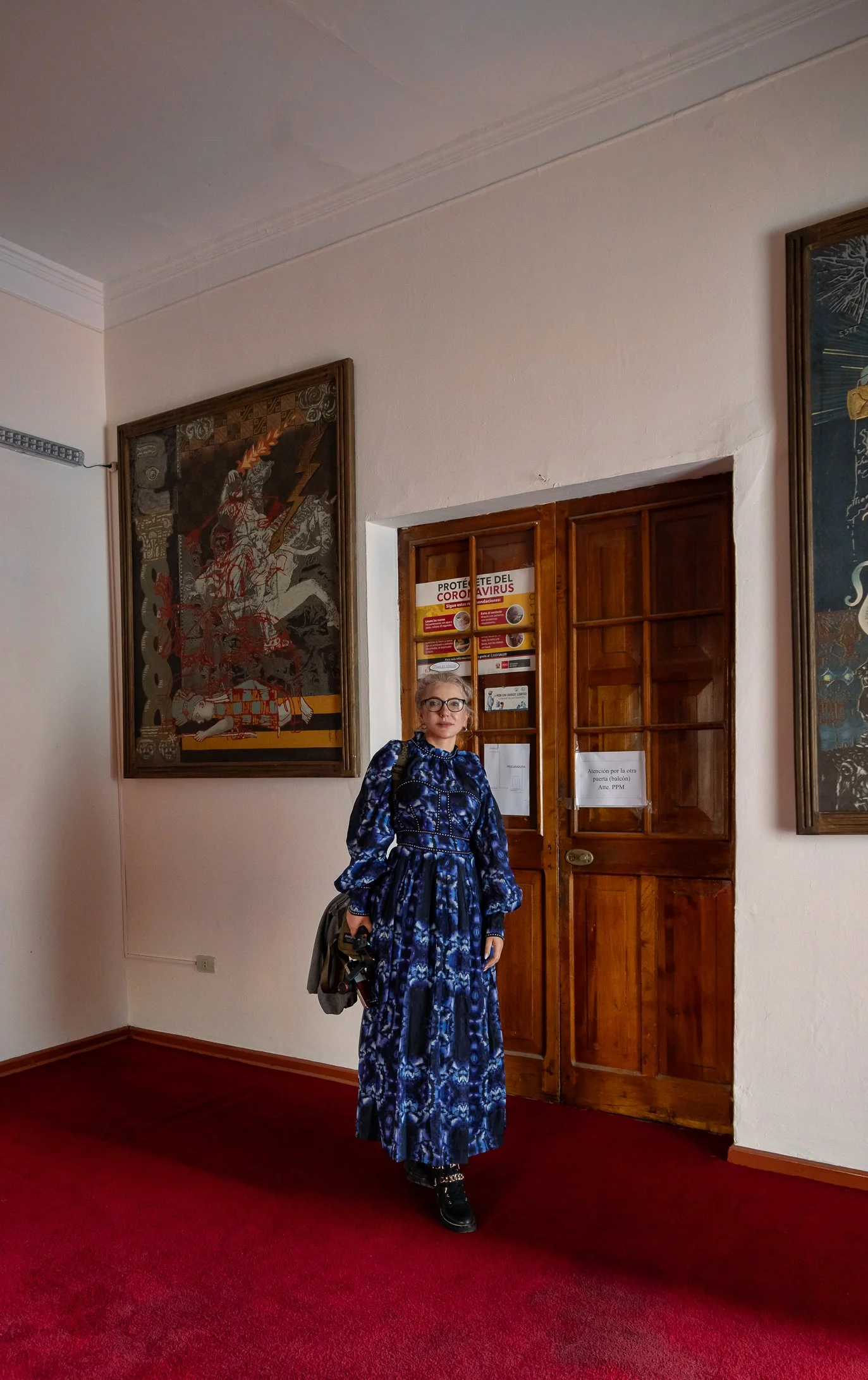
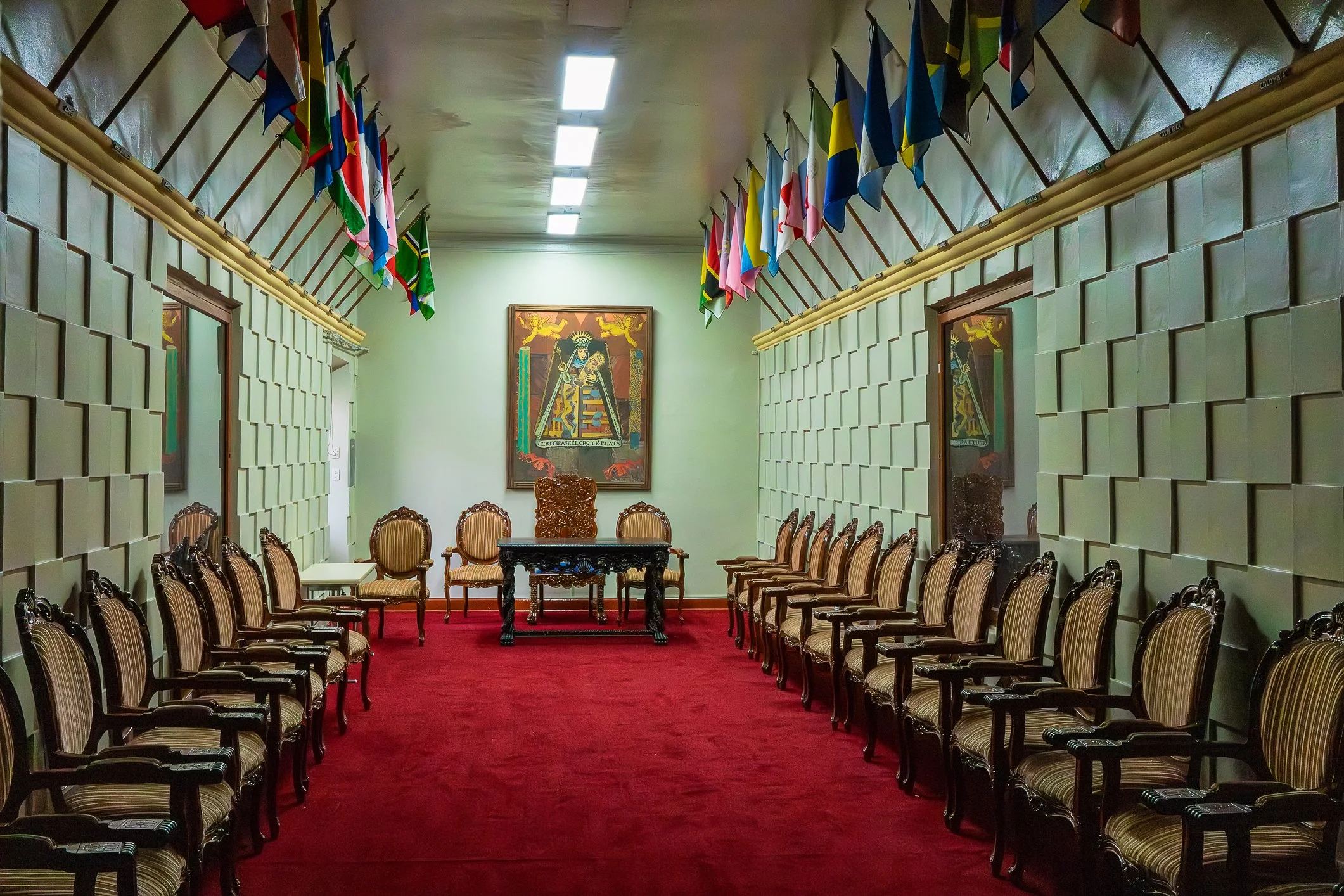
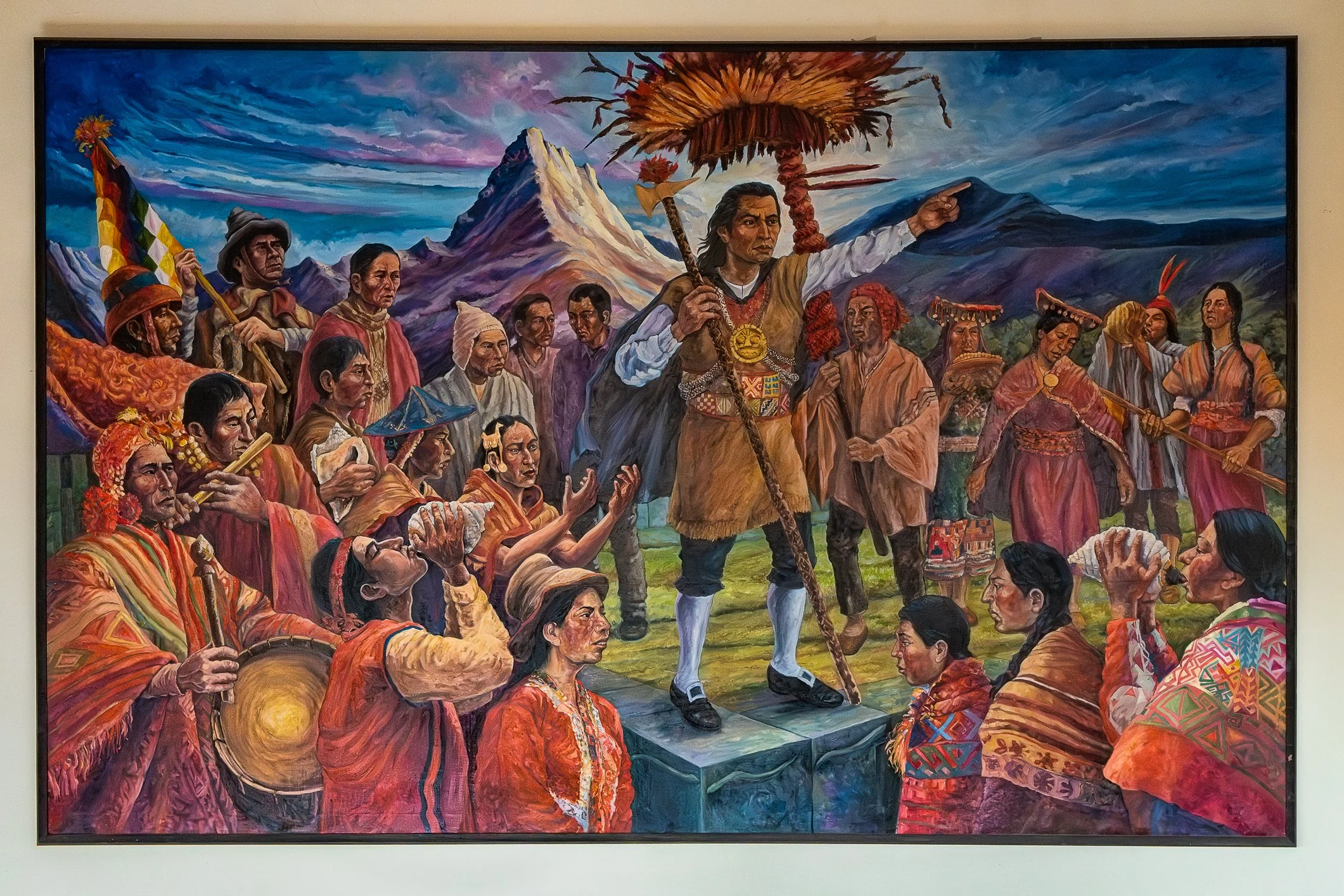
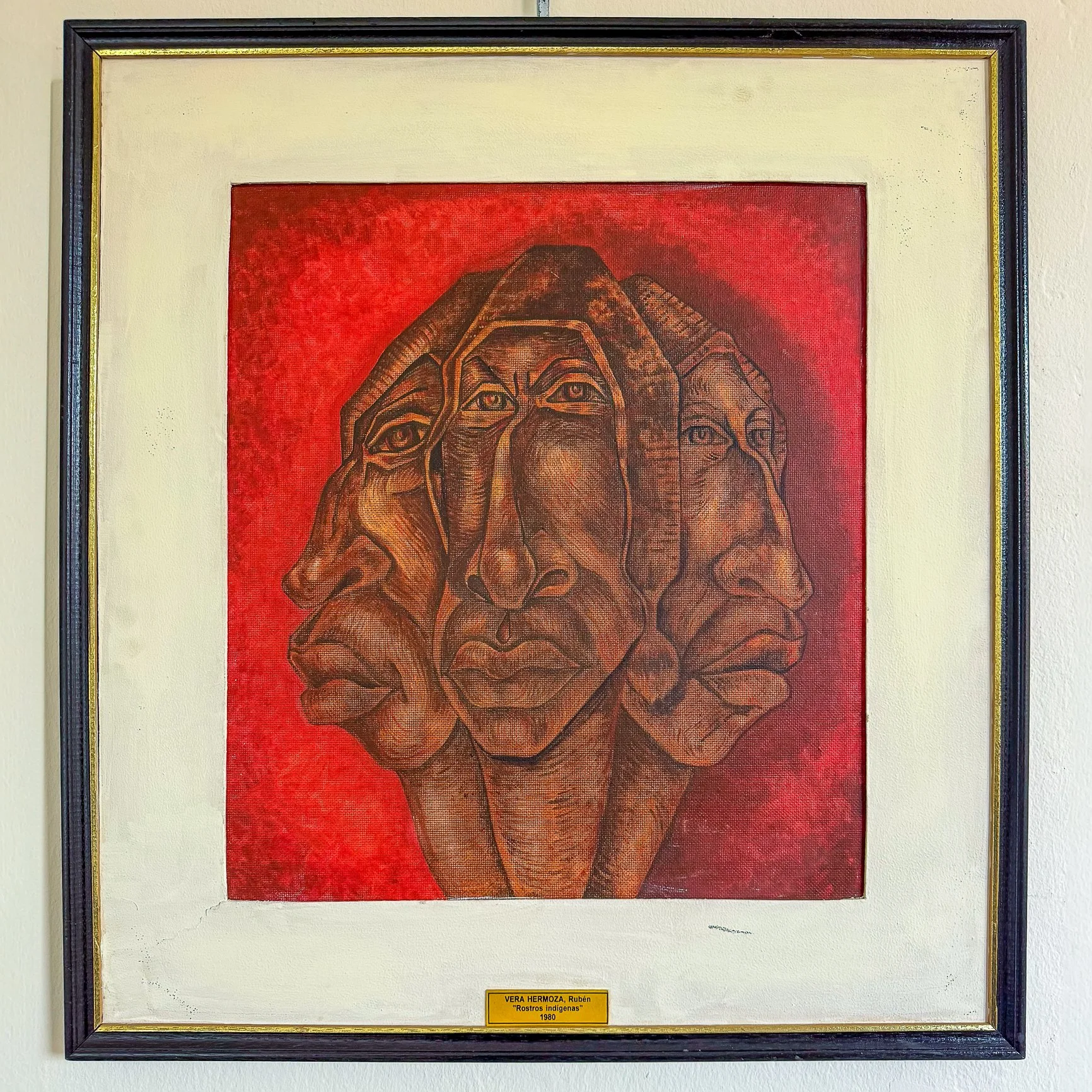
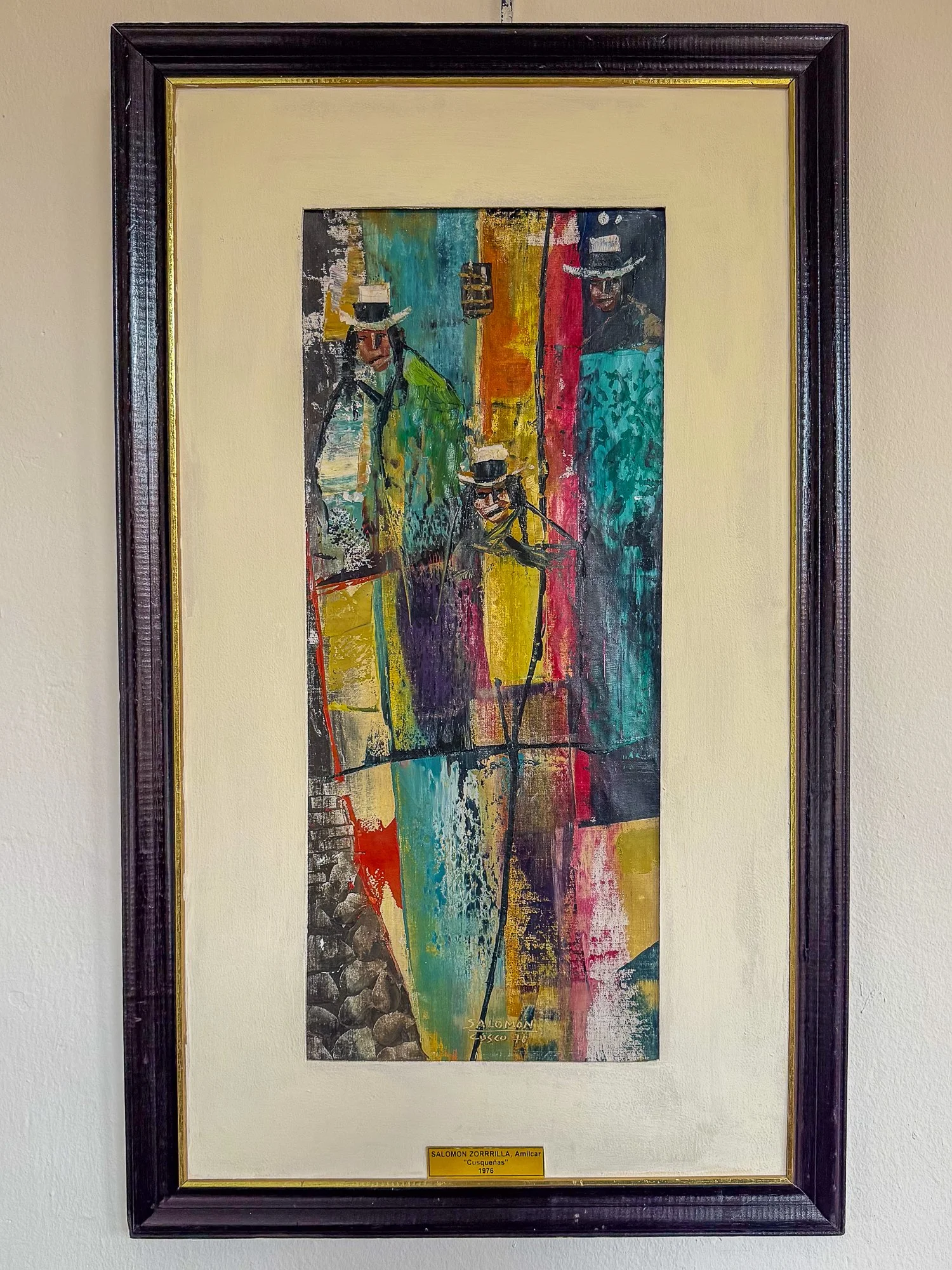
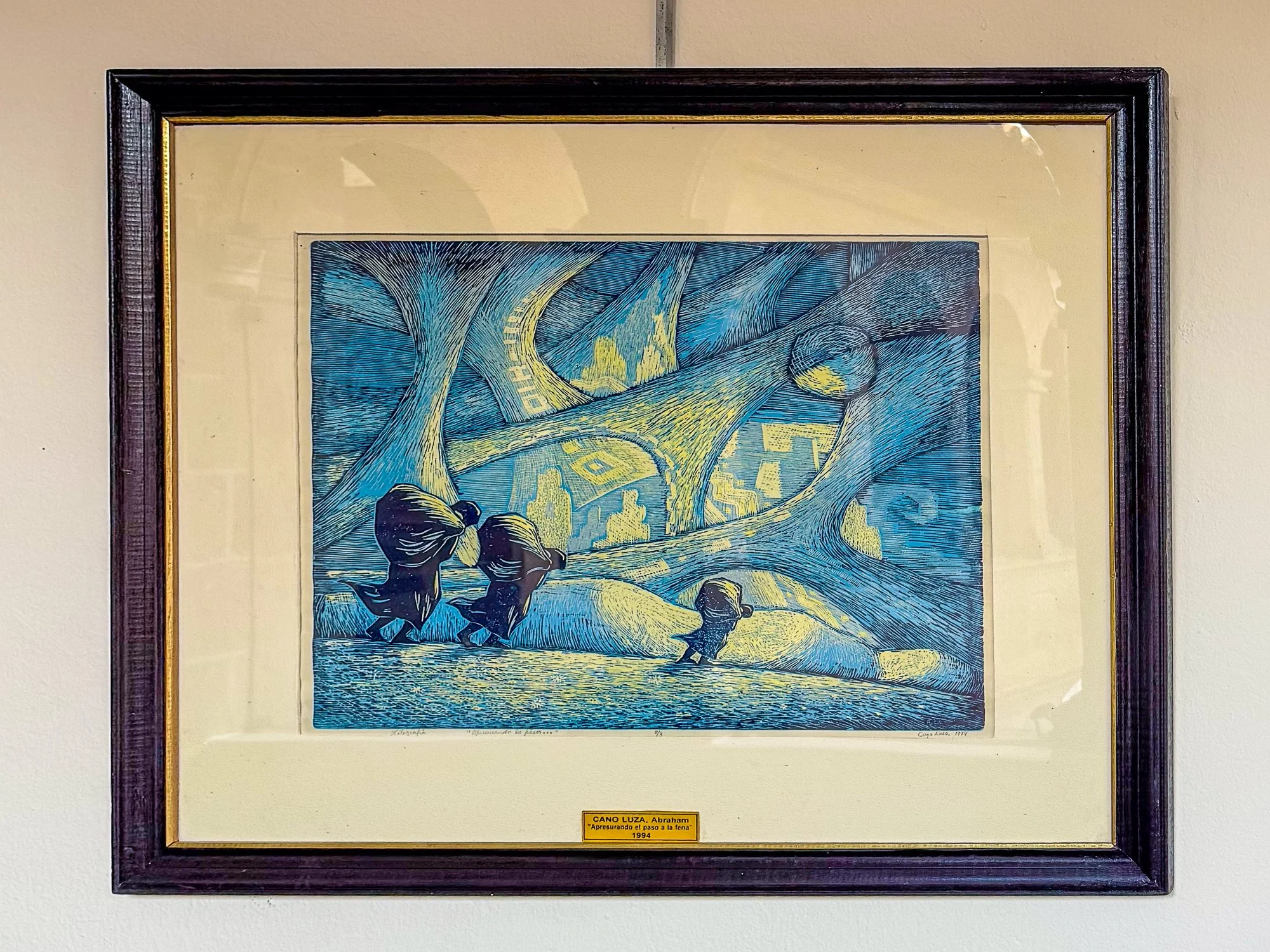
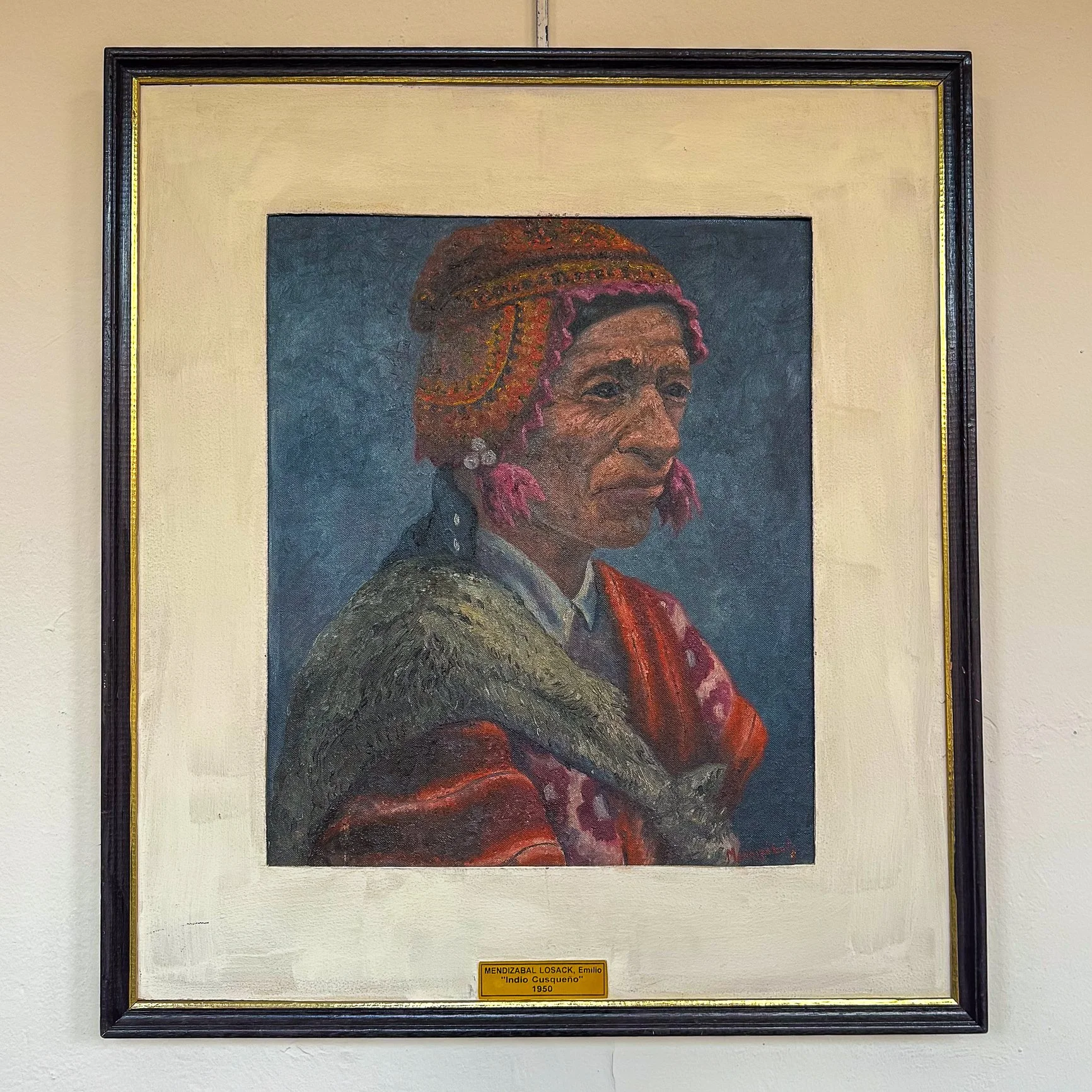
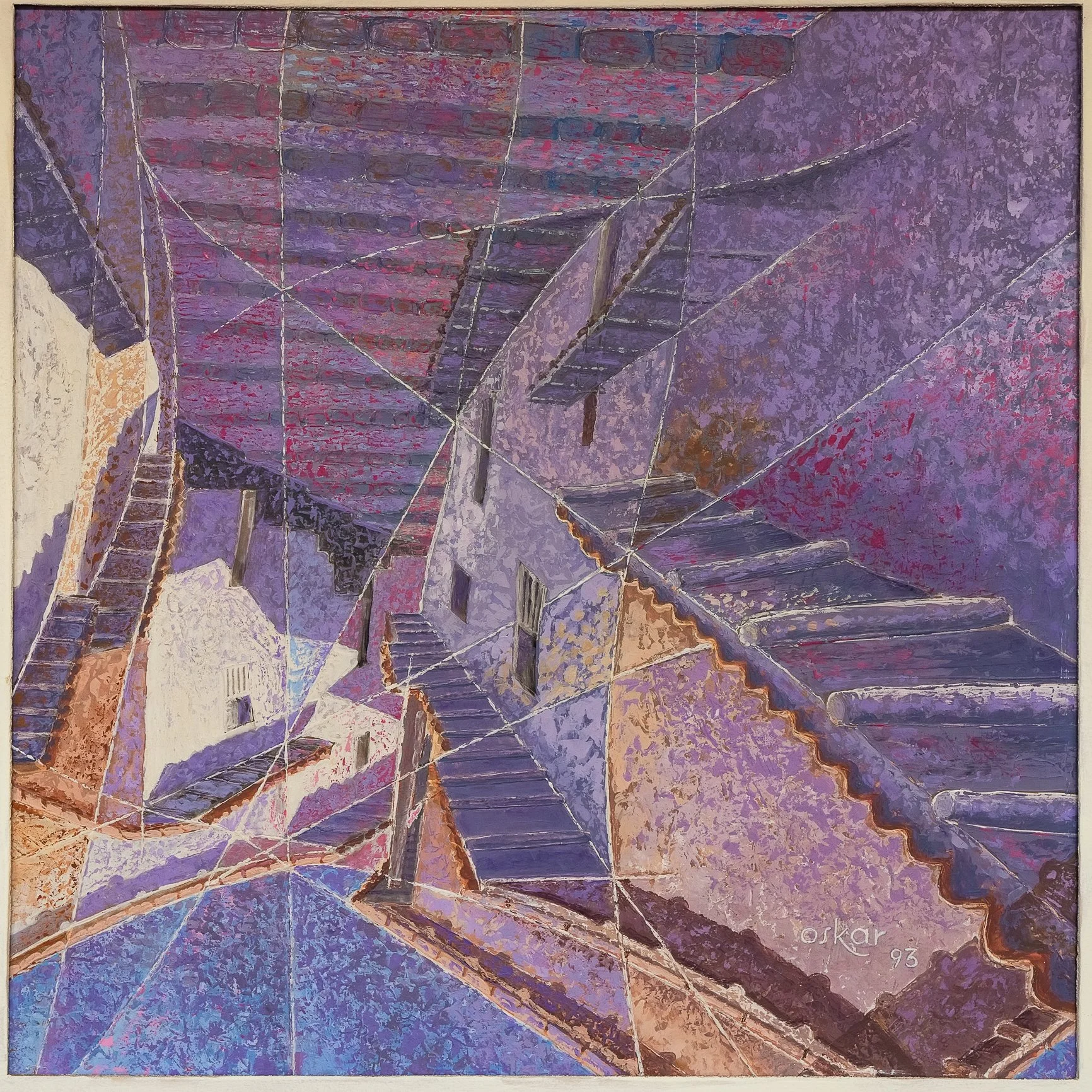
As we are close to Plaza Regocijo, we decide to pop into the Museo de Arte Contemporáneo, which is housed in the historic Municipal Palace, also known as the Palacio del Cabildo. We are mostly drawn in by the colonial architecture, as the palace was built in 1848. The exterior has a strong colonial feel, with a double row of arches and classic stonework, some of it repurposed from a demolished Augustinian convent.

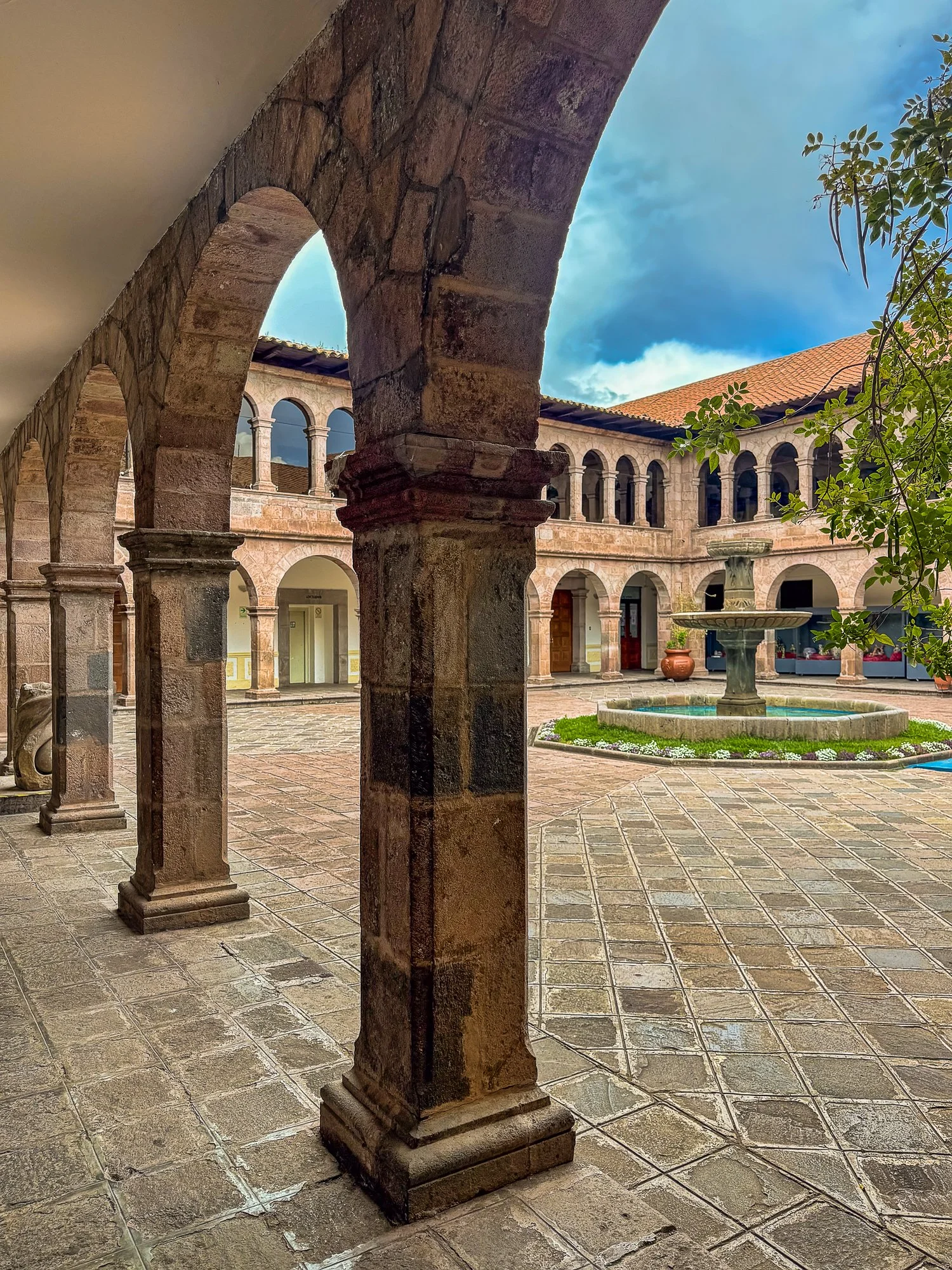
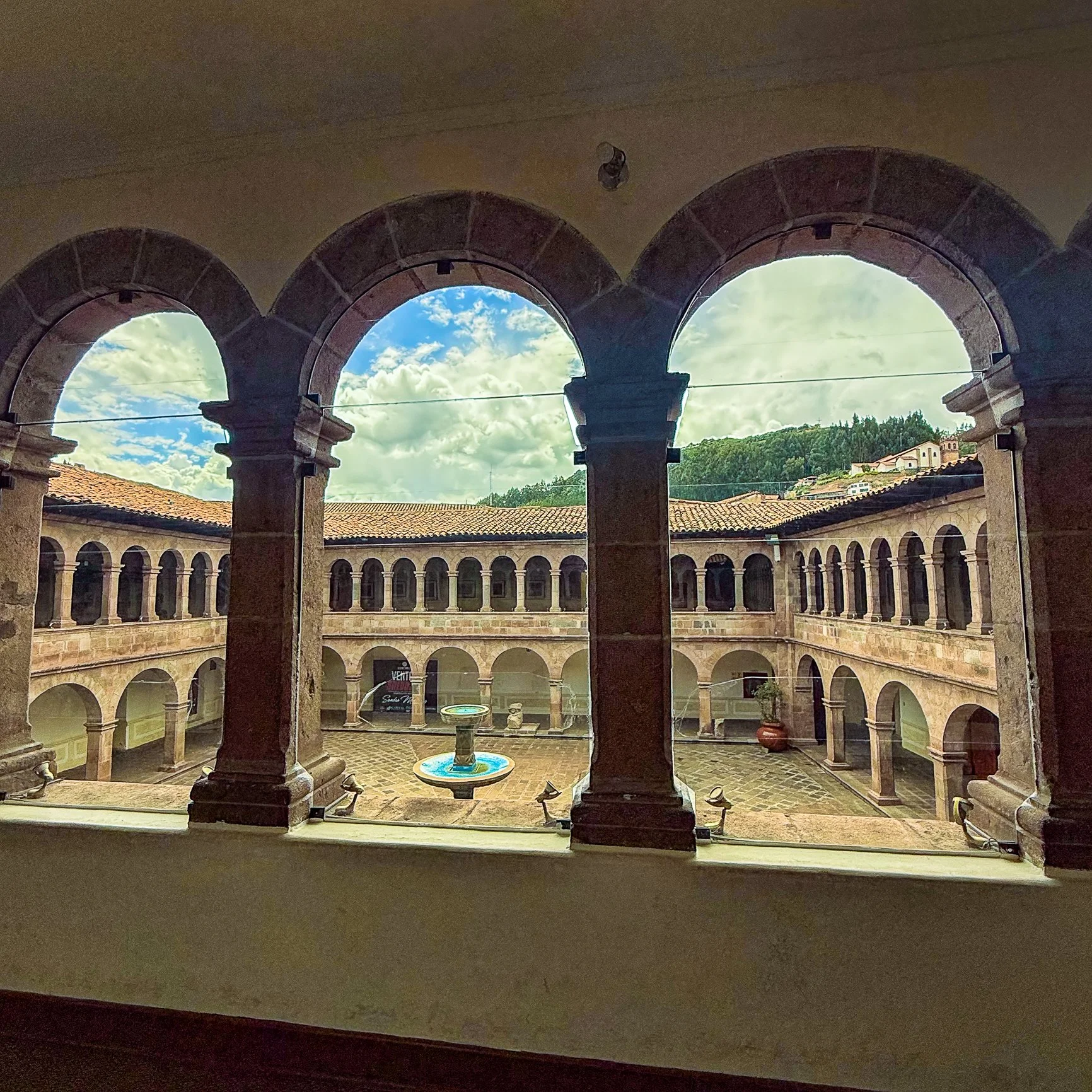
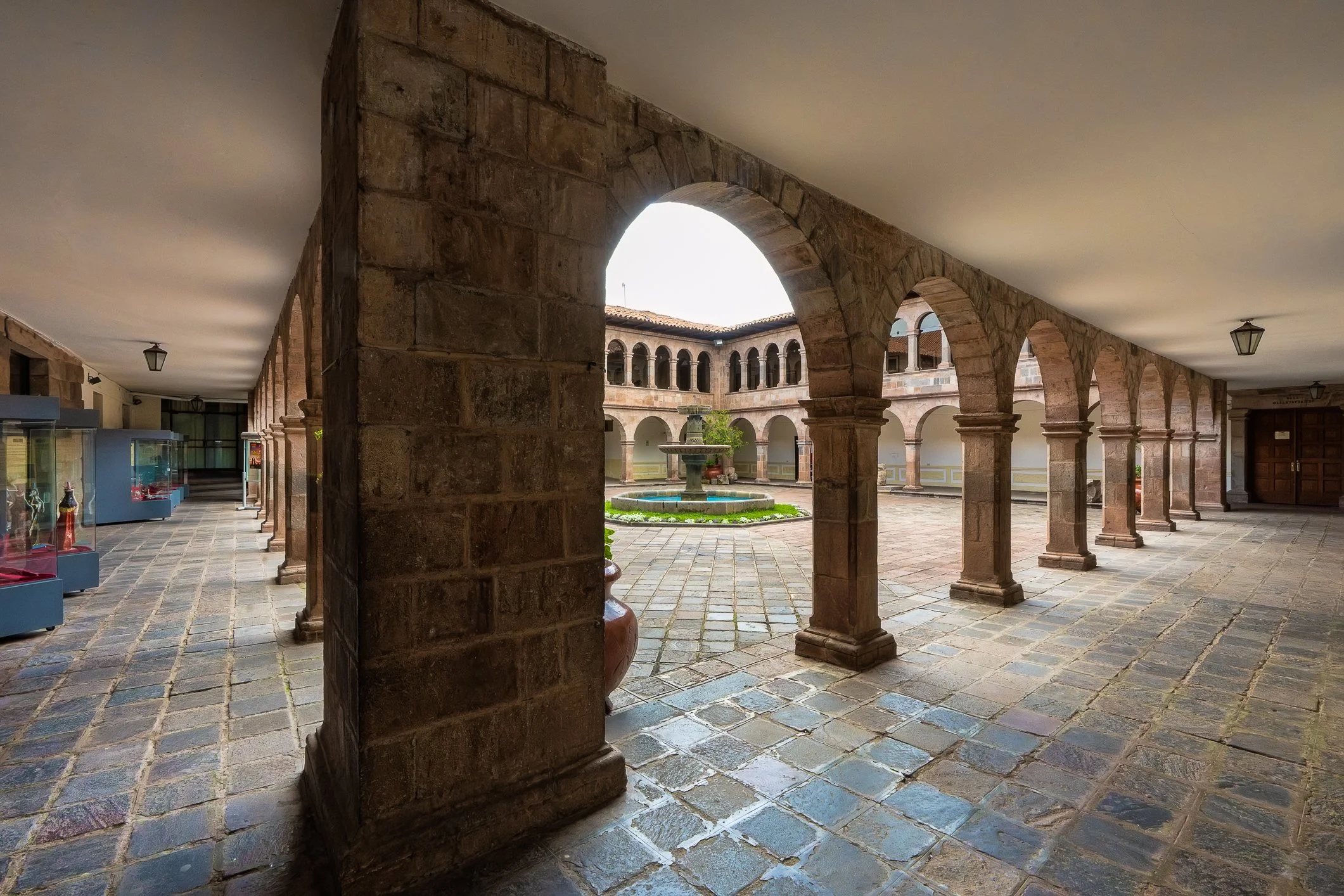
Inside, the central courtyard is peaceful and elegant, with a fountain at its centre and arcaded galleries running along the ground and upper levels.

Skoro już jesteśmy w pobliżu Plaza Regocijo, postanawiamy zajrzeć na chwilę do Museo de Arte Contemporáneo, które mieści się w zabytkowym Pałacu Miejskim, znanym jako Palacio del Cabildo. Przyciąga nas przede wszystkim kolonialna architektura - budynek pochodzi z 1848 roku. Z zewnątrz robi wrażenie dzięki dwóm rzędom arkad i solidnemu kamiennemu wykończeniu (kamienie te częściowo pochodzą z rozebranego klasztoru augustianów).

Wewnątrz znajduje się spokojny dziedziniec z fontanną, otoczony arkadowymi krużgankami na parterze i piętrze.

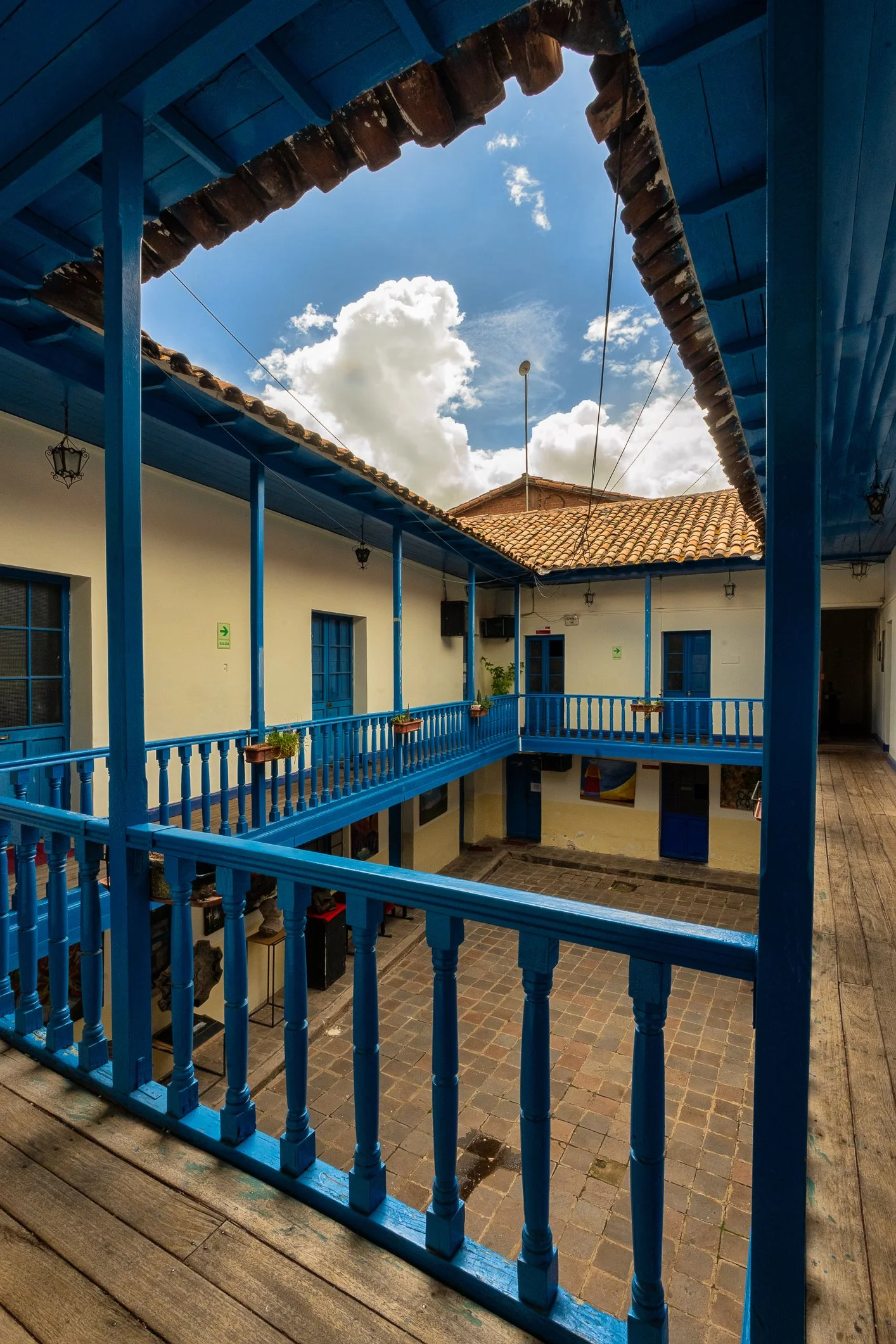
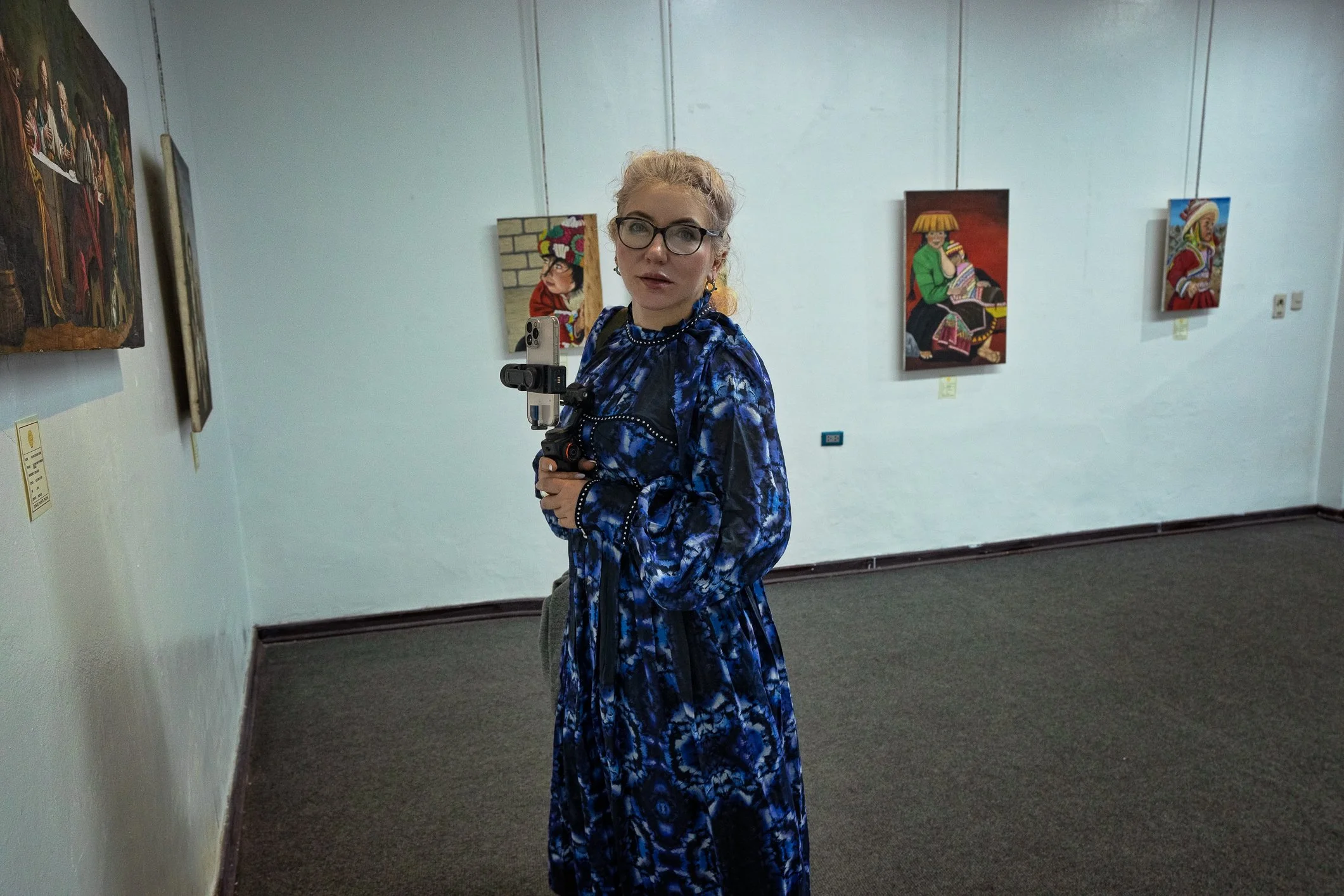
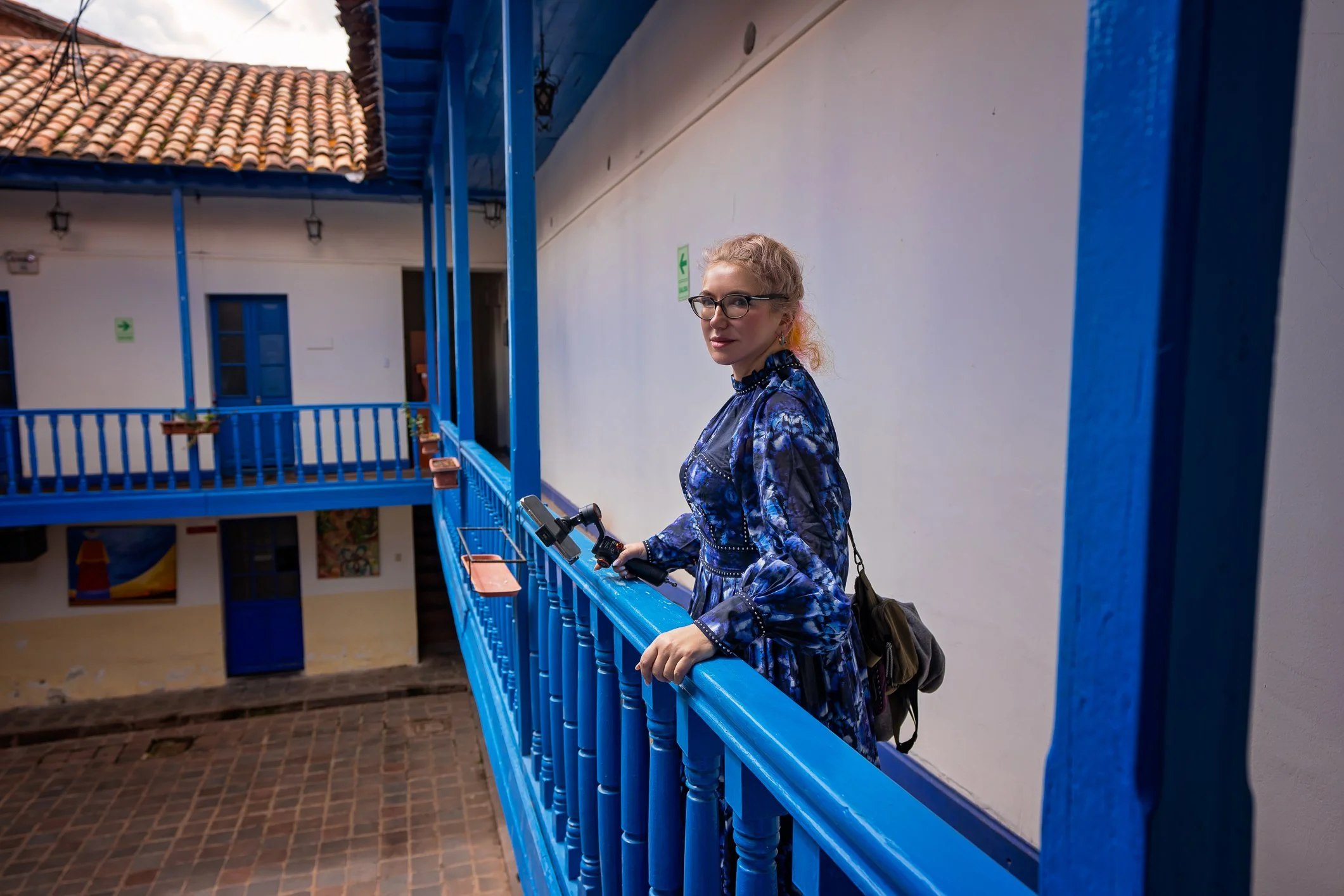
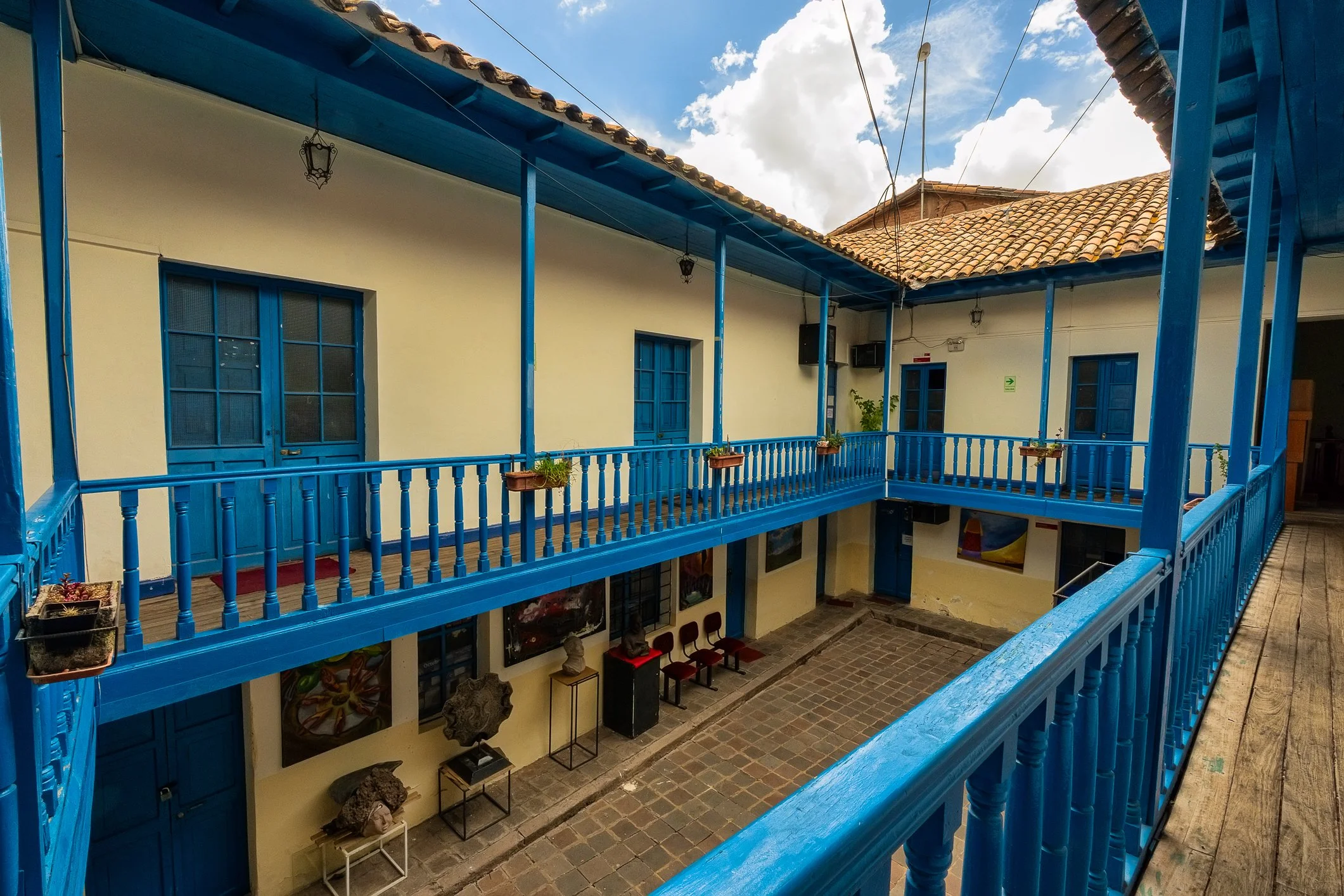
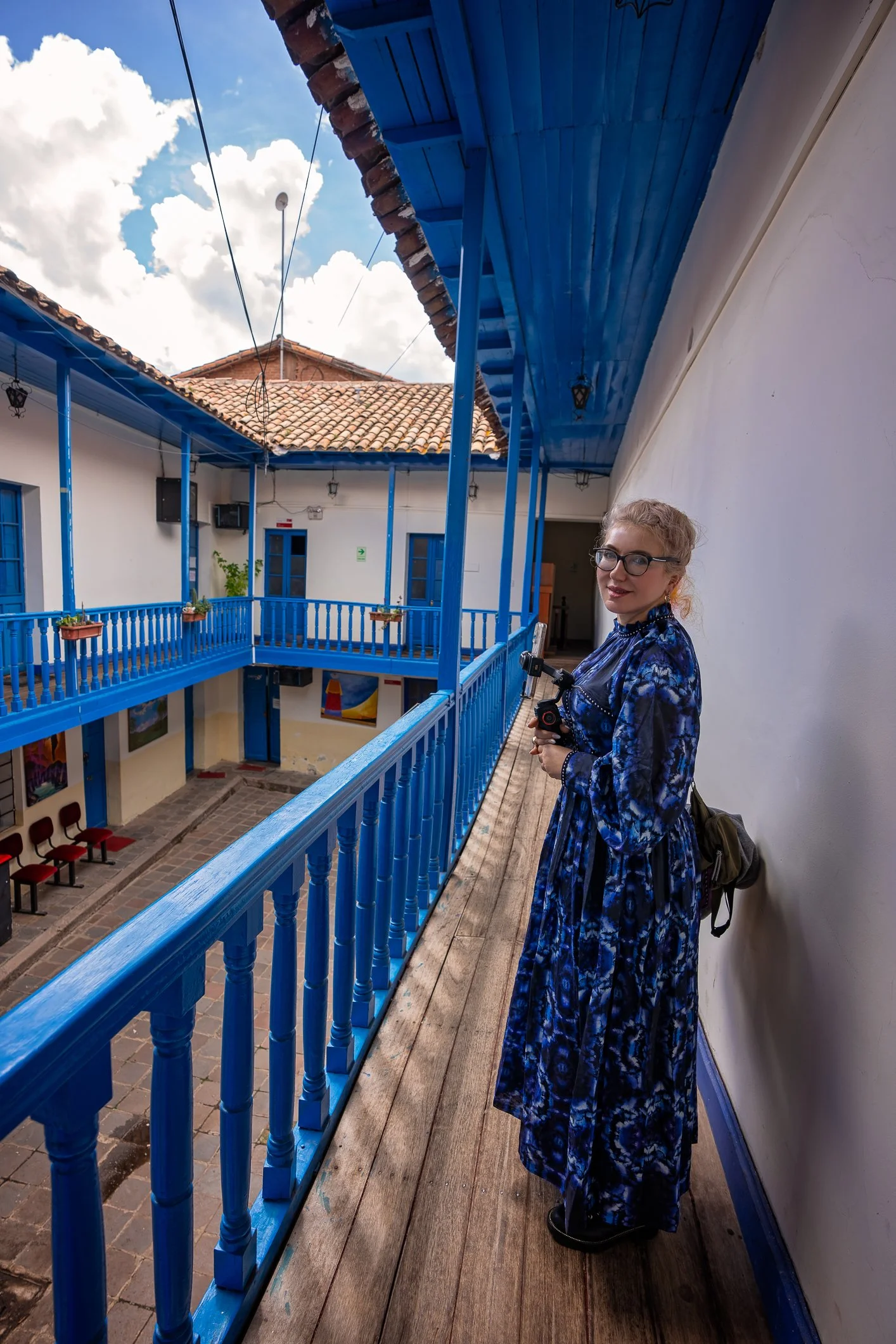
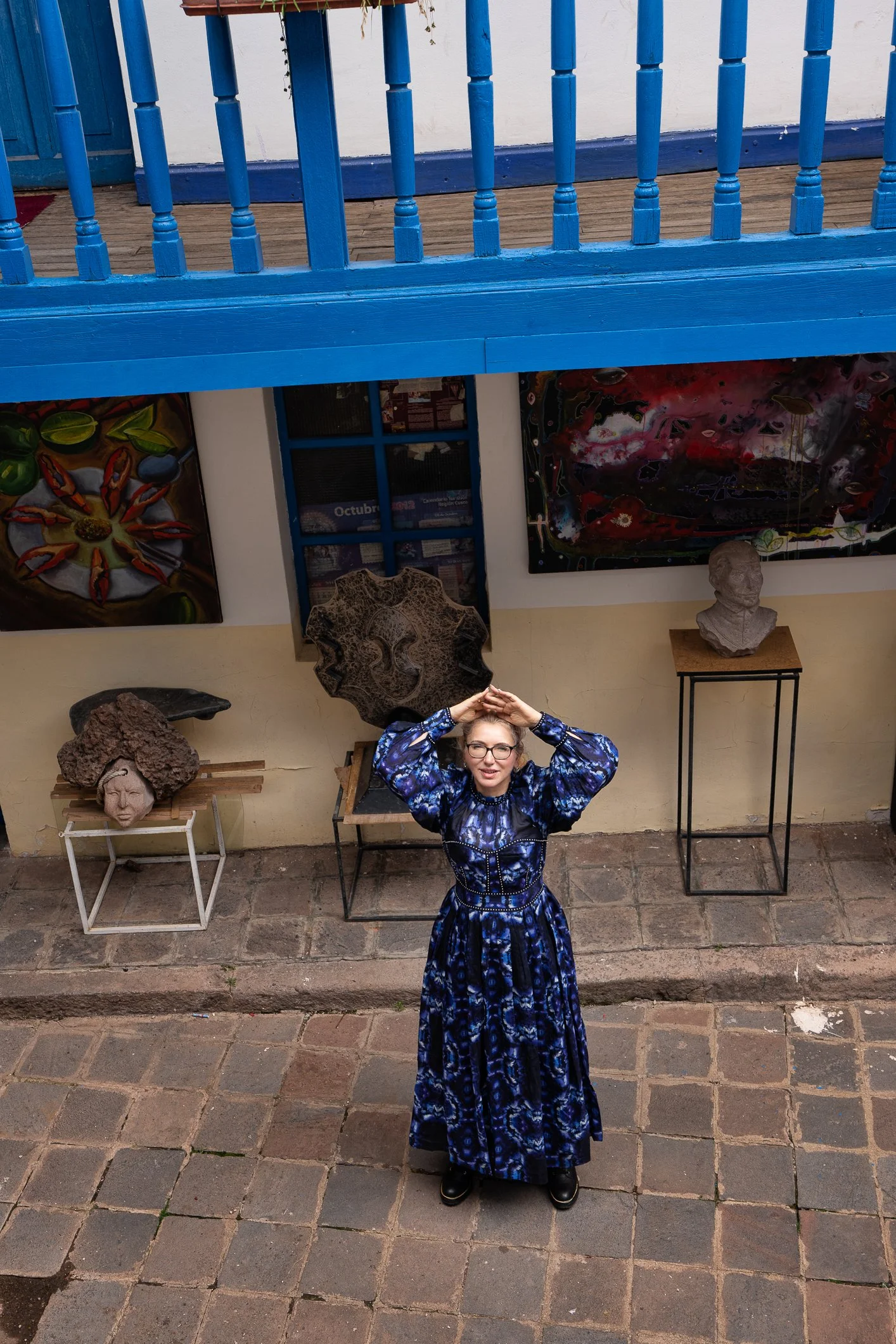
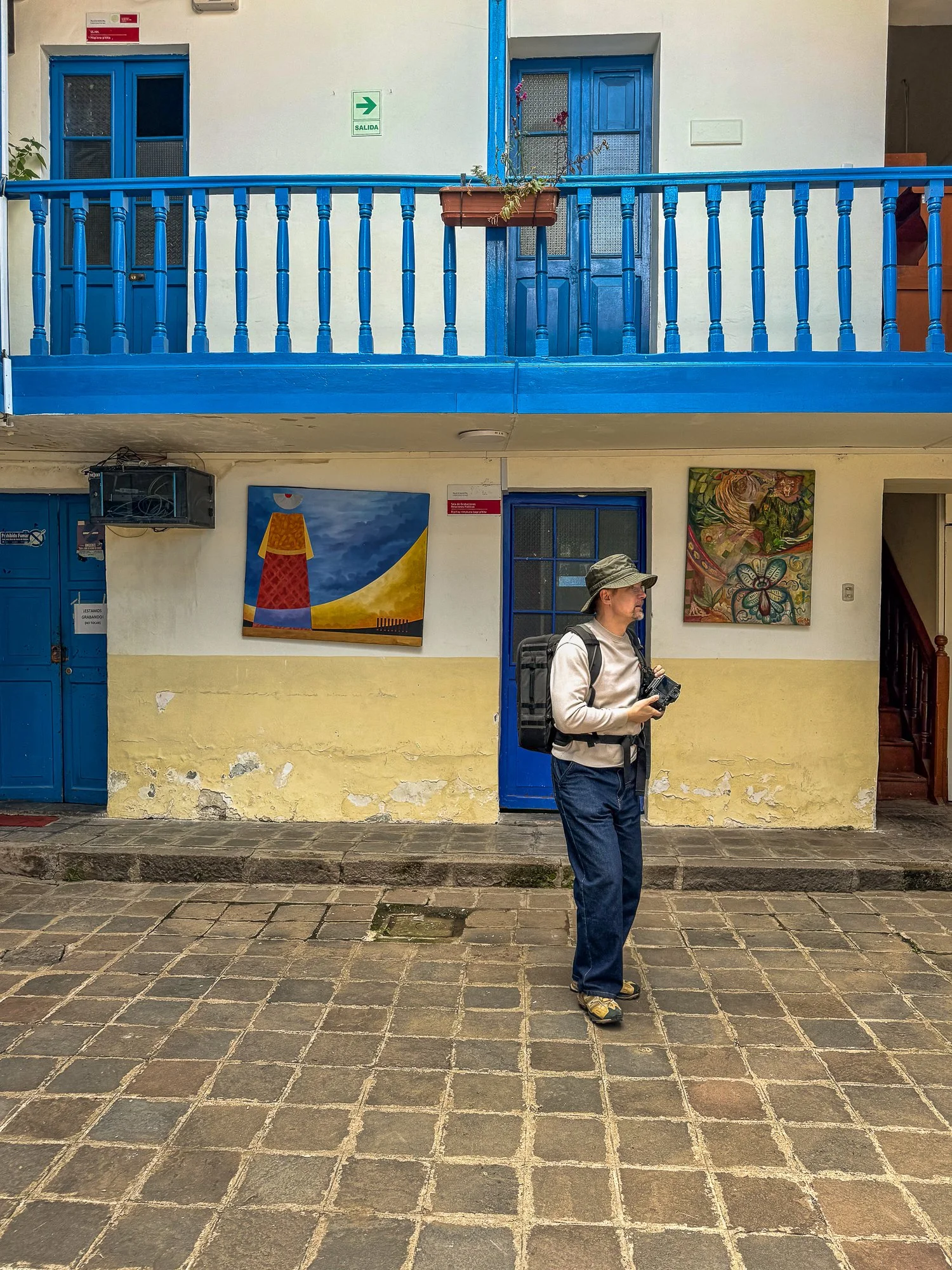
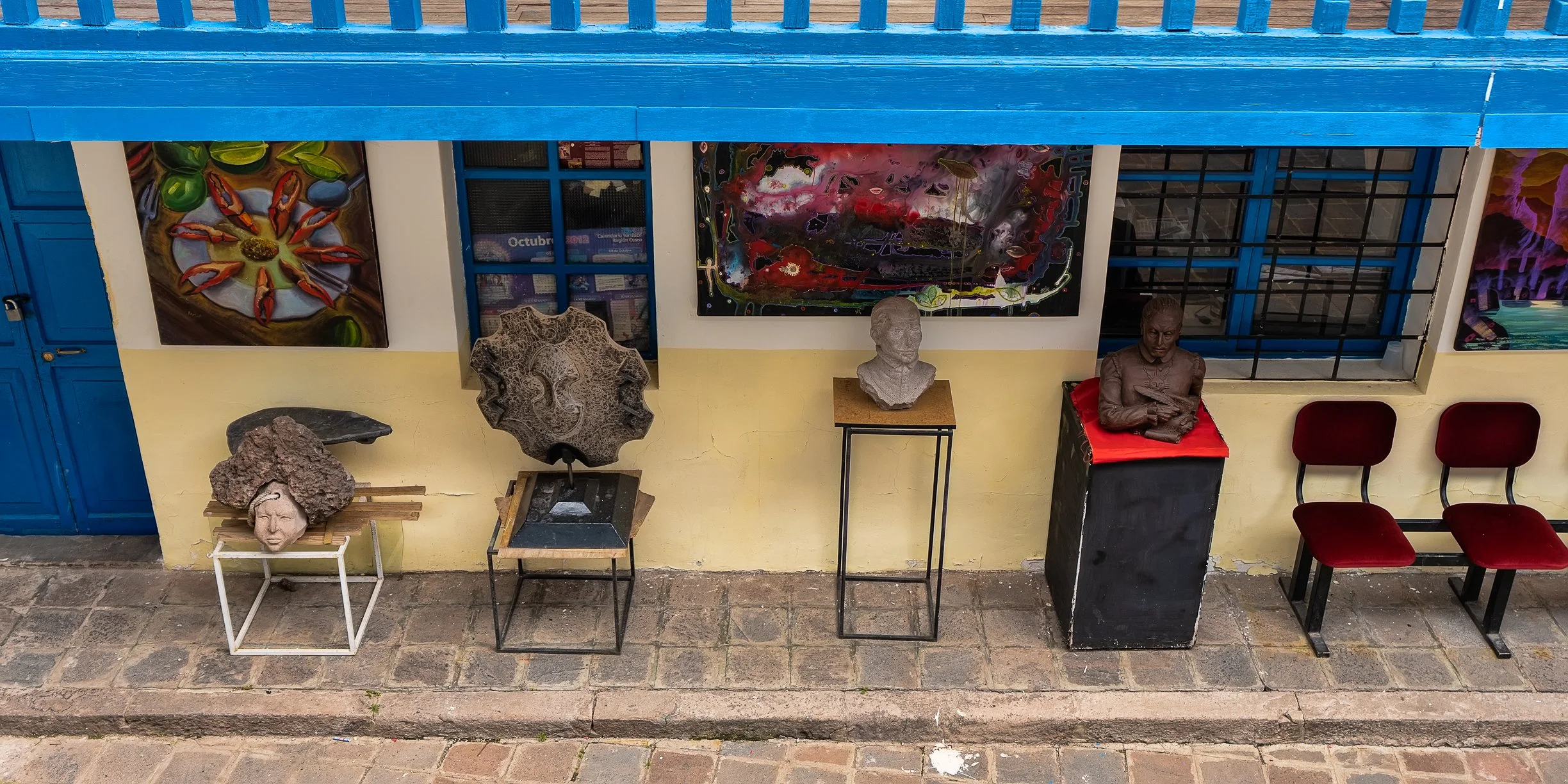
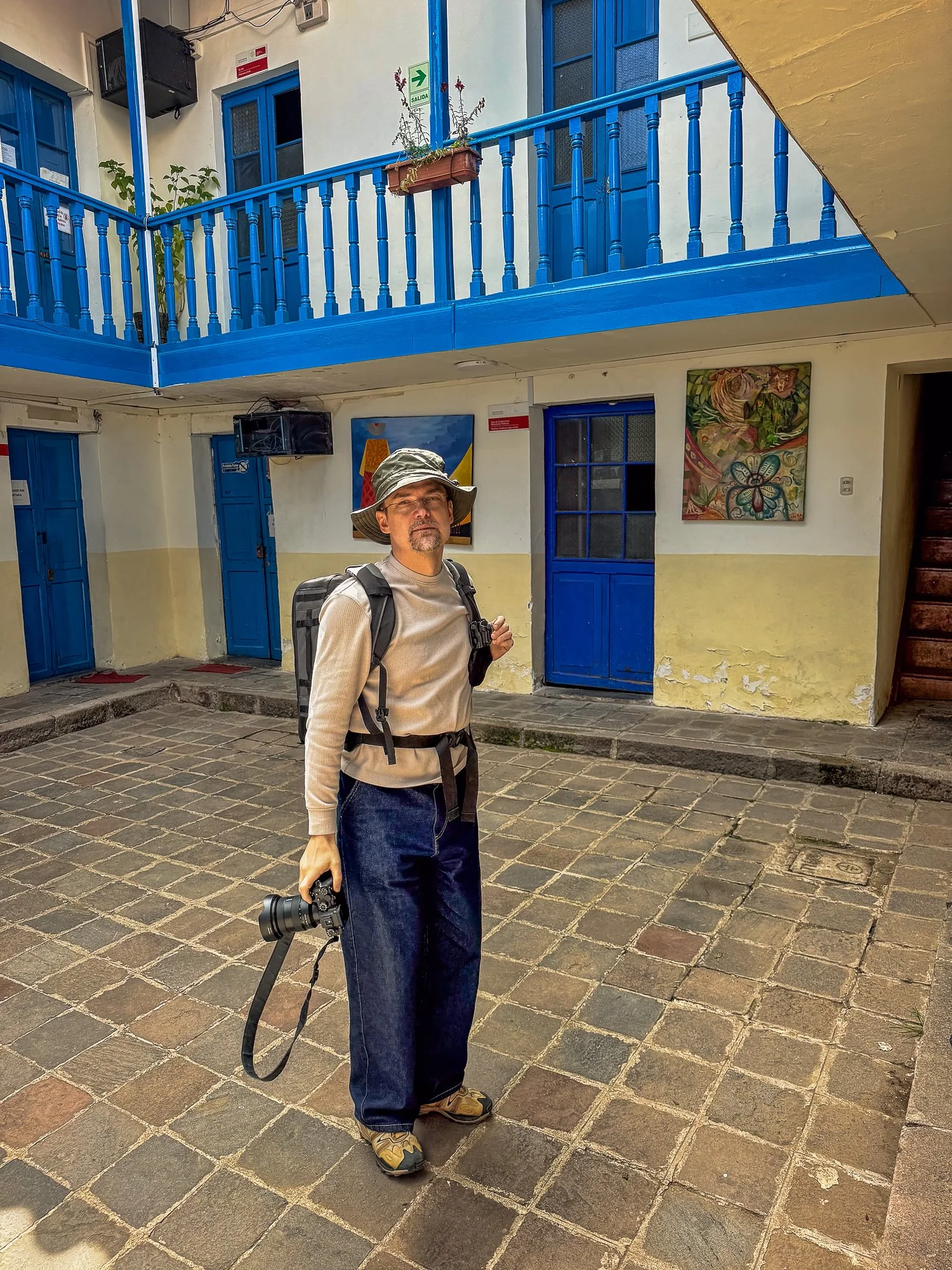
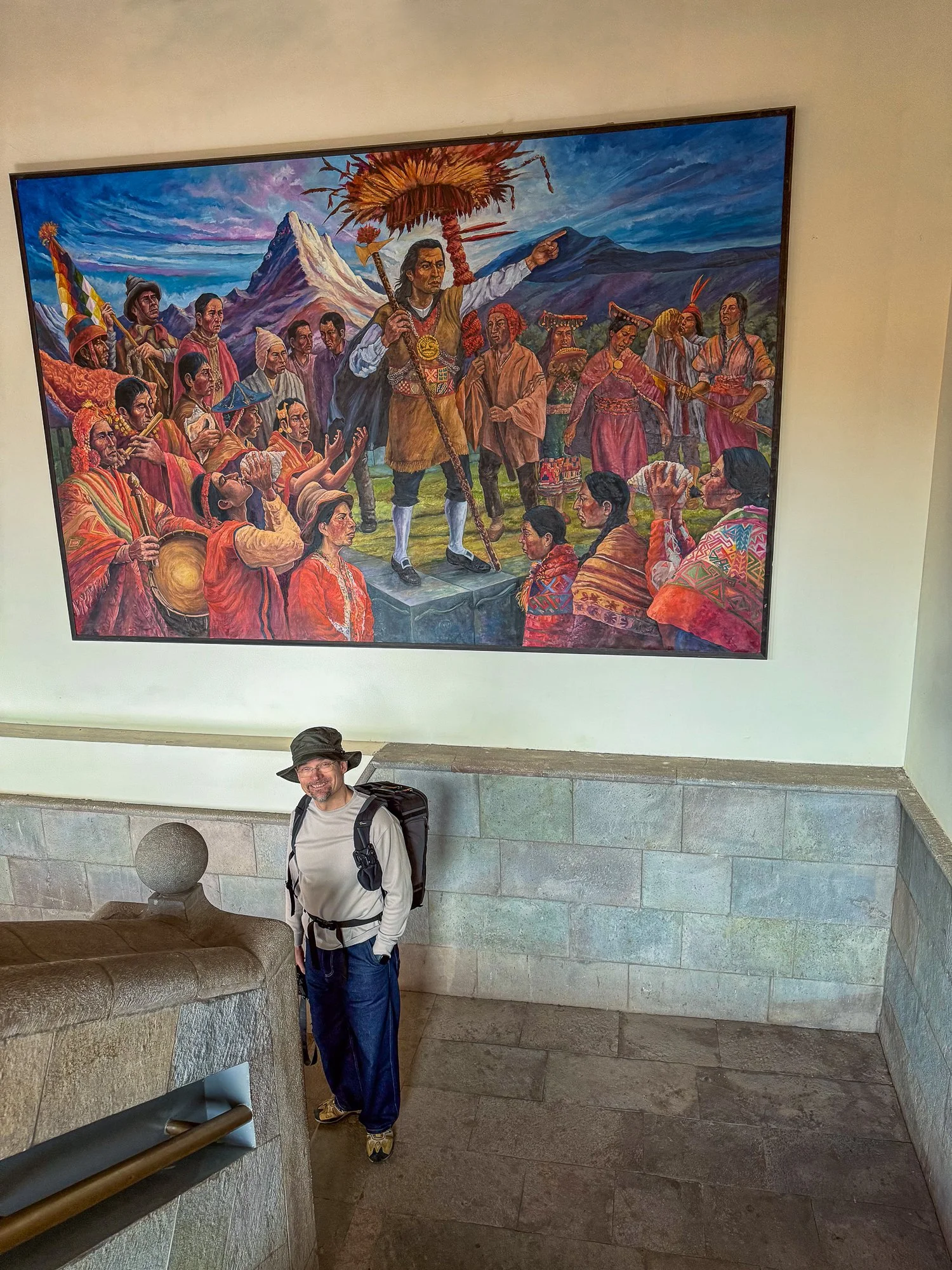
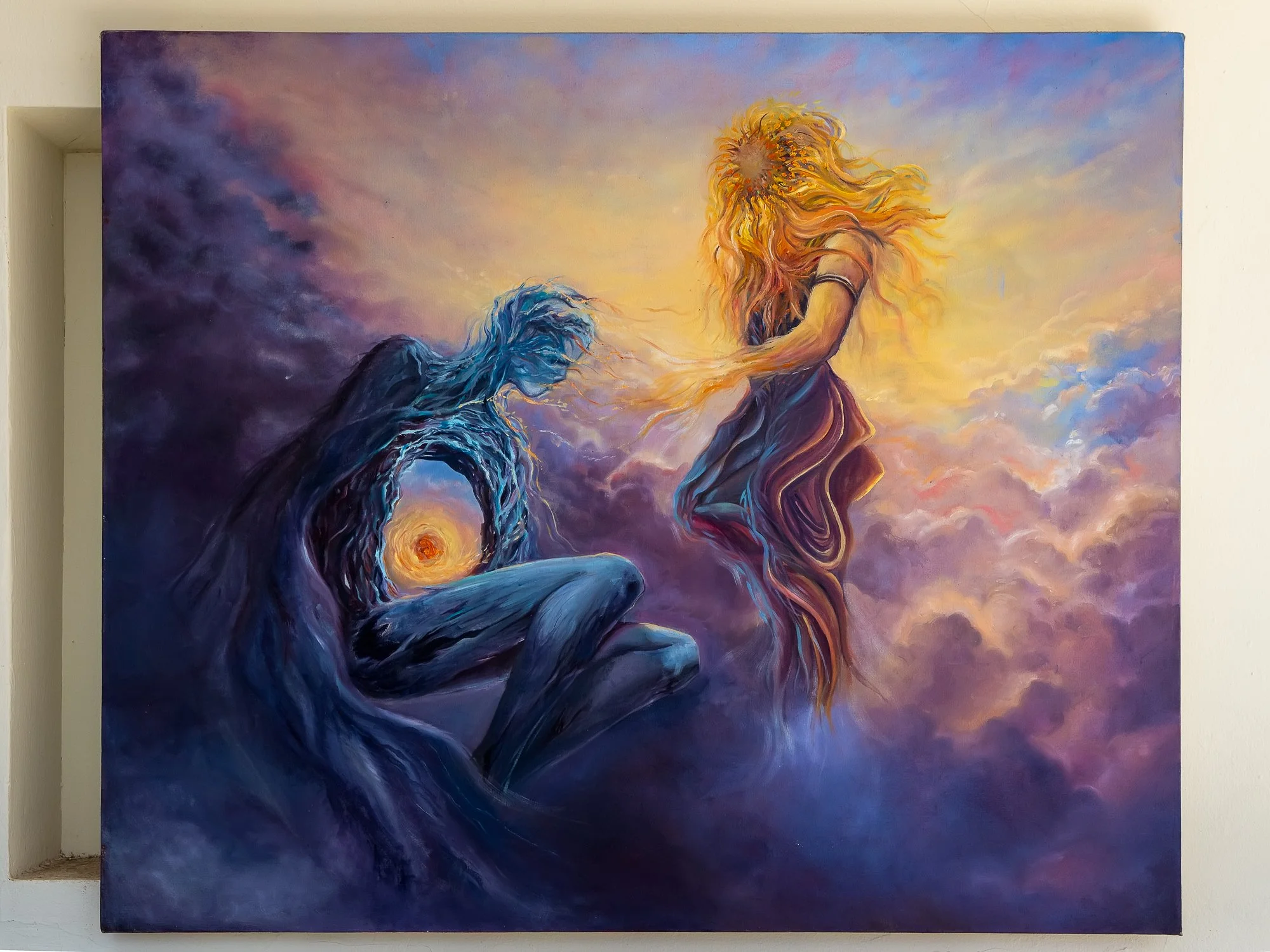
The museum has three main exhibition rooms. Two are on the first floor—one of them tucked into a smaller interior courtyard with striking wooden balustrades painted in vivid blue. The design creates a balcony-like walkway on the upper level, letting you look down and take in the artworks displayed below.

W muzeum są trzy główne sale wystawowe. Dwie z nich znajdują się na parterze — jedna mieści się w mniejszym, wewnętrznym dziedzińcu, który wyróżnia się drewnianymi balustradami pomalowanymi na intensywny niebieski kolor. Układ tej przestrzeni pozwala spacerować po górnym balkonie i oglądać prace prezentowane poniżej.

The third exhibition area is on the second floor, located in the upper gallery spaces.

Trzeci obszar ekspozycji znajduje się w galeriach na piętrze.

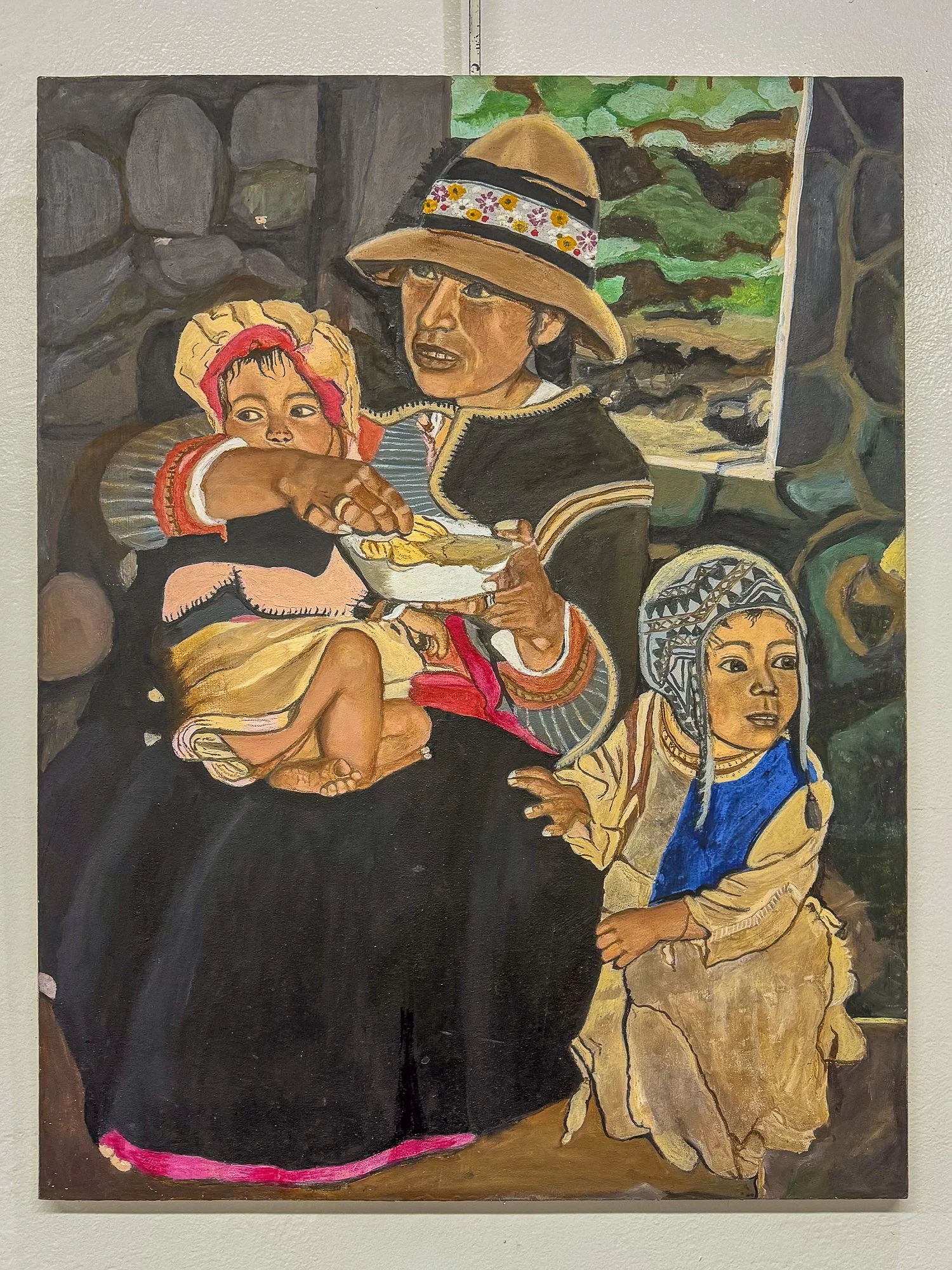
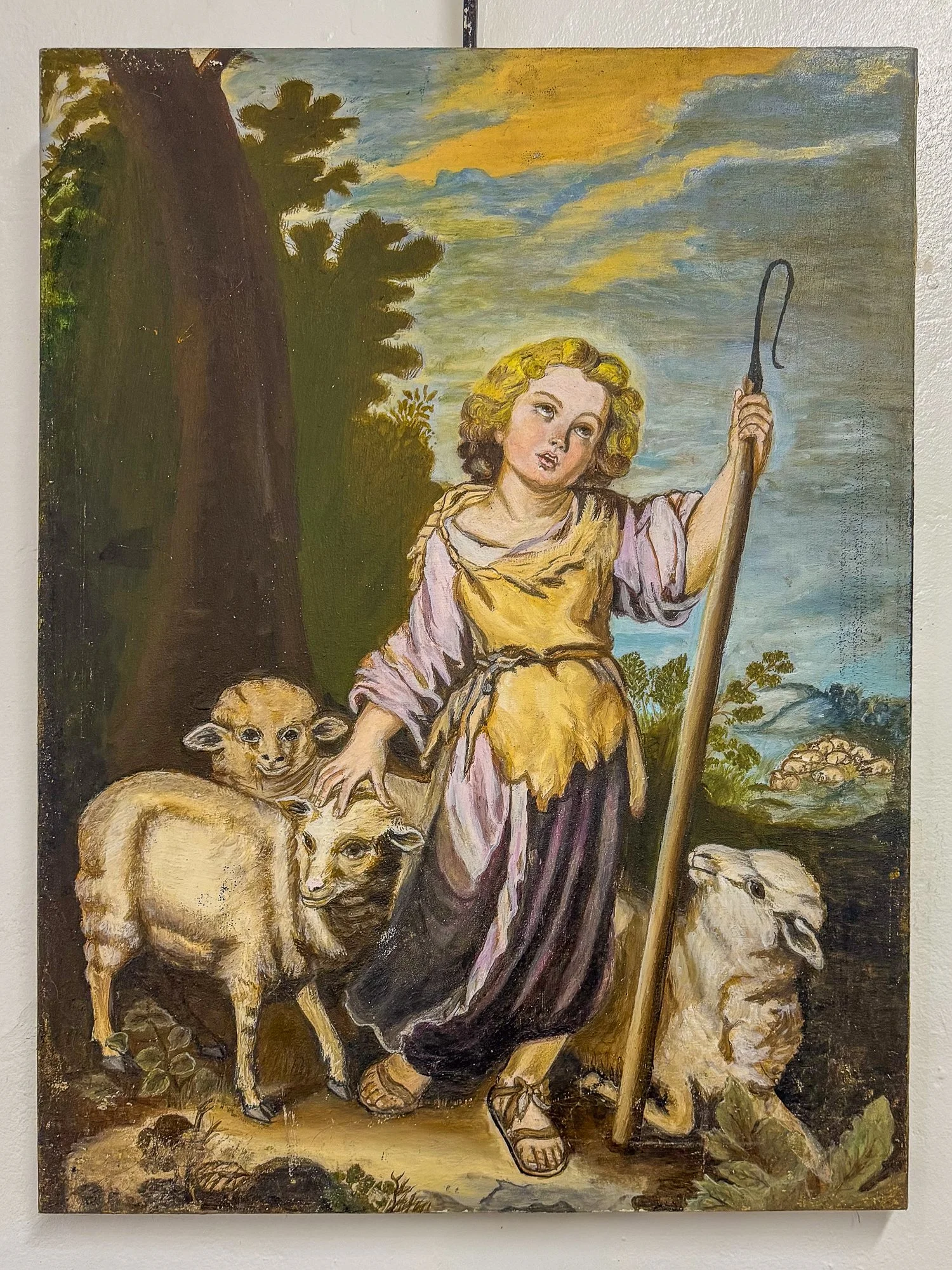
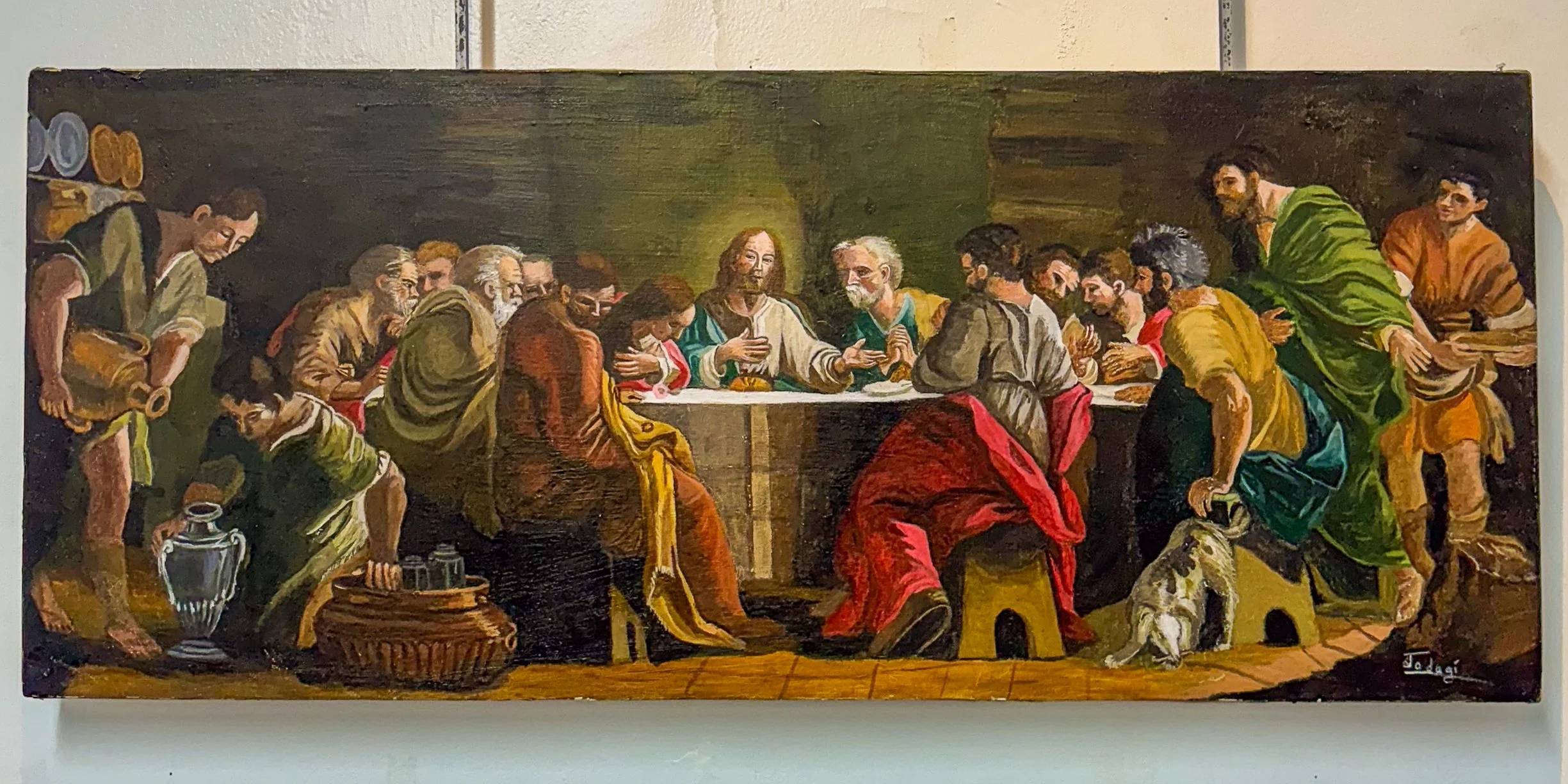
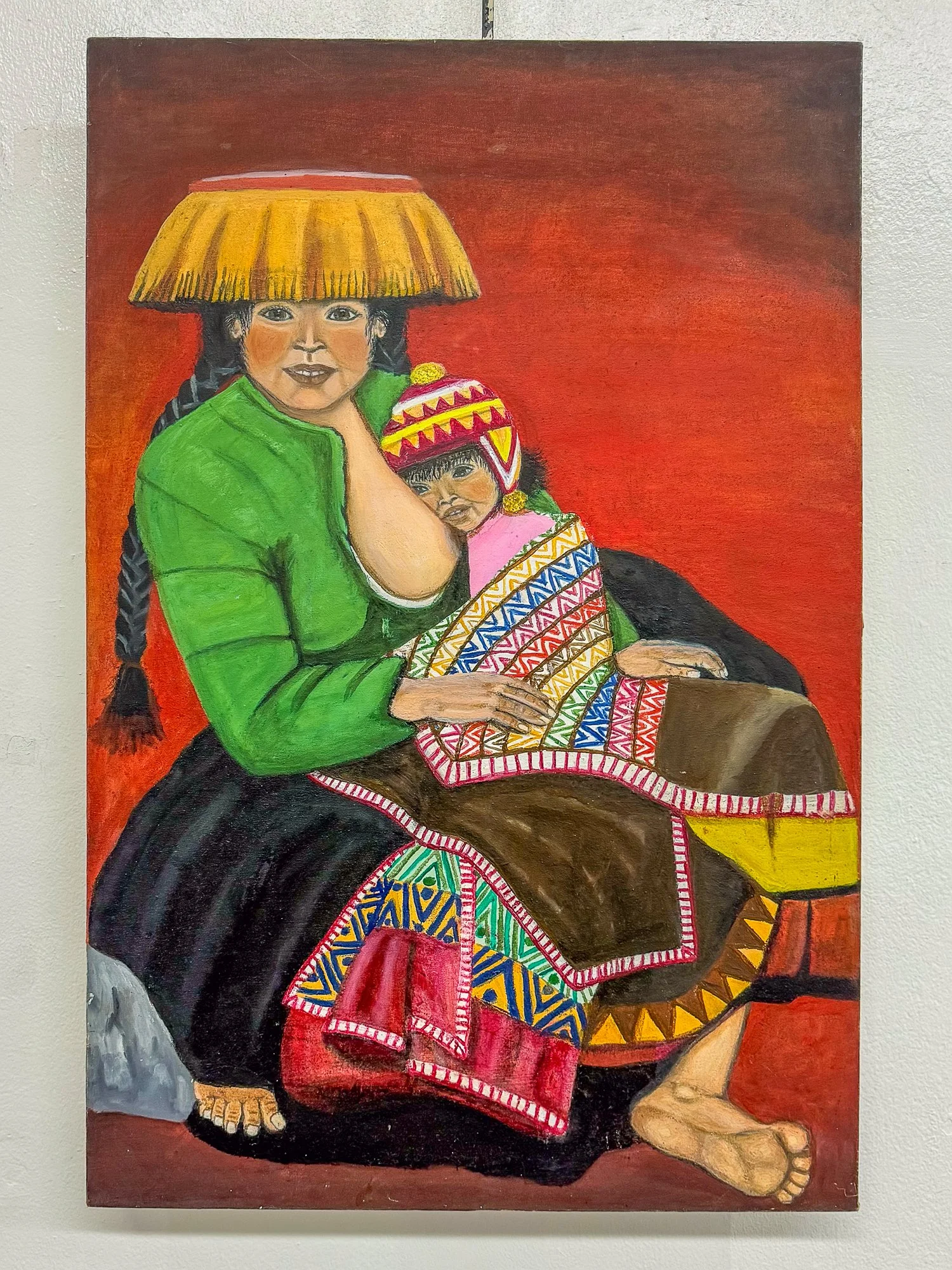
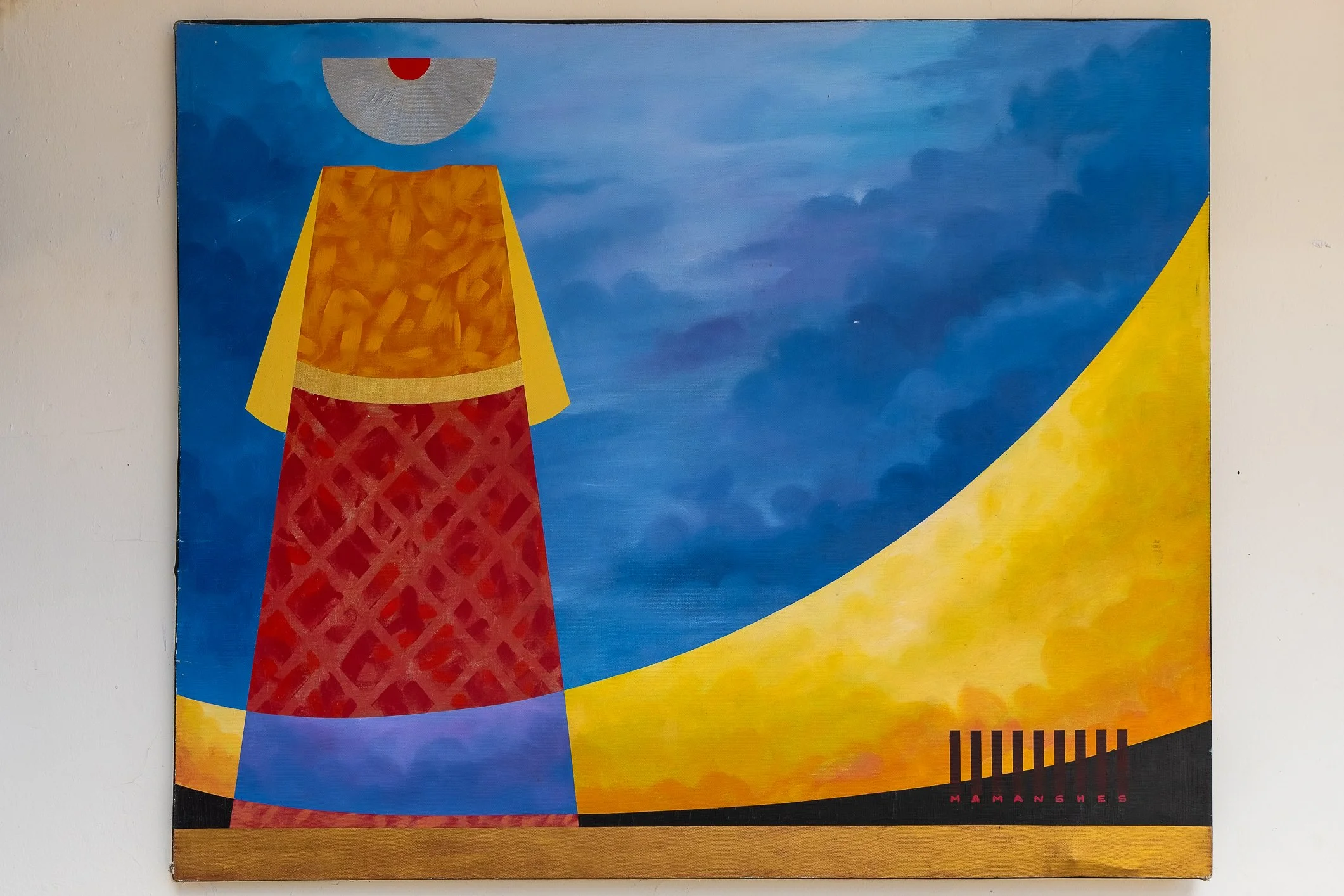
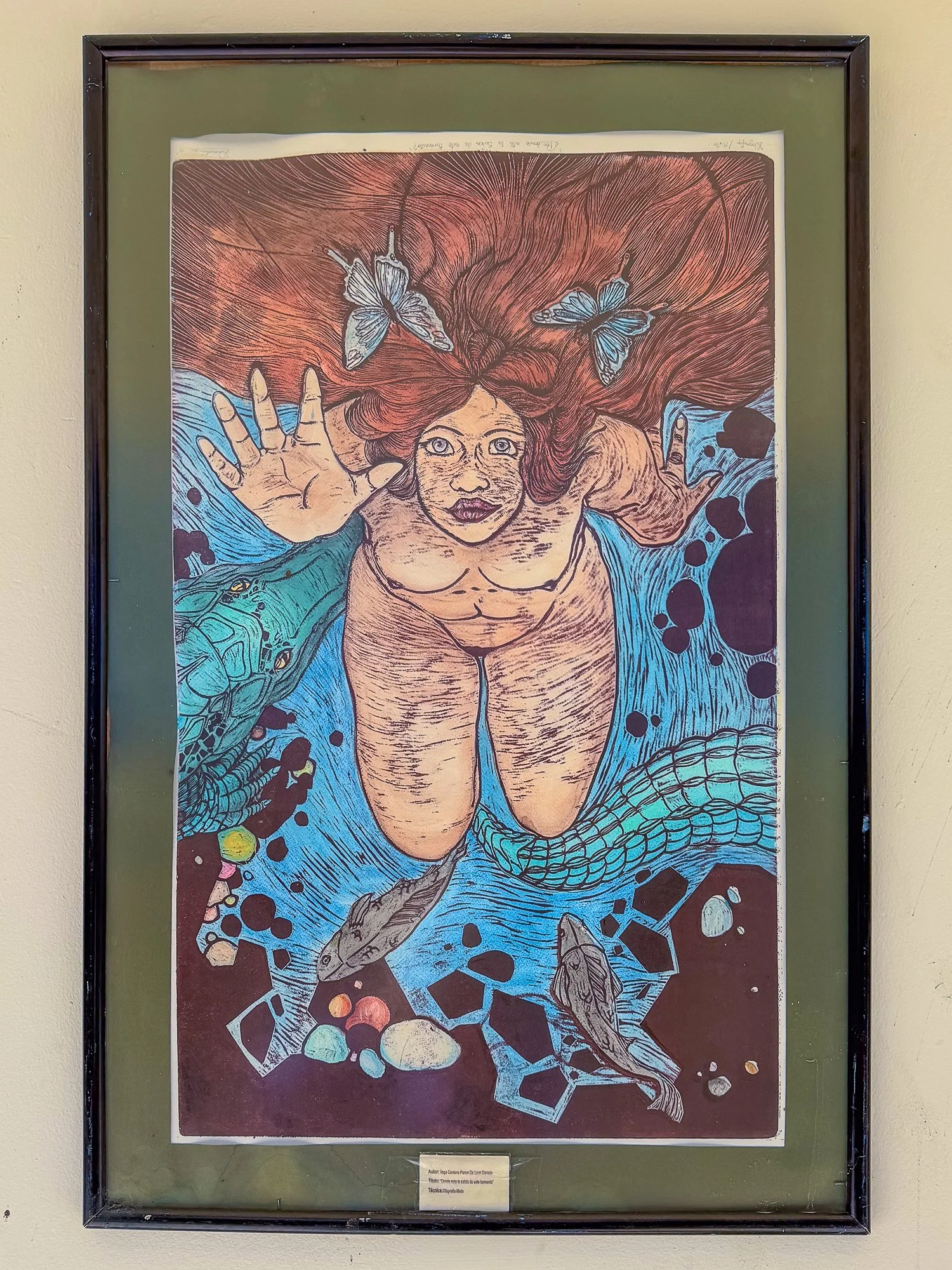
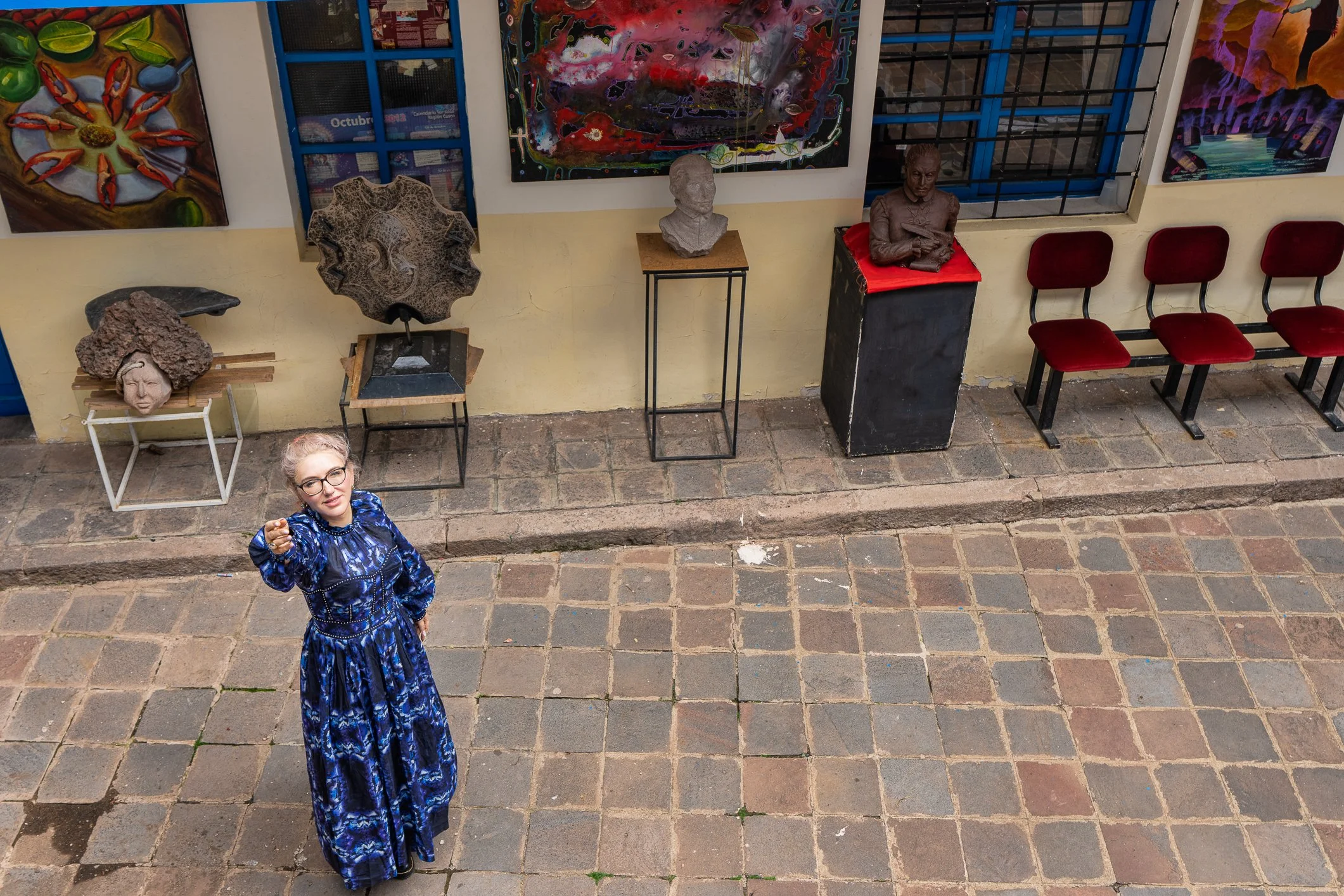
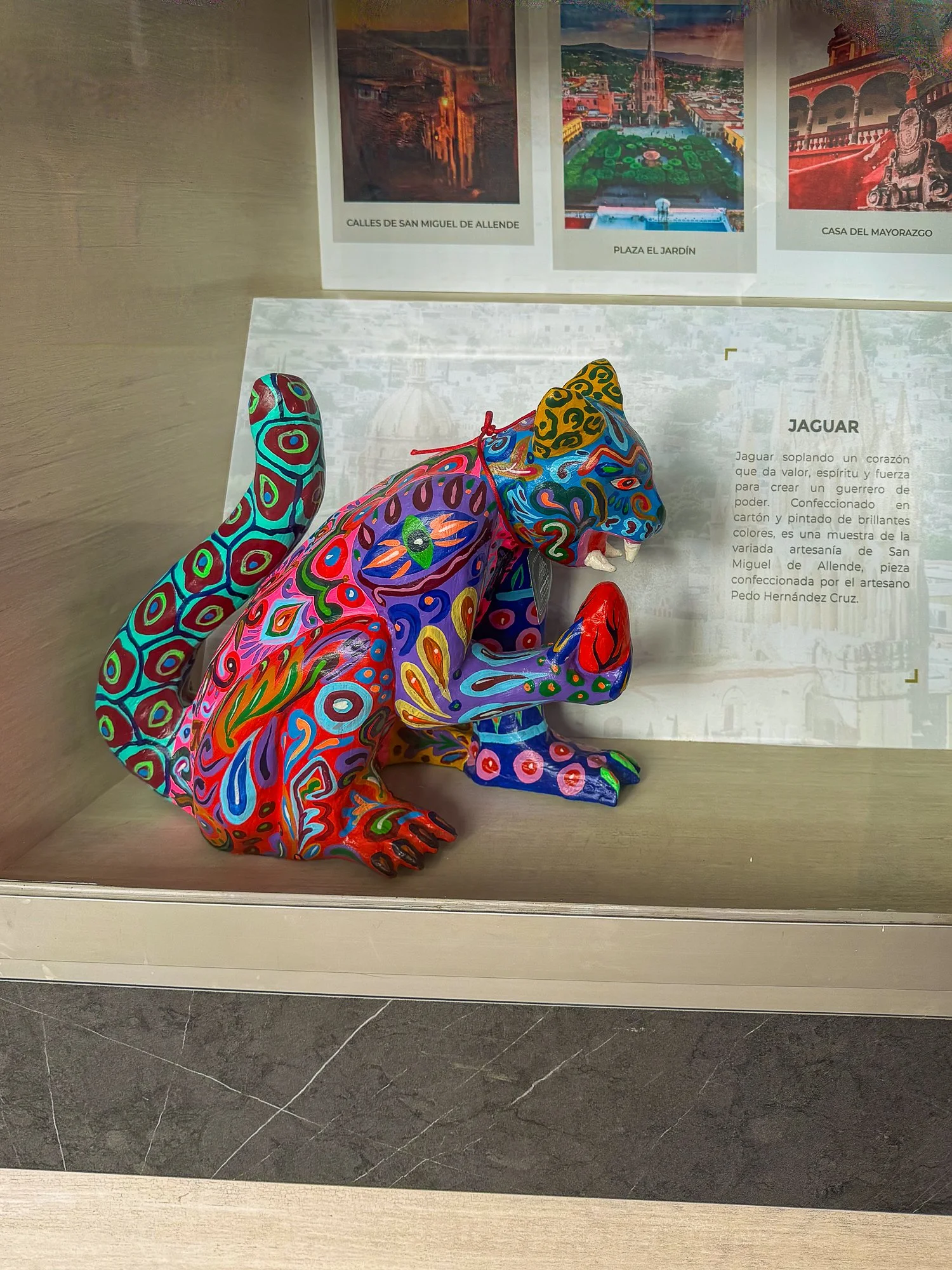
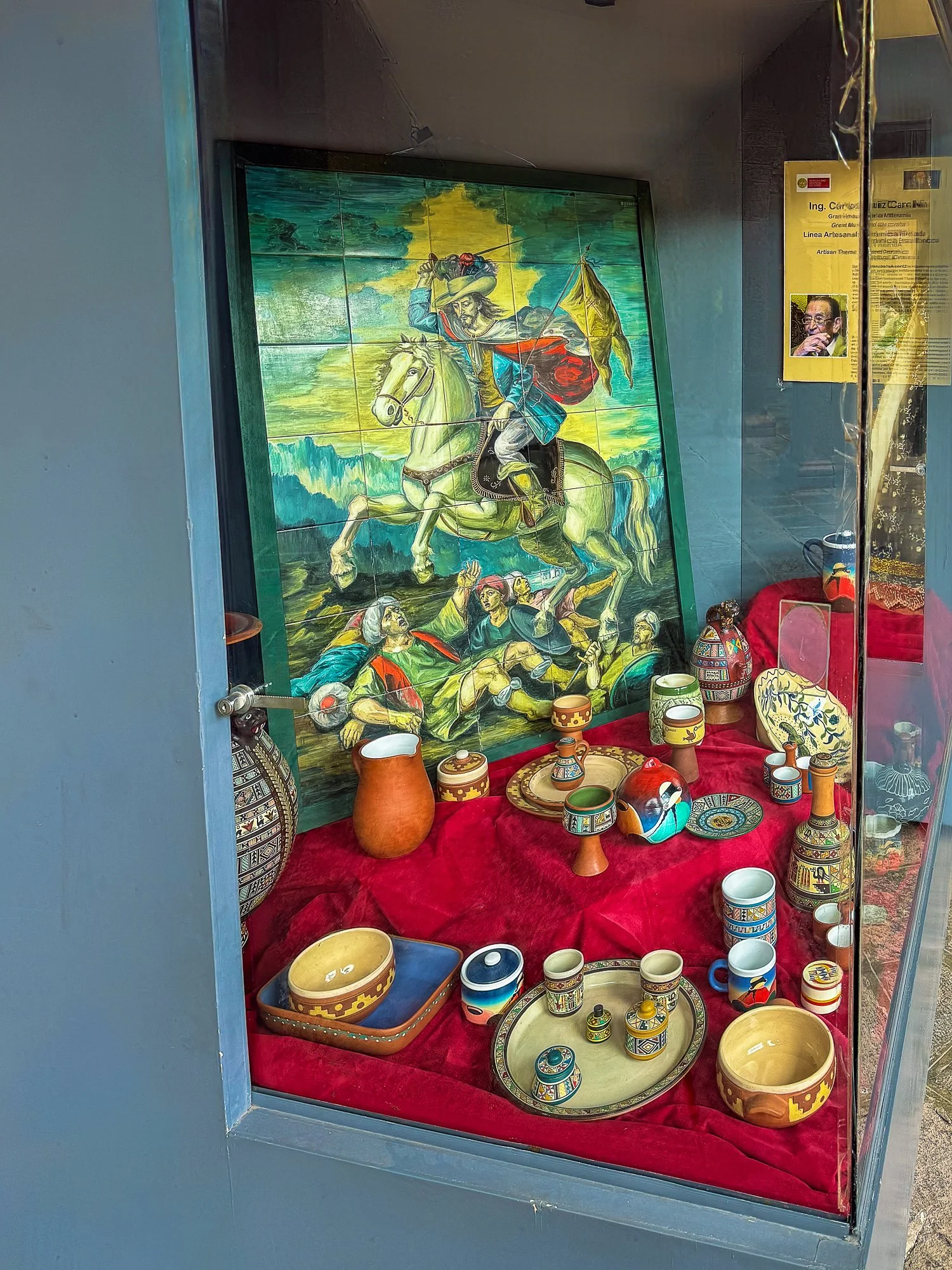
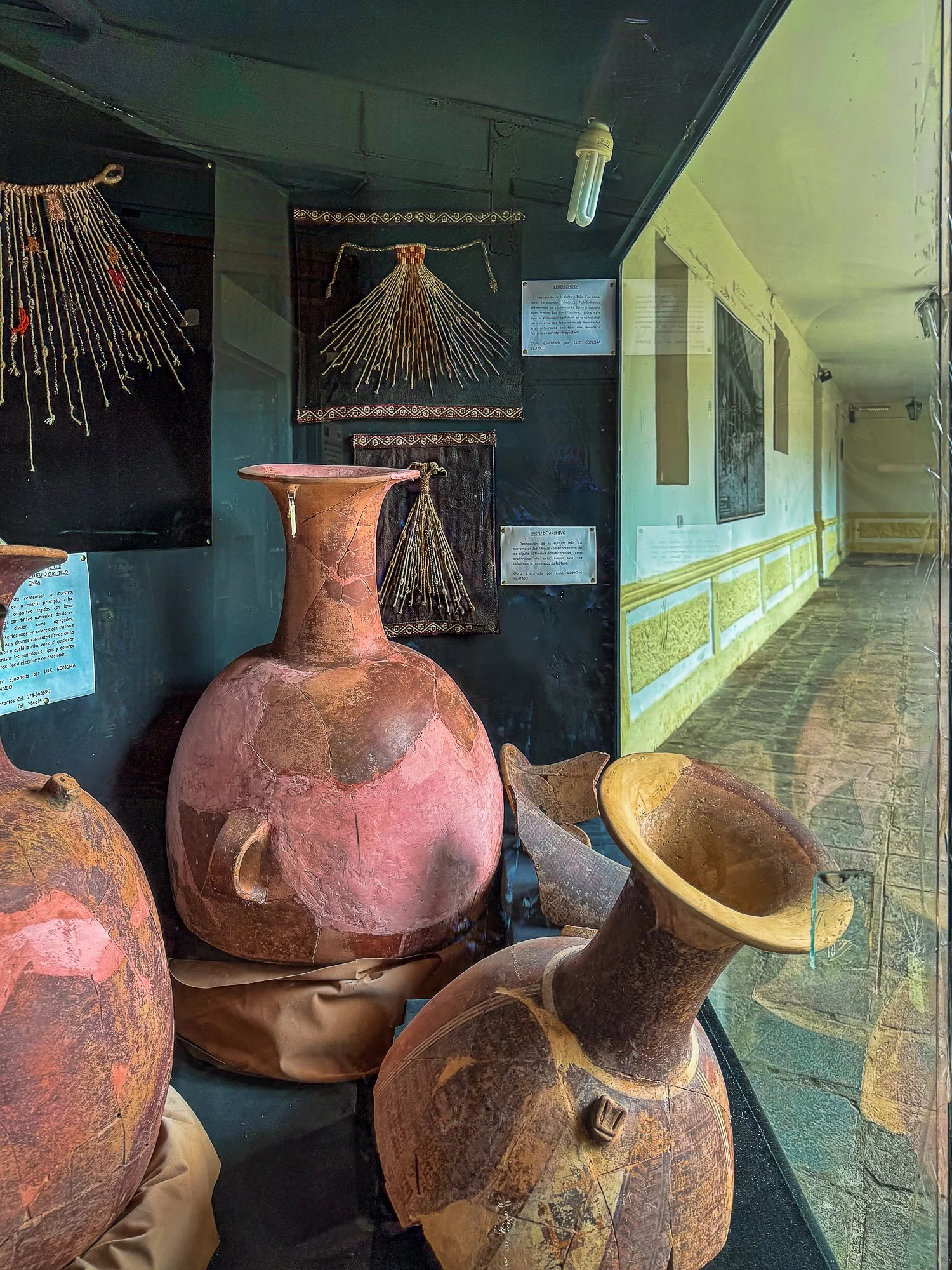
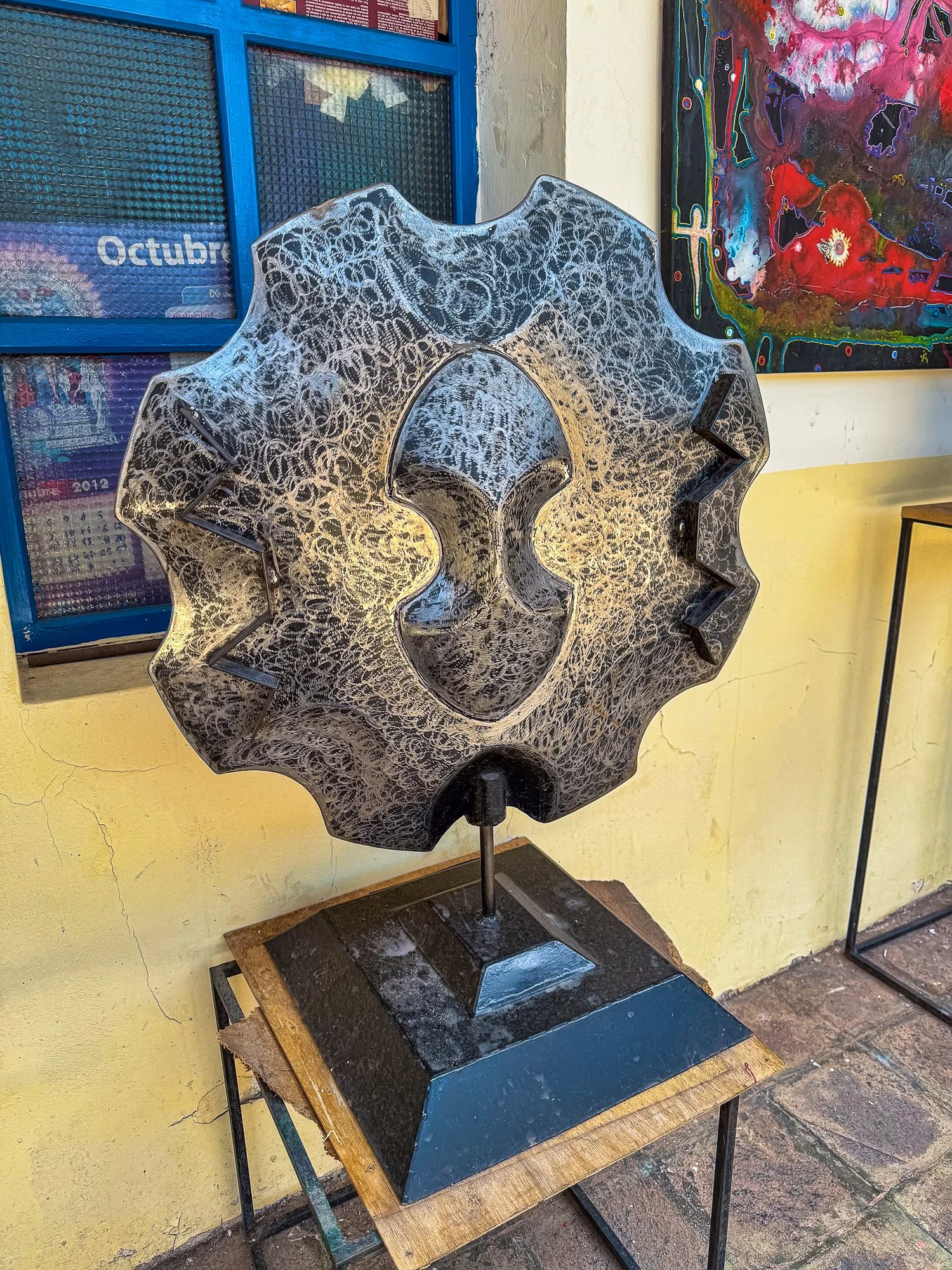
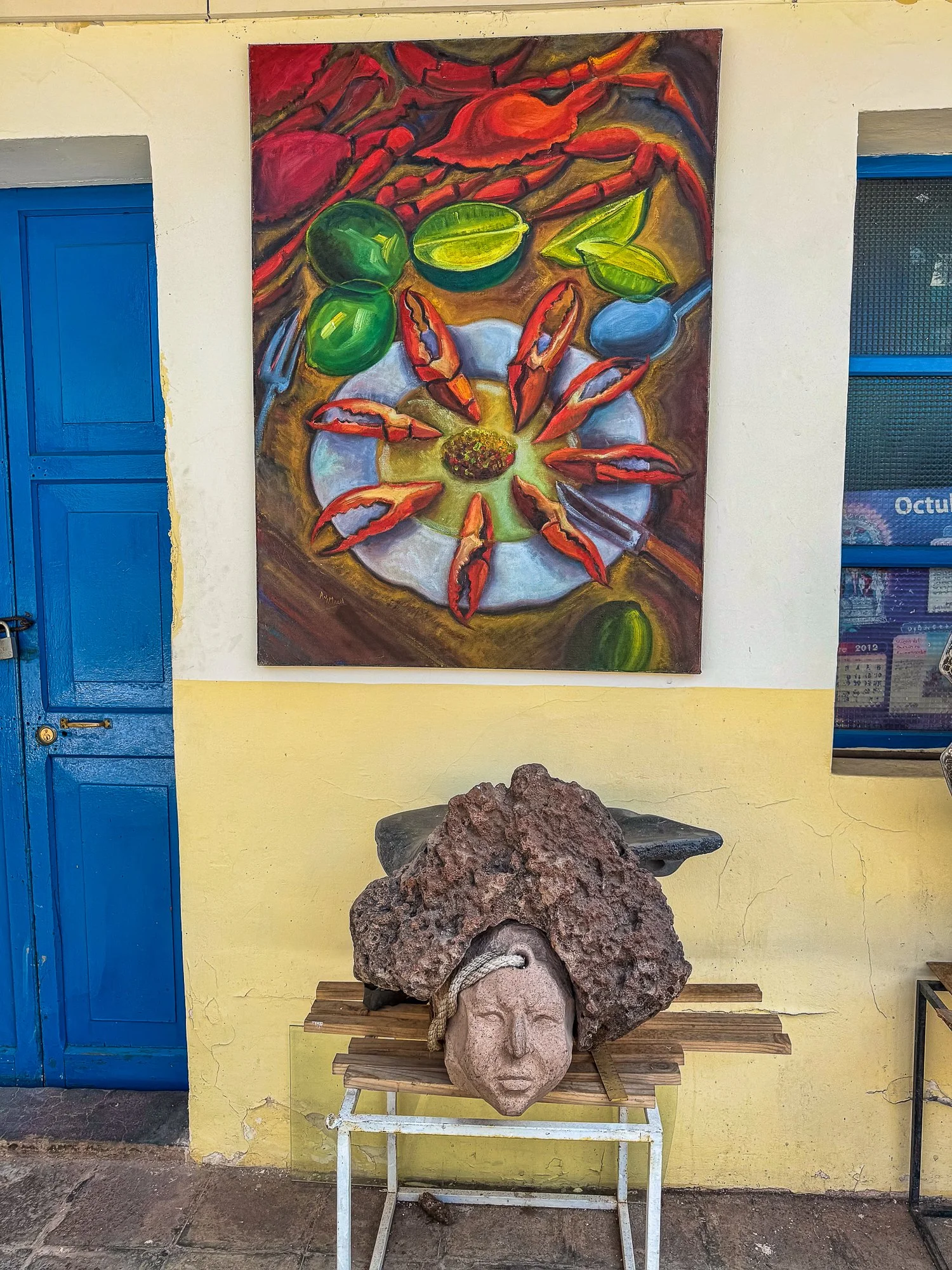
Cusqueño handicrafts and contemporary art are also on display in glass showcases around the main courtyard.


W głównym dziedzińcu można również zobaczyć ekspozycje współczesnego rękodzieła i sztuki Cusco, umieszczone w przeszklonych gablotach.

Portal de Panes and fountain controversy

The rain had been relentless during our Korean lesson that afternoon, drumming steadily against the windows, but as soon as the class concluded, the clouds parted with a sudden squint of sunlight—the kind that dappled the streets with gold, inviting us outside. With dinner still a few hours away (and snacks in our bellies), we decided to seize the moment and took a walk around the Plaza de Armas. Once the ceremonial Huacapata, the heart of the Incas, the square now echoes with the energy of tourists and locals alike. The northern and western sides overflow with small shops and cozy cafes. On the northeastern edge, the imposing cathedral stands like a guardian of the past, while the Templo de la Compañía de Jesús at the southeast corner boasts its impressive belfries.

Tego popołudnia podczas naszej lekcji koreańskiego lunął deszcz, ale gdy tylko lekcja się skończyła, deszcz także się skończył. Bardzo to było miłe z jego strony. Do obiadu było jeszcze sporo czasu (i przekąski swieżo w naszych brzuchach), postanowiliśmy więc wykorzystać tę chwilę i poszliśmy na spacer po Plaza de Armas. Kiedyś ceremonialna Huacapata, serce Inków, plac po dziś dzień jest samym pępkiem Cusco. Północna i zachodnia strona jest pełna małych sklepików i przytulnych kawiarni. Na północno-wschodnim krańcu wznosi się imponująca katedra, podczas gdy Templo de la Compañía de Jesús w południowo-wschodnim narożniku szczyci się imponującymi dzwonnicami.
We meander through the Portal de Panes, a covered cloister pavement with overhanding buildings, supported by stone pillars or arches, that is circling the plaza. It creates a rain-free and sun-shaded walking space nearly all the way around the square. The Portal de Panes used to be part of the palace of Pachacuti.
 

Okrążamy plac idąc przez Portal de Panes, kryty chodnik klasztorny z nadwieszonymi budynkami, podpartymi kamiennymi filarami i łukami, który okrąża plac. Tworzy on wolną od deszczu i zacienioną słońcem przestrzeń do spacerów niemal wokół całego placu. Portal de Panes był kiedyś częścią pałacu Pachacuti.

The ornamental fountain in the central part of the square is a cast-iron design, installed in 1872, and has quite the story to tell—one marred by a lot of controversy. Originally, it featured the figure known as “the Apache,” a striking image of a Native American named Chief Kisko. Why this figure topped the fountain instead of an Inca ruler sparked much debate. Some said it was a simple mistake during shipping; others suggested it was a peculiar choice by the rector of the local university. Even the famous explorer Hiram Bingham commented on the oddity of a Native American statue standing in the heart of the former Inca capital. In 2011, with a nod to history’s importance, the Apache statue was removed (story says it was a group of not completely sober local men who initiated it), replaced by a representation of Manco Capac, the first Inca ruler. Now, this figure proudly adorns the fountain, a testament to the city’s heritage and a reflection of its intricate past.

Ornamentalna fontanna w centralnej części placu to żeliwna konstrukcja zainstalowana tu w 1872 roku, której historia jest dość kontrowersyjna. Jeśli patrząc na jej rzeźby, myślicie, że są one tutaj - przepraszam za język - ni w pipę, ni w oko, to wcześniej było jeszcze gorzej. Pierwotnie na jej szczycie znajdowała się bowiem postać znana jako „Apacz”, uderzający wizerunek rdzennego Amerykańskiego wodza Kisko. Dlaczego to ta figura znajdowała się na szczycie fontanny, a nie reprezentacja władcy Inków jest przedmiotem wielu dyskusji. Niektórzy twierdzą, że był to zwyczajnie błąd podczas wysyłania fontanny (która była produktem masowej produkcji, zamówionej z katalogu), a inni sugerują, że był to osobliwy wybór rektora lokalnego uniwersytetu. Nawet słynny odkrywca Machu Picchu, Hiram Bingham, skomentował obecność posągu rdzennego Amerykanina stojącego w sercu dawnej stolicy Inków. W końcu, w 2011 roku, w uznaniu znaczenia historii, posąg Apacza został usunięty i zastąpiony postacią Manco Capac’a, pierwszego władcy Inków (niektórzy twierdzą, ze usunięciem Apacza zajęło się kilku mieszkańców miasta po pijaku...). Ta nowa figura Inki dumnie zdobi fontannę, będąc świadectwem dziedzictwa miasta i odzwierciedleniem jego skomplikowanej przeszłości.

As the sun dips below the horizon, casting a warm glow over the city, the lights around Plaza de Armas flicker on, bathing the entire square in golden radiance. Still wet cobblestones reflect the illumination making everything shimmer as if sprinkled with golden dust. It looks quite impressive.

PS. The church you can see on the hill is St Cristobal’s church and obviously we plan to climb there one day. The view must be respectable!

Gdy słońce chowa się za horyzontem, zapalają się światła wokół Plaza de Armas, zalewając cały plac złotym blaskiem. Nadal mokre od deszczu brukowane kamienie odbijają światło, sprawiając, że wszystko lśni, jakby posypane złotym pyłem. Wygląda to całkiem imponująco.

PS. Ten kościół, który widzicie na wzgórzu (San Cristobal)? My też już zauważyliśmy, że widok stamtąd musi być zacny i mamy w planach wizytę.

Sensoji temple first visit part 2

Next to the Main Hall stands the elegant five-storied pagoda. It represents the five elements in Buddhist cosmology: earth, water, fire, wind, and space.

The current structure dates from 1973. While it looks traditional on the outside, it’s built with a modern steel-and-concrete frame for durability. It stands 53.32 meters tall and was relocated to the left side of the Main Hall after World War II—it used to stand on the right.


Obok Głównej Sali stoi smukła, pięciopoziomowa pagoda. Reprezentuje pięć elementów w buddyjskiej kosmologii: ziemię, wodę, ogień, wiatr i przestrzeń.

Obecna pagoda pochodzi z 1973 roku. Choć z zewnątrz wygląda tradycyjnie, zbudowana jest z nowoczesnych materiałów – stali i betonu. Ma 53.32 metra wysokości. Przed wojną stała po prawej stronie głównego budynku świątyni, ale po odbudowie umieszczono ją po lewej.

In front of the Main Hall is the omikuji corner, where visitors can draw traditional fortune slips. It’s open 24/7—even when the temple itself is closed. To draw an omikuji, you shake a metal box until a numbered stick falls out. Then you find the corresponding drawer and take your fortune. There are seven levels of luck, from daikichi (大吉excellent luck or great blessing) to daikyou (大凶terrible luck). If you like your fortune, you take it home. If you don’t like it and you don’t want it to come true, tie the omikuji to a wire rack nearby to leave the bad luck behind in hope to find a better one.


Przed głównym budynkiem świątyni znajduje się punkt omikuji, czyli miejsce z tradycyjnymi wróżbami. Wróżby można losować przez całą dobę, nawet gdy sama świątynia jest zamknięta.

Aby znaleźć swoją wróżbę, potrząsa się metalowym pojemnikiem, aż wypadnie patyczek z numerkiem. Znajduje się wowczas szufladkę z tym samym numerkiem i wyciąga los. Istnieje siedem poziomów szczęścia – od daikichi (wielkie błogosławieństwo) po daikyou (wielki pech).

Jeśli wróżba jest pomyślna – zabierasz ją ze sobą do domu. Jeśli nie, można przywiązać ją do stojaka, zostawiając zły los za sobą.

There are several smaller shrines and statues scattered throughout the temple grounds. We pass by Yakushidō Hall, built around 345 years ago. It is one of the oldest surviving buildings in the entire complex.

A short walk brings us also to Awashimadō Hall, dedicated to Awashima Myojin, a deity associated with women’s health, childbirth, and protection. Every year on February 8th, the traditional ritual of Harikuyō is performed here. Used and broken sewing needles are gently inserted into blocks of tofu or konjac and offered with gratitude, giving the humble tools symbolic rest after a lifetime of service.

Nearby, a small landscaped stream winds through the garden, home to colorful koi carp. There are also several stone statues and figures tucked into corners or beside footpaths.

Na terenie świątyni znajduje się kilka mniejszych kapliczek i posągów. Pacerując, mijamy kaplicę Yakushidō, wzniesioną około 345 lat temu. To jeden z najstarszych zachowanych budynków w całym kompleksie.

Niedaleko znajduje się też  kaplica Awashimadō, poświęcona Awashimie Myōjin – bóstwu opiekującemu się zdrowiem kobiet, ciążą i porodem. Co roku, 8 lutego, odbywa się tutaj tradycyjny rytuał Harikuyō – zużyte i złamane igły do szycia wkłada się ostrożnie w tofu lub konjac i ofiarowuje jako wyraz wdzięczności. To symboliczny gest zapewnienia tym przedmiotom odpoczynku po latach wiernej służby.

Ogrody przecina strumień, w którym mieszkają kolorowe karpie koi. Są tu także kamienne posągi i figury, ustawione przy ścieżkach lub w zakamarkach ogrodu.

A short walk to the east brings us to Asakusa Jinja, a Shinto shrine much smaller than Sensoji. Dedicated to the two brothers and their village chief who founded Sensoji, it likely dates back to the late 12th century, with the current structure built in 1649. Remarkably, it survived numerous fires, the Great Kantō Earthquake of 1923, and the 1945 firebombing, making it one of the oldest surviving structures in Tokyo.

Guarding the path to the shrine and keeping away evil spirits are two komainu (lion–dog guardians). Komainu are often found at Shinto shrines, and typically, one is depicted with an open mouth, and the other has a closed mouth, symbolizing the beginning and end of all things.

The main hall’s facade is beautifully decorated with carvings of dragon motifs, phoenixes, and kirin—symbolic animals representing peace, happiness, and divine safeguarding.

We also notice a fountain with three dragon figures under a small roof. In Japanese belief, dragons are water spirits that bring rain to ward off fire, offering protection and prosperity.

Krótki spacer w kierunku wschodnim prowadzi nas do Asakusa Jinja – świątyni shintō, znacznie mniejszej niż Sensoji. Poświęcona jest ona dwóm braciom i naczelnikowi wioski, którzy założyli Sensoji. Jej początki sięgają prawdopodobnie końca XII wieku, a obecna struktura została wzniesiona w 1649 roku. Co niezwykłe, świątynia przetrwała liczne pożary, wielkie trzęsienie ziemi w Kantō w 1923 roku oraz bombardowania z 1945 roku, co czyni ją jednym z najstarszych zachowanych budynków w Tokio.

Ścieżki do świątyni strzeże para komainu – lwopodobnych psów, mających za zadanie odpędzać złe duchy. Komainu są częstym elementem świątyń shintō – jeden z nich ma zazwyczaj otwartą paszczę, drugi zamkniętą. Symbolizuje to początek i koniec wszelkich rzeczy.

Fasada głównej hali jest zdobiona rzeźbieniami przedstawiającymi smoki, feniksy i kiriny – mityczne stworzenia symbolizujące pokój, szczęście i boską opiekę.

Naszą uwagę przyciąga również fontanna z trzema smokami ukryta pod niewielkim daszkiem. W japońskich wierzeniach smoki są duchami wody, które sprowadzają deszcz chroniący przed ogniem, przynosząc ochronę i pomyślność.

Instead of heading back via Nakamise-dōri, we followed the path behind it, which was far less crowded and full of quirky souvenir shops and little eateries. From here, we turn right and are heading to Tokyo Skytree, one of the tallest structures in the world, for some breathtaking panoramic views of the city.

Practicalities: To reach Sensoji, take the Asakusa Subway Line to Asakusa Station—a short walk from the temple. The station is also served by the Ginza Line and the Tobu Skytree Line.


Zamiast wracać przez zatłoczoną ulicę Nakamise-dōri, wybraliśmy ścieżkę biegnącą za nią – znacznie mniej uczęszczaną, za to pełną oryginalnych sklepików z pamiątkami i małych knajpek. Stamtąd odbijamy w prawo i ruszamy w stronę Tokyo Skytree – jednej z najwyższych konstrukcji na świecie – by podziwiać zapierającą dech w piersiach panoramę miasta.

Informacje praktyczne: aby dotrzeć do Sensoji, należy wsiąść w linię metra Asakusa i wysiąść na stacji Asakusa – to tylko krótki spacer od świątyni. Stacja ta jest również obsługiwana przez linię Ginza oraz Tobu Skytree Line.