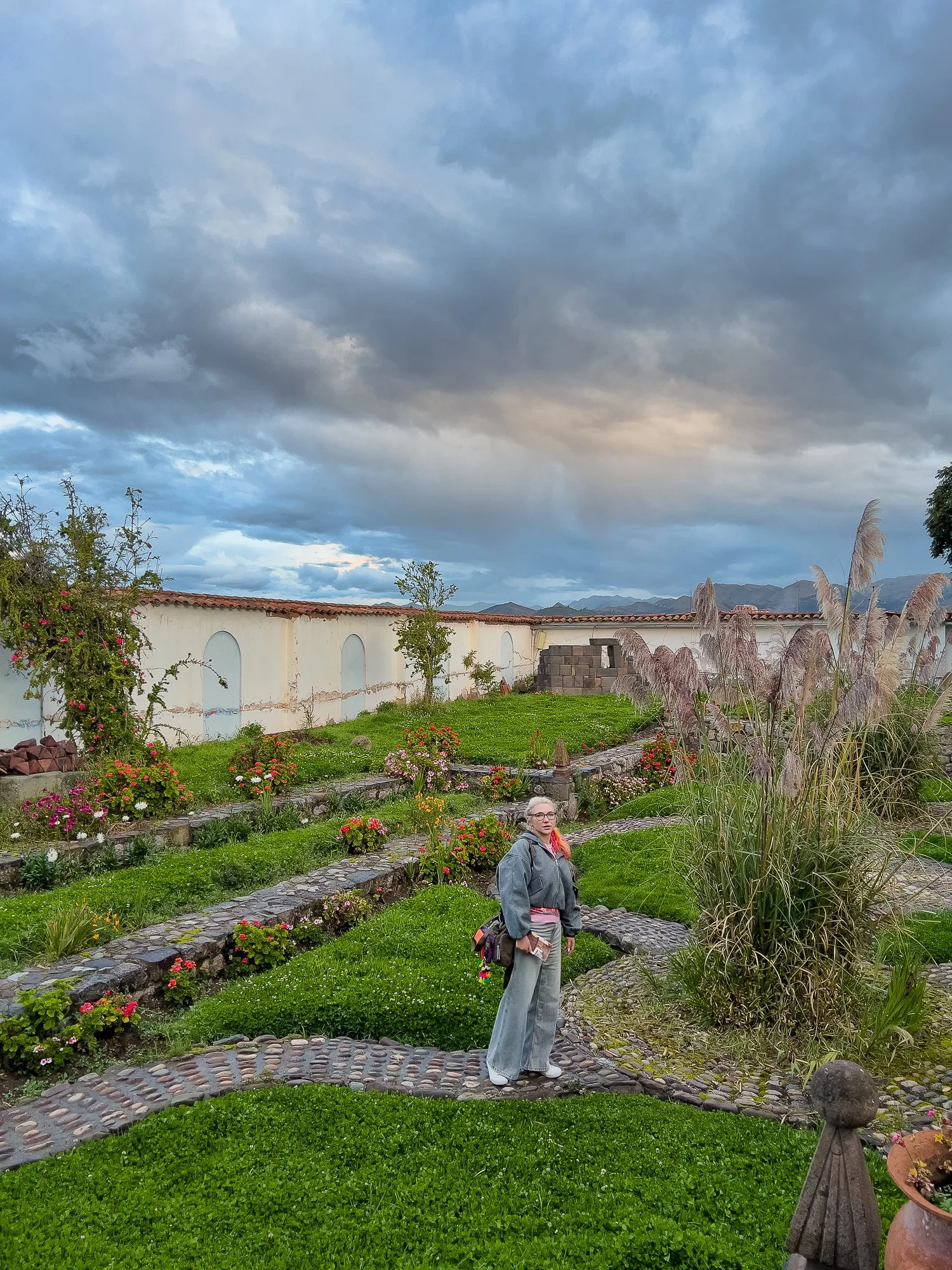
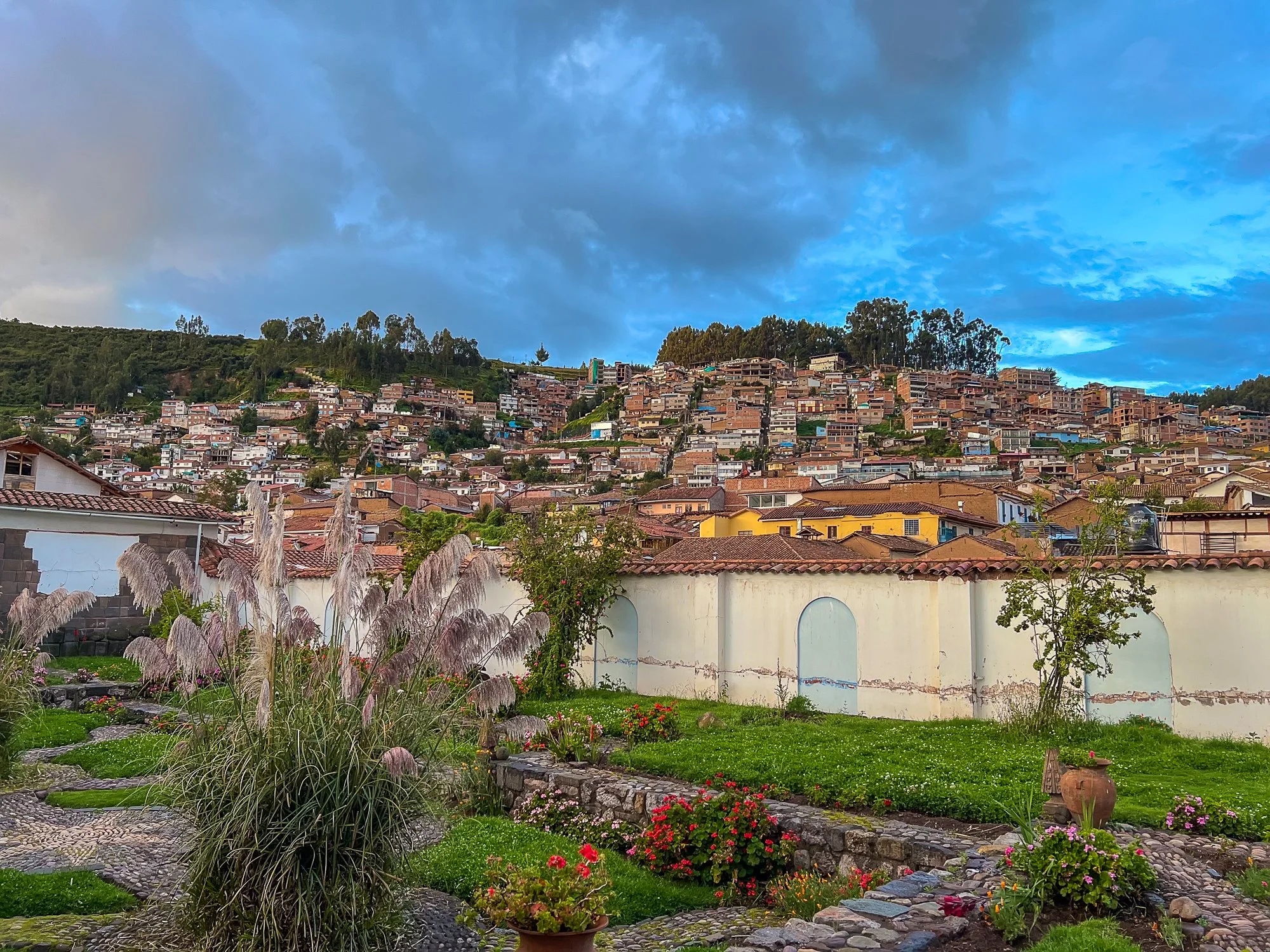
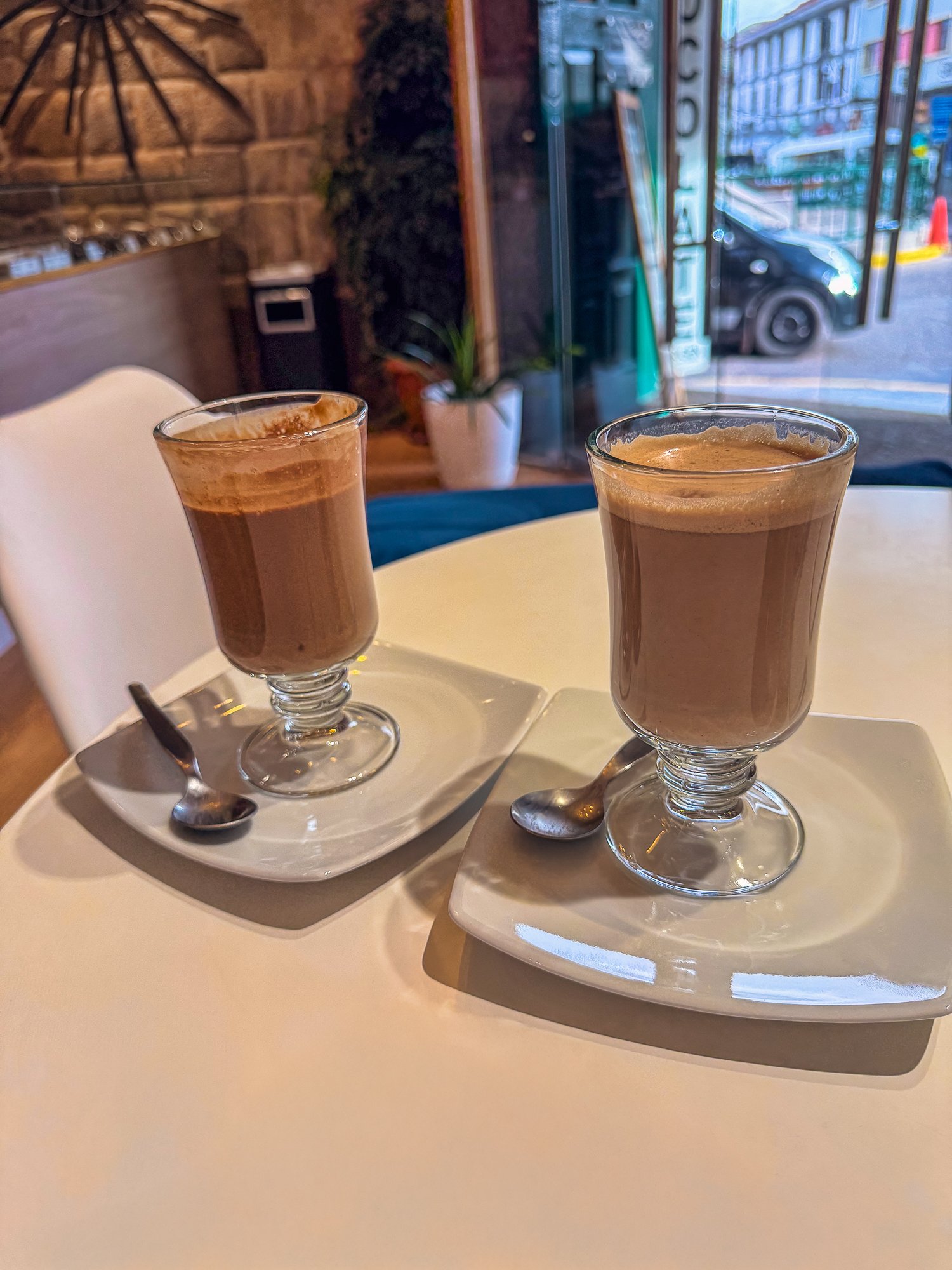
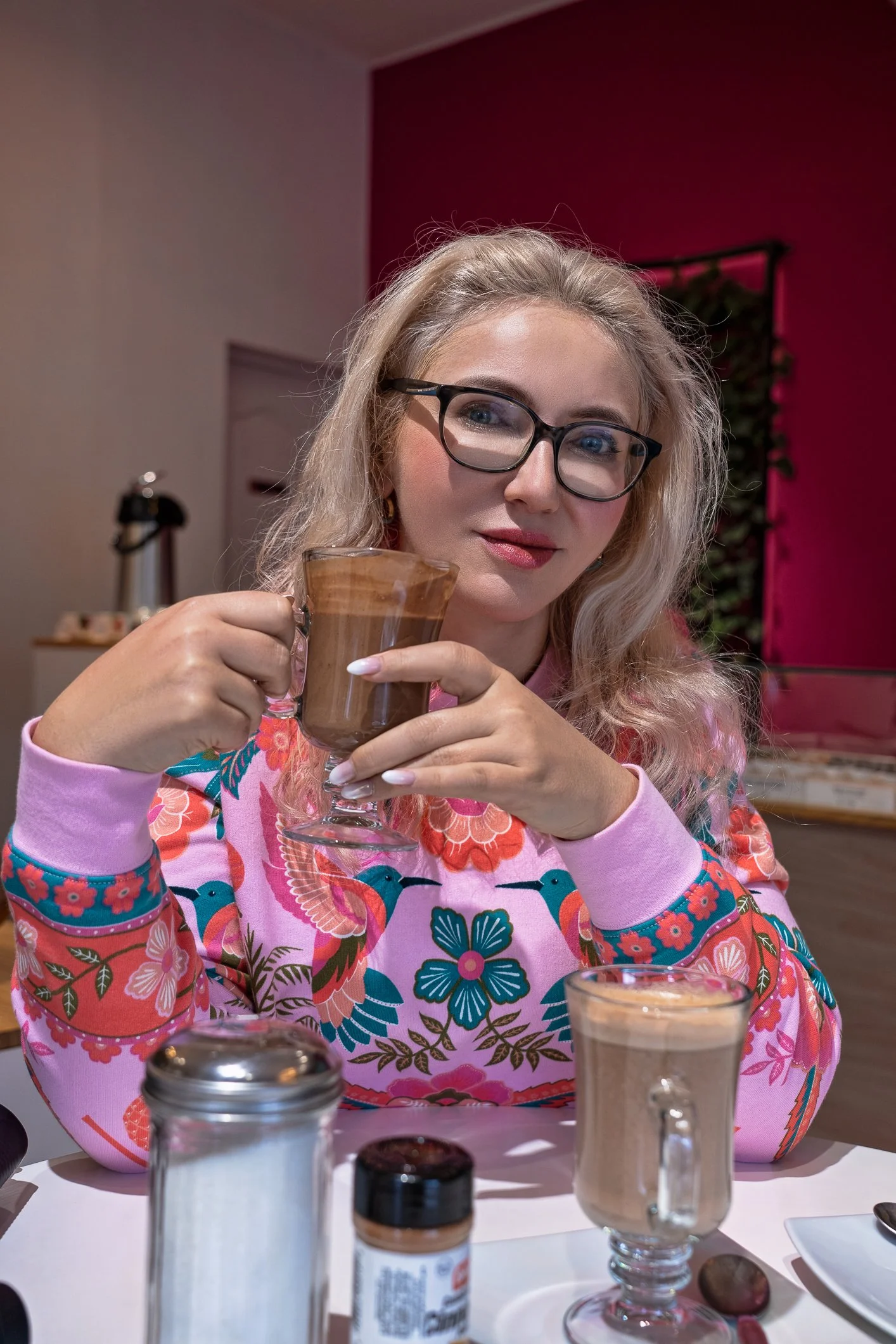
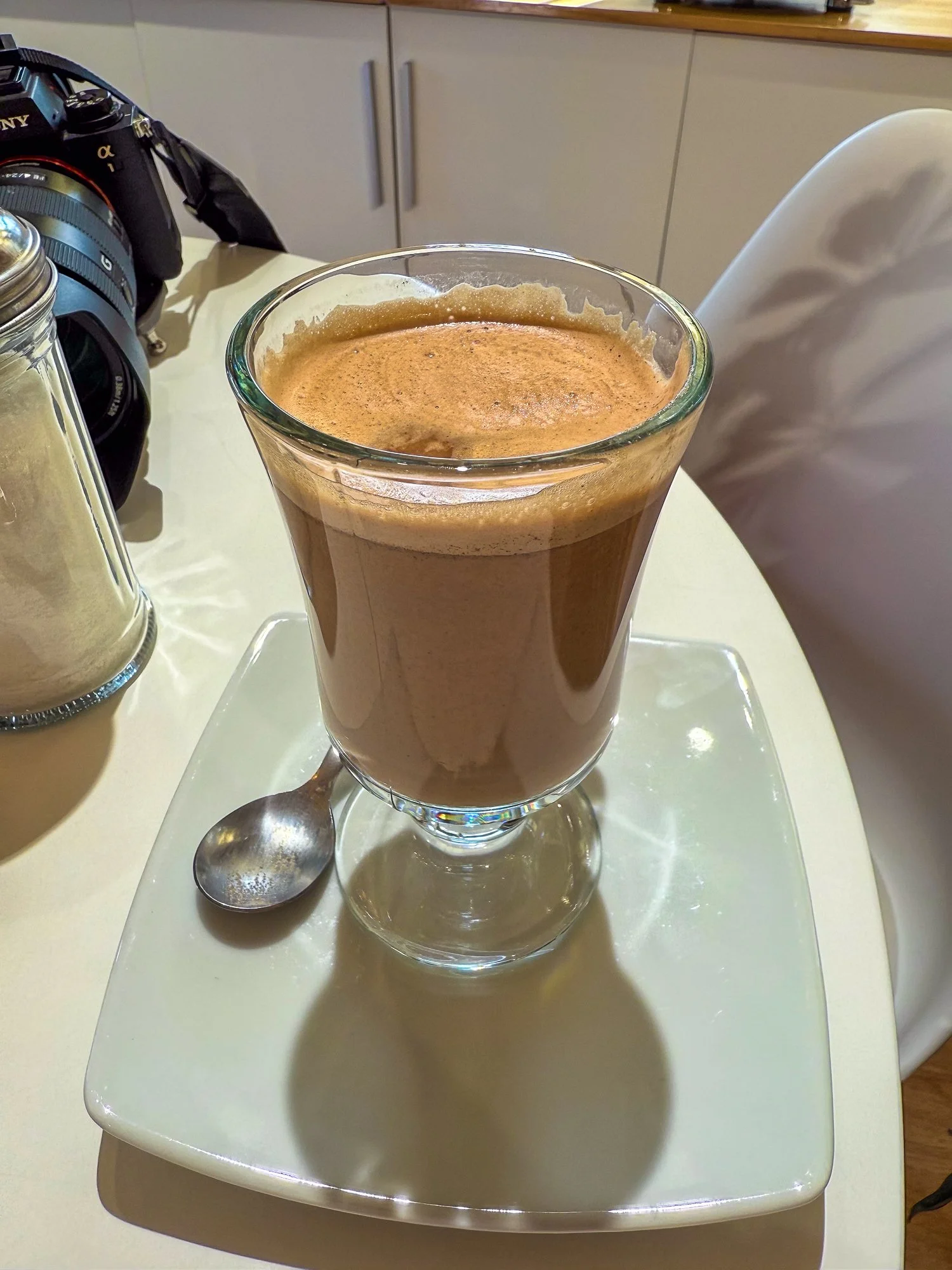
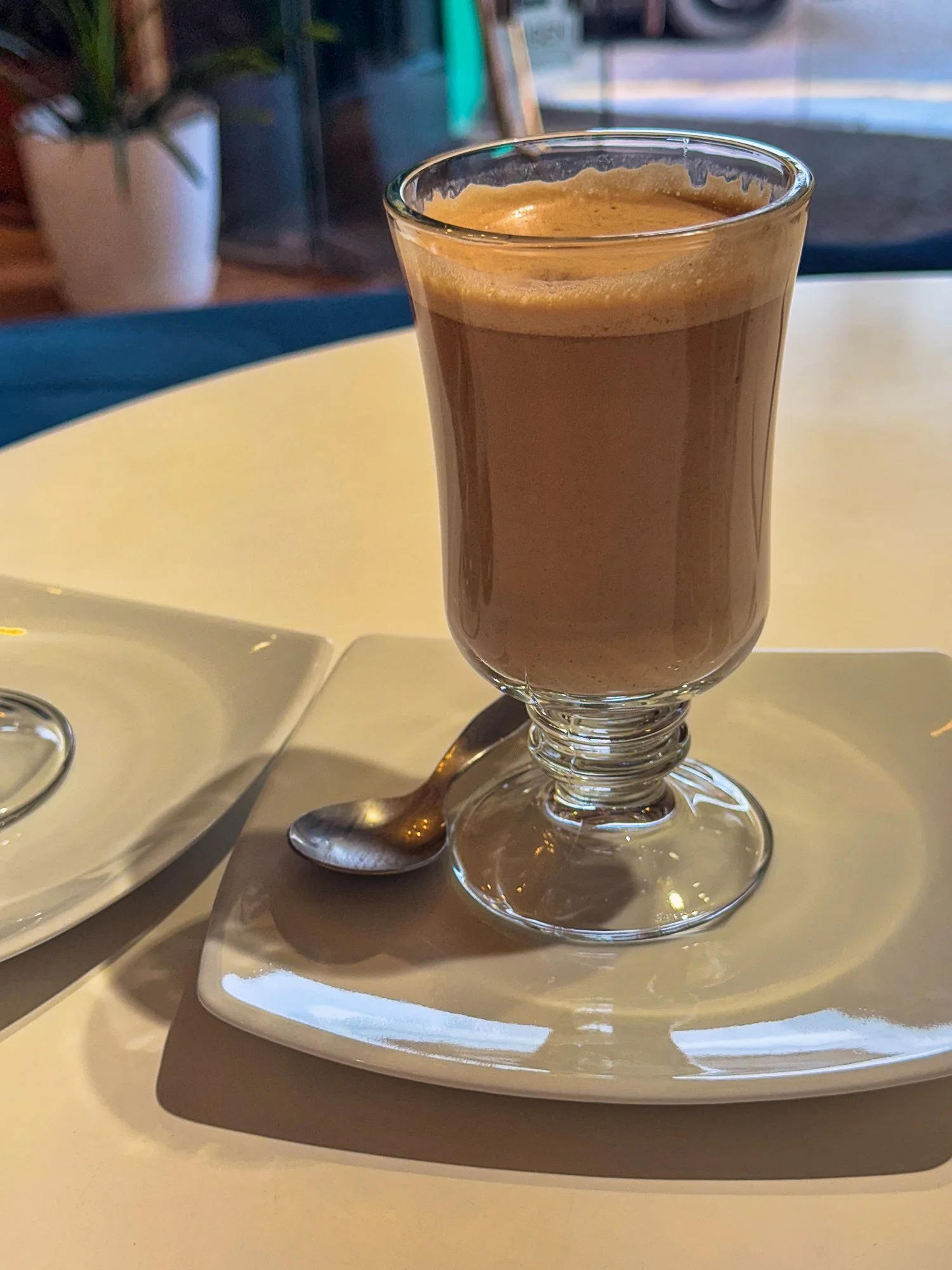
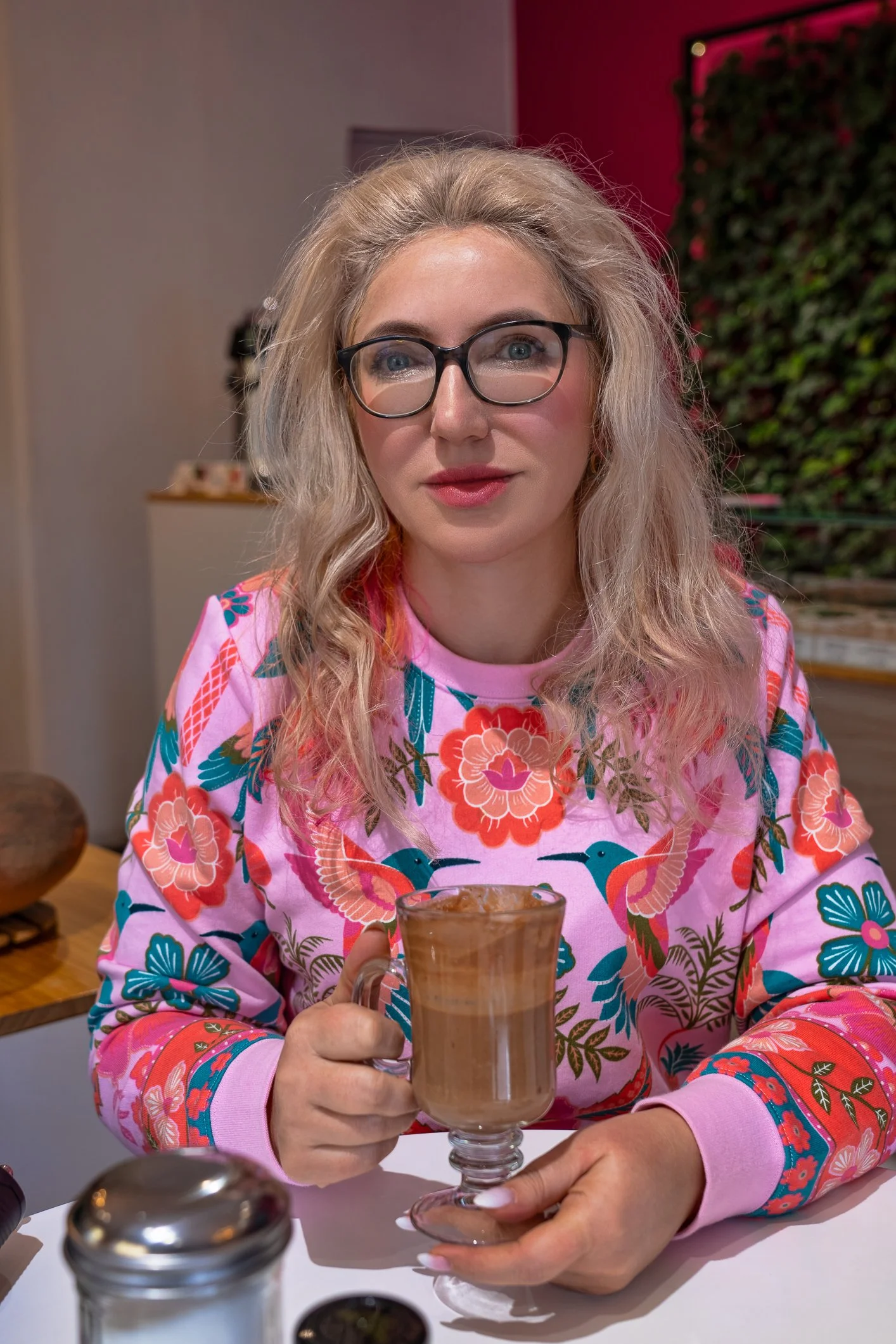
Our first hotel in Cusco, Plaza de Armas, may have been relatively modest, but its location was impossible to beat. A balcony overlooking the cathedral, hot chocolate in hand, and the city's main square at your feet – it was ridiculously good value. For our next two nights, however, we traded the front-row view for a history lesson, with a solid splash of luxury.
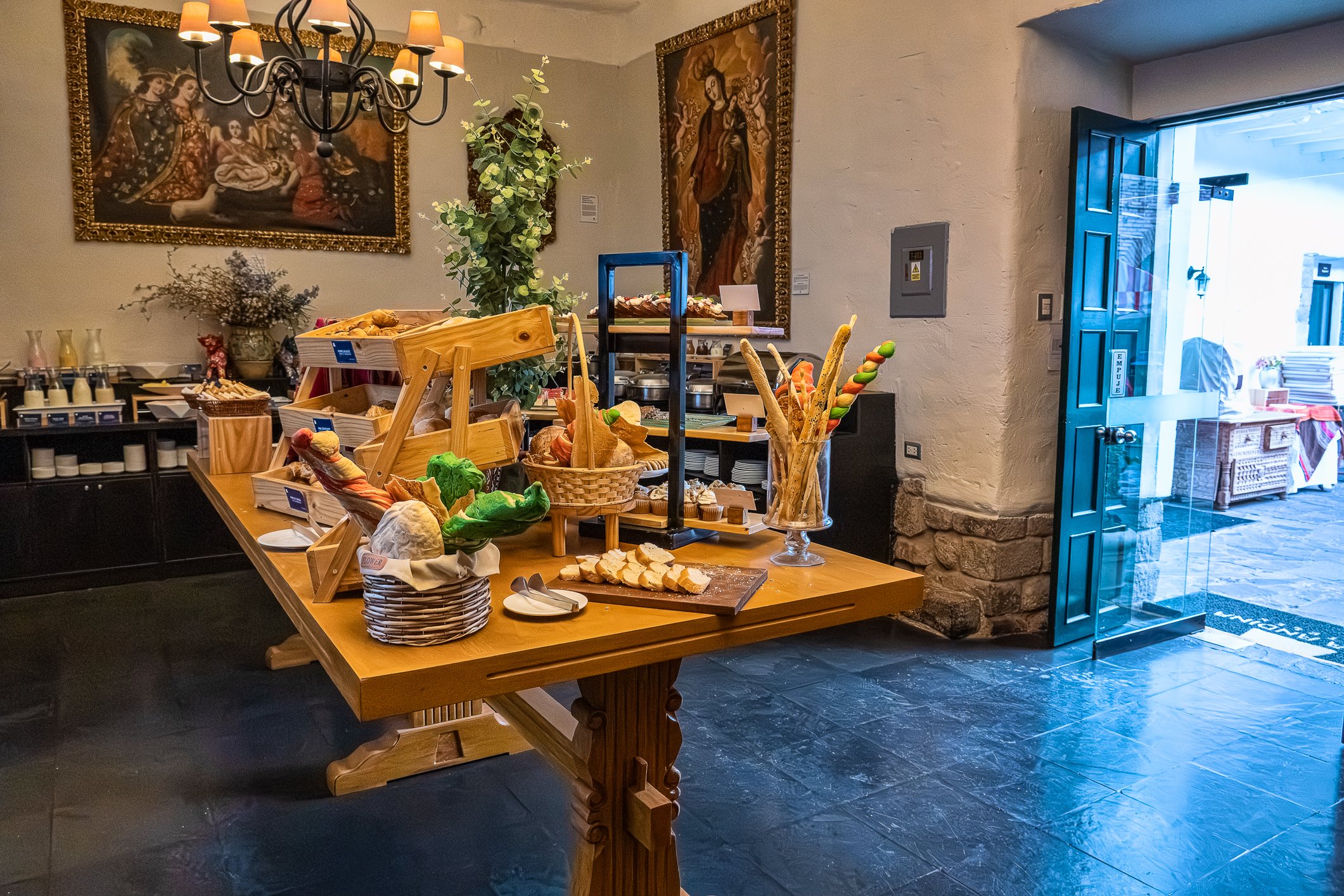
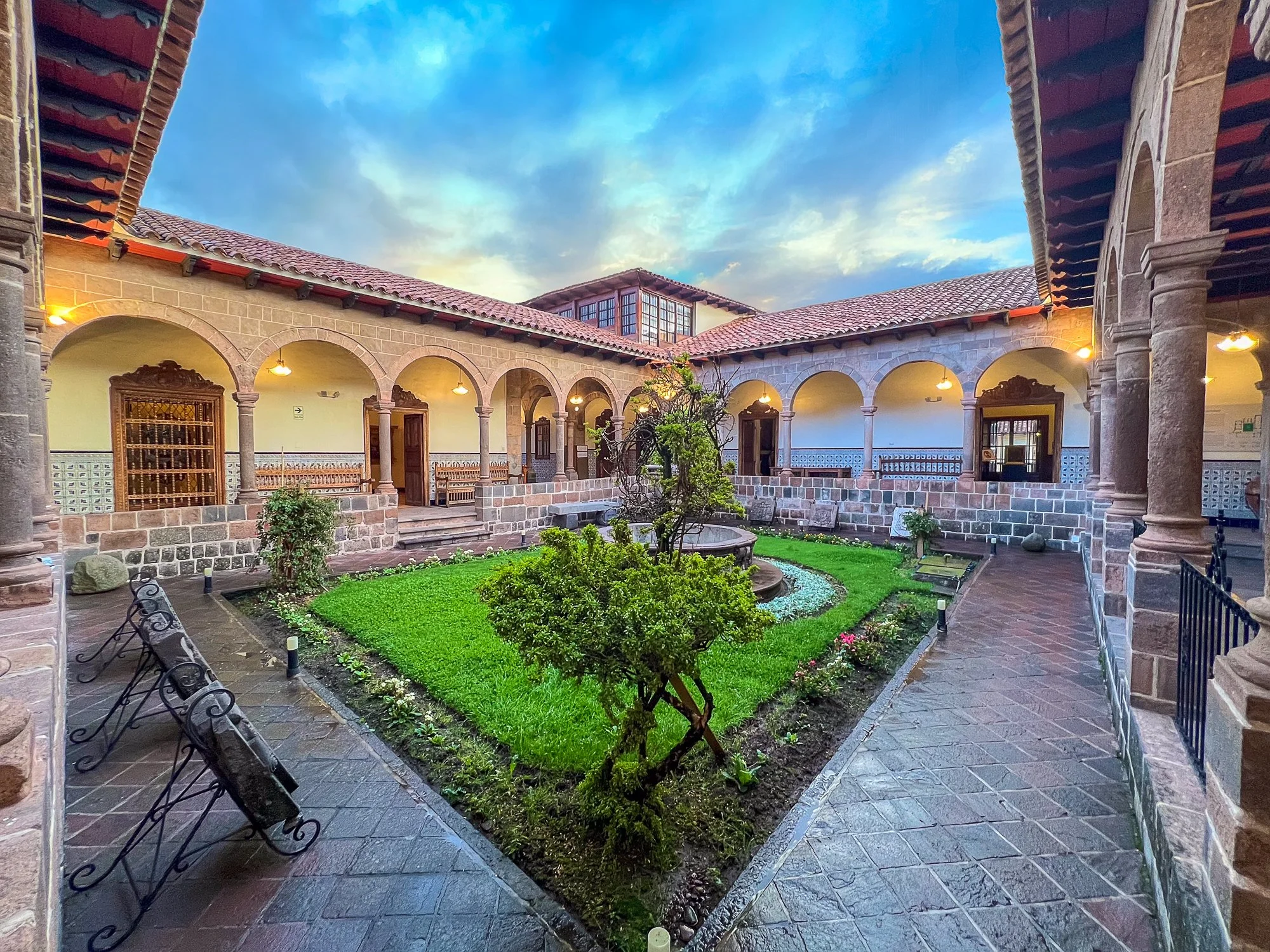
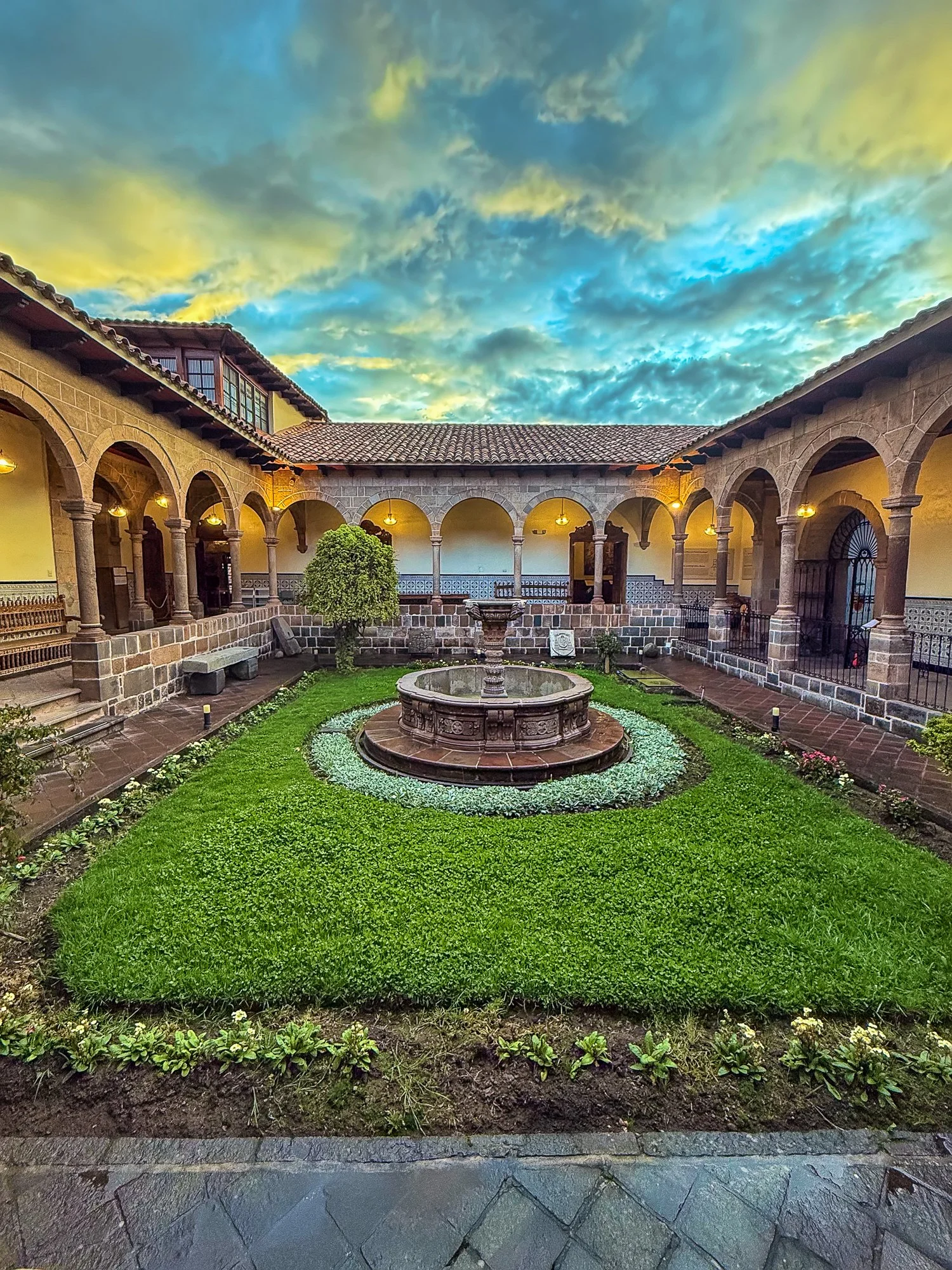
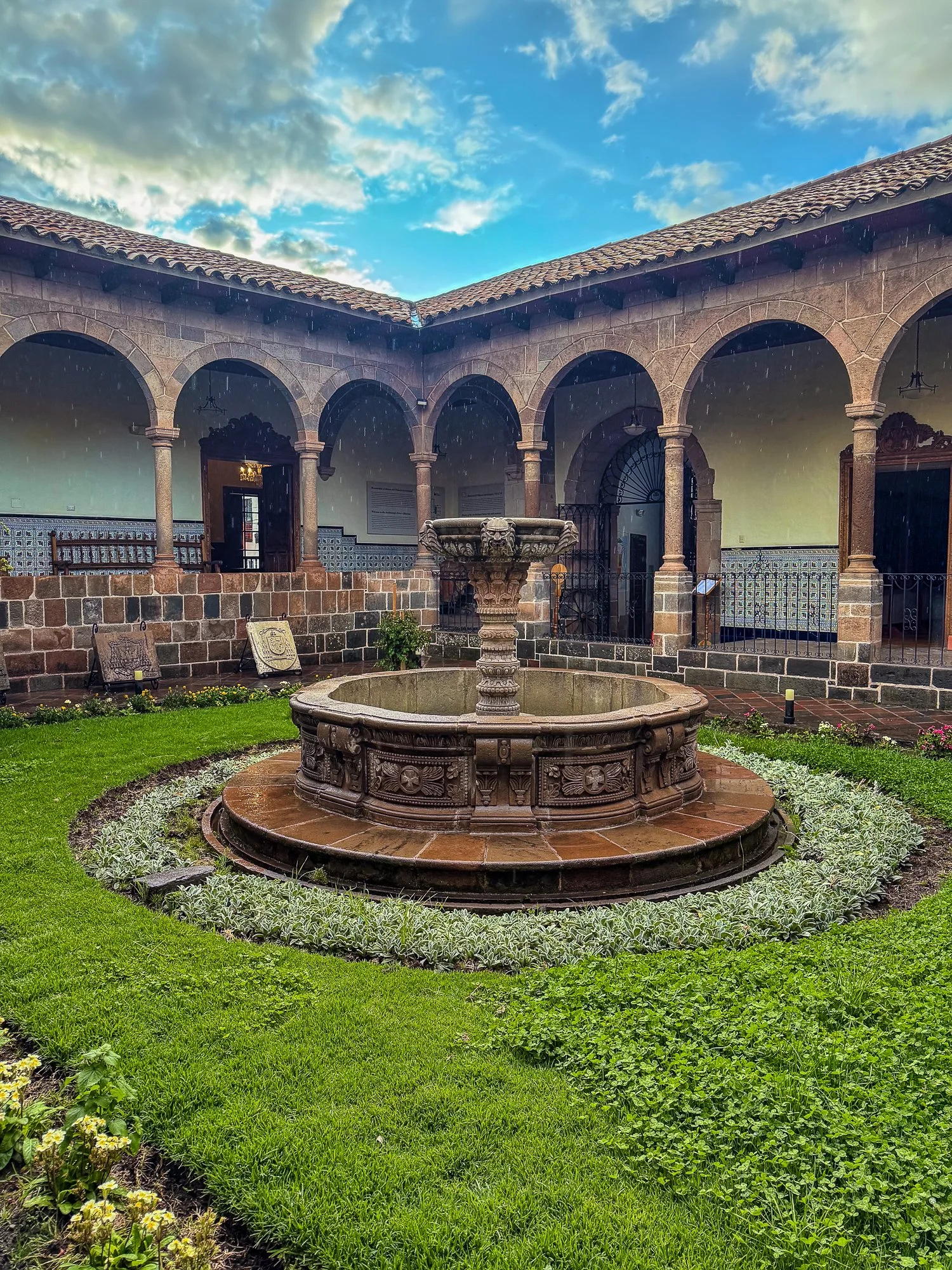
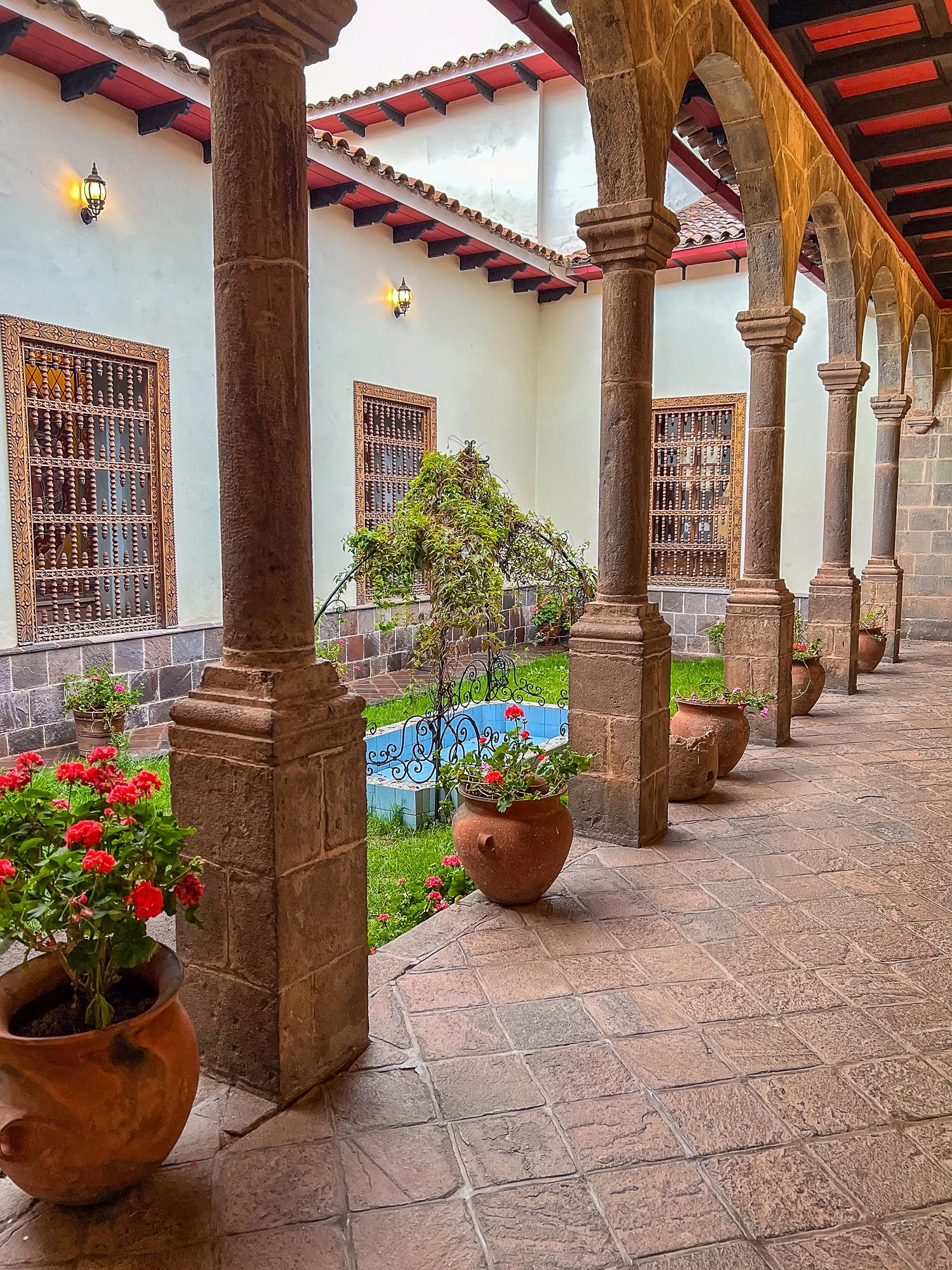
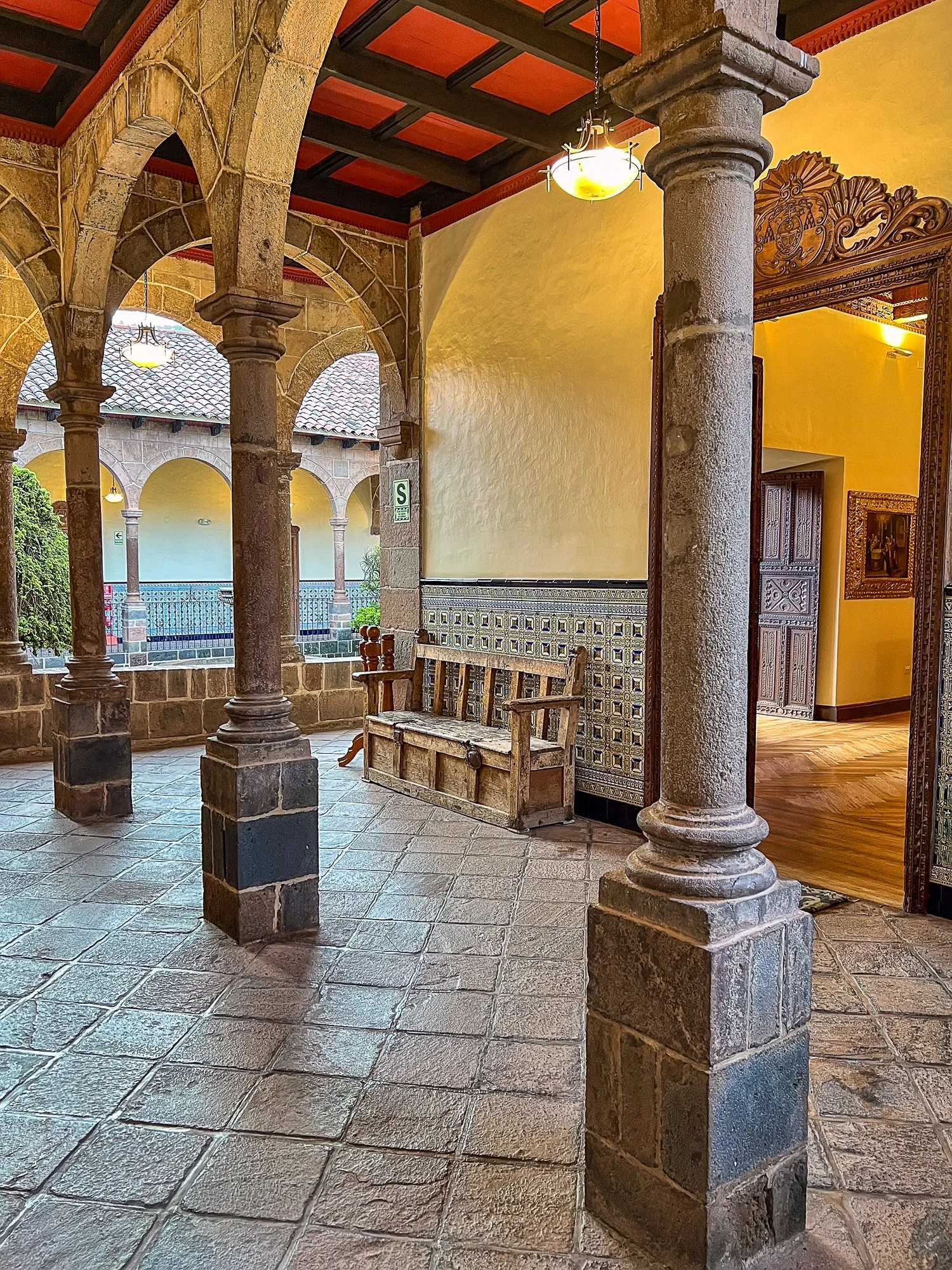
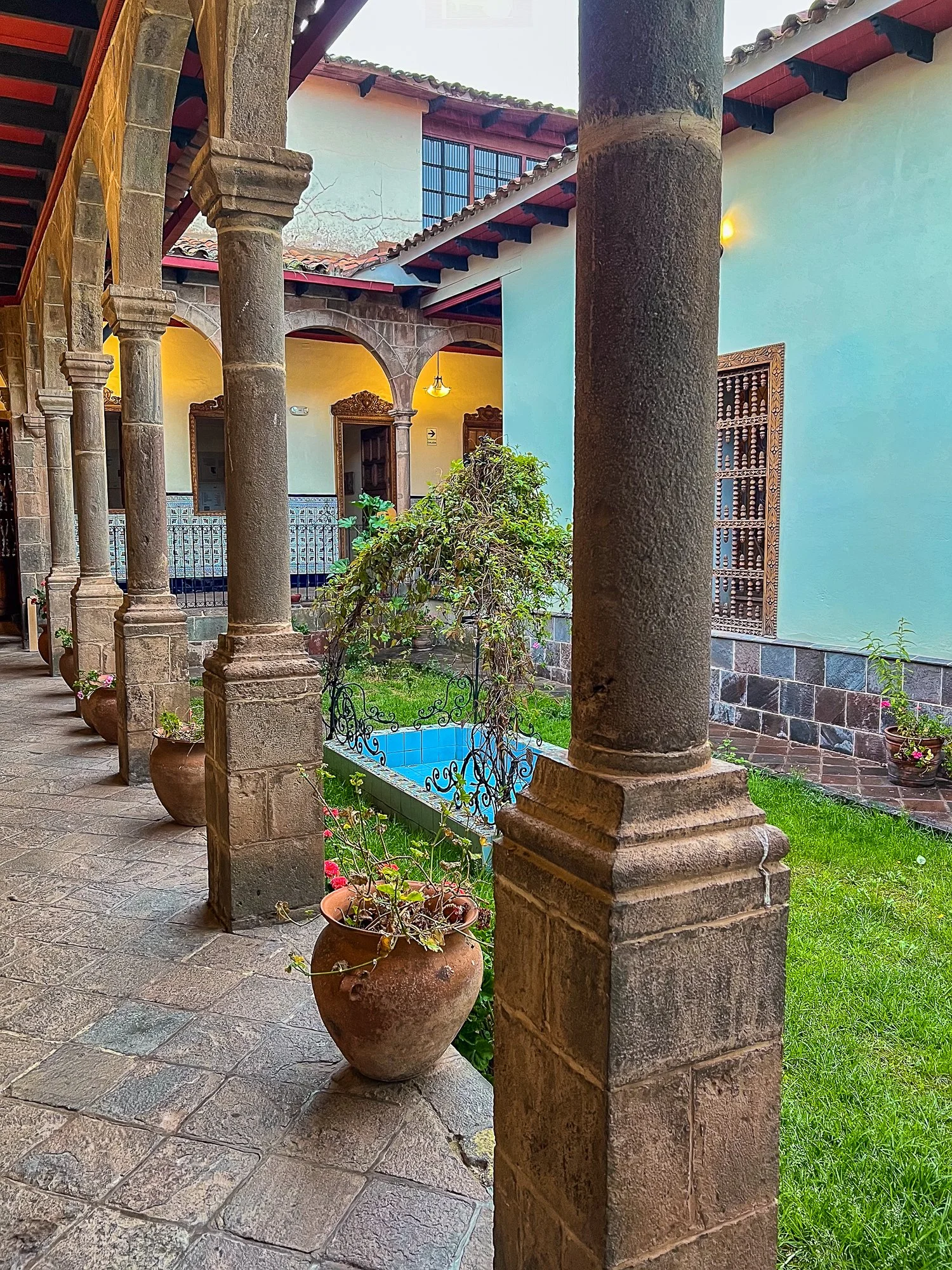
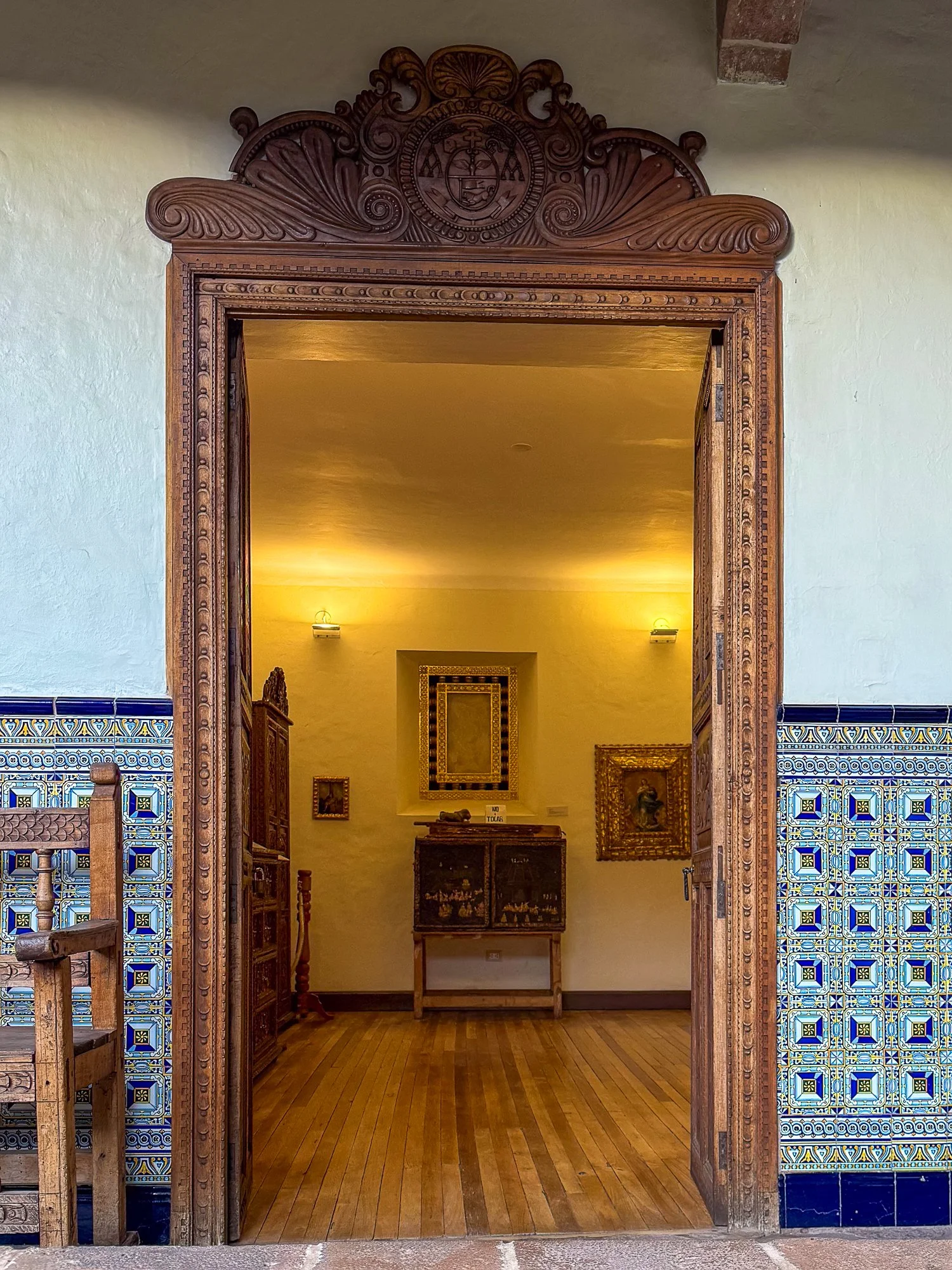
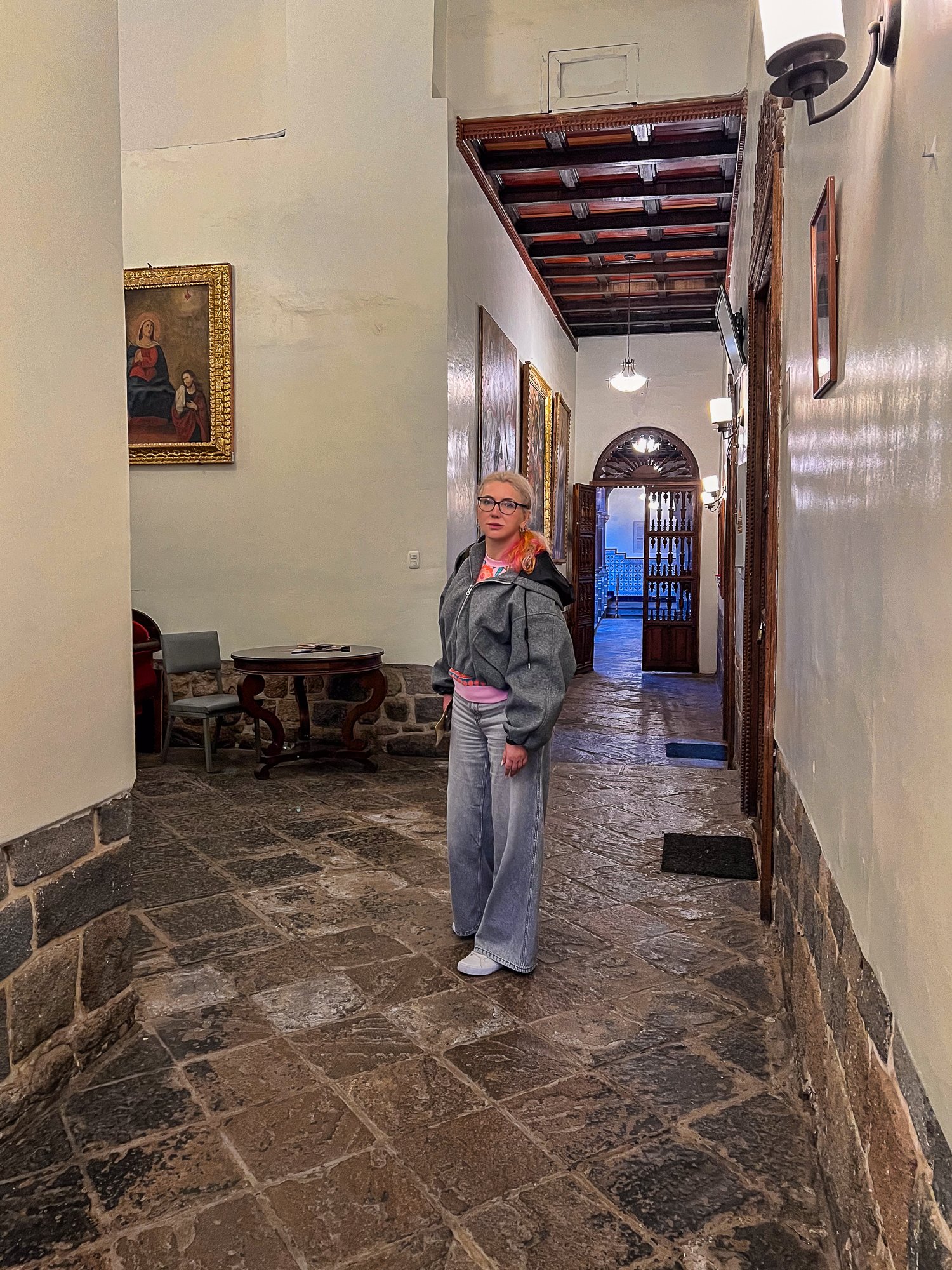
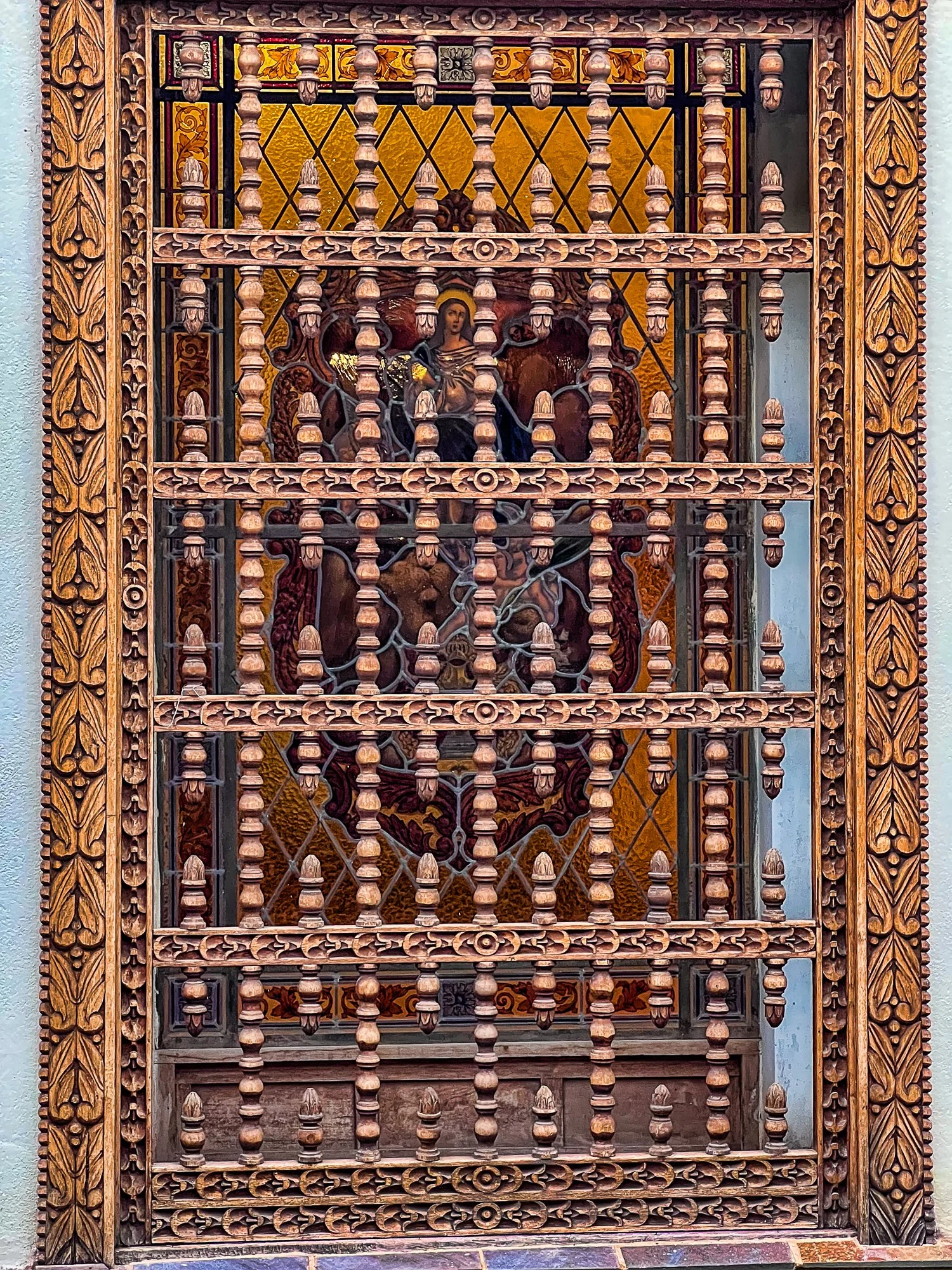
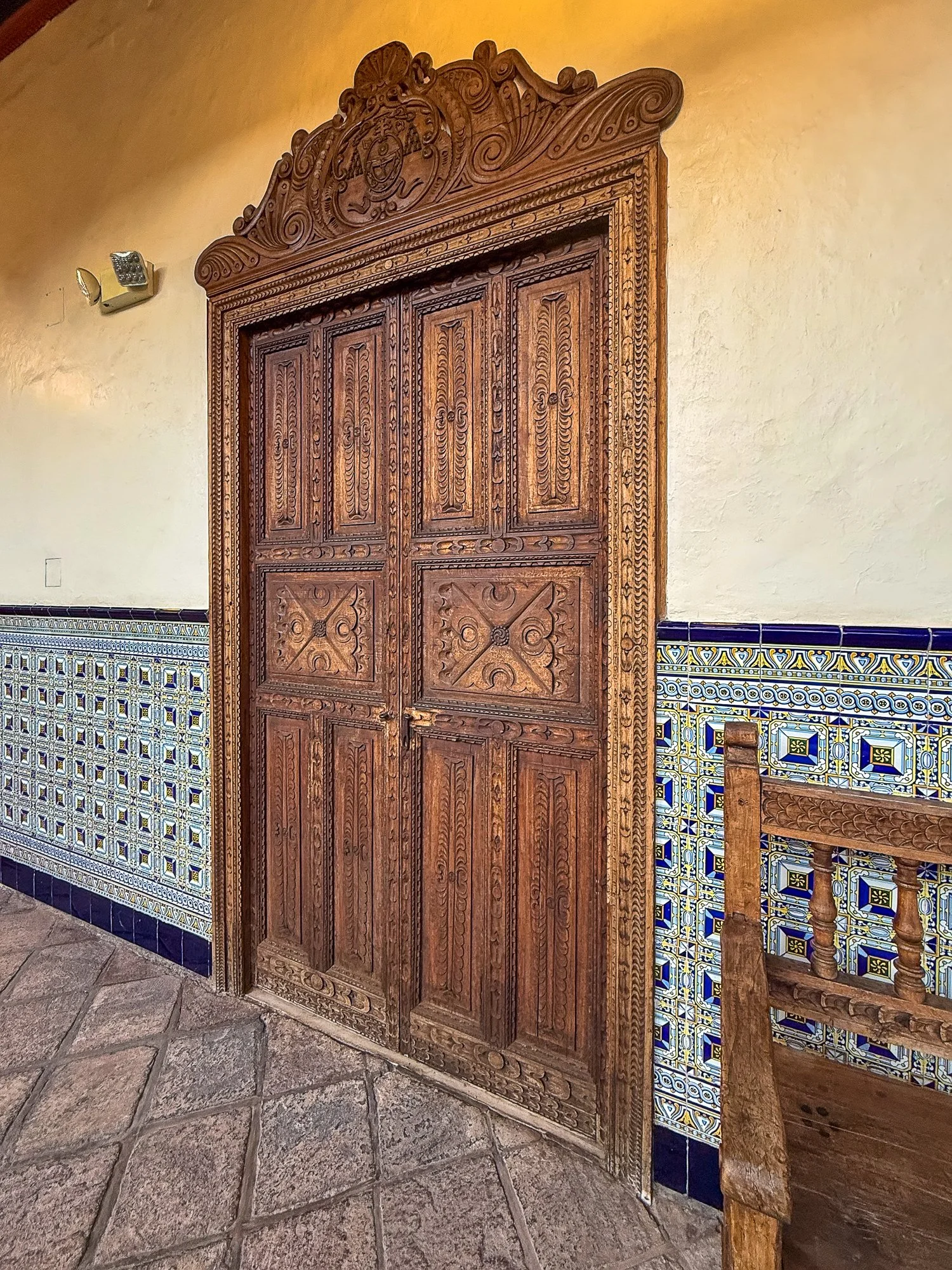
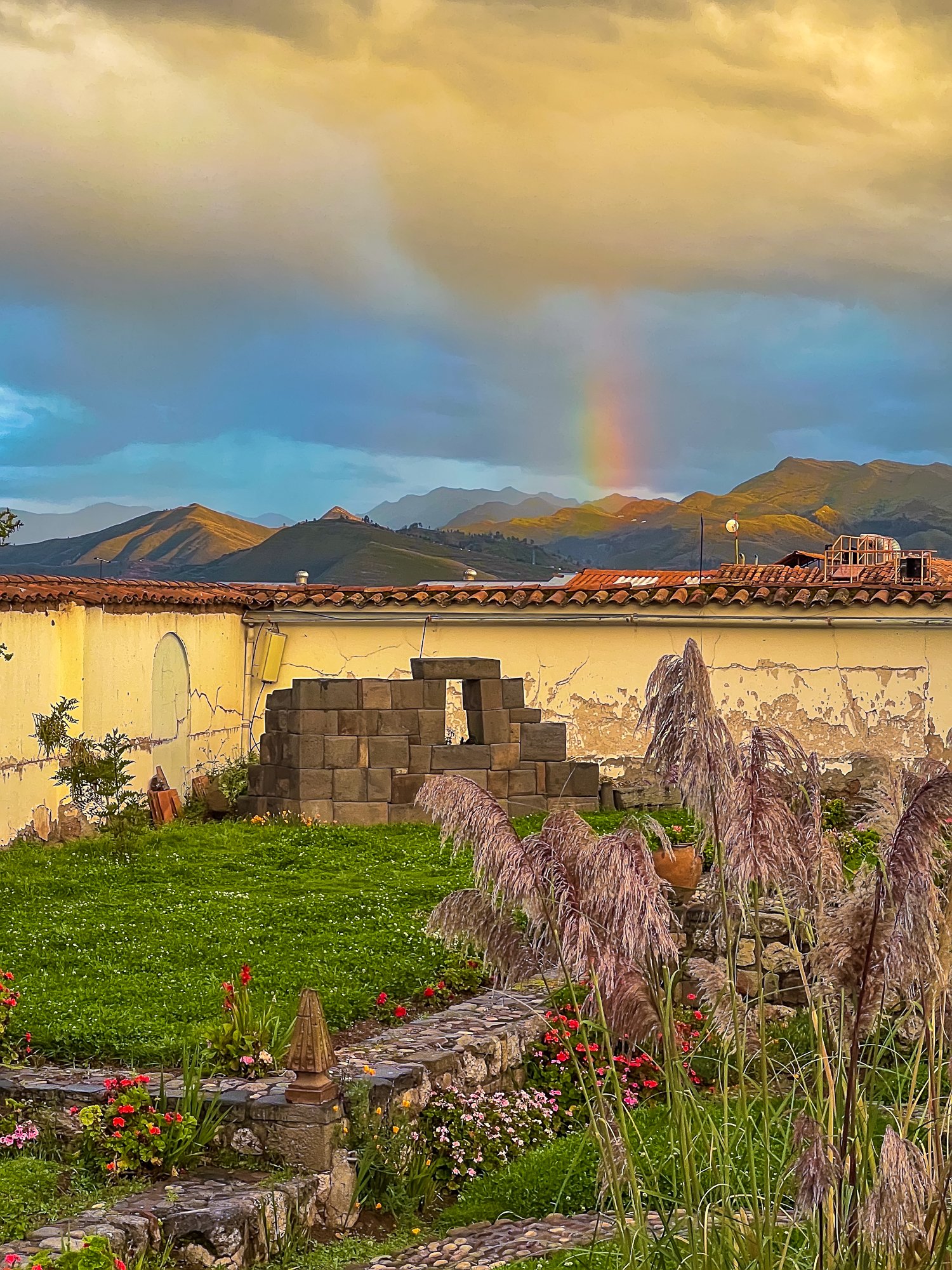
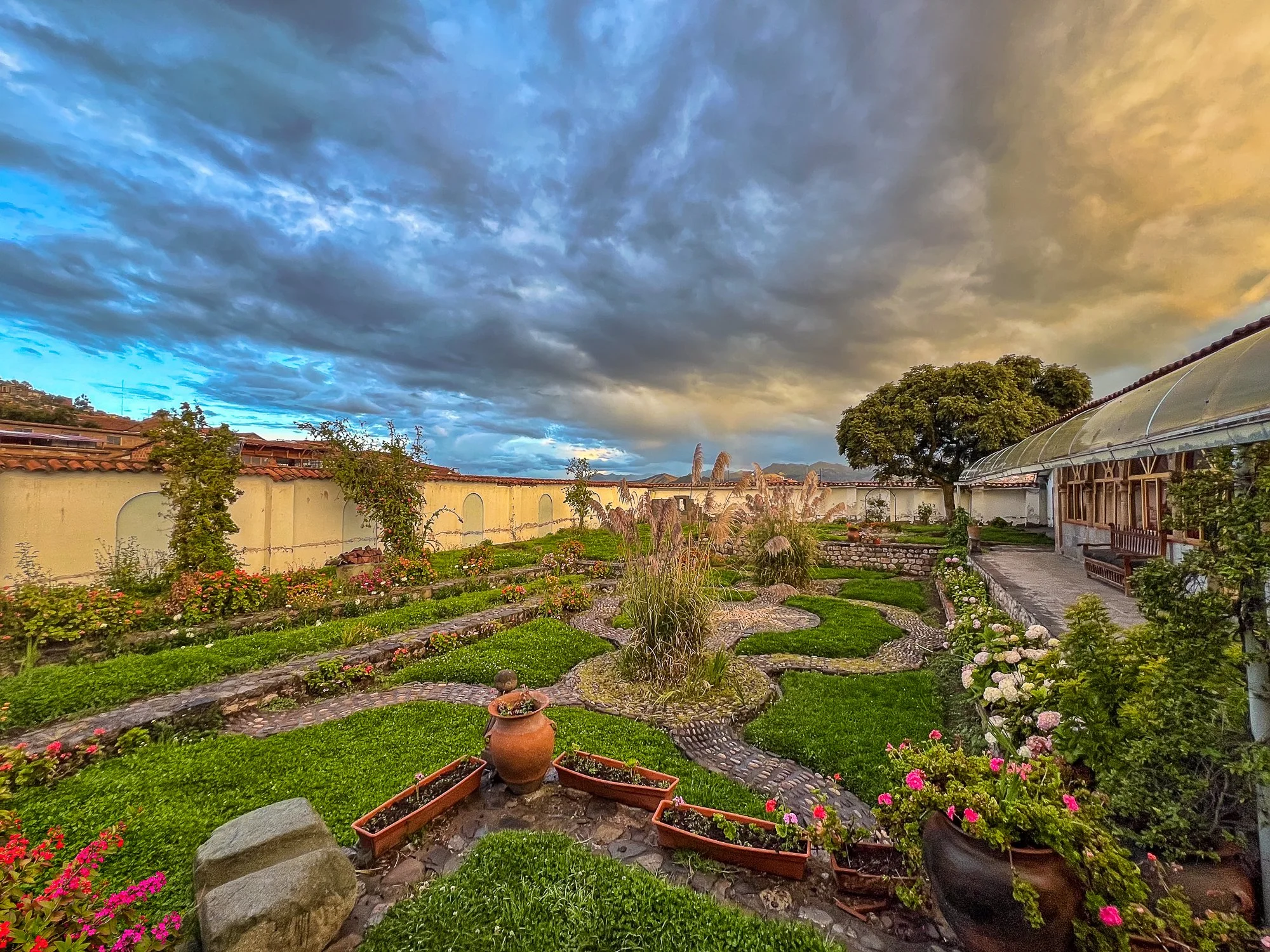
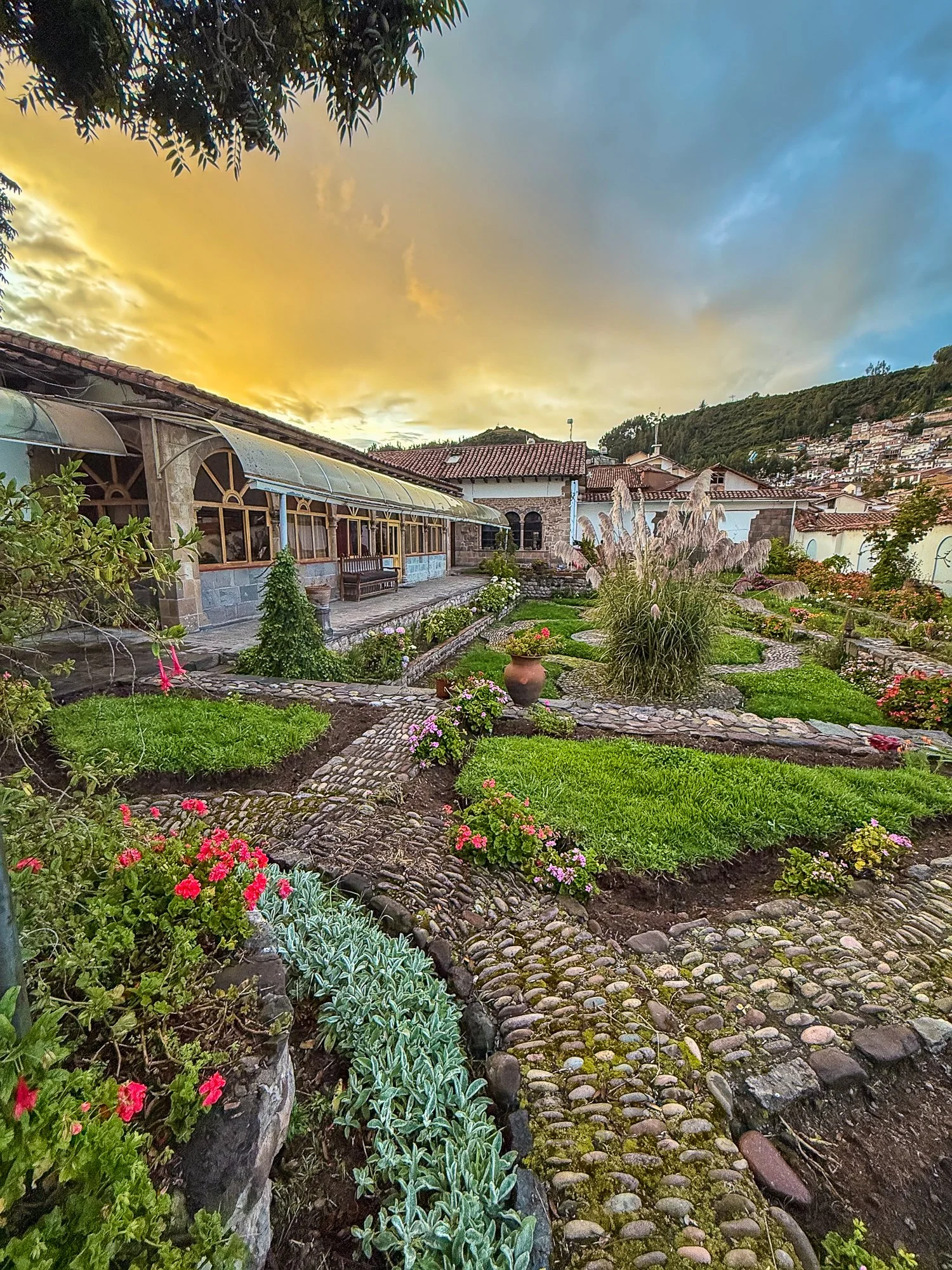
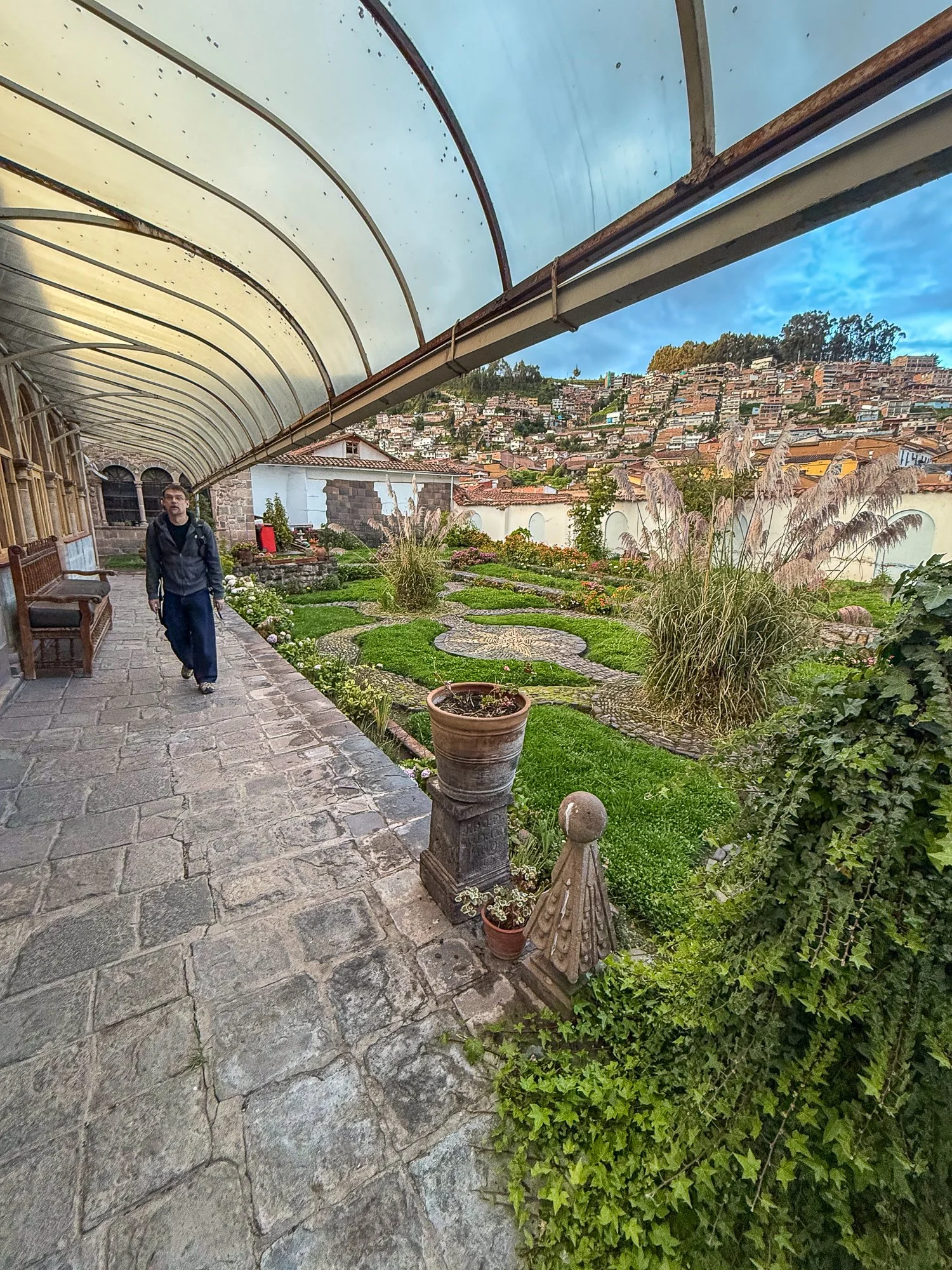
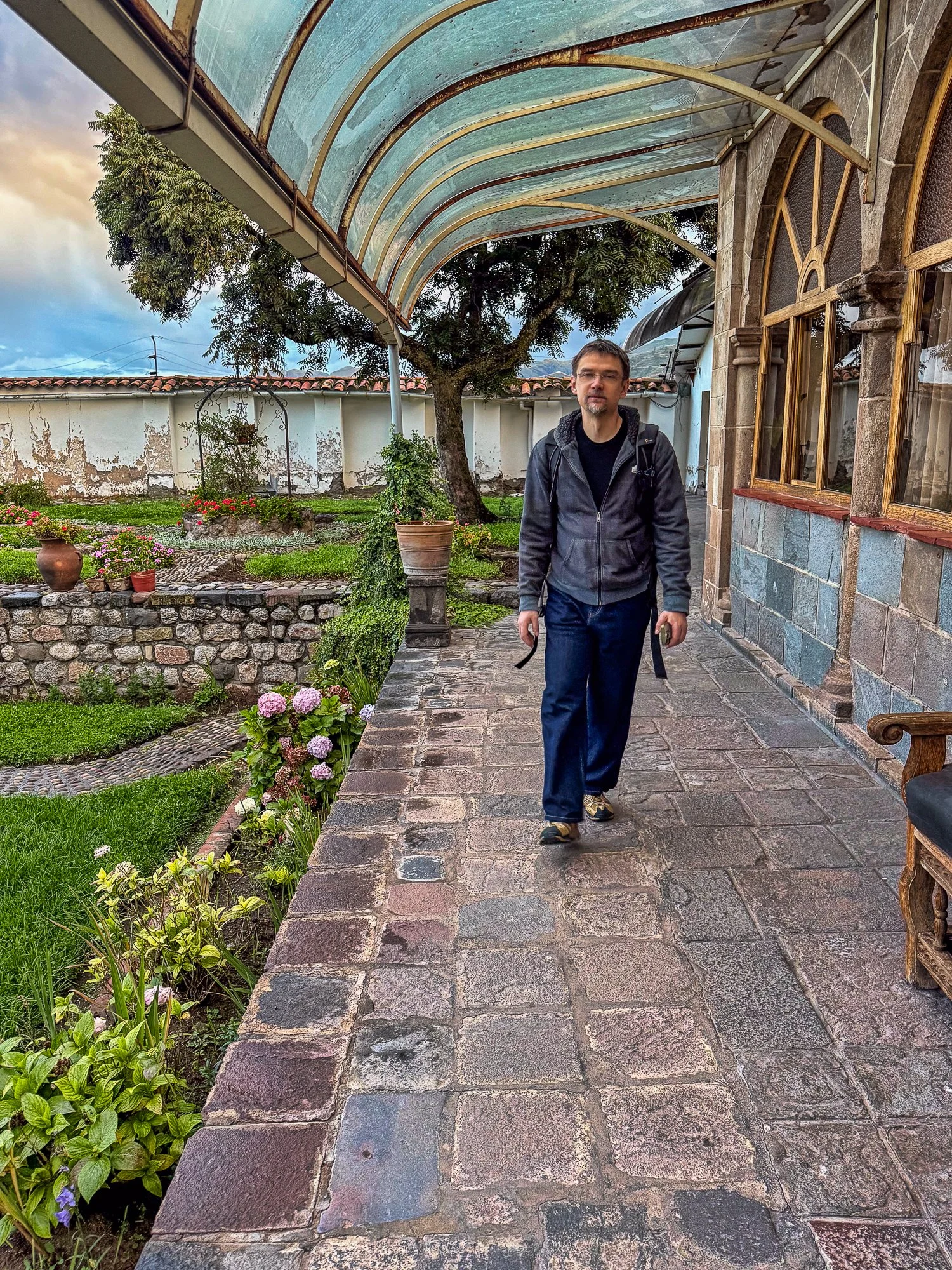
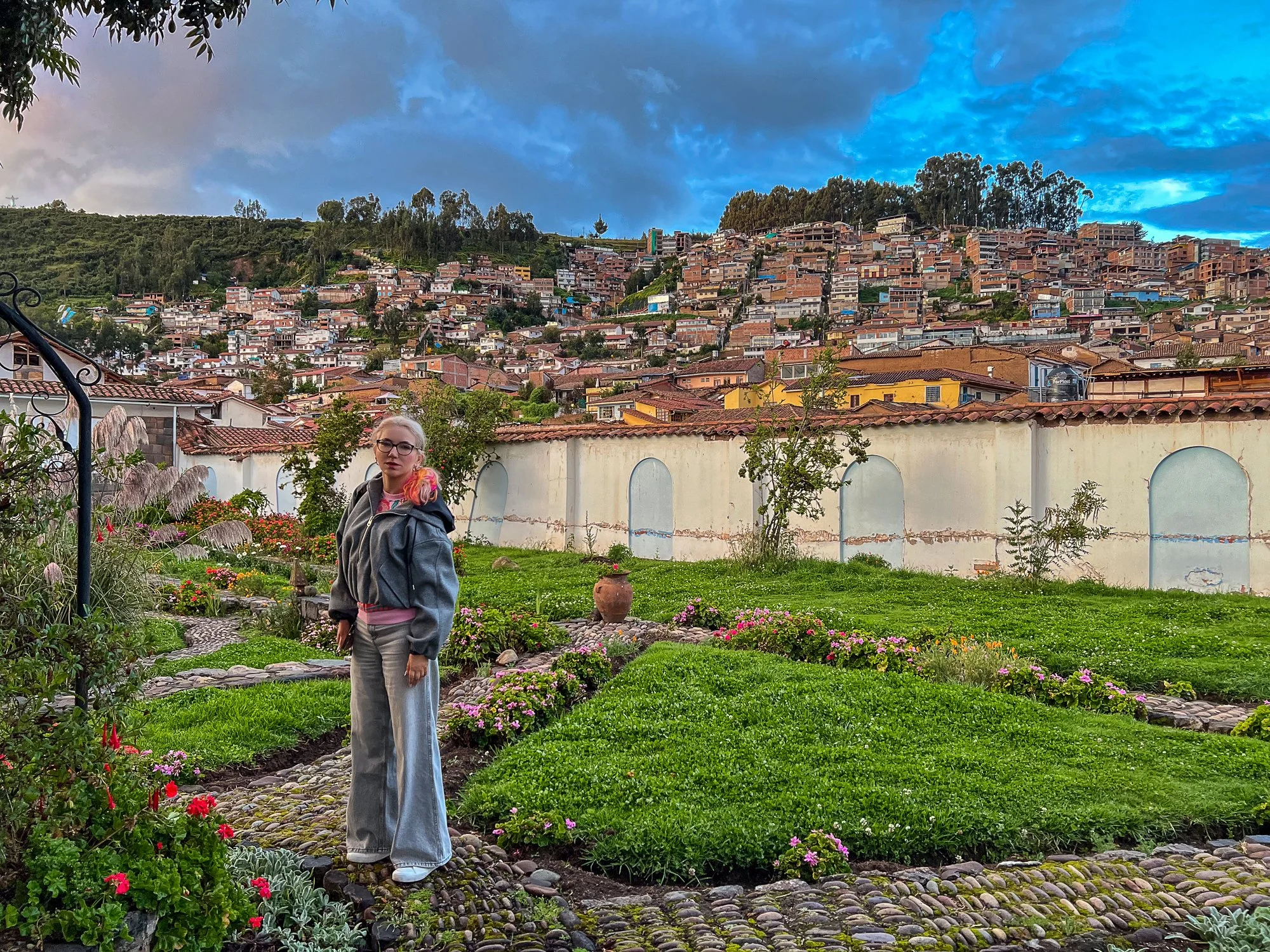
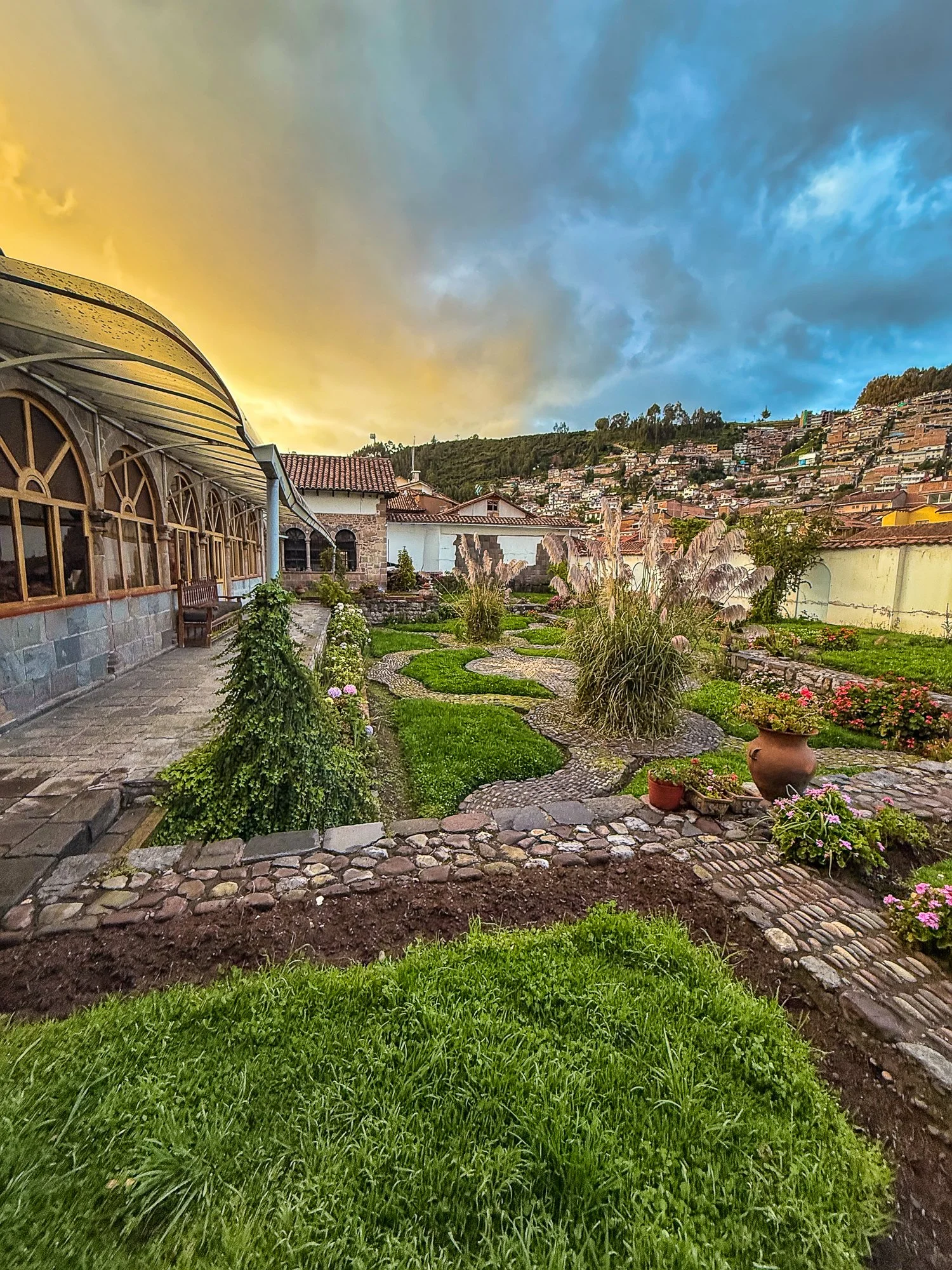
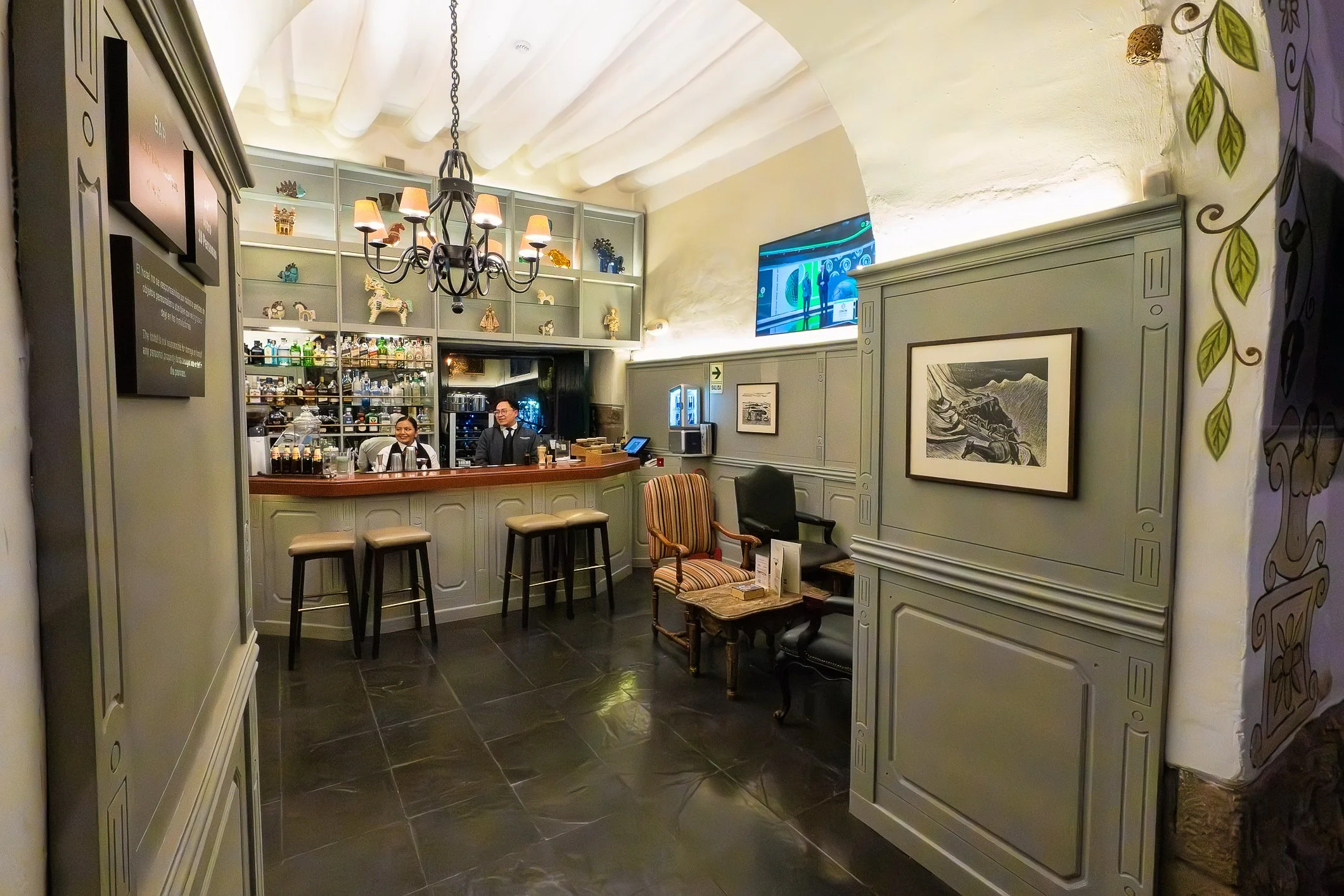
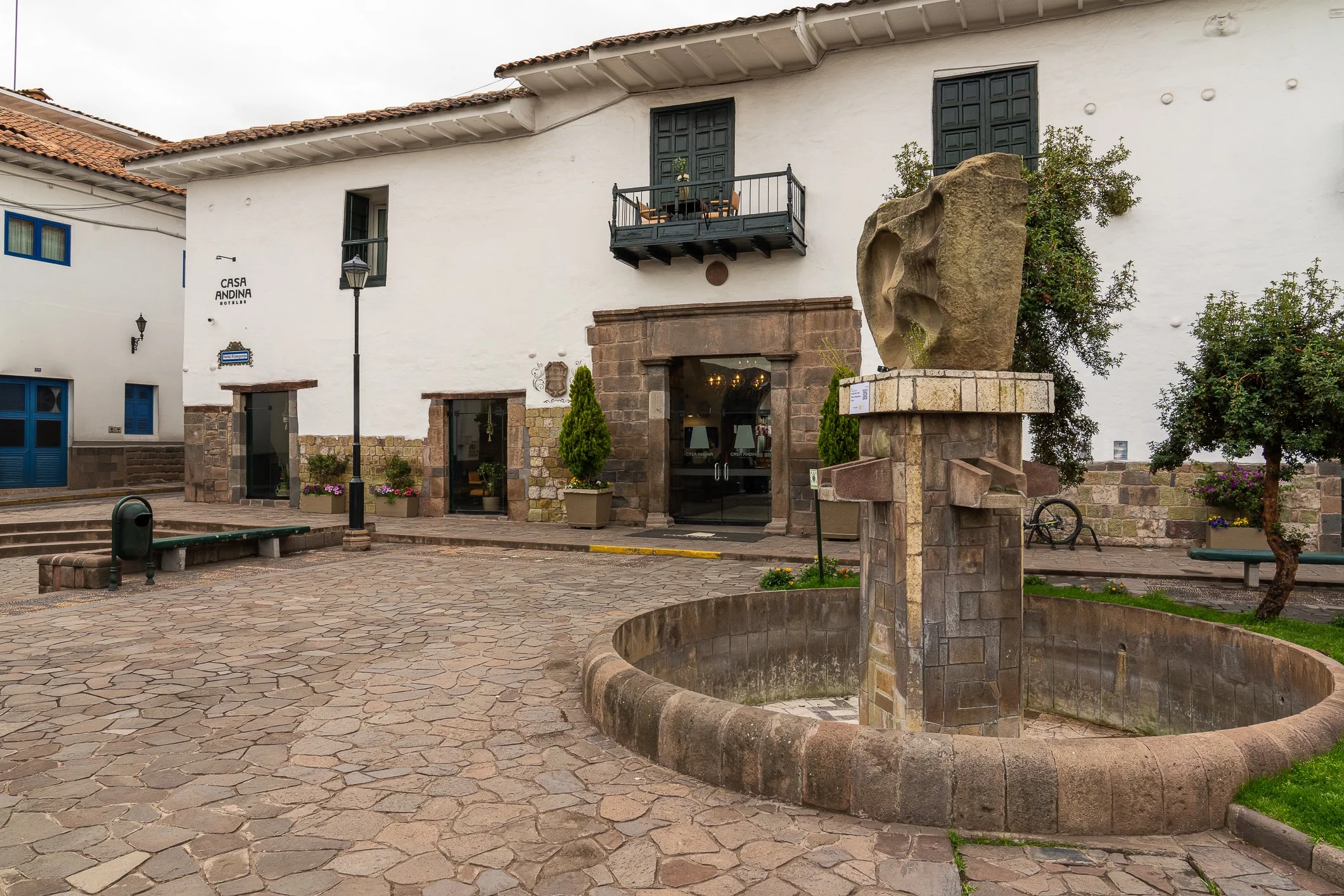
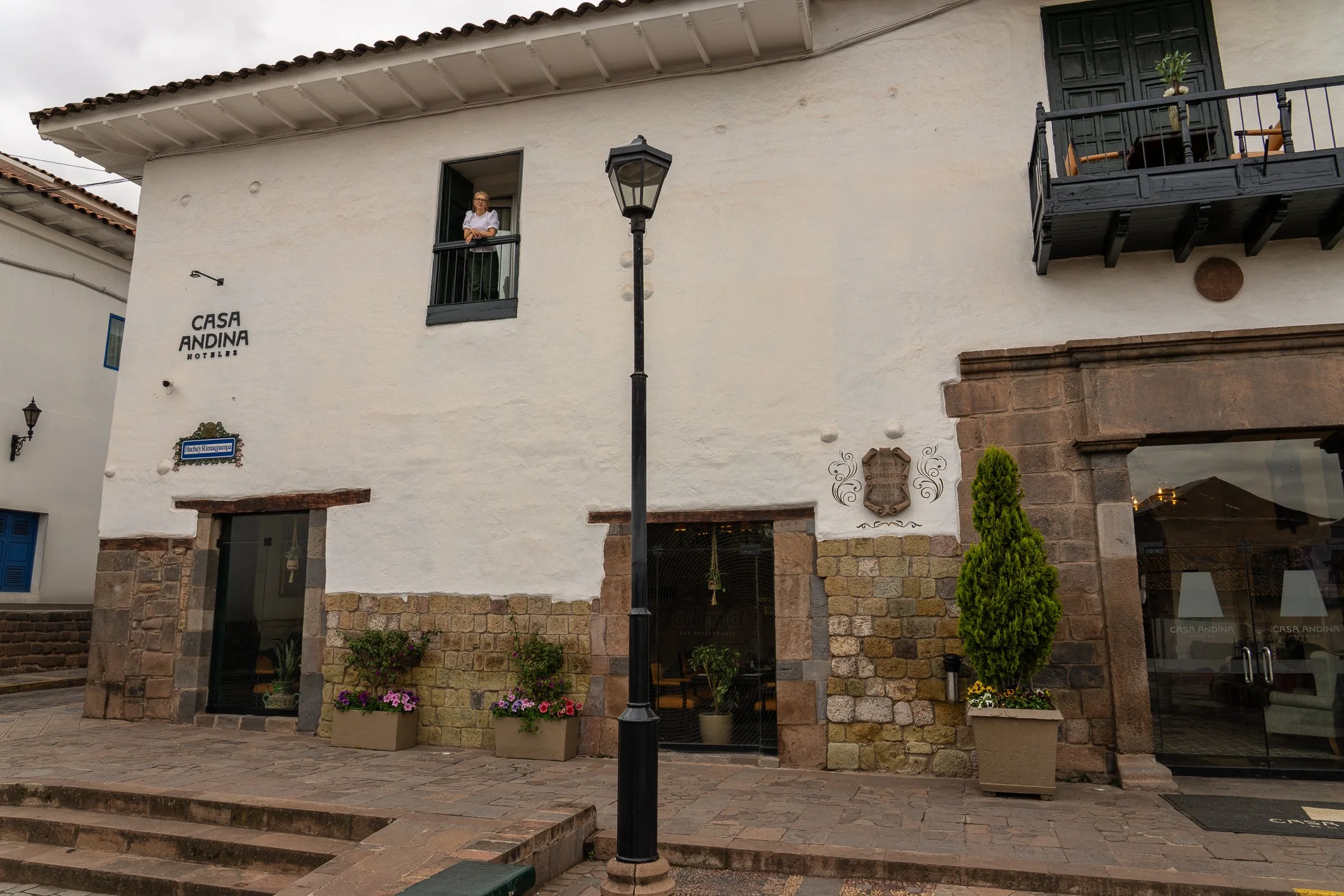
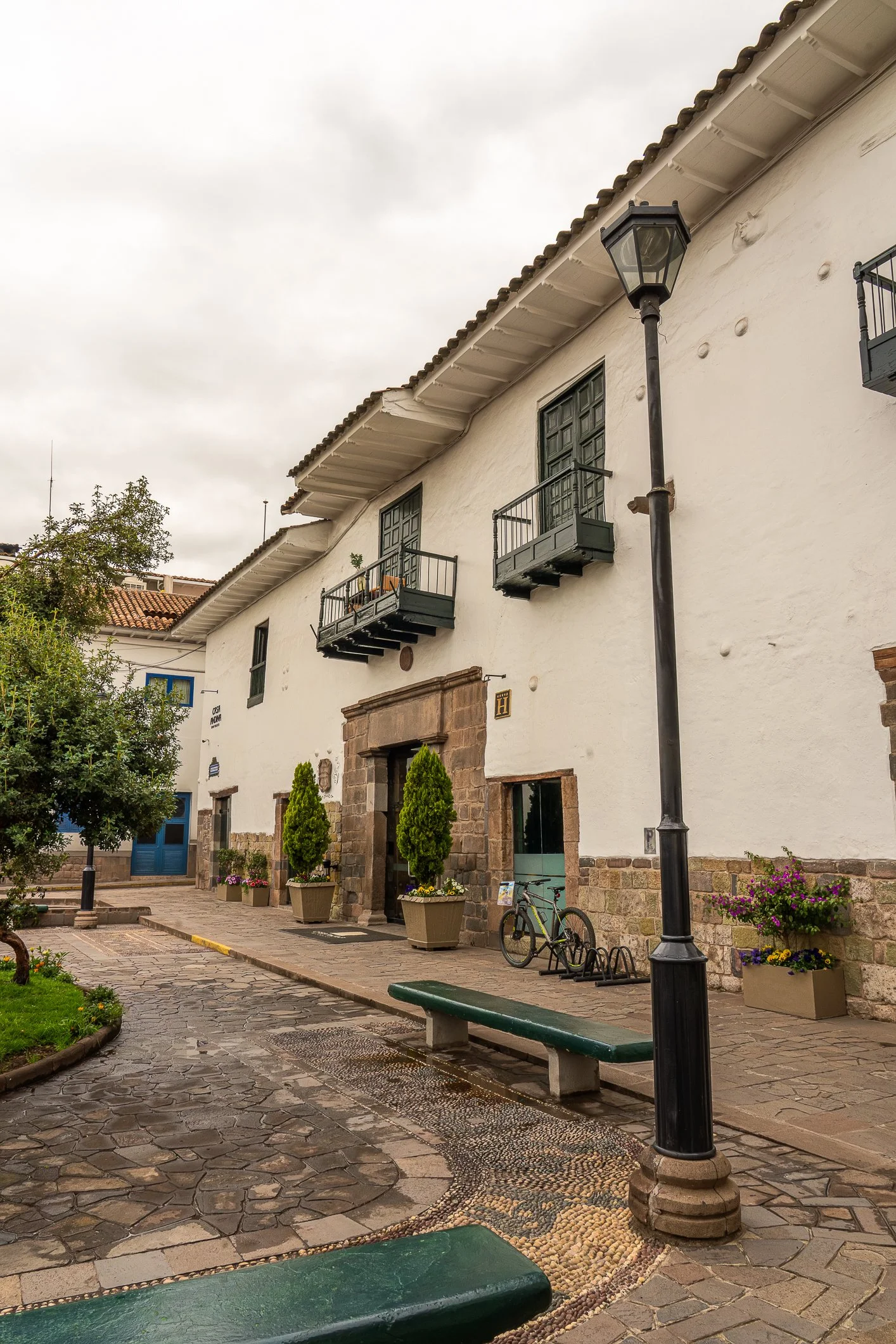
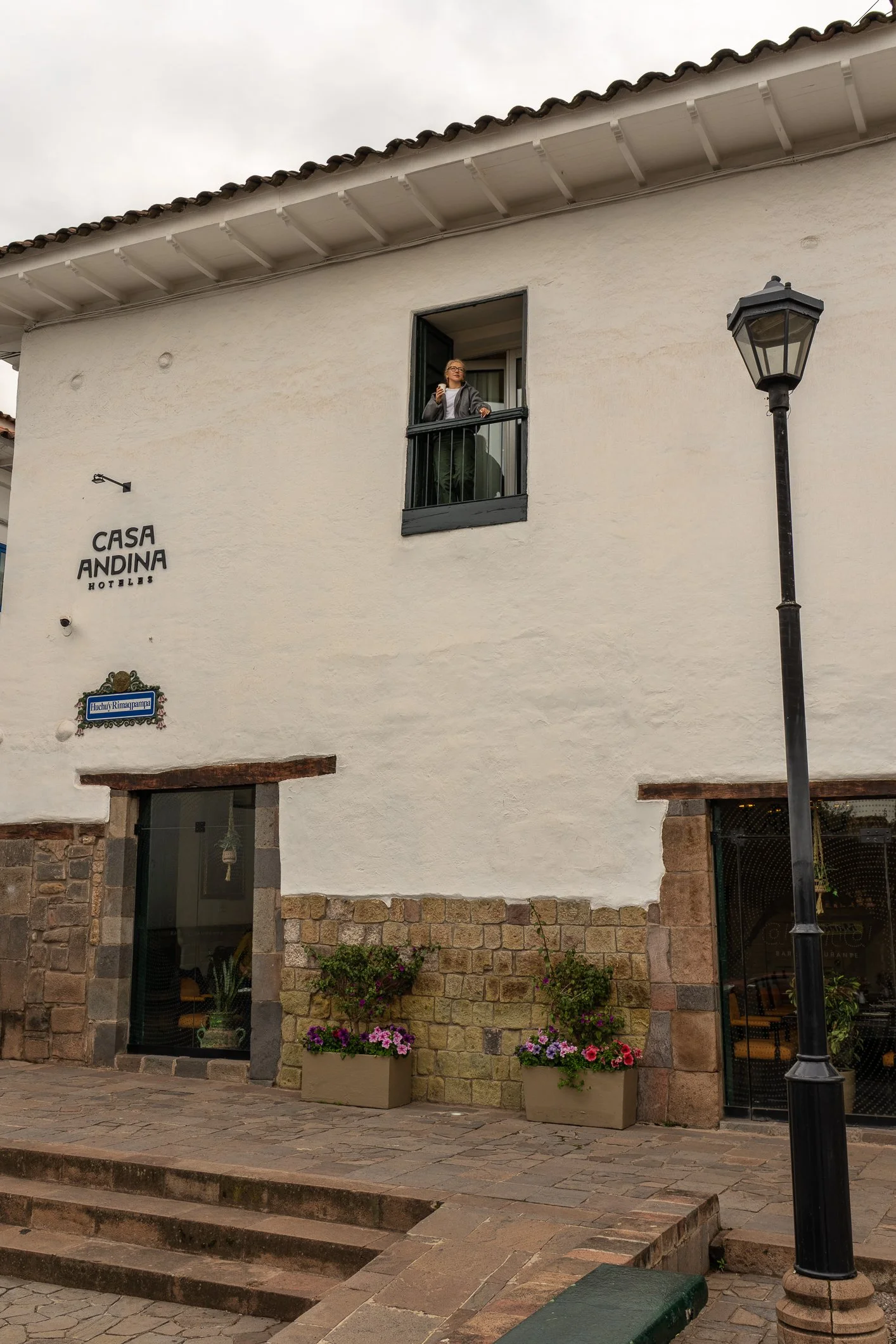
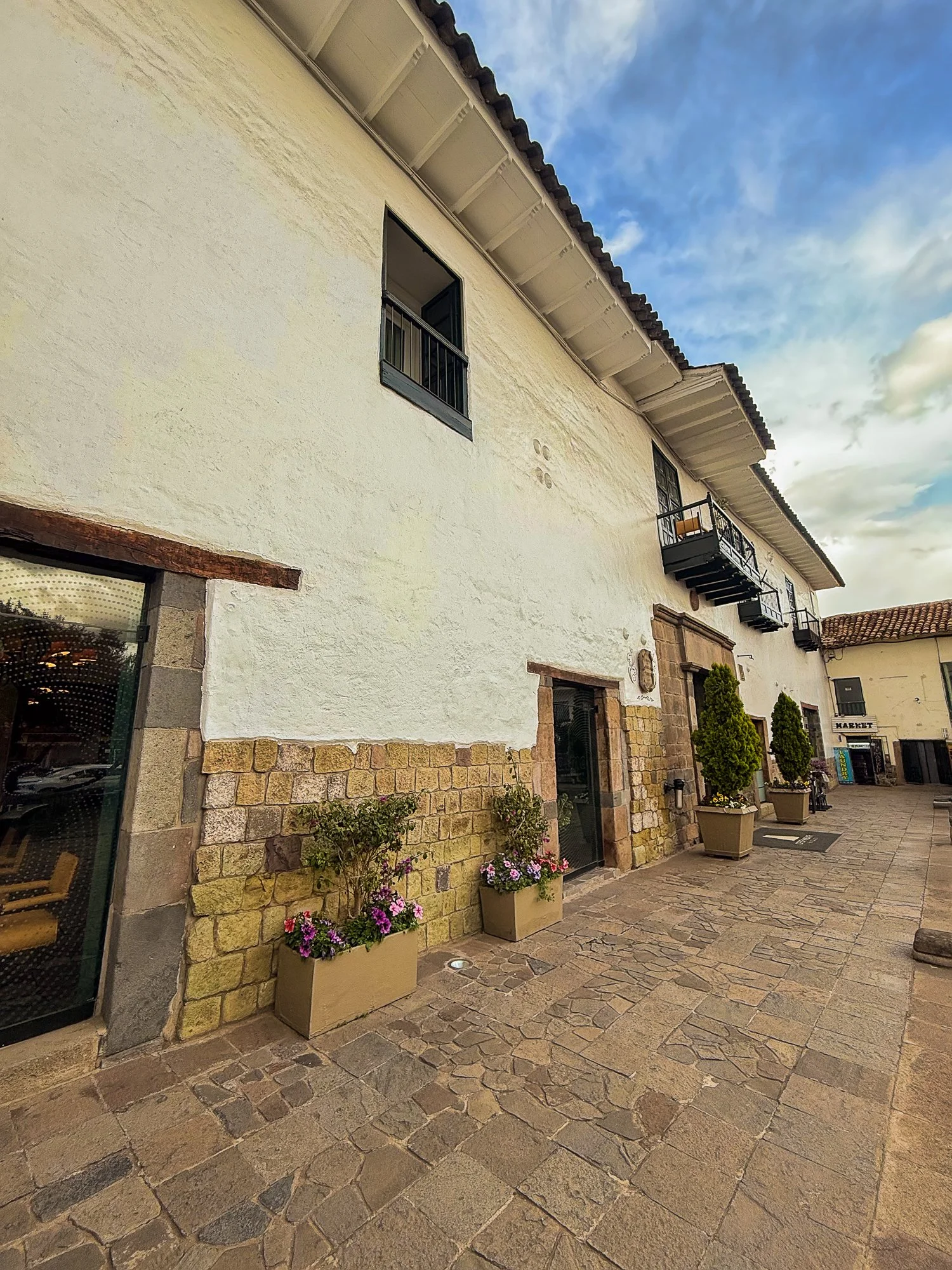
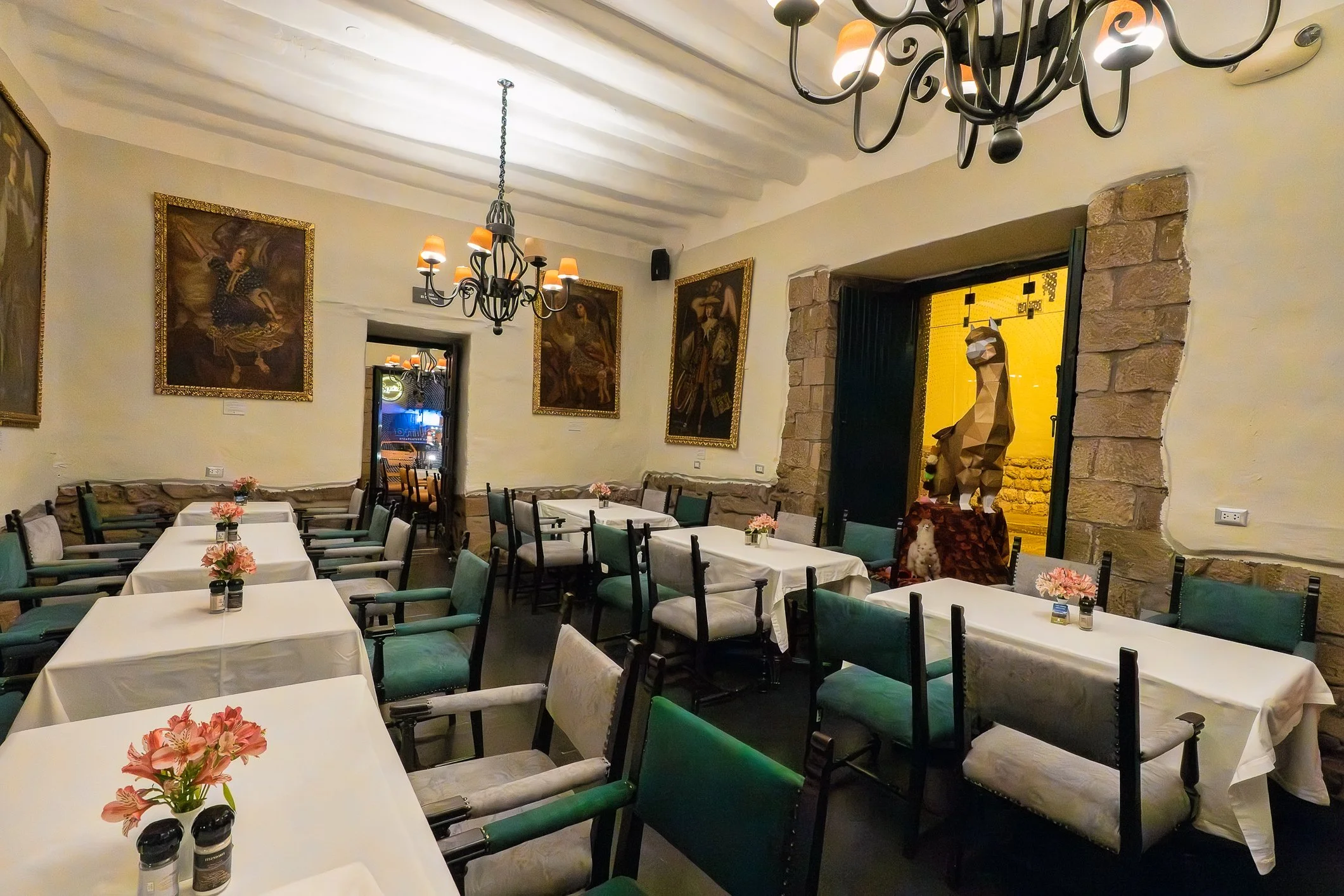
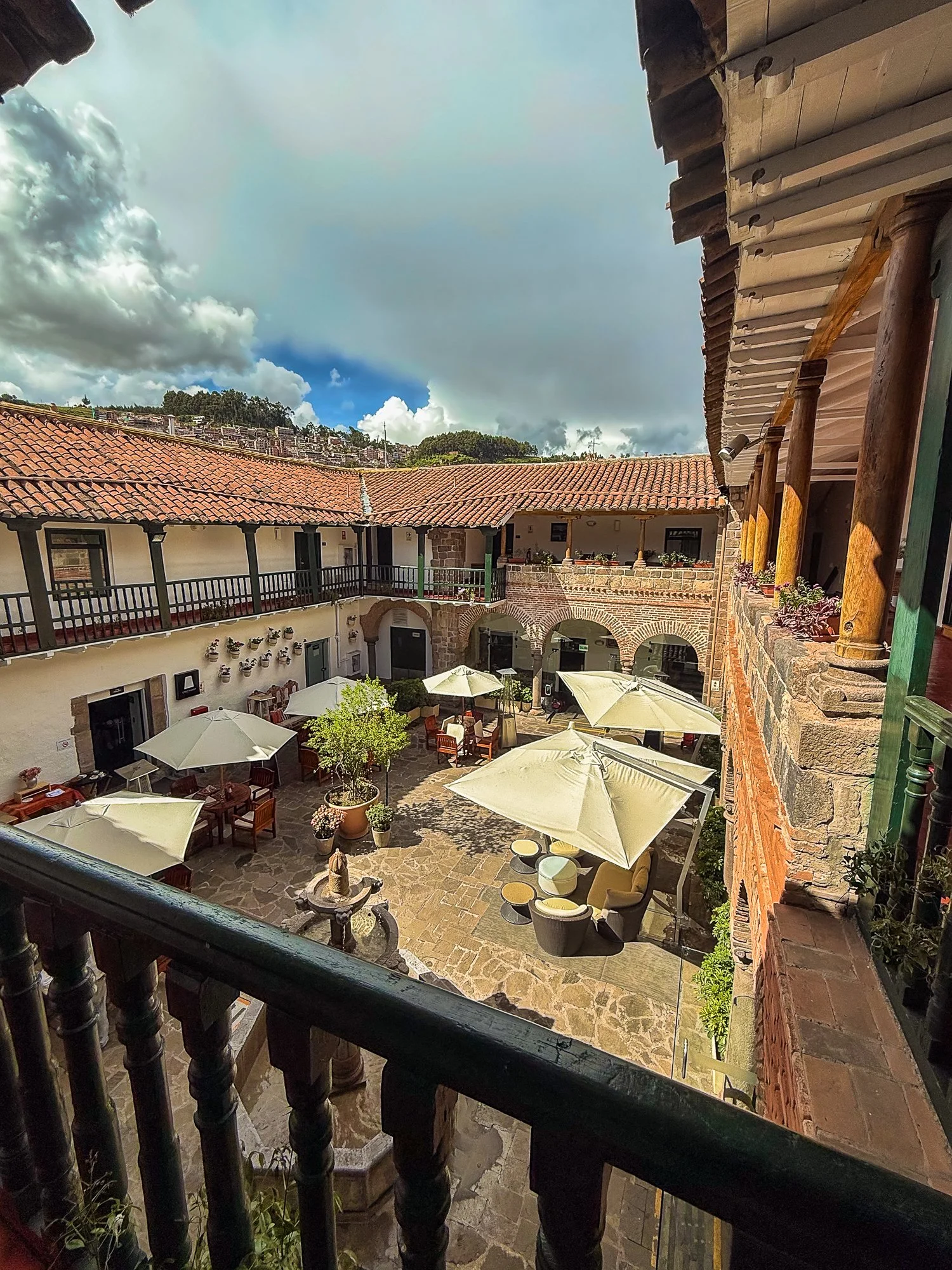
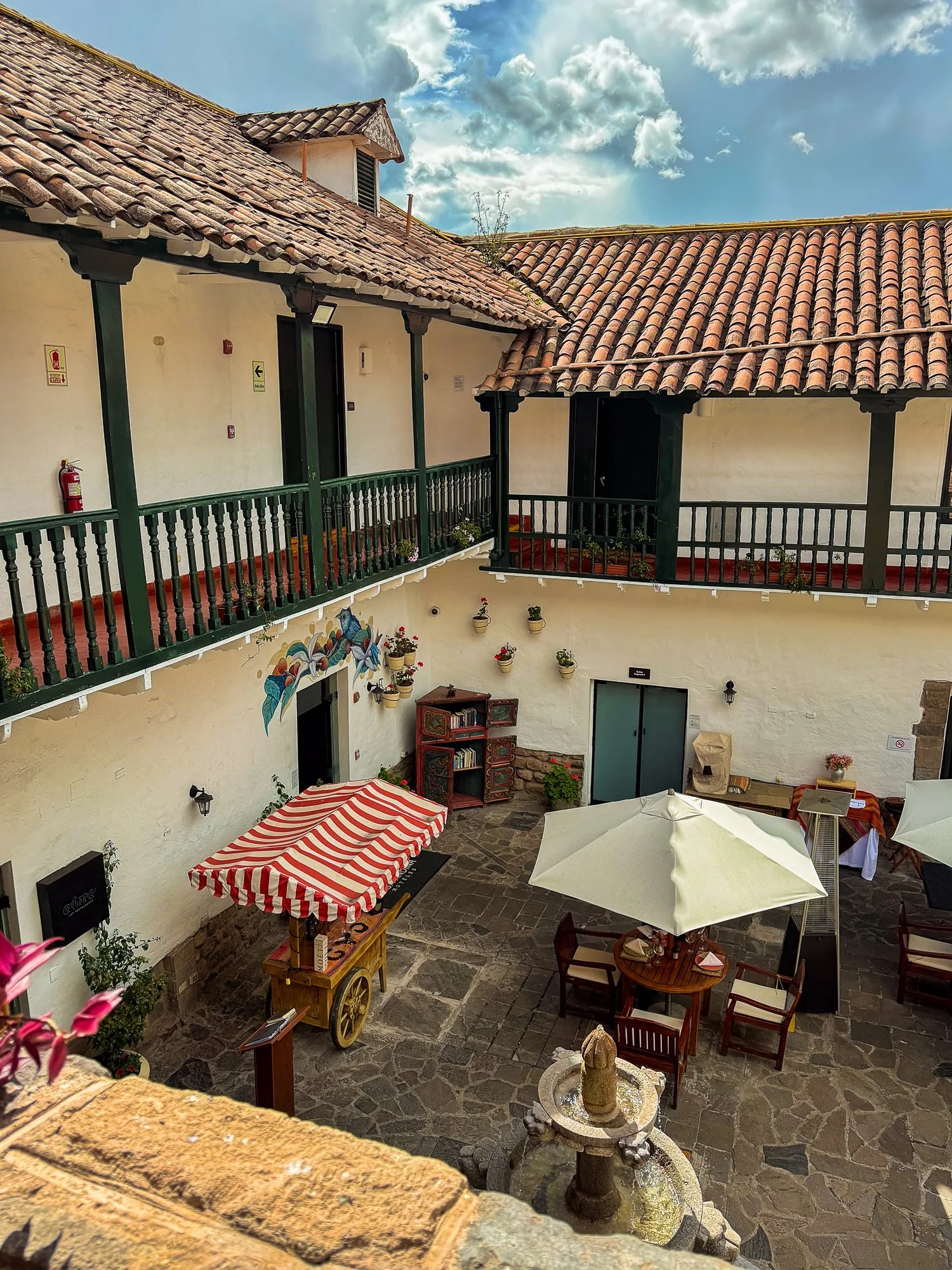
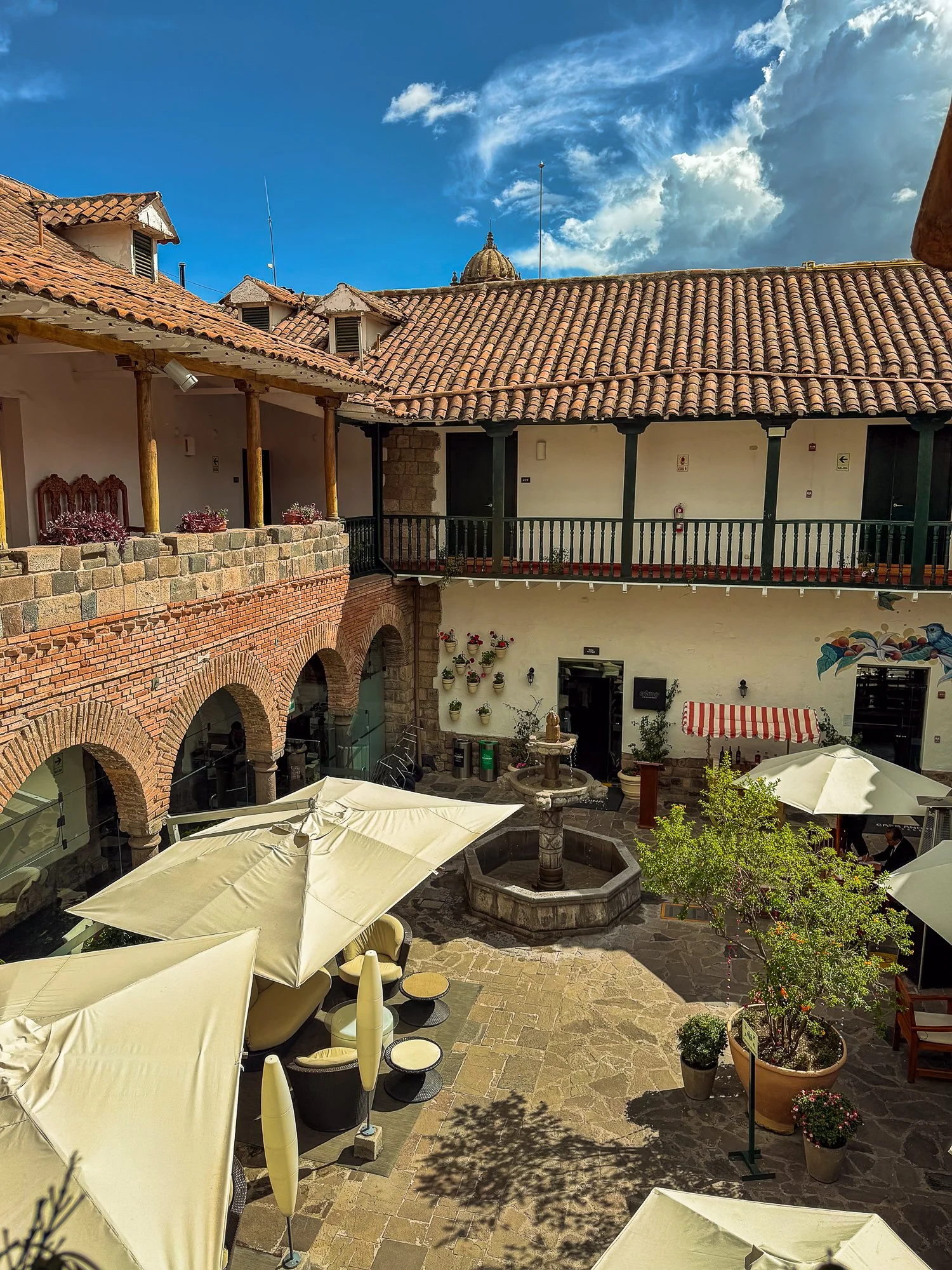
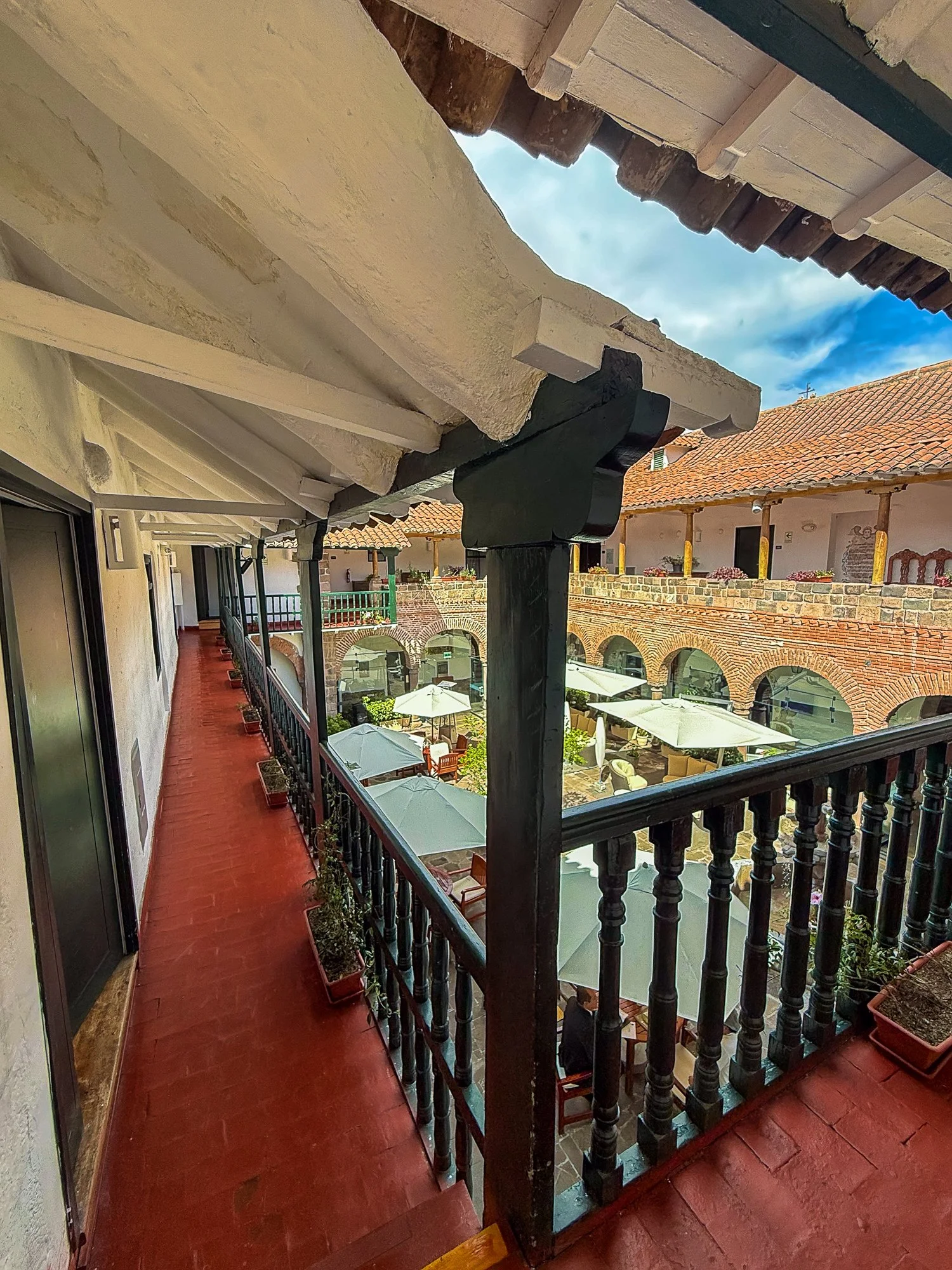
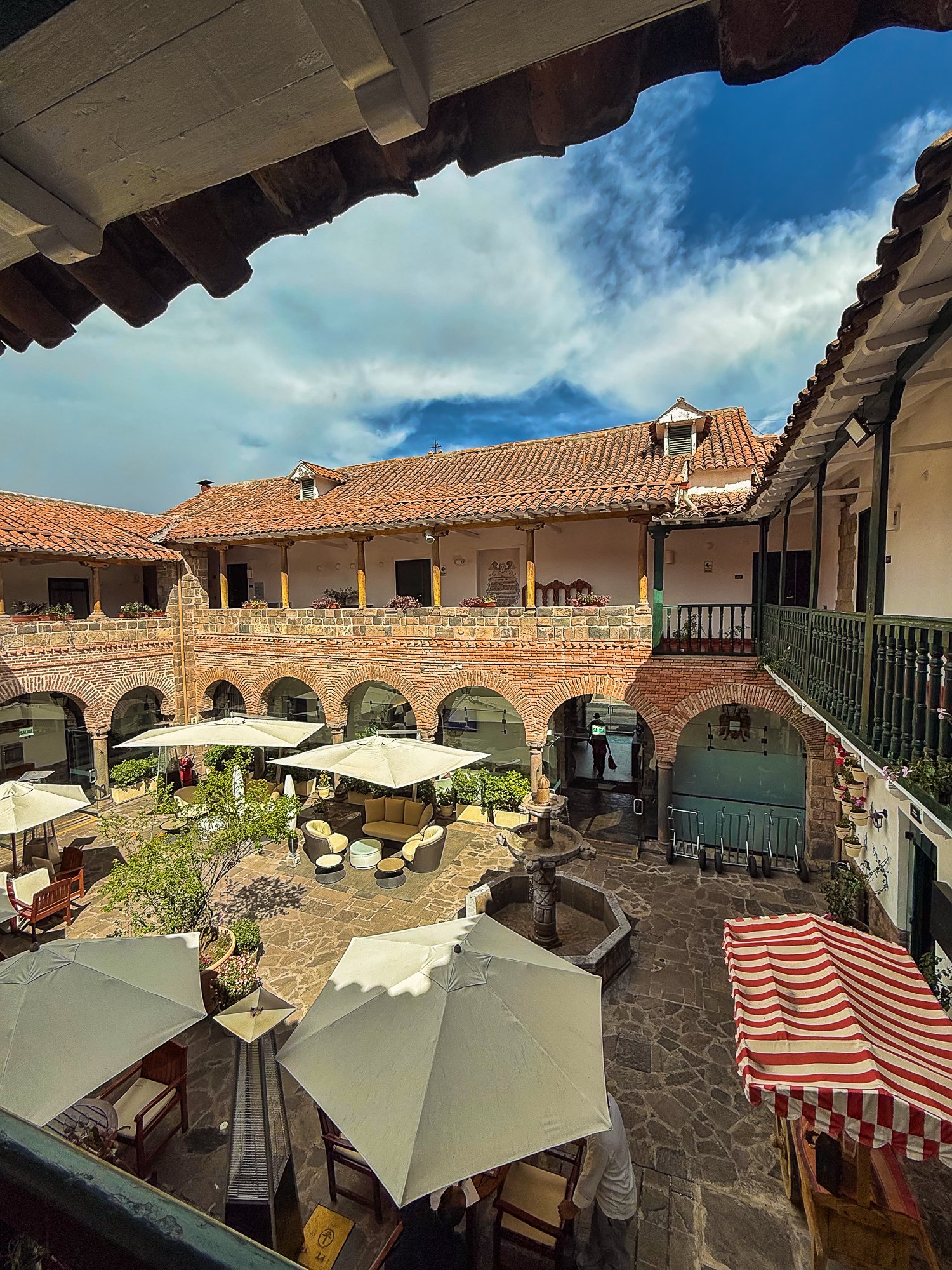
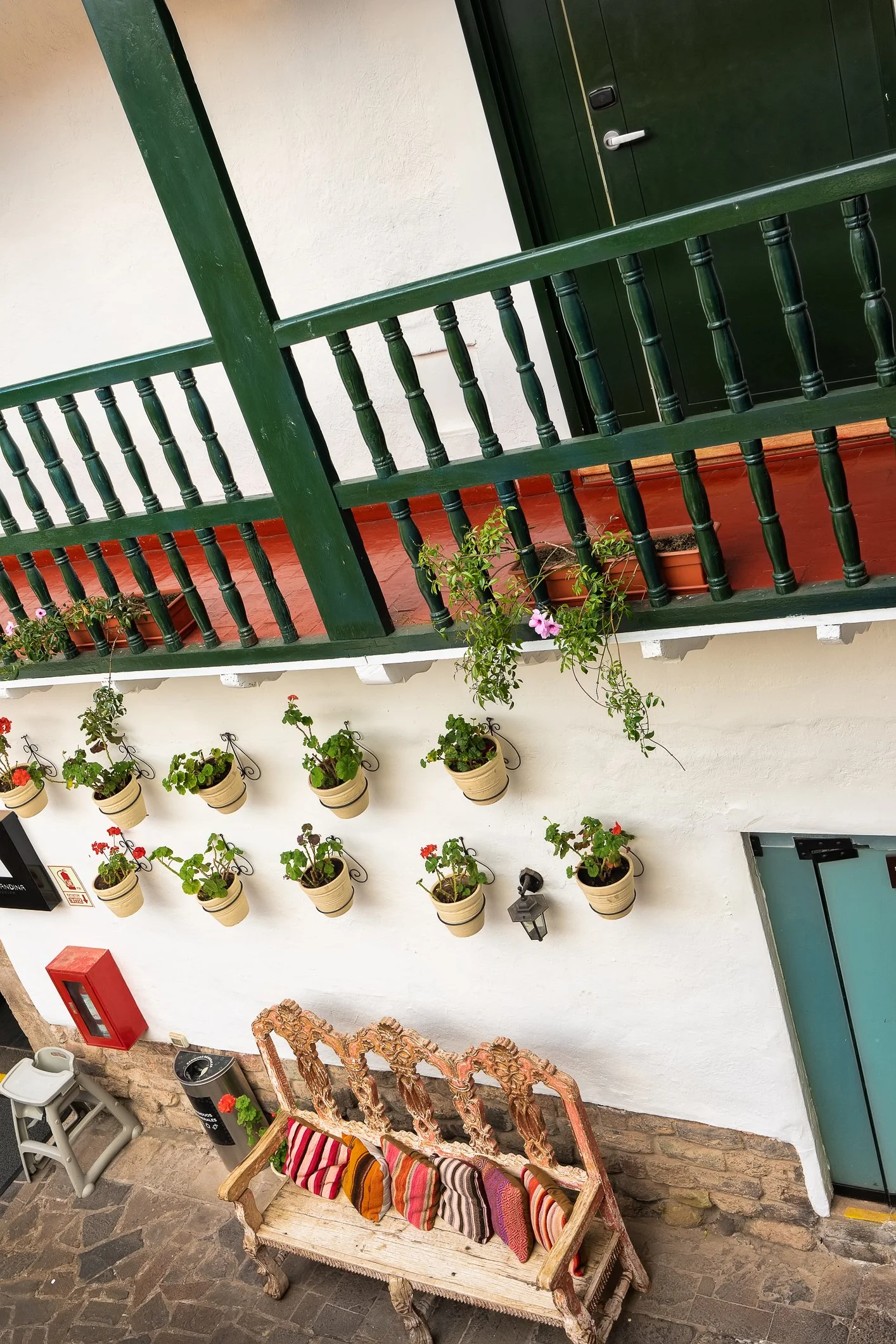
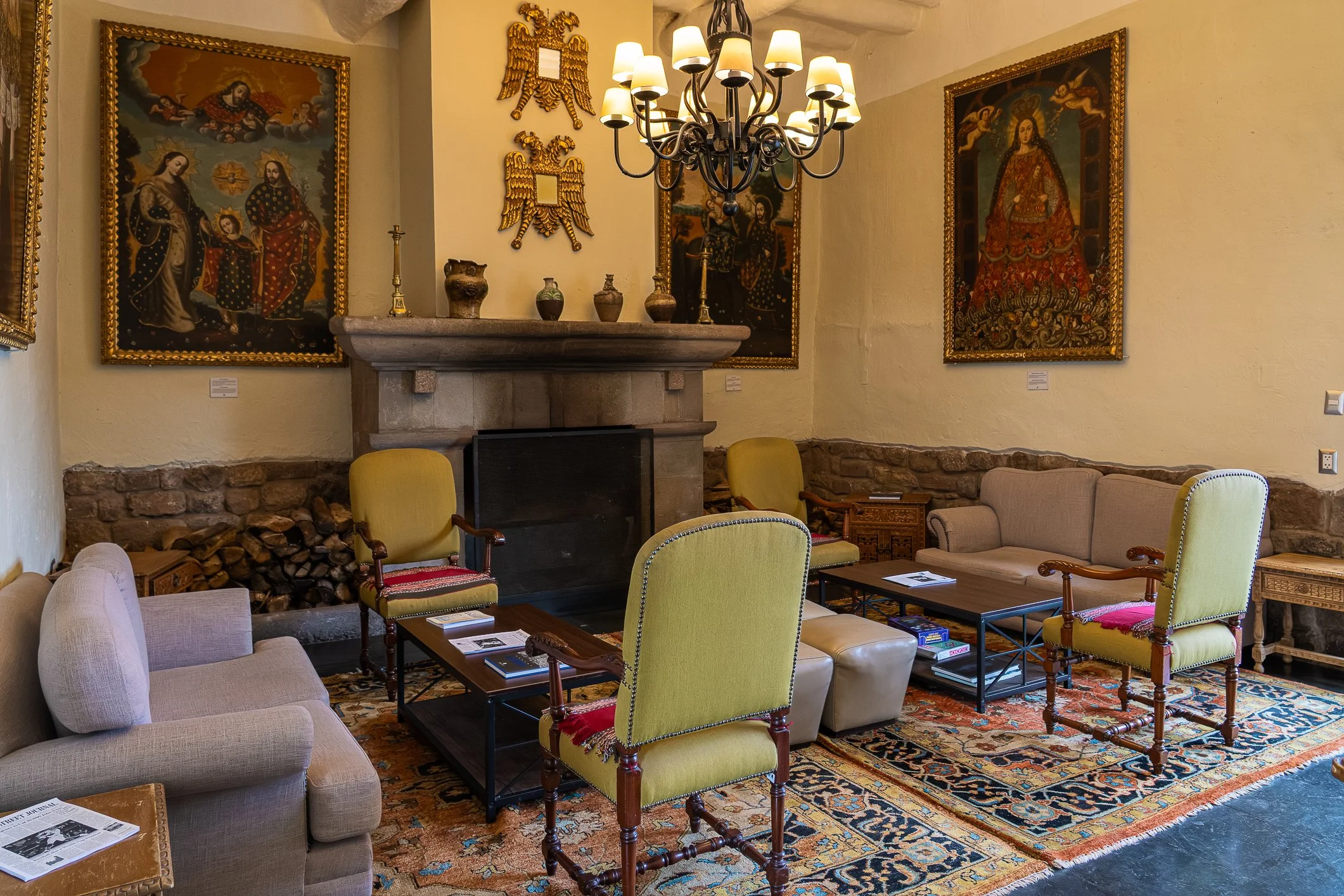
Casa Andina Premium occupies a beautifully restored 17th-century colonial mansion, tucked away in a quieter part of the city yet only a short walk from Plaza de Armas and the Qorikancha. In fact, it consists of two interconnected buildings arranged around spacious courtyards. The older colonial wing, dating back to the 17th century, houses the restaurant, bar, and several elegant lounges while preserving sections of the original stonework that have survived centuries of Cusco's turbulent history.
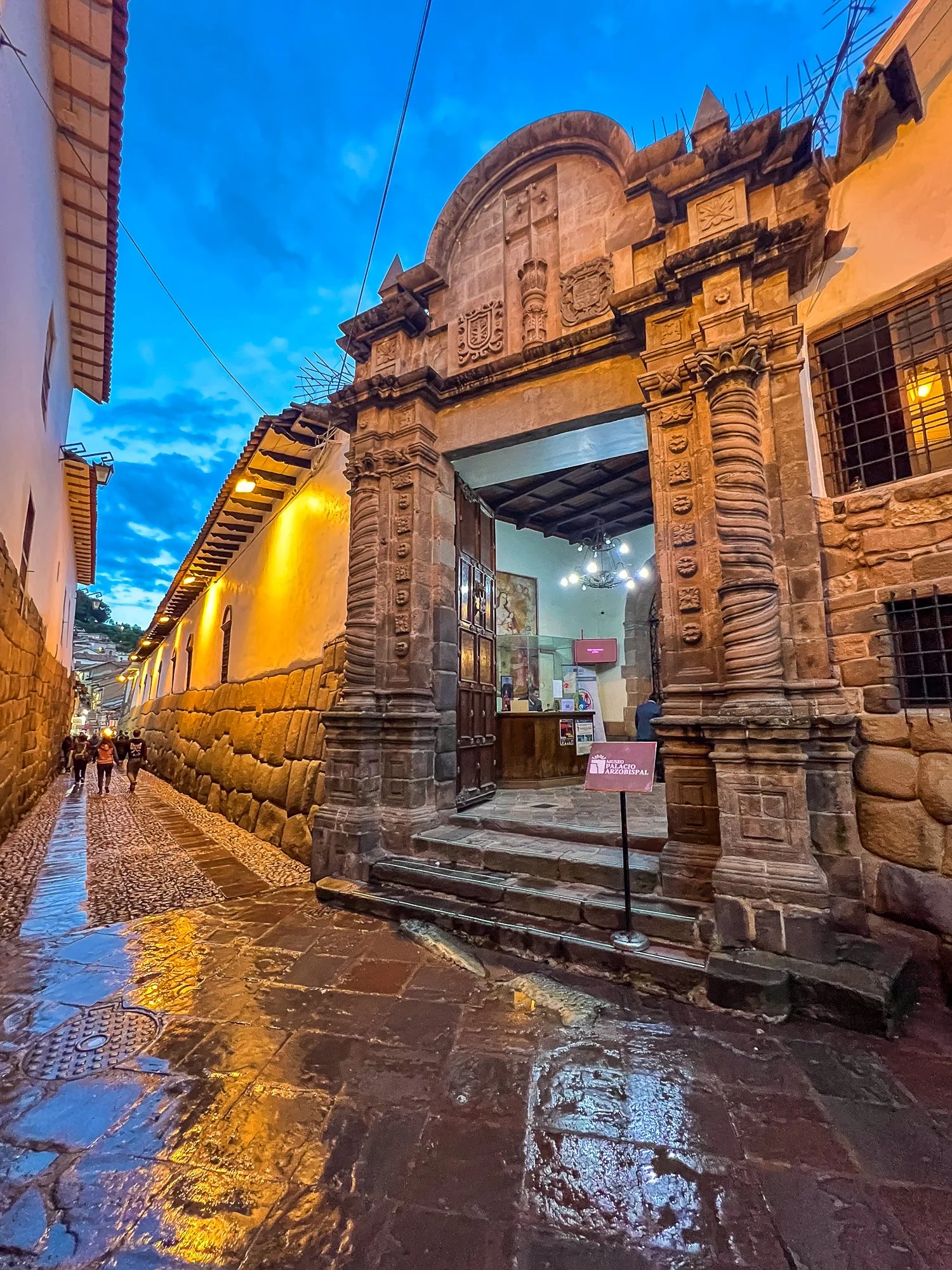
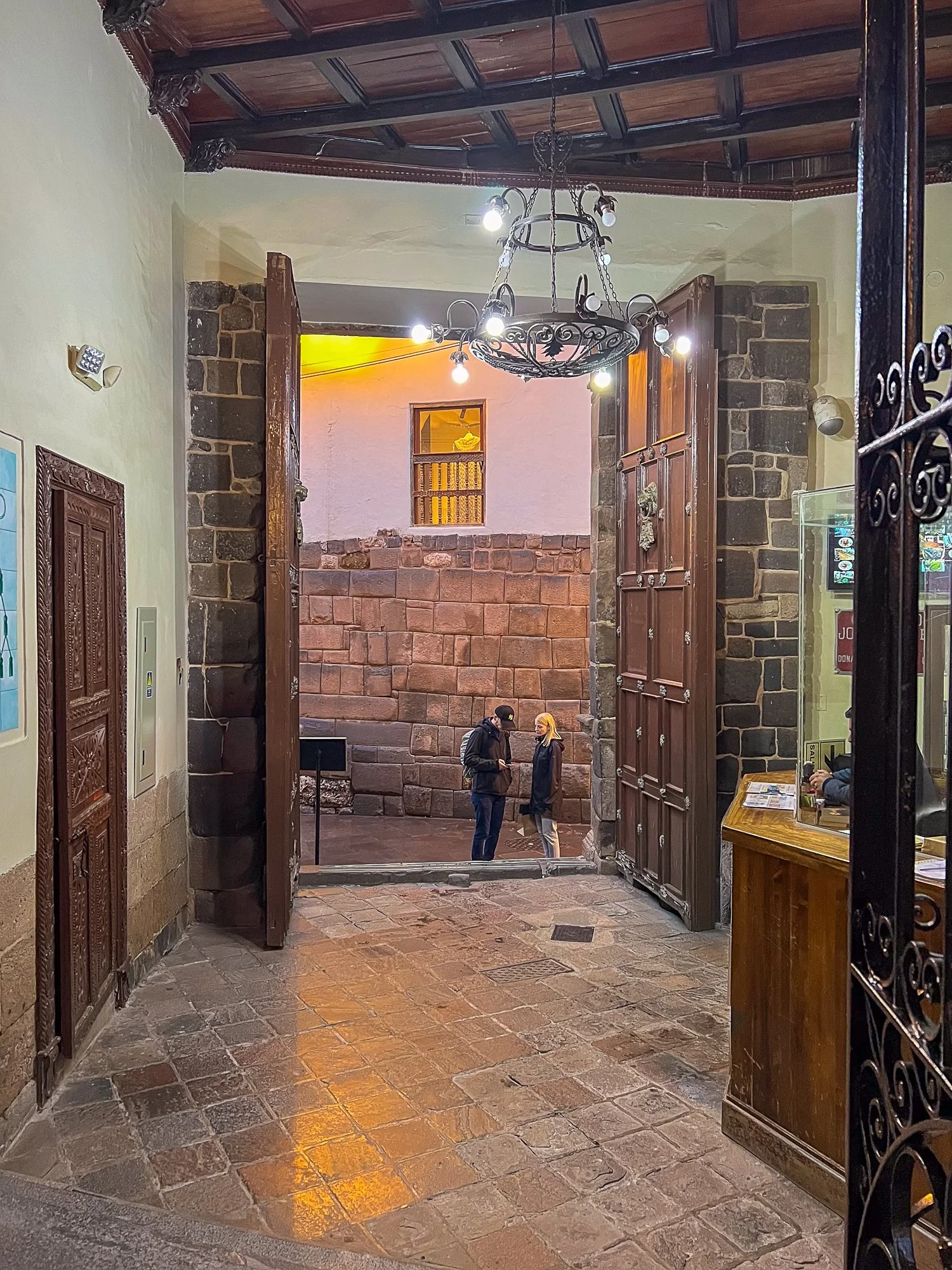
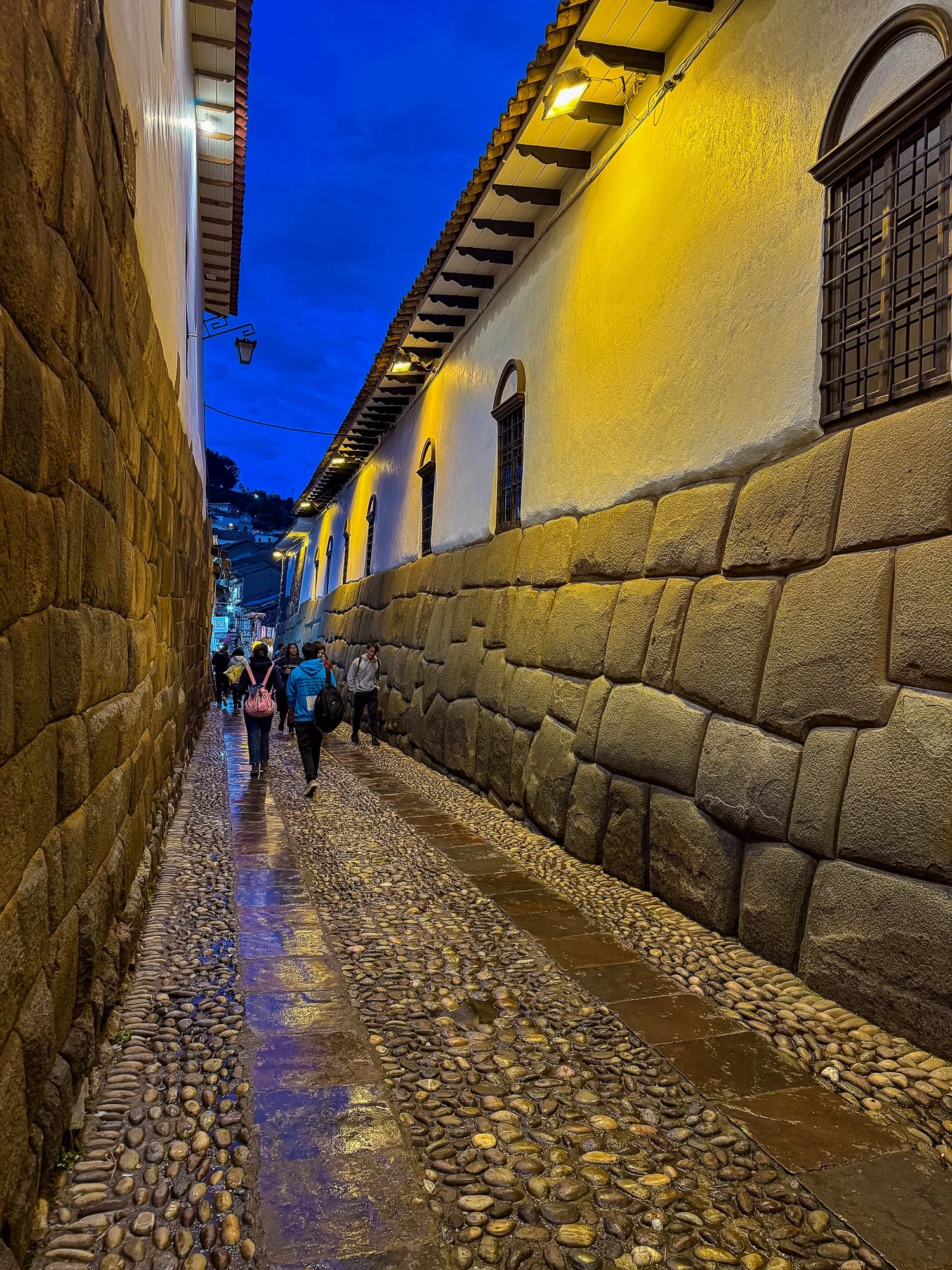
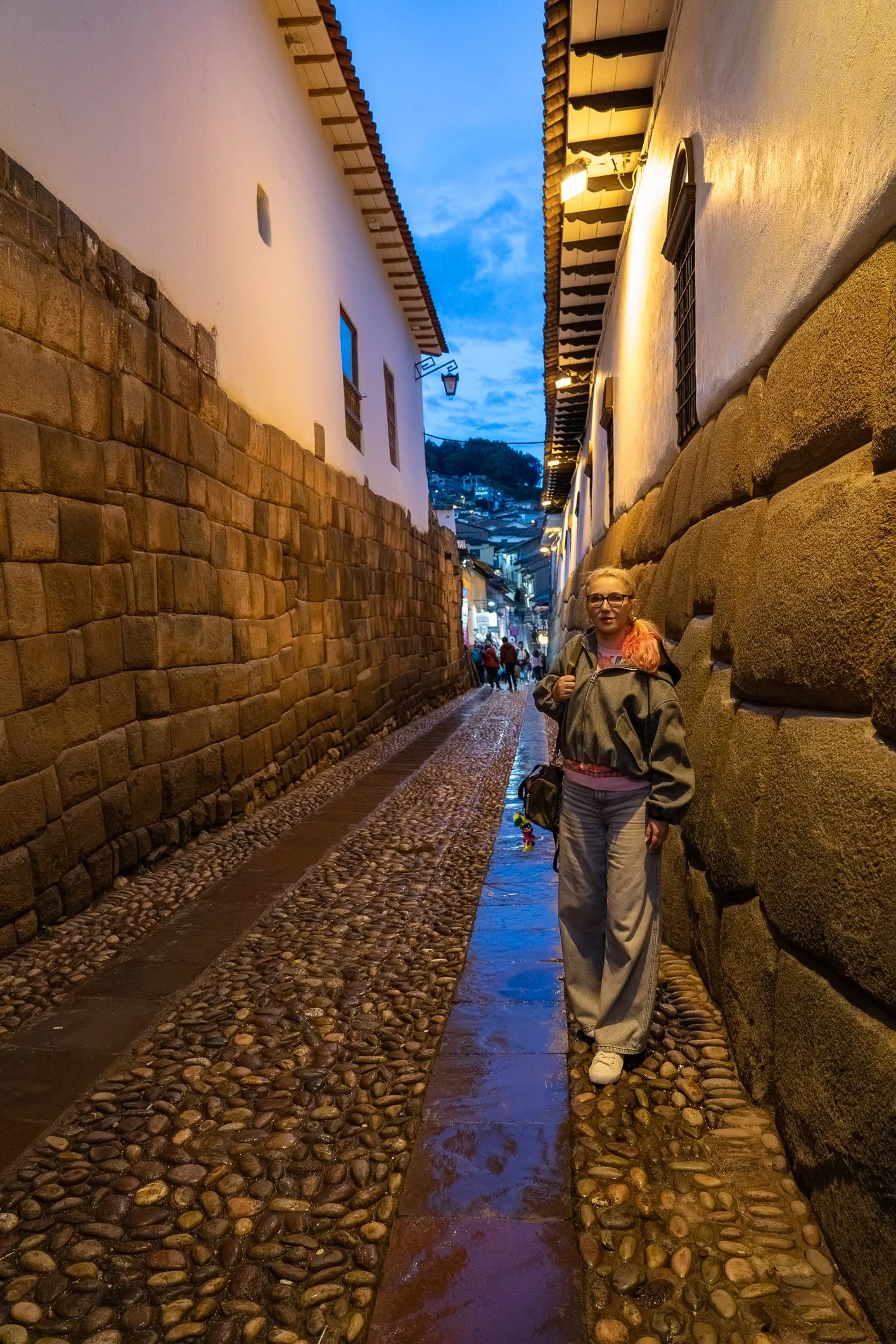
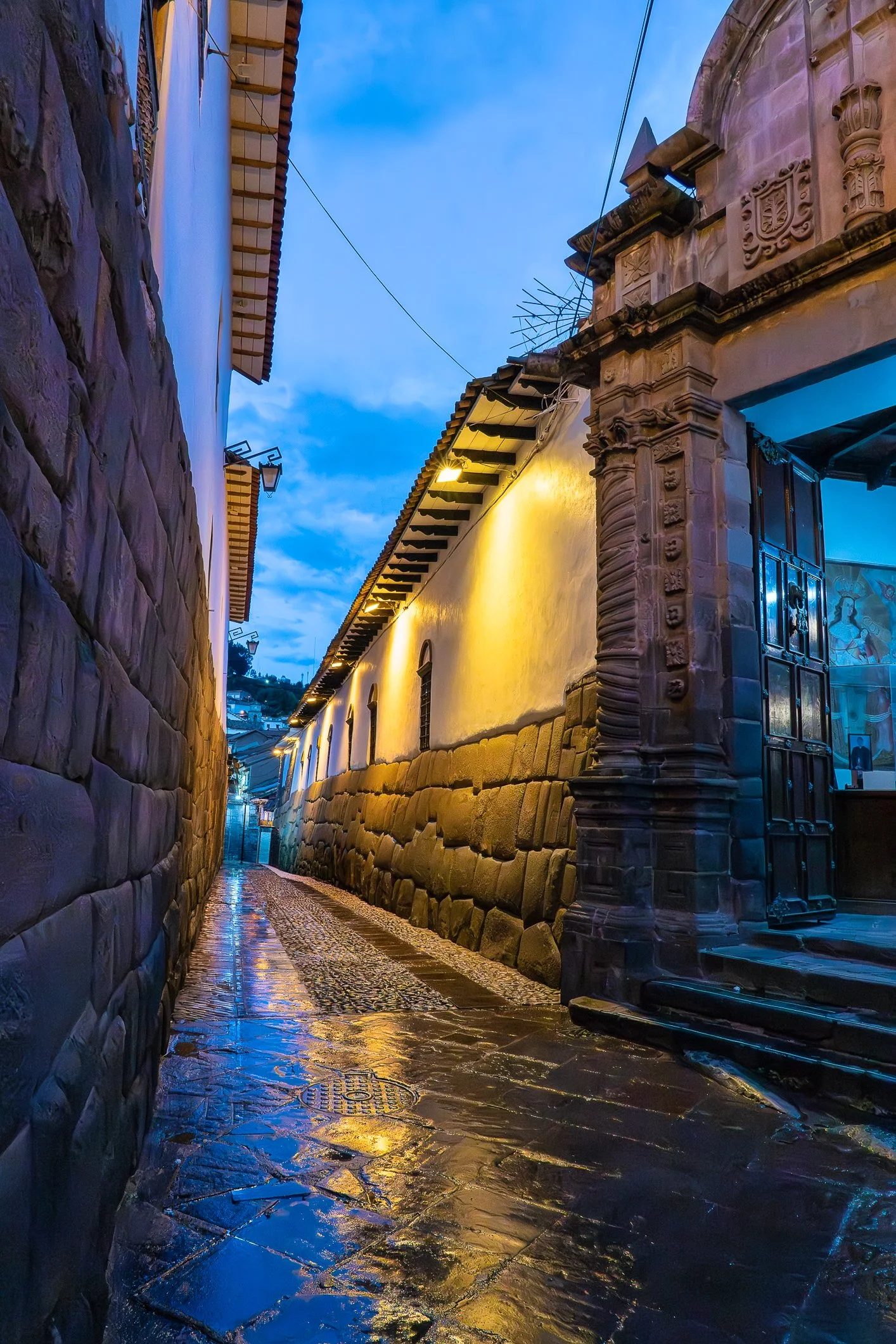
This layering of history is what gives the hotel its character. In Cusco, buildings are rarely built instead of one another – they are built on top of one another. Colonial walls rise above finely crafted Inca stone foundations, creating a fascinating blend of two very different worlds.
Nasz pierwszy hotel w Cusco, tuż przy Plaza de Armas, może nie należał do najbardziej luksusowych, ale pod względem położenia trudno byłoby znaleźć leszy. Poranna gorąca czekolada na balkonie z widokiem na katedrę i główny plac miasta była jednym z tych momentów, których na pewno łatwo nie zapomnimy. W dodatku wszystko to w bardzo atrakcyjnej cenie. Kolejne dwie noce postanowiliśmy jednak spędzić w miejscu oferującym sporą dawkę historii i równie dużą dawkę luksusu.
Casa Andina Premium mieści się w pieczołowicie odrestaurowanej XVII-wiecznej rezydencji kolonialnej, położonej w spokojniejszej części centrum, ale wciąż zaledwie kilka minut spacerem od Plaza de Armas. Hotel tworzą dwa połączone ze sobą budynki skupione wokół przestronnych dziedzińców. Starsza, kolonialna część mieści restaurację, bar i lounge. W tej części zachowały się fragmenty oryginalnych kamiennych murów, które przetrwały burzliwe dzieje Cusco.
To właśnie ta wielowarstwowość historii nadaje temu miejscu wyjątkowy charakter. W Cusco nowe budynki rzadko powstawały od podstaw - znacznie częściej wznoszono je na fundamentach wcześniejszych konstrukcji. W efekcie kolonialne mury wyrastają tu wprost z perfekcyjnie obrobionych inkaskich kamiennych bloków, łącząc odmienne epoki i kultury.
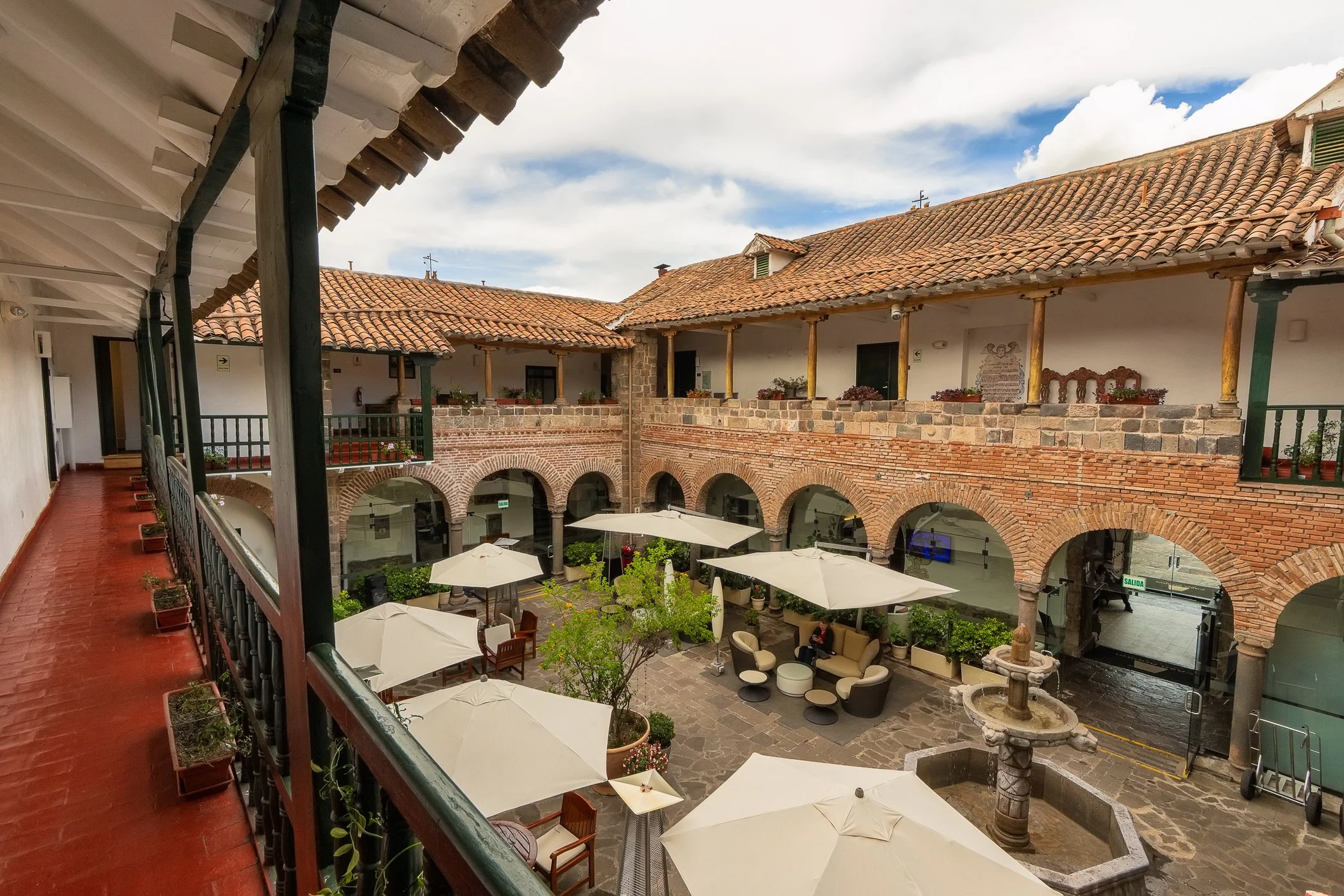
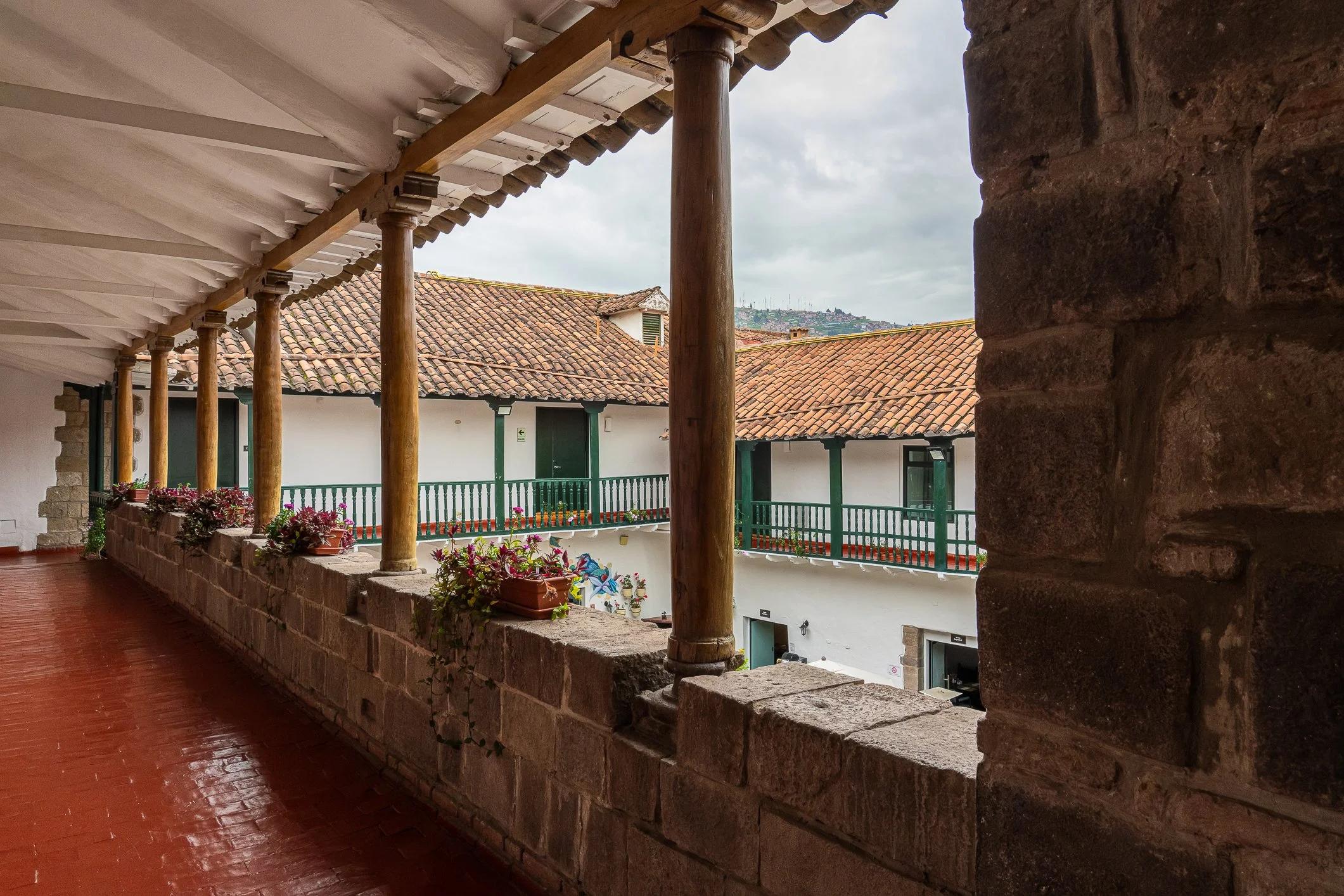
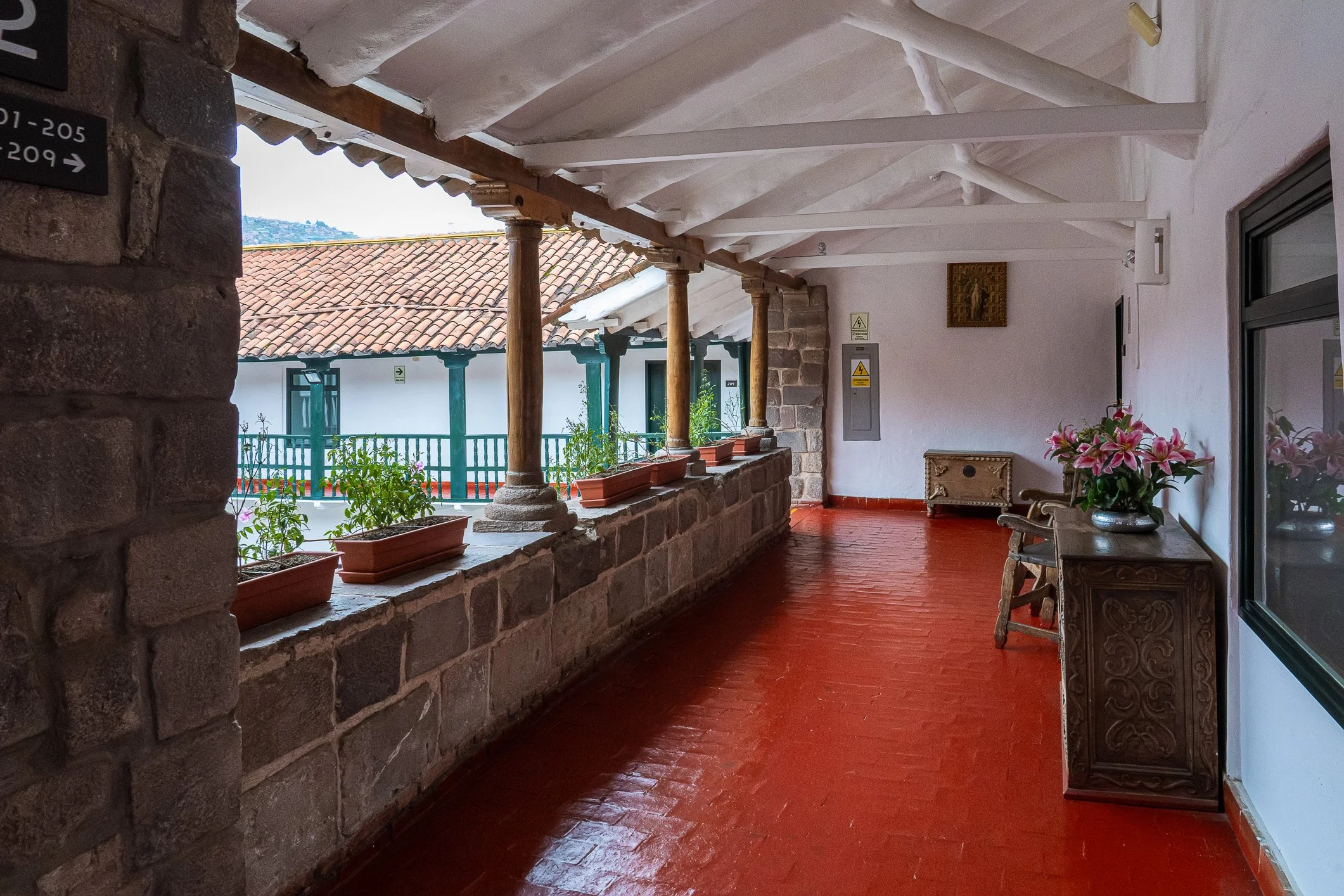
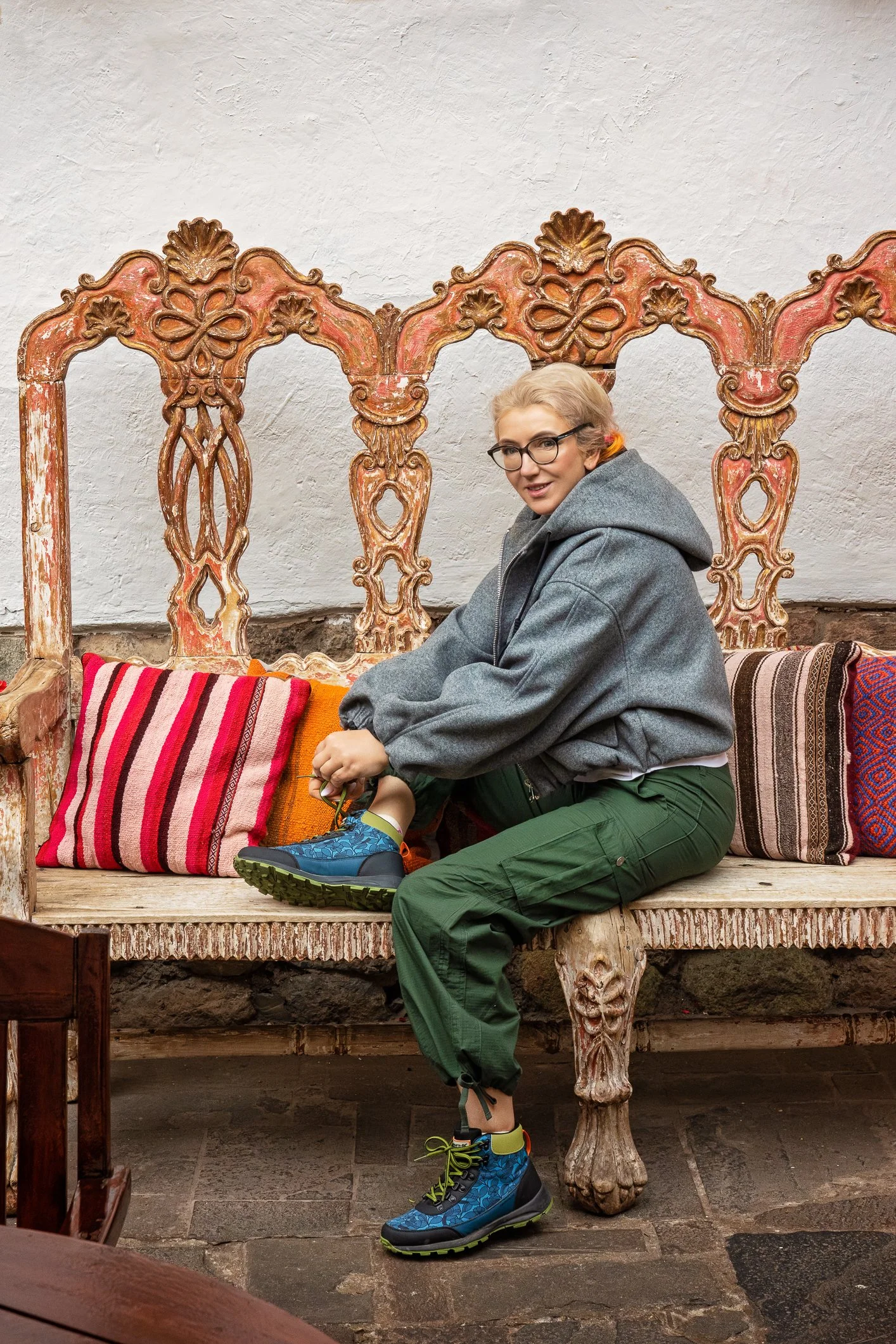
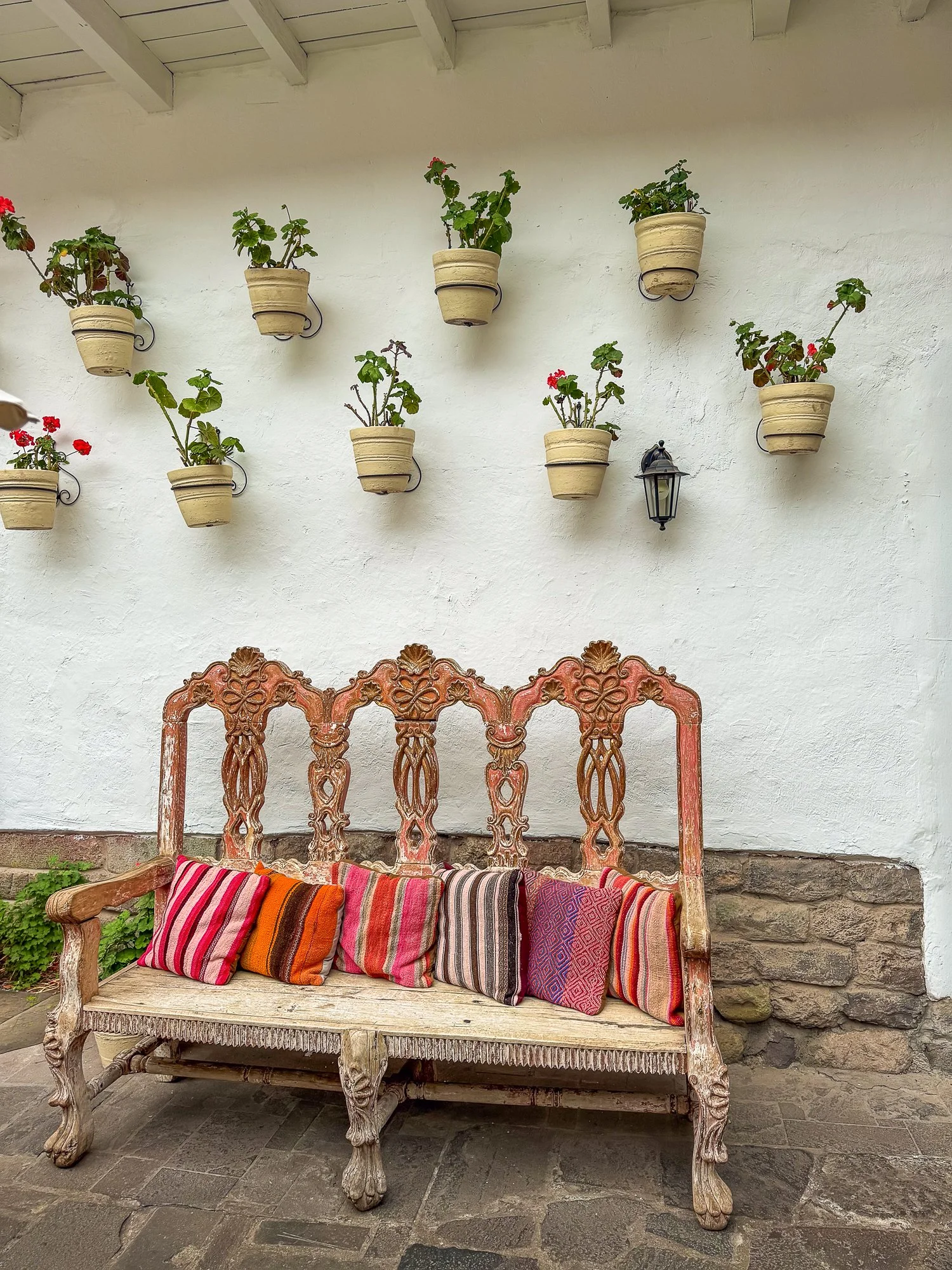
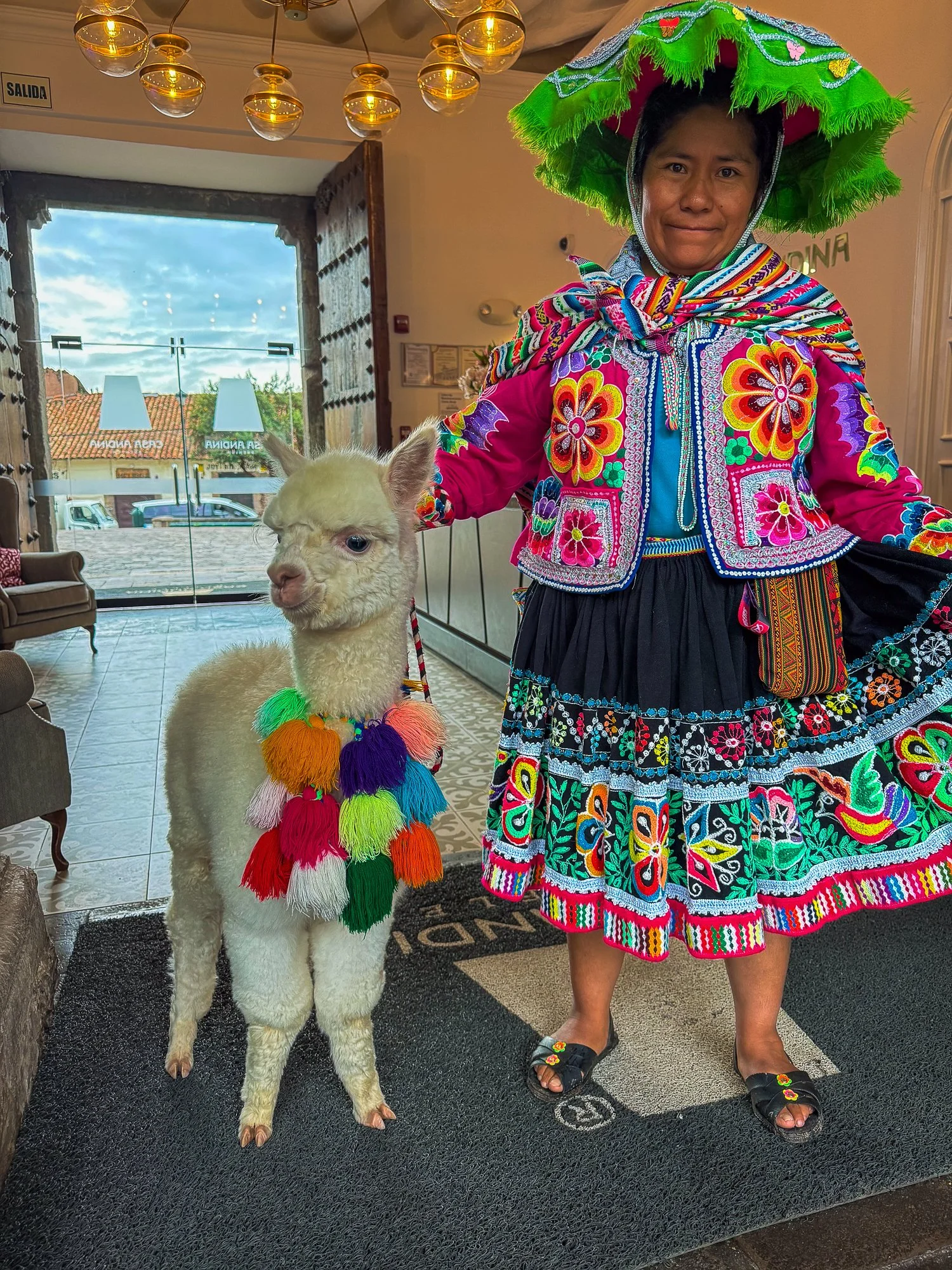
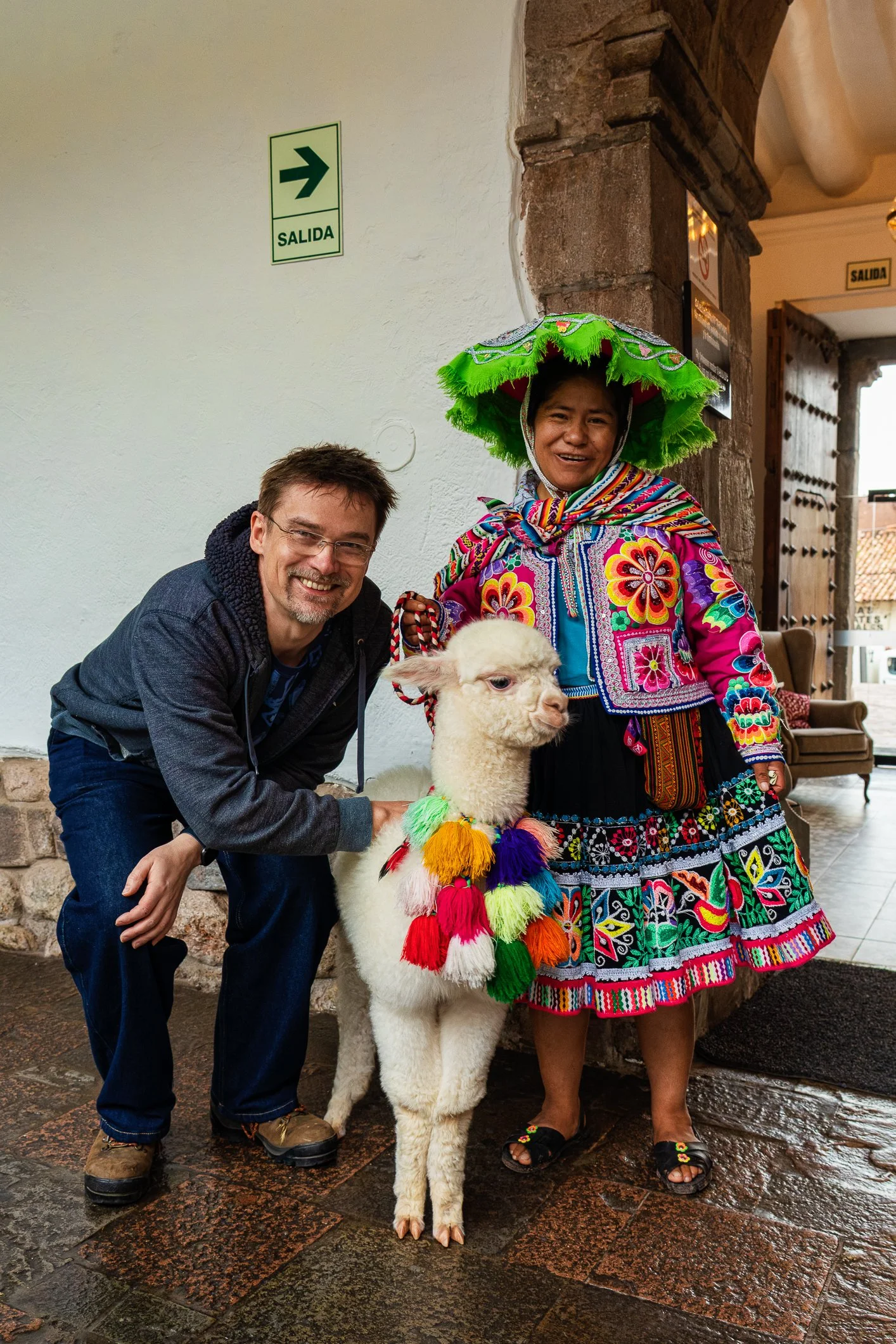
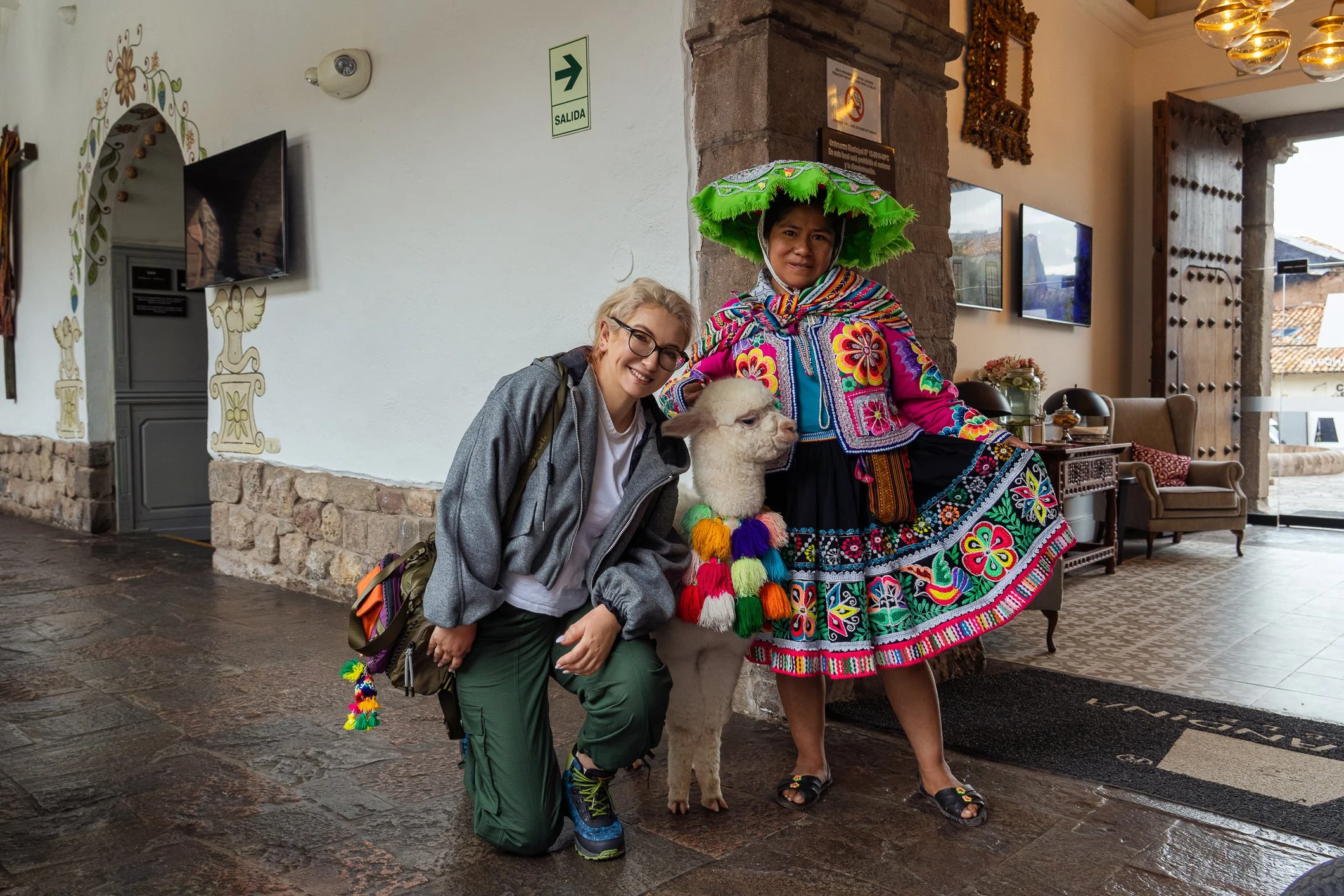
The courtyards were rarely empty. Throughout the day, local women dressed in colourful traditional Andean clothing displayed handmade textiles and souvenirs. One of them was accompanied by a remarkably patient llama.
Główny dziedziniec prawie nigdy nie był pusty. Przez cały dzień lokalne kobiety, ubrane w kolorowe tradycyjne stroje andyjskie, prezentowały ręcznie wykonane tkaniny oraz różnego rodzaju pamiątki. Jednej z nich cierpliwie towarzyszyła lama, której nie wydawało się bardzo przeszkadzać, że każdy chce mieć z nią zdjęcie.
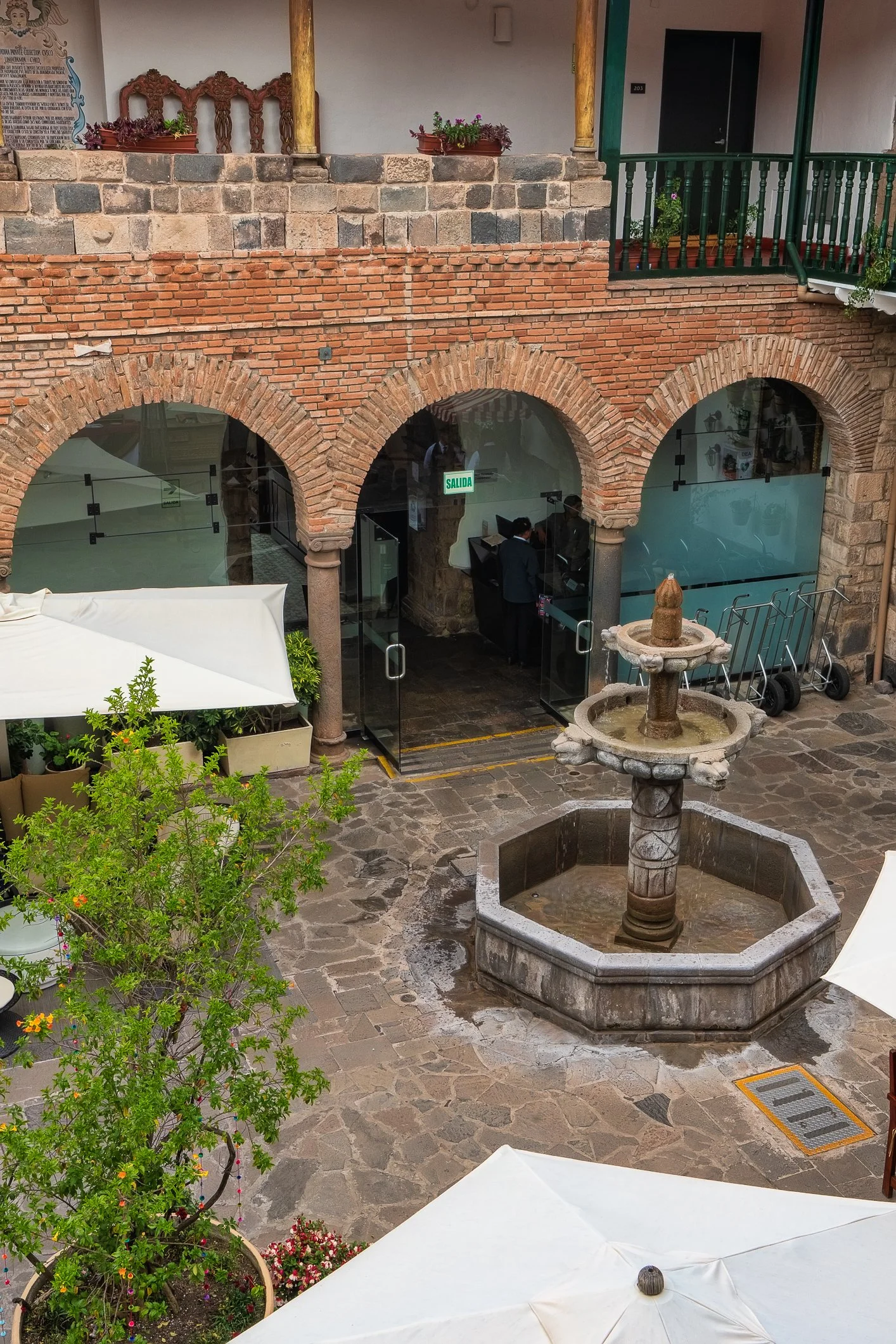
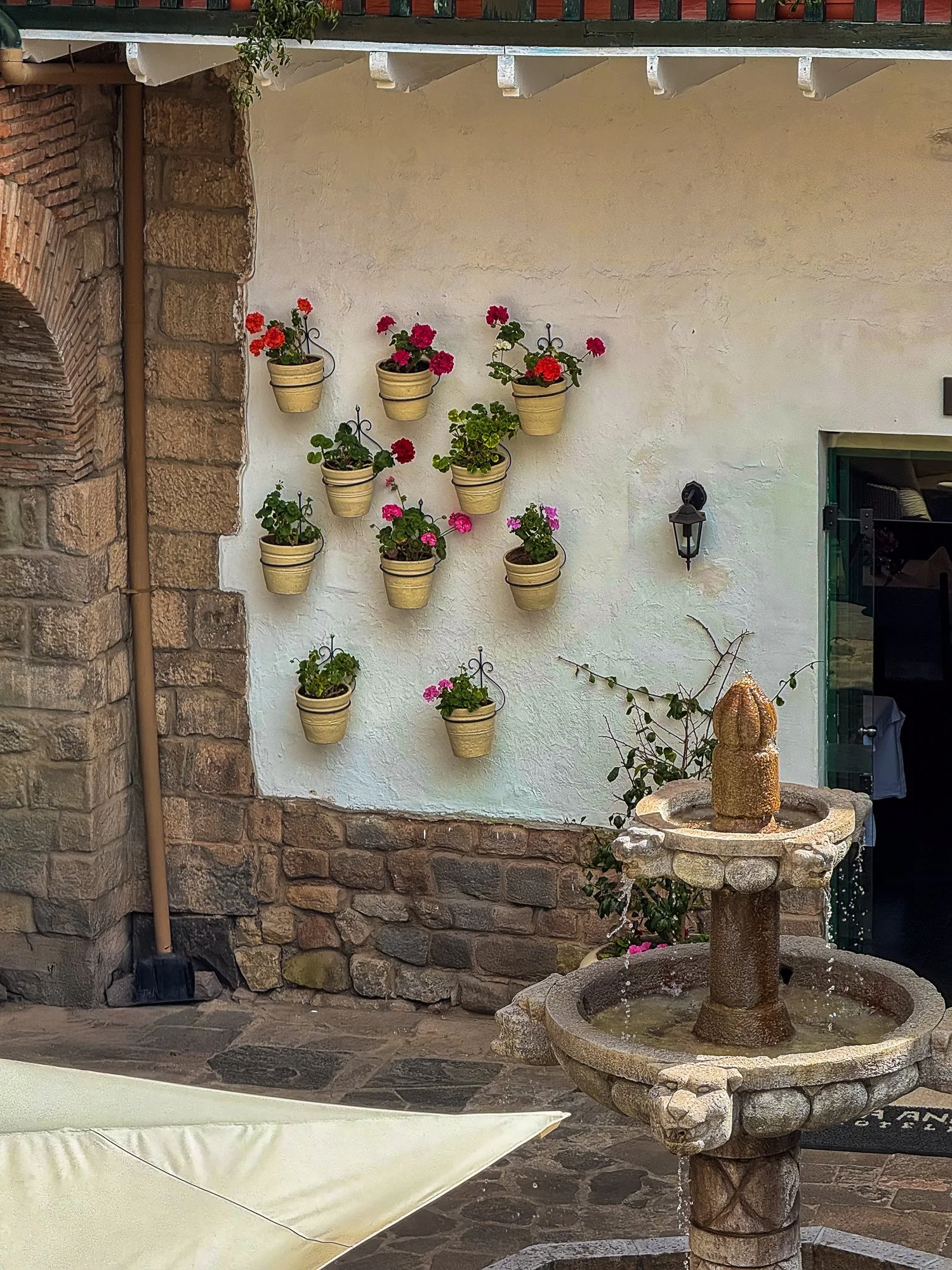
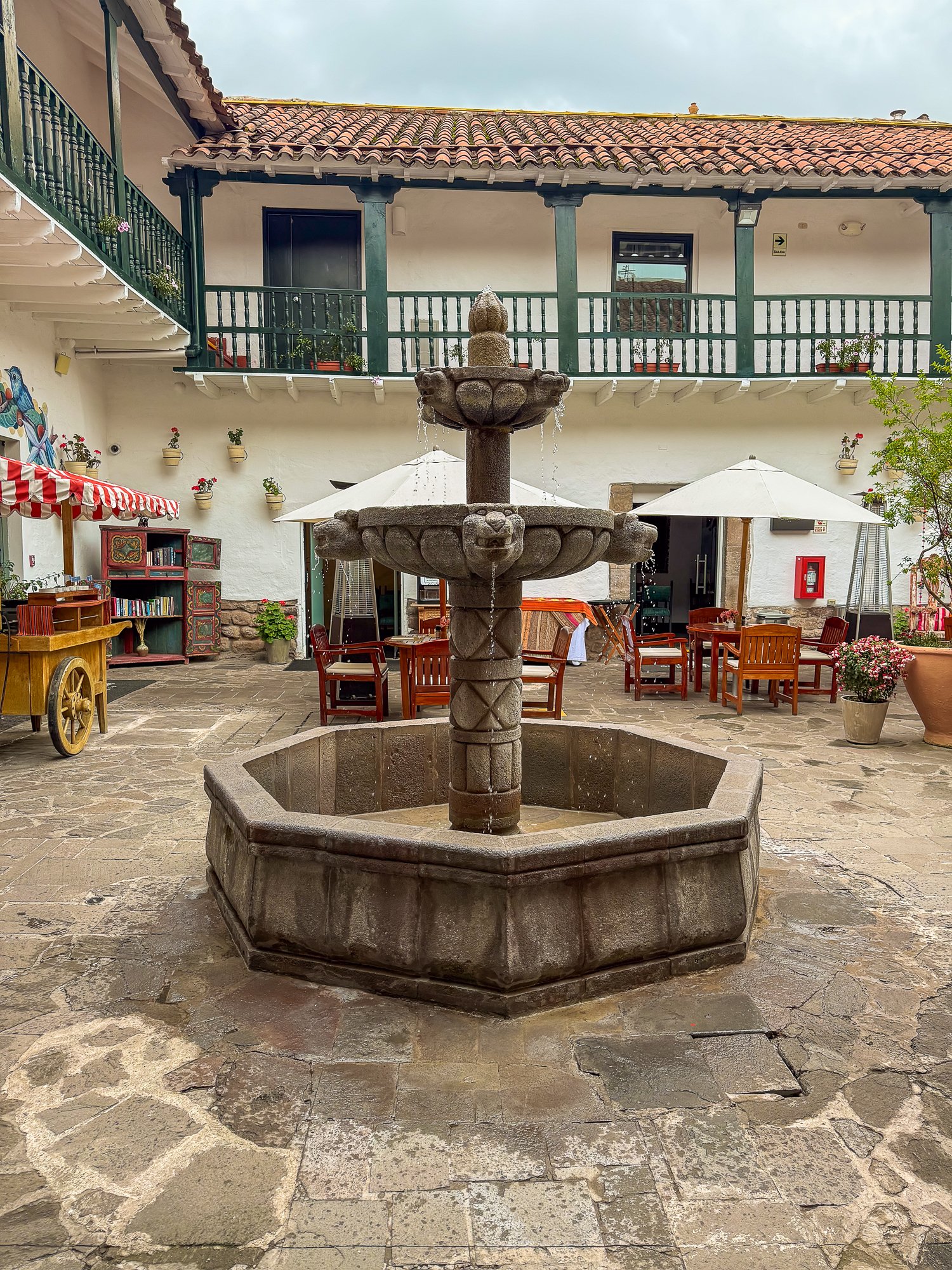
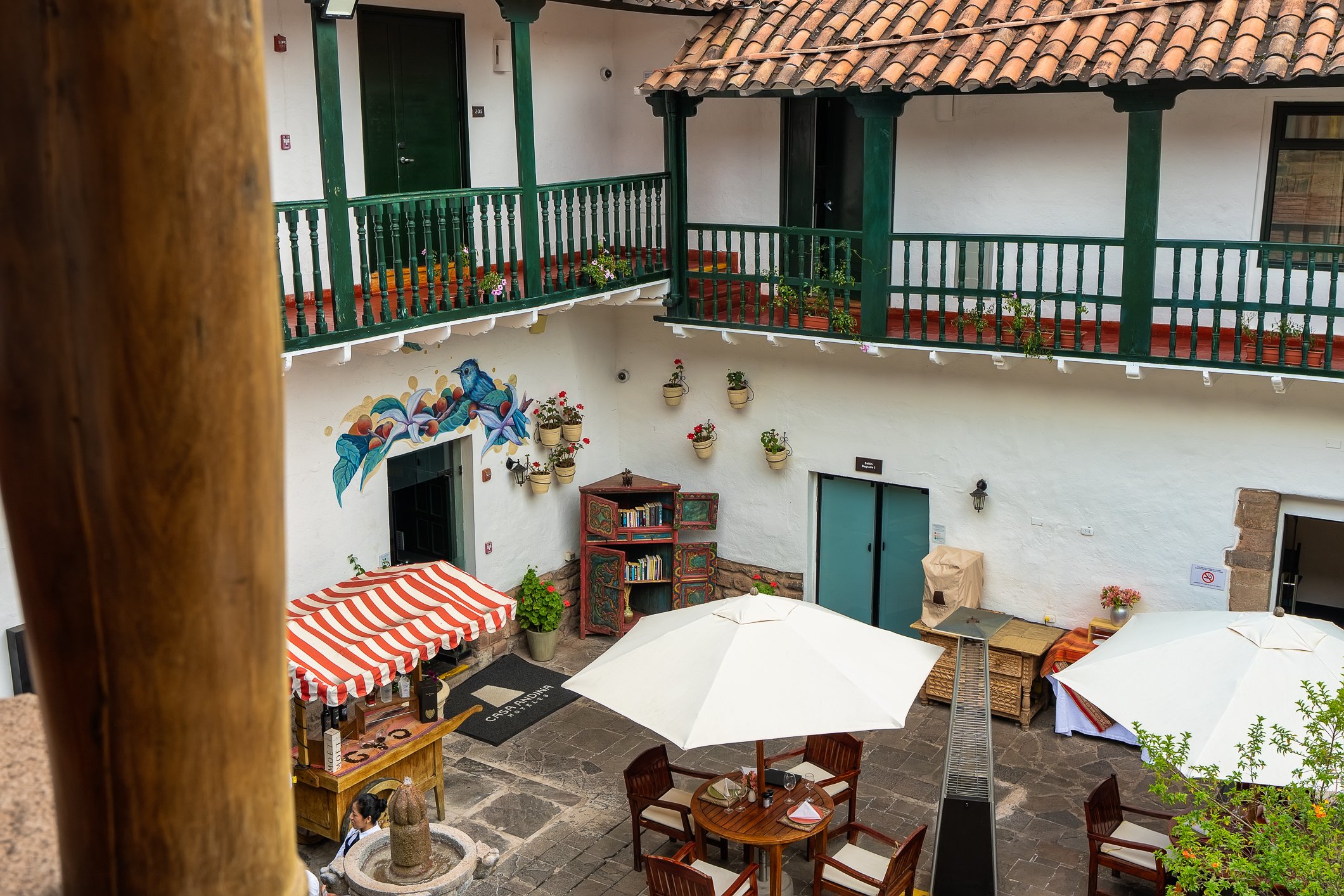
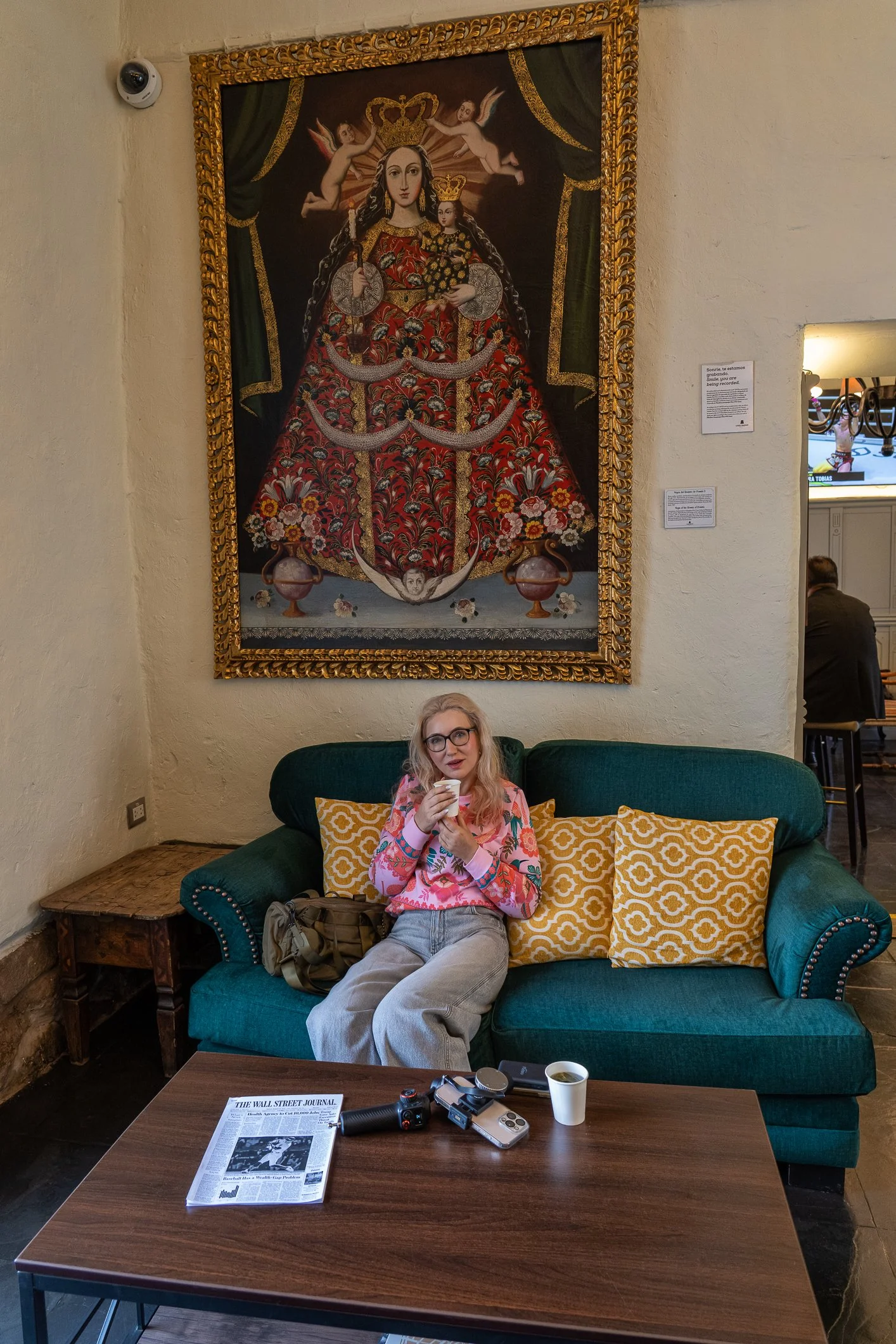
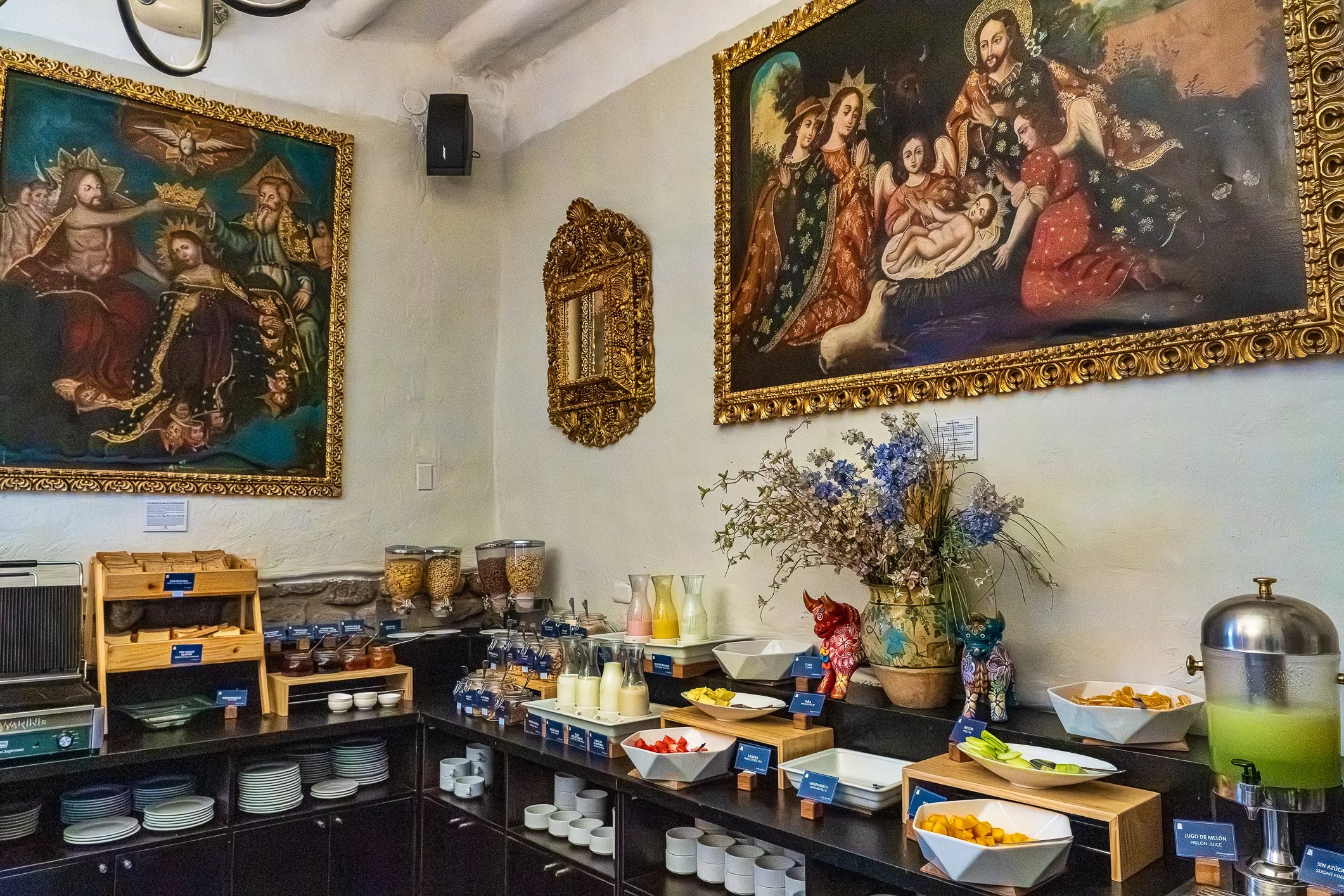
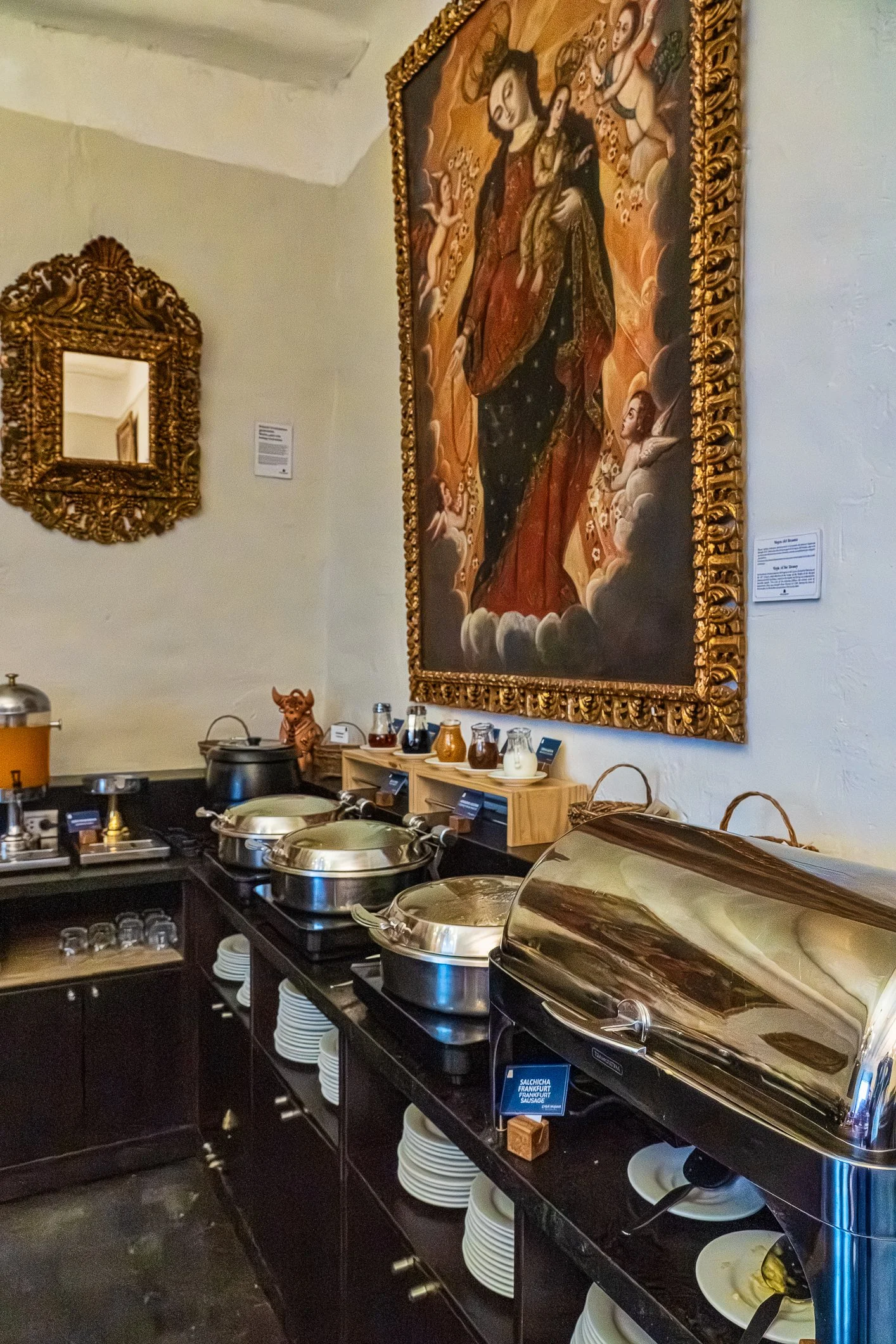
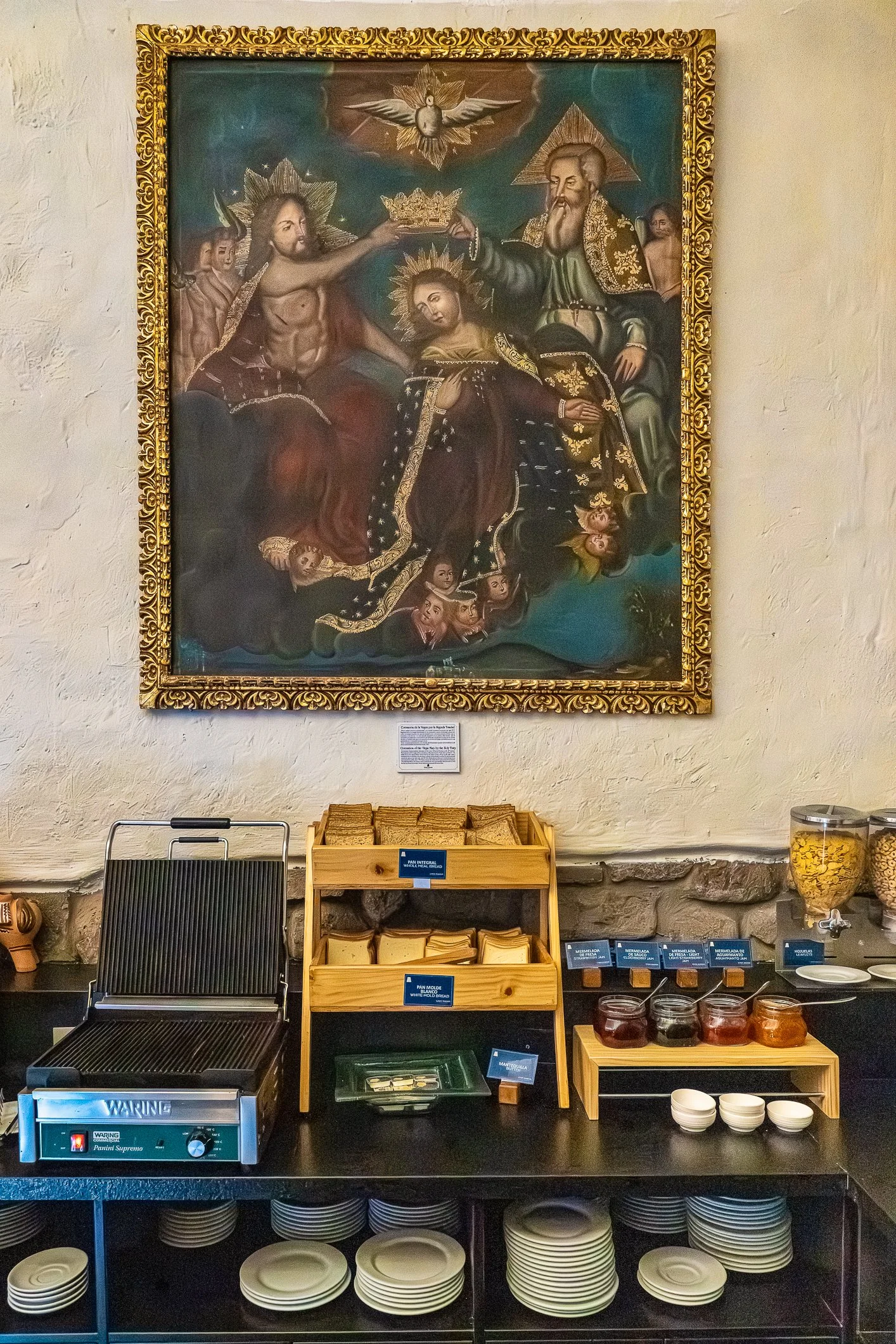
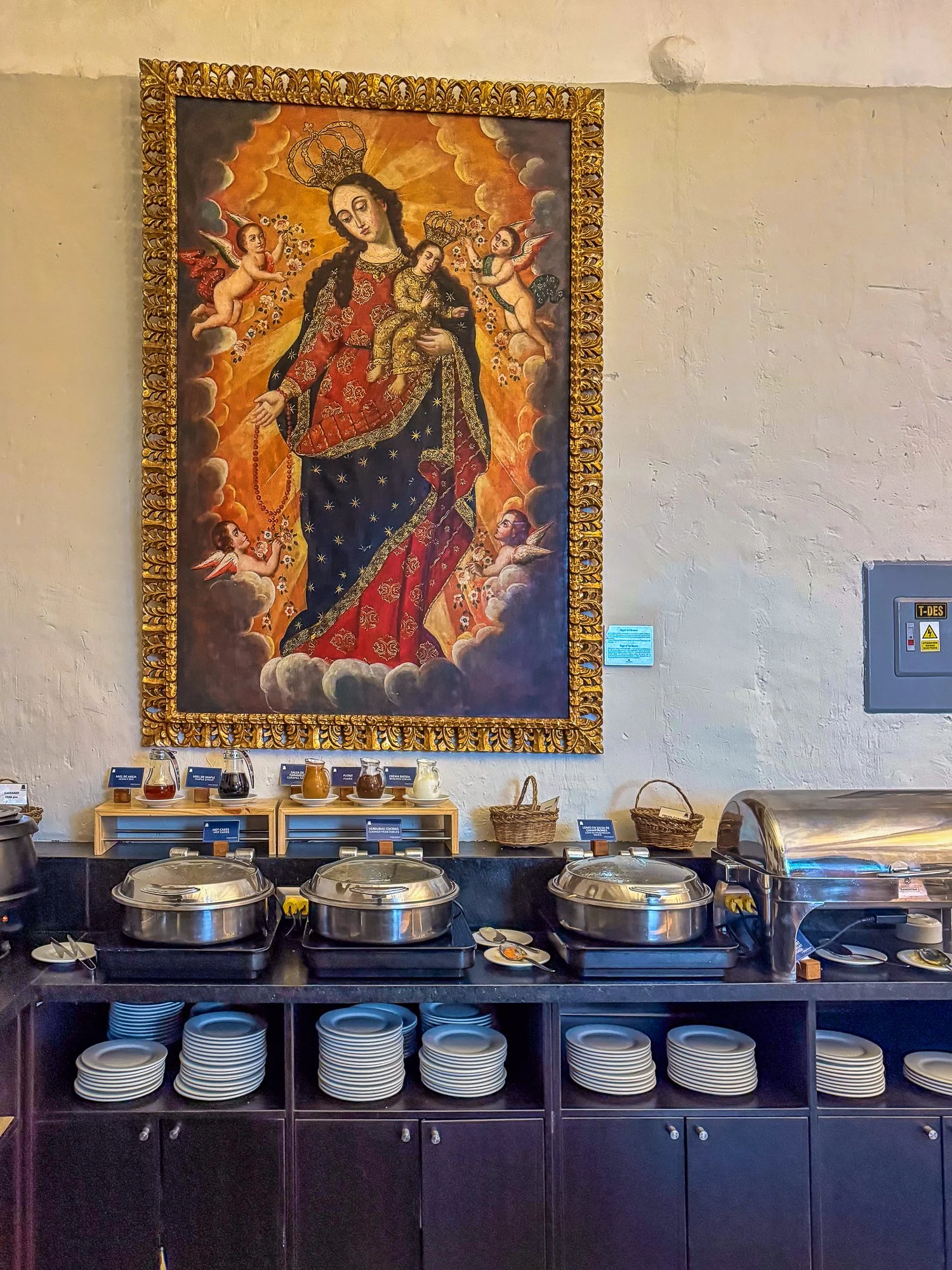
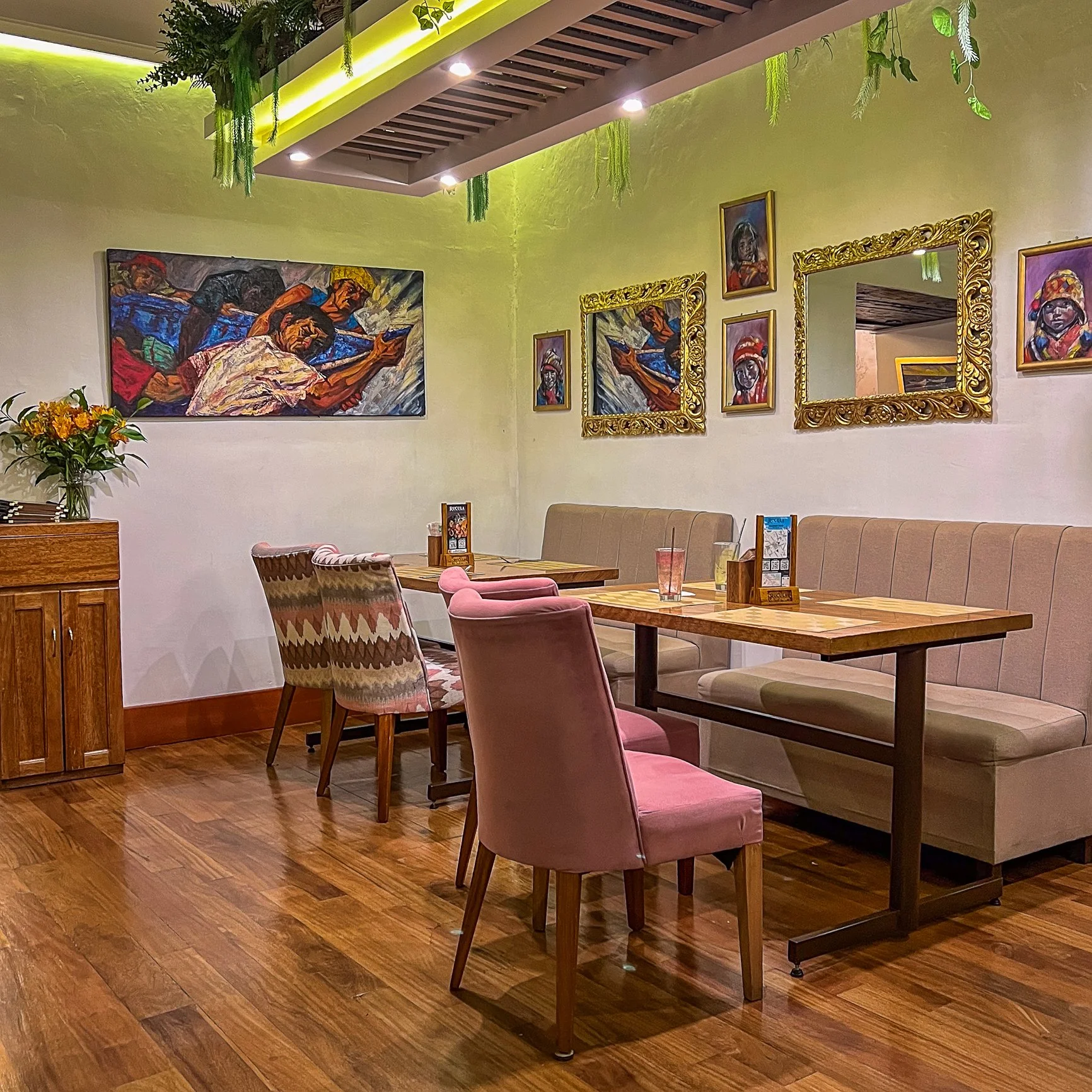
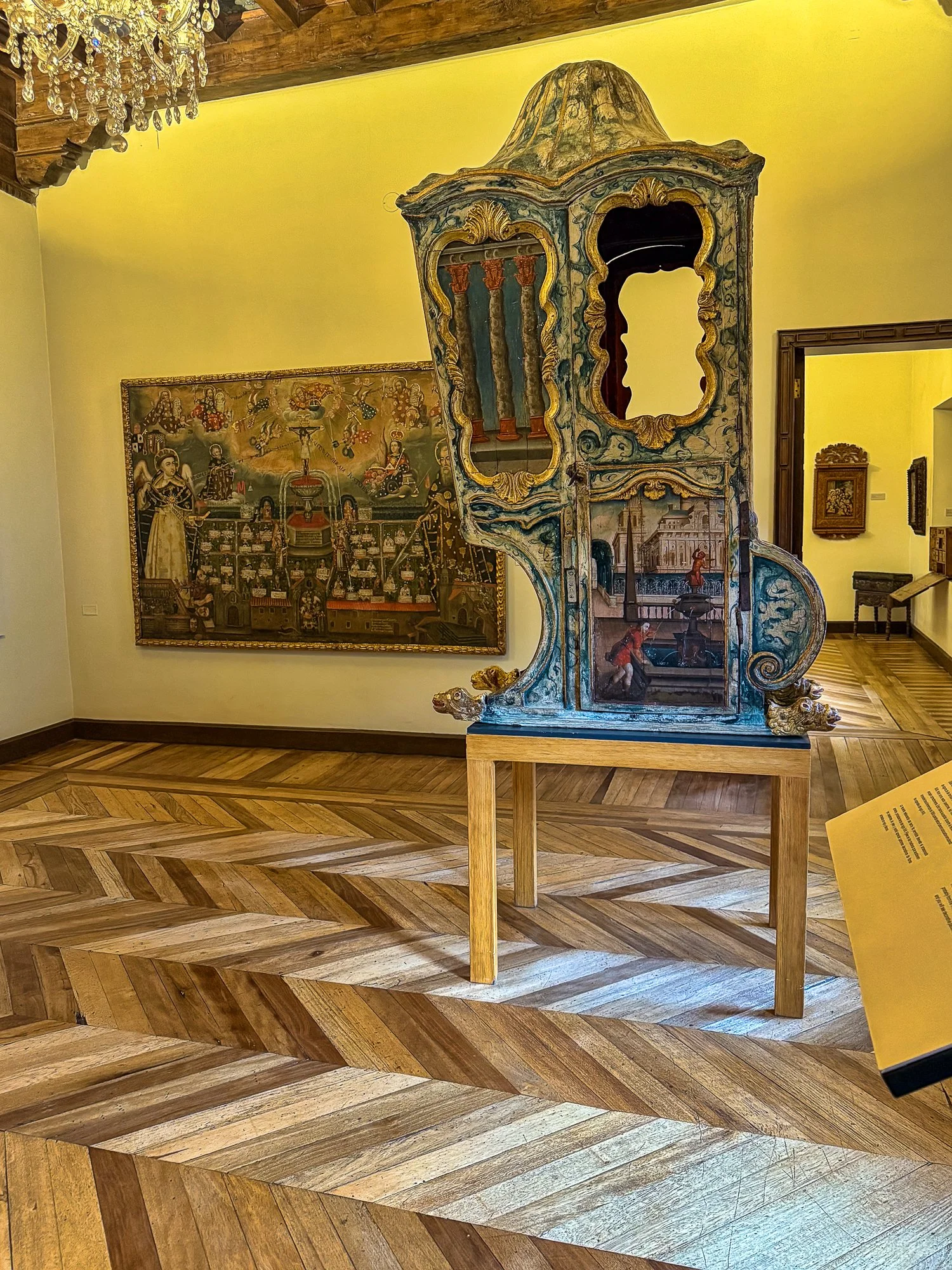
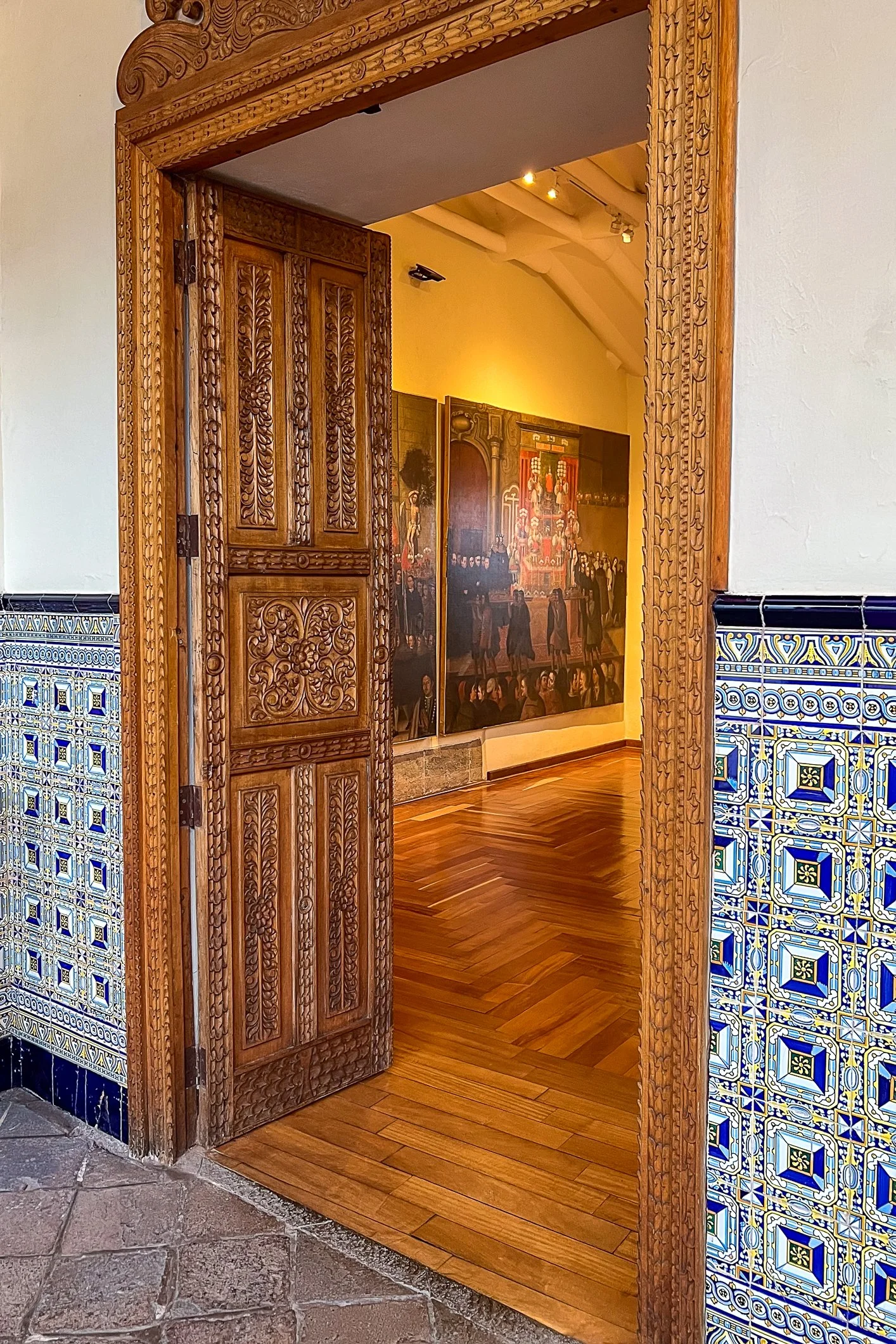
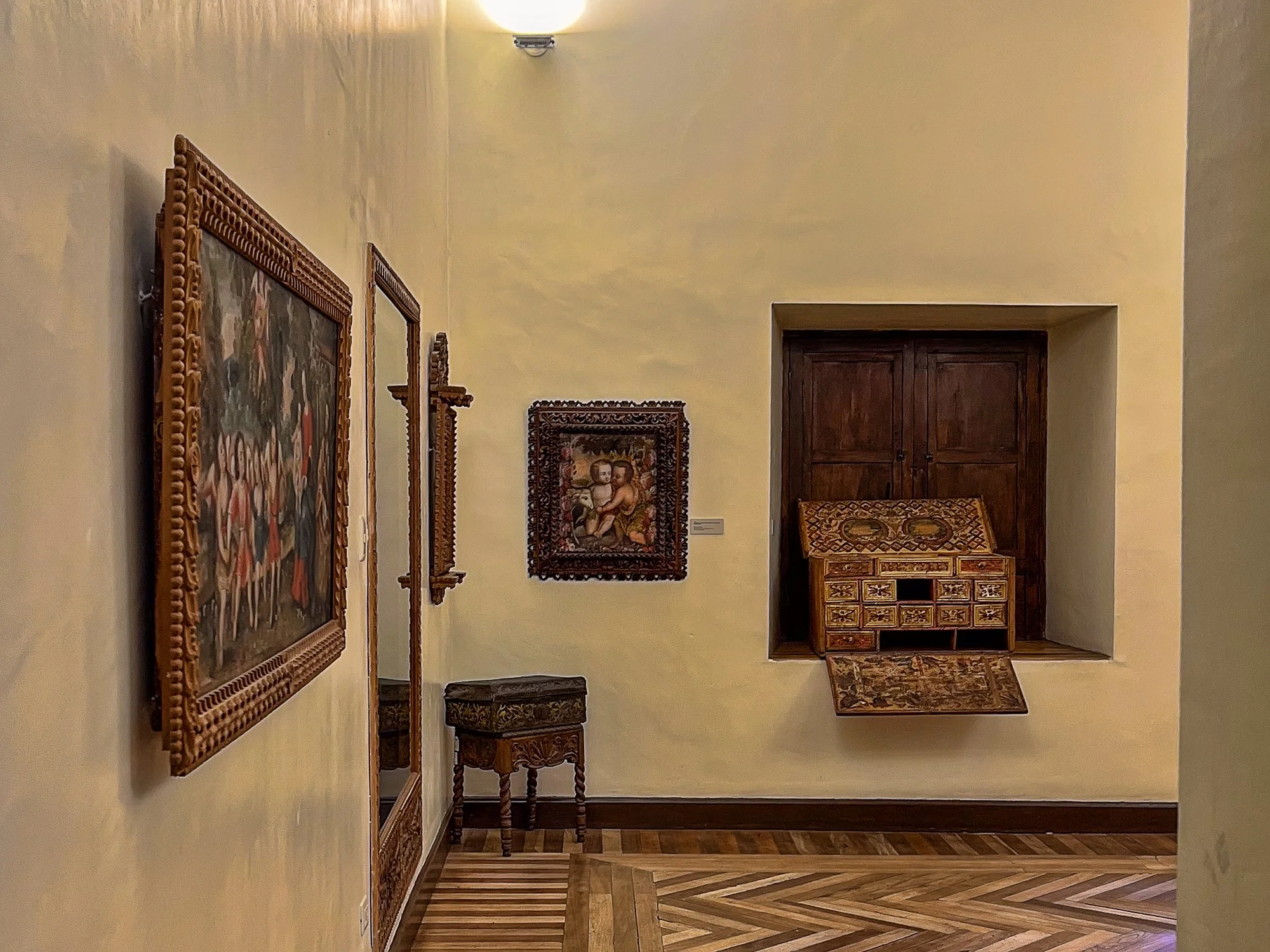
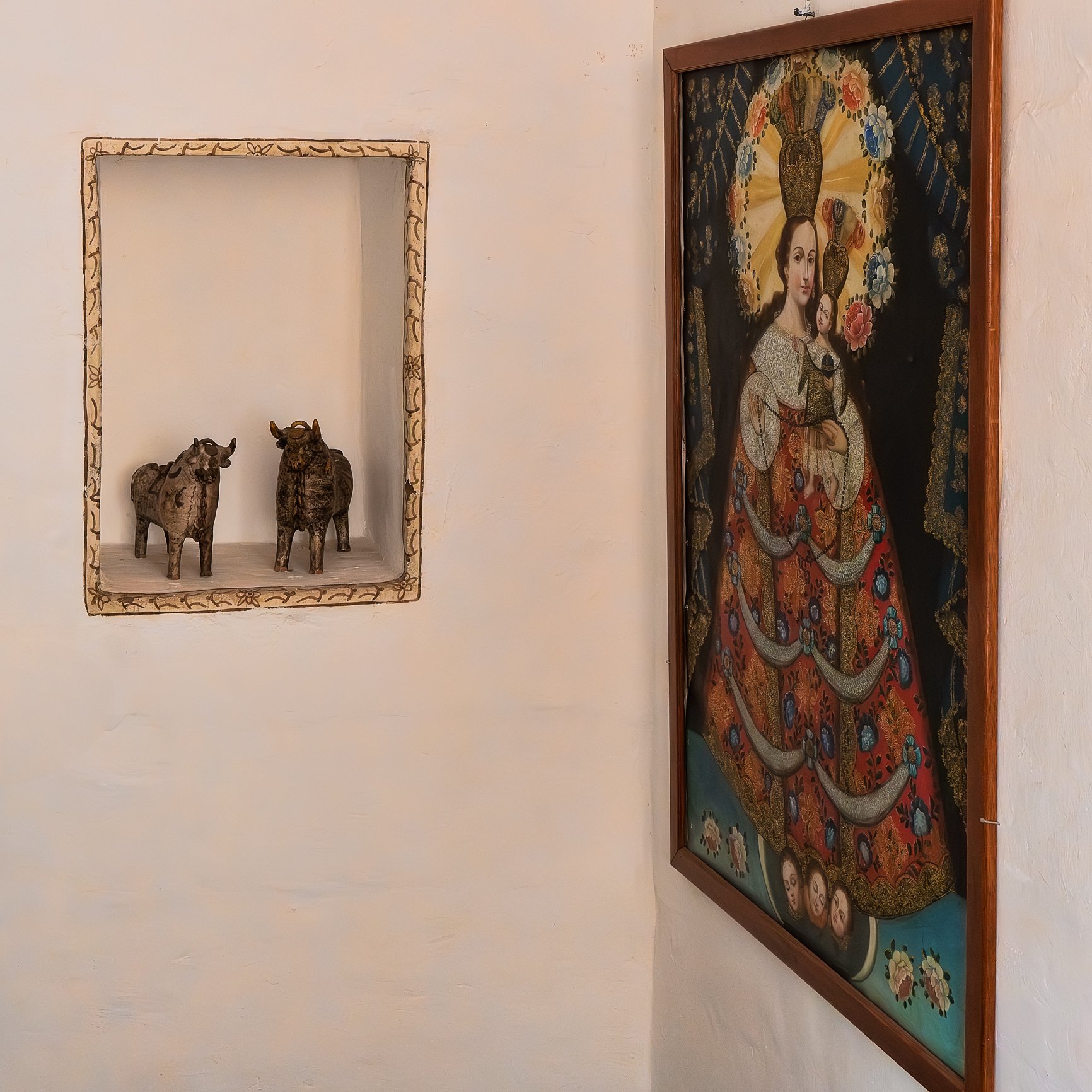
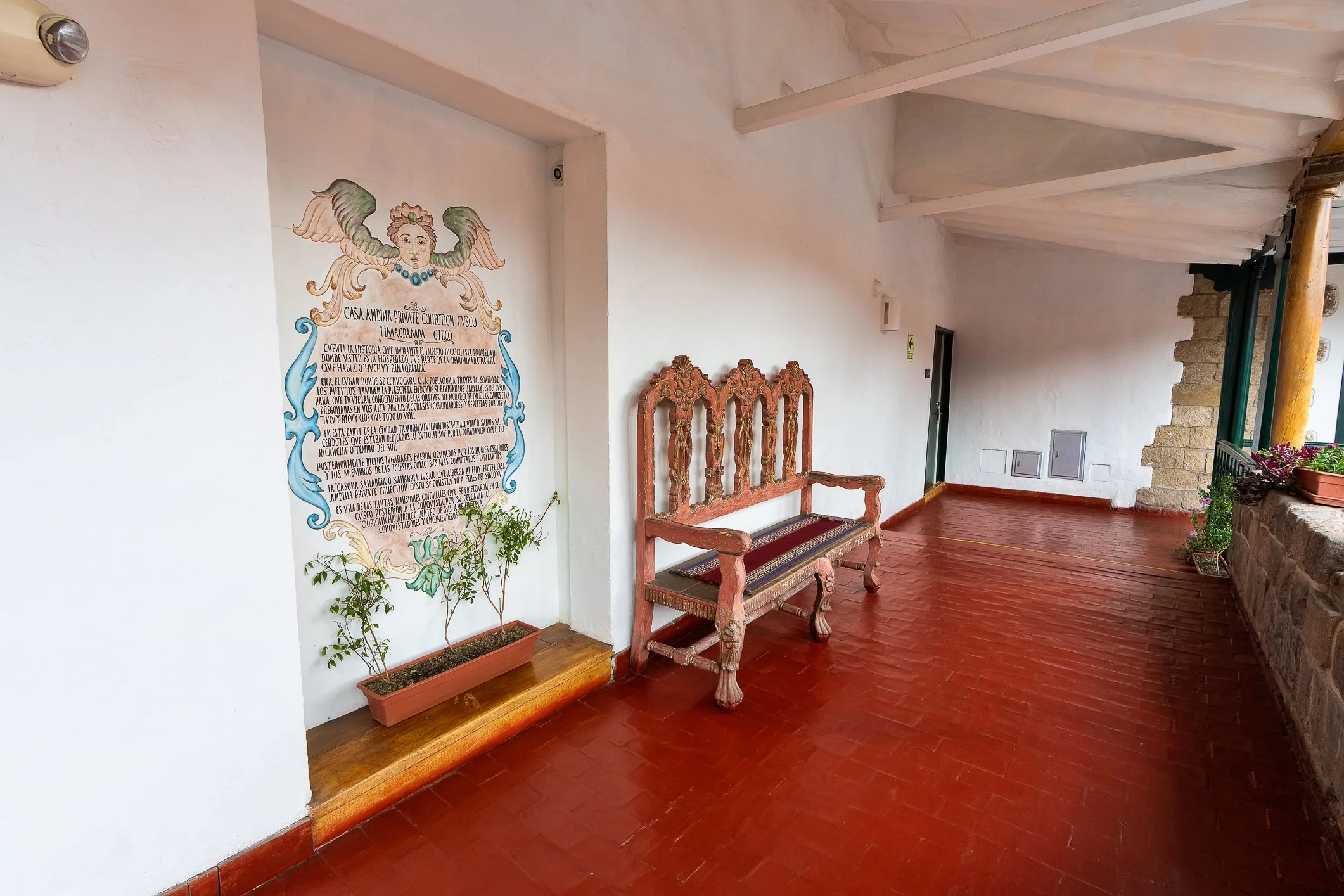
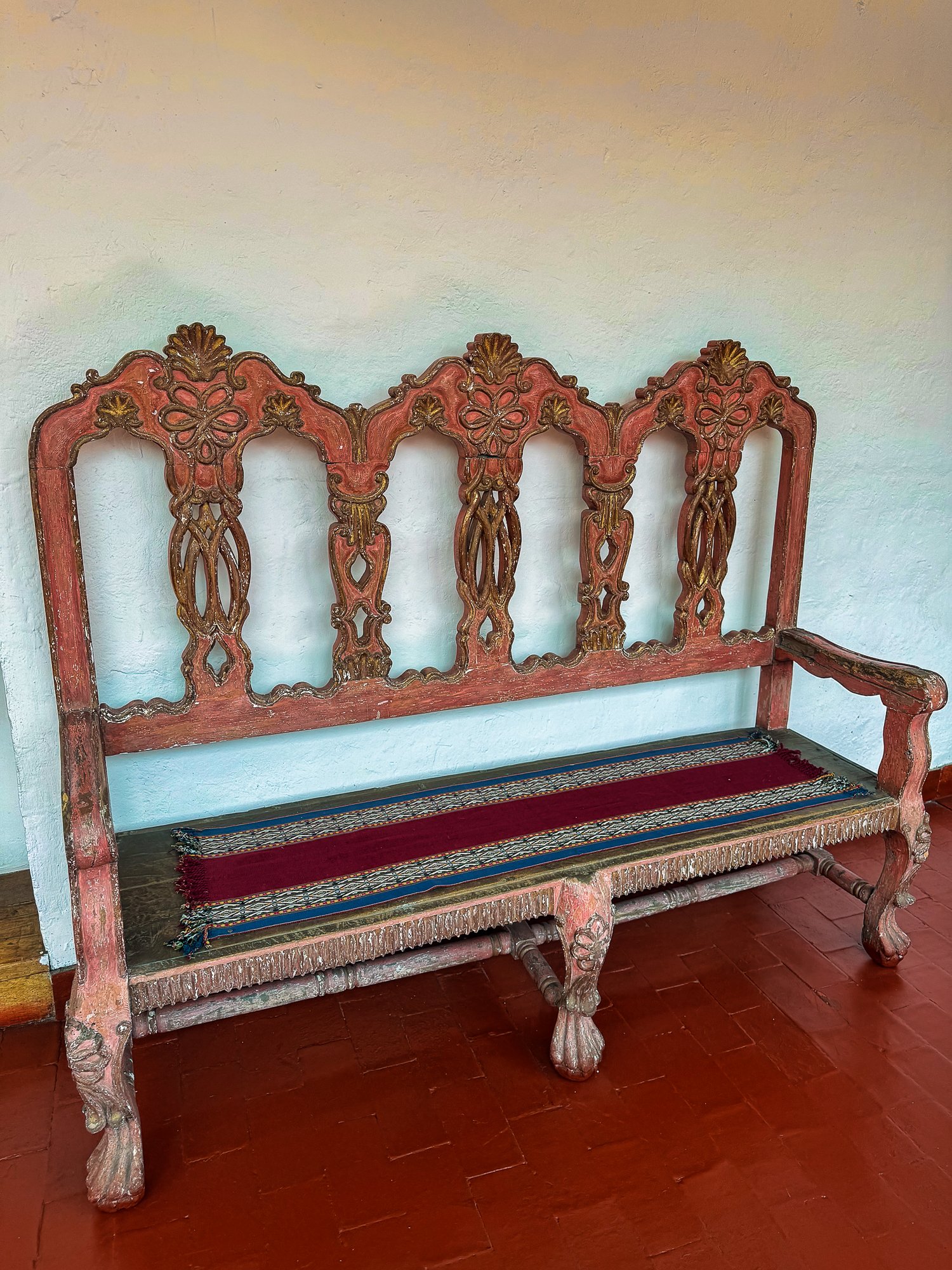
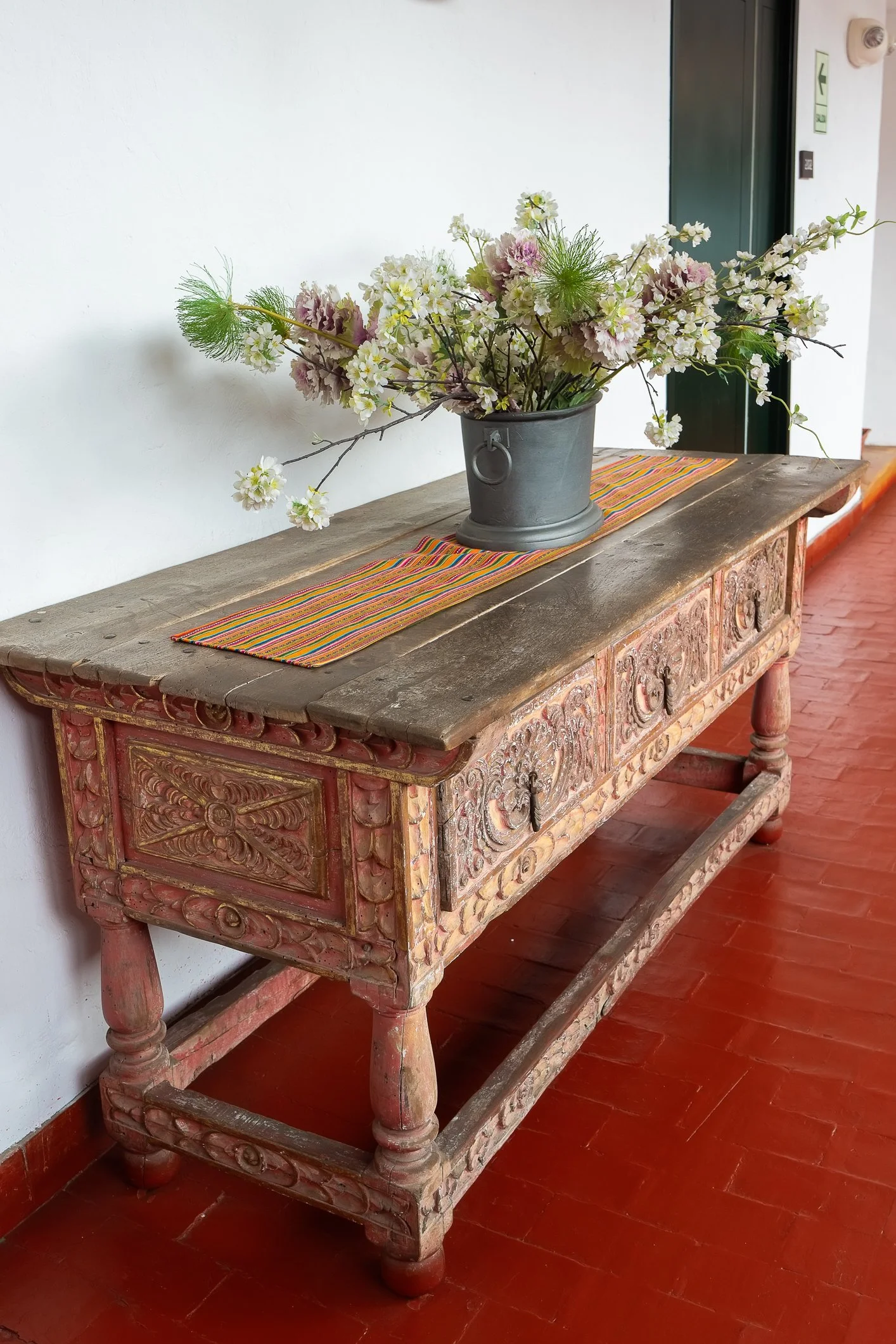
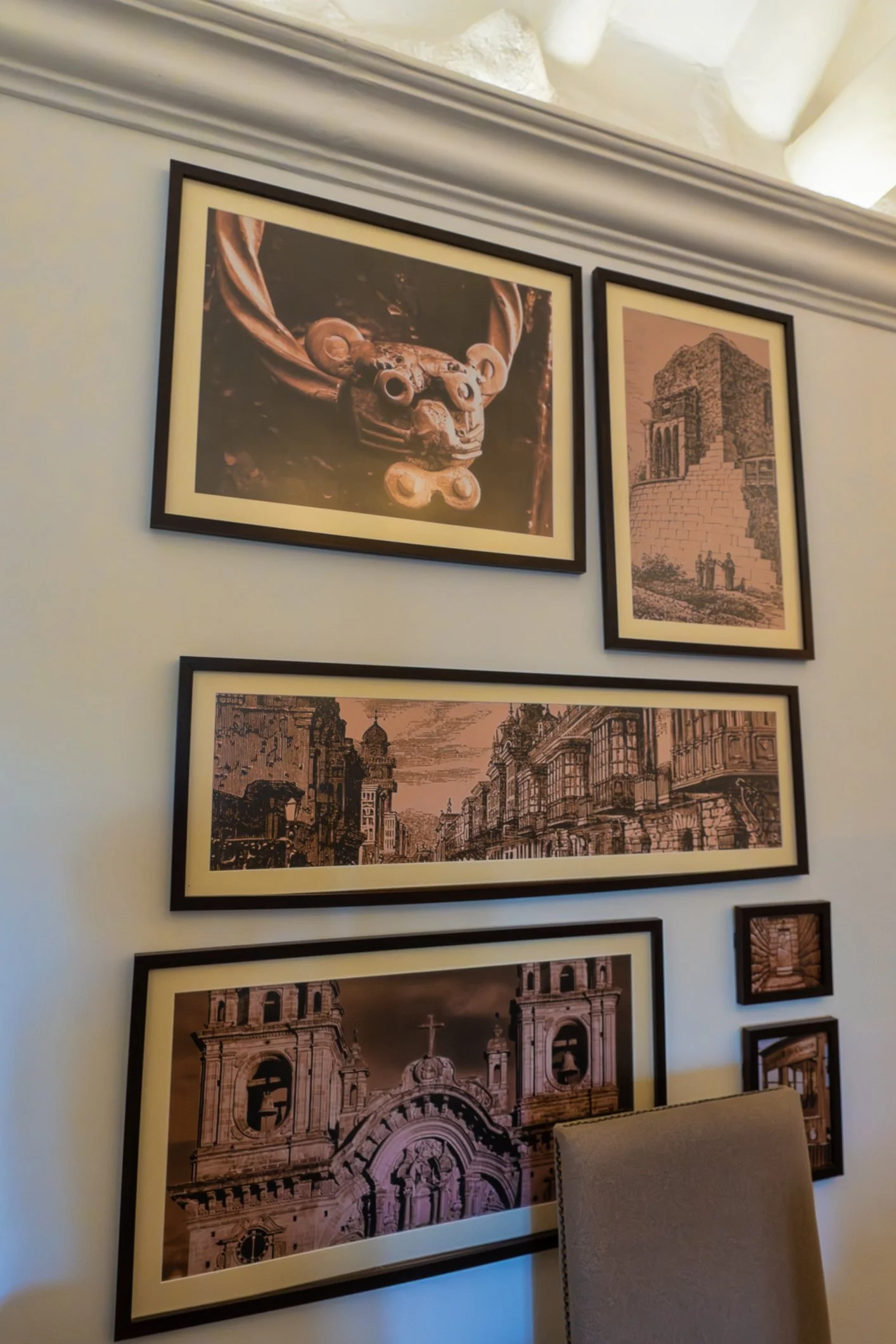
One detail I particularly appreciated was that the hotel doesn't simply decorate its walls with old paintings. Many of the portraits and historical artworks are accompanied by explanatory panels, turning a stroll through the corridors into a miniature museum of colonial Cusco.
Bardzo spodobało mi się również to, że hotel nie ogranicza się do wieszania na ścianach zabytkowych obrazów. Wiele portretów i historycznych dzieł opatrzono opisami wyjaśniającymi ich znaczenie, dzięki czemu zwykły spacer korytarzami przypominał zwiedzanie niewielkiego muzeum poświęconego kolonialnej historii Cusco.
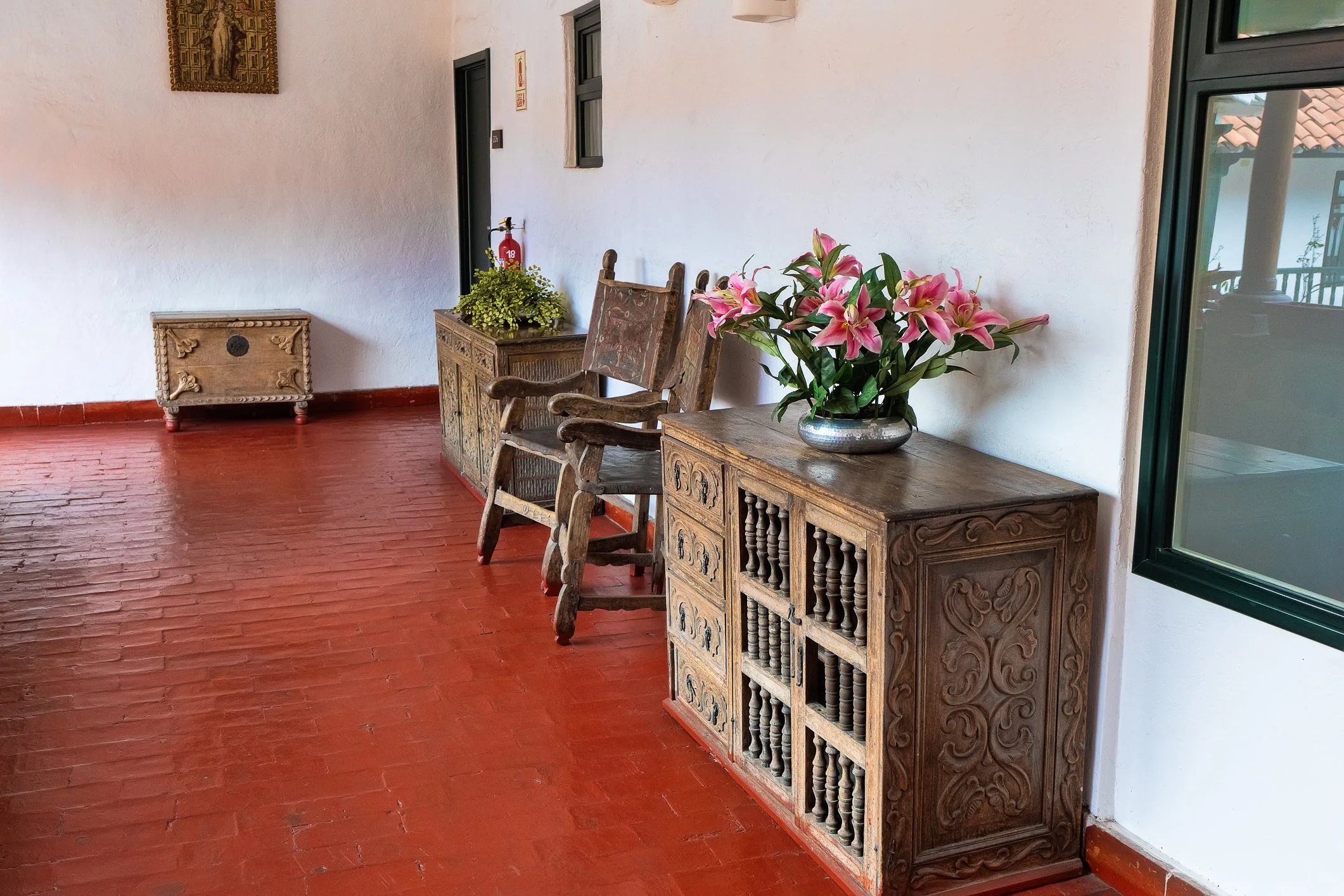
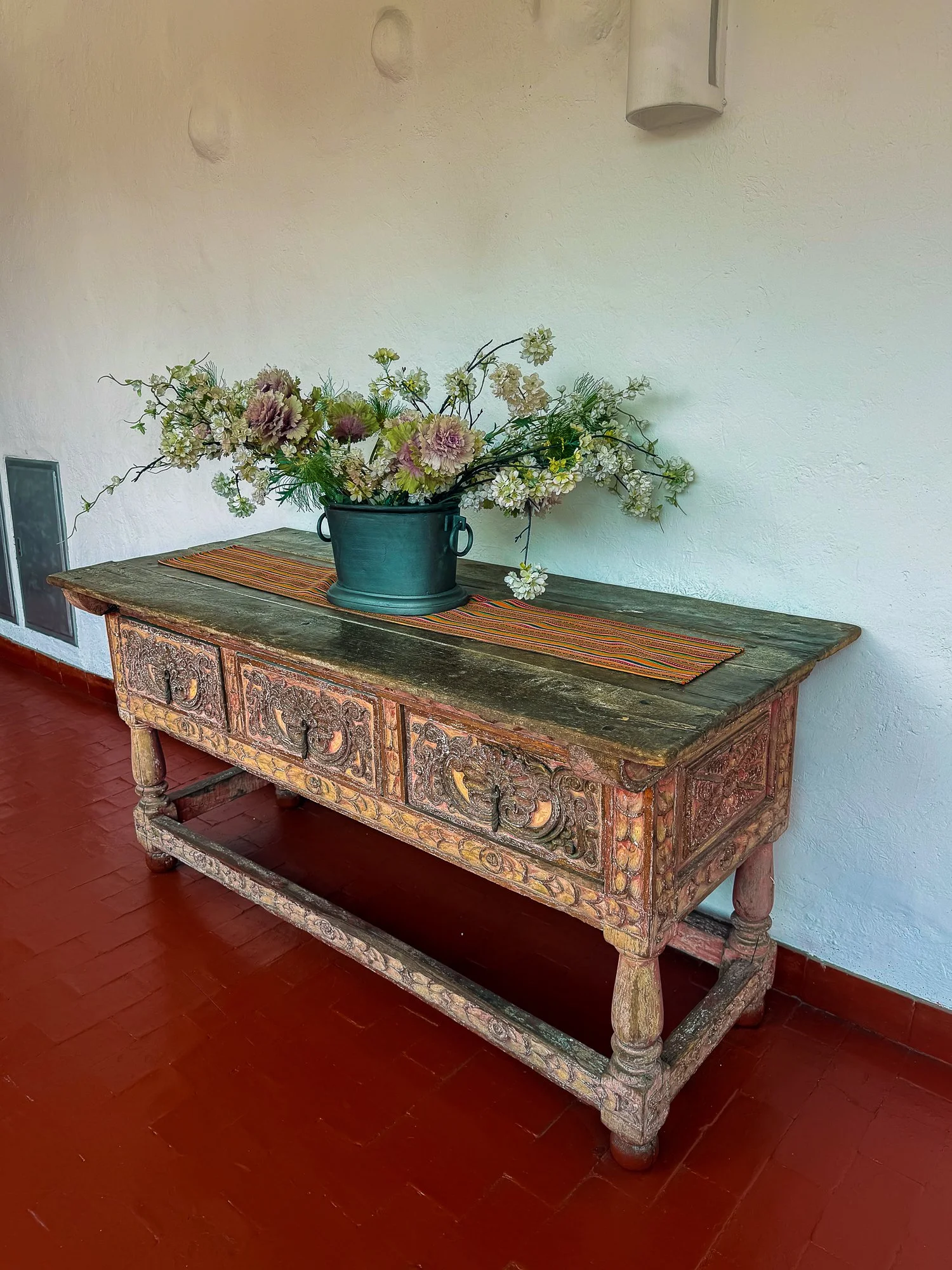
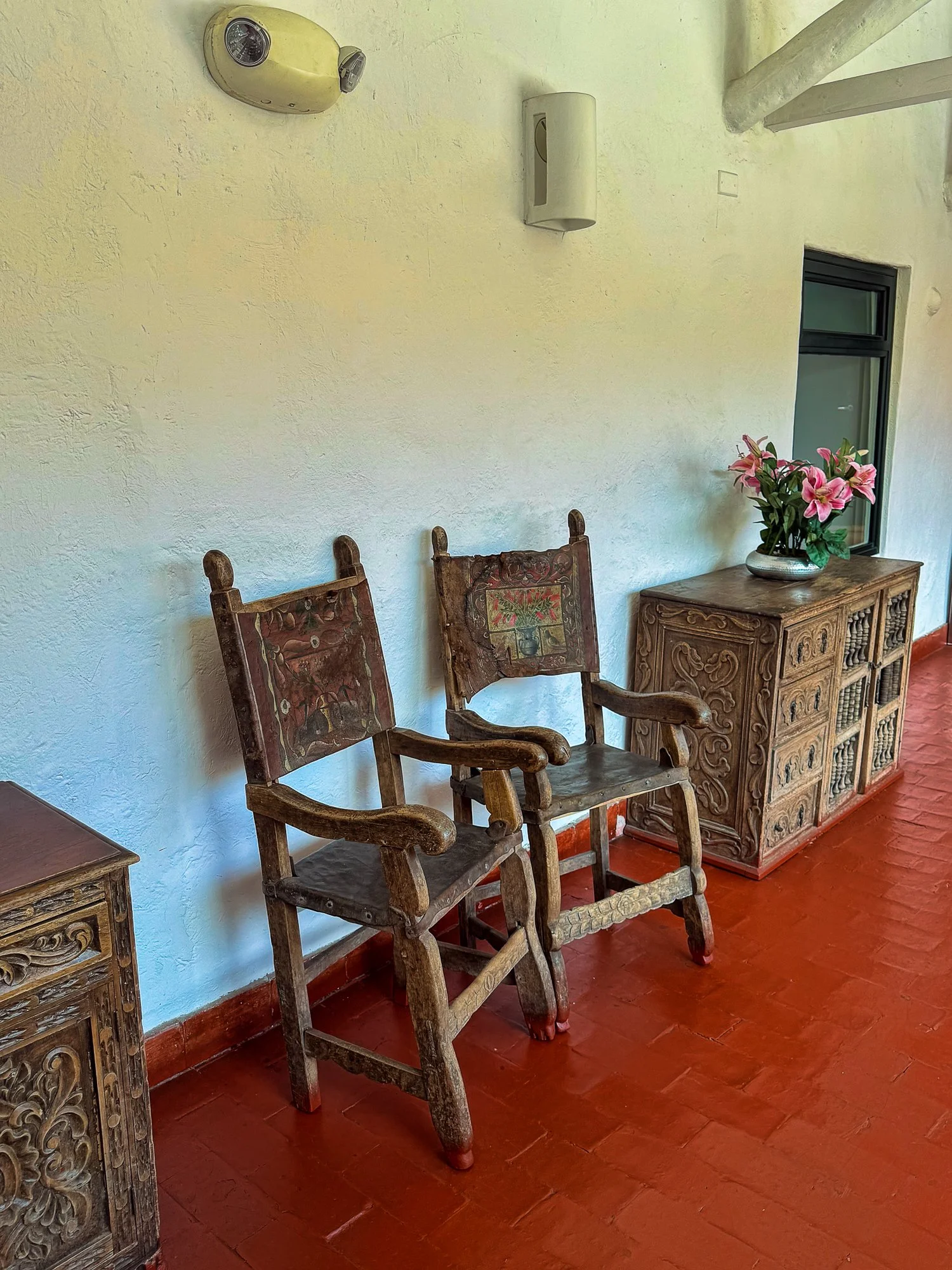
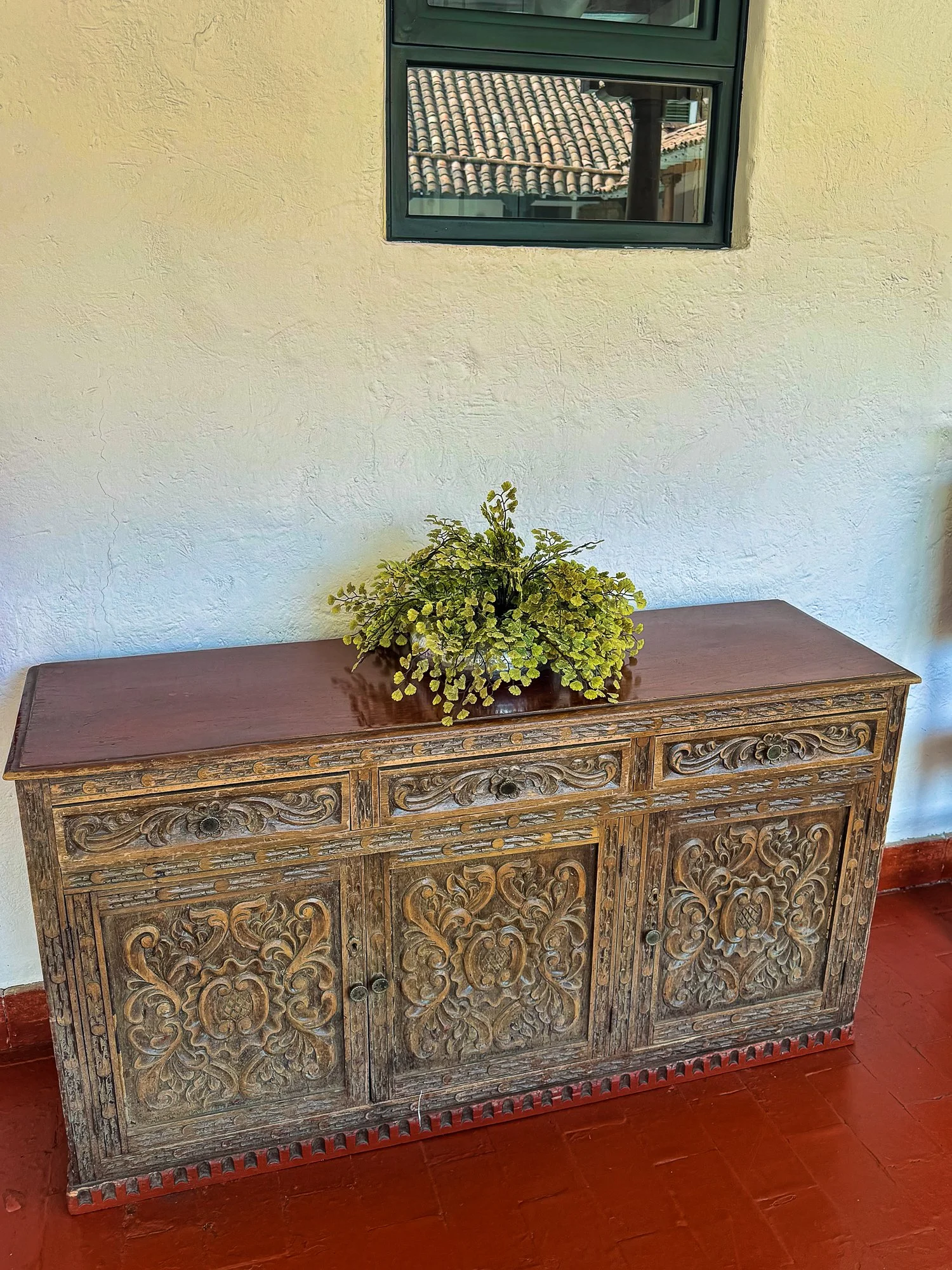
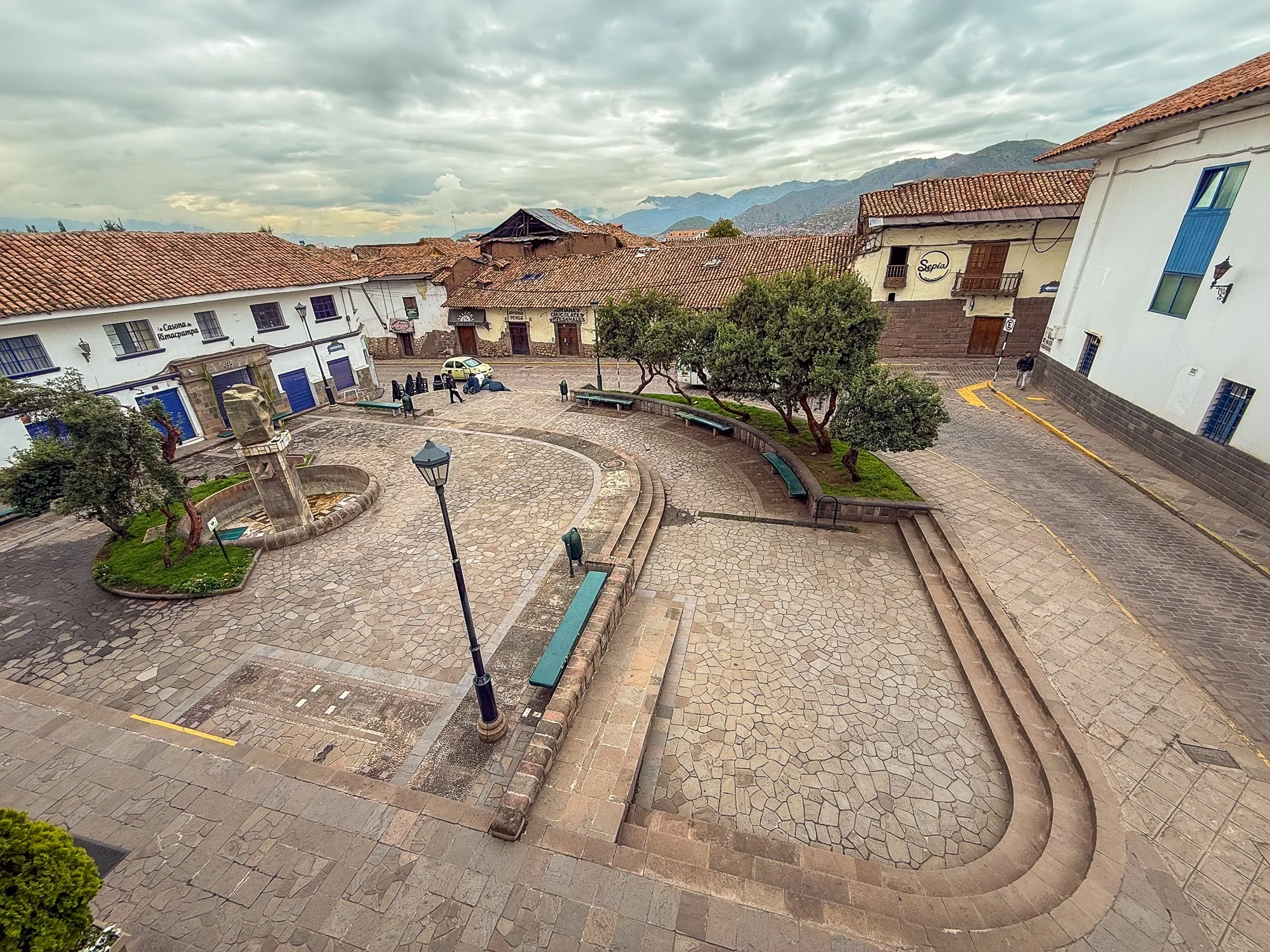
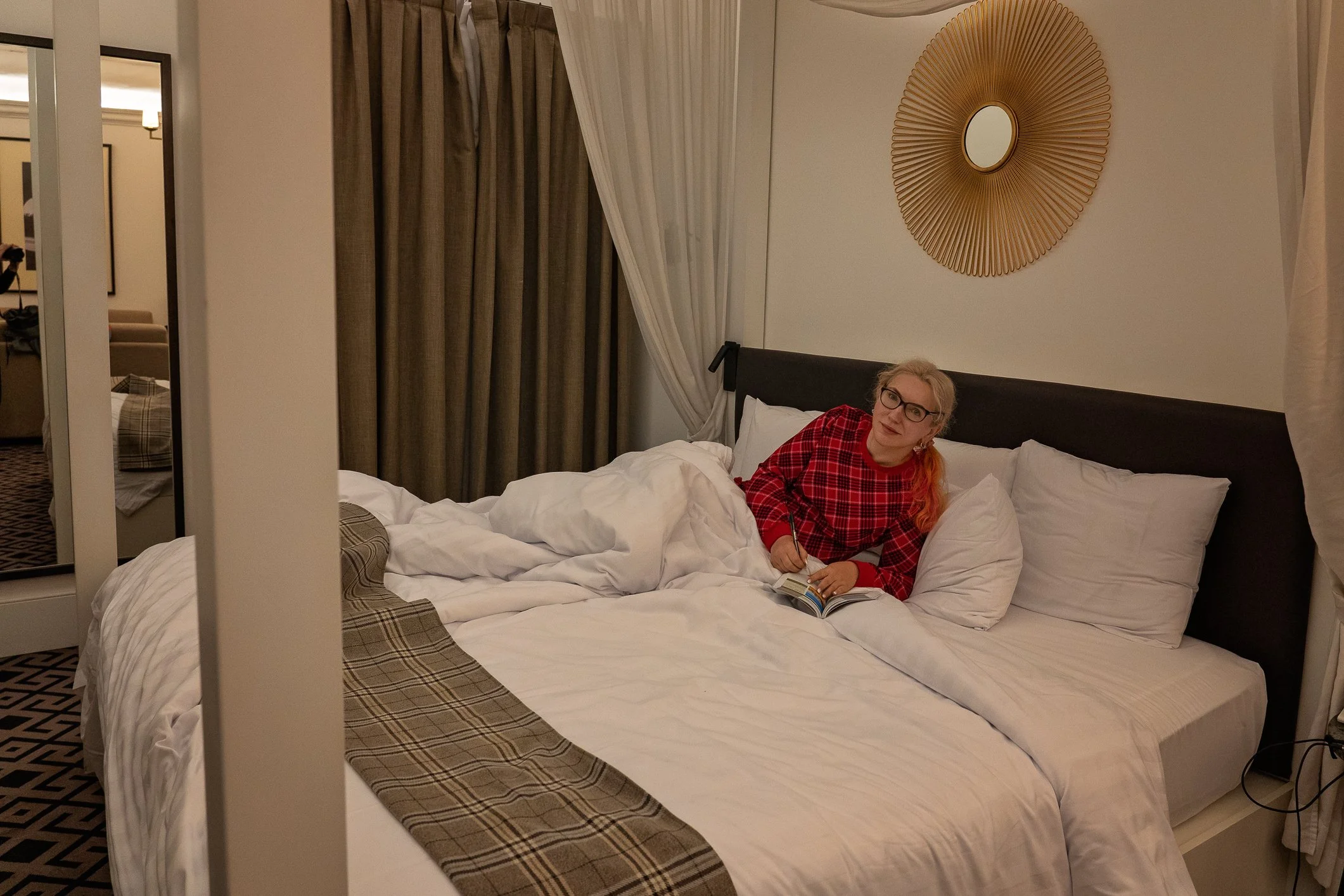
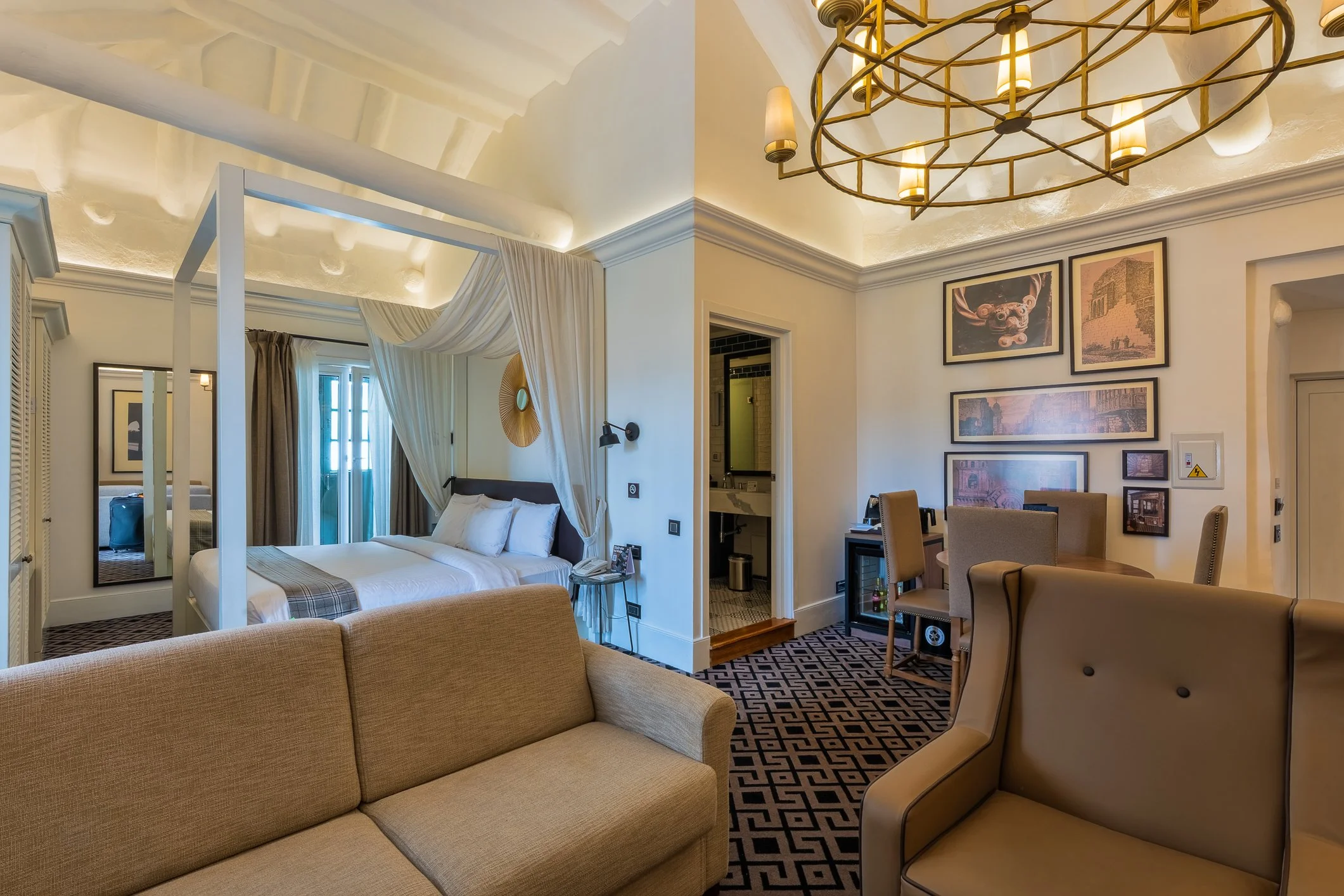
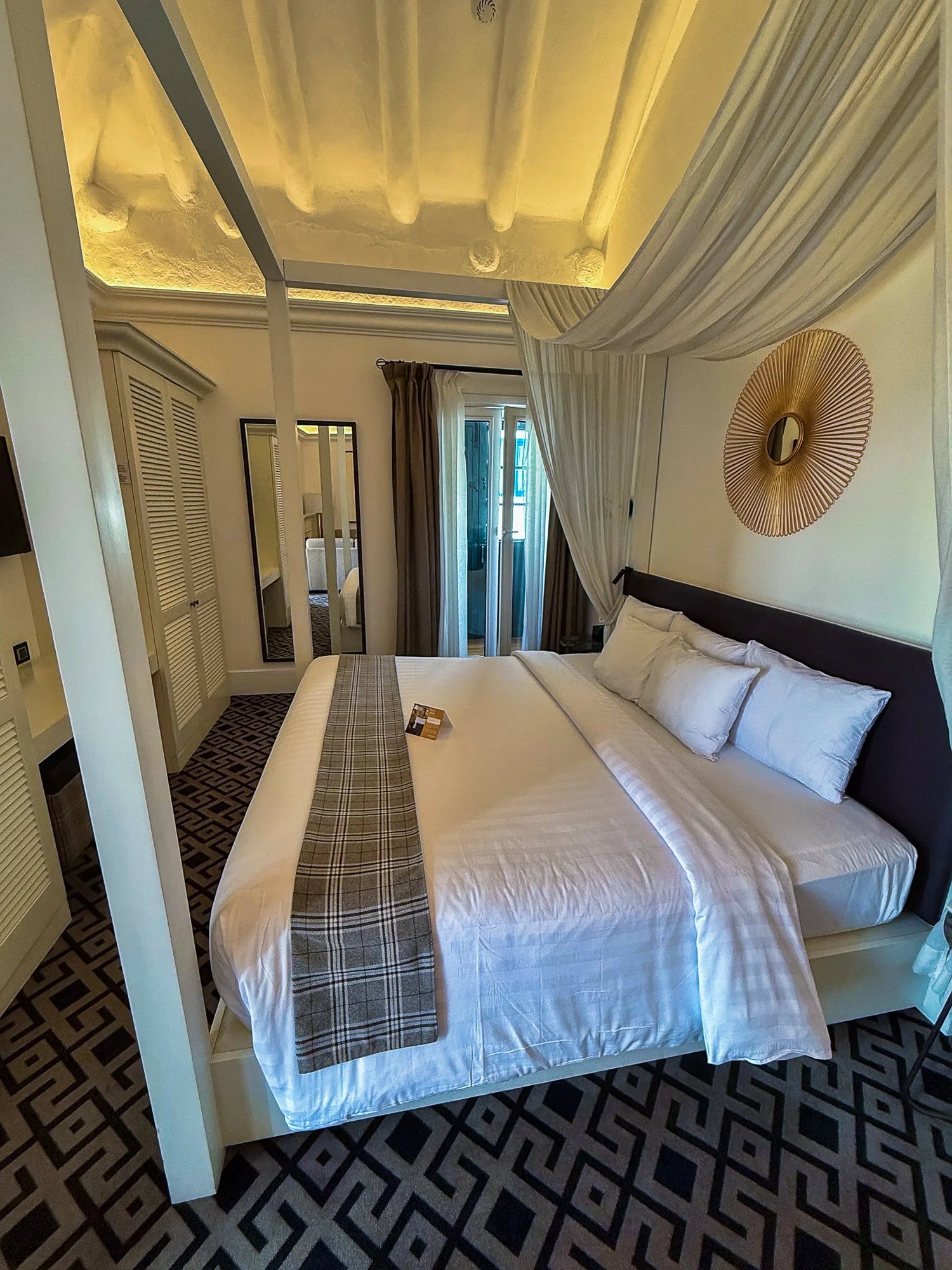
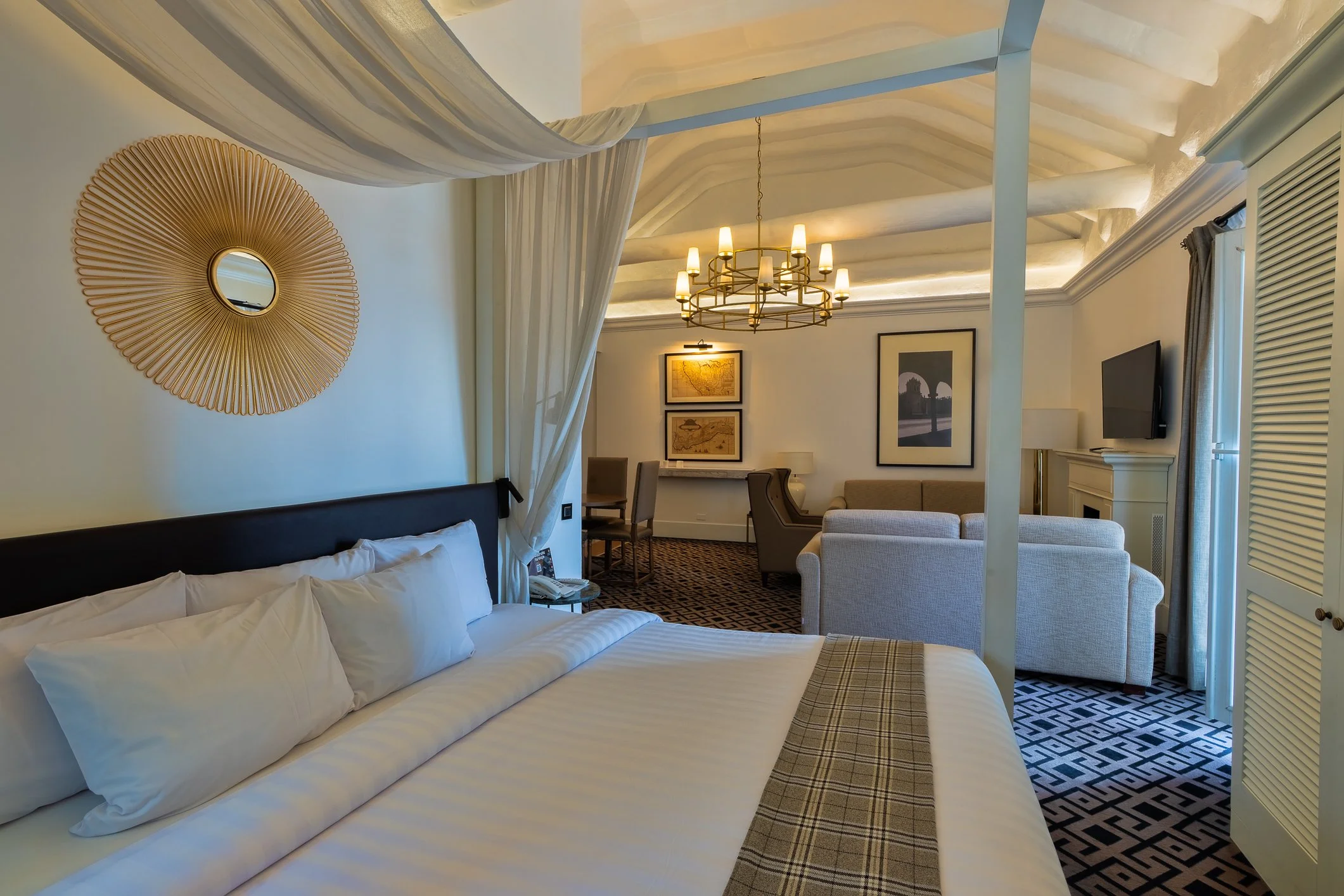
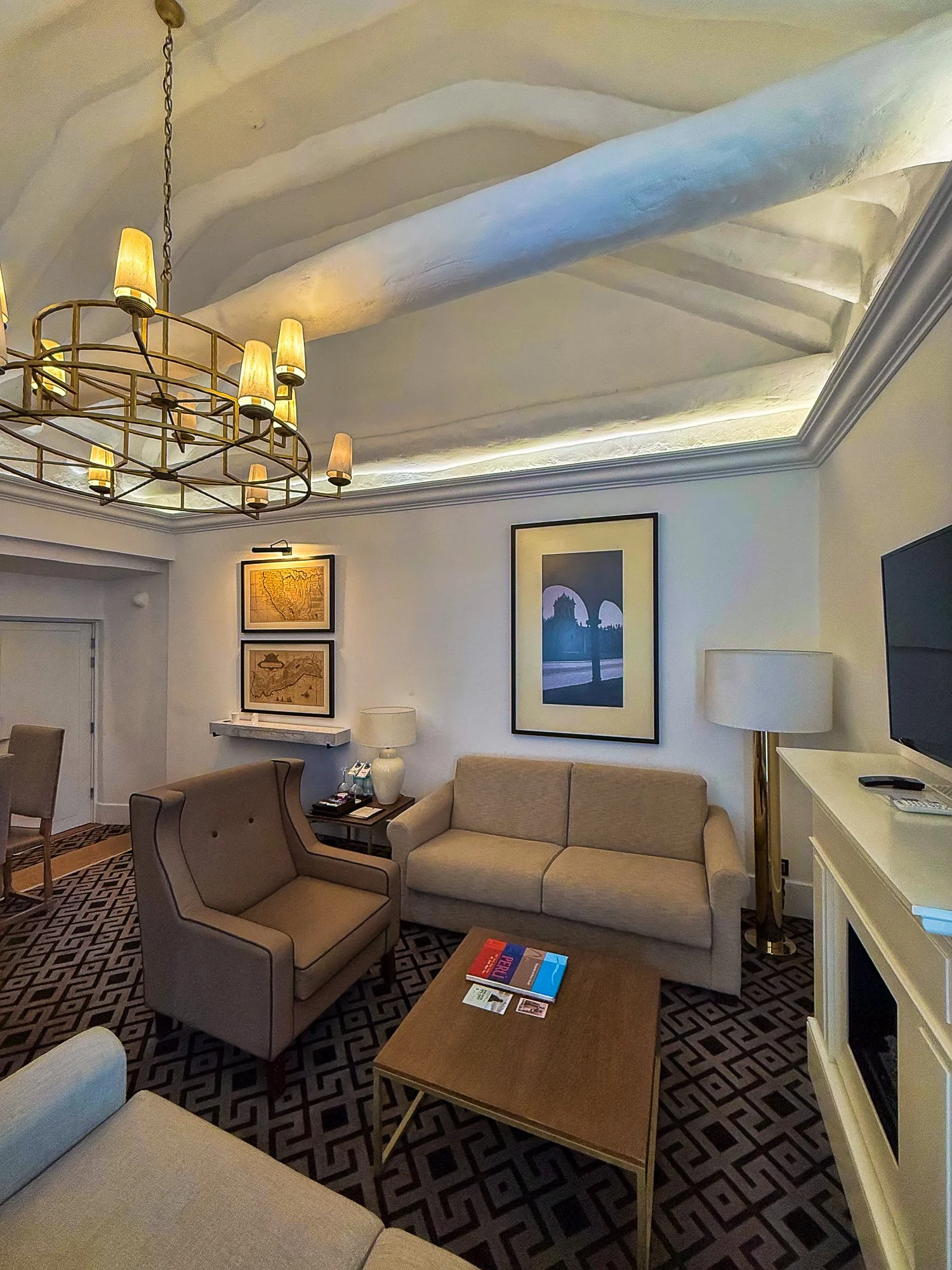
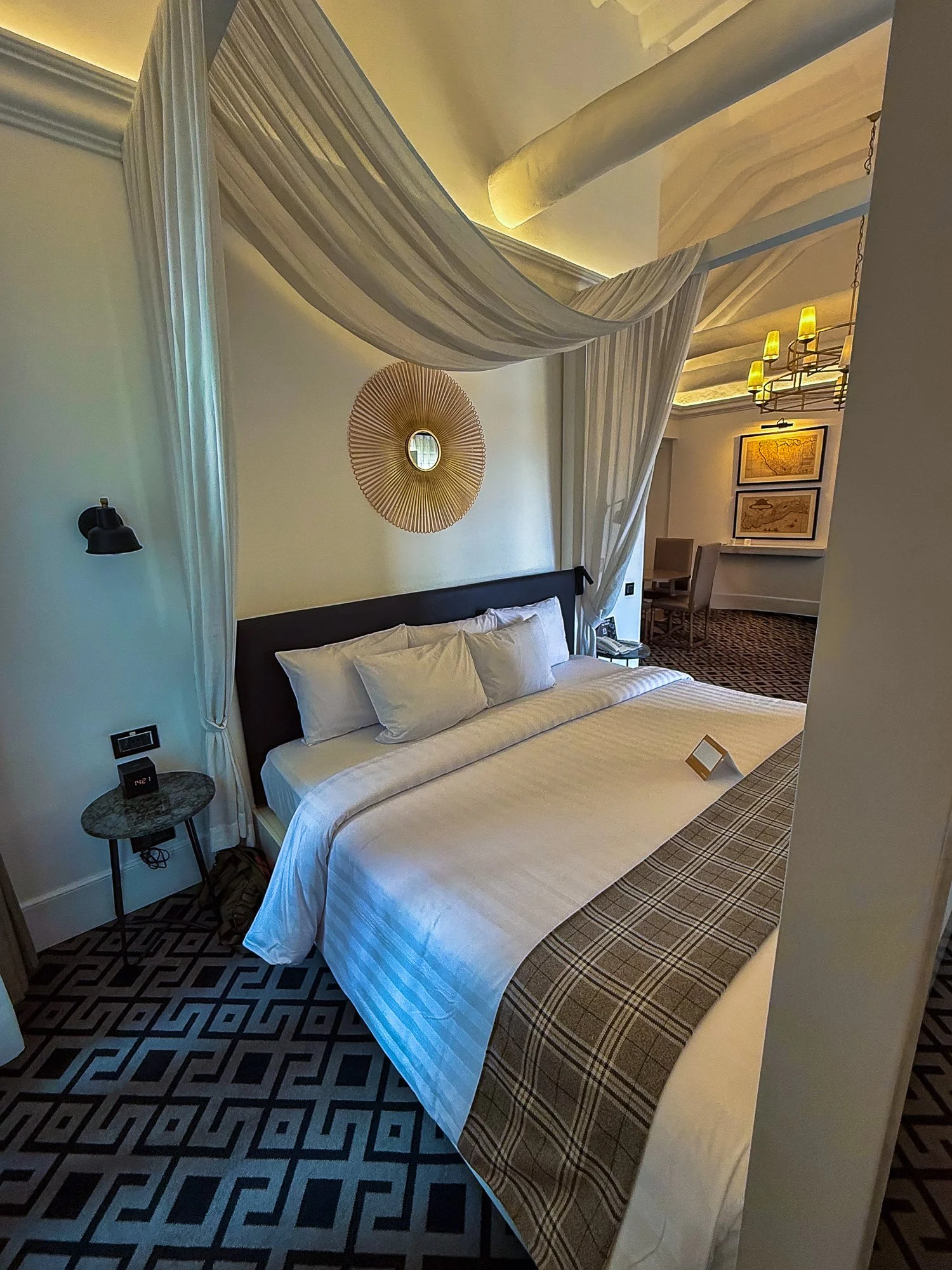
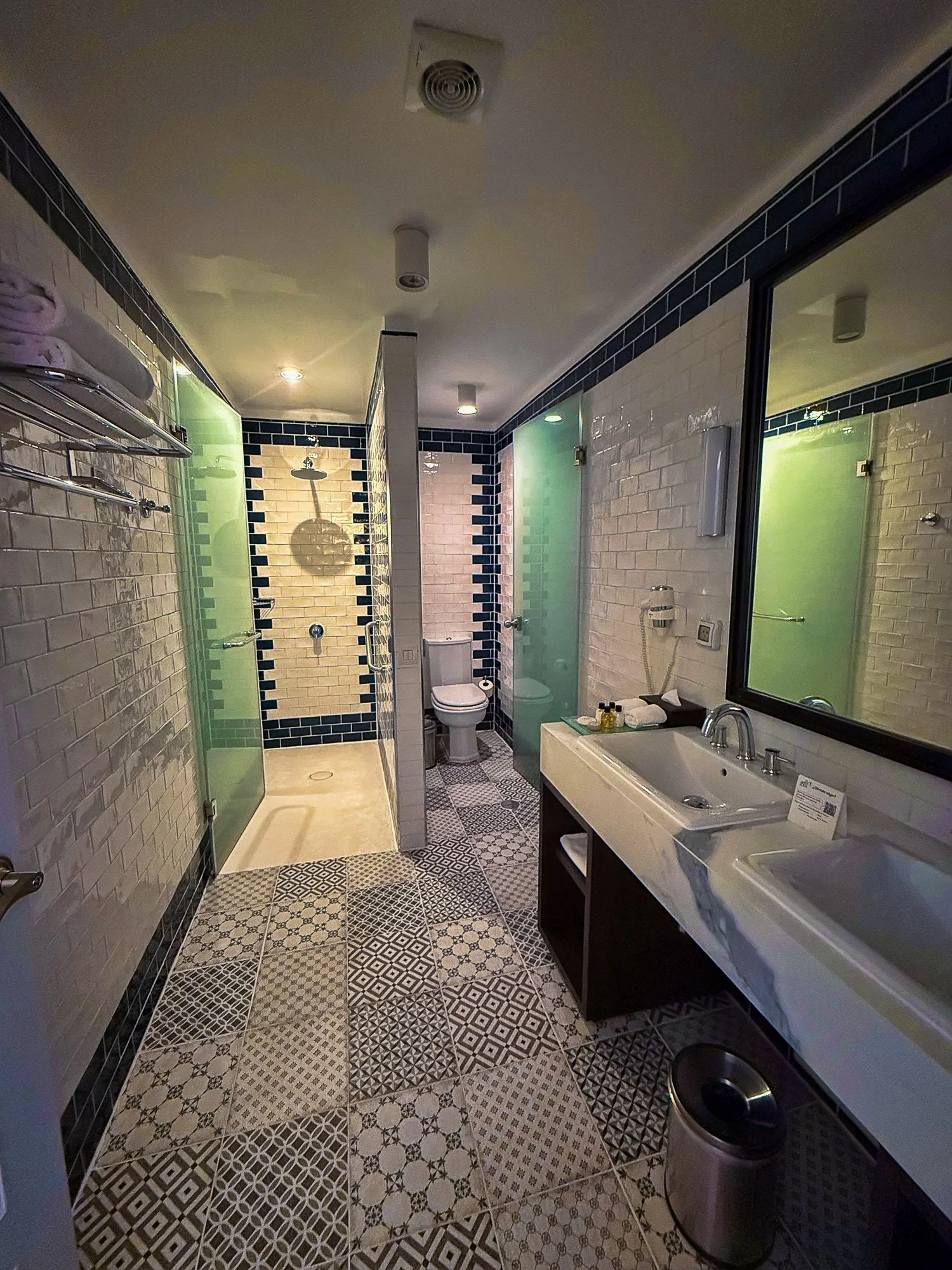
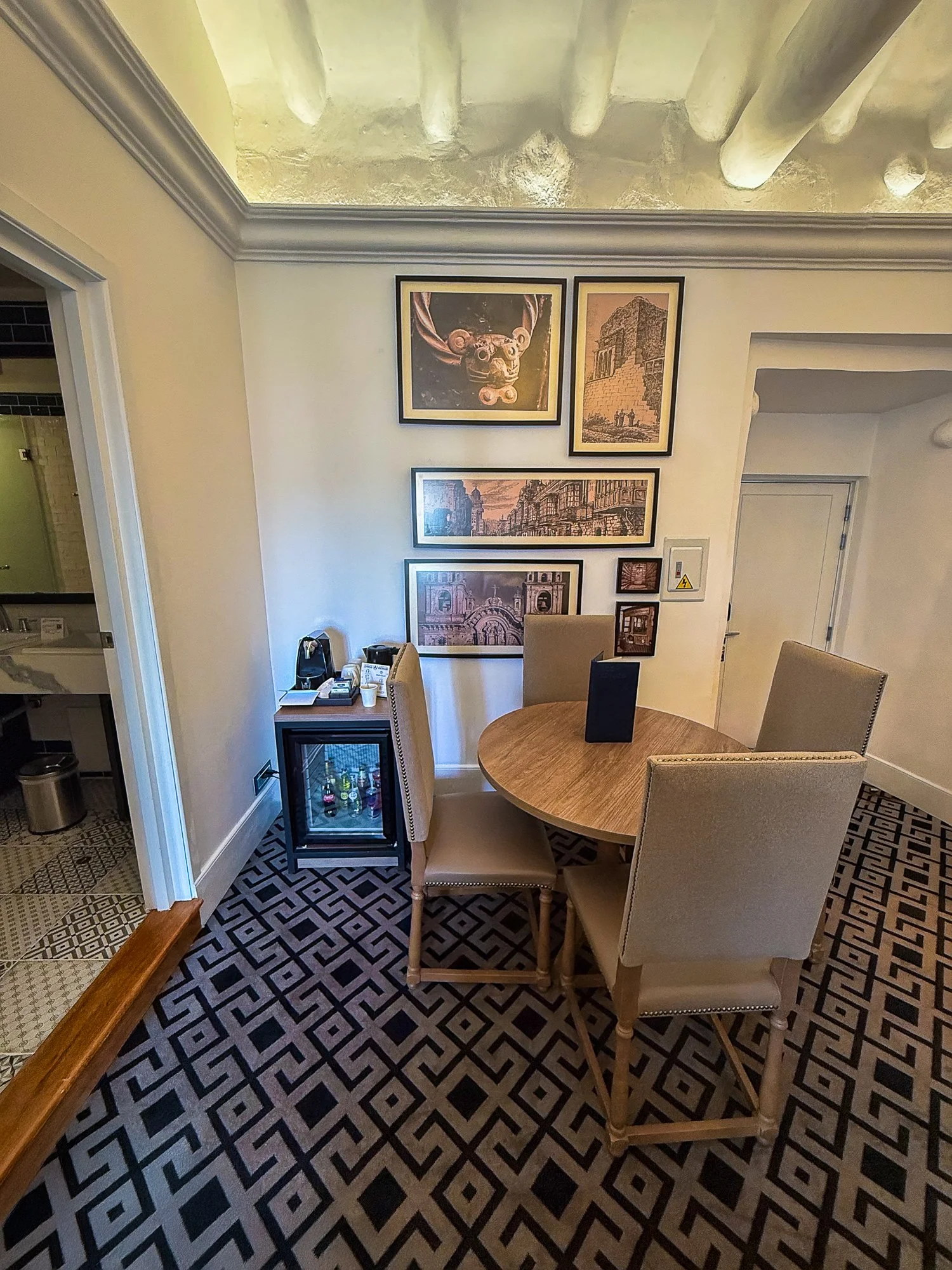
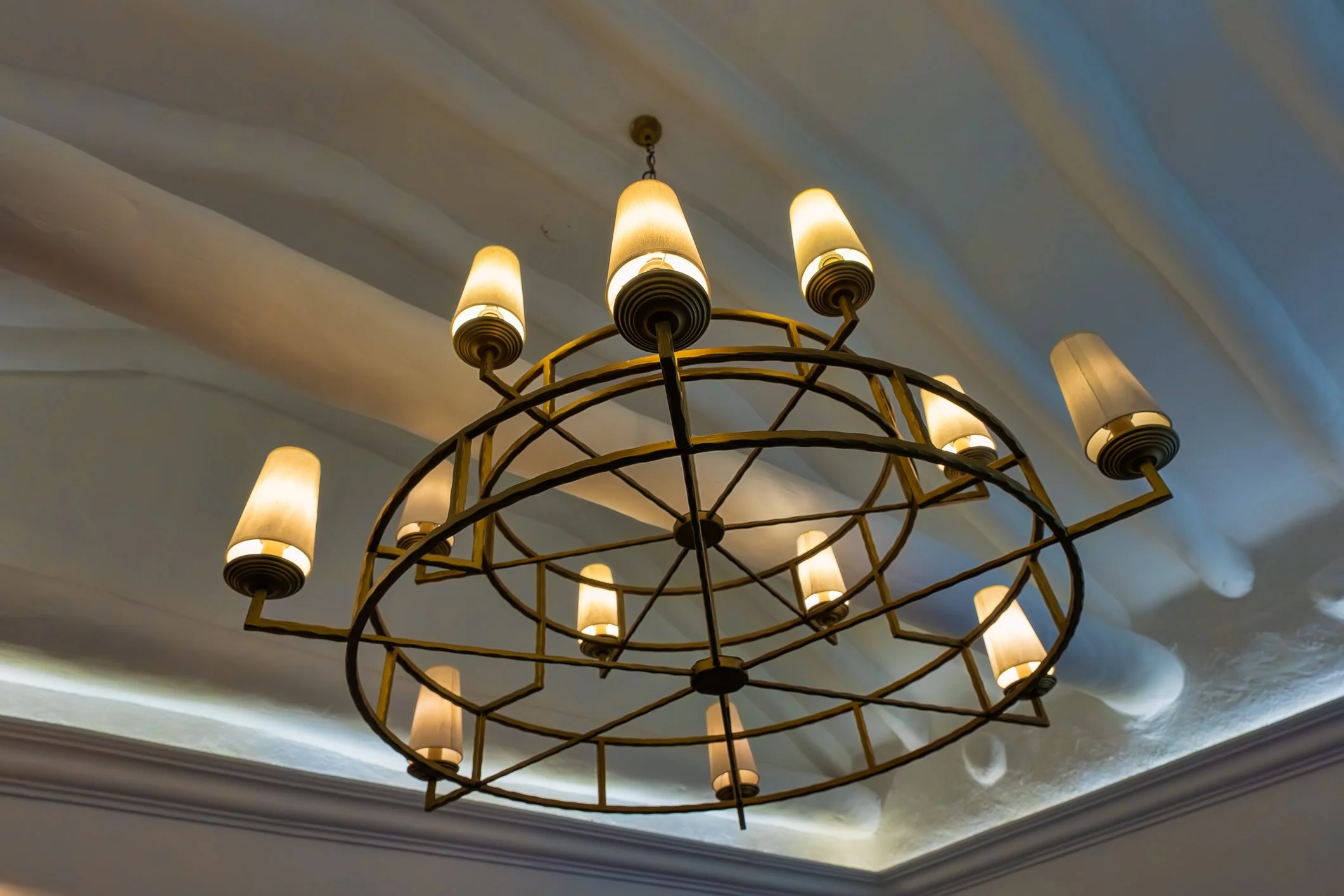
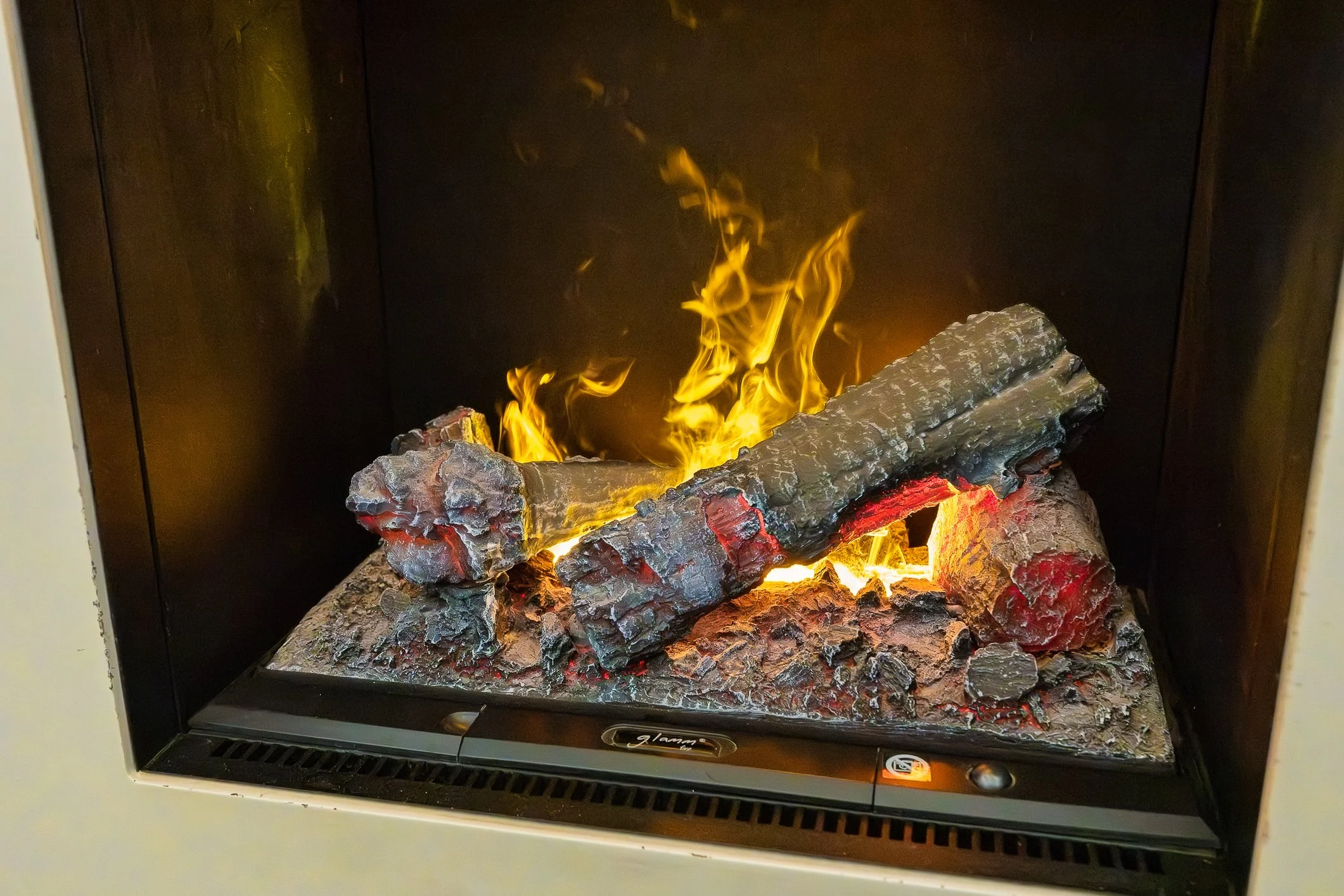
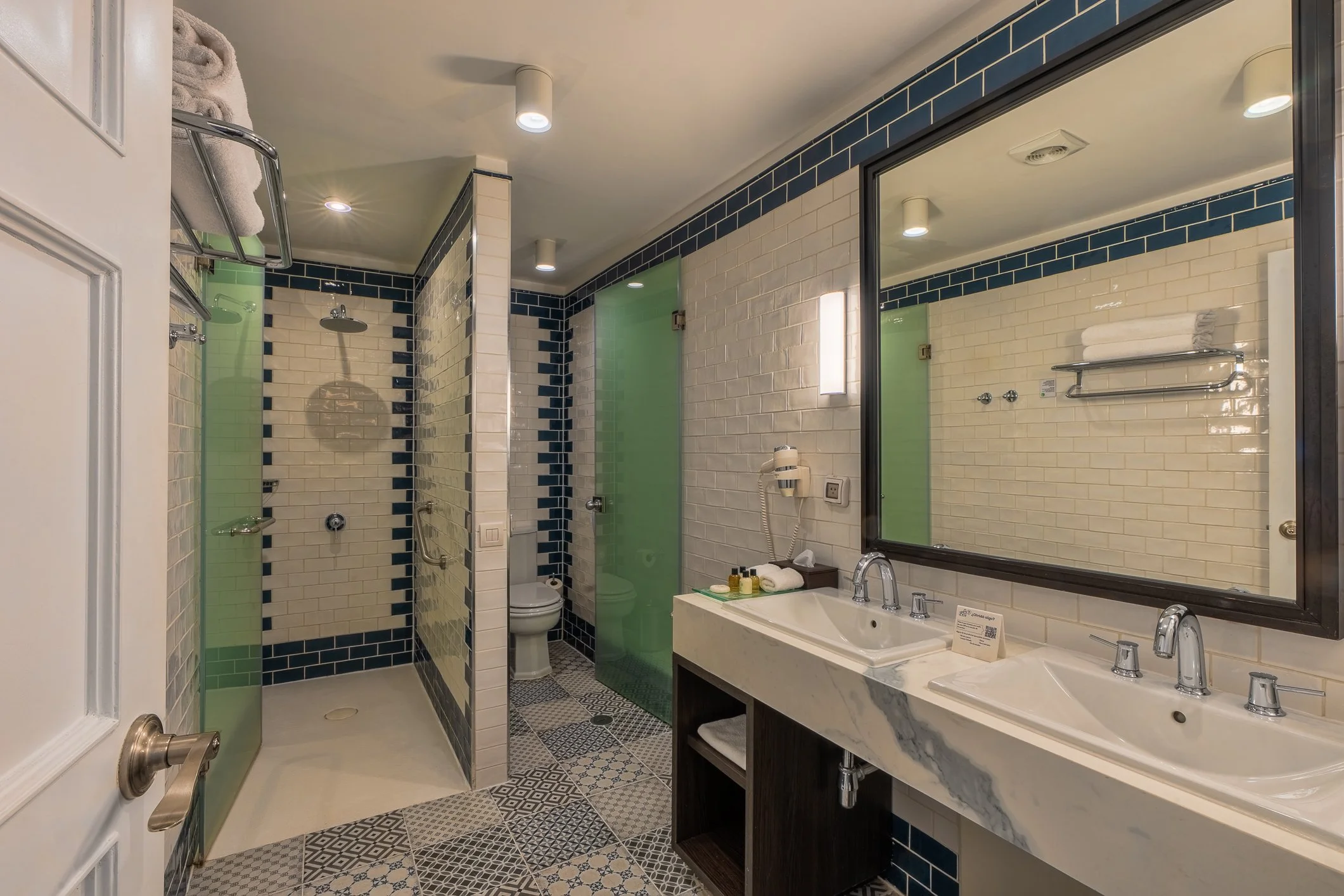
Our room was a suite in the colonial wing and struck a lovely balance between old and new. The centuries-old building provided all the atmosphere, while modern comforts ensured we wanted for nothing. The enormous king-size bed was probably the largest we encountered during the trip. There was even a fireplace, and a small balcony overlooked a little square in front of the main entrance. Historic photographs of Cusco adorned the walls, while the spacious rain shower reminded us that some aspects of modern life are definitely worth embracing.
Nasz pokój był przestronnym apartamentem w kolonialnym skrzydle i doskonale łączył historyczny klimat z nowoczesną wygodą. Zabytkowe wnętrza tworzyły niepowtarzalną atmosferę, a współczesne udogodnienia sprawiały, że niczego nam nie brakowało. Ogromne łóżko typu king-size było chyba największym, w jakim spaliśmy podczas całej podróży. Do tego kominek oraz niewielki balkon z widokiem na plac przed głównym wejściem dodawały temu miejscu wyjątkowego uroku. Historyczne fotografie Cusco zdobiły ściany, a przestronny prysznic z deszczownicą przypominał, że niektóre zdobycze współczesnego świata potrafią umilić życie.
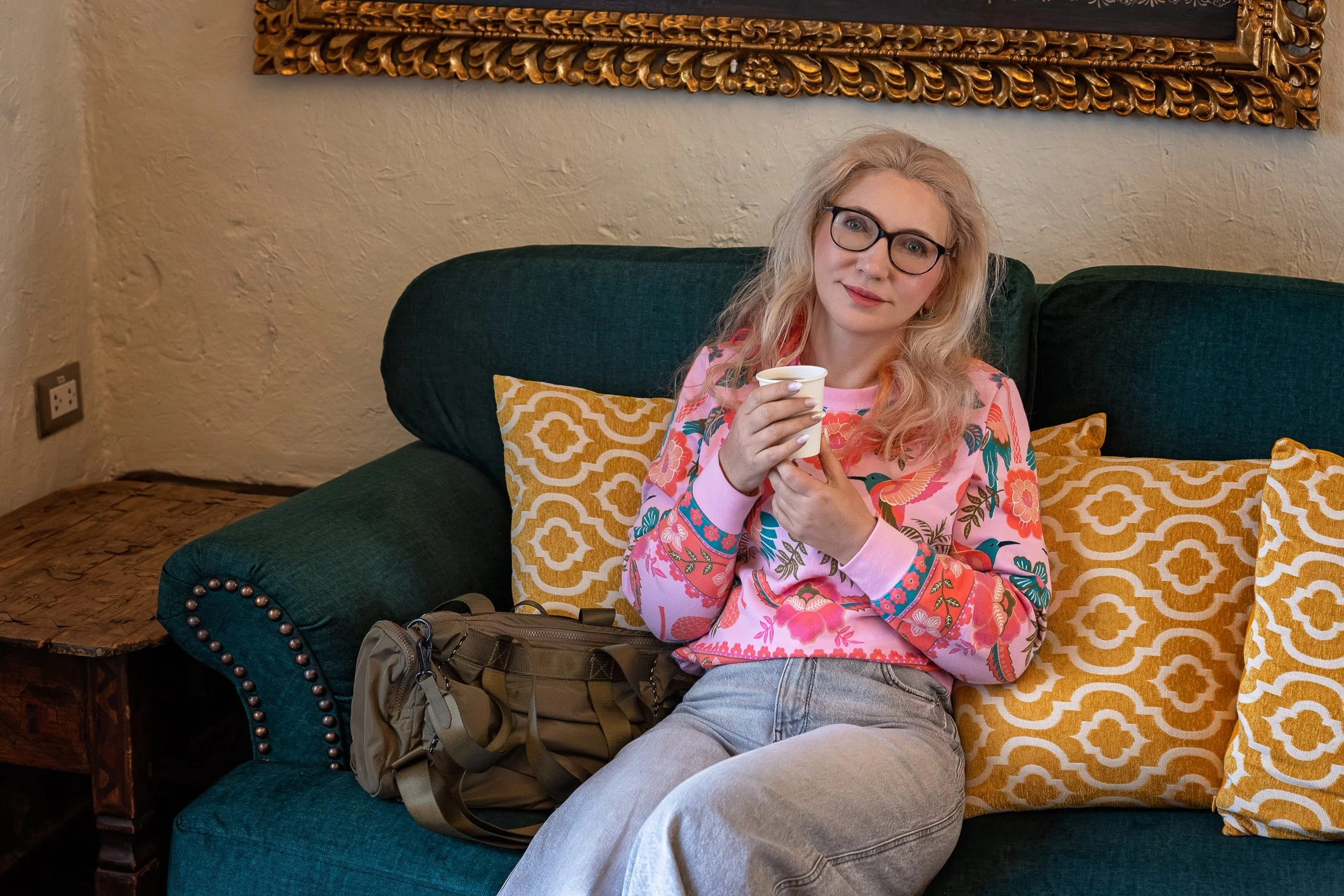
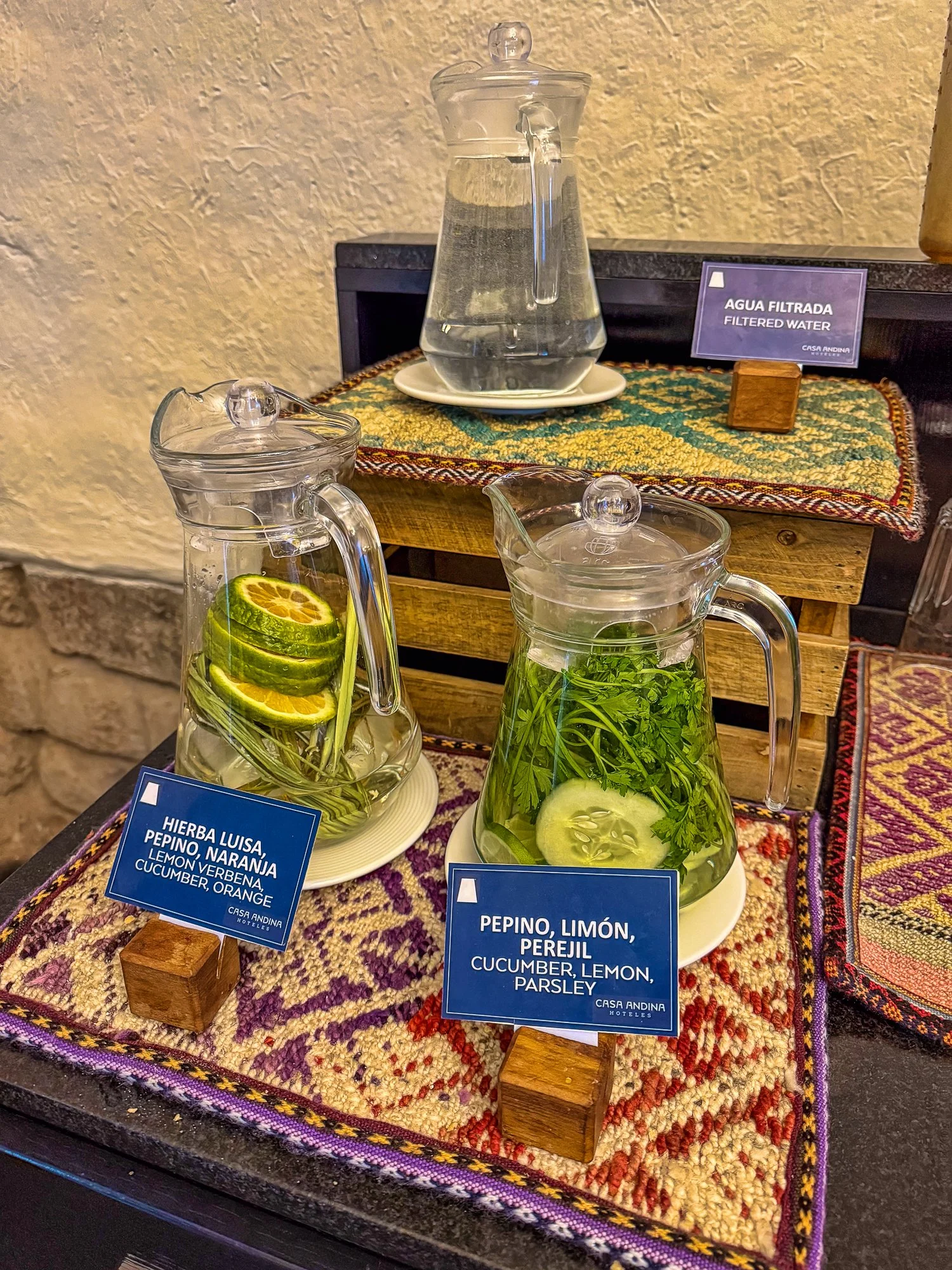
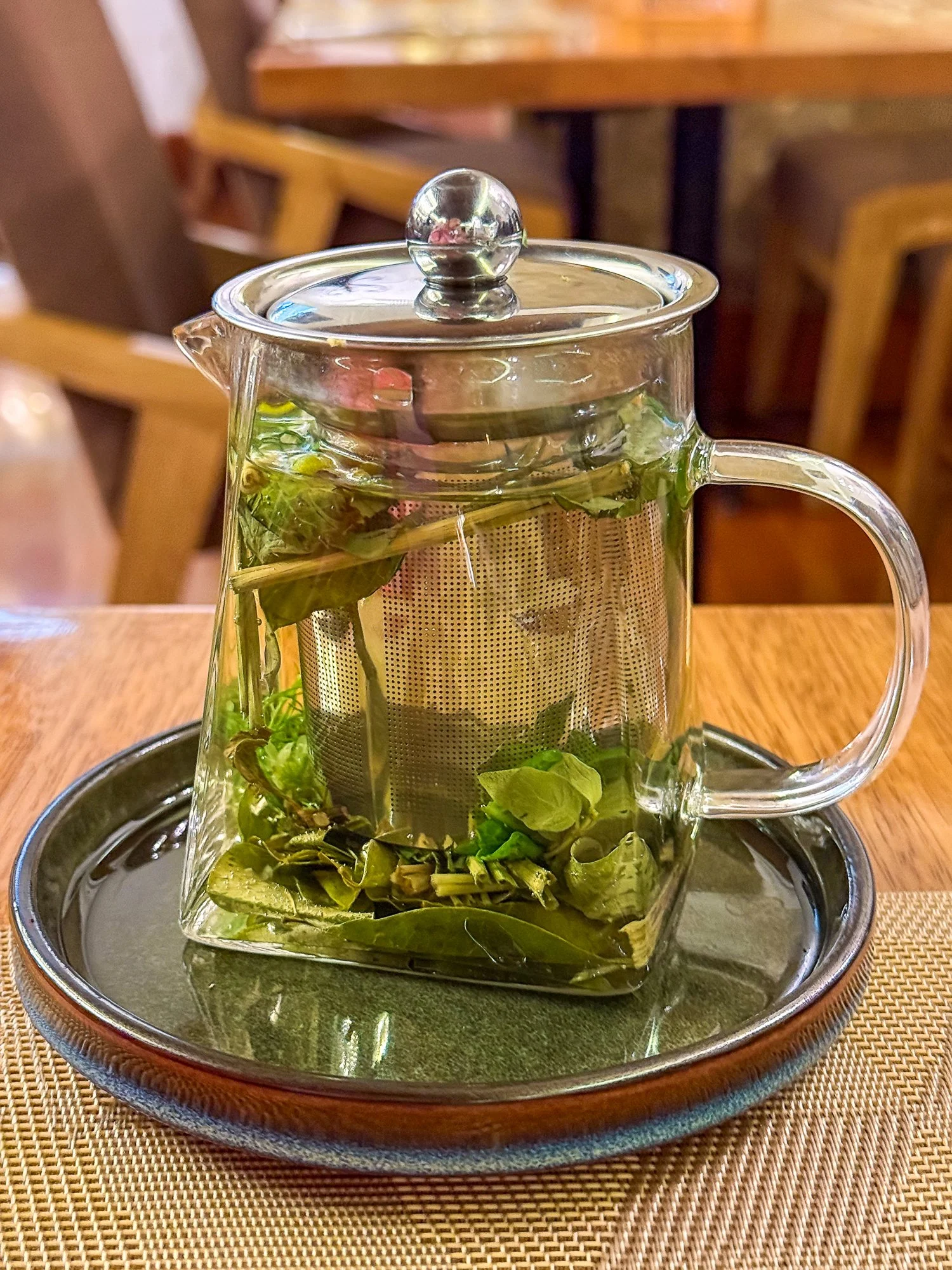
In one of the hotel's lounges, coca tea, alongside more familiar varieties of tea, was always available. Before and after hours spent wandering Cusco's steep streets, sitting down with a hot drink was a real pleasure. Do not tell anyone how much coca tea we drank…
W jednym z hotelowych saloników przez cały dzień czekała na gości bezpłatna herbata – zarówno ta tradycyjna tutaj z liści koki, jak i kilka bardziej klasycznych gatunków. Po długich spacerach stromymi uliczkami Cusco filiżanka gorącego naparu smakowała nam zawsze wyjątkowo dobrze. Tylko nikomu nie mówcie, ile tej herbaty z koki wypiliśmy…