Marrakech

The House of Photography

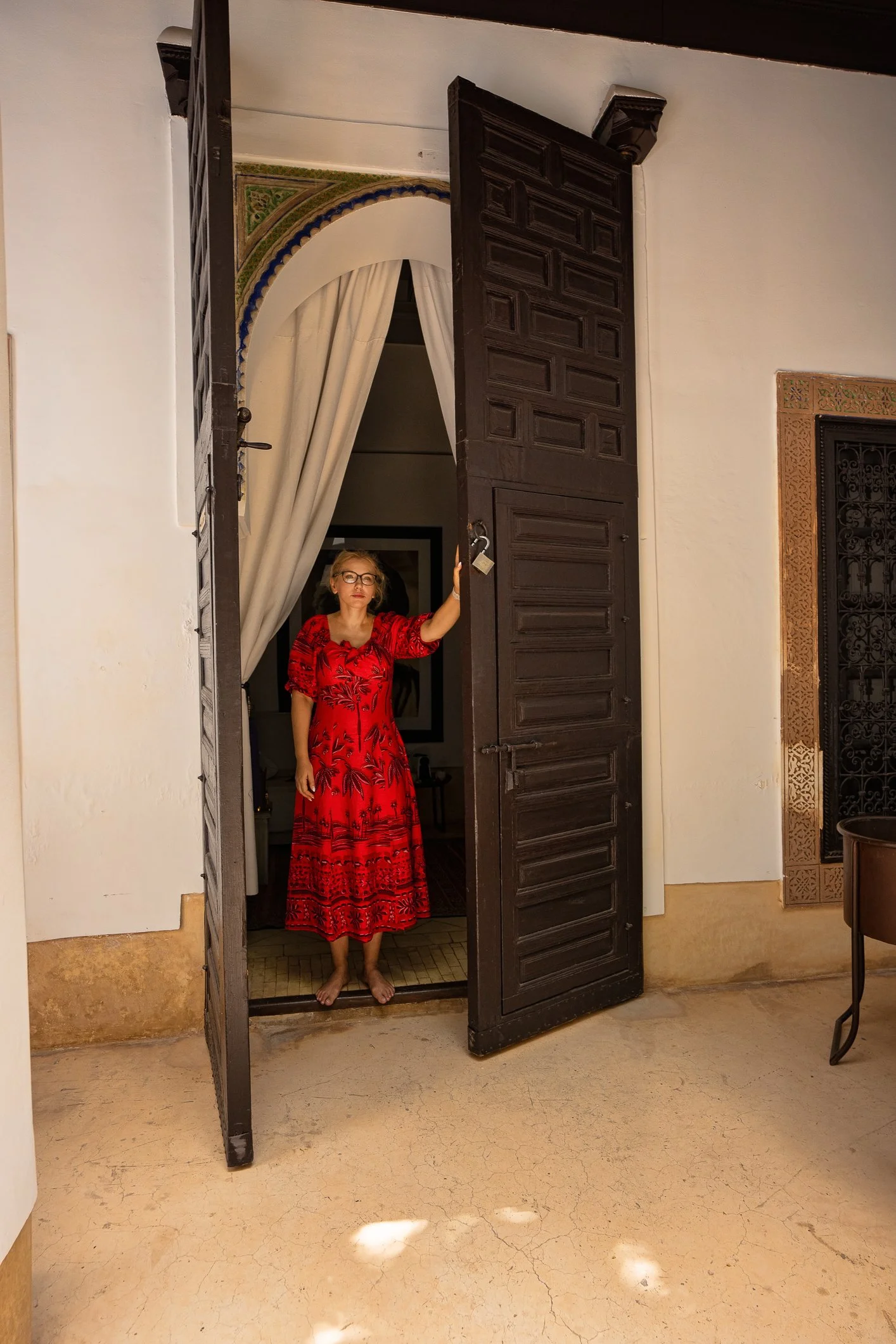
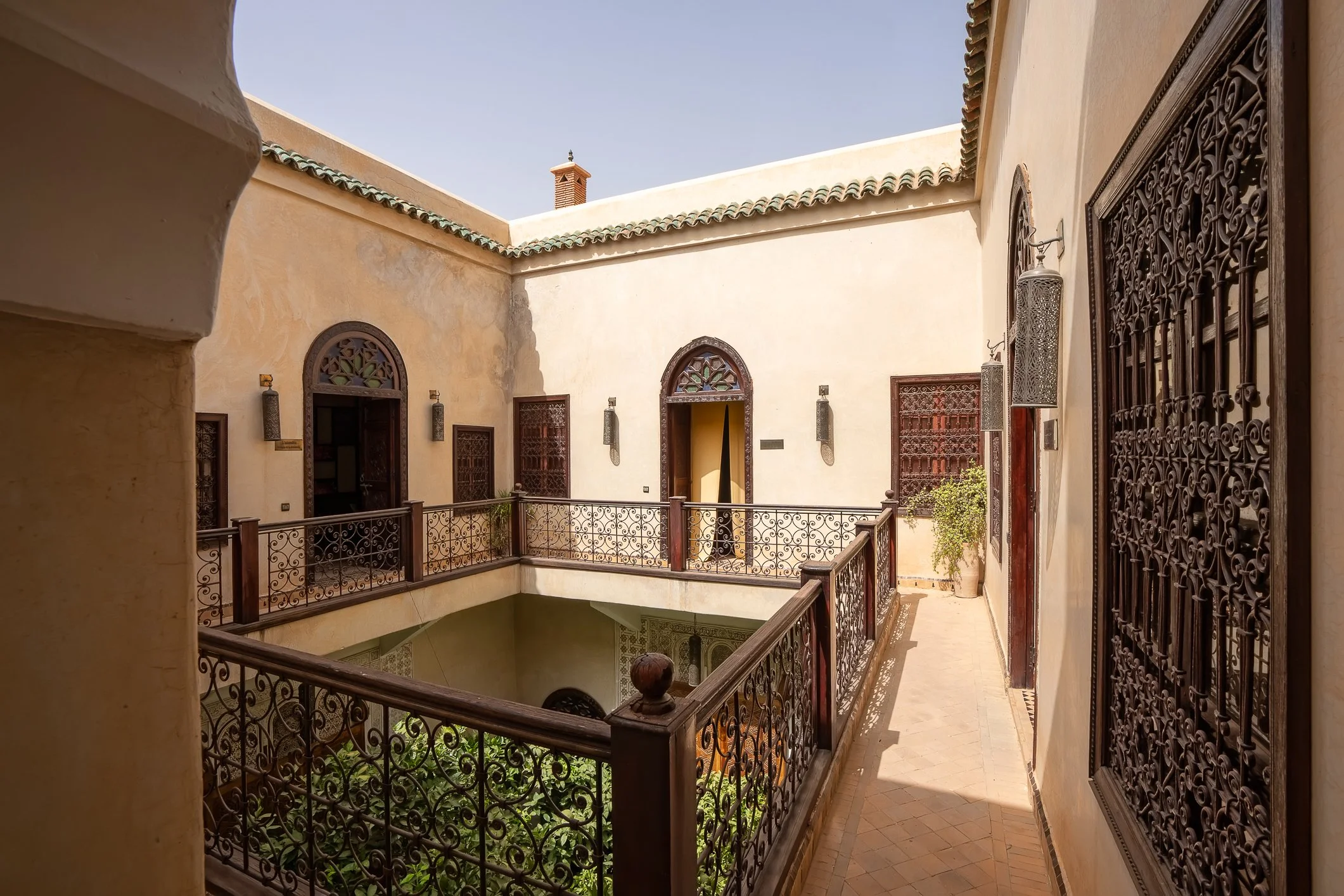
The first place we are this afternoon is The House of Photography, located in a beautifully restored traditional Moroccan riad in the Medina, not too far from our hotel. The architecture of the building features intricate tilework, carved wooden doors, and decorative arches typical of Moroccan design. The internal courtyard is adorned with a central fountain and lush greenery, creating a tranquil and inviting atmosphere.

The museum is dedicated to the history and culture of photography in Morocco. It houses a collection of historic photographs, glass negatives, cameras, and related artifacts dating from 1870 to 1960, and offers visitors the opportunity to explore the development of photography in Morocco and its impact on the country's culture and history.


Pierwszym miejscem, które odwiedzamy tego popołudnia, jest Dom Fotografii, mieszczący się w pięknie odrestaurowanym tradycyjnym marokańskim riadzie w Medynie, całkiem niedaleko od naszego hotelu. W architekturze budynku zwracają uwagę piękne kafelki, rzeźbione drewniane drzwi i dekoracyjne łuki typowe dla stylu marokańskiego. Wewnętrzny dziedziniec ozdobiony jest centralną fontanną i bujną zielenią.

Muzeum poświęcone jest historii fotografii w Maroku i zawiera kolekcję historycznych fotografii, szklanych negatywów, aparatów fotograficznych i powiązanych artefaktów z lat 1870–1960, oferując zwiedzającym wgląd w rozwój fotografii w Maroku i jej wpływ na kulturę i historię kraju.

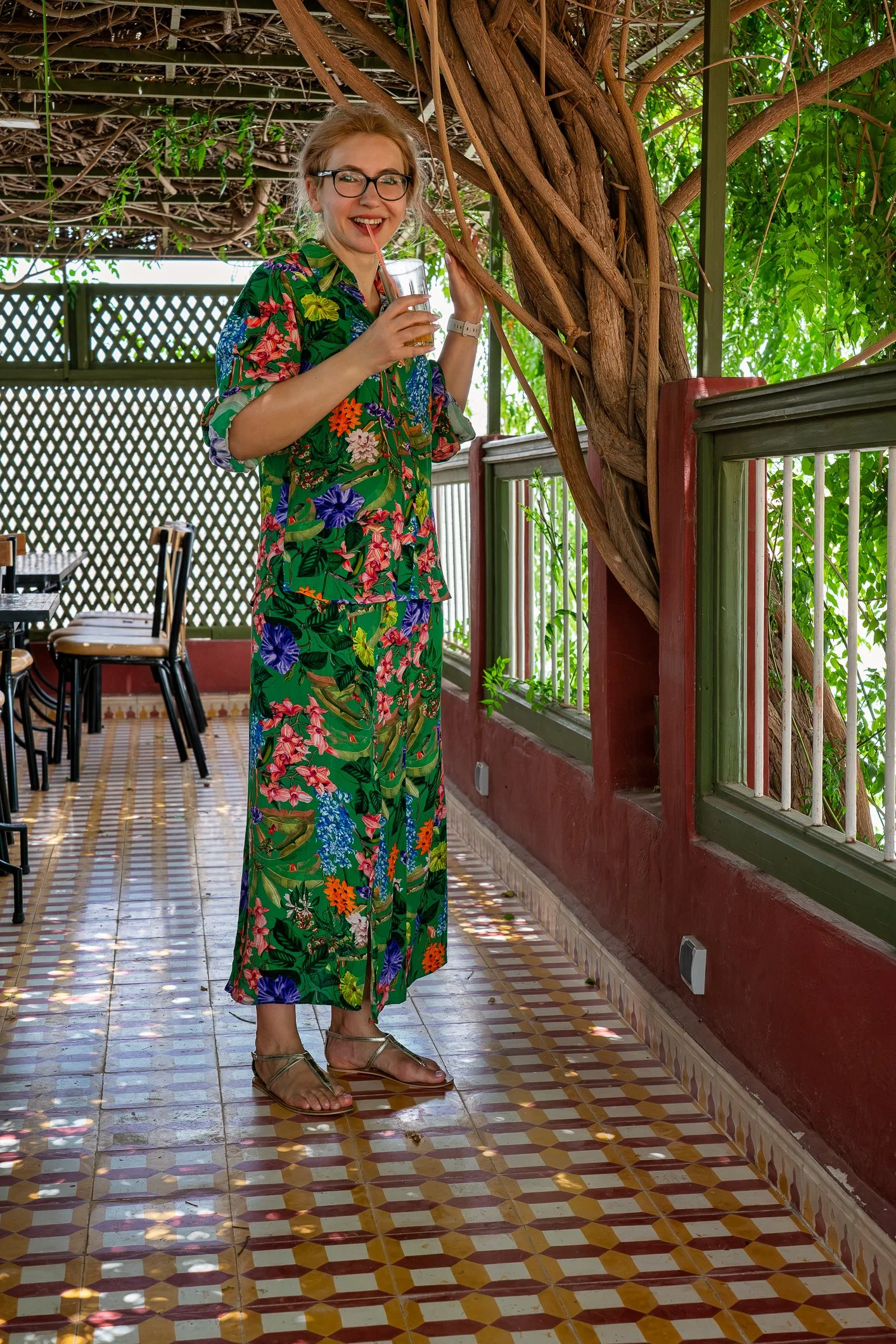
The rooftop terrace, where a little café is located, offers a nice view of the city and a peaceful retreat from the relentless heat. We relax with a glass of fresh orange juice and take in the beauty of Marrakech.


Z tarasu na dachu, na którym znajduje się mała kawiarnia, roztacza się ładny widok na miasto, a cień i powiewy wiatru oferują wytchnienie od nieubłaganego upału. Relaksujemy się przy szklance świeżego soku pomarańczowego i podziwiamy piękno Marrakeszu.

Moroccan tea

Ugh, it's a scorcher today - temperatures are in the 40s! We decided to beat the heat by retreating to our riad for a short rest. As usual, they whipped up a delicious Moroccan tea for us in no time. I'll save the full review of our riad for another post, but let's just say it's absolutely amazing.

Matko, jakie dzisiaj są upały – temperatury sięgają czterdziestu stopni! Jesteśmy już tak wyrąbani od tego gorąca, że postawiamy wpaść do naszego riadu na krótki odpoczynek. Jak zwykle w mgnieniu oka przygotowali dla nas pyszną marokańską herbatę. Pełną recenzję naszego riadu zachowam na inny post, ale powiedzmy sobie wprost, że jest on zajefajny.

Souks

Between museums today, we wandered again through the beautiful medina and souks. At down quiet and calm, during the day Marrakesh's souks are like a sensory overload in the best possible way. Winding our way through narrow alleys, we are surrounded by vibrant colours, intoxicating aromas, and the cacophony of sounds.


Pomiędzy muzeami łazimy dzisiaj znów sporo po medynie i sukach. Suki w Marrakeszu, ciche i spokjne o świcie, za dnia gwarantują przeciążenie zmysłów w najlepszym możliwym wydaniu. Kręcąc się po wąskich uliczkach, jesteśmy otoczeni jaskrawymi kolorami, odurzającymi aromatami i kakofonią dźwięków.

The medina of Marrakesh is a maze of narrow alleys and winding streets, making it easy to get lost. However, this is also what makes it so charming. Walking is the best way to explore the medina, especially because most of it is not accessible by car. The cars are simply too big to fit into the narrow streets. Moroccans use bikes, bicycles, and donkeys with mini carriages instead.

Medina Marrakeszu to labirynt wąskich uliczek i krętych uliczek, w którym łatwo się zgubić. Jednak to właśnie czyni ją tak uroczą. Najlepszym sposobem na zwiedzanie medyny jest spacer, zwłaszcza że do większej jej części nie da się dojechać samochodem. Samochody są po prostu za duże, żeby zmieścić się w tych wąskich uliczkach. Zamiast tego Marokańczycy korzystają z rowerów, motocyklów i osłów z mini powozami.

Musee du Parfum

The Museum of Perfumery is a fascinating attraction that showcases the art of perfumery and the rich history of fragrance in Morocco


Muzeum Perfum  to fascynująca atrakcja prezentująca sztukę perfumeryjną i bogatą historię zapachów w Maroku.

The museum is located in a beautifully restored 19th-century riad (traditional Moroccan house) in the heart of Marrakech's old medina. The building's interior courtyard, known as a "sebil," is surrounded by ornate tile work, intricate archways, and ornate wood carvings.


Muzeum znajduje się w pięknie odrestaurowanym XIX-wiecznym Riadie (tradycyjnym marokańskim domu) w sercu starej medycy Marrakeszu. Wewnętrzny dziedziniec budynku, znany jako „sebil”, jest otoczony ozdobnymi płytkami, misternymi łukamii ozdobne ymi rzeźbami z drewna.

The museum's interior spaces are designed to evoke the atmosphere of a traditional Moroccan palace, with opulent furnishings and stunning decor.


Wnętrza muzeum mają na celu przywołanie atmosfery tradycyjnego marokańskiego pałacu, z bogatym wystrojem i umebowaniem.

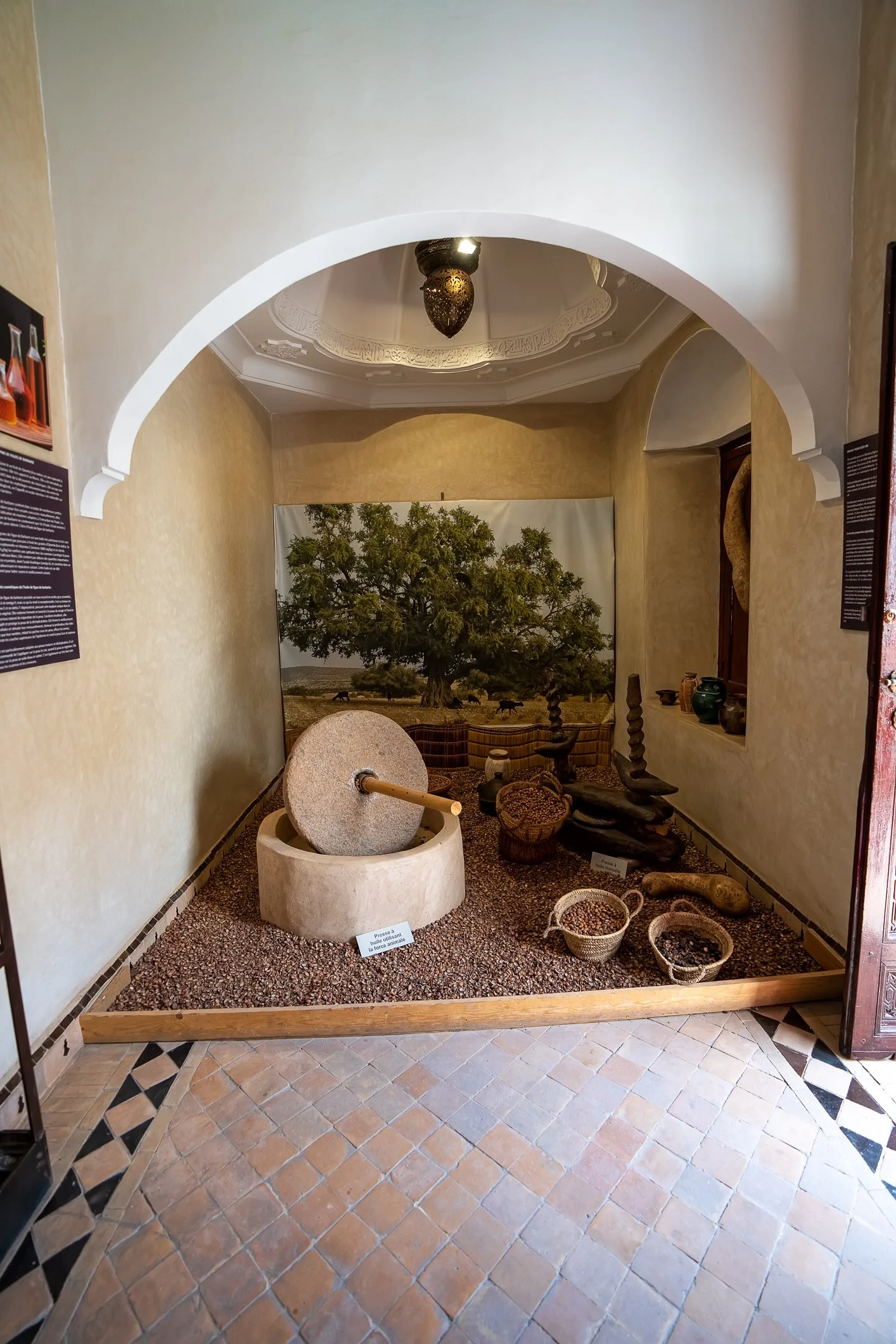
The museum showcases the traditional methods of perfumery used in Morocco, including the use of rose water, orange blossom water, and other local ingredients. Visitors can watch skilled perfumers create fragrances using traditional methods and ingredients.

The museum also has an extensive collection of rare and precious fragrances from around the world.


Muzeum prezentuje tradycyjne metody perfumerii stosowane w Maroku, w tym stosowanie wody różanej, wody pomarańczowej i innych lokalnych składników. Odwiedzający mogą oglądać wykwalifikowanych perfuiarzy tworzących zapach za pomocą tradycyjnych metod i składników. Muzeum posiada również obszerną kolekcję rzadkich i cennych zapachów z całego świata.

And then I have a chance to create my own body oils, mixing argan oils with the extracts of my choice.

Na koniec wizyty robie swoje wlasne olejki dopielegnacji skory dodajac wybrane przez siebie ekstrakty do oleju arganoweo.

Almoravid Koubba

From Ben Youssef Madrasa, on our way to the Musée du Parfum we pass the Almoravid Koubba. It is closed during our visit due to restoration, thus we can only admire its exterior. It is situated well below the current ground level, and it is the only structure in Morocco that survived intact from the XI-century Almoravid dynasty. The windows and the merlons exhibit the classic shapes of the Moroccan architecture. It is strongly hypothesised that the koubba belonged to the nearby Ben Youssef Mosque, the main mosque of the city at the time, and that it was a pavilion used for ritual ablutions before prayers.


Po drodze z madresy do muzeum perfum mijamy budowlę znaną jako Almoravid Koubba. Podczas naszej wizyty jest ona zamknięta ze względu na renowację, dlatego możemy podziwiać jedynie fasadę budynku. Budowla jest położona znacznie poniżej obecnego poziomu gruntu i jest jedyną w Maroku, która przetrwała w nienaruszonym stanie od czasów XI-wiecznej dynastii Almorawidów. Okna i merlony budynku przedstawiają klasyczne kształty architektury marokańskiej. Istnieje silna hipoteza, że ​​koubba należała do pobliskiego meczetu Ben Youssef, wówczas głównego meczetu miasta, i że był to pawilon używany do rytualnych ablucji przed modlitwami.