aerial view

Skytree

We cross Sumida River and go to the very well visible Skytree.


Przekraczamy zatem rzekę Sumida i udajemy się do bardzo dobrze widocznego Skytree.

Standing tall at 634 meters, the Skytree is the tallest structure in Japan, and fun fact - the number 634 can be read as "Musashi," a historic name of the Tokyo Region. It's also the third tallest in the world, trailing behind the Burj Khalifa in Dubai and the Merdeka 118 in Kuala Lumpur.

Built in 2012, it boasts a unique lattice-like design and two observation decks: the Tembo Deck at 350 meters and the Tembo Galleria at 450 meters, offering incredible views of Tokyo and beyond.

Wysoka na 634 metry wieża Skytree jest najwyższą konstrukcją w Japonii, a ciekawostka – liczbę 634 można odczytać jako „Musashi”, historyczną nazwę regionu Tokio. Wieża ta jest także trzecim najwyższym na świecie budynkiem, zaraz za Burj Khalifa w Dubaju i Merdeką 118 w Kuala Lumpur.

Zbudowana w 2012 roku wieża może pochwalić się unikalnym ażurowym projektem i dwoma tarasami widokowymi: Tembo Deck na 350 metrach i Tembo Galleria na 450 metrach, skąd roztaczają się niesamowite widoki na Tokio i okolice.

Luckily, we have pre-purchased tickets, so we bypass the queue on the 4th floor, where the entrance is located. Zooming up in one of the super-fast elevators (going up at 600m/s!), we reach the 350-meter Tembo Deck in a flash. The deck has expansive windows that give us a 360-degree panoramic view of the city. There's a second elevator that takes us to the 450-meter-high Tembo Galleria, a spiral ramp offering more stunning views as we circle the tower.

Na szczęście bilety mieliśmy wcześniej zakupione, więc omijamy kolejkę na czwartym piętrze, gdzie znajduje się wejście. Wjeżdżając jedną z superszybkich wind (wznosimy się z prędkością 600 m/s!), w mgnieniu oka docieramy na wysokość  350 metrow do Tembo Deck. Na tym poziomie znajdują się rozległe okna, z których roztacza się panoramiczny widok na całe miasto. Do 450-metrowej Galerii Tembo można dojechać drugą windą – jest to spiralna rampa, z której roztaczają się wspaniałe widoki, które podziwiamy okrążając wieżę.

After exploring, we make a stop at the café on the Tembo Deck for ice cream and soda. We also stop at the glass-floored section for a bird's eye view of the ground below. And of course, we collect the stamp here - a classic Tokyo attraction tradition.

Po zwiedzaniu zatrzymujemy się w kawiarni na Tembo Deck na lody i picie. Przechodzimy również po szklaną podłodze, patrząc na Tokio pod naszymi stopami. I oczywiście robimy pieczątkę w notesie– to klasyczna tradycja atrakcji w Tokio, prawie każda ma swoja własną pieczęć.

Coffee break

From the temple, we head towards the river as we need to cross the bridge to get to the Skytree. But we stop at the Tully’s café for a hotdog and tea/coffee. Later on, we will have a view of the cafe from the tower above.


Ze świątyni kierujemy się w stronę rzeki, gdyż musimy przejść przez most, aby dostać się do Skytree. Ale zatrzymujemy się najpierw w kawiarni Tully’s na hot doga i kawę/herbatę. Później wypatrzymy naszą kawiarnie z wieży.

Ginza Crossing and Zukan Museum

After a short break in our hotel, we are back to explore Ginza. This time, our aim is Tokyu Plaza Ginza, a 13-story shopping and entertainment center. We want to photograph Ginza Crossing (also known as Sukiyabashi Crossing) from a bird's eye perspective. This crossing is sometimes nicknamed “the Gate of Ginza.” While it may be less busy than the famous Shibuya Scramble, it is still a great spot to visit.

Po krótkiej przerwie w hotelu wracamy zwiedzać Ginzę. Tym razem naszym celem jest Tokyu Plaza Ginza, 13-piętrowe centrum handlowo-rozrywkowe. Chcemy sfotografować Ginza Crossing (znaną również jako Sukiyabashi Crossing) z perspektywy lotu ptaka. To przejście dla pieszych jest czasami także nazywane „Bramą Ginzy”. Chociaż mniej tu ruchu niż na słynnym Shibuya Scramble, nadal jest to miejsce warte odwiedzenia.

On the sixth floor of Tokyu Plaza Ginza, we find the Zukan museum and stop for some fun. Basically, when you purchase a ticket, you are given a navigation device called a Stone of Recording to enter the world of Zukan. You then have 3 Zukan days to explore 5 different zones: forest, stream, river/lake, ant’s eye view, and grassland, while trying to record as many animals as you can find. Some creatures only appear at specific times of day, and some are shy and will run away if you get too close. You cannot record them if you are too far away, and they must be engaged in certain behaviours to be recorded. When you return your Stone of Recording, you can see a parade of all the animals you managed to collect.


Na szóstym piętrze Tokyu Plaza Ginza znajdujemy muzeum Zukan. Kupując bilet, otrzymujemy urządzenie nawigacyjne zwane Kamieniem Zapisu, aby wejść do świata Zukan. Następnie mamy 3 zukańskie dni na zbadanie 5 różnych stref (są to las, strumień, rzeka/jezioro, widok z perspektywy mrówki i sawaana), próbując jednocześnie zarejestrować jak najwięcej zwierząt. Niektóre zwierzaki pojawiają się tylko w określonych porach dnia, inne są nieśmiałe i uciekają, jeśli podchodzimy zbyt blisko. Nie możemy ich jednak zarejestrować, jeśli jesteśmy zbyt daleko, plus muszą one być zaangażowane w określone czynności. Kiedy zwracamy nasz Kamień Zapisu, możemy obejrzeć paradę wszystkich zwierząt, które udało nam się zebrać.
Museum of Science

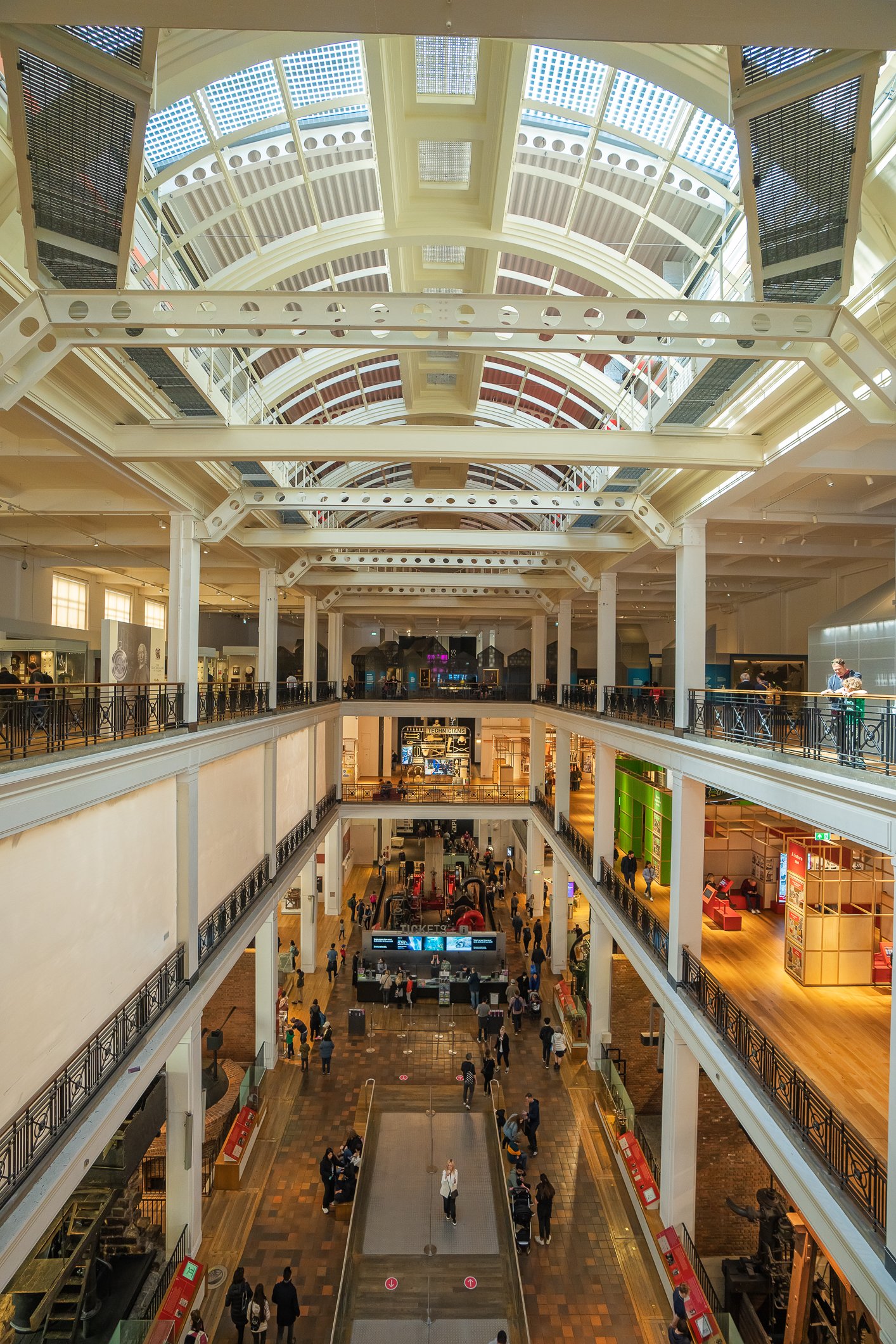
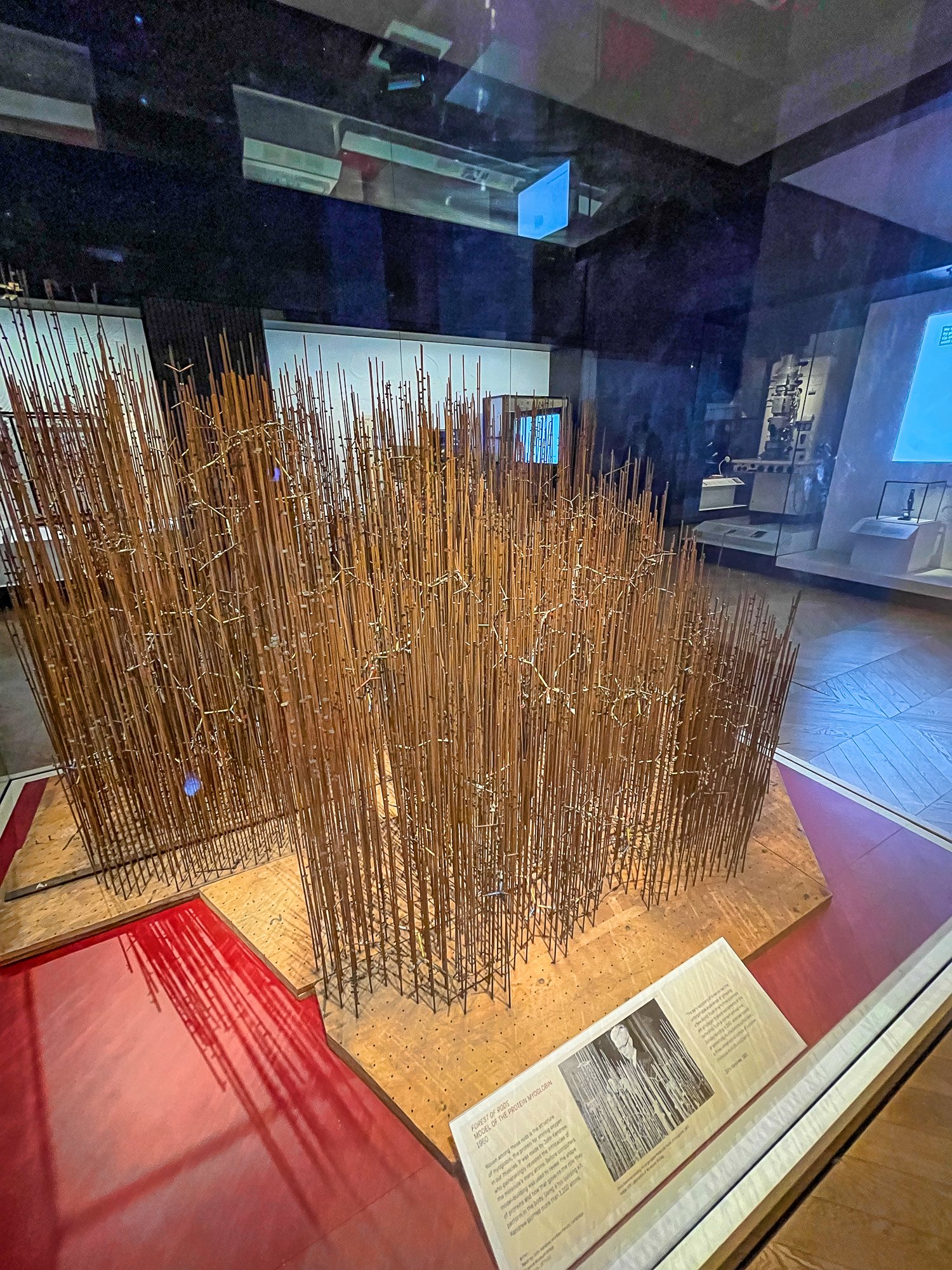
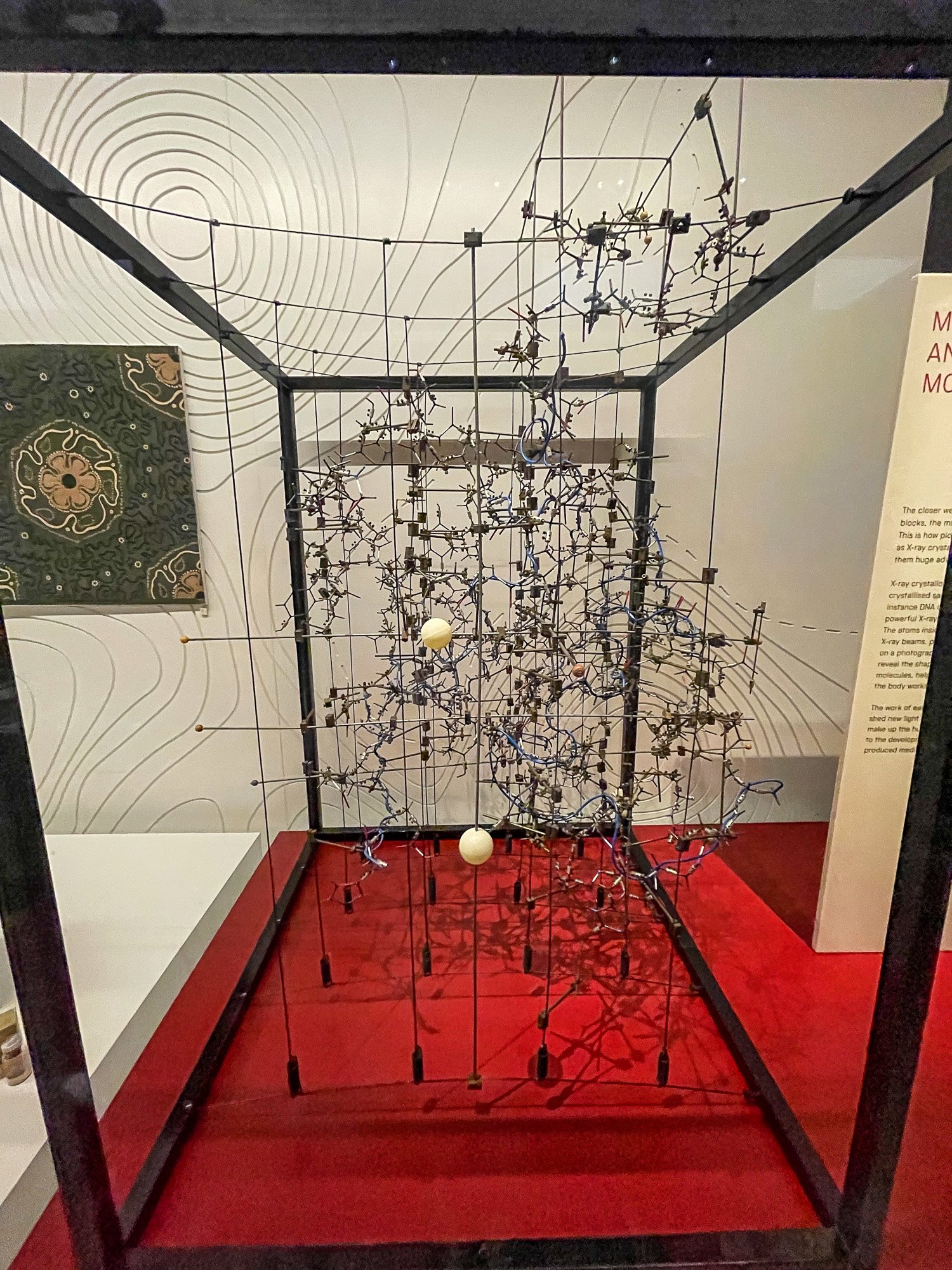
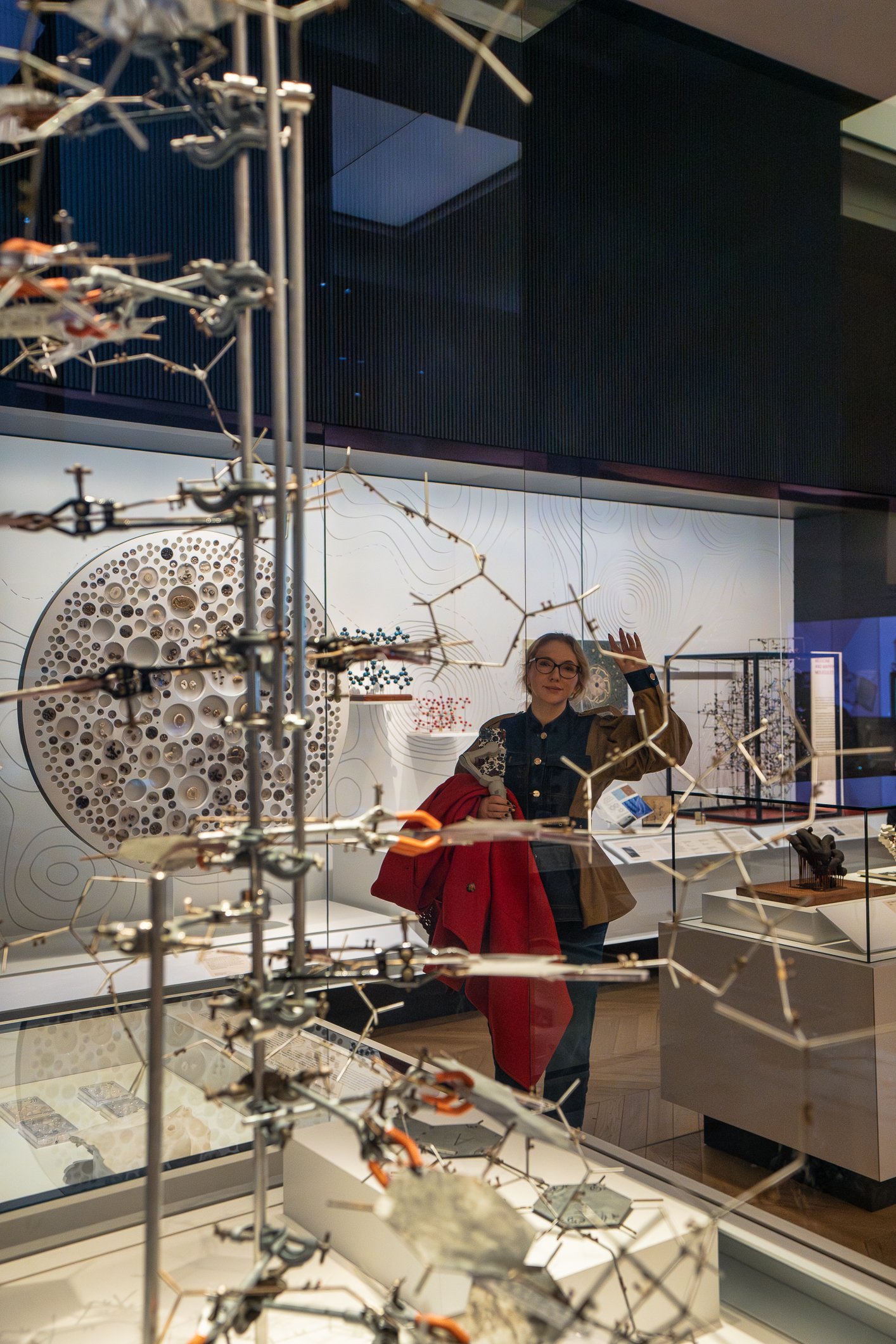
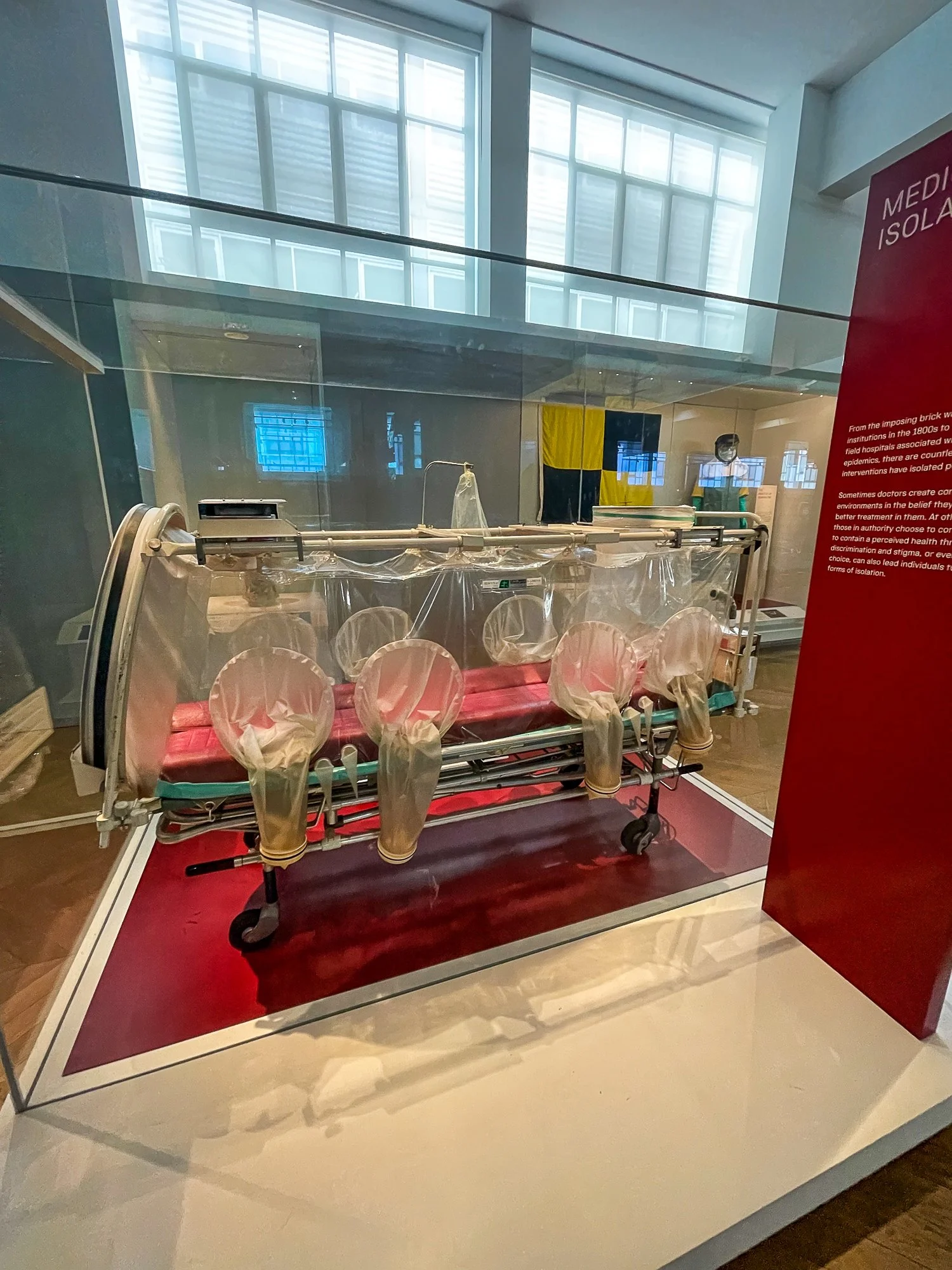
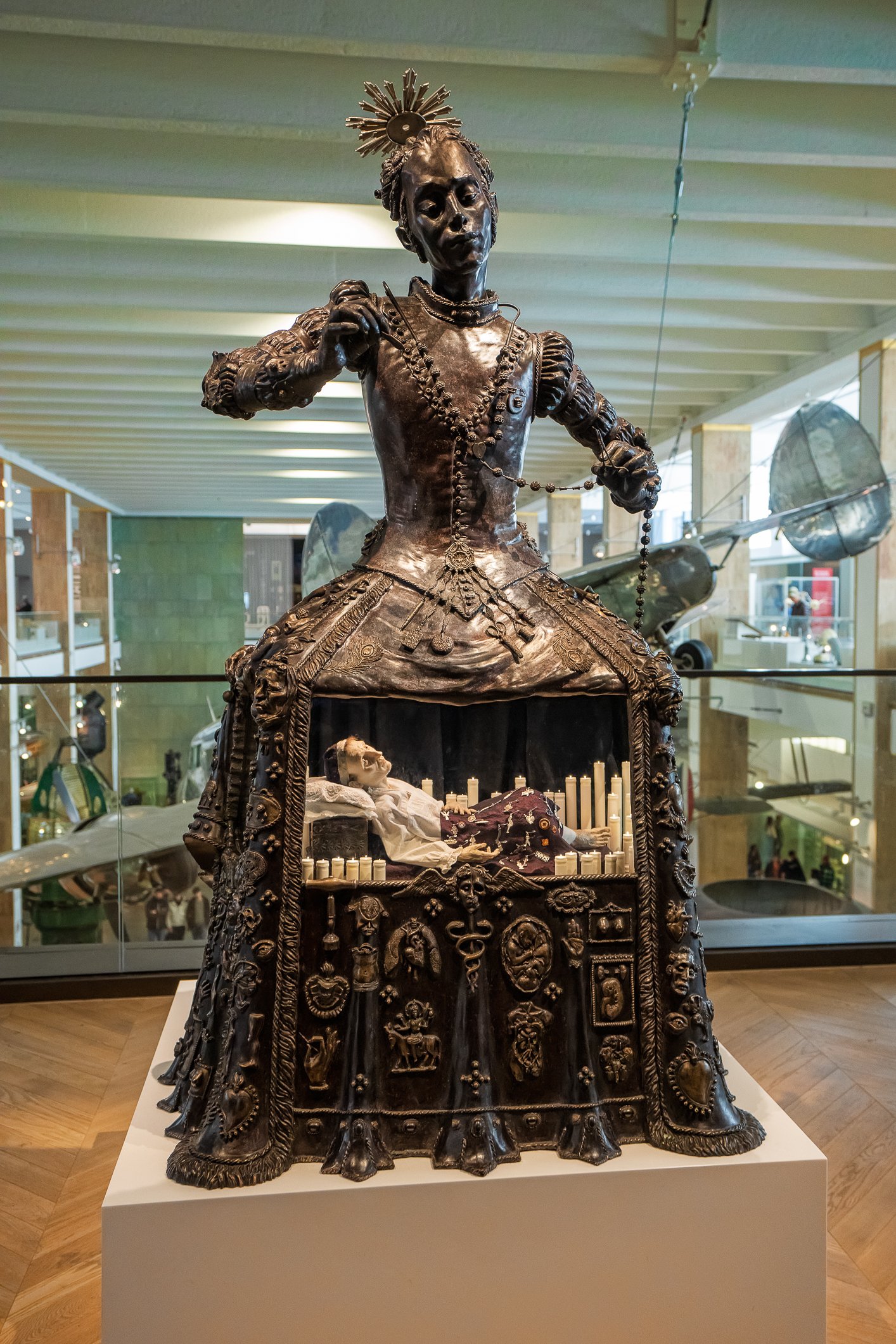
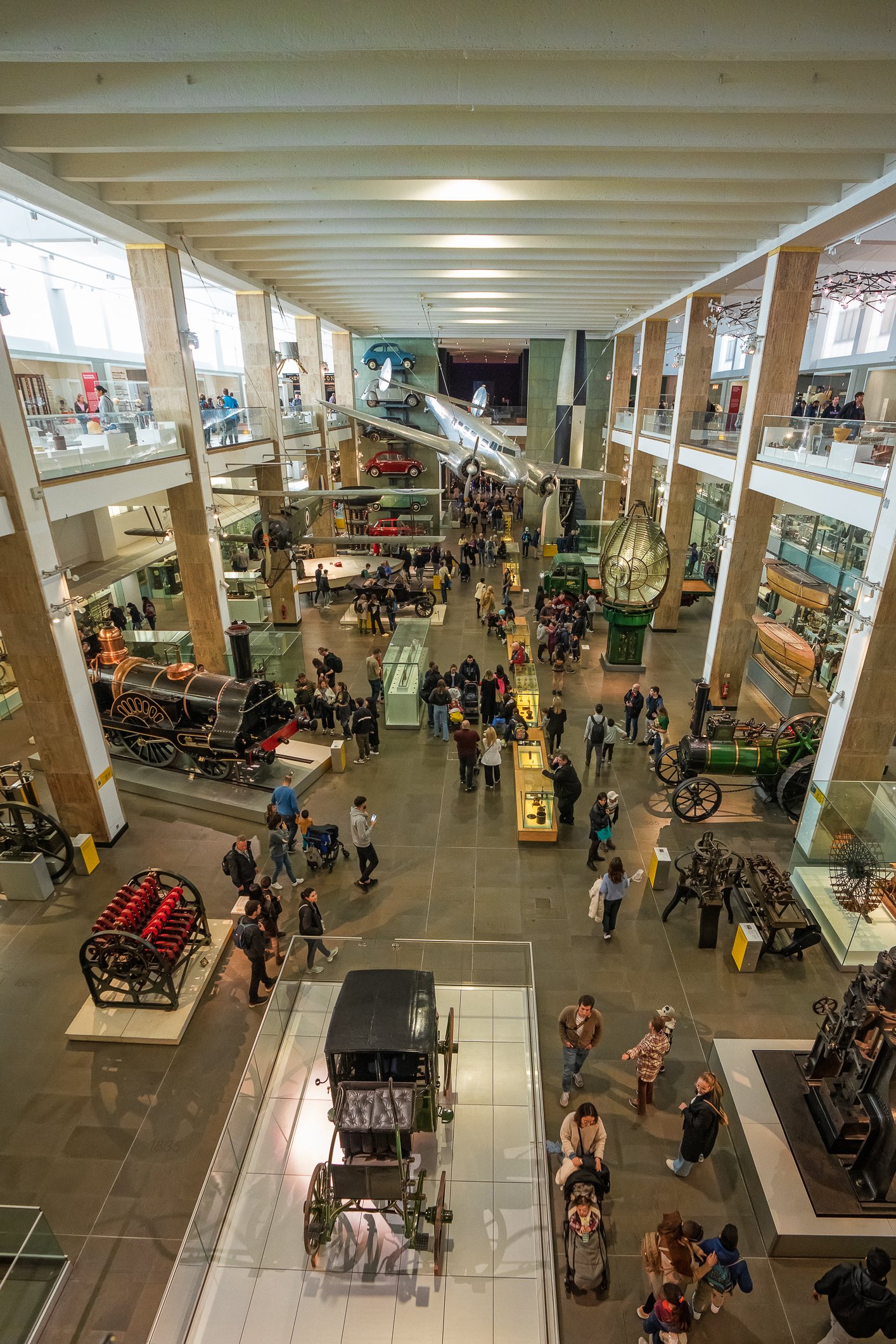
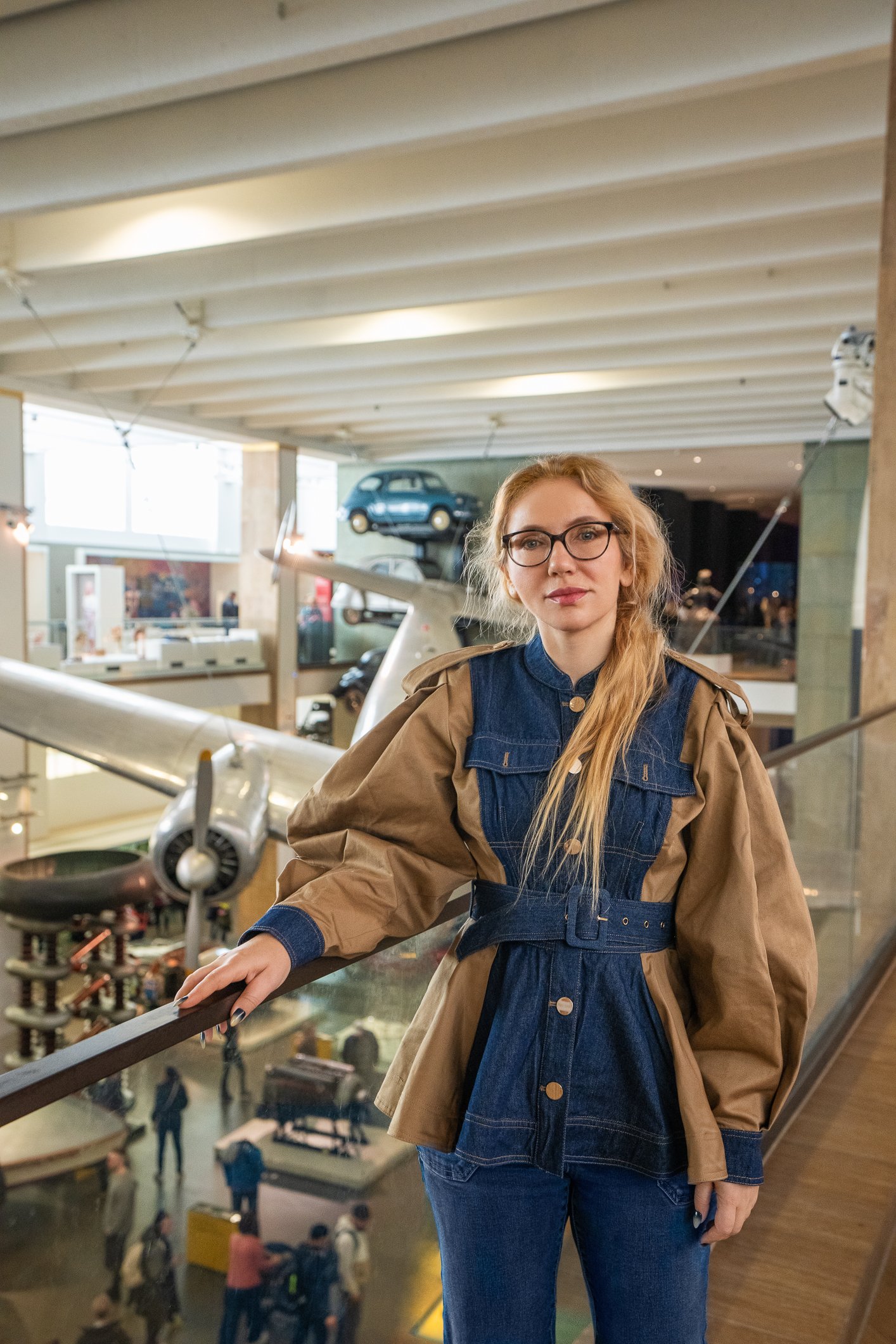
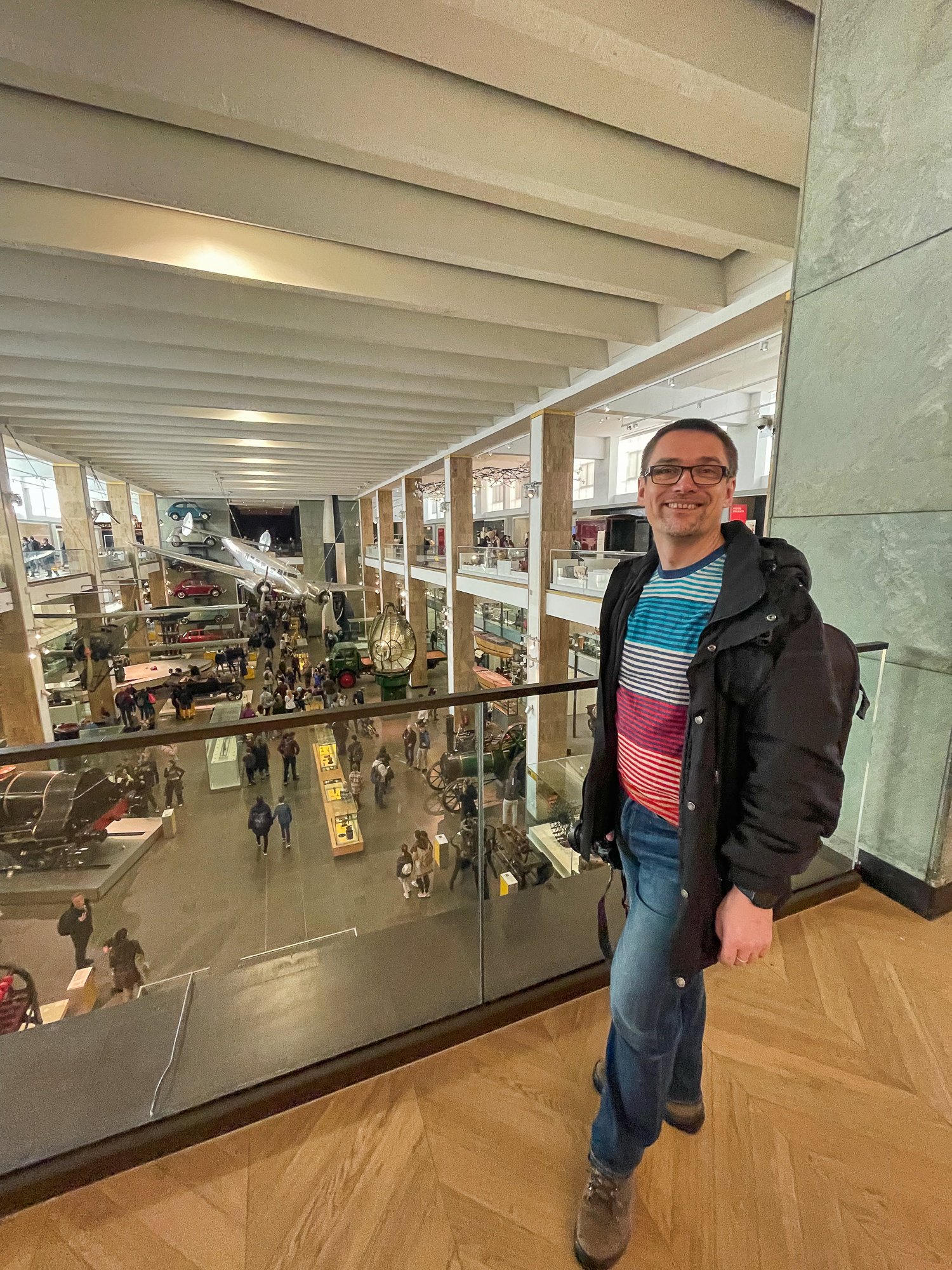
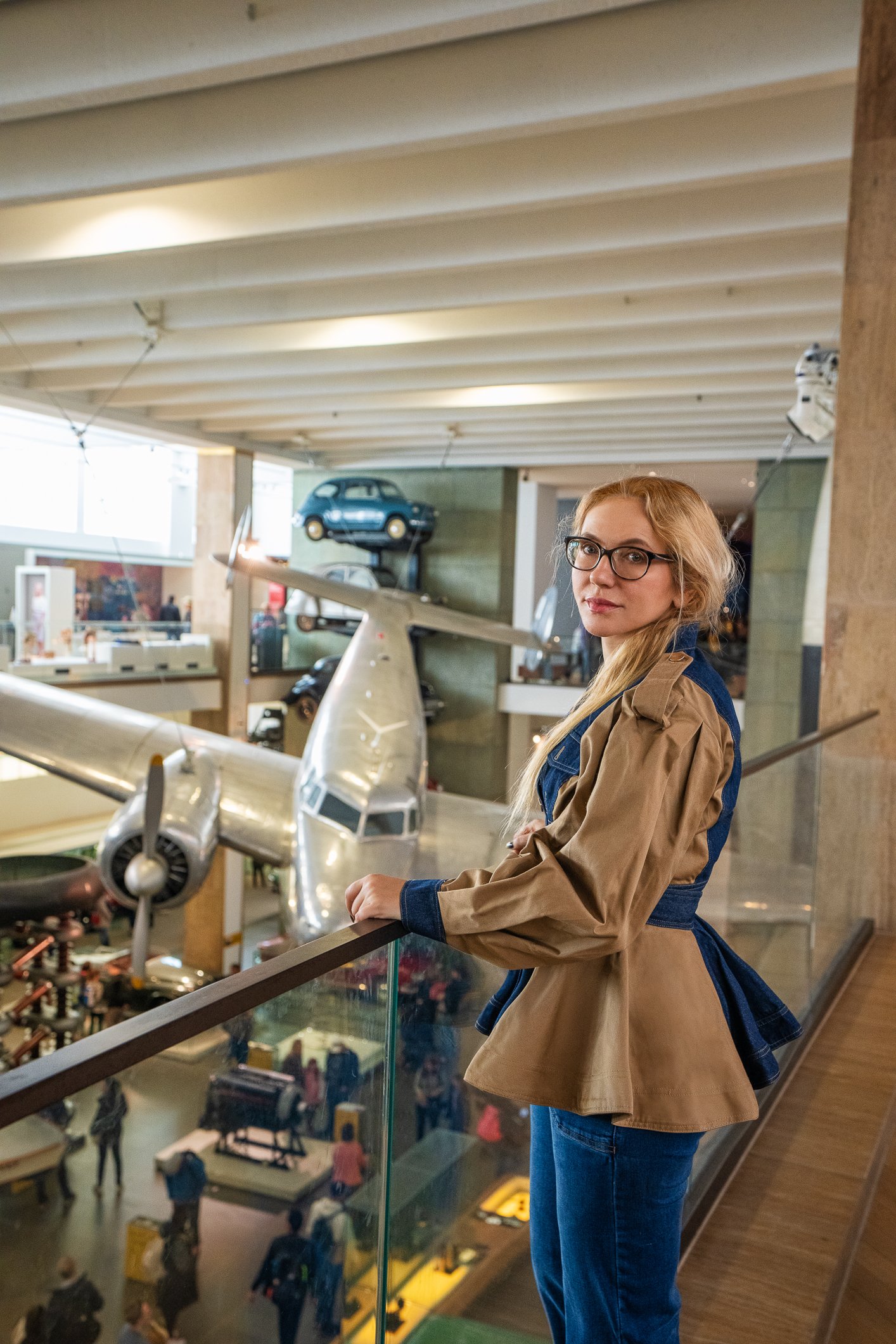
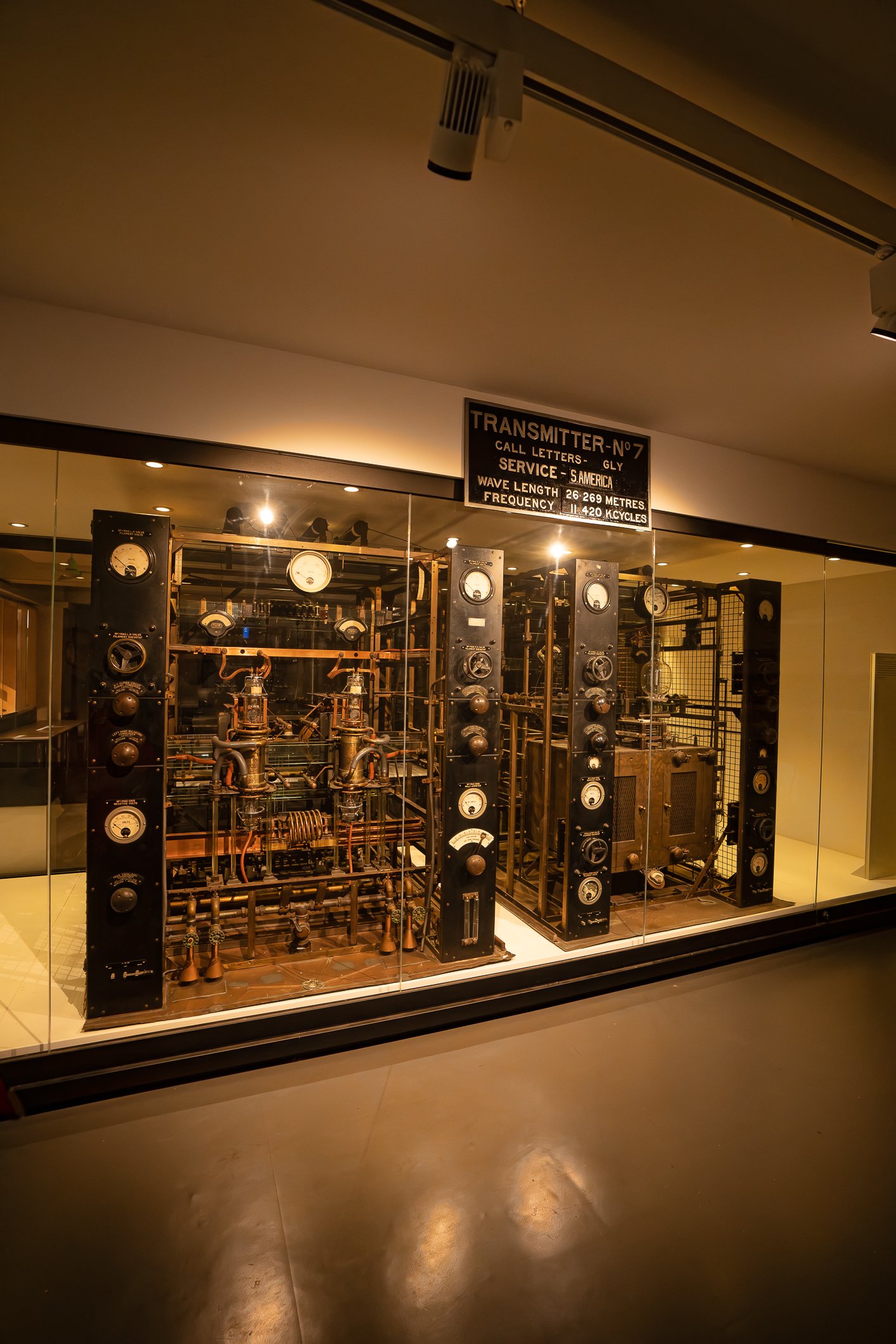
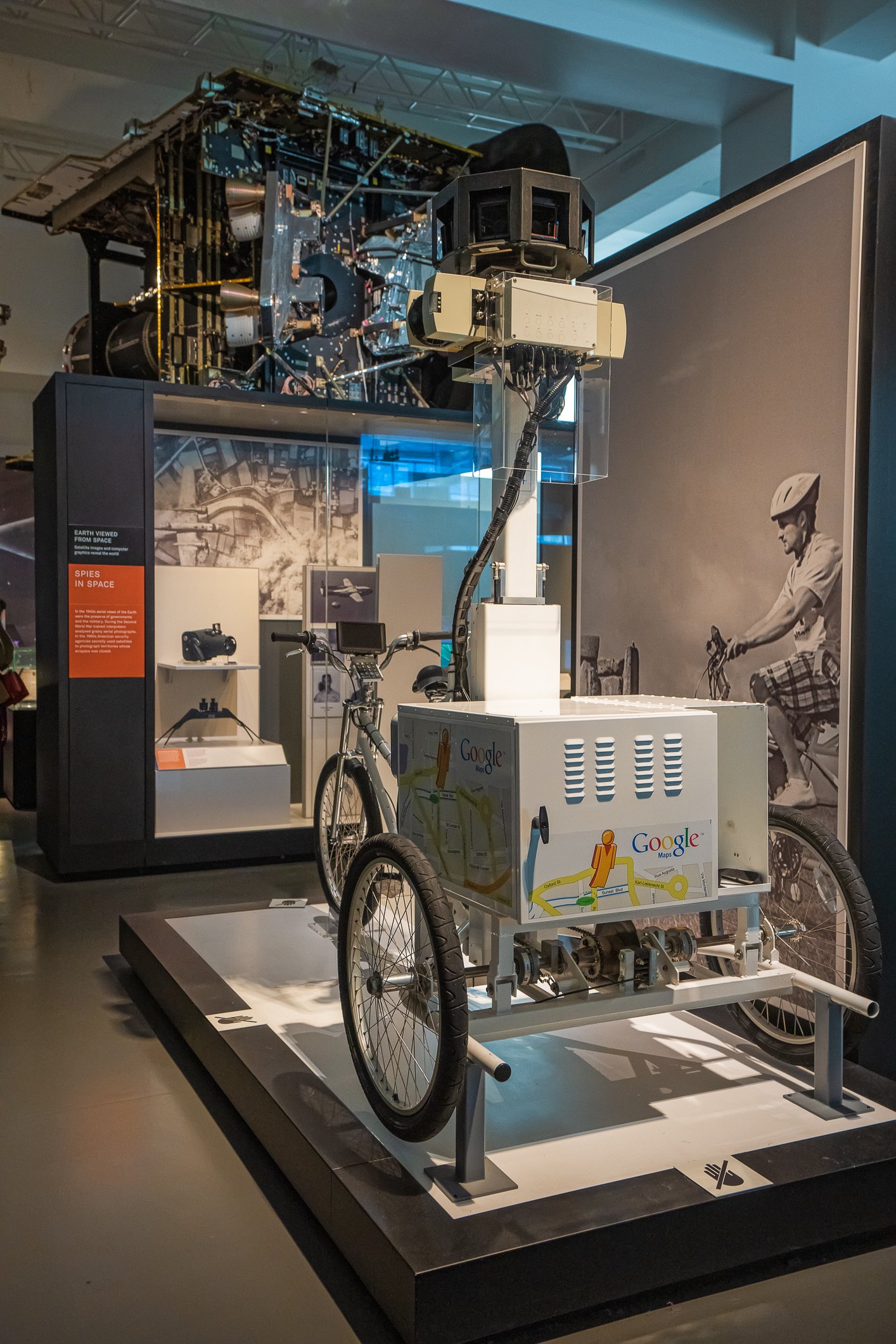
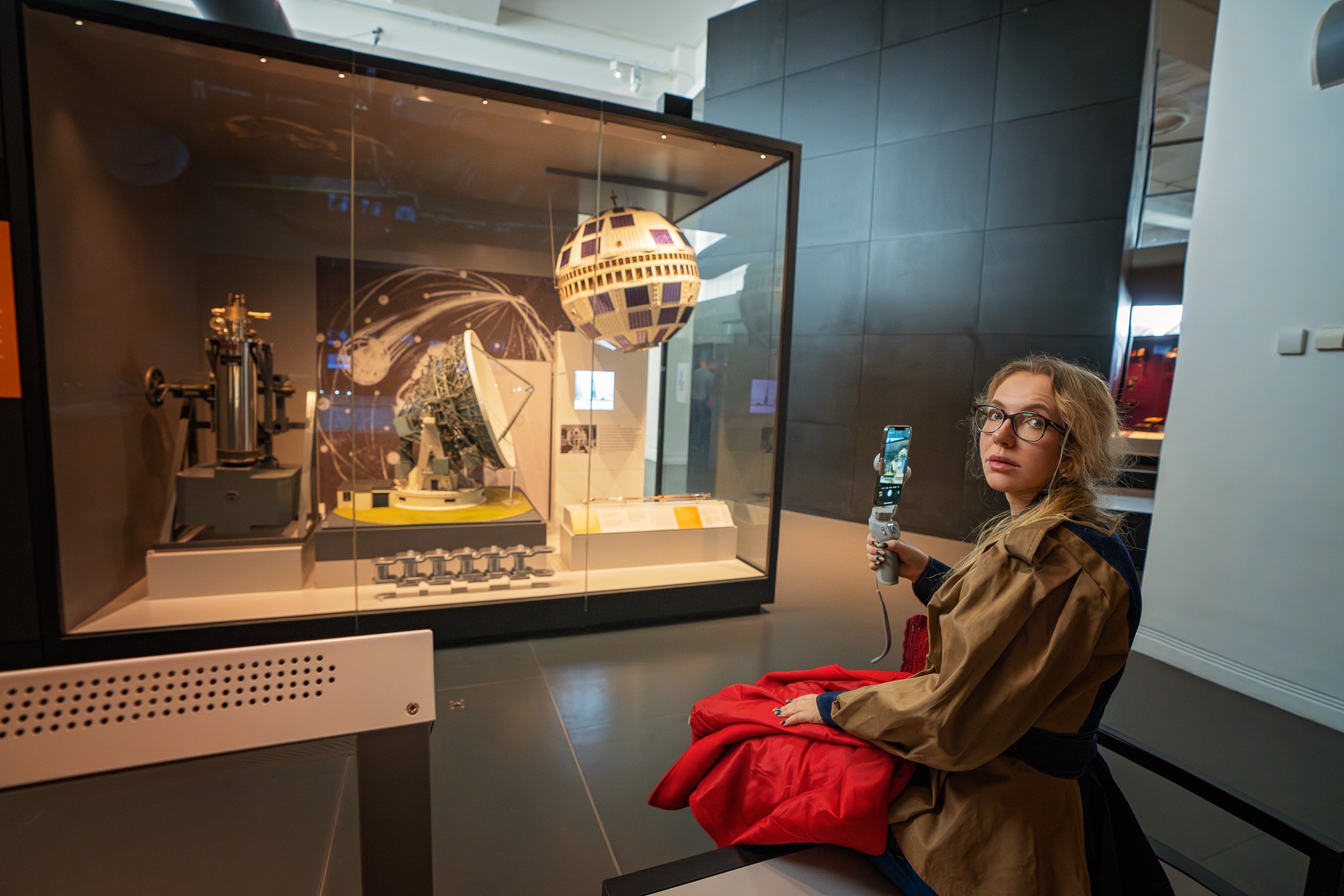
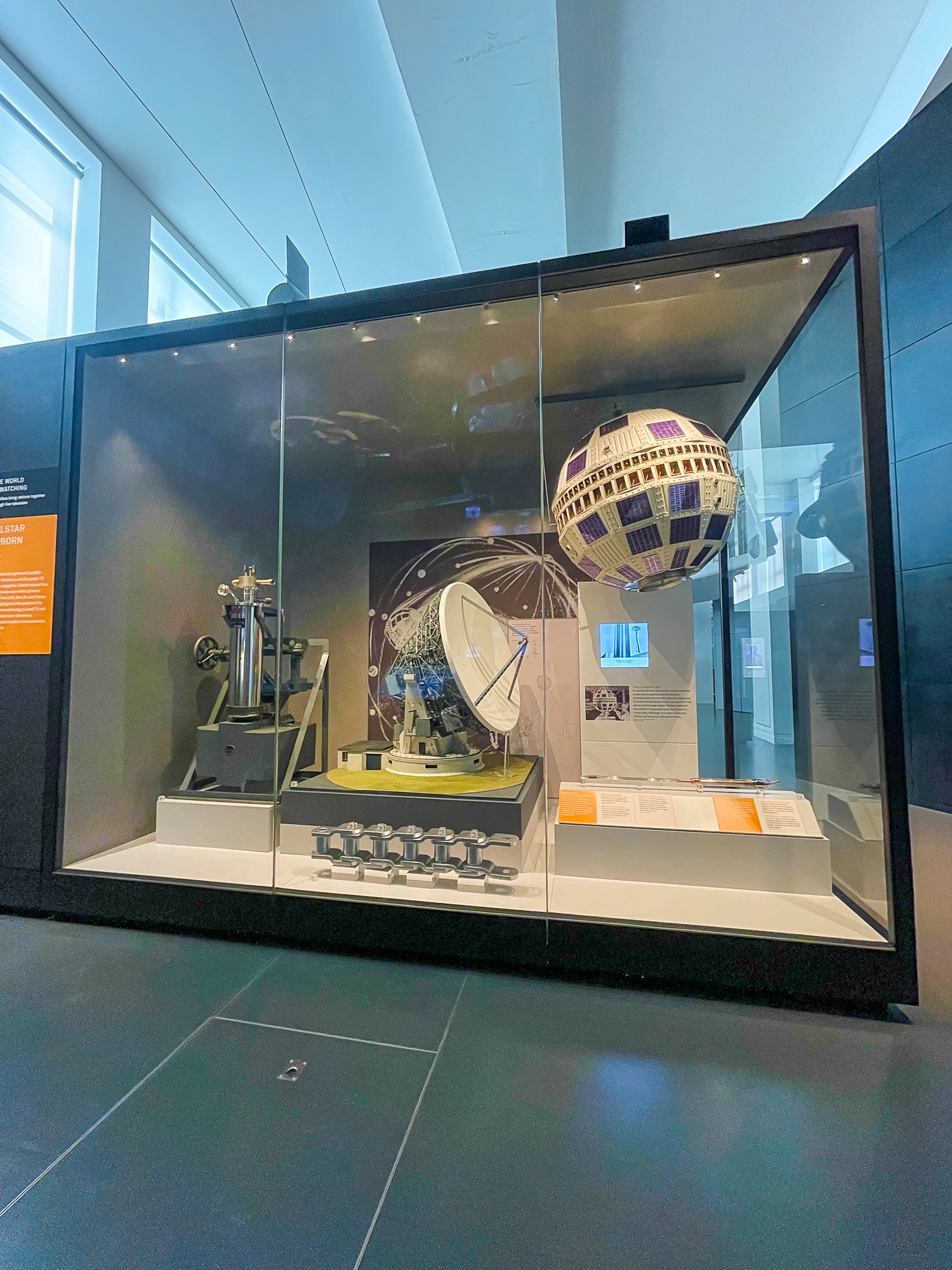
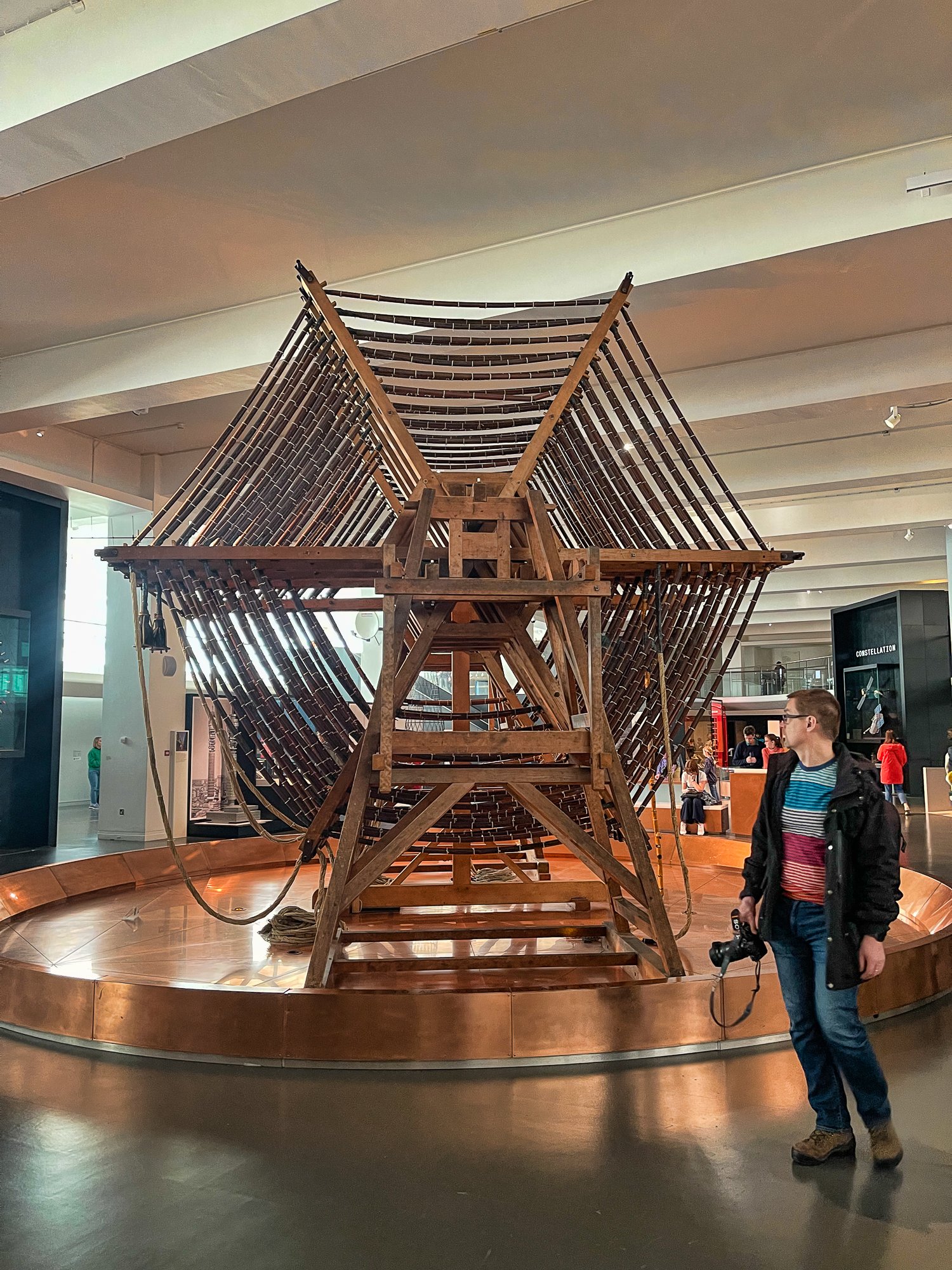
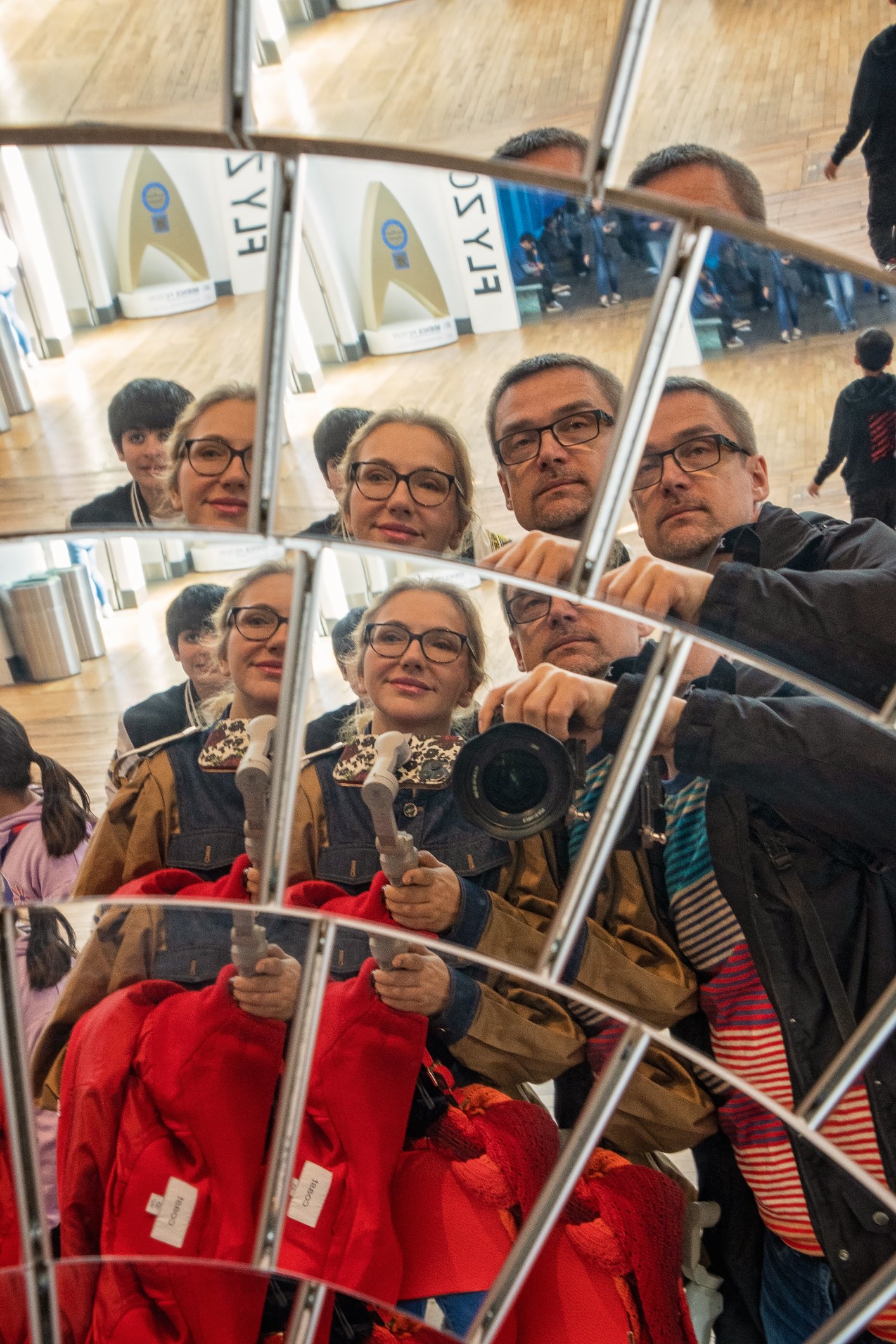
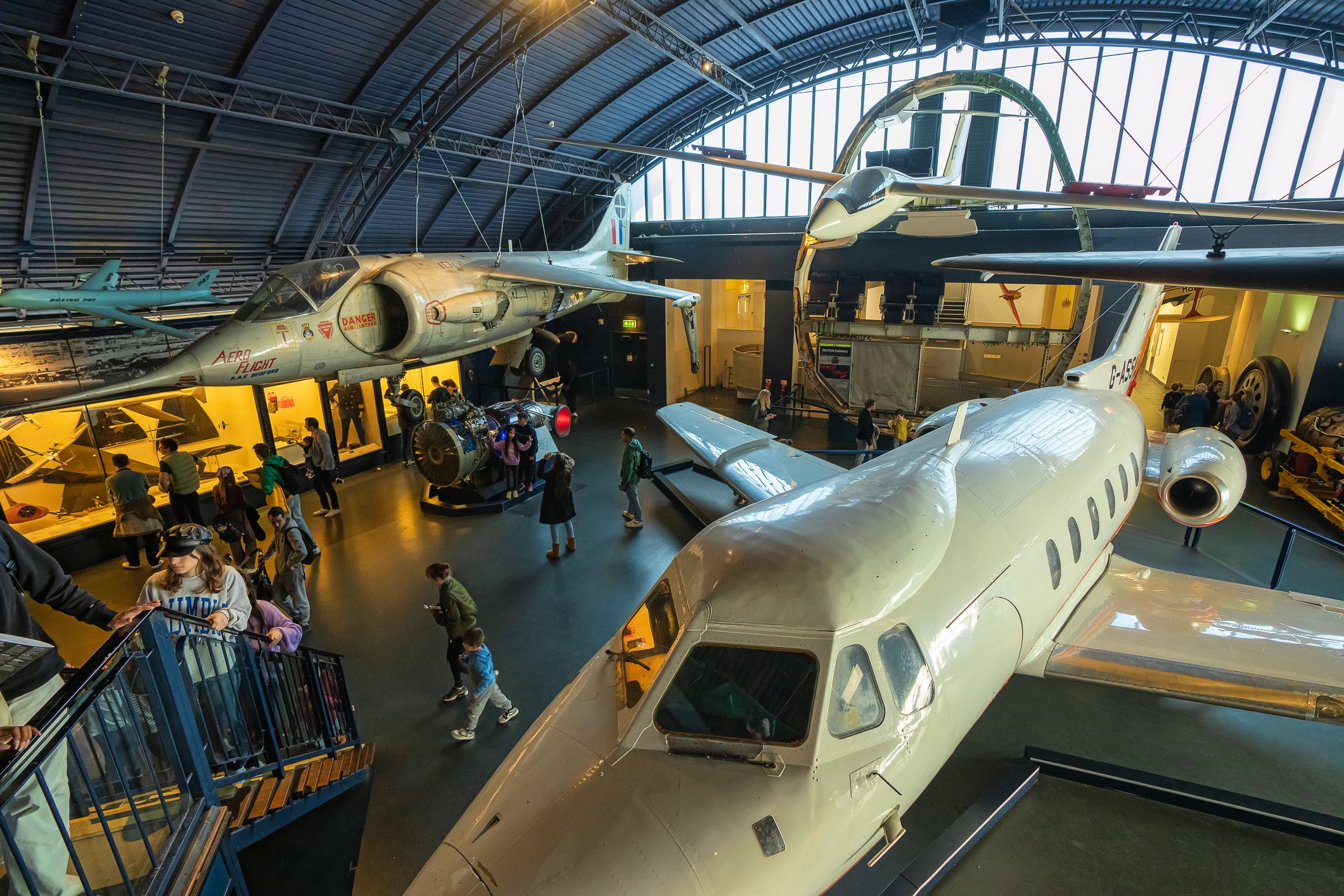
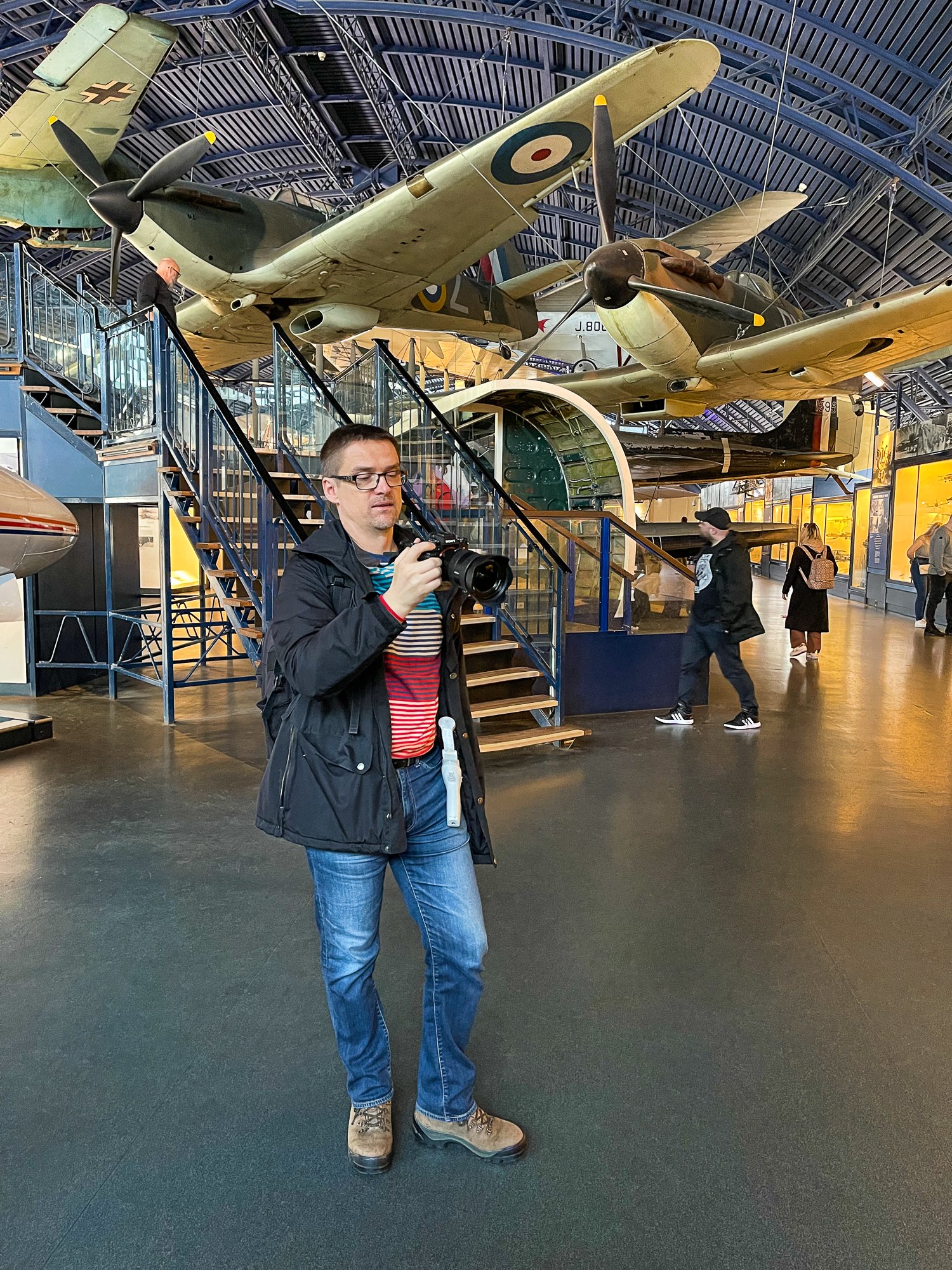
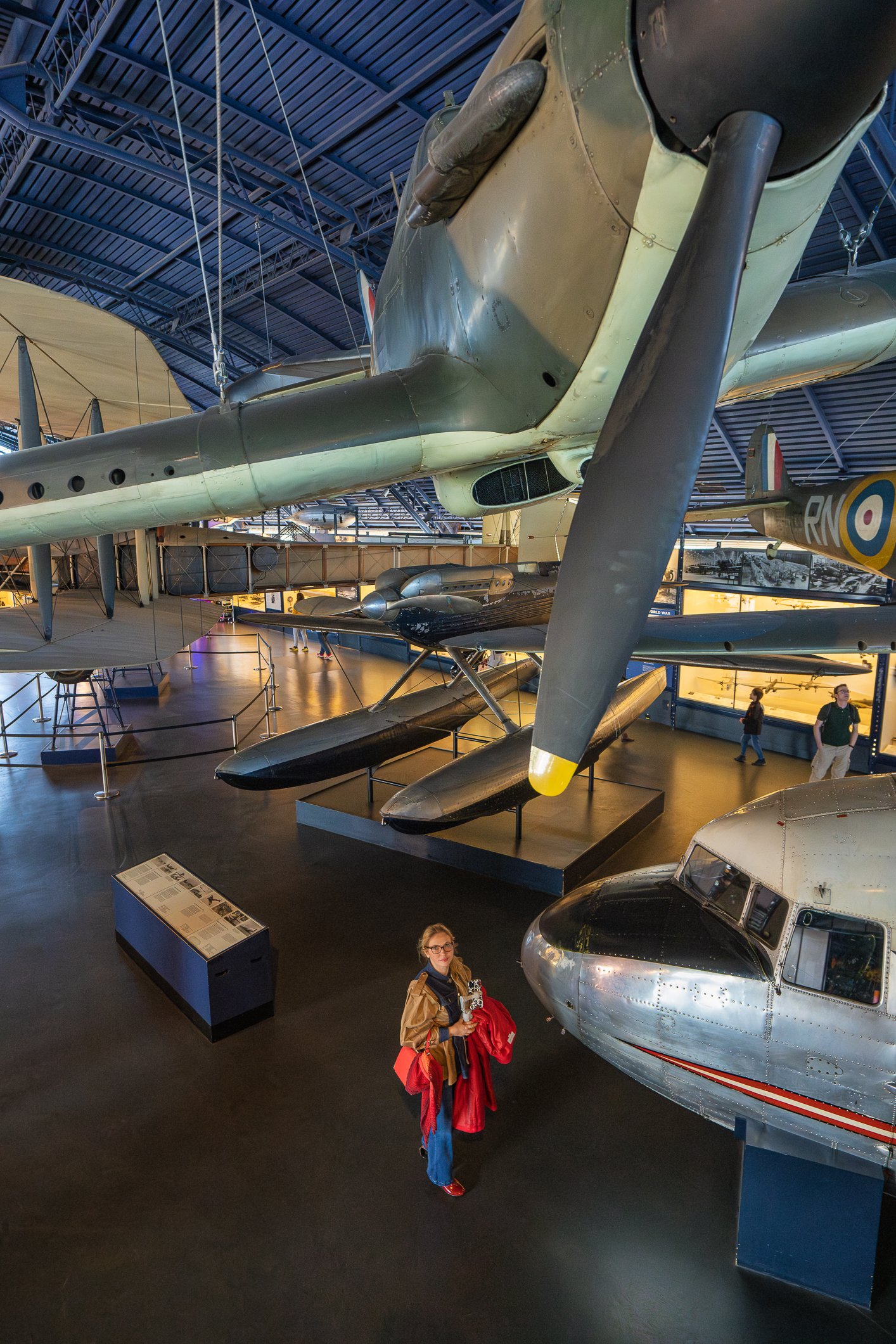
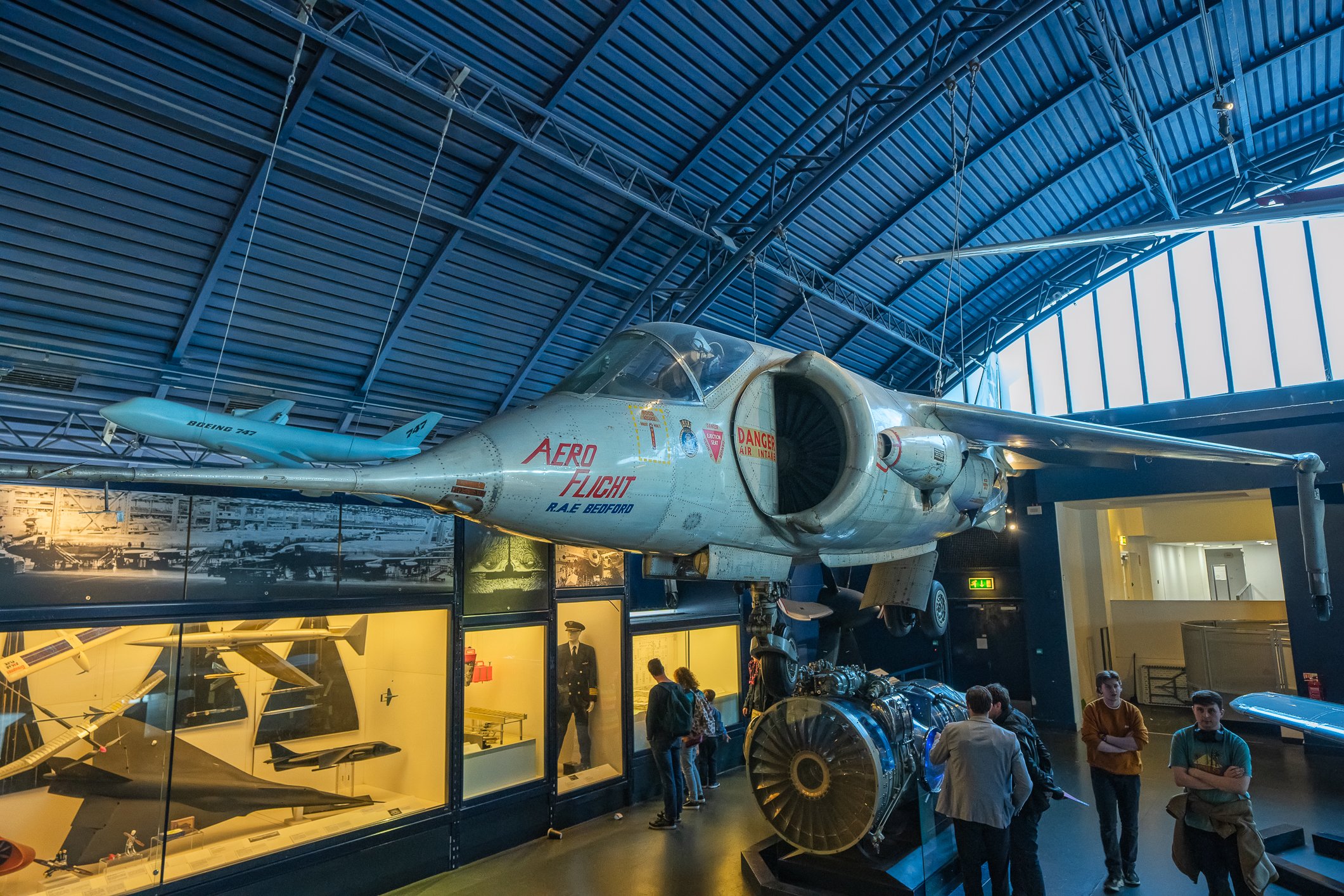
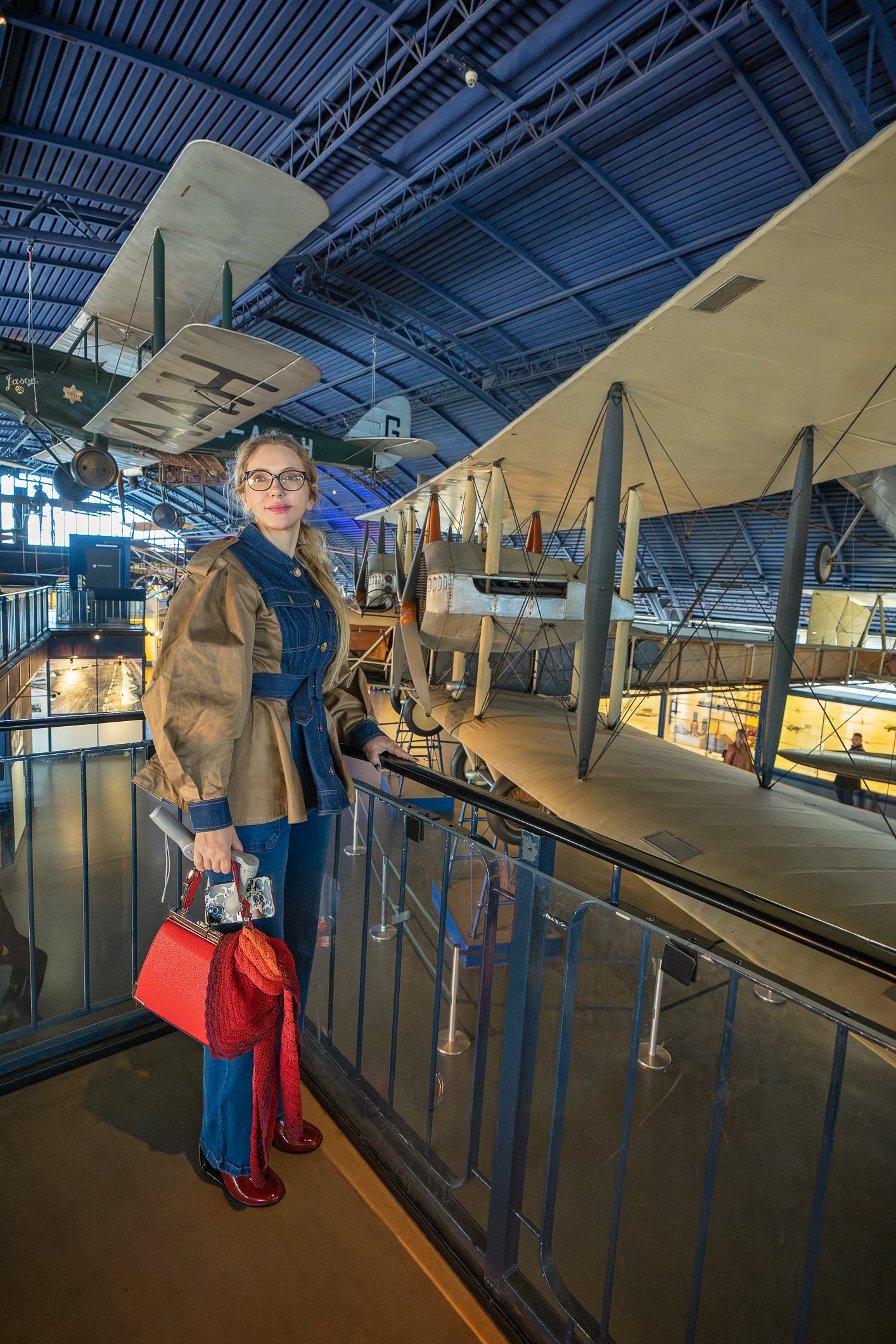
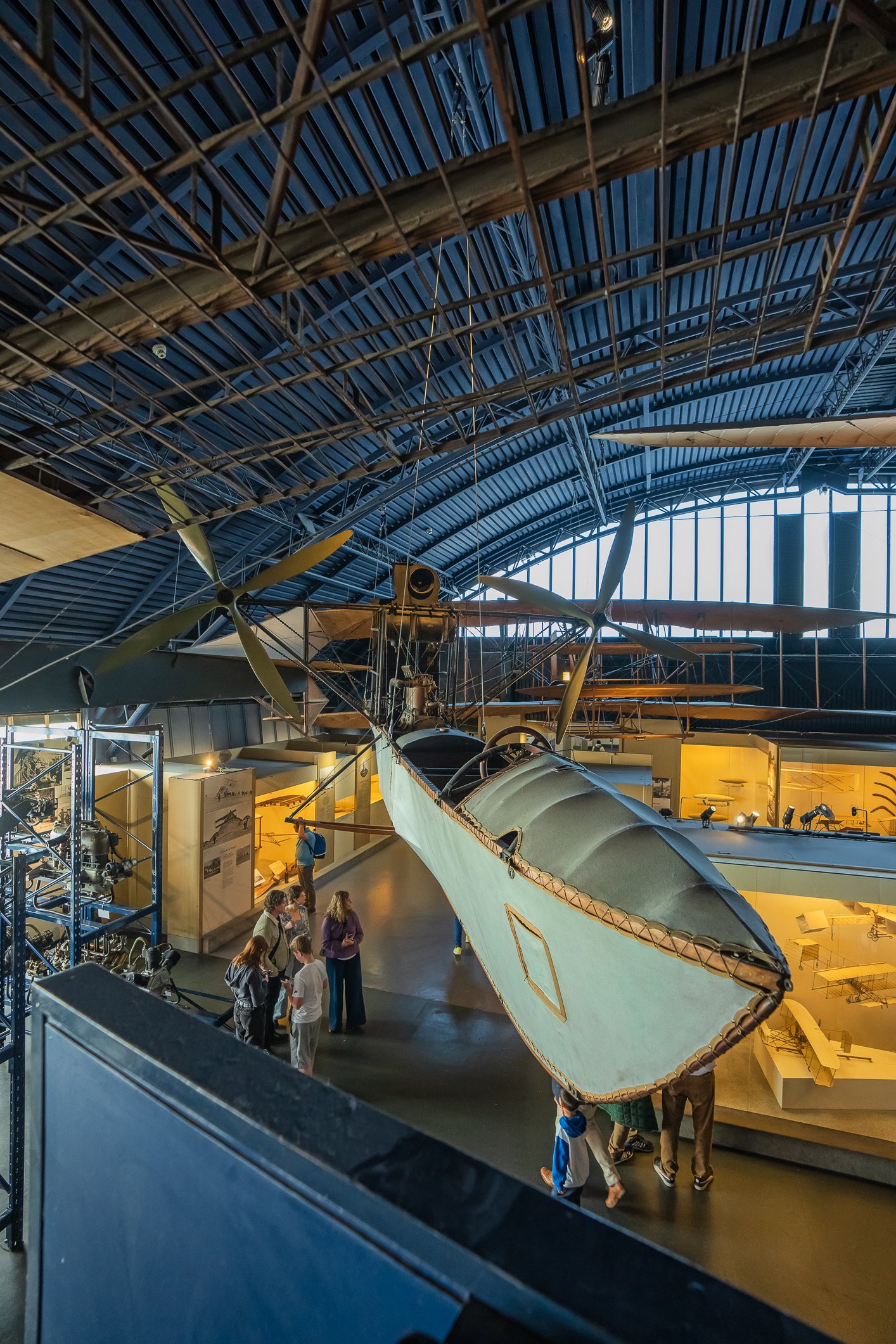
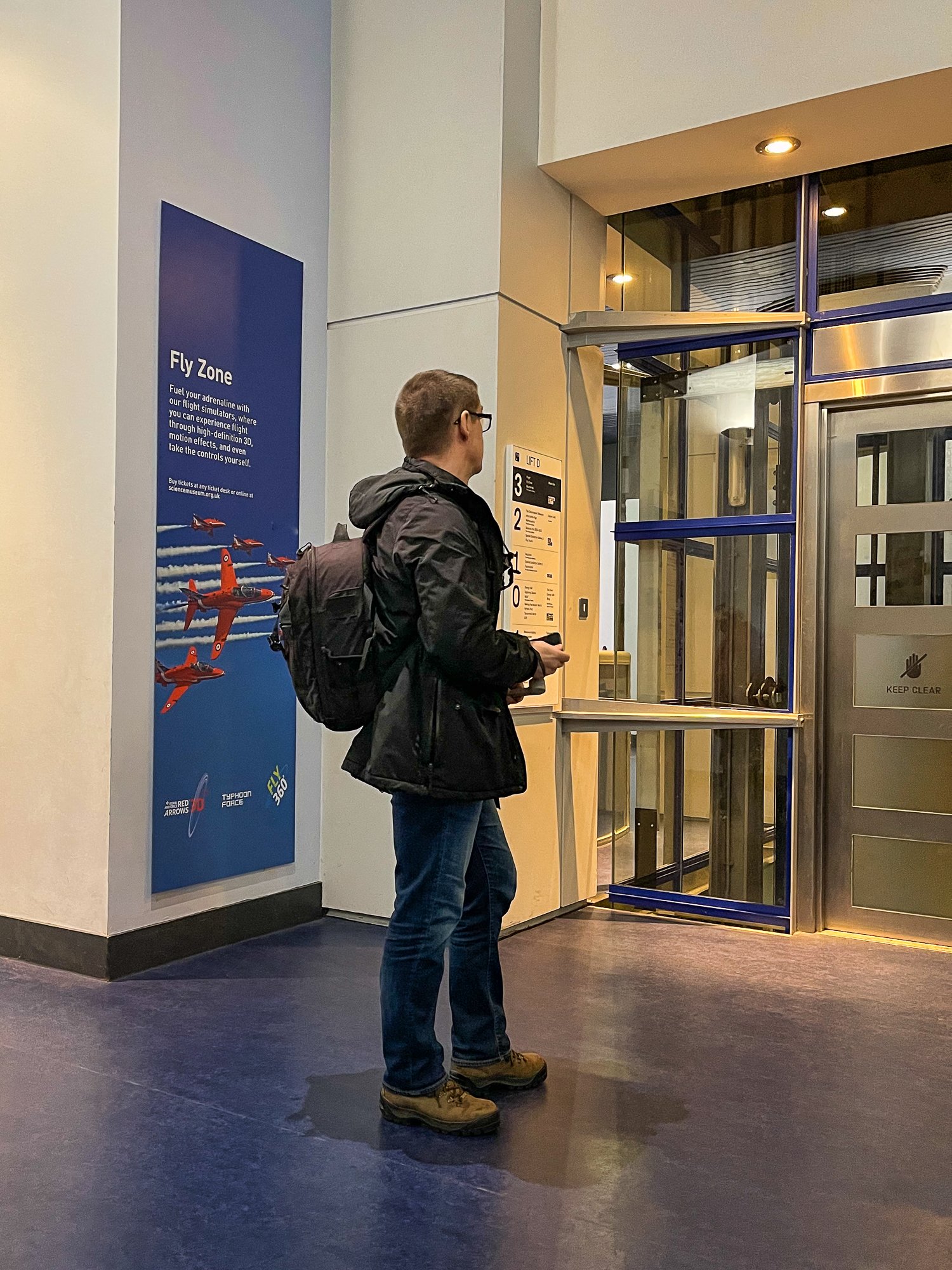
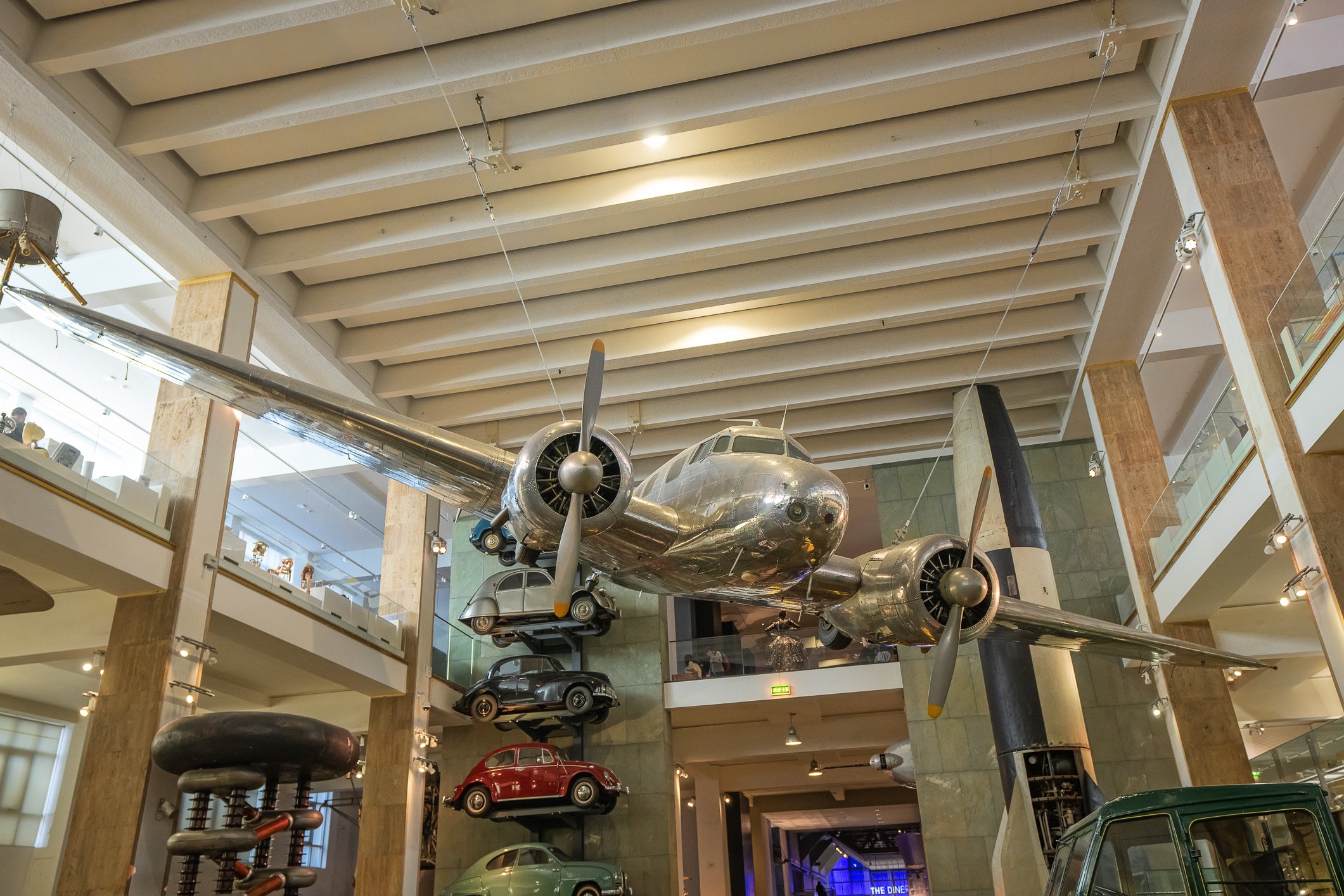
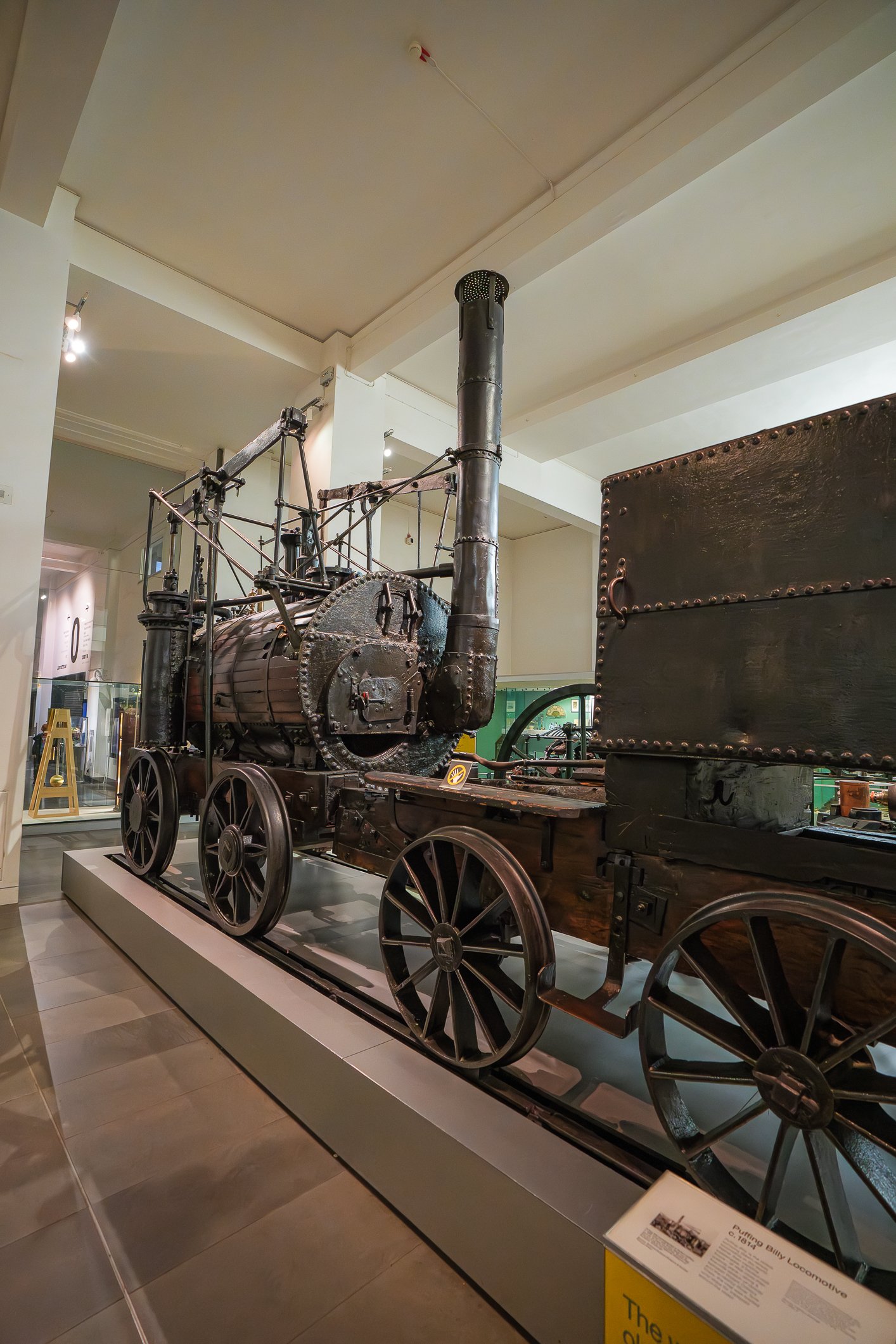
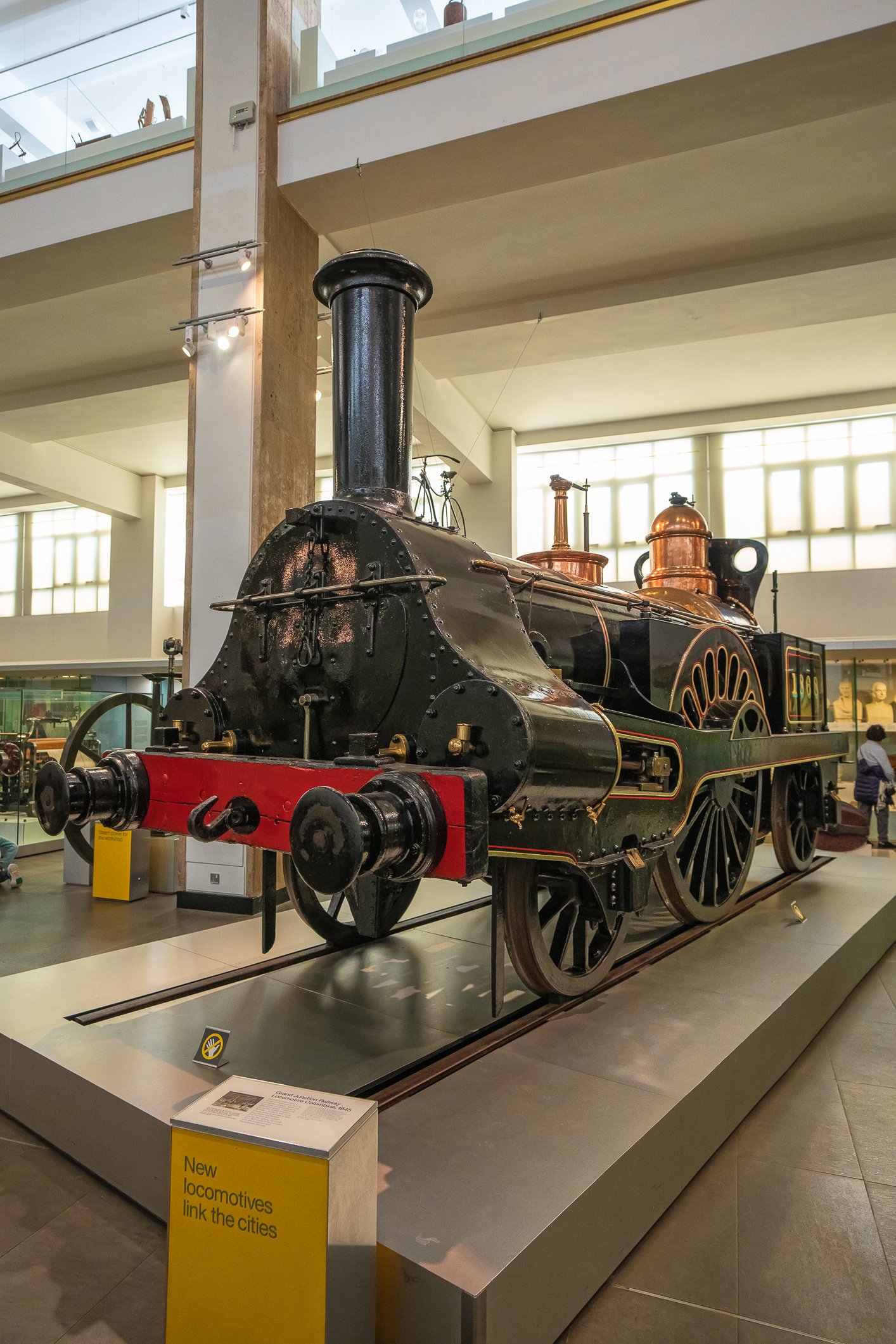
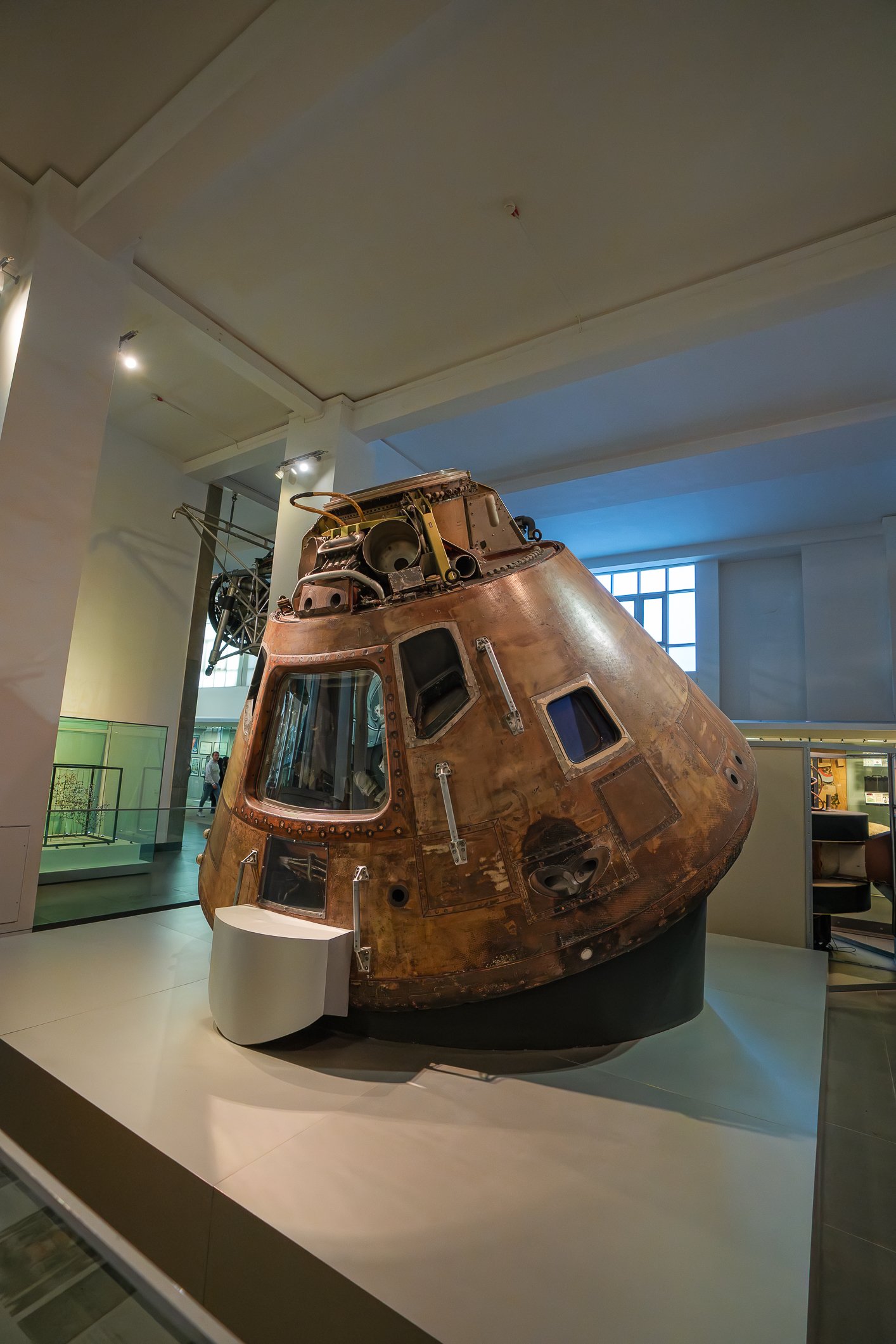
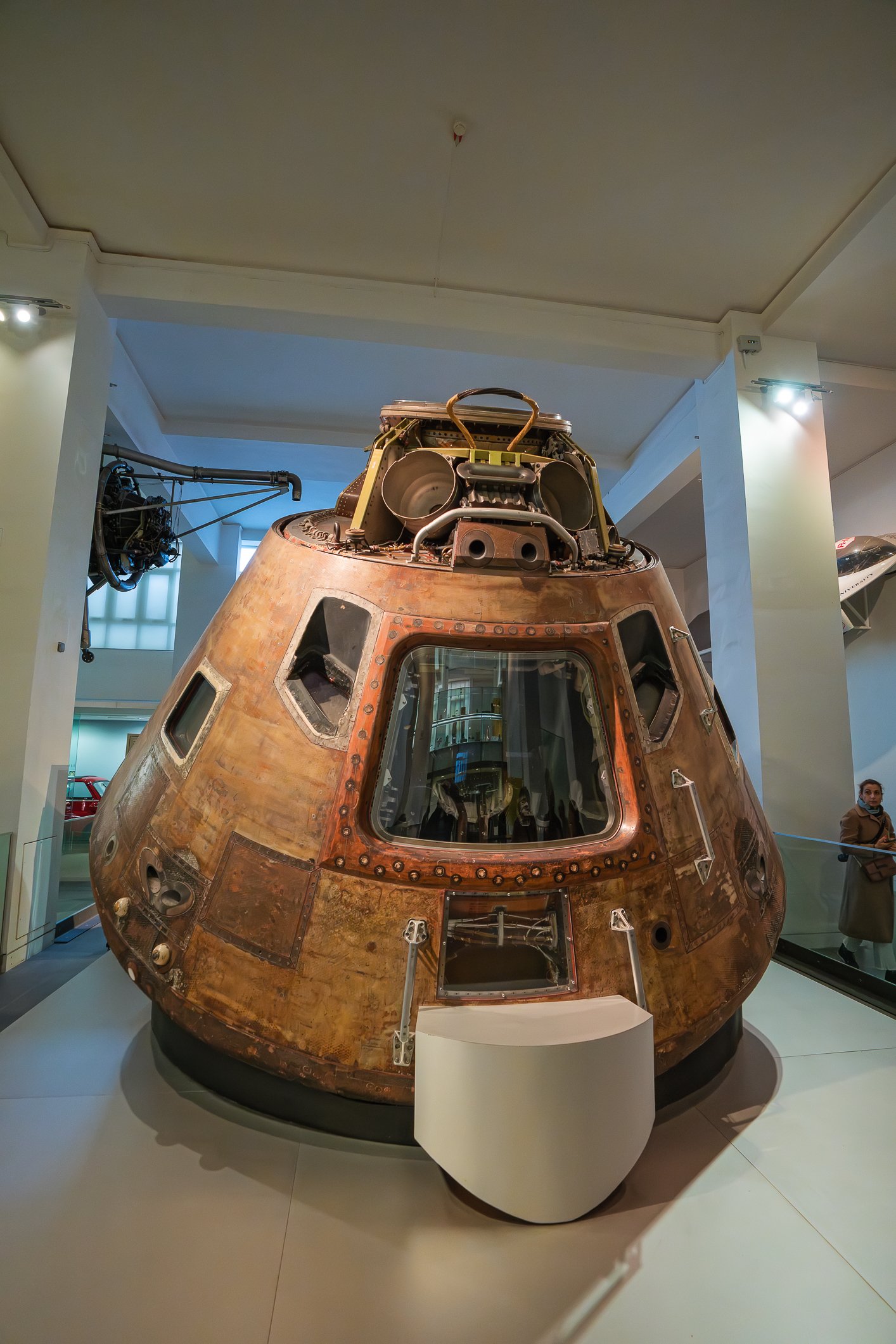
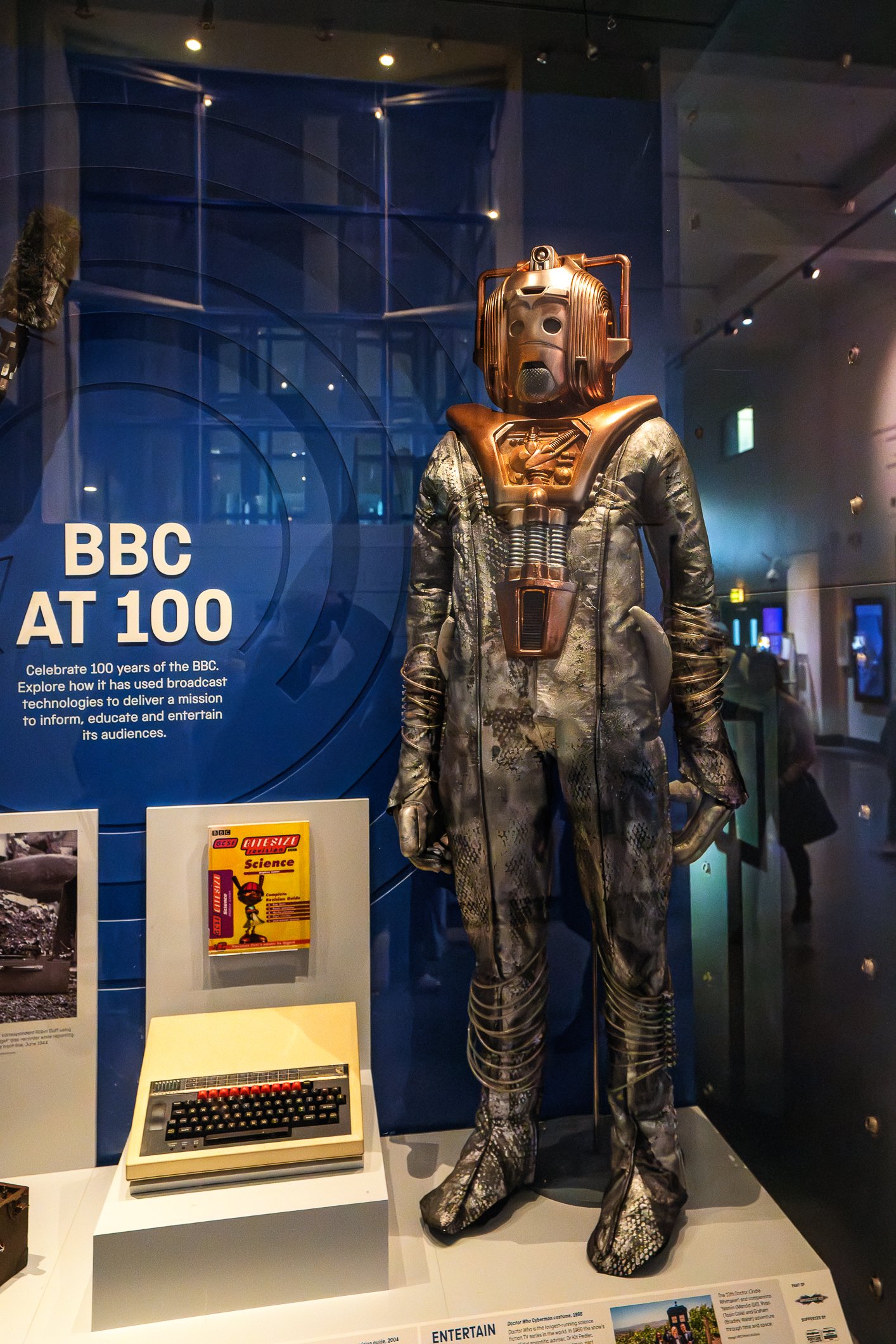
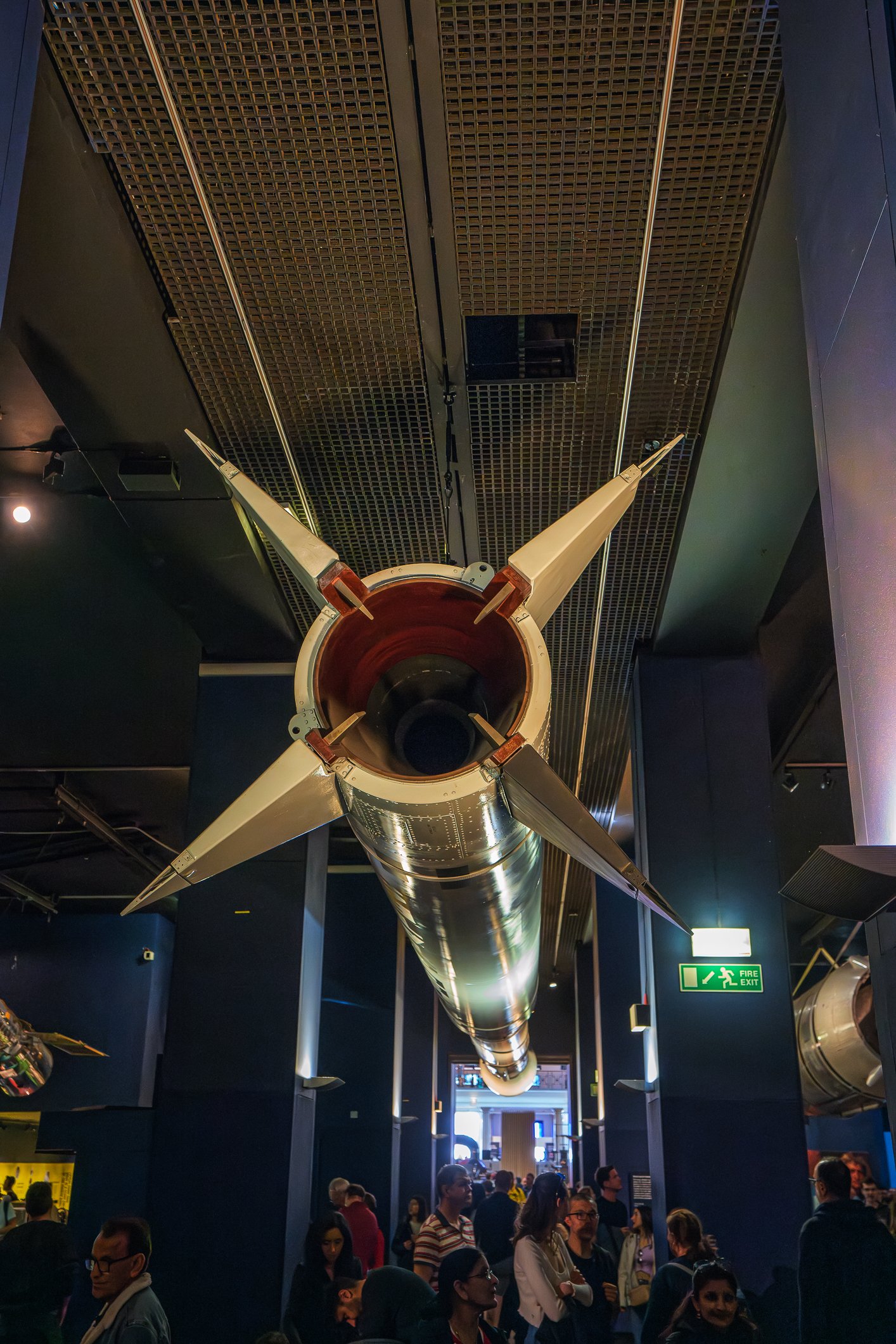
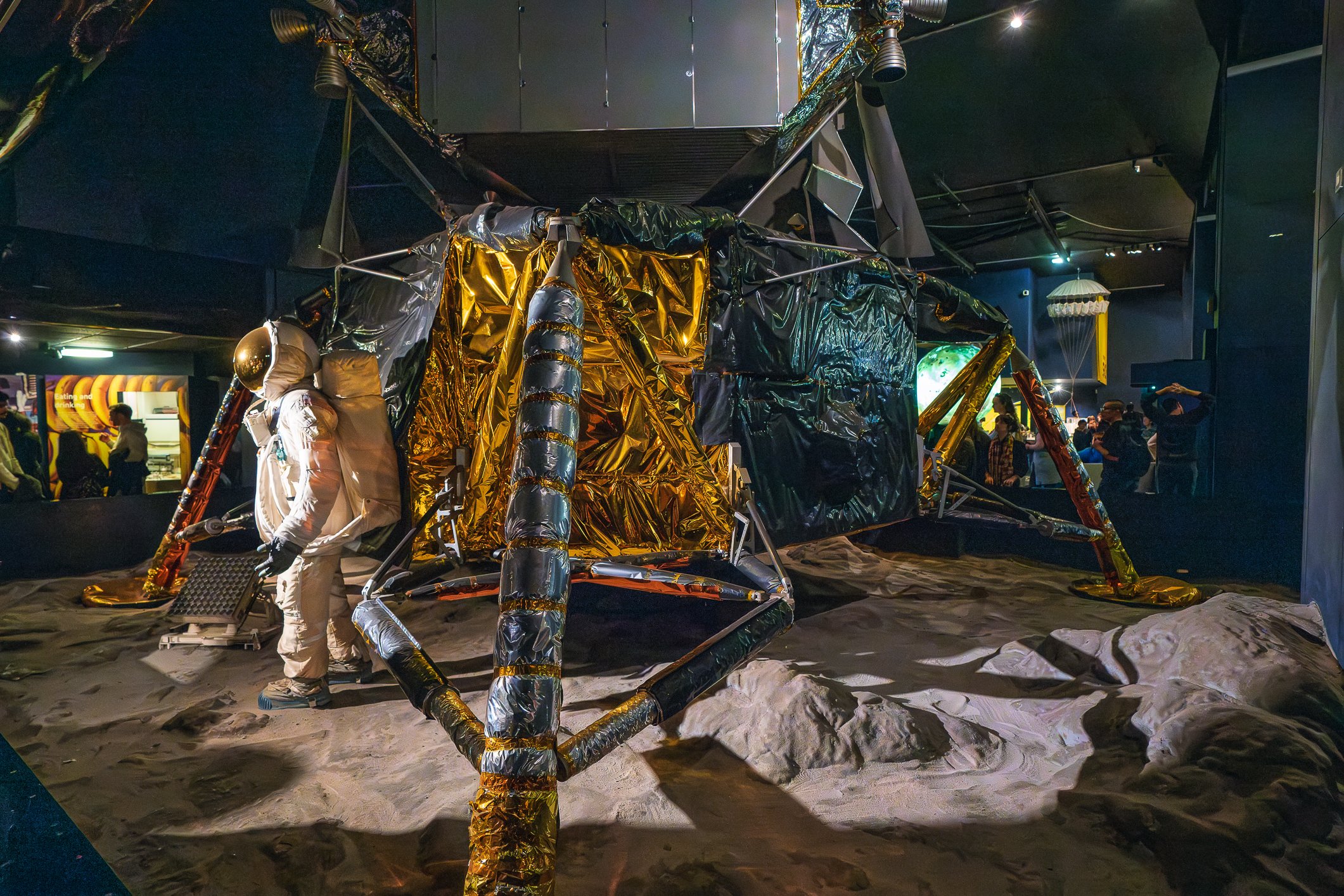
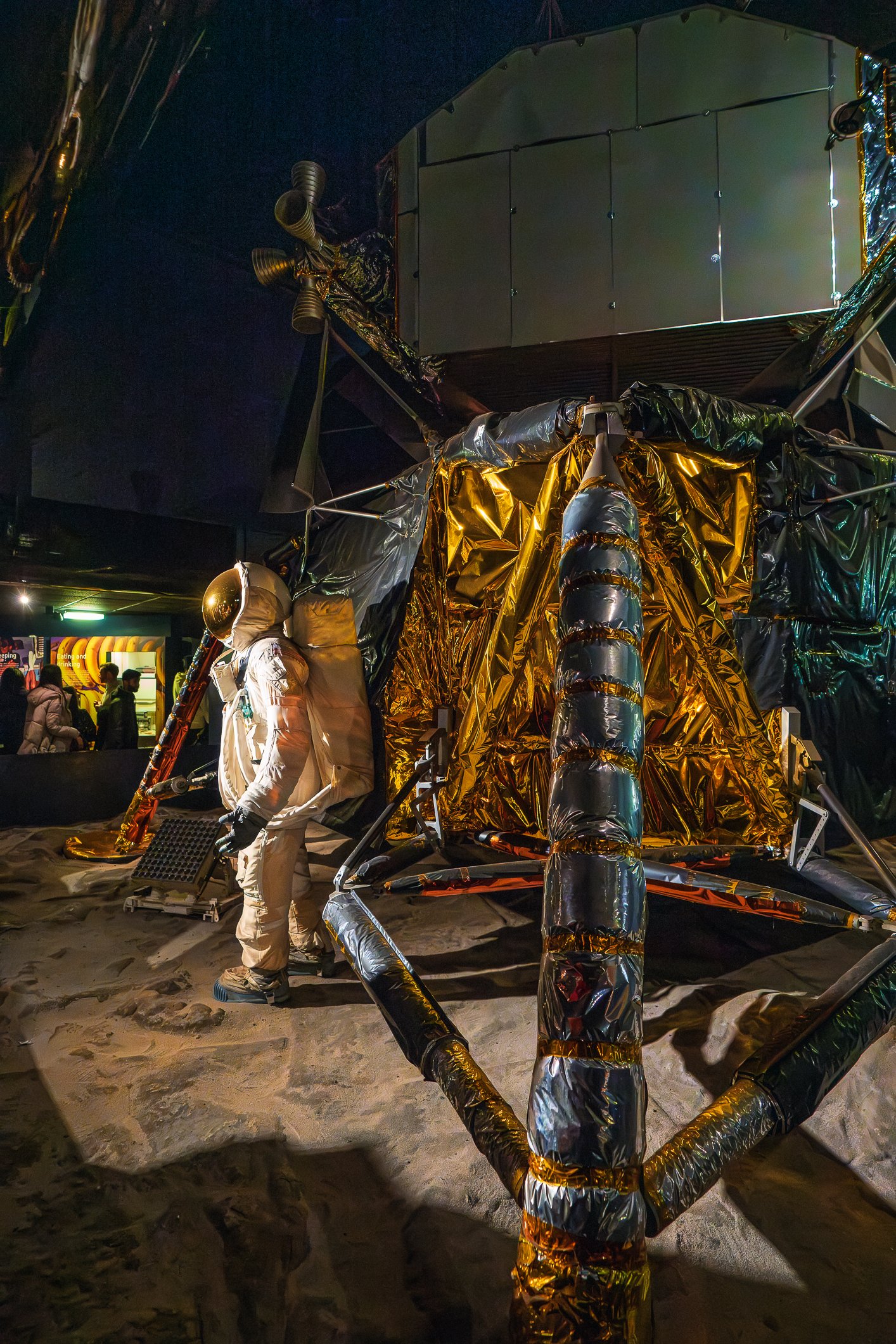
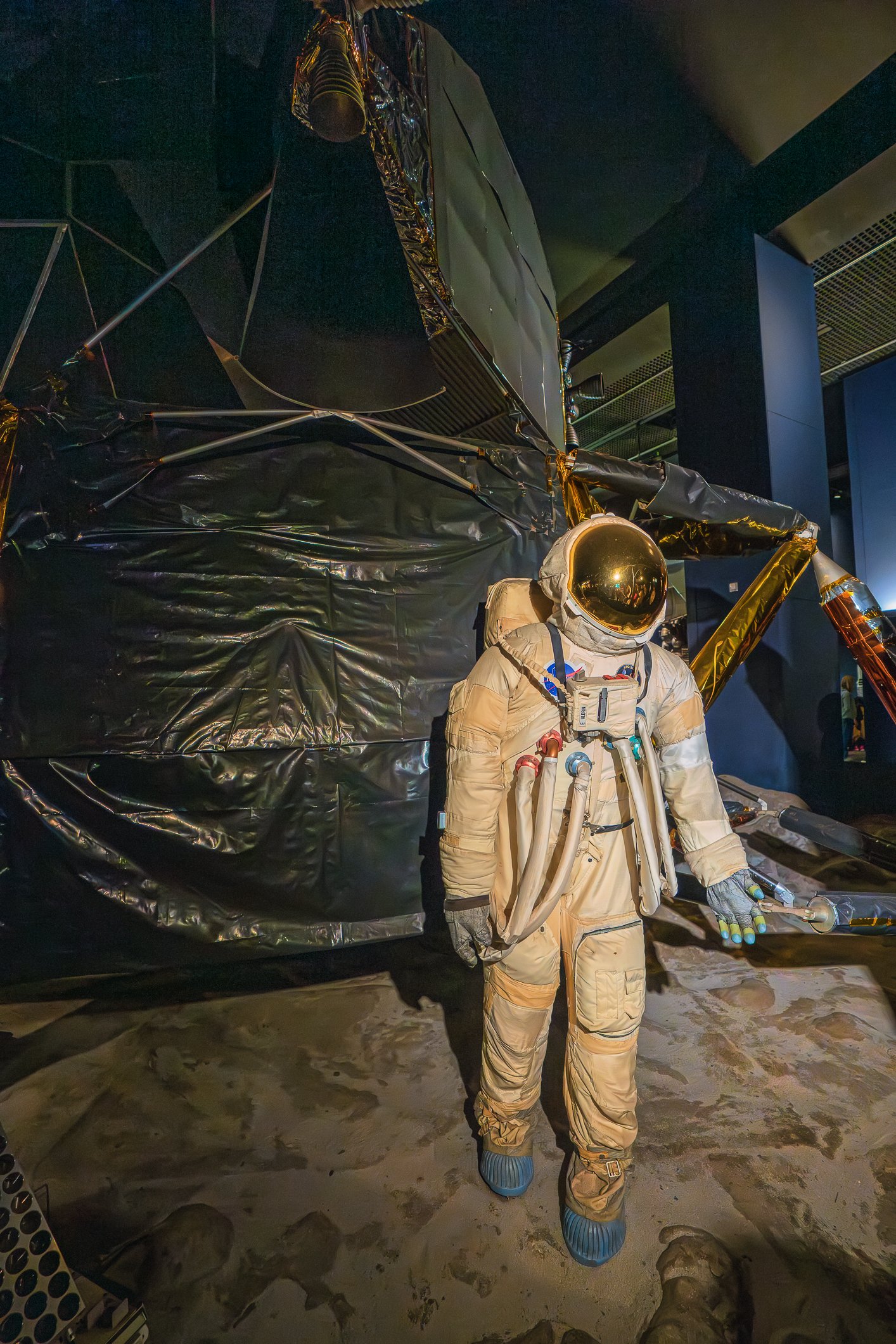
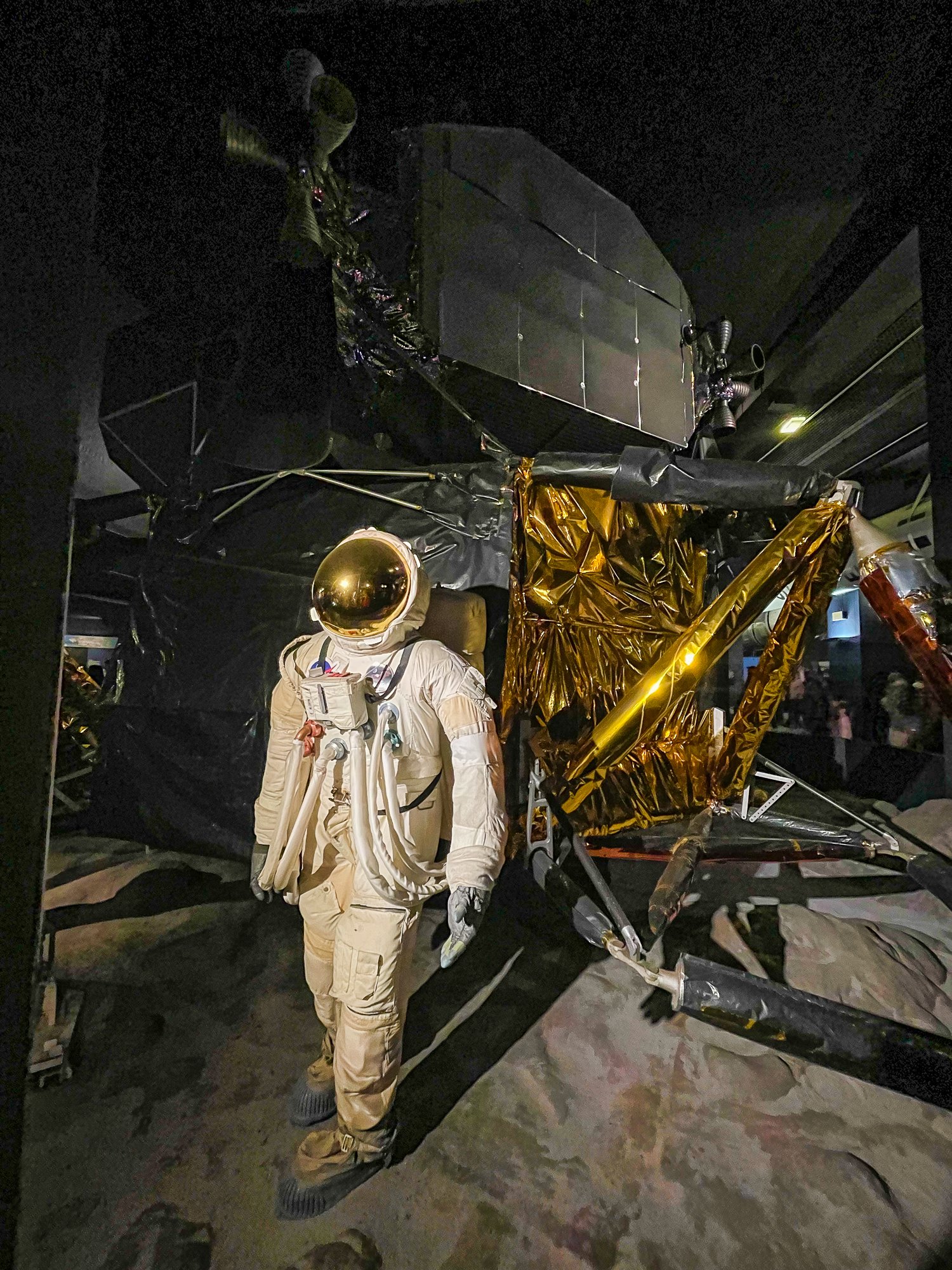
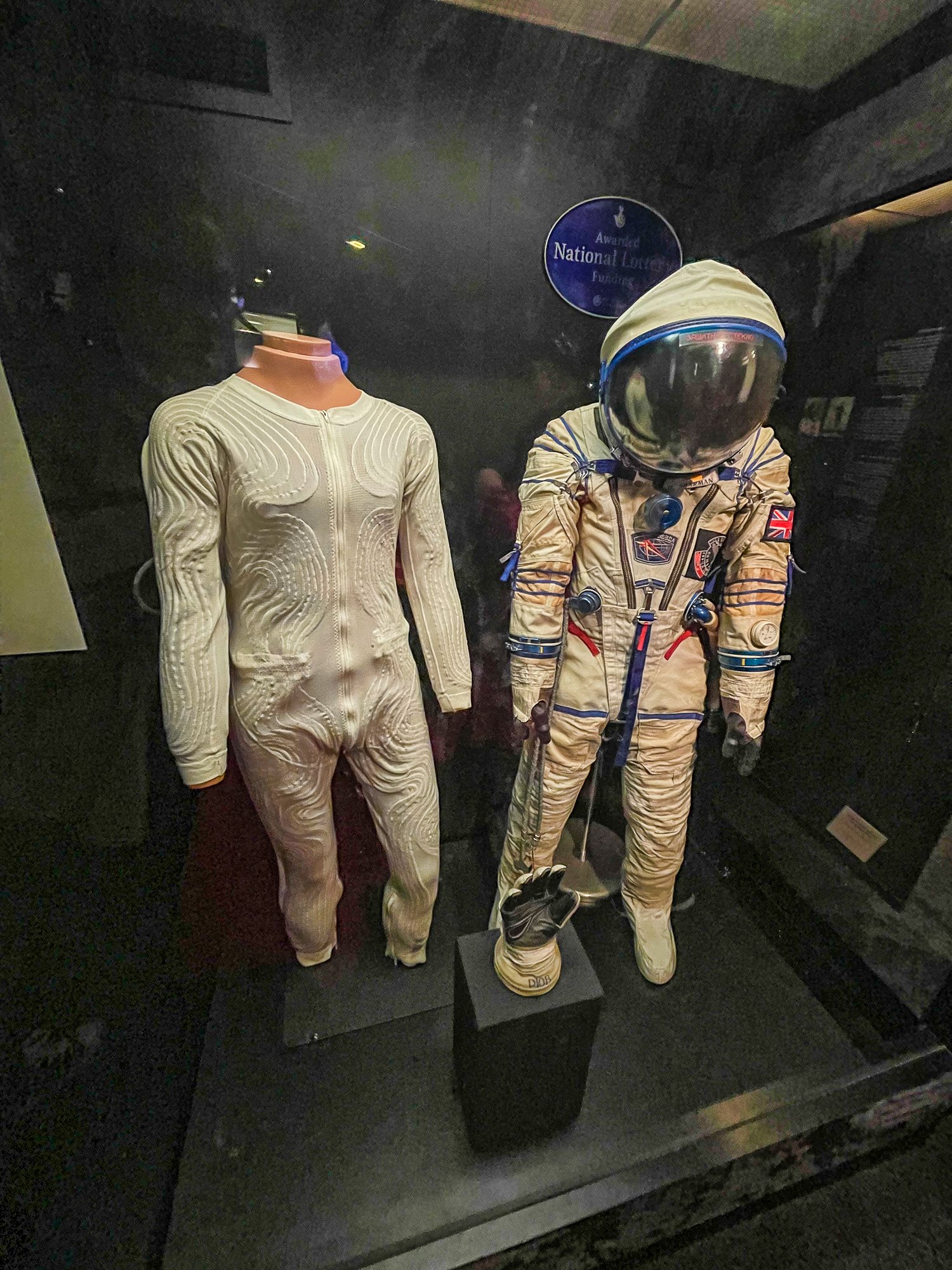
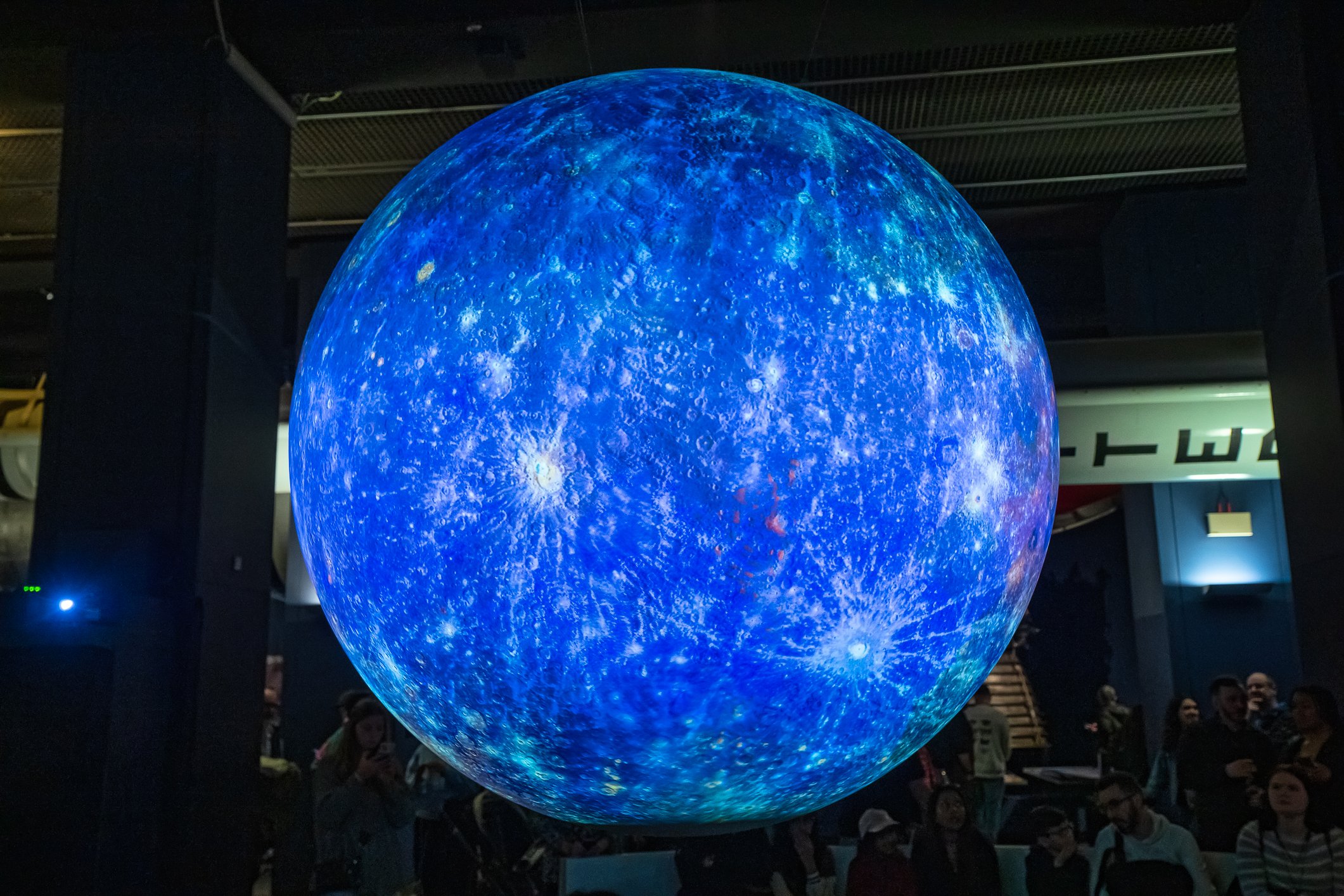
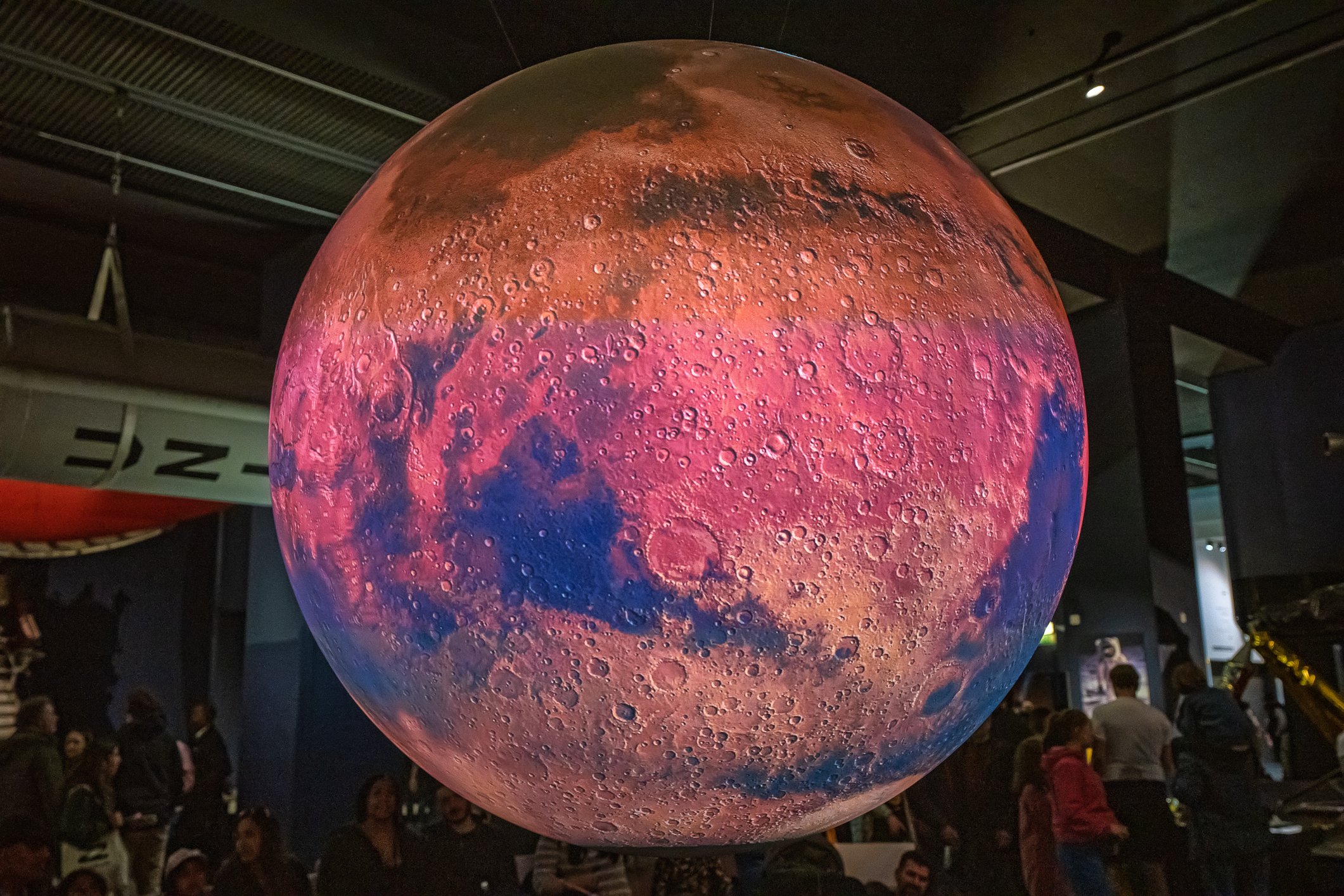
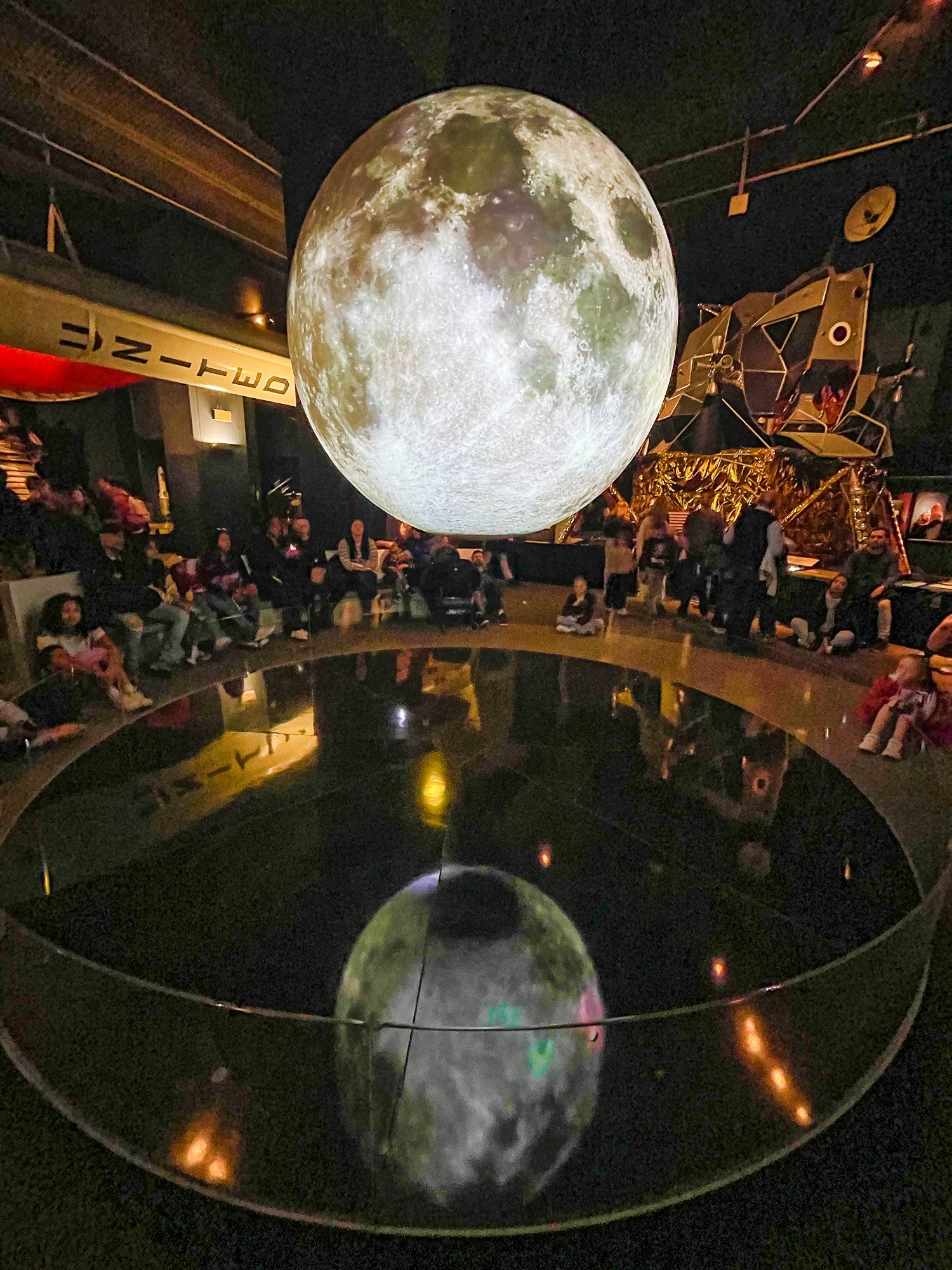
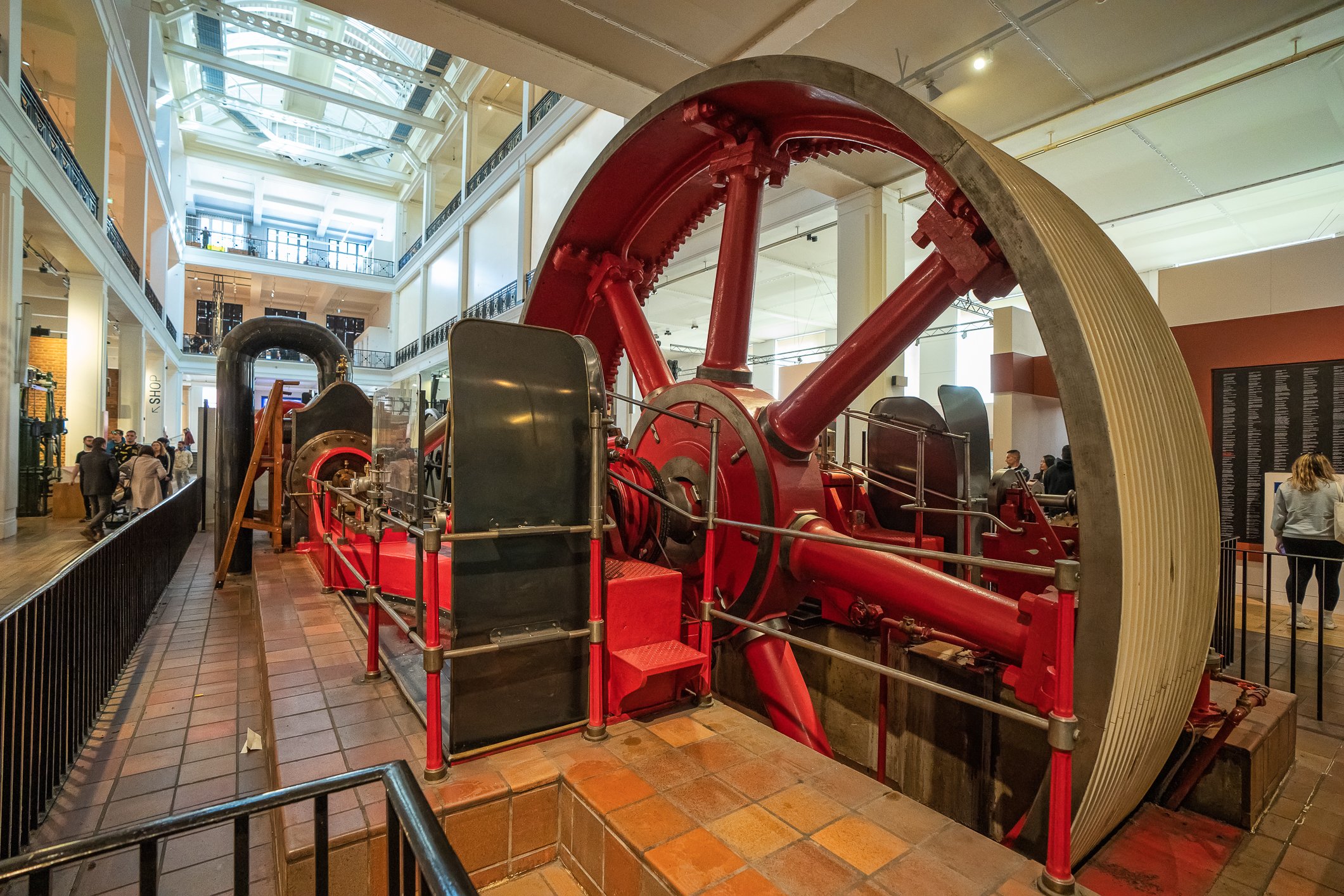
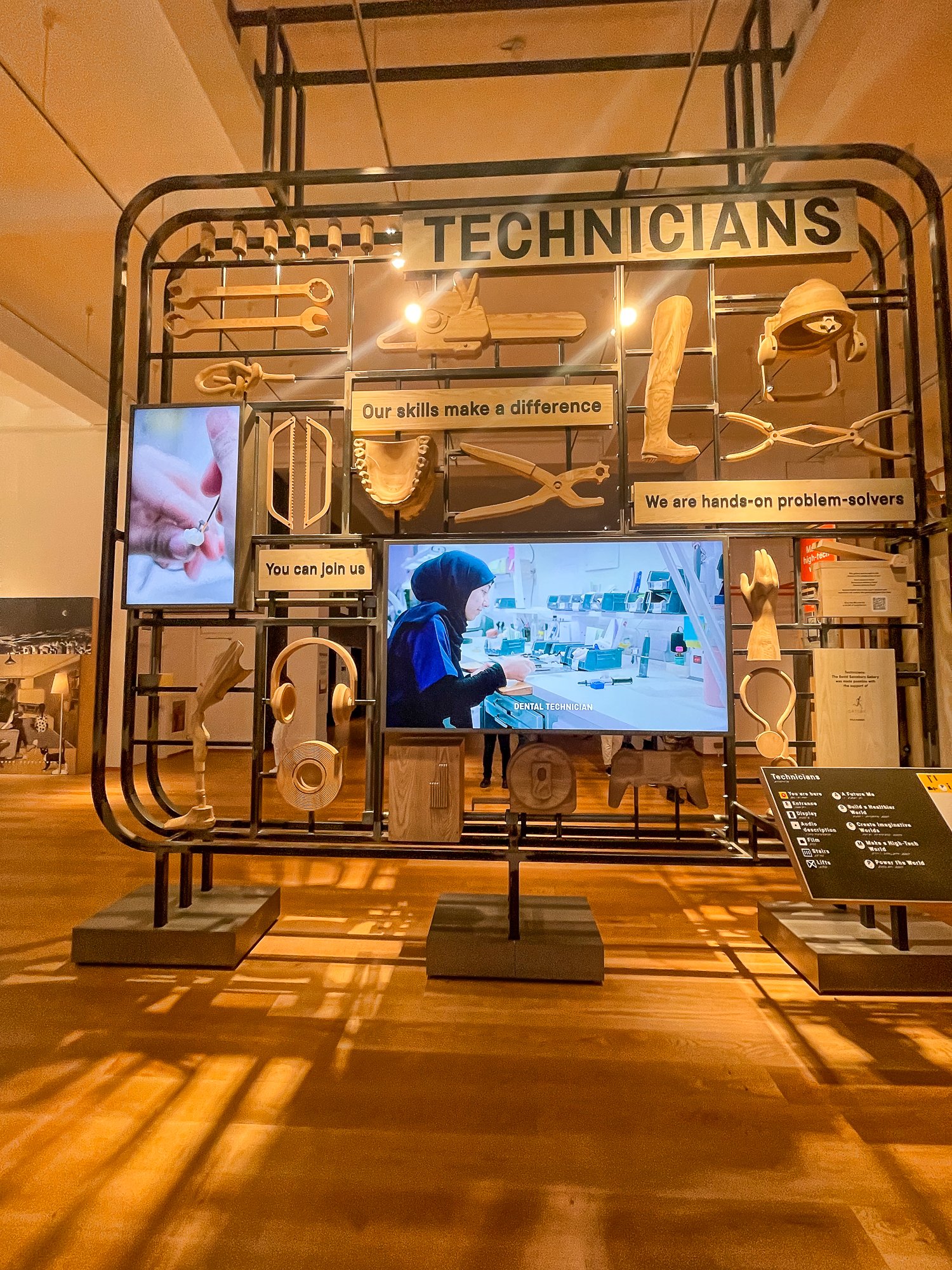
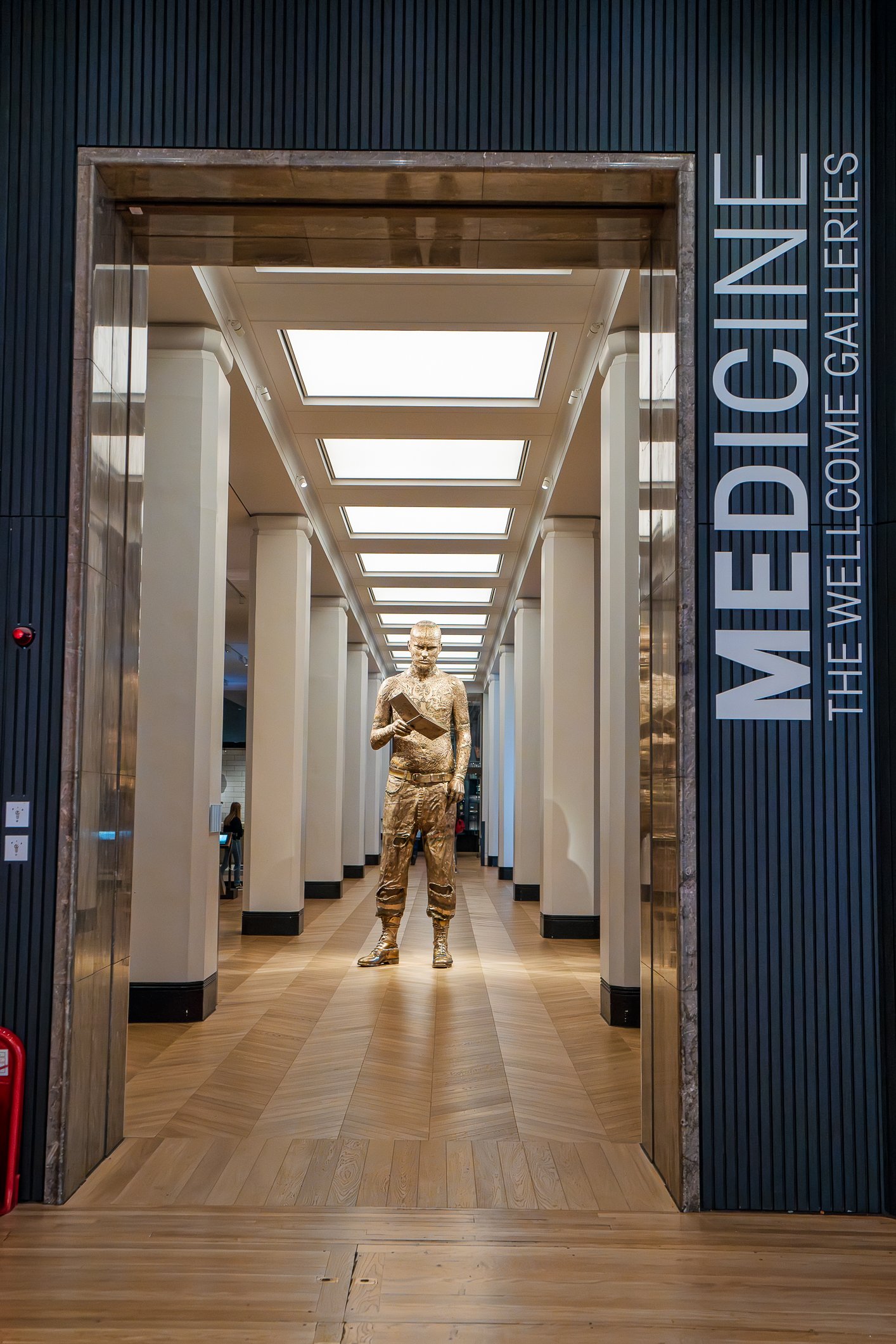
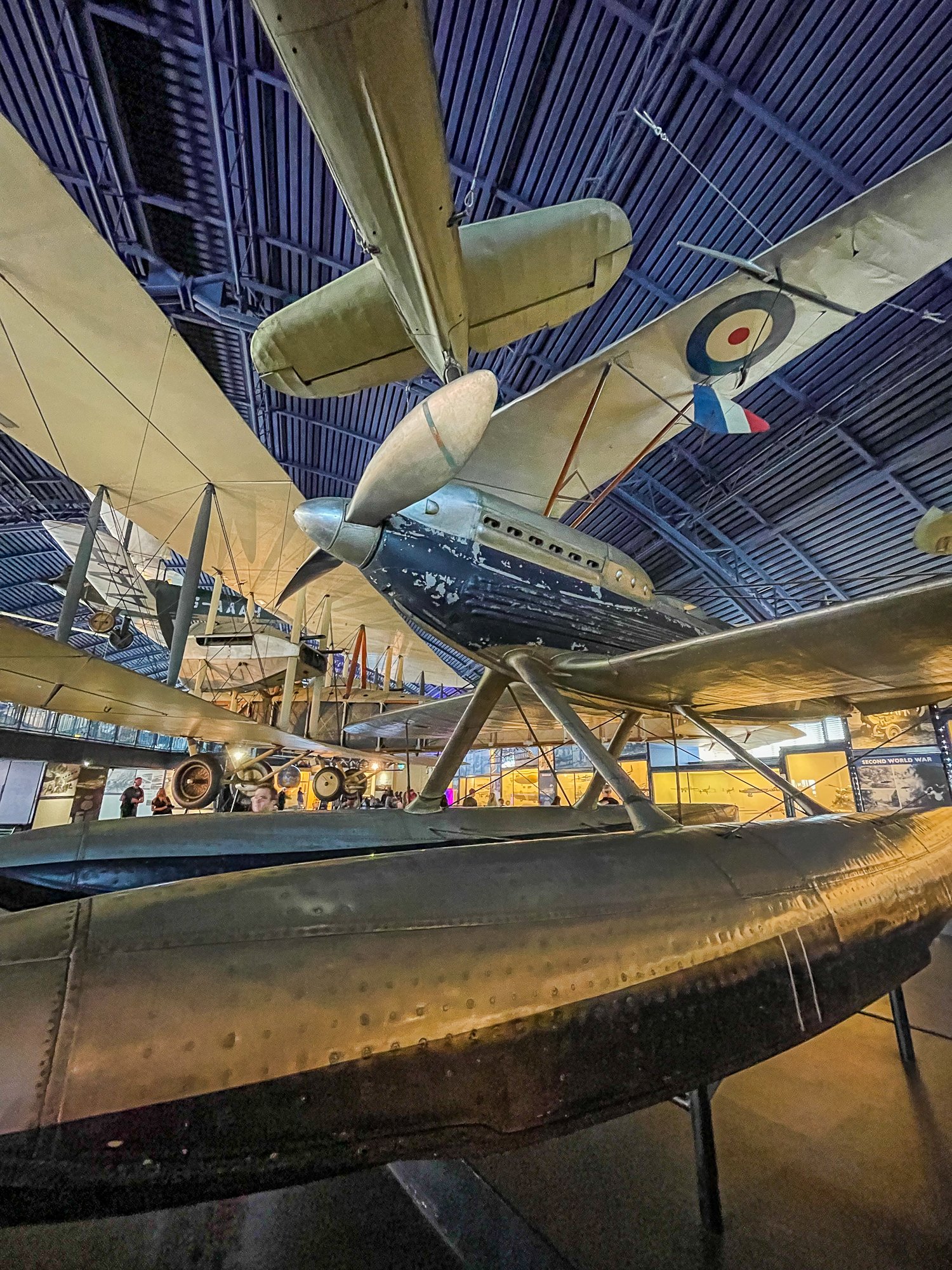
Leaving the SF exhibition, we go around the rest of the museum. It is too vast to see everything thoroughly. And not every gallery reflects our interests. But some trails are really good. The Legend of Apollo and Exploring Space on level 0 are our favourite ones. The fly zone on level 3 is also quite interesting. And then there is also a café serving lovely matcha. A bonus.
 

Opuszczając wystawę SF, idziemy na obchód pozostałej części muzeum. Jest ono zbyt rozległe, aby wszystko dokładnie zobaczyć podczas jednej wizyty. Ale też nie każda galeria odzwierciedla nasze zainteresowania. Tym niemniej niektóre trasy są naprawdę ciekawe. The Legend of Apollo i Exploring Space na poziomie 0 są dla nas najbardziej intrygujące. Strefa latania na poziomie 3 jest również dość ciekawa. Jest też kawiarnia serwująca pyszną matchę. Bonus.

Namsan (남산)

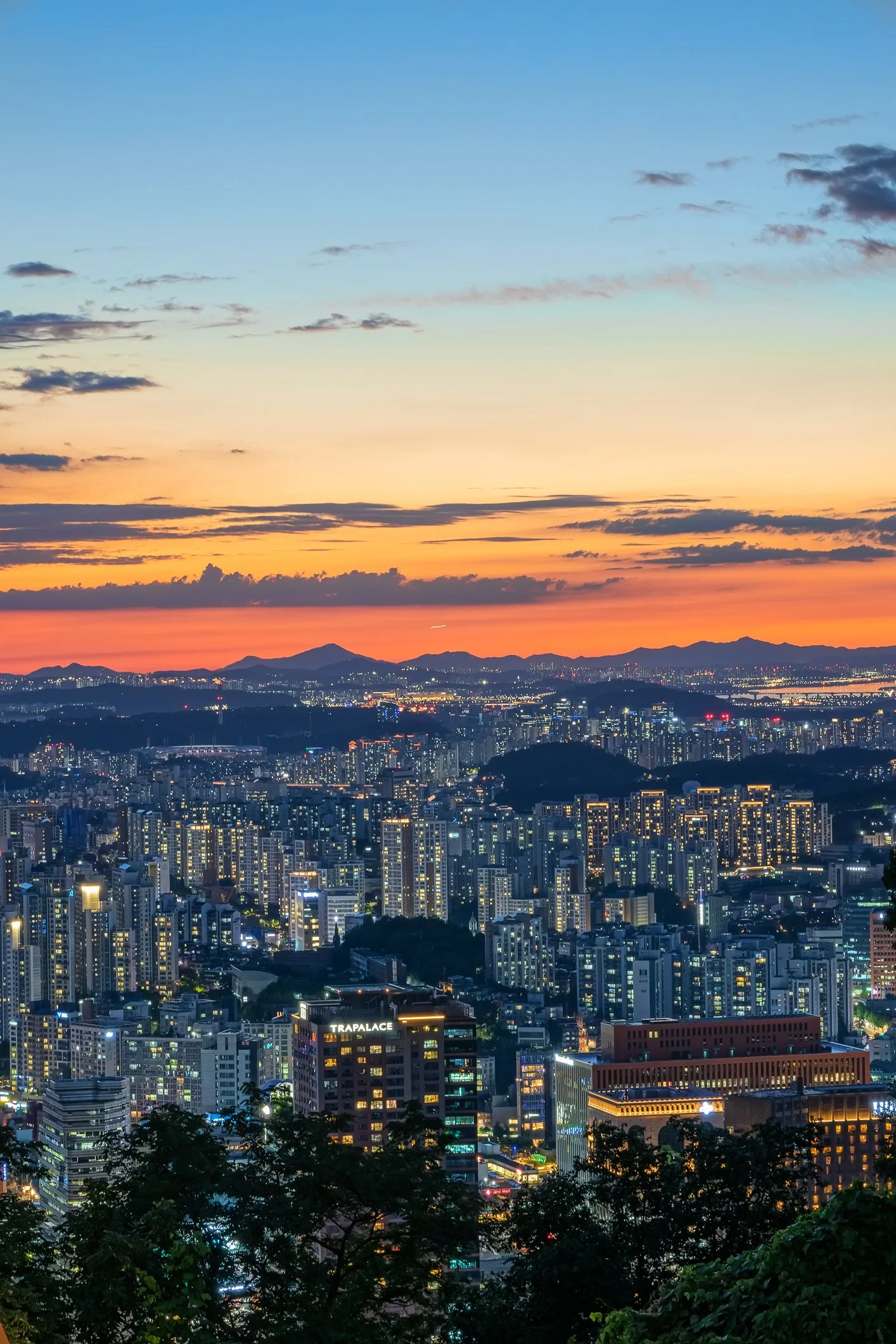
As the day winds down, we arrive at Namsan, or if you prefer South Mountain, where the 270-meter-high peak offers a serene escape from the city center. Here, the Namsan Seoul Tower has stood tall for over 40 years, proudly marking its place as one of Korea's iconic landmarks. The mountain is enveloped by Namsan Park, a lovely public space cared for by the city, which treats visitors to sweeping views of Seoul.

We decided to take the cable car to the summit, and were greeted by a breathtaking sunset that bathed the city in vibrant hues of orange and red.


Gdy dzień pomału dobiega końca, docieramy do Namsan, co przetłumaczyć można jako Południowa Góra. Tu, na 270-metrowym szczycie od ponad 40 lat króluje wieża Namsan Seoul Tower, jedno z najpopularniejszych miejsc wśród i turystów i mieszkańców Seulu. Namsan oferuje bowiem odwiedzającym rozległe widoki na miasto.

Postanowiliśmy wjechać na szczyt kolejką linową i zostaliśmy tu obejrzeć zachód słońca, który skąpał miasto w żywych odcieniach pomarańczy i czerwieni.

And before we got to the hotel, a street food snack…

A zanim dotrzemy do hotelu mijamy ulicę ze street food i myk pieczonego ziemniaczka