landmark

Old City adventures

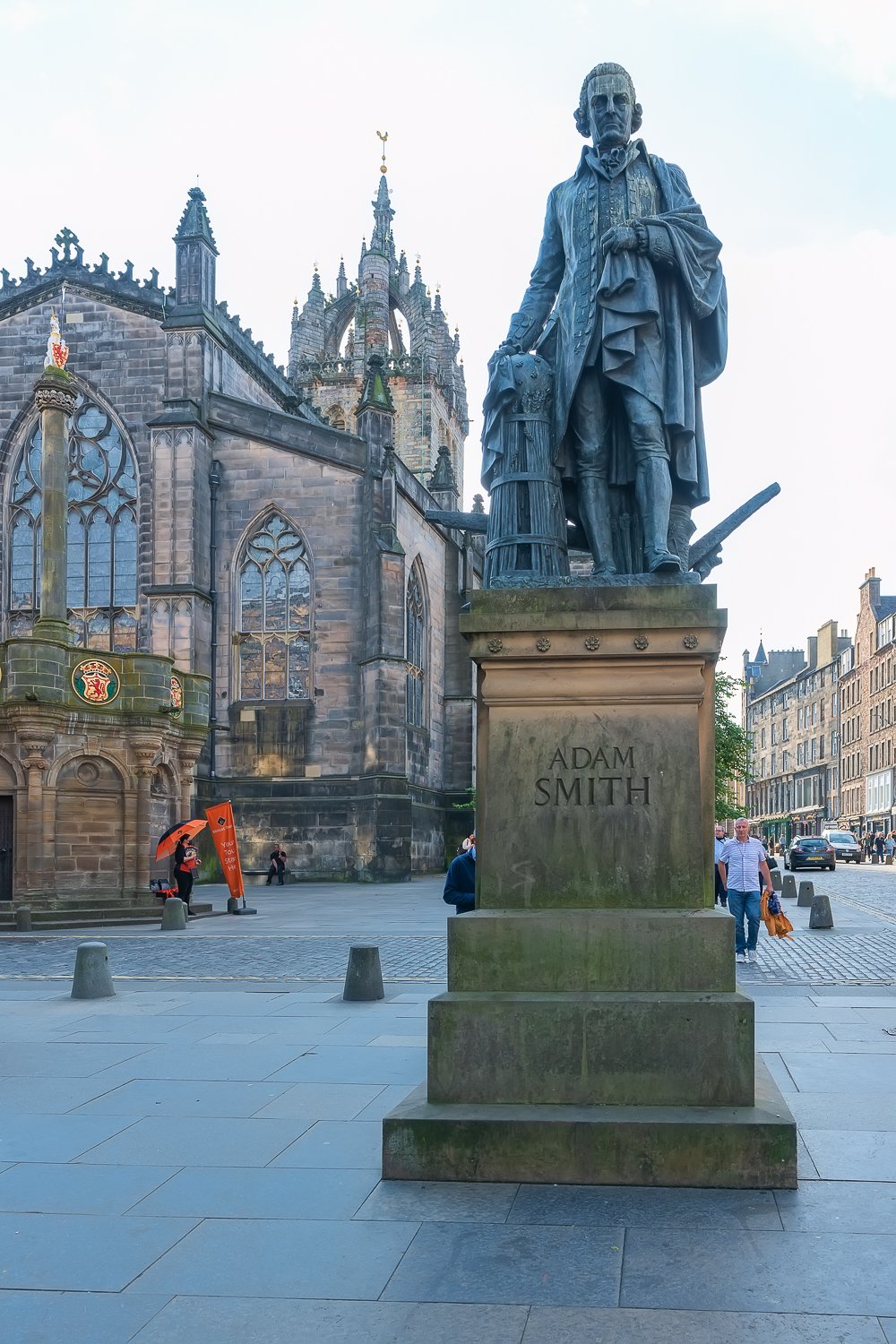
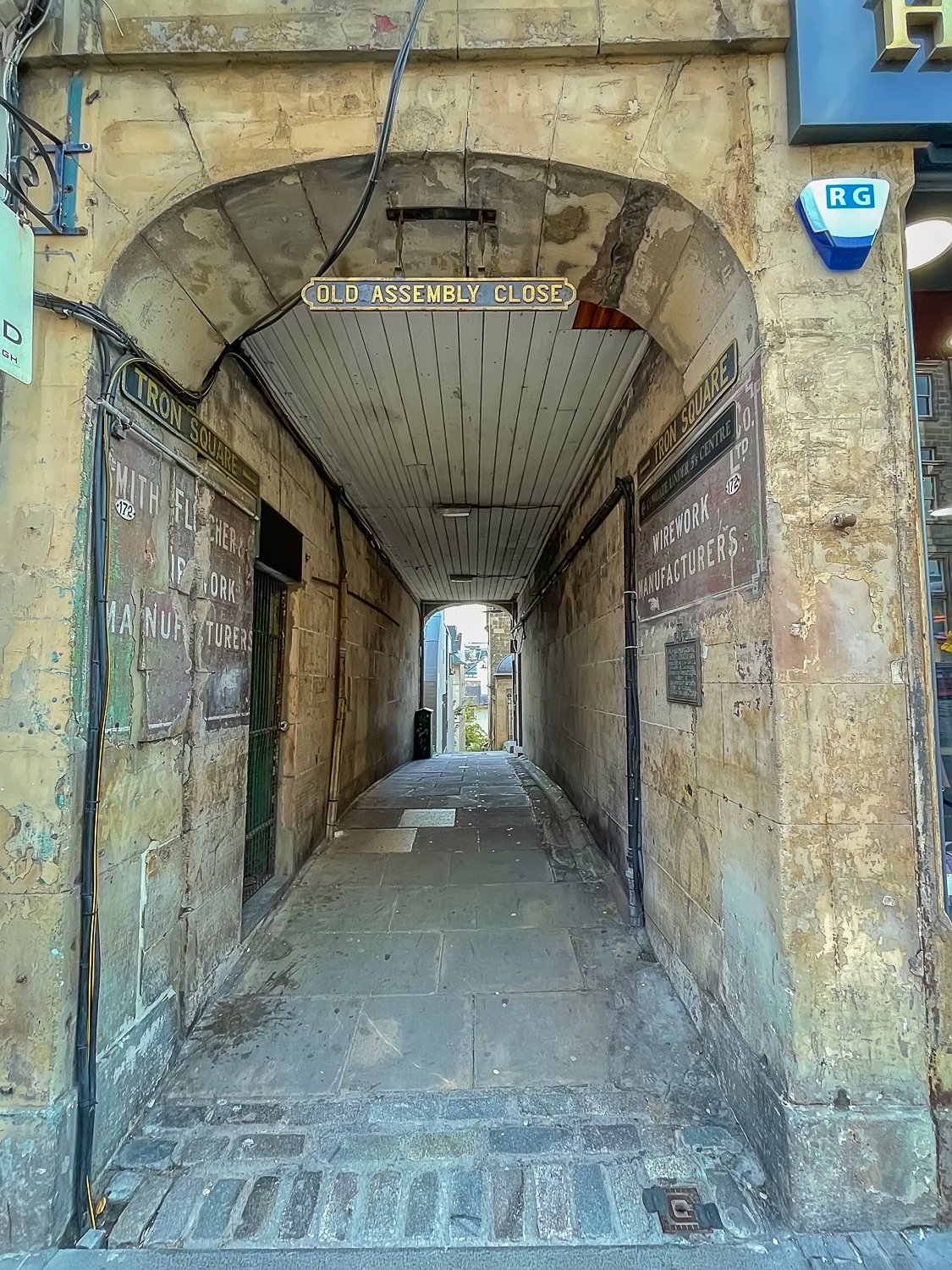
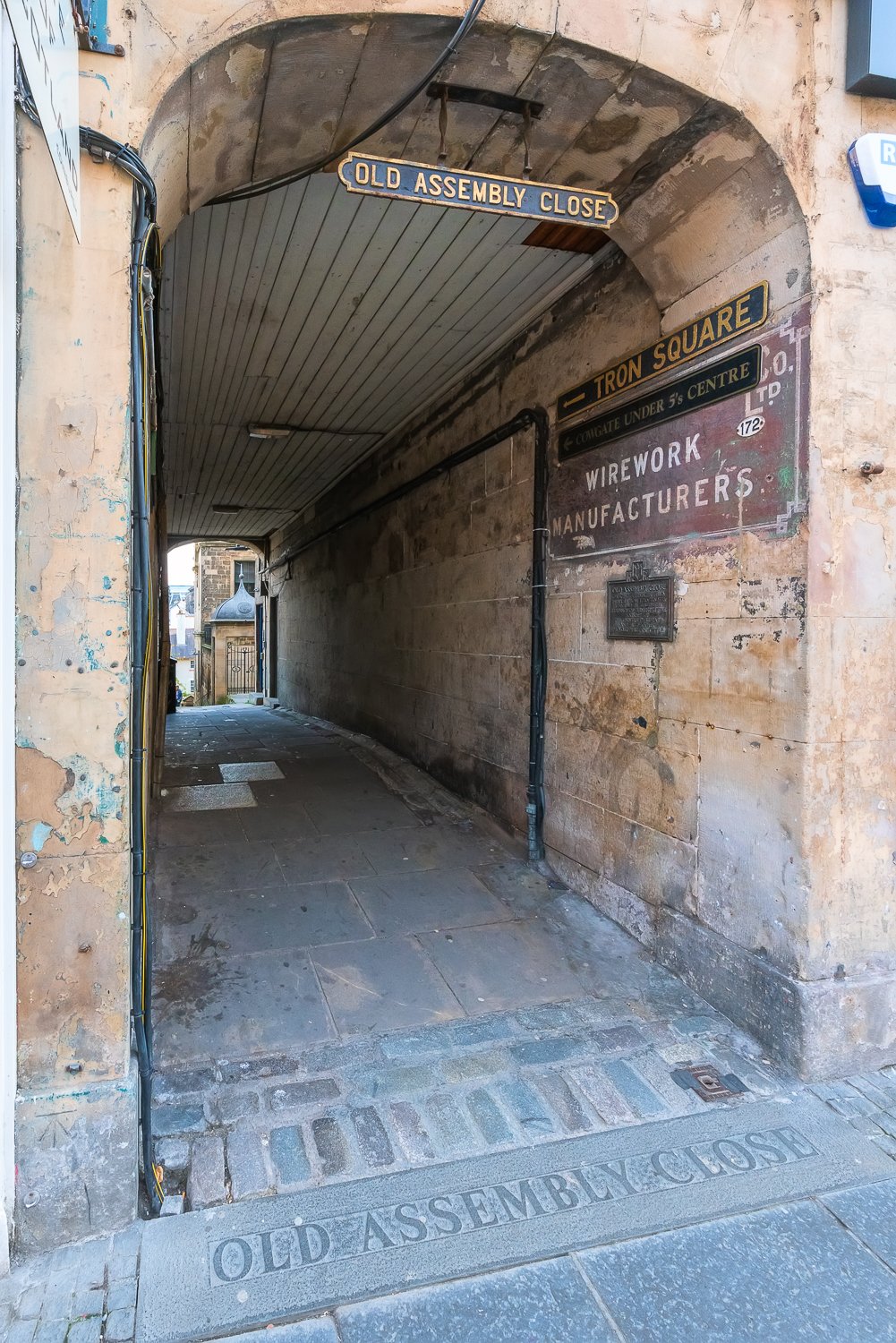
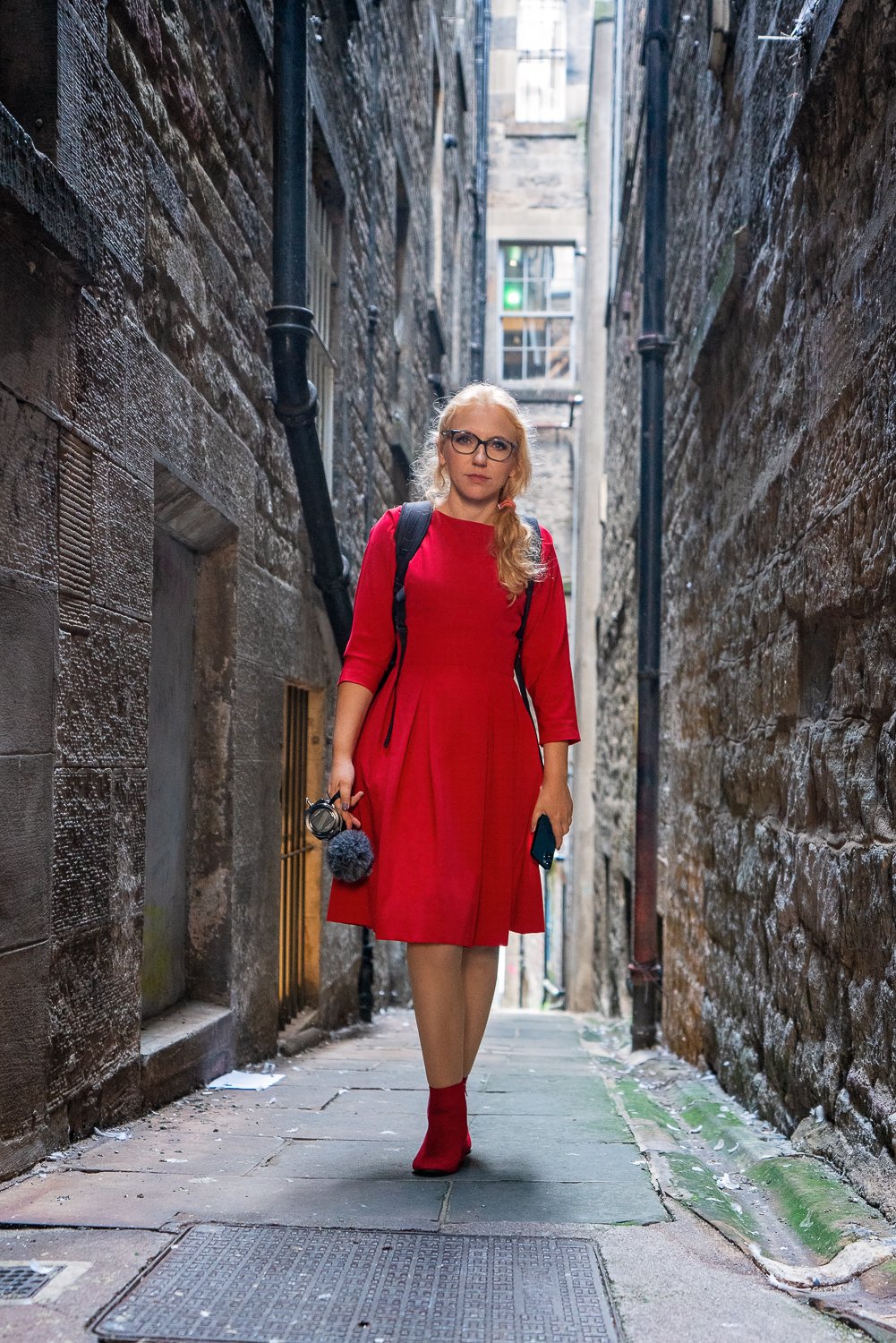
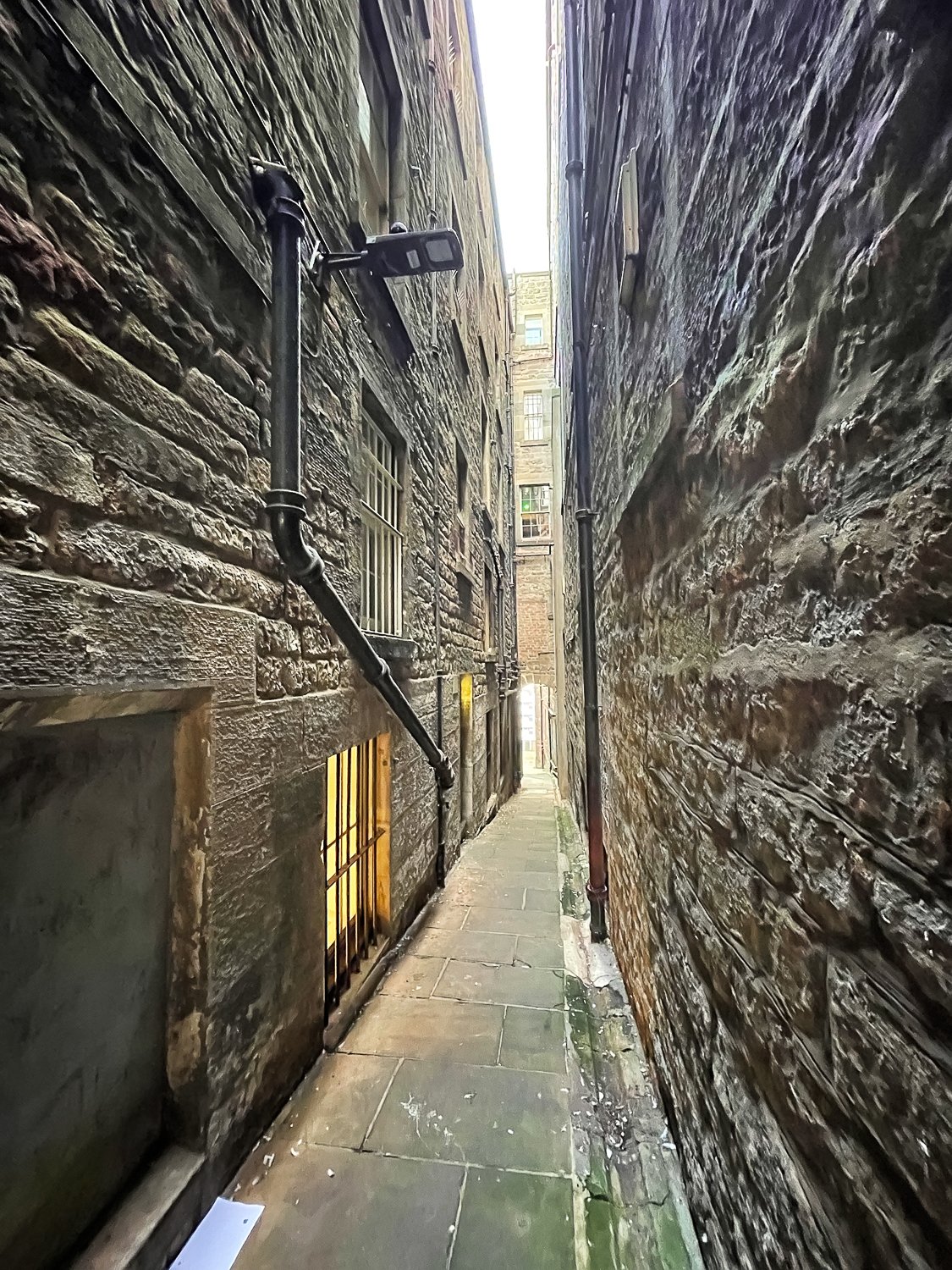
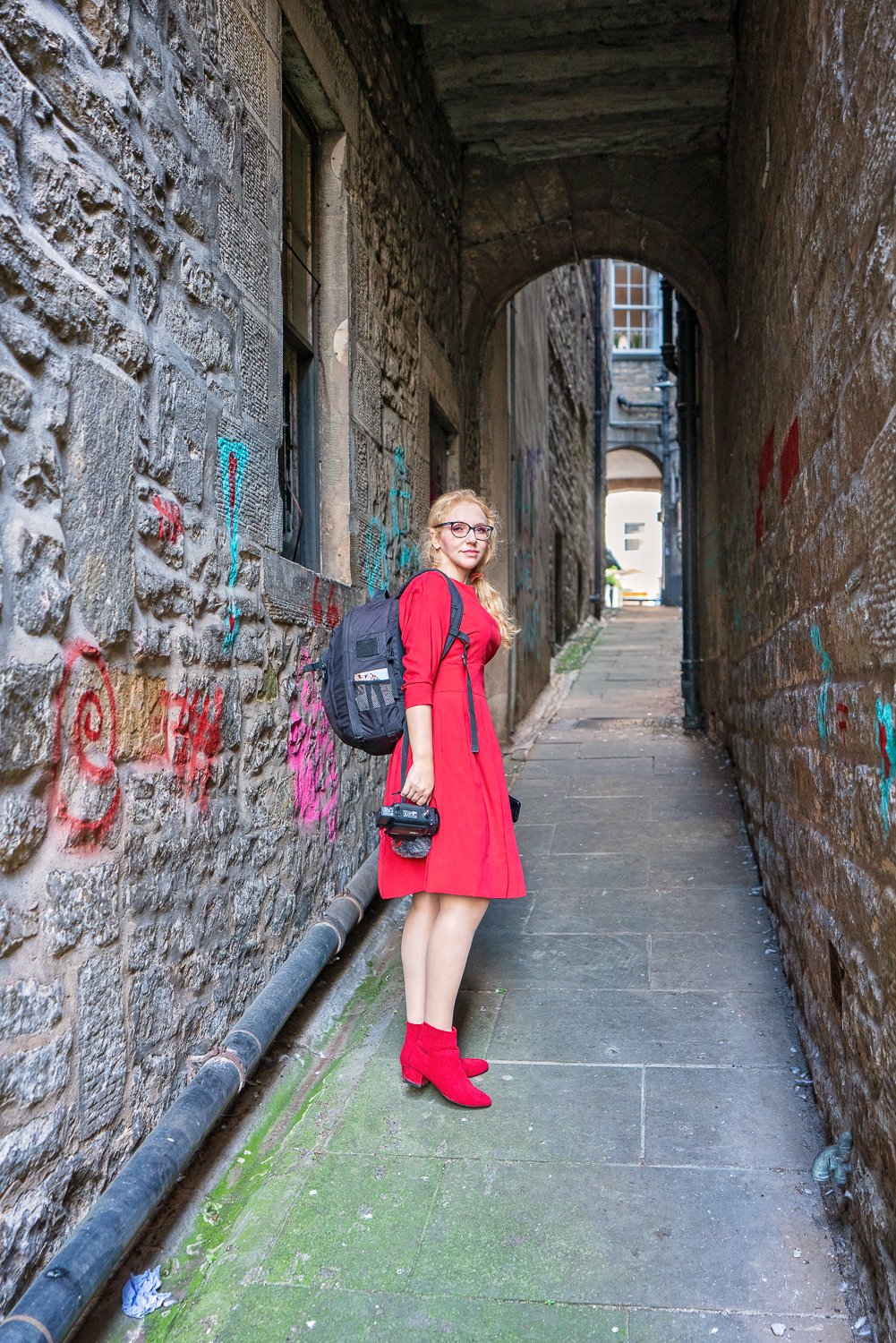
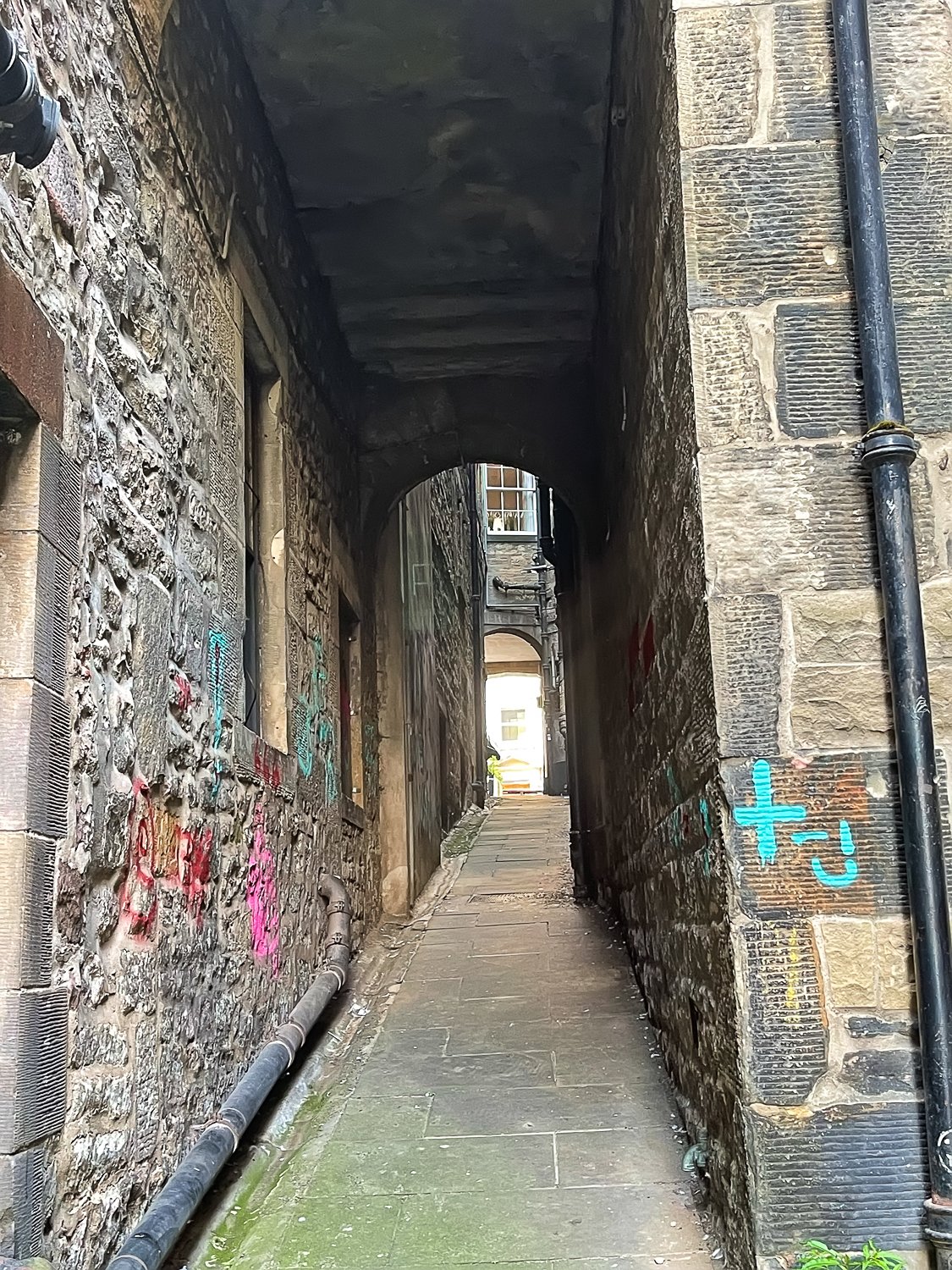
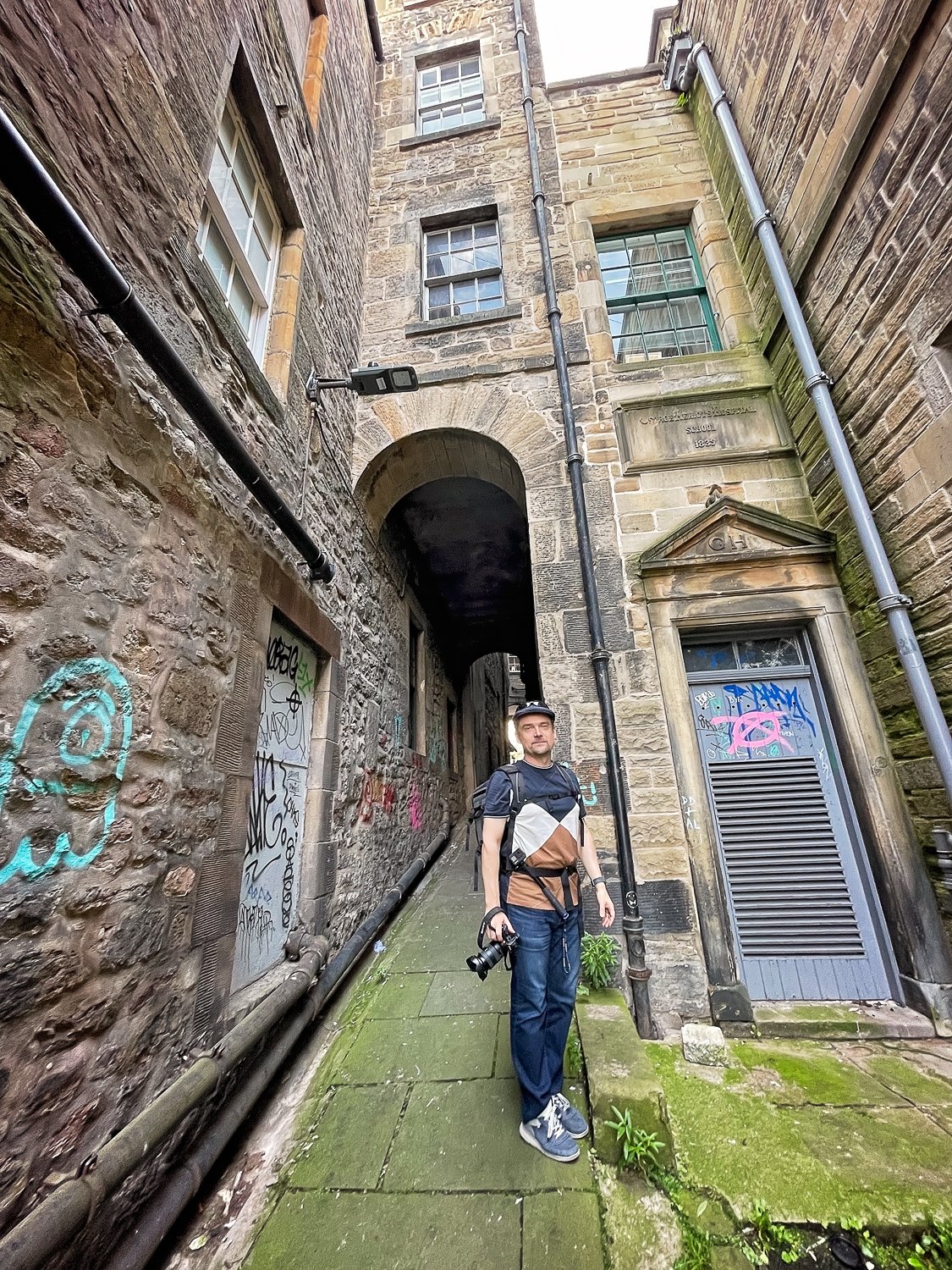
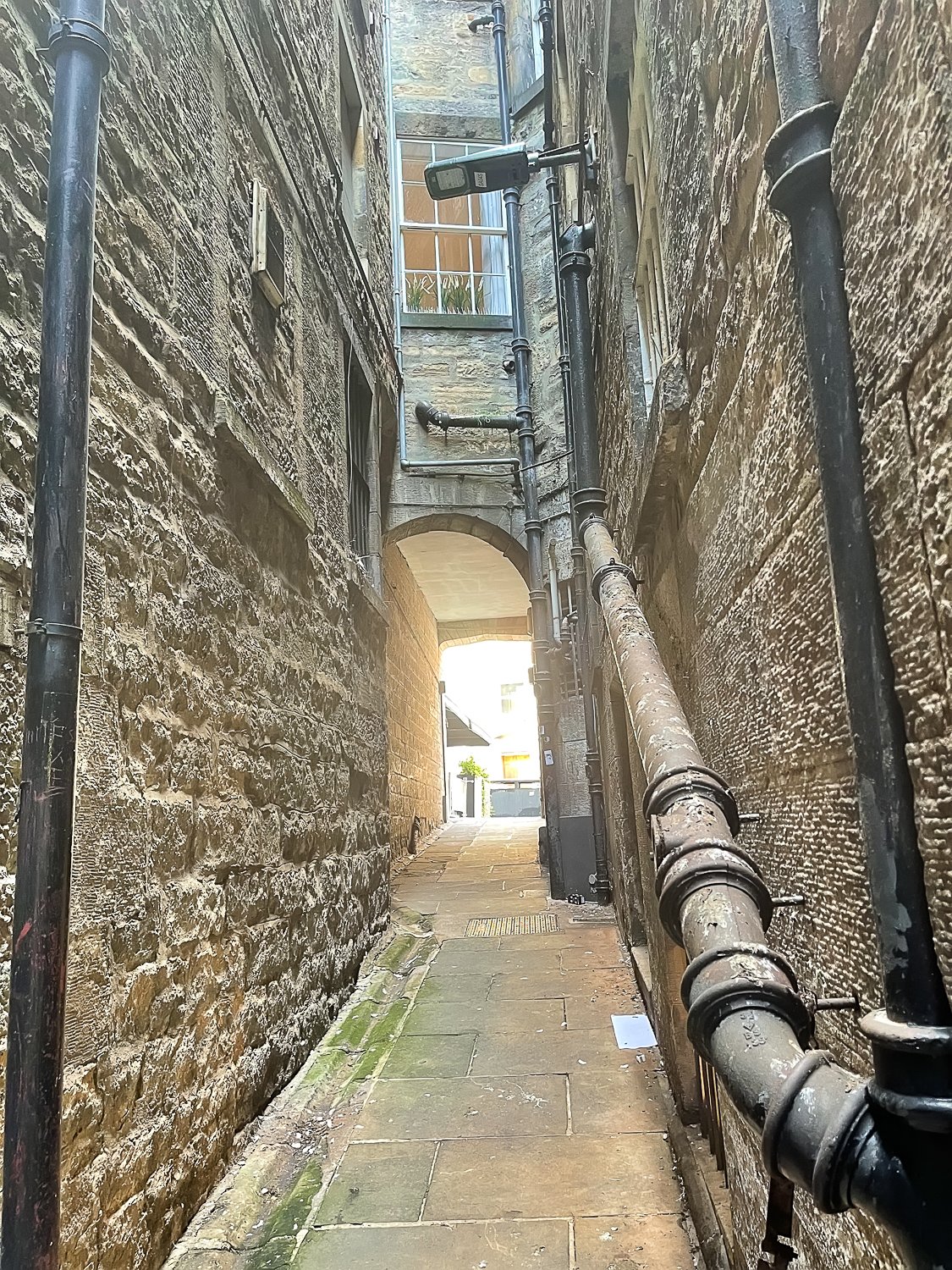
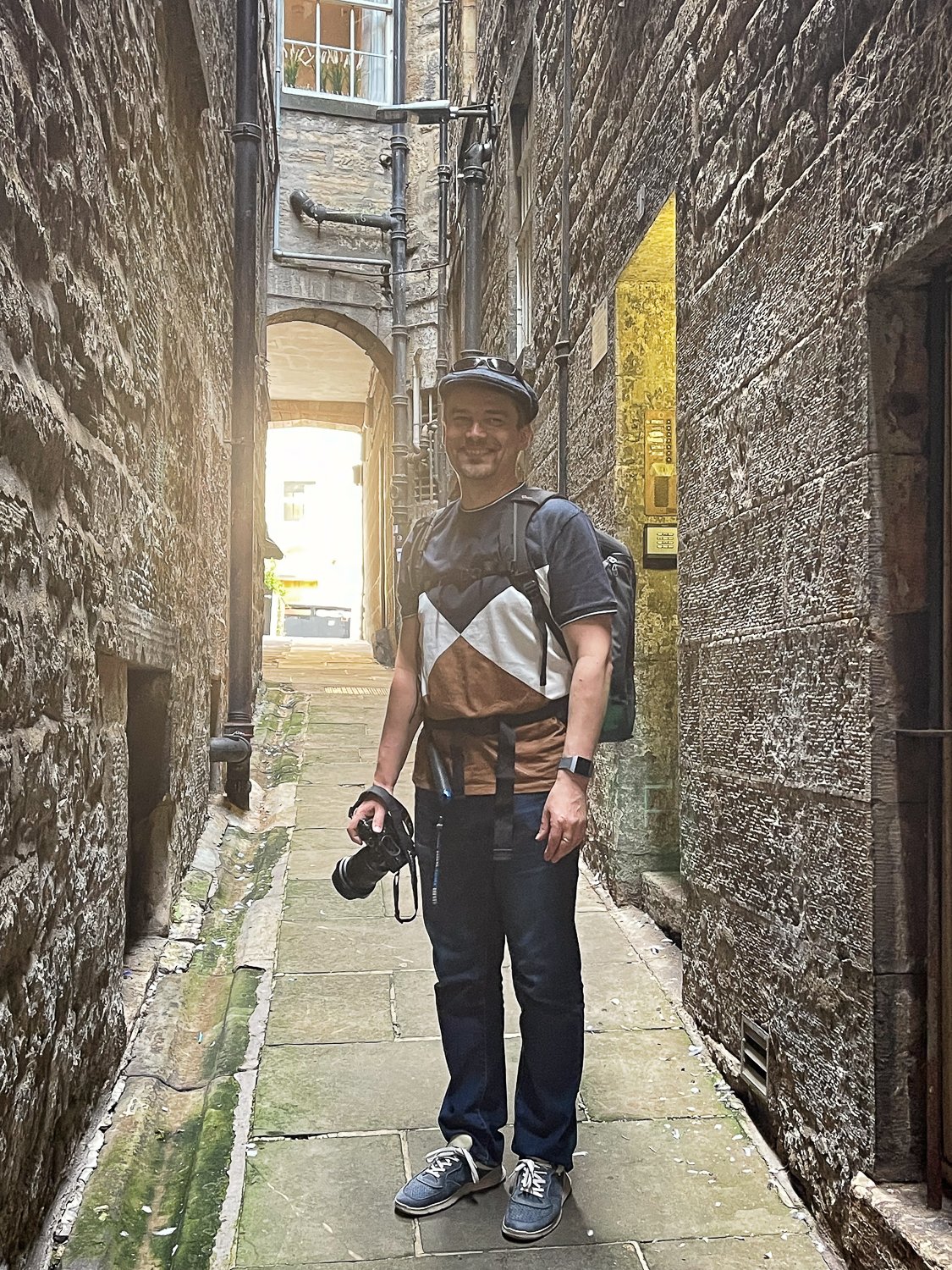
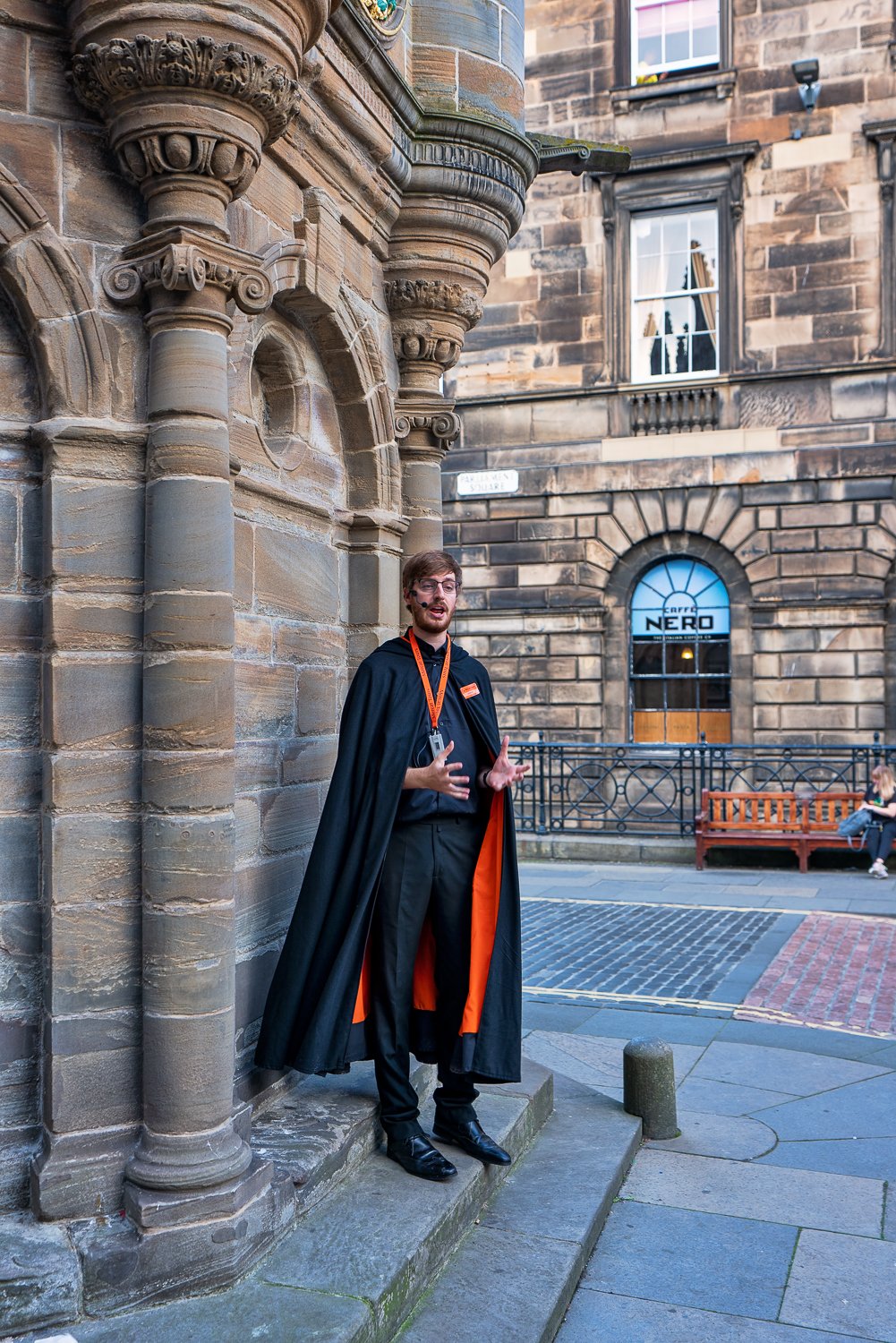
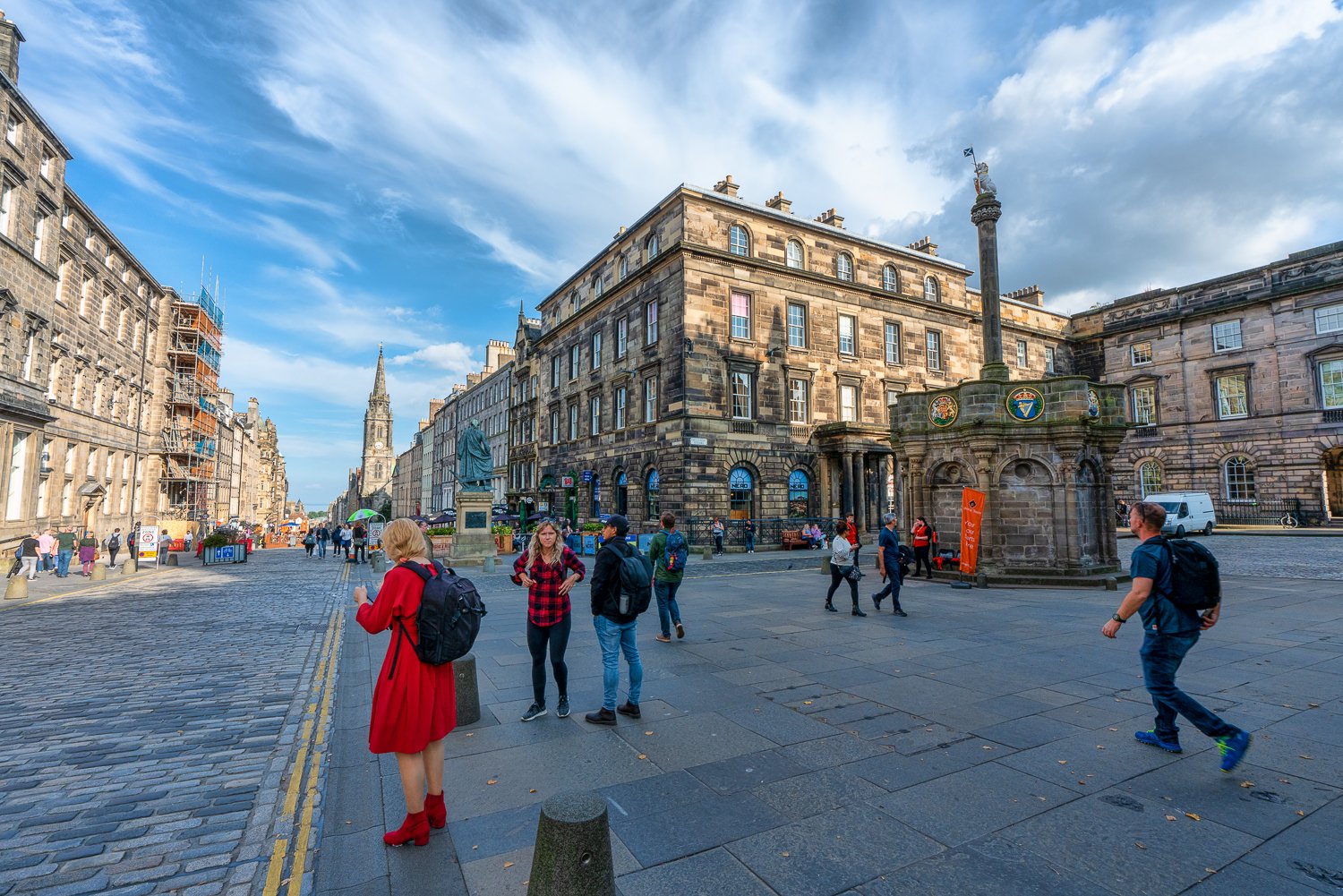
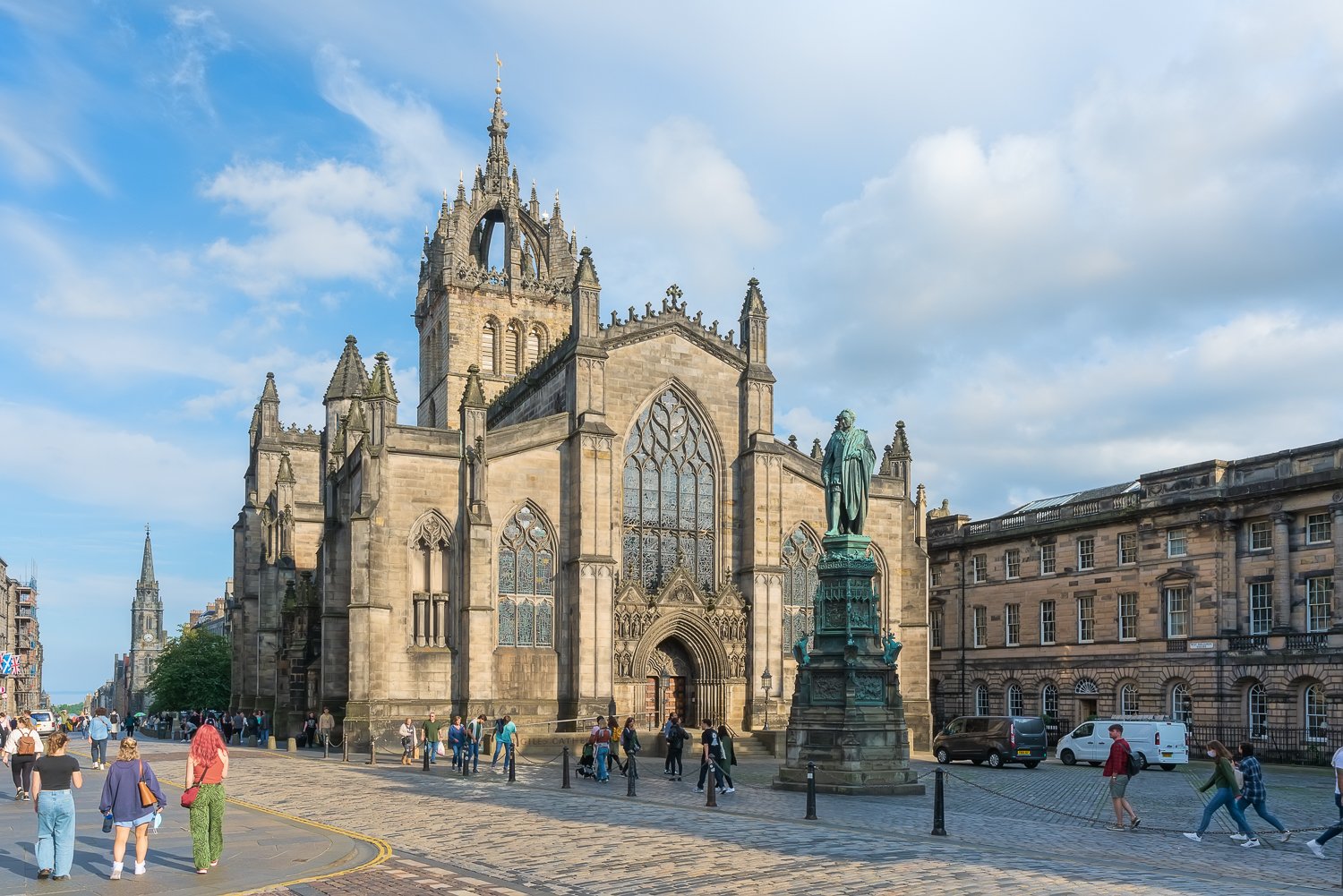
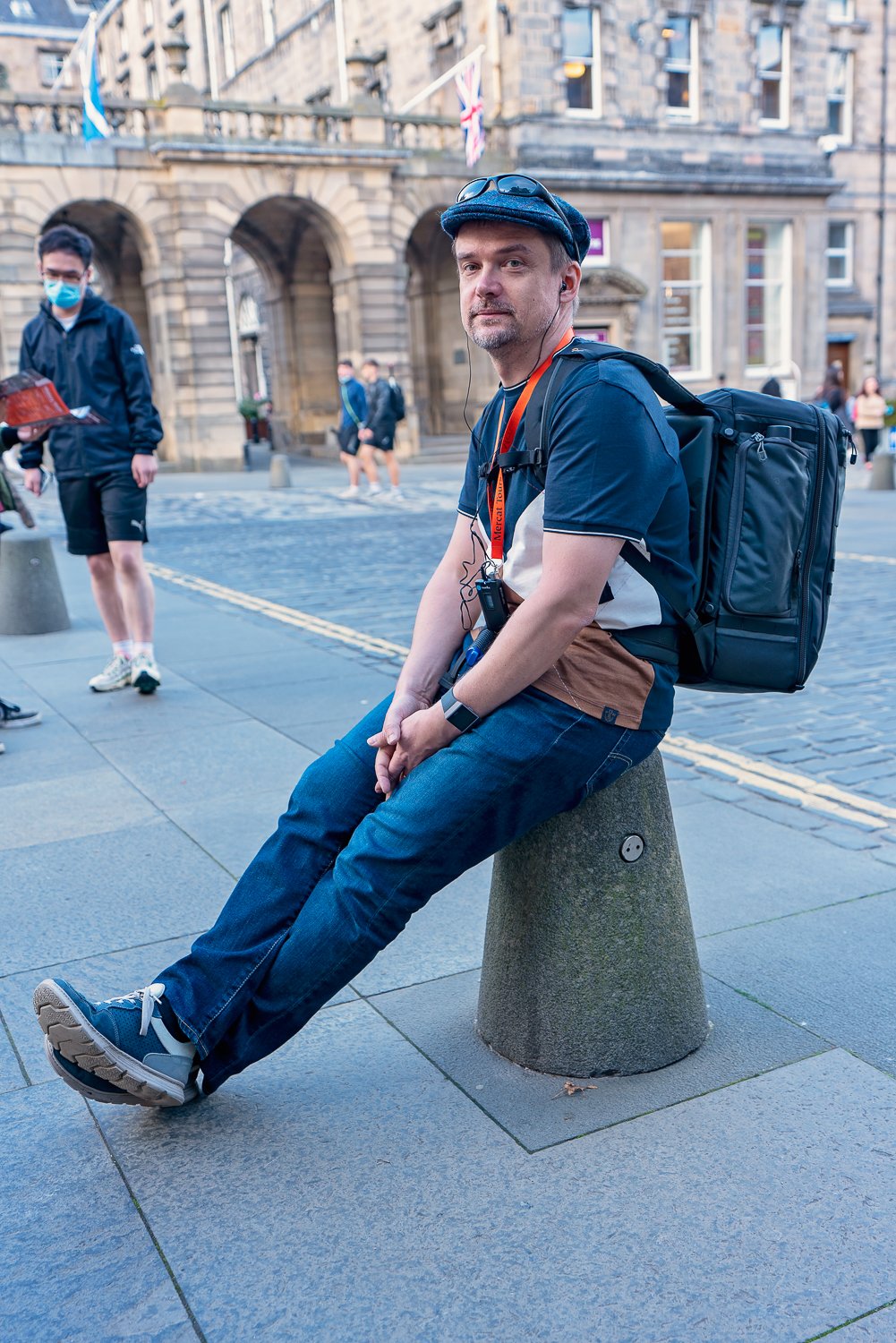
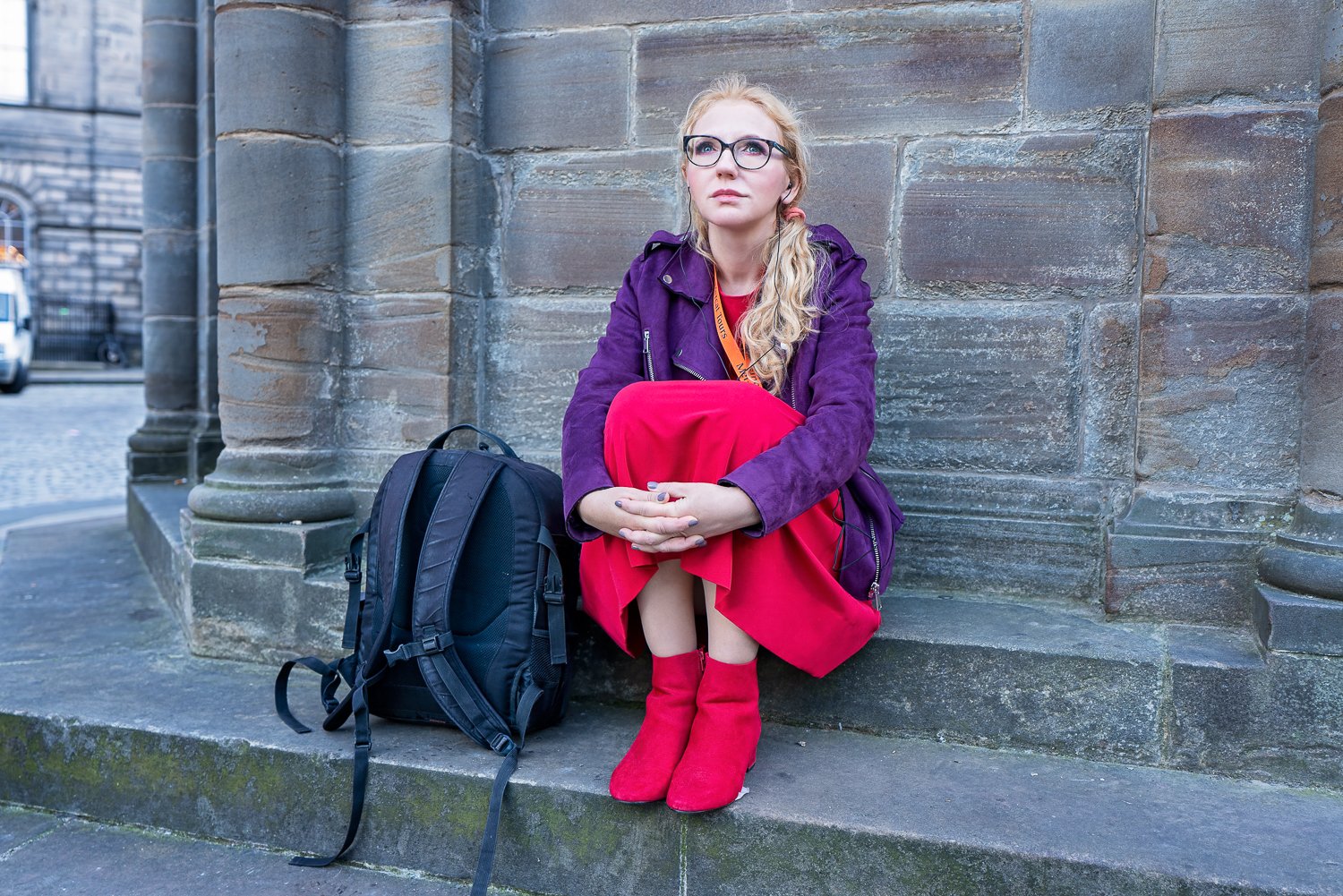
Our meeting point for the Mercat Tours is at Parliament square, which is part of the Edinburgh Royal Mile. The Adam Smith's (the father of economics) statue stands here, outside St Giles Cathedral. We still have a little time to spend, so we wander around some narrow closes.


Nasze miejsce zbiórki dla wyprawy z  Mercat Tours znajduje się na Parliament Square, który jest częścią Edinburgh Royal Mile.  Nasza uwagę zwraca tutaj posąg Adama Smitha (ojca ekonomii), który najduje się przed katedrą św. Idziego. Mamy jeszcze trochę czasu do umówionej godziny spotkania, więc kręcimy się chwilę po wąskich zaułkach starego miasta.
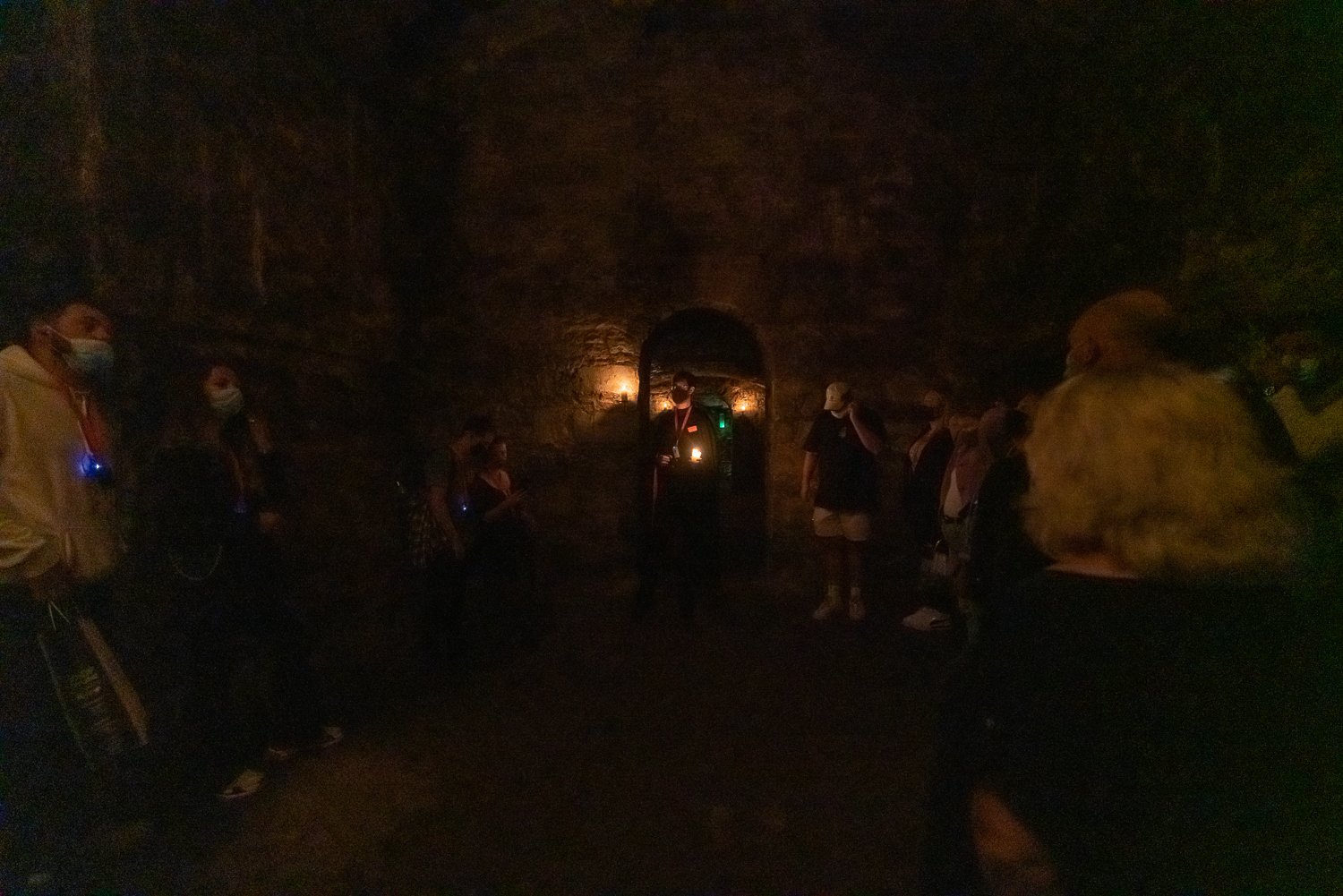
And then we meet the Mercat Tours’ guide, who takes us to one of the oldest and deepest city's vaults.  The vaults – the system of underground caves - were built in the 18th Century beneath the South Bridge. We have a chance to listen about the city's history as well as about many ghosts who supposedly made their appearance in the vaults. No cheap tricks, fortunately, and the guide is a pretty good storyteller.

We ticked off a lot of things today, it seems, and now it is time to refresh ourselves and head for the evening meal.


A potem spotykamy przewodnika Mercat Tours, który zabiera nas do jednego z najstarszych i najgłębszych podziemi miasta. Ten system podziemnych jaskiń został zbudowany w XVIII wieku pod Mostem Południowym. W trakcie zwiedzania mamy okazję posłuchać o historii miasta, a także o wielu duchach, które podobno pojawiły się w podziemiach. Na szczęście wycieczka nie uwzględnia żadnych tanich sztuczek, a przewodnik jest całkiem niezłym opowiadaczem.

Tak więc zobaczyliśmy dzisiaj całkiem sporo rzeczy, a teraz nadszedł czas, aby się odświeżyć i udać na wieczorny posiłek.
St Cuthbert’s Church

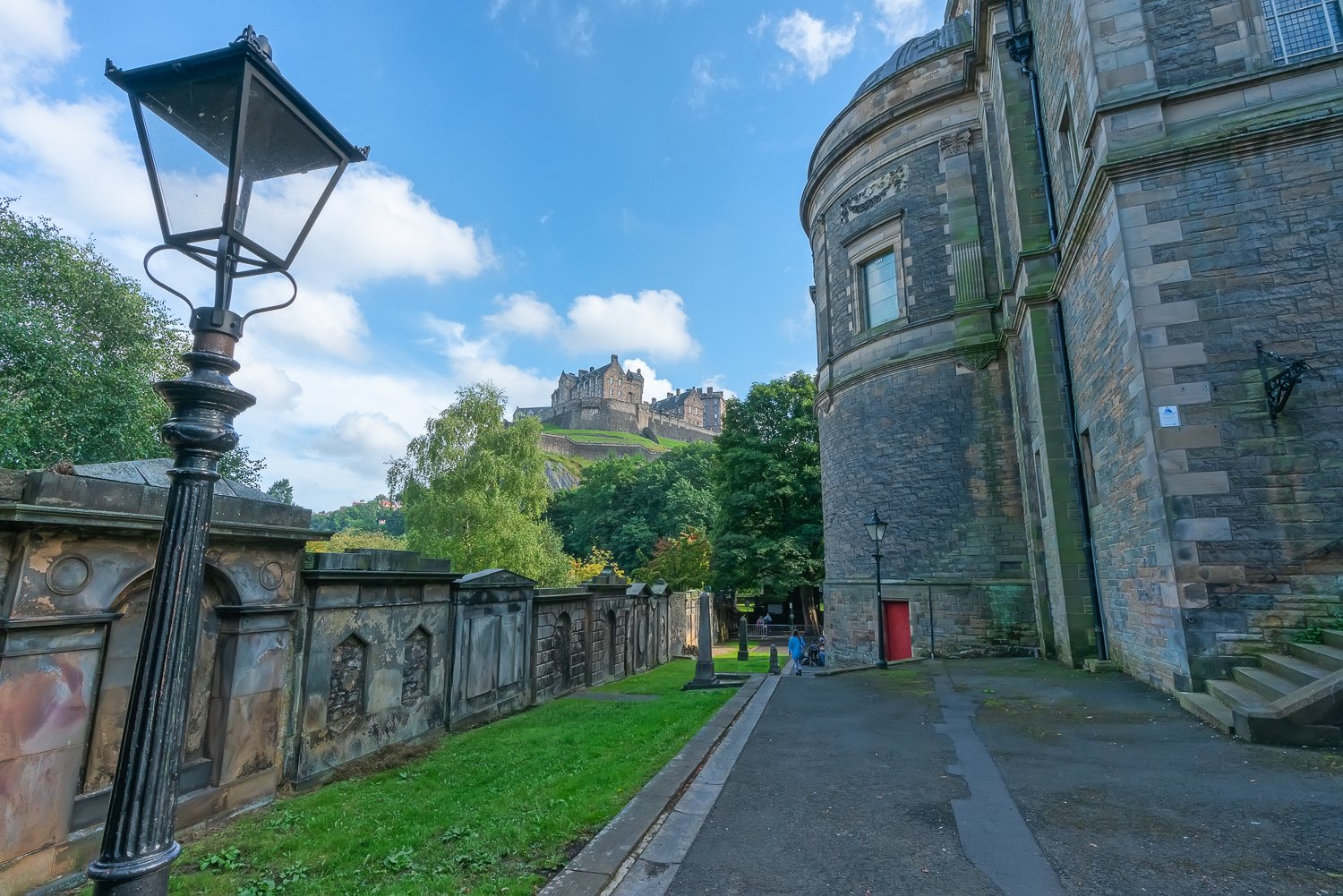
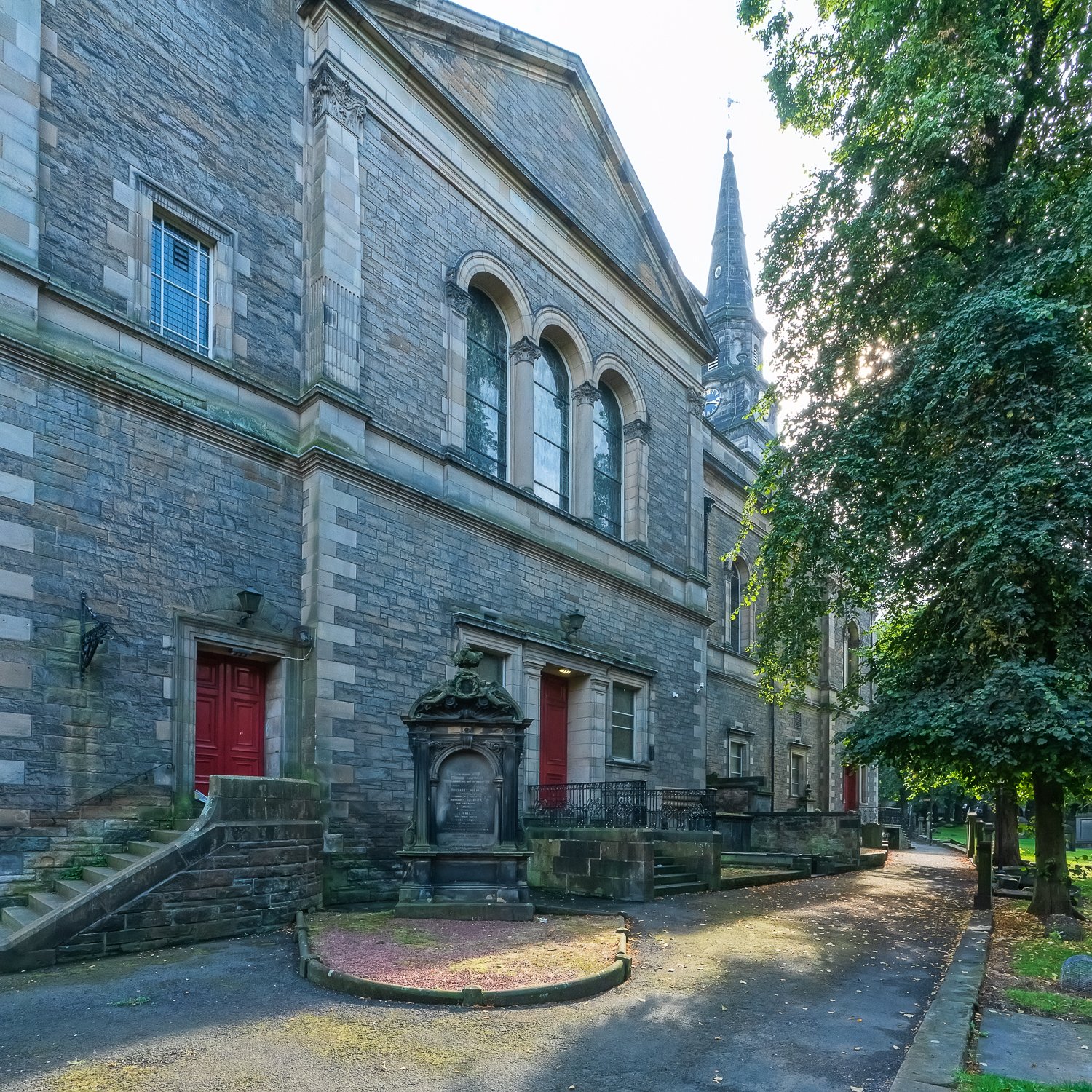
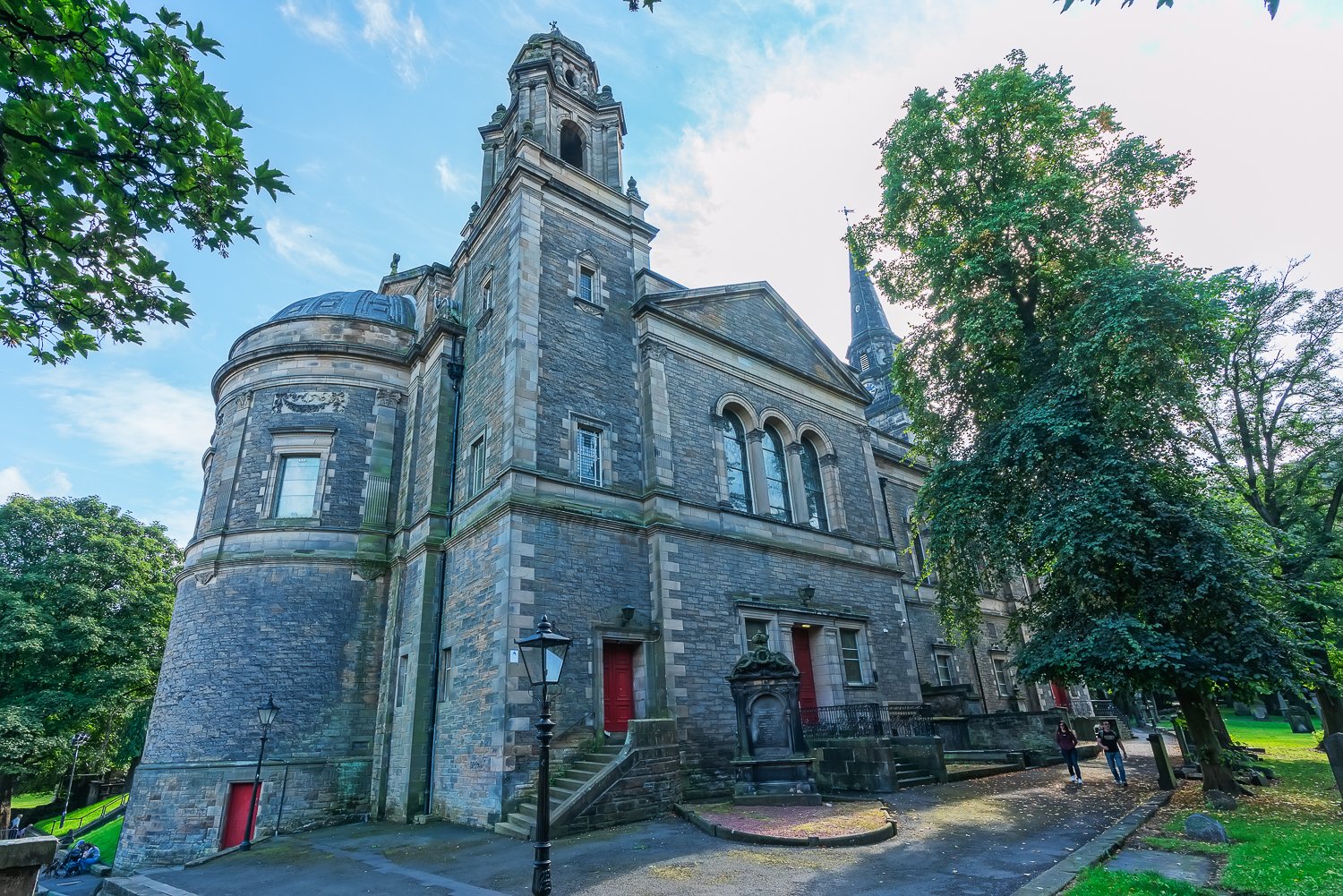
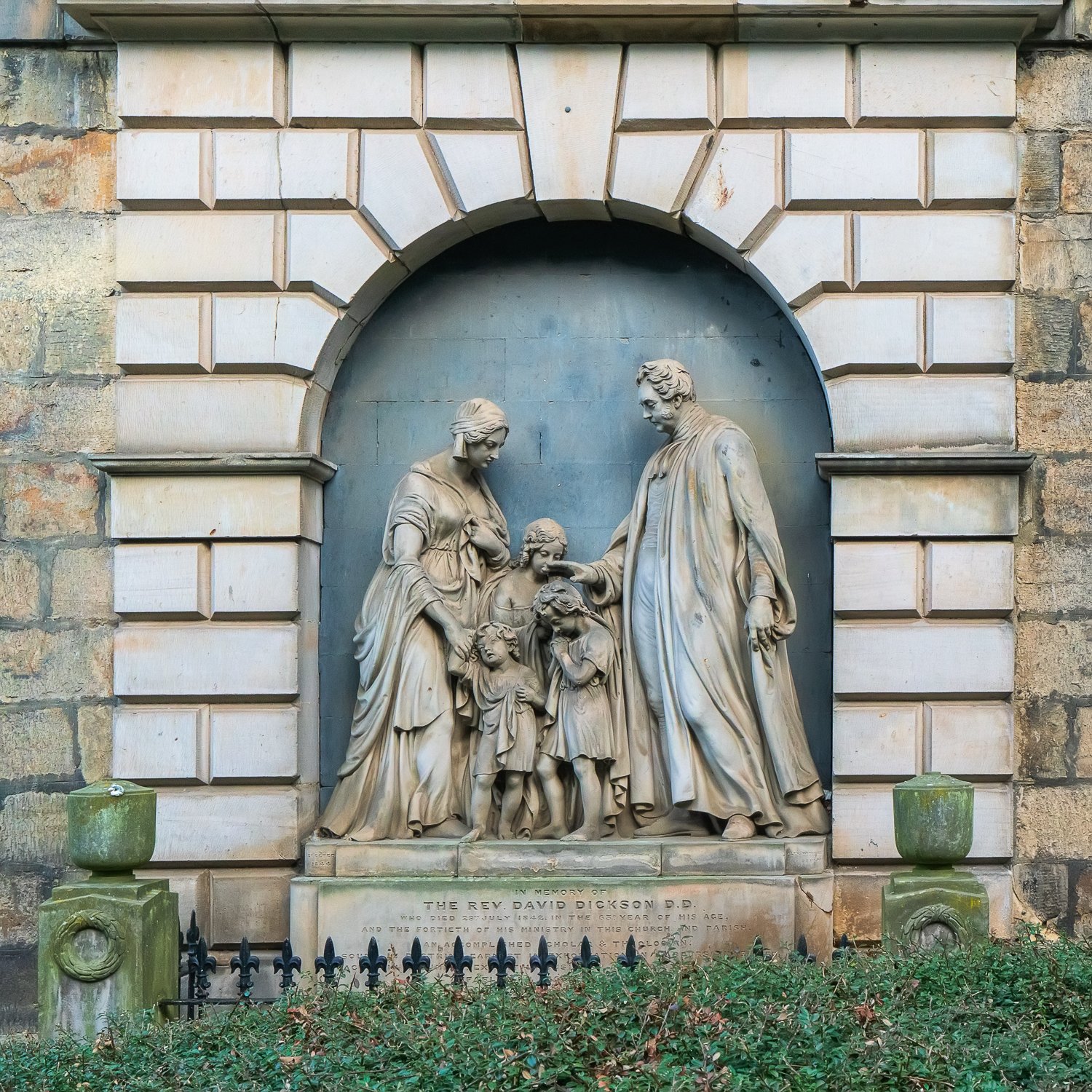
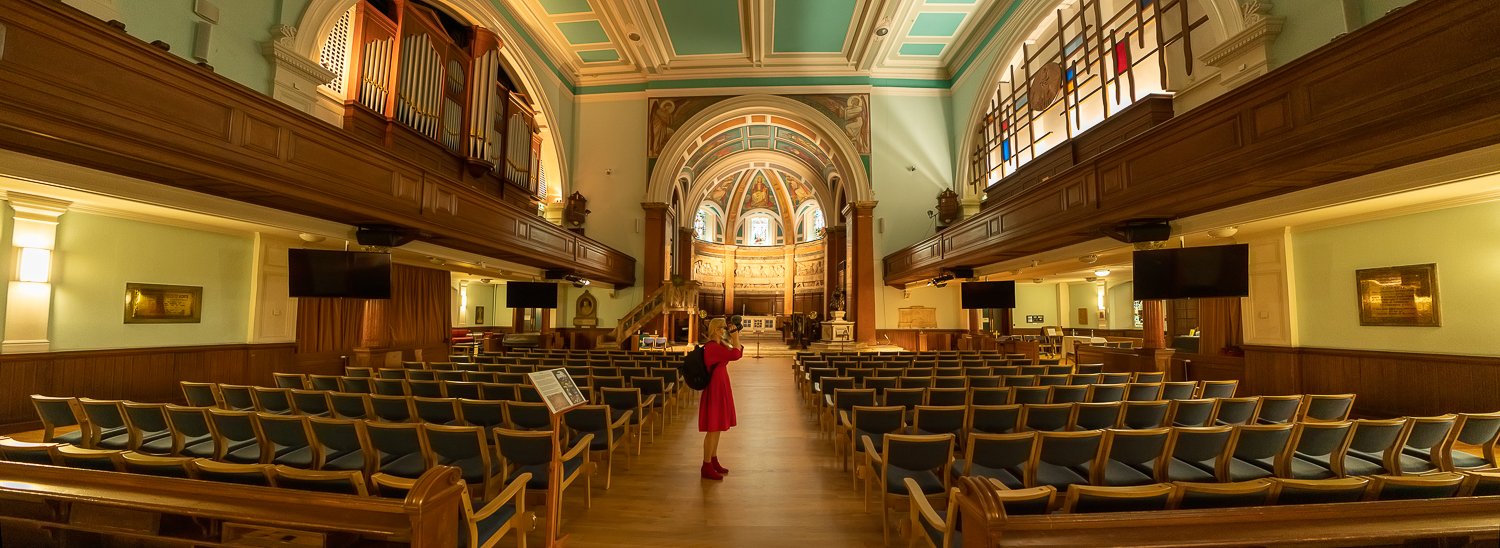
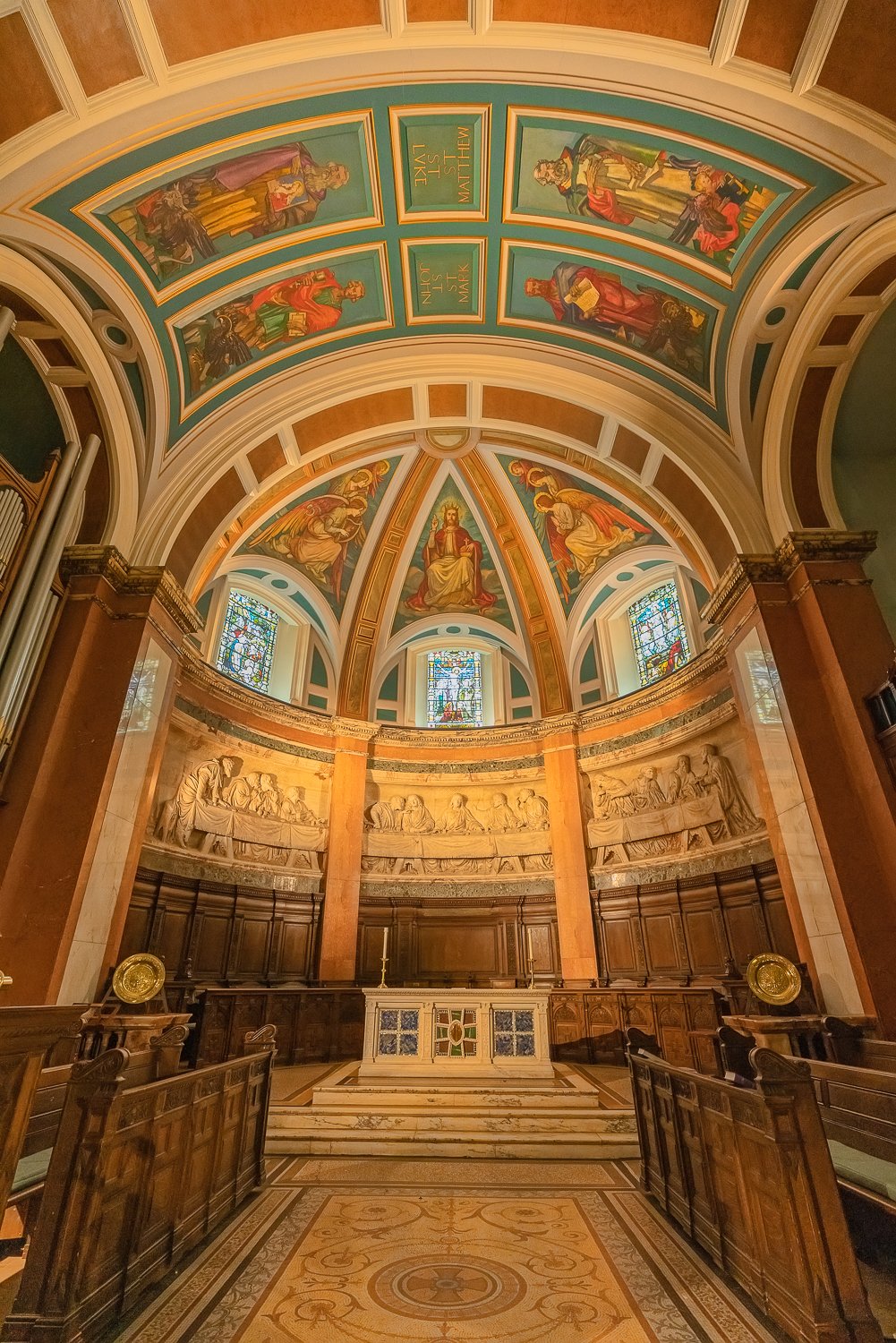
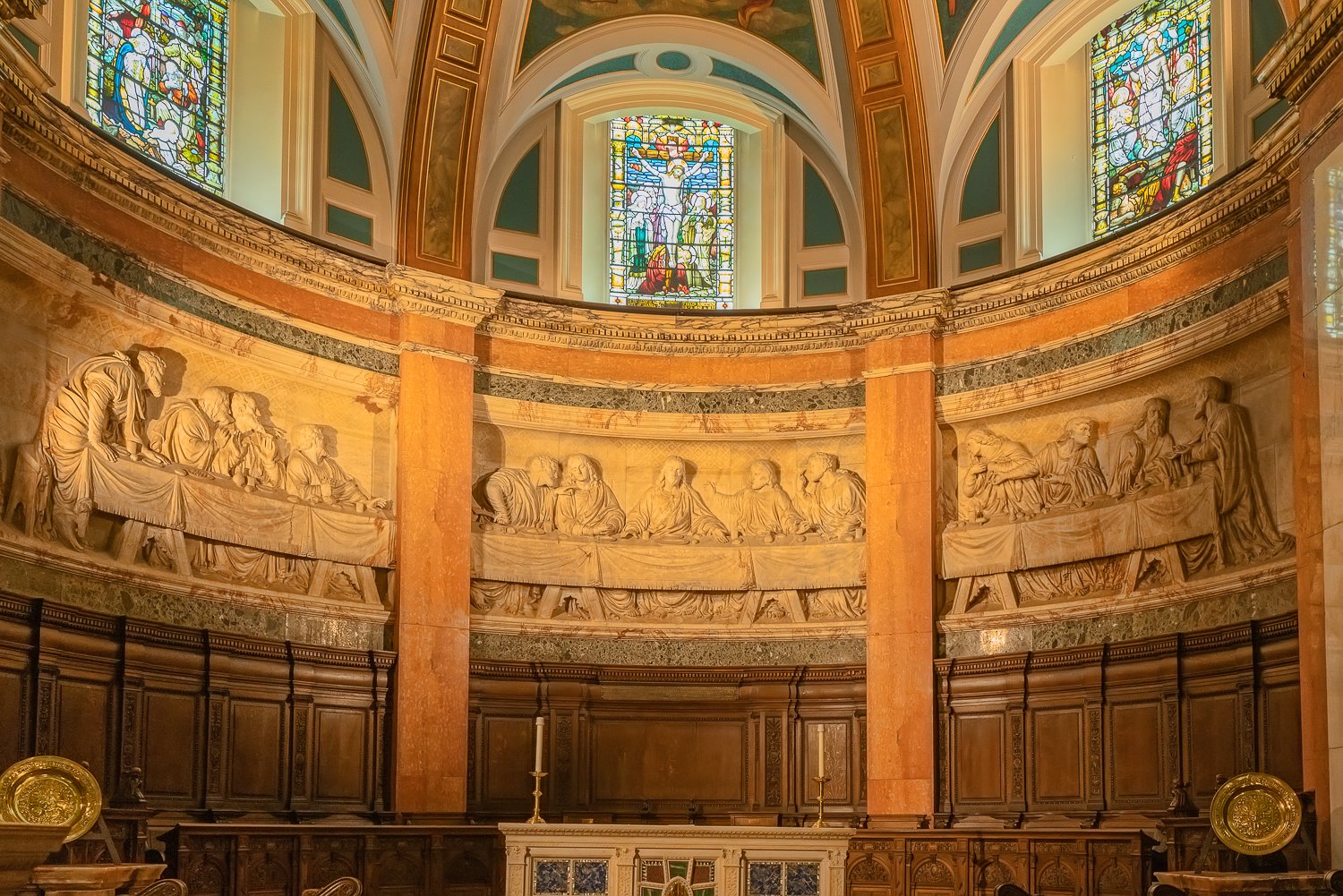
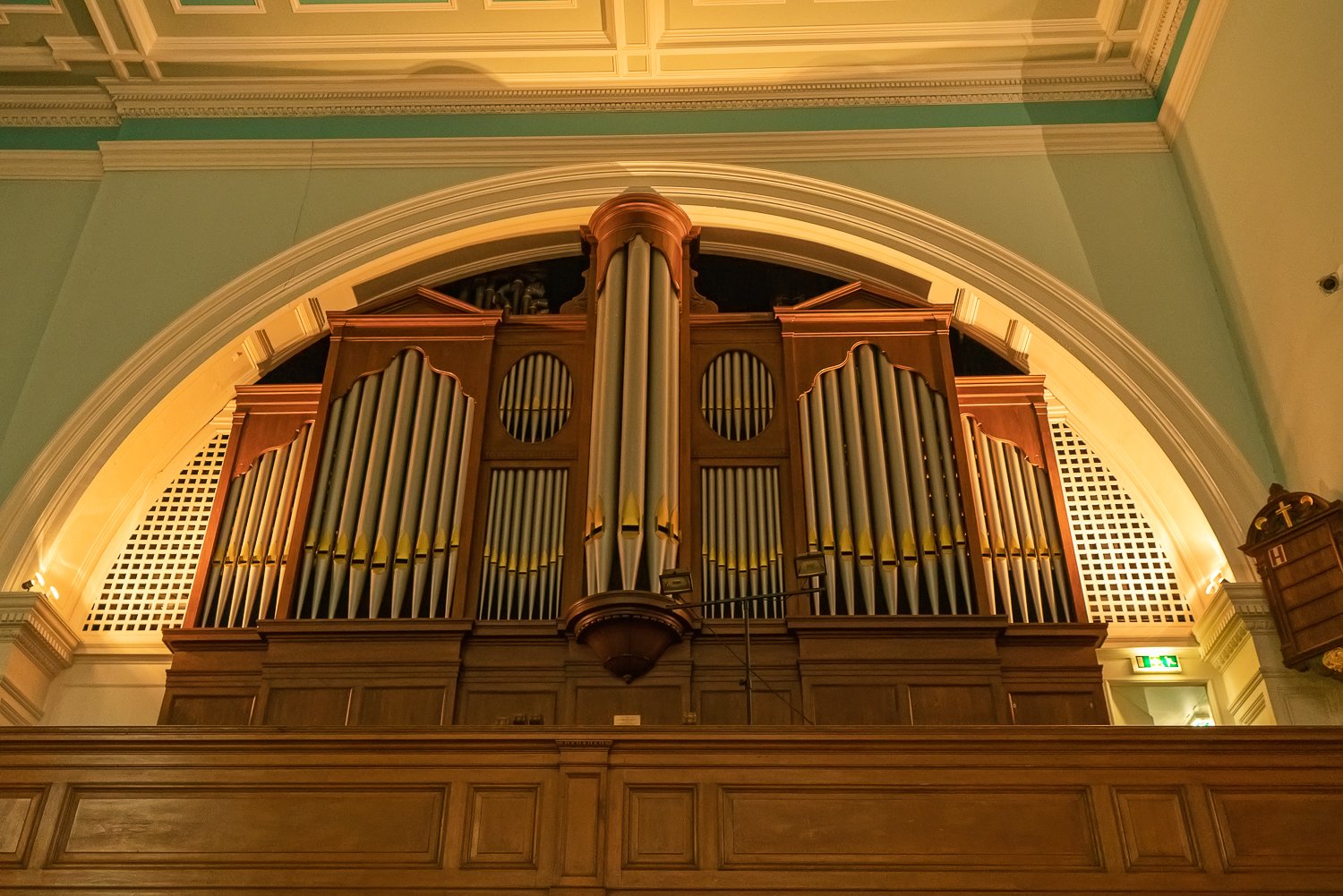
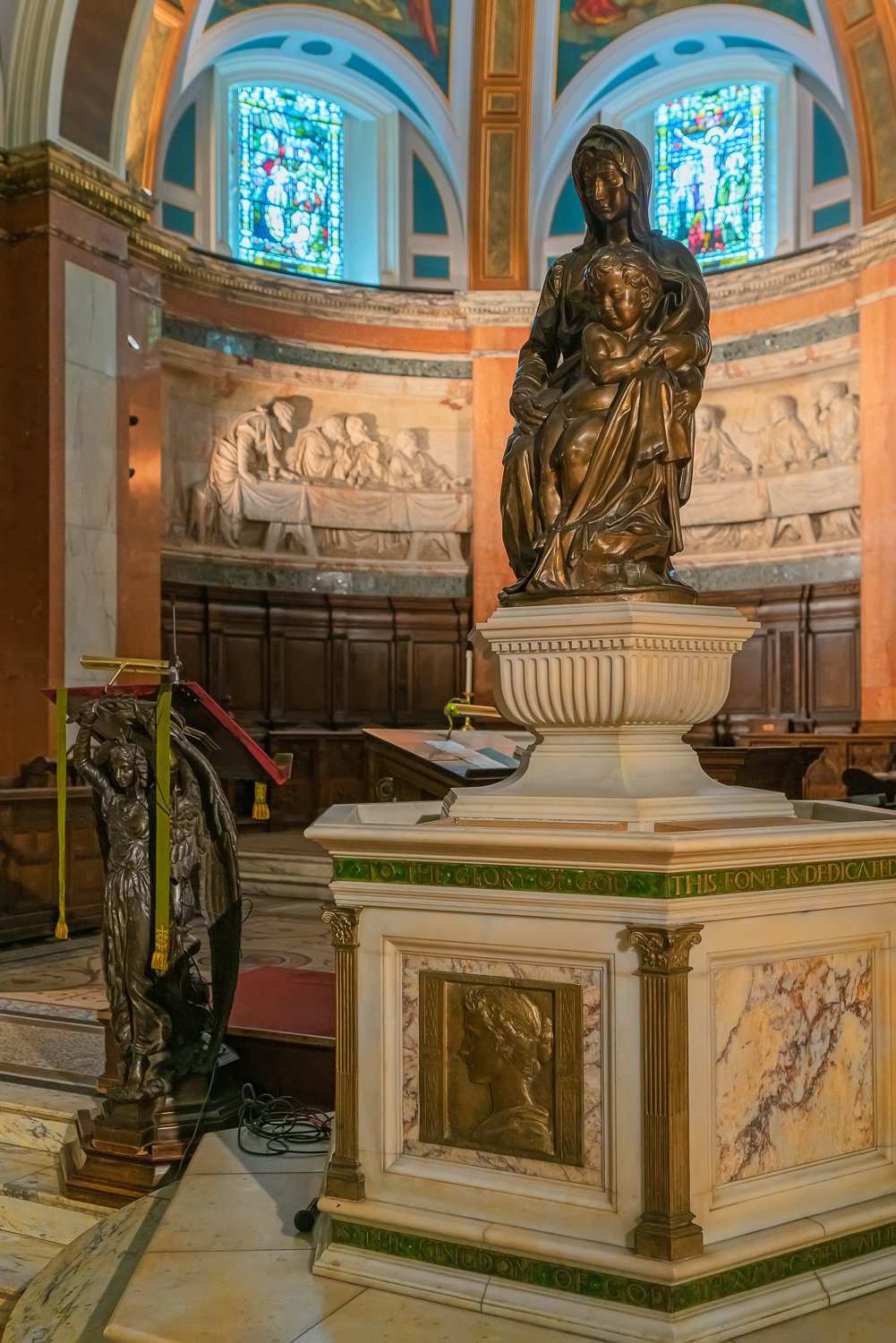
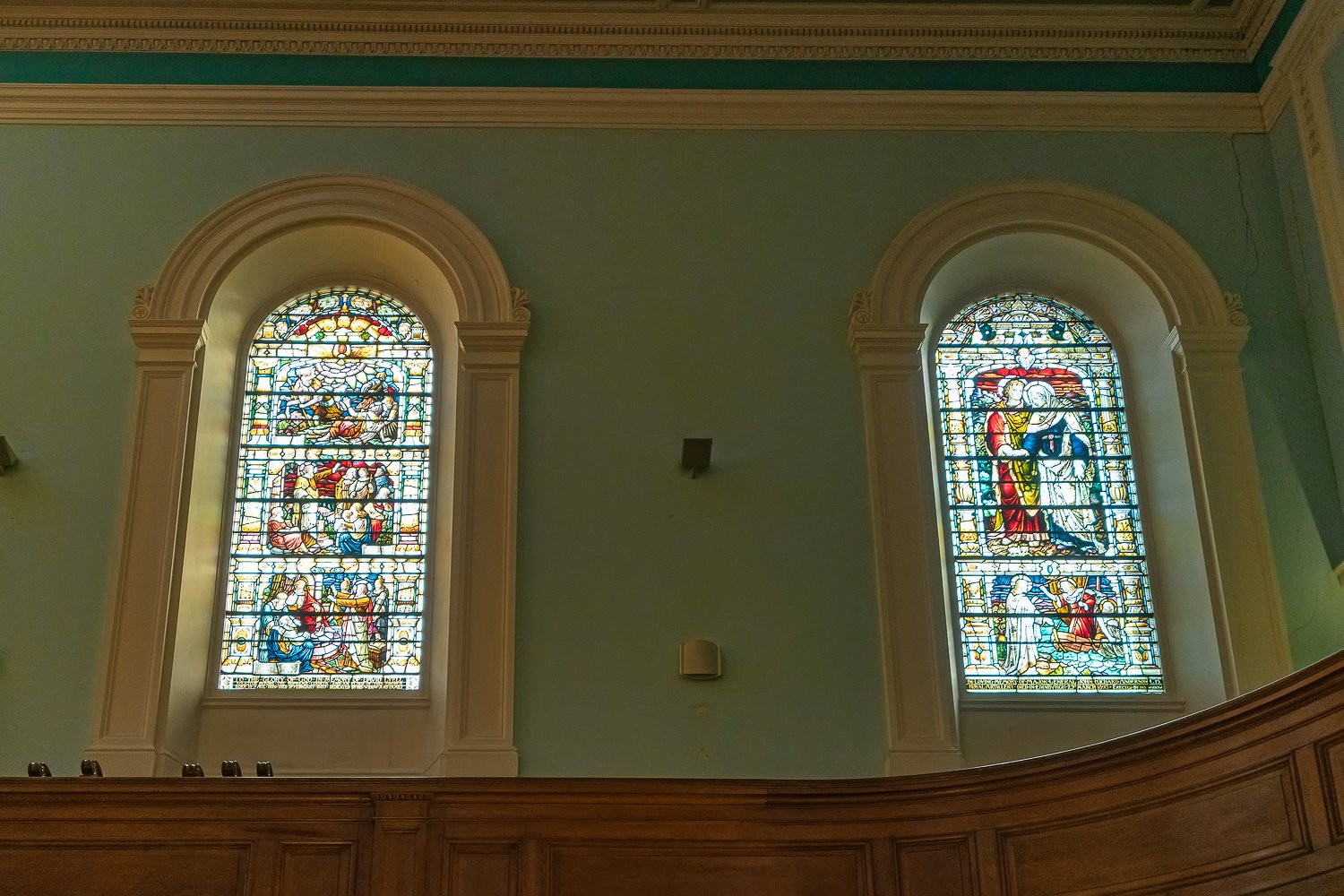
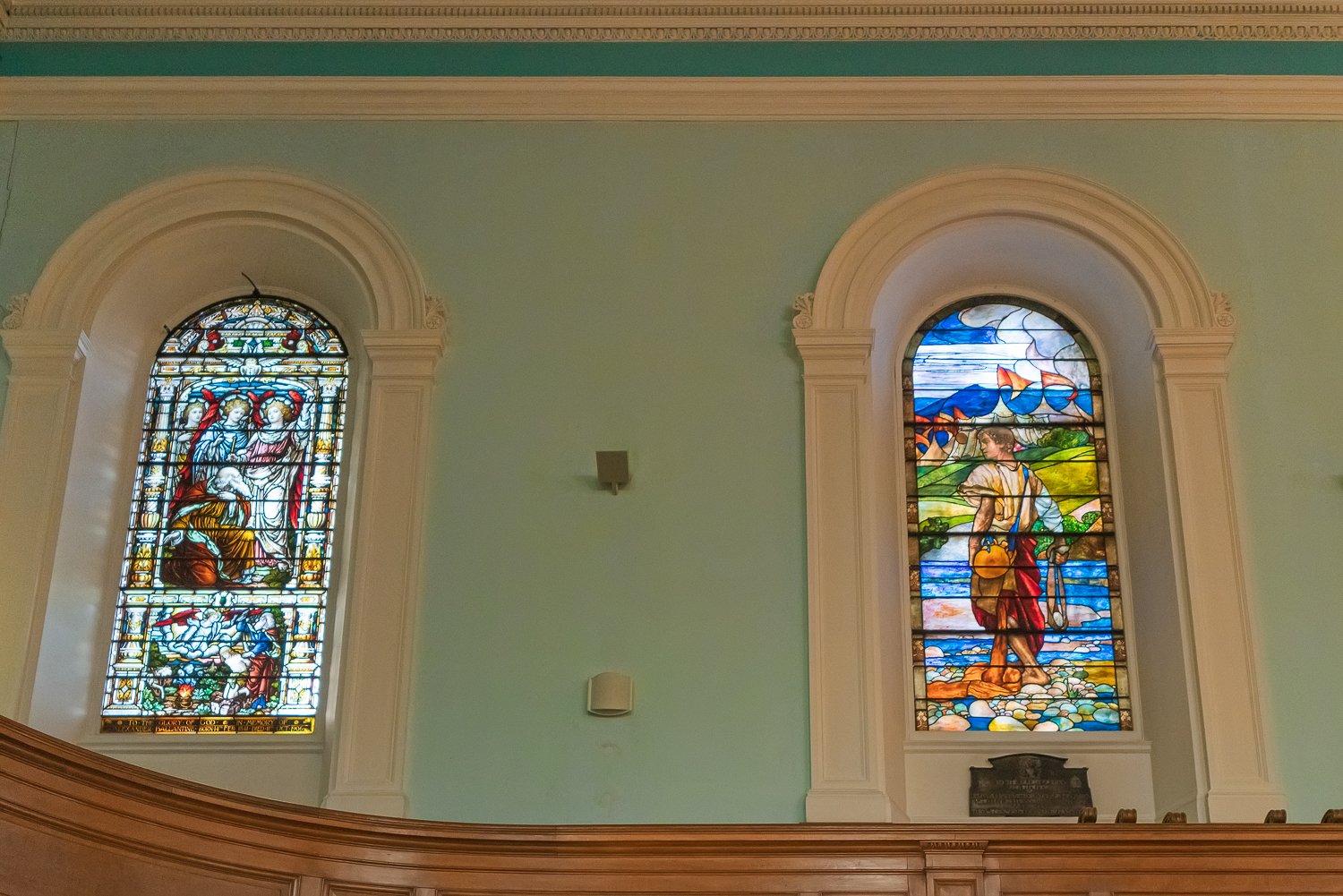
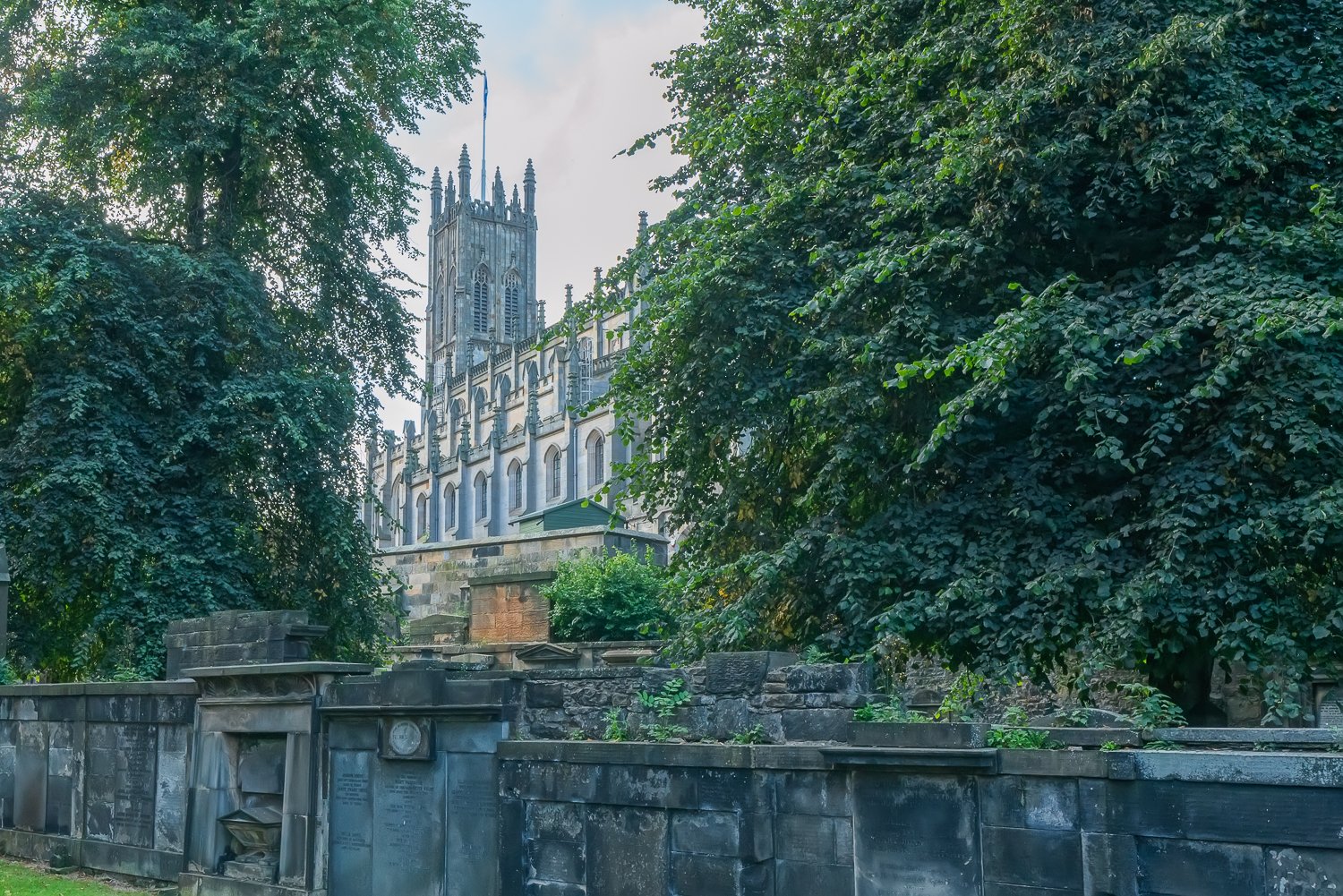
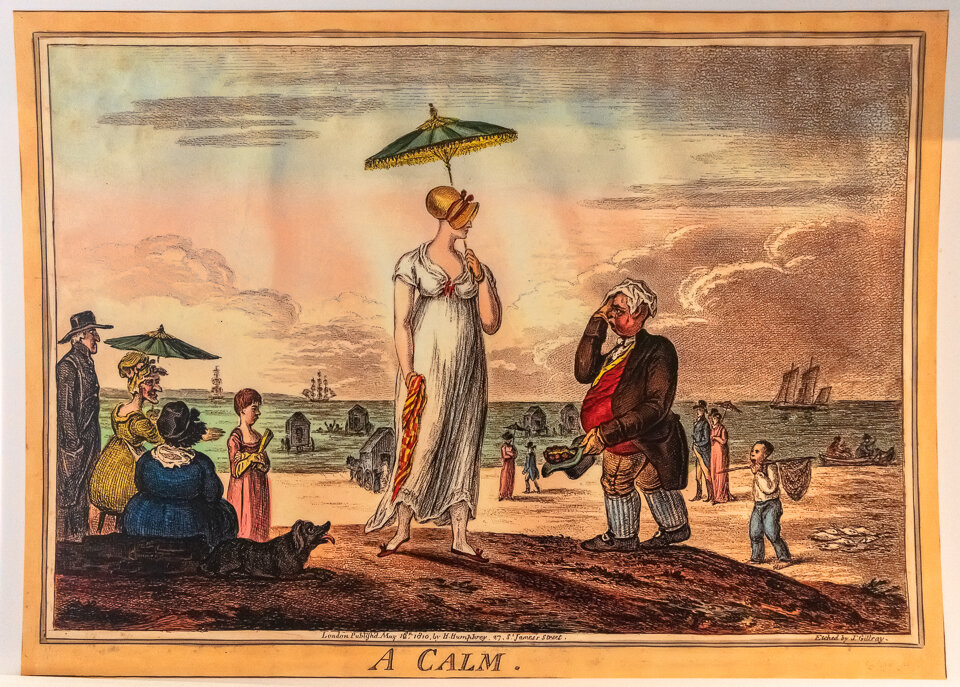
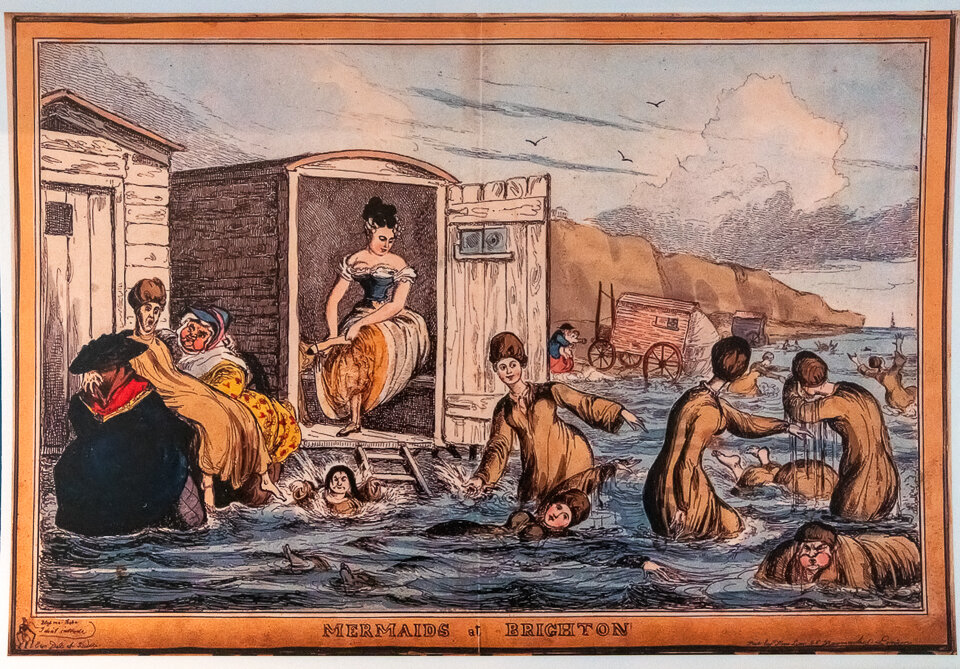
We went to find a nice cafe, but we stopped a few times on the way. First, within a large churchyard that bonds Princess Street Gardens with Lothian Road, at the foot of the castle rock, we found St Cuthbert’s Church, also known as West Kirk. This church was damaged and rebuilt many times. The current building was built in the XIX century in cream sandstone, and its most immense pride are stained glass windows, including one by Tiffany.
 

Poszliśmy szukać przyjemnej kafejki, ale po drodze bylo kilka innych wartych obejrzenia rzeczy. Na dużym dziedzińcu przykościelnym, który łączy Princess Street Gardens z Lothian Road, u podnóża zamkowej skały, znależliśmy skościół św. Cuthberta, znany również jako West Kirk. Kościół ten był wielokrotnie niszczony i przebudowywany. Obecny budynek został zbudowany w XIX wieku z kremowego piaskowca, a jego największą ozdobą są witraże, w tym jeden autorstwa Tiffany'ego.
Jane Austne's House

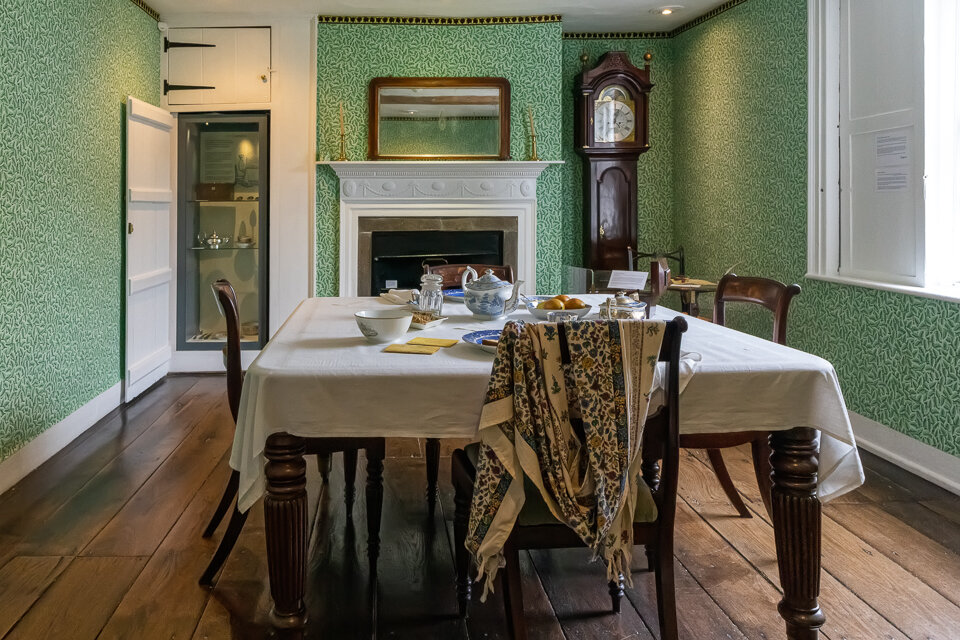
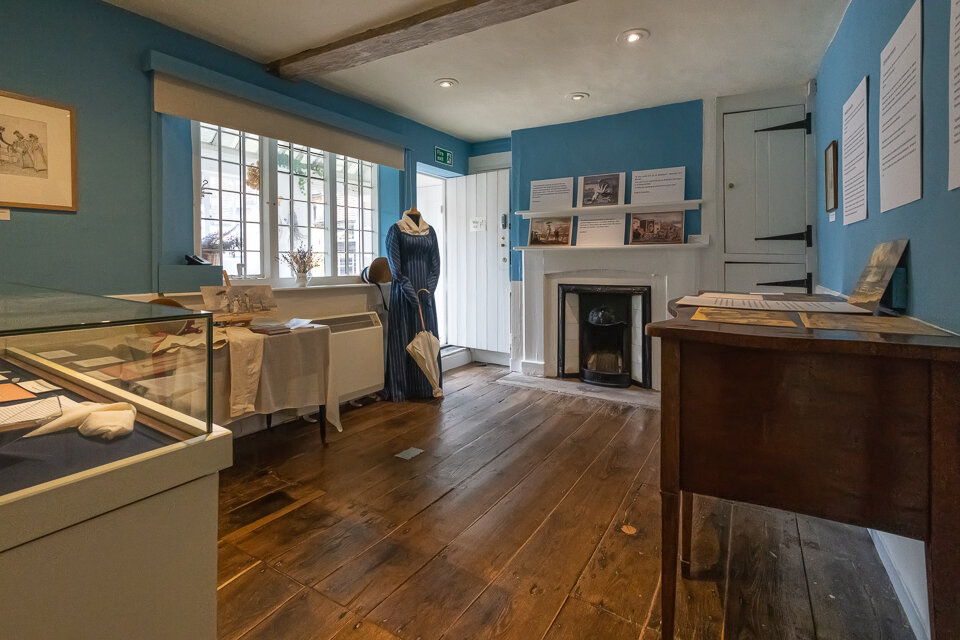
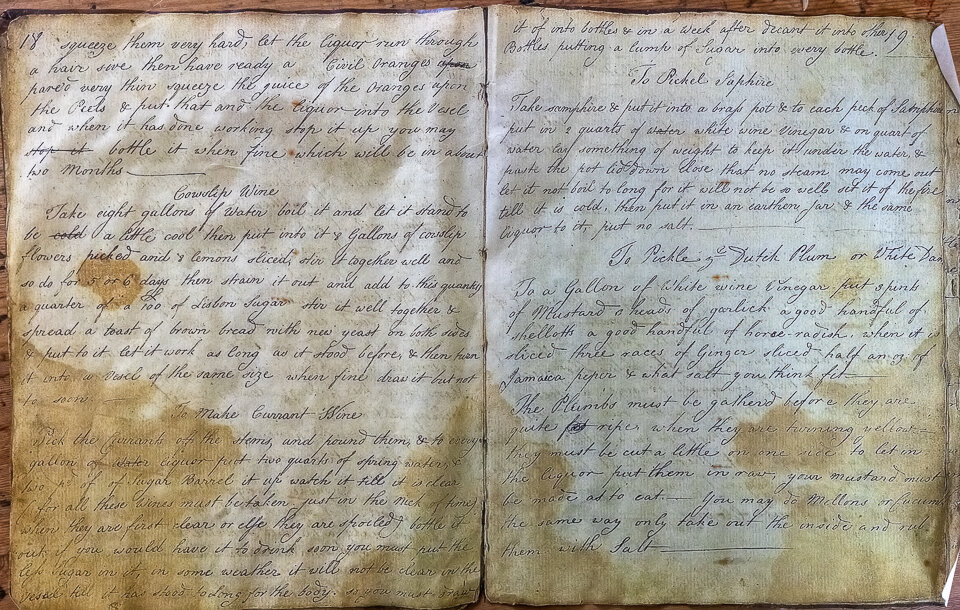
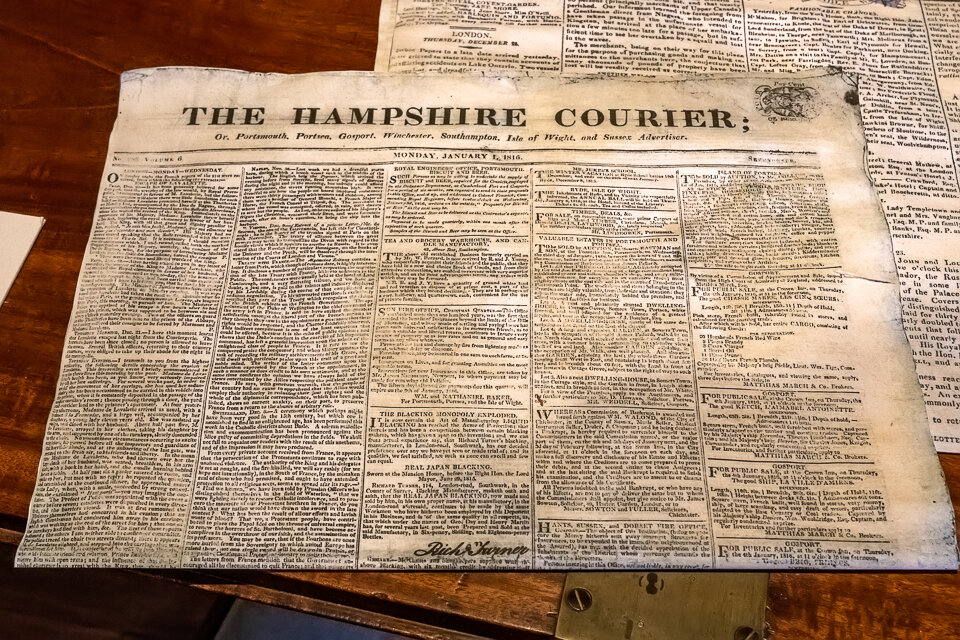
Jane Austen is one of the most famous and beloved English writers, and there are not so many people in Europe for whom titles such as Sense and Sensibility, Pride and Prejudice, Mansfield Park, or Emma remain unknown. As COVID restrictions still make it difficult to travel far away, we decided to revisit Chawton, this time to see a cottage that belonged to the famous (if not properly acknowledge during her life) author. 

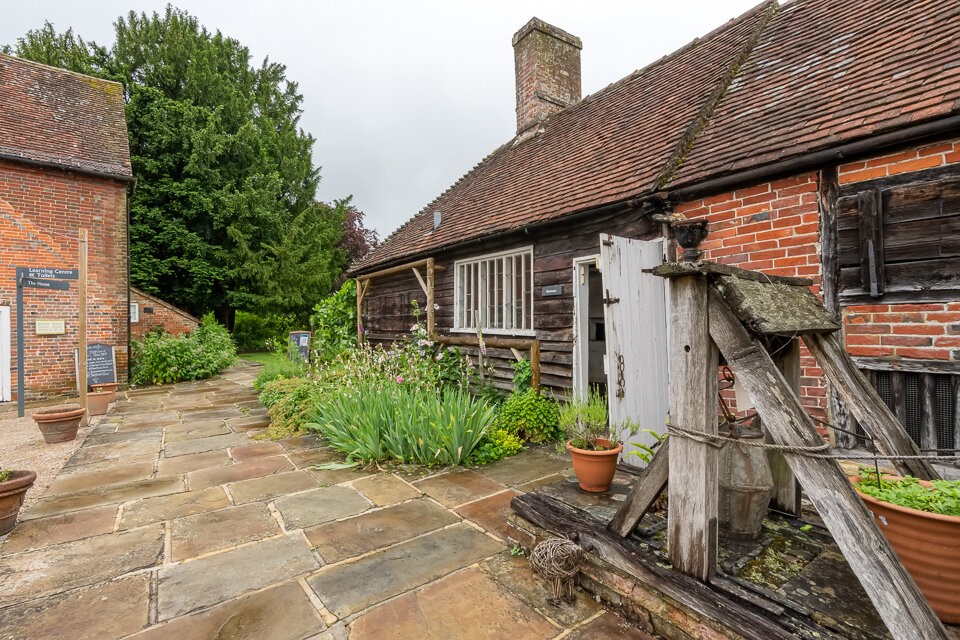
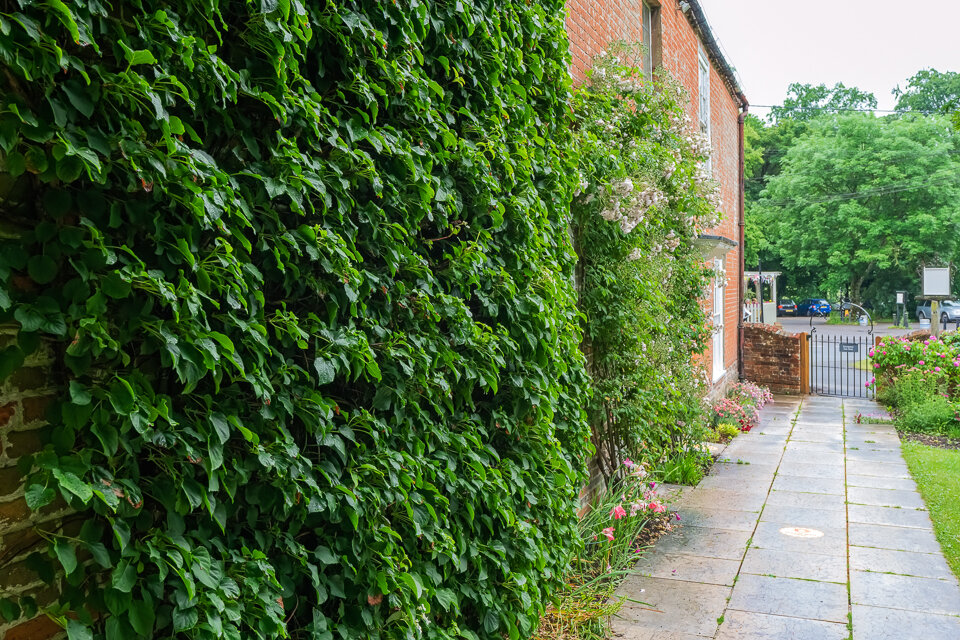
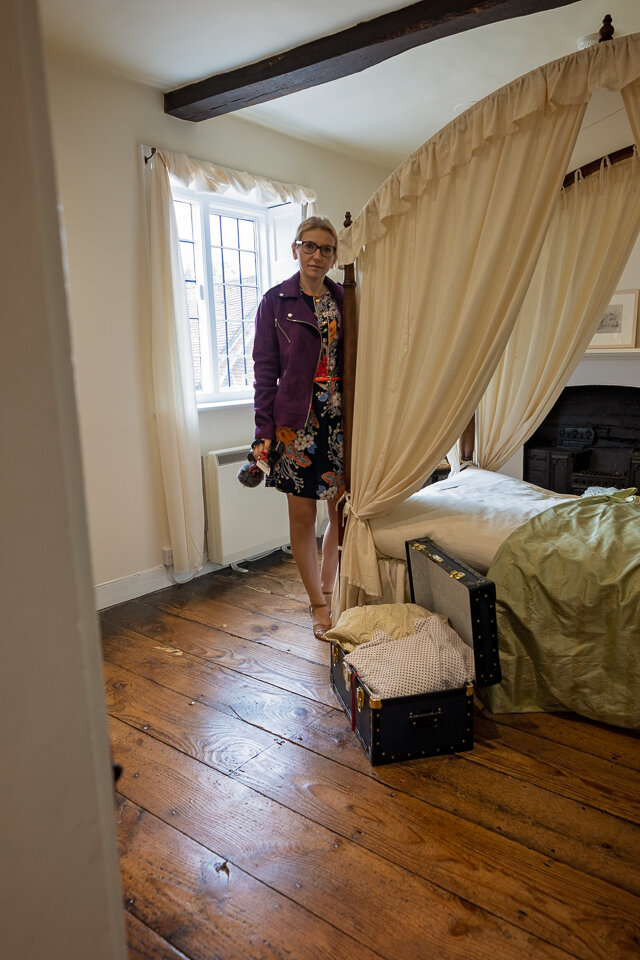
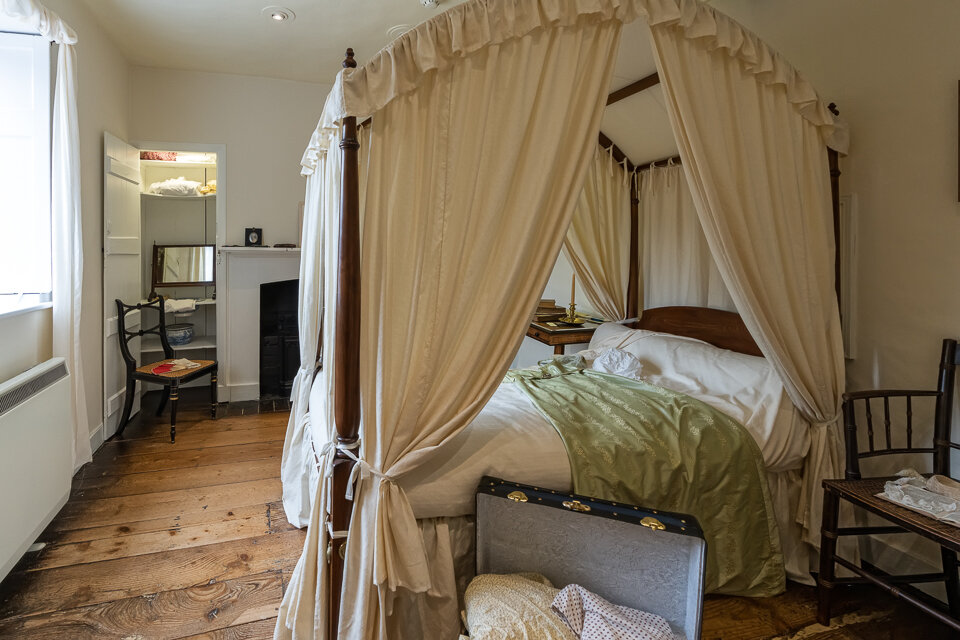
Jane Austen’s House in Chawton, was her final home, where she spent the last (and very productive) years of her life. And yes, you may remember another entry to my blog about the Chawton House, a much bigger manor house which belonged to her brother Edward, adopted by the Knight family. Scroll down the blog, and you will find it if you are interested. 

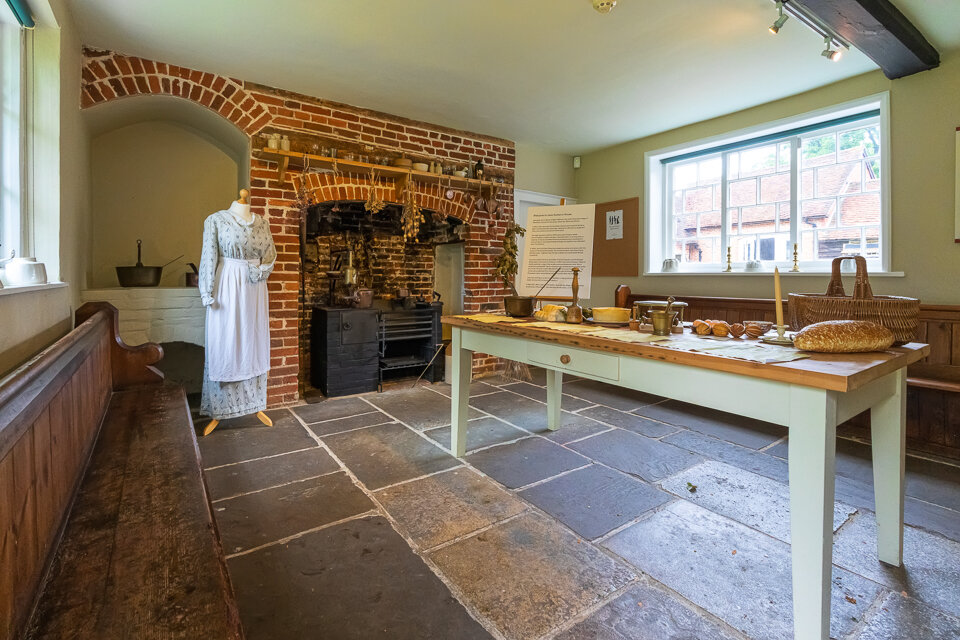
But it was this smaller house that belonged to Jane and her mother, where she wrote her most famous novels. Jane lived in this house for eight years, and she left it only in May 1817, when she had to seek medical treatment in Winchester, where unfortunately she died two months later. 

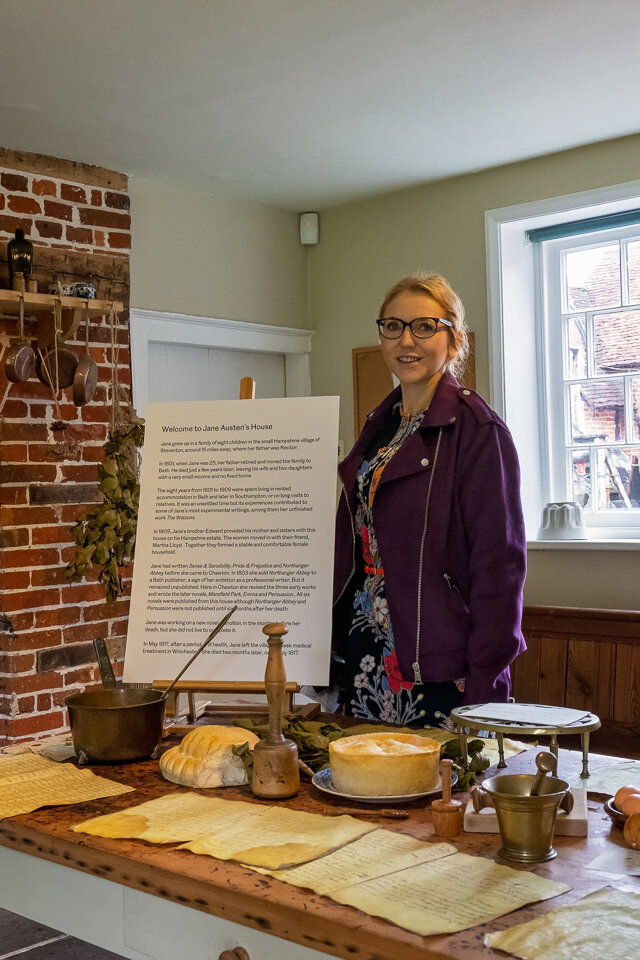
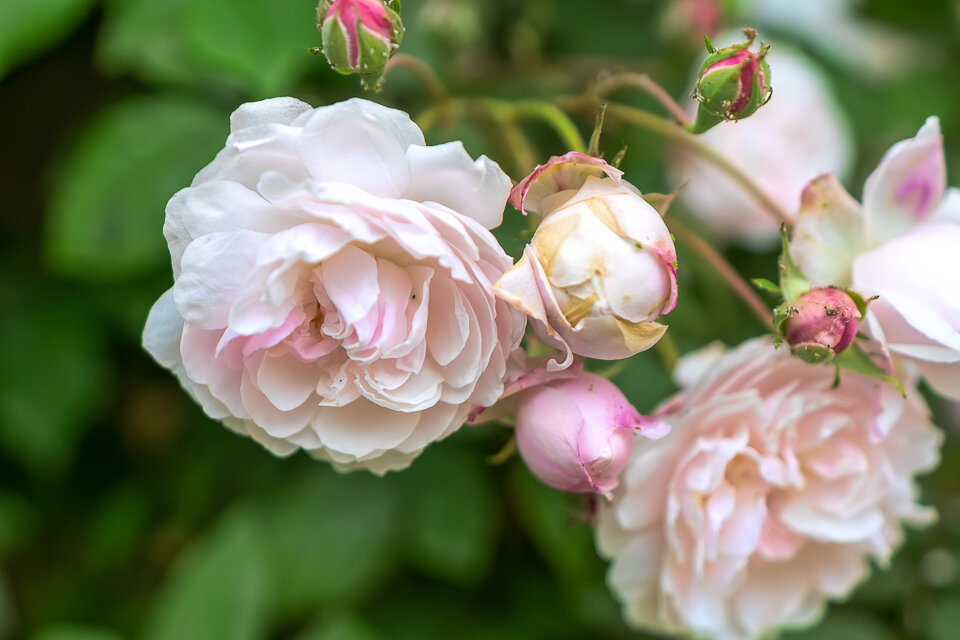
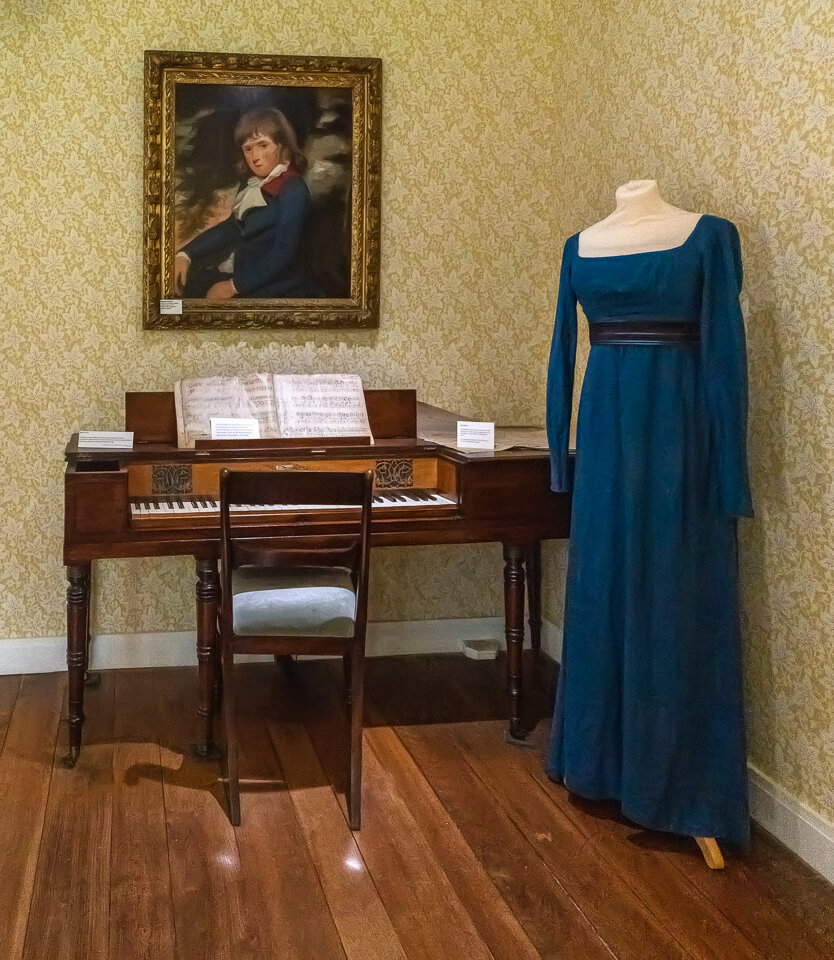
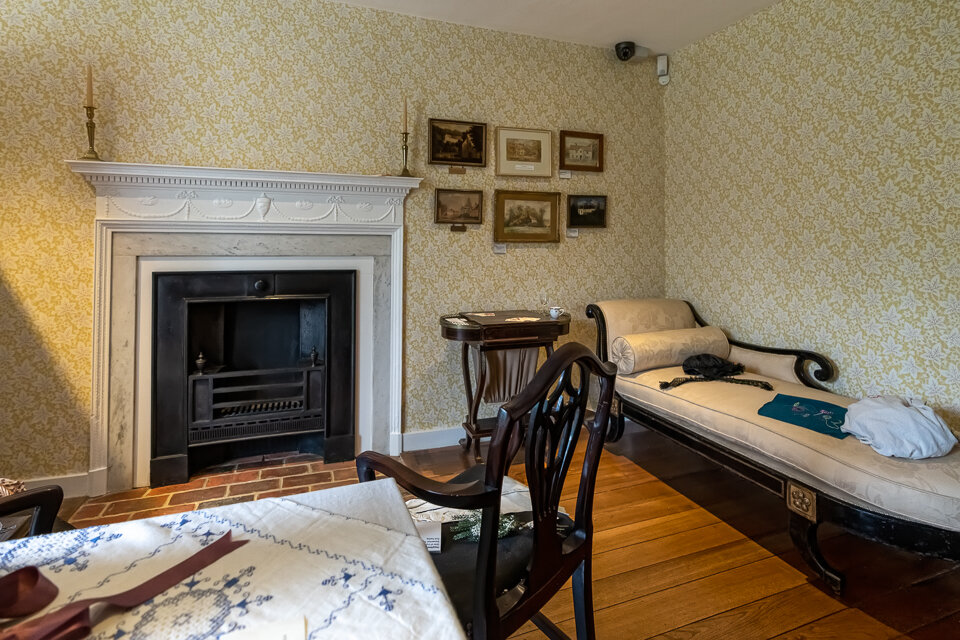
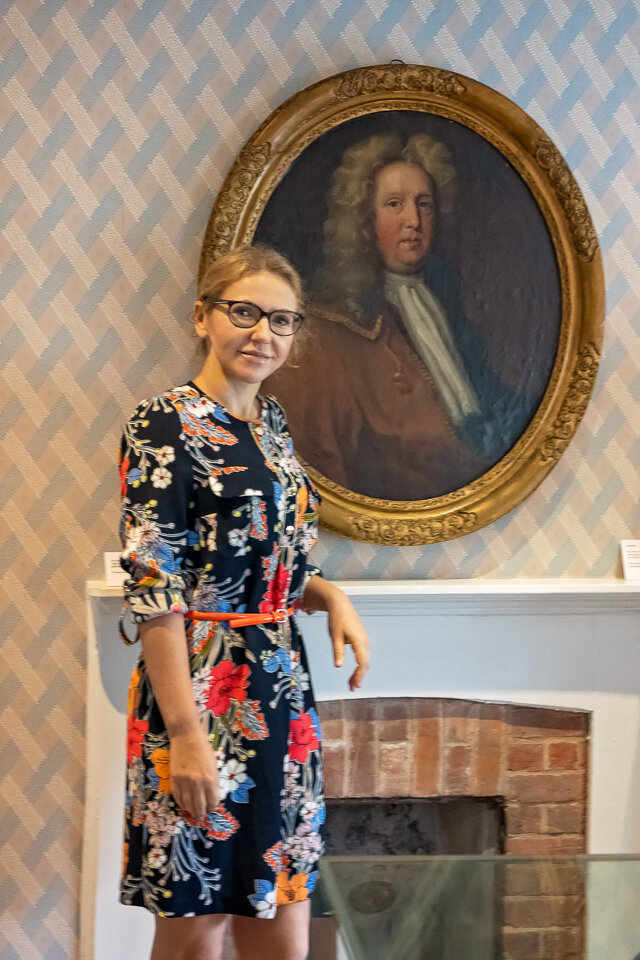
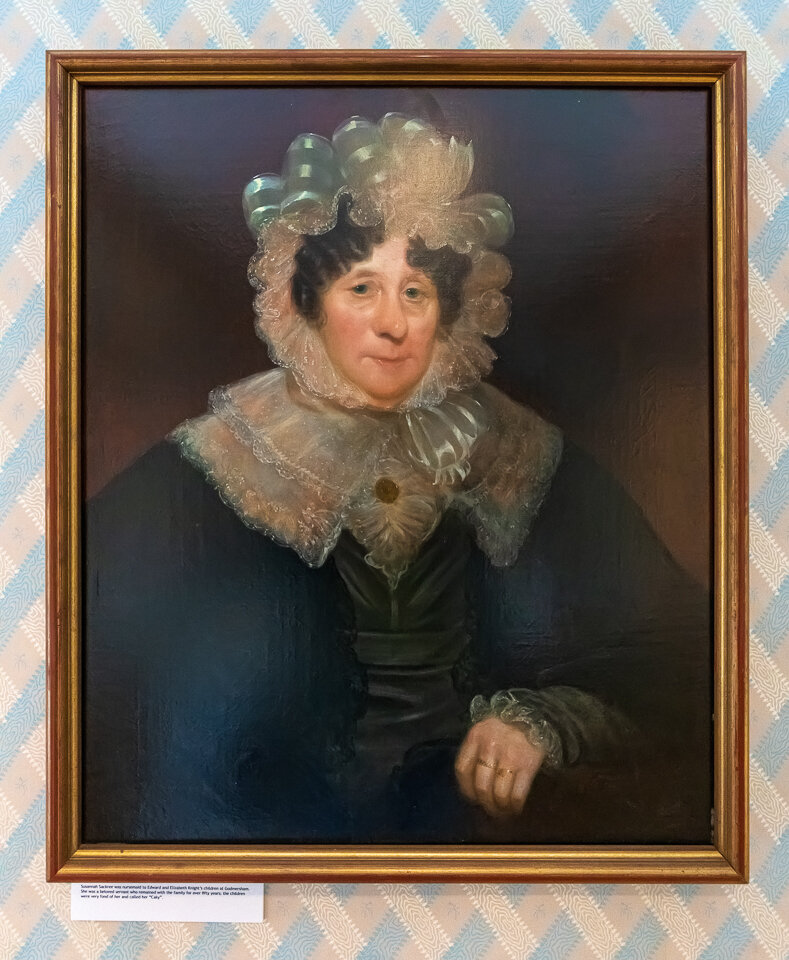
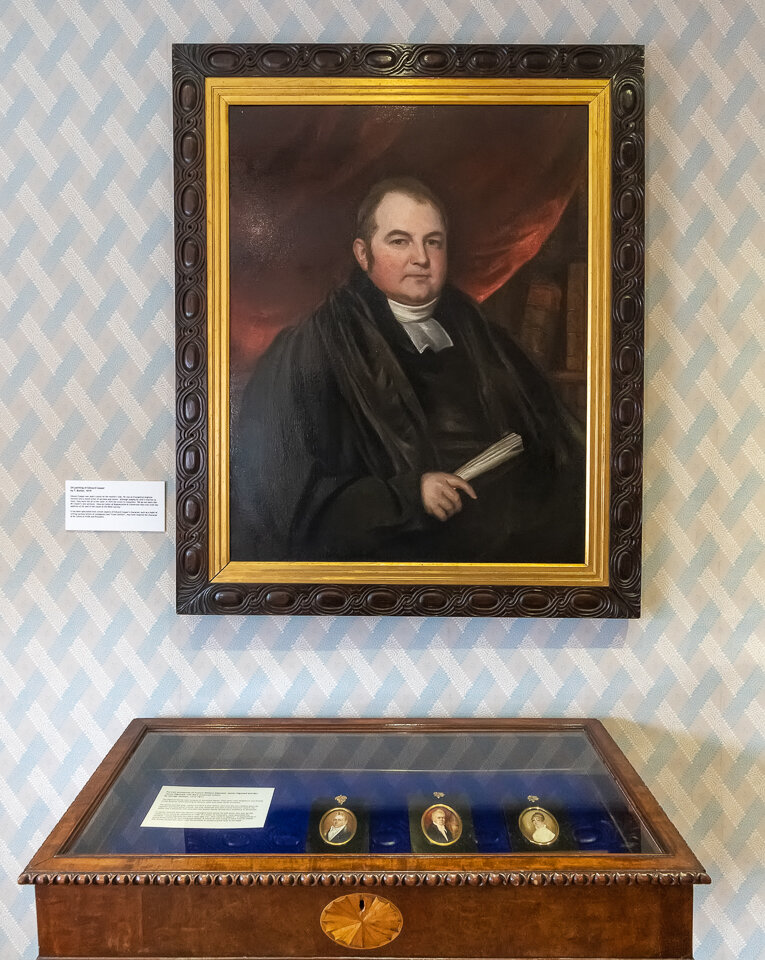
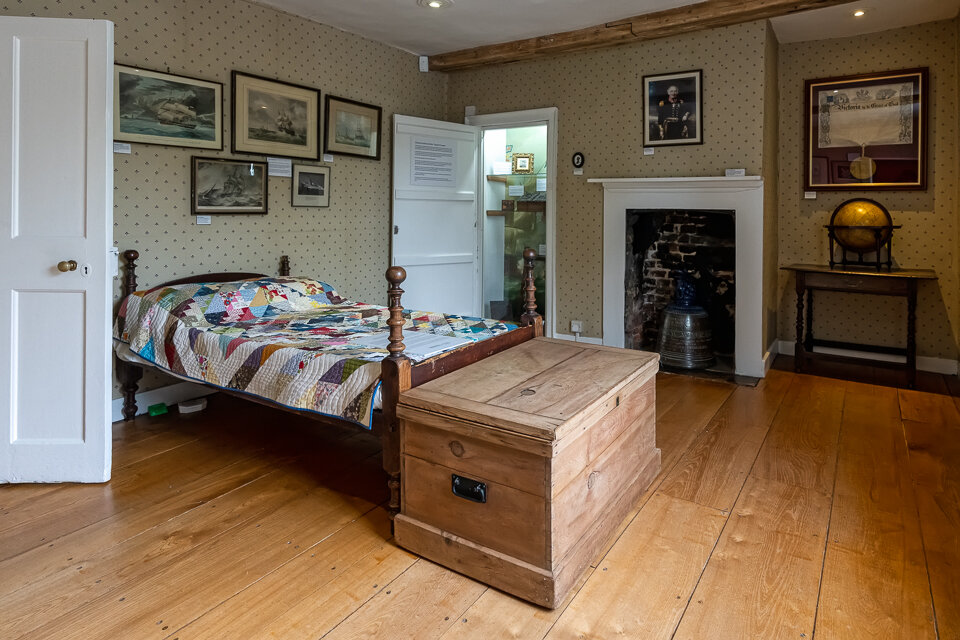
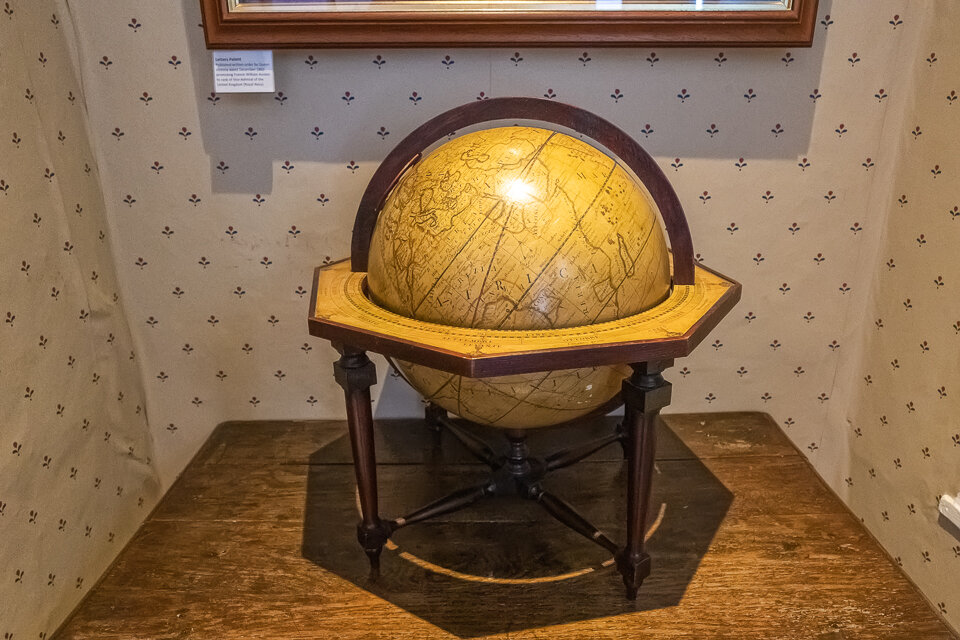
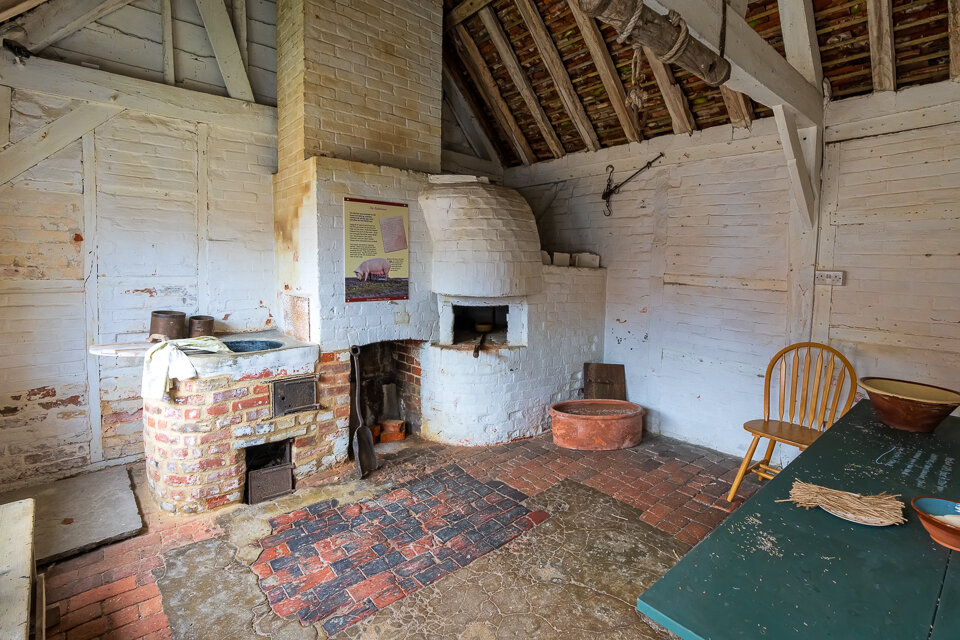
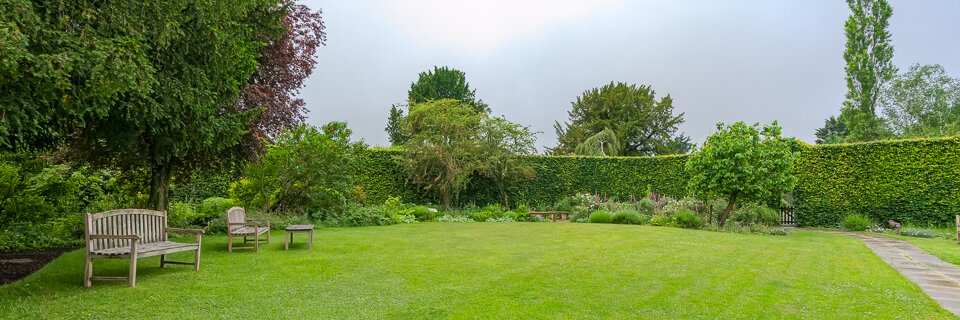
Without talking too much, I will let the images to take you through the house and garden.


Jane Austen to jedna z najbardziej znanych i lubianych angielskich pisarek, a w Europie nie ma zbyt wielu osób, dla których tytuły, takie jak Rozważna i Romantyczna, Duma i Uprzedzenie, Mansfield Park czy Emma pozostają nieznane. Ponieważ ograniczenia COVID nadal utrudniają dalekie podróże, postanowiliśmy ponownie odwiedzić Chawton, tym razem, aby zobaczyć dom należący do słynnej (chociaż nie docenionej za życia) autorki.

 Chawton był ostatnim domem Jane Austin, to w nim spędziła ostatnie (i bardzo produktywne) lata swojego życia. Być może pamiętacie inny wpis na moim blogu o Chawton House, znacznie większym dworku należącym do jej brata Edwarda, zaadoptowanego przez rodzinę Knight. Przewińcie trochę bloga, a znajdziecie ten post, jeśli jesteście zainteresowany.

Ale to w tym mniejszym domu,  należałcym do Jane i jej matki, autorka dokończyła swoje najsłynniejsze powieści. Jane mieszkała w tym domu przez osiem lat, a opuściła go dopiero w maju 1817 roku, kiedy musiała szukać pomocy medycznej w Winchester, gdzie niestety zmarła dwa miesiące później.

Żeby za dużo nie gadać, resztę niech opowiedzą zdjęcia domu i ogrodu. 

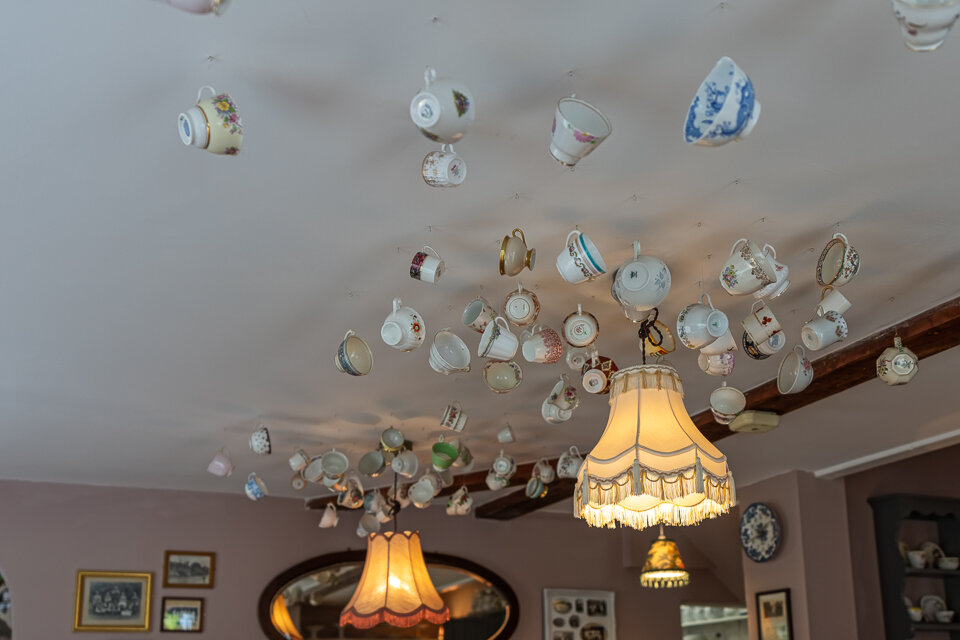
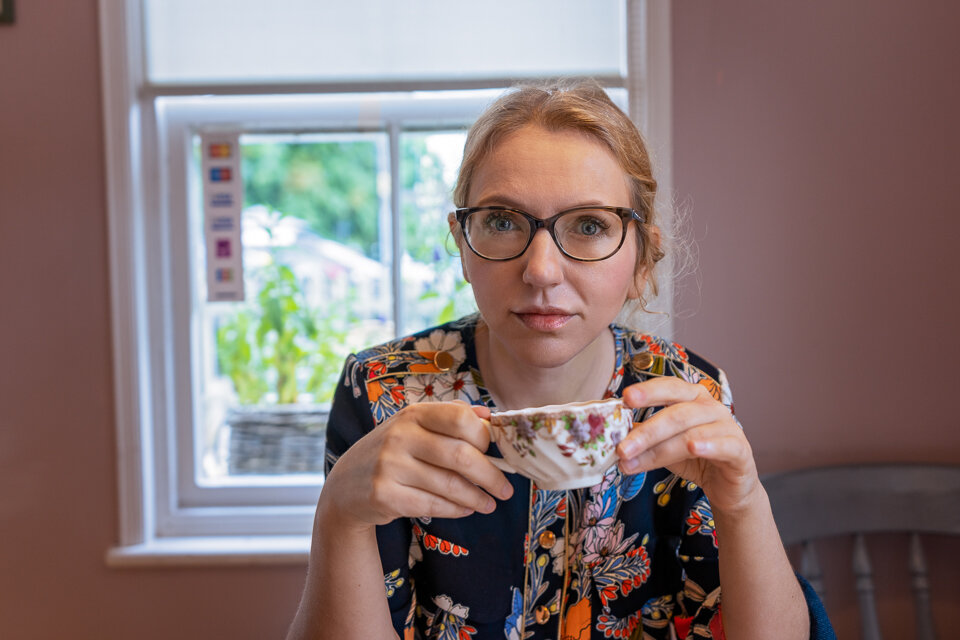
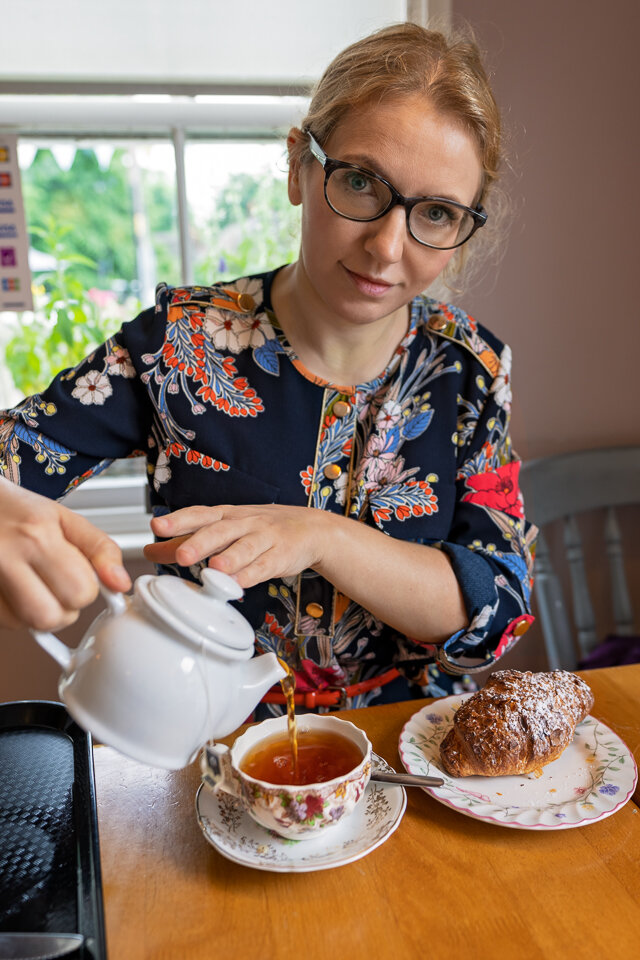
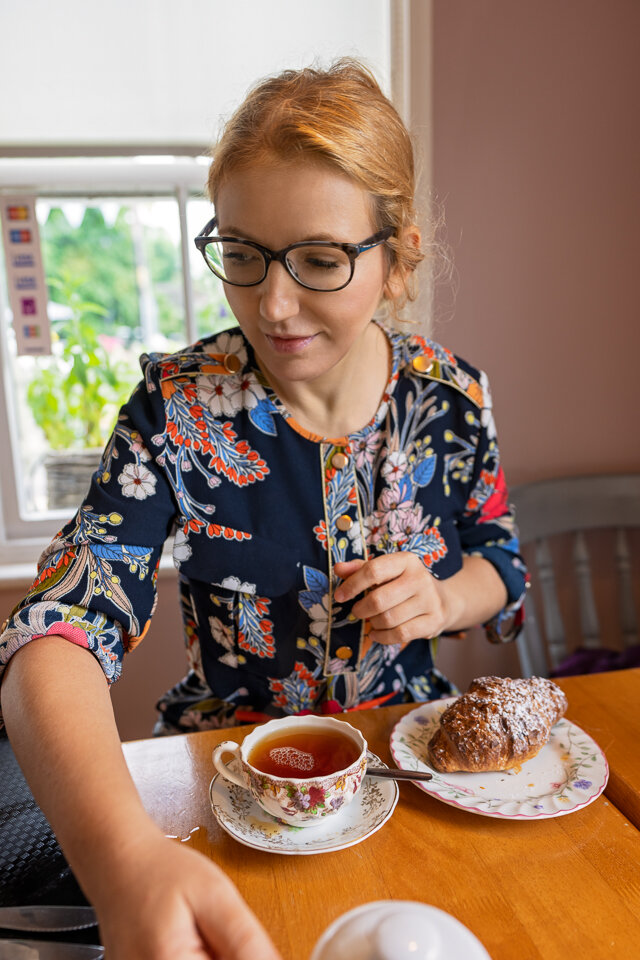
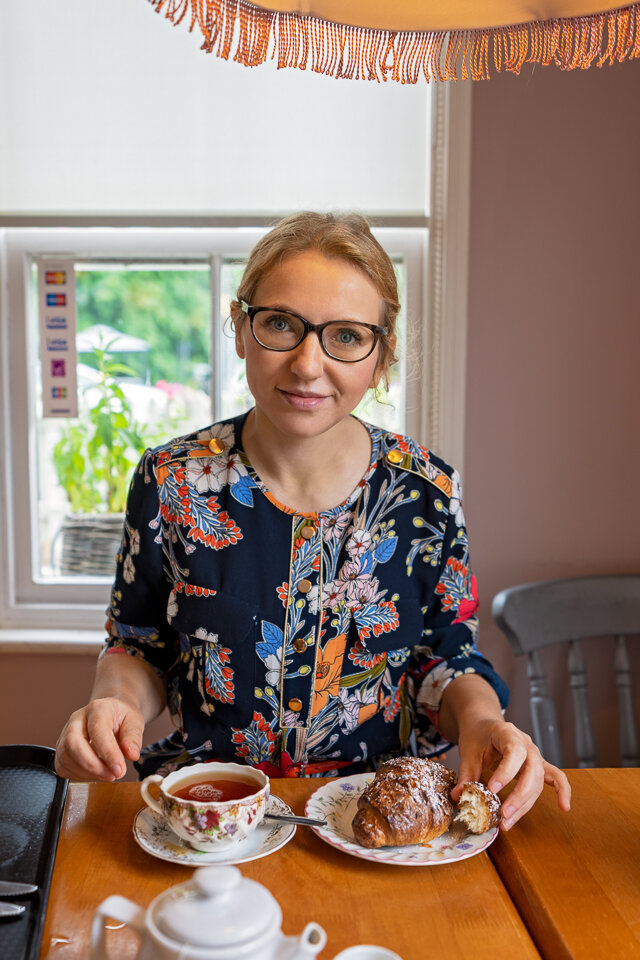
Across from the house, on the corner of the street we noticed some lovely tearooms and - you know us by now - of course we went in for a treat. And treat it was. My chocolate croissant was extremely delicious. Add to this a cup of Earl Grey tea and what else may you need to finish the day beautifully…


Naprzeciwko domu, na rogu ulicy, zauważyliśmy uroczą herbaciarnę i - już nas znacie pod tym względem - oczywiście weszliśmy w poszukiwaniu łakoci. I łakocie znaleźliśmy. Mój czekoladowy rogalik był wyjątkowo pyszny. Dodać do tego filiżankę herbaty Earl Grey i czego jeszcze można chcieć, aby pięknie zakończyć dzień…

Temple of the Dawn

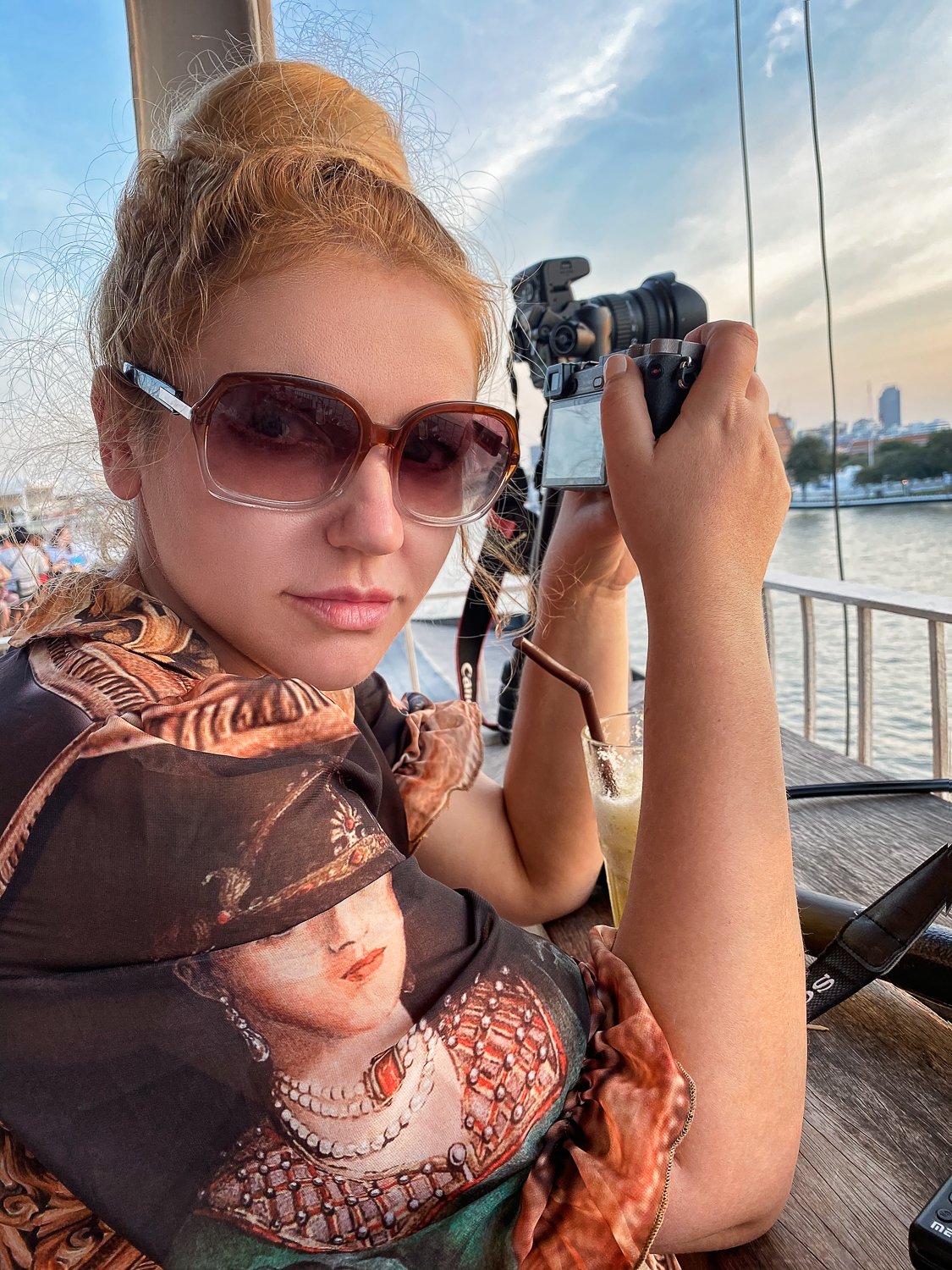
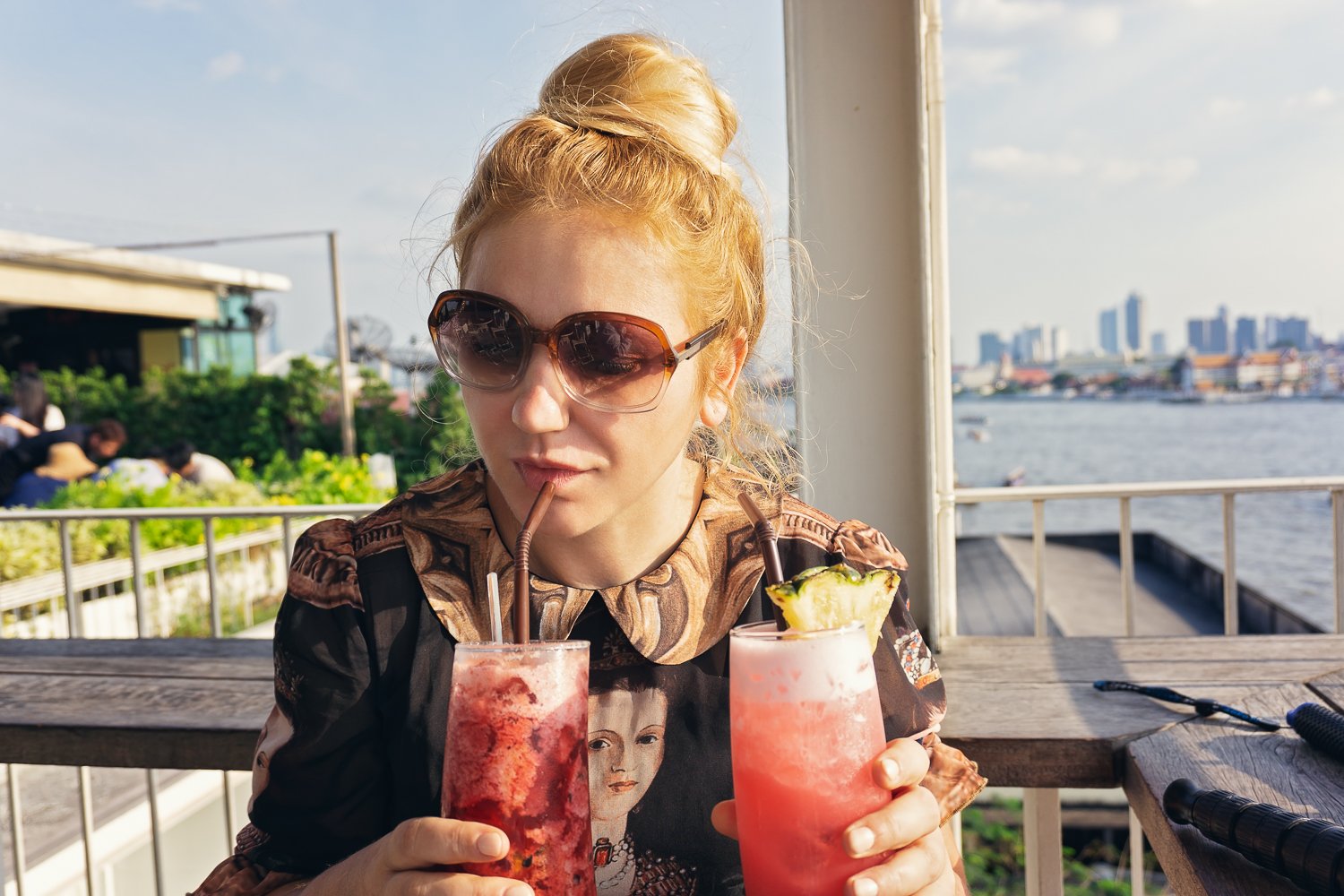
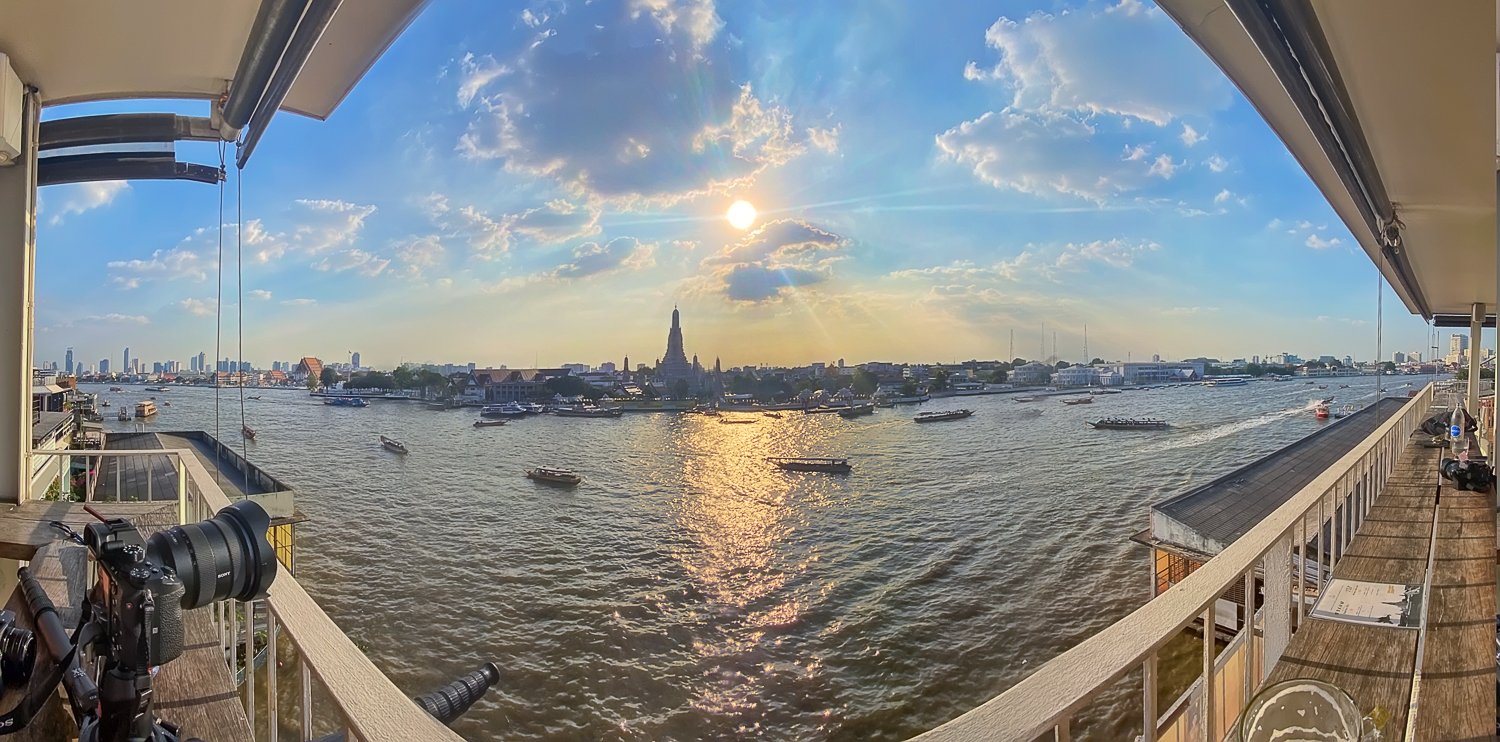
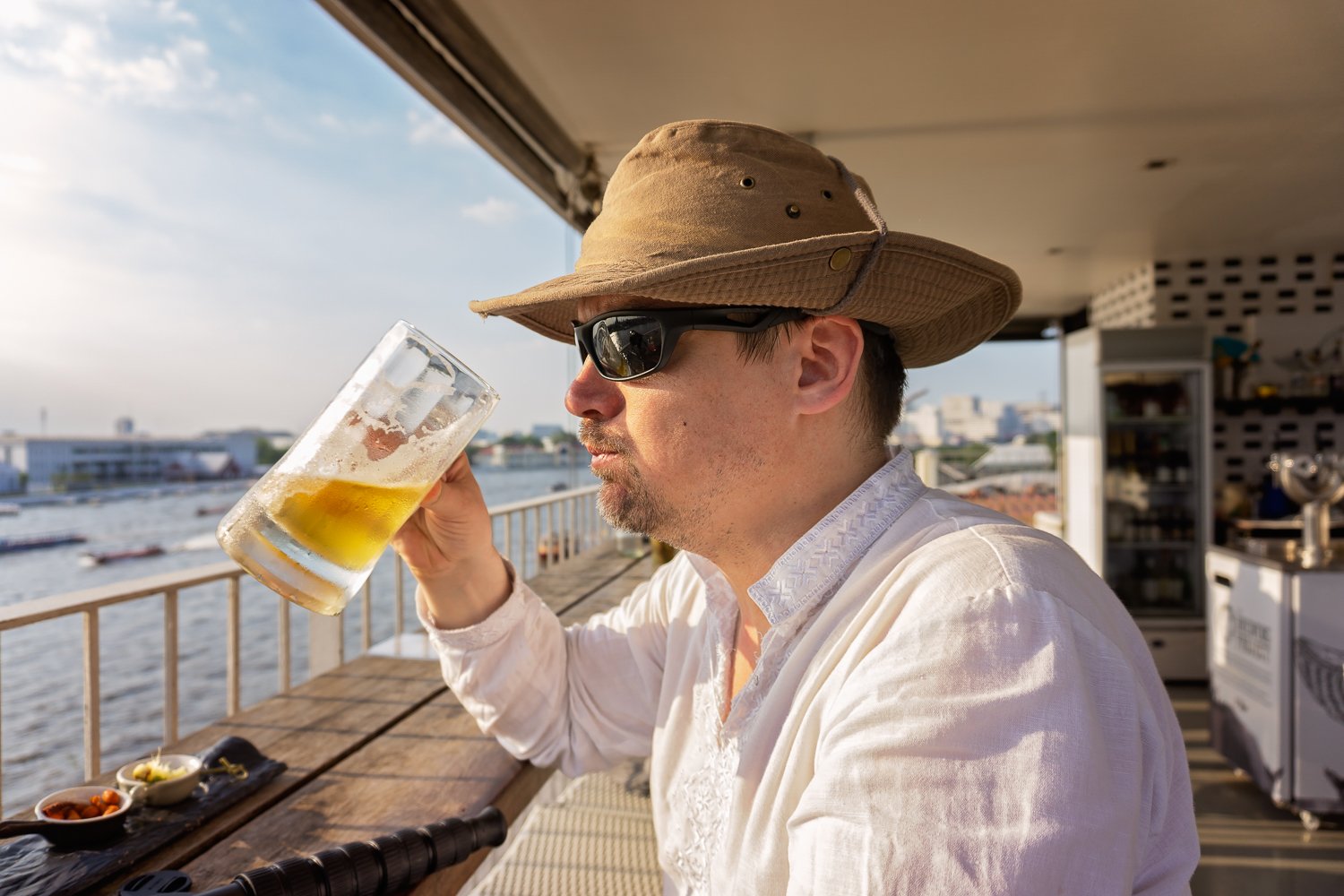
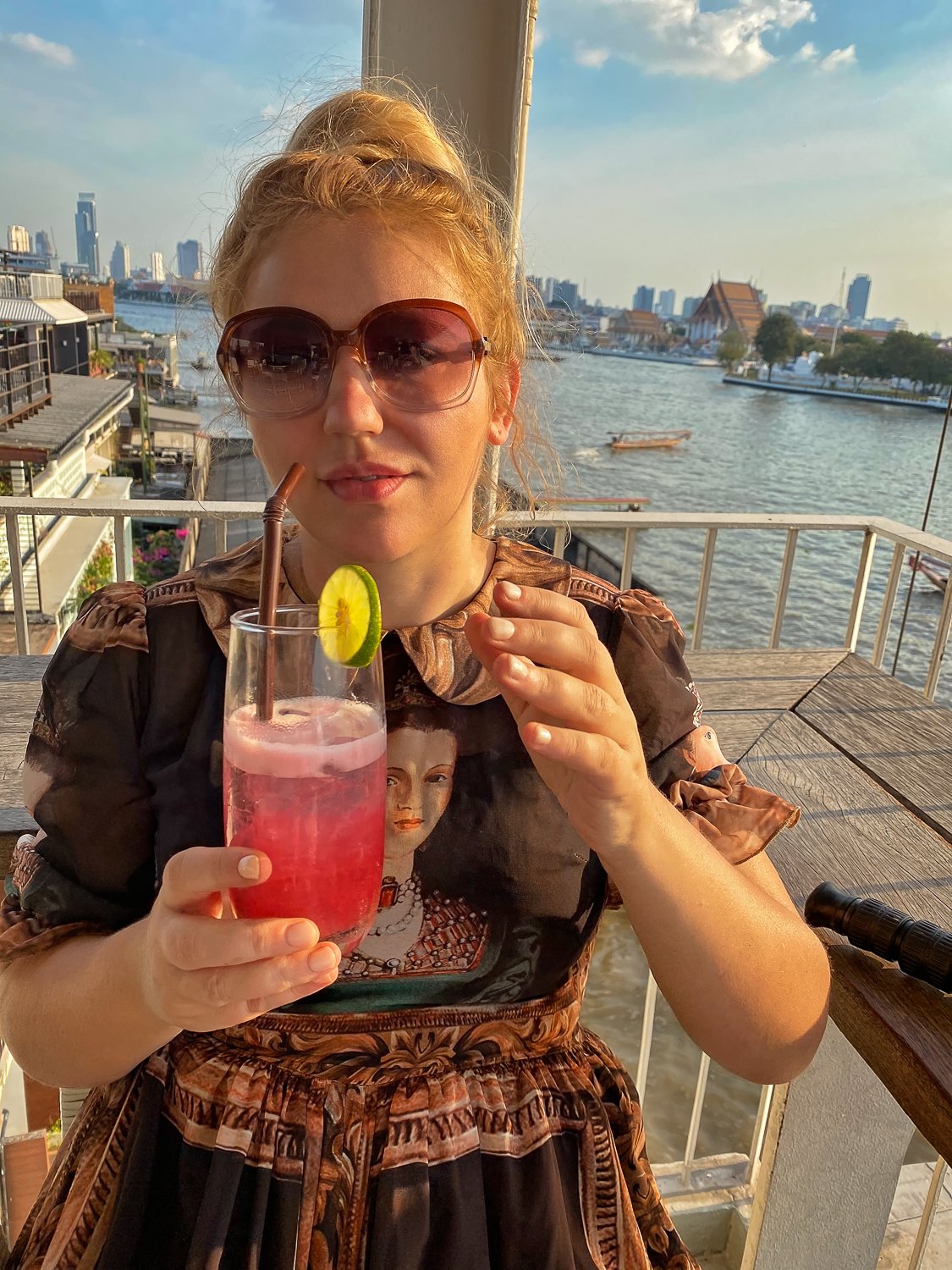
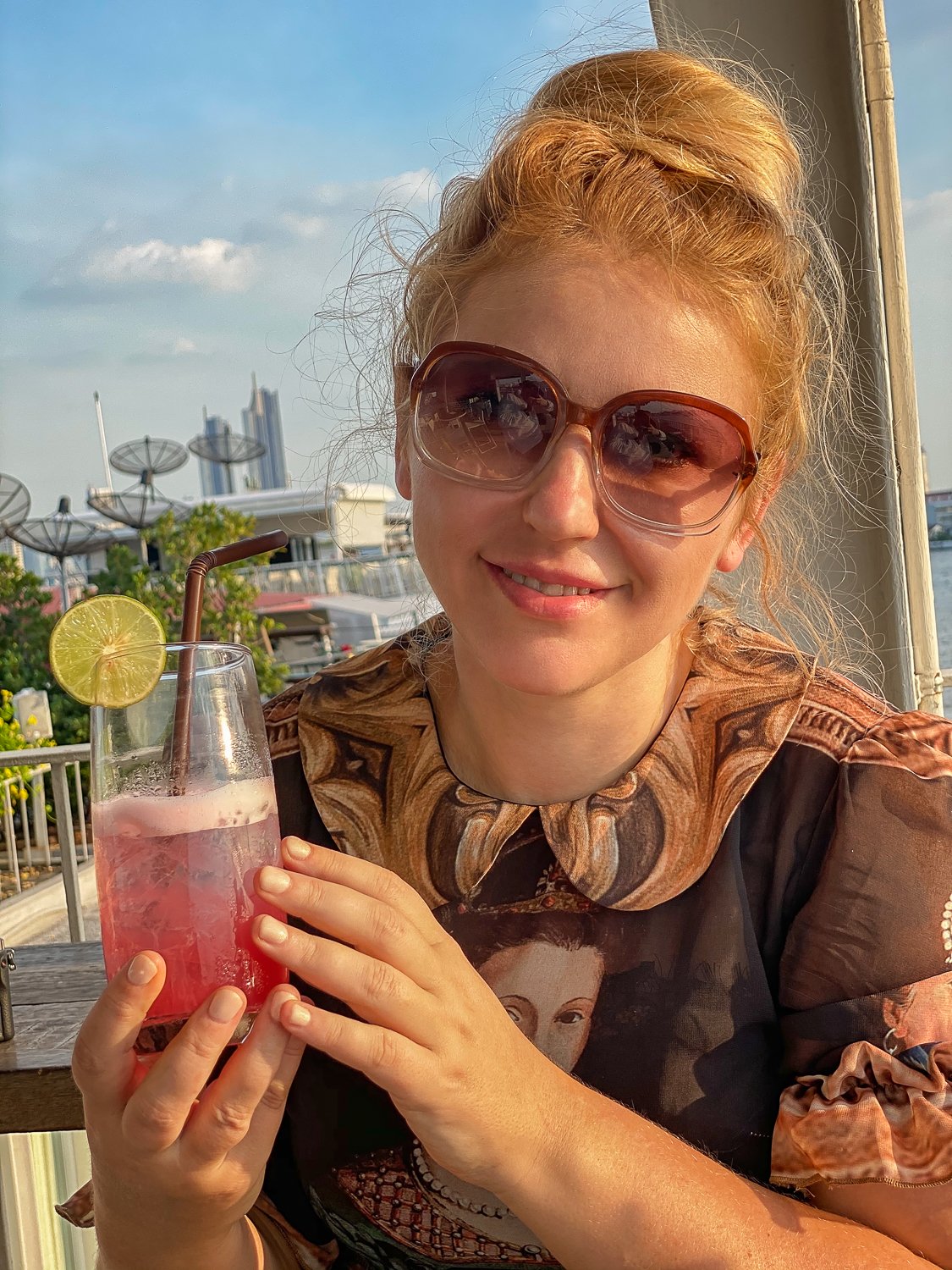
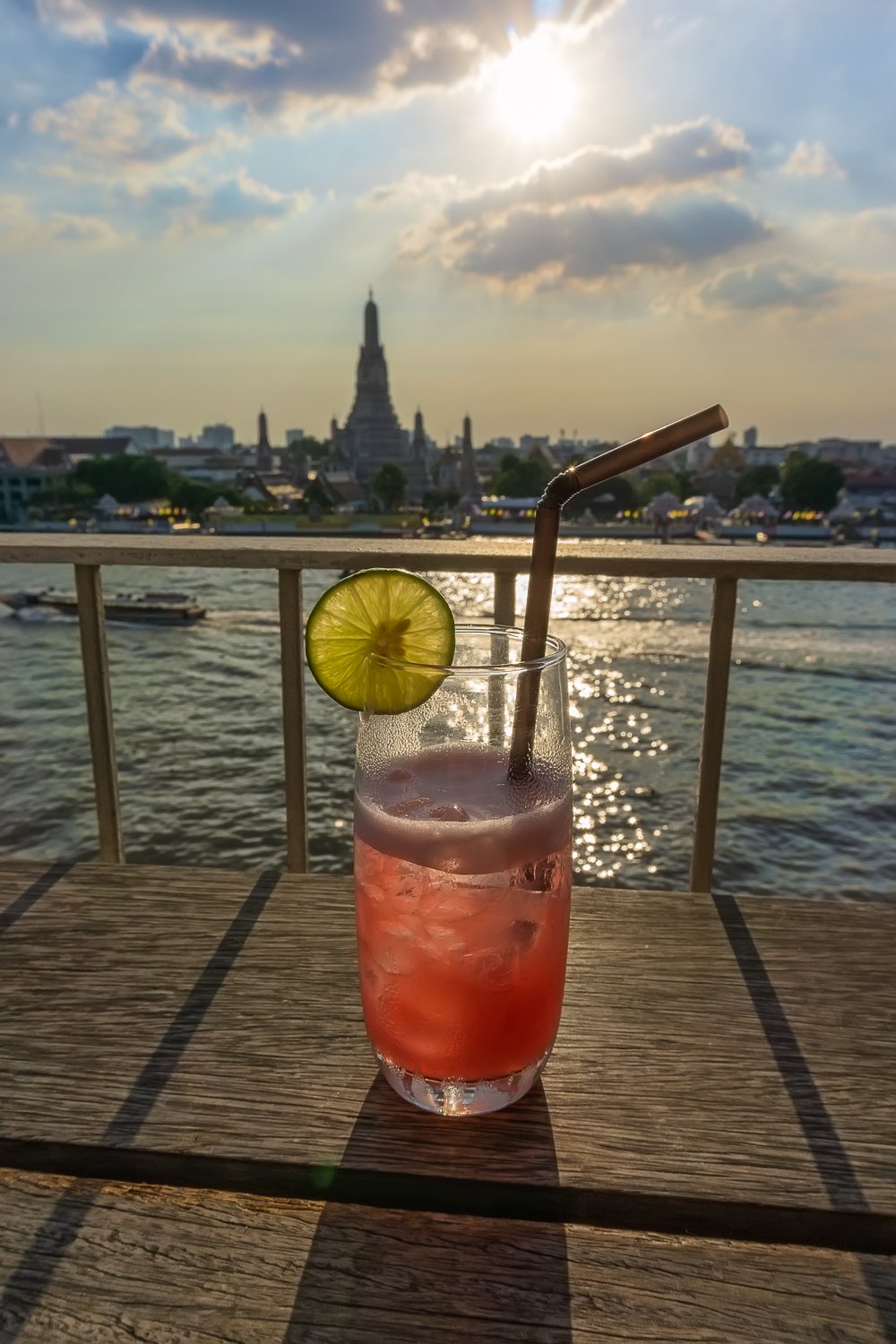
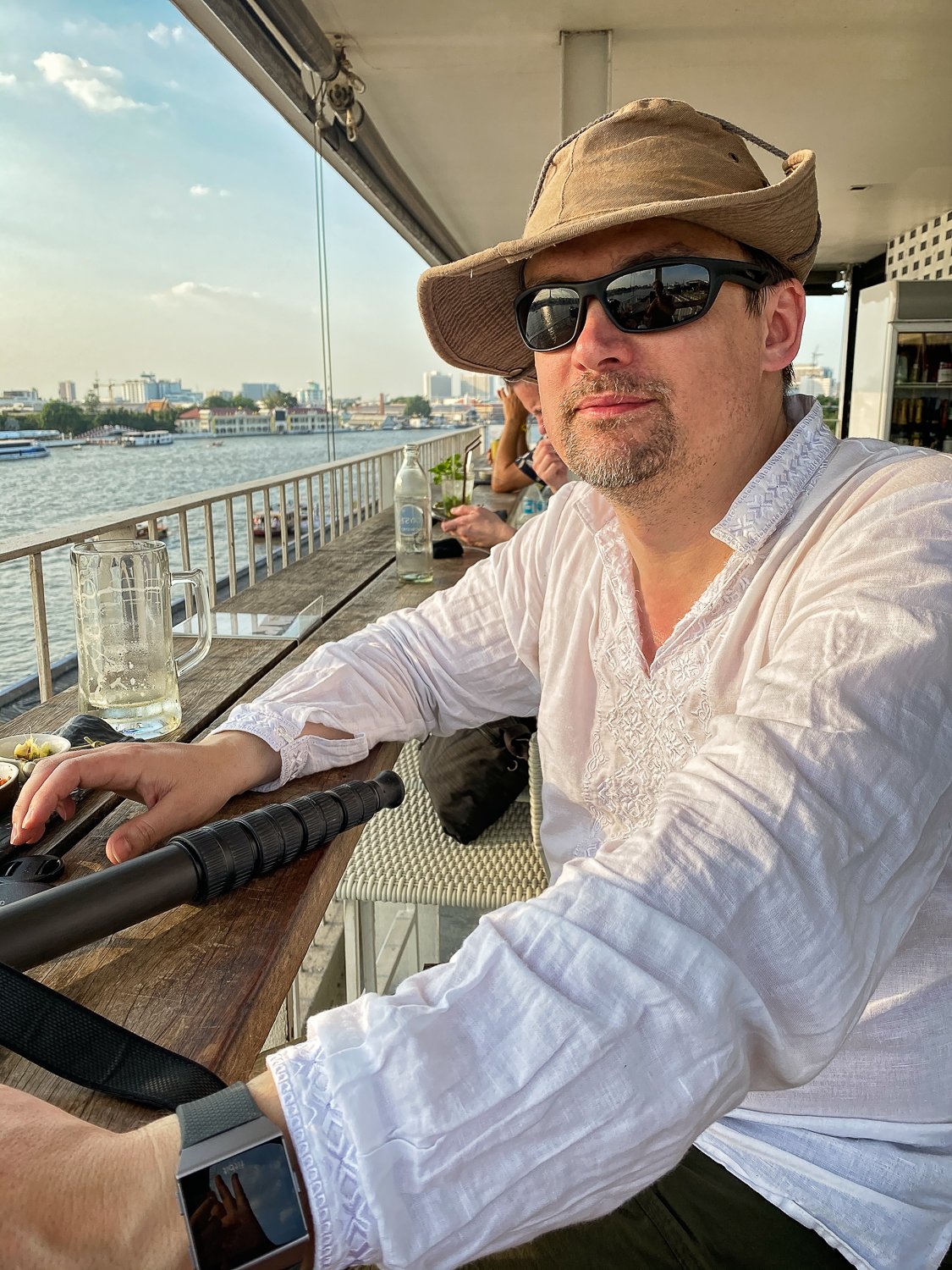
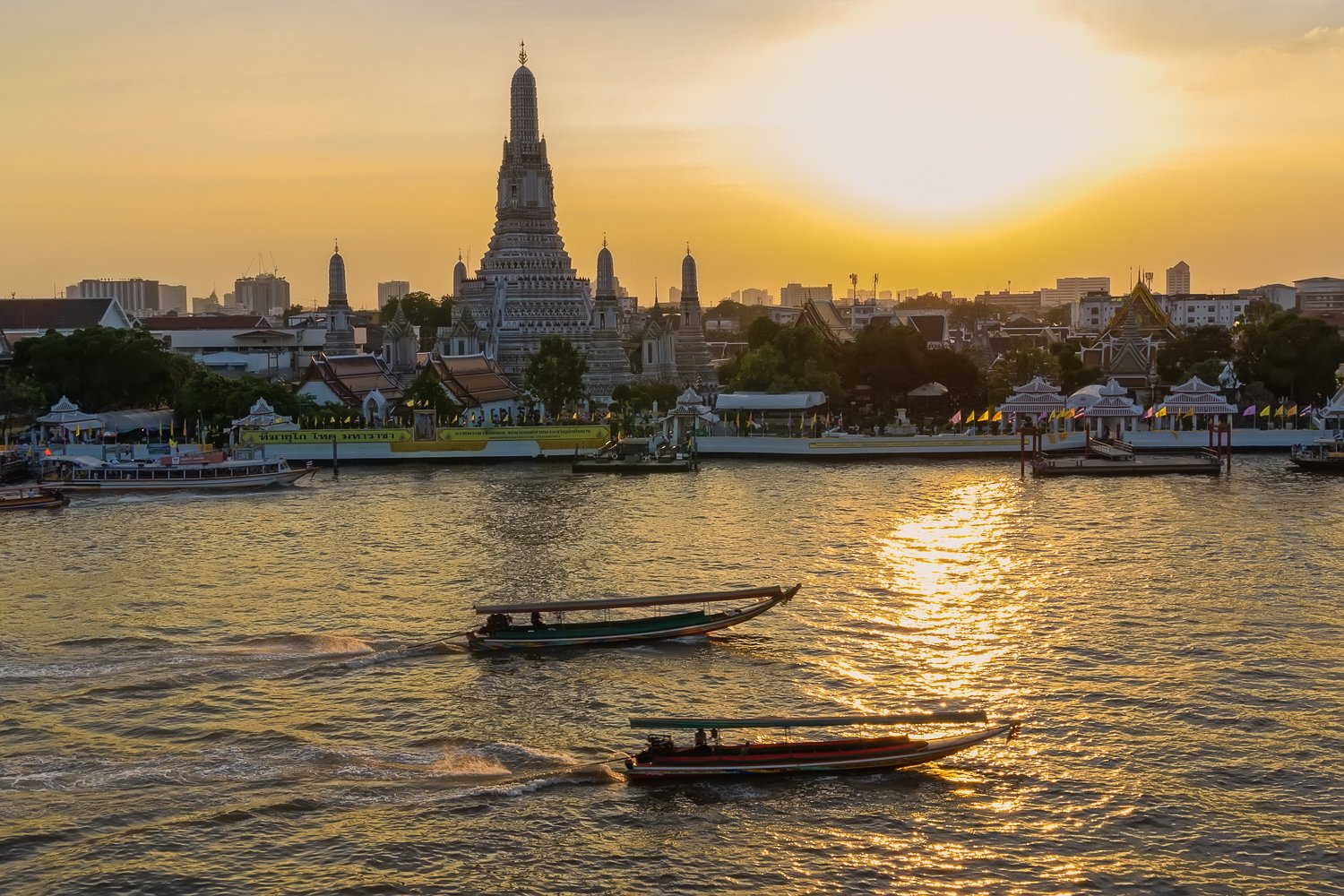
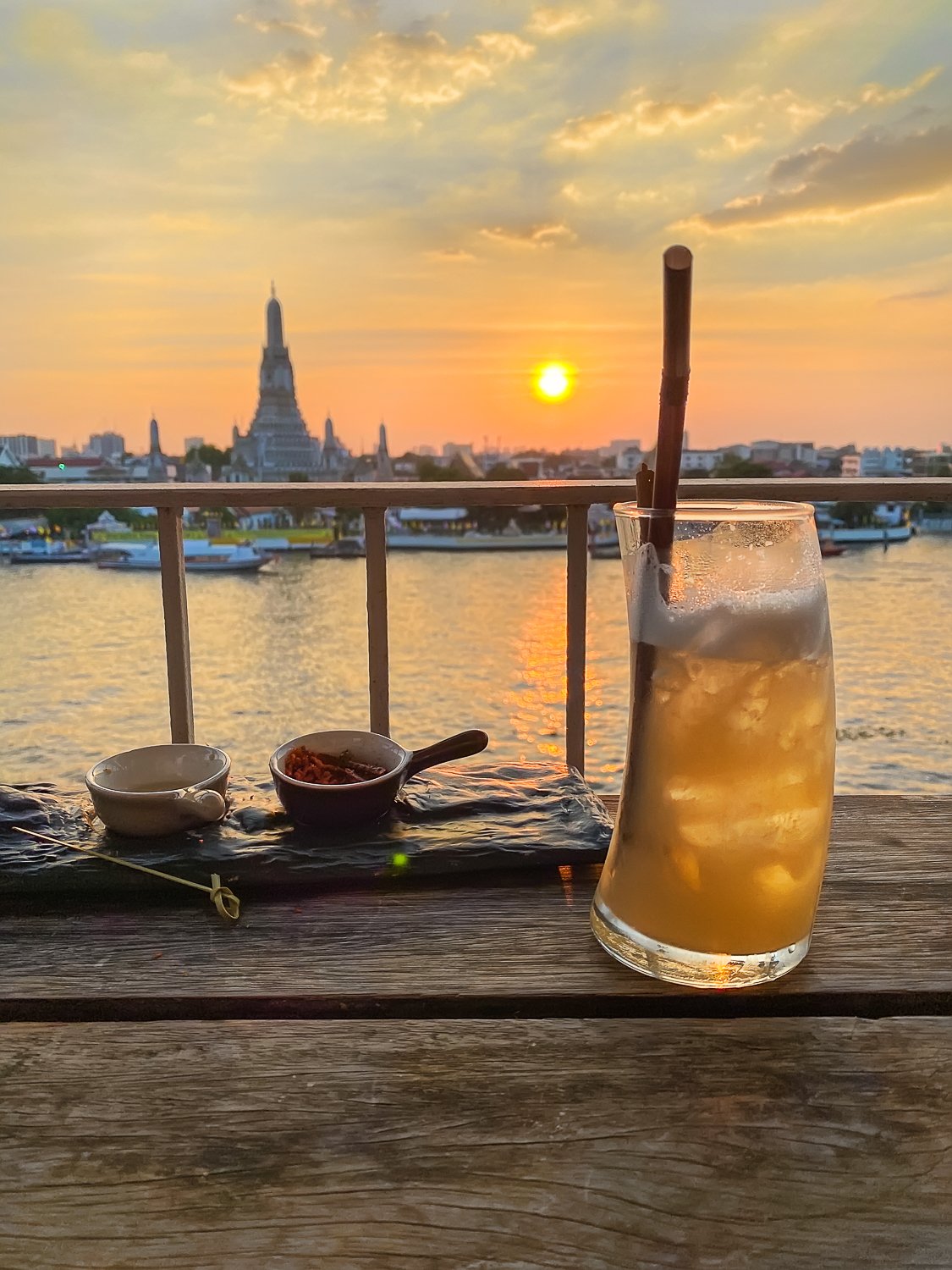
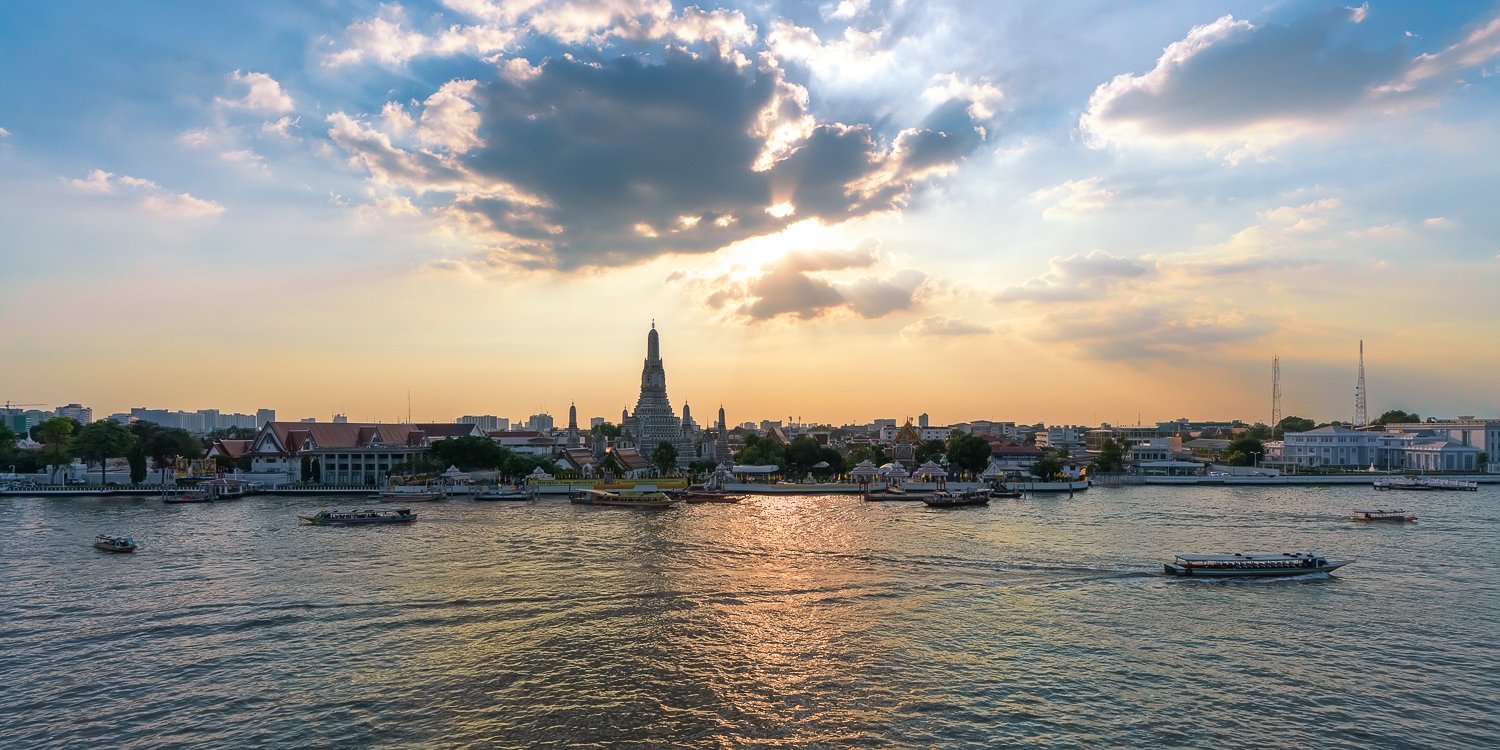
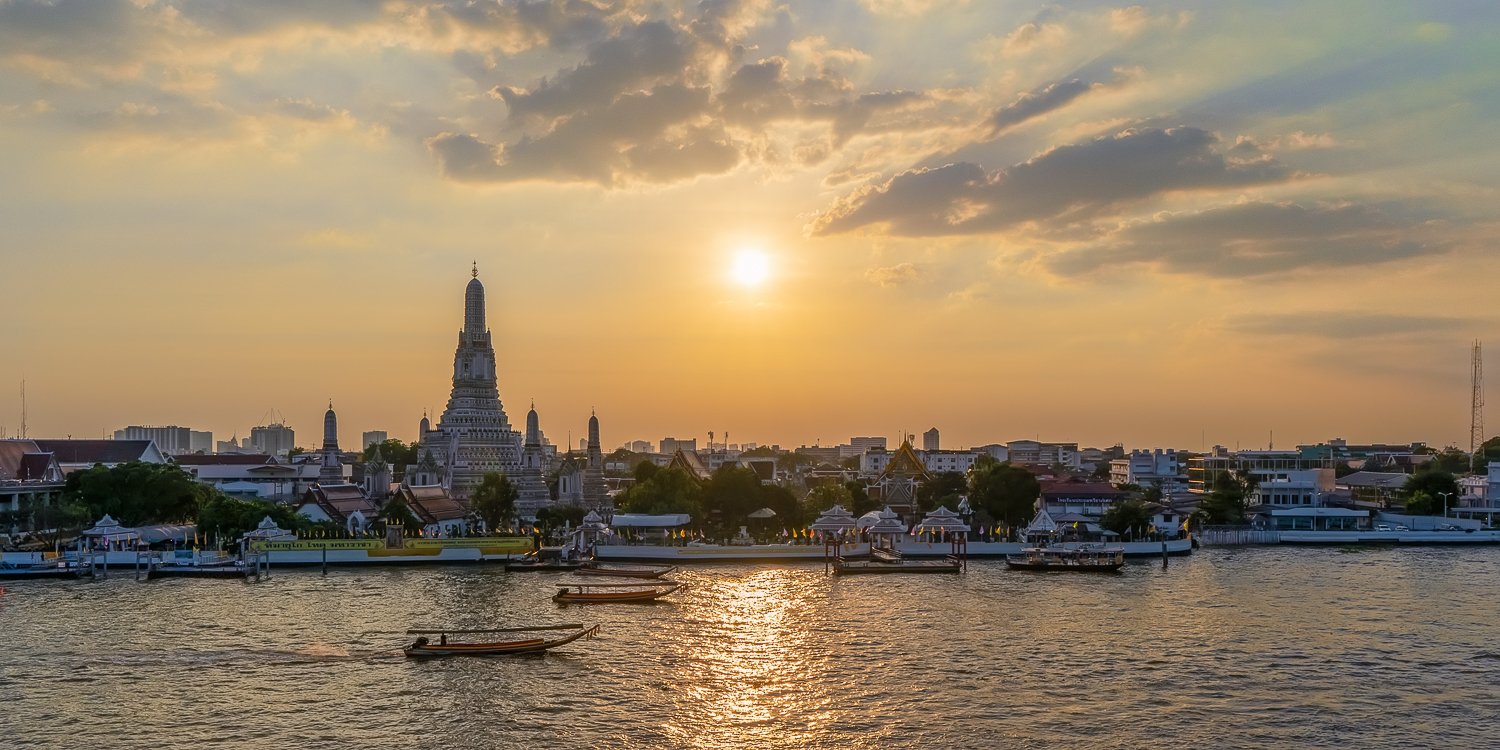
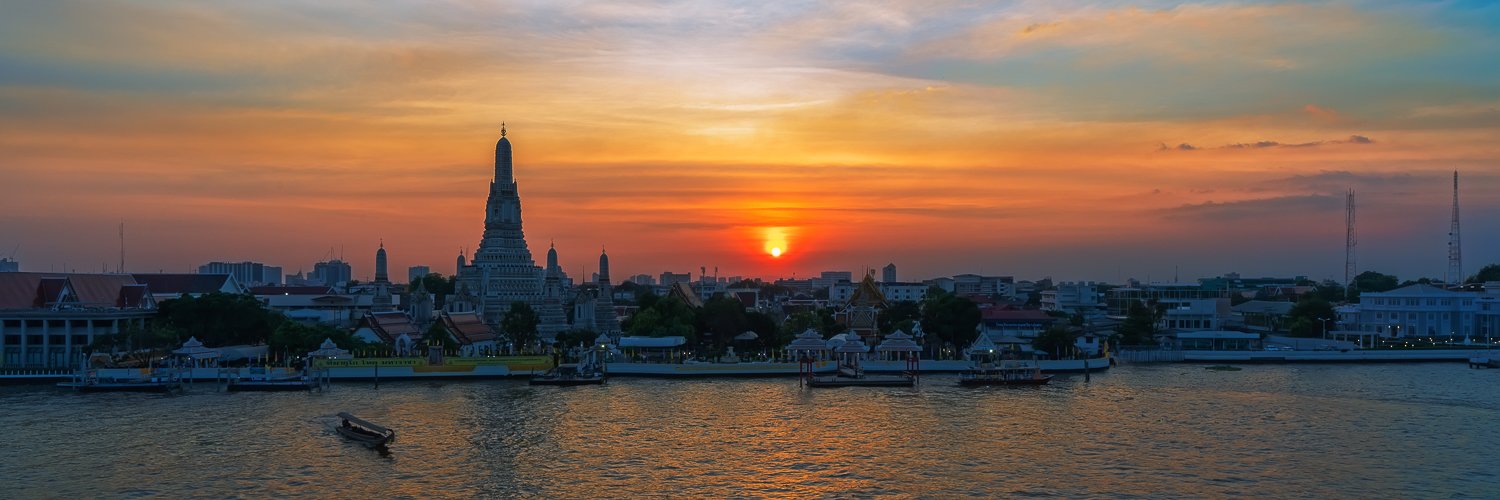
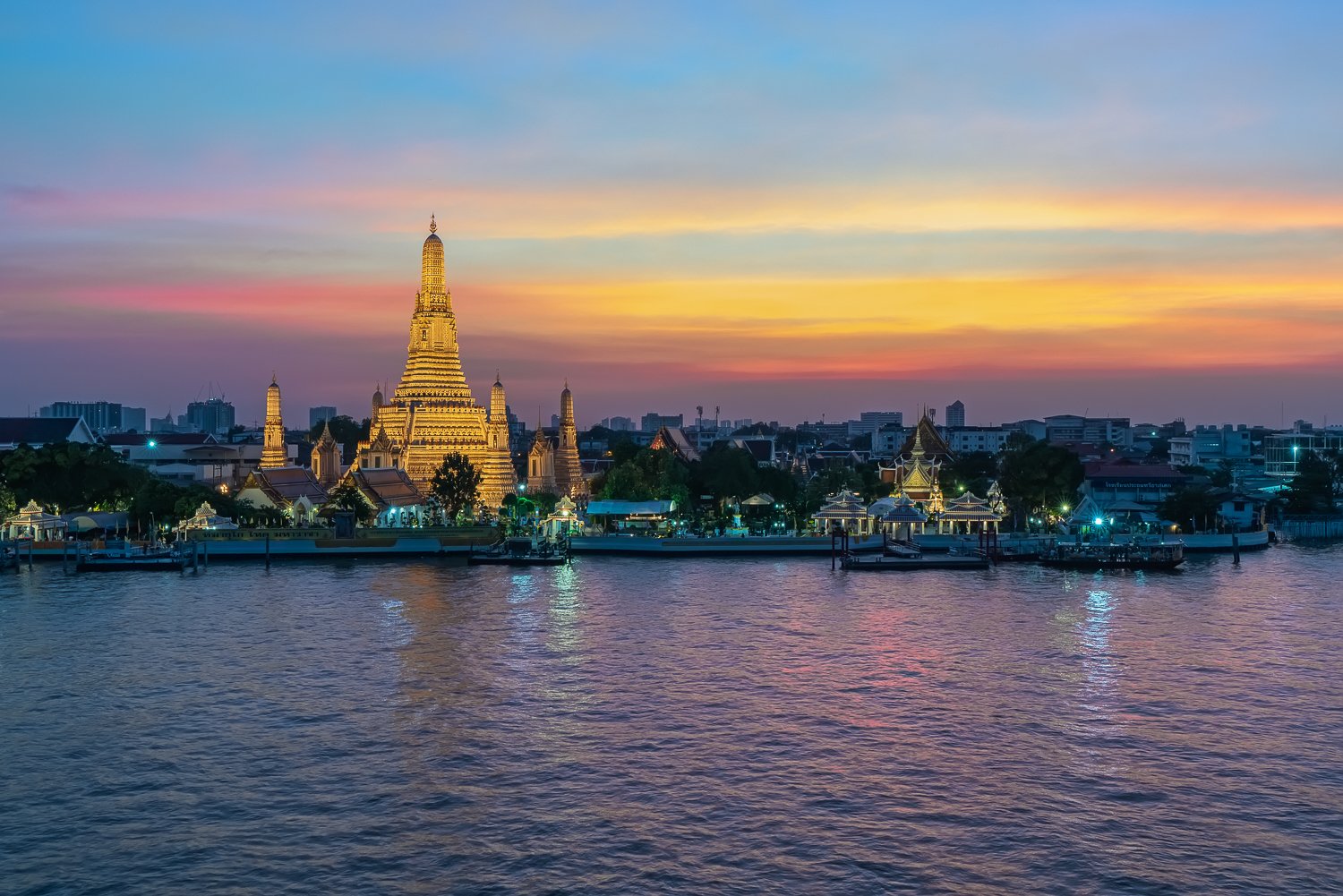
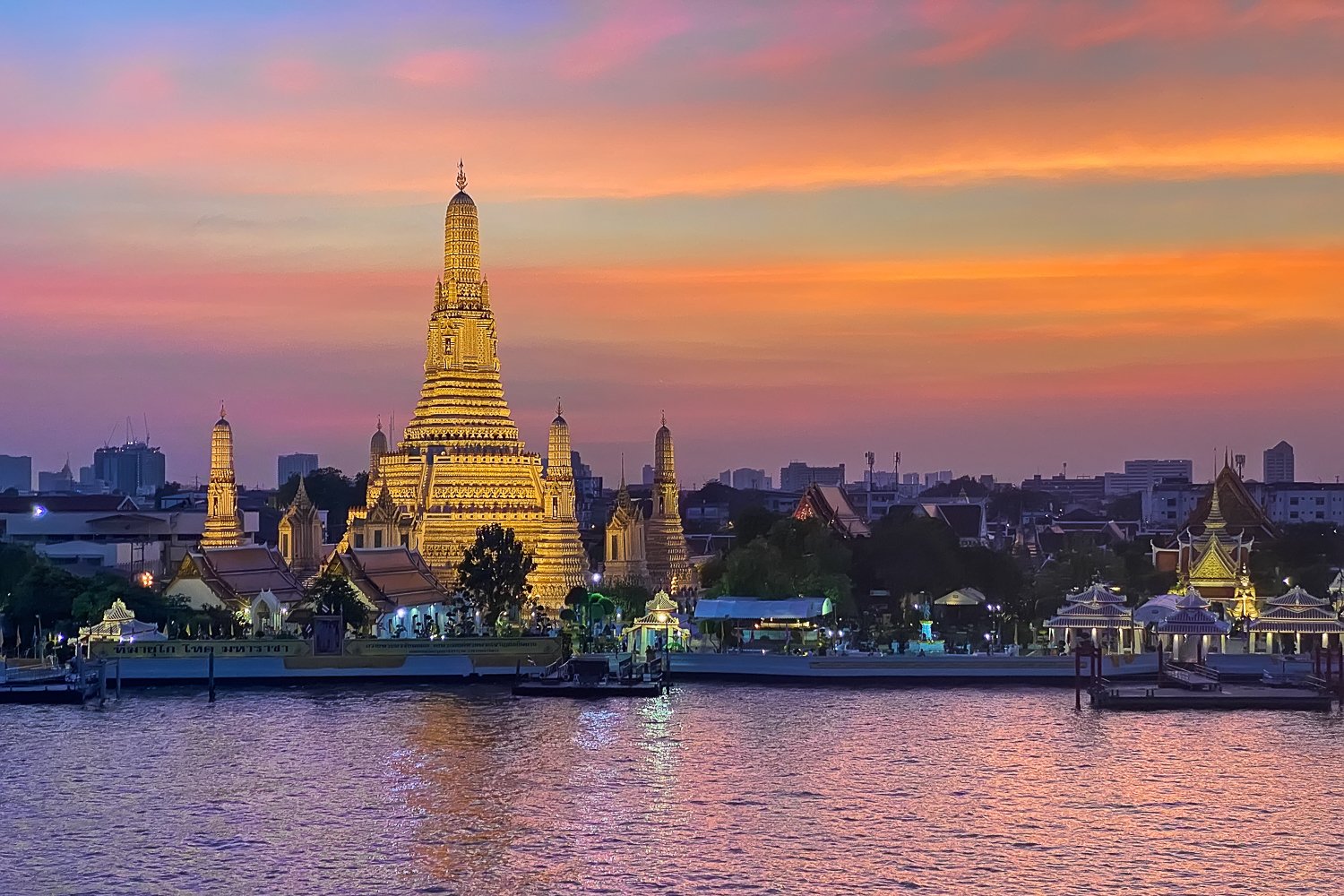
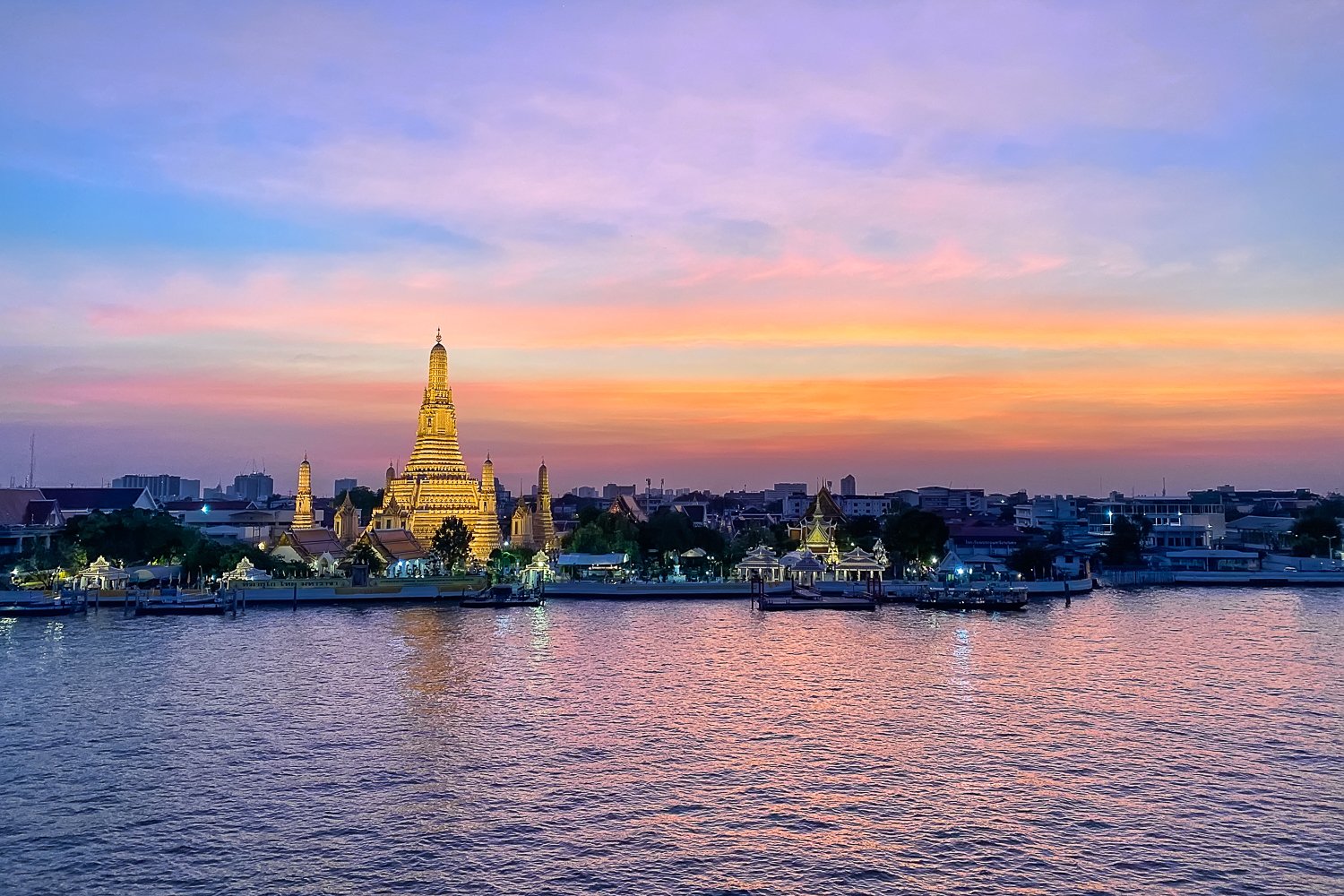
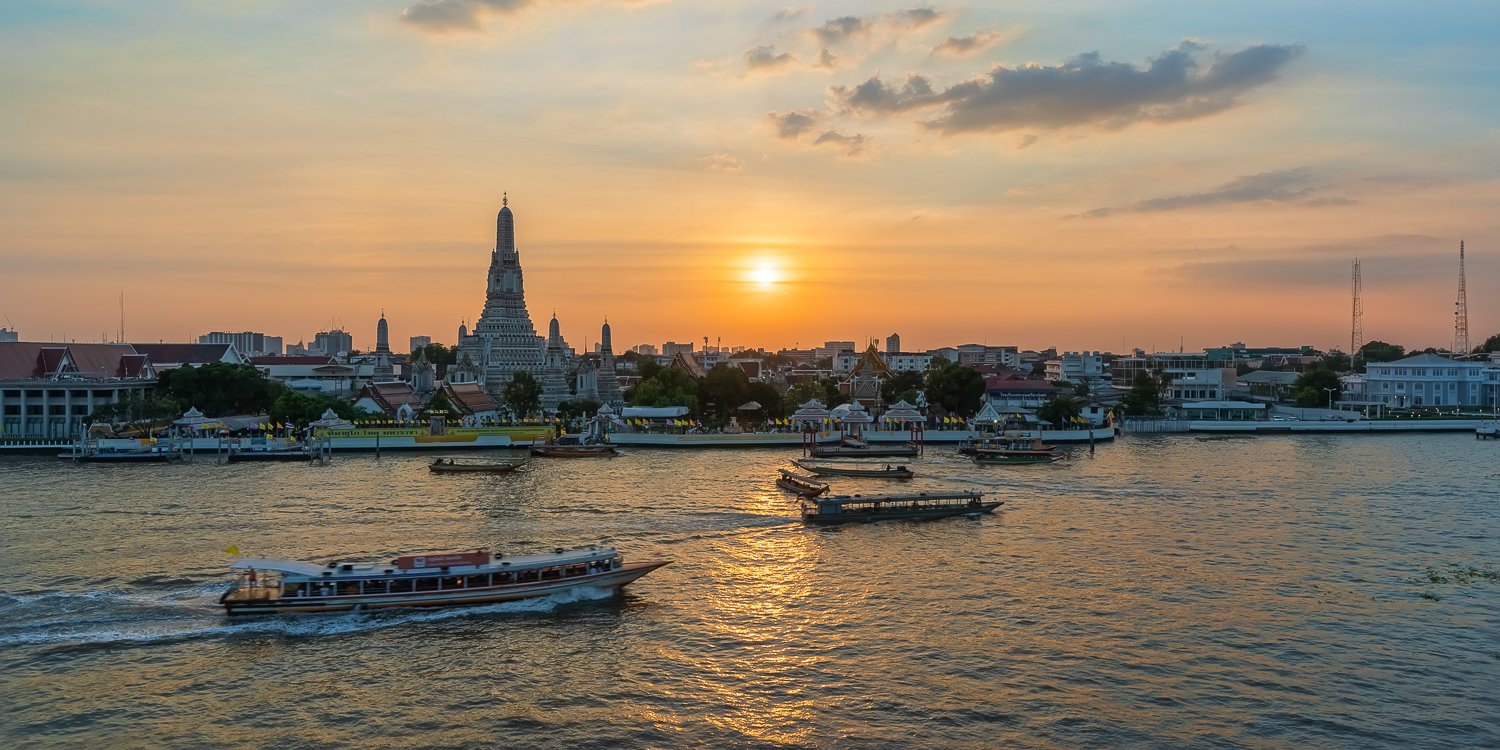
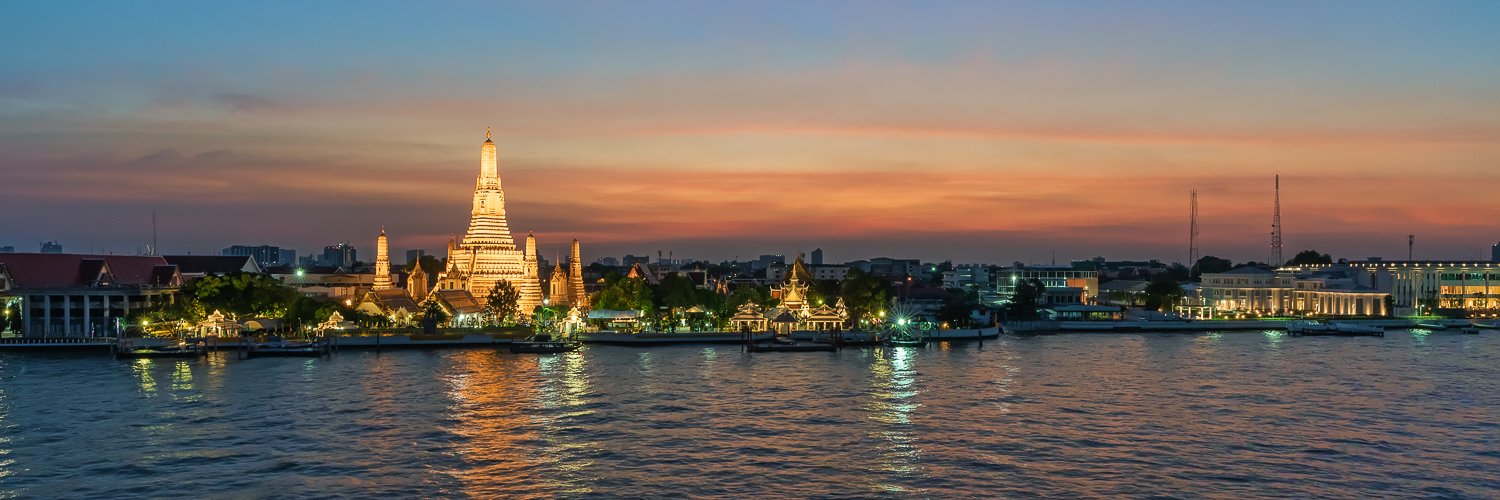
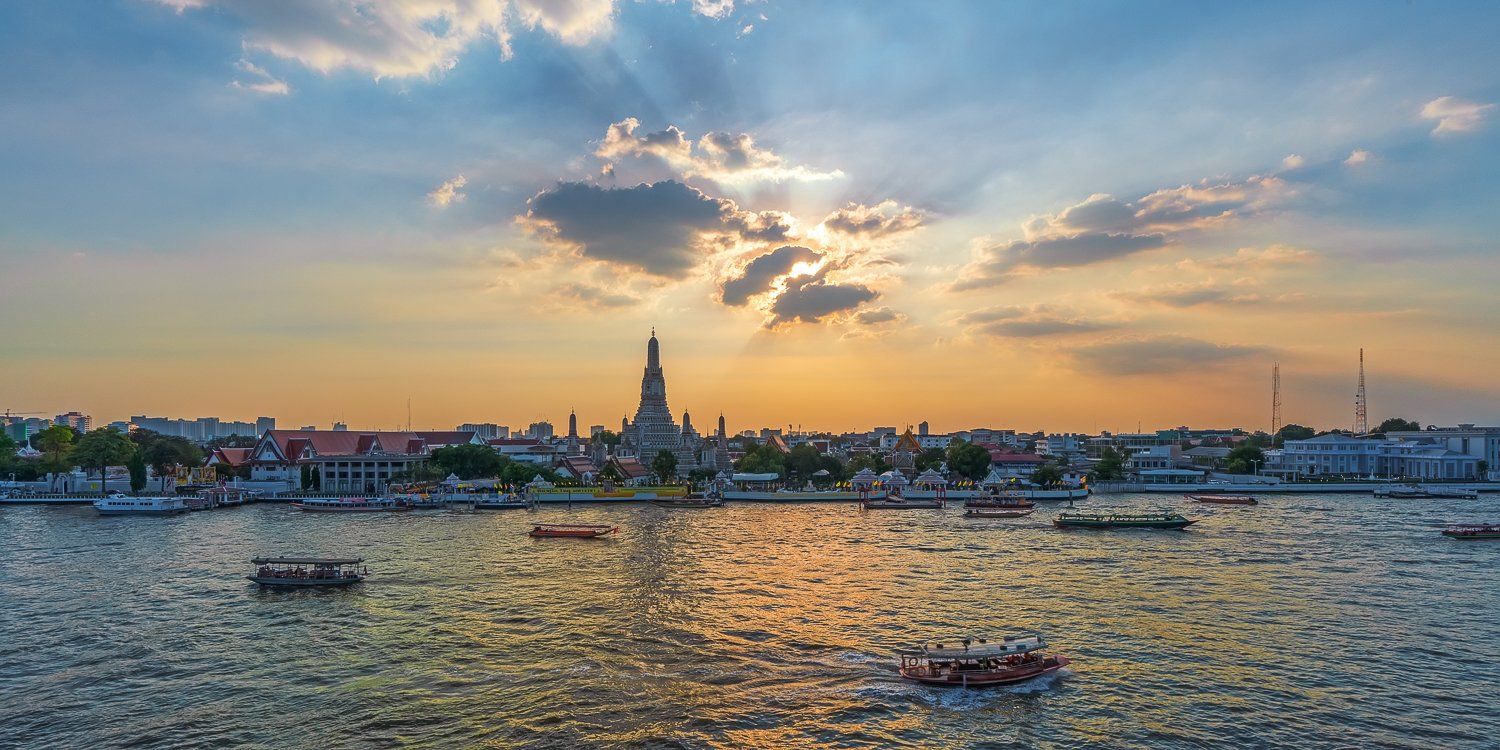
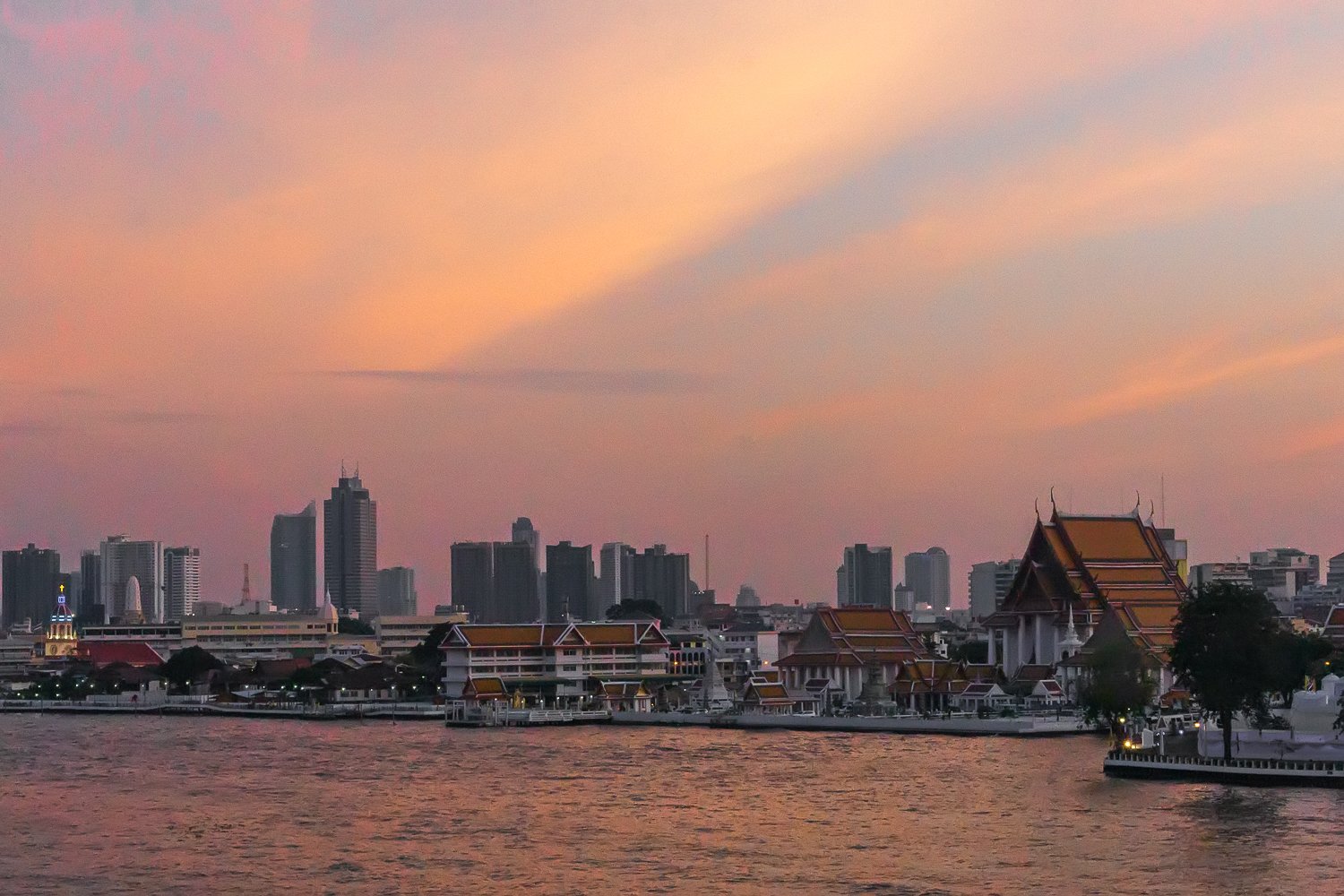
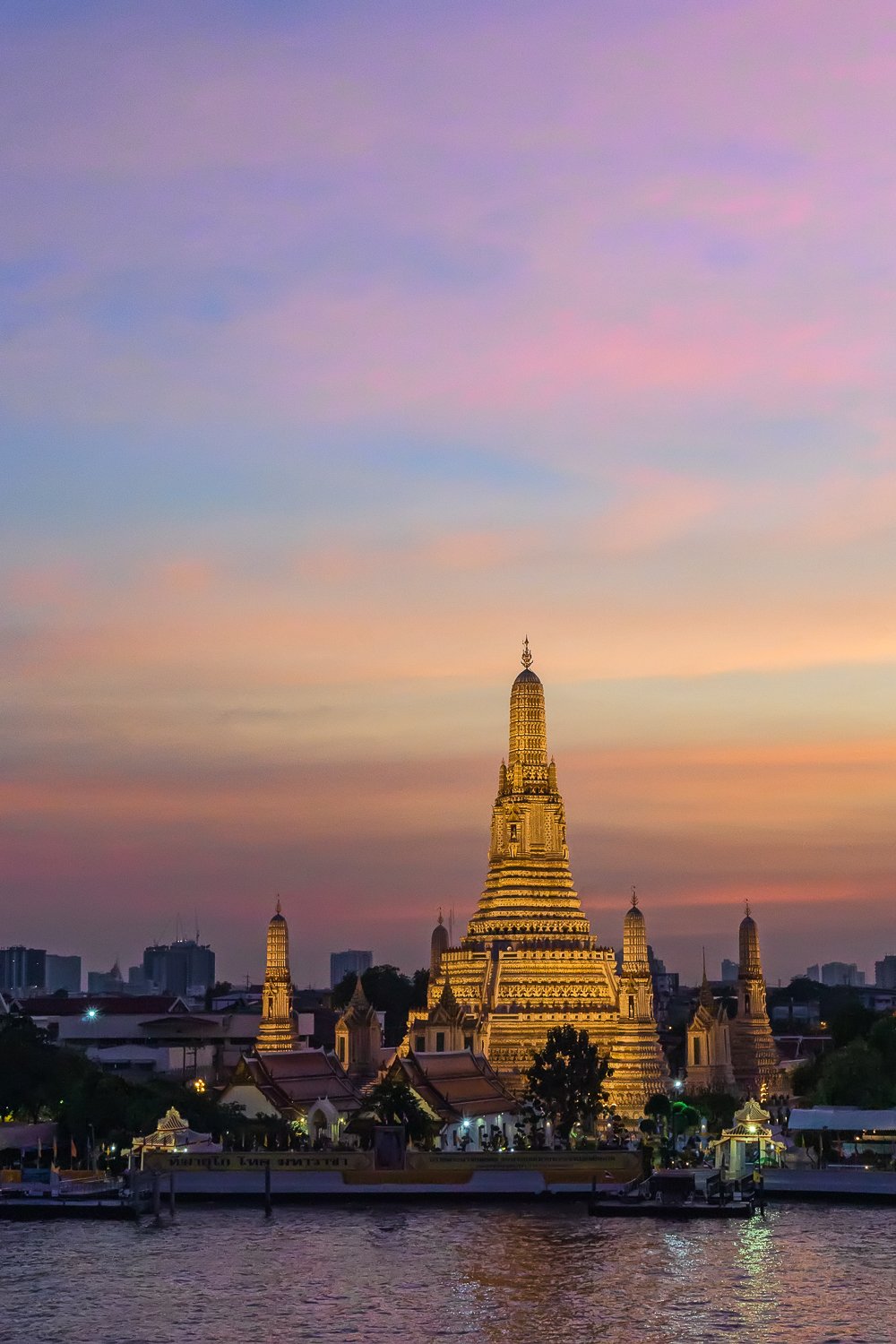
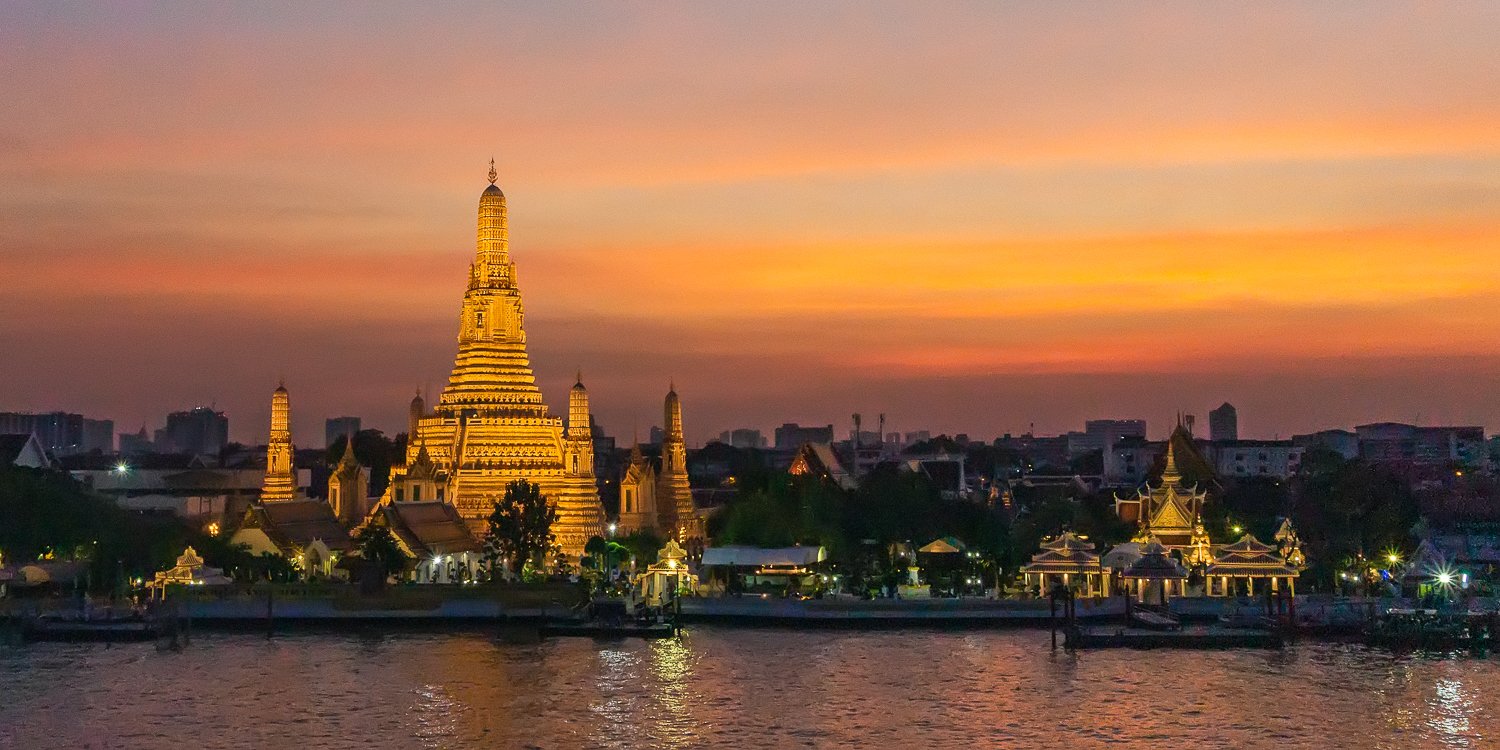
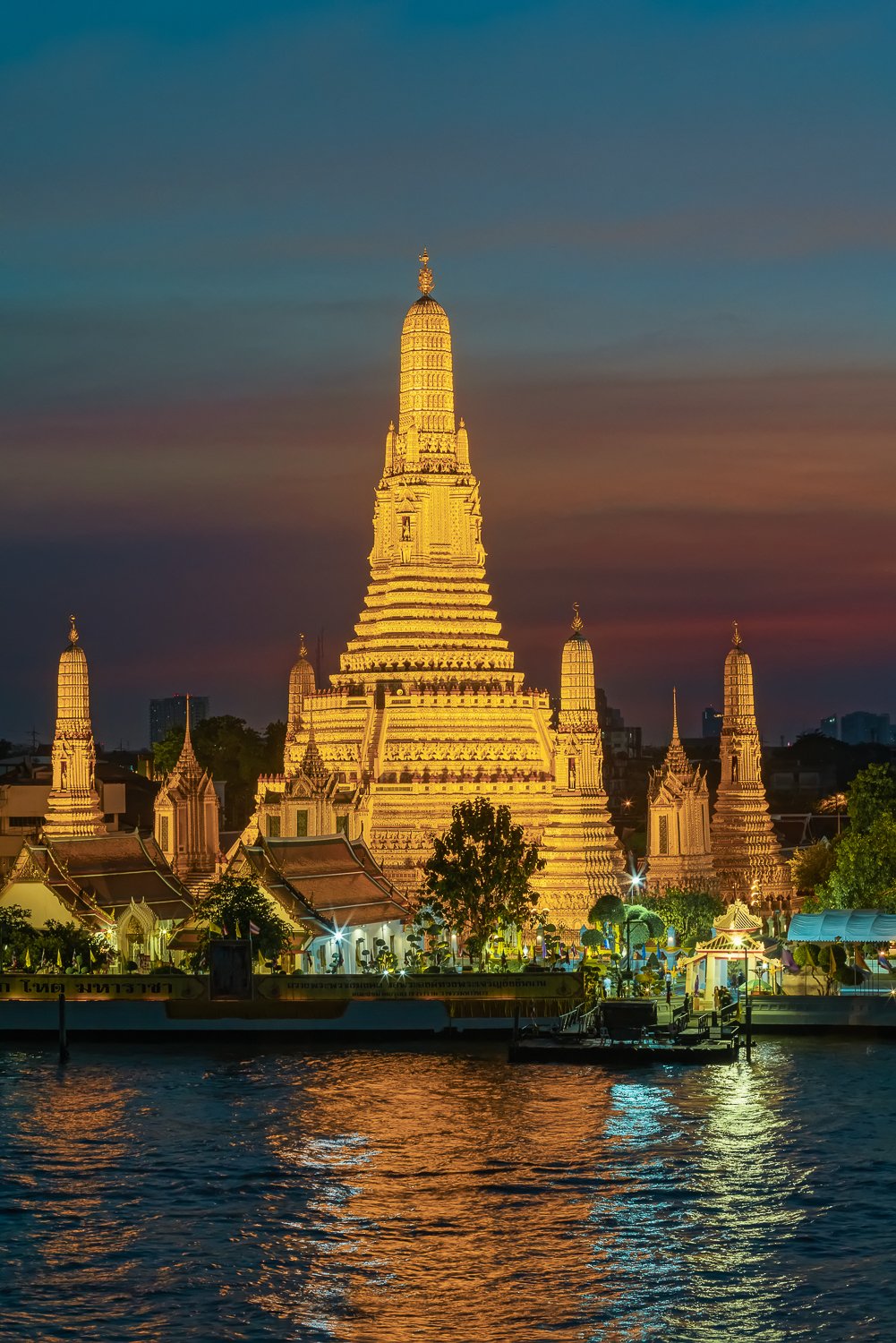
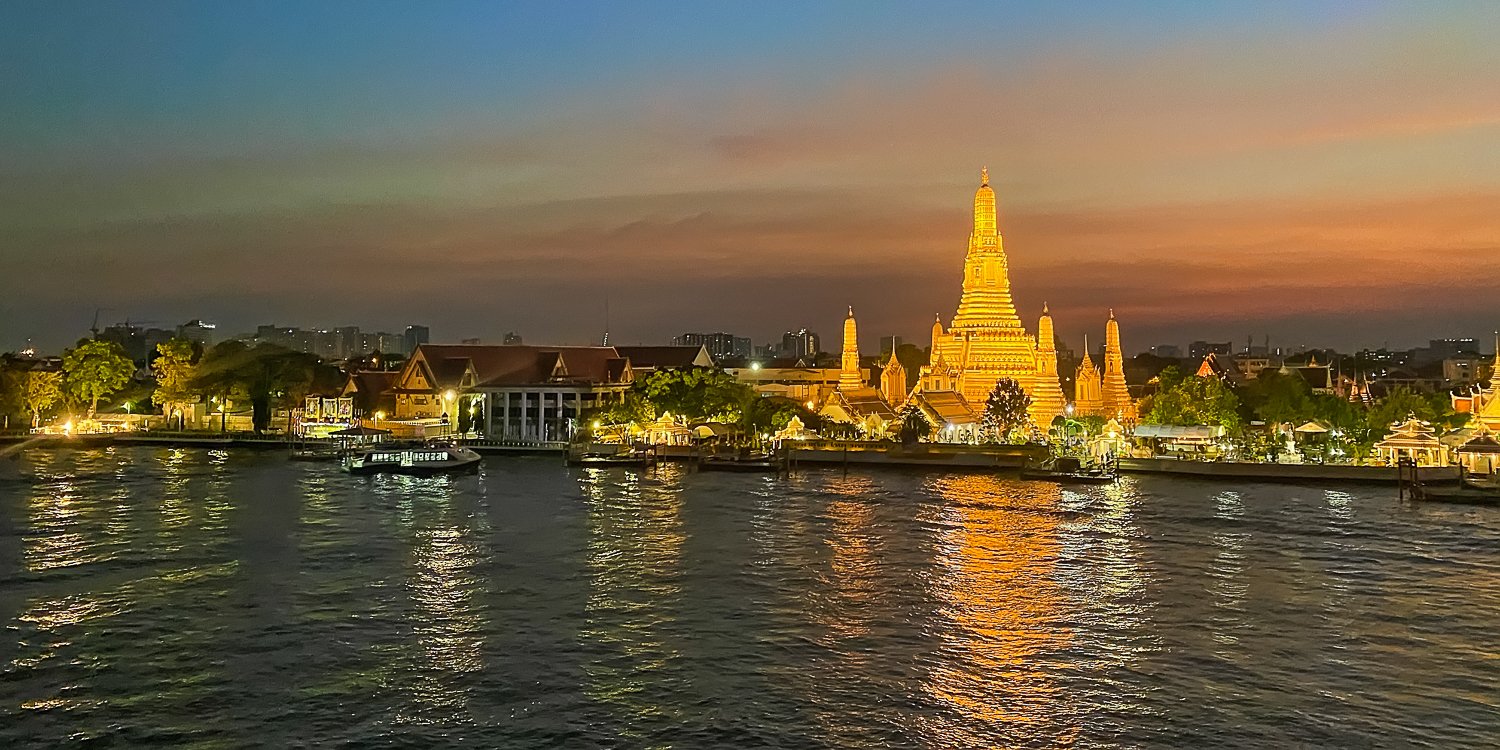
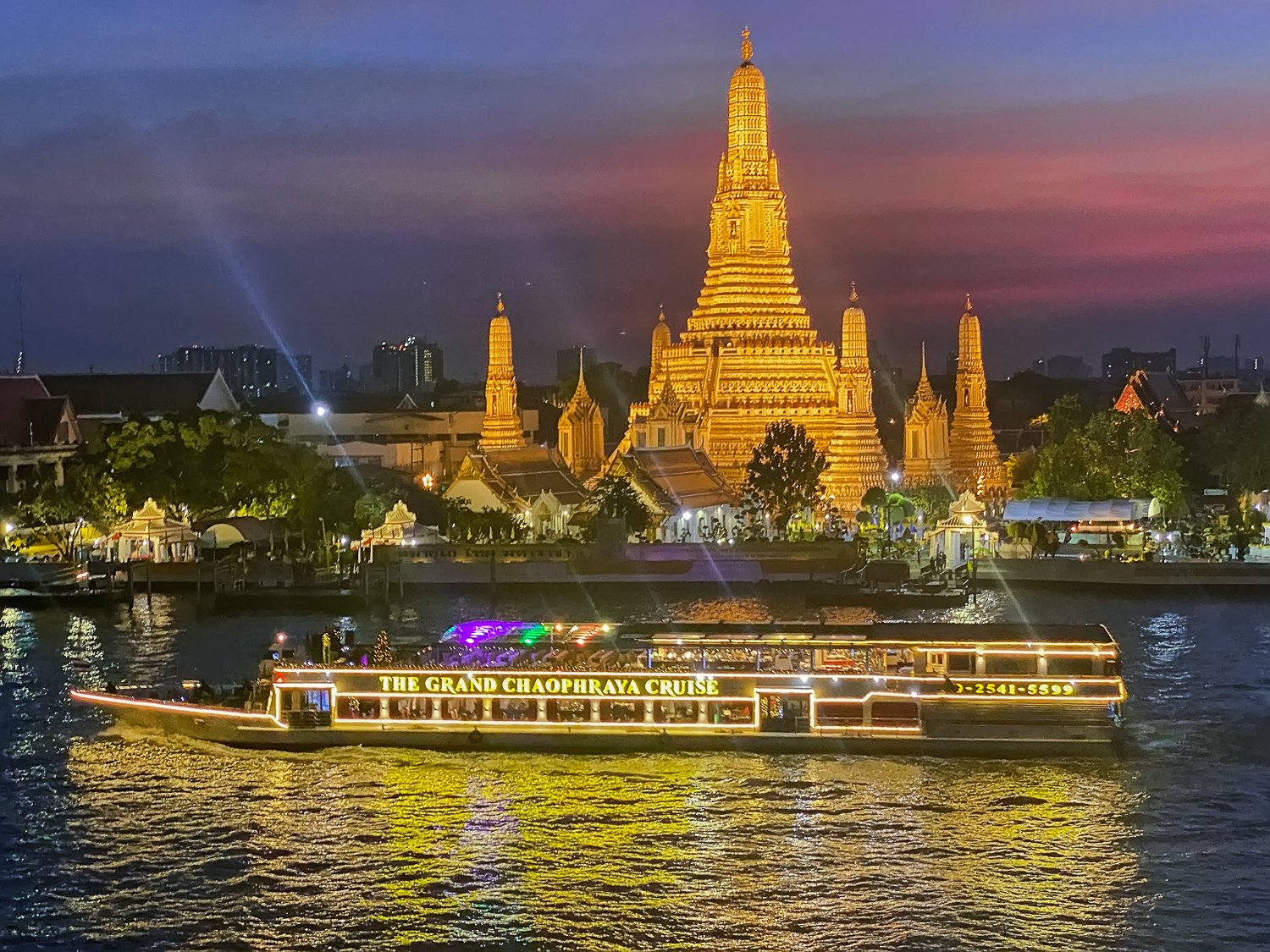
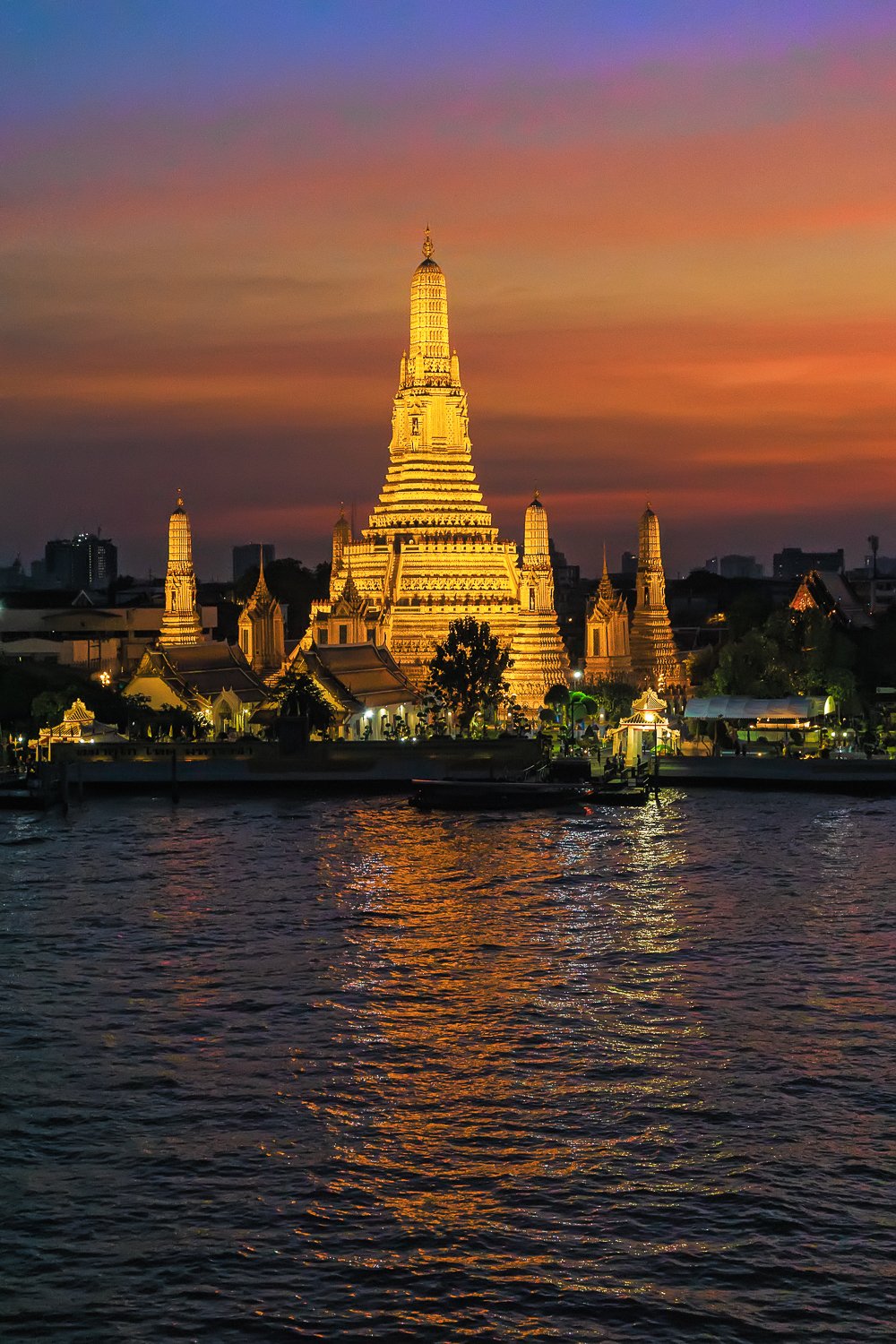
We go back to the Chao Phraya river to, a bit perversely, watch Temple of the Dawn at dusk. We decided to watch the evening spectacle of light from the rooftop bar of the Sala Rattanakosin. As we arrive early, we get the best sits and - waiting for the sunset - we happily drink hectolitres of cocktails, mocktails, and beer.


Wracamy nad rzekę Chao Phraya, by nieco przewrotnie obejrzeć Świątynię Świtu o zmierzchu. Postanowiliśmy obejrzeć cowieczorny spektakl światła z baru na dachu hotelu Sala Rattanakosin. A ponieważ jesteśmy tu dość wcześnie, to mamy najlepsze możliwe miejscówki i - czekając na zachód słońca - radośnie wypijamy hektolitry koktajli (z i bez alkoholu), a Marcin także piwa.

I will not write too much as the pictures will tell the story best, but the sunset was beautiful and quiet, even though the traffic on the river was somewhat insane, and then the sanctuary lights went on and the Arun Temple looked just magnificent.


Nie będę się zbytnio rozpisywać, bo zdjęcia opowiedzą tą historię najlepiej, ale zachód słońca był piękny i spokojny, mimo że ruch na rzece był nieco szalony, a potem zapaliły się światła sanktuarium i świątynia Arun wyglądała po prostu wspaniale.

Wat Mahathat

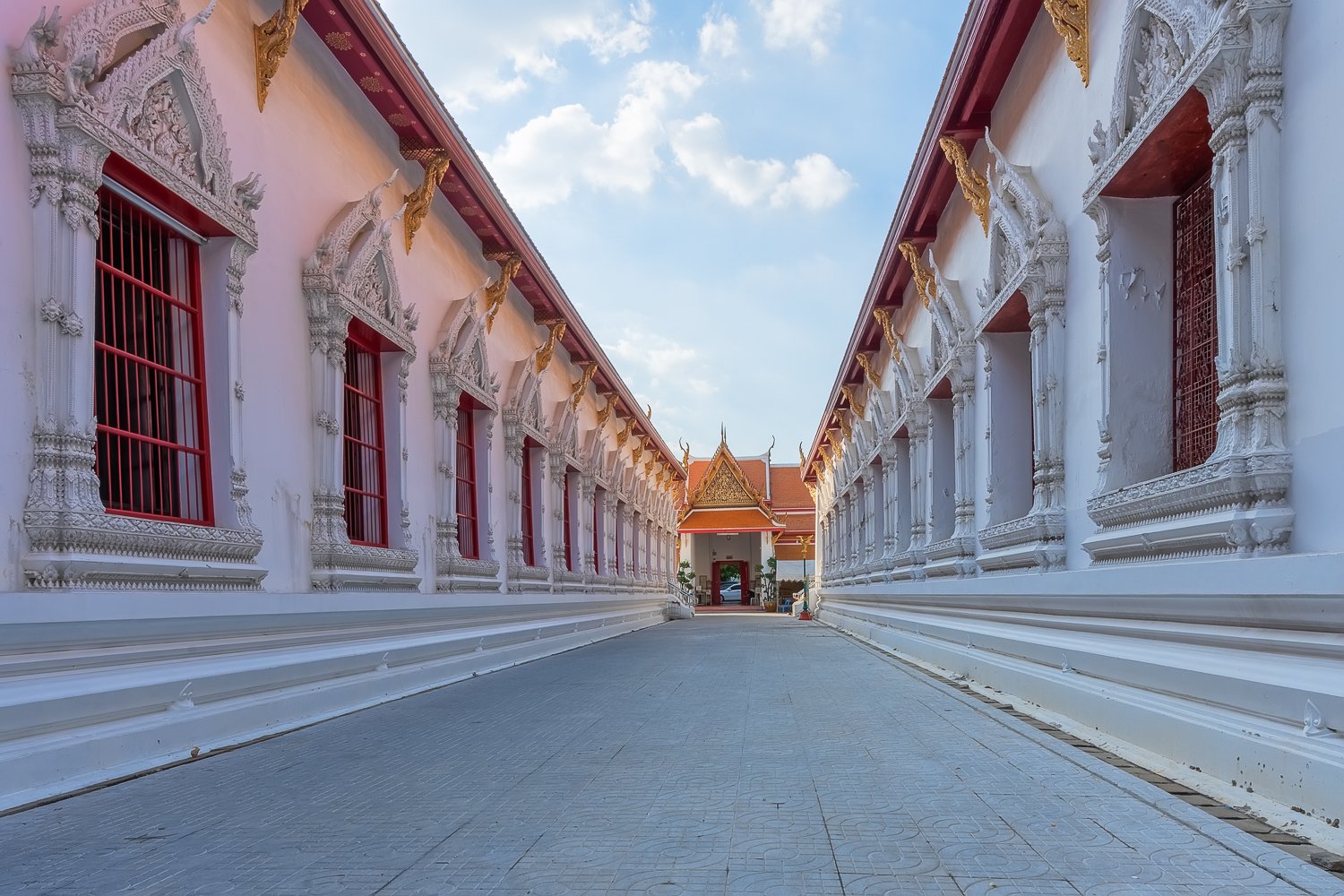
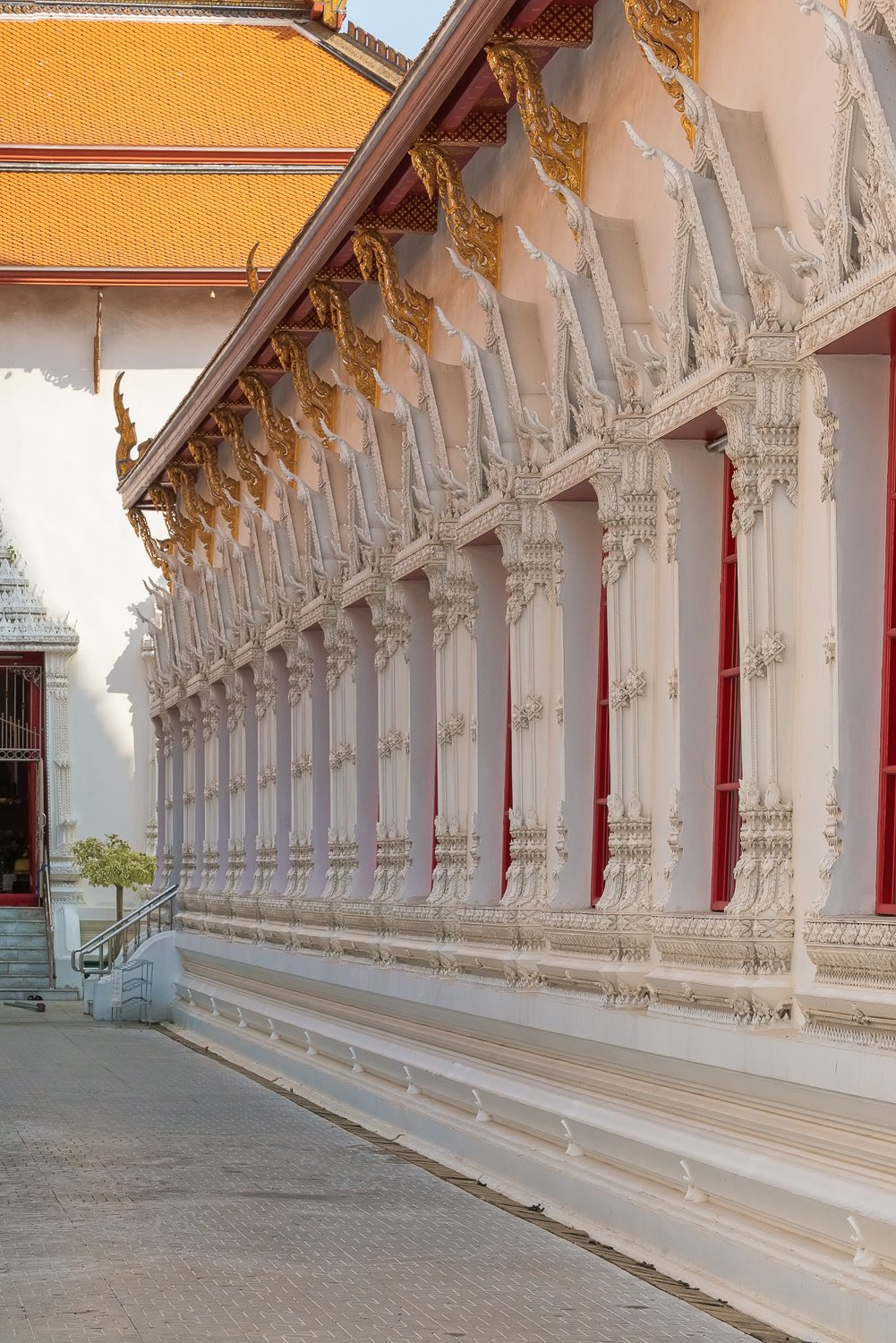
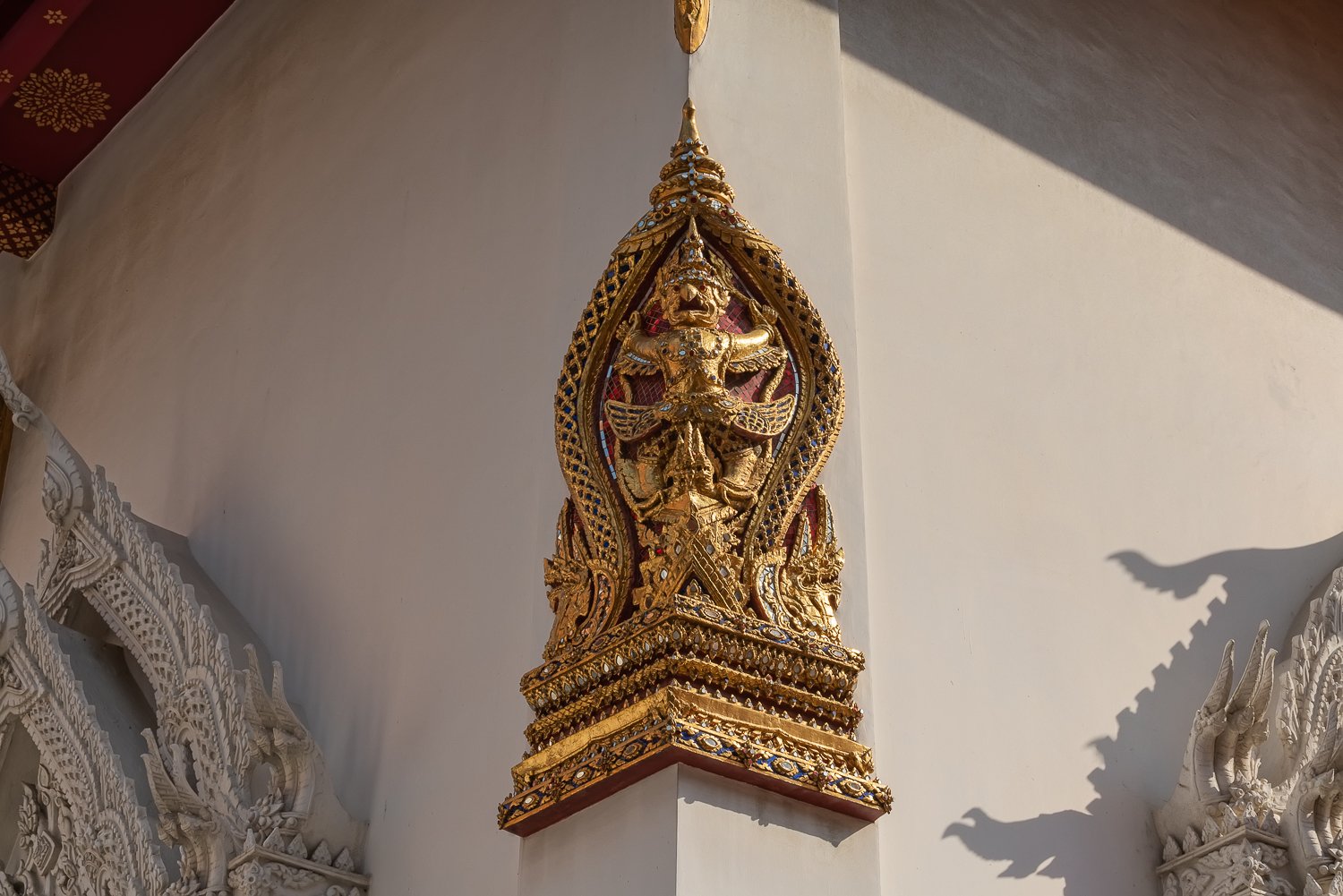
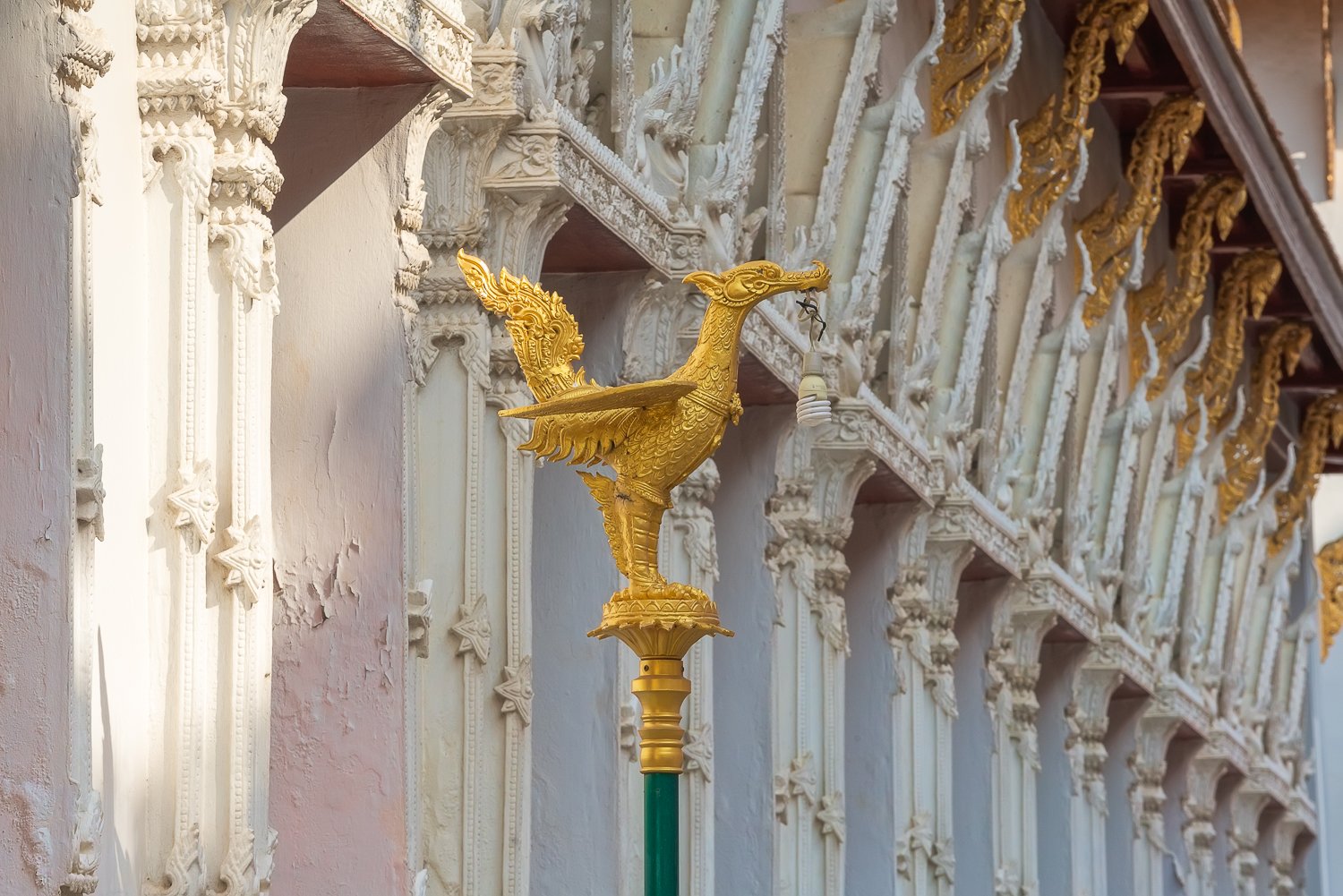
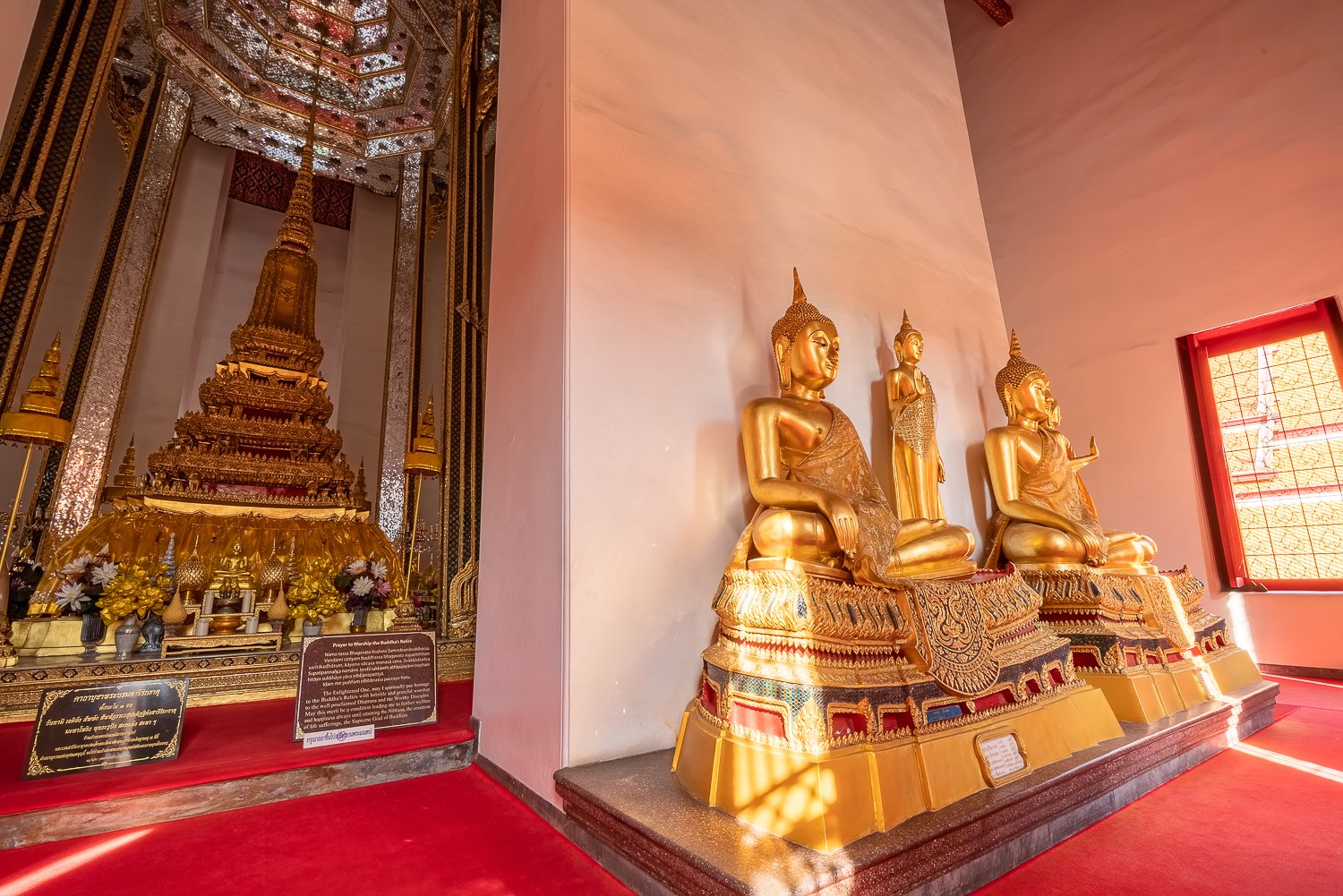
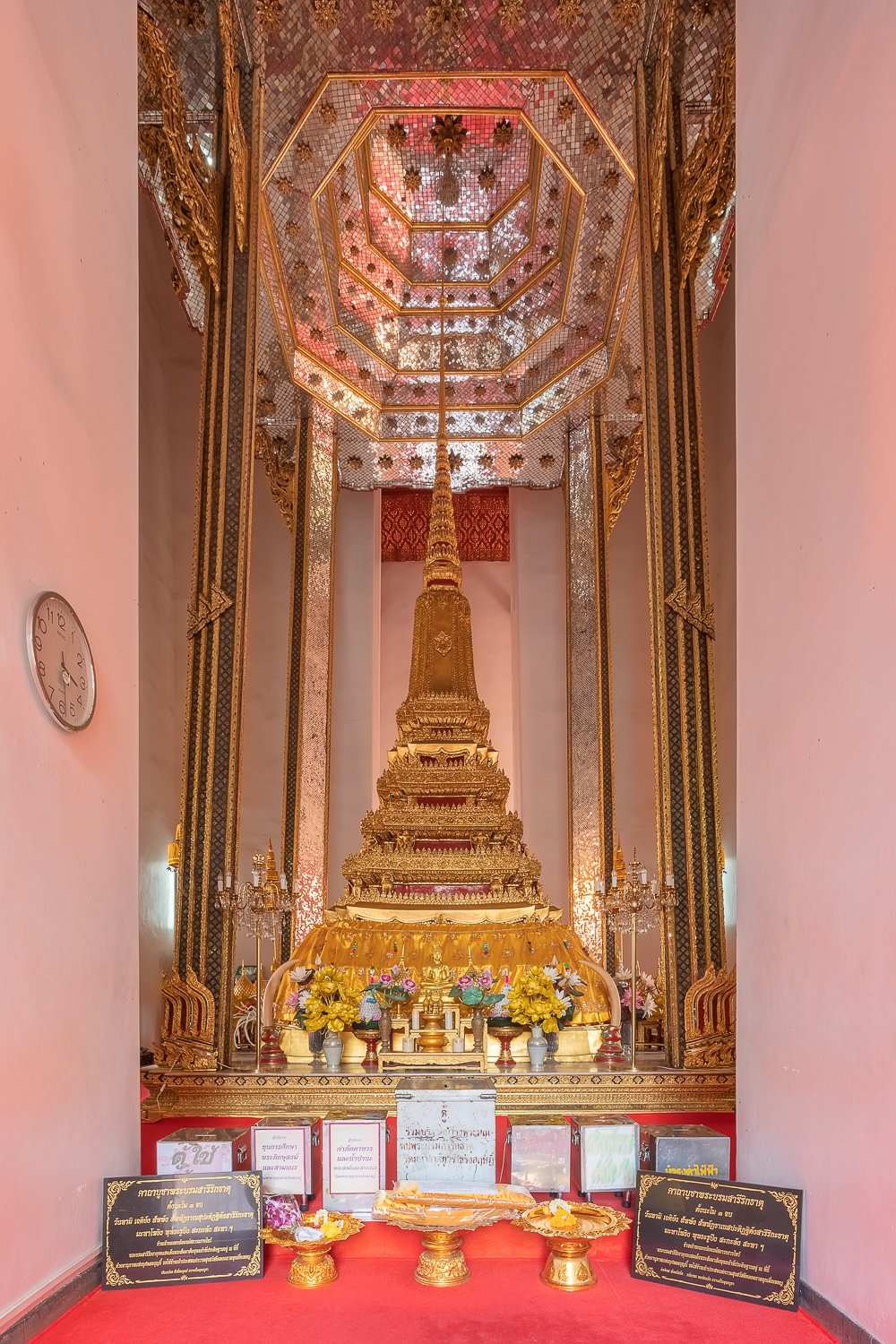
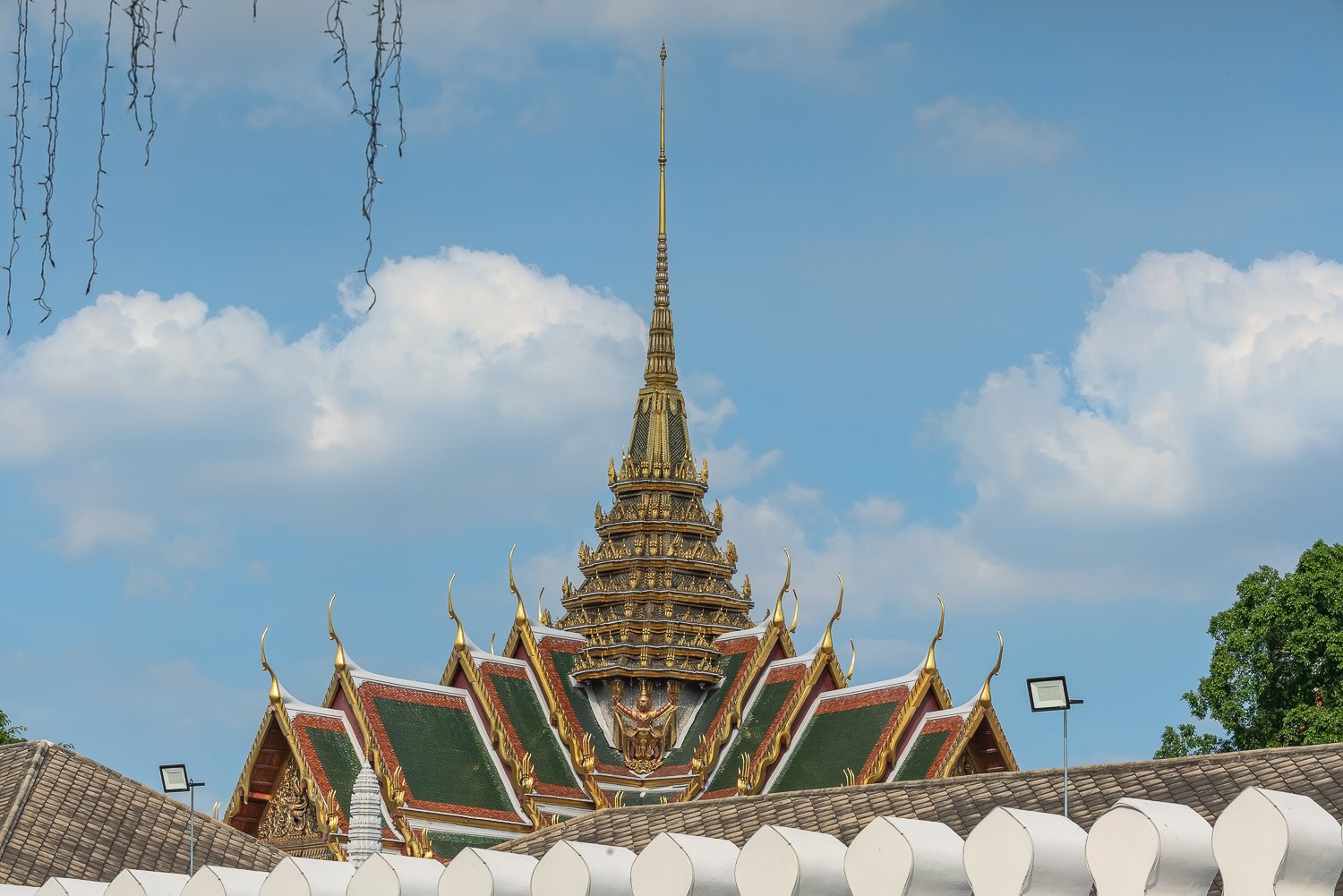
After lunch, we head to another great temple, but one usually not visited by crowds -  Wat Mahathat. It is the most important Buddhist learning centre in Thailand (some say in Southeast Asia), run by the Mahanikai monastic sect.  Wat Mahathat is one of the six temples of the highest grade in Bangkok and it enshrines the relics of the Buddha (in the Mondop).

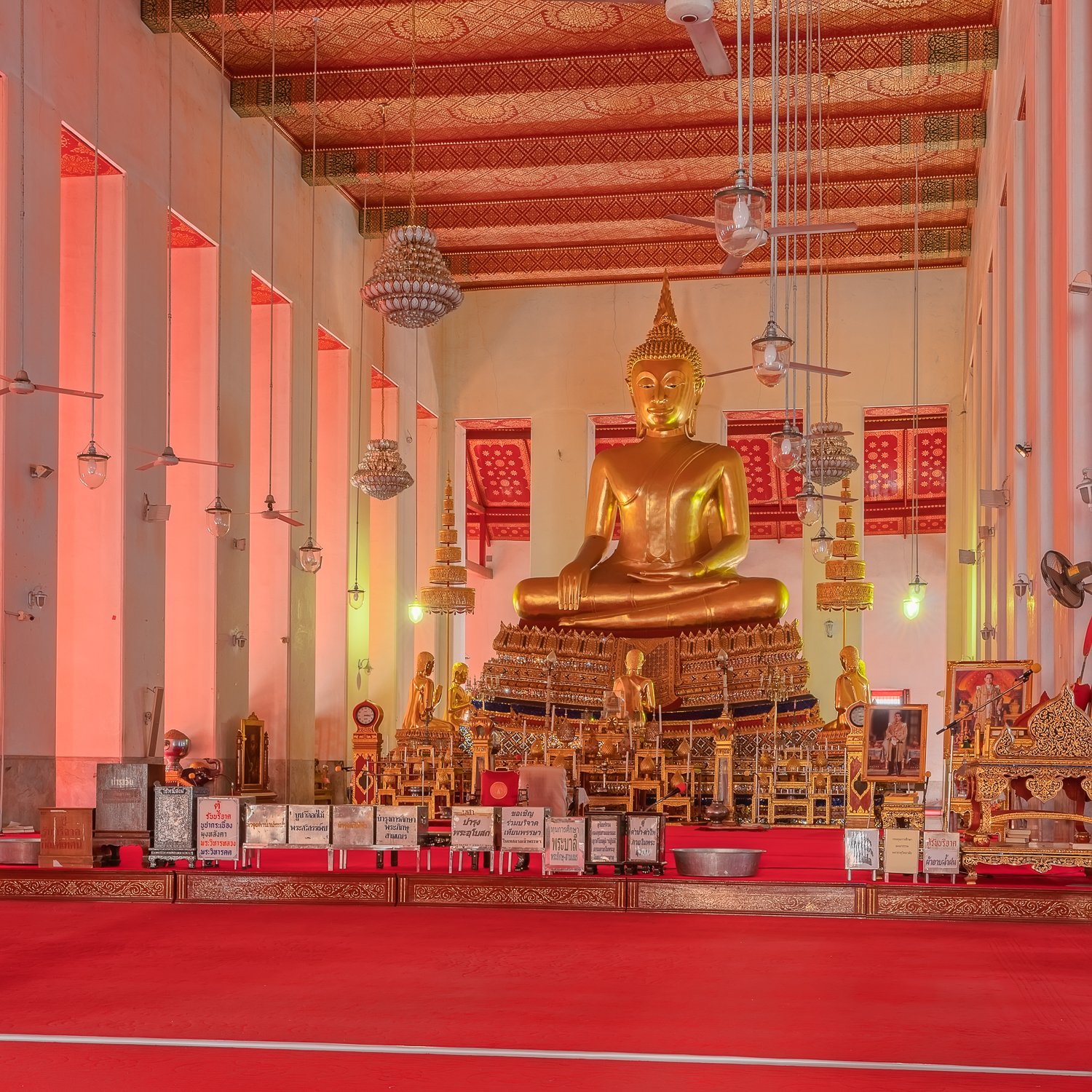
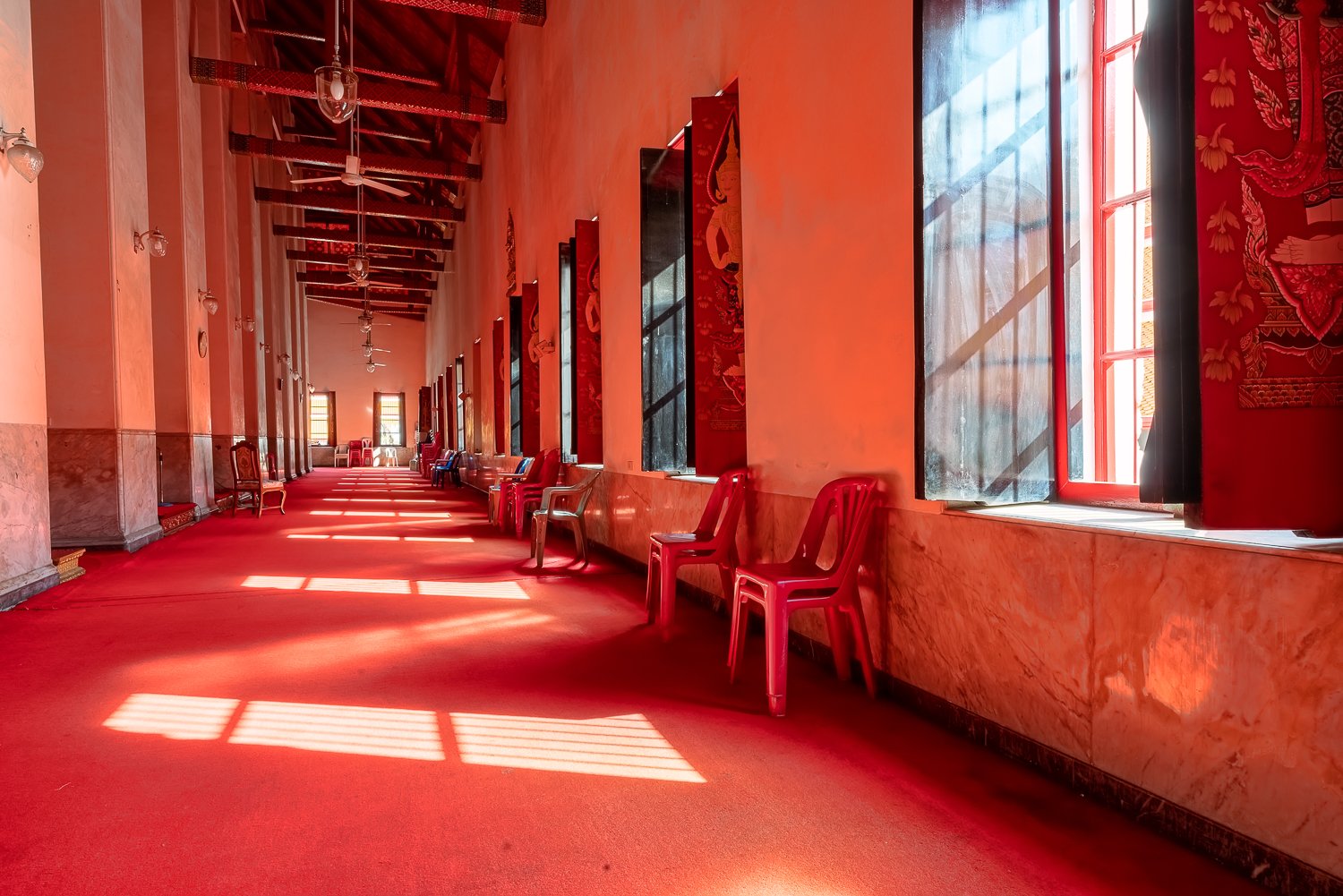
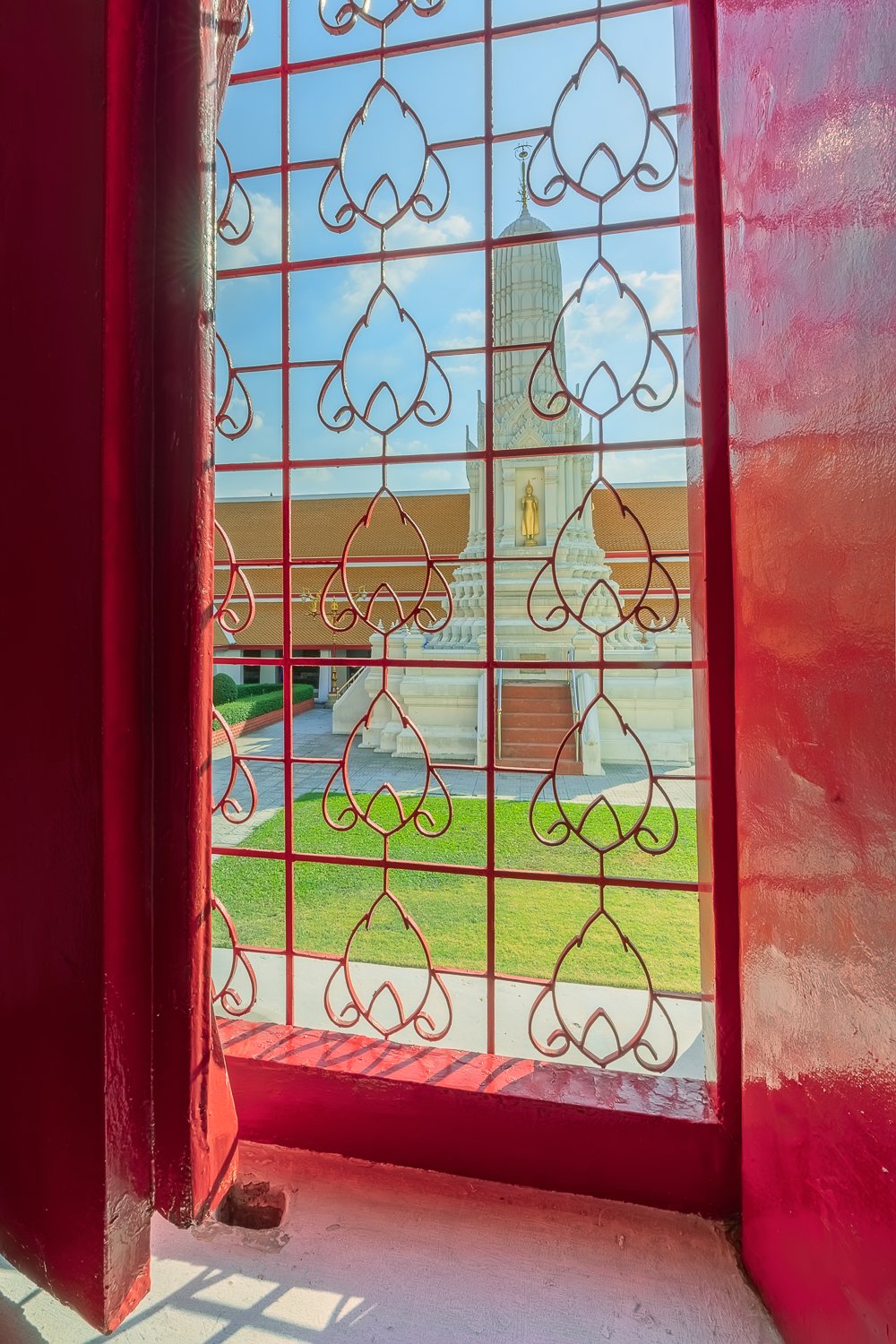
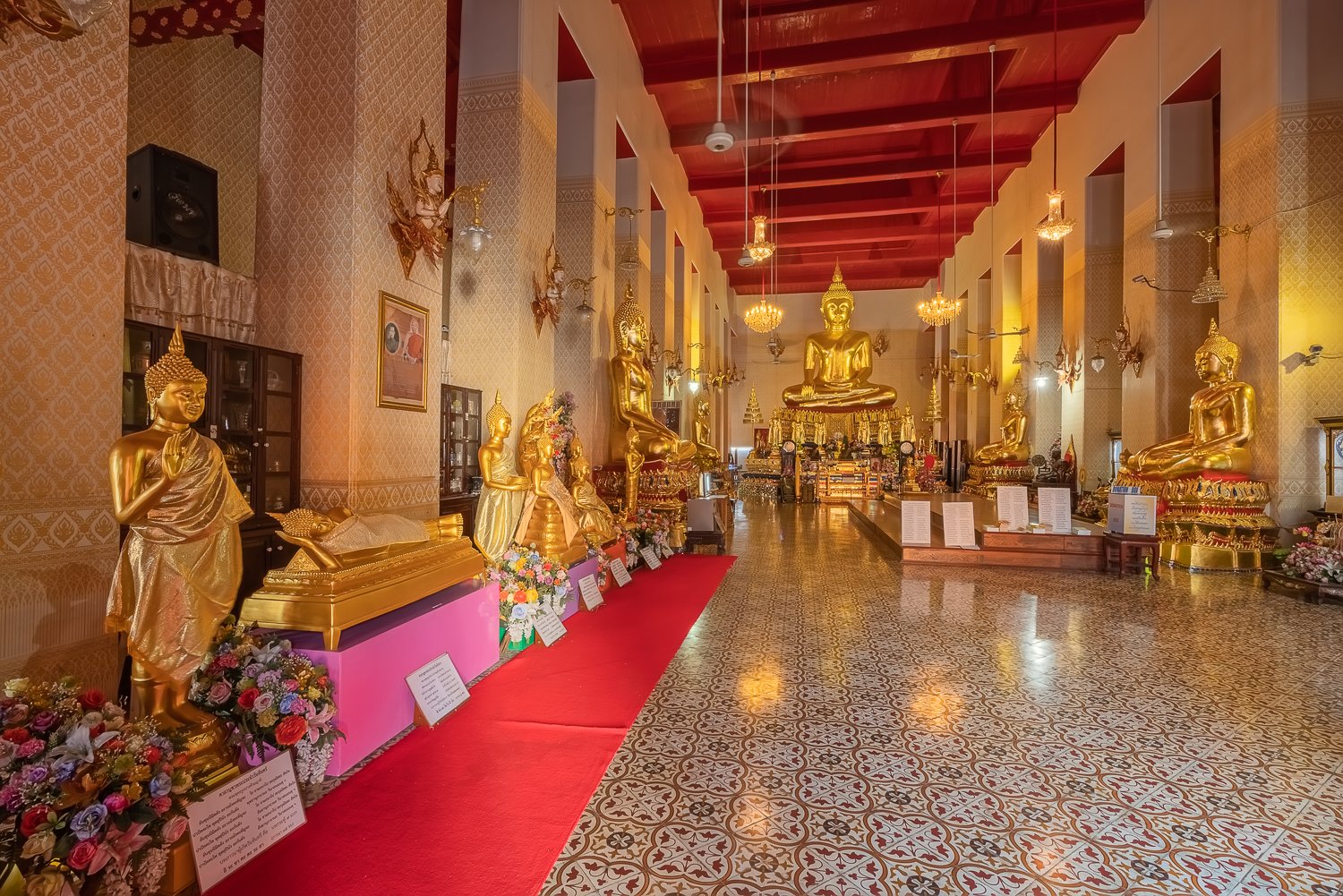
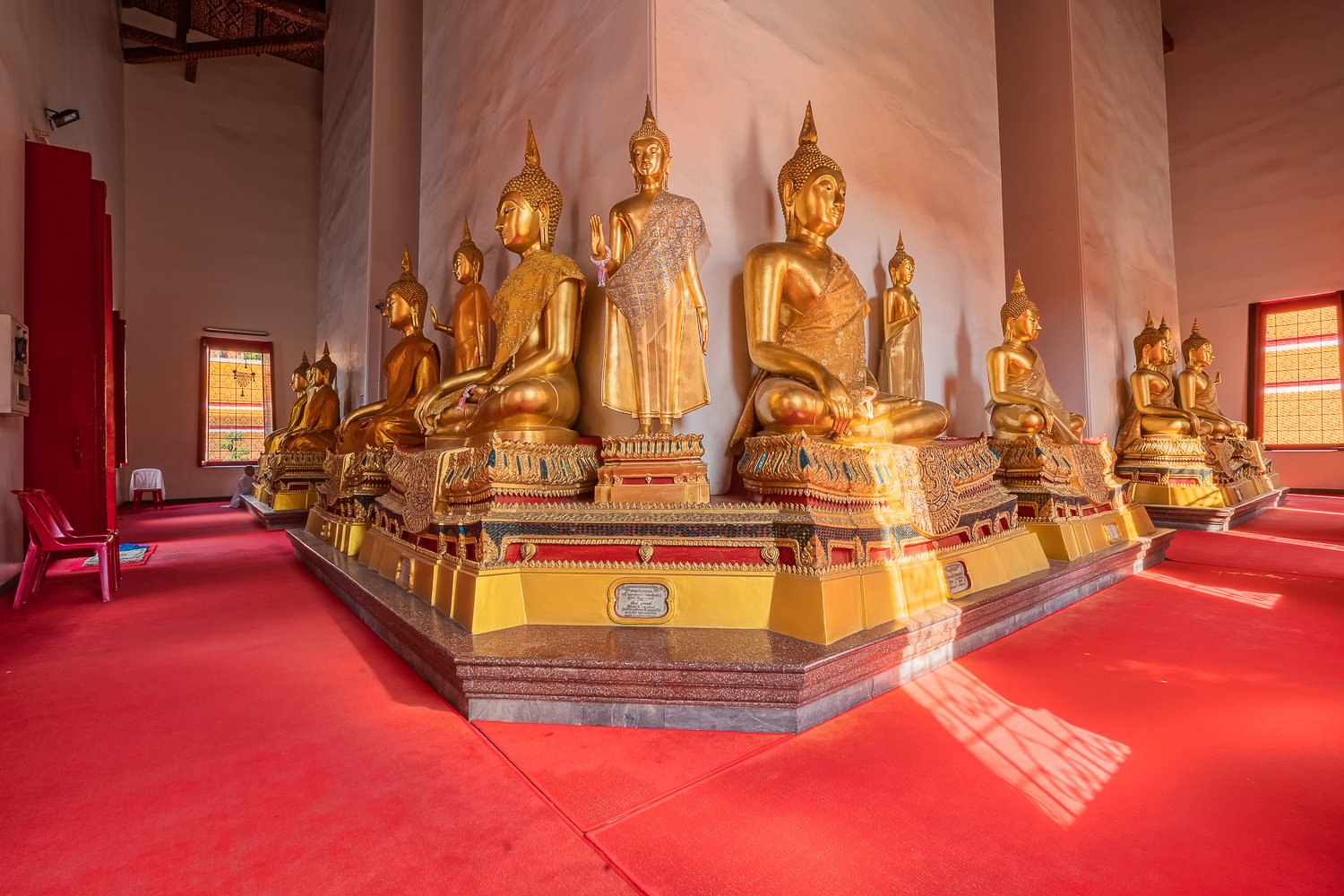
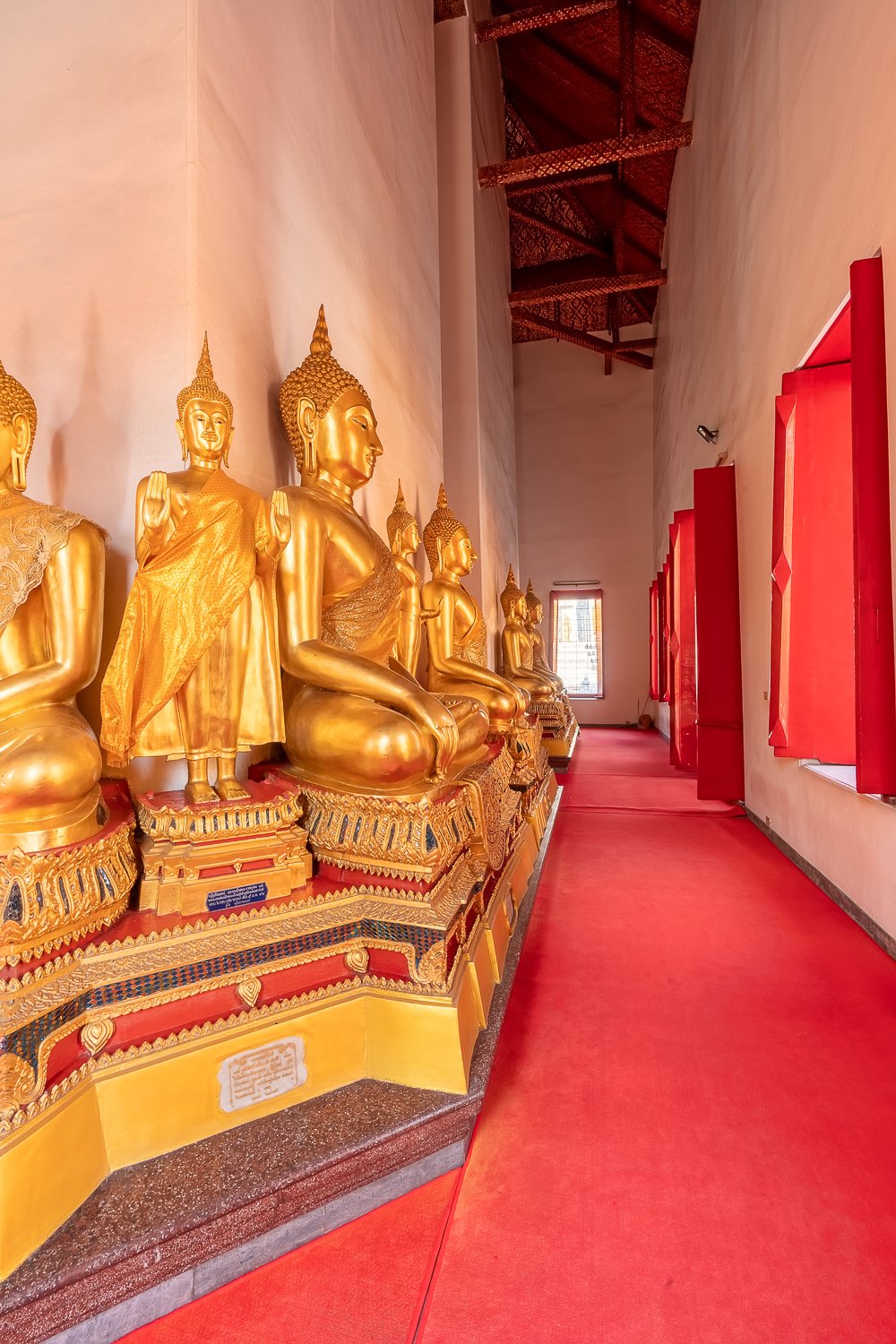
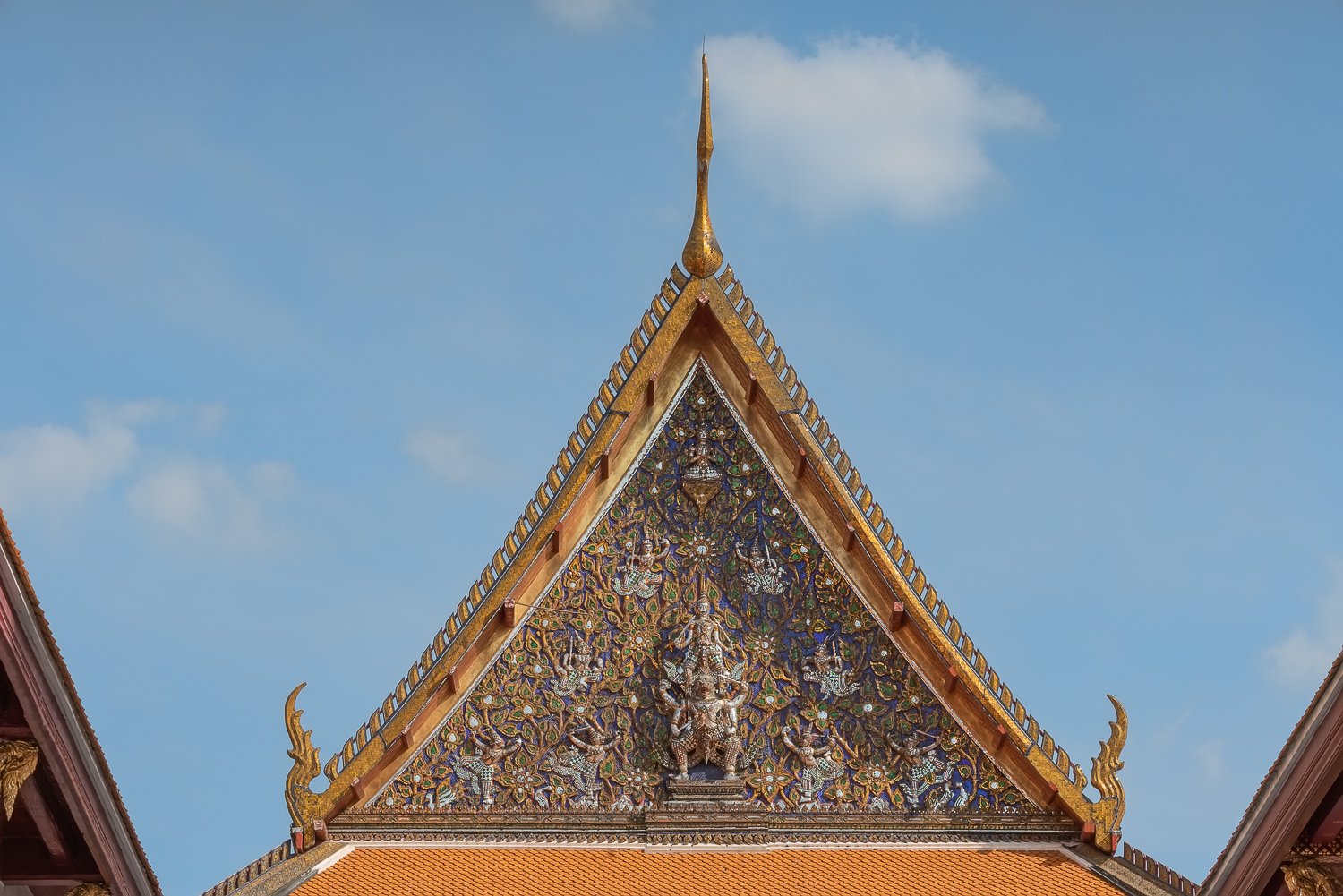
The Wat Mahathat’s bot (the most sacred building) is one of the largest in Thailand. In this building, new monks are ordained into monkhood. The temple has an impressive collection of Buddha statues, both sitting and standing. In the courtyard, a large Khmer style prang tower can be seen.

In the first image below the ordination hall is on the right, the vihara on the left and the Mondop at the back.


Po lunchu udajemy się do kolejnej ważnej świątyni, chociaż zwykle nie odwiedzanej przez tłumy – Wat Mahathat. Jest to najważniejsze centrum nauki buddyzmu w Tajlandii (niektórzy twierdzą, że w całej Azji Południowo-Wschodniej), prowadzone przez sektę klasztorną Mahanikai. Wat Mahathat jest jedną z sześciu najwyższej klasy świątyń w Bangkoku i zawiera relikwie Buddy.

Bot Wat Mahathat (najświętszy budynek) jest jednym z największych w Tajlandii. To w tym budynku nowi mnisi są wyświęcani do stanu zakonnego. Świątynia ma także imponującą kolekcję posągów Buddy, zarówno siedzących, jak i stojących. Na dziedzińcu można zobaczyć dużą wieżę prang w stylu Khmerów. Na pierwszym zdjęciu poniżej sala święceń znajduje się po prawej stronie, vihara po lewej, a Mondop z tyłu (tj. na wprost).