Africa

First dinner

A taxi, of course, cannot take us to the hotel itself because we live in the middle of the medina. So, it takes us to the edge, and Mustafa from our riad is already waiting for us there. On the way, dragging my suitcase, he explains to us the orientation of the medina and how to get to various places. Upon arrival, she brews a delicious Moroccan mint tea and hands us the keys to the room and the riad.

Taksówka rzecz jasna nie może zawieść nas pod sam hotel bo mieszkamy w środku medyny. Zawozi wiec nas na jej brzeg, a tam już czeka na nas Mustafa z naszego riadu. Po drodze, ciągnąc moją walizkę, wyjaśnia nam orientację medyny i jak gdzie dotrzeć. Po dotarciu na miejsce zaparza nam pyszną miętową marokańską herbatkę i wręcza klucze do pokoju i do riadu.

After refreshing ourselves, we follow Mustafa to the rooftop terrace, where we get a delicious dinner. Despite the late hour, it is still hot in Marrakech but much cooler in our riad than outside. And that's it for today. It's time to sleep because tomorrow morning we will start exploring Marrakesh.


Po odświeżeniu się ruszamy za Mustafą na taras na dachu, gdzie dostajemy pyszny obiad. Mimo późnej pory jest wciąż bardzo gorąco, ale w naszym riadzie jest dużo chłodniej niż na zewnątrz. I to tyle na dzisiaj. Czas spać bo jutro od rana eksploracja Marrakeszu.

Another new beginning

Here we go again. This time the destination is hot (just check the weather forecast below). It is time to pay a visit to dear old Africa again. We will return to Gatwick, but unfortunately, we must start from Luton. So first it is a few hours in a car (we took a taxi), then a short visit to the Pret at the airport, boarding, about 4 hours of flight, and finally we land in Marrakech.

The taxi driver organised by our Riad is supposed to wait for us here. I cannot wait to see the medina.

​

Nową podróż czas zacząć. Tym razem w miejscu docelowym jest bardzo gorąco (wystarczy sprawdzić prognozę pogody na fotce poniżej). Nadszedł czas, aby ponownie odwiedzić kochaną, starą Afrykę. W drodze powrotnej wylądujemy na Gatwick, ale niestety wylatujemy z Luton. Czyli najpierw kilka godzin w aucie (tyle dobrego, że taksówką), potem krótka wizyta u Preta na lotnisku, wejście na pokład, jakieś 4 godziny lotu i wreszcie lądujemy w Marrakeszu.

Taksówkarz zorganizowany przez nasz Riad ma tu na nas czekać. Nie mogę się doczekać, kiedy zobaczę medynę.

NamibRand


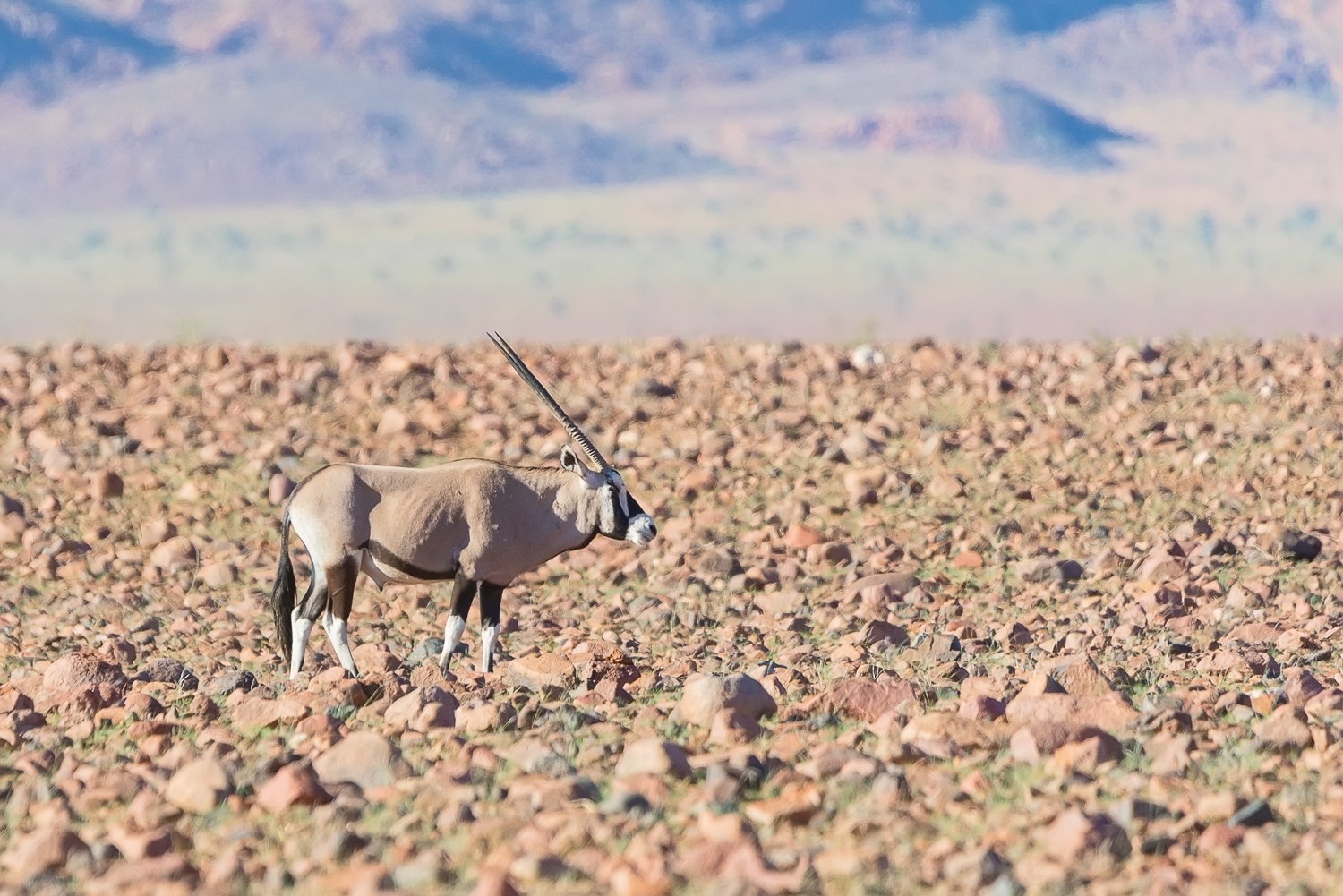
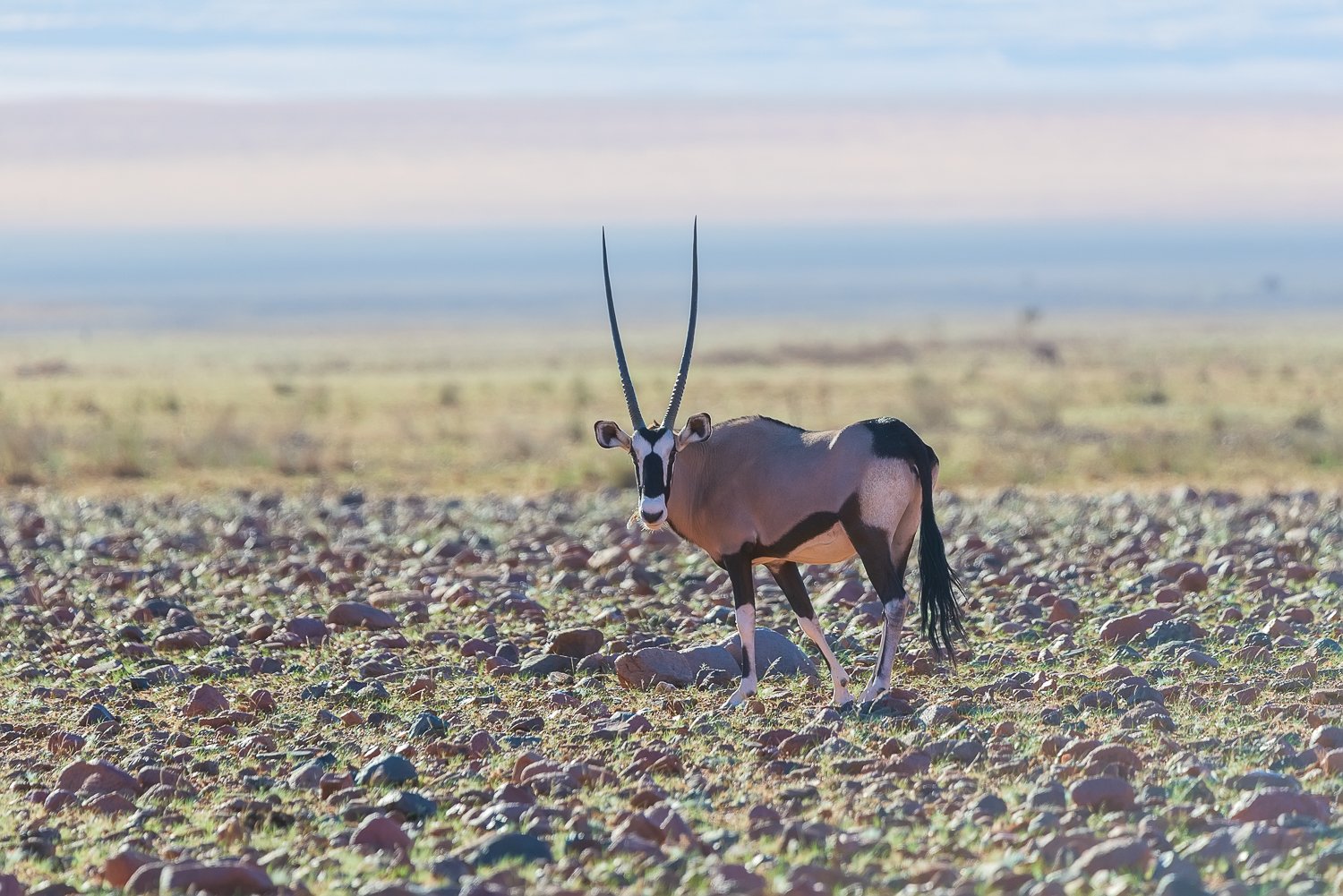
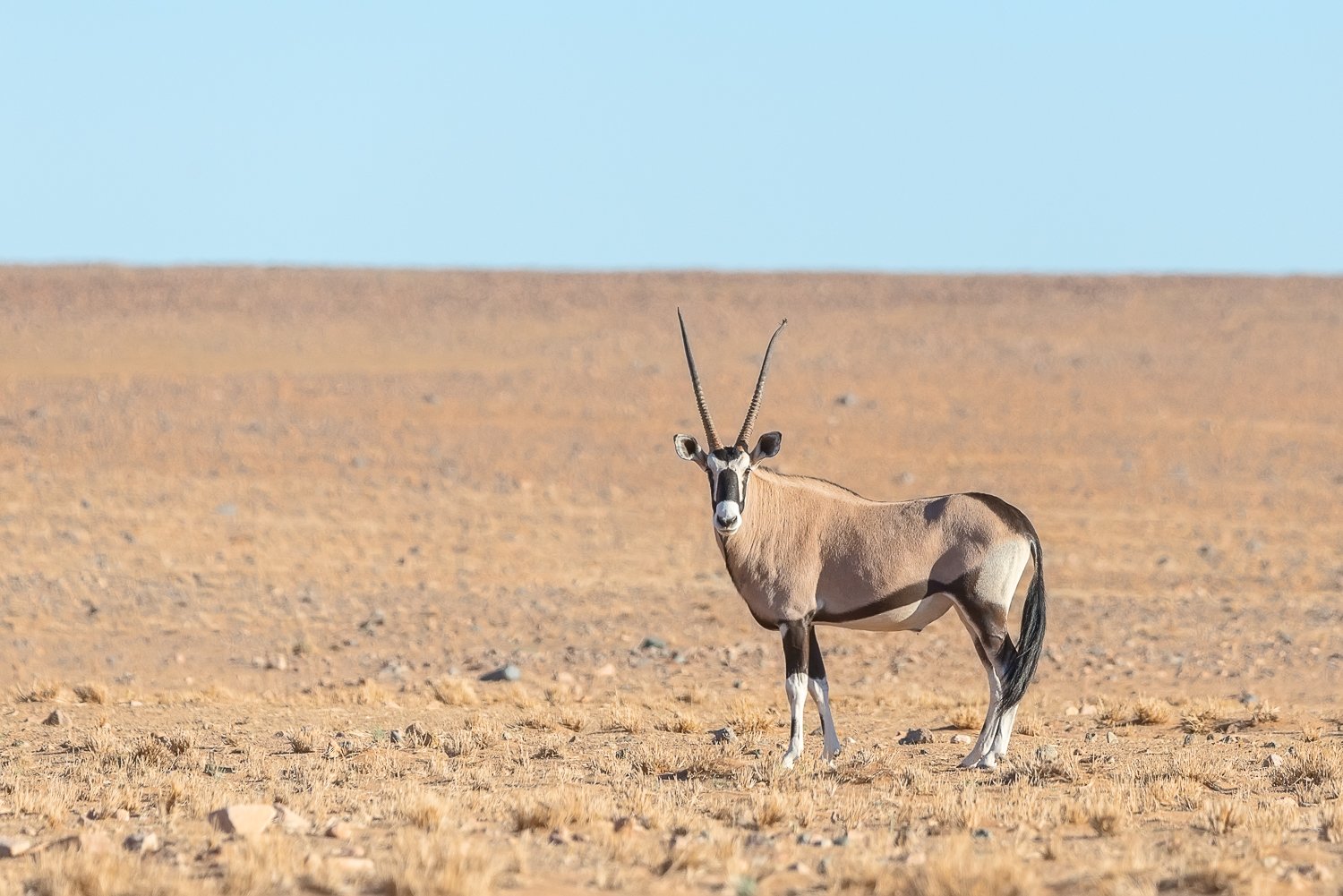
The sun is getting lower when we finally enter the NamibRand Nature Reserve, where Wolvedans’ lodges are situated.  NamibRand is one of the biggest private nature reserves in Africa (over 200 000 ha). It borders with the Namib-Naukluft National Park in the west and Numib Mountains in the east. The landscape varies, from sand and gravel plains and stretches of savanna to mountain ranges, and vegetated dune belts. The tourism here is low impact as the whole effort was put to biodiversity conversation, for once animals seem to be more important than visitors’ whims. Not that visitors are not spoiled rotten here, it is just that the owners pay a lot of attention to how it is done.  There are no fences here to allow the wildlife roaming their habitat unhindered. The predominant large mammals are gemsbok (oryx, over 3000) and springbok (over 12 000), but there is also kudu, Hartman's and Burchell's zebra, giraffe, klipspringer, steenbok, hartebeest and baboon, plus predators, such as leopard, spotted and brown hyena, black-backed jackal, aardwolf, bat-eared fox, Cape fox, African wildcat, caracal and genet, lots of birds, rodents, reptiles, amphibians and invertebrates.

Interestingly, the reserve has been designated a Gold Tier International Dark Sky Reserve by the International Dark-Sky Association.

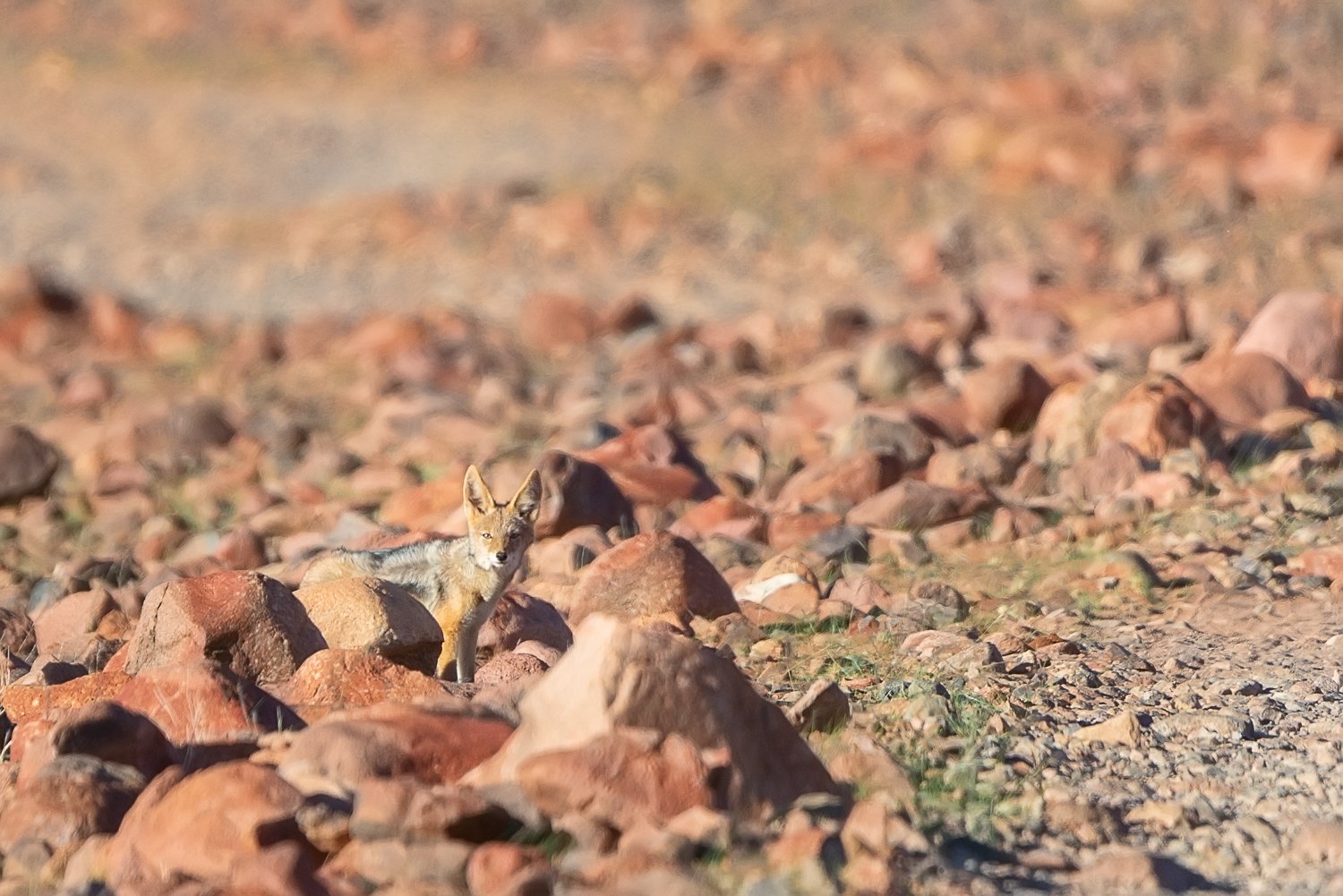
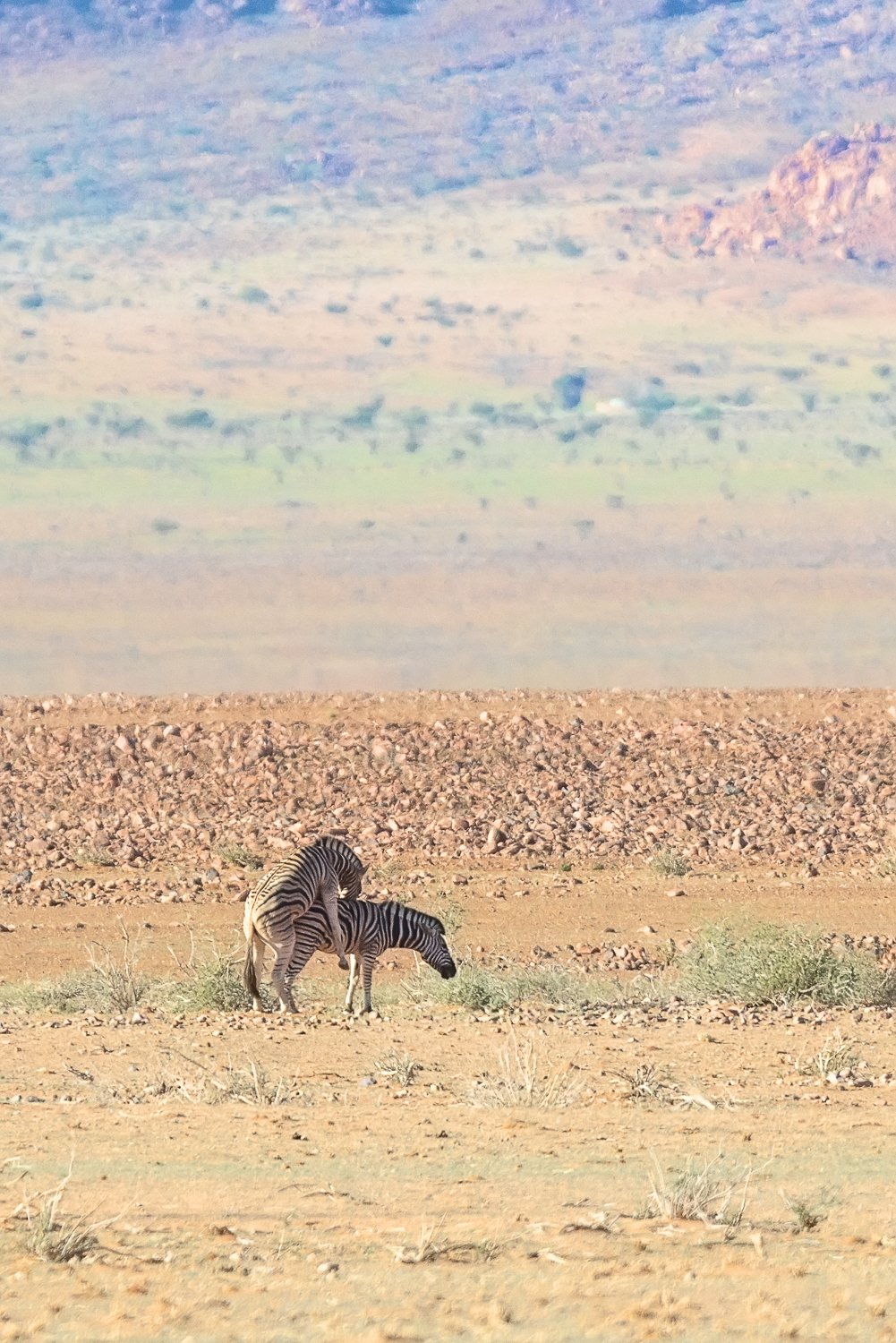
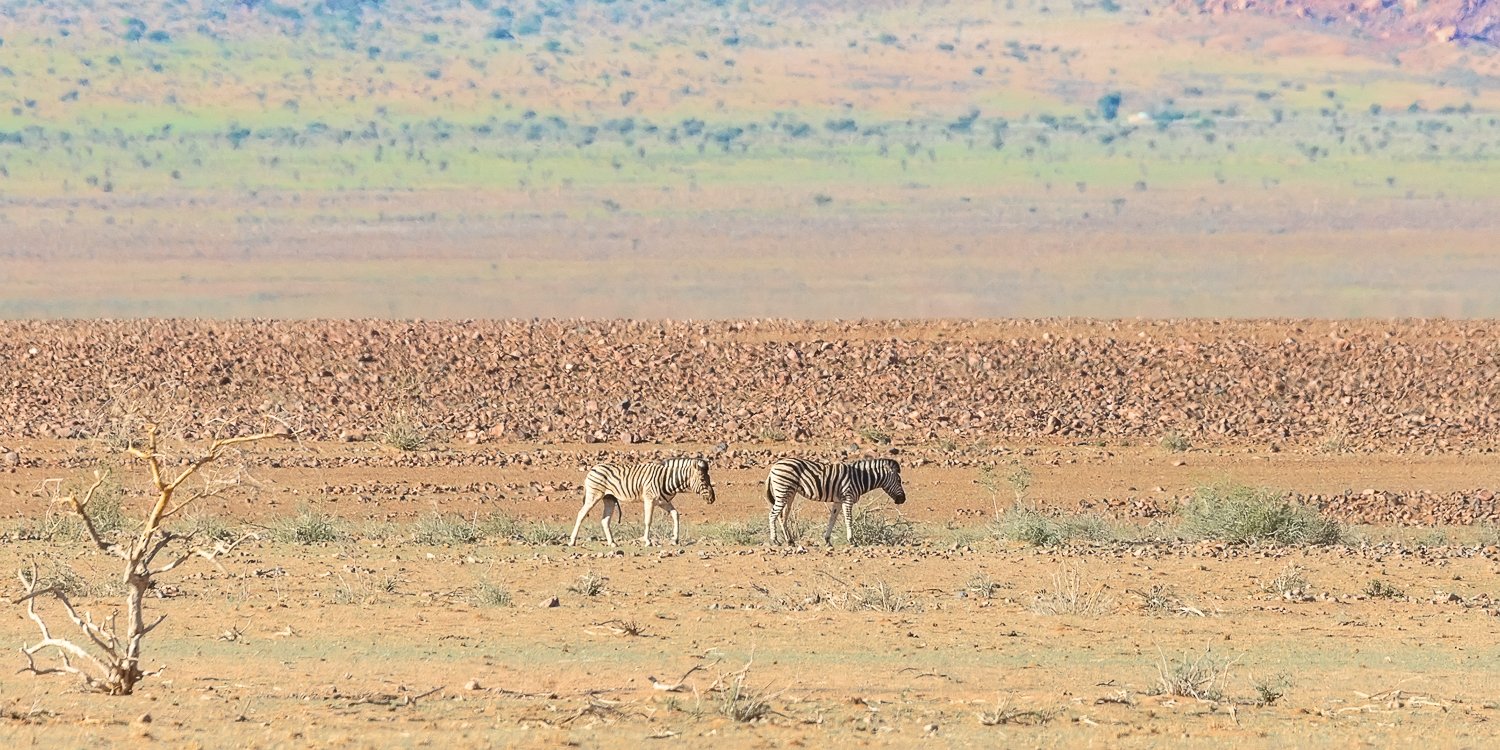
Traveling through the reserve, as we get to the Wolvedans we have already encounter a lot of animals, the most excited I am about jackals, but mating zebras are fun to observe, too.


Słońce schodzi coraz niżej, kiedy w końcu wjeżdżamy do rezerwatu przyrody NamibRand, gdzie znajdują się lodżeWolvedans. NamibRand to jeden z największych prywatnych rezerwatów przyrody w Afryce (ponad 200 000 ha). Graniczy on z Parkiem Narodowym Namib-Naukluft na zachodzie i górami Numib na wschodzie. Krajobraz jest zróżnicowany, od piaszczystych i żwirowych równin i połaci sawanny po pasma górskie i porośnięte roślinnością pasy wydm. Turystyka tutaj ma minimalny wpływ na środowisko i dużo wysiłku włożono w ochronę bioróżnorodności – chociaż raz zwierzęta wydają się ważniejsze niż zachcianki odwiedzających. Nie żeby goście nie byli tu rewelacyjnie traktowani, po prostu właściciele przykładają dużą wagę, by robić to bez uszczerbku dla natury. W rezerwacie nie ma żadnych ogrodzeń, dzięki czemu dzikie zwierzęta swobodnie wędrują po całym obszarze (a także poza rezerwat). Dominującymi dużymi ssakami są oryksy (ponad 3000 sztuk) i antylopy skoczniki (ponad 12 000), ale występuje tu także kudu, zebry Hartmana i Burchella, żyrafy, klipspringery (koziołki skalne), koziorożce alpejskie, bawolce i pawiany oraz drapieżniki, takie jak lampart, hiena cętkowana i hiena brunatna, szakal czarnogrzbiety, protel grzywiasty, lis przylądkowy, otocjon wielkouchy, żbik afrykański, karakal i żeneta, różne gatunki ptaków, gryzonie, gady, płazy i bezkręgowce.

Co ciekawe, rezerwat został uznany przez Międzynarodowe Stowarzyszenie Ciemnego Nieba za Międzynarodowy Rezerwat Ciemnego Nieba Złotego Poziomu (najwyższe standardy utrzymania nieba bez zanieczyszczeń świetlnych).

Jadąc przez rezerwat zanim dotrzemy na miejsce, spotykamy już wiele zwierząt. Najbardziej ekscytujące jest spotkanie z szakalami, ale zebry zajęte produkcją kolejnych zebr też są fajne do obserwowania.

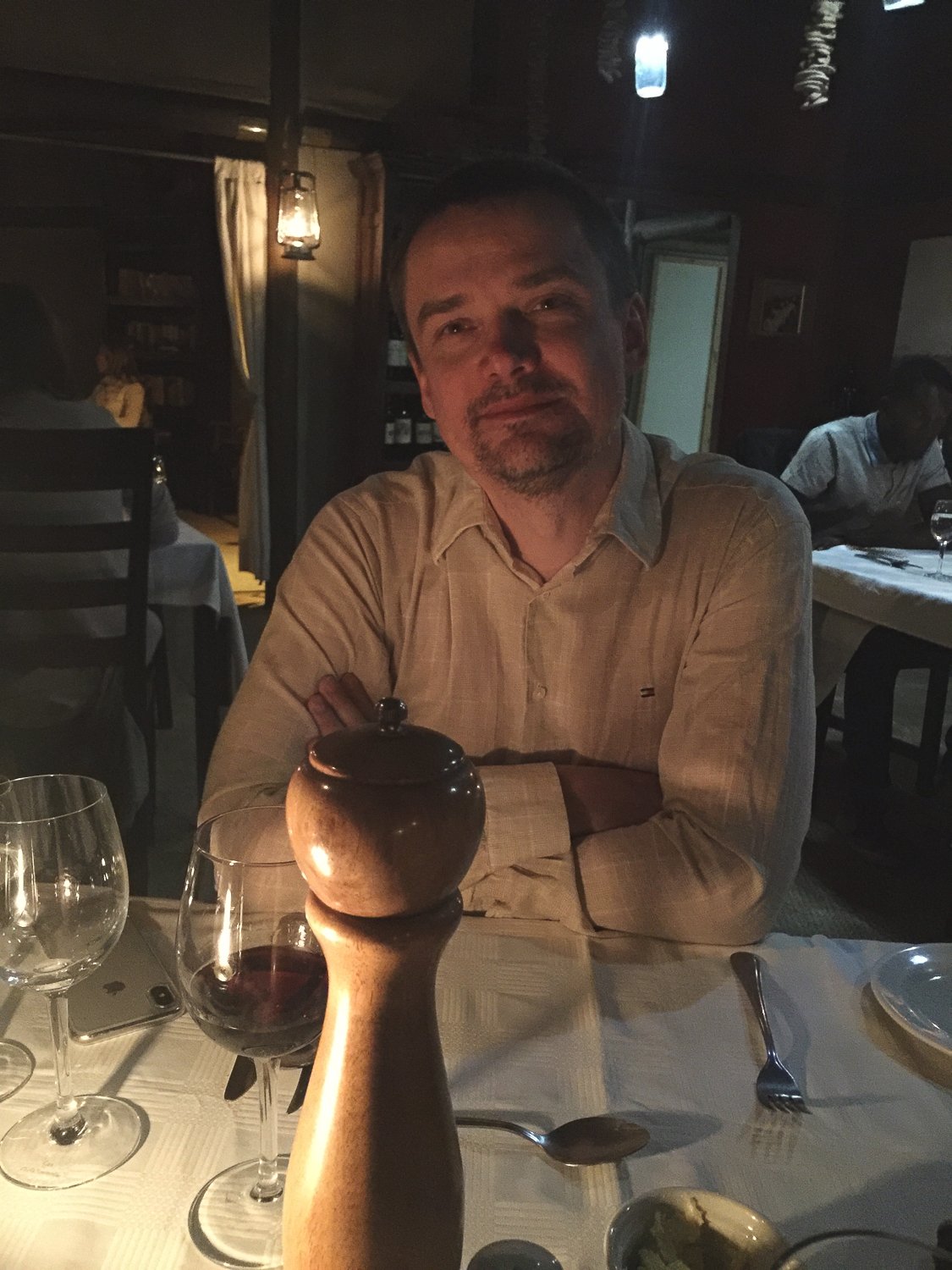
 About the camp I will write a bit later on, we had a very nice dinner tonight but it was so dark no decent pictures could be made. Mobile phone to the rescue.
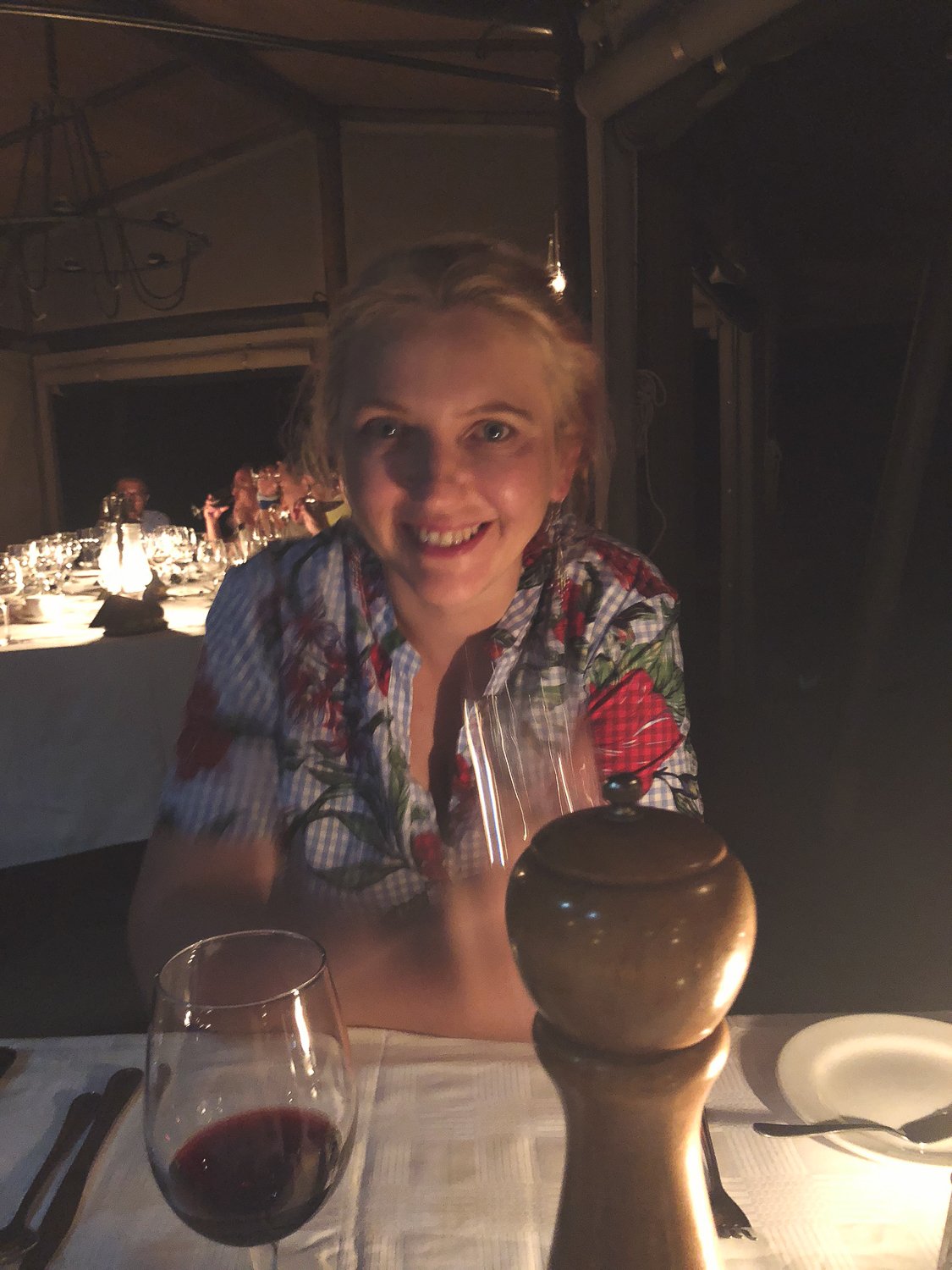
O Wolvedans napiszę trochę później, mieliśmy dziś bardzo fajną kolację, ale było tak ciemno, że nie można było zrobić przyzwoitych zdjęć. iPhone na ratunek.

Towards Wolvedans

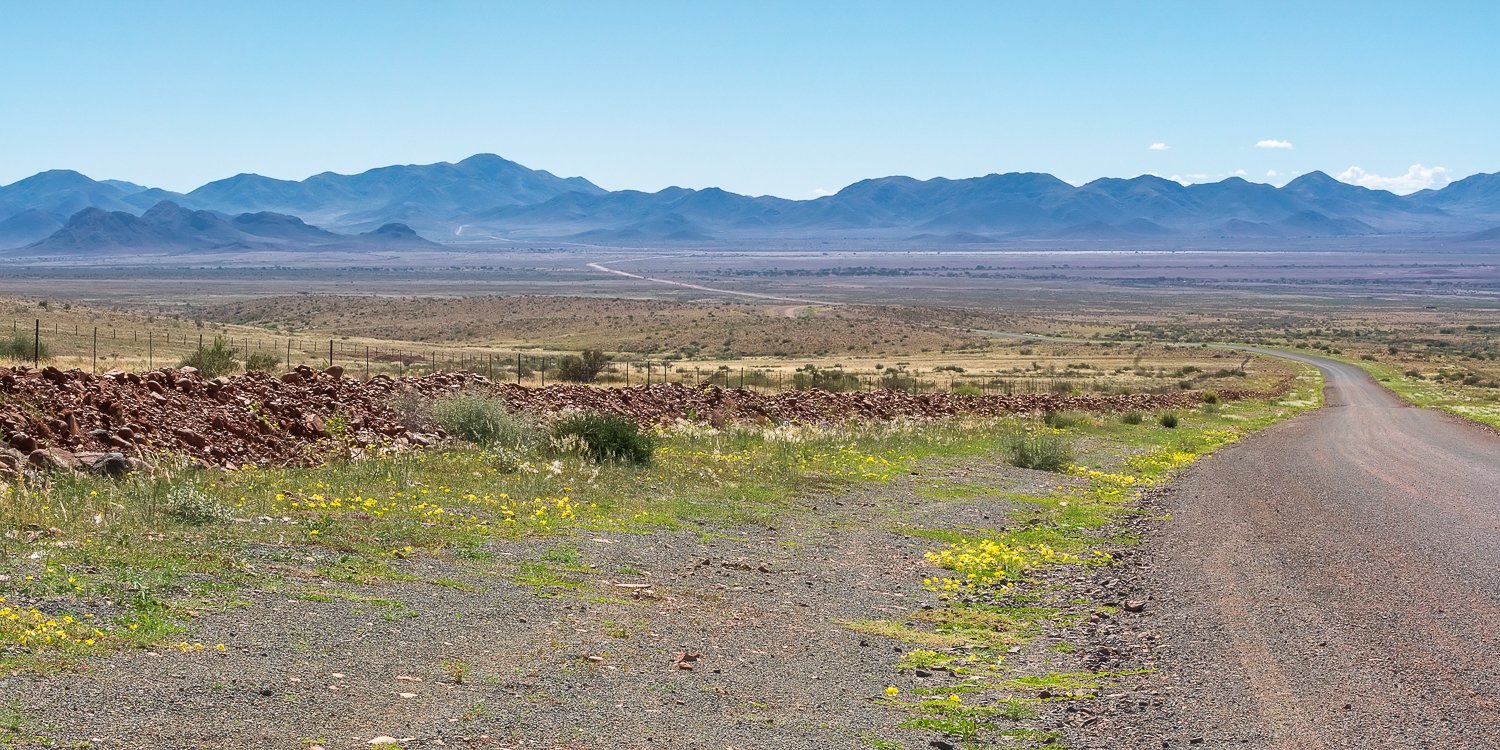
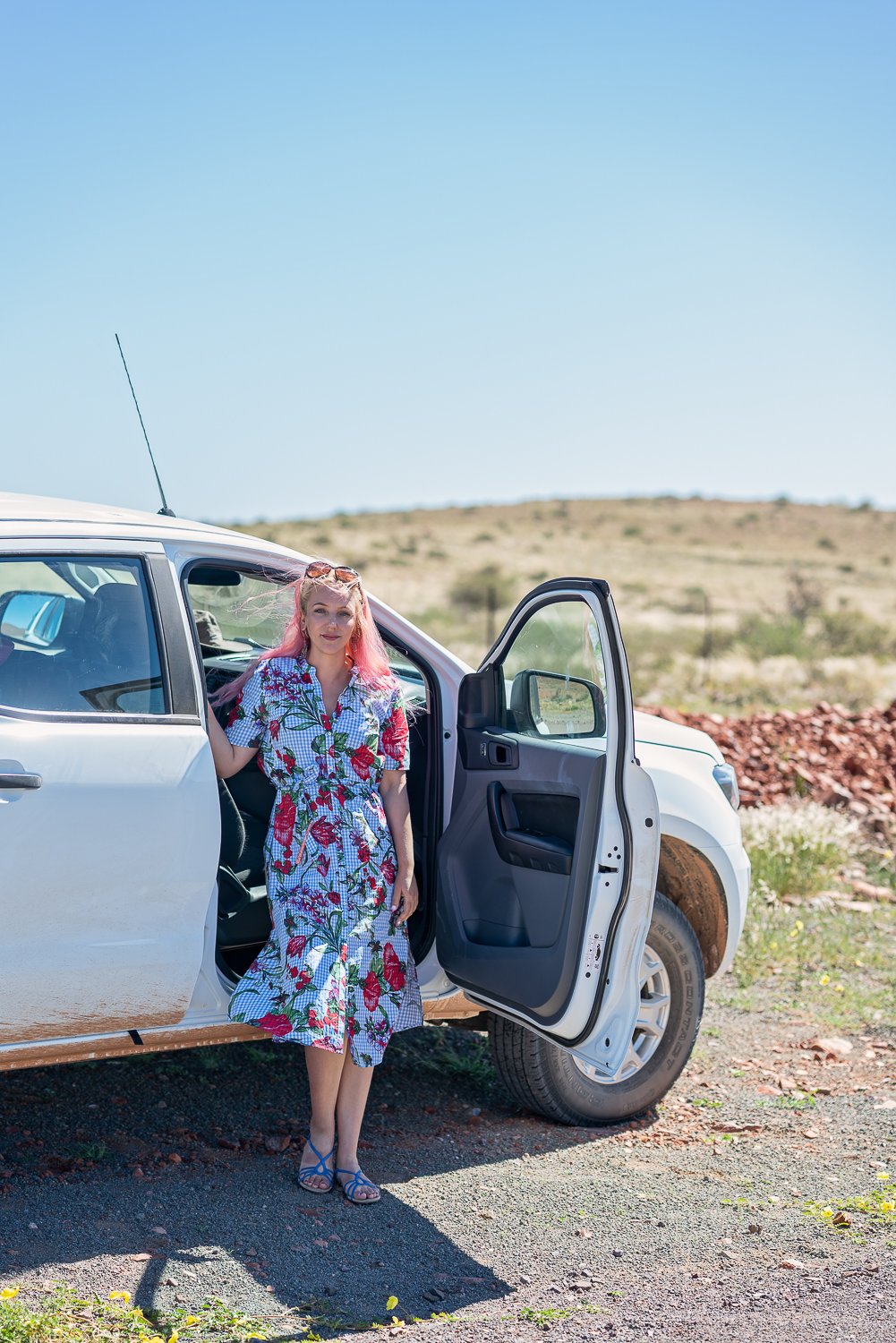
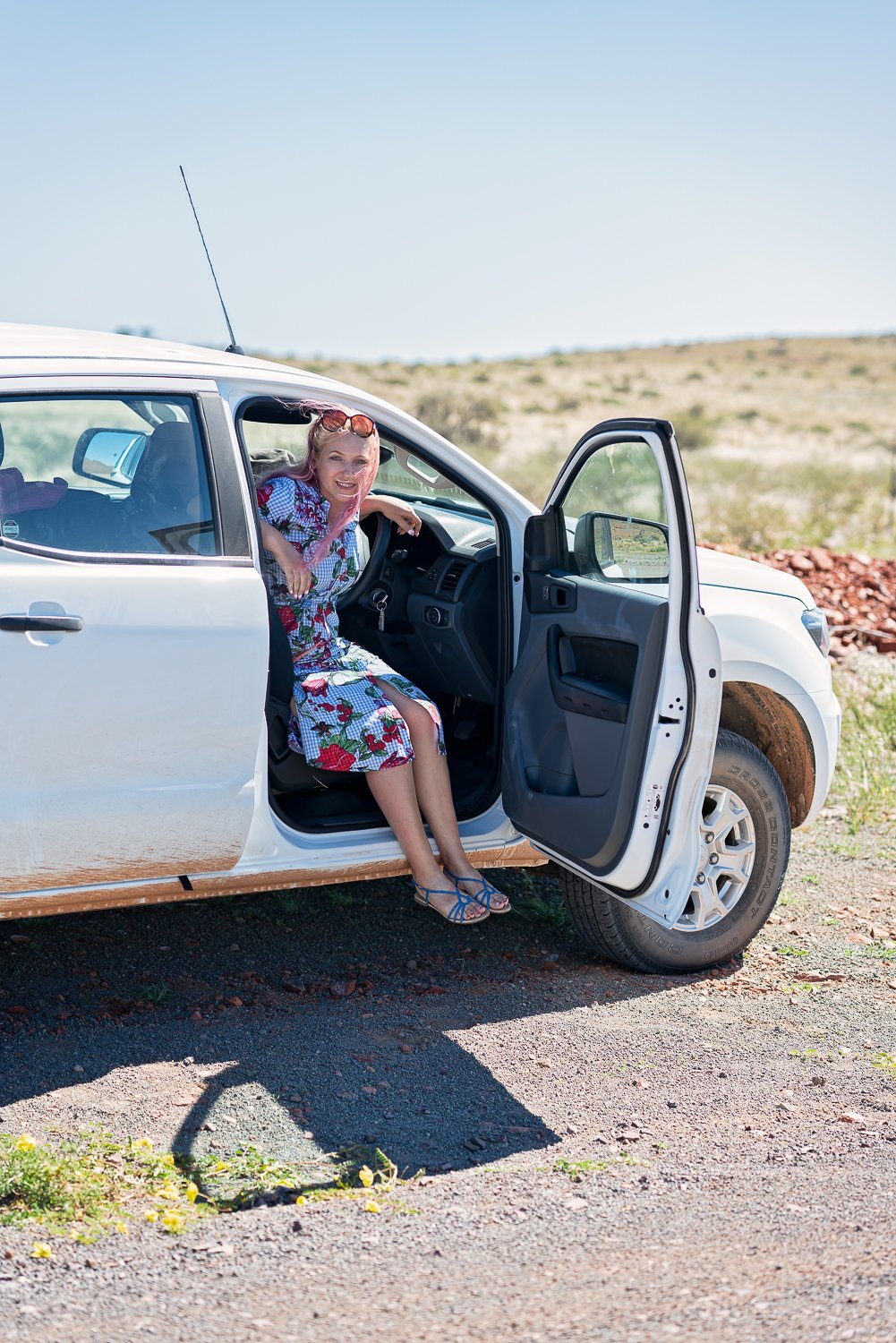
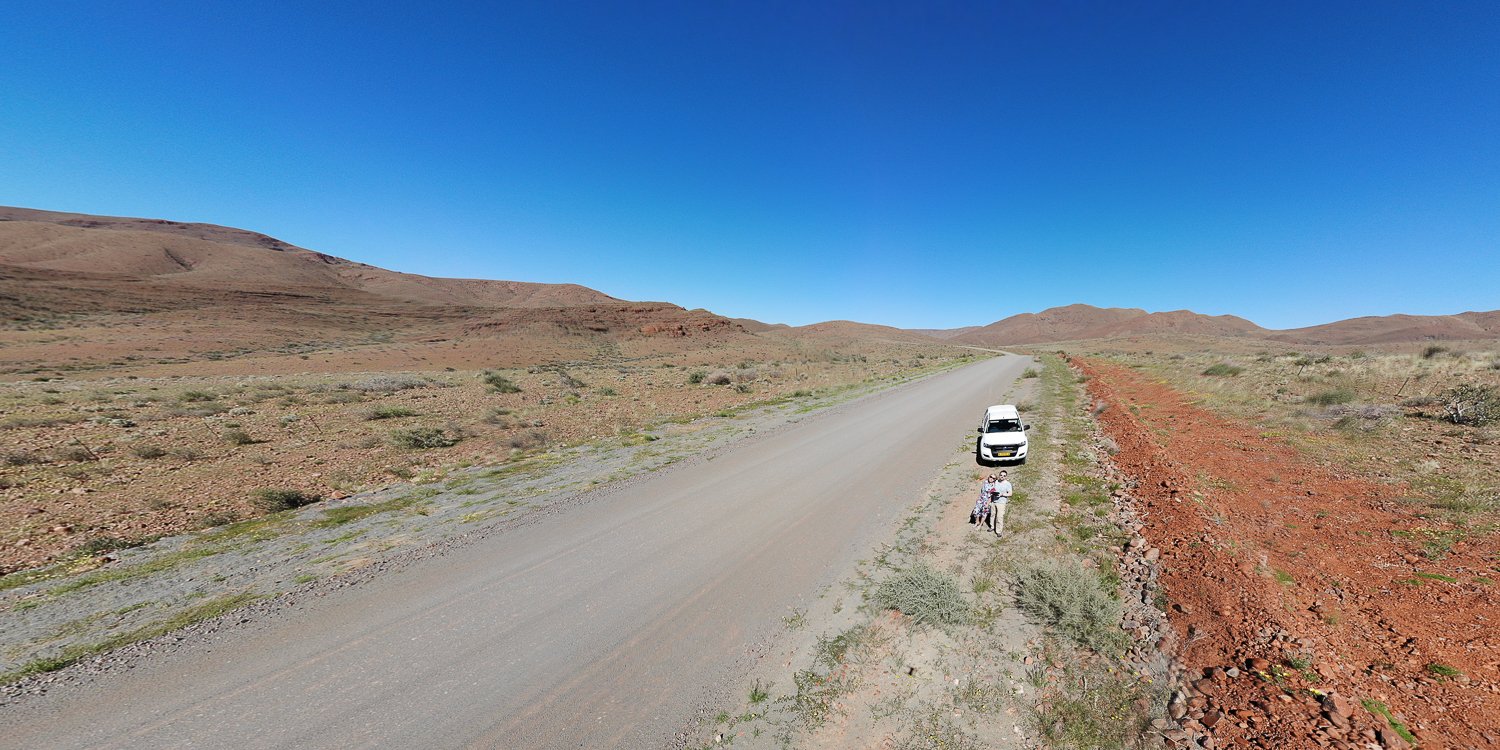
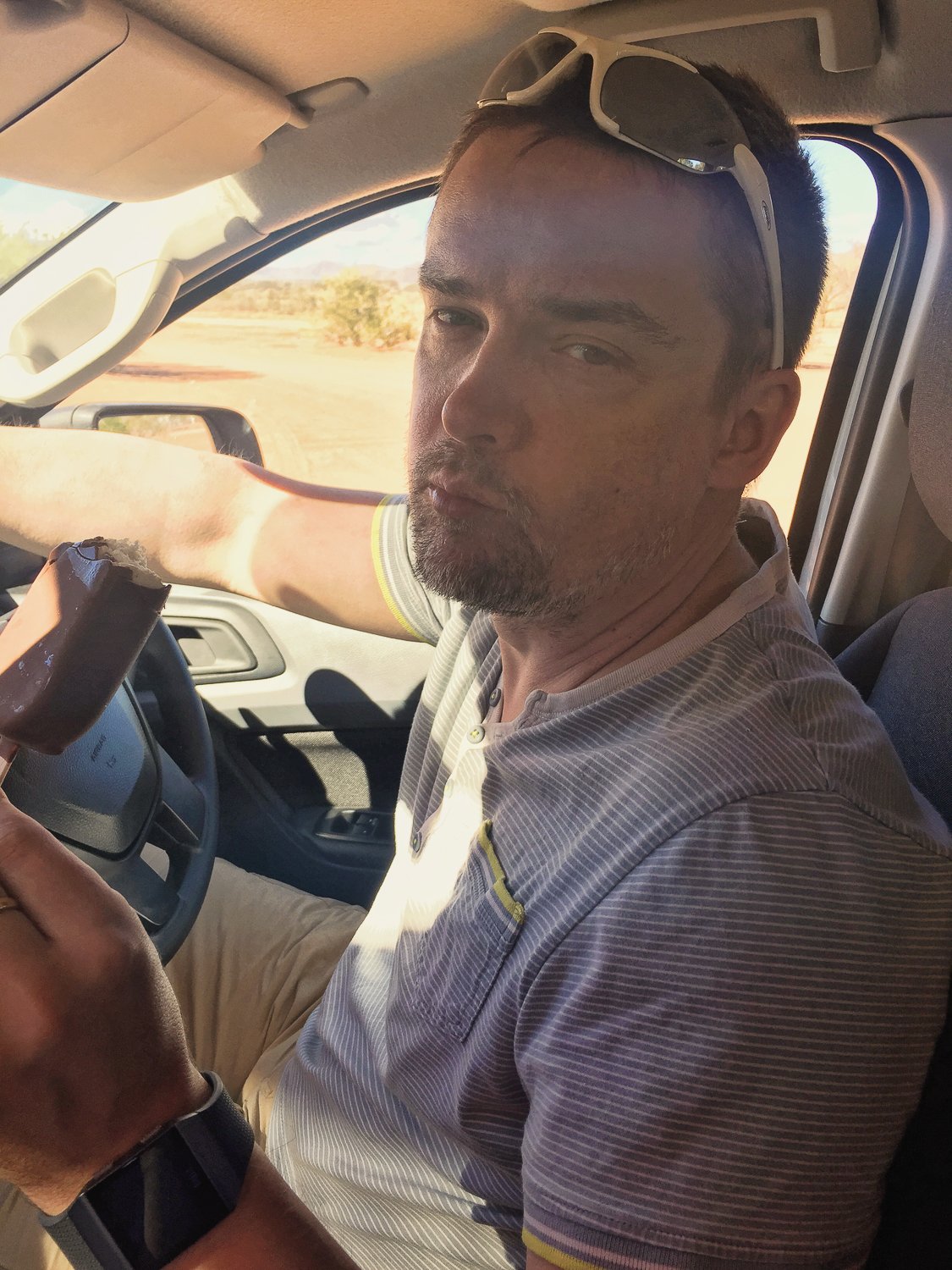
Finally, off we go to the Wolvedans. It is about 250 km distance and we are already very late, but, surprise, surprise, the road is empty, and we can push the accelerator a bit (nothing too crazy as we do not want to change the wheels).  On the way there is also refueling and ice cream.


W końcu ruszamy do Wolvedans. Mamy do przebycia około 250 km i jesteśmy już bardzo spóźnieni, ale o dziwo, niespodzianka, droga jest pusta i możemy trochę przycisnąć pedał gazu (bez nadmiernych szaleństw, bo nie chcemy jednak zmieniać kół).

Po drodze jeszcze tankowanie i lody.

Martial Eagle

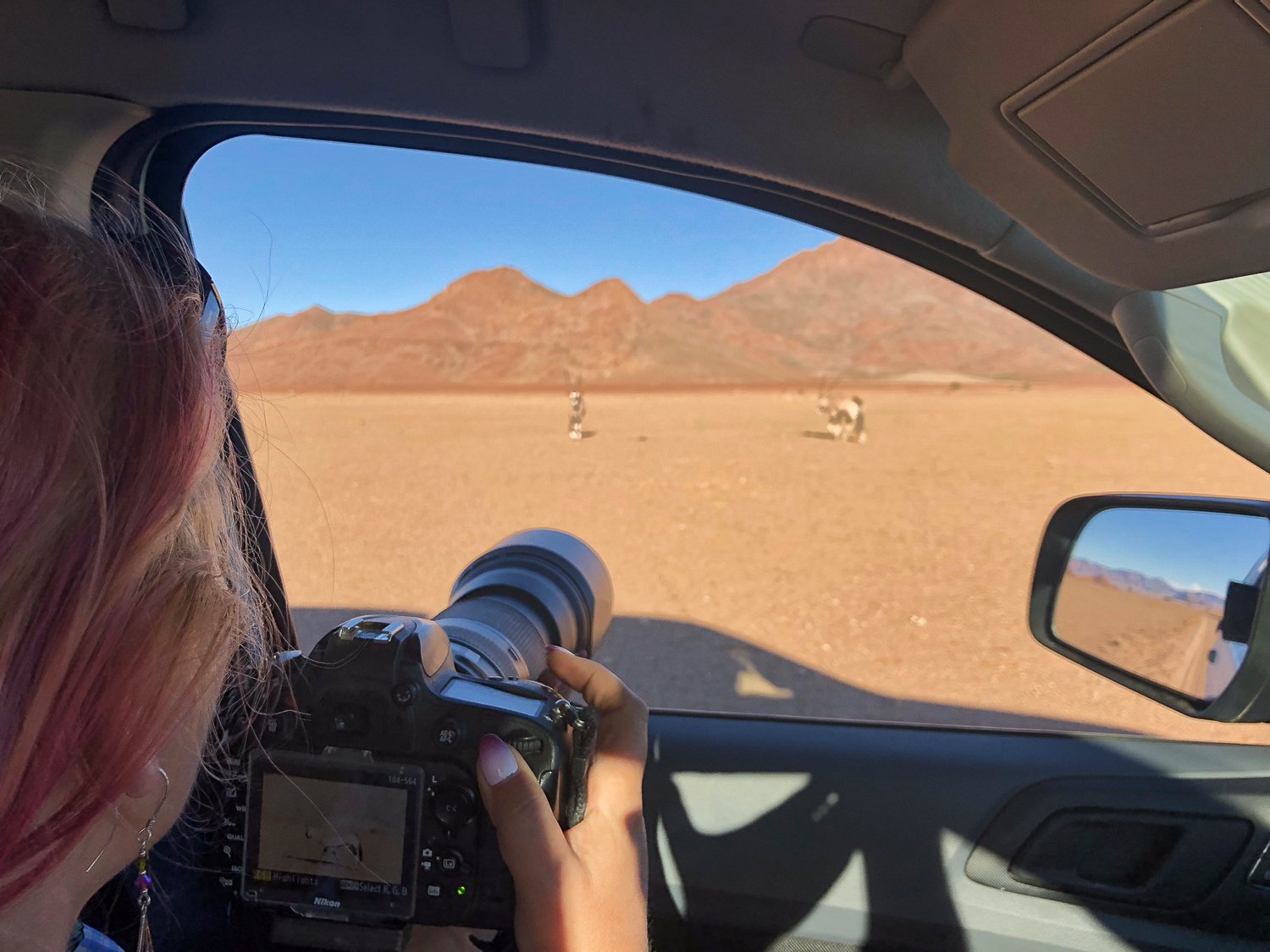
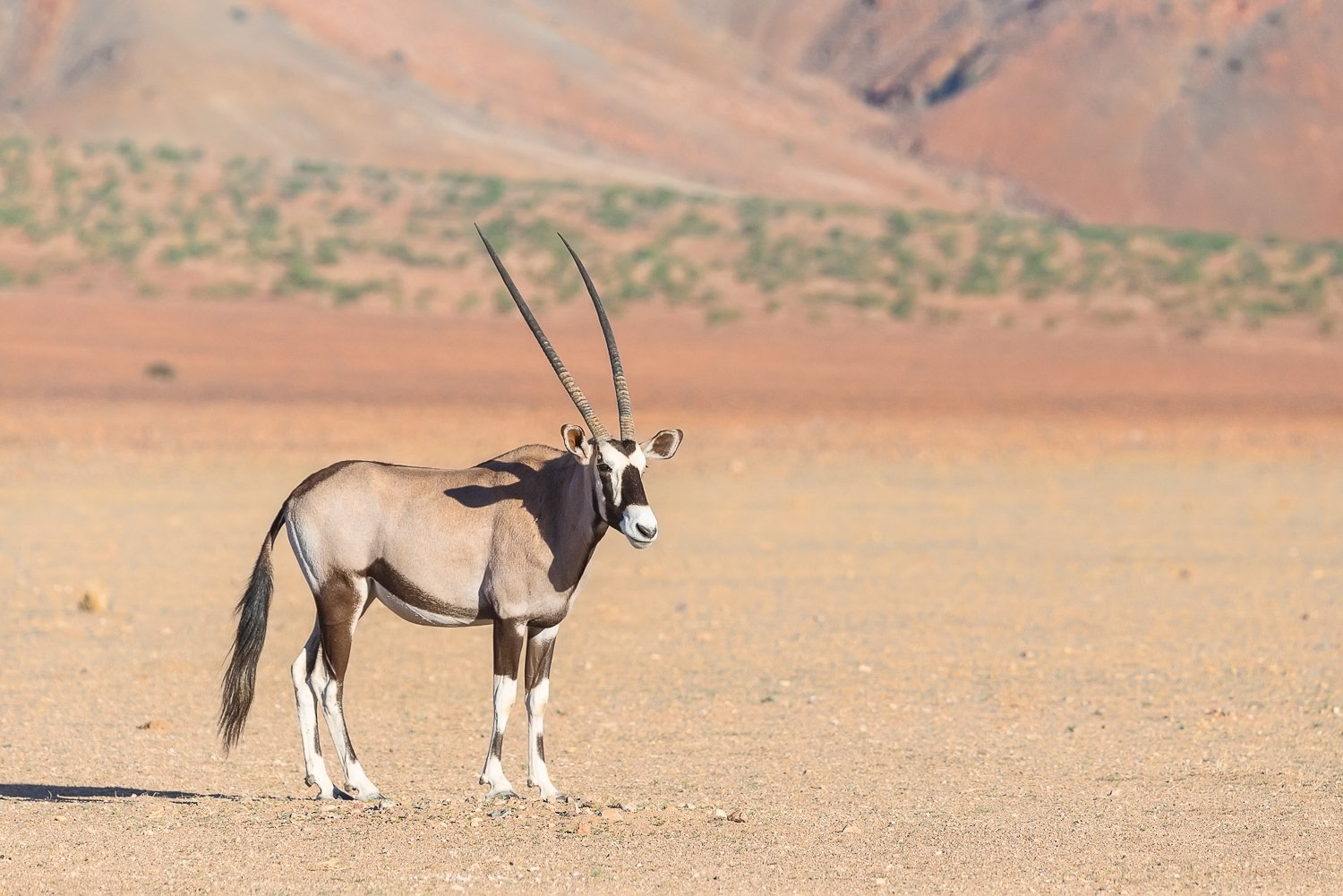
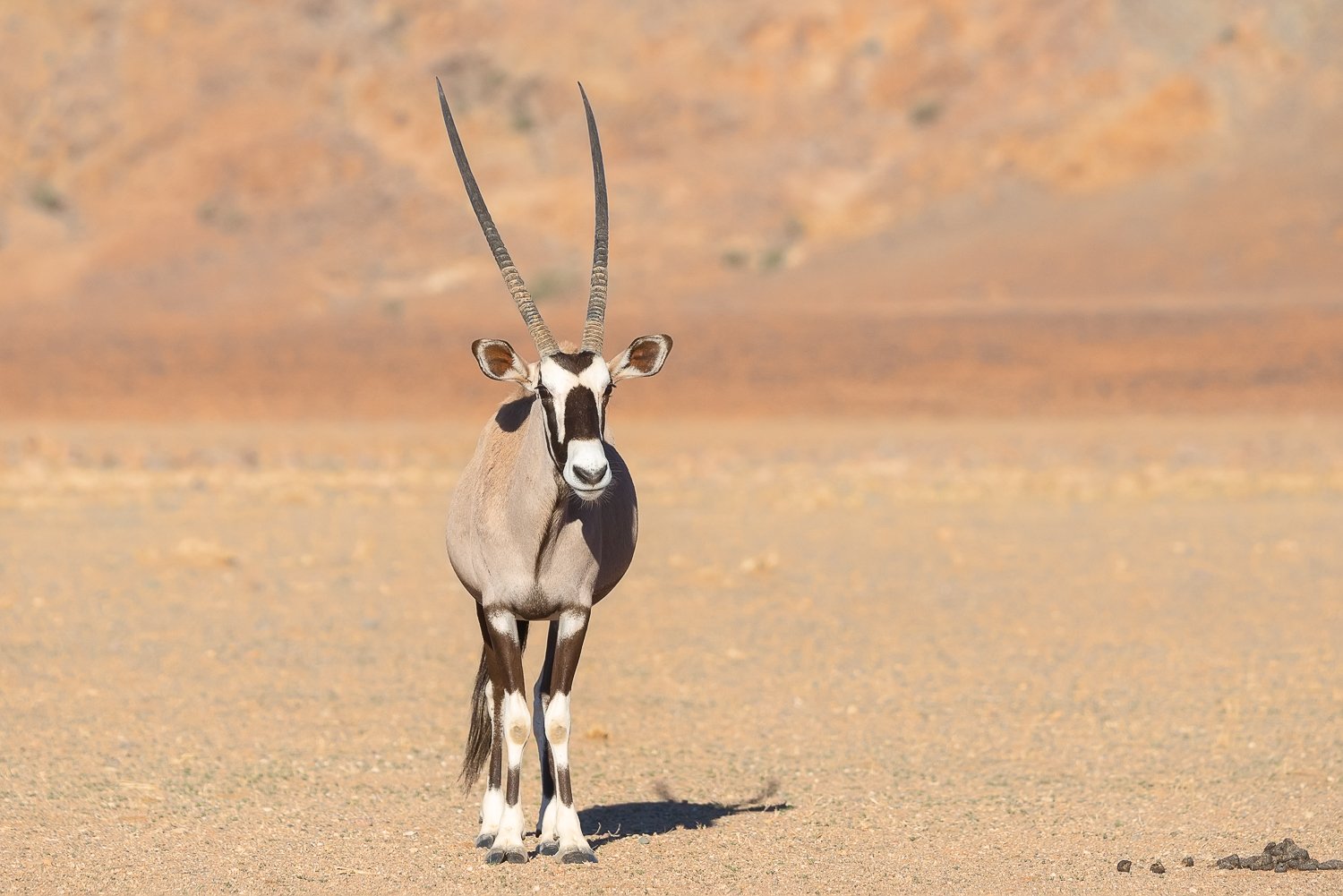
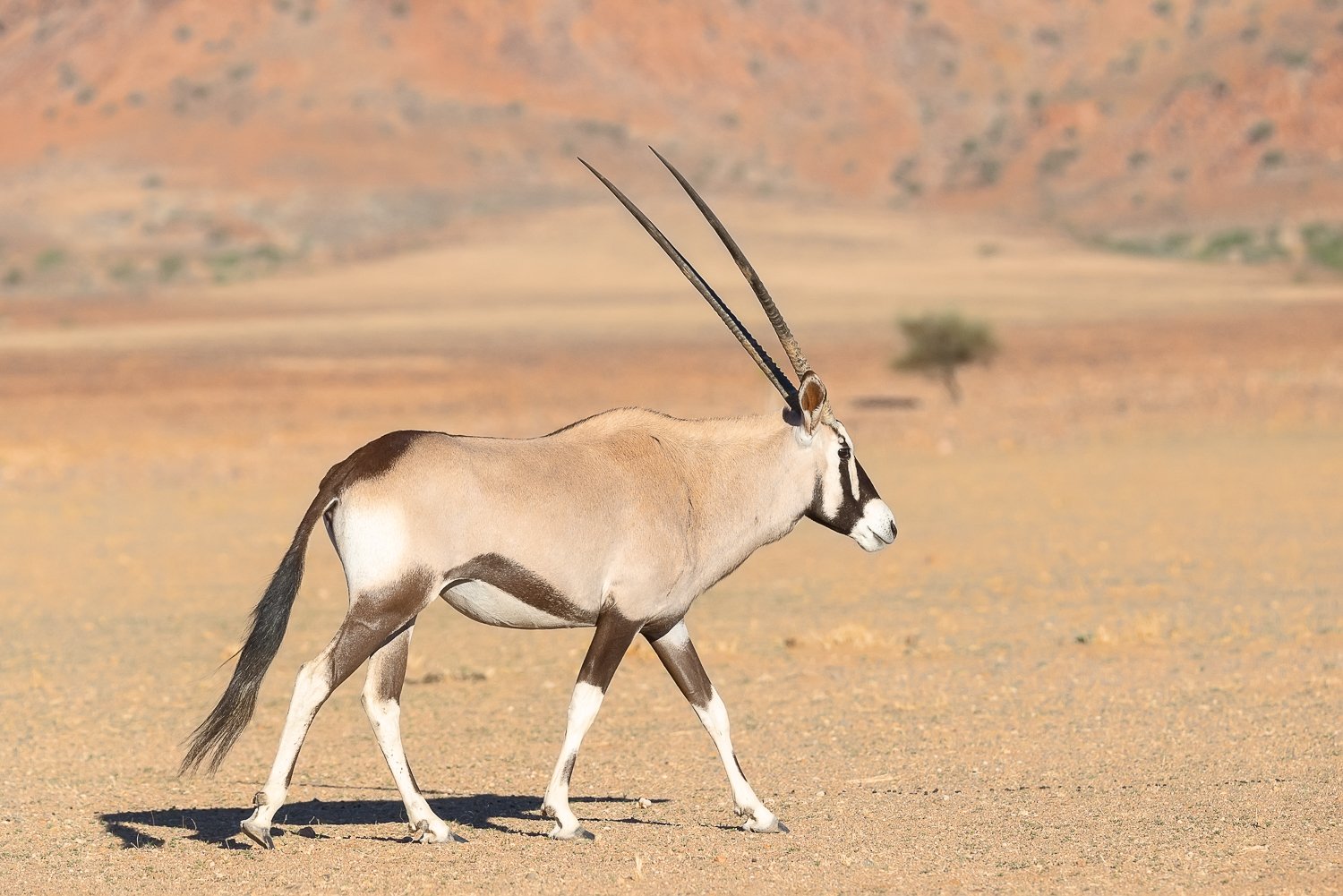
Meeting hundreds of oryxes was not the only treat today. We have also encountered a majestic Martial Eagle (Polemaetus bellicosus). It is the largest of the African eagles and this bird is extremely powerful, with enough power in one foot to break a man's arm. Just look how beautiful it is…

Setki oryksów nie były dziś jedyną niespodzianką. Spotkaliśmy też majestatycznego wojownika zbrojnego (Polemaetus bellicosus). Jest to największy z afrykańskich orłów, silny do tego stopnia, że jedną nogą może złamać ramię dorosłego mężczyzny. Tylko spójrzcie, jaki jest piękny…