UK

Paranormal Activity

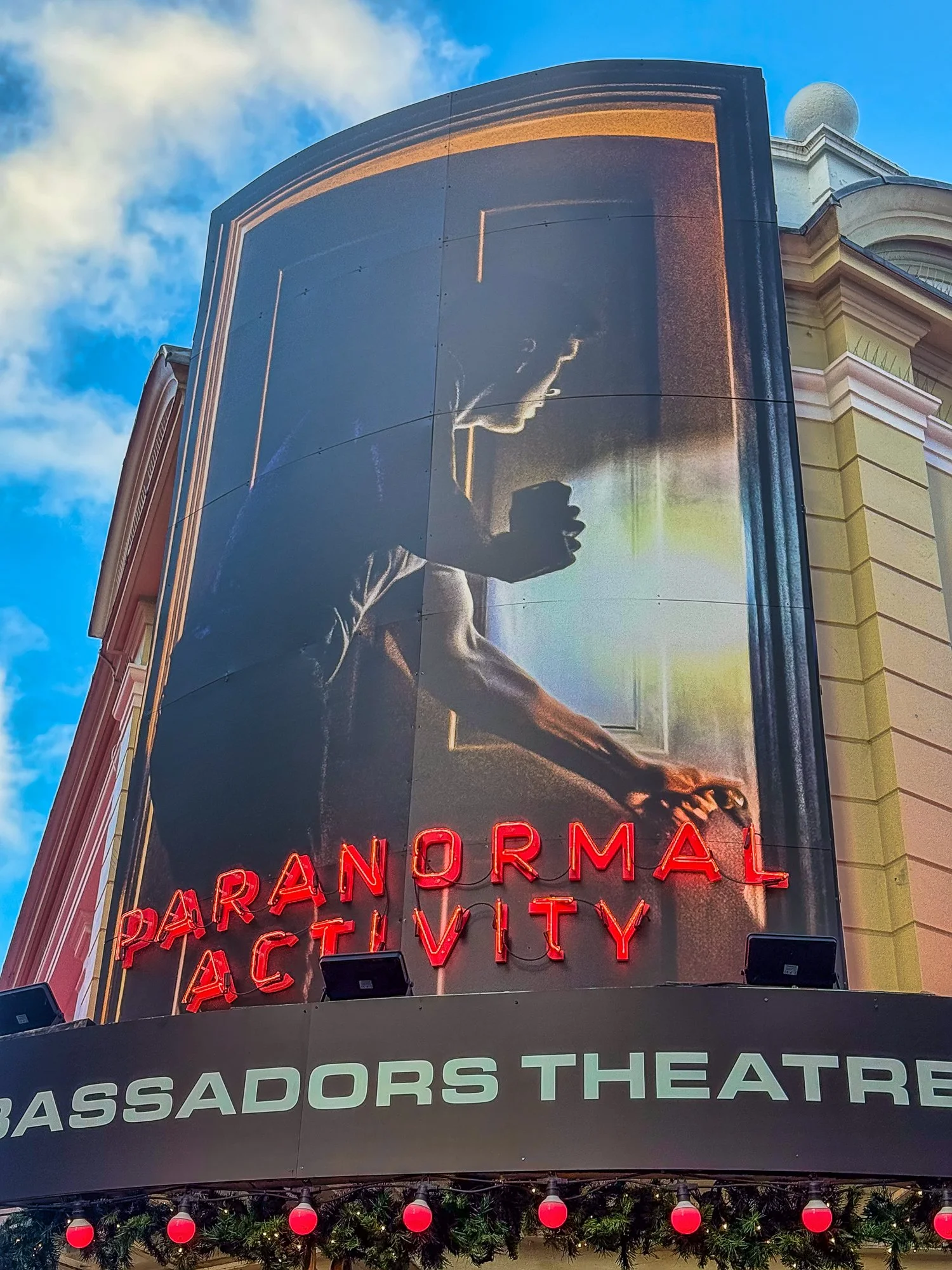
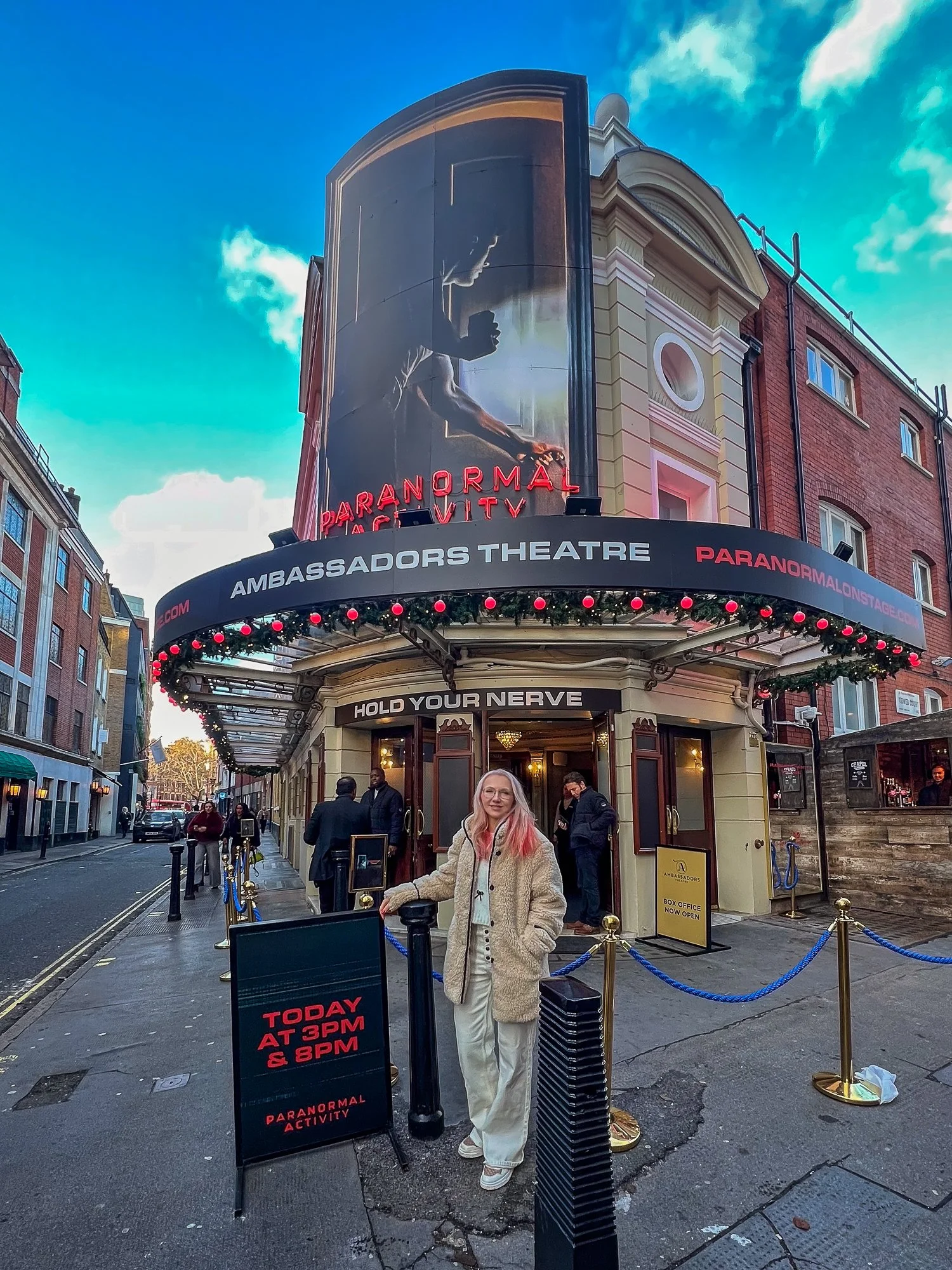
The Ambassadors Theatre is currently hosting “Paranormal Activity”. Written by Levi Holloway and directed by Felix Barrett of Punchdrunk, it follows a couple who begin to experience unsettling events after moving to London. I will not go into plot details to avoid spoilers, but the involvement of Felix Barrett alone was enough to convince us that this was something we should see.

So I got hold of tickets and off we went.

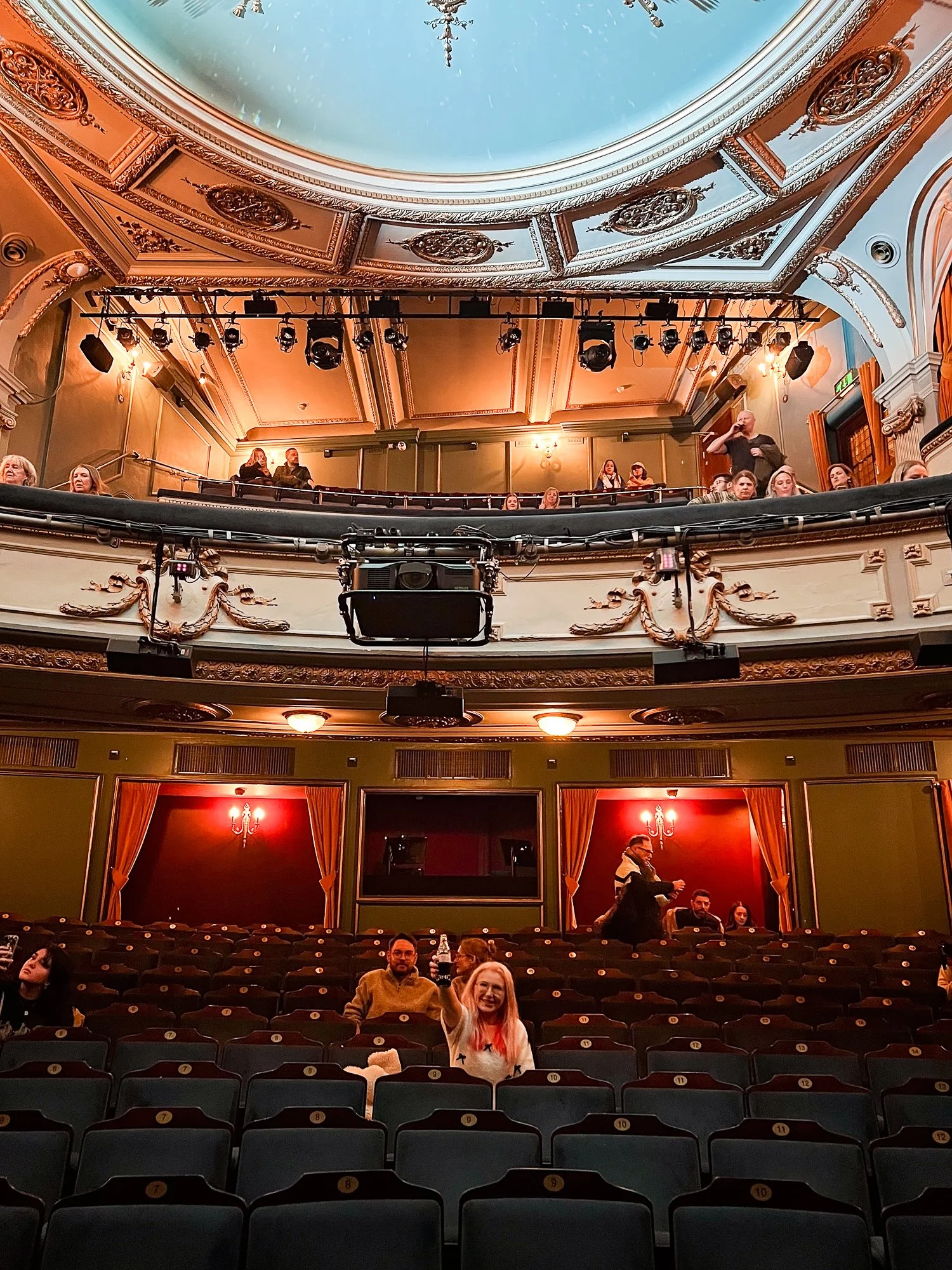
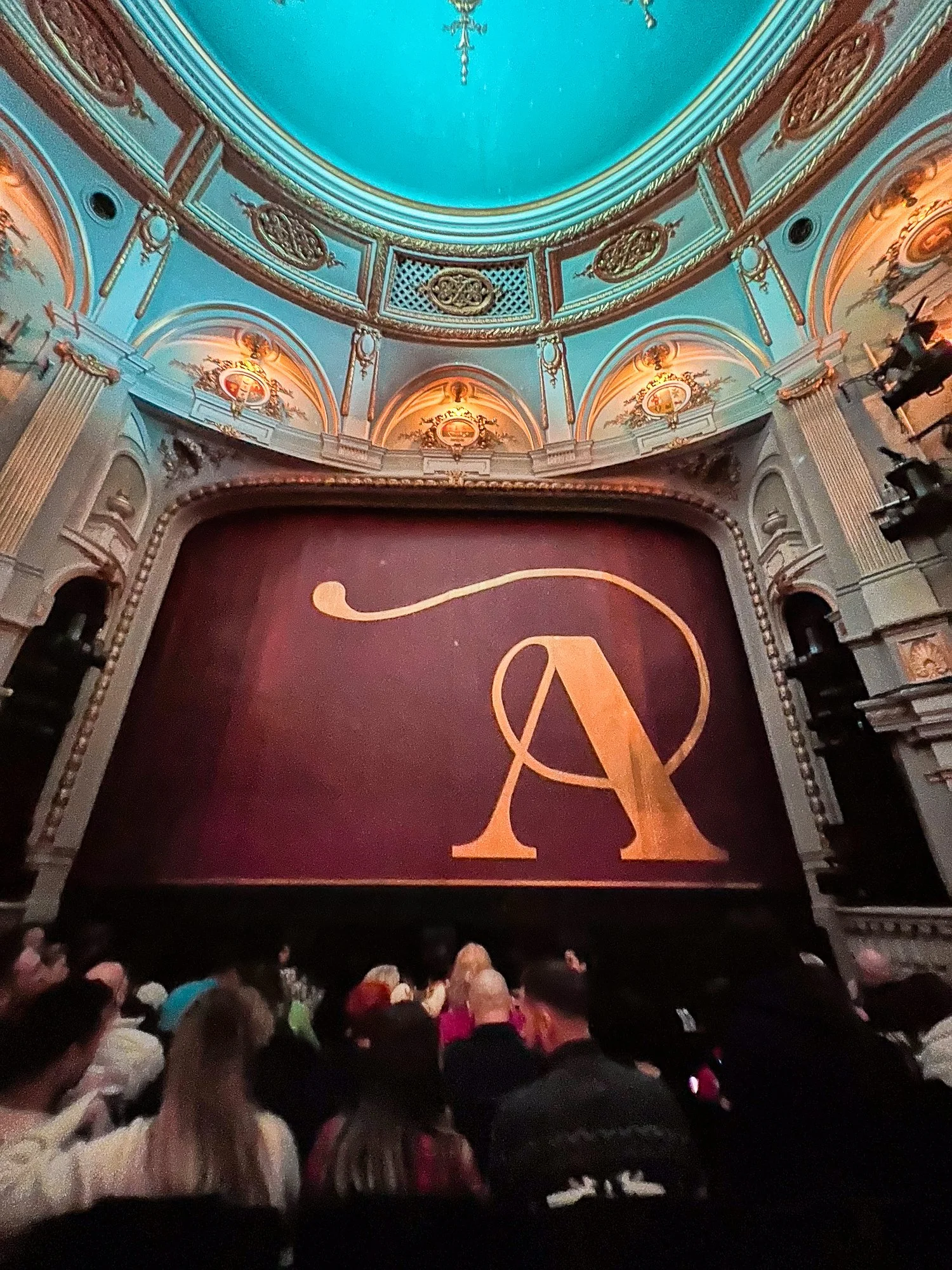
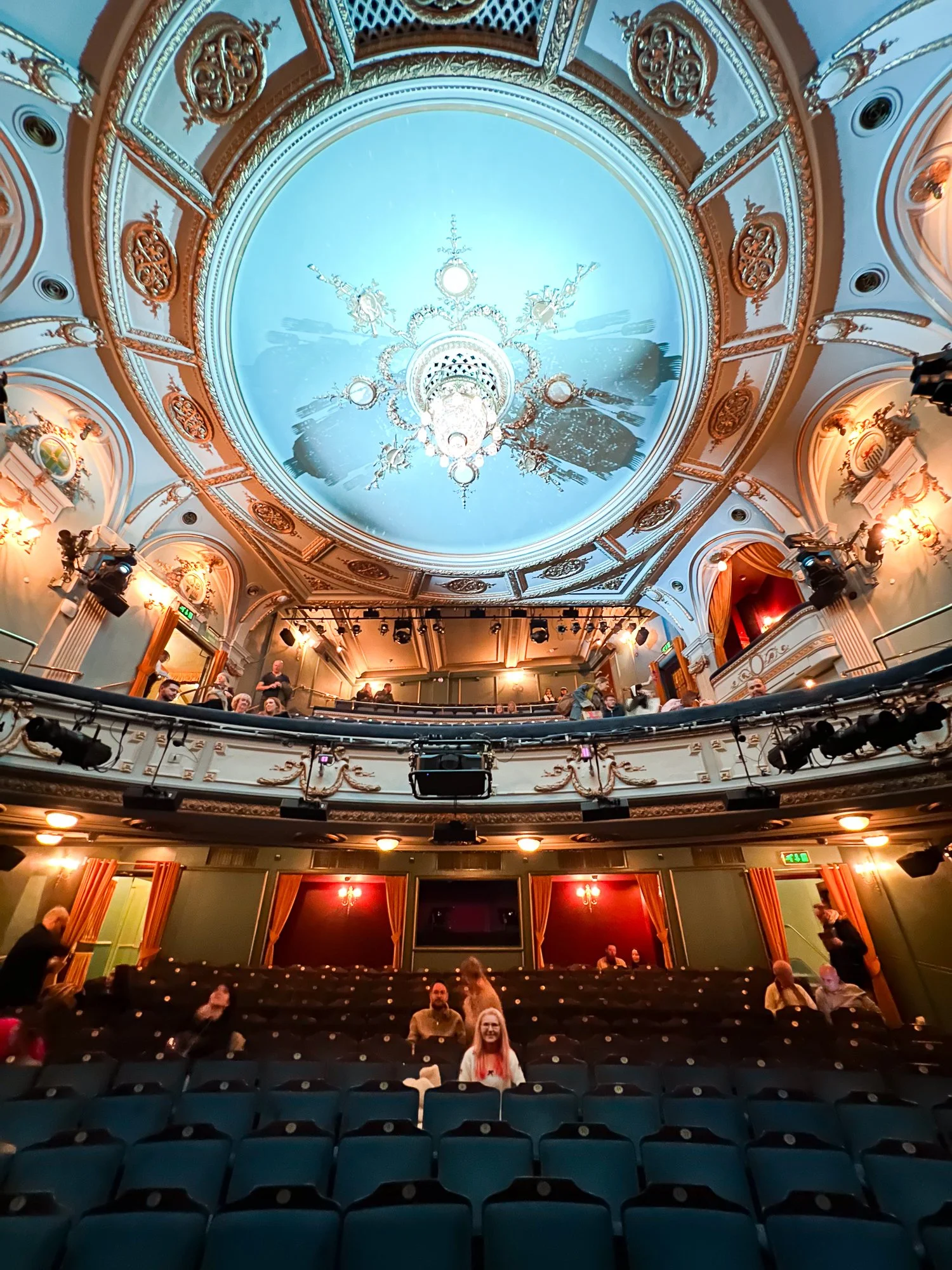
This was our first visit to the Ambassadors Theatre. Built in 1913, it is a Grade II listed building and relatively small by West End standards, seating around 400 to 440 people across two levels, with stalls at ground level and a single dress circle above. The modest size and intimate sightlines mean you are much closer to the actors and the action than in many larger theatres. We were seated downstairs, fairly close to the stage, which worked particularly well for this production.

The exterior is restrained and classical, with a stuccoed façade on West Street, pilasters, a deep cornice and a balustraded parapet. The building occupies a compact, almost triangular site.

Teatr Ambassadors wystawia obecnie „Paranormal Activity”. Autorem tekstu jest Levi Holloway, a reżyserii podjął się Felix Barrett z Punchdrunk. Historia opowiada o parze, która po przeprowadzce do Londynu zaczyna doświadczać niepokojących zdarzeń. Nie będę tu wchodzić w szczegóły, żeby niczego nie zdradzić, ale gdy tylko usłyszałam nazwisko Barretta, wiedziałam, że nie możemy tego przegapić.

Zdobyliśmy zatem bilety i ruszyliśmy do teatru.

Była to nasza pierwsza wizyta w tym teatrze. Budynek powstał w 1913 roku i jest obiektem klasy II na liście zabytków. To raczej kameralna scena jak na West End, mieszcząca około 400–440 widzów, z parterem i jednym balkonem. Dzięki niewielkim rozmiarom i dobrym proporcjom widowni ma się poczucie bliskości z aktorami i samą akcją. My siedzieliśmy na dole, dość blisko sceny, co w przypadku tego spektaklu było dużym plusem.

Z zewnątrz teatr prezentuje się dość powściągliwie, w klasycznym stylu, ze stiukową fasadą przy West Street, pilastrami i wyraźnym gzymsem. Obszar teatru jest mały i nieregularny, niemal trójkątny.
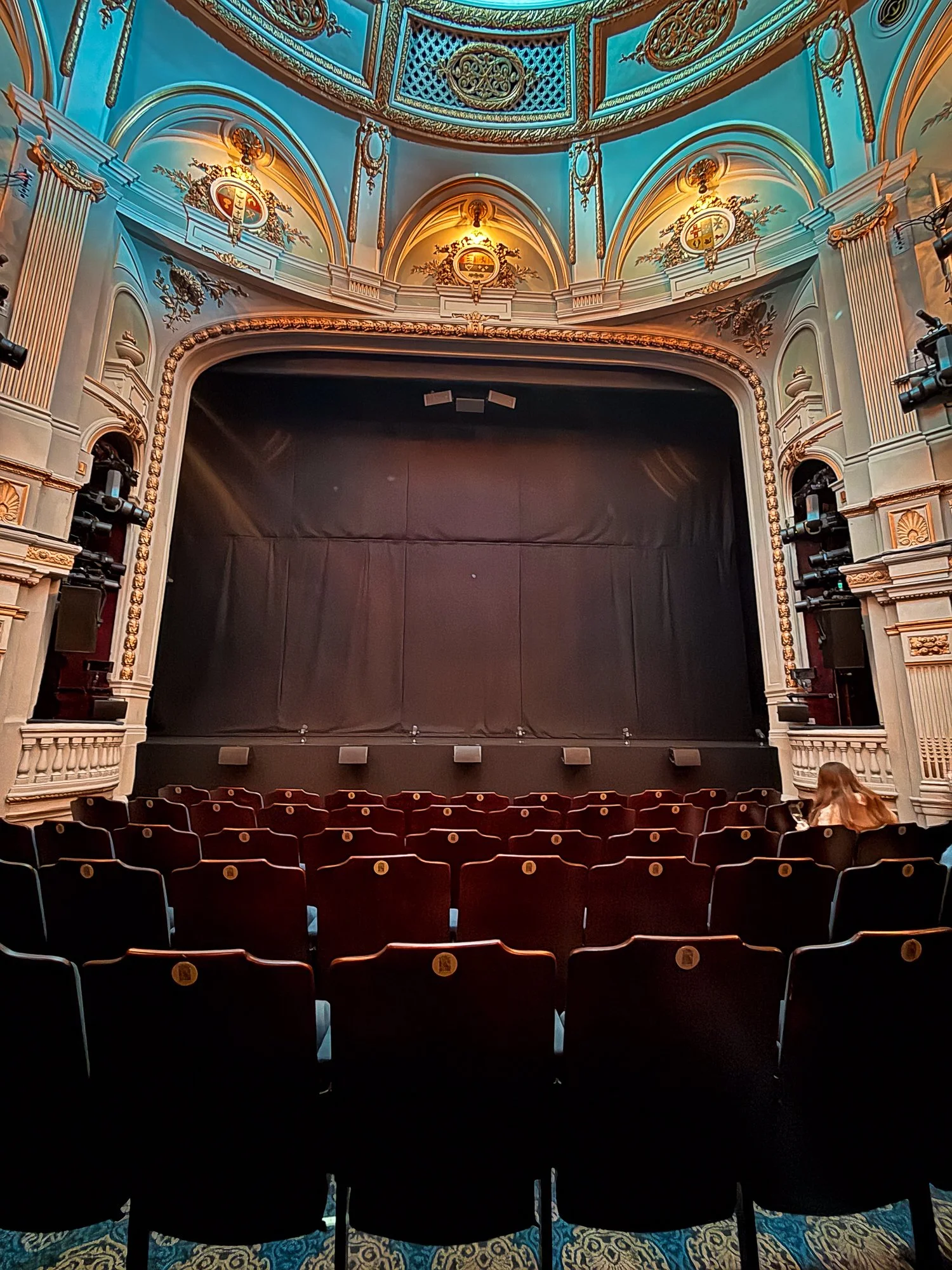
Inside, the theatre is decorated in an elegant Louis XVI style, with a colour palette traditionally associated with Parma violet, ivory and gold. It feels quite refined. The foyer and public areas feature decorative plasterwork and pilasters, with a pleasing circular space that leads into the auditorium.

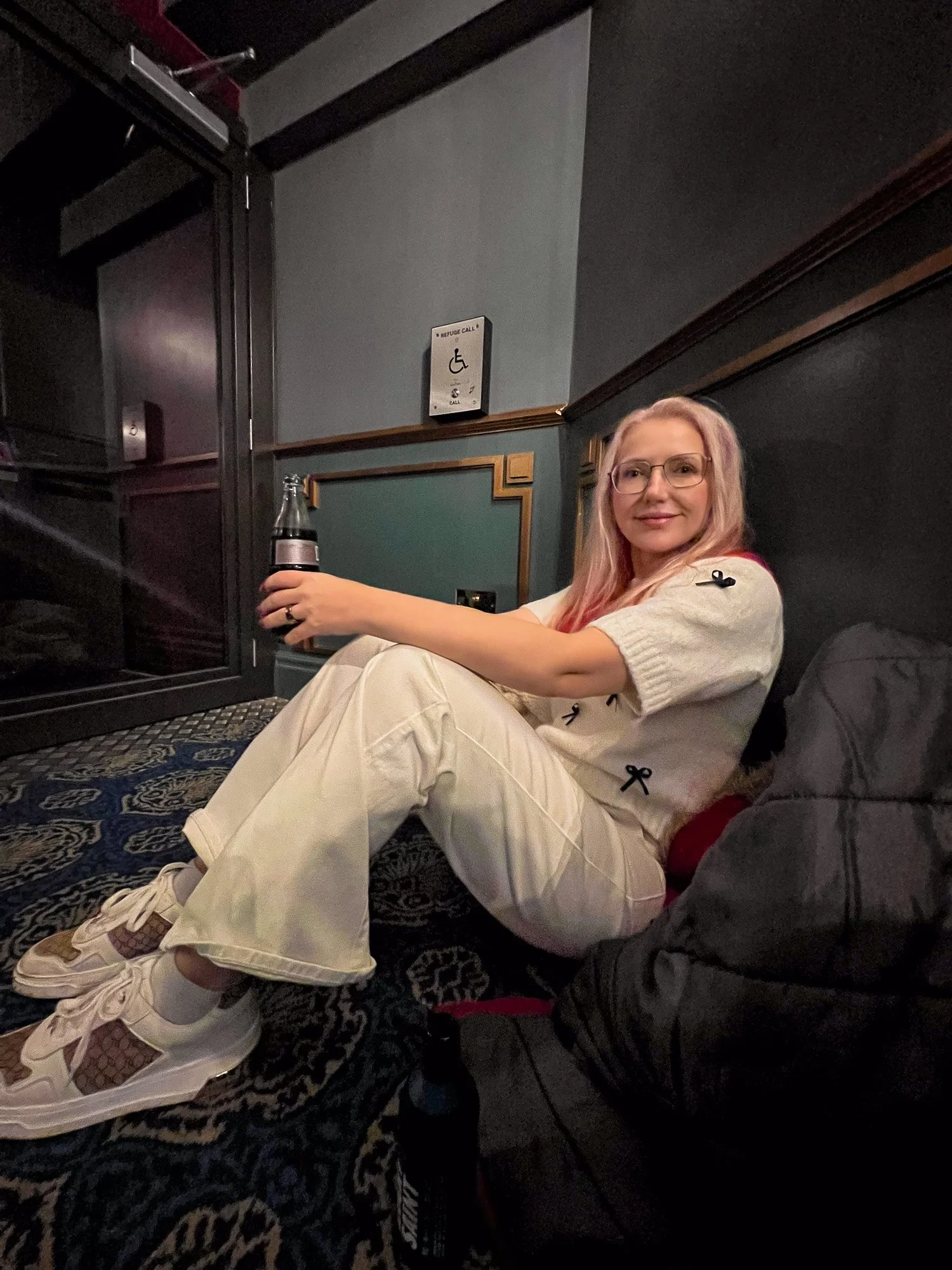
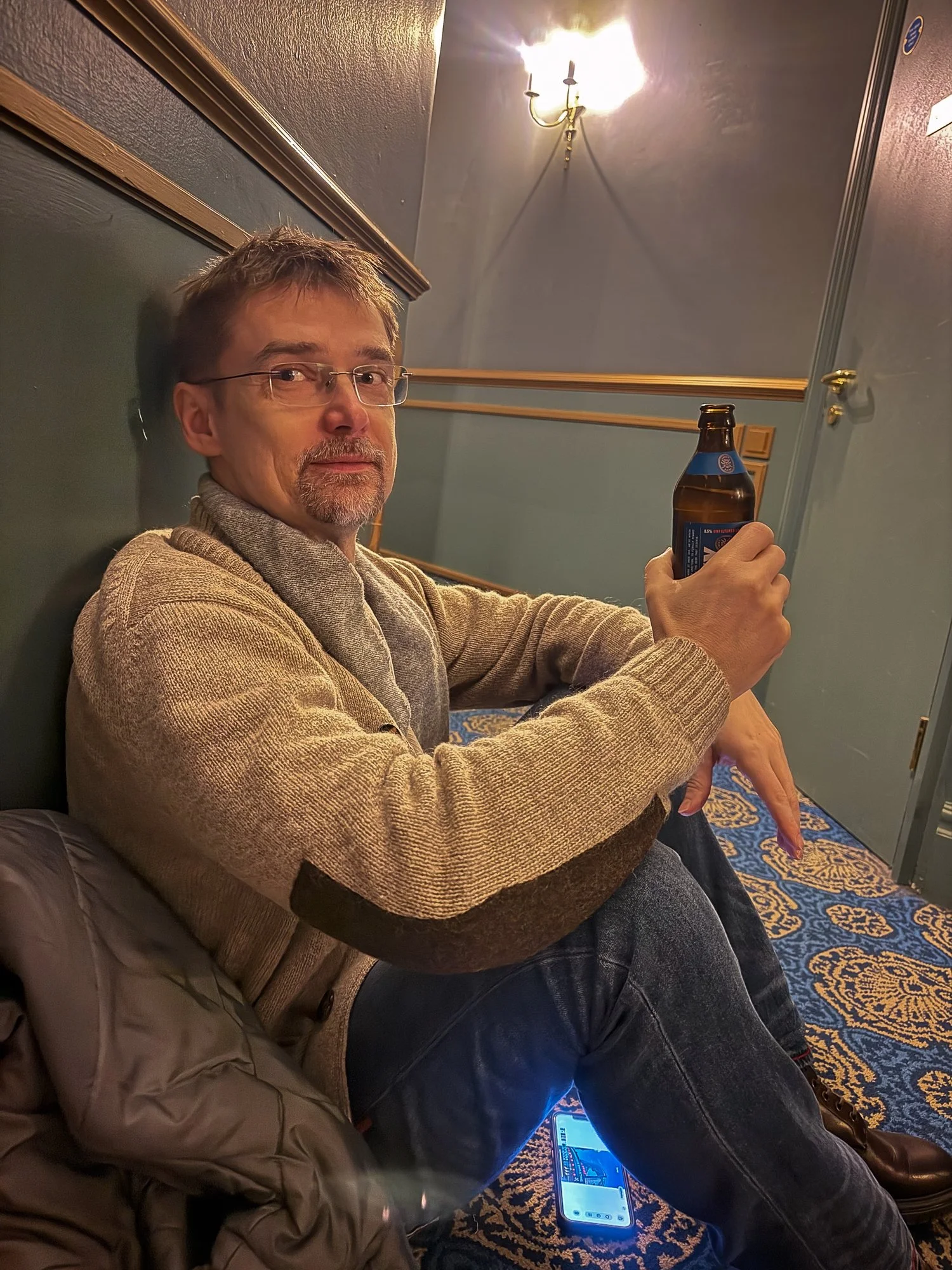
We arrived quite early and had a drink. As the bar area is very small, and the auditorium had not yet opened, we waited in the corridor, sitting on the floor and using the time to unwind a little before being let in to find our seats.

Wnętrze zaskakuje eleganckim wystrojem w stylu Ludwika XVI, z paletą kolorów, w której dominuje fiolet, kość słoniowa i złoto. Całość jest dość wyrafinowana. Przestrzenie foyer mają dekoracyjne sztukaterie i przyjemny, półkolisty układ prowadzący do widowni.

Przyjechaliśmy dość wcześnie i mieliśmy sporo czasu, żeby napić się czegoś przed spektaklem. Bar jest jednak bardzo mały, a ponieważ widownia nie była jeszcze otwarta, rozsiedliśmy się na podłodze korytarza.
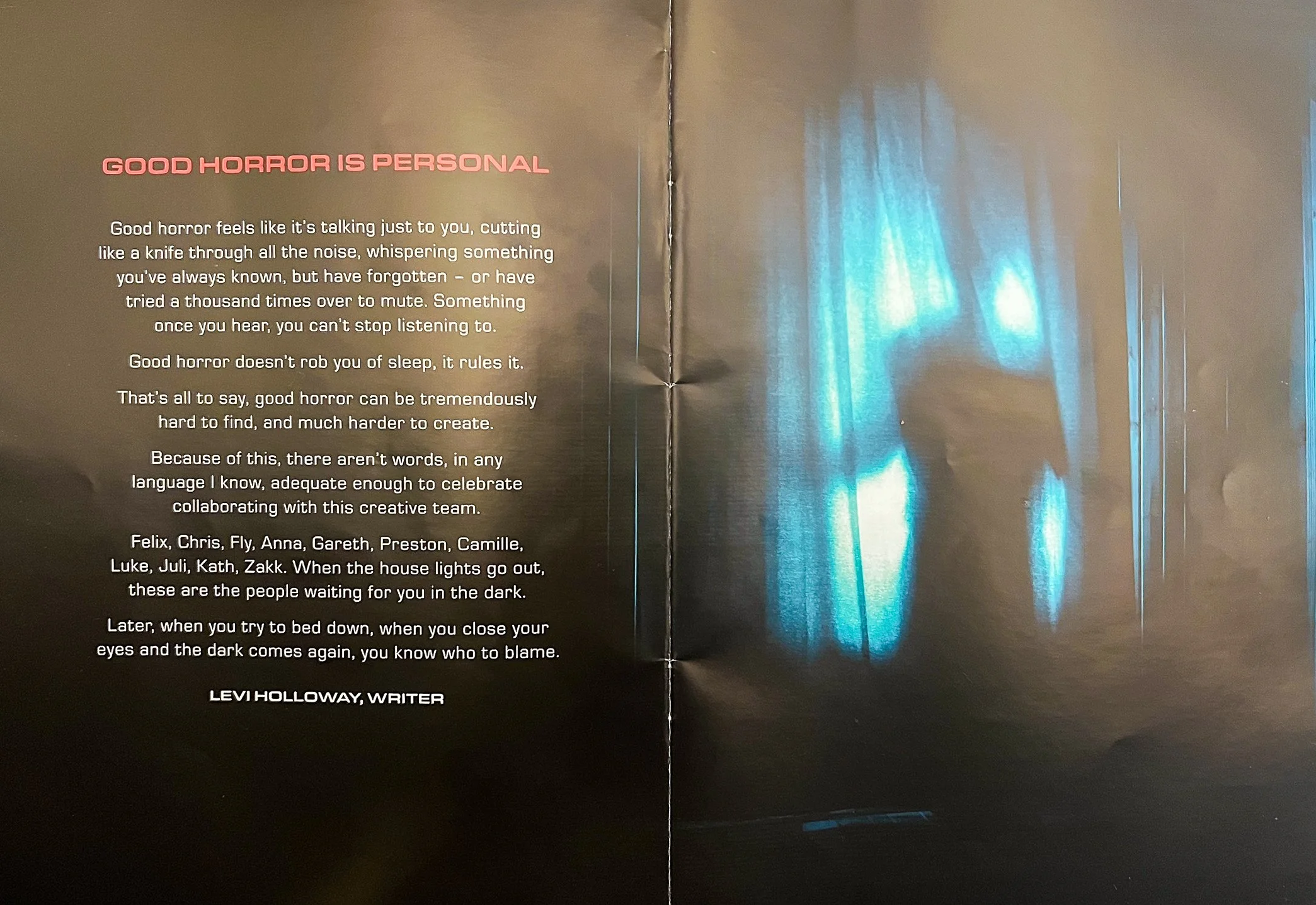
The play itself is highly atmospheric and genuinely unsettling without tipping into tackiness. The tone is creeping and tense, often very quiet, until it suddenly is not. The set represents a London home, shown as a cross-section over two floors, like a doll-house with one wall removed. Sound design, darkness and practical stage effects are used extensively, with some moments that feel closer to stage magic than conventional theatre, and which we are still trying to work out.

Silence is used deliberately and effectively, to the point where you can hear the audience holding its breath or reacting audibly. Modern horror does not often manage to sustain this level of unease, but this production does.

To sum it up, we liked it a great deal.

Sam spektakl jest bardzo sugestywny i naprawdę niepokojący, ale bez tanich efektów. Nastrój budowany jest powoli i konsekwentnie. Scenografia przedstawia londyński dom pokazany w przekroju, na dwóch poziomach, jak domek dla lalek bez jednej ściany. Ogromną rolę odgrywa dźwięk, światło (lub jego brak) i efekty realizowane na żywo. Niektóre z nich przypominają sztuczki iluzjonistyczne i do tej pory nie jesteśmy pewni, jak zostały zrobione. Cisza jest także używana w tym przedstawieniu bardzo świadomie. Widać i słychać reakcje widowni, w tym wstrzymywanie oddechu. Współczesny horror rzadko potrafi wywołać taki poziom napięcia, a tutaj to się ewidentnie udało.

Krótko mowiąć, bardzo nam się ten spektakl podobał.
New Molden: Hair and Korean food

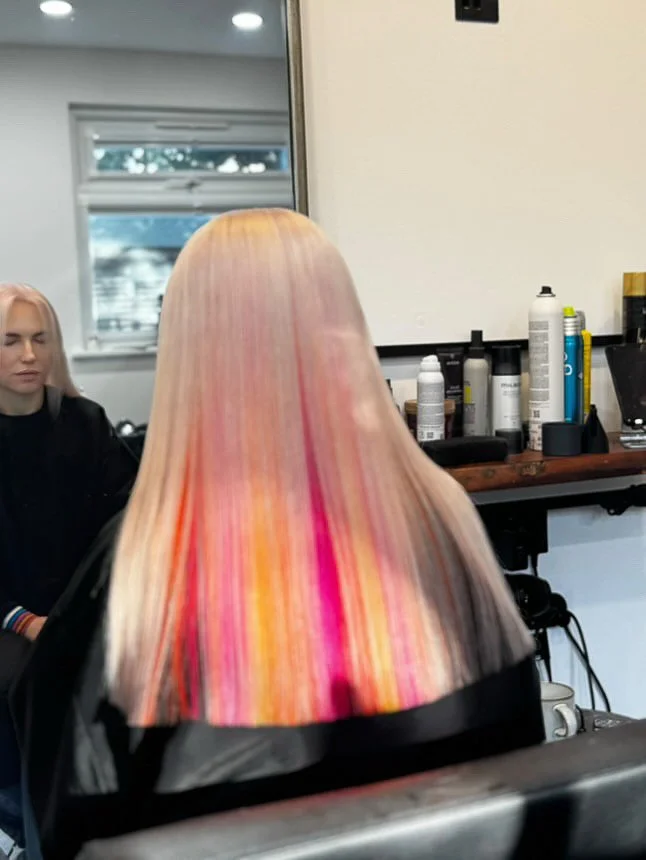
After three whole months since my previous colouring, my hair was screaming for a visit to Seung Ki Baek’s studio. A few hours later, with a fresh splash of colour and no roots in sight, I felt much more human.

Po trzech miesiącach od ostatniego farbowania moje włosy zdecydowanie domagały się wizyty w studiu Seung Ki Baeka. Kilka godzin później, z odświeżonym kolorem i bez śladu odrostów, poczułam się zdecydowanie bardziej jak człowiek.

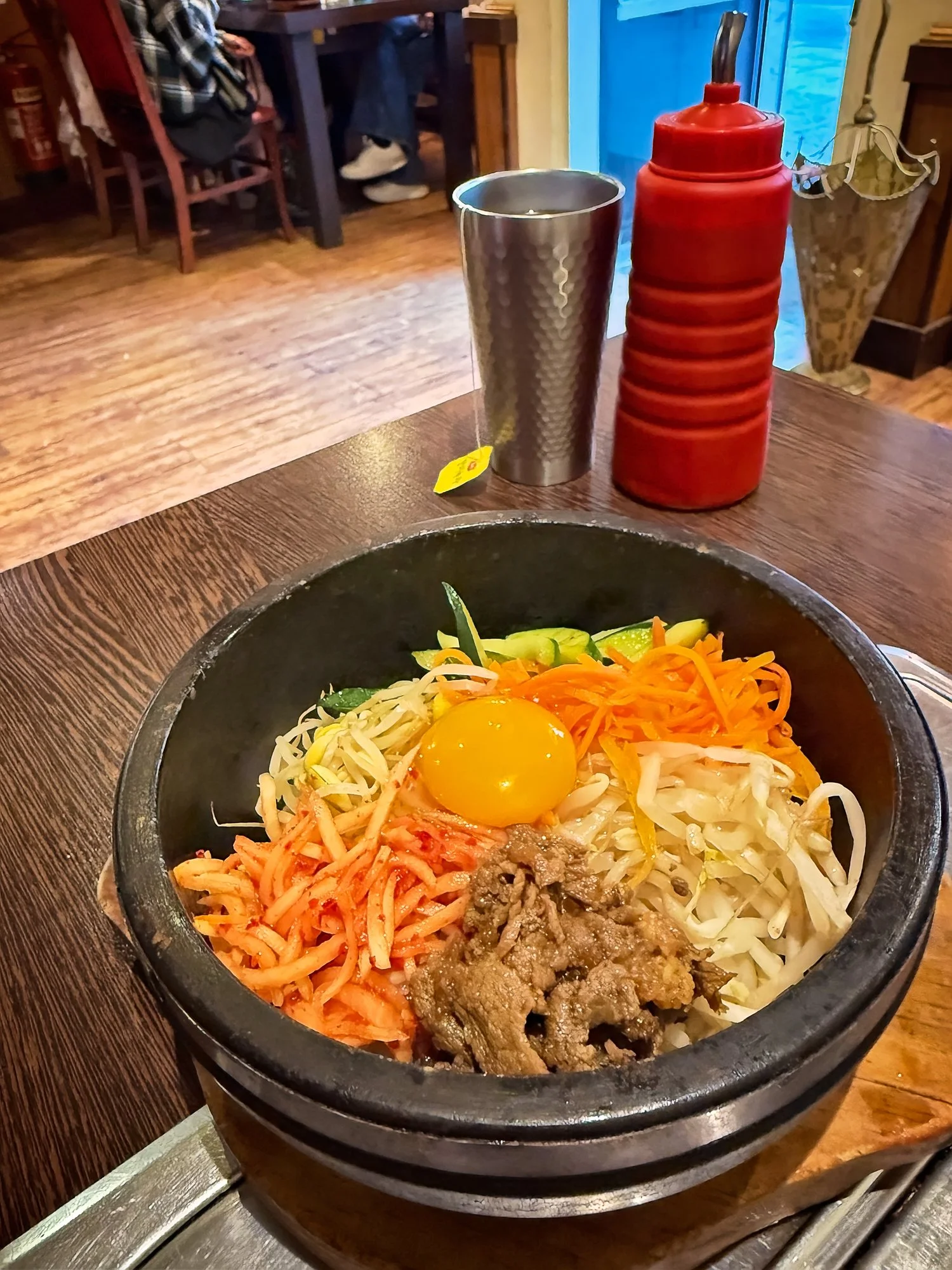
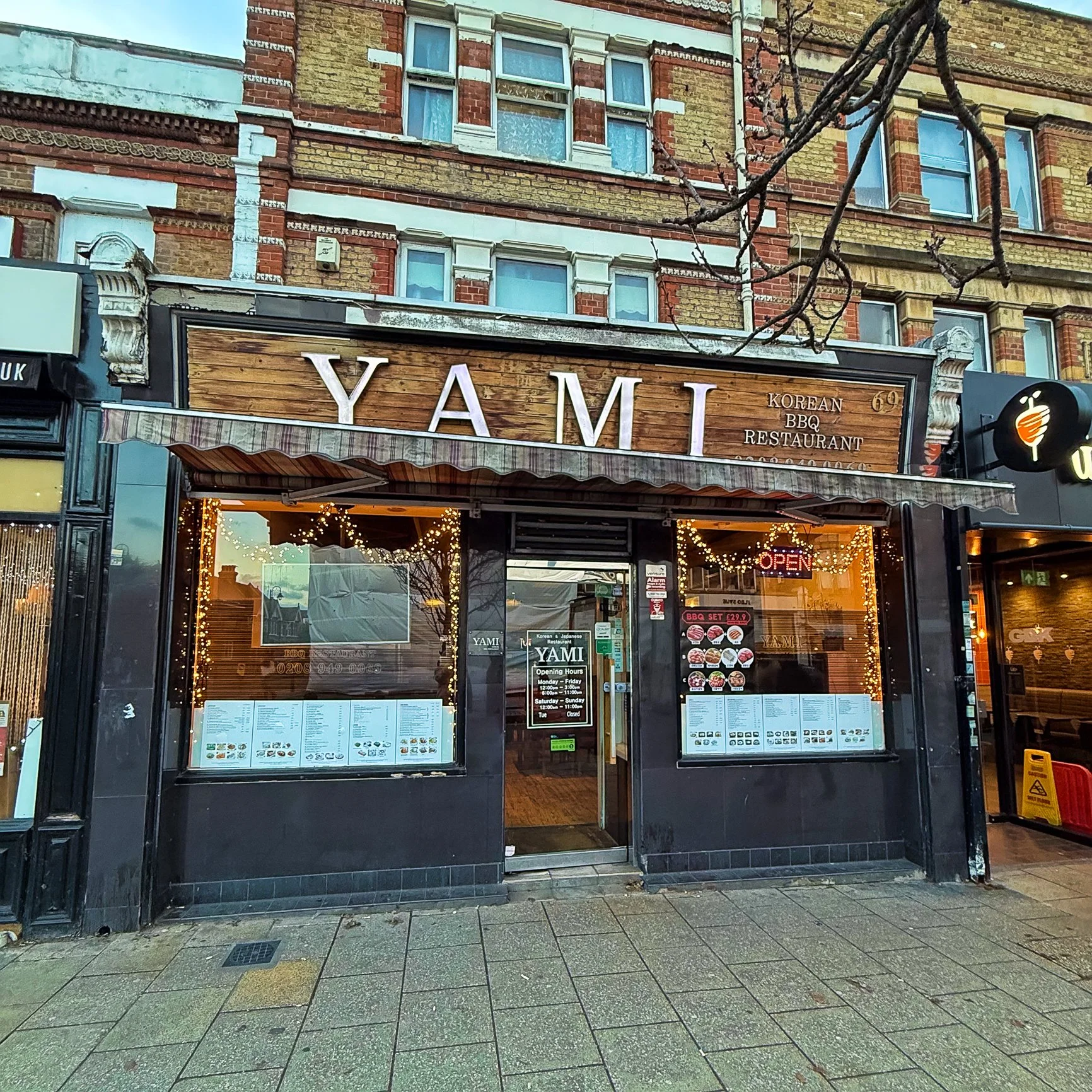
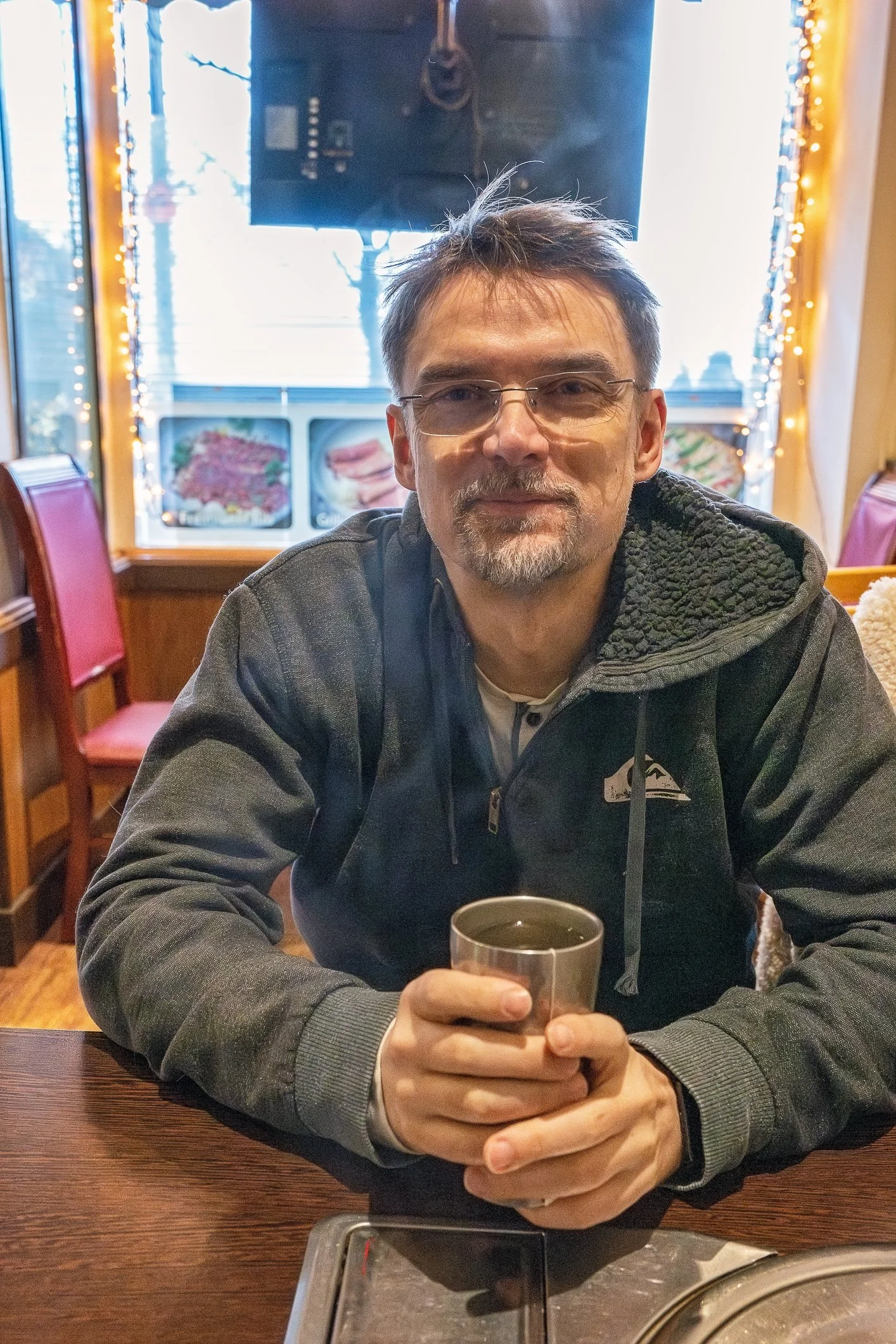
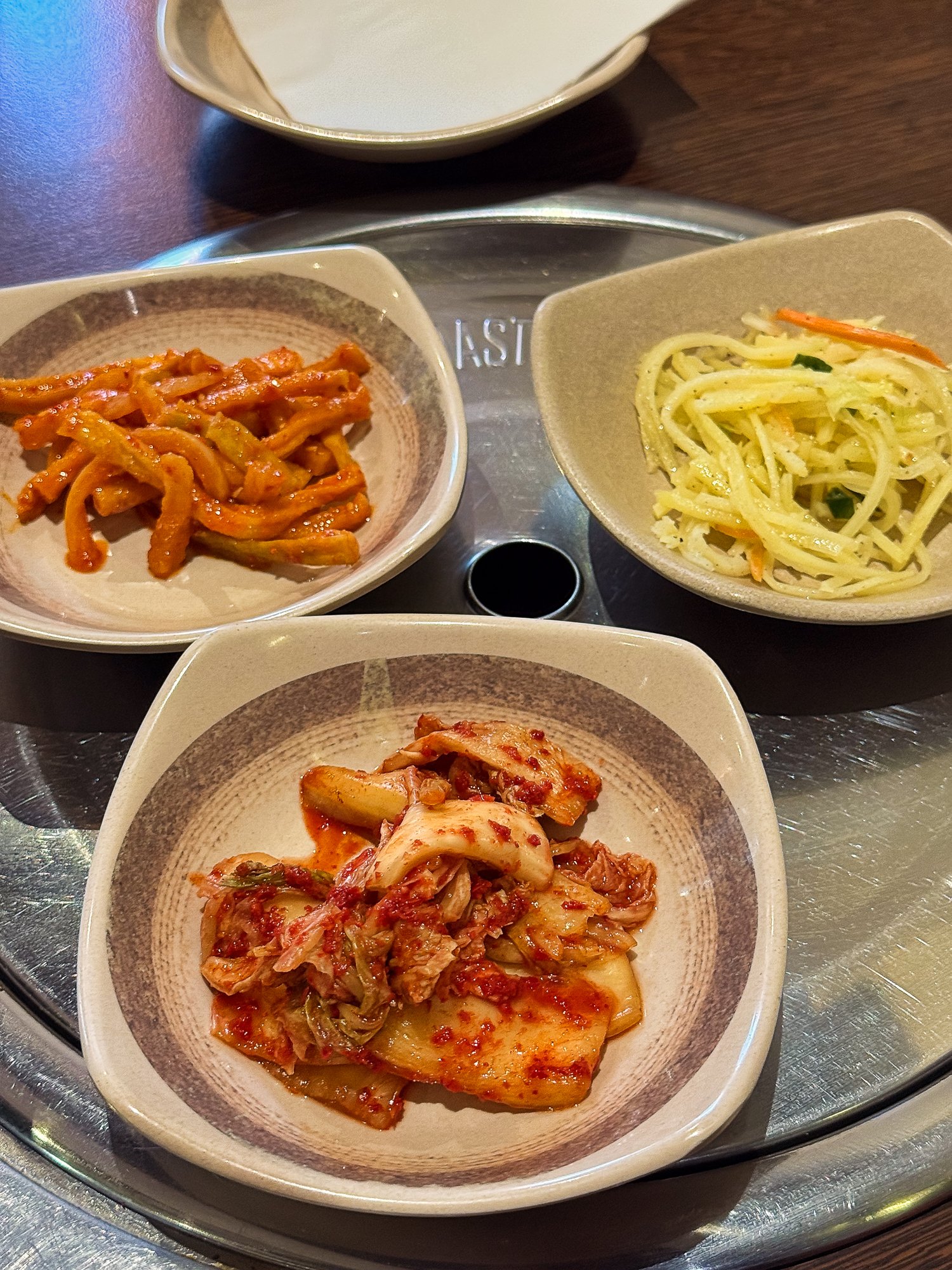
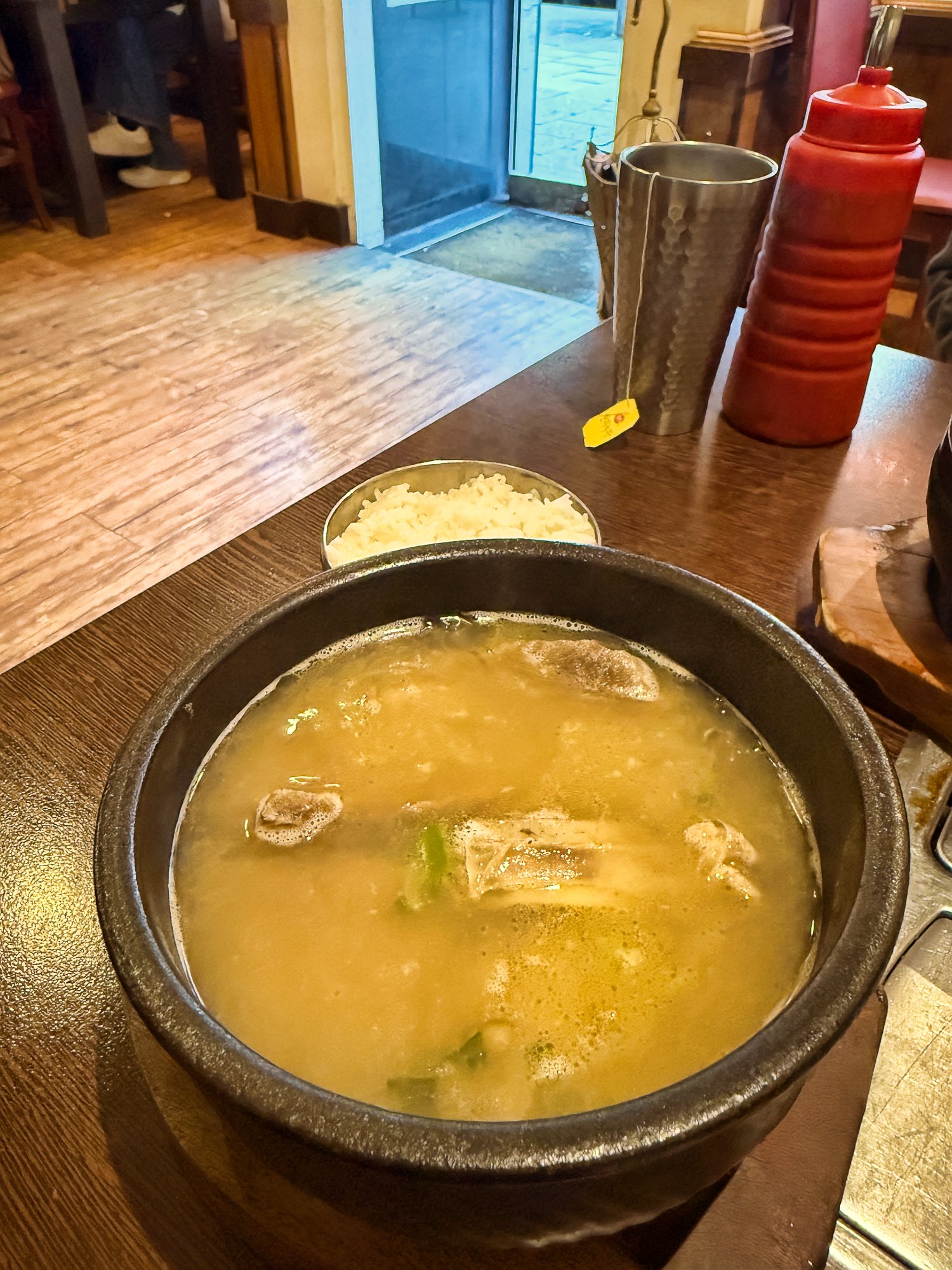
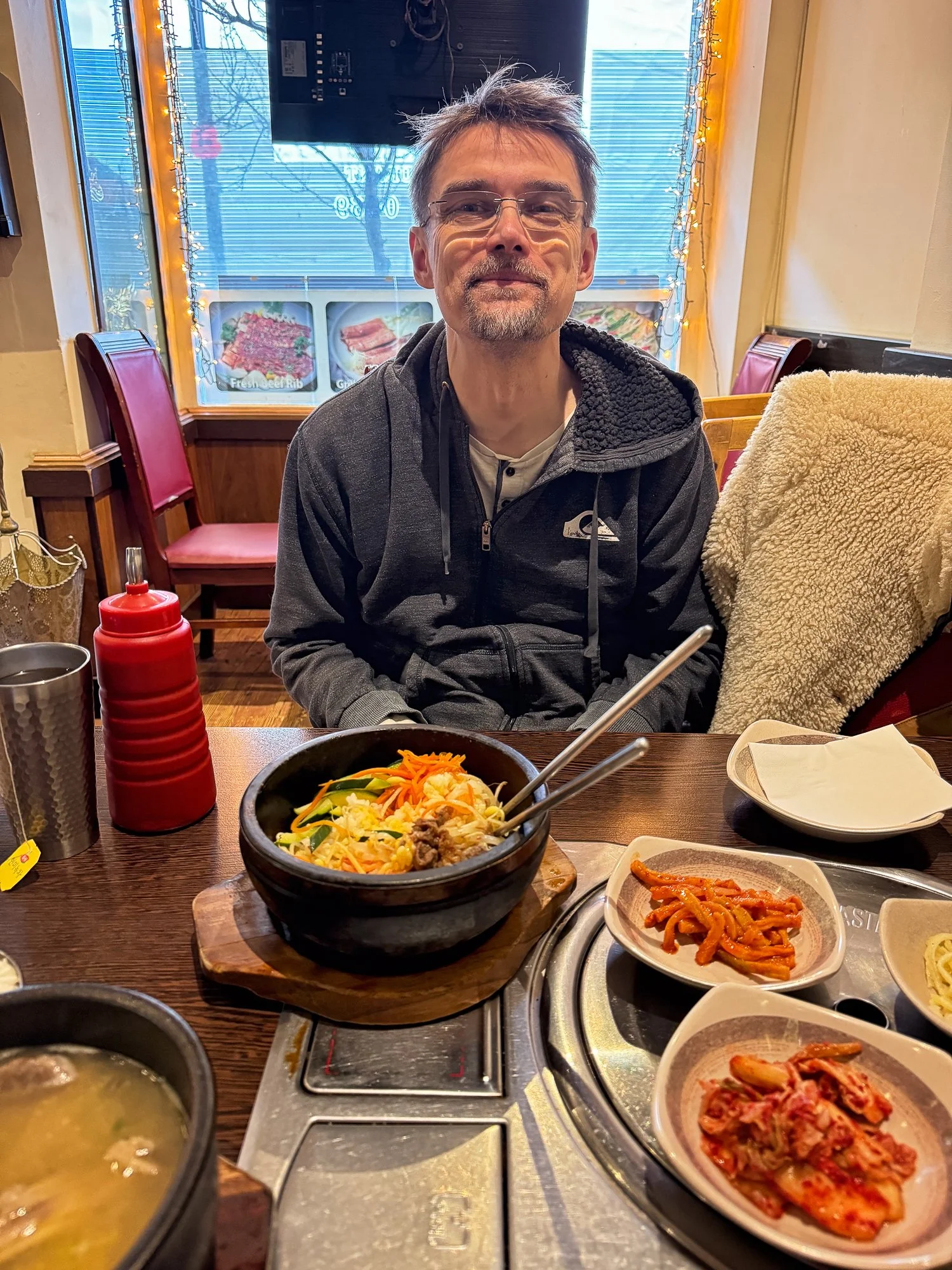
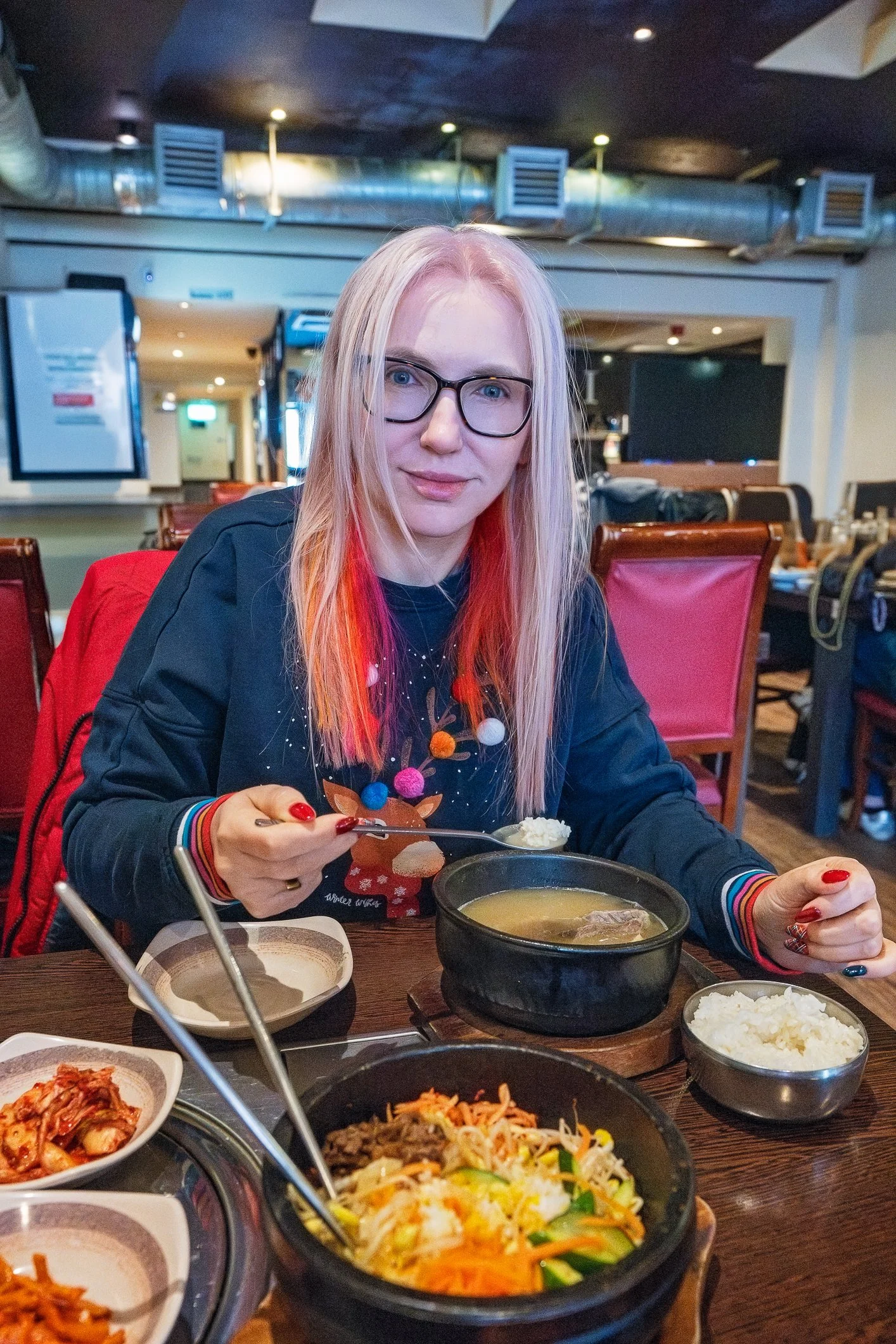
But obviously, a visit to New Malden by default means Korean food. This time we stopped by Yami, a relatively new restaurant on the High Street. We kept things simple and classic, ordering bibimbap served in a hot stone bowl along with a beef soup. The bibimbap arrived still sizzling and was deeply comforting and delicious. The beef soup was equally satisfying, served steaming hot with tender pieces of beef in a rich, savoury broth. The service was friendly and unhurried, making it a pleasant place to sit and enjoy the meal.

Ale oczywiście wyjazd do New Malden niemal automatycznie oznacza koreańskie jedzenie. Tym razem trafiliśmy do Yami, relatywnie niedawno otwartej restauracji przy High Street. Zamówiliśmy klasycznie i bez kombinowania: bibimbap podawany w rozgrzanej kamiennej misce oraz zupę z wołowiny. Bibimbap dotarł na stół jeszcze skwierczący i był - jak zawsze – pyszny. Zupa wołowa również była przyzwoita - aromatyczna, i z miękkimi kawałkami mięsa. Obsługa była miła i nienachalna, dzięki czemu można było spokojnie cieszyć się posiłkiem. Także lunch był bardzo udany.

Franco Manca after gallery

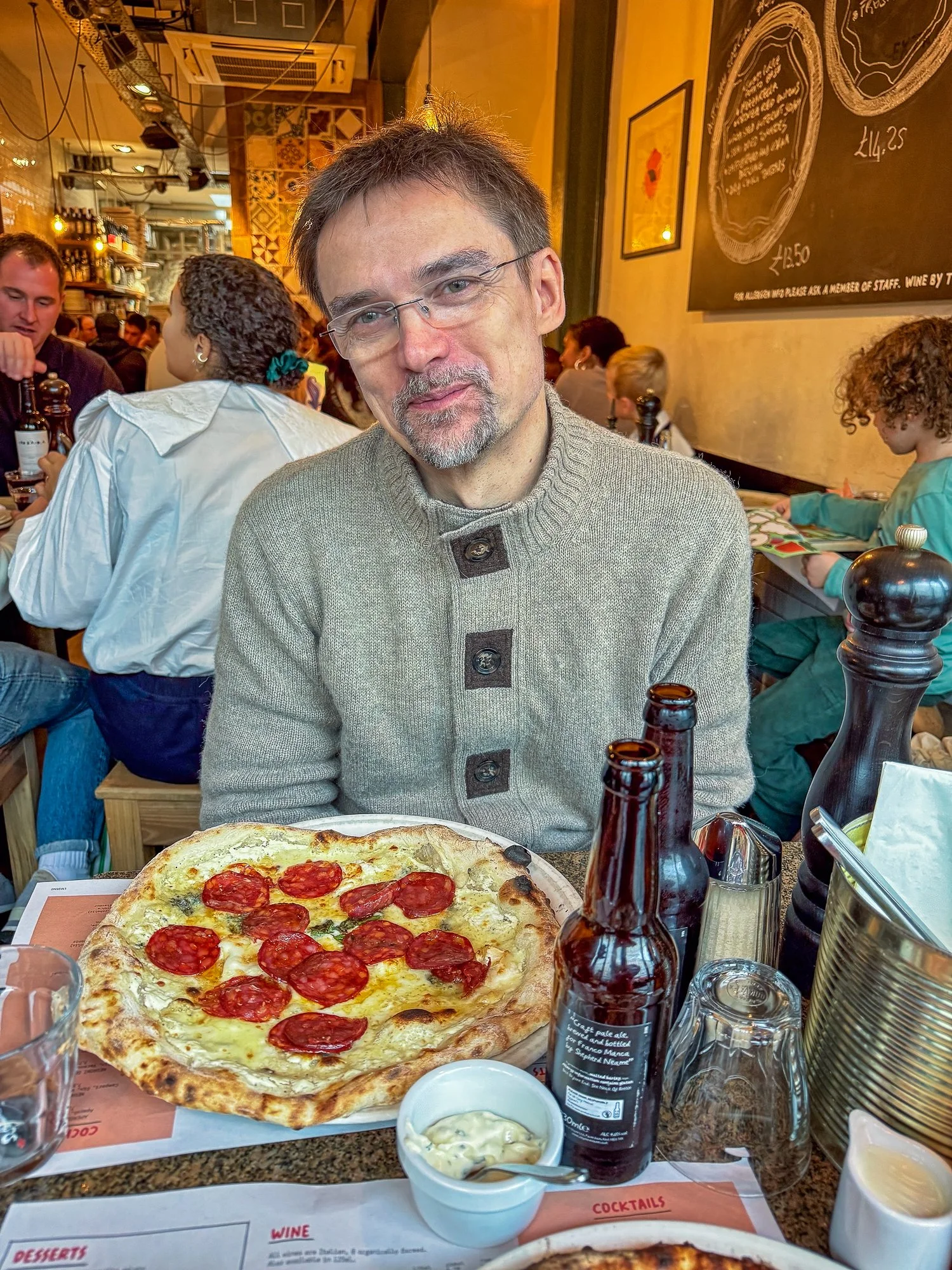
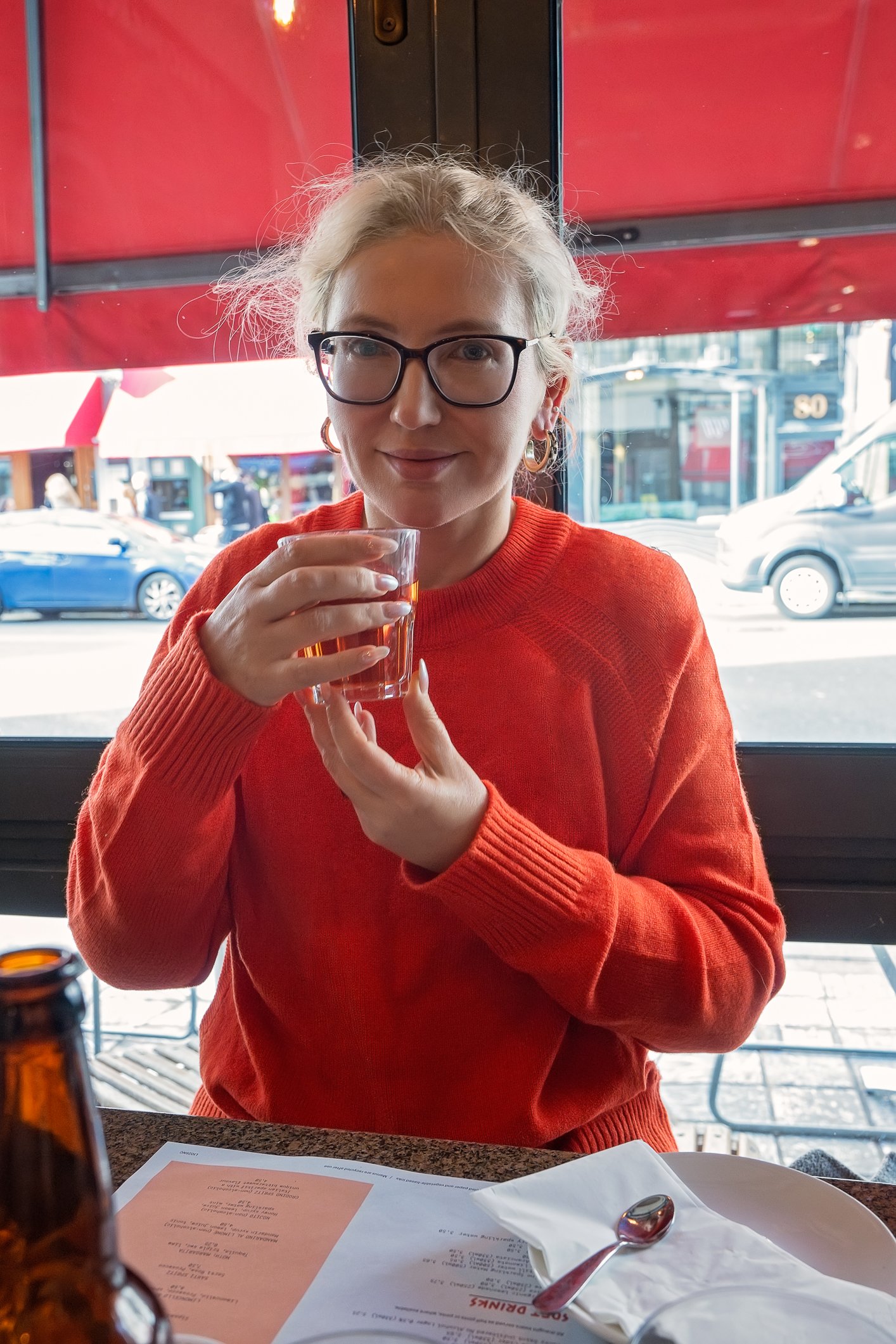
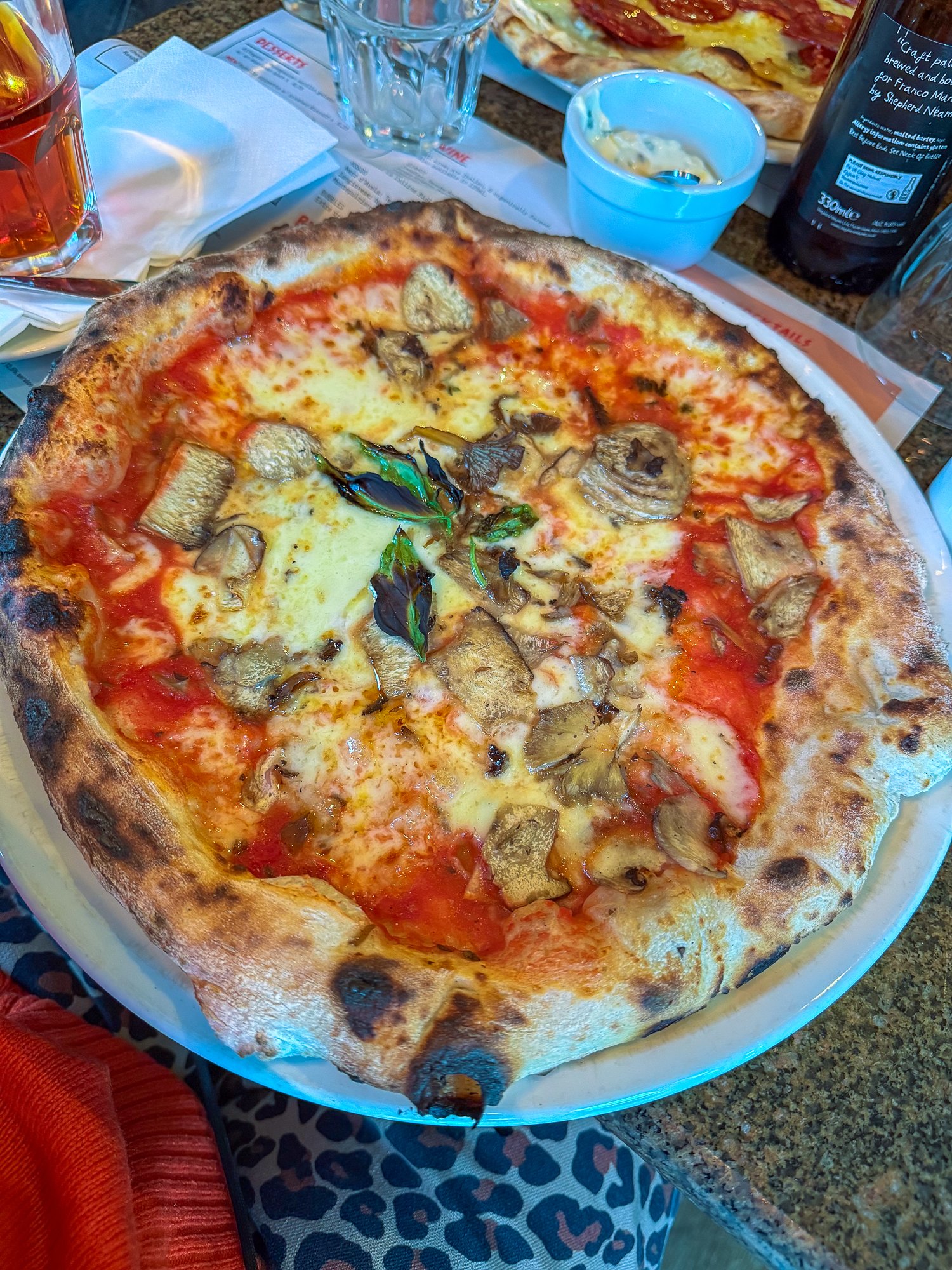
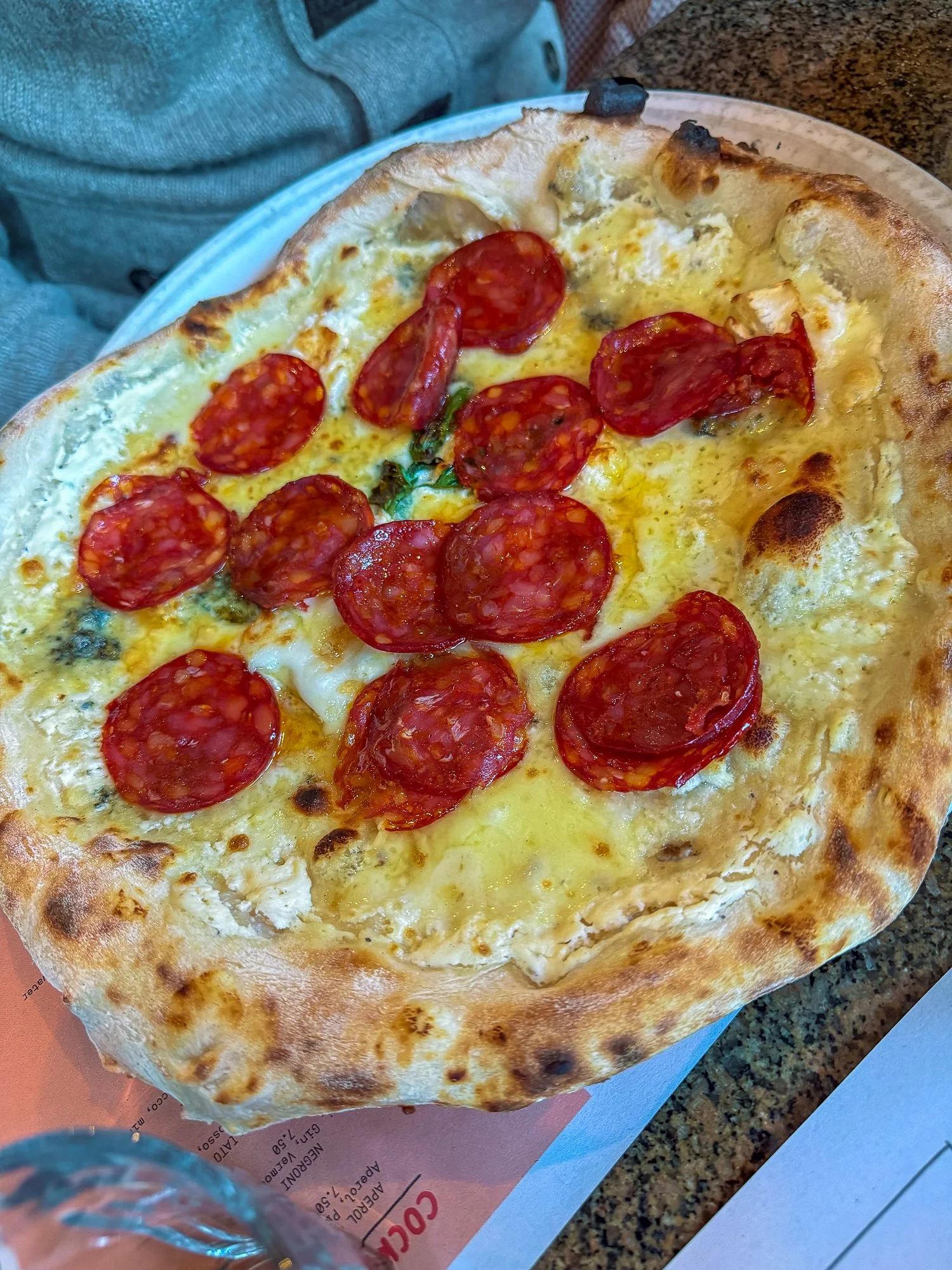
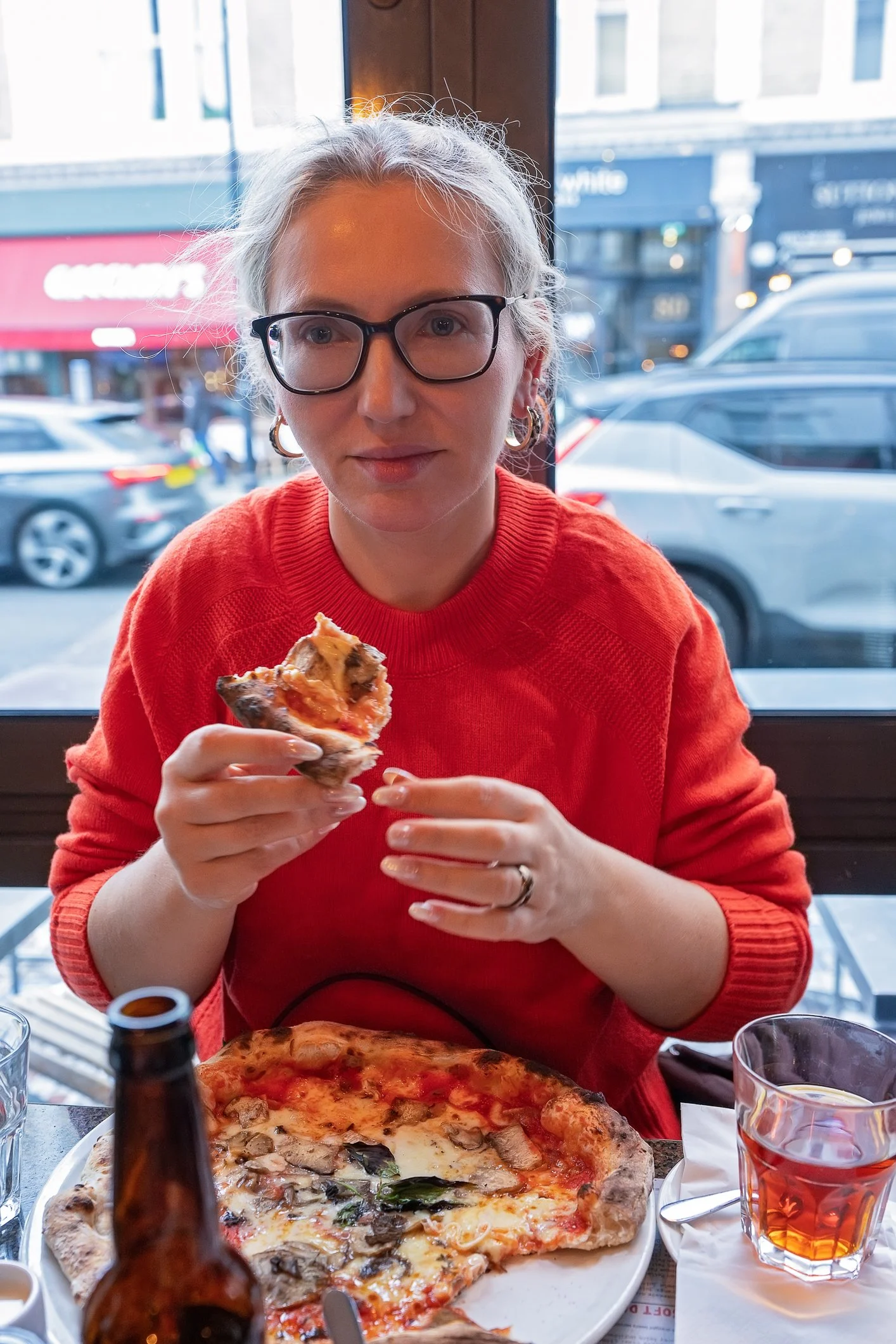
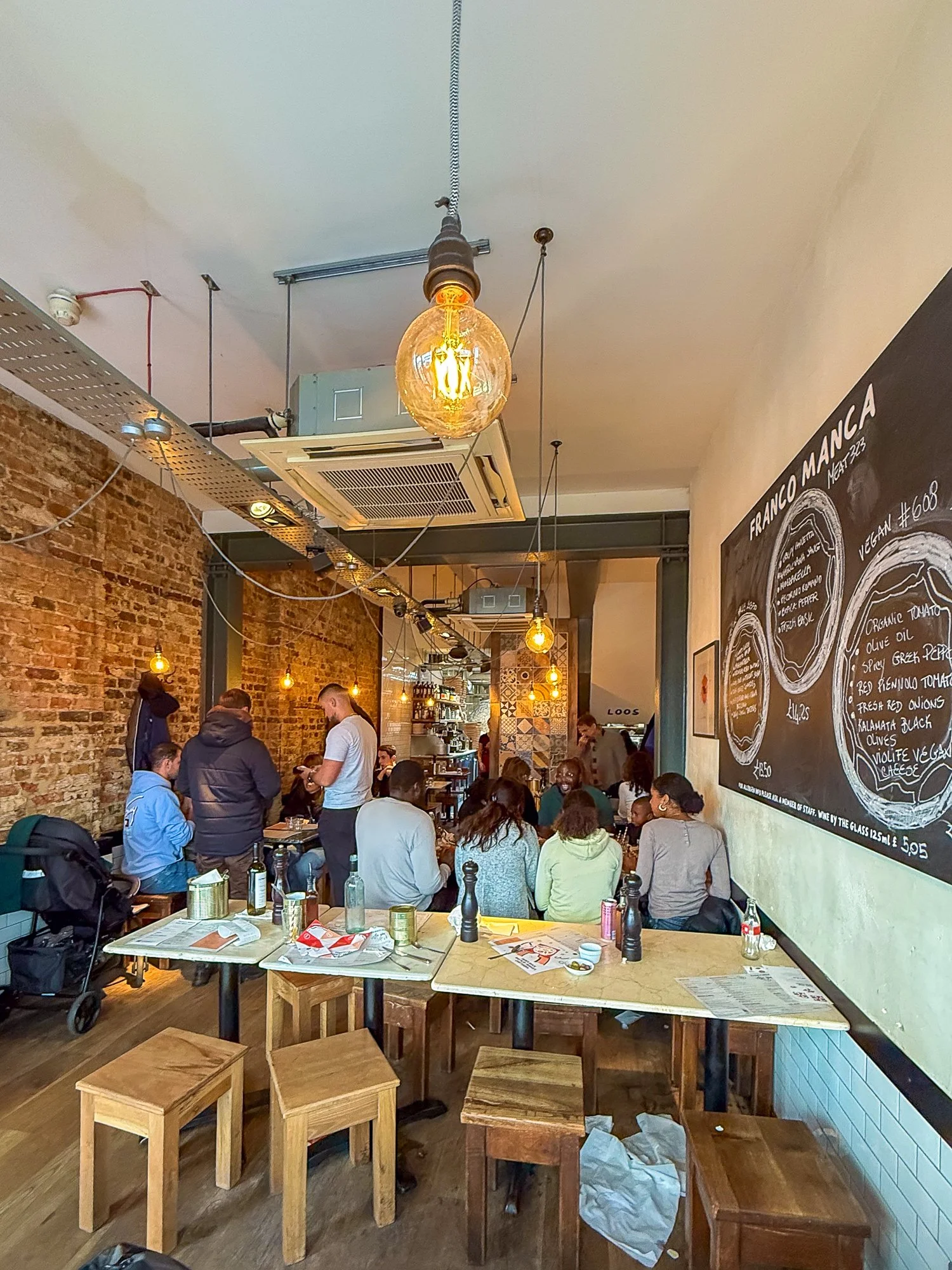
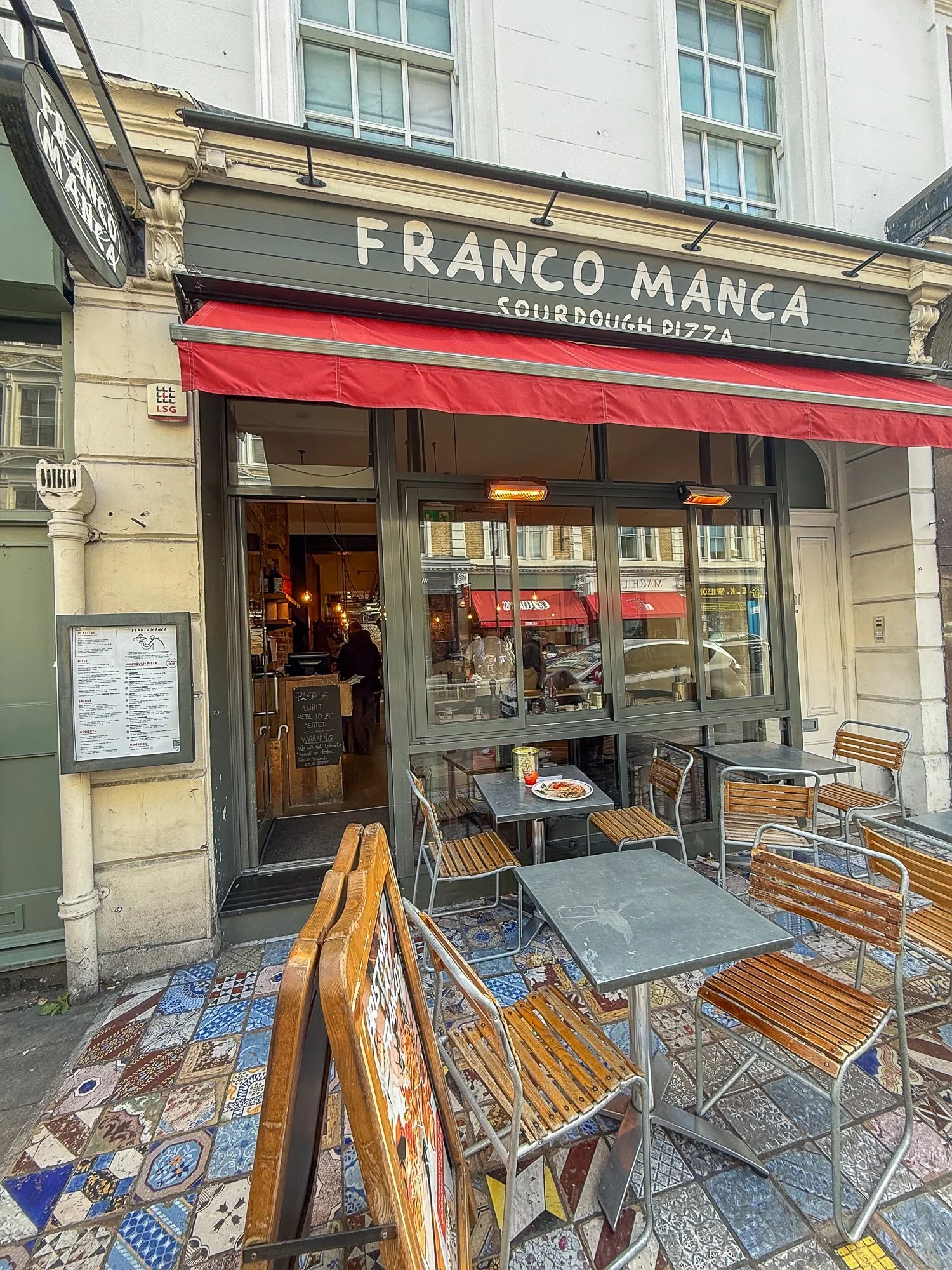
We hadn’t booked anywhere for lunch, thinking we’d just find something nearby, but that turned out to be harder than expected. Every place was packed to the brim. In the end, Franco Manca came to the rescue. Not the healthiest lunch, but once in a while pizza is perfectly fine, and it was delicious.

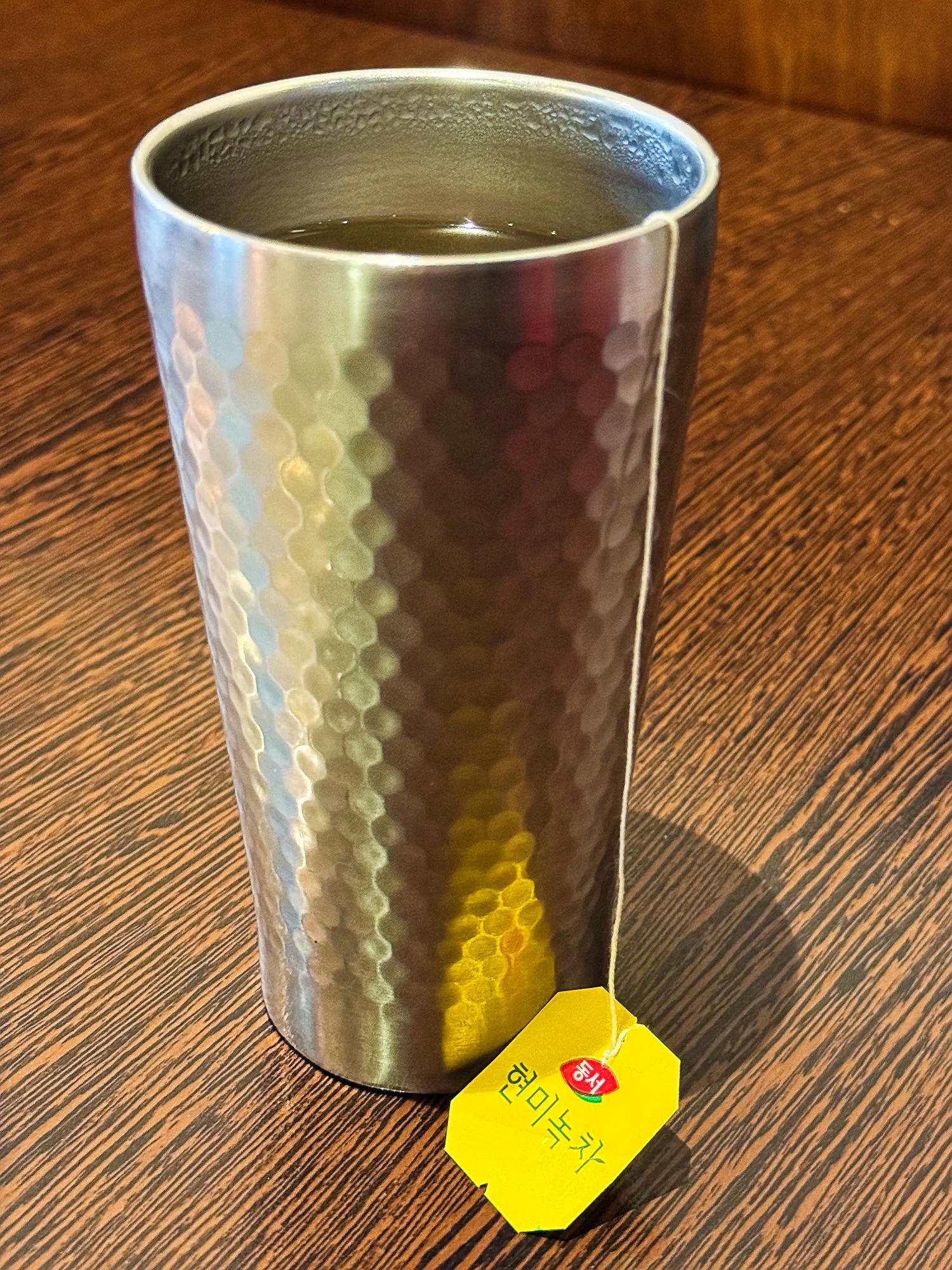
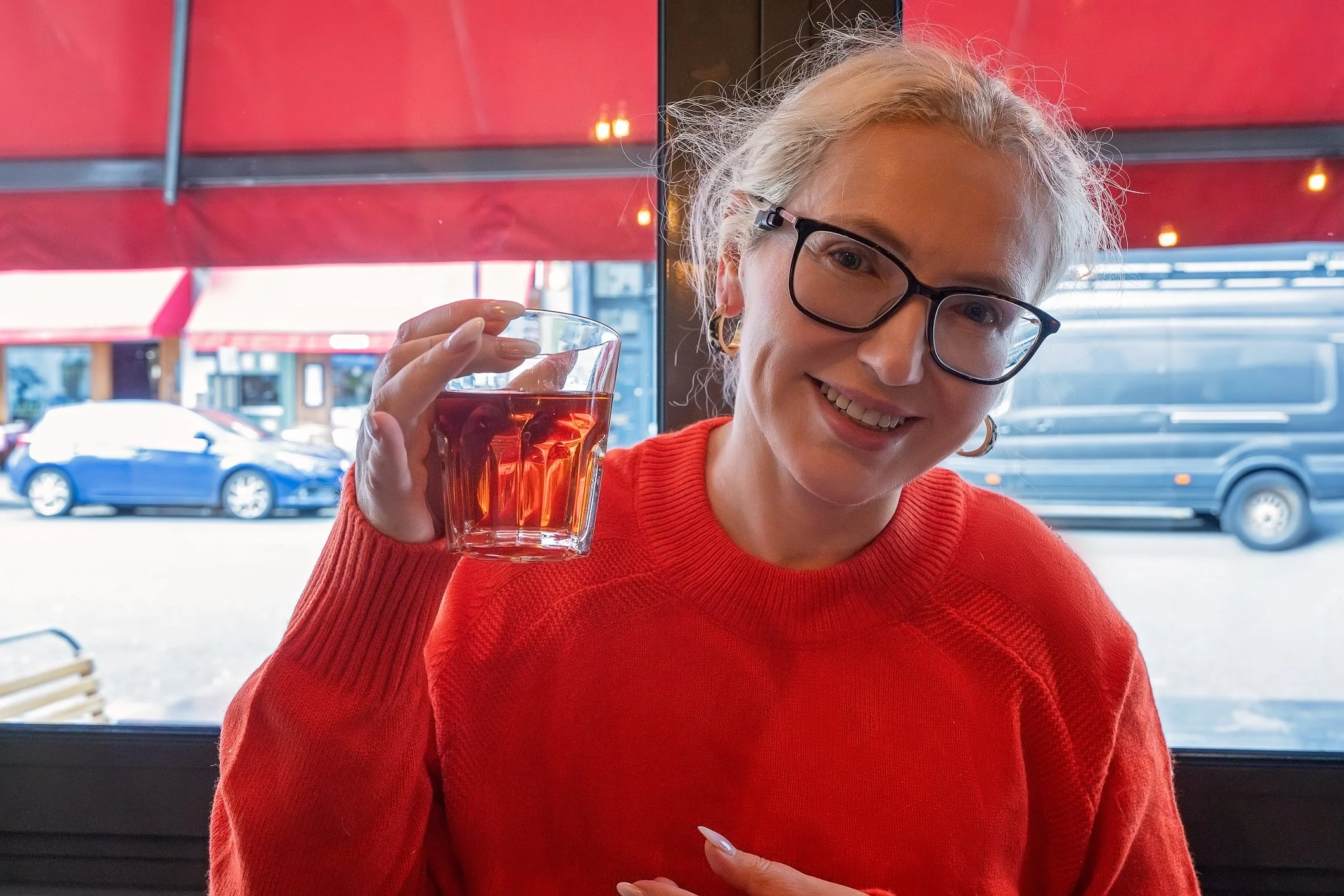
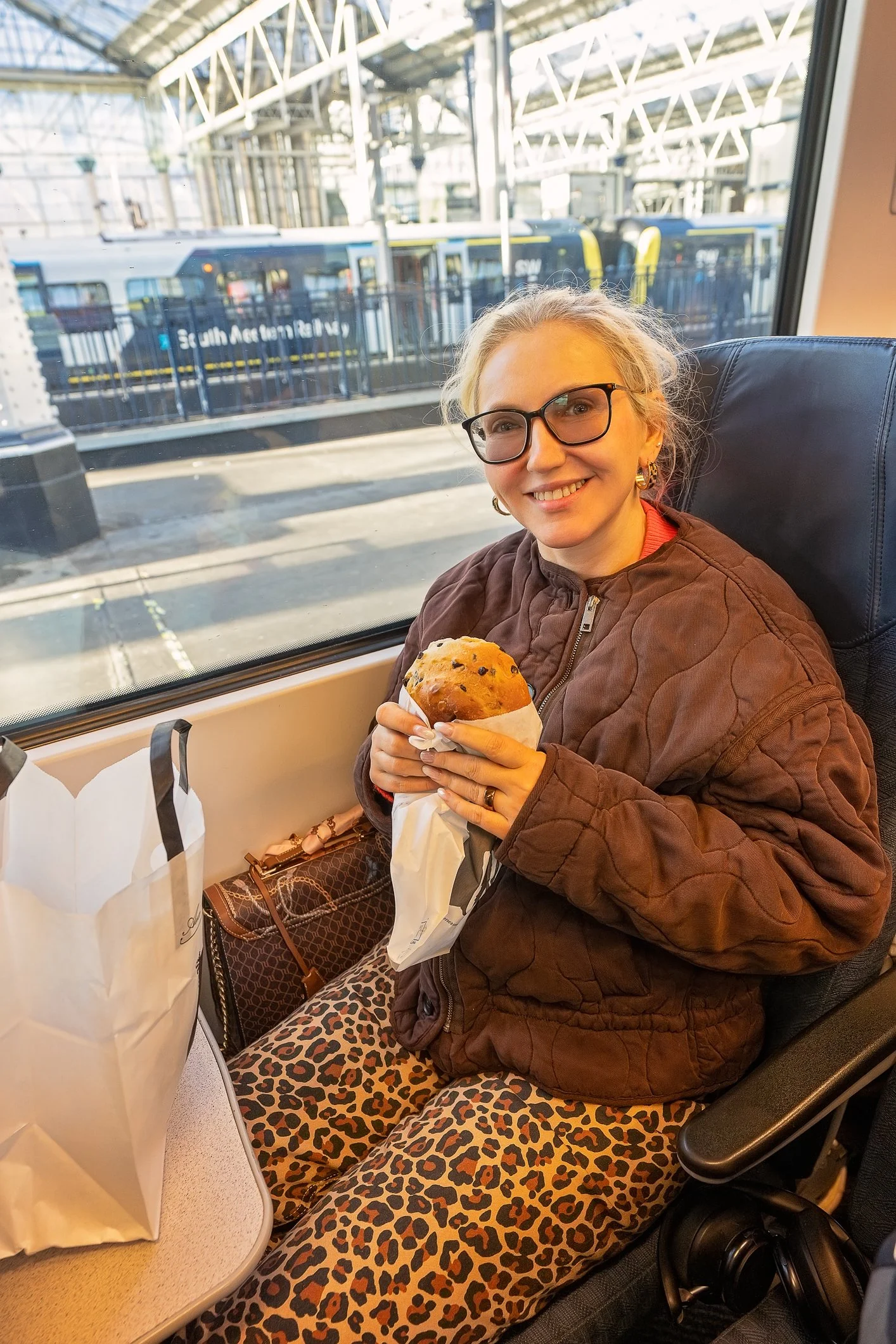
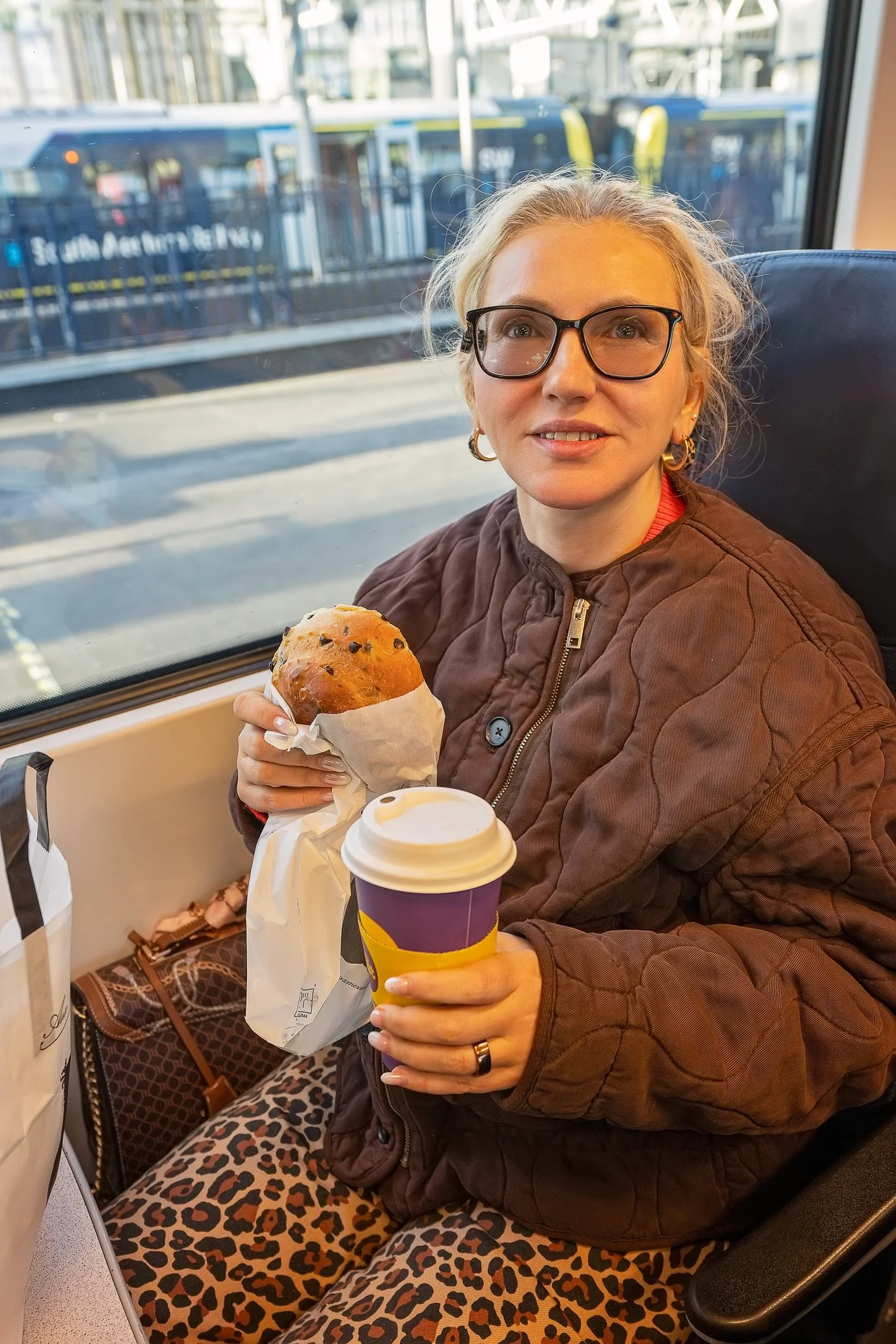
On the way to the train, we picked up a pastry filled with whipped cream and a hot tea… who would forbid us?


Nie zarezerwowaliśmy nic na lunch, myśląc, że znajdziemy coś na miejscu, ale okazało się to trudniejsze, niż się spodziewaliśmy. Nigdzie nie było wolnych miejsc. W końcu uratował nas Franco Manca. Może nie był to najzdrowszy wybór, ale od czasu do czasu można sobie pozwolić na pizzę, a do tego było naprawdę smacznie.

W drodze na pociąg kupiliśmy jeszcze ciastko z bitą śmietaną i gorącą herbatę… bo kto nam zabroni?

Banksy Limitless - additions

The final section of the exhibition was the Underground Immersive Experience. One highlight was a pair of Puma trainers displayed in a glass case, specially designed for Banksy’s Turf War exhibition. There was also a reconstruction of the Grim Reaper riding a Dodgem, inspired by the infamous Dismaland event. Through a door marked Atelier, we entered a small room. Inside, a figure sat at a desk, cutting out stencils, while a semi-transparent screen between this figure and us displayed some moving pictures. The projection told a story about Banksy and included some of his most famous quotes. To be honest, this section was less impressive than the others and only took a few minutes to explore.


Ostatnia część wystawy to Underground Immersive Experience. Jednym z głównych punktów były tu buty Puma wystawione w szklanej gablocie, specjalnie zaprojektowane na potrzeby wystawy Banksy’ego Turf War. Znajdowała się tu także rekonstrukcja Śmierci jeżdżącej na Dodgemie, inspirowana słynnym wydarzeniem Dismaland. Przez drzwi oznaczone jako Atelier weszliśmy do małego pokoju. W środku przy biurku siedziała postać, wycinająca szablony, podczas gdy umieszczony pomiędzy nią a nami półprzezroczysty ekran wyświetlał ruchome obrazy. Projekcja opowiadała historię Banksy’ego i zawierała niektóre z jego najsłynniejszych cytatów. Szczerze mówiąc, ta część była mniej imponująca niż pozostałe i zajęła nam tylko kilka minut.

The spray-painting experience was also included with our tickets. We each received a t-shirt in our chosen size and had the chance to create our own stencil-style design inspired by Banksy. We did this activity first, then left our creations to dry before taking them home as a unique memento of the exhibition.

W cenę biletu wliczone było również doświadczenie malowania sprayem. Każdy z nas otrzymało koszulkę i wybrany przez siebie szablon inspirowany Banksym. Zajęliśmy się tym na samym początku, a następnie zostawiliśmy nasze prace do wyschnięcia, aby móc zabrać je do domu jako nietypową pamiątkę z wystawy.

Banksy Limitless part 2

Passing the famous Meat Truck, we enter a replica of a London Underground platform - Prankadilly Circus. The walls are tiled, the recorded rush of trains hums, and posters line the platform: Trolley Hunters, The English Maid, and others. We walk through a space where Banksy’s art once existed illegally, but here it is safe, ticketed, and curated.

Mijając słynną Ciężarówkę z Mięsem, wchodzimy na replikę peronu londyńskiego metra – Prankadilly Circus. Ściany wyłożone są kafelkami, w tle dudni nagrany szum przejeżdżających pociągów, a peron zdobią plakaty: Trolley Hunters, The English Maid i inne. Przechodzimy przez przestrzeń, w której sztuka Banksy’ego kiedyś istniała nielegalnie, ale tutaj jest bezpieczna, biletowana i starannie zaaranżowana.

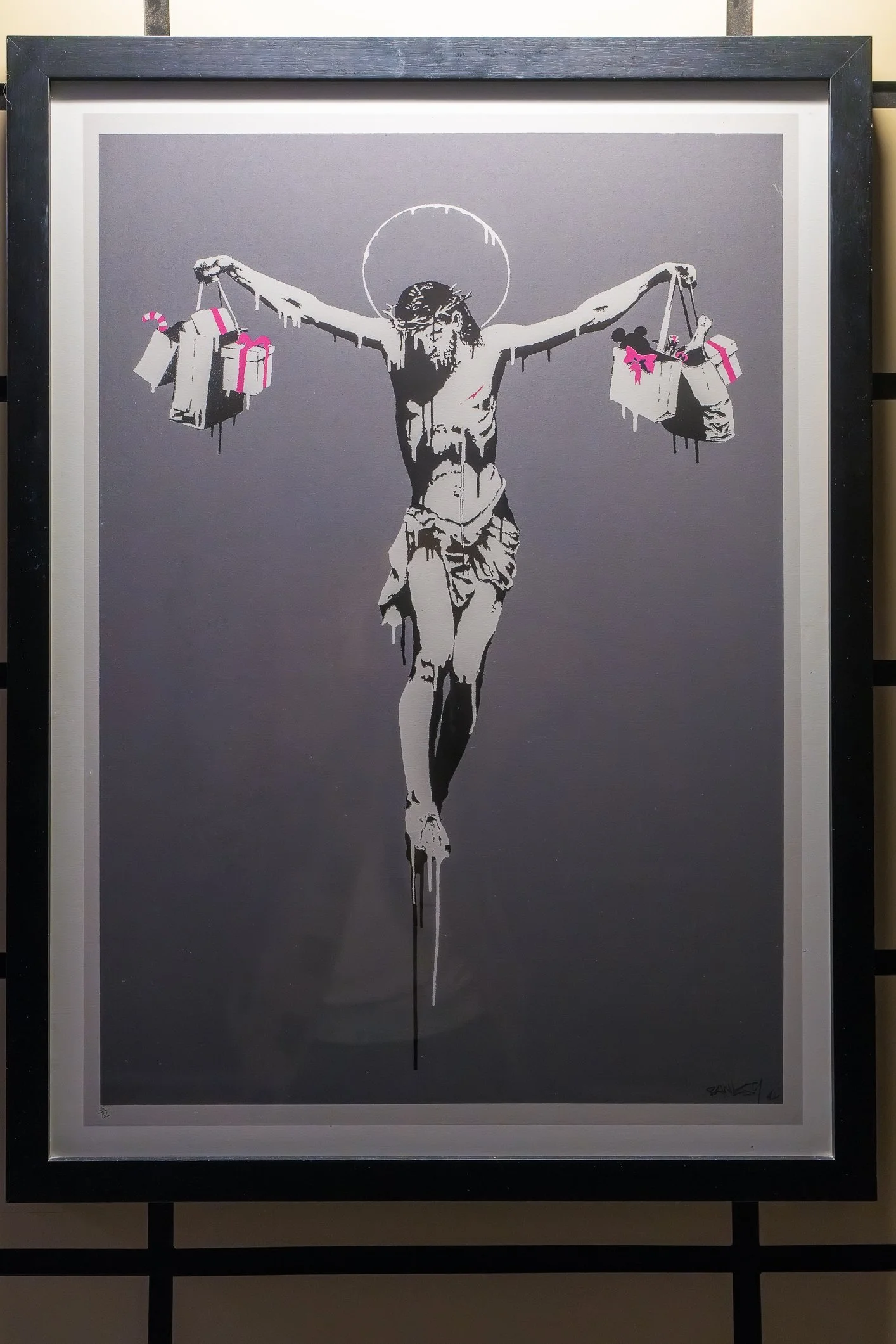
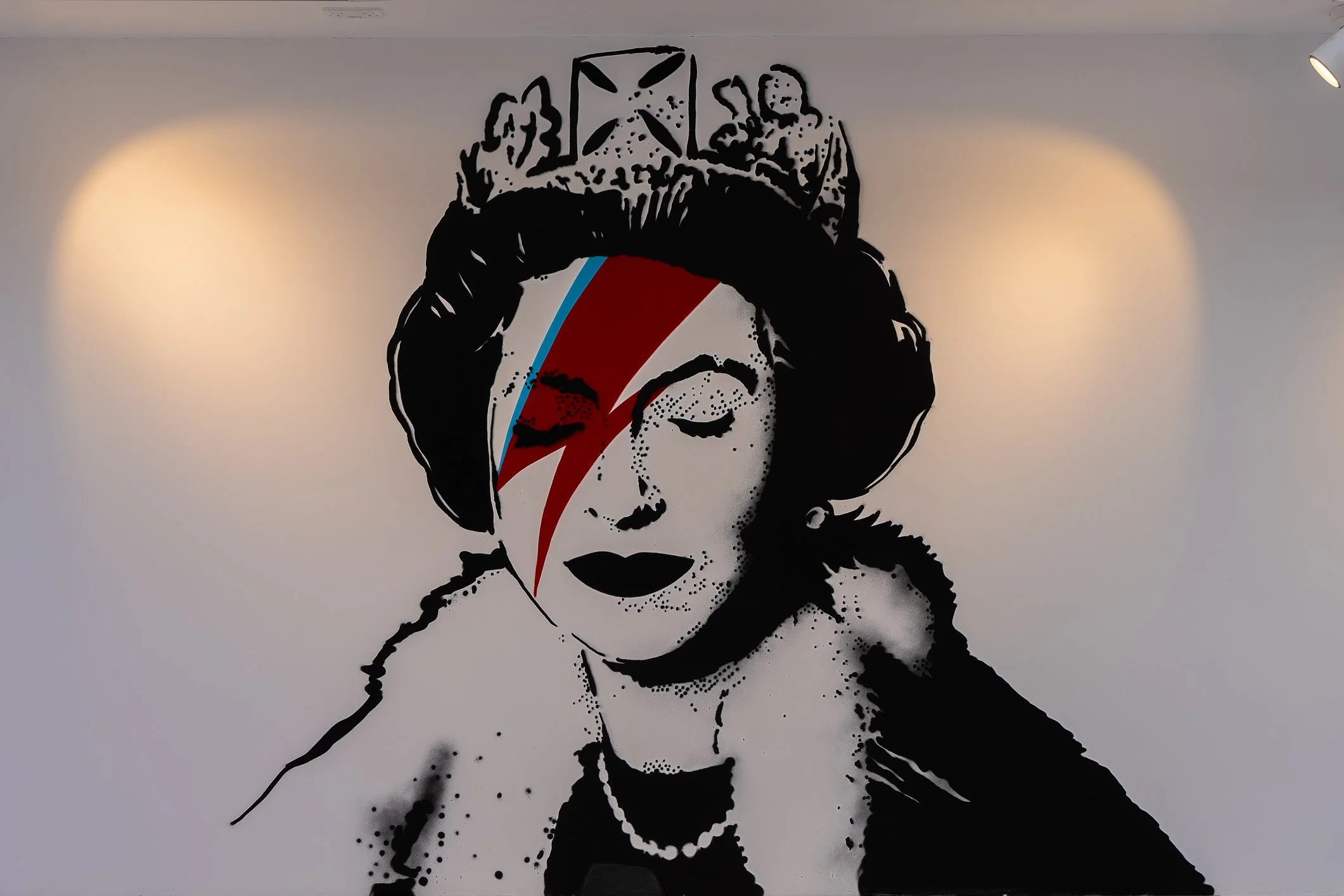
As we leave the station behind, daylight floods the next vast white hall, ornamented by the skeletal base of a Ferris wheel, its empty spokes clawing skyward. A glass-painted replica of Girl with Balloon floats above our heads, her red heart-shaped balloon suspended mid-air. Around the edges, provocations resurface: a crushed red telephone box, Kate Moss rendered in Warhol’s pop palette, and £10 banknotes printed with Princess Diana’s face.

A corner dedicated to Banksy’s view on immigration presents a famous drawings of anti-immigration birds alongside a boat overloaded with refugees, stark and sobering.


Opuszczamy stację i wchodzimy do kolejnej ogromnej sali, gdzie przez szklany sufit wlewa się światło dzienne. Nad naszymi głowami unosi się szklano-malowana replika Girl with Balloon, jej czerwony, sercowaty balonik zawieszony w bezruchu, a za nimi wznosi się rama diabelskiego młyna. Sala nie jest oczywiście wolna od prowokacji: uszkodzona czerwona budka telefoniczna z kilofem „w plecach”, Kate Moss w pop-artowej palecie w stylu Warhola oraz banknoty £10 z twarzą księżnej Diany.

W rogu poświęconym Banksy’ego poglądach na imigrację słynny rysunek „antyimigracyjnych” ptaków obok łodzi przeładowanej uchodźcami - obraz surowy i trzeźwiący.

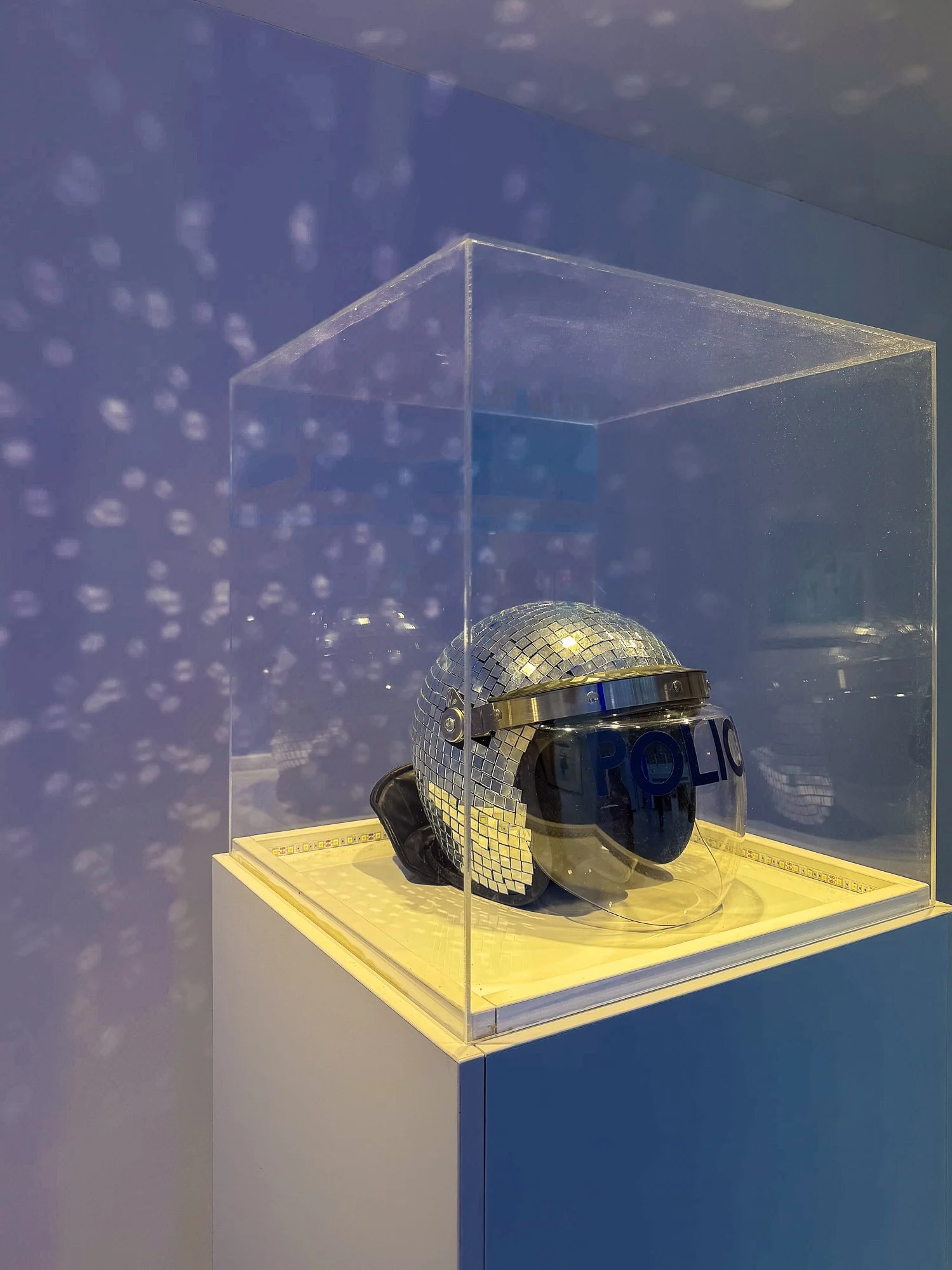
Opposite a riot helmet made of disco-ball crystals as a small but potent symbol. It fuses two worlds: authority, law enforcement, state control, and threat of violence in helmet form, contrasted with mirrored crystals evoking spectacle and entertainment. Named Met Ball, it wittily references one of the most exclusive celebrity events, turning oppression into spectacle. Surrounding it, the walls are covered with posters from past Banksy exhibitions, while Forgive Us Our Trespassing and Stop Me Before I Paint Again occupy their niches - a dialogue about guilt, rebellion, and the tension between legality and artistry. For me, this corner encapsulates Banksy himself: a constant insurgent navigating authority and spectacle, rebellion and recognition, always just beyond the reach of control.


Po przeciwnej stronie hełm policyjny wykonany z lśniących kryształów dyskotekowej kuli - niewielki, lecz wymowny symbol. Łączy dwa światy: świat autorytetu, egzekwowania prawa, kontroli państwa i groźby przemocy zaklętej w formie hełmu, zestawiony jest z lustrzanymi kryształami przywołującymi widowisko i rozrywkę. Nazwany Met Ball, sprytnie nawiązuje do jednego z najbardziej ekskluzywnych wydarzeń celebryckich, zamieniając opresję w spektakl. Na ścianach w tej części galerii znajdują się także plakaty z dawnych wystaw Banksy’ego, a Forgive Us Our Trespassing oraz Stop Me Before I Paint Again zajmują kluczowe miejsca na ścianach, prowadząc dialog o winie, buncie i napięciu panującym między prawem a sztuką. Dla mnie ta sekcja jest podsumowaniem samego Banksy’ego: wiecznego buntownika lawirującego między systemem a sztuką, prowokacją a sławą, wymykającego się każdej próbie kontroli.

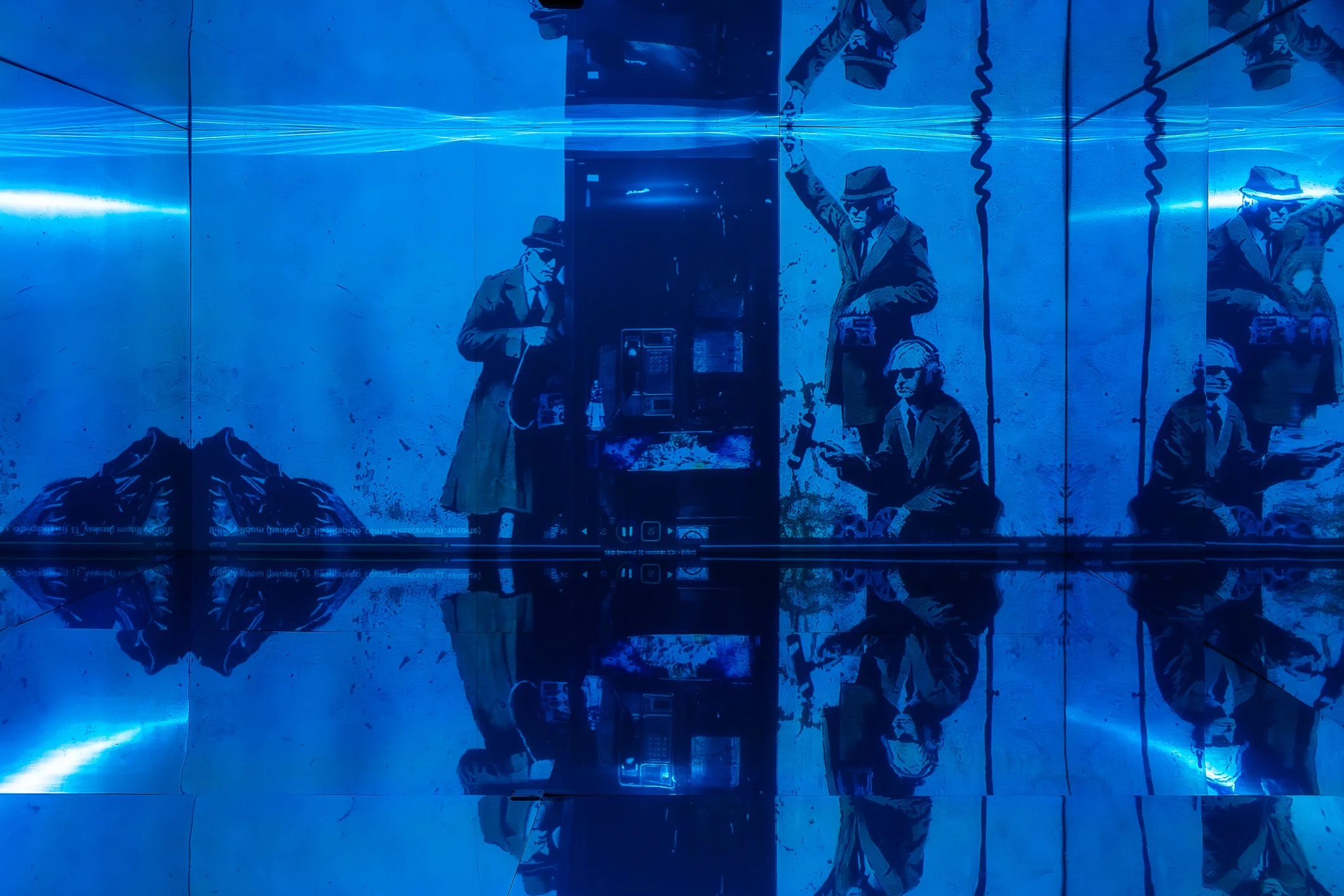
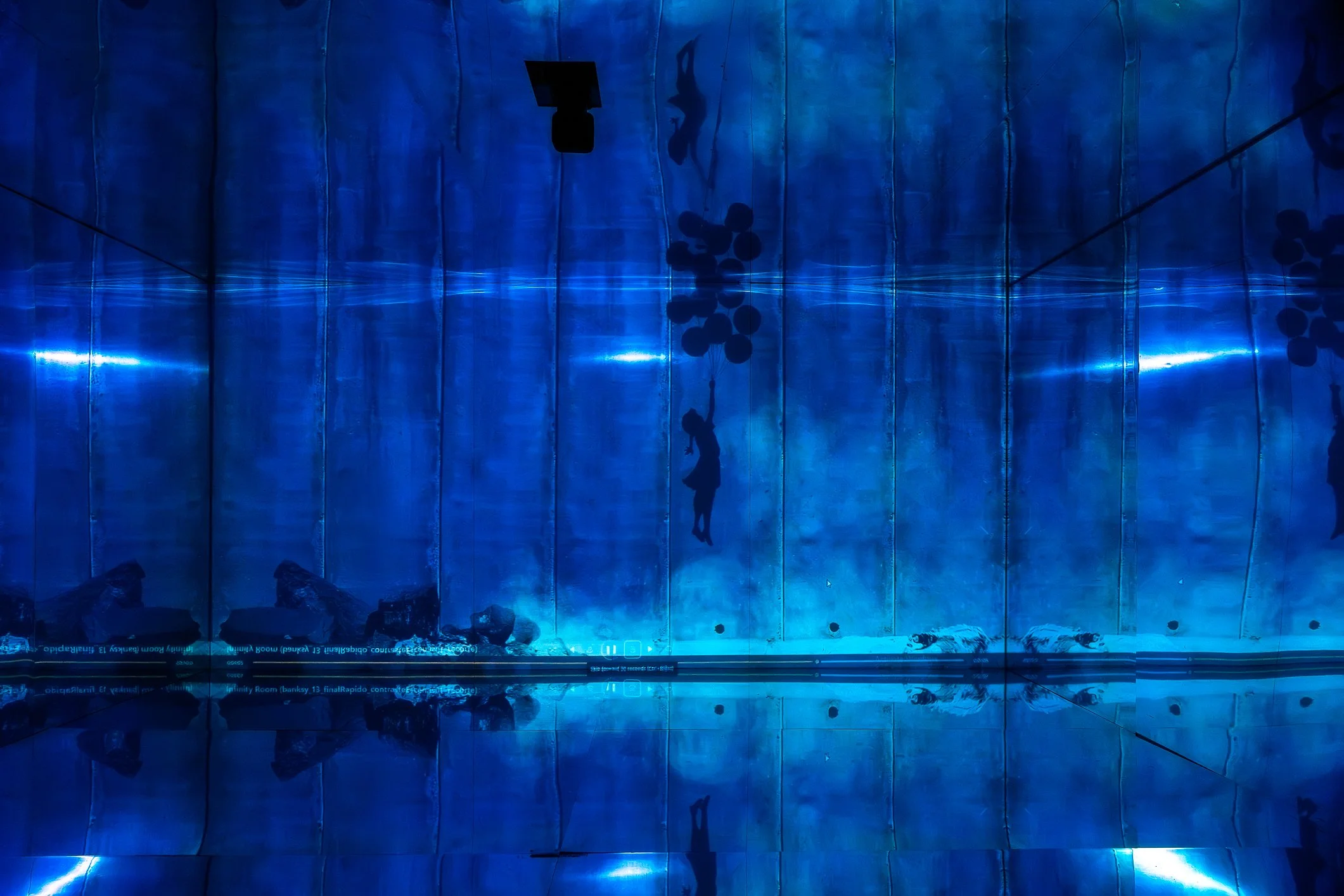
The final installation is the Infinity Room. Mirrors extend in every direction, multiplying visitors into many reflections. Fragments of Banksy’s imagery start to flicker around: the girl with her balloon, a rat with a brush, slogans half-familiar and half-erased. The exhibition is about Banksy - but it is also about you. It has been so from the start, but now it is spelled out explicitly: reflections fold in on themselves until you are both spectator and spectacle, the protest and the product. Every wall you passed, every image photographed, every plaque read ask: Who are you? Where are you in the grand scheme of things? Rebellious or complacent? Repressed or repressing? Blissfully ignorant or painfully aware? Or maybe all of it?

Then we exit through the gift shop, of course… past T-shirts bearing faces of defiance. And for a moment, the whole experience feels like a trap you willingly stepped into. And it makes you think all over again…


Ostatnią instalacją jest Infinity Room. Lustra ciągną się tu we wszystkich kierunkach, mnożąc odwiedzających w nieskończone odbicia. Na tych lustrach wyświetlane są przez chwilę fragmenty obrazów Banksy’ego: dziewczynka z balonikiem, szczur z pędzlem, sceny z Palestyny, hasła na pół znane, na pół wymazane z pamięci. Wystawa opowiada o Banksym, ale tak naprawdę opowiada też o tobie. Od początku była ona o tobie, lecz dopiero w tym miejscu mówi to wprost: odbicia nakładają się na siebie, aż stajesz się jednocześnie widzem i widowiskiem, protestem i produktem. Każda ściana, obok której tu przeszedłeś, każde zrobione zdjęcie, każda przeczytana tabliczka pyta: Kim jesteś? Gdzie lokujesz się w tej rzeczywistości? Jesteś buntownikiem czy biernym obserwatorem? Jesteś represjonowany czy represjonujący? Błogo nieświadomy czy może boleśnie świadomy? A może jesteś wszystkim tym naraz, zależnie od kontekstu?

Potem, rzecz jasna, wychodzimy przez sklepik… mijając koszulki z symbolami buntu. I przez ułamek chwili całe doświadczenie wydaje się komercyjną pułapką, w którą wszedłeś z własnej nieprzymuszonej woli. I zmusza cię to, byś jeszcze raz wszystko przemyślał…