art

Banksy Limitless part 1

There are exhibitions that show you art, and there are exhibitions that show you yourself. And it may be a very unfiltered image of yourself. Banksy Limitless, housed in the Sussex Mansions in South Kensington, attempts both - and in its best moments, it succeeds. Stepping inside feels like stepping through the looking glass of the 21st-century world. Part retrospective, part fun-house (it would be funny if it weren’t true), and part moral interrogation - every corner of this exhibition is lined with a provocation.

The first stretch is a kind of documentary tunnel. Along the walls runs a meticulous timeline of Banksy’s life and works, charting the years not as milestones of success but as waves of protest. Each date anchors a moment: the Bristol nights when a spray can was his passport to visibility, the walls of Bethlehem, the auction houses where his art literally destroyed itself. Accompanying text gives context - where he was, what he was fighting, what the world looked like that year. Even this introductory passage holds tension: between vandalism and uplift, between moral right and legal constraint, and between the artist’s desire for invisibility and the public’s obsession with unmasking him. A short film at the end stitches together global headlines - Gaza, Brexit, Ukraine, the art-market circus – underscoring how Banksy’s career shadows our collective anxieties. It is less about biography than zeitgeist: the political weather that produced him.

Są wystawy, które pokazują ci sztukę, i są wystawy, które pokazują ci ciebie samego. I to całkiem bez filtrów. Banksy Limitless, mieszcząca się w Sussex Mansions w South Kensington, próbuje robić jedno i drugie - i w swoich najlepszych momentach naprawdę jej się to udaje. Wejście na teren tej wystawy przypomina przekroczenie zwierciadła XXI wieku. Częściowo retrospektywna, częściowo gabinet osobliwości (byłoby śmieszniej, gdyby nie było aż tak prawdziwie), a częściowo moralne przesłuchanie - każdy zakątek tej wystawy obudowany jest prowokacją.

Pierwszy fragment to rodzaj dokumentalnego tunelu. Na ścianach biegnie dość szczegółowa oś czasu twórczości Banksy’ego, która odmierza lata nie tyle jako kamienie milowe sukcesu, co jako fale protestu. Każda data zakotwicza jakiś moment: bristolskie noce, kiedy puszka ze sprayem była jego paszportem do widzialności; mury Betlejem; domy aukcyjne, w których jego sztuka dosłownie sama się niszczyła. Towarzyszące teksty nadają kontekst – gdzie był, o co walczył, jak wyglądał wtedy świat. Nawet ten wstępny fragment wystawy niesie napięcie: między wandalizmem a podnoszeniem na duchu, między moralną słusznością a prawnym ograniczeniem, między pragnieniem anonimowości a publiczną obsesją na punkcie jego demaskacji. Krótki film na końcu sumuje globalne nagłówki - Gaza, Brexit, Ukraina, cyrk rynku sztuki - podkreślając, jak kariera Banksy’ego odbija nasze zbiorowe niepokoje. To mniej biografia, a bardziej zeitgeist: polityczny klimat, który go ukształtował.

Then, through a cartoon-style security door - one of the original props from Dismaland, his dystopian theme-park installation - we cross from documentation into theatre.

The first rooms feel like stripped galleries: white, raw, with concrete floors and silver industrial air ducts. It can be seen as a deliberate aesthetic friction - the street or a warehouse repackaged as museum. Banksy’s work thrives on such contradiction - rebellion dressed as institution, vandalism sold with a time slot.

Every surface here bears something iconic. Saints of Banksy’s mythology - Bomb Hugger, Laugh Now, Barcode Leopard, GDP Rat, Stick Police, and many others are framed, captioned, and lit, their raw edges polished by the museum glow. White sculptures punctuate the space: a muscular Bullet Proof David; a famous elephant with strapped ballistic rocket. Some other walls depict destruction of war for freedom of Ukraine with rabble covered in his graffiti.

Potem, przez kreskówkowe drzwi bezpieczeństwa - jeden z oryginalnych rekwizytów z Dismaland, dystopijnej instalacji Banksy’ego w formie parku rozrywki – przechodzimy od dokumentacji do teatru.

Pierwsze sale przypominają ogołocone galerie: białe, surowe, z betonowymi podłogami i metalicznymi przemysłowymi kanałami wentylacyjnymi. Można to odczytać jako celowe estetyczne napięcie  - magazyn przemysłowy przepakowany w muzeum. Twórczość Banksy’ego żywi się takimi sprzecznościami  - bunt przebrany za instytucję, wandalizm sprzedawany na godziny.

Każda powierzchnia tutaj niesie coś ikonicznego. Święci Banksy’owej ikonografii – Bomb Hugger, Laugh Now, Barcode Leopard, GDP Rat, Stick Police i wiele innych prac - oprawione, opisane i oświetlone, ich surowy przekaz wypolerowany muzealnym blaskiem. Przestrzeń punktują też białe rzeźby: muskularny Bullet Proof David czy słynny słoń z przypasaną rakietą dalekiego zasięgu. Inne ściany z kolei starają się oddać ogrom zniszczeń podczas wojny o wolność Ukrainy, gdzie zniszczone ściany pokrywają graffiti Banksy’ego.

On one of the walls hangs Love Is in the Bin, the shredded remains of Girl with Balloon from its notorious Sotheby’s moment. We see the self- destructive mechanism that devoured half the canvas as the auctioneer’s hammer fell - a perfect metaphor for art devouring itself under capitalism’s spotlight.


Na jednej ze ścian wisi Love Is in the Bin, czyli postrzępione szczątki Girl with Balloon z jej słynnego momentu w Sotheby’s. Widzimy mechanizm autodestrukcji, który pożarł połowę płótna w chwili, gdy opadł młotek licytatora - idealną metaforę sztuki pożerającej samą siebie w świetle kapitalistycznych reflektorów.

A mural of Love Is in the Air dominates one corridor, a protestor frozen mid-throw, in his hand flowers instead of a weapon. Visitors instinctively pose beside it, smiling to the camera - revolution turned into Instagram backdrop.

Mural Love Is in the Air dominuje jeden z korytarzy - protestant zastygły w półrzucie, w dłoni trzyma nie broń, lecz kwiaty. Odwiedzający instynktownie pozują obok niego, uśmiechając się do aparatu  -  rewolucja zamieniona w instagramową dekorację.

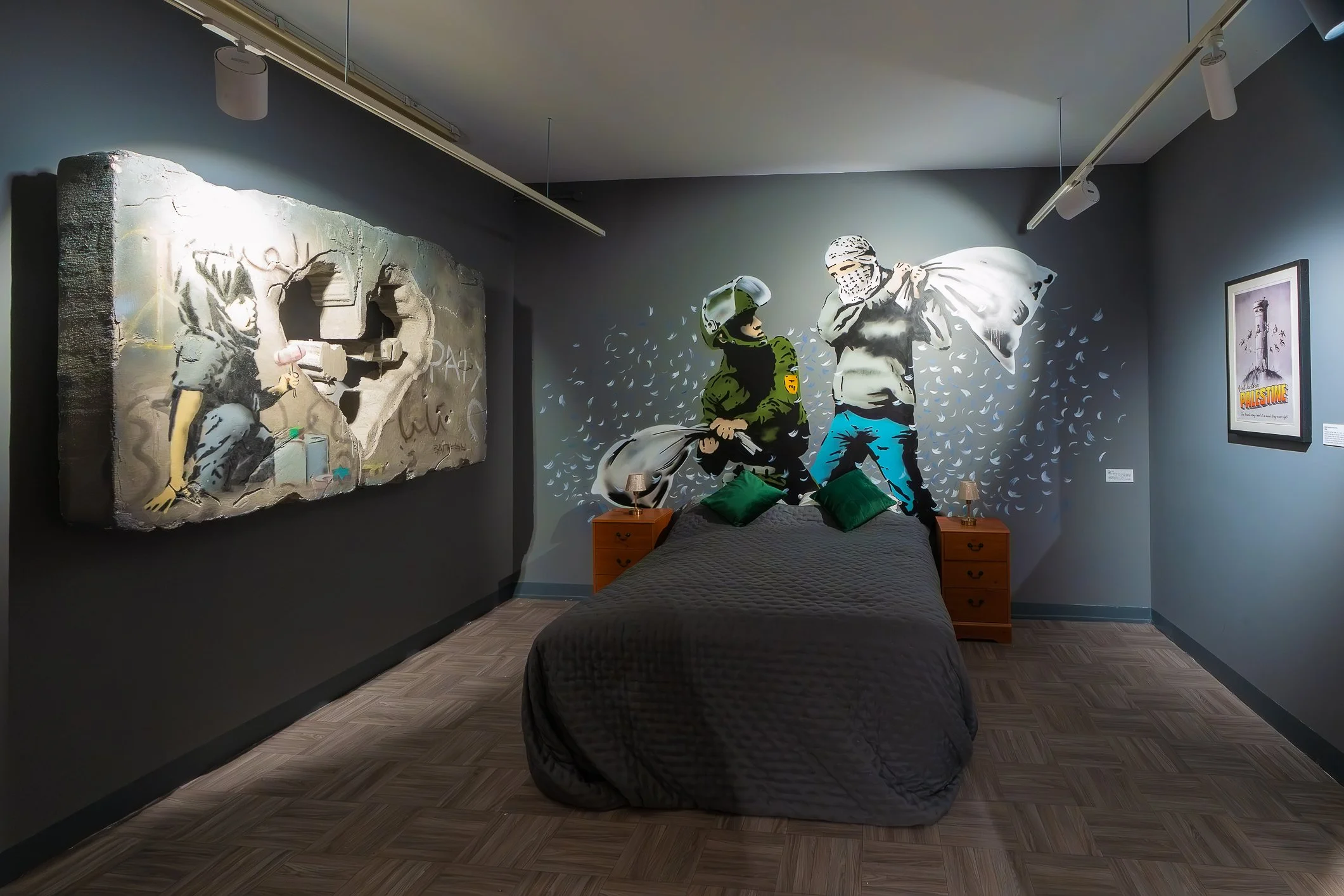
The atmosphere in those rooms hums with tension: satire made sacred, protest institutionalised. More familiar images - No Ball Games, Donut Van, Girl with Balloon - cluster around like echoes from a collective conscience. A small screen plays an animated short about the girl and her balloon, turning sentimentality into something even more fragile and haunting. A reconstruction of the Walled Off Hotel’s facade, guarded by a chained chimpanzee, reminds us that Banksy’s world blends absurdity with menace.

Atmosfera w tych salach jest pełna napięcia: satyra wyniesiona do rangi sacrum, protest zinstytucjonalizowany. Bardziej znajome obrazy - No Ball Games, Donut Van, Girl with Balloon - zgromadzone są wokół jak echo zbiorowej podświadomości. Na małym ekranie prezentowana jest krótka animacja o dziewczynce i jej balonie, zamieniając sentymentalność w coś jeszcze bardziej kruchego i jednocześnie strasznego. Rekonstrukcja fasady Walled Off Hotel, strzeżonej przez przykutego łańcuchem szympansa, przypomina, że świat Banksy’ego miesza absurd z grozą.

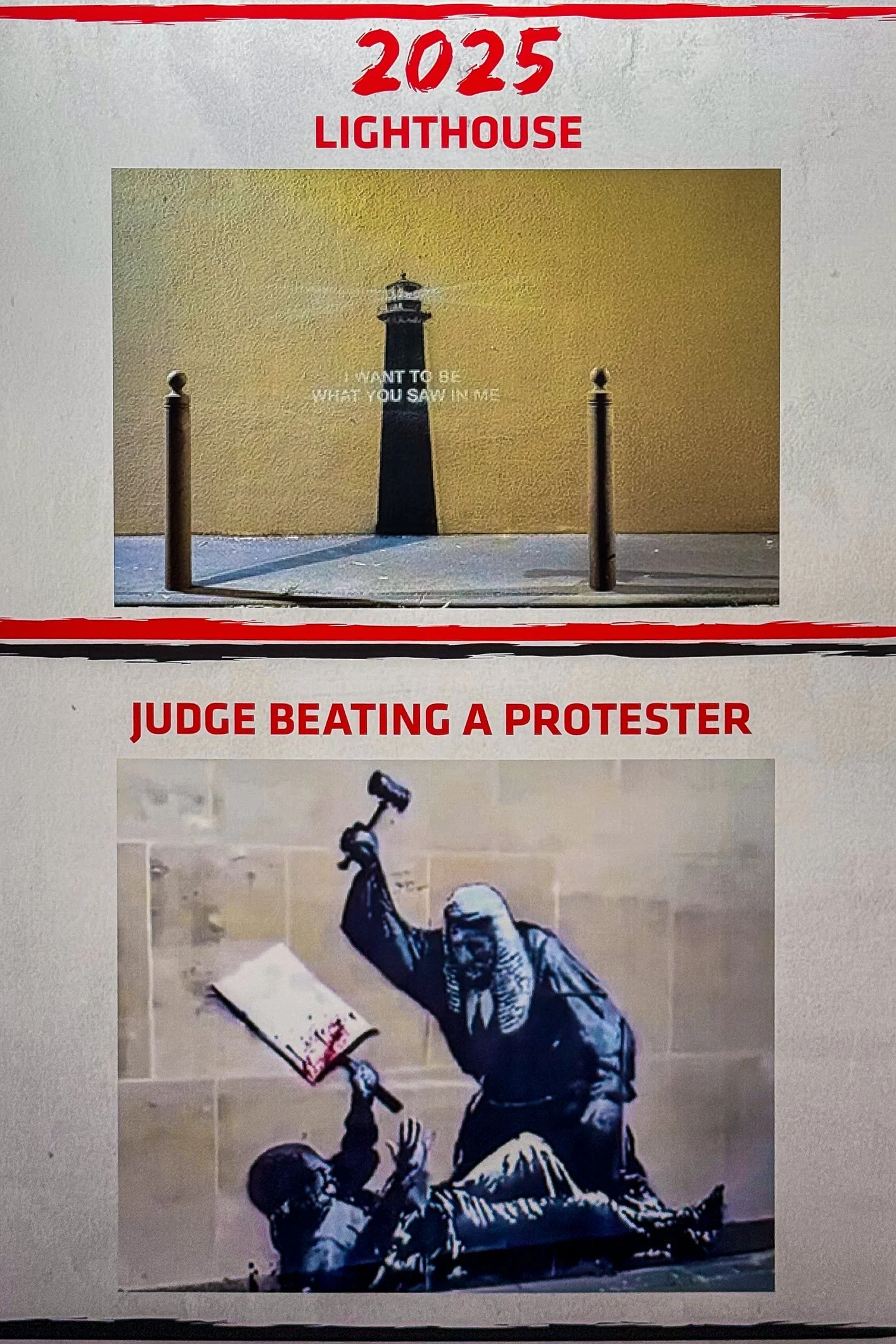
The next room is darker, its atmosphere even heavier. One side is dominated by a huge recreation of Devolved Parliament, the absurdist canvas in which the House of Commons is filled with chimpanzees. The atmosphere is half-cathedral, half-circus. Nearby hang Lenin in Sight, Morons, and other provocative works. Opposite, an enormous mural depicts a Judge Beating a Protestor (recently removed from the facade of Queen’s Building in London). In the corner of the same wall there is I Fought the Law and I Won and I cannot decide if it hints at hope to win, or simply necessity of defiance and persistence, even when the win may be small and symbolic.


Kolejna sala jest ciemniejsza, a jej atmosfera jeszcze cięższa. Jedną ze ścian dominuje ogromna rekonstrukcja Devolved Parliament, absurdystycznego płótna, na którym Izbę Gmin brytyjskiego parlamentu wypełniają szympansy. Atmosfera jest trochę jak w katedrze, a trochę jak w cyrku. W pobliżu wiszą Lenin in Sight, Morons i inne prowokacyjne prace. Naprzeciwko rozciąga się monumentalny mural przedstawiający Judge Beating a Protestor (usunięty ostatnio z Queen’s Building w Londynie). W rogu tej samej ściany znajduje się I Fought the Law and I Won - i nie potrafię zdecydować, czy sugeruje ono nadzieję na zwycięstwo, czy raczej konieczność nieustannego sprzeciwu i wytrwałości, nawet jeśli wygrana jest mała i wyłącznie symboliczna.

Behind that wall, the exhibition turns inward. Here is Banksy’s dialogue with art history - his re-seen masterpieces. Sunflowers from Petrol Station, where Van Gogh’s blossoms have withered, Show Me the Monet, where the lily pond is choked with shopping carts. Graffiti Village, CCTV Countryside, The Banality of the Banality of Evil, Vettriano’s Lovers, even Simon Cowell Judges the Ballet. These rewritings are not mere vandalism of classics; they show how the world itself – through consumerism, surveillance, environmental degradation, mass production, loss of privacy - has become the vandalised canvas.

Some of these works have been planted in Banksy’s famous museum “pranks”. For example, in October 2003, Banksy entered Tate Britain disguised as a pensioner and installed Crimewatch UK Has Ruined the Countryside for All of Us in a vacant gallery slot. On 13 March 2005, he placed works simultaneously in four major New York museums - the Met, MoMA, the Brooklyn Museum, and the American Museum of Natural History - using a fake beard/hat to blend in as a visitor, and strong glue to fix the painting to the wall. This is an example of Banksy’s method of infiltration and critique: entering elite cultural institutions unannounced to place his own work, thereby questioning notions of legitimacy, curation and who gets to decide what art is. It also highlights his interest in institutional critique: by placing the work “inside” the system, he forces the system to respond (remove it, comment on it, etc.).


Kolejna część tej wystawy to dialog Banksy’ego z historią sztuki – jego „ponownie zobaczone” arcydzieła. Sunflowers from Petrol Station, w których słoneczniki Van Gogha zwiędły; Show Me the Monet, gdzie staw lilii dławią wózki sklepowe. Graffiti Village, CCTV Countryside, The Banality of the Banality of Evil, Vettriano’s Lovers, a nawet Simon Cowell Judges the Ballet. Te przeróbki nie są zwykłym wandalizowaniem klasyków; pokazują raczej, że sam świat - poprzez konsumpcjonizm, inwigilację, degradację środowiska, masową produkcję, utratę prywatności - stał się zdewastowanym płótnem.

Część z prezentowanych tu prac została „podrzucona” w słynnych muzealnych „psikusach” Banksy’ego. Na przykład w październiku 2003 roku Banksy wszedł do Tate Britain przebrany za emeryta i umieścił Crimewatch UK Has Ruined the Countryside for All of Us w jednym z wolnym miejsc na ścianie. 13 marca 2005 roku umieścił swoje prace jednocześnie w czterech głównych nowojorskich muzeach - Met, MoMA, Brooklyn Museum oraz American Museum of Natural History - używając fałszywej brody i kapelusza, by wmieszać się w tłum, oraz mocnego kleju, by przytwierdzić obrazy do ściany. To przykład metody infiltracji i krytyki Banksy’ego: wchodzenia niepostrzeżenie do elitarnych instytucji kultury, by ulokować tam własną pracę, a tym samym zakwestionować pojęcia legitymizacji, kuratorstwa i tego, kto ma prawo decydować, czym jest sztuka. Podkreśla to również jego zainteresowanie krytyką instytucjonalną: umieszczając pracę „wewnątrz” systemu, zmusza system do reakcji (usunięcia jej, skomentowania itd.).

A side corner amplifies industrial tension: brick walls, streaked with deep red and cobalt blue light, showcase Banksy’s August 2024 London animal series. A mountain goat balances precariously, a gorilla lifts a shutter to reveal a sea lion and escaping birds, glowing eyes peer from the shadows, and a cat arching close to a scratched wall.

Boczny zakątek tej sali wystawowej potęguje industrialne napięcie: ceglane ściany, spowite głęboką czerwienią i kobaltowym błękitem laserowego światła, prezentują londyńską serię zwierzęcą Banksy’ego z sierpnia 2024 roku. Koziorożec balansuje na samej krawędzi ściany, goryl podnosi roletę, odsłaniając uchatkę i uciekające ptaki, jarzące się oczy wyglądają z cienia, a kot wygina grzbiet tuż przy podrapanej ścianie.

Belgravia in Bloom 2025

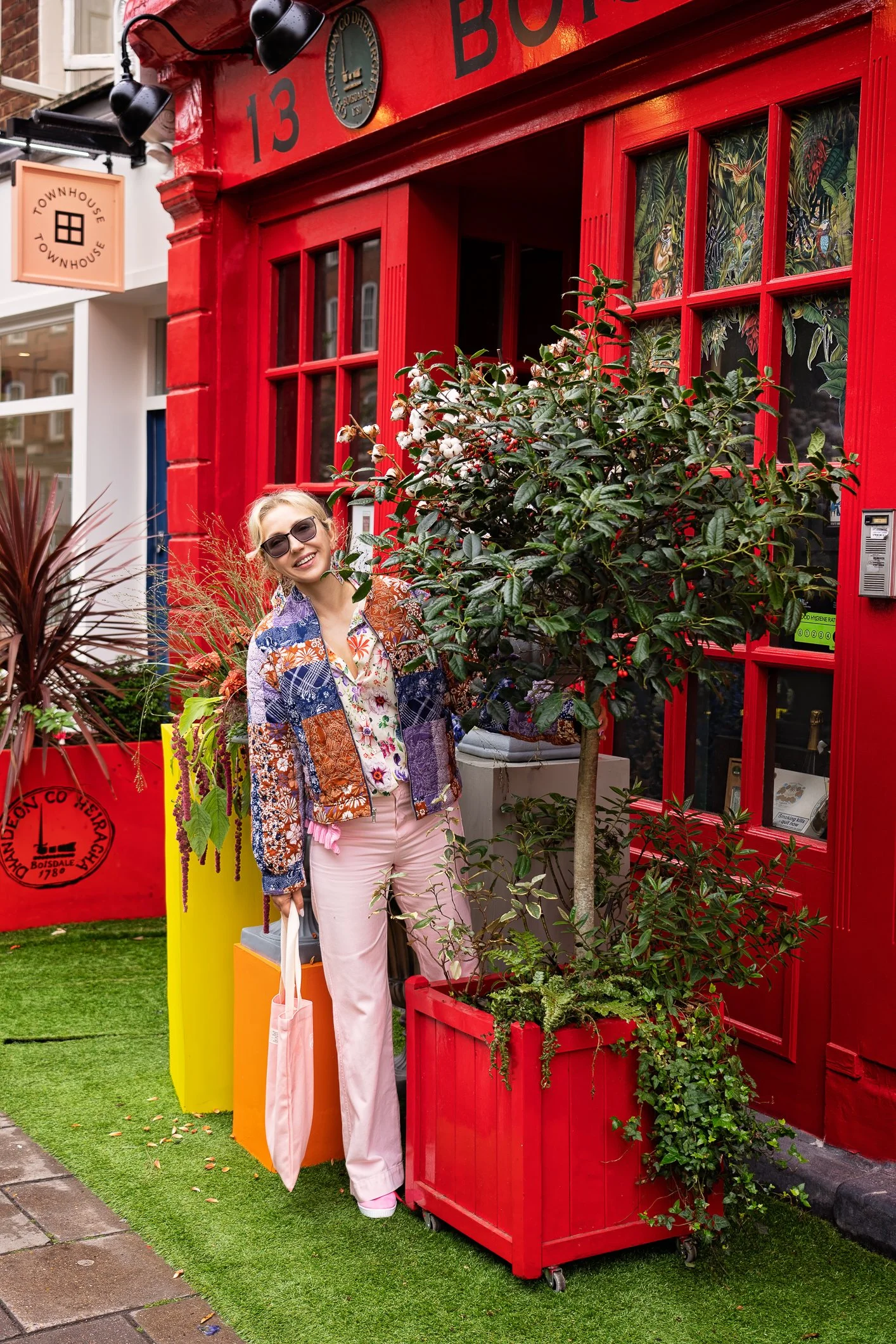
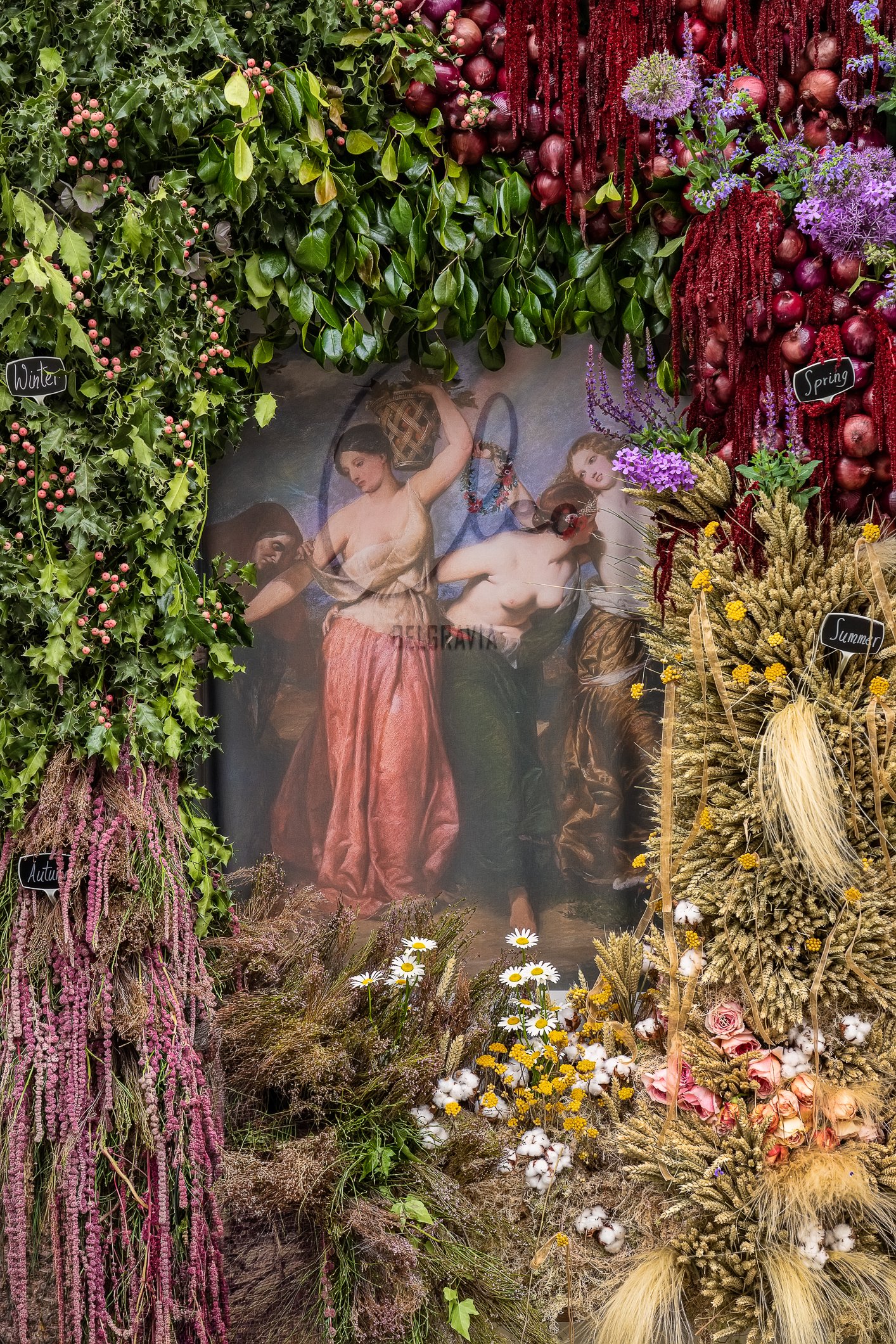
It is that time of year again! So, we are off to see “London in bloom”. The theme of the Belgravia festivl this year is “Through the Seasons.” We kicked things off with a breakfast treat, but I will save that for a separate entry.

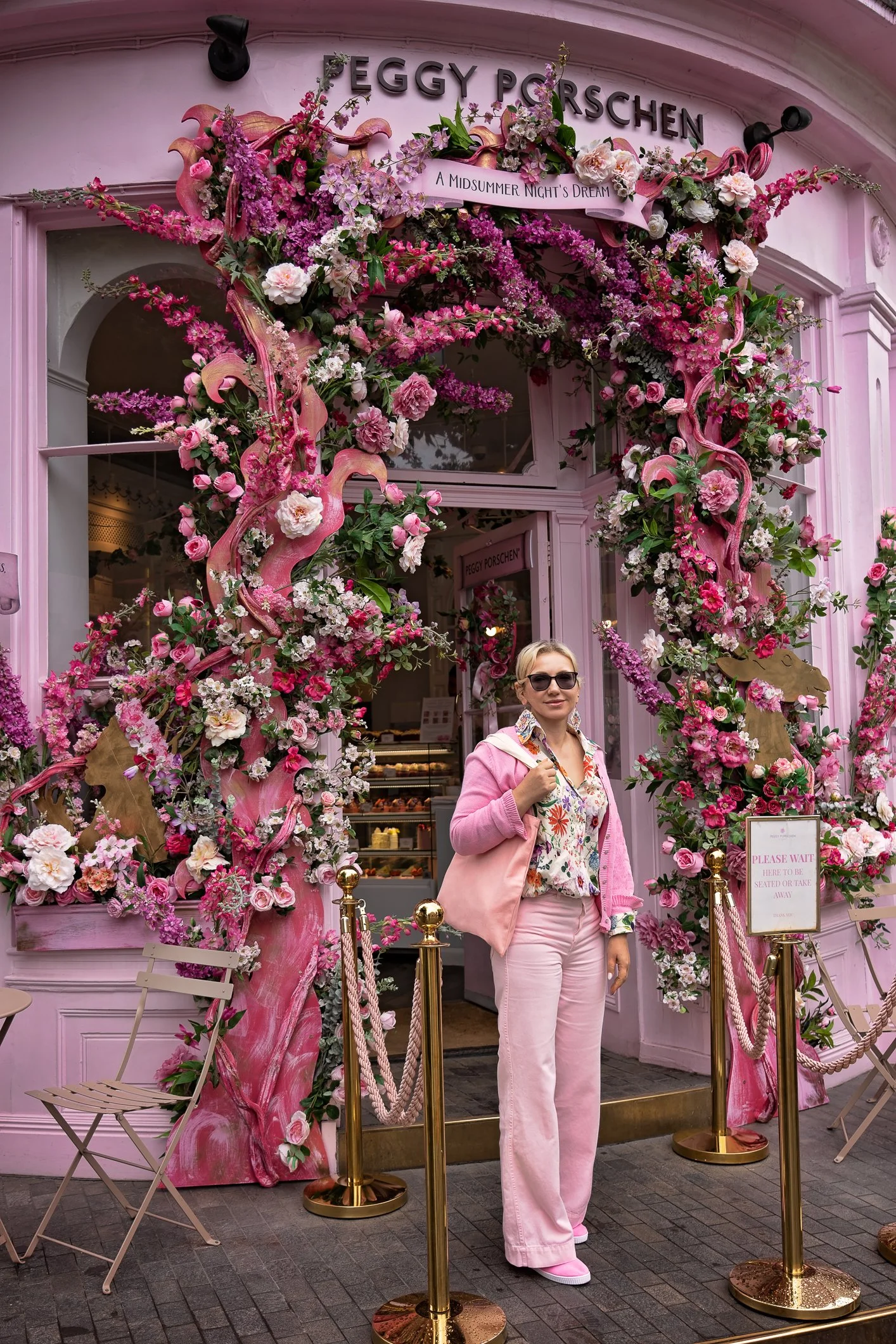
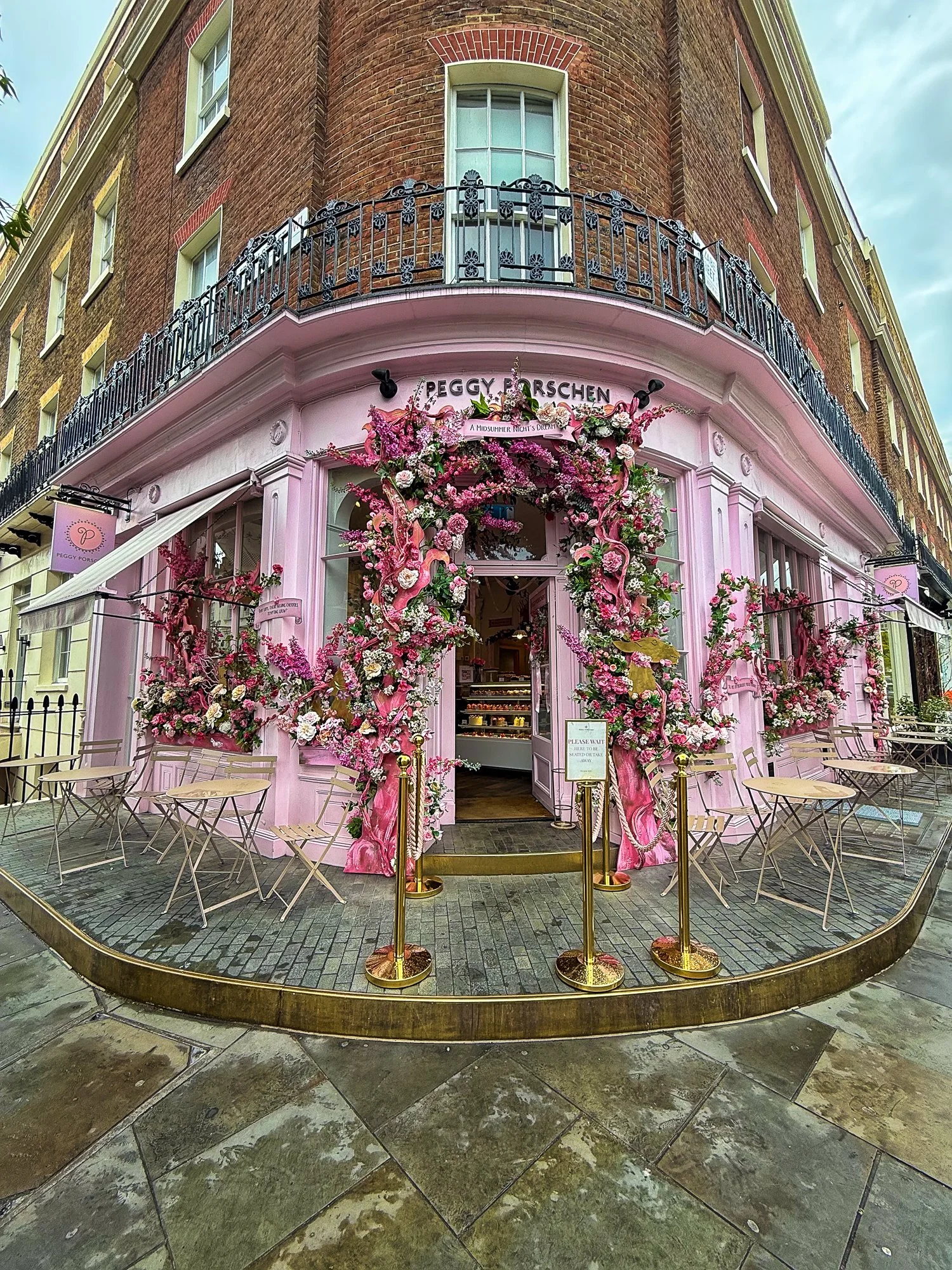
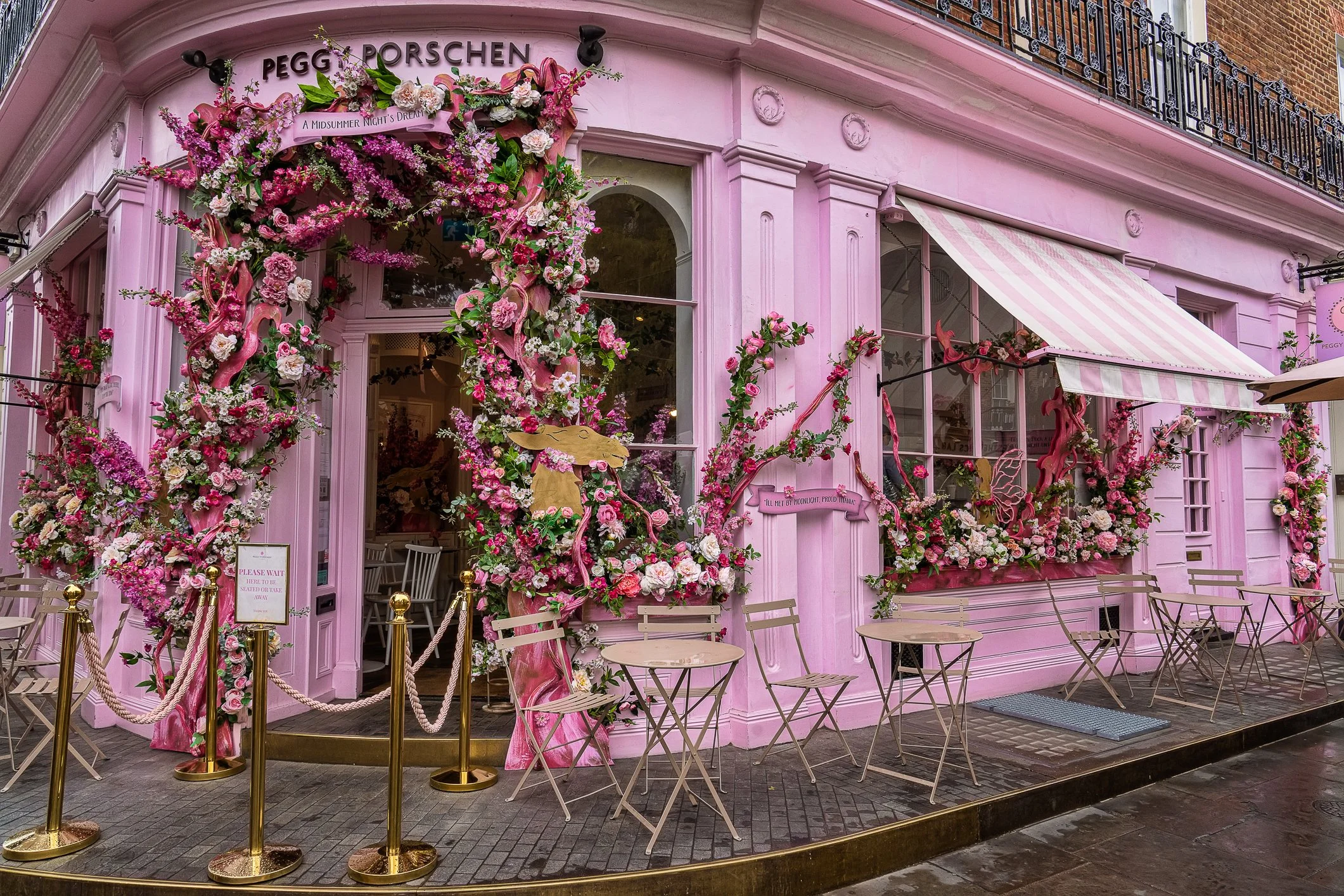
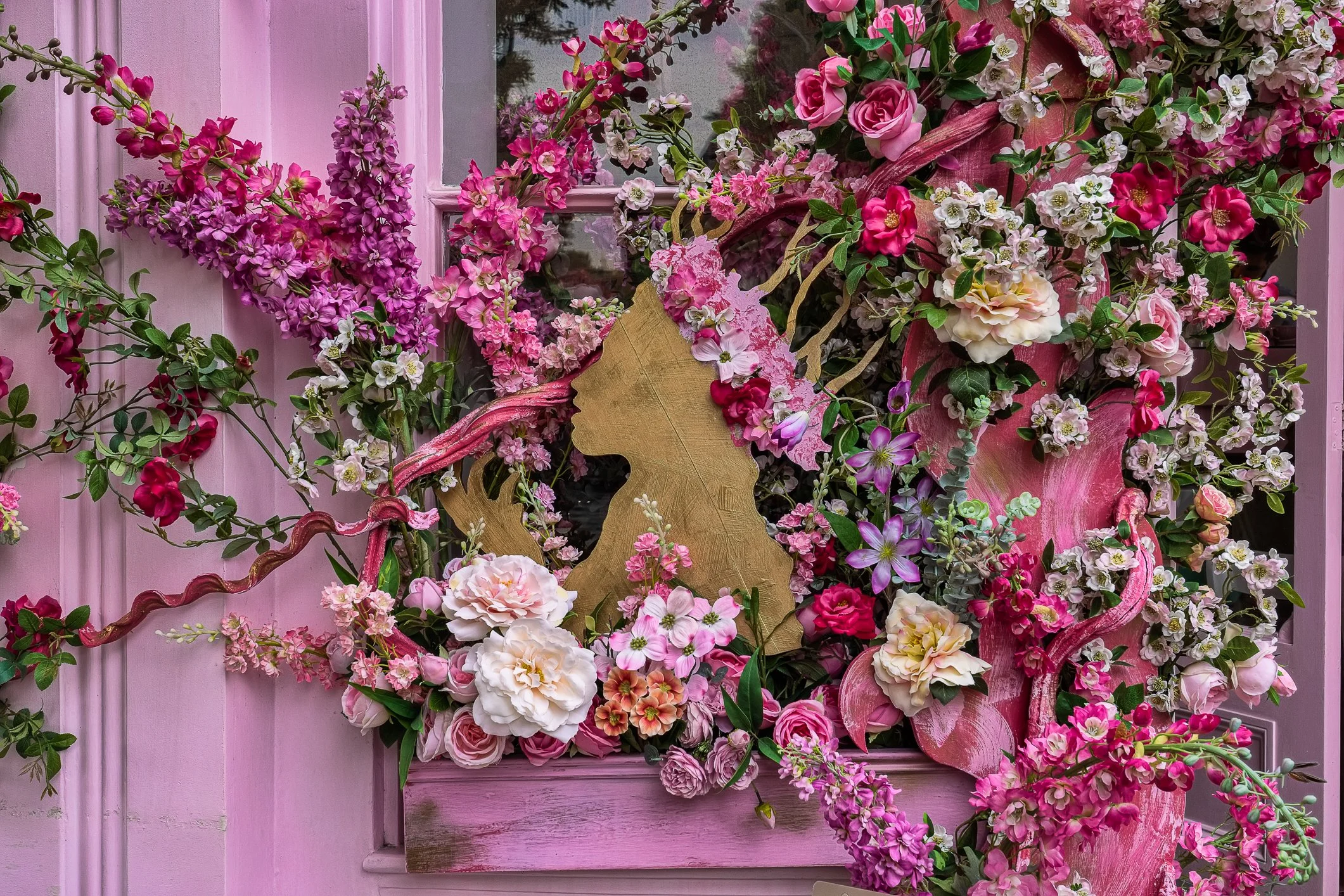
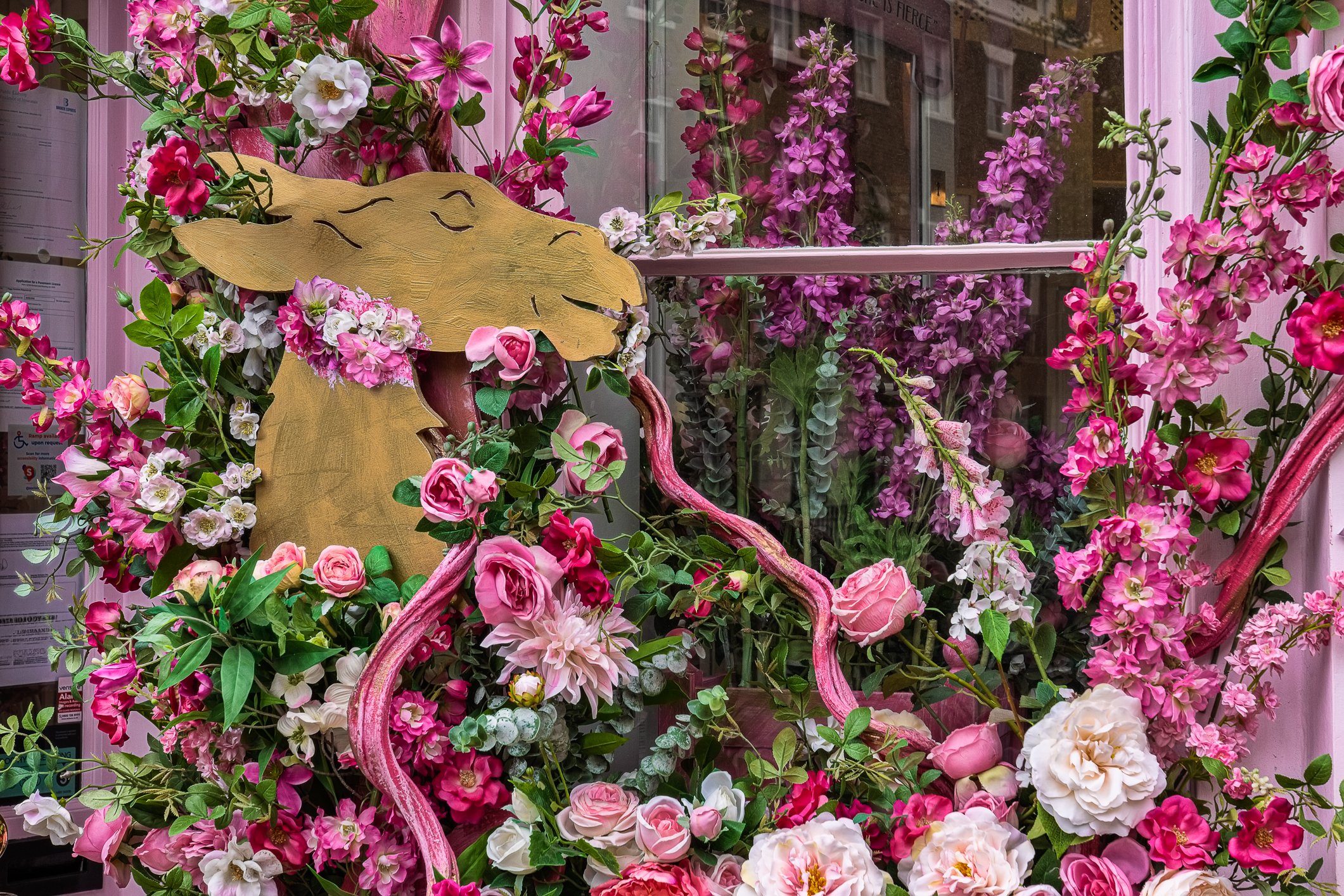
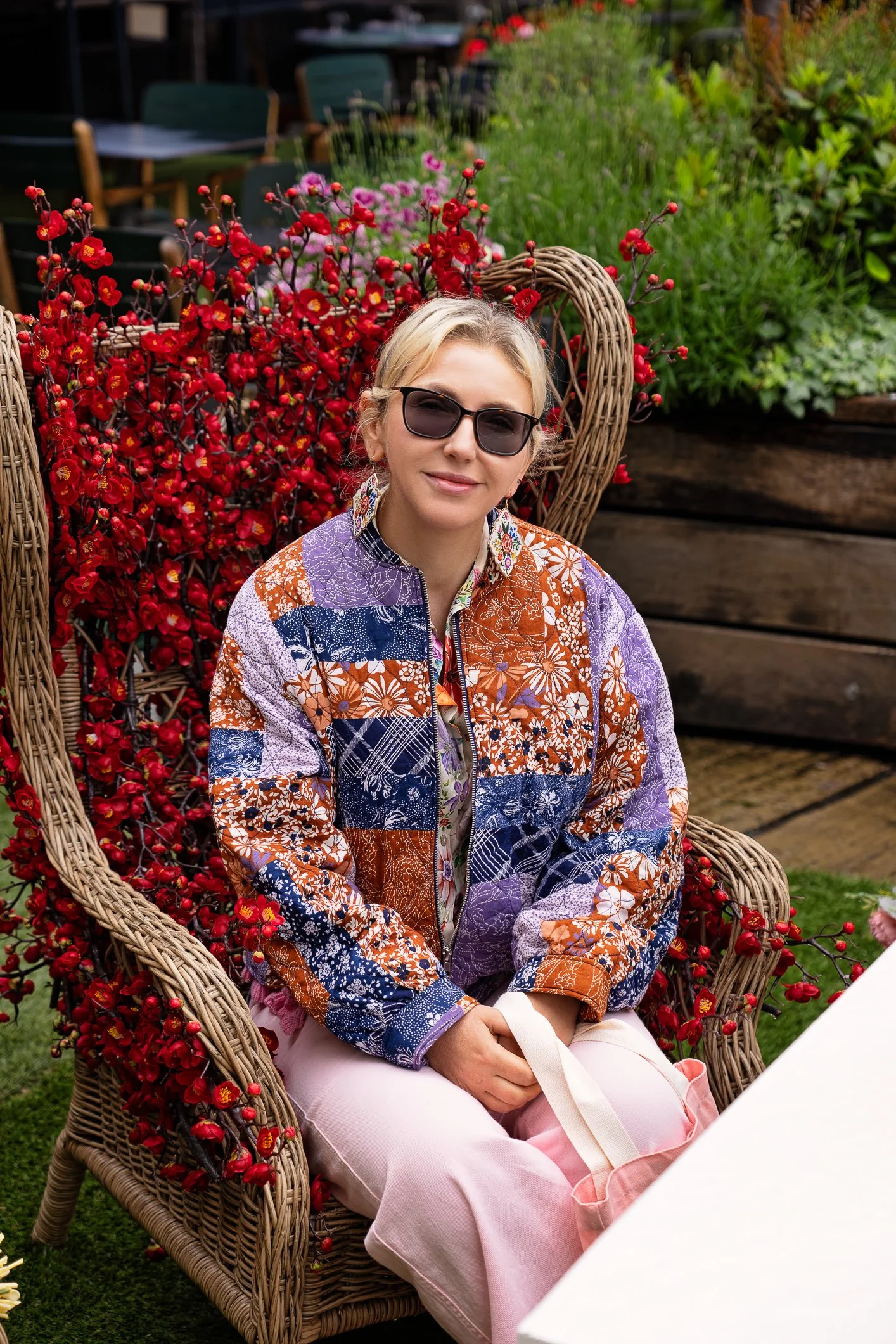
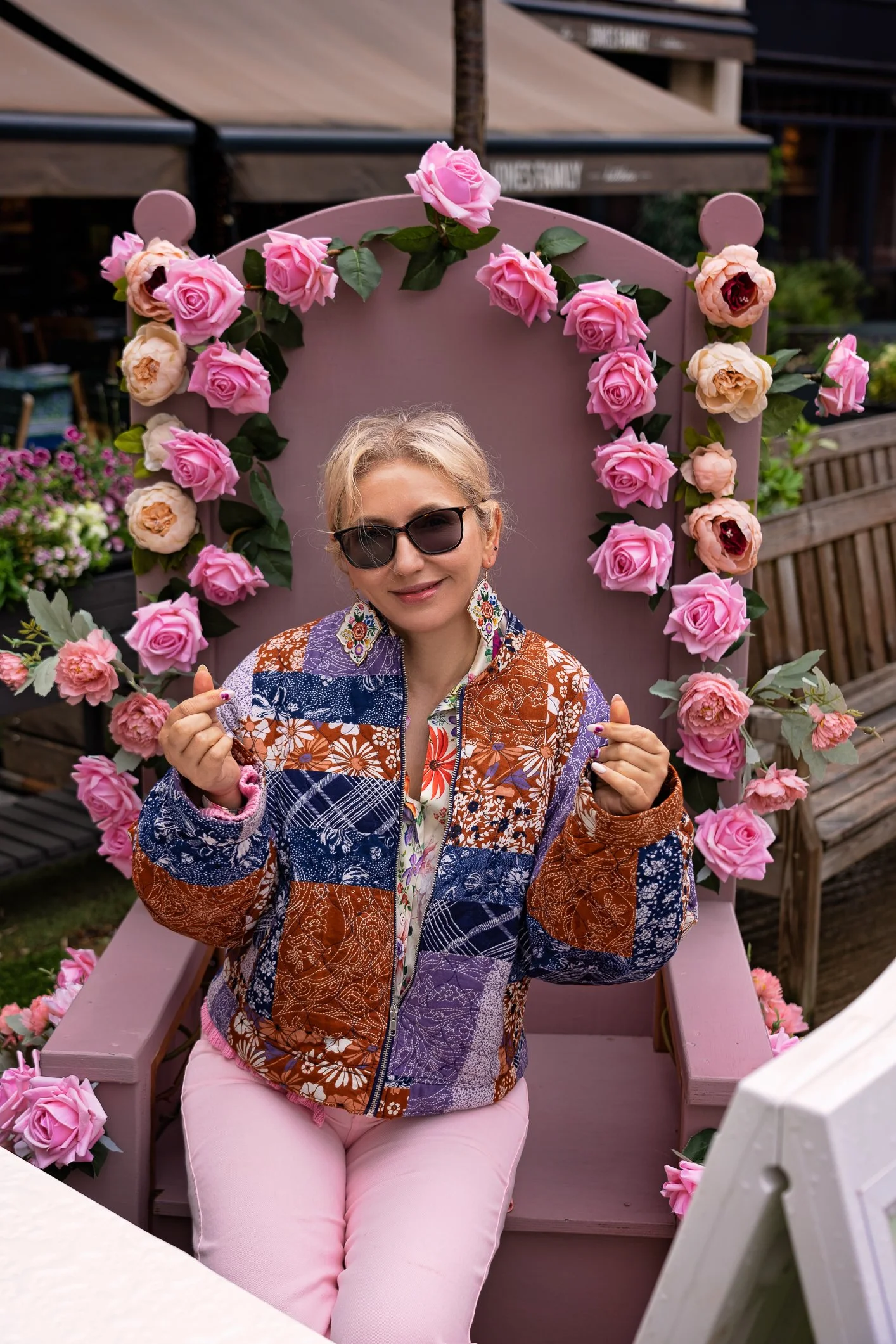
In my head, Belgravia in Bloom always starts at Peggy Porschen, and this year they are as whimsical as ever. Even from afar, you can see a beautifully lush archway featuring dense clusters of pink, cream, and deep magenta blooms. Their take on this year's theme was inspired by Shakespeare’s A Midsummer Night’s Dream.


To znowu czas festiwalu „London in bloom” Tematem przewodnim tegorocznego festiwalu w Belgravii jest „“Through the Seasons”(„Przez pory roku”). Dzień zaczęliśmy od śniadaniowych pyszności, ale o tym opowiem w osobnym wpisie.

W mojej głowie spacer po Belgravia in Bloom zawsze zaczyna się od Peggy Porschen i w tym roku cukiernia jest tak samo bajkowa jak zawsze. Już z daleka wzrok przyciąga jej fasada w pastelowym różu ozdobiona girlandami utkanymi z różowych, kremowych i amarantowych kwiatów. Ich tegoroczna interpretacja tematu została zainspirowana Szekspirem i jego Snem nocy letniej.

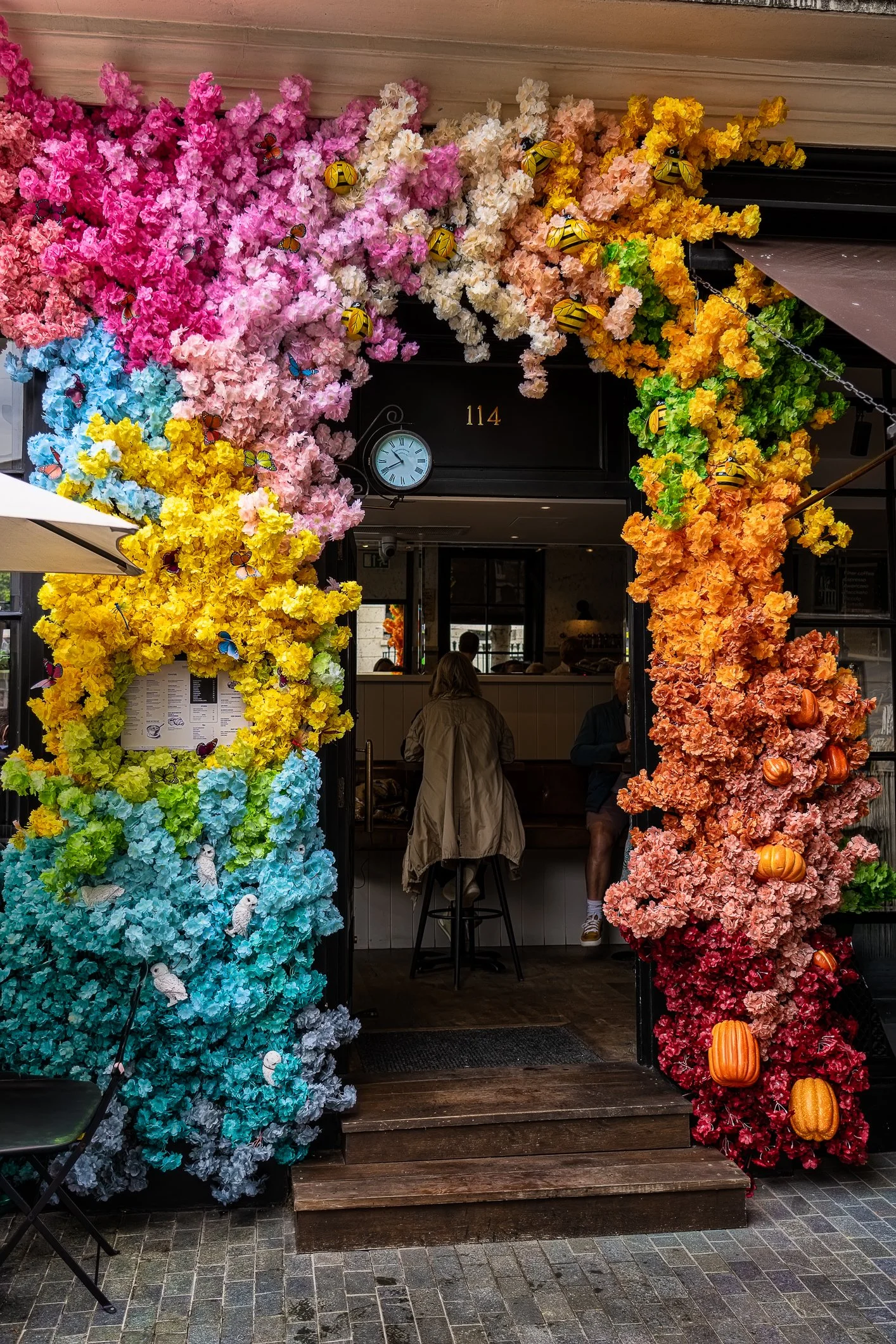
The TomTom Coffee House, which sits just opposite Peggy, opted for what I can only call "aggressive pastels." Lush bunches of blue, yellow, pink, and red flowers arch around the main entrance, playfully adorned with little owls, pumpkins, butterflies, and bees.

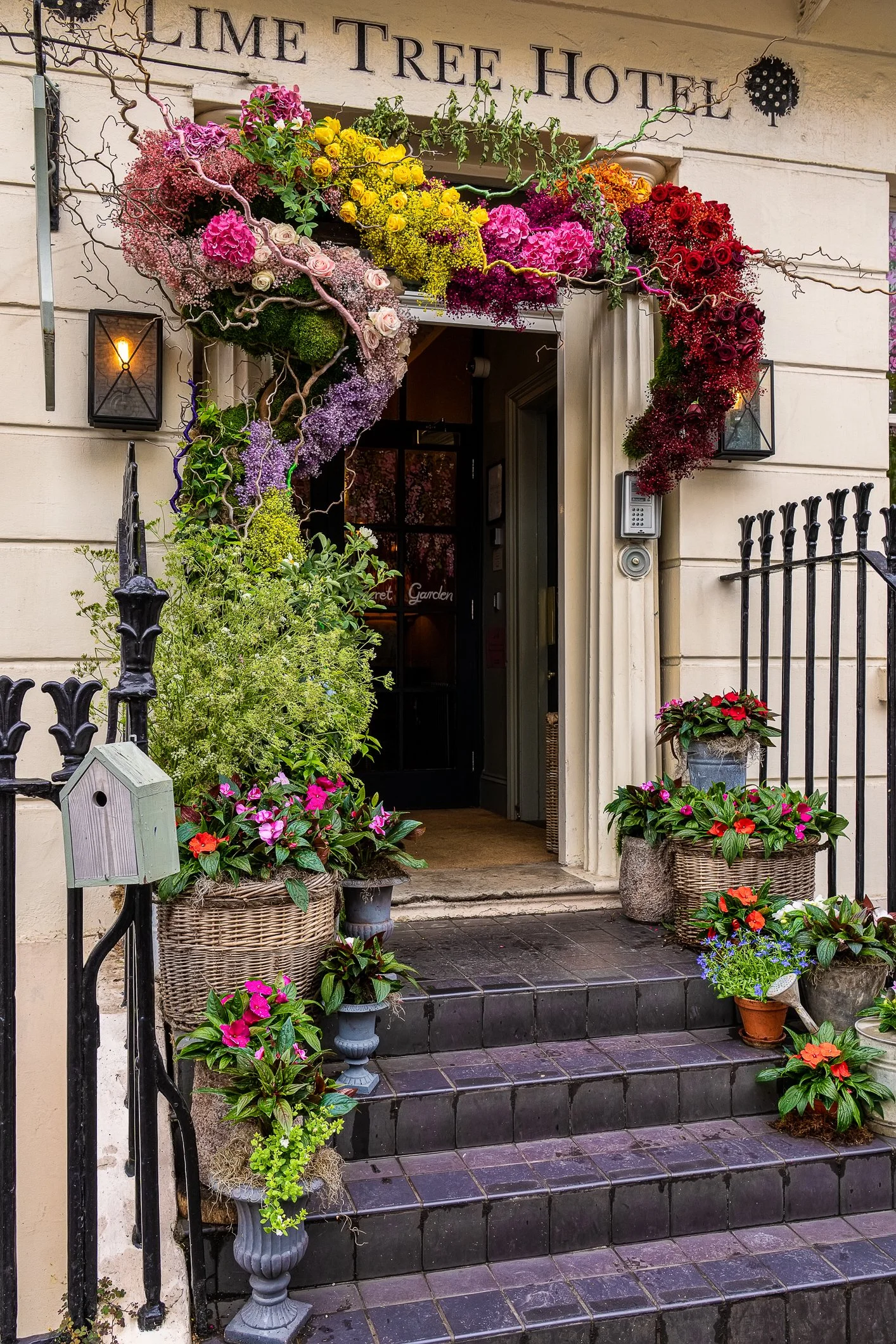
On the opposite side, the Lime Tree Hotel is also beautifully decorated with a half-arch made of rustic tree branches and colourful flowers.

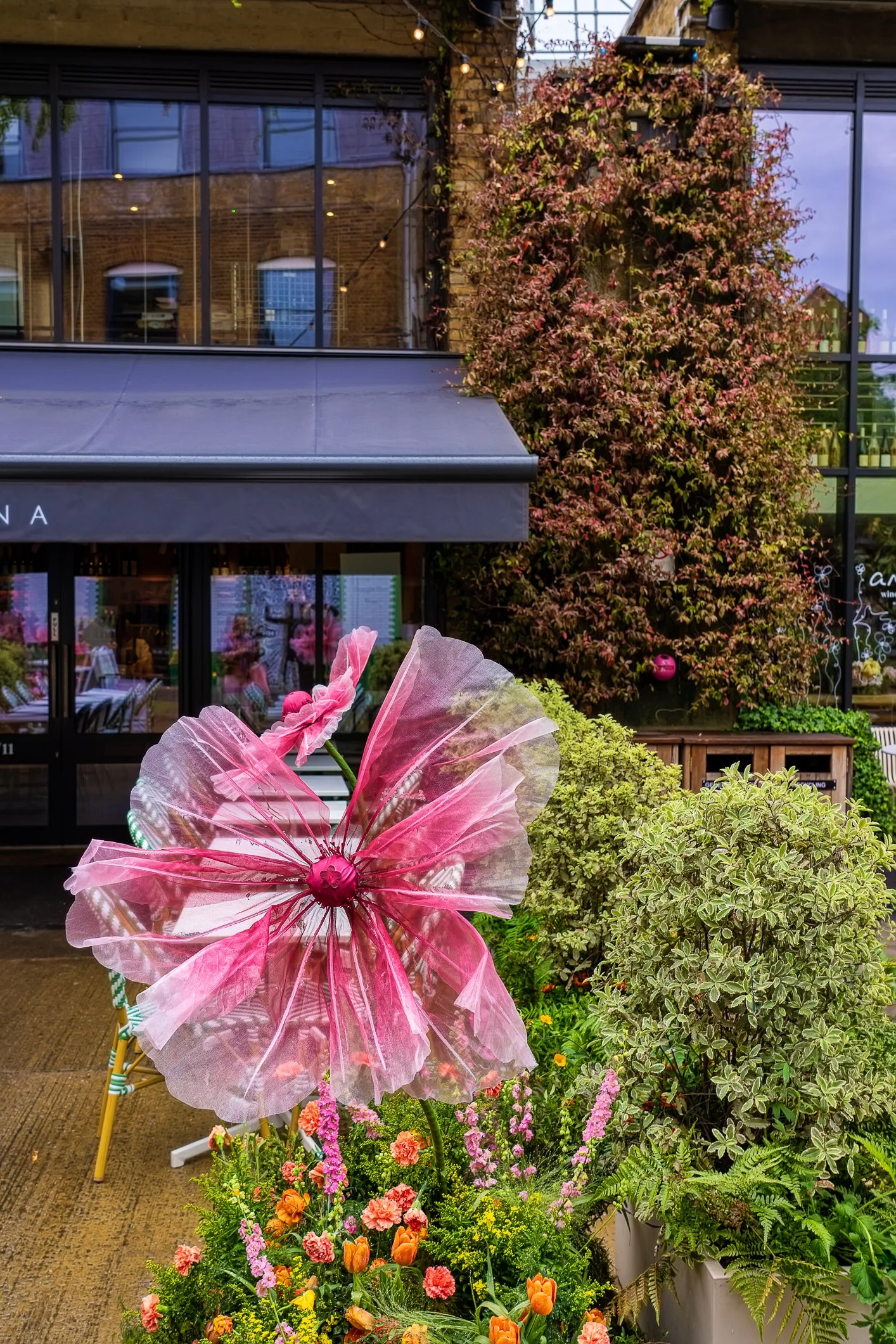
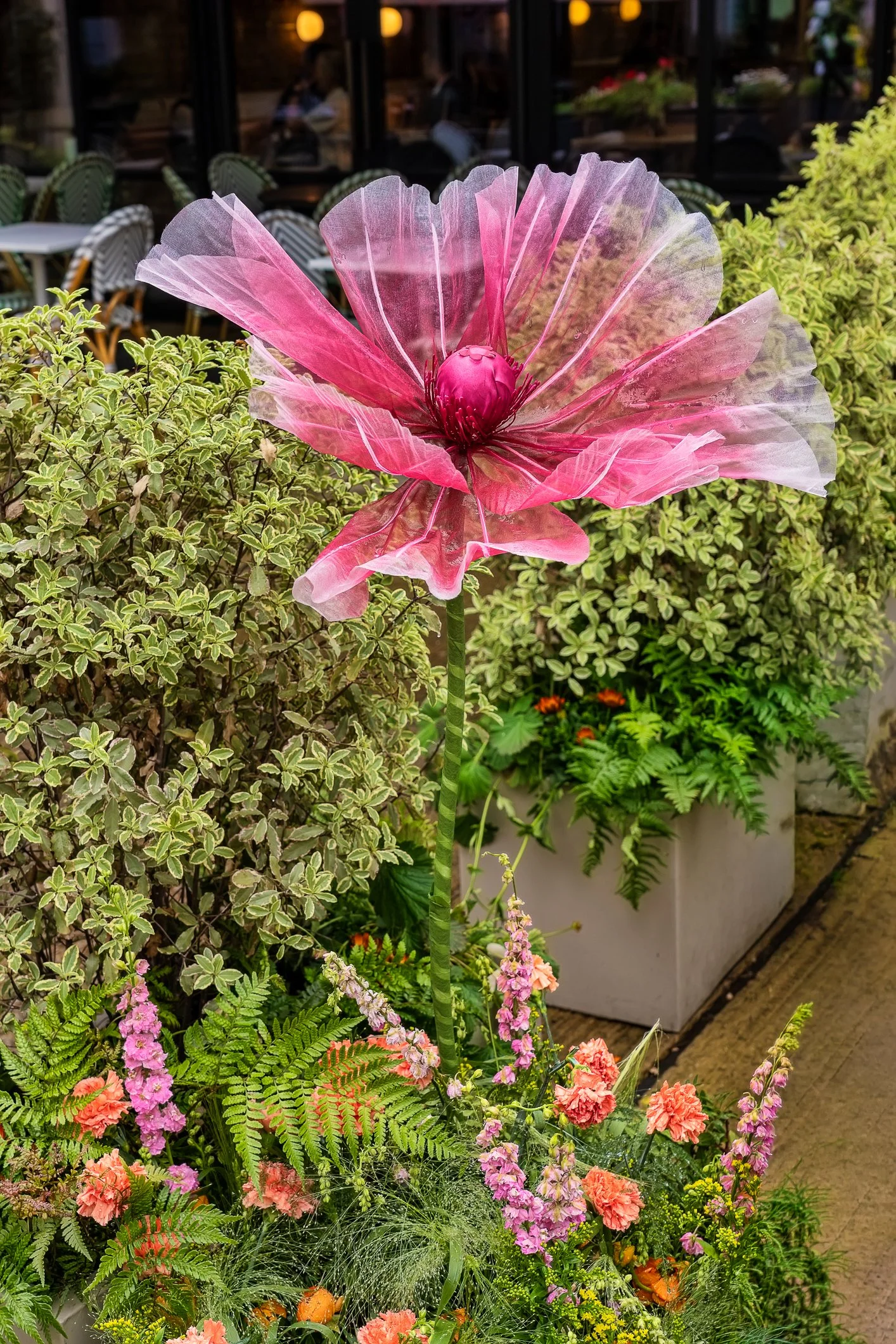
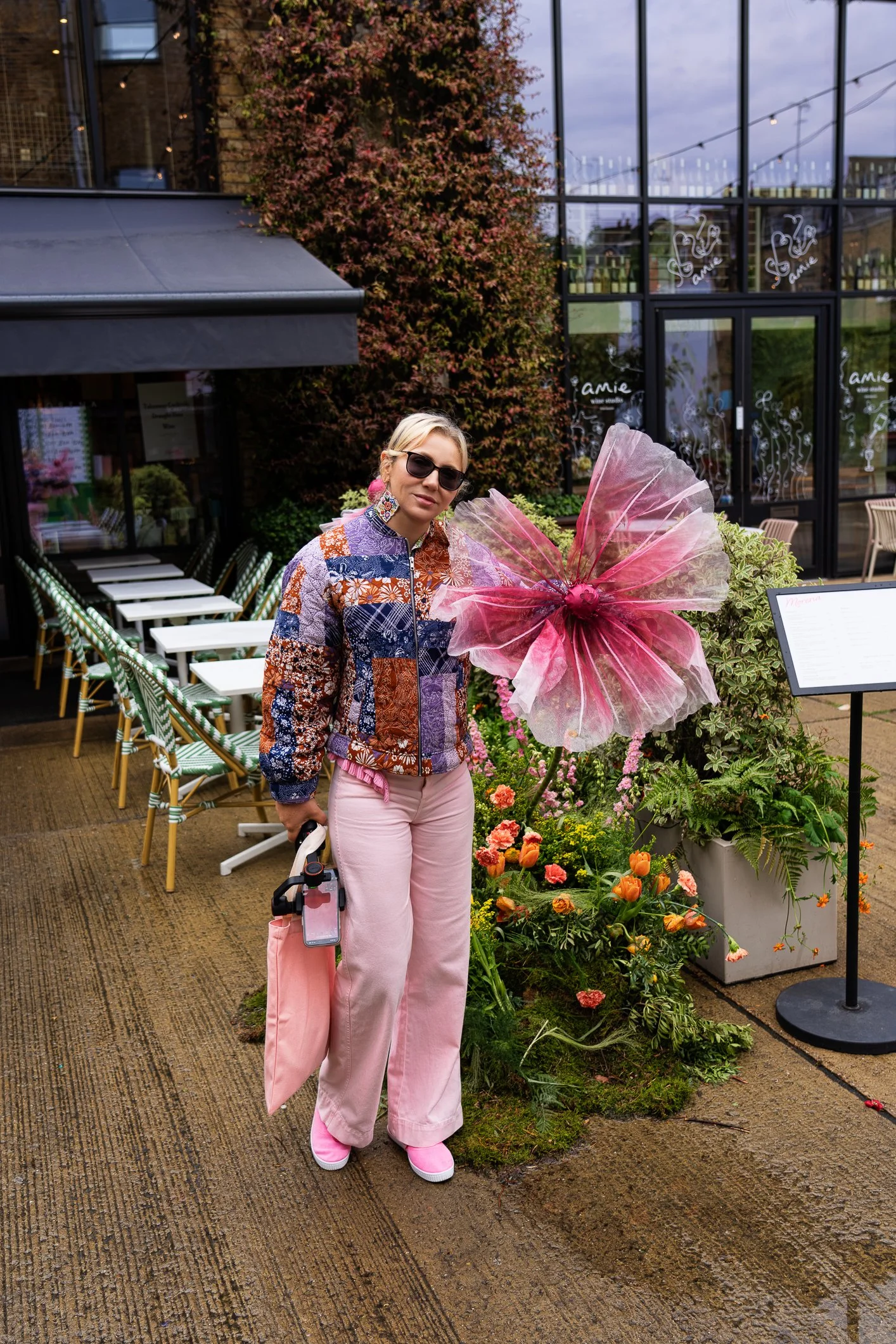
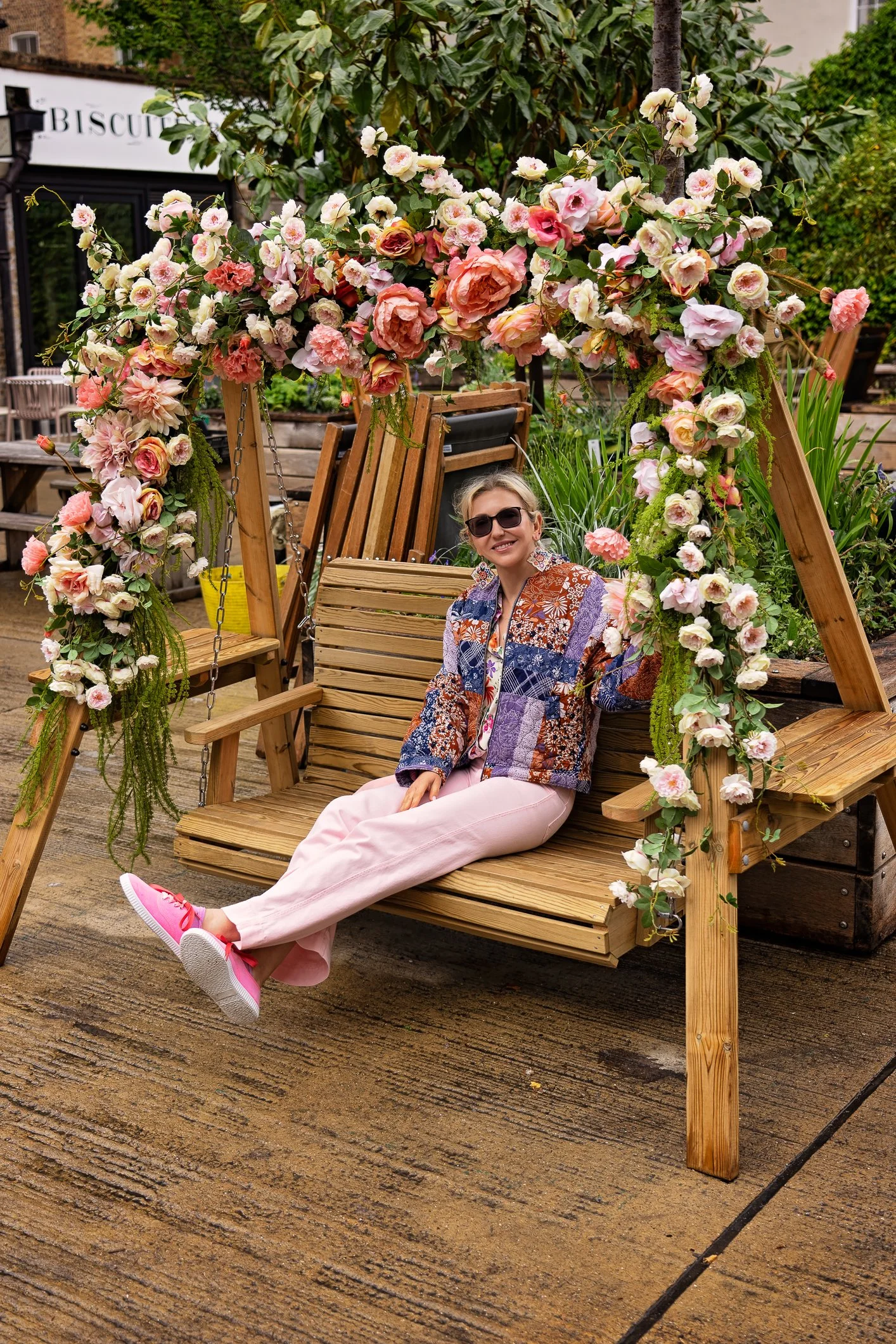
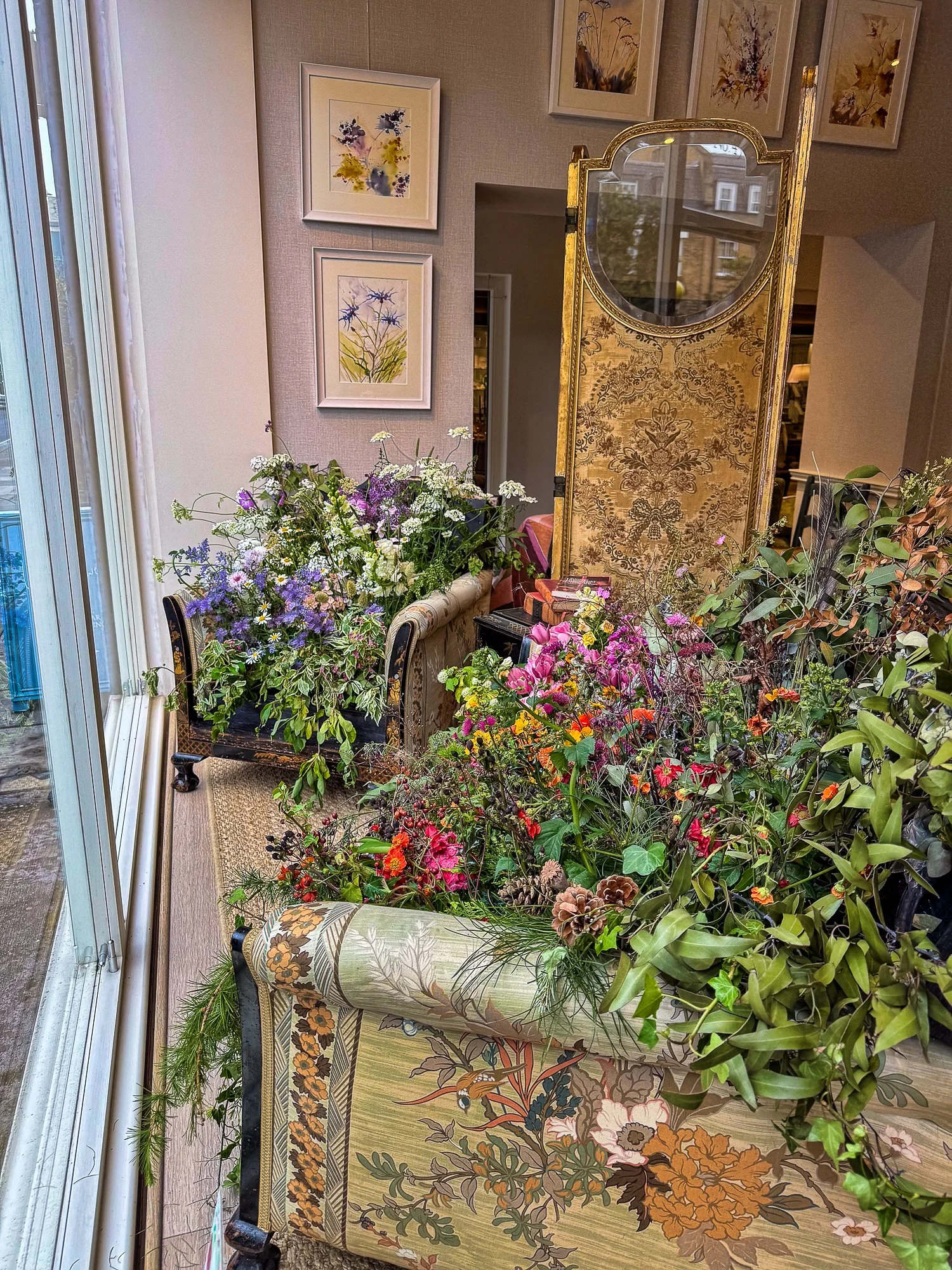
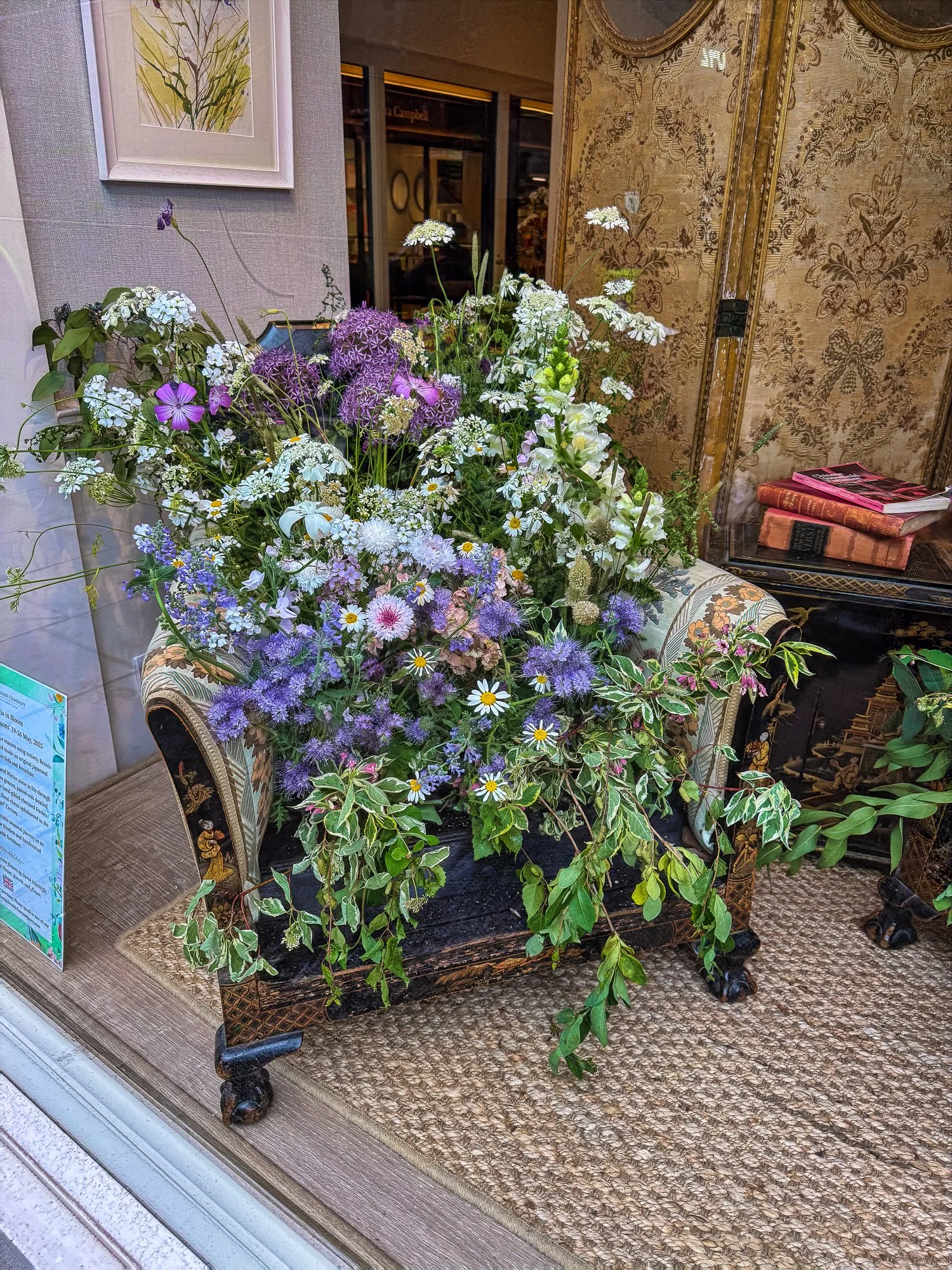
Eccleston Yards is relatively modest this year, adorned only with a few oversized flowers and some flowery armchairs including an interactive floral swing chair.


TomTom Coffee House, który znajduje się naprzeciwko Peggy, postawił w tym roku na agresywne pastele. Nad głównym wejściem pyszni się obfita girlanda niebieskich, żółtych, różowych i czerwonych kwiatów, ozdobiona dodatkowo figurkami małych sówek, dyń, motyli i pszczół.

Hotel Lime Tree również wygląda zacnie  - jego wejście zdobi asymetryczny półłuk wykonany z gałęzi i kolorowych kwiatów.

Dziedziniec Eccleston Yards jest w tym roku stosunkowo skromny. Udekorowano go kilkoma wielkimi kwiatami i kwiecistymi fotelami (w tym dużą huśtawką).

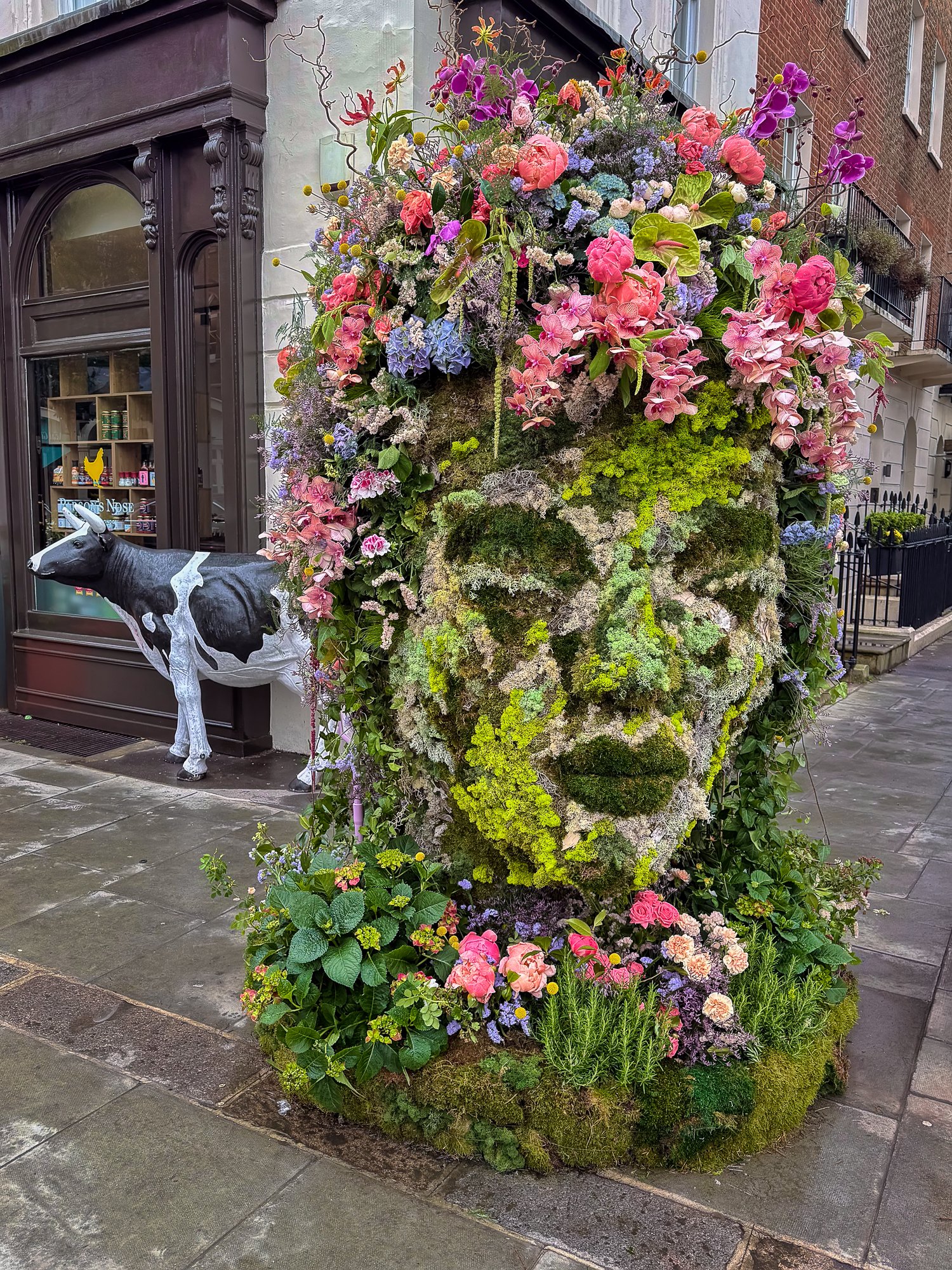
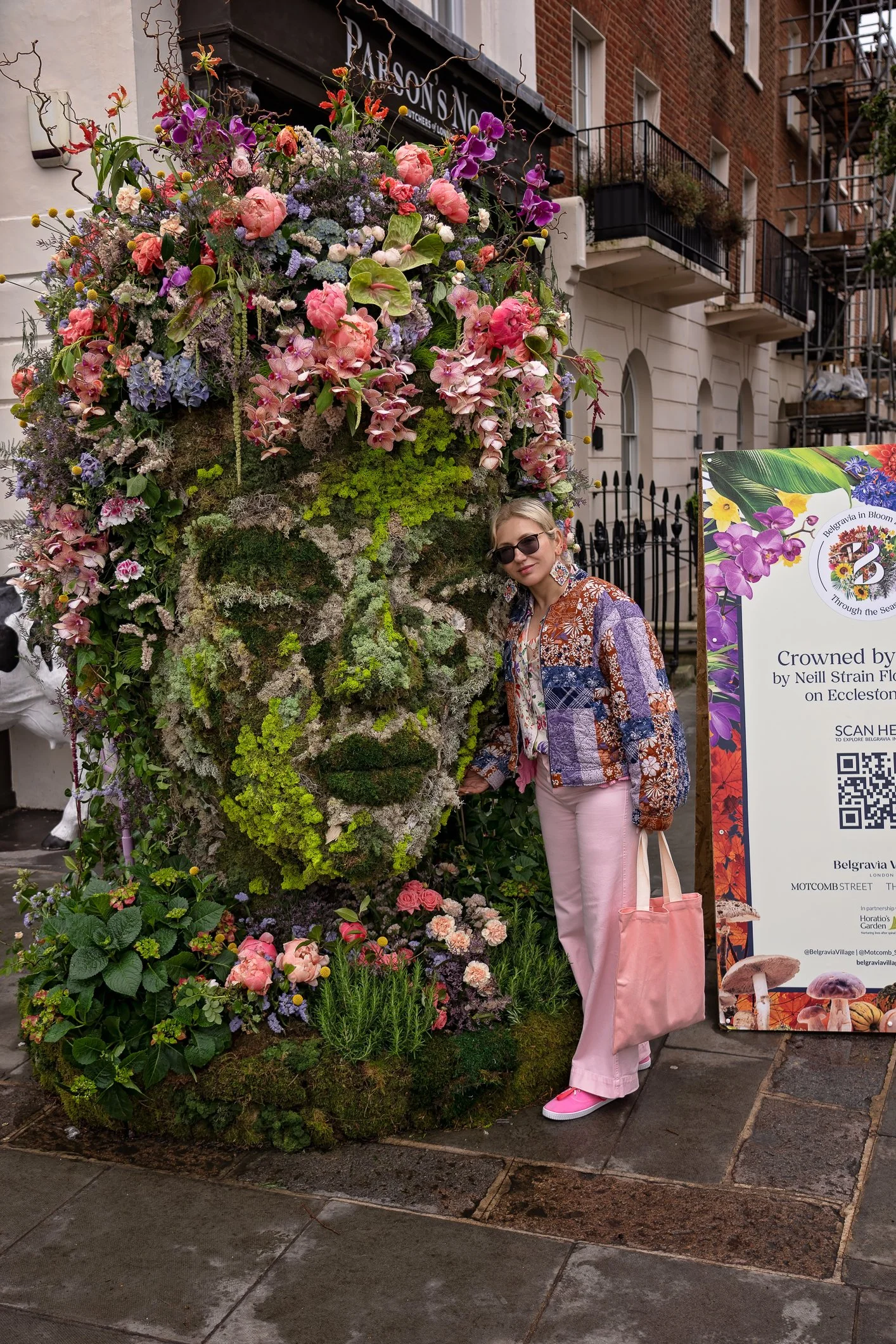
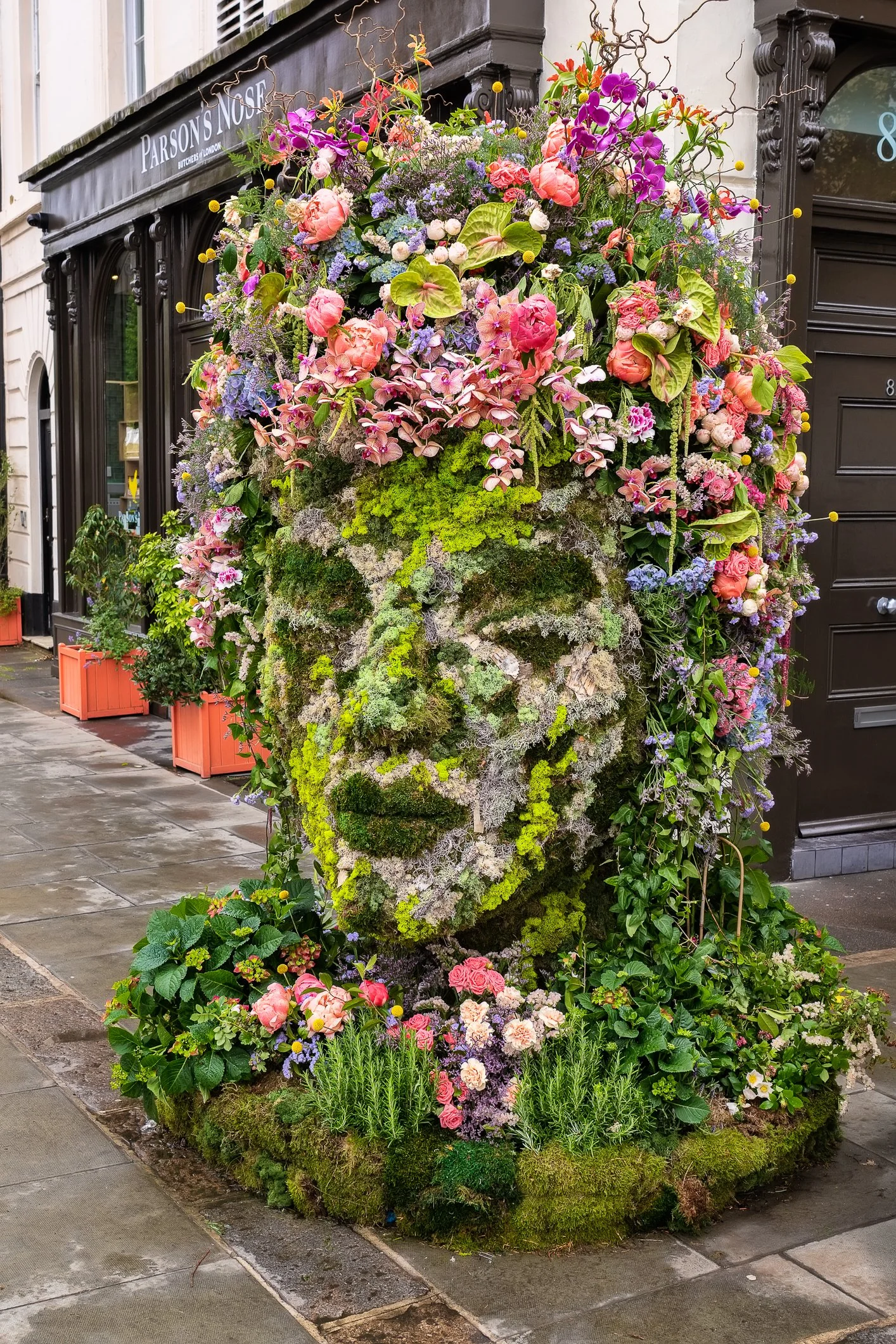
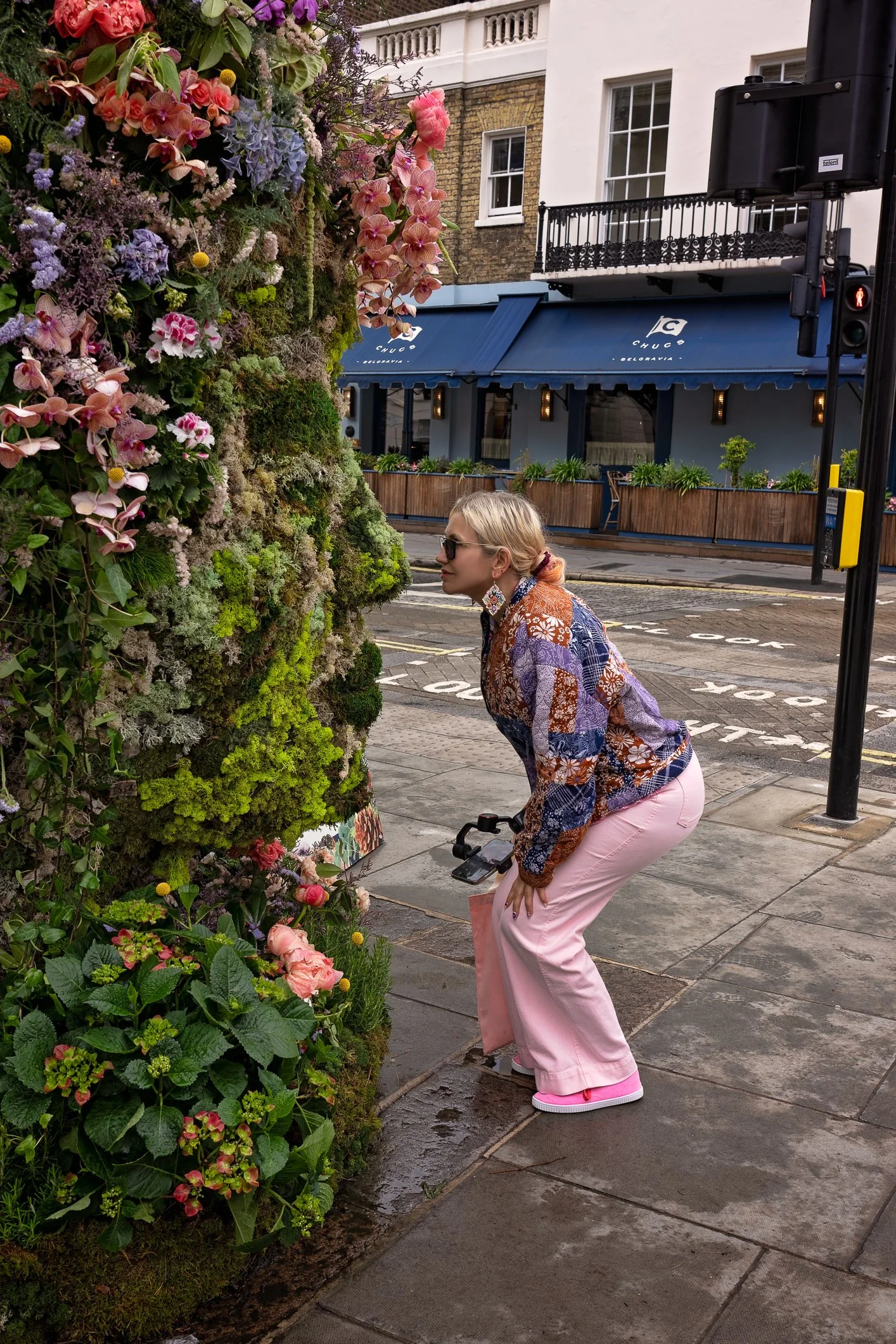
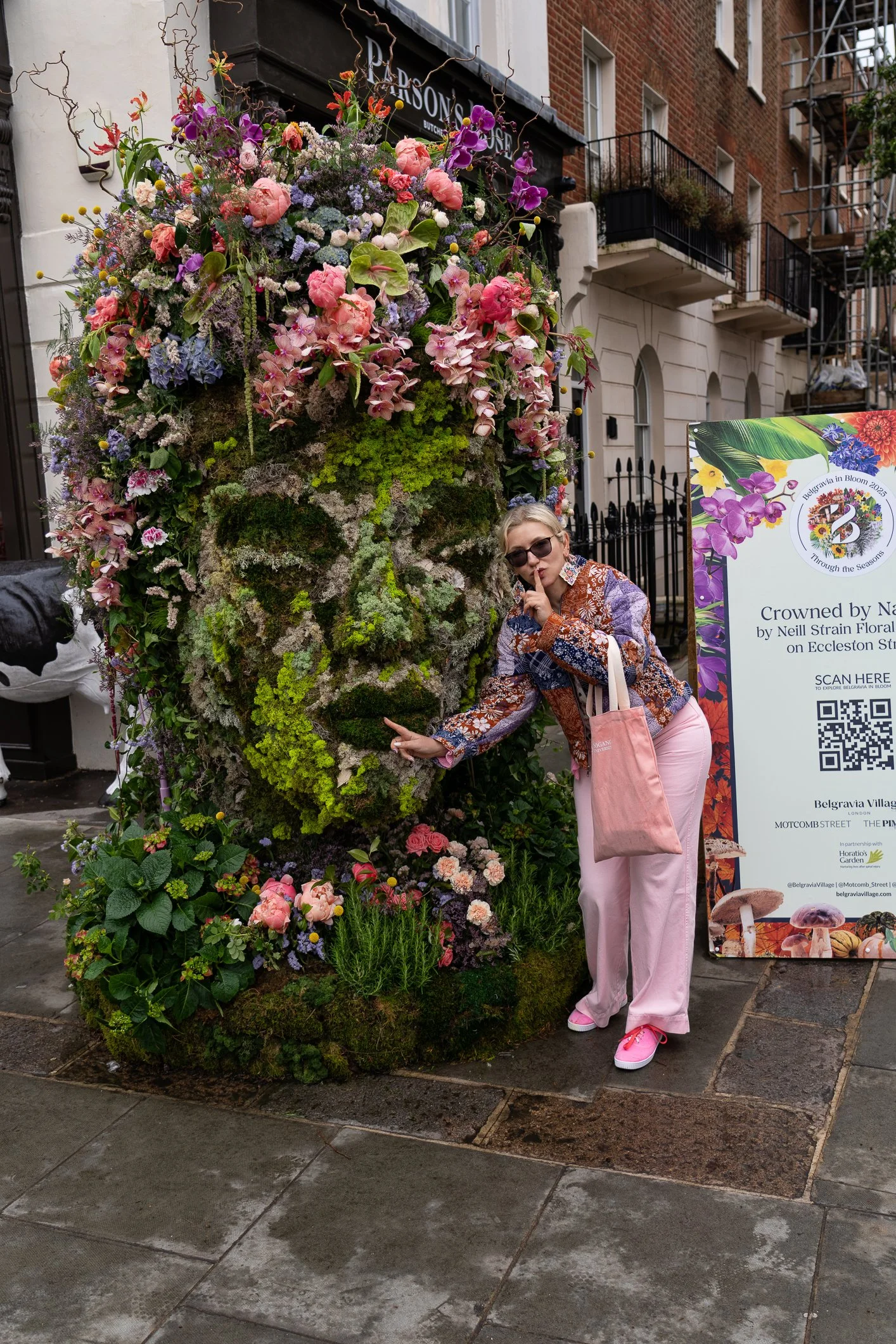
But it is in front of the Parson’s Nose butchers where we find the "Crowned by Nature" installation by Neill Strain Floral Couture: a massive, three-dimensional, larger-than-life sculpted head of Mother Nature. The face and facial features are meticulously crafted using tightly packed green moss, live plants, and textured grasses to create incredibly realistic shadows, depth, and contours. Her cascading hair and crown are woven from a massive gradient of seasonal flowers.

Za to tuż przed rzeźnikiem Parson’s Nose trafiamy na instalację „Crowned by Nature” autorstwa Neill Strain/Floral Couture. To ogromna, trójwymiarowa twarz Matki Natury. Rysy twarzy zostały pieczołowicie wyprofilowane z gęstego, zielonego mchu, żywych roślin i ozdobnych traw, co tworzy niesamowicie realistyczne cienie, głębię i fakturę. Jej kaskadowe włosy i korona zrobione są z sezonowych kwiatów.

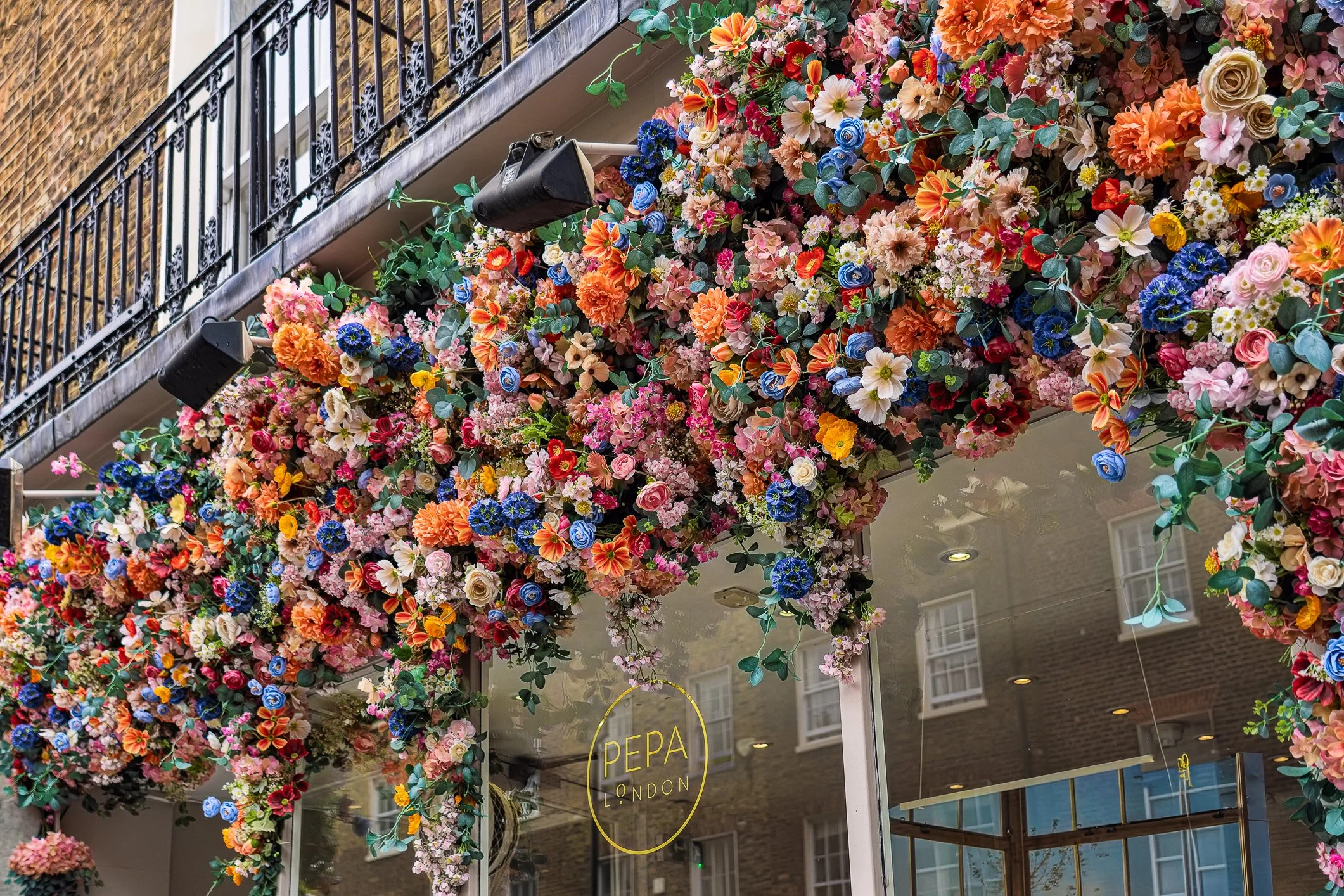
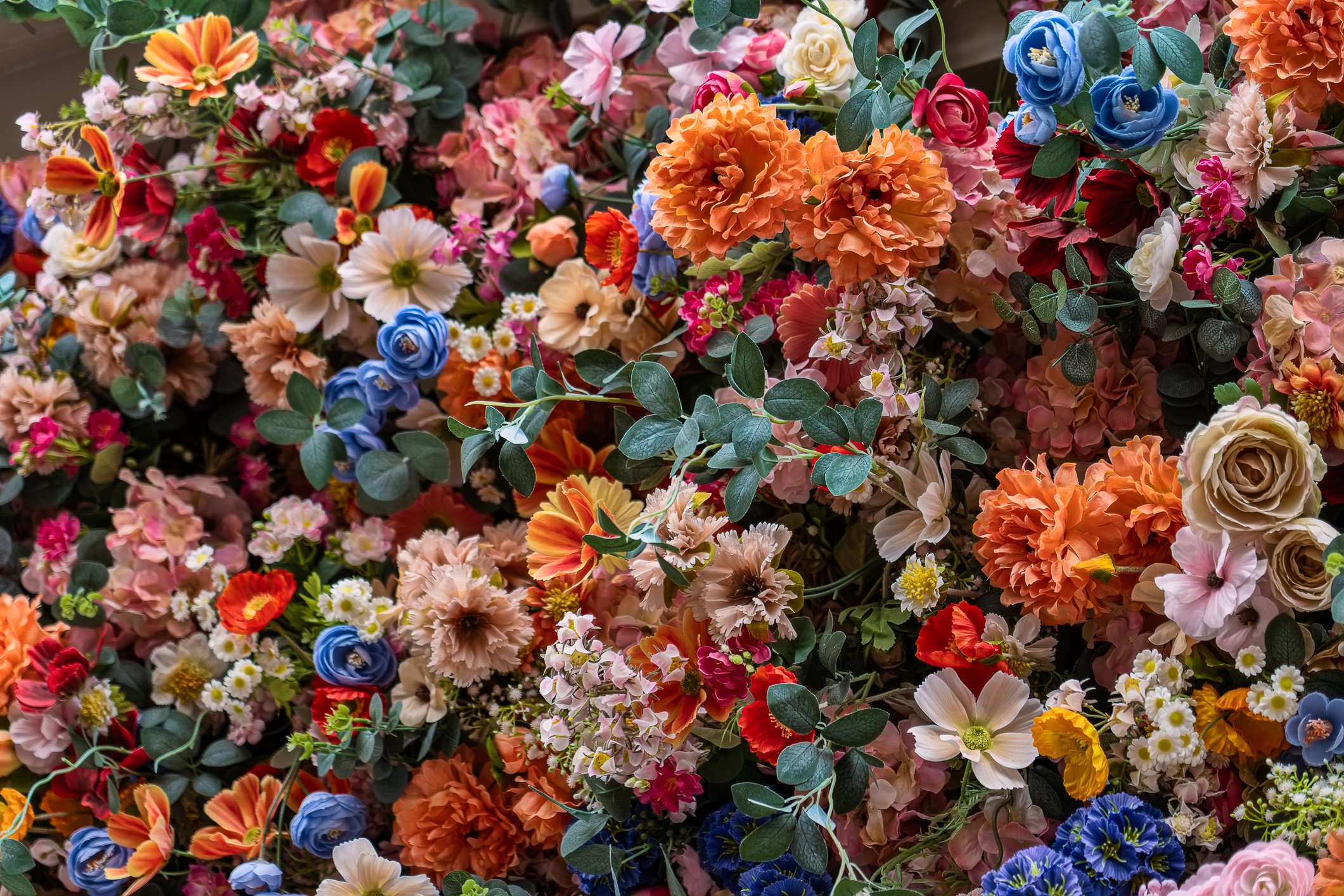
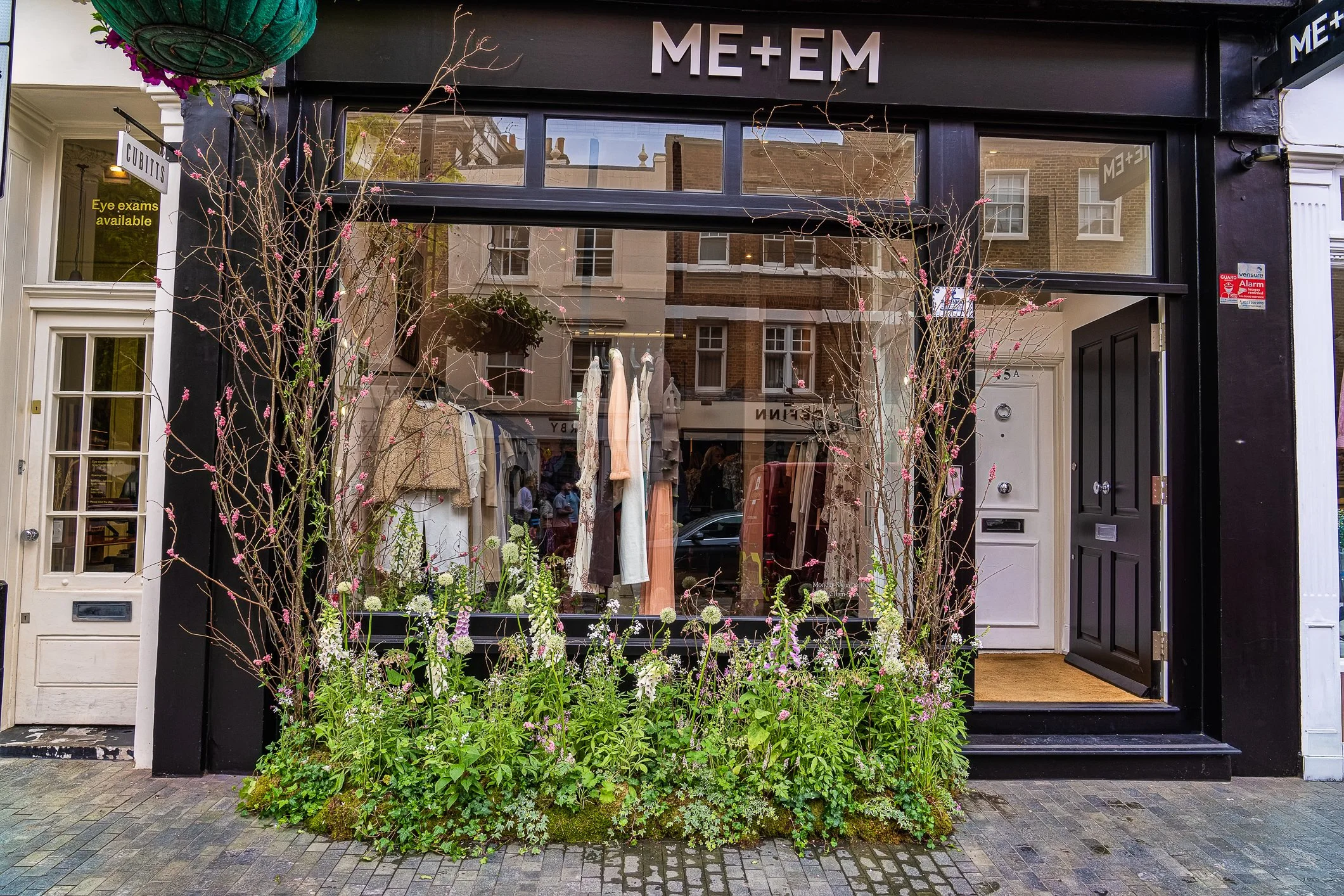
A vibrant floral arch curves over the Pepa London entrance; colour-wise, it is easily one of my favorite compositions on the trail.

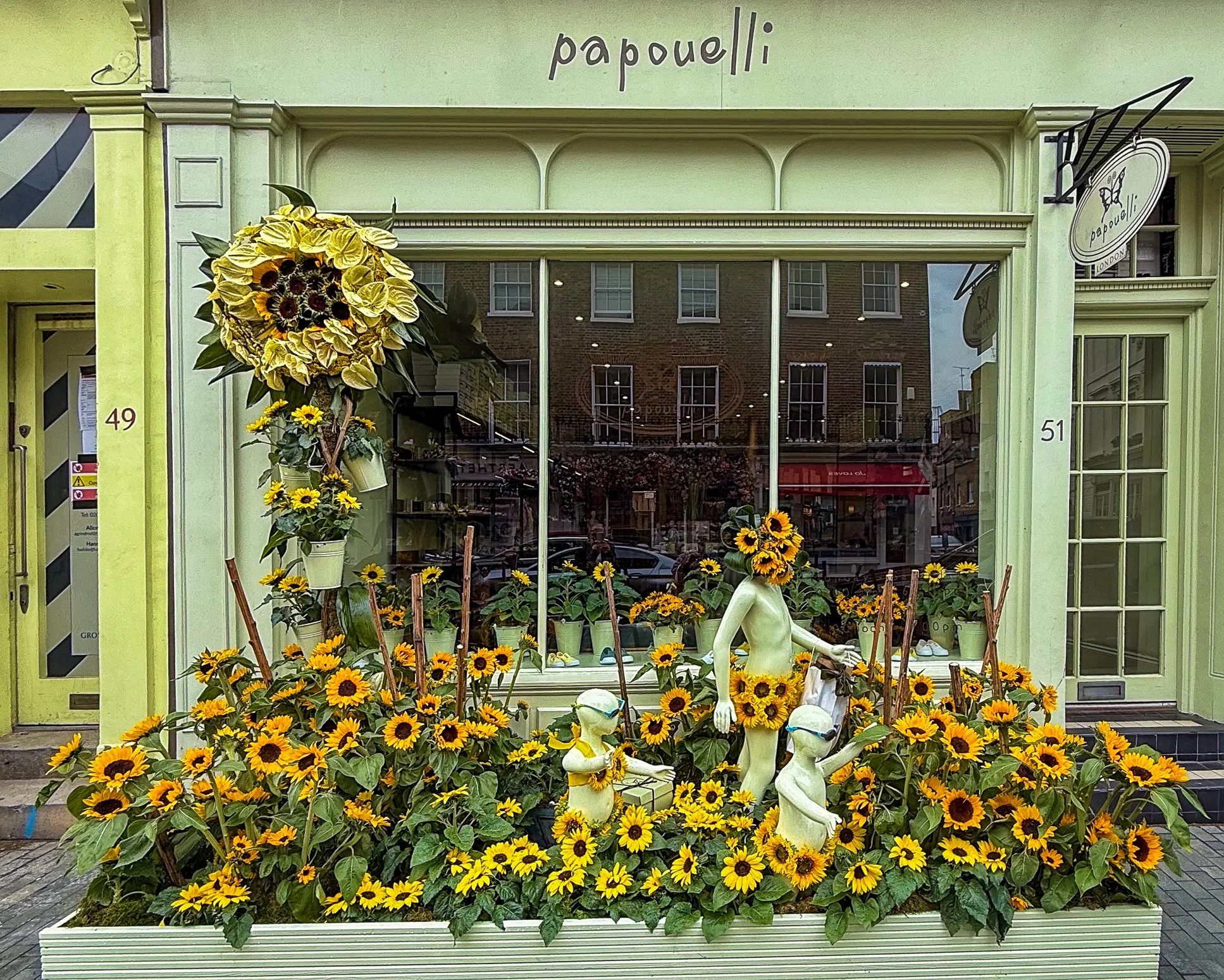
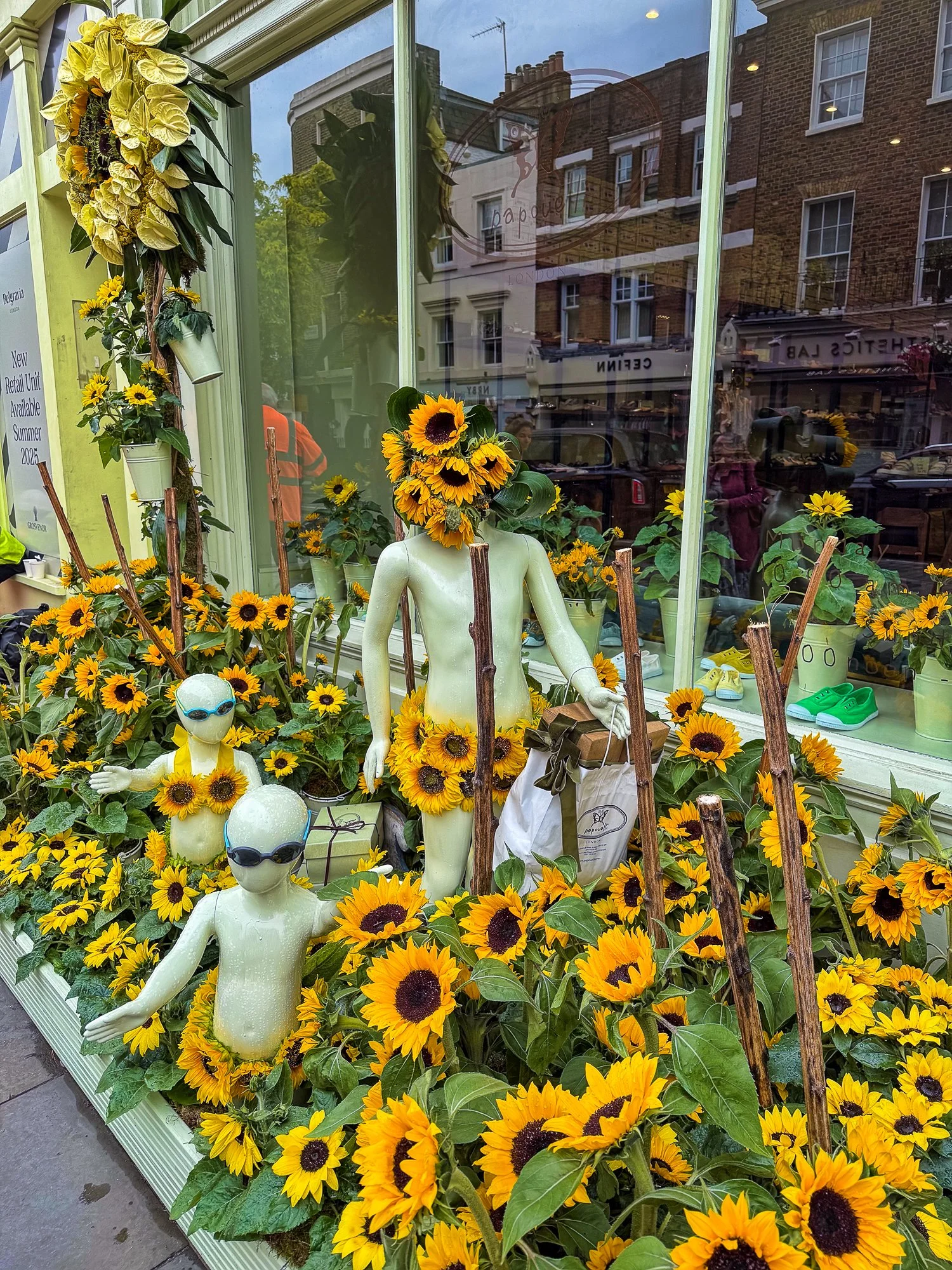
Meanwhile, in front of Papouelli, there is a large, sunflower-themed installation featuring children's mannequins playing among the blooms. For some reason, it feels just a tad spooky to me!

Nad wejściem do Pepa London zwisają piękne girlandy kwiatów - pod względem doboru kolorów to jedna z moich ulubionych kompozycji na całej trasie.

Kawałek dalej, przed Papouelli, stoi duża instalacja z motywem słoneczników, w których bawią się dziecięce manekiny. Trochę mi one przypominają jakieś ufo-ki i z jakichś powodów ta instalacja trąci wg mnie nutką horroru.

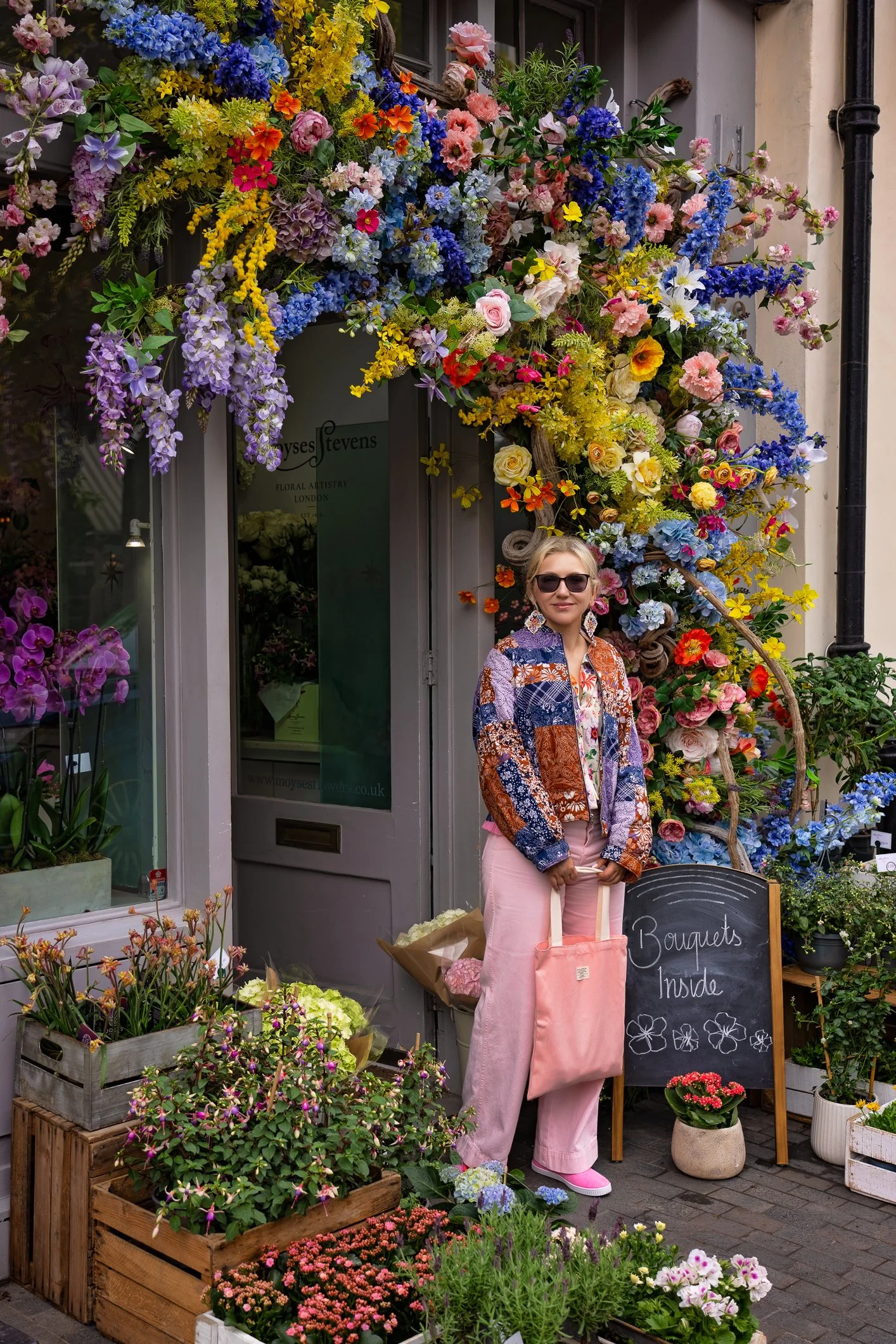
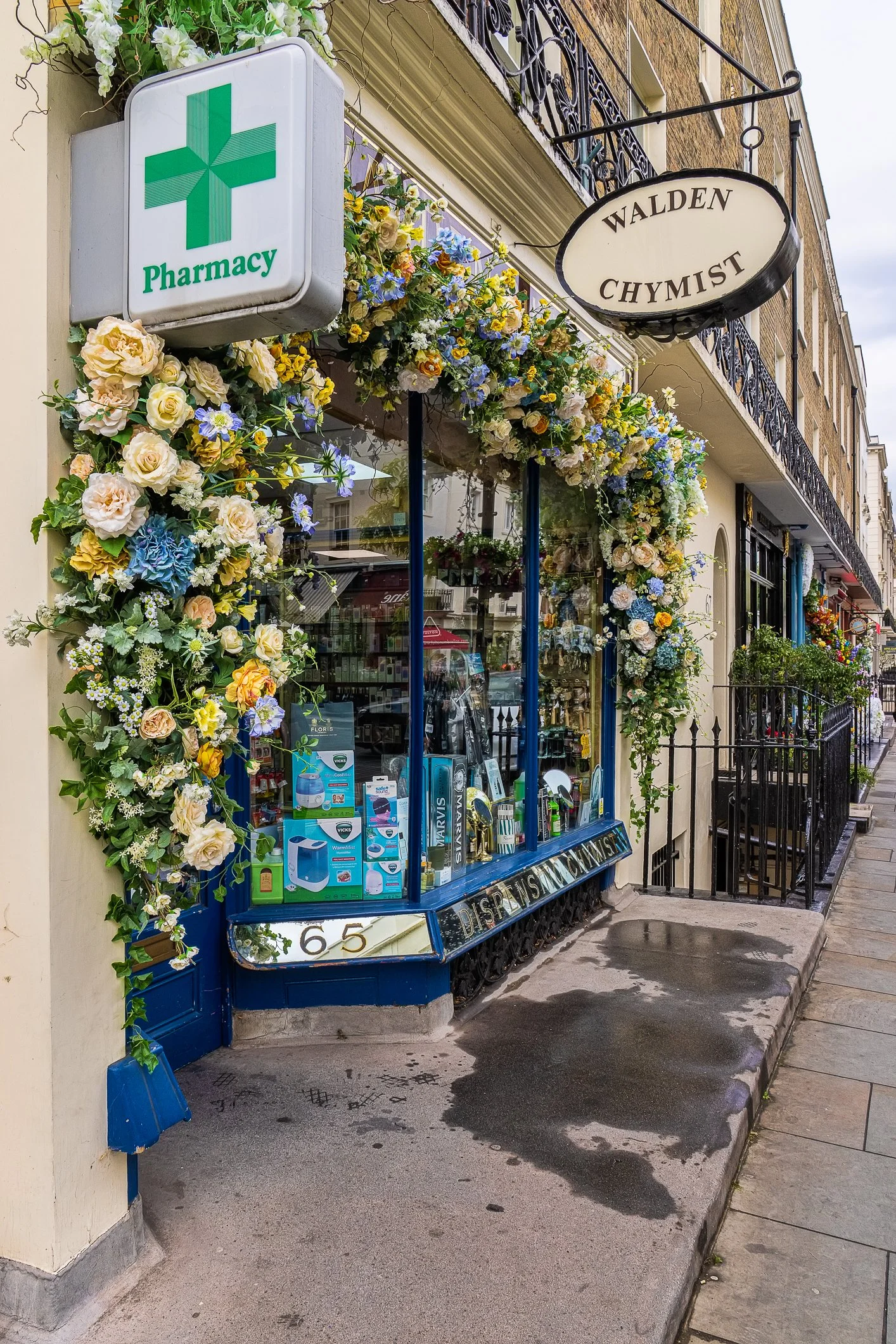
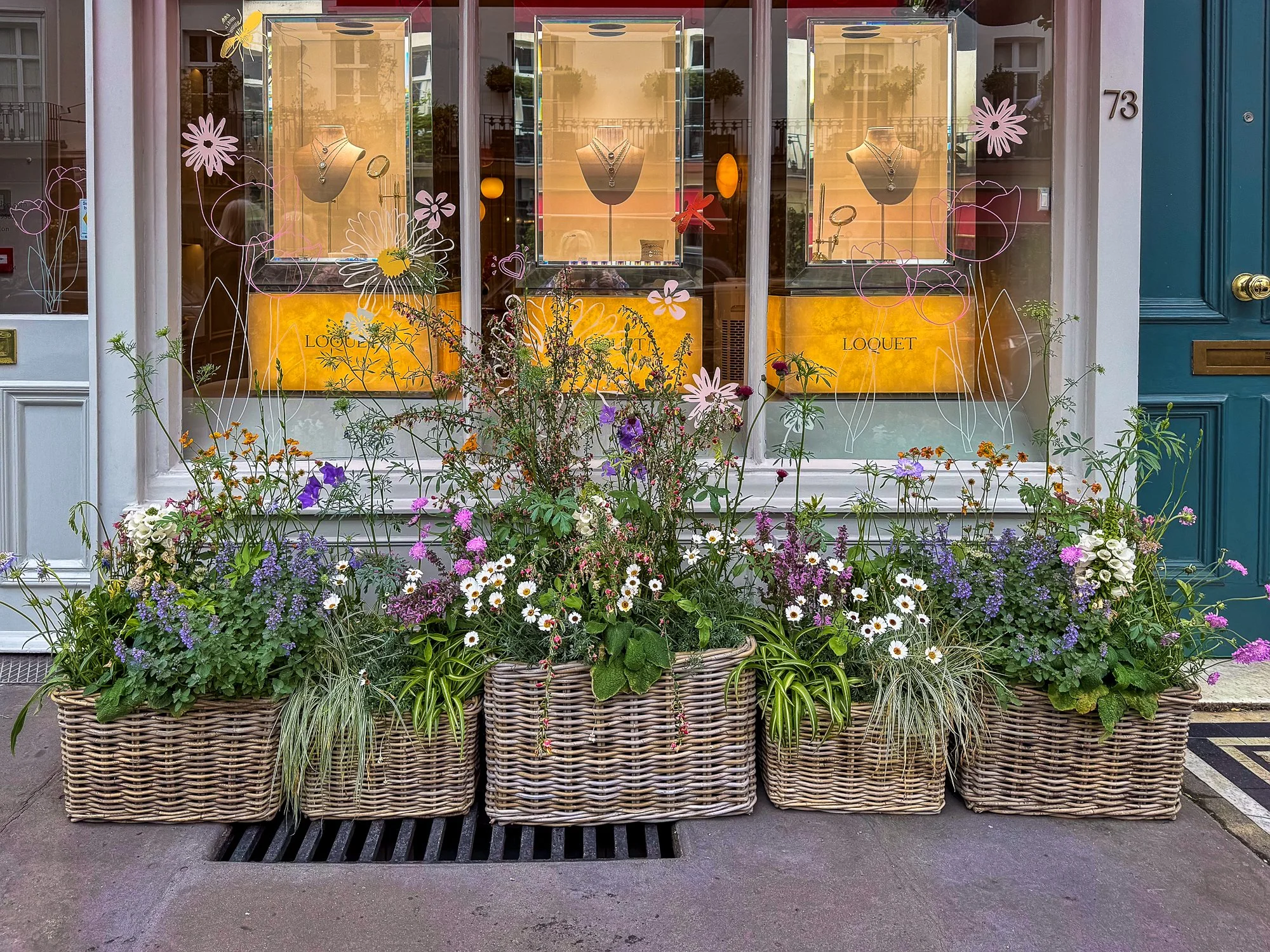
The Moyses Stevens flower shop naturally boasts a stunning floral arch at its entrance, and several other boutiques nearby are surrounded by beautiful displays - we especially liked Beulah and Walden Chymist.

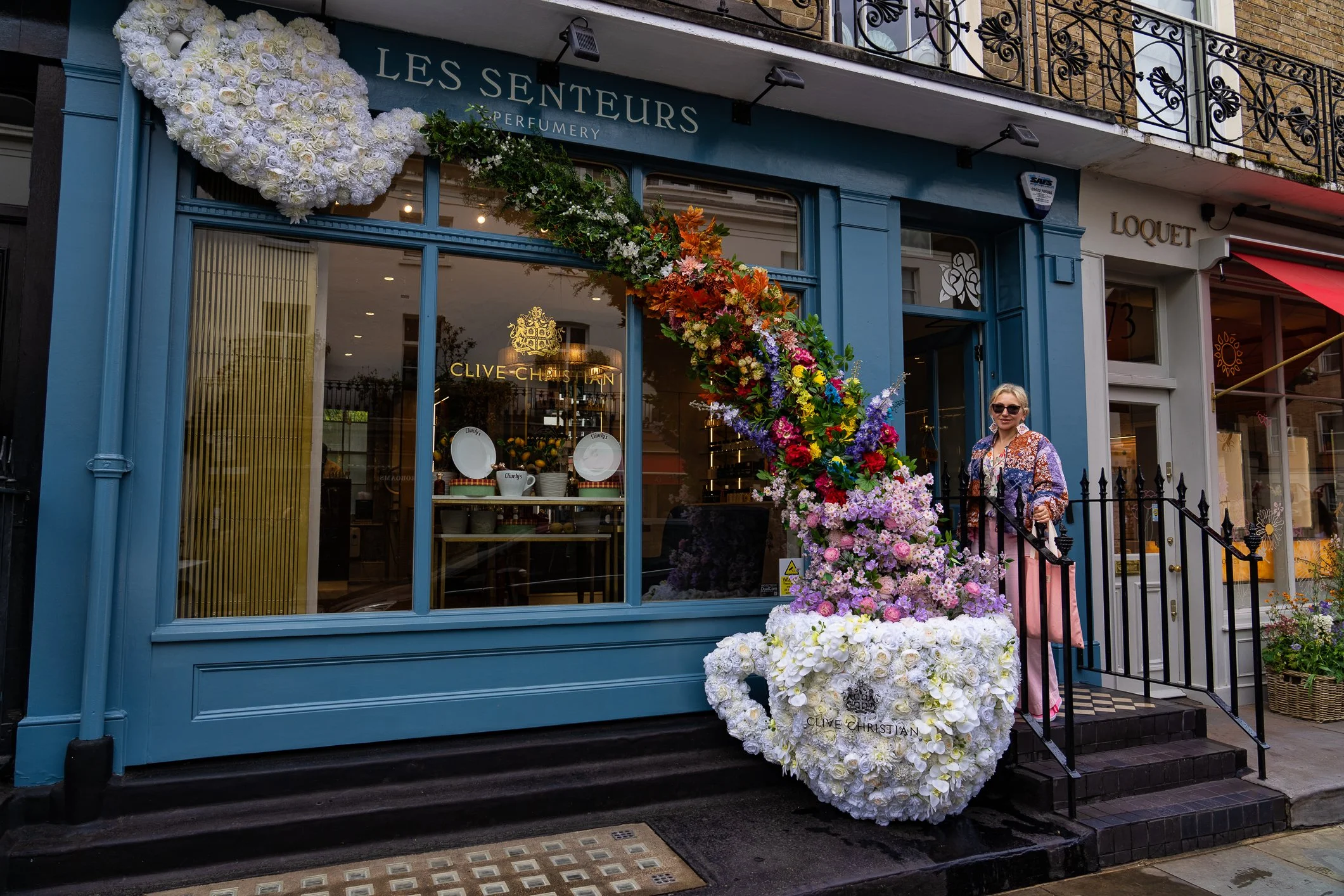
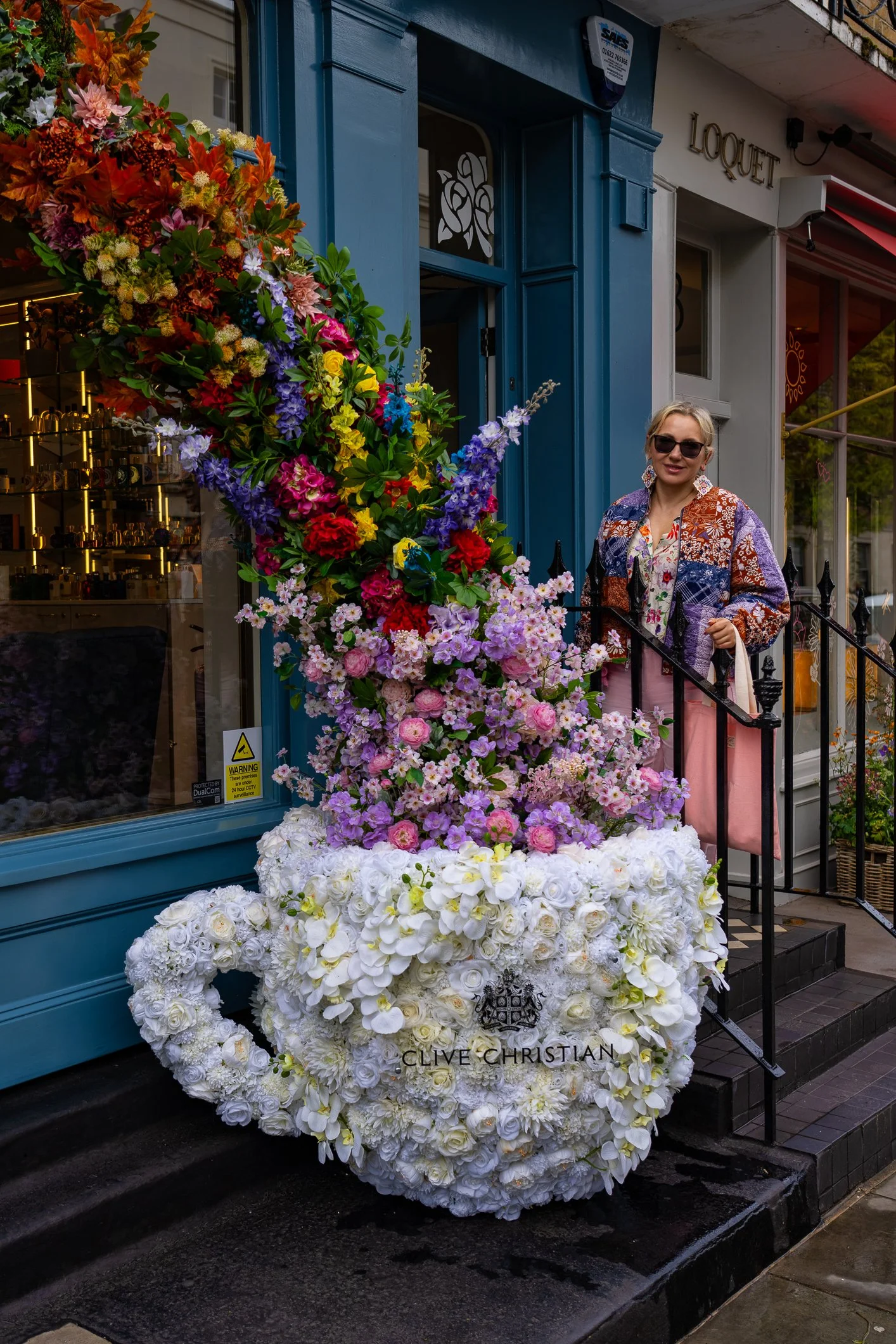
Les Senteurs perfumery also stands out with a whimsical white teapot pouring a colourful, floral brew right into a white teacup.

Kwiaciarnia Moyses’a Stevens’a oczywiście również przygotowała imponujący kwiatowy łuk przy wejściu, a kilka sąsiednich sklepów nie ustępuje jej kroku - nam najbardziej wpadły w oko dekoracje u Beulah oraz w Walden Chymist.

Perfumeria Les Senteurs też wyróżnia się z tłumu pomysłowym, białym imbrykiem, z którego do filiżanki „wylewa się” barwny, kwiatowy napar.

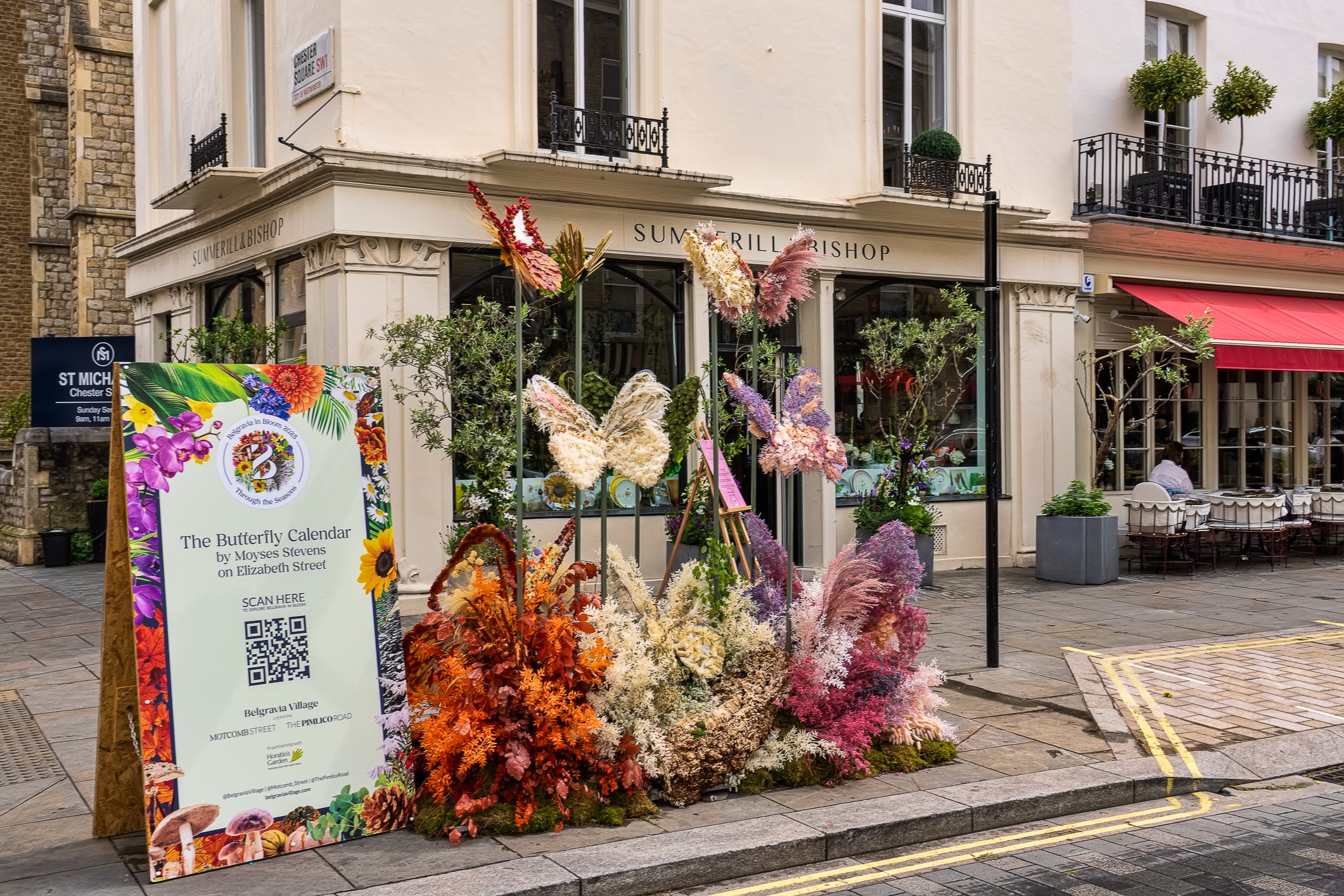
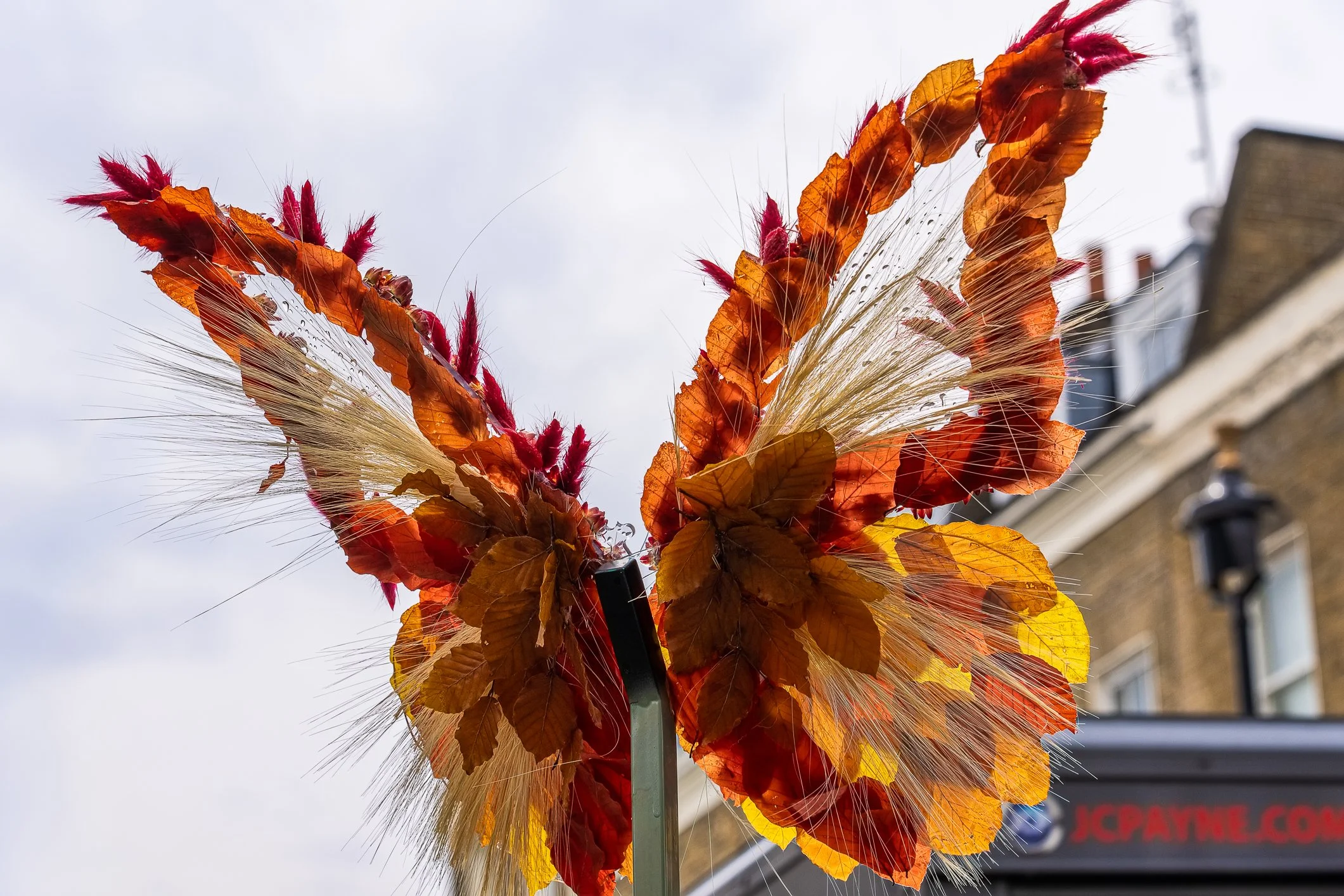
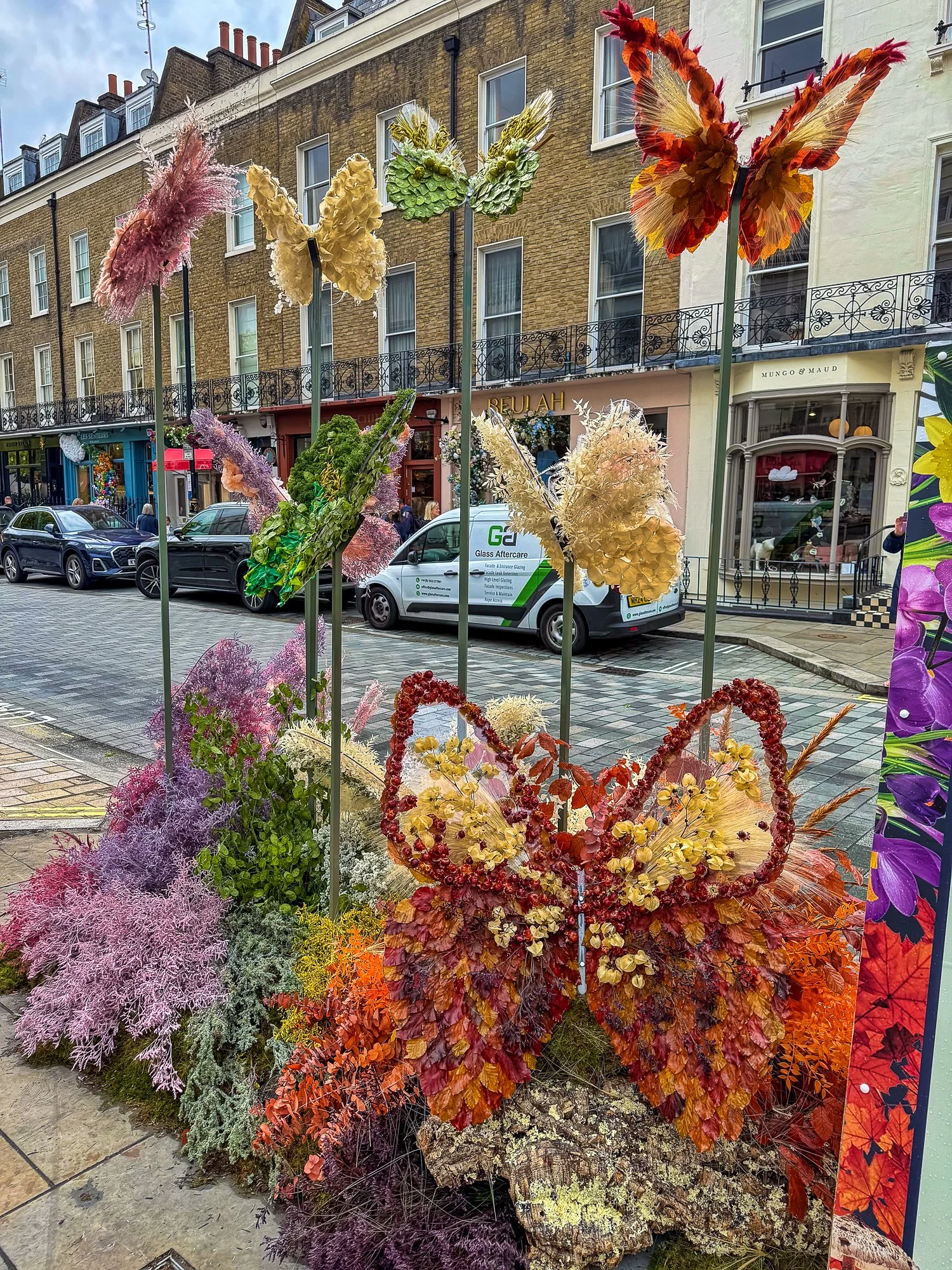
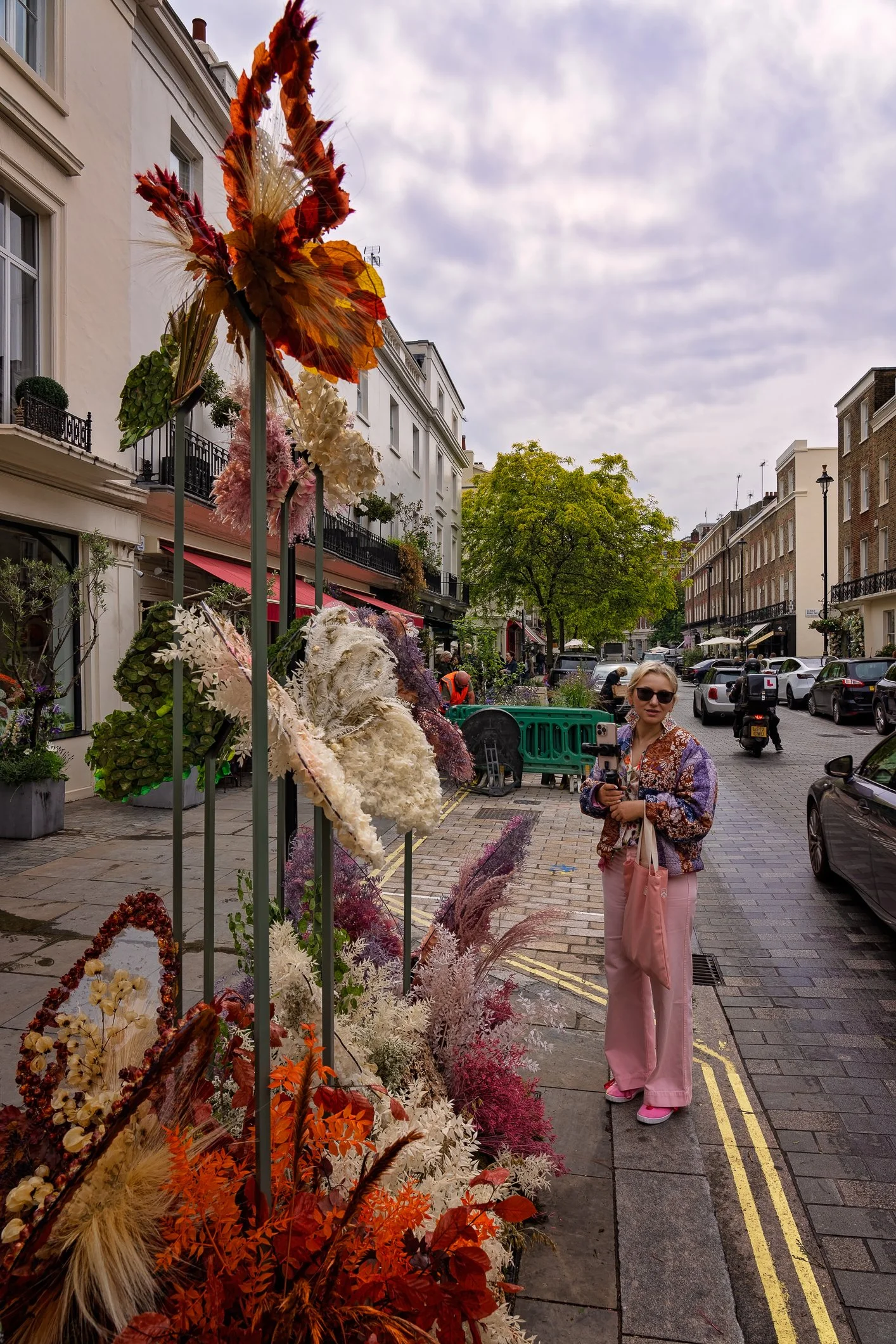
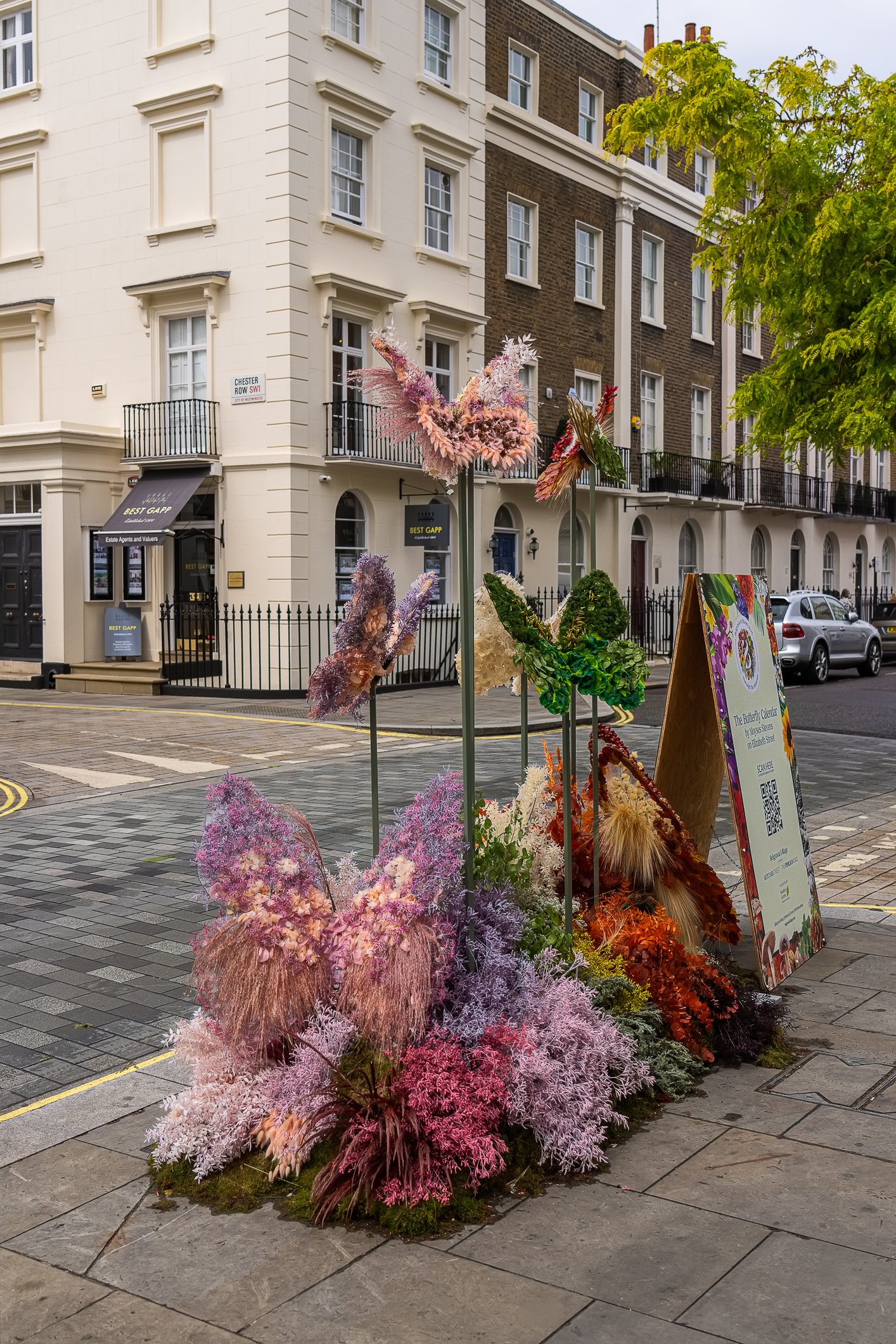
 The main showcase by Moyses Stevens, however, is "The Butterfly Calendar" on Elizabeth Street.

Główną atrakcją przygotowaną  przez Moyses’a Stevens’a jest jednak projekt „The Butterfly Calendar” (Kalendarz  Motyli) na Elizabeth Street.

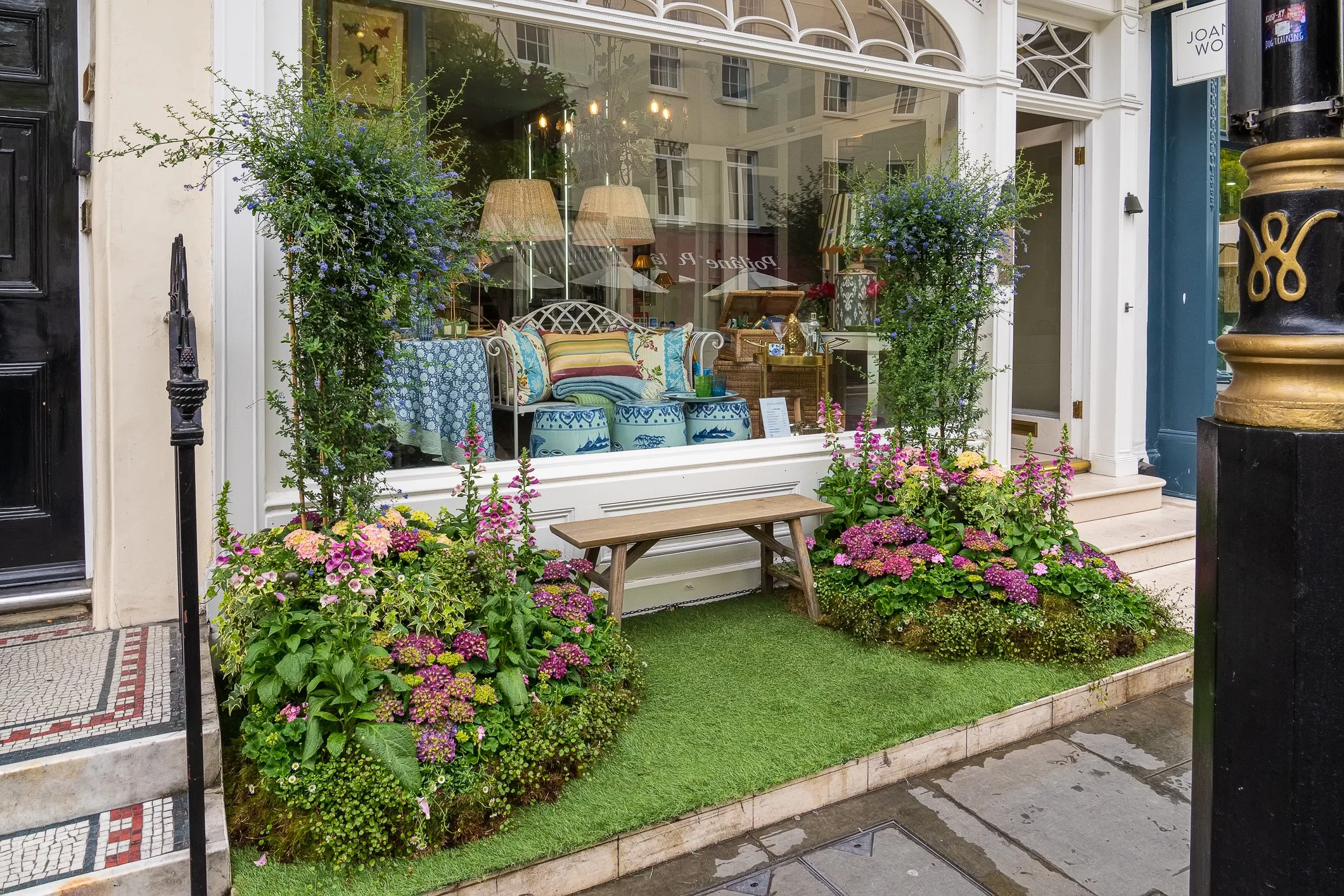
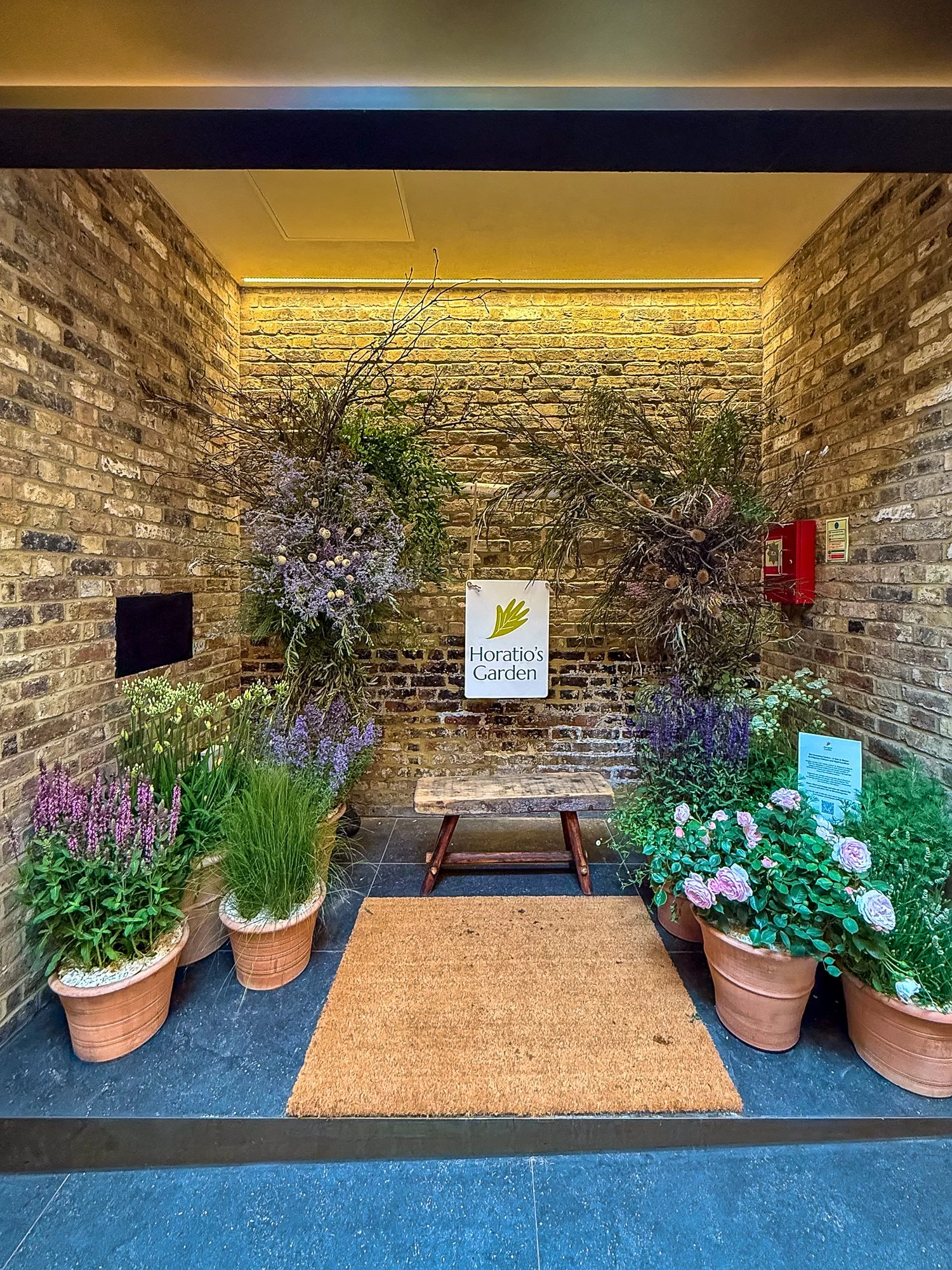
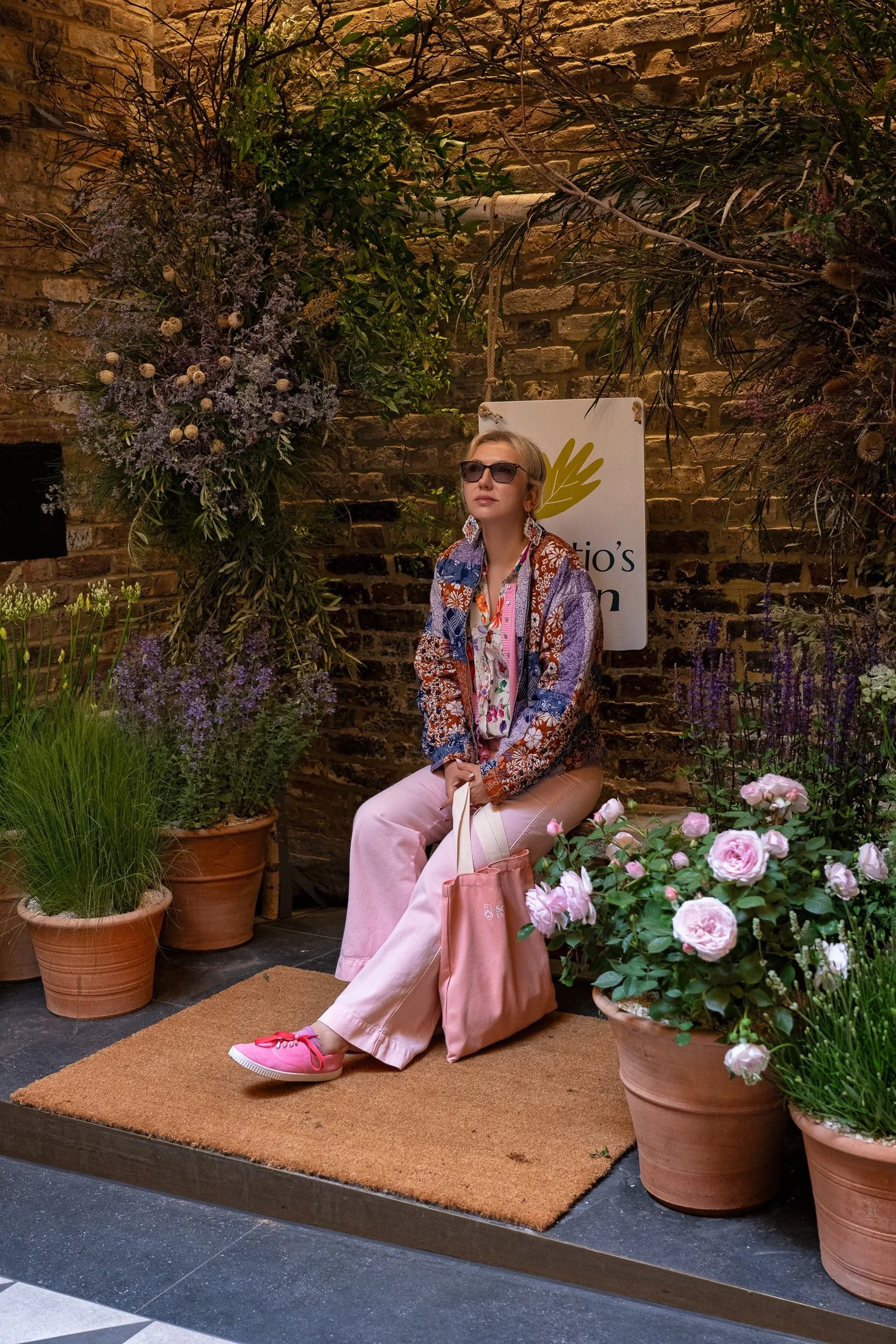
We then headed towards Chelsea, resting for a brief moment in the Horatio’s Garden and admiring some of the most beautifully adorned shop windows along the way.

Na koniec ruszamy w kierunku Chelsea, zatrzymując się na krótką chwilę wytchnienia w Horatio’s Garden i podziwiając po drodze jedne z najpiękniej zaaranżowanych witryn sklepowych.

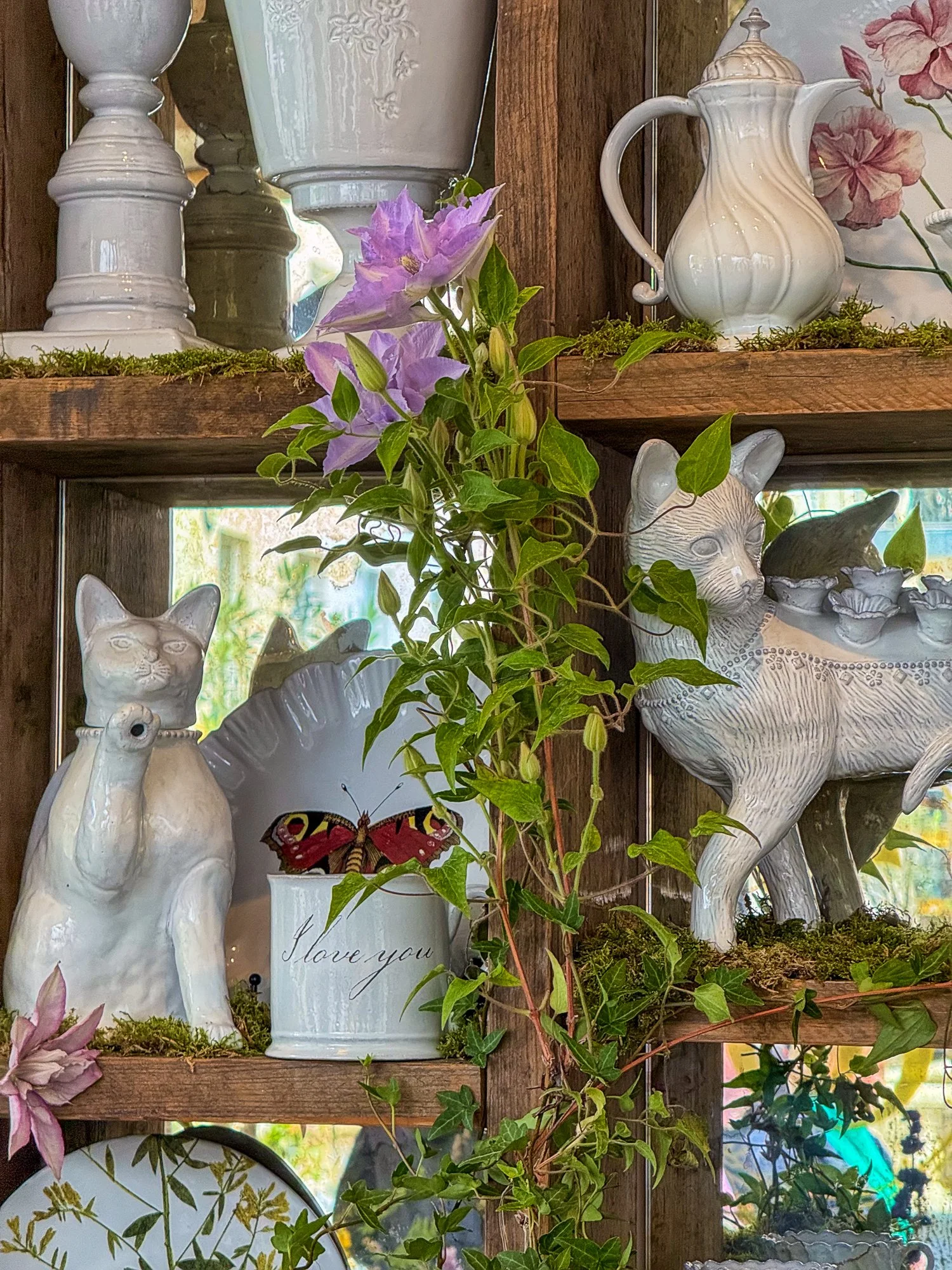
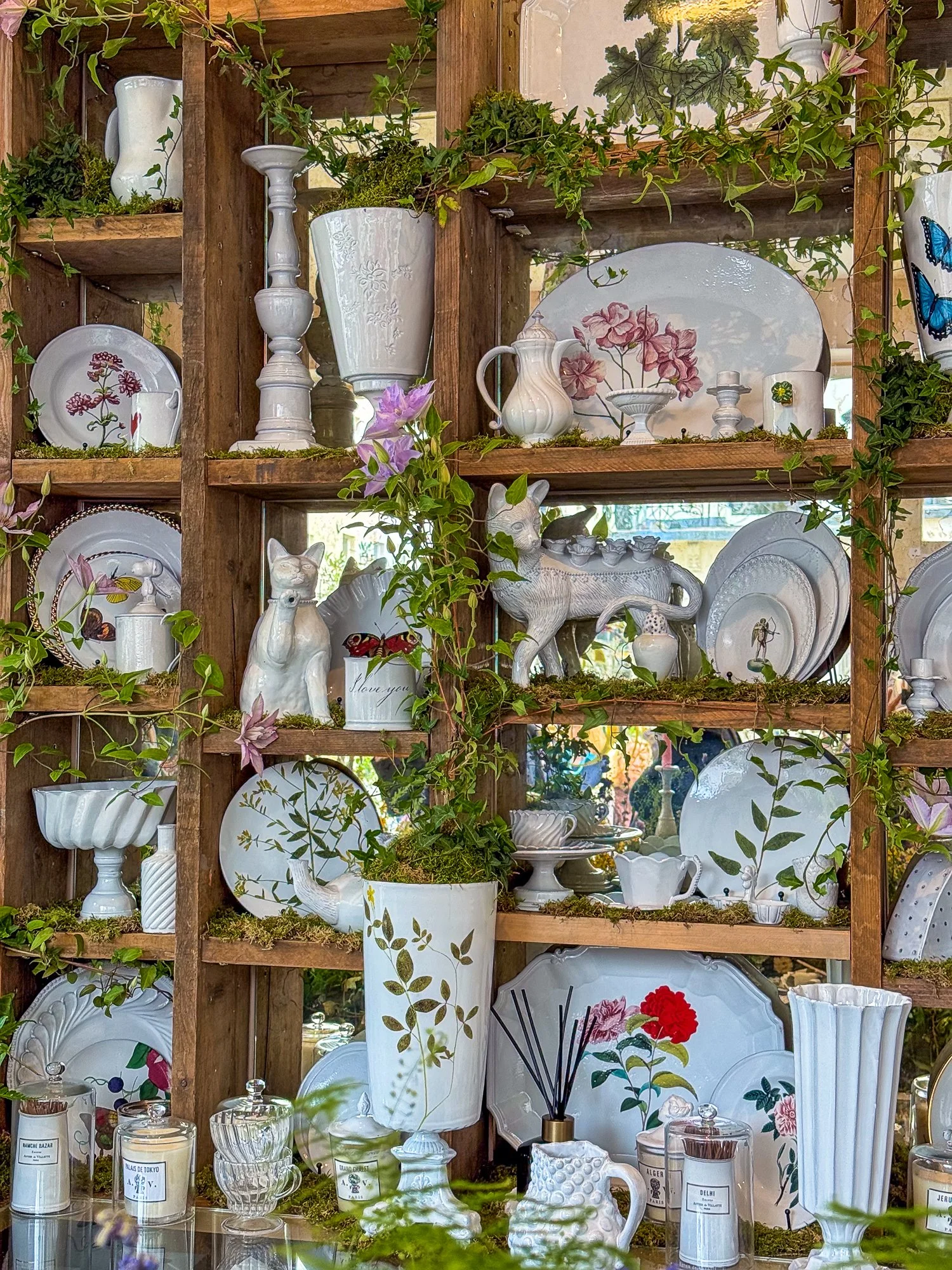
Oh, and I spotted a gorgeous watering can shaped like a white cat! Sadly, it was a bit too expensive to justify the purchase. At least I took a picture.

Aha, wpadła mi w oko cudna konewka/czajniczek w kształcie białego kota! Niestety cena  zwalalała z nóg i nie mogłam usprawiedliwić tego zakupu. Ale przynajmniej zrobiłam jej zdjęcie.

Museo de Arte Religioso del Arzobispado

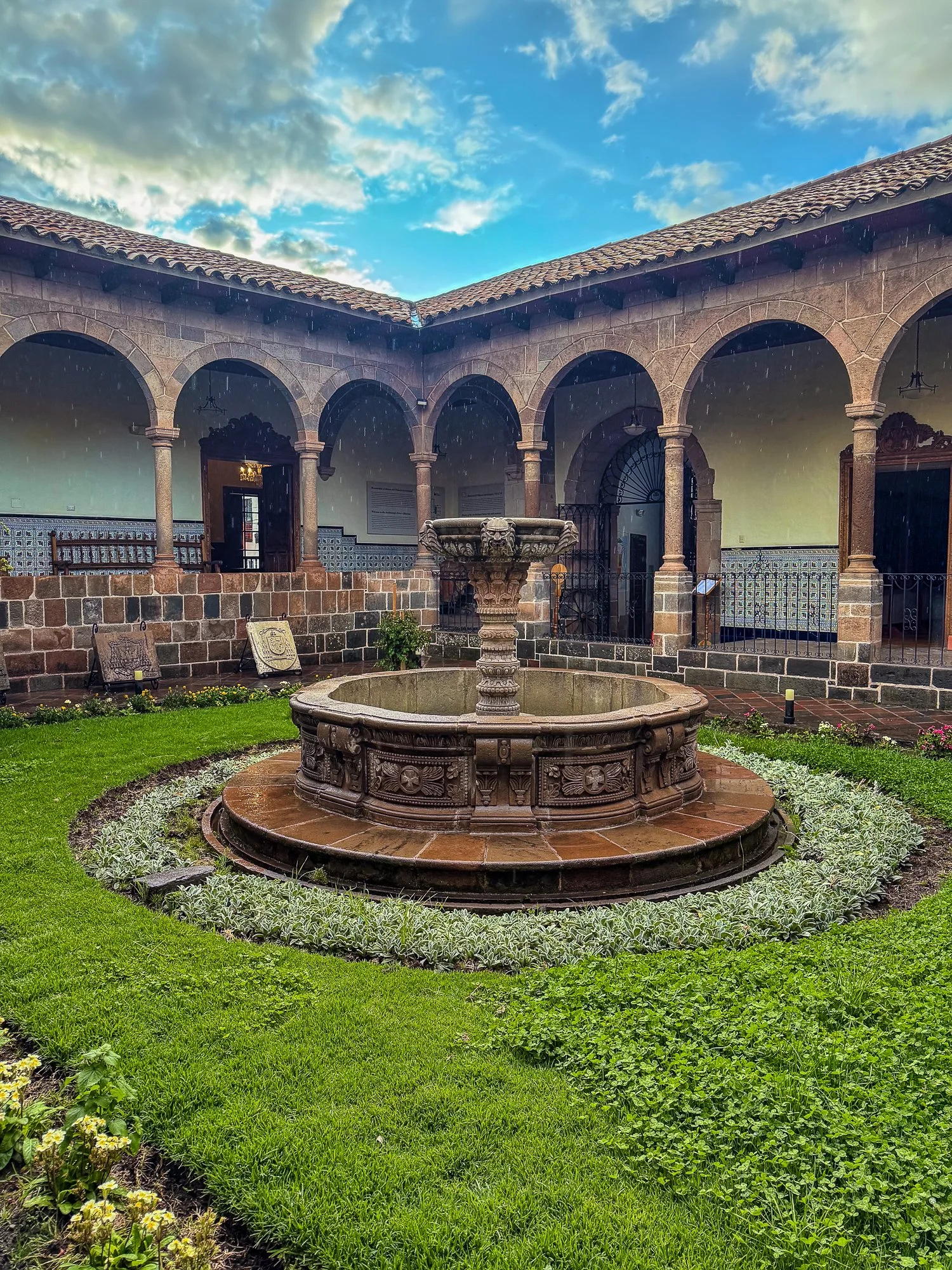
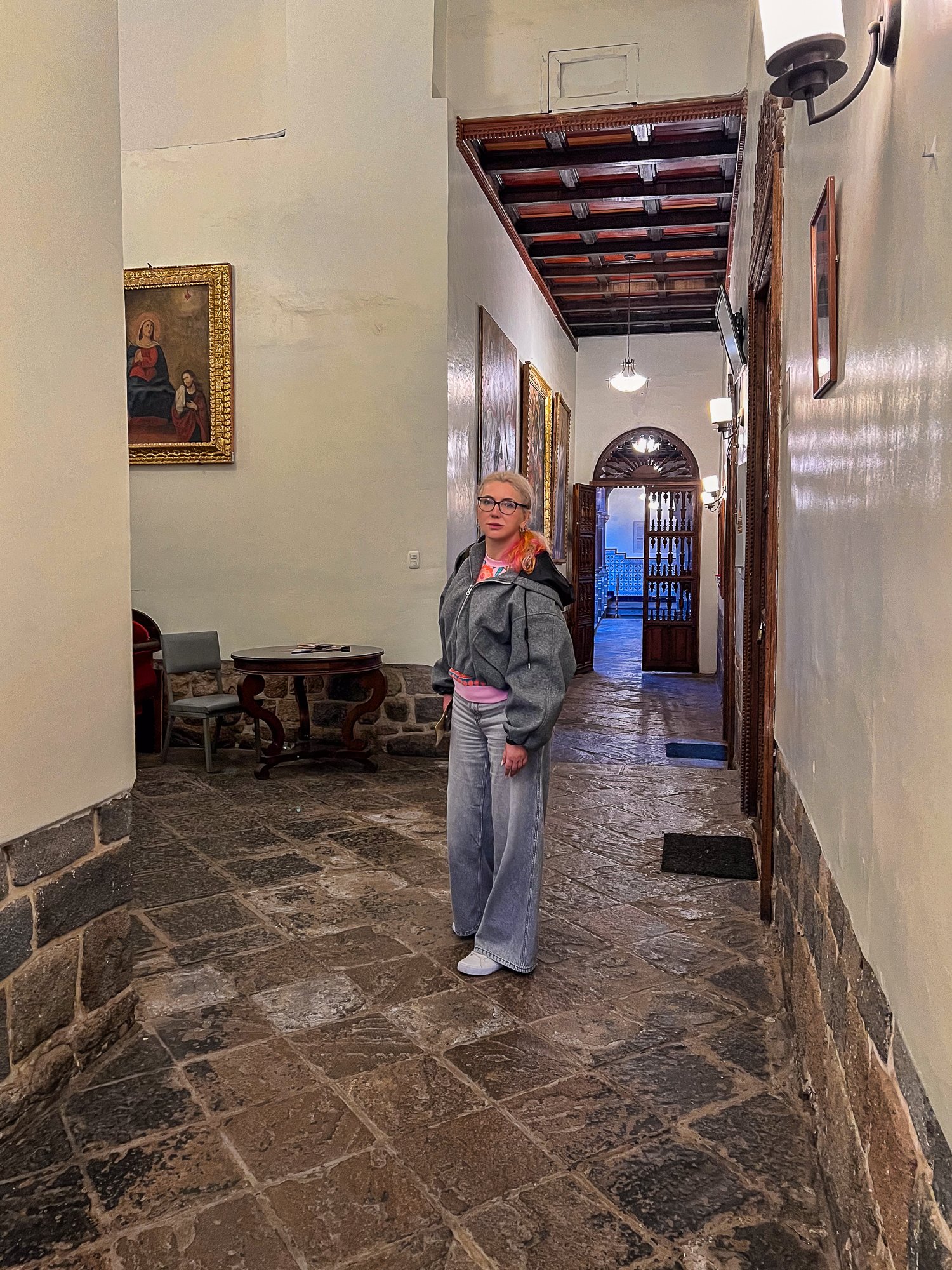
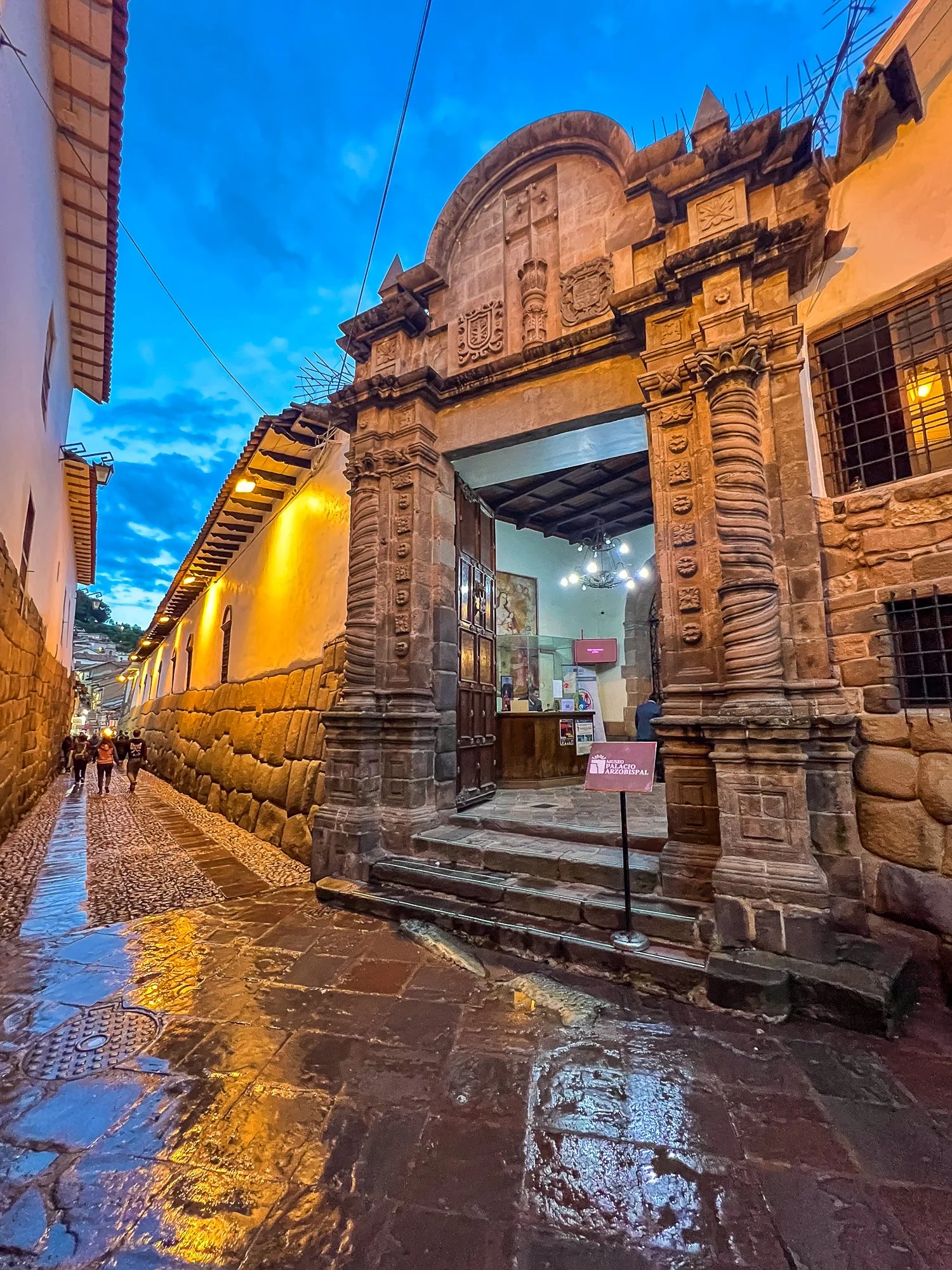
A light rain begins to fall, but fortunately the museum is only a short walk away, just a block from the Plaza de Armas. It is housed in a large colonial mansion built on the foundations of the palace of Hathun Rumiyoq, once home to the sixth Inca ruler, Inca Roca, and later used as the residence of the Archbishop of Cusco.

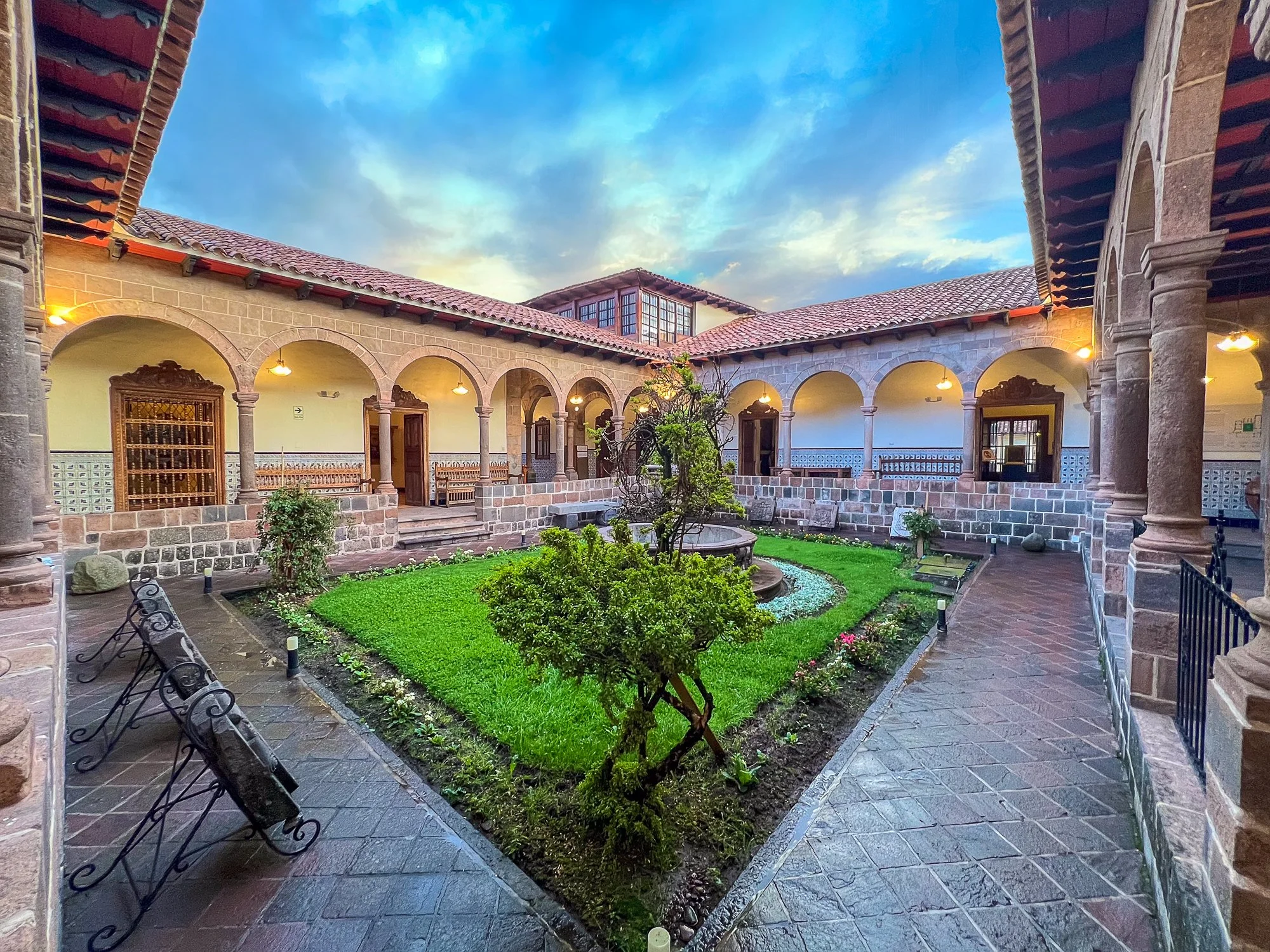
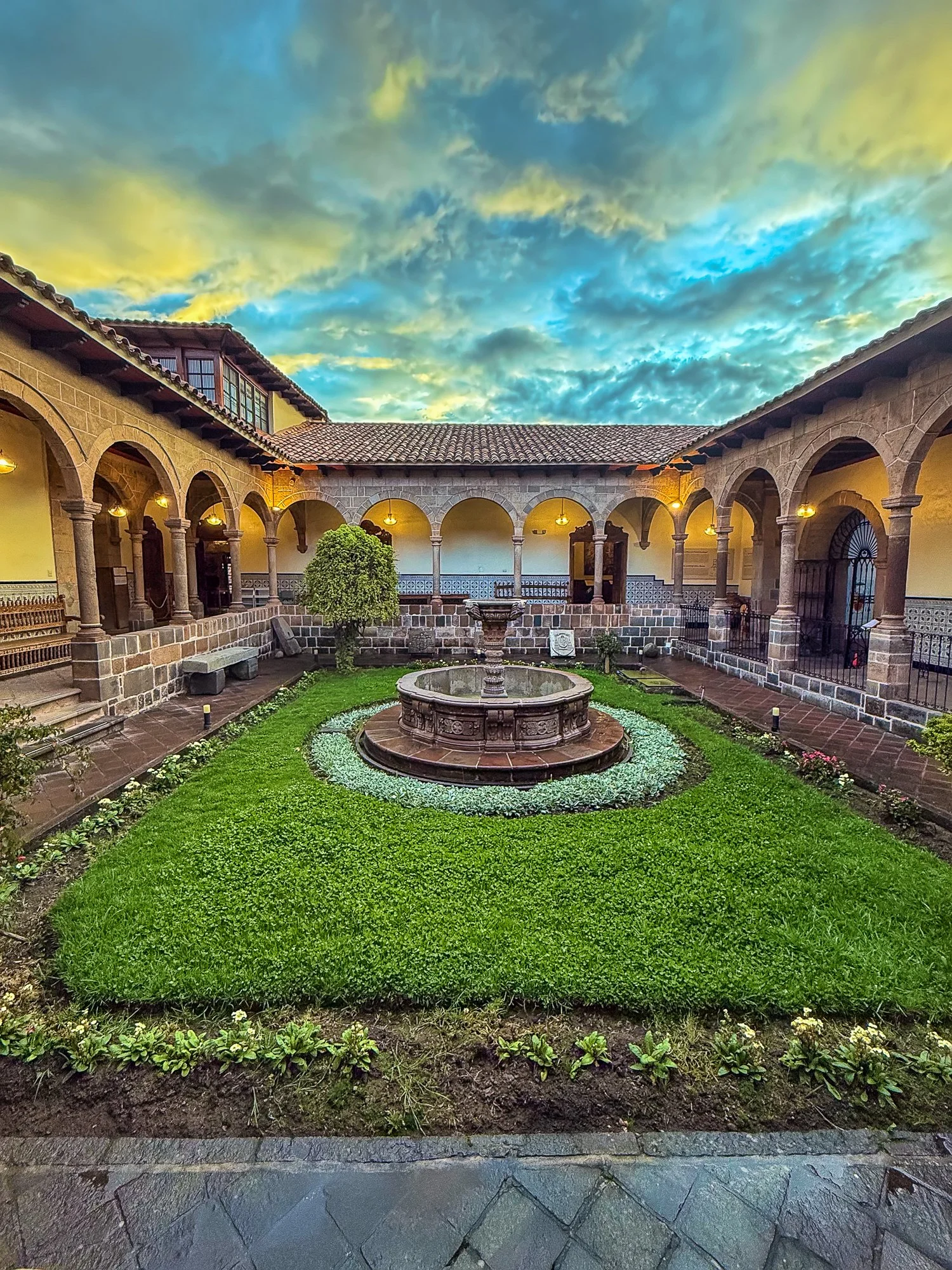
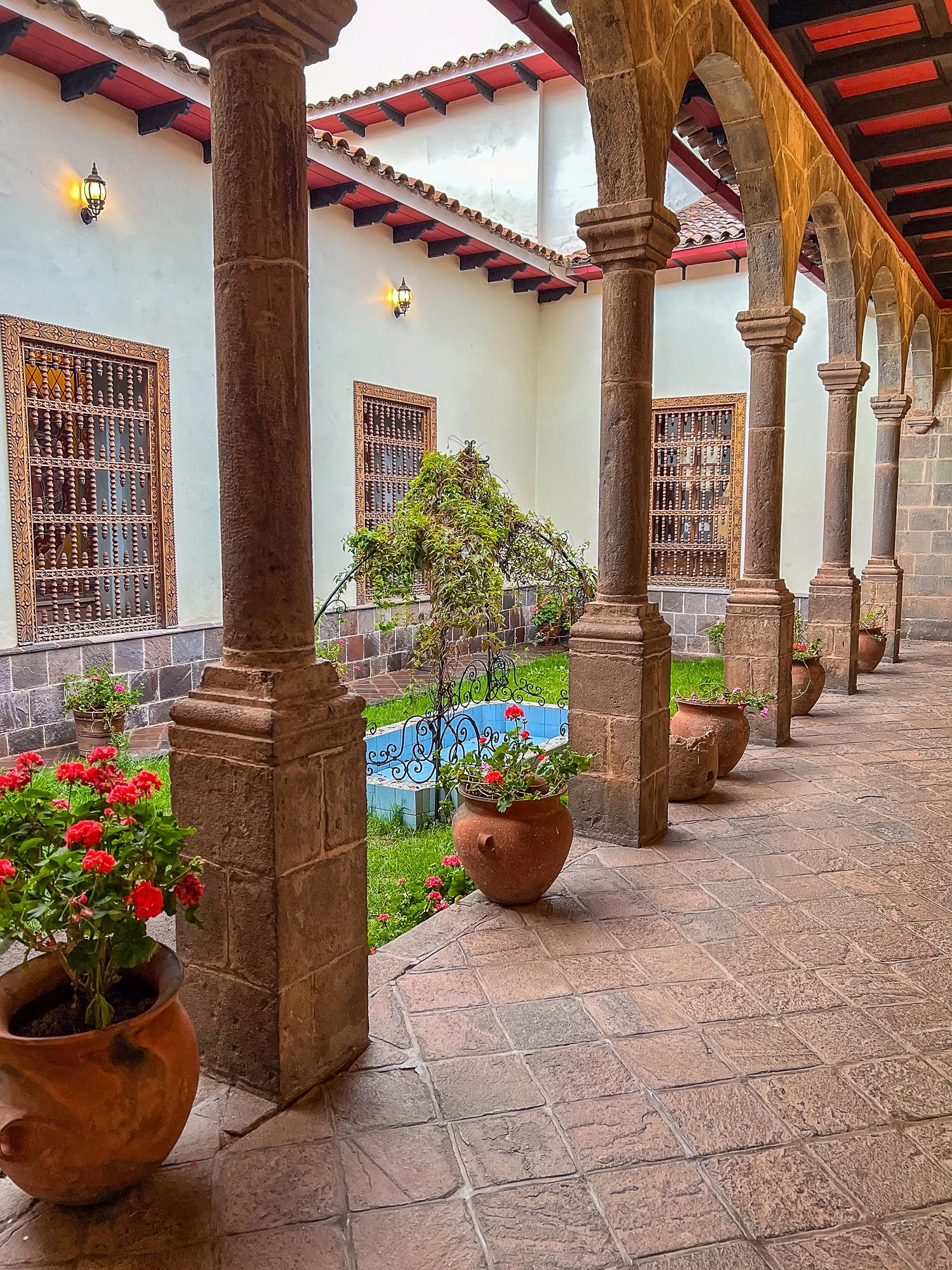
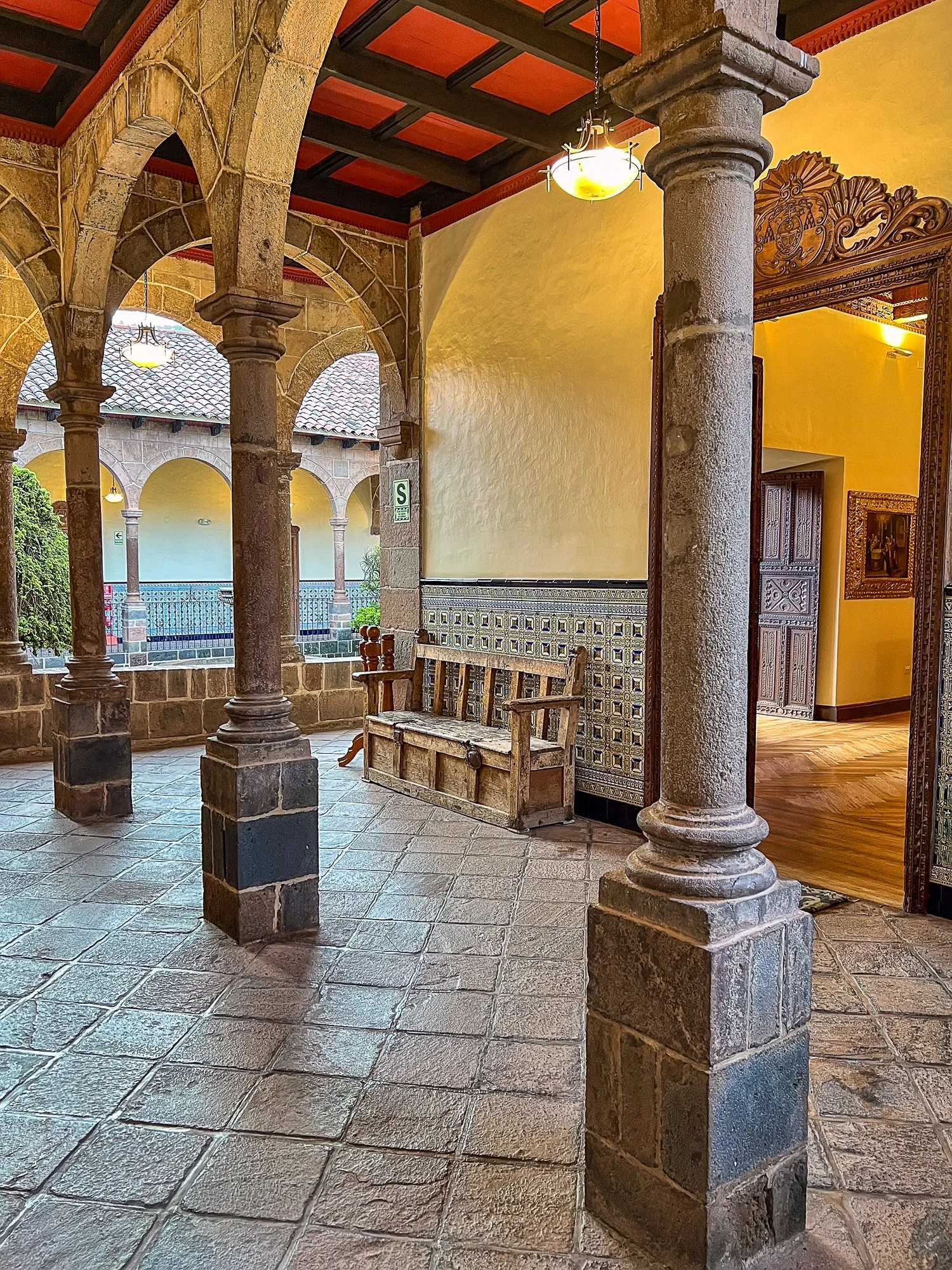
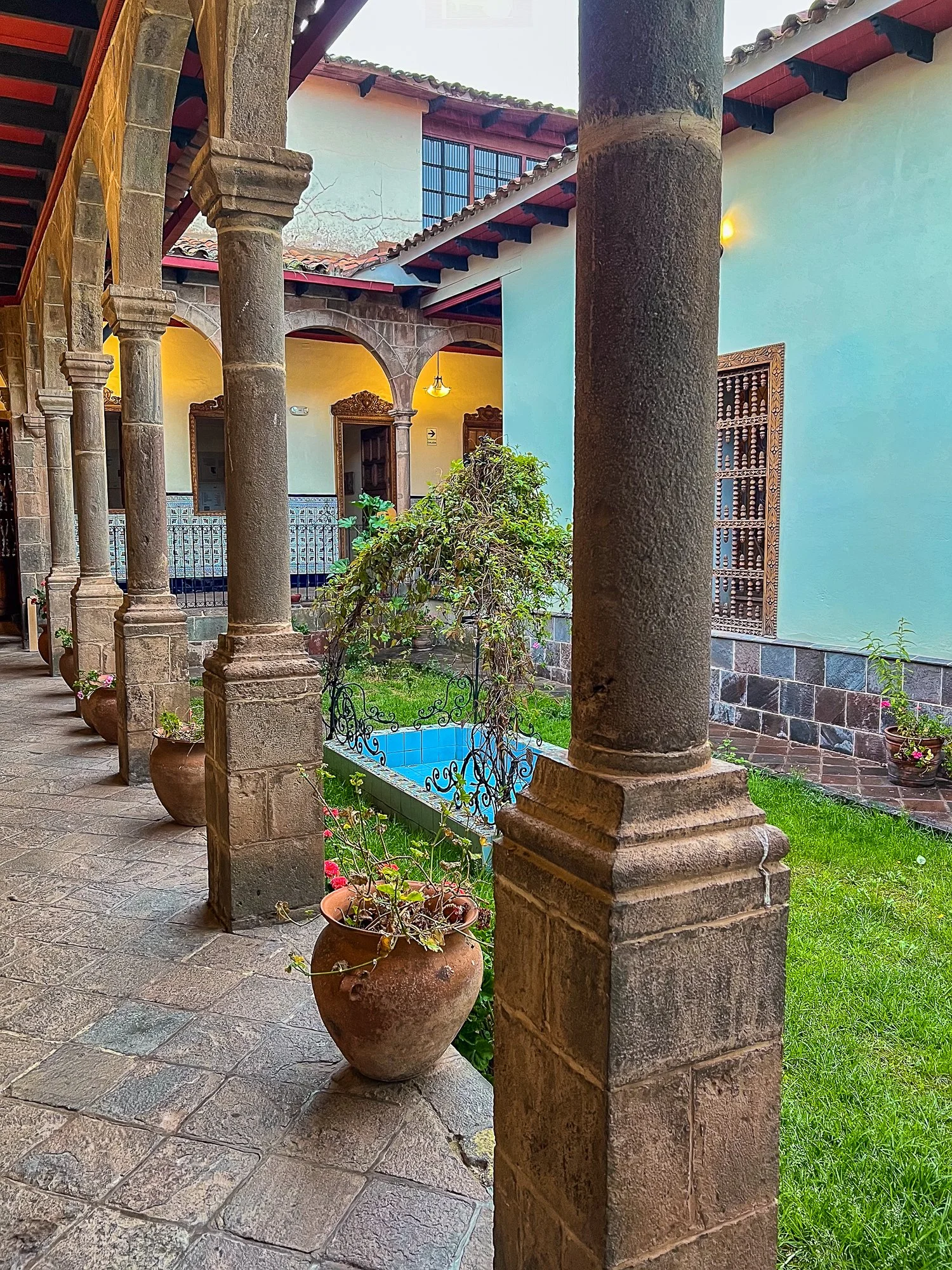
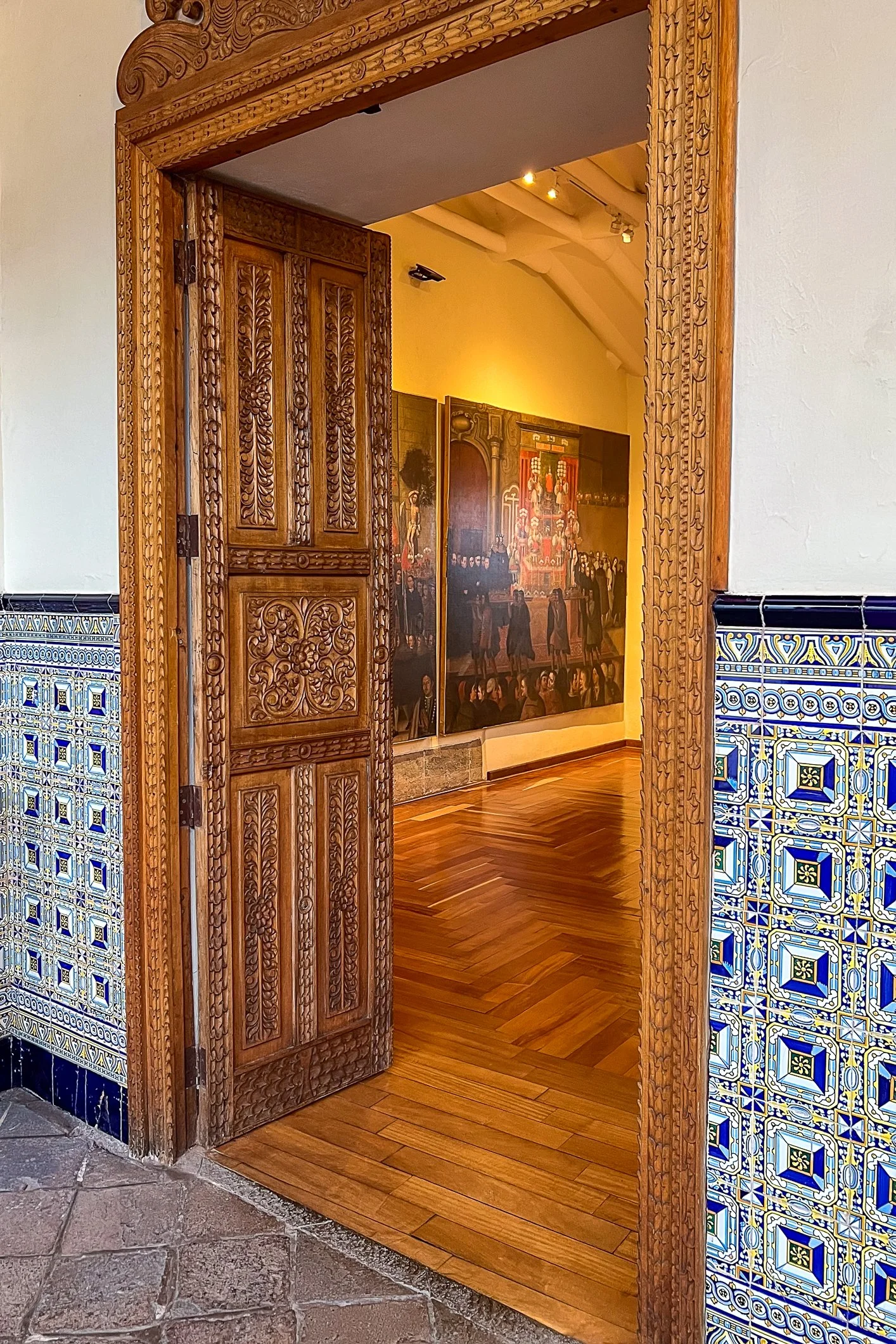
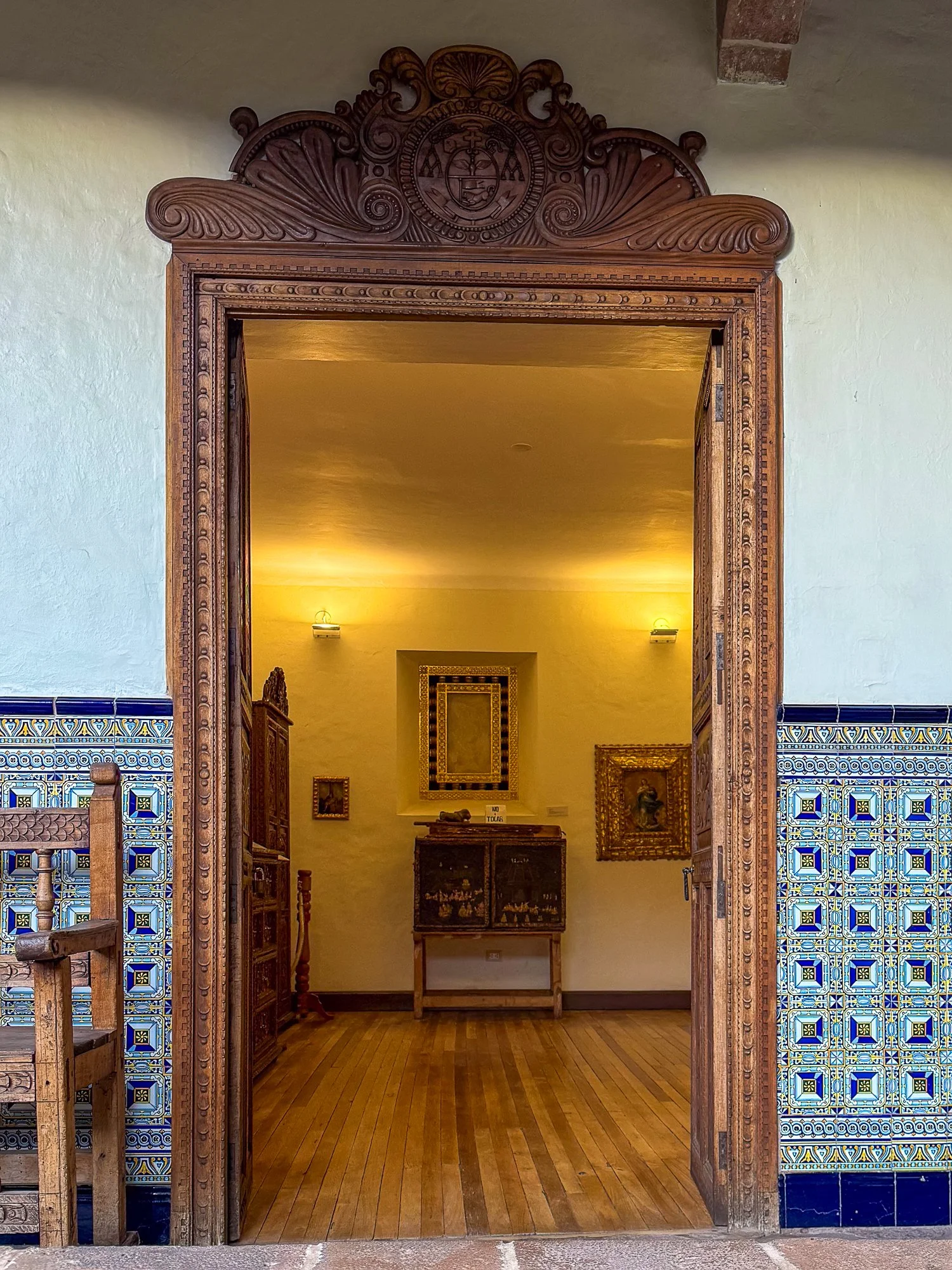
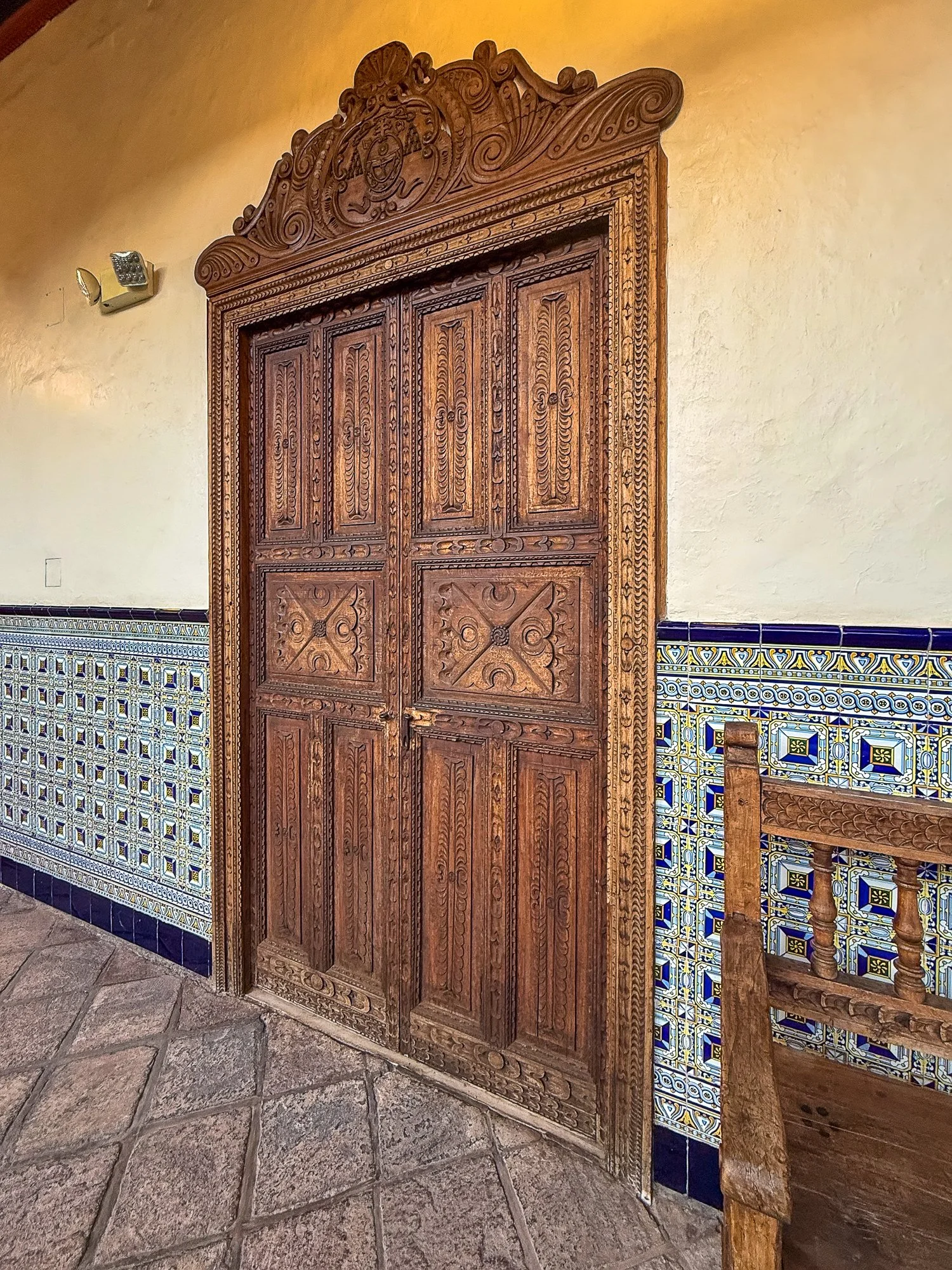
The building preserves sections of original Inca walls around its perimeter, while its colonial inner courtyard features stone arches, decorative tiles, and a central fountain.


Zaczyna lekko padać, ale na szczęście muzeum znajduje się zaledwie przecznicę od Plaza de Armas, więc droga nie jest długa. Muzeum to (typowo dla Cusco) mieści się w okazałej kolonialnej rezydencji wzniesionej na fundamentach pałacu Hathun Rumiyoq, który należał niegdyś do szóstego władcy Inków, Inki Roki. W późniejszych czasach budynek pełnił funkcję rezydencji arcybiskupa Cusco.

Do dziś zachowały się fragmenty oryginalnych inkaskich murów otaczających posiadłość. Wewnątrz znajduje się kolonialny dziedziniec z kamiennymi arkadami, ozdobnymi płytkami i centralnie położoną fontanną.

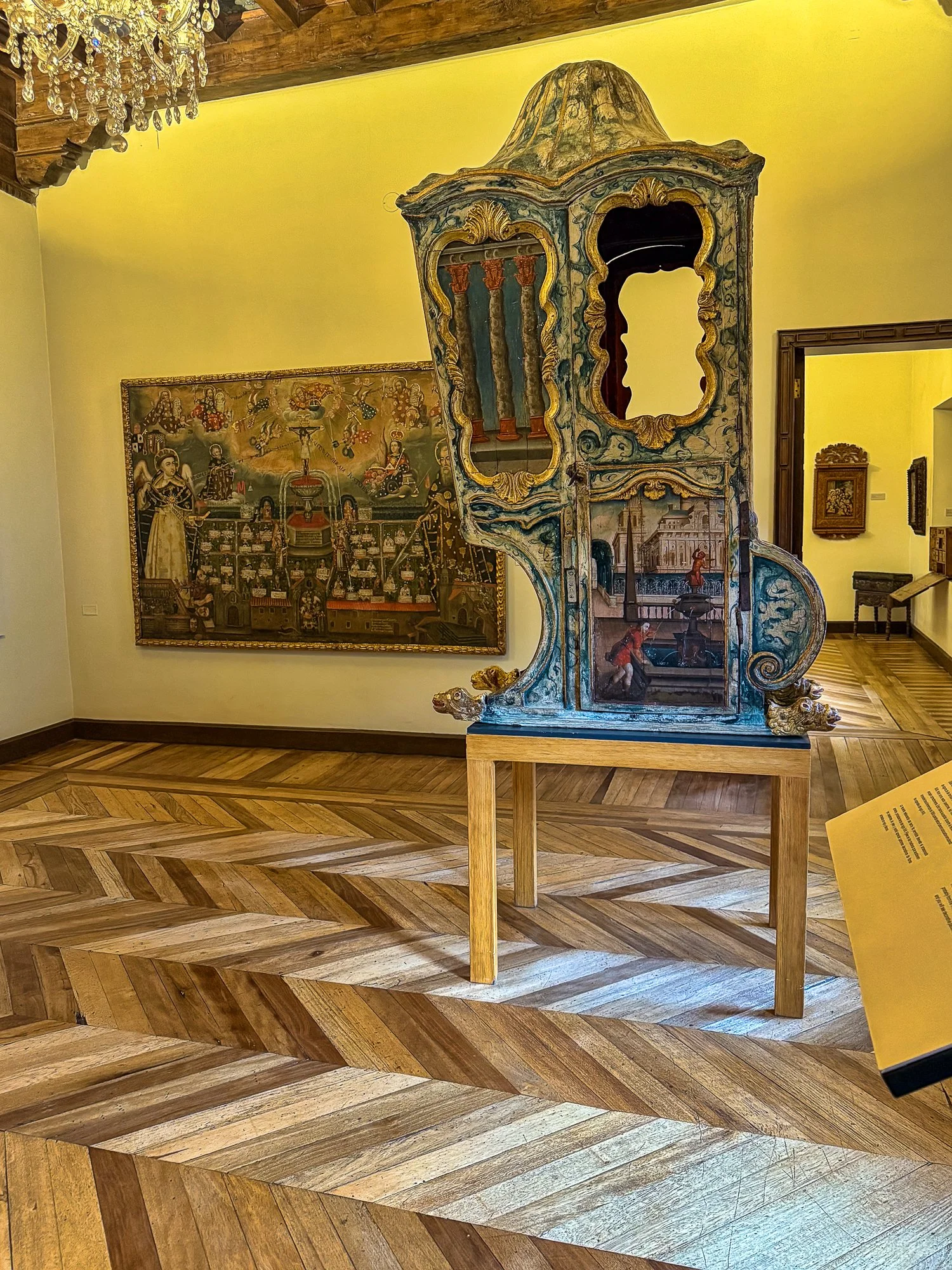
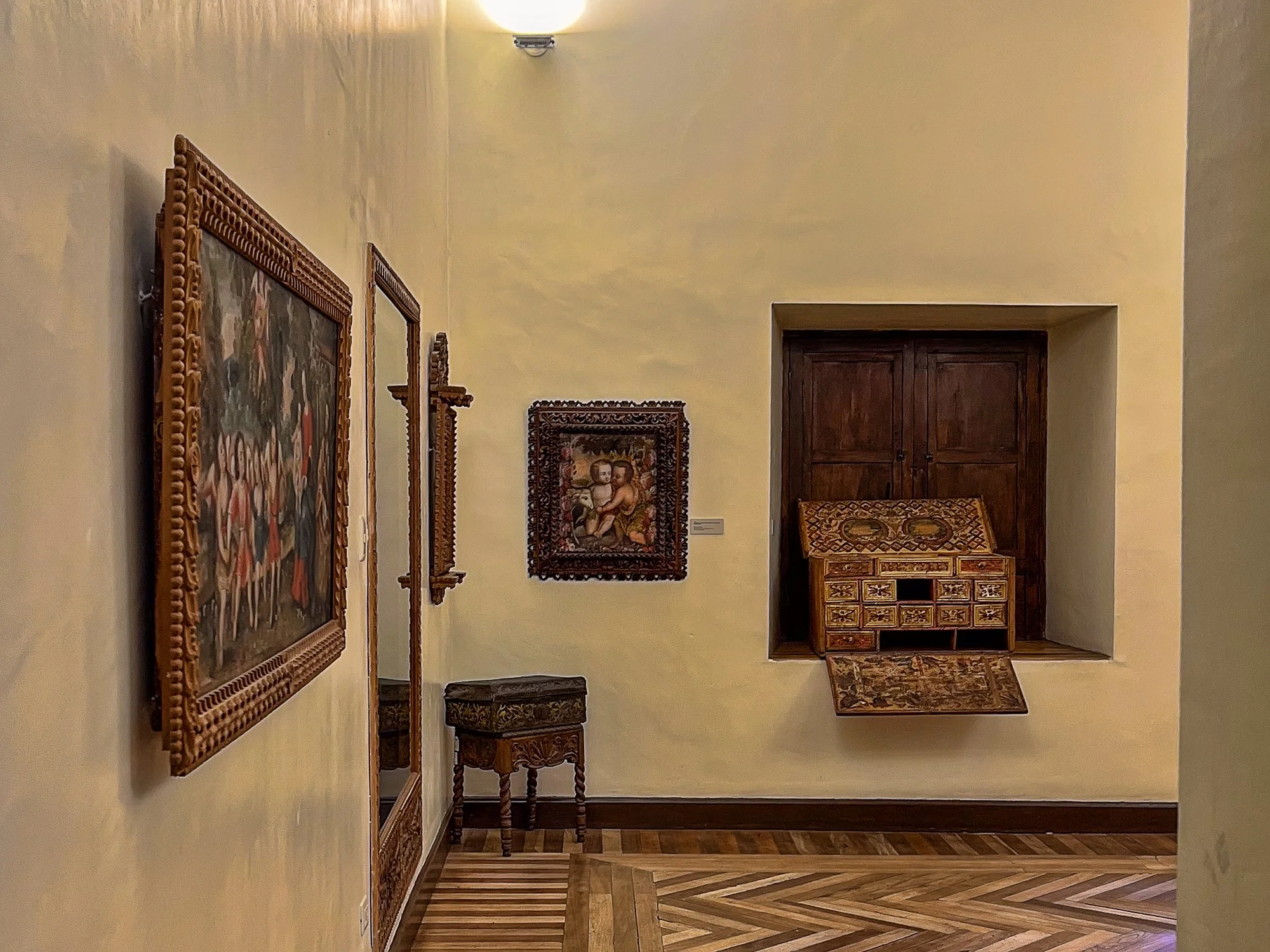
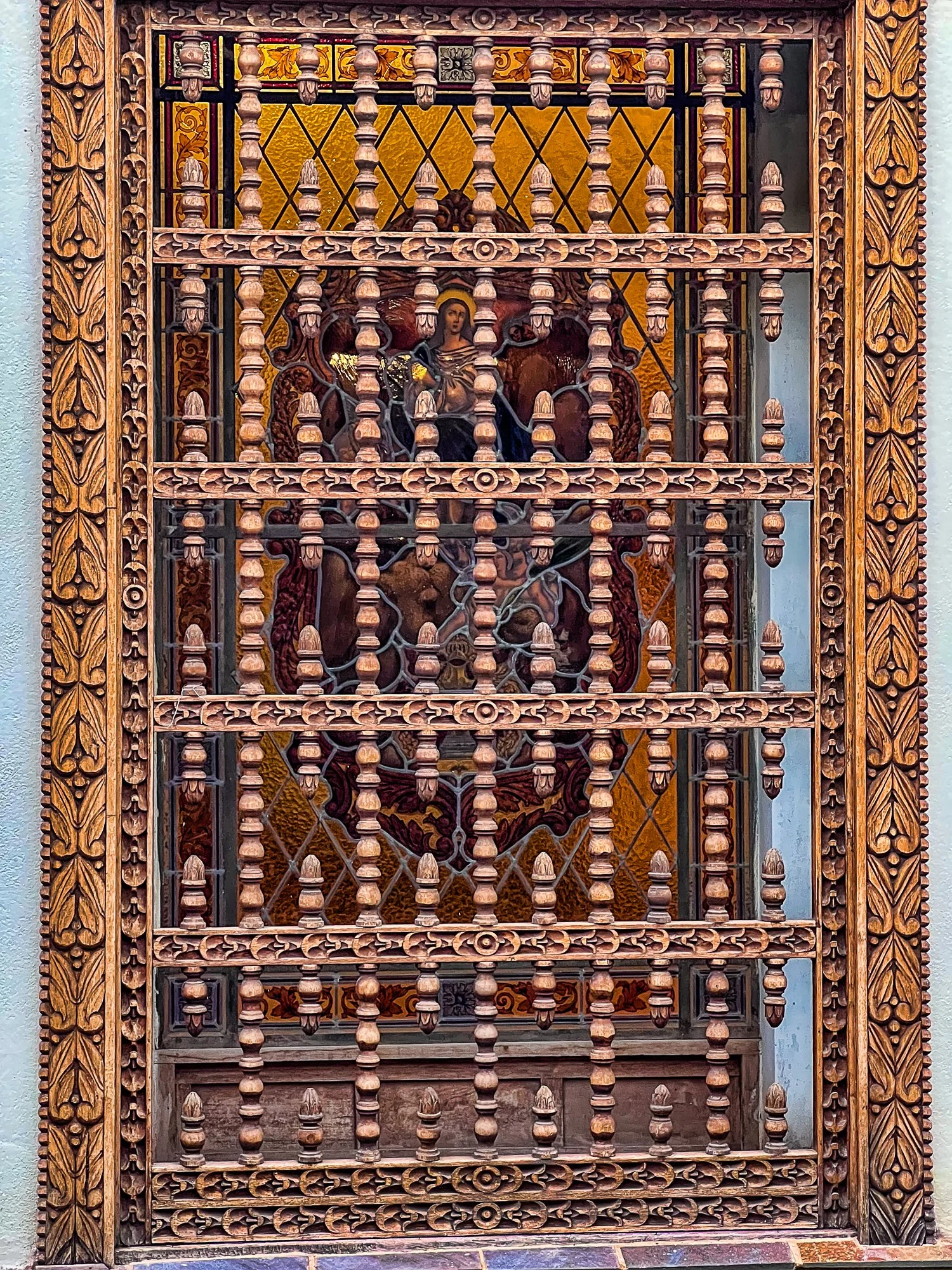
Inside, the rooms display canvases, sculptures, altarpieces, colonial furniture, liturgical ornaments, and other examples of viceregal religious art. There is also a collection of paintings from the Cusco School, including works by Diego Quispe Tito.

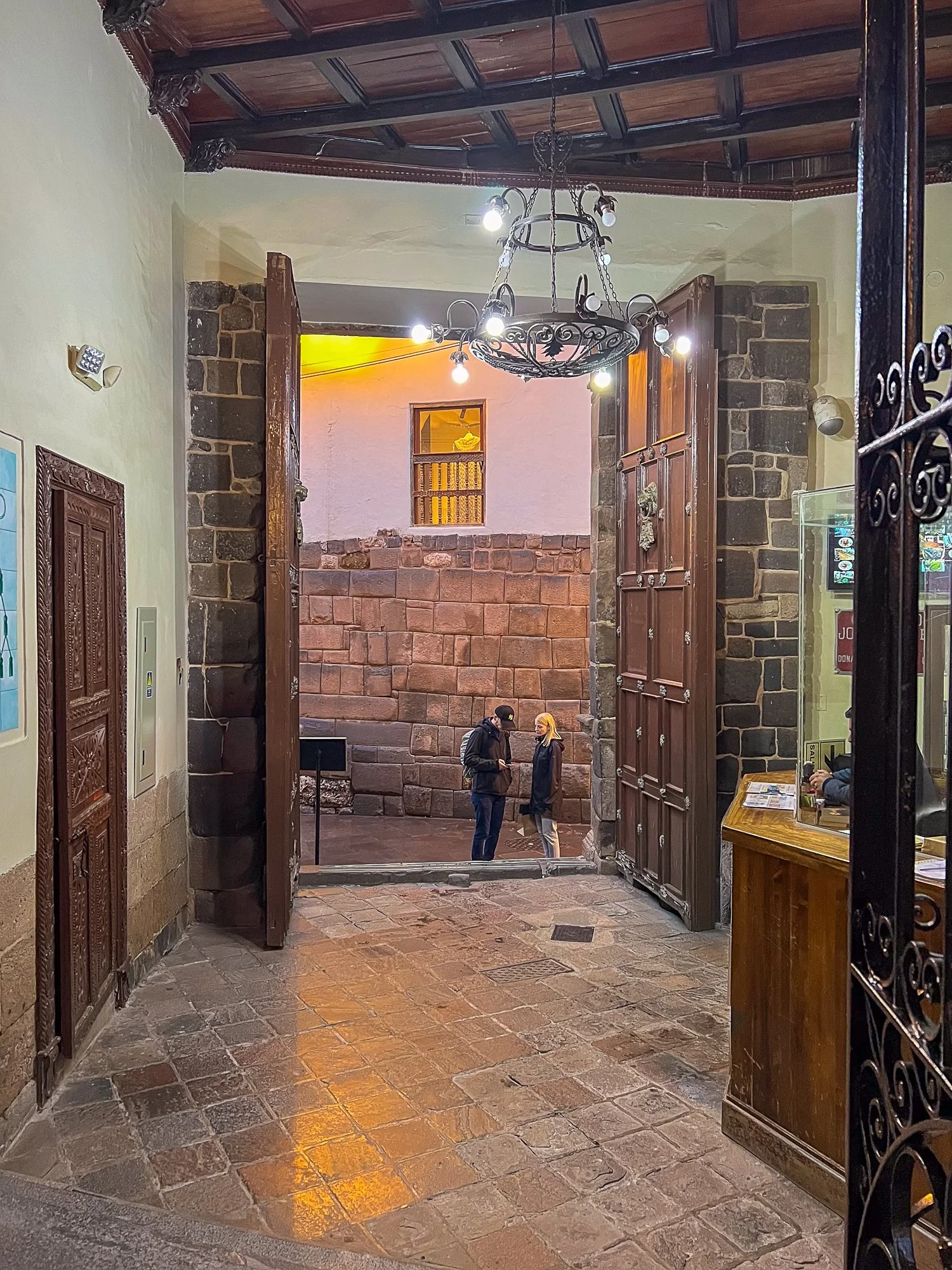
Photography is permitted only in the courtyard, not inside the exhibition rooms, so all of our photos were taken from the outside.


W salach muzealnych można zobaczyć obrazy, rzeźby, ołtarze, meble kolonialne, szaty liturgiczne oraz inne przykłady sztuki religijnej z okresu wicekrólestwa. Szczególnie interesująca jest kolekcja dzieł szkoły cuskeńskiej, w tym obrazy Diego Quispe Tito.

Fotografowanie dozwolone jest jedynie na dziedzińcu, dlatego większość naszych zdjęć powstała na zewnątrz lub przez otwarte przejścia.

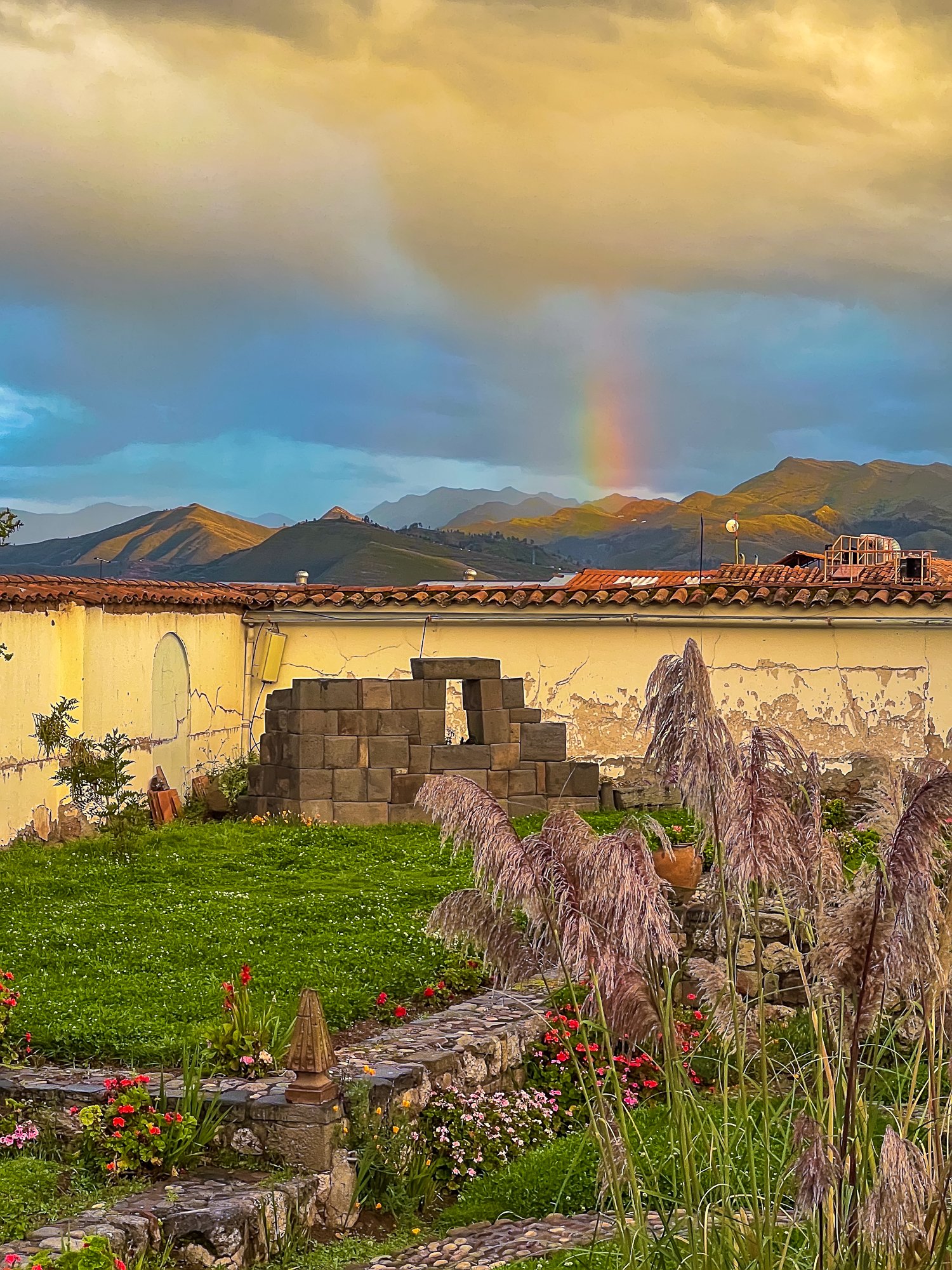
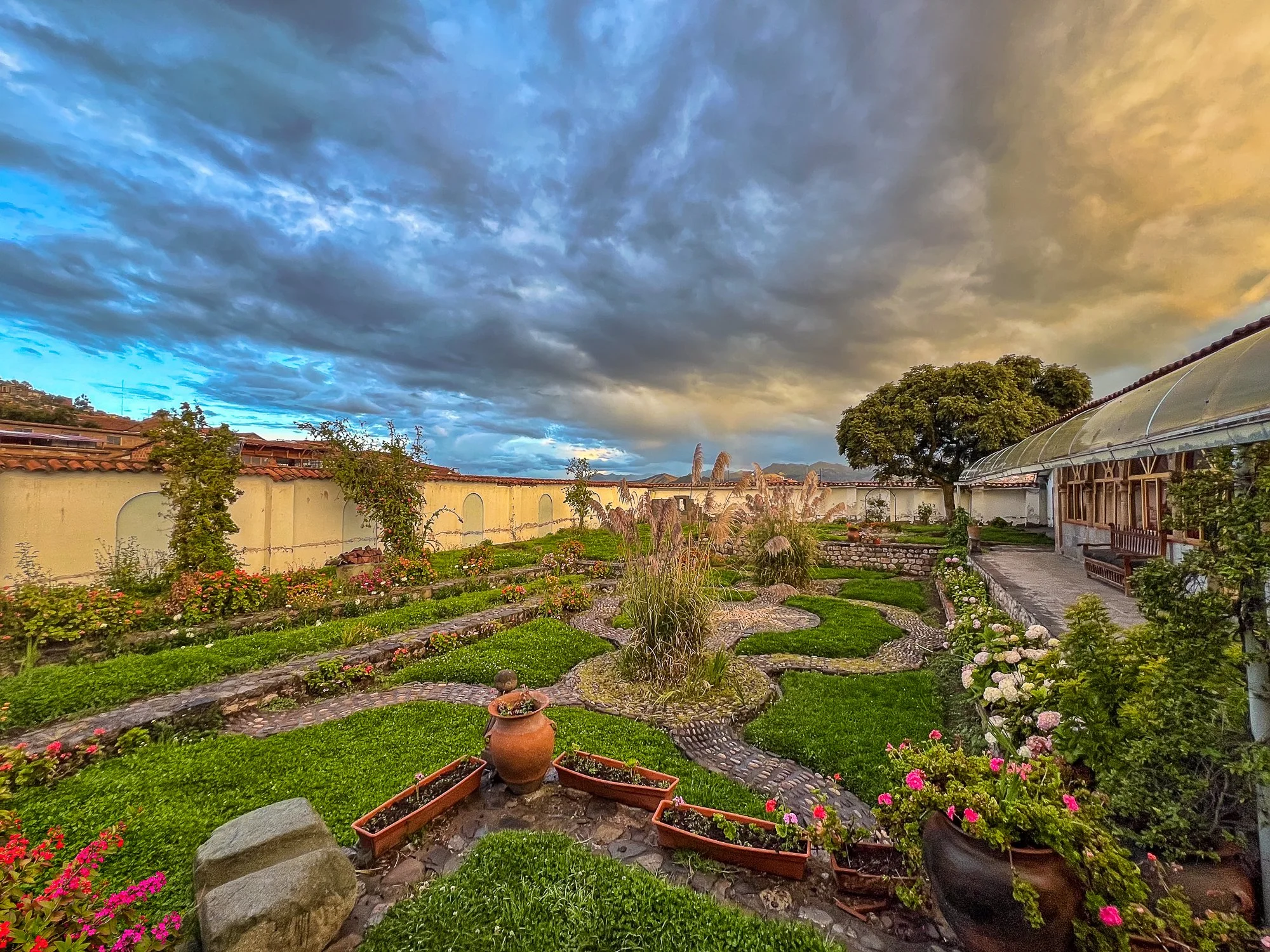
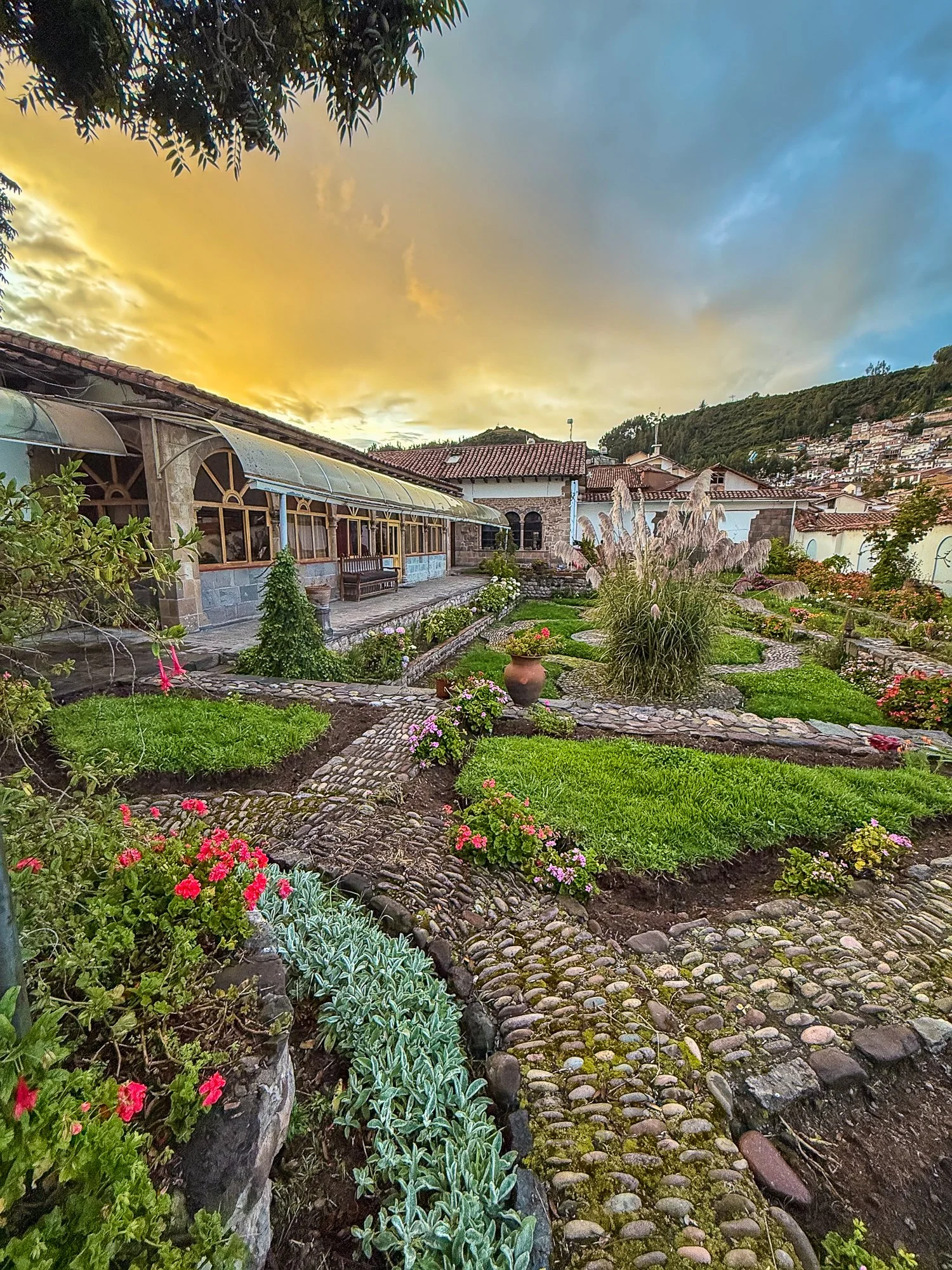
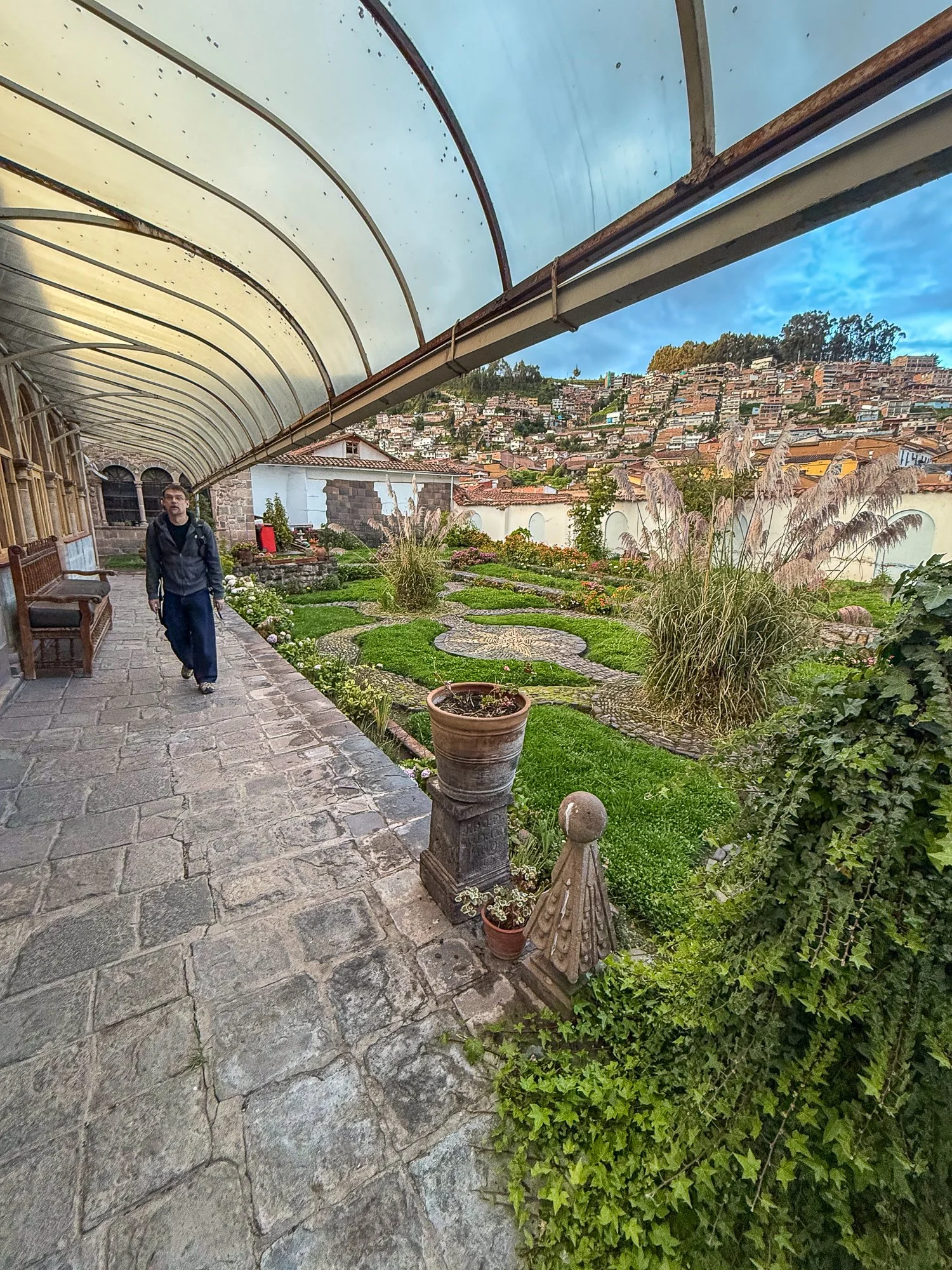
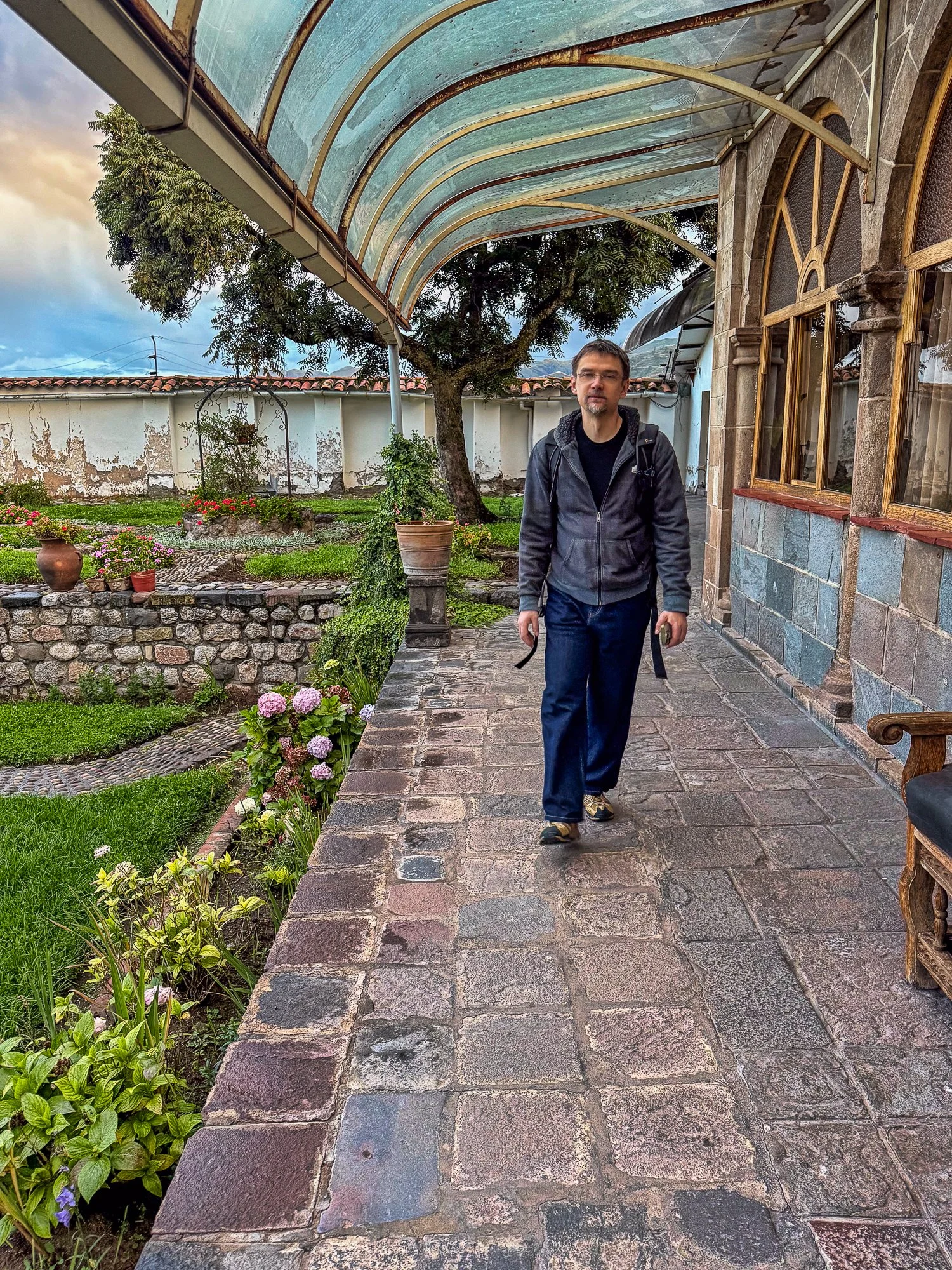
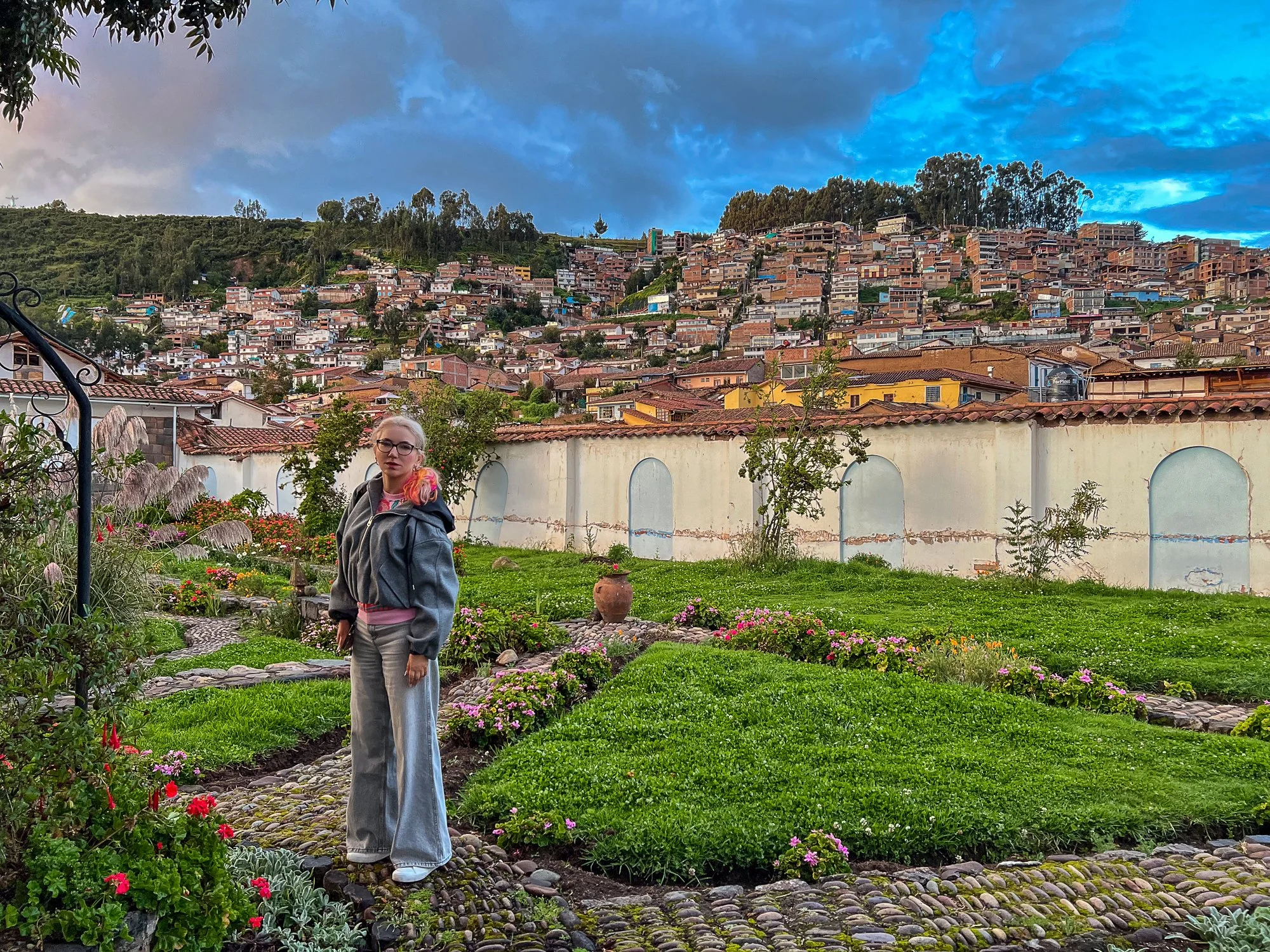
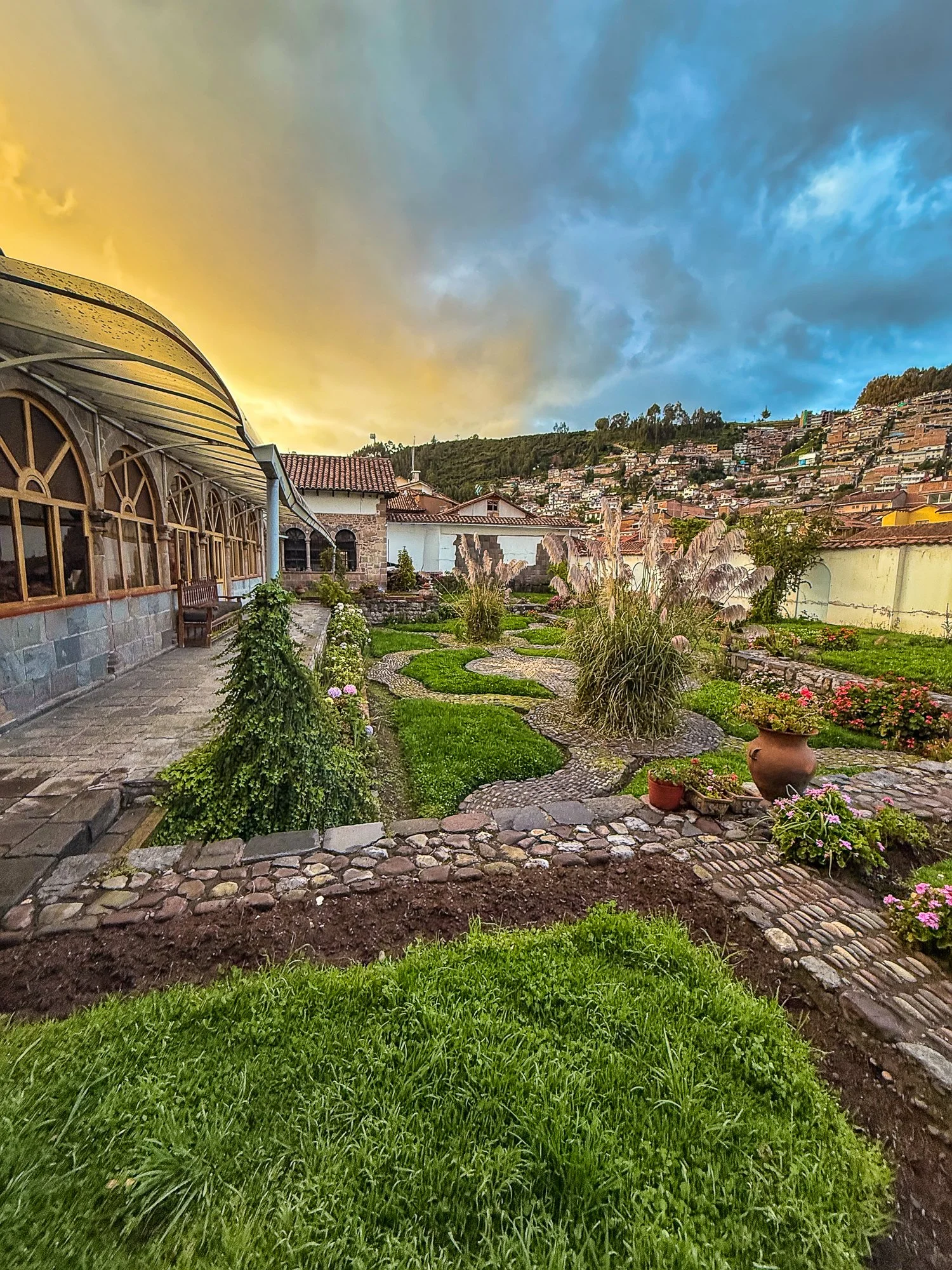
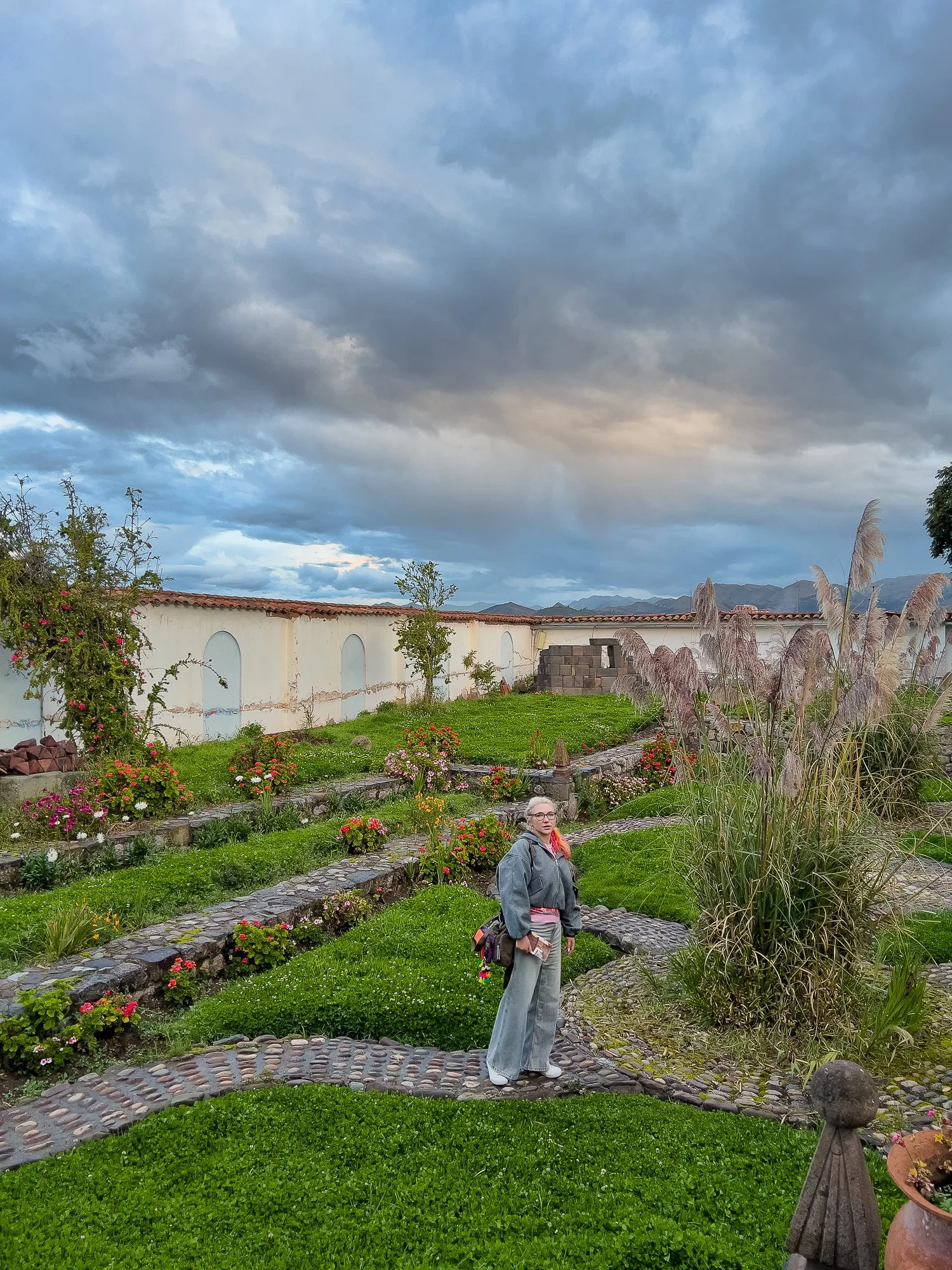
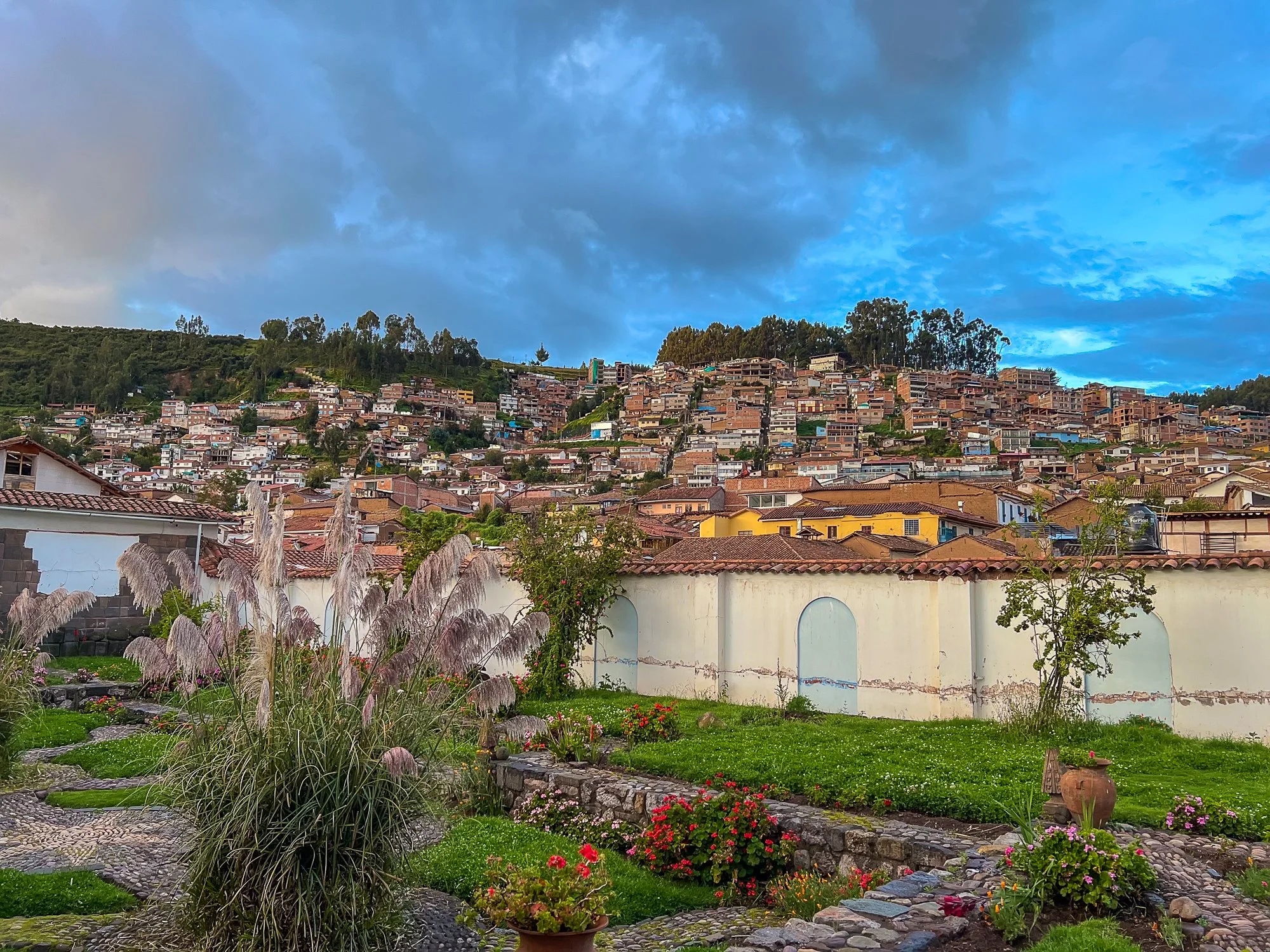
At one point, we also wandered into a garden at the back of the property. We suspect it may not have been intended for visitors, but the signage was rather unclear and we ended up there by honest mistake. No regrets, though - the garden looked beautiful in the fading light, and we were even treated to a distant rainbow.

W pewnym momencie trafiliśmy również do ogrodu znajdującego się z tyłu budynku. Jesteśmy teraz prawie pewni, że ta część nie była przeznaczona dla zwiedzających, ale oznakowanie nie było dobrze widoczne i dopiero przy wyjściu zauważyliśmy, że chyba nie była to trasa zwiedzania. Nie żałujemy jednak tej pomyłki. Ogród prezentował się pięknie w świetle zachodzącego słońca, a nad górami po drugiej stronie doliny pojawiła się nawet na chwilę tęcza.

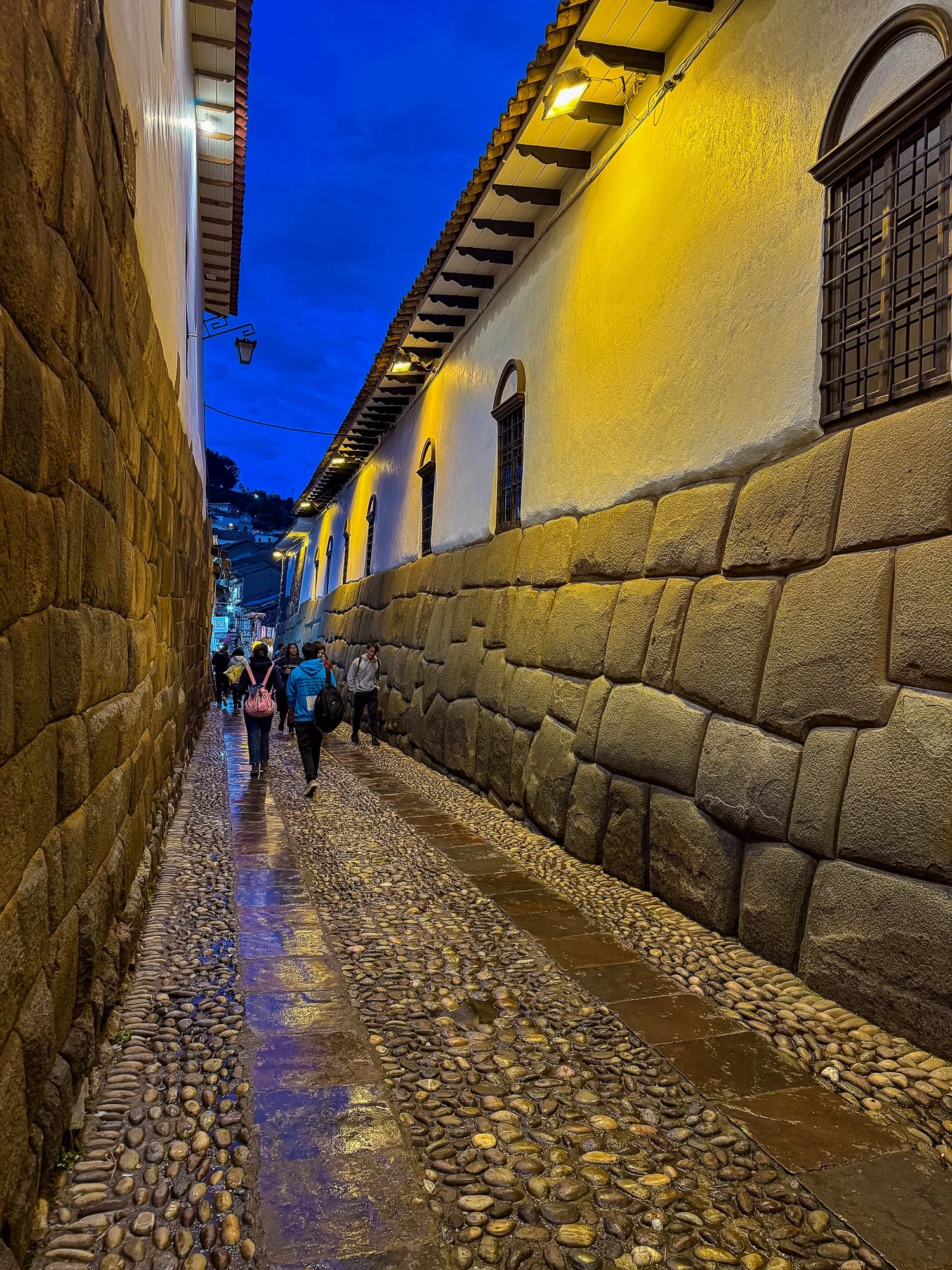
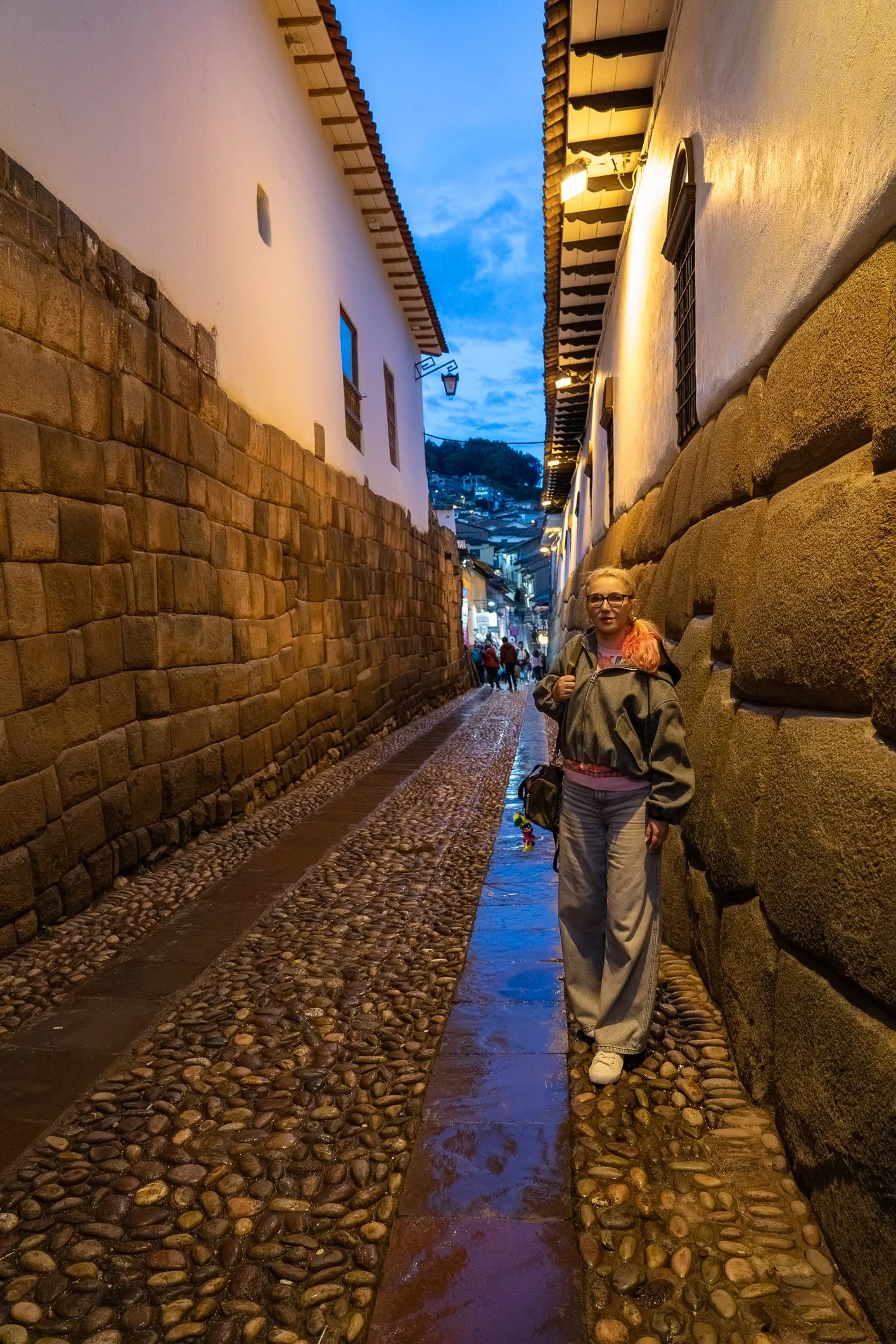
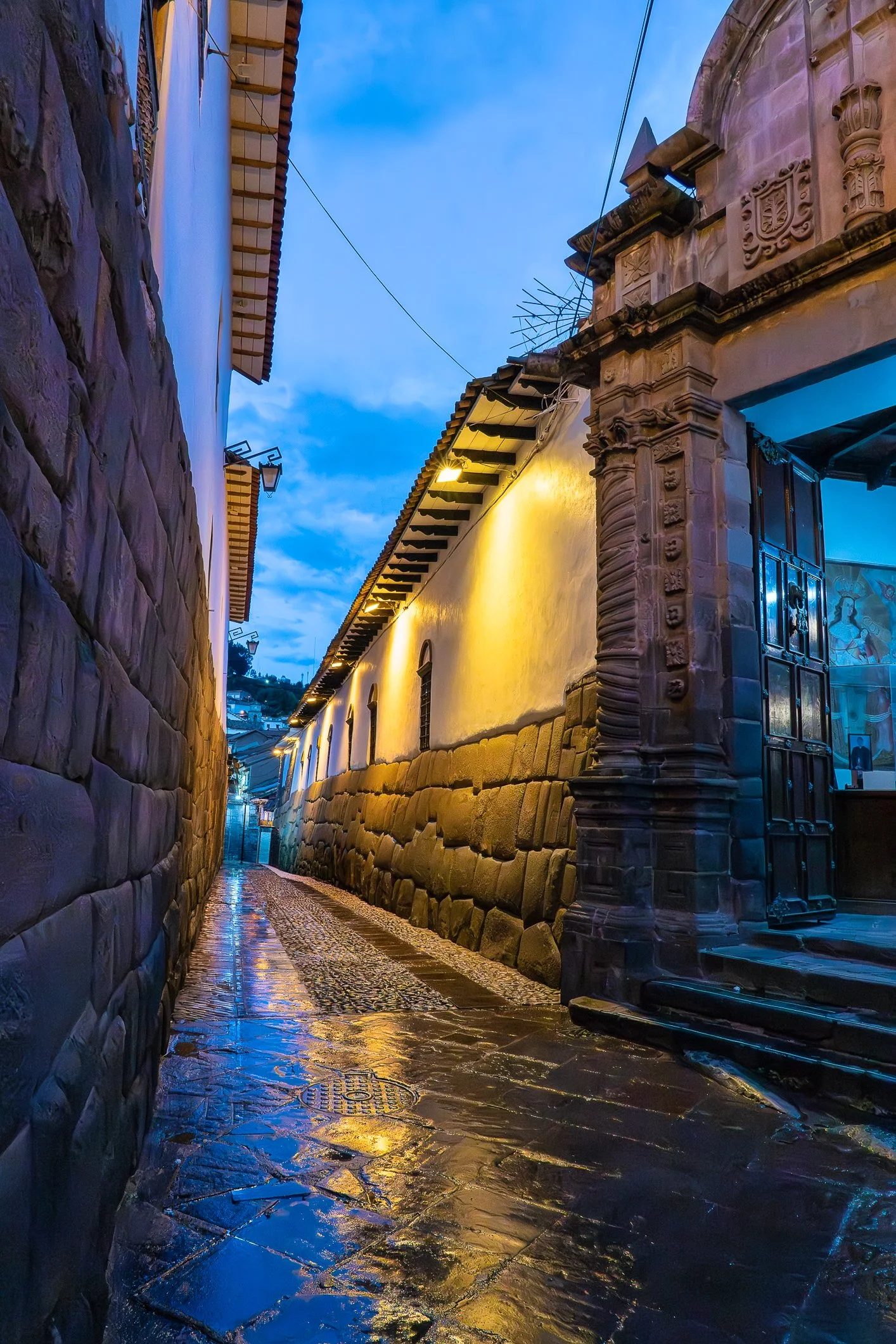
By the time we finish our visit, the sun has already set. The stones of the narrow Hathun Rumiyoq street, still wet from the earlier rain, reflect the warm golden glow of the surrounding lights, creating a particularly atmospheric scene.

As for dinner, our destination is only a few steps away.


Gdy kończymy zwiedzanie, słońce jest już schowane za horyzontem. Mokre po deszczu kamienie wąskiej uliczki Hathun Rumiyoq odbijają ciepłe, złote światło okolicznych latarni, tworząc wyjątkowo nastrojowy widok.

A kolacja? Nie musimy iść daleko – nasza restauracja znajduje się dosłownie kilka kroków stąd.

Manos de la Comunidad part 2

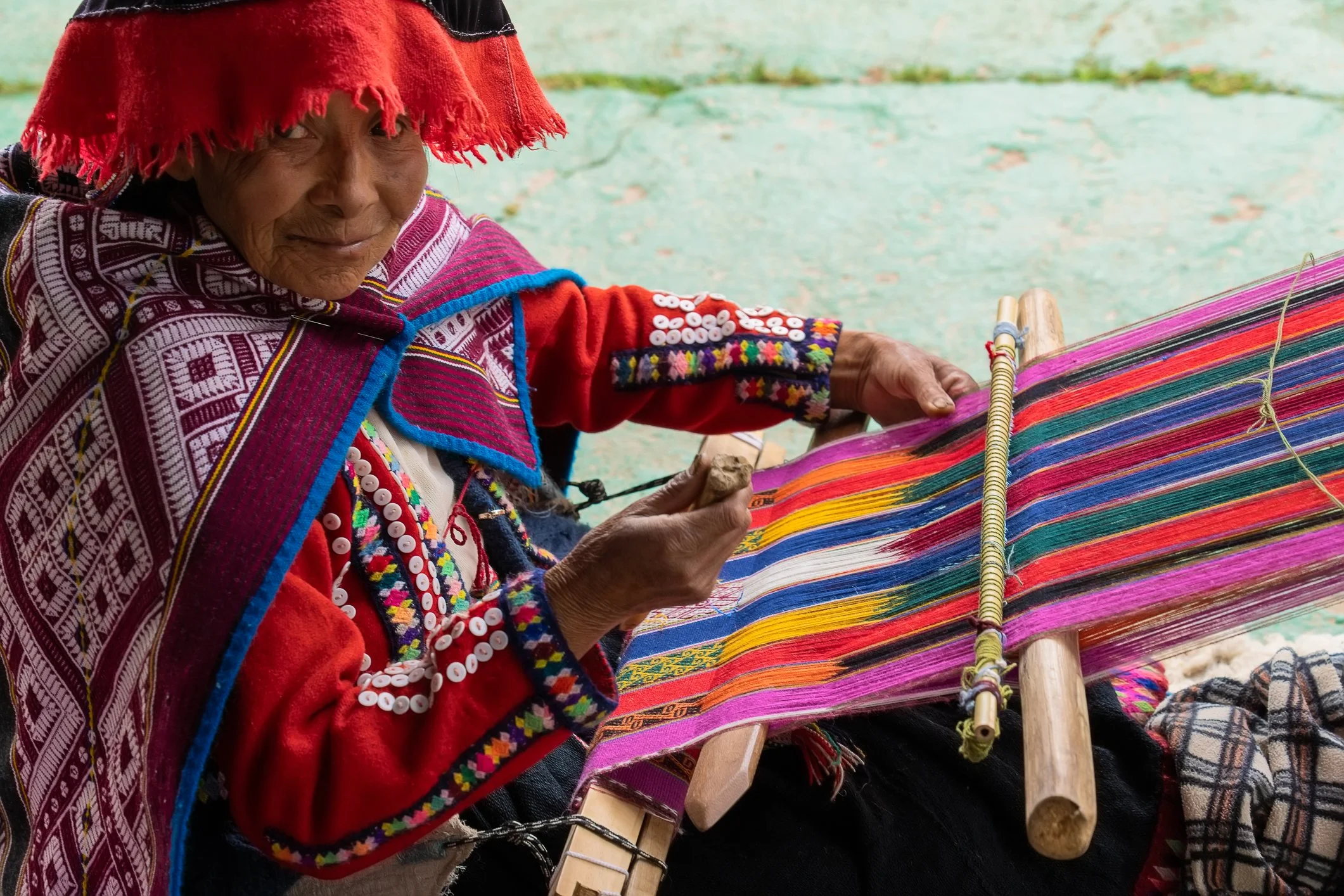
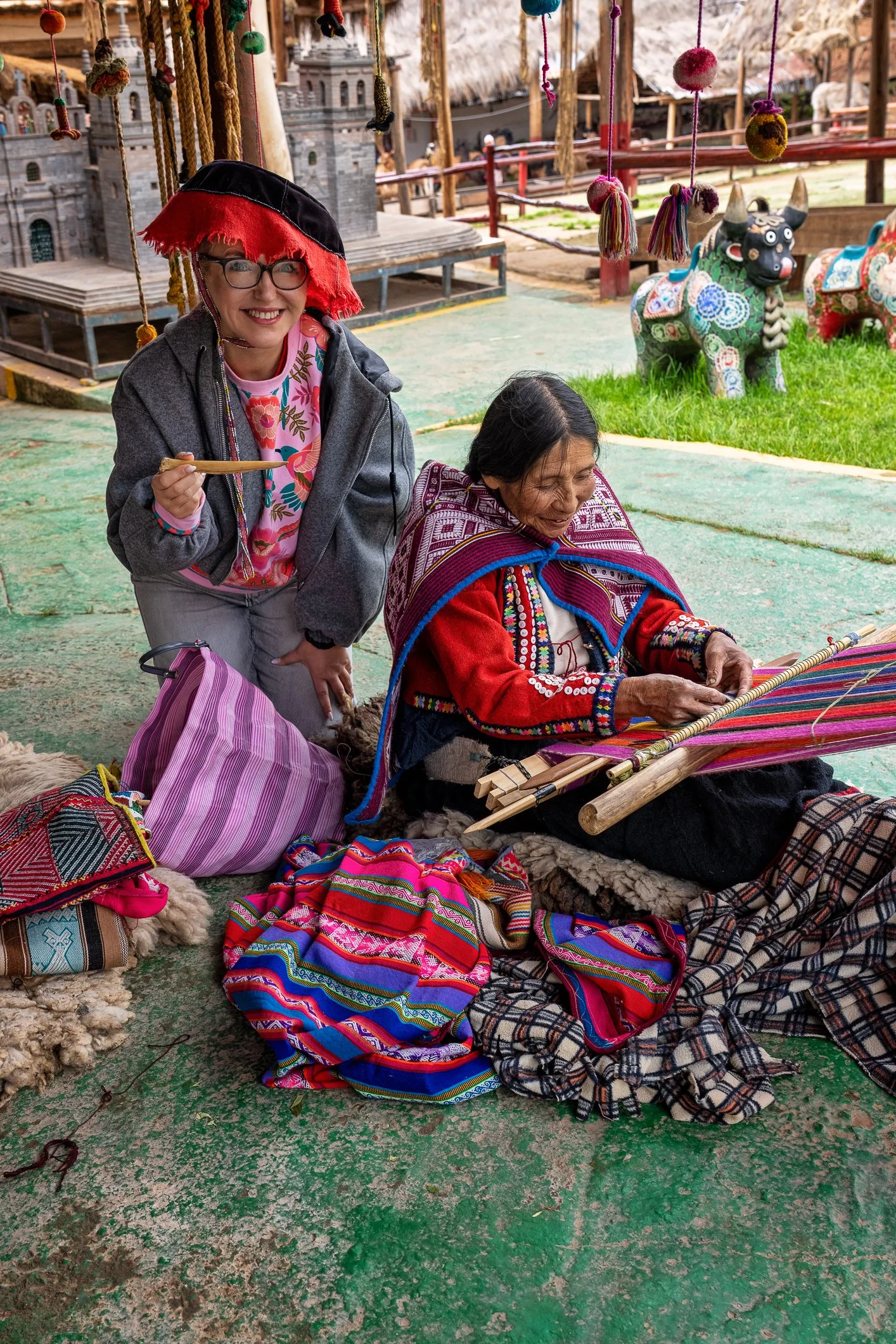
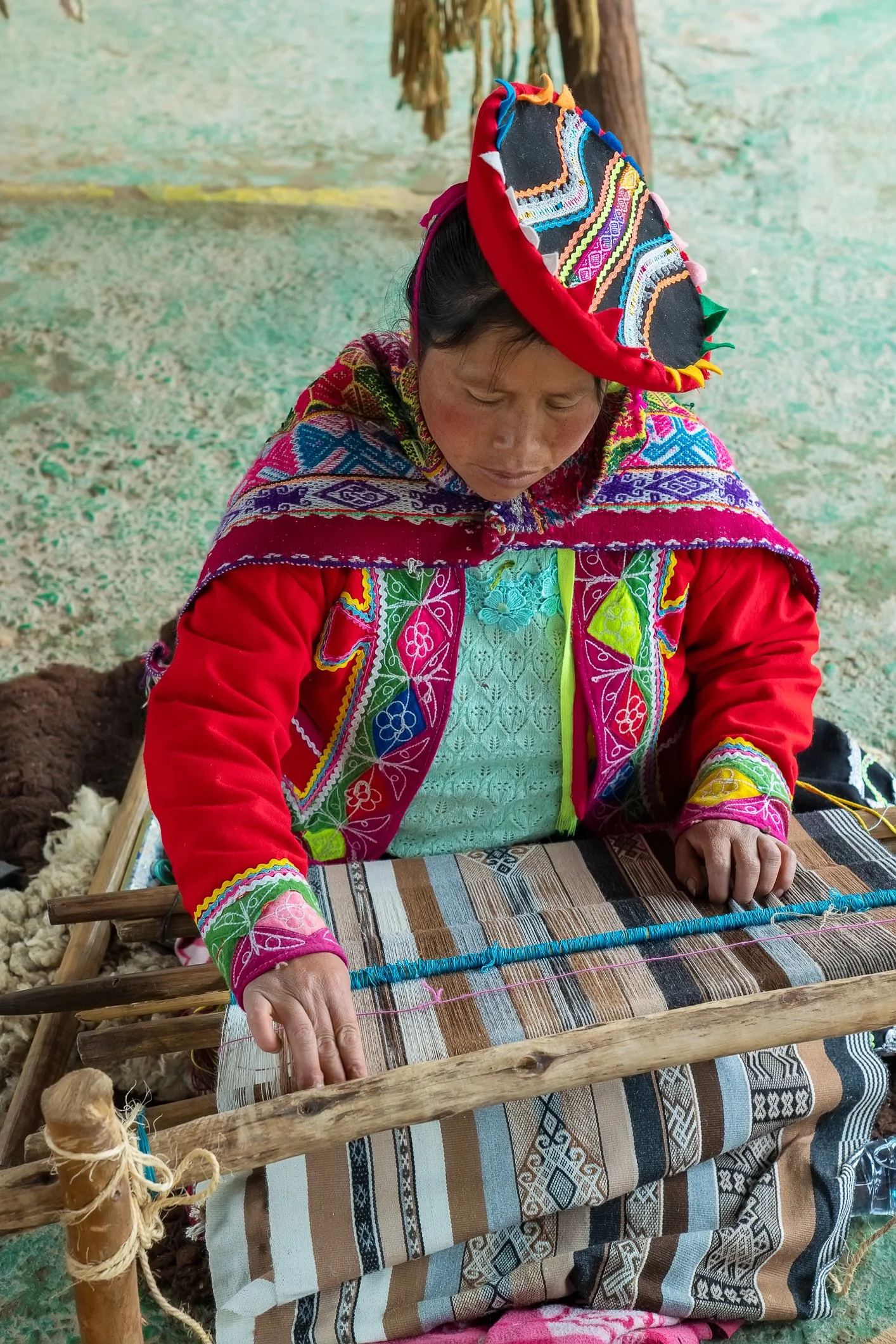
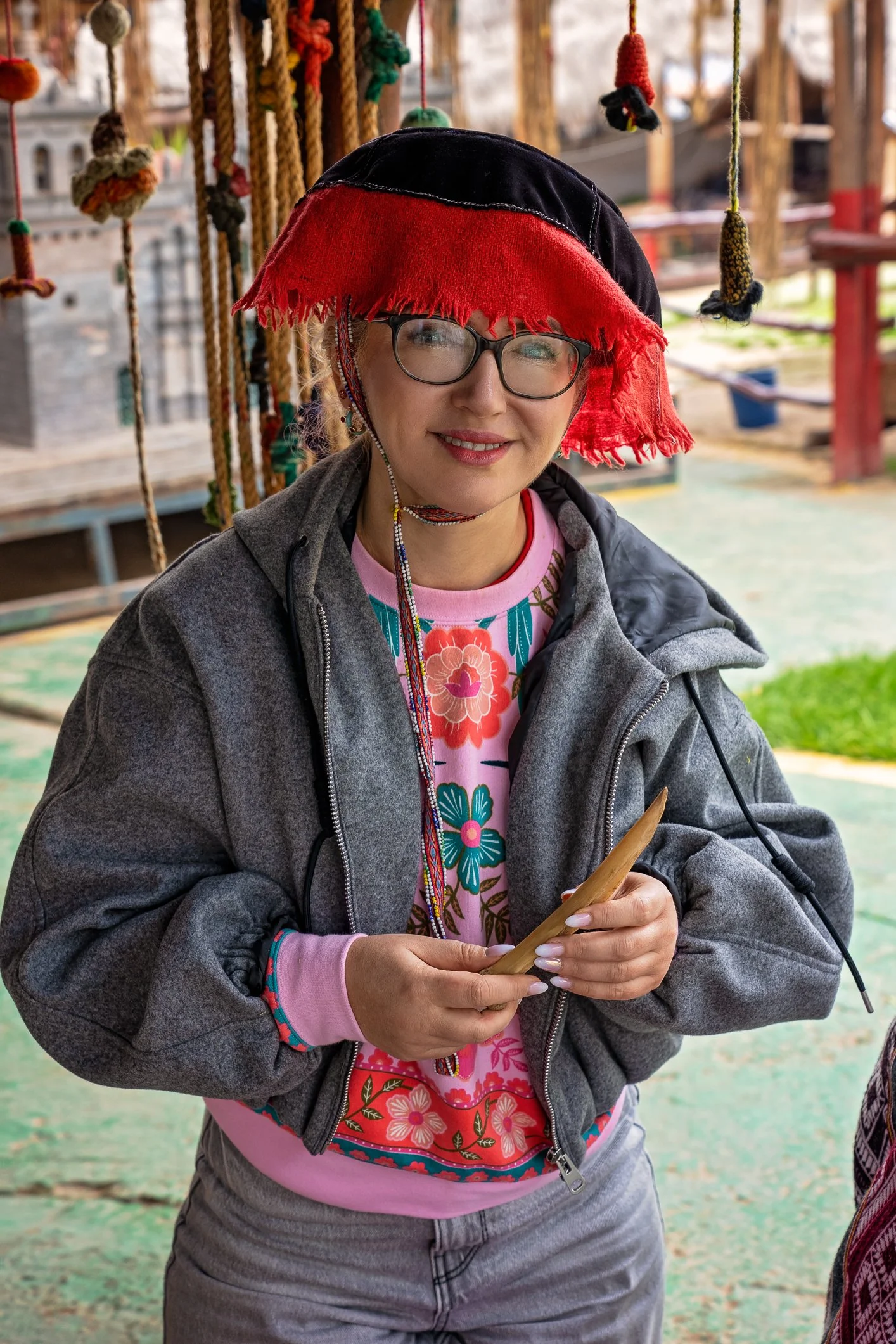
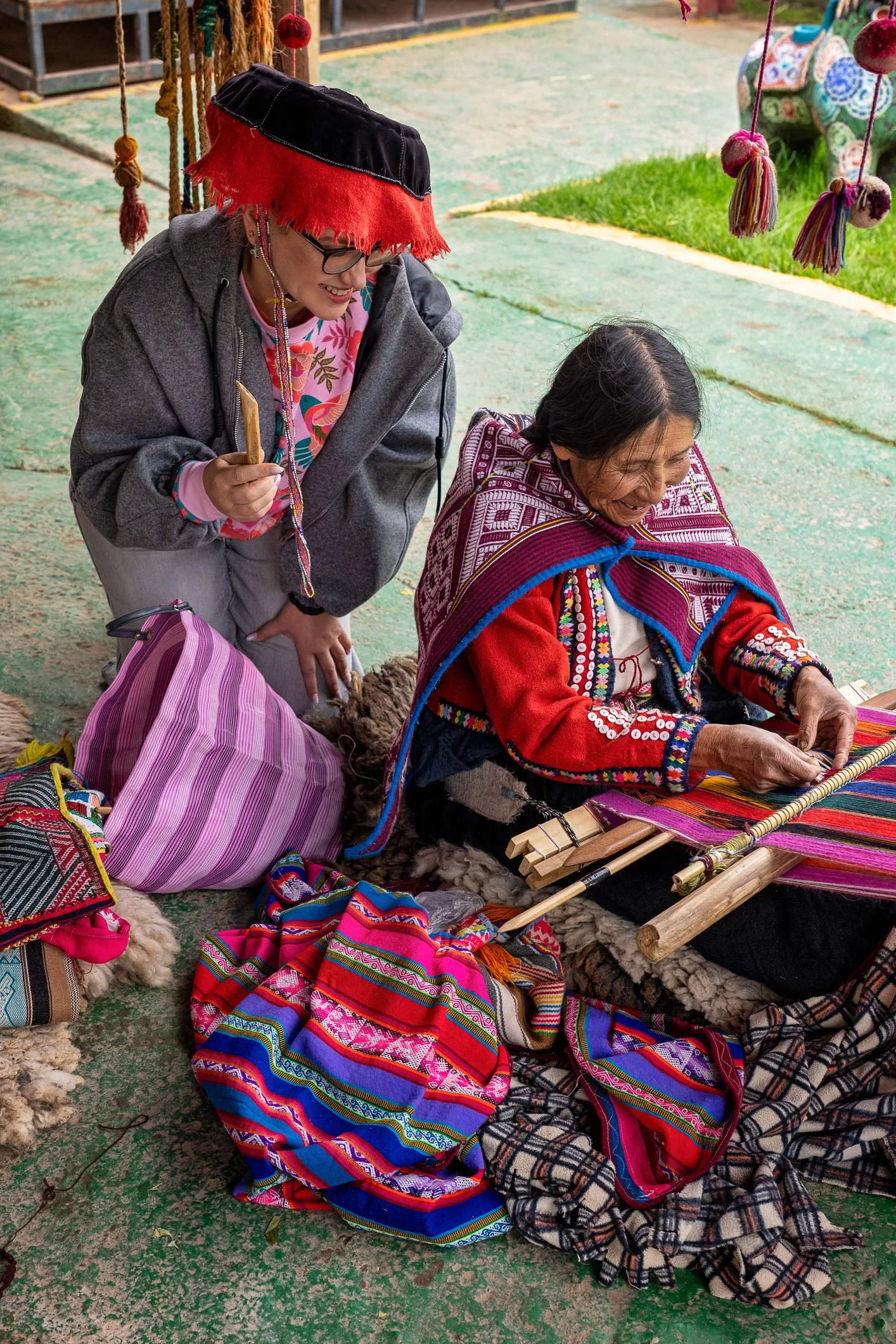
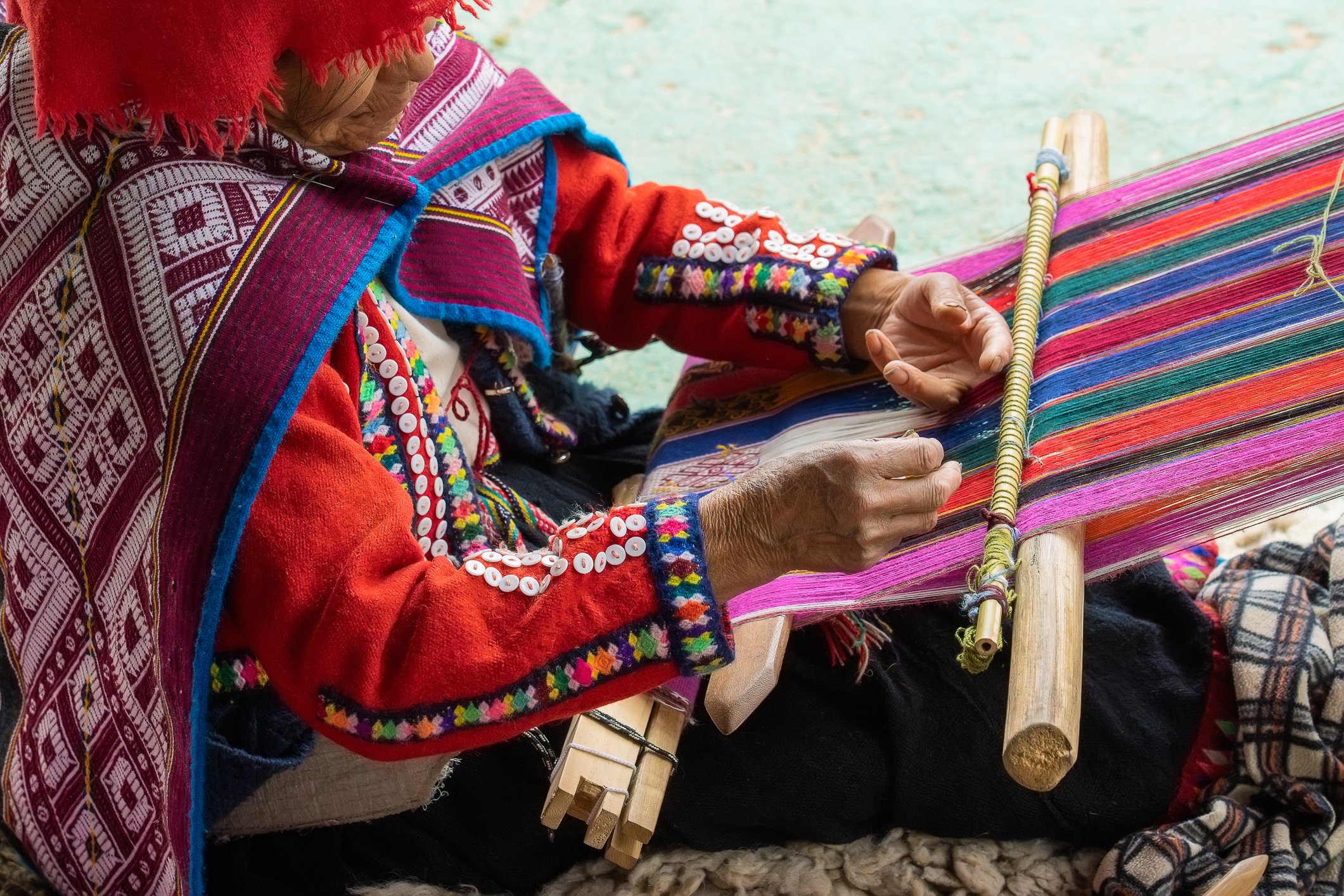
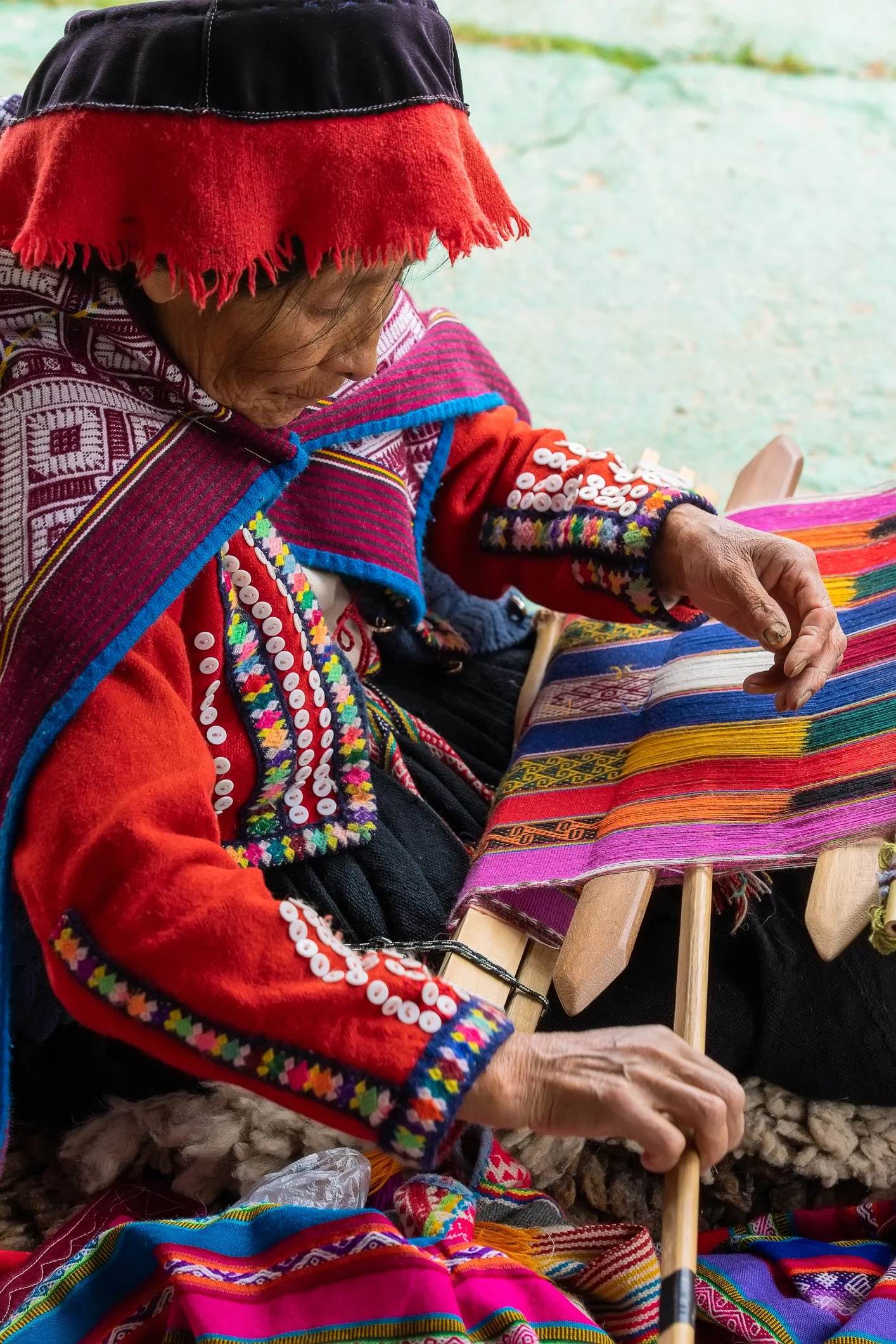
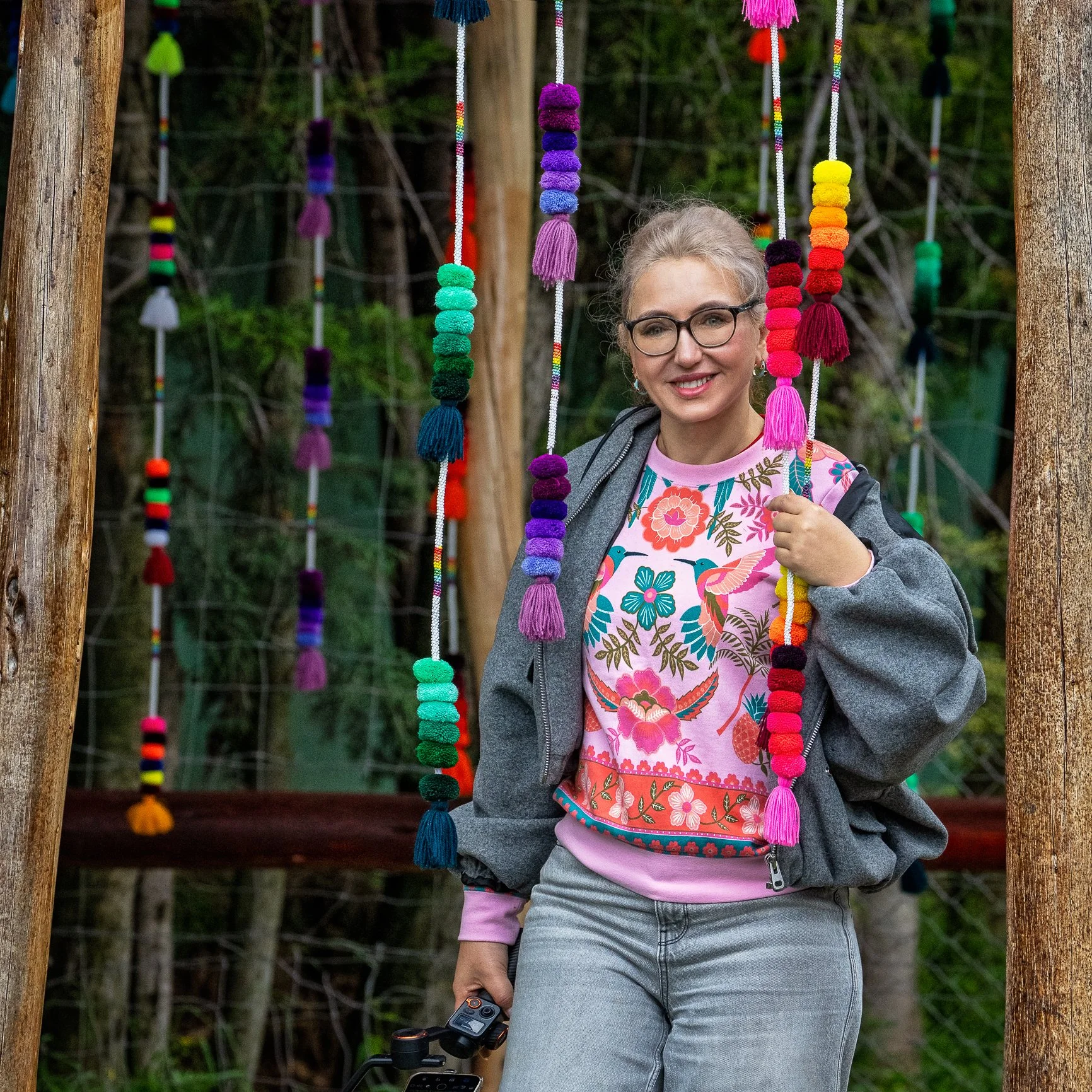
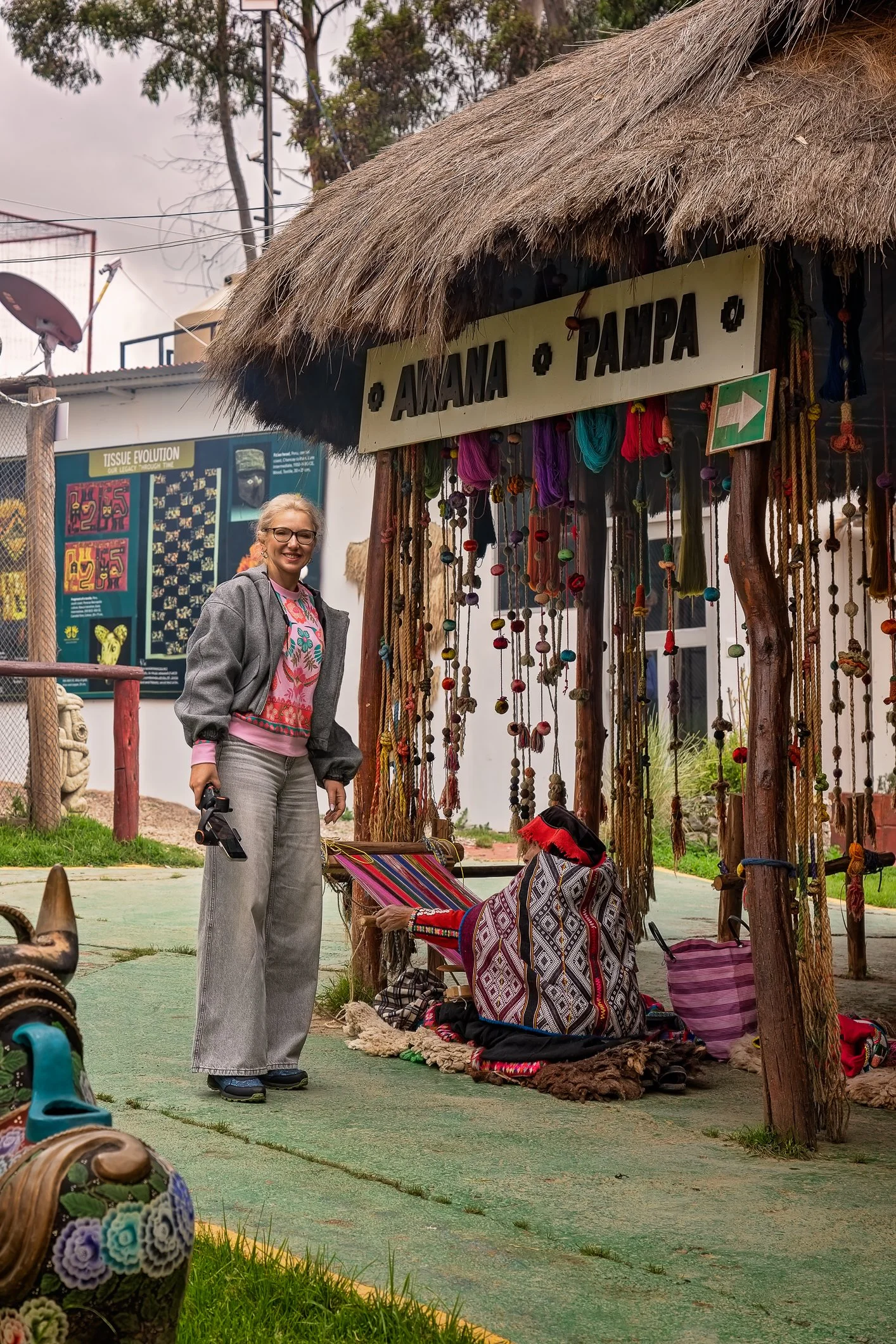
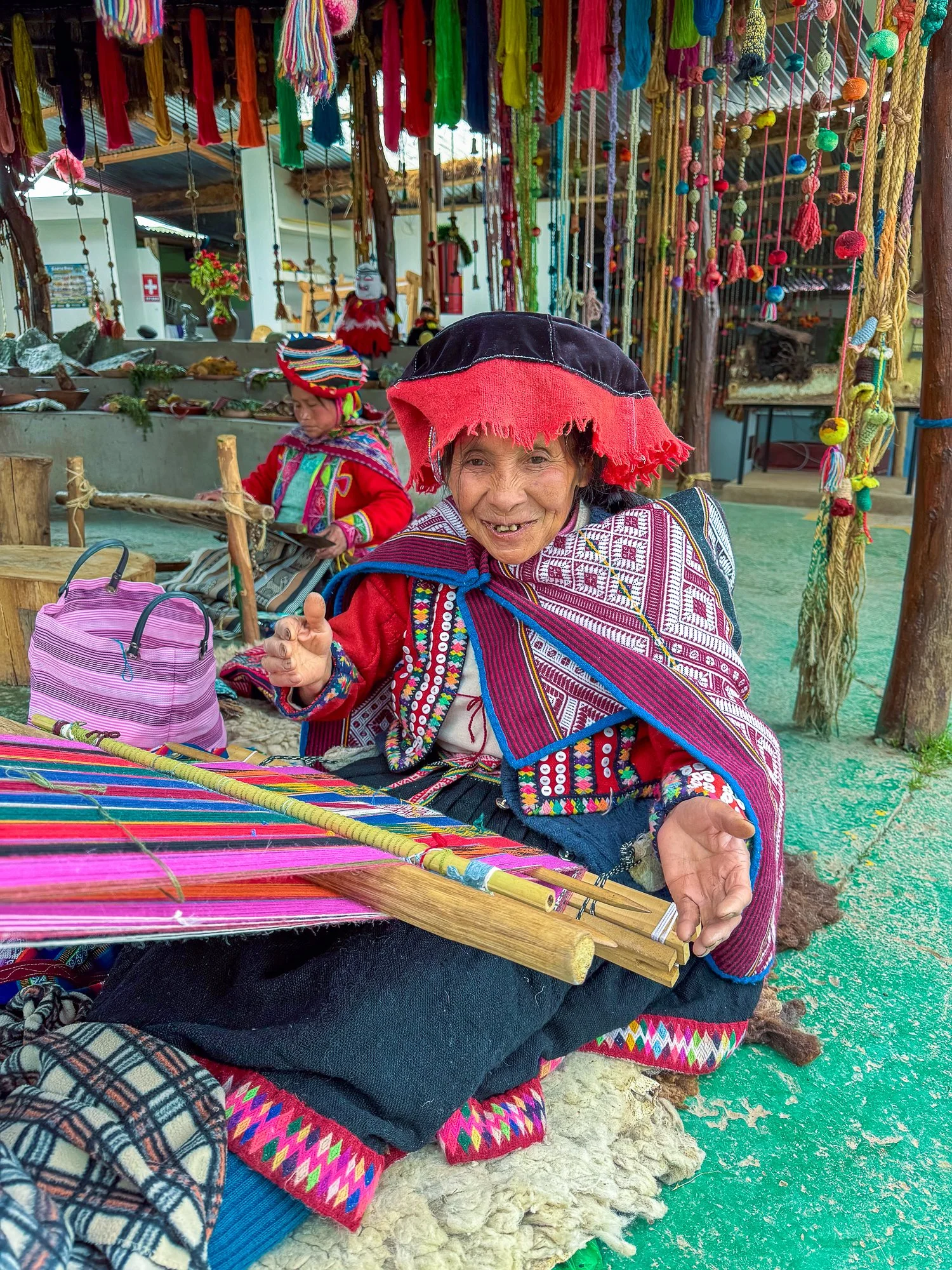
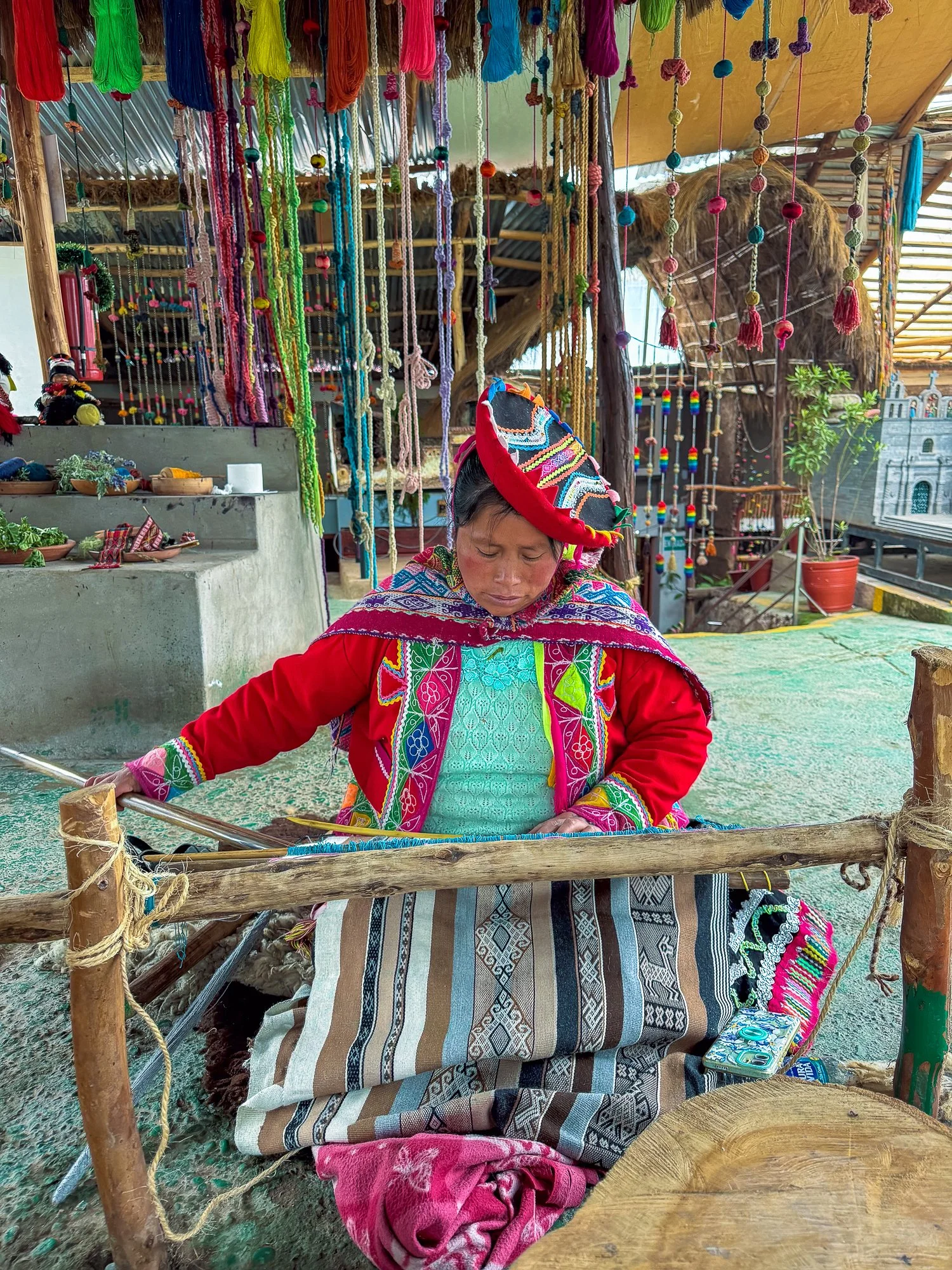
At Manos de la Comunidad, we met artisans sitting on the ground, weaving on traditional floor looms, working slowly and with remarkable skill. As the textile grows, they use smooth tools made from animal bone or wood to press each line of yarn firmly into place, strengthening the fabric. These simple, handmade tools show how Andean weaving relies on natural materials and techniques passed down through generations.

Podczas wizyty w Manos de la Comunidad spotkaliśmy rzemieślników, którzy siedzieli na ziemi i tkali na tradycyjnych krosnach podłogowych. Powoli przekładali włókna, używając gładkich narzędzi z kości zwierzęcych lub drewna, żeby dobrze je docisnąć i wzmocnić materiał. Te proste, ręcznie wykonane narzędzia pokazują, że andyjskie tkactwo opiera się na naturalnych materiałach i tradycyjnych technikach przekazywanych z pokolenia na pokolenie.
In the Andean highlands of Peru, alpaca and llama wool is transformed into beautiful textiles through a careful, time-honoured process. Alpaca wool is prized for its softness, warmth, hypoallergenic qualities, and luxurious feel - especially baby alpaca taken from the first shearing. Llama wool is coarser and stronger, making it ideal for more durable and utilitarian textiles like bags, rugs, and heavier garments. Both fibres have been central to Andean textile traditions for thousands of years; weaving and spinning techniques carry deep cultural meaning and often reflect stories, symbols, and community identity.

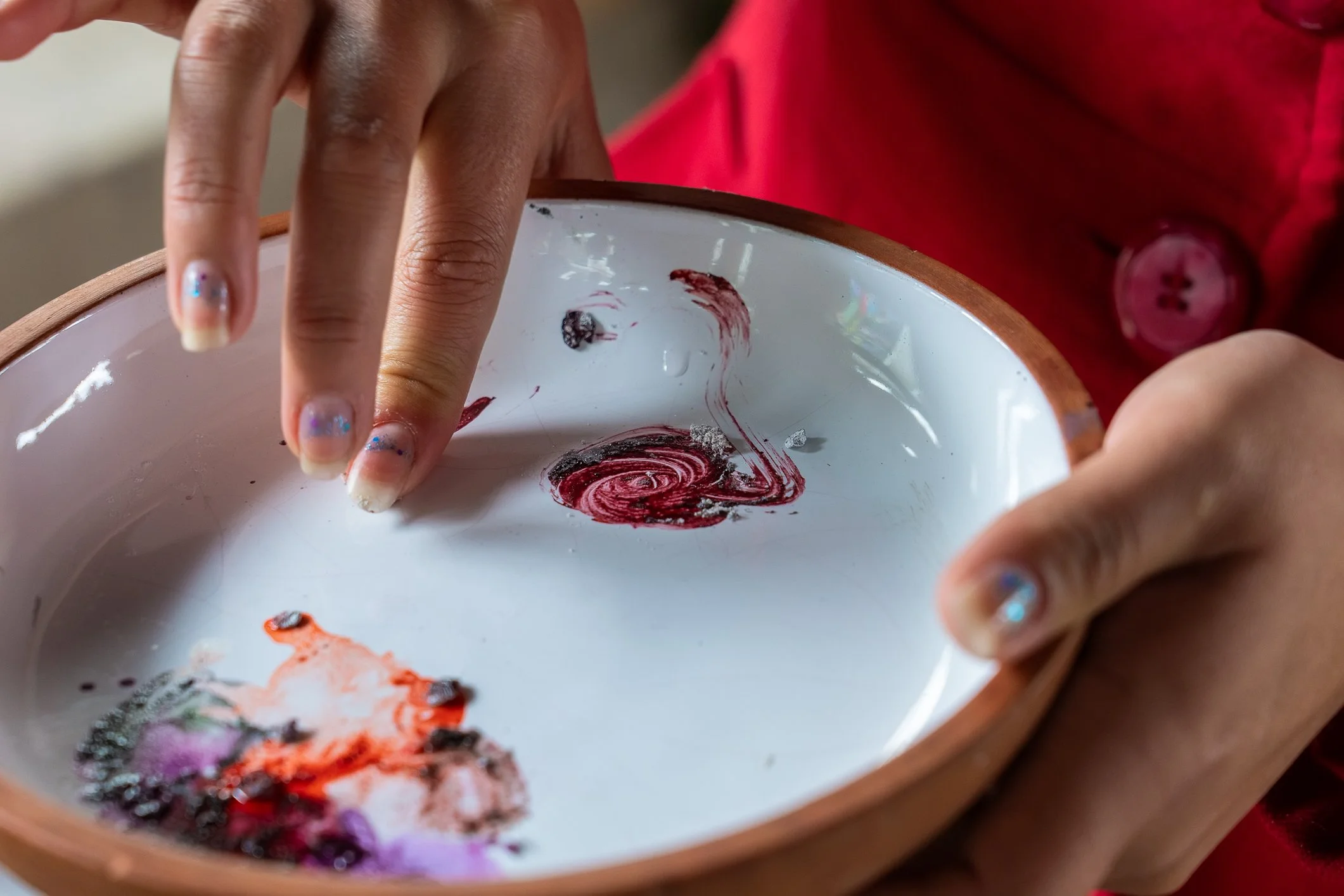
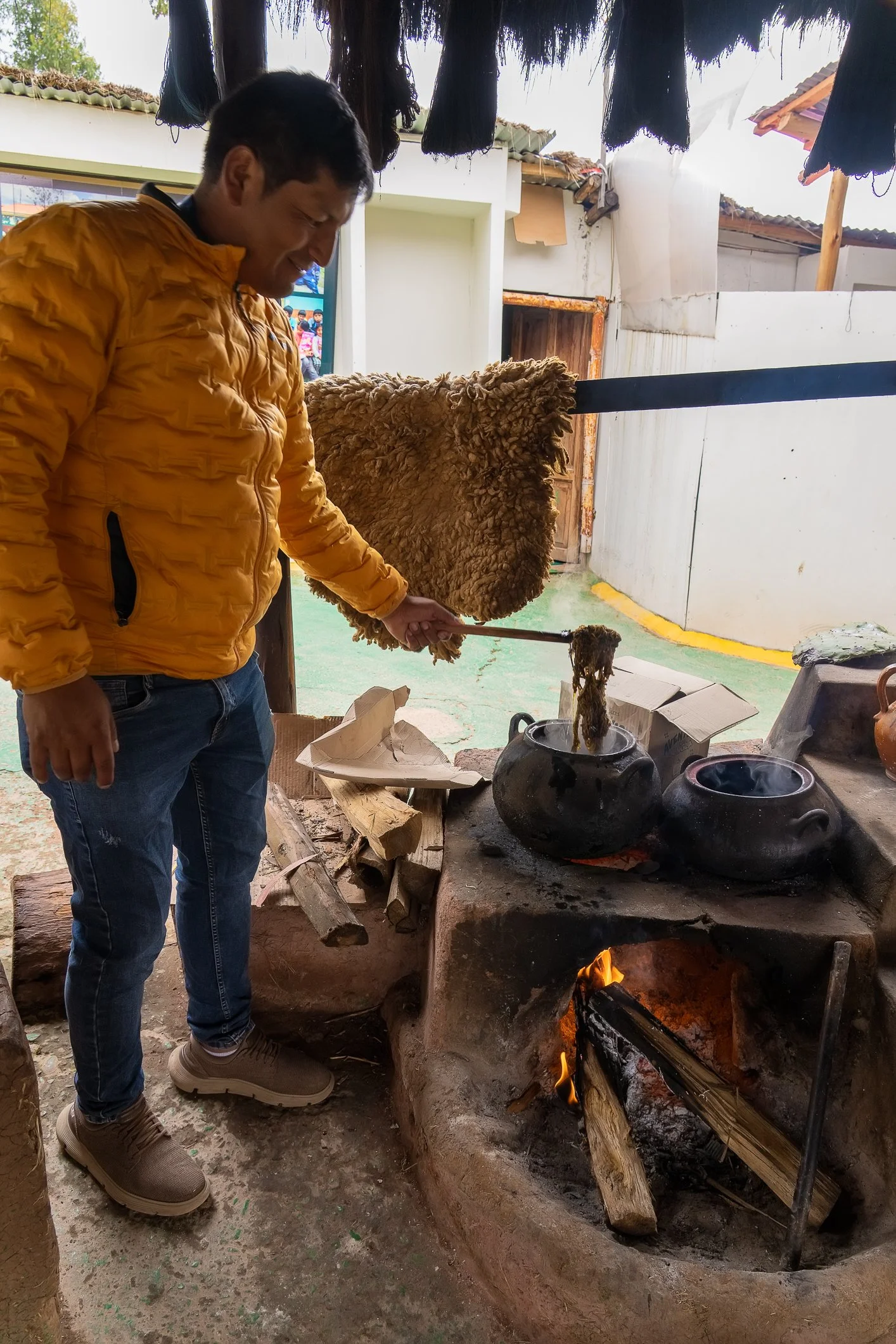
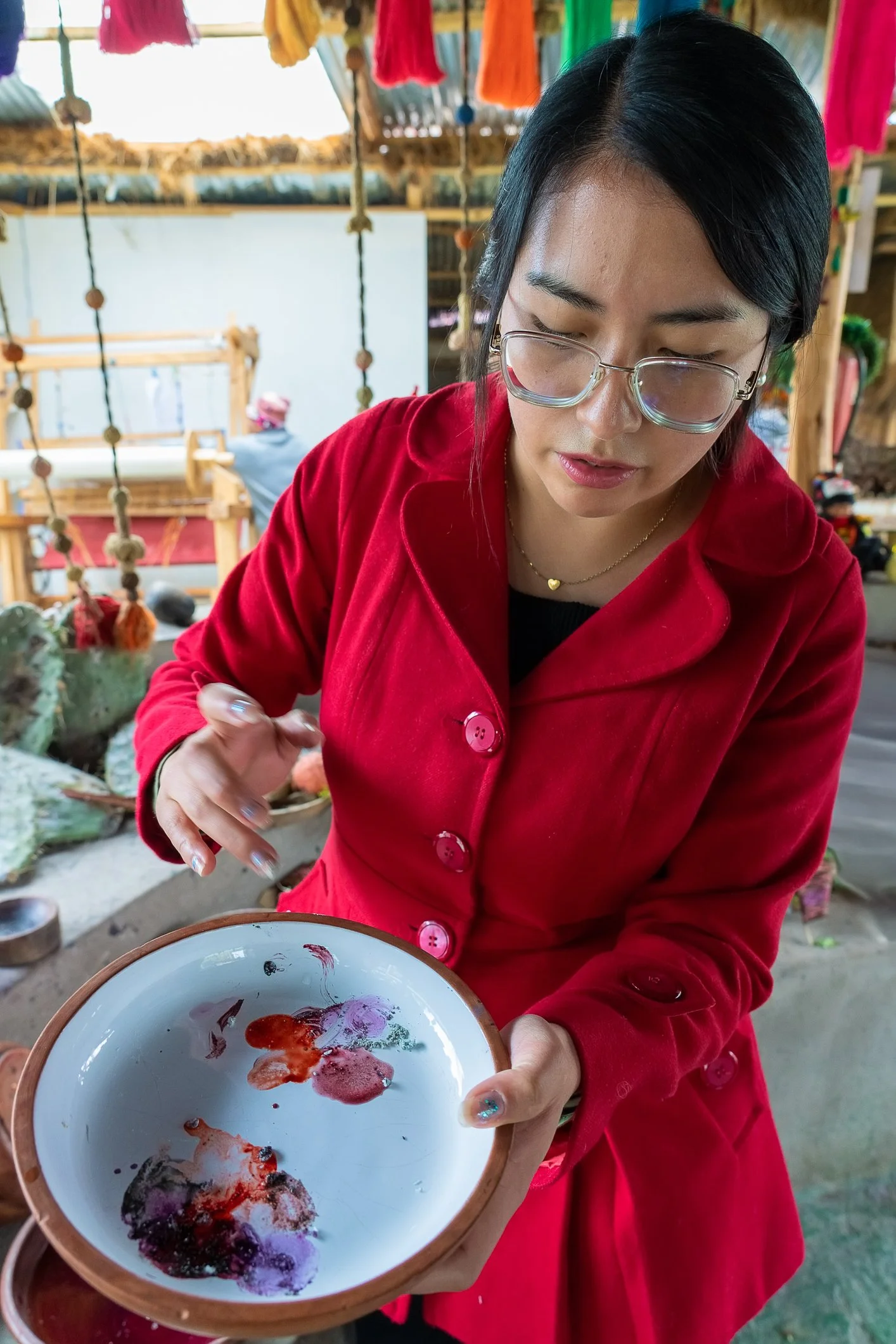
The process begins with shearing the animals, done gently to collect their warm, valuable fibre. The wool is then washed using natural soaps or local plants, removing dirt while protecting the softness of the fibres. Traditional weaving often uses natural dyes - deep reds from cochineal insects, yellows from local flowers, and blues from plant sources such as indigo - giving textiles their beautiful colours. During our visit, it was demonstrated to us how cochineal produces different shades depending on minerals added, like lime juice, limestone, or ash, ranging from deep crimson through bright scarlet to purple and pink.


W peruwiańskich Andach wełna alpaki i lamy zamienia się w piękne tekstylia dzięki starannemu, tradycyjnemu procesowi. Wełna alpaki ceniona jest za miękkość, ciepło i delikatność, zwłaszcza wełna z pierwszego strzyżenia młodych alpak. Wełna lamy jest grubsza i mocniejsza, więc nadaje się do bardziej wytrzymałych rzeczy, jak torby, dywany czy cięższe ubrania. Oba rodzaje włókien od wieków są podstawą andyjskiego tkactwa, a techniki przędzenia i tkania niosą znaczenie kulturowe, opowiadając historie i pokazując tożsamość lokalnej społeczności.

Proces zaczyna się od delikatnego strzyżenia zwierząt. Potem wełnę myje się przy użyciu naturalnych mydeł lub roślin, żeby oczyścić ją z zabrudzeń, nie niszcząc miękkości. Tradycyjne tkanie wykorzystuje też naturalne barwniki - głębokie czerwienie z owadów koszenili, żółcie z lokalnych kwiatów i błękity z roślin, jak indygo. Podczas naszej wizyty pokazano nam, jak koszenila zmienia odcienie w zależności od dodatków, takich jak sok z limonki, wapień czy popiół - od intensywnej czerwieni, przez jasną szkarłatną, aż po purpurę i róż.


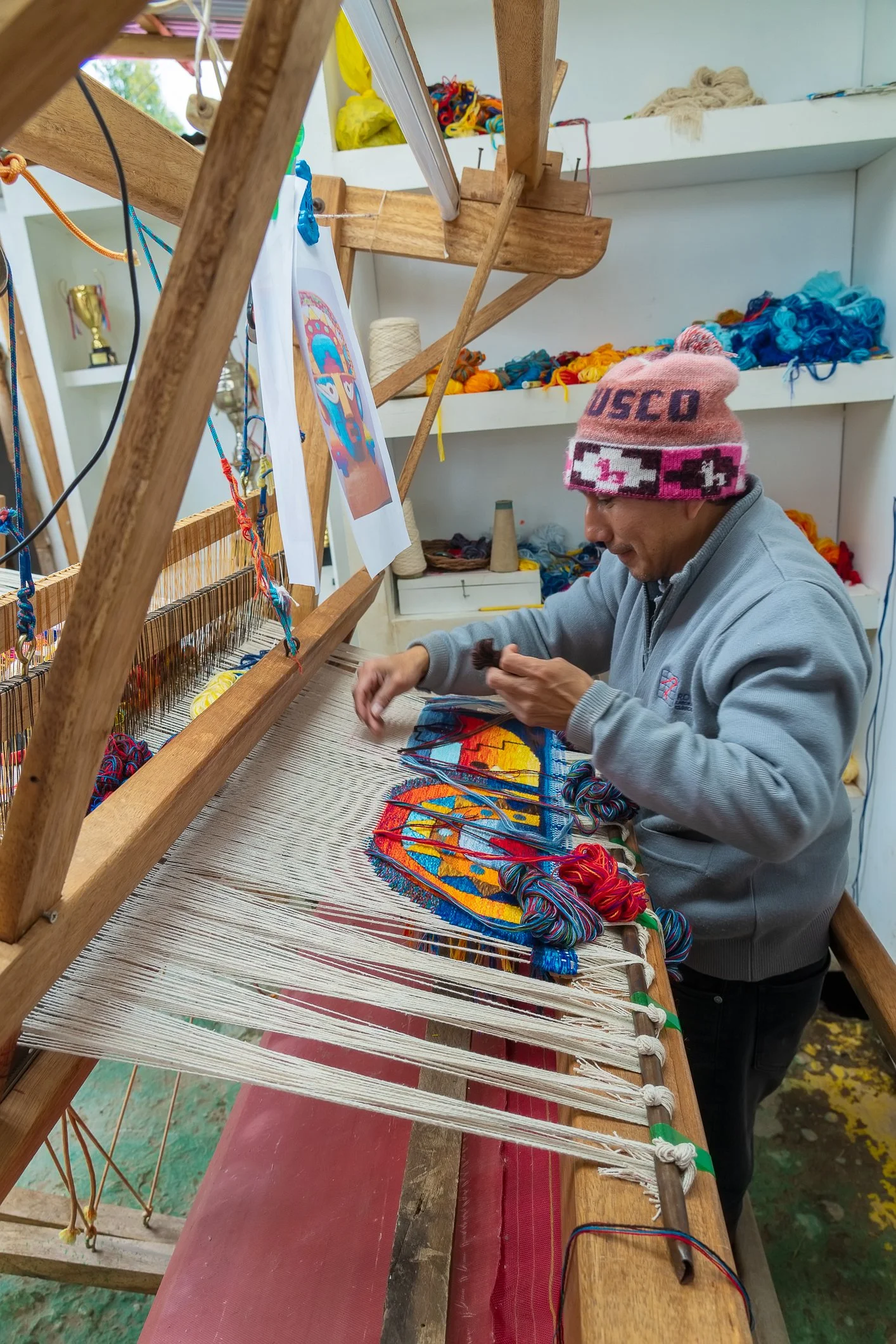
With the dyed fibres ready, the next step is to transform the wool into yarn that can be woven. First, the clean wool is spun by hand into yarn, often using simple spindles. Once spun, the yarn is dyed with natural pigments, creating rich, lasting colours before any weaving begins. Finally, the dyed yarn is woven on backstrap or floor looms, traditional tools that allow artisans to create detailed patterns filled with cultural meaning.

Colours are carefully combined with meaningful motifs that tell stories of daily life and belief. Patterns often represent mountains, symbolising strength and protection, animals like llamas and condors that reflect survival and spirituality, and rivers that stand for life and movement. Many designs also show farming cycles, honouring the rhythm of planting and harvest, while spiritual symbols pay respect to Pachamama (Mother Earth), expressing gratitude for nature and balance in the world.

Kiedy włókna są gotowe, przędzie się zazwyczaj przy użyciu prostych wrzecion. Następnie przędza jest barwiona naturalnymi pigmentami, tworząc trwałe kolory, zanim przystępuje się do tkania. Na końcu przędzę tka się na krosnach pasażowych lub podłogowych, dzięki którym powstają wzory pełne znaczenia kulturowego.

Kolory łączy się z motywami opowiadającymi historie codziennego życia i wierzeń. Wzory często przedstawiają góry symbolizujące siłę i ochronę, zwierzęta, jak lamy i kondory, odzwierciedlające przetrwanie i duchowość, oraz rzeki, które oznaczają życie i przepływ. Wiele wzorów pokazuje też cykle rolnicze, oddając hołd rytmowi siewu i zbiorów, a symbole duchowe wyrażają szacunek dla Pachamamy, Matki Ziemi.

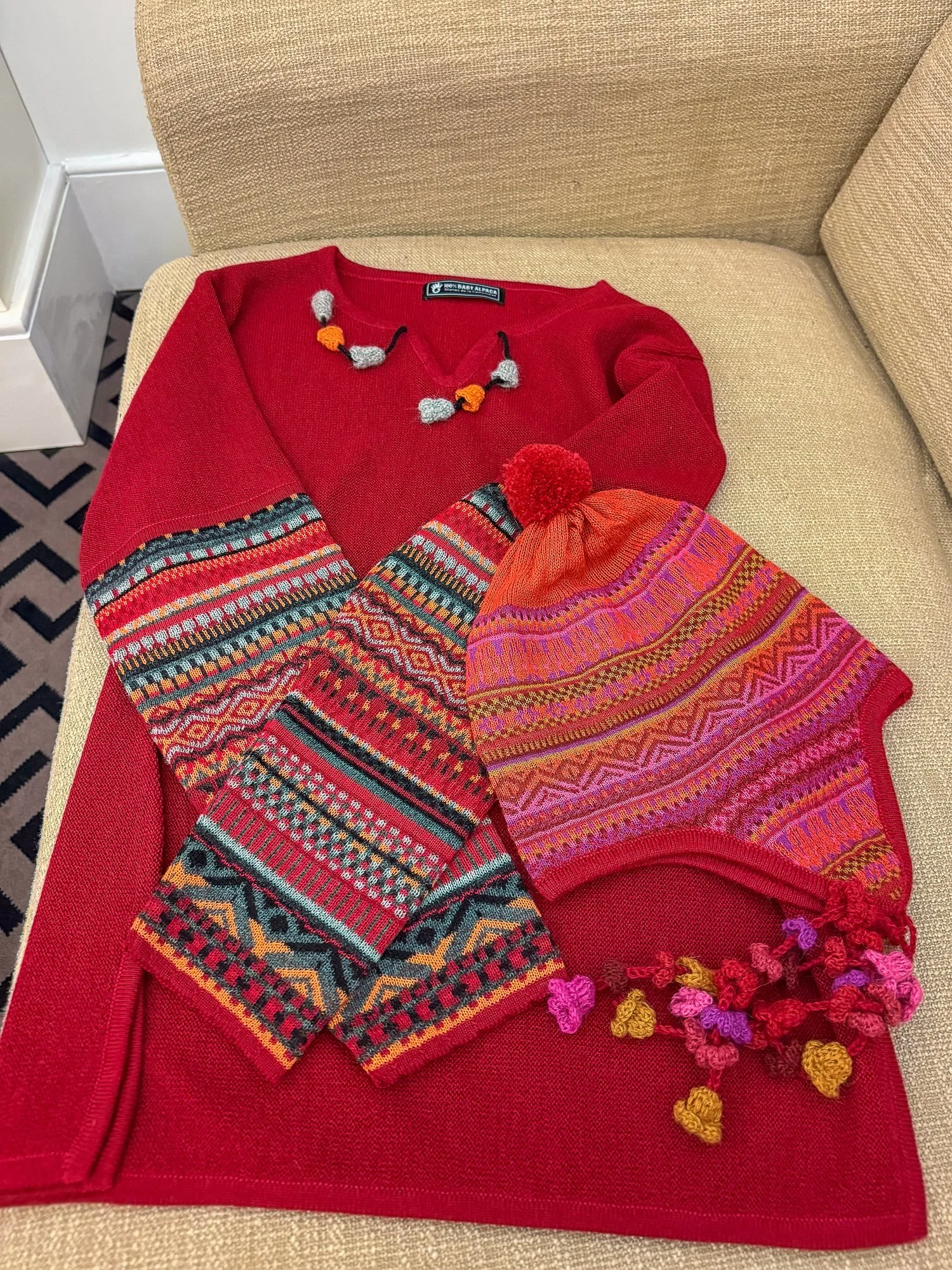
The on-site shop sells a variety of authentic, handcrafted wool products - from garments like ponchos, sweaters, and gloves to smaller souvenirs - often made locally by community artisans. We ended up buying beautiful and reasonably priced baby alpaca jumpers and hats.

Na miejscu jest też sklep, w którym można kupić autentyczne wyroby rękodzielnicze – od ubrań, jak poncza, swetry i rękawice, po drobne pamiątki – często robione przez lokalnych rzemieślników. My wróciliśmy z pięknymi sweterkami i czapkami z wełny młodych alpak.

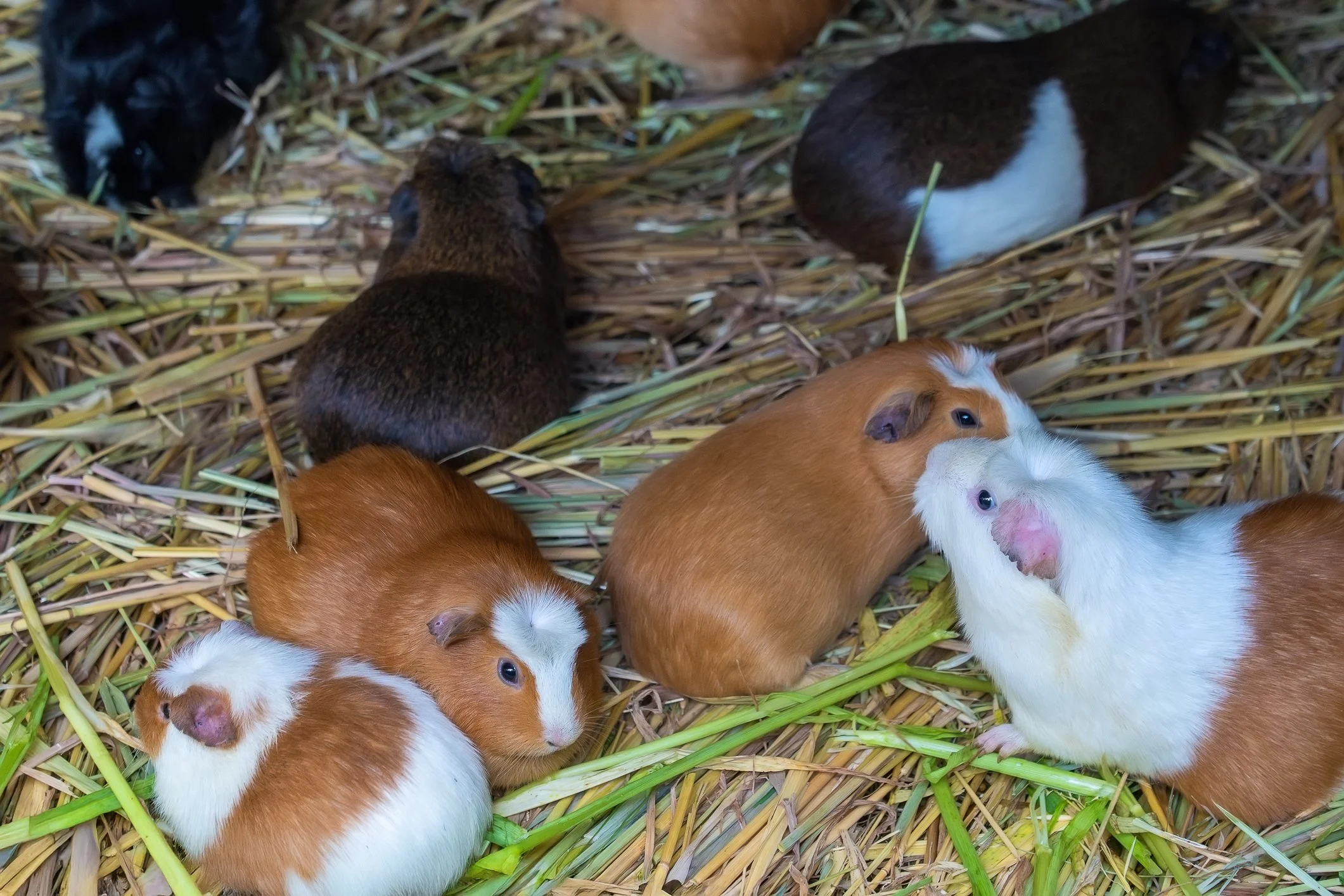
Finally, we also saw guinea pigs. Cuy have been an important food source since pre-Inca times. They are well suited to highland life because they require little space, reproduce quickly, and can be fed kitchen scraps and local plants. In rural communities, families often raise them at home rather than on large farms. Beyond nutrition, cuy also have cultural significance. They are commonly prepared for special occasions, festivals, and celebrations, and in some traditions they are associated with health and ritual practices.


Na koniec zobaczyliśmy też świnki morskie. Cuy od czasów preinkaskich były ważnym źródłem pożywienia. Nadają się do hodowli w Andach, bo potrzebują mało miejsca, szybko się rozmnażają i można je karmić resztkami kuchennymi oraz lokalnymi roślinami. W wielu rodzinach hoduje się je w domu, a nie na dużych farmach. Poza wartością odżywczą mają też znaczenie kulturowe - przygotowuje się je na specjalne okazje, podczas festiwali i świąt.
Mantay Modern Art Gallery

On the way to our hotel we spotted a gallery and figured we would pop in. It turned out to be the Mantay Modern Art Gallery, and little did I know during this visit that it was inside the Palacio del Inka, where we will stay during the last days of this trip. The Mantay gallery is focused on showcasing major contemporary Peruvian artists.

They currently have an exhibition called “Mitológica” by Luis “Mamanka” Sifuentes, which runs from January through April 2025. It includes diverse pieces in various materials (bronze patinated, alabaster, etc.), exploring themes like love, fear, desarraigo (rootlessness), desire, and the animalistic side of things.

W drodze do naszego hotelu zauważyliśmy galerię sztuki i postanowiliśmy zajrzeć do środka. Okazało się, że to Galeria Sztuki Współczesnej Mantay, i nie wiedziałam wtedy jeszcze, że znajduje się ona w Palacio del Inka – hotelu, który mamy zabukowany na ostatnie dni tej podróży. Galeria Mantay skupia się na prezentowaniu współczesnych peruwiańskich artystów.

Obecnie znajduje się tam wystawa zatytułowana „Mitológica” autorstwa Luisa „Mamanki” Sifuentesa, która trwa od stycznia do kwietnia 2025 roku. Zgromadzone prace wykonane są z różnych materiałów (brąz patynowany, alabaster, itd.) i poruszają tematy takie jak miłość, strach, desarraigo (oderwanie od korzeni), pragnienia, czy zwierzęca natura człowieka

The place also has a boutique gallery shop which supports a social project – the Mantay shelter for teenage mothers and their children. Some of the work sold is made in workshops of the shelter, and the proceeds go towards that project.

I treated myself to a pair of silver earrings in the shop 😊

Na miejscu znajduje się również  sklep, który wspiera projekt społeczny – schronisko Mantay dla nastoletnich matek i ich dzieci. Część przedmiotów dostępnych w sprzedaży powstaje w warsztatach tego schroniska, a dochód ze sprzedaży jest przeznaczony na jego działalność.

Kupiłam sobie tam zatem srebrne kolczyki 😊