view

Room and bar

The room is simple but nice, and we can just about see a cathedral from the window if we look to the side. For our Korean online lesson, I stay in the room and Marcin goes to the lounge, which is conveniently empty.

Pokój jest prosty, ale przyjemny, a z okna patrzeć mocno do boku można nawet zobaczyć katedrę. Na naszą lekcję koreańskiego online ja zostaję w pokoju, a Marcin idzie do hotelowego lounge’u, który jest wygodnie pusty.

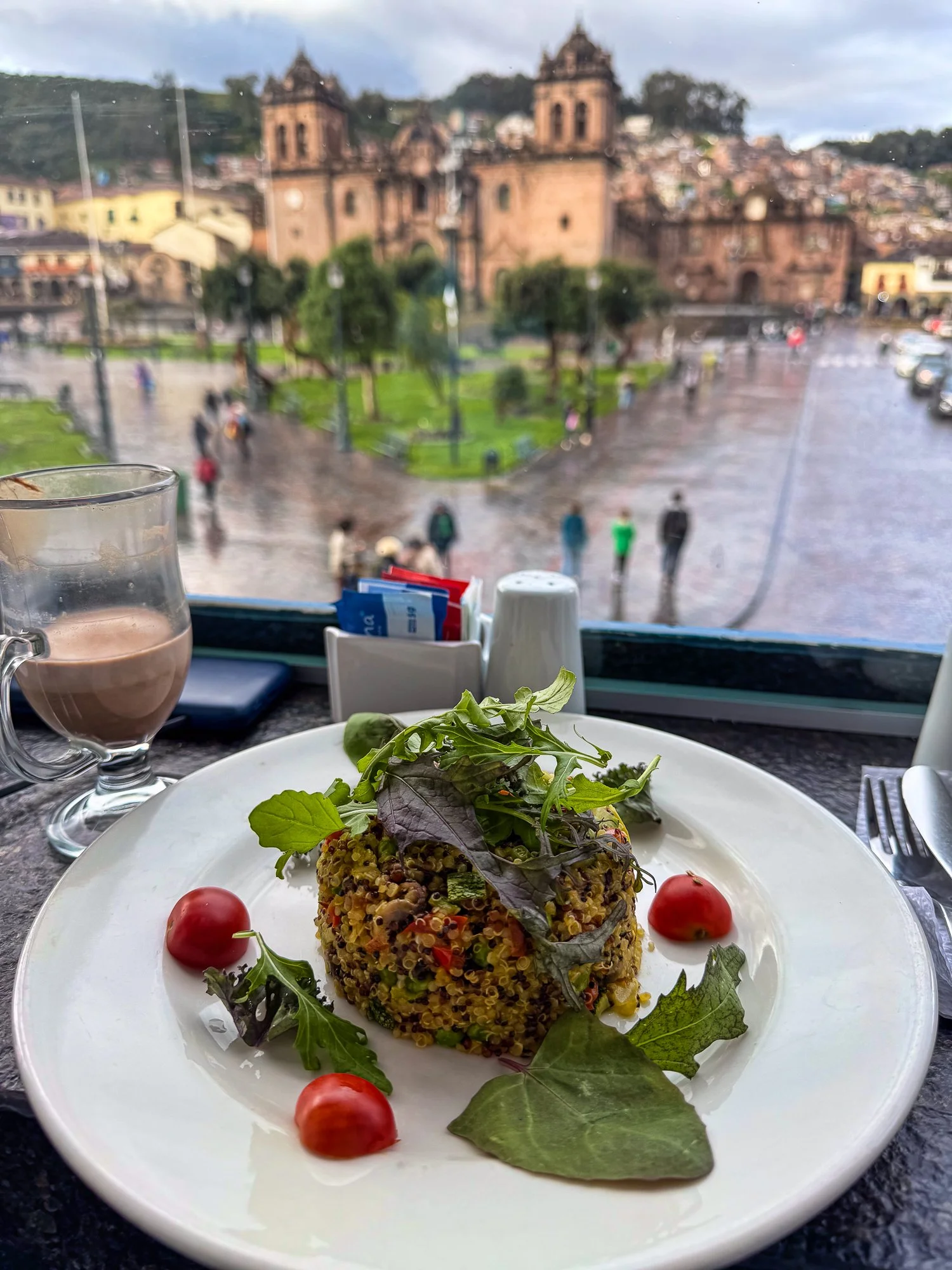
After Korean we pop into the bar for a savoury snack, another cup of coca tea and hot chocolate. Here, hot chocolate is nothing like the sweet, sugary drinks we are accustomed to in Europe. Instead, it is rich with real cacao fat, offering a deeper, more profound taste with much less or no sugar at all.

Po koreańskim wpadamy do baru na przekąskę, kolejną filiżankę herbaty z koki i gorącą czekoladę. Gorąca czekolada nie przypomina tutaj słodkiego napoju, do którego jesteśmy przyzwyczajeni w Europie. Zamiast tego jest bogata w prawdziwy tłuszcz kakaowy, oferując głębszy, bardziej wyrazisty smak z dużo mniejszą ilością cukru lub nawet zupełnie bez cukru.

And we also discover the balcony. Oh, what a treat it is. The view is just perfect. From our perch, we can see the majestic cathedral, the stunning Jesuit church, and the bustling expanse of the Plaza de Armas below us.

I odkrywamy też balkon. Och, balkon jest fenomenalny. Możemy z niego podziwiać majestatyczną katedrę, wspaniały kościół jezuicki i tętniącą życiem przestrzeń całego Plaza de Armas.

Cactus Thiemann

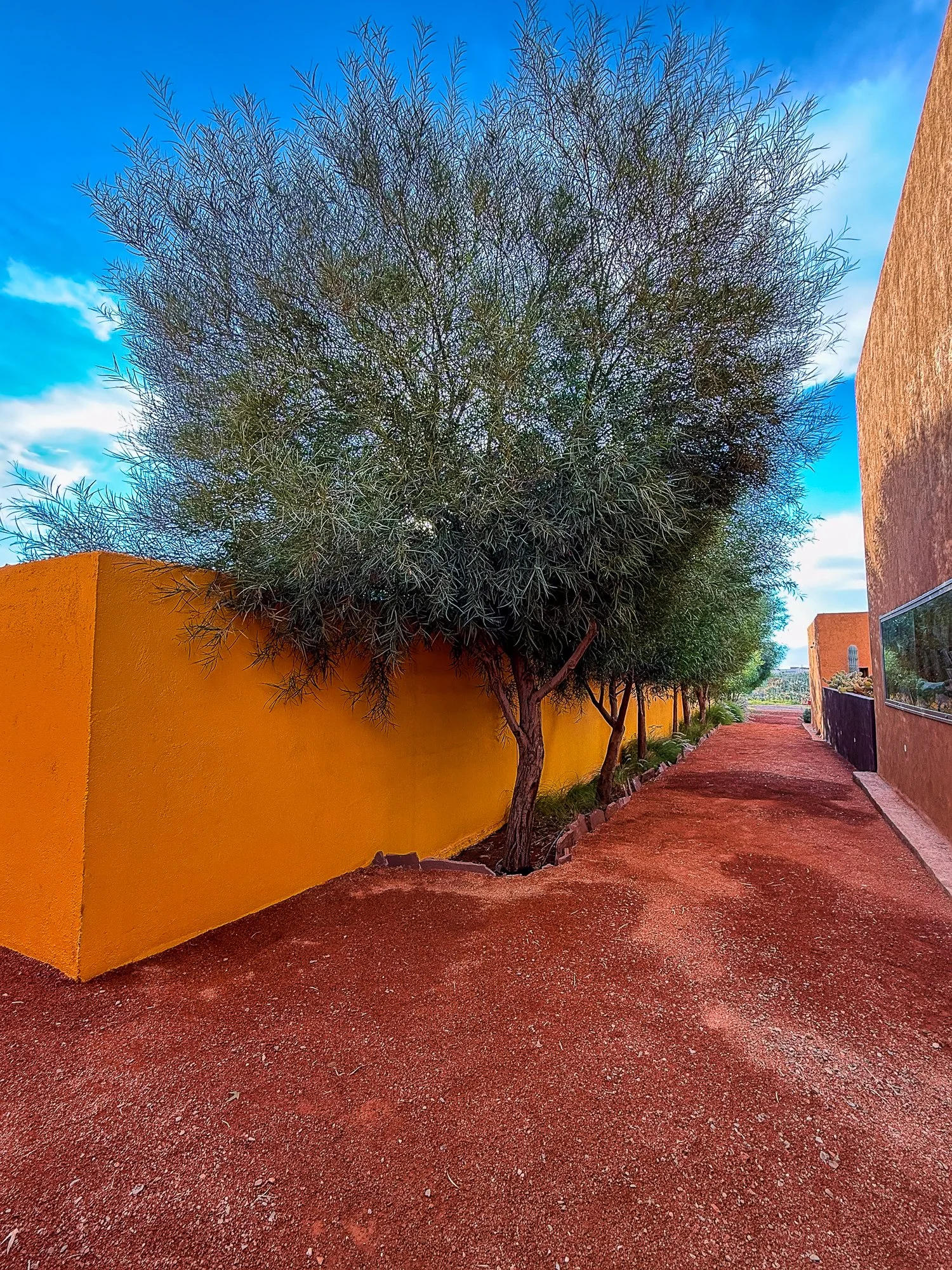
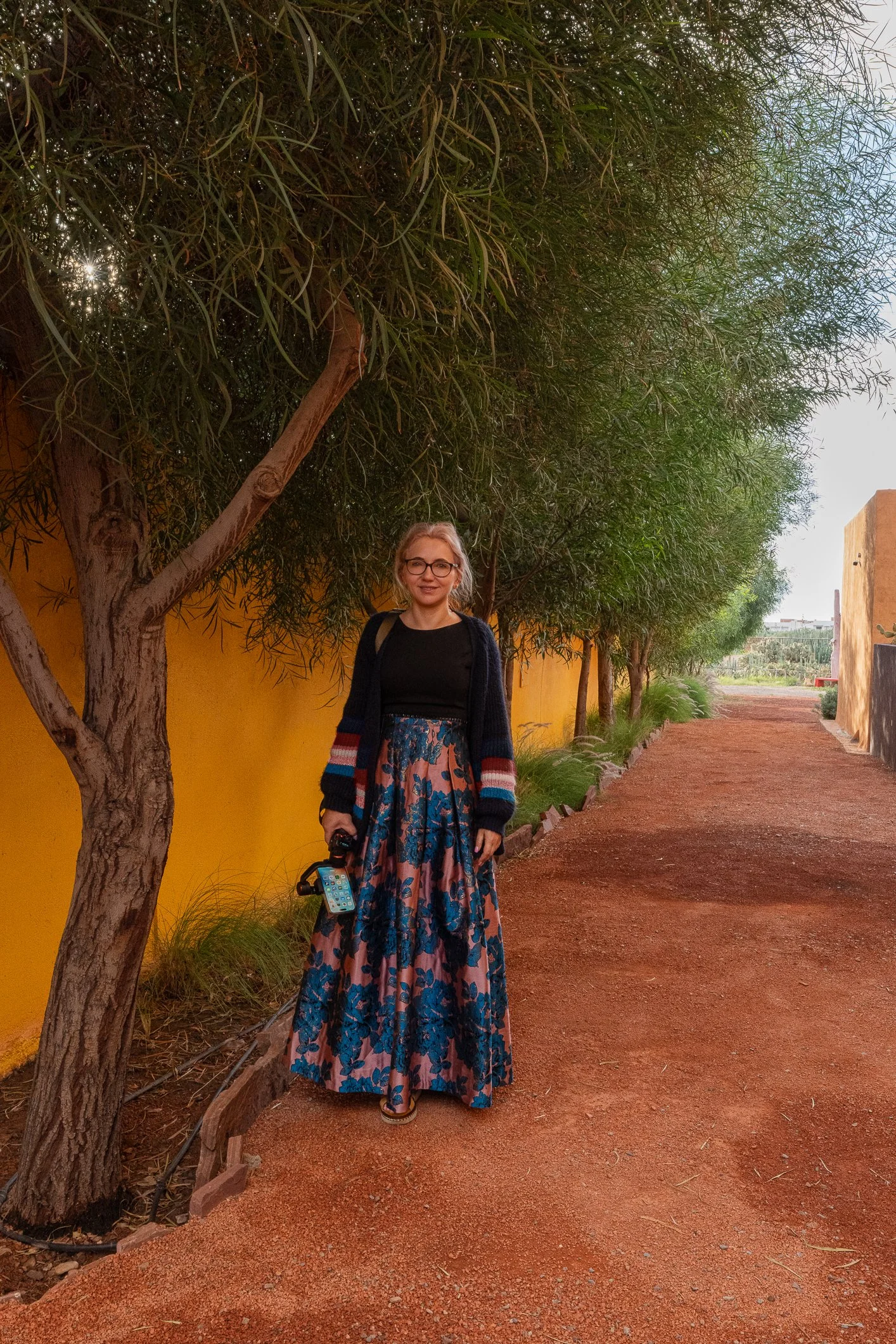
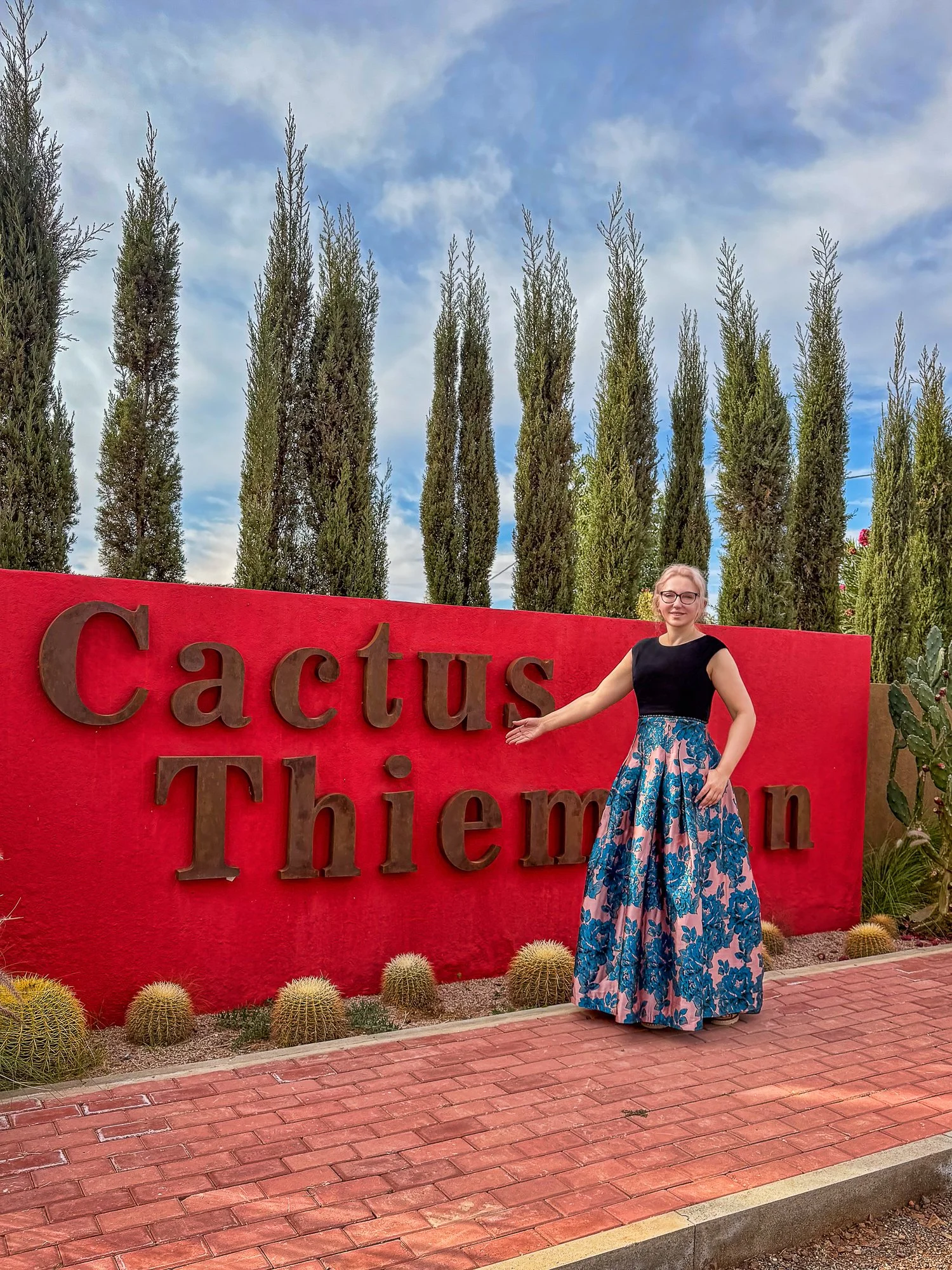
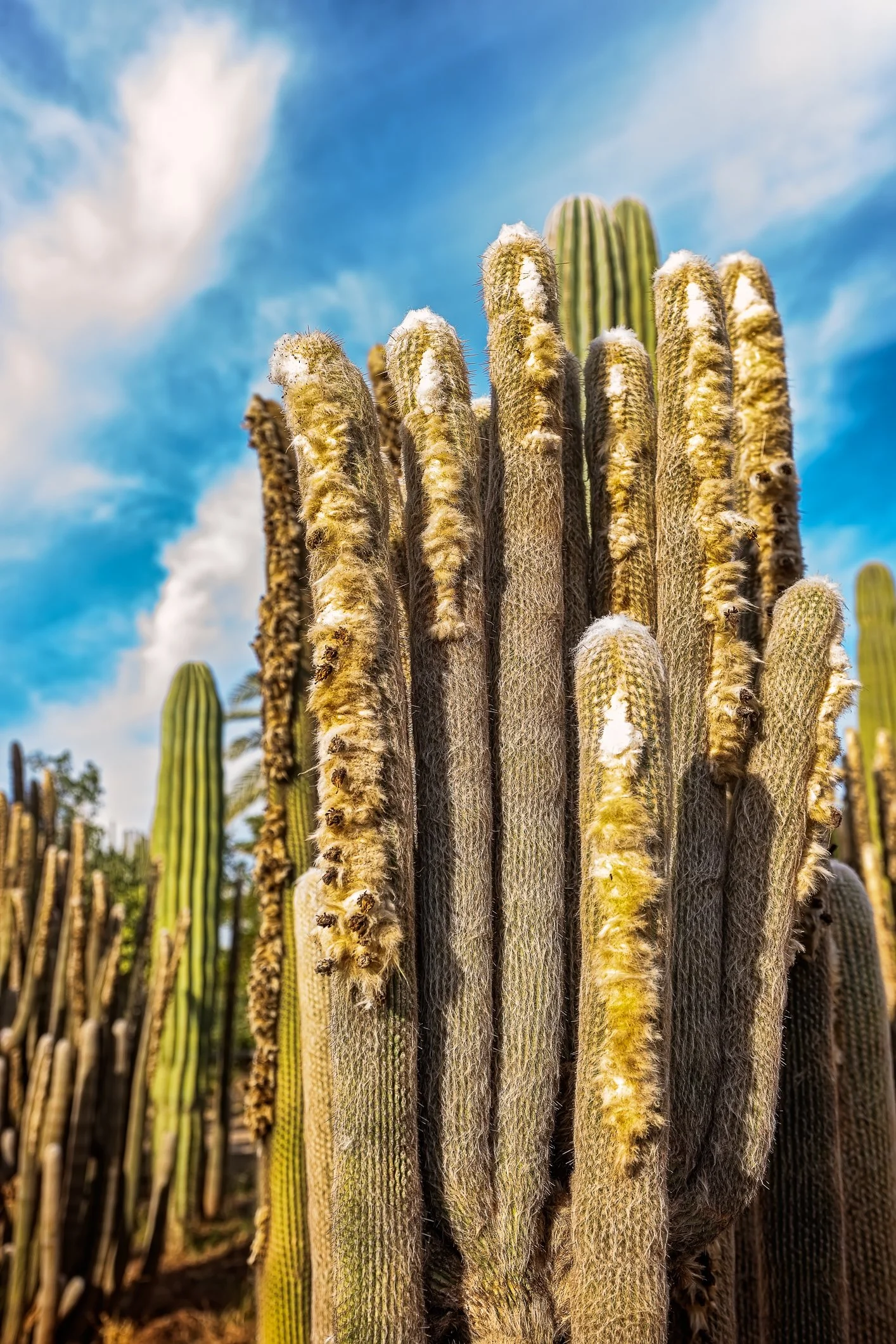
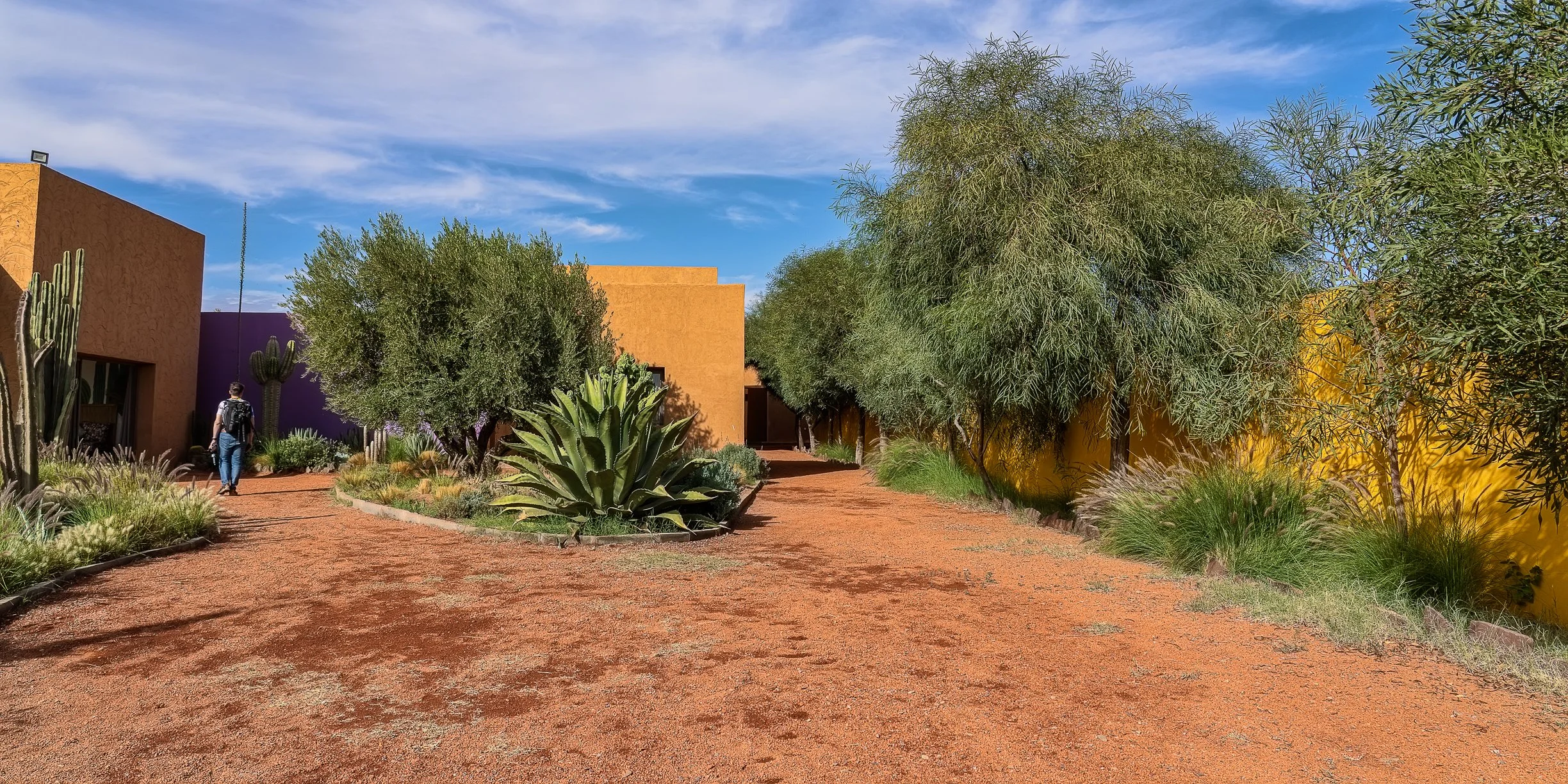
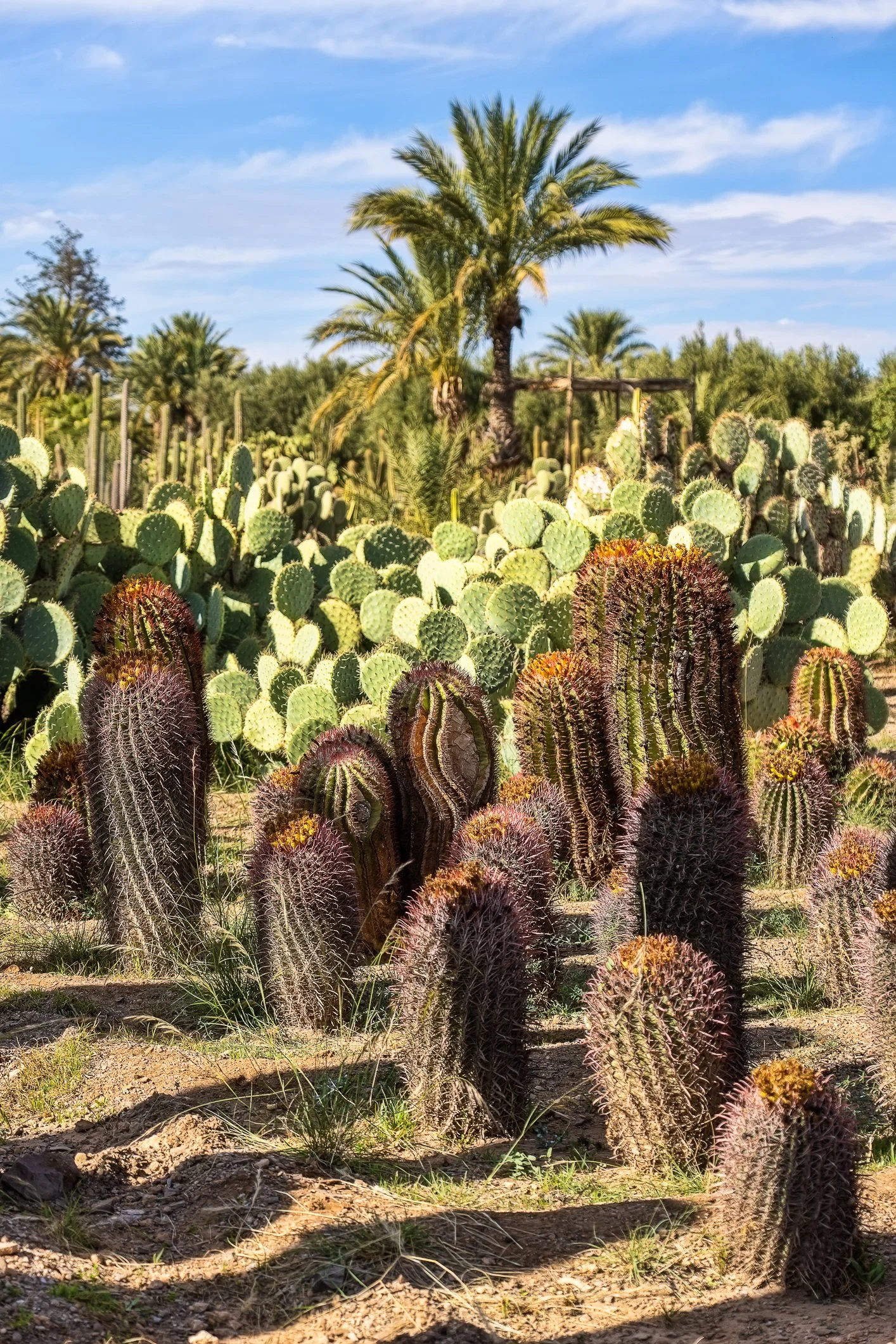
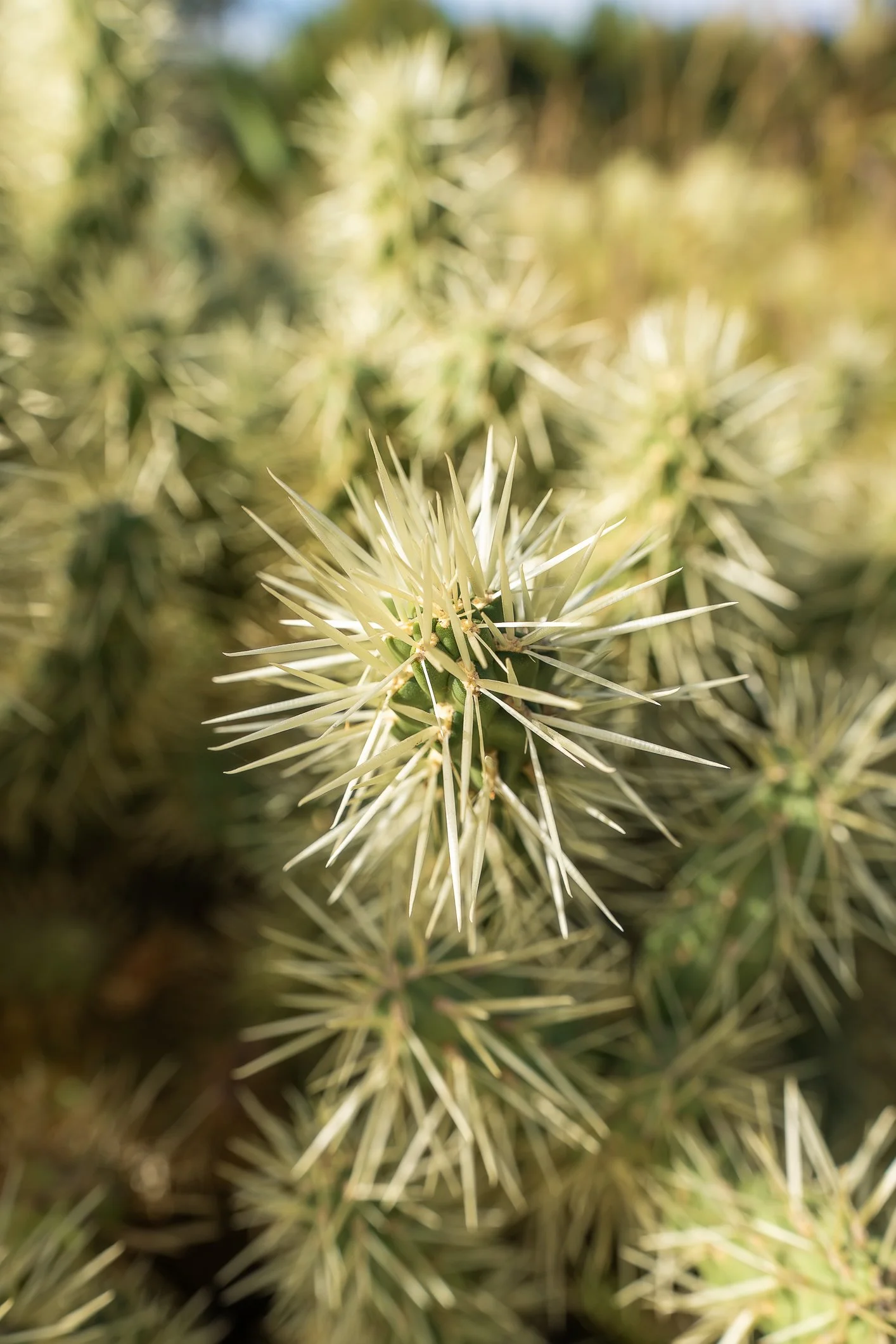
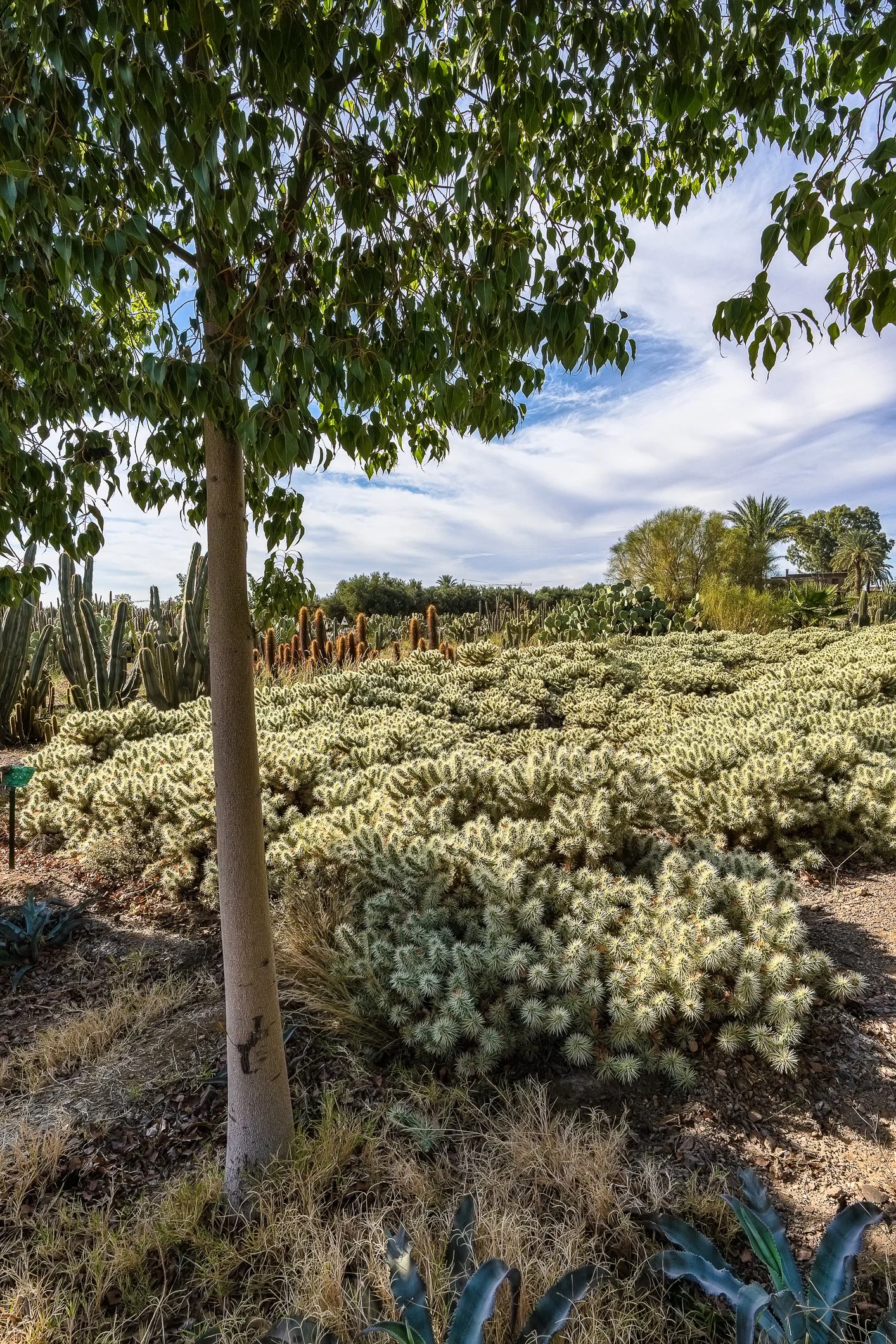
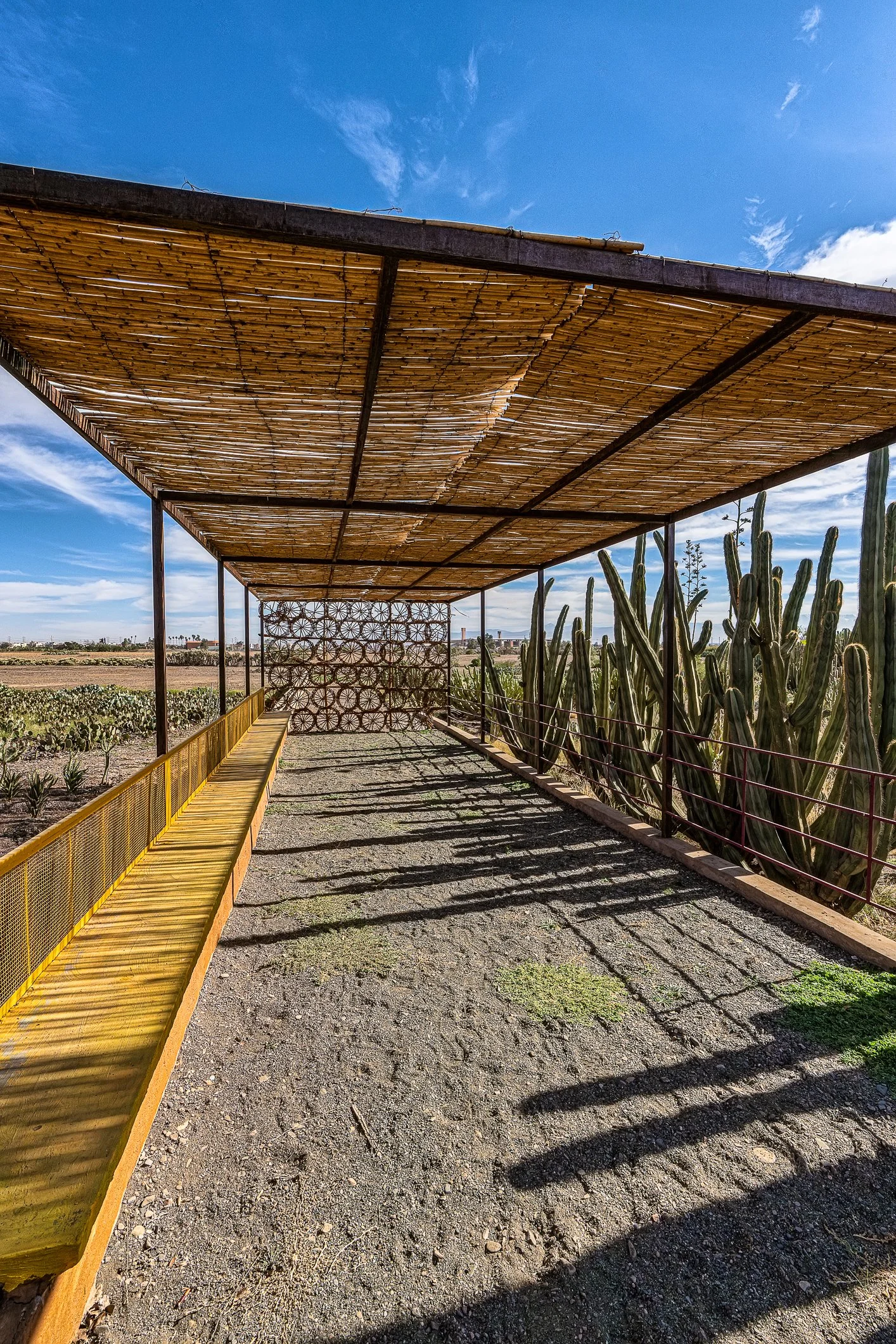
Cactus Thiemann sits about 10 km outside Marrakesh on the road toward Casablanca. It’s not a landscaped “designer garden” like Jardin Majorelle. It feels closer to a large-scale agricultural collection that just happens to be visually striking. The farm has also historically supplied plants to hotels and landscaping projects around Marrakesh, so it has had a commercial role alongside being a private collection. It was started in 1964 by Hans Thiemann, a German engineer who began importing and cultivating cactus species on what was essentially farmland.

In terms of visiting, it’s relatively straightforward but slightly inconvenient. There’s no real public transport that drops you anywhere close to the entrance. We opted for transport included in the online ticket, and they collected us from central Marrakesh. The return, however, was too early for us, so we called a taxi to take us back in the late afternoon. The result was perfect: a nearly empty farm in the morning, and then no one else but us later on. It makes such a difference when you can take in all this beauty without crowds everywhere.


Cactus Thiemann znajduje się około 10 km od Marrakesz, przy drodze w kierunku Casablanki. Nie jest to wypielęgnowany, „designerski” ogród w stylu Jardin Majorelle. Bardziej przypomina rozległą kolekcję rolniczą, która przy okazji wygląda spektakularnie. Przez lata farma dostarczała rośliny do hoteli i projektów zieleni w Marrakeszu, więc oprócz funkcji prywatnej kolekcji miała też całkiem praktyczne zastosowanie. Miejsce zostało założone w 1964 roku przez Hansa Thiemanna, niemieckiego inżyniera, który zaczął sprowadzać i uprawiać kaktusy na terenie, który wcześniej był po prostu ziemią rolną.

Sama wizyta jest dość prosta do zorganizowania, choć nieco niewygodna logistycznie. Nie ma bowiem za bardzo transportu publicznego, który dowoziłby pod samo wejście. Jadąc w tamtą stronę skorzystaliśmy z transportu wliczonego w bilet kupiony online - odebrano nas z centrum Marrakeszu. Problem pojawił się przy powrocie, bo przewidziana godzina odjazdu do Marrakeszu była dla nas za wczesna, więc w końcu udało nam się zamówić taksówkę na późne popołudnie. Wyszło to jednak bardzo na plus: rano było niemal pusto, a później mieliśmy to miejsce praktycznie już tylko dla siebie. Zupełnie inne doświadczenie niż zwiedzanie w tłumie.

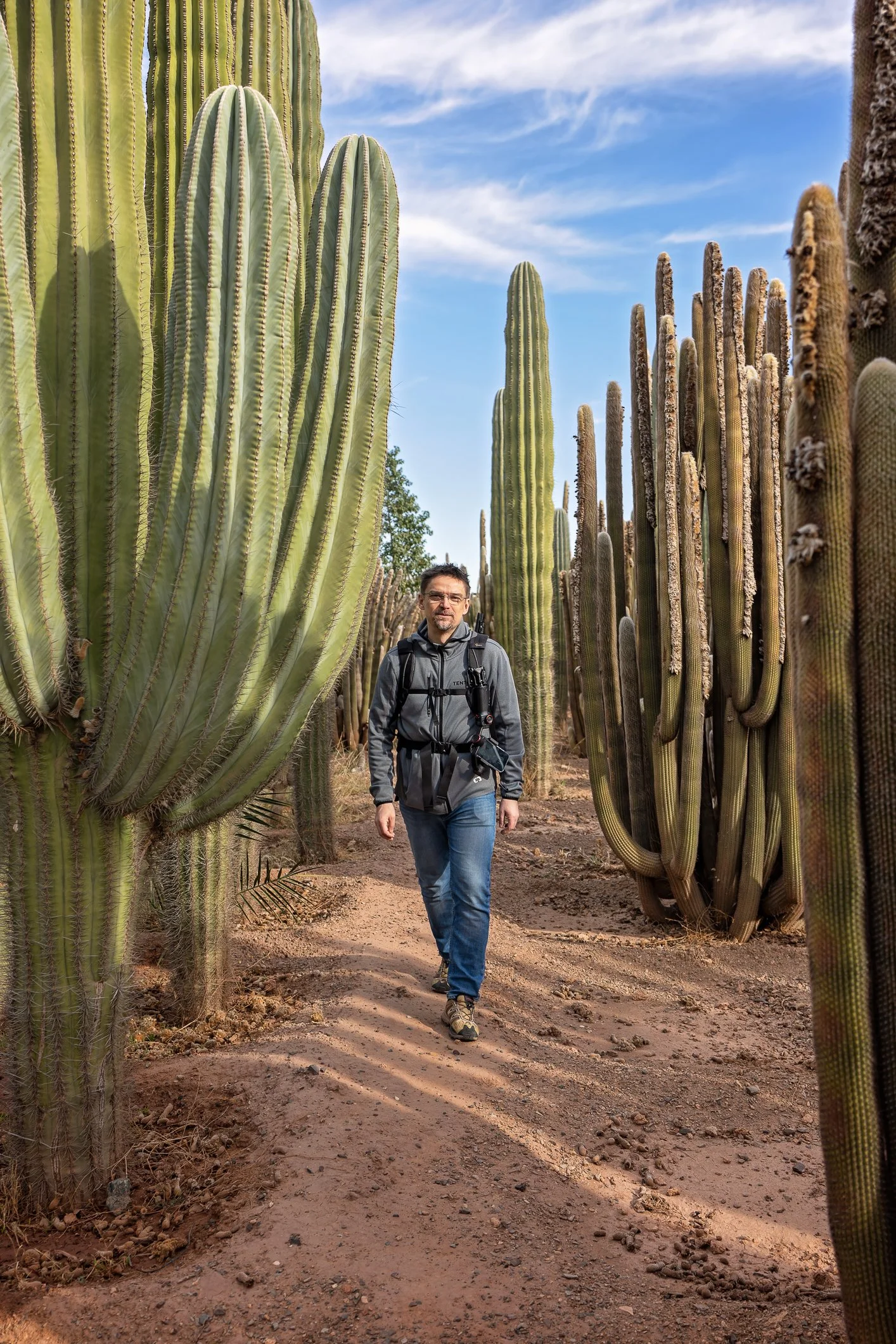
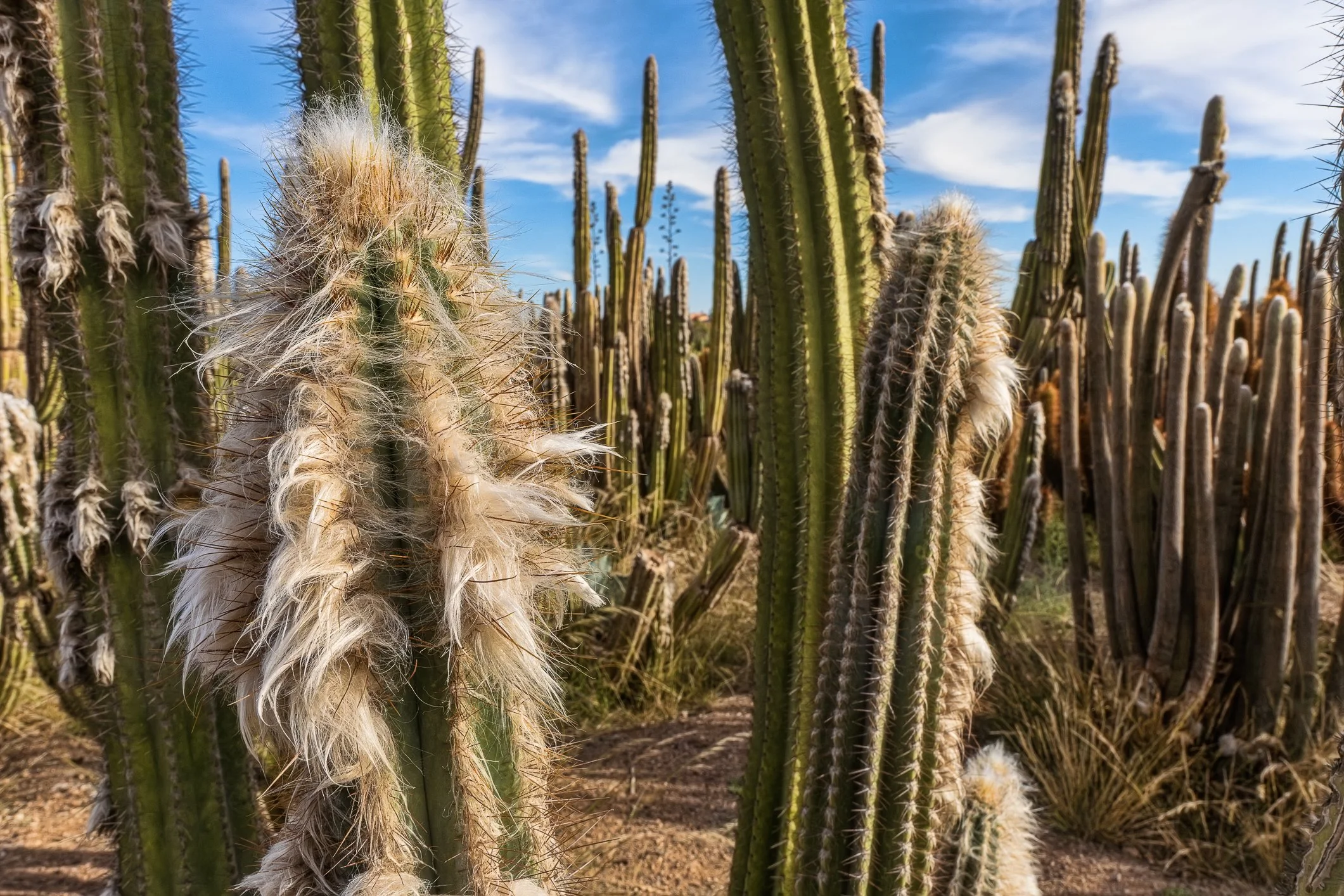
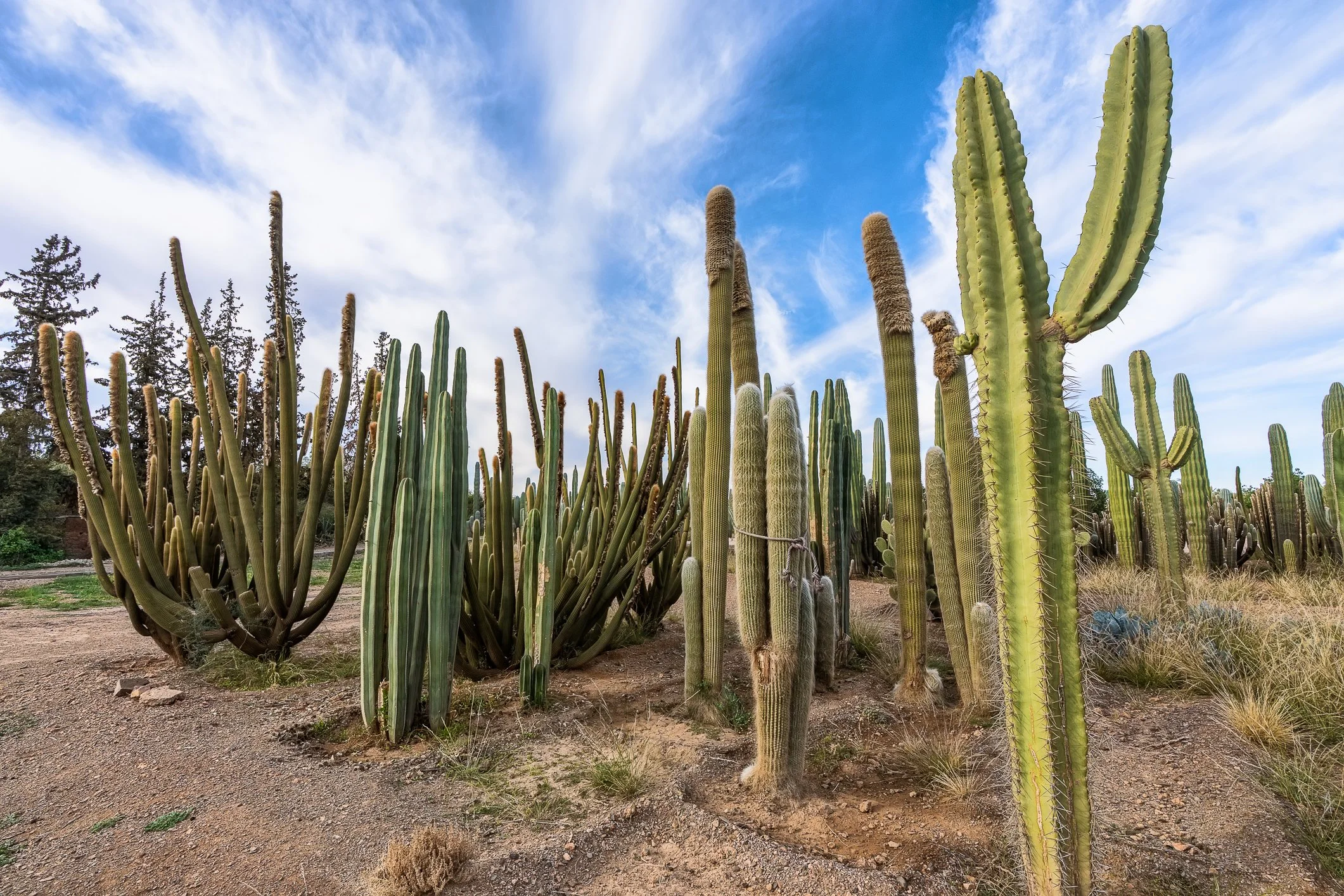
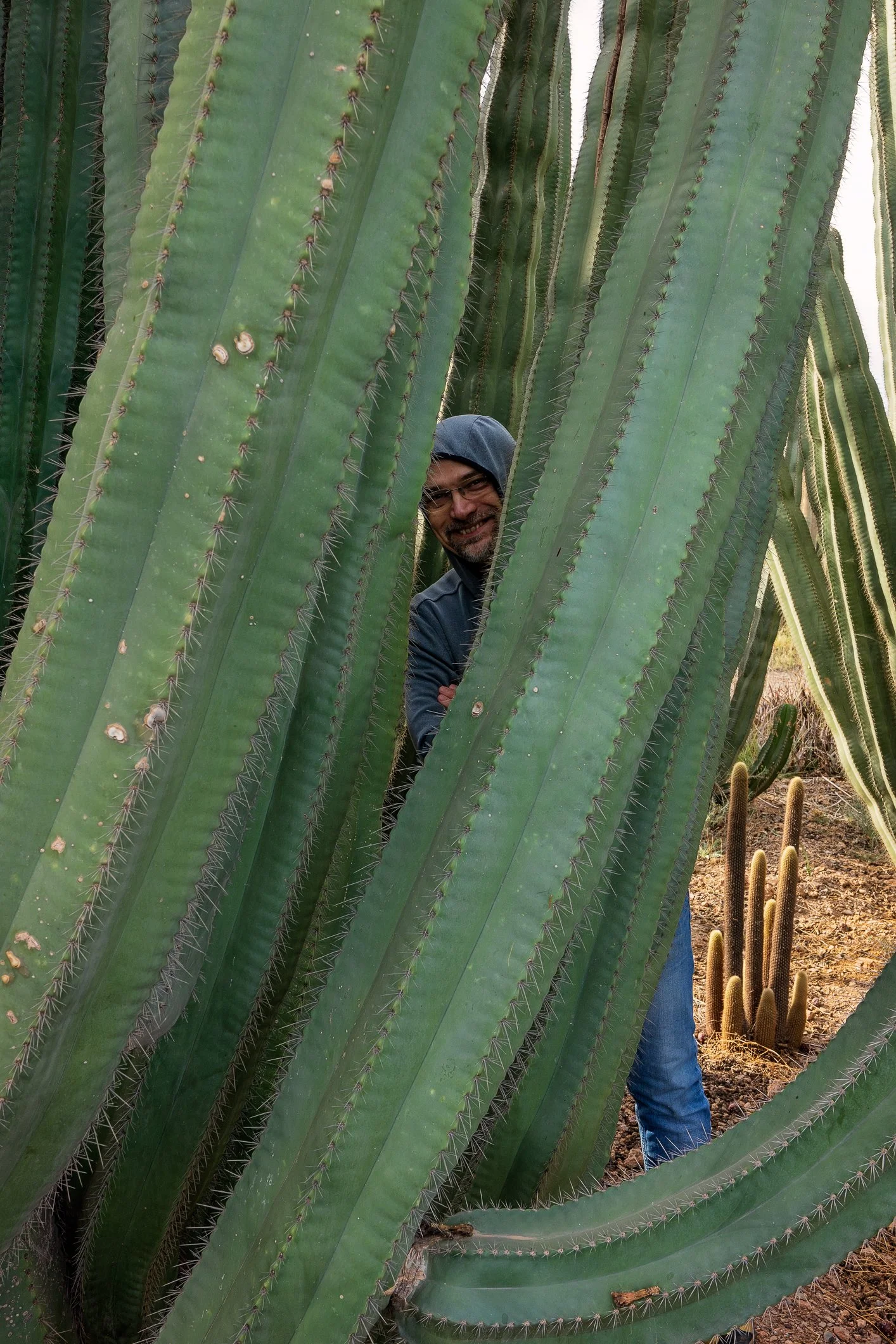
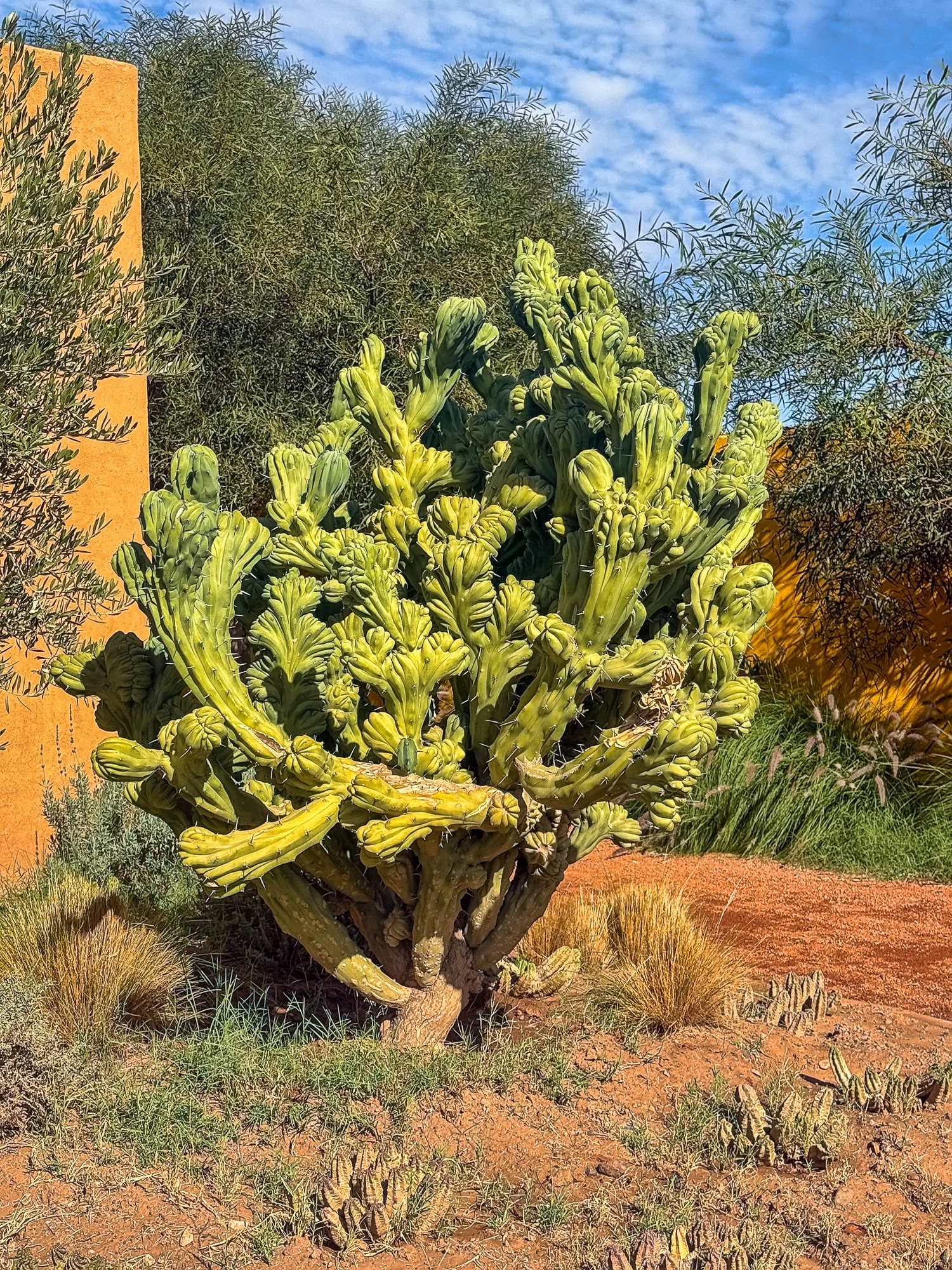
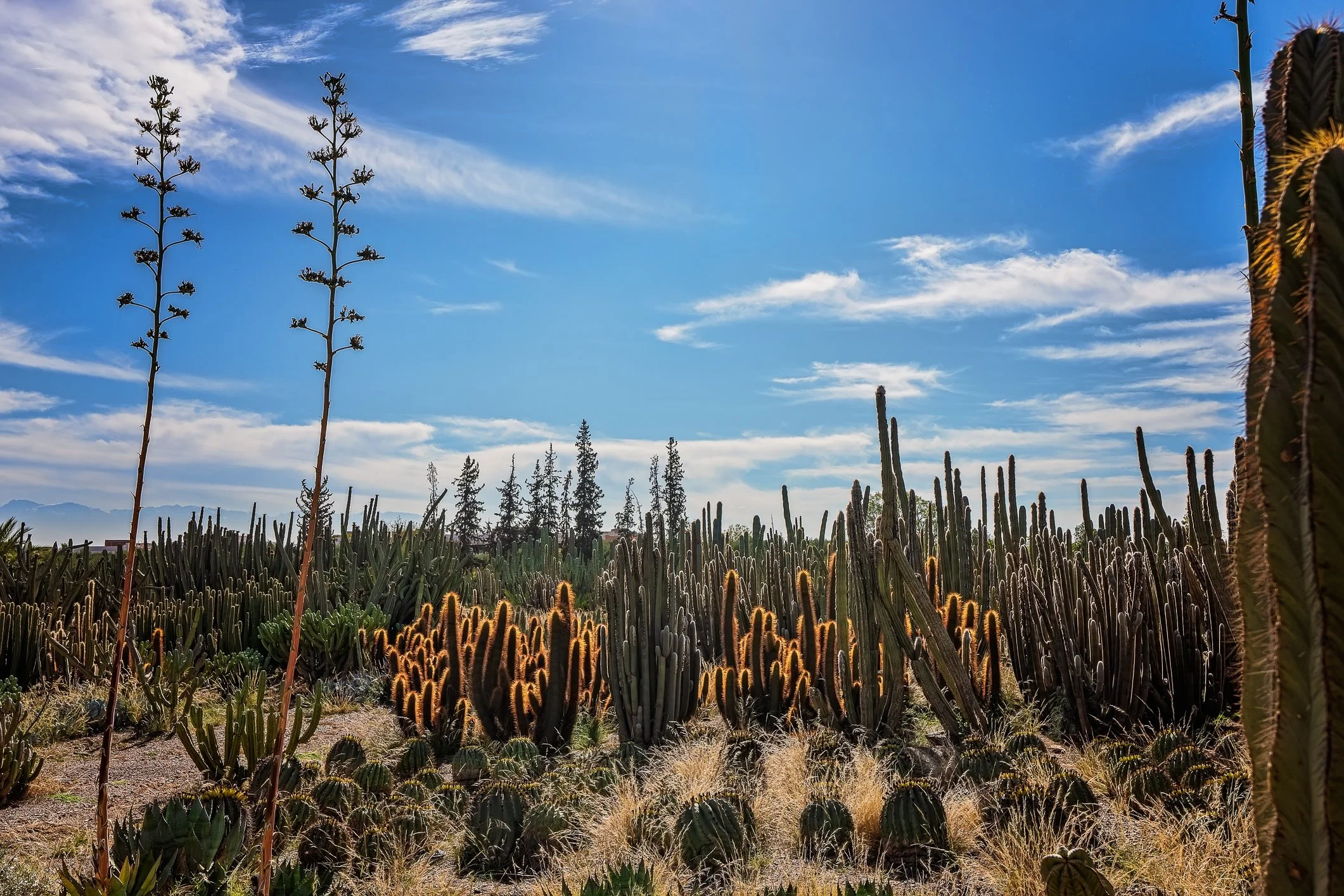
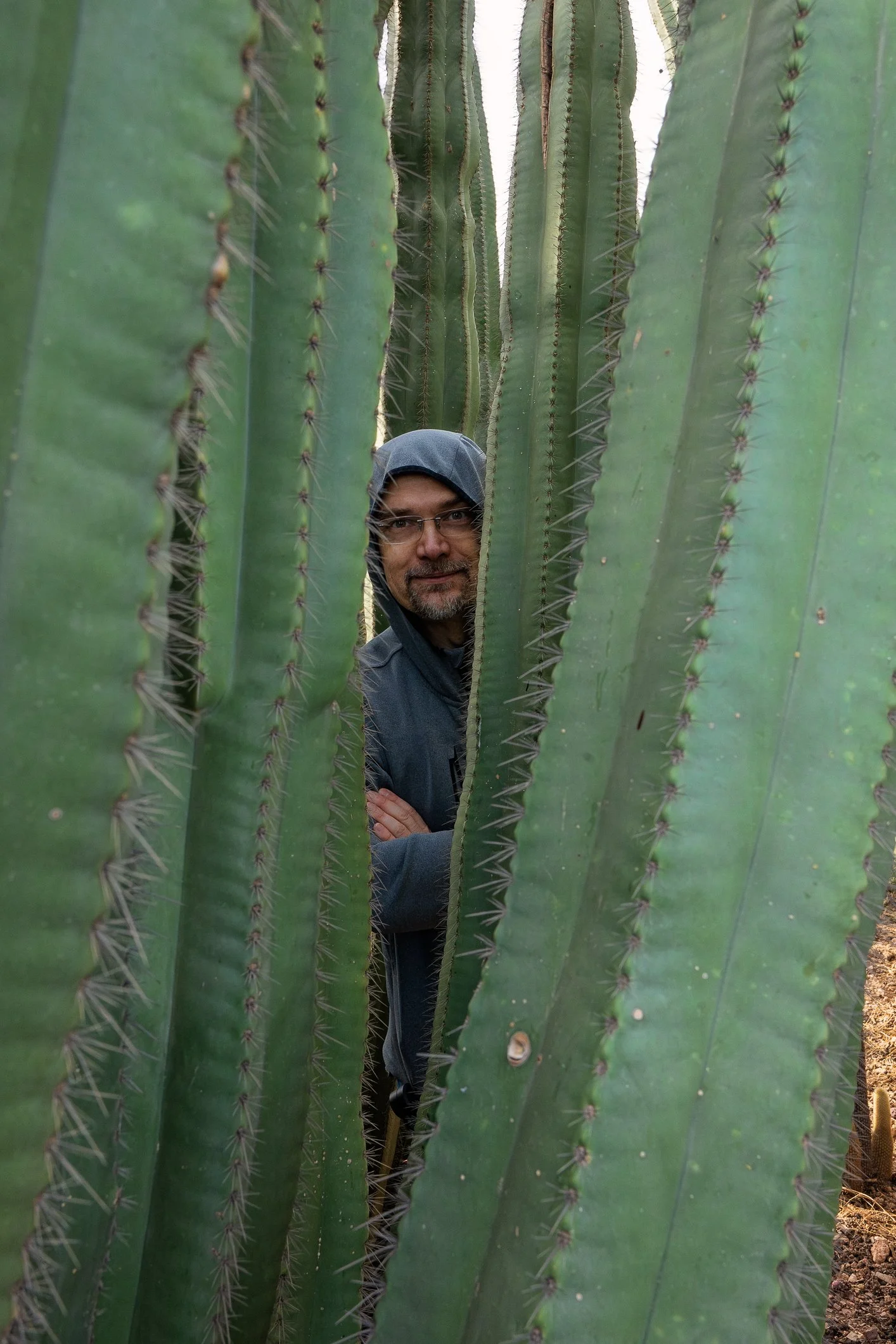
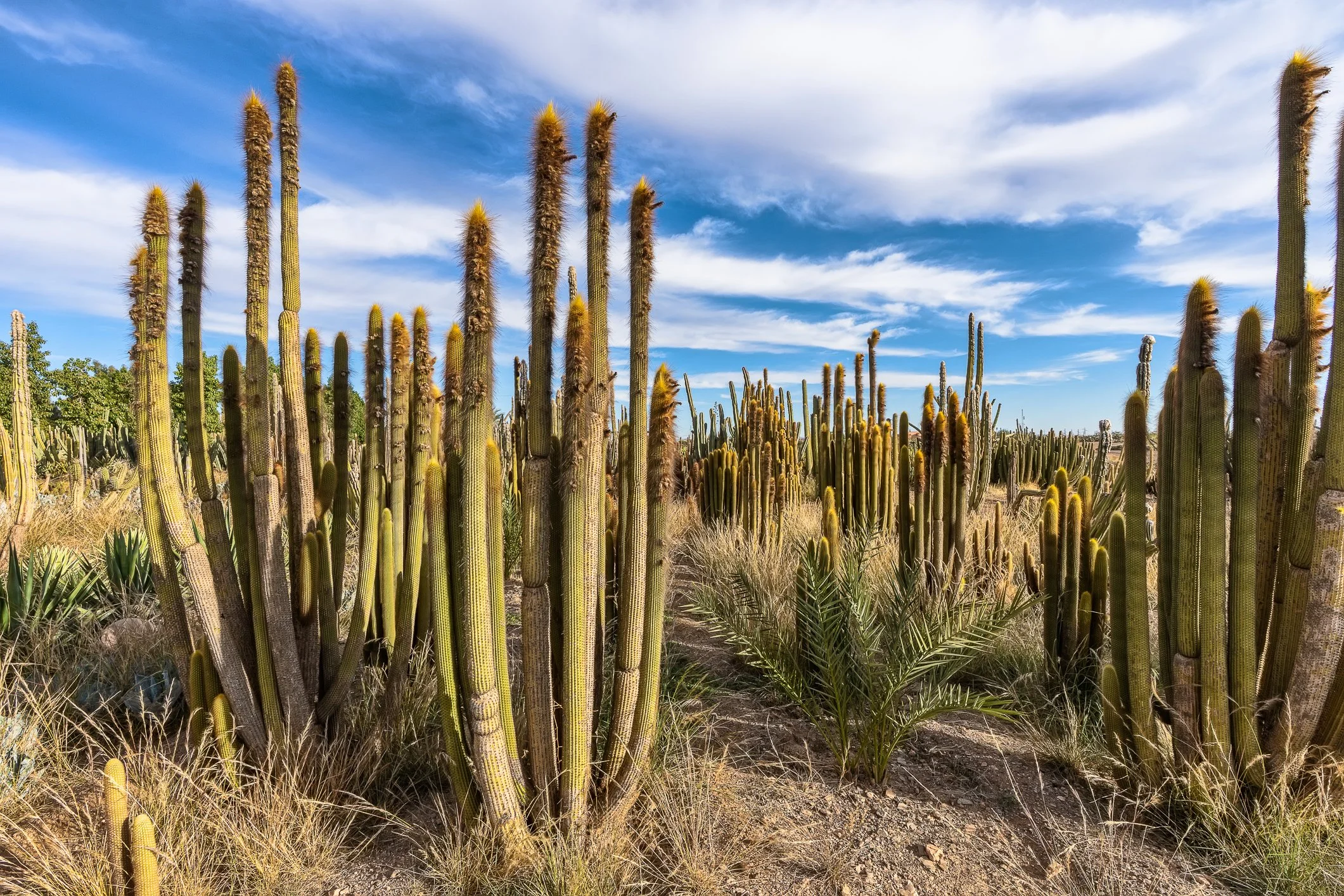
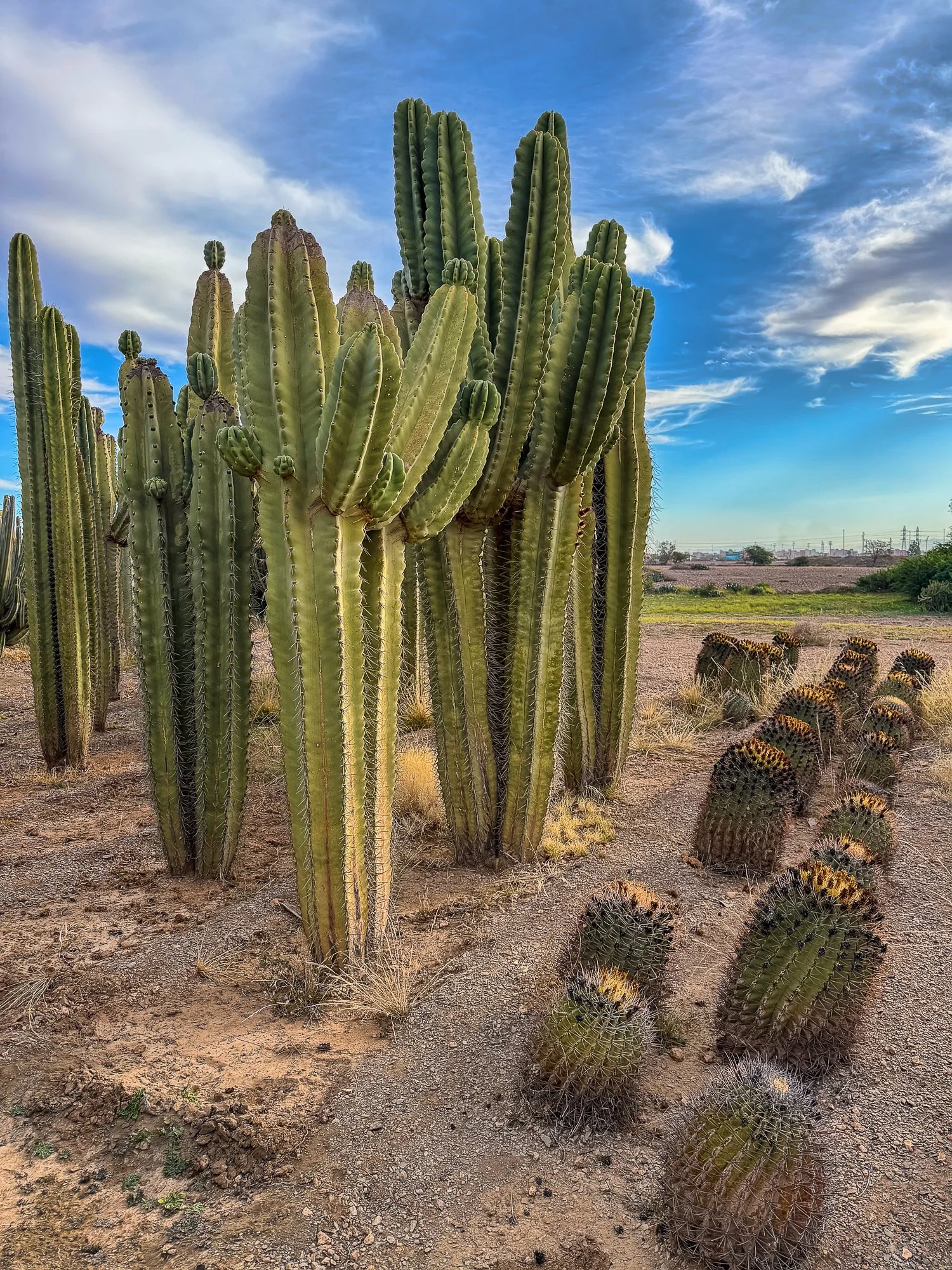
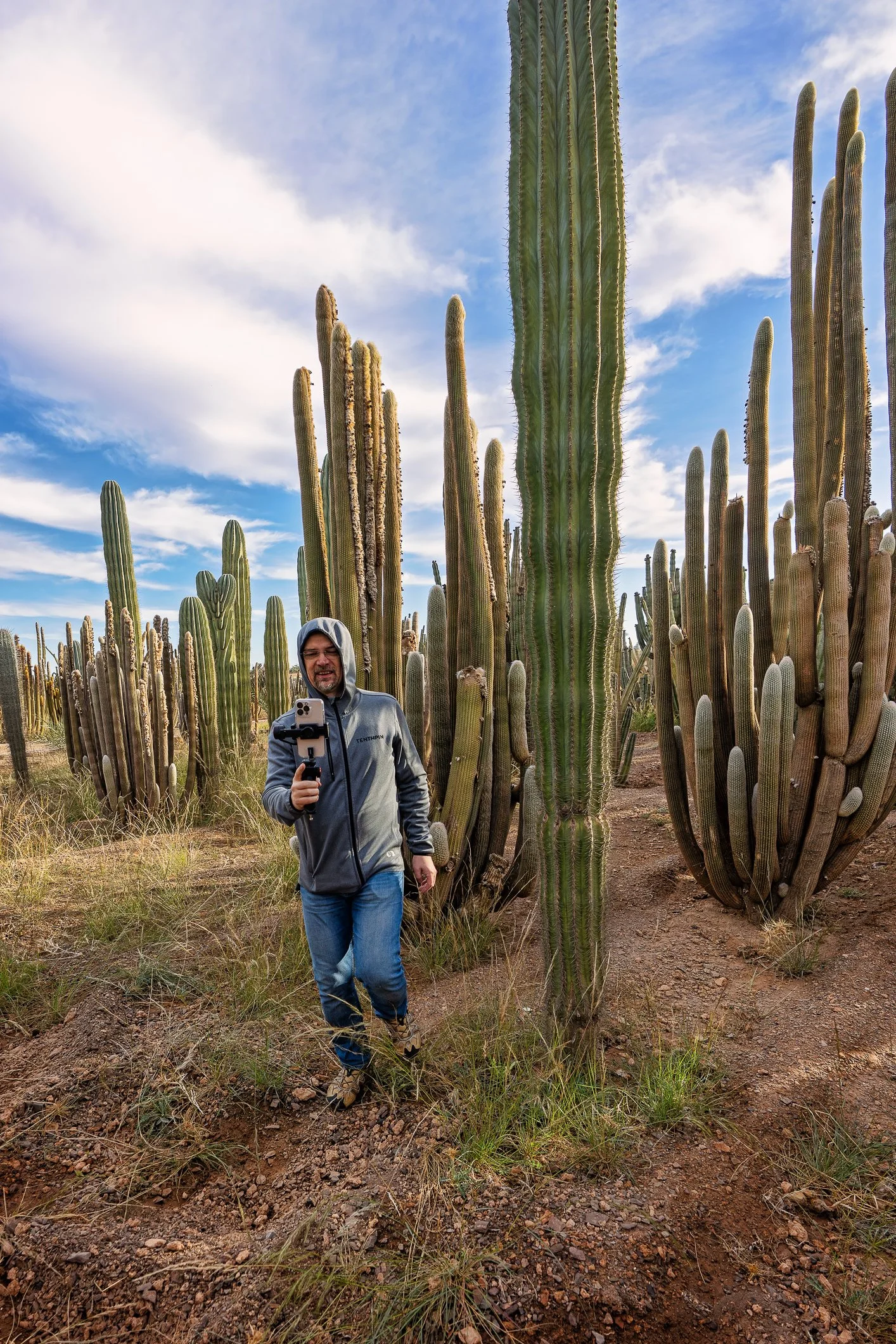
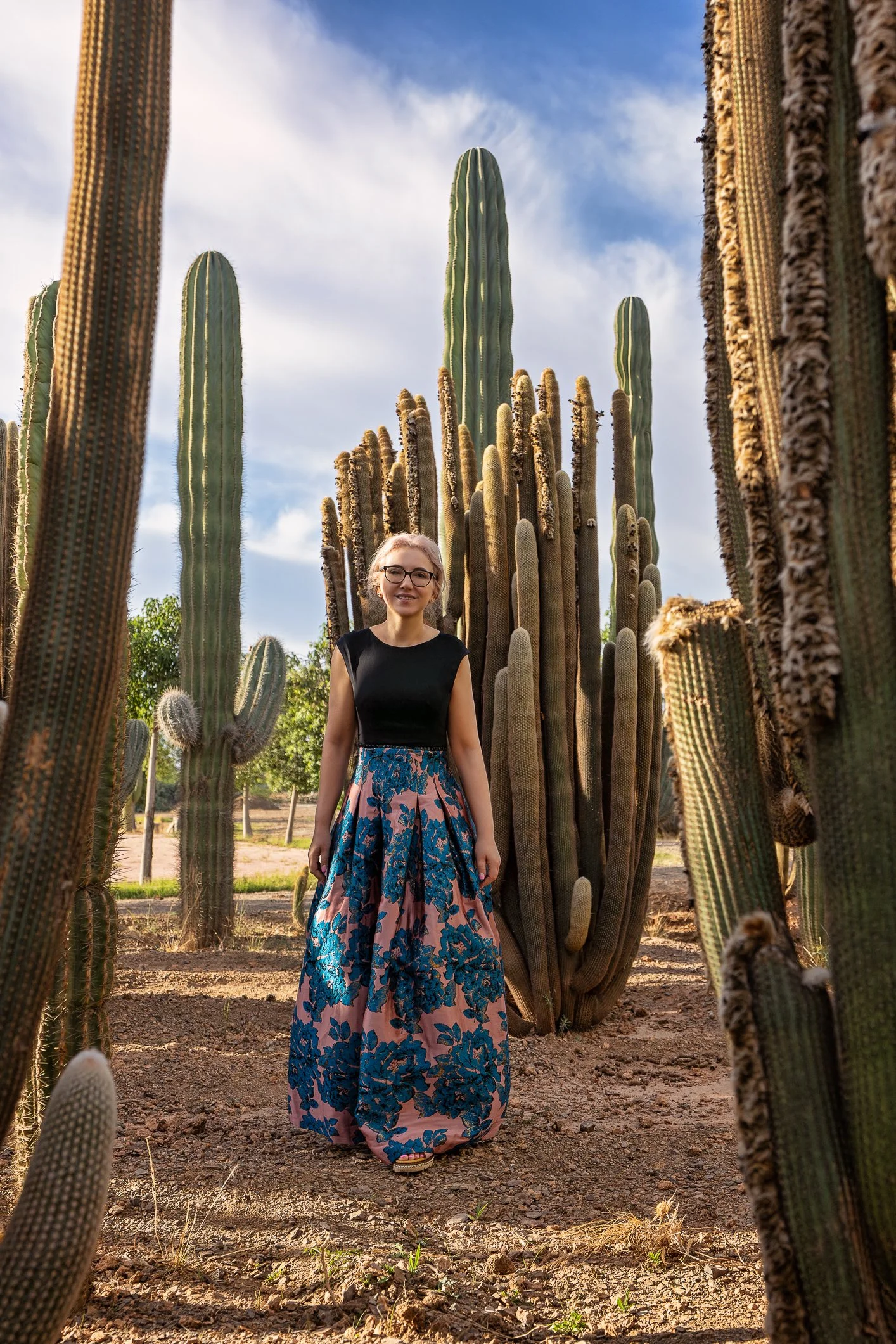
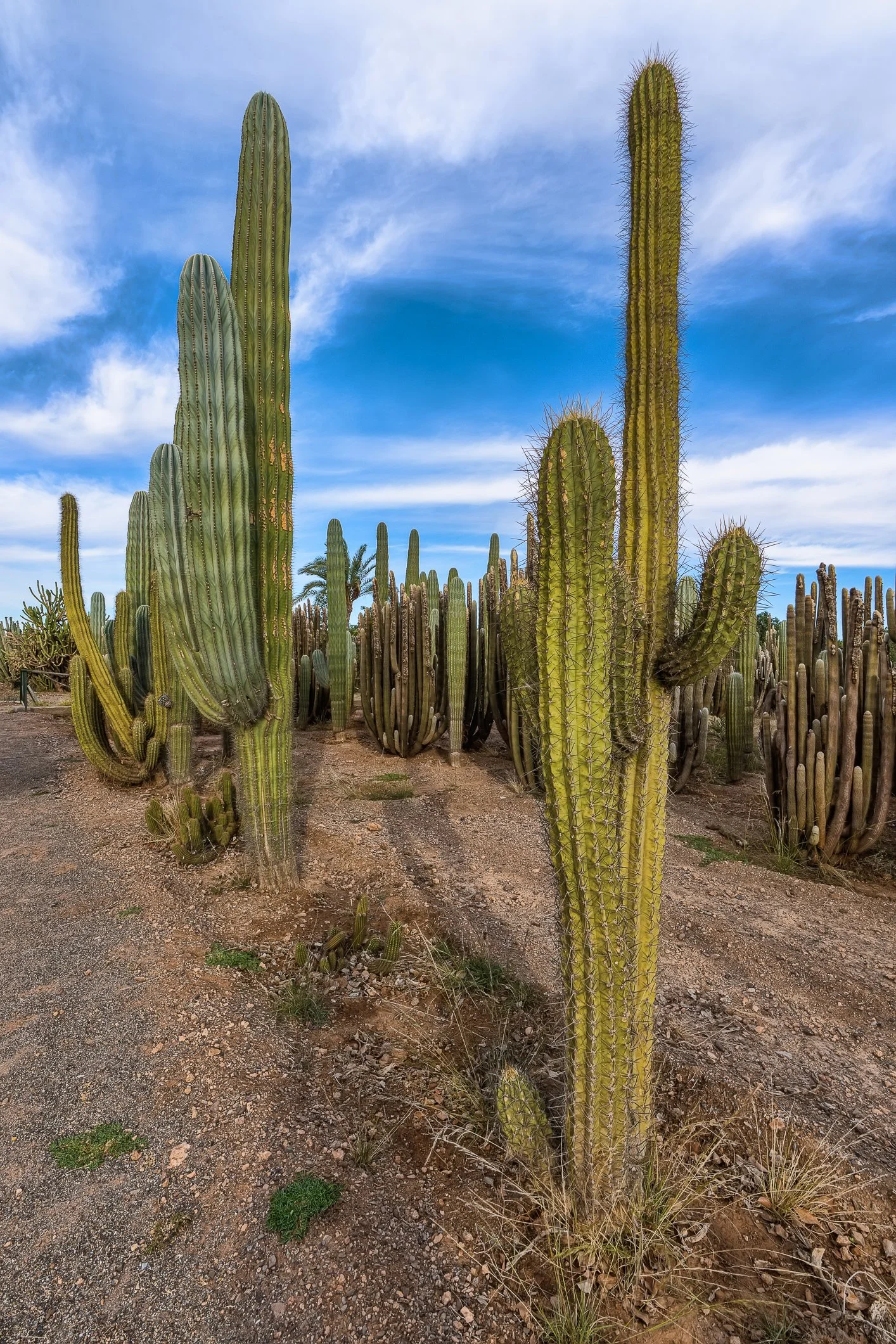
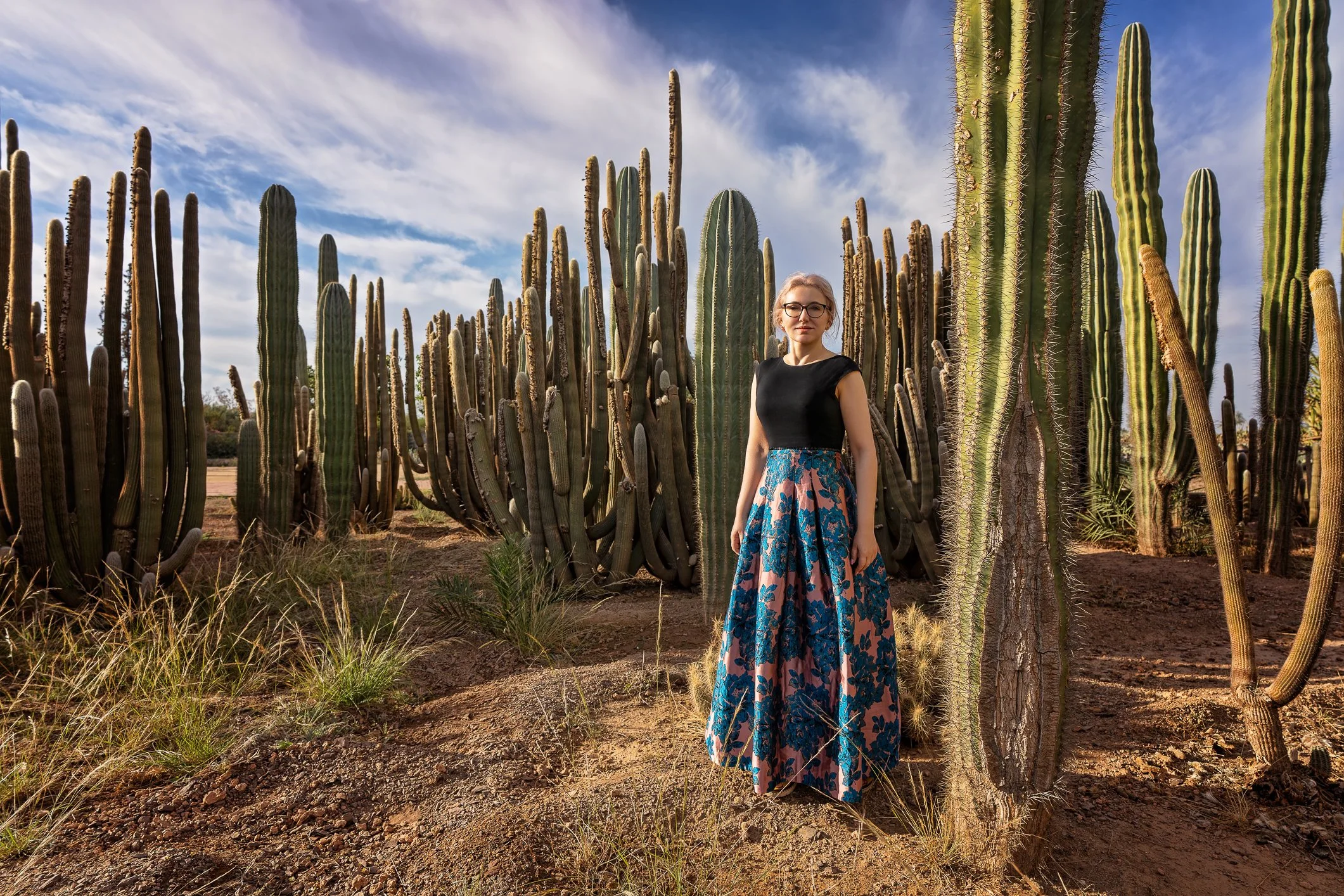
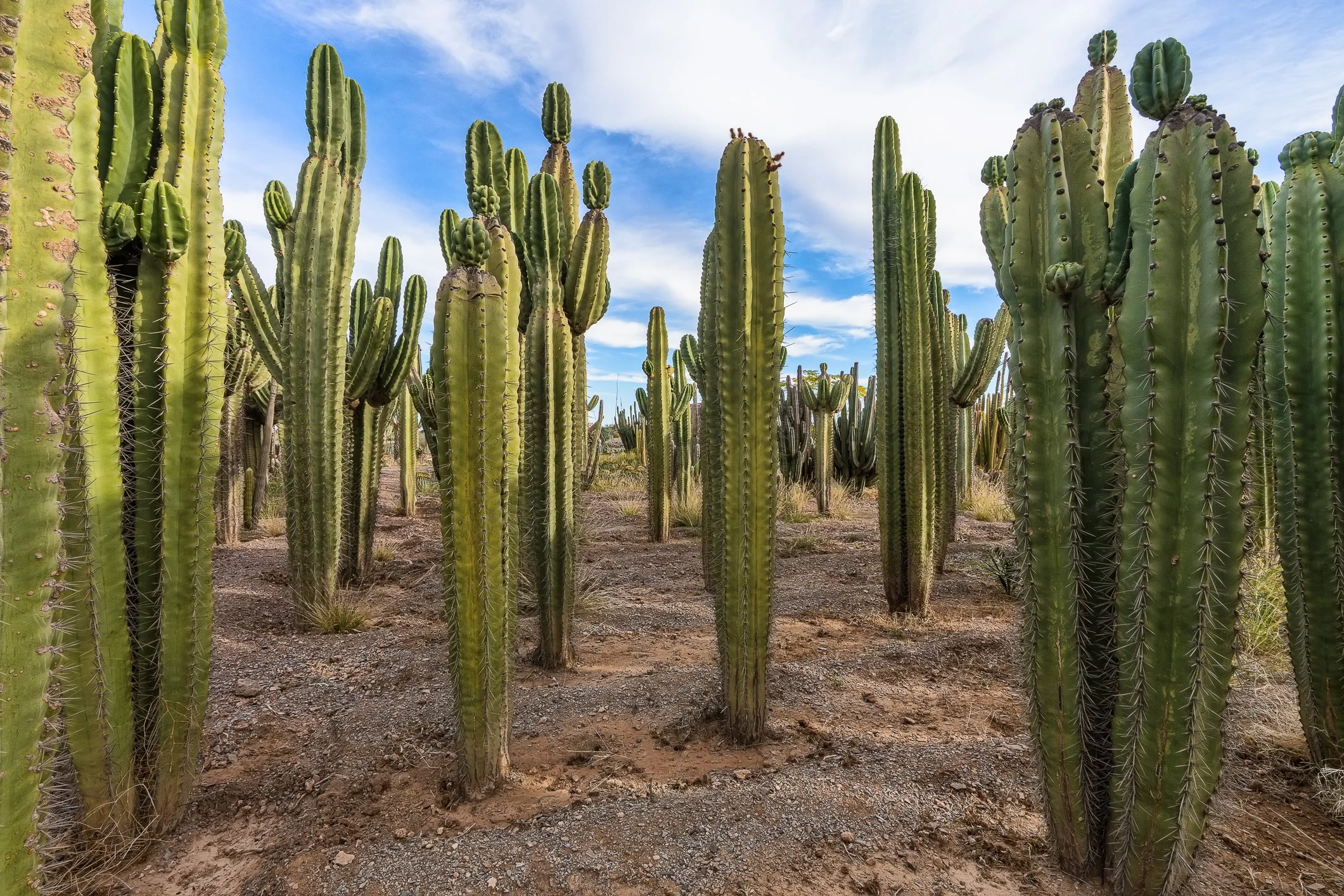
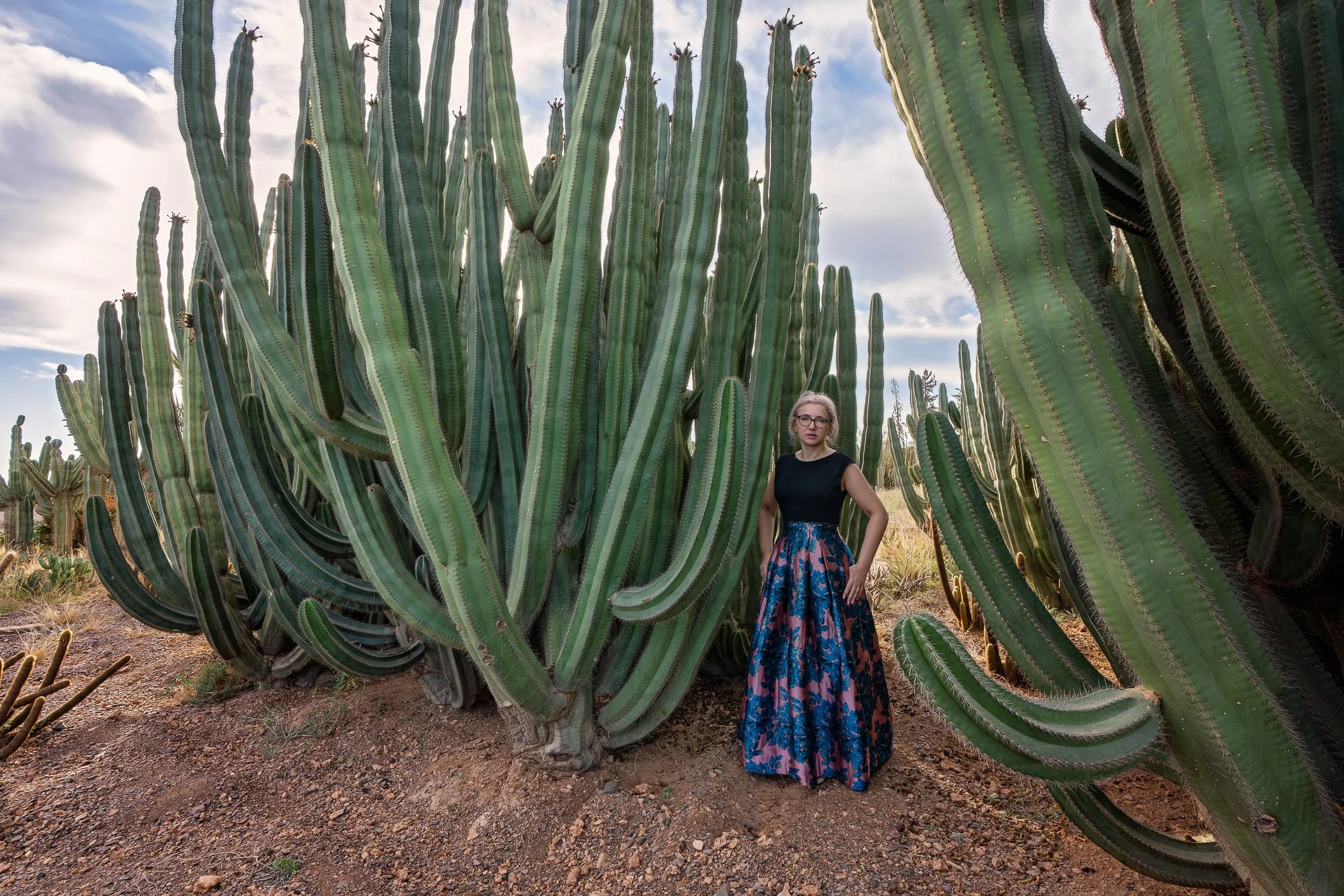
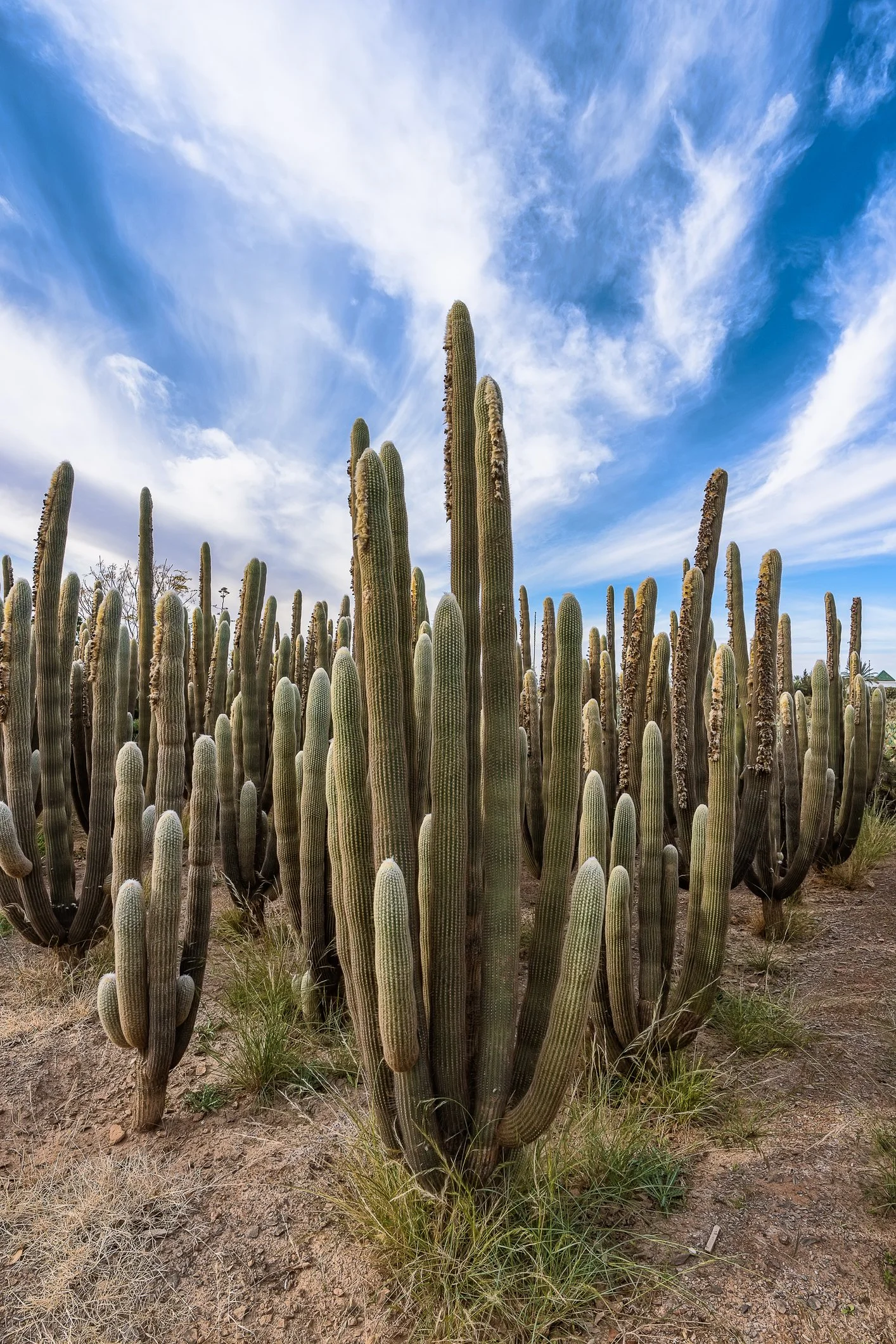
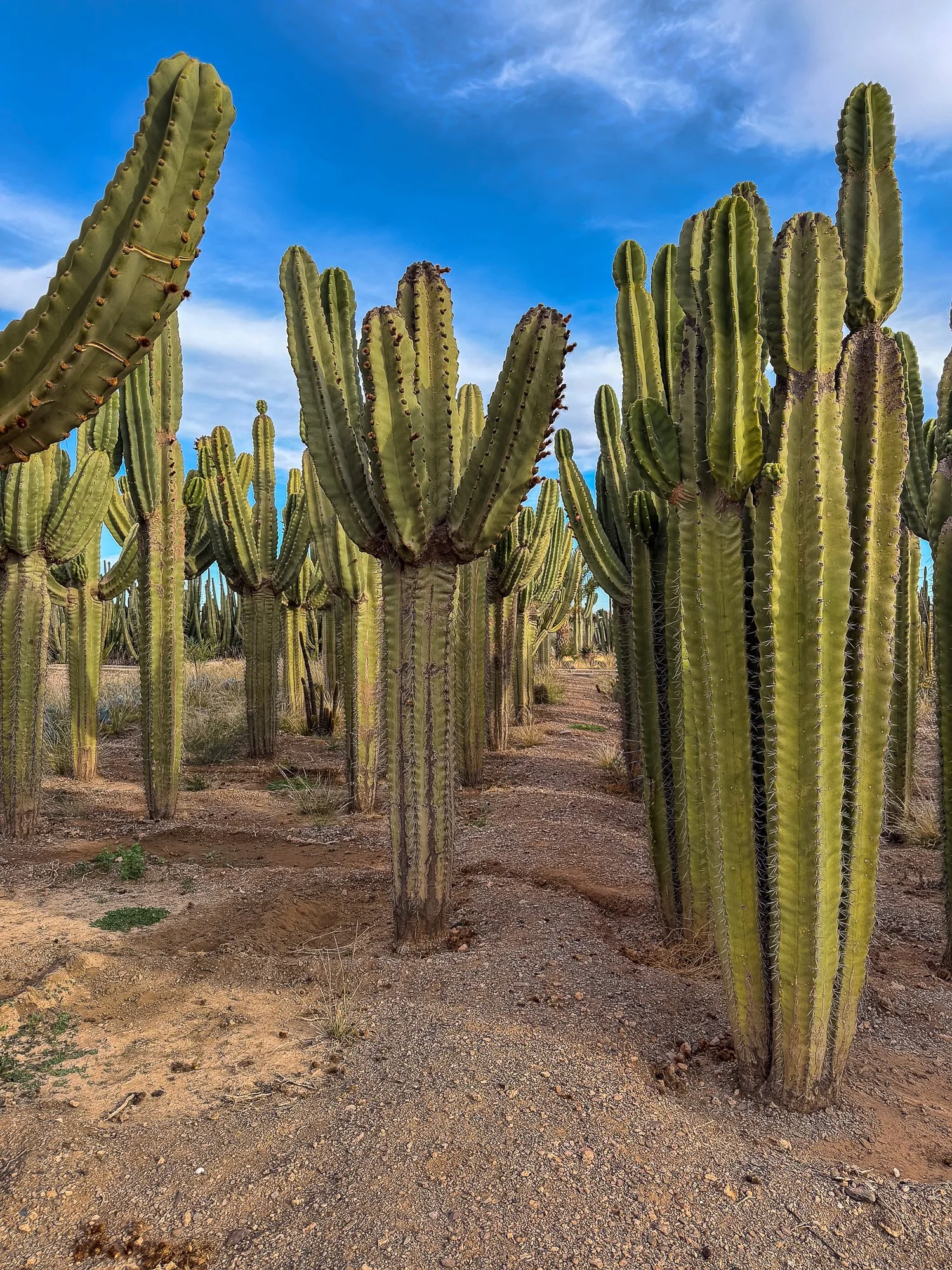
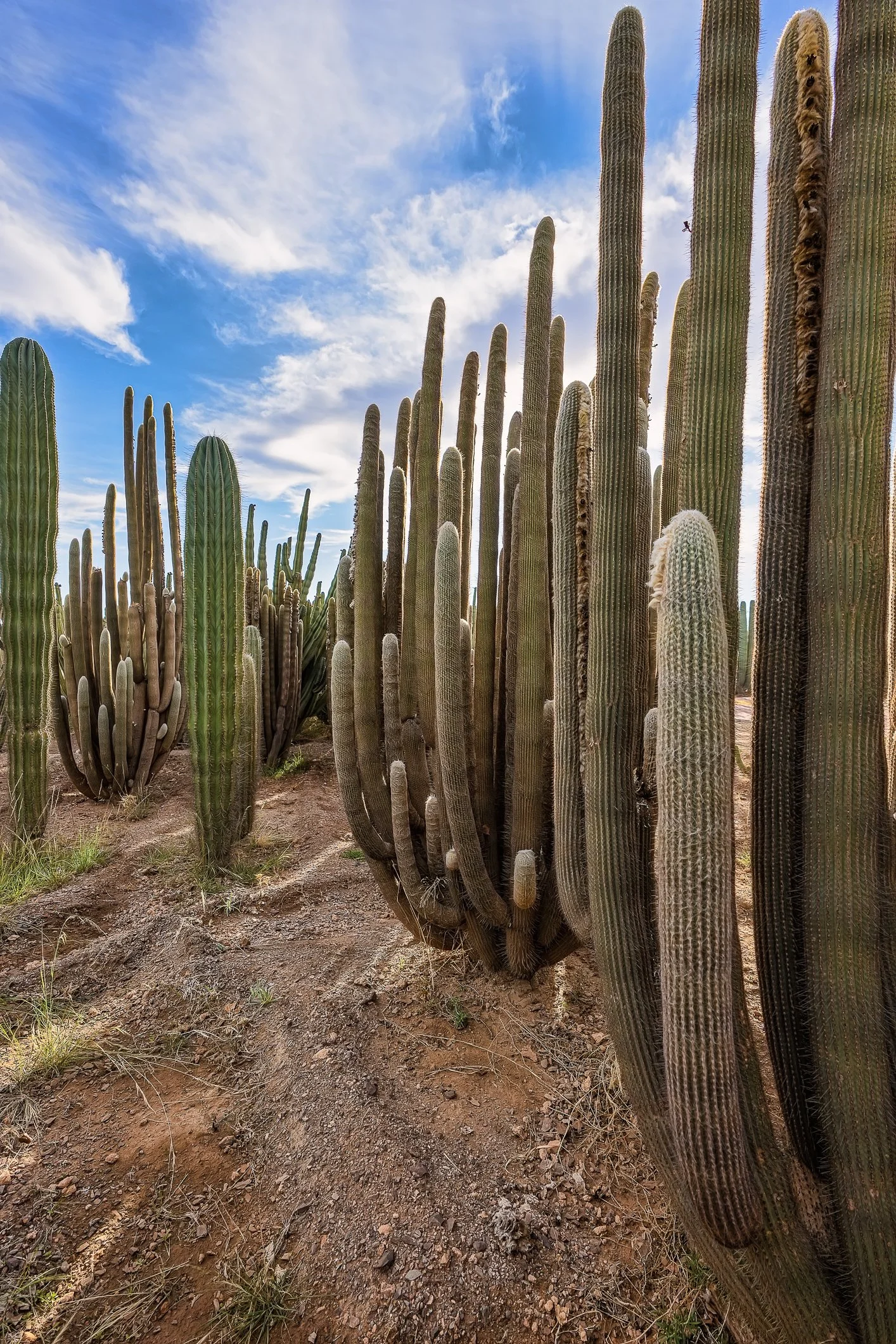
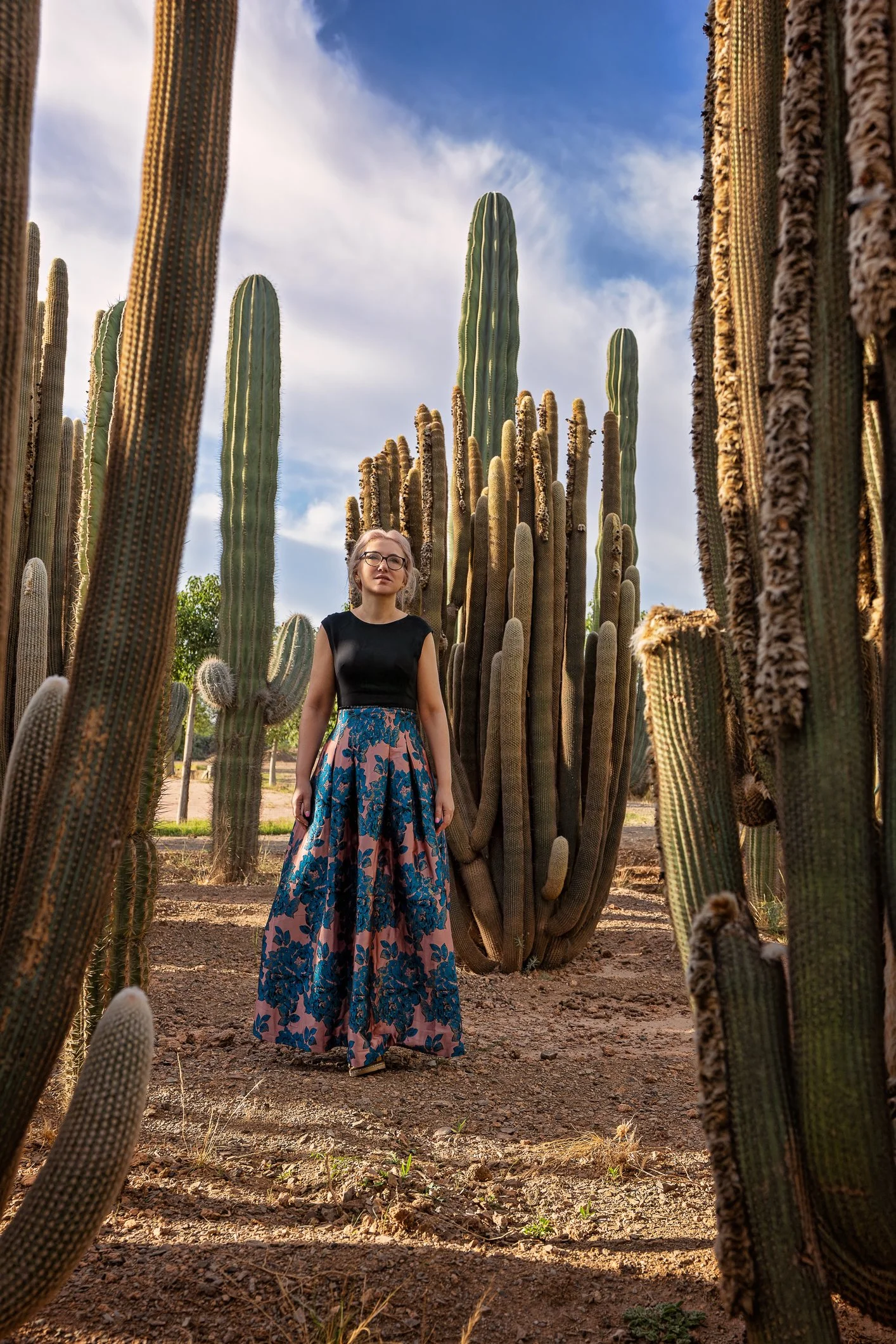
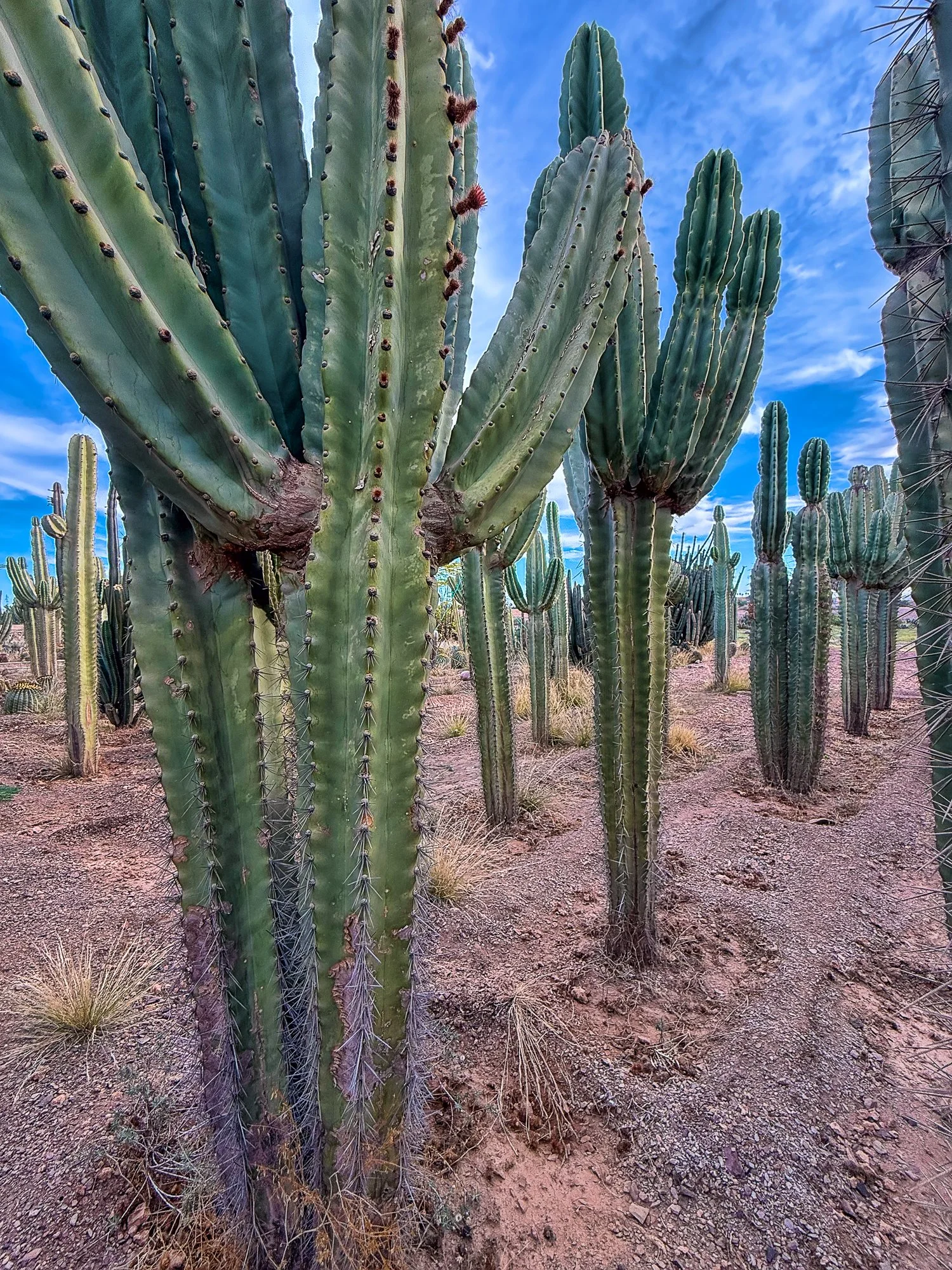
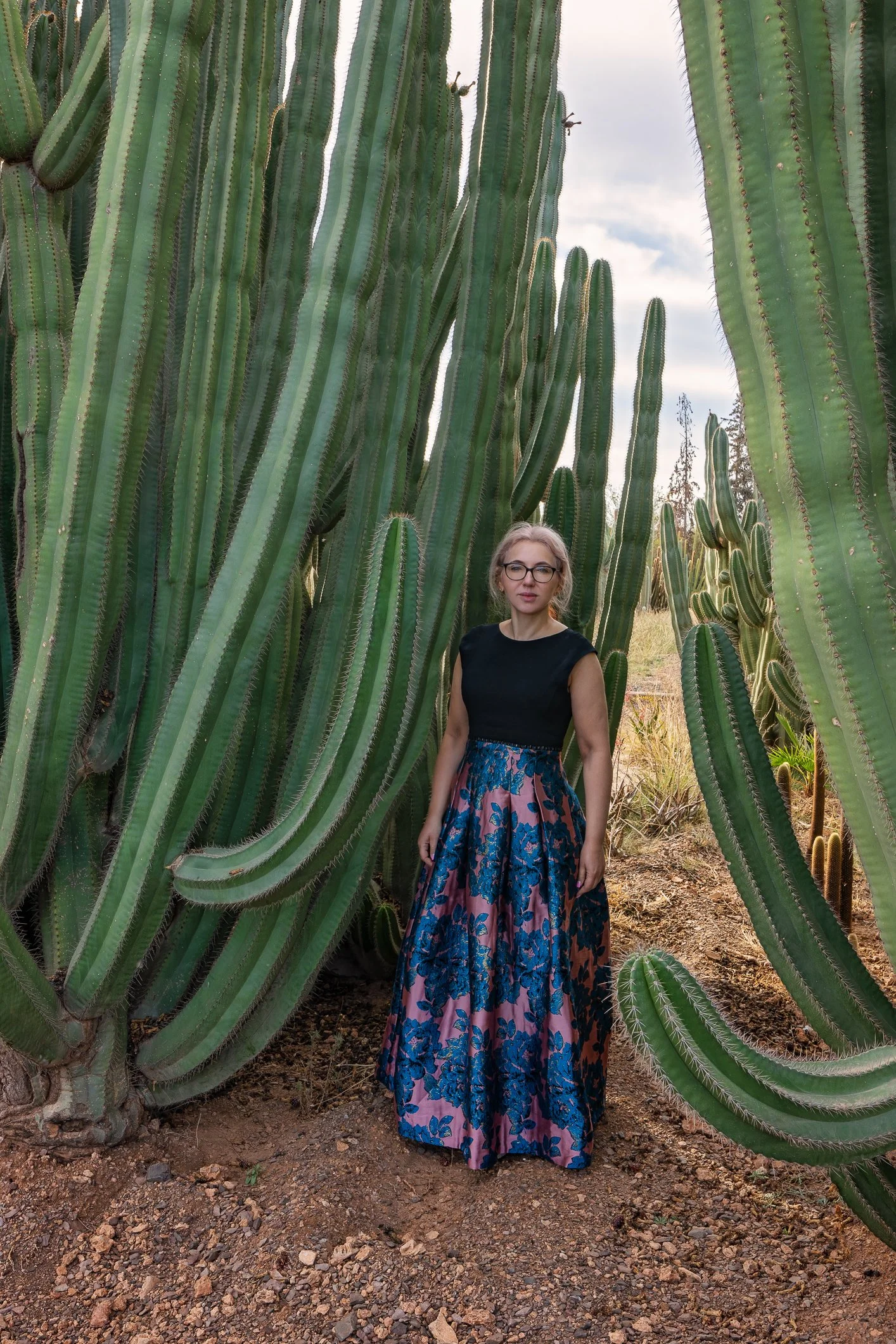
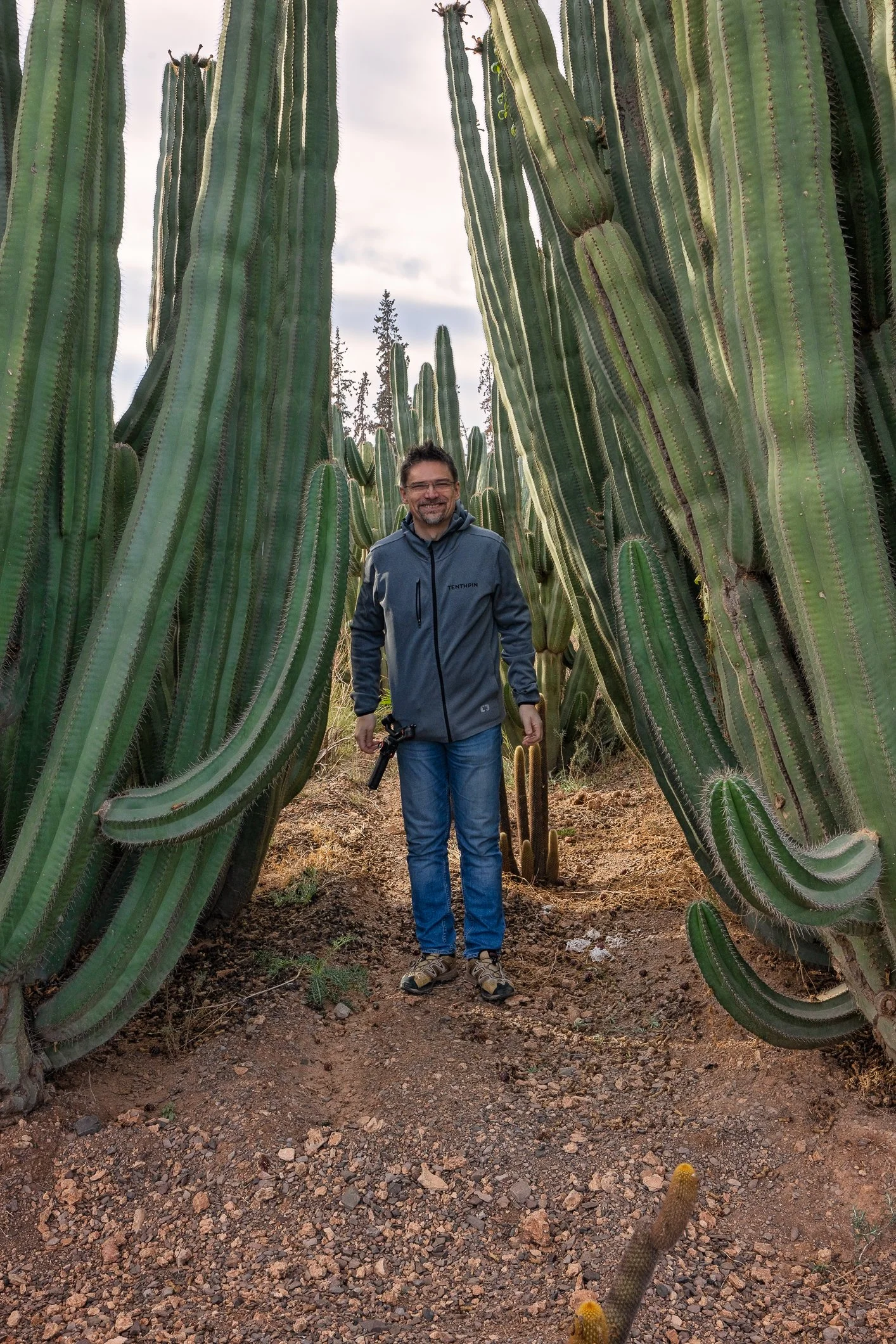
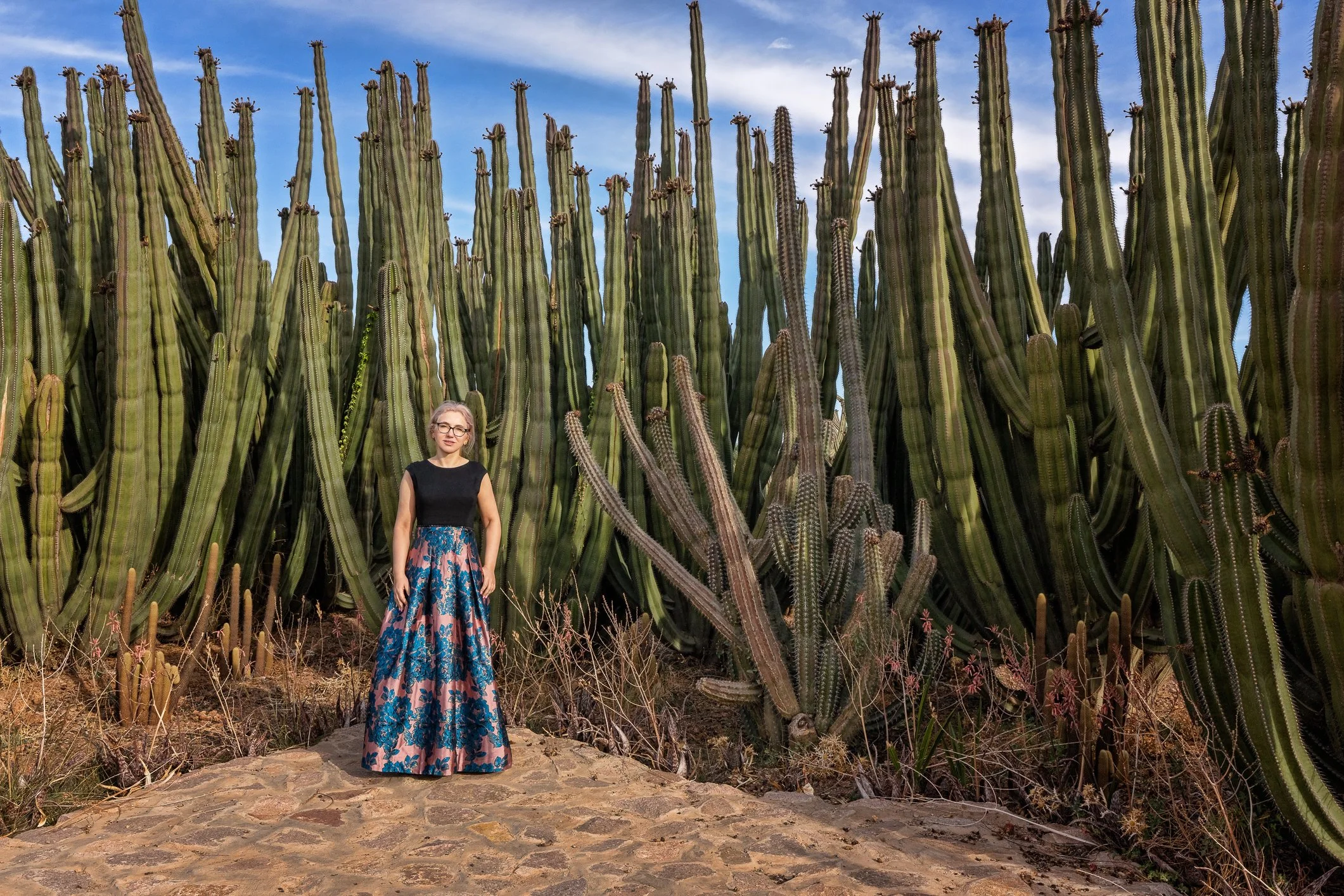
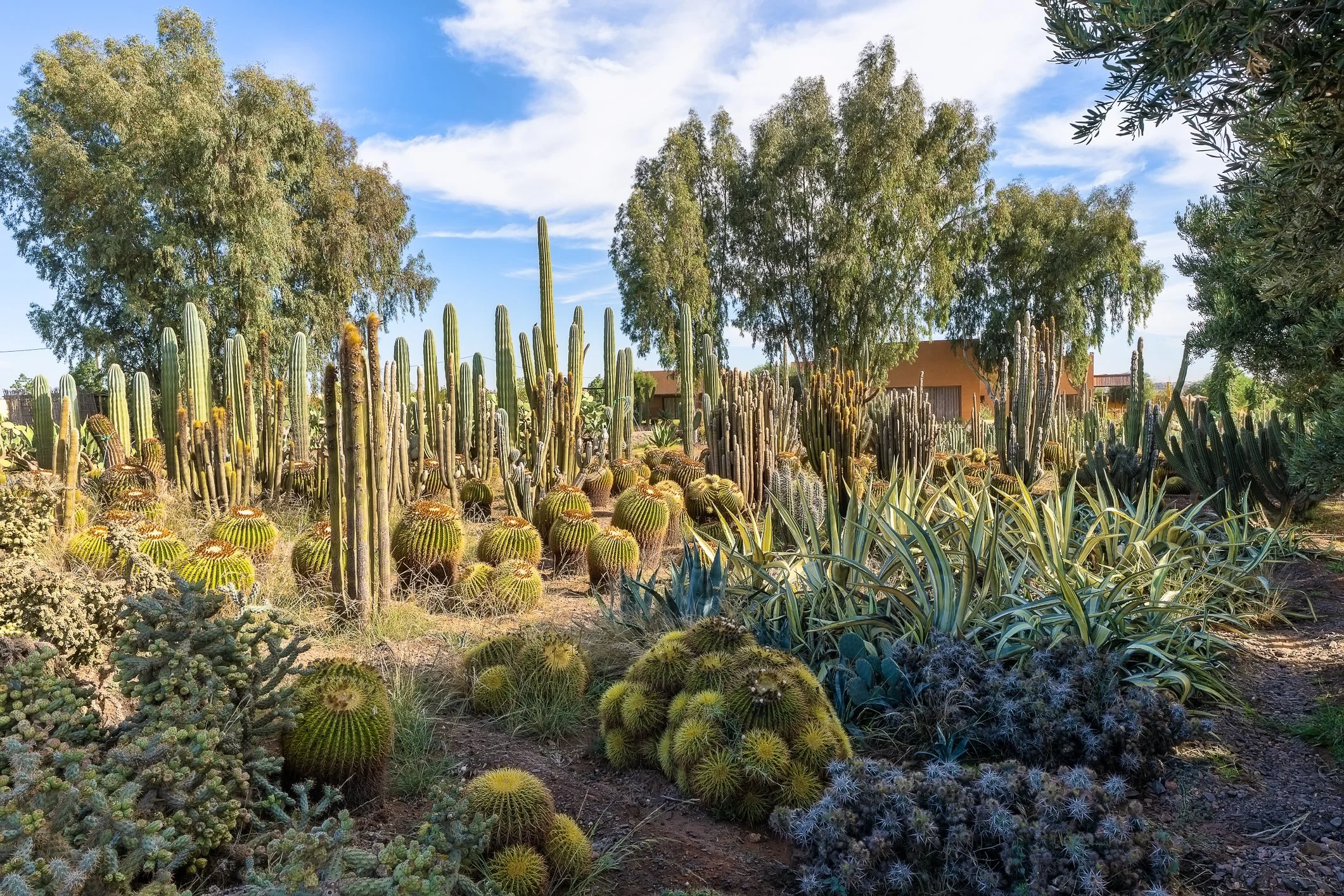
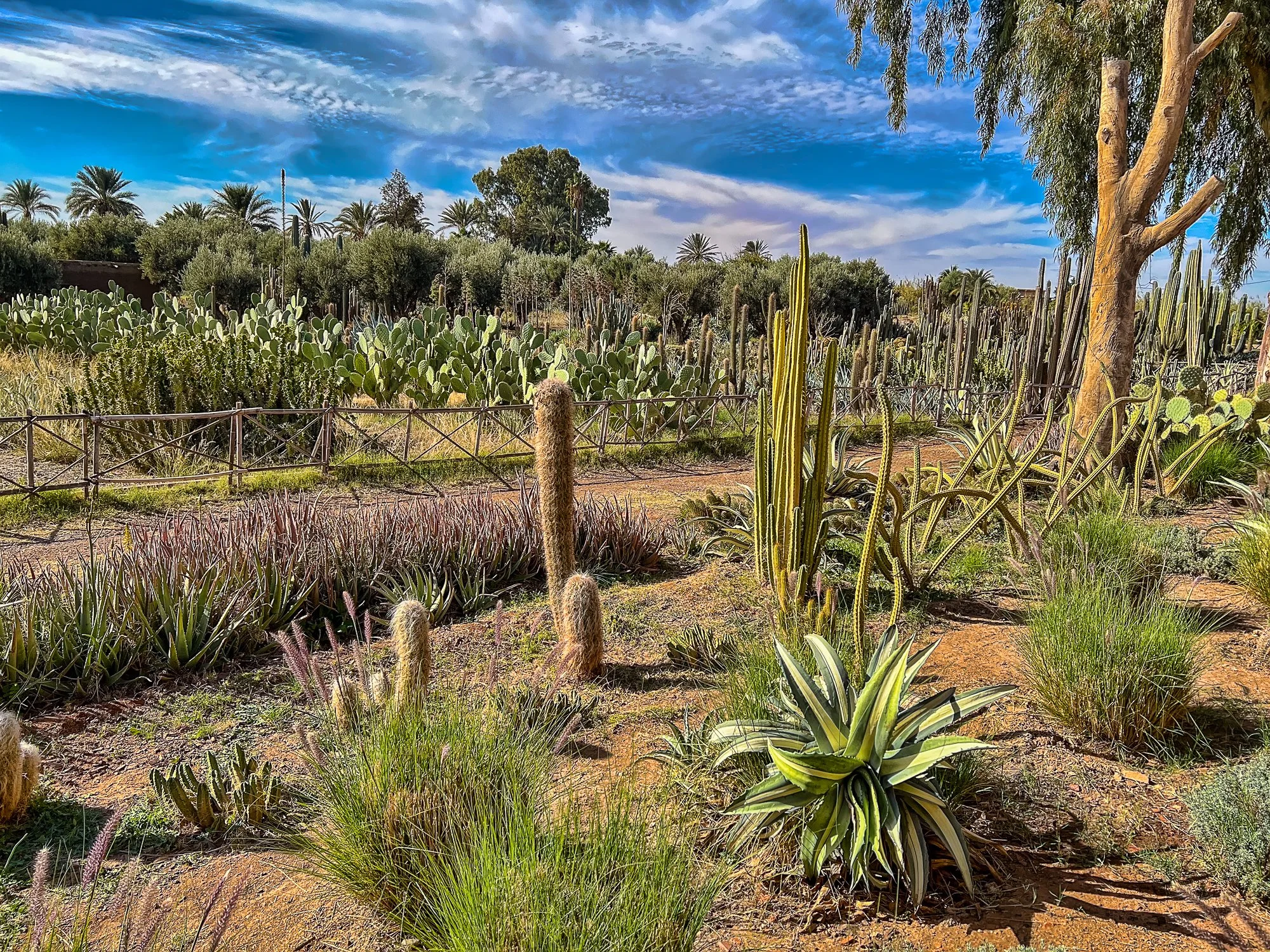
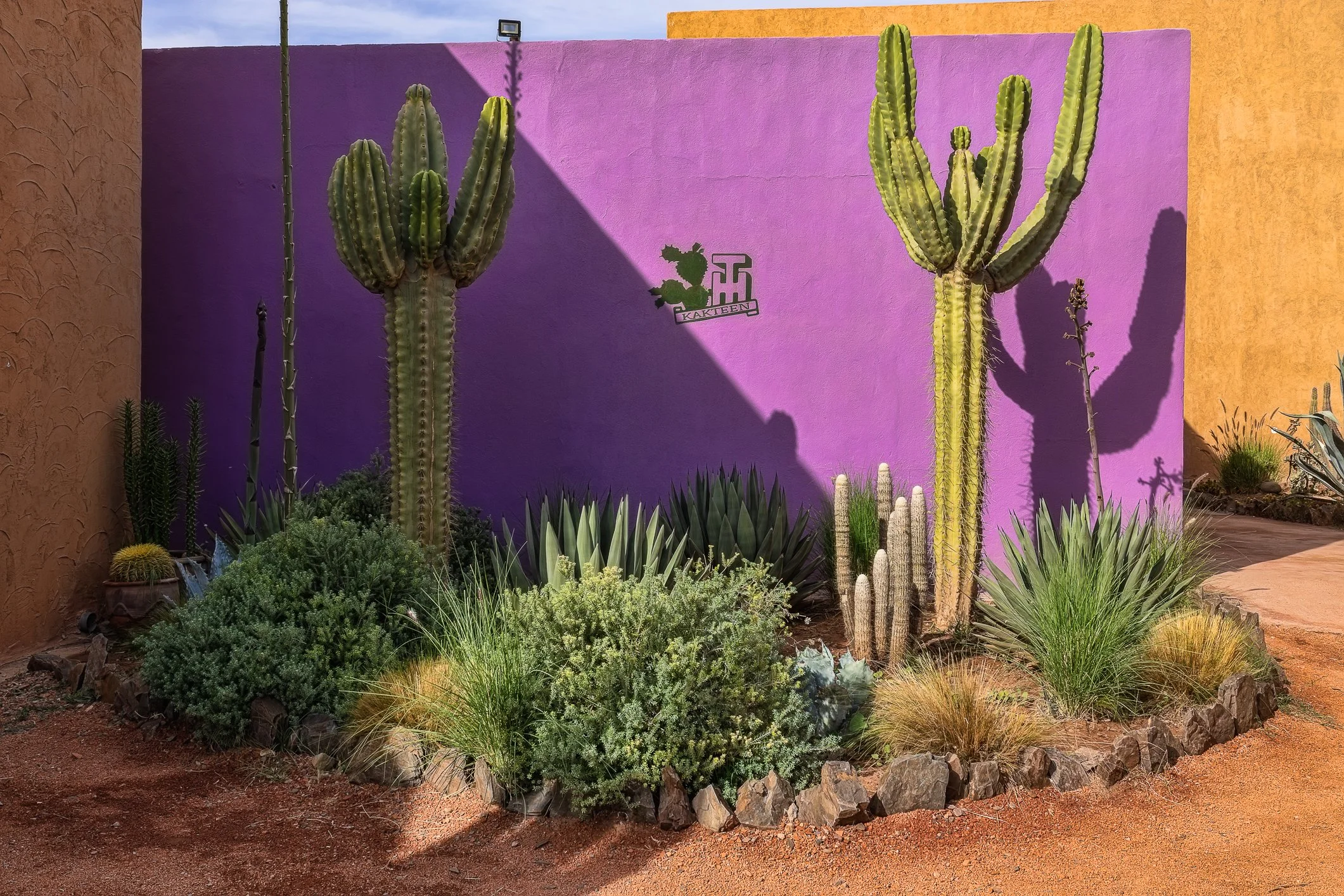
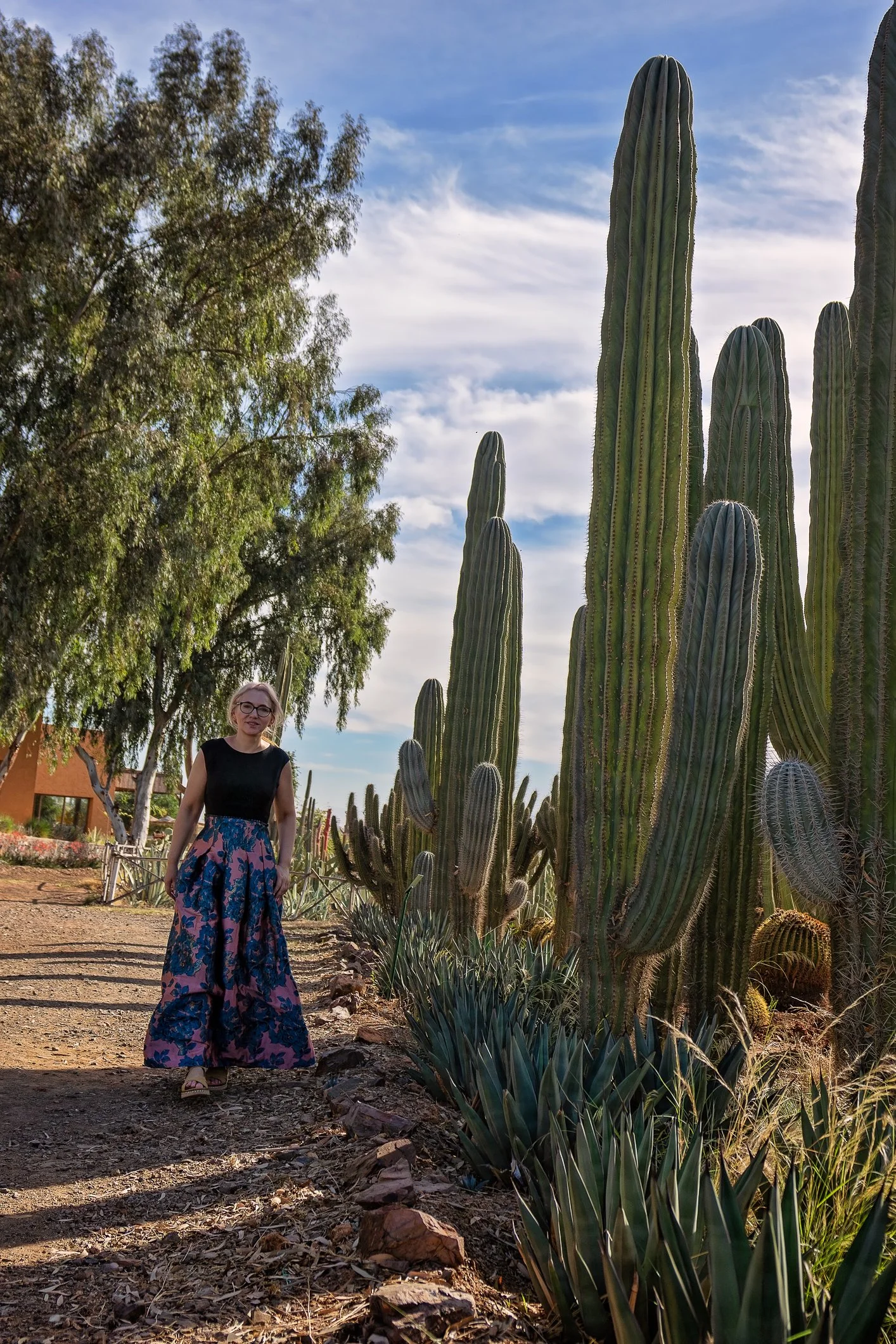
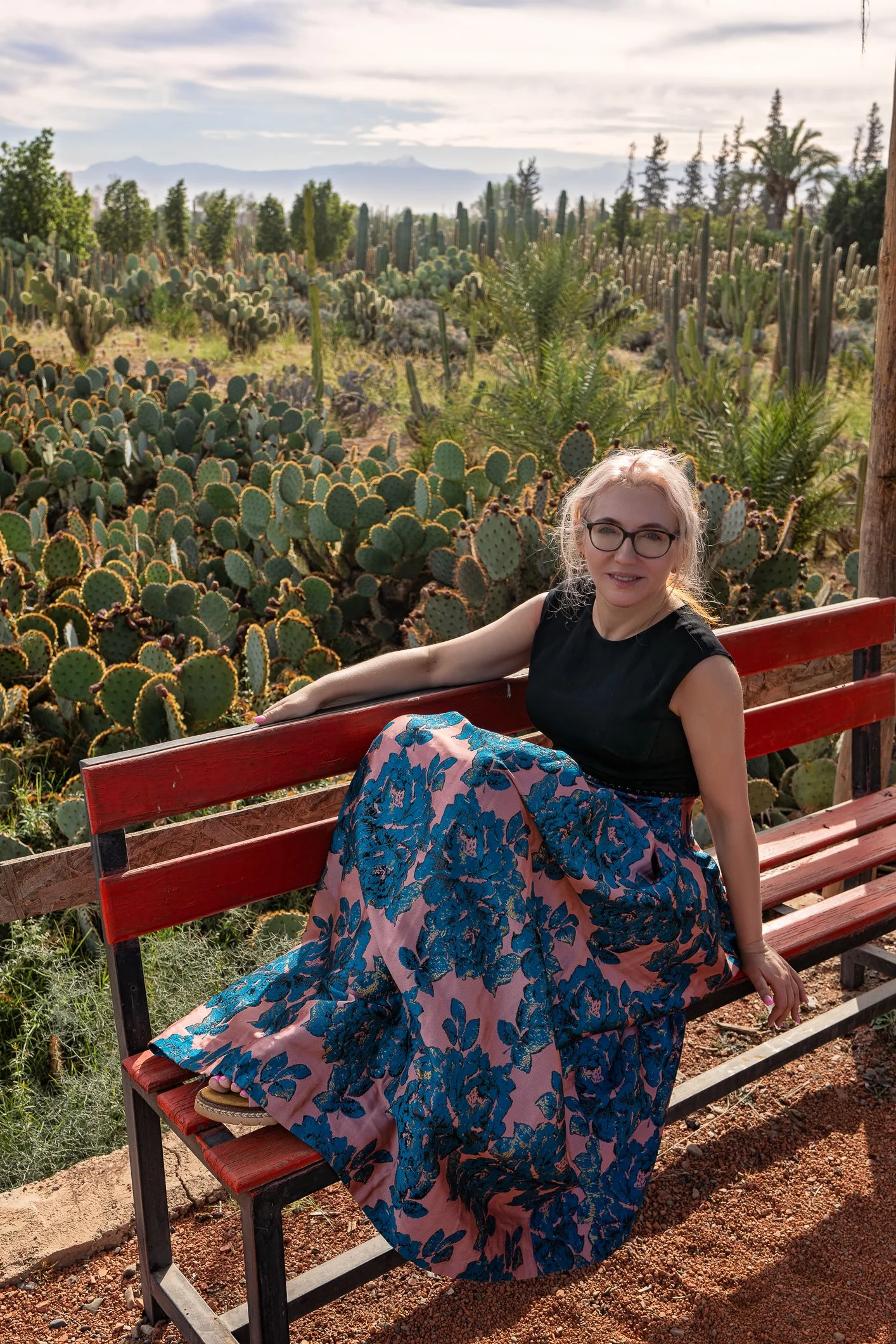
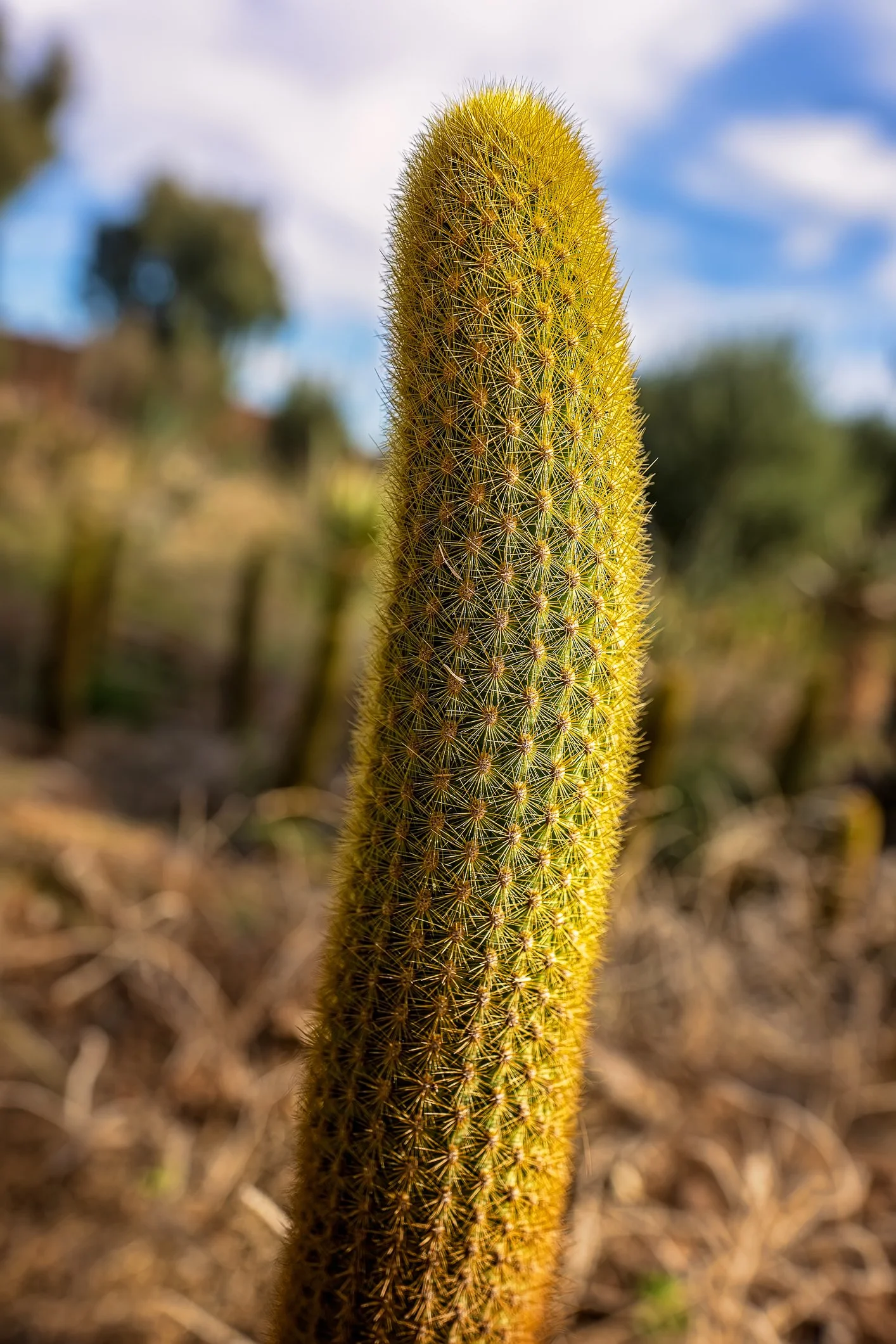
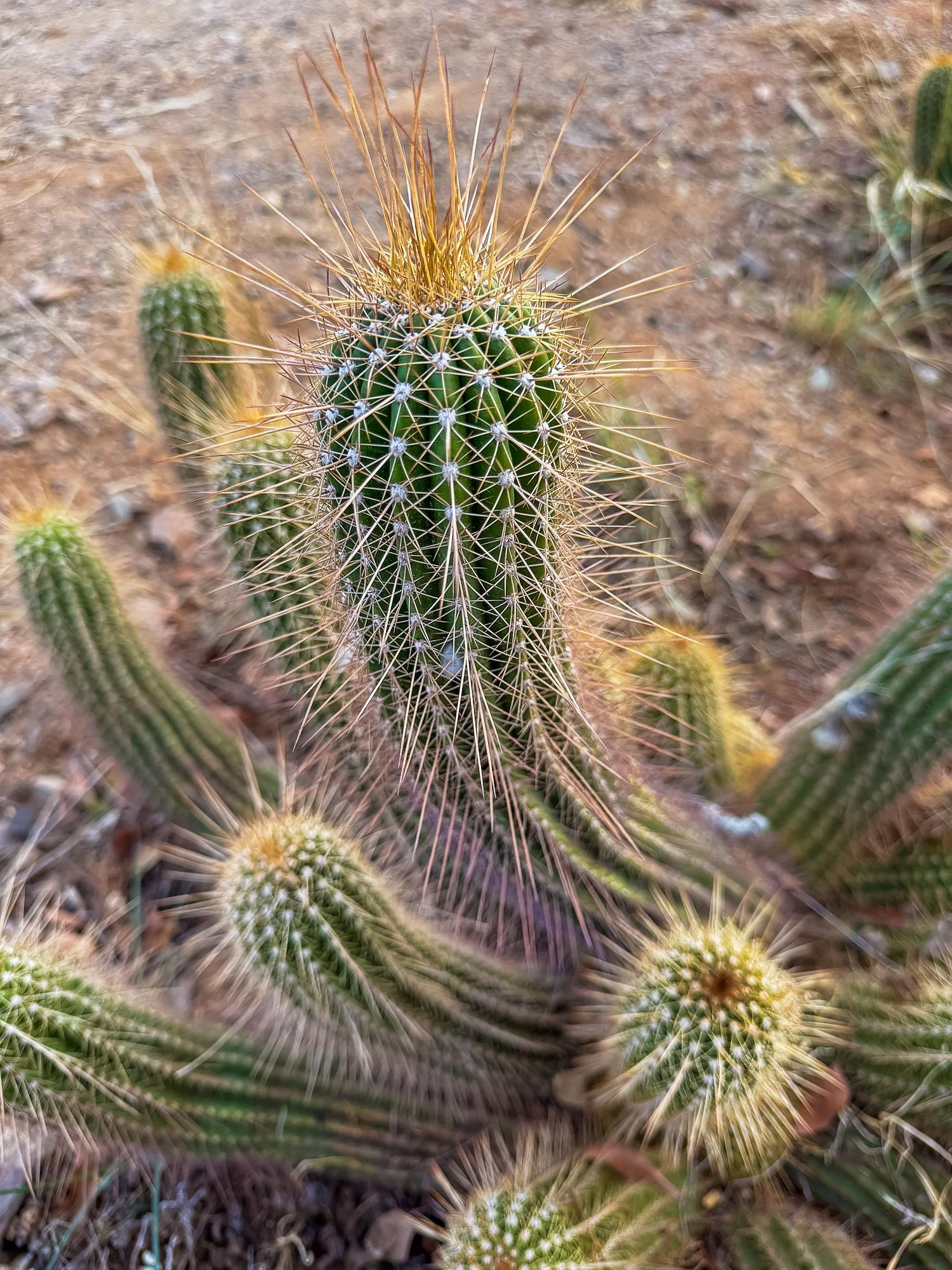
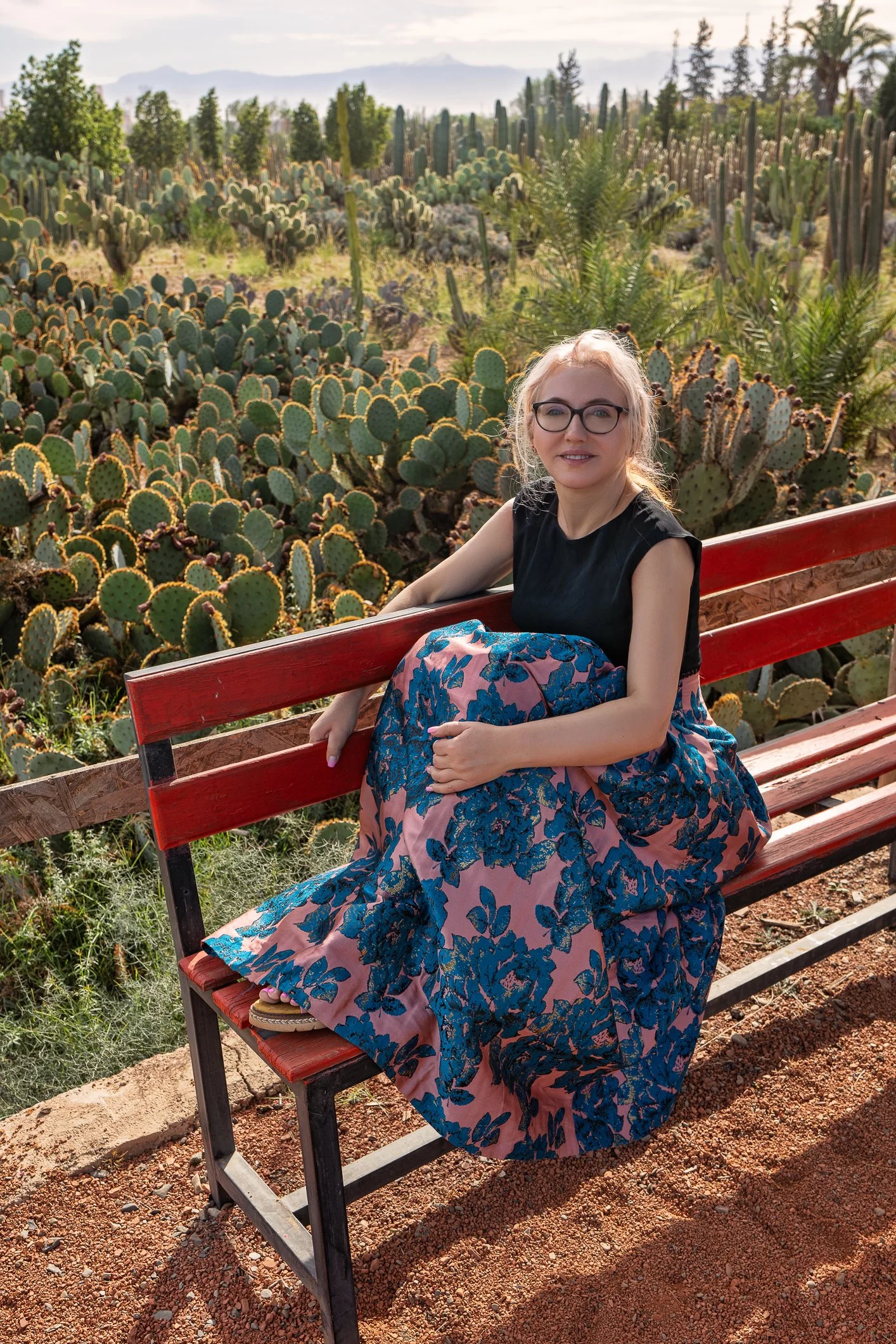
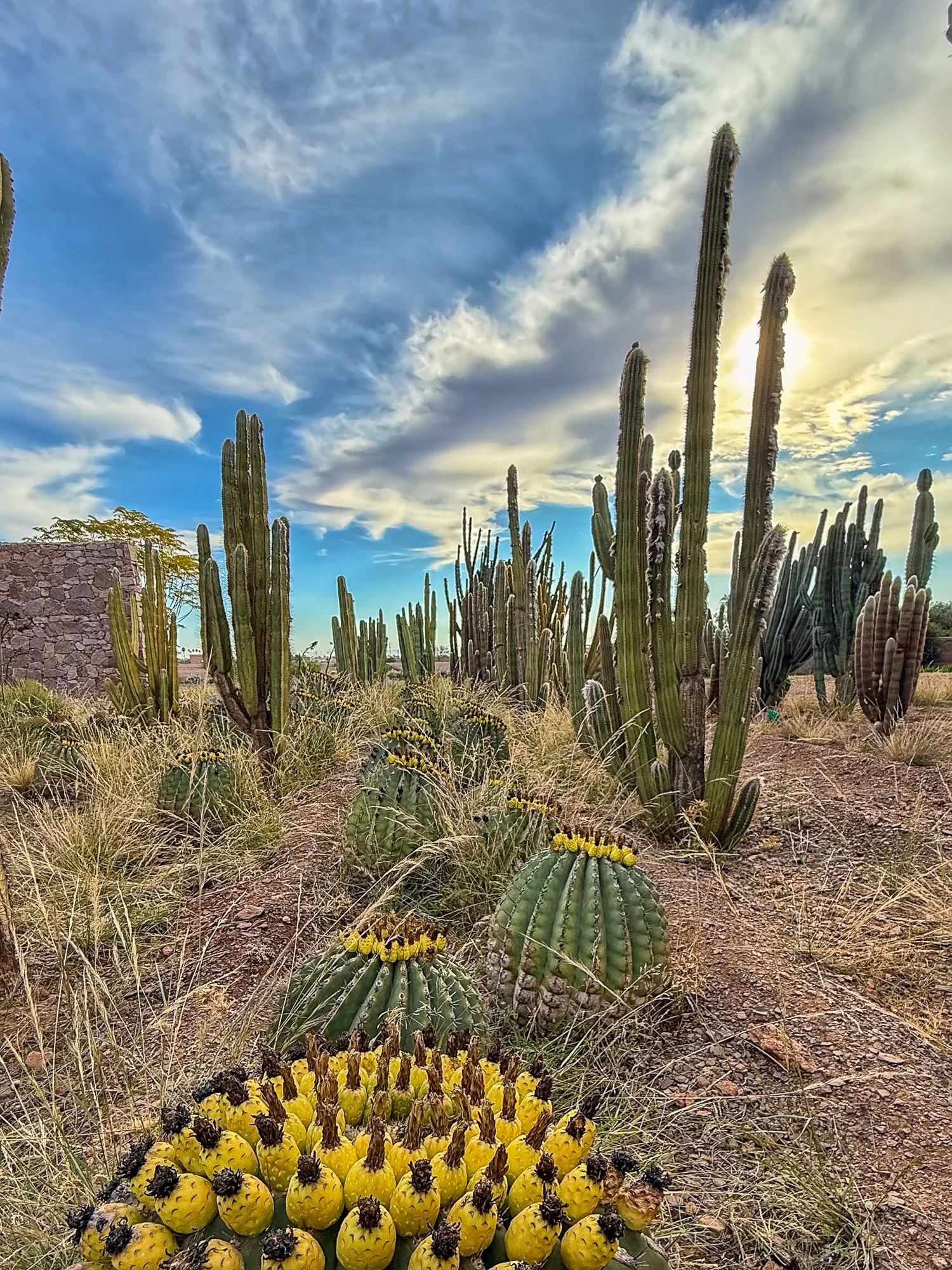
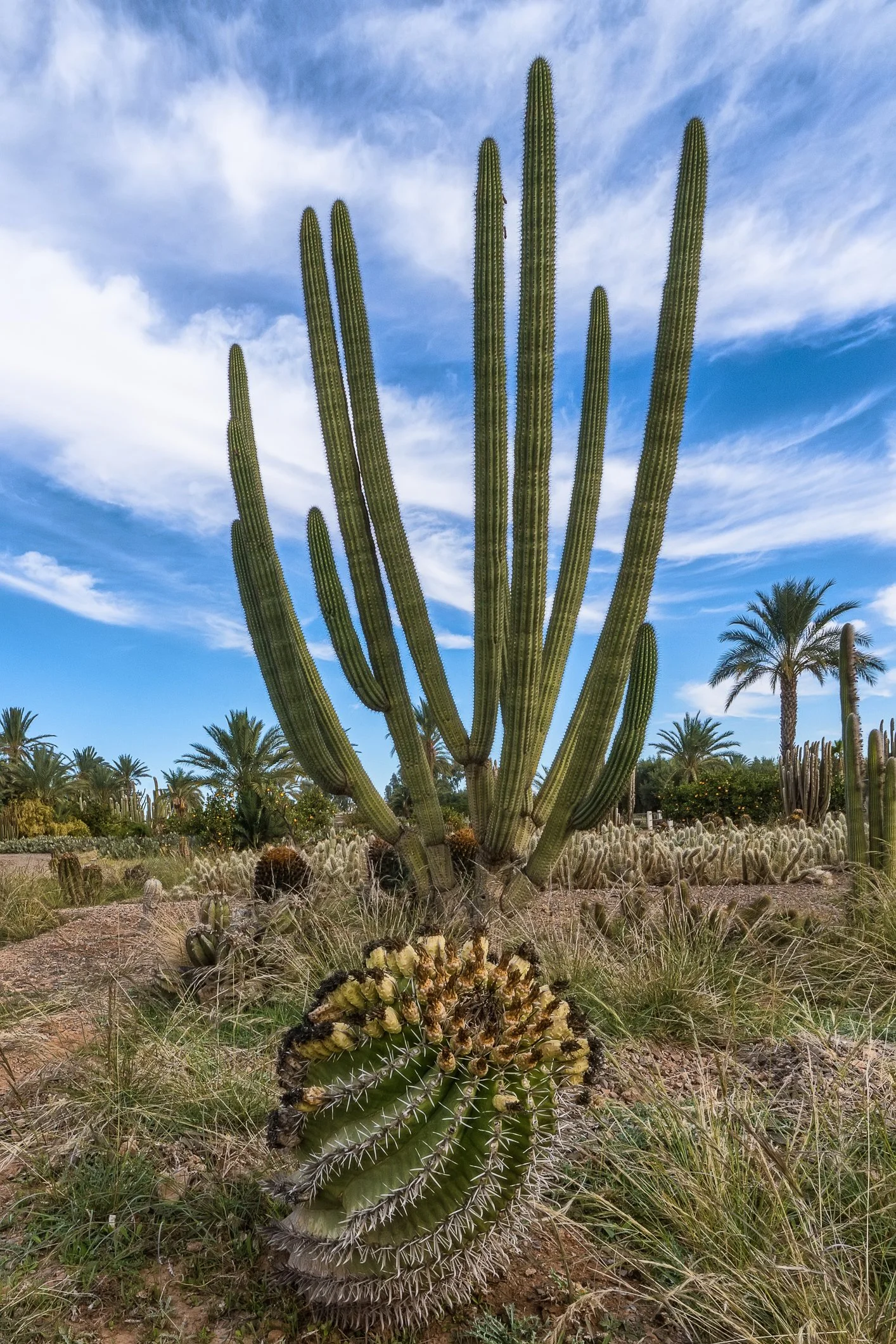
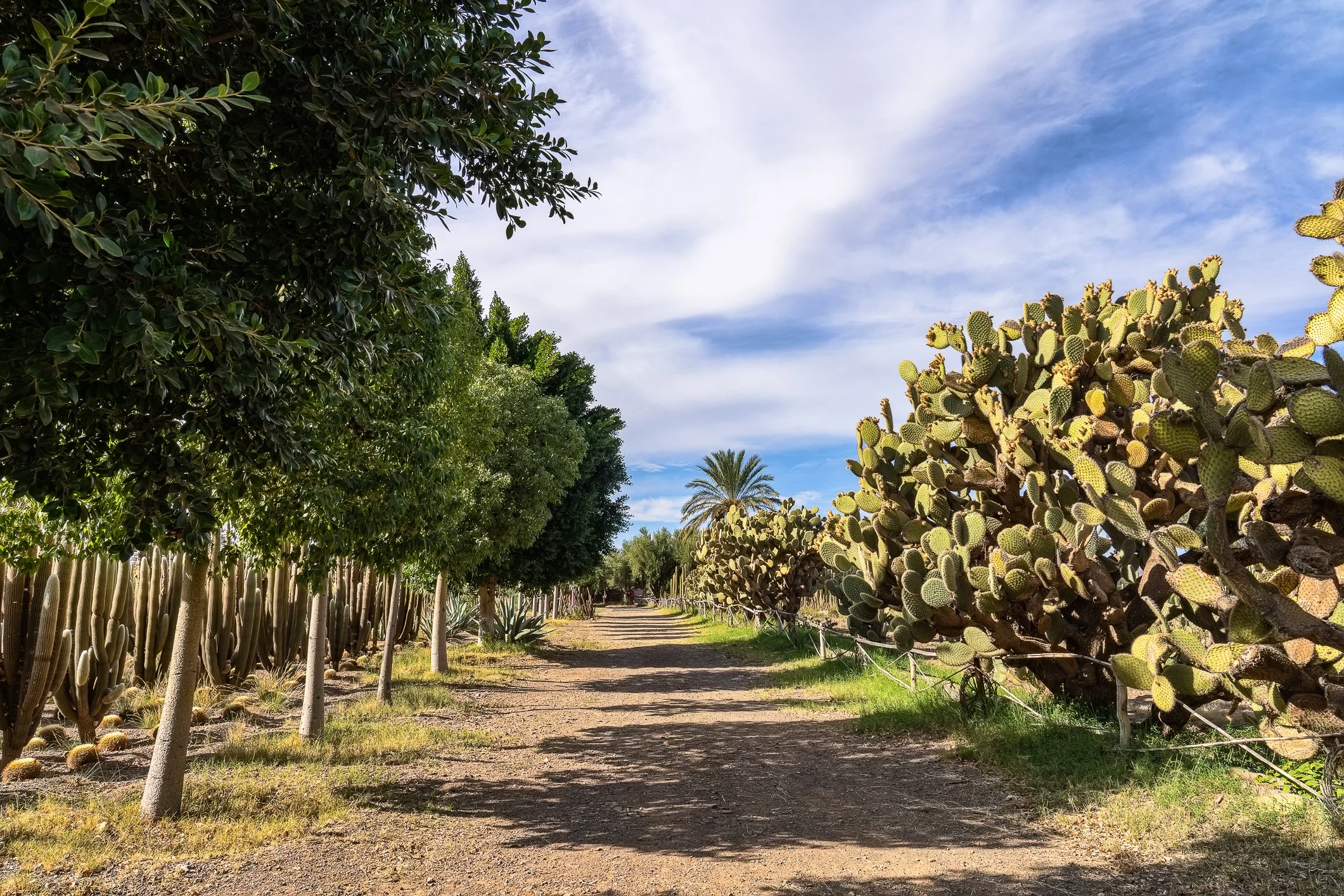
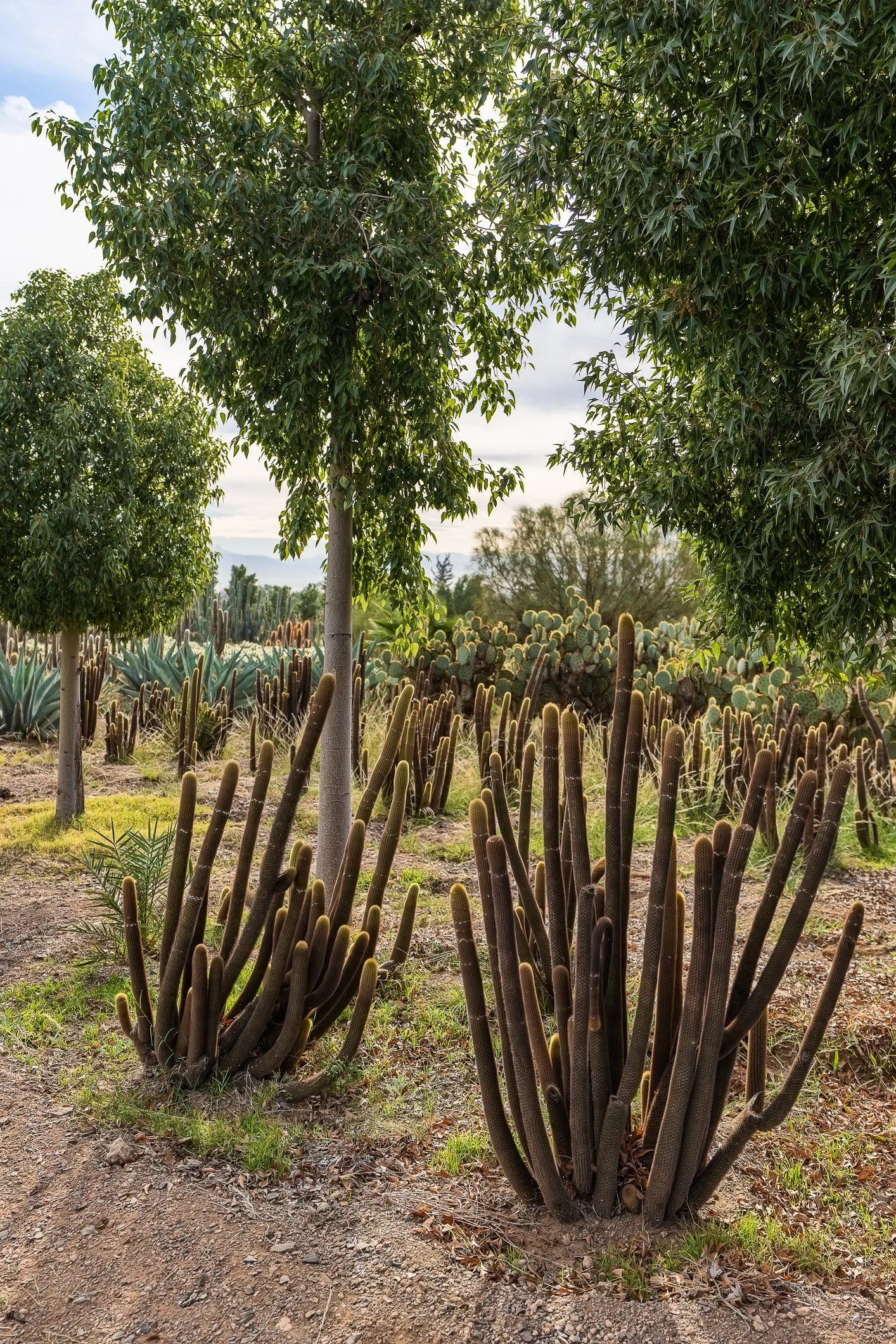
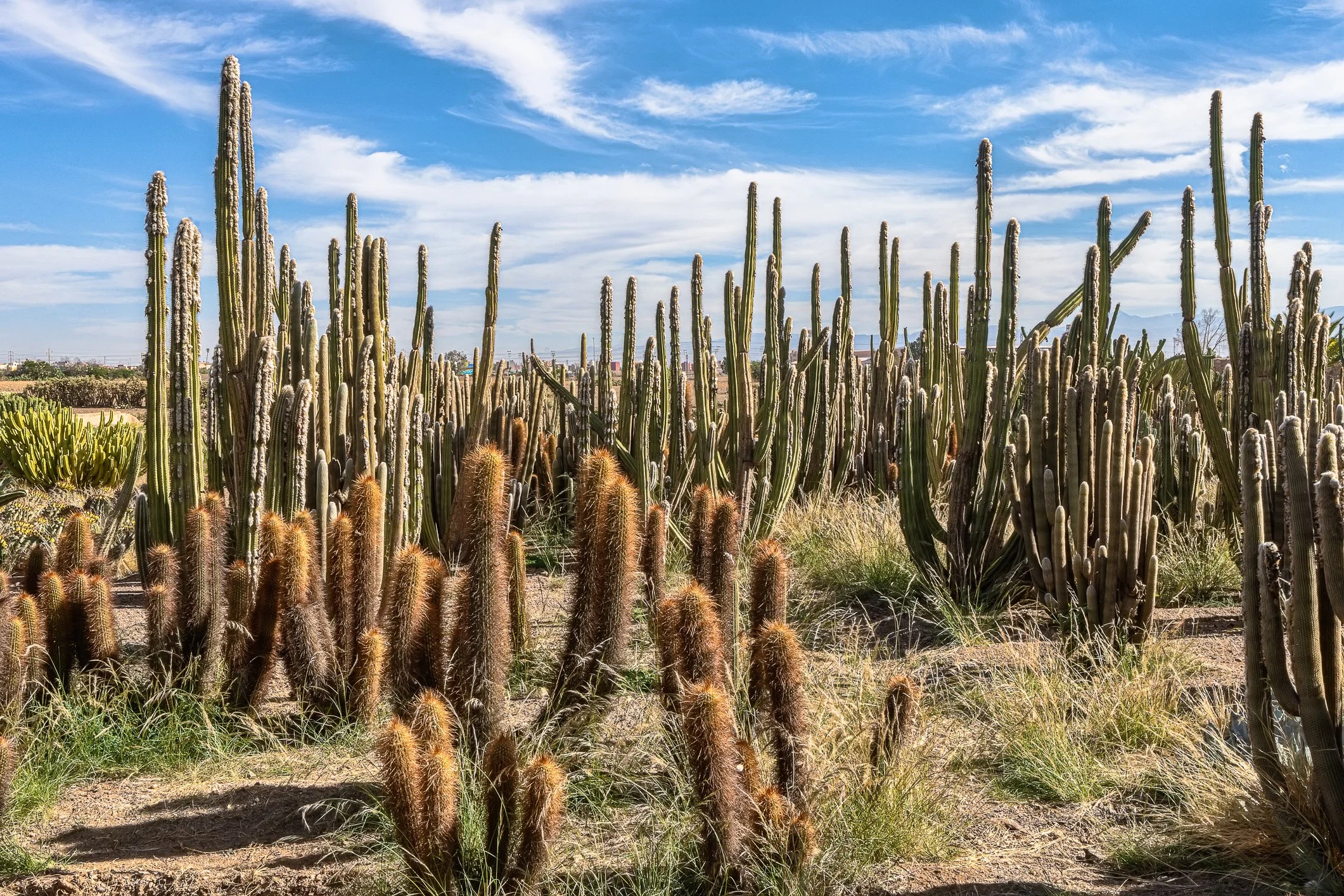
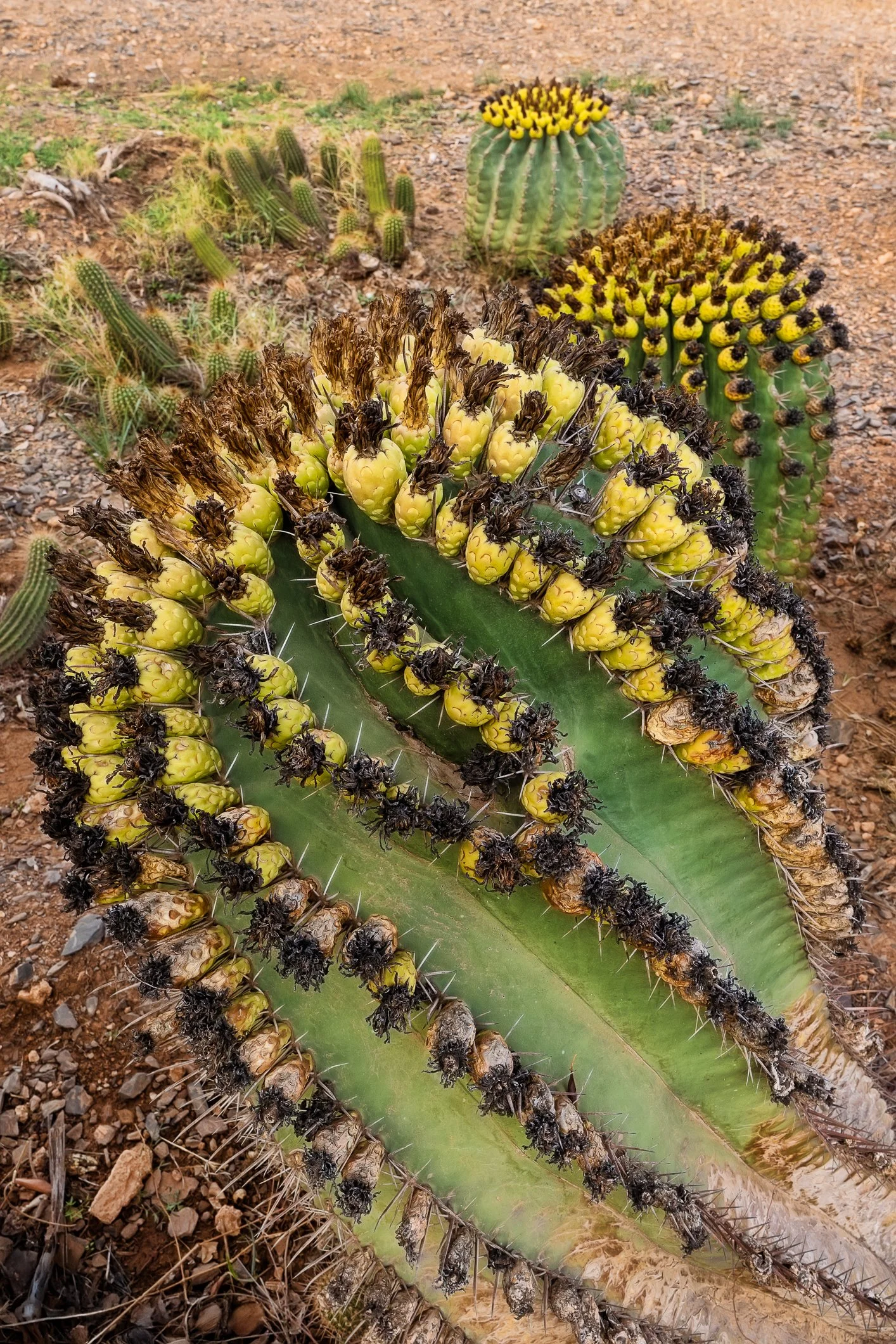
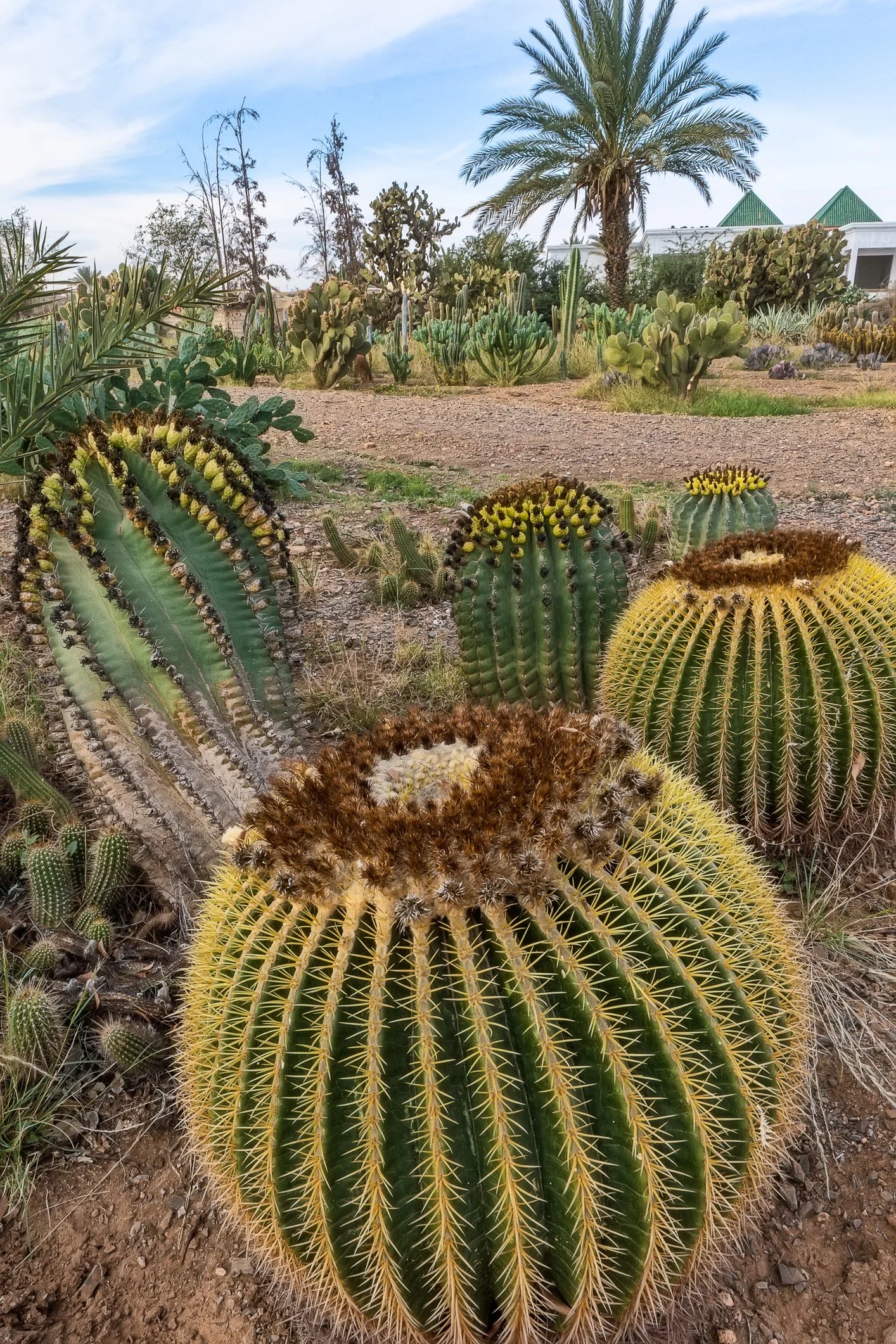
The scale is what makes this place notable. The site covers several hectares (figures vary depending on the source), with over 150 species of cacti and succulents. Many are mature specimens, some planted in the 1960s, so these are not decorative plants but fully grown desert flora. Columnar cacti reach several metres high, and there are dense groupings that resemble small forests rather than individual displays.
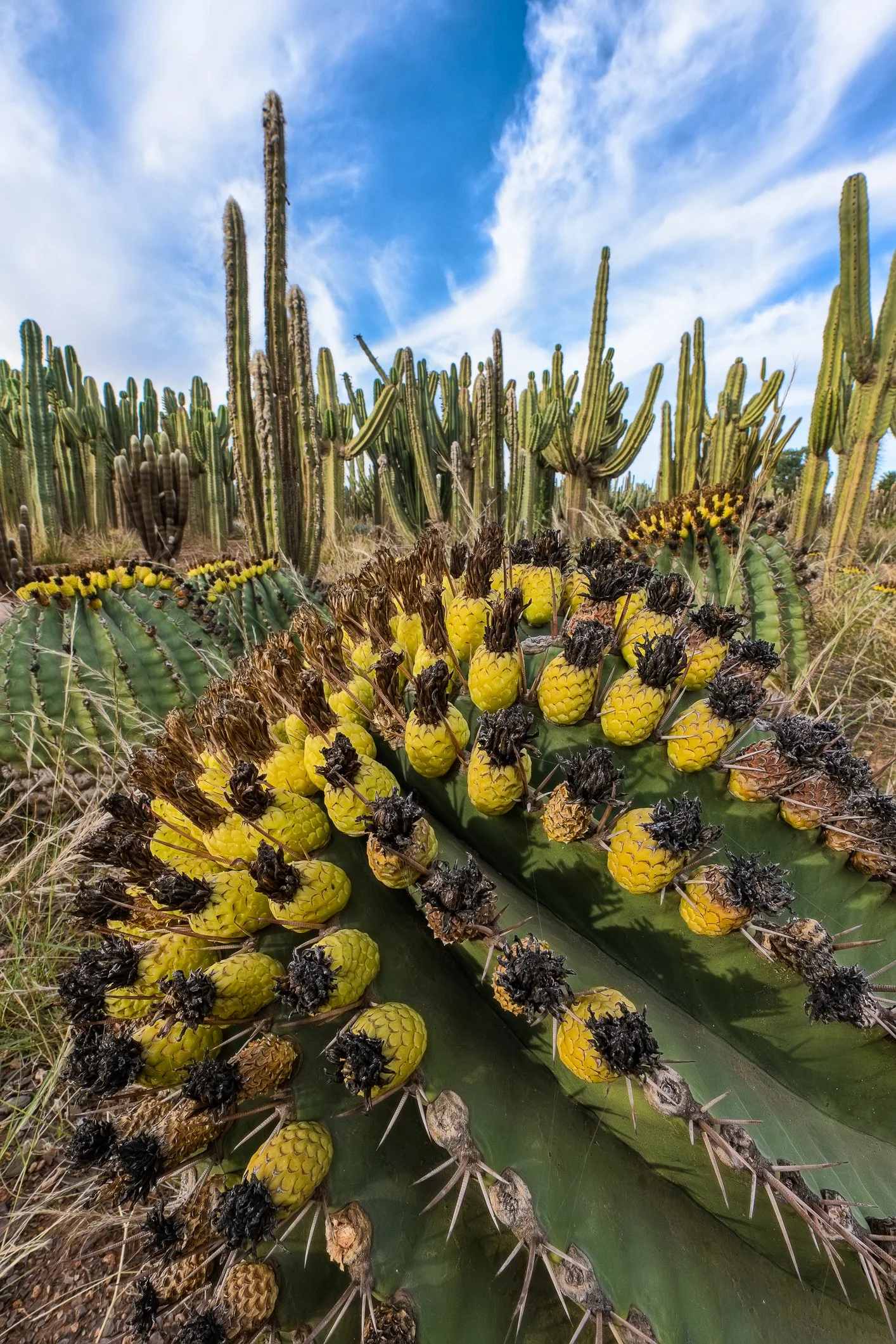
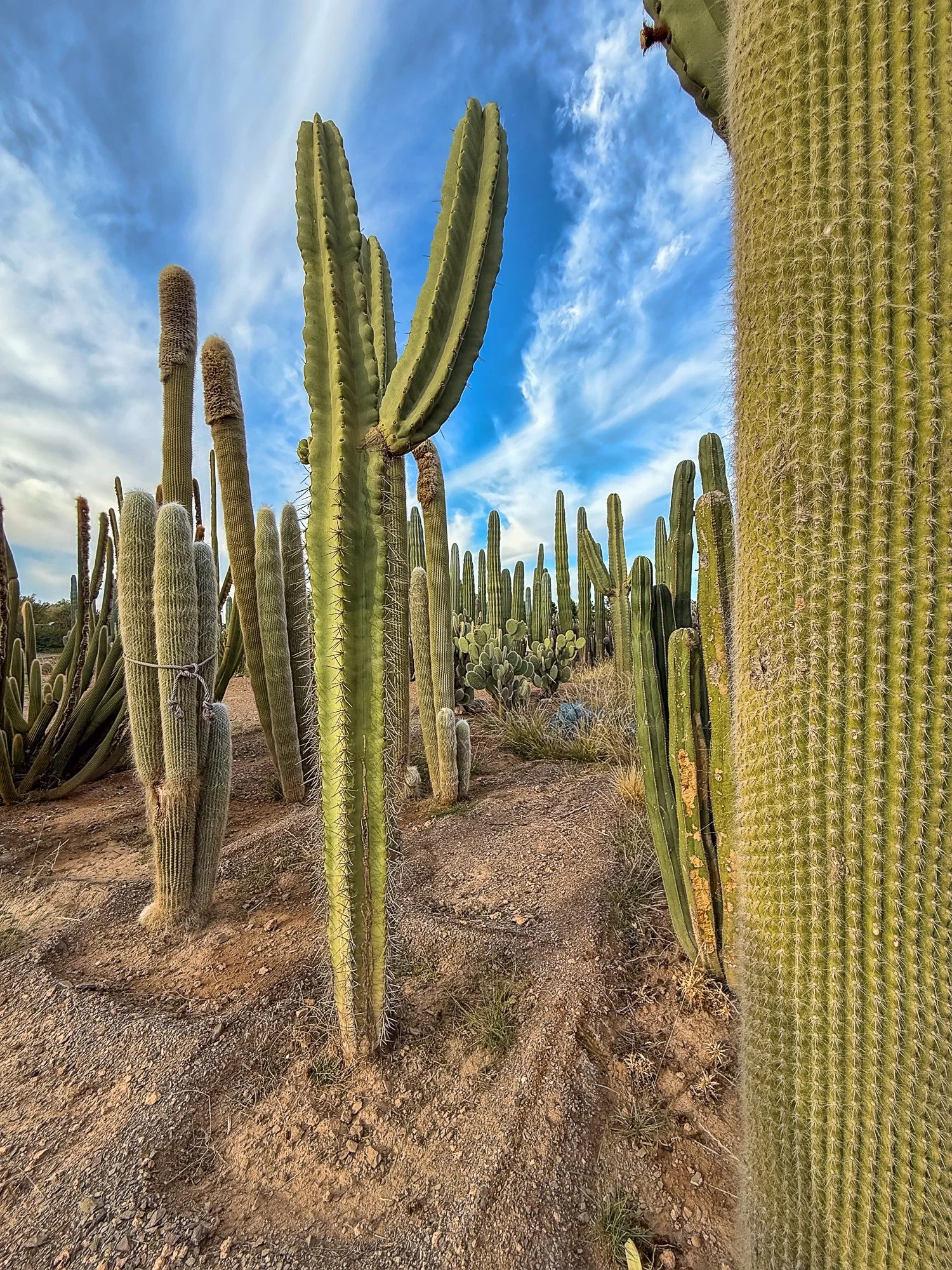
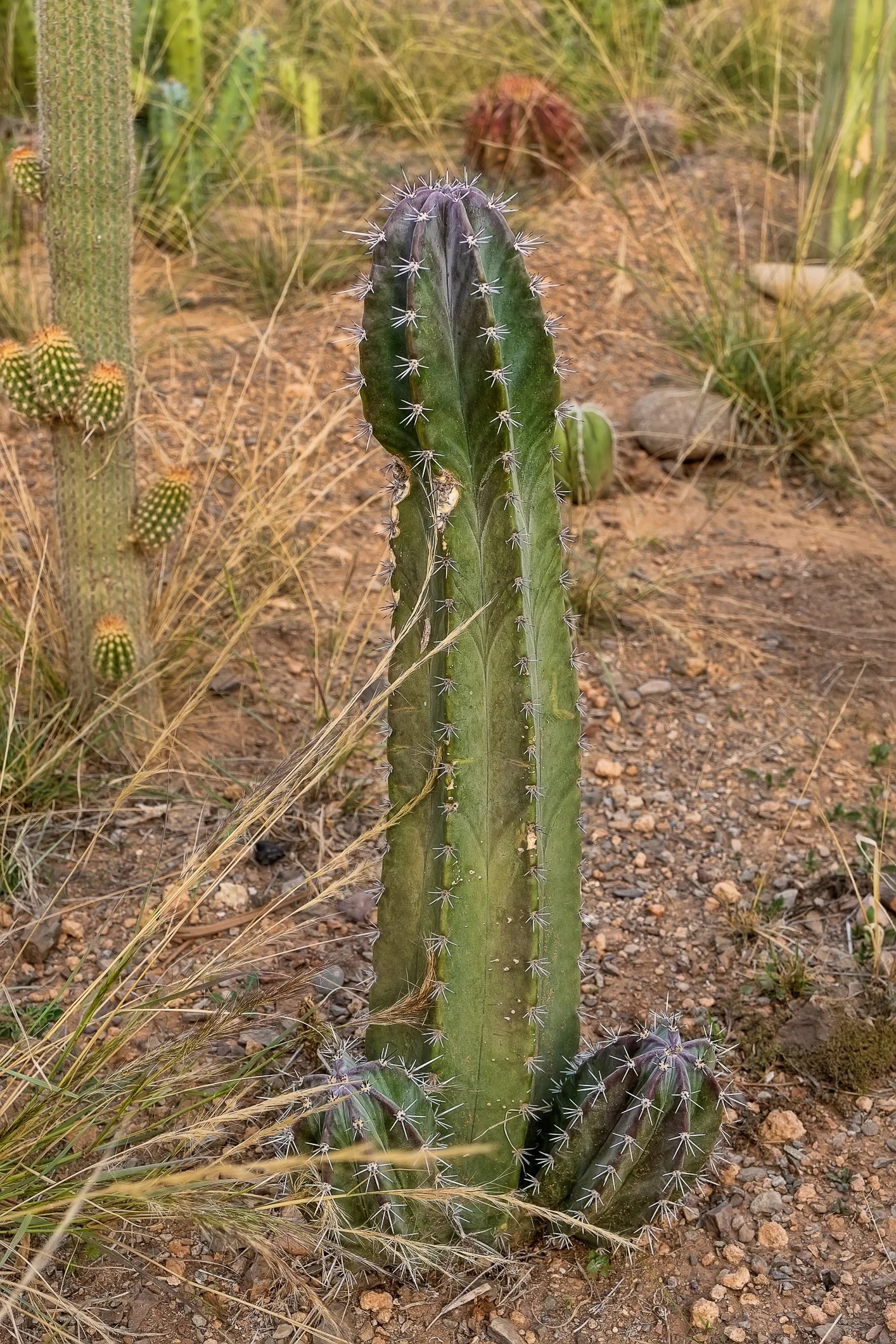
Największe wrażenie robi skala tego miejsca. Teren zajmuje kilka hektarów (dokładne dane różnią się w zależności od źródła) i rośnie tu ponad 150 gatunków kaktusów i sukulentów. Wiele z nich to dojrzałe okazy, sadzone jeszcze w latach 60-tych, więc nie są to małe rośliny ozdobne, tylko w pełni rozwinięta roślinność pustynna. Niektóre kaktusy osiągają kilka metrów wysokości, a ich skupiska przypominają raczej niewielki las niż klasyczny ogród.
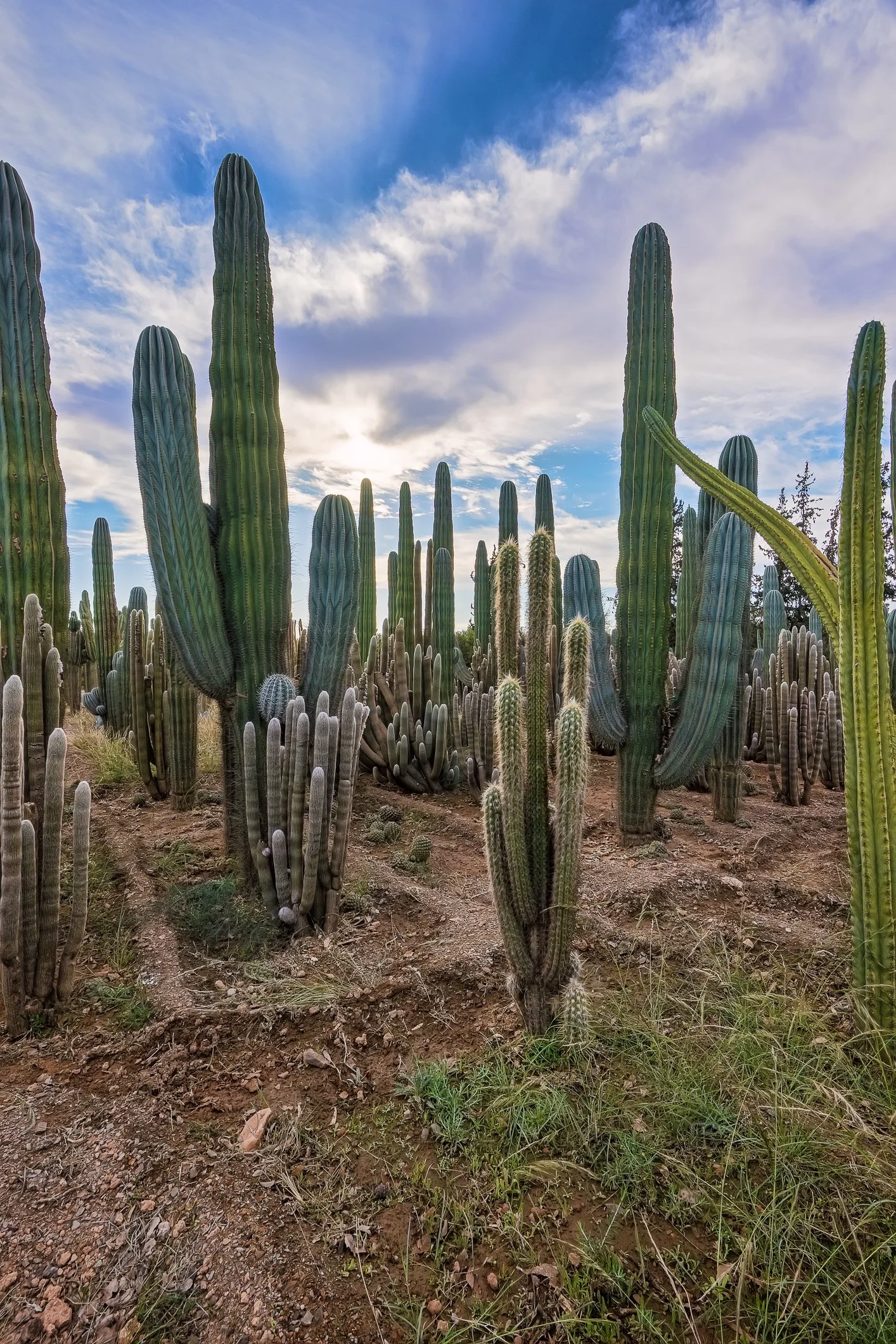
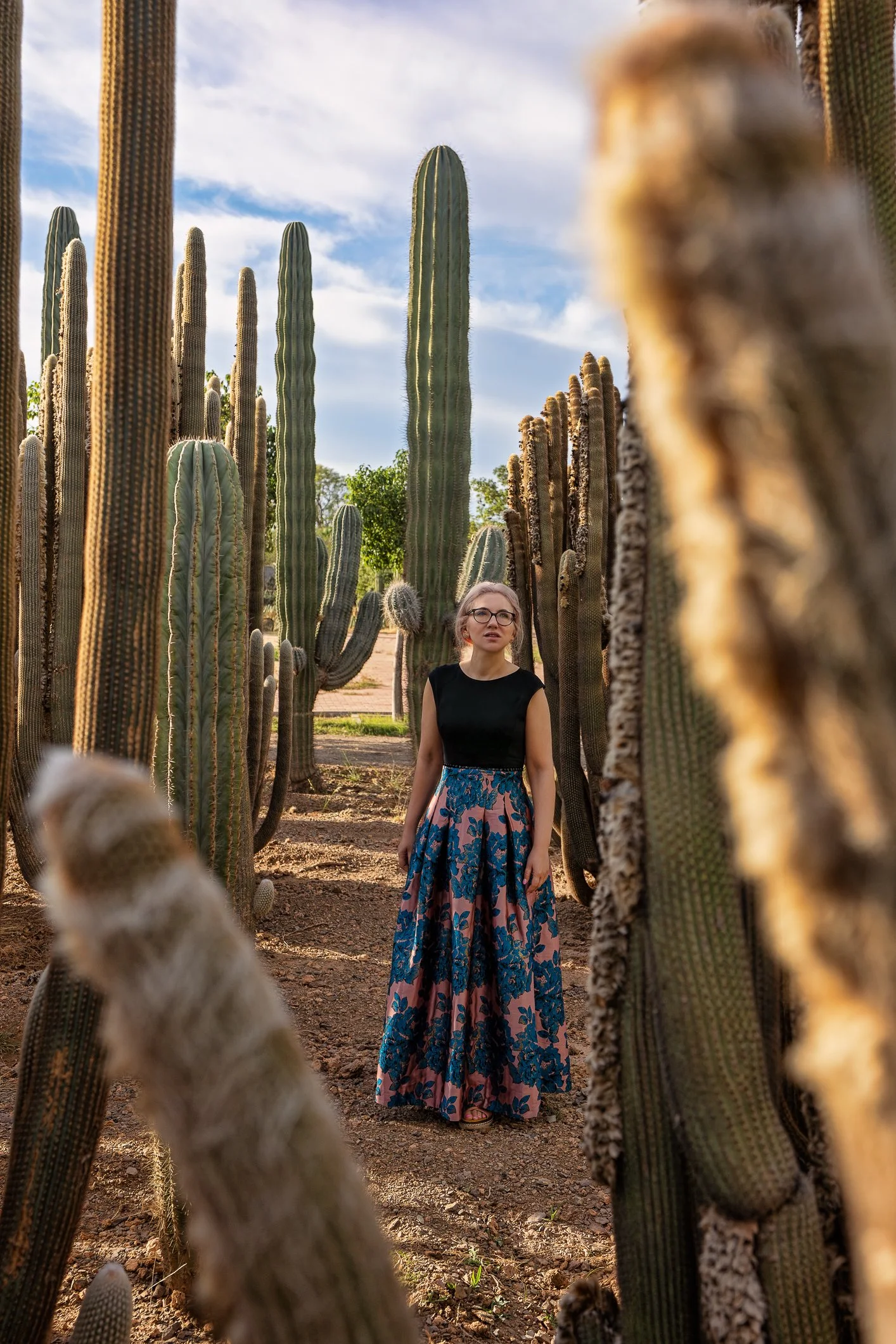
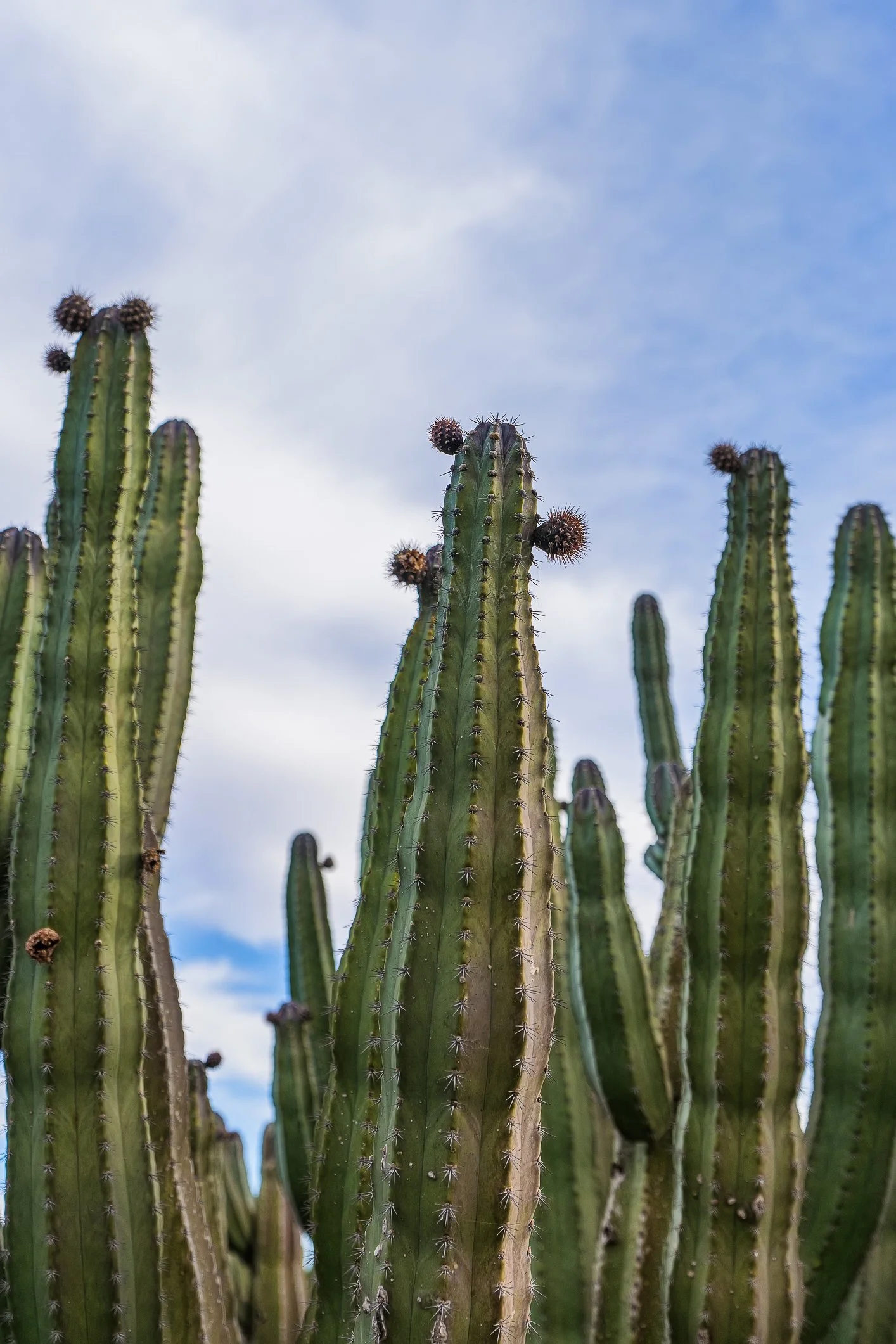
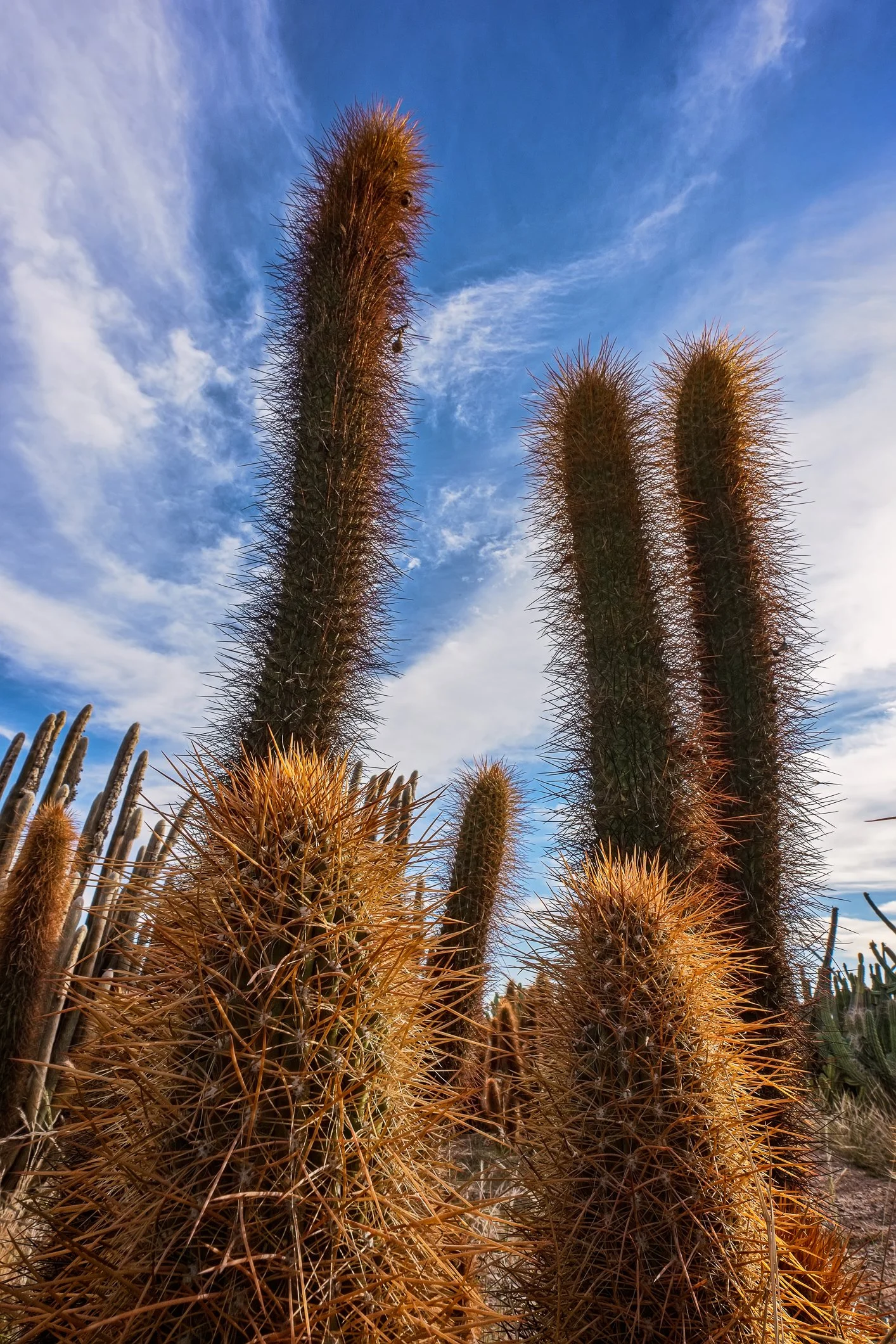
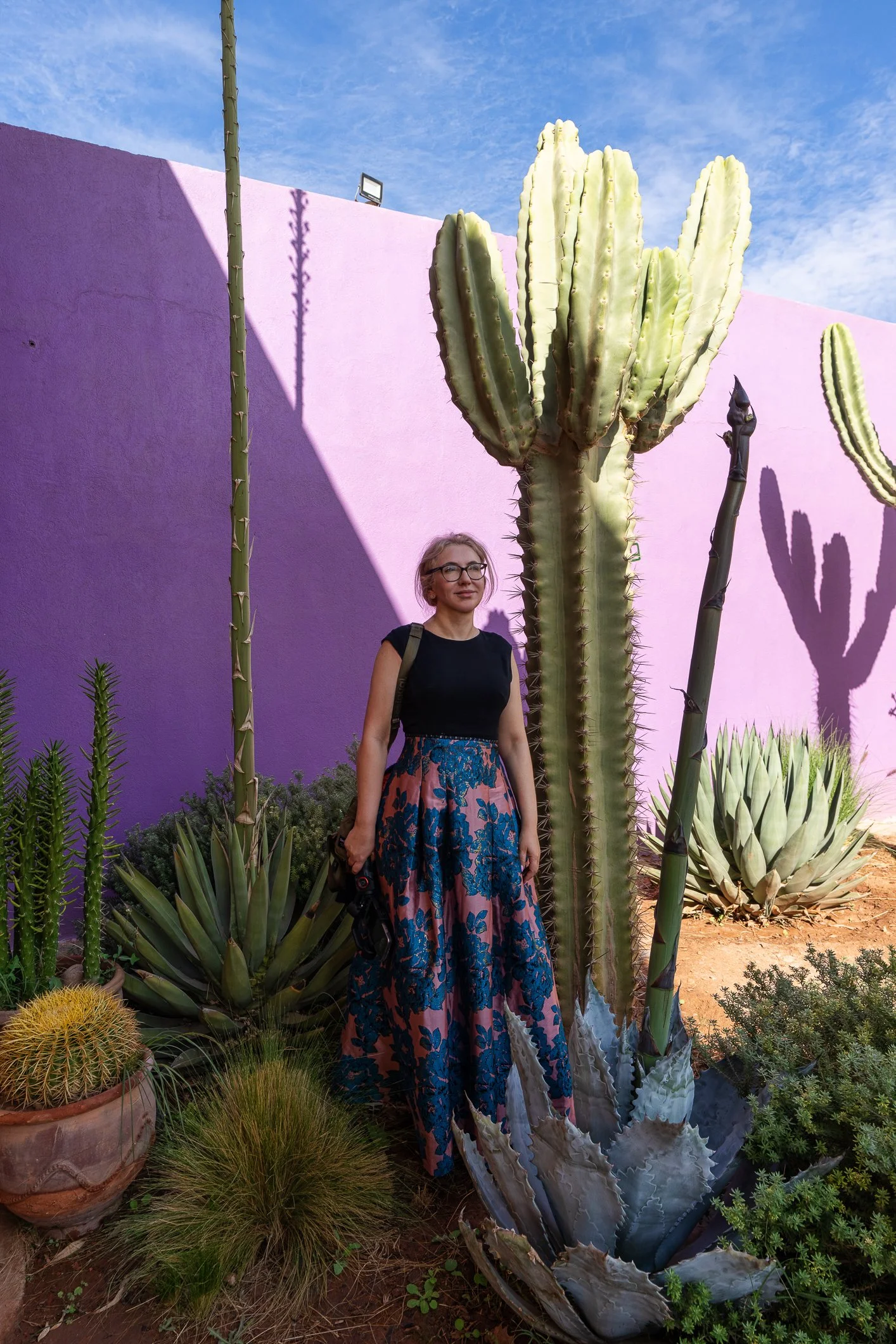
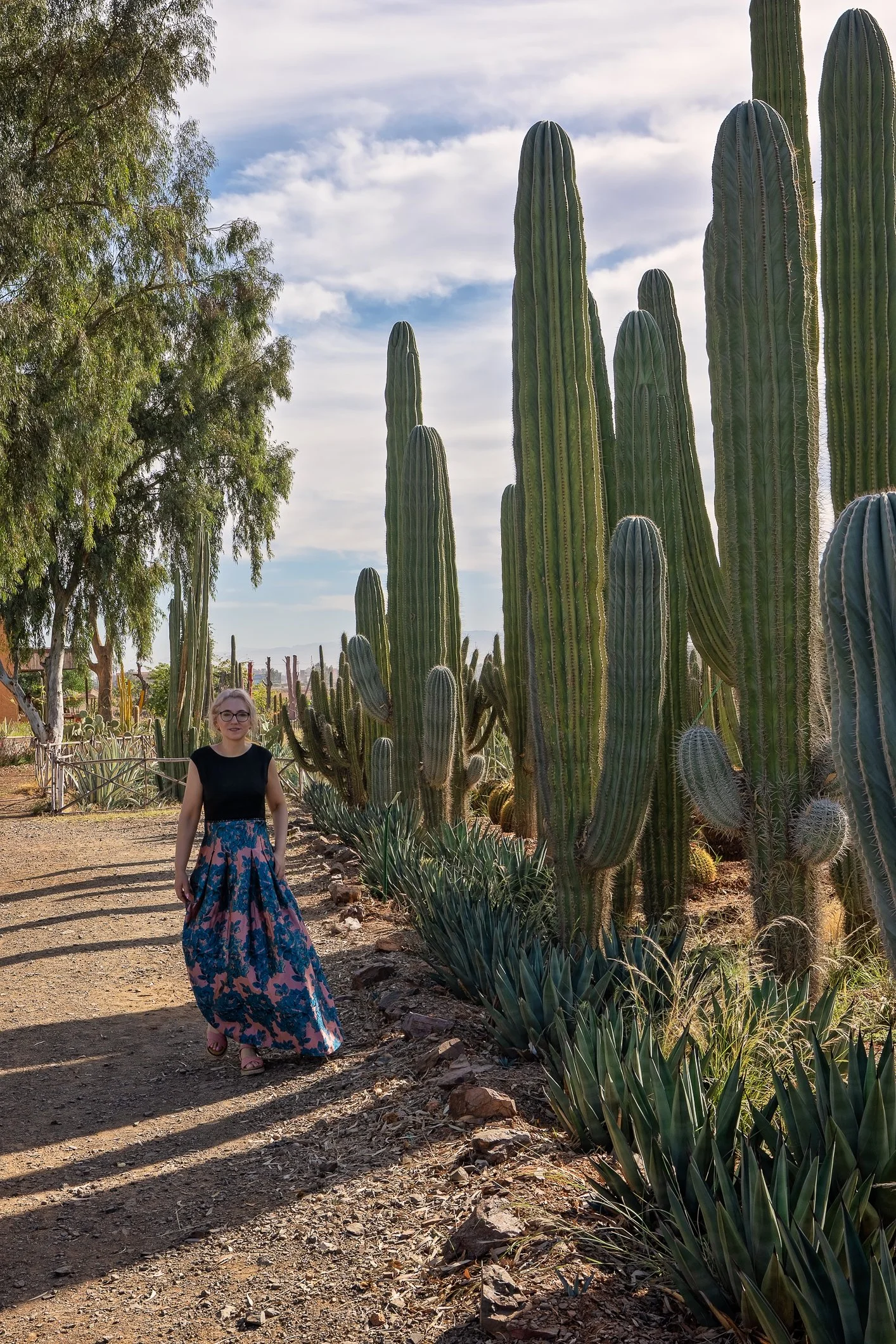
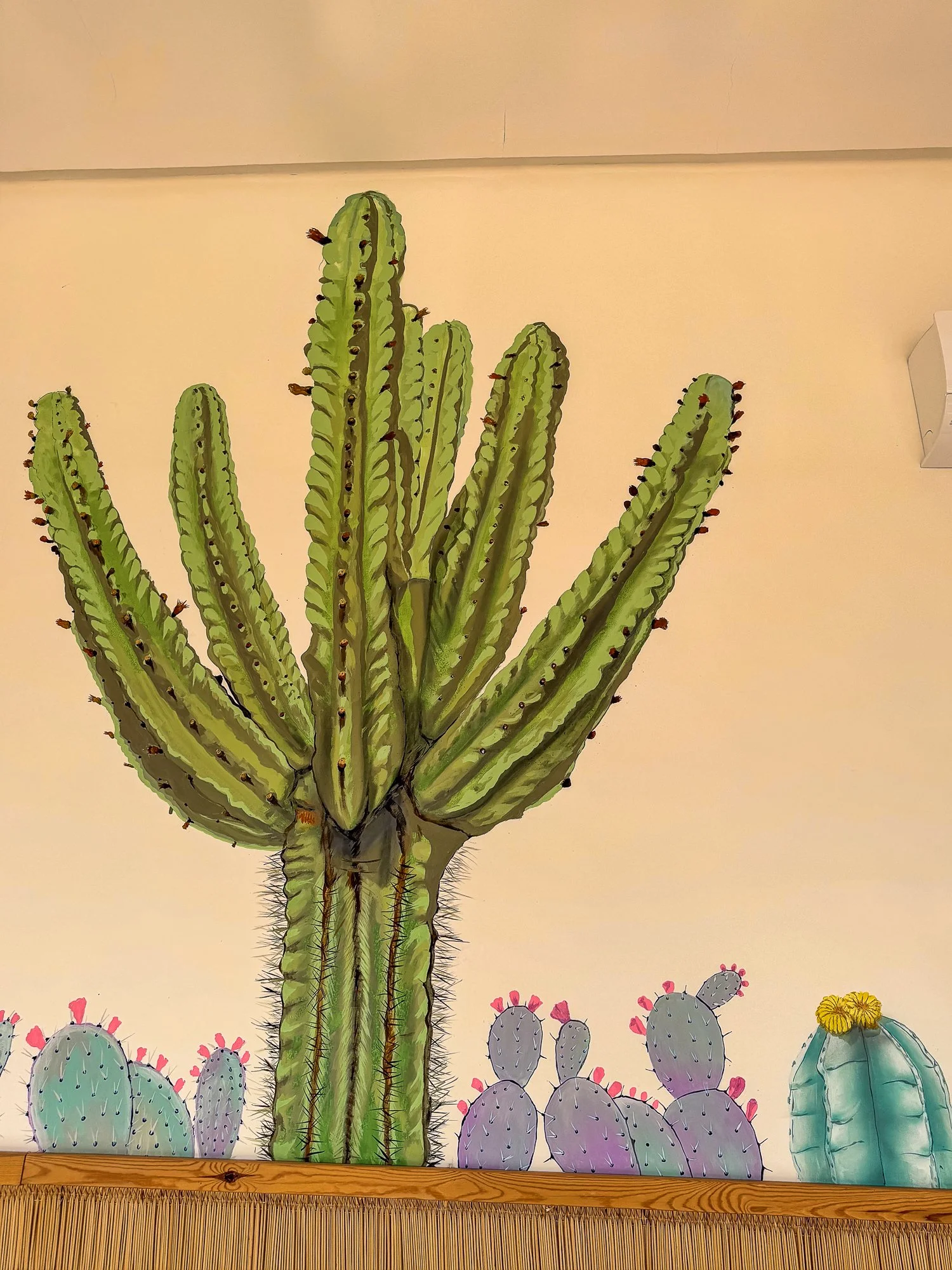
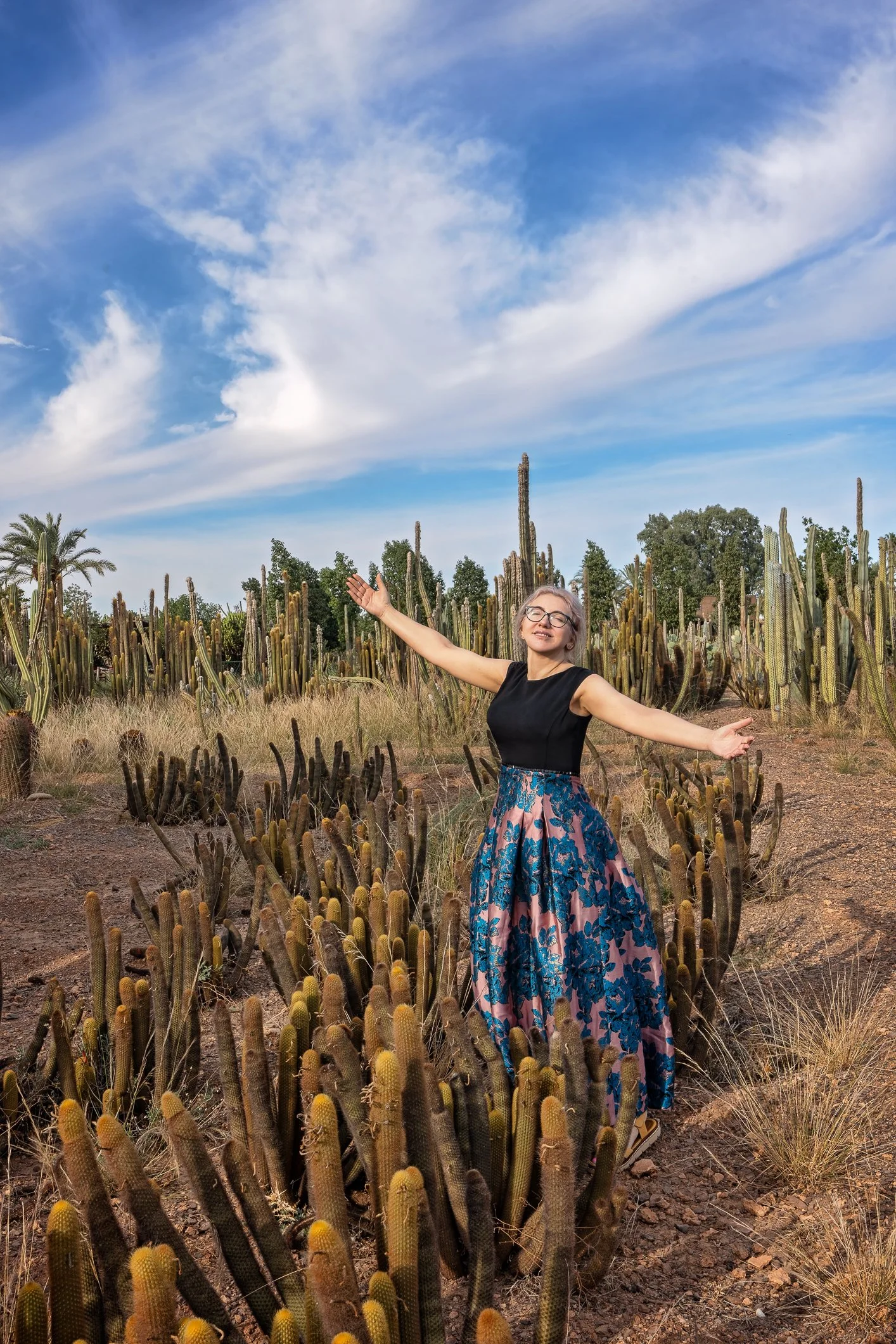
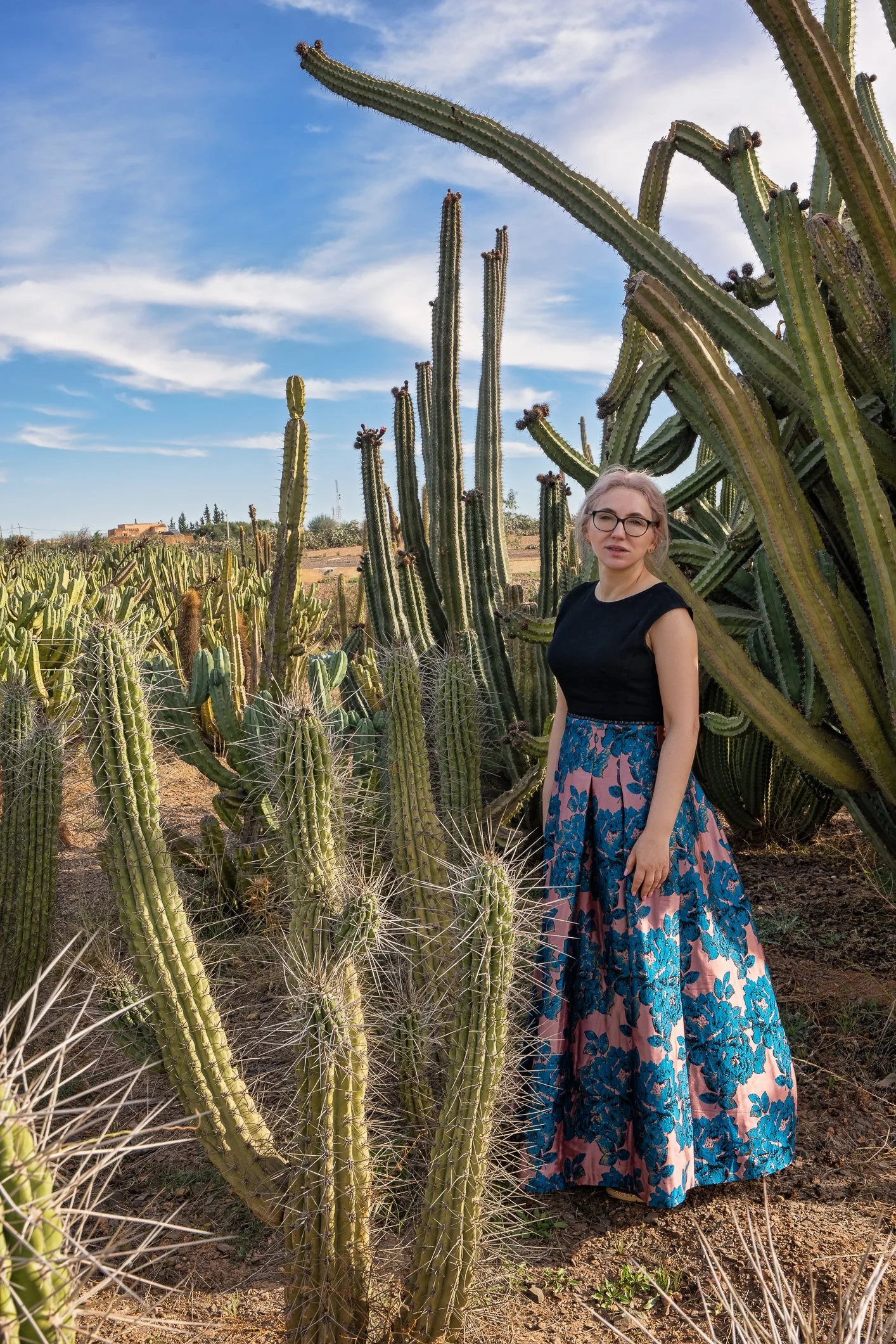
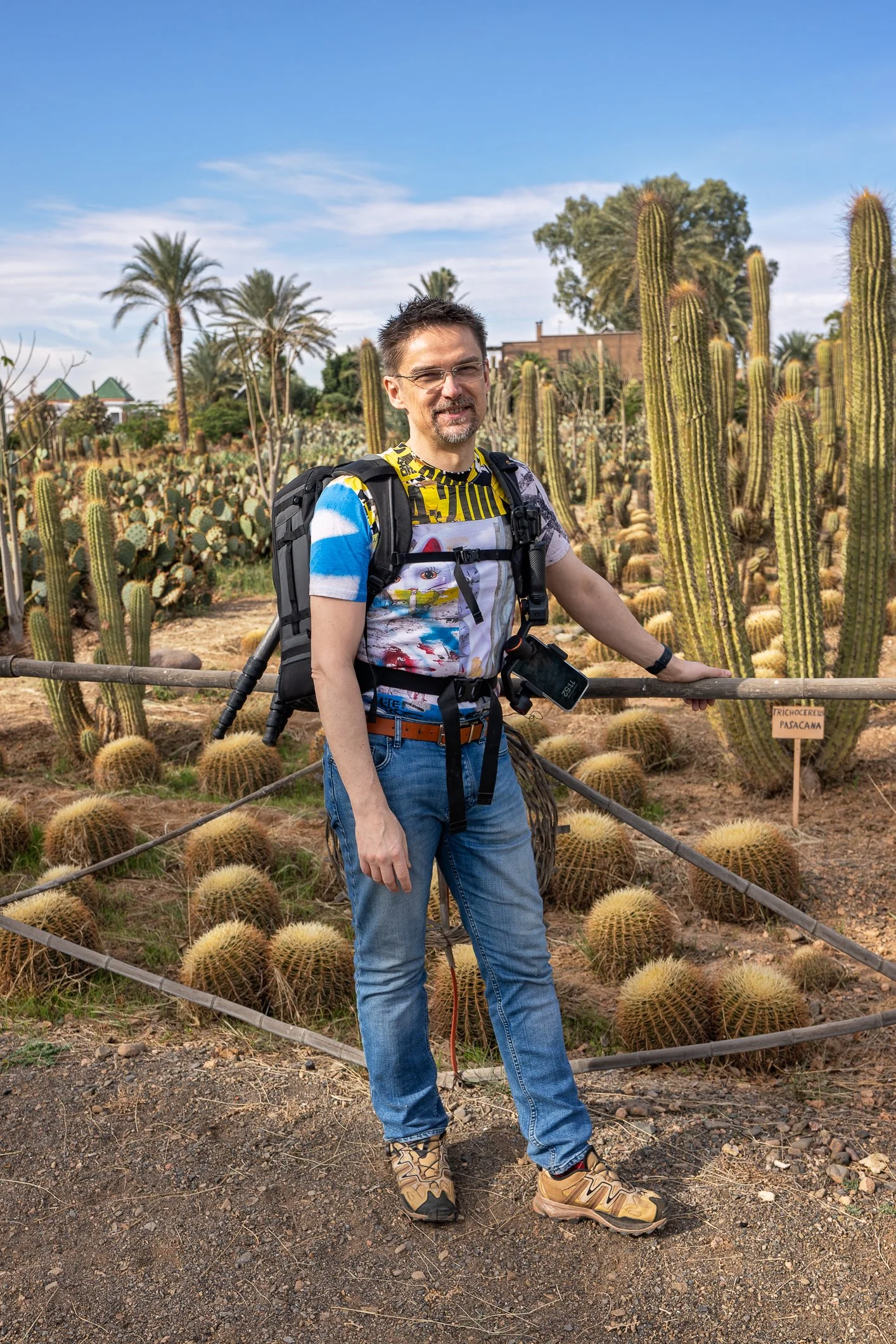
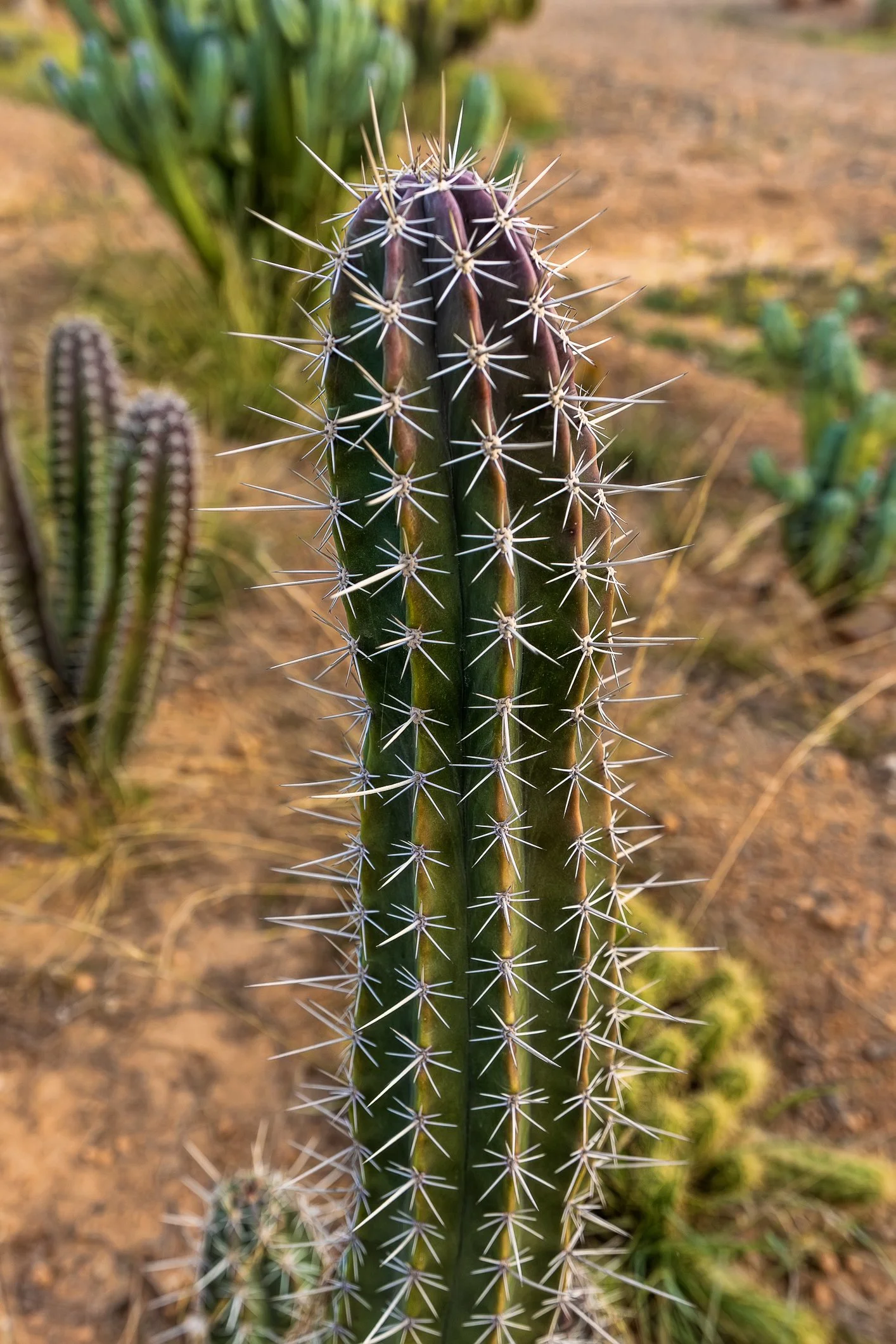
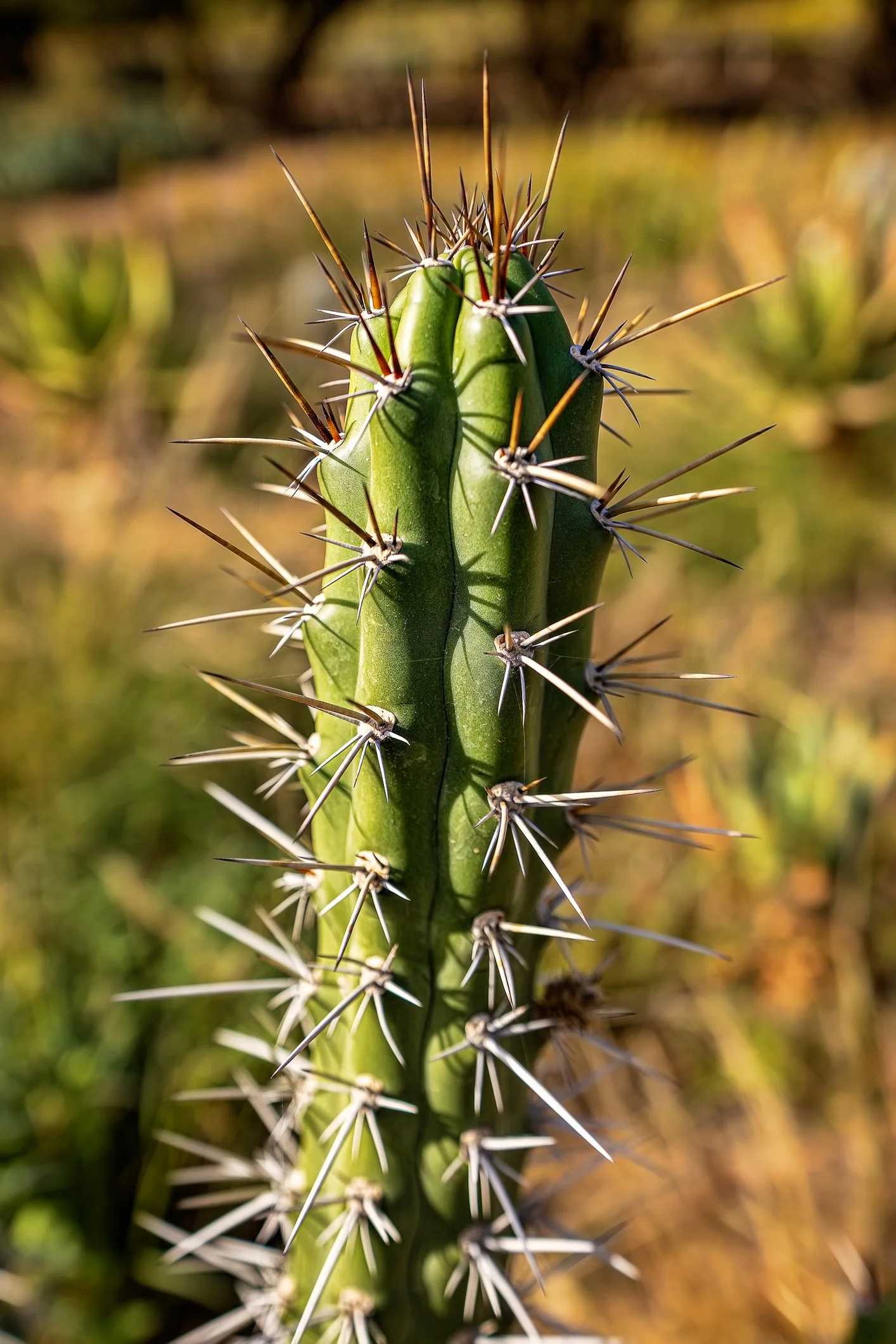
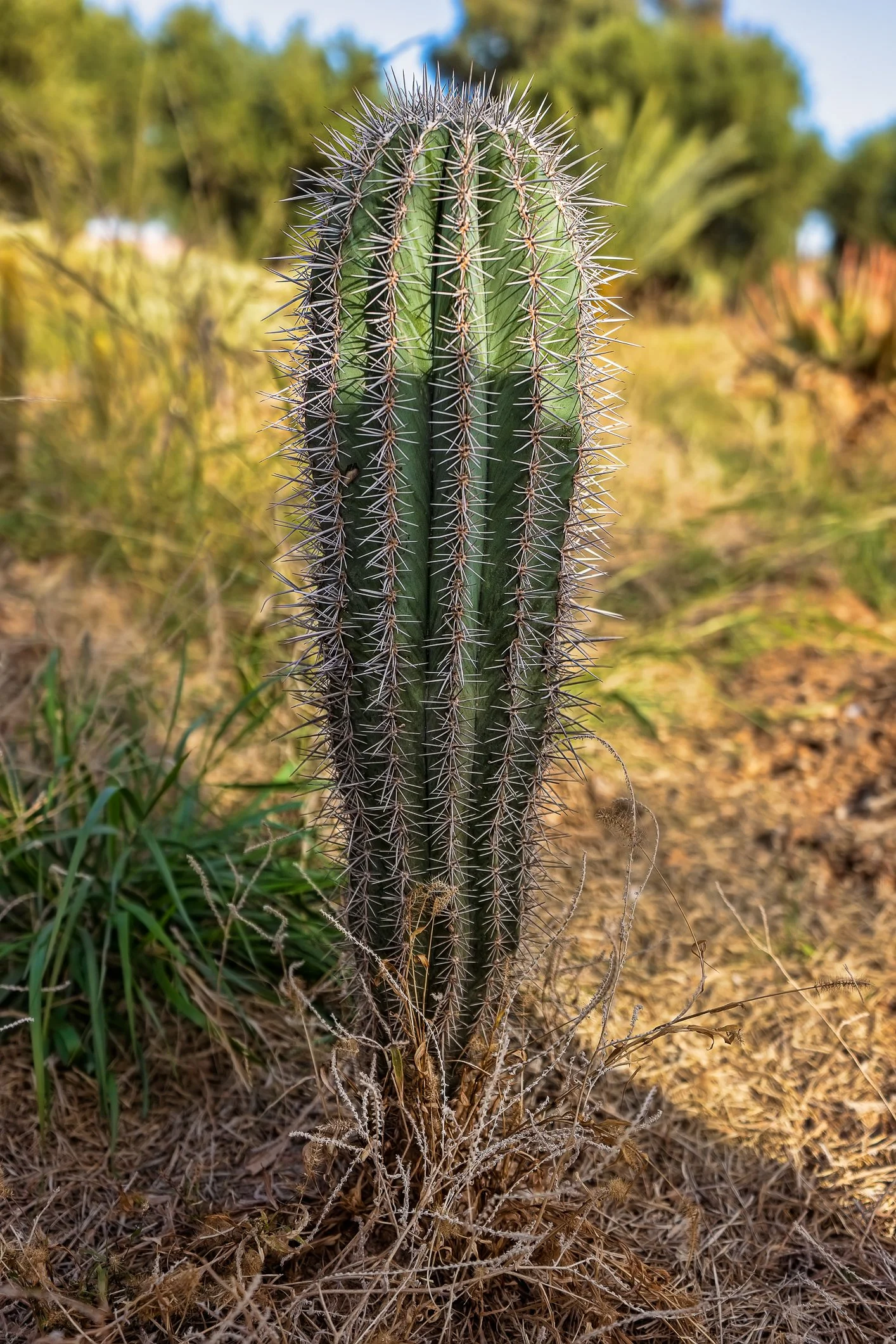
As we walk through the garden, the most striking plants are the tall, tree-like cacti. These include species from genera such as Pachycereus and Carnegiea, which can grow several metres high and create the impression of a cactus “forest.” Some of these are among the oldest plants on the site.


Spacerując po ogrodzie, największe wrażenie robią wysokie, drzewiaste kaktusy. Należą między innymi do rodzajów Pachycereus i Carnegiea, które mogą osiągać imponujące rozmiary i tworzą efekt „kaktusowego lasu”. To jedne z najstarszych roślin w całej kolekcji.

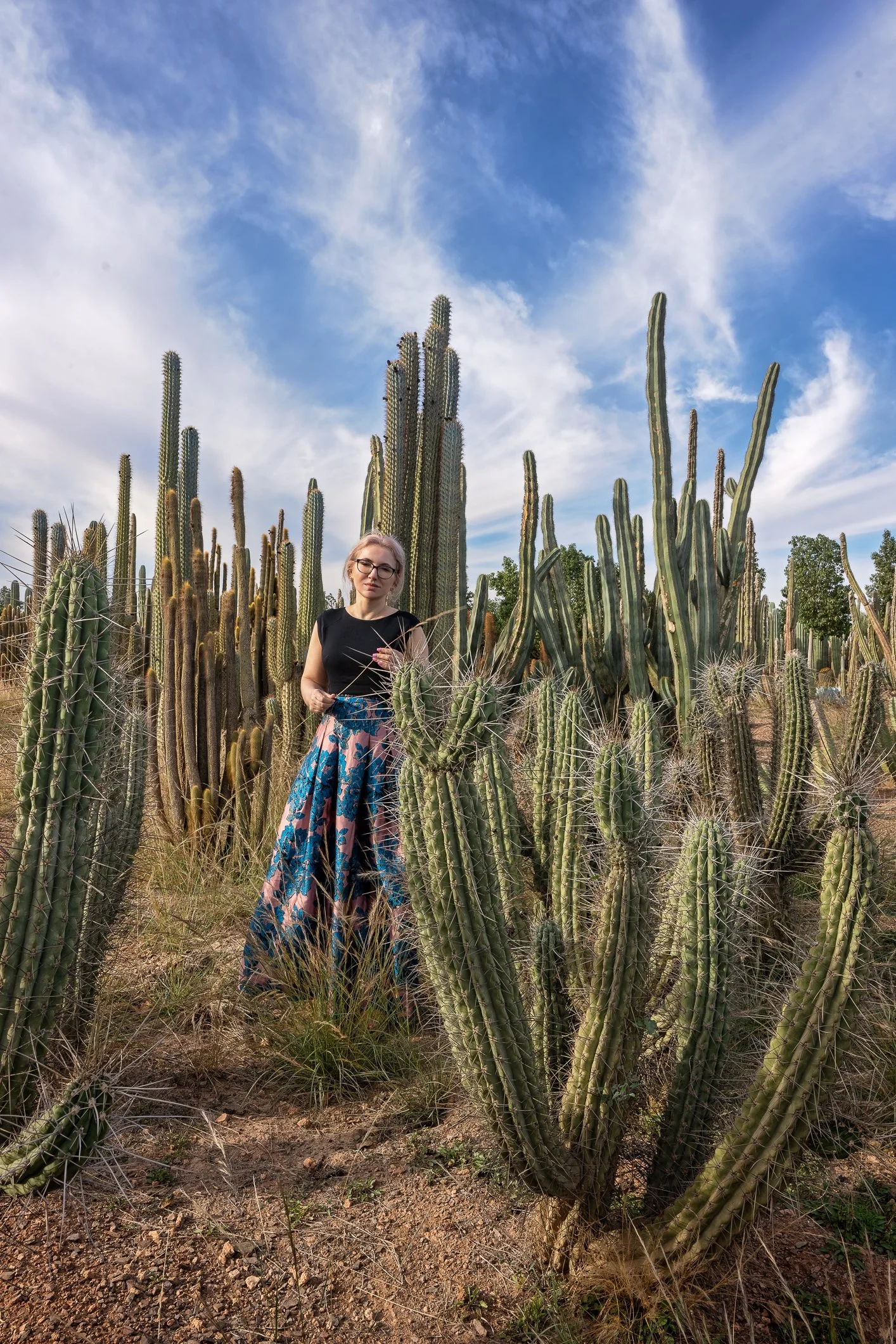
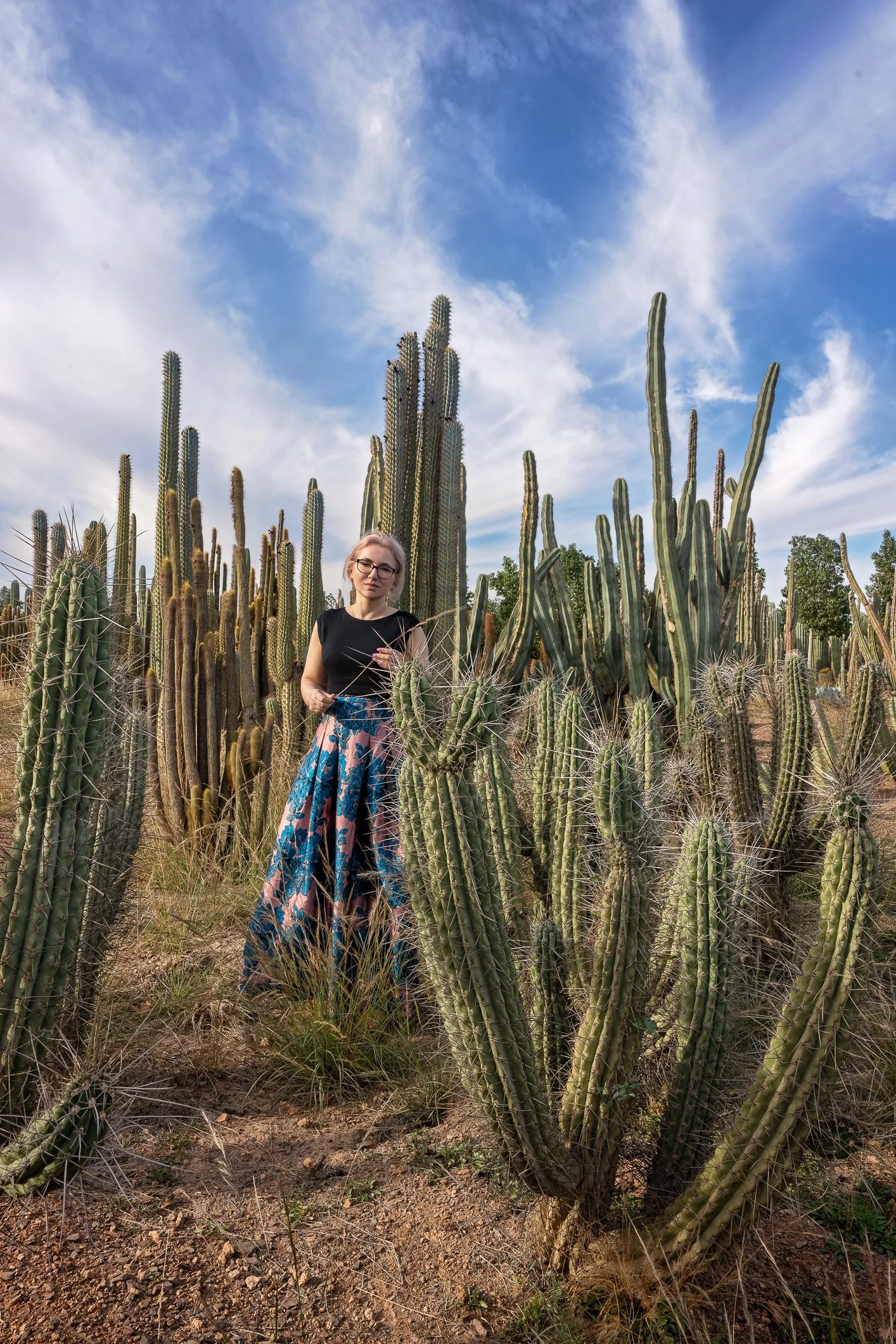
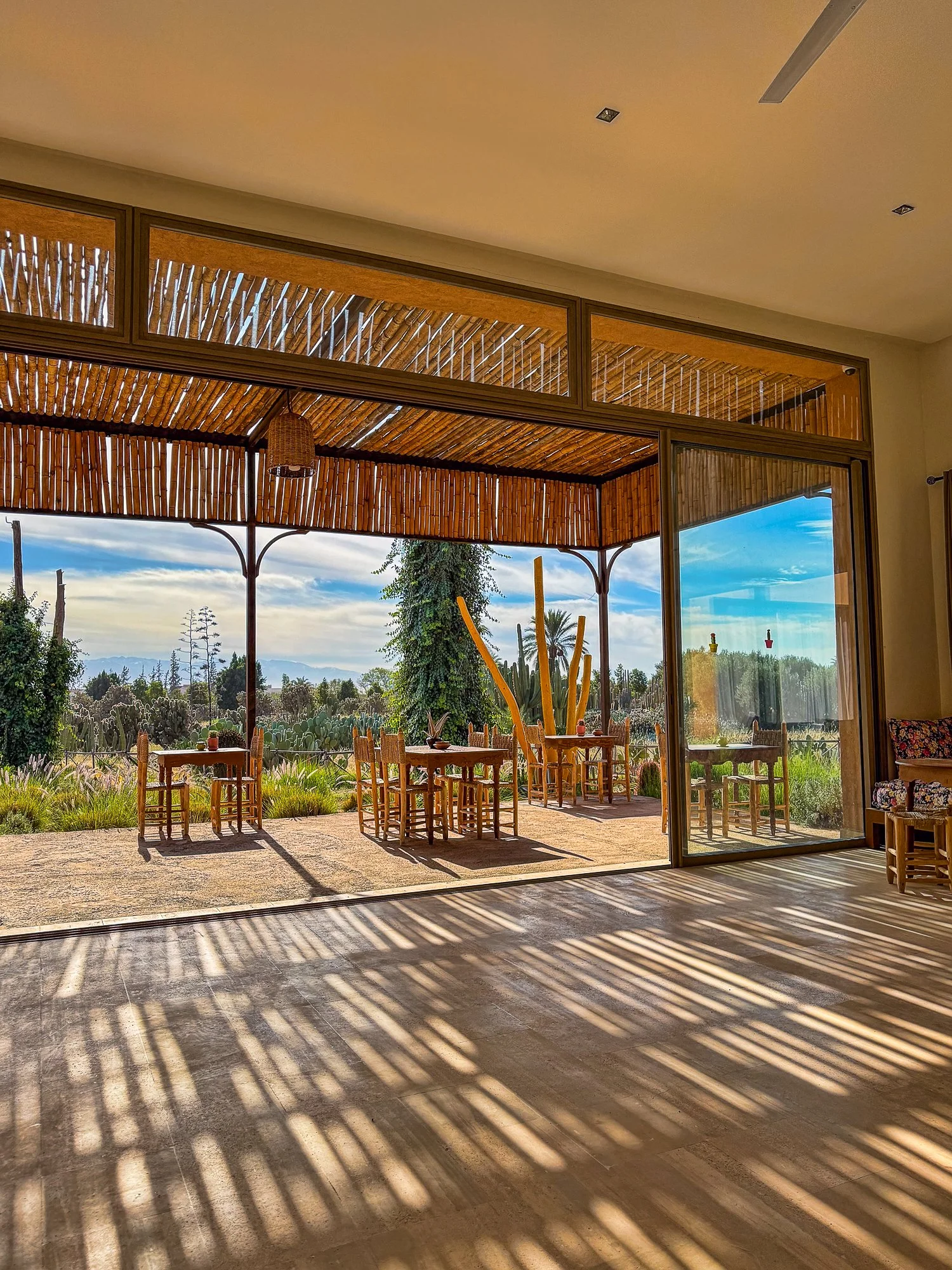
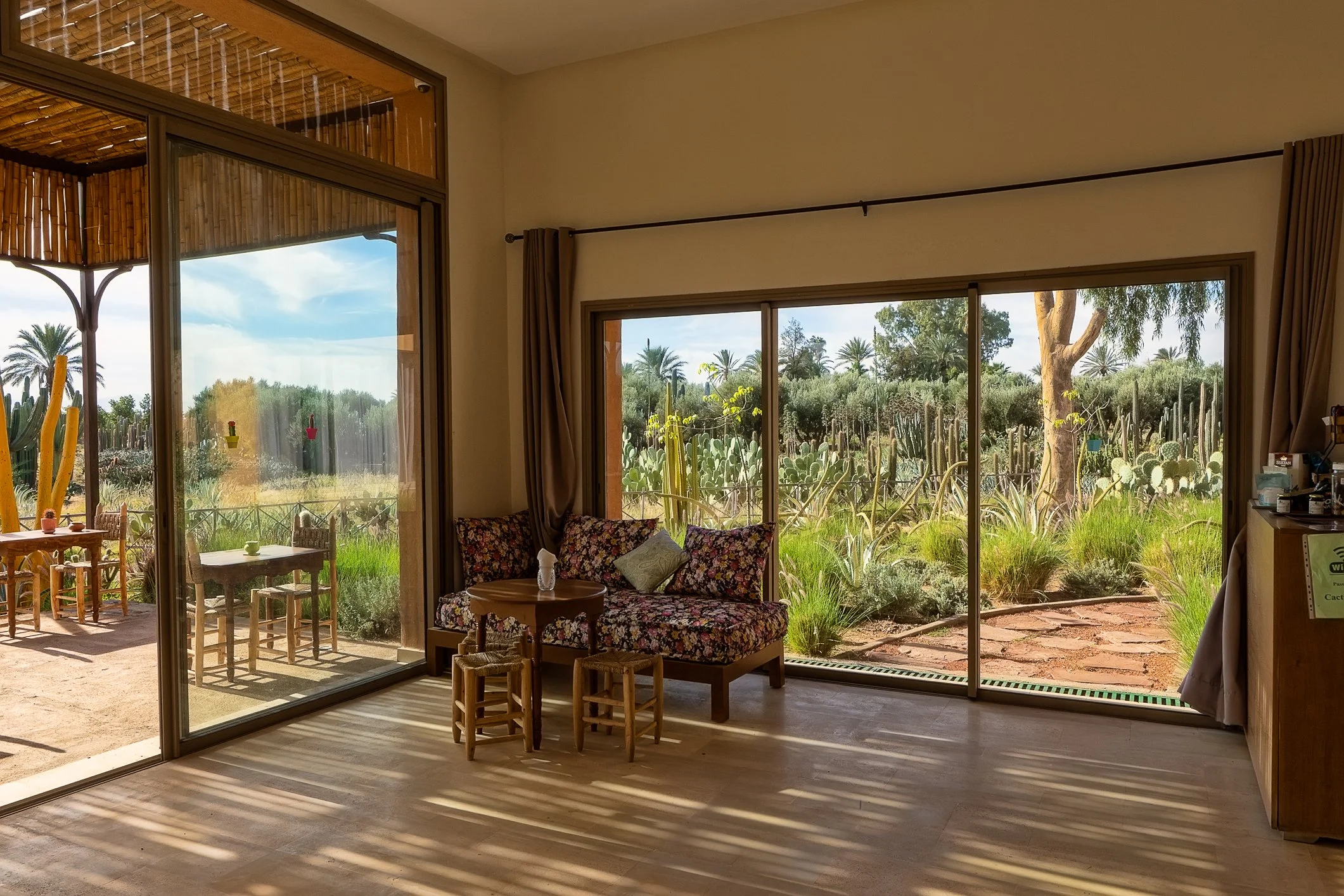
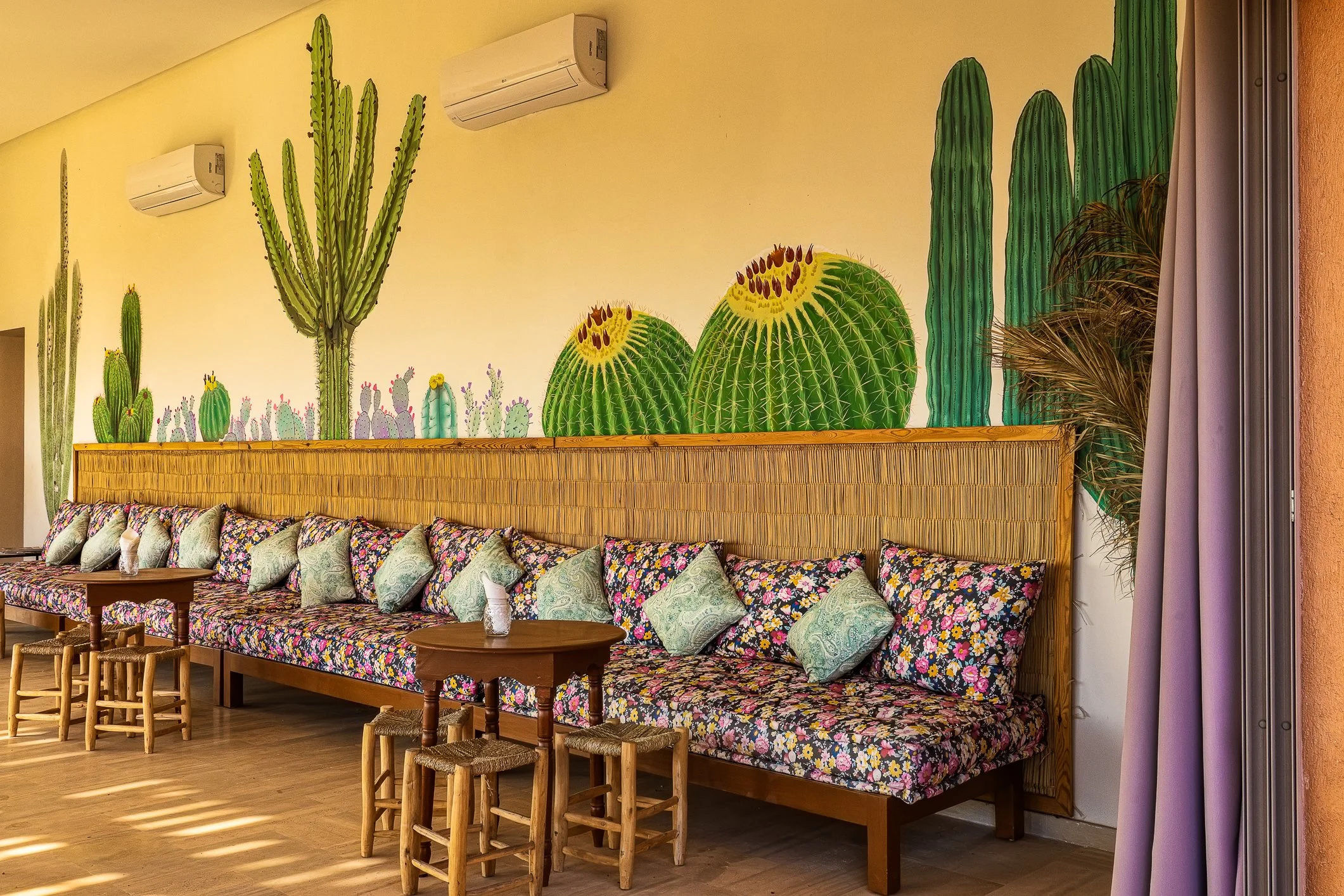
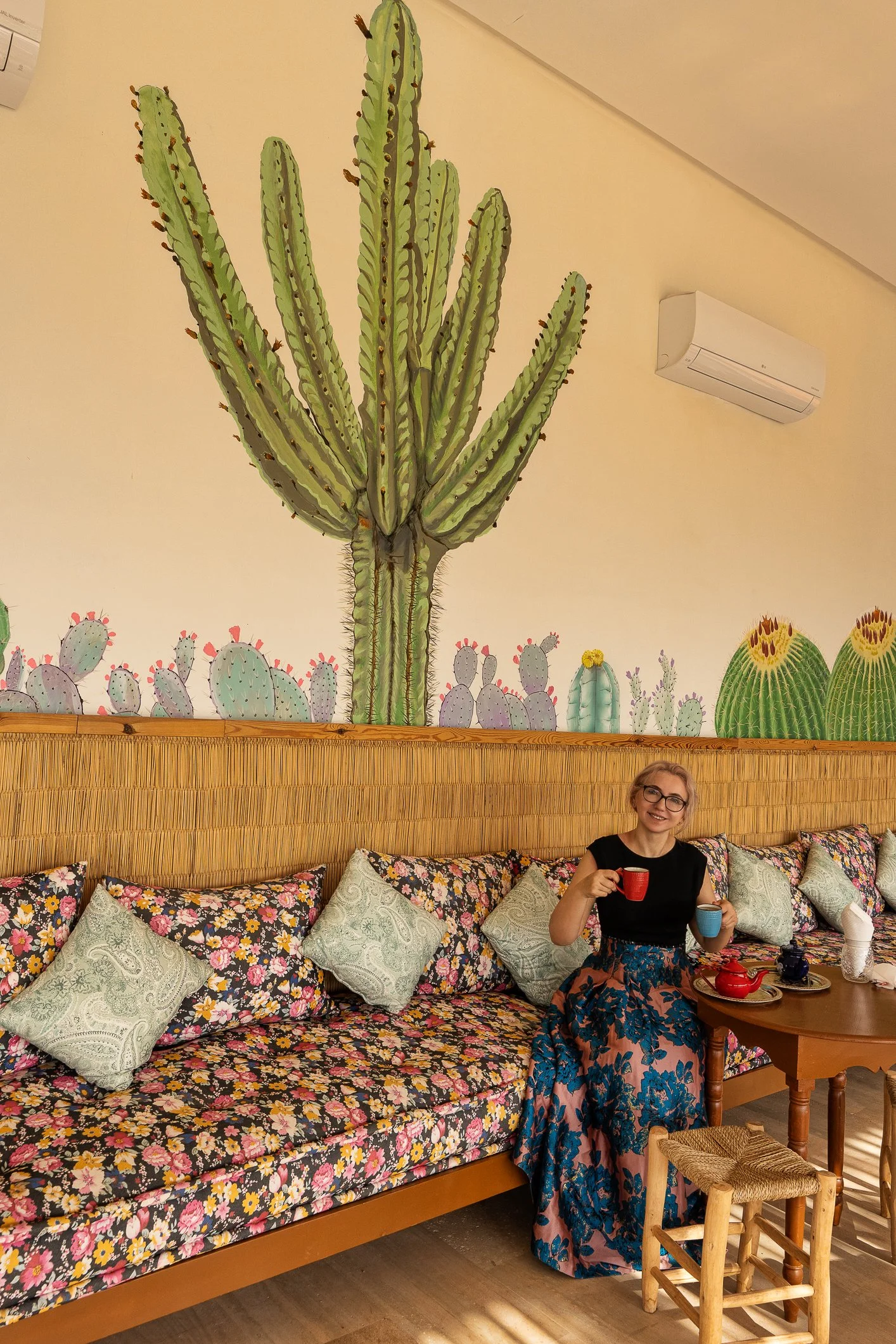
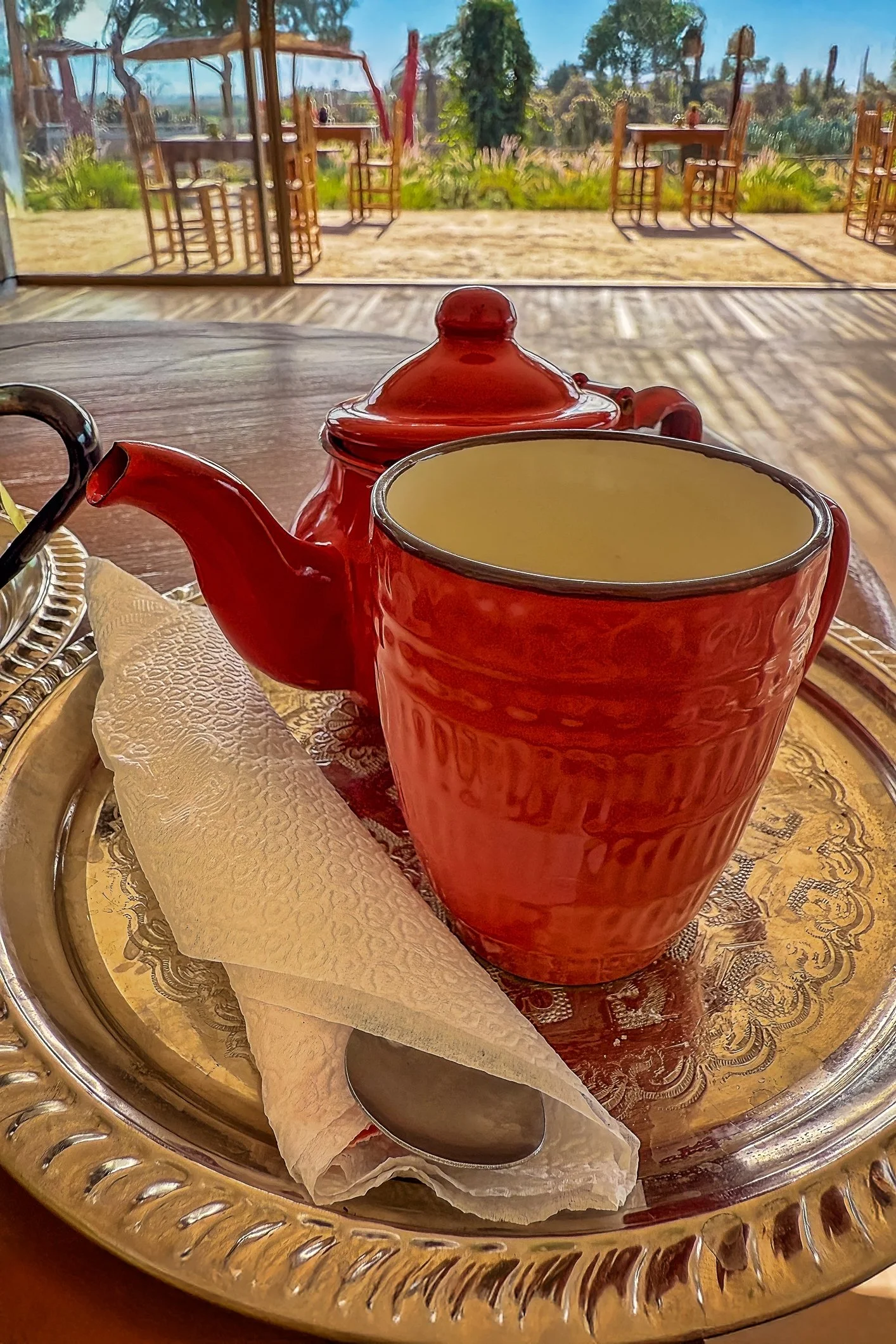
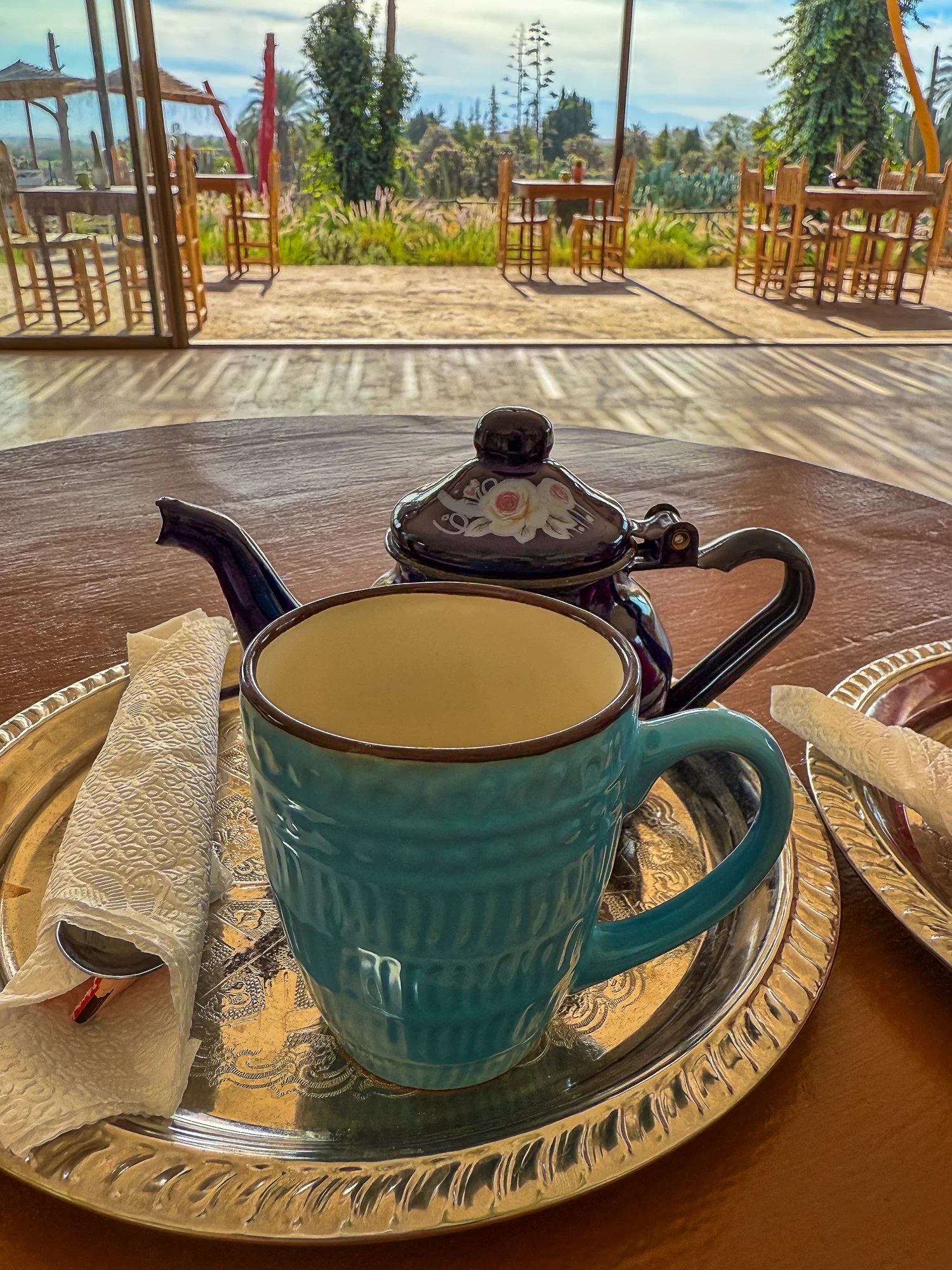
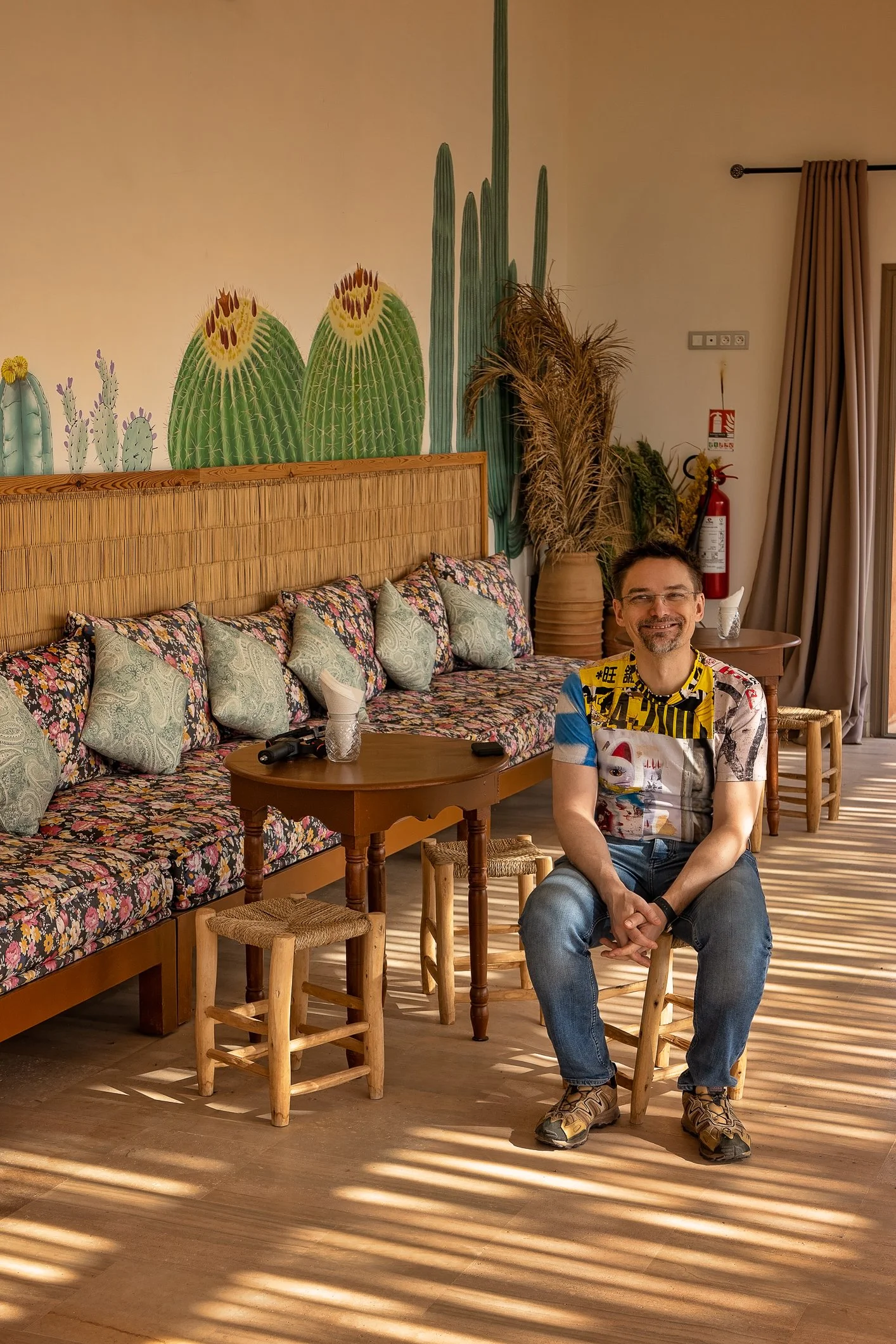
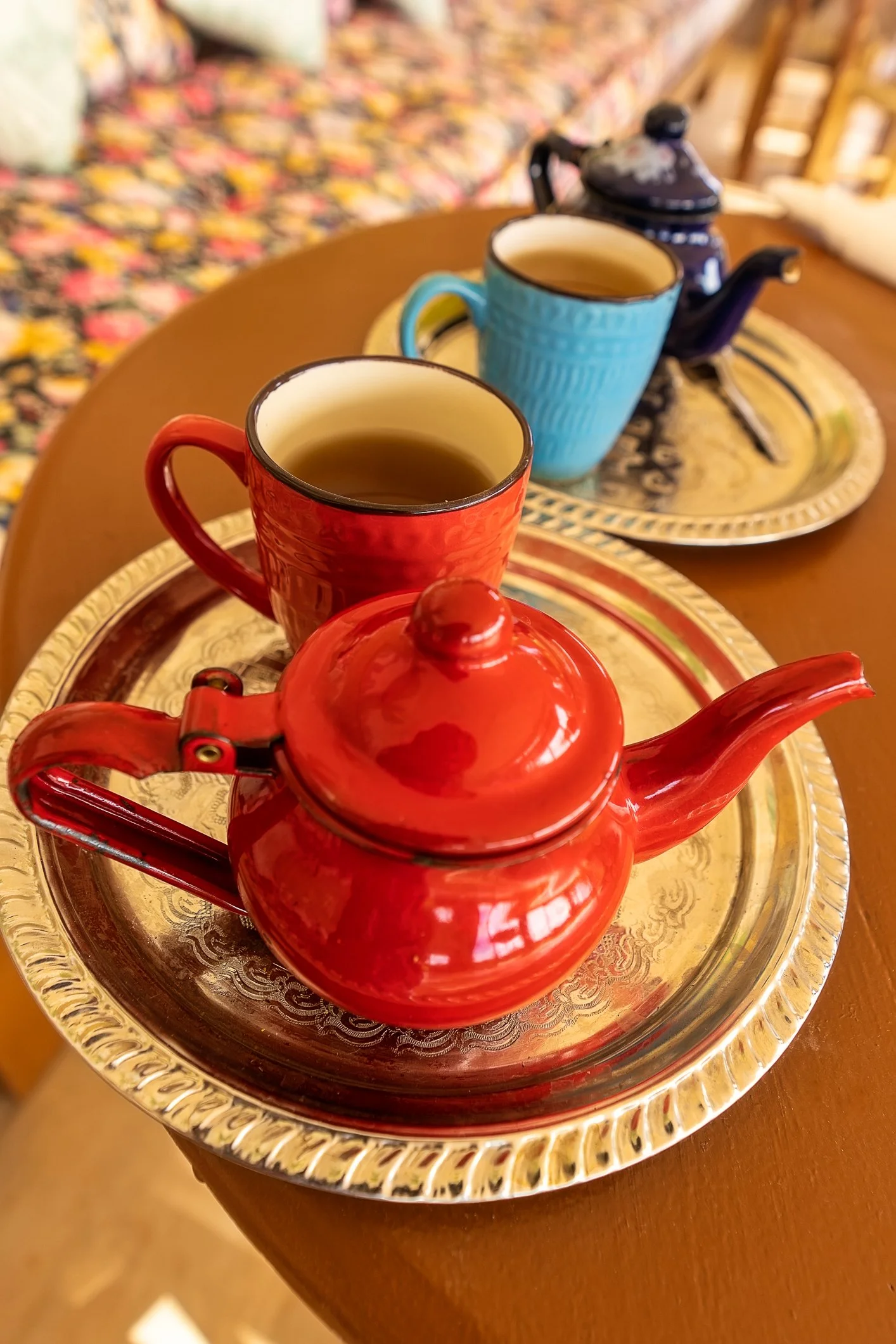
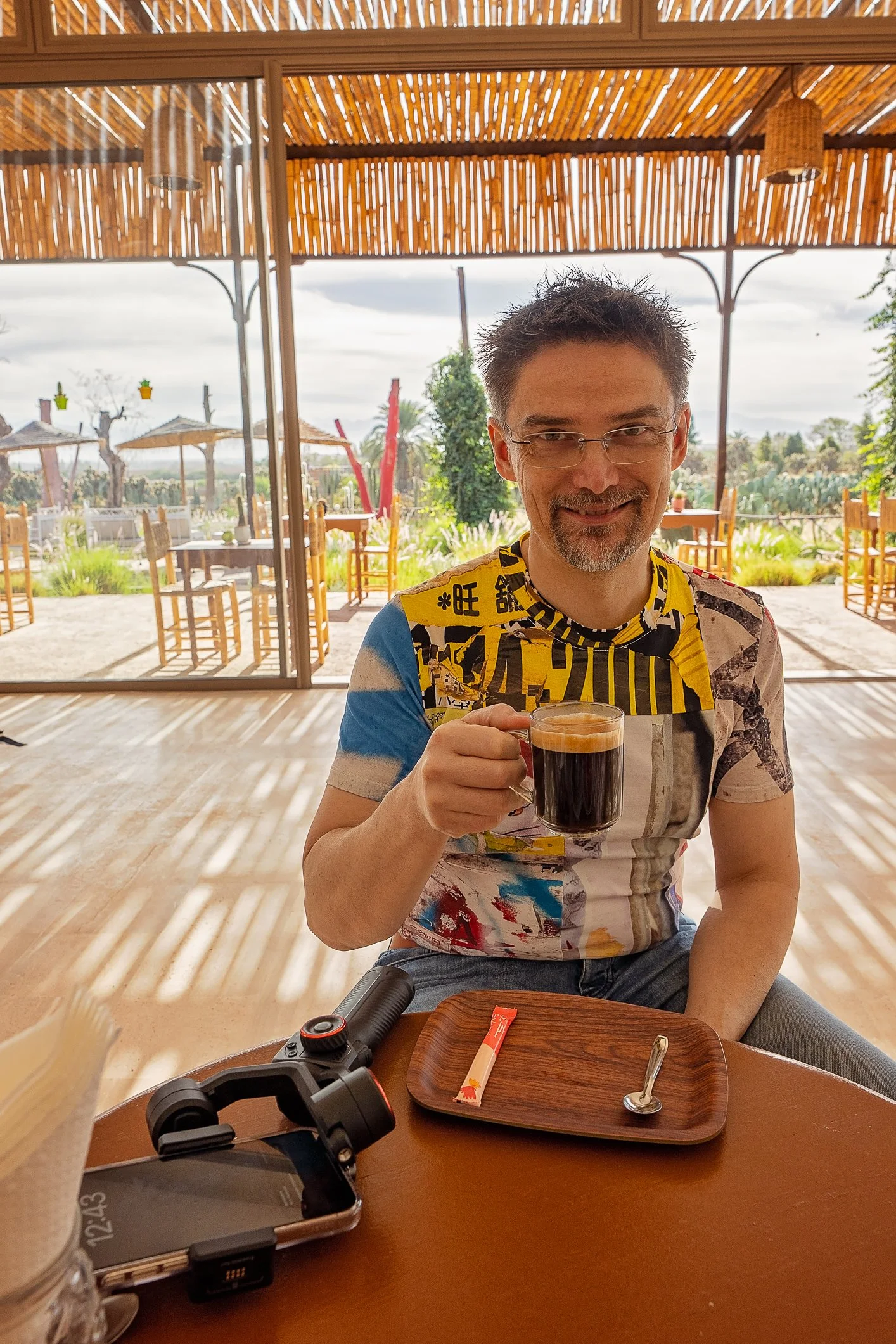
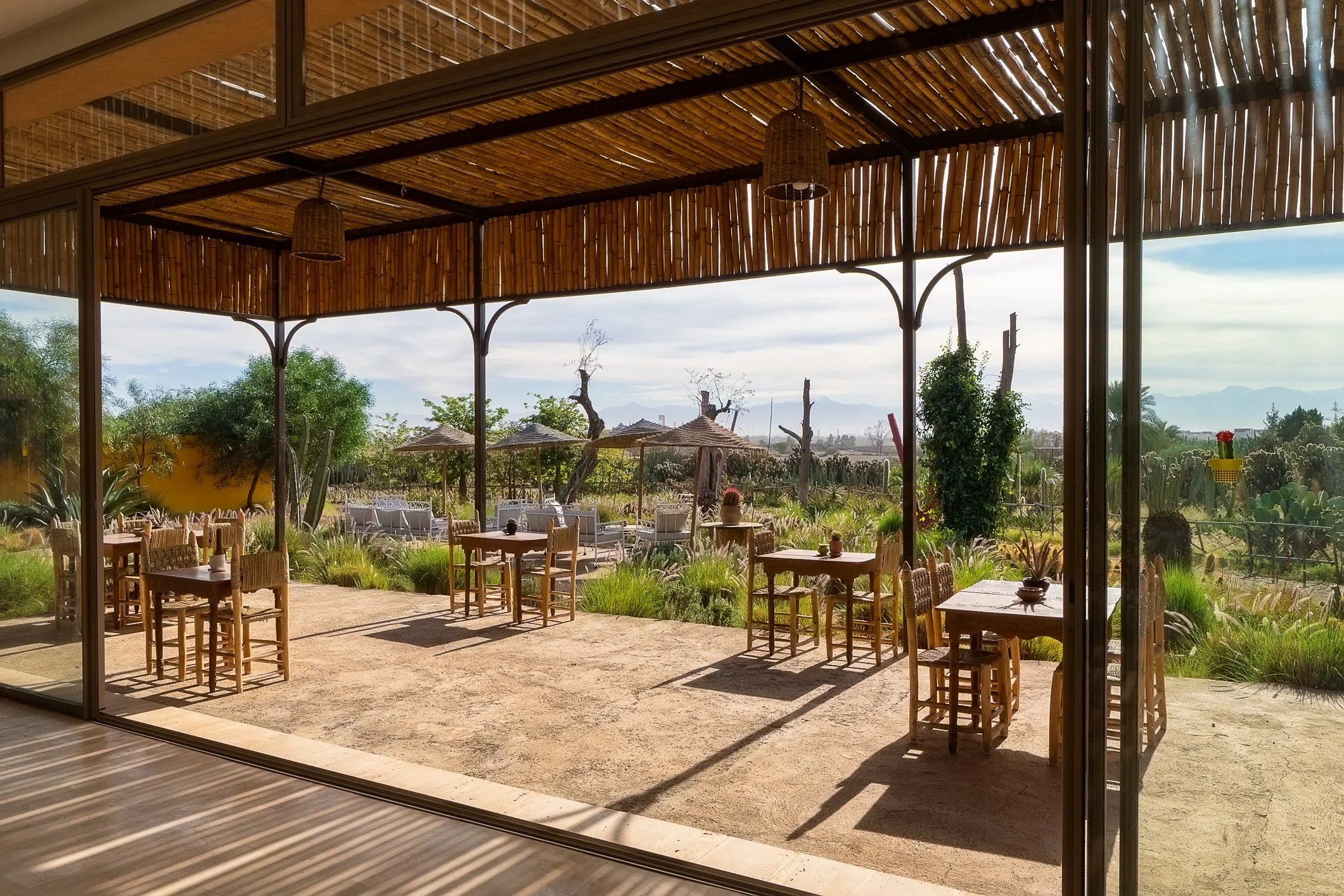
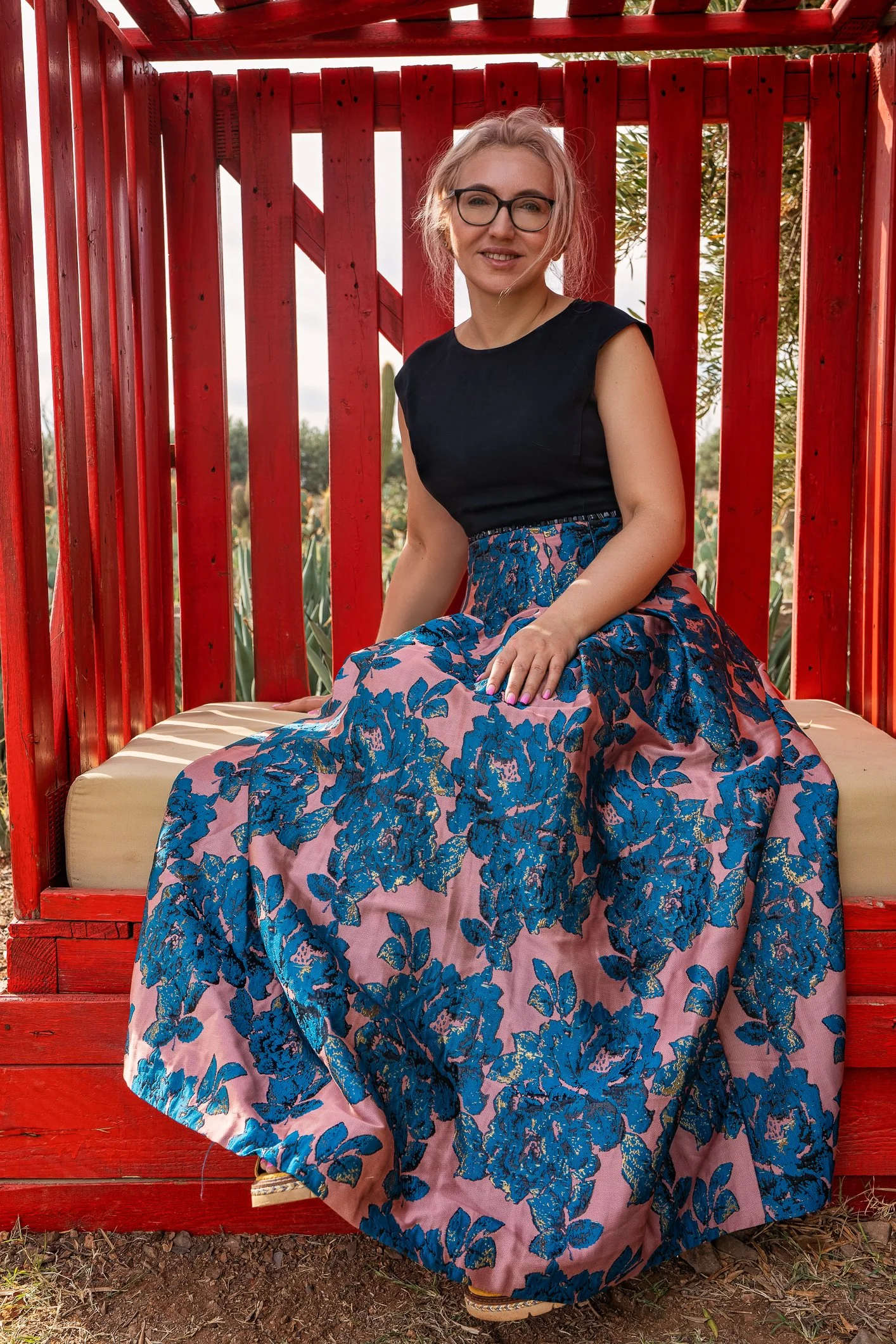
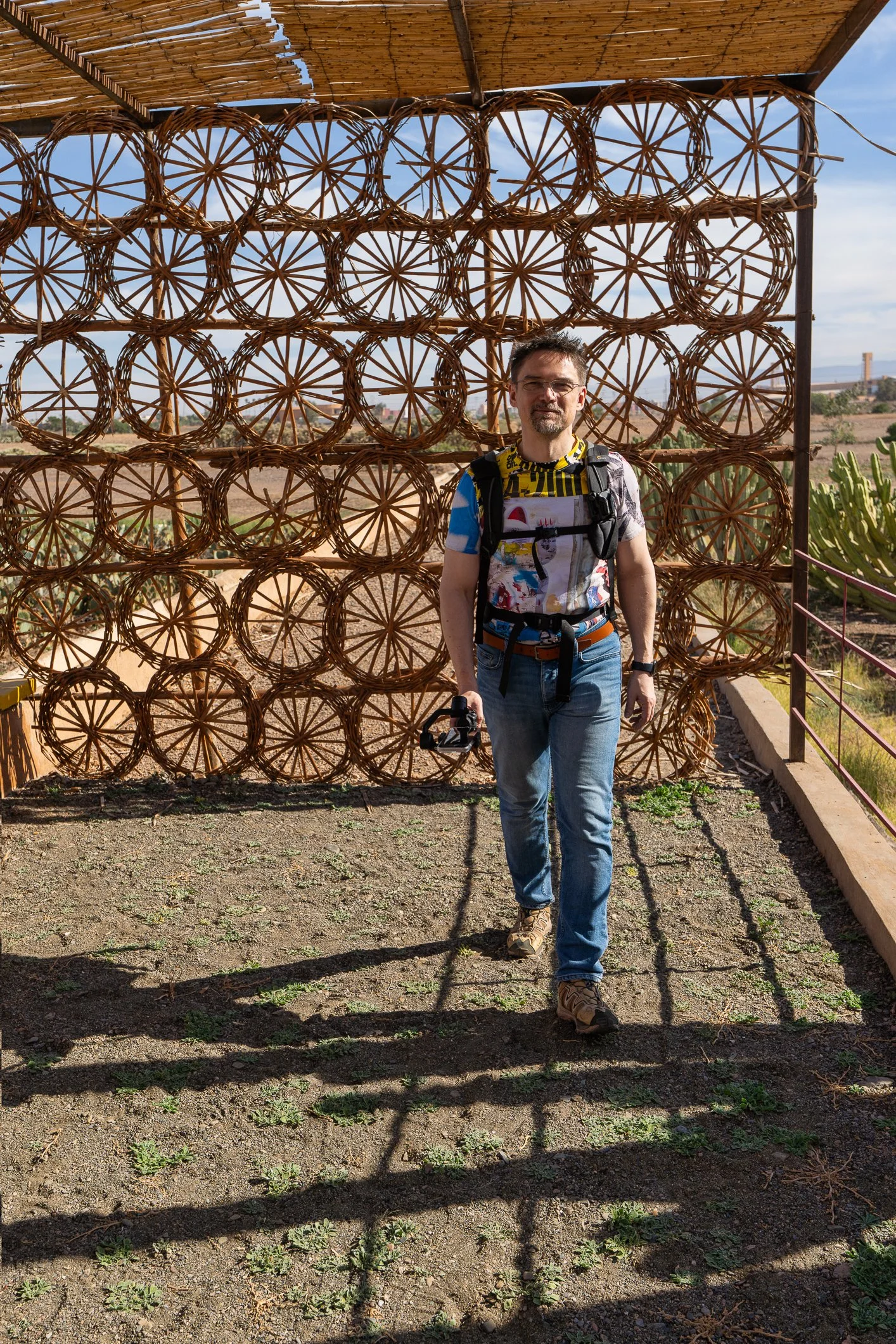
For a couple of hours, we meander through this “forest,” taking pictures and admiring the landscape. As the sun climbs higher, the day becomes hotter, and we retreat to the on-site café to rehydrate. The café is really charming, with light and shadow creating beautiful patterns, and it offers a commanding view over the garden.

Przez dobre kilka godzin spacerujemy po kaktusowym lesie, robimy zdjęcia i po prostu chłoniemy ten krajobraz. Tymczasem słonce wspina się po nieboskłonie i zaczyna przygrzewać więc udajemy się do kawiarni na terenie ogrodu w celu nawodnienia. Kafejka jest naprawdę urokliwa - gra światła i cienia tworzy piękne wzory w jej wnętrzu, a widok na ogród tylko dodaje klimatu.

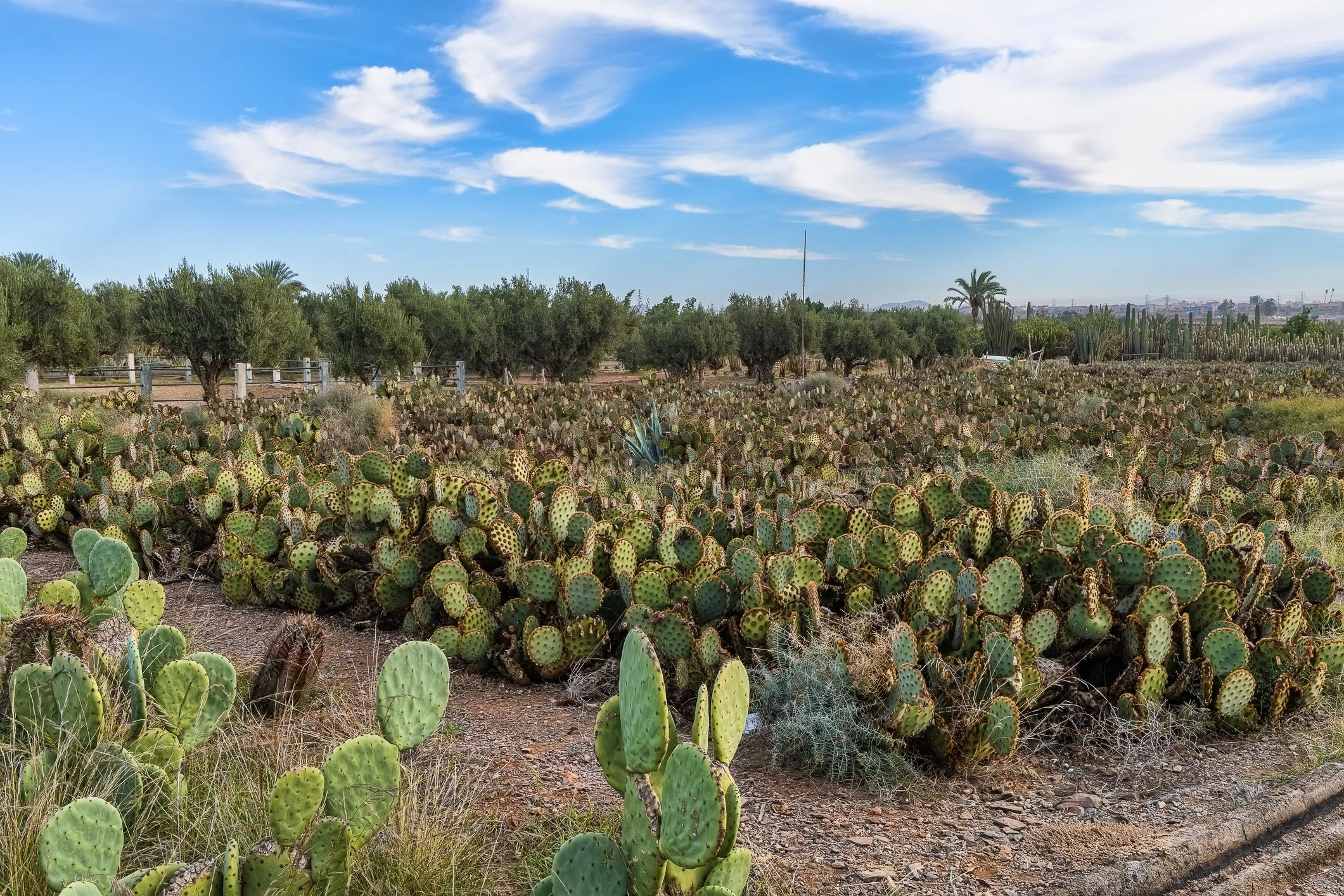
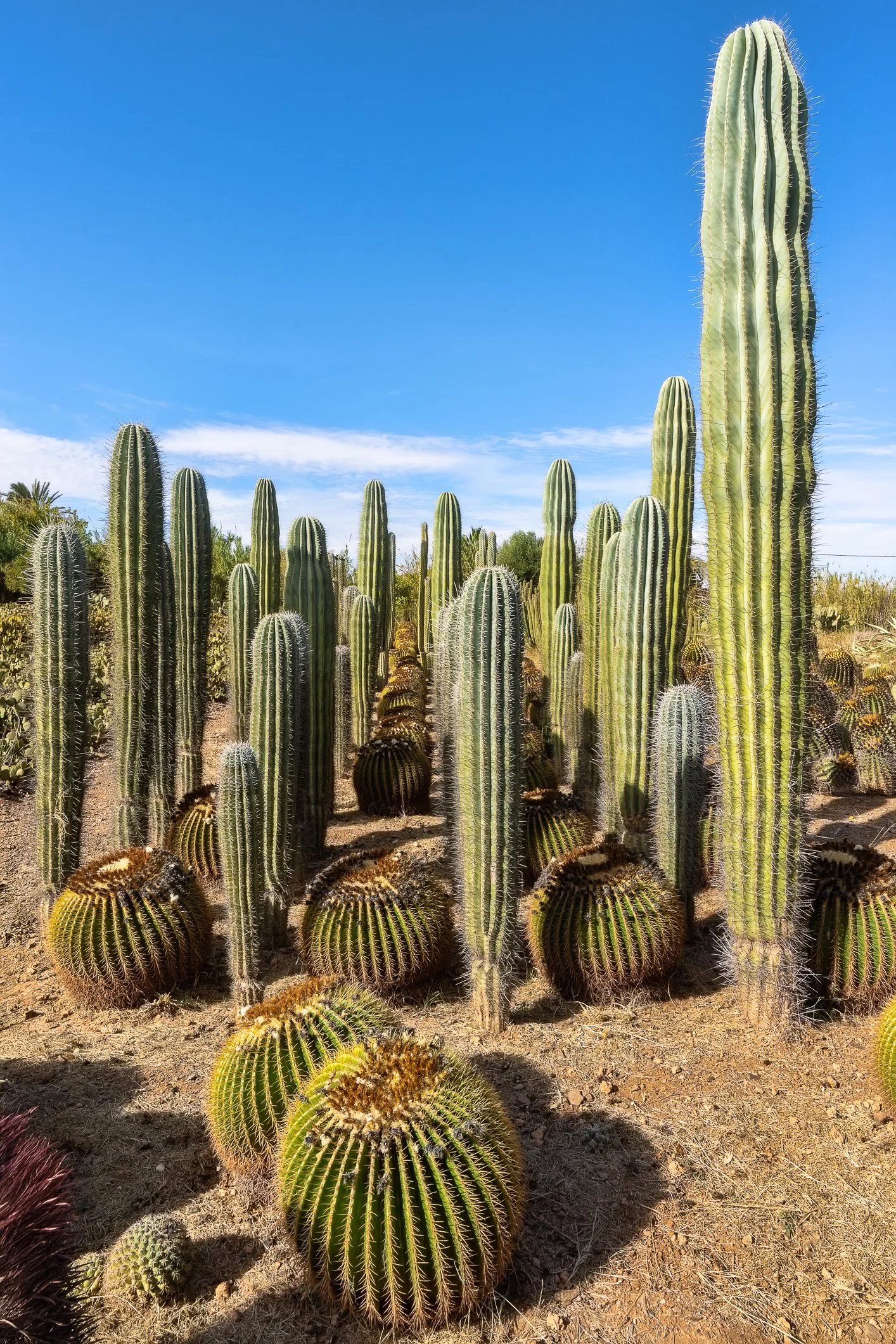
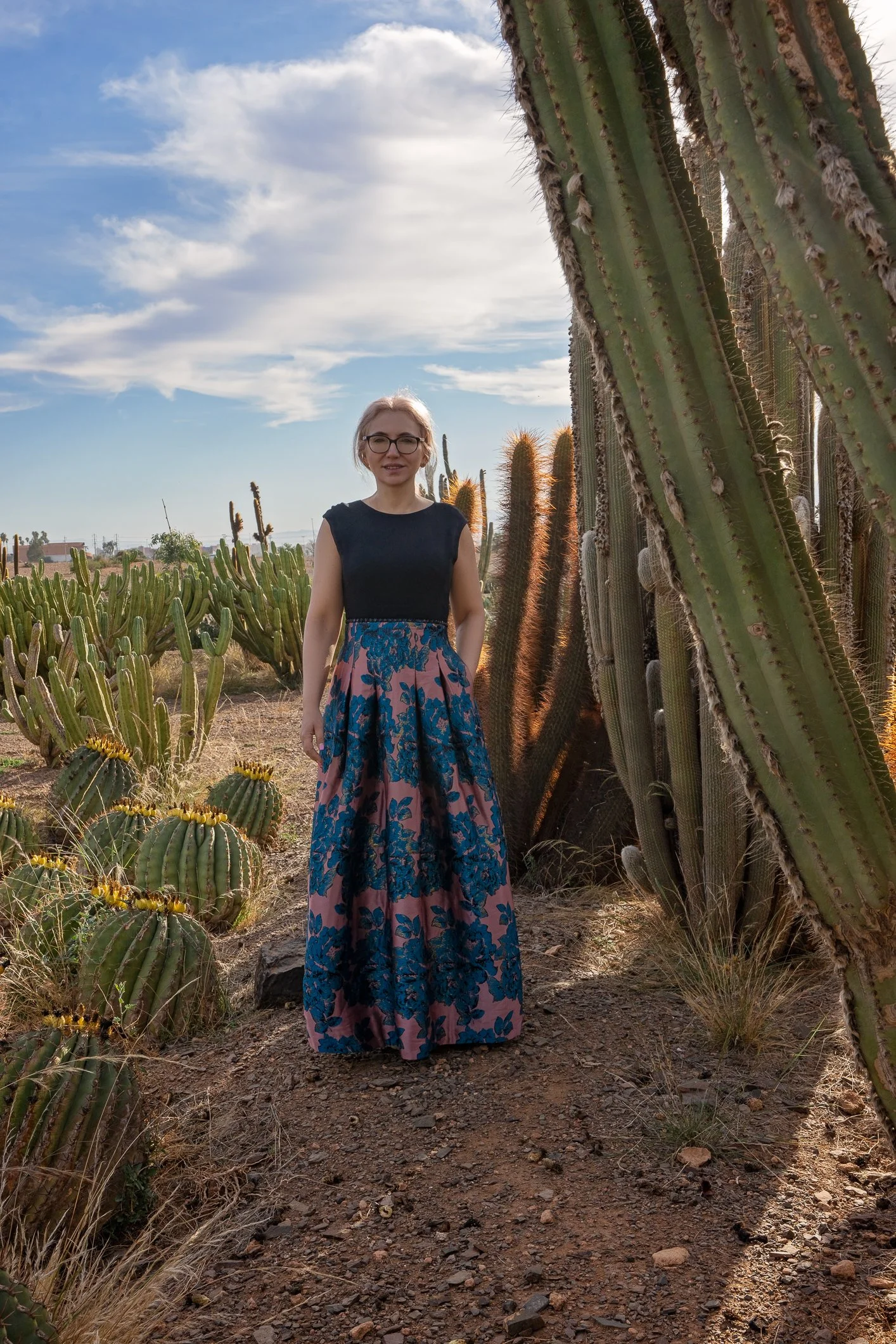
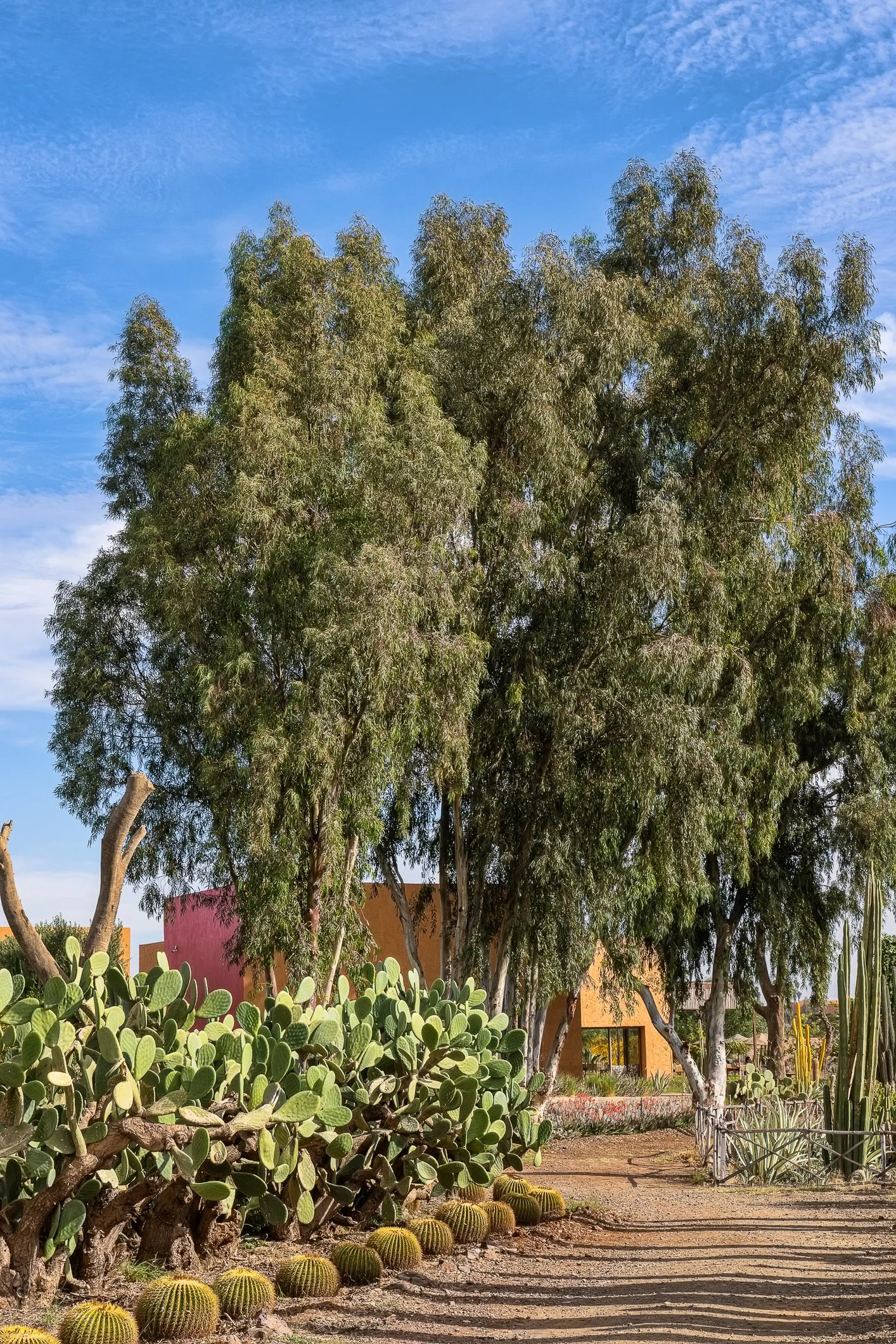
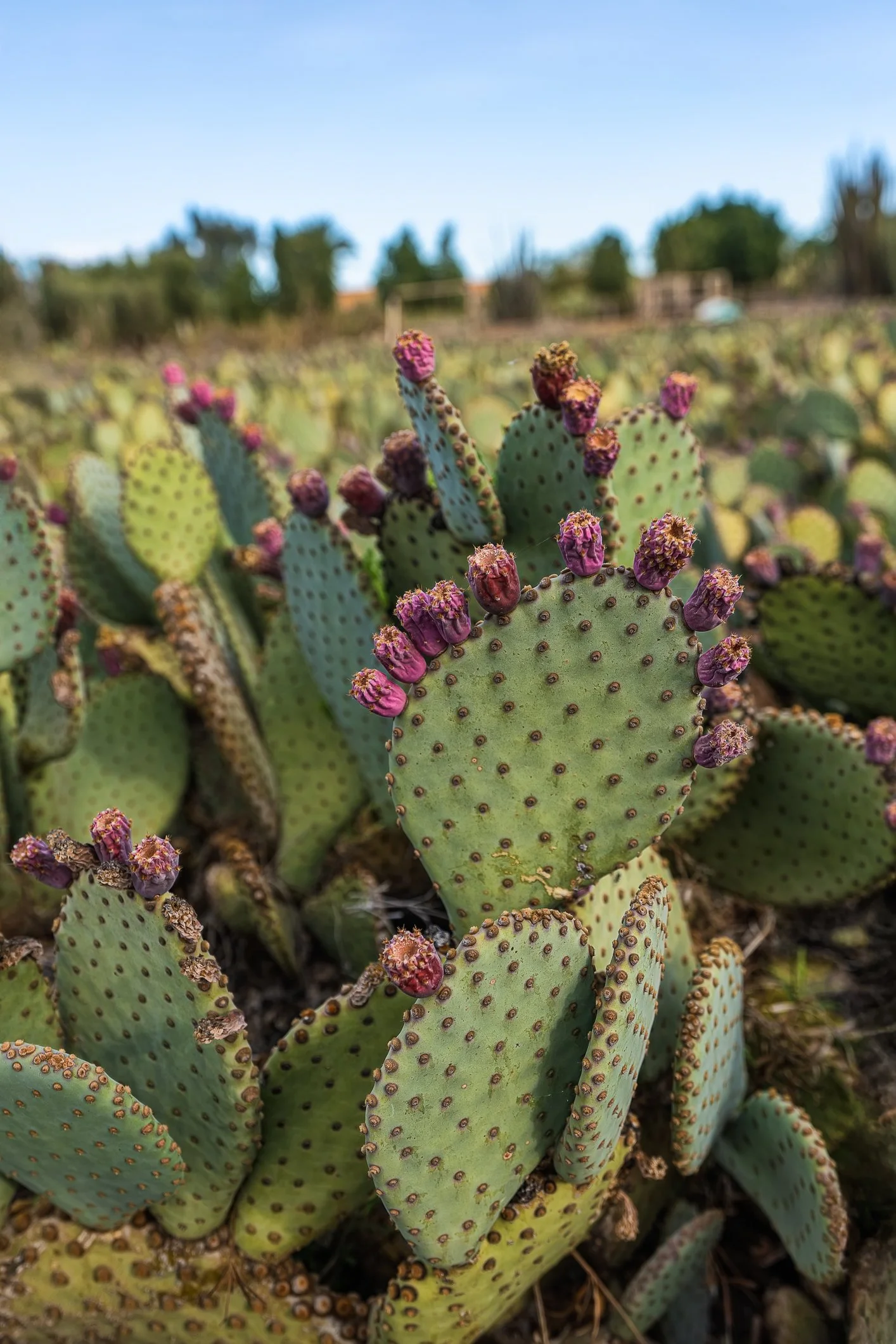
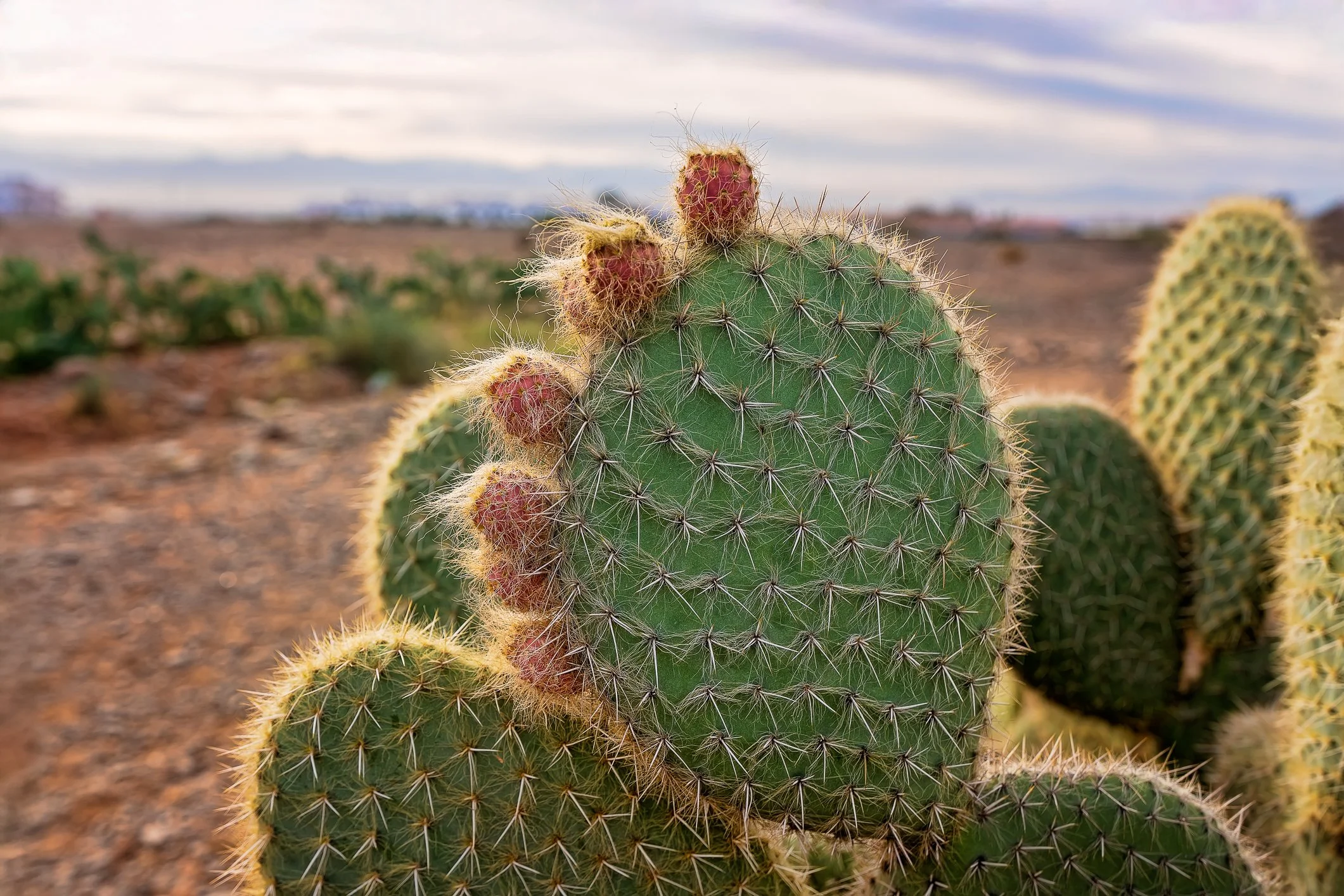
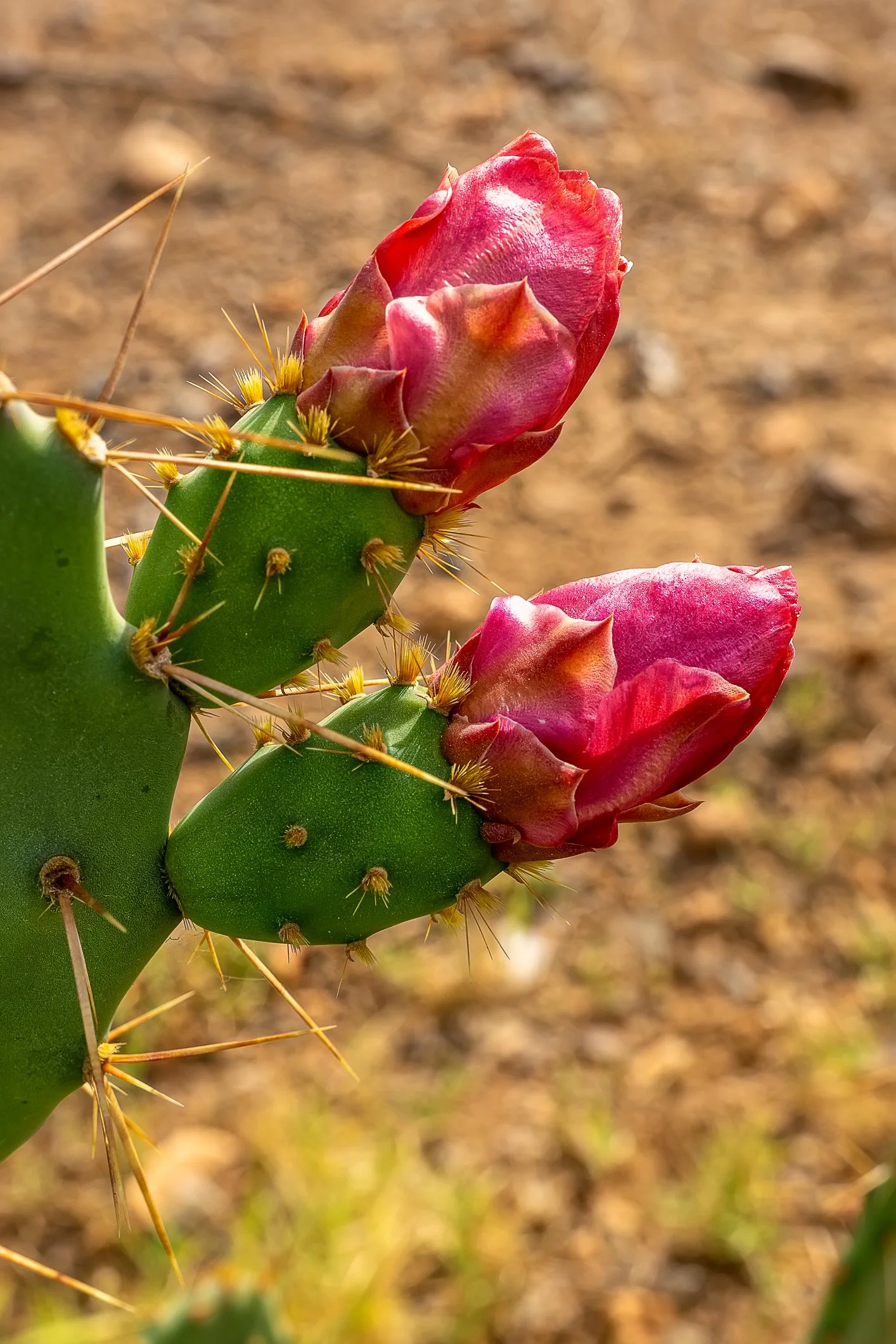
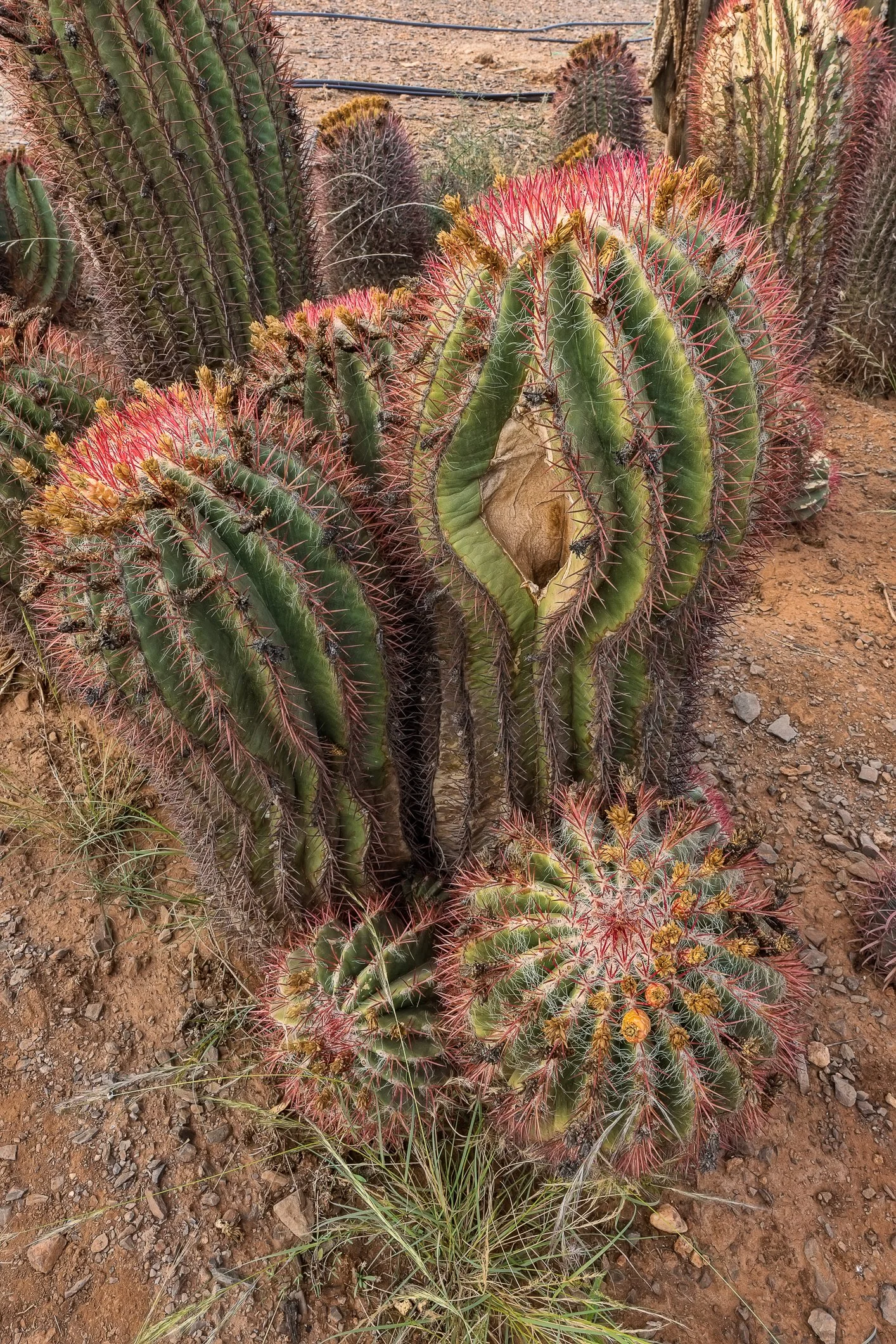
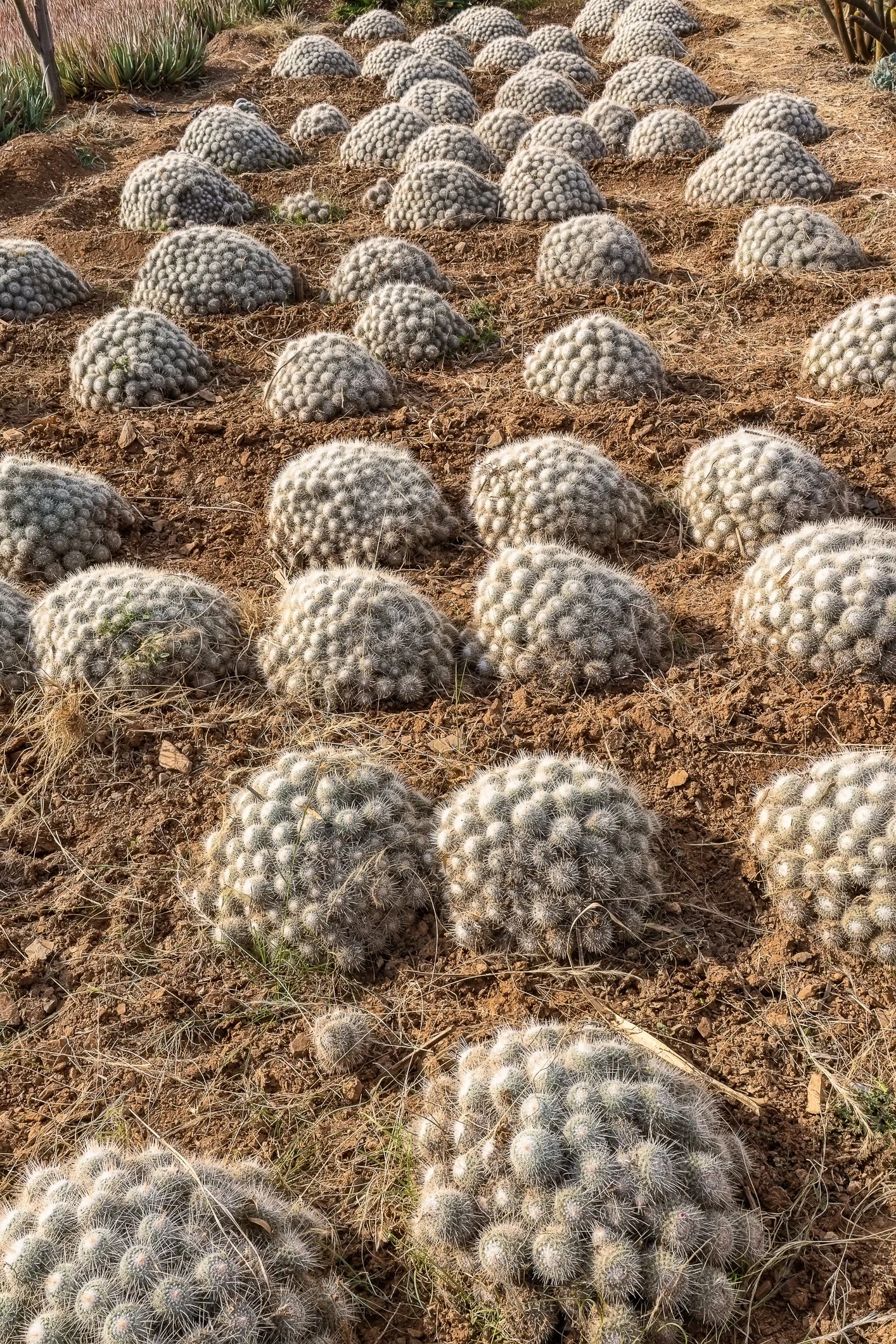
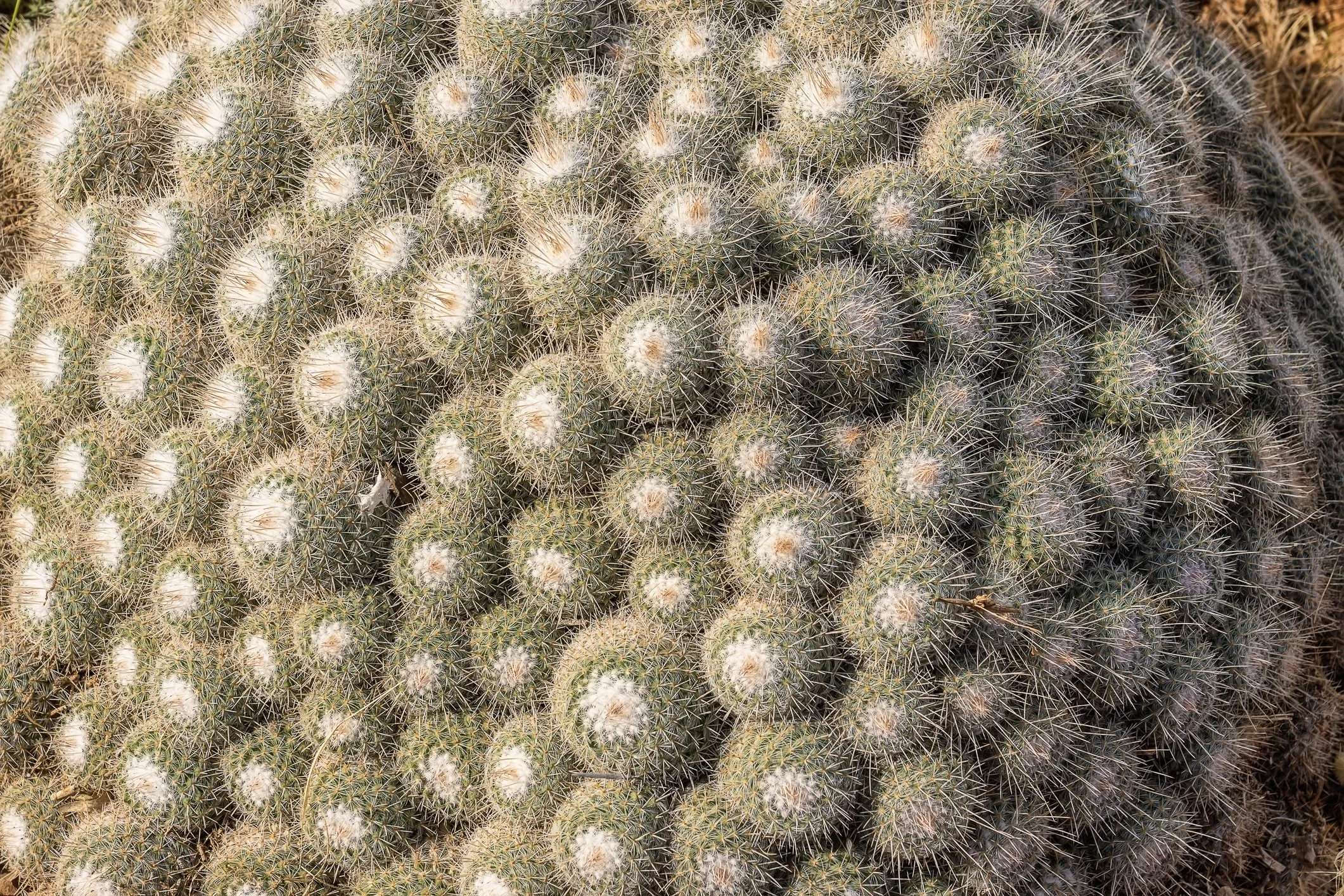
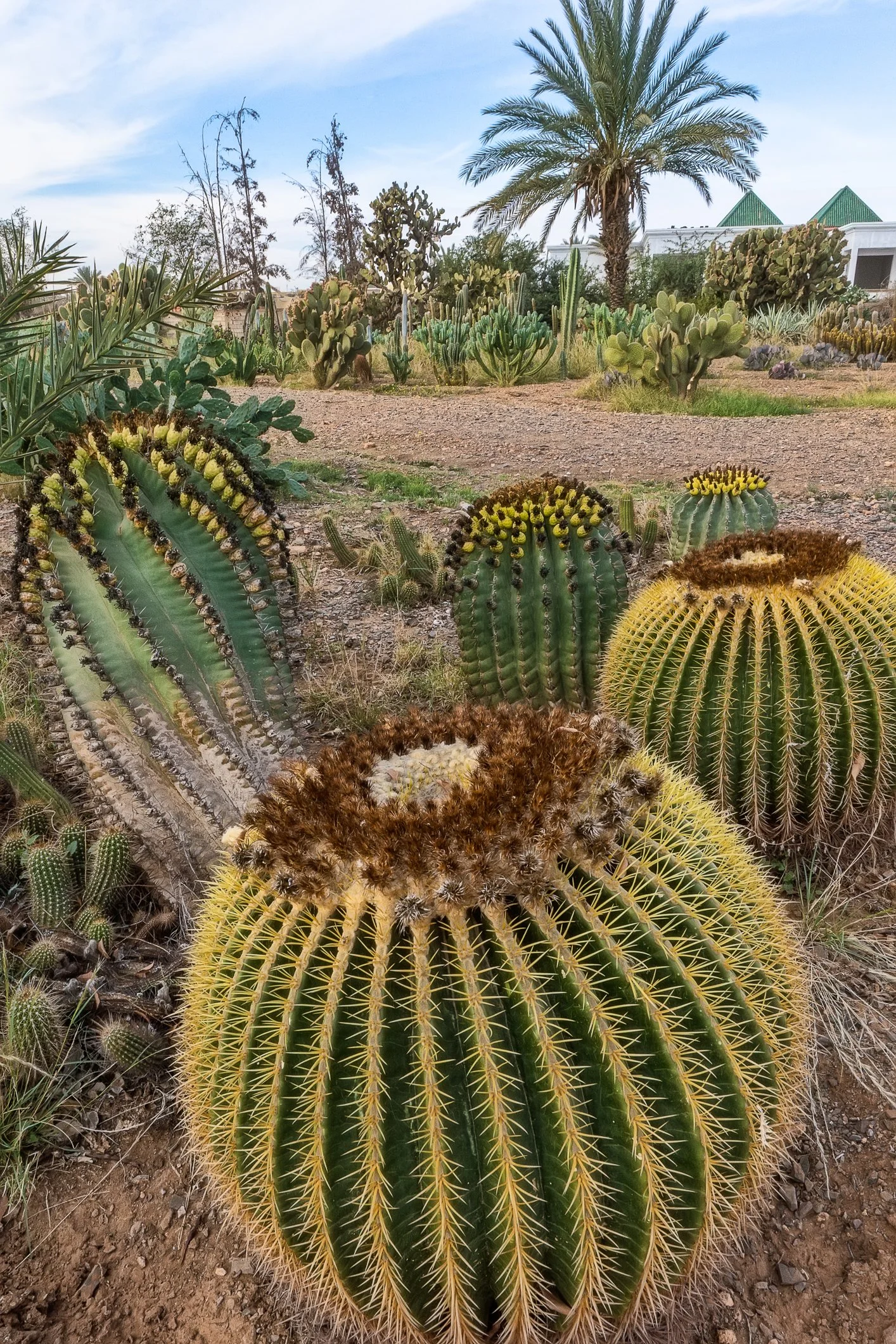
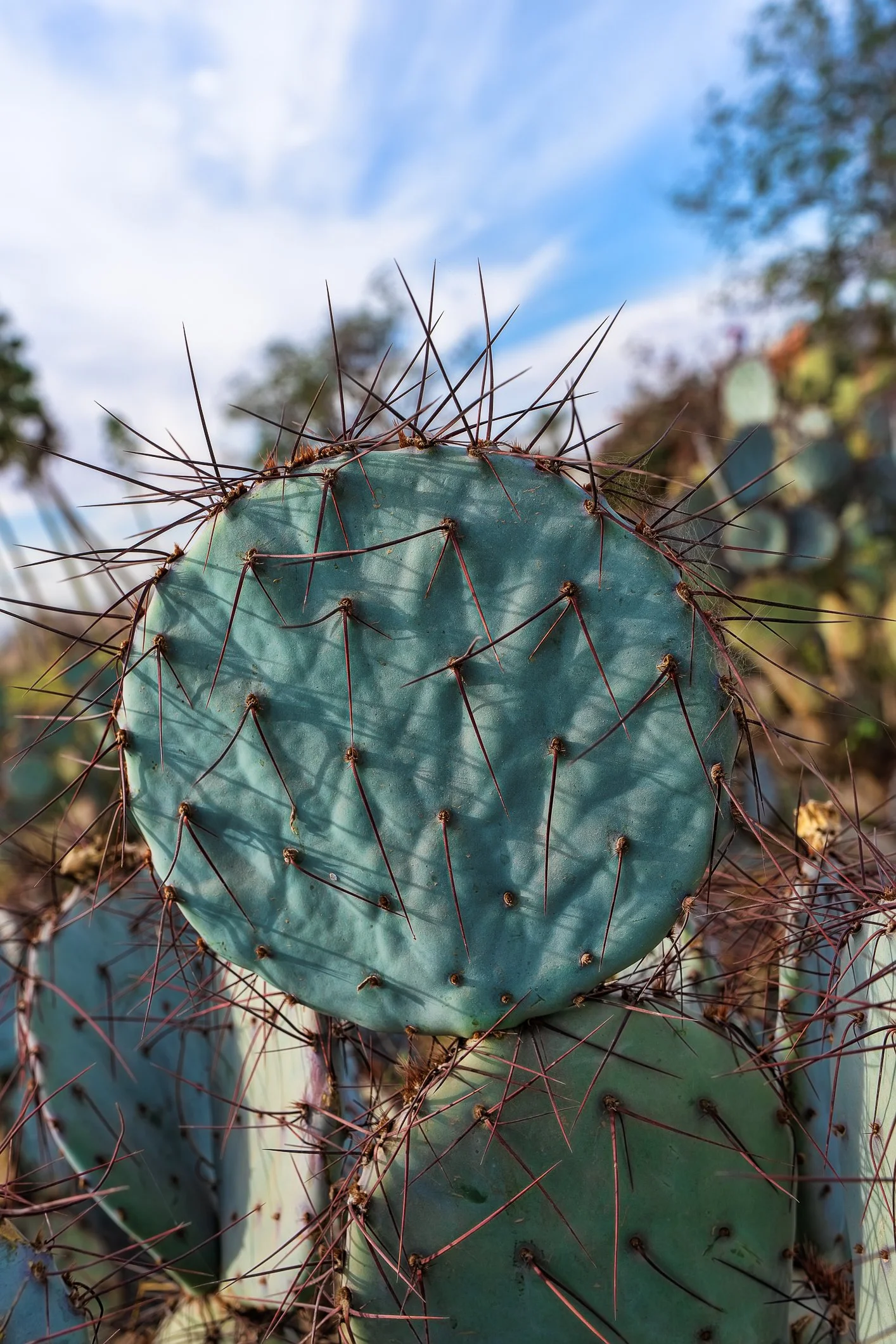
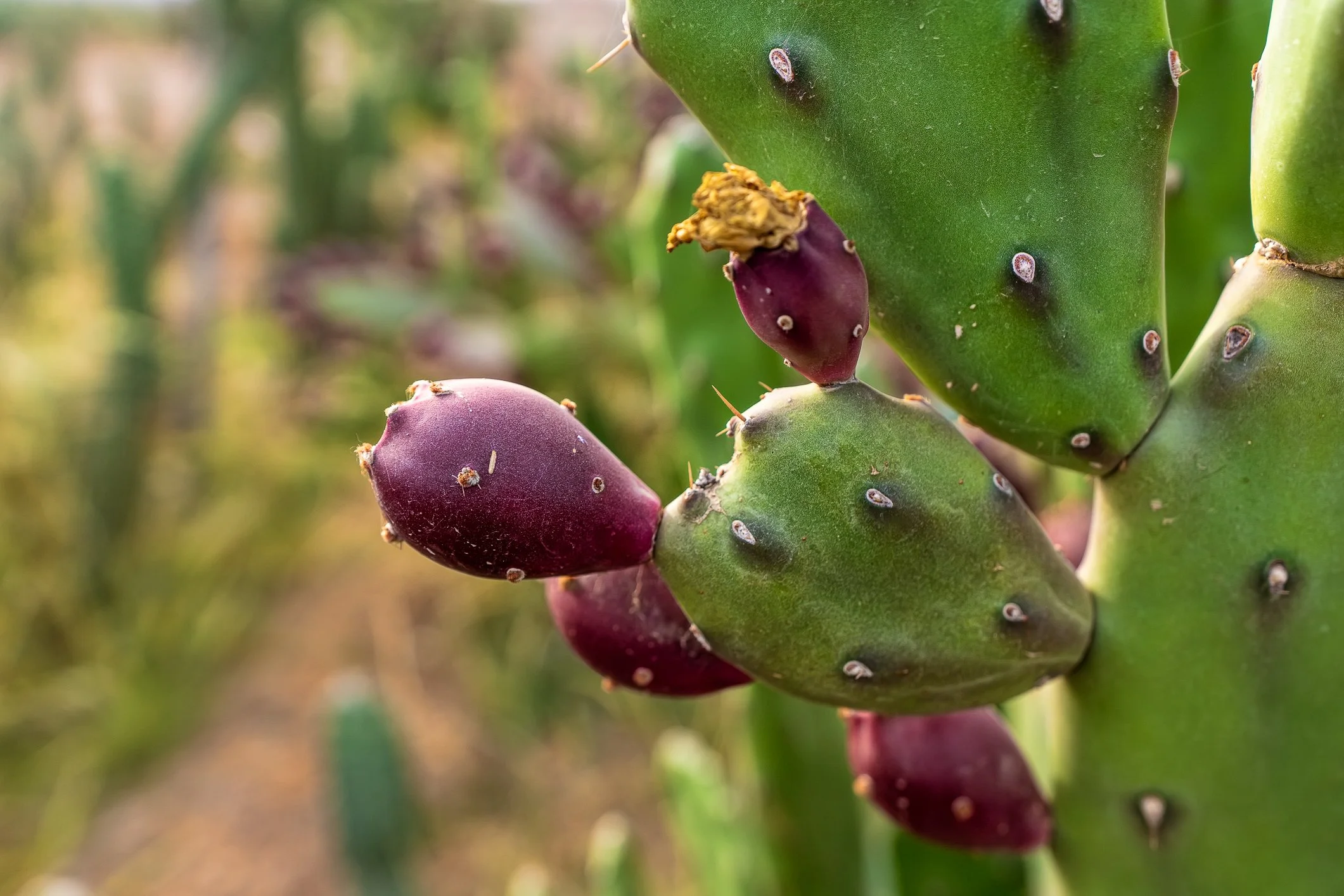
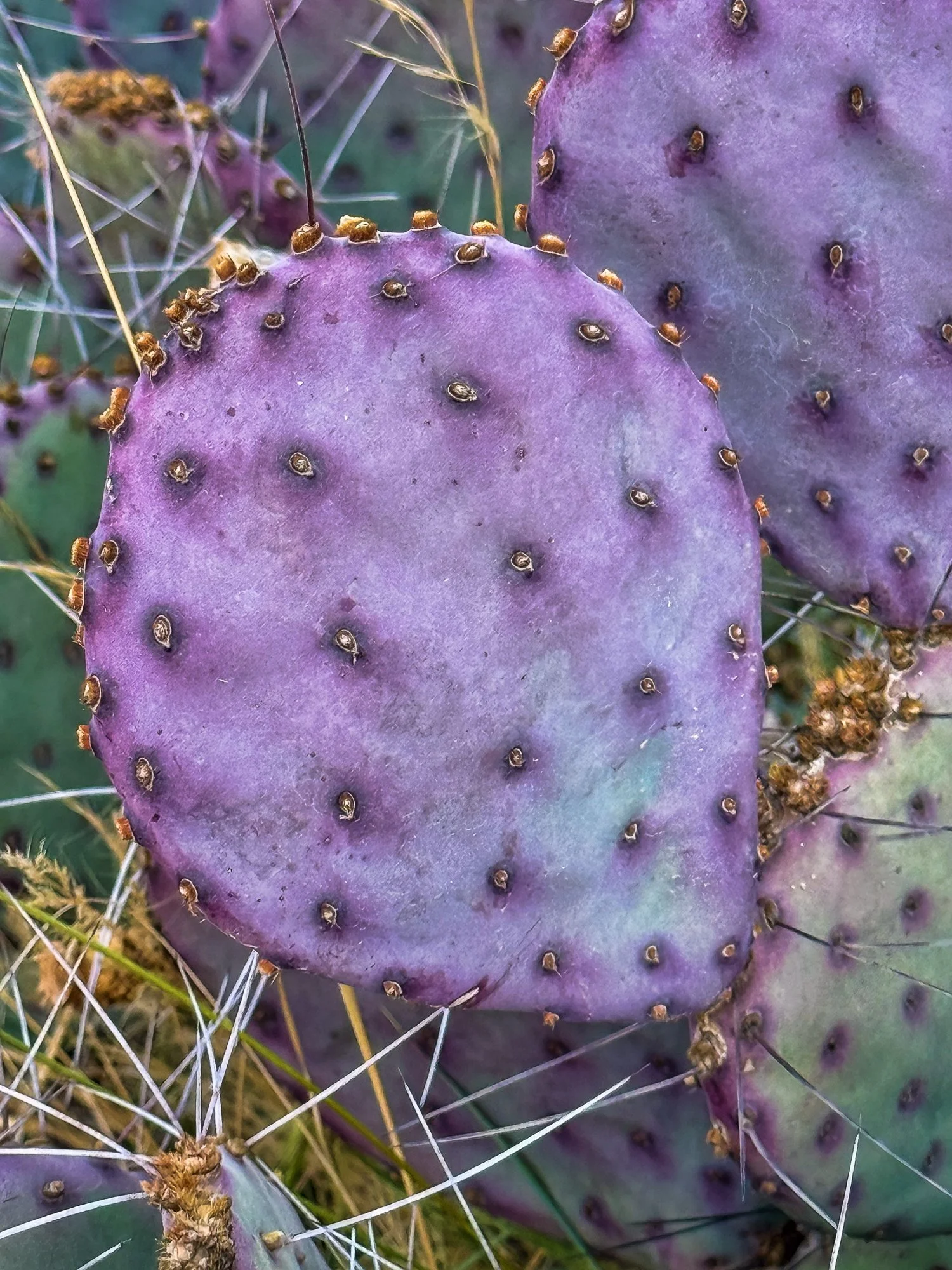
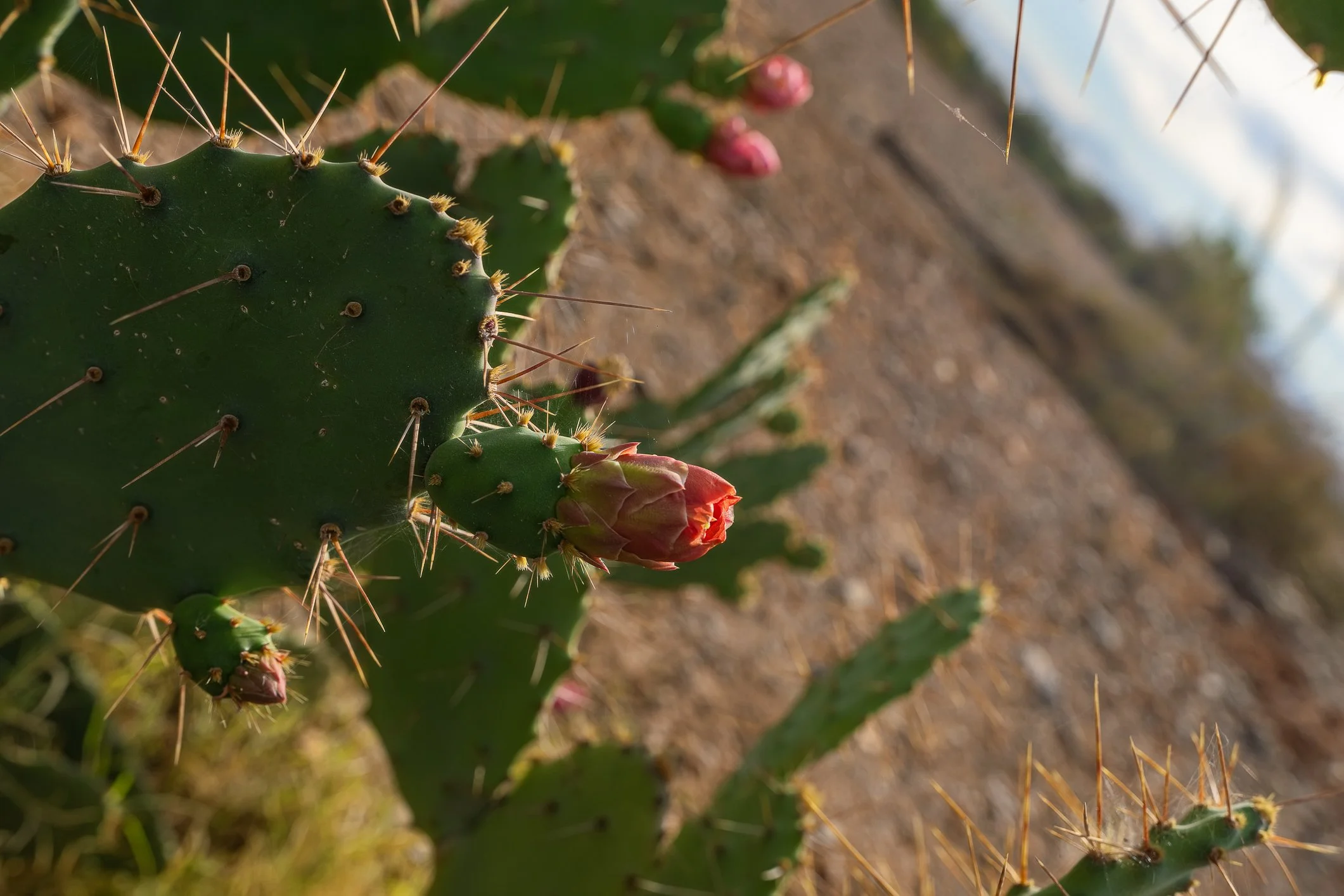
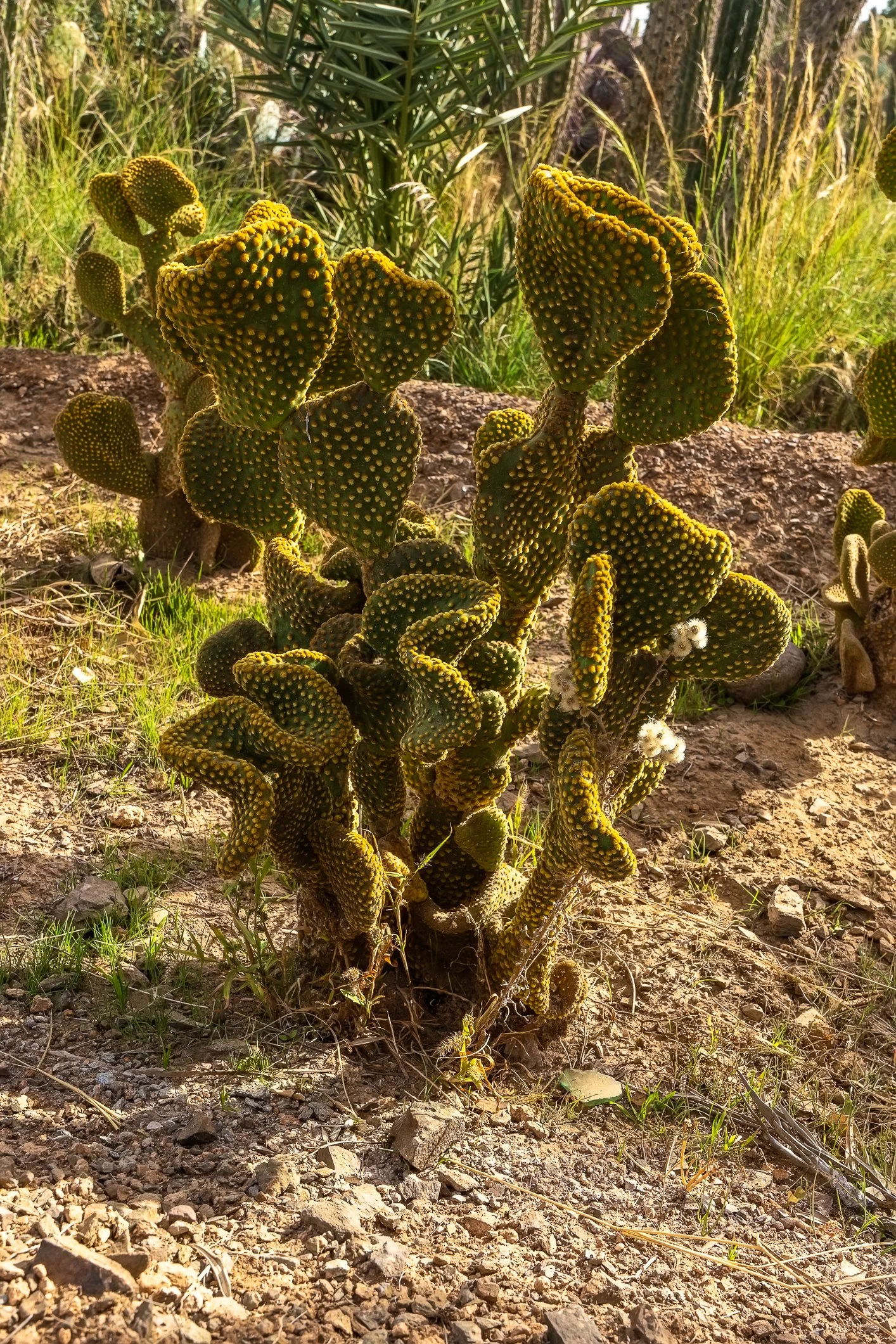
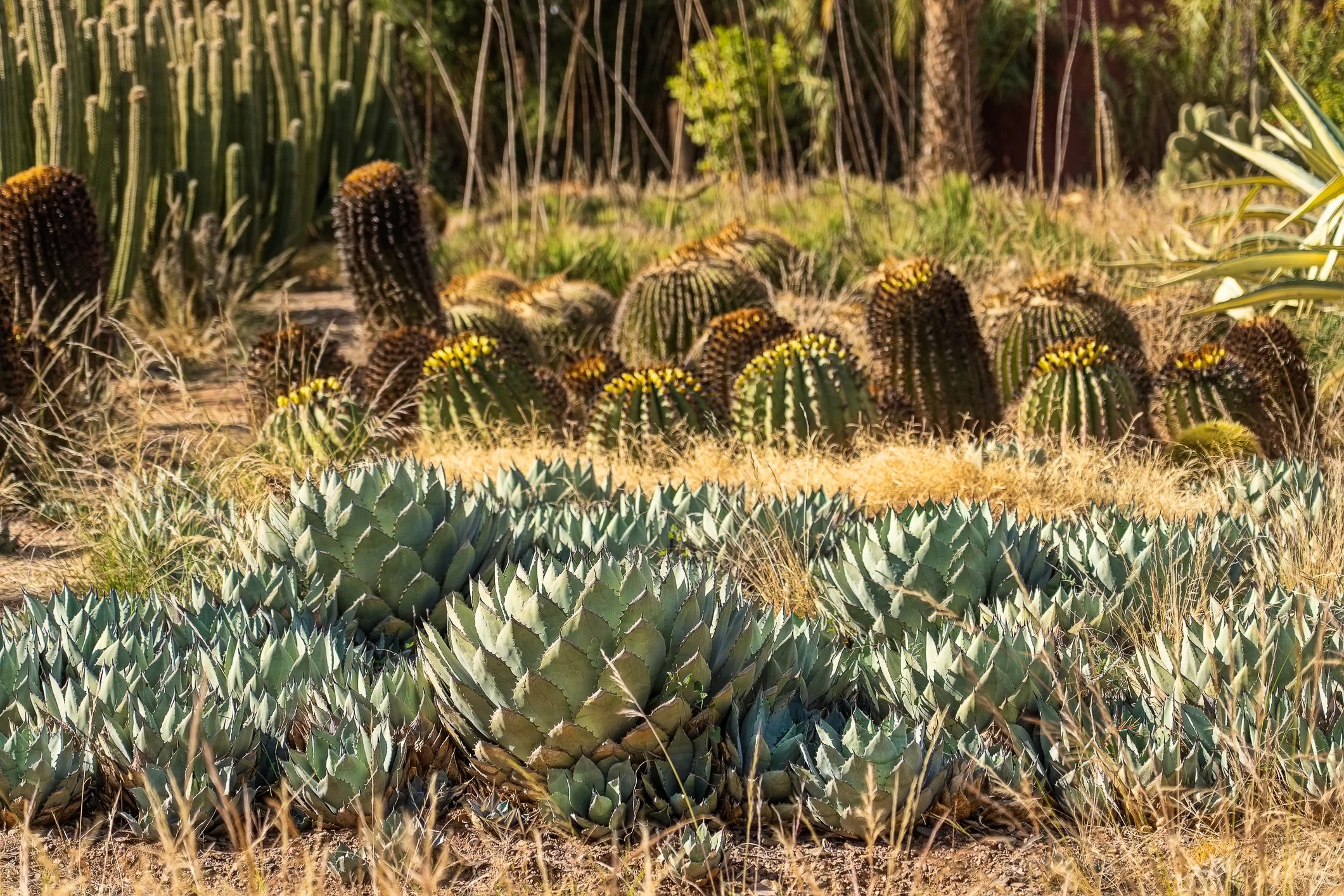
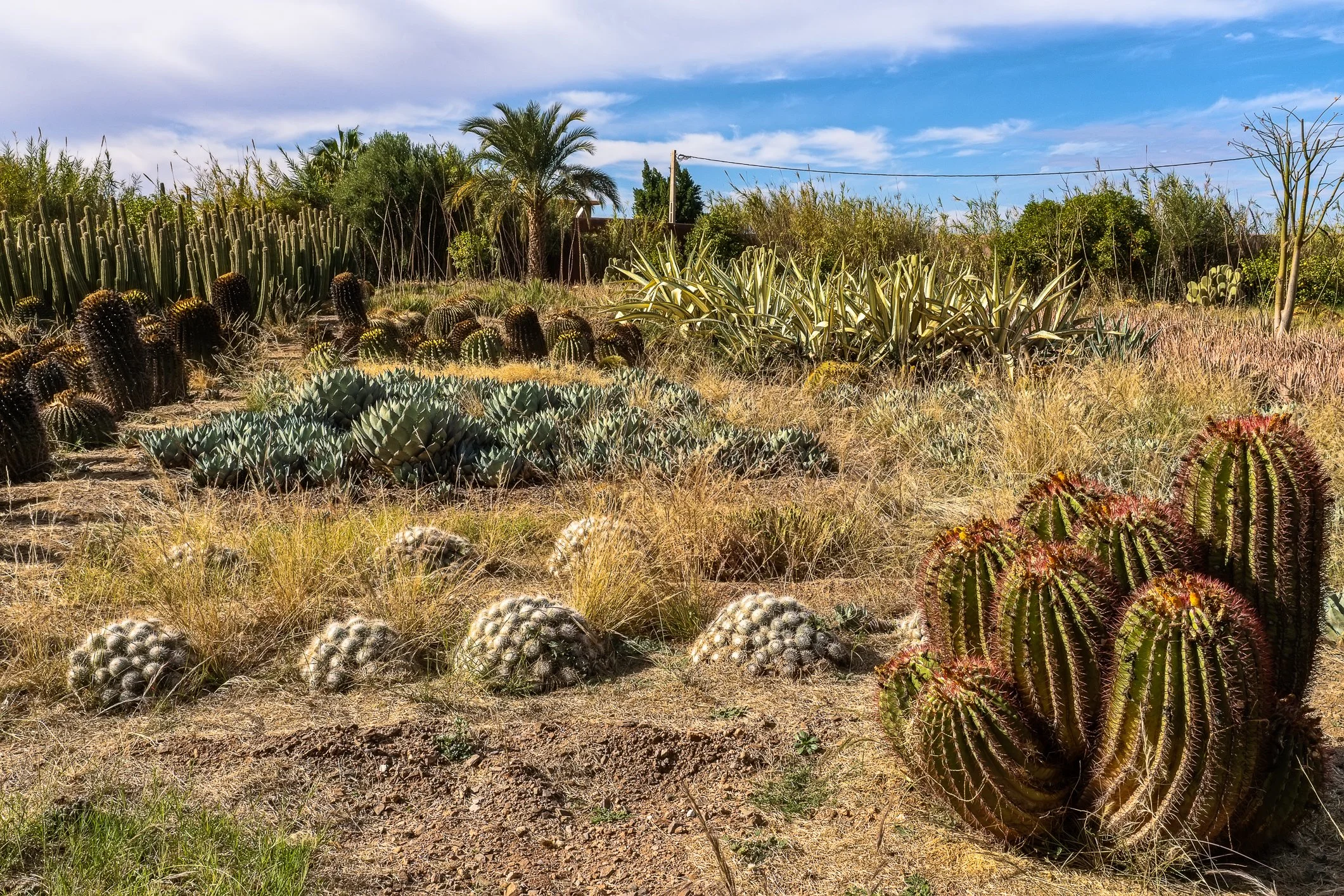
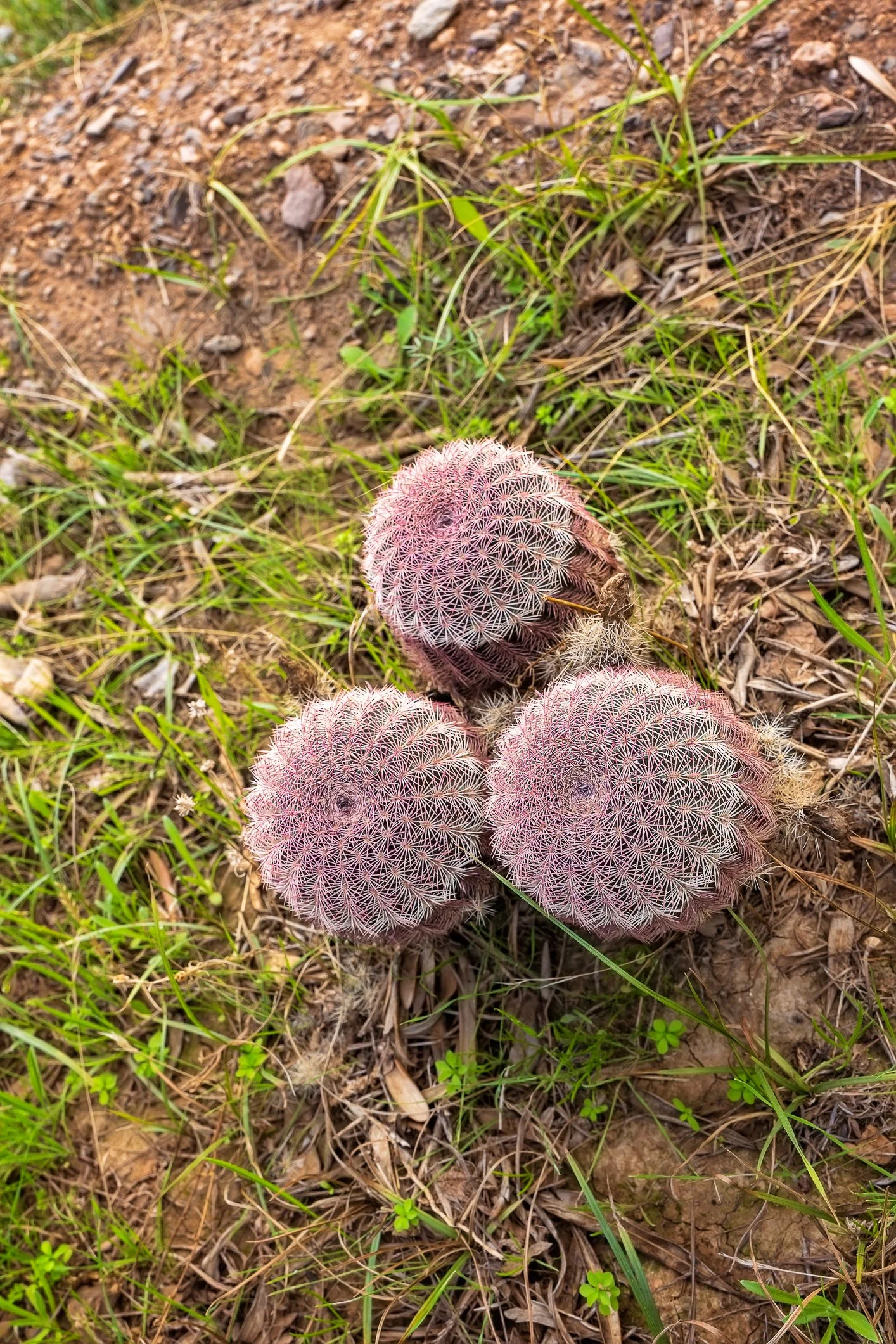
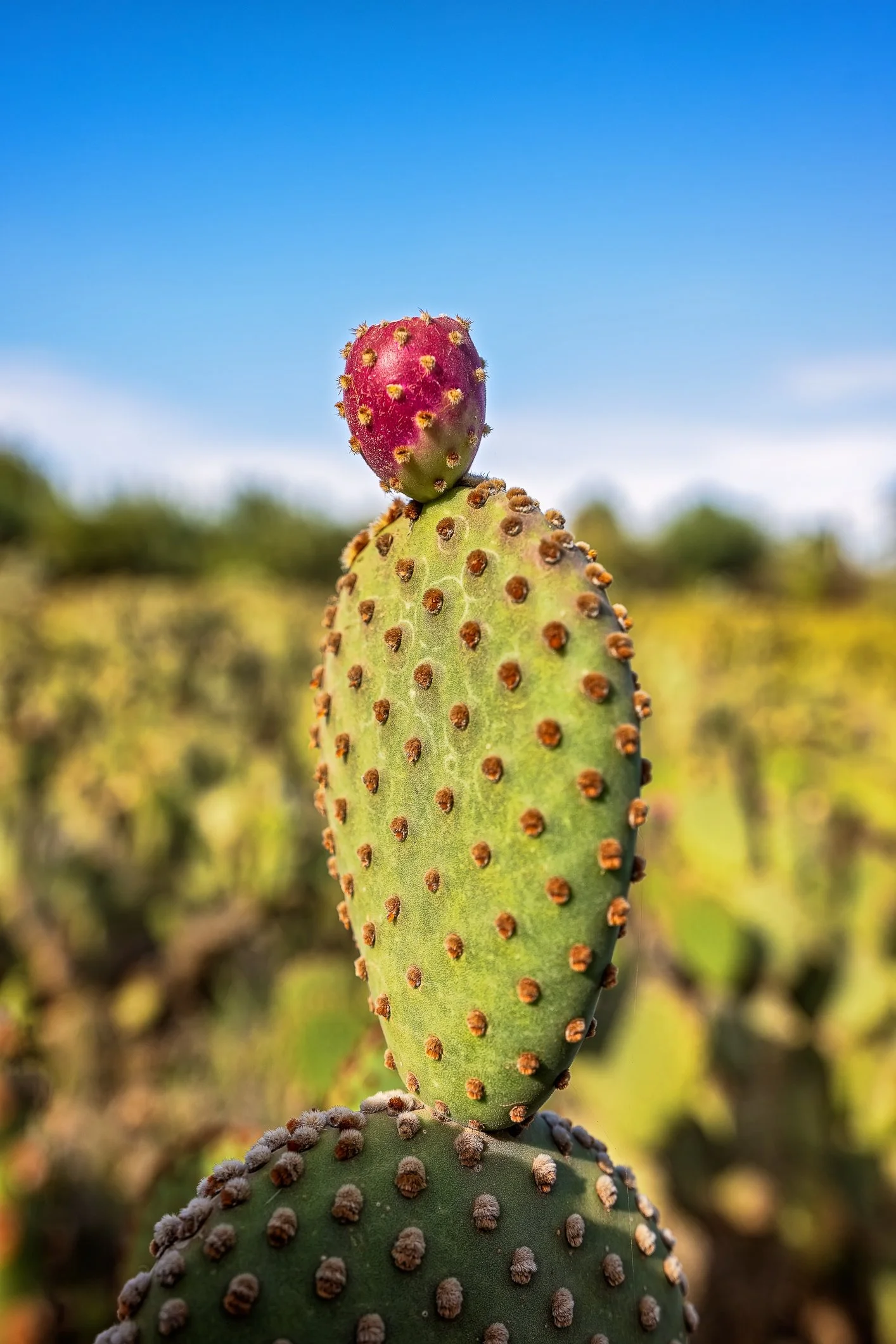
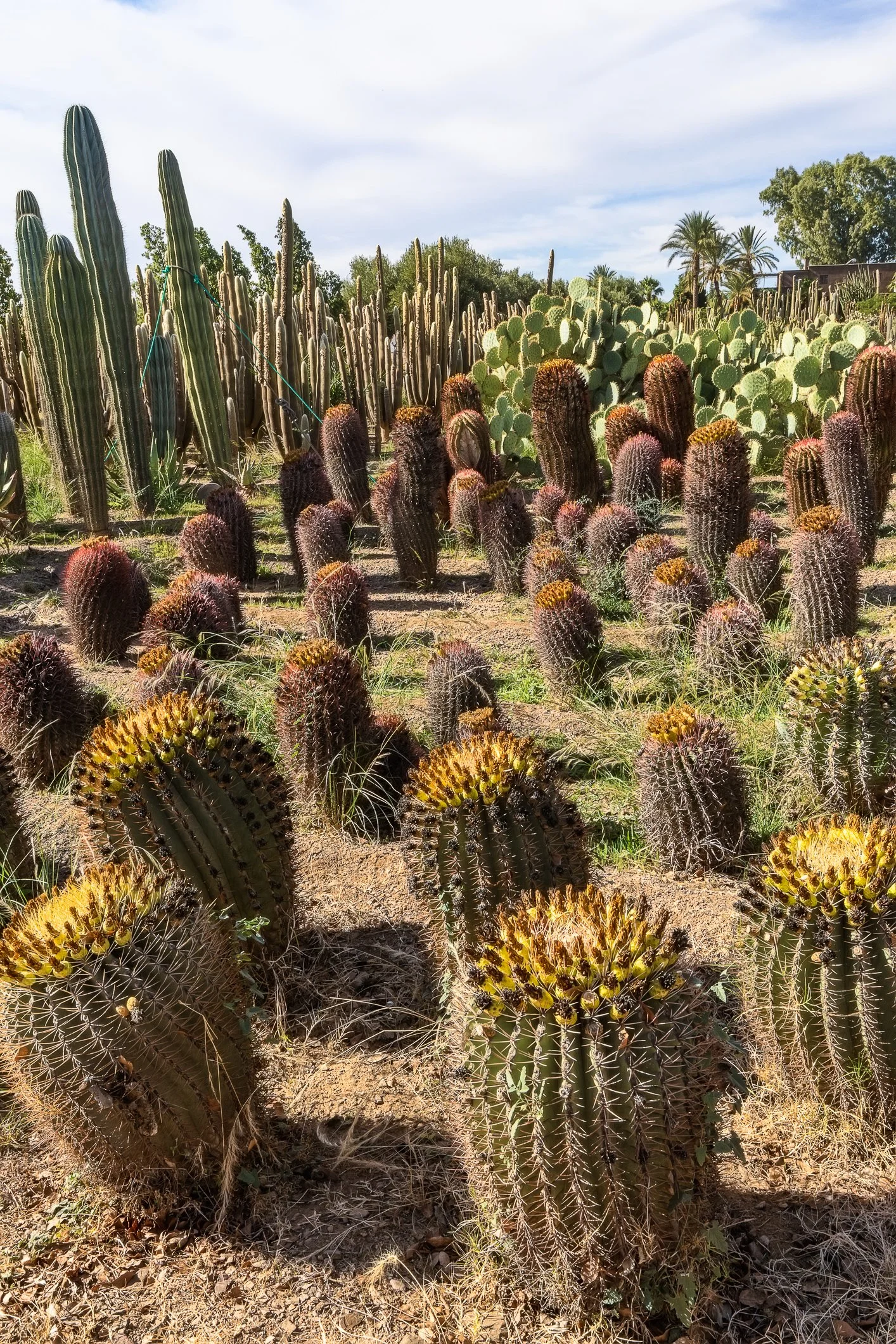
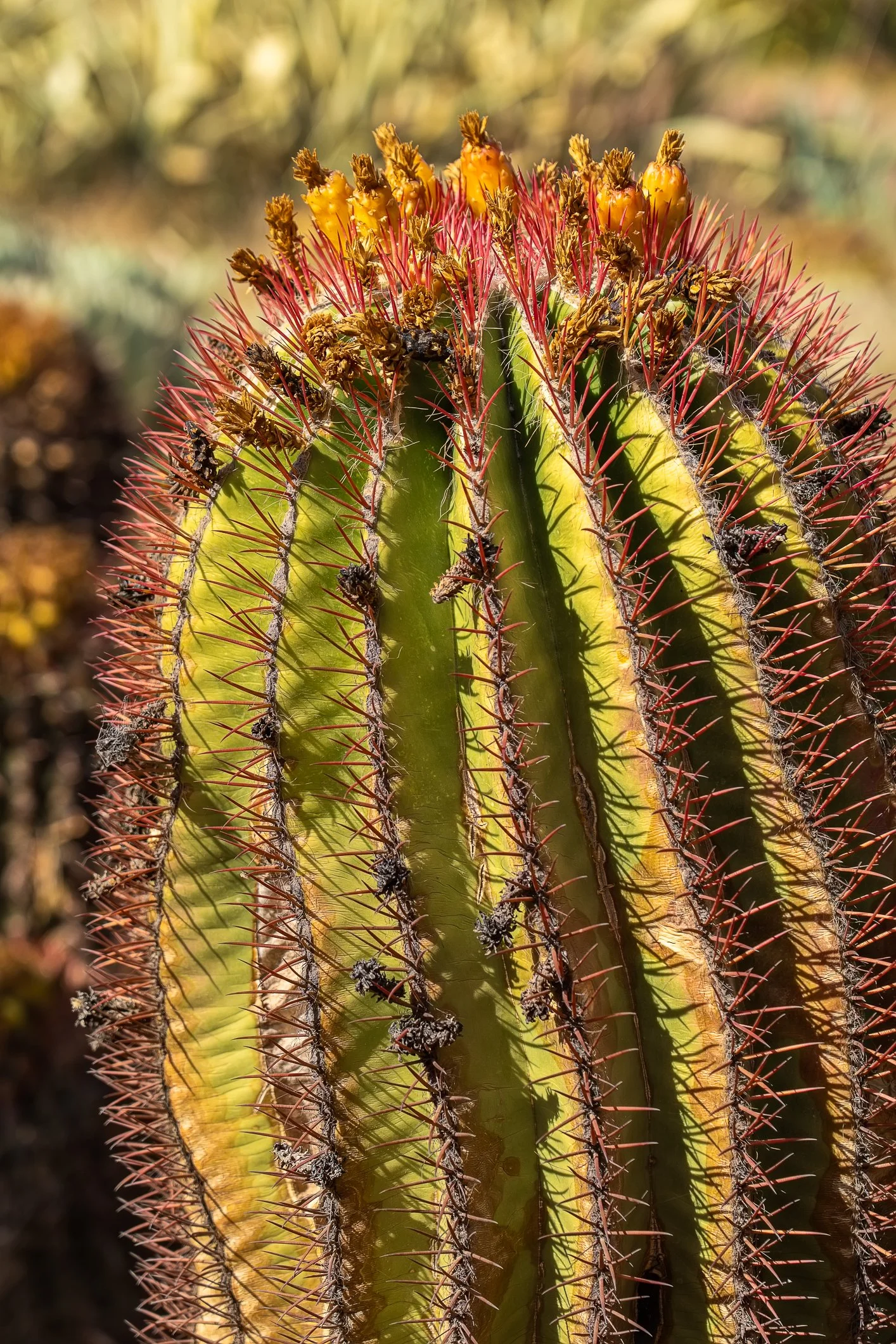
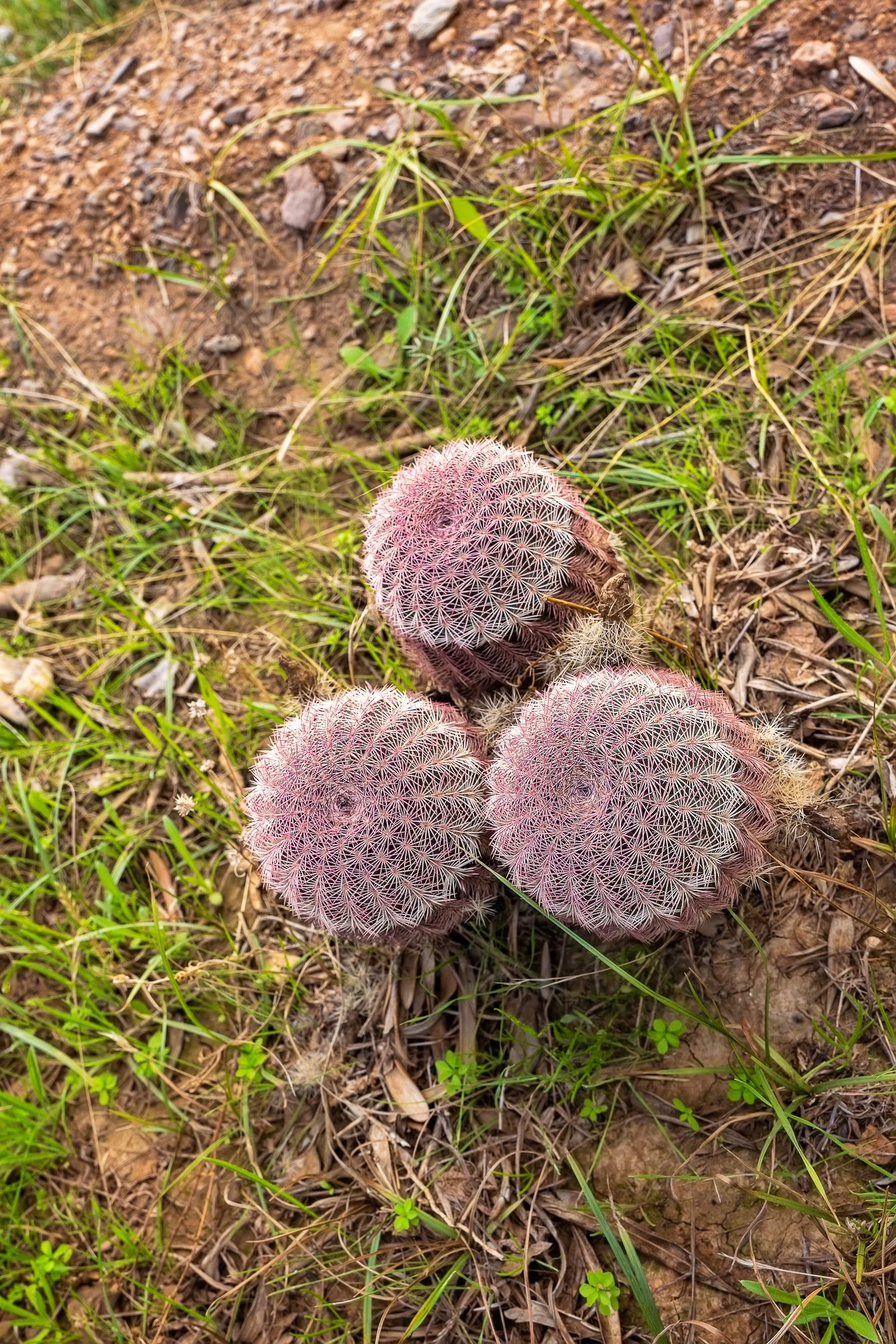
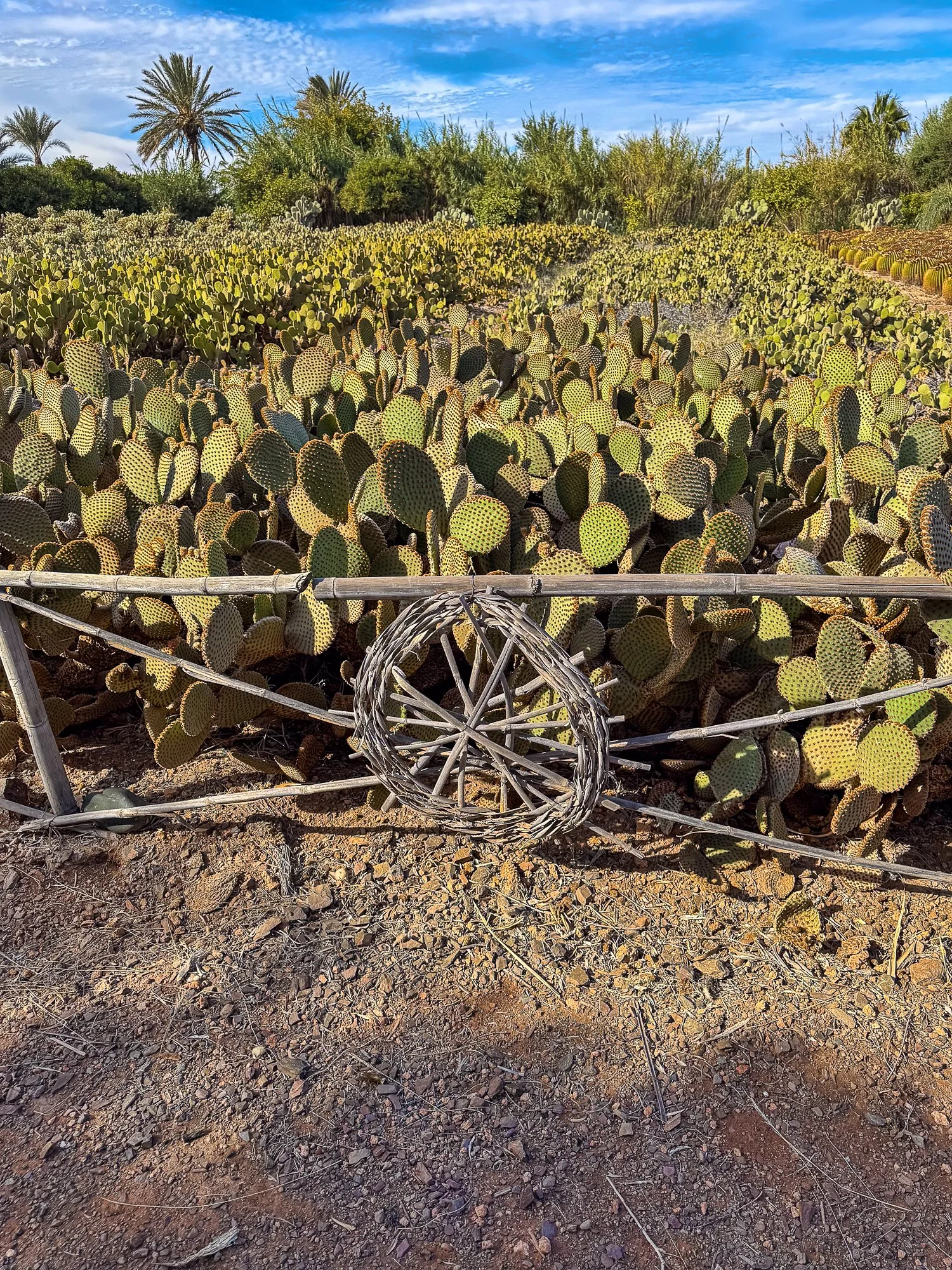
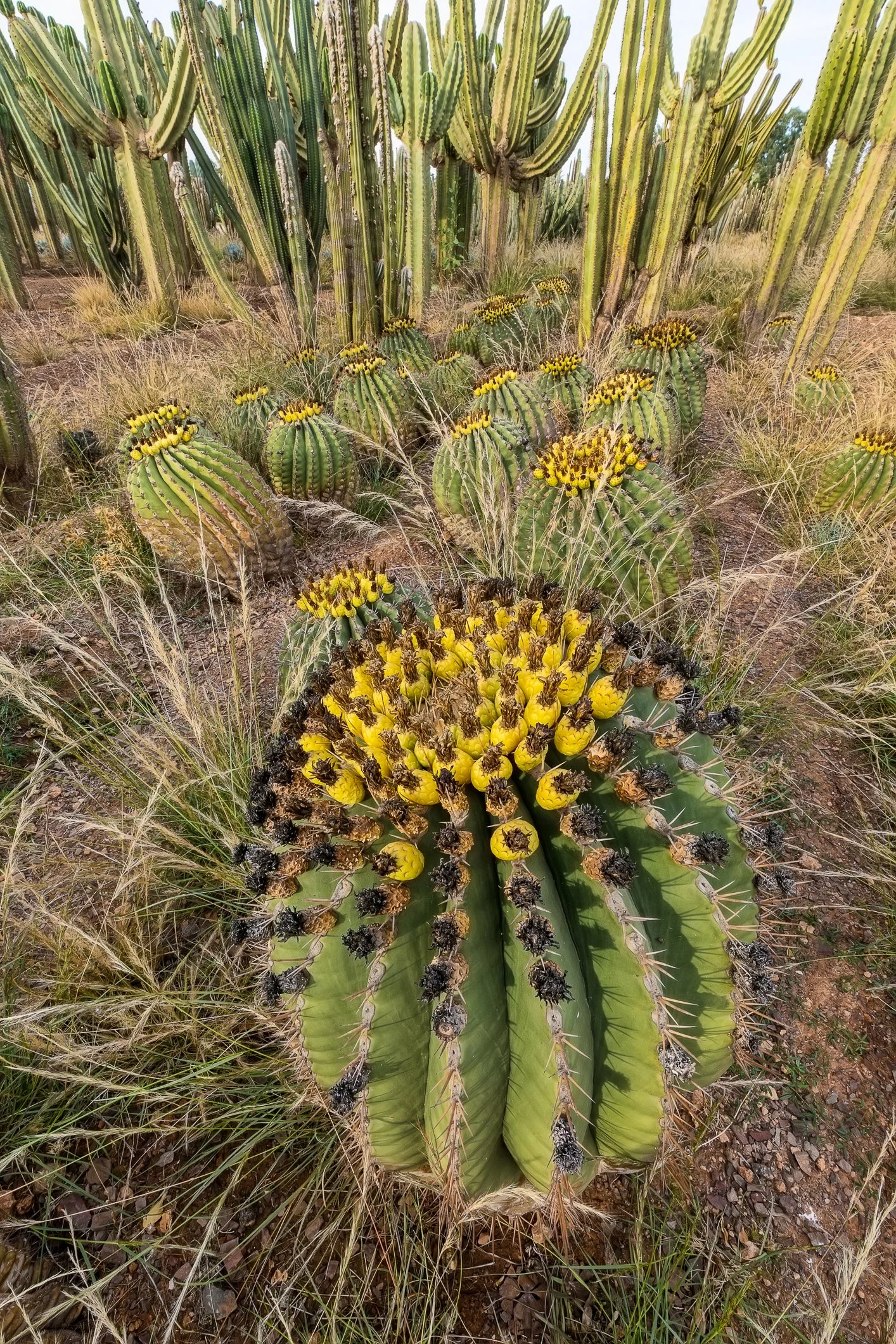
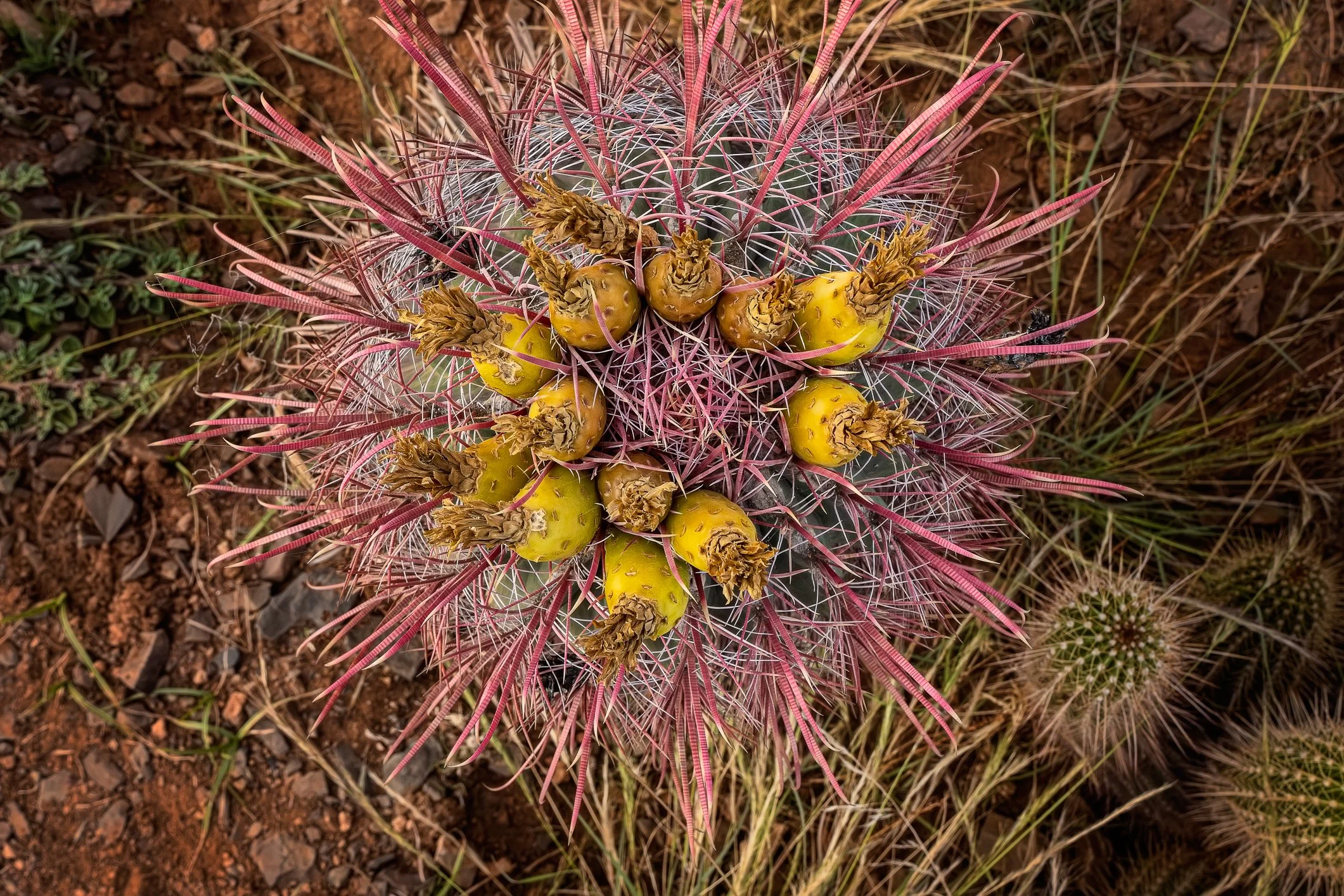
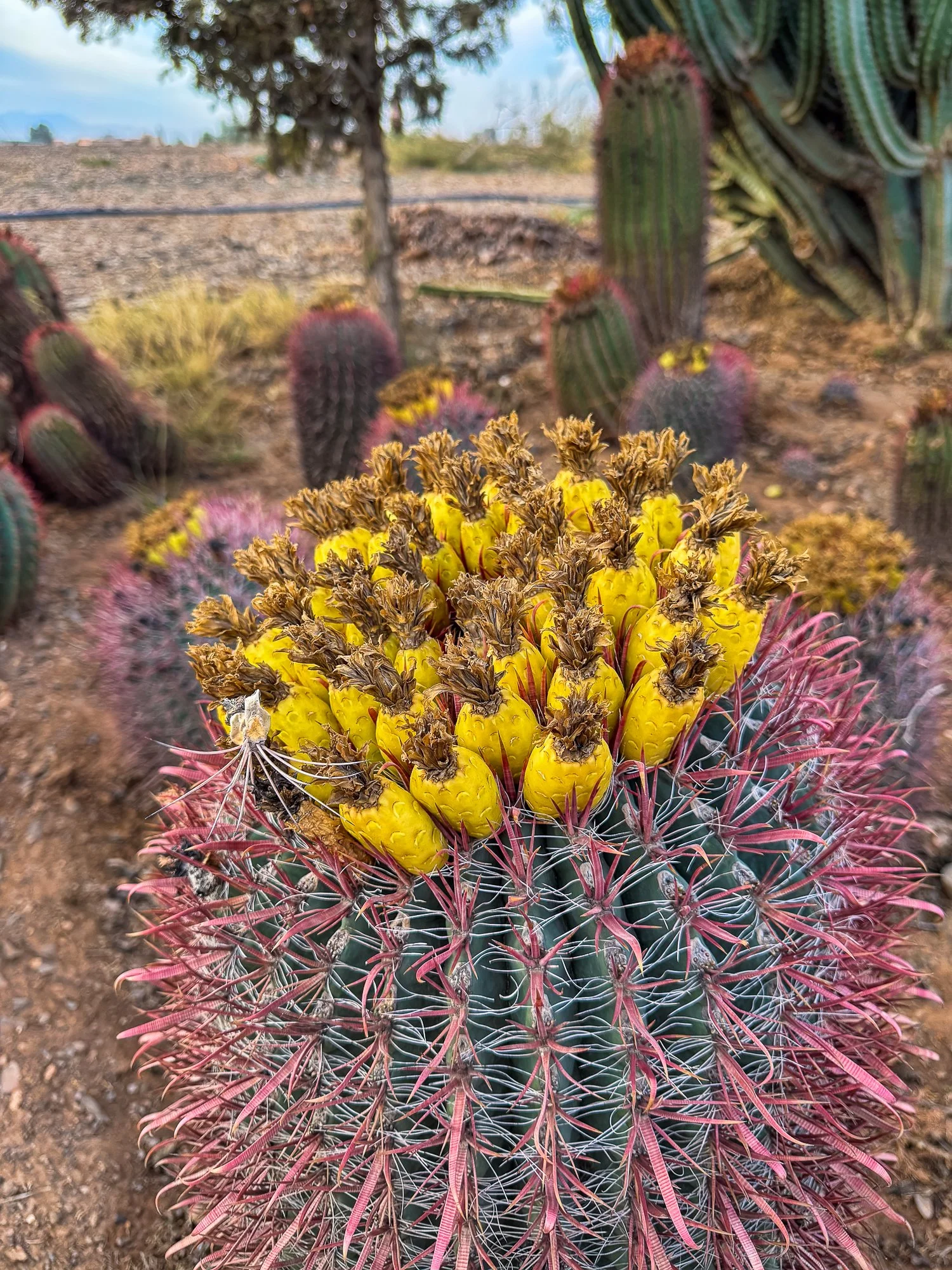
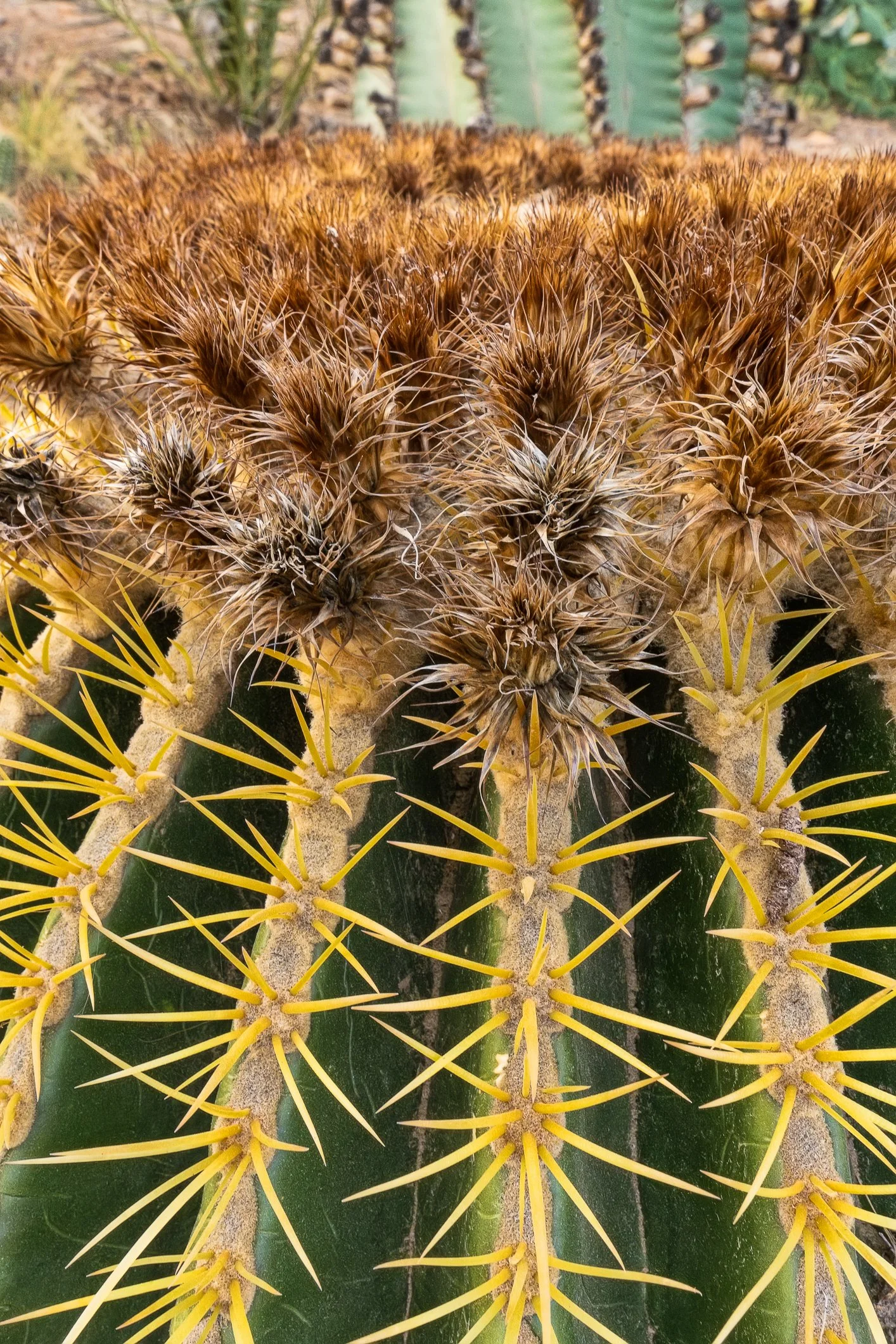
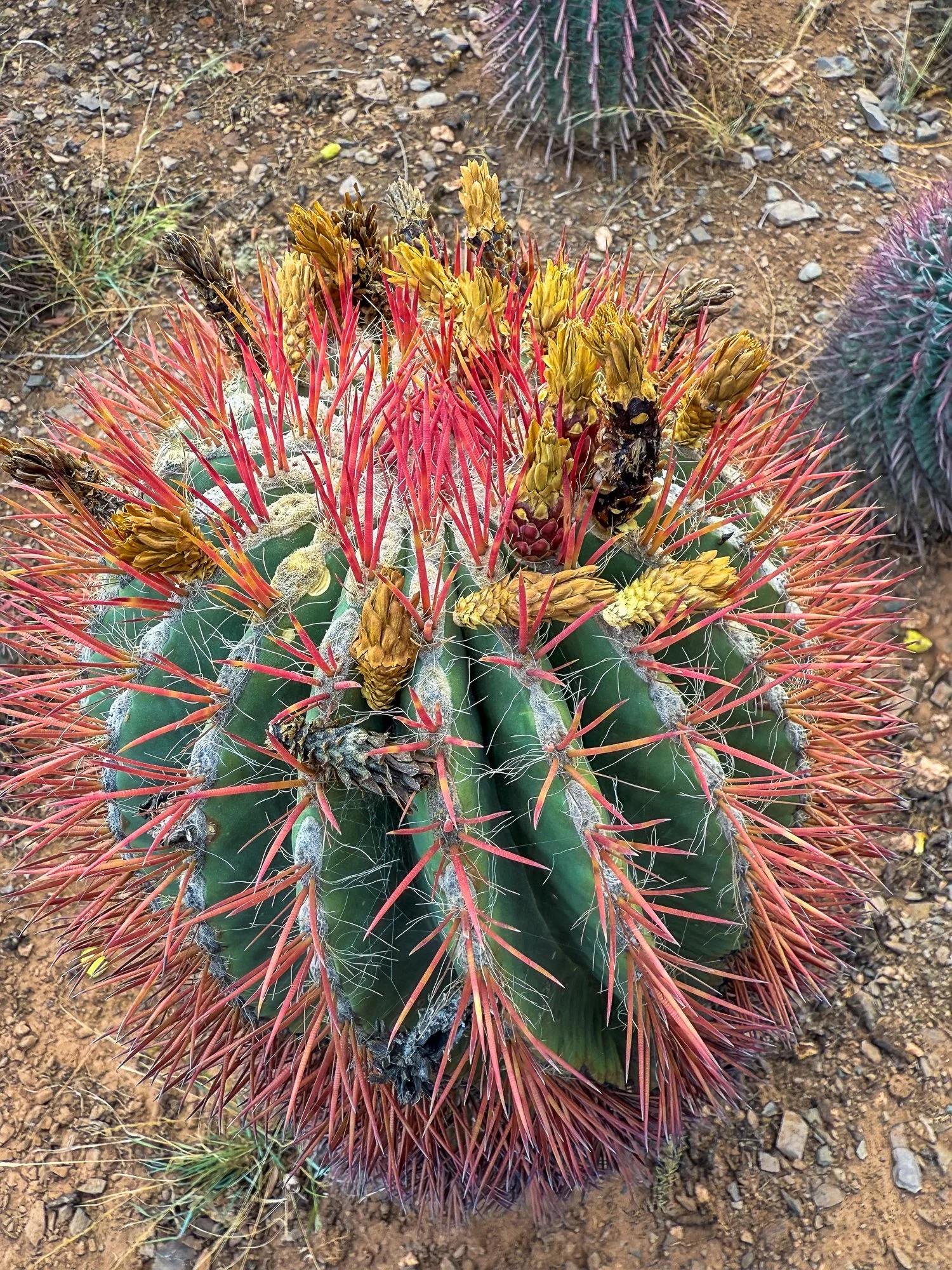
After a few cups of tea and coffee, we are ready to explore the remaining part of the farm. There are many flatter, paddle-shaped cacti from the genus Opuntia. These are quite familiar in Morocco and are known for producing edible fruit. We also find many round, spiny varieties such as those from Ferocactus and Echinocactus, which grow in compact, globe-like shapes. The collection also includes smaller and more delicate species, such as Mammillaria and Gymnocalycium, often admired for their detailed patterns and, at the right time of year, their bright flowers.

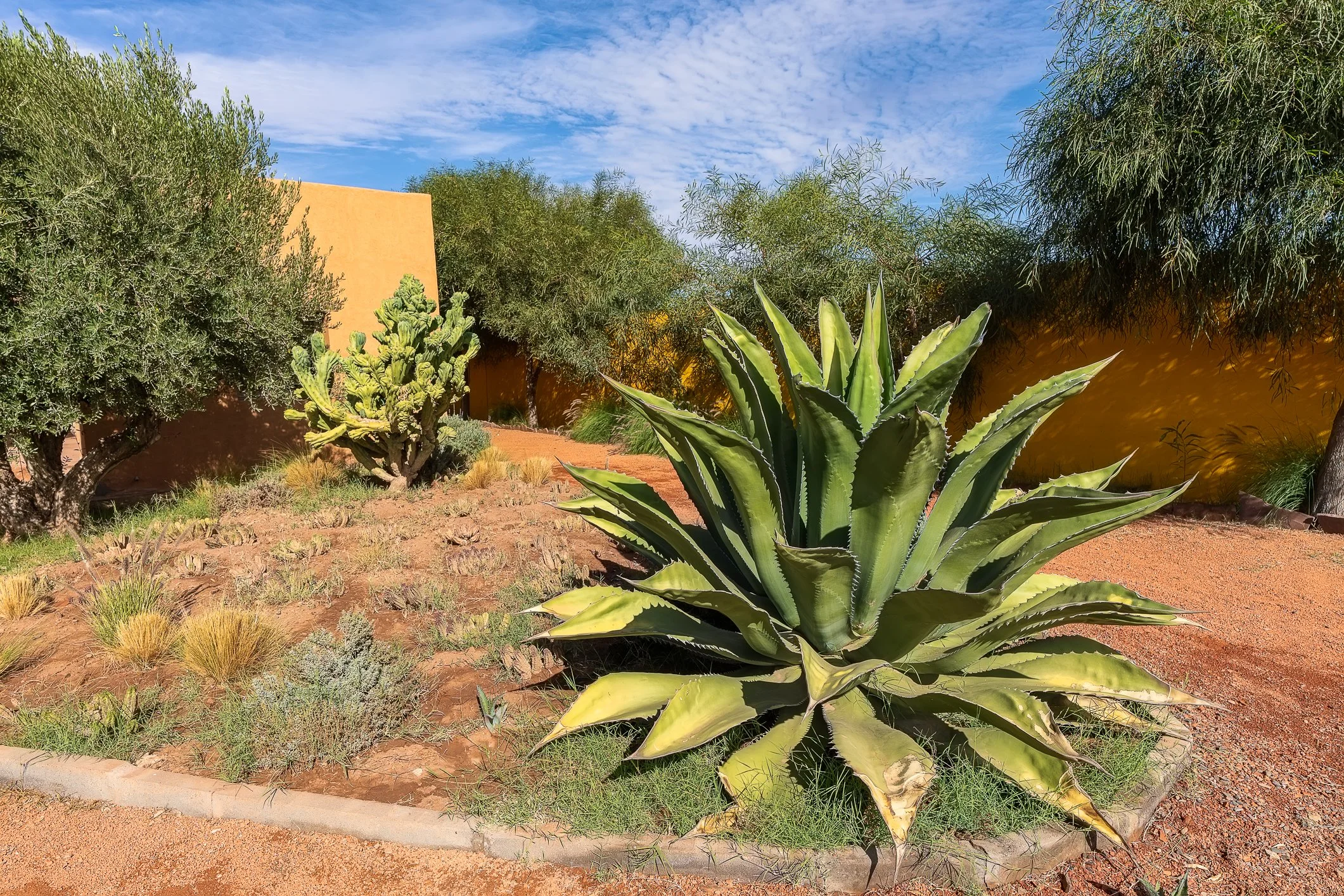
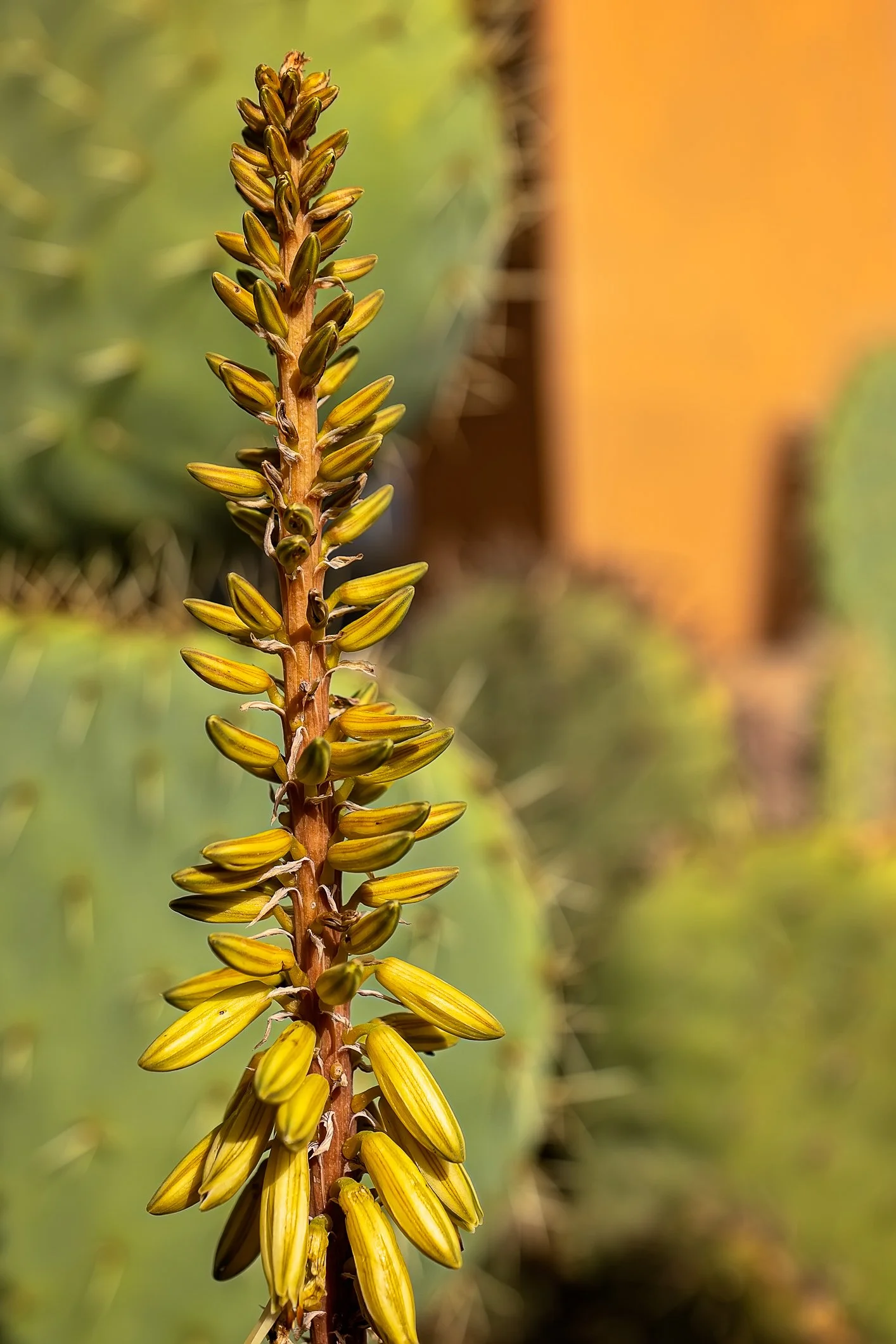
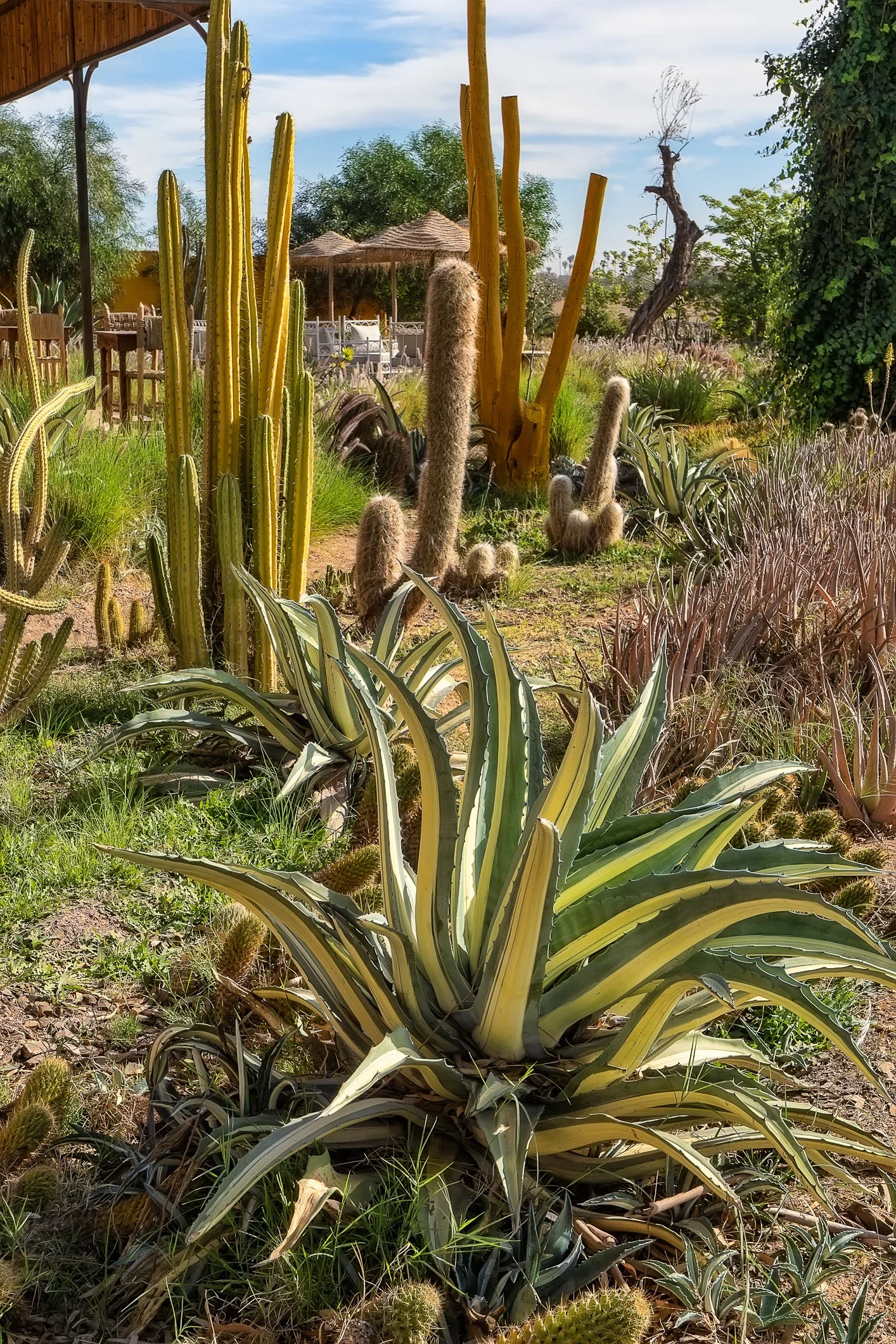
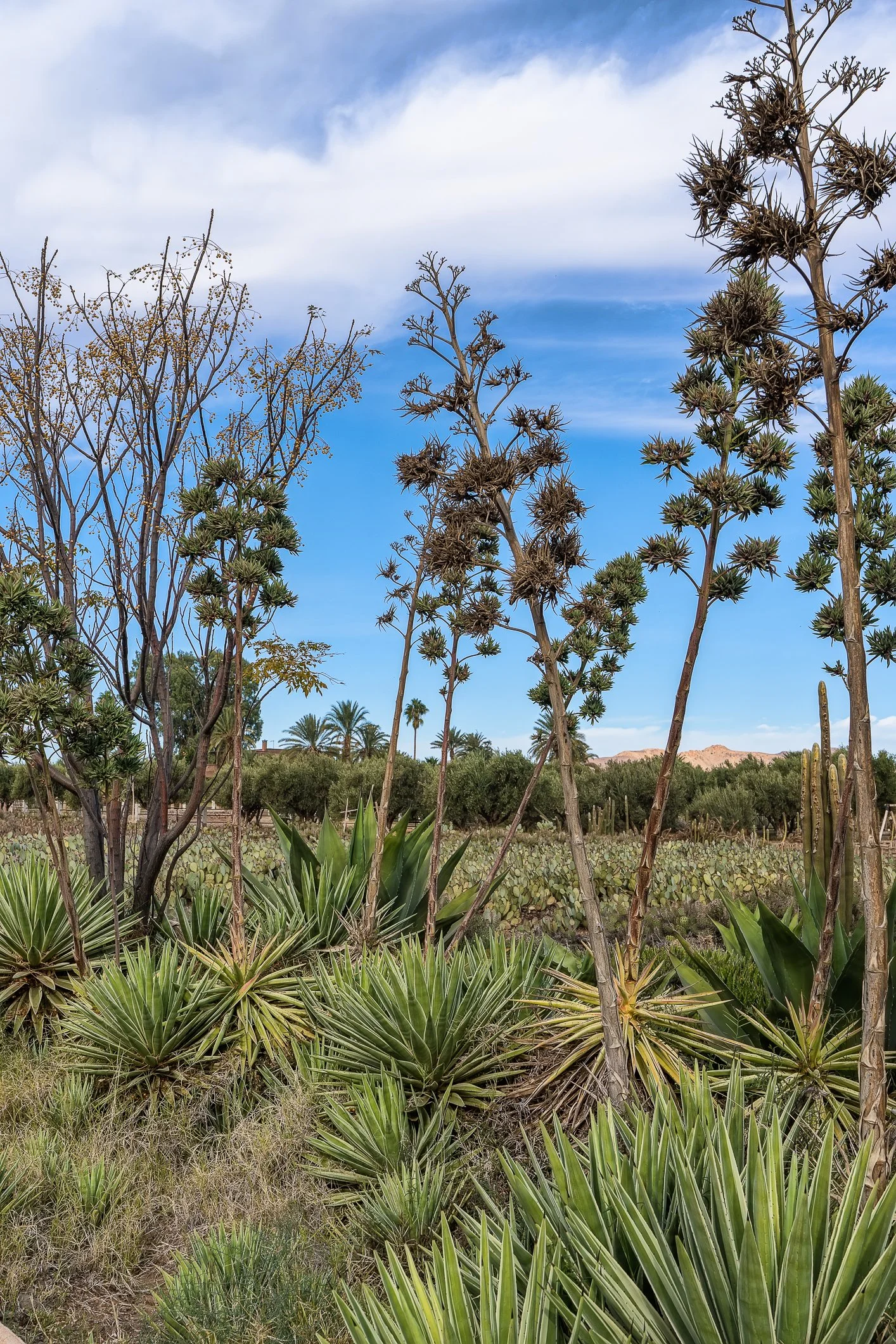
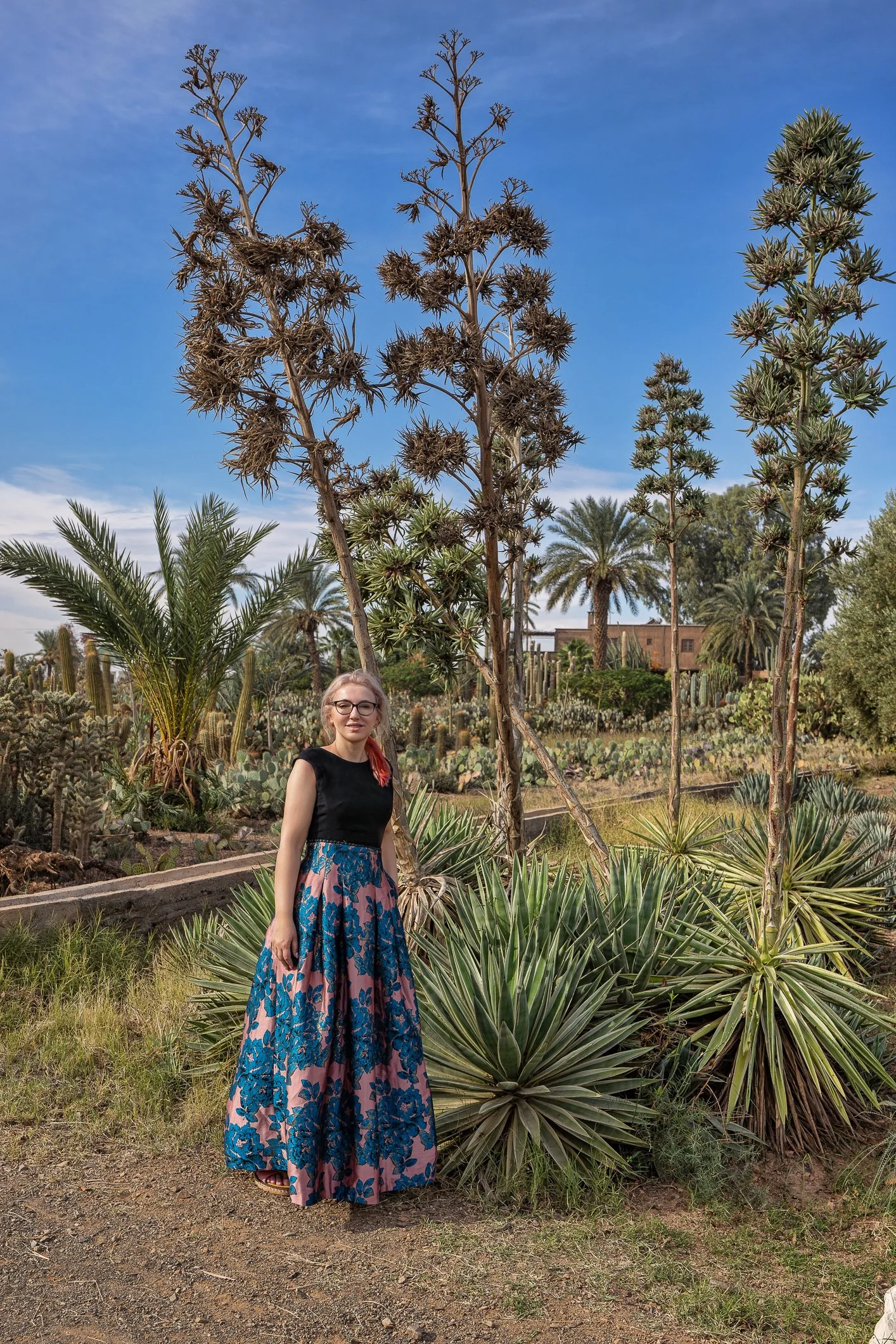
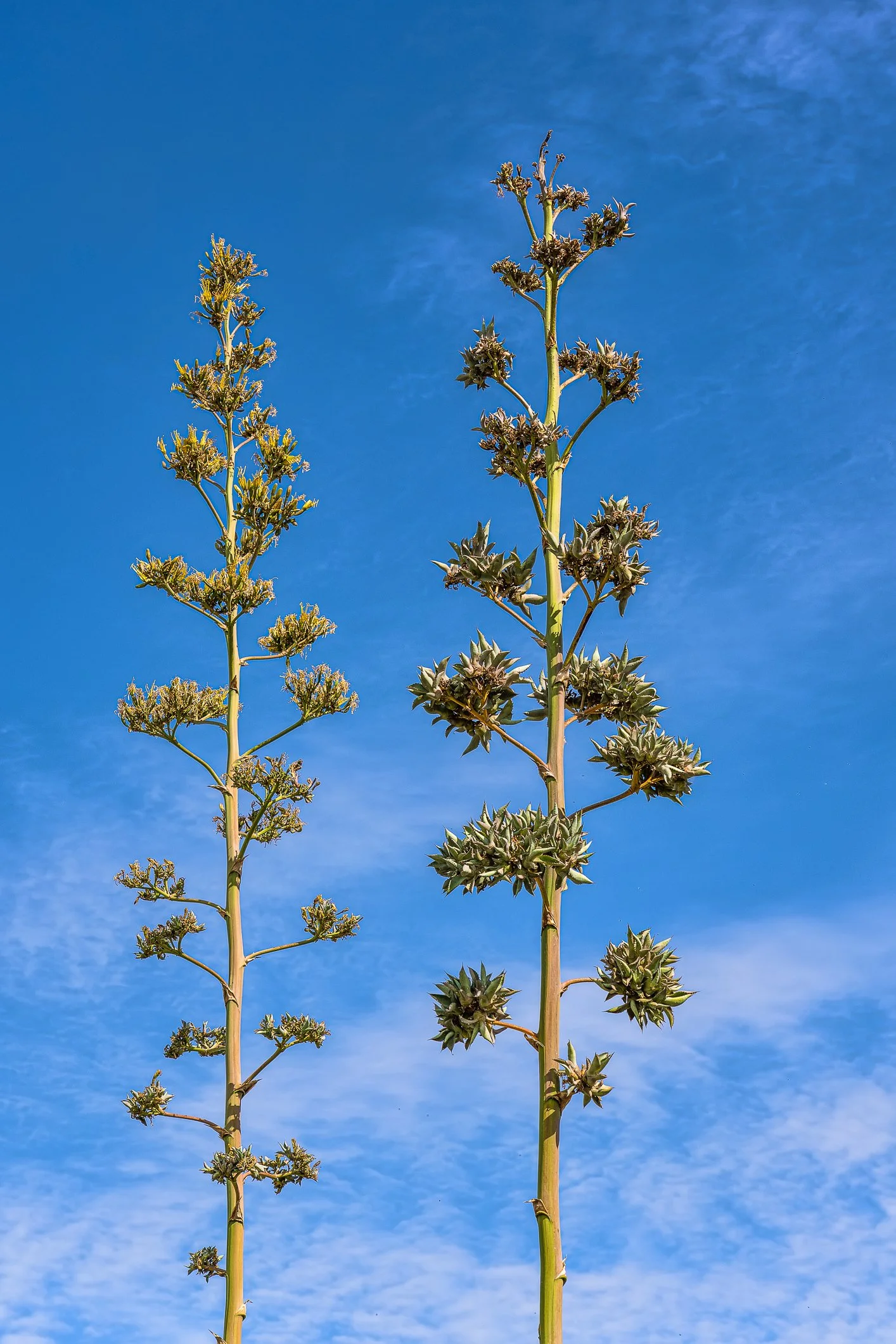
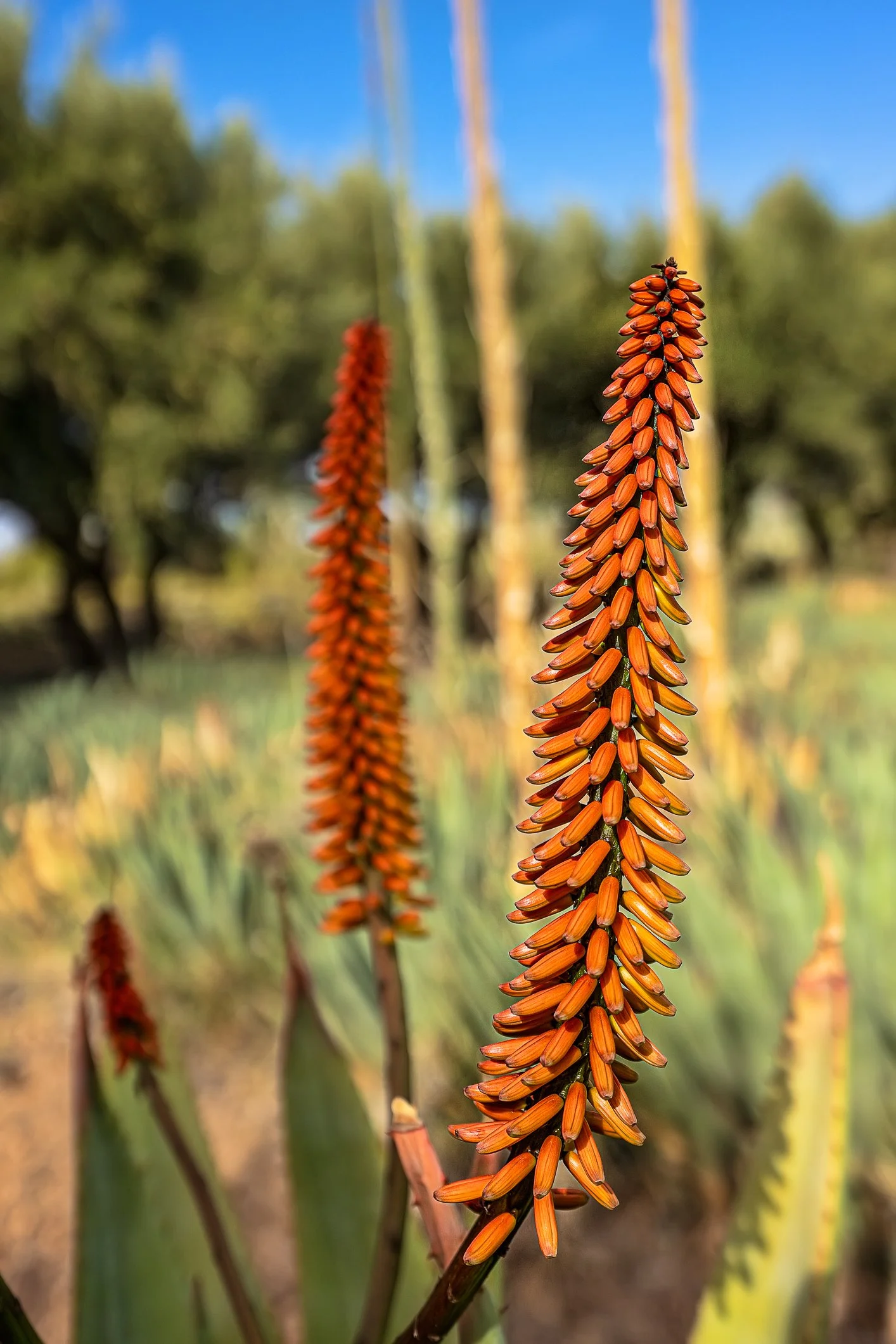
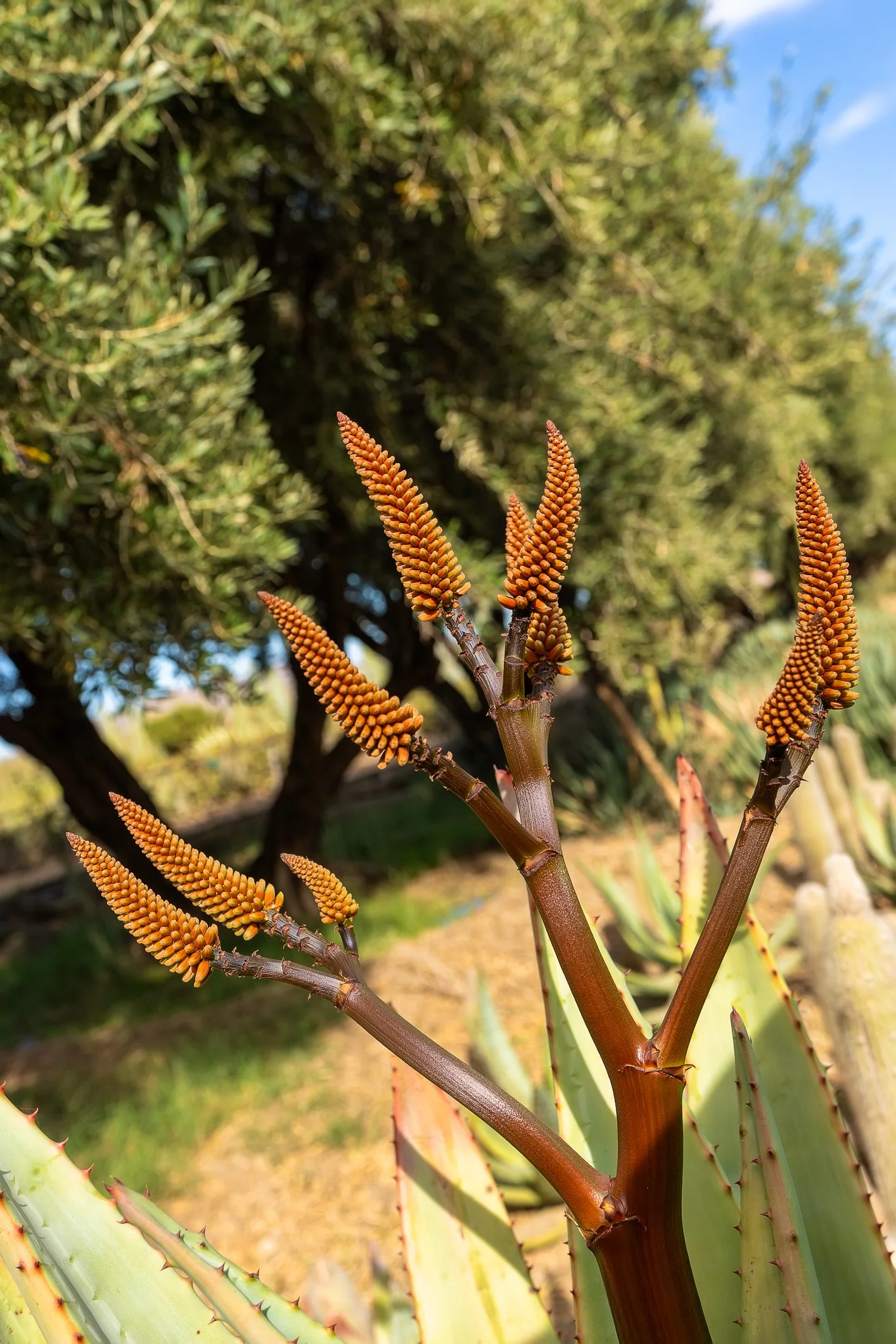
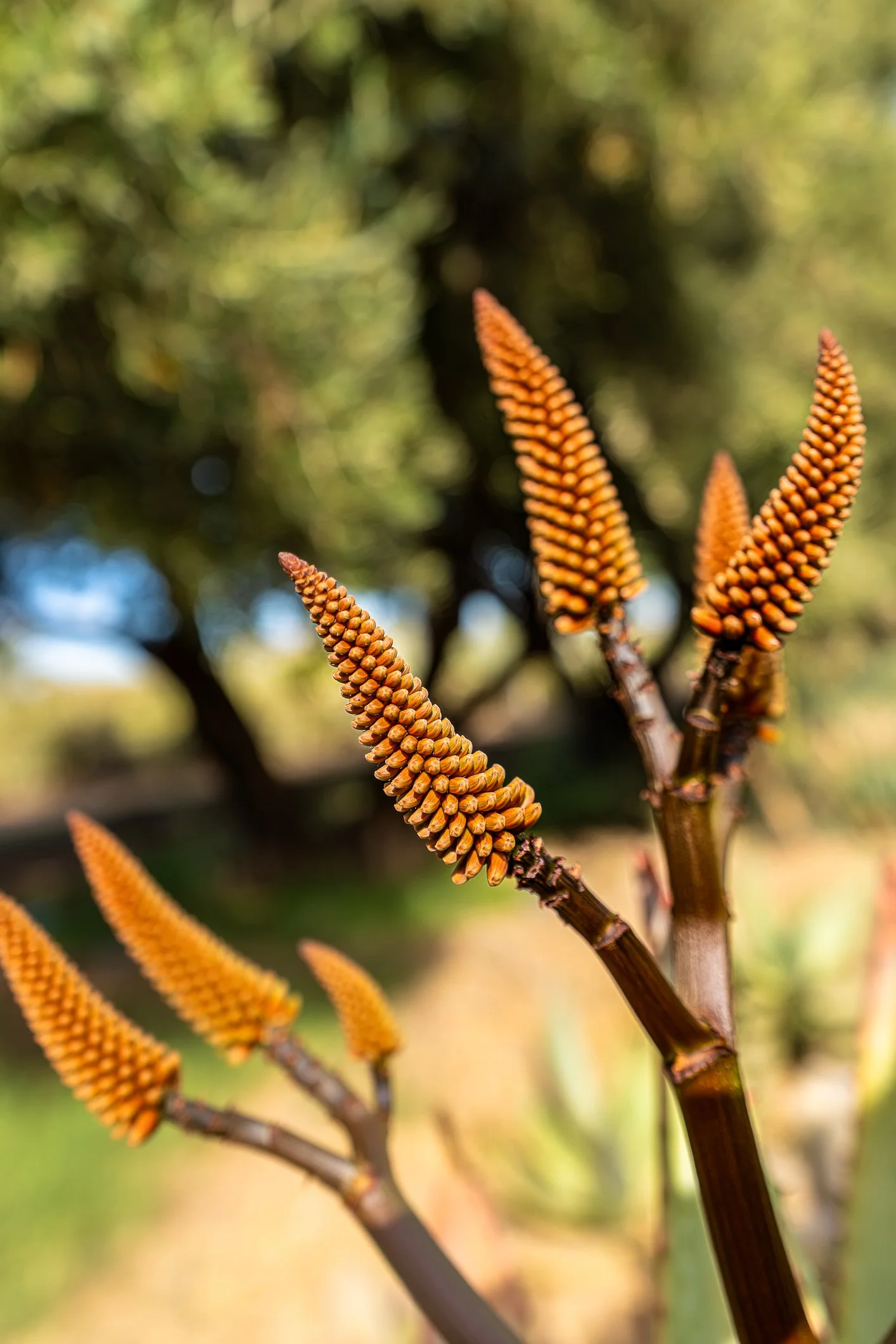
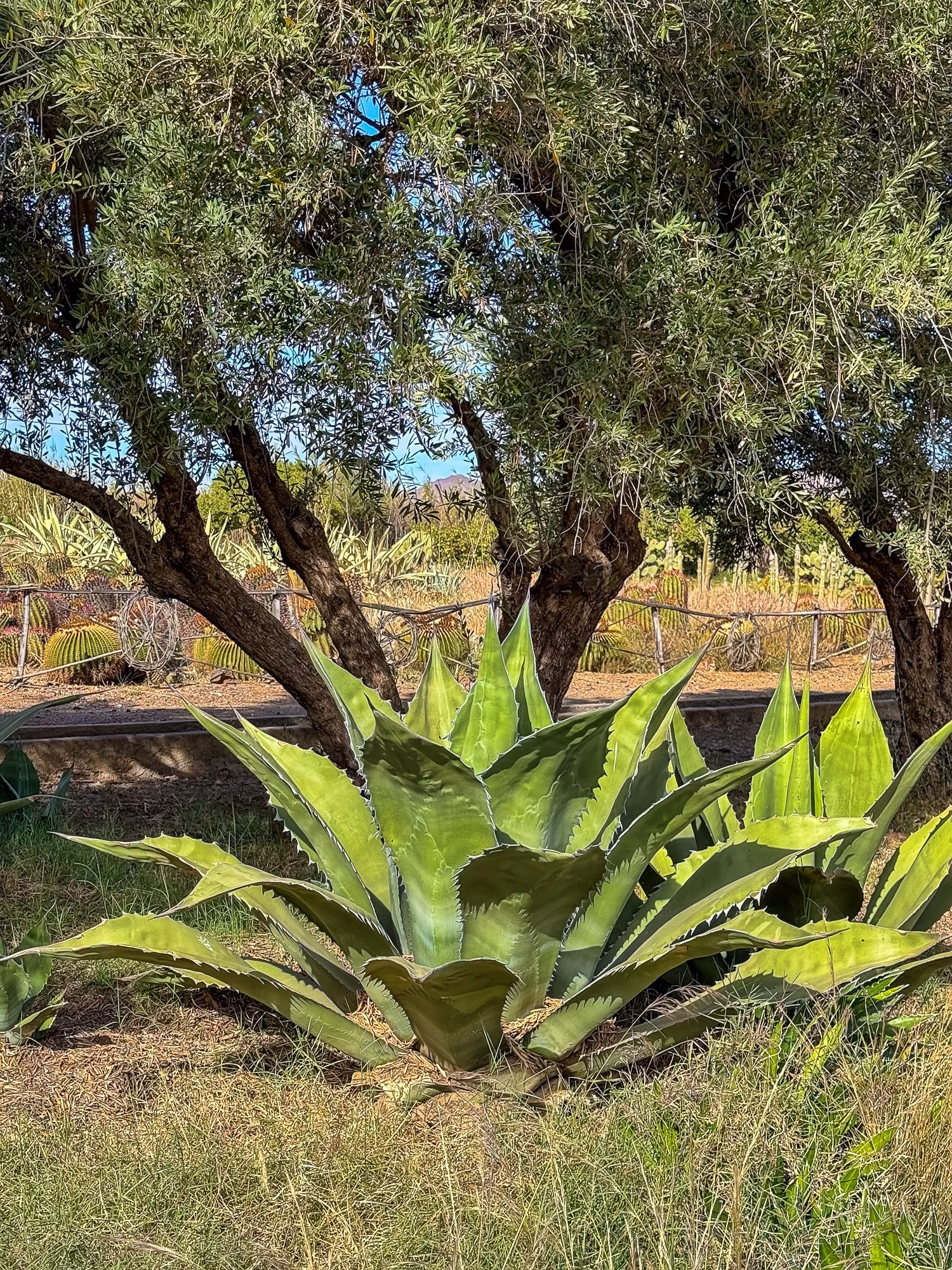
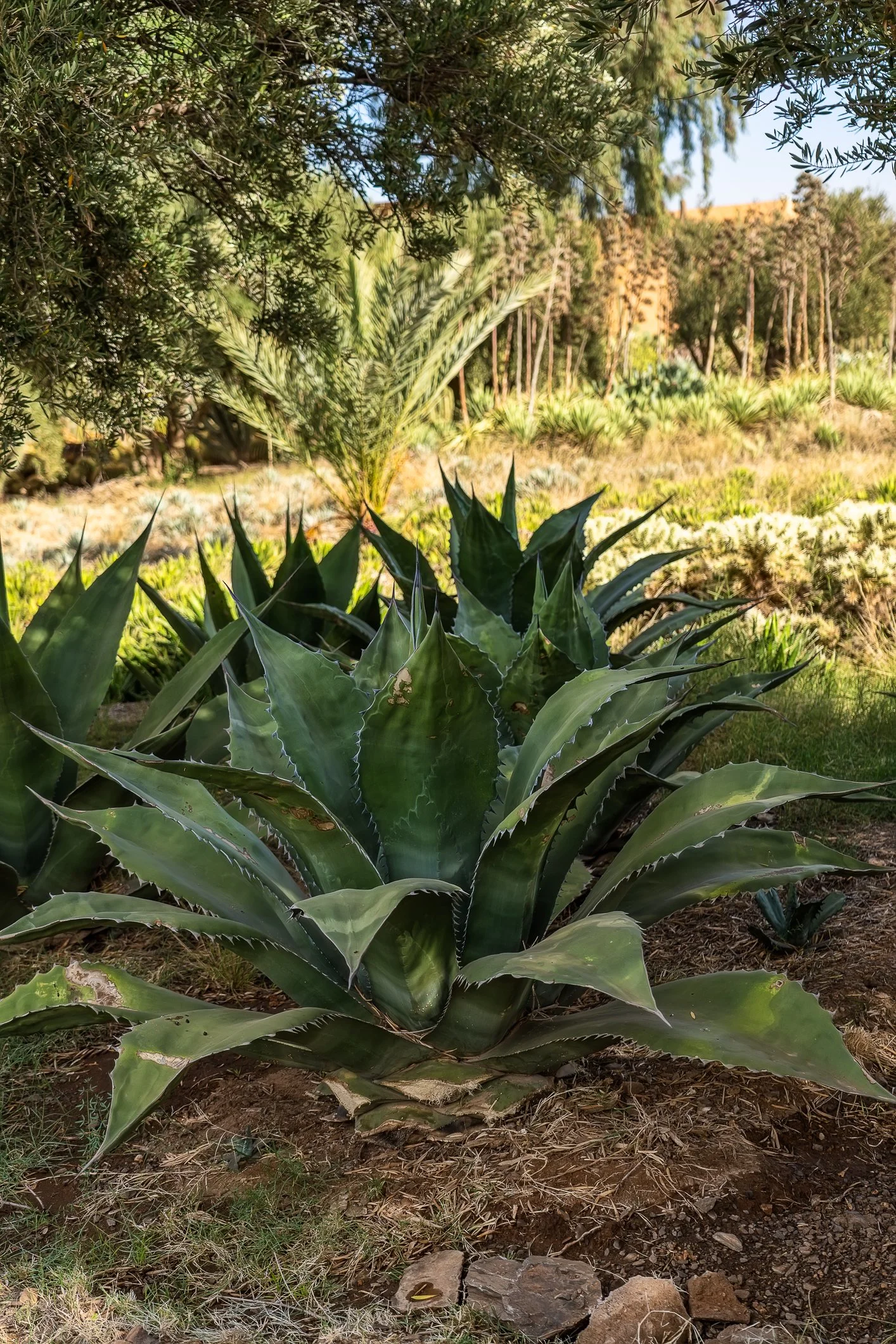
Botanically, it’s not just cacti. We also see agave, aloe, and other arid-climate plants, although the focus is clearly on large cactus species adapted to hot, dry environments.

Po kilku szklankach herbaty i kawy wracamy na dalsze zwiedzanie. W innej części ogrodu pojawiają się bardziej płaskie kaktusy z rodzaju Opuntia - bardzo popularne w Maroku i znane z jadalnych owoców. Widzimy też wiele kulistych, kolczastych form, takich jak Ferocactus czy Echinocactus. Są też mniejsze, bardziej delikatne gatunki, na przykład Mammillaria i Gymnocalycium, które zachwycają strukturą, a w odpowiednim sezonie także kwiatami.

Cactus Thiemann to jednak nie tylko kaktusy. Widzimy też agawy, aloesy i inne rośliny przystosowane do suchego klimatu, choć wyraźnie to właśnie kaktusy grają tu główną rolę.

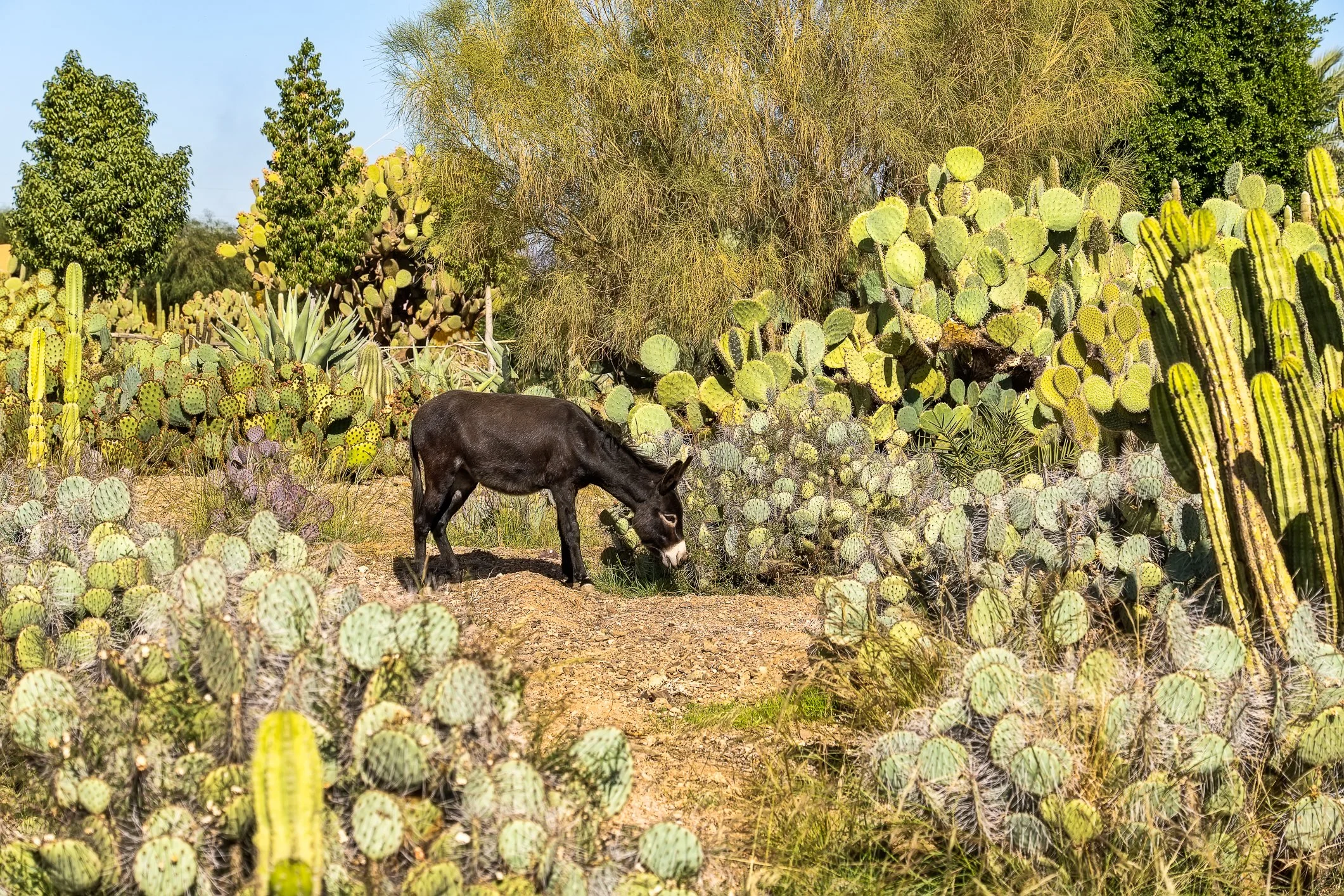
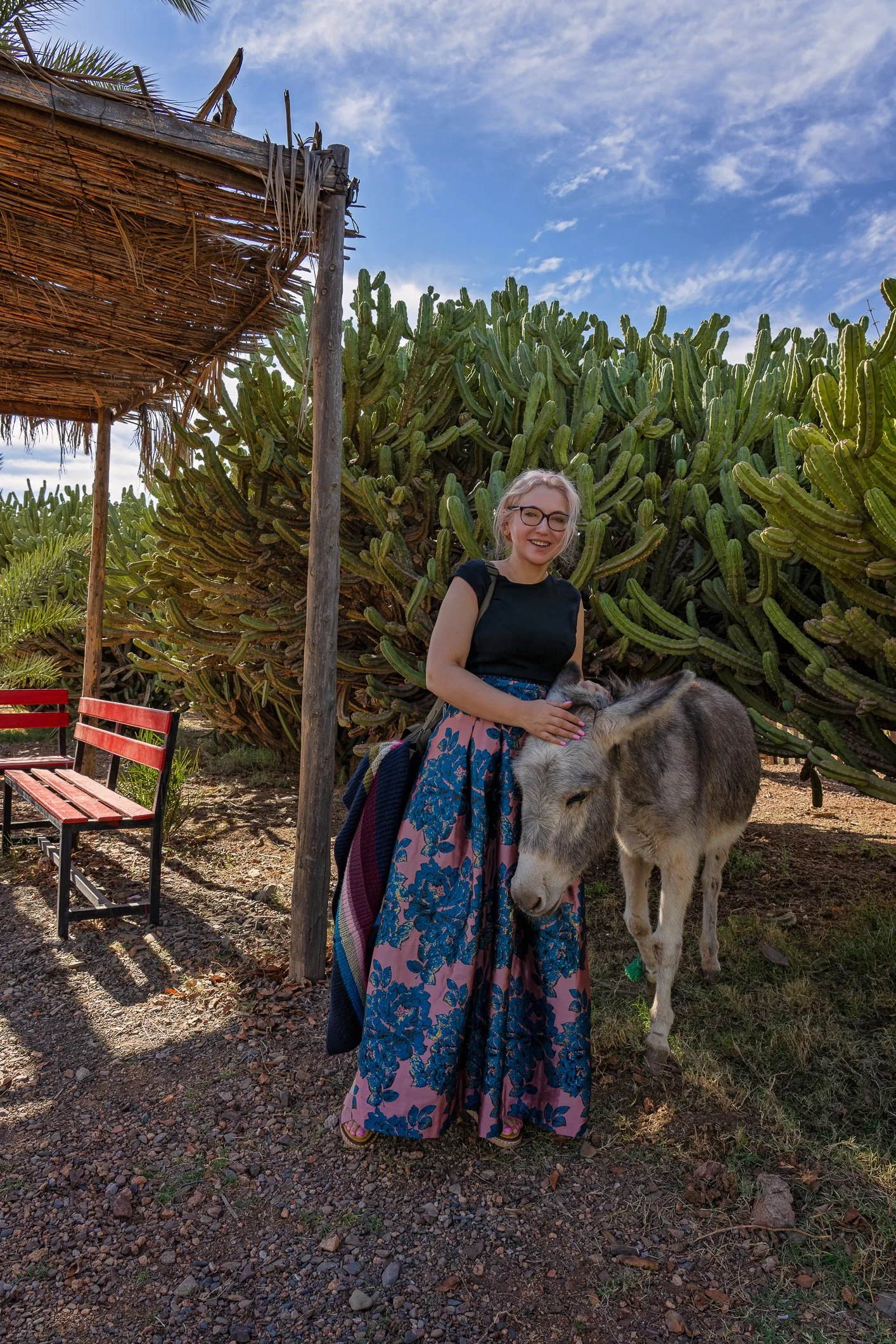
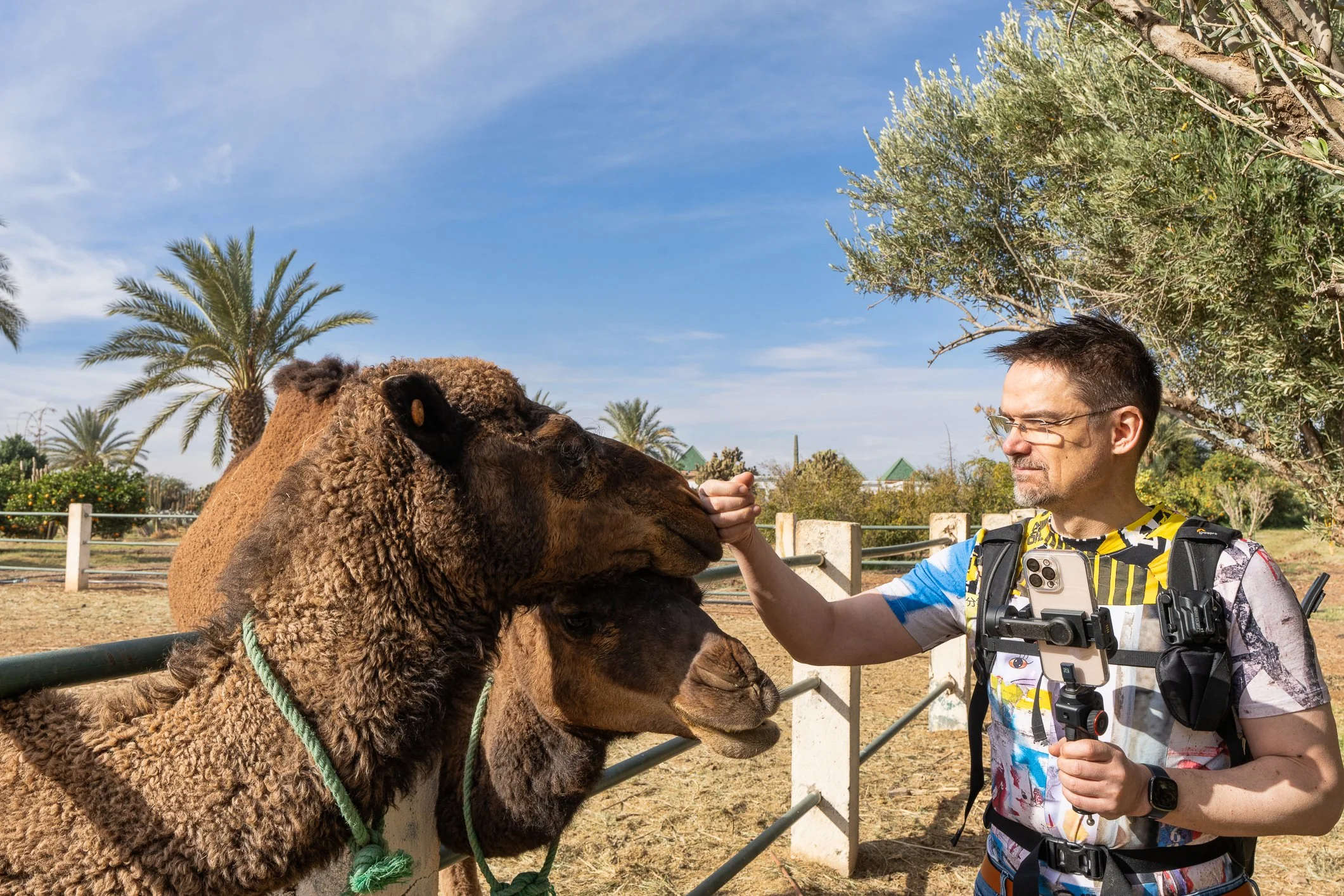
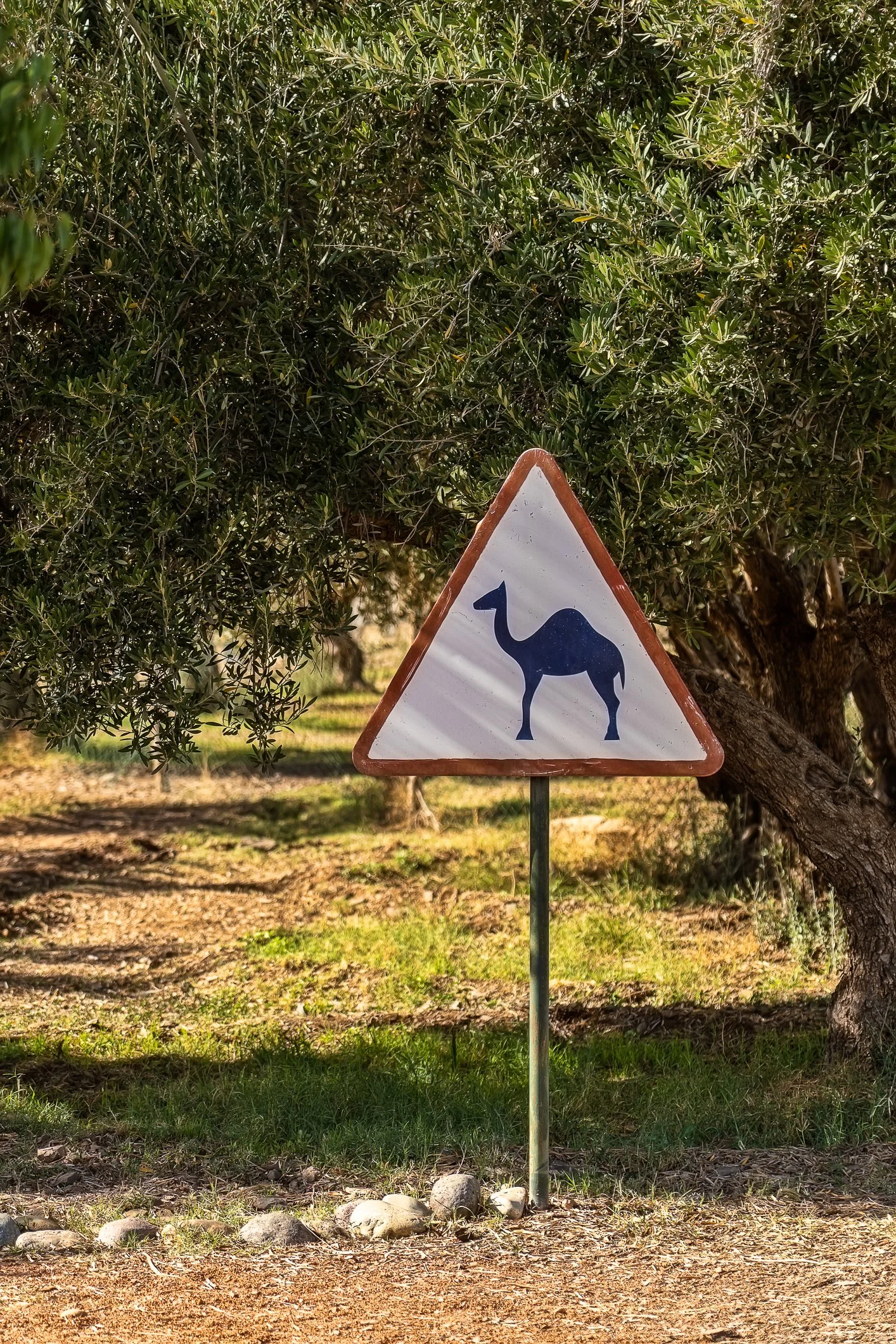
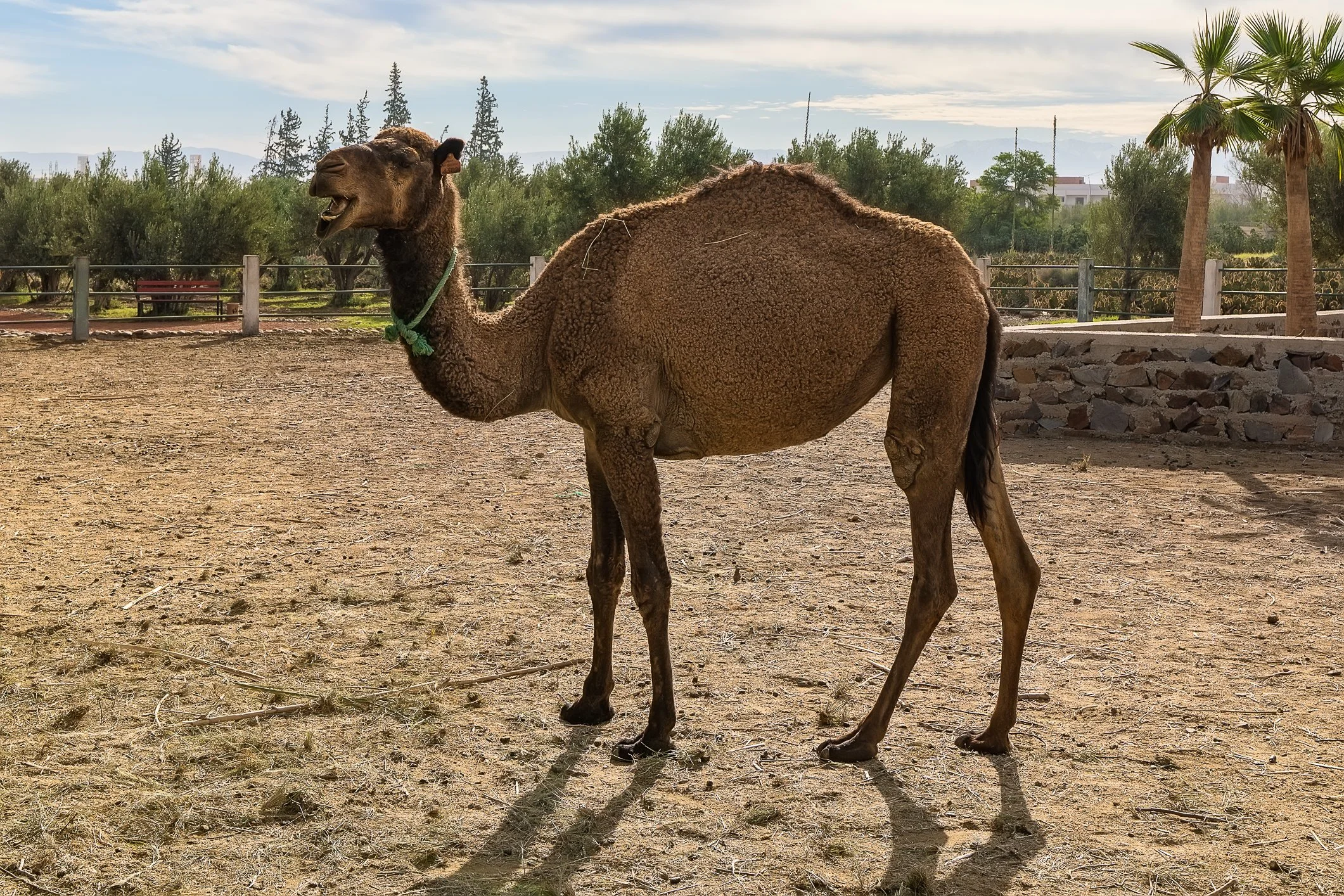
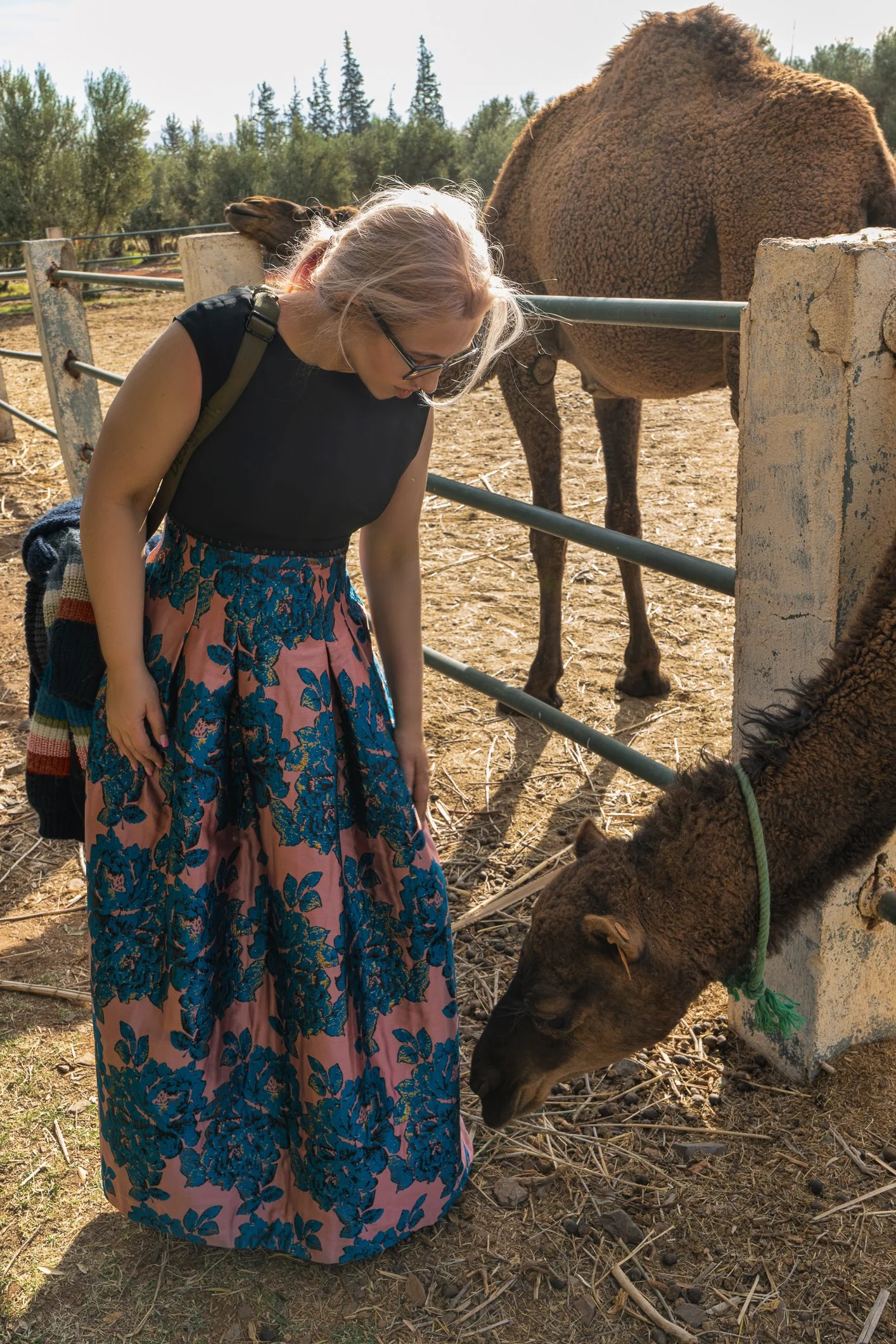
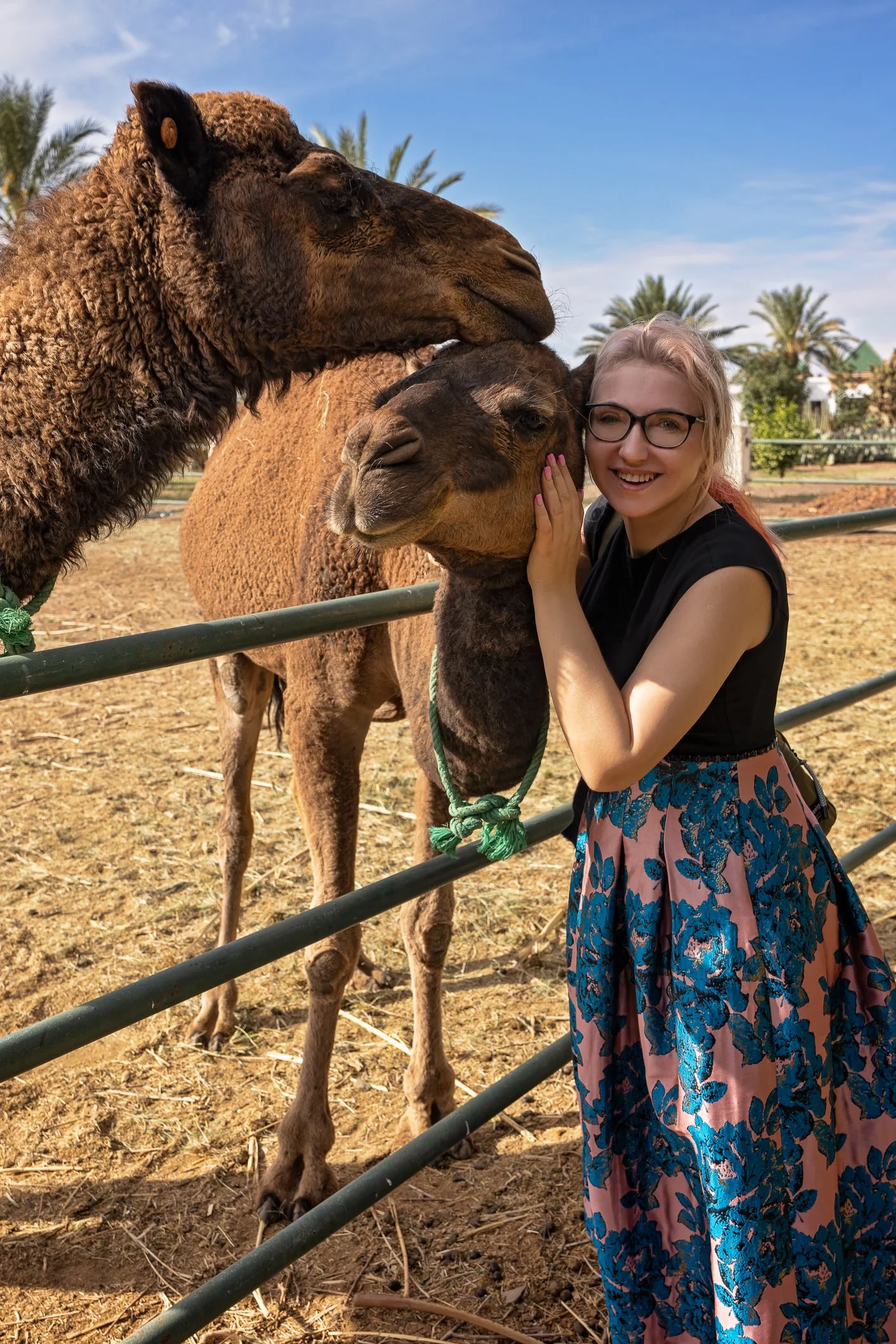
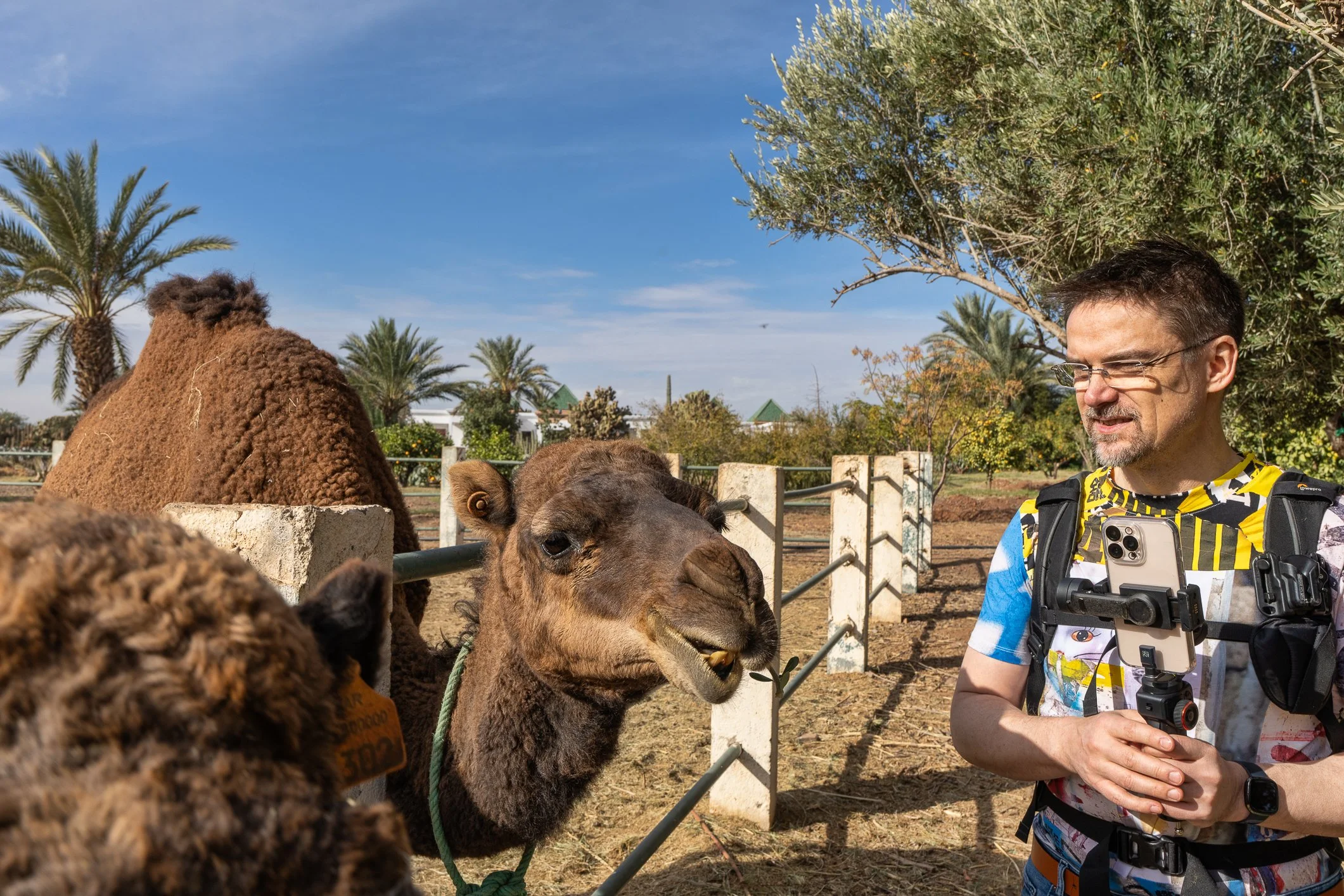
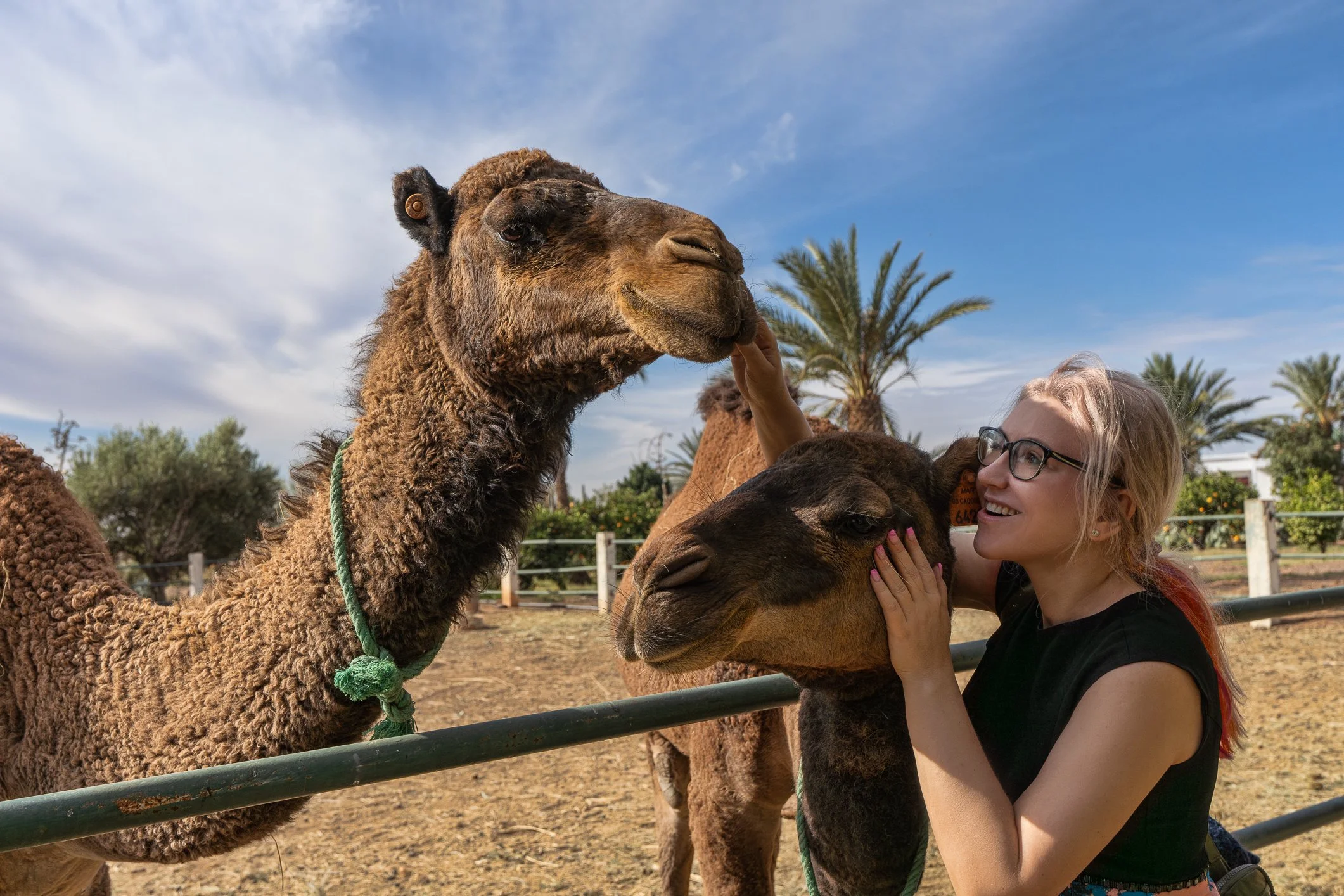
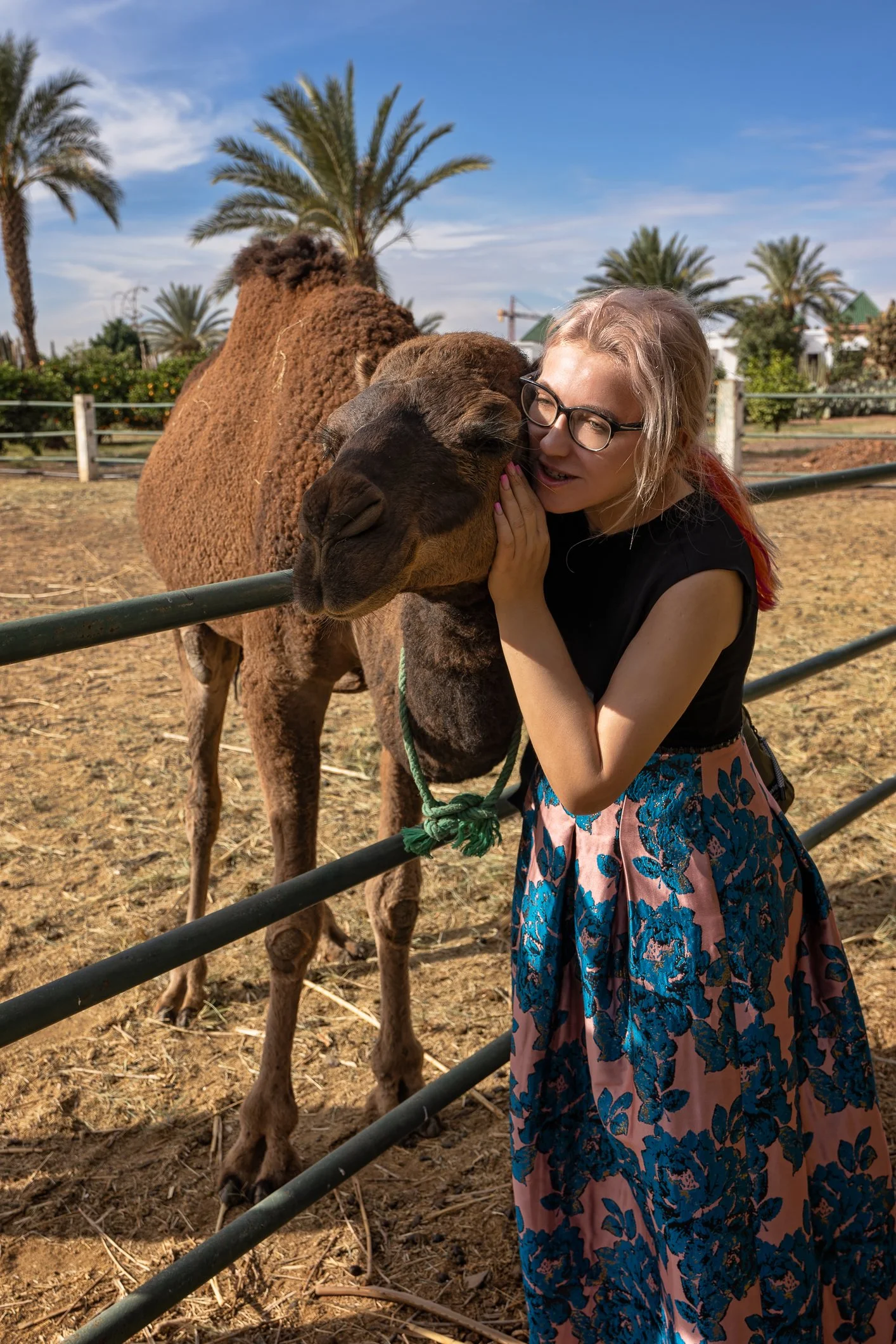
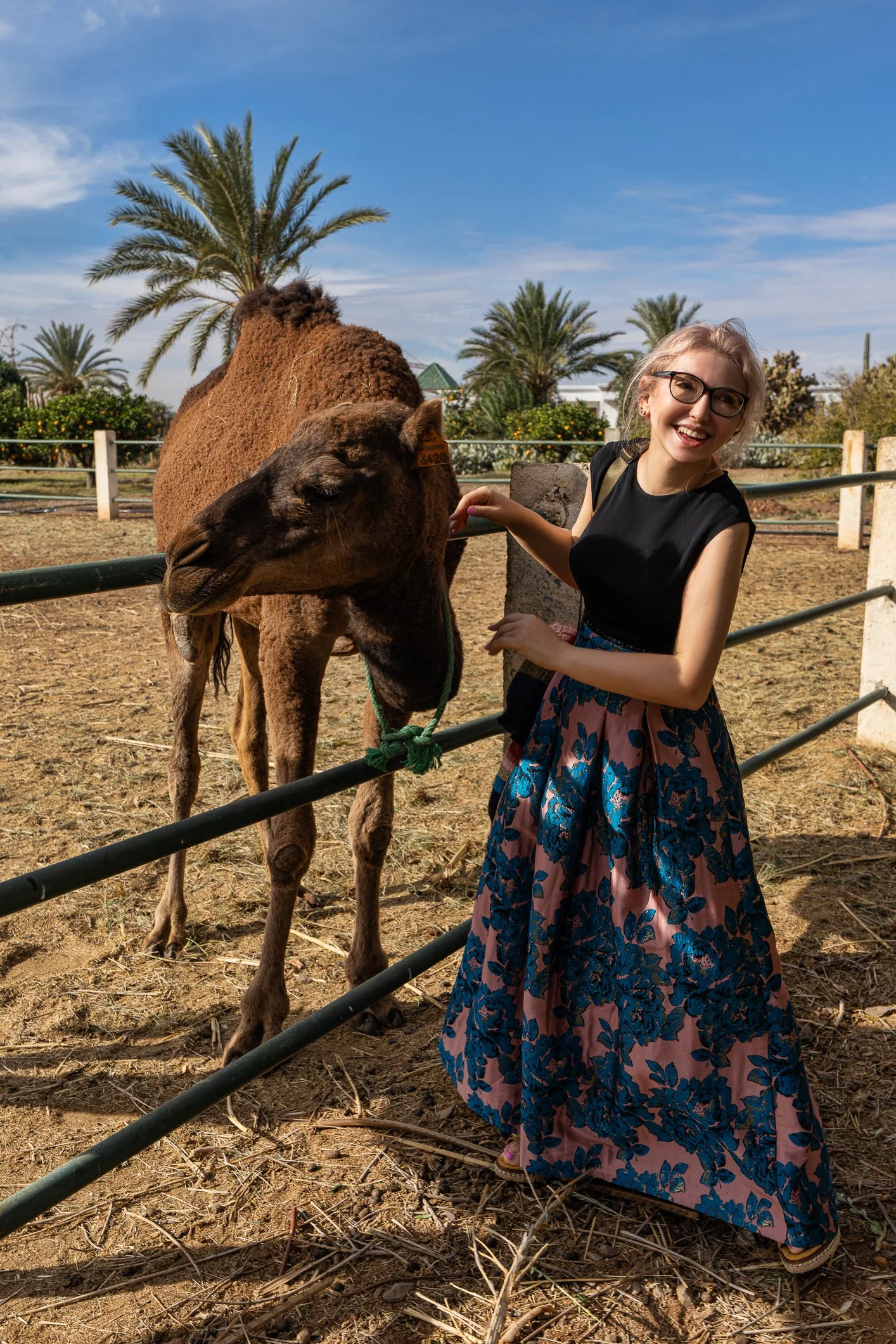
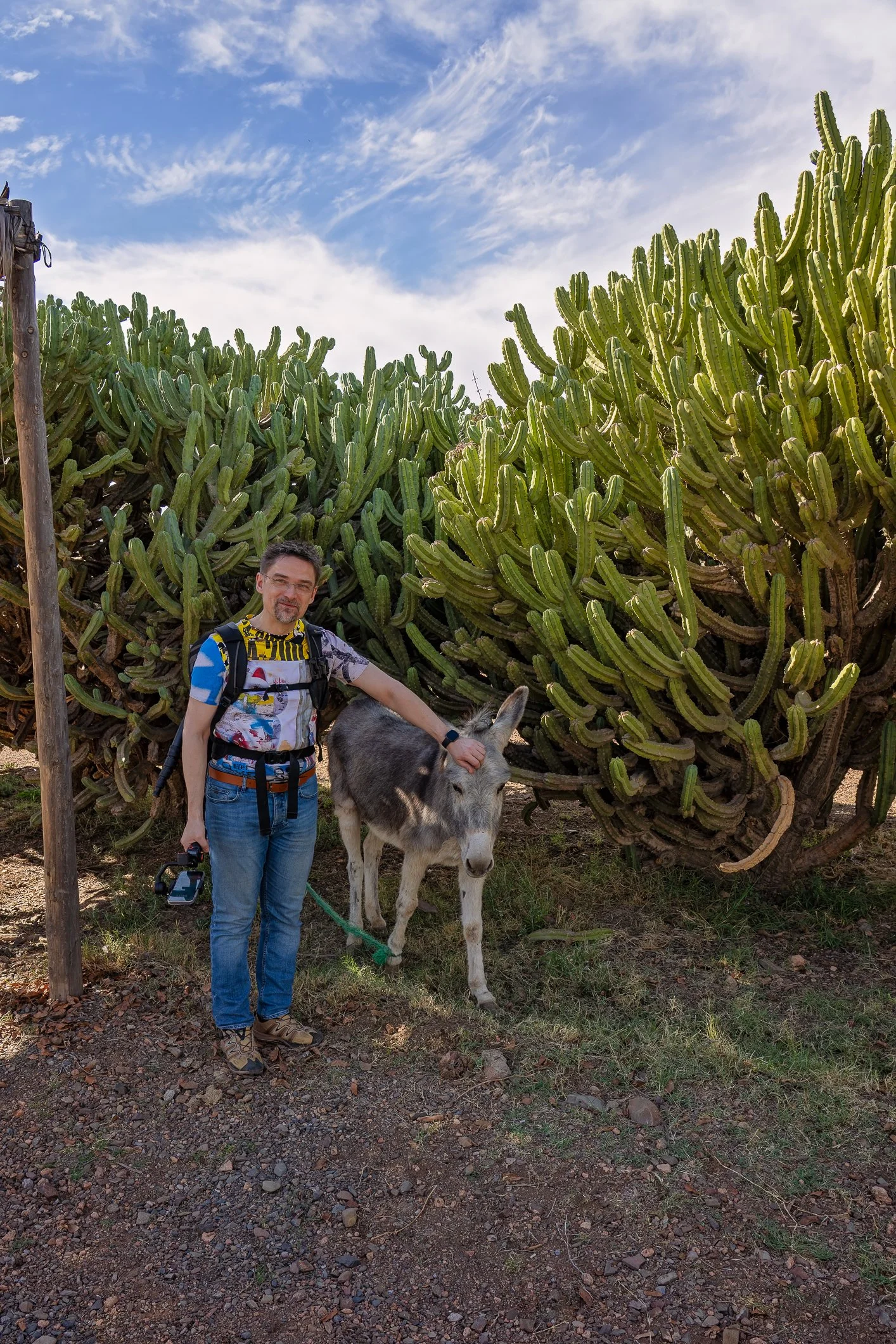
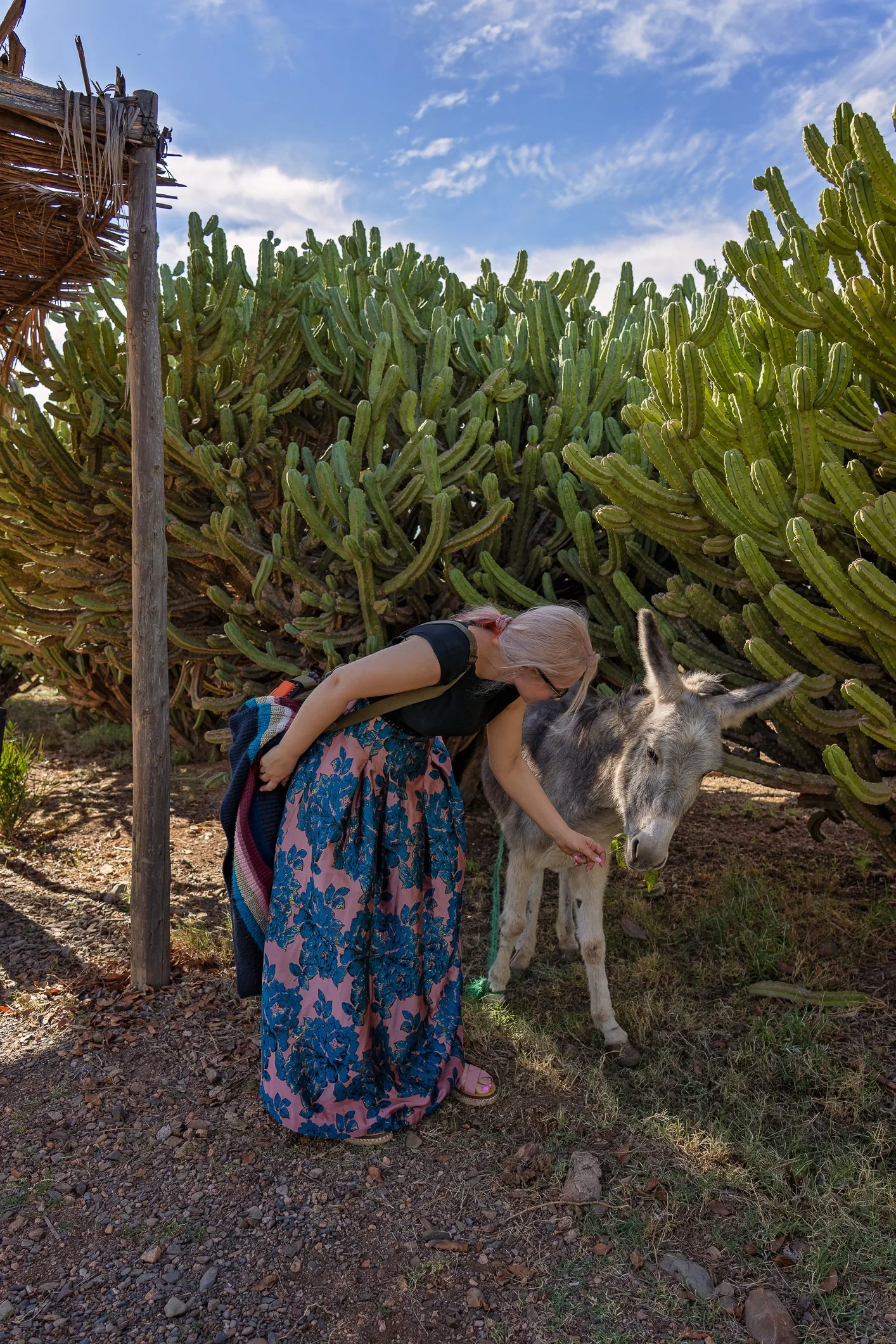
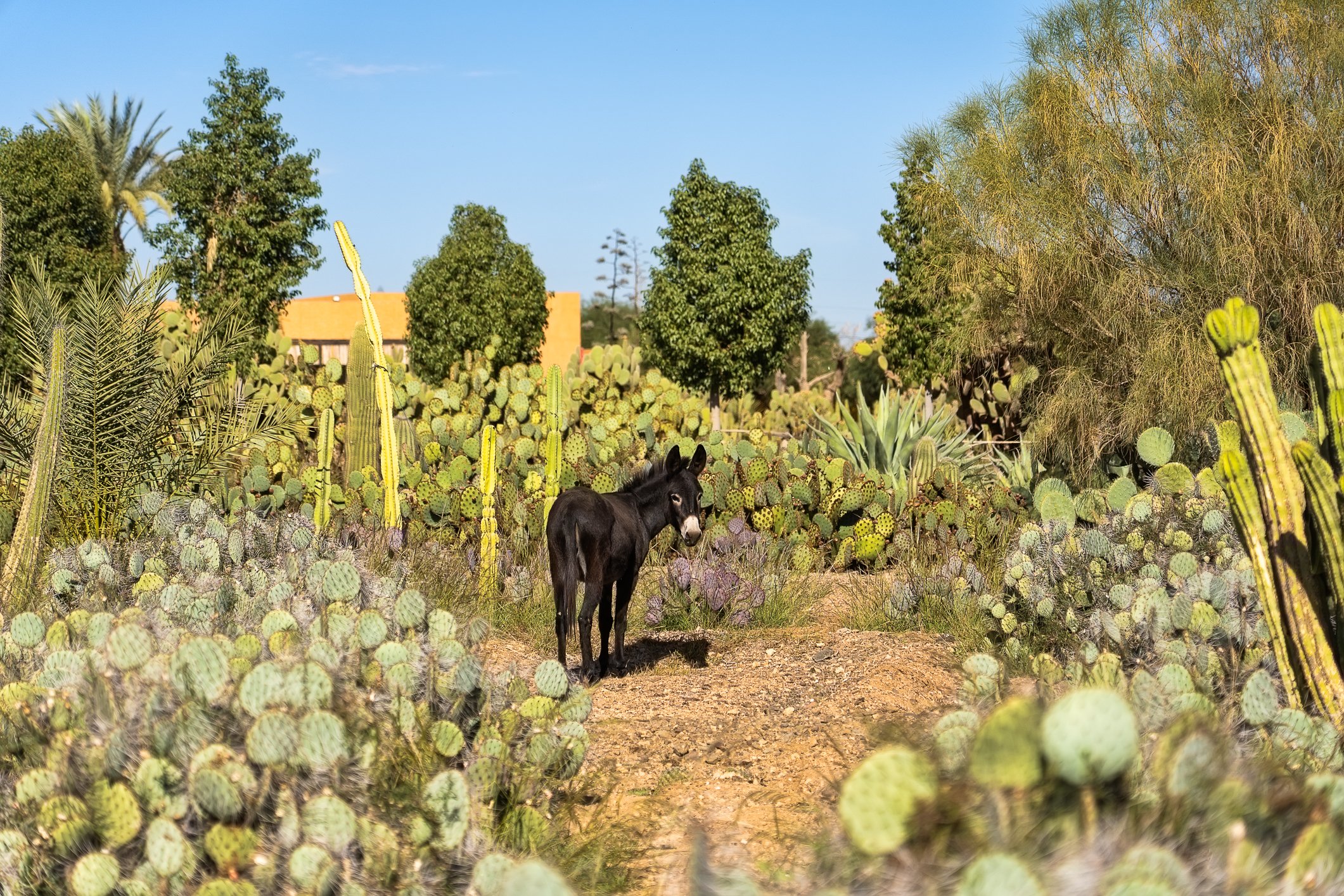
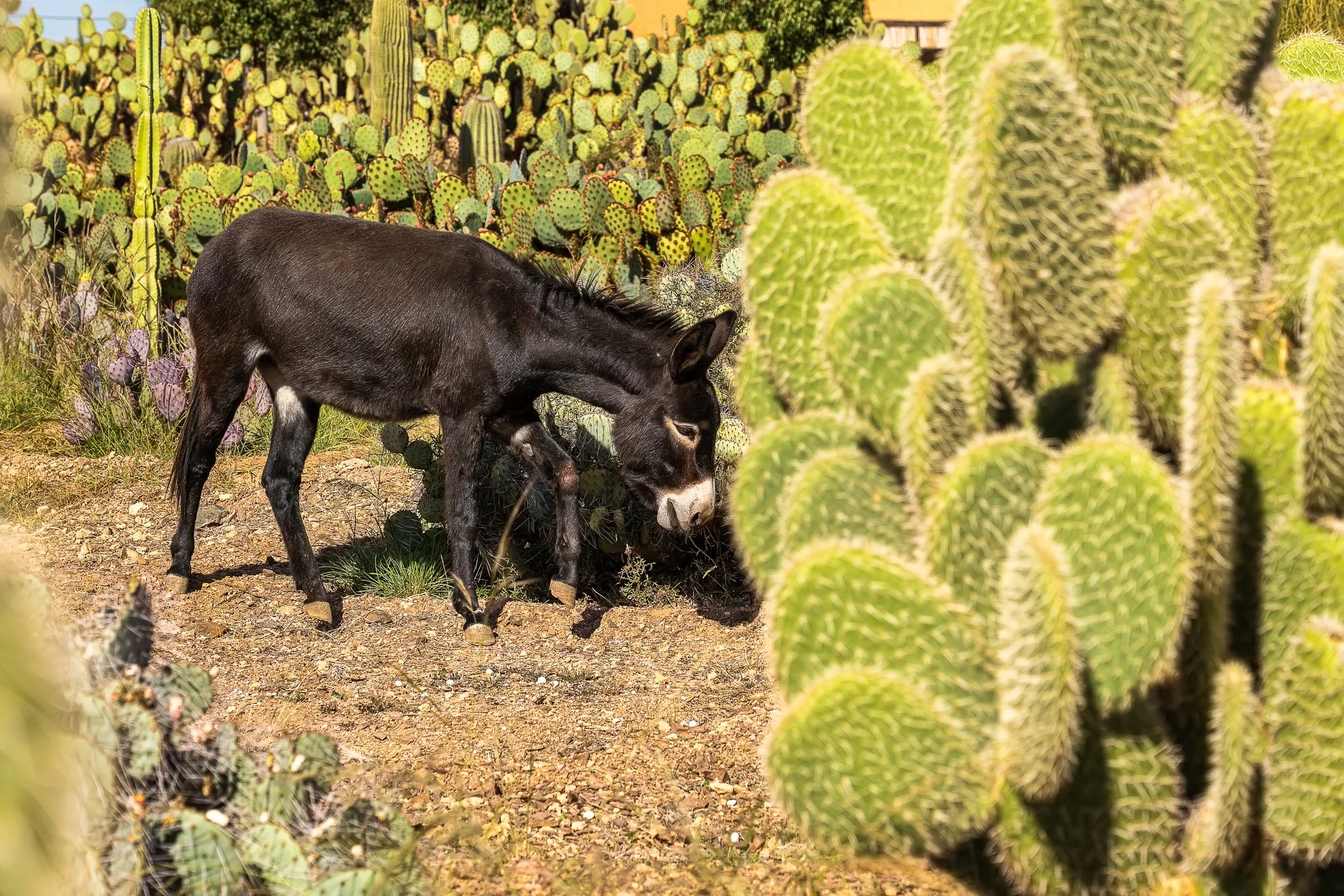
Alongside the plant collection from the Cactaceae, there are also a few animals, including Dromedary camels and Domestic donkeys - and we make friends with them immediately. The camels are kept in an enclosure they’ve eaten completely bare (so I guess we know why they are enclosed). They are very friendly and come up to us, expecting food, of course. A local worker notices us and brings some grass they like, and they are more than happy - not just to eat, but also to cuddle. One donkey we encounter is tied, but we spot several others walking freely through the fields.

Na terenie ogrodu są również zwierzęta, między innymi dromadery i osiołki. Oczywiście od razu się z nimi zaprzyjaźniamy. Wielbłądy przebywają na ogrodzonym terenie, który jest już całkowicie „wyjedzony”, więc łatwo się domyślić dlaczego. Są bardzo przyjazne, same podchodzą do nas, licząc na jedzenie. Jeden z pracowników przynosi nam trawę i wtedy zaczyna się prawdziwa interakcja: jedzenie, głaskanie i nawet trochę przytulania. Jeden napotkany przez nas osiołek jest uwiązany, ale kilka innych spaceruje swobodnie po terenie.

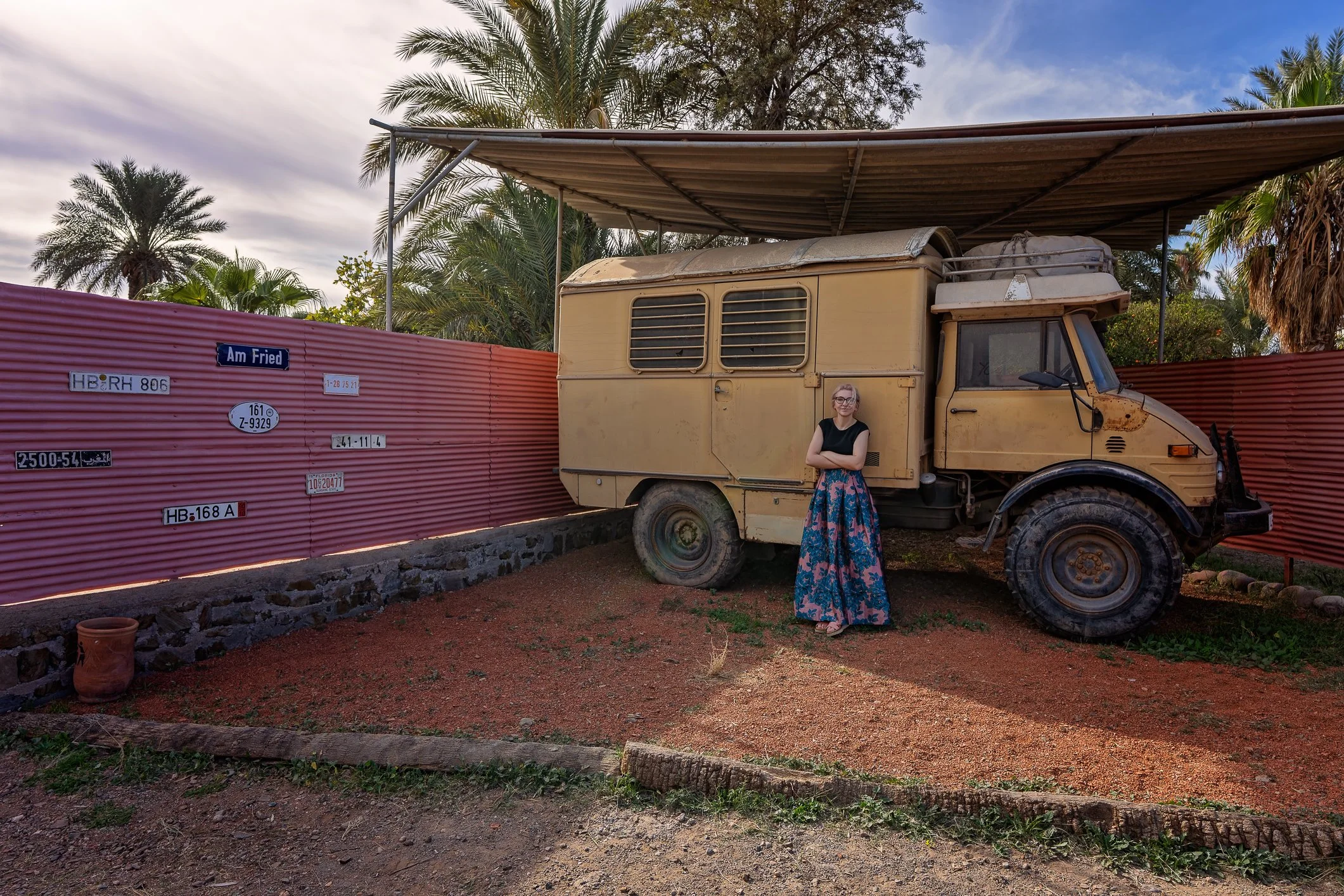
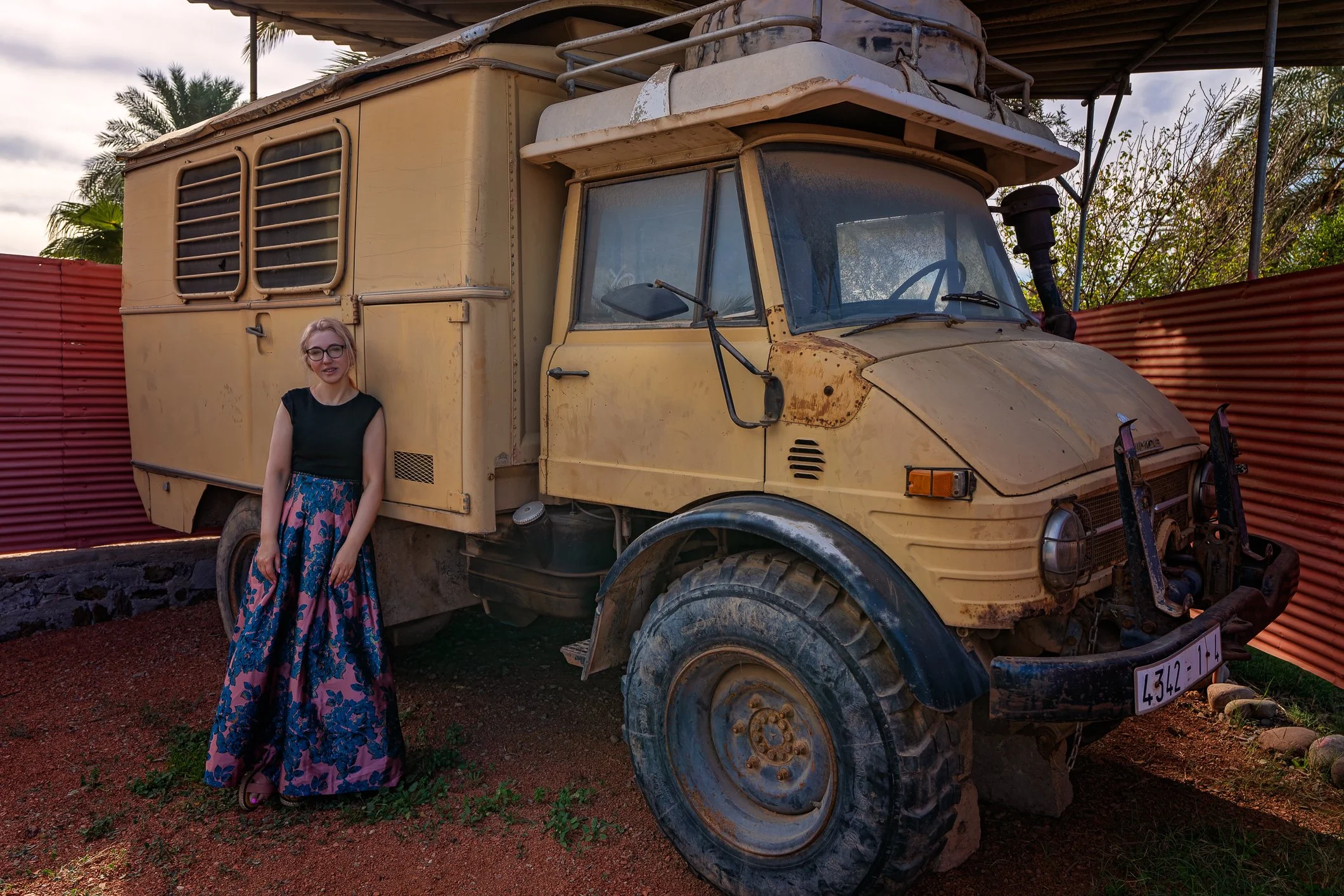
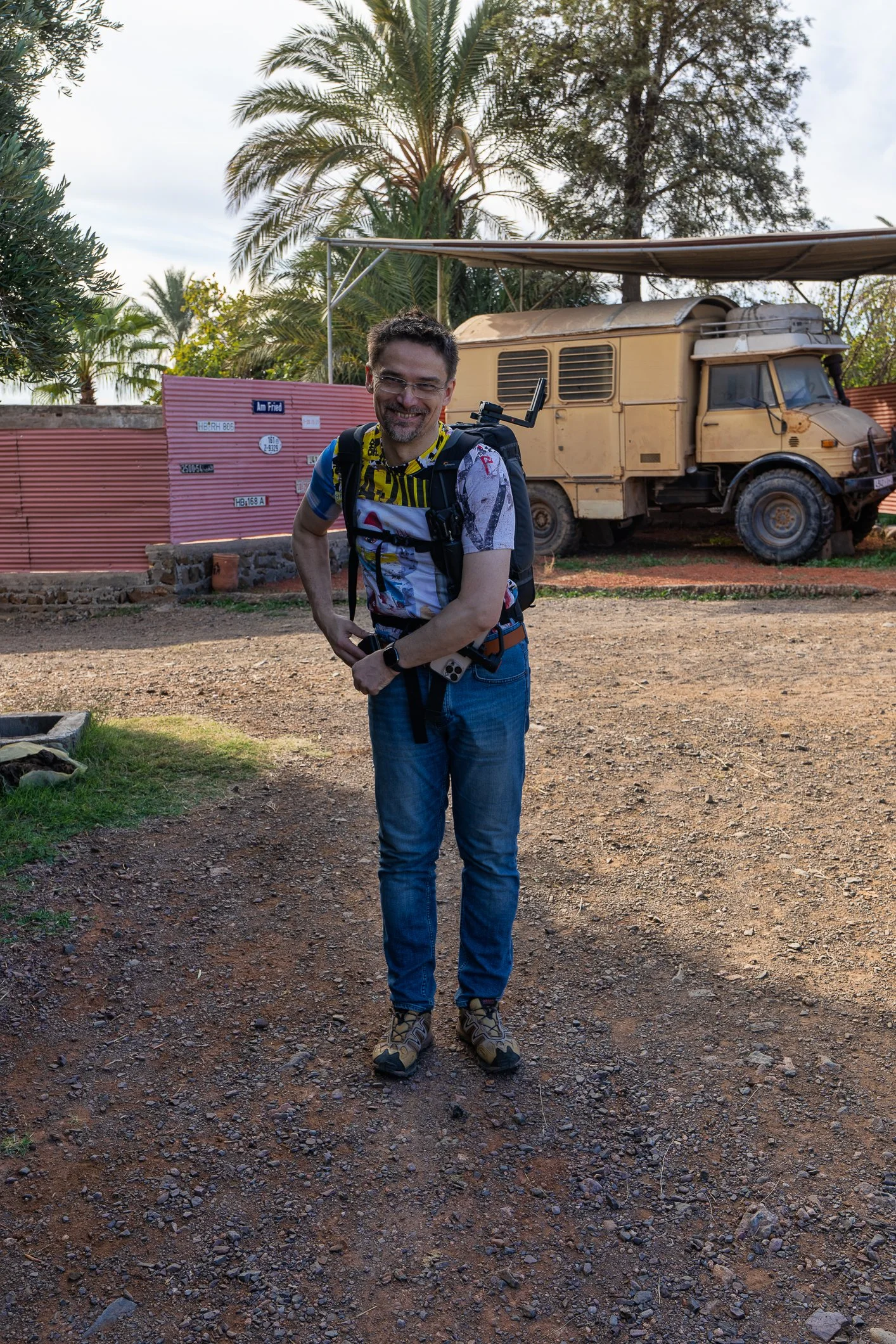
There is also an old truck on display that once belonged to Hans Thiemann. It is an Unimog, a legendary off-road utility vehicle made by Mercedes-Benz. Designed to handle extreme terrain like deserts, farms, and mountains, it has been used around the world since the 1950s for agriculture, military work, and expeditions. Thiemann used it when he first came to Morocco and when he was collecting and transporting cactus plants.

Na terenie ogrodu stoi też stary samochód należący kiedyś do Hansa Thiemanna. To Mercedes-Benz Unimog, legendarny pojazd użytkowy zaprojektowany do pracy w trudnych warunkach - na pustyni, w górach czy na farmach,  który przez dekady był wykorzystywany na całym świecie. Thiemann używał go do transportu kaktusów i pracy na farmie.

After quite a few hours of exploring, we are finally ready for our taxi. While waiting, we pop into the small shop selling cactus-related products like oils and honey. I treat myself to a rather luxurious hair oil and, of course, some chocolate. A perfect finish to a wonderful visit.

Po dobrych  kilku godzinach spędzonych na łażeniu po ogrodach jesteśmy w końcu gotowi na powrót. Czekając na taksówkę, zaglądamy jeszcze do małego sklepiku z produktami na bazie kaktusów - olejkami, miodami i innymi drobiazgami. Kupuję luksusowy olejek do włosów i, oczywiście, czekoladę. I jest to idealne zakończenie tej wizyty.

Café des Épices

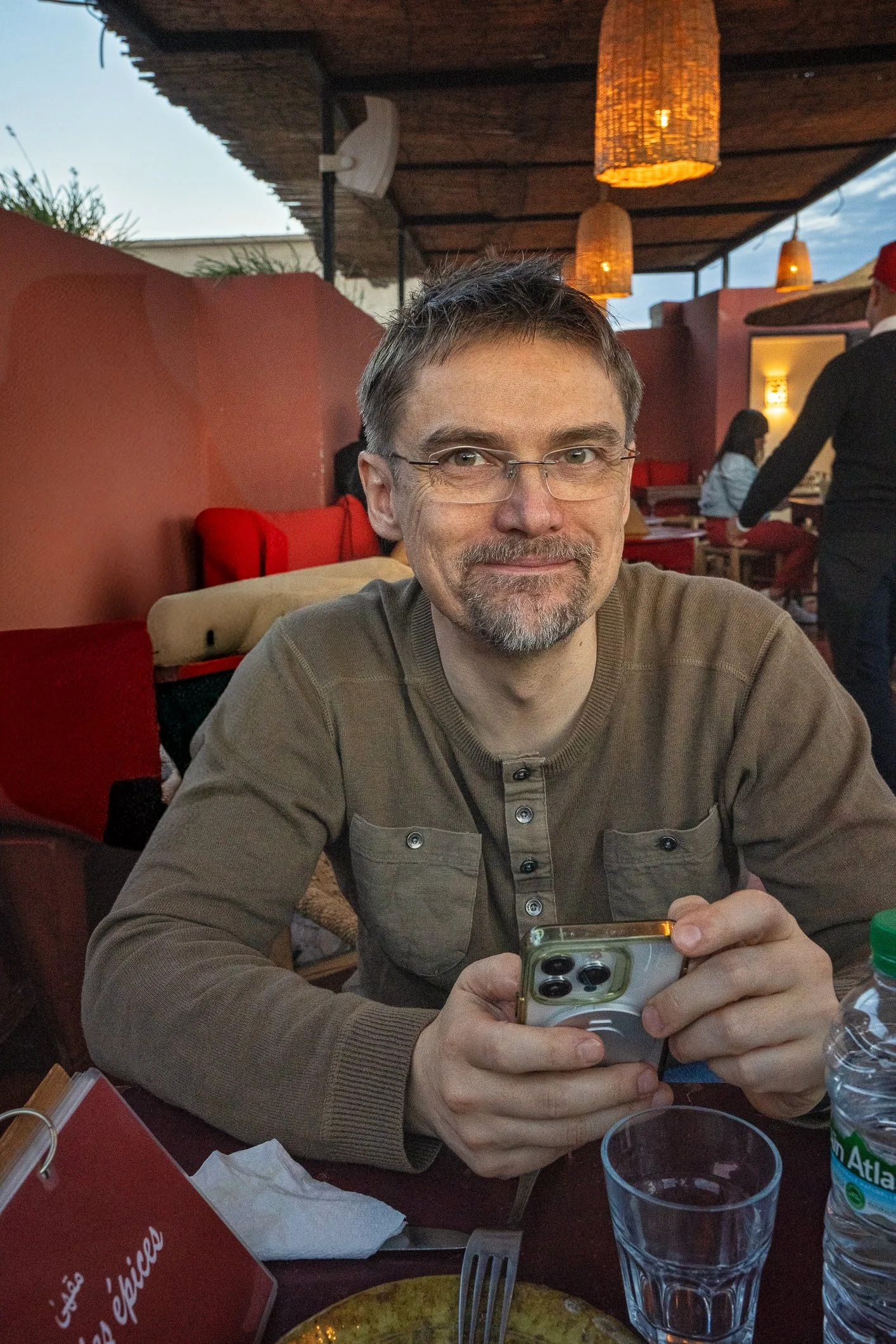
After a sleepless night, we are going to take it easy today. So, we lazily walk to Café des Épices, trading the hushed seclusion of a riad for the rhythmic pulse of the medina

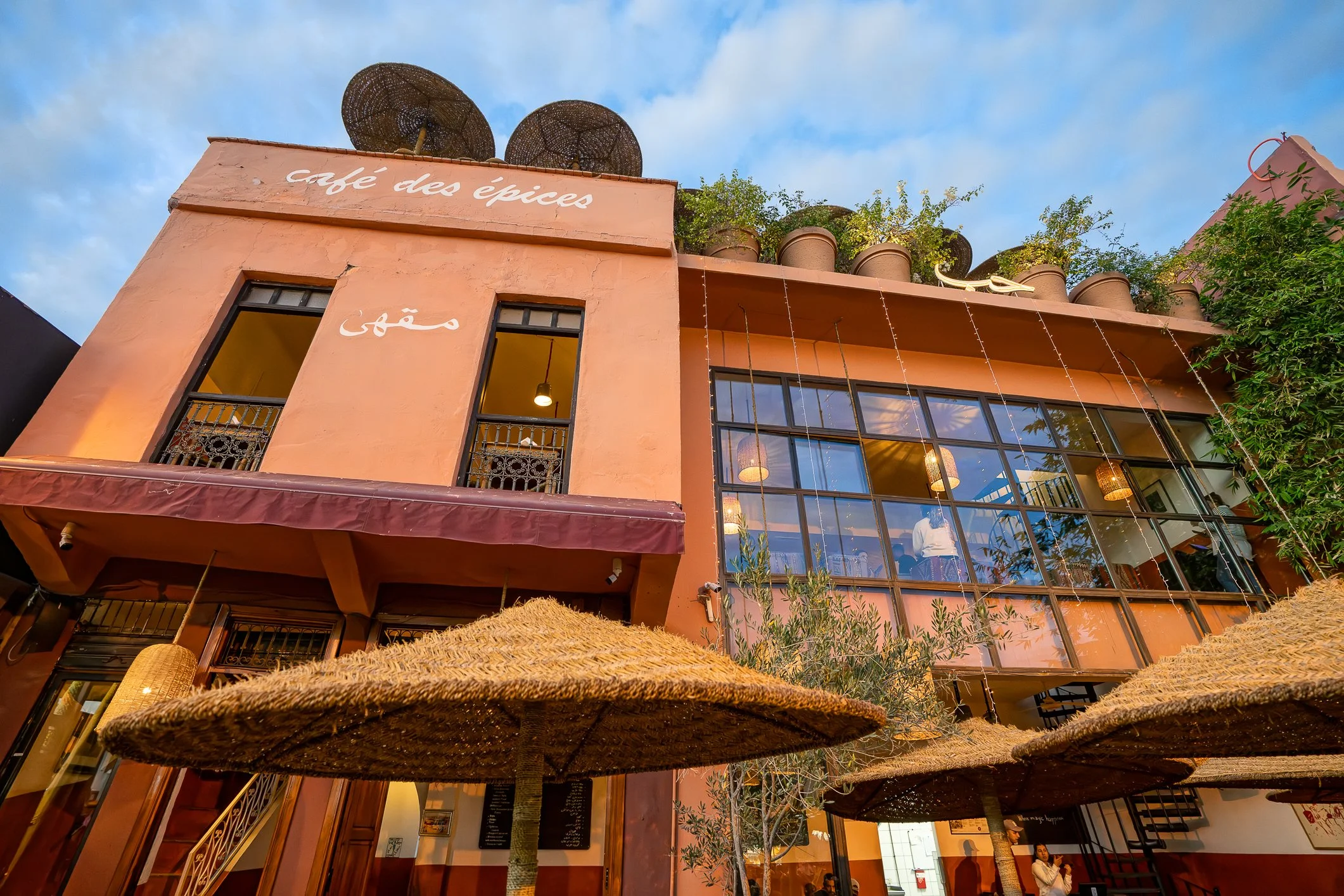
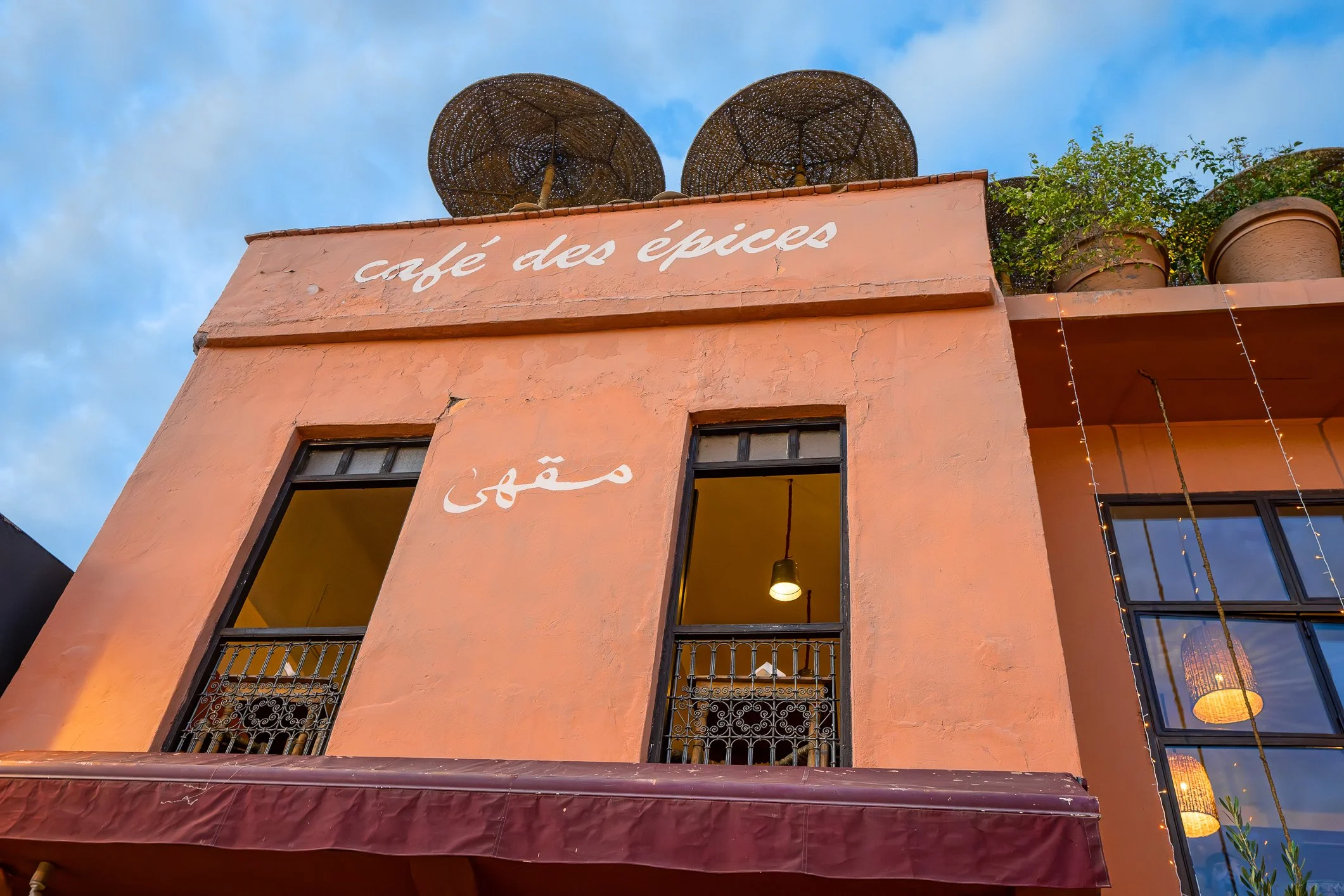
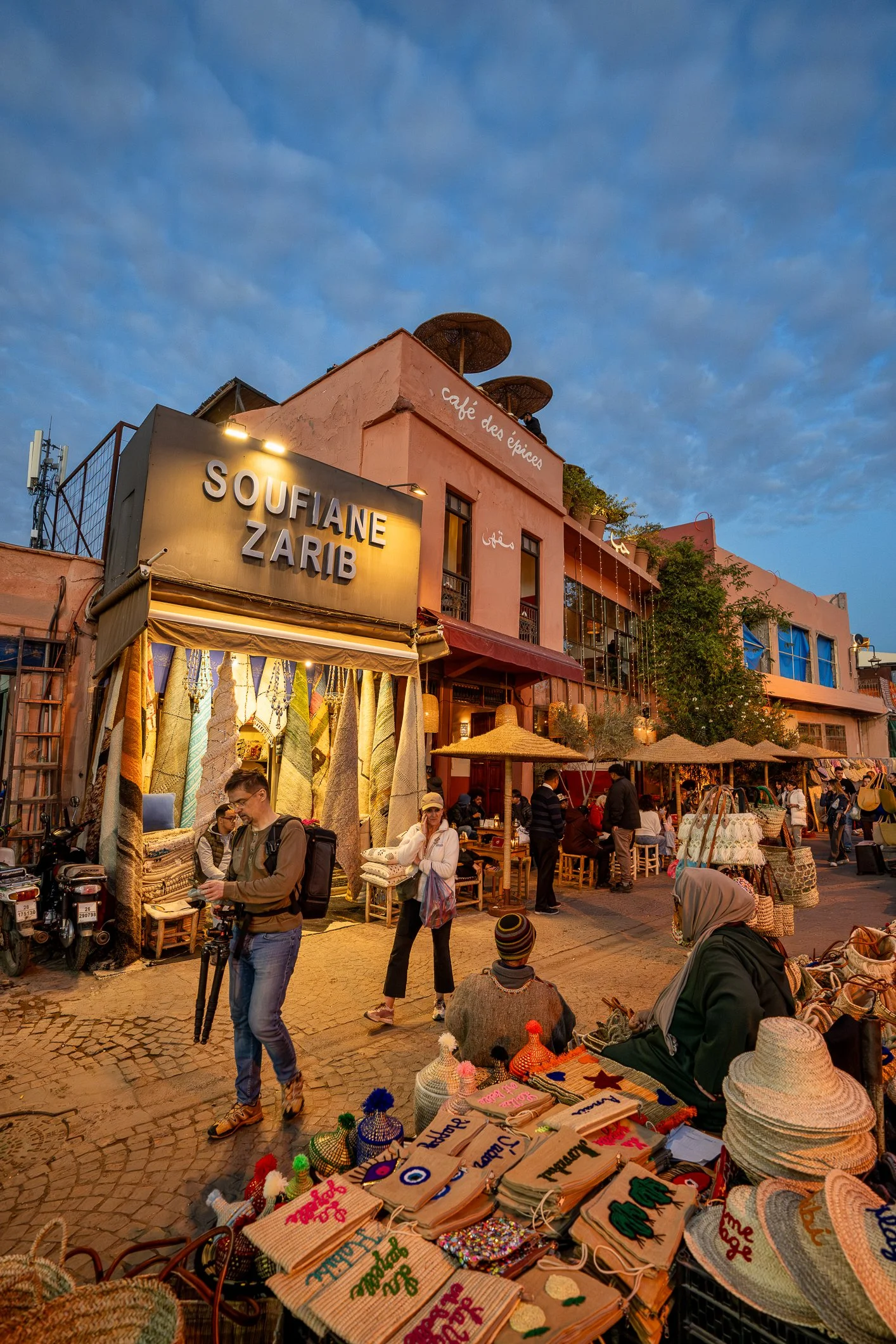
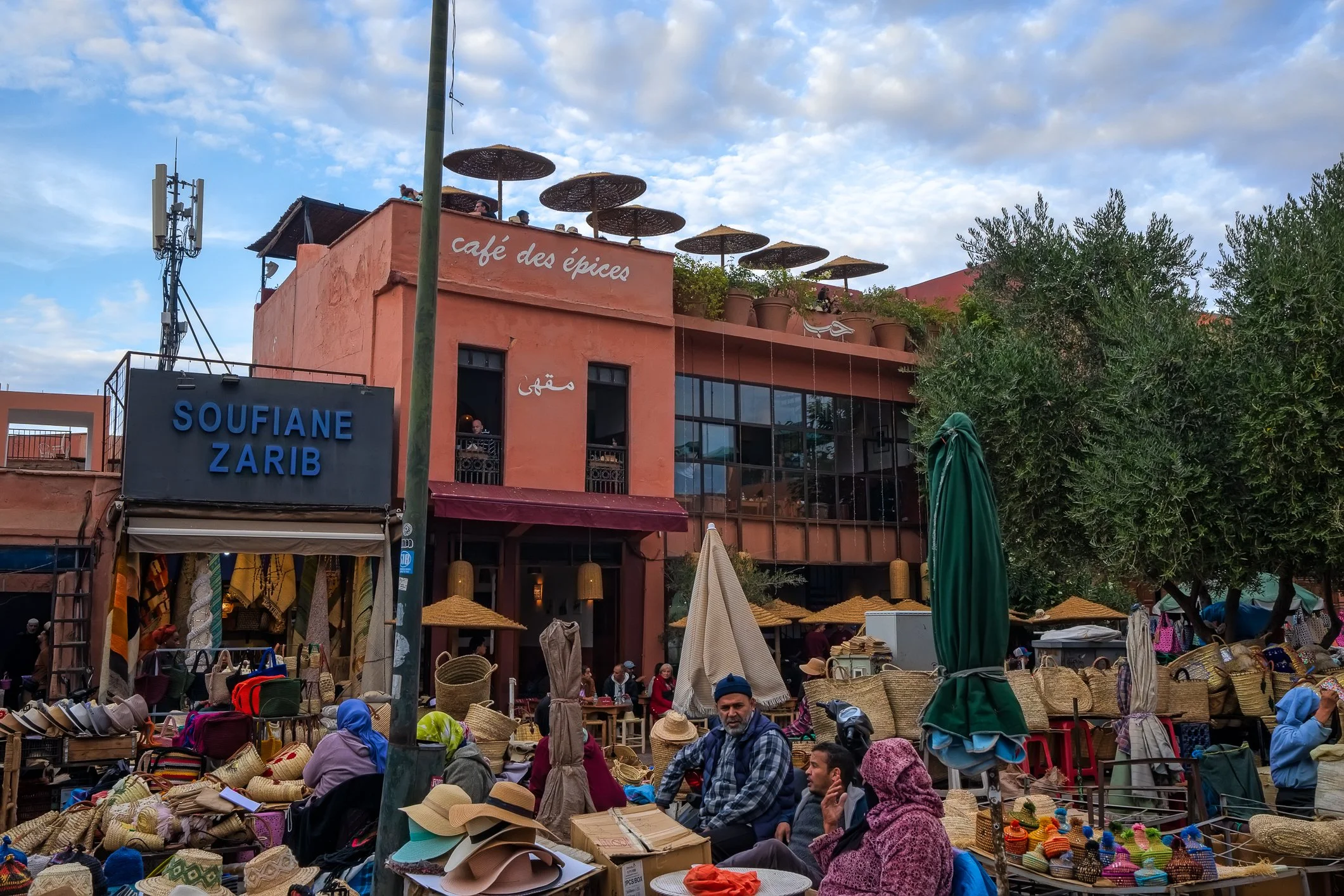
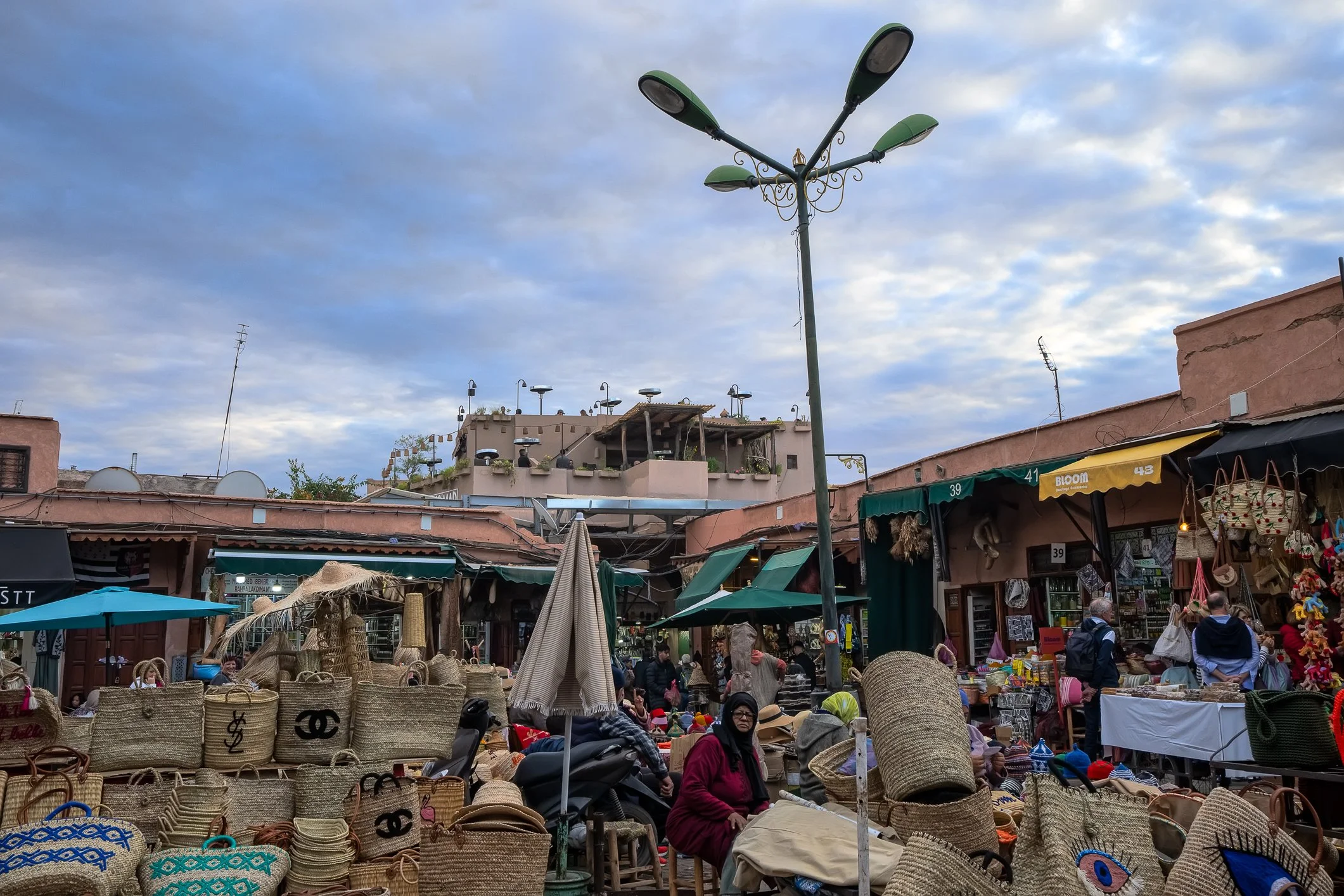
The café is located in the heart of Rahba Kedima (the vibrant Spice Square). Much like the architecture of Kbour & Chou, it serves as a masterclass in textures - though here, the palette shifts from lush garden greens to the warm, sun-baked ochres and terracottas of the desert.

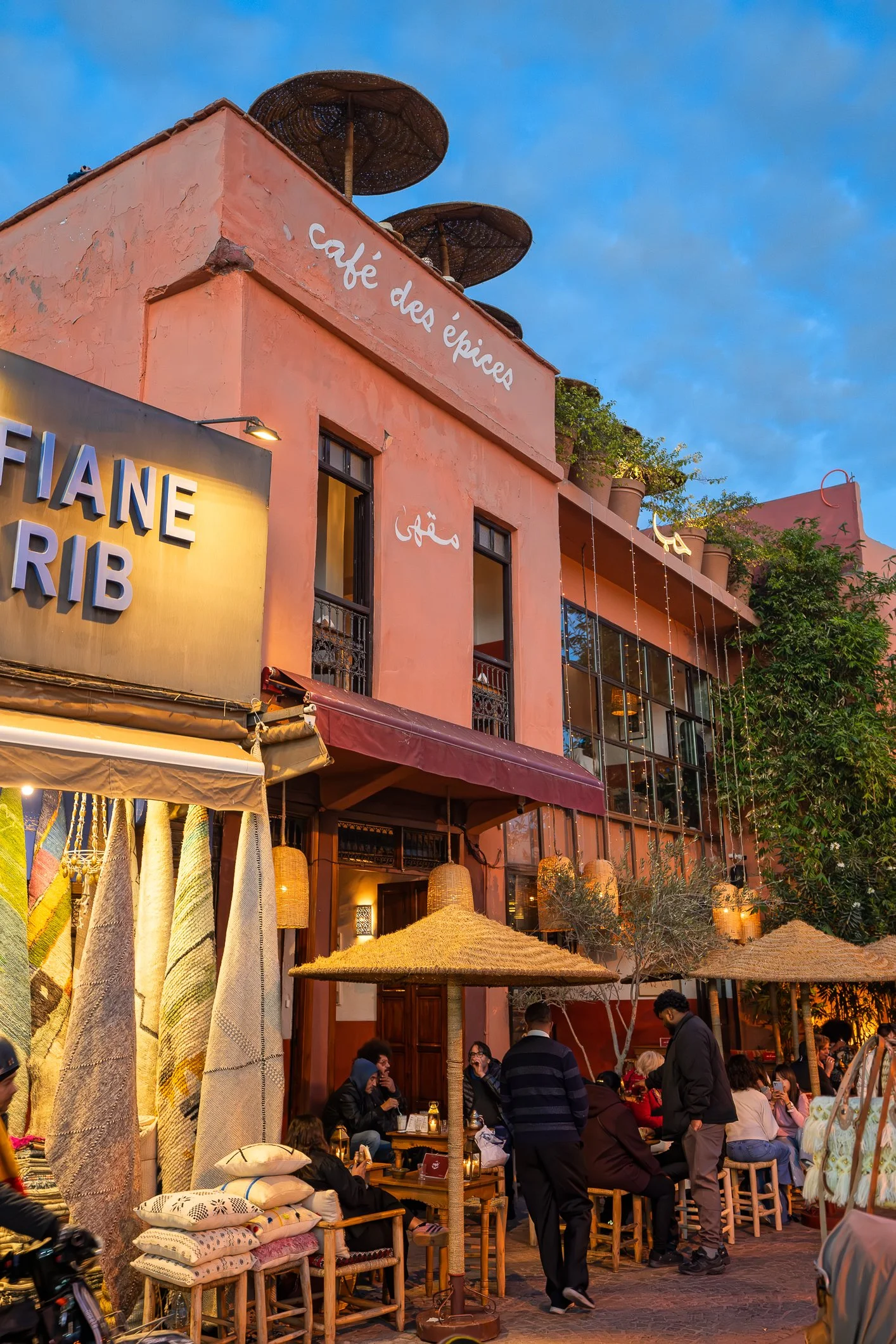
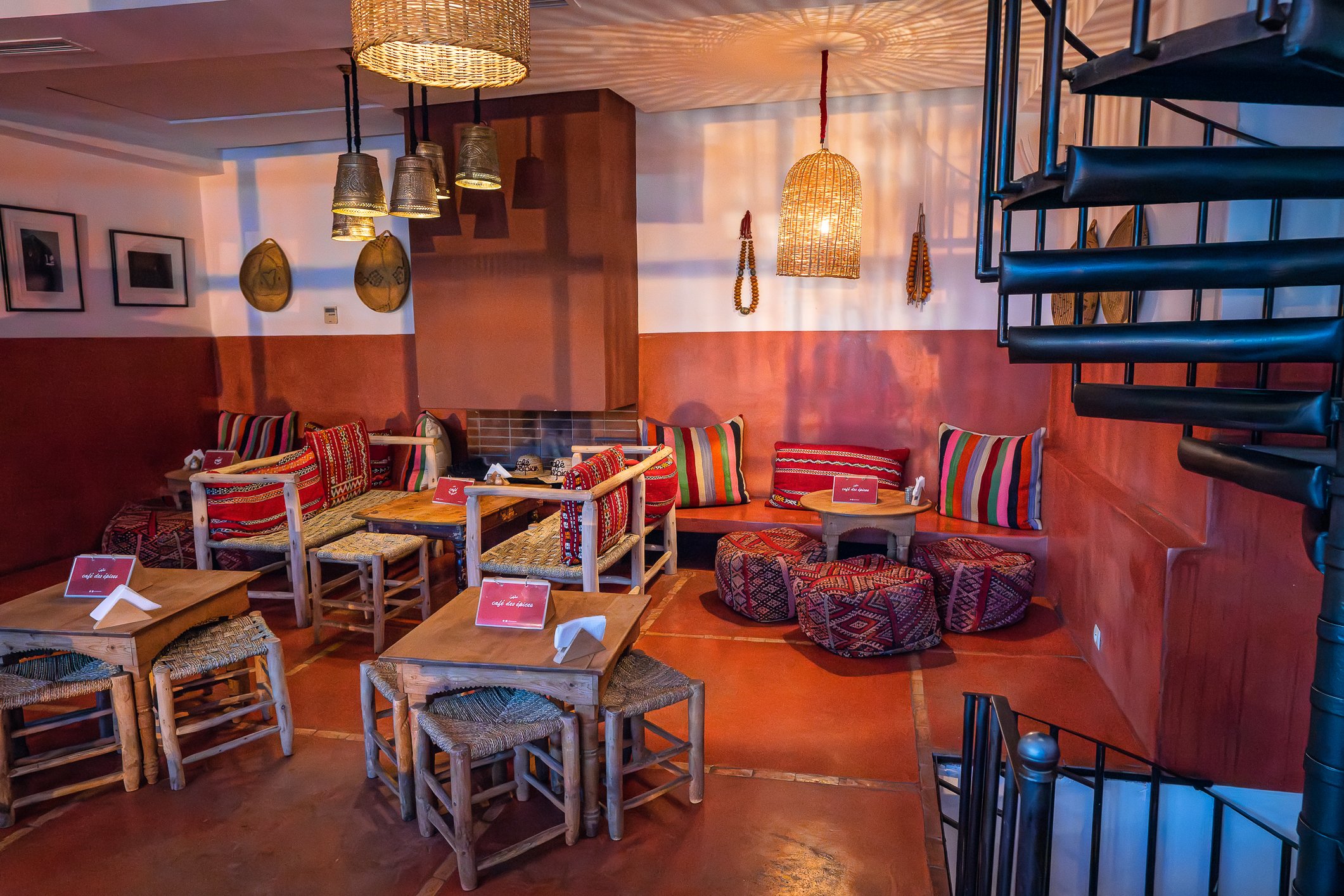
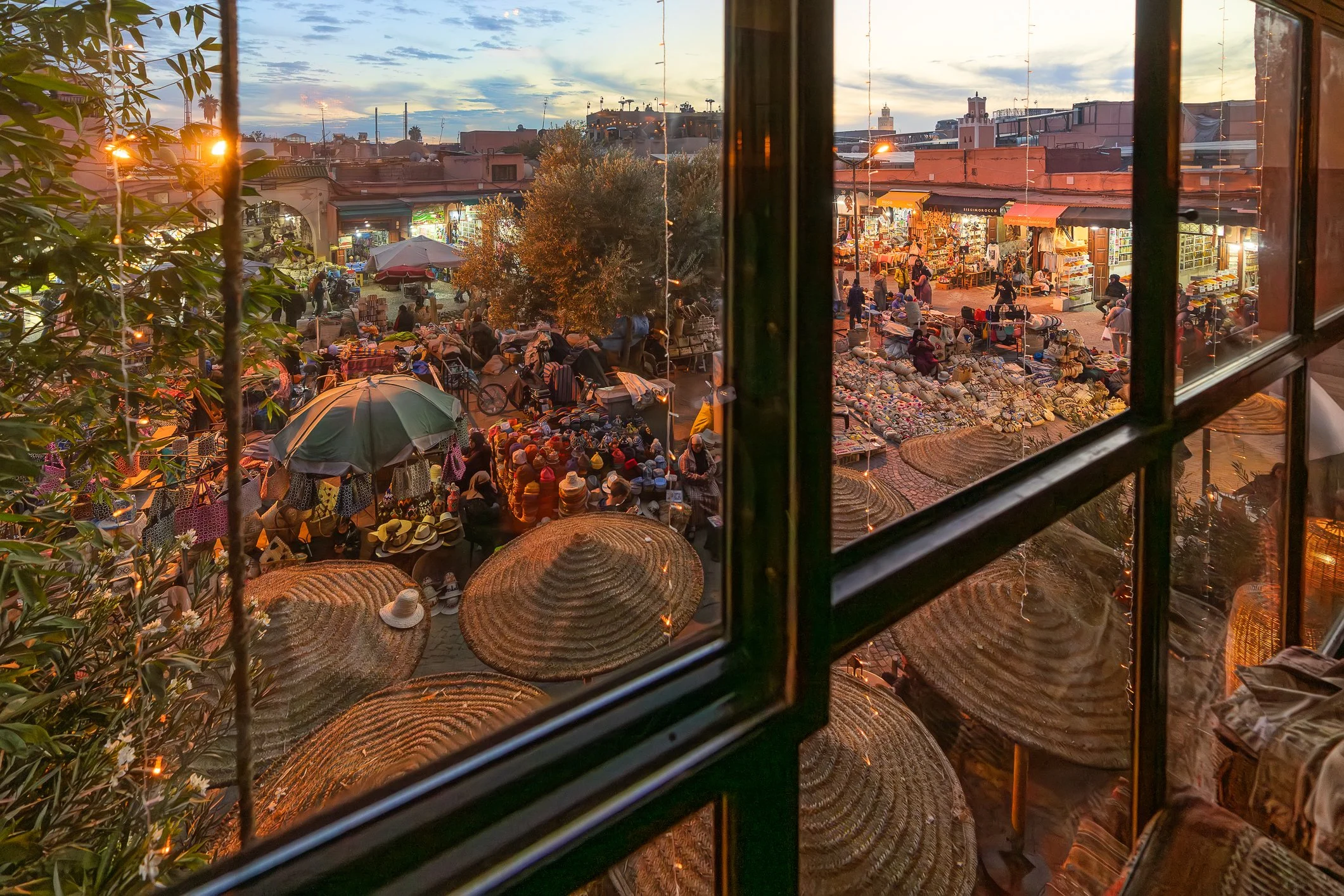
The design is a nod to "Beldi" chic - a refined, rustic simplicity. The walls are finished in a raw, earthy Tadelakt in shades of sand and apricot, providing a calm backdrop to the vibrant mounds of cumin and saffron sold just outside. Interior spaces feature dark wood accents, simple straw hats used as wall décor, and windows that frame the square like living postcards. The café opts for a clean, almost cinematic Moroccan vibe.


Po nieprzespanej nocy stawiamy dziś na powolne tempo. Idziemy sobie więc leniwym sacerem w stronę Café des Épices, zamieniając ciszę i spokój naszego riadu na rytm i puls medyny.

Kawiarnia ta to legendarne miejsce w samym sercu Rahba Kedima (tętniącego życiem Placu Przypraw). Podobnie jak w architekturze Kbour & Chou, mamy tu do czynienia z prawdziwym mistrzowskim operowaniem teksturą – z tą różnicą, że paleta barw zmienia się z soczystej ogrodowej zieleni na ciepłe, wypalone słońcem ochry i pustynną terakotę.

Wystrój to ukłon w stronę stylu „Beldi chic”- wyrafinowanej, rustykalnej prostoty. Ściany wykończone surowym, ziemistym tadelaktem w odcieniach piasku i moreli stanowią spokojne tło dla jaskrawych kopców kuminu i szafranu, sprzedawanych tuż za progiem. Wnętrza zdobią akcenty z ciemnego drewna, słomkowe kapelusze na ścianach i okna, które kadrują widok na plac niczym pocztówki.

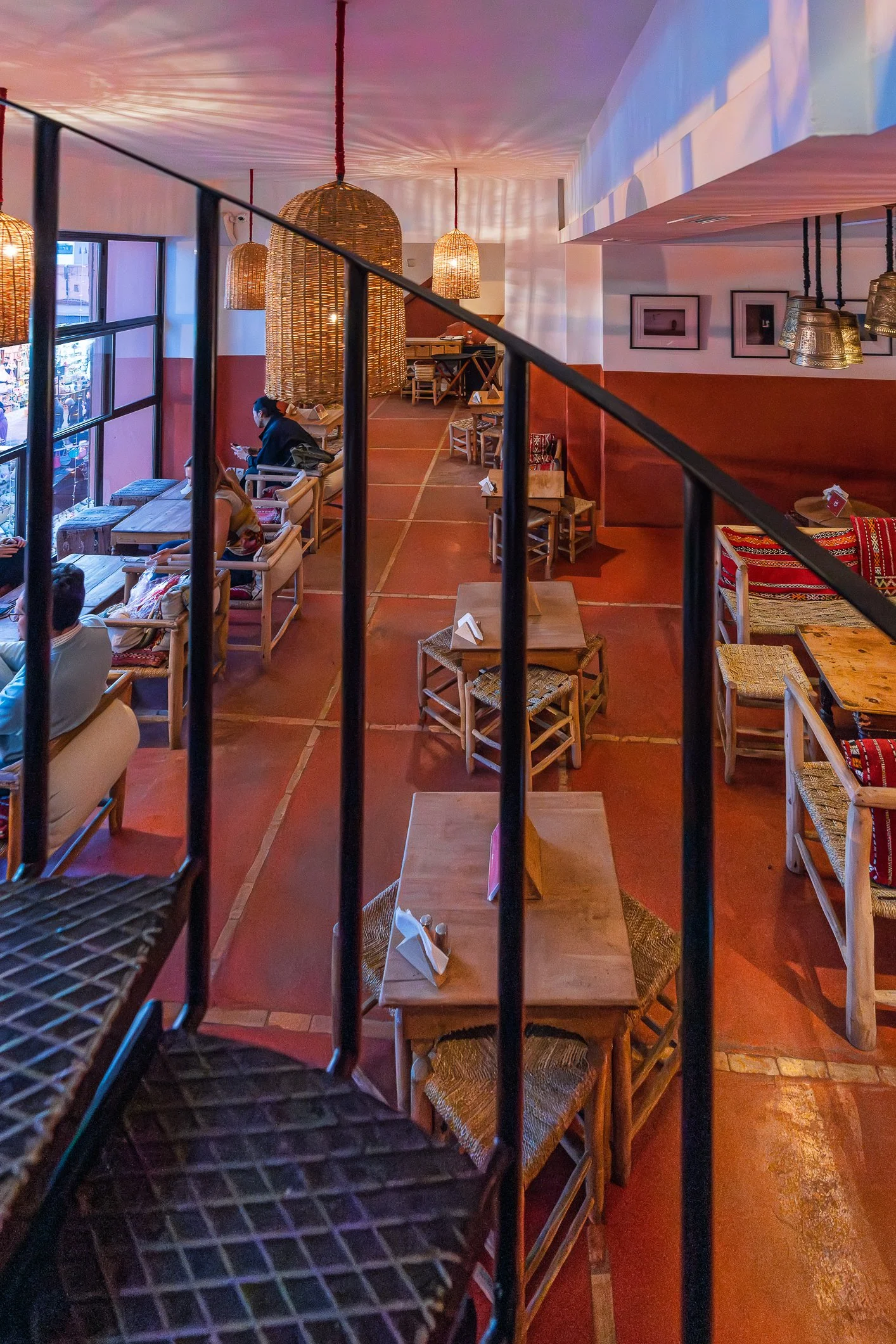
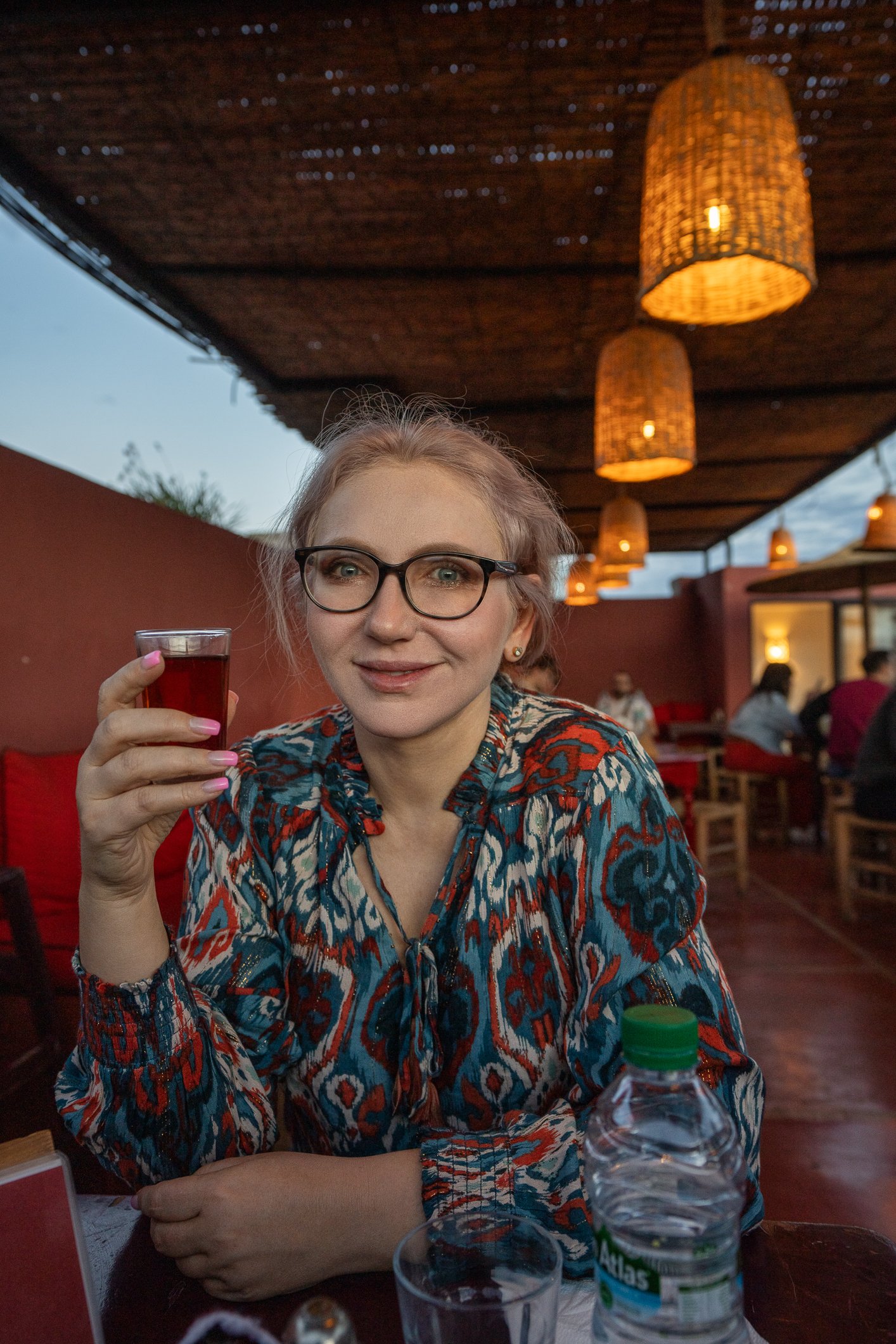
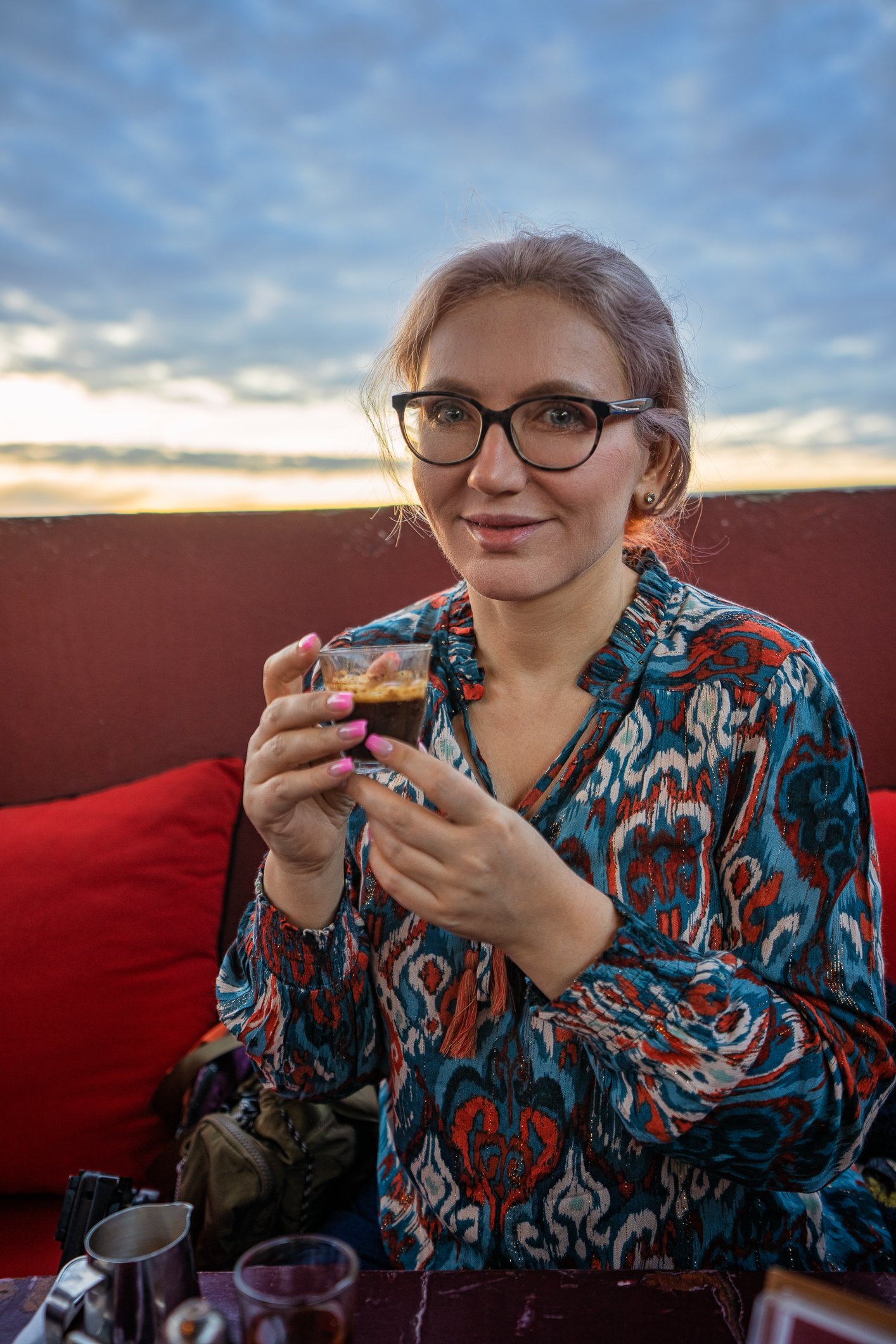
The ground floor is open to the square, a place for a quick espresso while watching herb sellers and carpet merchants haggle. The middle floor is more intimate and shaded, offering small "pockets" of seating—ideal for escaping the midday heat while still hearing the muffled roar of the market below. The rooftop terrace is the café’s crown jewel, providing a panoramic view of the "Red City." On clear days, the Atlas Mountains provide a jagged, snow-capped backdrop to the terracotta skyline. Some say it is the best spot in the medina to watch the sunset turn the square into a sea of long shadows and deep ambers.

Parter otwiera się bezpośrednio na plac - to idealne miejsce na szybkie espresso. Piętro jest bardziej kameralne i zacienione, oferując przytulne zakamarki pozwalające uciec przed częstym tu upałem. Taras na dachu to jednak prawdziwa tutejsza perła w koronie, oferująca panoramiczny widok na „Czerwone Miasto”. W pogodne dni góry Atlas stanowią postrzępione, pokryte śniegiem tło dla terakotowej linii horyzontu. Niektórzy nawet twierdzą, że to najlepszy punkt w medynie, by obserwować zachód słońca, który zmienia plac w morze długich cieni na tle głębokiego bursztynu.

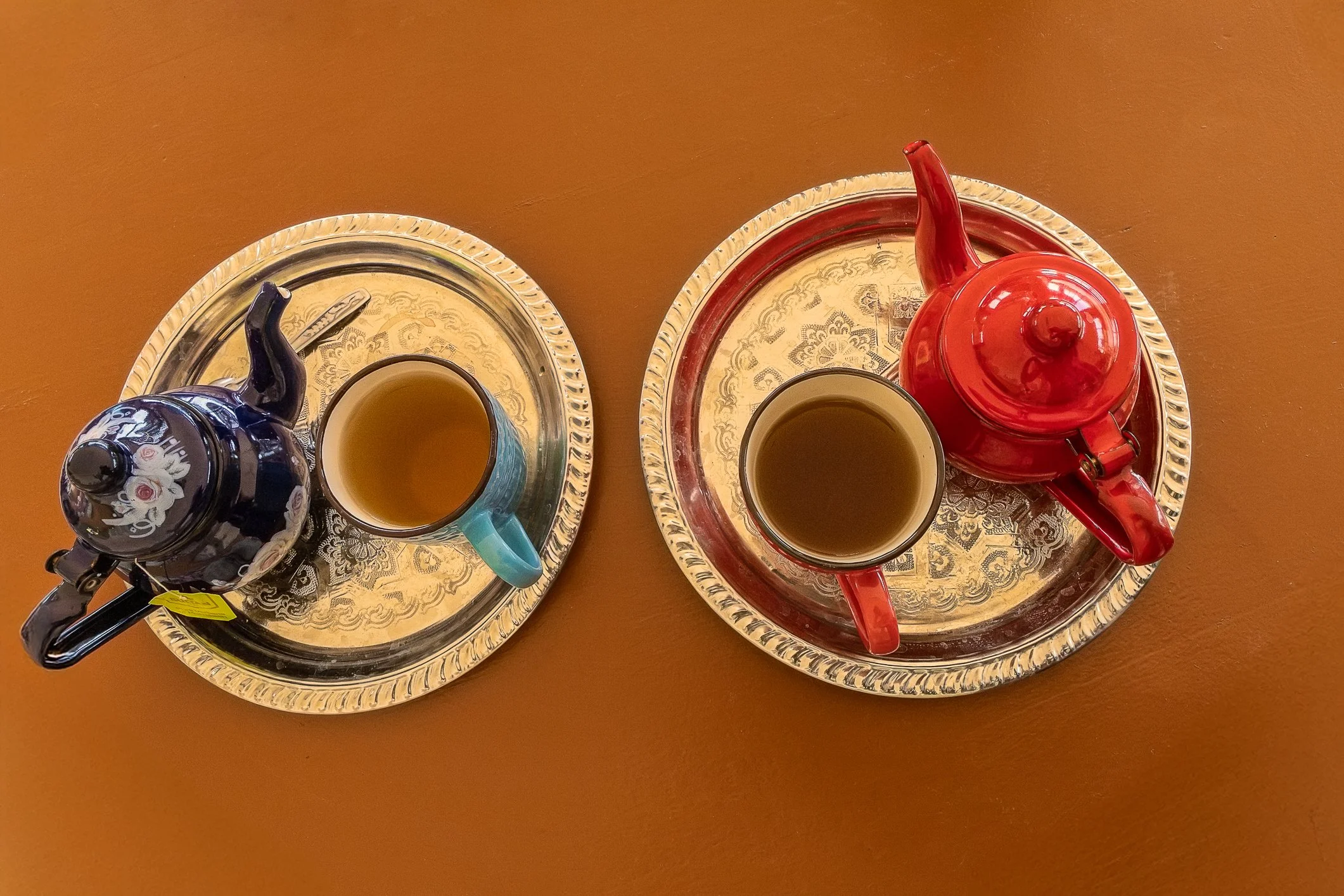
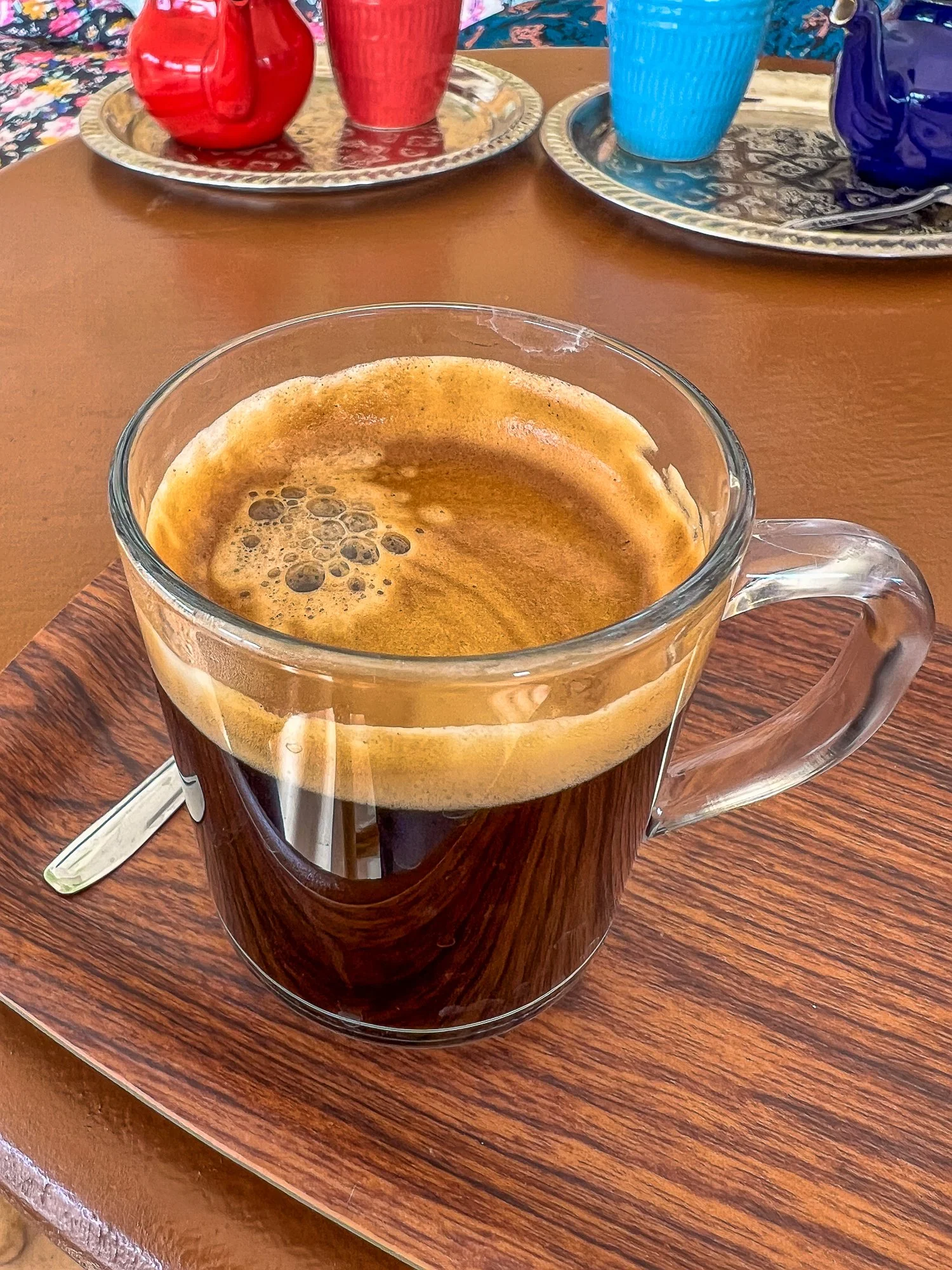
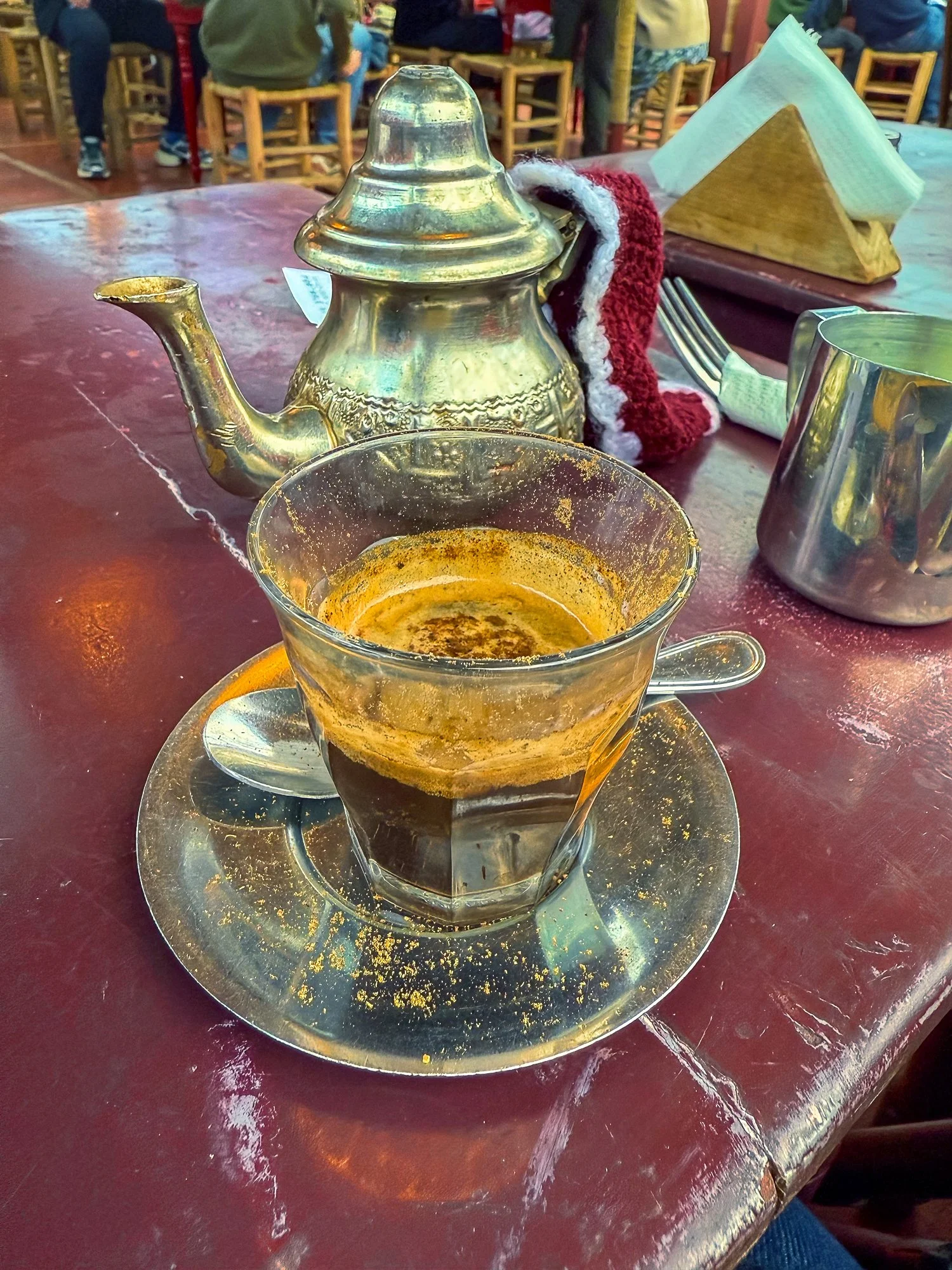
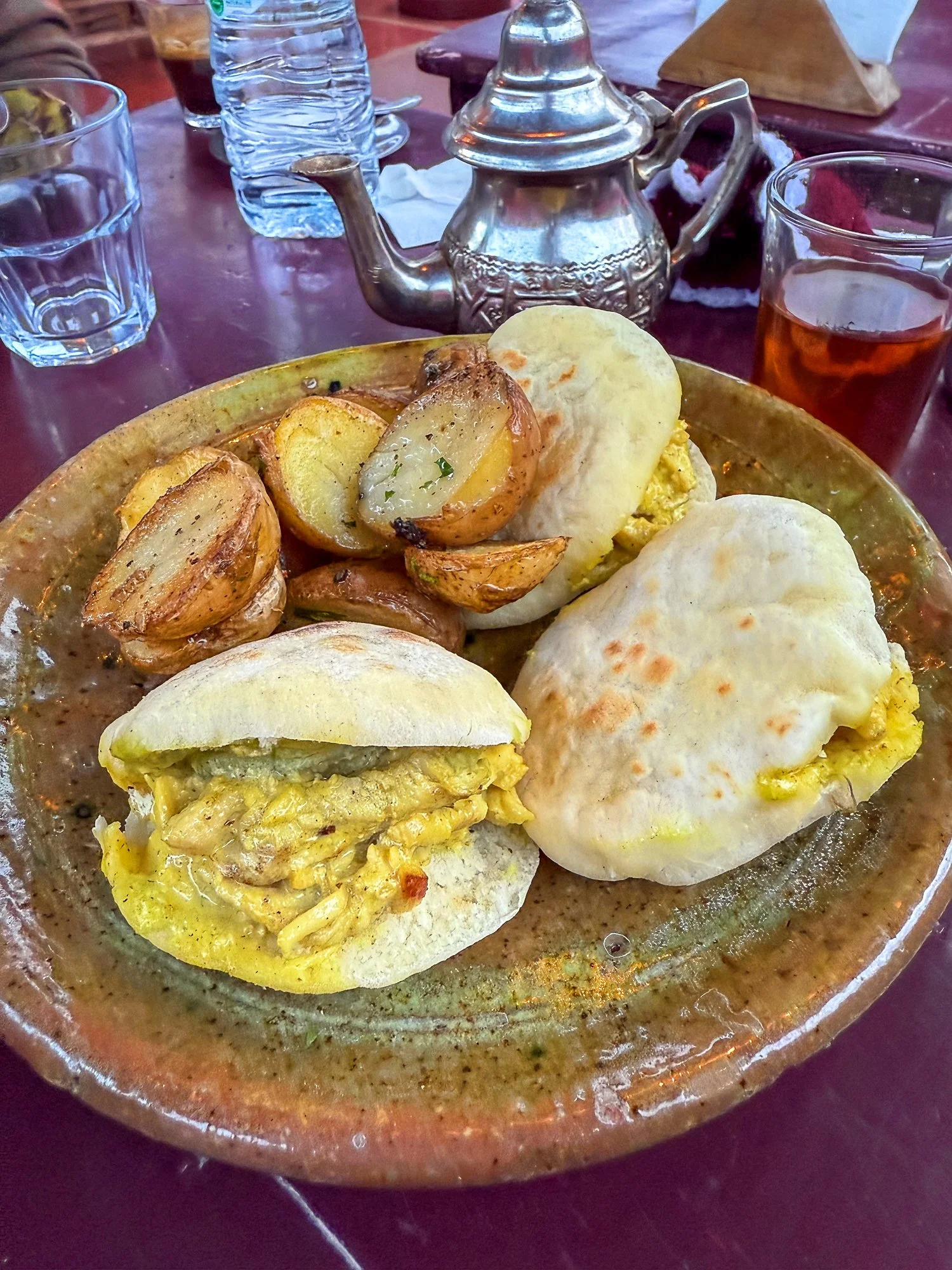
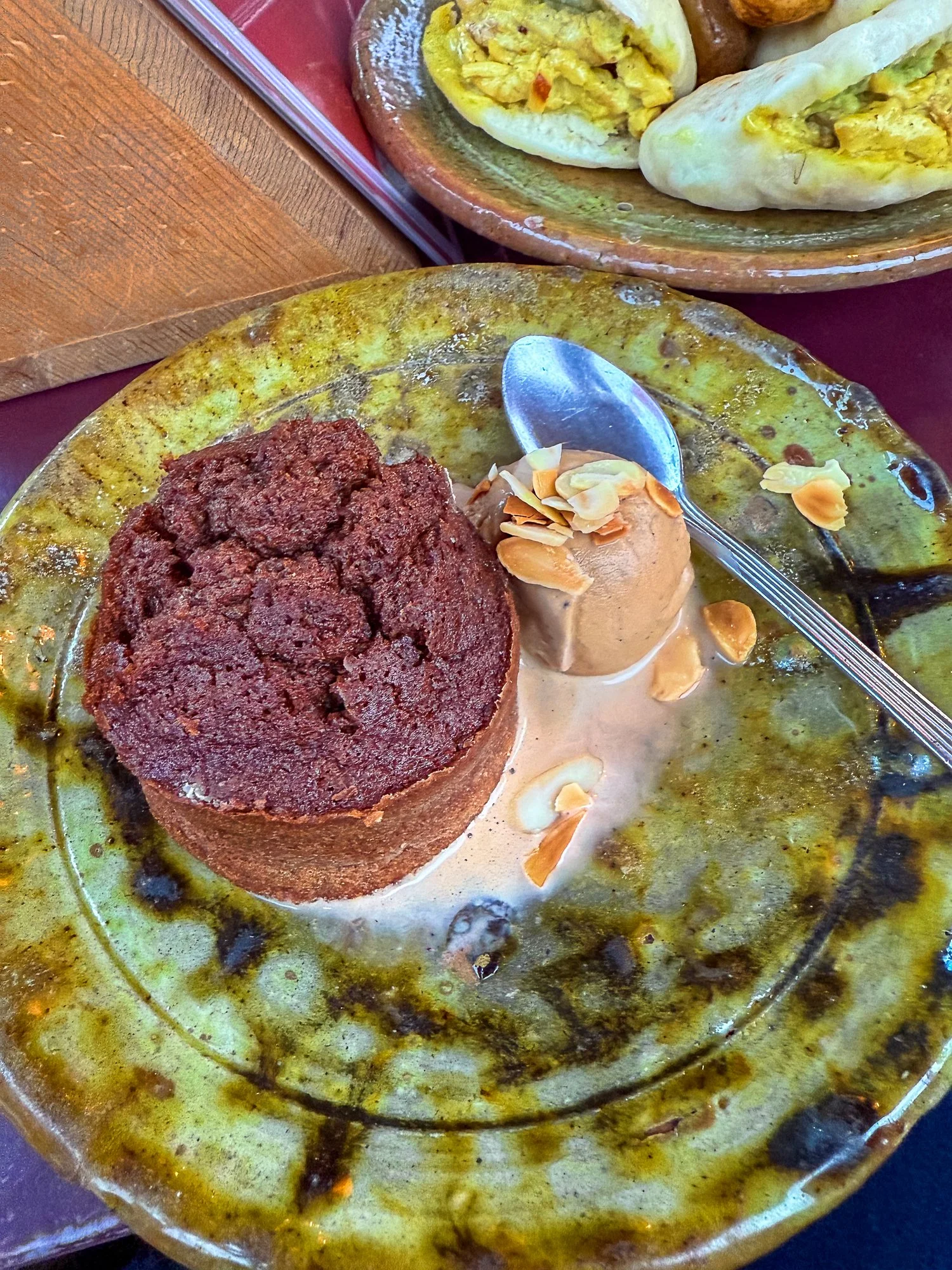
The food here is designed for the light-drenched terrace lifestyle. Their signature spiced coffee (infused with ginger and cinnamon) is a sensory bridge to the market below. Their mint tea is served traditionally, often accompanied by fresh pastries. The menu focuses on "market-to-table" simplicity and everything is delicious.

Tutejsza kuchnia idealnie pasuje do skąpanego w słońcu tarasu. Ich popisowa kawa z przyprawami (imbirem i cynamonem) to sensoryczny pomost łączący kawiarnię z targiem poniżej. Herbata miętowa podawana jest tradycyjnie, często w towarzystwie świeżych wypieków. Menu stawia na prostotę w duchu „market-to-table”, a wszystkie dania, które zamówiliśmy były pyszne.