hotel

Riad Kbour & Chou

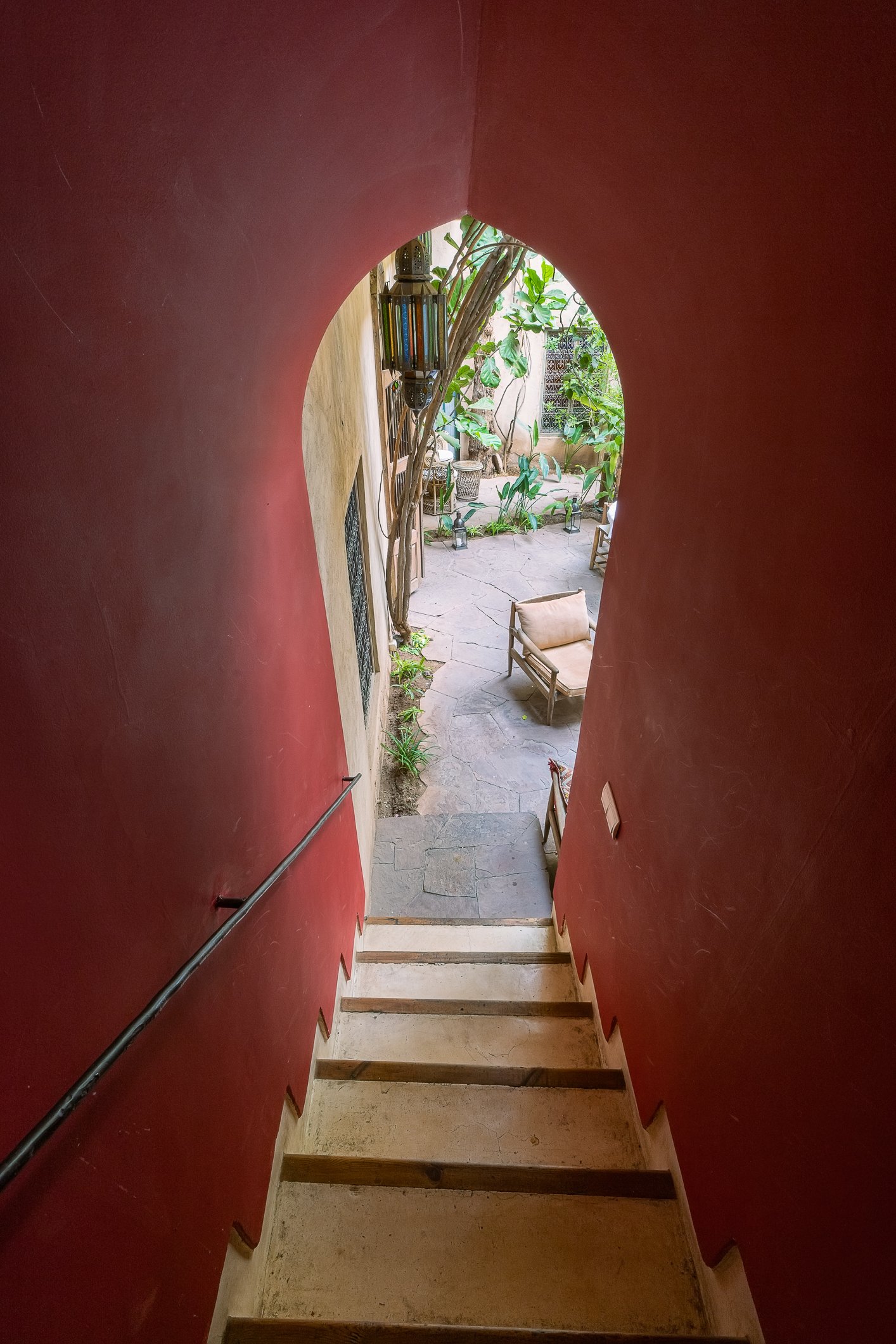
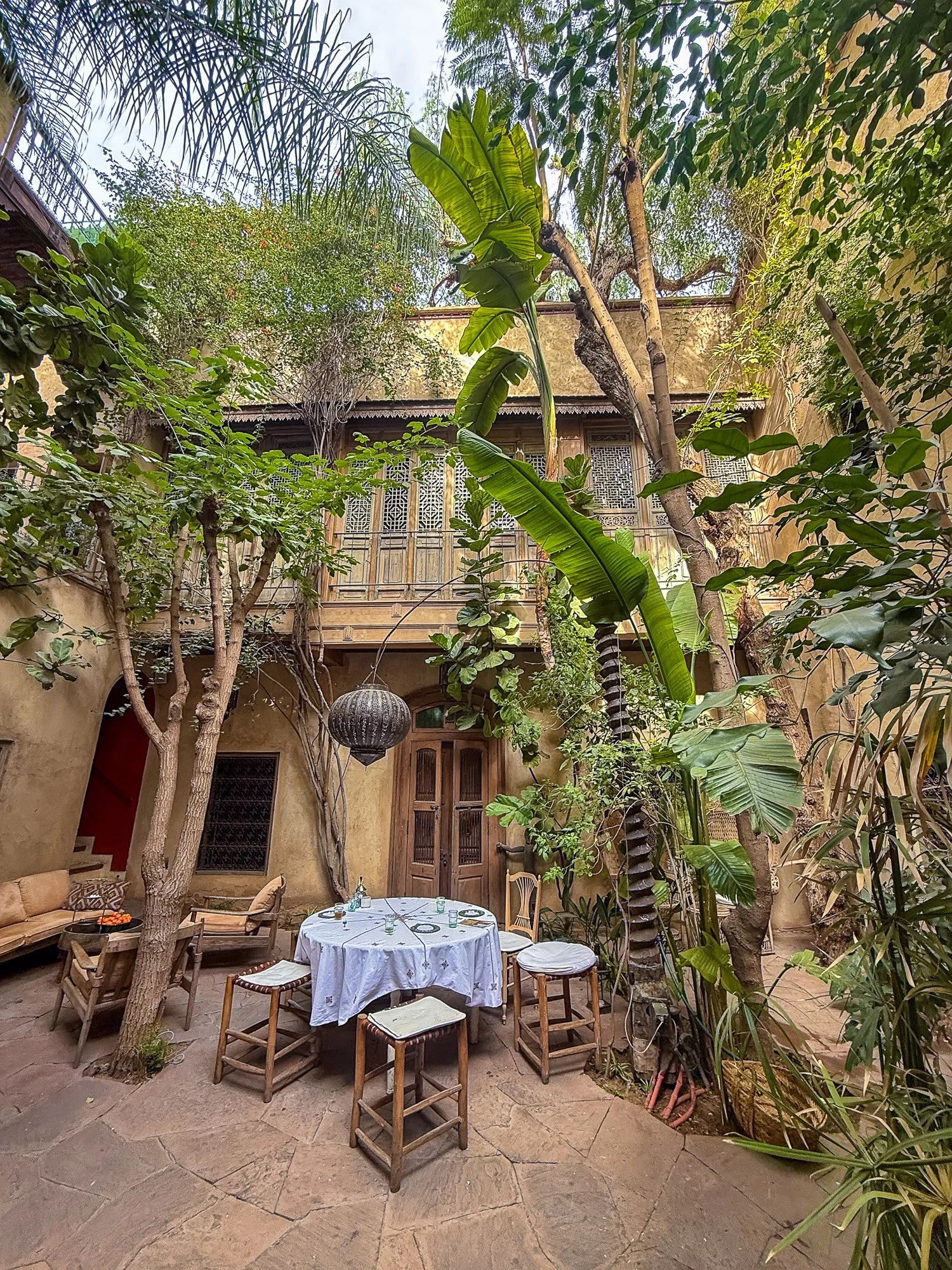
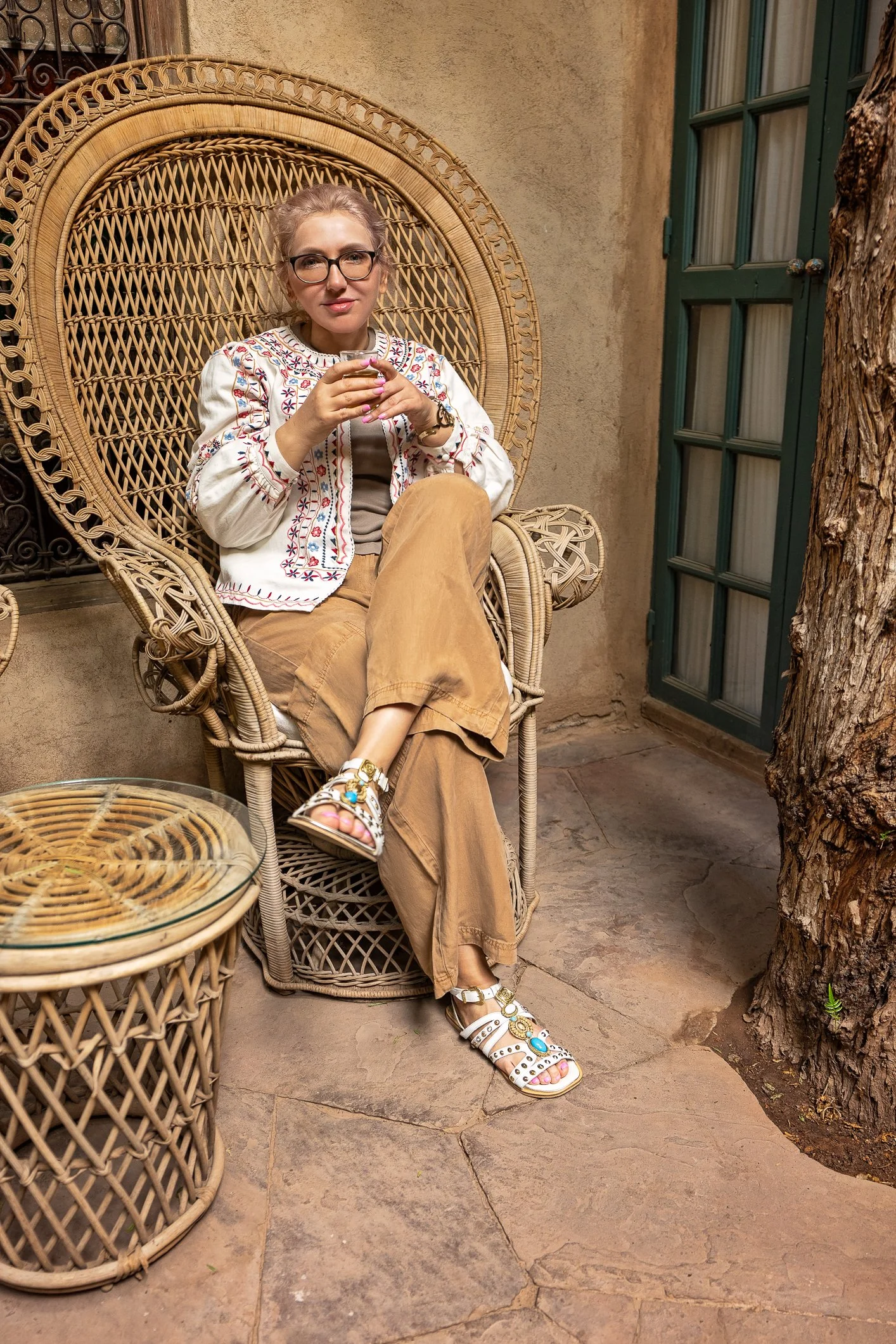
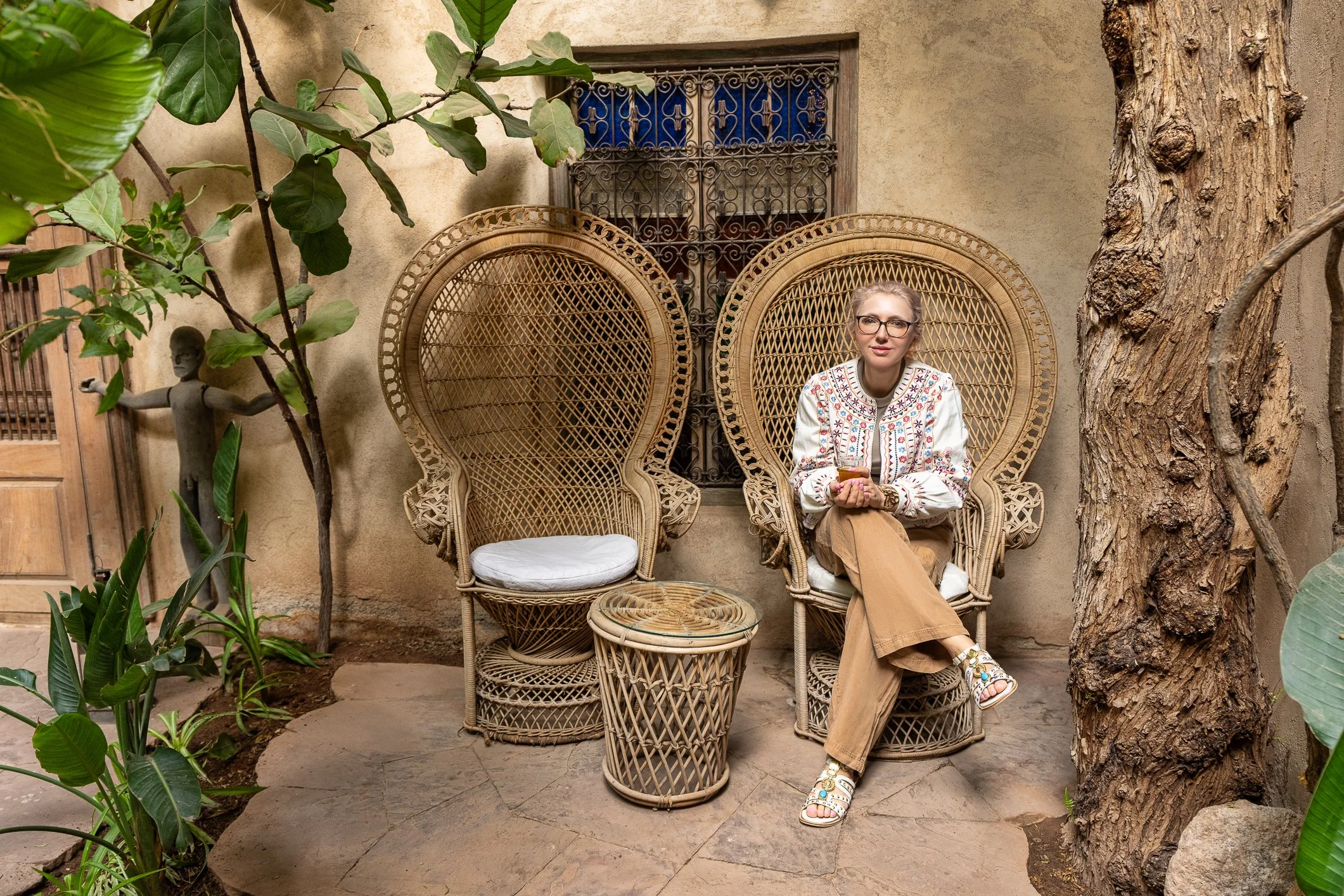
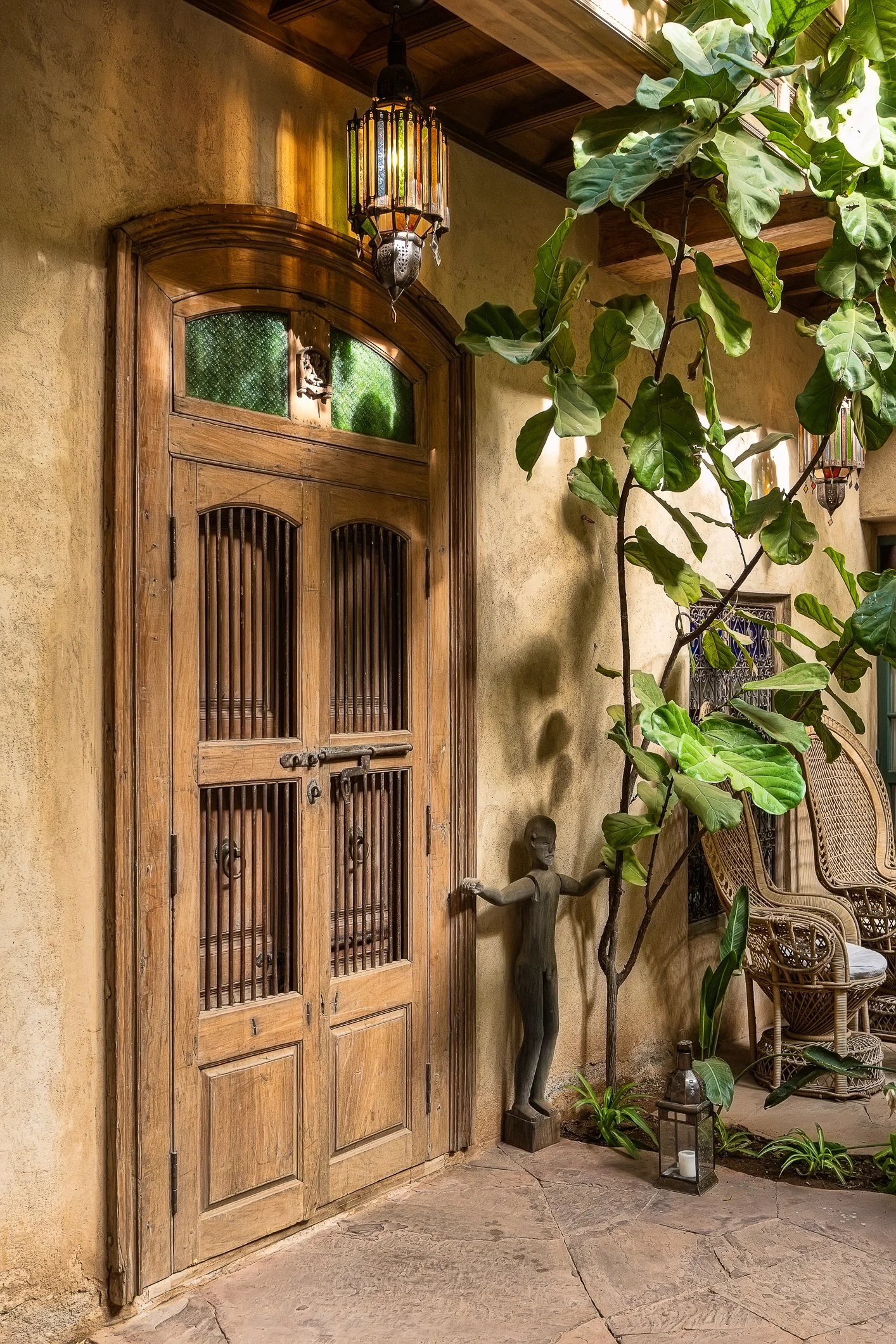
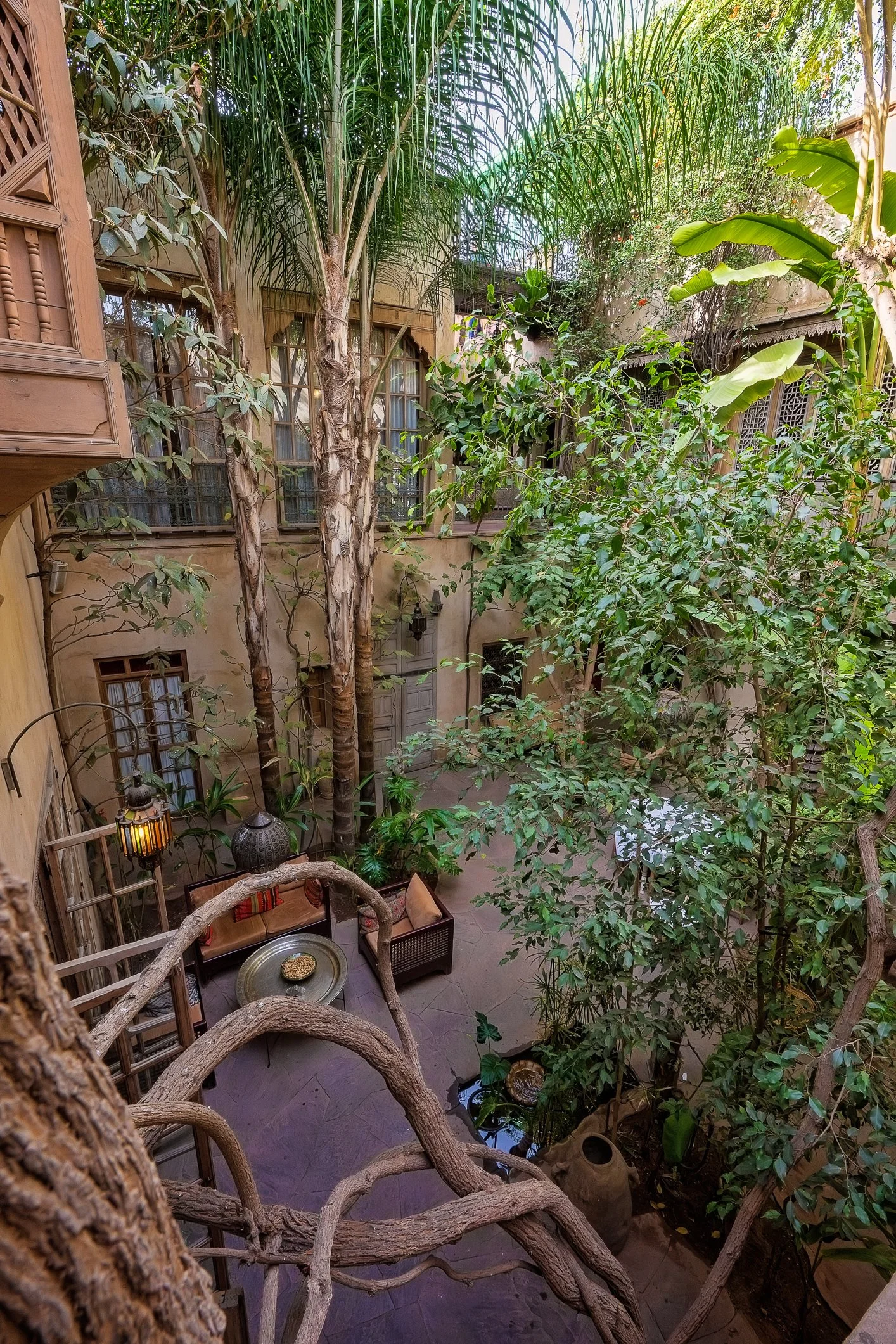
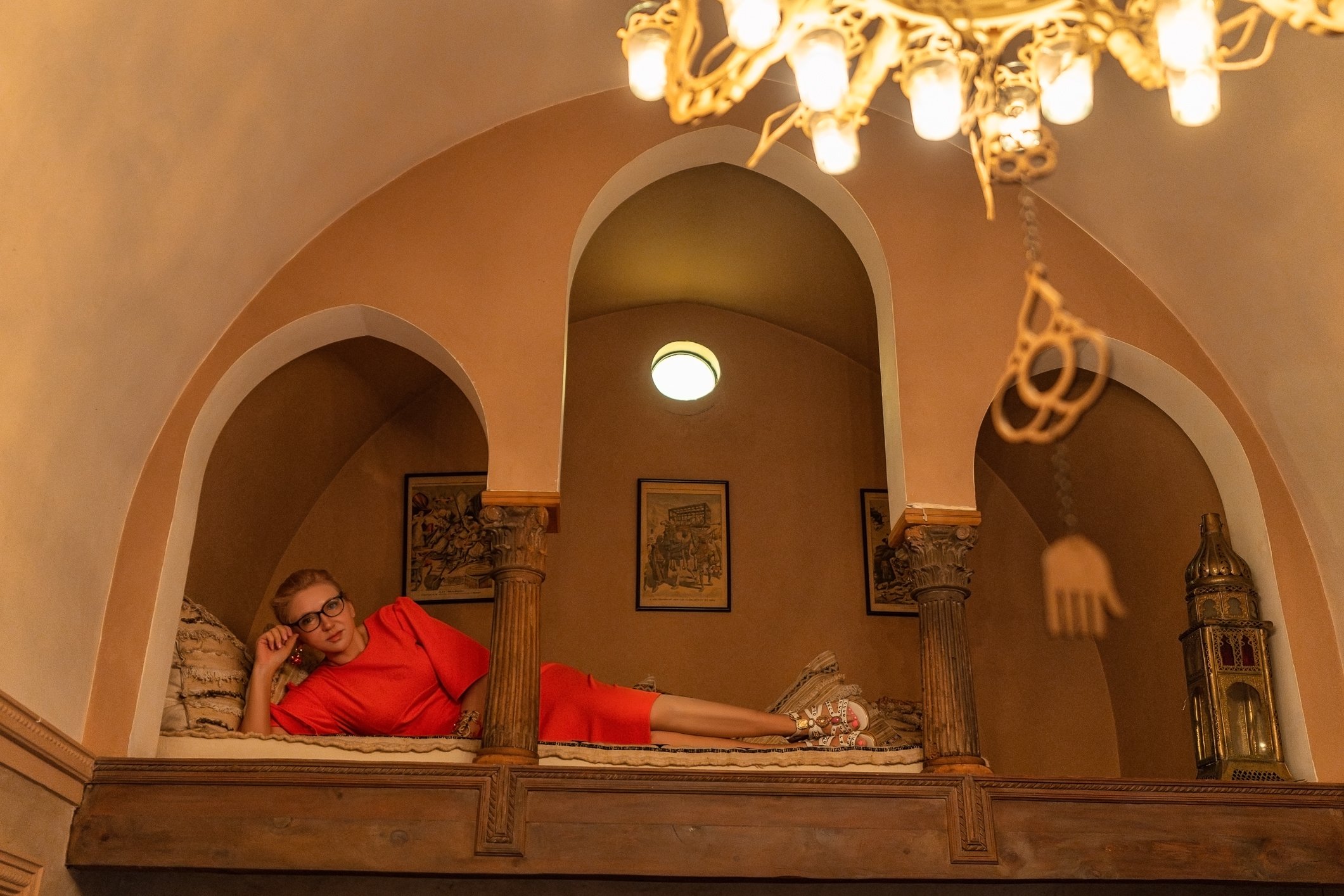
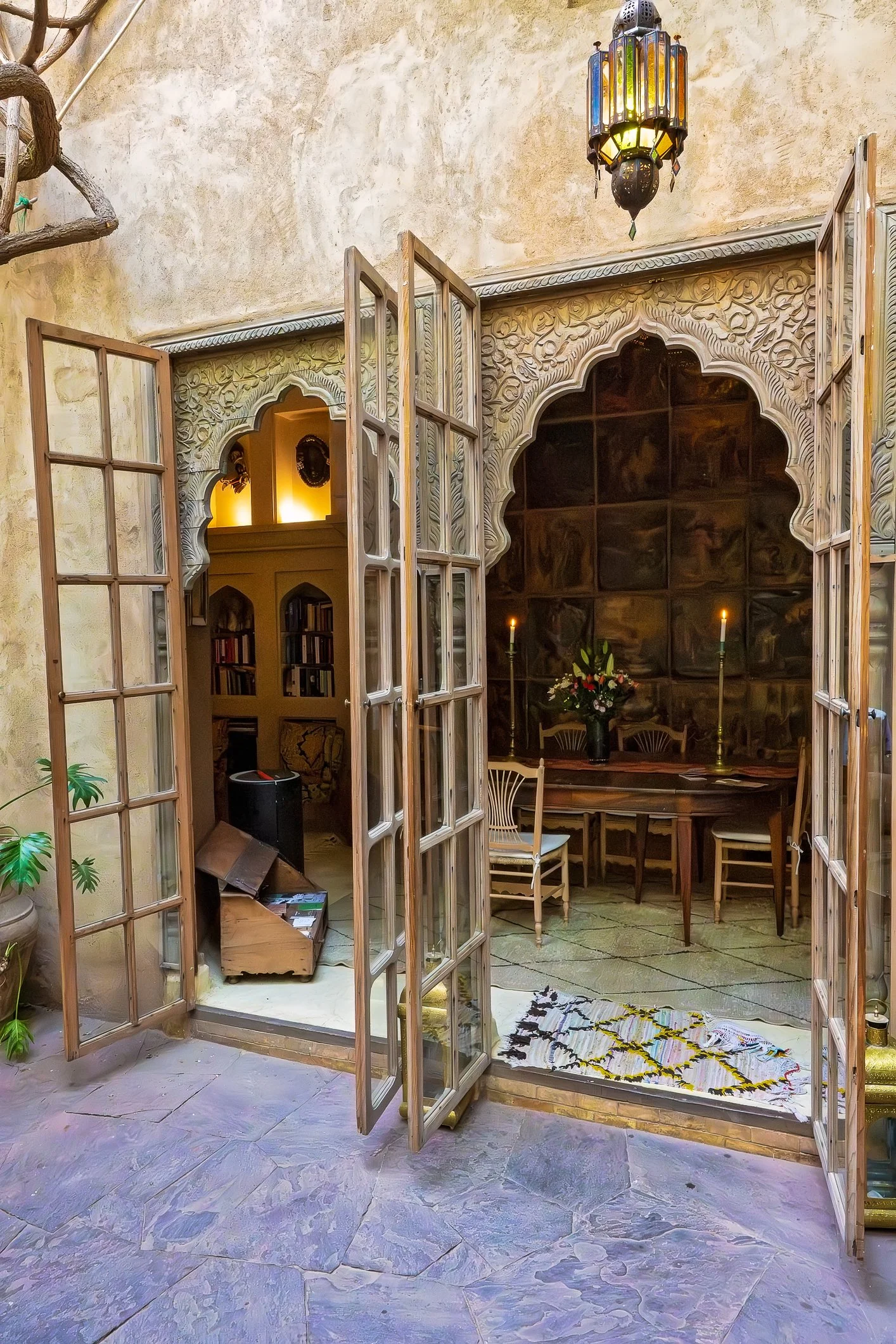
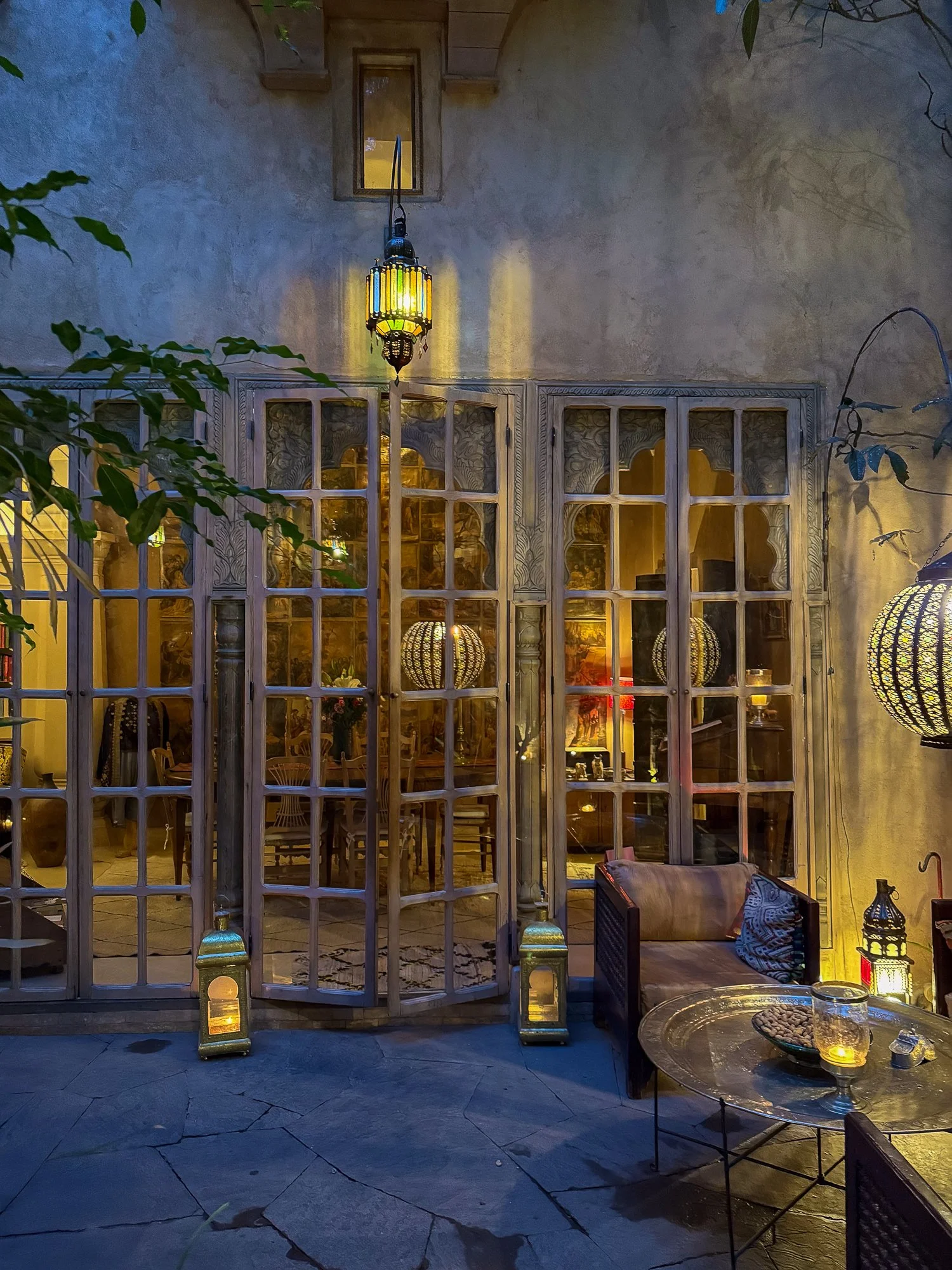
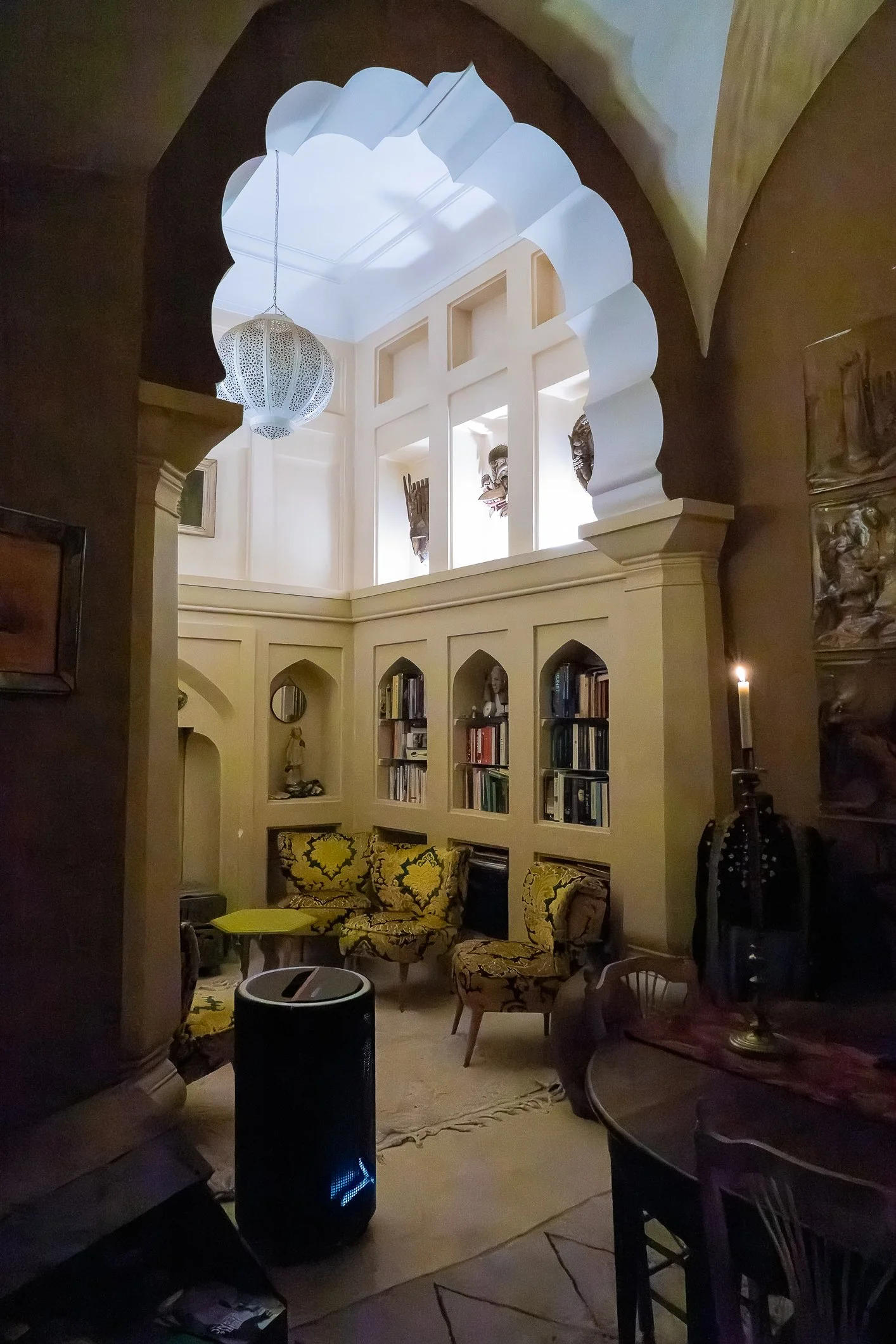
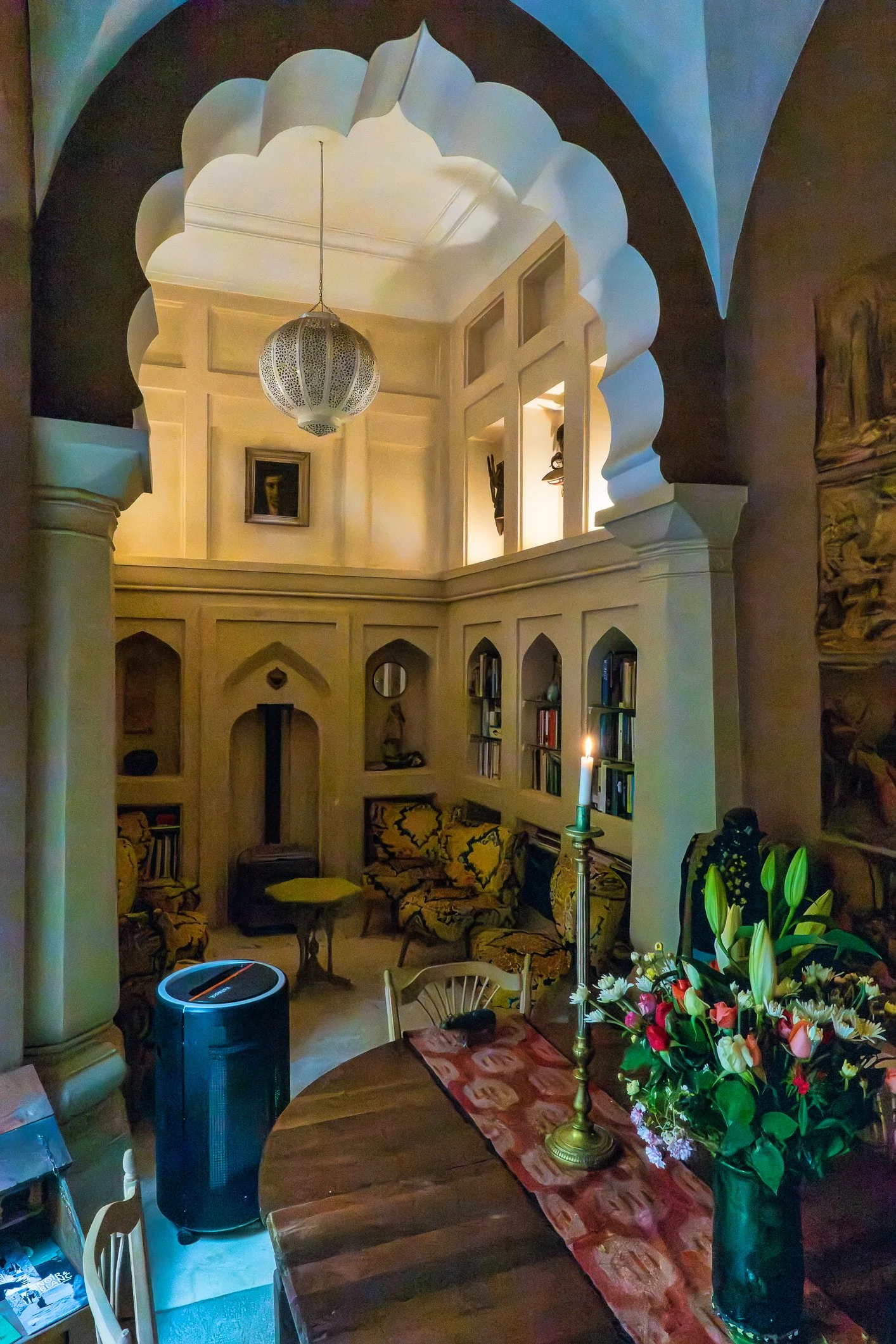
Our first riad this time is Kbour & Chou, located in the quiet northwest corner of the Marrakech medina. The riad is celebrated for its seamless blend of traditional Arab-Moorish architecture.

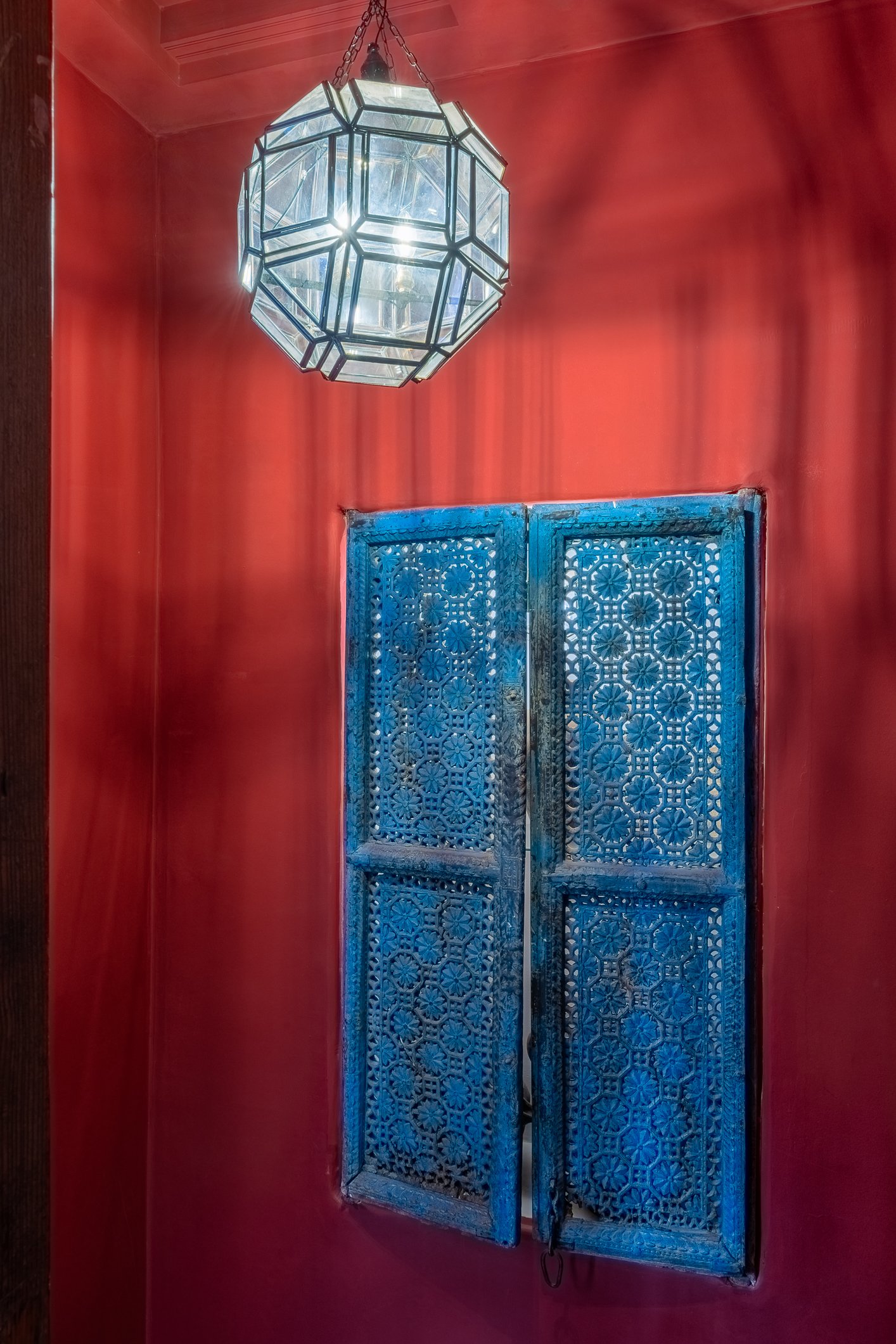
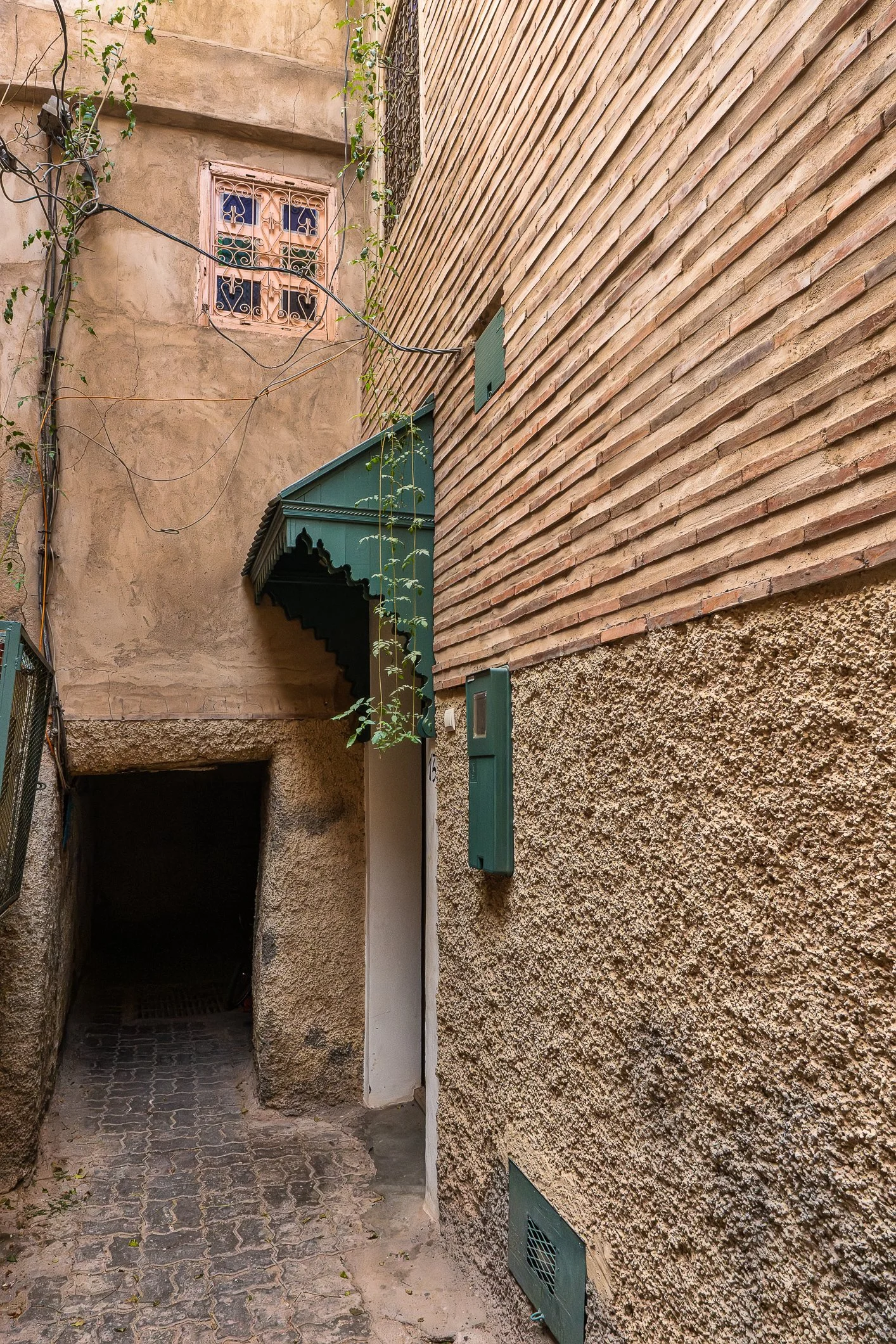
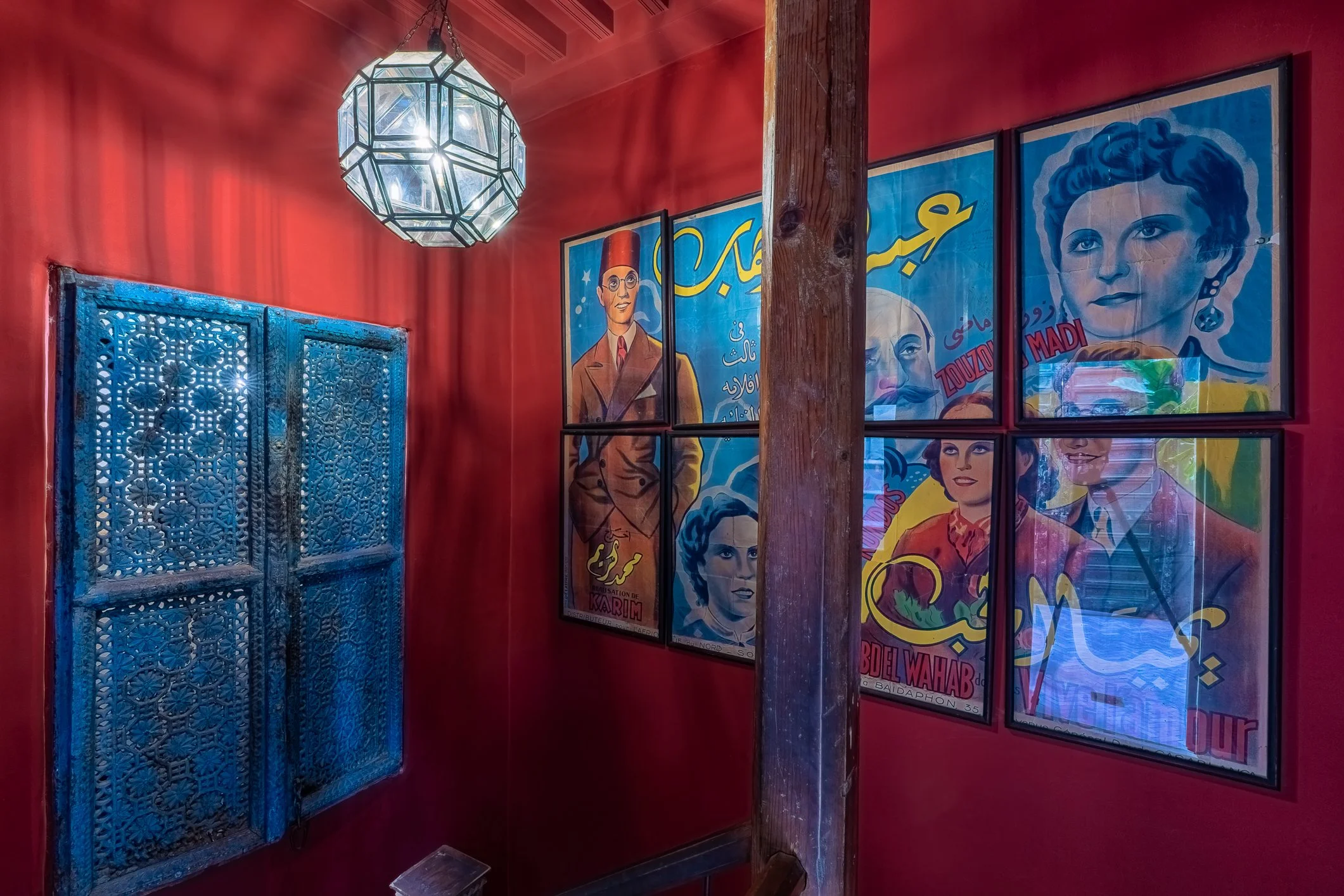
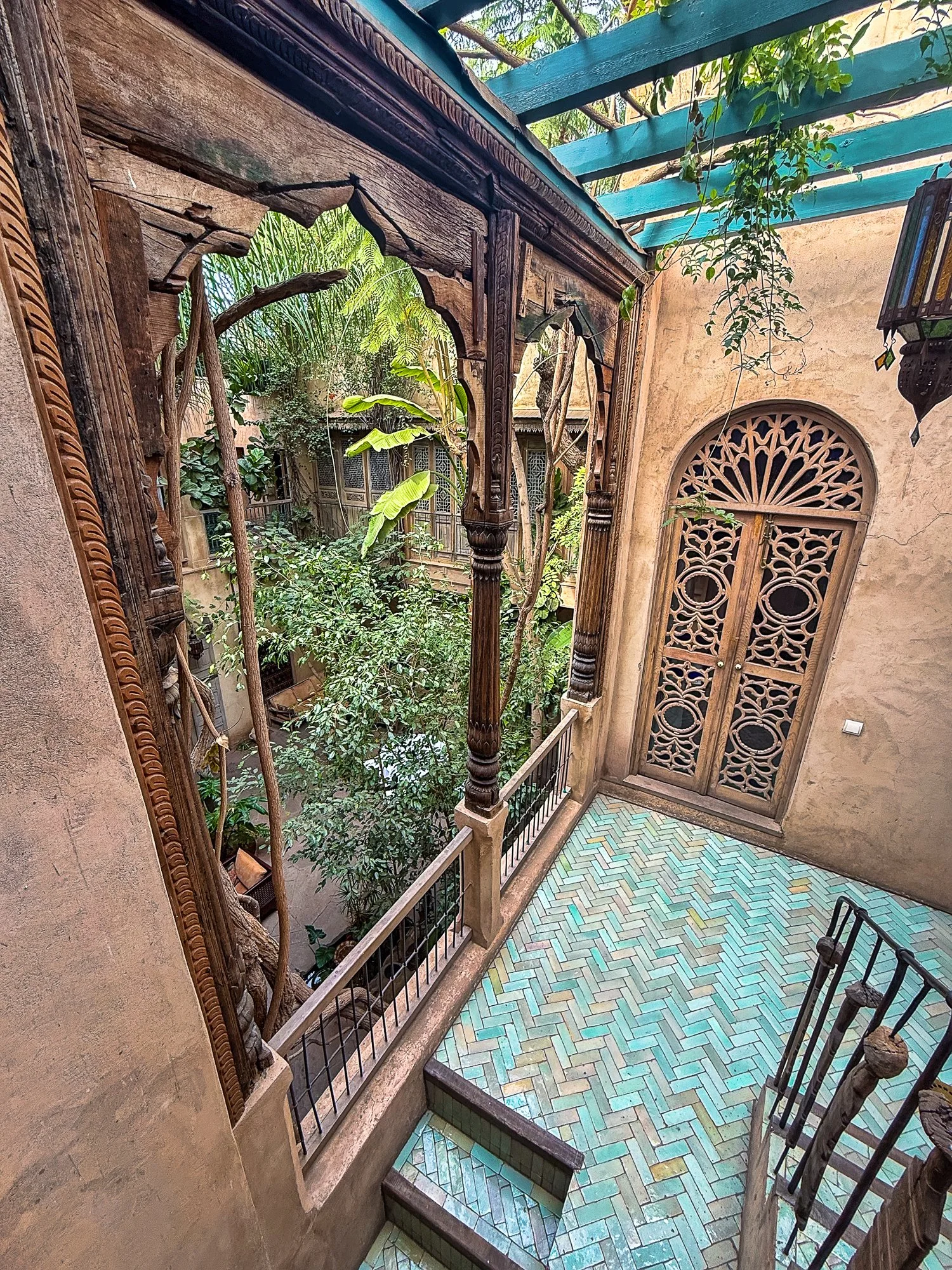
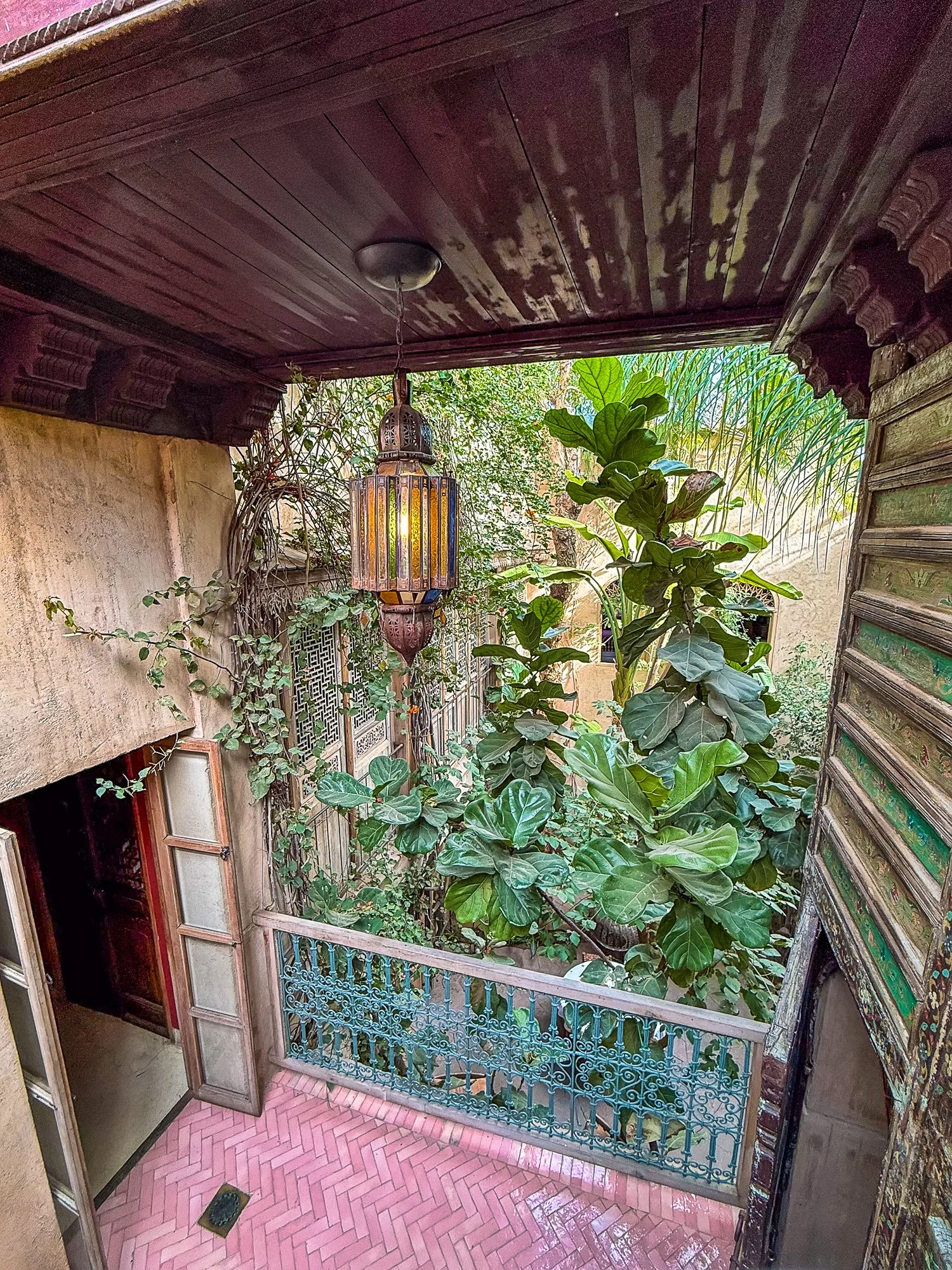
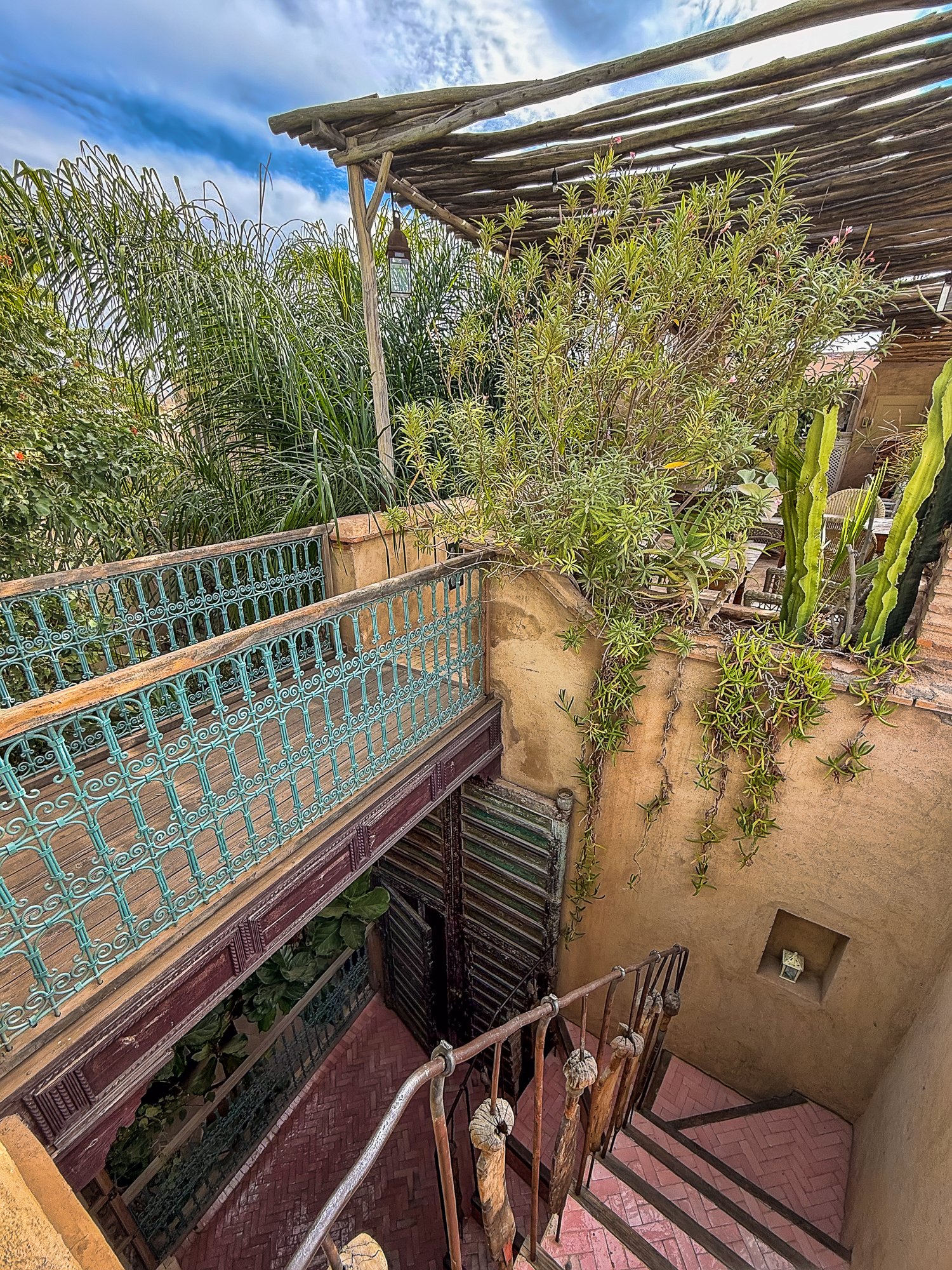
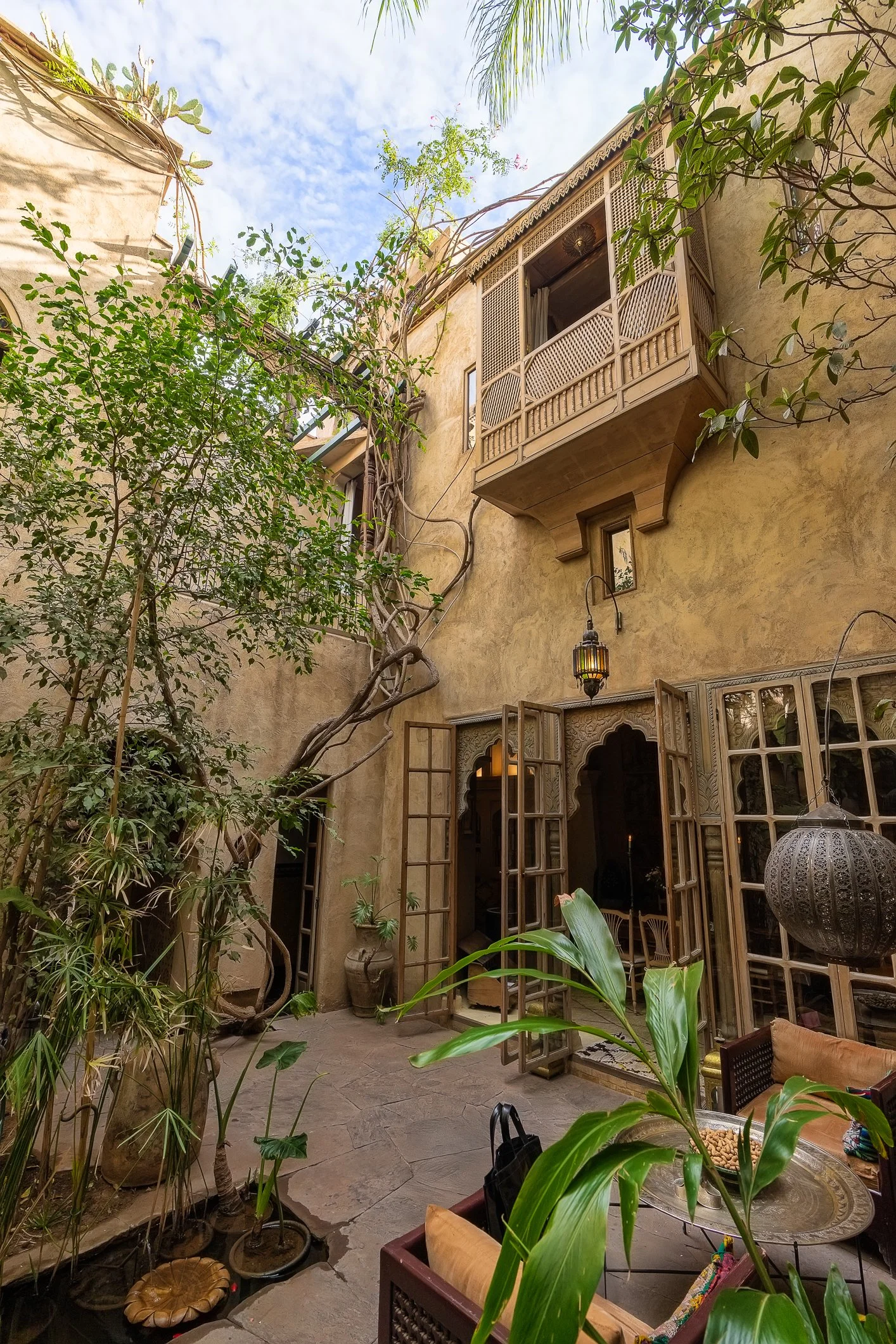
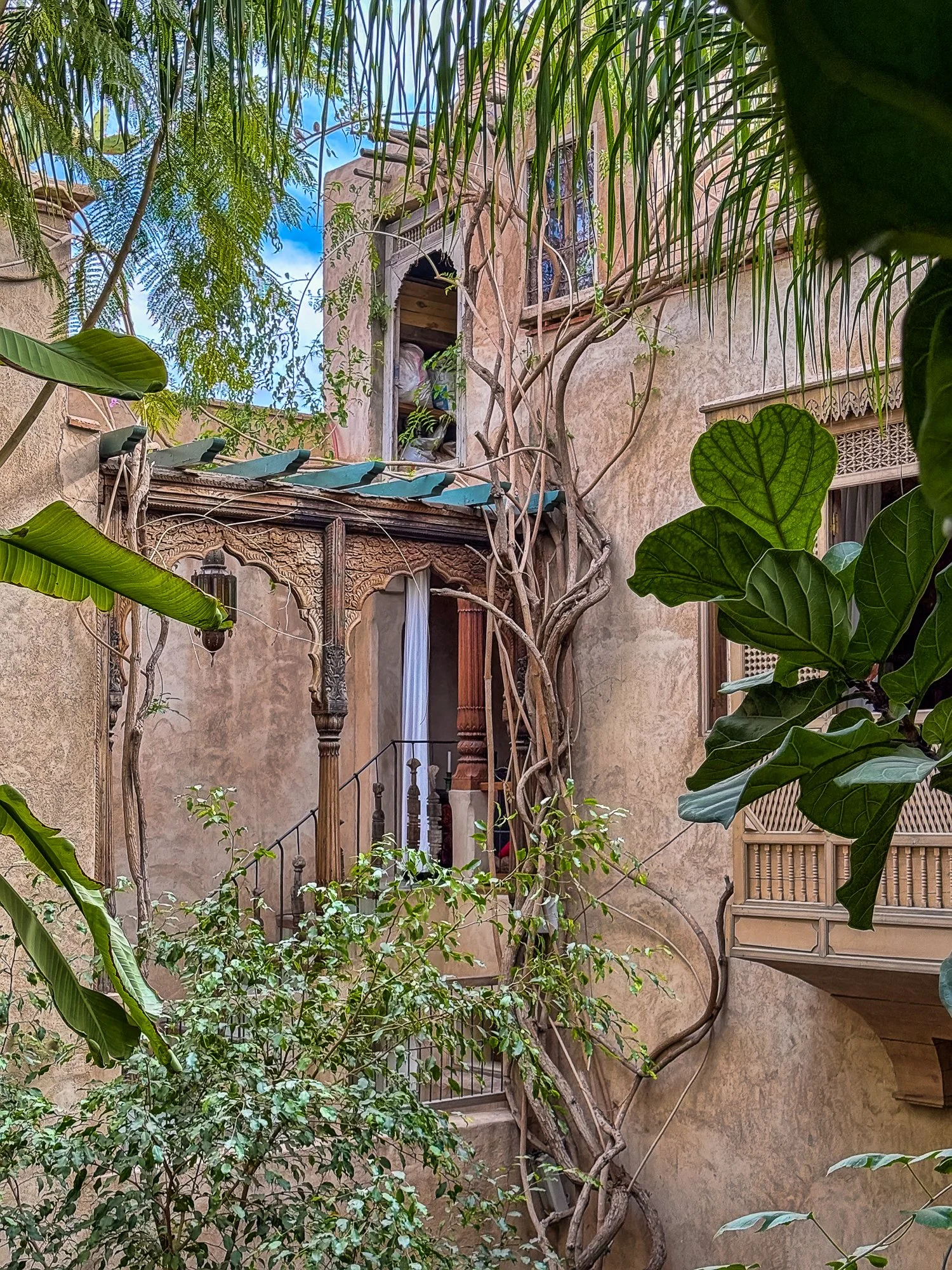
From the street, the riad is very discreet, tucked behind a modest door that offers little hint of the splendid and somewhat eccentric interior within. Upon entering, your attention is immediately captured by a wealth of interesting details: wrought-iron balconies, spiral staircases, and doorways that require a small dip of the head to pass through.


Naszą marokańską przygodę zaczynamy tym razem w północno-zachodniej części medyny, z dala od największego zgiełku. Tutaj, w cichym zakątku dzielnicy Zaouia el Abassia, kryje się Kbour & Chou – riad łączący w sobie architektuę arabsko-mauretańskią z dodatkową nutką artystycznej finezji.

Z zewnątrz budynek wygląda dość niepozornie i nie zdradza swoich tajemnic. Skromne drzwi są barierą oddzielającą uliczkę medyny od wnętrza pełnego niespodzianek. Po przekroczeniu progu od razu uderza bogactwo detali: od kręconych schodów i kutych balustrad po wąskie przejścia i malowane ręcznie drzwi.

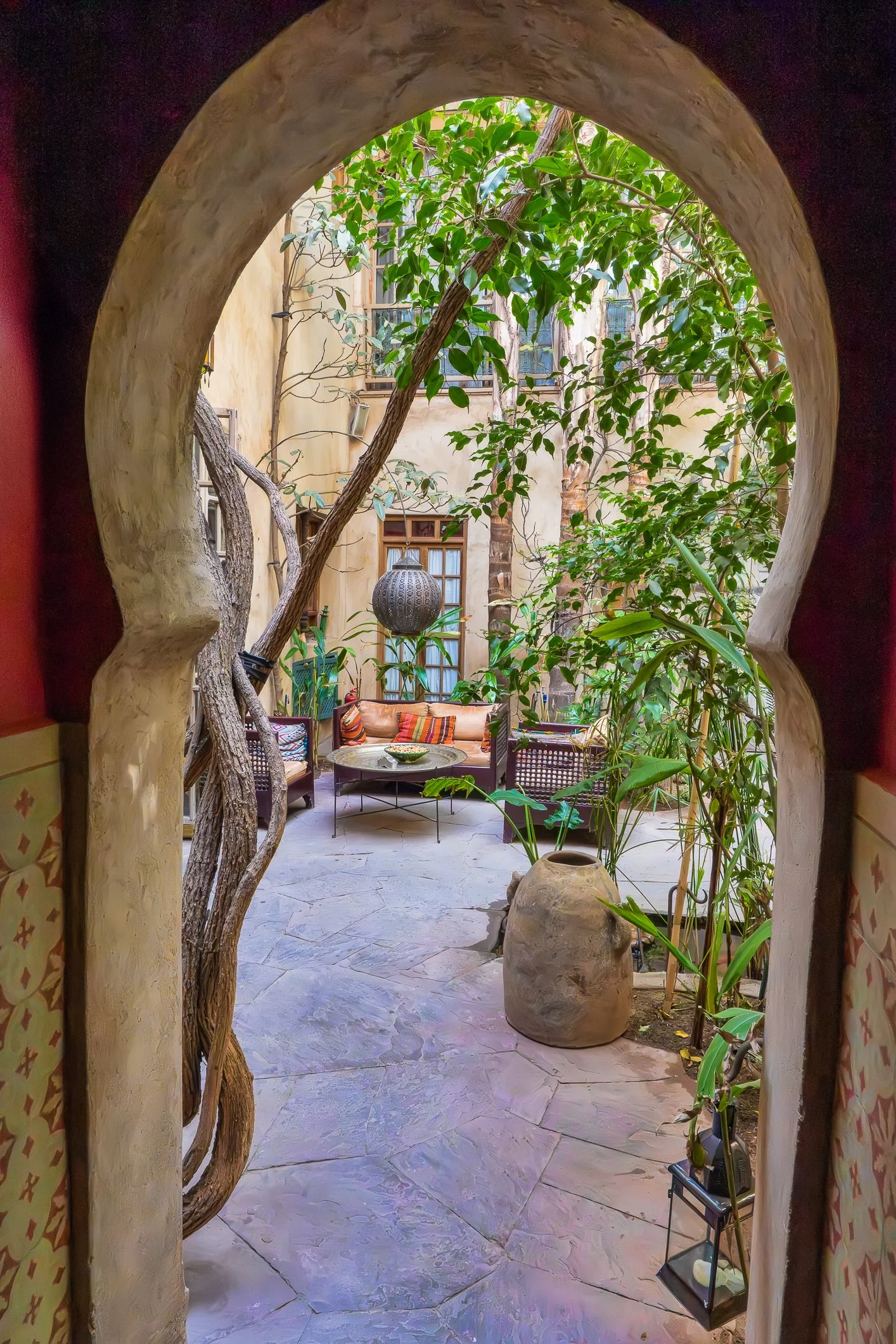
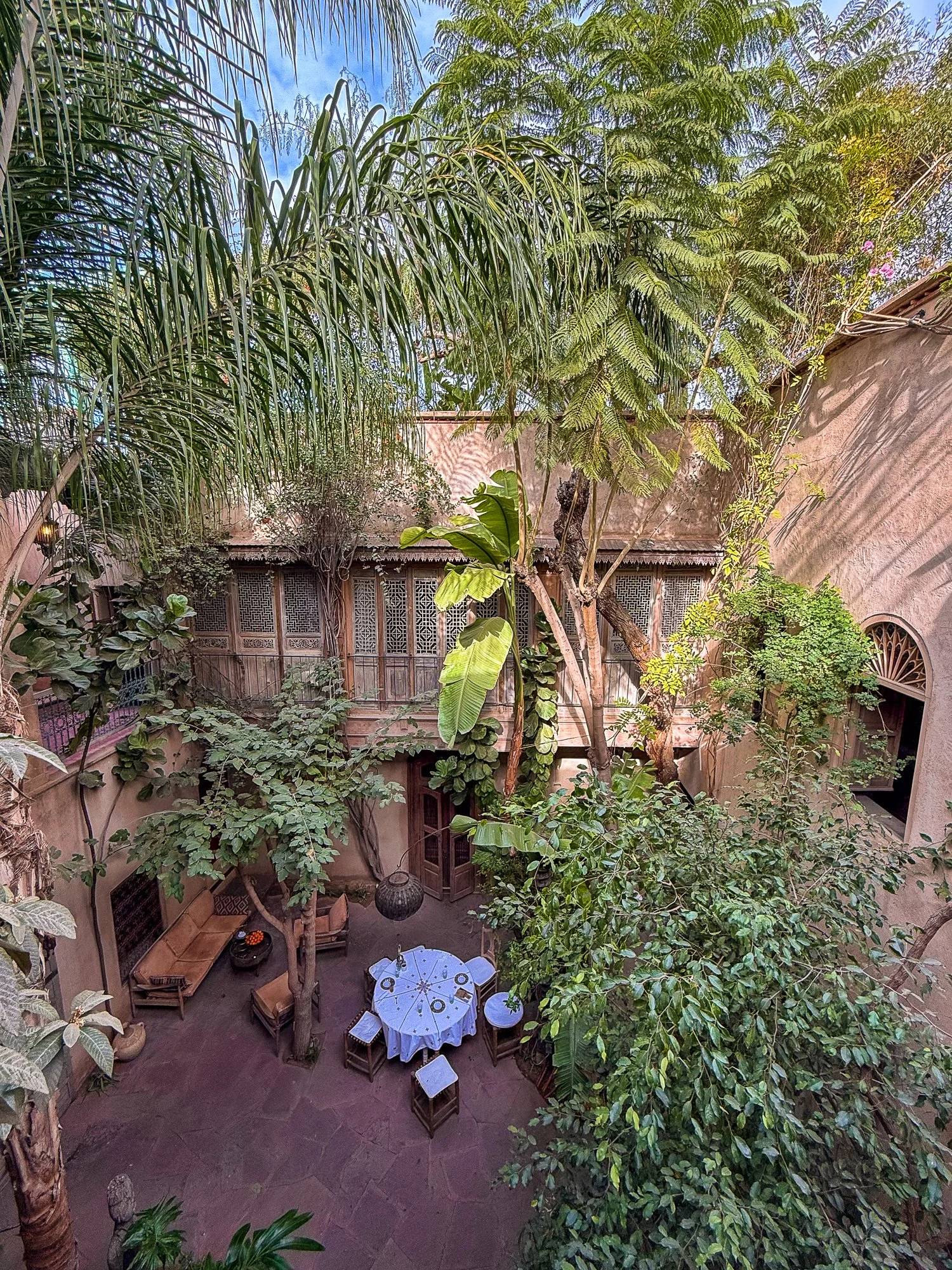
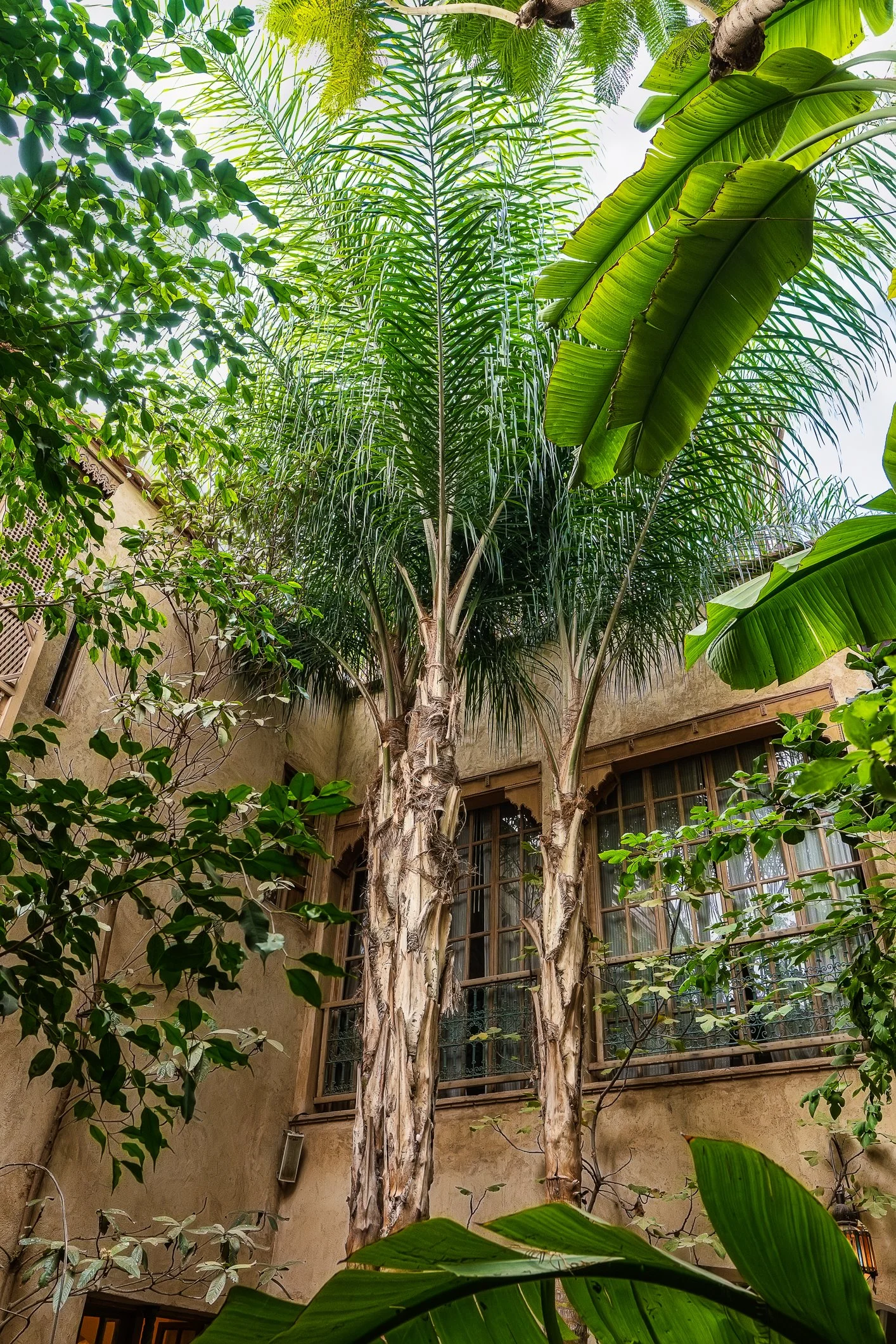
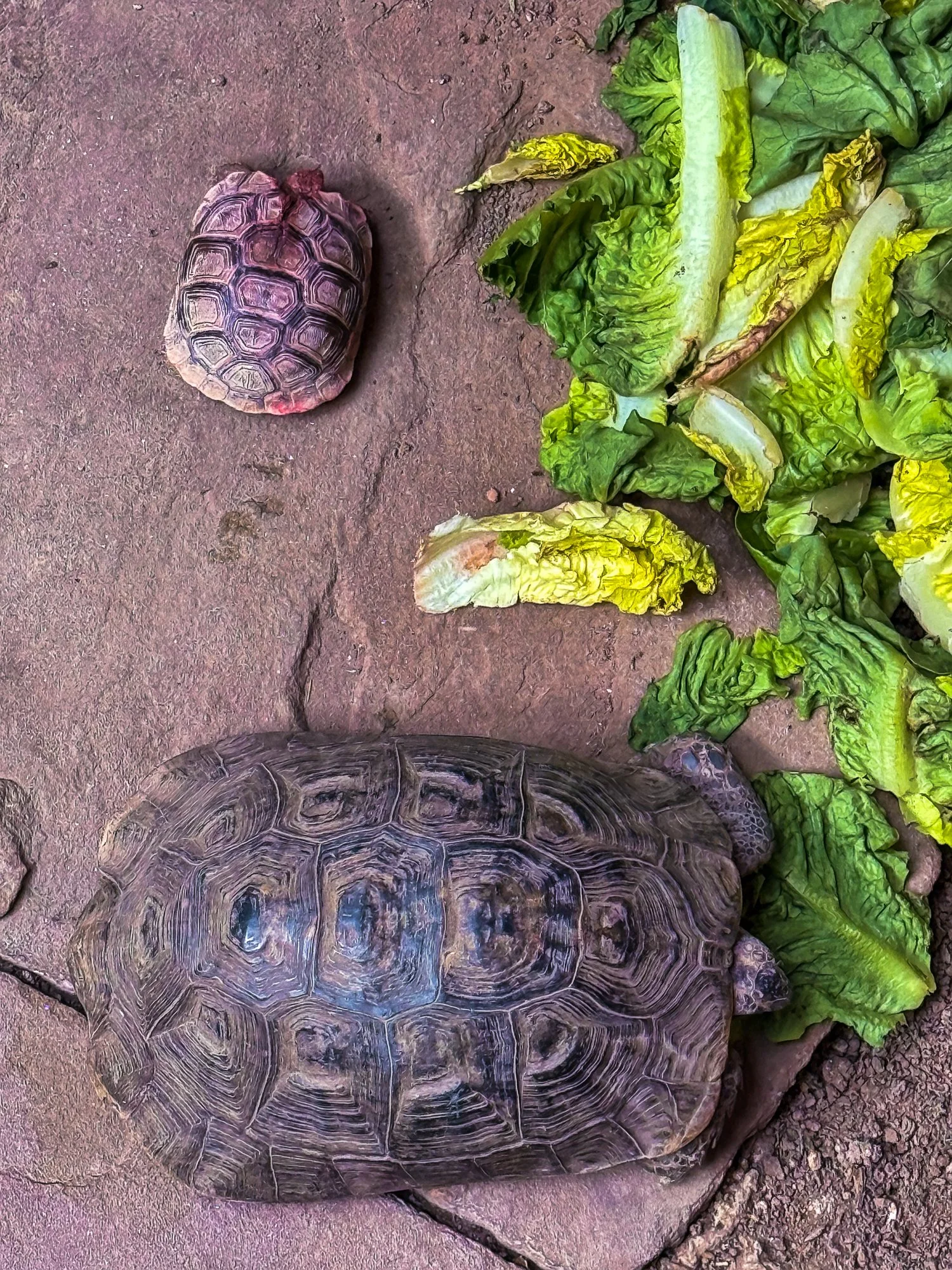
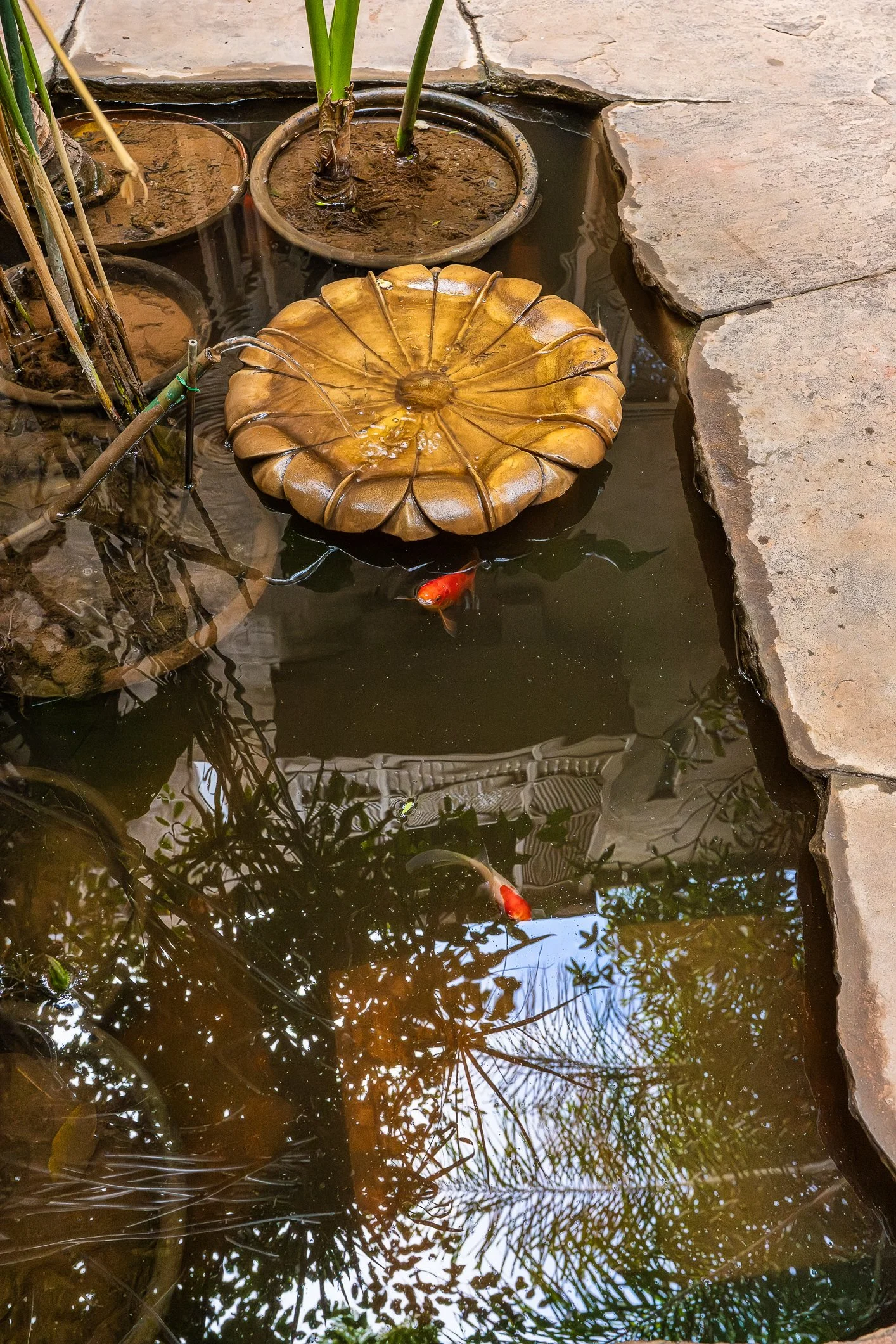
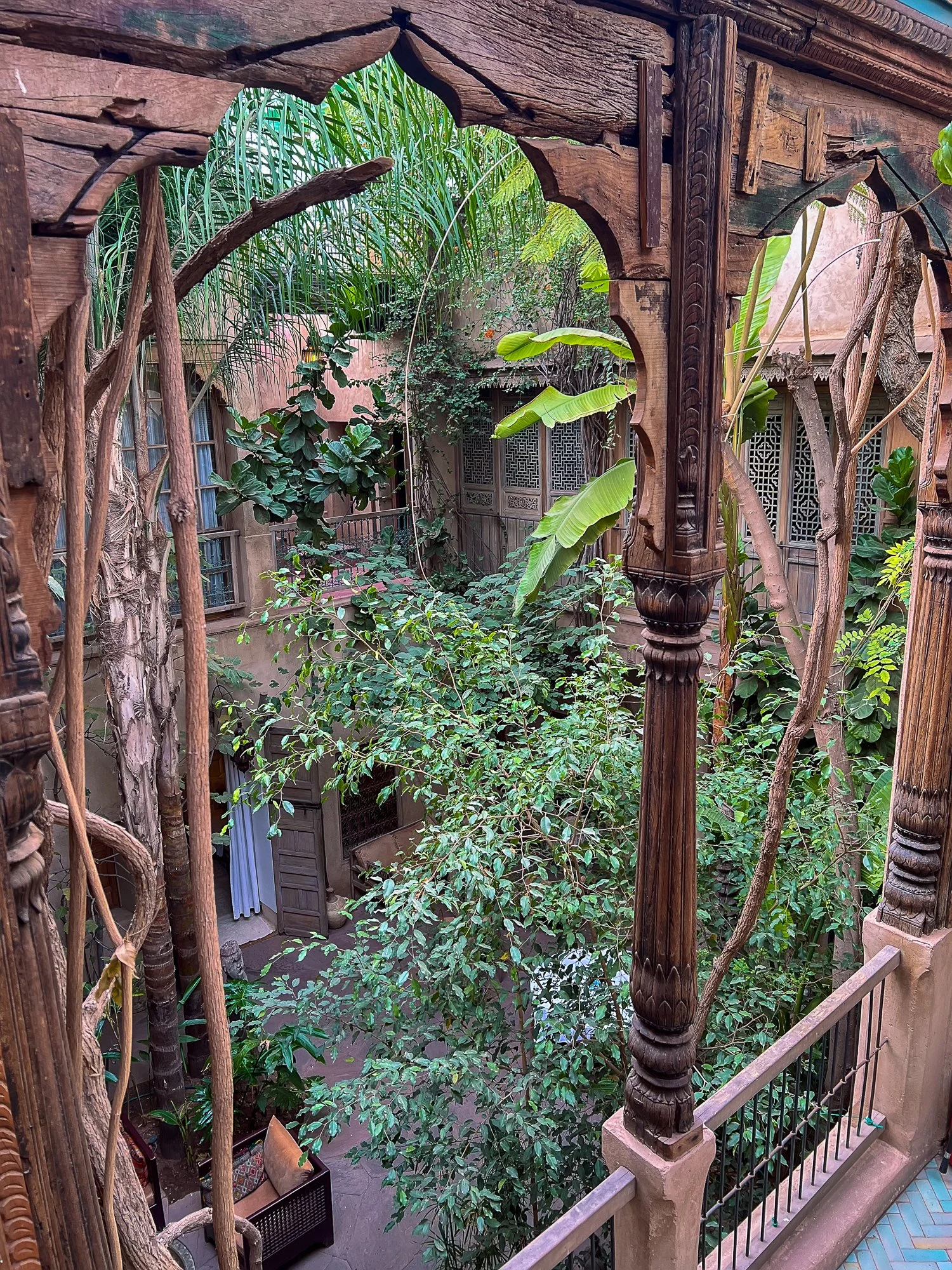
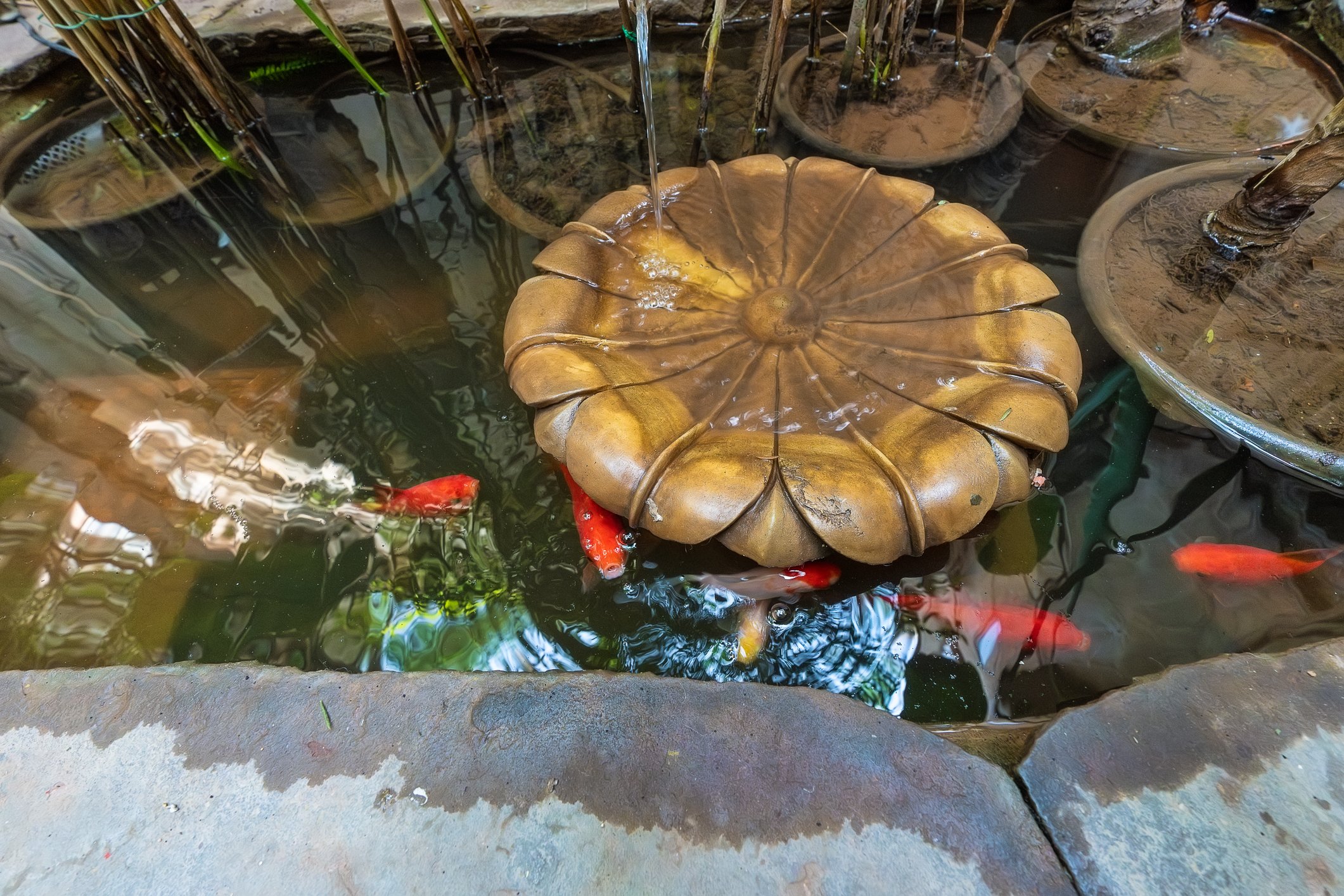
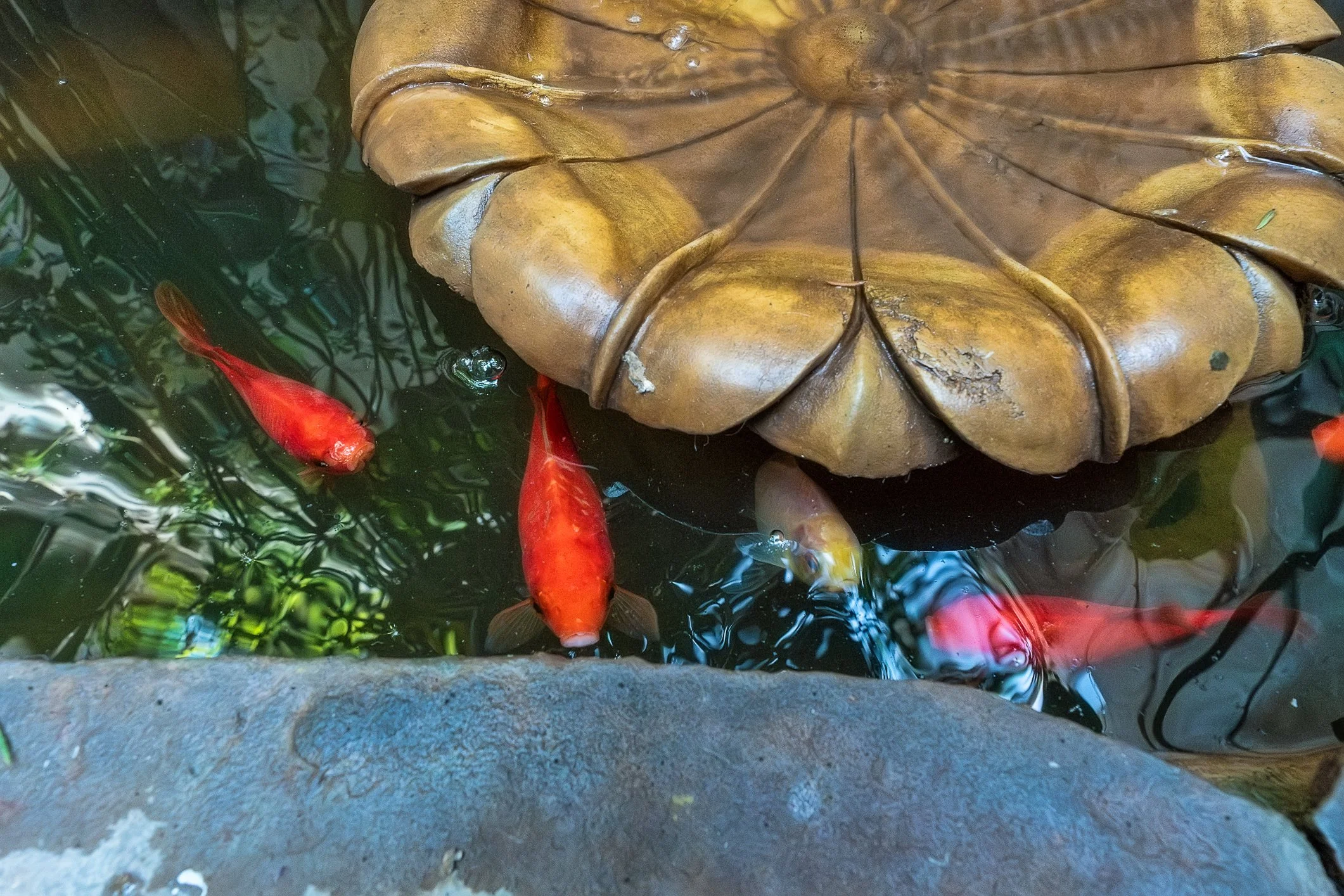
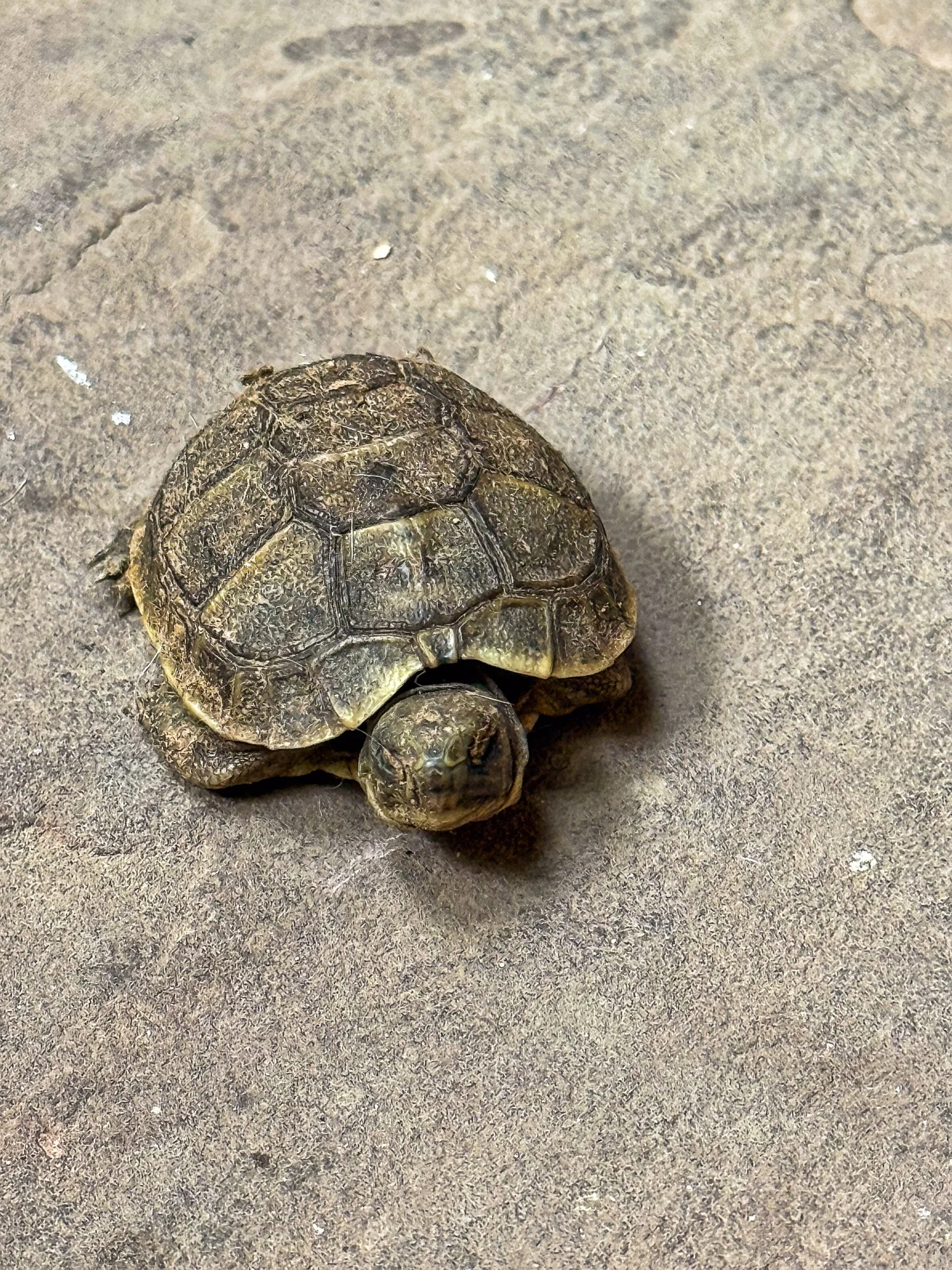
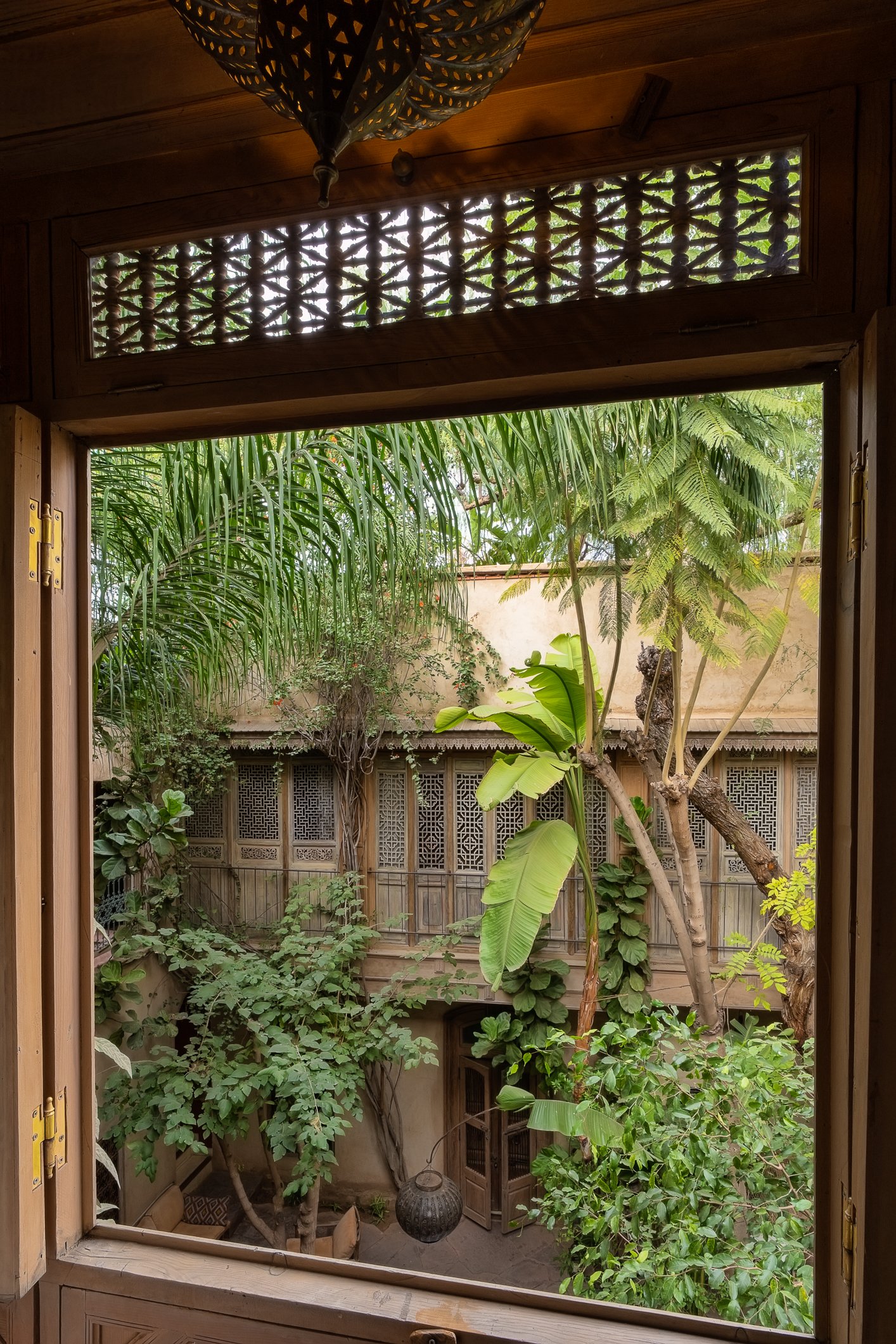
The central courtyard and garden serve as a lush, green oasis featuring 10-meter-tall eucalyptus and palm trees. It feels remarkably like a tropical hideaway. A traditional stone pond is home to several koi fish, and a few tortoises roam freely among the greenery.

Sercem riadu jest wewnętrzny ogród, który przypomina tropikalną dżunglę. Dziesięciometrowe palmy i eukaliptusy dają przyjazny cień, a pośród gęstej zieleni leniwie spacerują sobie mieszkające tutaj żółwie. W tradycyjnej kamiennej sadzawce pływają zaś karpie koi.

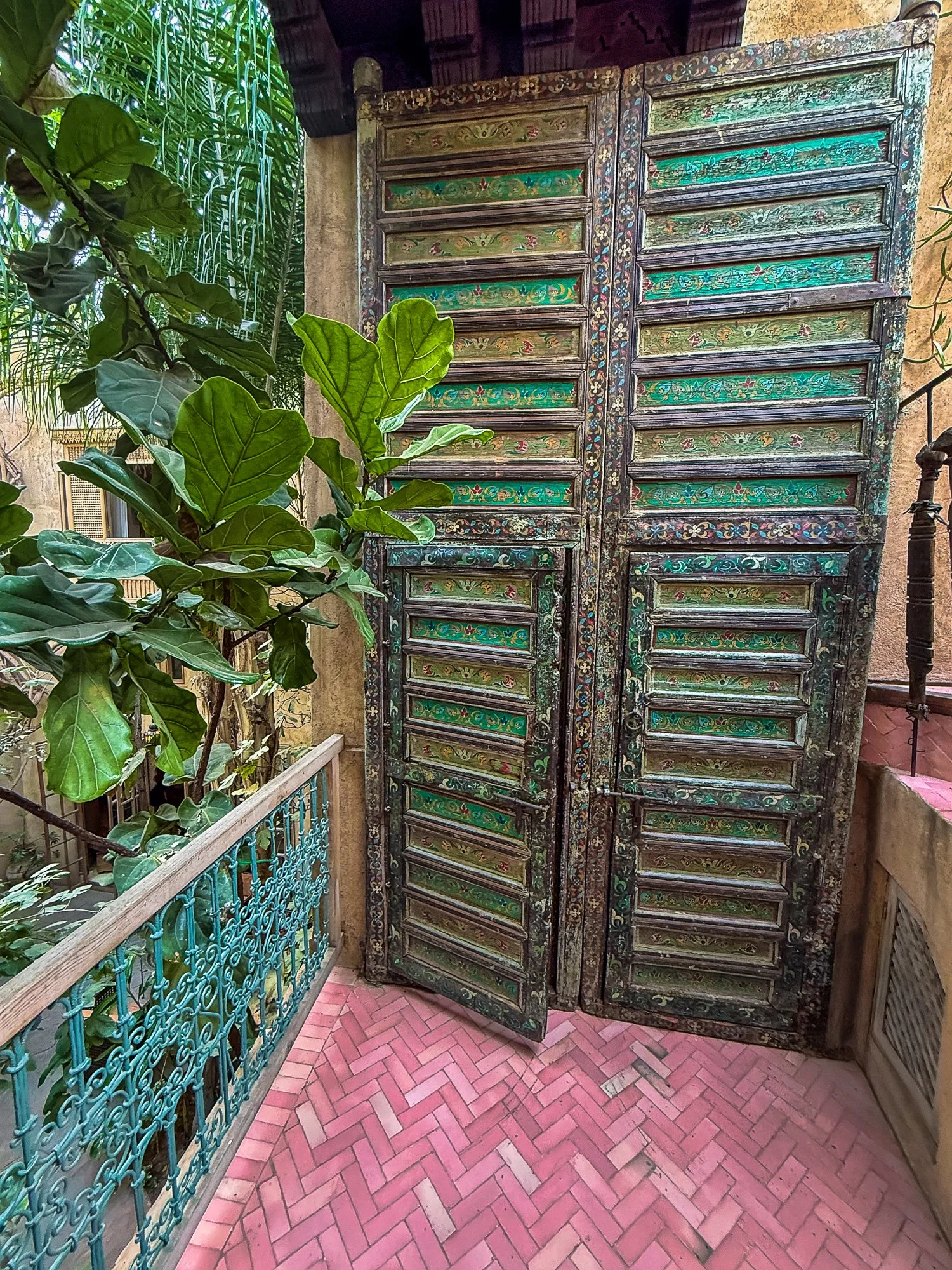
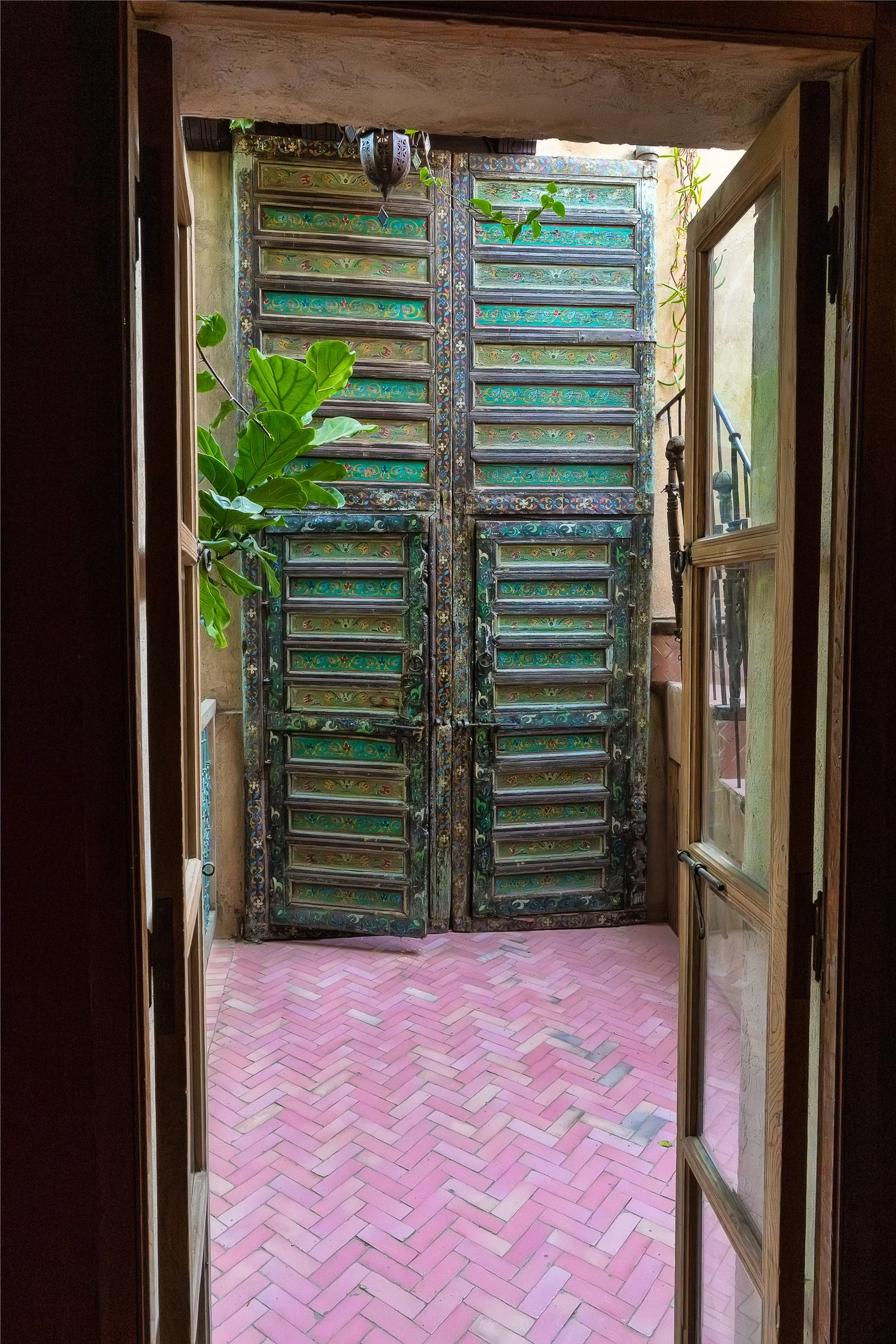
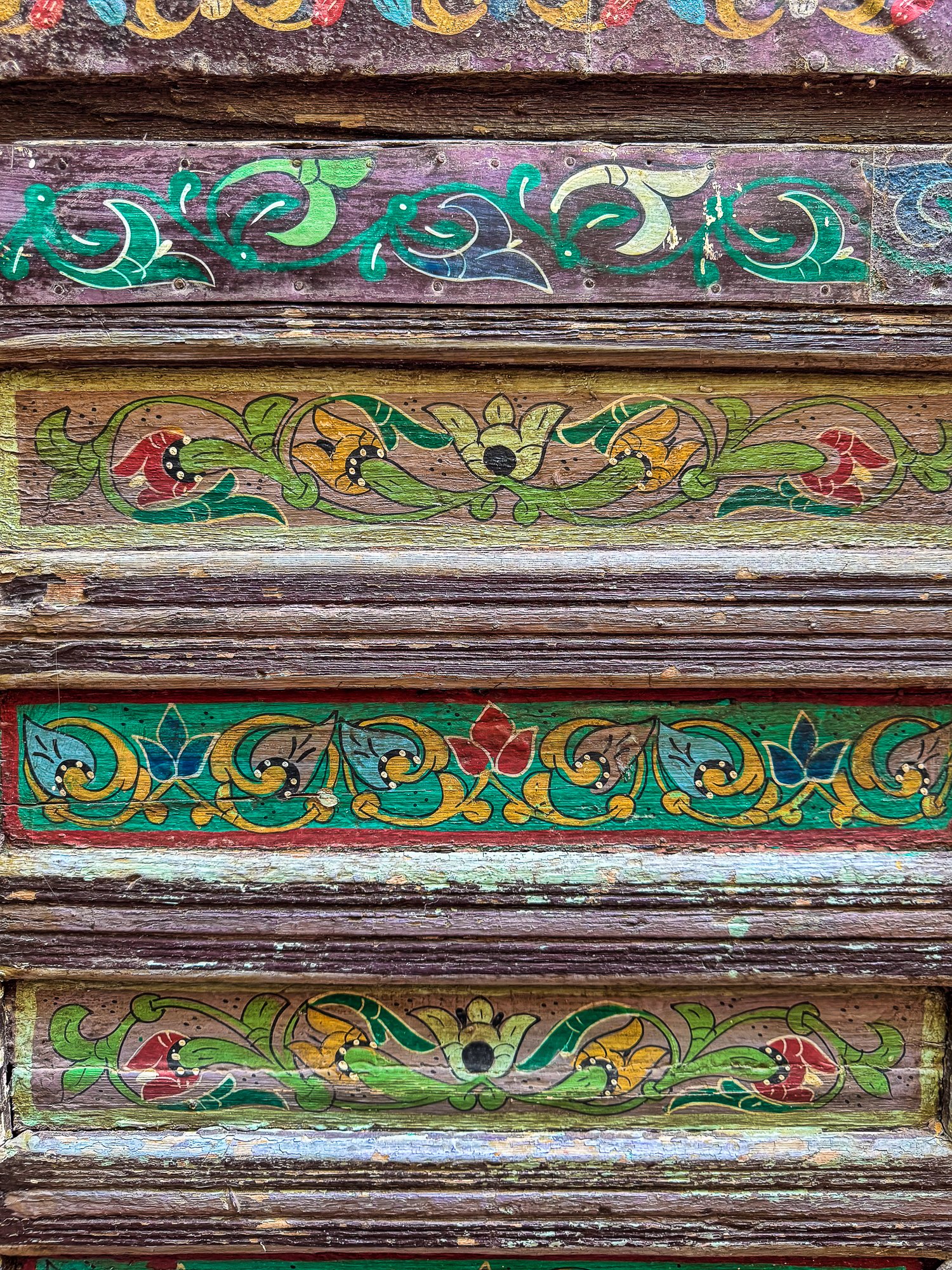
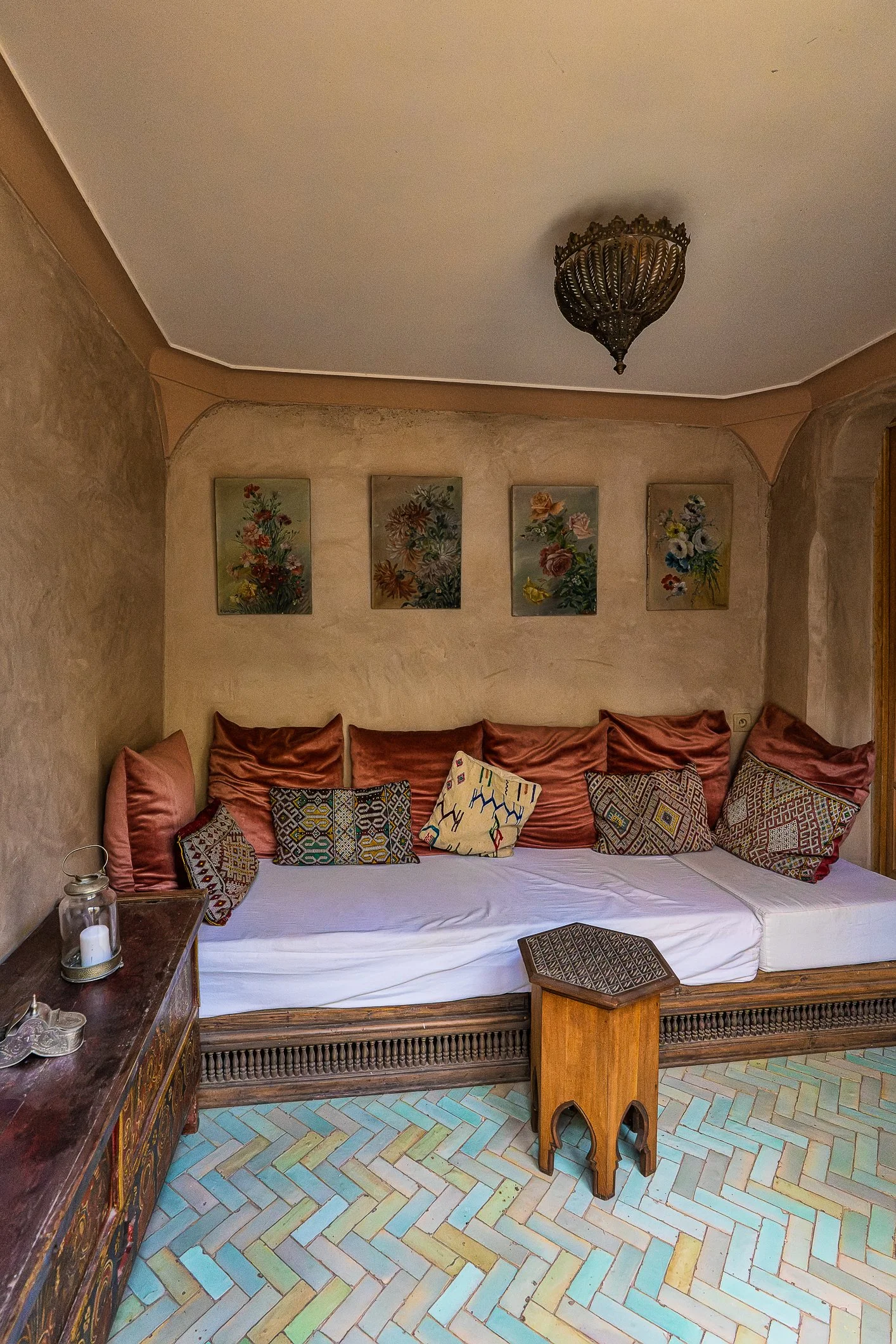
Throughout the riad, the floors utilize traditional terracotta tiles. Designs range from pure white bejmat (the rustic, rectangular bricks often used for a natural, earthy feel) to intricate zellige patterns, which are meticulously hand-cut tile mosaics. Hand-painted zouak doors are also featured, showcasing traditional floral and geometric motifs painted directly onto the wood.

To, co zachwyca w tym riadzie najbardziej, to autentyczność materiałów. Podłogi to surowe, terakotowe płytki bejmat lub misterne, ręcznie wycinane mozaiki zellige, ręcznie malowane drzwi zouak zdobią motywy roślinne, a sufity tatoui wykonane są z plecionych gałązek oleandra. Ściany są często wykończone gładkim, lśniącym tynkiem tadelakt, polerowanym rzecznymi kamieniami.

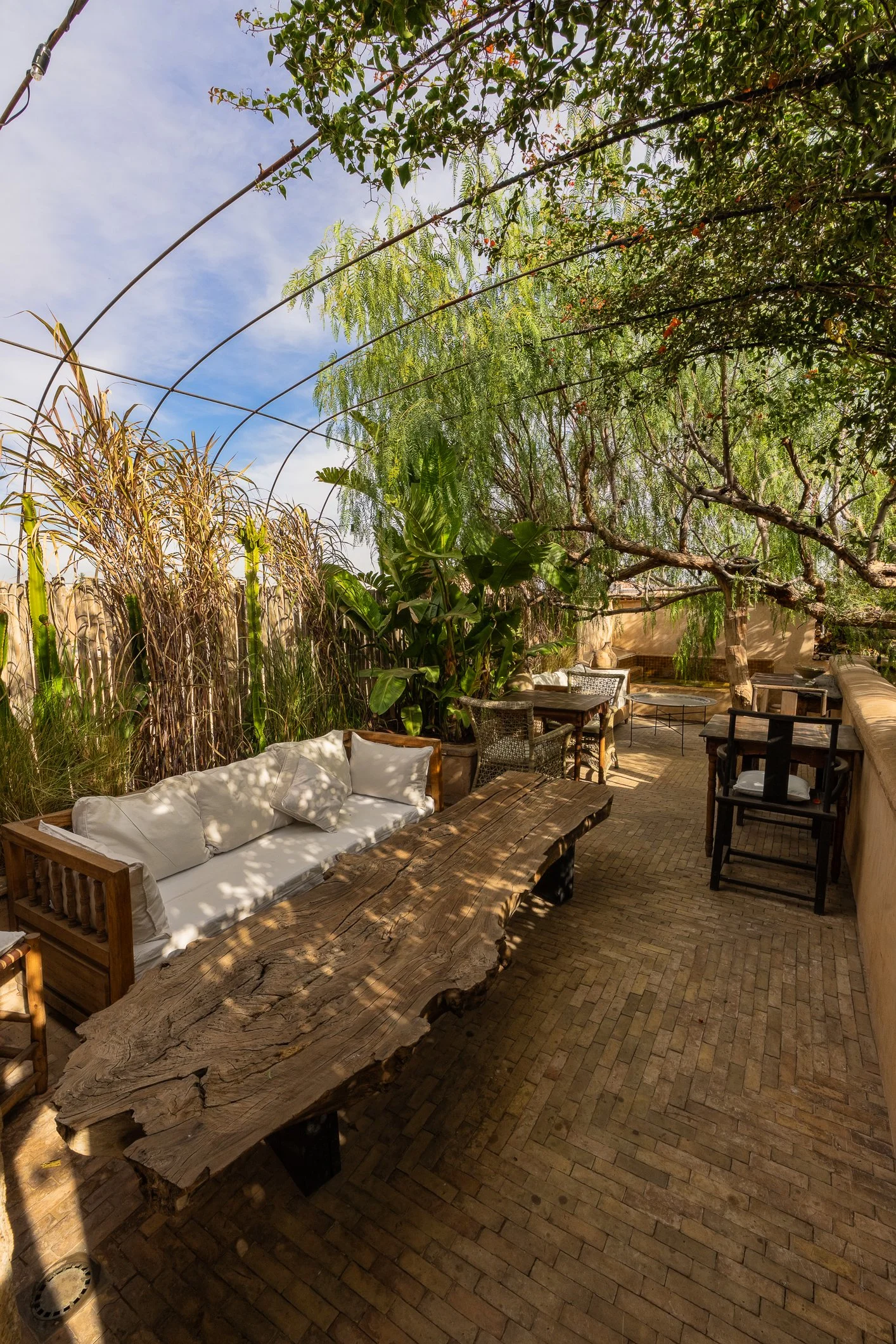
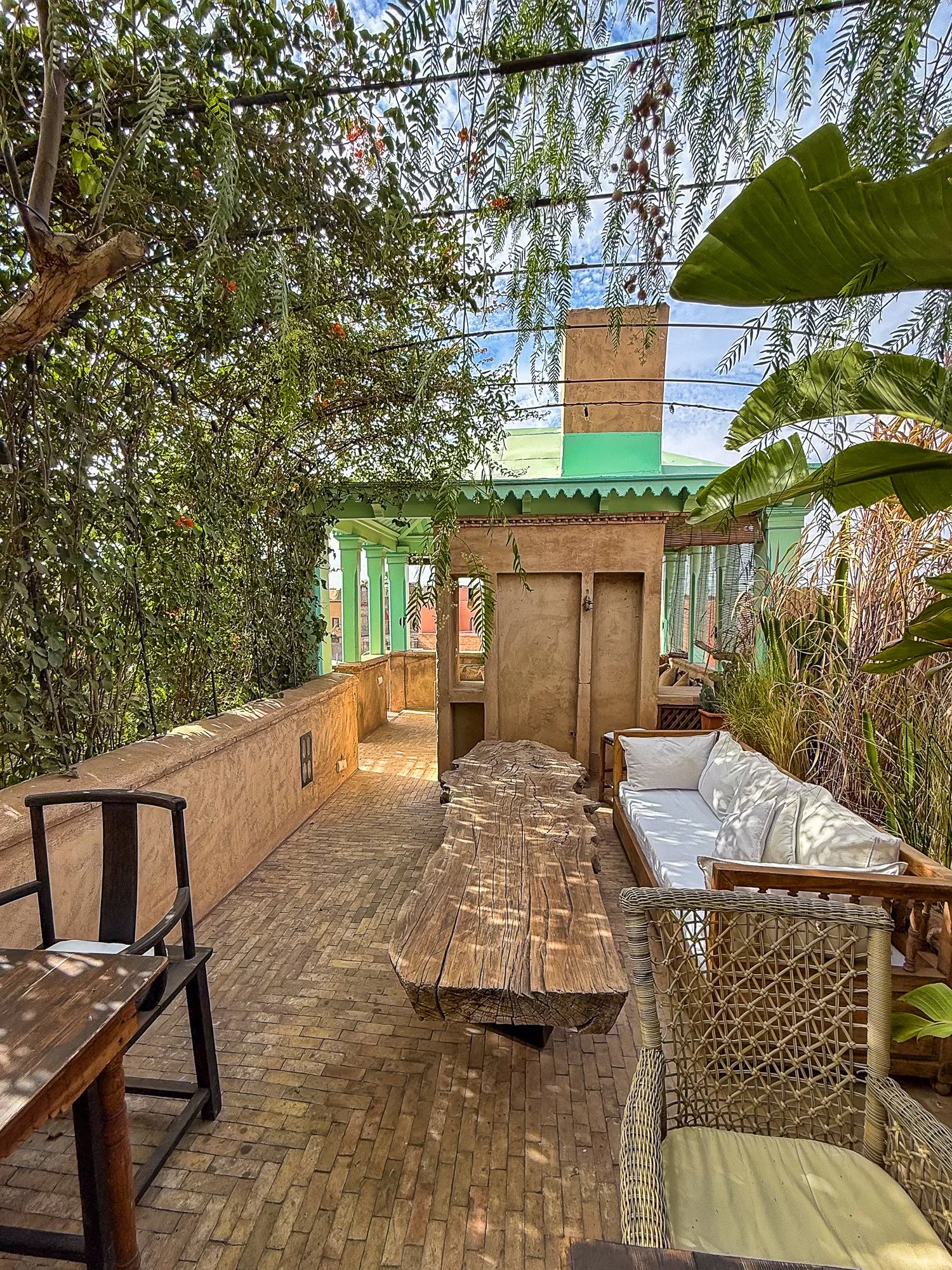
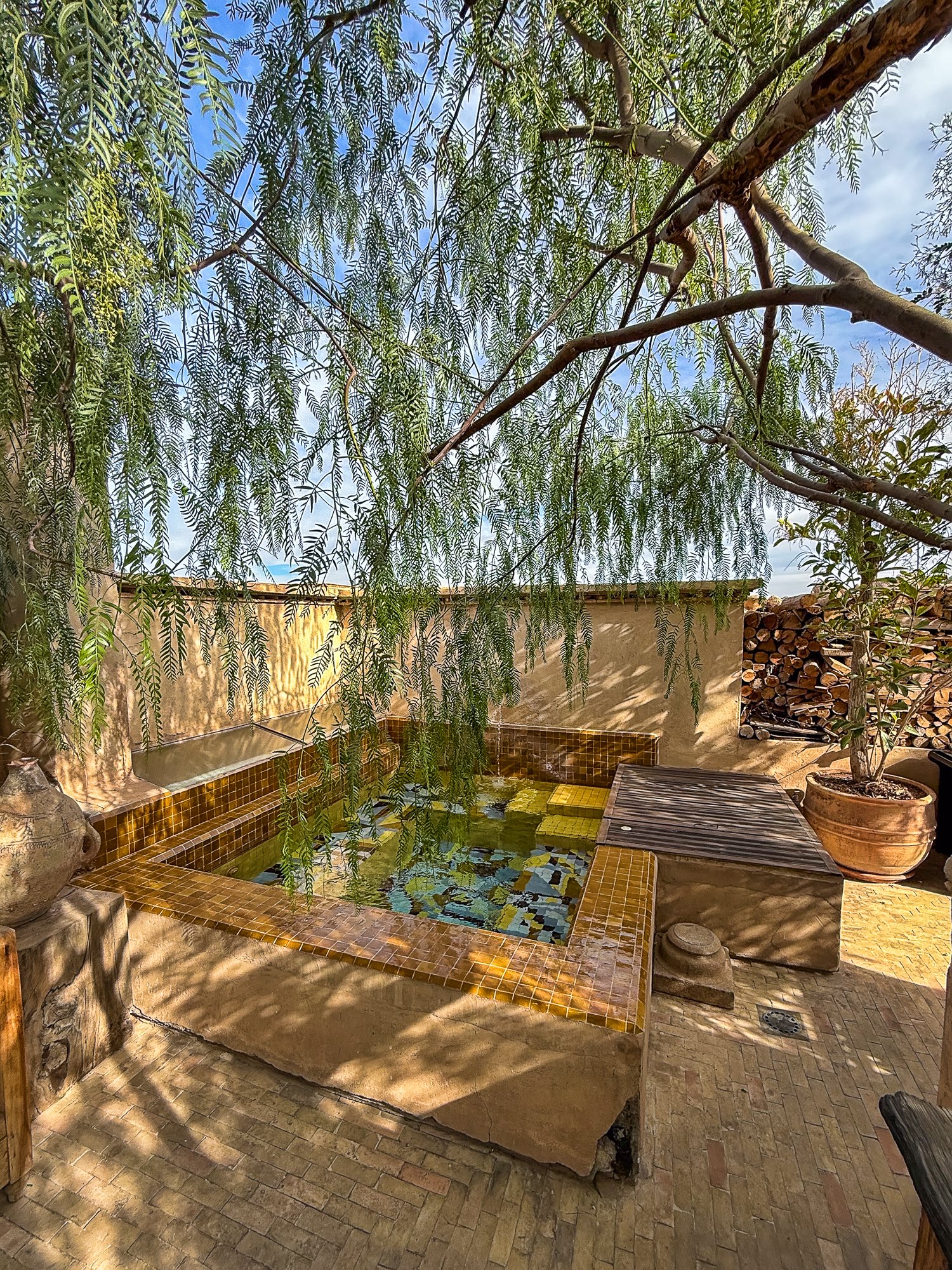
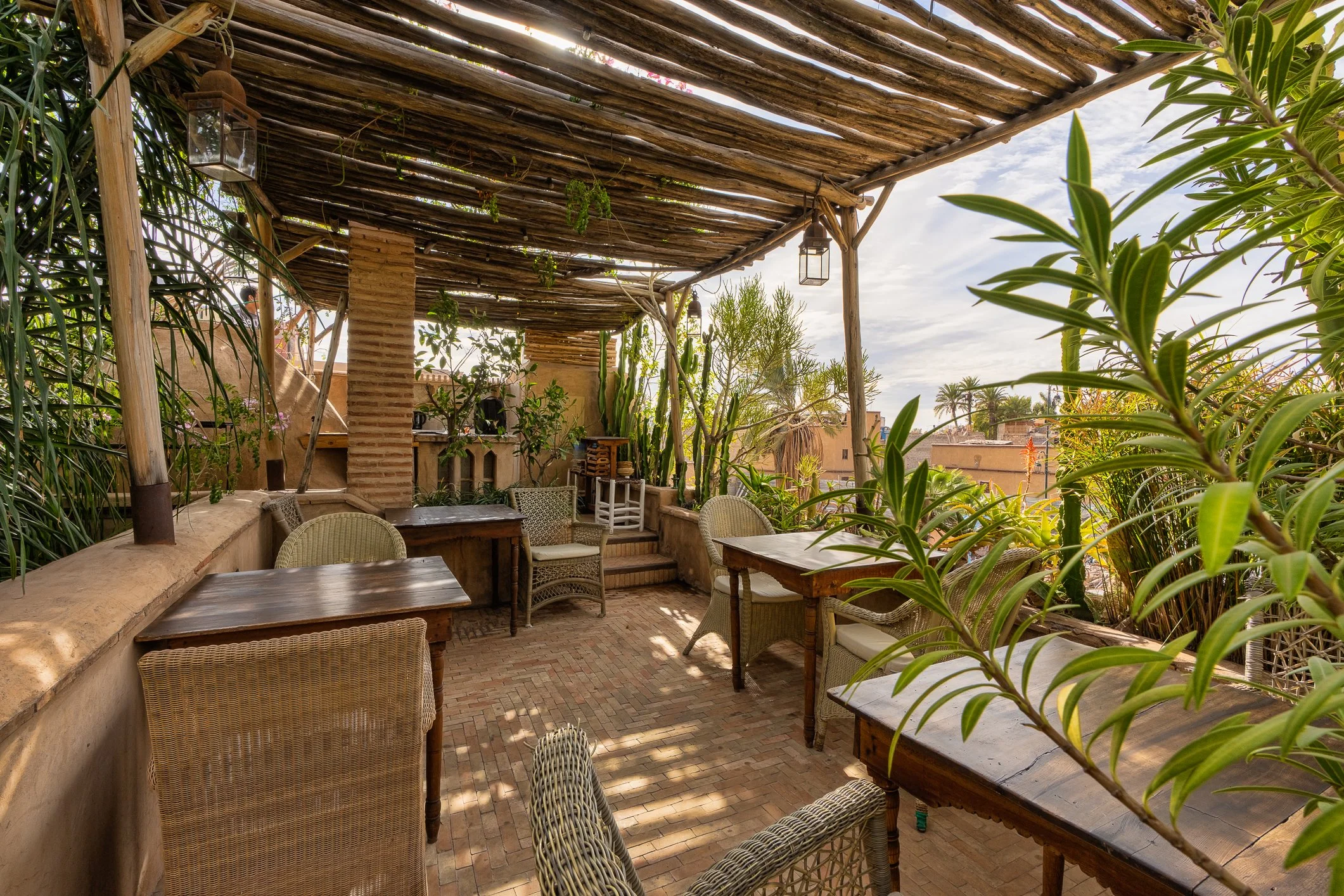
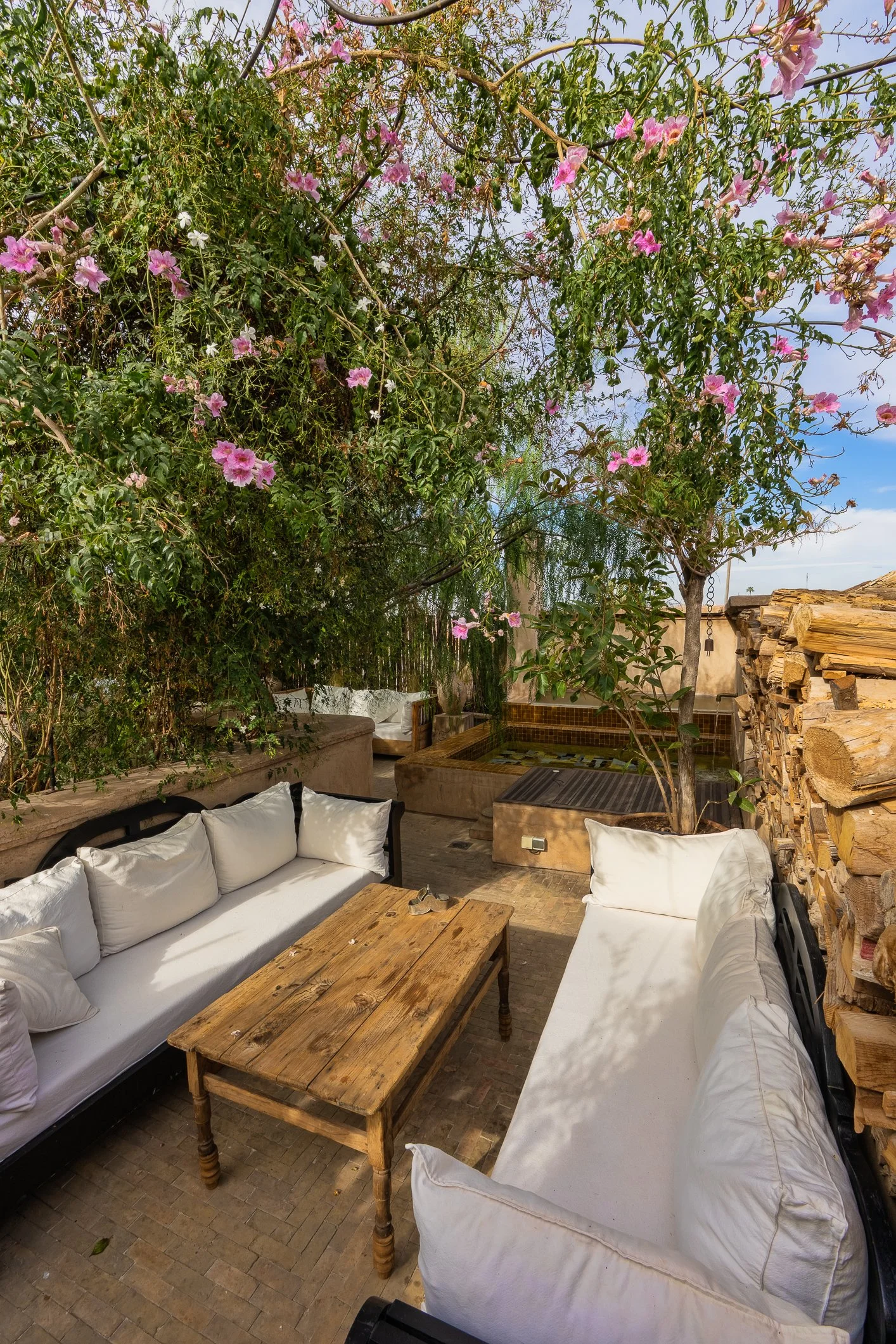
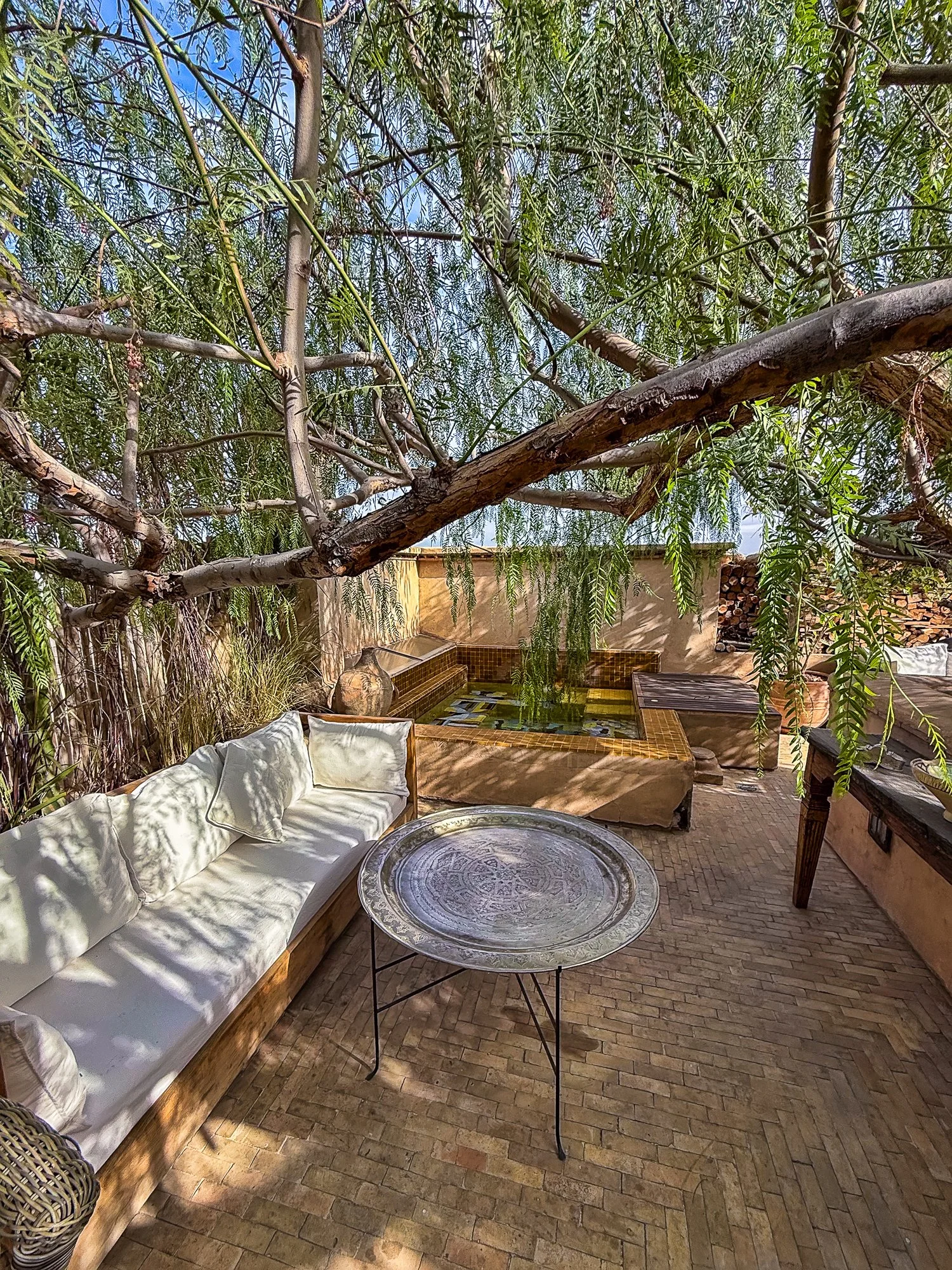
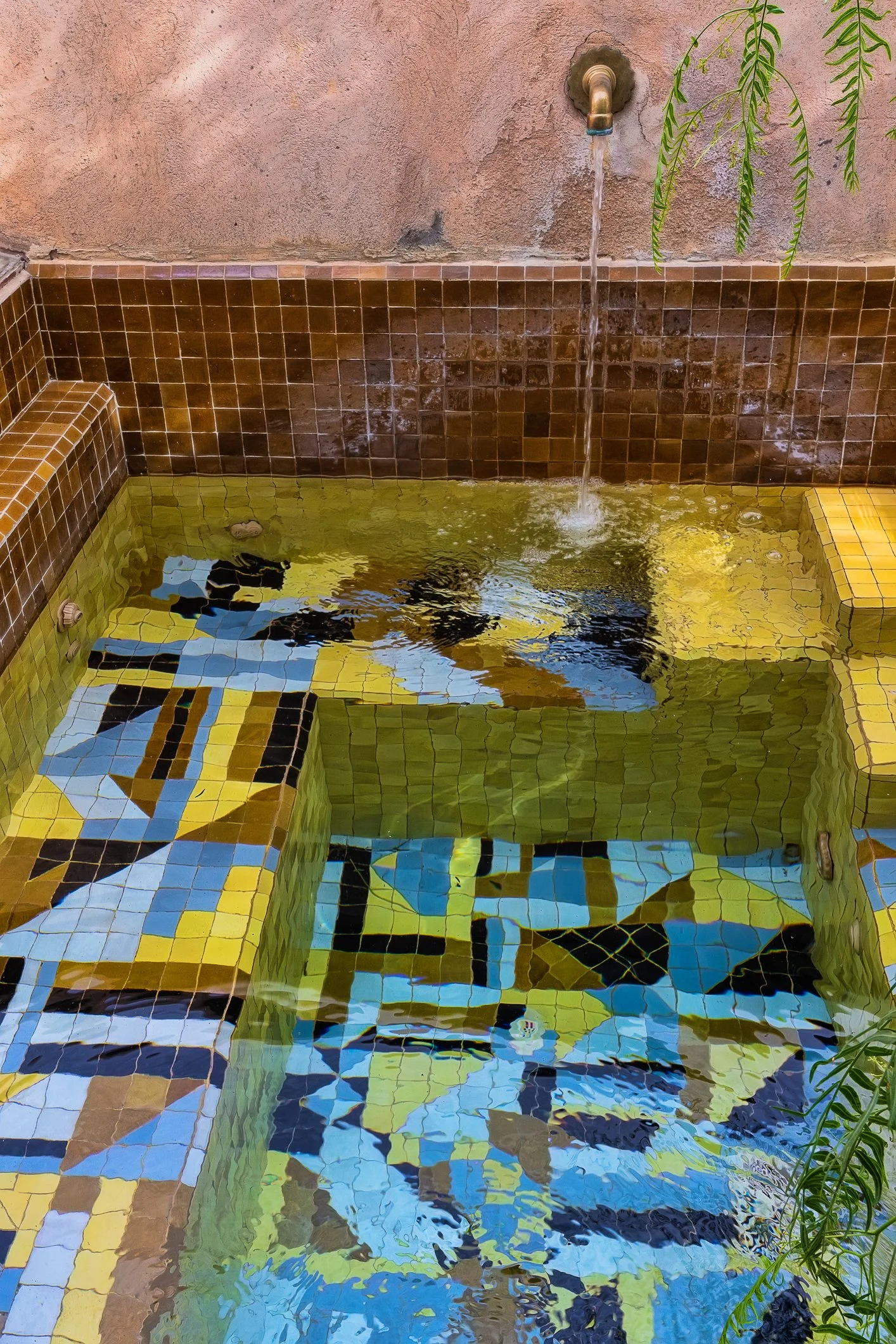
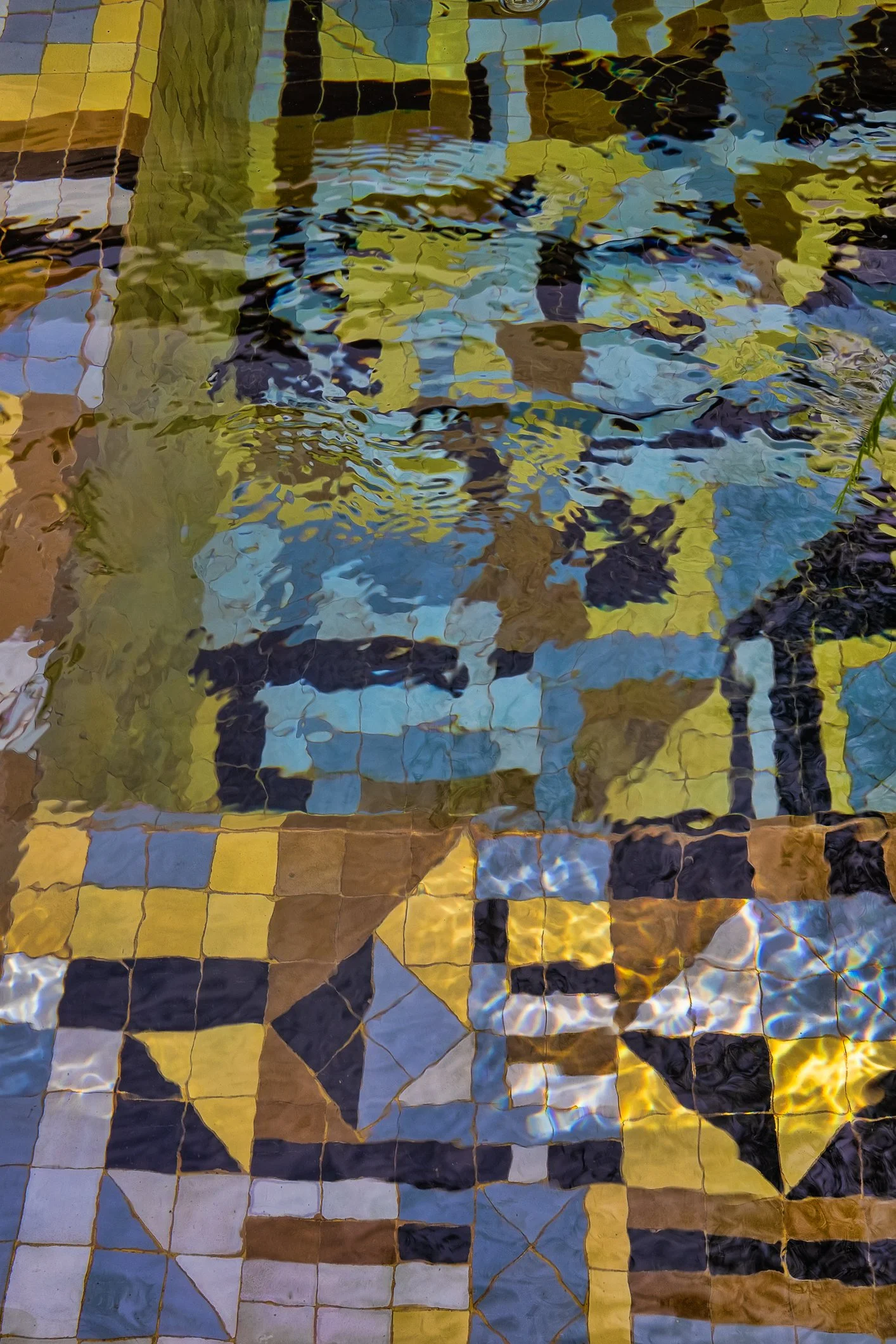
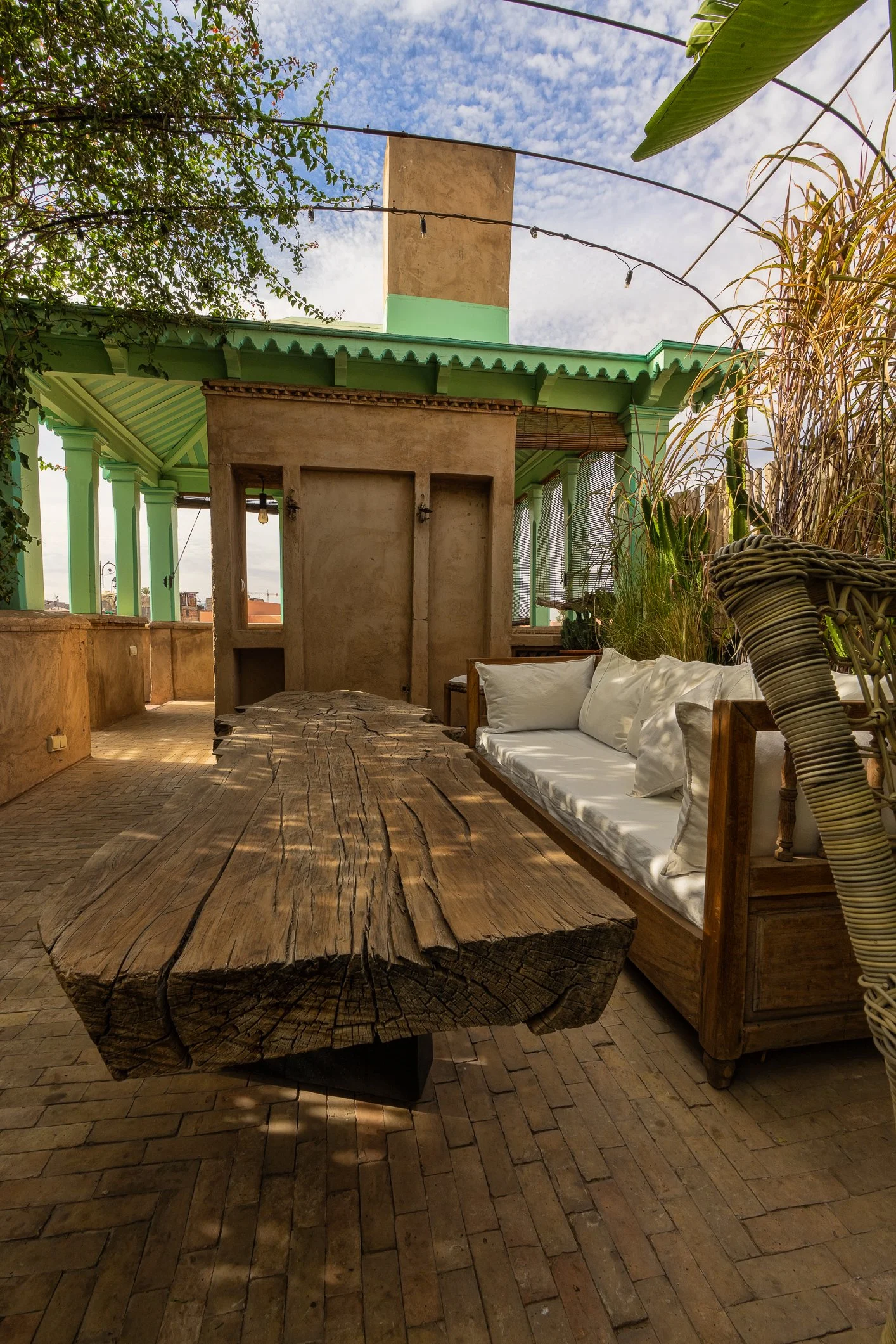
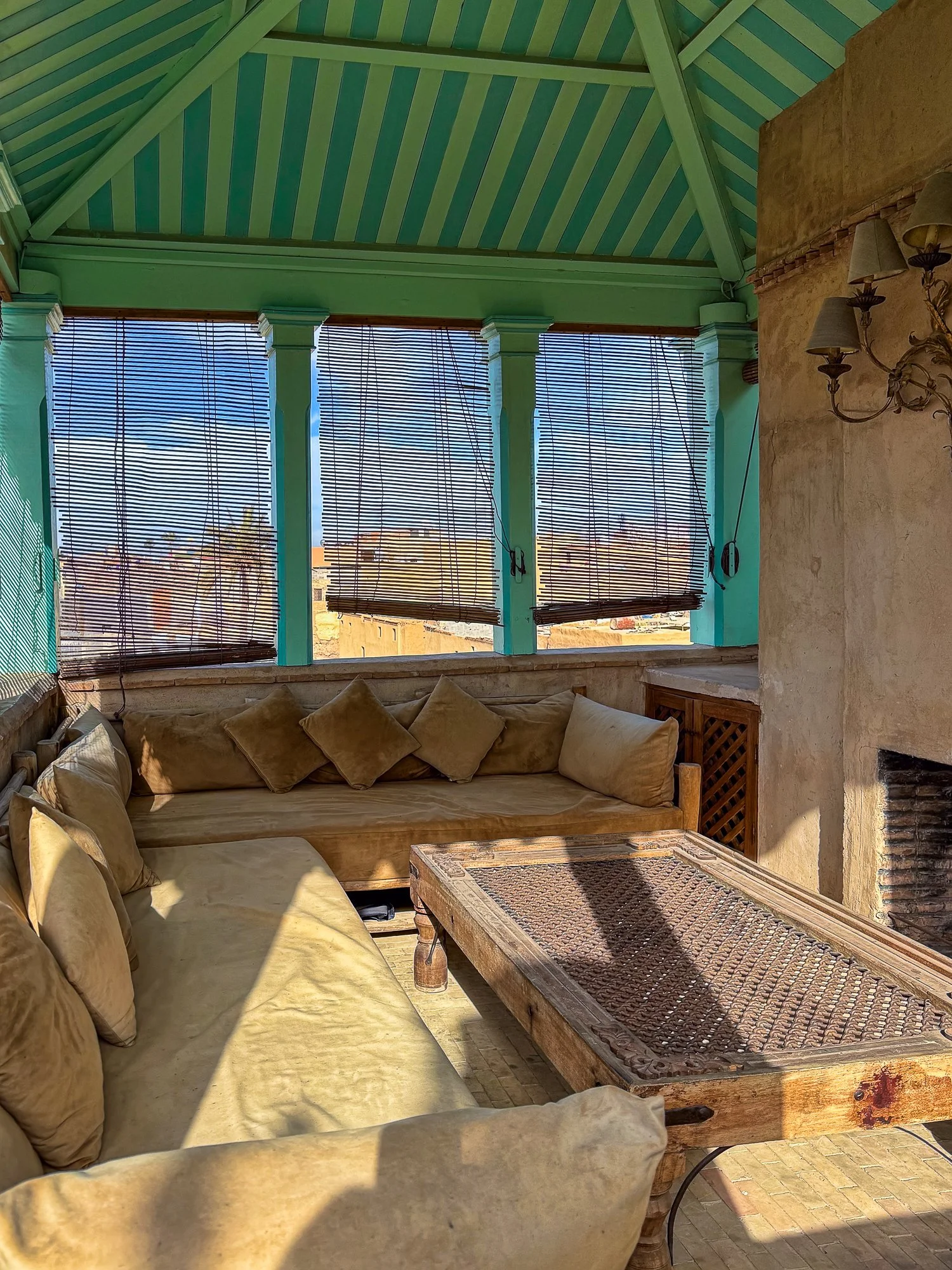
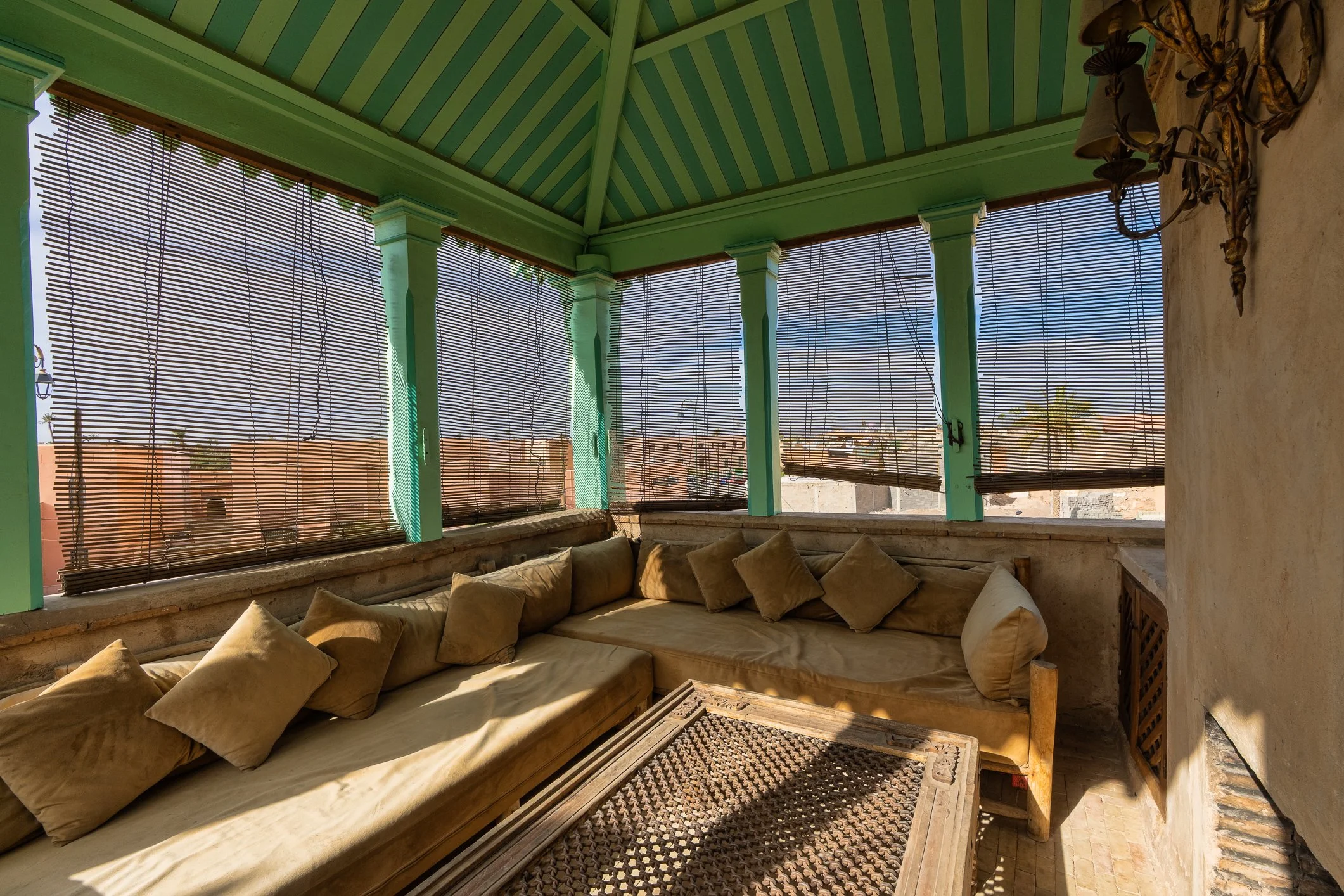
The terrace is designed as a series of intimate "pockets" rather than a large open plaza. It provides panoramic views over the authentic, less-developed Zaouia el Abassia quarter of the medina. A modest traditional plunge pool is integrated into the terrace design, providing a cool retreat from the heat. This is not the season though to jump in, at least not for us.

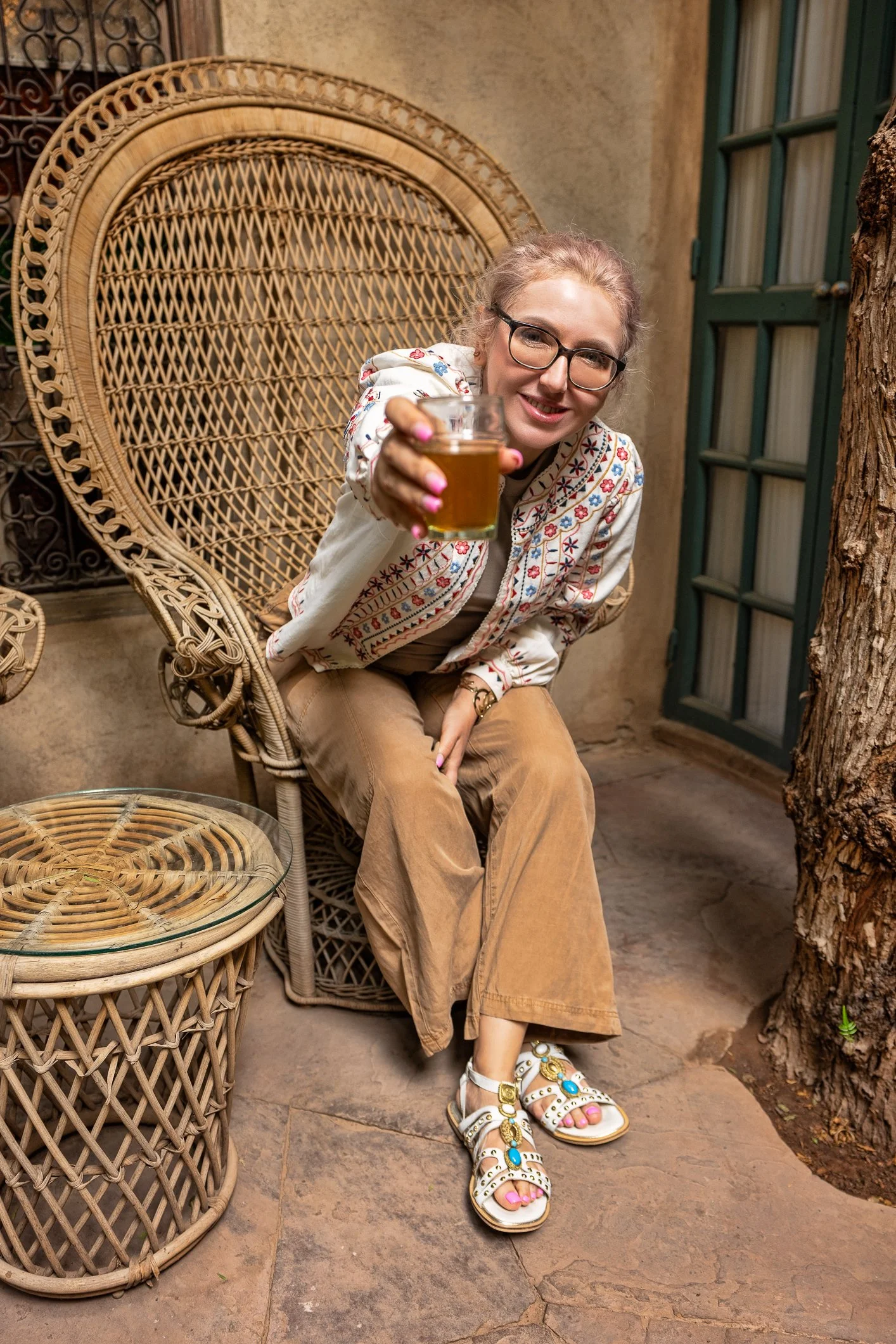
W przeciwieństwie do ogromnych, otwartych tarasów, ten w Kbour & Chou jest podzielony na kameralne wnęki. Można się w nich zaszyć z książką lub dzbankiem herbaty, obserwując panoramę mniej turystycznej, surowej części medyny. Dla ochłody przygotowano tradycyjny mały basen (plunge pool), idealnie wkomponowany w architekturę dachu. Latem pewnie byśmy już tam moczyli swoje odwłoki, ale Marrakesz o tej porze roku jest na to dla nas za zimny.

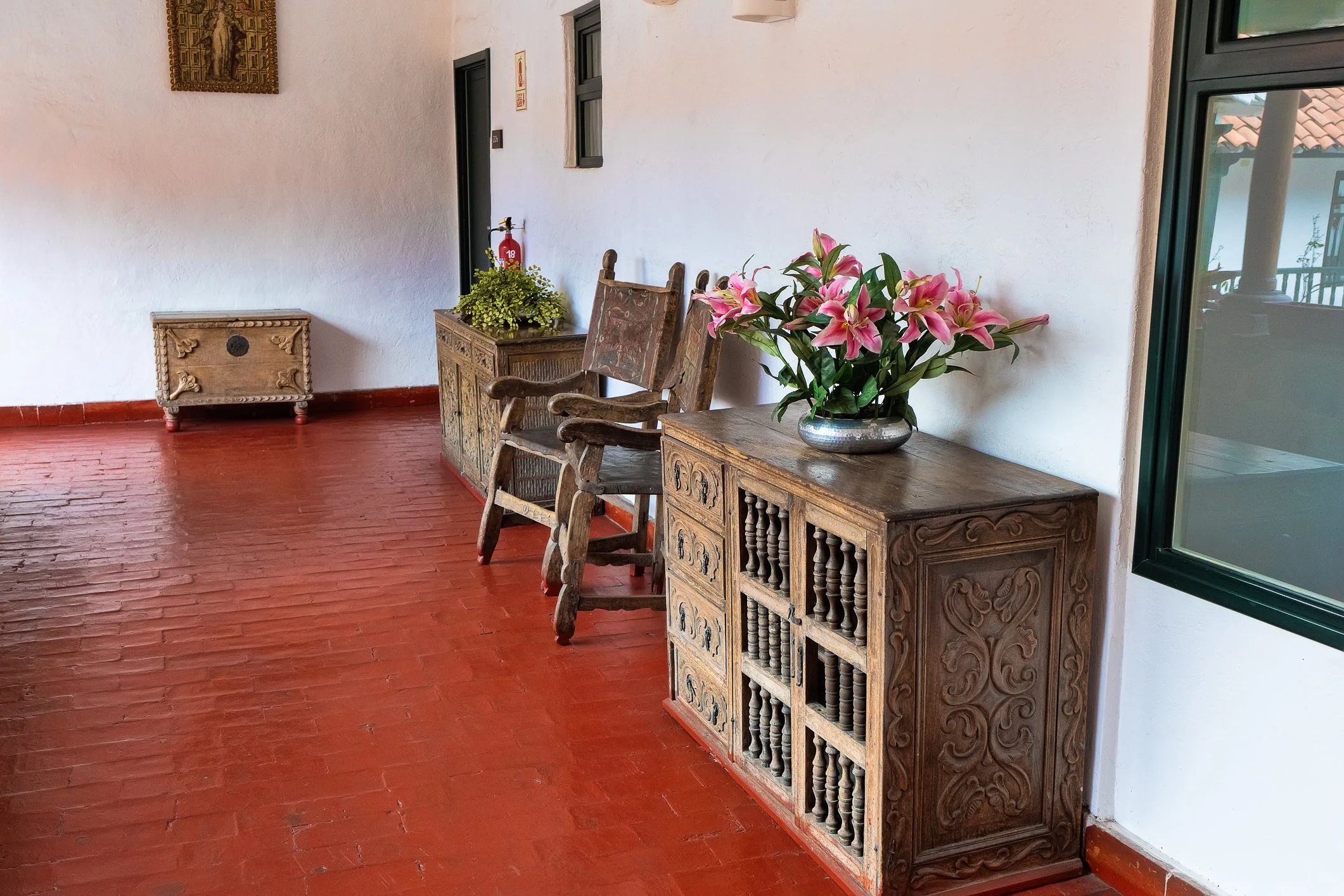
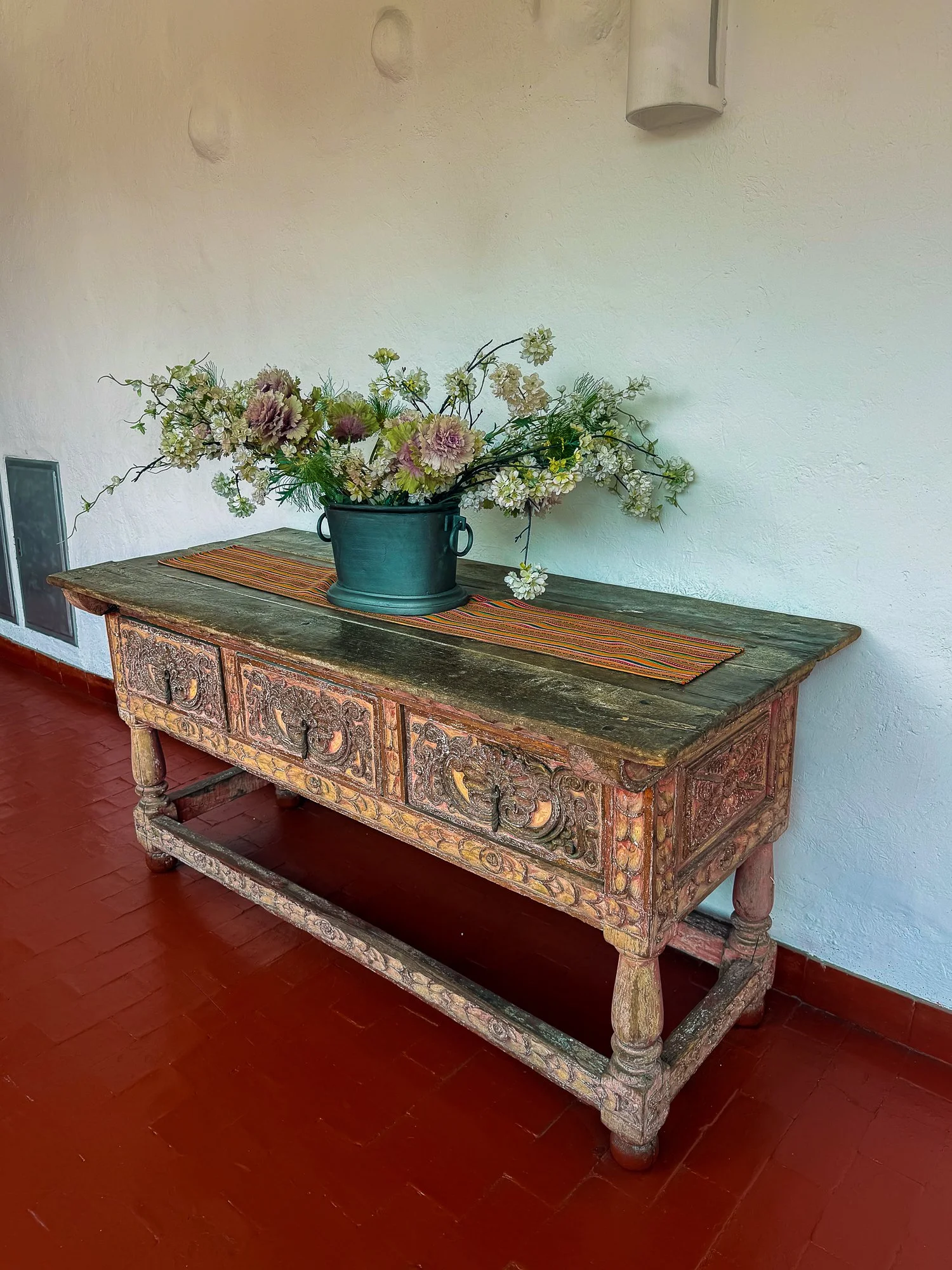
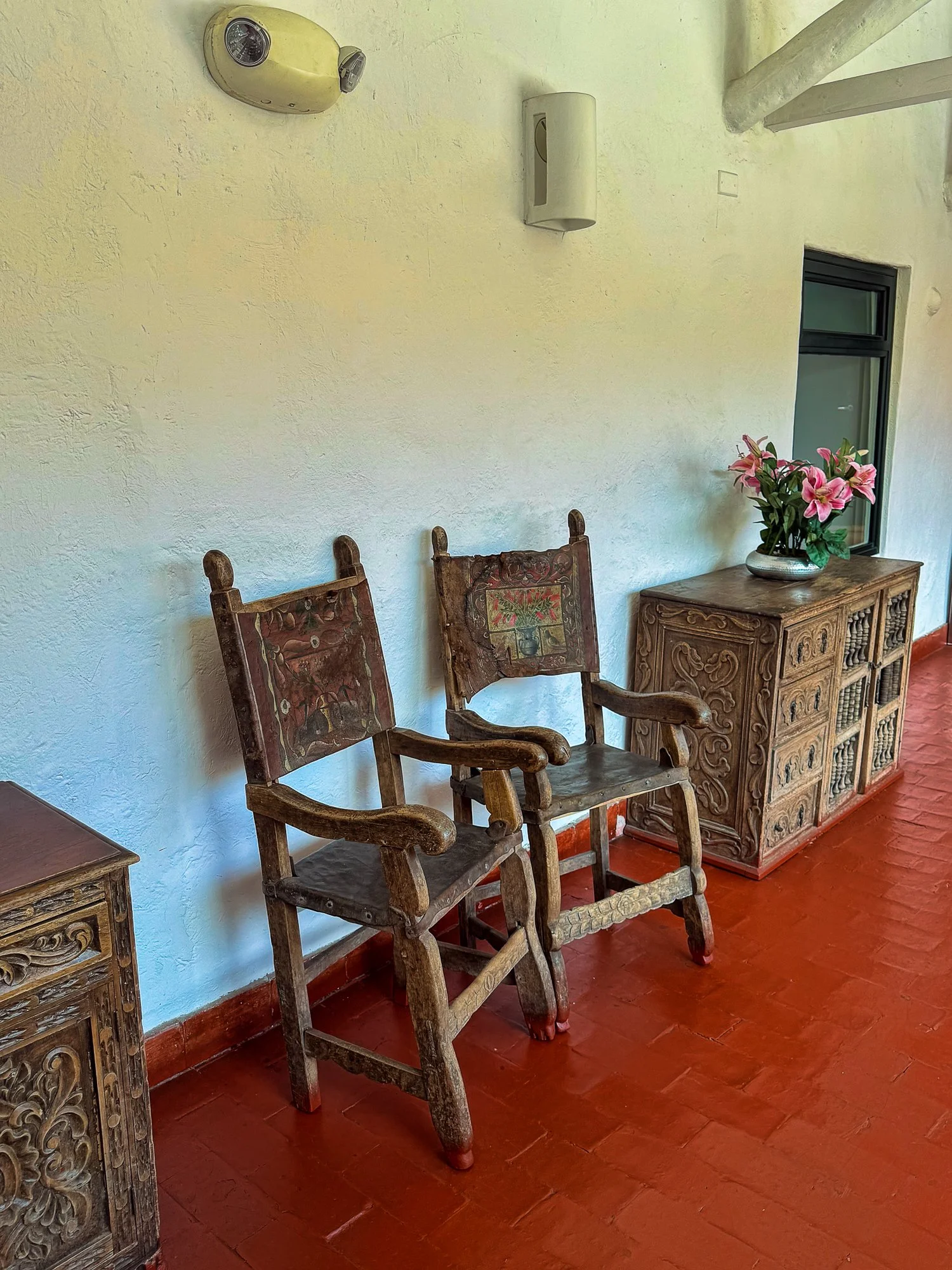
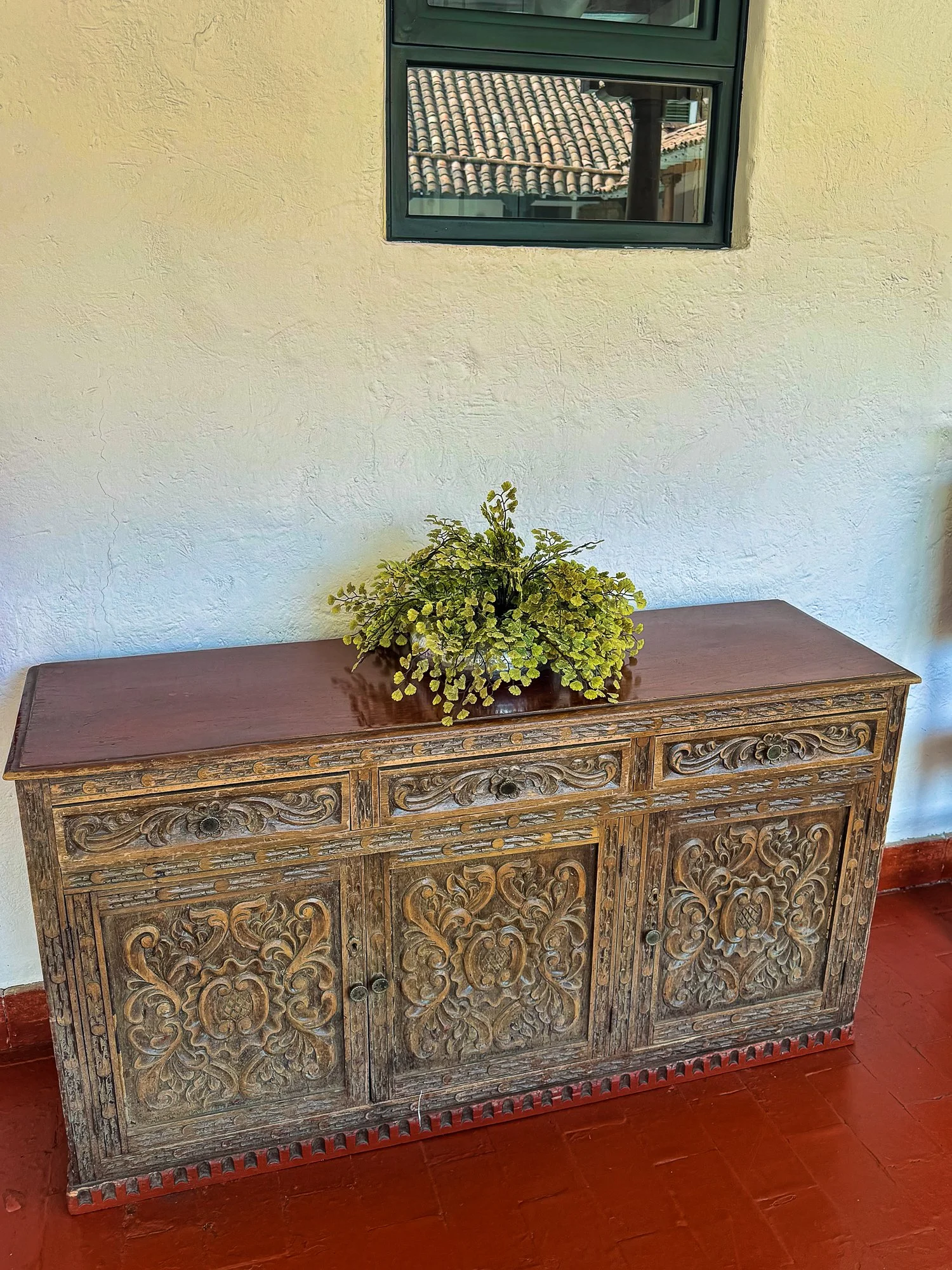
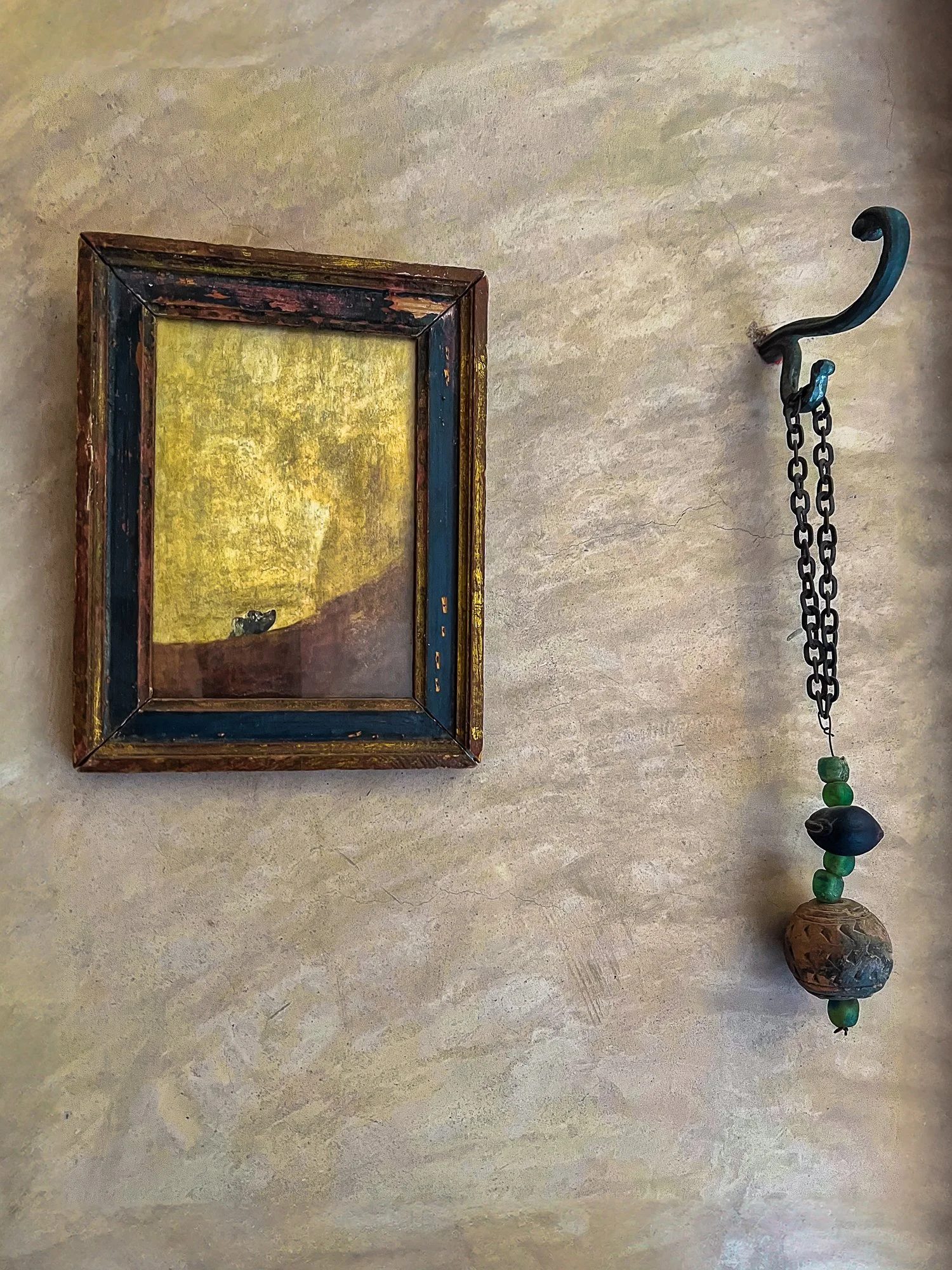
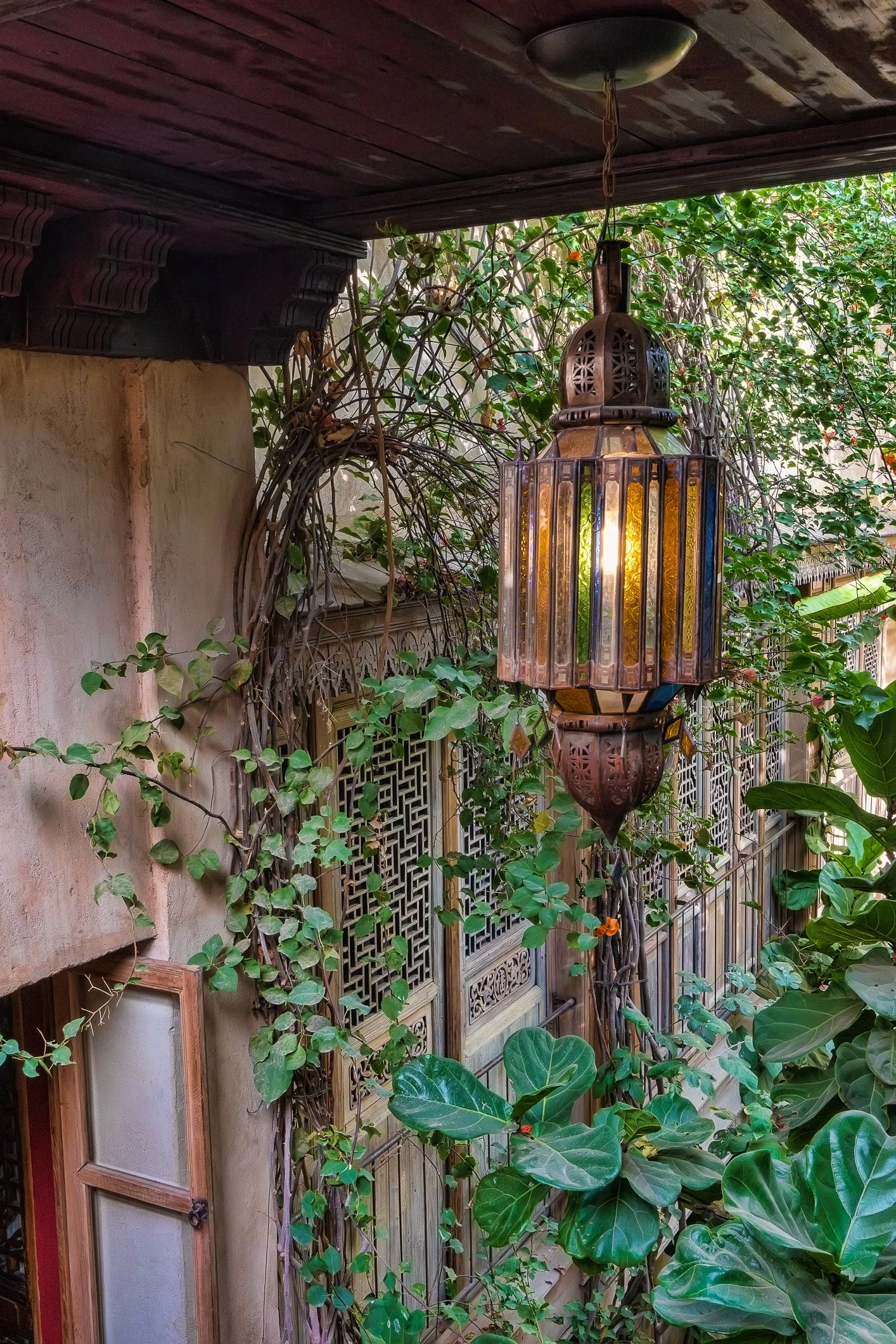
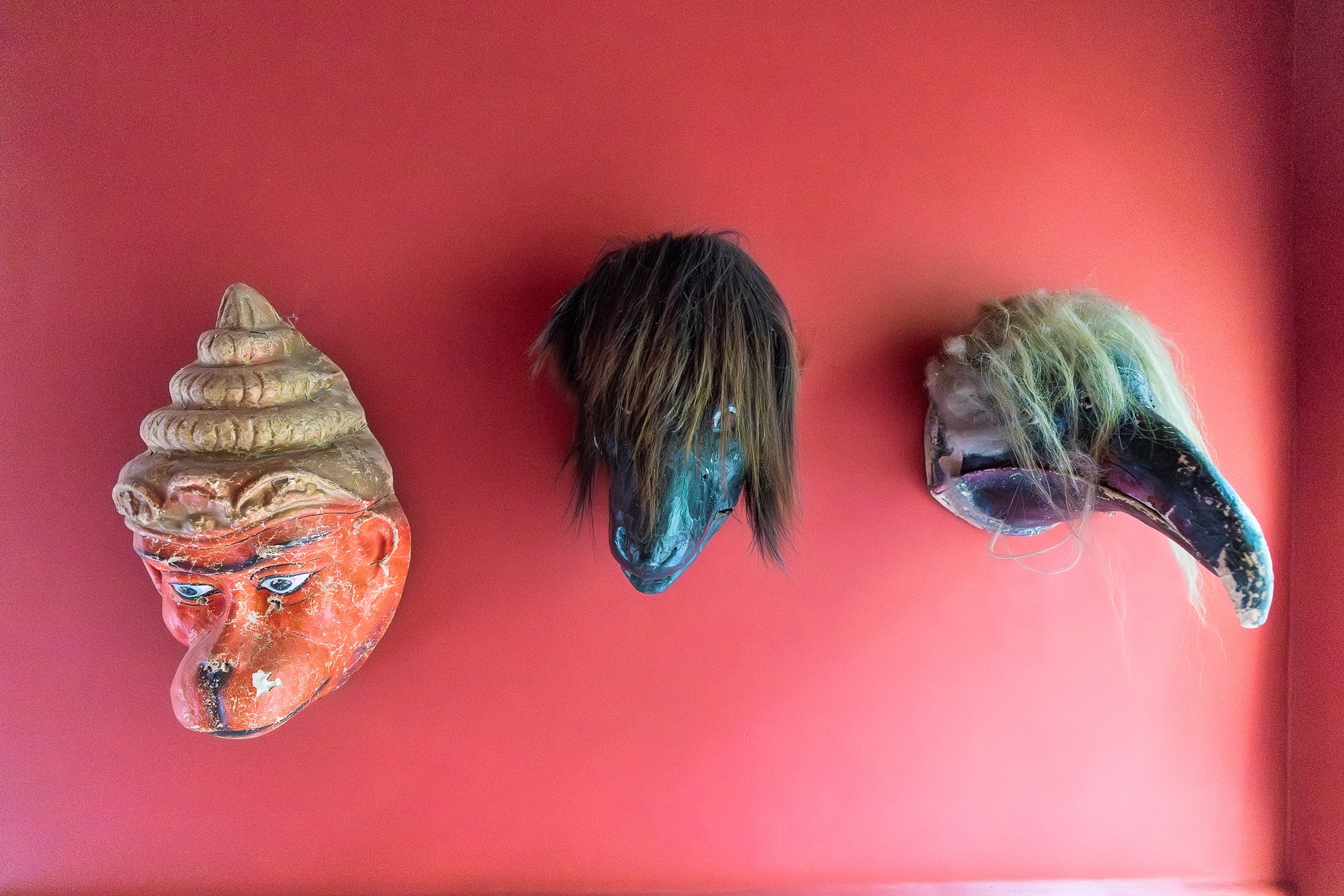
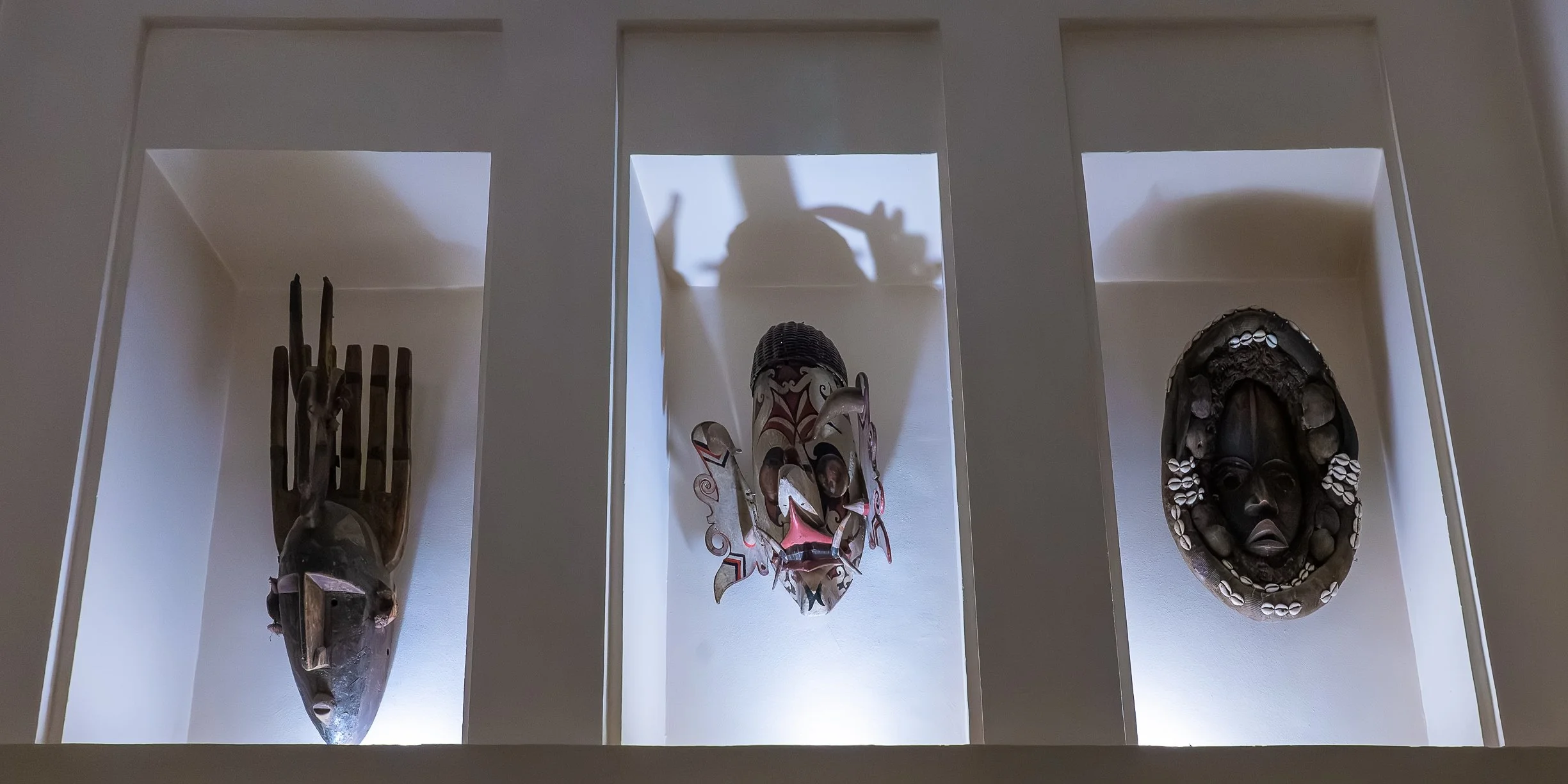
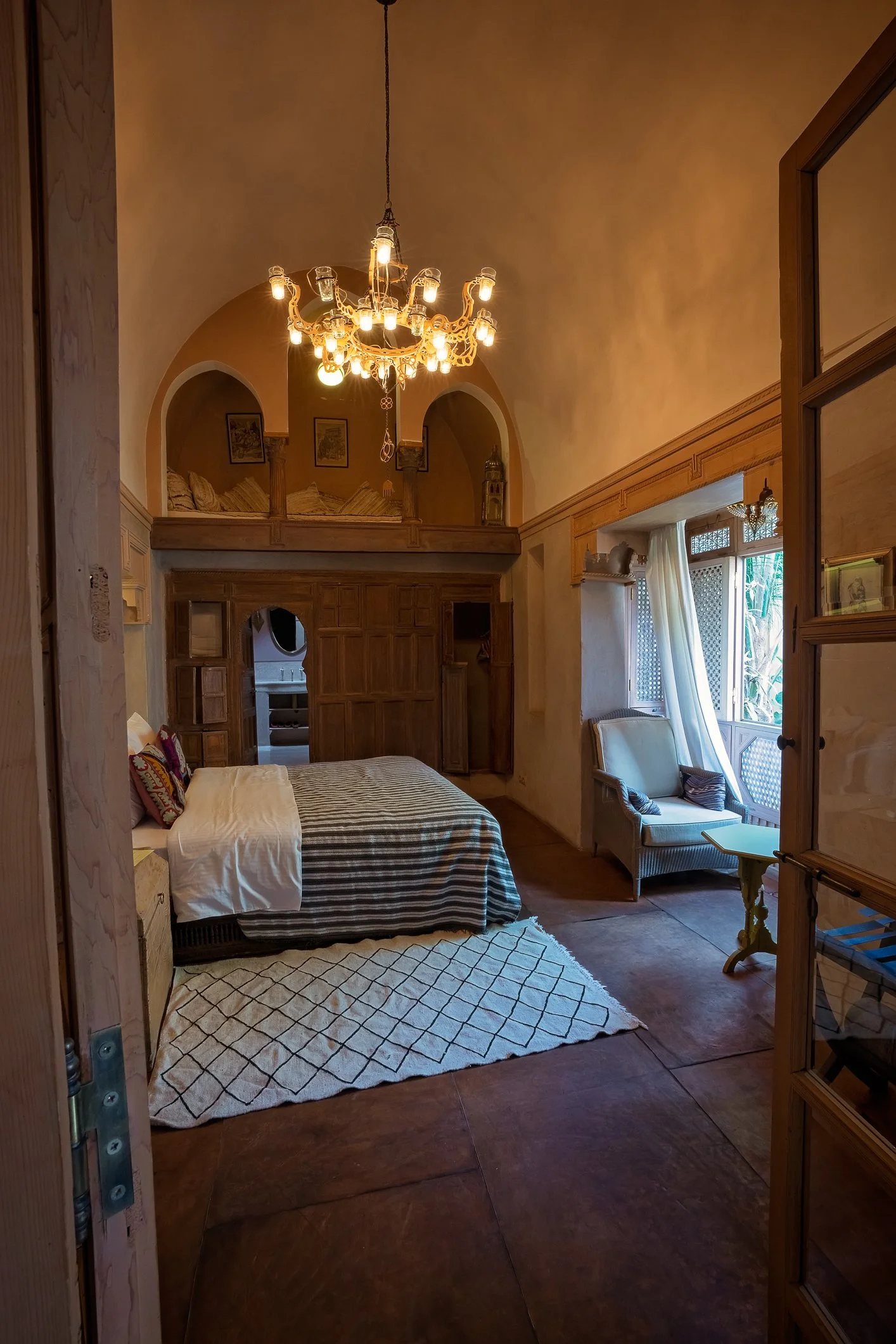
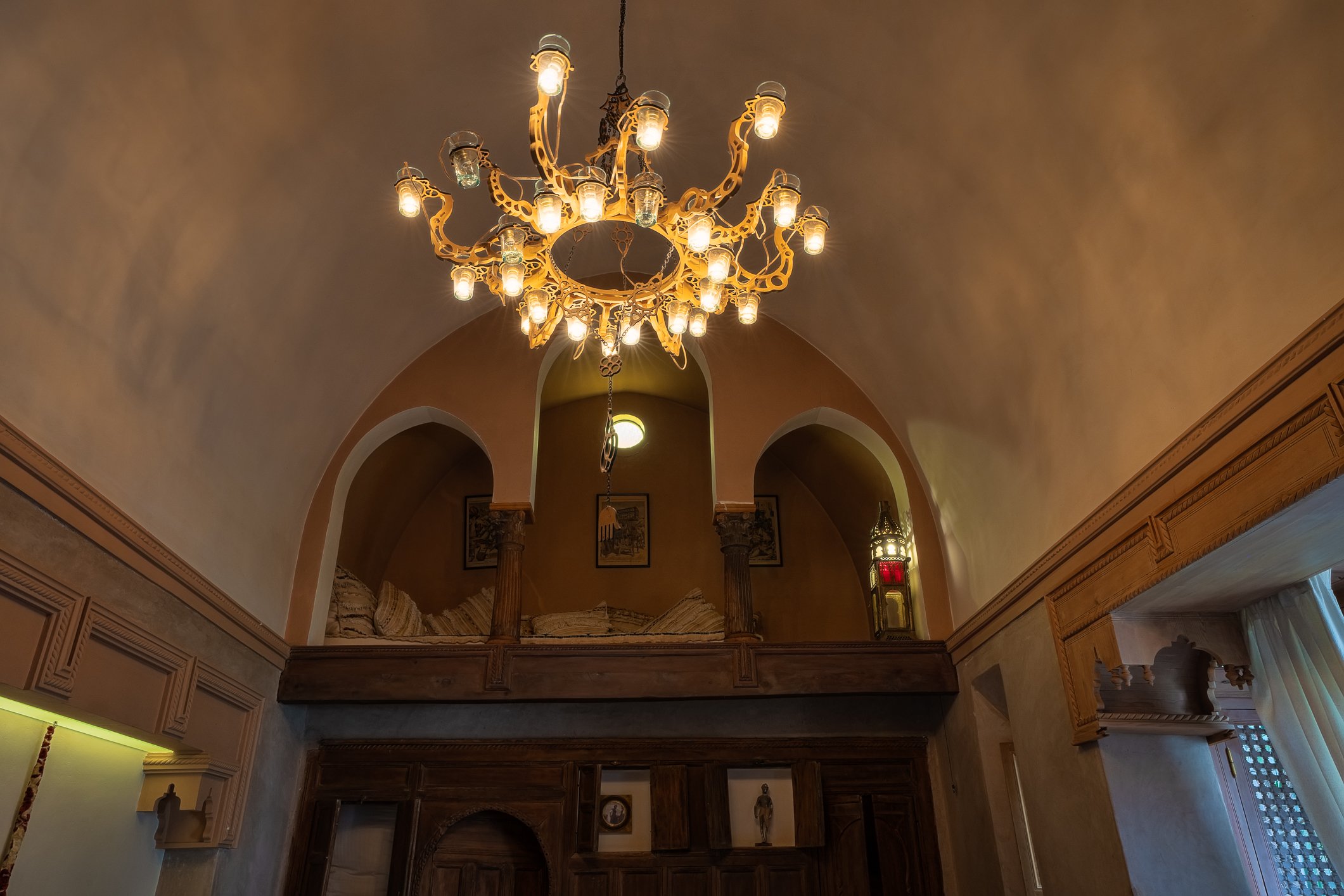
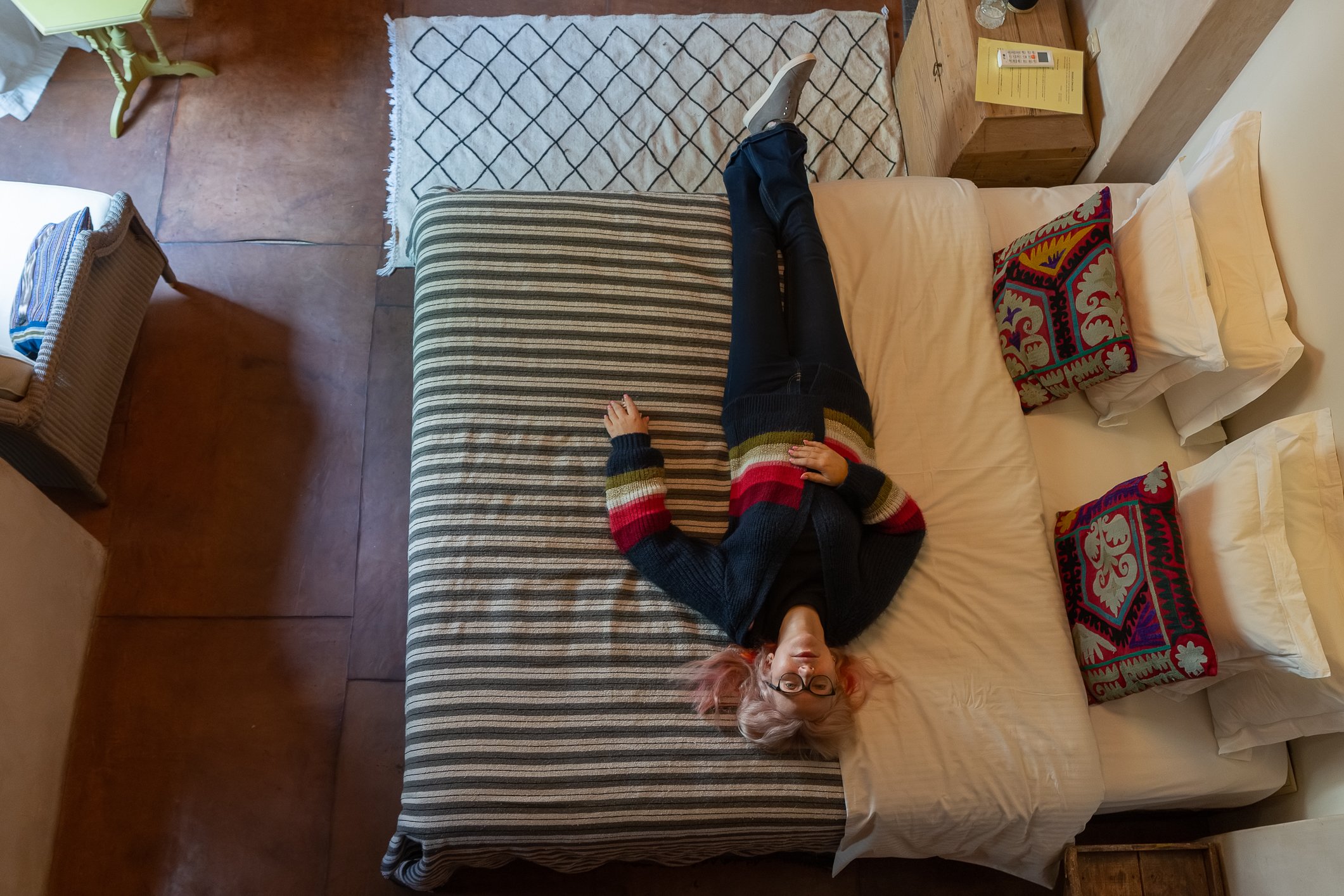
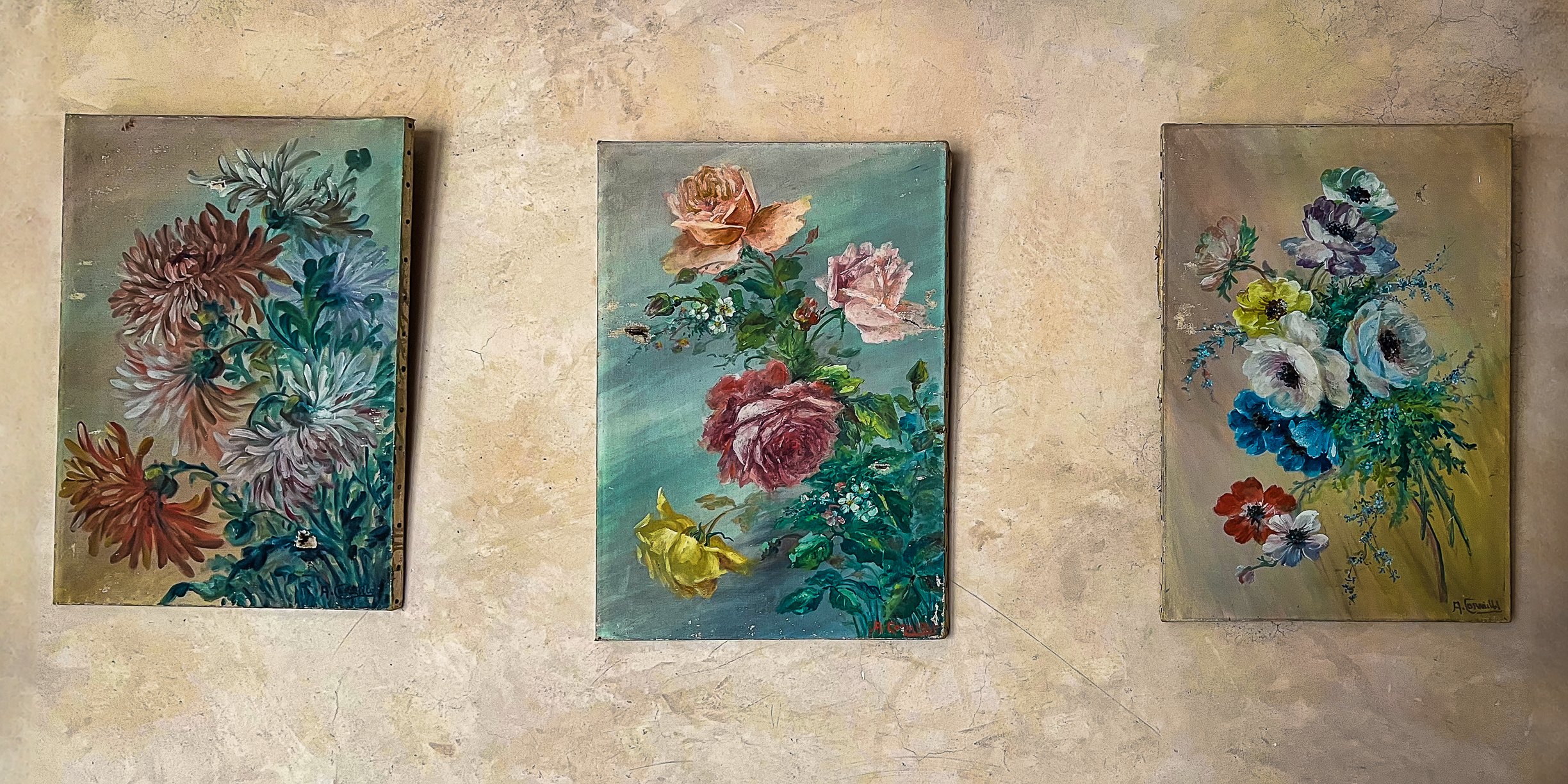
There are only seven rooms, each with its own character and distinct features: traditionally painted wooden arches and vaulted roofs, sculpted plaster, and tadelakt. You’ll also find tatoui ceilings made of woven oleander branches, antique Chinese moucharabieh doors featuring intricate lattice woodwork for privacy and ventilation, and stained glass alongside bejmat vaults.The spaces are further decorated with artefacts collected during the owners’ travels across Africa and the rest of the world.

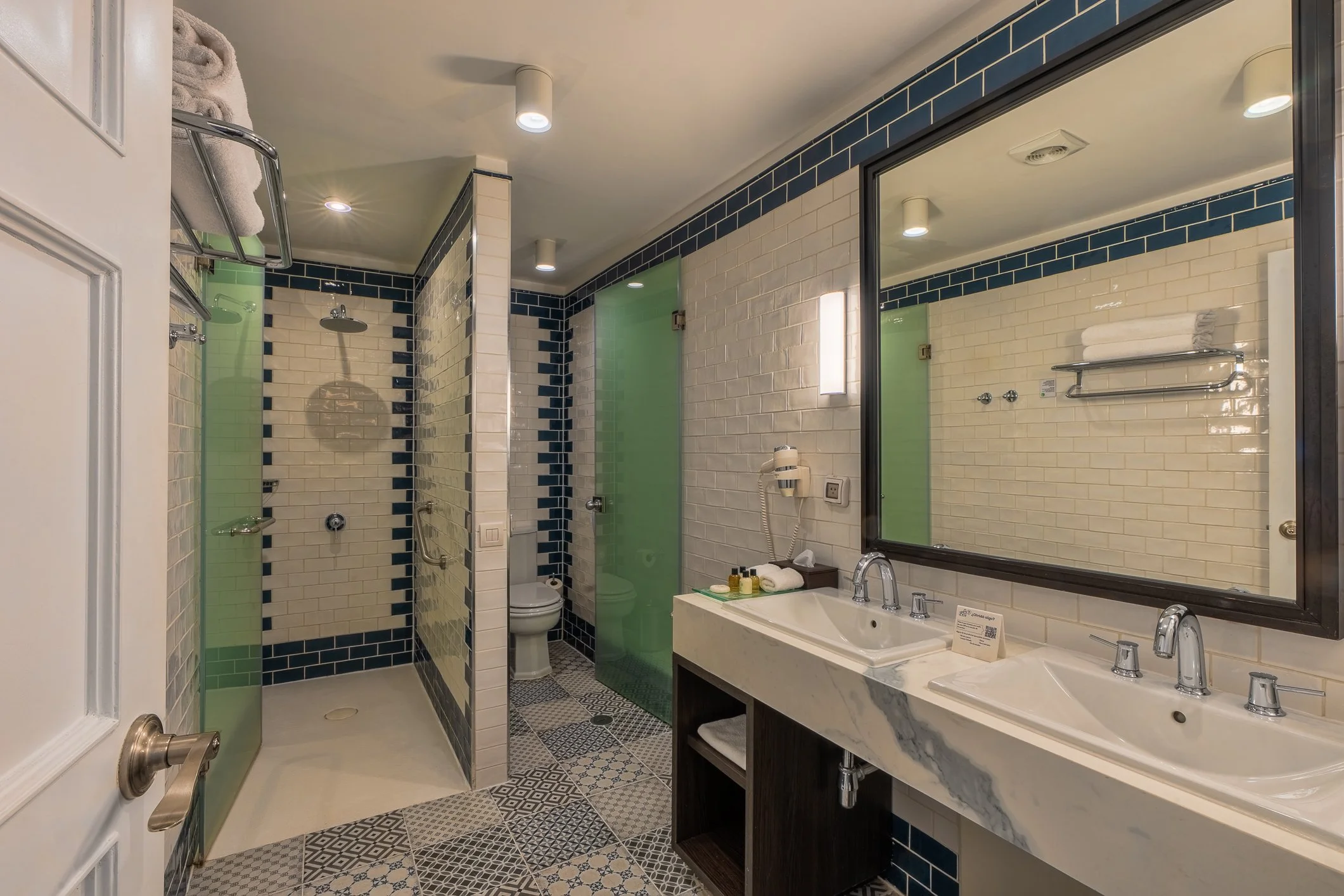
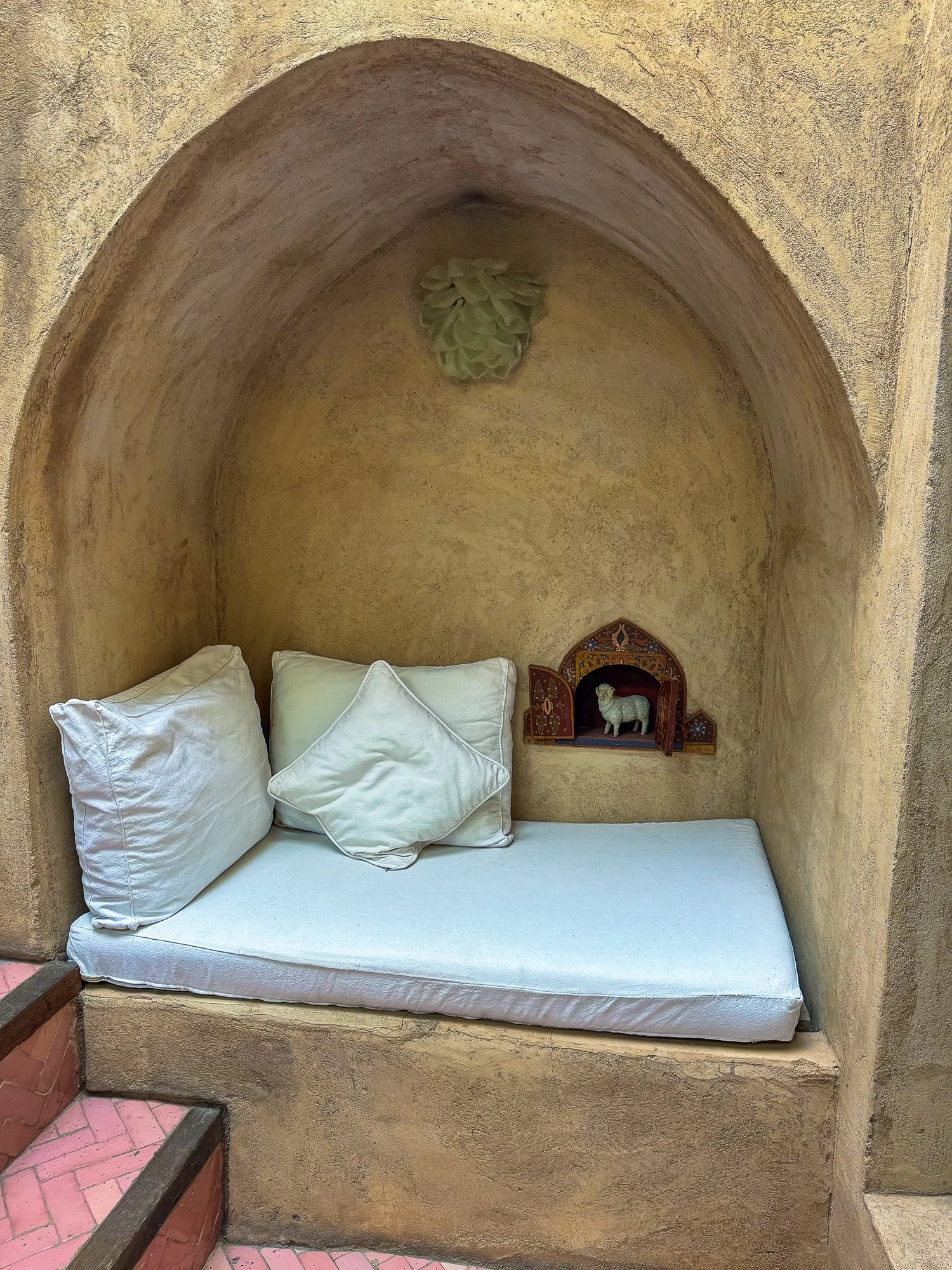
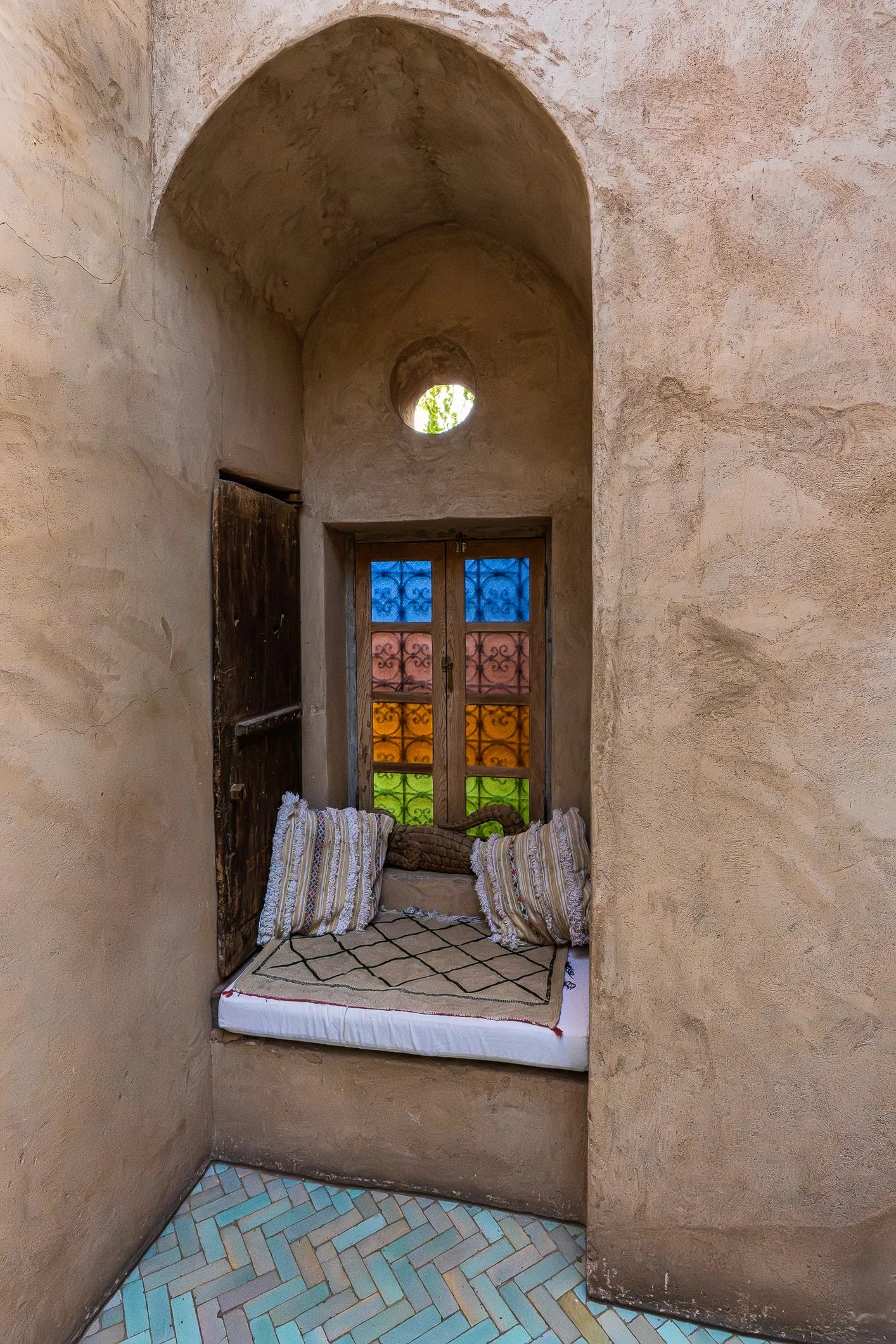
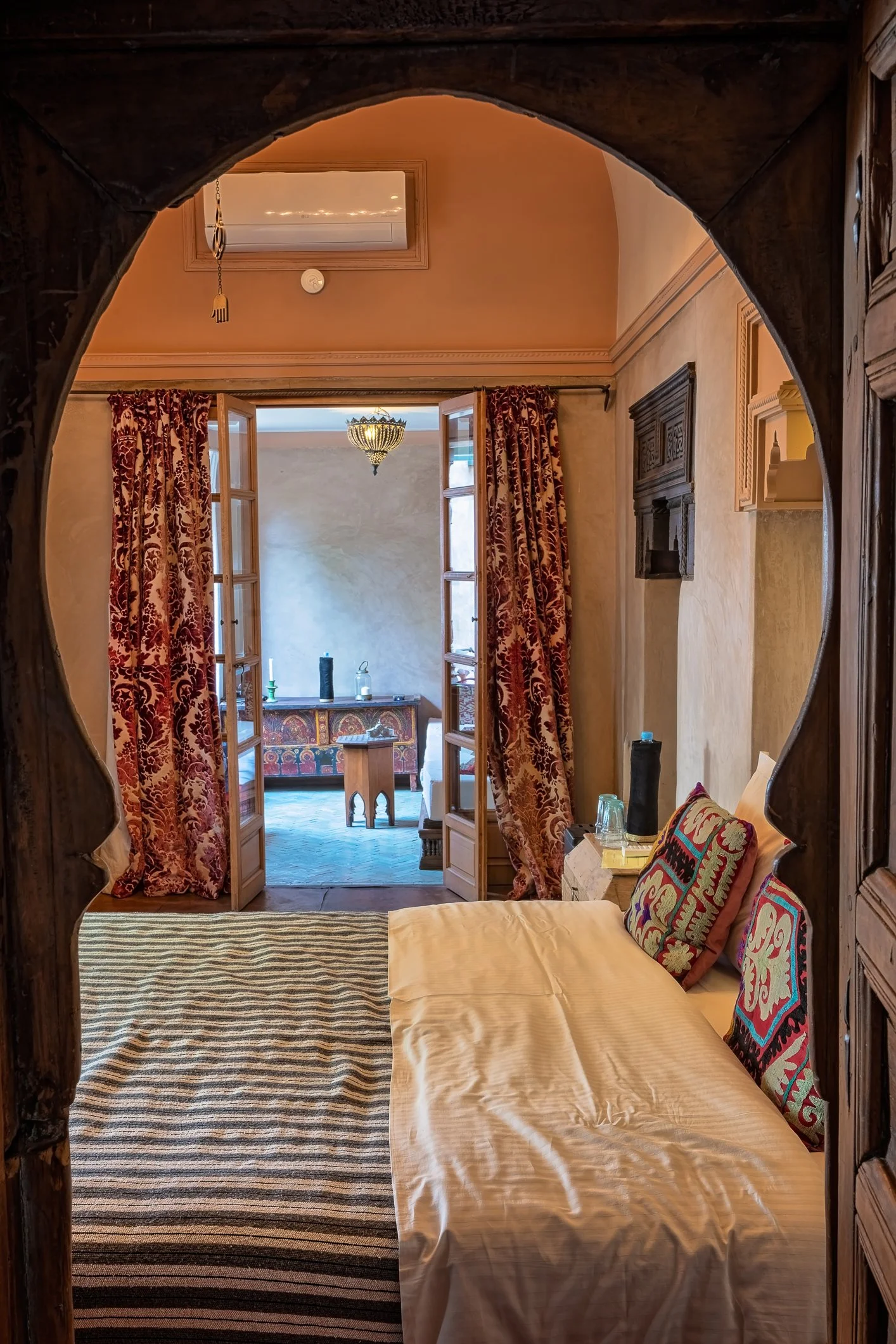
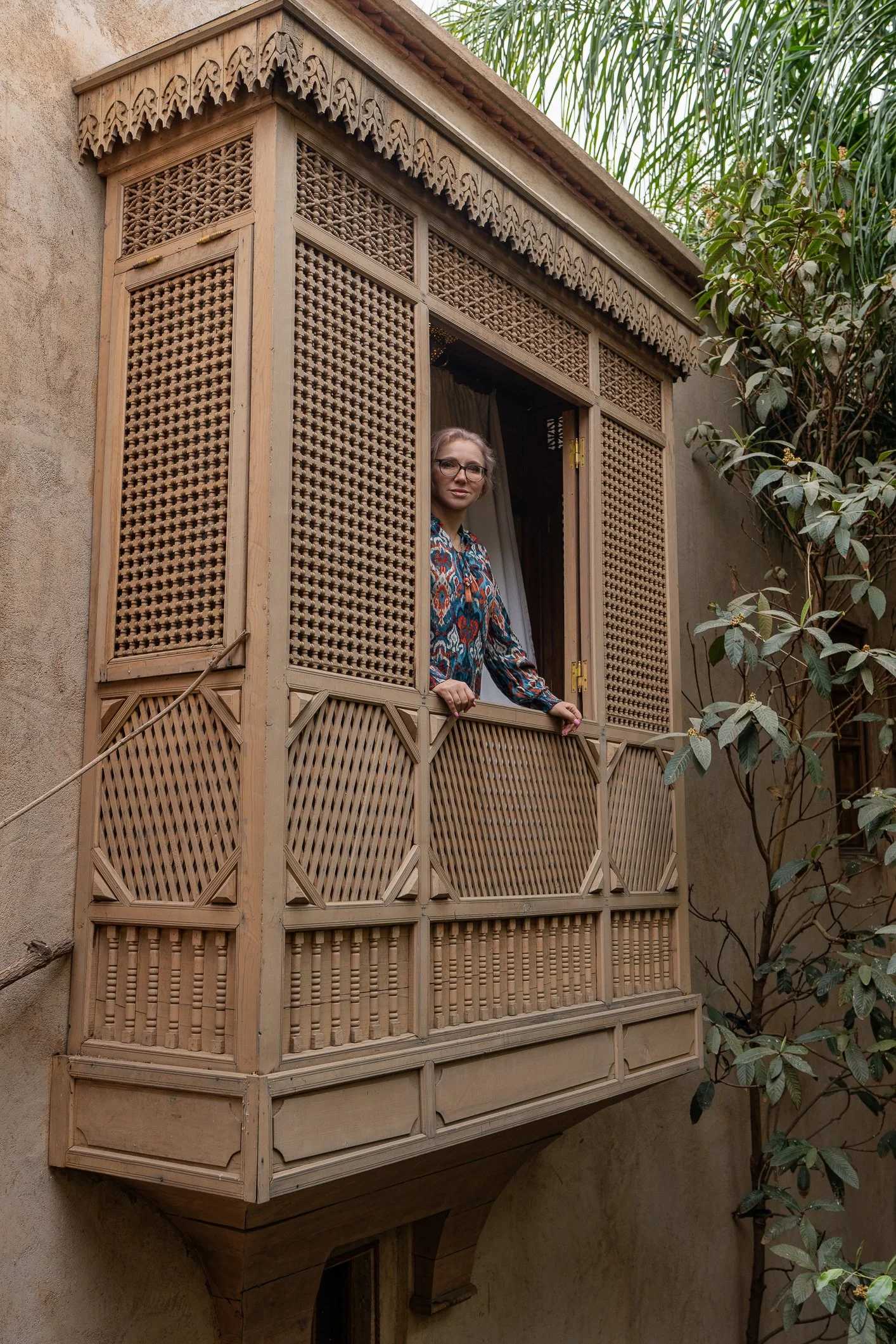
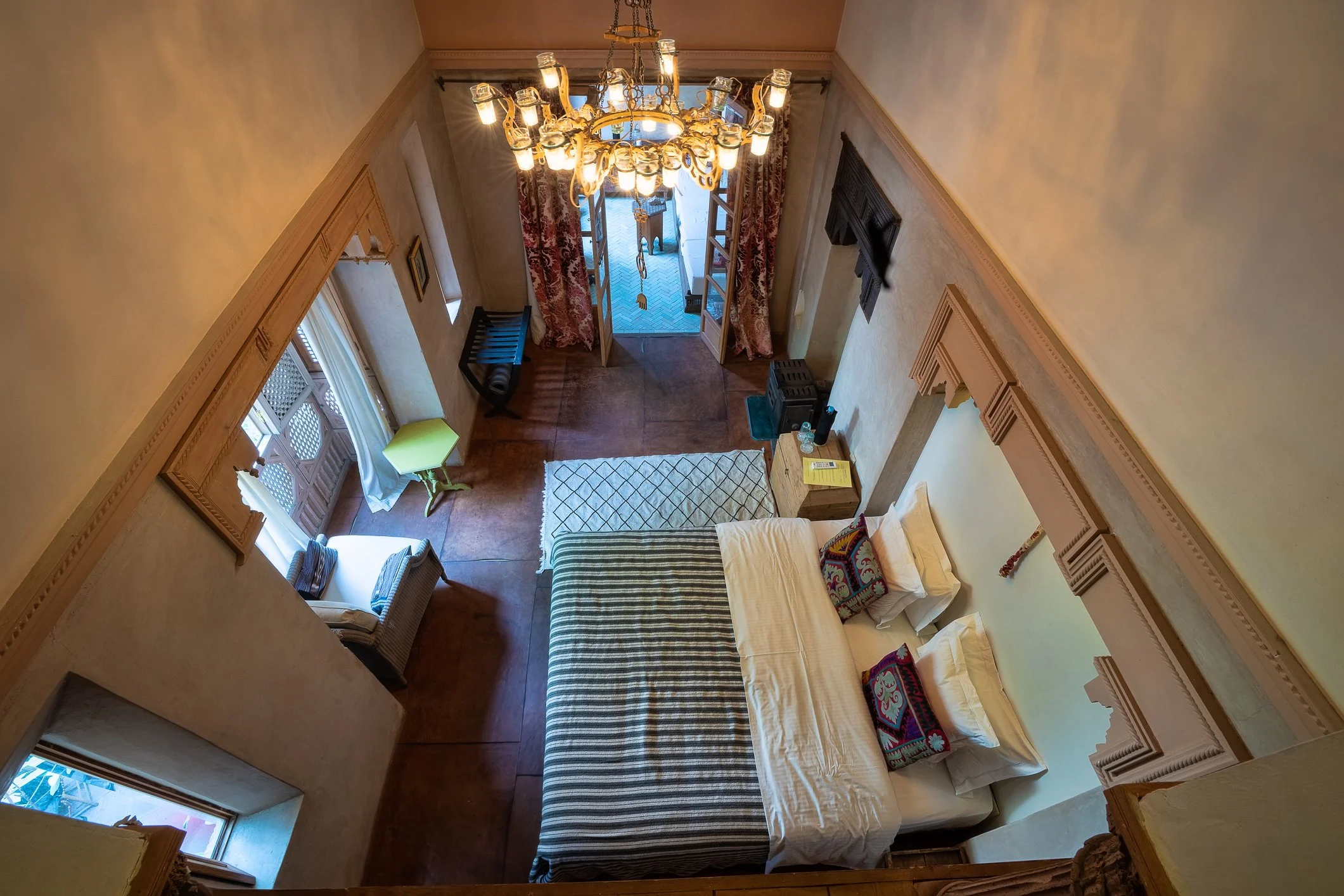
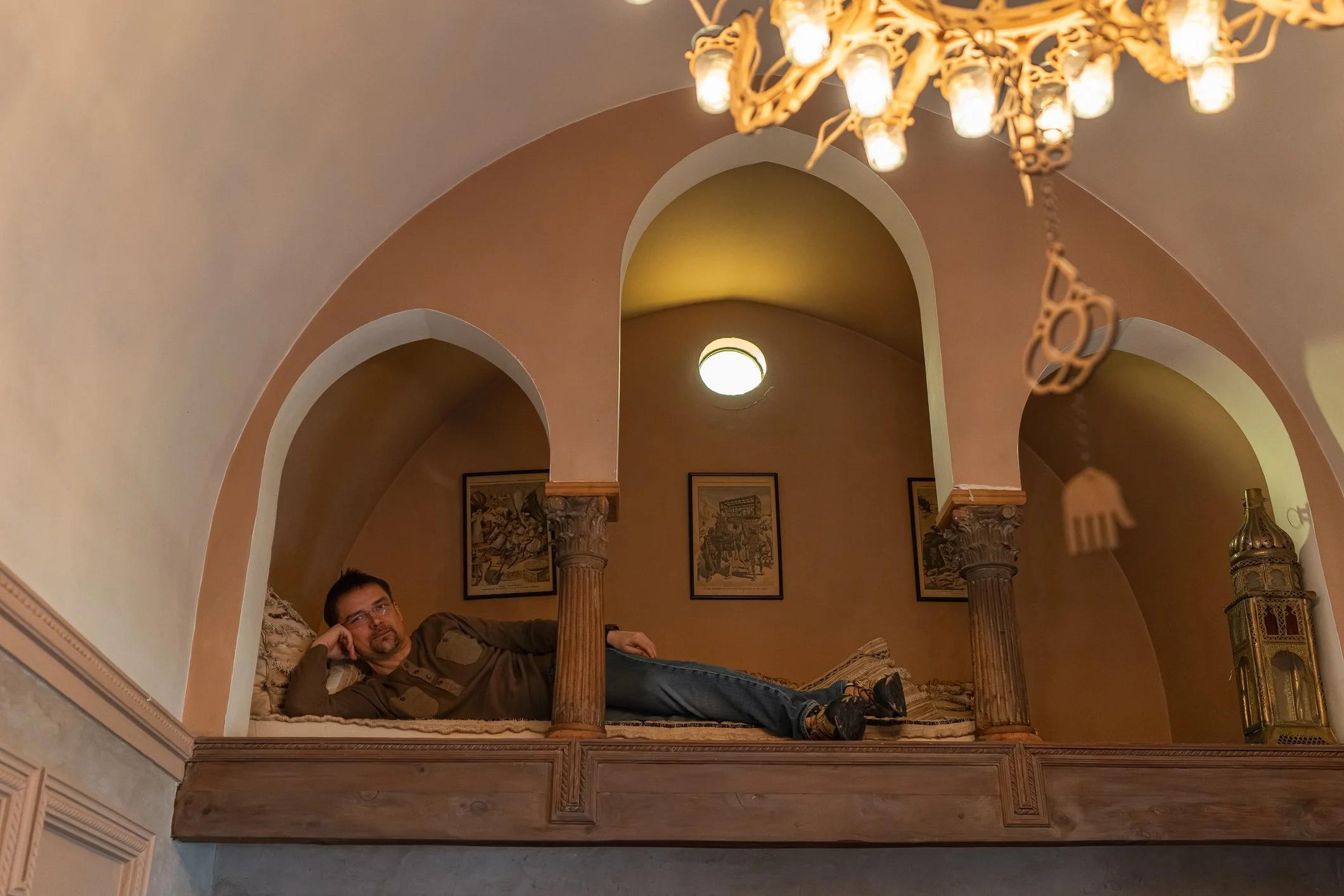
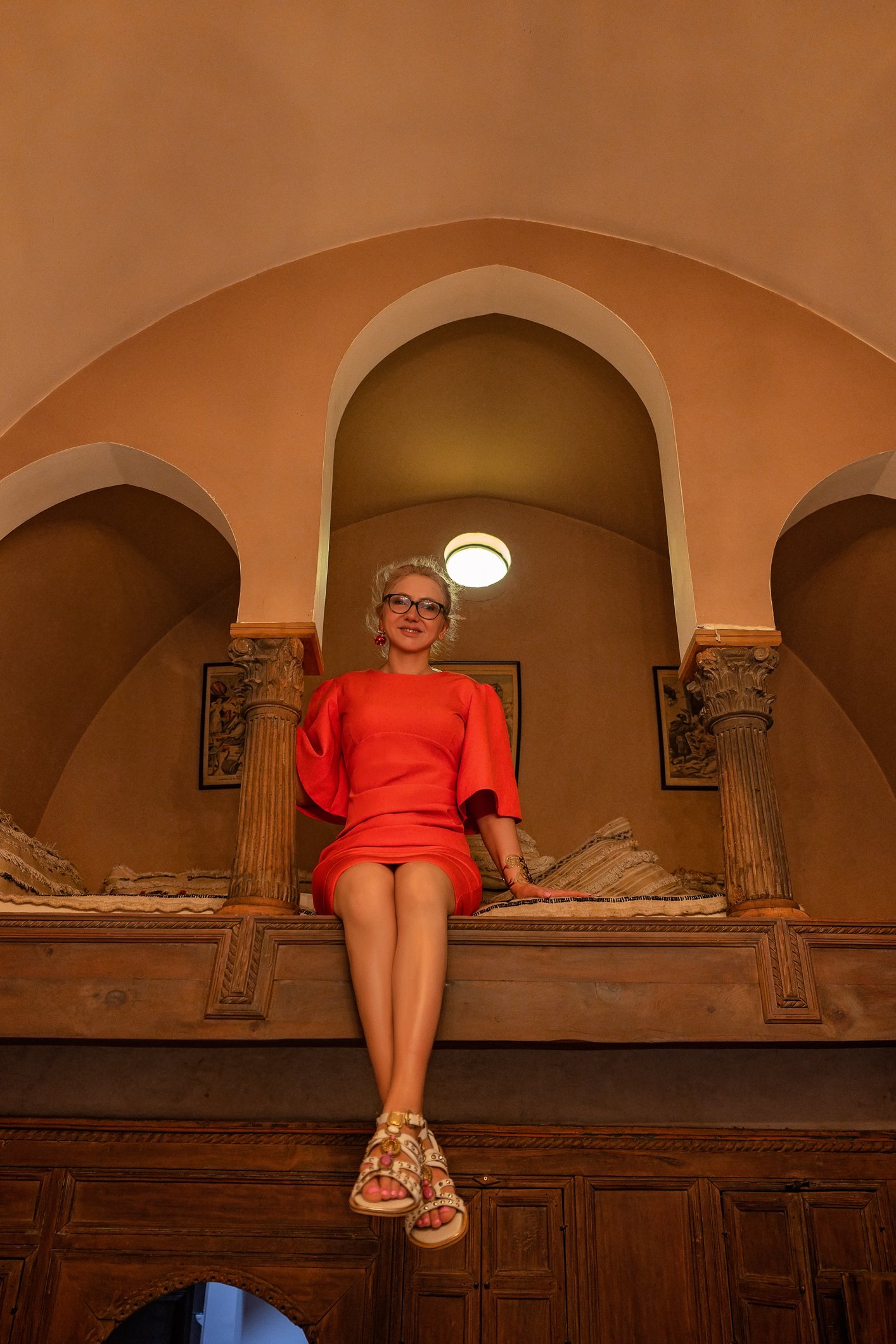
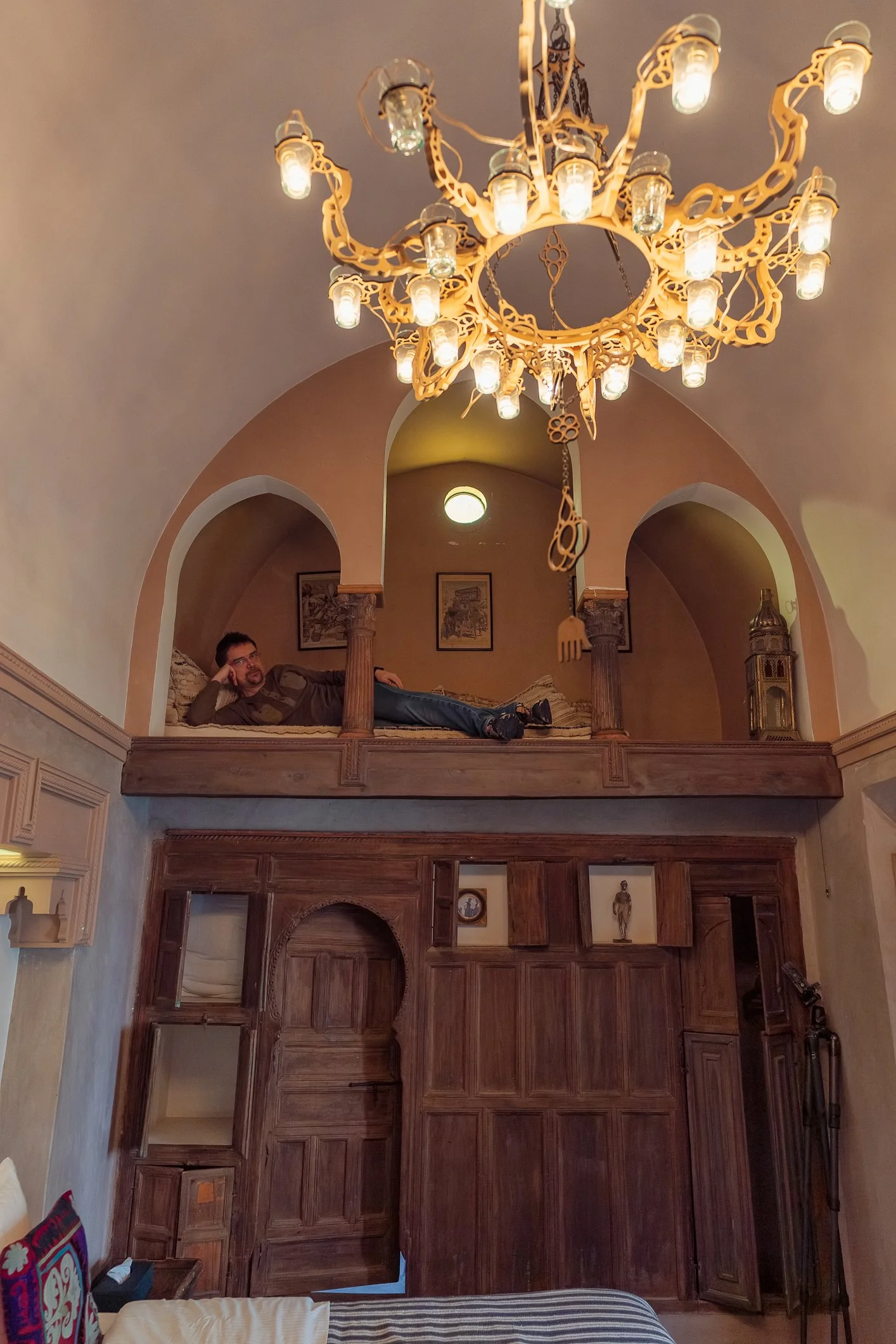
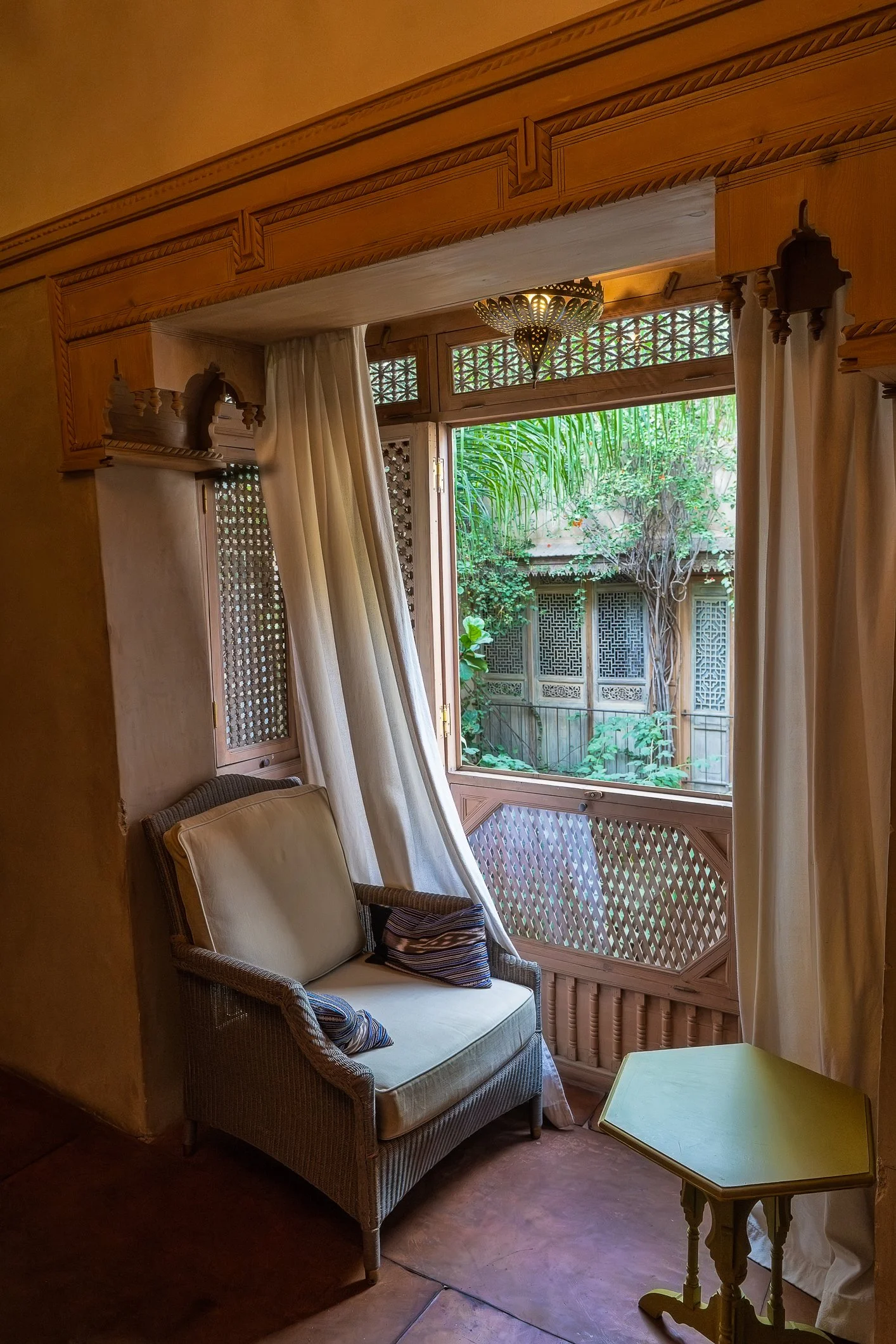
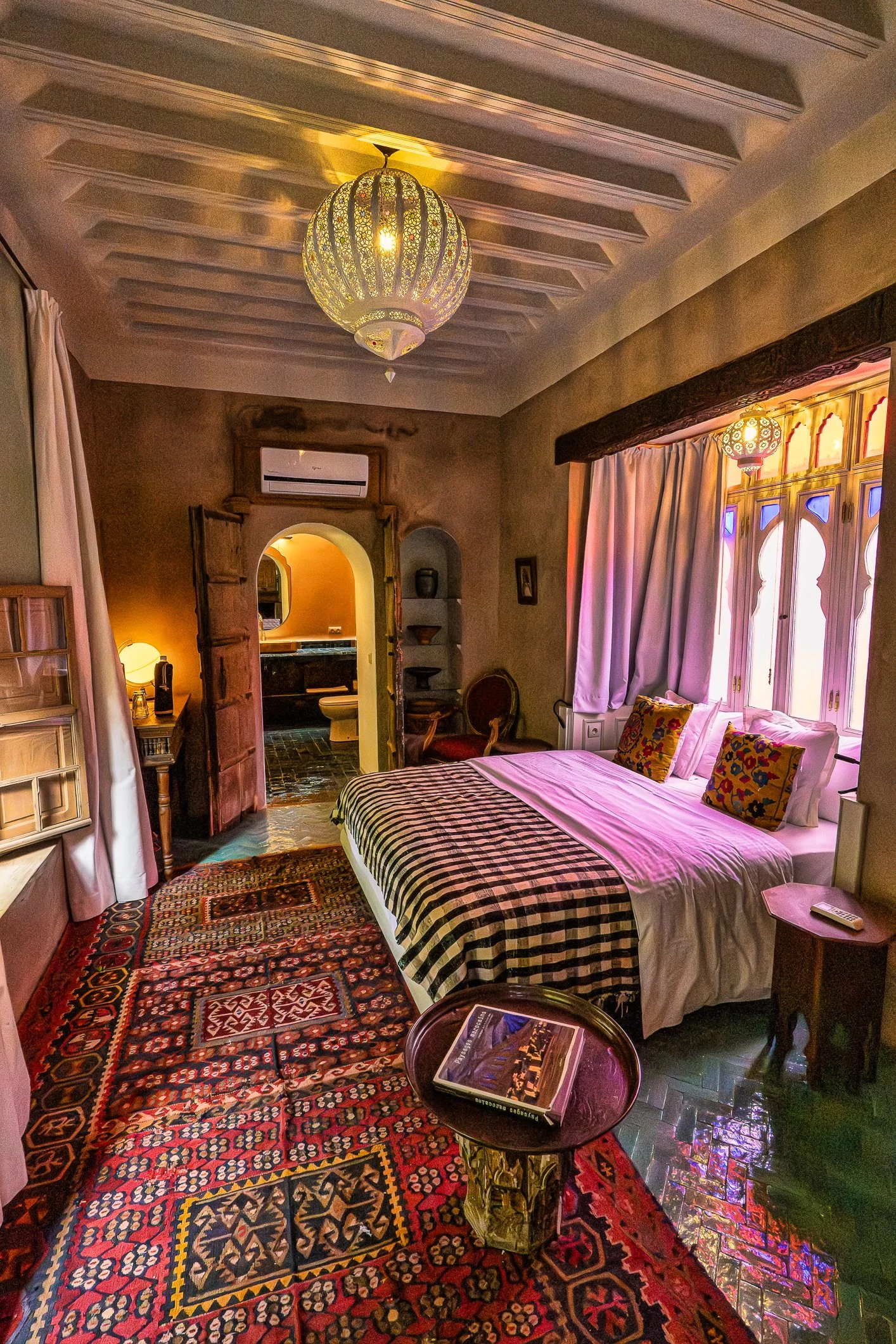
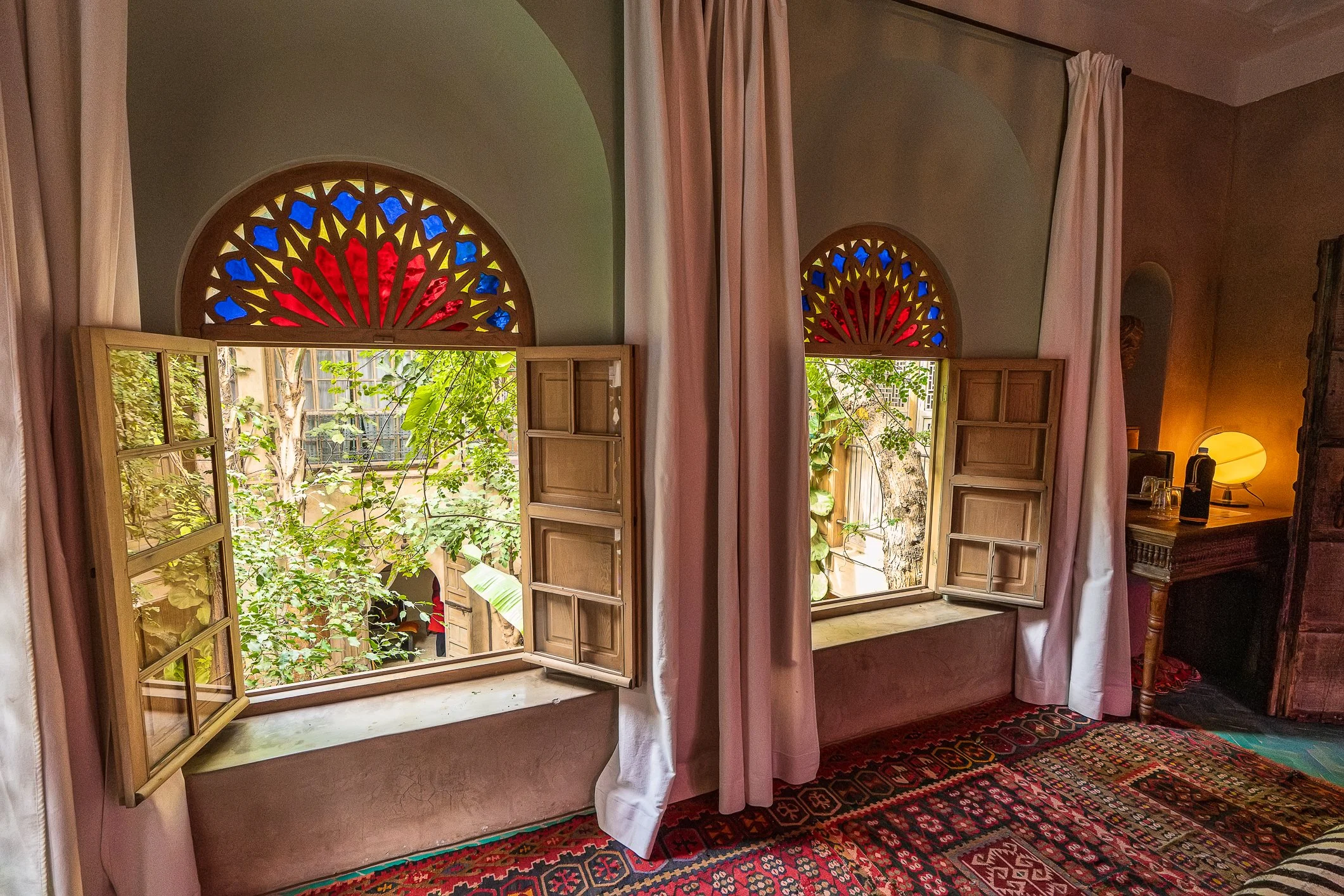
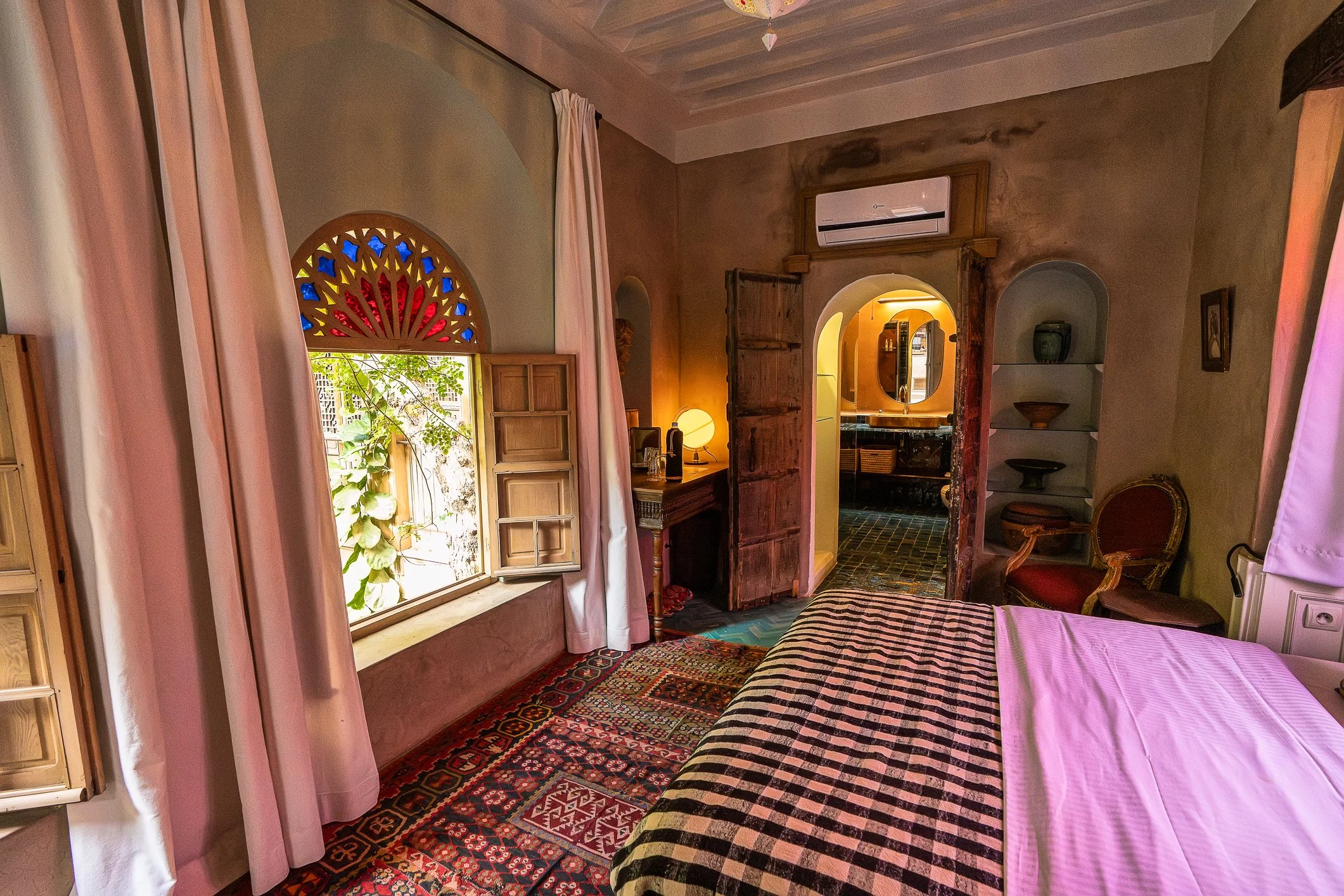
We chose the Koubba room for our stay. Koubba is the name for traditional brick vaults - masterpieces of Arab-Moorish architecture - and this suite features two of them (one in the main room, one in the bathroom). It also includes a private loggia with a daybed. The walls are finished in tadelakt. A menzeh (bow window) opens onto the lush greenery of the courtyard, while a wooden wall hides a ladder to a sleeping loft and the door to a very atmospheric bathroom.

W riadzie znajduje się tylko siedem pokoi, a każdy z nich ma swoj spcyficzny charakter. Wnętrza zdobią artefakty przywiezione przez właścicieli z dalekich podróży po Afryce i Azji.

My zatrzymaliśmy się w apartamencie Koubba. Nazwa nawiązuje do tradycyjnych ceglanych sklepień, które są wizytówką tego pokoju. Mamy tu też prywatną loggię z szezlongiem do popołudniowej drzemki oraz uroczy wykusz (menzeh) z widokiem na ogród. Największym zaskoczeniem są jednak ukryte za drewnianą ścianą schodki prowadzące na antresolę oraz bardzo nastrojowa łazienka.

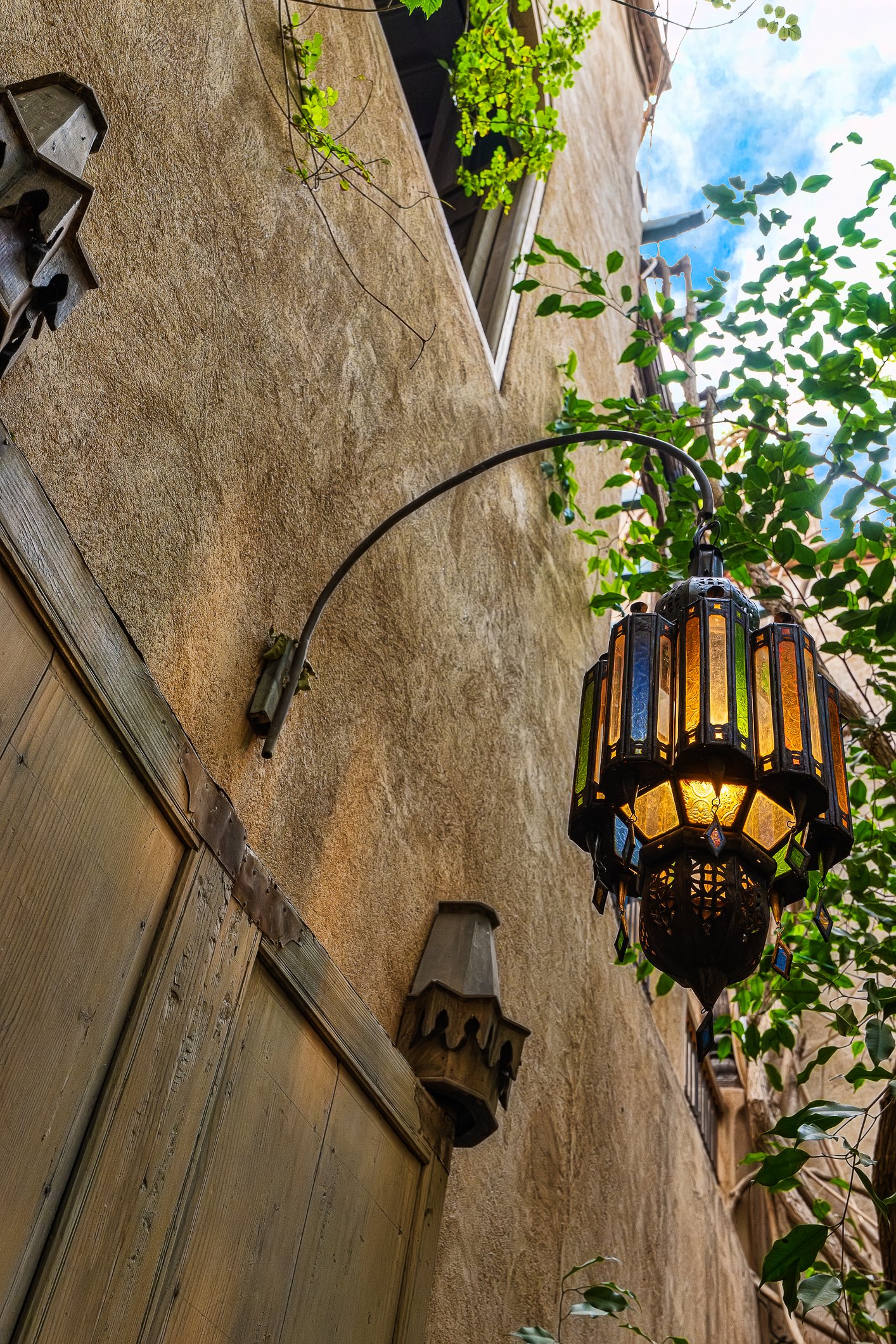
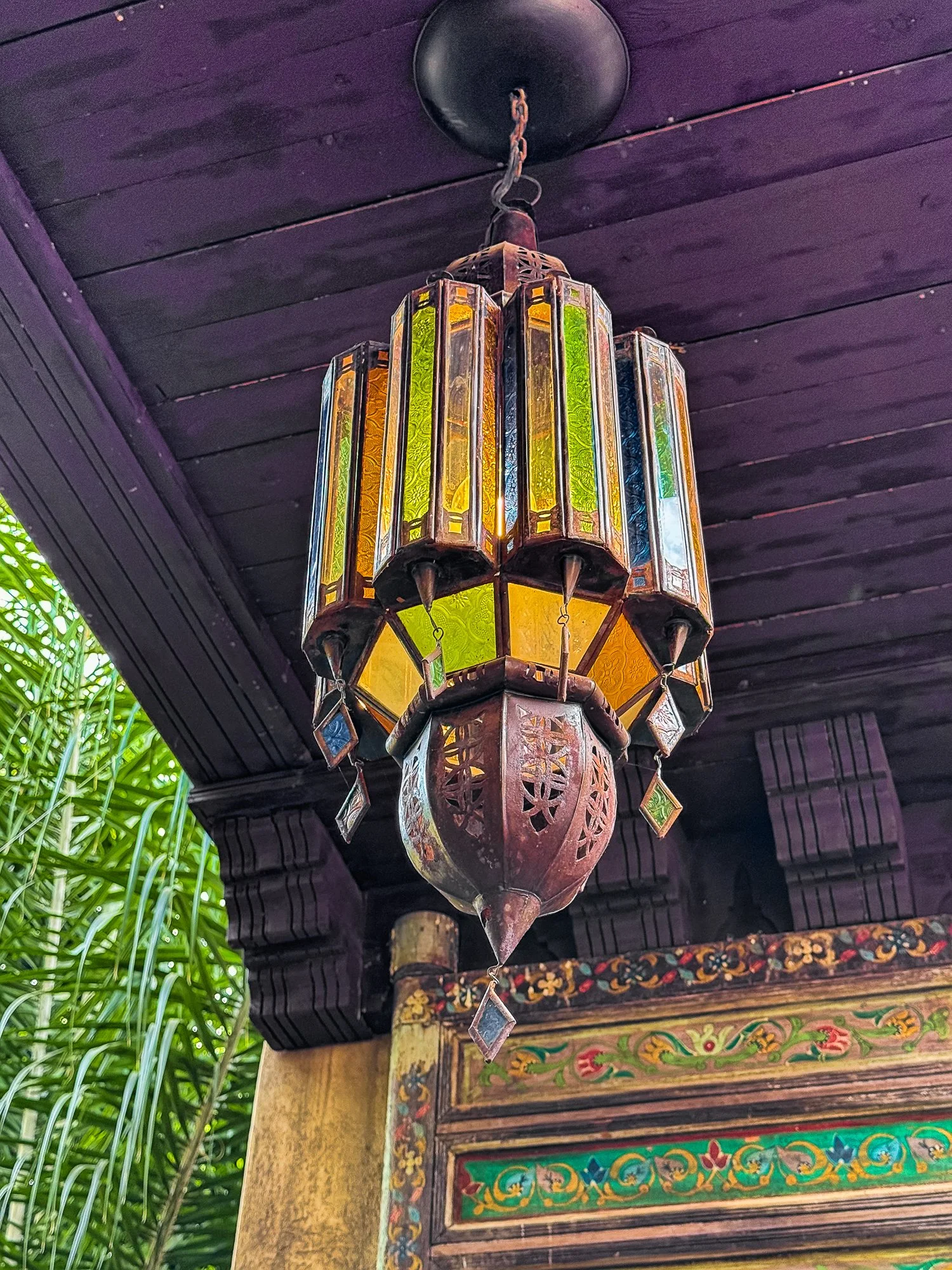
The room closest to us, the Driba room, utilises coloured glass in the doors and windows to create kaleidoscopic light patterns.

Najblizej naszej suity znajduje się pokój Driba, gdzie kolorowe witraże w oknach i drzwiach tworzą na ścianach kalejdoskop barw, gdy tylko padną na nie promienie słońca.

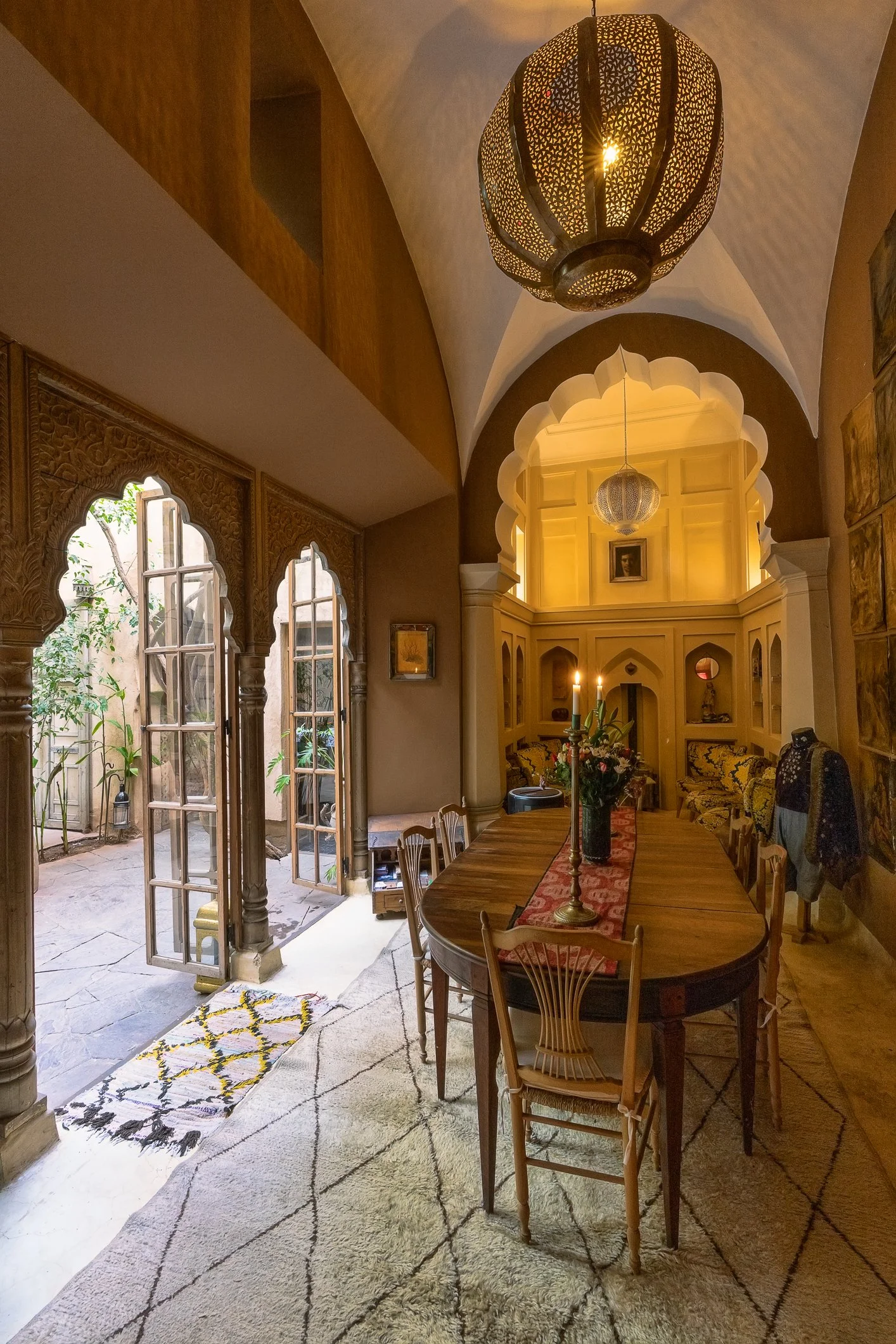
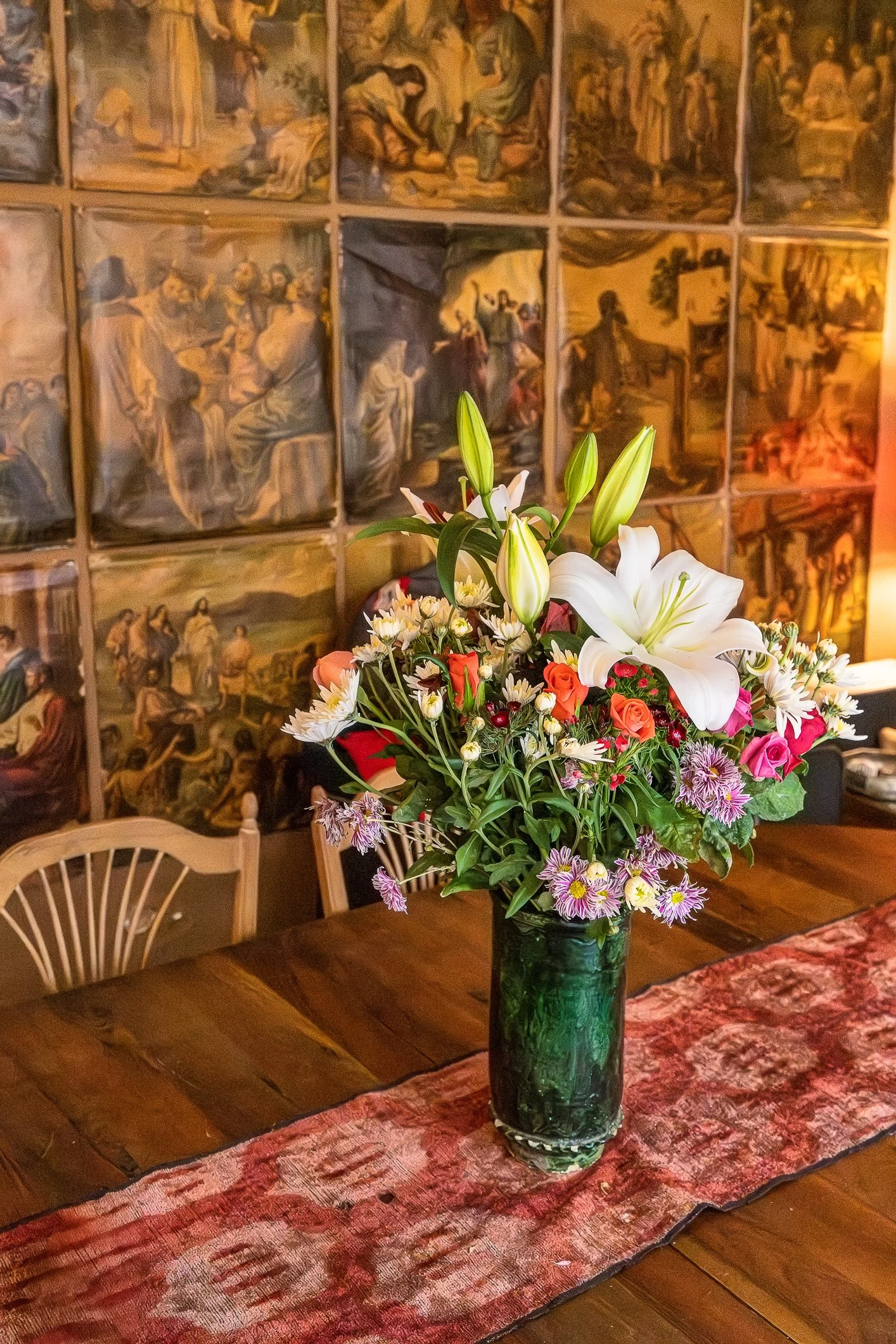
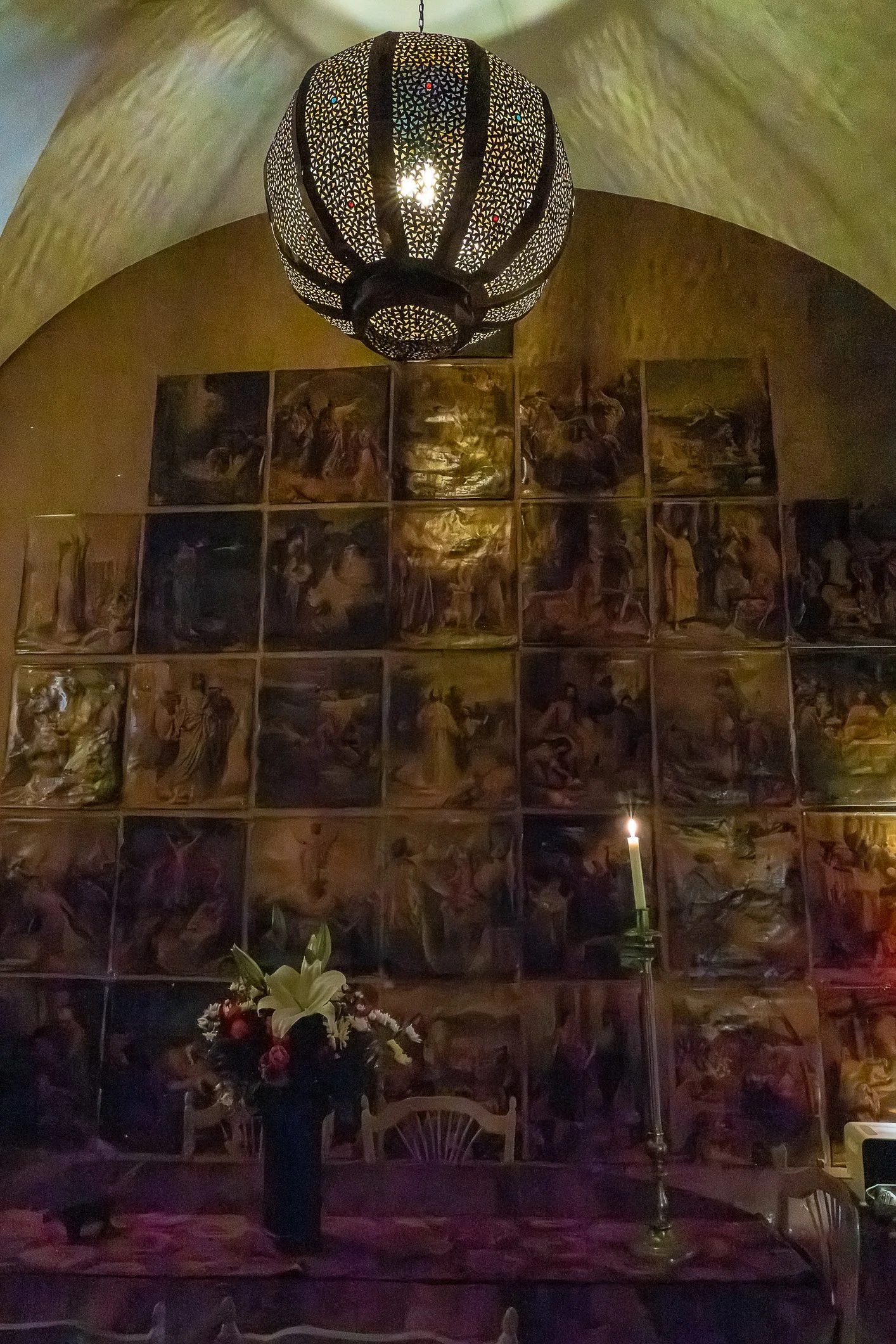
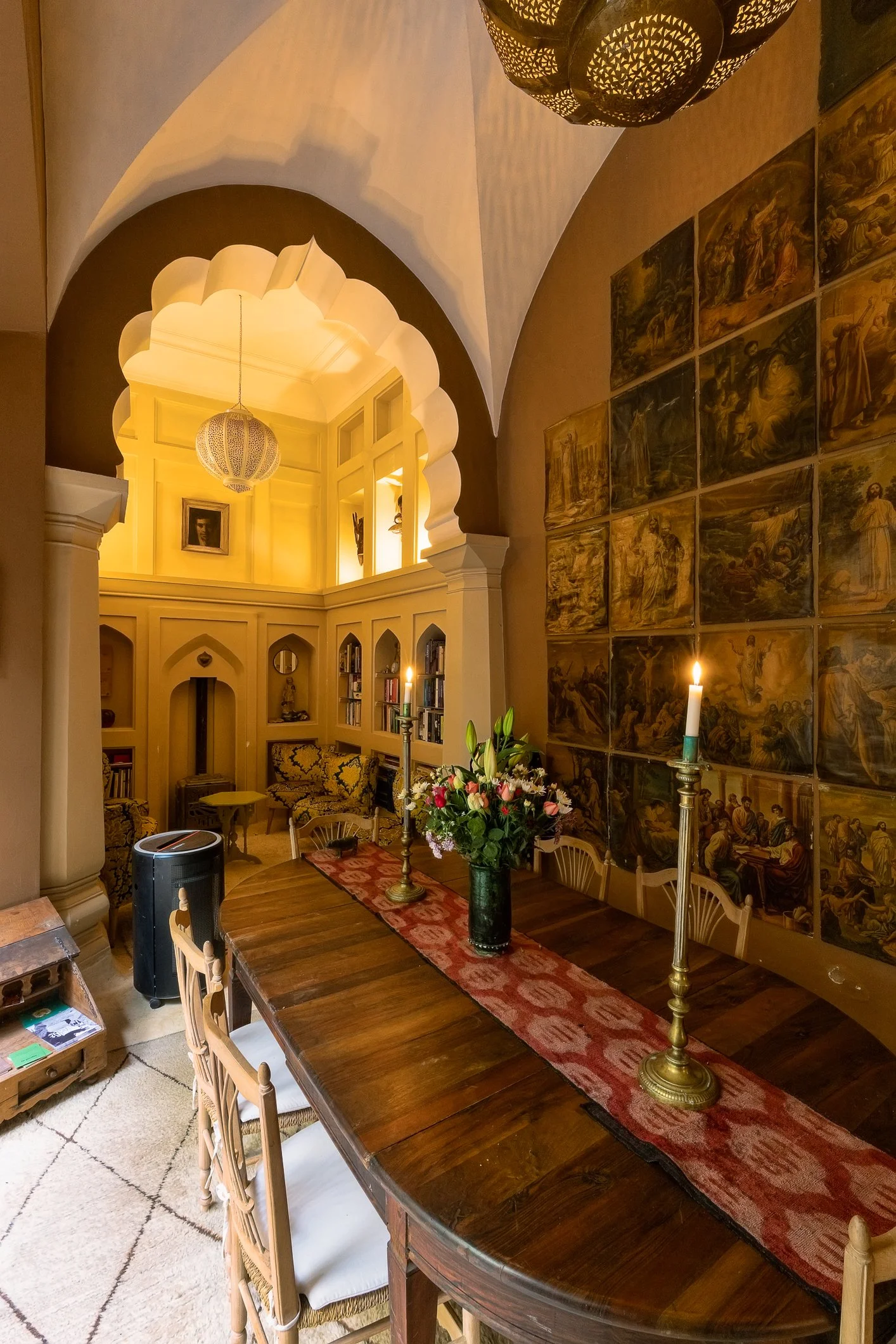
Dinner is traditionally served in an elegant, communal indoor salon. The room is designed with candlelit tables and features an eclectic aesthetic. The highlight is the striking wall of antique Dutch manganese tiles, often called "Bible tiles" (bijbeltegels). These tiles use a distinct purple-brown or reddish-sepia tone; under the dim, warm light, the scenes look like aged sepia ink on the walls.

Kolacje w Kbour & Chou serwowane są w eleganckim salonie w bardzo eklektycznym stylu. Największe wrażenie robi ściana wyłożona antycznymi holenderskimi płytkami z manganu, zwanymi "płytkami biblijnymi". W ciepłym świetle świec ich purpurowo-brązowe zdobienia wyglądają jak stare ryciny wykonane sepią, tworząc niesamowite tło dla tradycyjnych marokańskich potraw.

Early morning walk

Today we got up at 5 a.m., which already felt like a bold life choice, because we’d heard there was a morning mass at Templo de Santa Clara. Apparently, it was our chance to see the church’s interior. Well, turns out “we heard” wasn’t exactly the most reliable source. The place was completely closed and nothing indicated it would change any time soon.

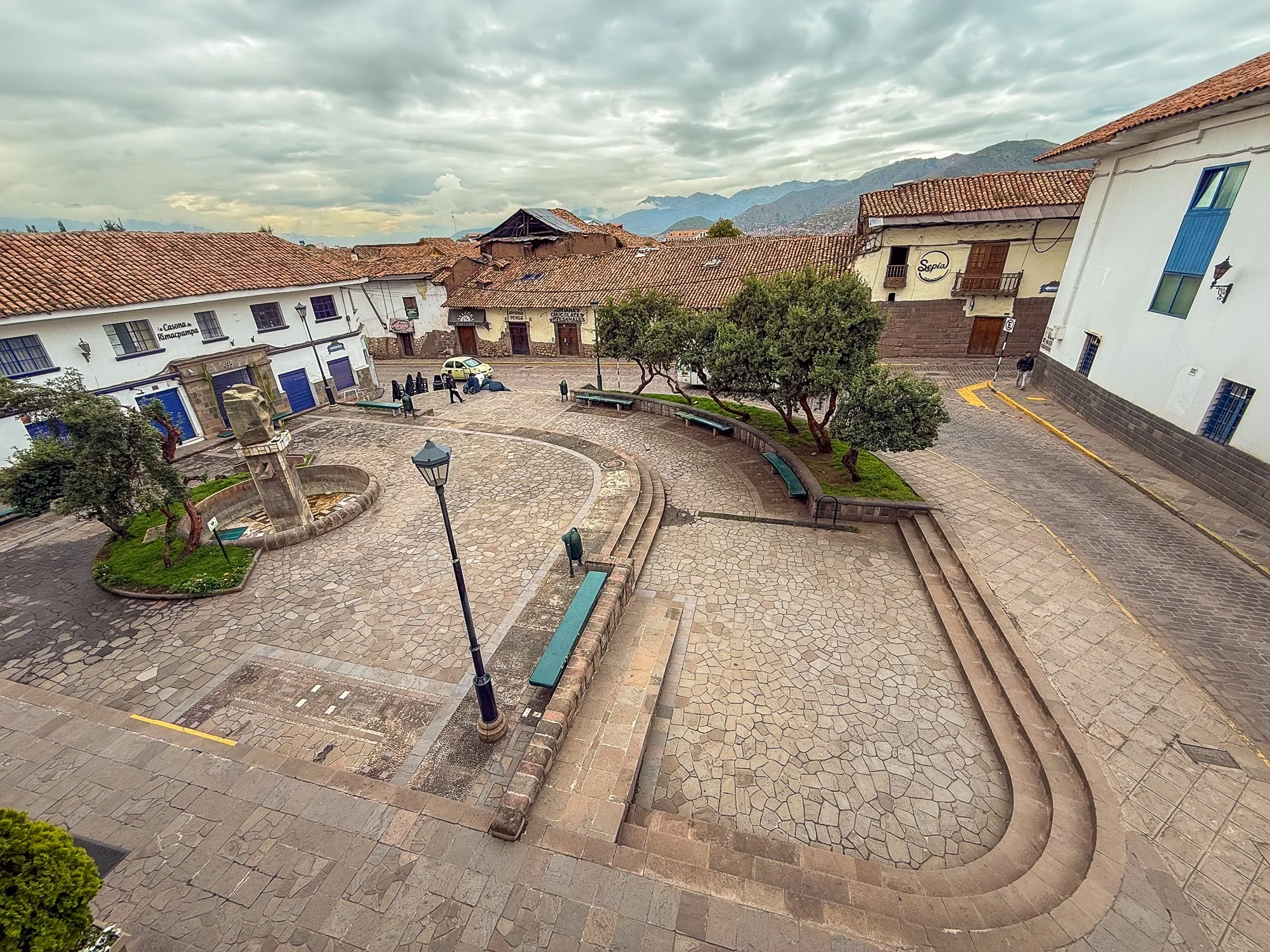
Still, despite the slightly crispy weather (we donned warm jackets!), the walk there was worth it. Cusco at that hour is genuinely peaceful - quiet streets, soft light, no groups with flags or matching hats. On the way back, we passed under the Santa Clara Arch, which we hadn’t seen before. Nice detail to have on your morning route, even if the main event didn’t happen.


Dziś wstaliśmy o 5 rano - co już samo w sobie było dość śmiałym pomysłem - bo słyszeliśmy, że podobno miała być poranna msza w Templo de Santa Clara. To byłby nasza szansa, żeby zobaczyć wnętrze tego kościoła. No cóż, jak się okazało, “słyszeliśmy, że podobno” to niezbyt solidne źródło informacji. Kościół był zamknięty na cztery spusty i nic nie wskazywało, że może to się zmienić w najbliższym czasie.

Mimo to i chociaż było rześko (wskoczyliśmy w ciepłe kurtki!), nasz spacer był wart wczesnej pobudki. Cuzco o tej porze jest naprawdę spokojne—puste ulice, miękkie światło, zero wycieczek z chorągiewkami i identycznymi czapkami. W drodze powrotnej przeszliśmy pod łukiem Santa Clara, którego wcześniej nie widzieliśmy.

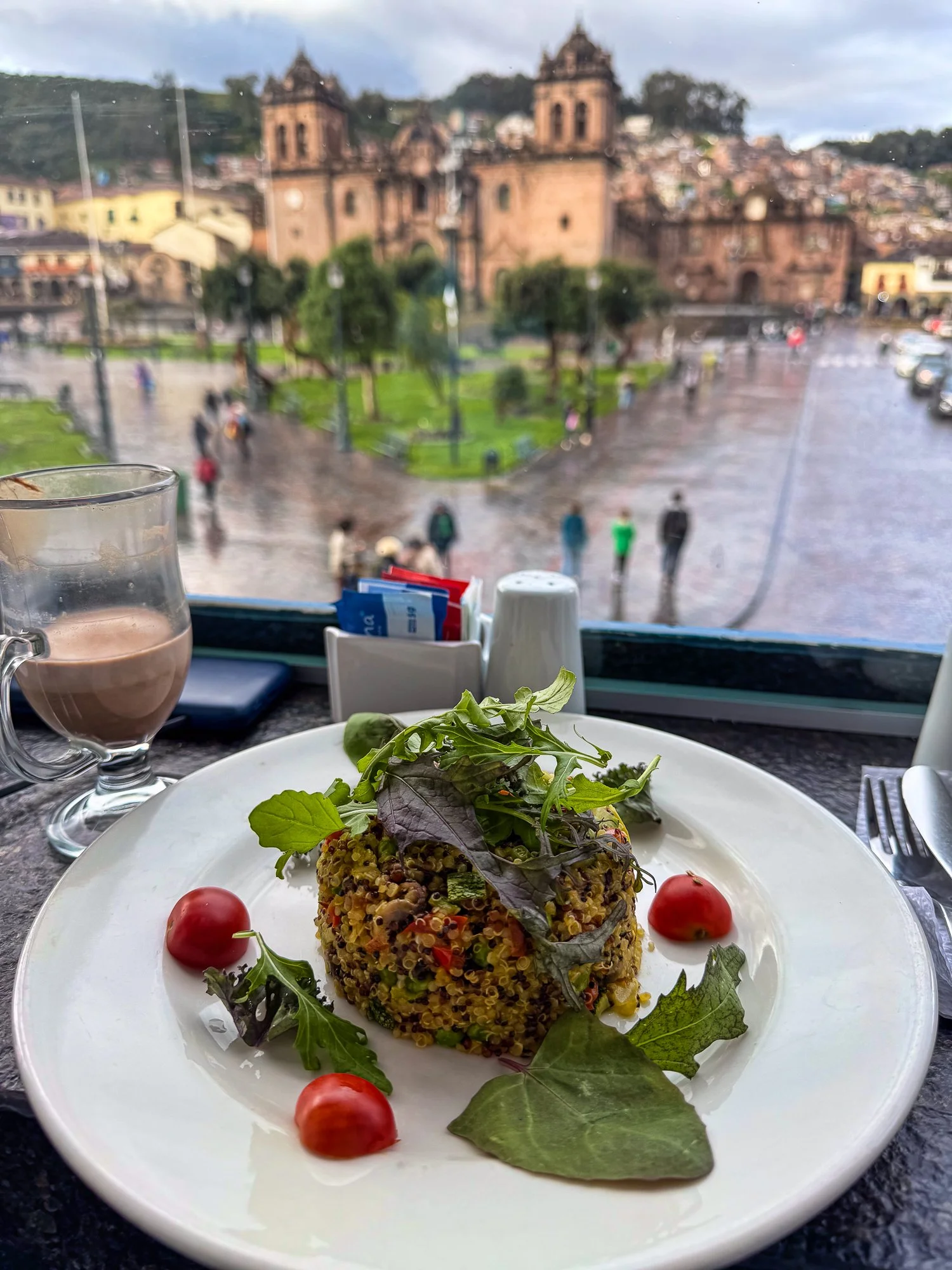
Eventually, we headed back to our hotel for breakfast. Today we decided to have it on the balcony. Cathedral view never gets old, after all. The morning wasn’t what we planned, but honestly, better than expected.


W końcu wróciliśmy do hotelu na śniadanie. Dziś postanowiliśmy zjeść na balkonie naszej hotelowej kawiarni. W końcu widok na katedrę nigdy się nie nudzi.

Let's talk more about the hotel...

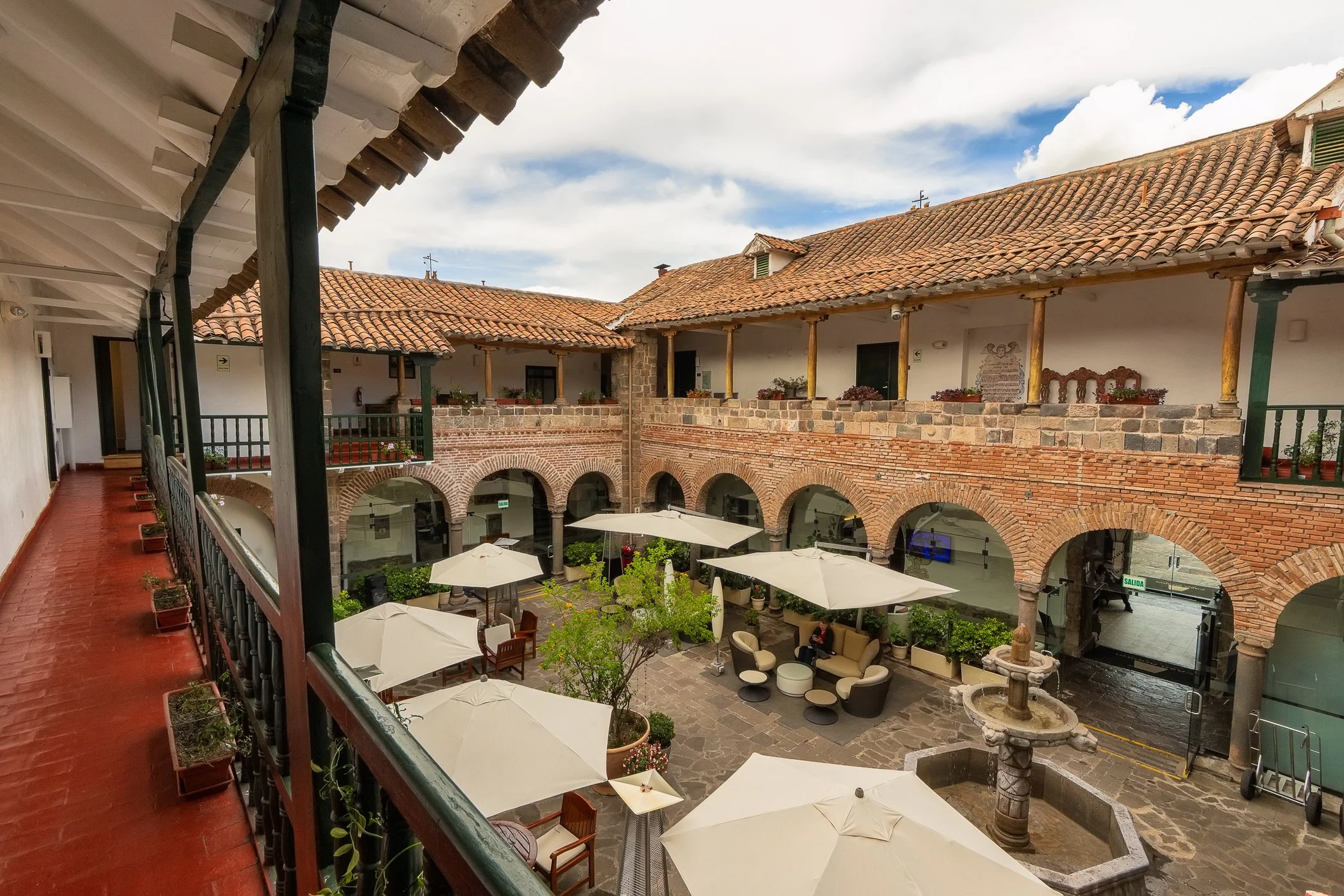
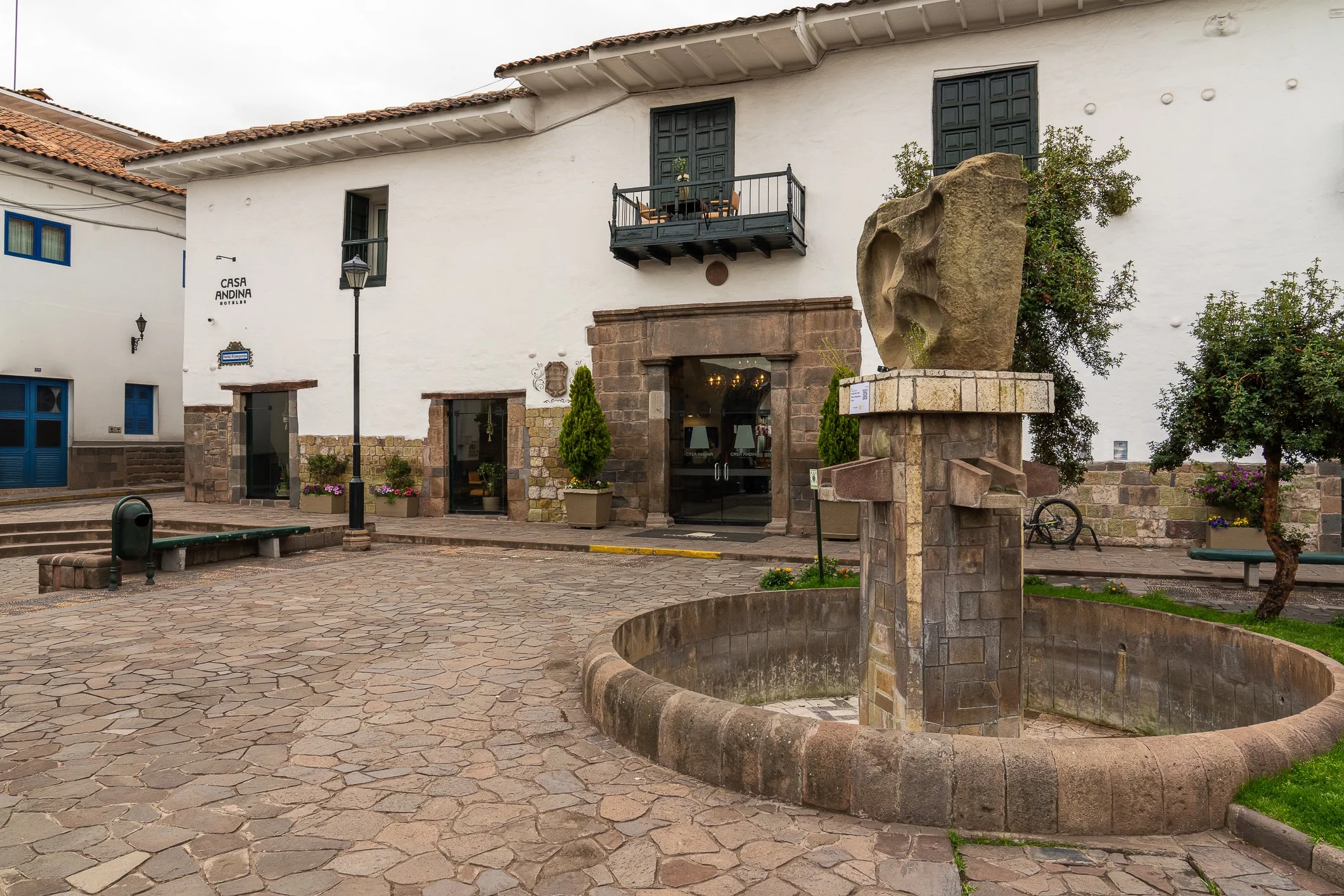
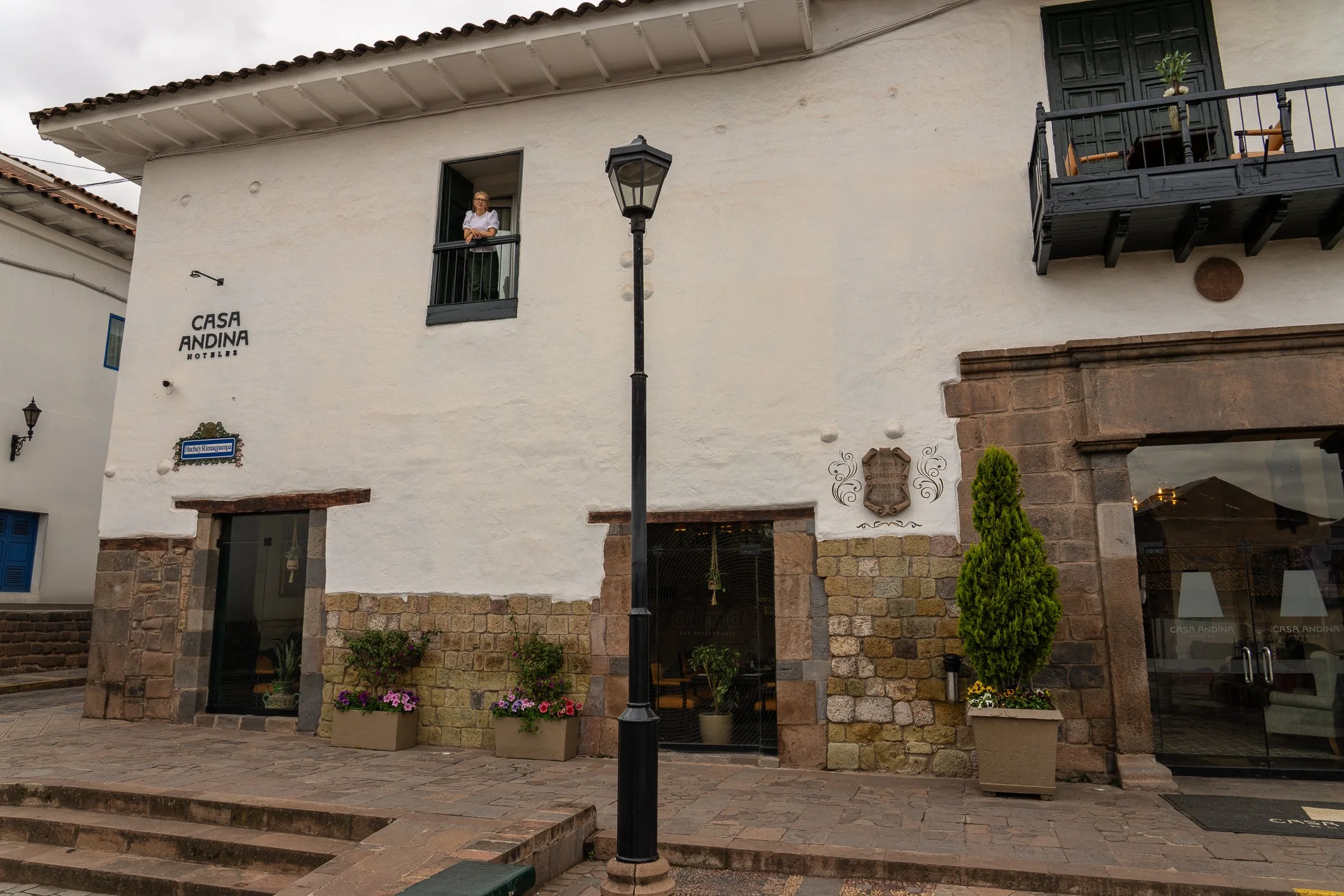
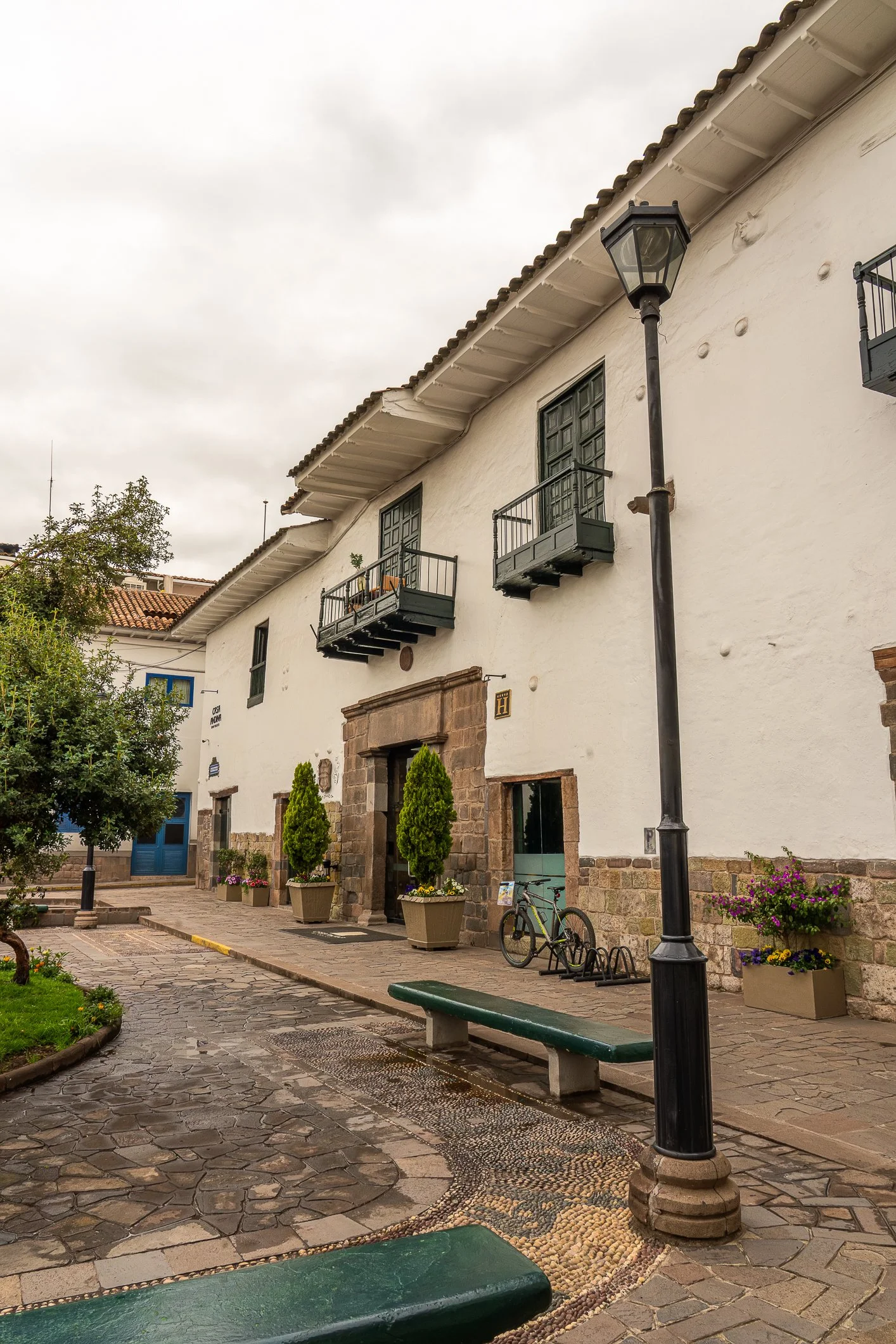
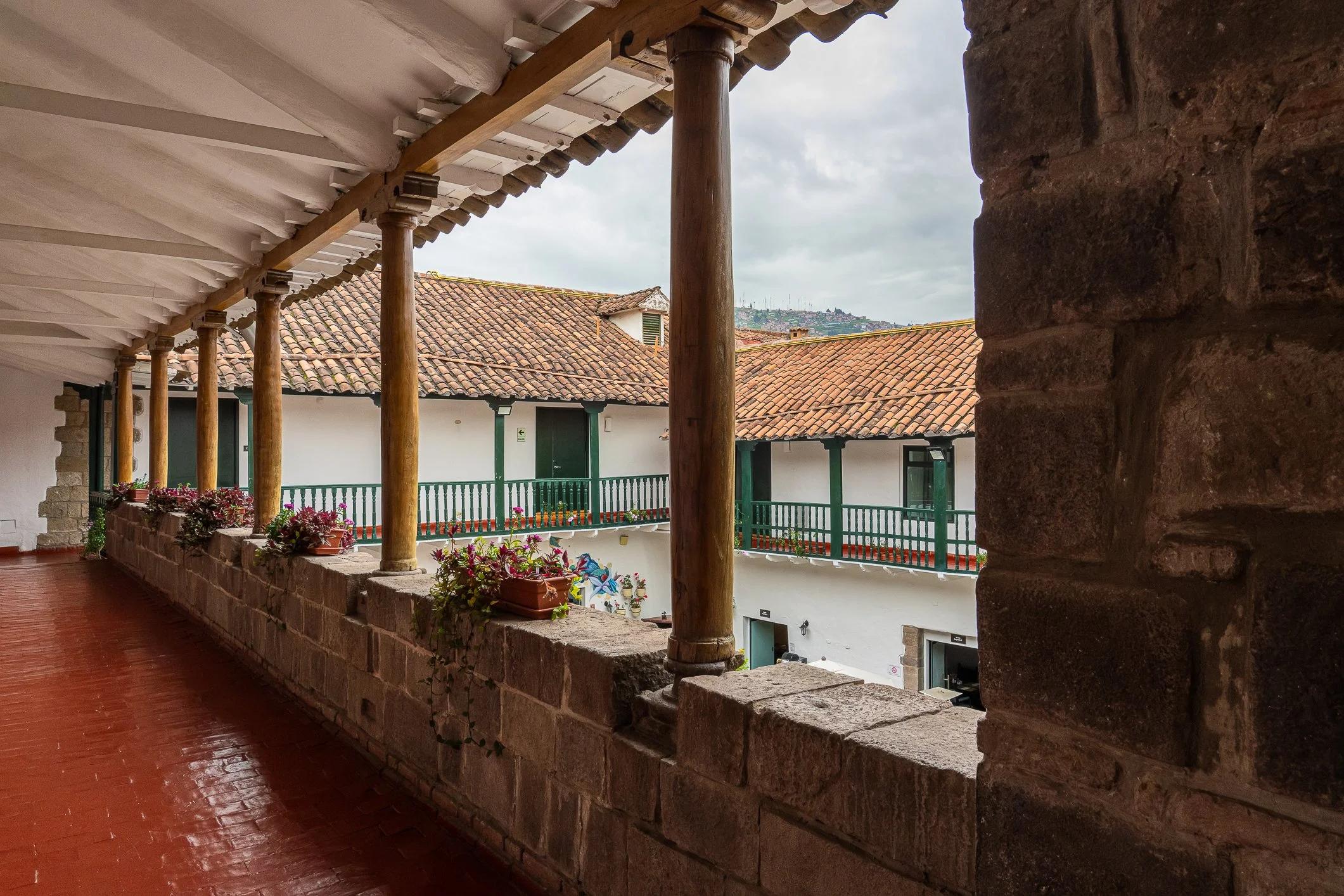
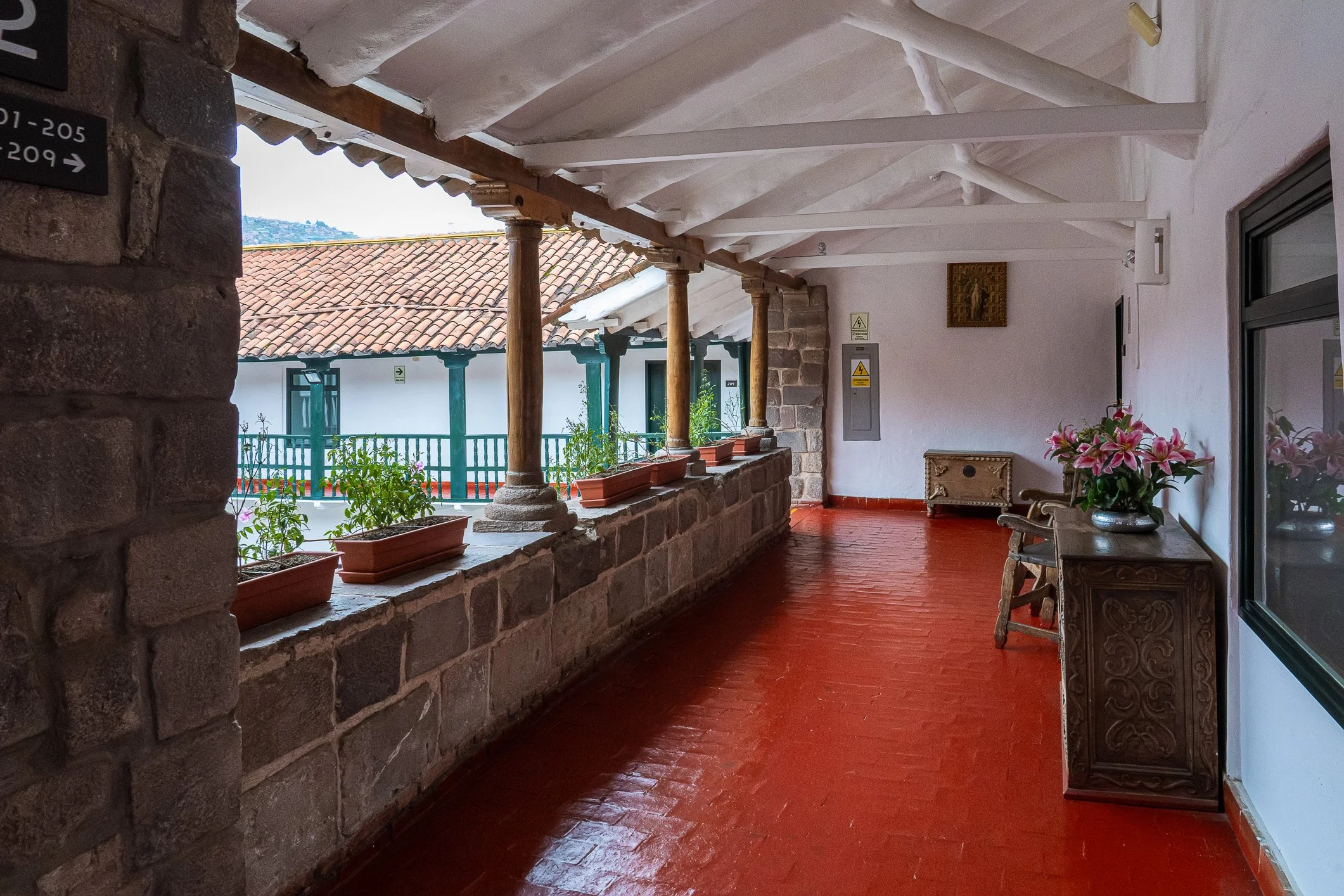
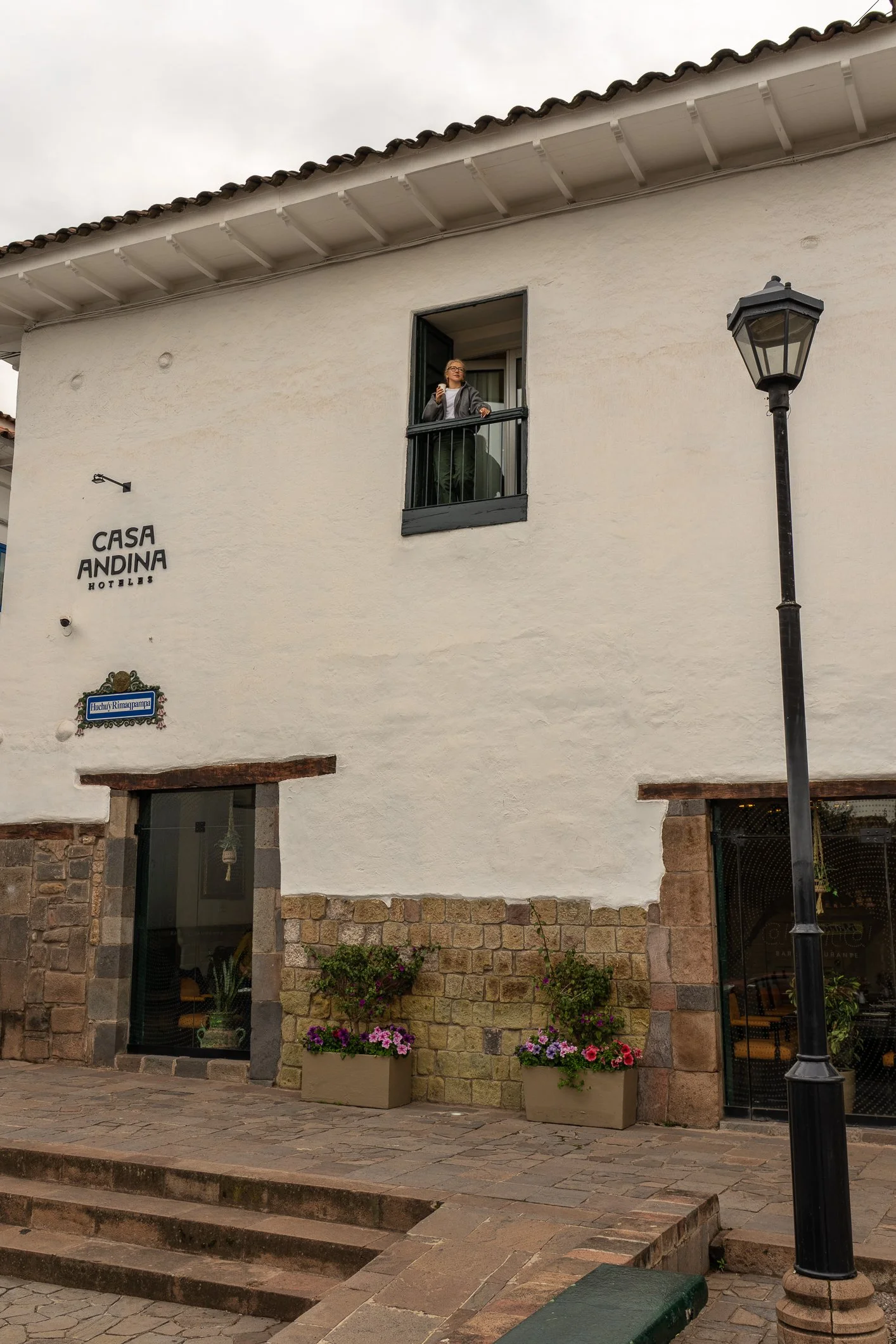
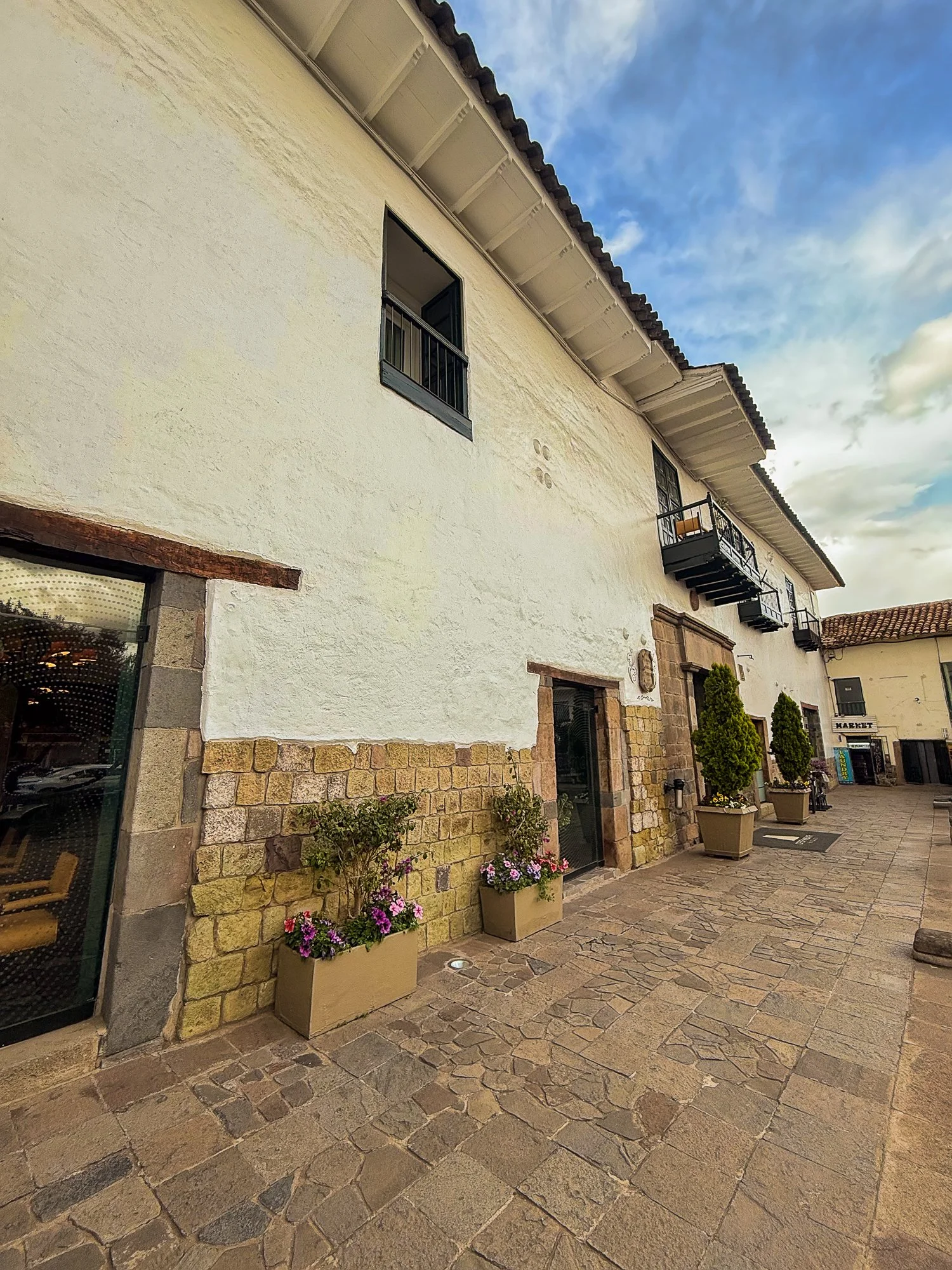
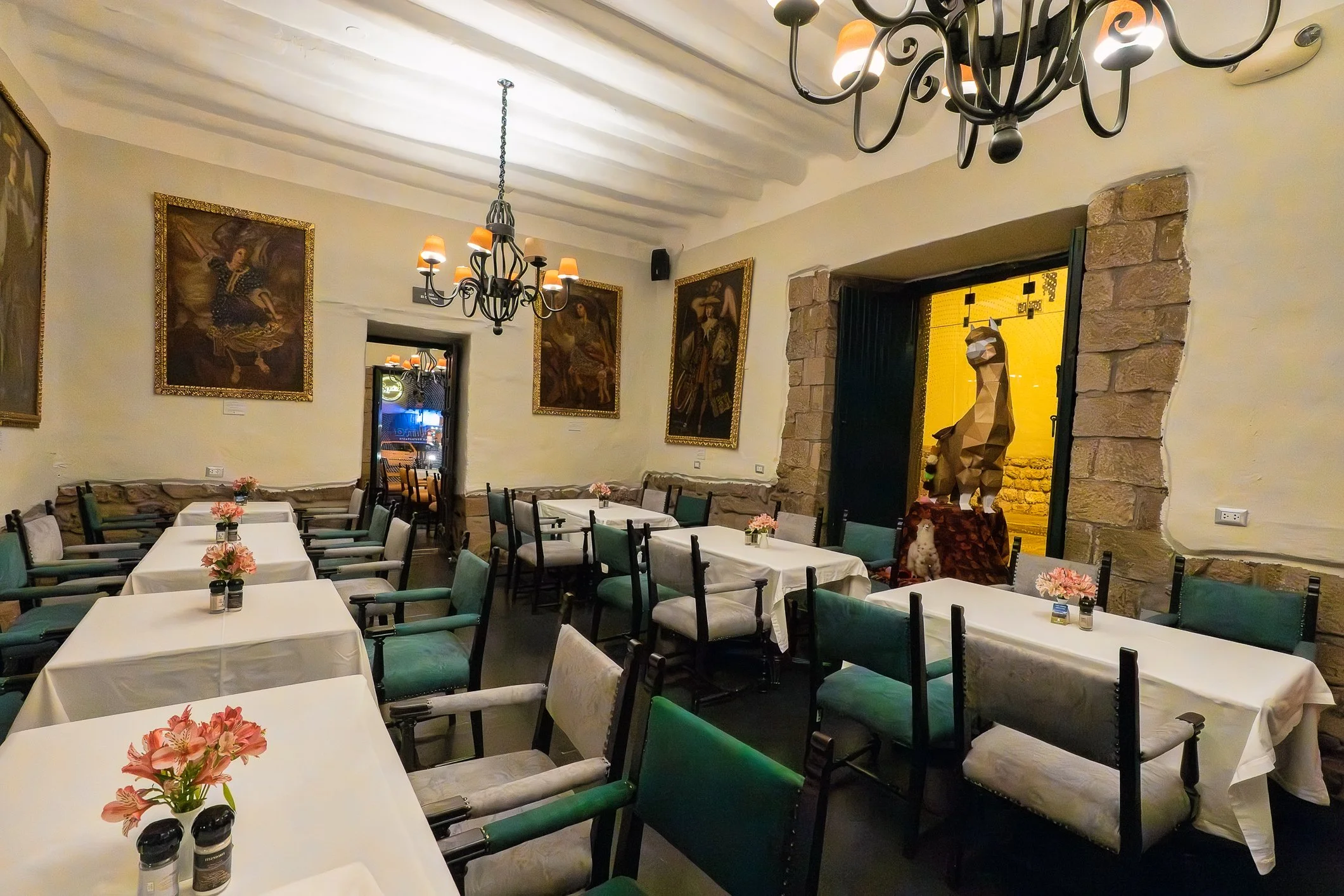
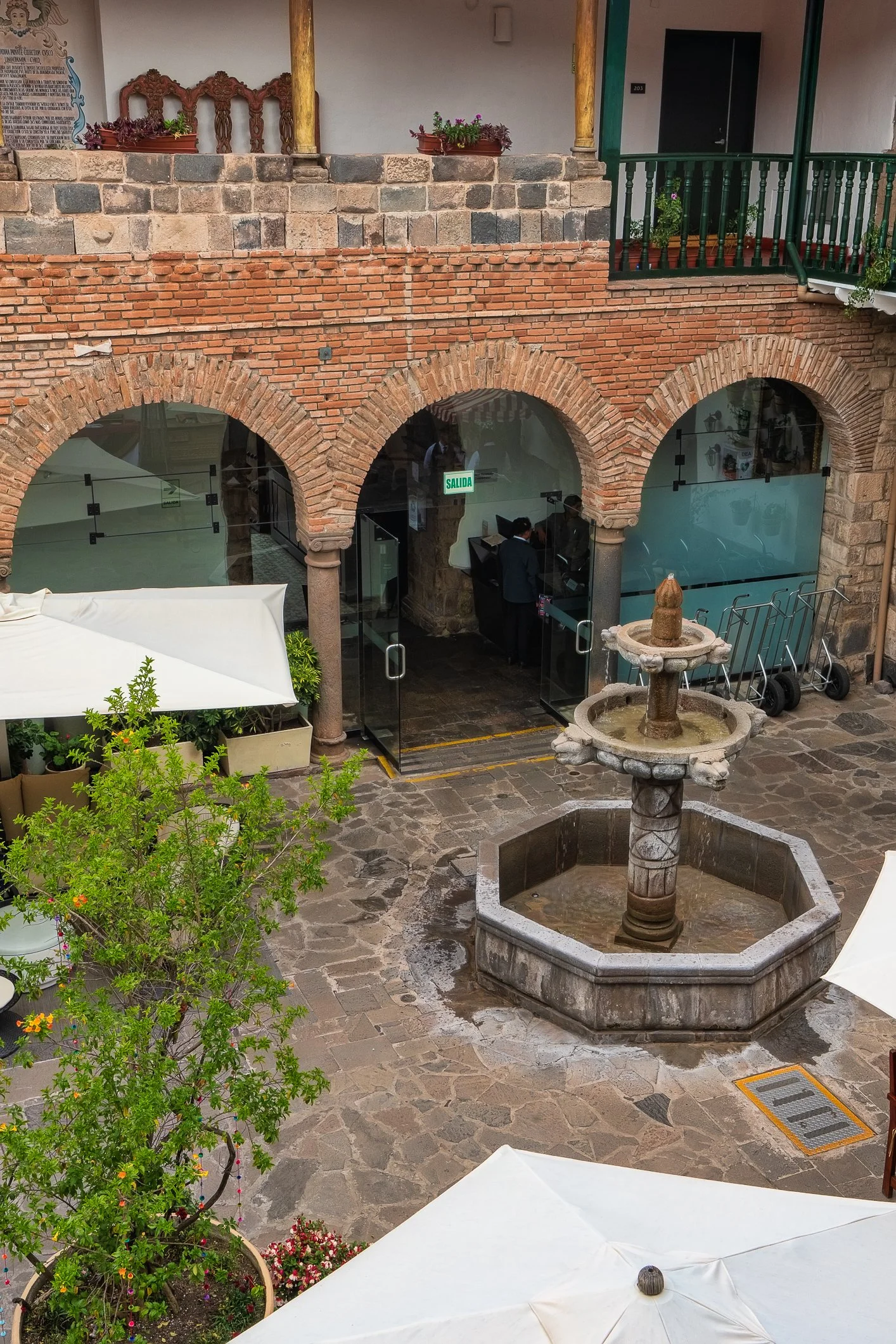
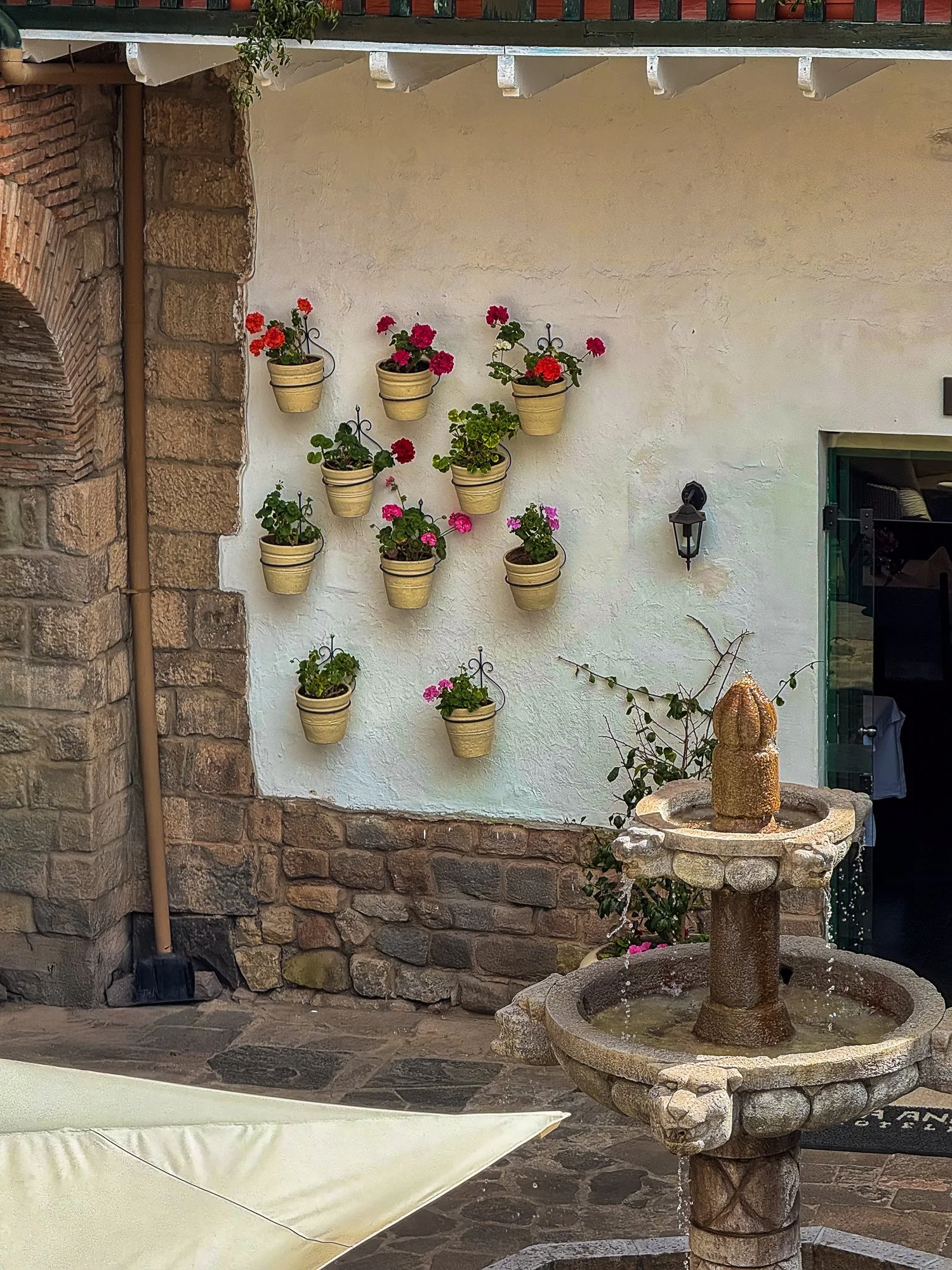
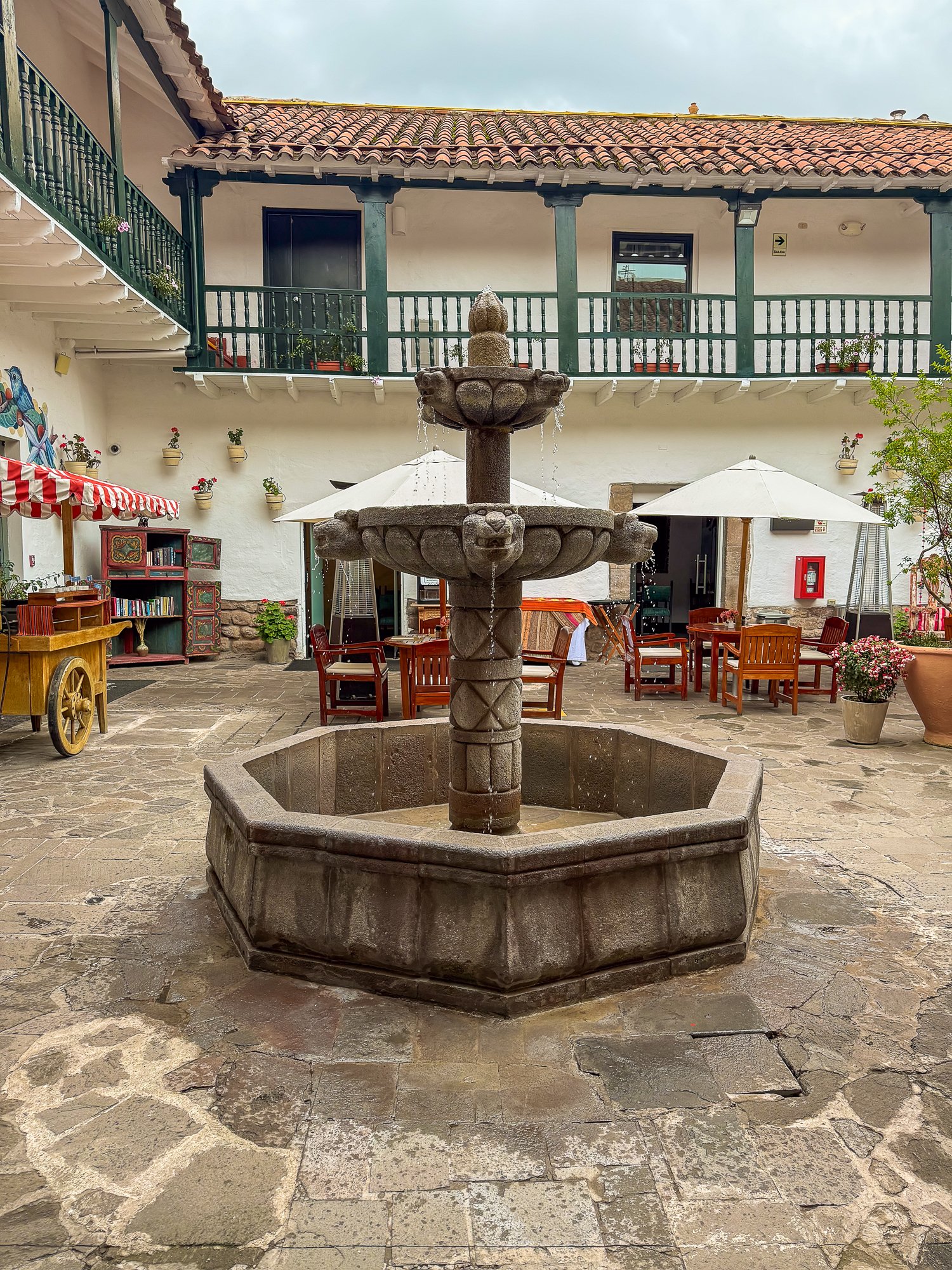
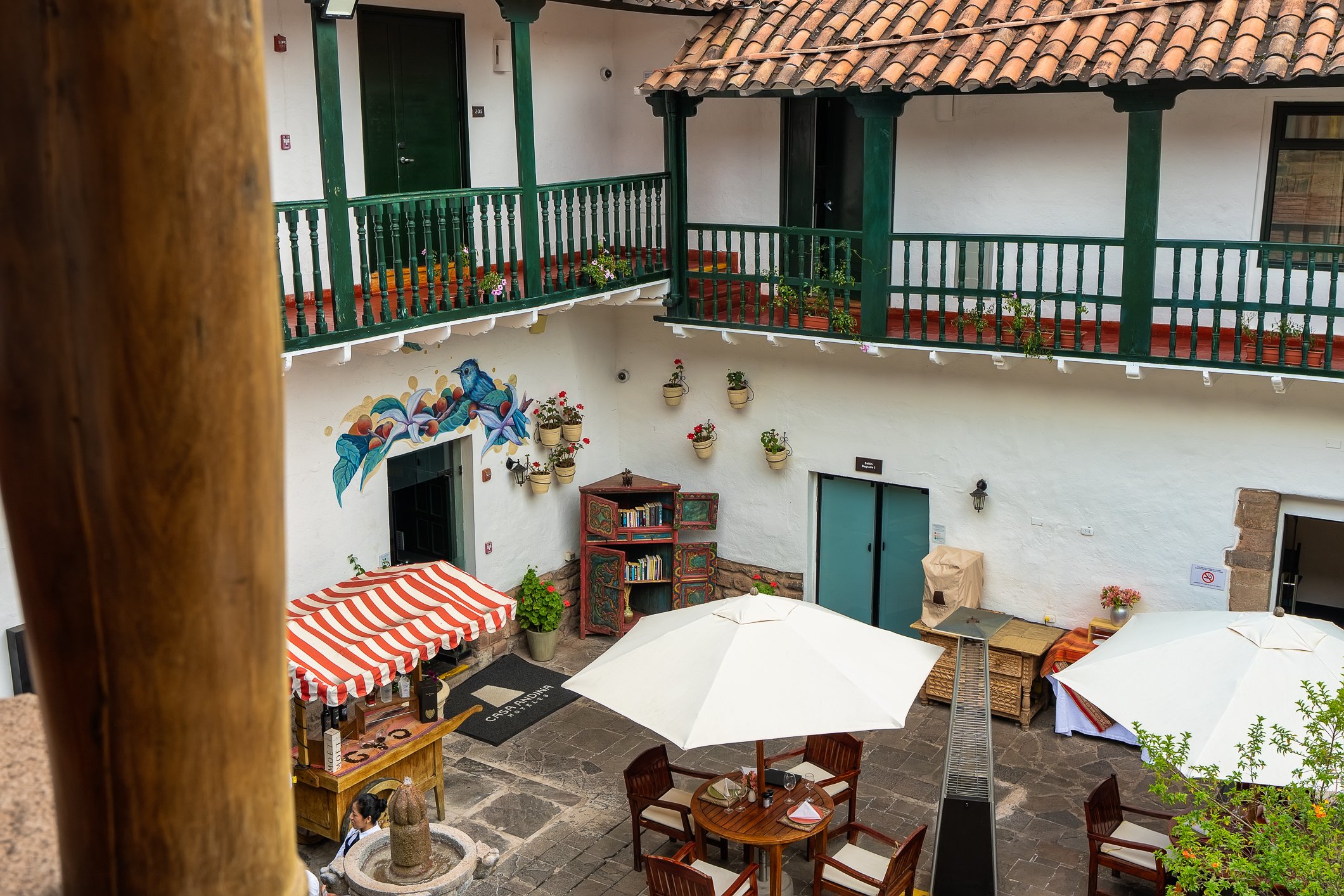
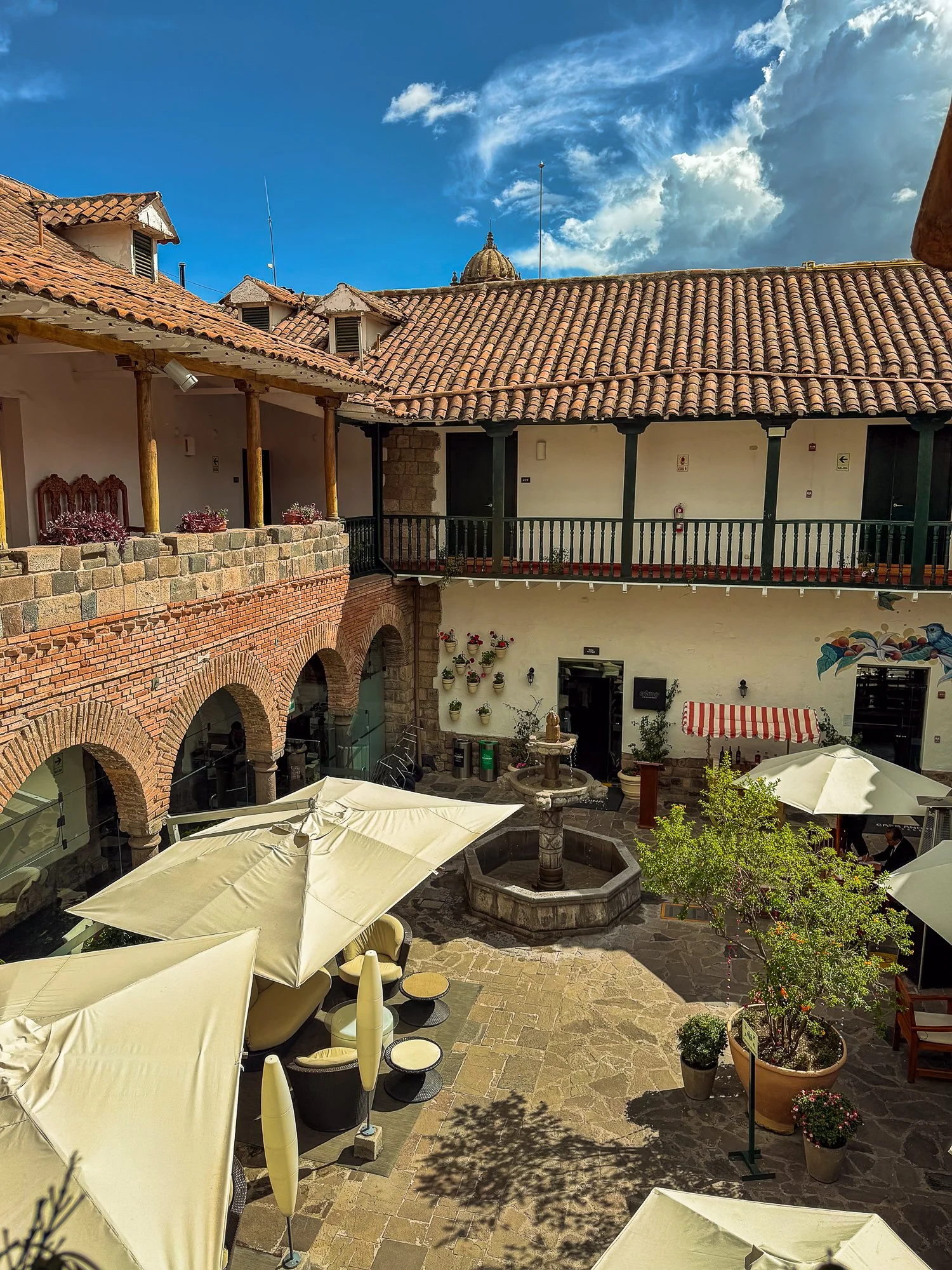
“In the heart of Cusco, where the echoes of ancient Incan footsteps mingle with the vibrant pulse of contemporary life, there stands an accommodation known as the Hotel Plaza de Armas. To speak of this place is to invoke the sacred trinity of location, location, and location; for here, amidst the cobblestone veins of the city, one can feel the very spirit of history wrap around them like a cherished shawl woven from the threads of time.”

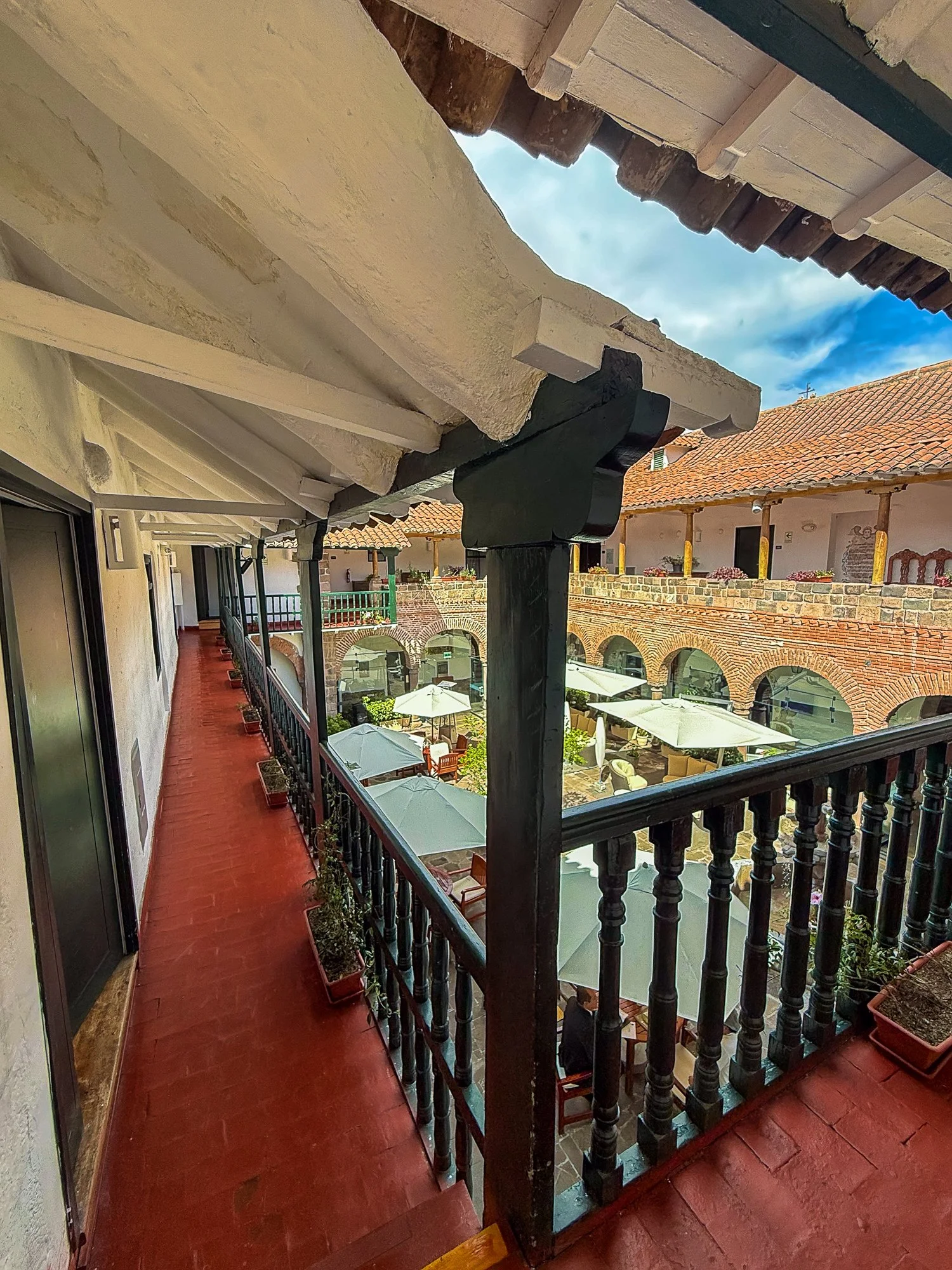
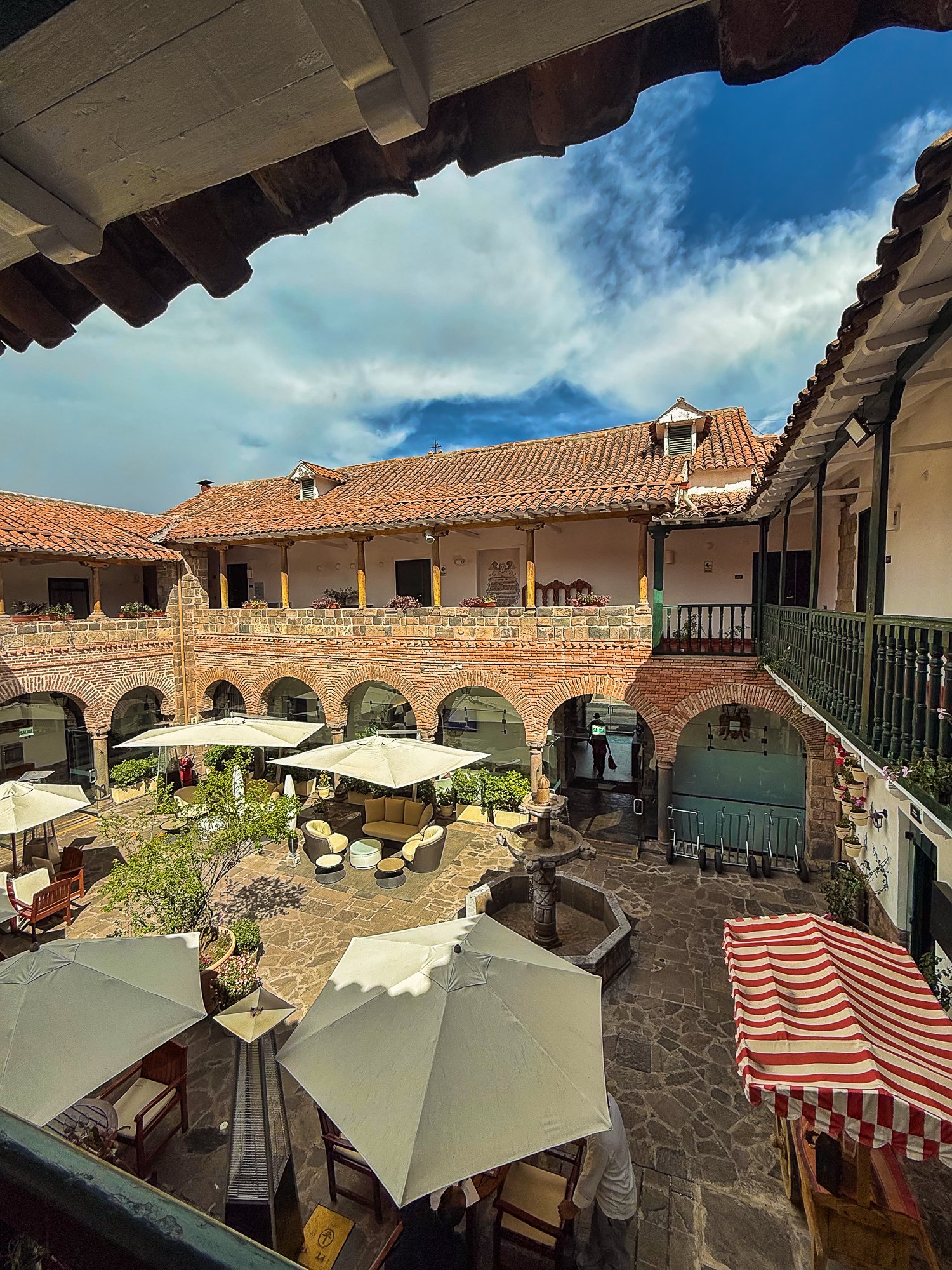
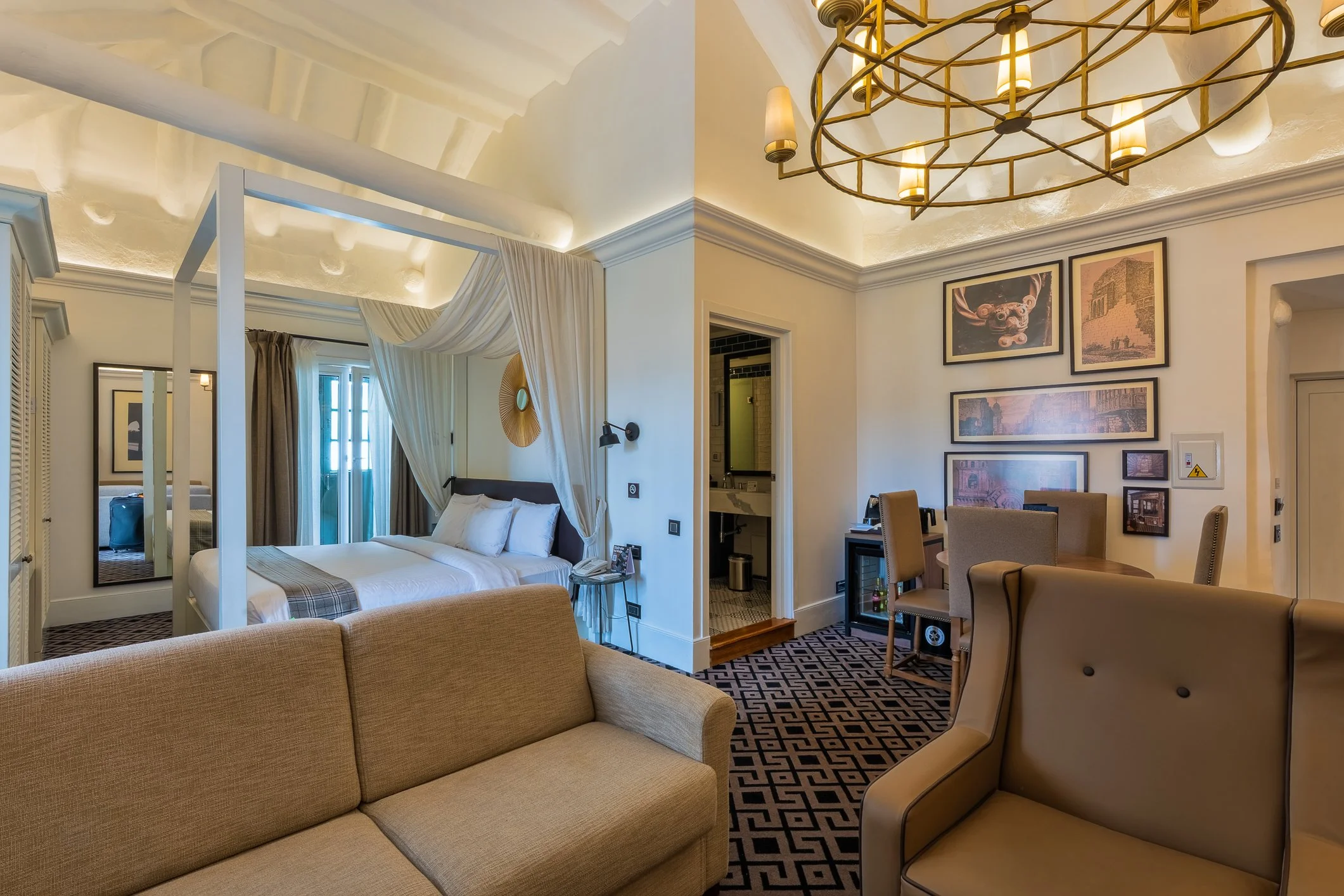
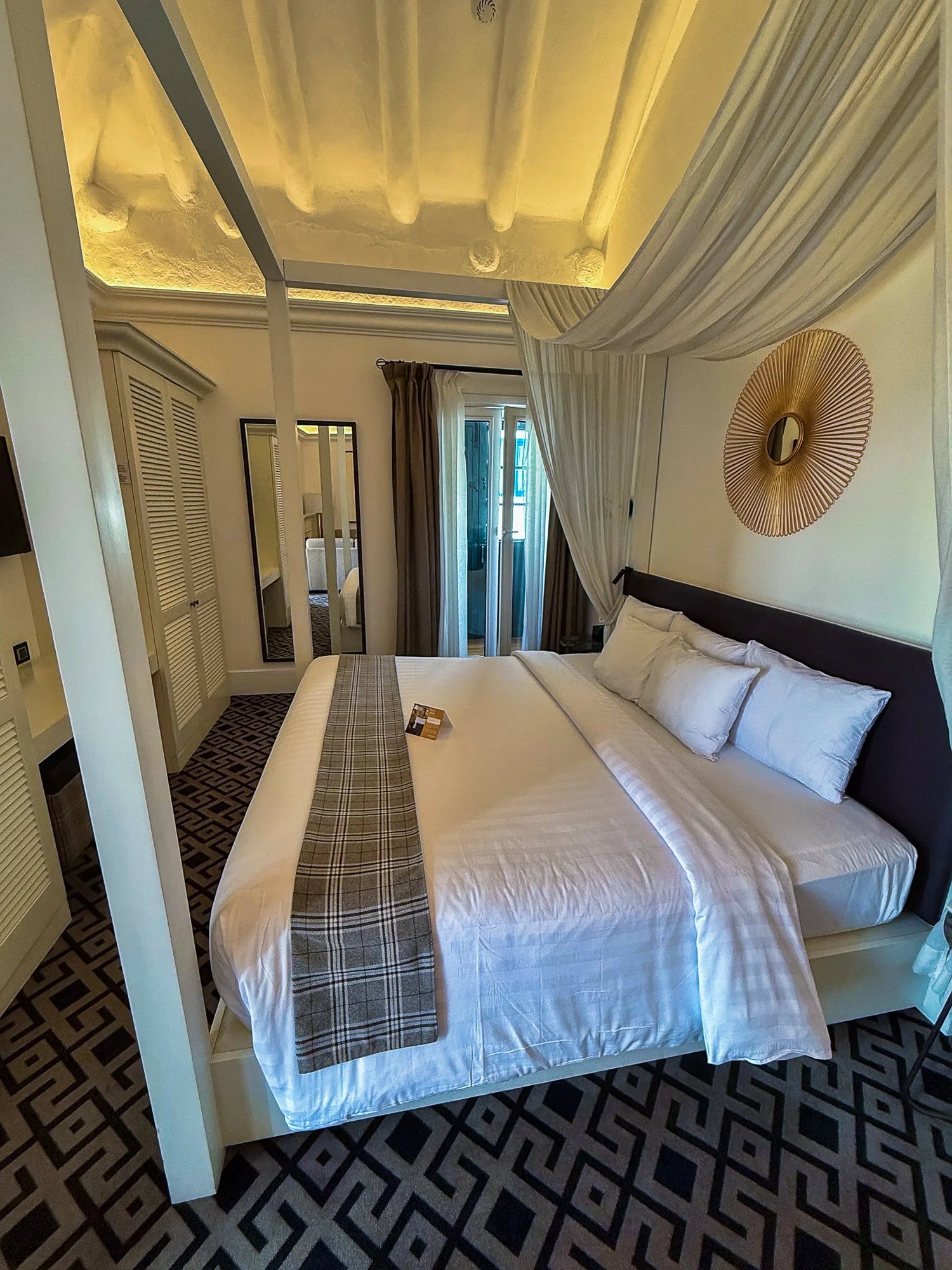
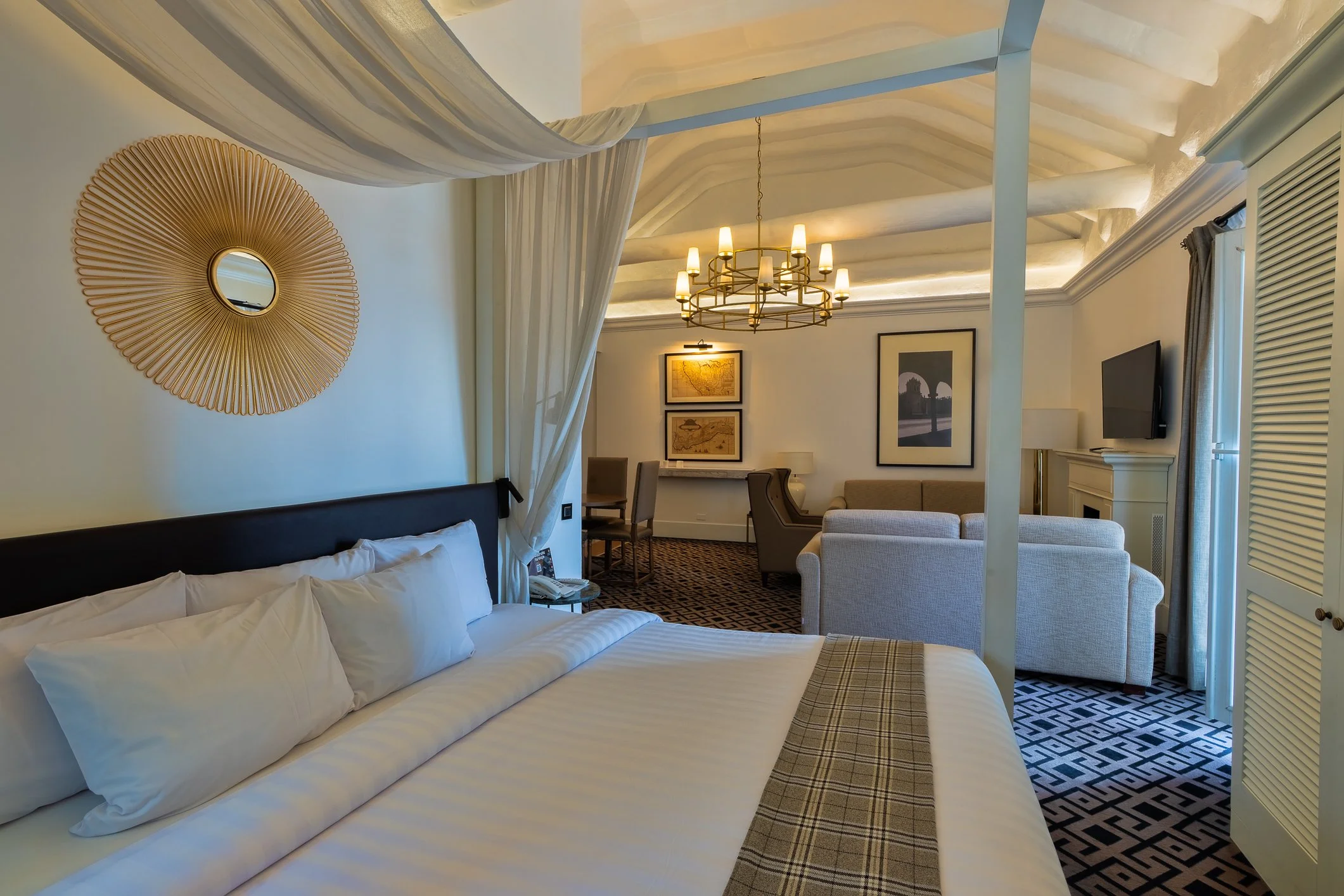
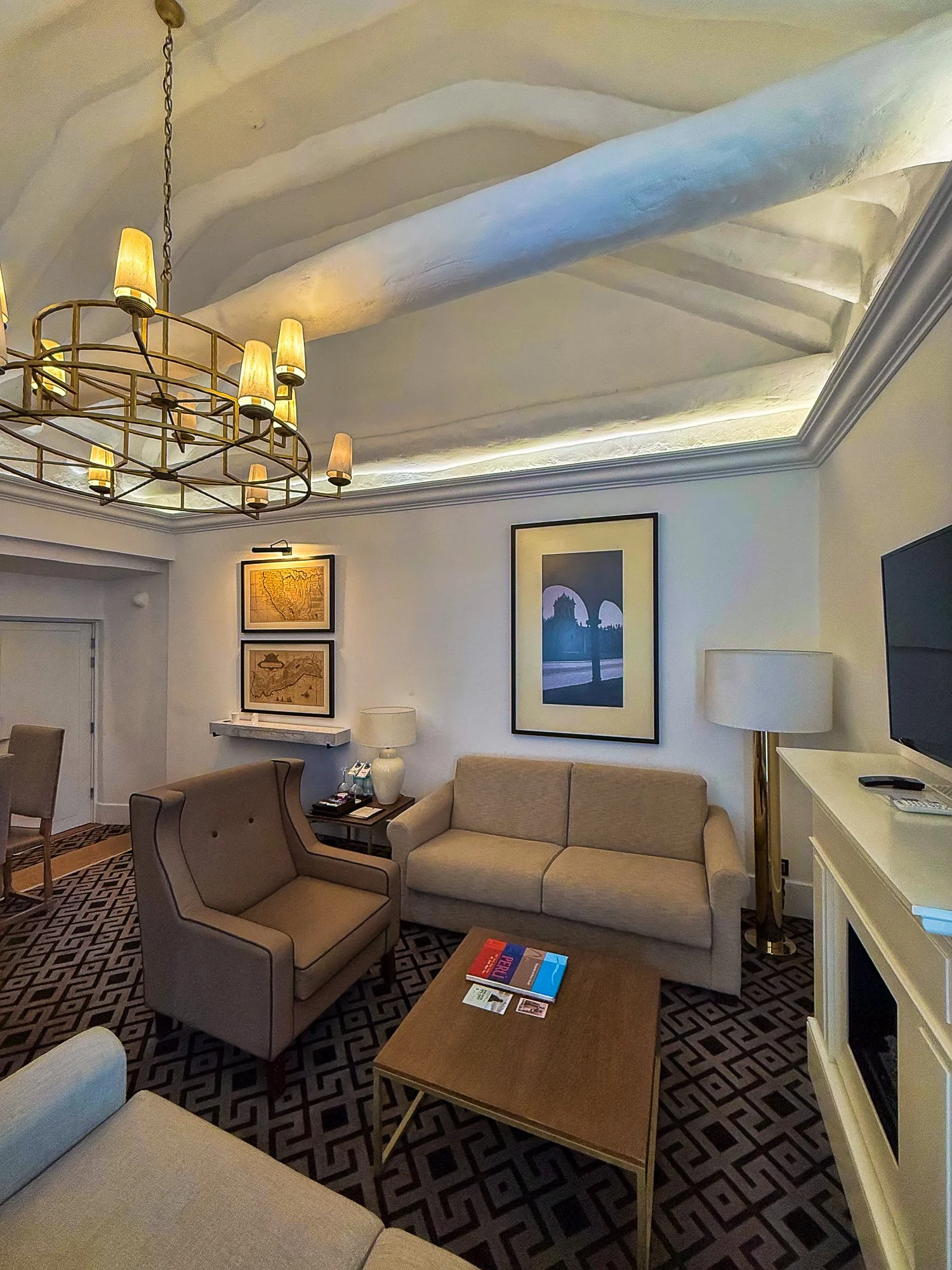
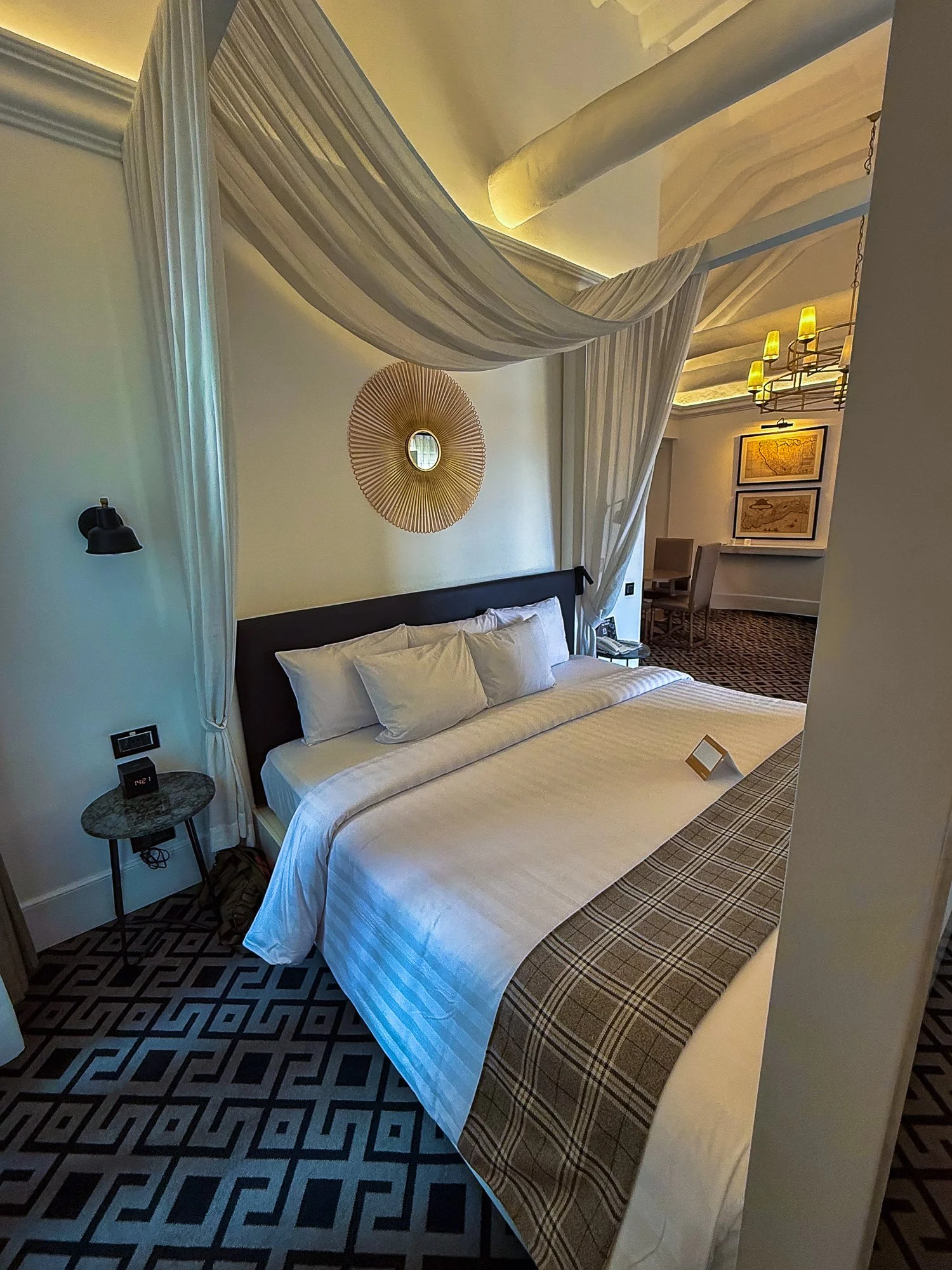
We could begin our story like this, but, seriously, this is without a doubt one of the best hotels on Cusco’s famous Plaza de Armas or Main Square. Owned by a local family, it is a vision of modern simplicity. Its rooms are light and airy with crisp white linen, good showers, desks, electric heaters and complimentary coca tea, bottled water and wifi.

The allure of this hotel extended far beyond its walls. The vibrant Plaza de Armas came alive every morning, offering a sensory feast from the rich aroma of freshly brewed coffee to the laughter of children exercising every day in front of the cathedral for the fast approaching Sentimana Santa. It was impossible not to be swept up in the rhythm of the city, as cobblestone streets beckoned us to explore their hidden corners.

Plaza de Armas is also the gastronomic epicentre of the city so by staying here, we had access to a wide variety of restaurants offering authentic Peruvian cuisine.

„W sercu Cuzco, gdzie echa kroków starożytnych Inków mieszają się z tętniącym życiem pulsem współczesnego miasta, stoi Hotel Plaza de Armas. Mówiąc o tym miejscu do głowy przychodzą przede wszystkim trzy rzeczy: lokalizacja, lokalizacja, lokalizacja”. Moglibyśmy zacząć naszą opowieść w ten sposób, ale poważnie podchodząc do tematu, jest to bez wątpienia jeden z najlepszych hoteli na słynnym Plaza de Armas, czyli Głównym Rynku w Cuzco. Nasz pokój jest jasny i dość przestronny, wyposażony w wygodne łóżko i prysznic, biurkami, grzejnik elektrycznymi oraz bezpłatną herbatę z koki, wodą butelkowaną i Wi-Fi.

Urok tego hotelu wykracza jednak daleko poza jego mury. Tętniący życiem Plaza de Armas ożywa każdego ranka, oferując ucztę dla zmysłów od bogatego aromatu świeżo parzonej kawy po śmiech dzieci ćwiczących codziennie przed katedrą na szybko zbliżający się święty tydzień. Nie sposób jest nie dać się porwać rytmowi miasta, gdy brukowane uliczki zachęcają nas do eksploracji jego ukrytych zakątków.

Plaza de Armas jest także gastronomicznym centrum miasta, wiec dzięki temu, że tu mieszkamy, mamy natychmiastowy dostęp do mnóstwa restauracji oferujących autentyczne dania kuchni peruwiańskiej.

Apart from mentioned in my previous entry café balcony with its sweeping views on the plaza, the hotel has a lovely roof top terrace with one of the best views of the Main Square.

Oprócz wspomnianego we wcześniejszym wpisie balkonu kawiarnianego z rozległym widokiem na plac, hotel posiada także piękny taras na dachu z jednym z najlepszych widoków na Plaza de Armas.

Room and bar

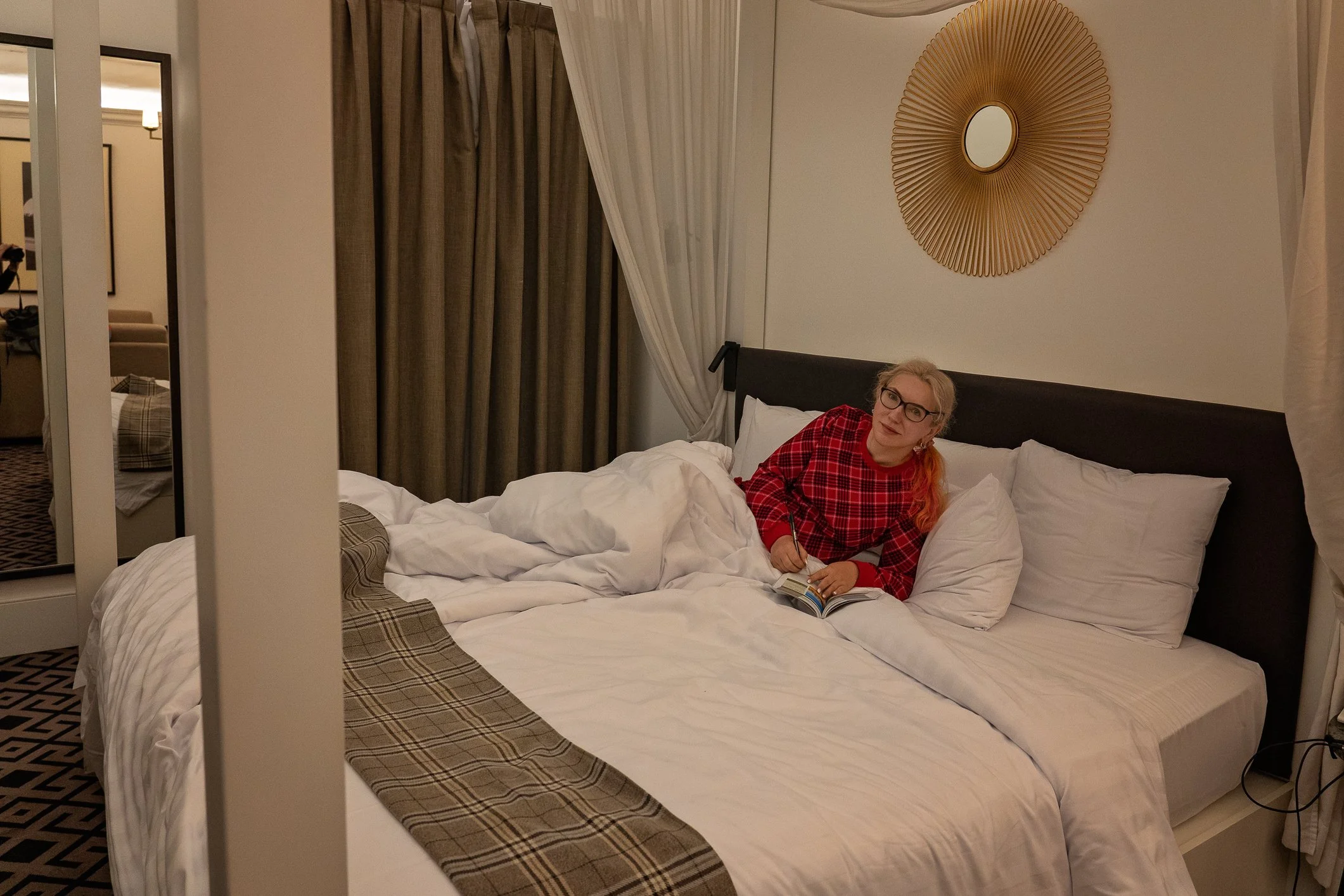
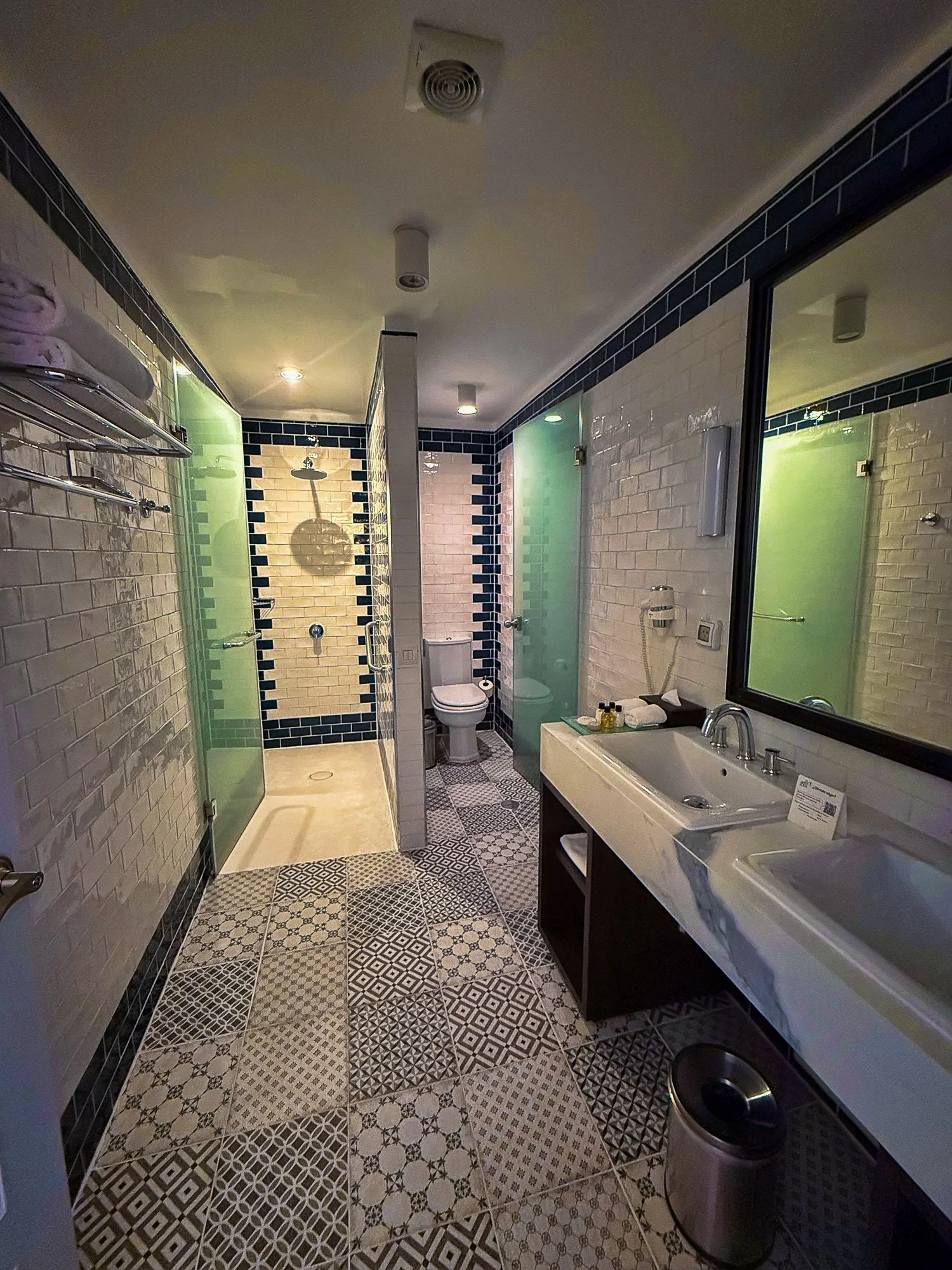
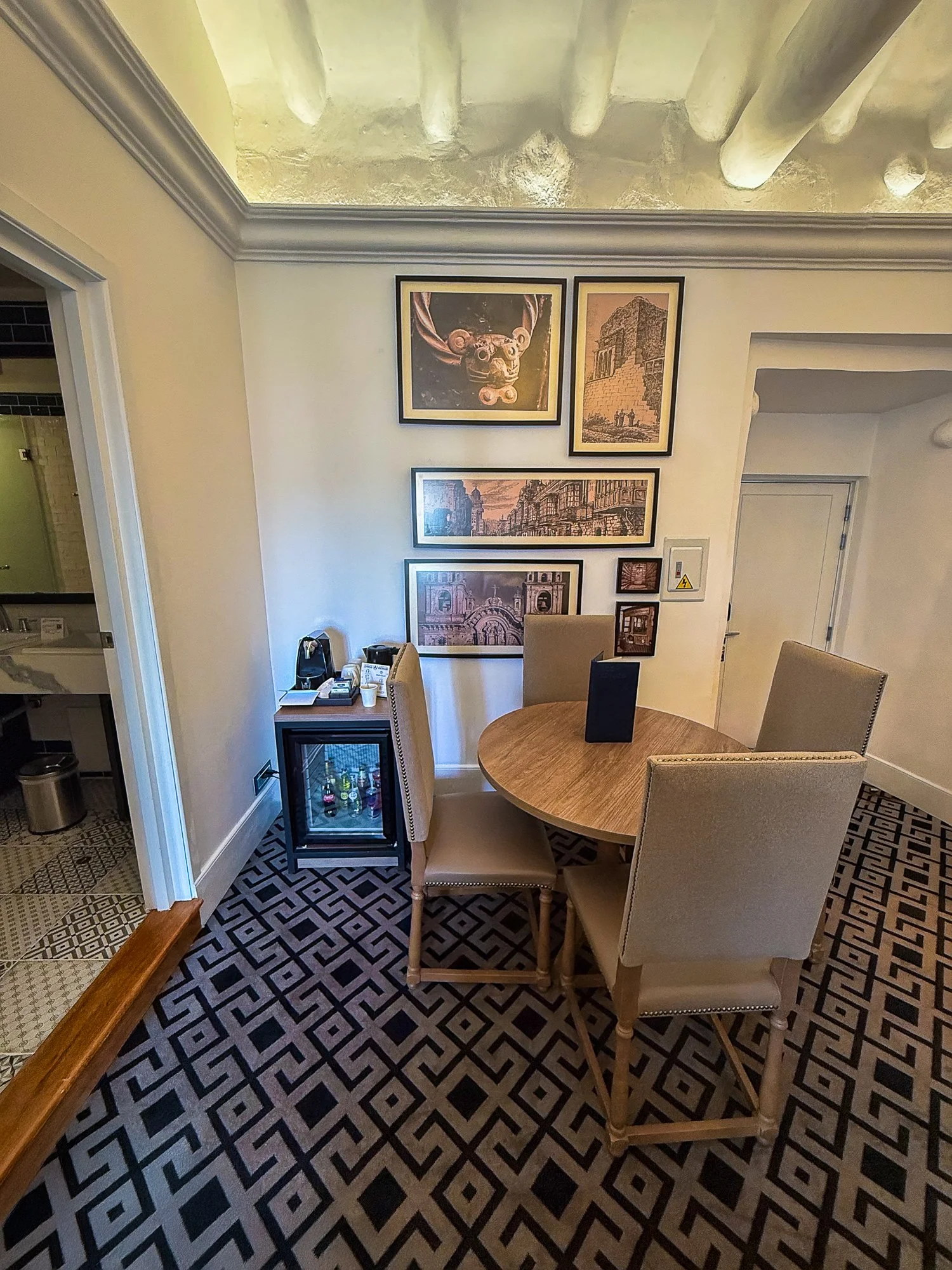
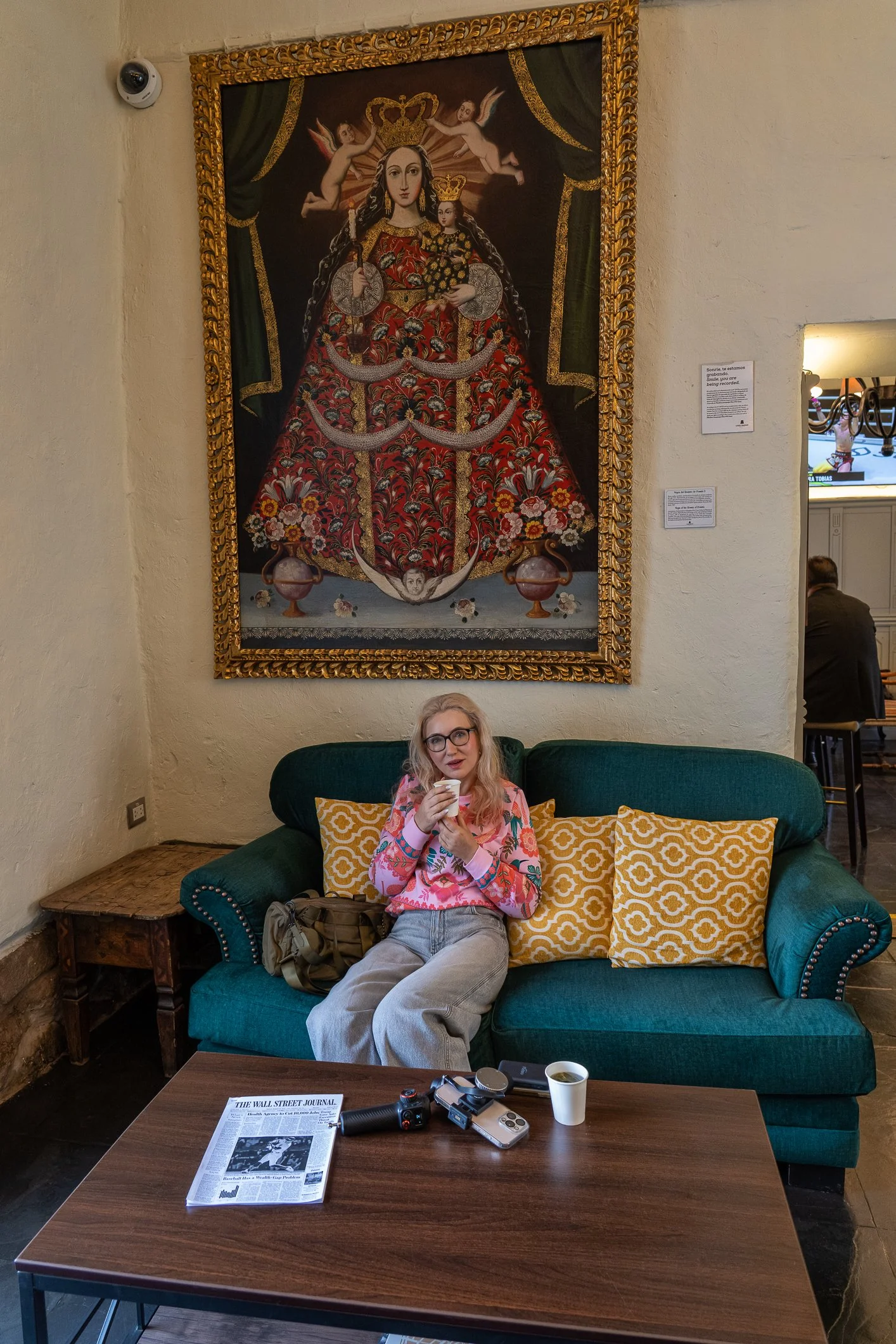
The room is simple but nice, and we can just about see a cathedral from the window if we look to the side. For our Korean online lesson, I stay in the room and Marcin goes to the lounge, which is conveniently empty.

Pokój jest prosty, ale przyjemny, a z okna patrzeć mocno do boku można nawet zobaczyć katedrę. Na naszą lekcję koreańskiego online ja zostaję w pokoju, a Marcin idzie do hotelowego lounge’u, który jest wygodnie pusty.

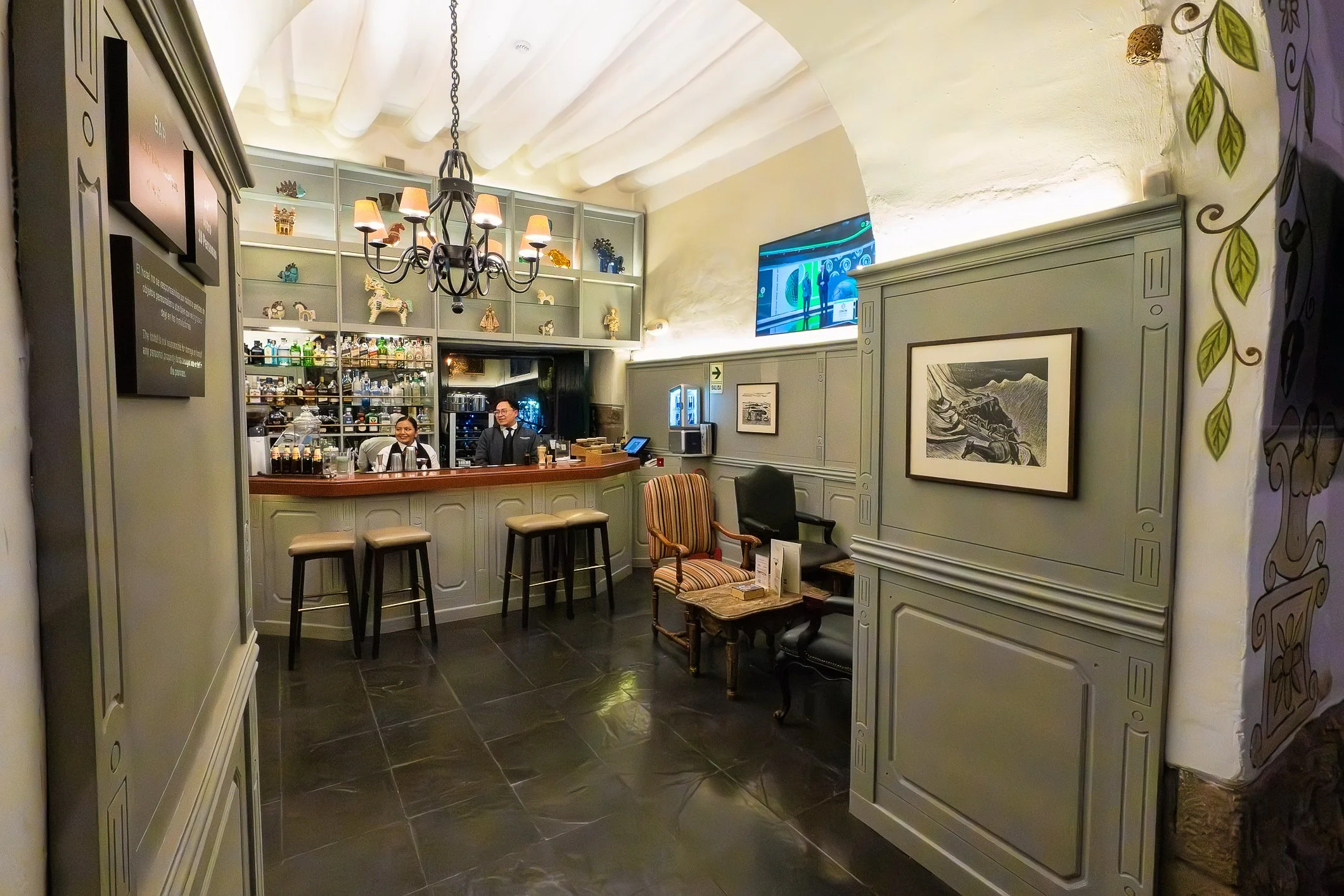
After Korean we pop into the bar for a savoury snack, another cup of coca tea and hot chocolate. Here, hot chocolate is nothing like the sweet, sugary drinks we are accustomed to in Europe. Instead, it is rich with real cacao fat, offering a deeper, more profound taste with much less or no sugar at all.

Po koreańskim wpadamy do baru na przekąskę, kolejną filiżankę herbaty z koki i gorącą czekoladę. Gorąca czekolada nie przypomina tutaj słodkiego napoju, do którego jesteśmy przyzwyczajeni w Europie. Zamiast tego jest bogata w prawdziwy tłuszcz kakaowy, oferując głębszy, bardziej wyrazisty smak z dużo mniejszą ilością cukru lub nawet zupełnie bez cukru.

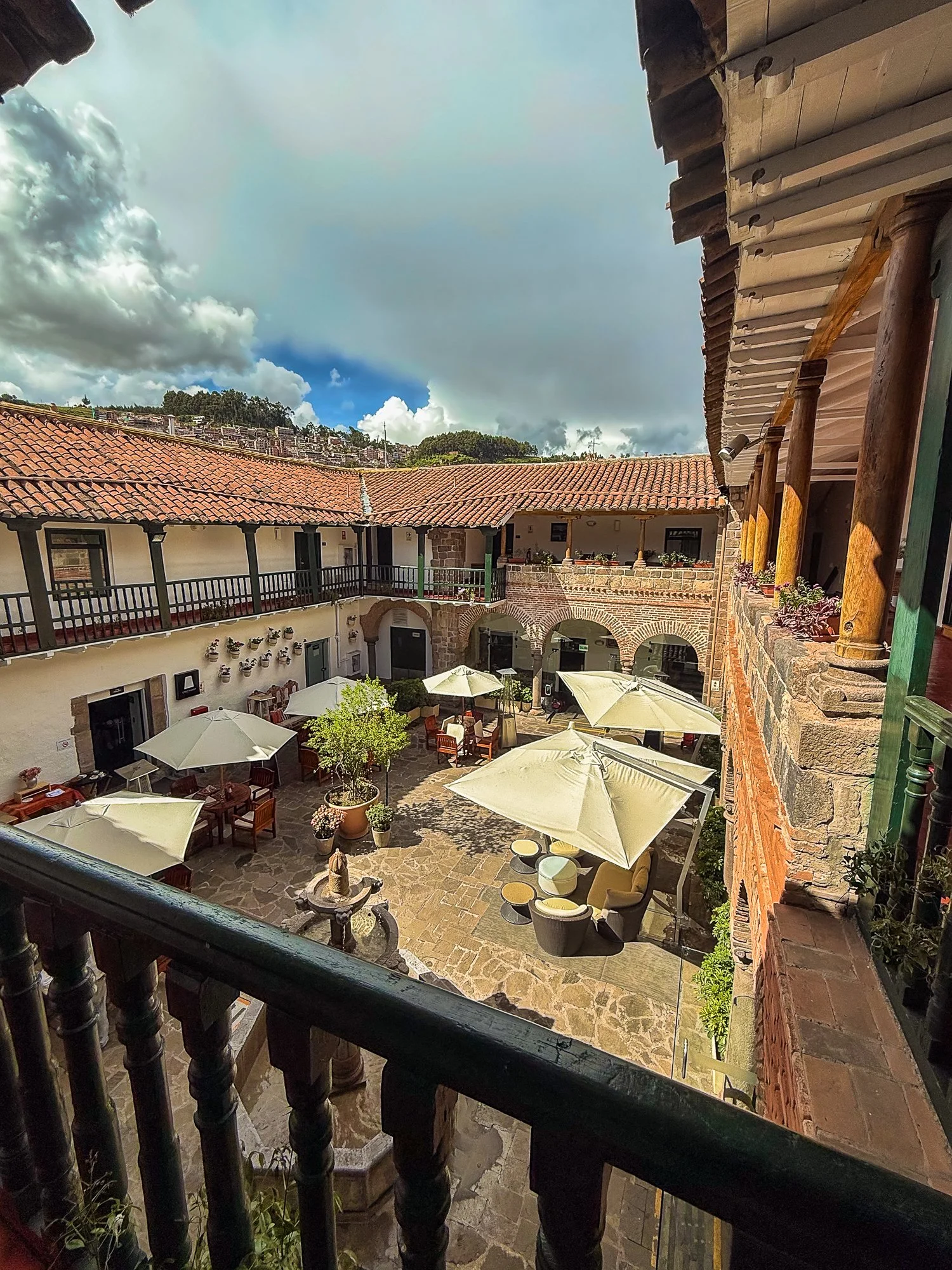
And we also discover the balcony. Oh, what a treat it is. The view is just perfect. From our perch, we can see the majestic cathedral, the stunning Jesuit church, and the bustling expanse of the Plaza de Armas below us.

I odkrywamy też balkon. Och, balkon jest fenomenalny. Możemy z niego podziwiać majestatyczną katedrę, wspaniały kościół jezuicki i tętniącą życiem przestrzeń całego Plaza de Armas.

Riad Dar One

Our second riad, Dar One, is nestled in the historic Mellah district, also known as the Jewish quarter of the medina, just a stone's throw from the enchanting Bahia Palace. This beautifully renovated riad boasts a contemporary minimalist style that masterfully marries the captivating charm of traditional riads with the comforts of modern living.

Nasz drugi riad, Dar One, jest położony w historycznej dzielnicy Mellah, znanej również jako dzielnica żydowska mediny, zaledwie rzut beretem od Pałacu Bahia. Ten pięknie odnowiony riad szczyci się współczesnym minimalistycznym stylem, który mistrzowsko łączy urzekający urok tradycyjnych riadów z wygodami nowoczesnego życia.

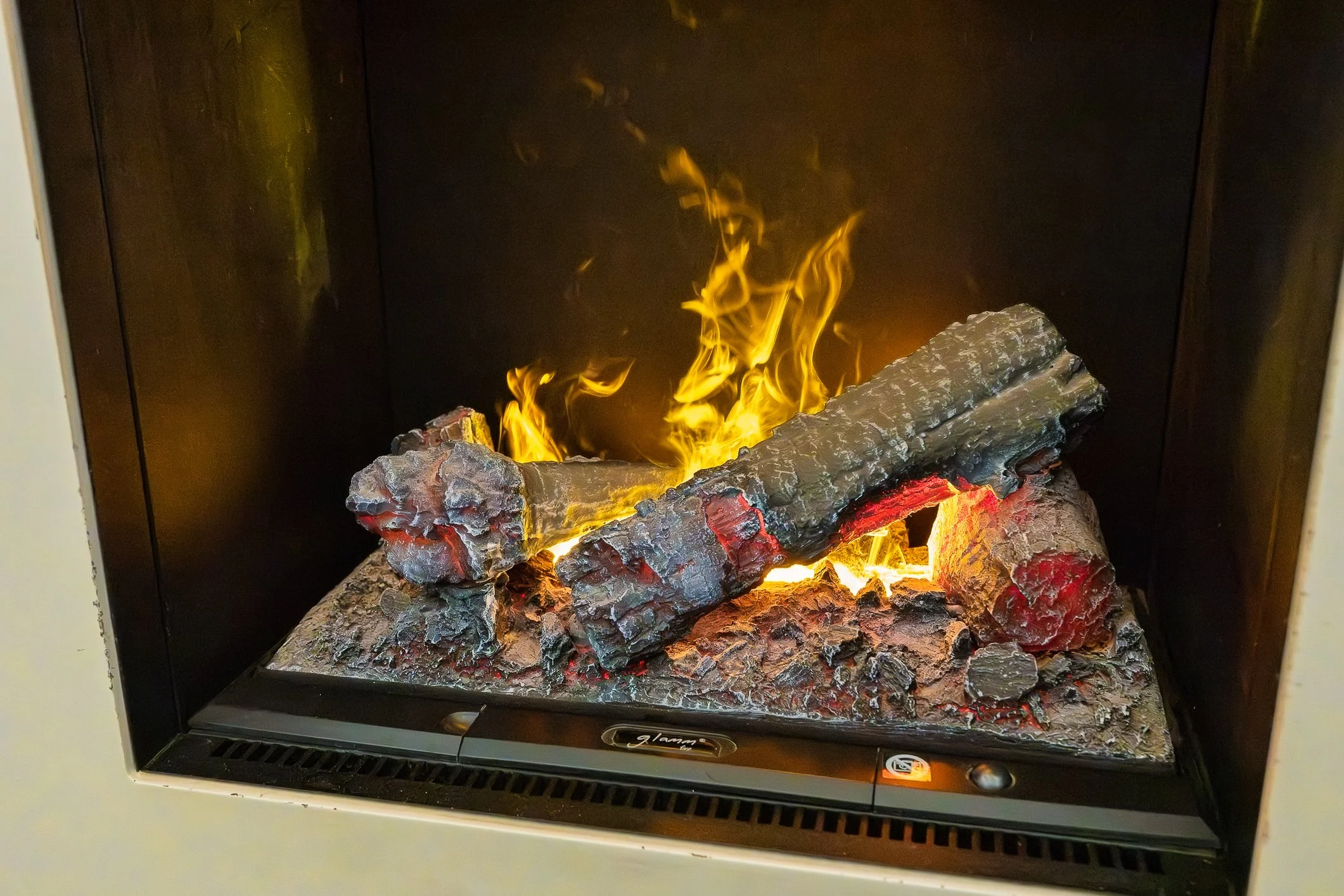
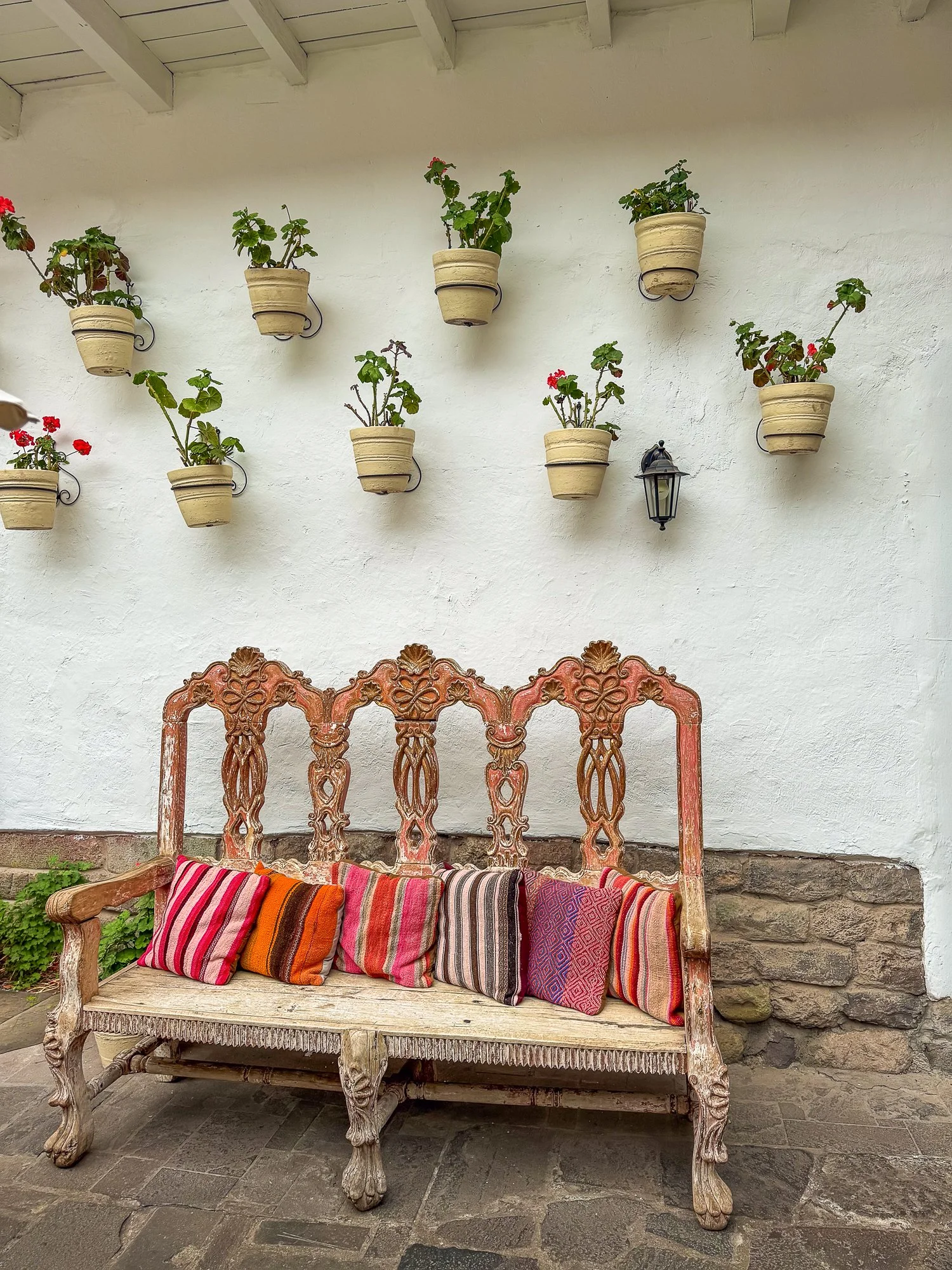
As we step inside, we are greeted by a serene palette of muted colours—burnt orange, sapphire, and moss green—punctuated by soft textures of brushed gold and grey. The interior courtyard of the riad showcases exquisite Moorish ironwork and intricate tiles, a true nod to the rich architectural heritage of Marrakech. Guests can also unwind in a cosy indoor lounge complete with a charming chimney or take in the views from the rooftop terrace.

Gdy wchodzimy do środka, wita nas spokojna paleta stonowanych kolorów — spalonej pomarańczy, szafiru i zieleni mchu — przerywanych miękkimi fakturami złota i szarości. Wewnętrzny dziedziniec riadu ozdabiają mauretańskie wyroby żelazne i piękne ceramiczn płytki - ukłon w stronę bogatego dziedzictwa architektonicznego Marrakeszu. Goście mogą również odpocząć w przytulnym salonie z uroczym kominkiem lub podziwiać widoki z tarasu na dachu.

We are staying in the Sirocco suite, which opens directly onto the terrace. The suite is a harmonious blend of style and comfort, featuring walls painted in deep chocolate hues and dark brown wood panels. The windows are dressed in striped curtains that echo the same patterns found on the lampshades. Our bed is spacious and comfortable, and we also enjoy the luxury of a private sunbed on the rooftop where we can relax under the Moroccan sun.

Zatrzymujemy się w jedynej suicie riadu, Sirocco, która wychodzi bezpośrednio na taras. Suita ma ściany w kolorze głębokieh odcieni czekolady i ciemnobrązowe panelez drewna. Okna są ozdobione pasiastymi zasłonami, i takie same wzory widnieją na abażurach lamp. Nasze łóżko jest przestronne i wygodne, a my możemy również cieszyć się luksusem prywatnego łóżka na dachu.

We postponed our pre-booked dinner for the next day as I am still a bit careful about what I can eat after my food poisoning and tagine makes me uneasy. But our first breakfast is delightful, showcasing the flavours of Morocco and providing a perfect start to the day.

Przełożyliśmy naszą wcześniej zarezerwowaną kolację na następny dzień, gdyż po moim zatruciu pokarmowym ciągle mam problem z patrzeniem nawet na tagine. Ale nasze pierwsze śniadanie jest bardzo smaczne i wszystko jest świeżutkie a podpłomyki wciąż gorące.