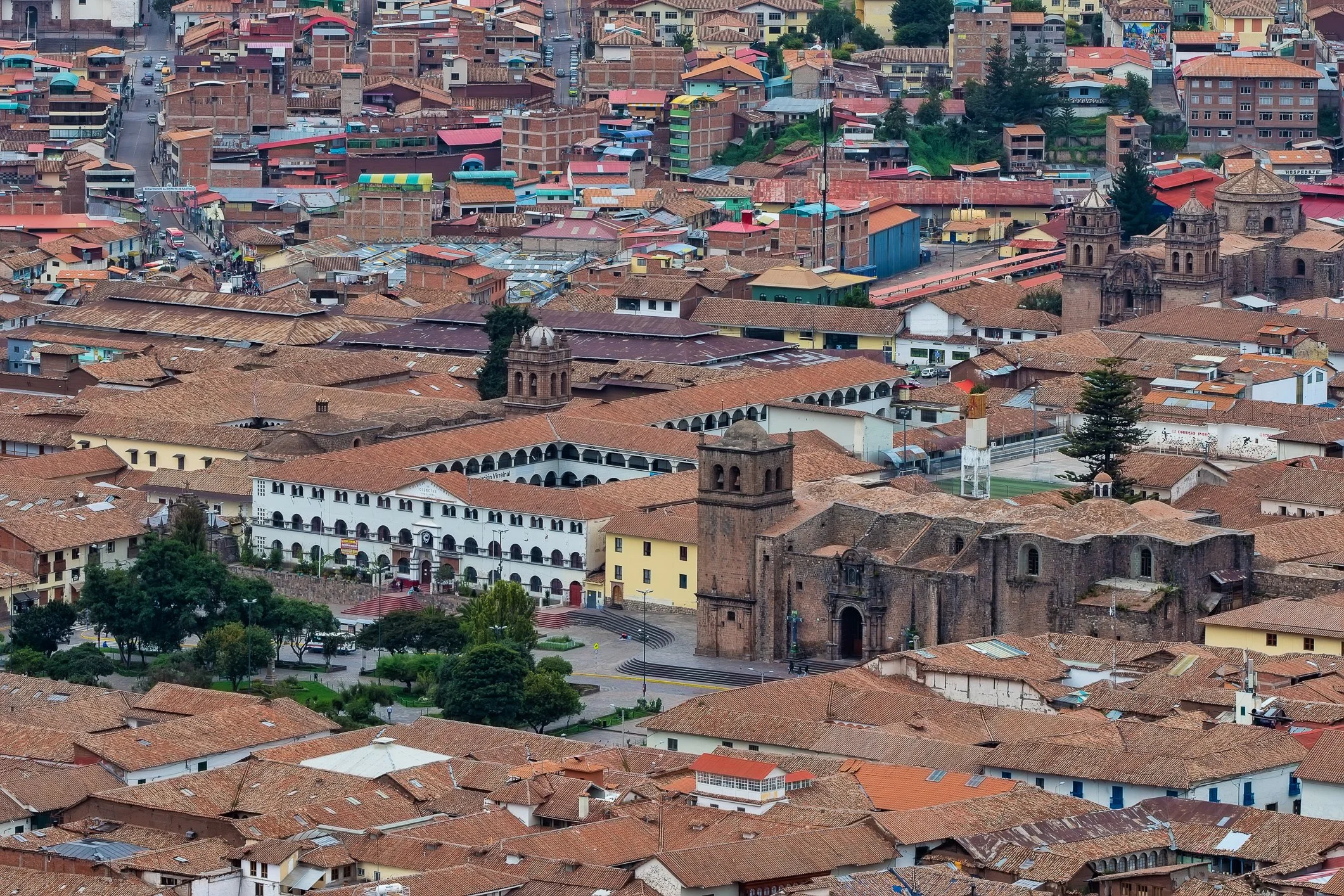
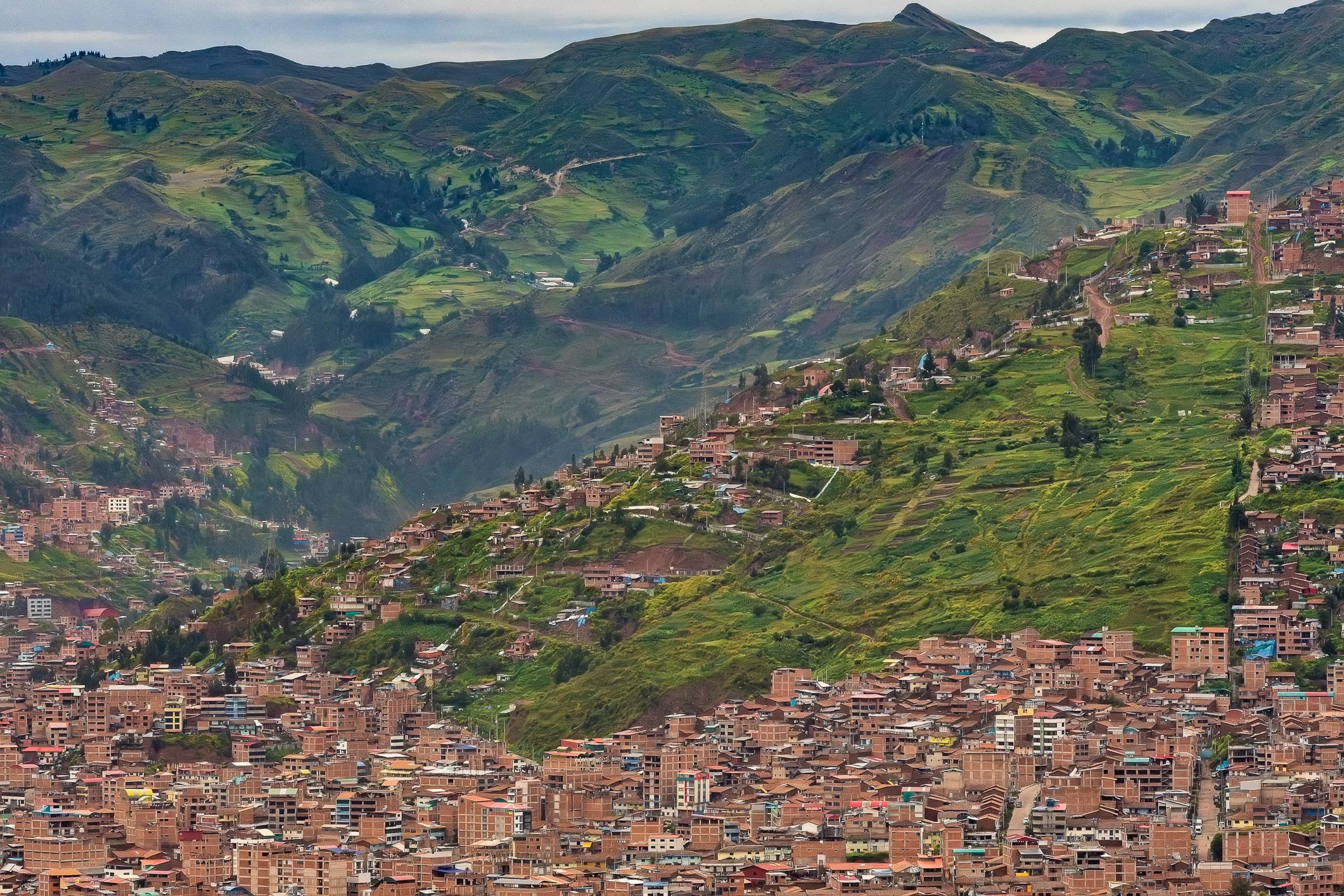
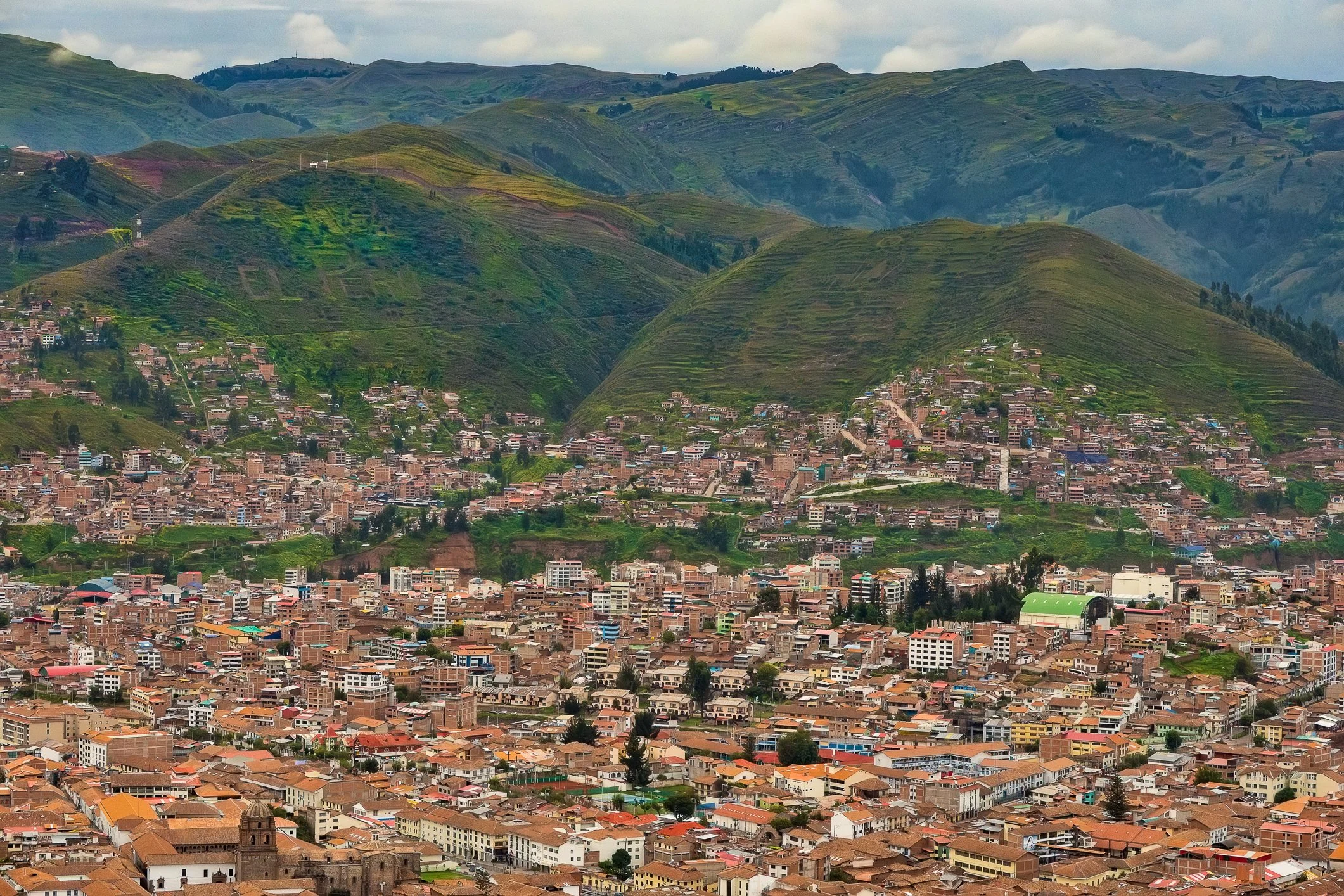
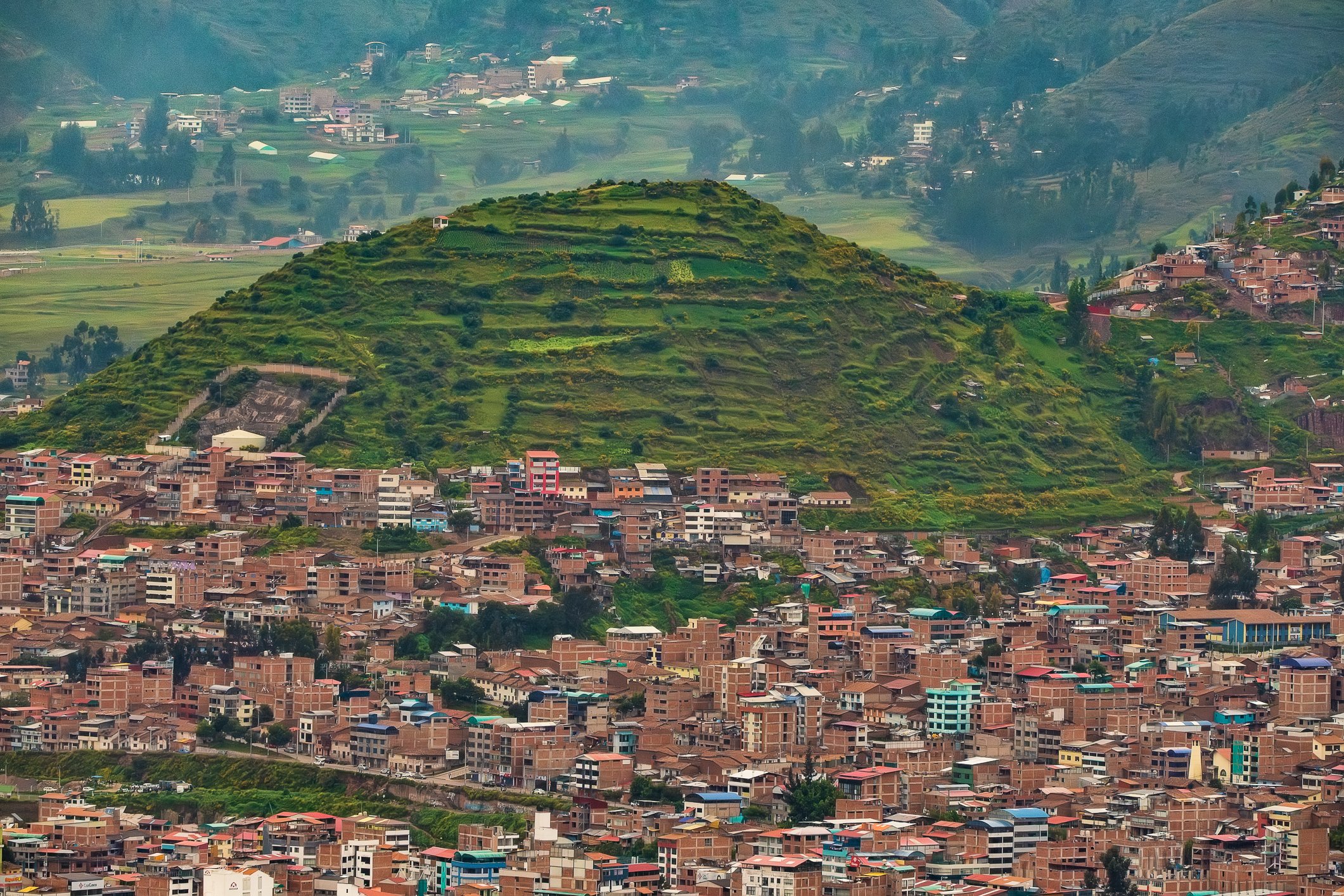
city

Early morning walk

Today we got up at 5 a.m., which already felt like a bold life choice, because we’d heard there was a morning mass at Templo de Santa Clara. Apparently, it was our chance to see the church’s interior. Well, turns out “we heard” wasn’t exactly the most reliable source. The place was completely closed and nothing indicated it would change any time soon.

Still, despite the slightly crispy weather (we donned warm jackets!), the walk there was worth it. Cusco at that hour is genuinely peaceful - quiet streets, soft light, no groups with flags or matching hats. On the way back, we passed under the Santa Clara Arch, which we hadn’t seen before. Nice detail to have on your morning route, even if the main event didn’t happen.


Dziś wstaliśmy o 5 rano - co już samo w sobie było dość śmiałym pomysłem - bo słyszeliśmy, że podobno miała być poranna msza w Templo de Santa Clara. To byłby nasza szansa, żeby zobaczyć wnętrze tego kościoła. No cóż, jak się okazało, “słyszeliśmy, że podobno” to niezbyt solidne źródło informacji. Kościół był zamknięty na cztery spusty i nic nie wskazywało, że może to się zmienić w najbliższym czasie.

Mimo to i chociaż było rześko (wskoczyliśmy w ciepłe kurtki!), nasz spacer był wart wczesnej pobudki. Cuzco o tej porze jest naprawdę spokojne—puste ulice, miękkie światło, zero wycieczek z chorągiewkami i identycznymi czapkami. W drodze powrotnej przeszliśmy pod łukiem Santa Clara, którego wcześniej nie widzieliśmy.

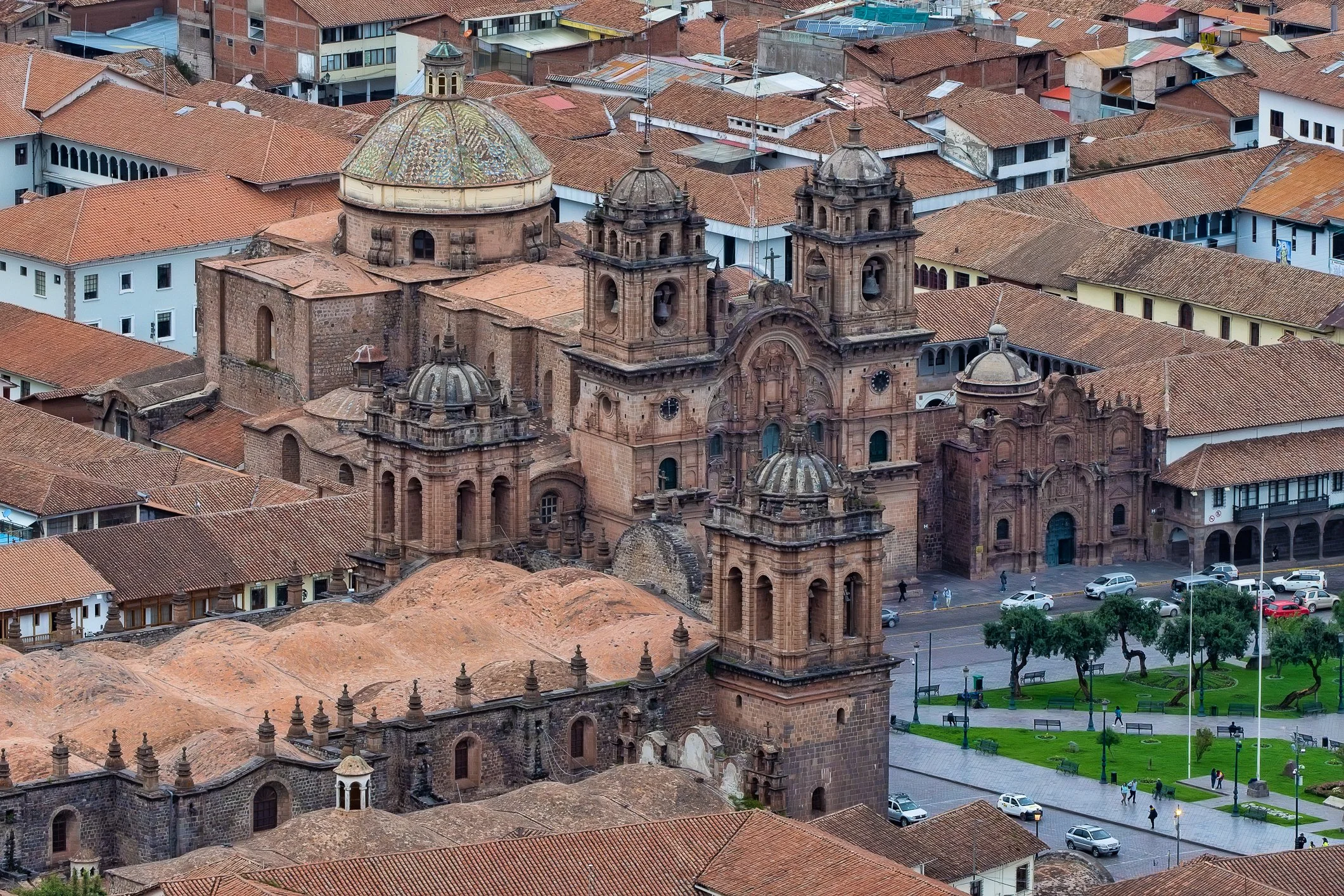
Eventually, we headed back to our hotel for breakfast. Today we decided to have it on the balcony. Cathedral view never gets old, after all. The morning wasn’t what we planned, but honestly, better than expected.


W końcu wróciliśmy do hotelu na śniadanie. Dziś postanowiliśmy zjeść na balkonie naszej hotelowej kawiarni. W końcu widok na katedrę nigdy się nie nudzi.

Let's talk more about the hotel...

“In the heart of Cusco, where the echoes of ancient Incan footsteps mingle with the vibrant pulse of contemporary life, there stands an accommodation known as the Hotel Plaza de Armas. To speak of this place is to invoke the sacred trinity of location, location, and location; for here, amidst the cobblestone veins of the city, one can feel the very spirit of history wrap around them like a cherished shawl woven from the threads of time.”

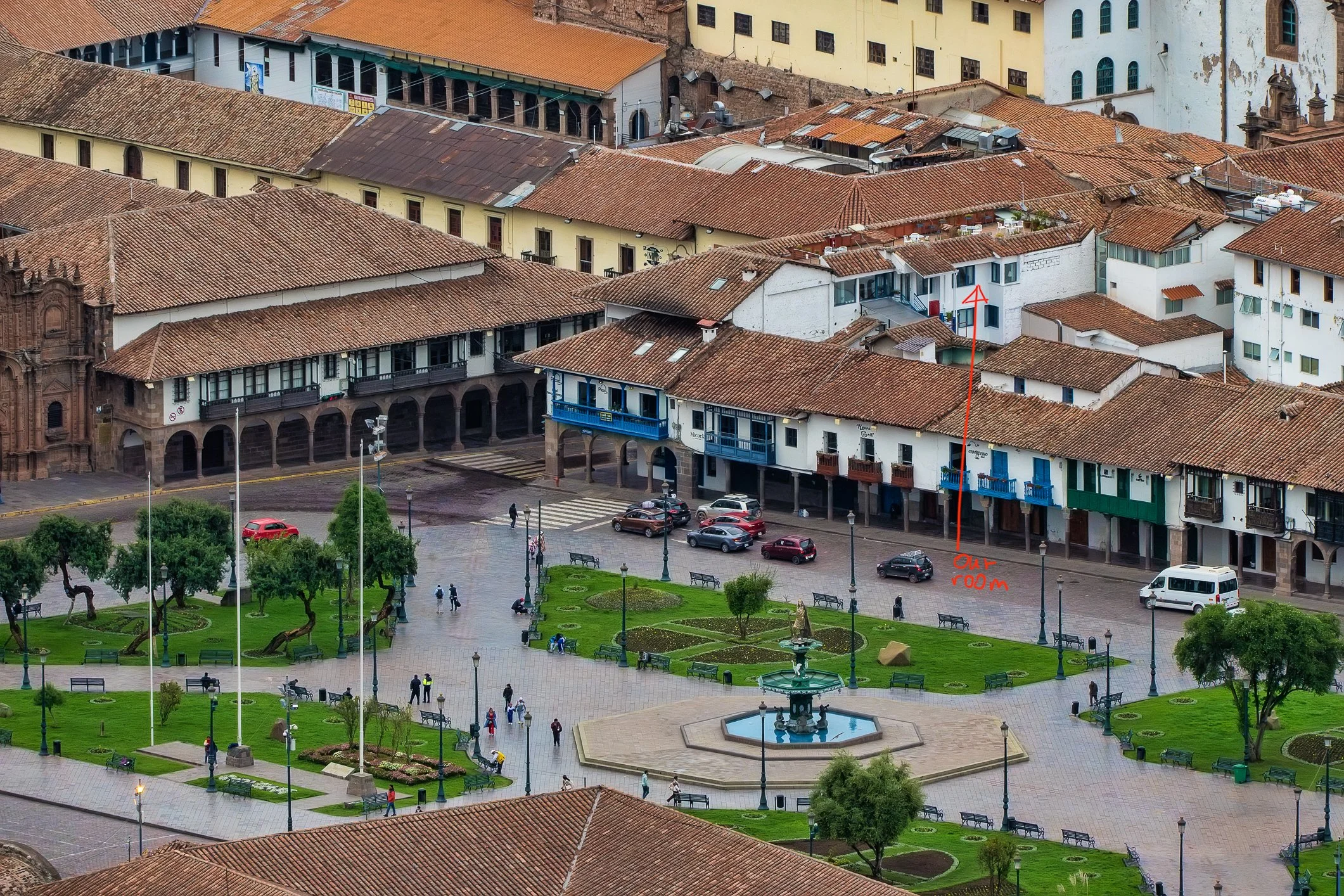
We could begin our story like this, but, seriously, this is without a doubt one of the best hotels on Cusco’s famous Plaza de Armas or Main Square. Owned by a local family, it is a vision of modern simplicity. Its rooms are light and airy with crisp white linen, good showers, desks, electric heaters and complimentary coca tea, bottled water and wifi.

The allure of this hotel extended far beyond its walls. The vibrant Plaza de Armas came alive every morning, offering a sensory feast from the rich aroma of freshly brewed coffee to the laughter of children exercising every day in front of the cathedral for the fast approaching Sentimana Santa. It was impossible not to be swept up in the rhythm of the city, as cobblestone streets beckoned us to explore their hidden corners.

Plaza de Armas is also the gastronomic epicentre of the city so by staying here, we had access to a wide variety of restaurants offering authentic Peruvian cuisine.

„W sercu Cuzco, gdzie echa kroków starożytnych Inków mieszają się z tętniącym życiem pulsem współczesnego miasta, stoi Hotel Plaza de Armas. Mówiąc o tym miejscu do głowy przychodzą przede wszystkim trzy rzeczy: lokalizacja, lokalizacja, lokalizacja”. Moglibyśmy zacząć naszą opowieść w ten sposób, ale poważnie podchodząc do tematu, jest to bez wątpienia jeden z najlepszych hoteli na słynnym Plaza de Armas, czyli Głównym Rynku w Cuzco. Nasz pokój jest jasny i dość przestronny, wyposażony w wygodne łóżko i prysznic, biurkami, grzejnik elektrycznymi oraz bezpłatną herbatę z koki, wodą butelkowaną i Wi-Fi.

Urok tego hotelu wykracza jednak daleko poza jego mury. Tętniący życiem Plaza de Armas ożywa każdego ranka, oferując ucztę dla zmysłów od bogatego aromatu świeżo parzonej kawy po śmiech dzieci ćwiczących codziennie przed katedrą na szybko zbliżający się święty tydzień. Nie sposób jest nie dać się porwać rytmowi miasta, gdy brukowane uliczki zachęcają nas do eksploracji jego ukrytych zakątków.

Plaza de Armas jest także gastronomicznym centrum miasta, wiec dzięki temu, że tu mieszkamy, mamy natychmiastowy dostęp do mnóstwa restauracji oferujących autentyczne dania kuchni peruwiańskiej.

Apart from mentioned in my previous entry café balcony with its sweeping views on the plaza, the hotel has a lovely roof top terrace with one of the best views of the Main Square.

Oprócz wspomnianego we wcześniejszym wpisie balkonu kawiarnianego z rozległym widokiem na plac, hotel posiada także piękny taras na dachu z jednym z najlepszych widoków na Plaza de Armas.

Ginza Place

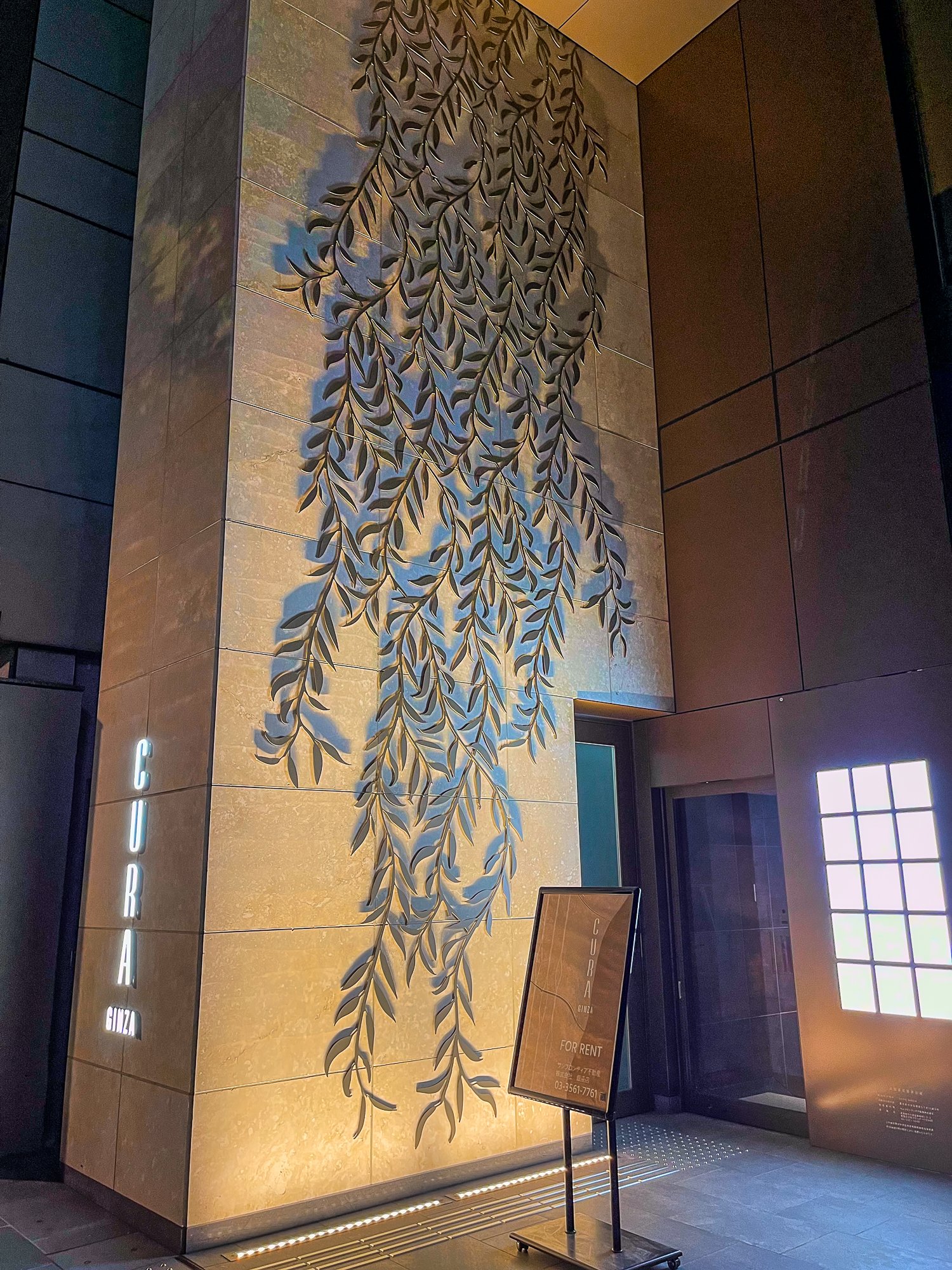
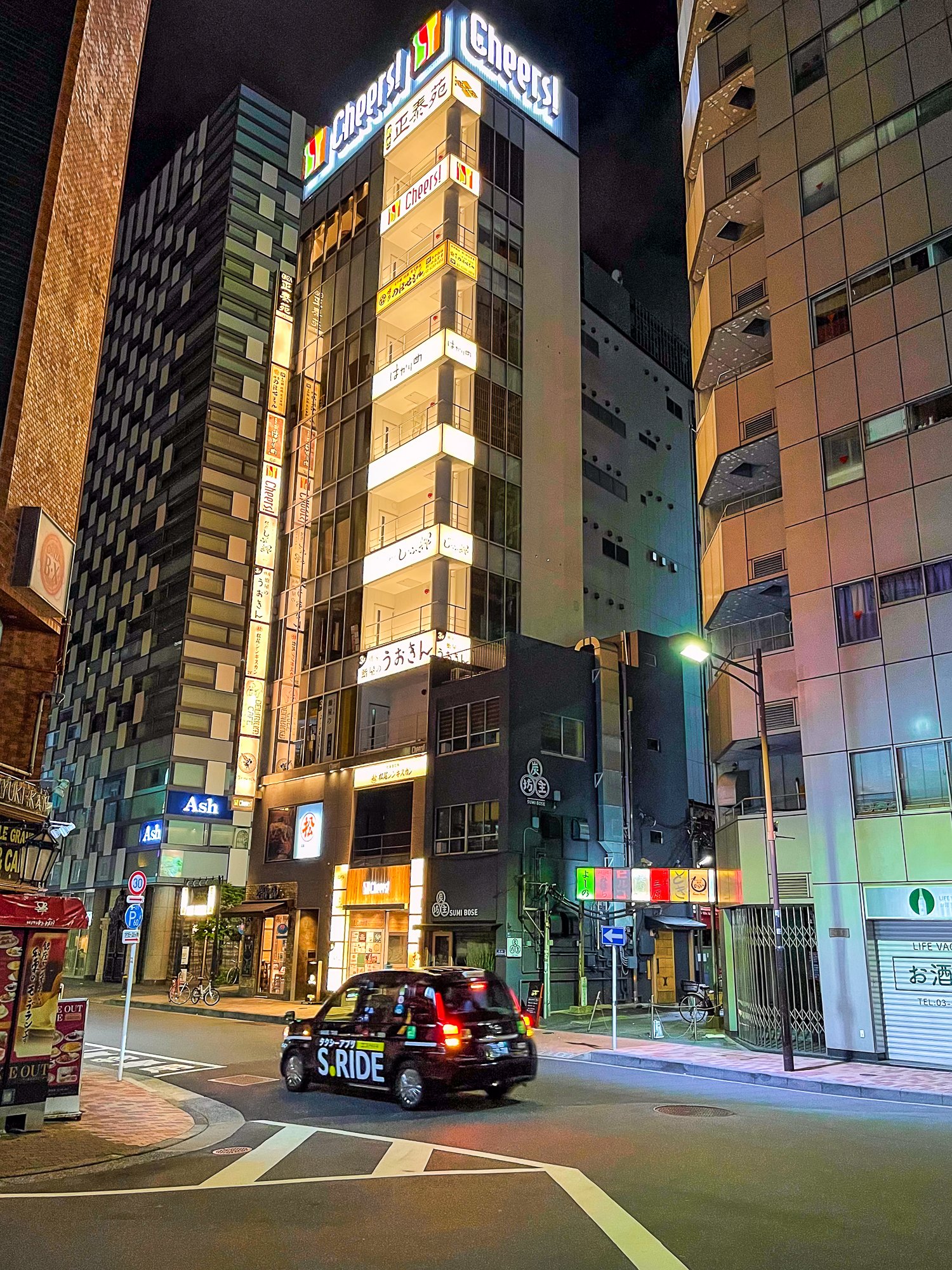
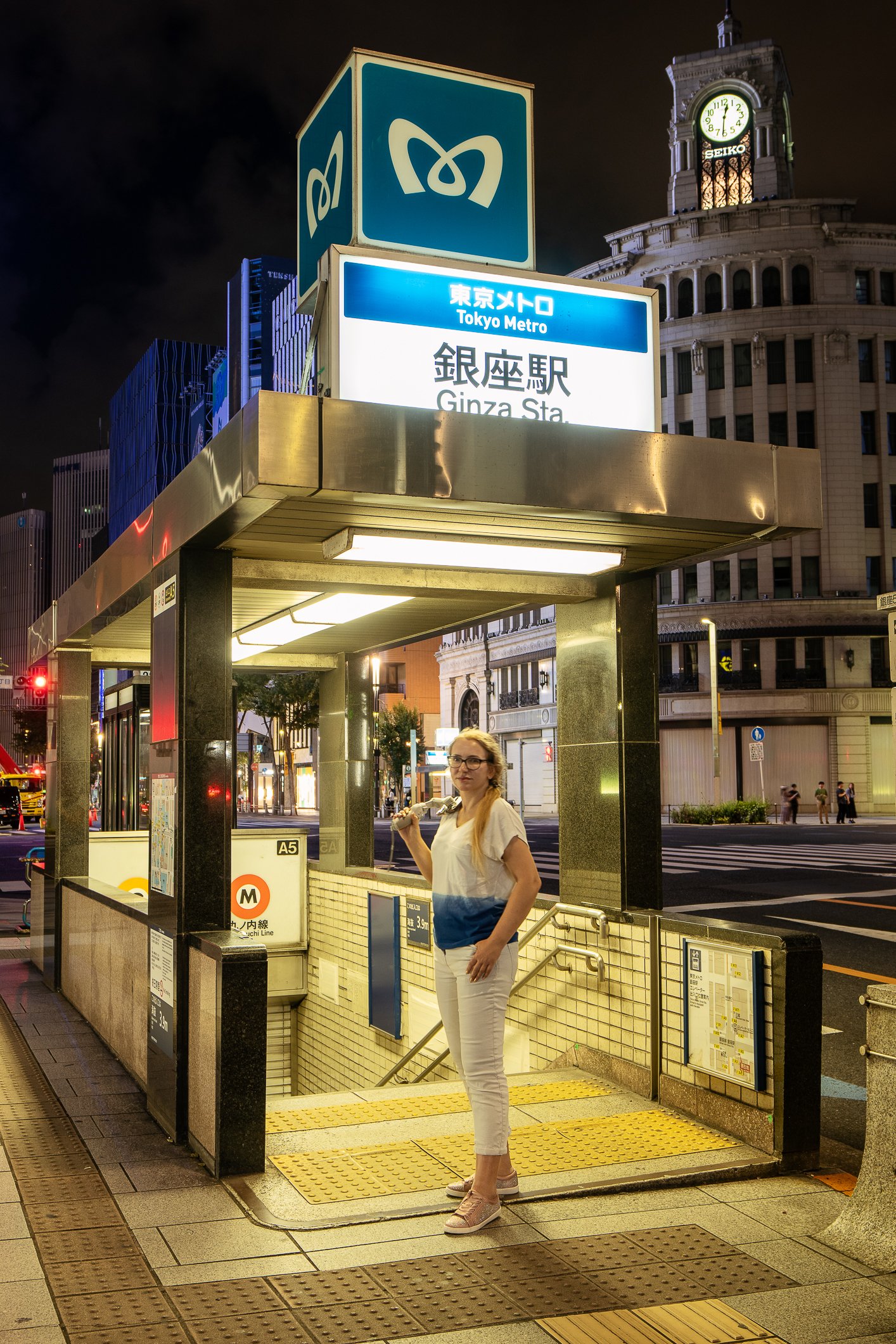
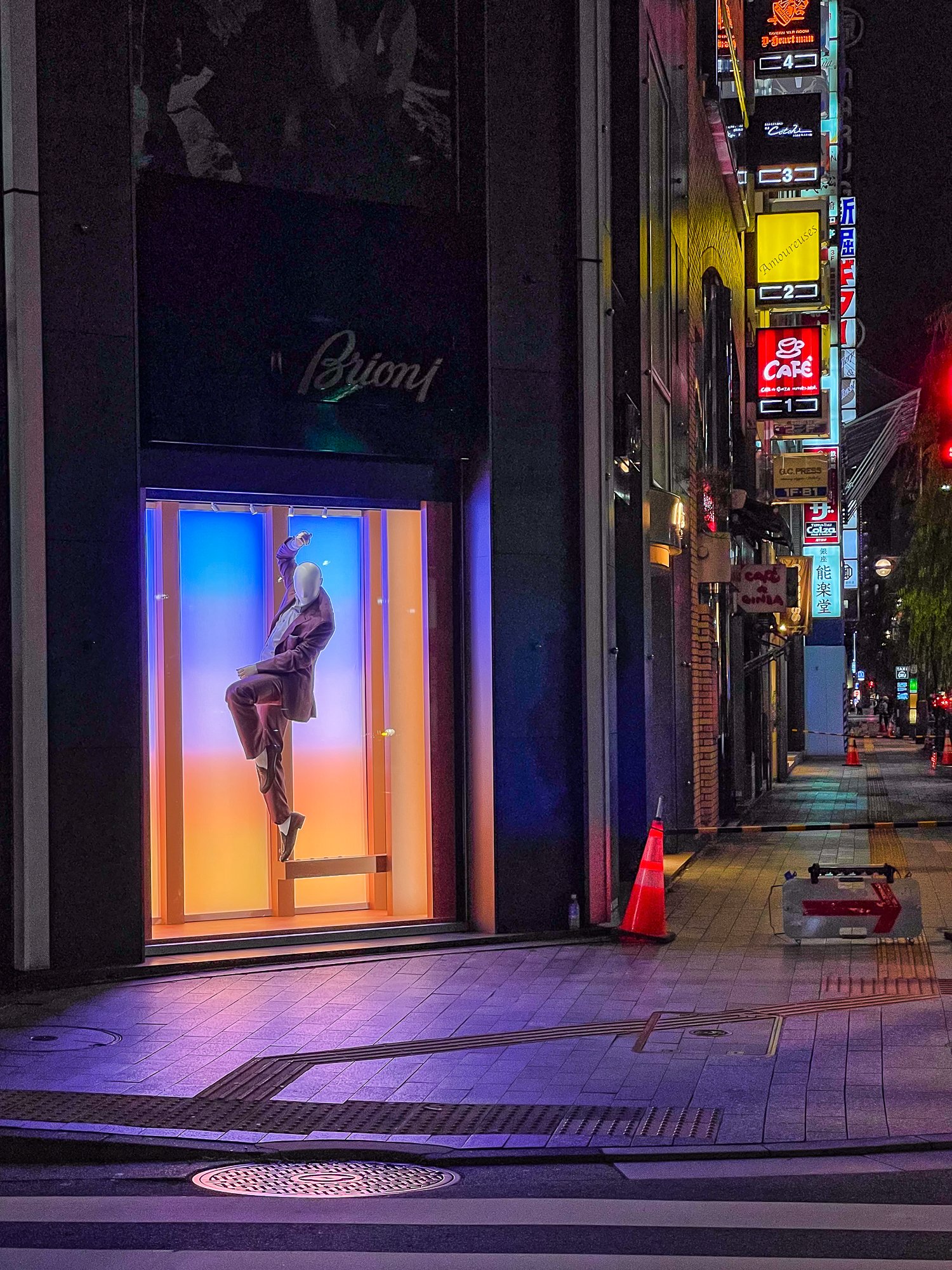
And now it's really late, and we're off to the hotel again. Ginza looks marvelous at night, and we linger around the building known as Ginza Place, which houses showrooms for Sony and Nissan. The facade of this high-rise is inspired by sukashibori, a type of open latticework found in traditional Japanese crafts, typically used in small items like baskets or tableware. The Seiko Building opposite became a symbol of Ginza upon its completion in 1932, and its clock tower remains the icon of the area.There are also some other interesting buildings around.

A teraz jest już naprawdę późno i zdecydowanie czas już wracać do hotelu. Ginza nocą wyglądabardzo atrakcyjnie. Zatrzymujemy się na chwilę w pobliżu budynku znanego jako Ginza Place, w którym mieszczą się salony firm Sony i Nissan. Fasada tego wieżowca inspirowana jest sukashibori, rodzajem otwartej kraty spotykanej w tradycyjnym japońskim rzemiośle, zwykle używanej w małych przedmiotach, takich jak kosze czy zastawa stołowa. Kilka innych ciekawych budynkow znajduje sie w tej samej okolicy.

First glimpse of Ginza

After taking pictures of Kabukiza, we stroll down a few streets near the hotel. It is surprisingly quiet, we expected Ginza to be much more busy, even at night. And then we go back as we need some sleep.


Po zrobieniu zdjęć Kabukizie spacerujemy jeszcze kilkoma uliczkami w pobliżu hotelu. Jest zaskakująco cicho, spodziewaliśmy się, że Ginza będzie znacznie bardziej zatłoczona, nawet w nocy. Po pół godzinie wracamy do hotelu, bo potrzebujemy trochę snu.

Pink city

Marrakech is often referred to as the "Pink City," and for a good reason! It is adorned with a unique pink hue that emerges from the local sandstone used in its architecture. The warm, terracotta tones of the buildings create a stunning backdrop against the vibrant blue skies and lush greenery, making it a visual feast for visitors..

The tradition of using this pink-coloured clay has been maintained over centuries, a nod to Marrakech’s rich history and cultural heritage. As a UNESCO World Heritage site, the city not only showcases its architectural beauty but also preserves the essence of Moroccan craftsmanship.


Marrakesz jest często nazywany „Różowym Miastem” i nie bez powodu! Wiele budowli jest tu zbudowanych z lokalnego piaskowca o unikalnym różowym odcieniu. Ciepłe, terakotowe barwy budynków pięknie kontrastują z błękitem nieba i bujną zielenią, czyniąc miasto ucztą dla oczu.

 Tradycja używania różowej gliny jest podtrzymywana od stuleci, co jest ukłonem w stronę bogatej historii i dziedzictwa kulturowego Marrakeszu. Jako obiekt światowego dziedzictwa UNESCO, miasto nie tylko prezentuje swoje piękno architektoniczne, ale także zachowuje istotę marokańskiego rzemiosła.