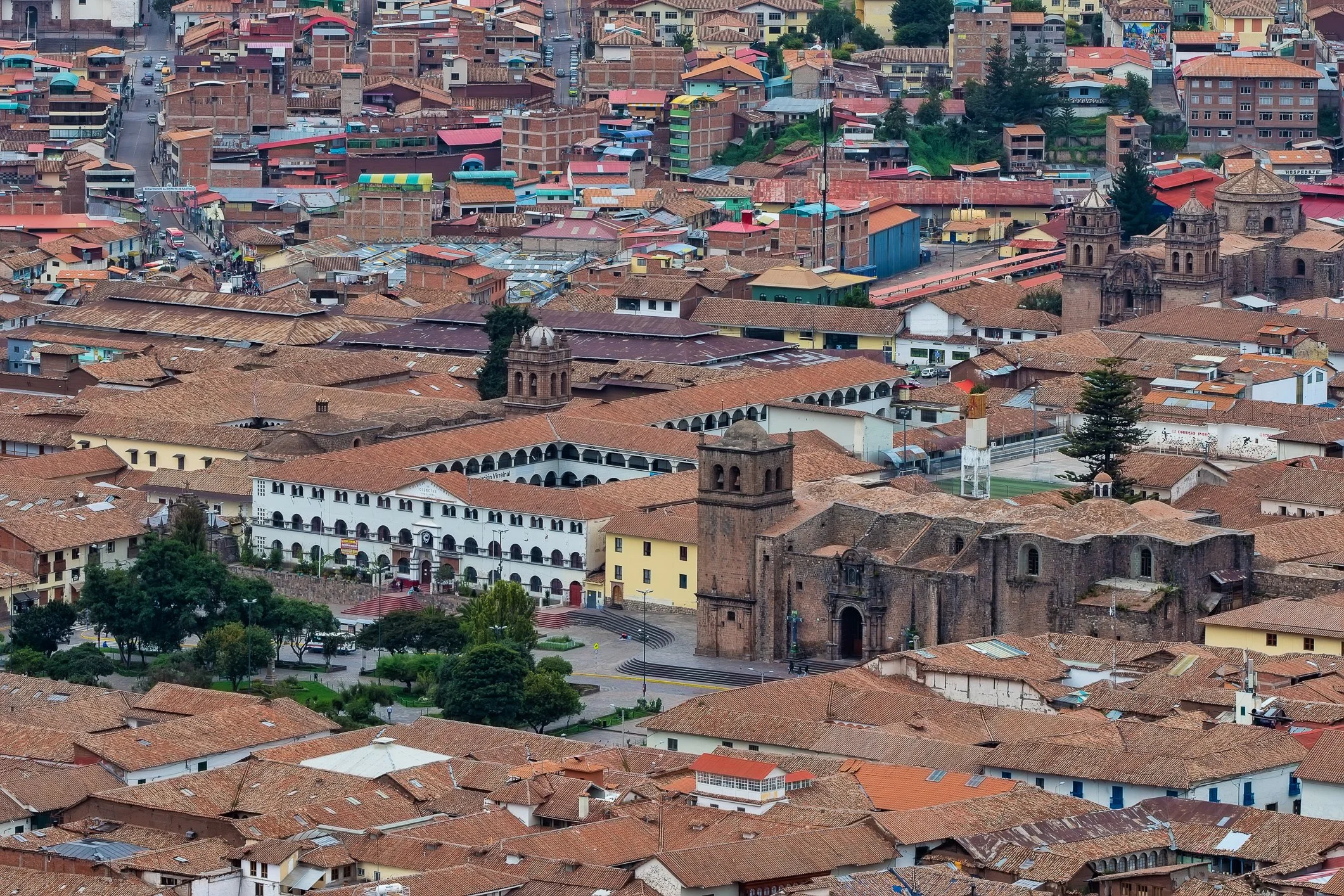
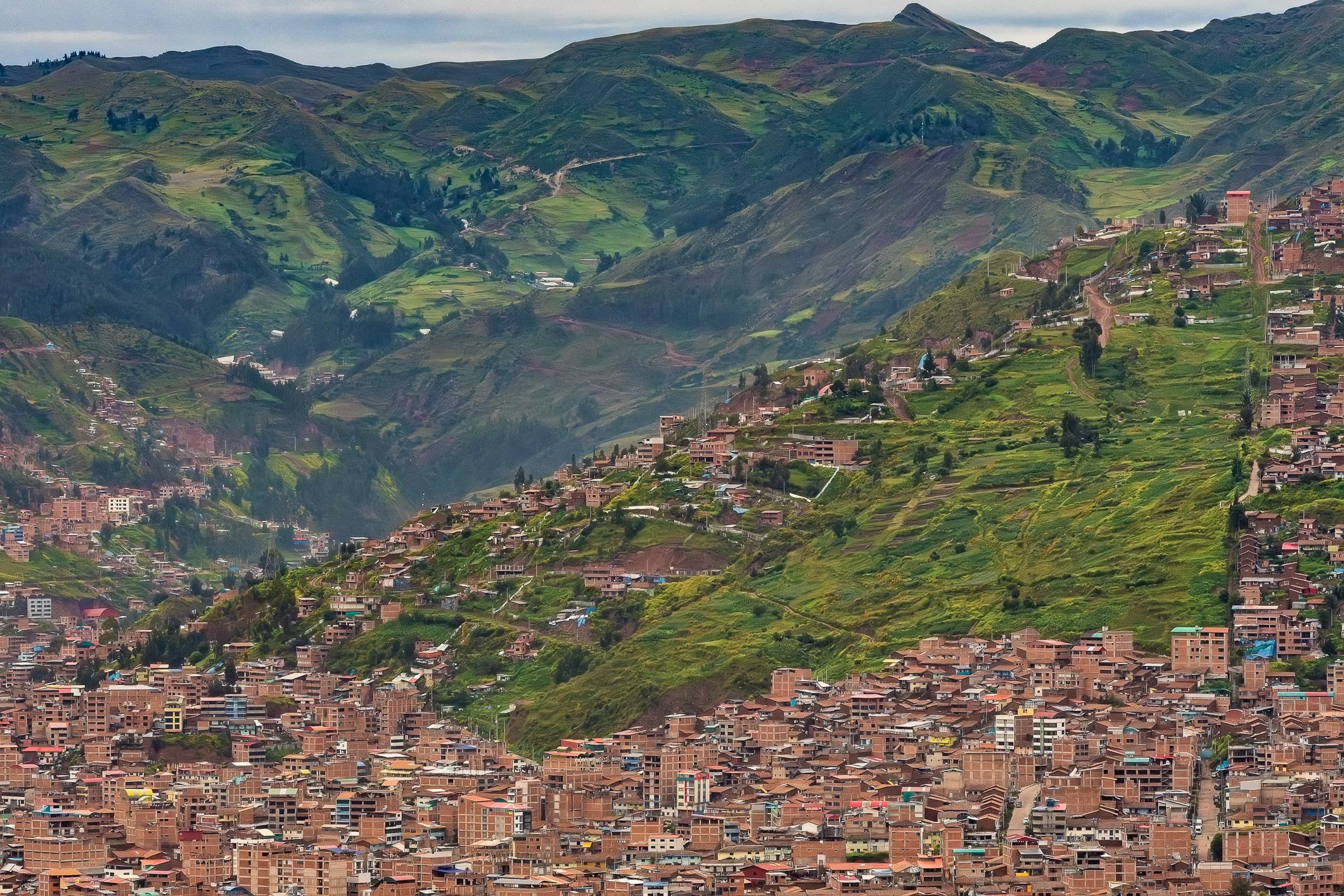
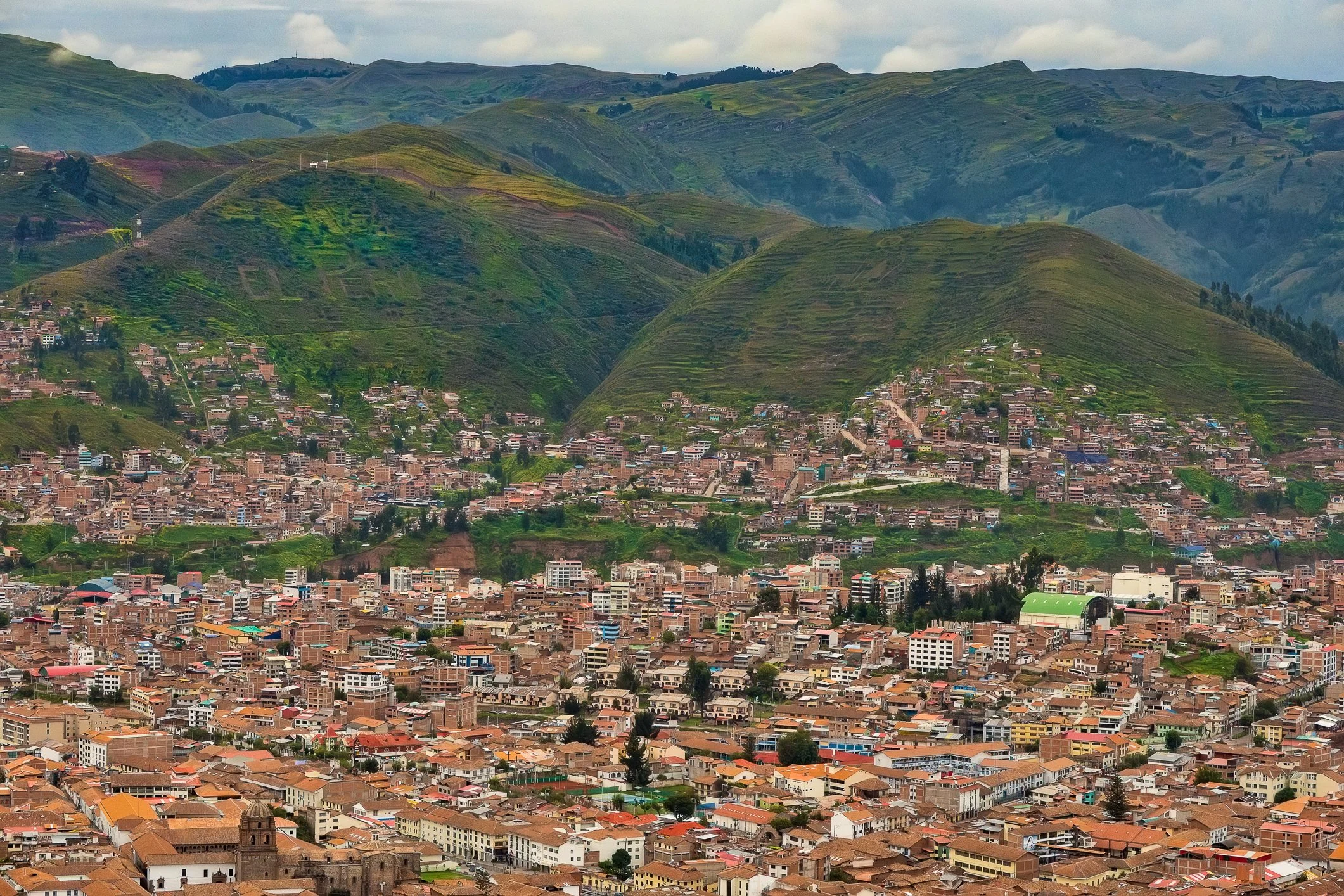
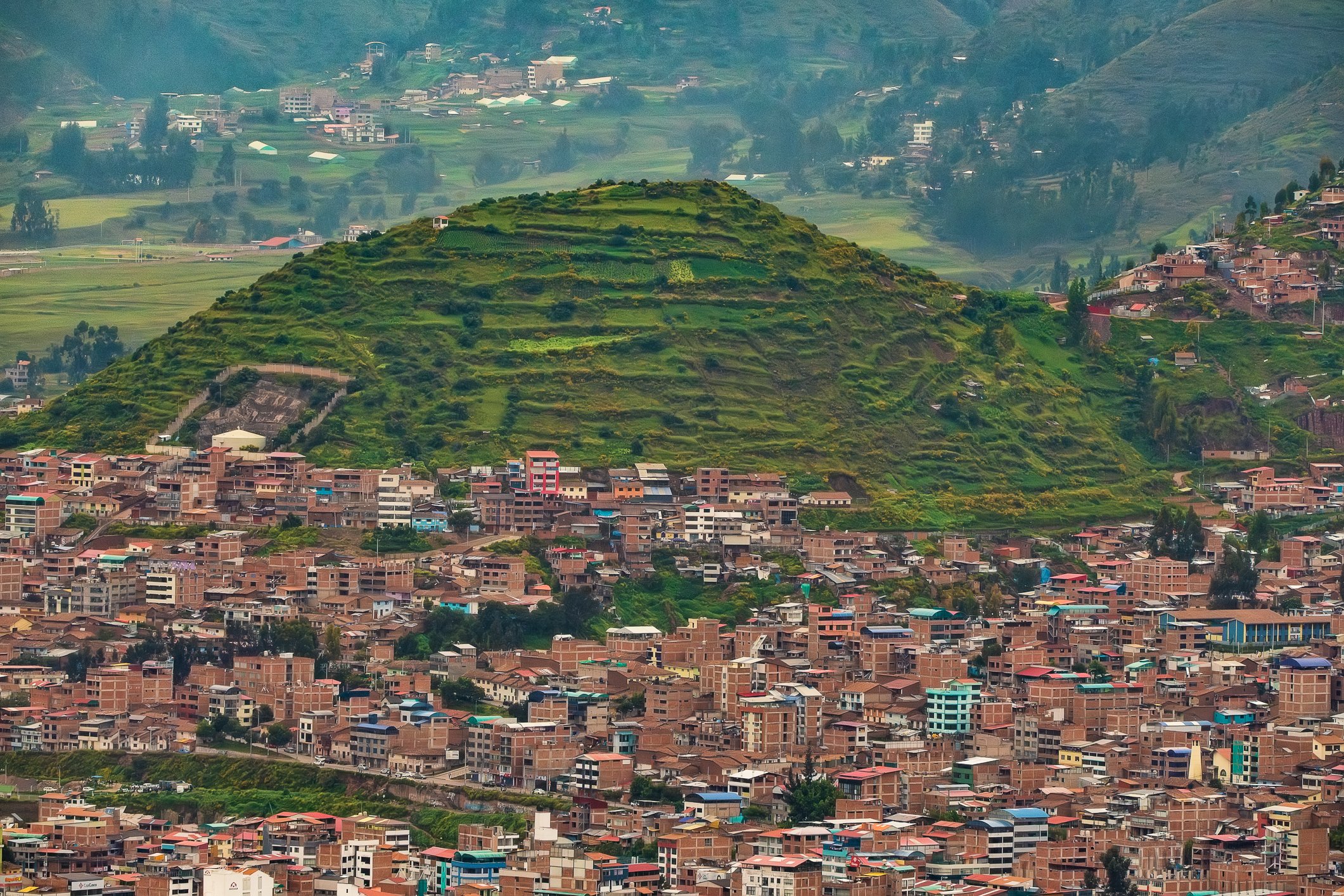
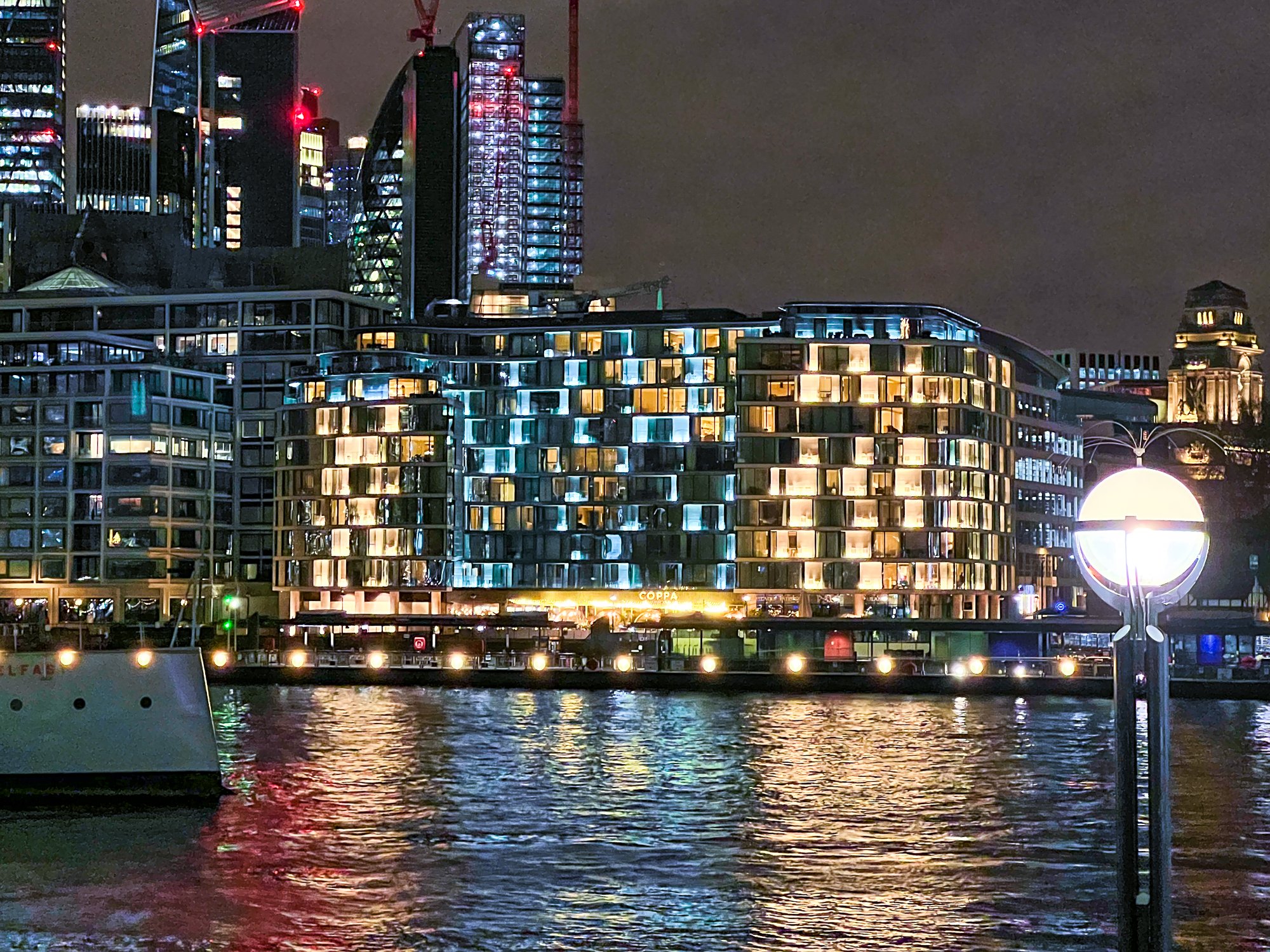
cityscape

Cristo Blanco

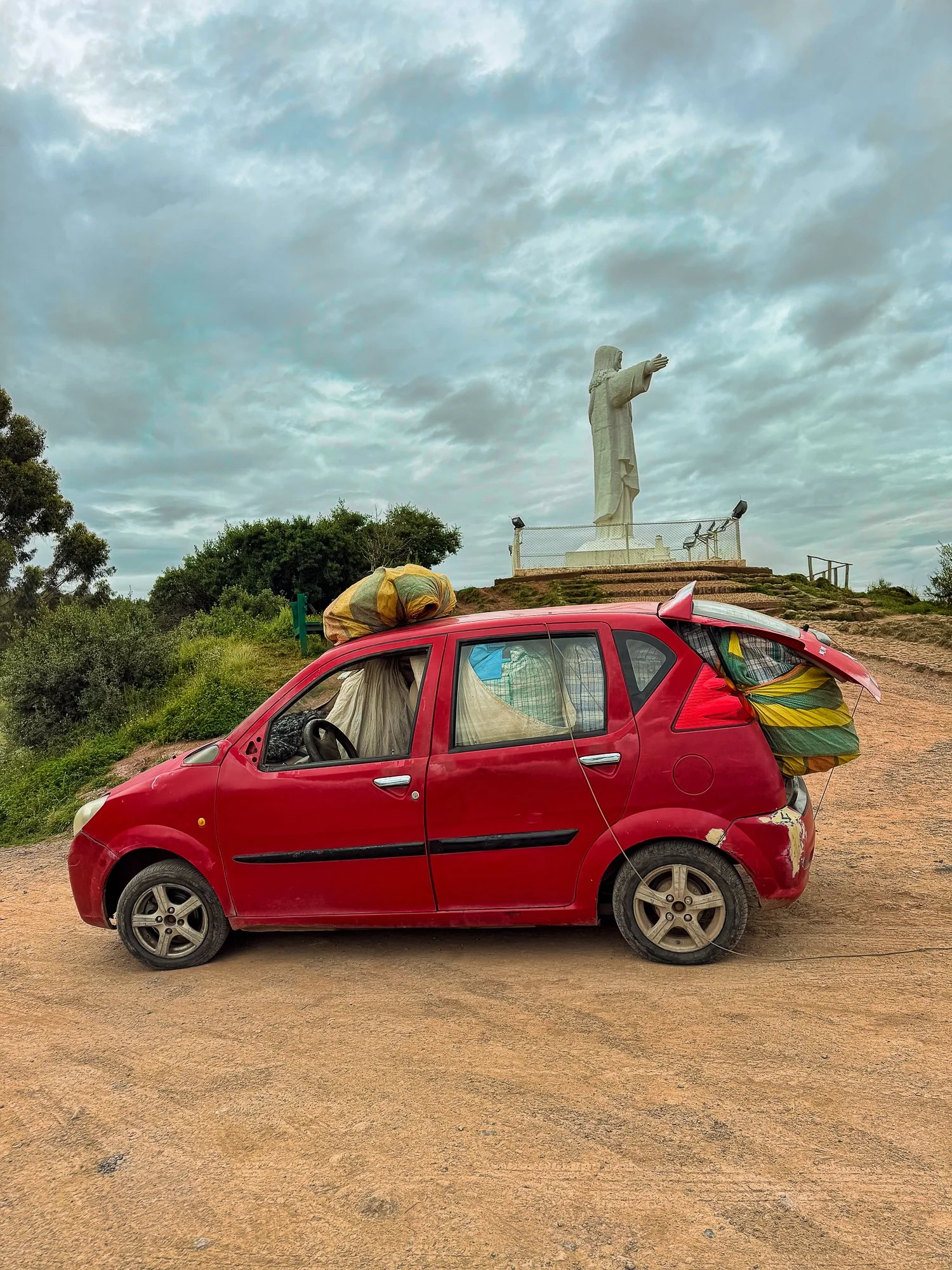
We kicked off the day bright and early, like 6:30 a.m. kind of early (and that was already after breakfast). A car scooped us up from the hotel, and we headed uphill for about 15 minutes, climbing into the hills above Cusco. First stop: Cristo Blanco.

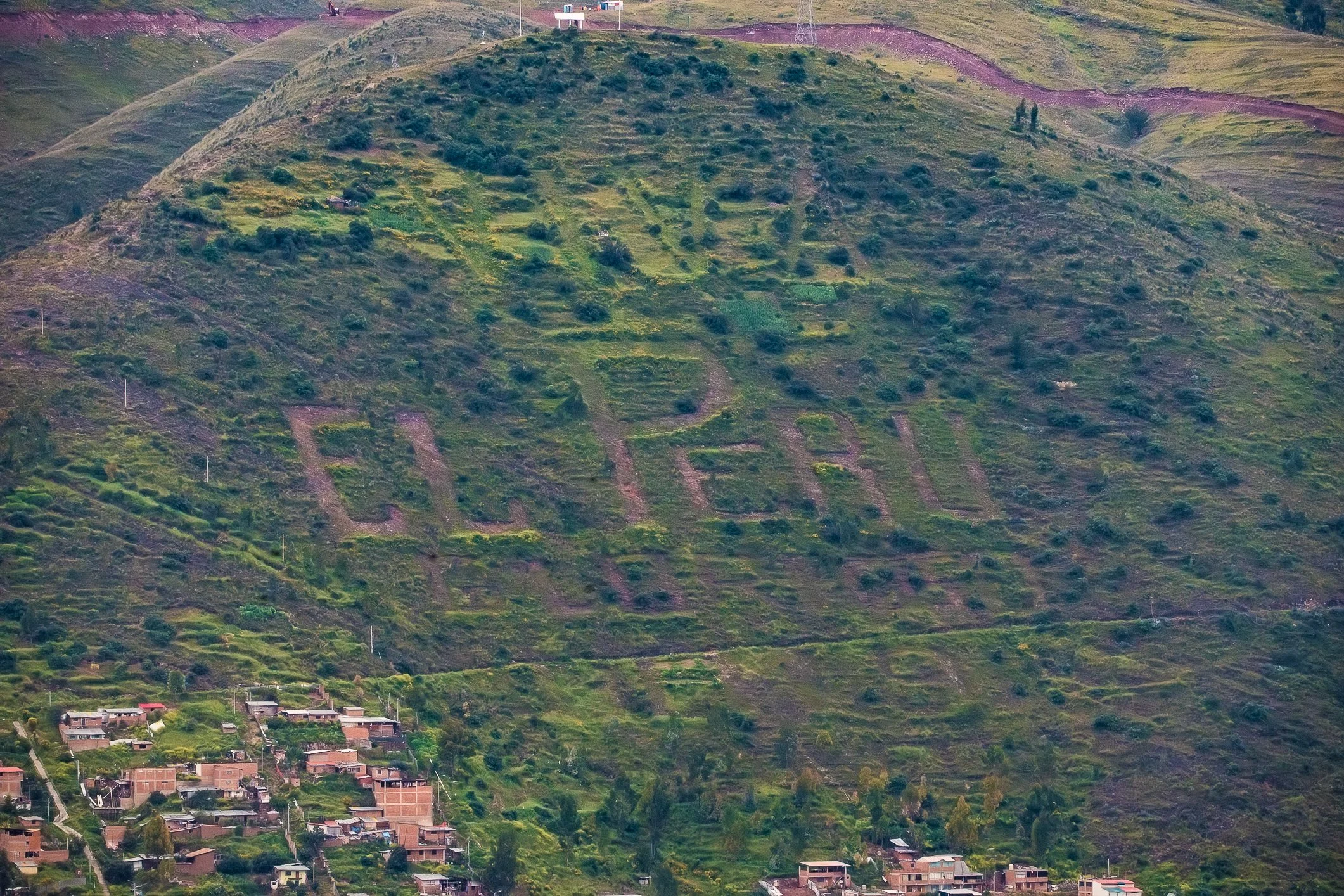
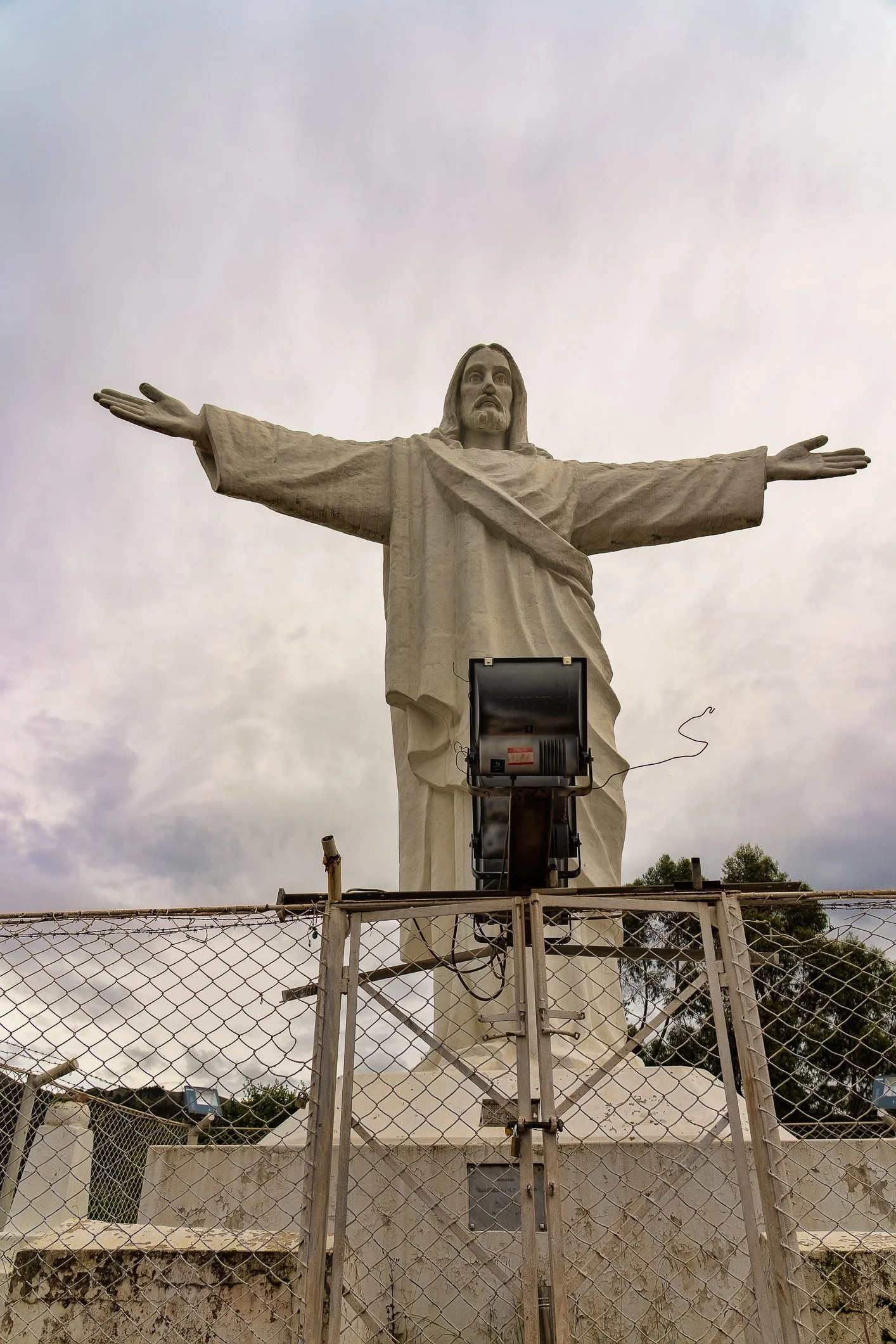
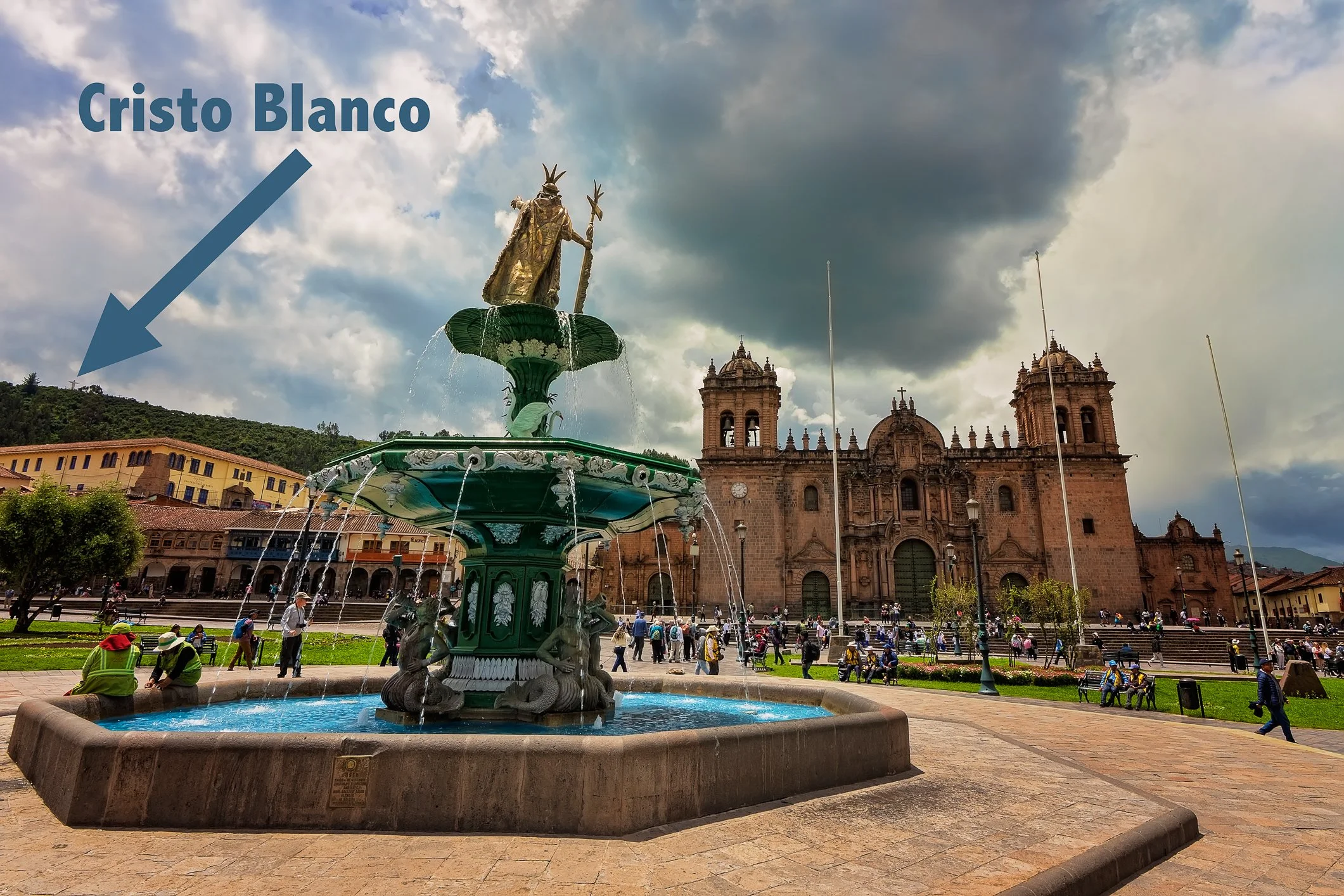
Cristo Blanco (a.k.a. the big white Jesus statue watching over the city) is one of Cusco’s most iconic landmarks. It stands 8 meter tall, with arms stretched wide in a gesture of protection of the city. The statue is perched on Pukamoqo Hill (also known as Red Hill), which sits at 3,575 meters above sea level. The Incas considered this a sacred spot, and it's not far from the impressive Sacsayhuaman fortress.

The sculpture itself has an interesting backstory. It was a gift from the Arab-Palestinian community in 1945 and was created by local sculptor Francisco Olazo. It’s made from granite, cedar, clay, iron, and wire.

Dzień zaczęliśmy wcześnie rano. Po śniadaniu, około 6:30, z hotelu odebrał nas samochód i po około 15 minutach jazdy pod górę dotarliśmy w okolice wzgórz nad Cusco. Pierwszy przystanek: Cristo Blanco.

Cristo Blanco (czyli „Biały Chrystus”) to jeden z najbardziej charakterystycznych punktów w Cusco. To ośmiometrowy posąg Jezusa Chrystusa z rozpostartymi ramionami, który stoi na wzgórzu i symbolicznie chroni miasto. Statua znajduje się na wzgórzu Pukamoqo (znanym też jako „Czerwone Wzgórze”), położonym na wysokości 3575 metrów n.p.m. Inkowie uważali to miejsce za święte, a w pobliżu znajduje się imponująca twierdza Sacsayhuamán.

Sama rzeźba została podarowana przez społeczność arabsko-palestyńską w 1945 roku, a jej autorem był lokalny artysta Francisco Olazo. Do jej budowy użyto granitu, cedru, gliny, żelaza i drutu.
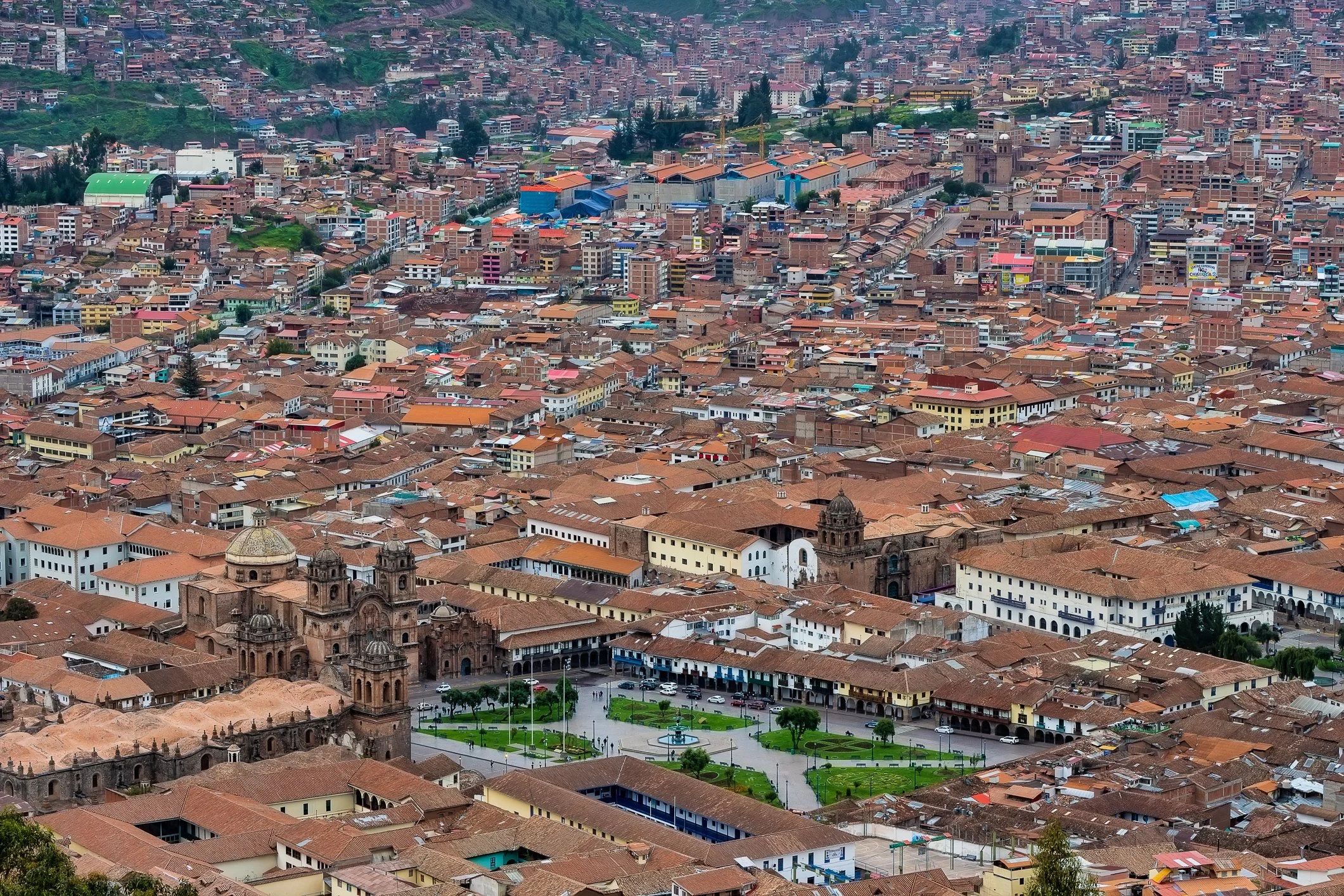
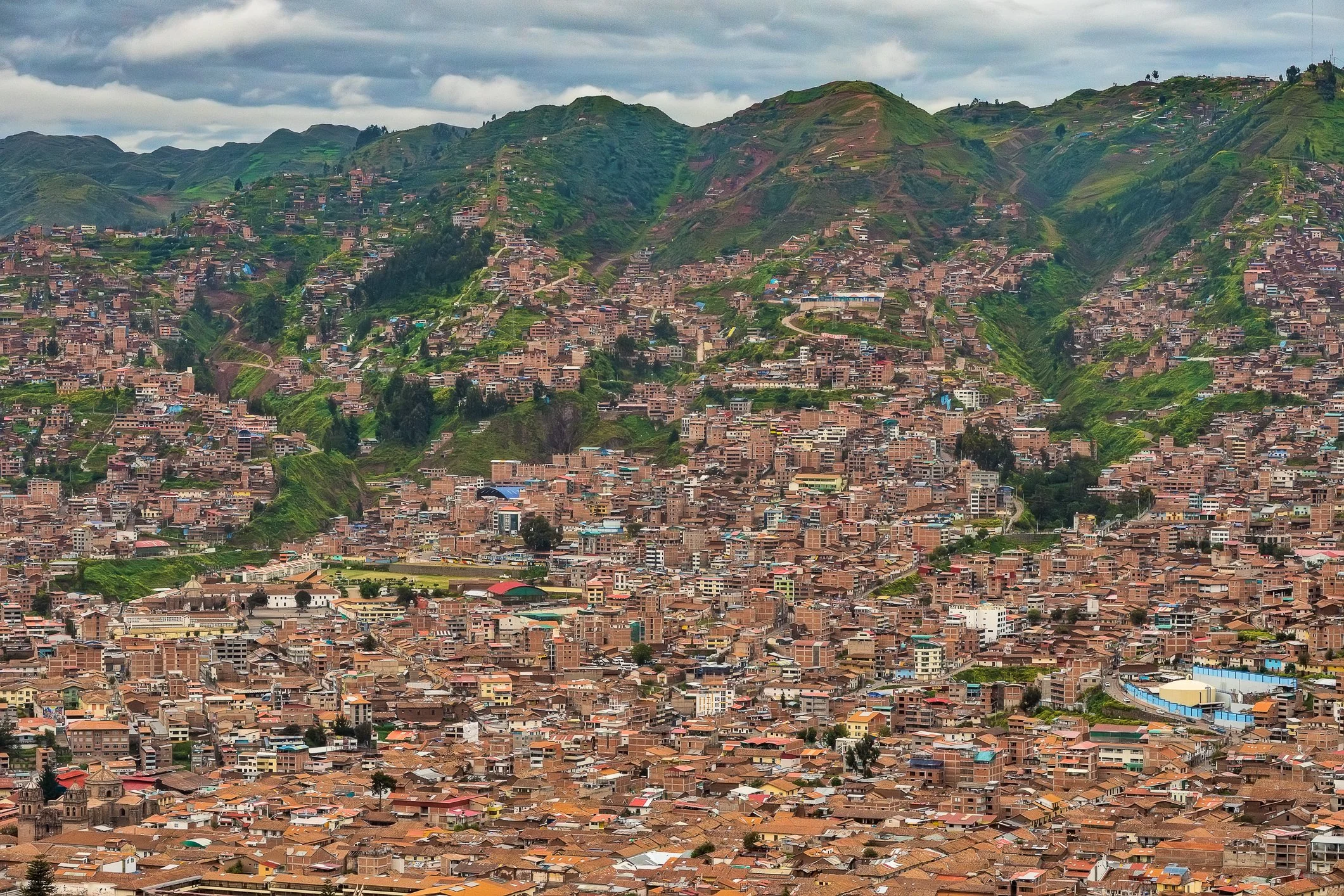
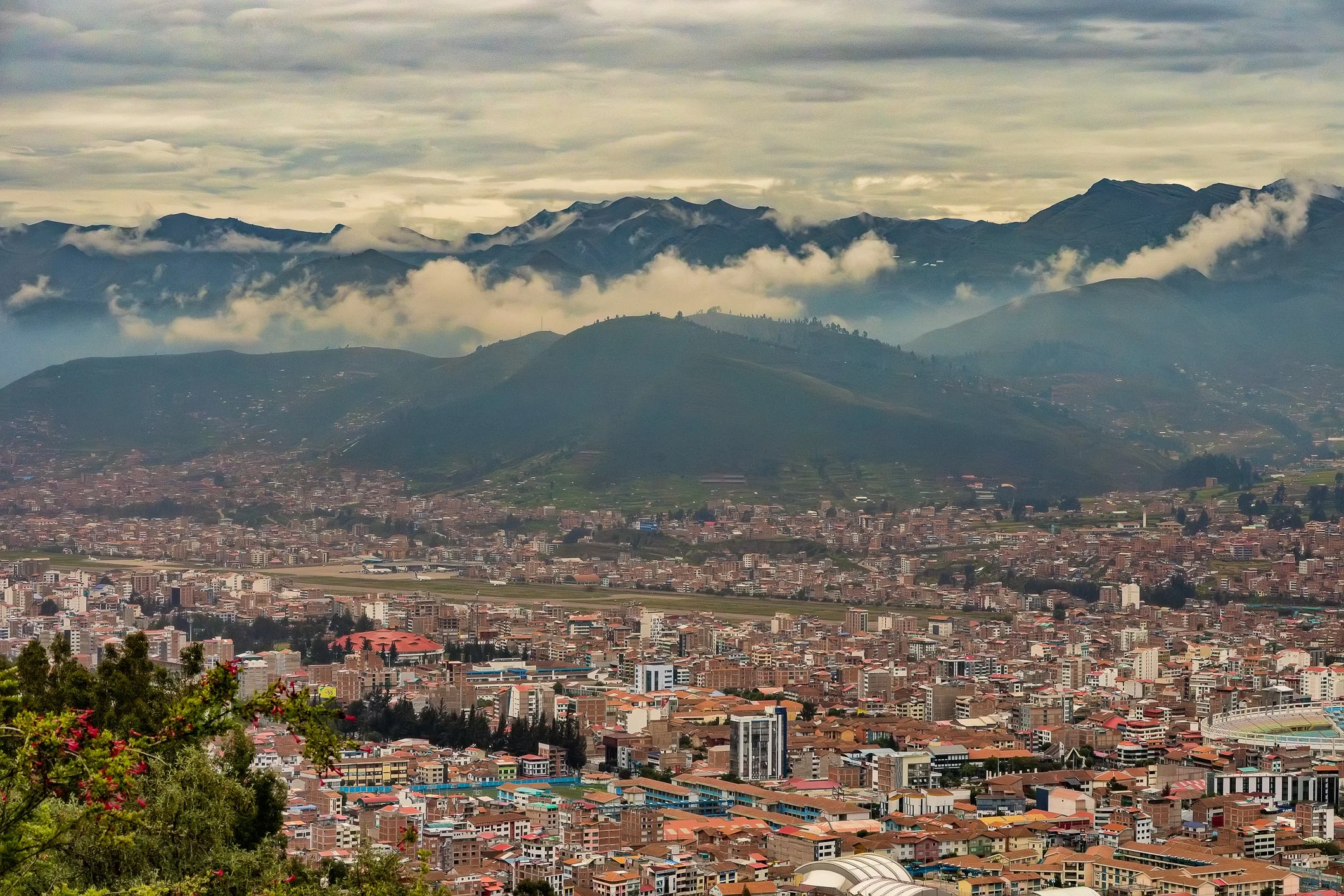
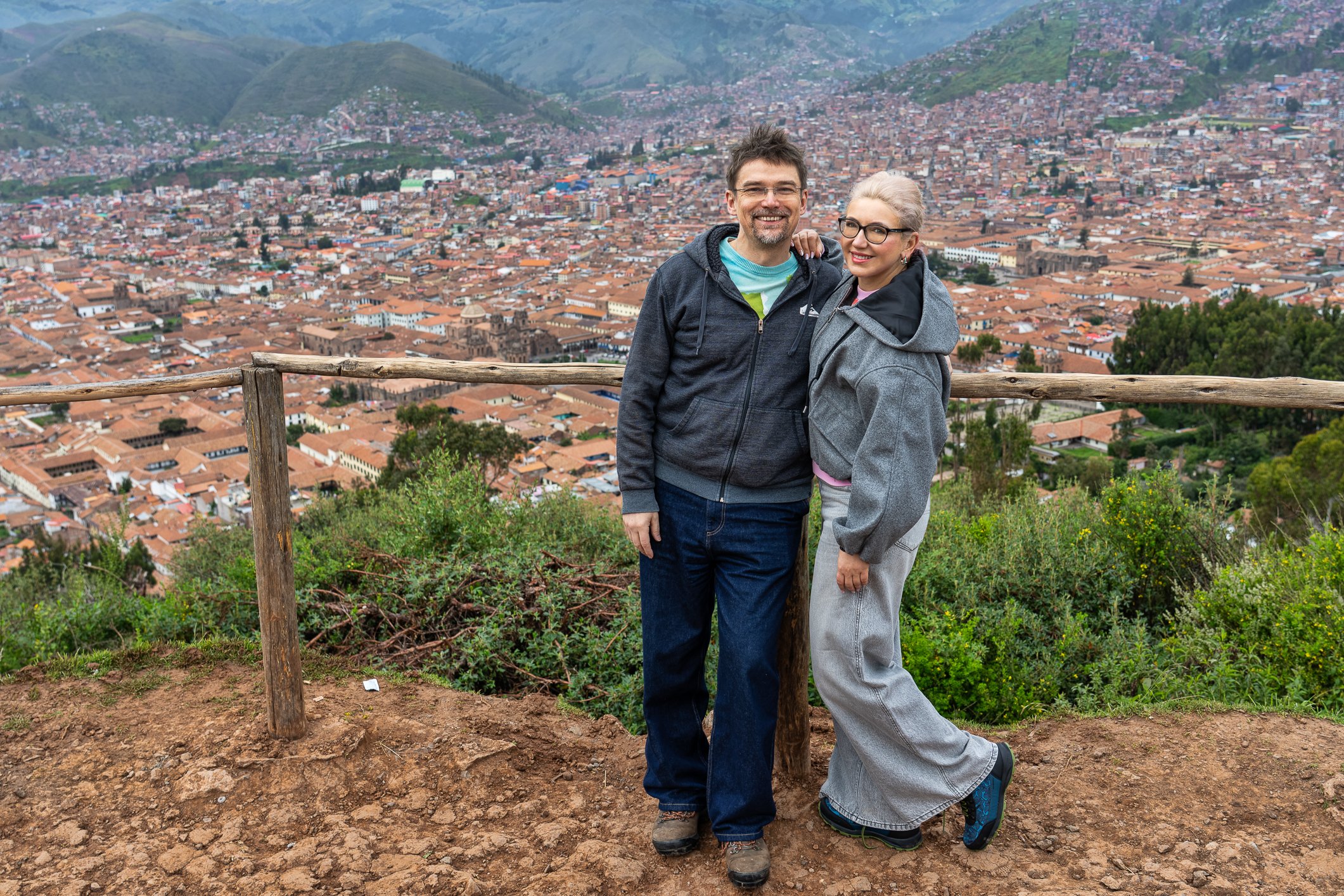
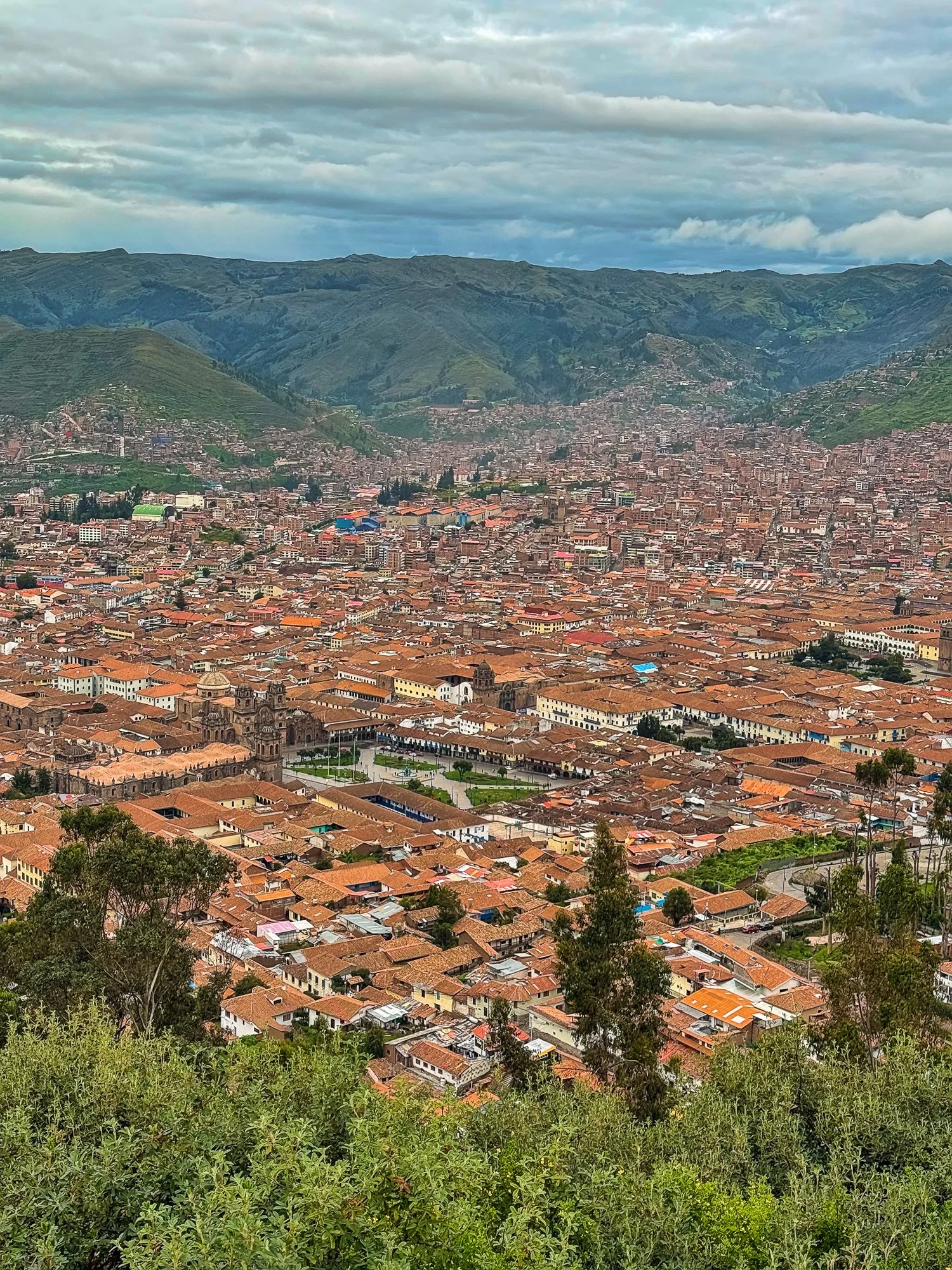
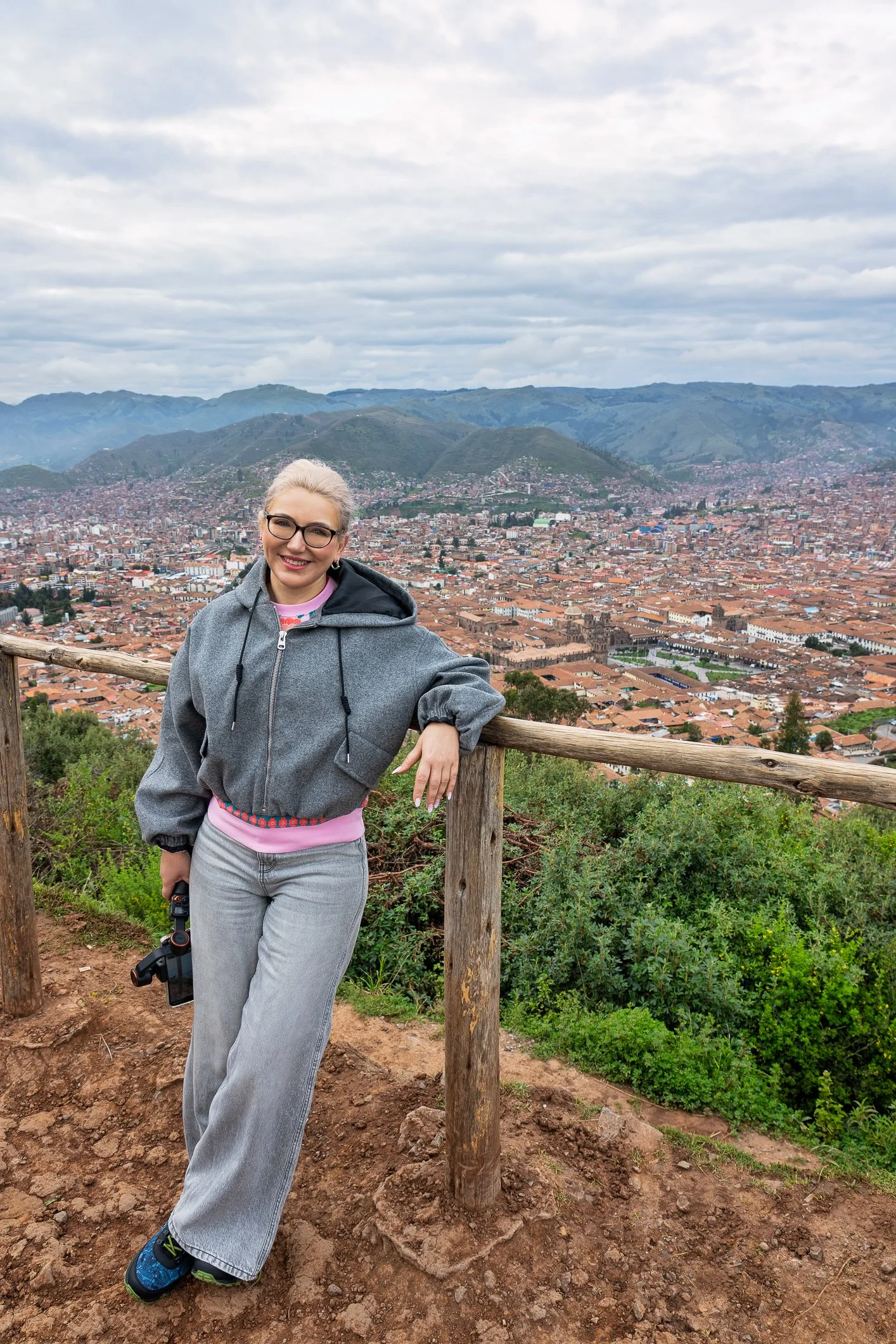
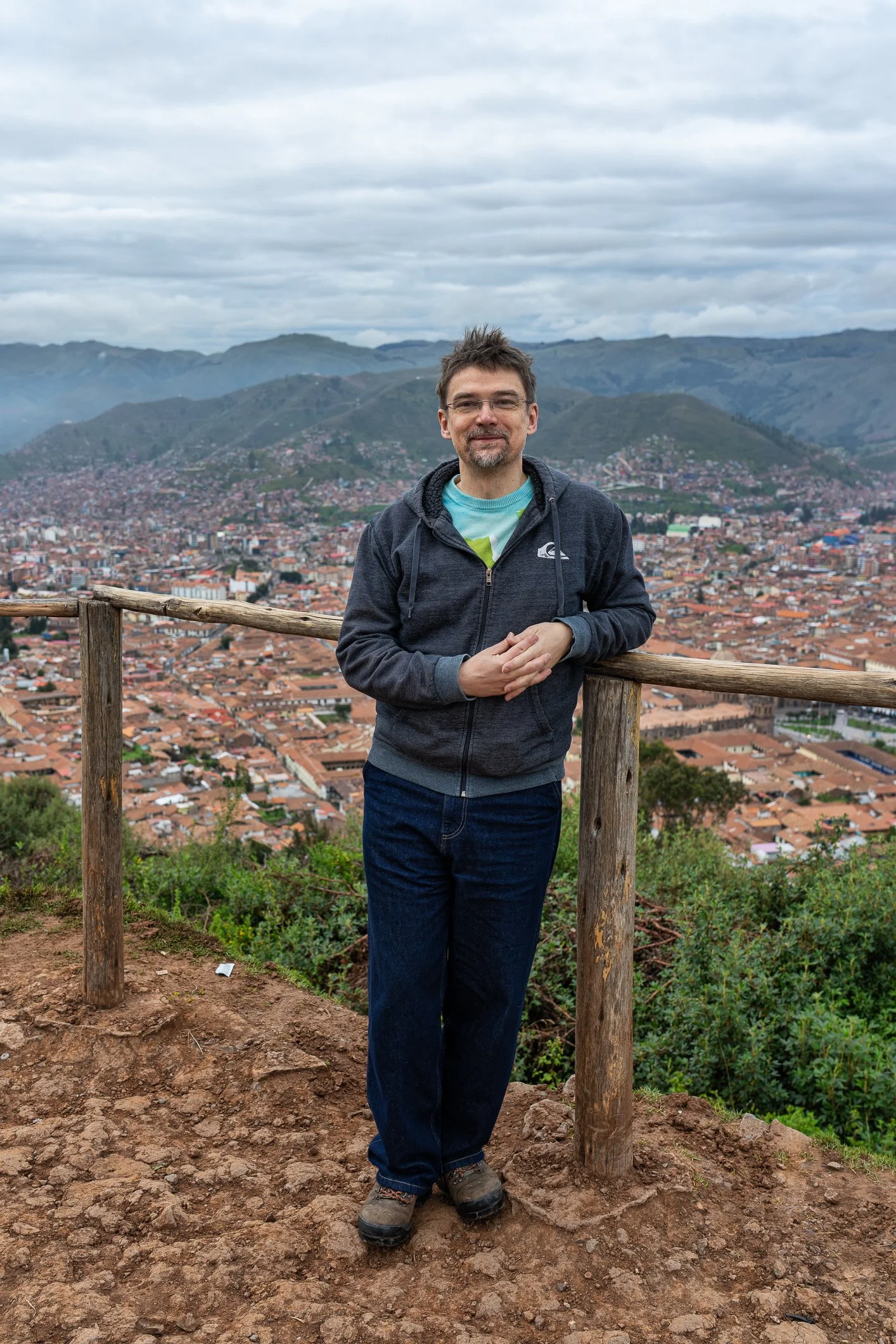
But what makes this stop so memorable is the incredible view over Cusco. From up here, the city stretches out in every direction, quiet and golden in the early morning light.

Ale to, co naprawdę czyni ten przystanek wyjątkowym, to niesamowity widok na całe Cusco. Z góry miasto rozciąga się we wszystkie strony, o tej porze jeszcze ciche i skąpane w porannym świetle.
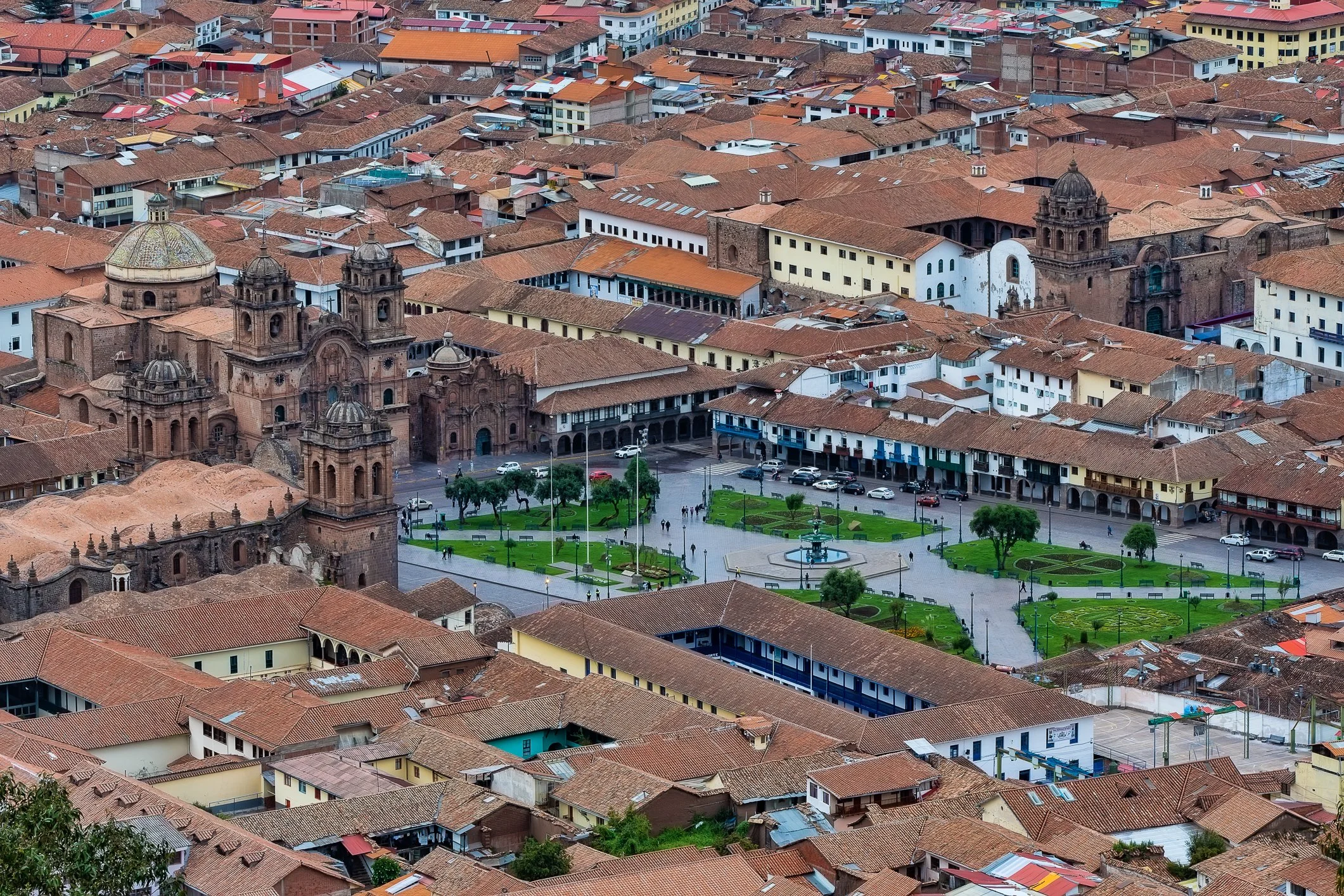
We took a few photos (we could easily even spot our previous hotel from here), took it all in, and left just as souvenir vendors began to arrive and set up for the day. Perfect timing.

Zrobiliśmy kilka zdjęć (bez trudu udało nam sie stąd wypatrzeć nasz poprzedni hotel), przez chwilę postaliśmy chłonąc widoki i ruszyliśmy dalej, kiedy pierwsi sprzedawcy pamiątek zaczęli przywozić swoje stoiska. Idealne planowanie.
Early morning walk

Today we got up at 5 a.m., which already felt like a bold life choice, because we’d heard there was a morning mass at Templo de Santa Clara. Apparently, it was our chance to see the church’s interior. Well, turns out “we heard” wasn’t exactly the most reliable source. The place was completely closed and nothing indicated it would change any time soon.

Still, despite the slightly crispy weather (we donned warm jackets!), the walk there was worth it. Cusco at that hour is genuinely peaceful - quiet streets, soft light, no groups with flags or matching hats. On the way back, we passed under the Santa Clara Arch, which we hadn’t seen before. Nice detail to have on your morning route, even if the main event didn’t happen.


Dziś wstaliśmy o 5 rano - co już samo w sobie było dość śmiałym pomysłem - bo słyszeliśmy, że podobno miała być poranna msza w Templo de Santa Clara. To byłby nasza szansa, żeby zobaczyć wnętrze tego kościoła. No cóż, jak się okazało, “słyszeliśmy, że podobno” to niezbyt solidne źródło informacji. Kościół był zamknięty na cztery spusty i nic nie wskazywało, że może to się zmienić w najbliższym czasie.

Mimo to i chociaż było rześko (wskoczyliśmy w ciepłe kurtki!), nasz spacer był wart wczesnej pobudki. Cuzco o tej porze jest naprawdę spokojne—puste ulice, miękkie światło, zero wycieczek z chorągiewkami i identycznymi czapkami. W drodze powrotnej przeszliśmy pod łukiem Santa Clara, którego wcześniej nie widzieliśmy.

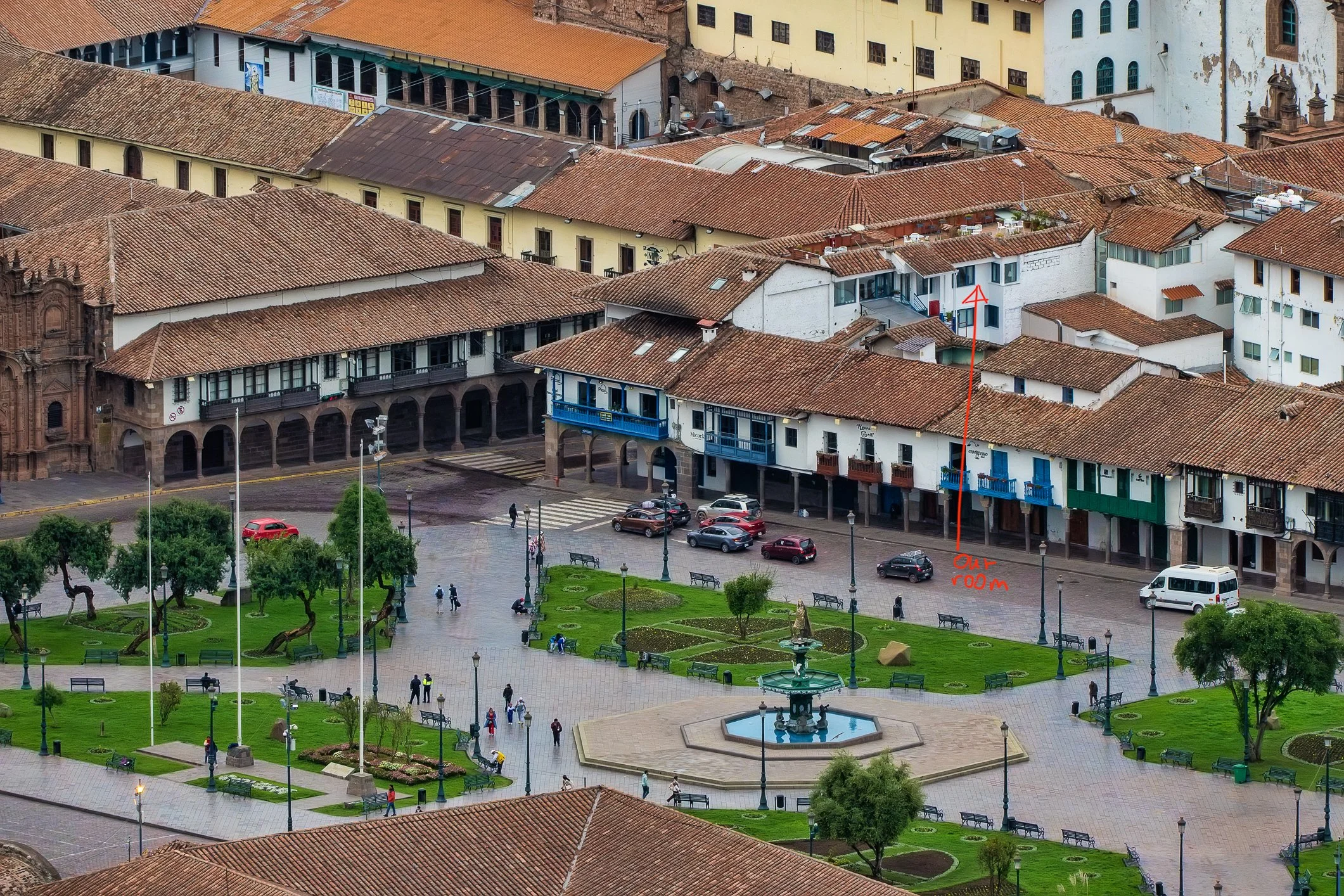
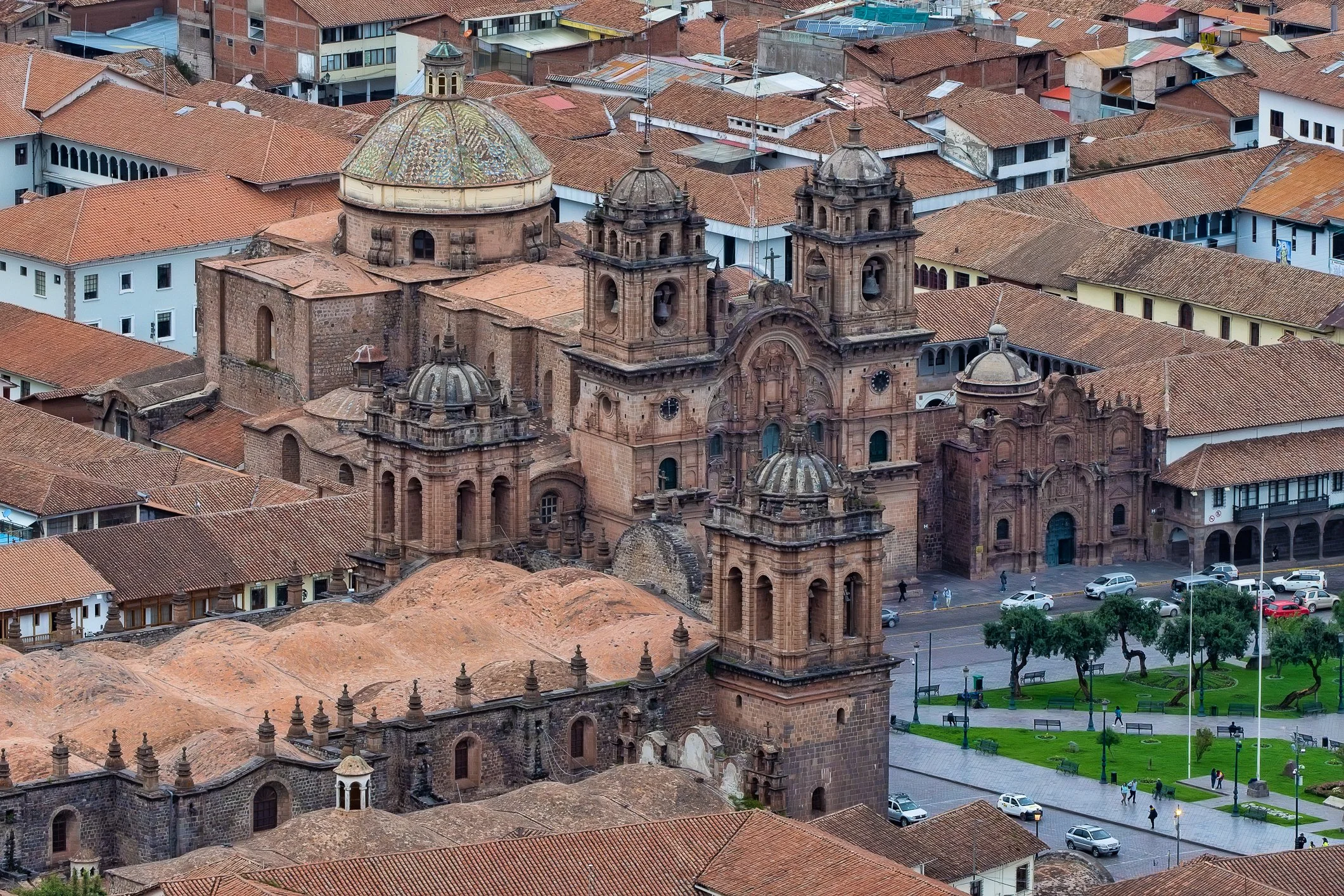
Eventually, we headed back to our hotel for breakfast. Today we decided to have it on the balcony. Cathedral view never gets old, after all. The morning wasn’t what we planned, but honestly, better than expected.


W końcu wróciliśmy do hotelu na śniadanie. Dziś postanowiliśmy zjeść na balkonie naszej hotelowej kawiarni. W końcu widok na katedrę nigdy się nie nudzi.

Early morning in Cusco

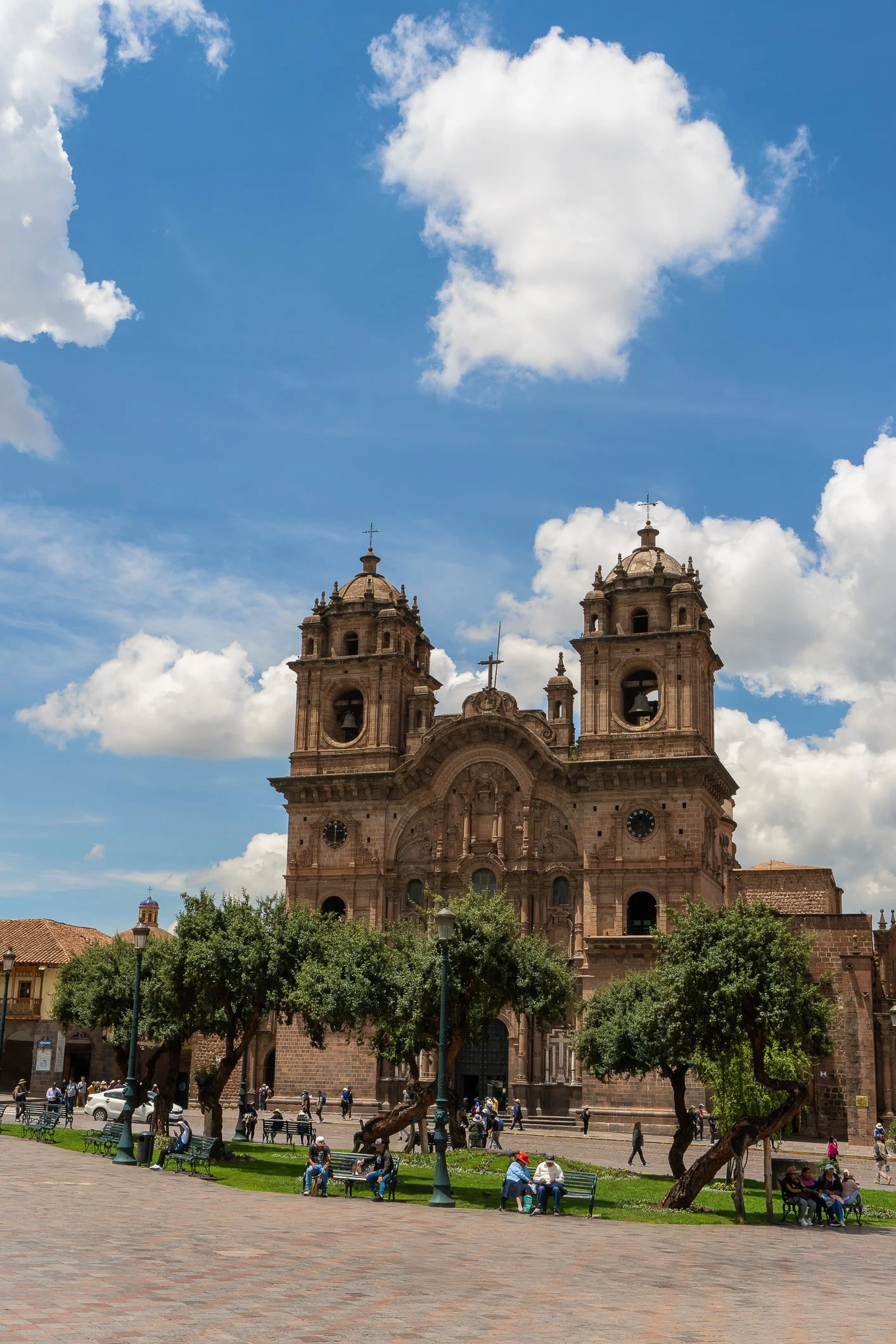
Today, we rose before the sun. We were up, dressed and out at 5 a.m. when the city still held its breath. Plaza de Armas, usually buzzing with life, was pleasantly quiet in the early light.

We walked through and around the square, watching as morning unfolded. Slowly, the sky began to lighten up. The first rays of sun kissed the wooden balconies of the Portal de Panes, turning them golden. Colours sharpened, shadows stretched, and the city began to stir.

Shops lifted their shutters and opened,  one by one. Locals are passing through with quiet purpose. Tourists trickle in with cameras slung over their shoulders, a few at a time, bringing the plaza gently back to life.

It is time for breakfast.


Wstaliśmy dzisiaj przed wschodem słońca, o piątej rano byliśmy już po prysznicu, ubrani i gotowi do wyjścia. Miasto jeszcze spało, kiedy ruszyliśmy na obchód Plaza de Armas, żeby zobaczyć je w porannym świetle. Plac, który zazwyczaj tętni życiem, o tej porze był niemal pusty. Cicho, spokojnie, jakby na chwilę czas się zatrzymał.

Spacerowaliśmy bez pośpiechu, chłonąc spokój wczesnego poranka. Kiedy wreszcie pierwsze promienie słońca dotknęły drewnianych balkonów Portal de Panes, wszystko wokół nabrało ciepłych barw, a kolory stały się bardziej nasycone, żywe.

Powoli sklepy zaczęły podnosić rolety, jeden za drugim. Na placu pojawiają się pierwsi przechodnie — najpierw mieszkańcy, potem turyści. Plac zaczyna budzić się do życia.

Pora to więc na śniadanie.

Gueliz

Gueliz, the modern district of Marrakech, offers a refreshing contrast to the traditional charm of the historic Medina. Established during the French protectorate in the early 20th century, this vibrant neighborhood is characterized by its contemporary architecture, wide boulevards, and bustling atmosphere, making it a must-visit for anyone seeking a taste of modern Moroccan life.

What makes Gueliz truly special is its ability to seamlessly blend the old and the new. While the Medina holds the history and traditions of Morocco, Gueliz embodies the spirit of a modern Marrakech that embraces change and creativity. It is a sign of Marrakech’s evolving identity.

Strolling through Gueliz, you'll encounter a delightful mix of chic cafes, trendy boutiques, and art galleries that showcase the city’s growing creative scene. The area is home to a variety of stylish restaurants featuring both Moroccan and international cuisine.

Gueliz, nowoczesna dzielnica Marrakeszu, oferuje przyjemny kontrast z tradycyjnym urokiem historycznej Mediny. Założona w okresie francuskiego protektoratu na początku XX wieku, ta tętniąca życiem dzielnica charakteryzuje się współczesną architekturą, szerokimi bulwarami i gwarną atmosferą.

To, co czyni Gueliz naprawdę wyjątkowym miejscem, to zdolność do płynnego połączenia starego z nowym. Podczas gdy Medina odzwierciedla historię i tradycję Maroka, Gueliz ucieleśnia ducha nowoczesnego Marrakeszu, który obejmuje zmiany i kreatywność. Jest to znak ewoluującej tożsamości Marrakeszu.

Spacerując po Gueliz mija się wiele eleganckich kawiarni, modnych butików i galerii sztuki, które prezentują rozwijającą się kreatywną scenę miasta. W okolicy znajduje się także wiele stylowych restauracji oferujących zarówno kuchnię marokańską, jak i międzynarodową.

One of the highlights of Gueliz is the lively Place du 16 Novembre, a central square that serves as a focal point for locals and visitors alike. This energetic area is surrounded by shops, markets, and palm trees, inviting you to relax and soak in the vibrant atmosphere. As the sun sets, Place du 16 Novembre transforms into a social hub, alive with the buzz of conversation and laughter.

Jedną z atrakcji Gueliz jest tętniący życiem Place du 16 Novembre, centralny plac, który jest punktem centralnym dla mieszkańców i turystów. Ta pełna energii (i sklepów) okolica jest palmami, a kiedy słońce zachodzi, Place du 16 Novembre przekształca się w centrum towarzyskie miasta.

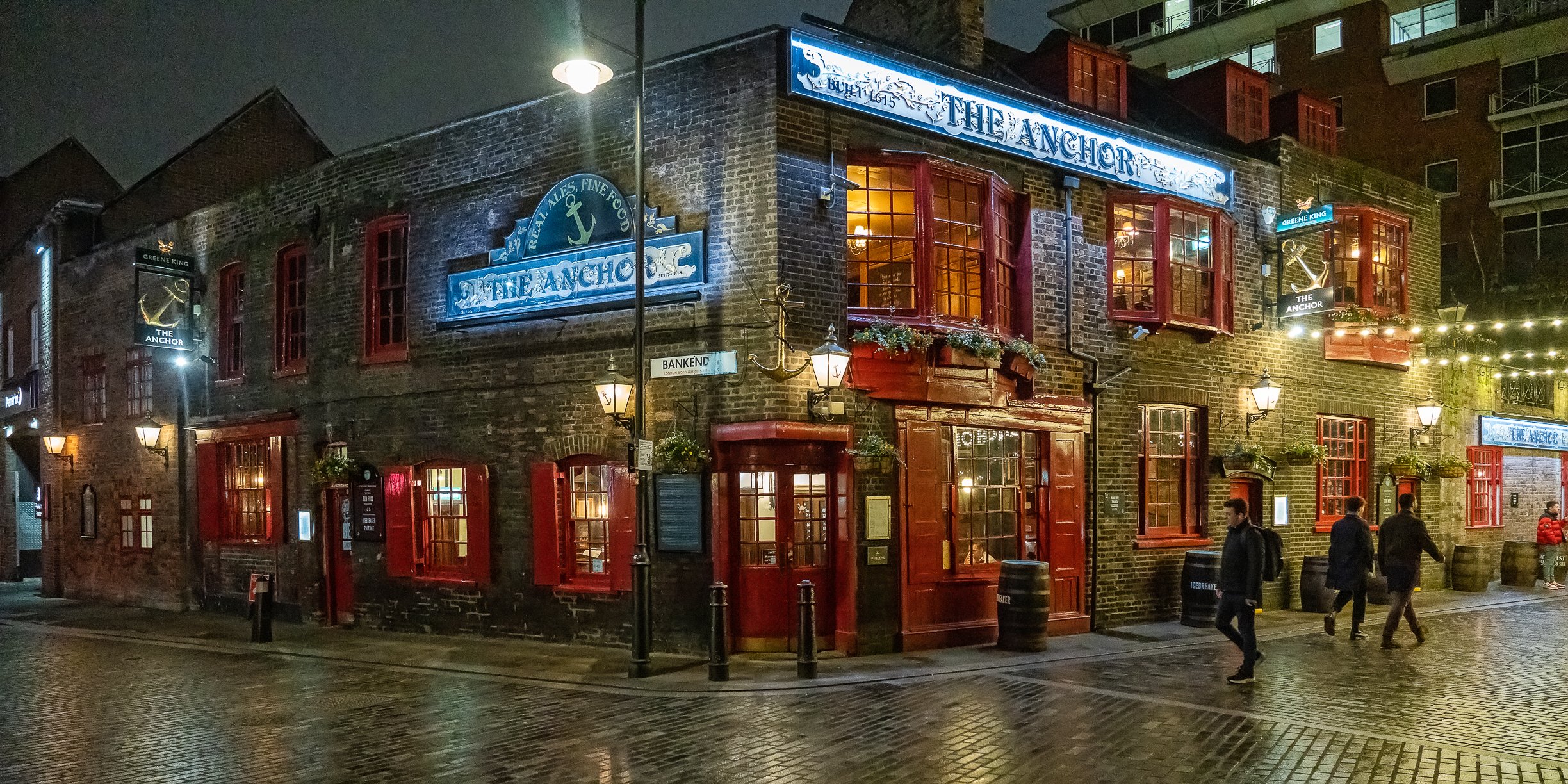
The Tower Hotel and The Anchor pub

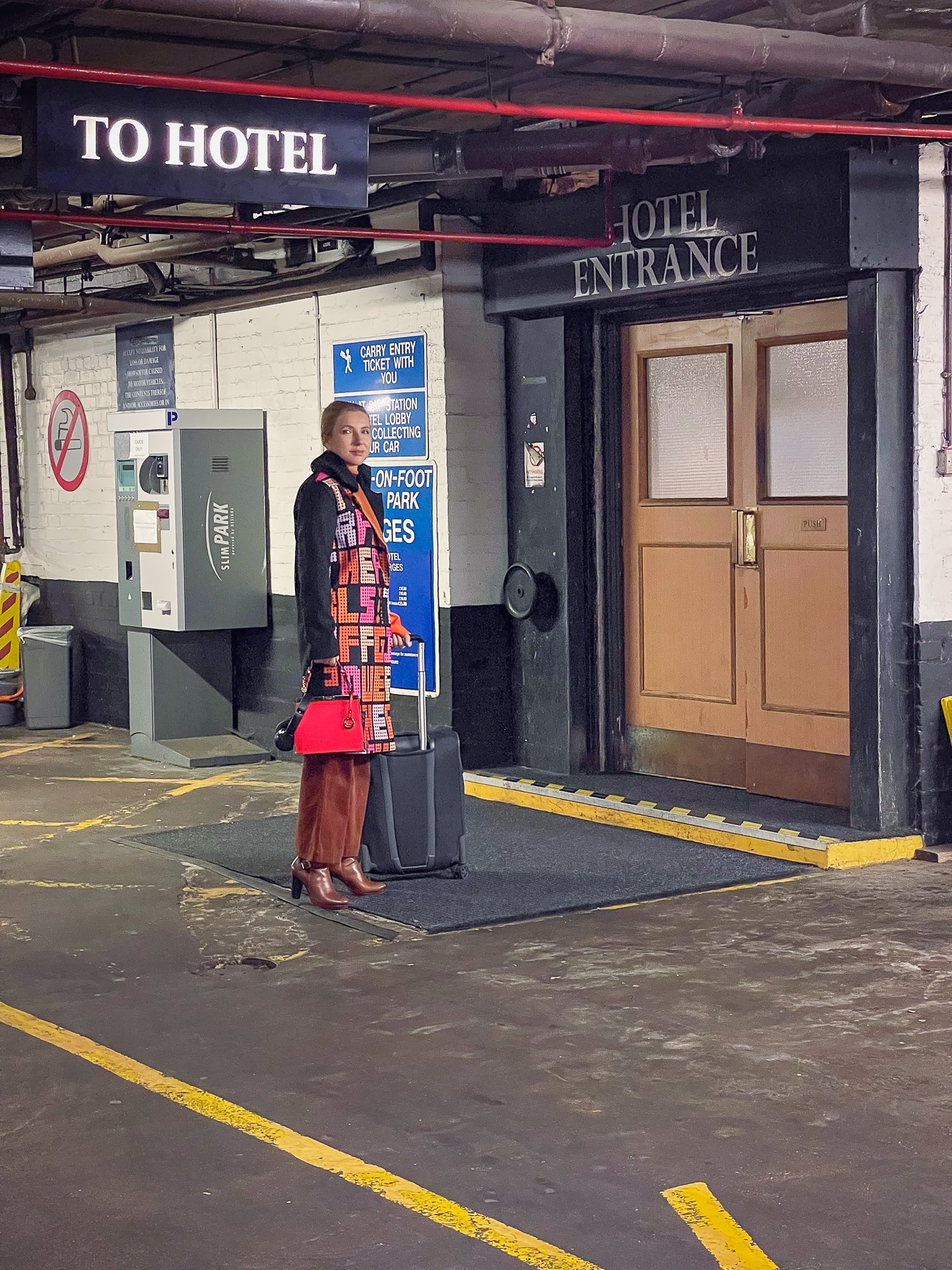
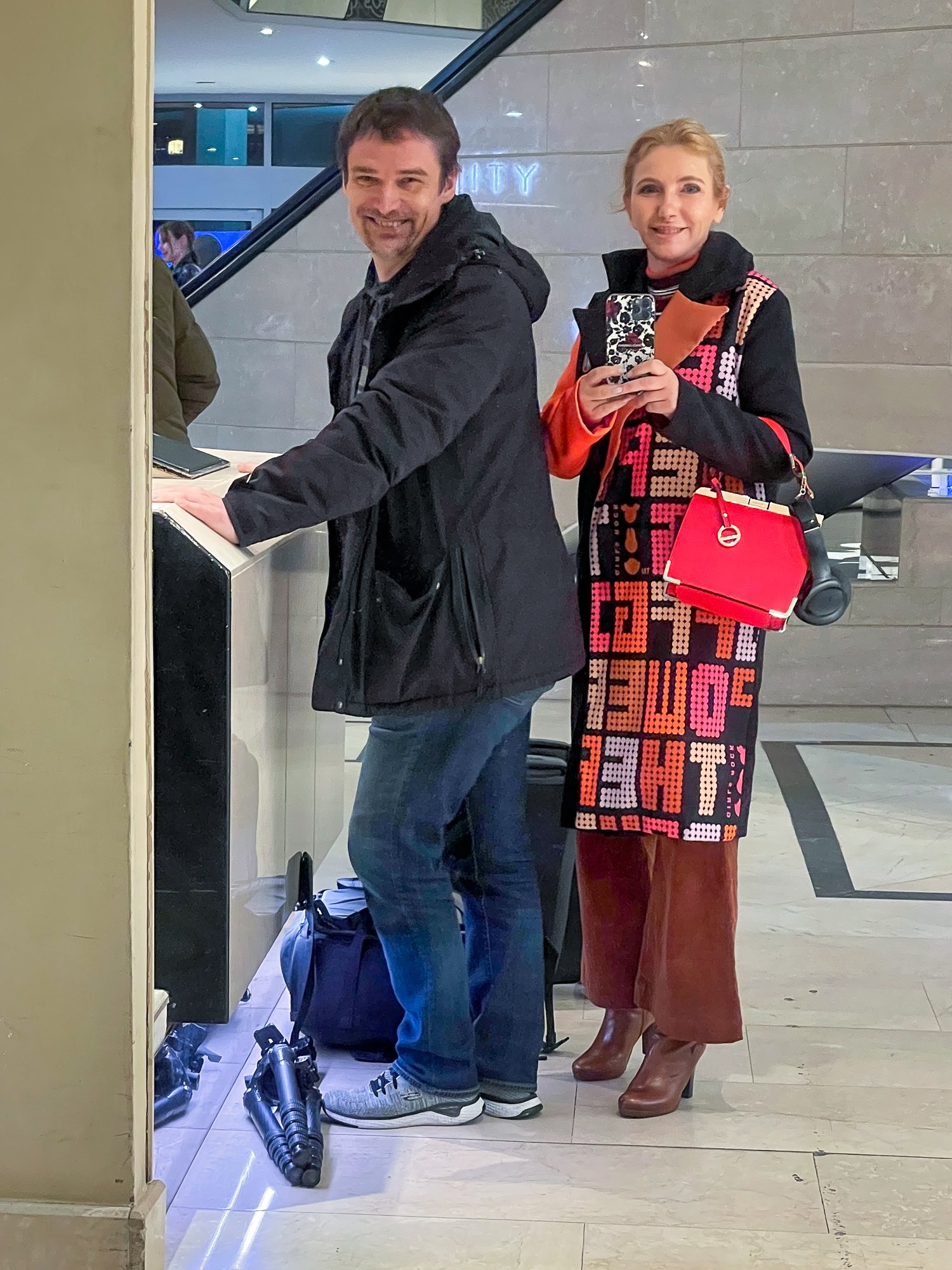
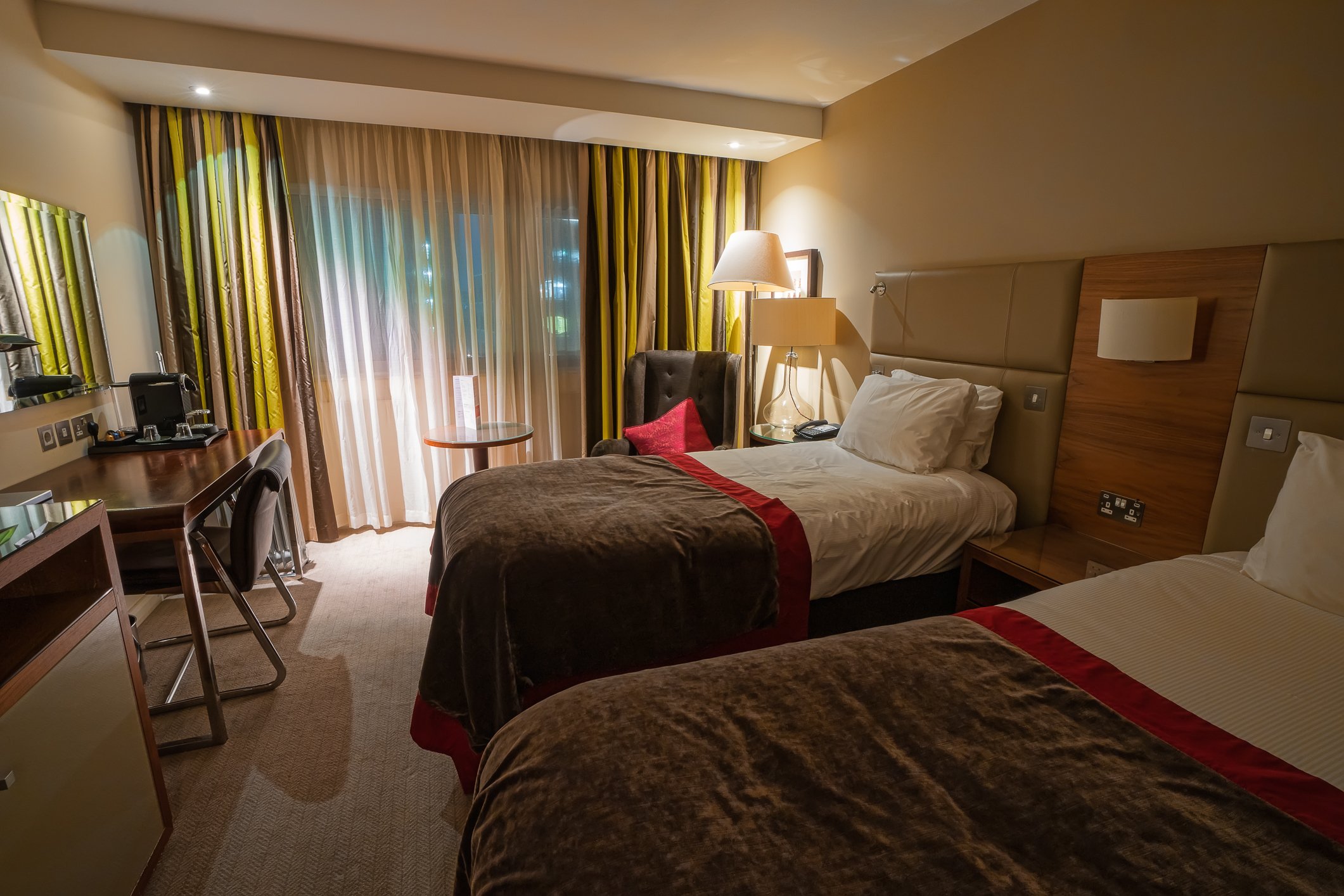
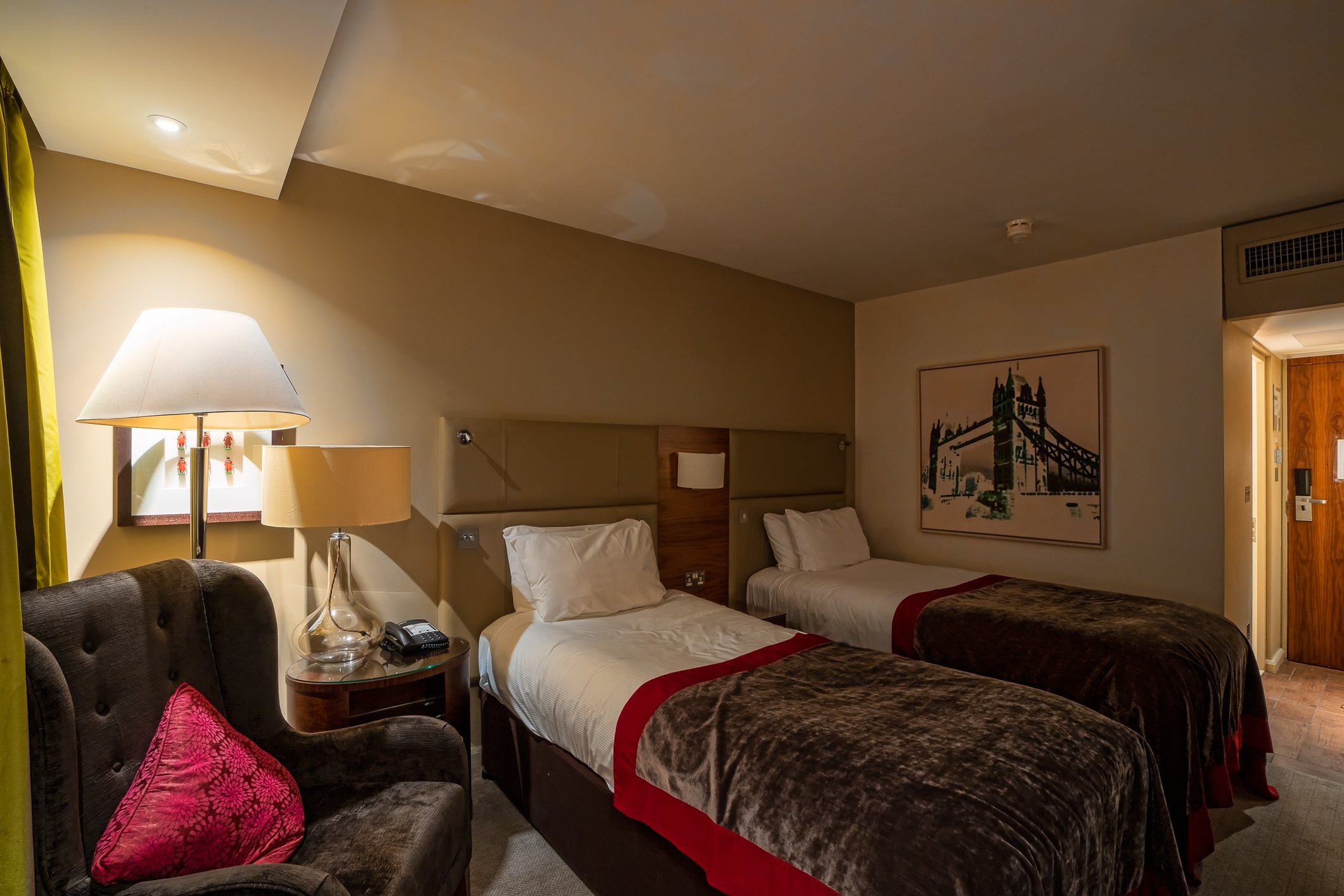
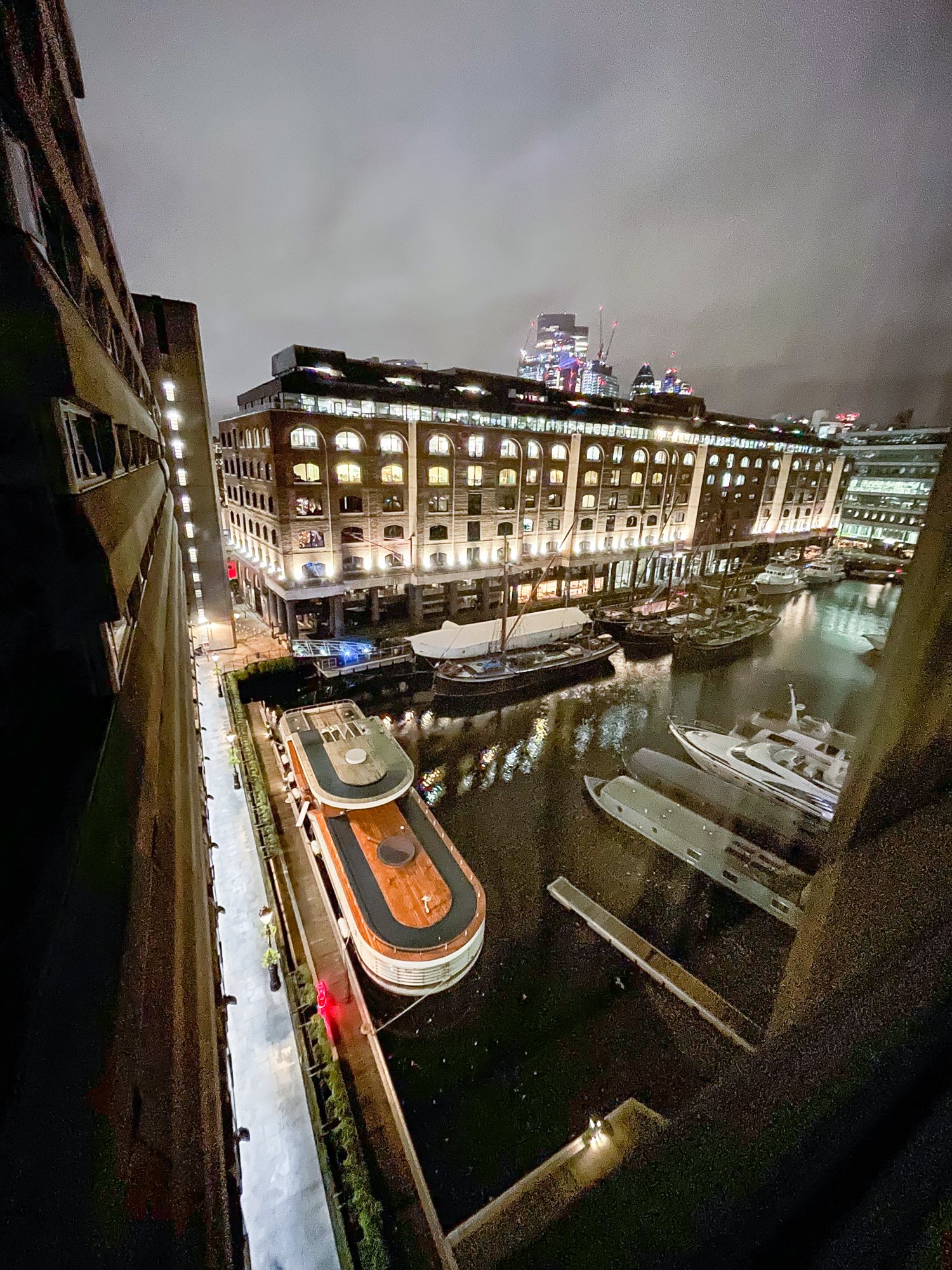
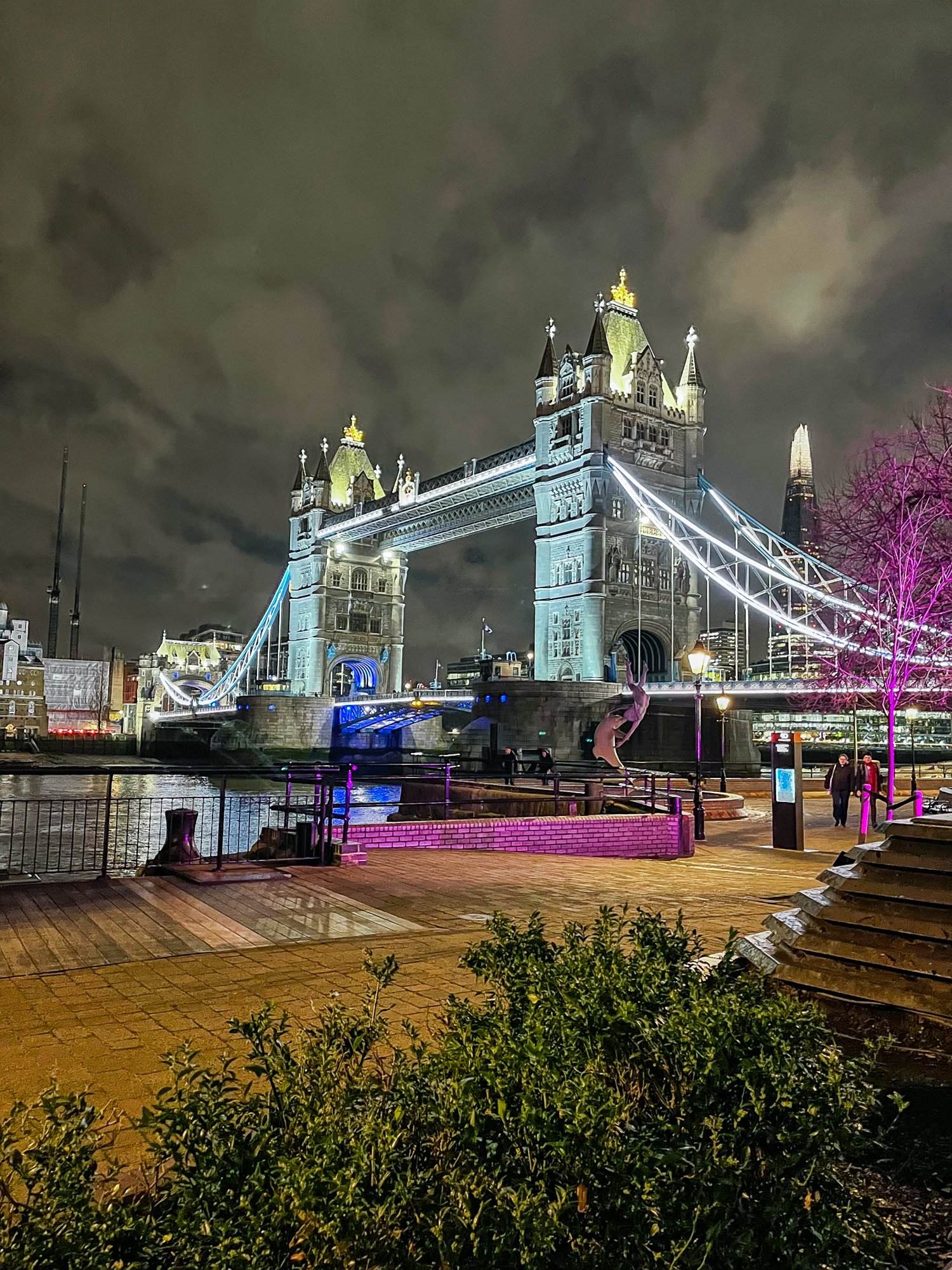
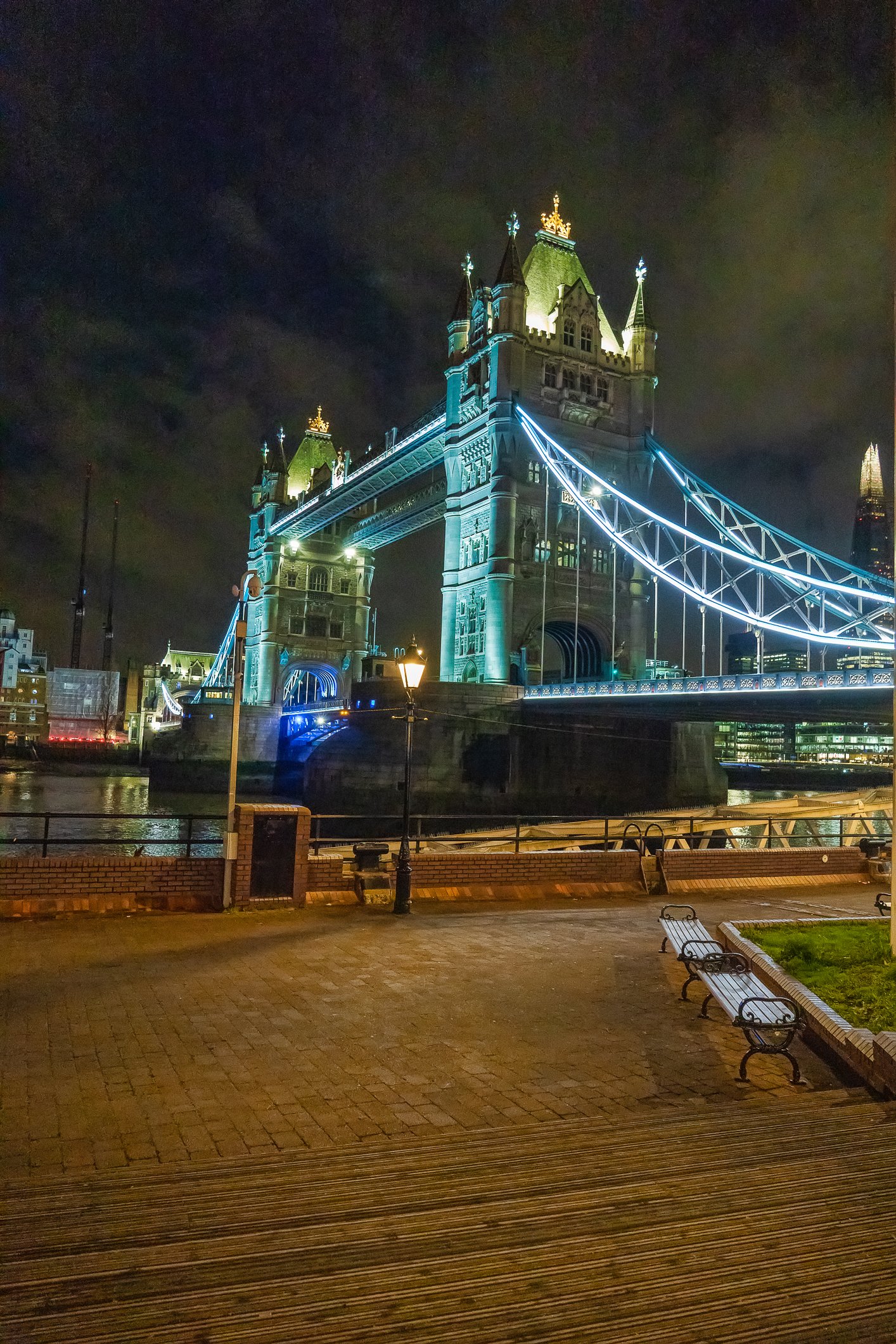
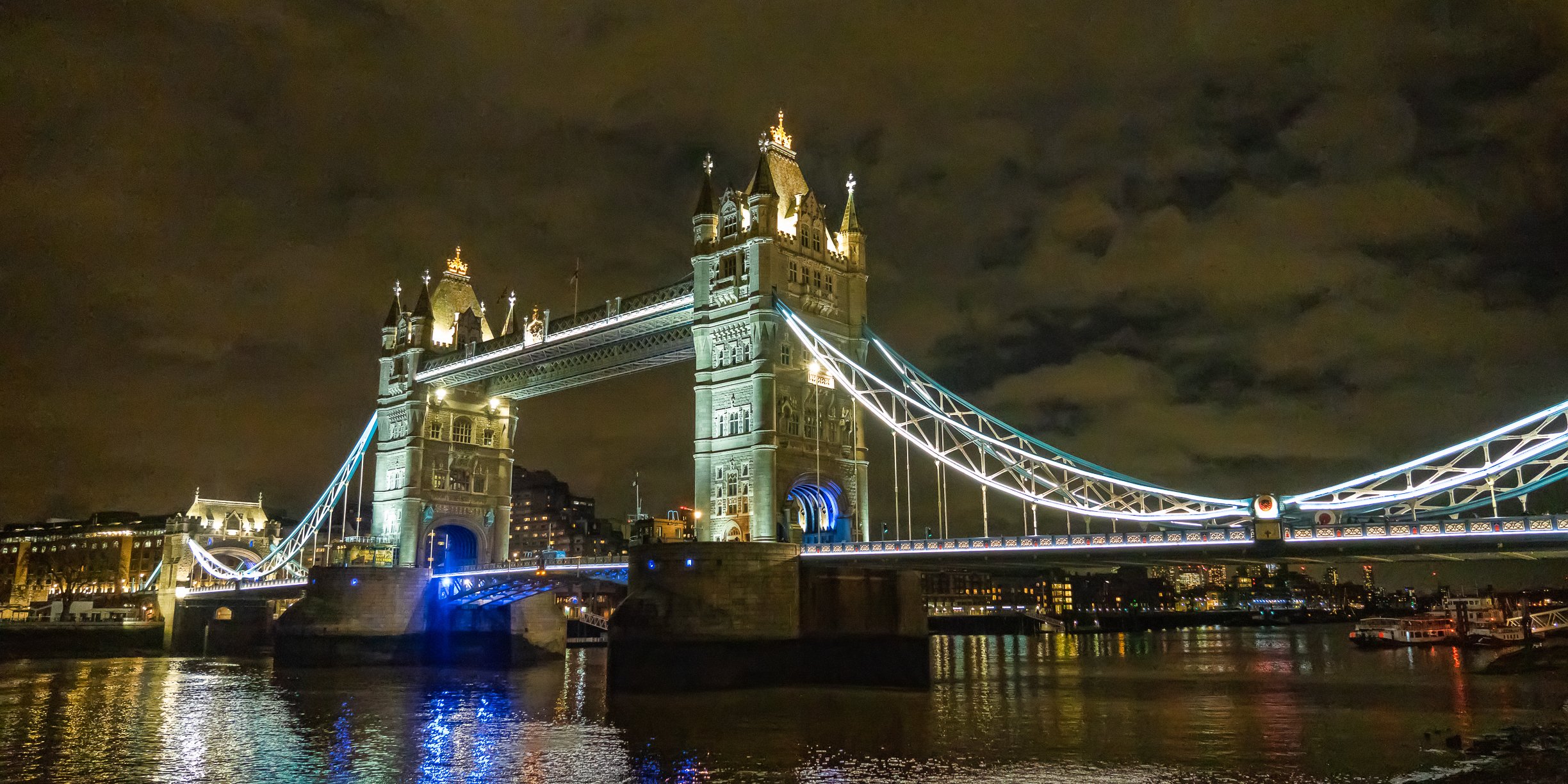
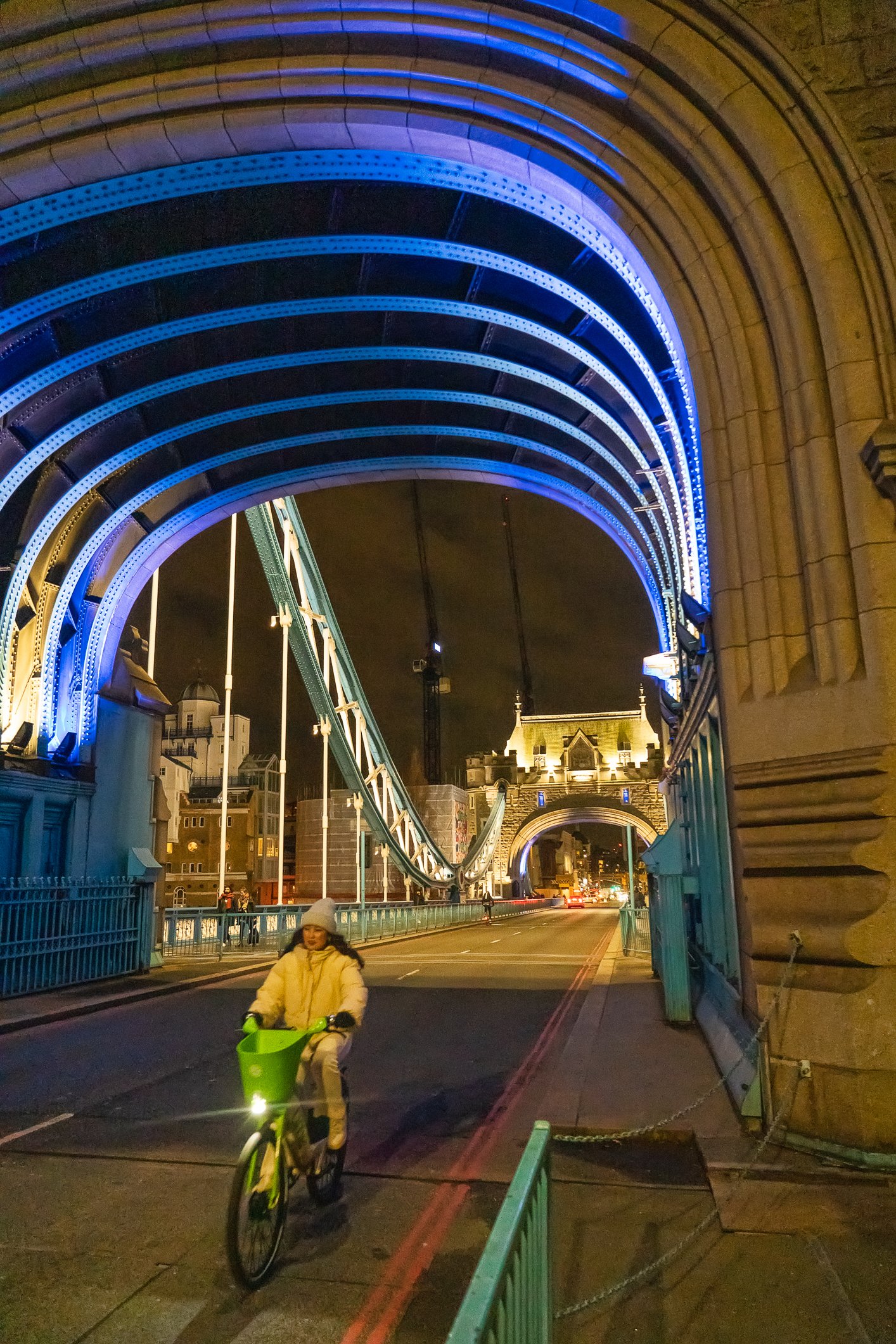
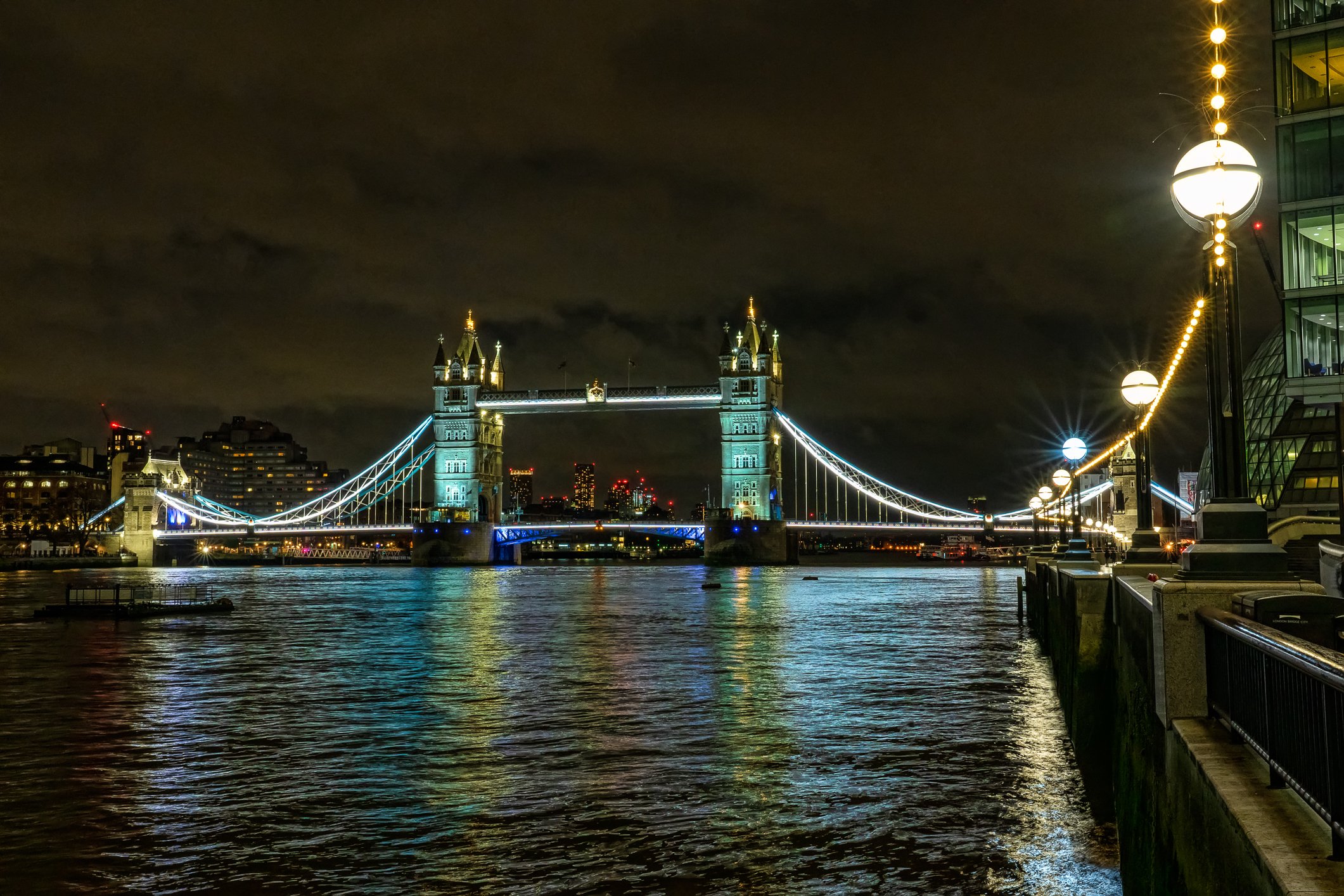
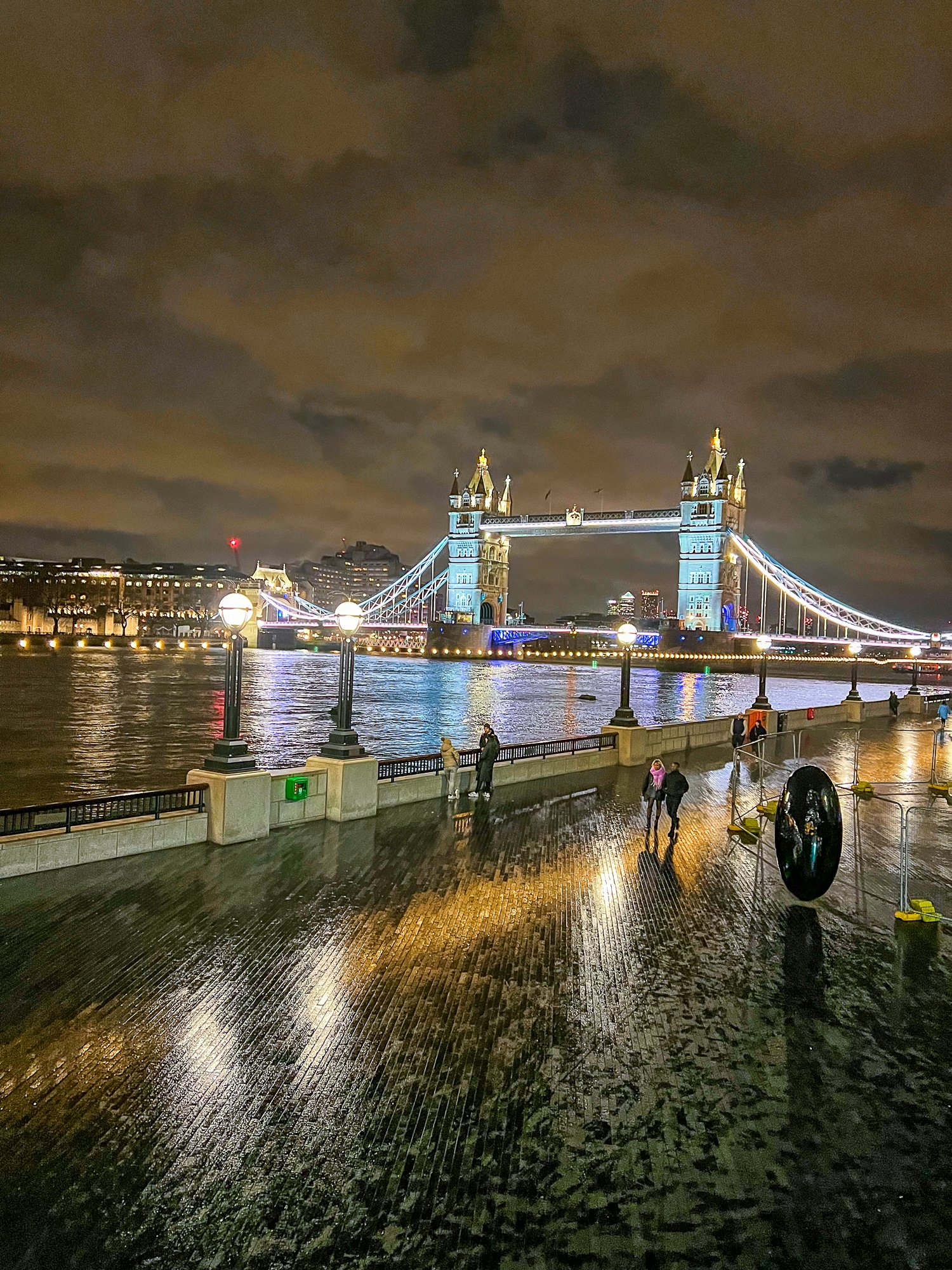
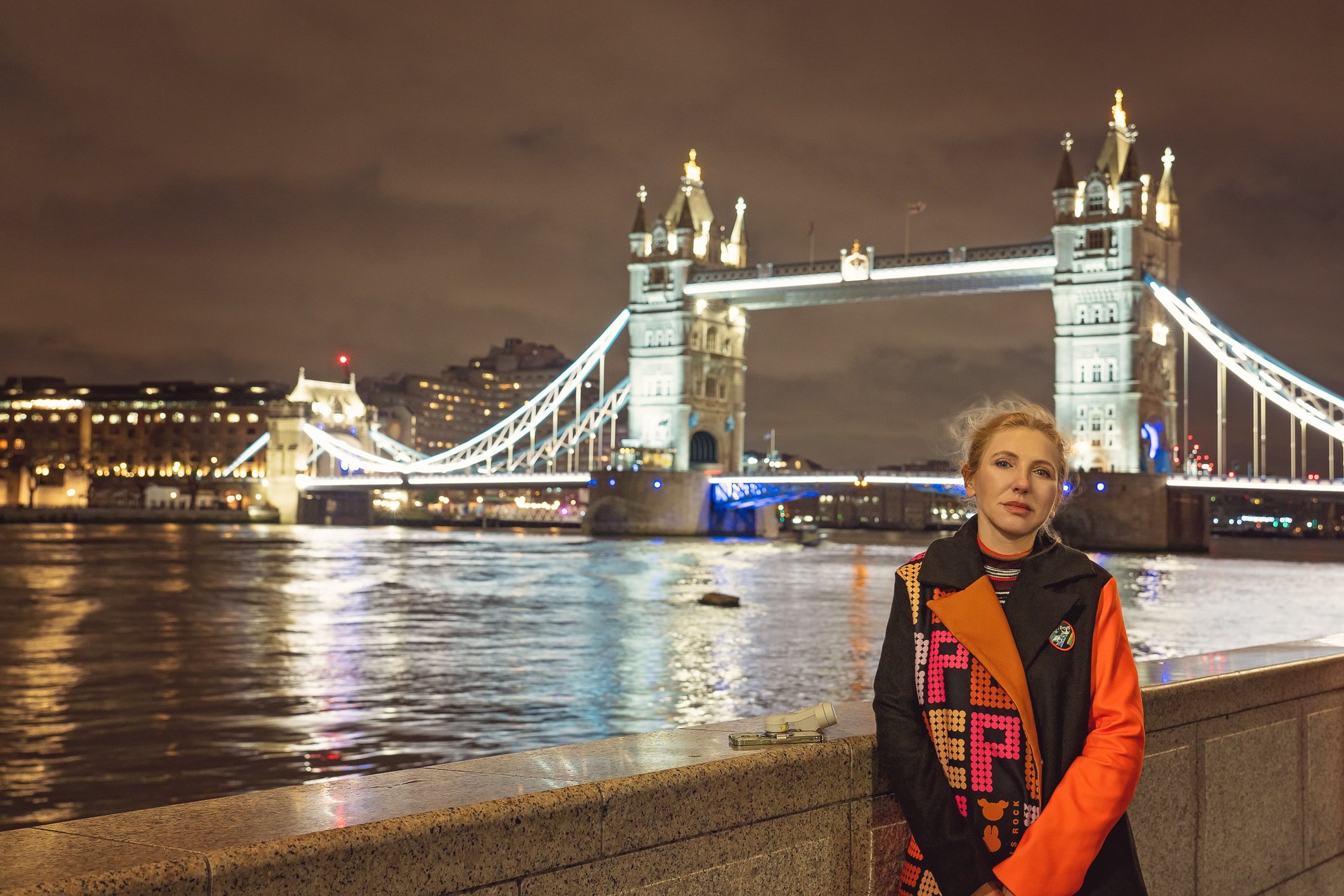
Due to some mistakes with hotel booking (the calendar is still too tricky for Marcin ;)), we have a room booked in the Tower hotel tonight. Work was busy today for both of us, so we arrived in London rather late. We drive straight to the hotel and check-in. The room is relatively modest, but the location is excellent – just in front of the Tower Bridge.


W związku z pewnymi błędami przy rezerwacji hotelu na spotkanie firmowe (kalendarz jest wciąż zbyt trudny dla Marcina ;)), mamy zarezerwowany na dzisiaj pokój w hotelu Tower. Oboje mieliśmy akurat urwanie gwizdka w pracy, więc do Londynu przyjechaliśmy dość późno. Jedziemy więc prosto do hotelu, żeby zrobić check-in. Pokój jest stosunkowo skromny, ale lokalizacja świetna – tuż przed Tower Bridge.

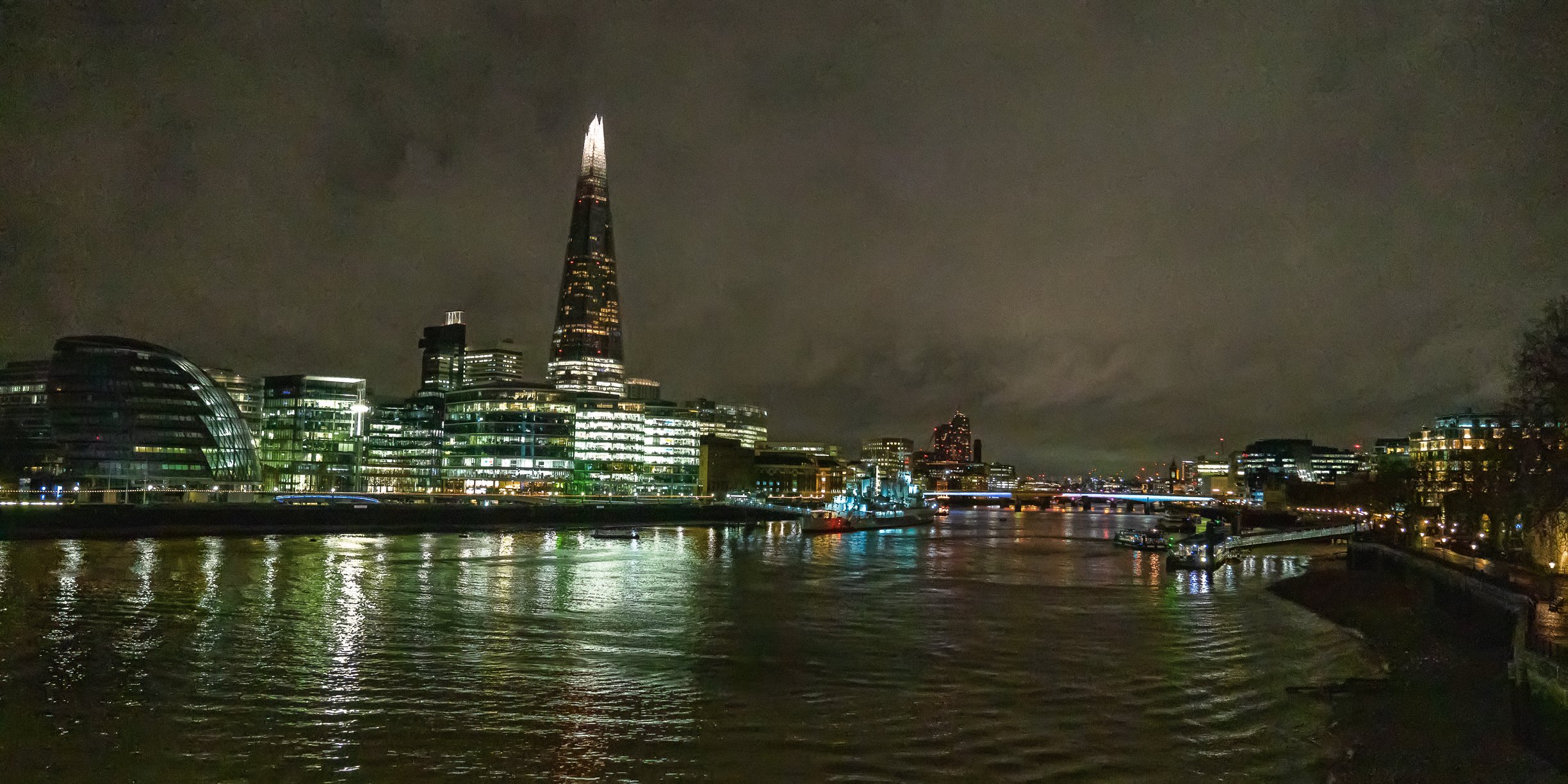
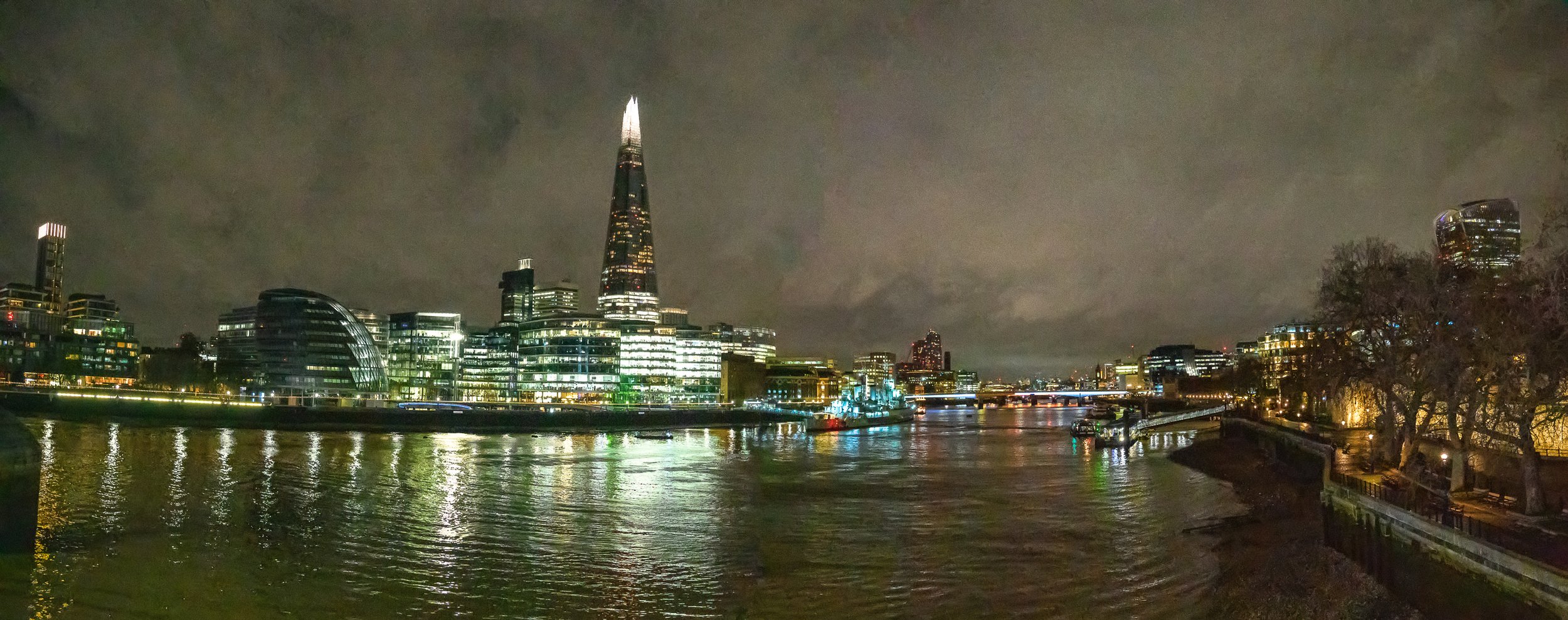
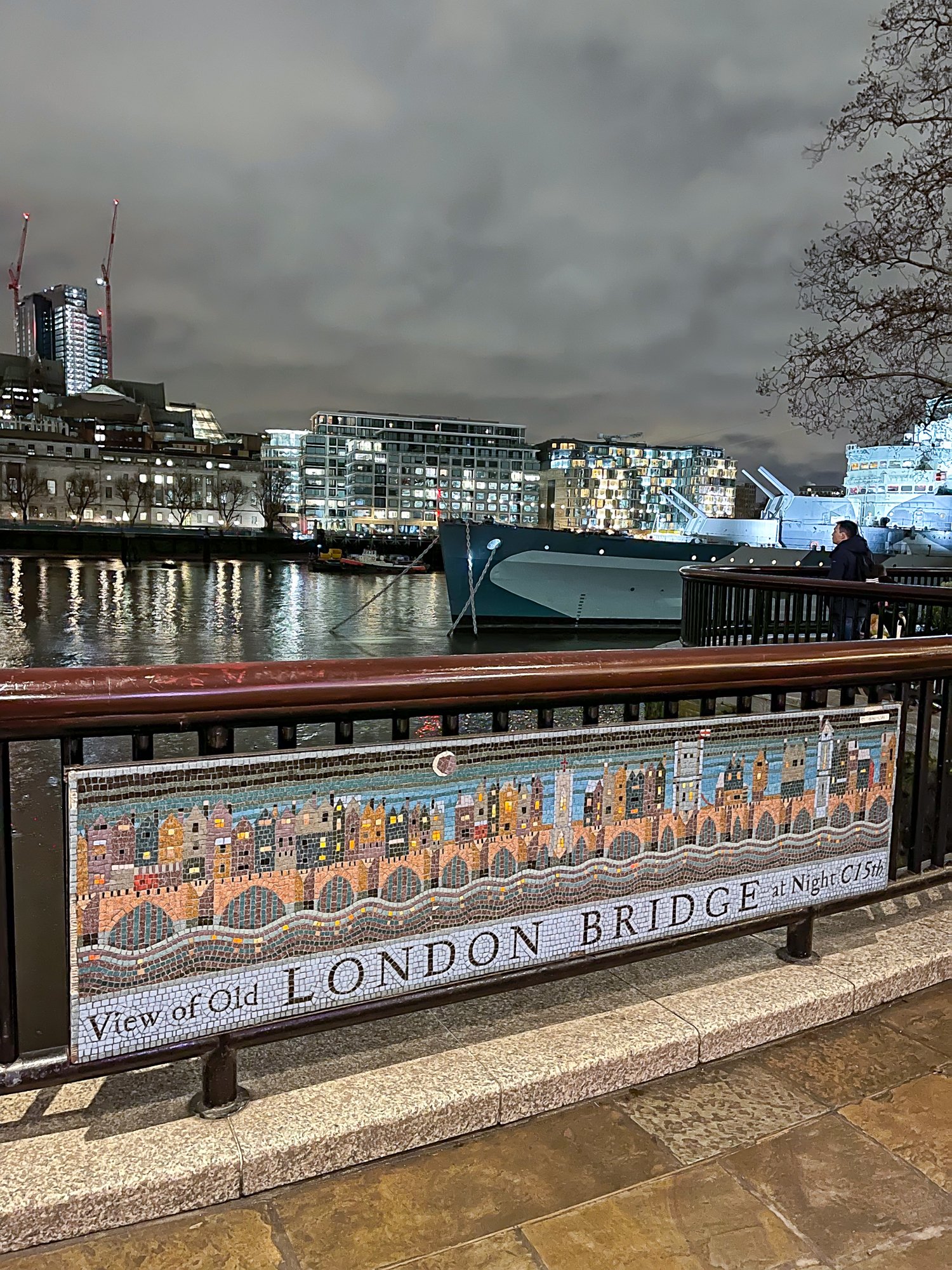
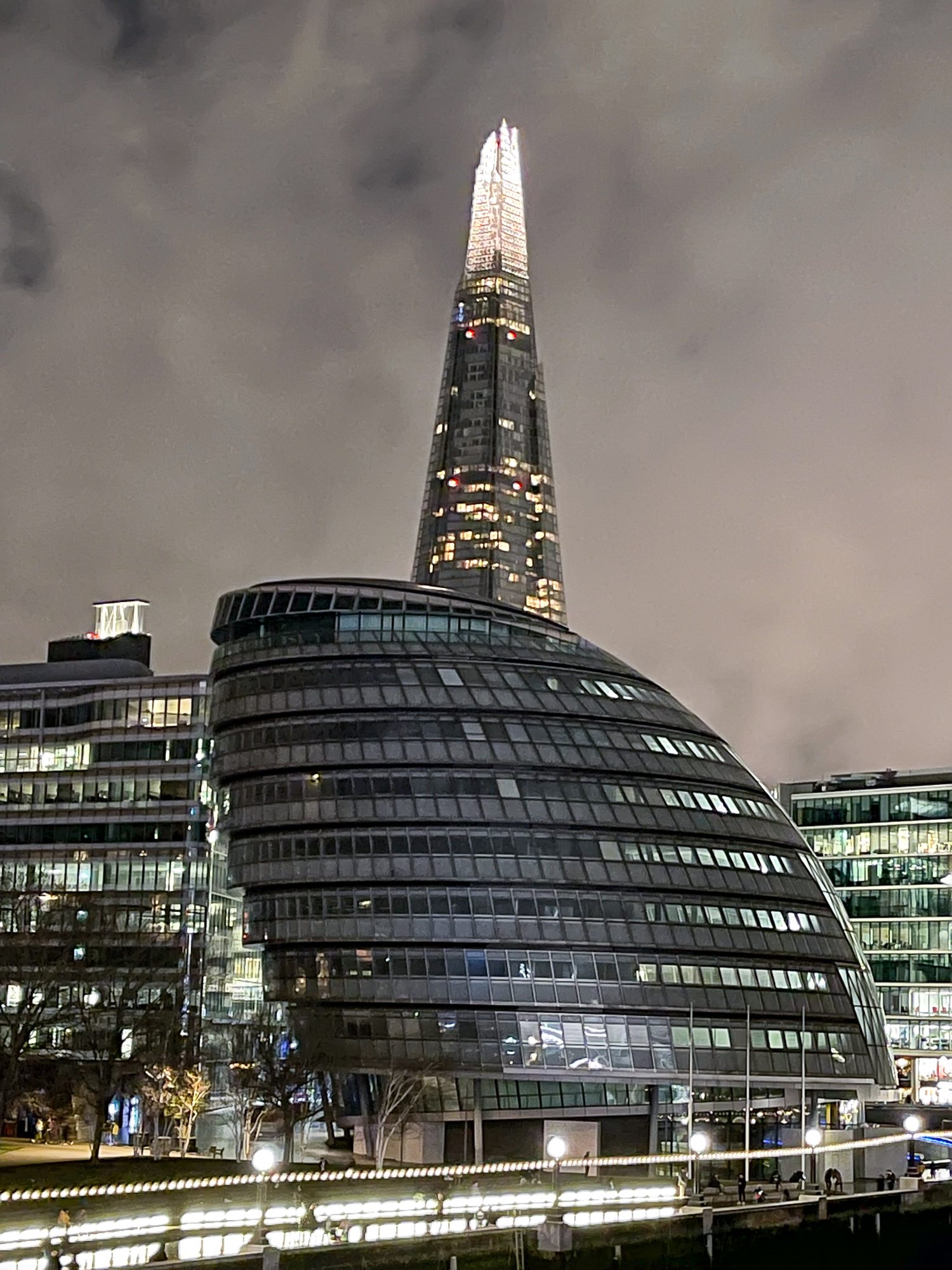
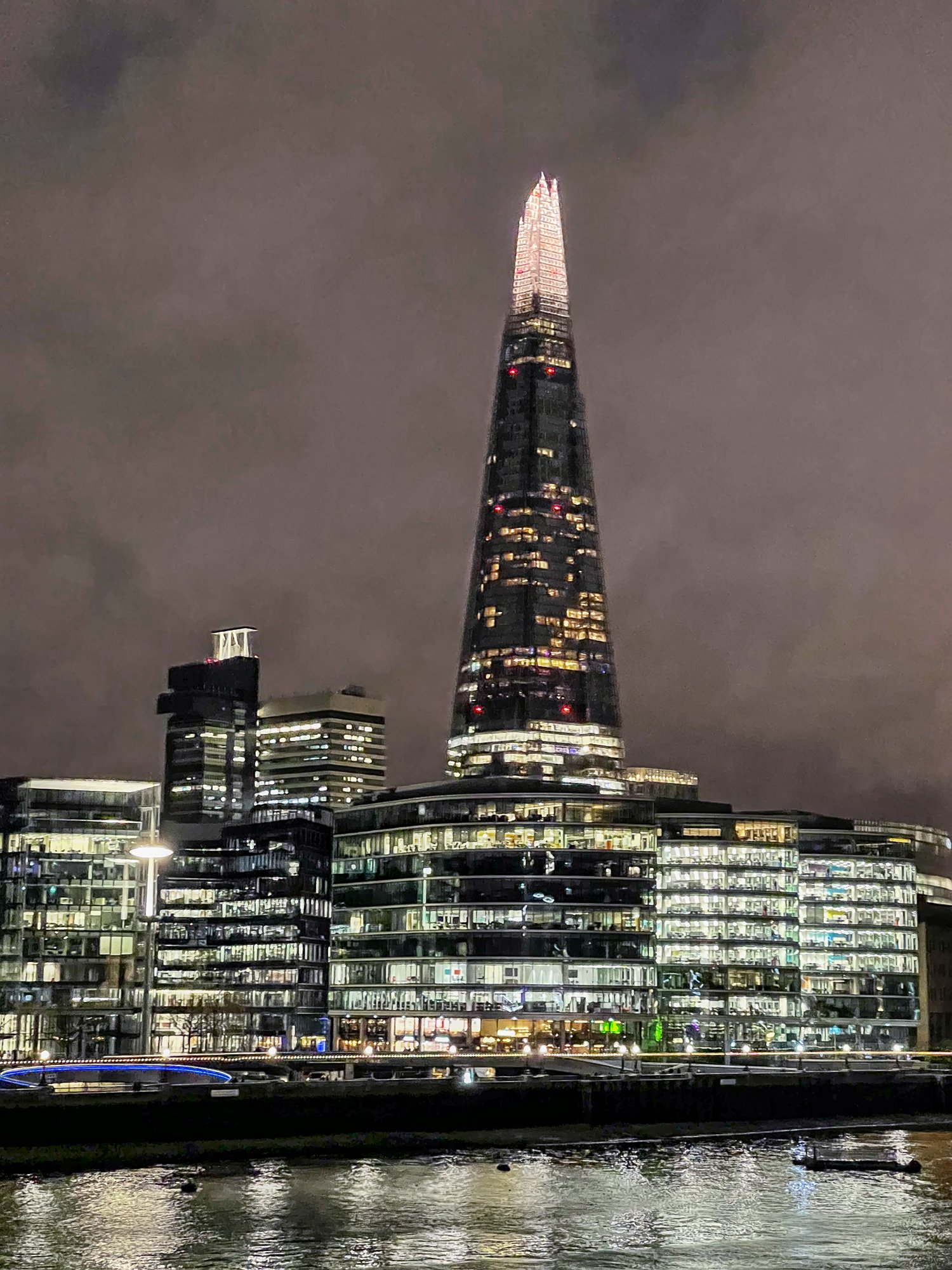
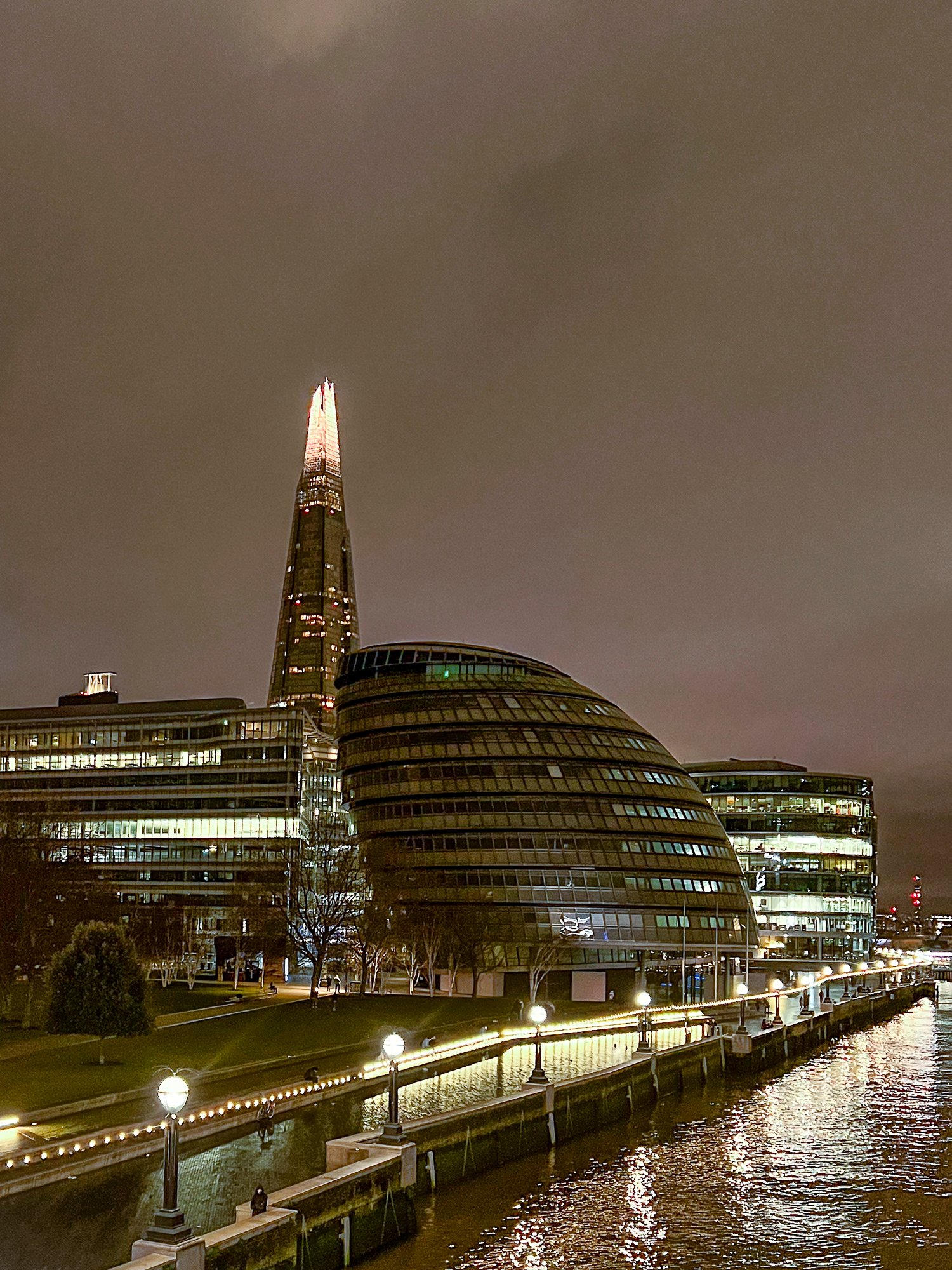
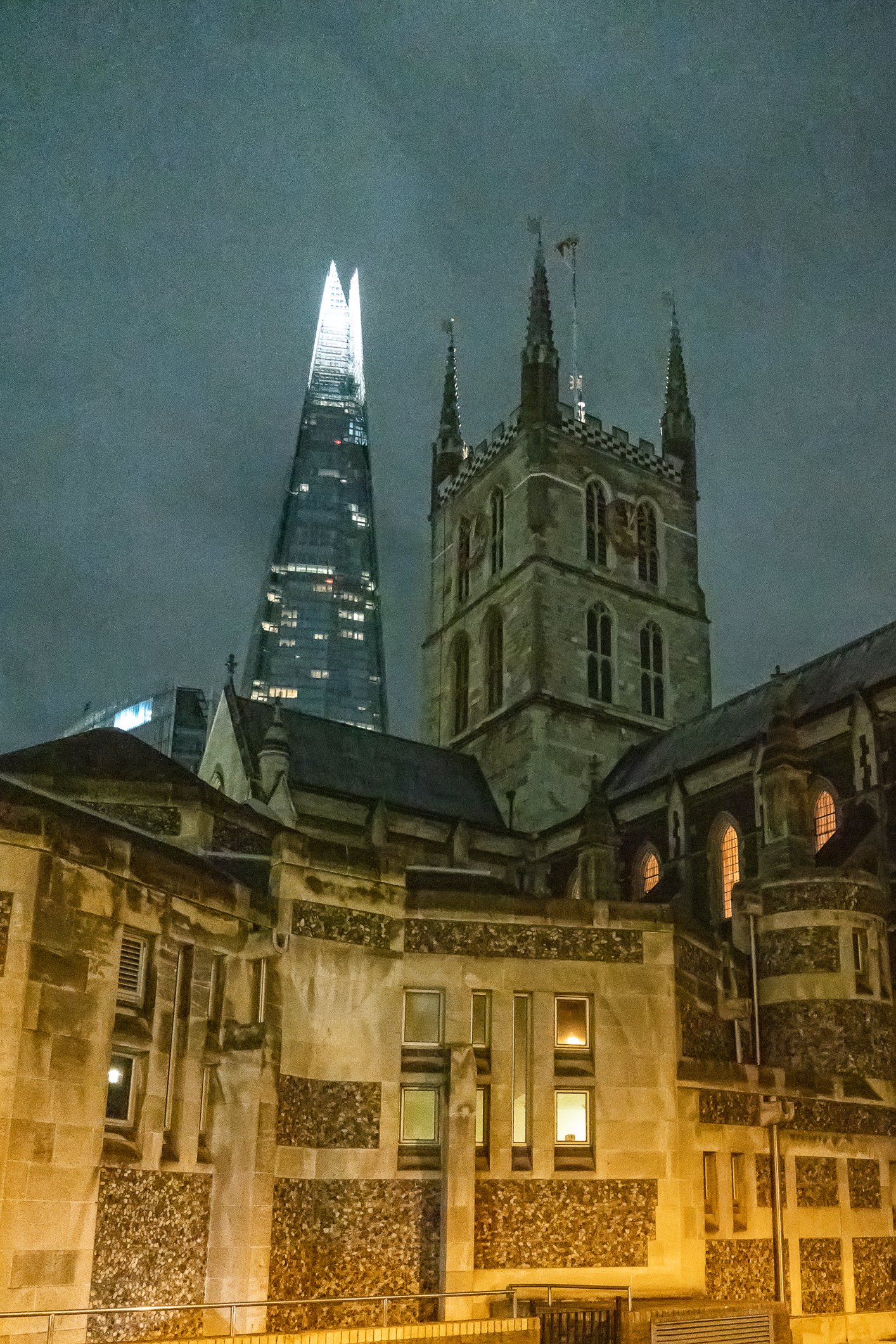
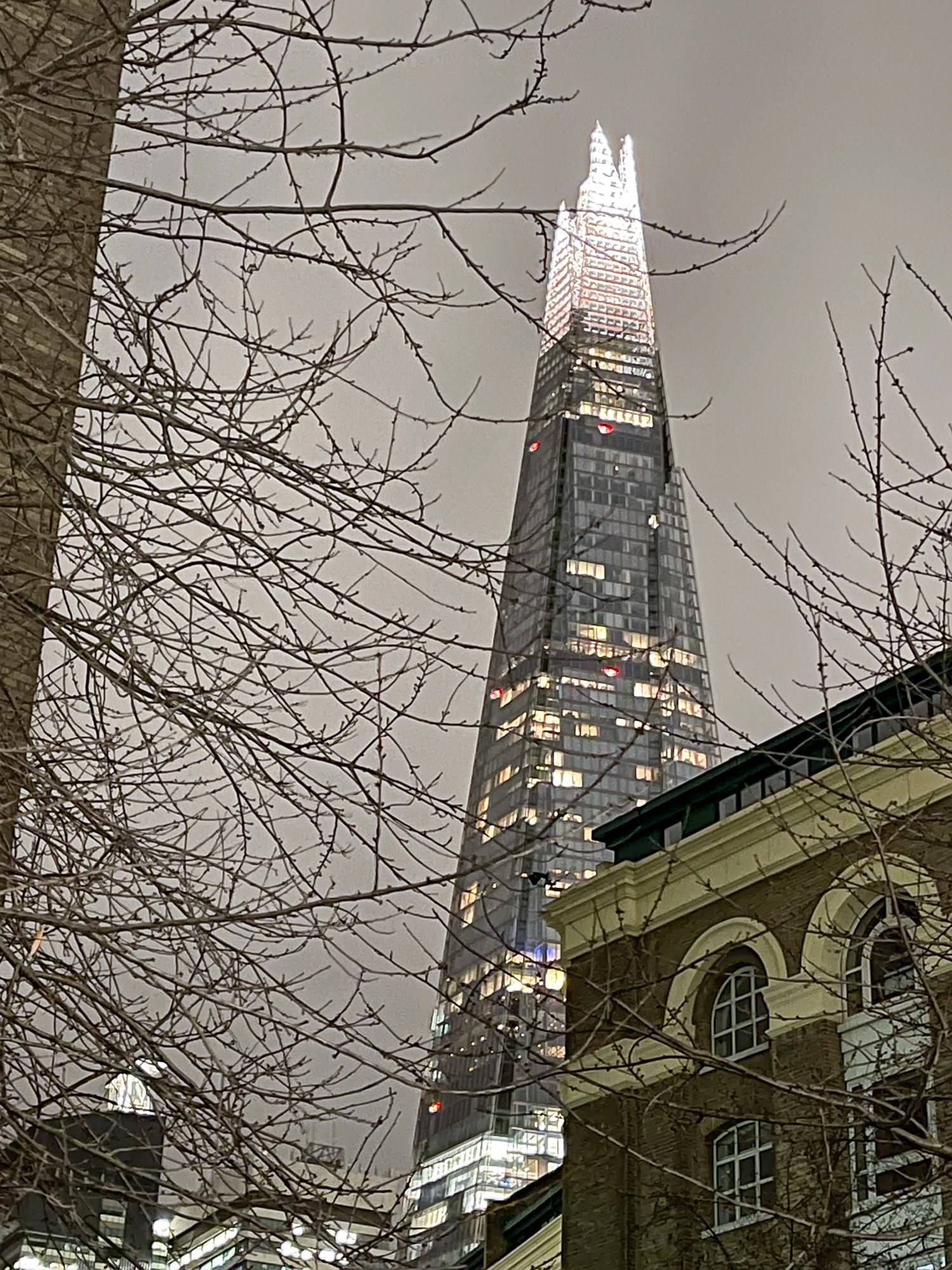
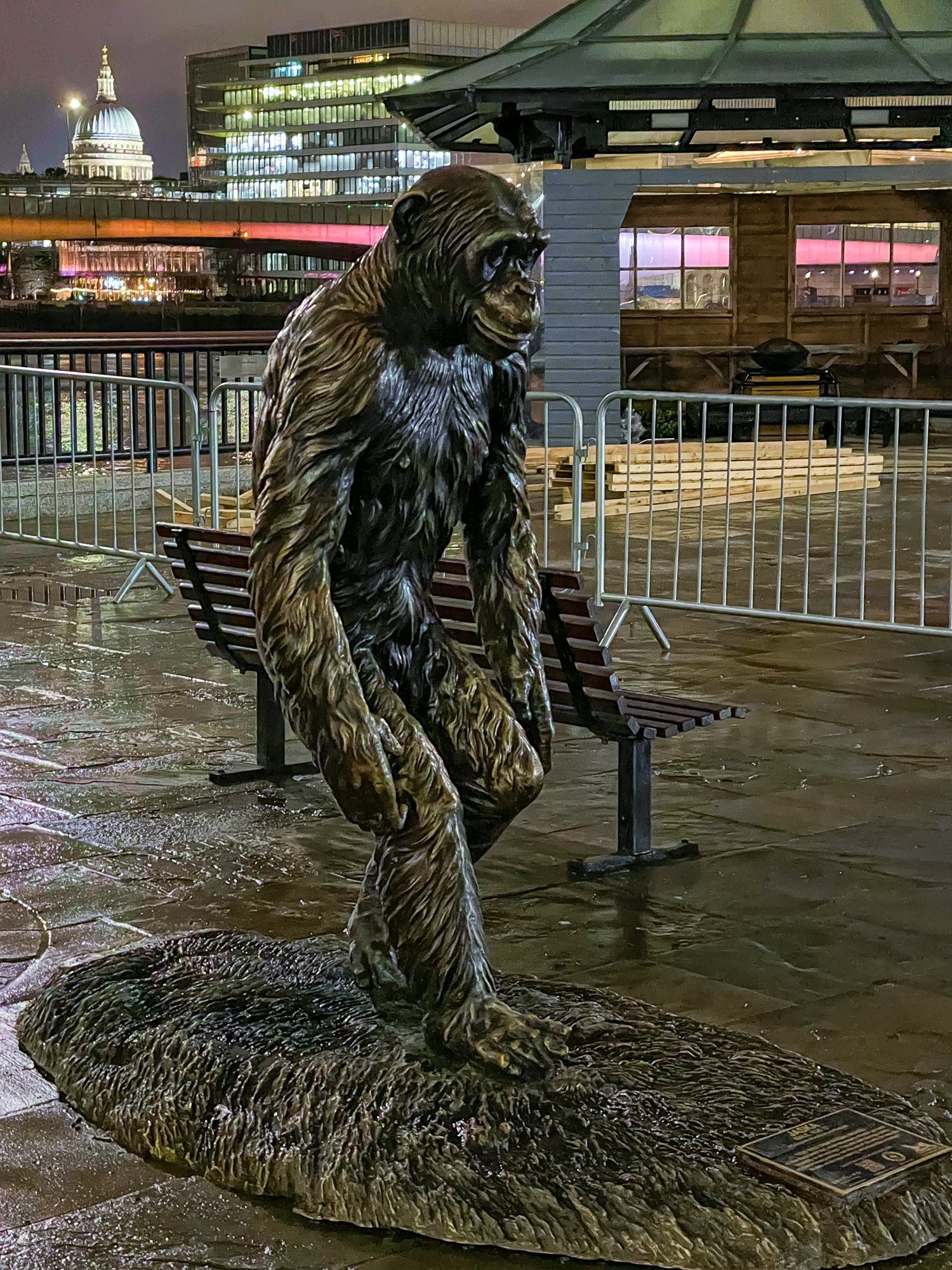
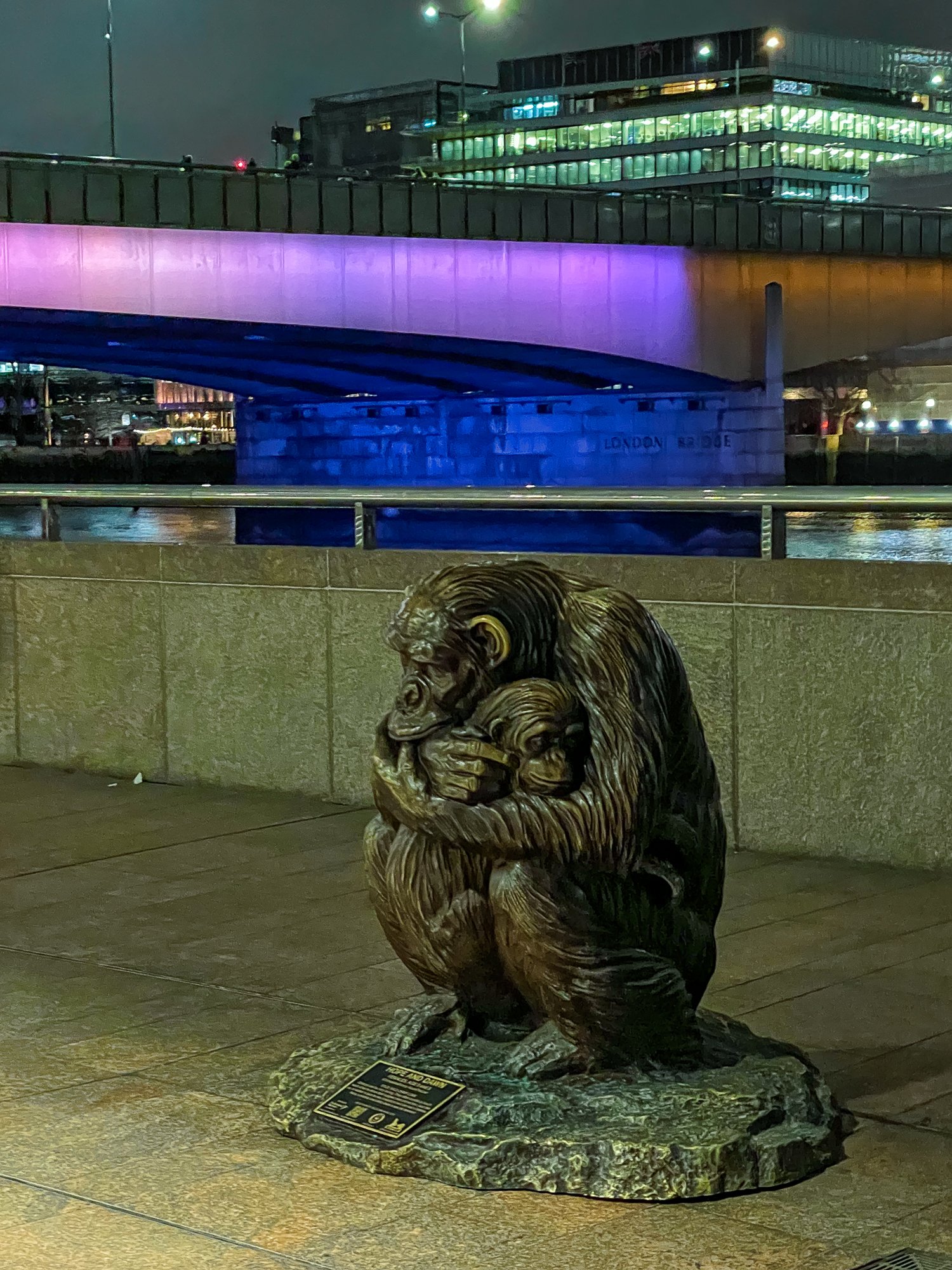
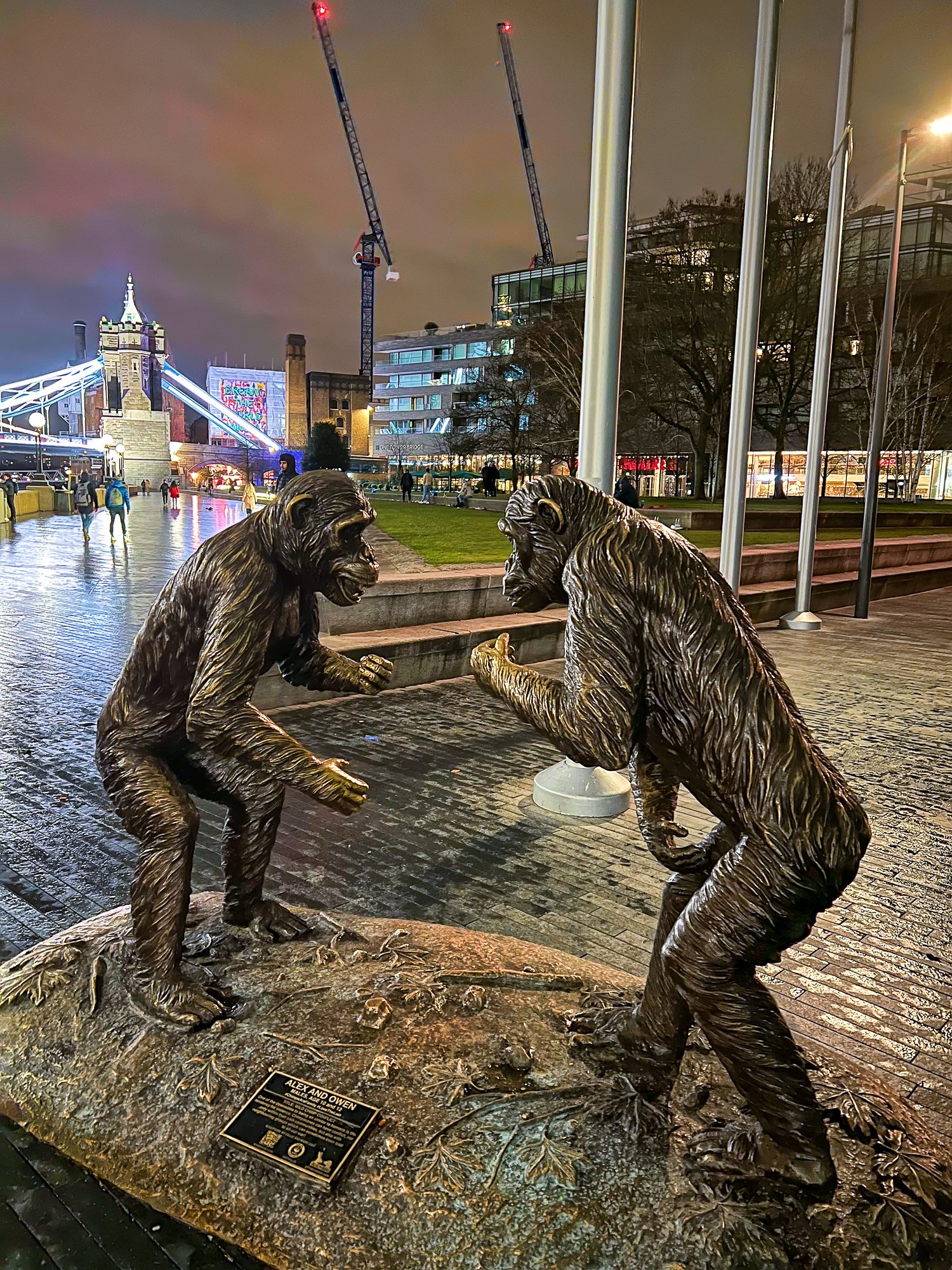
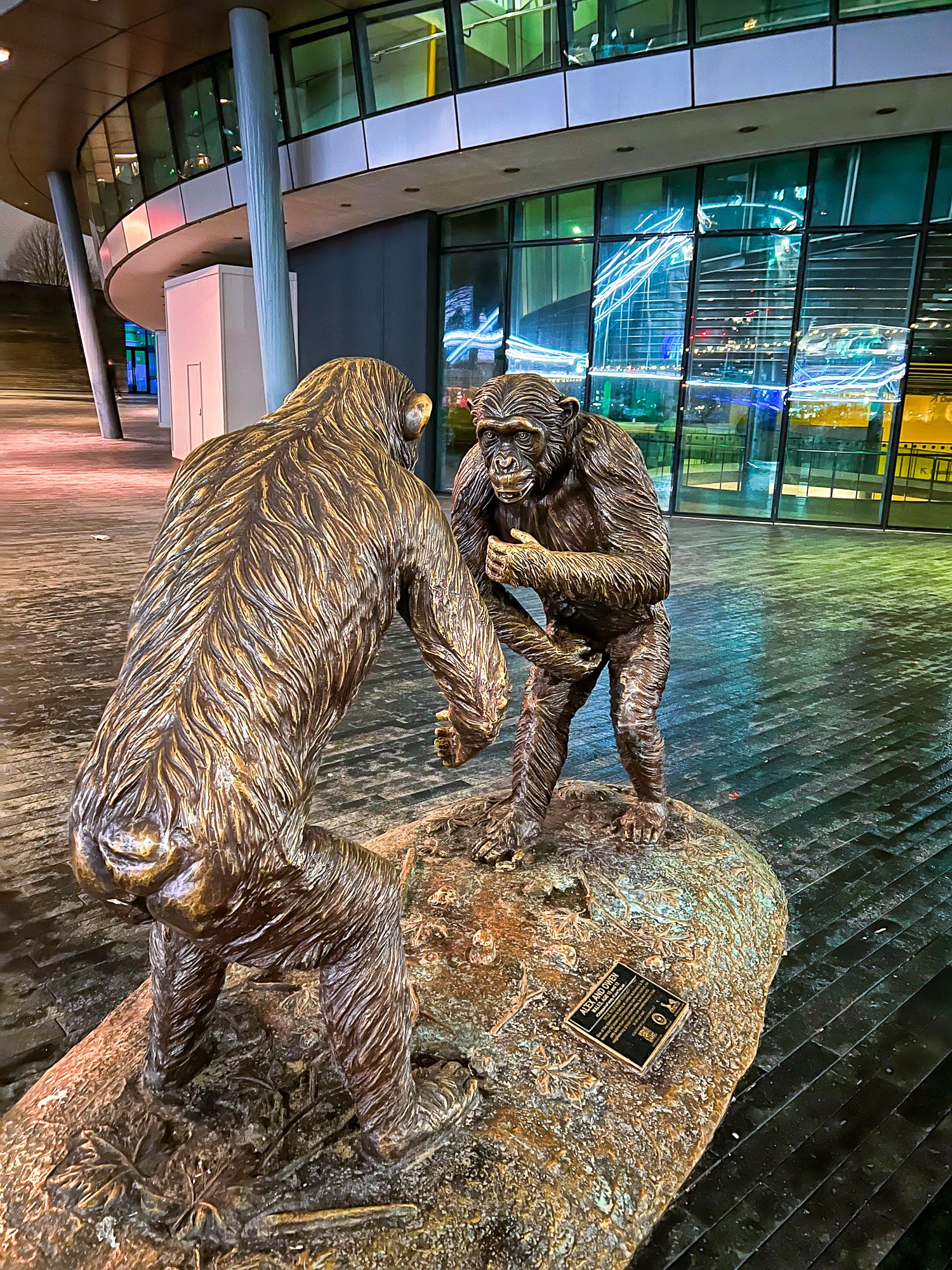
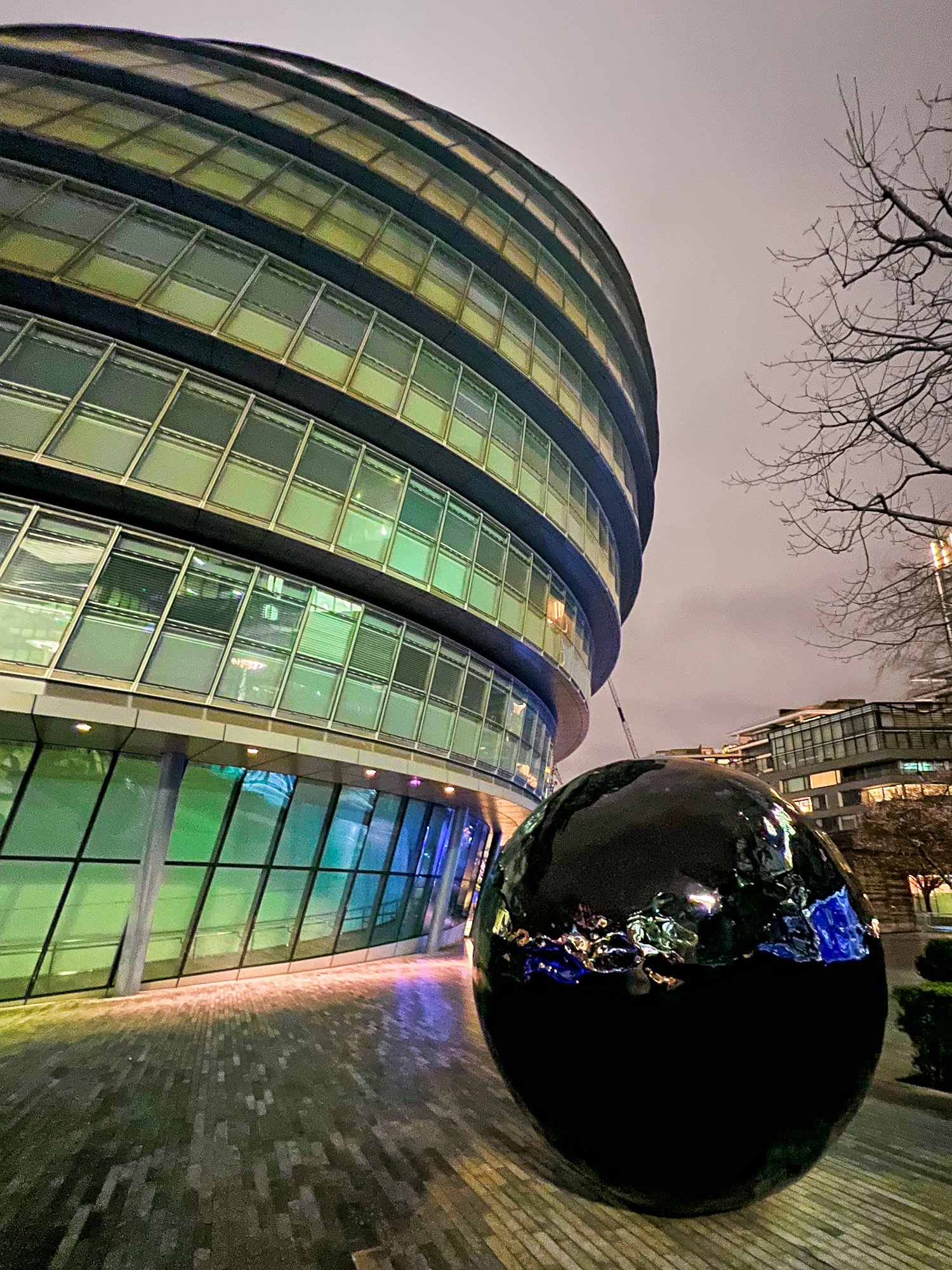
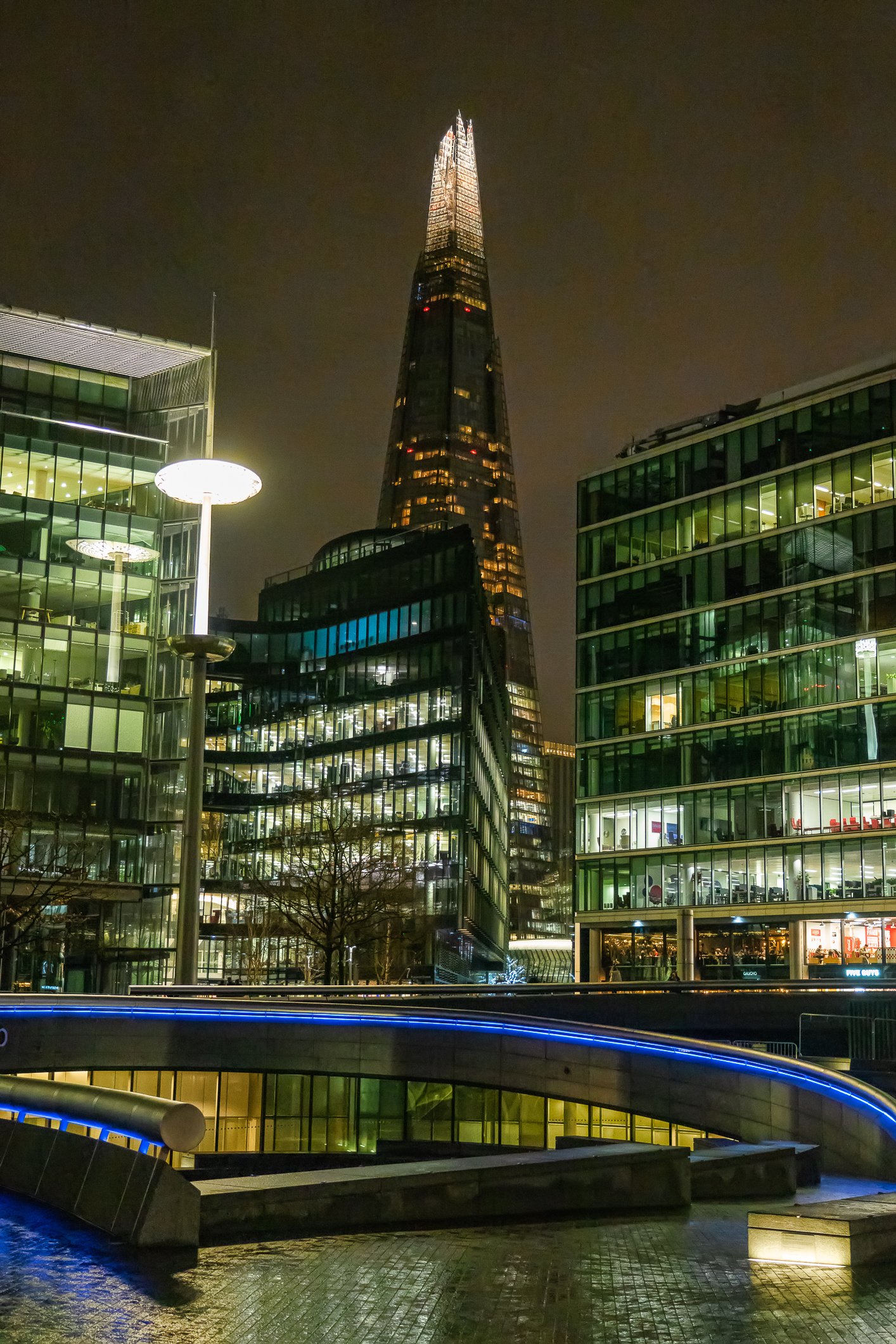
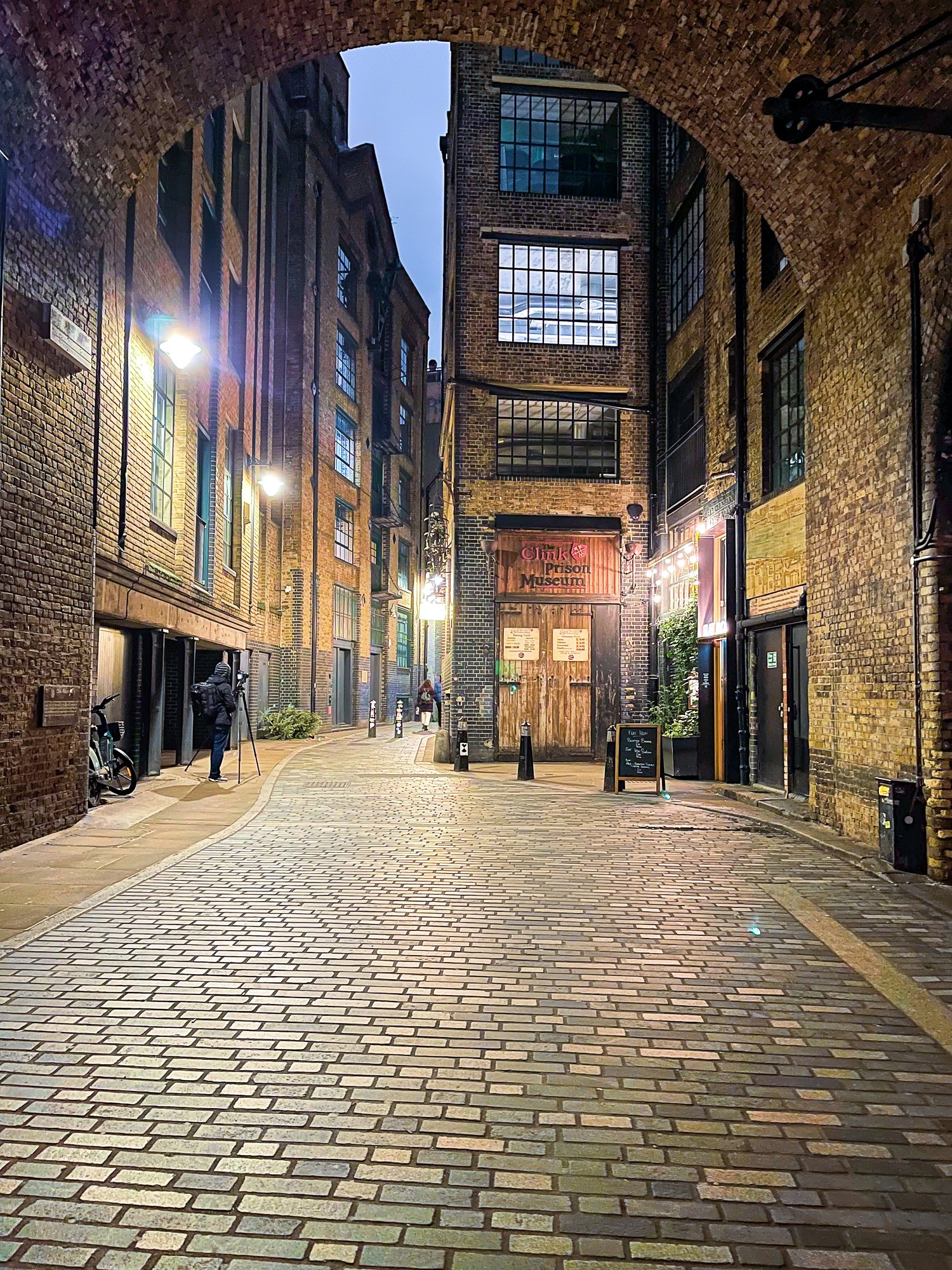
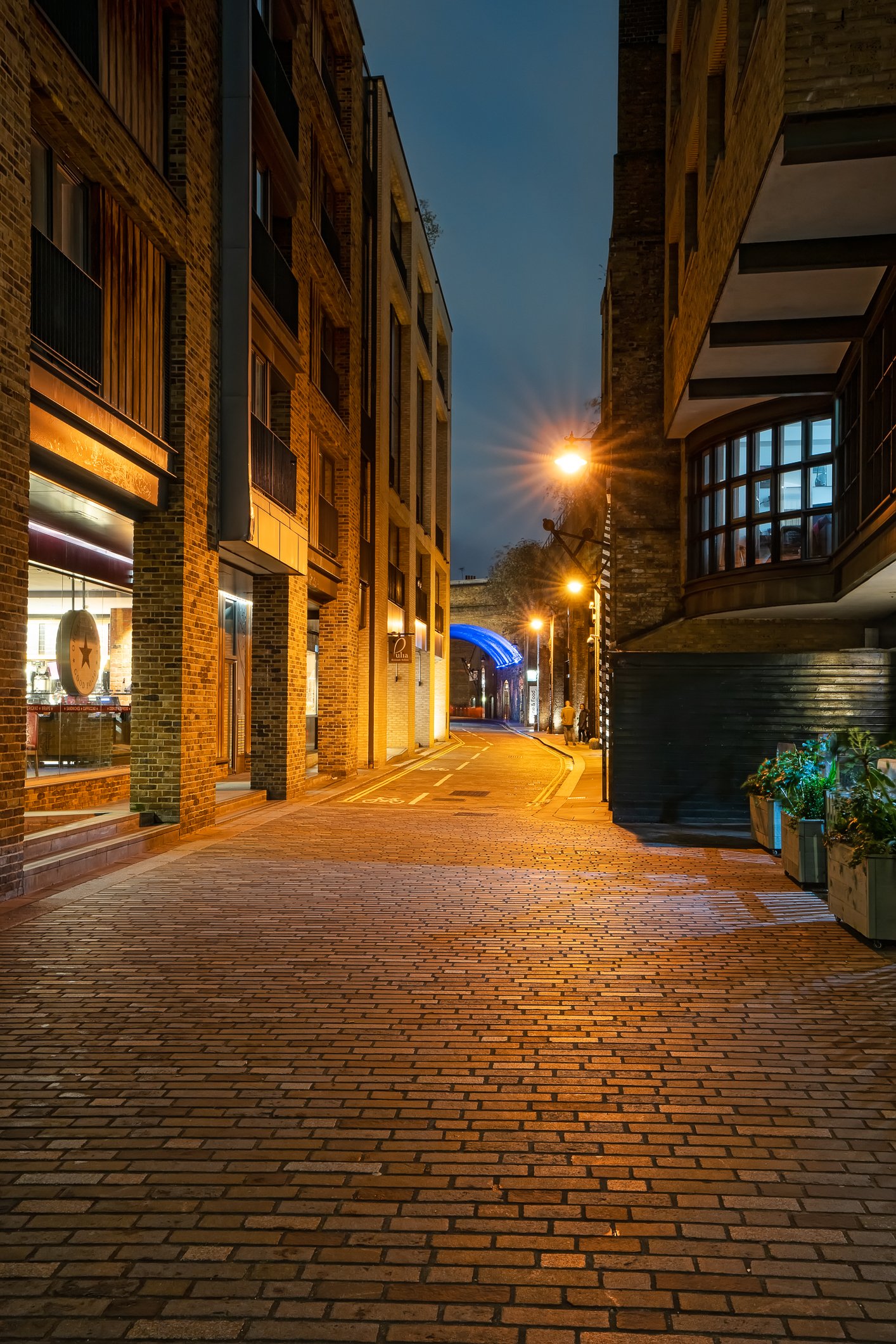
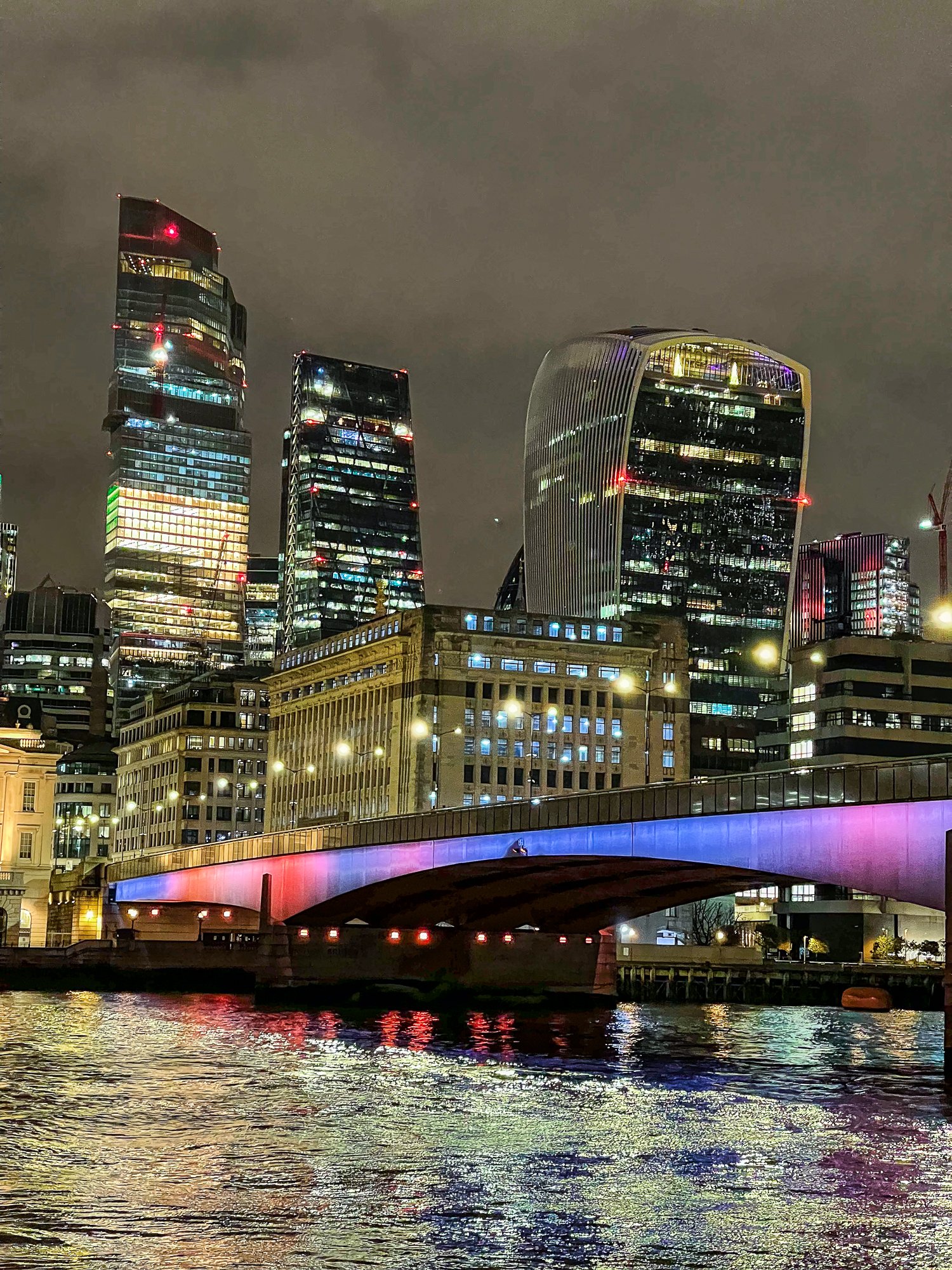
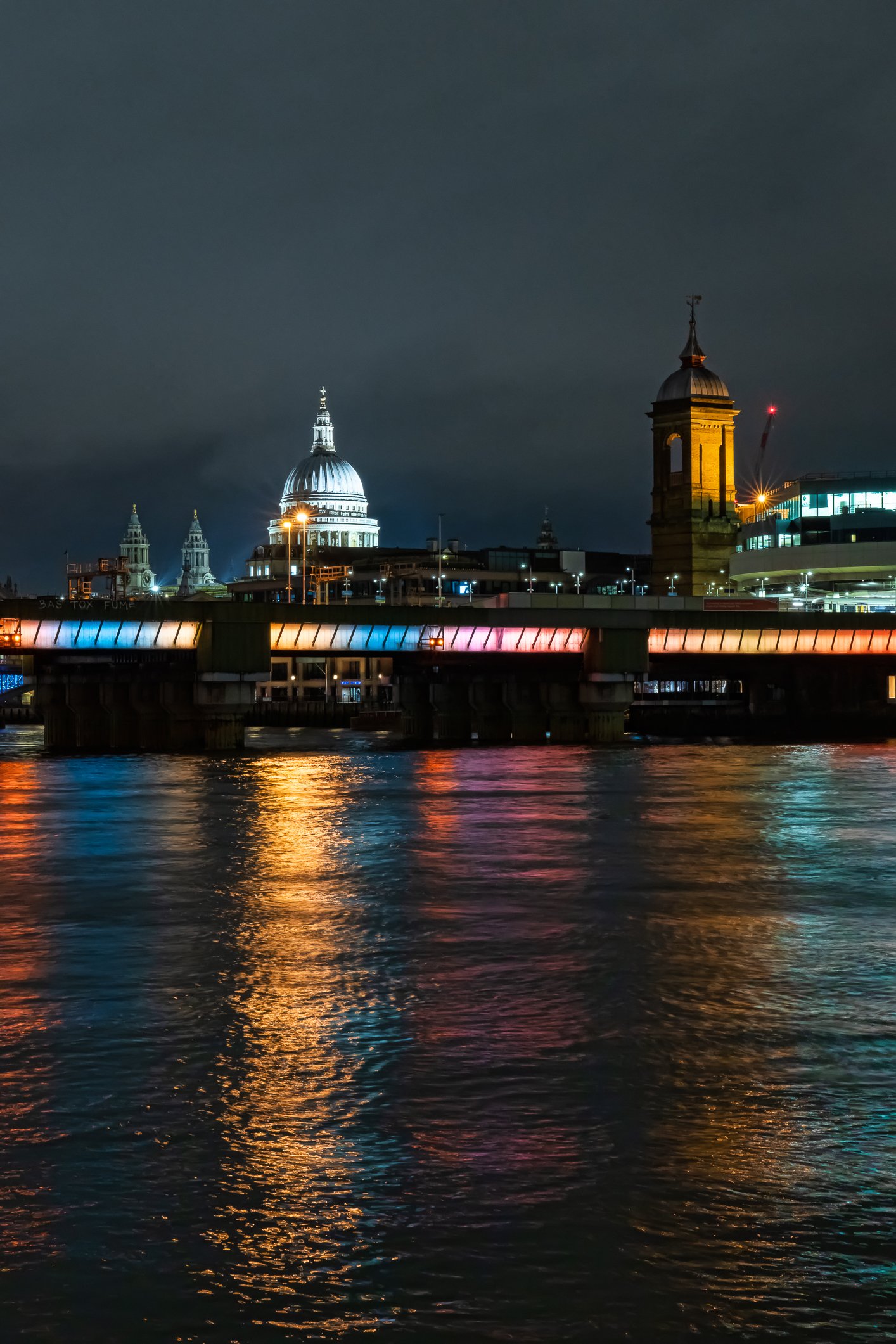
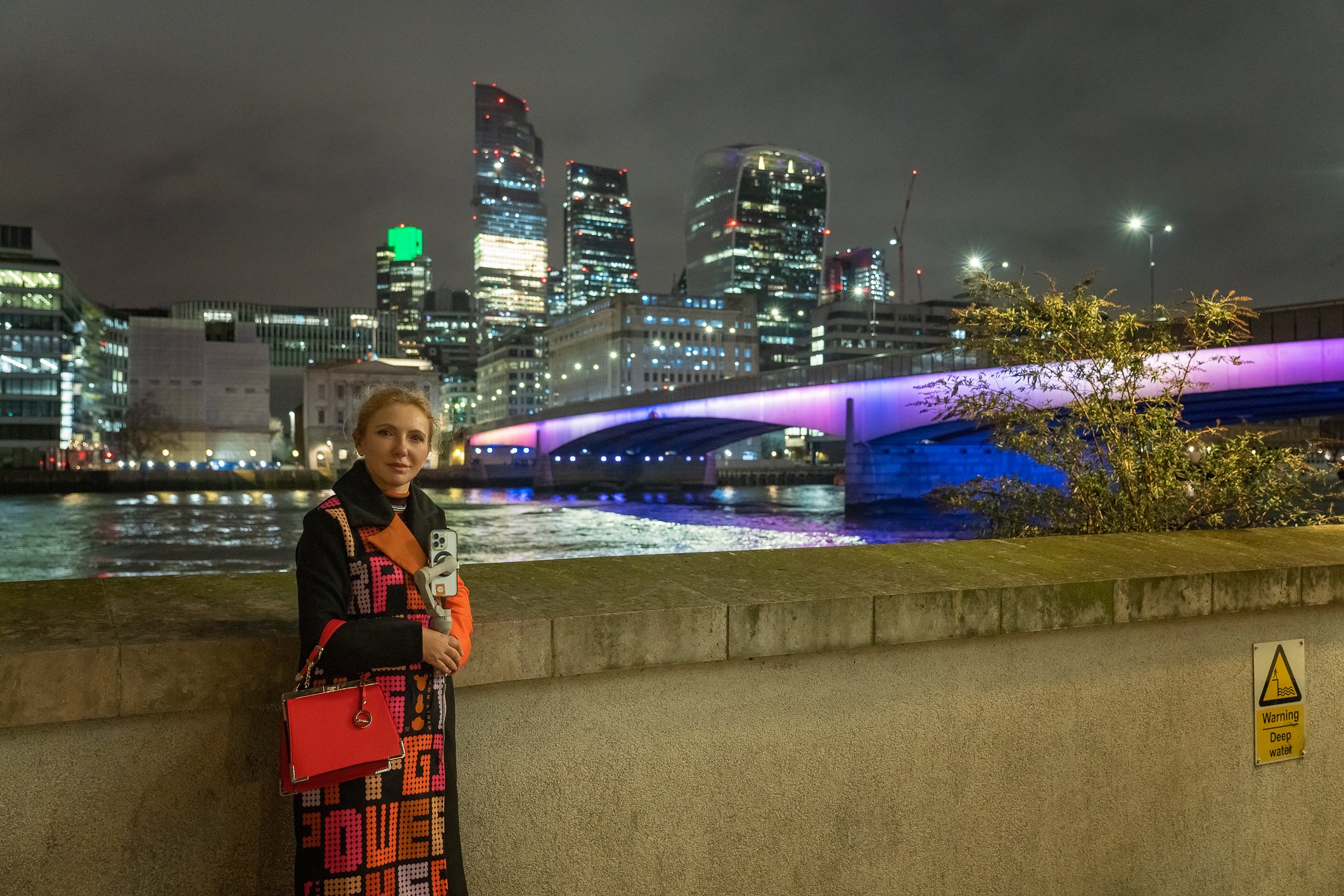
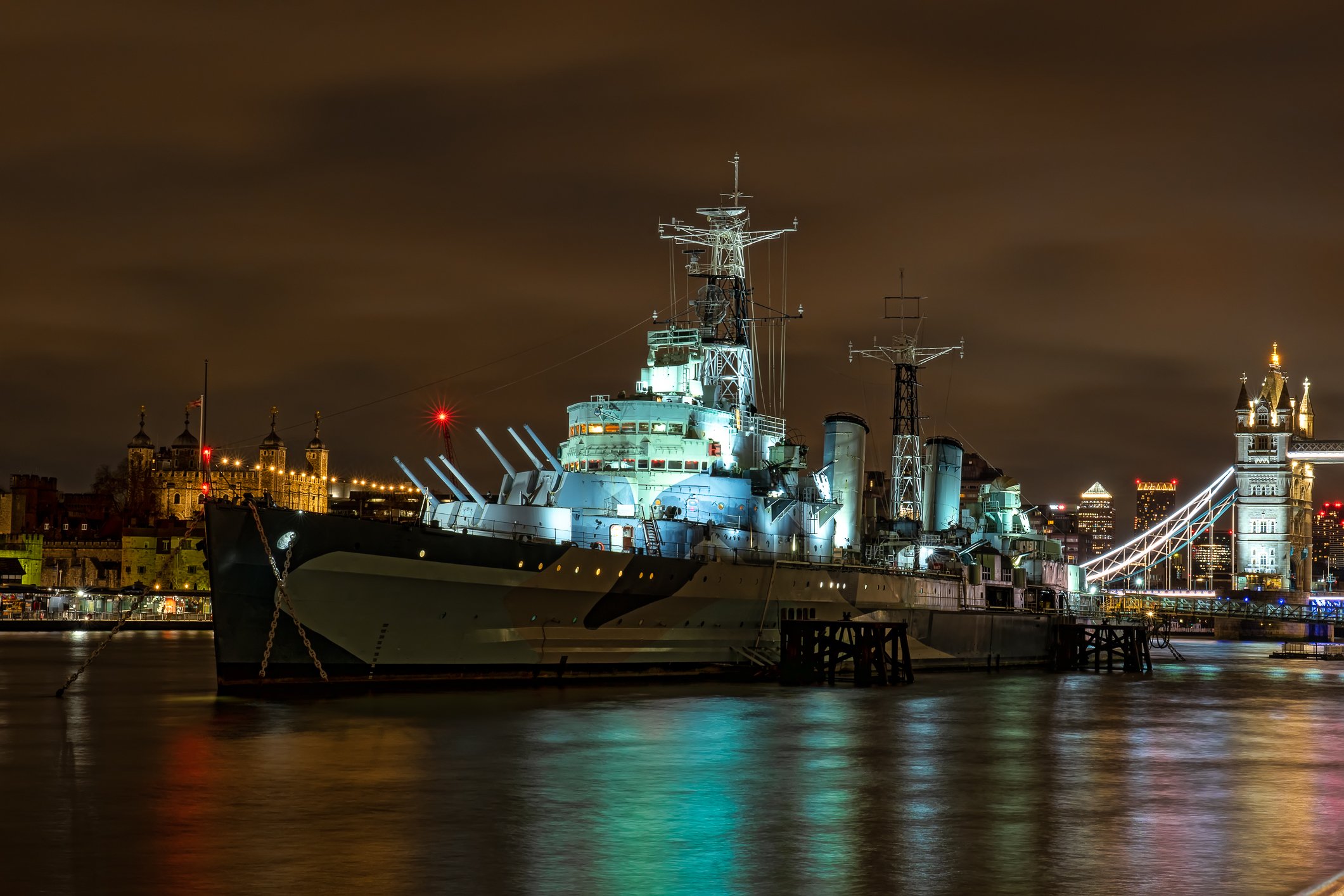
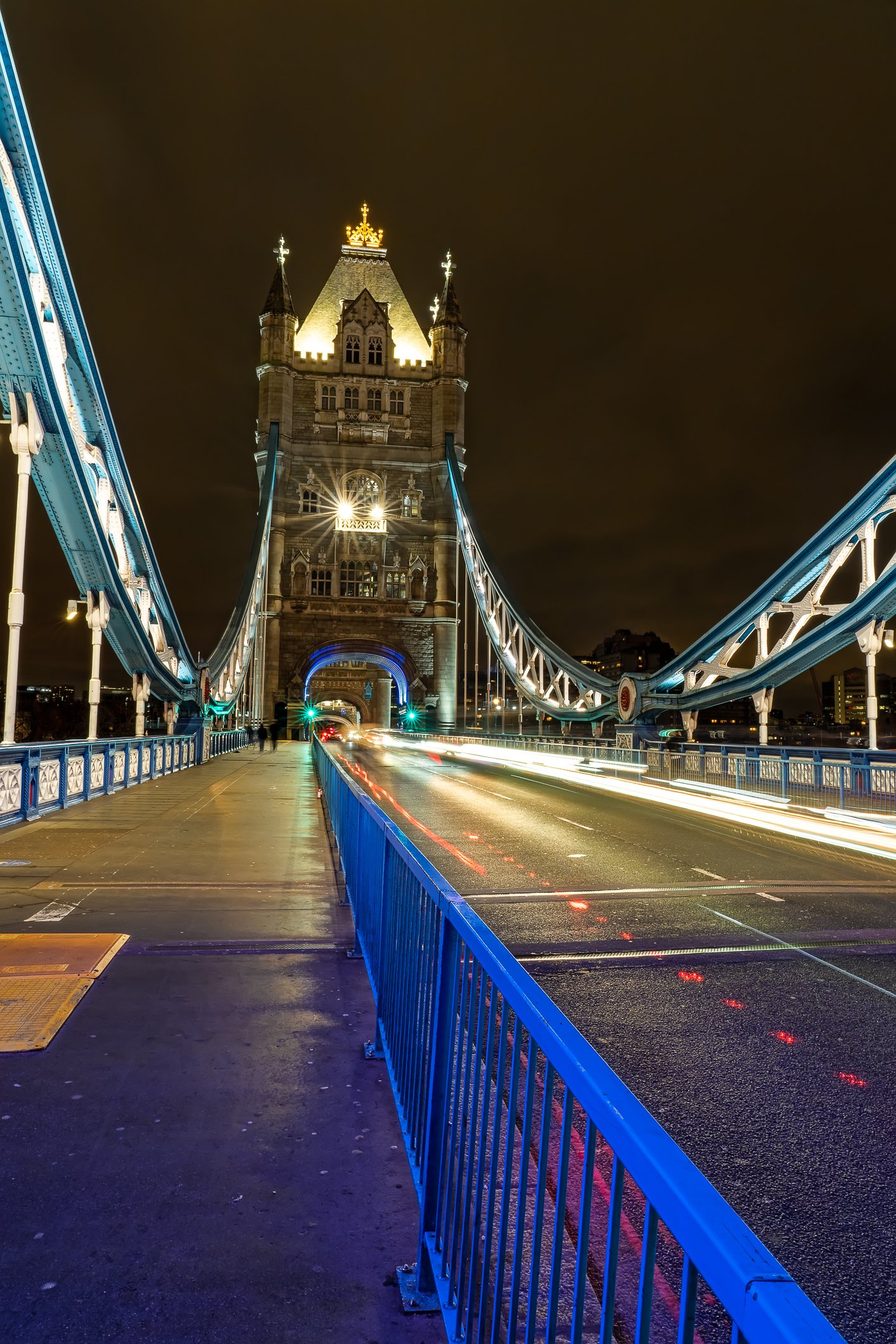
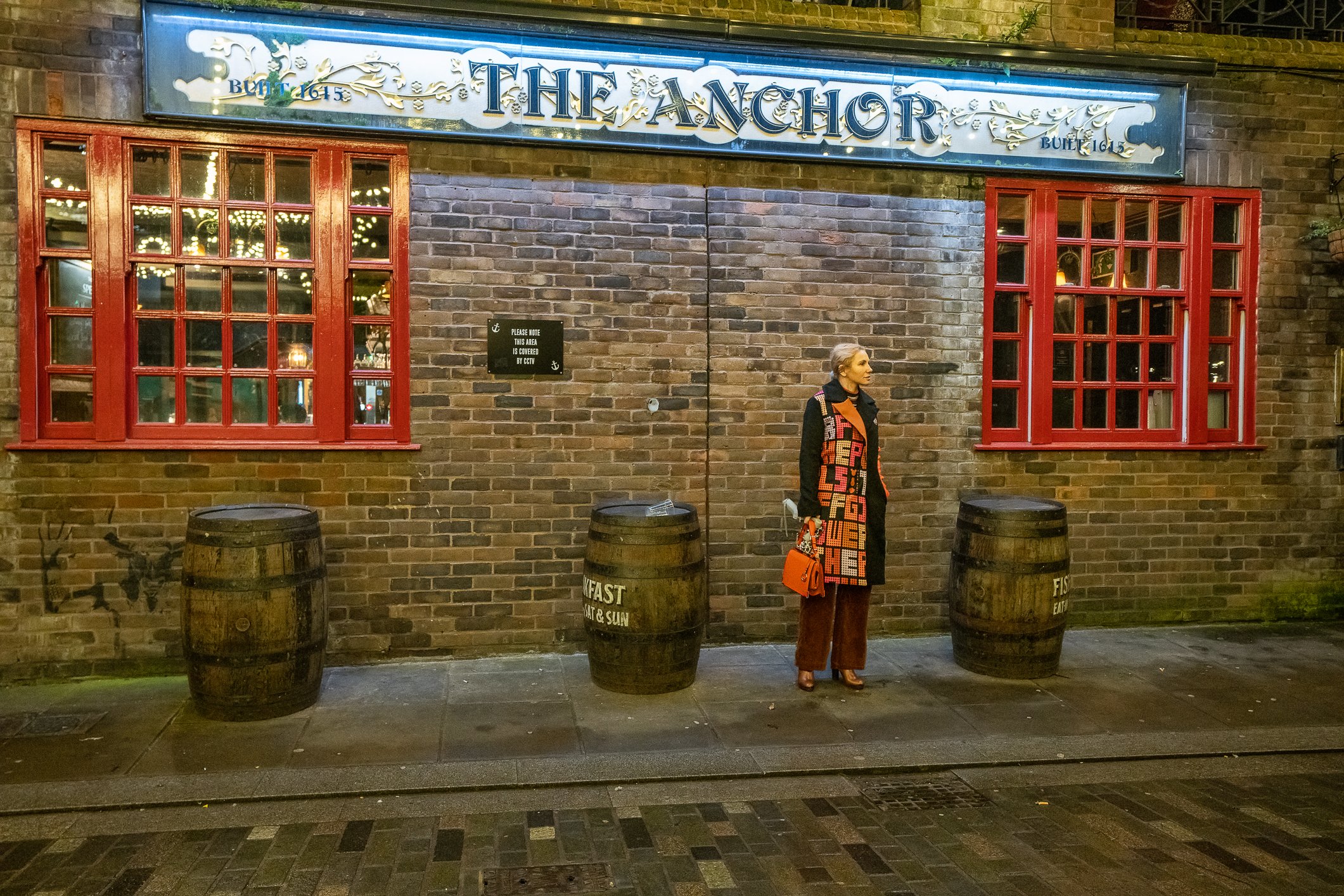
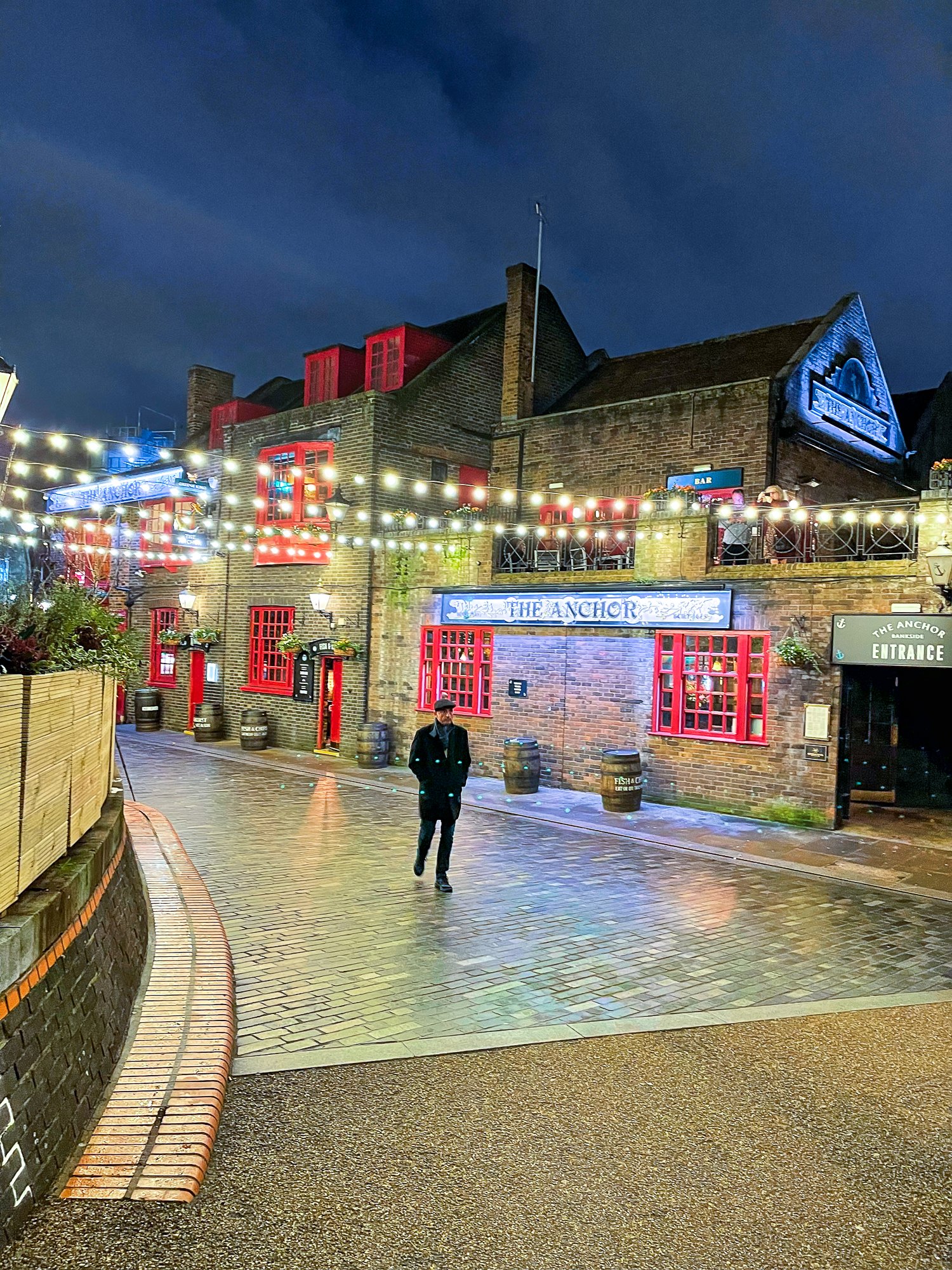
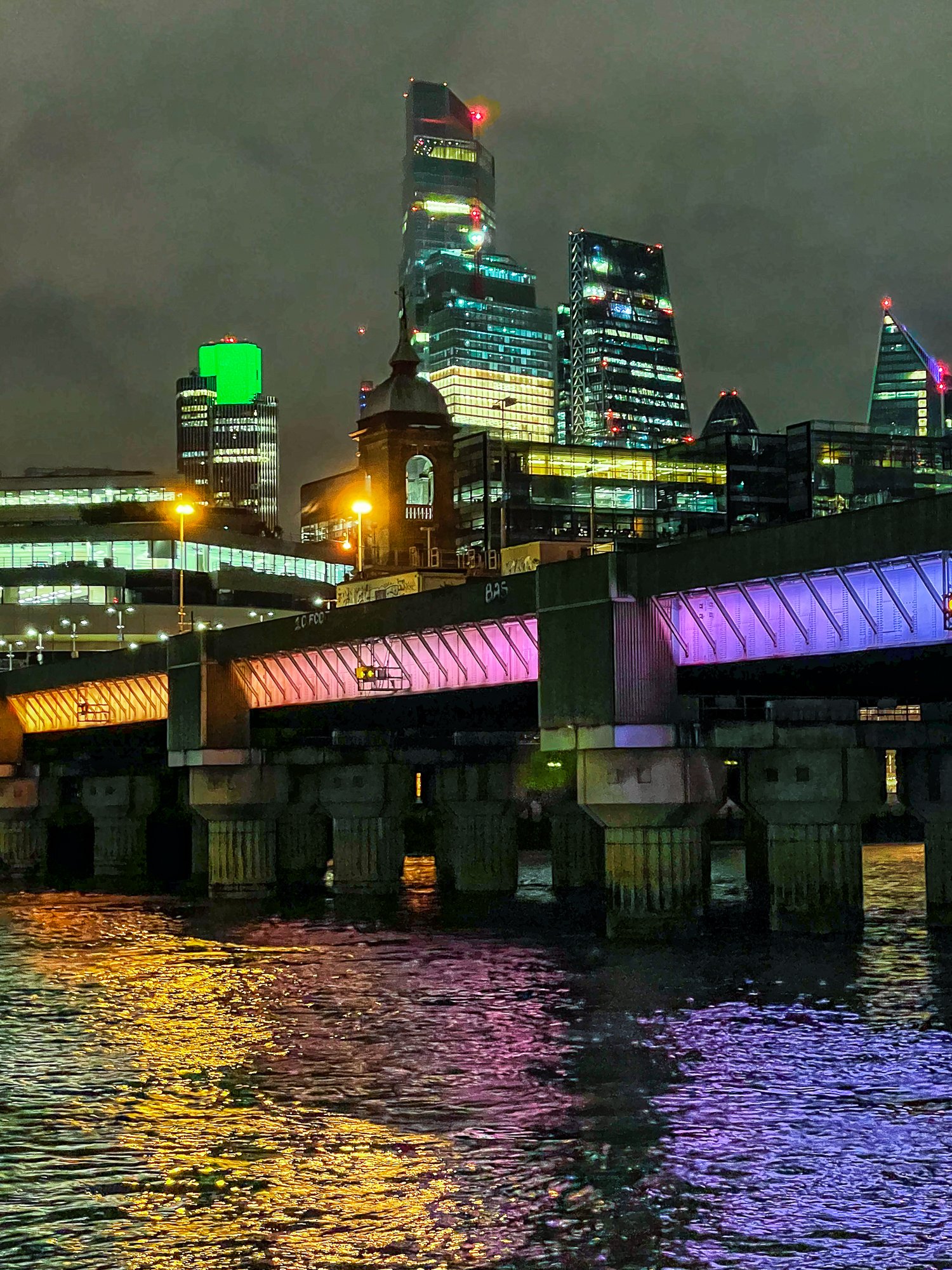
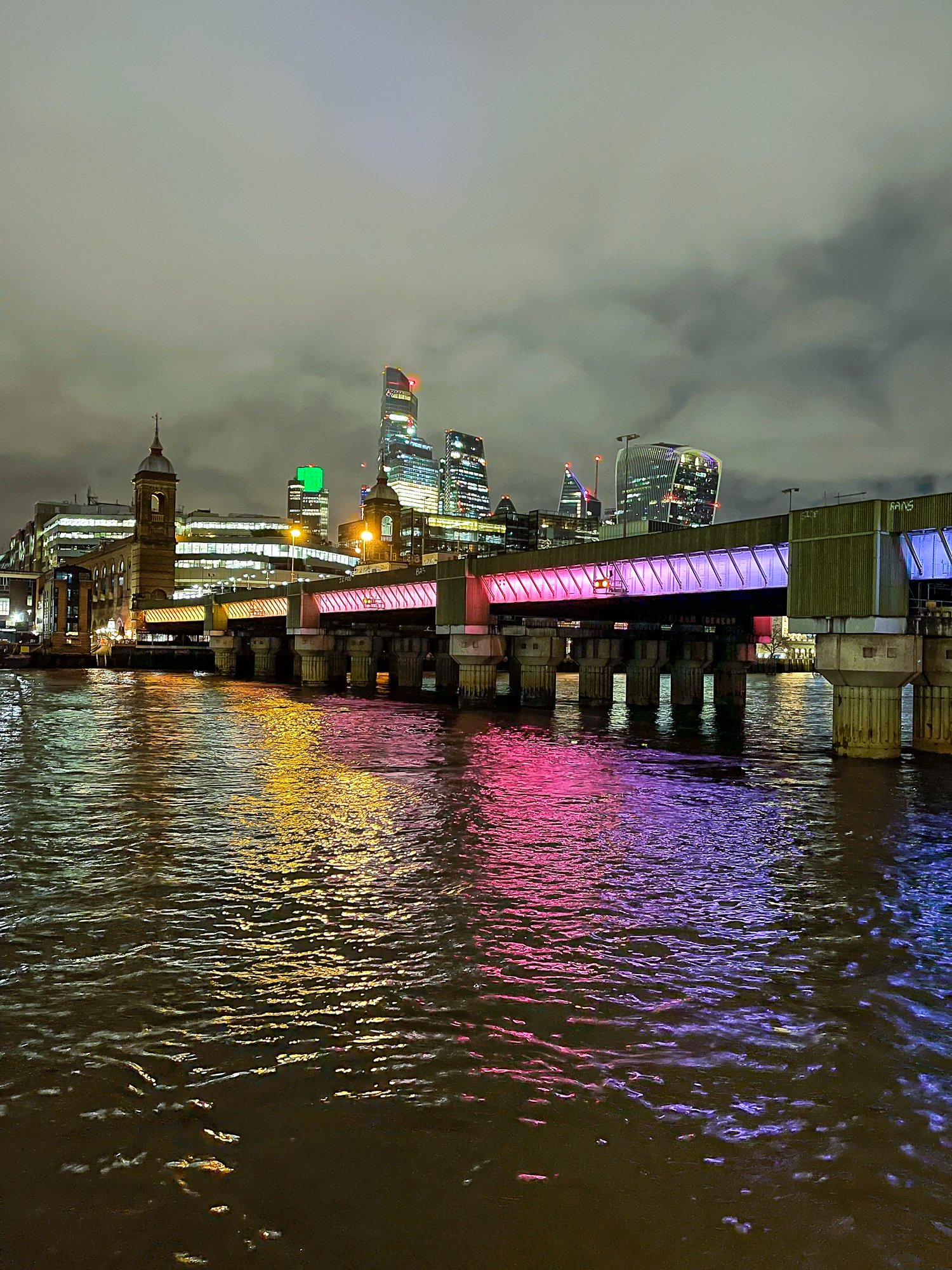
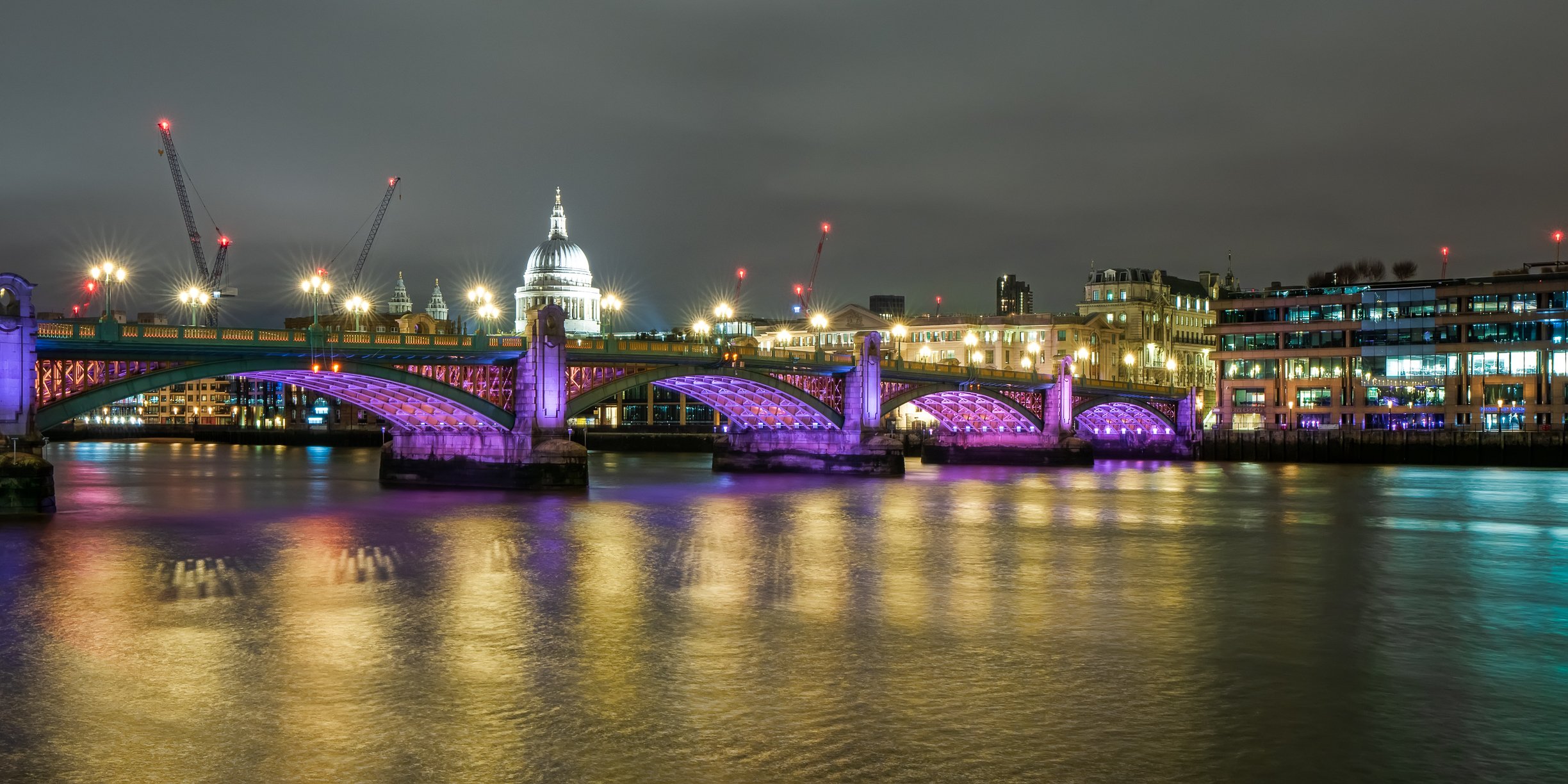
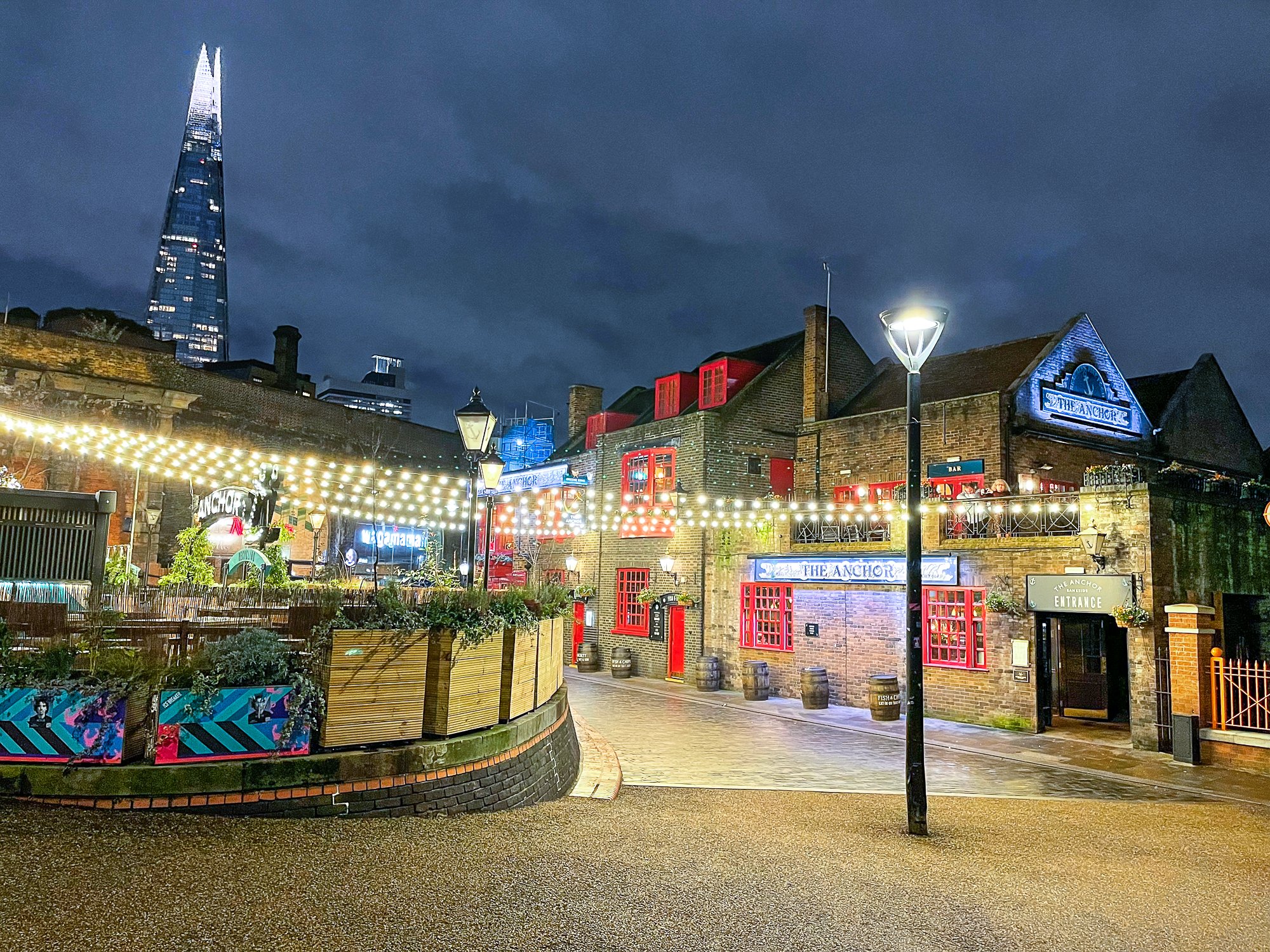
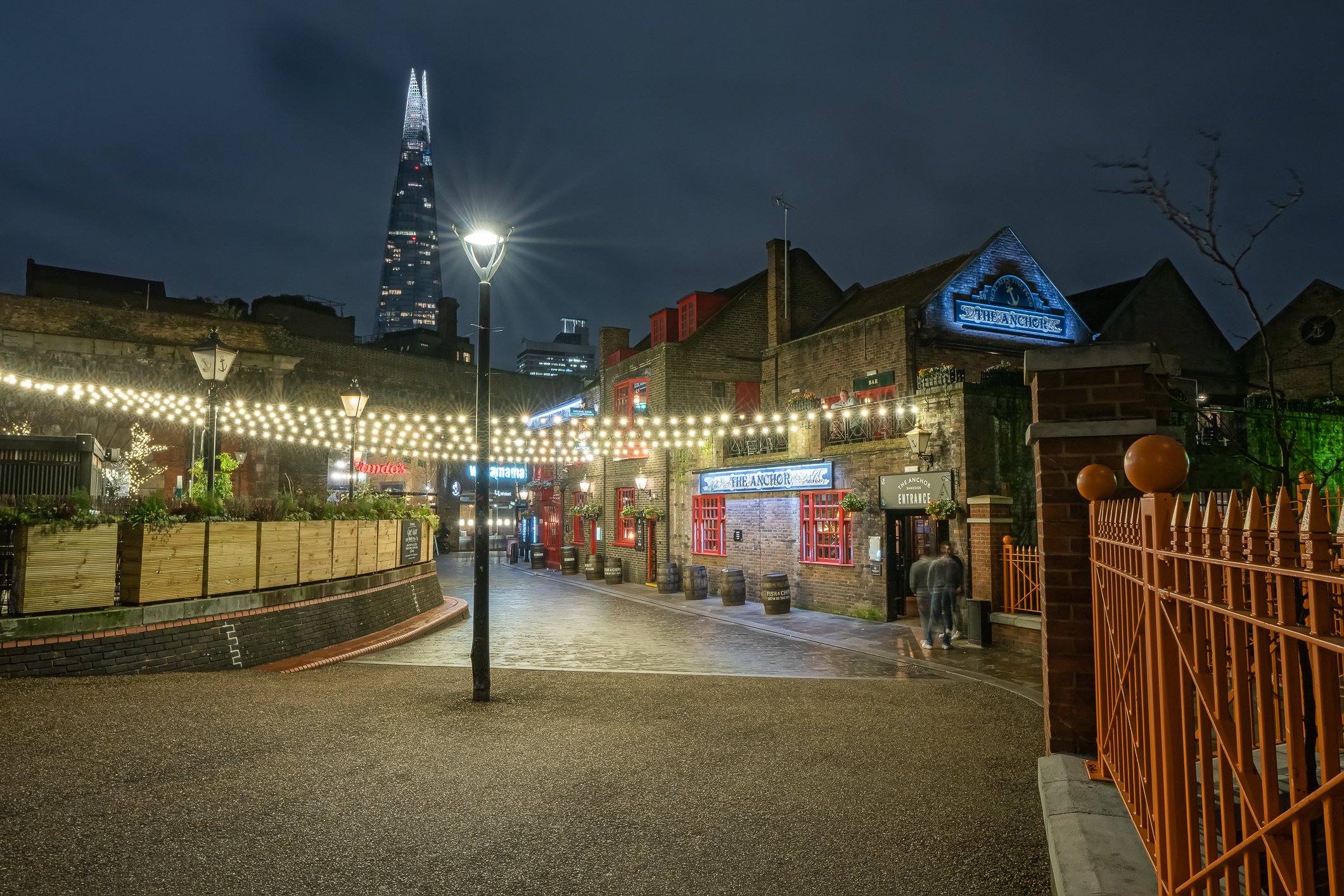
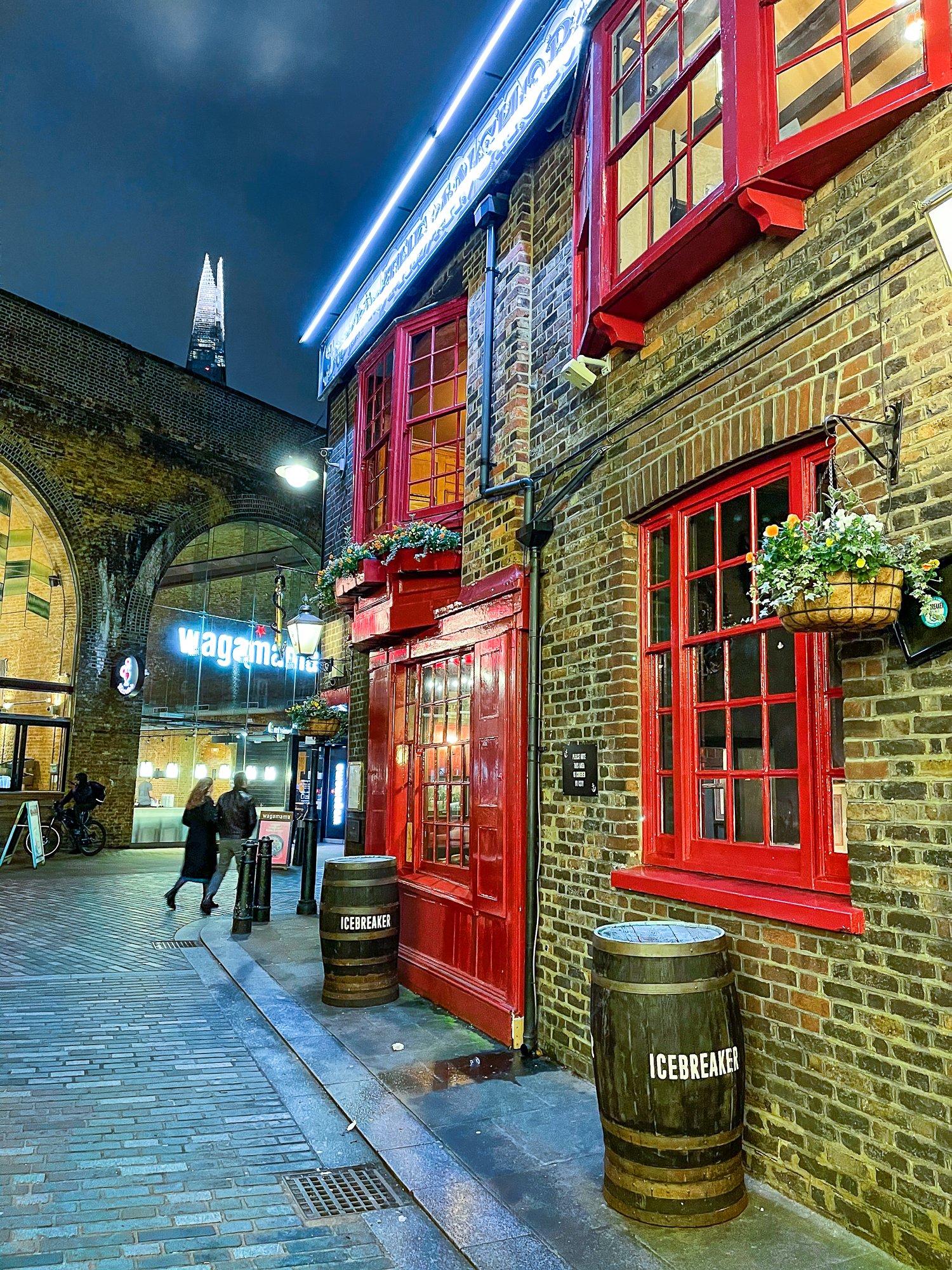
It is a bit too late for pictures, the sky is already black, without a hint of blue, but we still take some strolling across the bridge and then down the river on the south bank. It takes us less than half an hour to get to The Anchor, where we decided to have dinner tonight.


Trochę już za późno na zdjęcia, niebo jest już czarne, bez śladu koloru, ale i tak je robimy idąc przez most, a potem wzdłuż rzeki południowym brzegiem. Niecałe pół godziny zajmuje nam dotarcie do pubu The Anchor, gdzie postanowiliśmy zjeść dziś kolację.

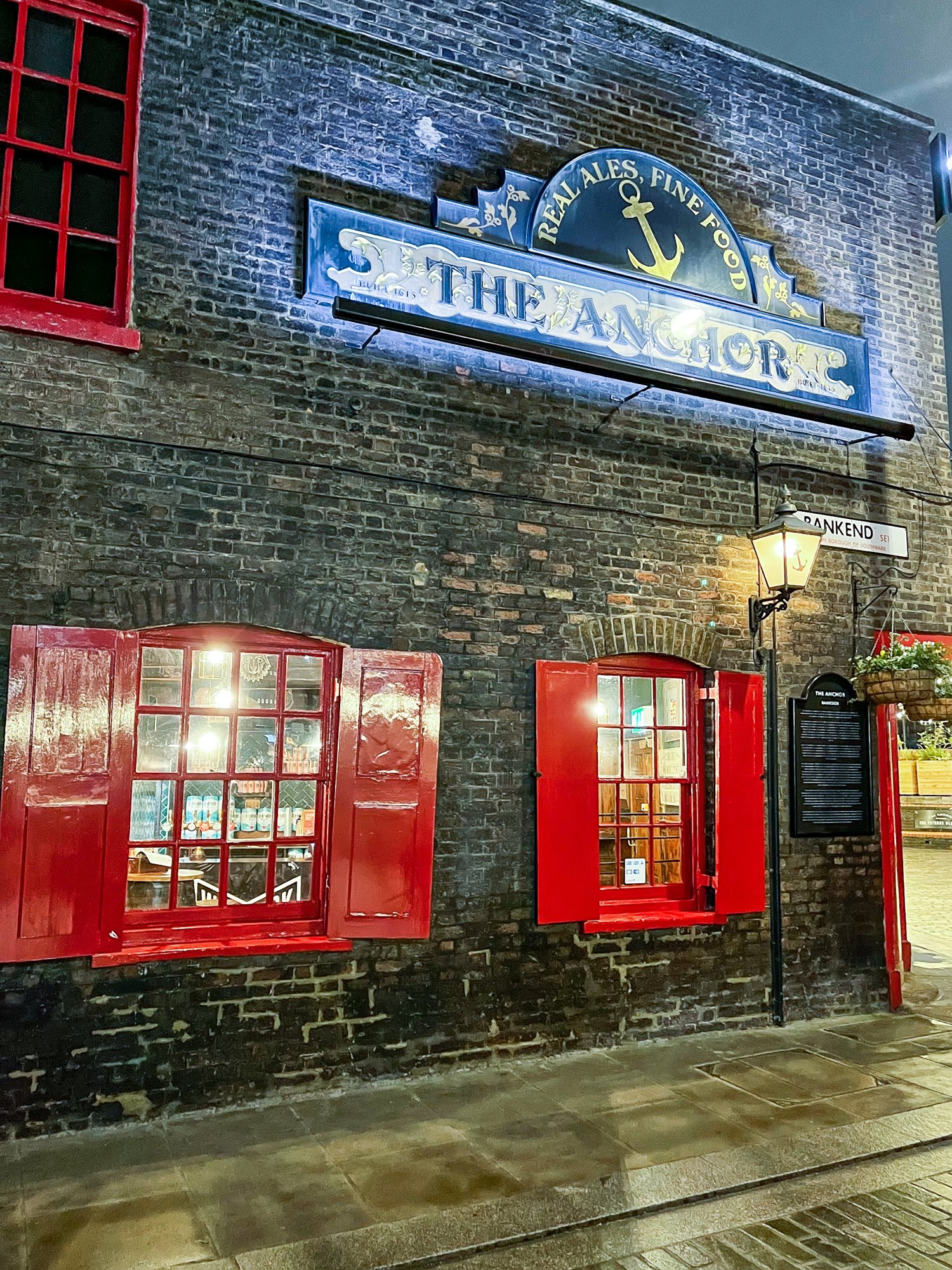
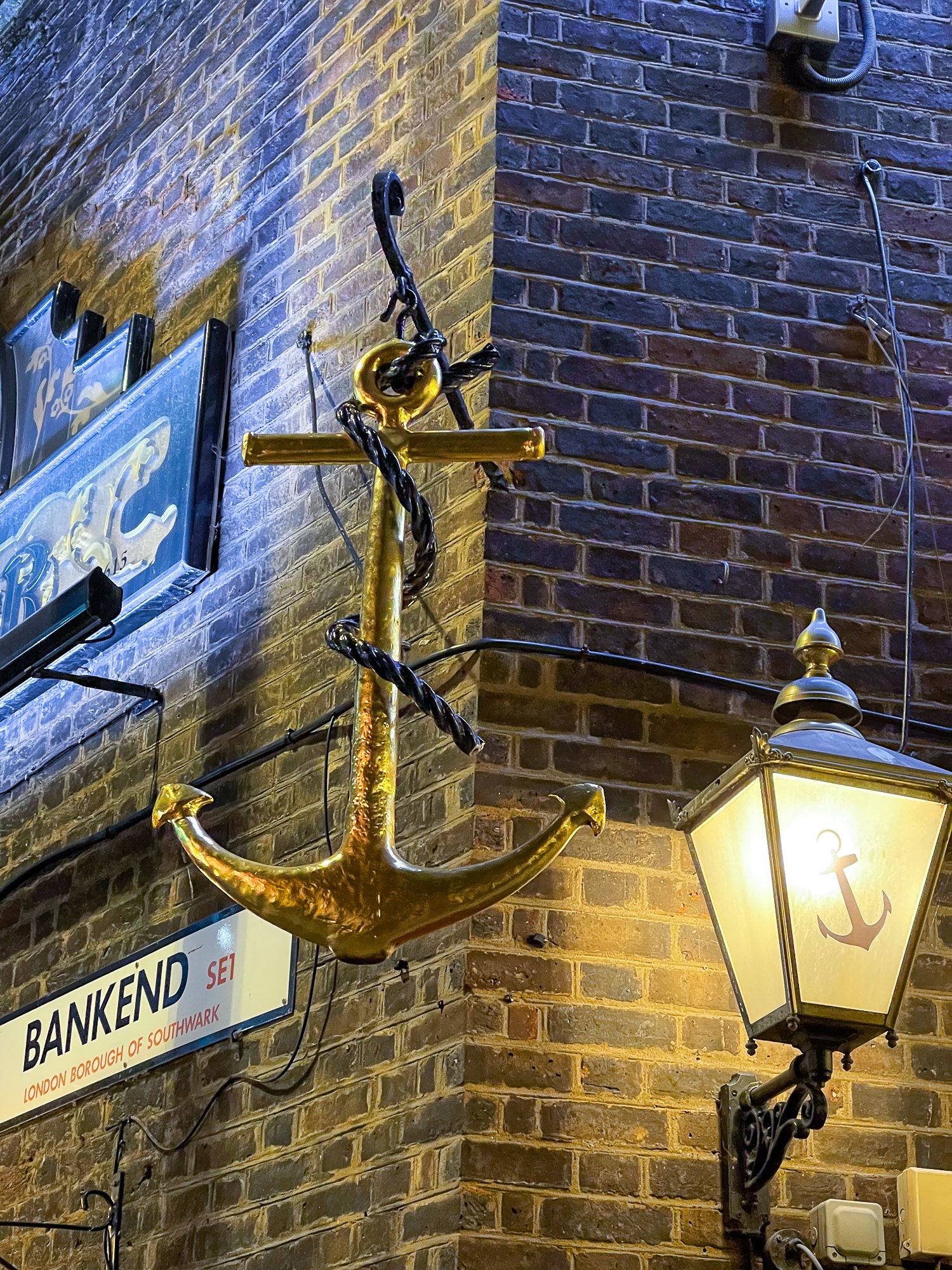
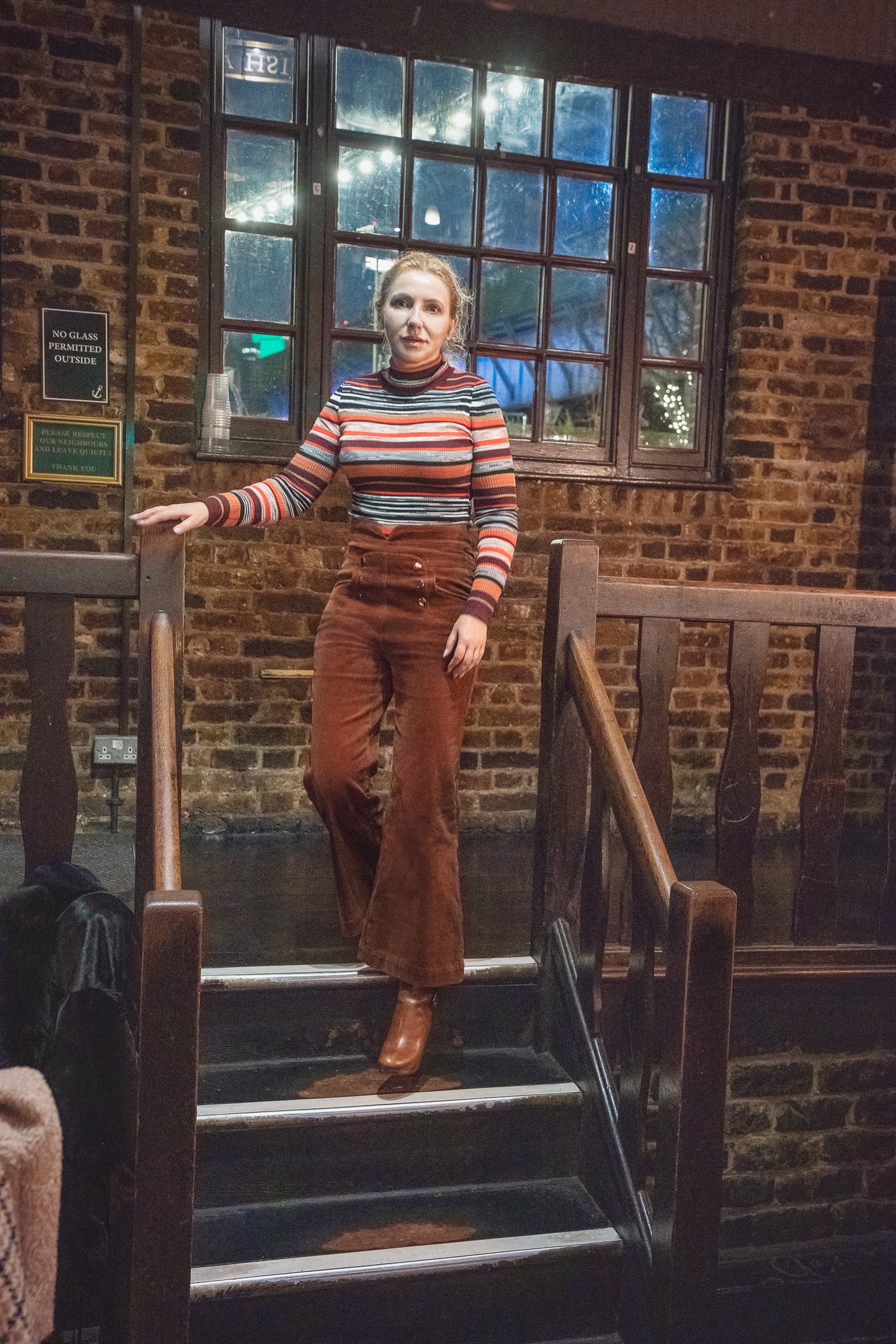
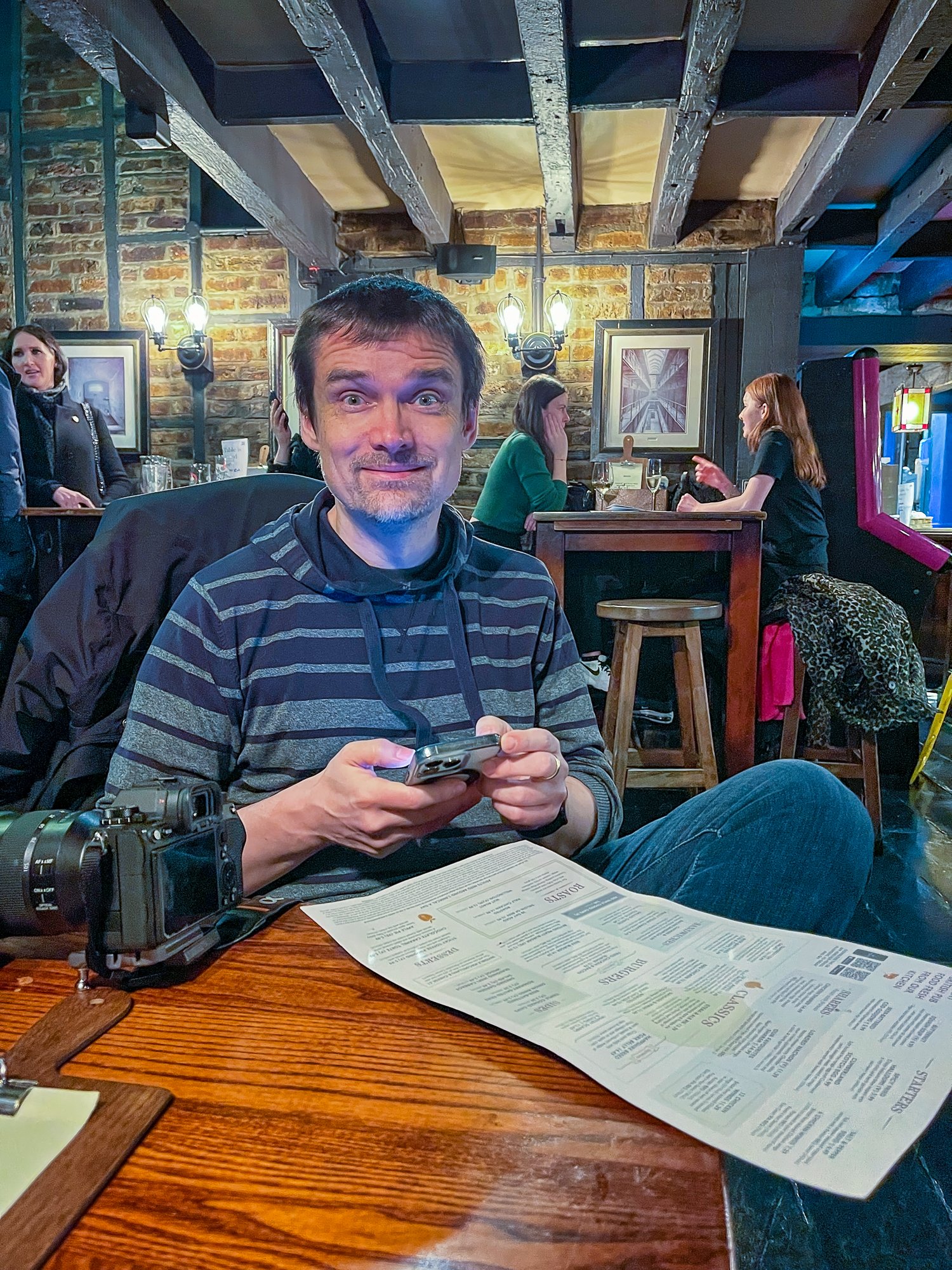
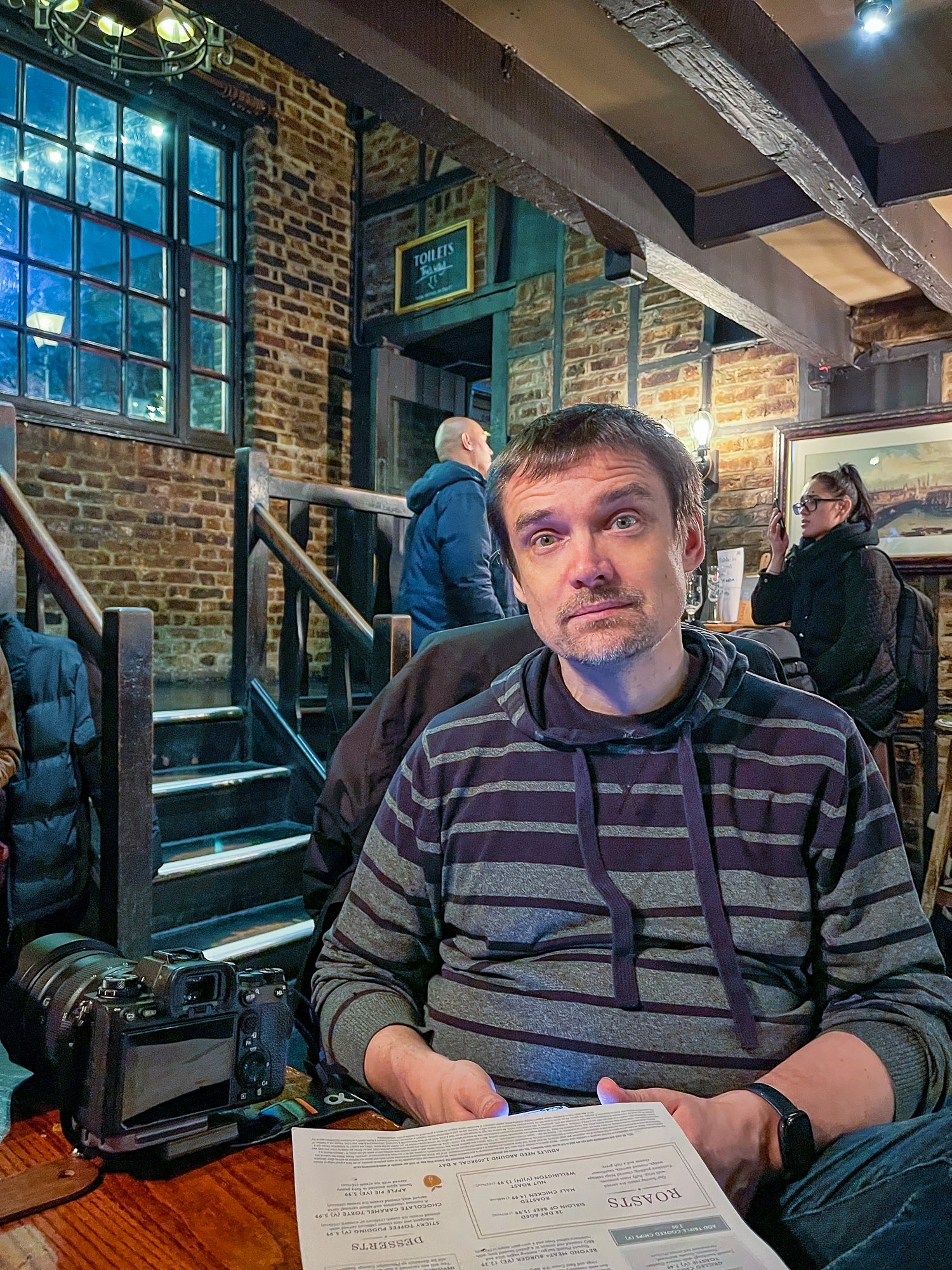
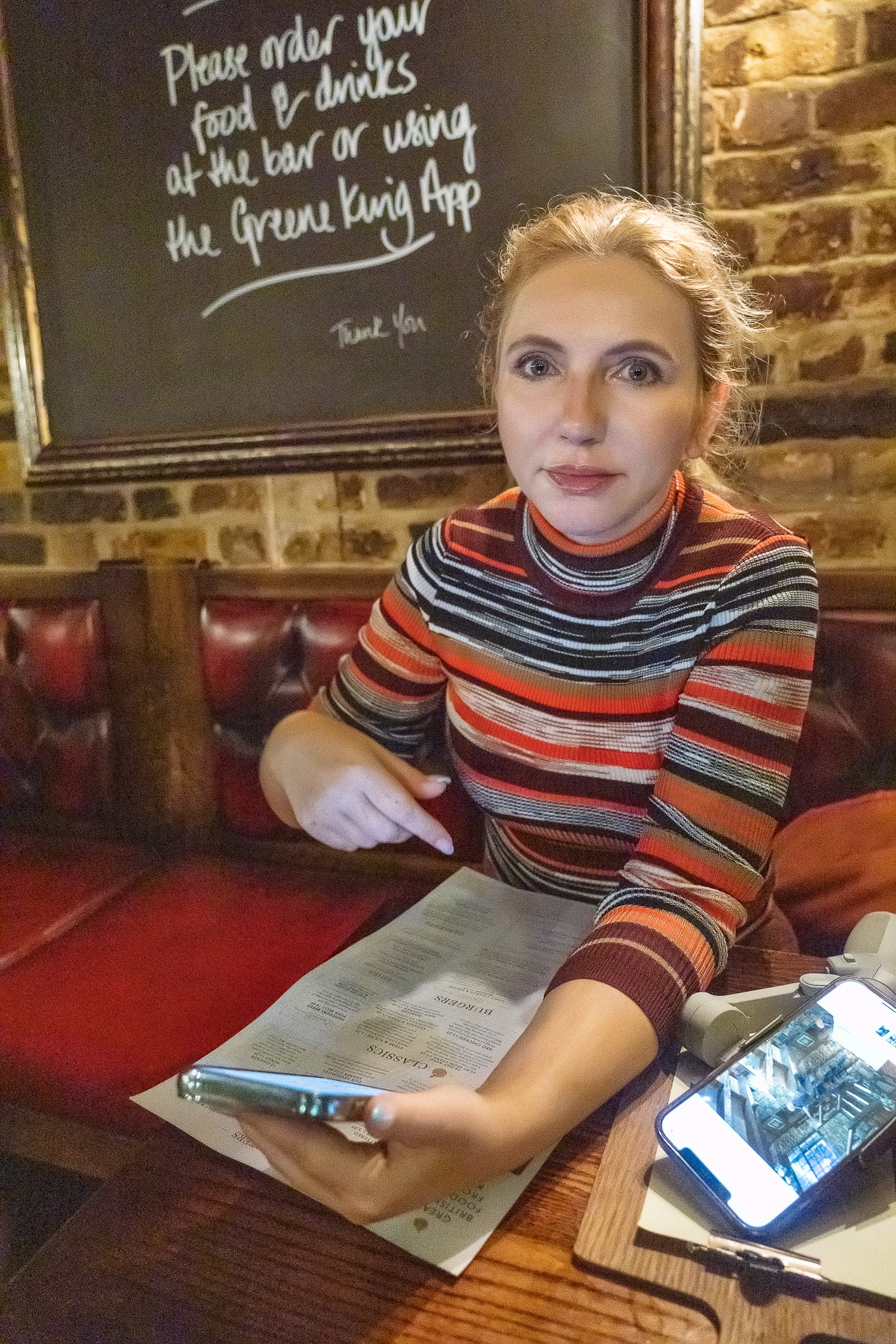
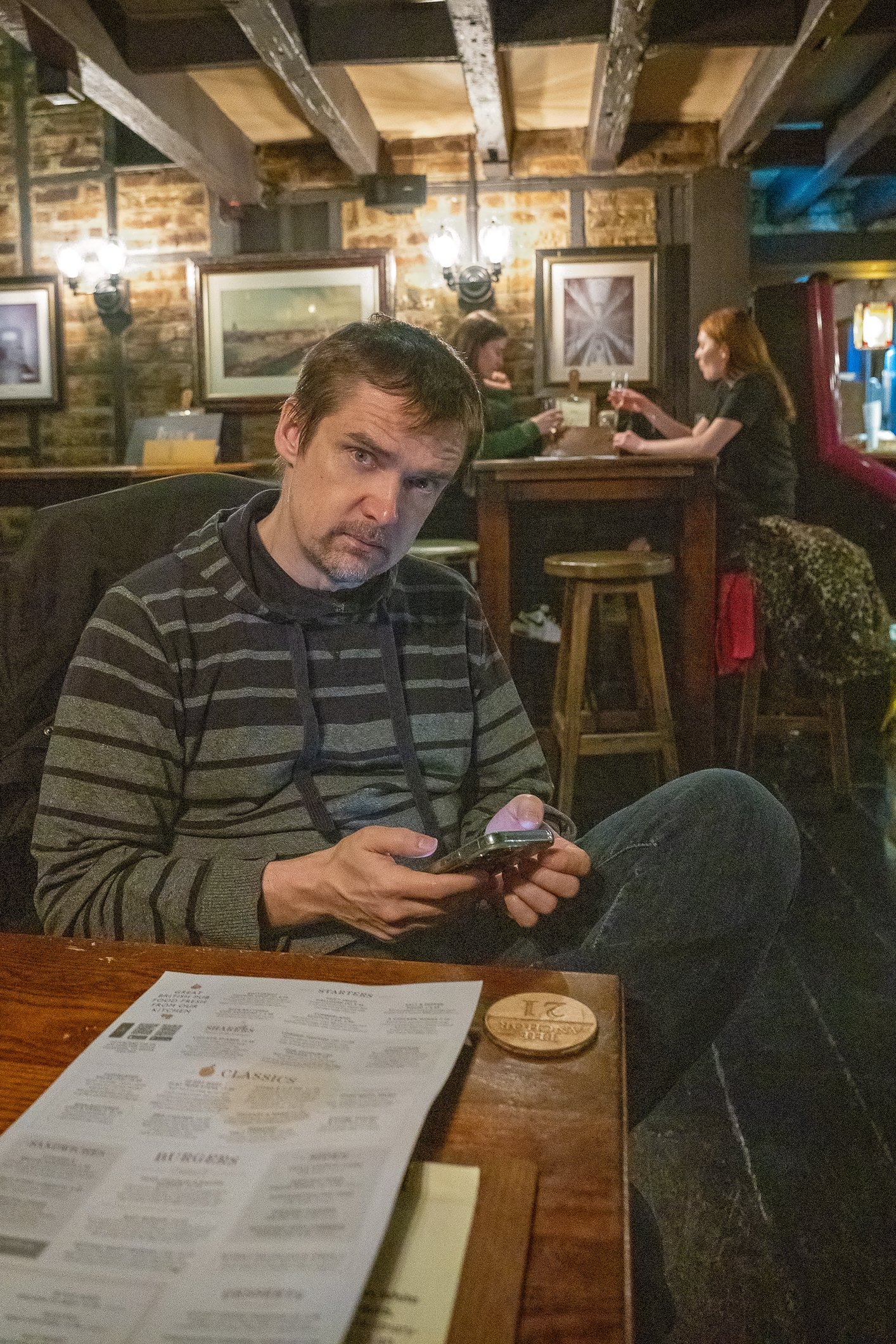
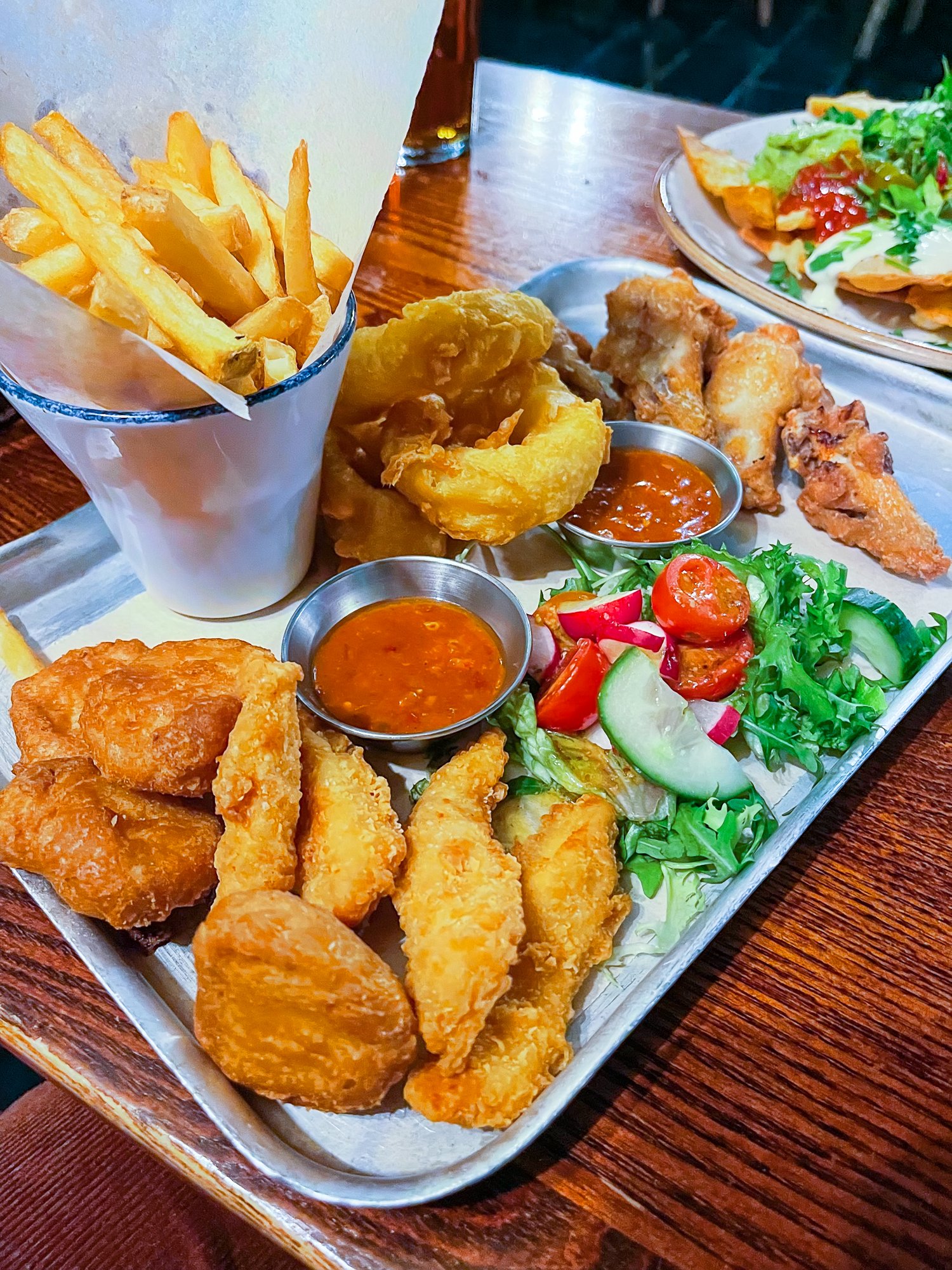
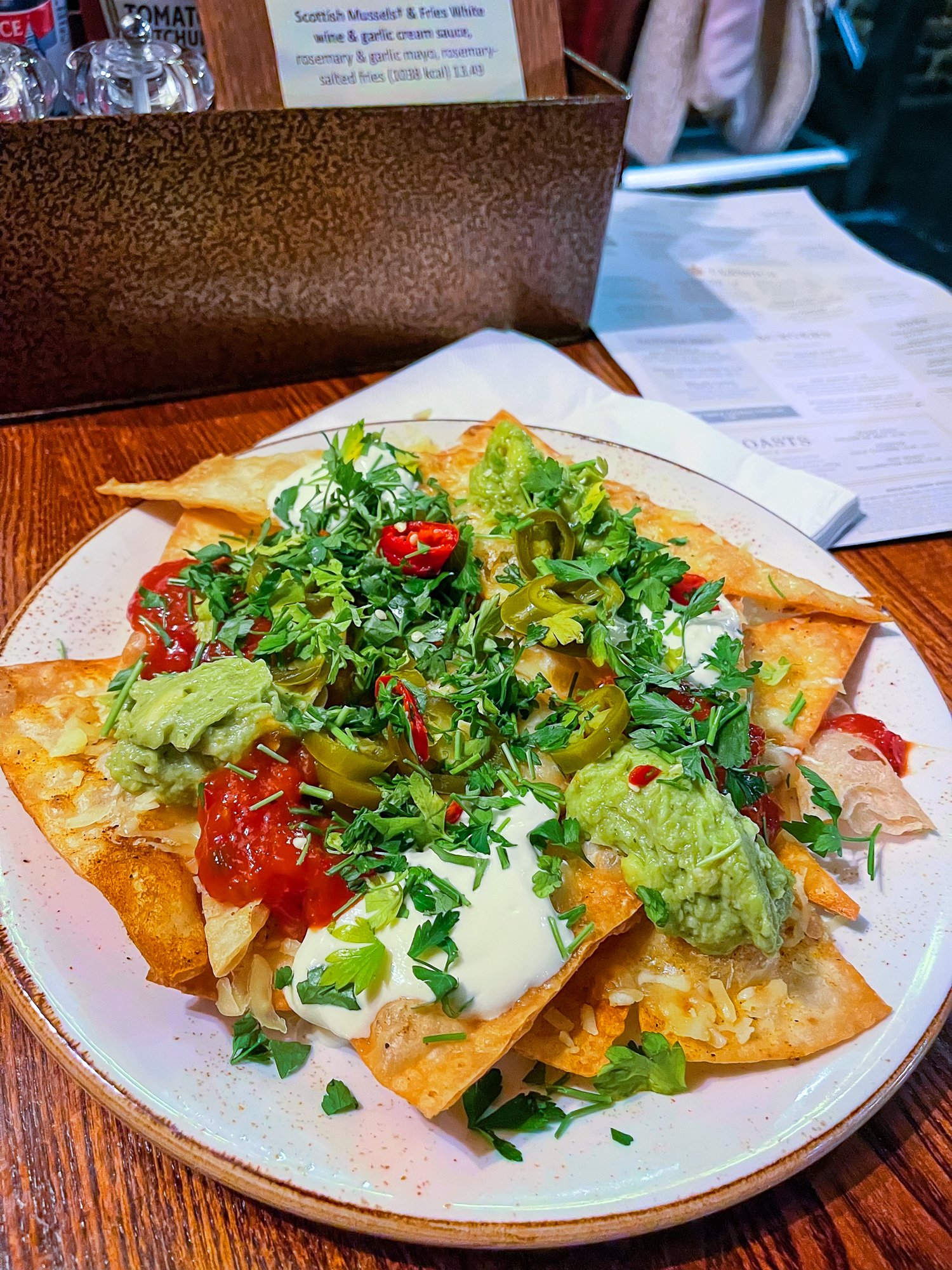
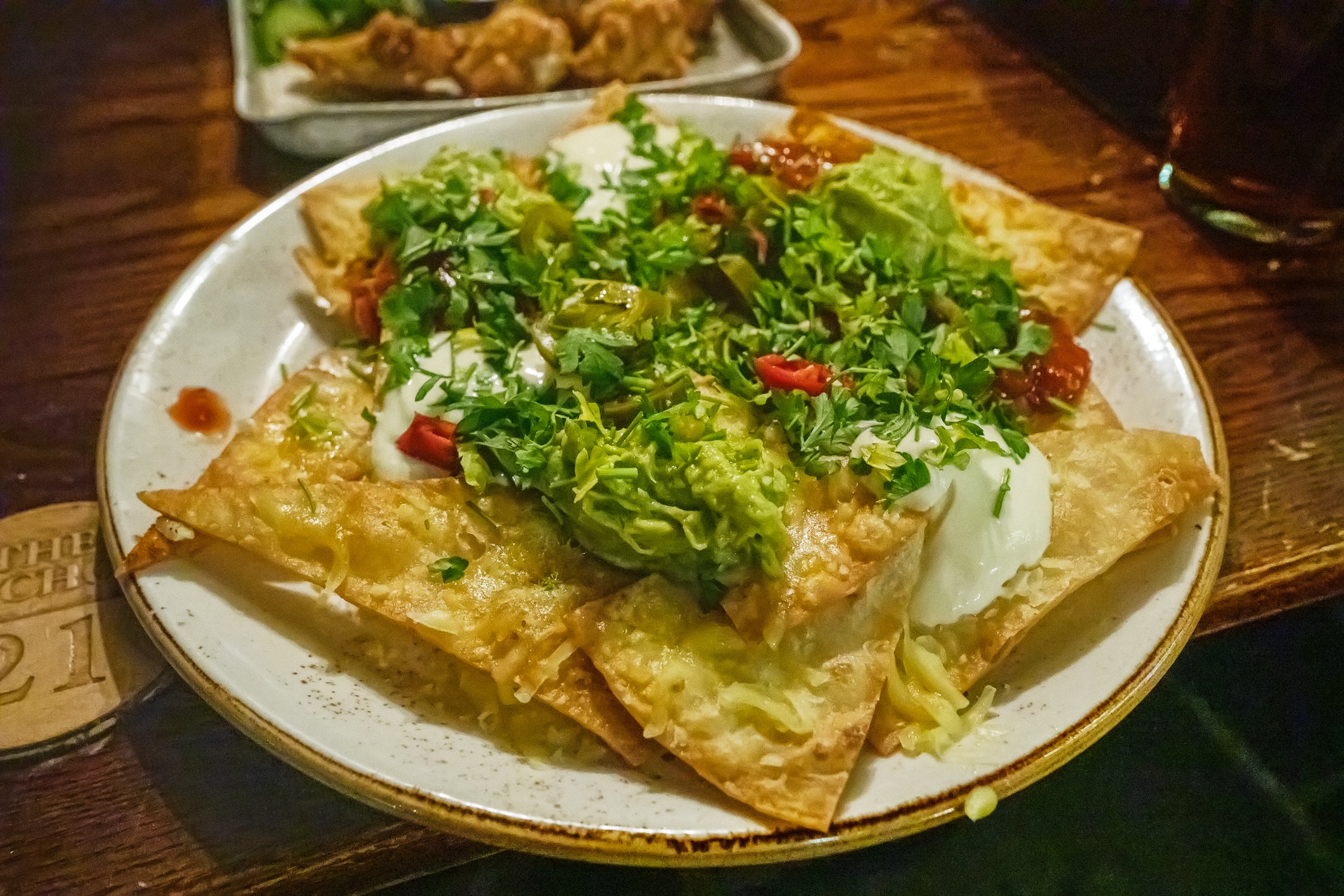
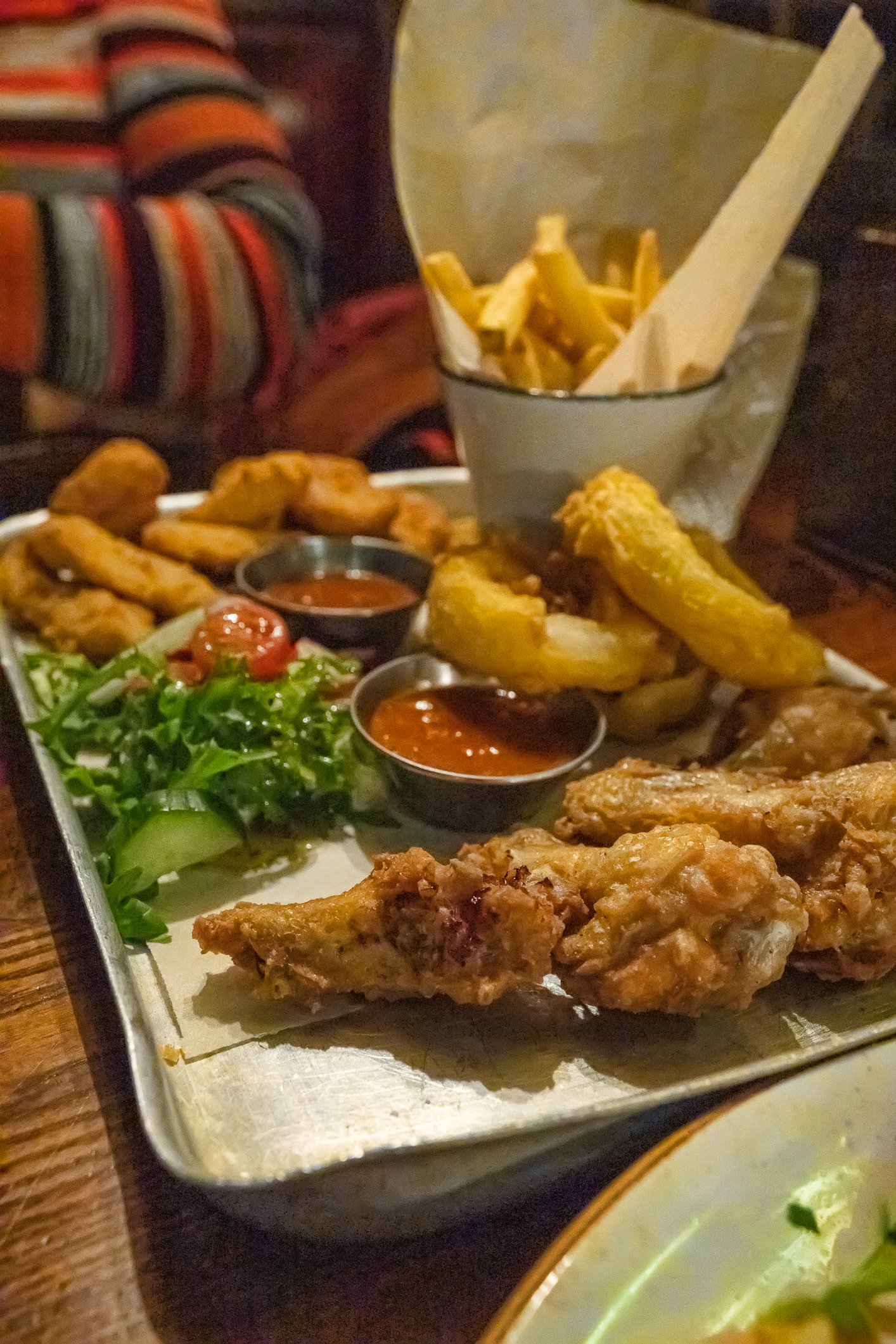
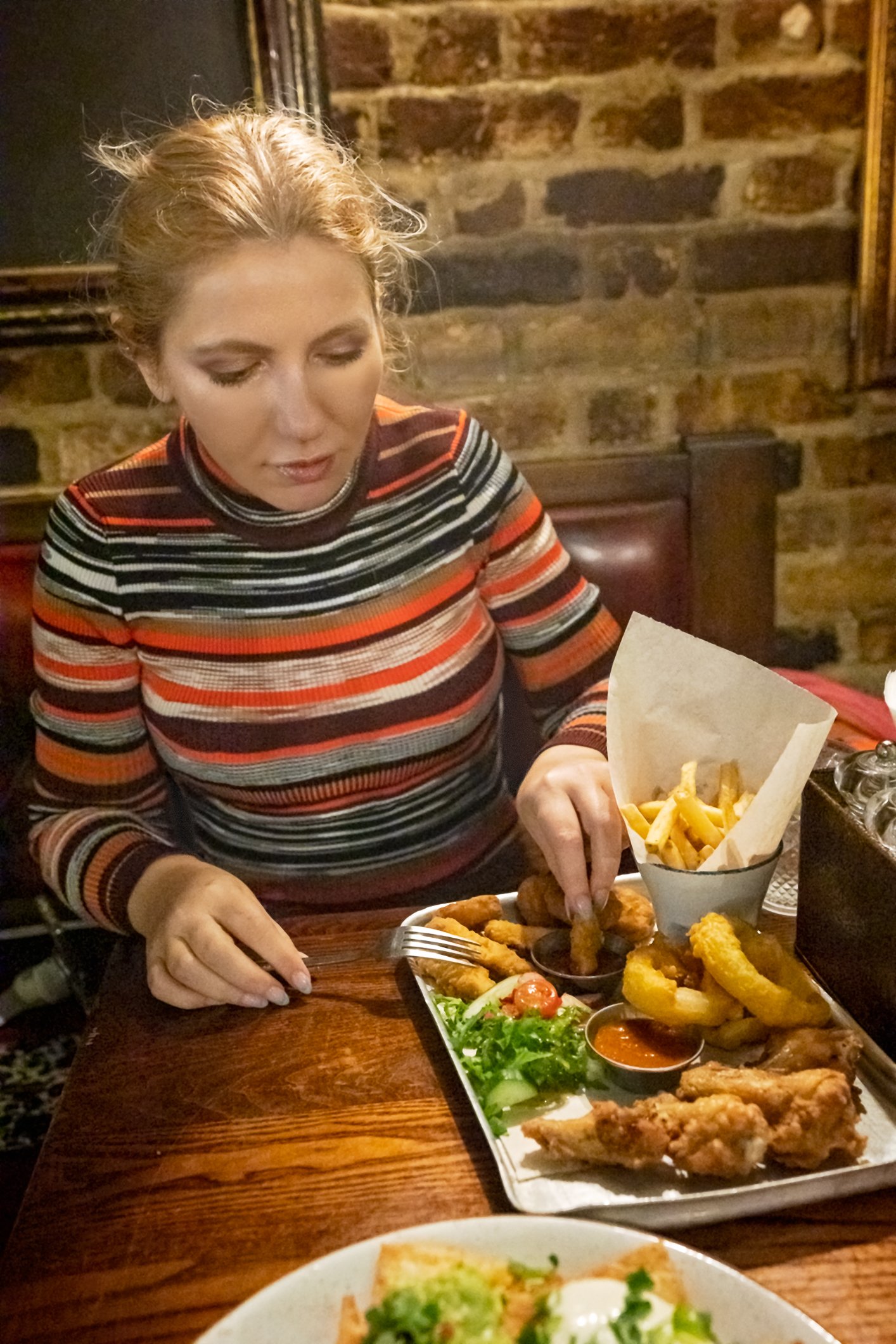
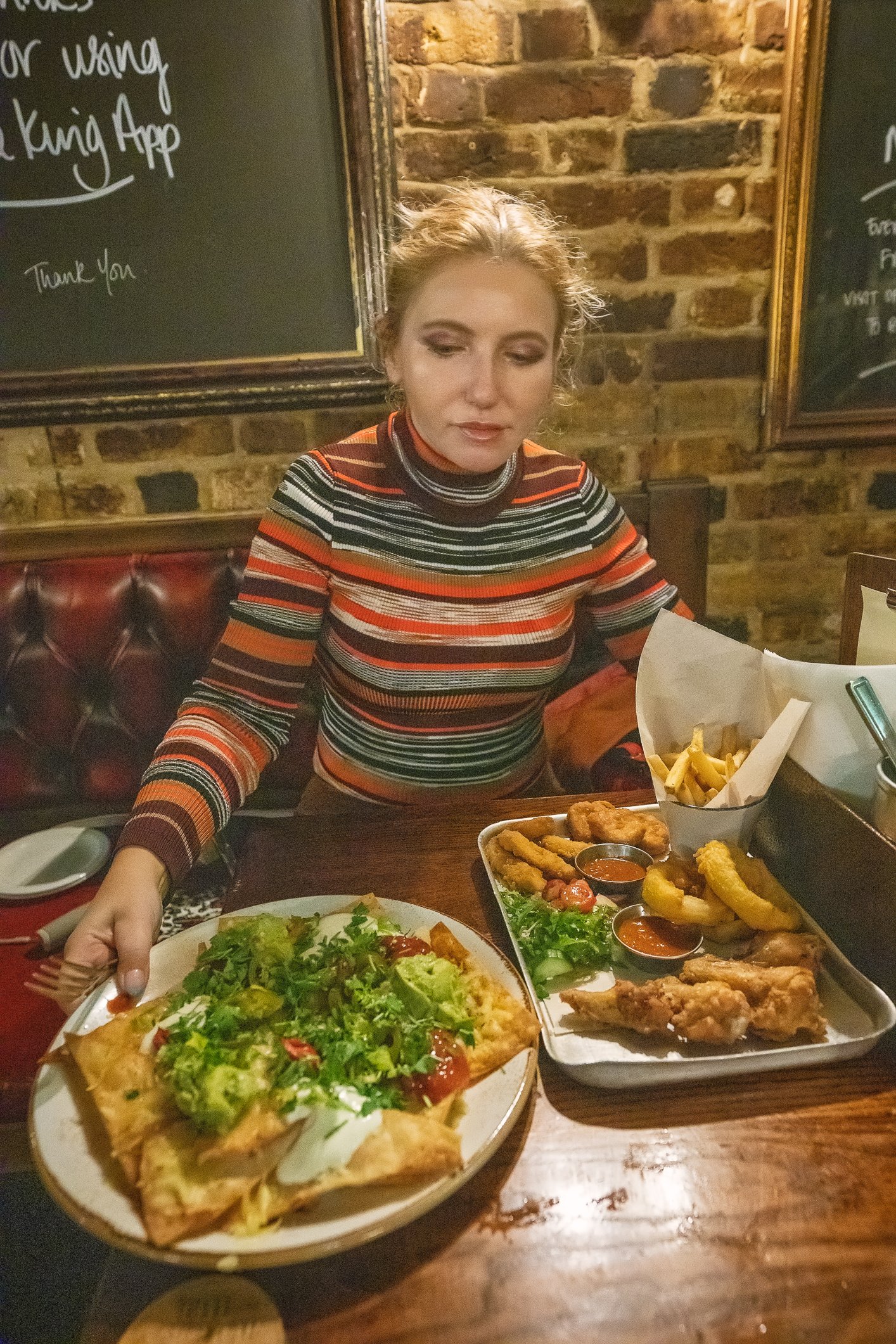
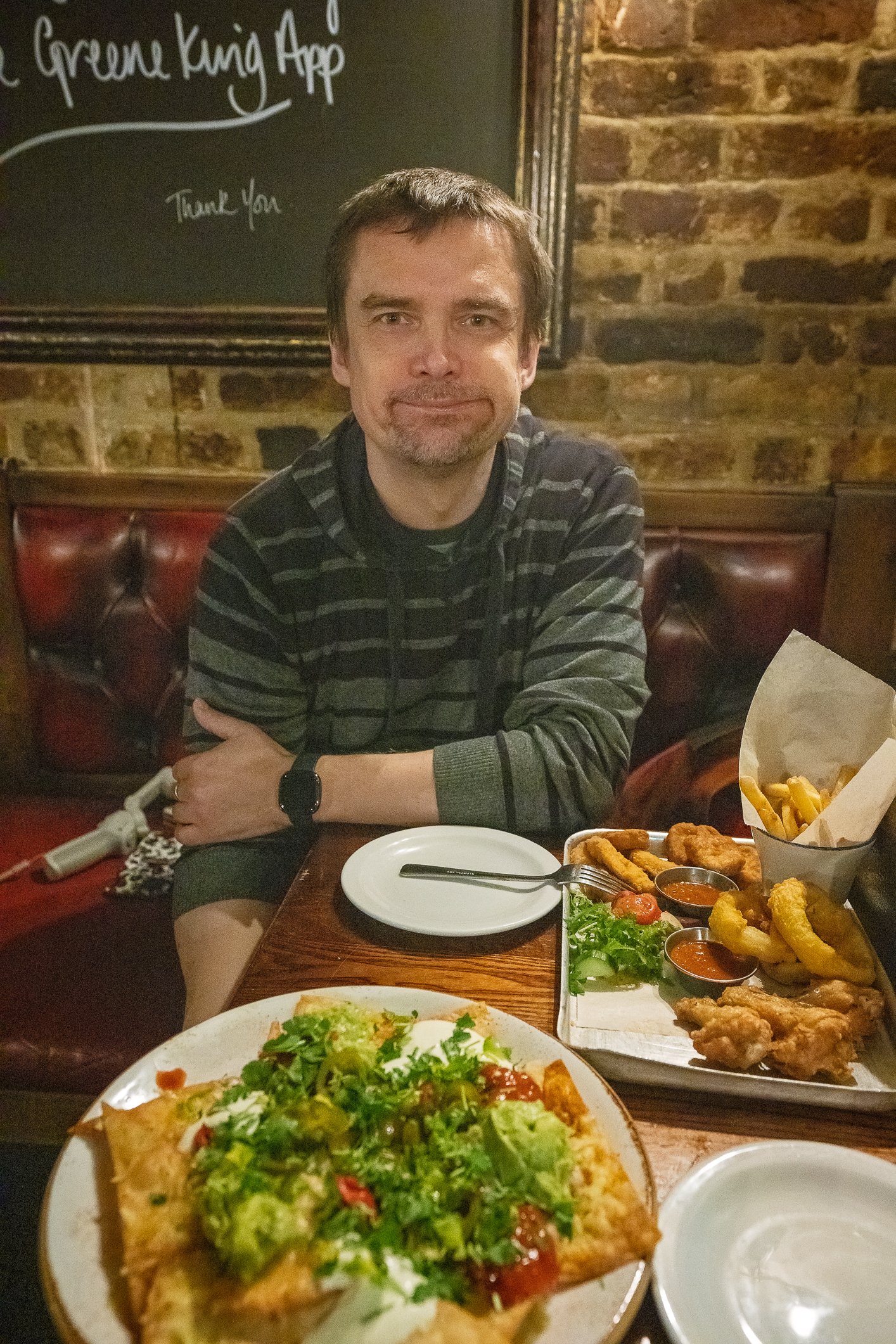
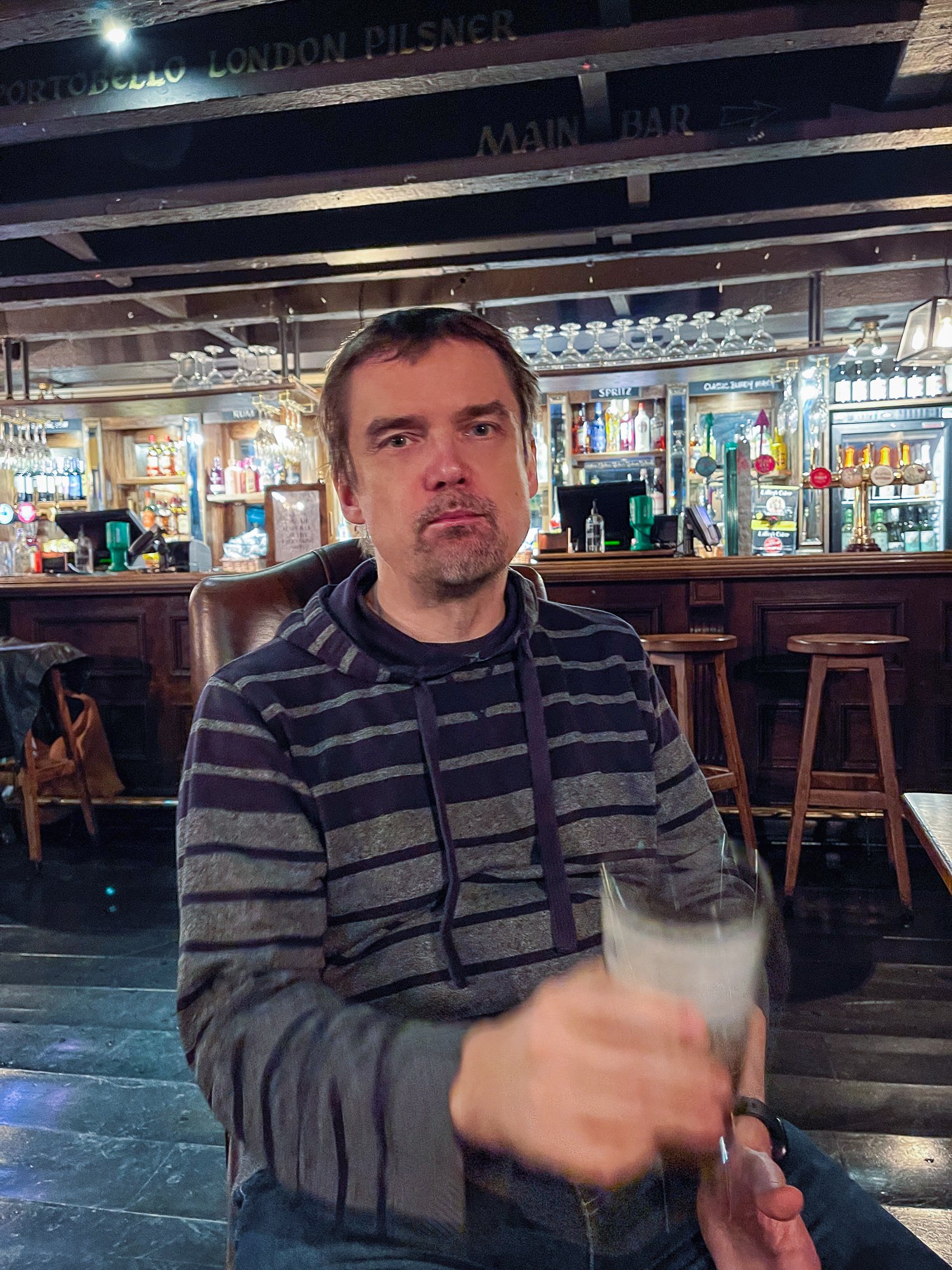
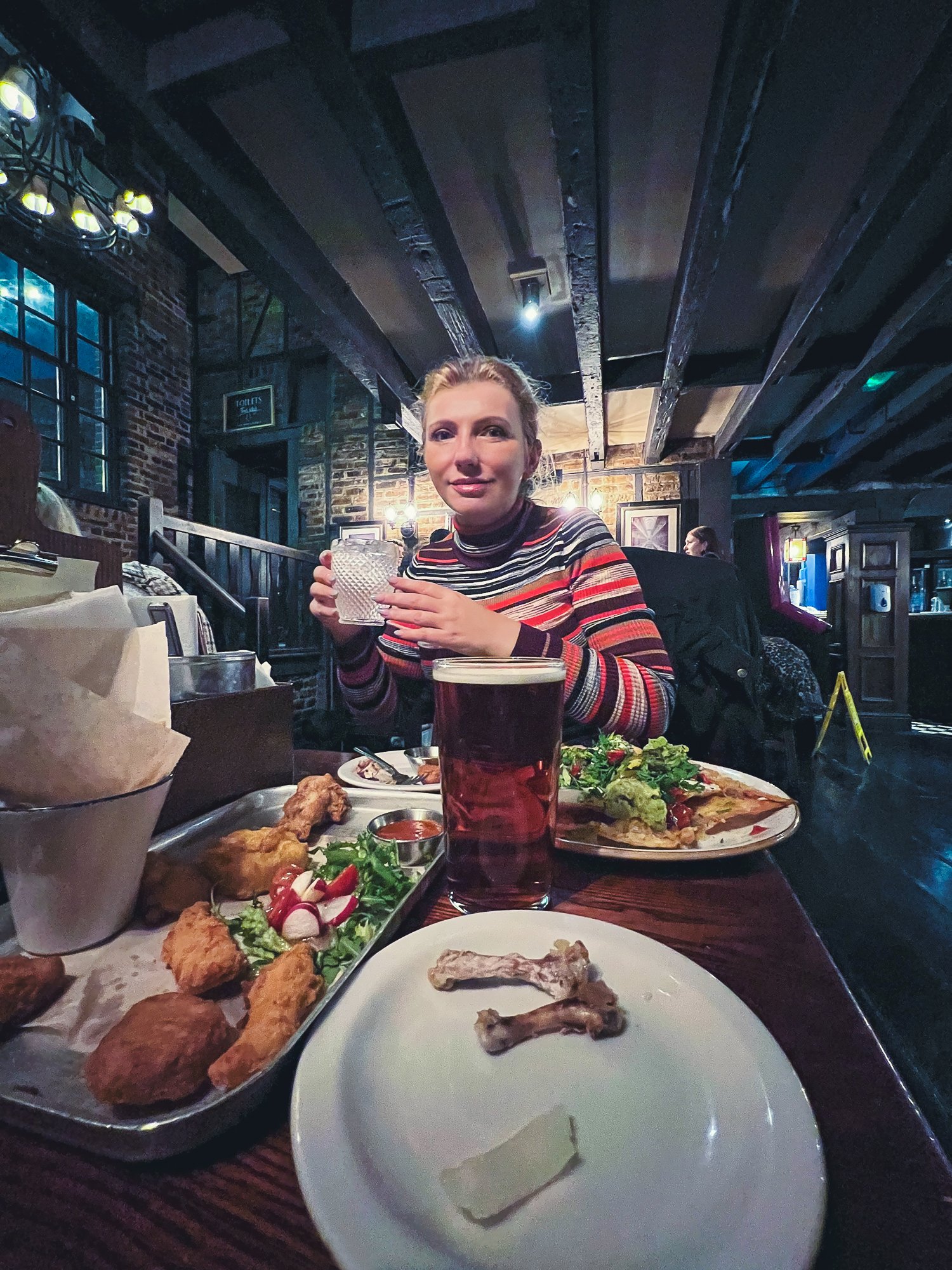
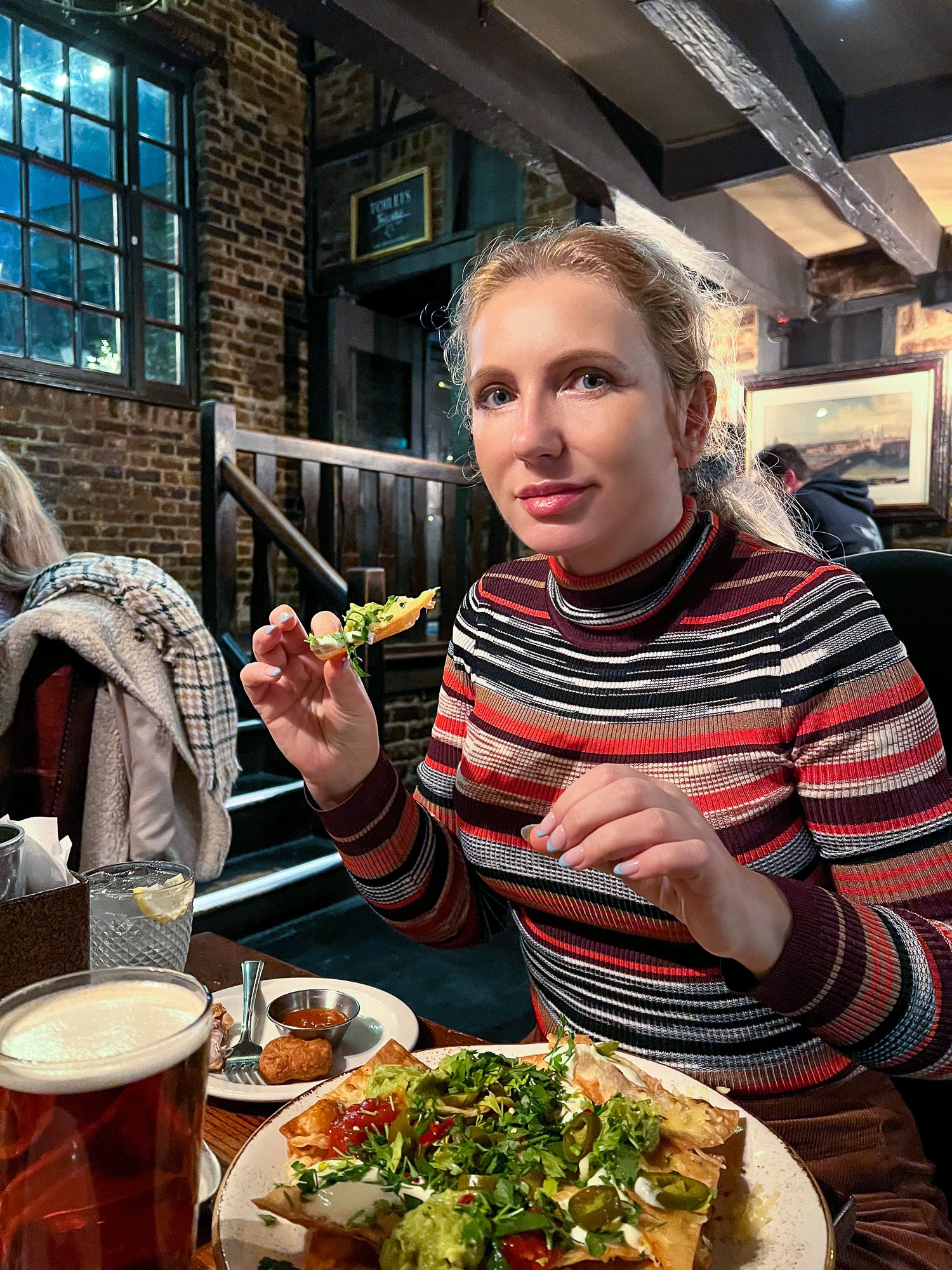
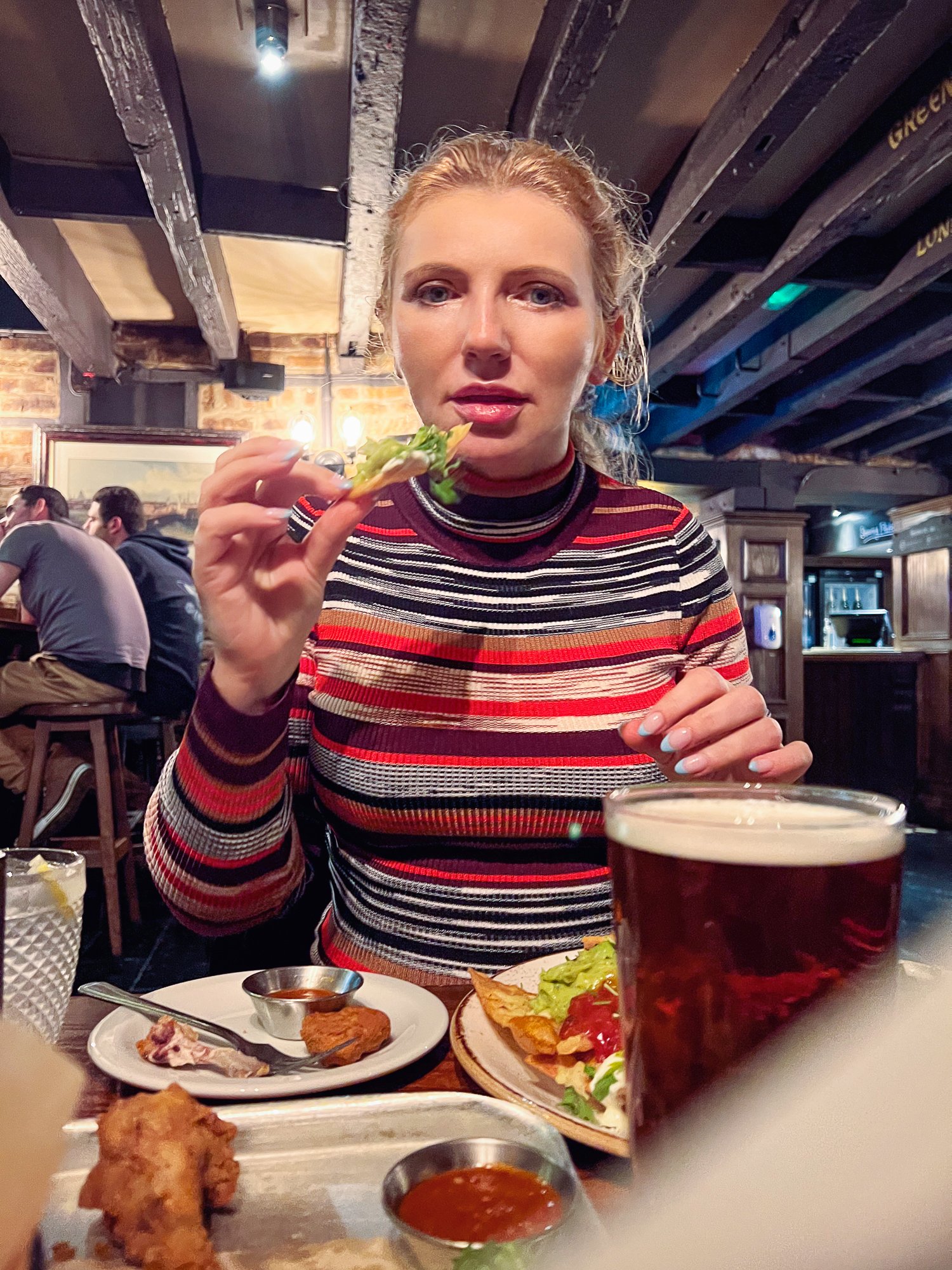
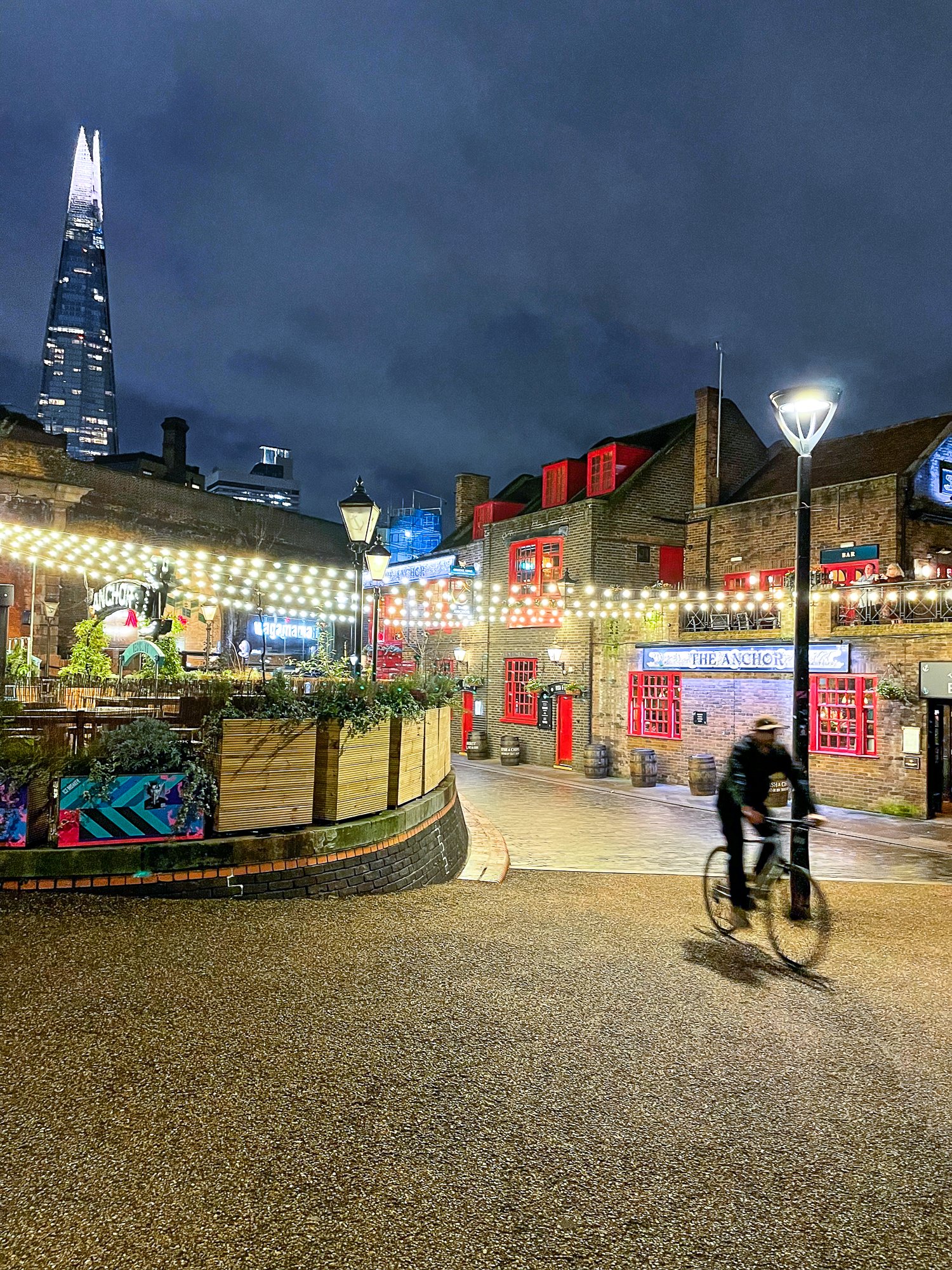
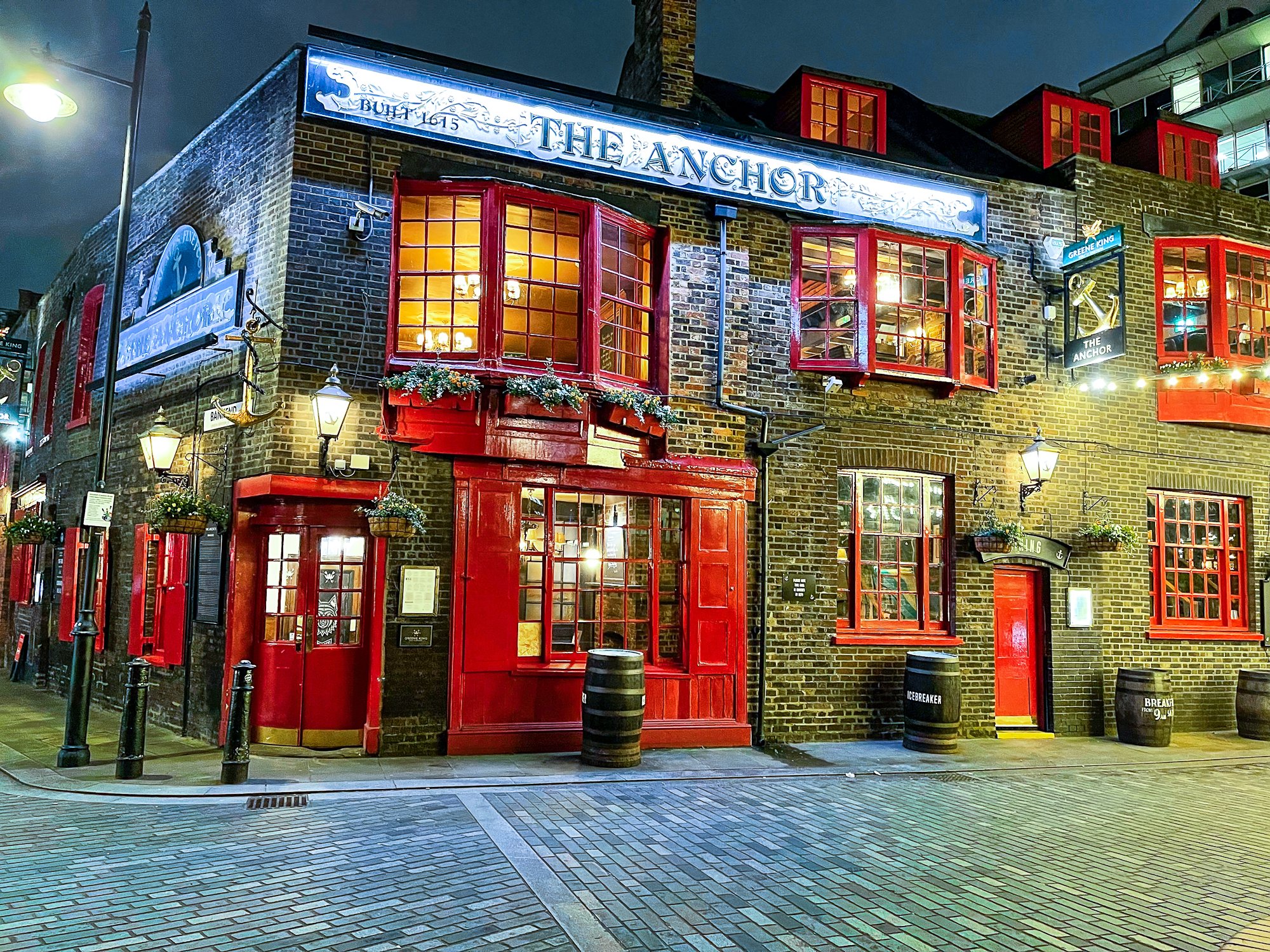
The Anchor is one of the iconic pubs of London. It was built in the XVIII century in a place of a previous pub that was there for a few hundred years. Some records claim that William Shakespeare used to drink here. The interior is very traditional, with wood, exposed brick walls and a fireplace. The food is average, to be honest, but we did not go to be hungry.


The Anchor to jeden z kultowych pubów w Londynie. Został zbudowany w XVIII wieku w miejscu wcześniejszej gospody, która istniała tam przez kilkaset lat. Niektóre źródła podają, że pił tu sam William Shakespeare. Wnętrze jest bardzo tradycyjne, z dominującym drewnem, odsłoniętymi ścianami z cegły i kominkiem. Szczerze mówiąc, jedzenie jest raczej średnie, ale nie głodni nie wyszliśmy.