hotel

Let's talk more about the hotel...

“In the heart of Cusco, where the echoes of ancient Incan footsteps mingle with the vibrant pulse of contemporary life, there stands an accommodation known as the Hotel Plaza de Armas. To speak of this place is to invoke the sacred trinity of location, location, and location; for here, amidst the cobblestone veins of the city, one can feel the very spirit of history wrap around them like a cherished shawl woven from the threads of time.”

We could begin our story like this, but, seriously, this is without a doubt one of the best hotels on Cusco’s famous Plaza de Armas or Main Square. Owned by a local family, it is a vision of modern simplicity. Its rooms are light and airy with crisp white linen, good showers, desks, electric heaters and complimentary coca tea, bottled water and wifi.

The allure of this hotel extended far beyond its walls. The vibrant Plaza de Armas came alive every morning, offering a sensory feast from the rich aroma of freshly brewed coffee to the laughter of children exercising every day in front of the cathedral for the fast approaching Sentimana Santa. It was impossible not to be swept up in the rhythm of the city, as cobblestone streets beckoned us to explore their hidden corners.

Plaza de Armas is also the gastronomic epicentre of the city so by staying here, we had access to a wide variety of restaurants offering authentic Peruvian cuisine.

„W sercu Cuzco, gdzie echa kroków starożytnych Inków mieszają się z tętniącym życiem pulsem współczesnego miasta, stoi Hotel Plaza de Armas. Mówiąc o tym miejscu do głowy przychodzą przede wszystkim trzy rzeczy: lokalizacja, lokalizacja, lokalizacja”. Moglibyśmy zacząć naszą opowieść w ten sposób, ale poważnie podchodząc do tematu, jest to bez wątpienia jeden z najlepszych hoteli na słynnym Plaza de Armas, czyli Głównym Rynku w Cuzco. Nasz pokój jest jasny i dość przestronny, wyposażony w wygodne łóżko i prysznic, biurkami, grzejnik elektrycznymi oraz bezpłatną herbatę z koki, wodą butelkowaną i Wi-Fi.

Urok tego hotelu wykracza jednak daleko poza jego mury. Tętniący życiem Plaza de Armas ożywa każdego ranka, oferując ucztę dla zmysłów od bogatego aromatu świeżo parzonej kawy po śmiech dzieci ćwiczących codziennie przed katedrą na szybko zbliżający się święty tydzień. Nie sposób jest nie dać się porwać rytmowi miasta, gdy brukowane uliczki zachęcają nas do eksploracji jego ukrytych zakątków.

Plaza de Armas jest także gastronomicznym centrum miasta, wiec dzięki temu, że tu mieszkamy, mamy natychmiastowy dostęp do mnóstwa restauracji oferujących autentyczne dania kuchni peruwiańskiej.

Apart from mentioned in my previous entry café balcony with its sweeping views on the plaza, the hotel has a lovely roof top terrace with one of the best views of the Main Square.

Oprócz wspomnianego we wcześniejszym wpisie balkonu kawiarnianego z rozległym widokiem na plac, hotel posiada także piękny taras na dachu z jednym z najlepszych widoków na Plaza de Armas.

Room and bar

The room is simple but nice, and we can just about see a cathedral from the window if we look to the side. For our Korean online lesson, I stay in the room and Marcin goes to the lounge, which is conveniently empty.

Pokój jest prosty, ale przyjemny, a z okna patrzeć mocno do boku można nawet zobaczyć katedrę. Na naszą lekcję koreańskiego online ja zostaję w pokoju, a Marcin idzie do hotelowego lounge’u, który jest wygodnie pusty.

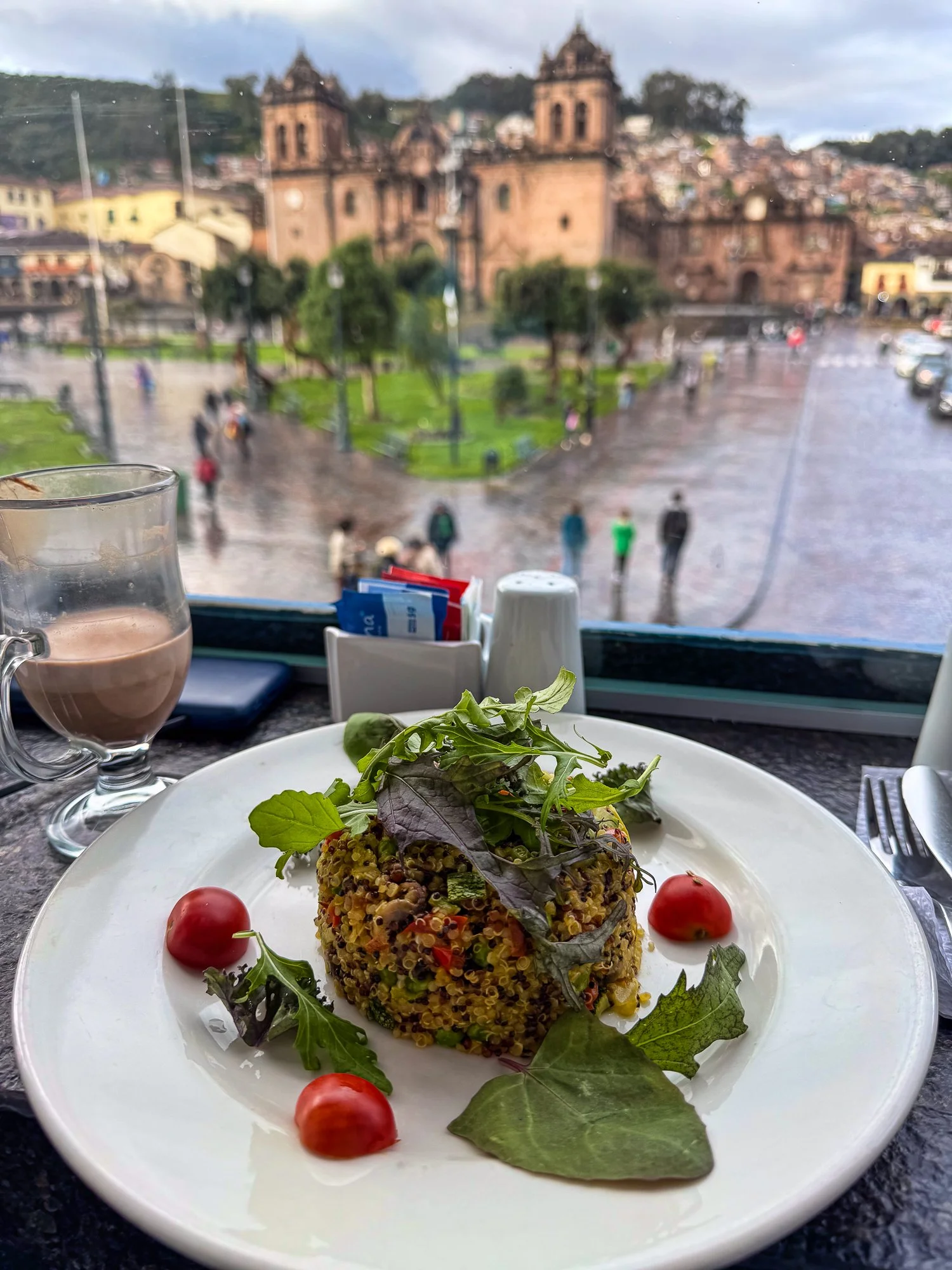
After Korean we pop into the bar for a savoury snack, another cup of coca tea and hot chocolate. Here, hot chocolate is nothing like the sweet, sugary drinks we are accustomed to in Europe. Instead, it is rich with real cacao fat, offering a deeper, more profound taste with much less or no sugar at all.

Po koreańskim wpadamy do baru na przekąskę, kolejną filiżankę herbaty z koki i gorącą czekoladę. Gorąca czekolada nie przypomina tutaj słodkiego napoju, do którego jesteśmy przyzwyczajeni w Europie. Zamiast tego jest bogata w prawdziwy tłuszcz kakaowy, oferując głębszy, bardziej wyrazisty smak z dużo mniejszą ilością cukru lub nawet zupełnie bez cukru.

And we also discover the balcony. Oh, what a treat it is. The view is just perfect. From our perch, we can see the majestic cathedral, the stunning Jesuit church, and the bustling expanse of the Plaza de Armas below us.

I odkrywamy też balkon. Och, balkon jest fenomenalny. Możemy z niego podziwiać majestatyczną katedrę, wspaniały kościół jezuicki i tętniącą życiem przestrzeń całego Plaza de Armas.

Coca tea and ice-cream

One of the first things I discover in our hotel is the coca tea station—an essential fixture in every decent Andean hotel, as I would soon find out. Both Marcin and I were already feeling the effects of the high altitude: more and more nagging headache and a fatigue that suddenly seemed to settle over us like a blanket. So, naturally, we seized the opportunity to immediately indulge in this local brew.

Now, in terms of taste, coca tea is rather similar to green tea, with just a hint more sweetness. Known also as "mate de coca" in Peru, it is made from the leaves of the coca plant, which is native to the Andes region. Traditionally consumed by Indigenous peoples, coca tea is valued for its stimulant properties—yes, it contains a smidgen of cocaine, and yes, you will test positive after drinking it—and it’s said to boost energy and tackle fatigue. Despite its association with the production of cocaine, coca tea is legal in Peru and is often enjoyed by locals and tourists alike for its cultural significance and health benefits. I will soon discover, that if I drink it regularly enough, coca tea dulls the edge of everything: tiredness, headache, annoyance, and even hunger.
Jedną z pierwszych rzeczy, jakie odkrywam w naszym hotelu, jest stacja z herbatą z koki — nieodzowny element każdego przyzwoitego hotelu w Andach, o czym się wkrótce przekonam. Zarówno Marcin, jak i ja odczuwamy już skutki przebywania na dużej wysokości: coraz bardziej dokuczliwy ból głowy i zadyszka po przejściu 5 kroków. Więc oczywiście korzystamy z okazji napojenia się tym lokalnym naparem. W smaku herbata z koki jest dość podobna do zielonej herbaty, trochę może bardziej słodka. Znana tutaj głównie jako „mate de coca, jest ona wytwarzana z liści koki – rośliny, która pochodzi z regionu Andów. Wszyscy ją tutaj piją na co dzień ze względu na jej właściwości pobudzające — tak, zawiera ona odrobinę kokainy i tak, po jej wypiciu testuje się pozytywnie. Pomimo związku z produkcją kokainy, herbata z koki jest legalna w Peru i często jest spożywana nie tylko przez miejscowych, ale i turystów ze względu na jej znaczenie kulturowe i korzyści zdrowotne (w tym pomoc w aklimatyzacji). Wkrótce odkryję, że jeśli piję napar z koki wystarczająco regularnie, łagodzi ona wszystko: zmęczenie, ból głowy, irytację, a nawet głód. Wielka szkoda, że nie mogę jej ze sobą przywlec do UK.

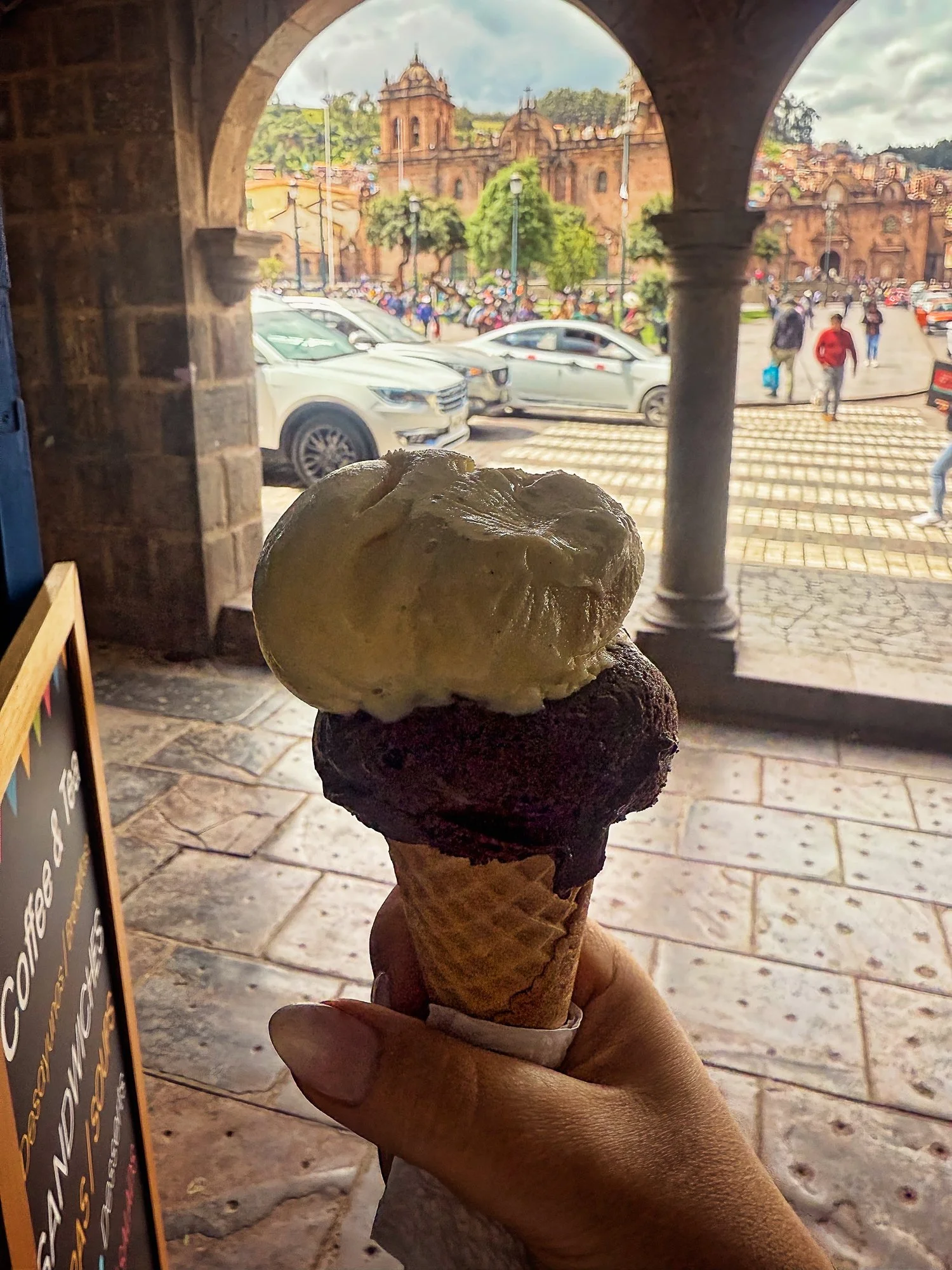
Our first cup of coca tea is consumed before we even checked in, and that is not our only indulgence. As luck would have it, there’s a little ice cream parlour right at the entrance, and we do not even try to resist the temptation. So, in a moment of pure delightful abandon, I order a scoop of rich chocolate and creamy vanilla, while Marcin opts for something decidedly more adventurous: a scoop of mango and a scoop of cheese ice-cream. Yes, you read that correctly—cheese. (Disclaimer: even though it is called “cheese ice cream = queso helado”, no cheese is used in making it. Instead, it features 3 types of milk, sweetened condensed, evaporated, and whole milk, as well as cinnamon, cloves and coconut. Some versions may contain egg yolks). With our frosty treats in hand and coca tea still warming our hearts, we’re officially ready to embrace the quirks of our Peruvian adventure. Or at least to see our room.

Pierwszą filiżankę herbaty z koki wypijamy jeszcze zanim zdążymy się zameldować, ale to nie jedyna nasza rozpusta. Tuż przy wejściu do naszego hotelu znajduje się bowiem mała lodziarnia i nawet nie próbujemy oprzeć się pokusie. Ja wybieram gałkę ciemnej czekolady i kremowej wanilii, podczas gdy Marcin decyduje się na coś mniej dla nas tradycyjnego -  gałkę mango i gałkę lodów serowych. Tak, dobrze czytacie — serowych. (Disclaimer: mimo że nazywa się to „lodami serowymi = queso helado”, do ich produkcji nie używa się tak naprawdę sera. Zamiast tego zawierają one trzy rodzaje mleka: słodzone zagęszczone, odparowane i pełne, a także cynamon, goździki i kokos. Niektóre wersje mogą zawierać także żółtka jaj). Zameldowani, z lodami w dłoniach i herbatą z koki w systemie, jesteśmy już oficjalnie gotowi, aby w pełni rozpocząć naszą peruwiańską przygodę. Albo przynajmniej zobaczyć nasz pokój.

Breakfast at our riad

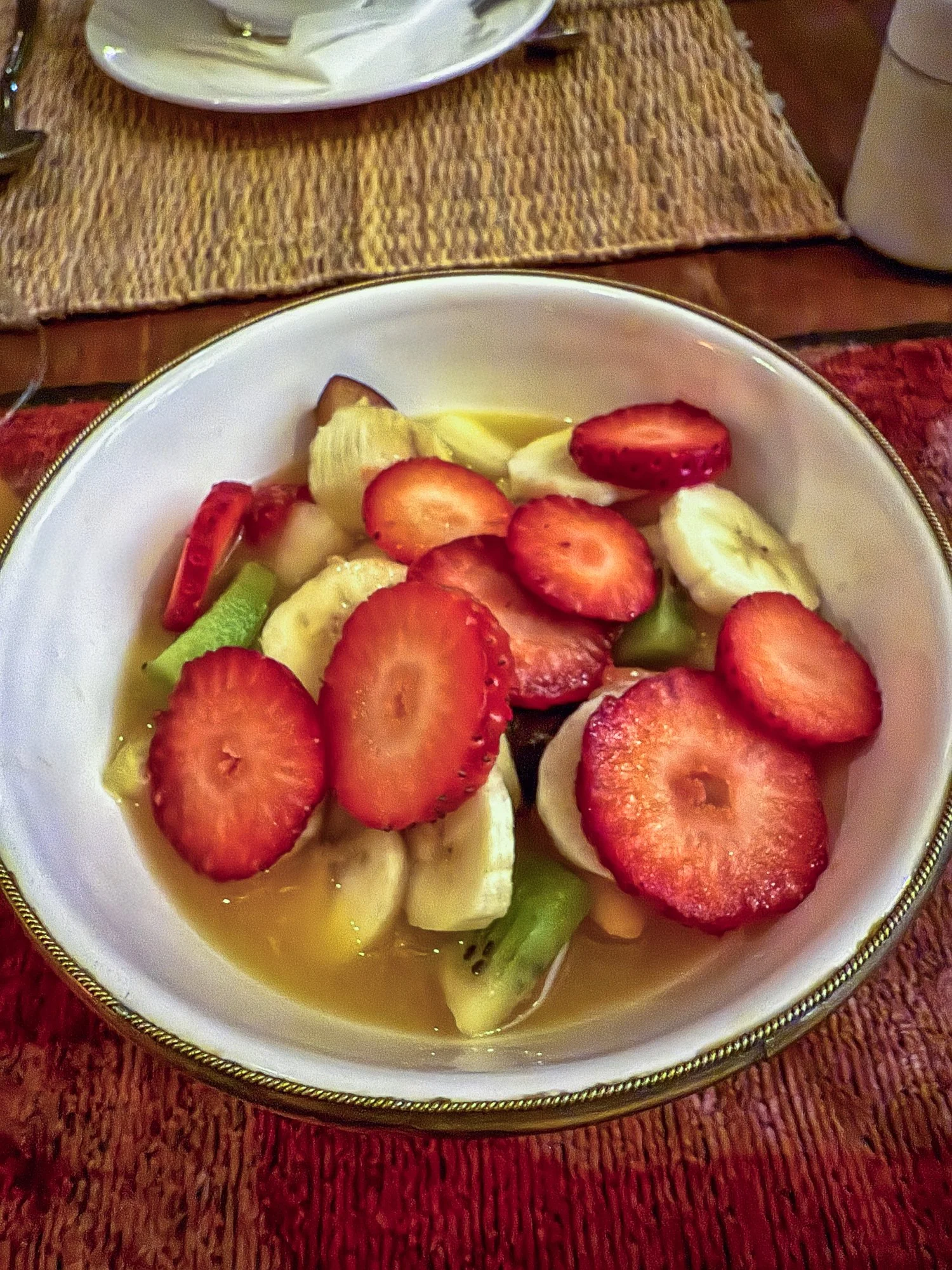
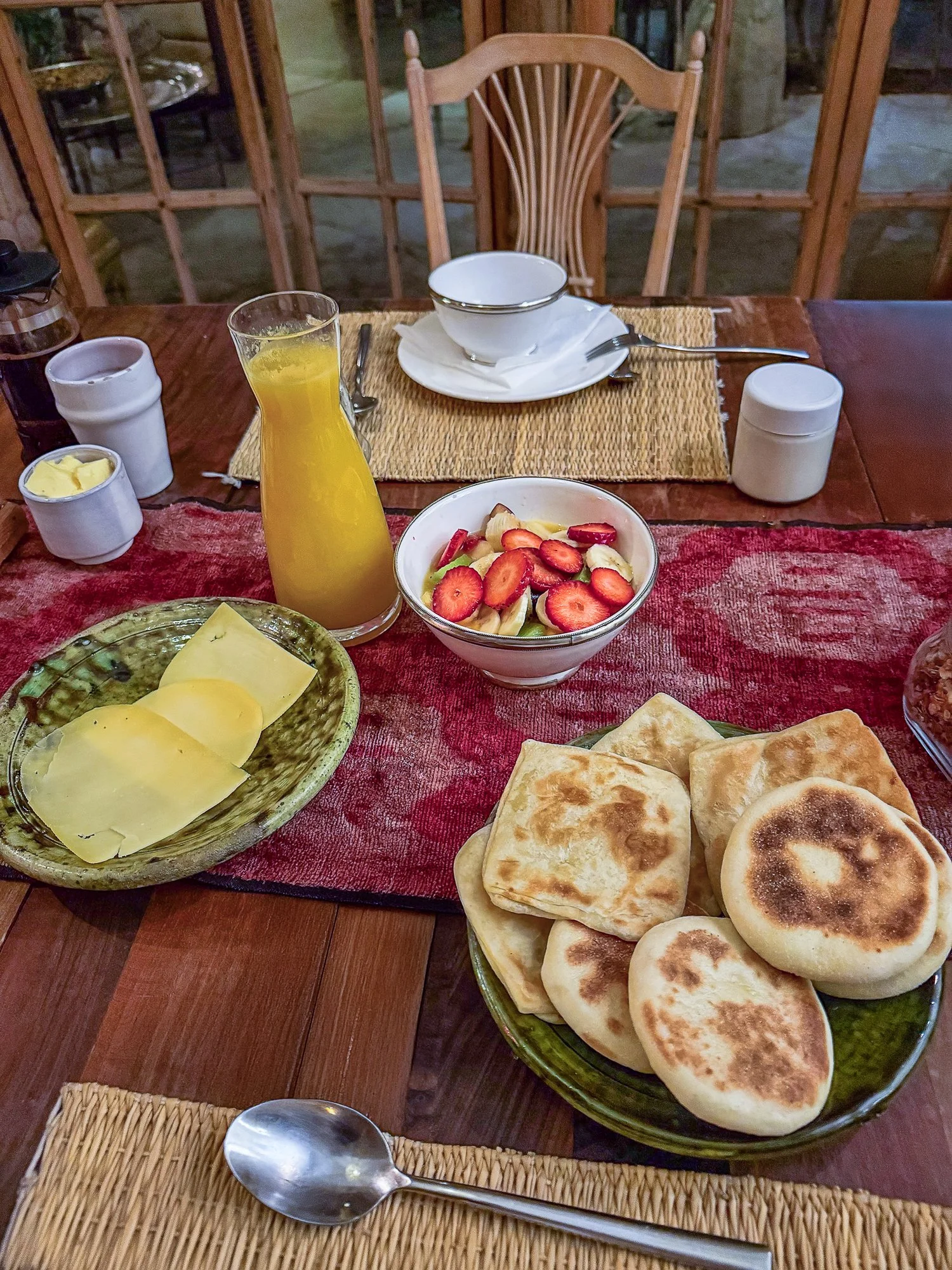
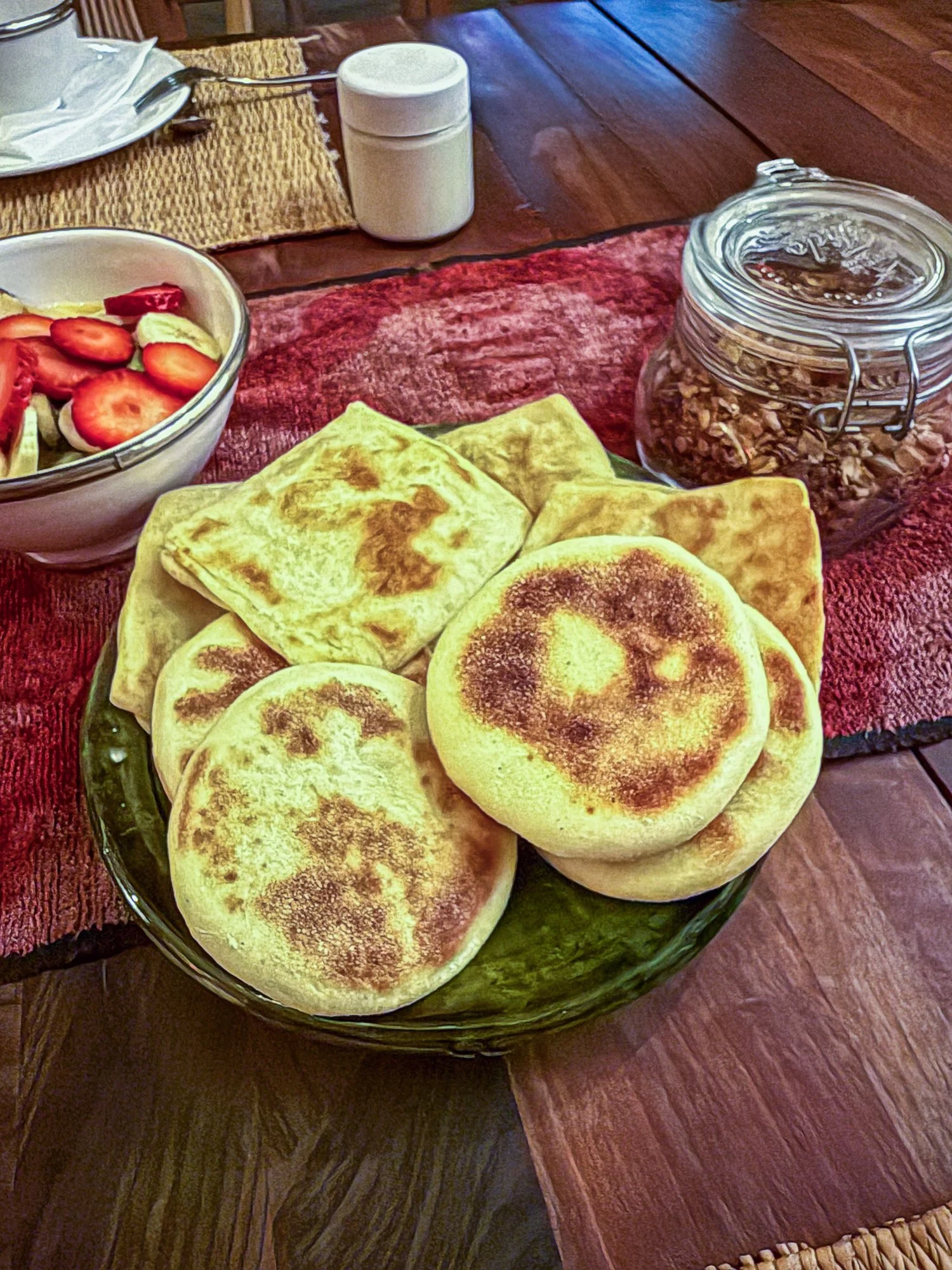
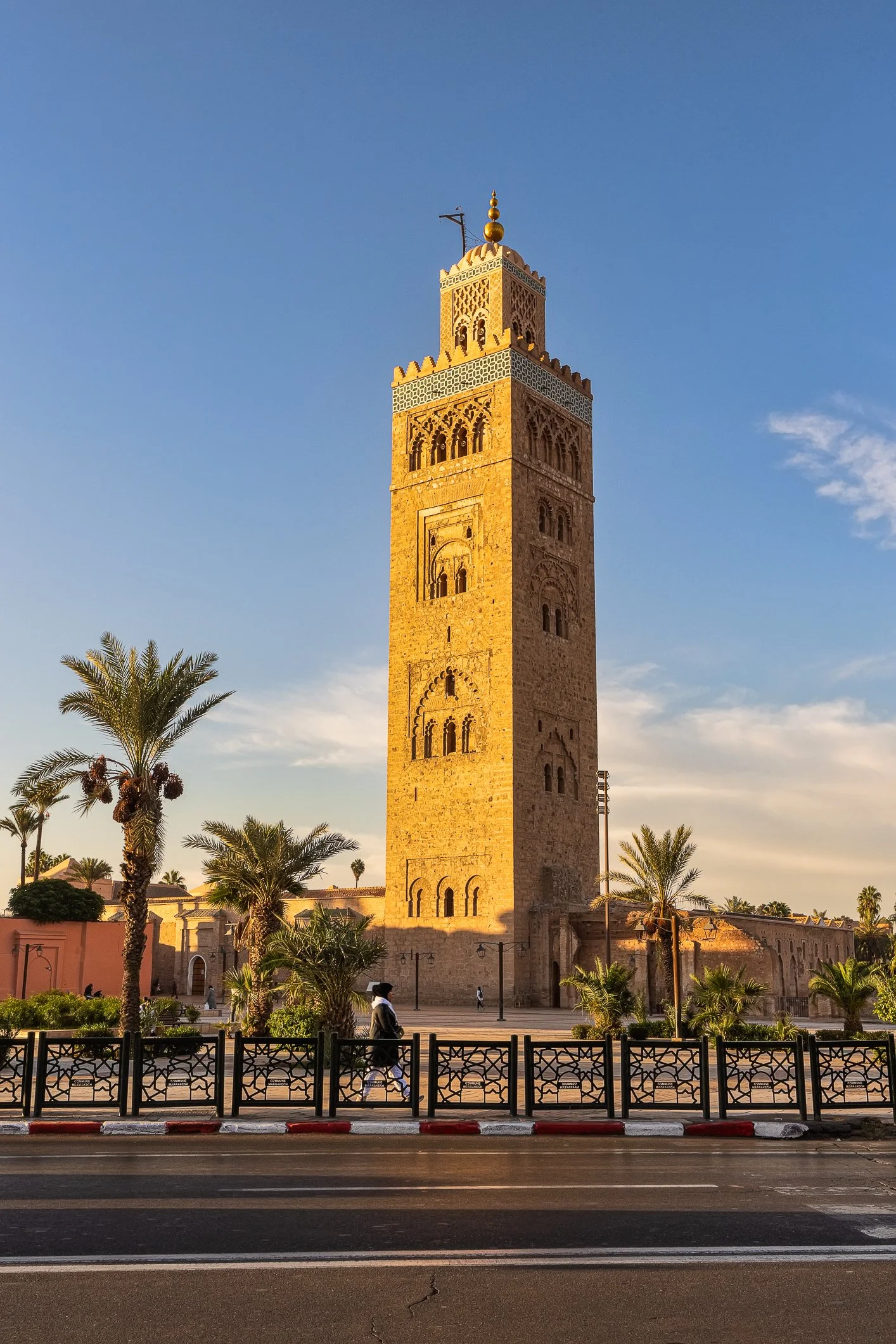
We start the day with a simple but satisfying breakfast, choosing the dining room over the terrace as the morning air is still a little chilly, and time is tight. By 9 a.m., we need to be at the back of the Koutoubia Mosque, where a shuttle will take us to Cactus Thiemann.

Zaczynamy dzień od prostego, ale smacznego śniadania. Wybieramy jadalnię zamiast tarasu  - poranek jest jeszcze dość chłodny, a czasu mamy niewiele. O 9:00 musimy być za meczetem Koutoubia, skąd shuttle zabierze nas do Cactus Thiemann.

After breakfast, we stroll to the meeting point. The sun is already up, casting a warm glow over the mosque, which basks beautifully in the morning light. With the day beginning to unfold, we’re ready to discover the cacti.

Po śniadaniu idziemy spacerkiem do miejsca zbiórki. Słońce zdążyło już wzejść, a meczet pięknie wygrzewa się w jego ciepłym świetle. Dzień dopiero się zaczyna, a my jesteśmy gotowi odkrywać wielki świat kaktusów.

Dinner

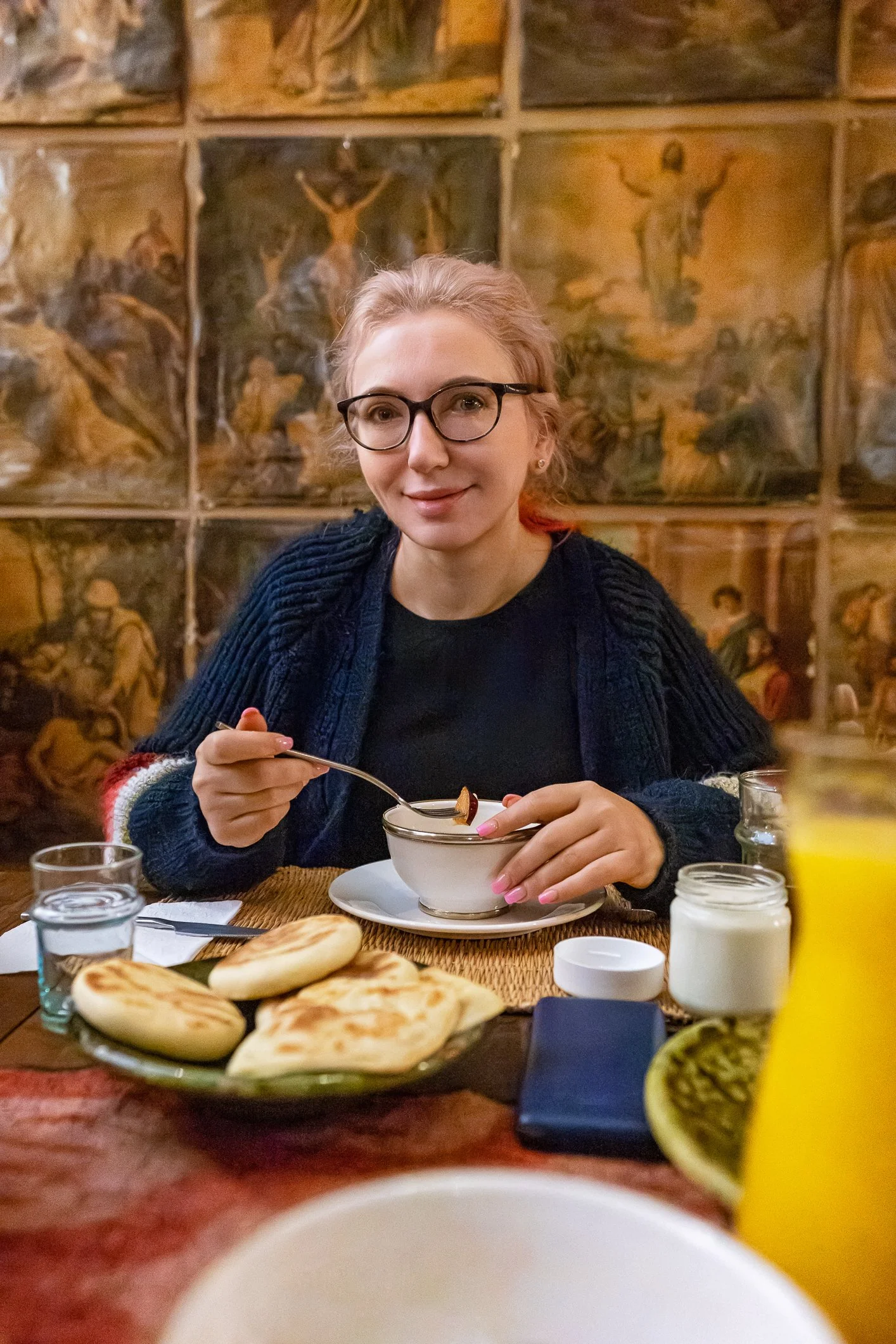
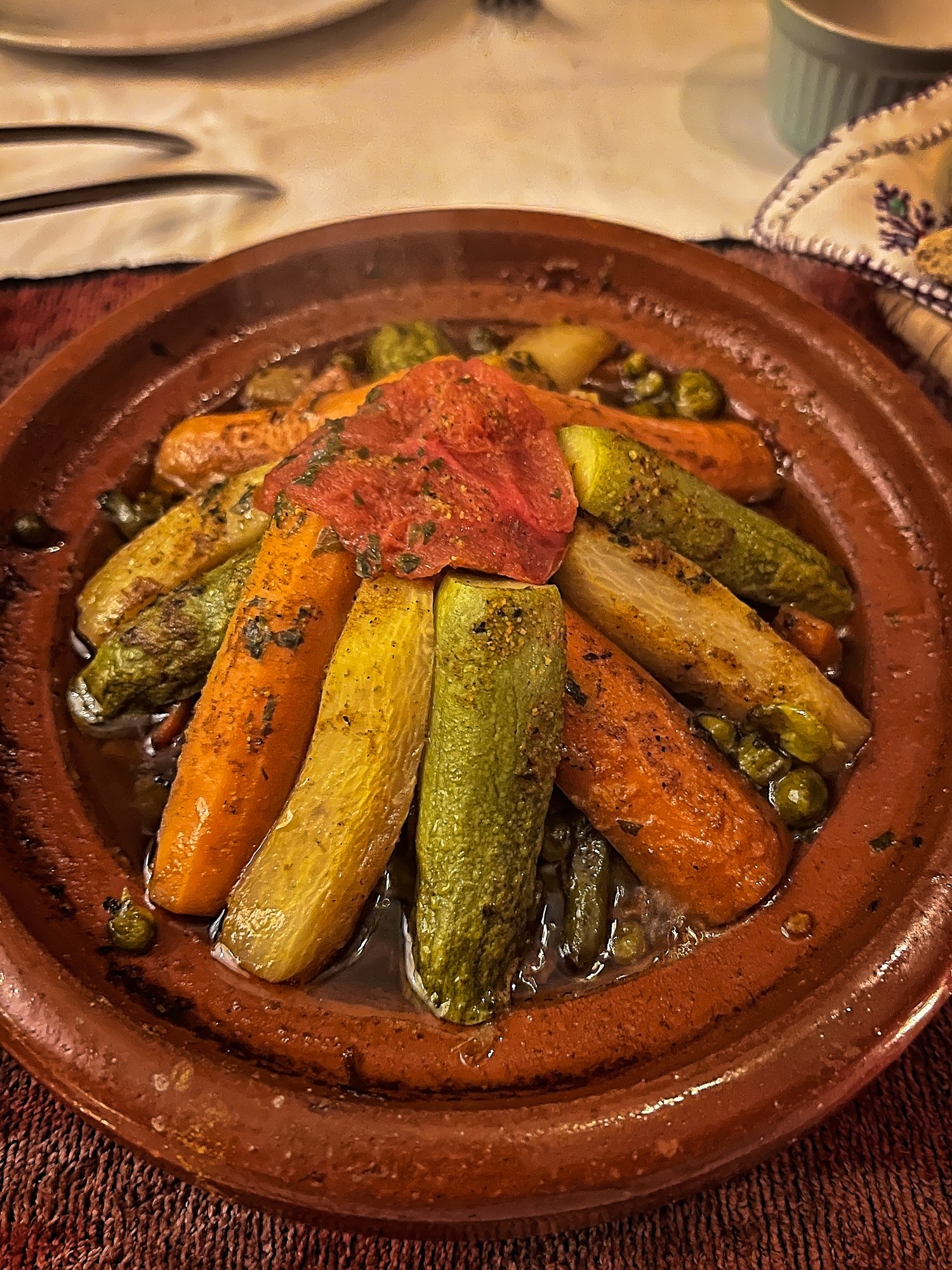
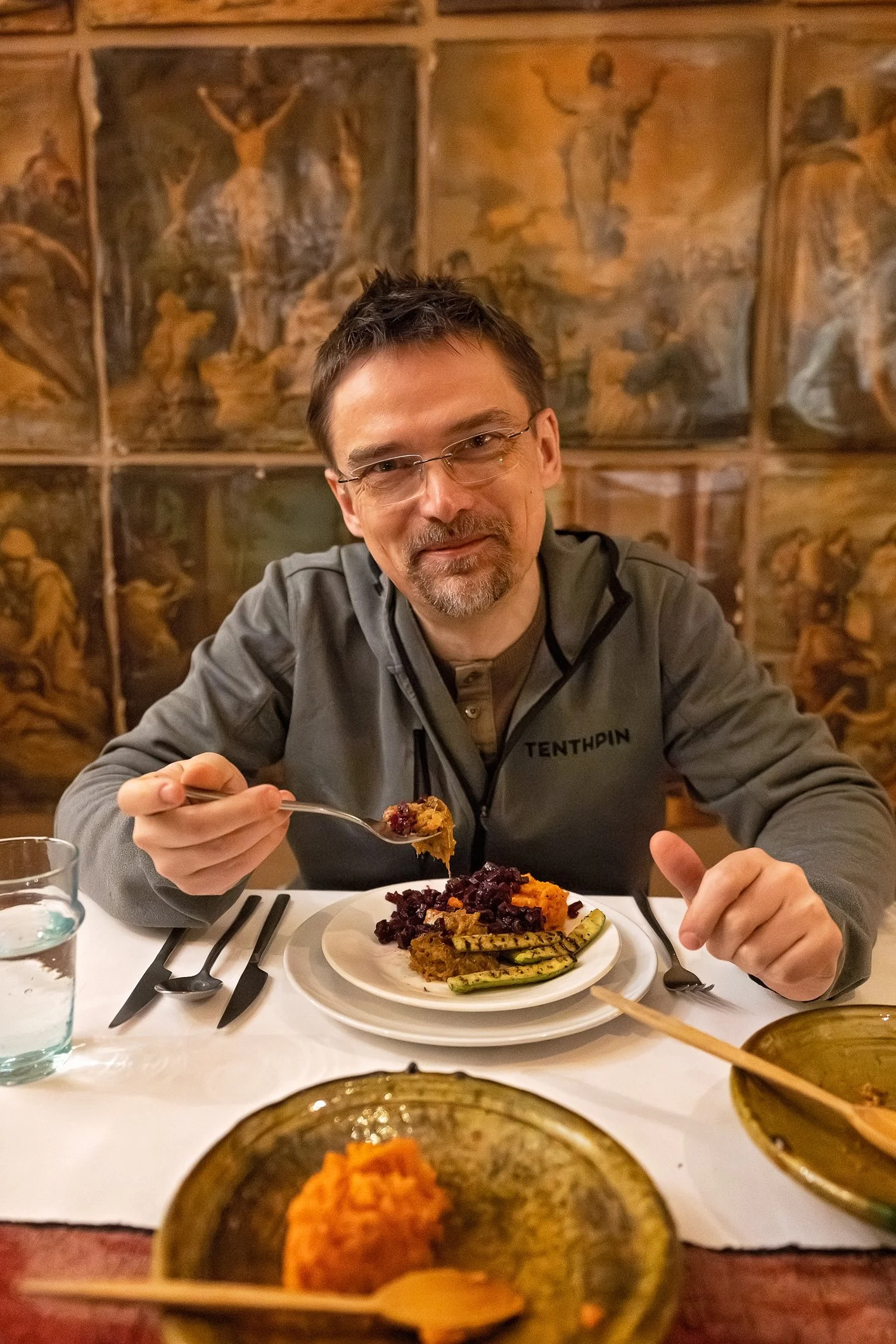
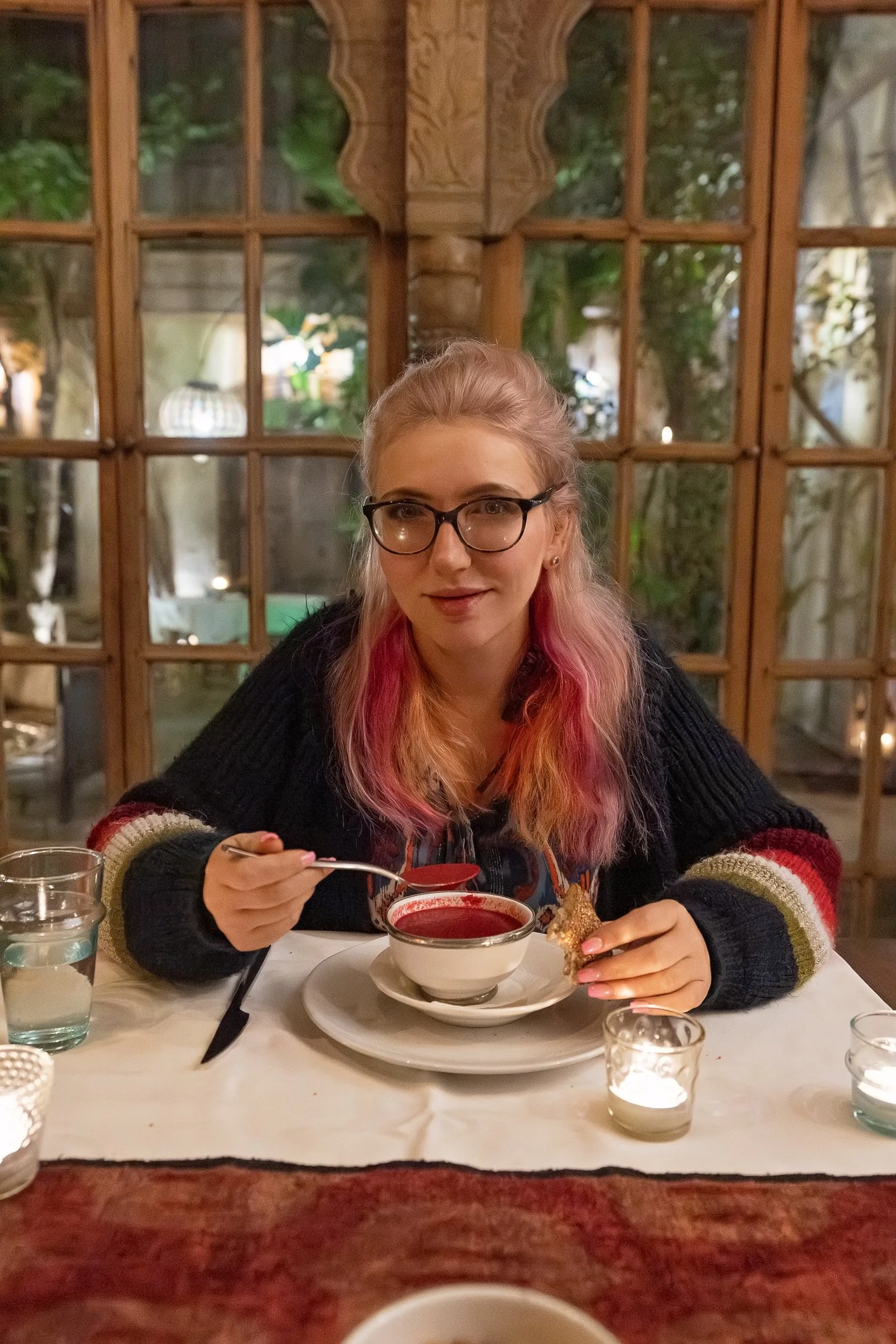
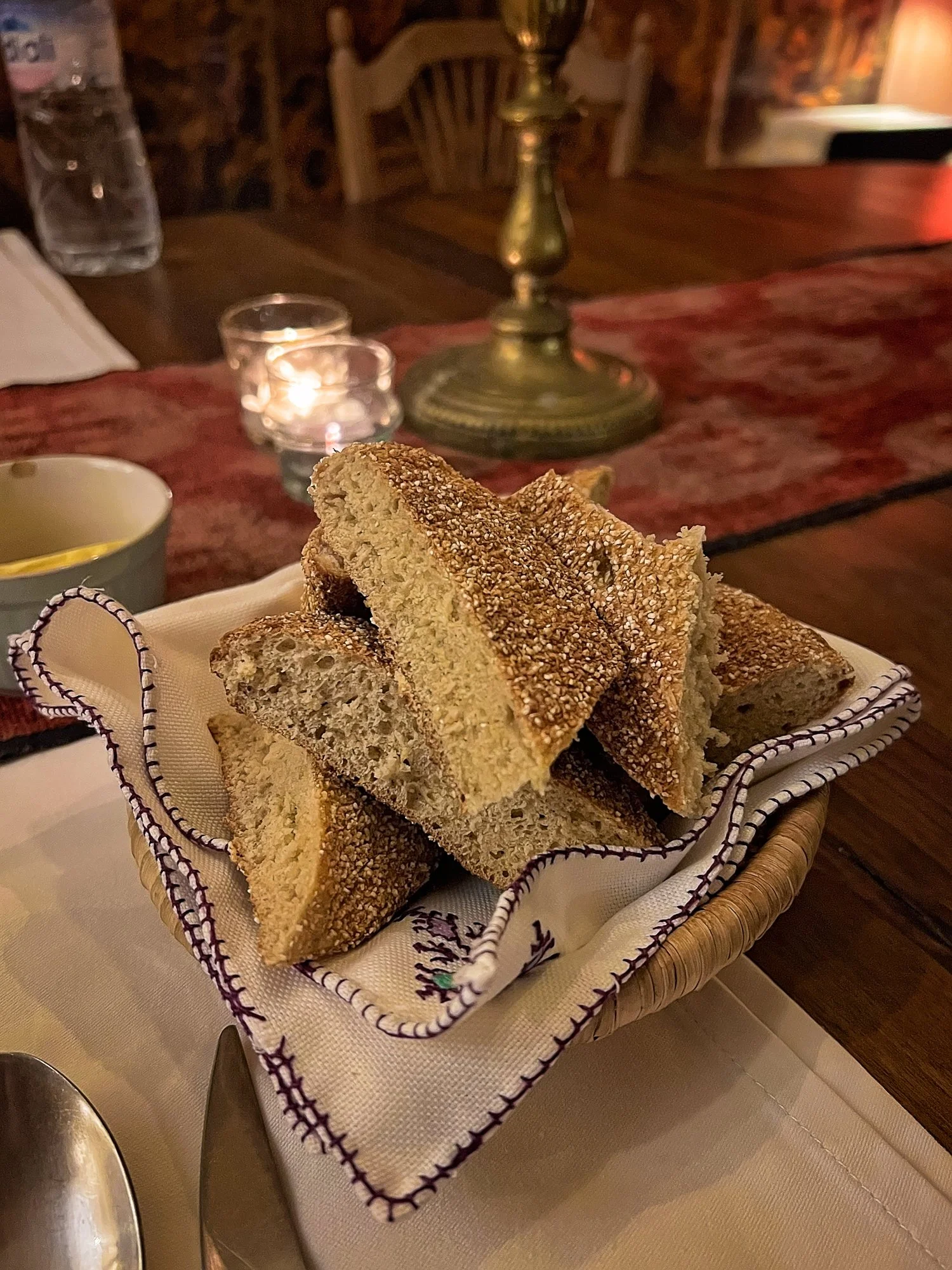
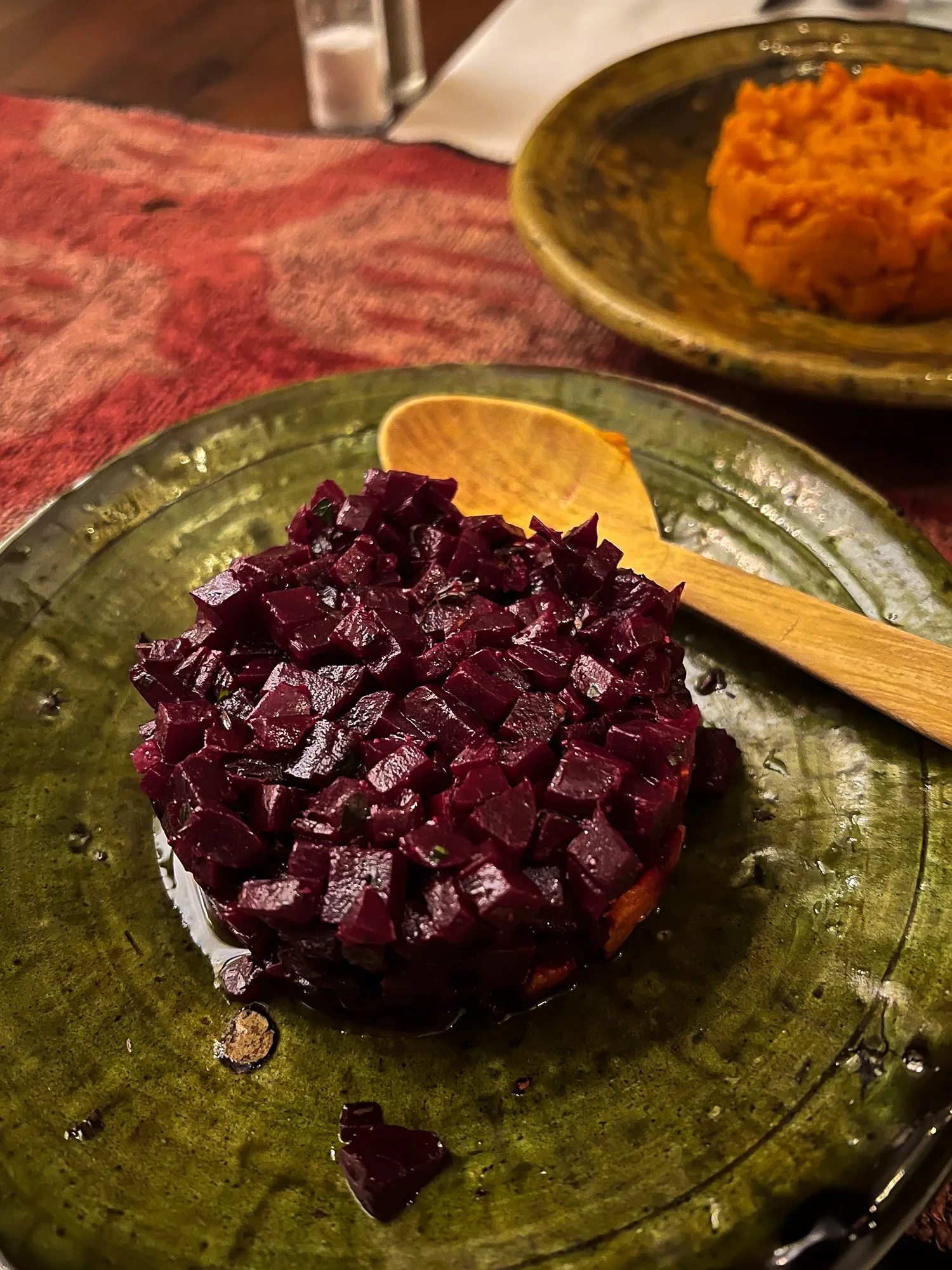
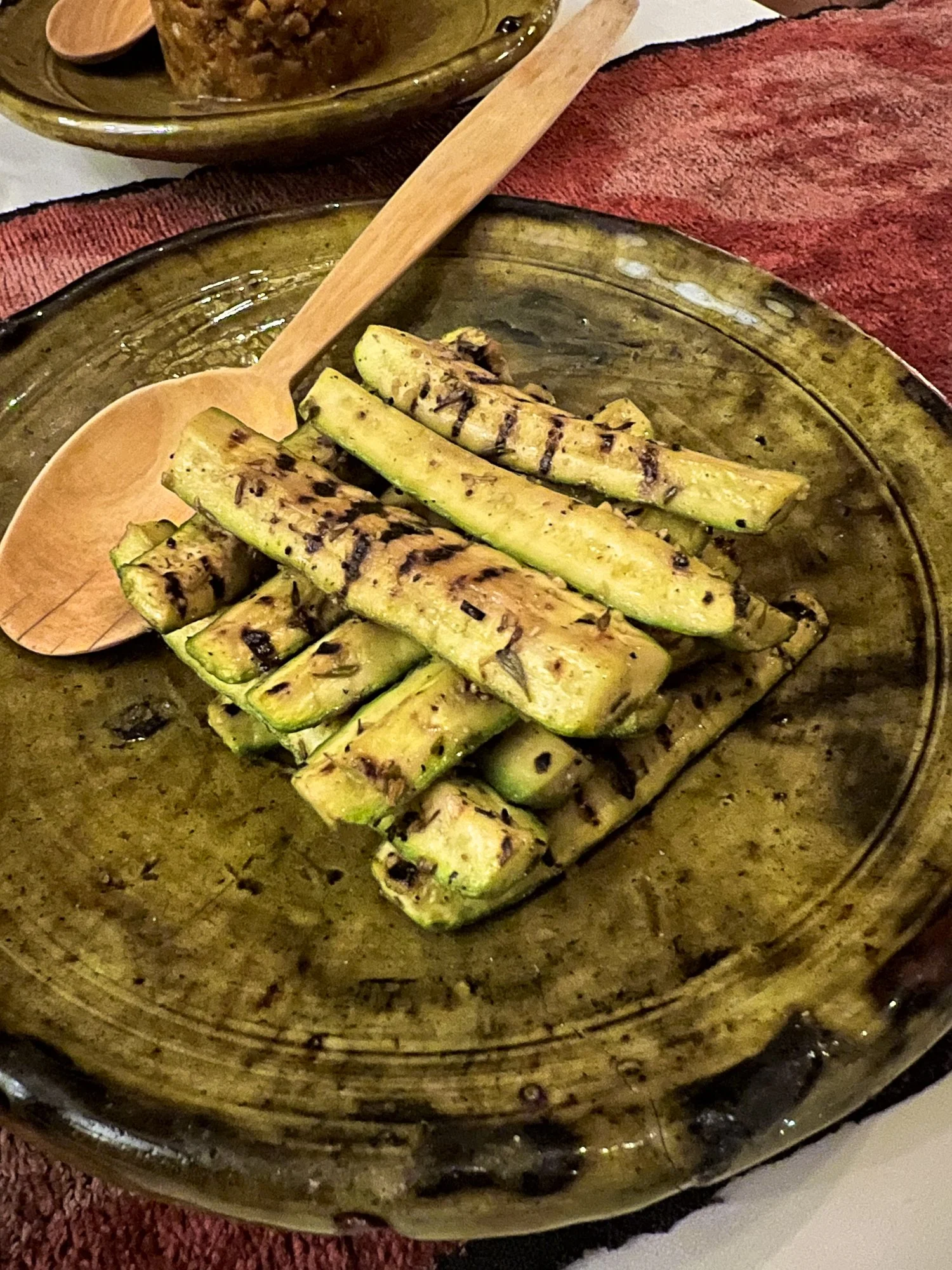
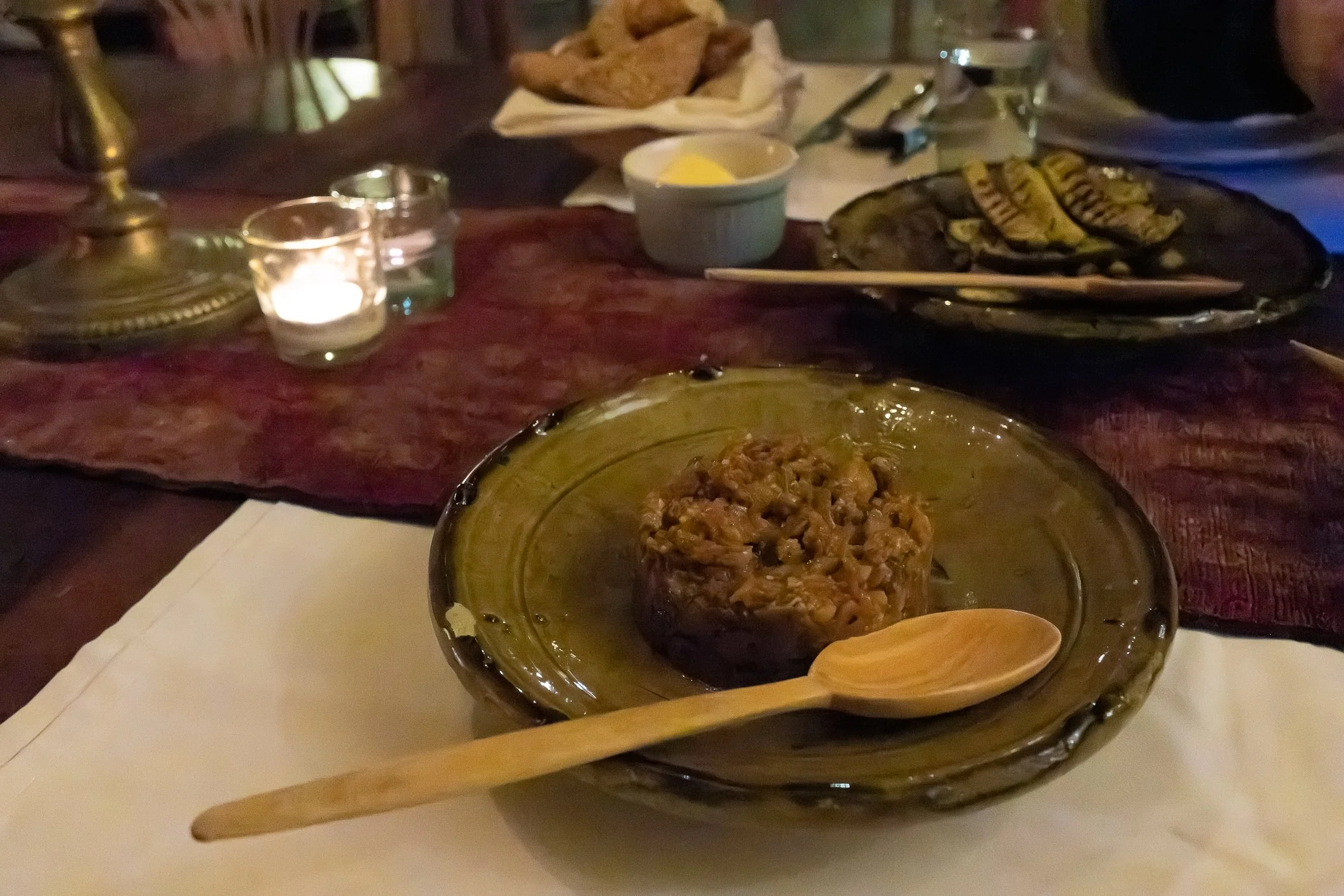
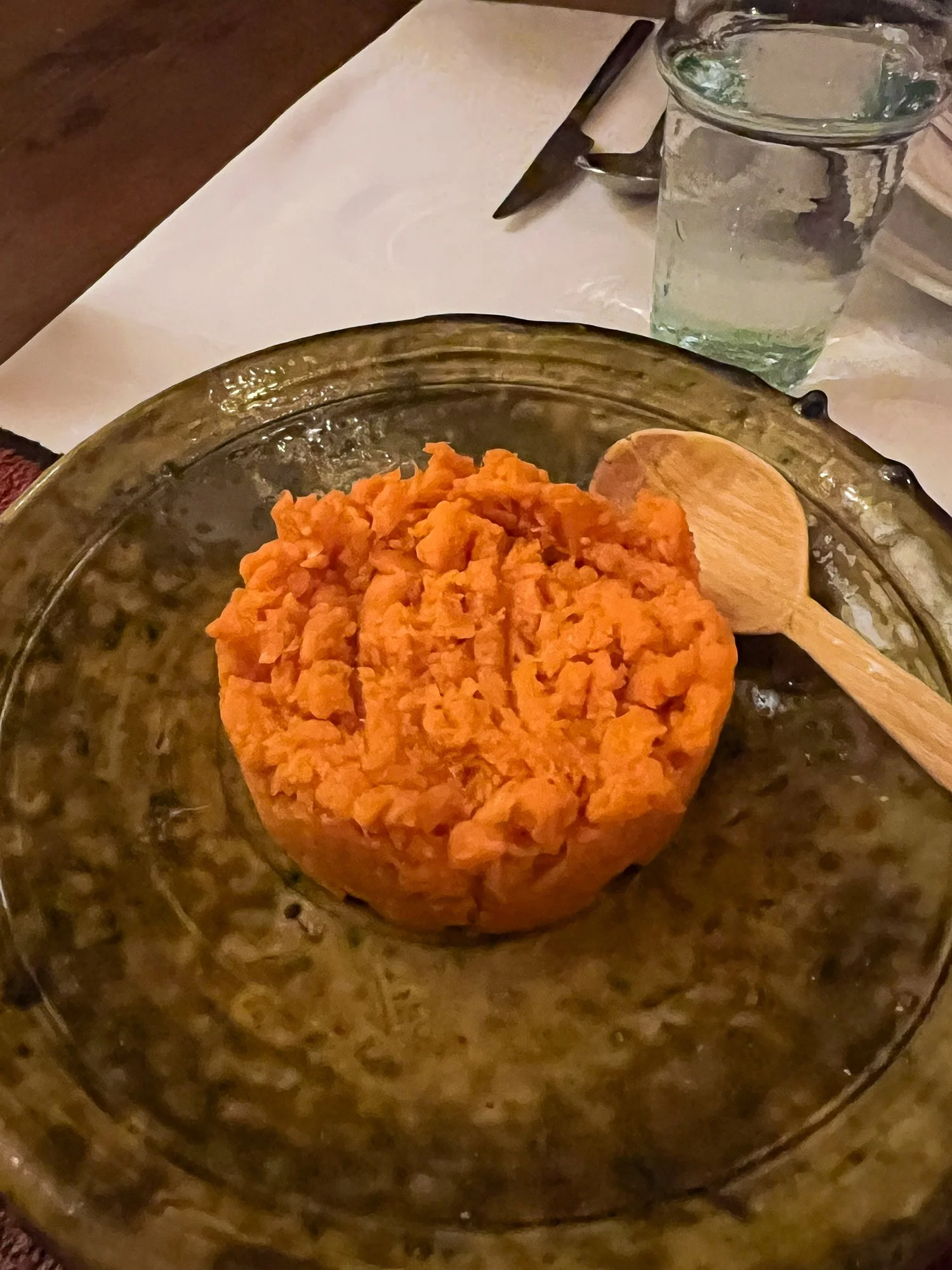
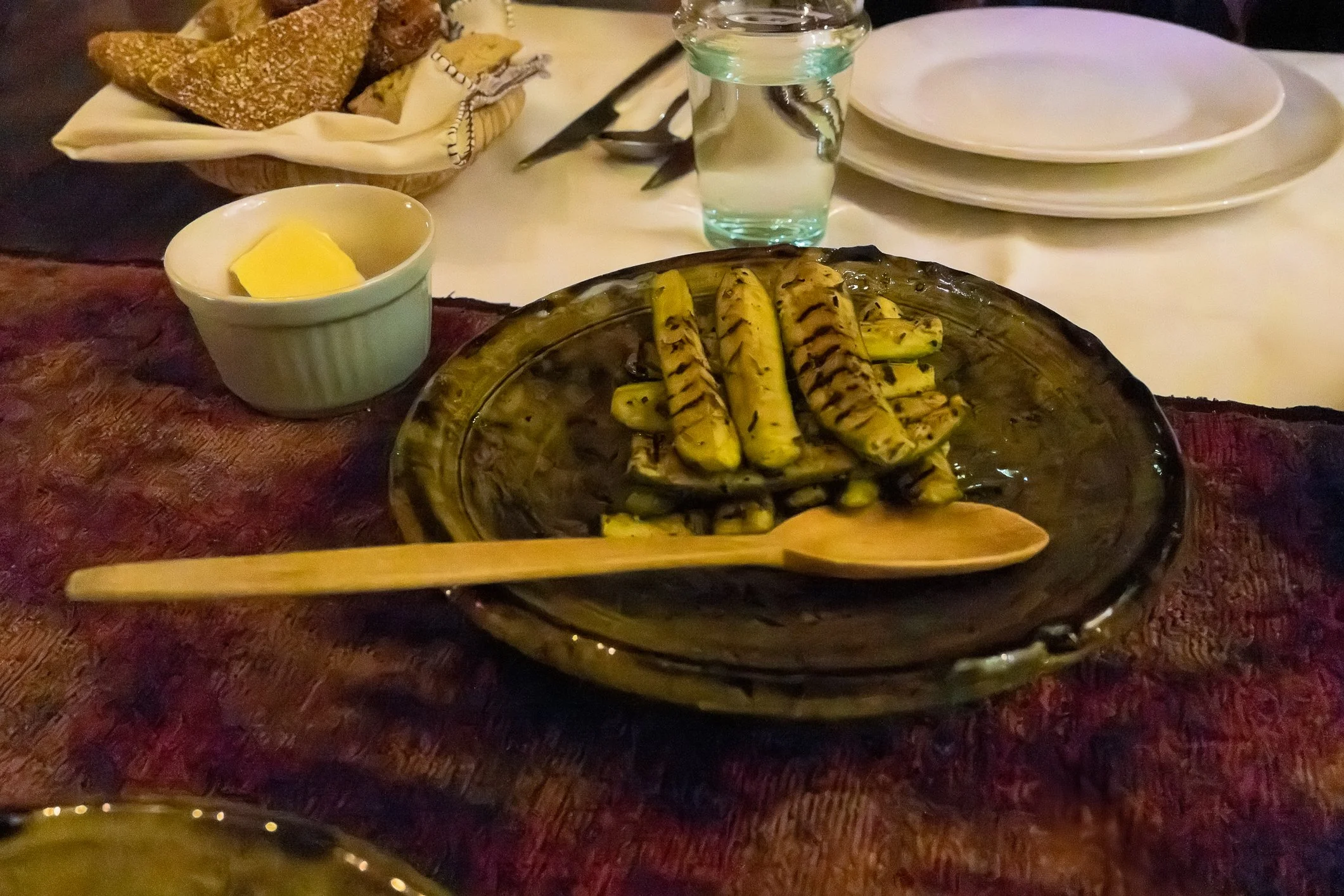
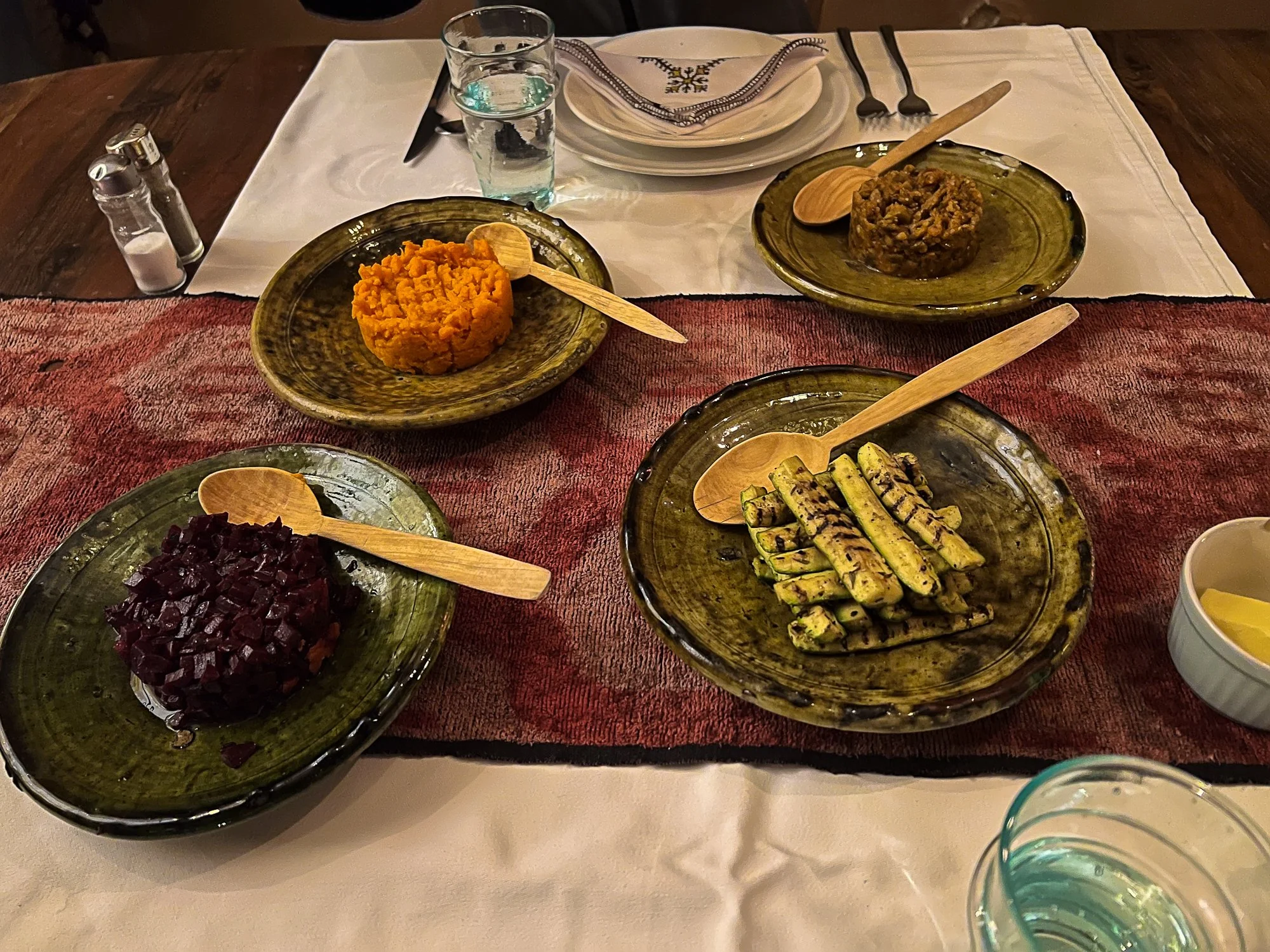
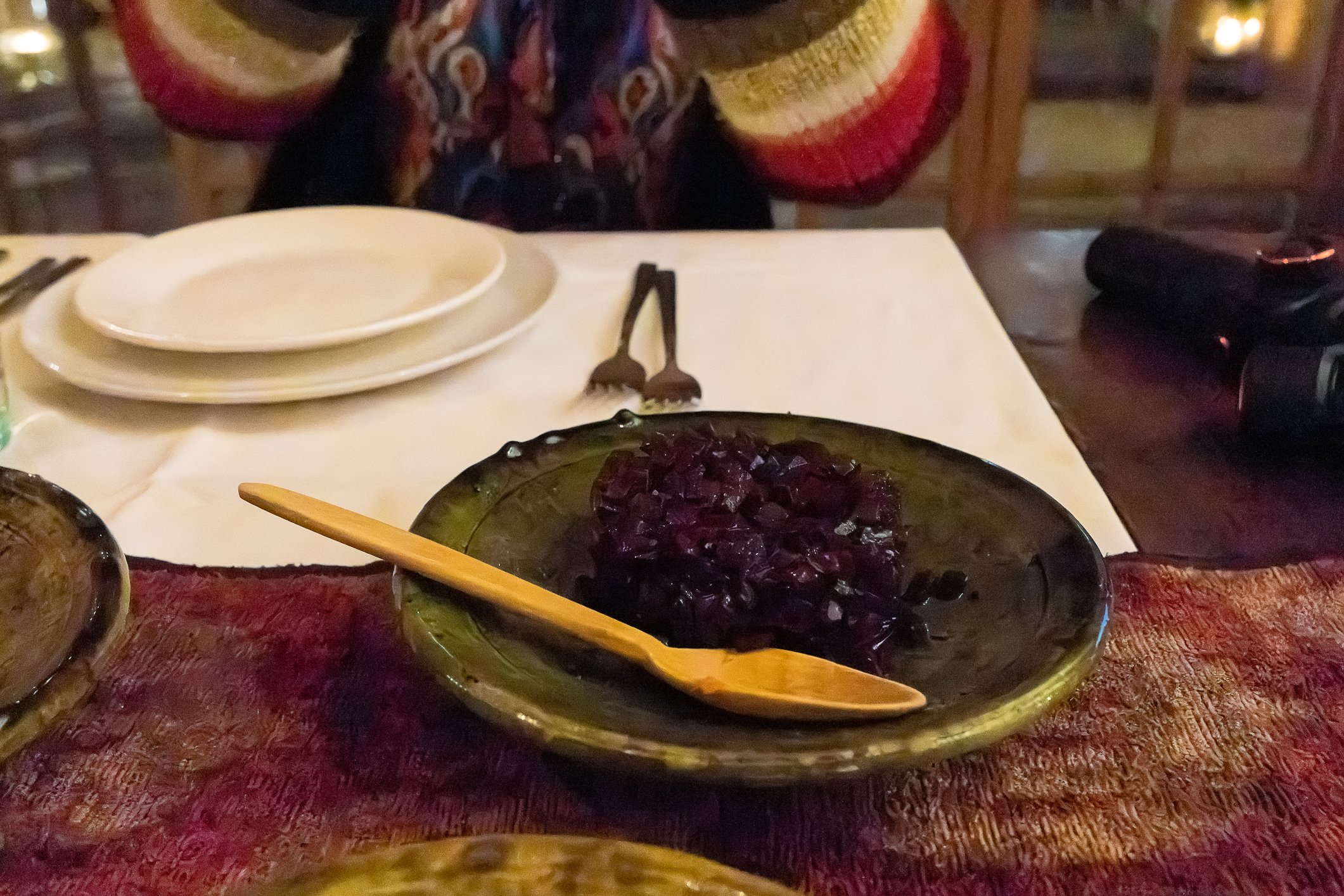
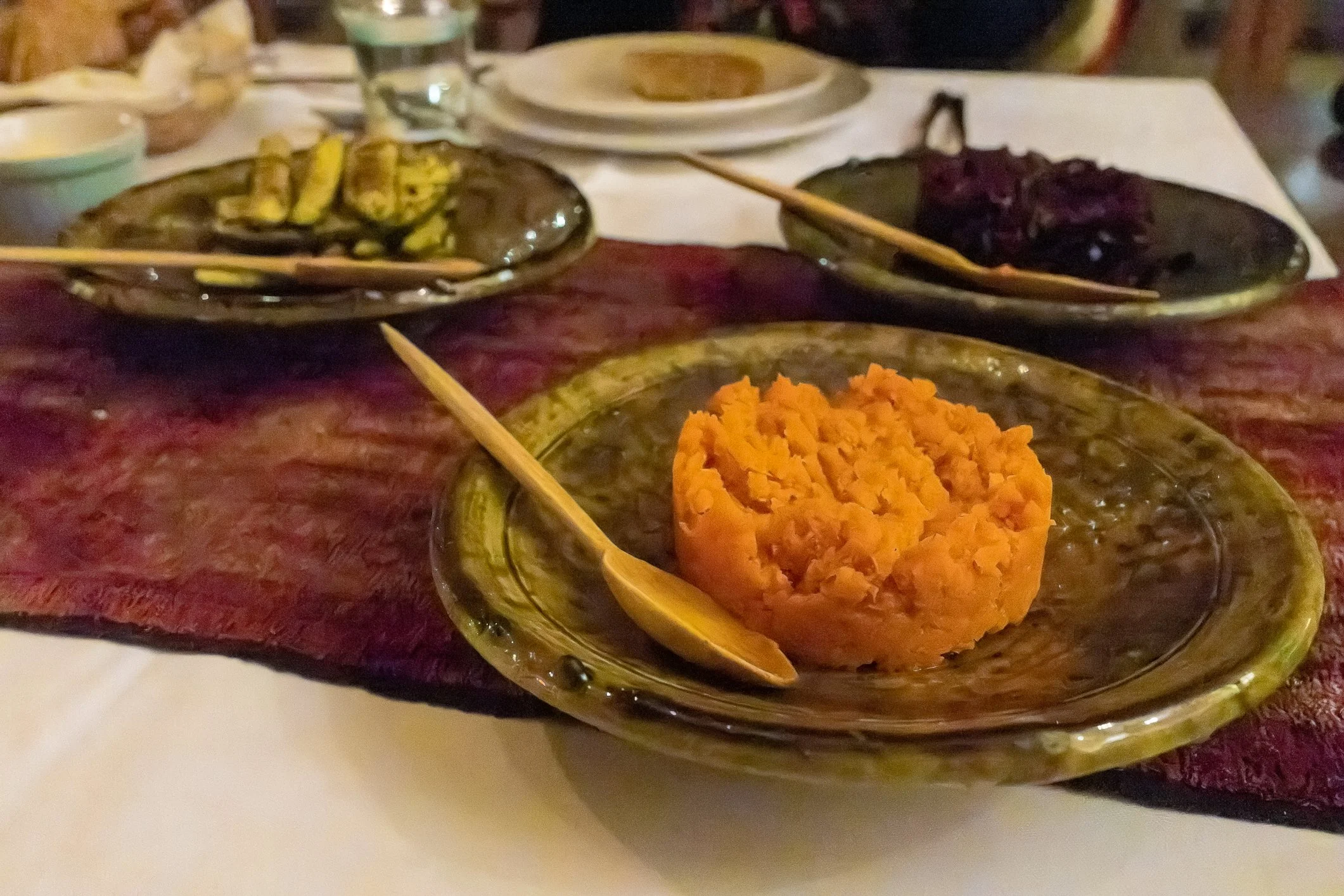
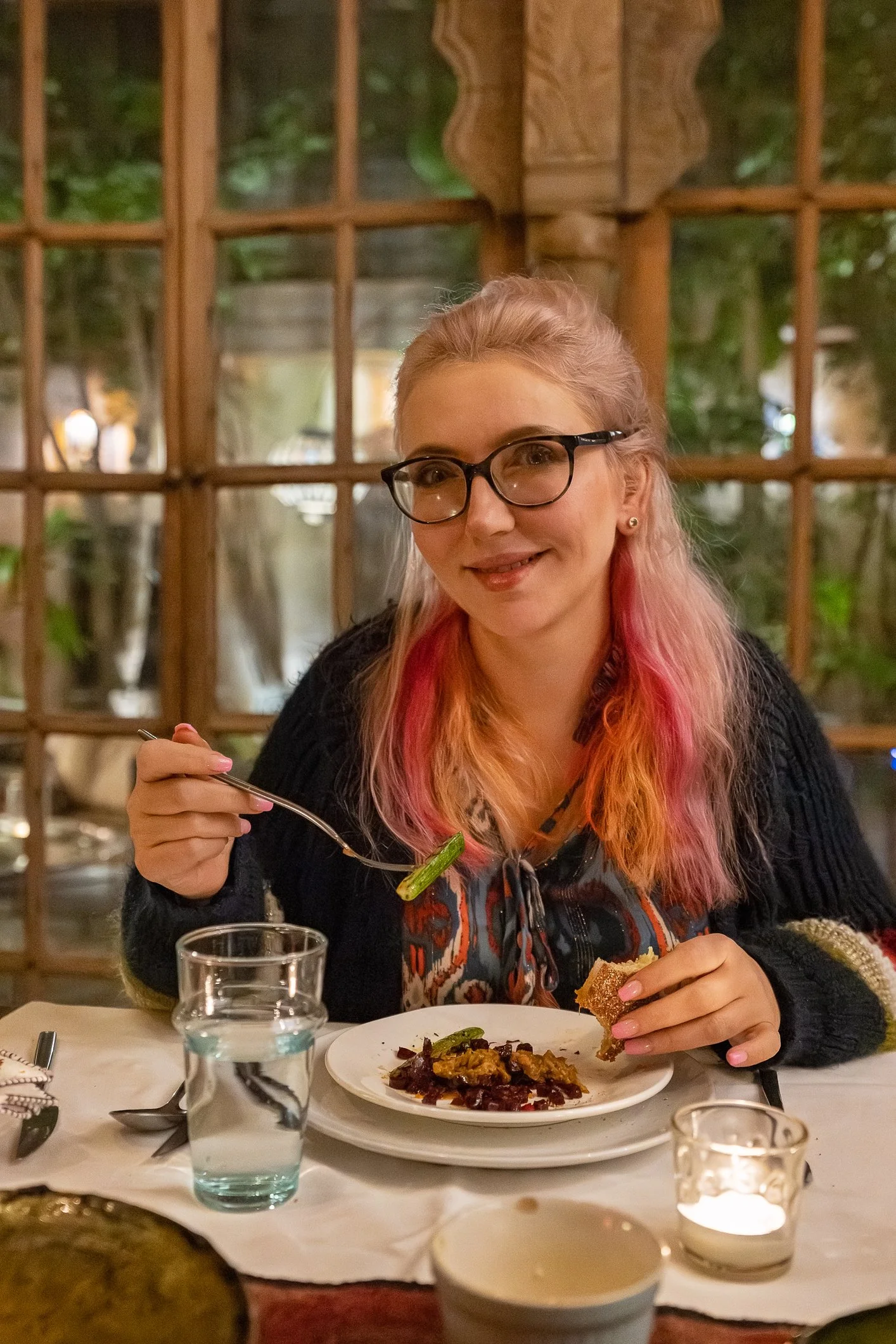
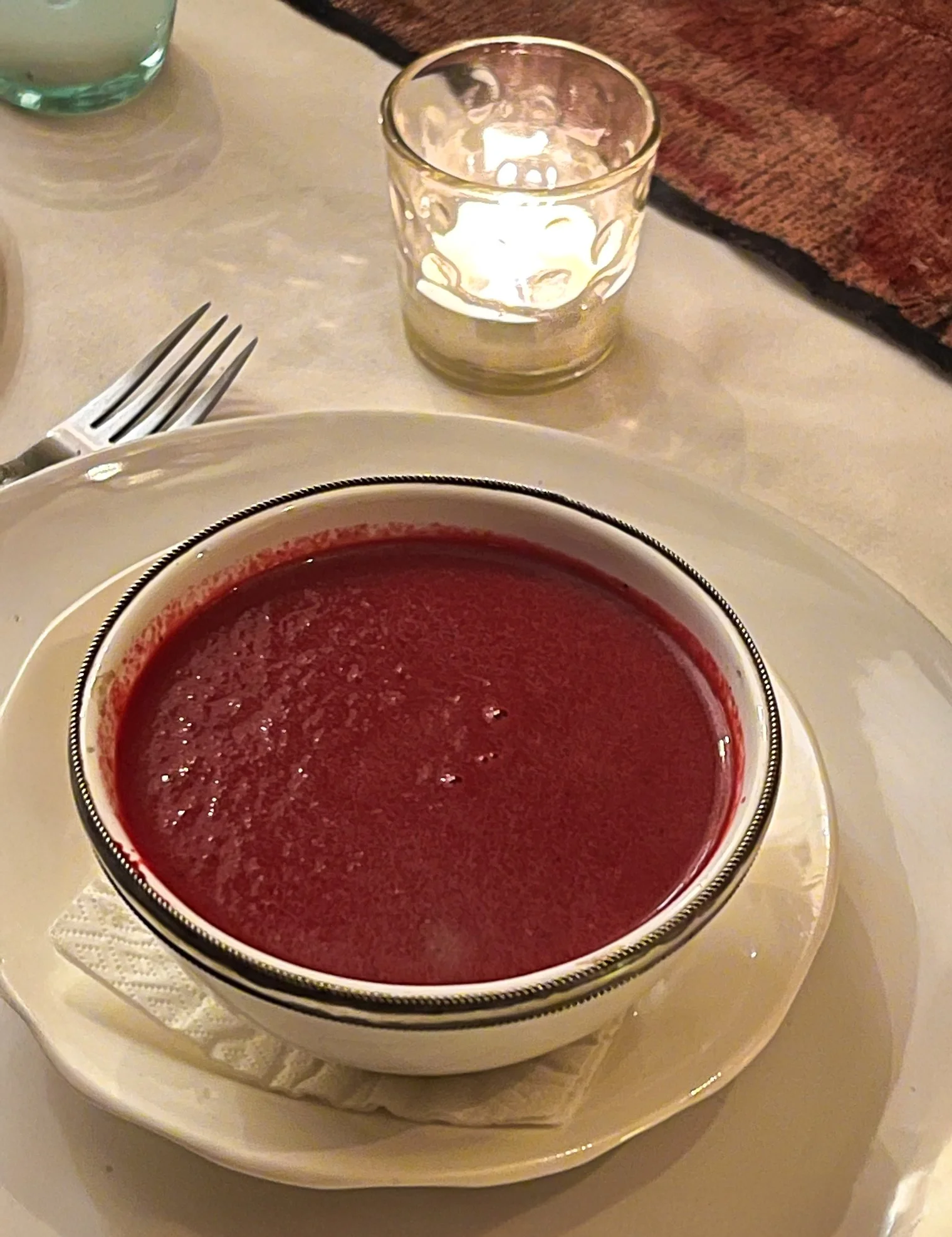
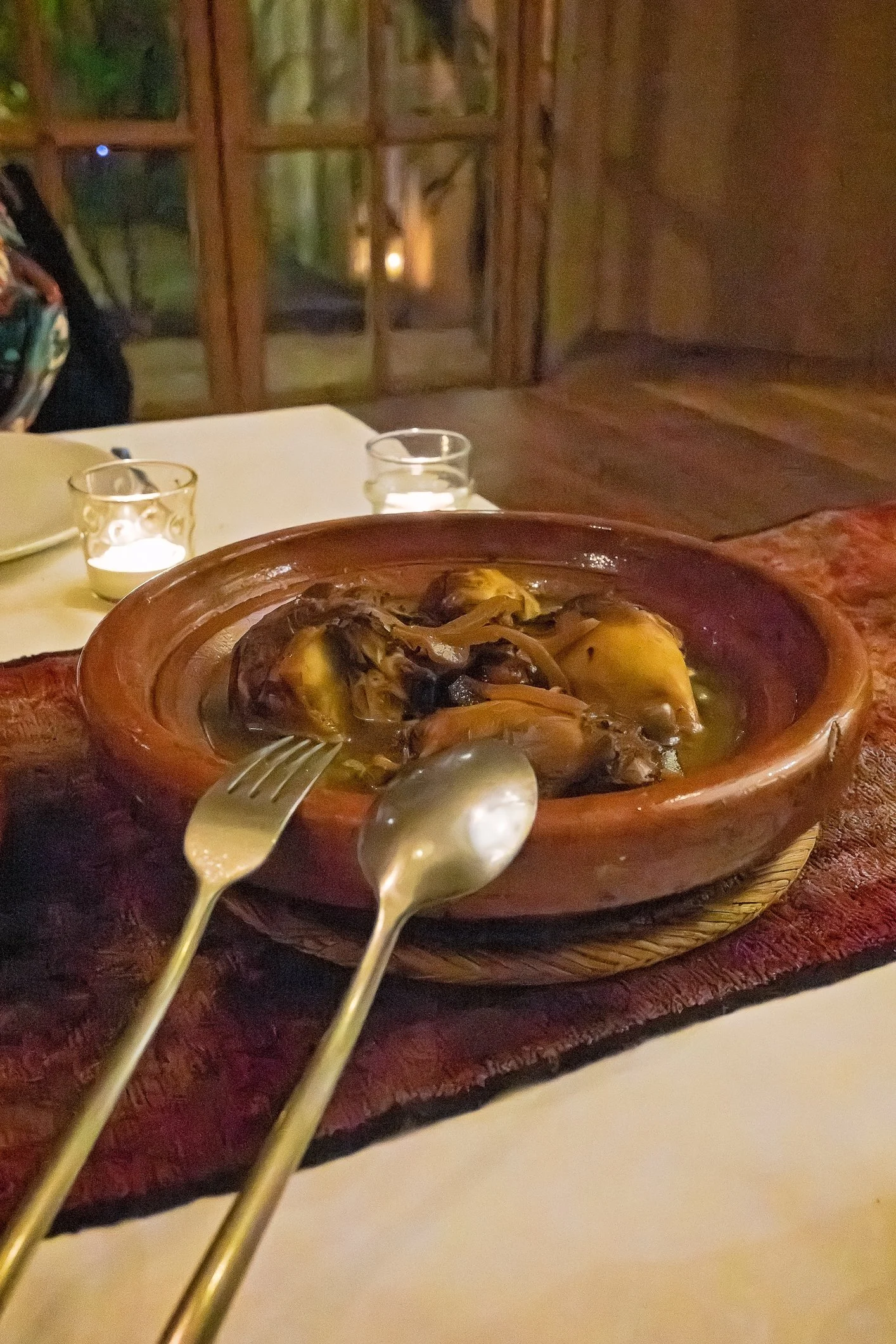
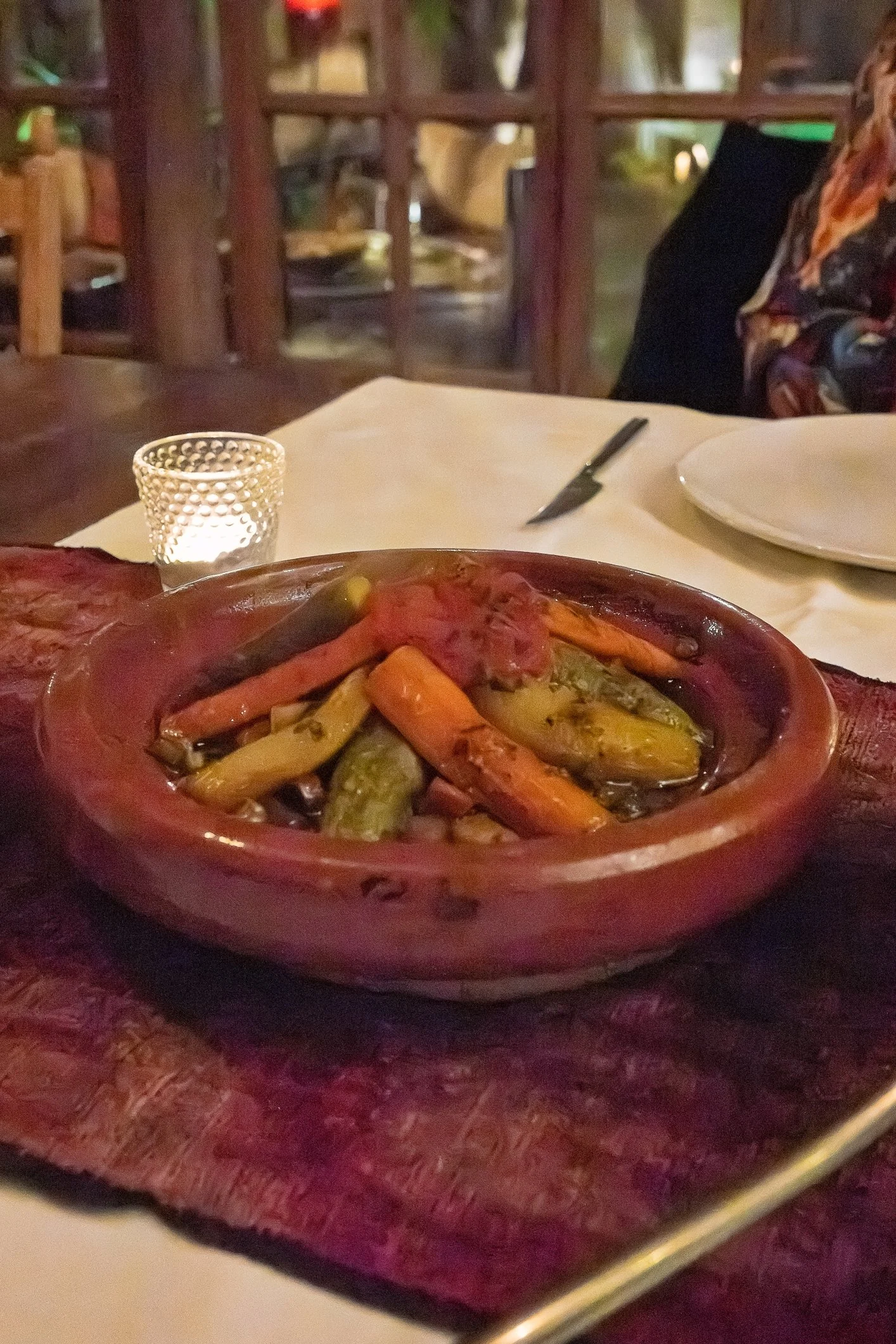
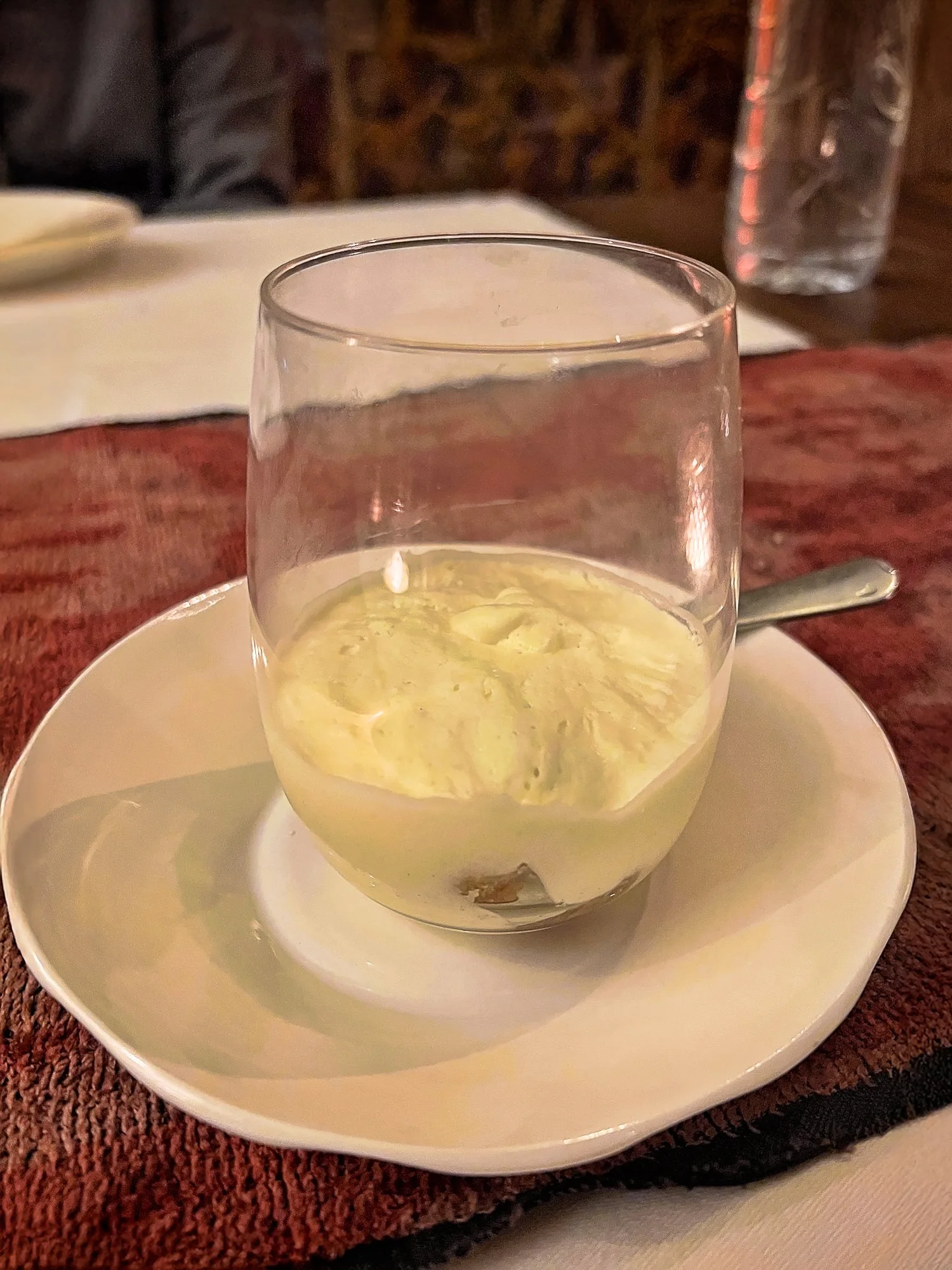
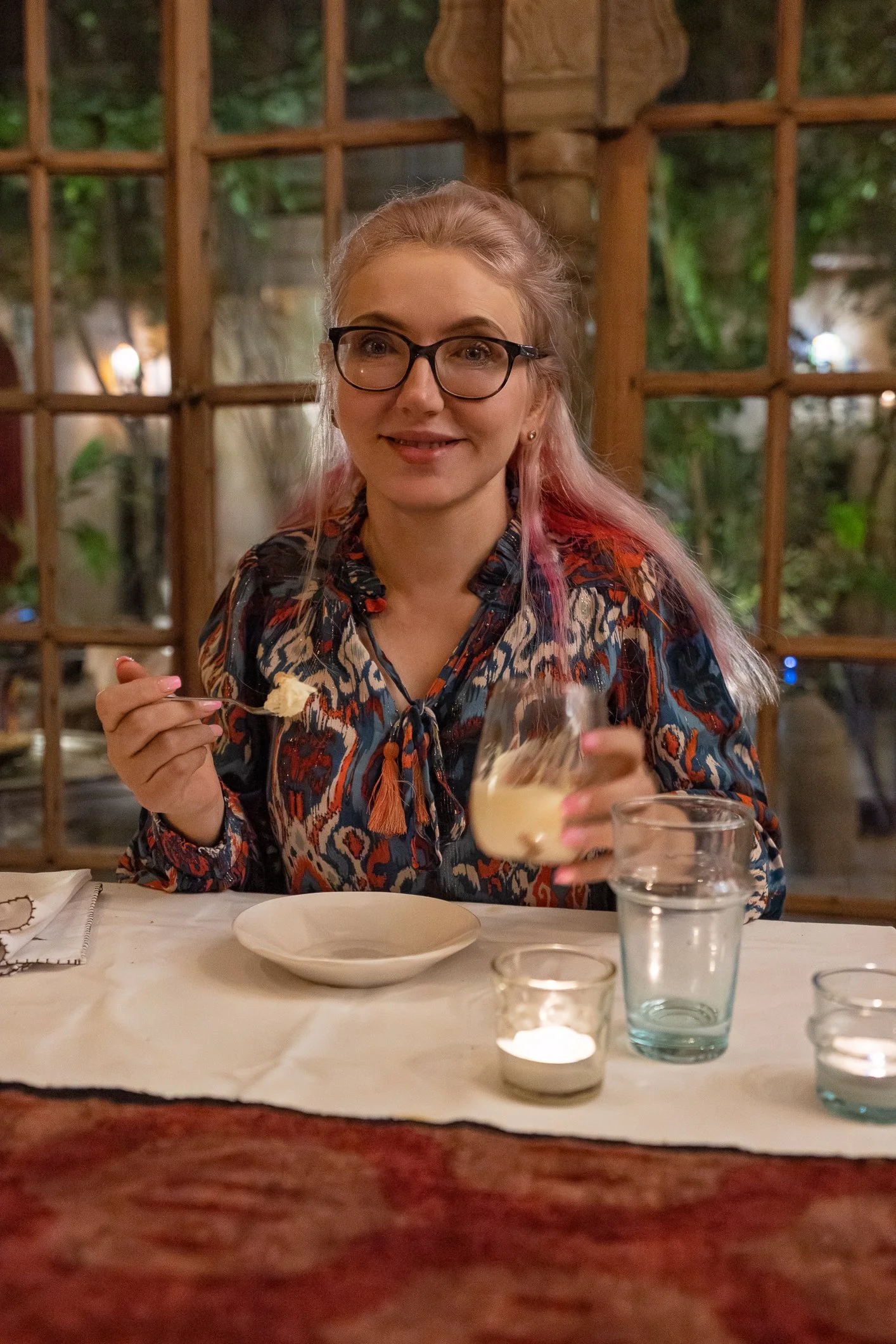
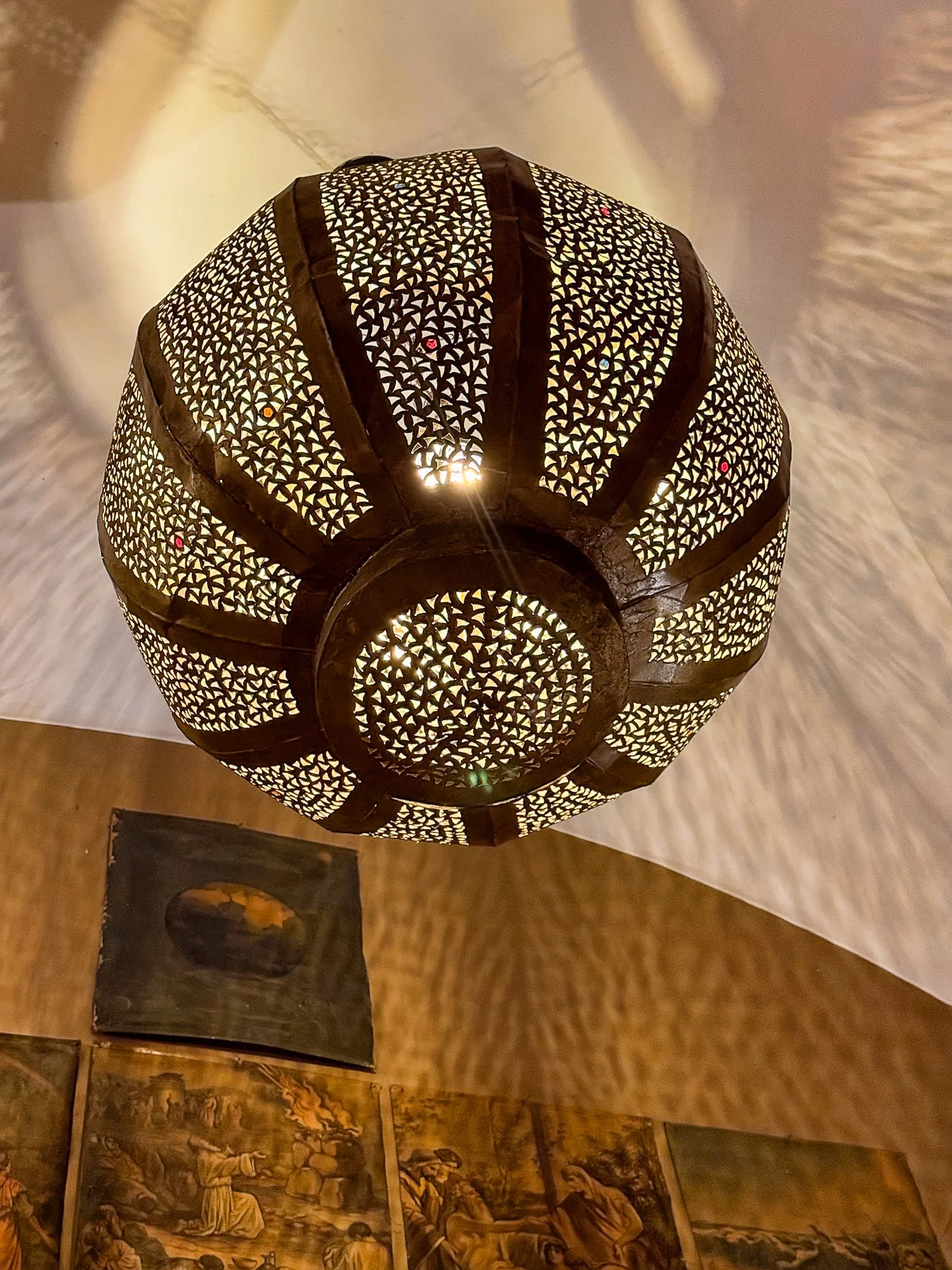
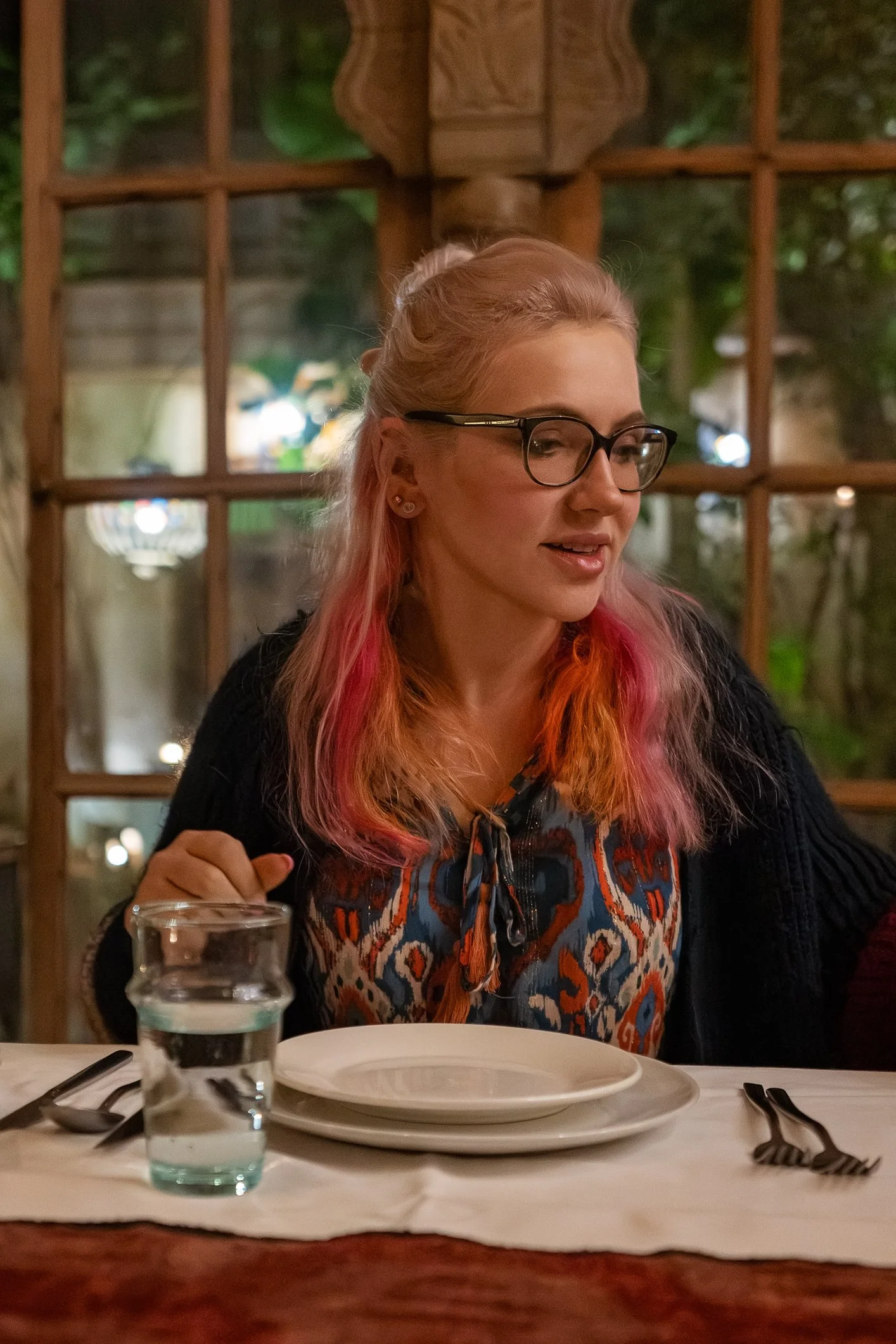
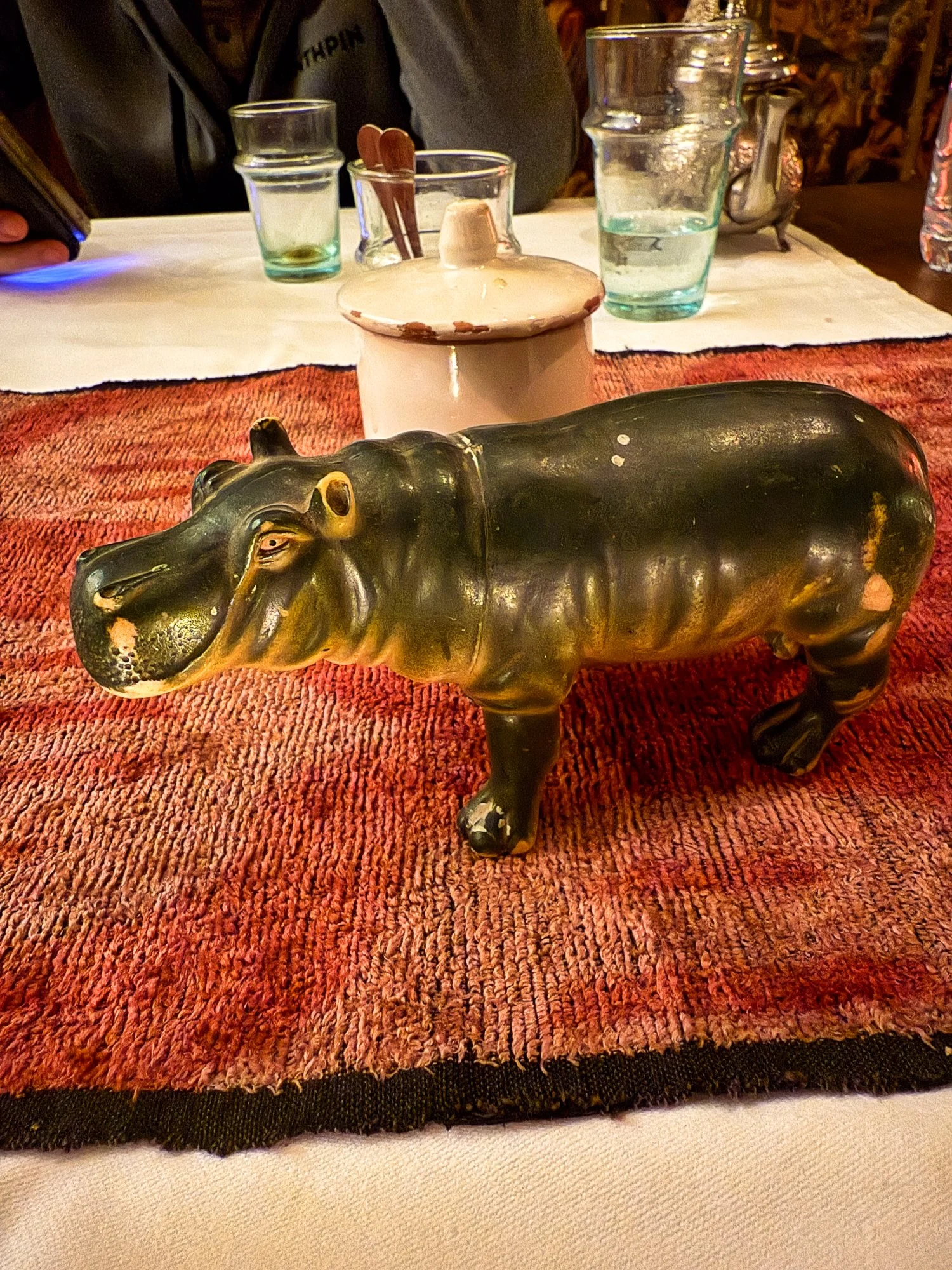
Today, we decided to have dinner at our riad. At Kbour & Chou, dinner is traditionally served in an elegant, communal indoor salon. The room is designed with candlelit tables and features an eclectic aesthetic. The highlight is the striking wall of antique Dutch manganese tiles, often called "Bible tiles" (bijbeltegels). These tiles use a distinct purple-brown or reddish-sepia tone; under the dim, warm light, the scenes look like aged sepia ink on the walls. Marrakech is quite cold at night during the winter, but the heating was on to keep us warm and happy. Our food was great, and after dinner, we were definitely ready for bed.

Dzisiaj postanowiliśmy zjeść kolację w naszym riadzie. W Kbour & Chou posiłki serwowane są w eleganckim salonie urządzonym w eklektycznym stylu. Największe wrażenie robi ściana wyłożona antycznymi holenderskimi płytkami, zwanymi „płytkami biblijnymi”. W ciepłym świetle świec ich purpurowo-brązowe zdobienia wyglądają jak stare ryciny wykonane sepią, tworząc nastrojowe tło dla tradycyjnych marokańskich potraw. Zimowe noce w Marrakeszu są naprawdę chłodne, ale przez całą kolacje dmuchała na nas przyjemnie farelka. Jedzenie było bardzo dobre, a po kolacji udaliśmy się prosto do pokoju - w końcu kiedyś trzeba się wyspać.