landmark

Learning about the region (Museo Inka)

As this is our first full day in Cusco, we decided to take it a bit easy. We're still acclimatising to the high altitude—coca tea helps (headache’s gone!), but even a short uphill walk leaves us breathless.

So, instead of heading straight for the hills, we started with something gentle and close by: the Inca Museum, just a few steps from the cathedral. It’s not only conveniently located, but also one of the best places to dive into the Inca world and the rich patchwork of pre-Hispanic cultures that came before them.

The museum is housed in a stunning colonial mansion known as Casa del Almirante—the House of the Admiral. Built in the 17th century by Admiral Alderete Maldonado, it sits atop original Inca foundations. Despite being damaged in the 1950 earthquake and partially demolished in 1952, it has been beautifully restored. Above the doorway, a stone-carved coat of arms—a relic of the Alderete and Maldonado families’ legacy—is still visible. Stepping inside really does feel like entering a time portal.


To nasz pierwszy pełny dzień w Cusco, więc postanowiliśmy podejść do zwiedzania na spokojnie. Wysokość nad poziomem morza wciąż daje się nam we znaki — herbata z koki pomaga (ból głowy minął!), ale nawet krótki spacer pod górę kończy się spektakularną zadyszką. Zamiast więc od razu ruszać na podboje okolicznych ruin, zaczęliśmy od czegoś mniej wymagającego i odwiedziliśmy położone dosłownie kilka kroków od katedry Muzeum Inków. Nie tylko ze względu na to, ze było blisko, ale przede wszystkim dlatego, ze to jedno z najlepszych miejsc, by zacząć poznawać historię królestwa Inków i kultur, które istniały na tych terenach przed nimi.

Muzeum mieści się w pięknej kolonialnej rezydencji znanej jako Casa del Almirante, czyli Dom Admirała. Została ona wzniesiona w XVII wieku przez admirała Alderete Maldonado, na fundamentach dawnej budowli inkaskiej. Choć została poważnie uszkodzona podczas trzęsienia ziemi w 1950 roku i częściowo rozebrana dwa lata później, do dziś zachowała swój kolonialny urok. Nad wejściem ciągle można zobaczyć kamienny herb rodzin Alderete i Maldonado.

Despite the name, the Inca Museum doesn’t focus only on the Incas. It walks you through thousands of years of Peruvian history, from ancient cultures like the Chavín, Paracas, and Nazca, through the Moche, Wari, Chancay, and Chimú, up to the Inca Empire itself. Highland cultures like Pucará, Tiwanaku, and Collao also get a spotlight.


Wbrew nazwie, muzeum nie wystawia jedynie eksponatów związanych z Inkami. Wejście tu to prawdziwa podróż w czasie przez prekolumbijskie cywilizacje Peru — od najstarszych, jak Chavín i Paracas, przez Nazca, Moche, Wari, Chancay i Chimú, aż po samych Inków. Są też tu reprezentowane kultury z wyżyn, jak Tiwanaku czy Collao.

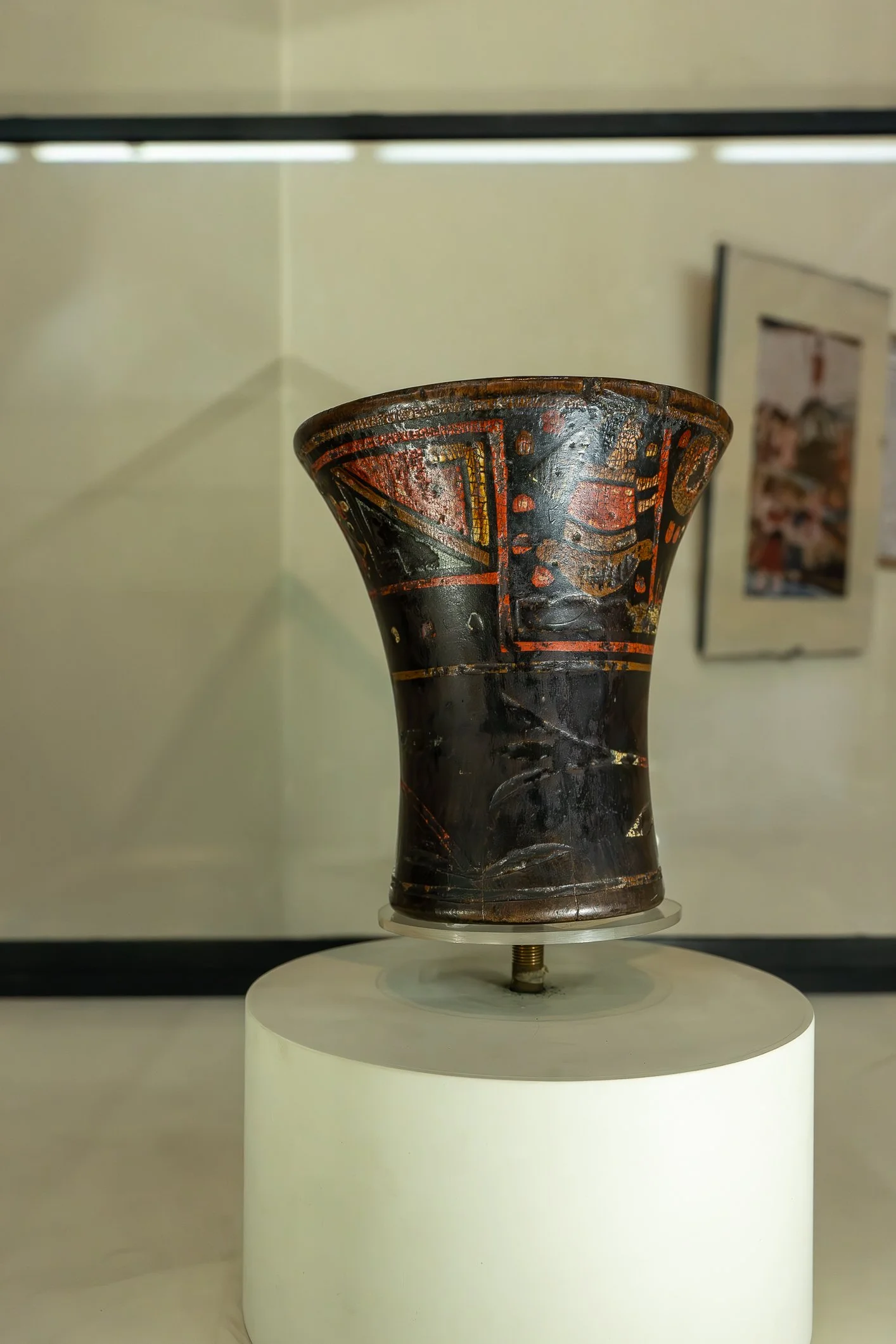
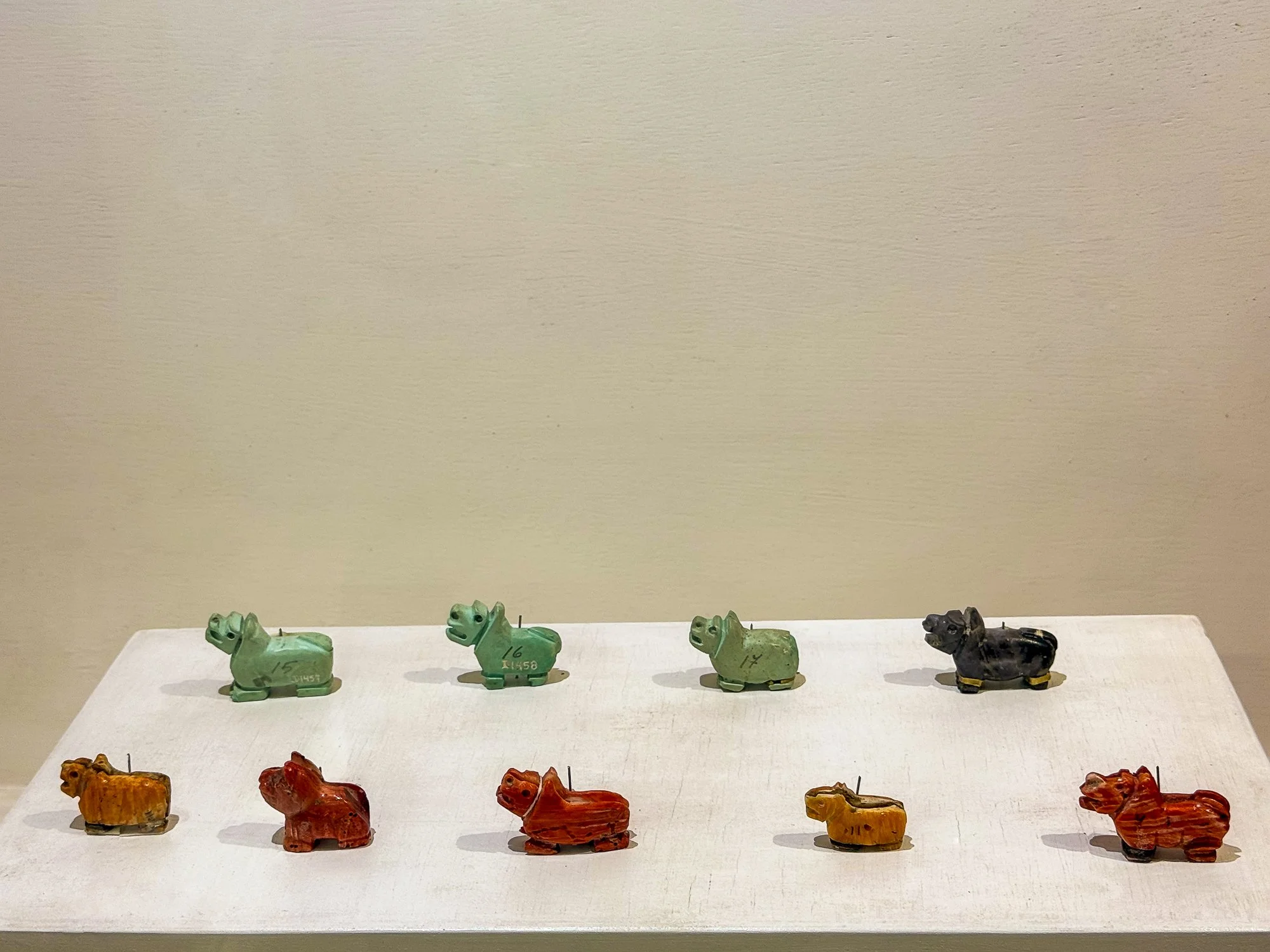
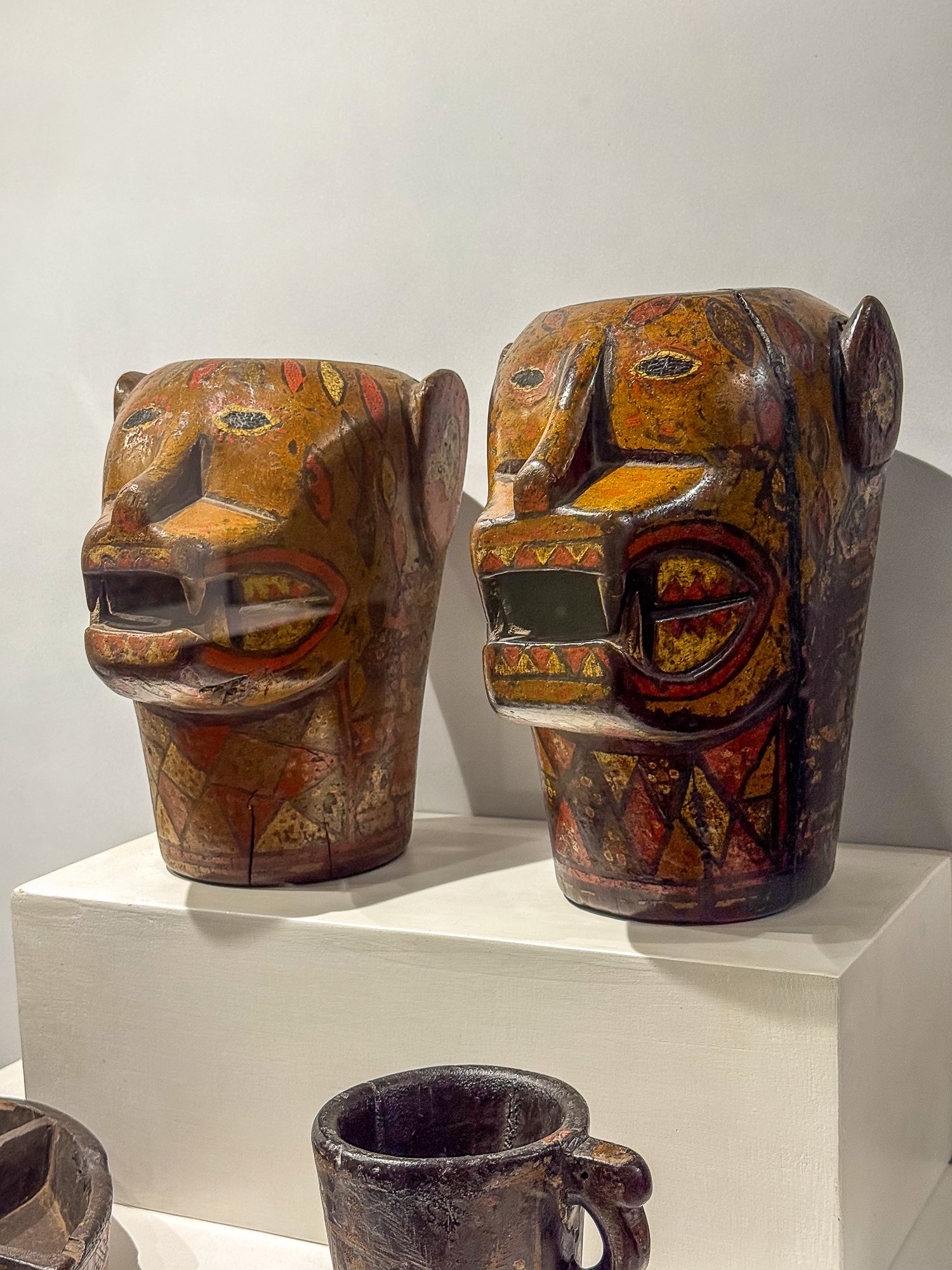
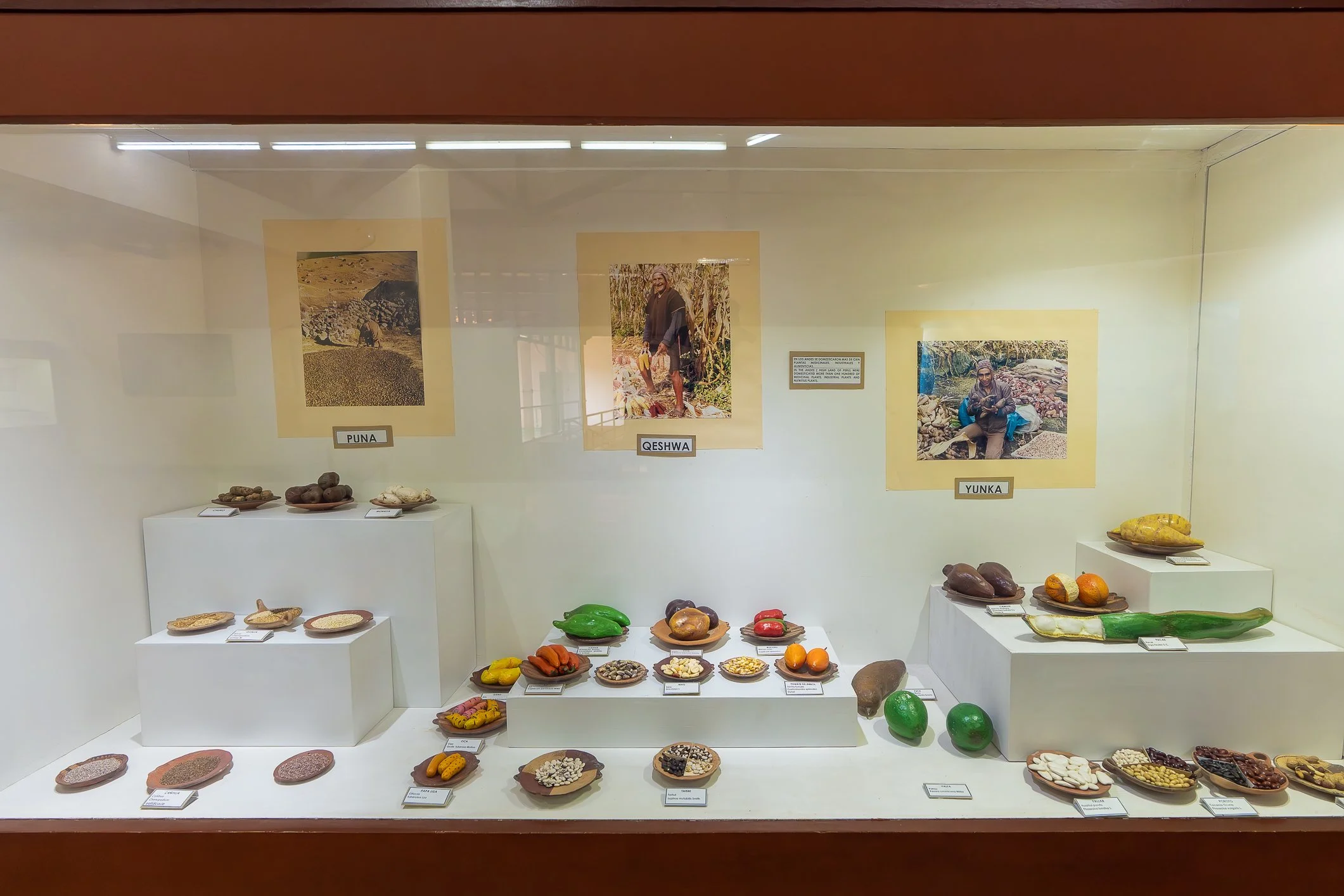
The museum holds a wide range of artifacts: ceramics and pottery from different periods, including an extensive collection of keros, the traditional Inca drinking vessels. There are also displays of textiles, jewellery, tools, and weapons, each offering insight into daily life, craftsmanship, and ceremonial practices. Throughout the exhibits, there’s plenty of contextual information linking these ancient cultures to present-day Quechua communities, highlighting continuity in traditions like weaving, agriculture, and spiritual life.


Ekspozycje zawierają ceramikę, naczynia rytualne, w tym pięknie zdobione keros – tradycyjne kubki do picia, tekstylia, ozdoby, narzędzia, broń… wszystko, co opowiada o codziennym życiu, rytuałach i wierzeniach dawnych lokalnych społeczności. Co ciekawe, muzeum świetnie pokazuje też ciągłość tych tradycji — wiele z nich (od tkania po rytuały rolnicze)  przetrwało do dziś w kulturze Quechua, którą w Cusco jest ciągle żywa.

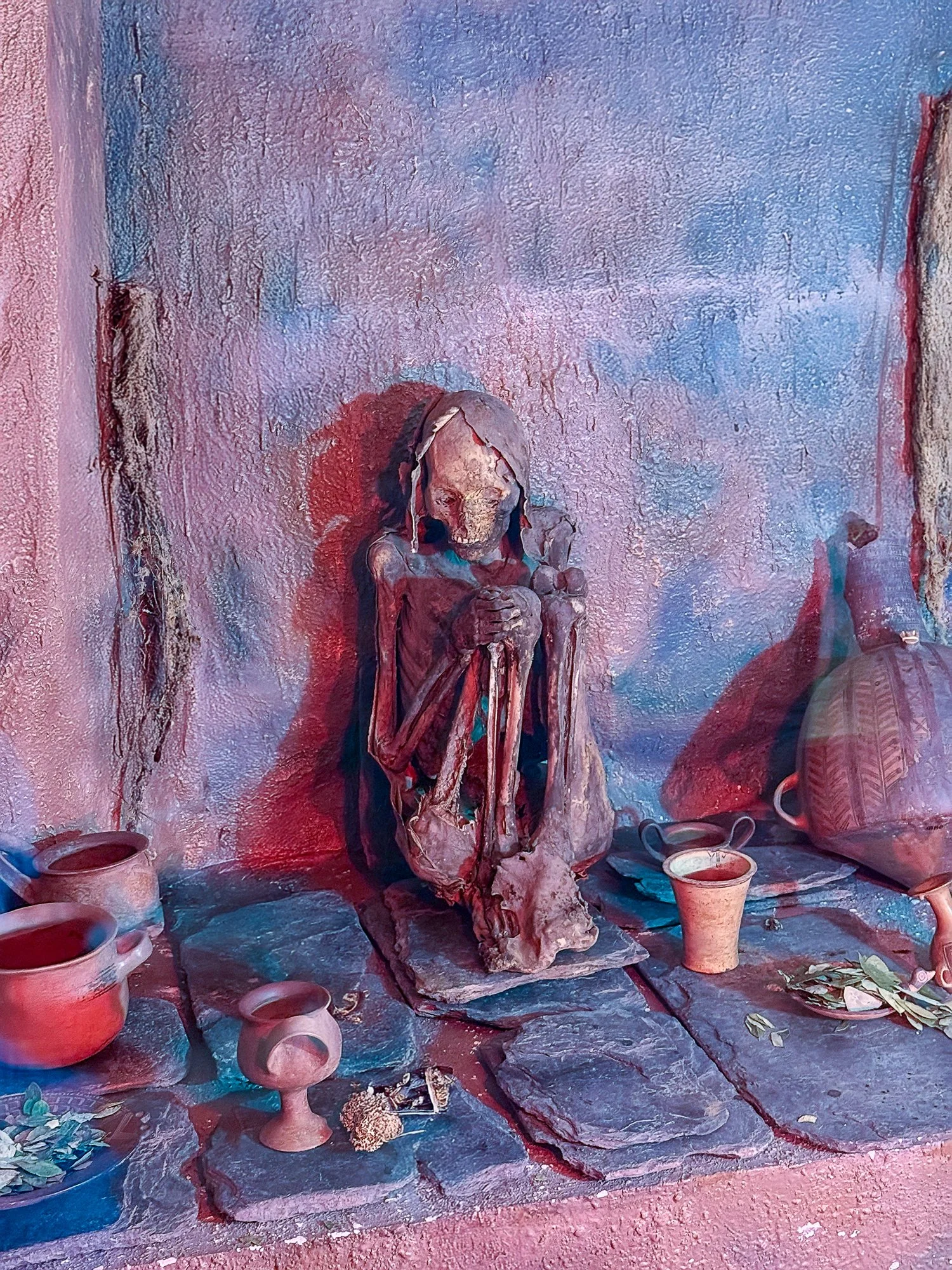
The museum also explores how the Incas viewed death and the afterlife, showing how these beliefs were deeply rooted in both daily life and ritual. There are real mummies on display—perfectly preserved and surrounded by burial offerings in a cave-like tomb.

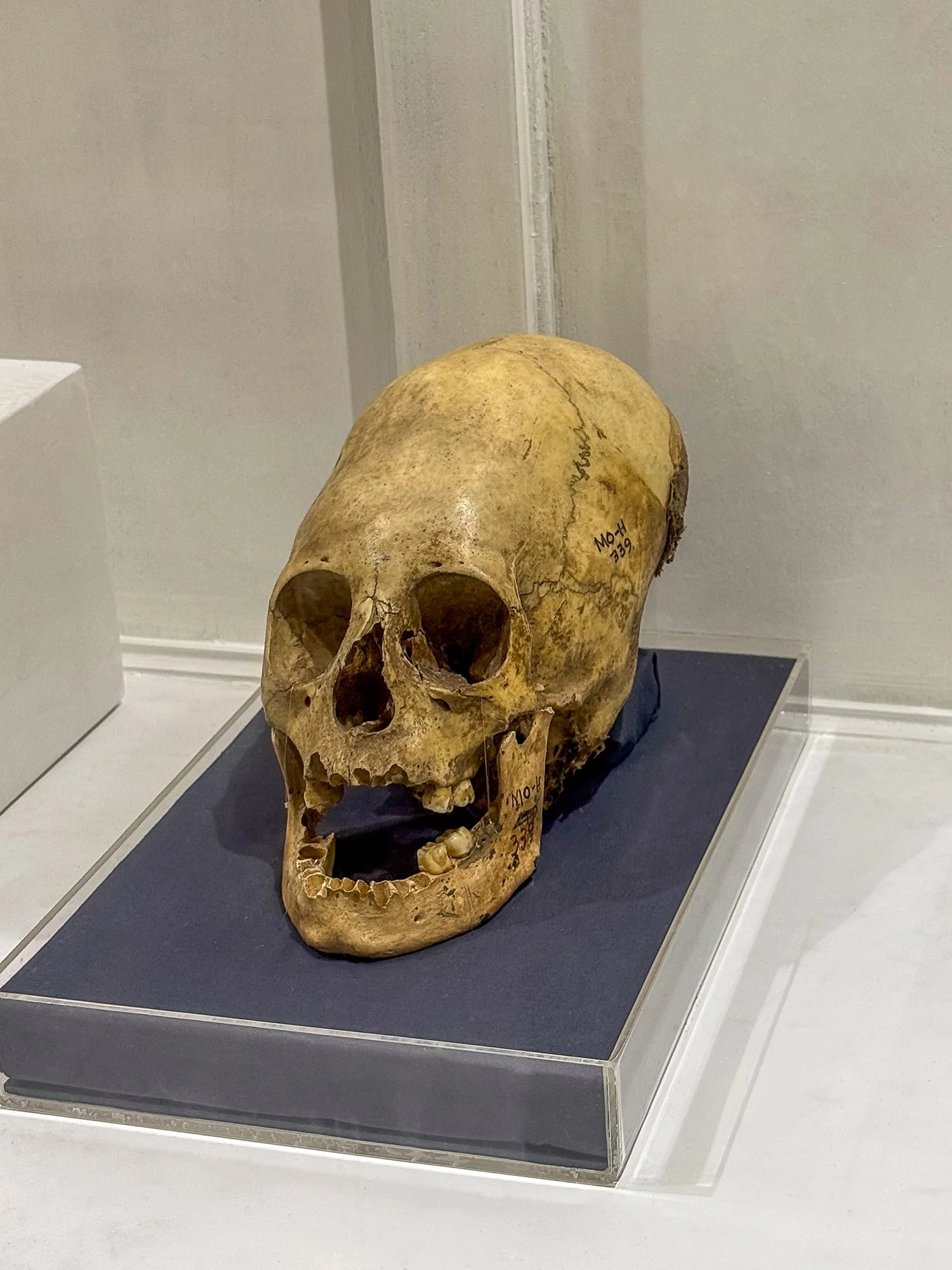
One section displays skulls showing evidence of trepanation—a form of ancient cranial surgery—as well as deliberate cranial shaping, both practiced by various pre-Columbian cultures.


Jedna z bardziej poruszających sal muzeum zawiera zmumifikowane ciała, ułożone w pozycji siedzącej. Mumie to ważny element wierzeń związanych ze śmiercią i życiem po życiu w andyjskich kulturach.

Zaskoczyły nas też czaszki z widocznymi śladami trepanacji i modelowania kształtu głowy — takie praktyki medyczno-rytualne stosowano tu na długo przed erą nowoczesnej chirurgii.

There are also dioramas and architectural models illustrating various aspects of traditional life as well as the layout of Cusco, designed in the shape of a puma, reflecting the city’s symbolic and spiritual significance. We also got our first proper look at Machu Picchu, with models and explanations that helped us understand its place within the Inca world and the broader Andean landscape.

Obejrzeliśmy również dioramy ilustrujące różne aspekty tradycyjnego życia oraz plany Cusco, miasta zaprojektowanego w kształcie pumy — symbolu siły i duchowej energii, a także makiety Machu Picchu, które pomogły nam lepiej zrozumieć, jak ta słynna osada wpisuje się w większy kontekst Imperium Inków.

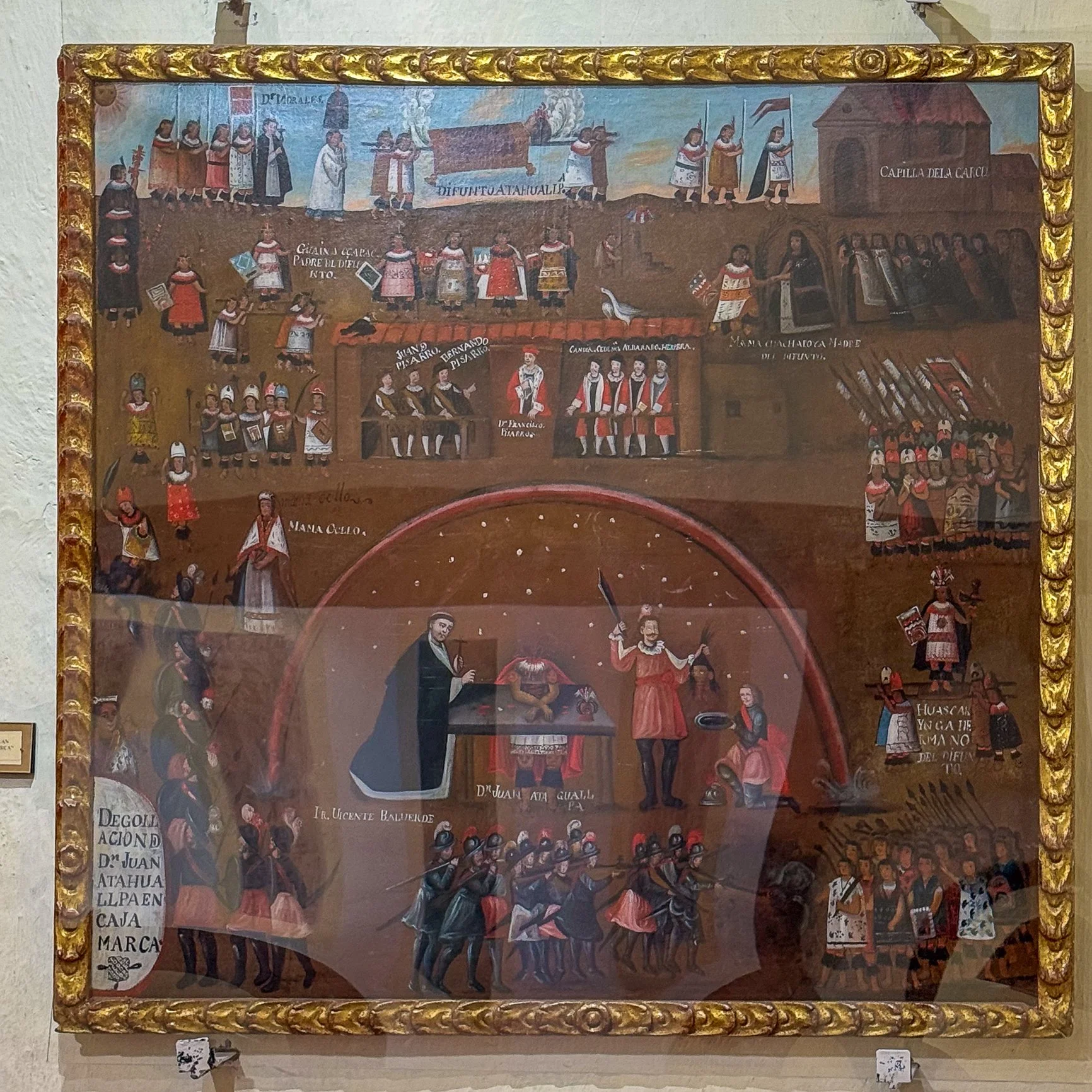
The final section of the museum covers the Spanish conquest, with displays showing the destruction and cultural fusion that followed. Colonial-era furniture, paintings, miniatures, and sculptures illustrate how Andean and European worlds collided and intertwined.


Ostatnia część wystawy poświęcona jest okresowi konkwisty i przemianom, które przyniósł kontakt z Hiszpanami. Pokazano meble kolonialne, portrety, miniatury i rzeźby, obrazujące zarówno zniszczenie, jak i stopniowe przenikanie się dwóch światów: andyjskiego i europejskiego.

If you’re used to sleek, interactive museums like the ones in London, Museo Inka might feel a bit old-school. There are lots of glass cases, paper labels, and worn display panels. But what it lacks in modern presentation, it makes up for with depth and richness.

We spent a few hours there, and honestly—we needed a break afterward just to process everything. It’s an incredibly comprehensive introduction to the Andes’ ancient cultures, and a perfect way to begin exploring Cusco.


Dla osób przyzwyczajonych do nowoczesnych, multimedialnych muzeów — jak te w Londynie — Museo Inka może wydawać się trochę staroświeckie. Wiele tu gablot, papierowych etykiet i plansz, które miejscami noszą ewidentne ślady zużycia. Mimo to muzeum nadrabia wszystko bogactwem ekspozycji i szerokim ujęciem tematu.

Spędziliśmy tam kilka godzin — i szczerze mówiąc, potrzebowaliśmy potem dobrej chwili, żeby to wszystko przetrawić. To świetne wprowadzenie do świata starożytnych kultur Andów, a także idealny początek naszej eksploracji Cusco.

Sarum Lights 2024

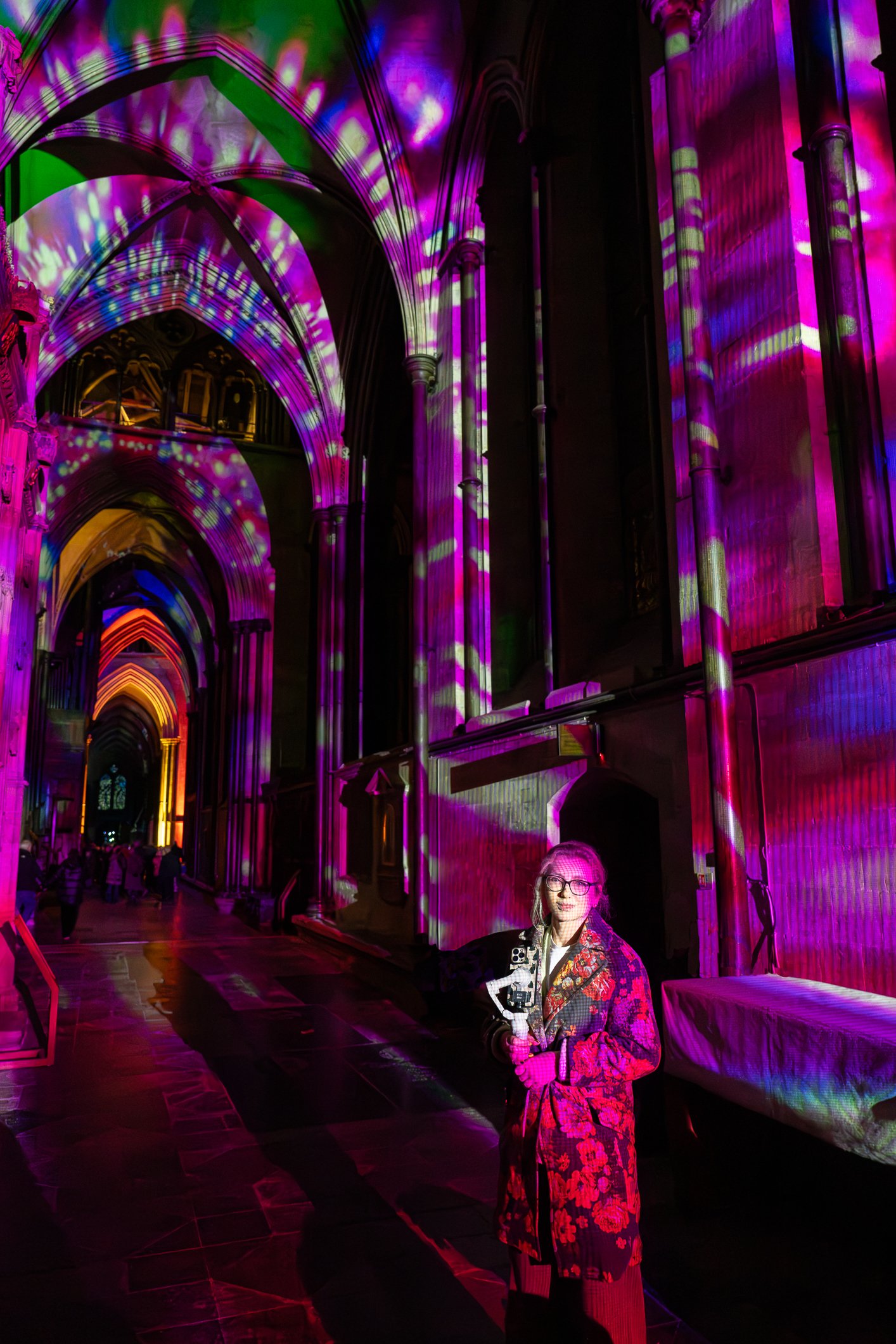
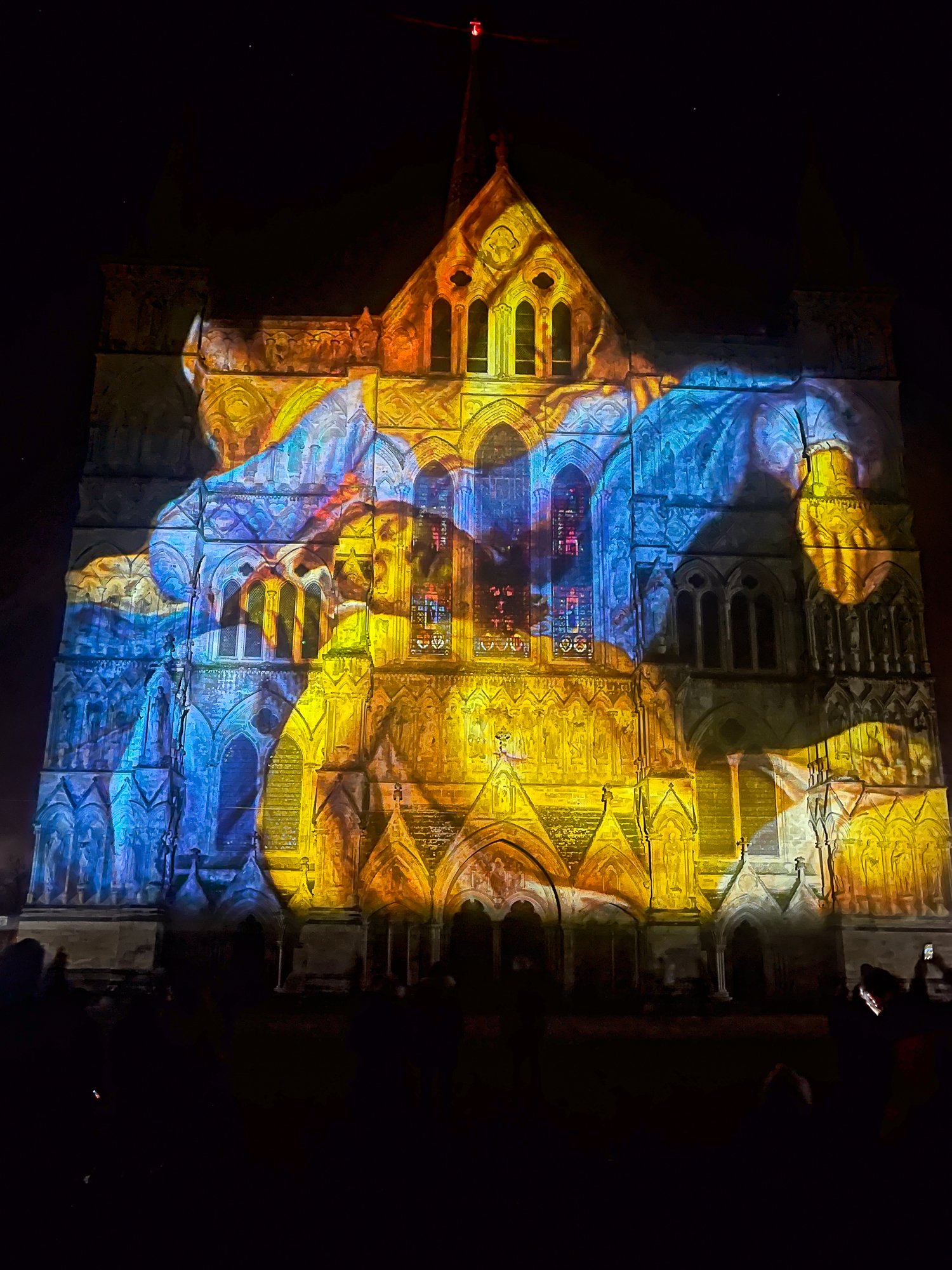
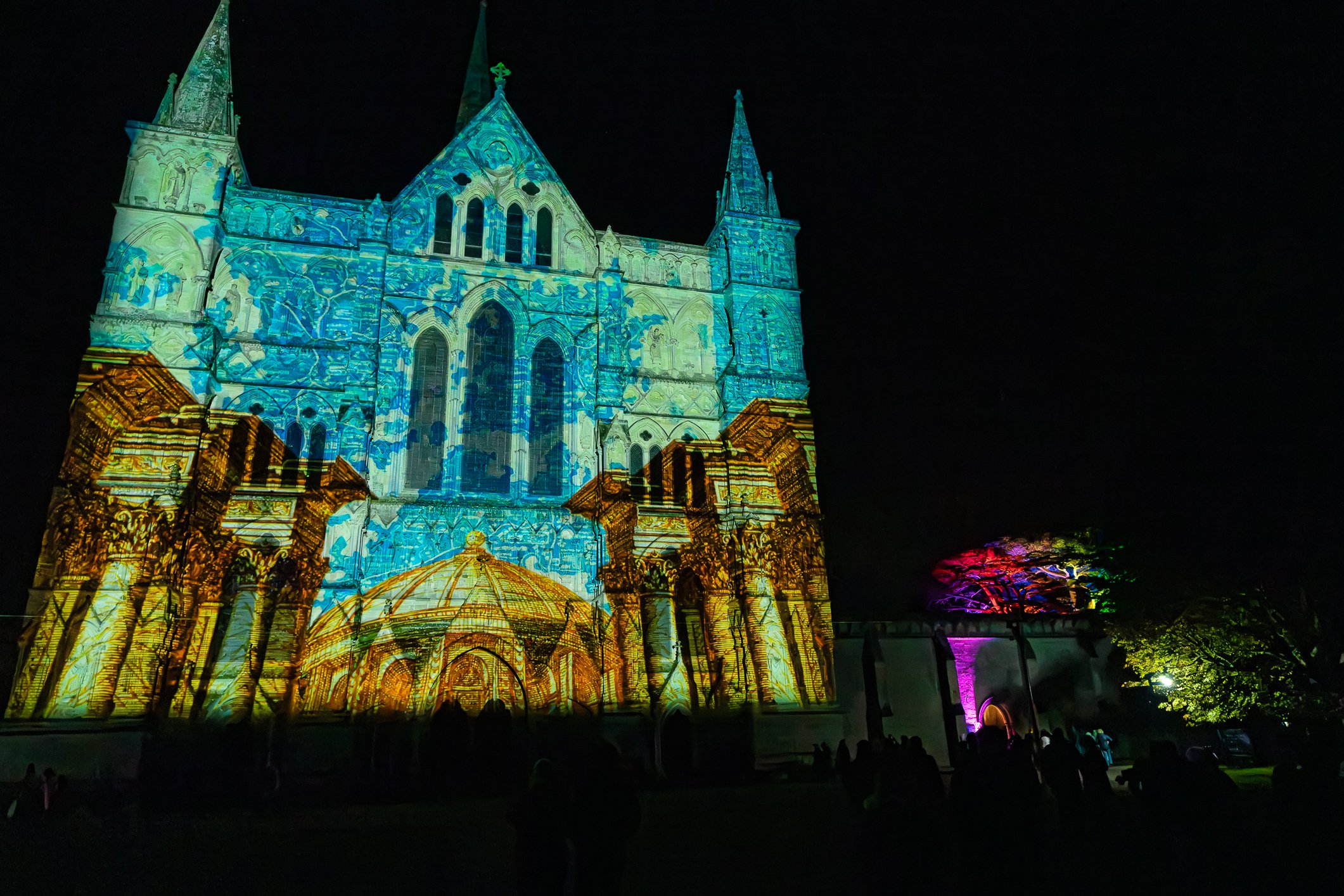
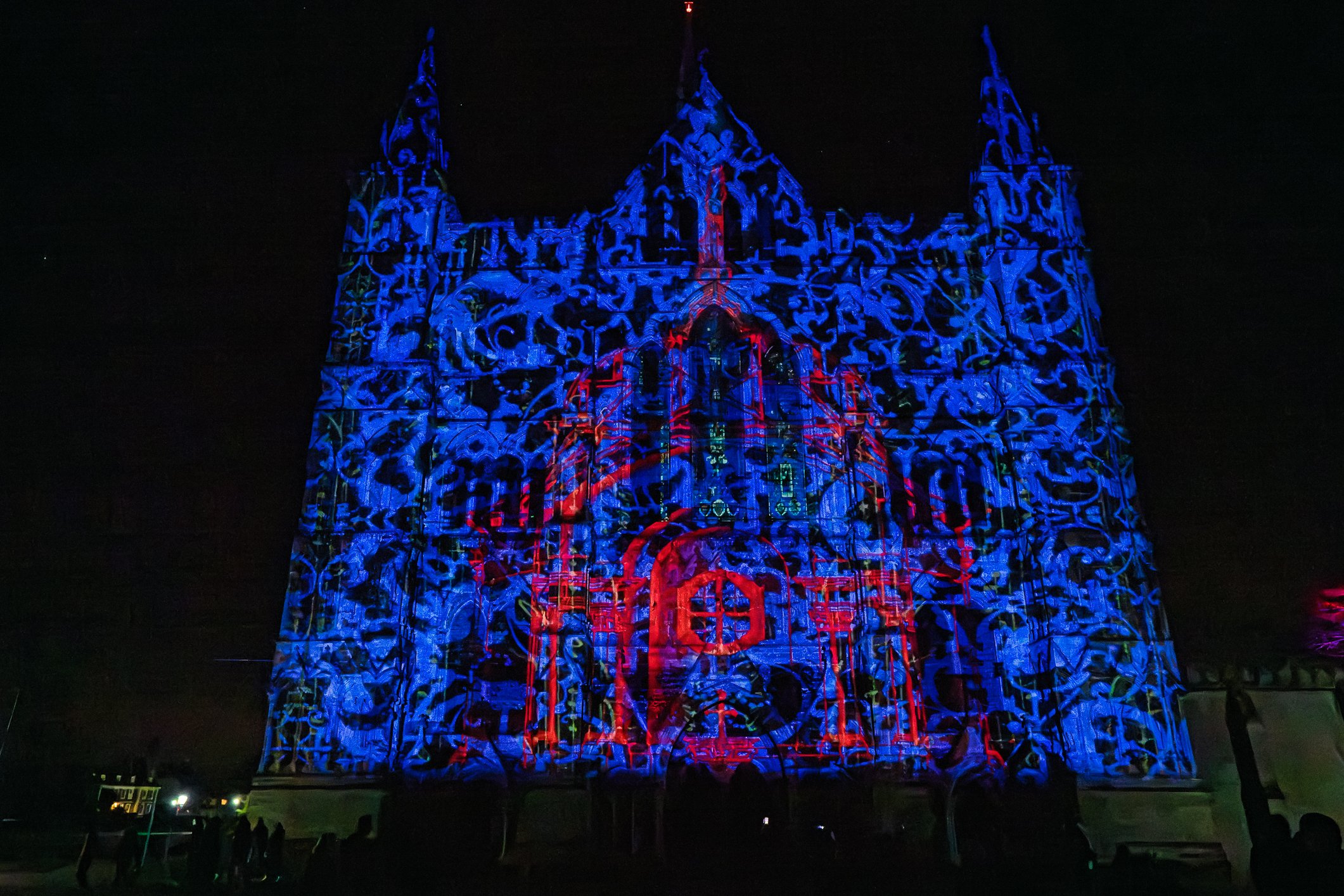
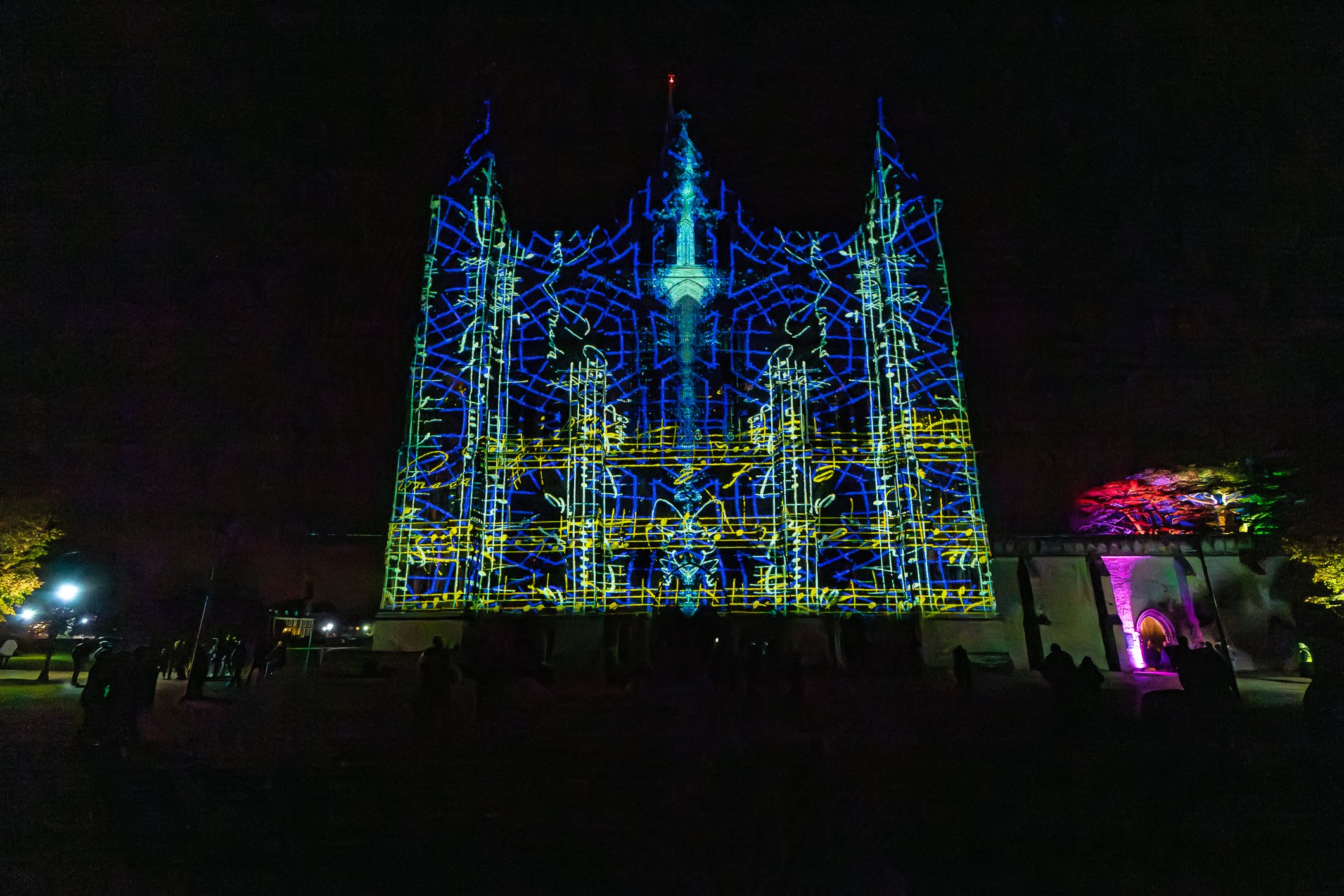
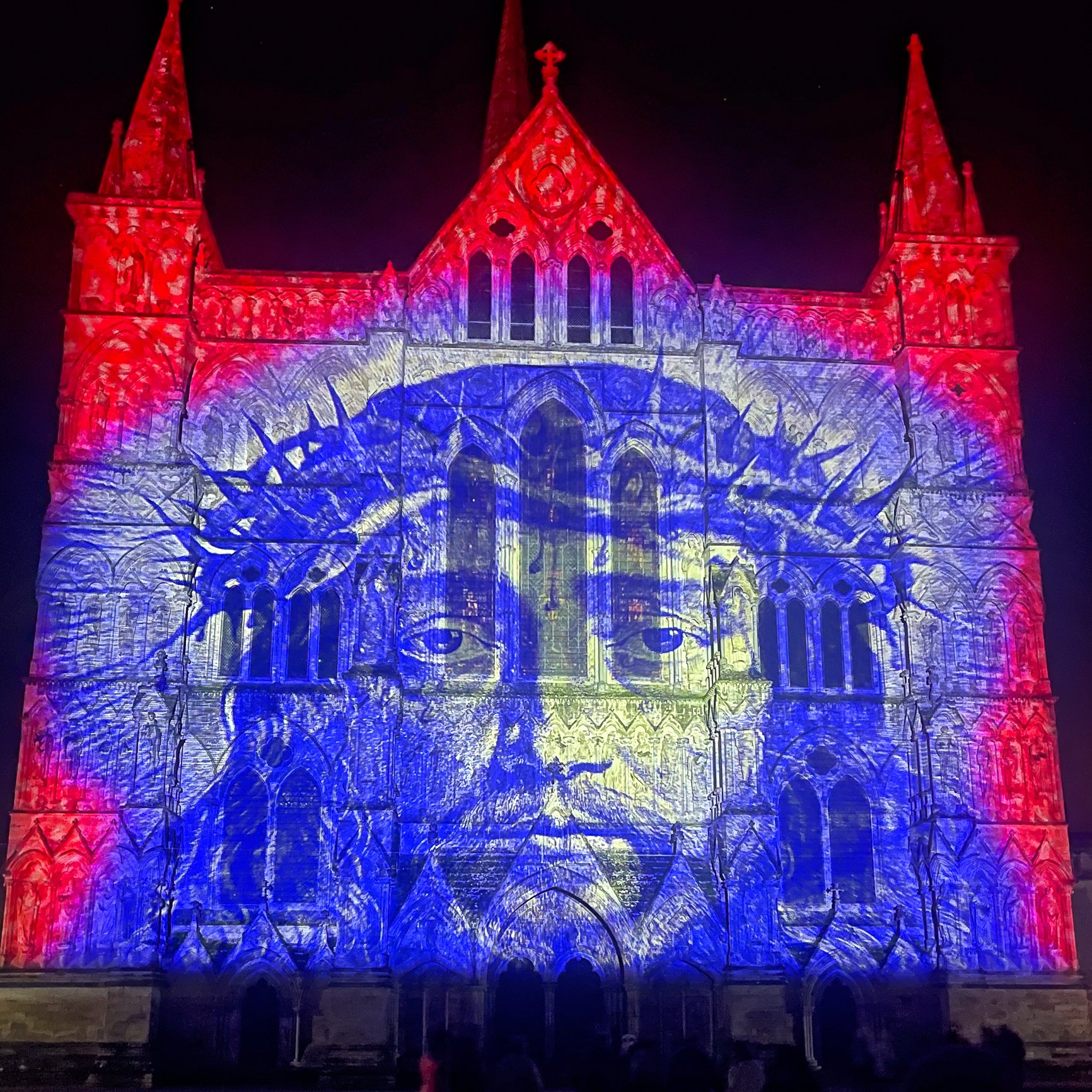
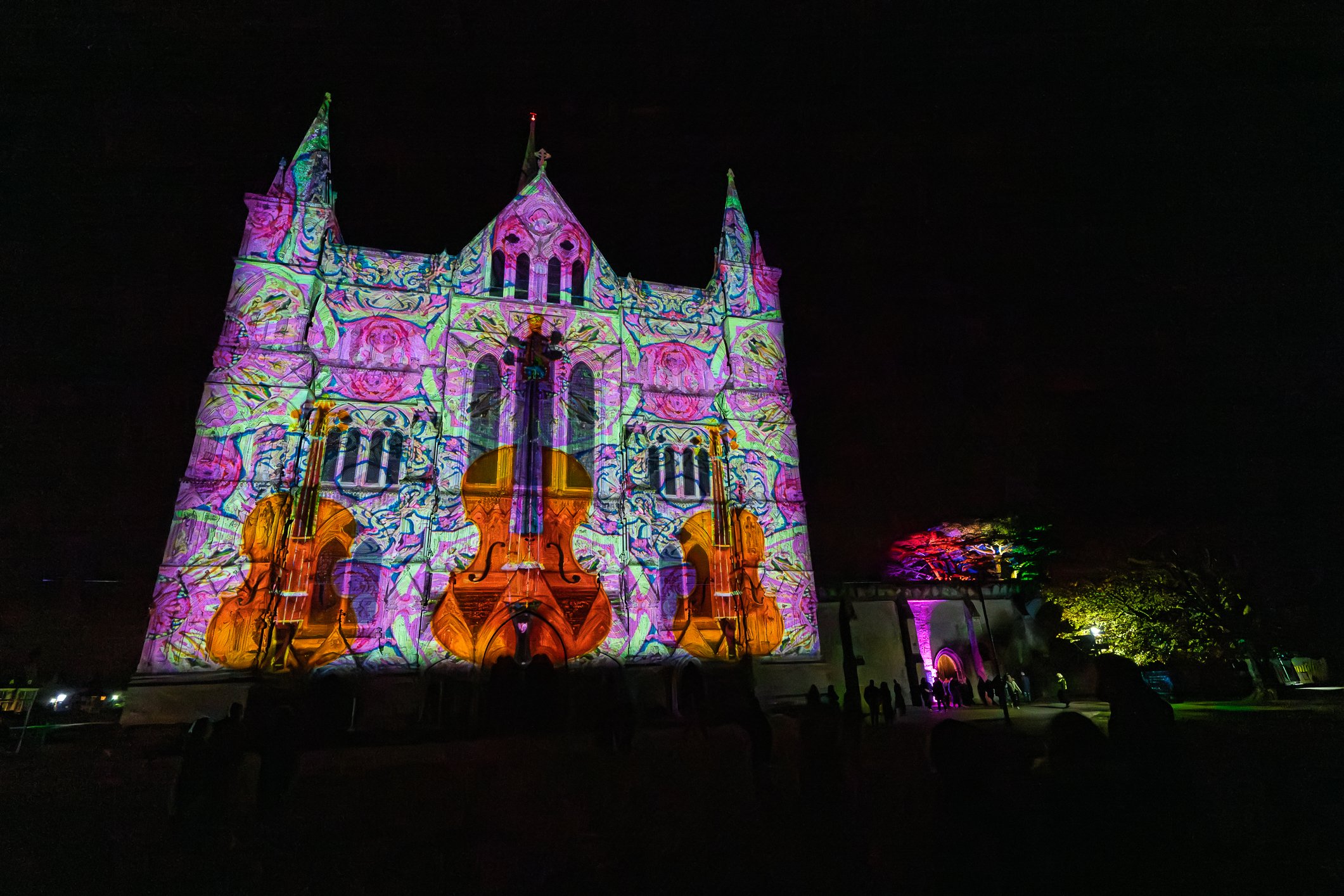
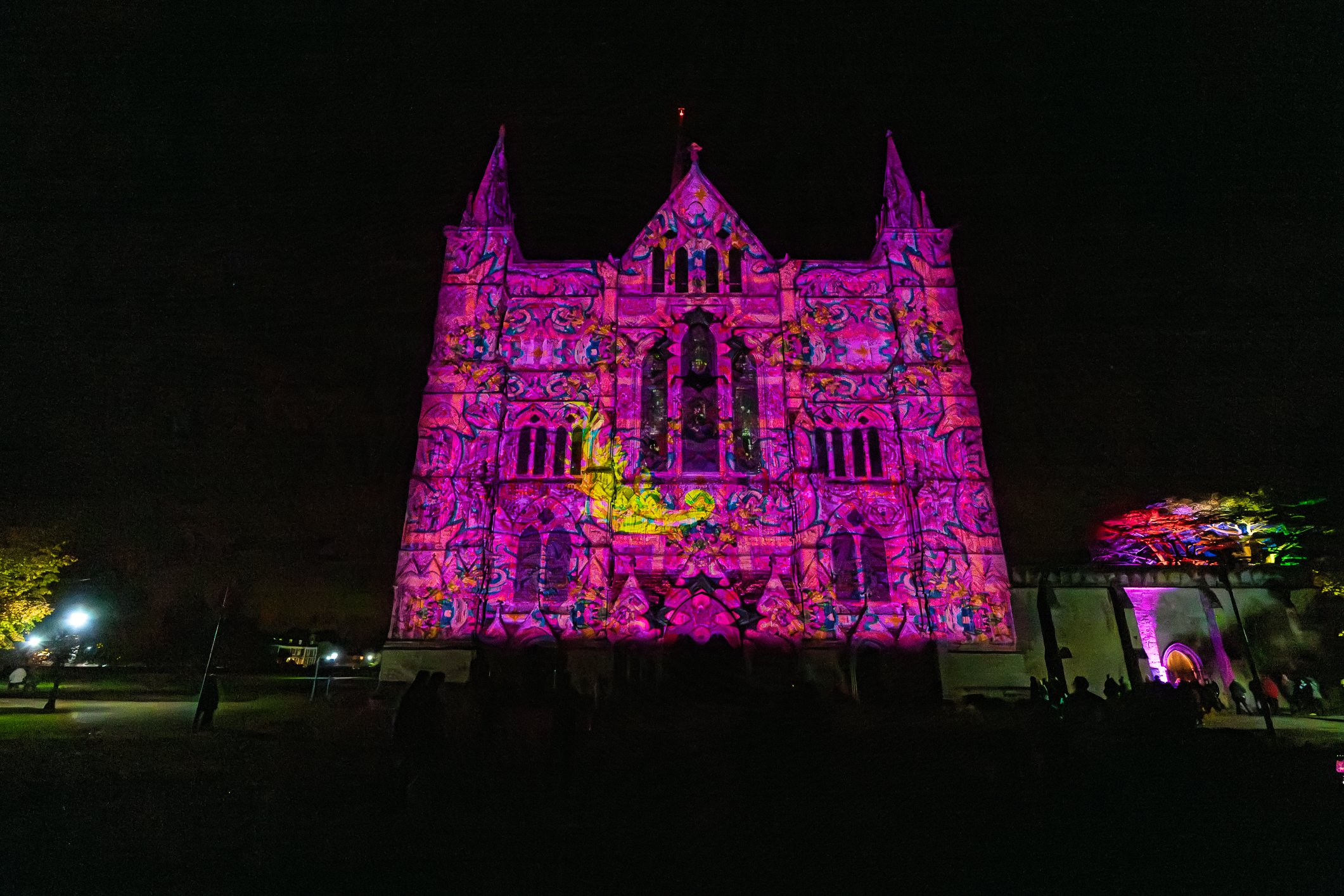
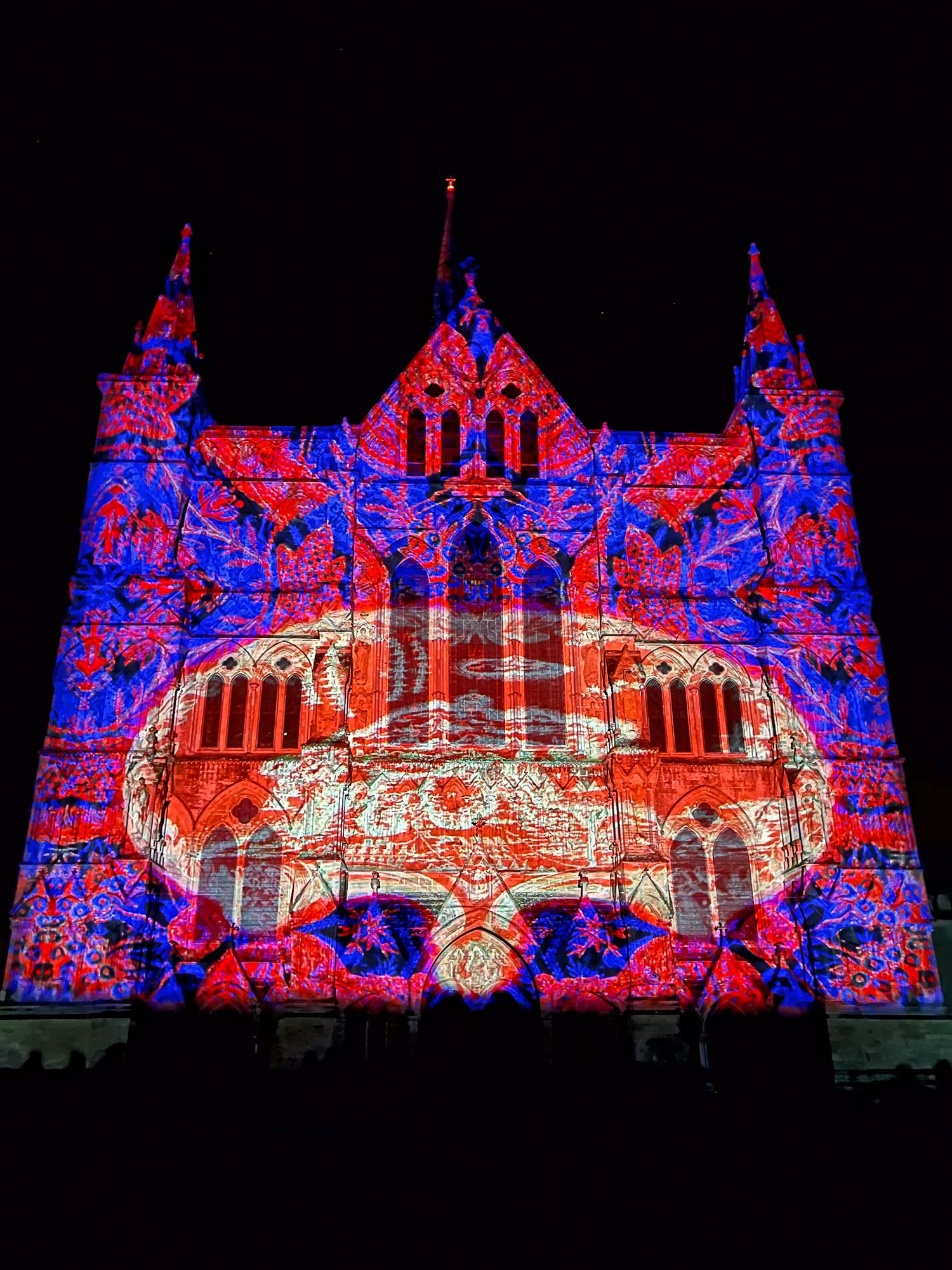
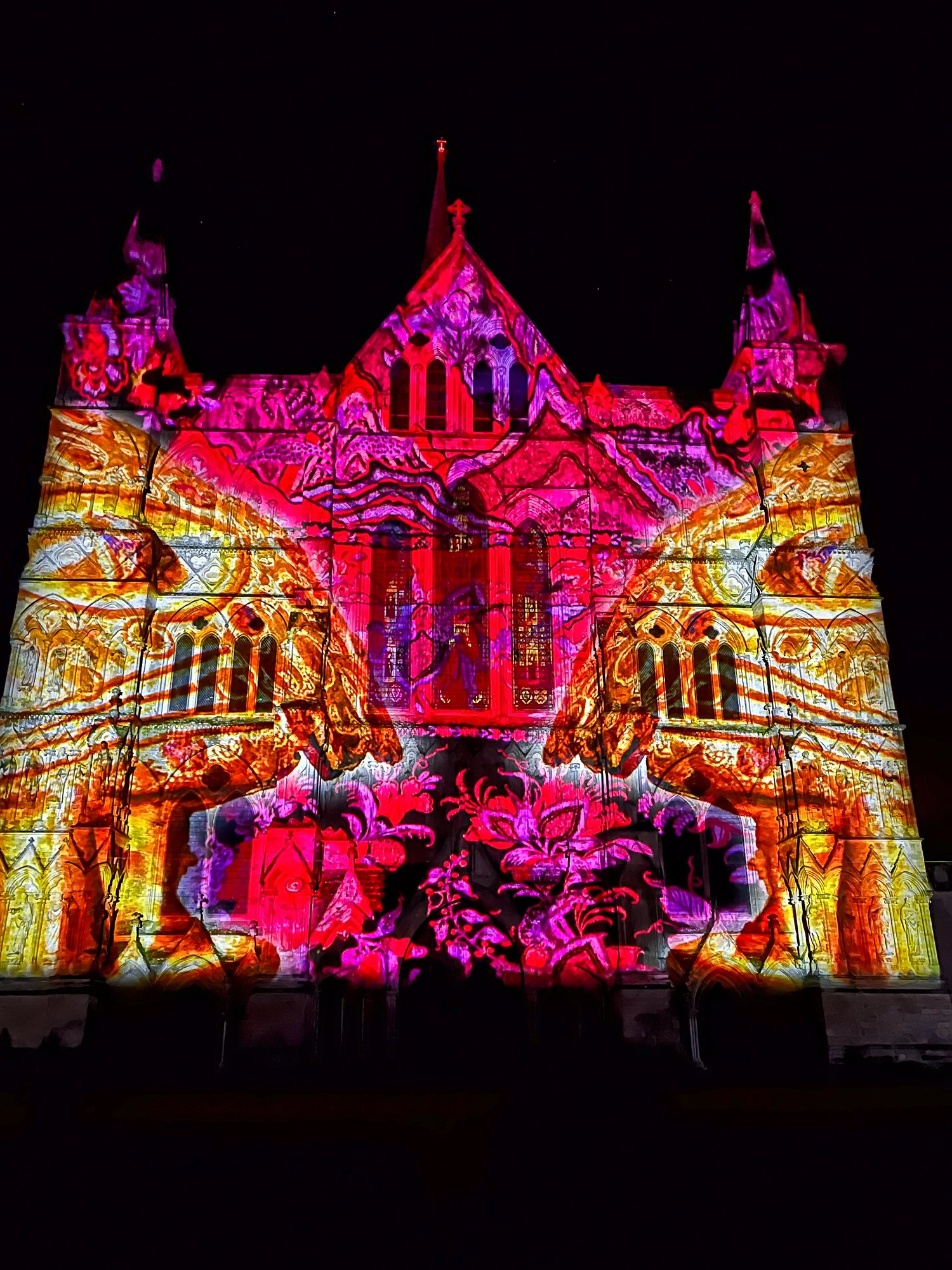
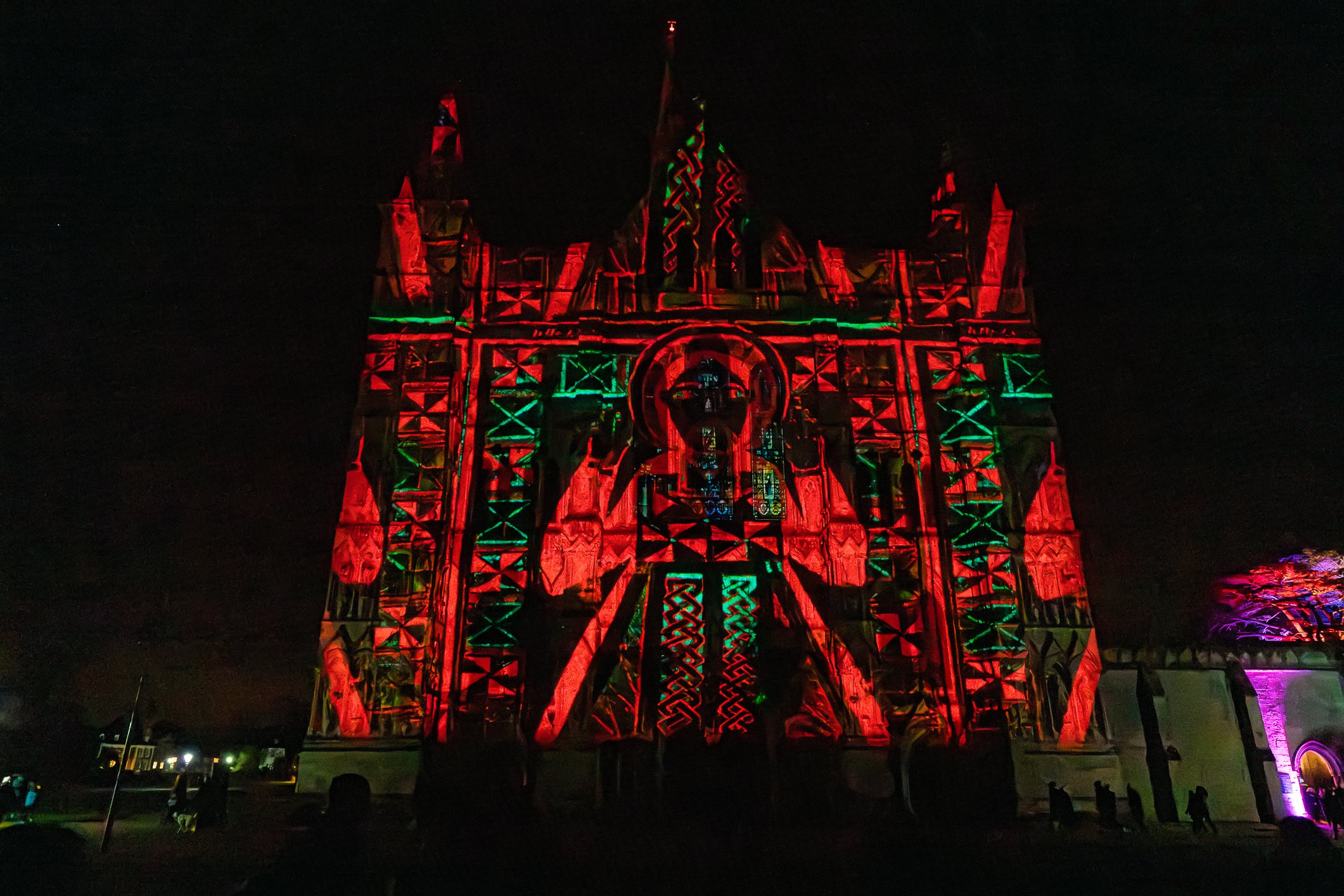
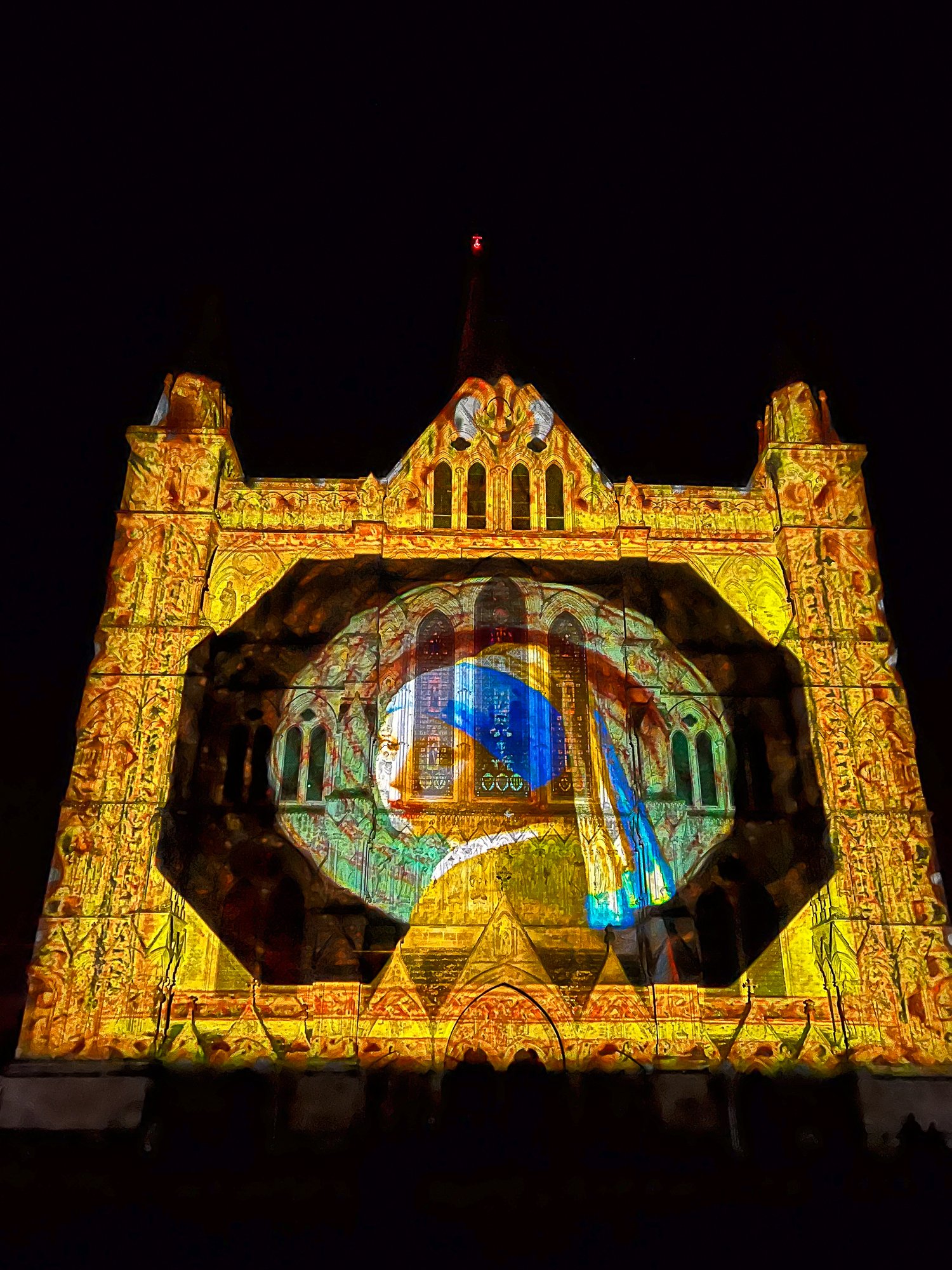
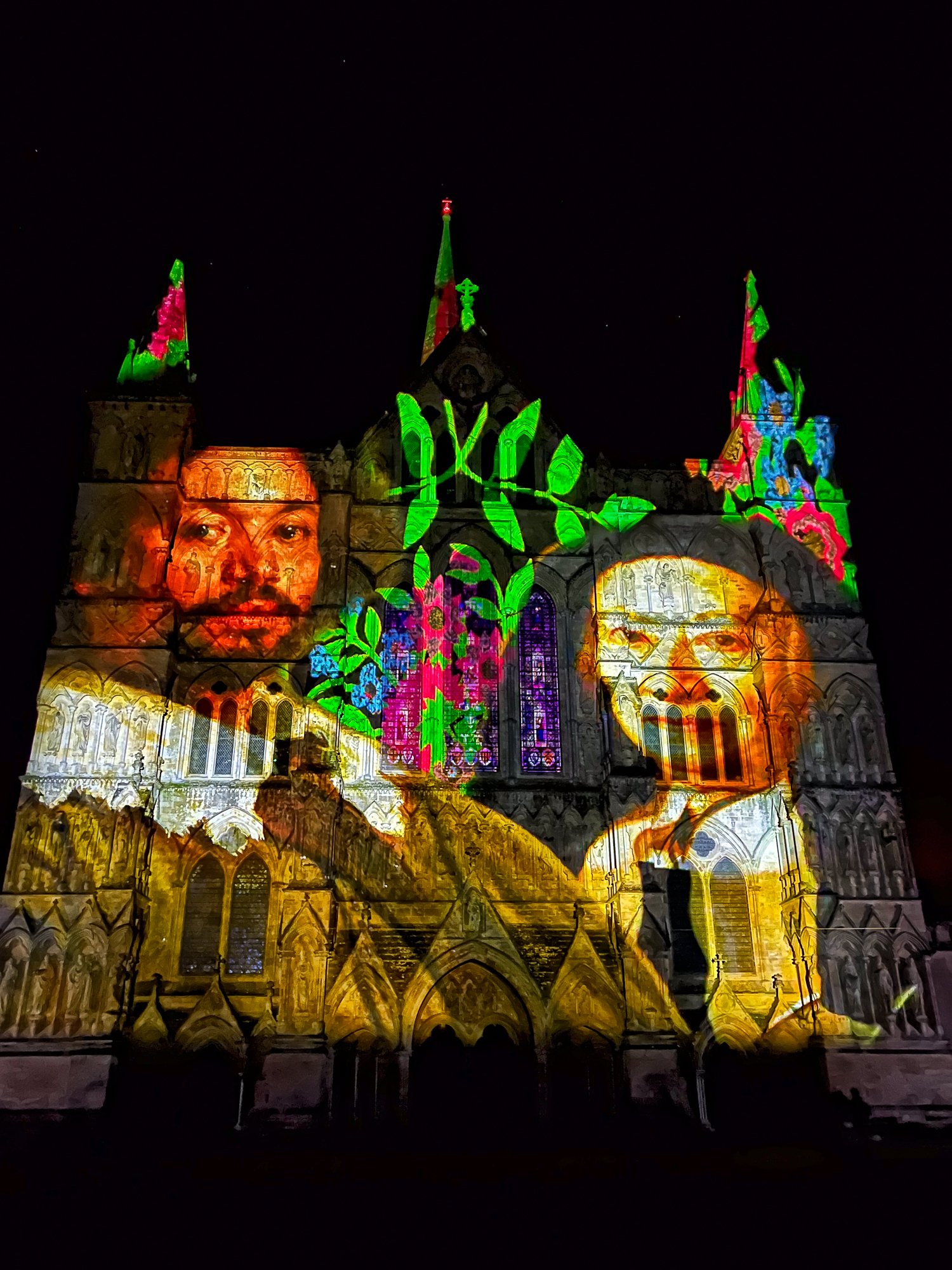
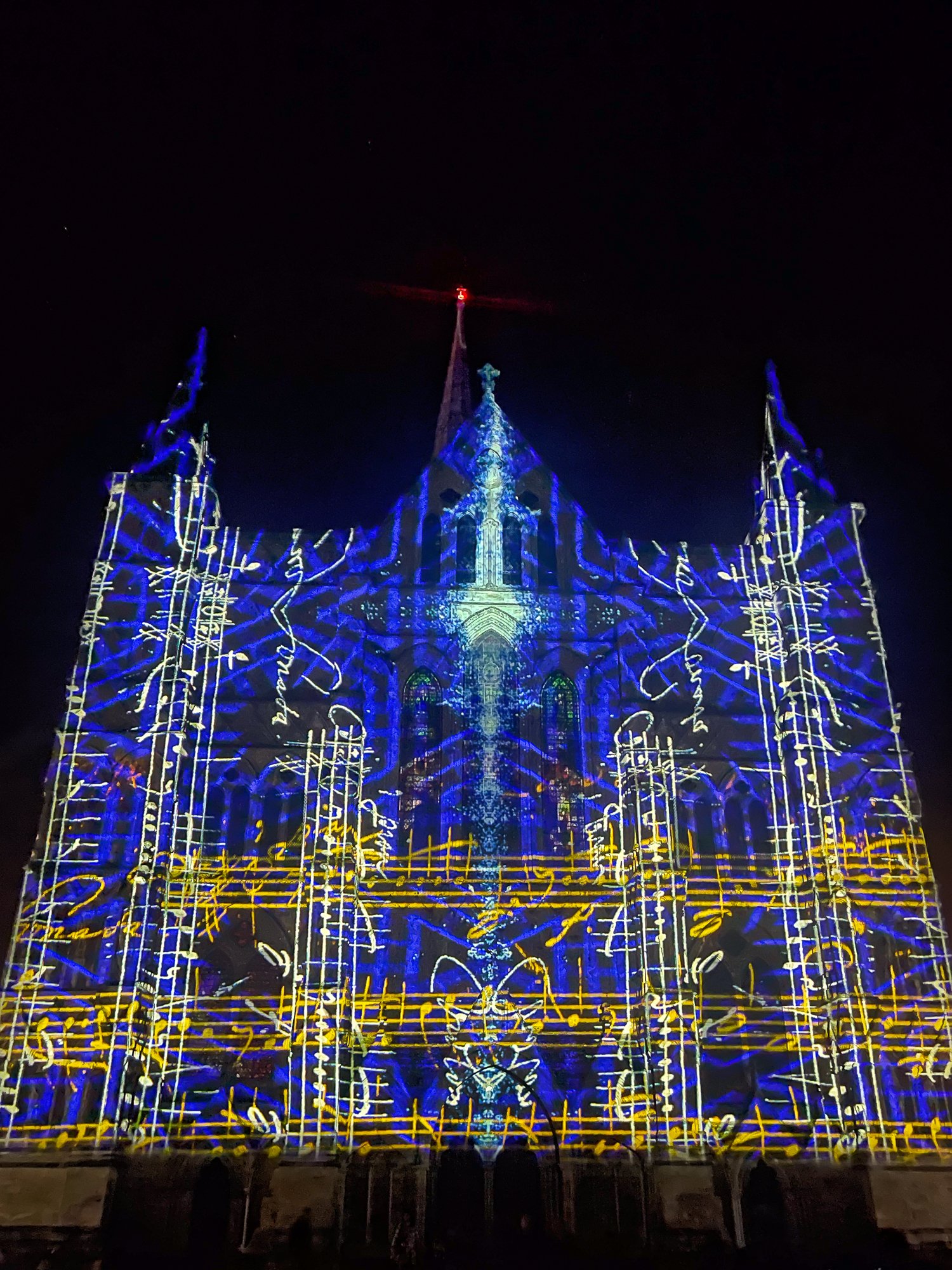
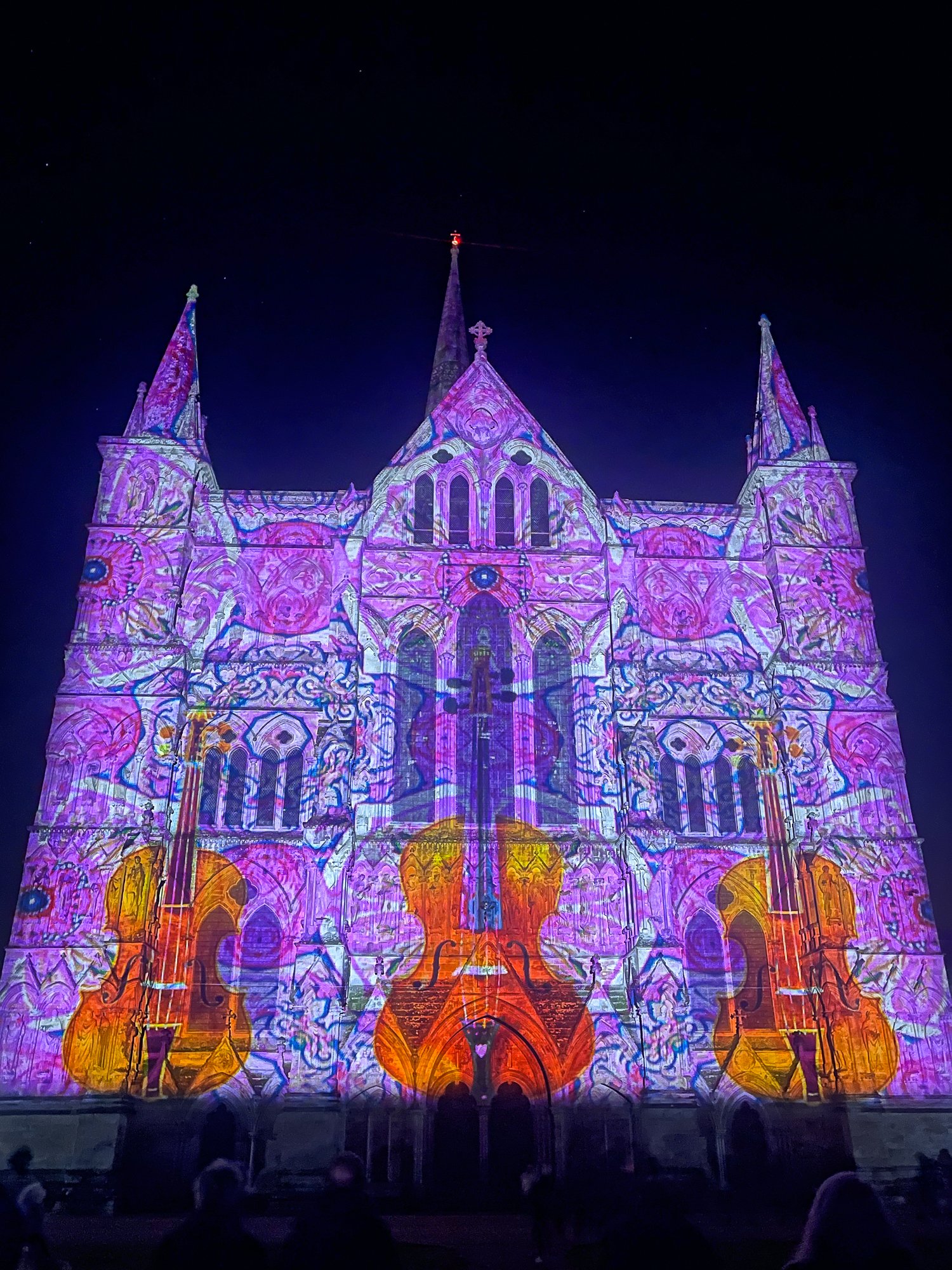
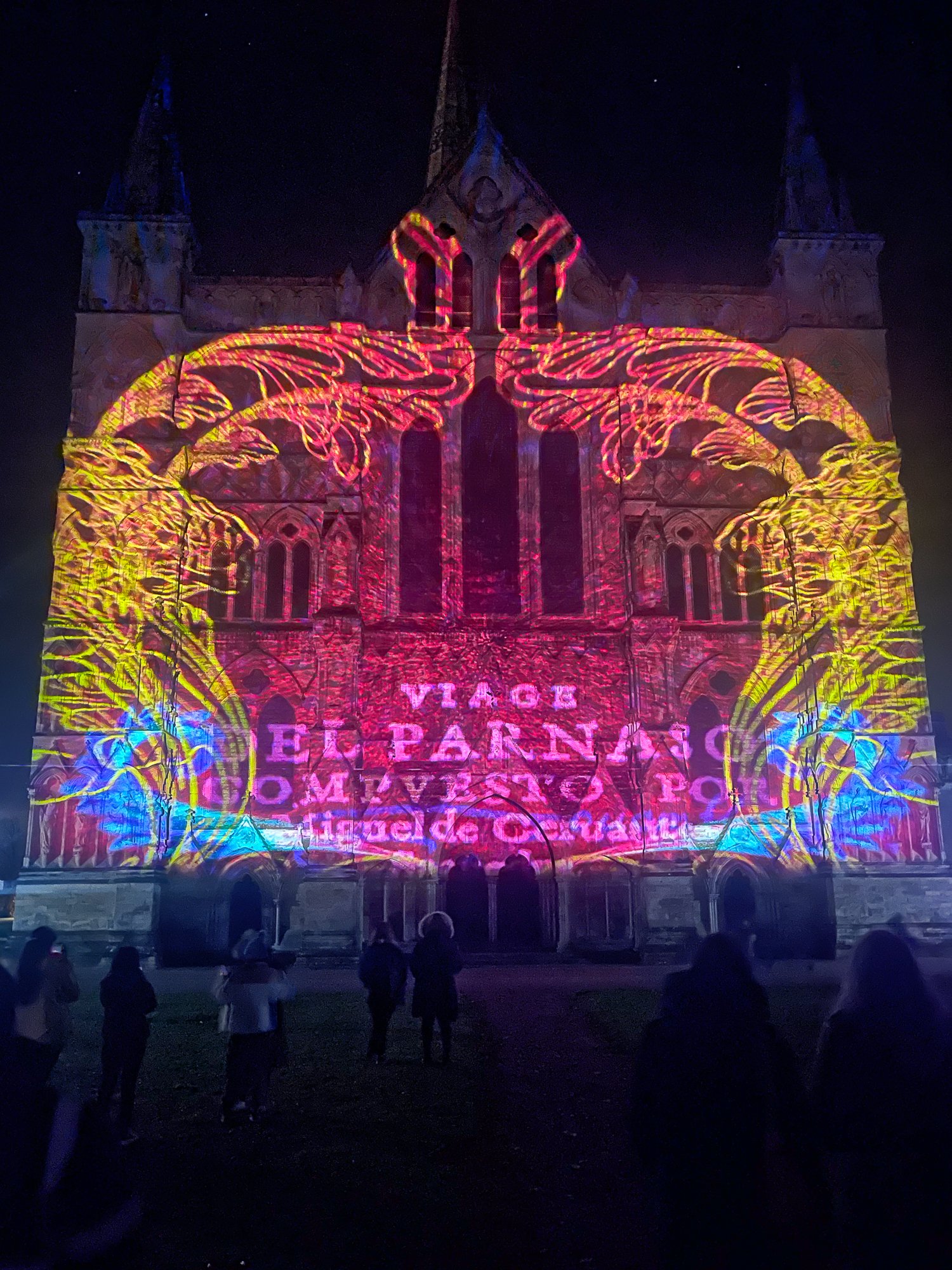
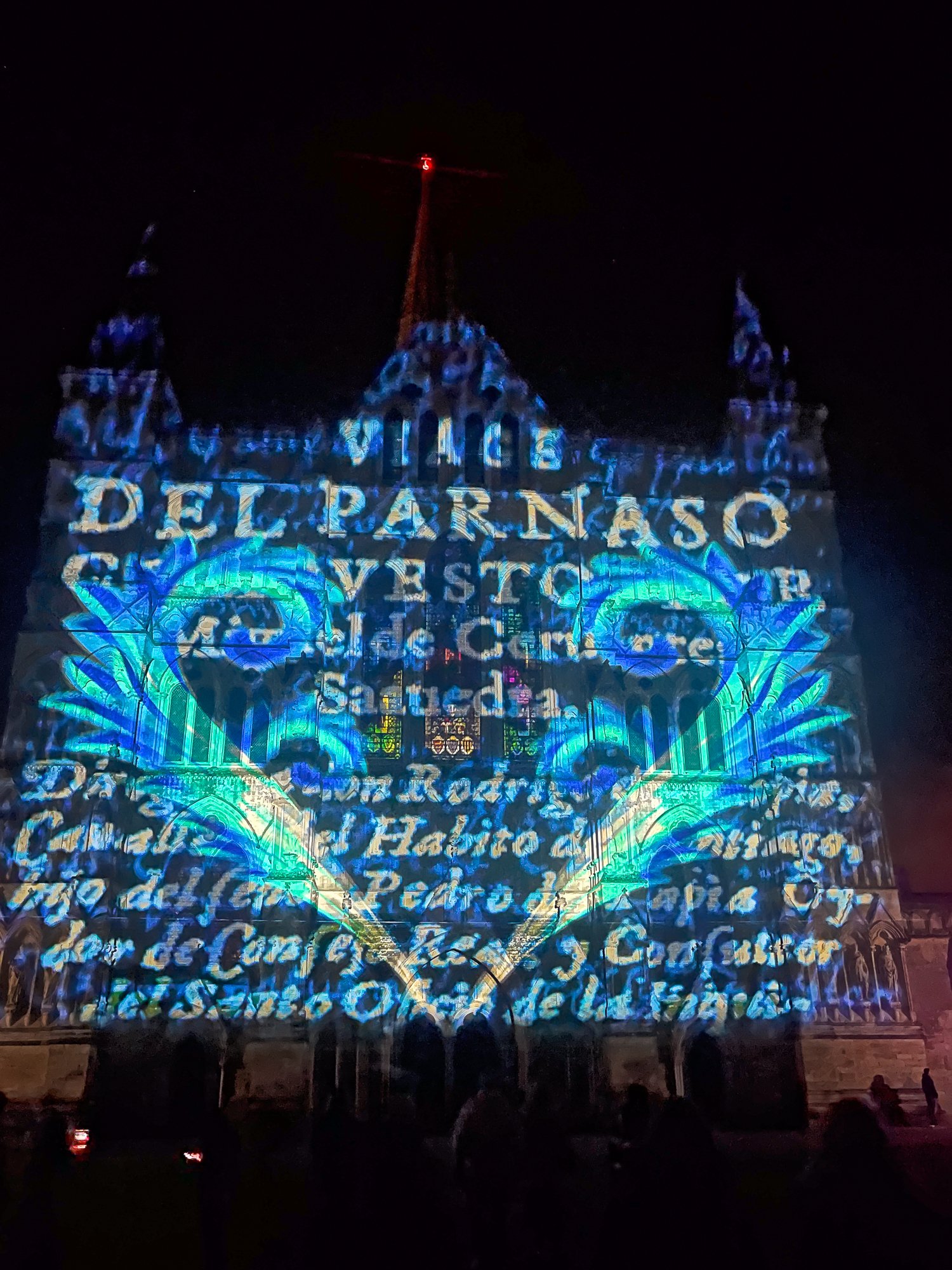
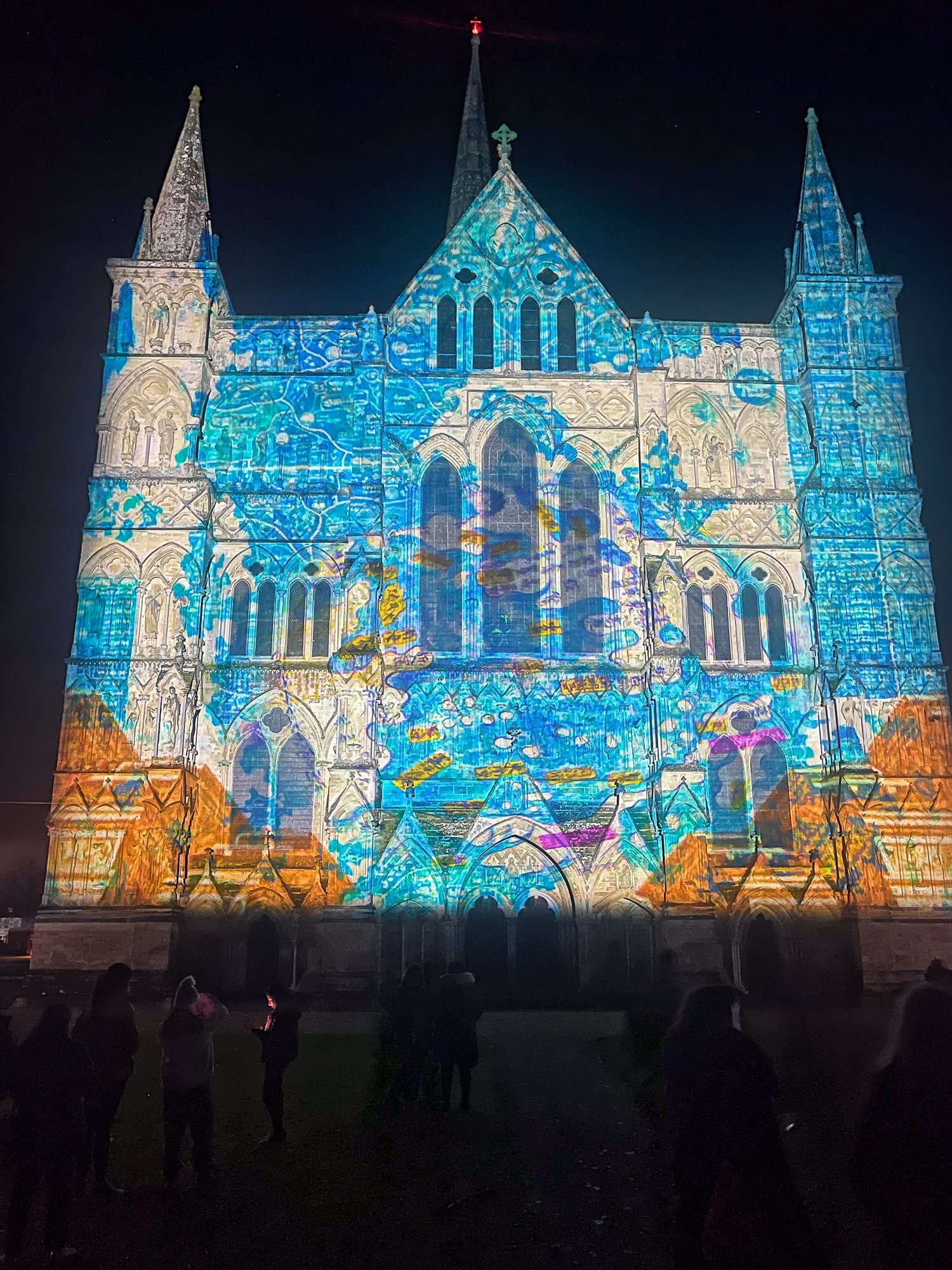
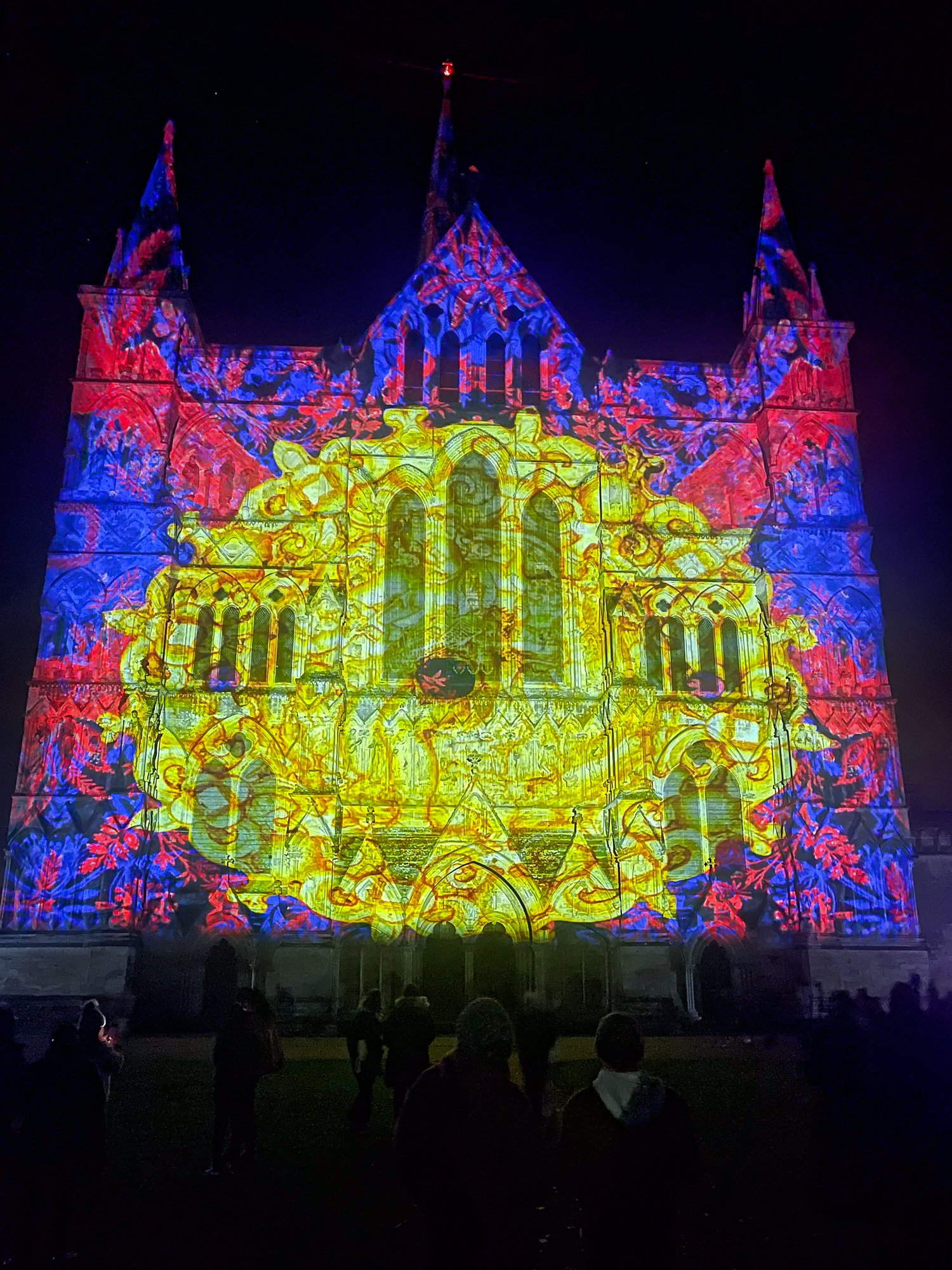
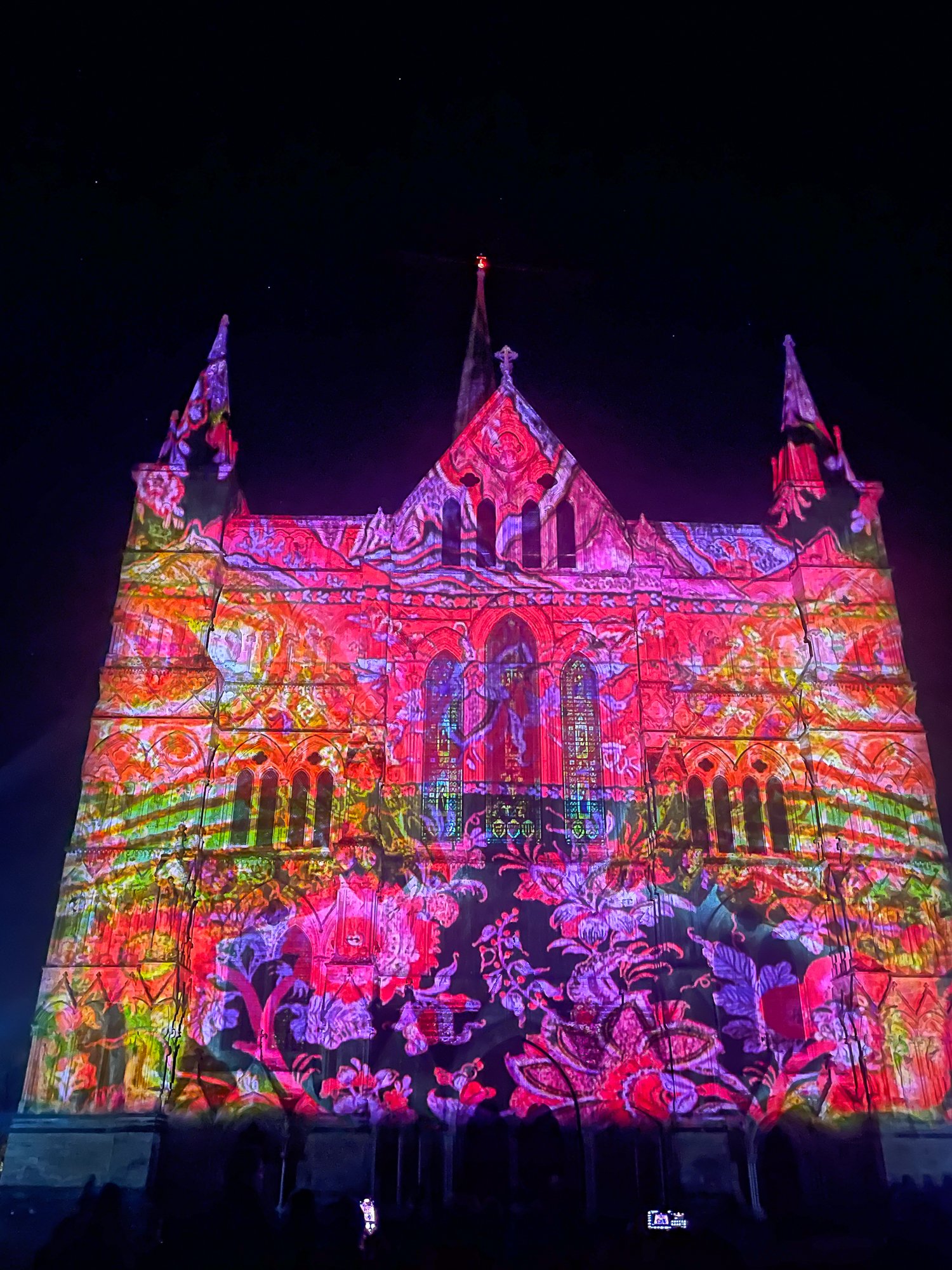
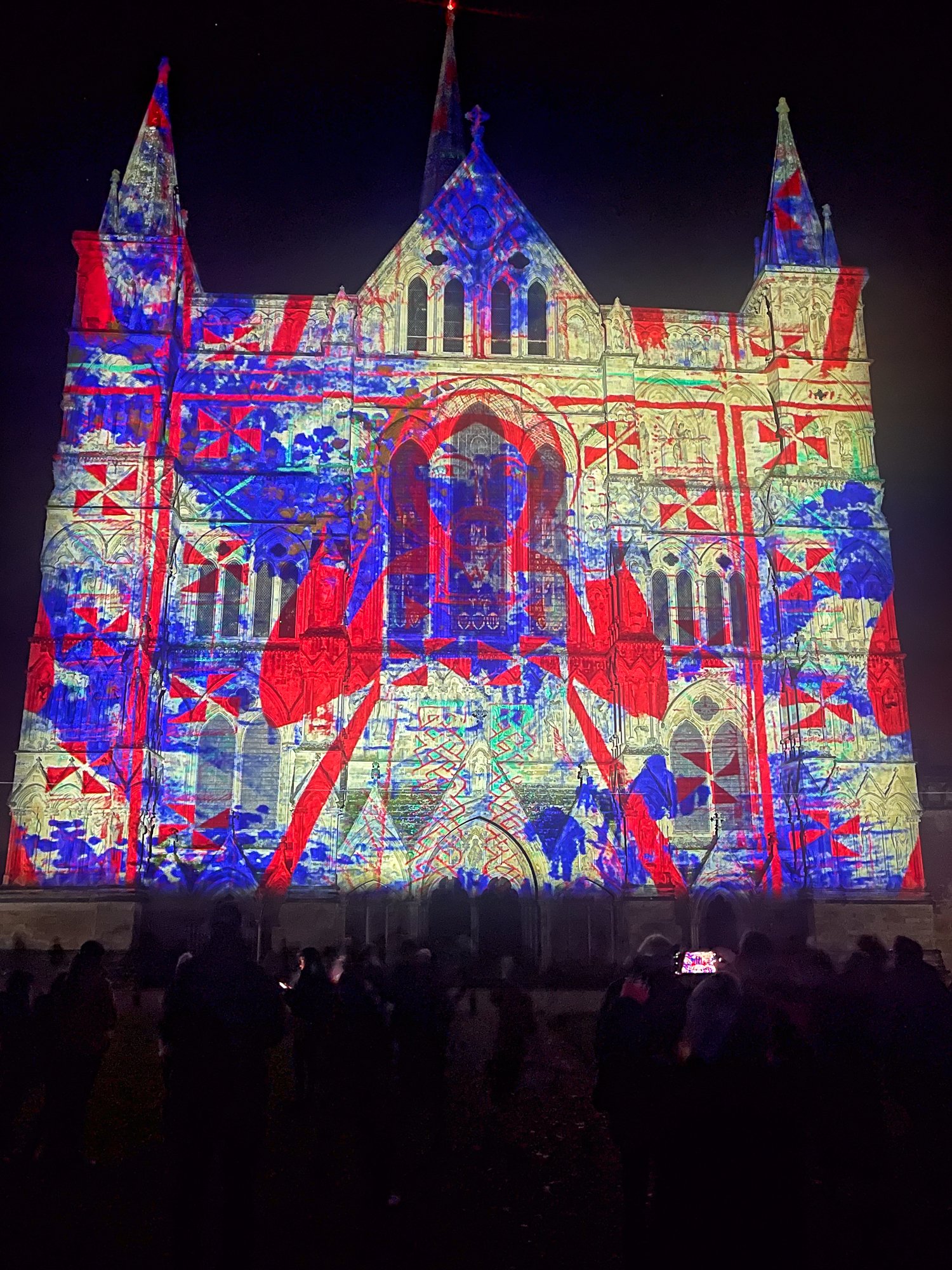
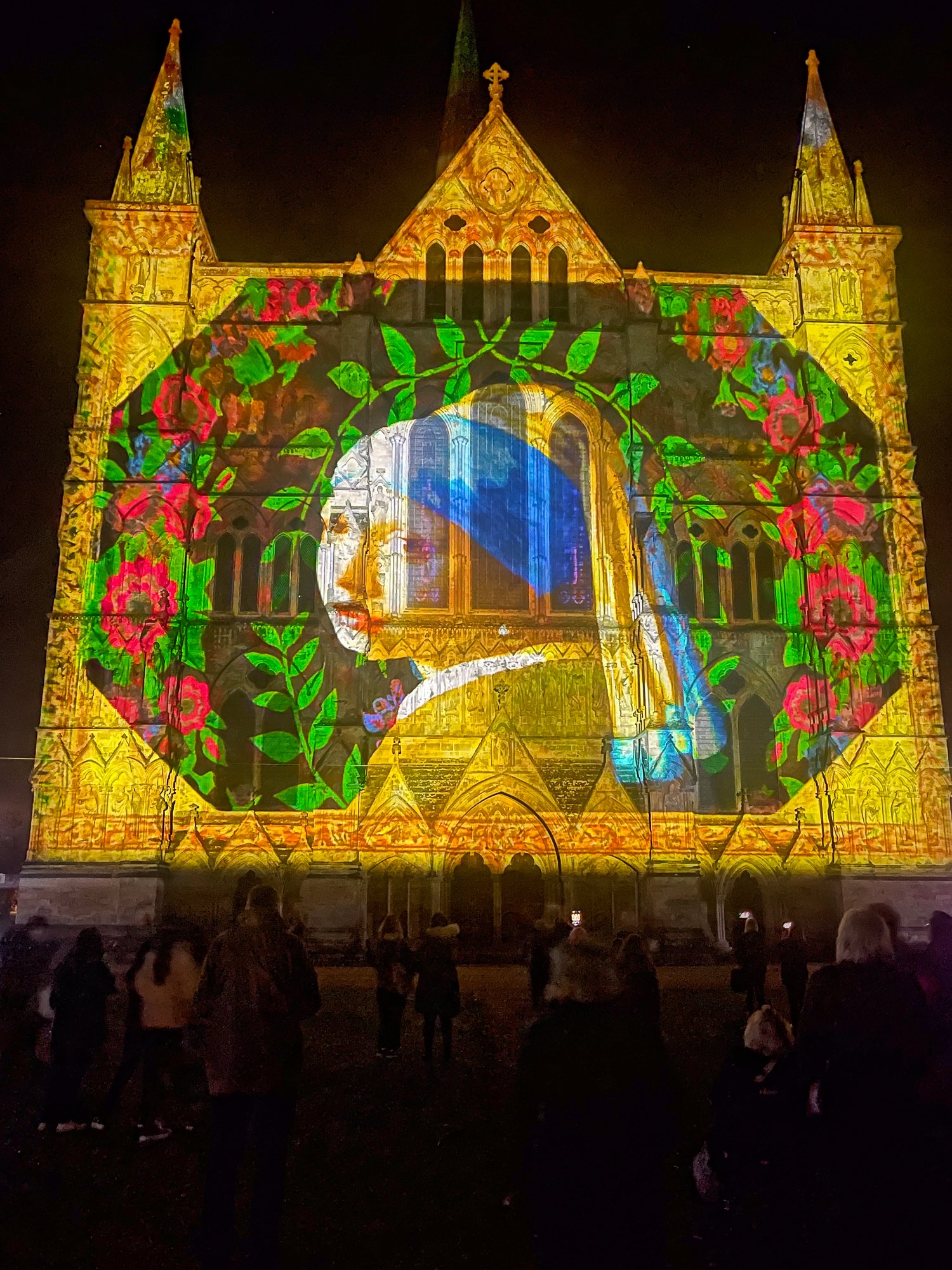
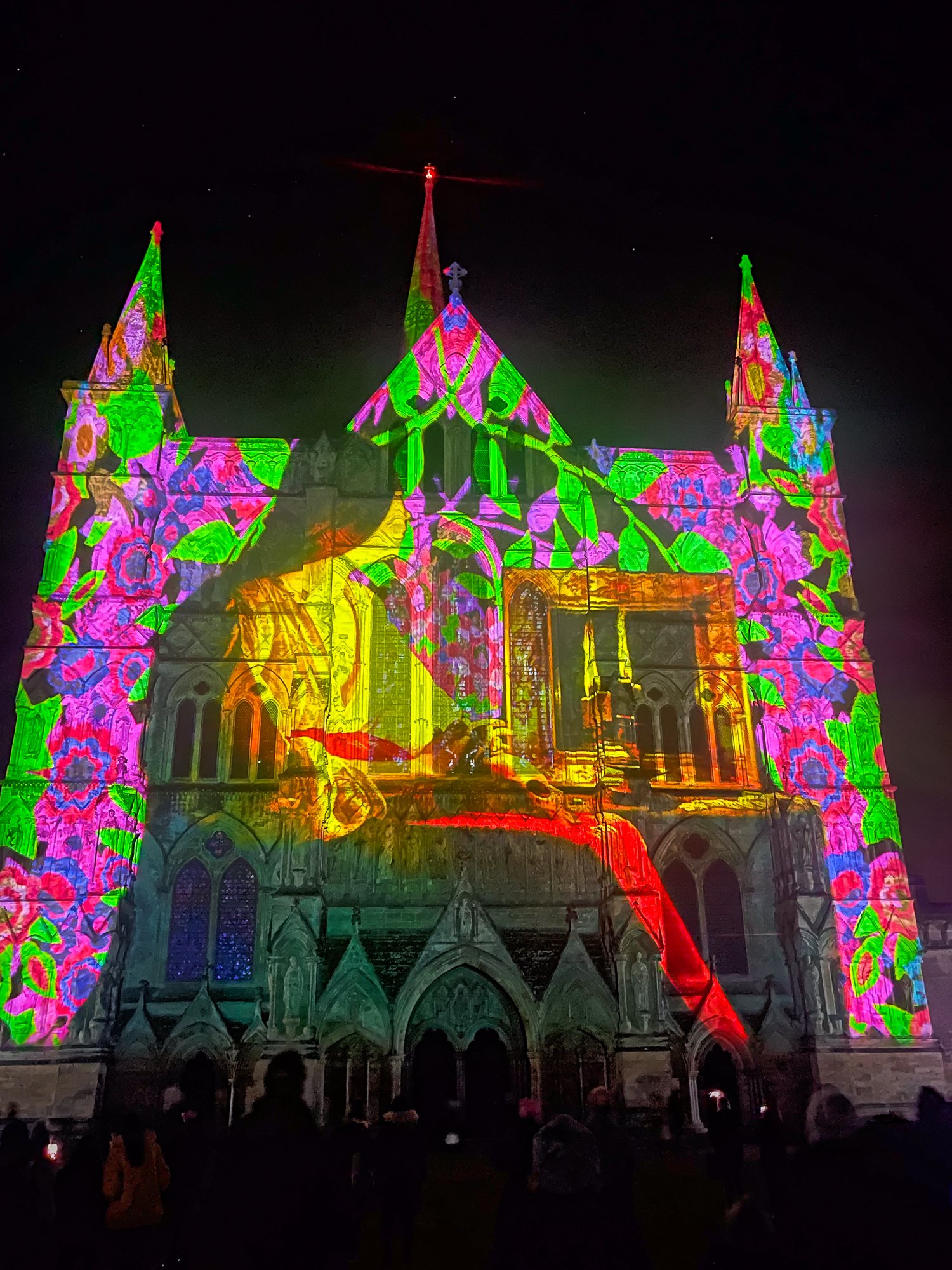
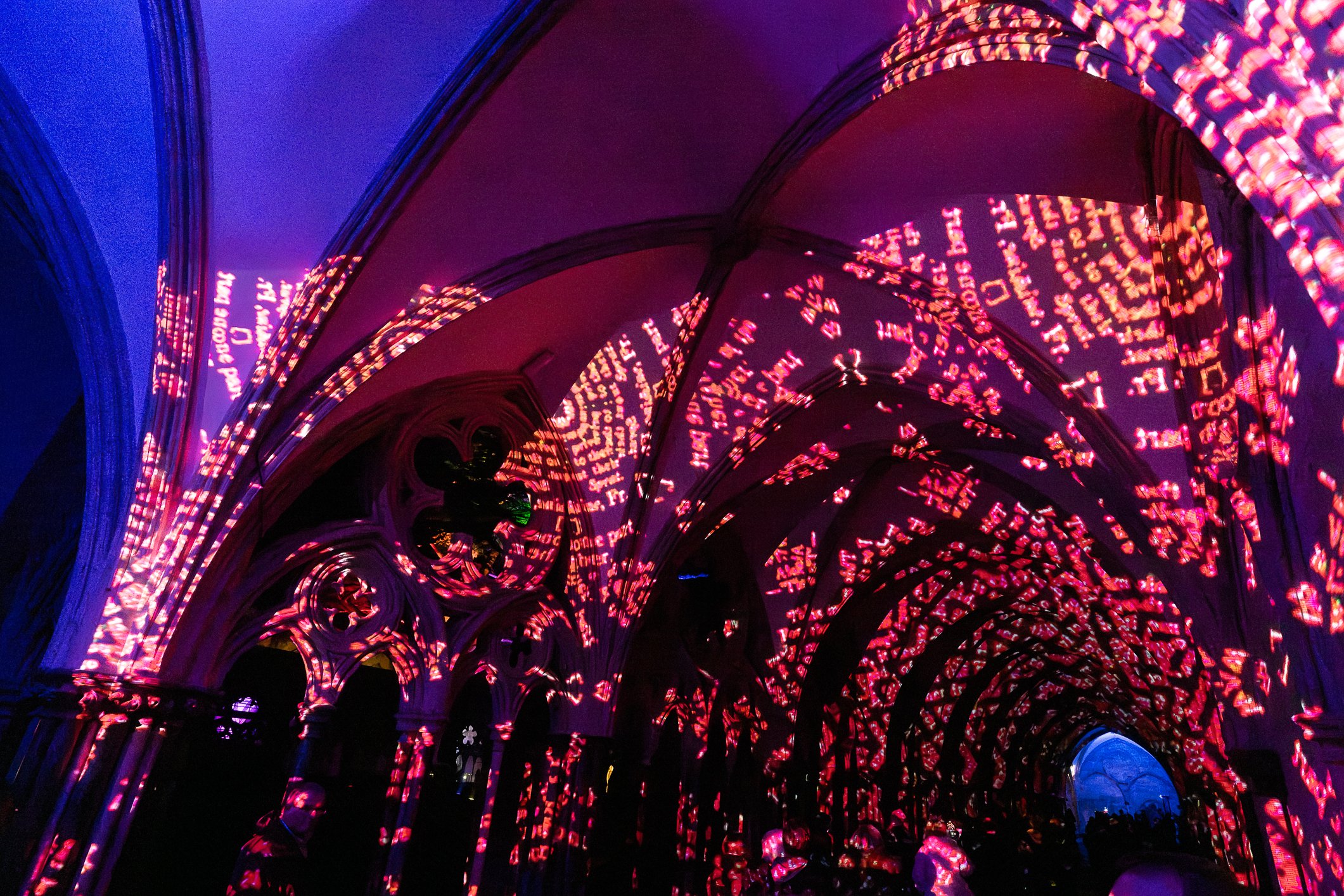
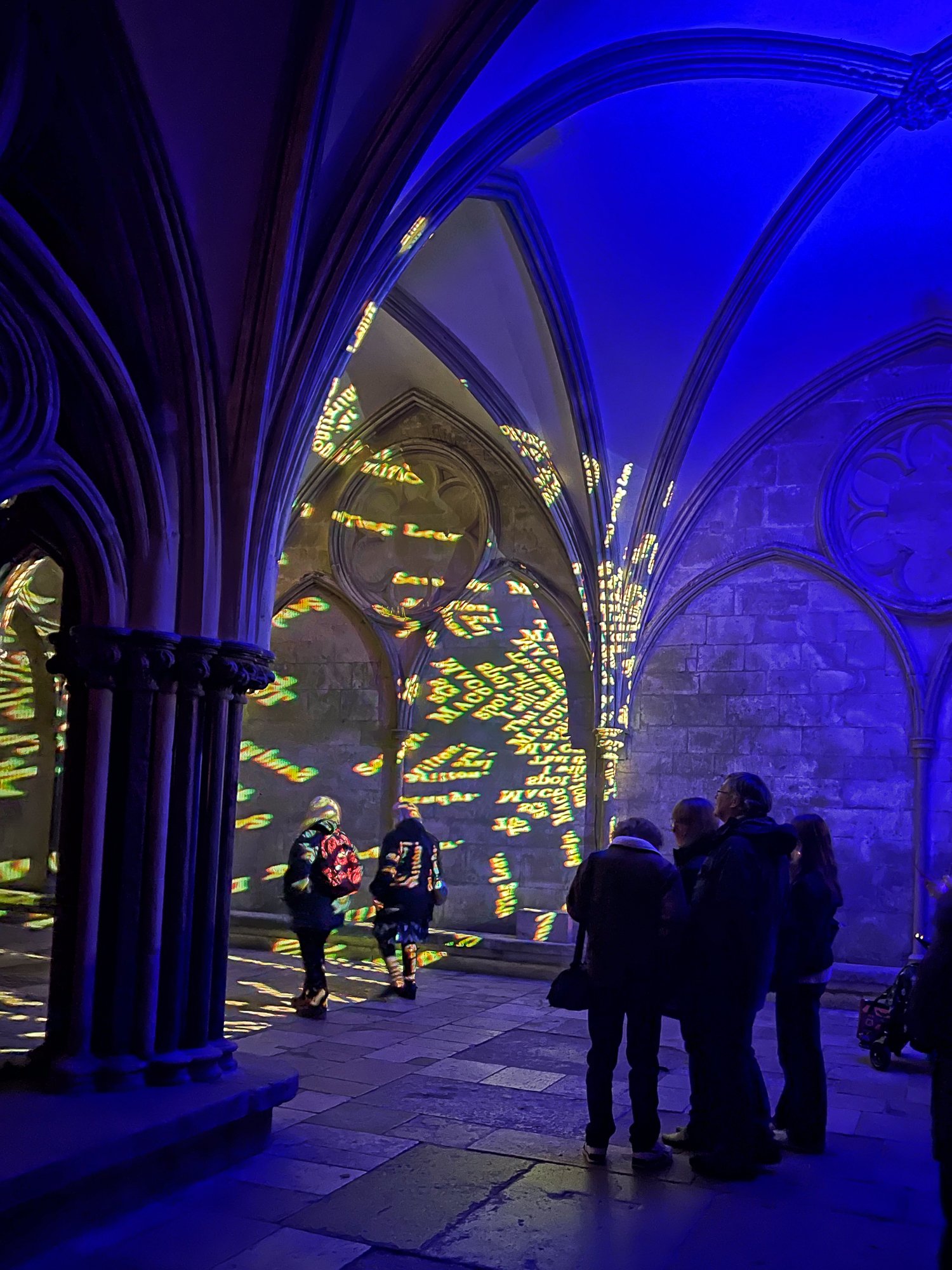
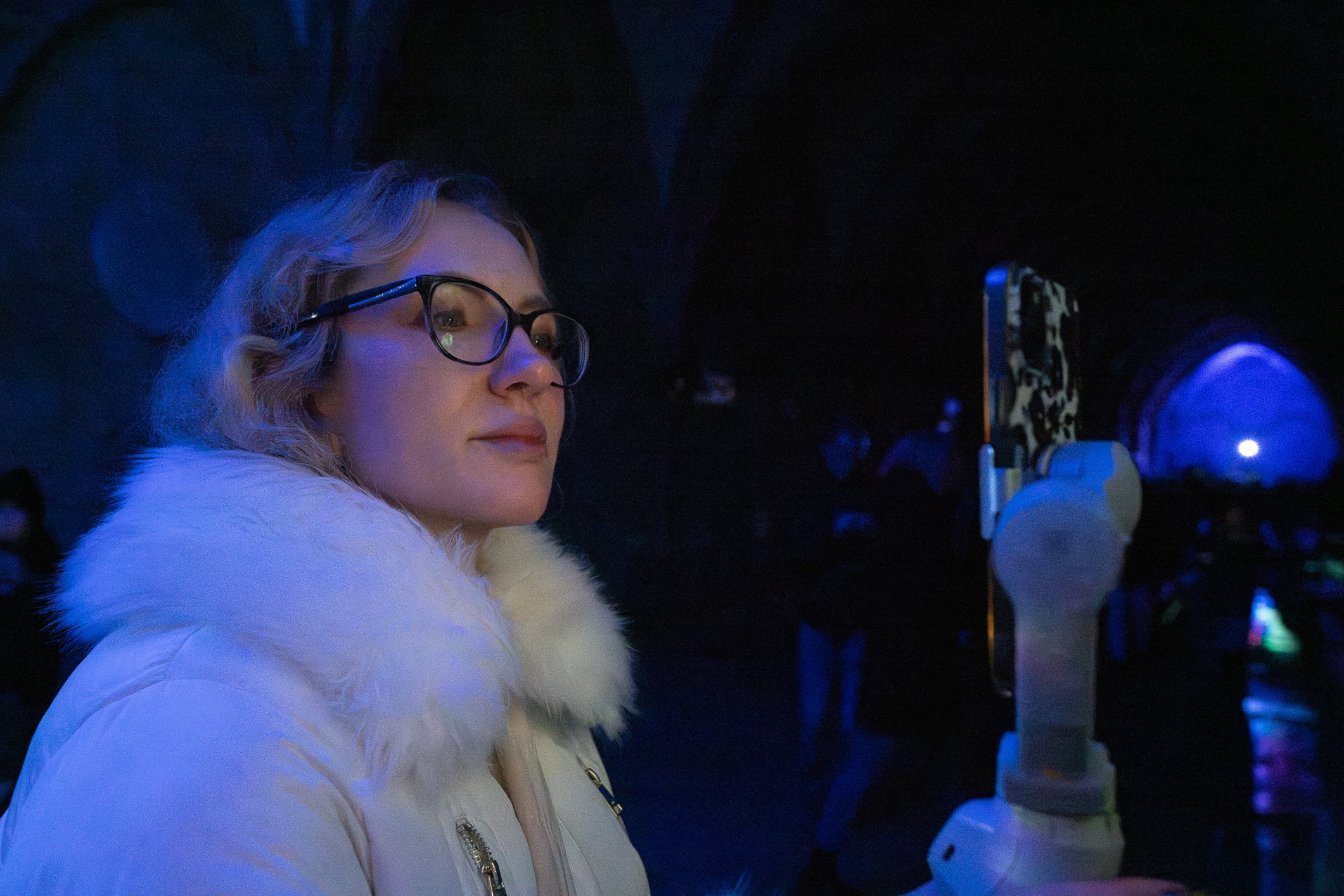
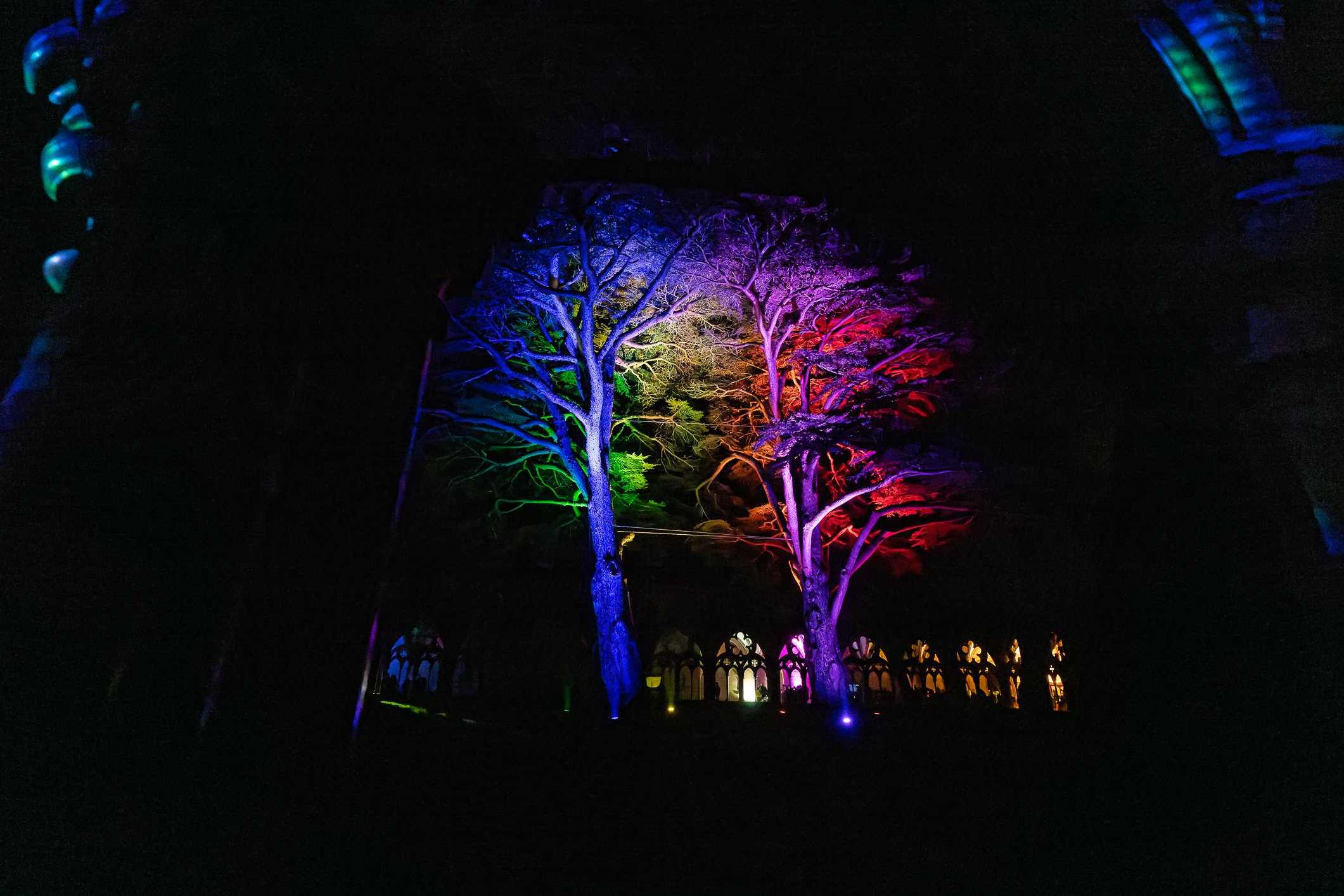
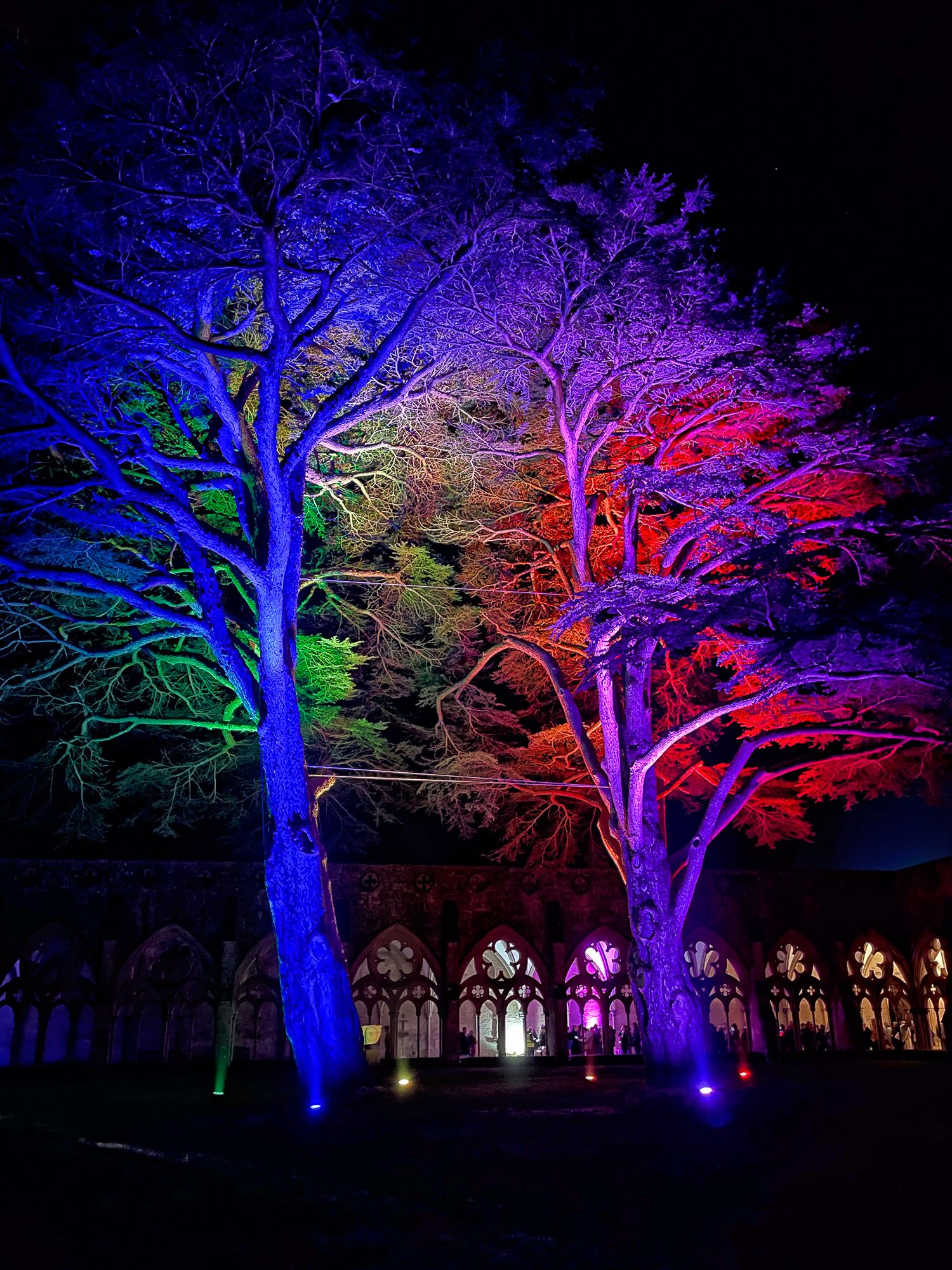
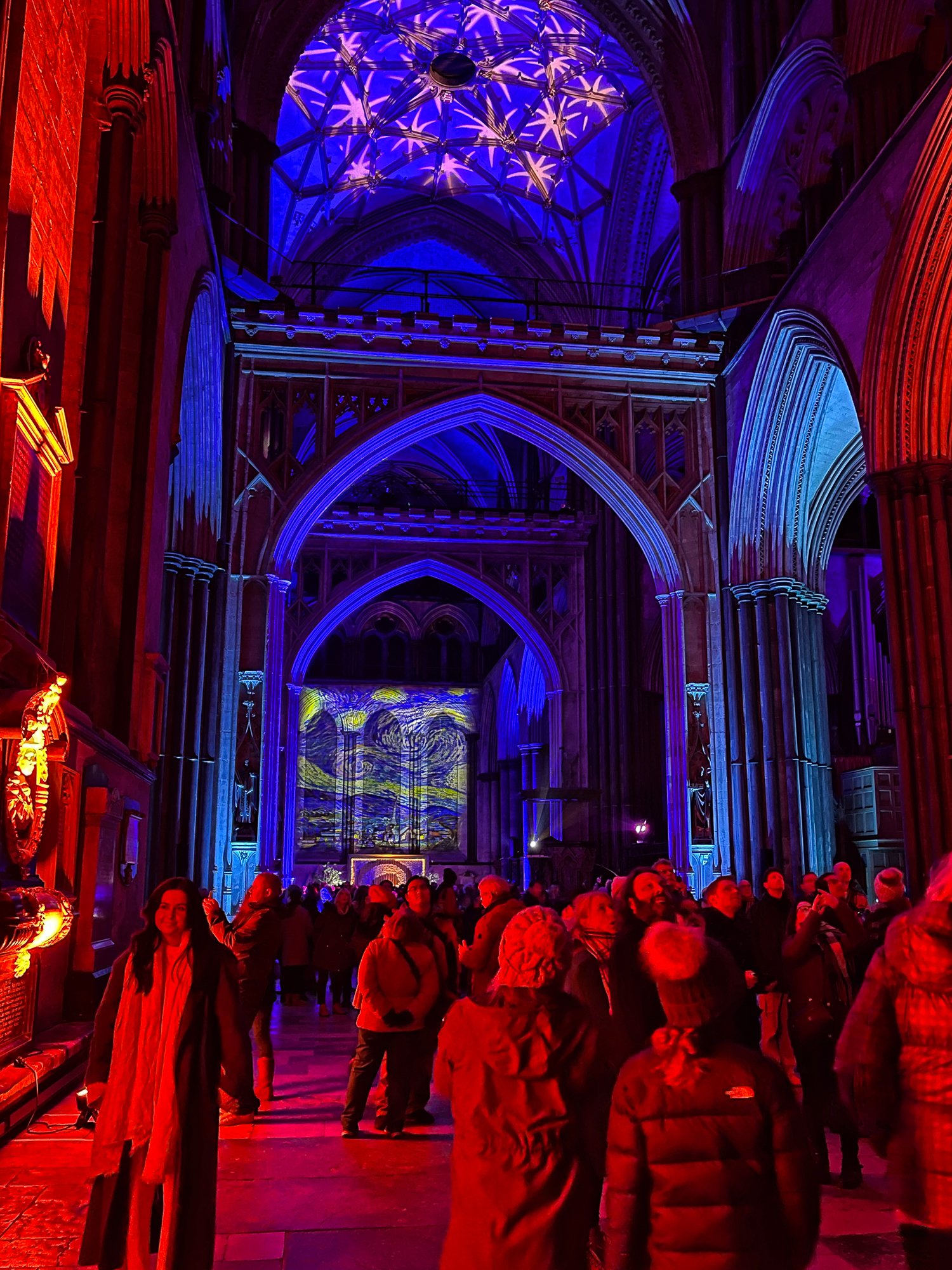
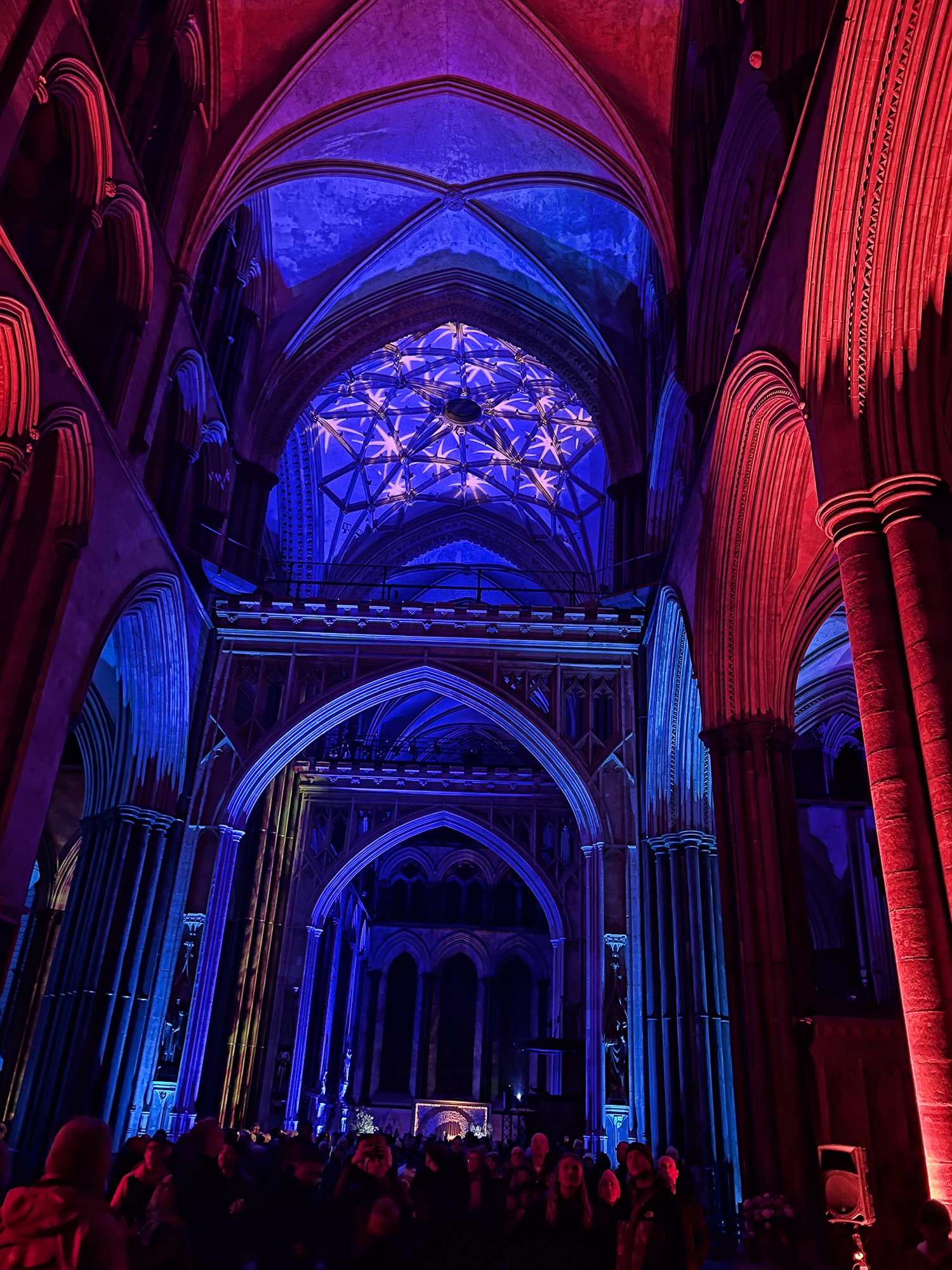
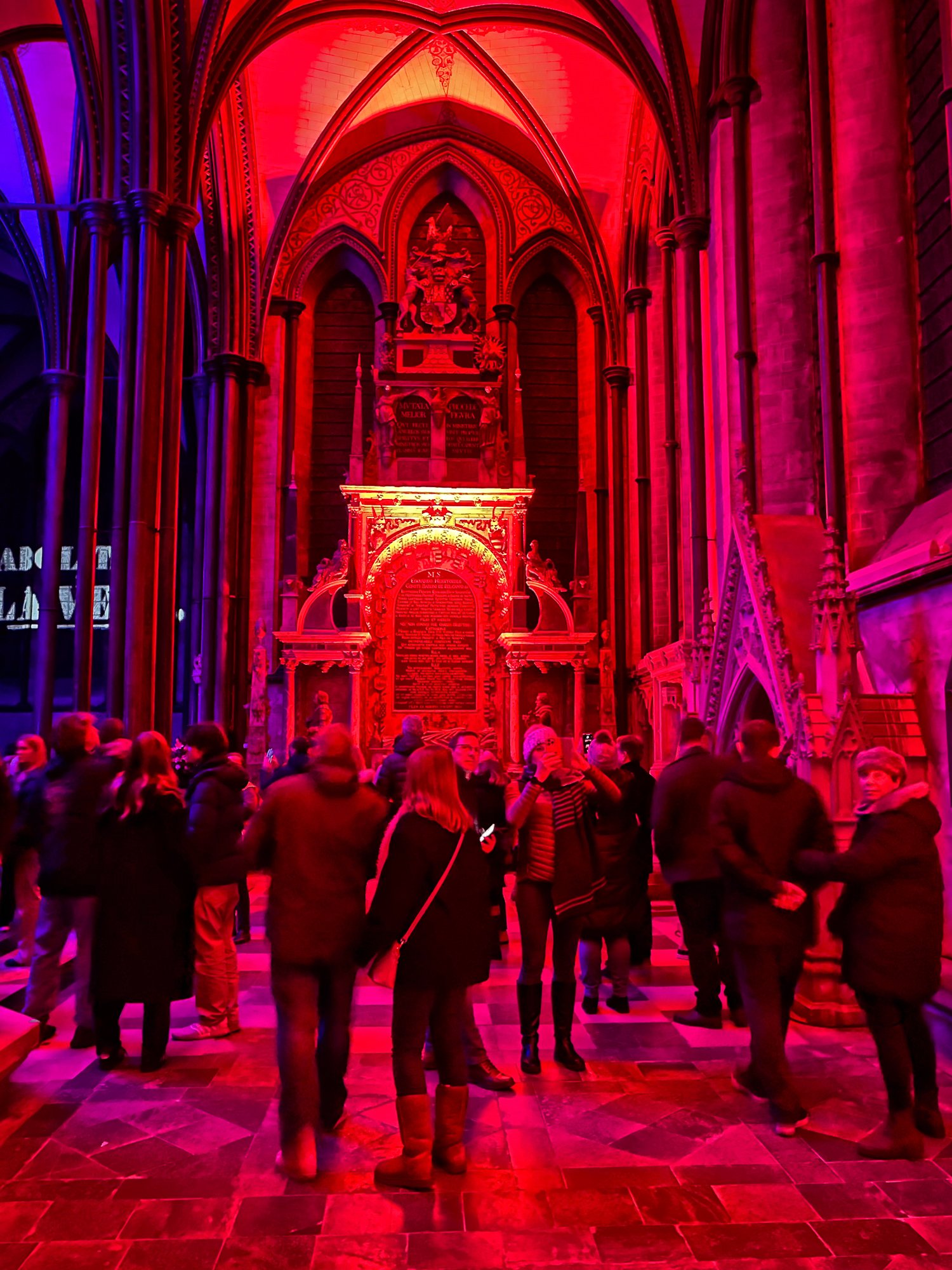
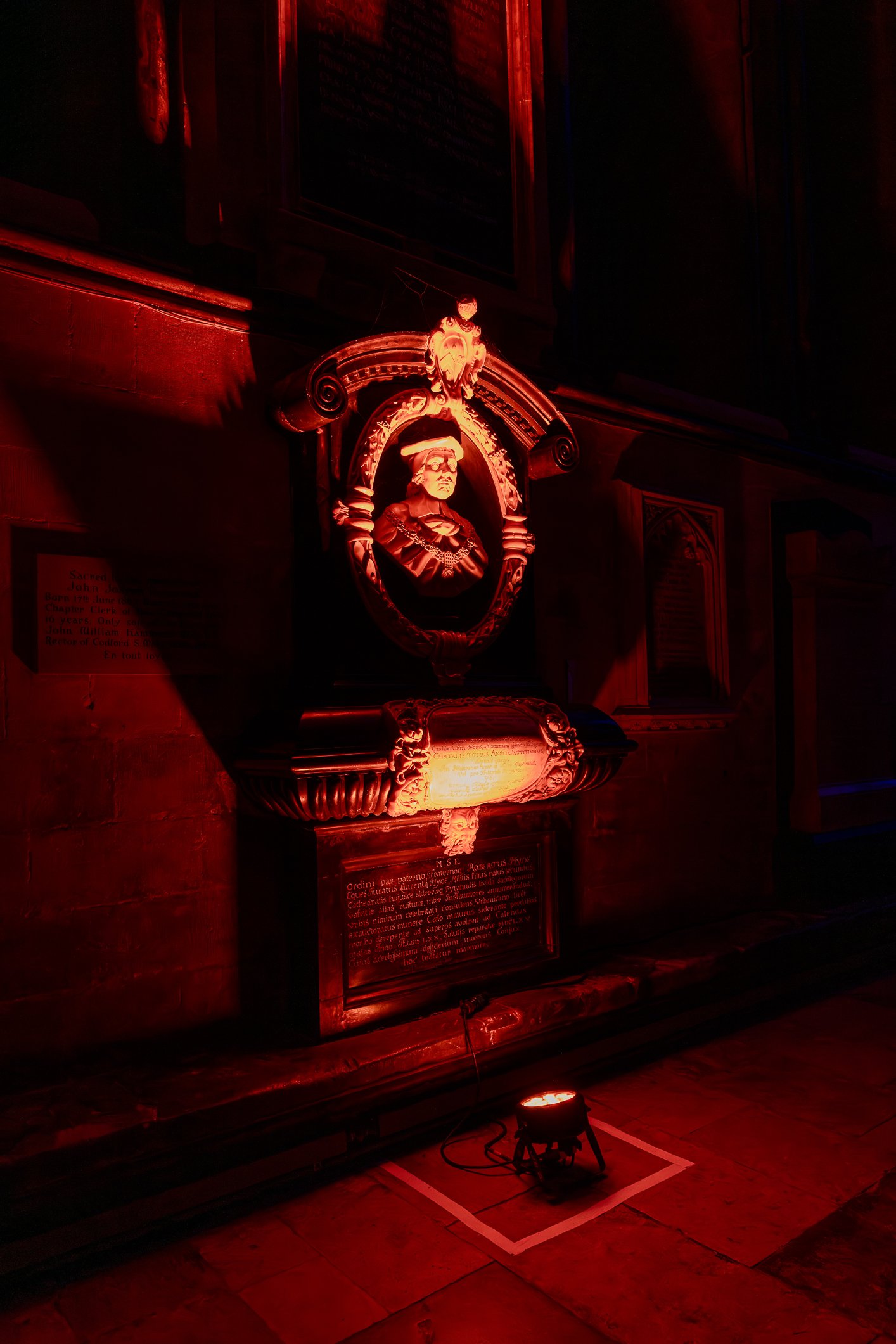
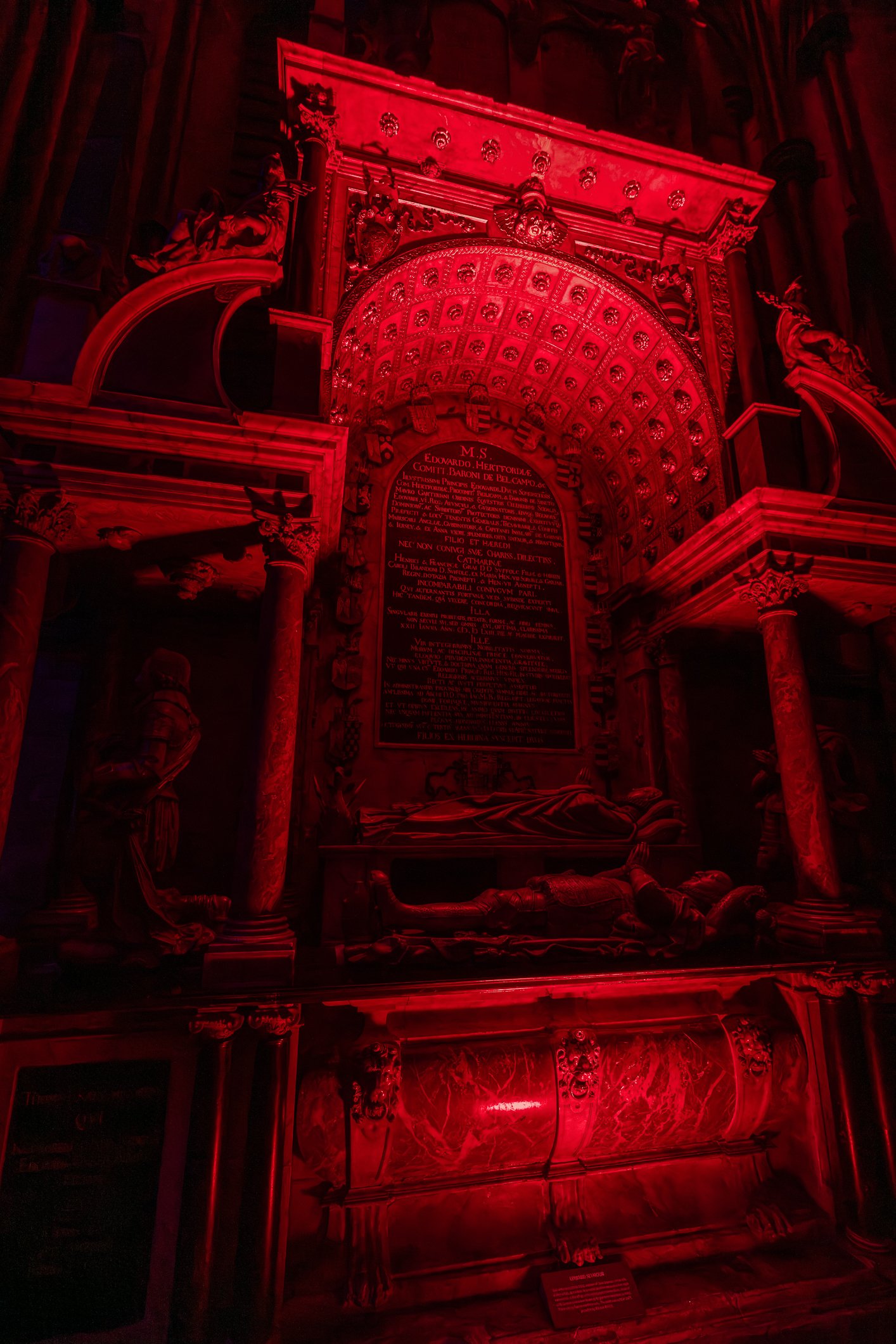
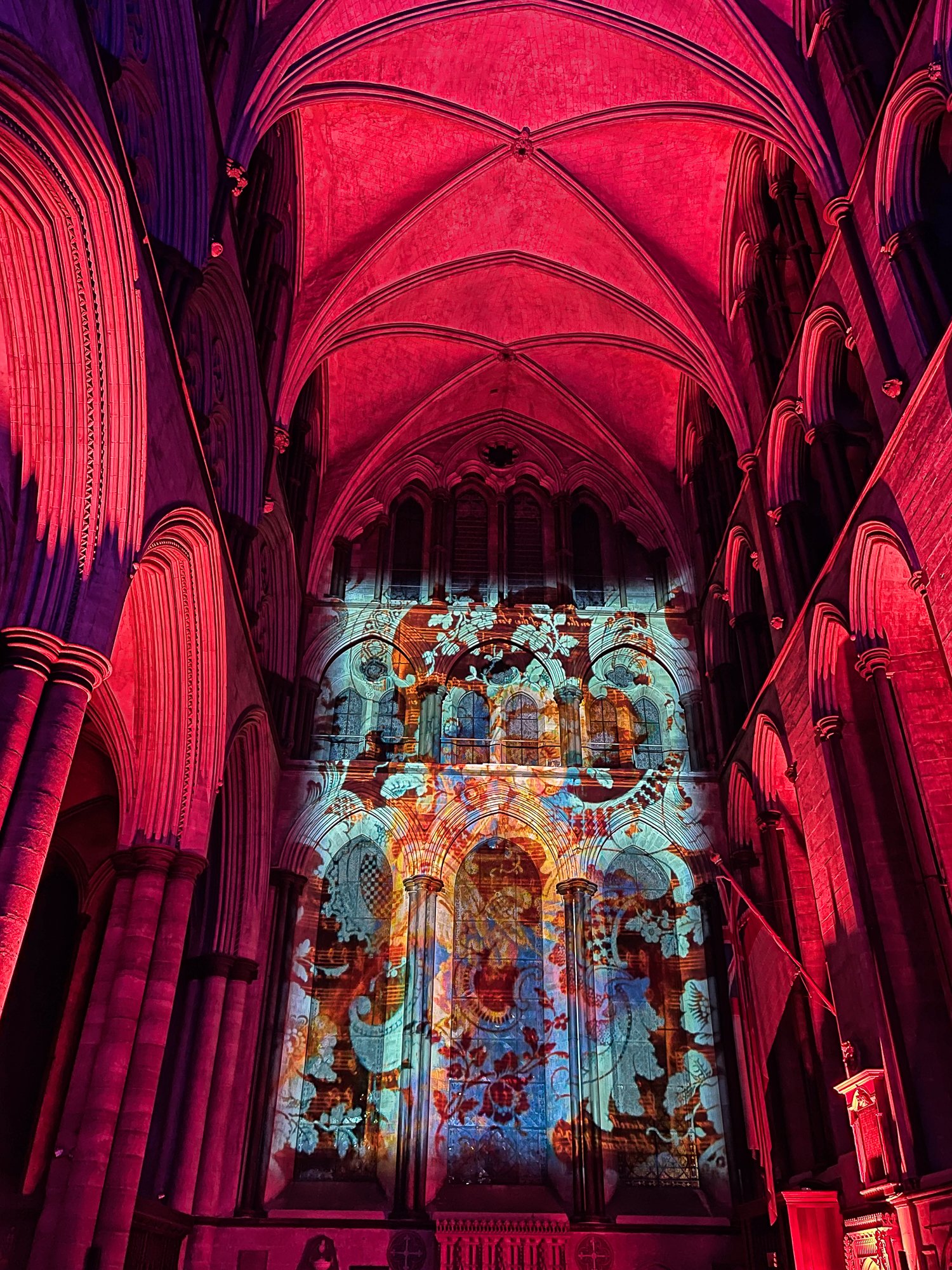
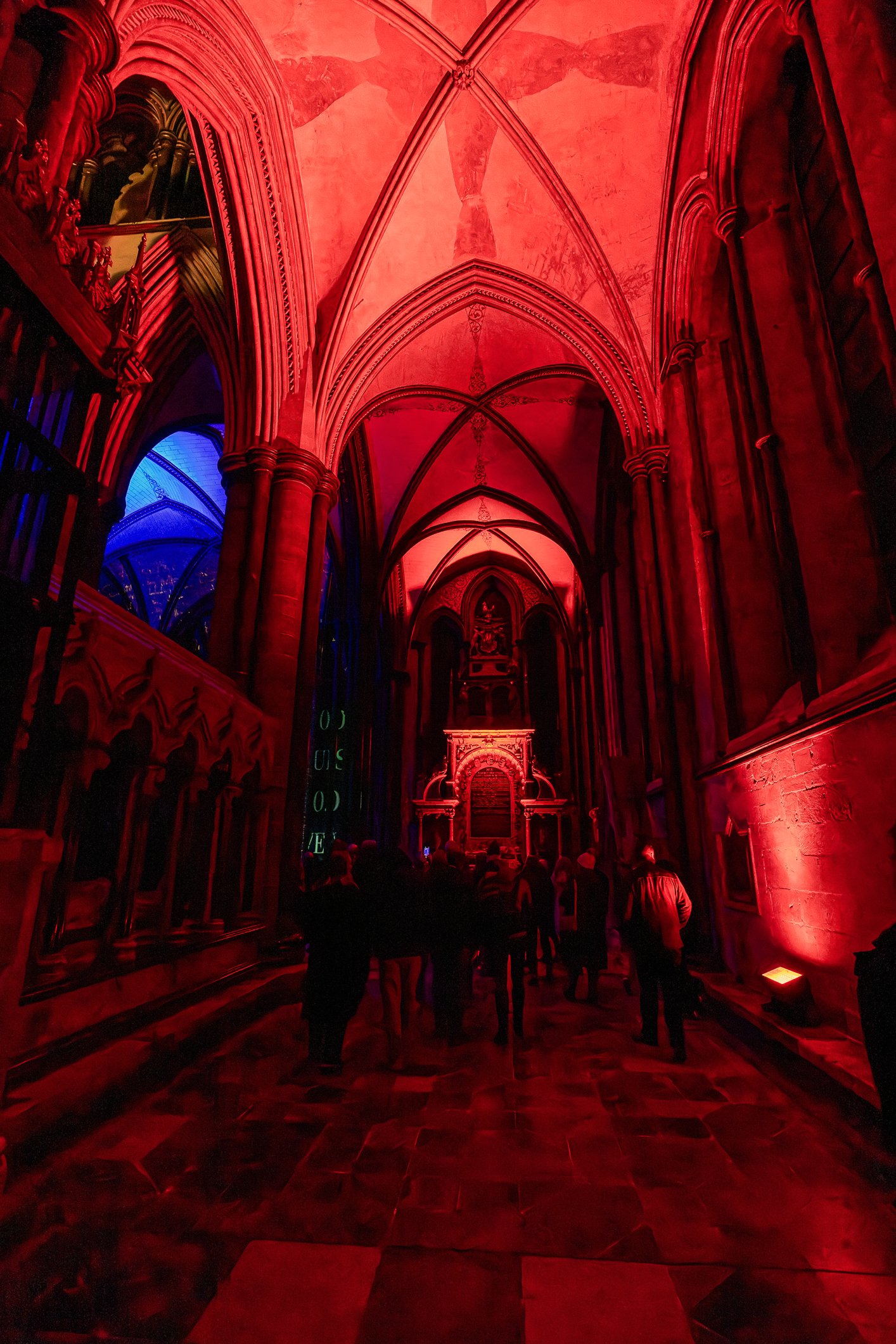
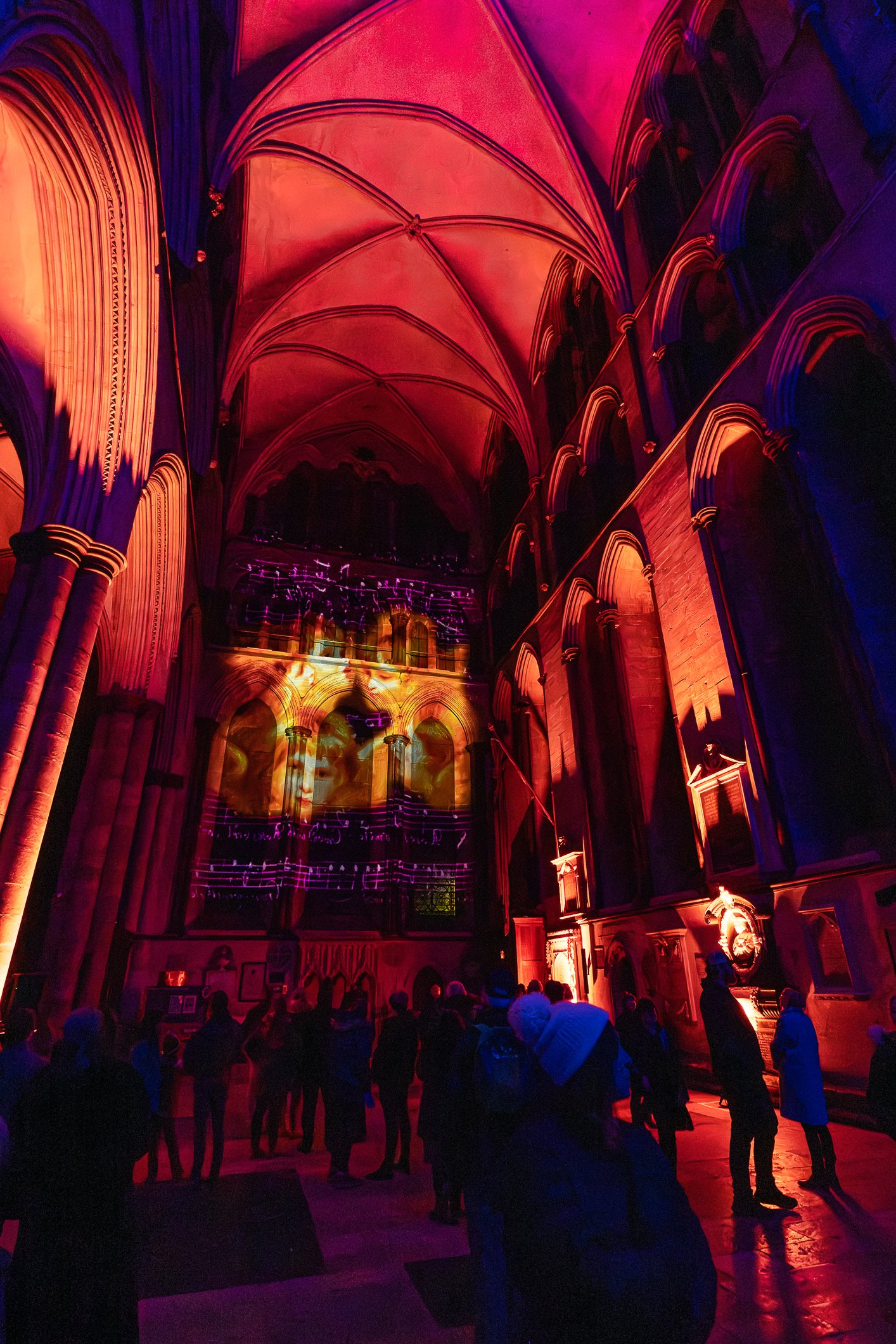
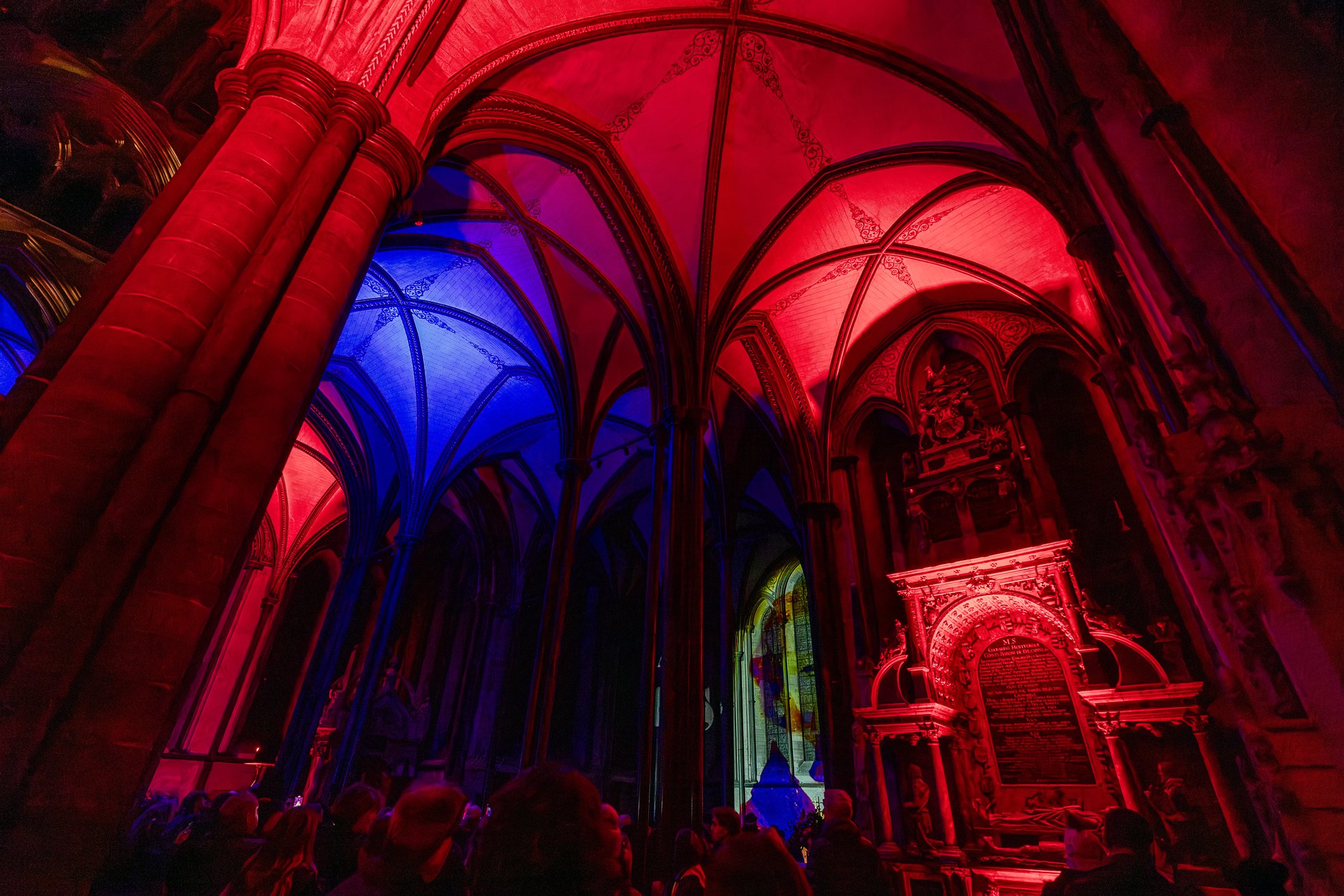
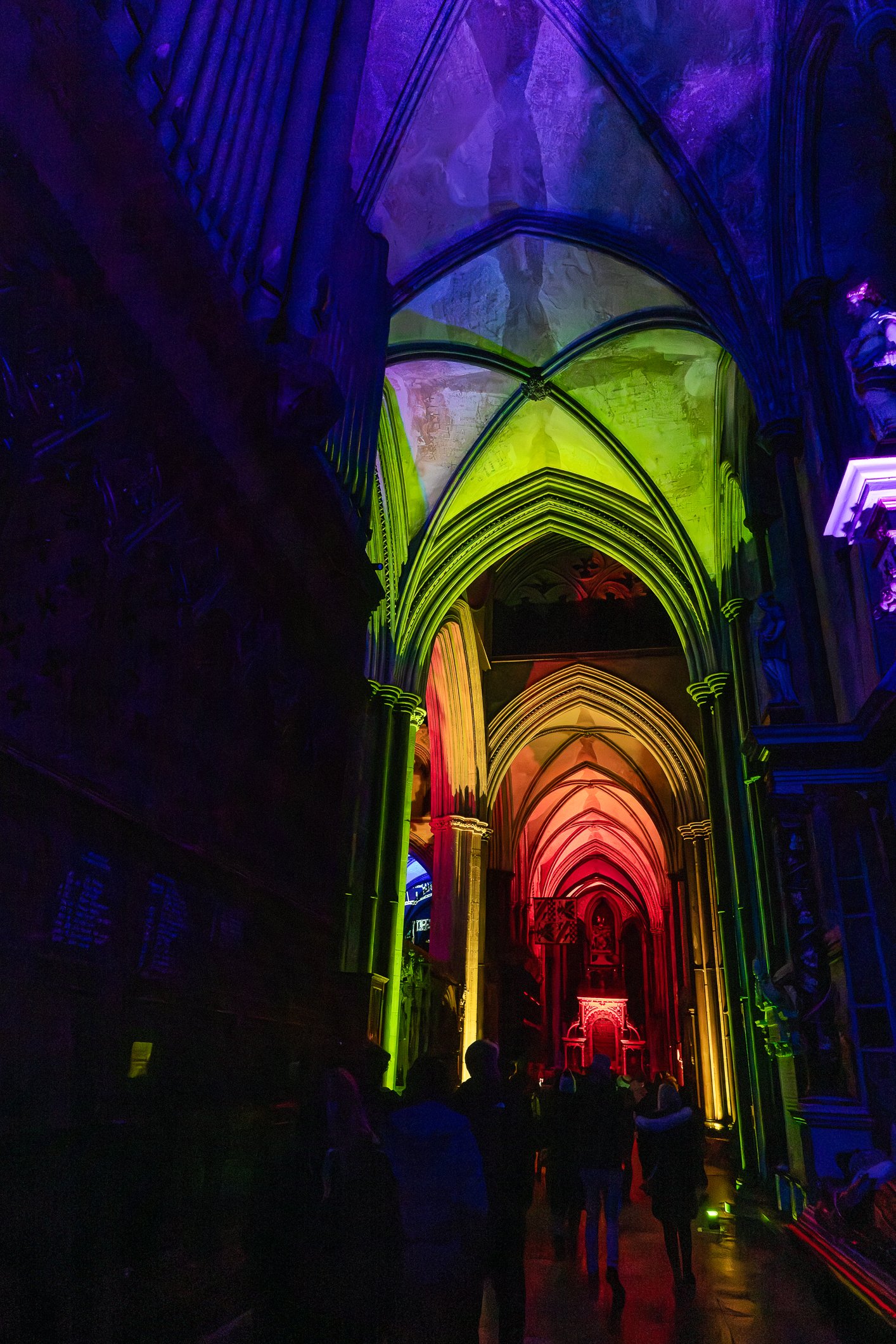
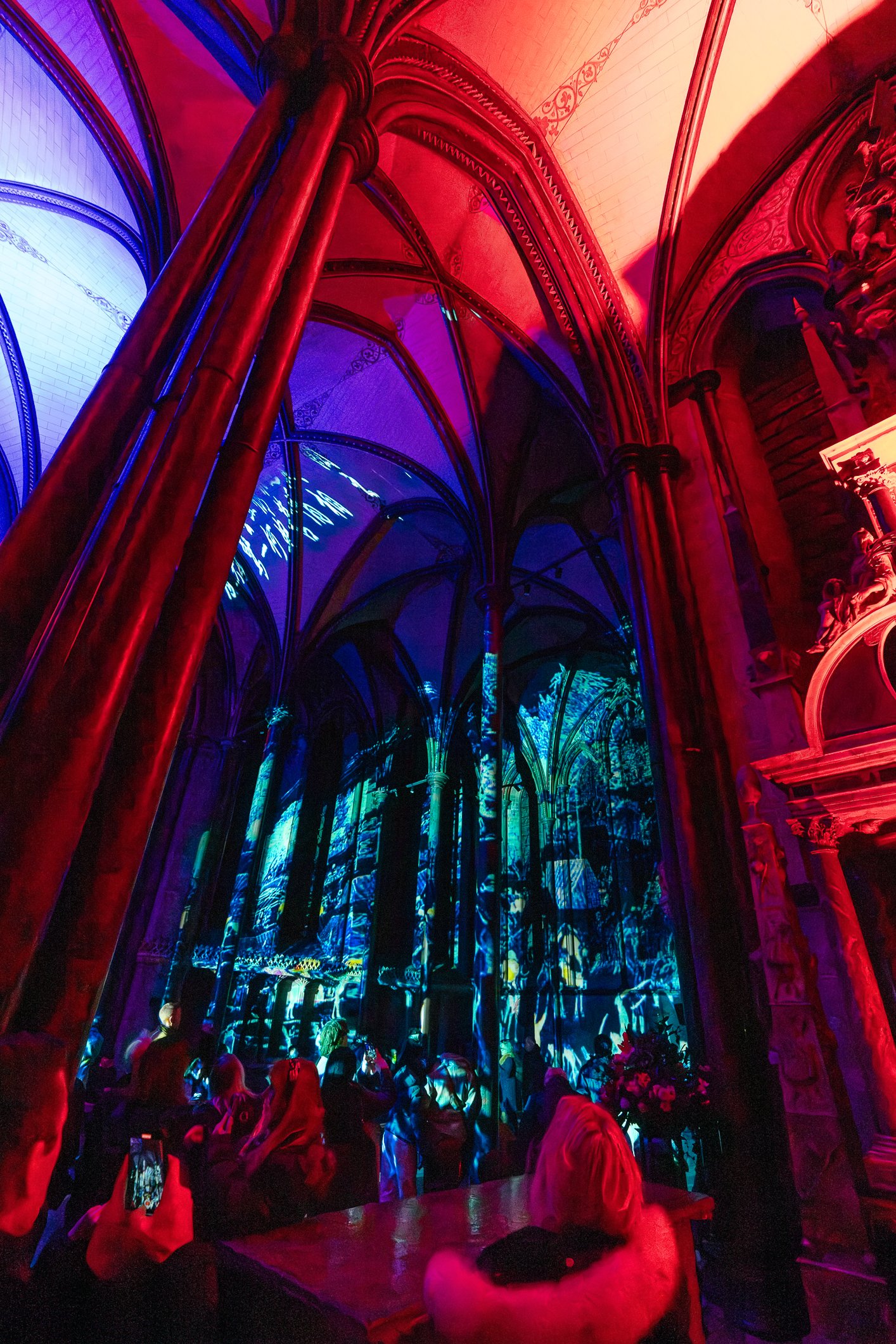
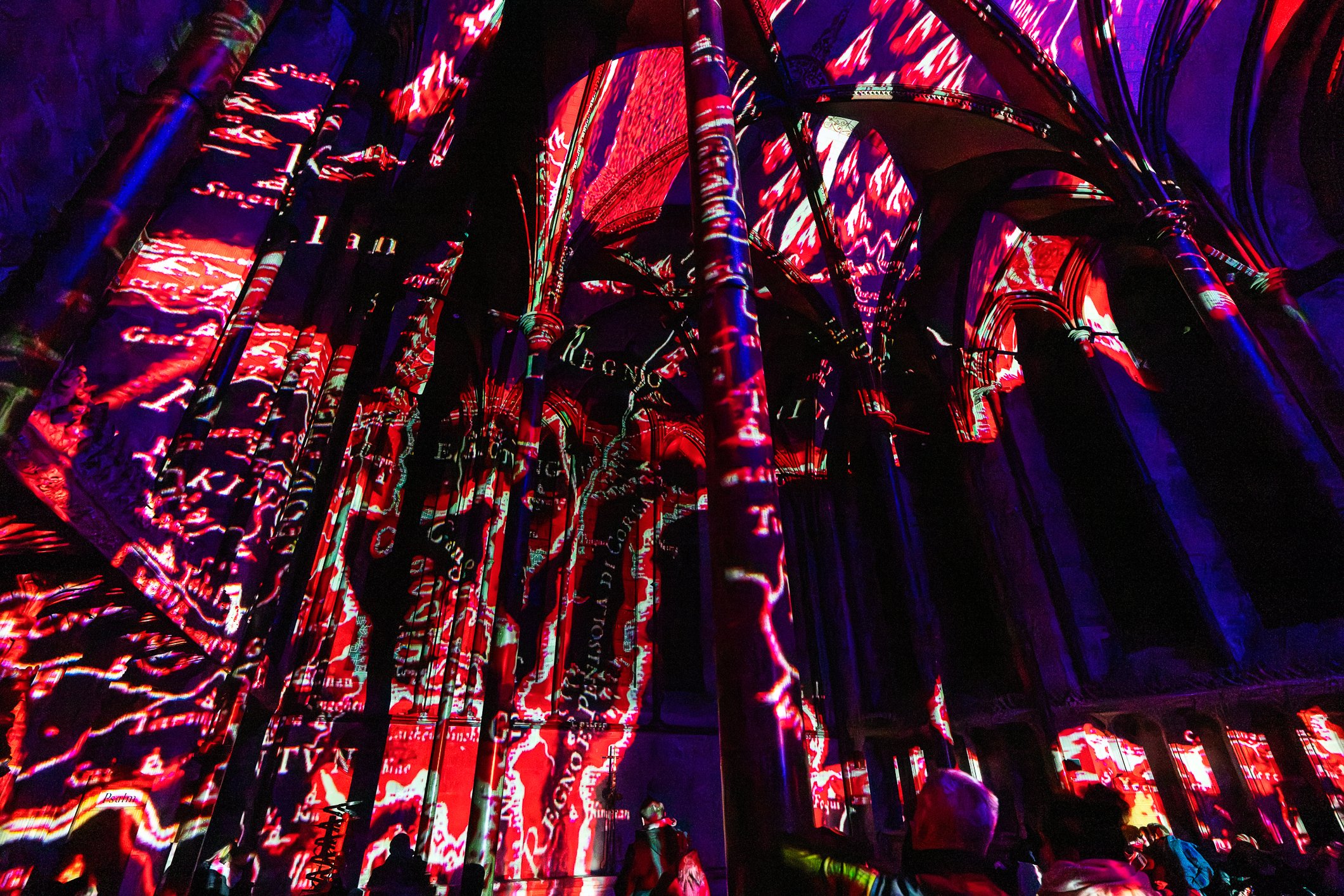
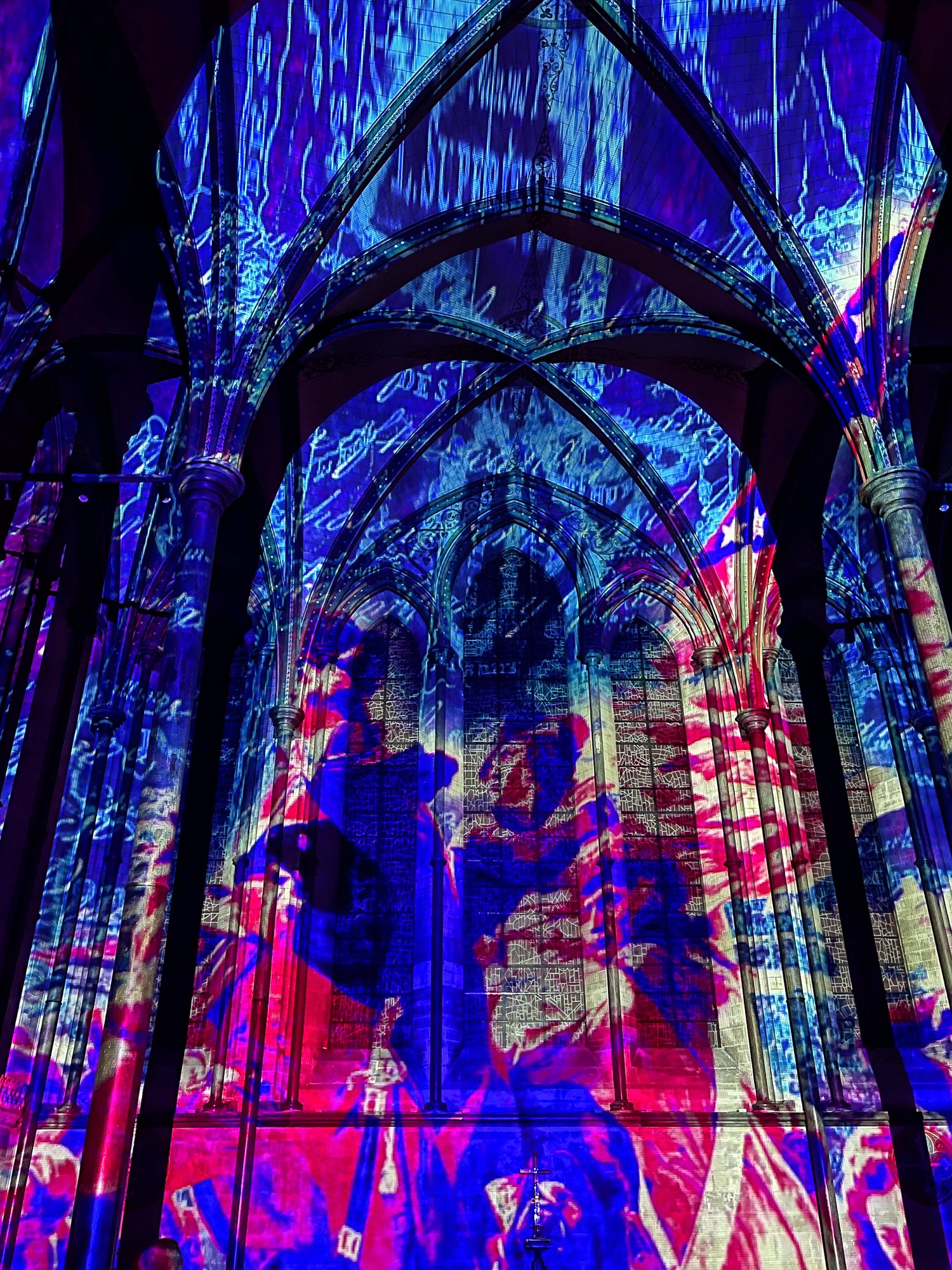
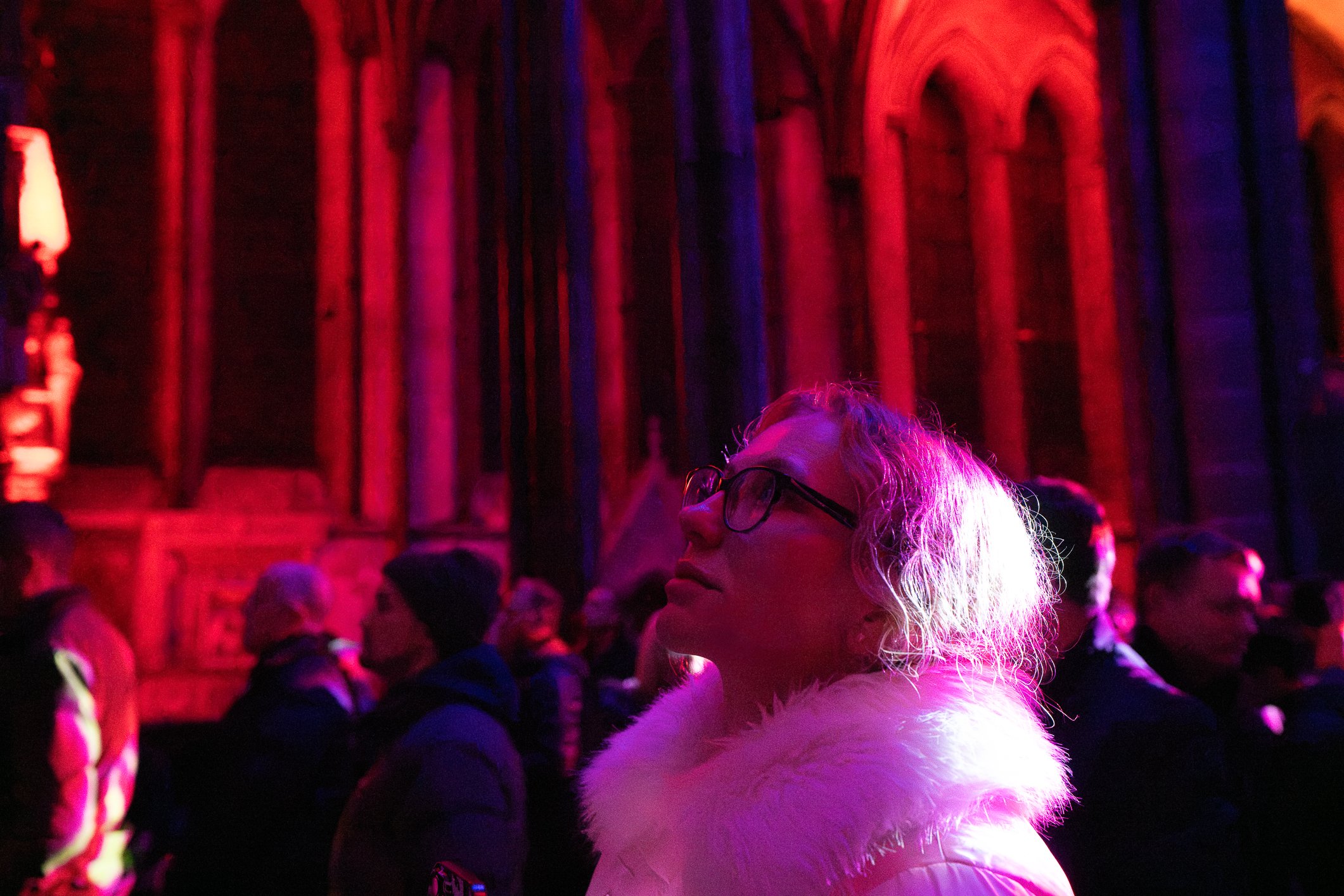
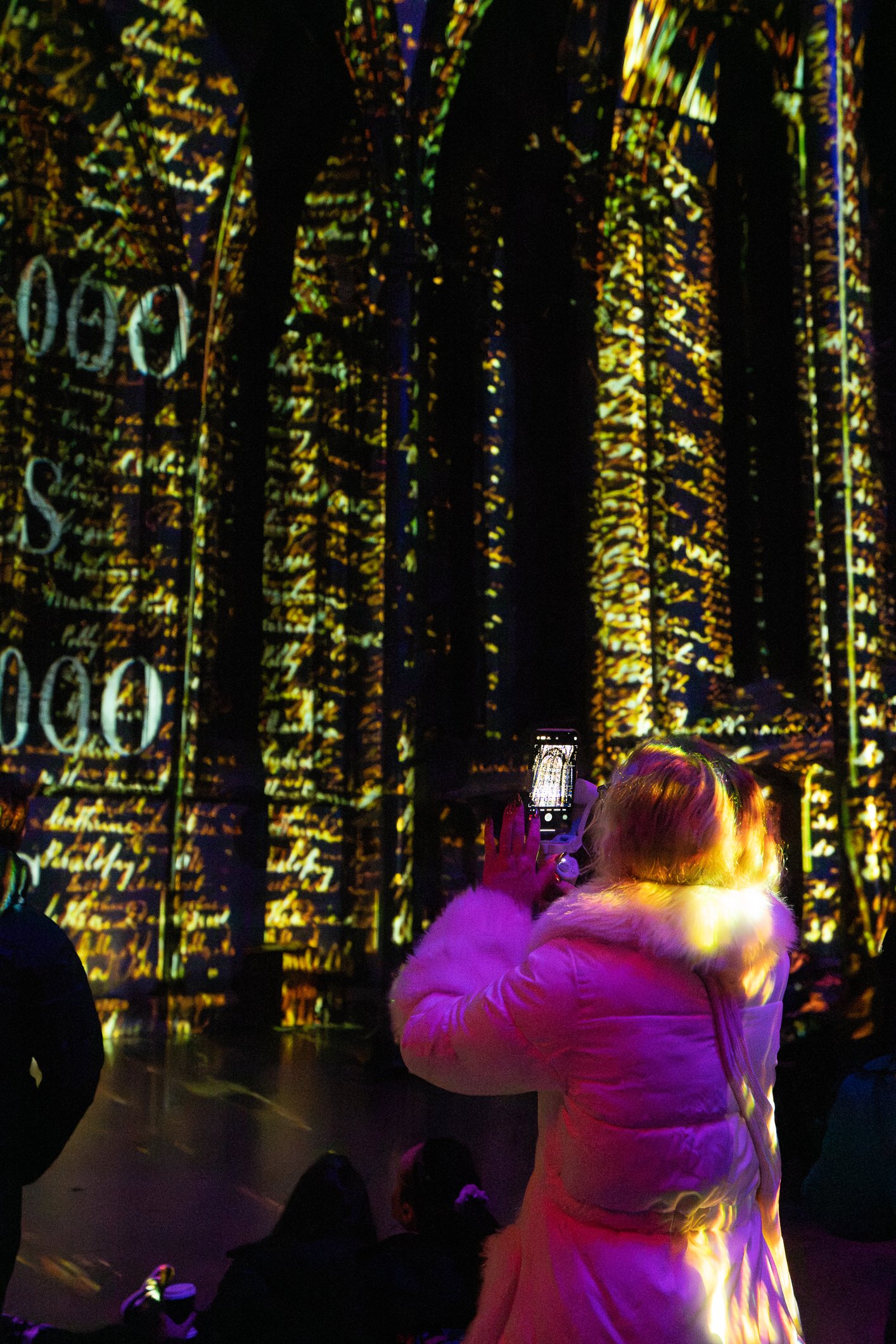
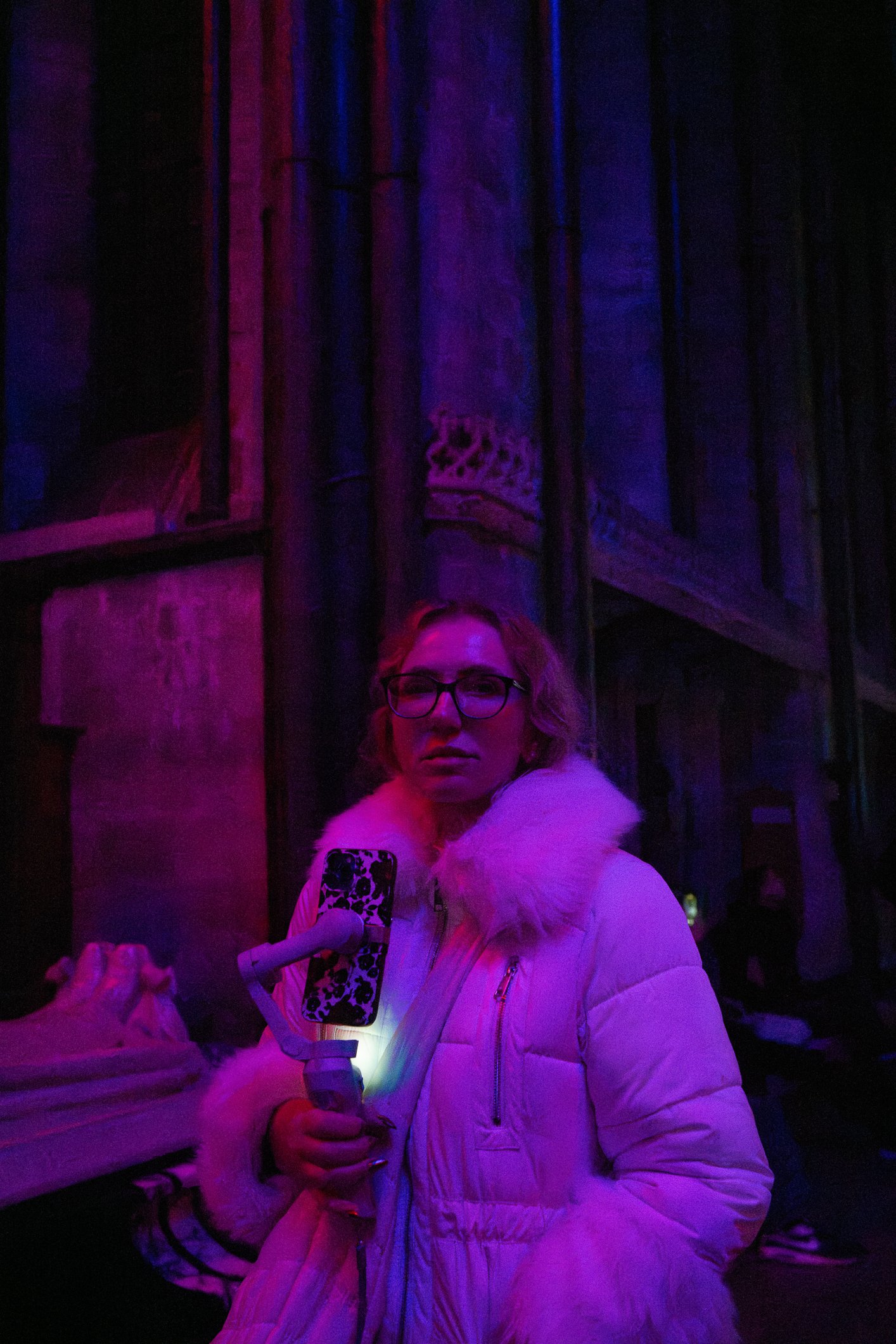
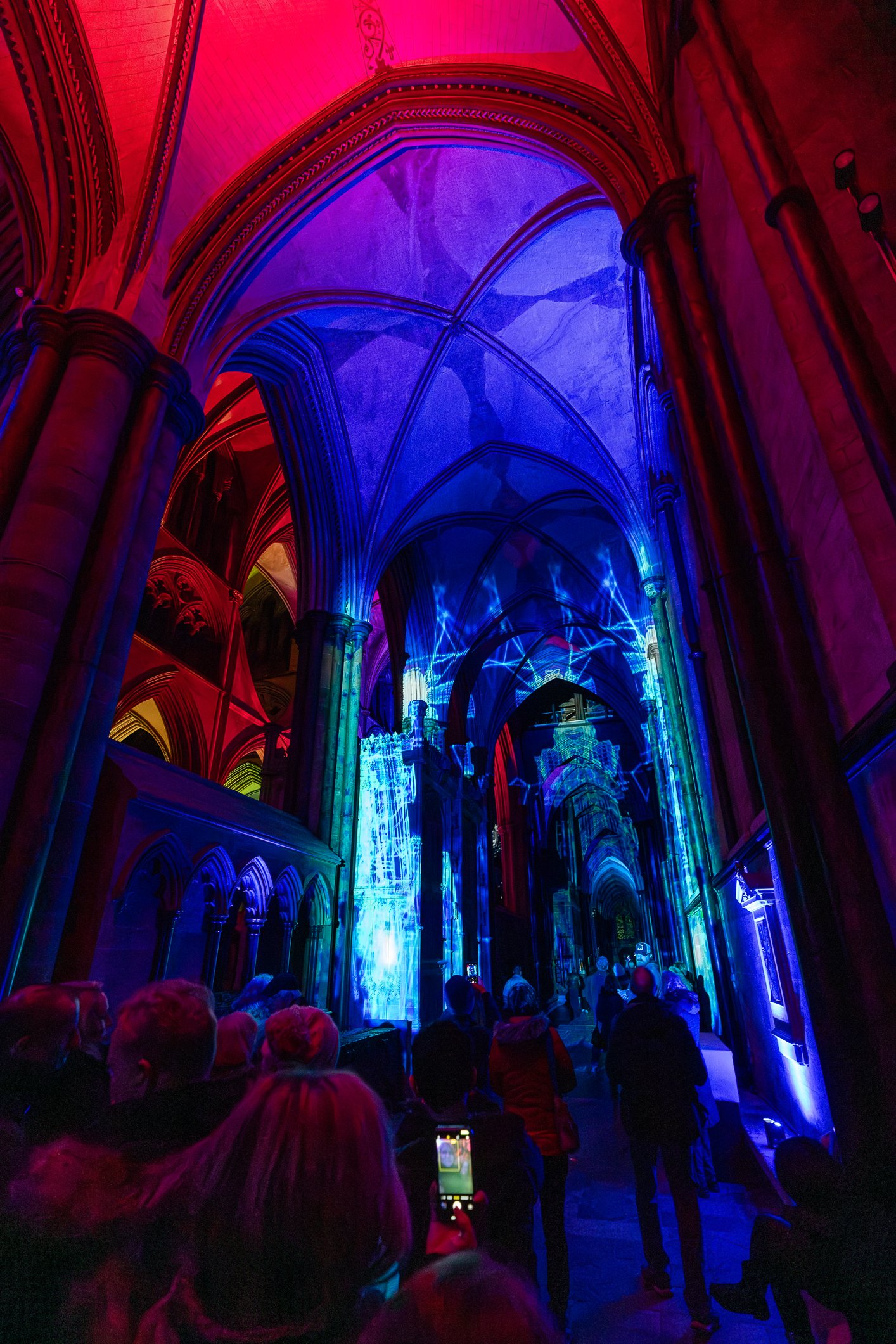
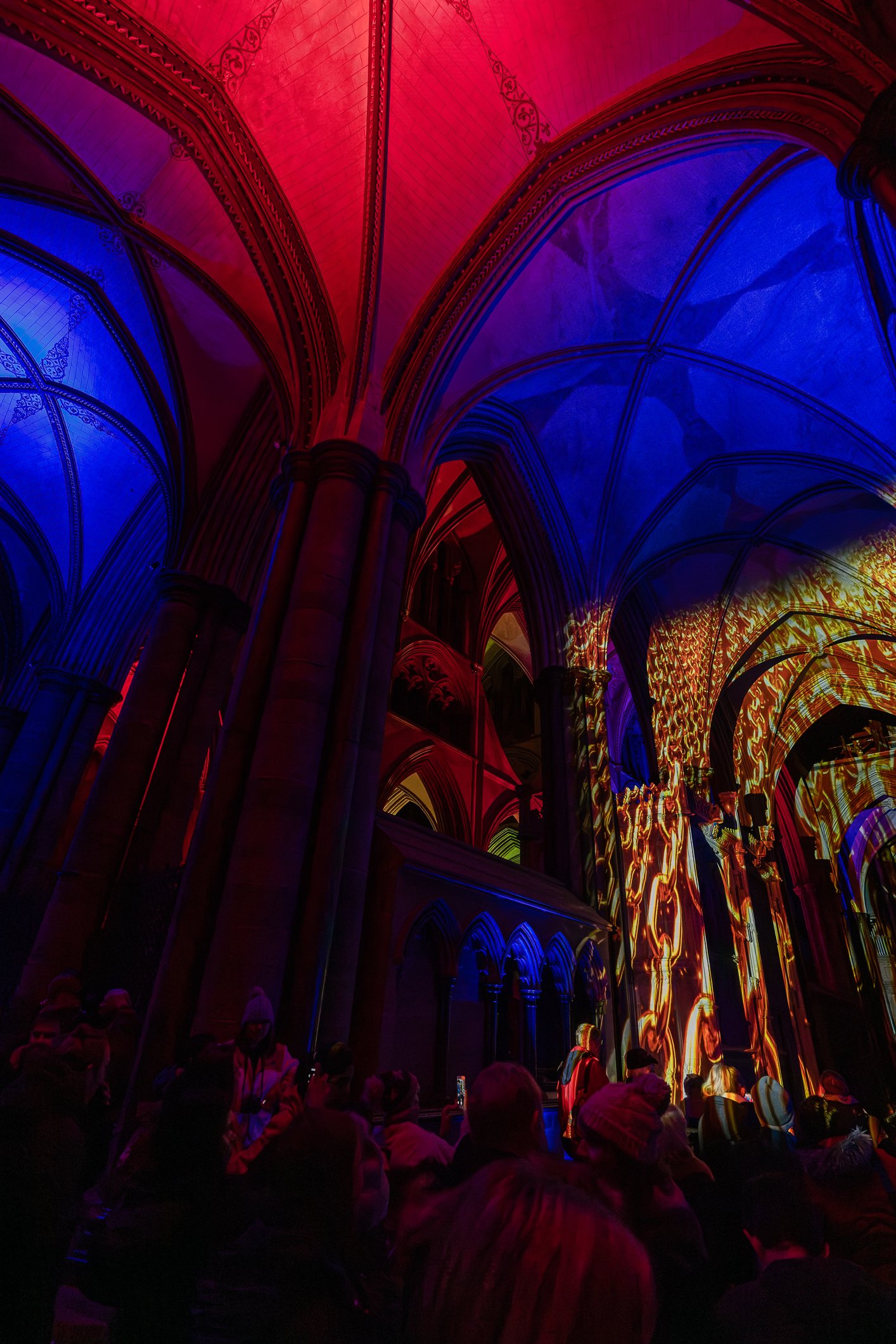
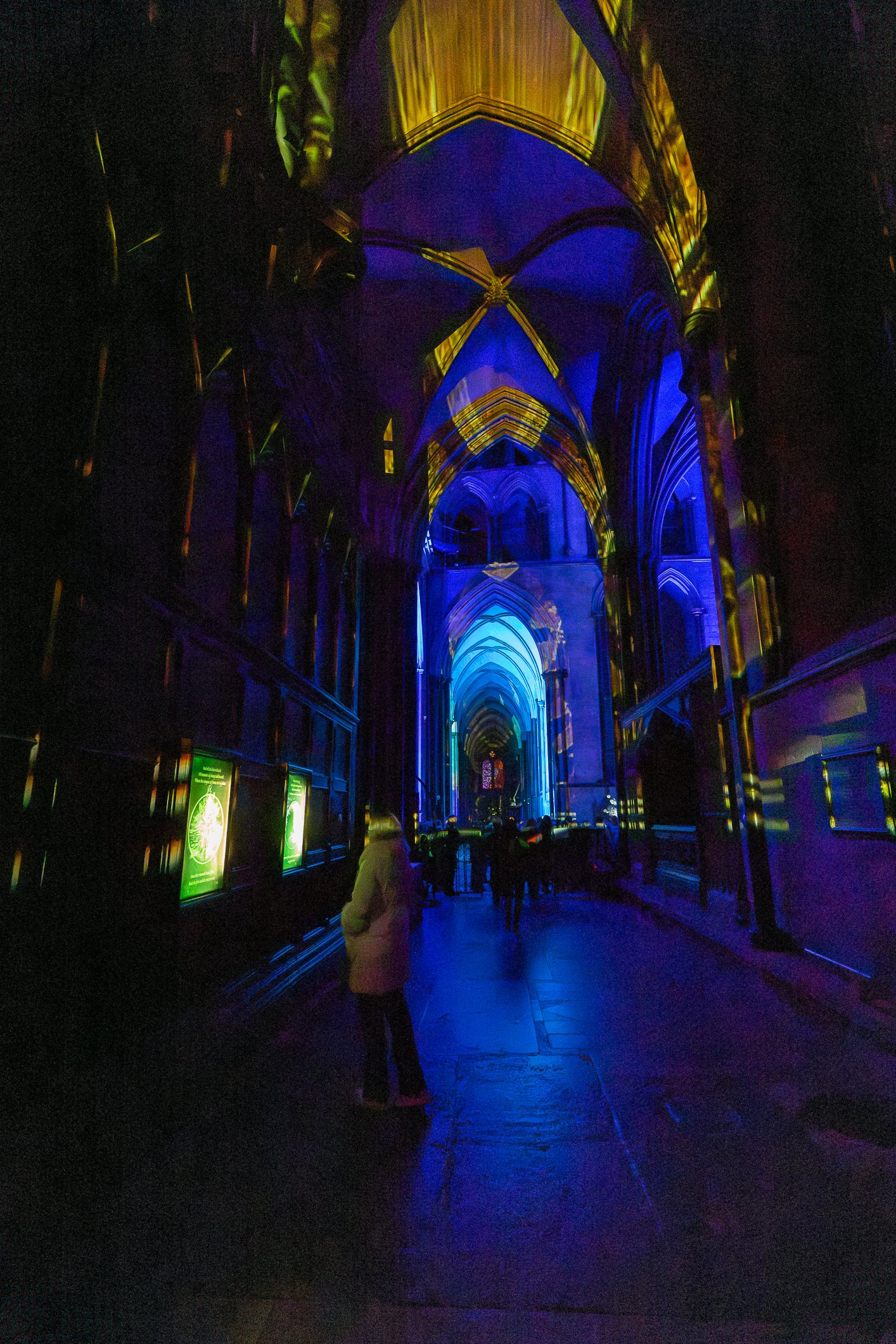
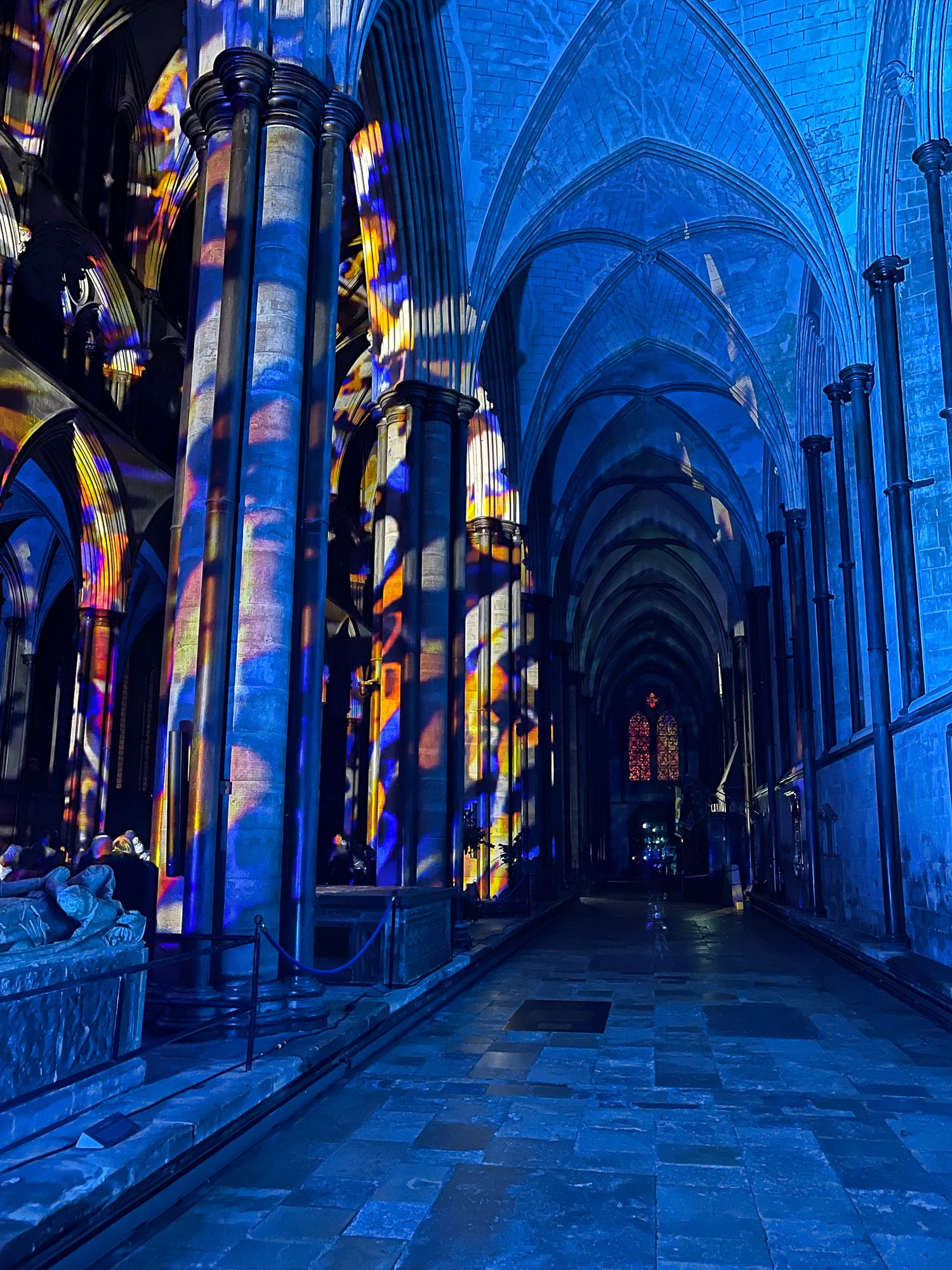
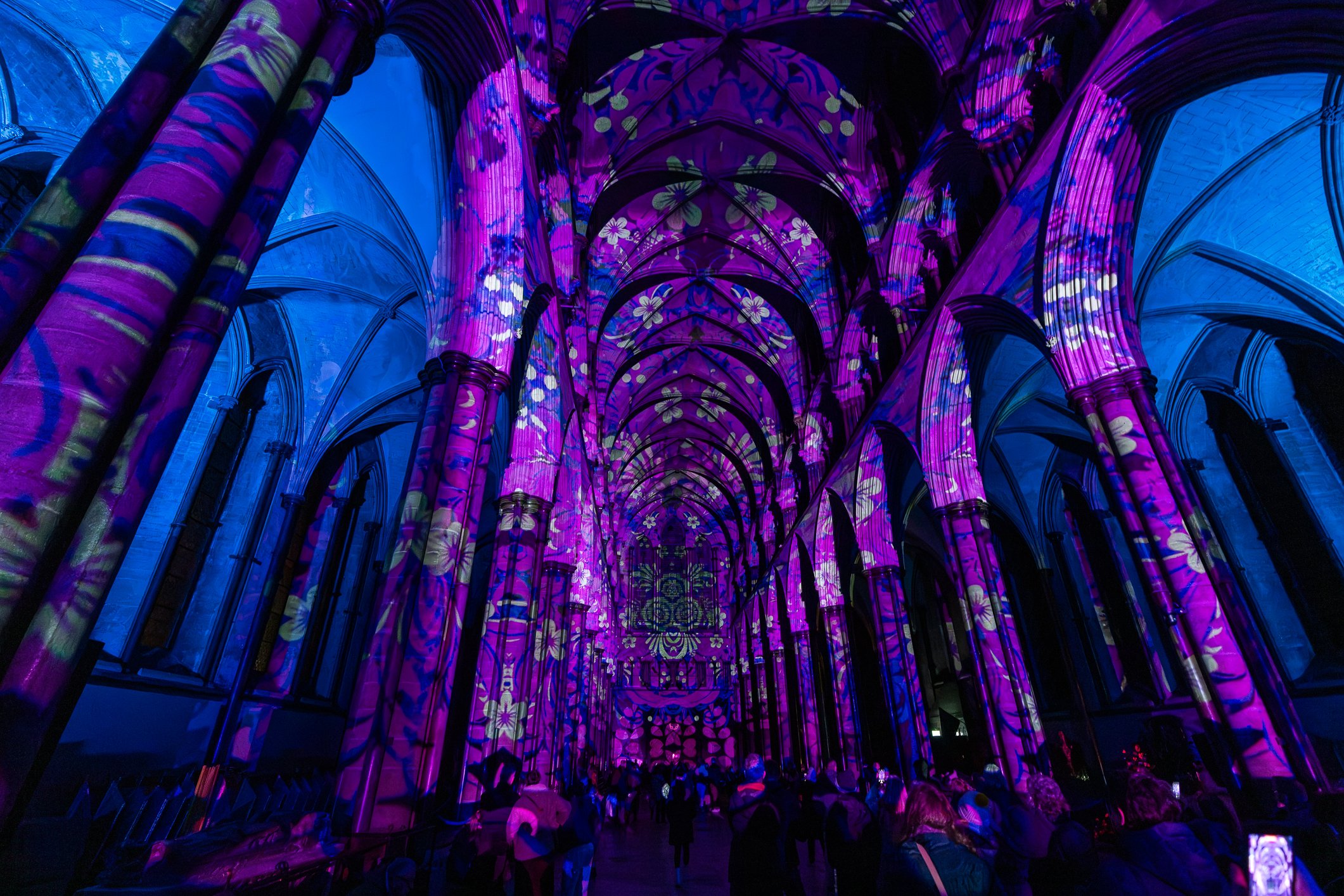
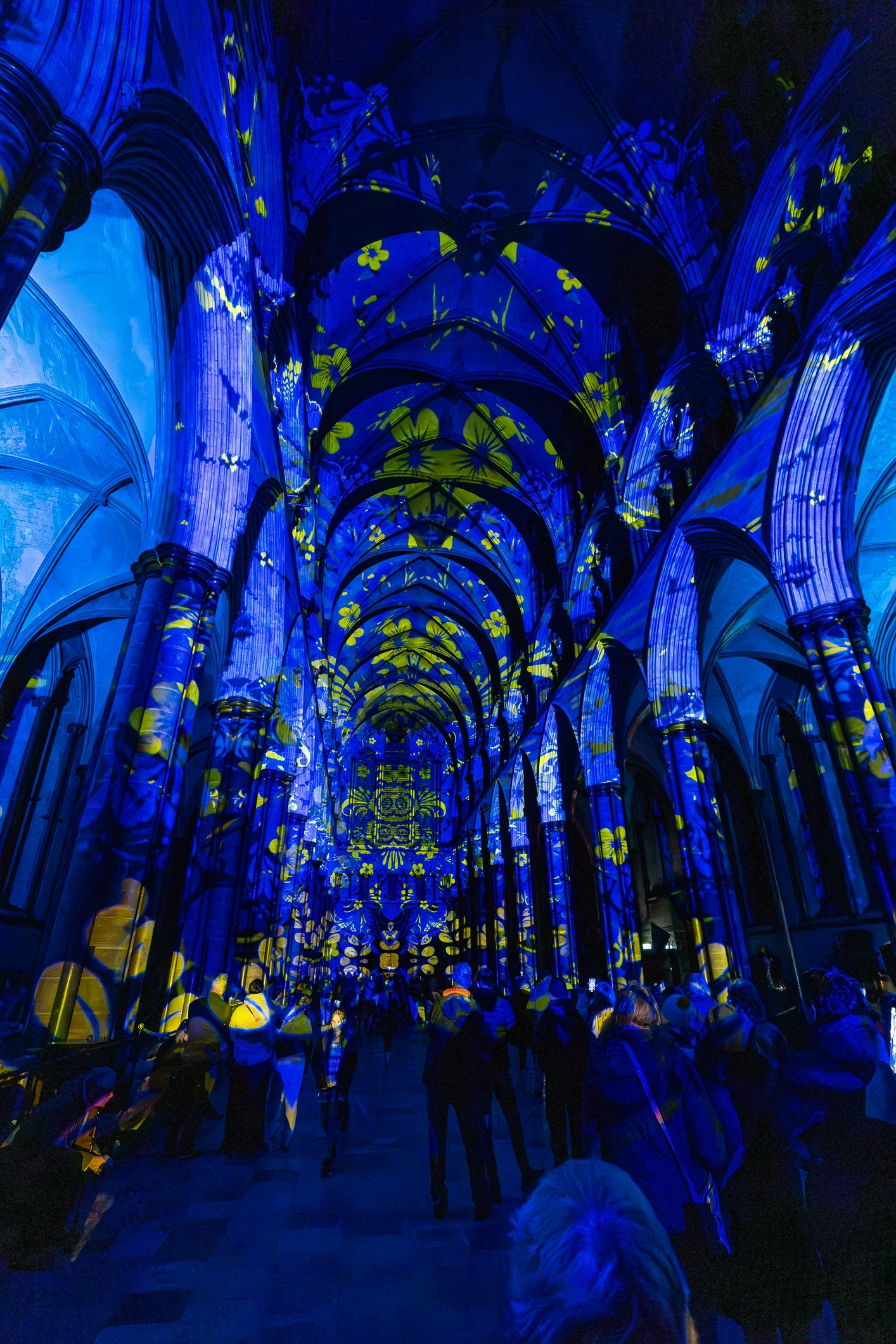
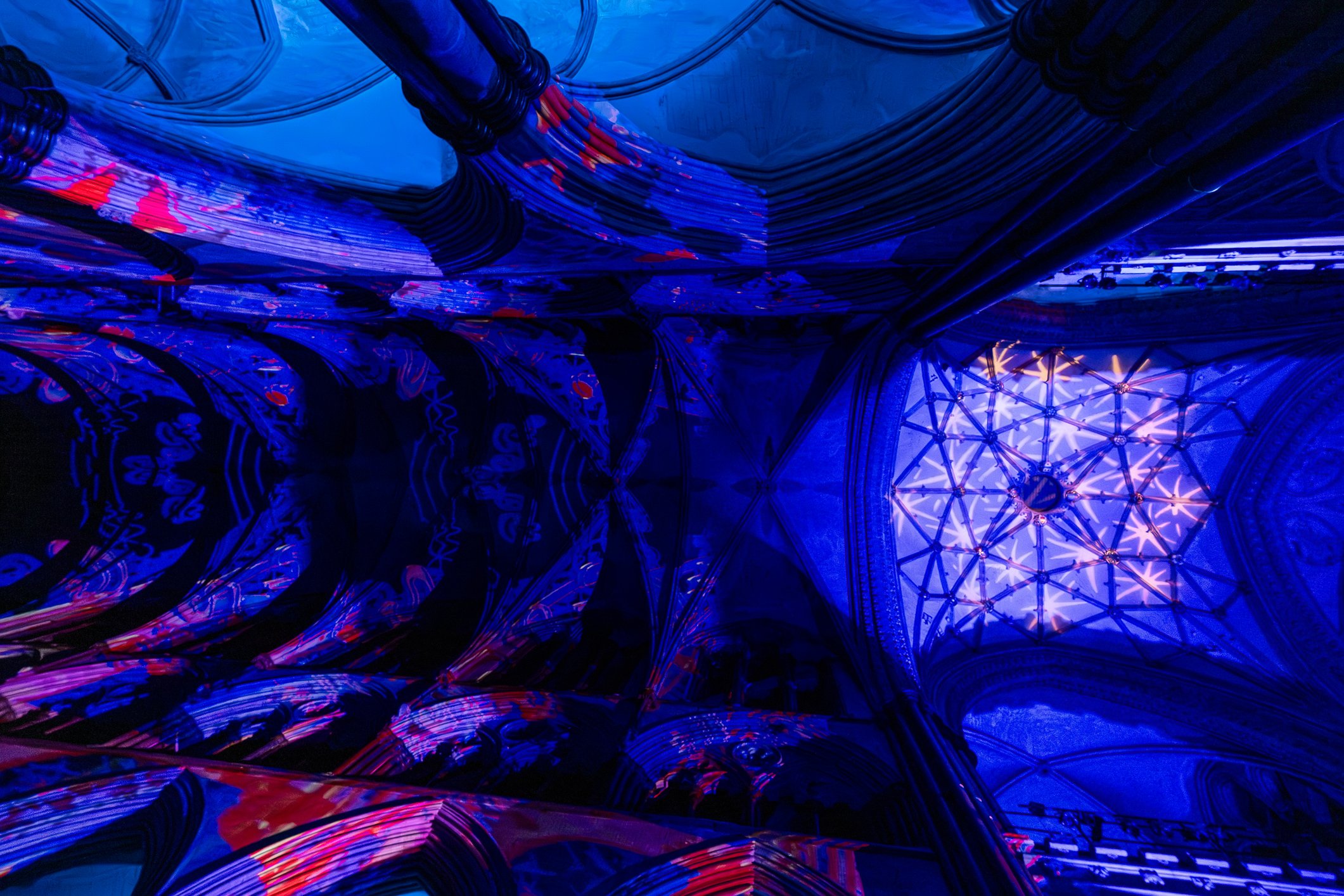
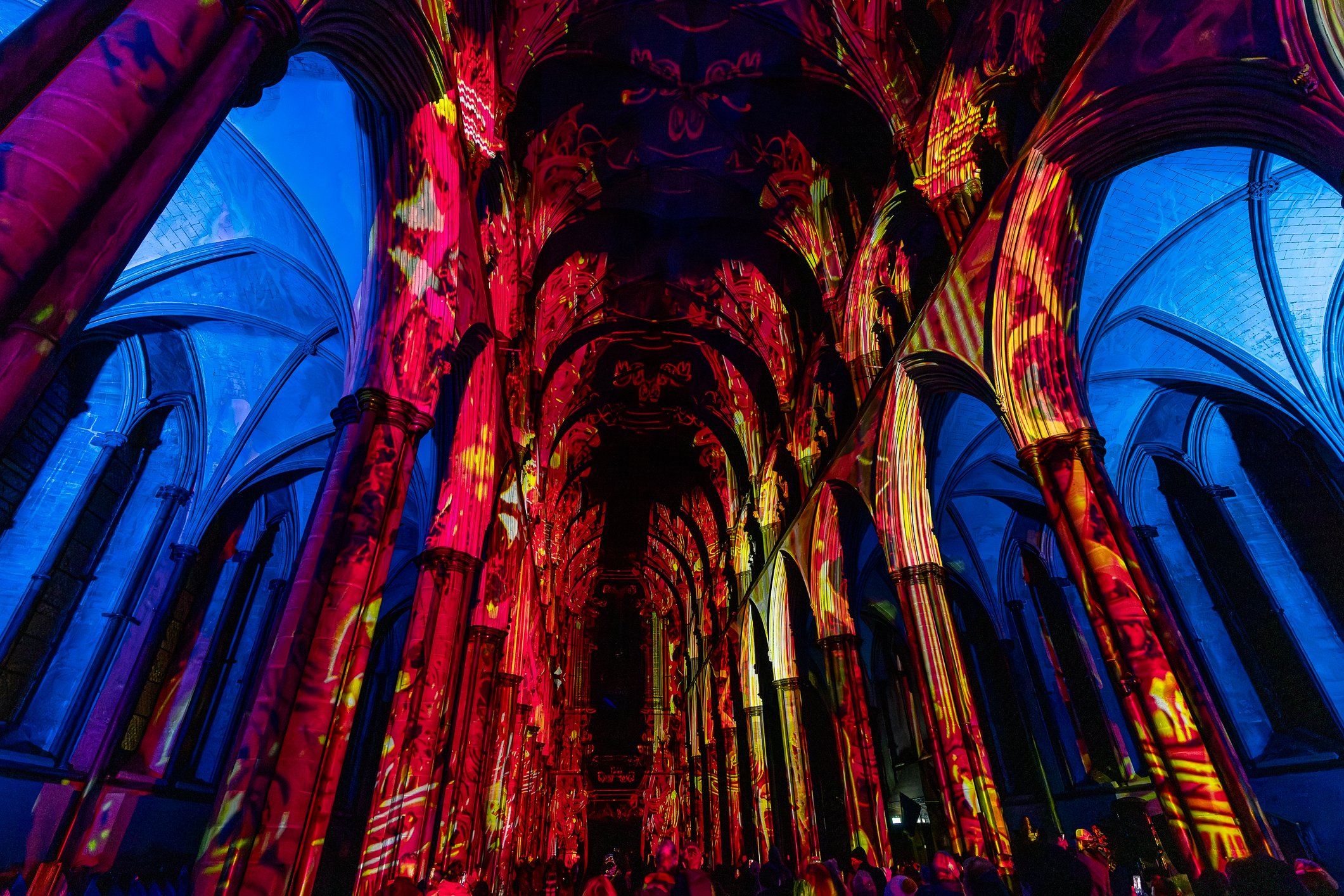
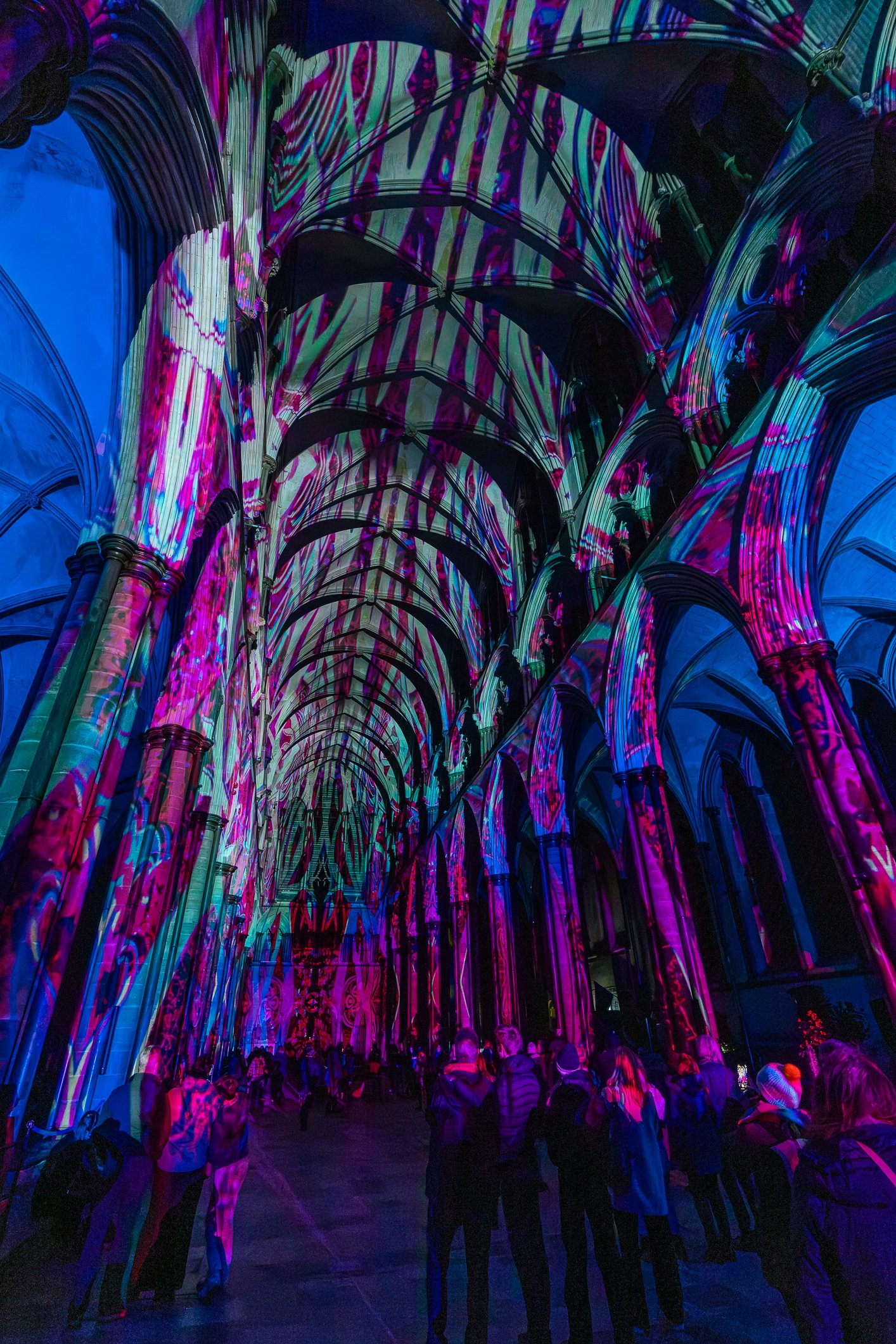
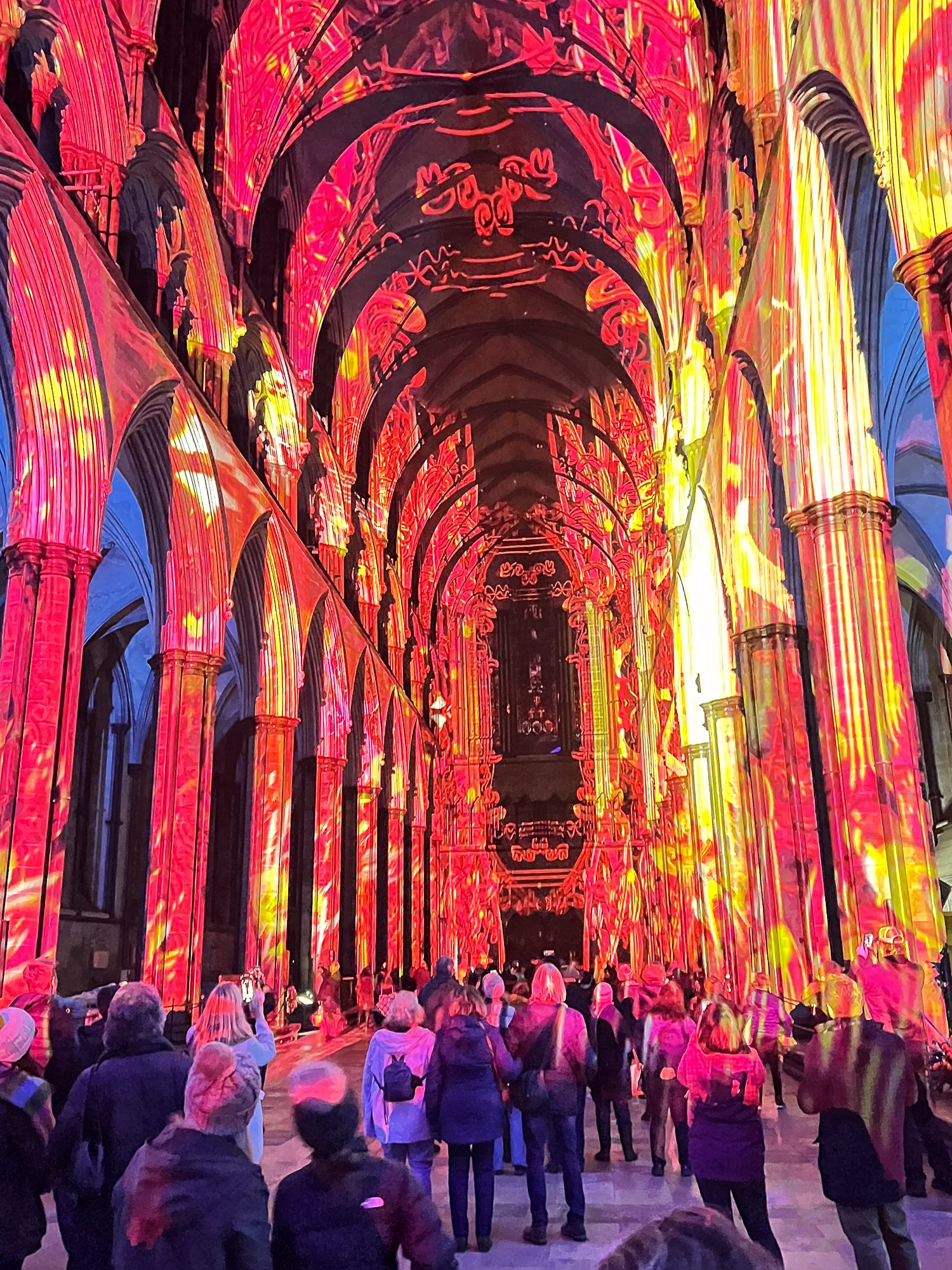
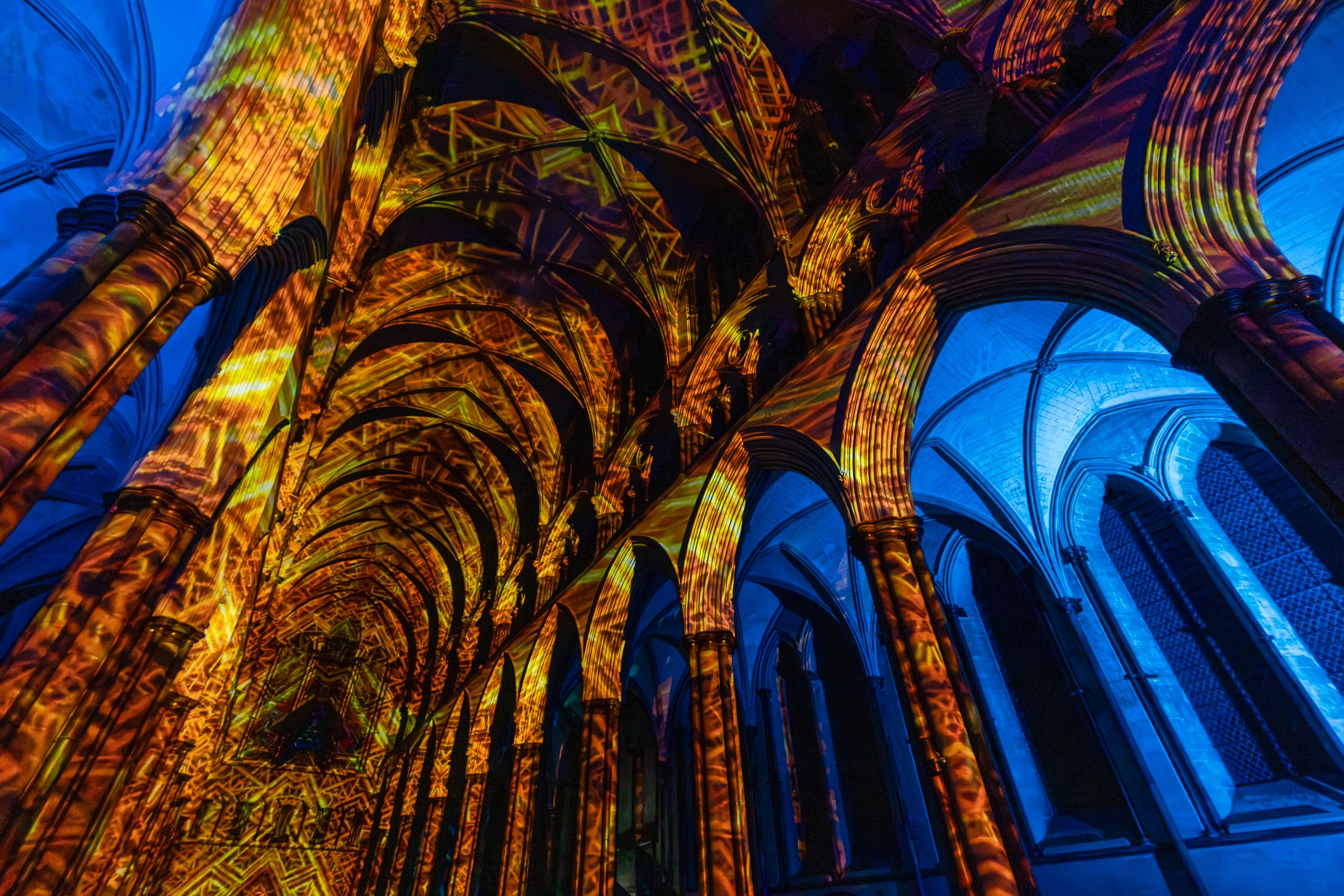
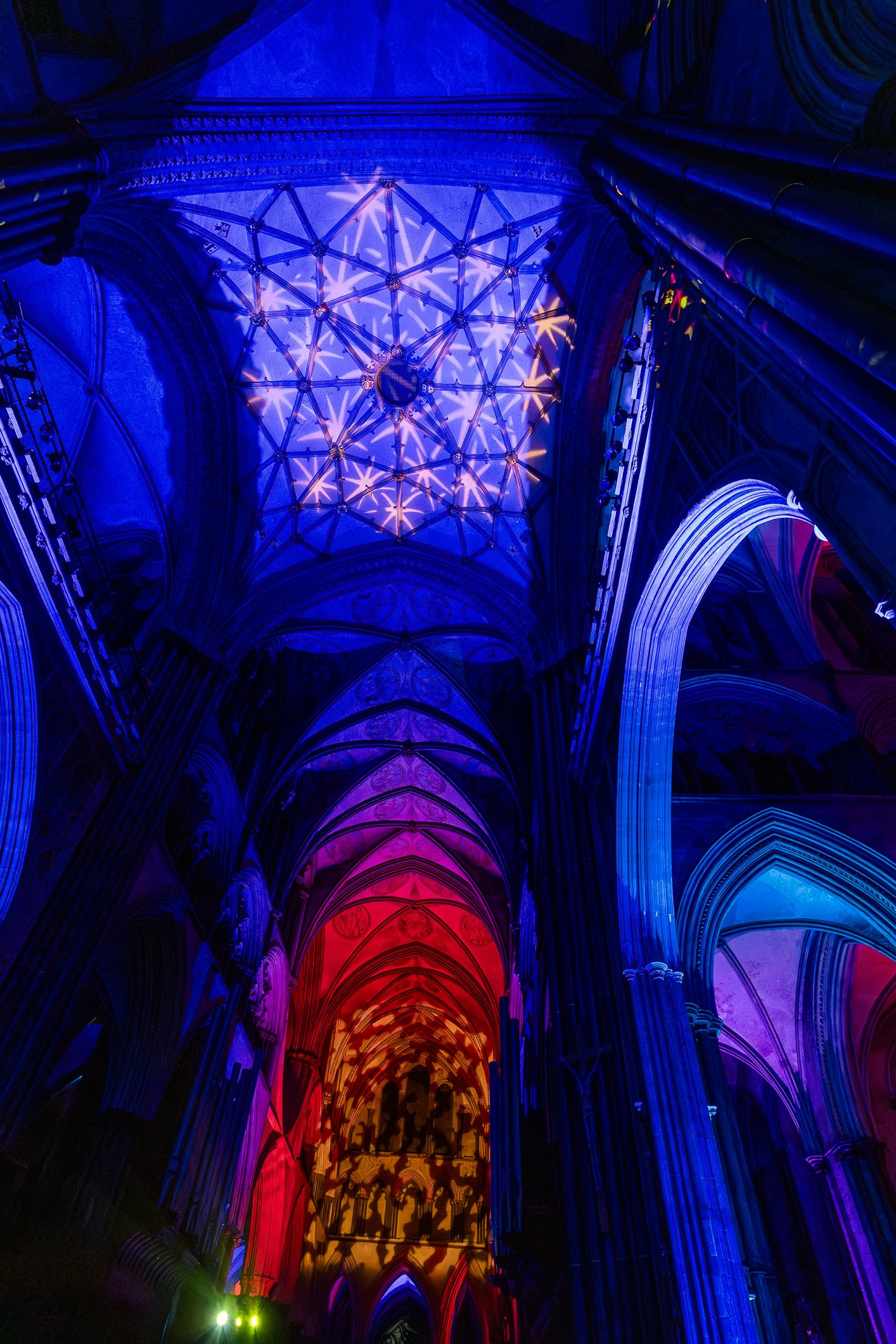
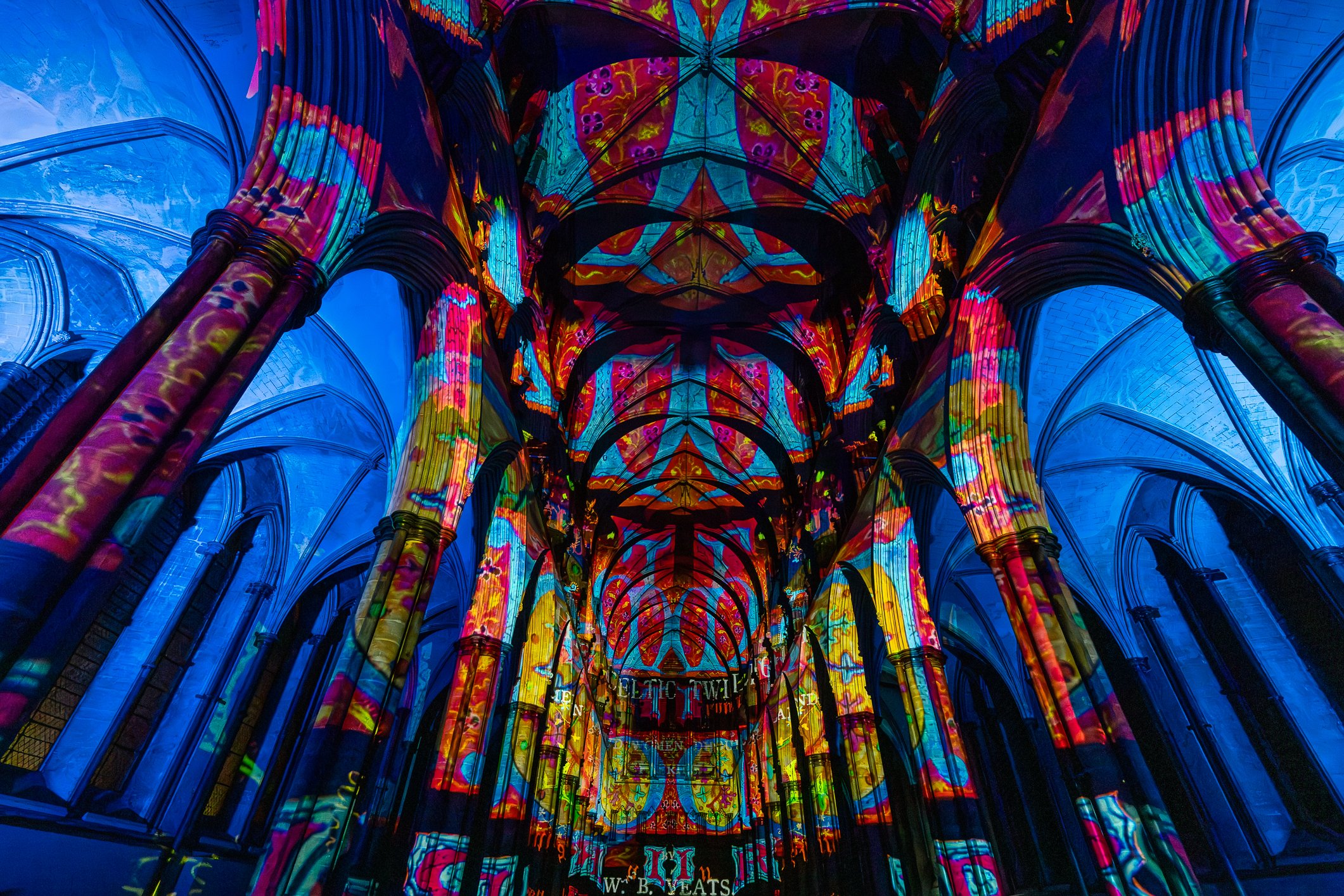
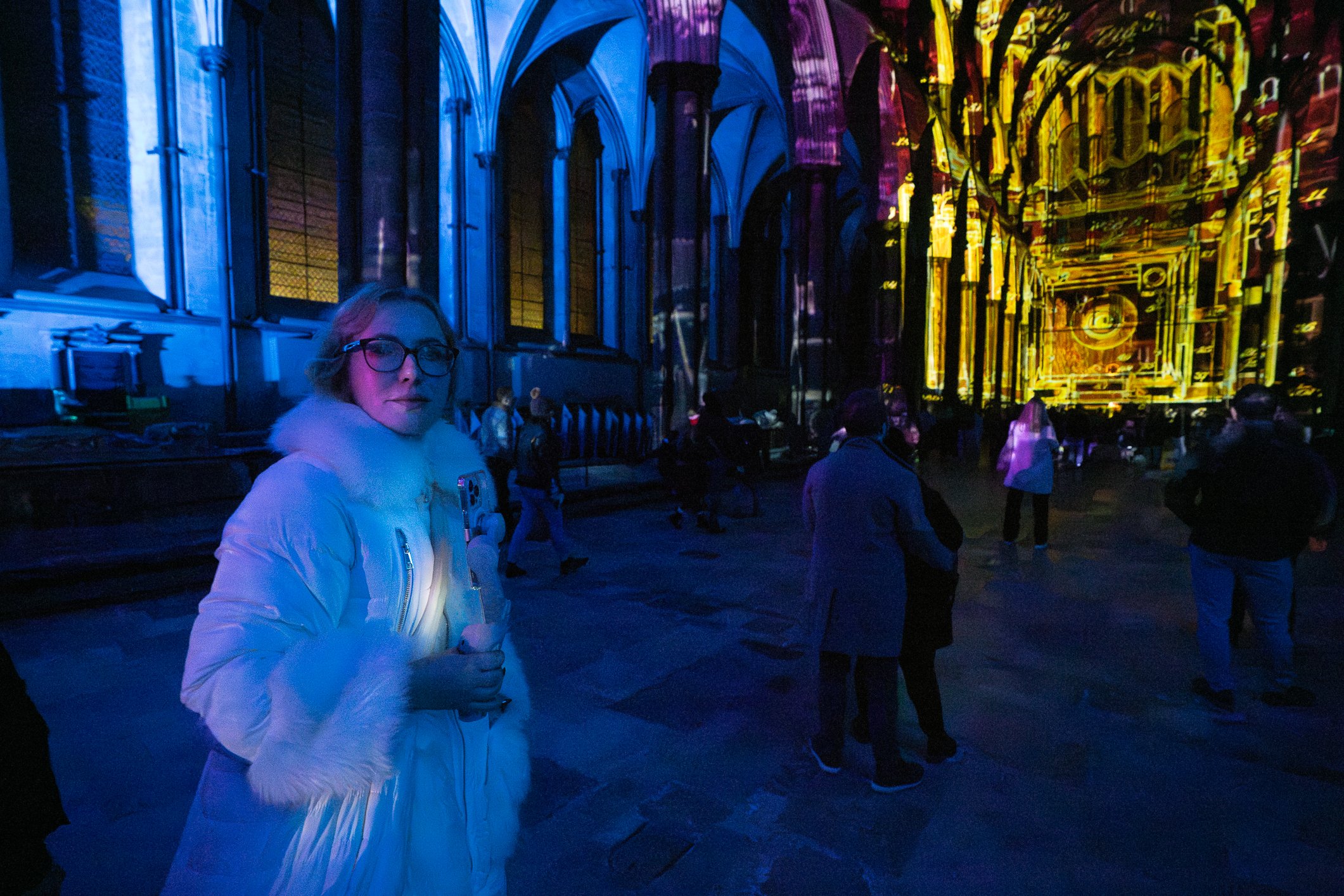
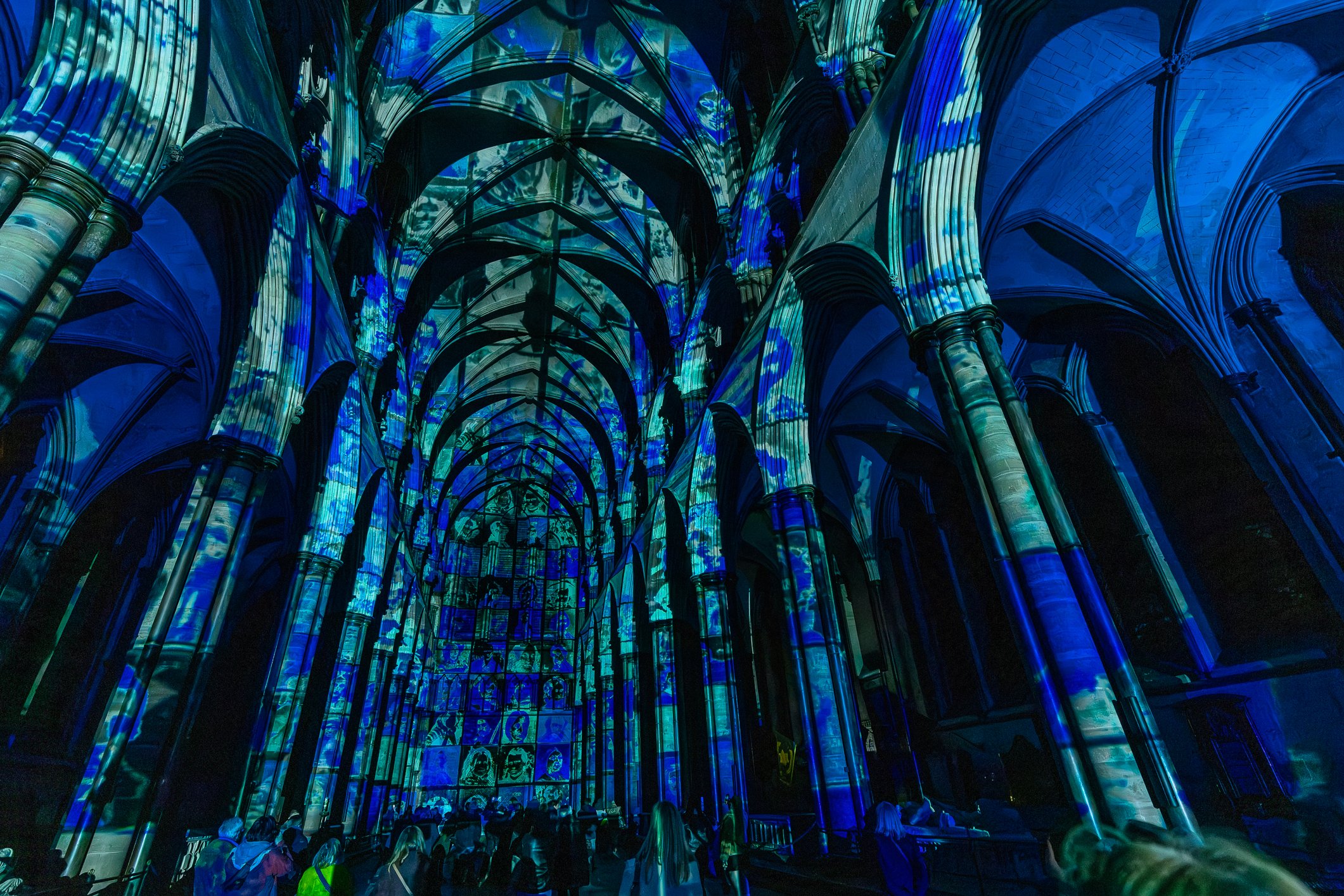
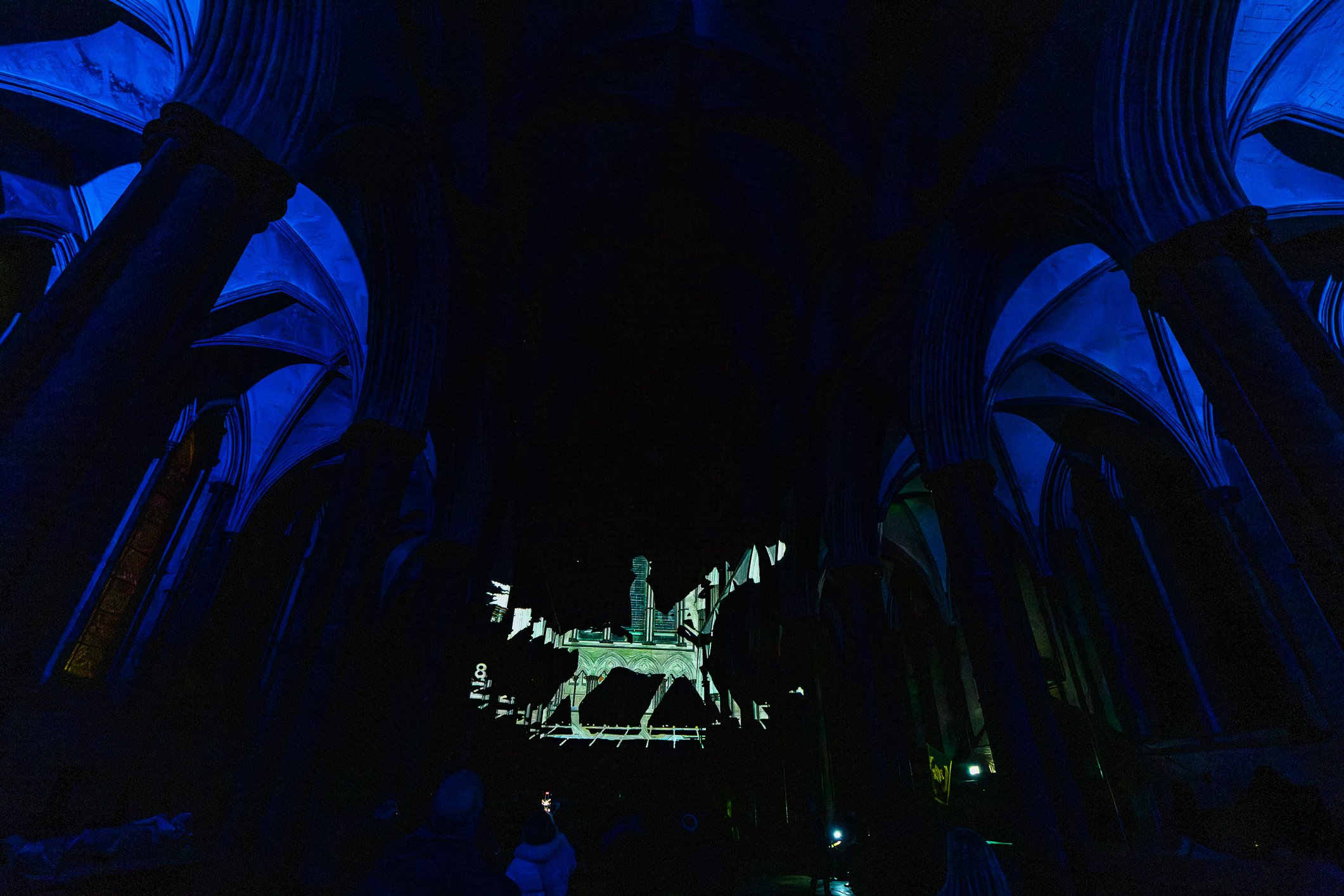
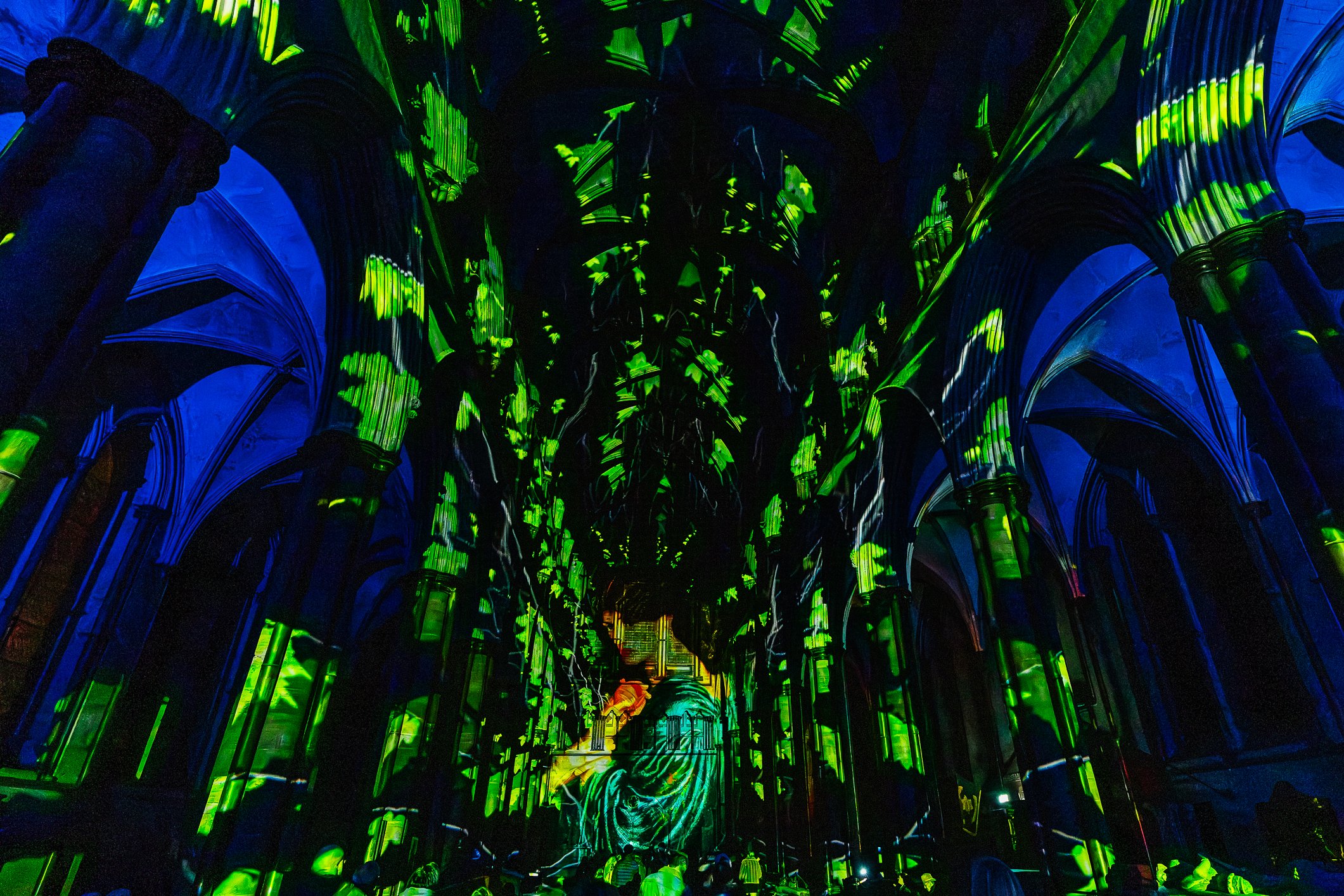
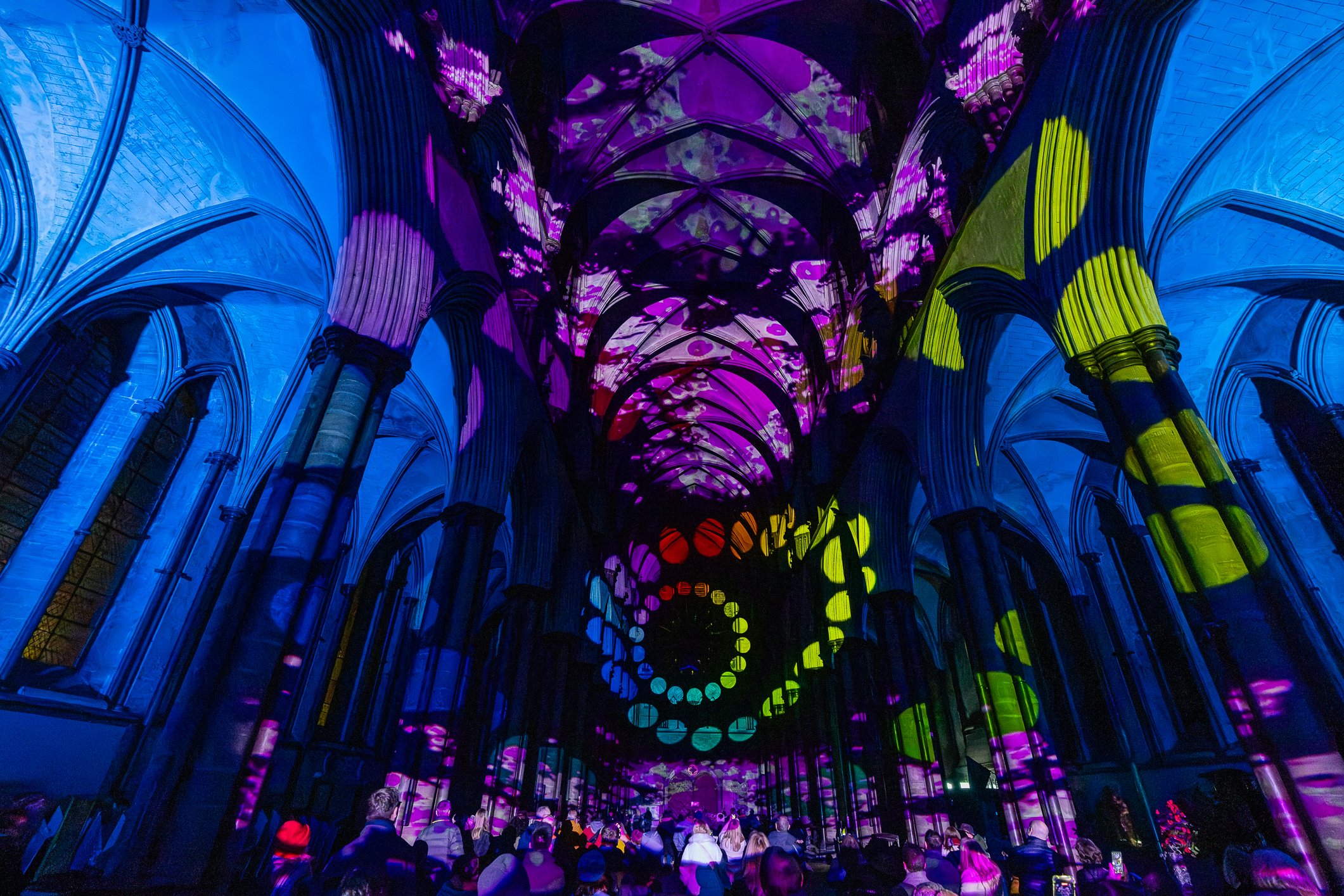
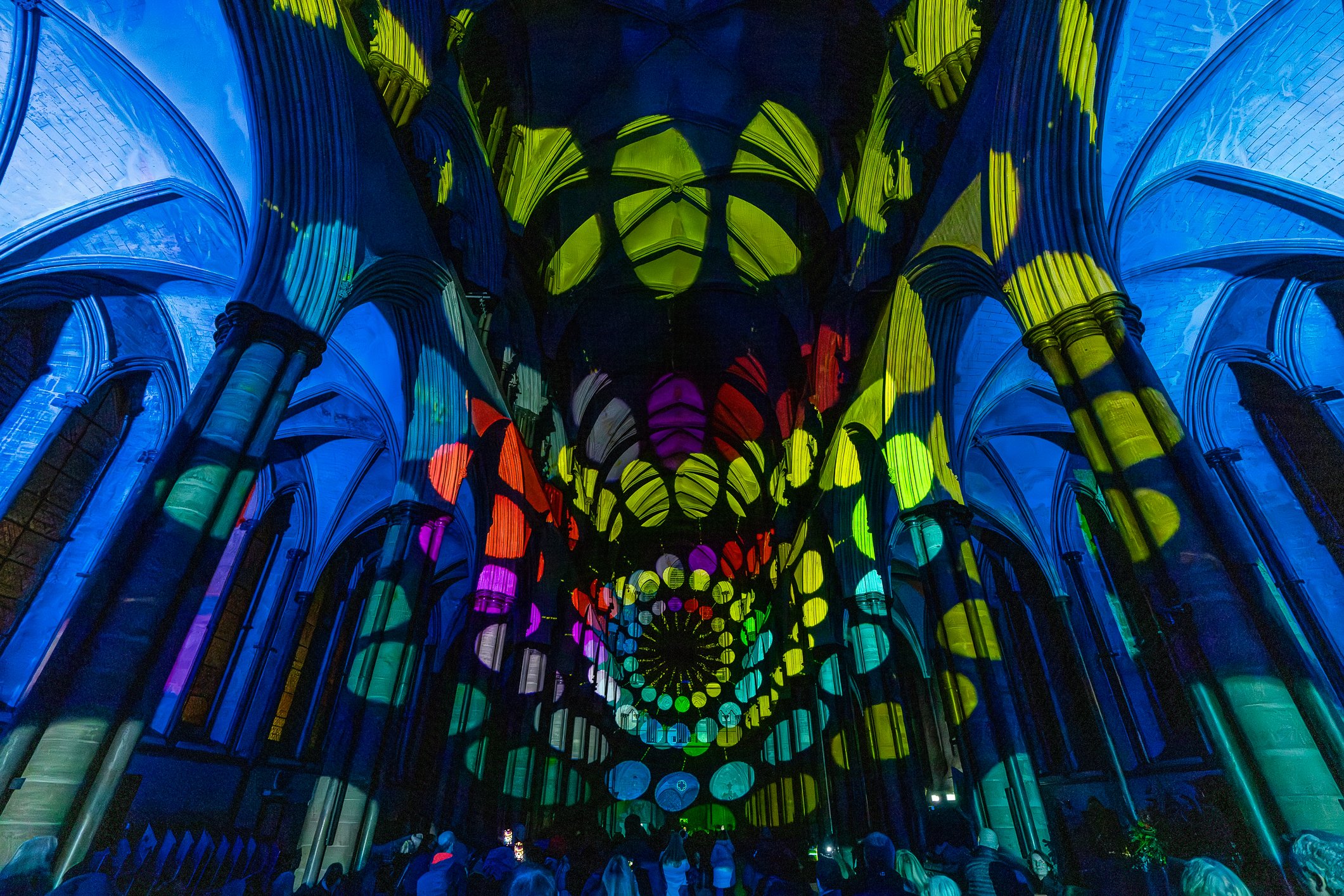
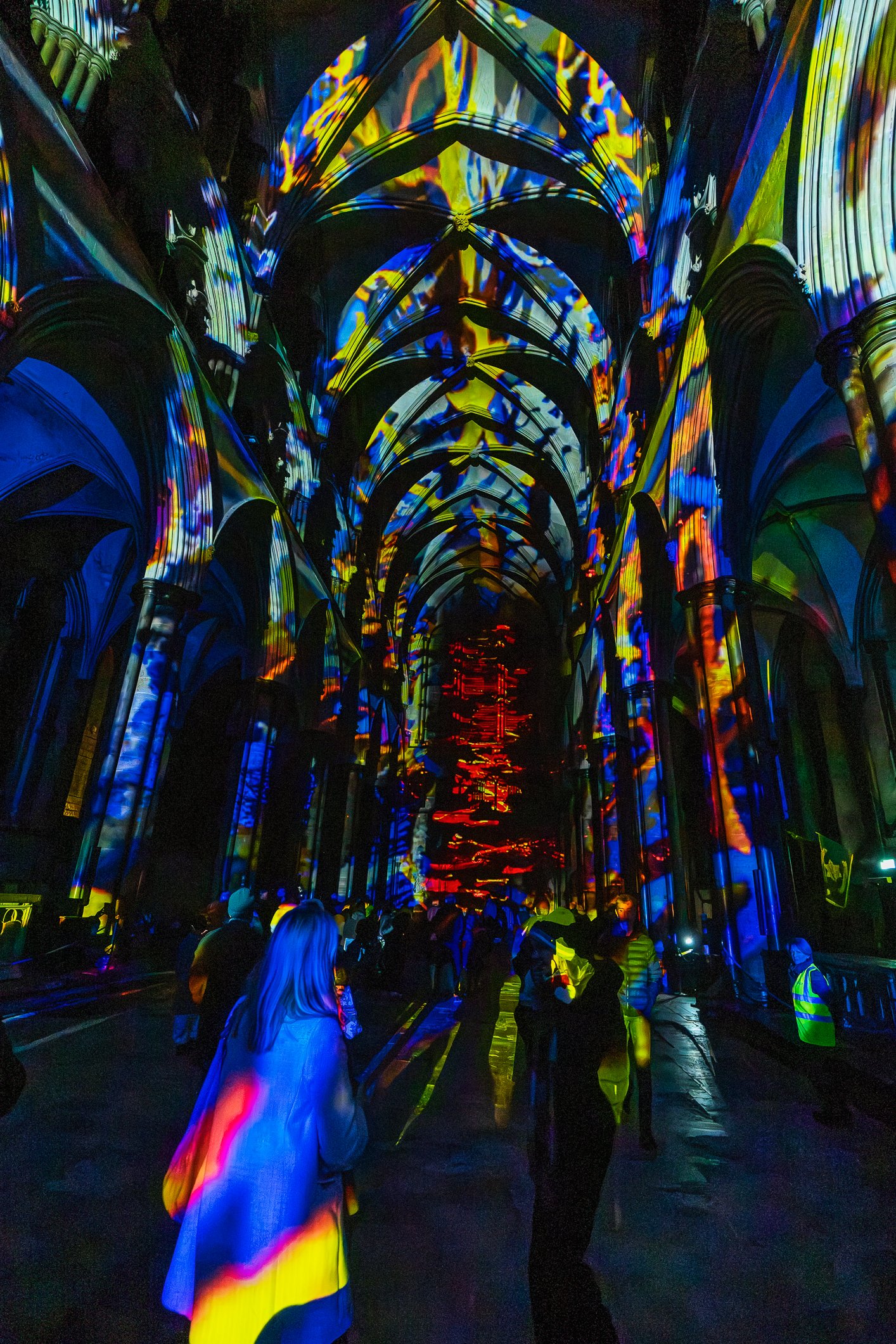
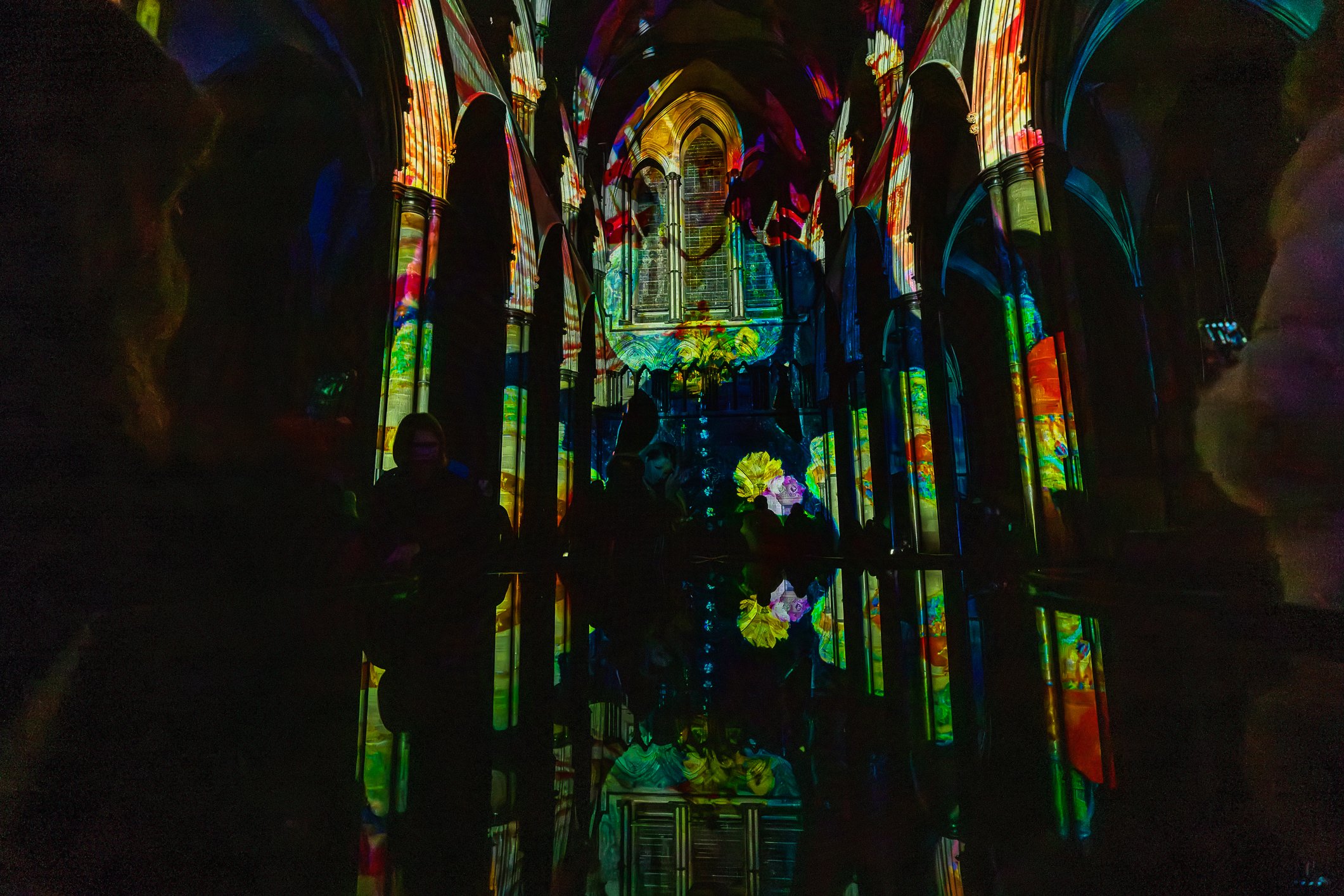
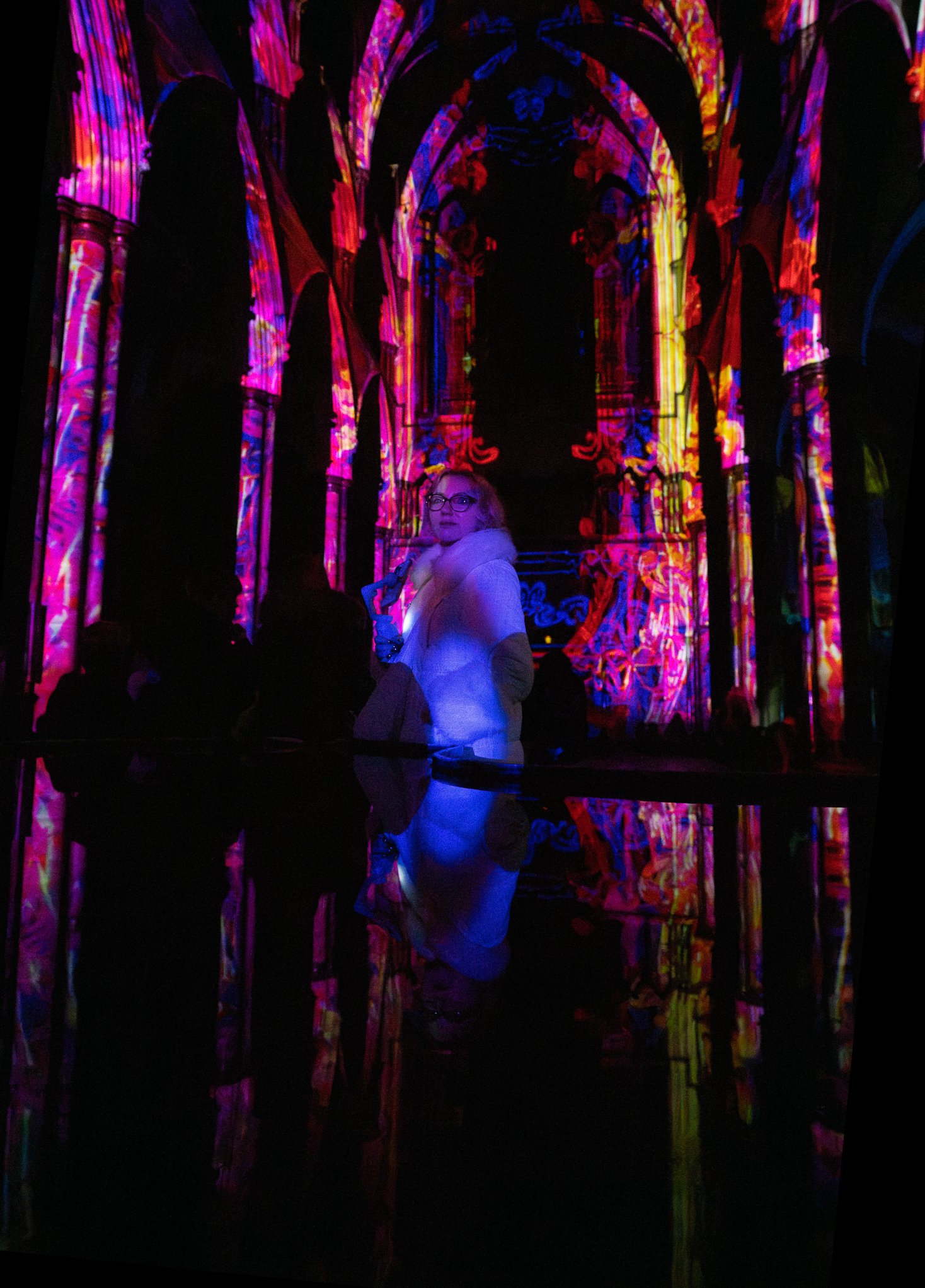
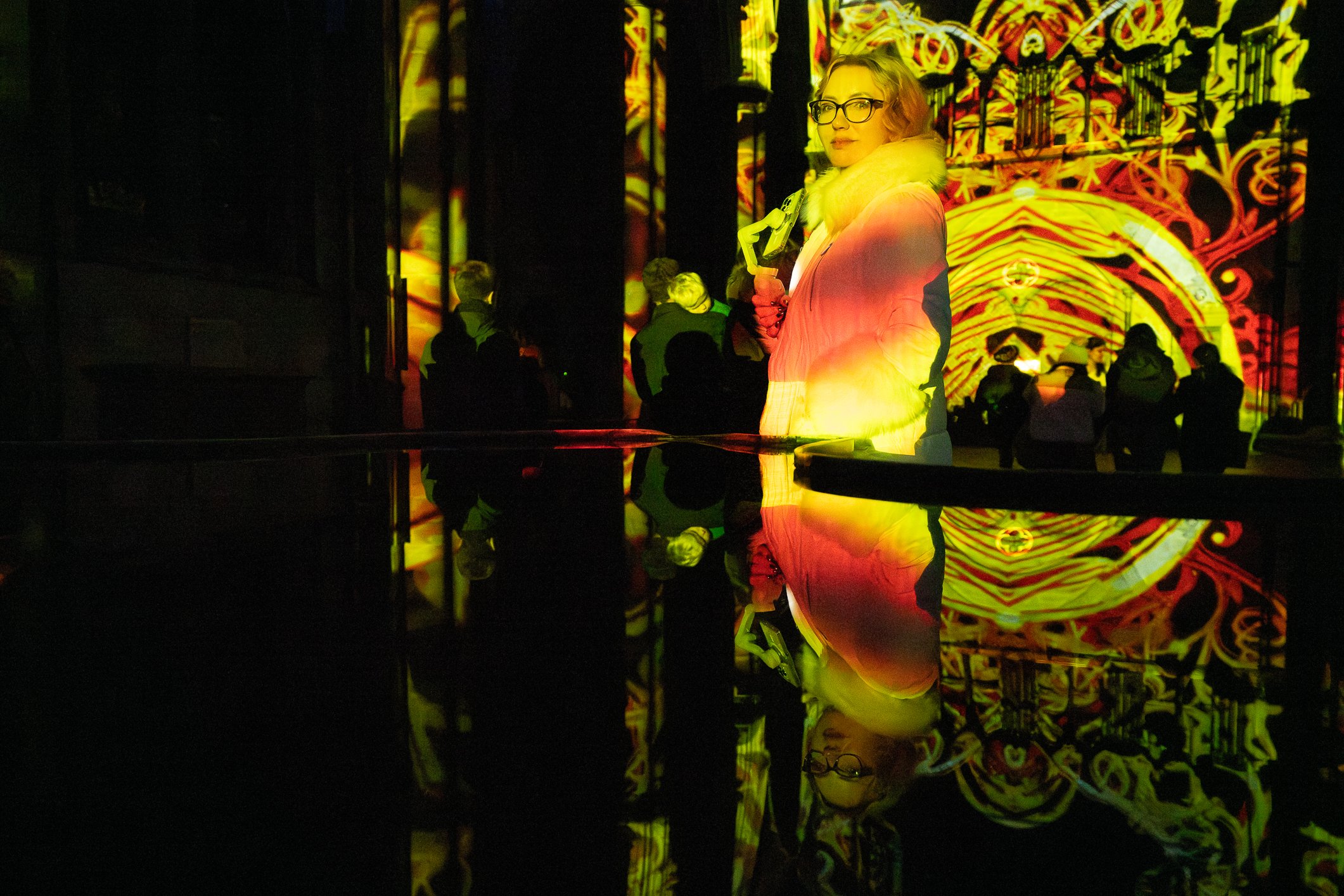
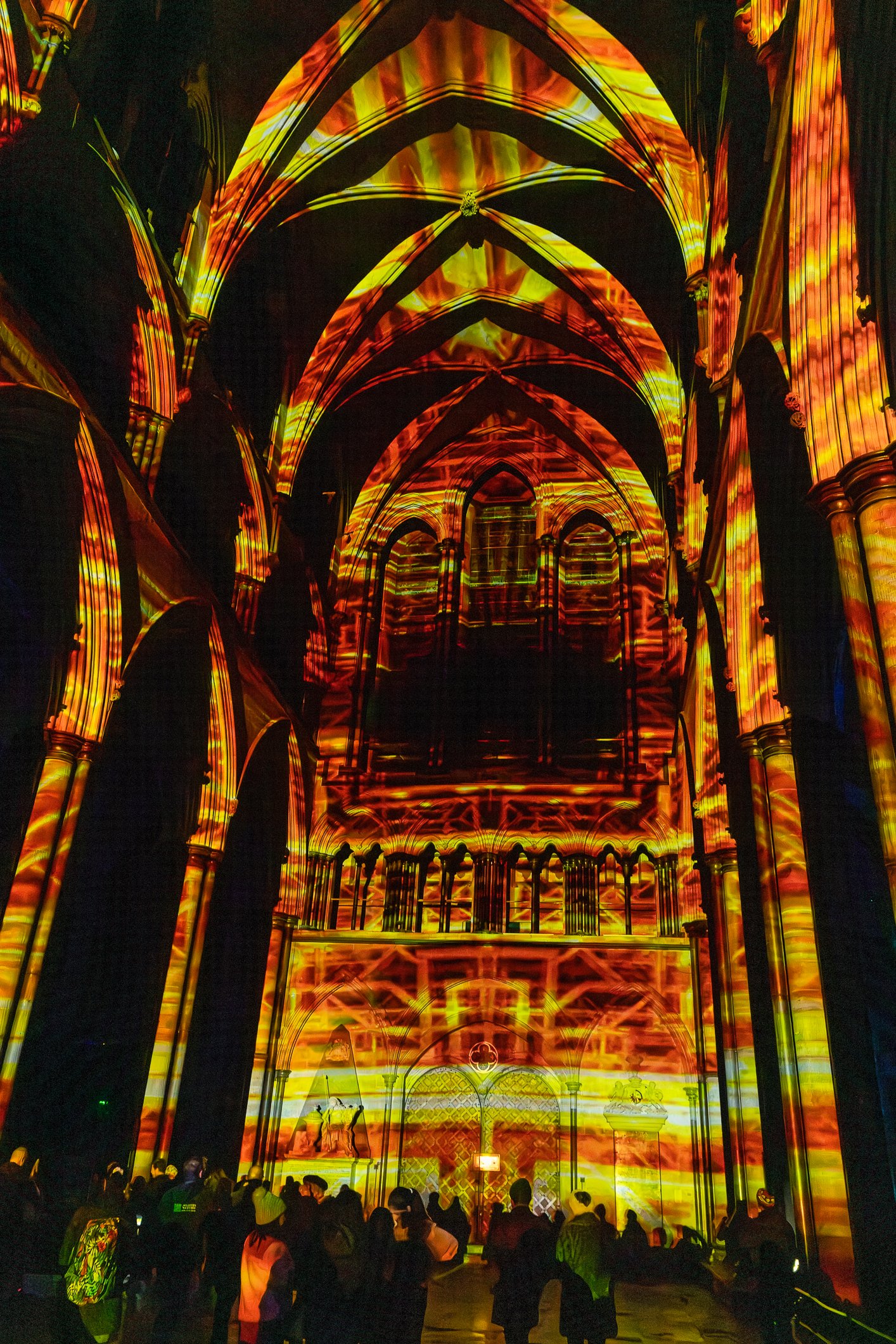
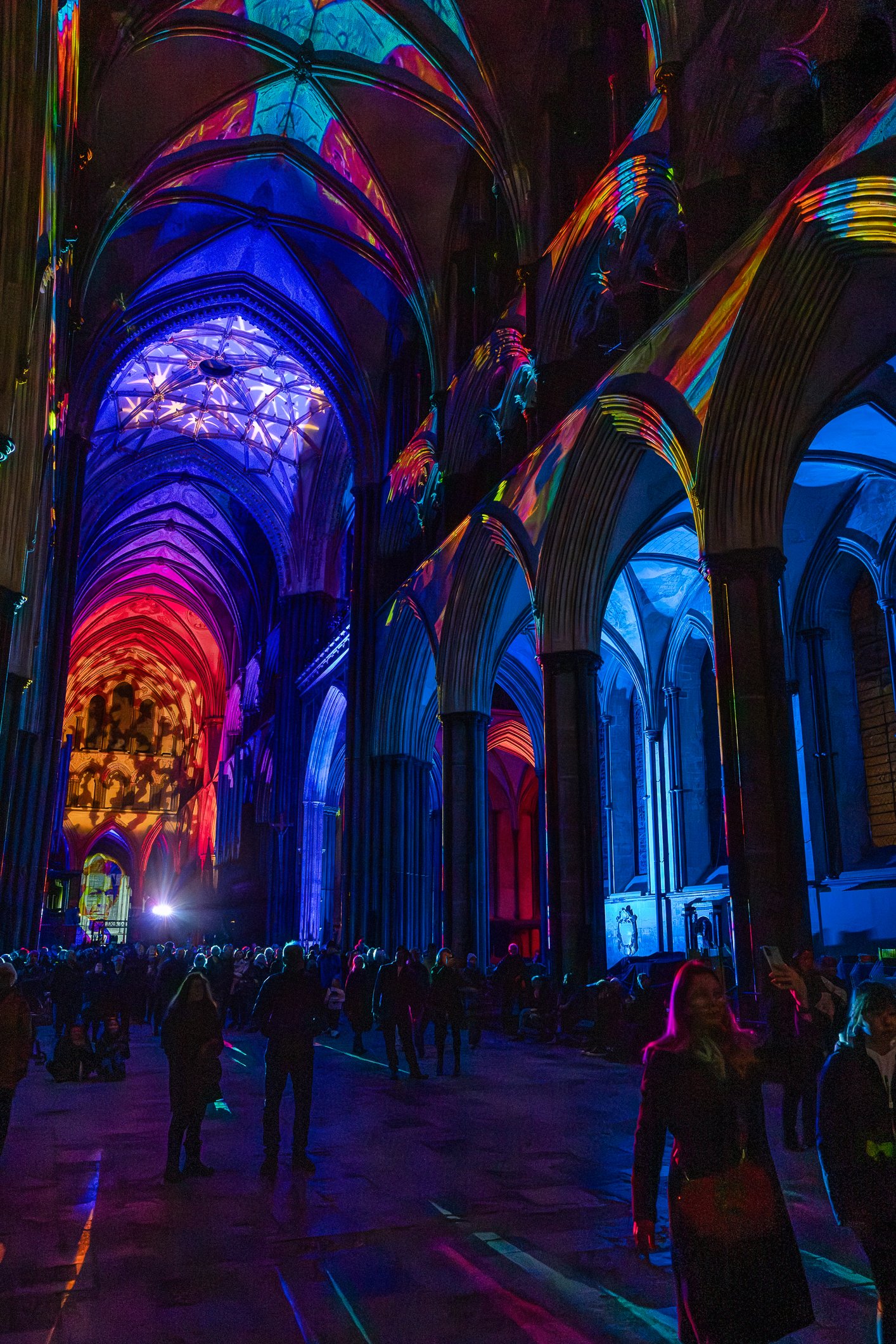
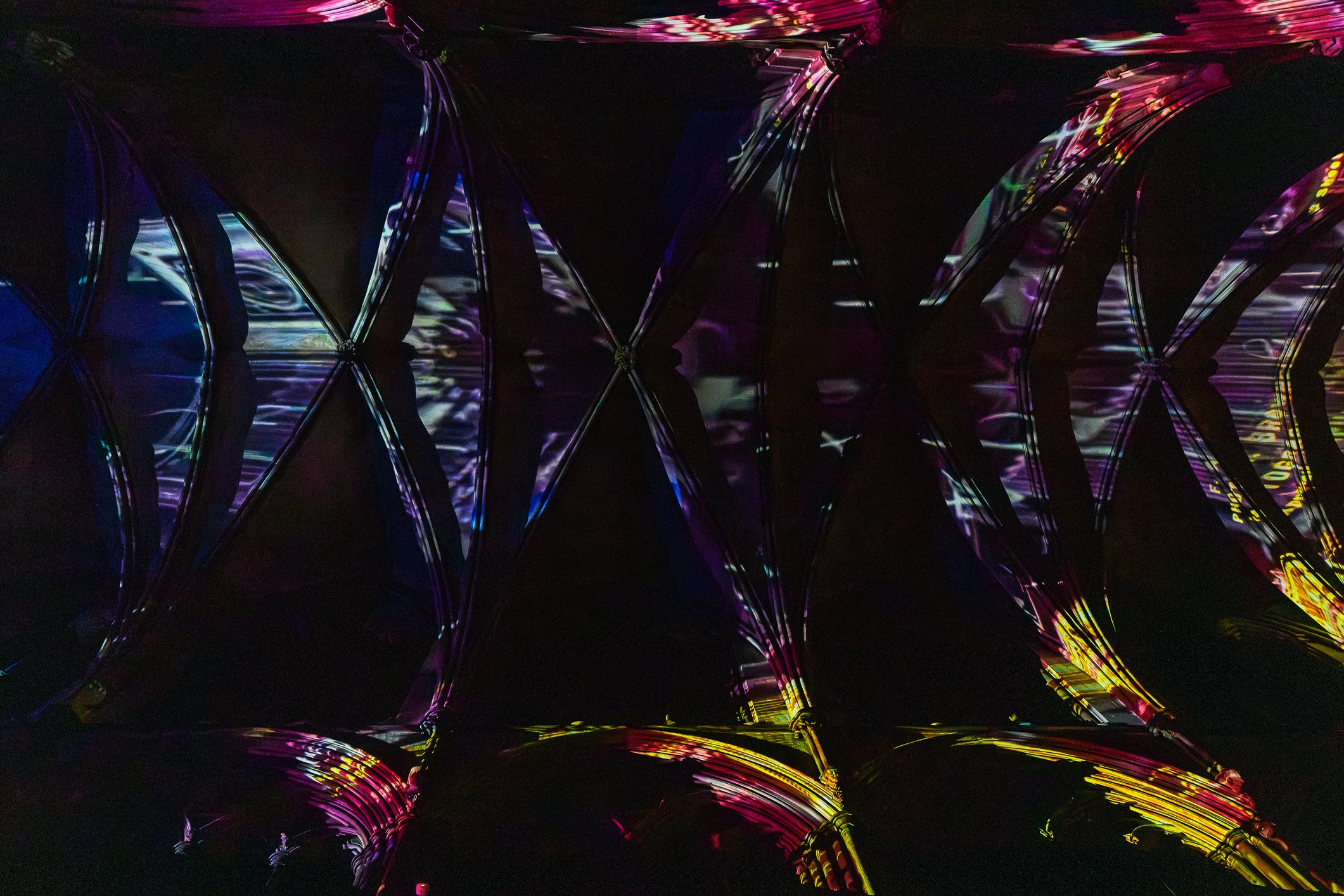
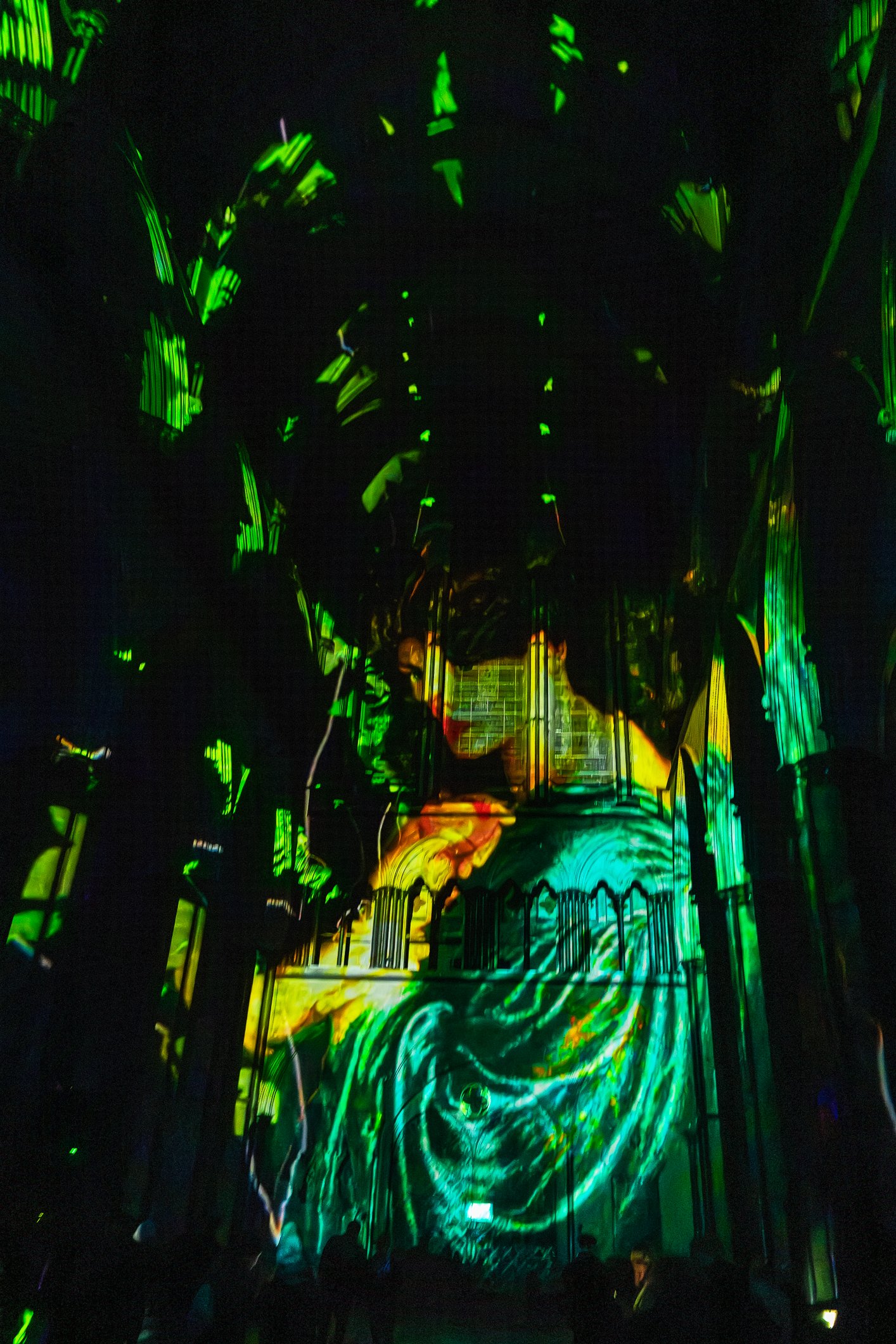
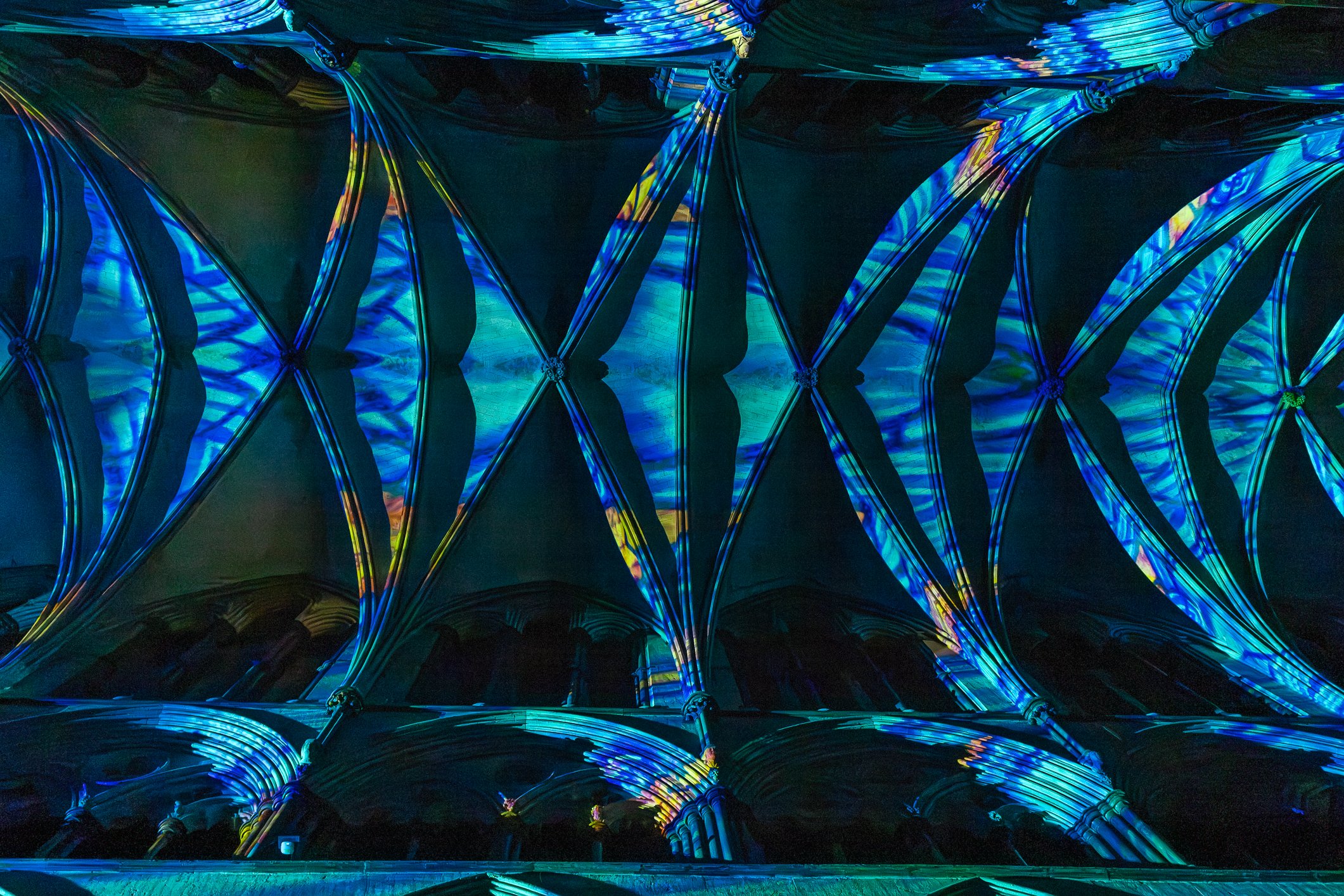
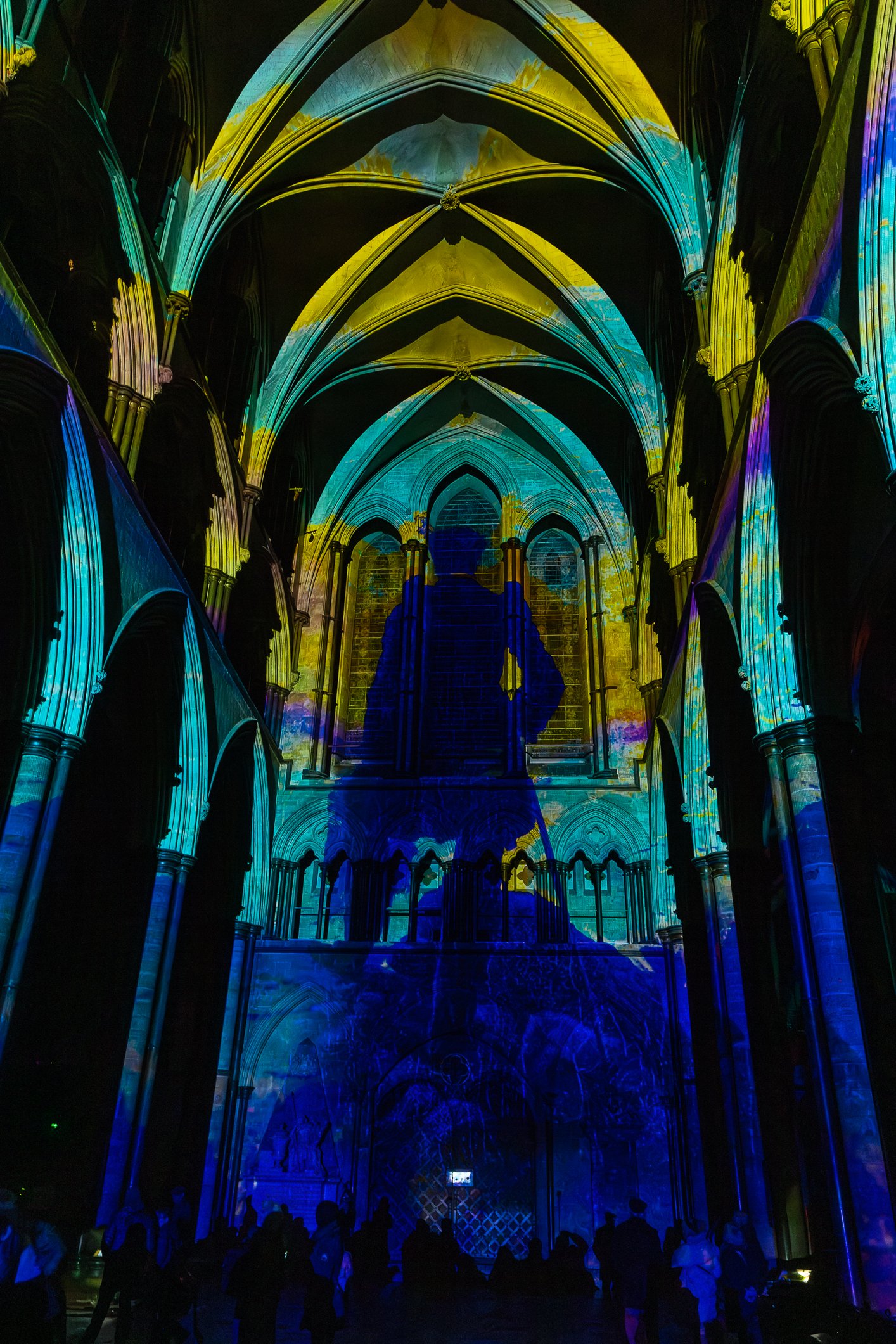
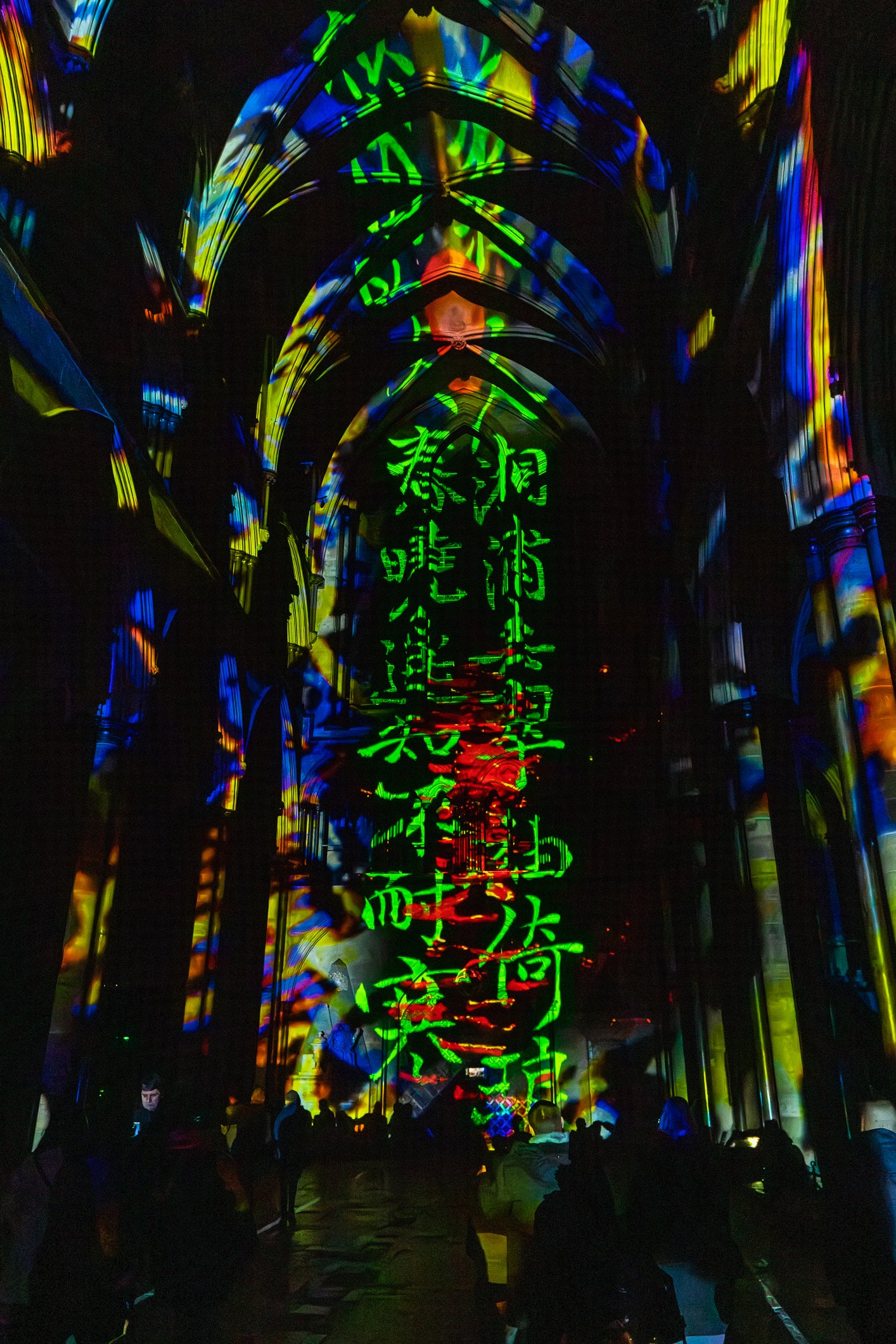
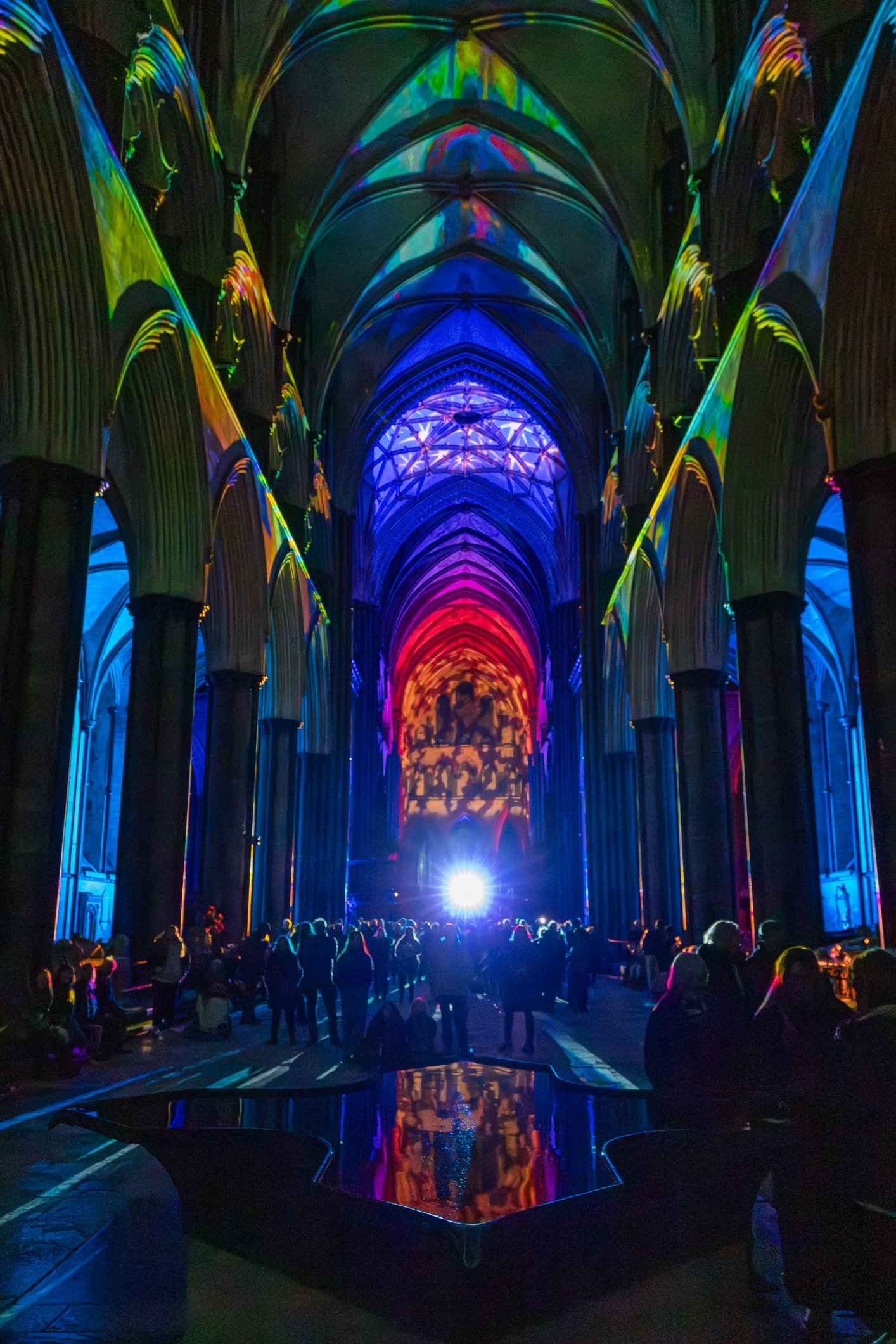
This week, Salisbury Cathedral unveiled a new light and sound experience, elegantly crafted by Luxmuralis for the latest edition of Sarum Lights. This immersive event transformed the Cathedral into a canvas of light, filling both its west front exterior and many places in the interior with mesmerizing projection installations.

W tym tygodniu Katedra w Salisbury zaprezentowała nowy spektakl światła i dźwięku, zaprojektowany przez Luxmuralis na potrzeby najnowszej edycji festiwalu Sarum Lights. Katedra zamieniła się w płótno na którym światłem malowane były obrazy – projekcje obejmowały zachodnią fasadę, jak i wiele miejsc wewnątrz katedry.

Entitled Time, this year’s spectacle delved deep into humanity’s complex relationship with time—a theme that resonates through the ages. From the intricate workings of clocks to the vast expanses of history, science, and art, visitors embarked on an journey of exploration how time has shaped our lives, influenced great thinkers, and inspired artists throughout history.

Tegoroczny spektakl zatytułowany Czas zagłębił się w złożoną relację ludzkości z czasem — temat, który rezonuje przez wieki. Od skomplikowanych mechanizmów zegarów po rozległe obszary historii, nauki i sztuki, projekcje skłaniały do myślenia, jak czas kształtował nasze życie, wpływał na wielkich myślicieli i inspirował artystów na przestrzeni dziejów.

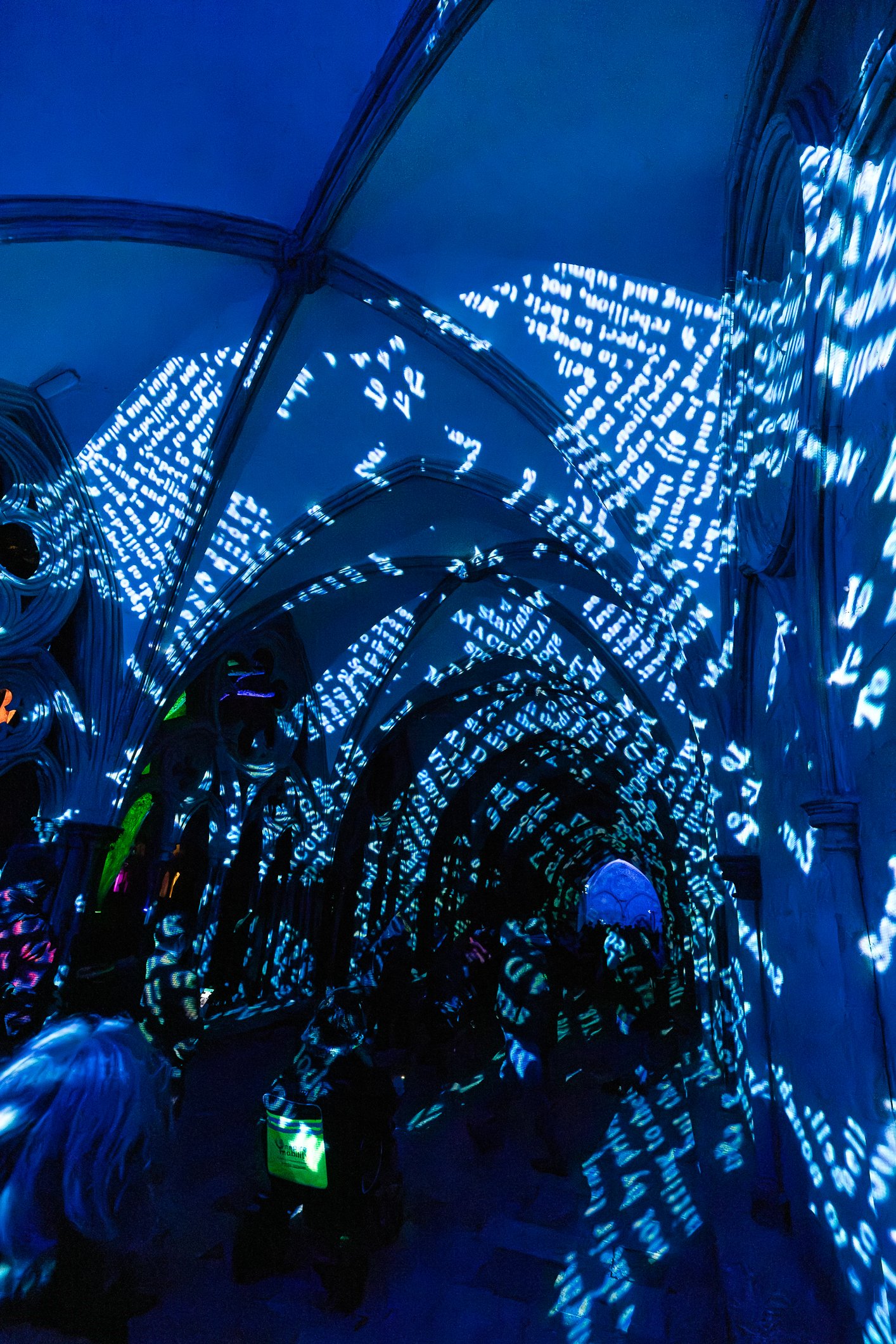
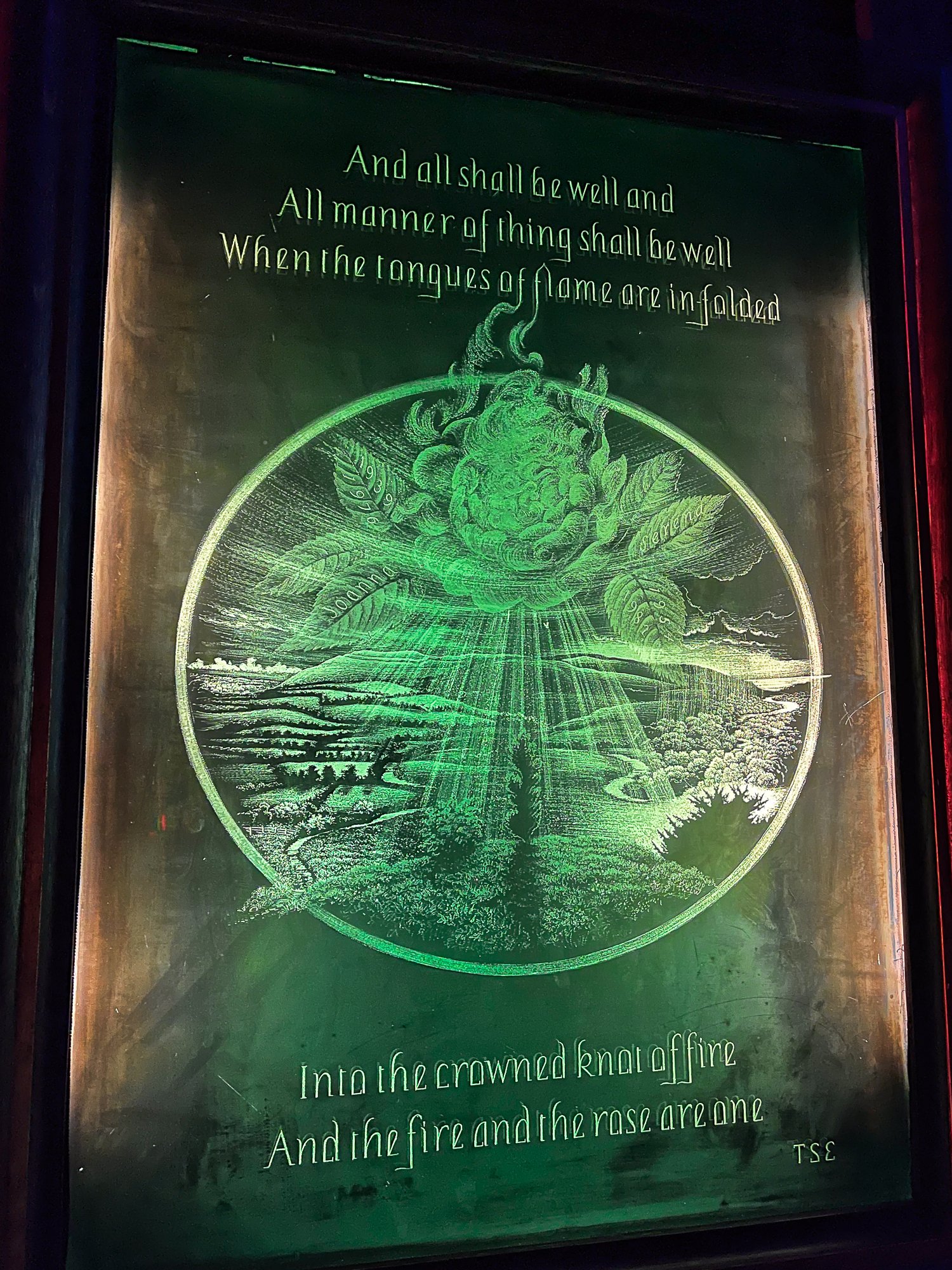
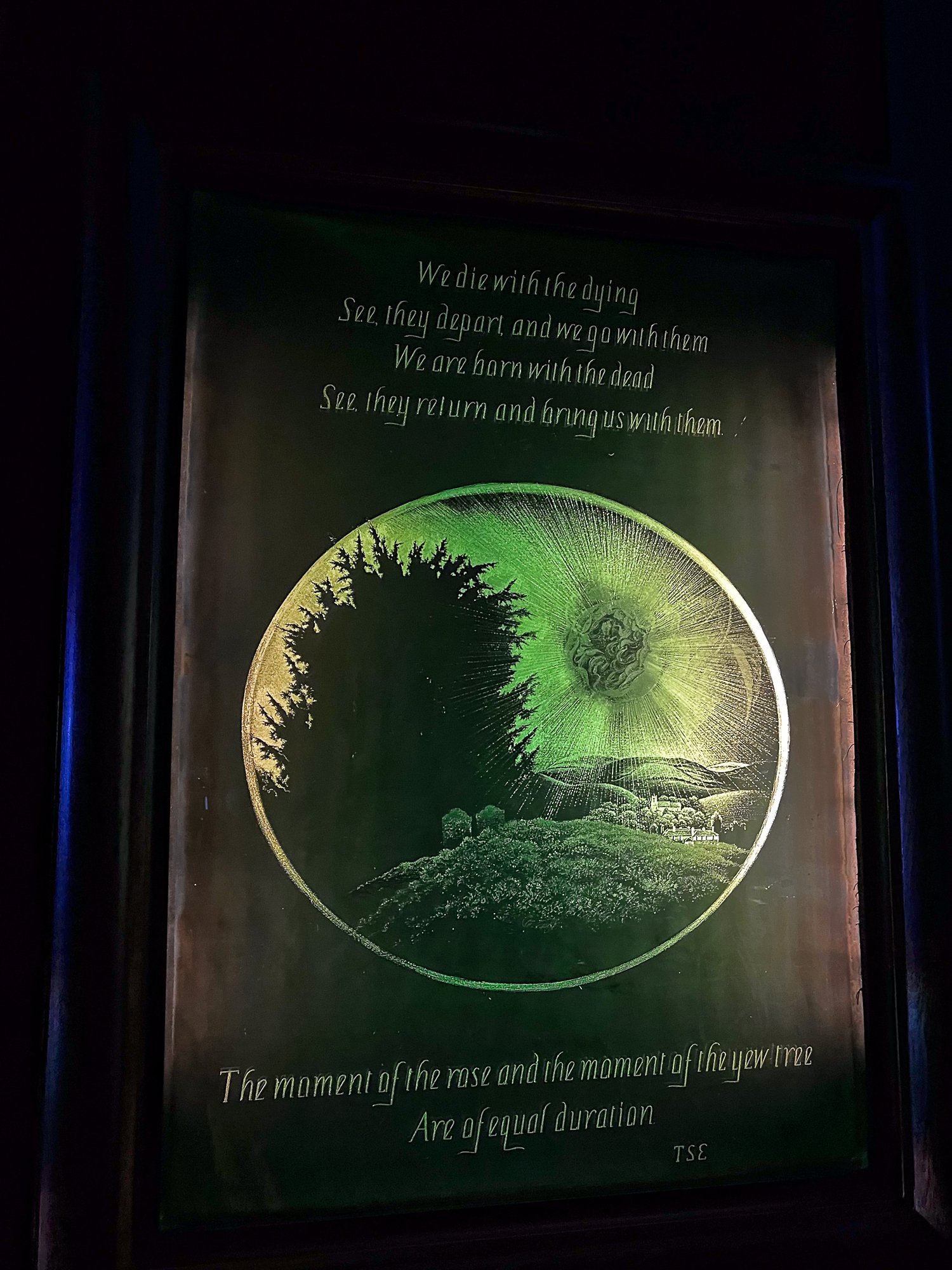
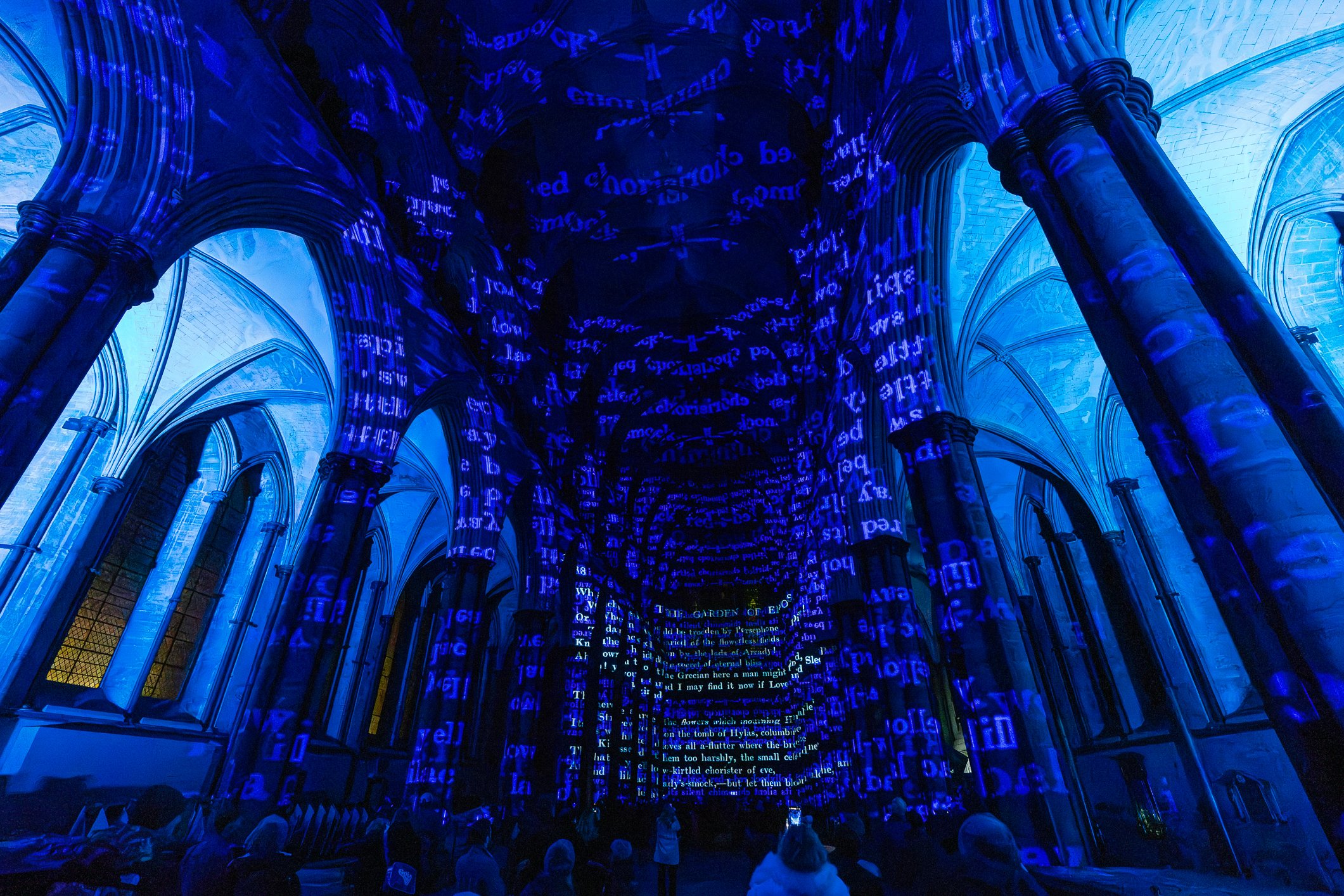
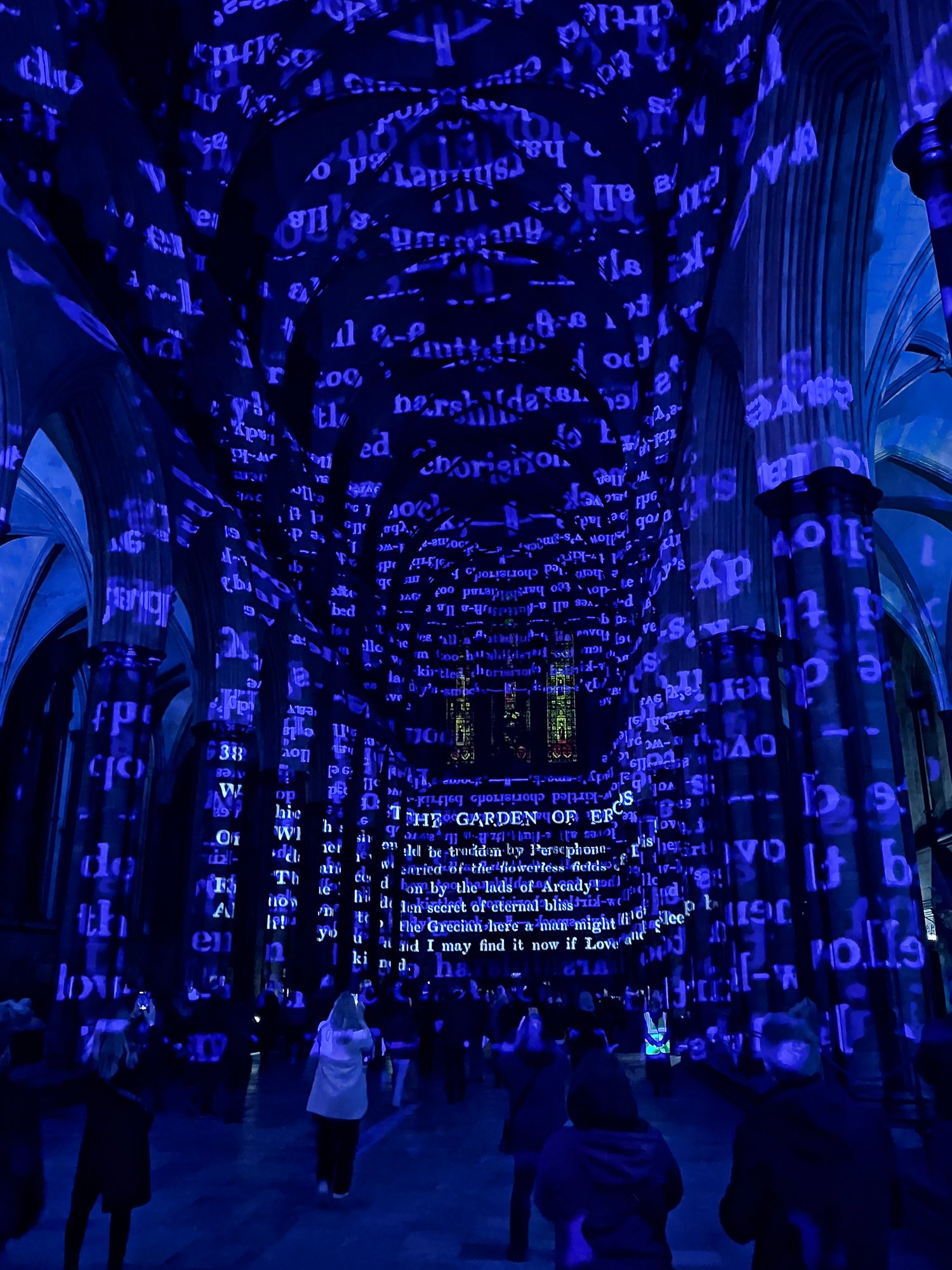
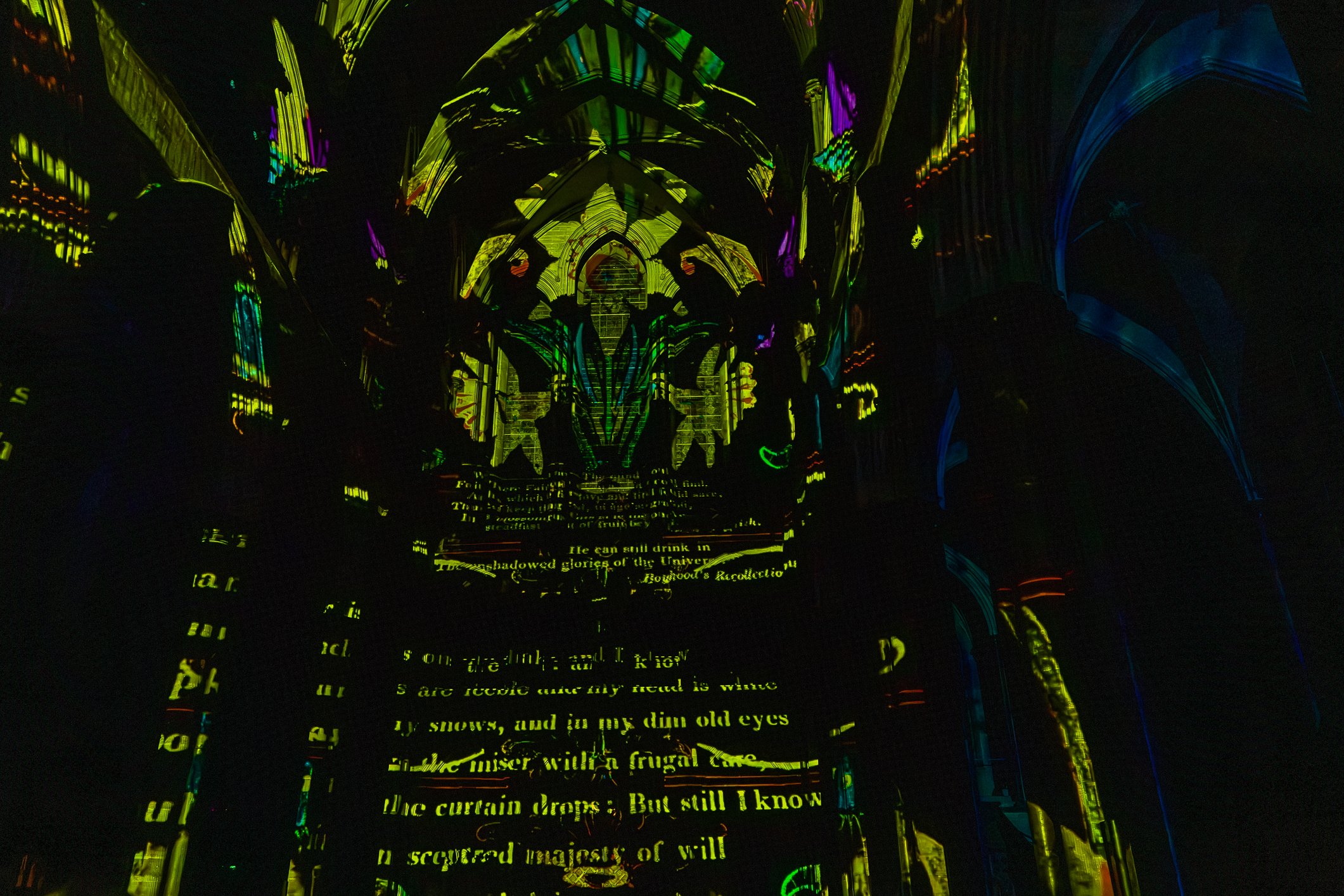
As guests wandered through the Cathedral, they were treated to stunning projections that illustrated the profound narrative of time, with evocative visuals and quotations from H.G. Wells’ The Time Machine.

This year extra addition was an interactive installation titled ‘A Note to Myself.’ It encouraged attendees to pen messages to their younger, current or future selves.


Kilka różnych projekcji ilustrowało narrację na temat czasu, z sugestywnymi wizualizacjami i cytatami z Wehikułu Czasu H.G. Wellsa.

W tym roku festiwalowi towarzyszyła dodatkowo interaktywna instalacja zatytułowana „Notatka do siebie”. Zachęcała ona uczestników do napisania wiadomości do młodszych, obecnych lub przyszłych wersji samego siebie.

The First Supper (Galaxy Black)

Today we are off to the Royal Academy of Arts for the Entangled Pasts, 1768–Now: Art, Colonialism and Change exhibition. The RA is housed in Burlington House, a grand Neo-Palladian mansion located on Piccadilly, in the Mayfair district of London.

As we step into the neoclassical courtyard, we are met by Tavares Strachan’s imposing sculpture, The First Supper (Galaxy Black). A dramatic reinterpretation of Da Vinci’s Last Supper, this nearly 30-foot-long bronze tableau replaces Christ with Haile Selassie, the emperor of Ethiopia from 1930 to 1974 - a symbol of African independence during the colonial era. He resisted the Italian invasion of Ethiopia in the 1930s and appealed to the League of Nations. He also advocated for African unity and played a key role in the formation of the Organisation of African Unity (now the African Union).

The emperor is surrounded by icons, such as:

·       Harriet Tubman, an American abolitionist and political activist. She escaped slavery and then led hundreds of enslaved people to freedom via the Underground Railroad, a secret network of safe houses and allies. She also served as a spy, scout, and nurse for the Union Army during the Civil War.

·       Marcus Garvey, who founded the Universal Negro Improvement Association (UNIA). He promoted Black pride, economic independence, and the idea of a return to Africa (the "Back to Africa" movement).

·       Shirley Chisholm, the first Black woman elected to the United States Congress, who advocated for racial and gender equality, education, and the rights of the poor.

Some figures are coated in galaxy black, others in gold.


Dziś wybraliśmy się do Royal Academy of Arts, na wystawę Entangled Pasts, 1768–Now: Art, Colonialism and Change. RA mieści się w Burlington House — okazałej neopaladiańskiej rezydencji położonej przy Piccadilly, w dzielnicy Mayfair.

Wchodząc na neoklasycystyczny dziedziniec, od razu widzimy imponującą rzeźbę autorstwa Tavaresa Strachana, The First Supper (Galaxy Black). To dramatyczna reinterpretacja Ostatniej Wieczerzy Leonarda da Vinci - w niemal 9-metrowej kompozycji z brązu Chrystusa zastępuje Haile Selassie, cesarz Etiopii w latach 1930–1974, symbol afrykańskiej niezależności w czasach kolonialnych. Sprzeciwił się on włoskiej inwazji na Etiopię w latach 30-tych XX wieku i apelował do Ligi Narodów. Był również orędownikiem jedności afrykańskiej i odegrał kluczową rolę w powstaniu Organizacji Jedności Afrykańskiej (obecnie Unia Afrykańska).

Cesarz otoczony jest ikonami, takimi jak:

·       Harriet Tubman — amerykańska abolicjonistka i działaczka polityczna. Uciekła z niewoli i pomogła setkom innych niewolników odzyskać wolność dzięki tzw. Kolei Podziemnej — tajnej sieci bezpiecznych domów i sojuszników. Służyła również jako szpieg, zwiadowca i pielęgniarka w armii Unii podczas wojny secesyjnej.

·       Marcus Garvey — założyciel Universal Negro Improvement Association (UNIA). Promował dumę z bycia Czarnym, niezależność ekonomiczną oraz ideę powrotu do Afryki (ruch „Back to Africa”).

·       Shirley Chisholm — pierwsza czarnoskóra kobieta wybrana do Kongresu Stanów Zjednoczonych. Walczyła o równość rasową i płciową, edukację oraz prawa osób ubogich.

Niektóre postacie pokryte są galaktyczną czernią, a inne złotem.

Sarum Lights

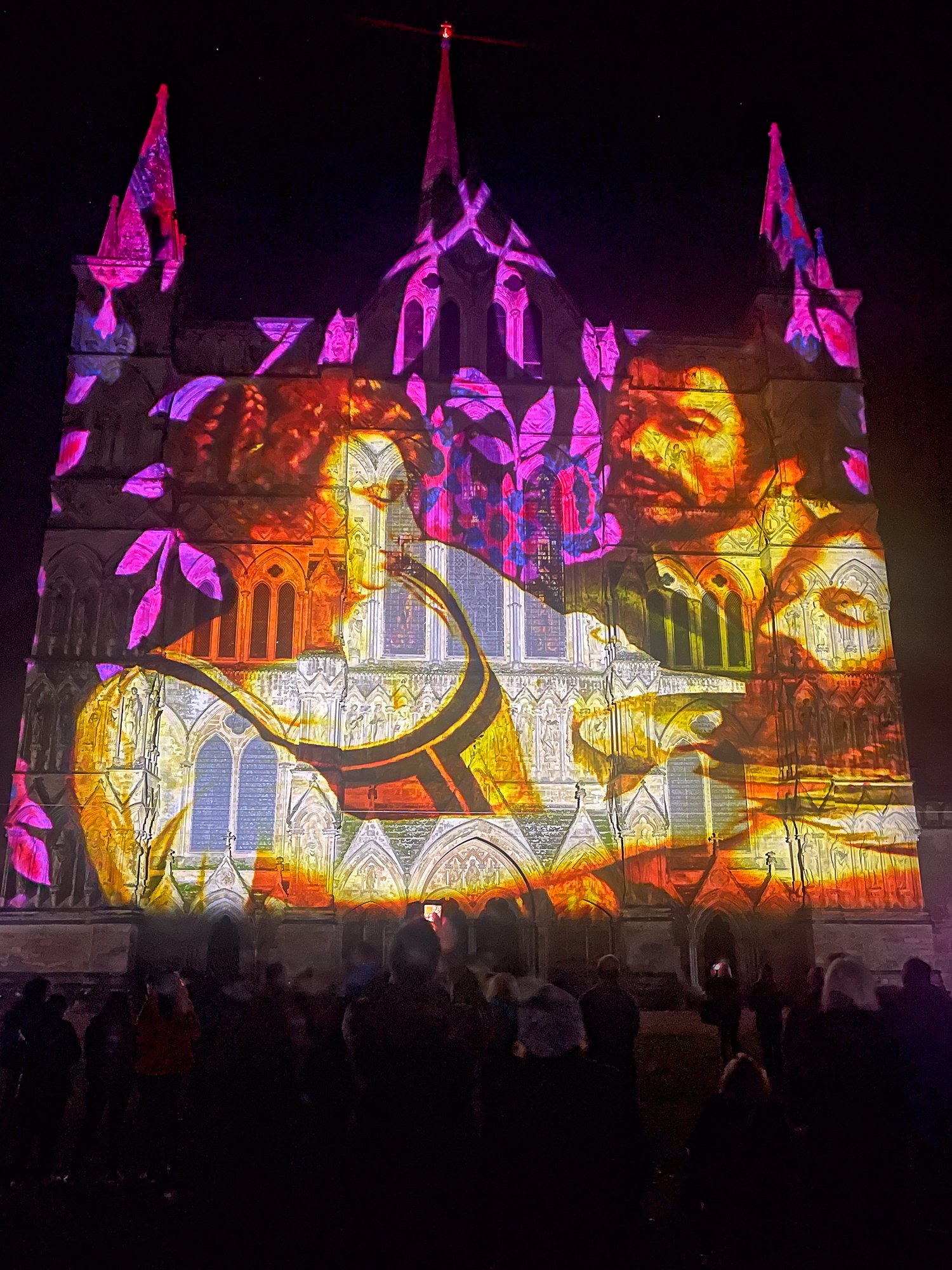
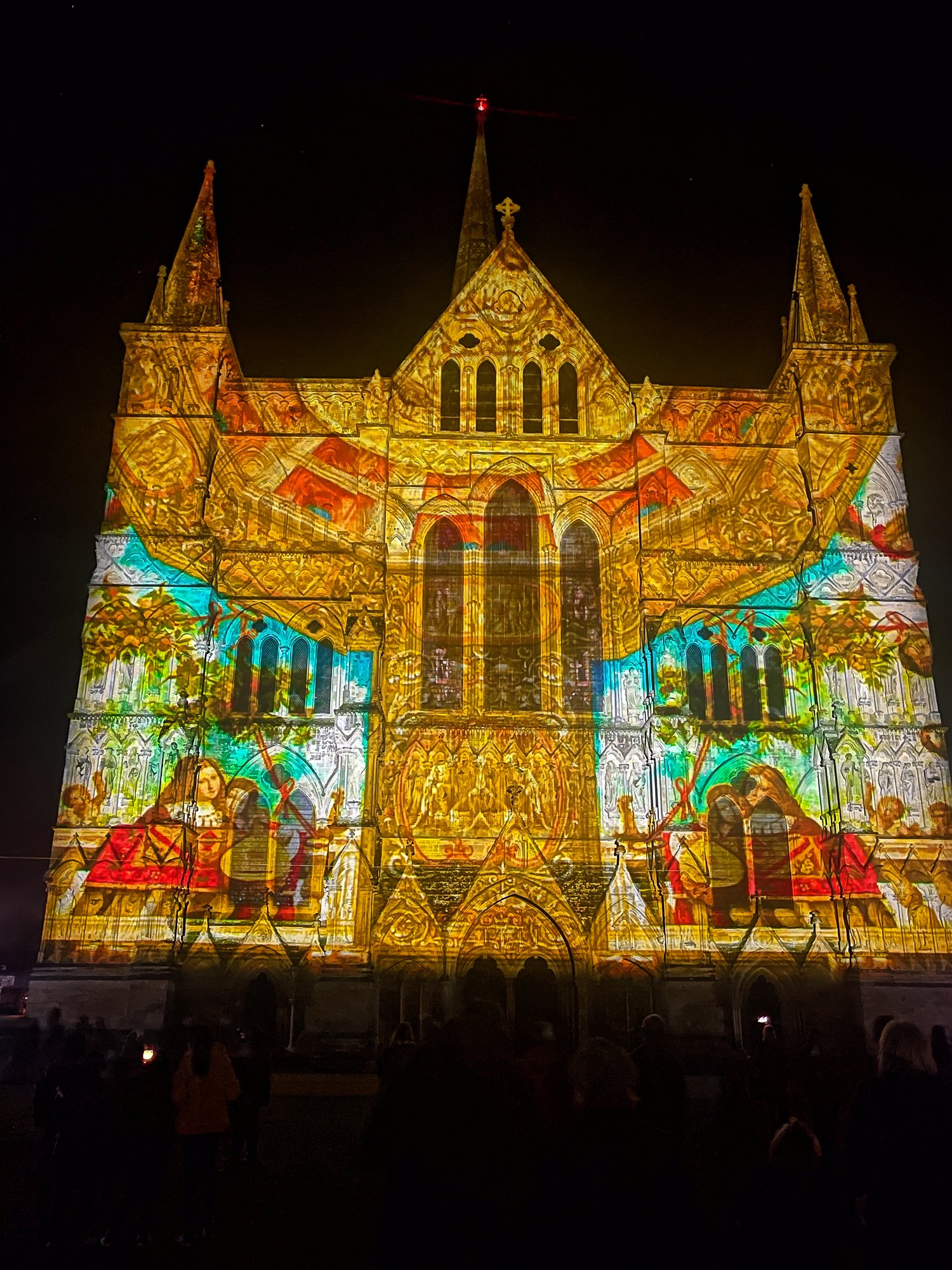
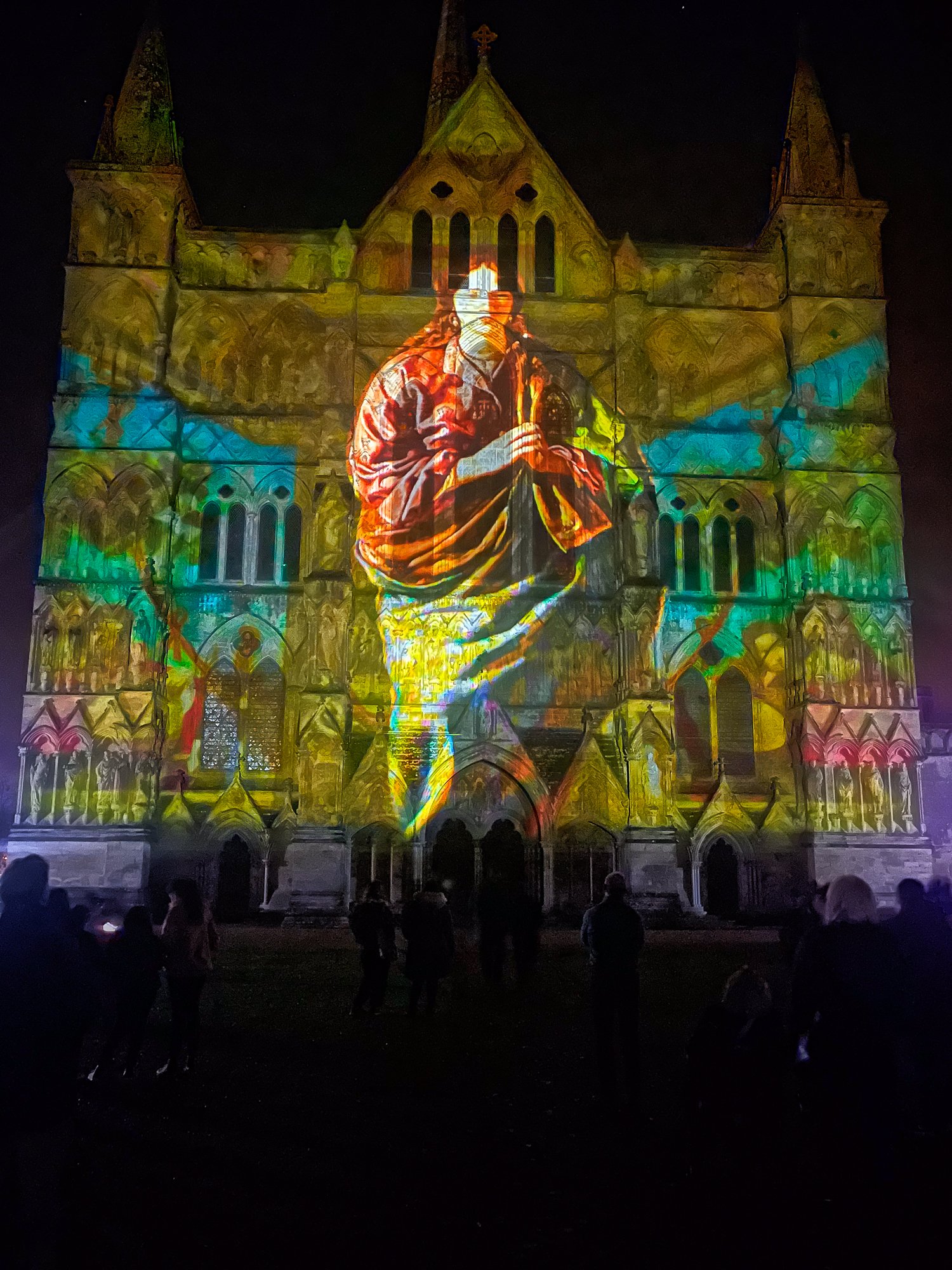
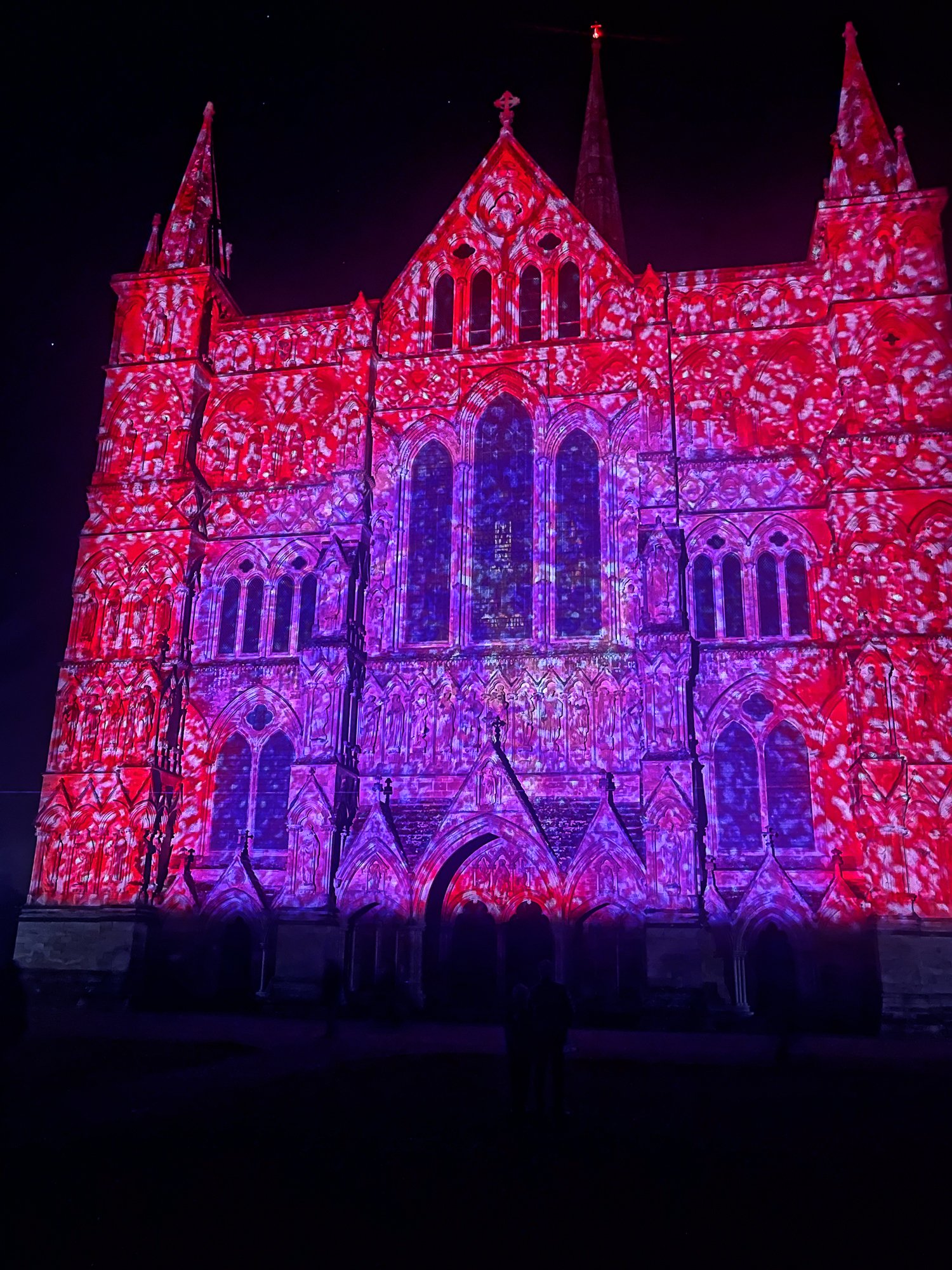
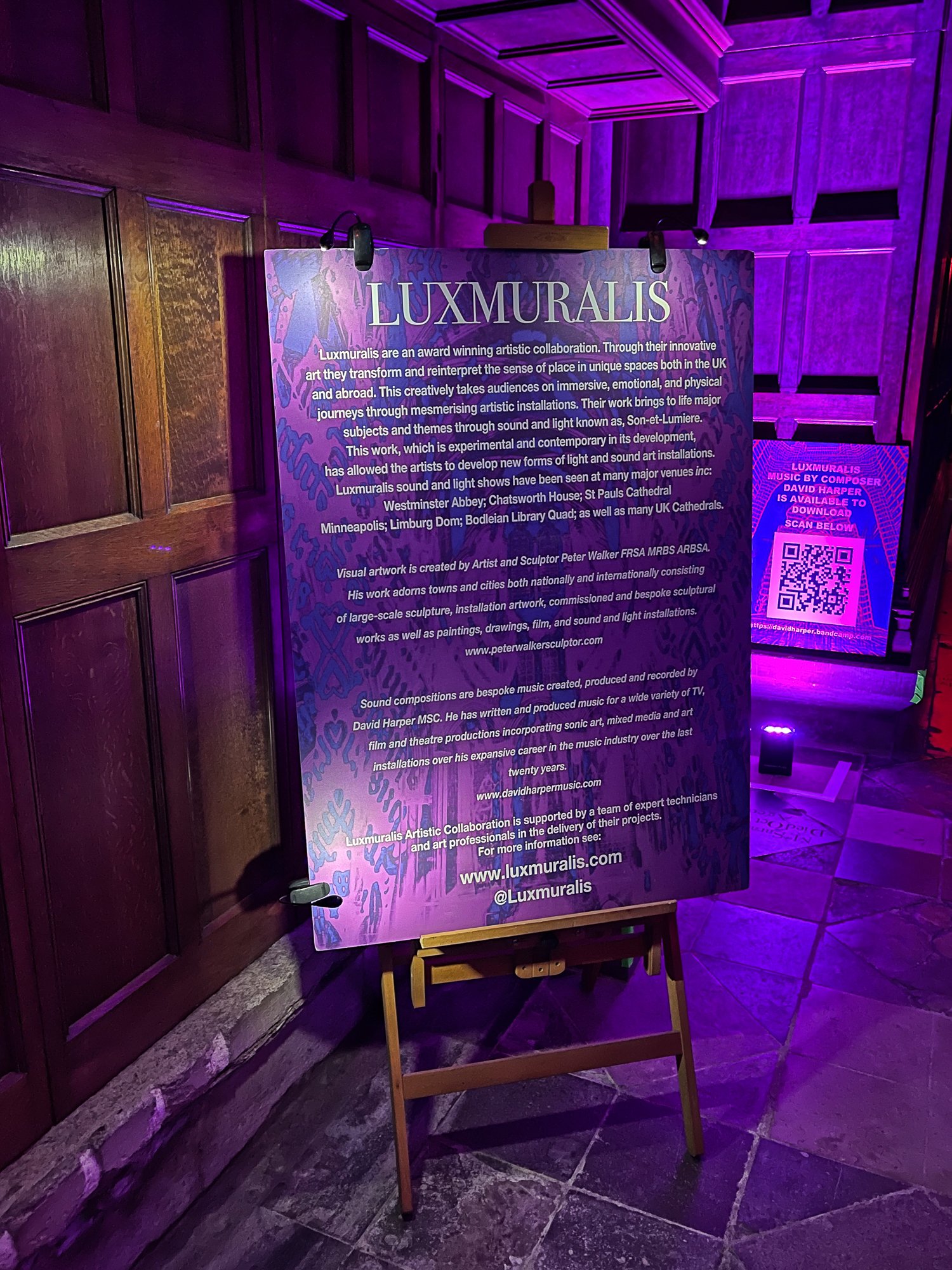
Around Christmas time there are many light installations around, and we decided to start the season with the Sarum Lights at the Salisbury Cathedral. The Illuminating Art performance is prepared by Luxmuralis.

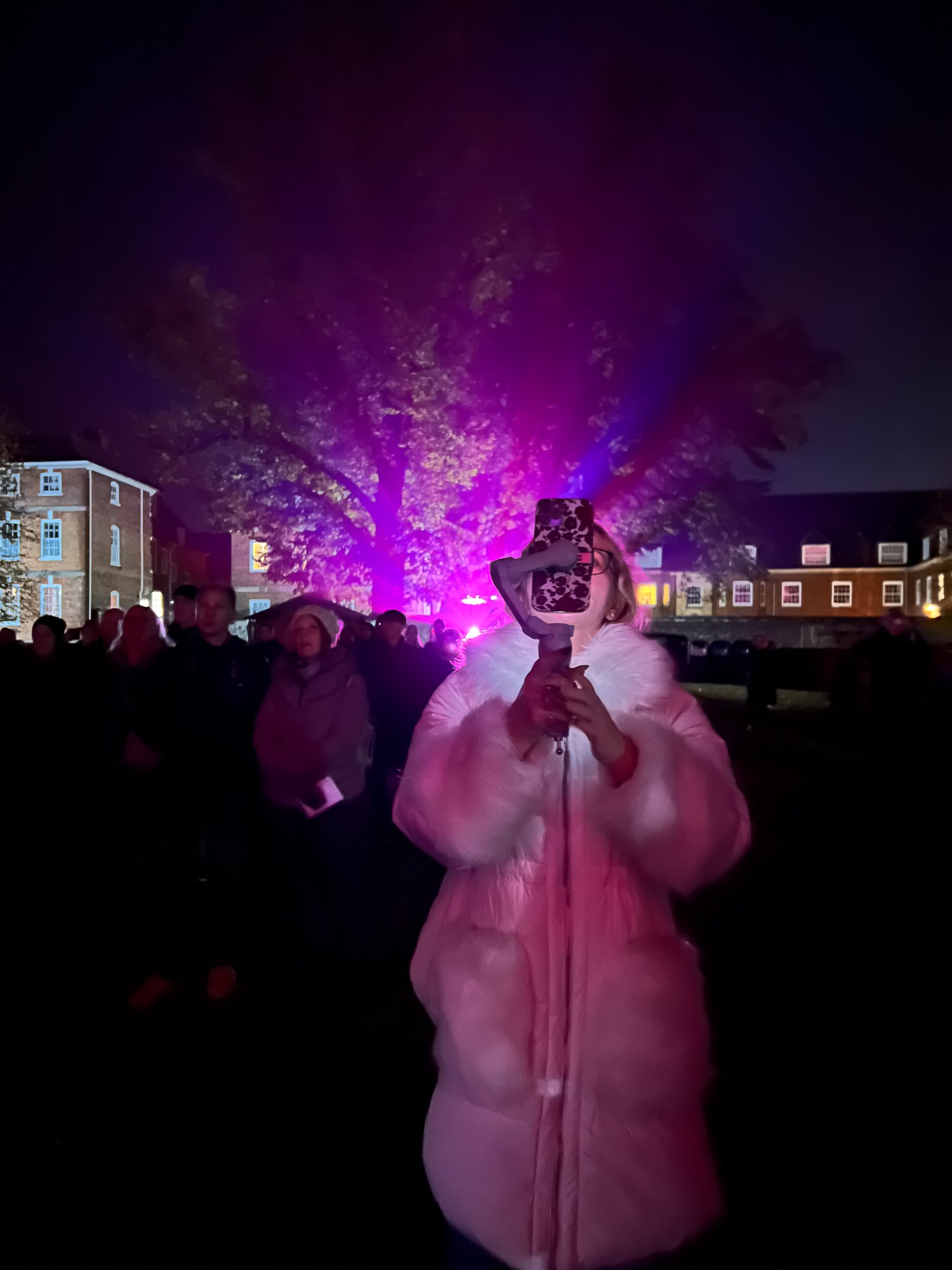
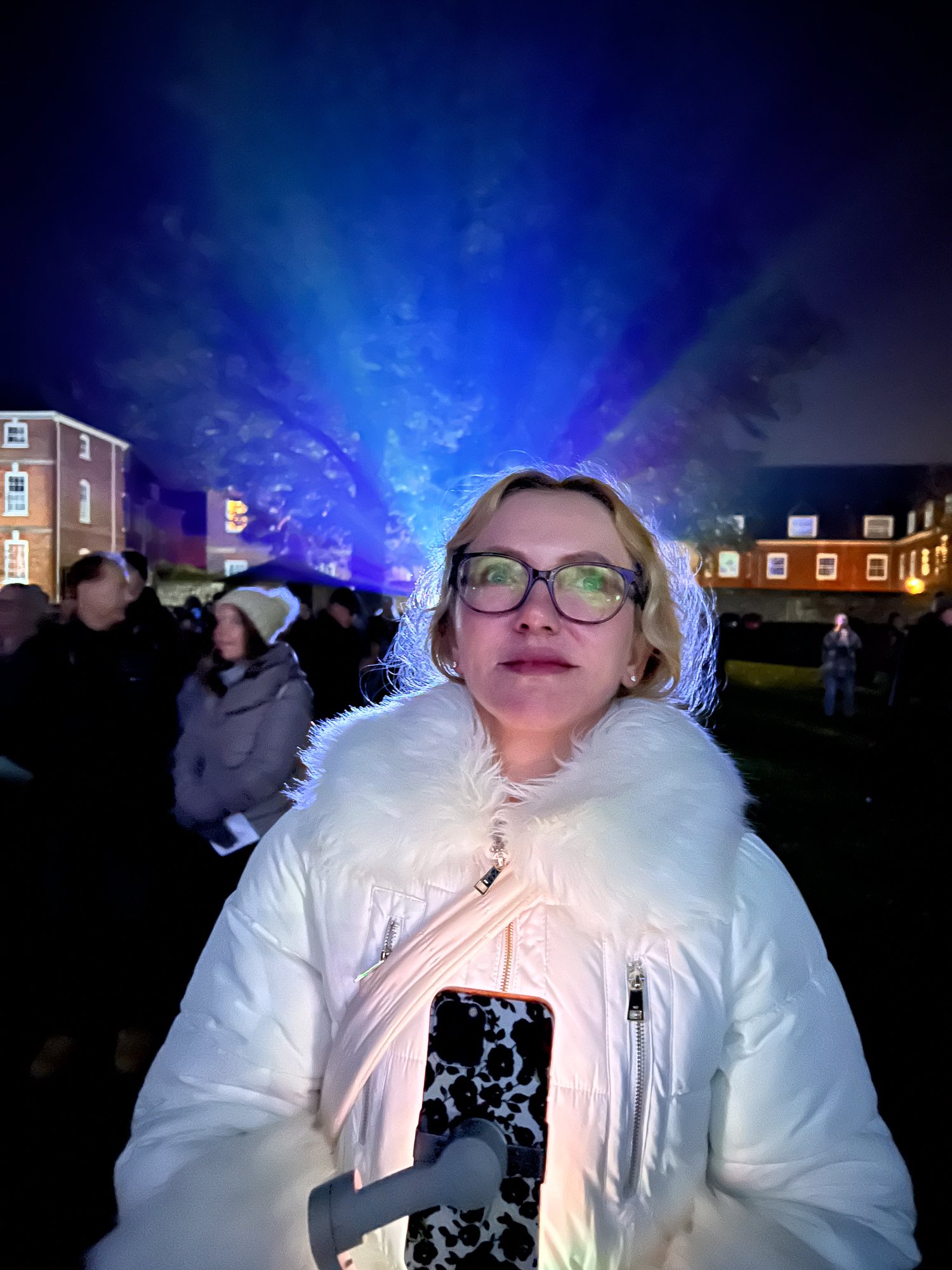
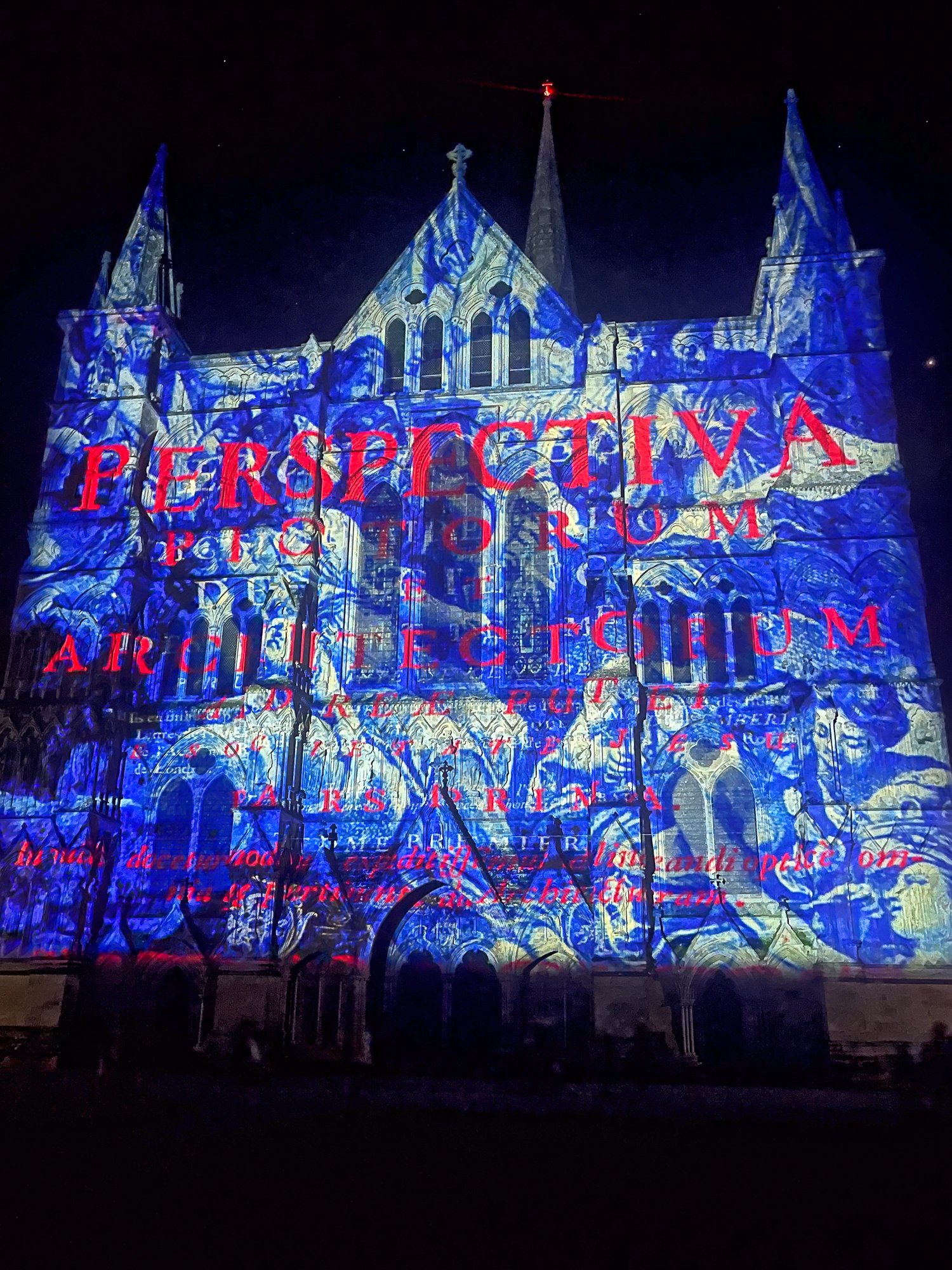
We start outside with a dramatic display of baroque art on the entire west front of the cathedral. The show lasts 10 minutes but it takes us about 2.5 cycles to get it all in. So after about 25 minutes, we are ready to get inside.


W okresie Bożego Narodzenia wokół nas jest wiele instalacji świetlnych, ale postanawiamy rozpocząć sezon od „Sarum Lights” w katedrze w Salisbury. Spektakl „Sztuka Iluminacji” został przygotowany przez Luxmuralis.

Show zaczyna się na zewnątrz od dramatycznego pokazu sztuki barokowej na całym zachodnim froncie katedry. Jeden cykl wyświetlania obrazów trwa 10 minut, ale ogarnięcie wszystkiego, na co patrzymy zajmuje nam około 2,5 cyklu. Zatem po około 25 minutach jesteśmy gotowi, aby wejść do środka.

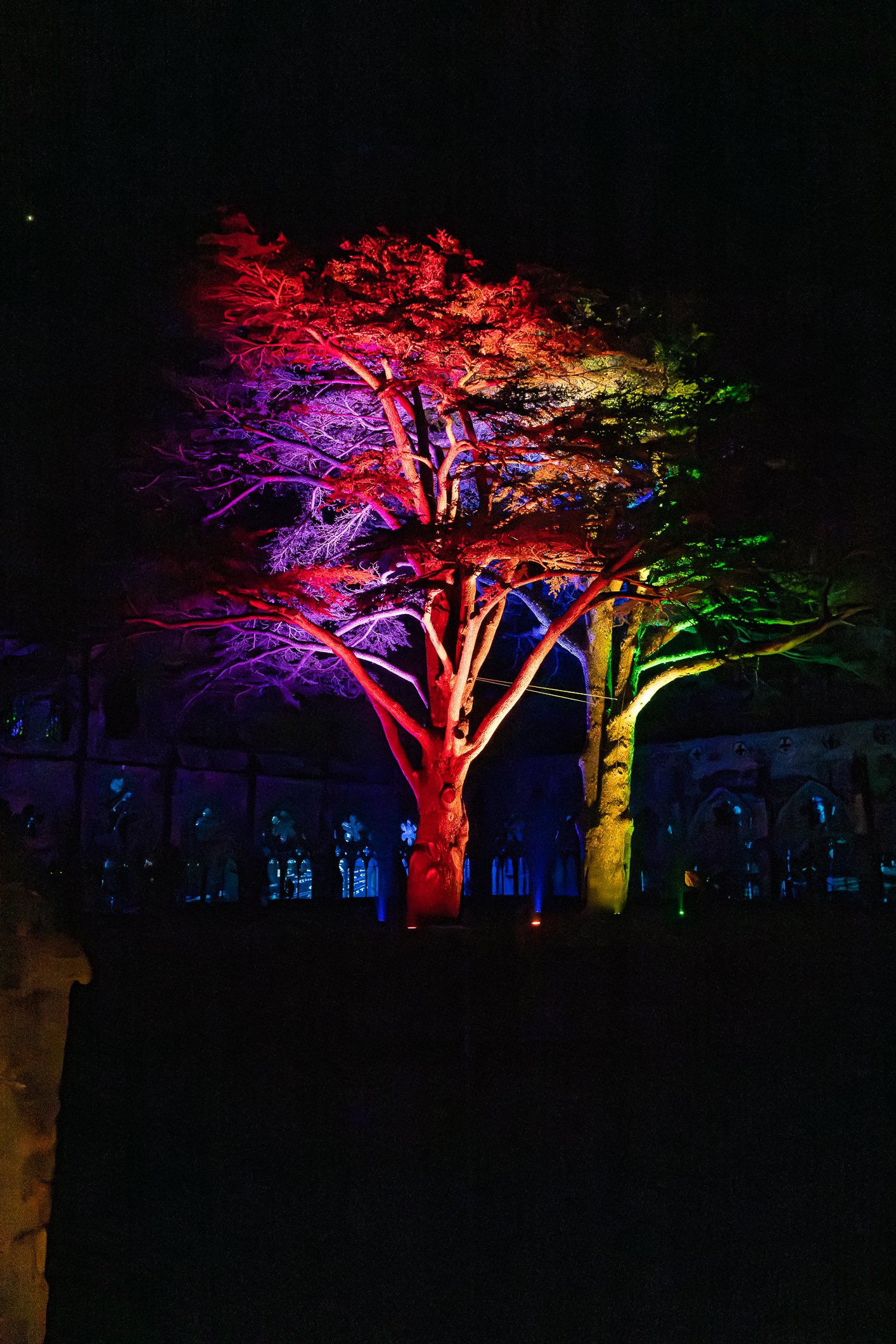
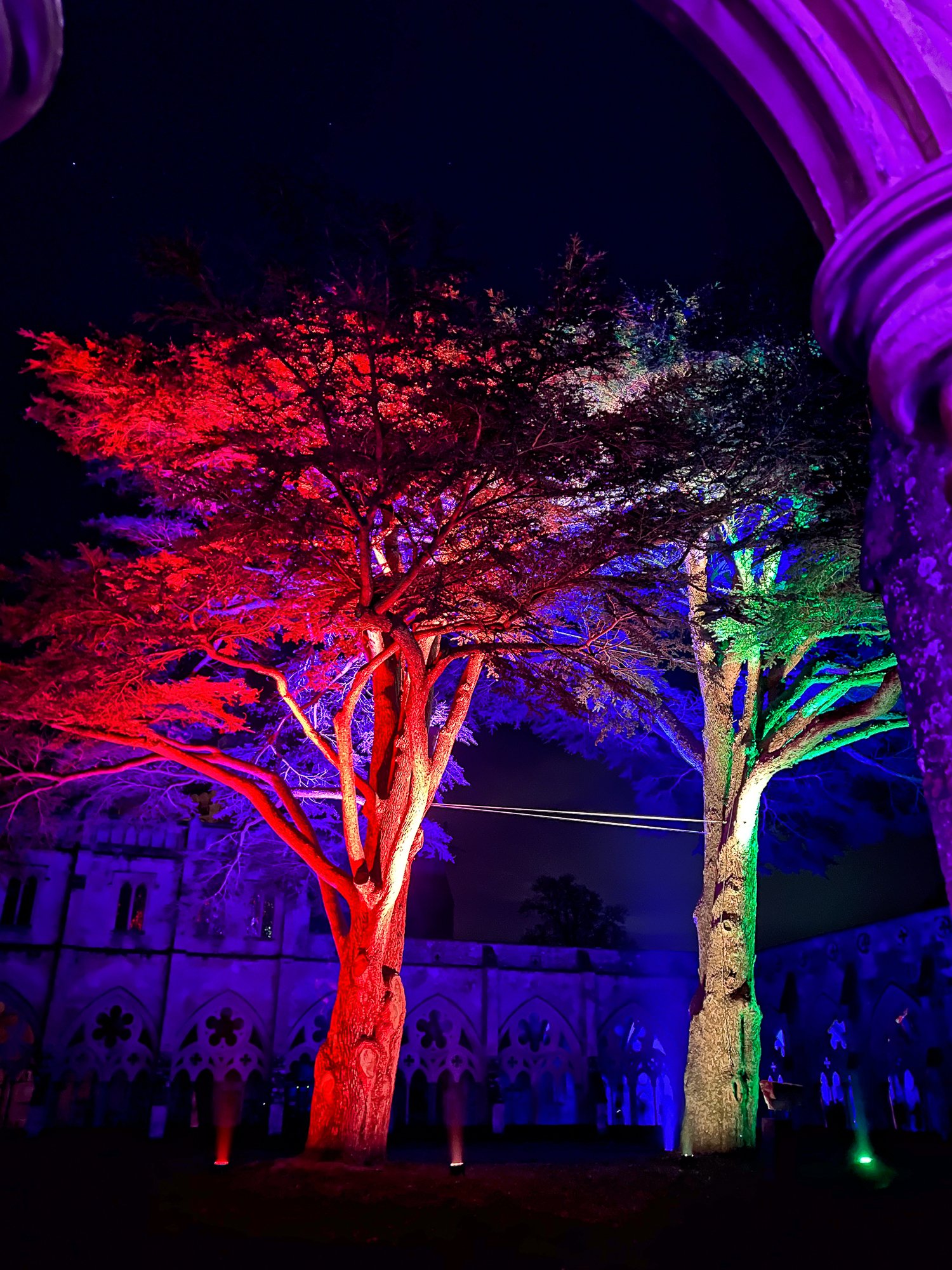
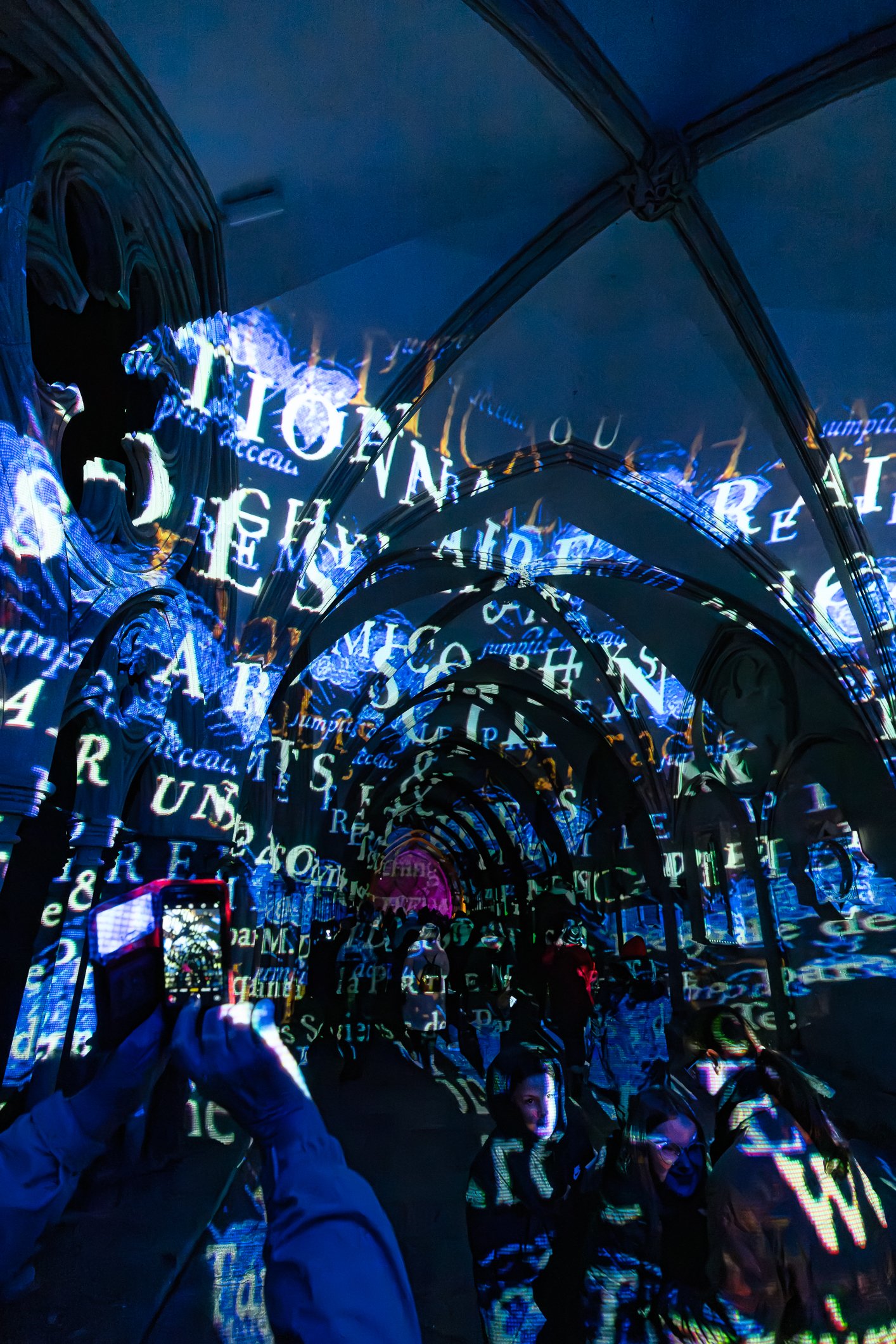
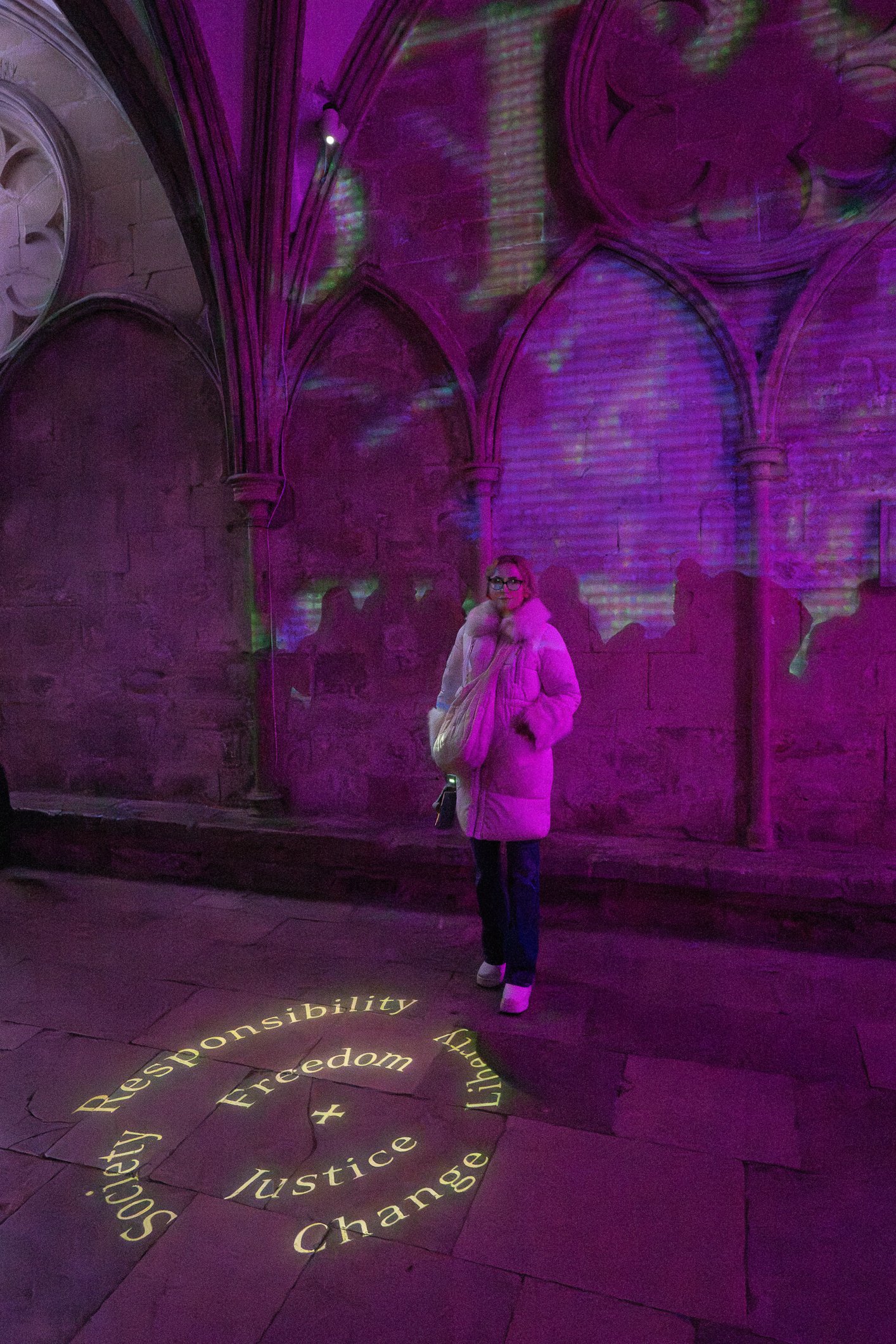
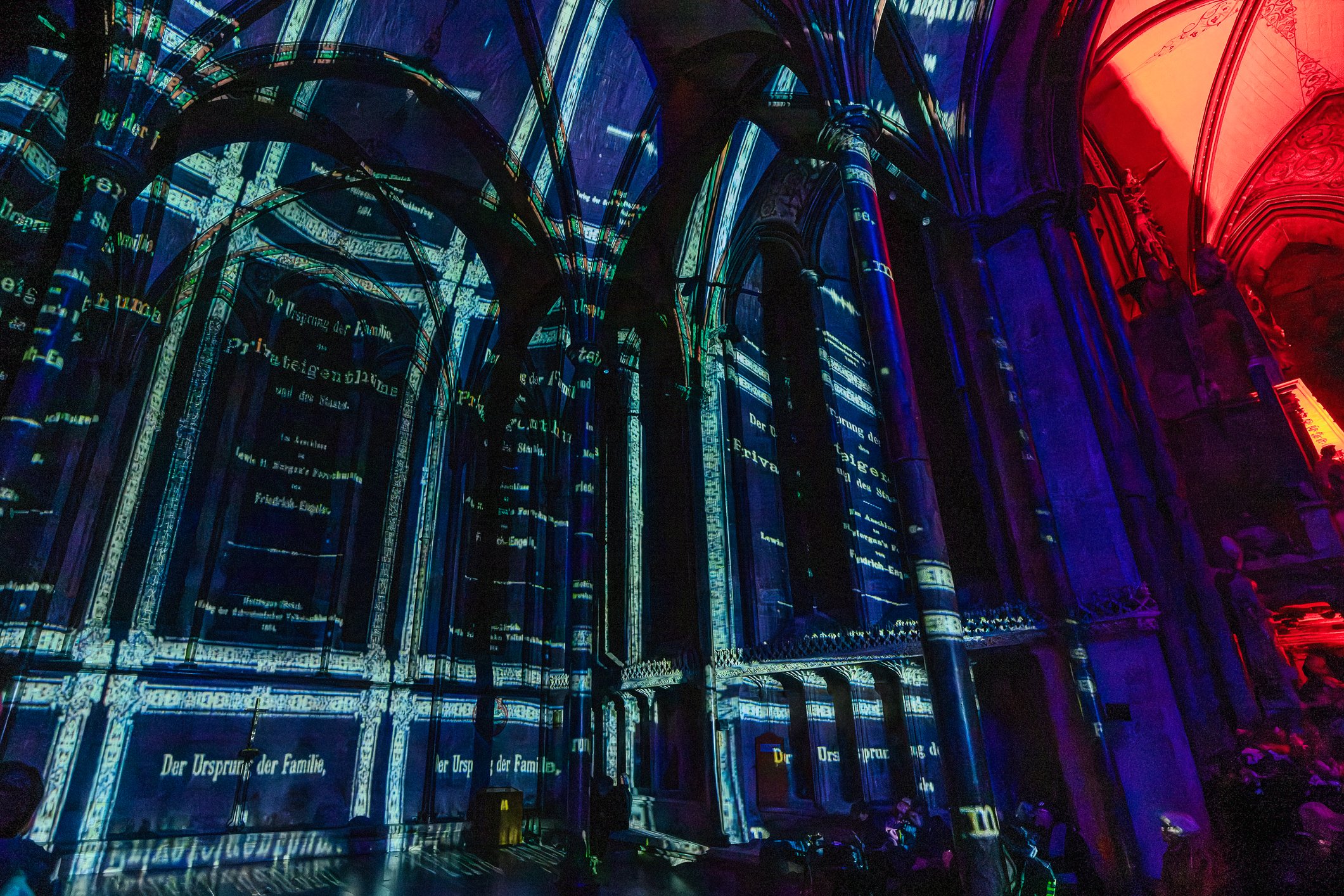
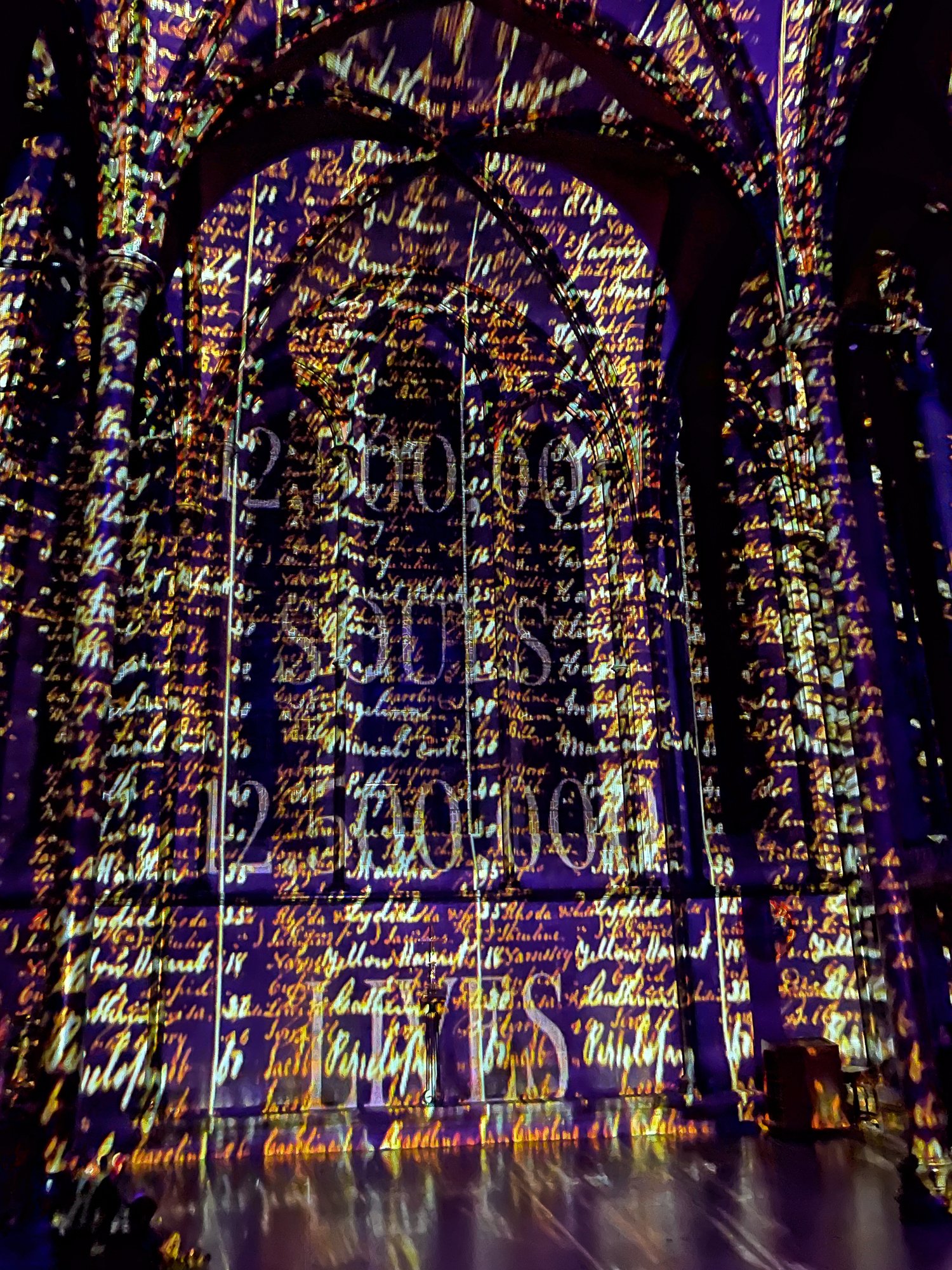
 In the Cloisters, we literally walk through various 18th-century philosophy and literature texts.


W Krużgankach dosłownie chodzimy w środku różnych XVIII-wiecznych tekstów filozoficznych i literackich.

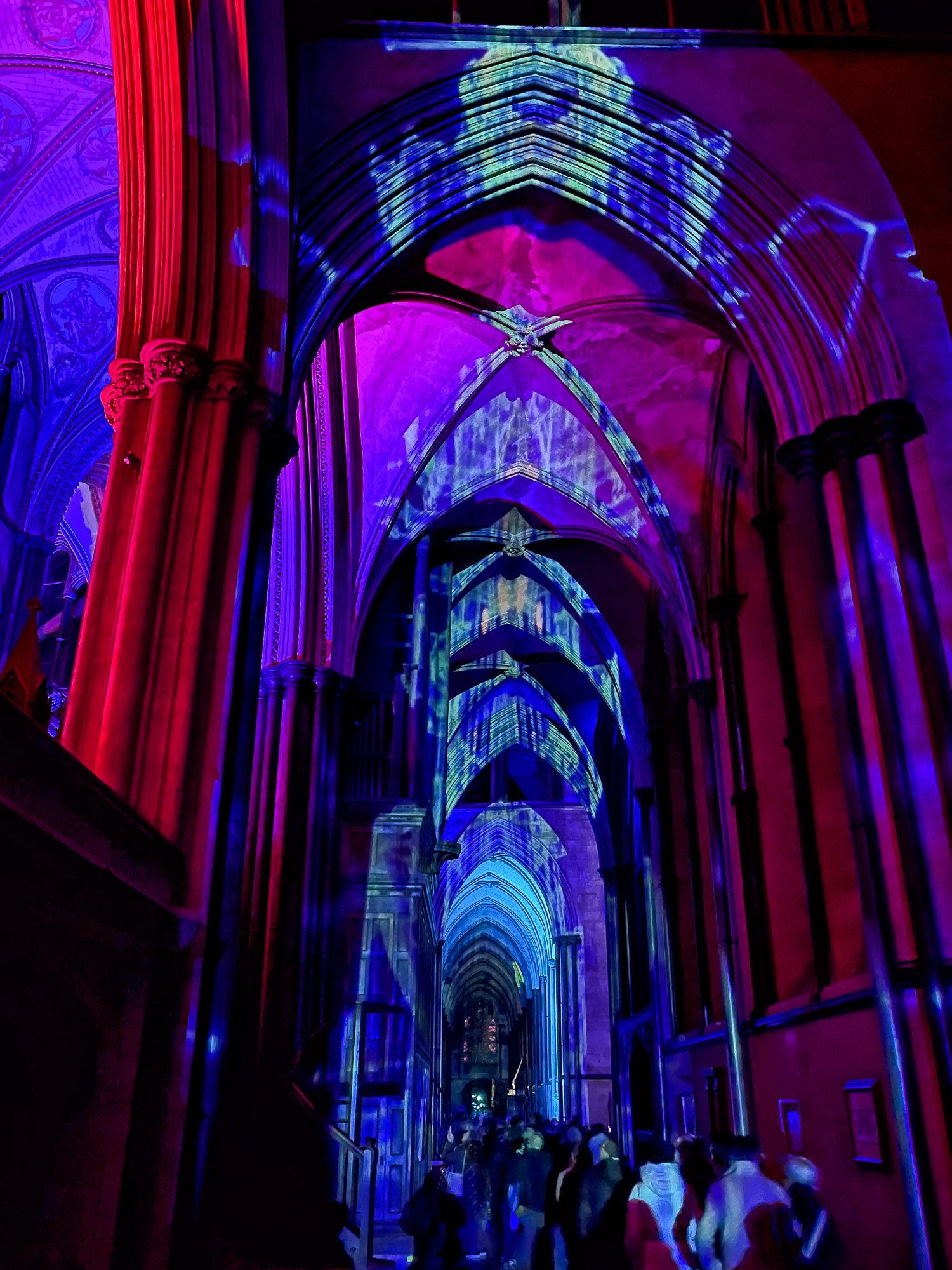
After entering the south transept, we can see a “gallery” of images depicting the social changes and philosophical thoughts of the late 17th and 18th Century. The Trinity Chapel explores the conflicts of the late 18th century and early 19th century. War, conflicts, and the abolition of slavery are the main topics of the presentation.


Po wejściu do południowego transeptu naszym oczom ukazuje się „galeria” obrazów przedstawiających przemiany społeczne i myśli filozoficzne końca XVII i XVIII wieku. Kaplica Trójcy Świętej przywołuje konflikty końca XVIII i początku XIX wieku. Głównymi tematami prezentacji są wojny, sprzeczności interesów i zniesienie niewolnictwa.

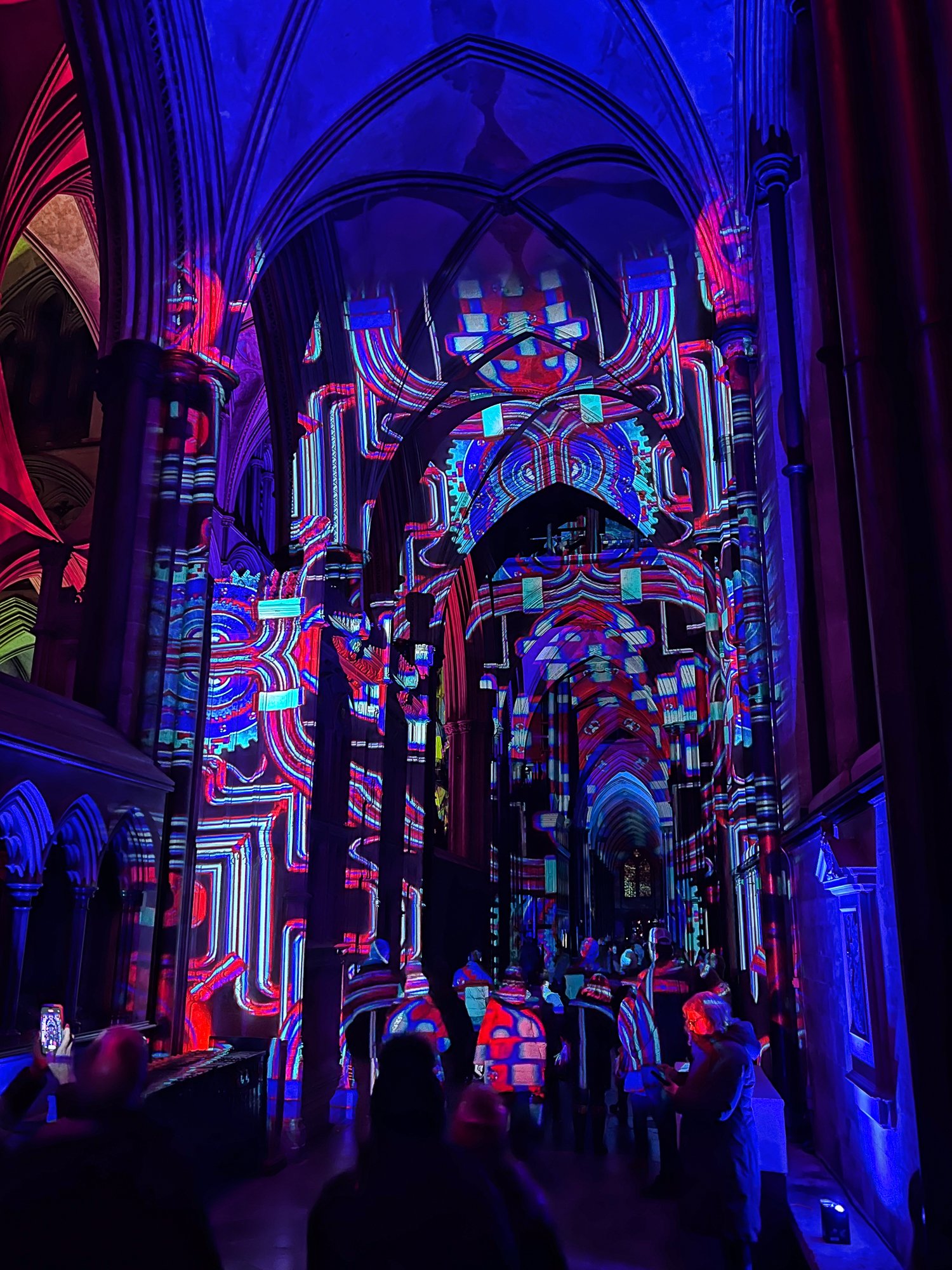
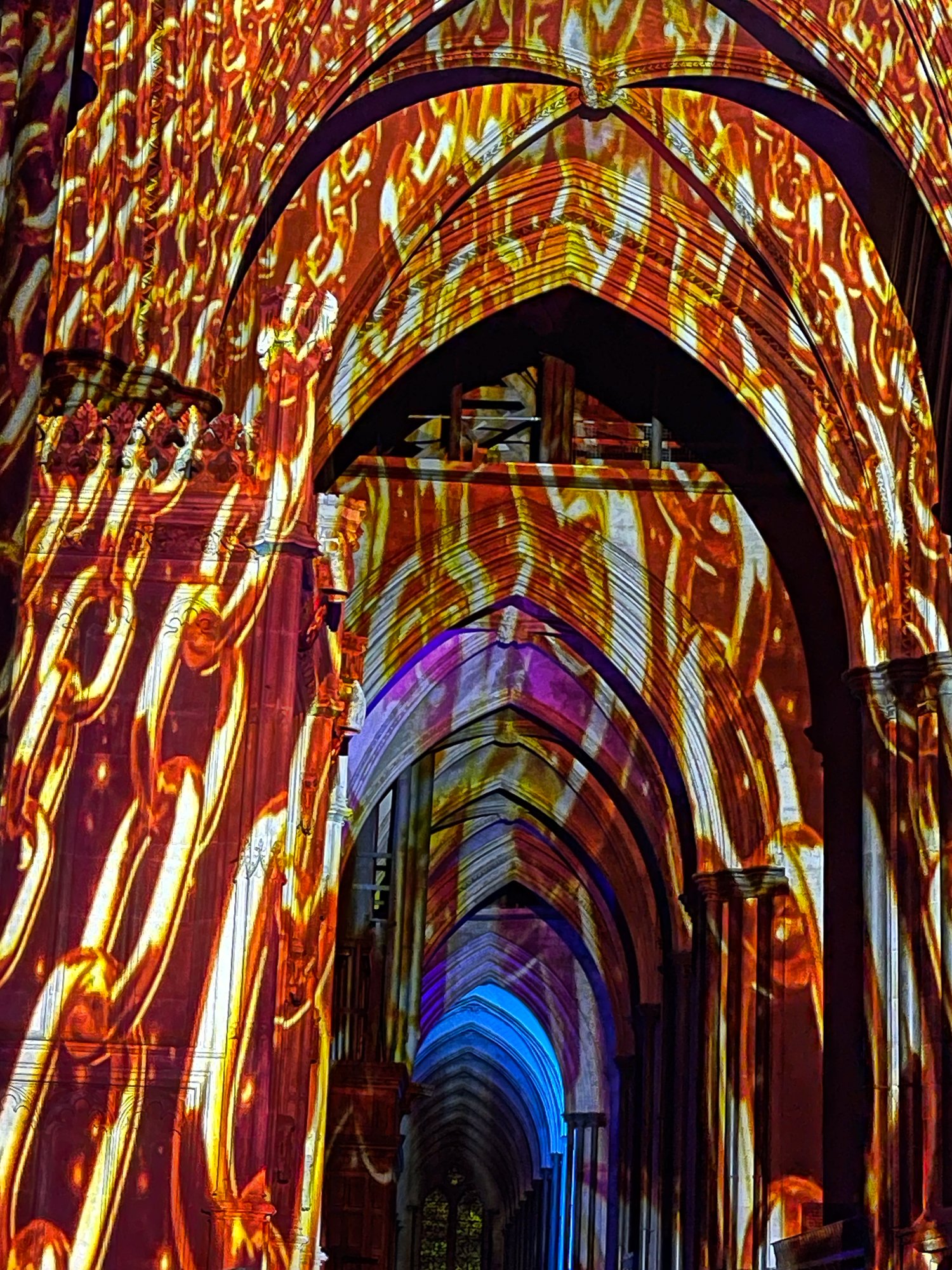
Then we walk through the sounds and images related to the Industrial Revolution. We are surrounded by engines, gears, cogs and chains that symbolise society overtaken by fast-paced industrial changes.


Dalej idziemy wśród dźwięków i obrazów związanych z rewolucją przemysłową. Otaczają nas różne elementy maszyn, przekładnie, koła zębate i łańcuchy, które symbolizują społeczeństwo opanowane przez szybkie zmiany przemysłowe.

And finally, in the main nave, there is the most dazzling display of poems and paintings including famous pieces by Van Gogh, Monet, Renoir or Cezanne. This is my favourite part of the show.


I wreszcie, w nawie głównej,  ma miejscy najbardziej imponująca preentacja wierszy i obrazów, w tym słynnych dzieł Van Gogha, Moneta, Renoira czy Cezanne'a. To moja ulubiona część całego programu.