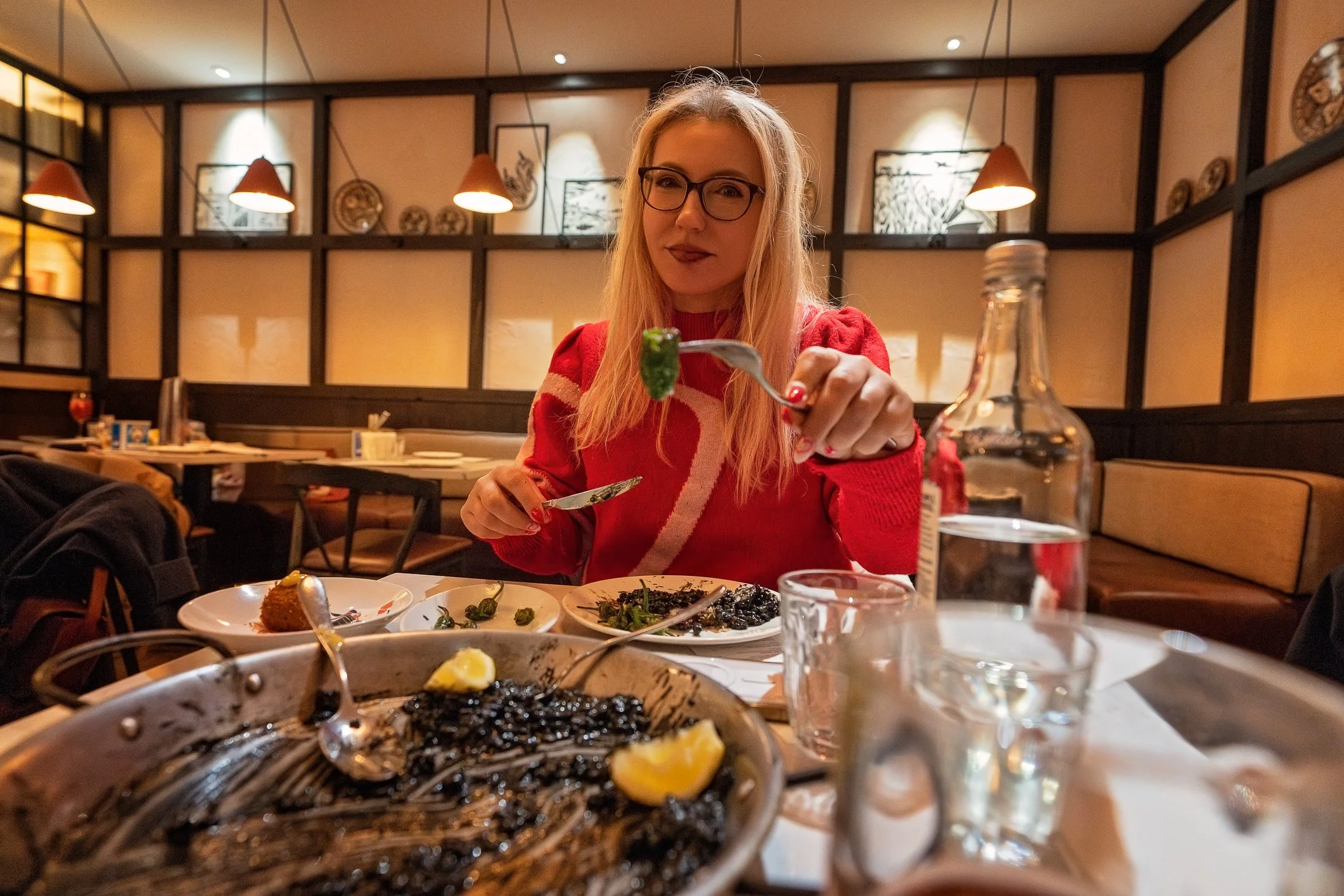
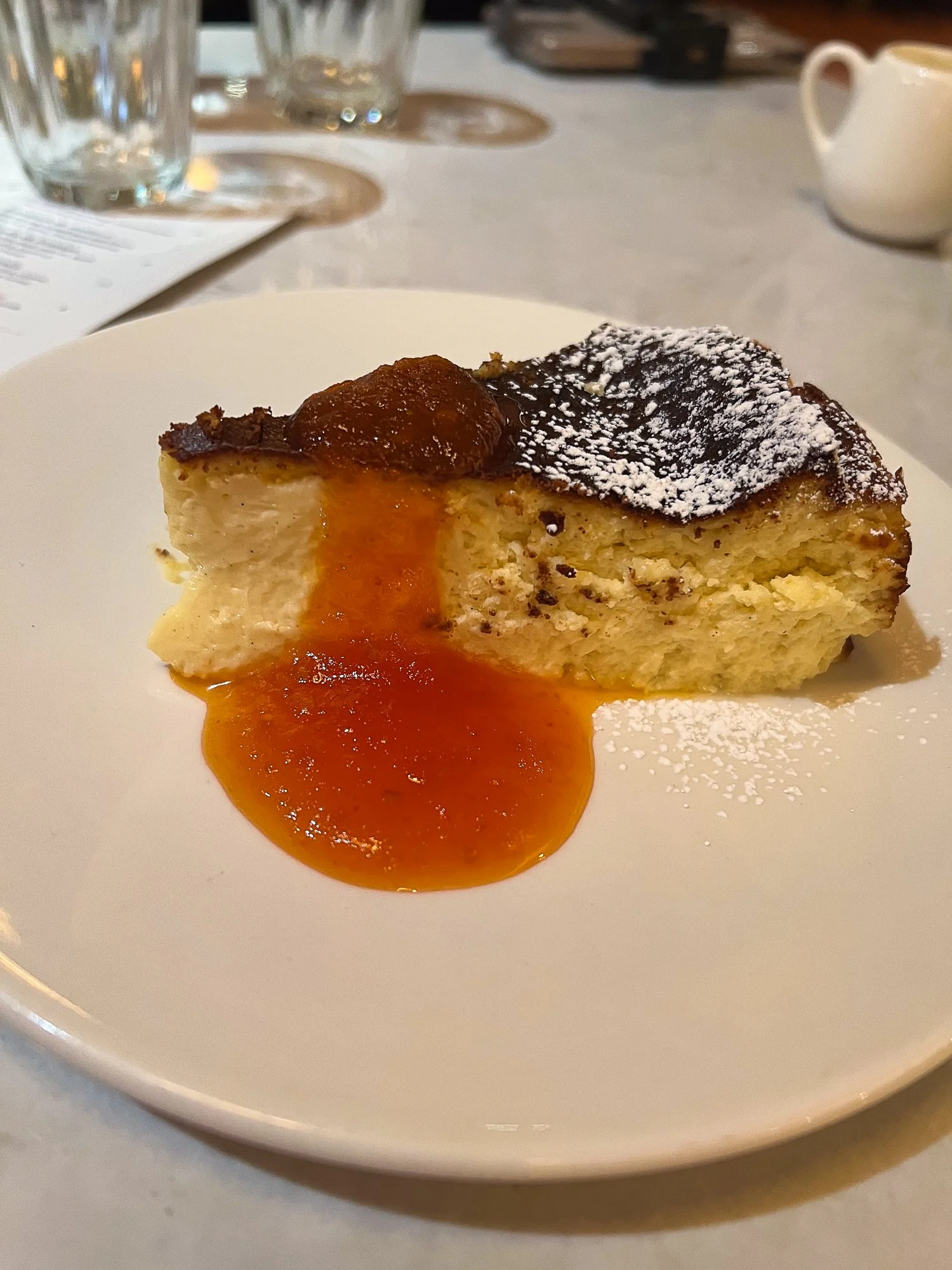
Tapas Brindisa

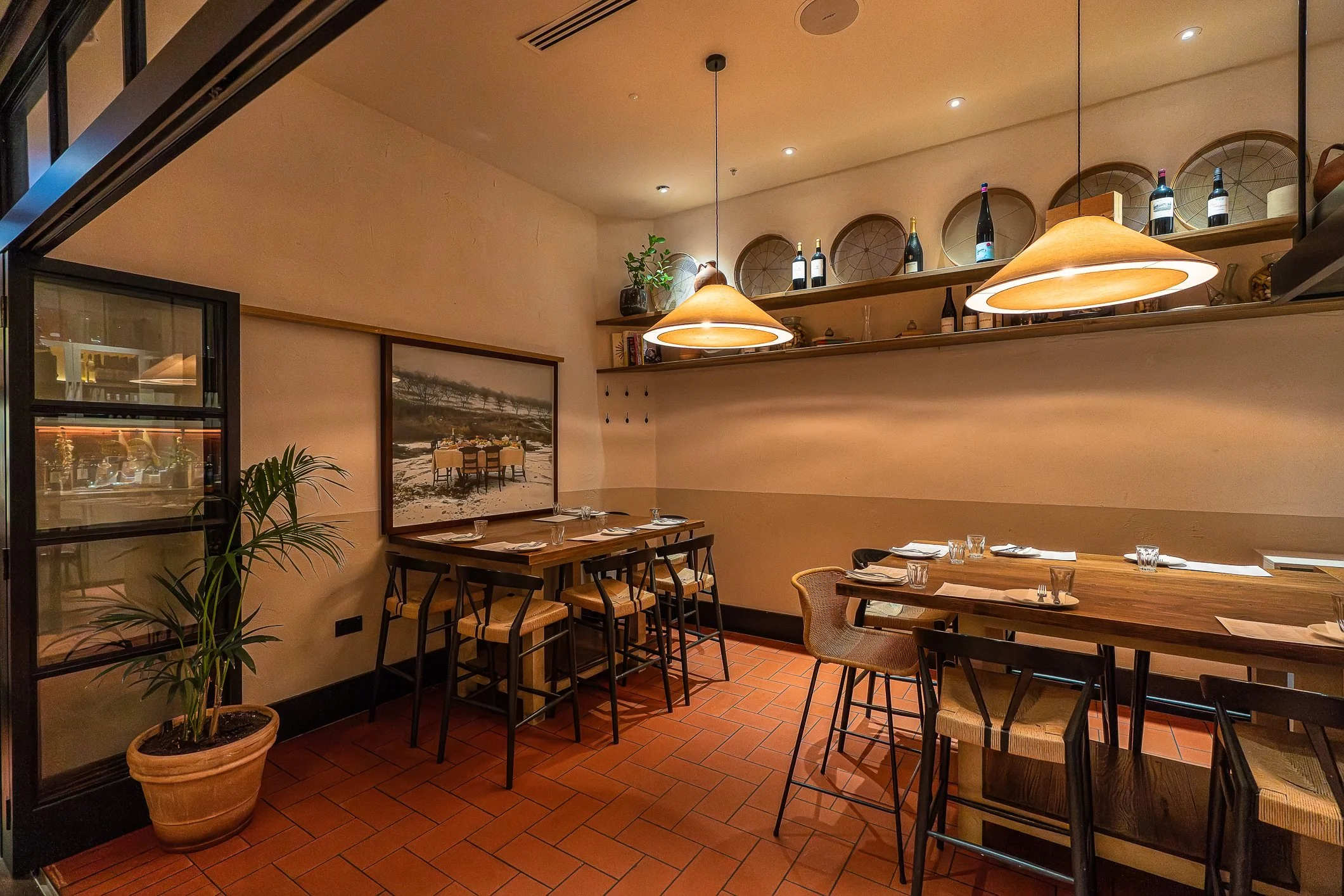
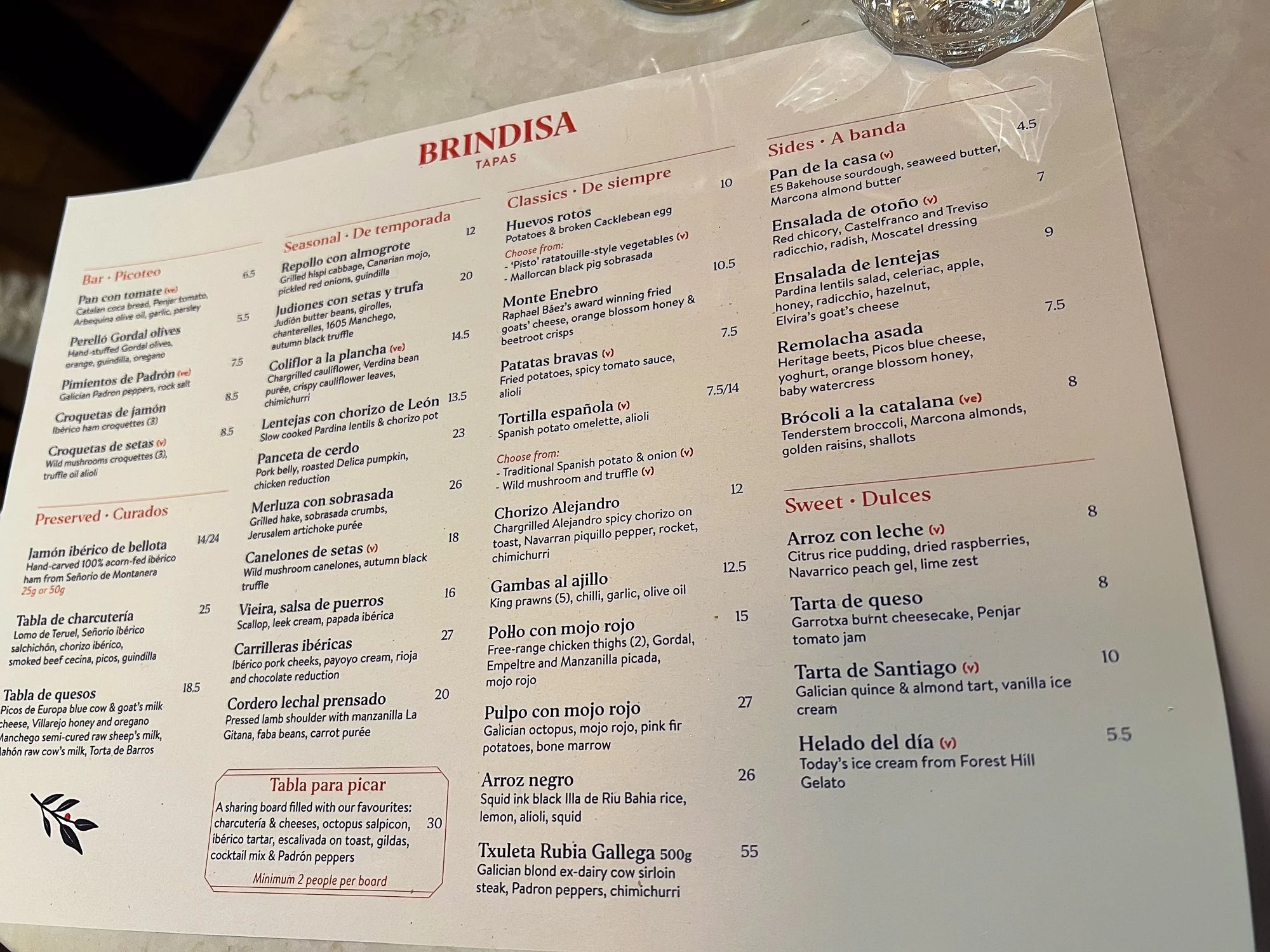
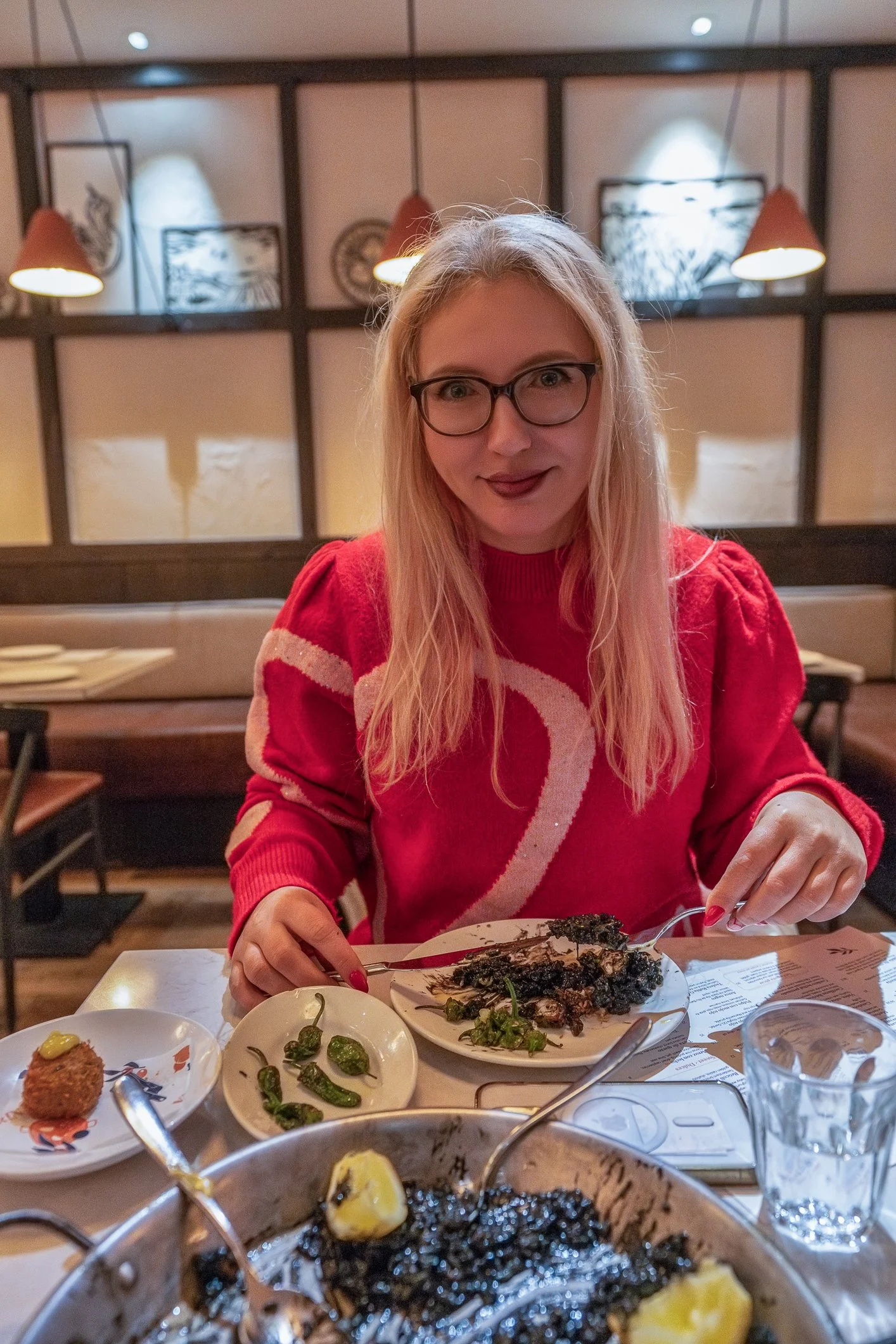
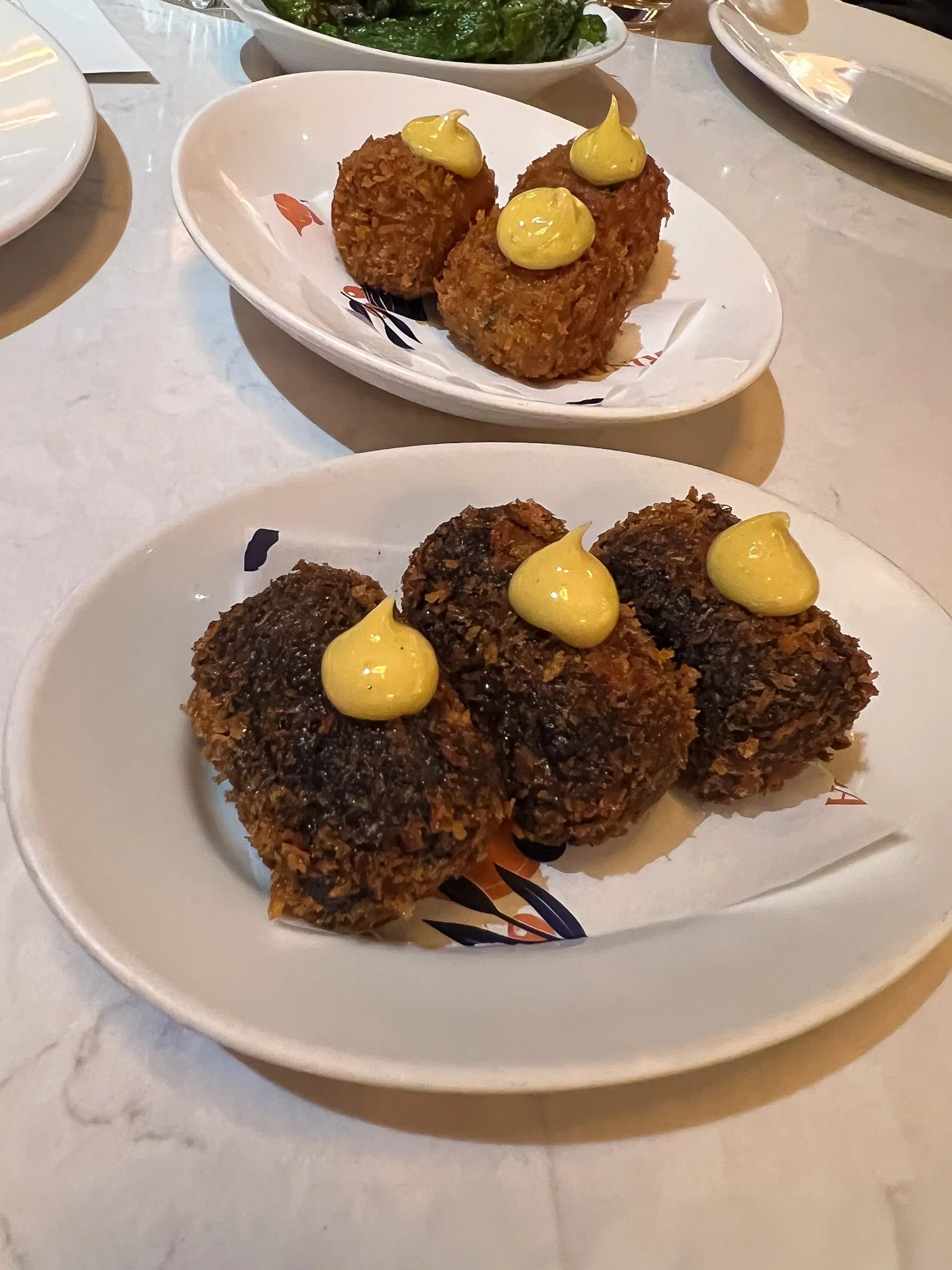
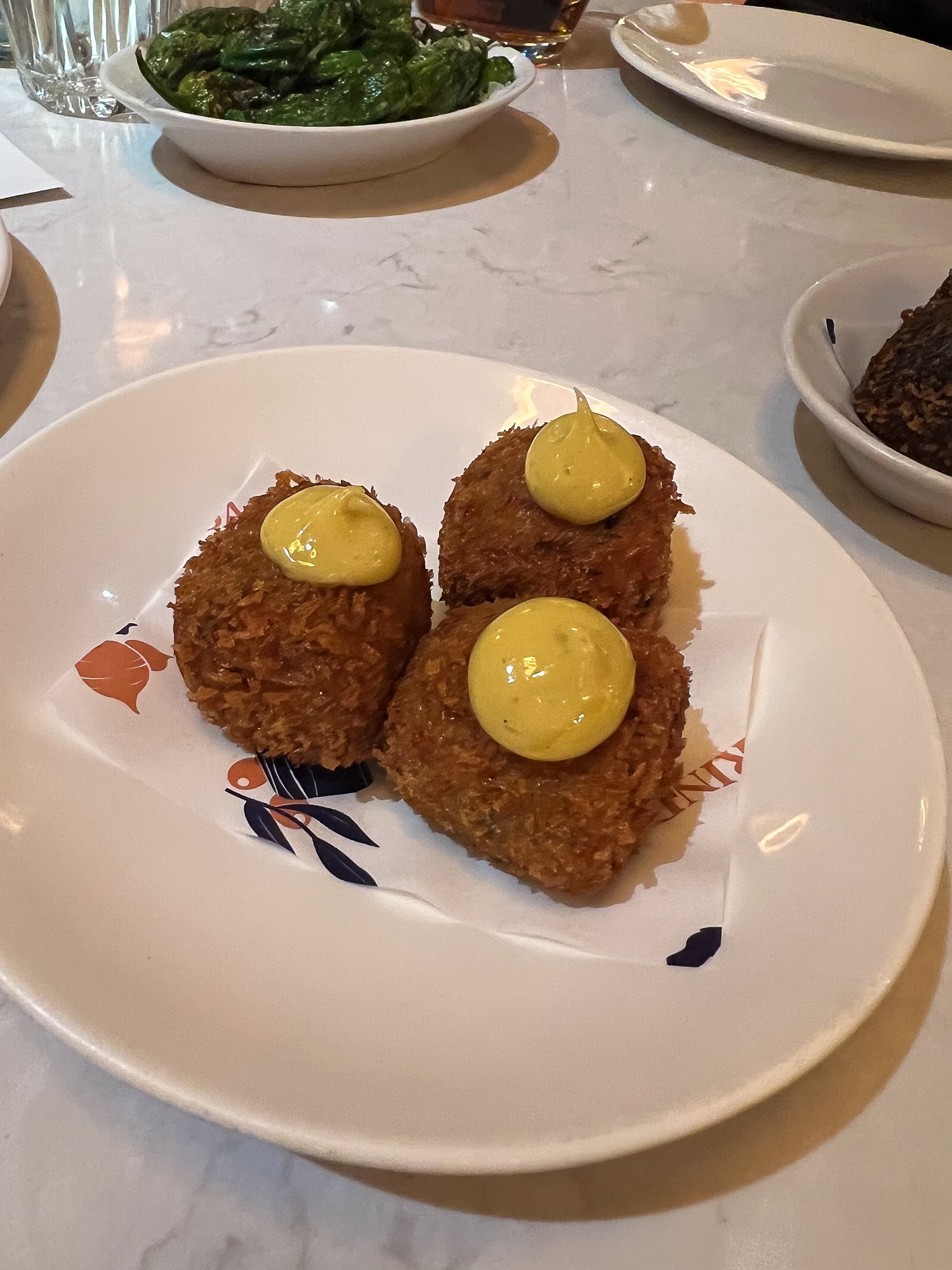
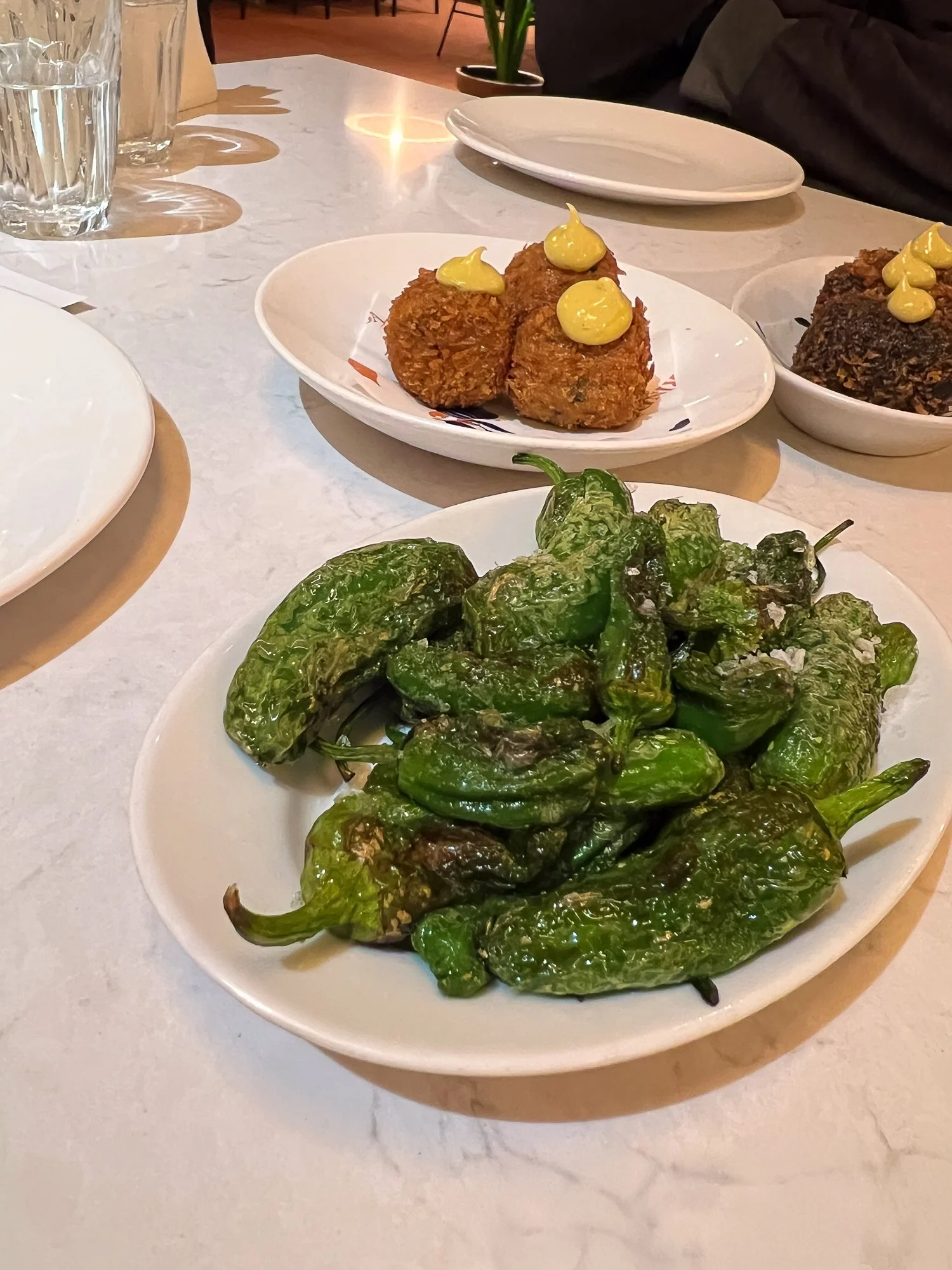
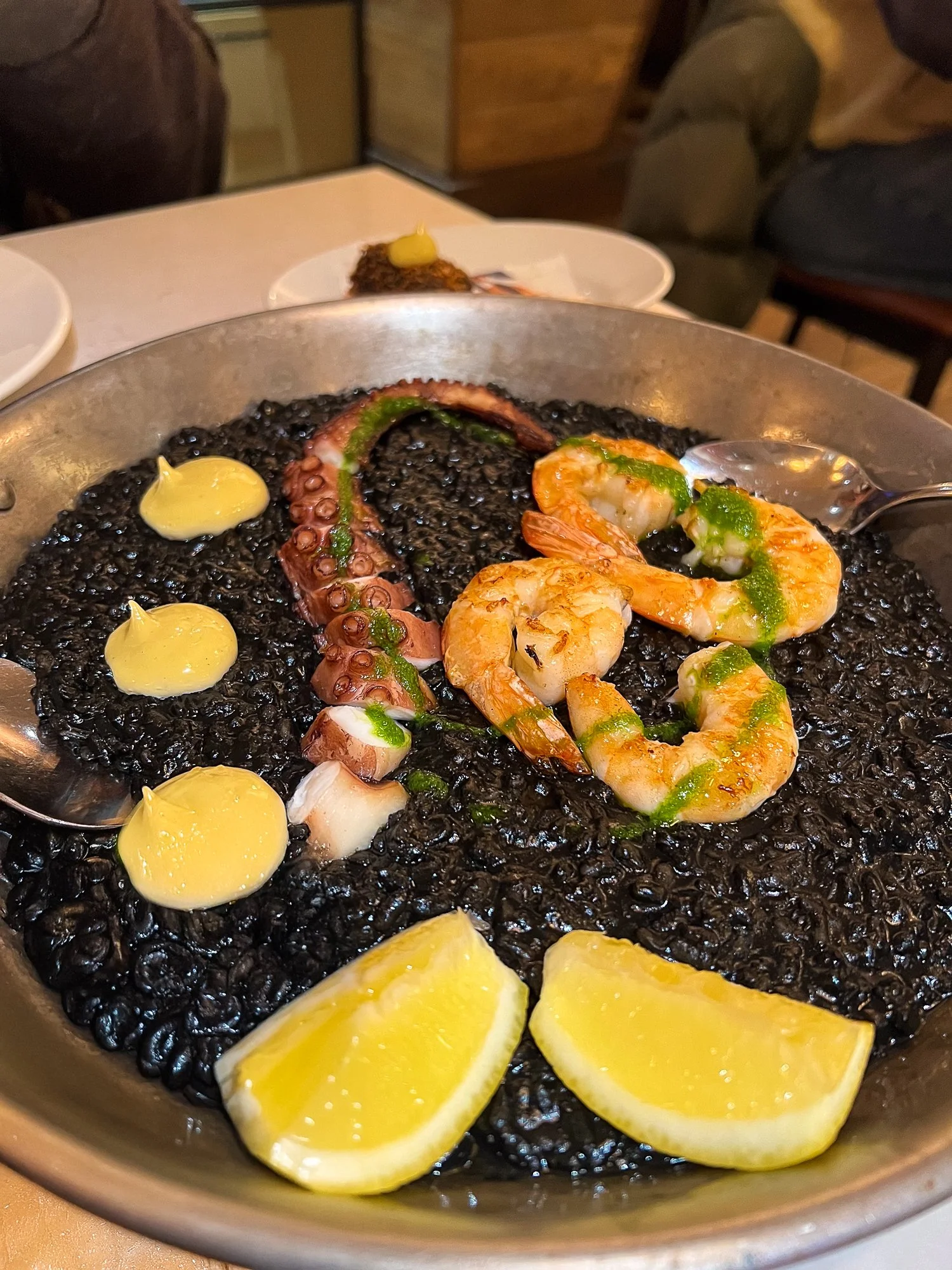
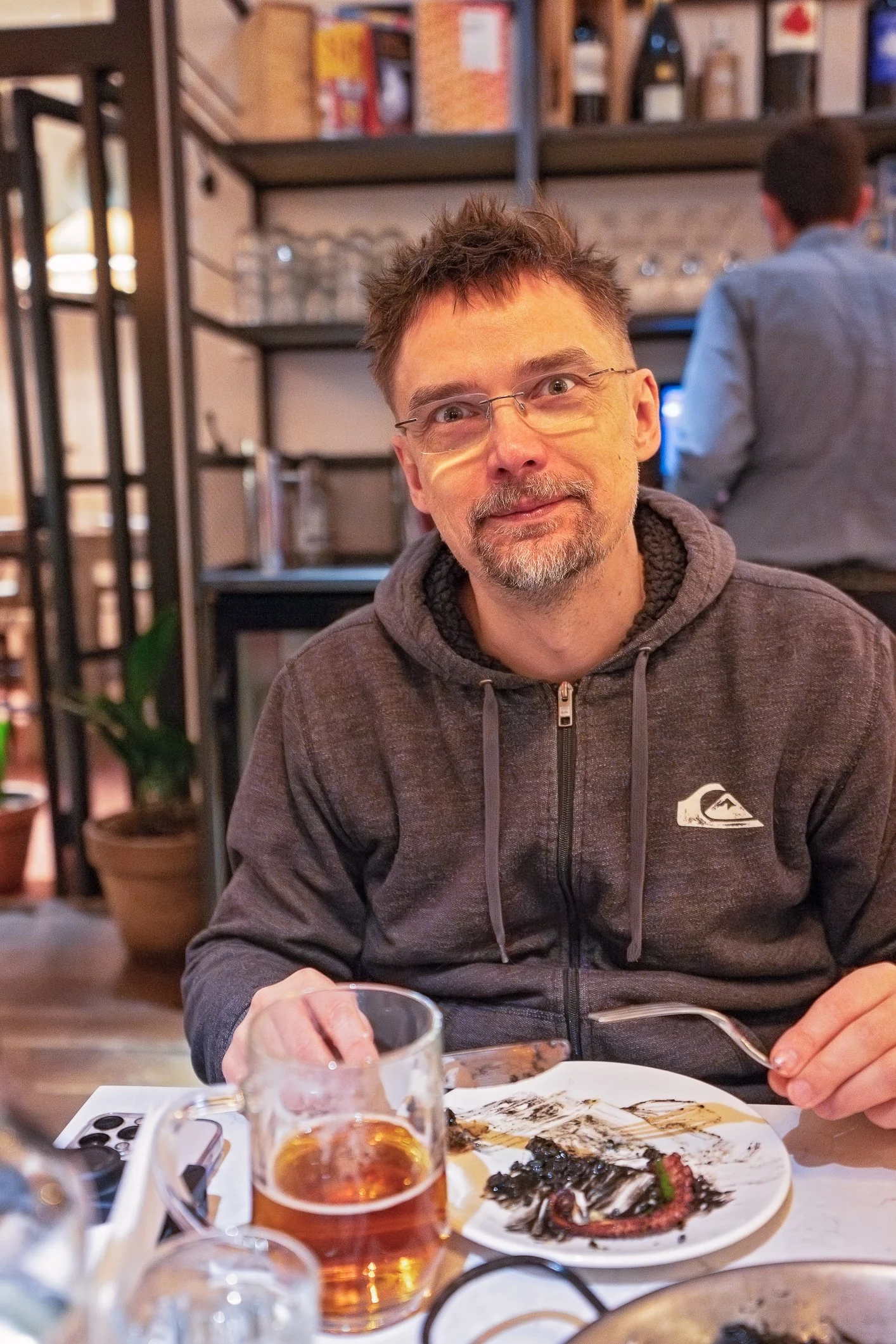
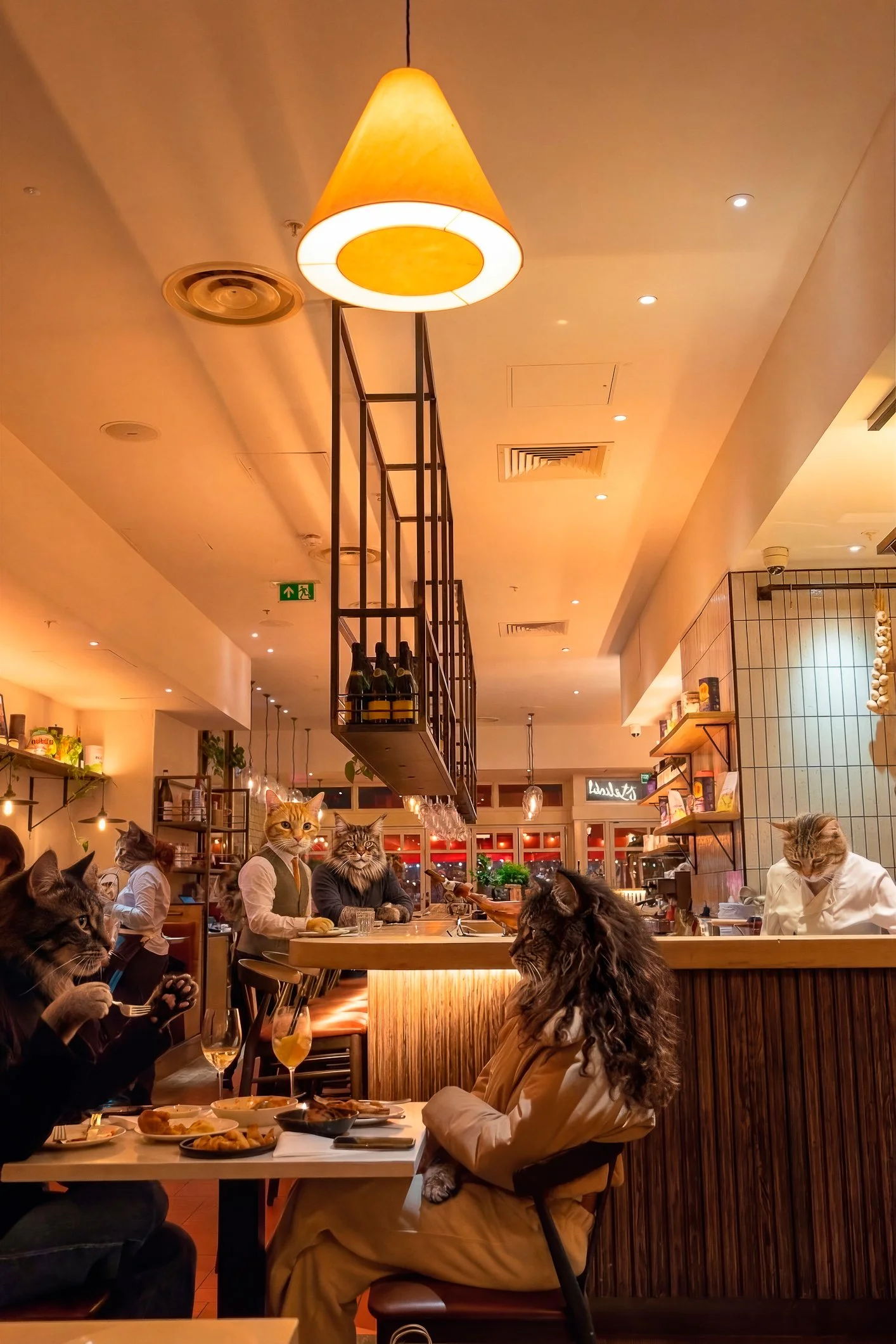
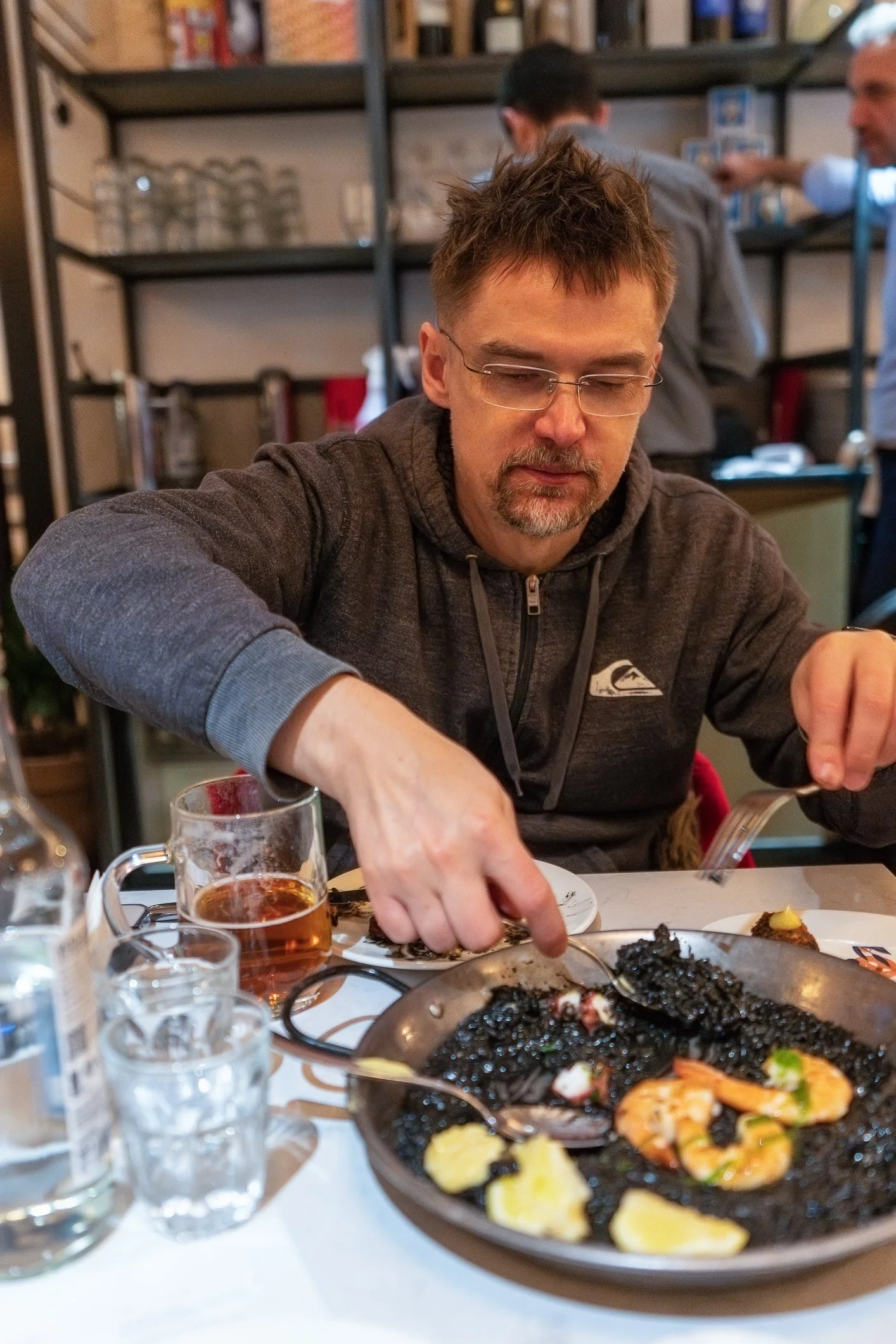
As we were already in the Battersea area, we decided to stay for dinner at Tapas Brindisa Battersea, a flagship Spanish tapas spot. The restaurant has a lively, modern atmosphere and offers a range of classic tapas alongside larger sharing plates (platos). We enjoyed a relaxed and thoroughly pleasant meal, making the most of both the vibrant setting and the social style of dining.


Ponieważ byliśmy już w okolicy Battersea, zostaliśmy tam na kolację w Tapas Brindisa, jednym z flagowych miejsc serwujących hiszpańskie tapas. To przyjemna, niezobowiązująca restauracja z klasycznymi tapas i większymi daniami do dzielenia się (platos). Spędziliśmy bardzo miły, spokojny wieczór.

Thruxton

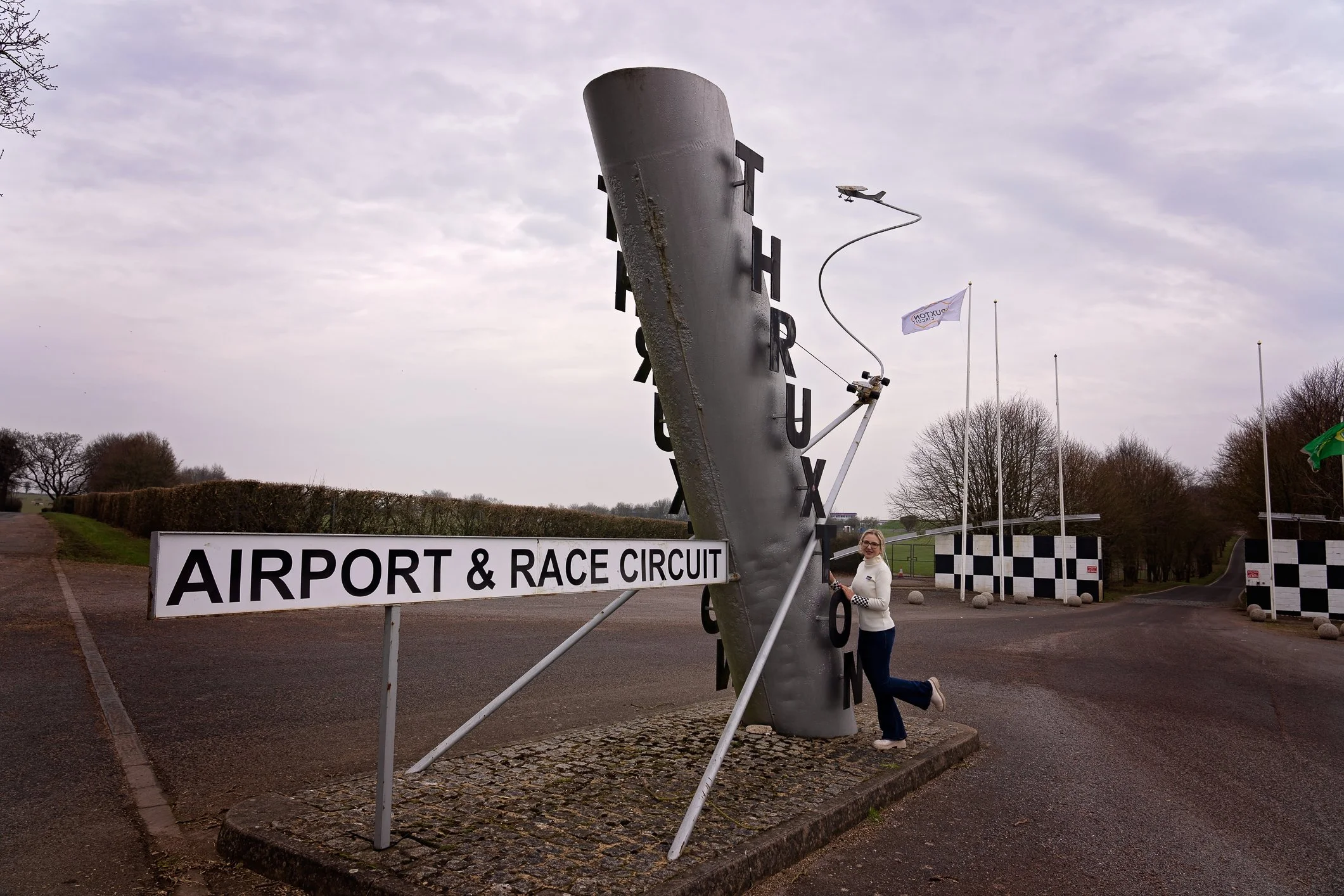
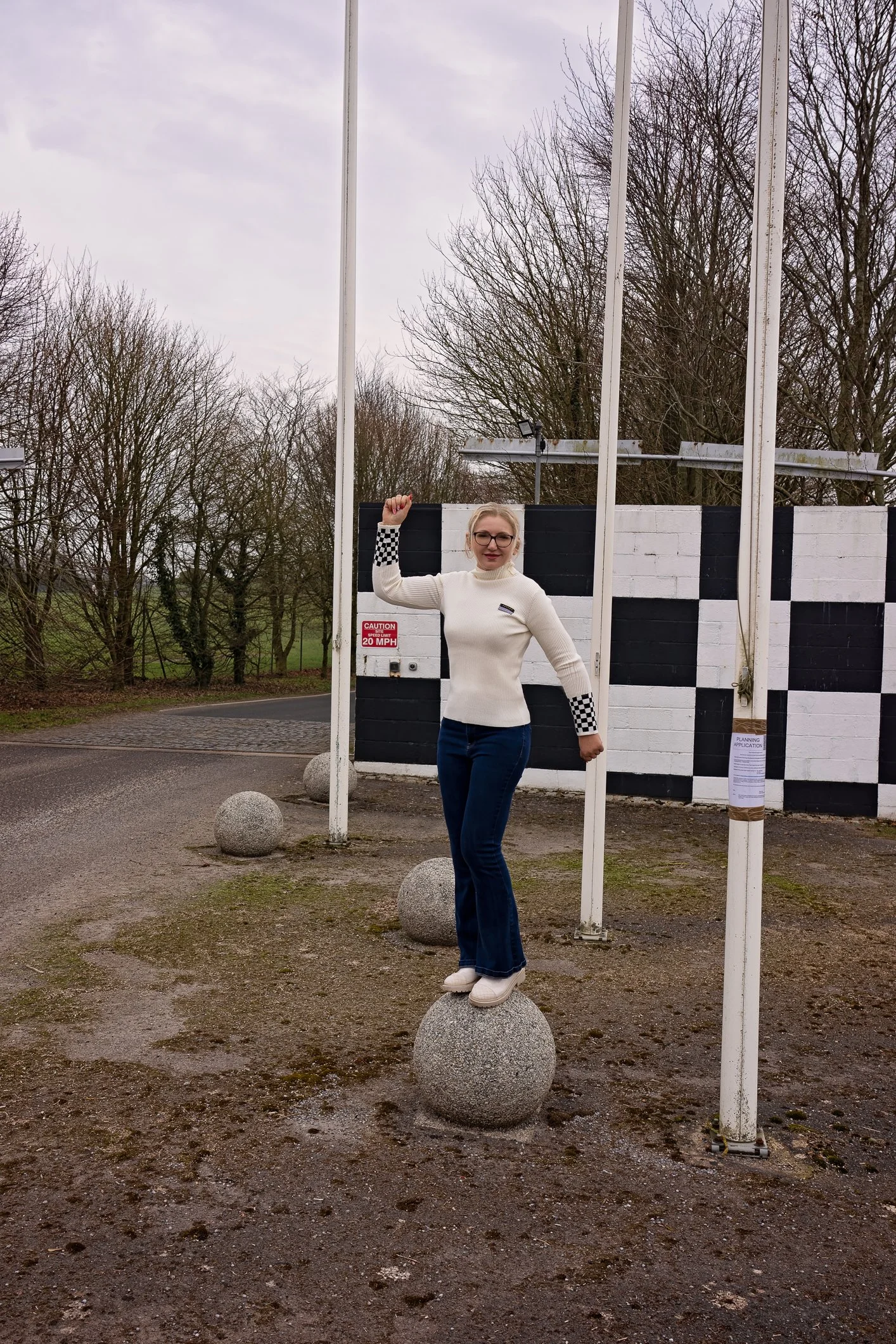
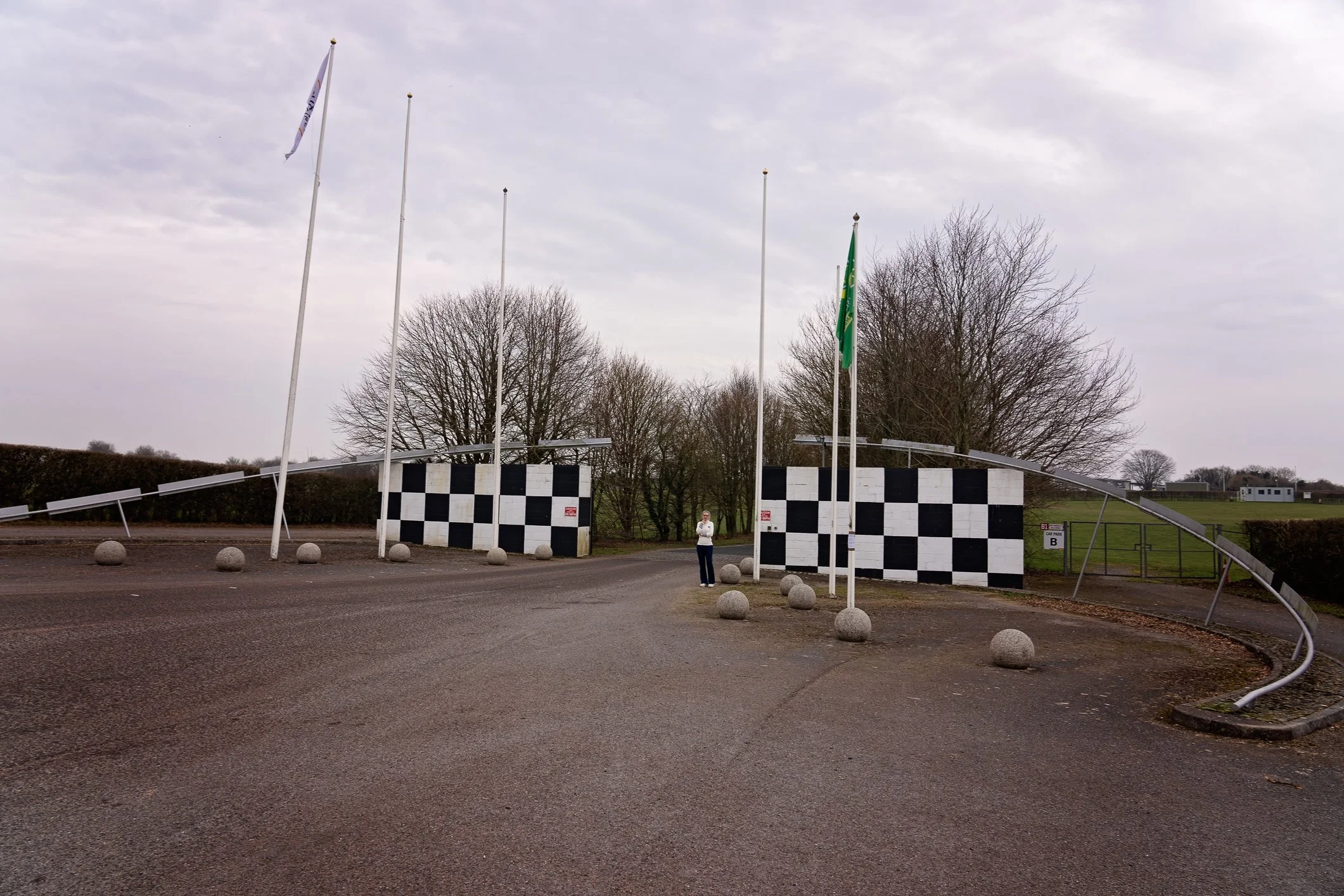
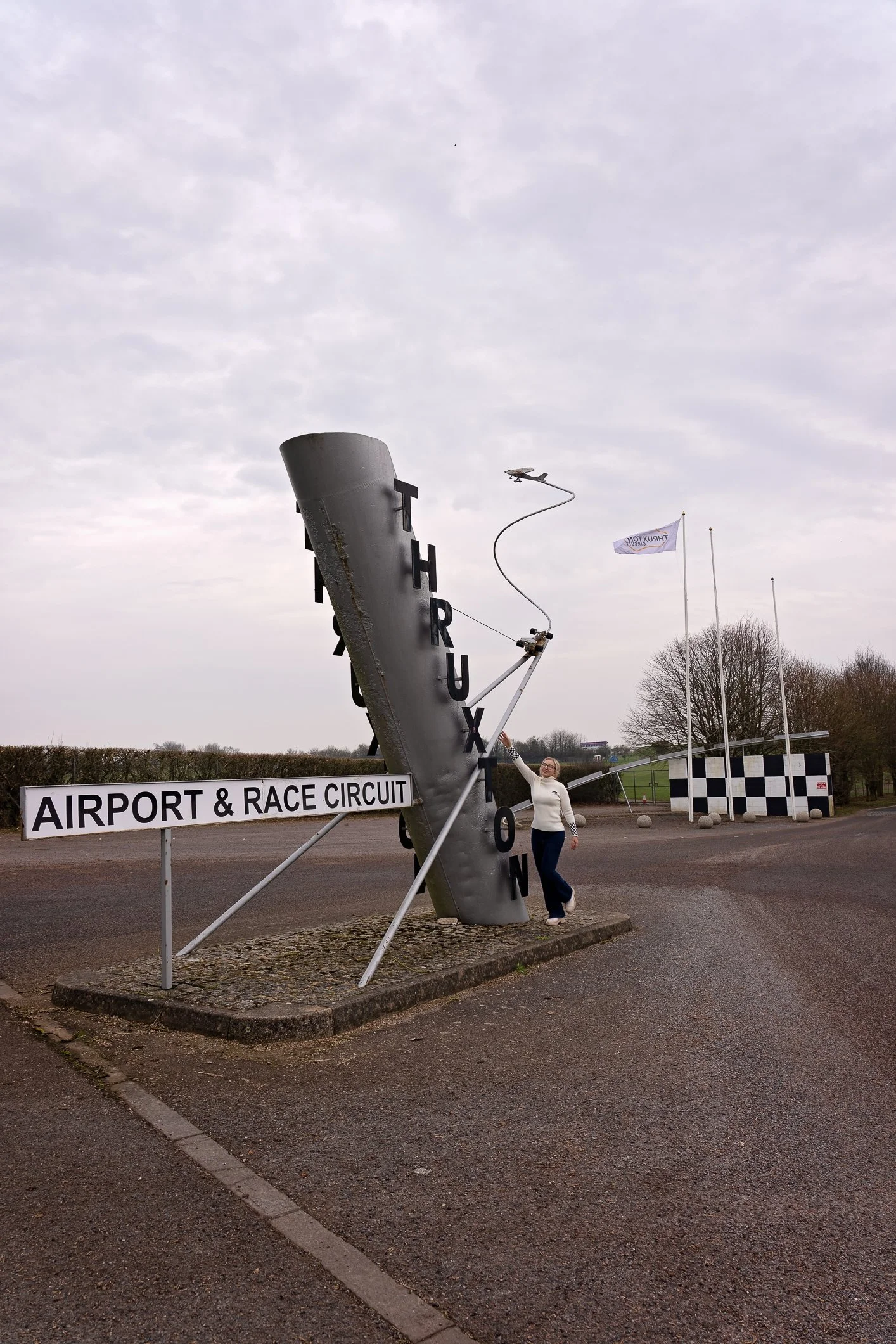
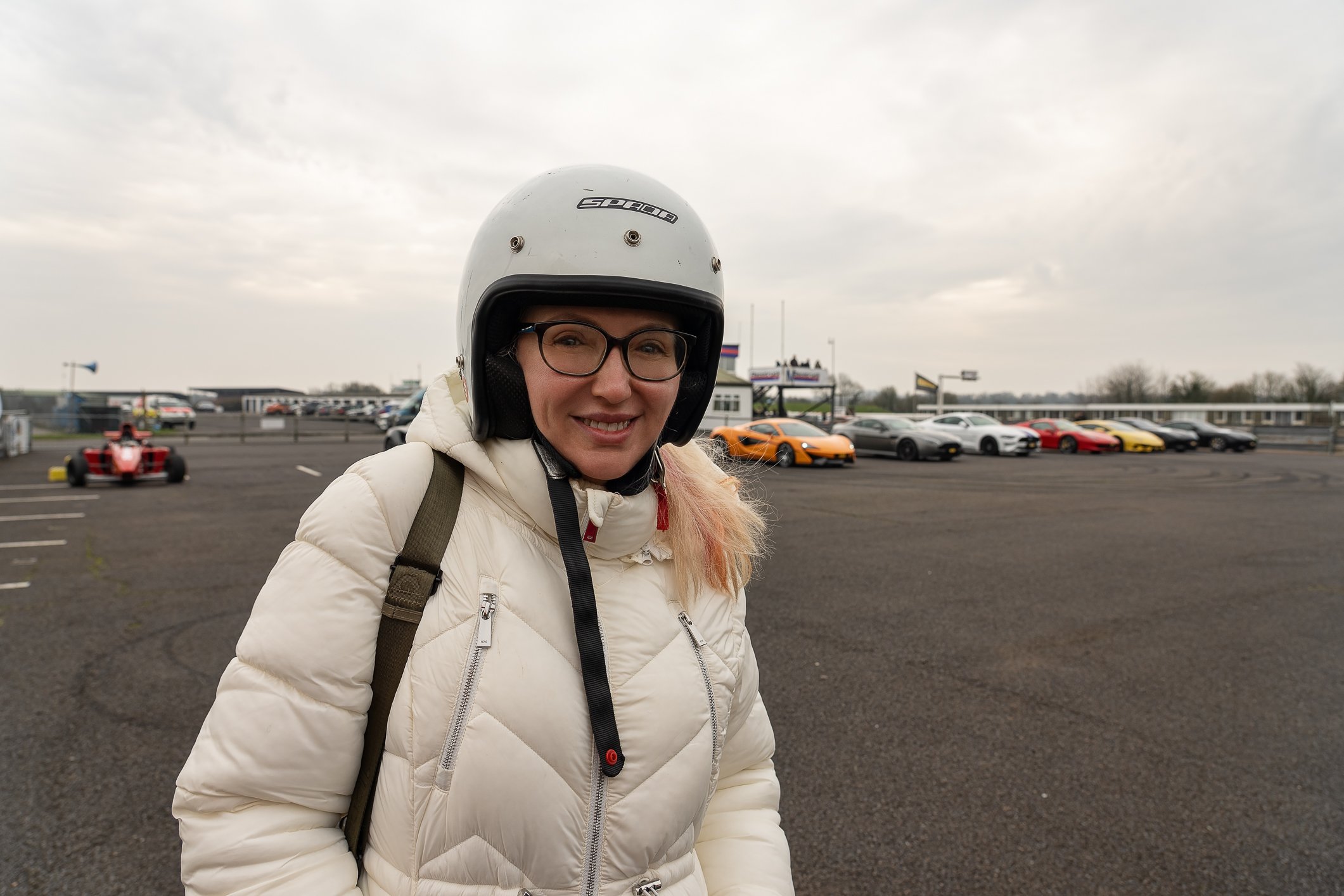
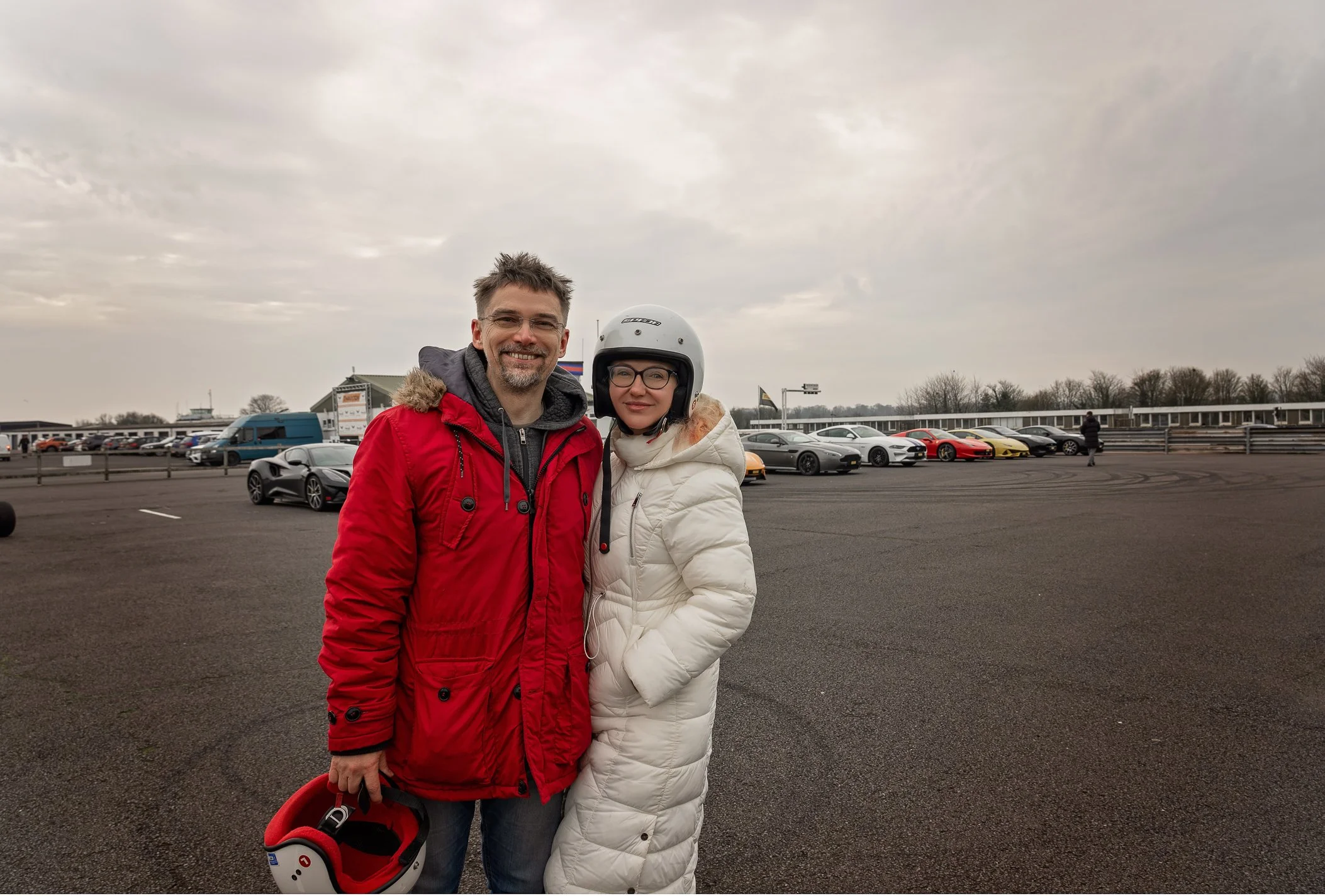
Today is the day Marcin finally decides to use his birthday present - tickets to Thruxton Circuit - so we set off early in the morning to arrive on time. The weather could be better, but at least it doesn’t really rain (much). But it is cold!

Dziś Marcin wreszcie postanawia wykorzystać swój prezent urodzinowy – bilety na Thruxton Circuit – więc wyruszamy wcześnie rano, żeby zdążyć na czas. Pogoda mogłaby być lepsza, ale przynajmniej prawie nie pada. Jest za to zimno!

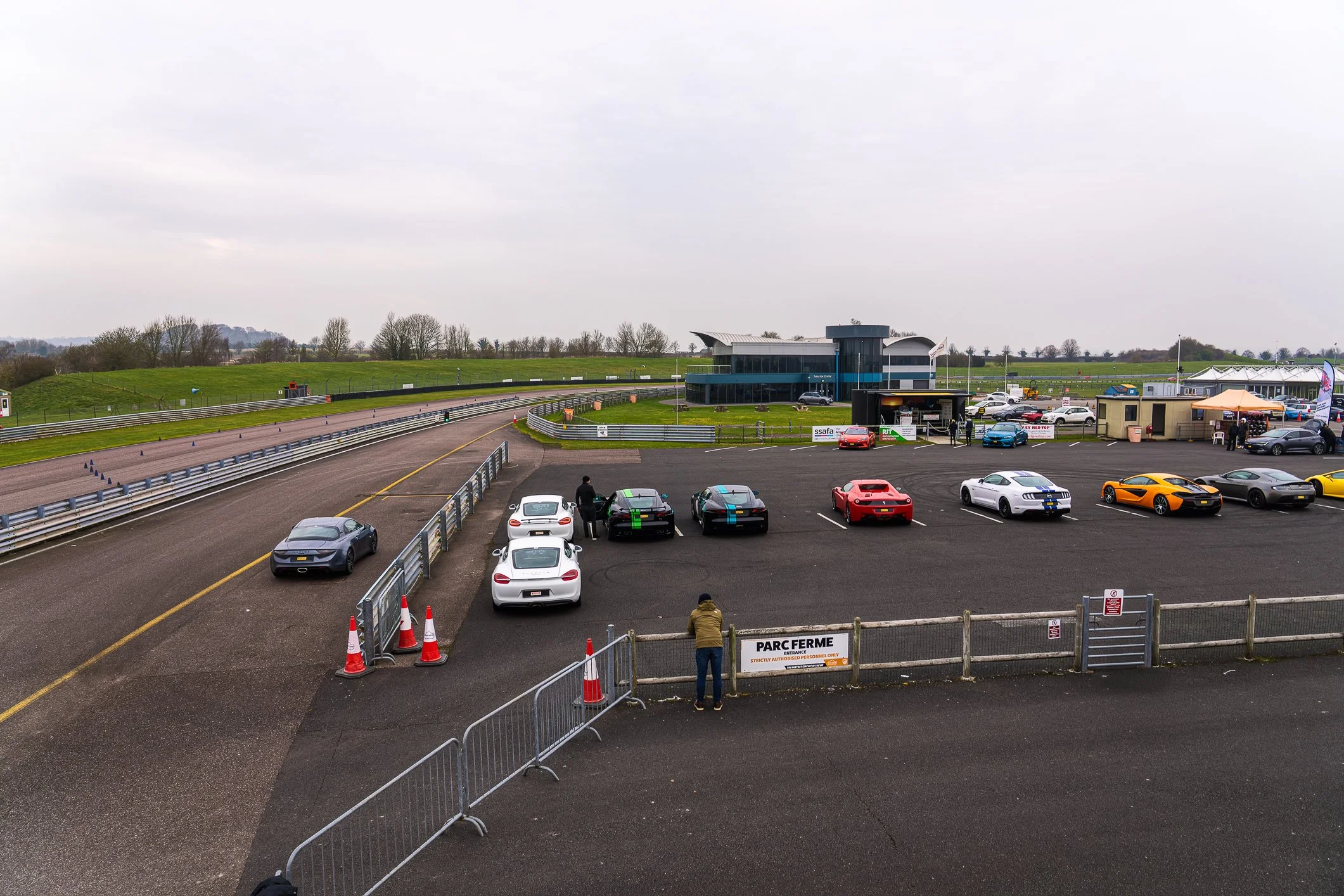
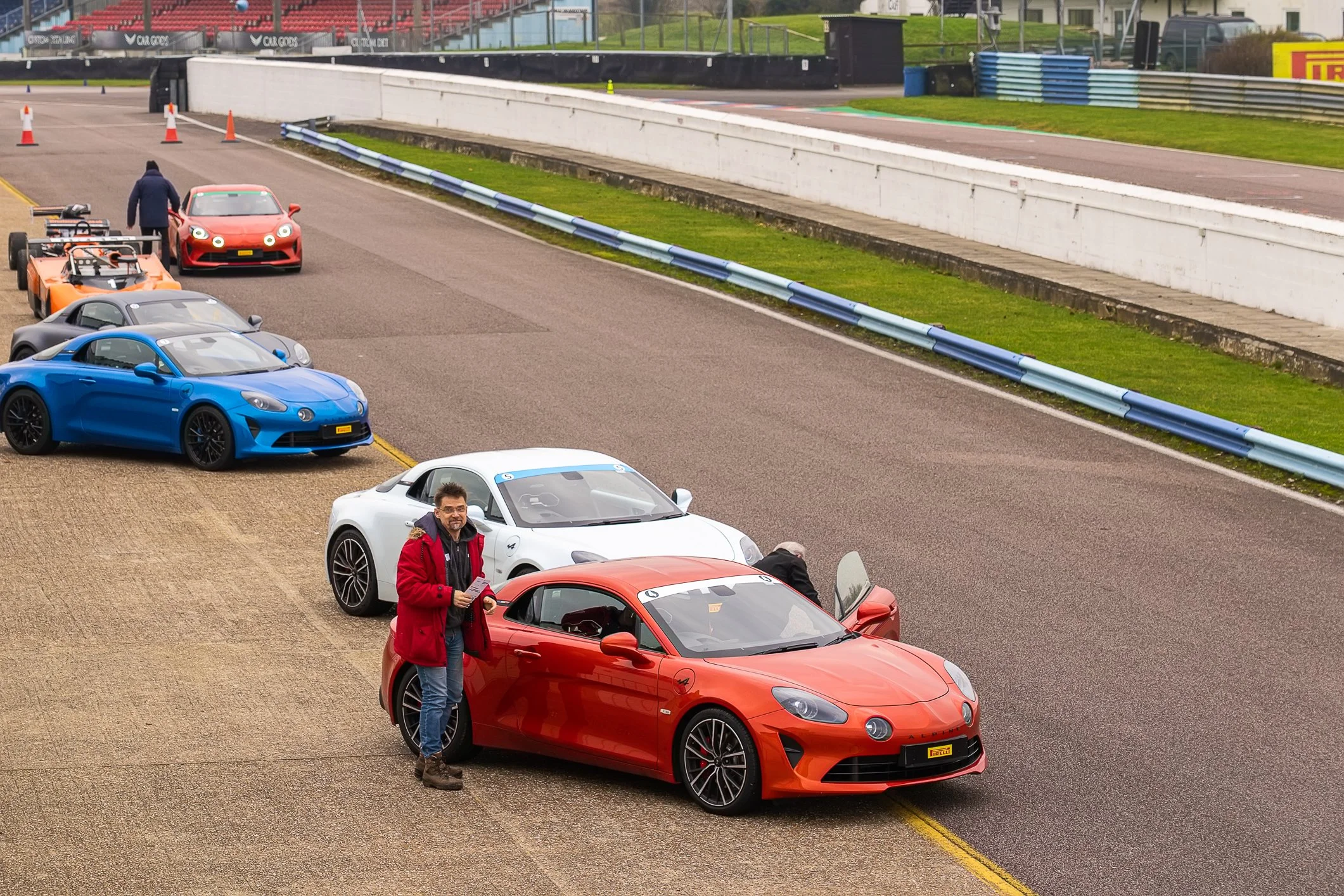
As expected, the day starts with a safety briefing. It’s more useful than exciting, but necessary. Drivers are introduced to the layout of the circuit, which is not immediately intuitive at speed, and are talked through braking points, turn-in, and positioning. Without that guidance, it would be very easy to misjudge corners, especially given how fast the track is. After that, we split - Marcin heads to the cars, and I make my way to the observation tower.

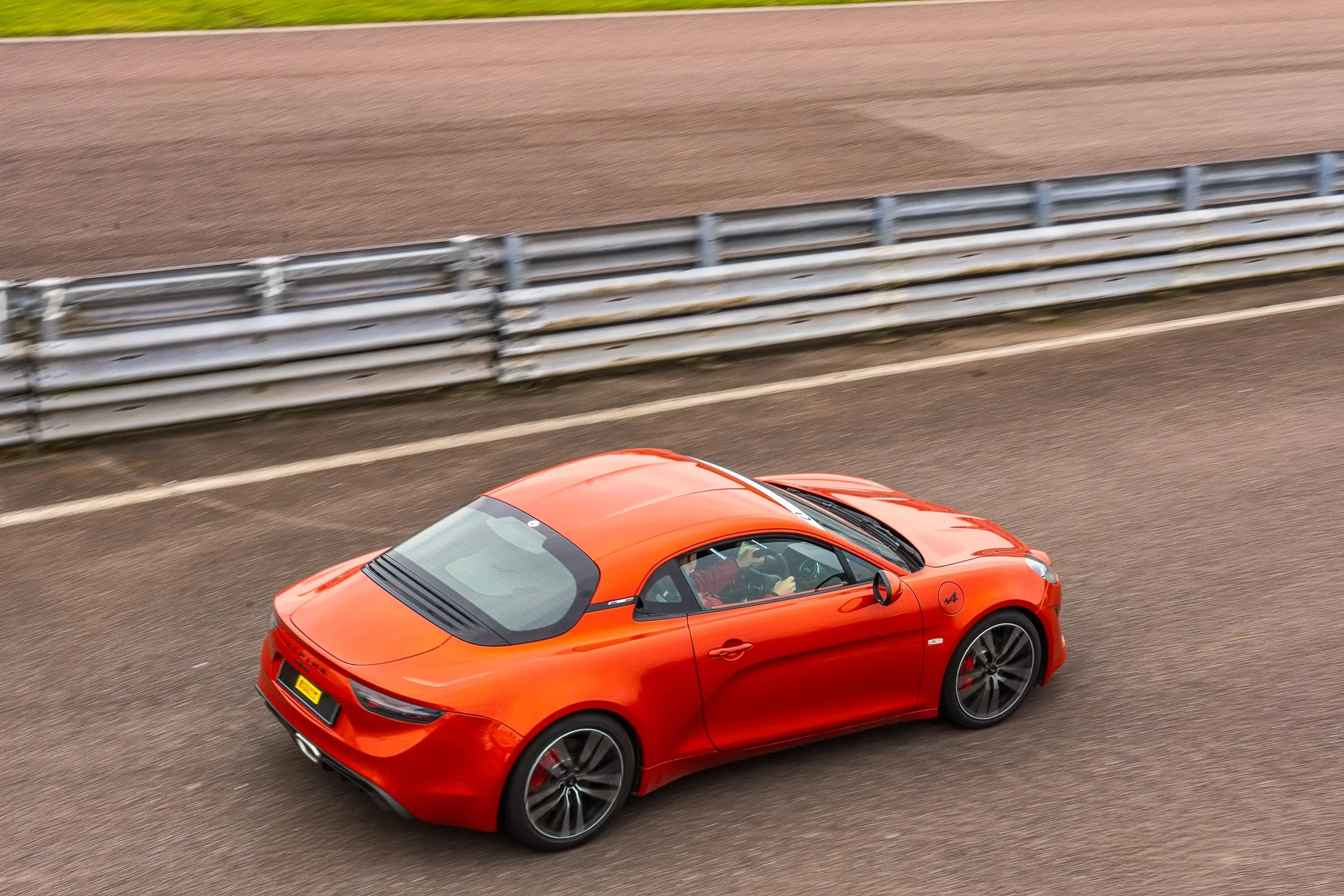
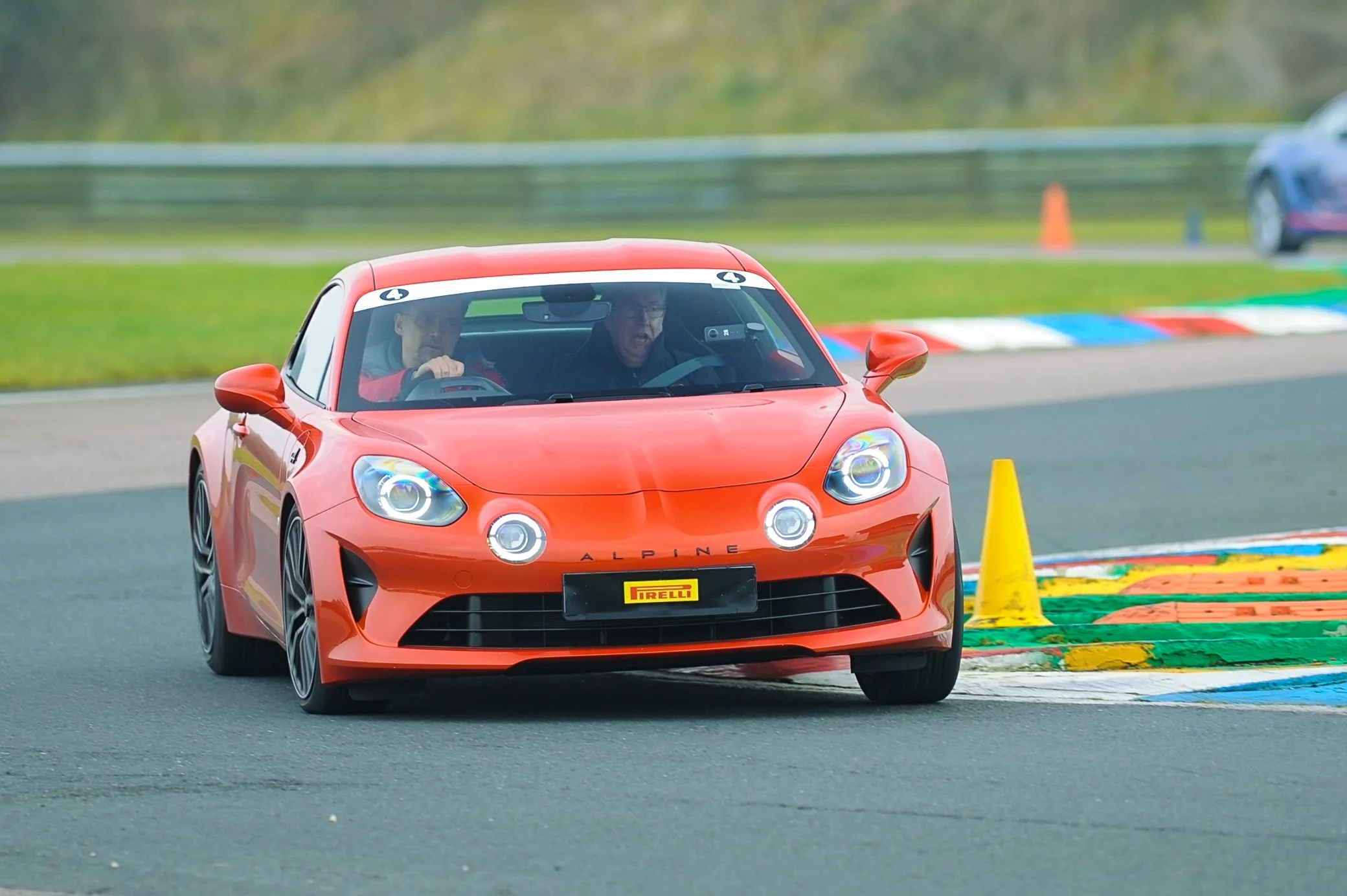
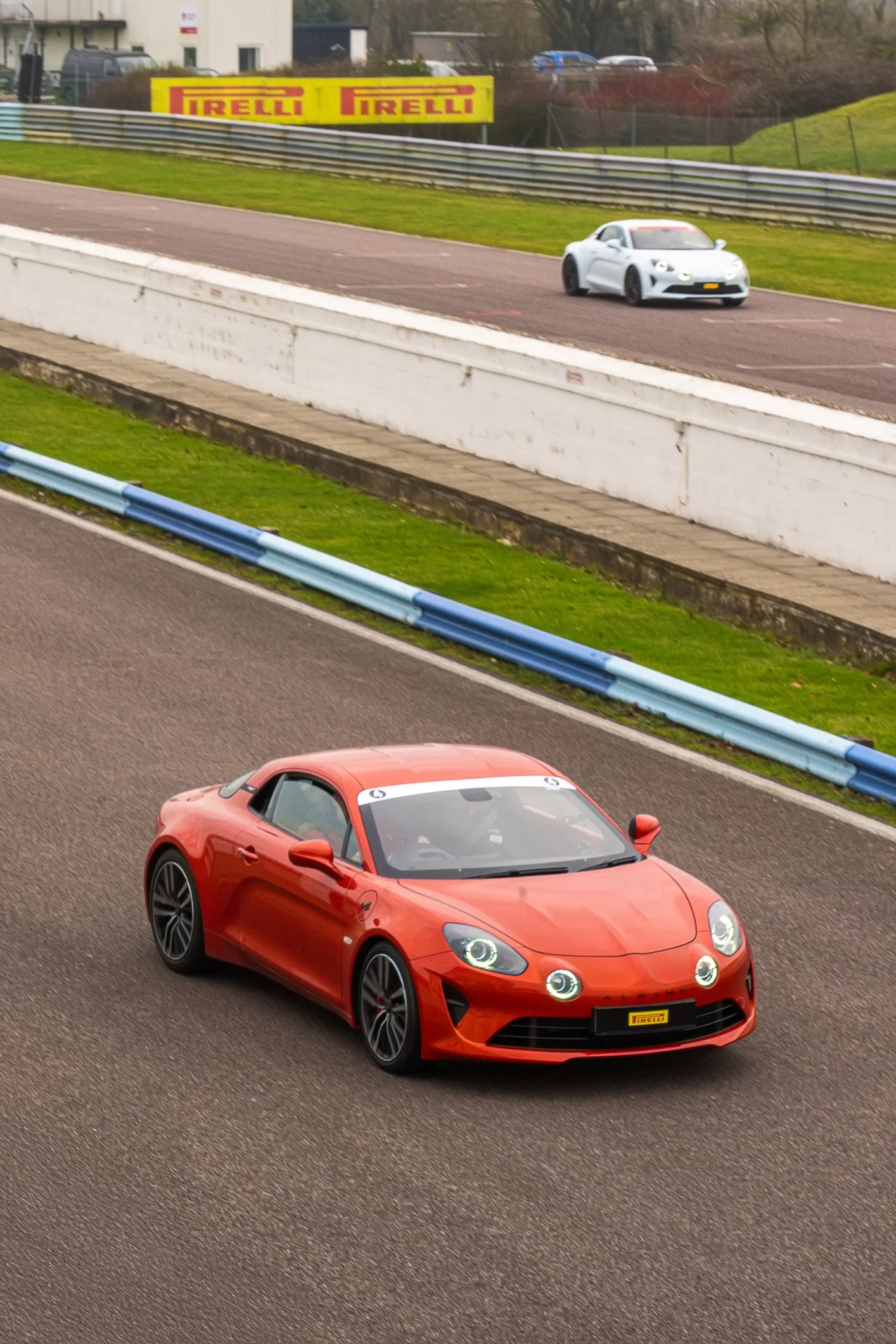
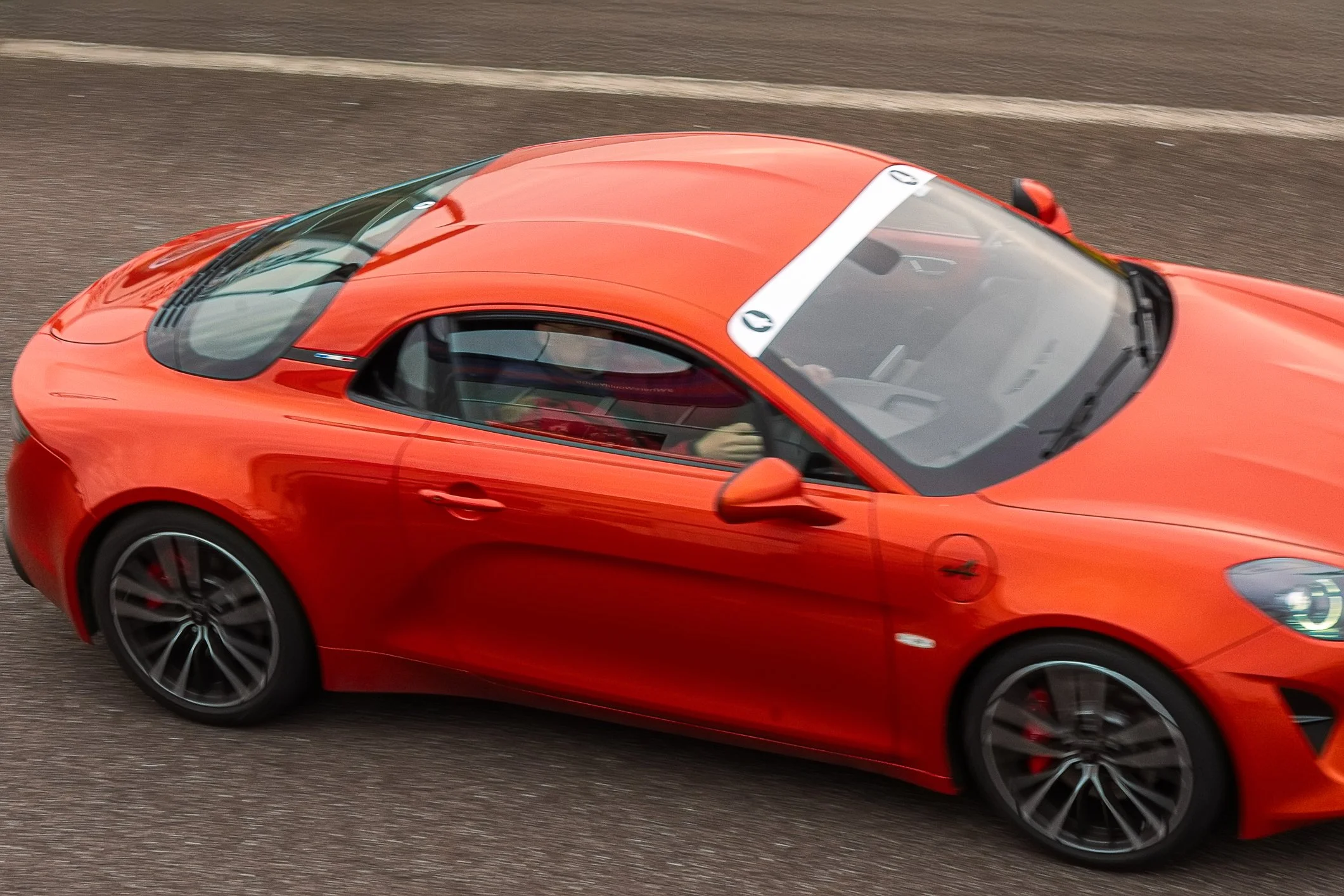
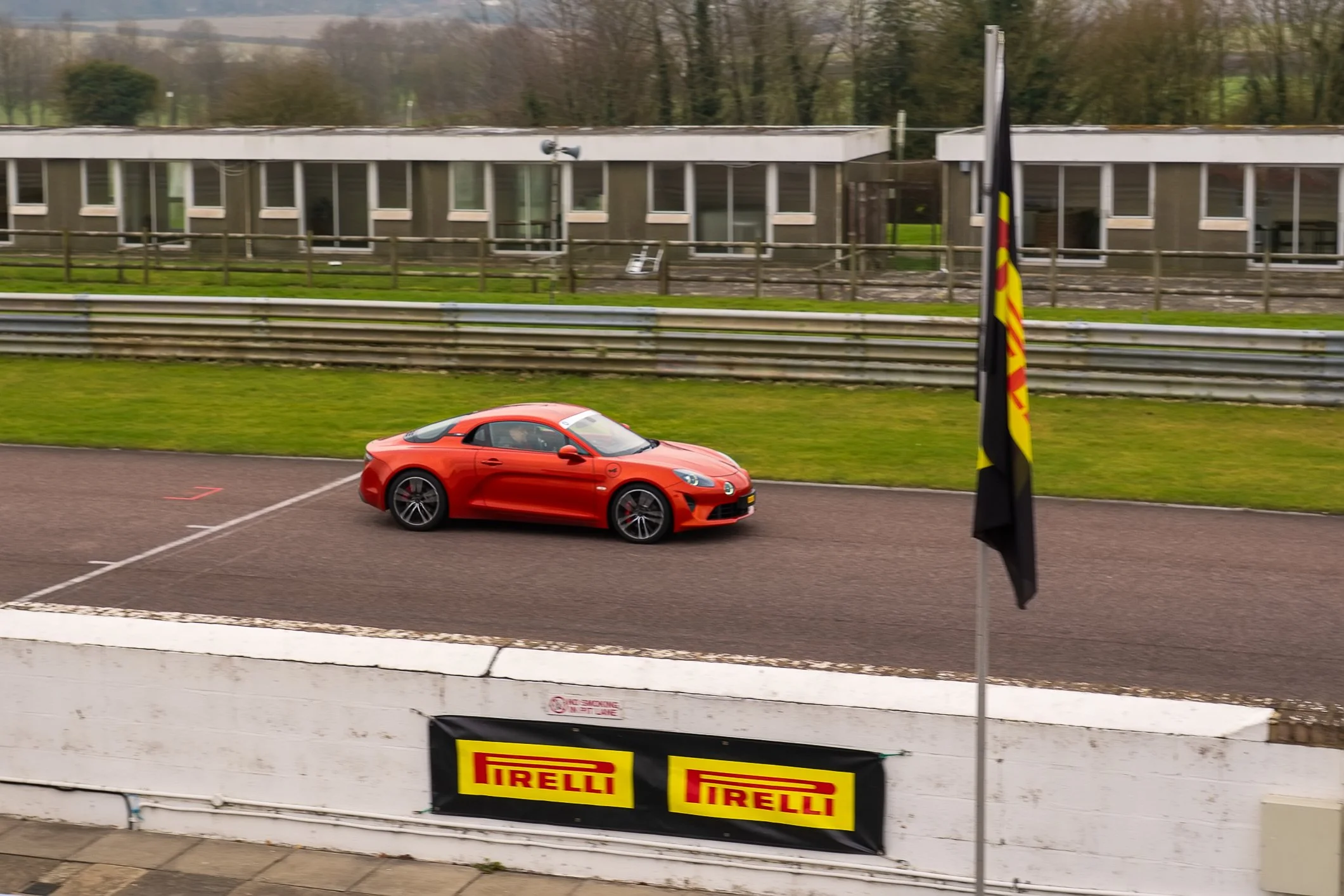
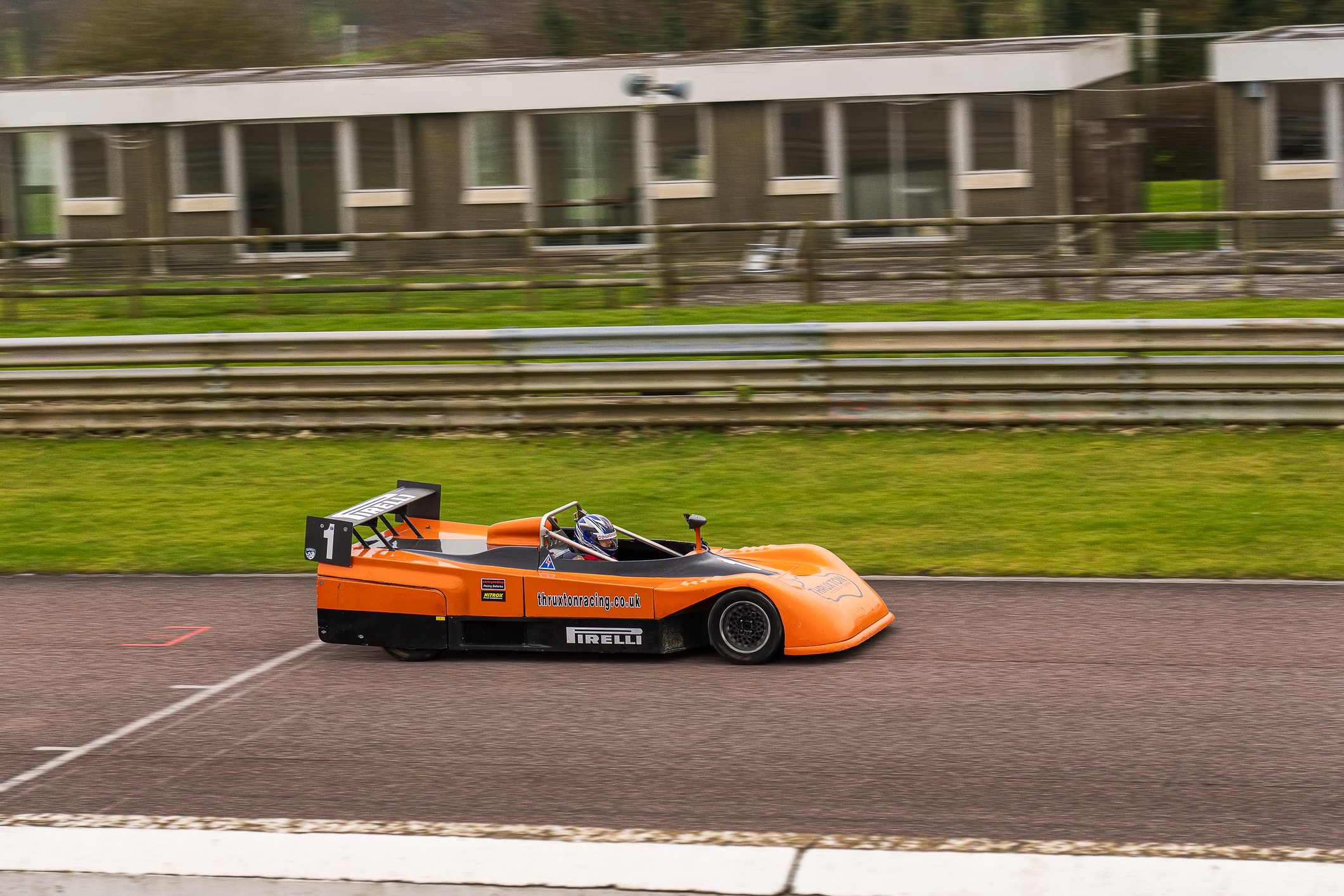
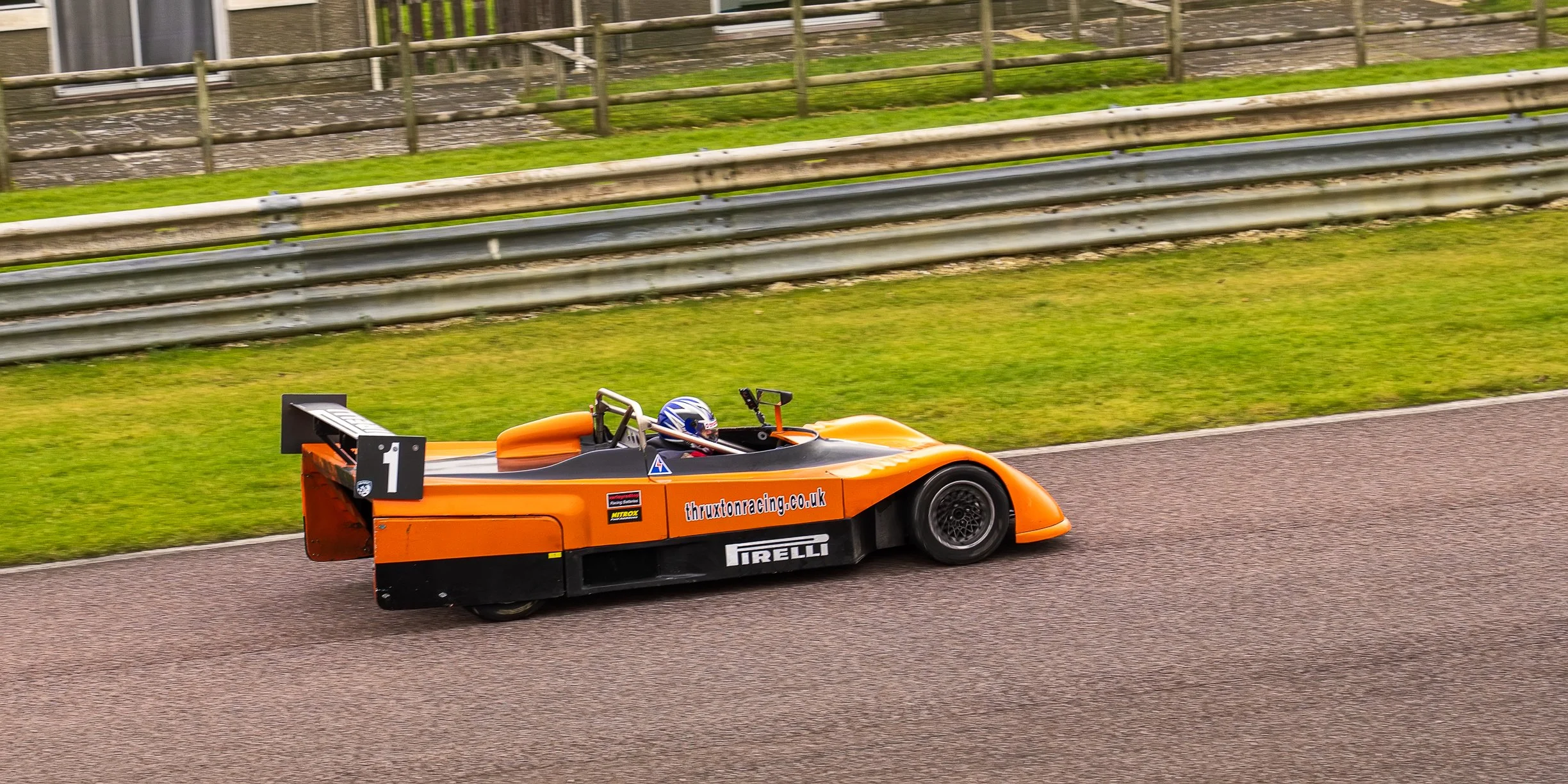
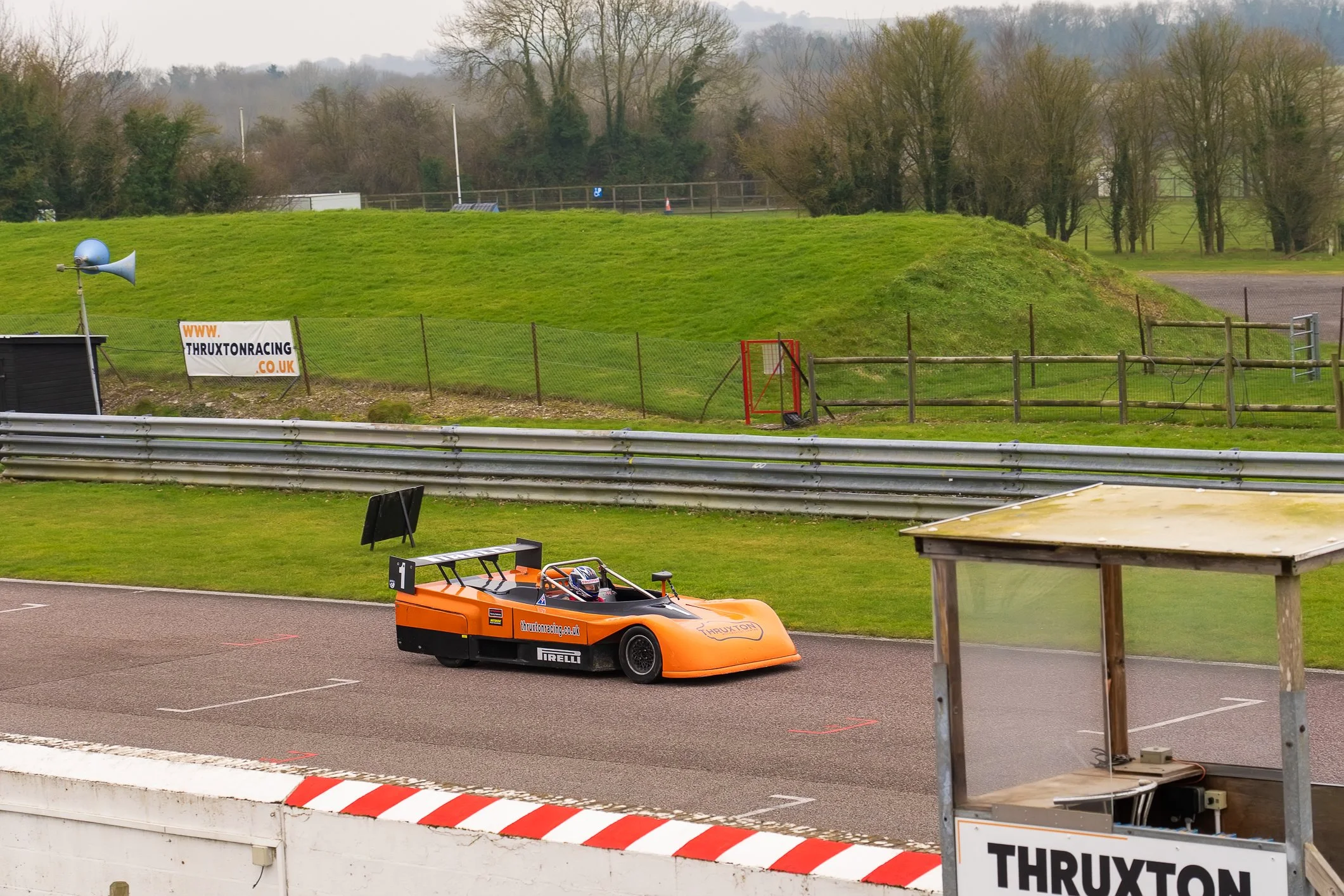
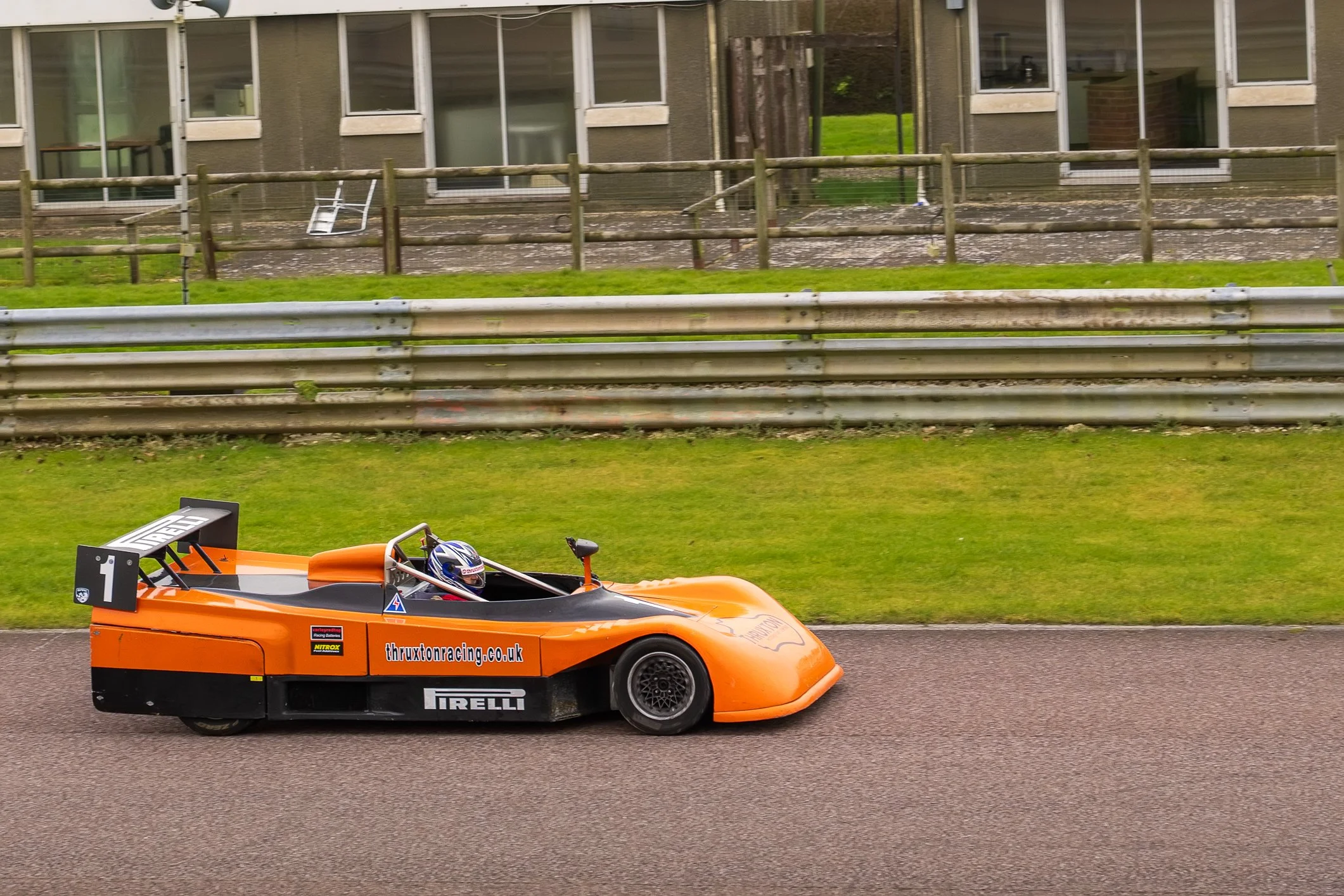
The first session is in the Alpine A110S. Marcin drives with an instructor in the passenger seat, who evaluates his performance and provides feedback on technique. The idea is not just to drive fast, but to understand how to improve. They complete a few laps while I try to take photos, which turns out to be harder than expected - at that speed, it’s difficult to even recognise the car, let alone get a sharp shot.

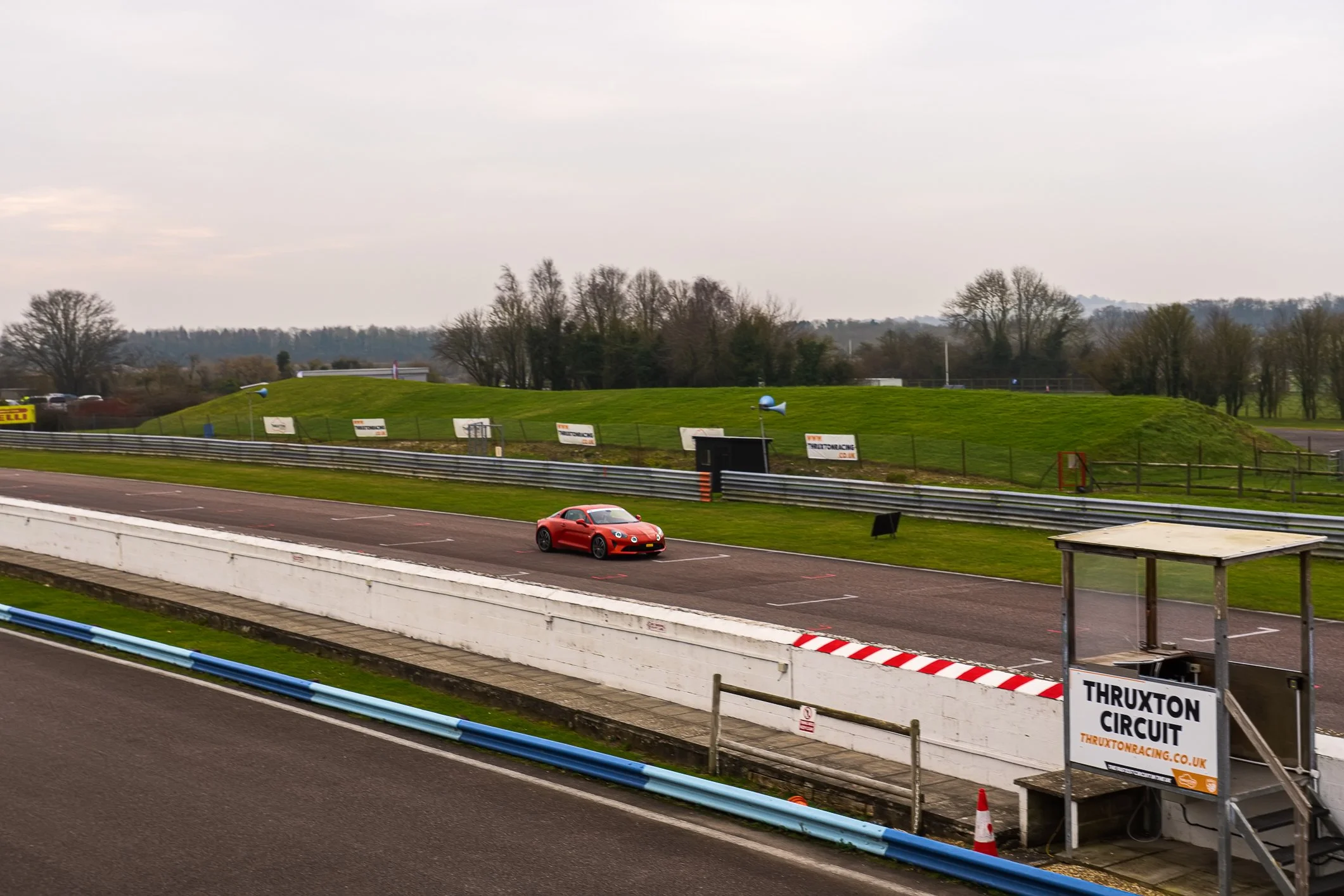
A driving experience at Thruxton is often marketed as a chance to drive high-performance cars, but what stands out is the circuit itself. As the fastest track in the UK, it is not particularly tight or technical. Instead, it is fast and flowing, with long corners where maintaining speed matters more than heavy braking. It may look like it’s all about adrenaline, but in practice it is more about controlled exposure to performance driving.

Jak można się było spodziewać, dzień zaczyna się od briefingu bezpieczeństwa. Jest to bardziej użyteczny niż ekscytujący, ale konieczny element tej zabawy. Kierowcy zapoznają się z układem toru, który przy dużych prędkościach nie jest od razu oczywisty, i omawiane są punkty hamowania, wchodzenie w zakręty oraz pozycjonowanie samochodu. Bez tych wskazówek bardzo łatwo byłoby źle ocenić zakręty, zwłaszcza przy szybkości, jaką osiąga tor. Po tym rozdzielamy się i Marcin idzie do samochodów, a ja kieruję się na wieżę obserwacyjną.

Pierwsza sesja odbywa się w Alpine A110S. Marcin prowadzi z instruktorem na miejscu pasażera, który ocenia jego jazdę i podpowiada, co można poprawić. Chodzi nie tylko o szybkie pokonywanie okrążeń, ale też o naukę i rozwój techniki jazdy. Wykonują kilka rund, a ja próbuję robić zdjęcia, co okazuje się trudniejsze niż się spodziewałam. Przy takich prędkościach ciężko w ogóle rozpoznać samochód, a co dopiero zrobić ostre zdjęcie.

Doświadczenie jazdy na torze Thruxton jest często reklamowane jako możliwość prowadzenia super szybkich samochodów, ale tak naprawdę to tor jest tym, co wyróżnia to miejsce. Jako najszybszy tor w Wielkiej Brytanii, nie jest on szczególnie ciasny ani techniczny. Jest za to szybki i płynny, z długimi zakrętami, w których ważniejsze jest utrzymanie prędkości niż częste hamowanie. Może to wyglądać, jakby chodziło tylko o adrenalinę, ale w praktyce chodzi bardziej o kontrolowaną naukę jazdy wysokiej prędkości.

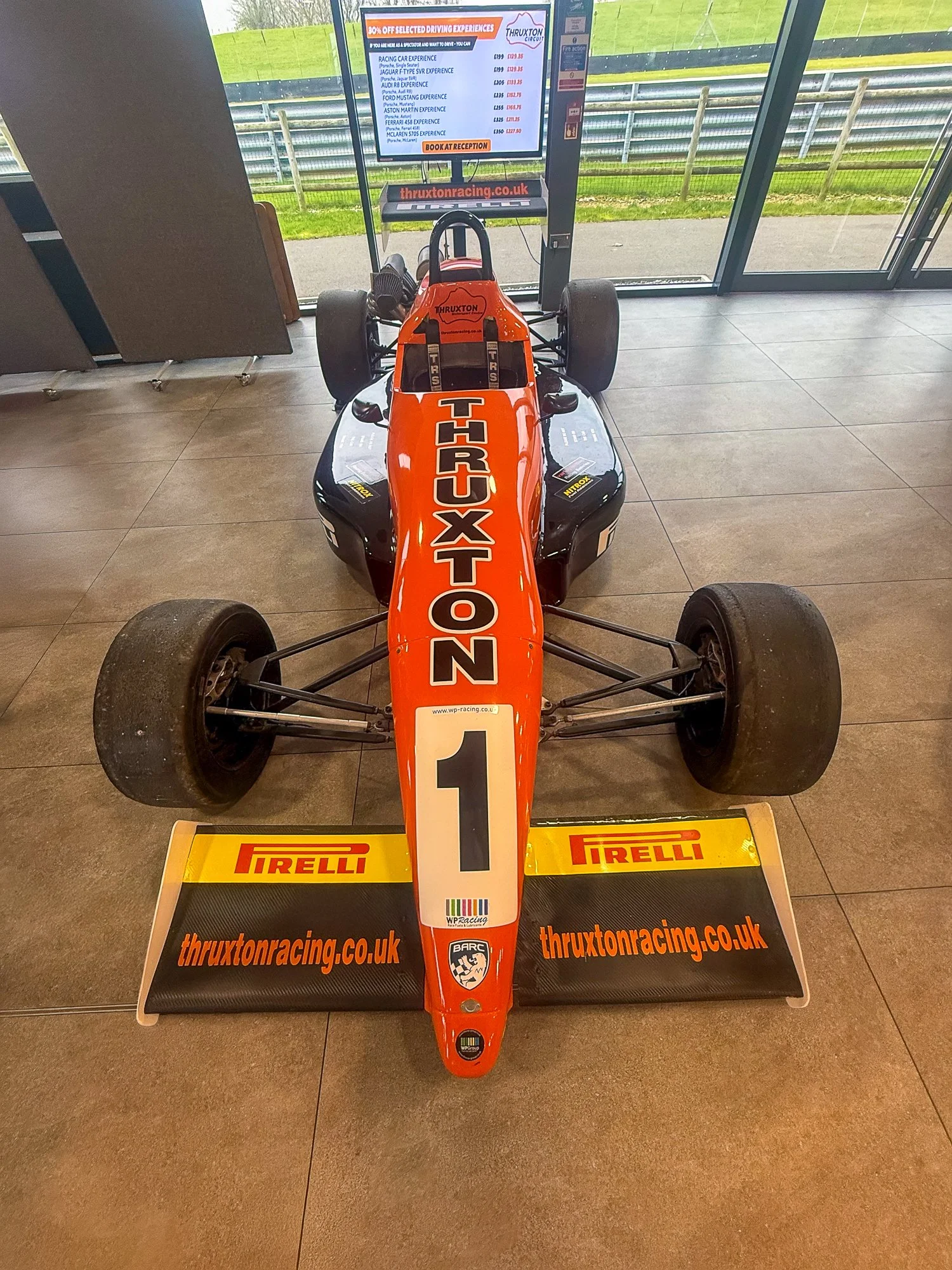
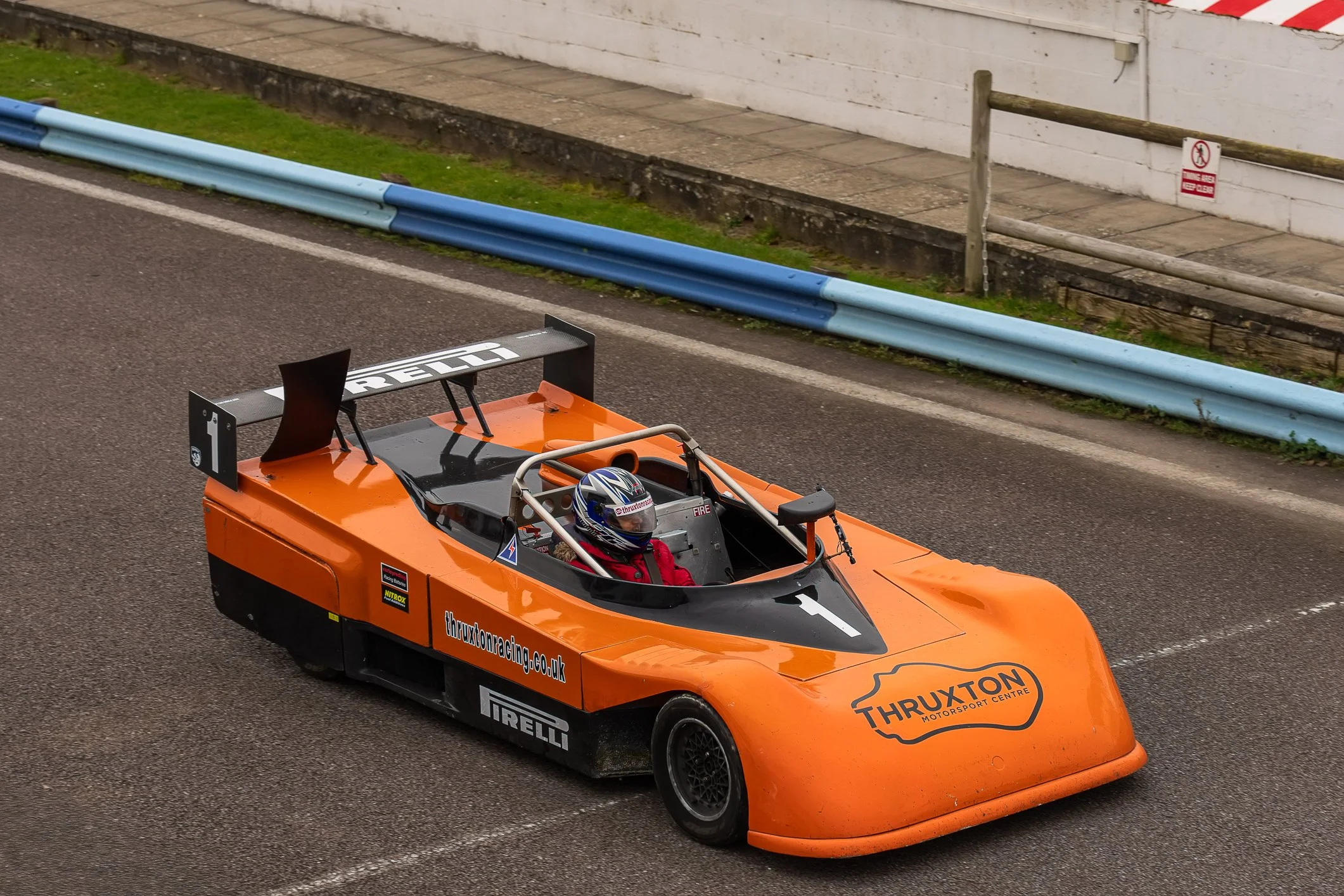
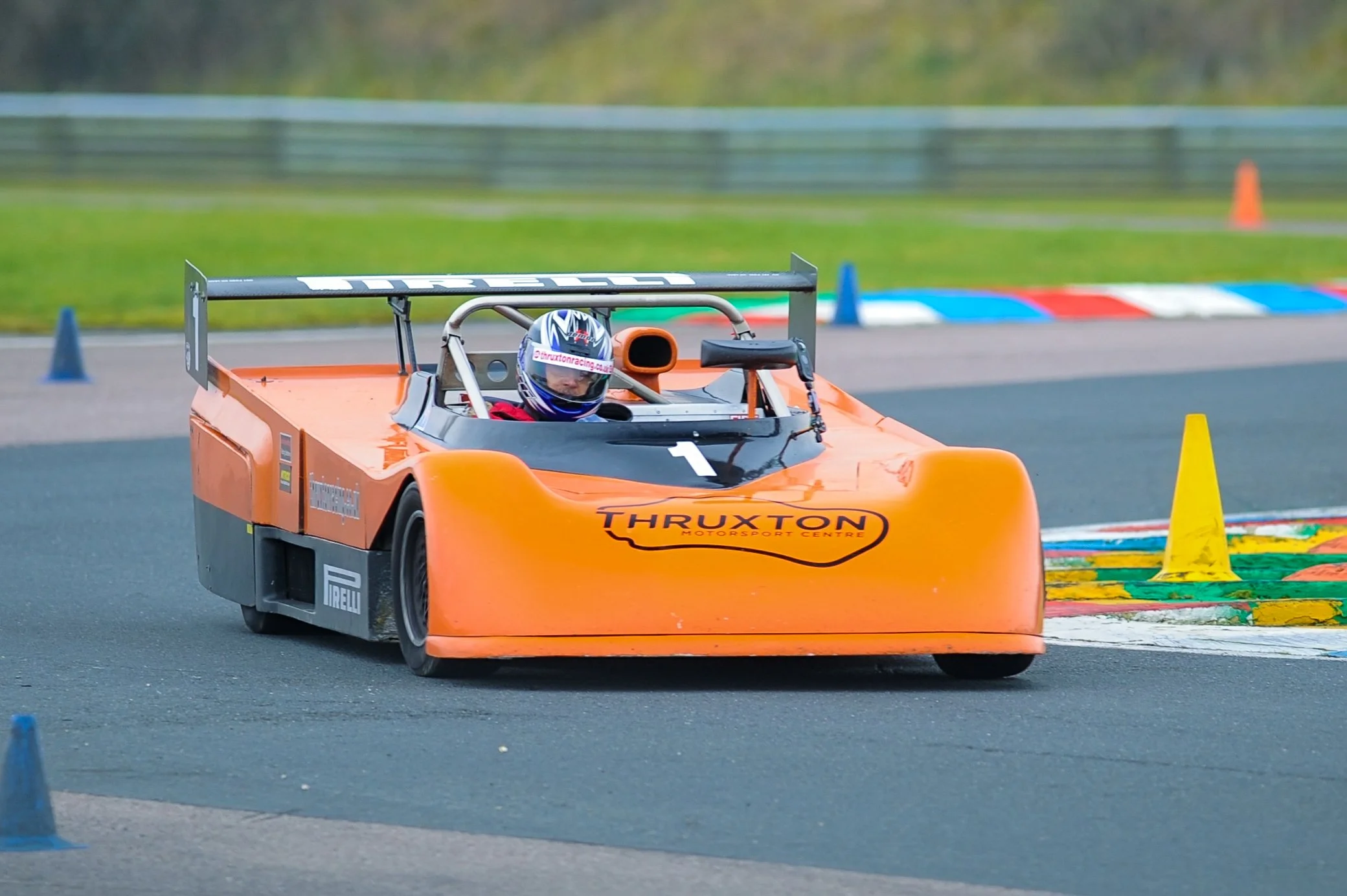
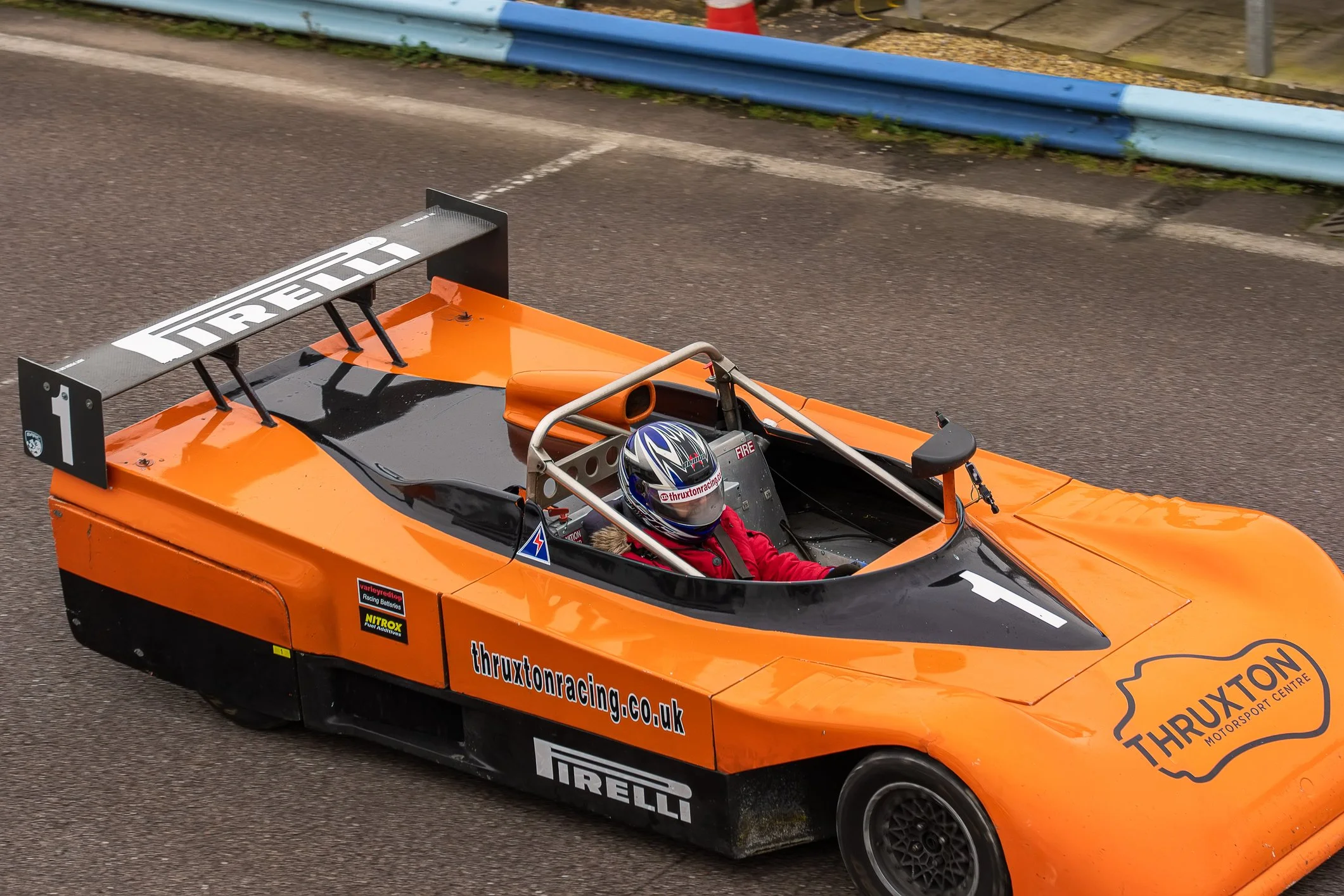
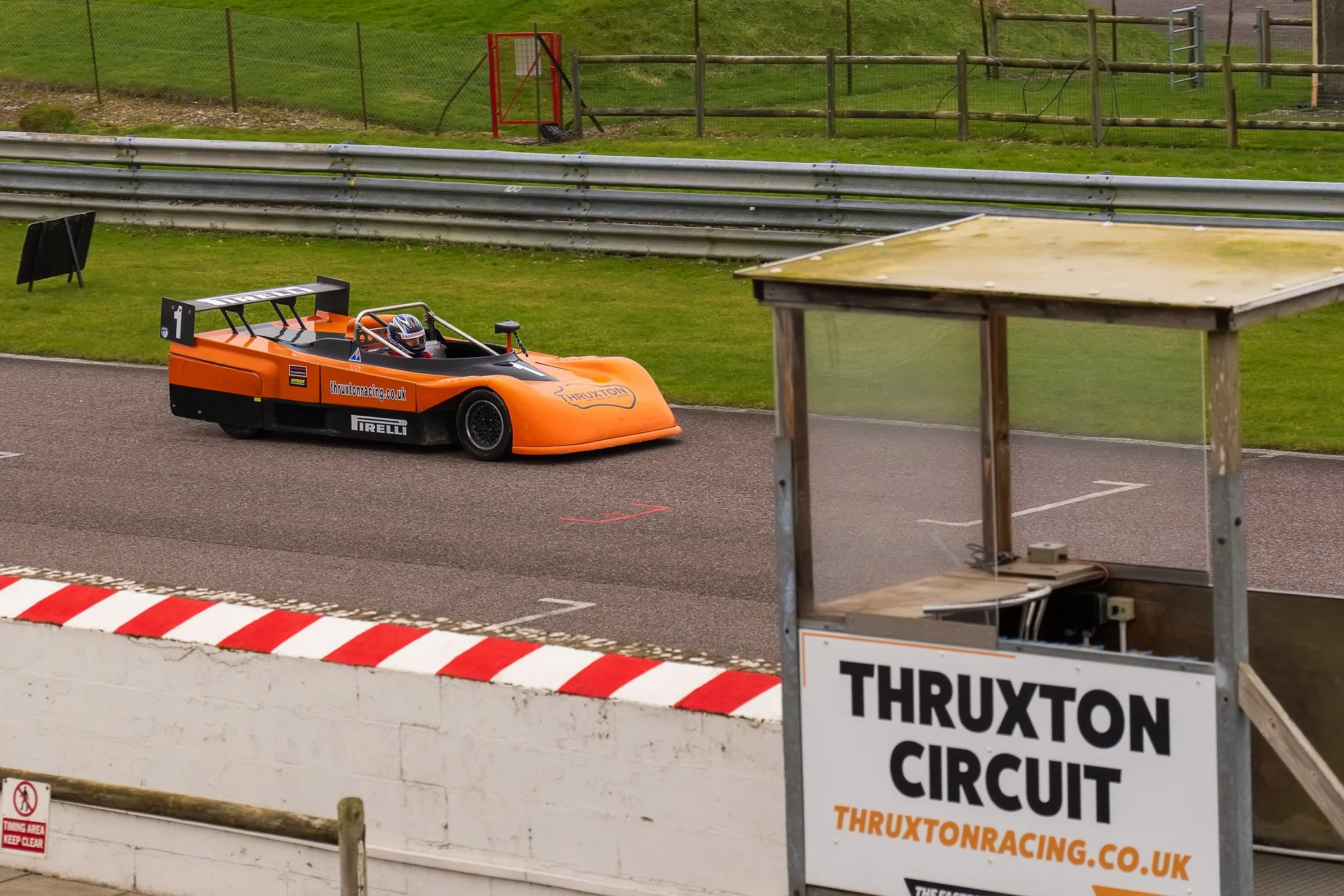
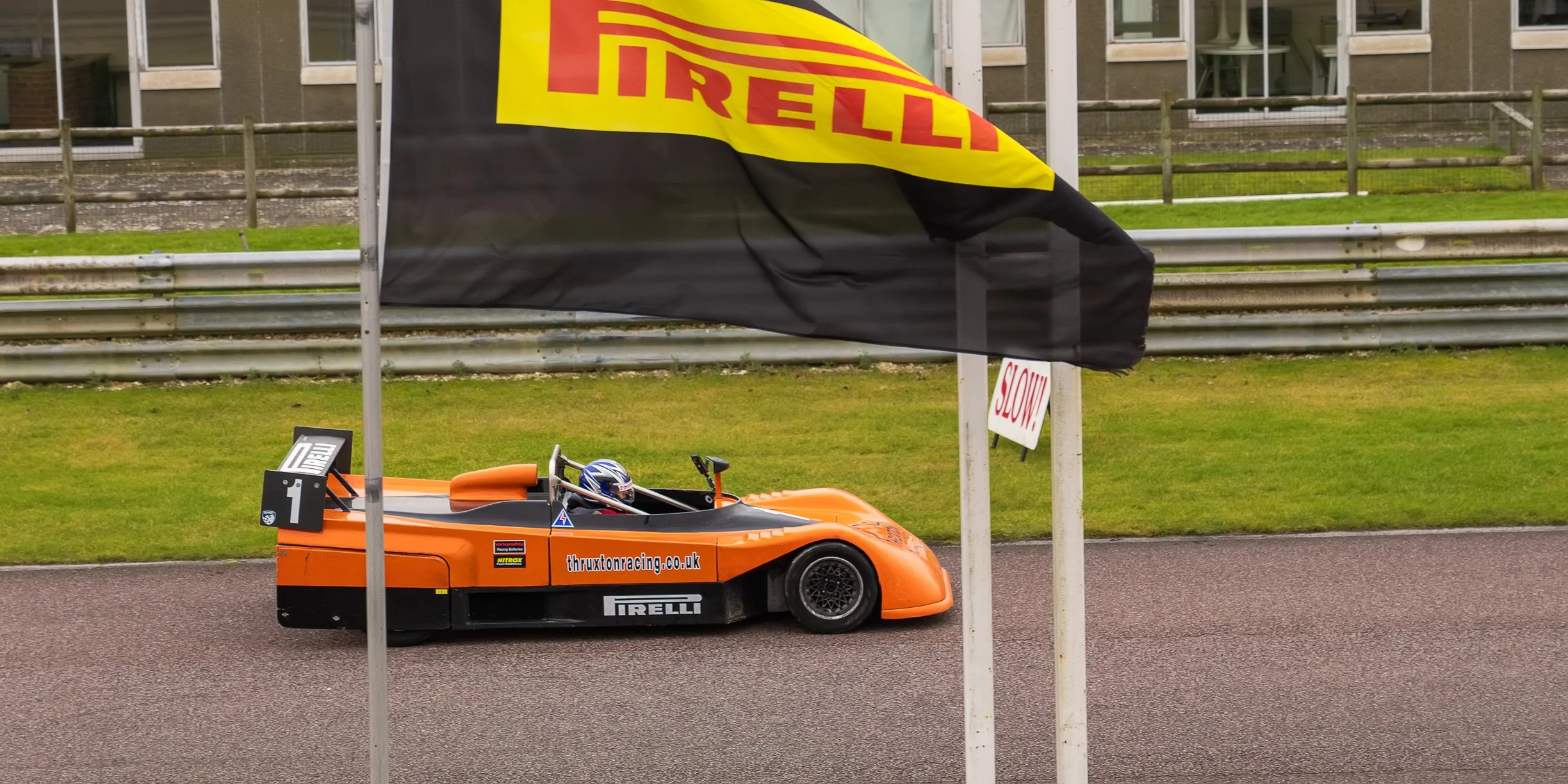
In the second part, Marcin is in the car alone. And time he is in a Formula 1 racing car. The car is very low to the ground, flat, and compact, with a surprisingly small seating area and a very stripped-back feel. Compared to the Alpine, it feels much more direct and exposed. Driving two such different cars on the same circuit makes it easier to understand how vehicle design affects handling and speed. Marcin makes a few laps but he appears and disappears around the track so quickly that again, I won’t take full responsibility for the quality of the photos.

W drugiej części Marcin jest już sam. Tym razem jest w samochodzie wyścigowym Formuły1. Samochód jest bardzo niski, płaski, kompaktowy, a miejsce dla kierowcy zaskakująco małe. W porównaniu do Alpine, prowadzenie go jest znacznie bardziej bezpośrednie i odsłonięte – czuć każdy ruch kierownicą i reakcję auta. Jazda dwoma tak różnymi samochodami na tym samym torze daje dużo lepsze wyczucie, jak konstrukcja pojazdu wpływa na prowadzenie i prędkość. Marcin wykonuje kilka okrążeń, ale pojawia się i znika tak szybko, że znowu odmawiam wzięcia pełnej odpowiedzialności za jakość zdjęć.

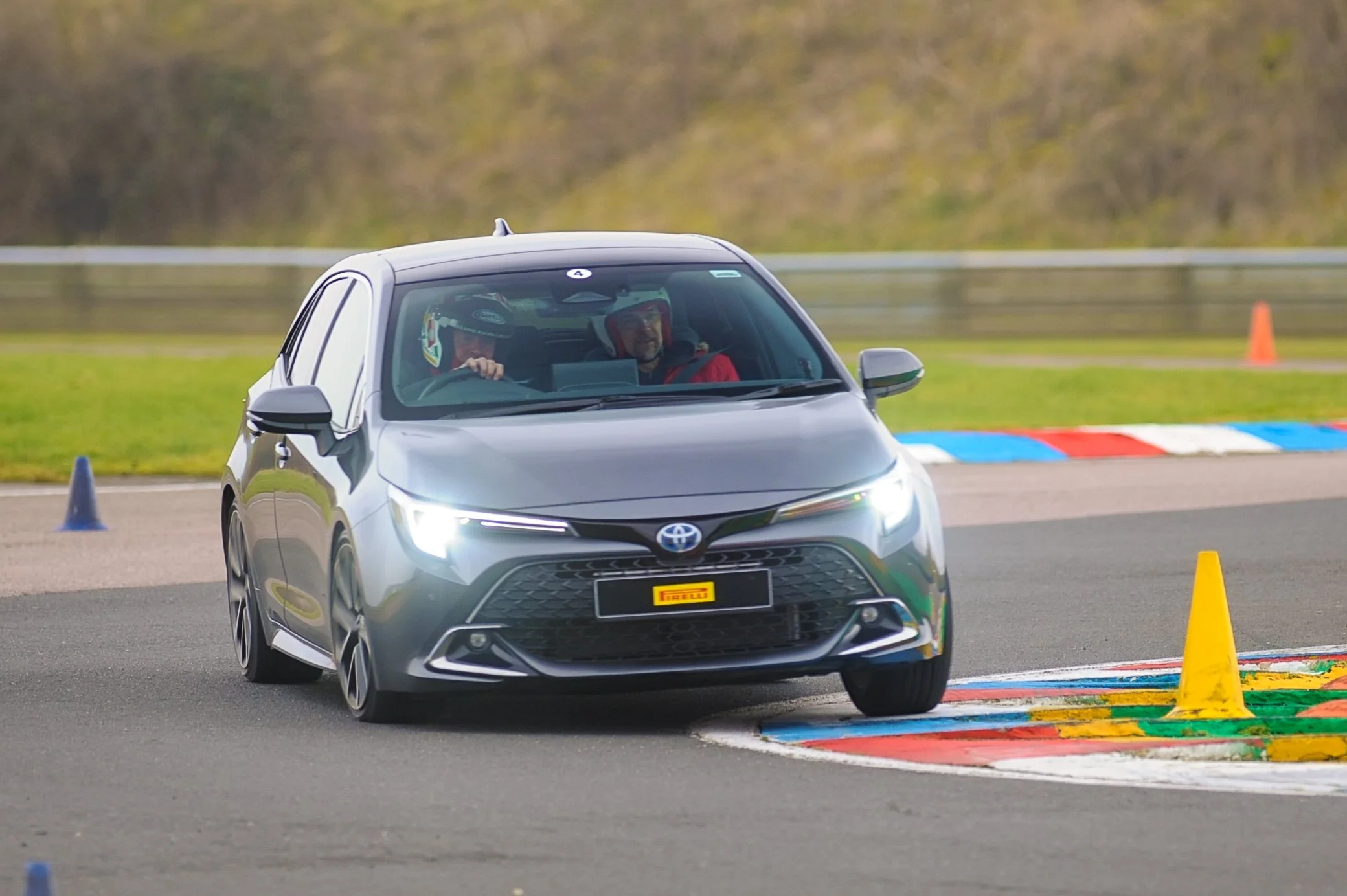
The final part involves both of us as passengers. We join an ARDS-qualified instructor for a high-speed lap in a Toyota Corolla. And when I say high speed, I mean it. It is the moment where I can feel what the circuit - and the car - can do when pushed. A little bit nauseous to be honest…

Ostatnia część to nasza wspólna jazda pasażerska. Dołączamy do instruktora z kwalifikacjami ARDS na szybką rundę w Toyota Corolla. I kiedy mówię „szybką”, naprawdę mam na myśli szybką. To moment, w którym naprawdę czuć, co tor – i samochód – potrafią, gdy są eksploatowane do swoich granic. Szczerze mówiąc odrobinę mnie tam zmuliło.

Cactus Thiemann

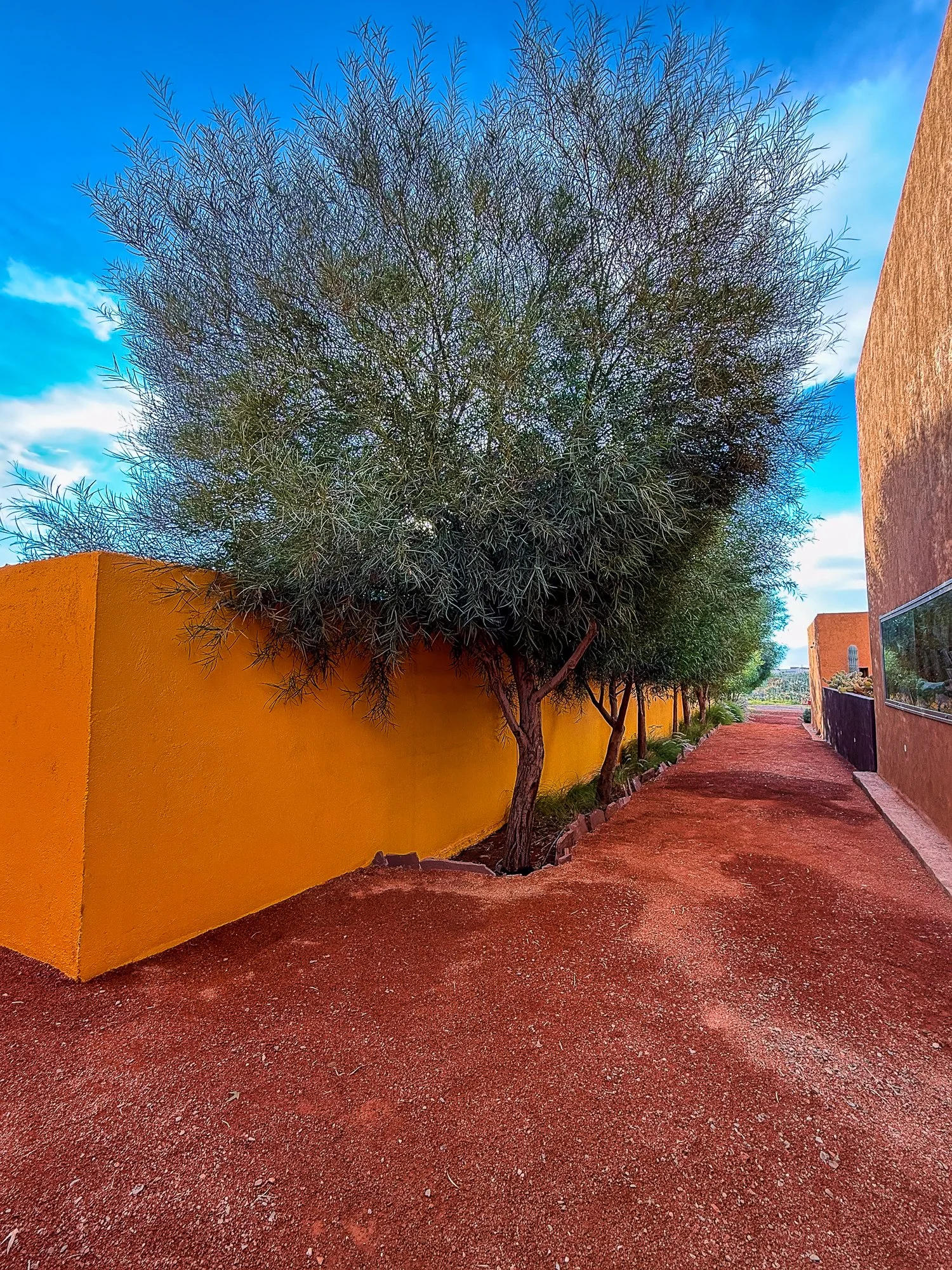
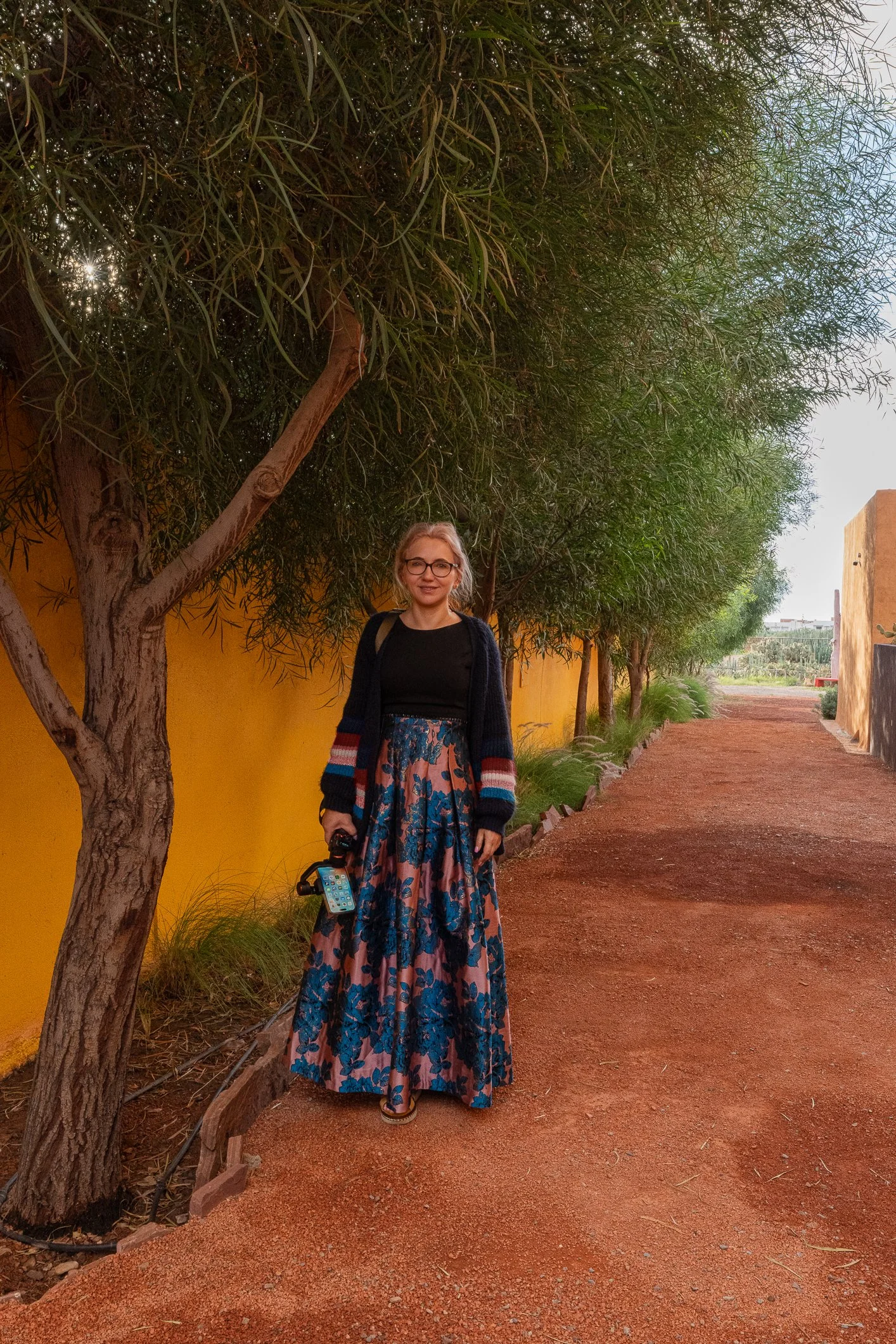
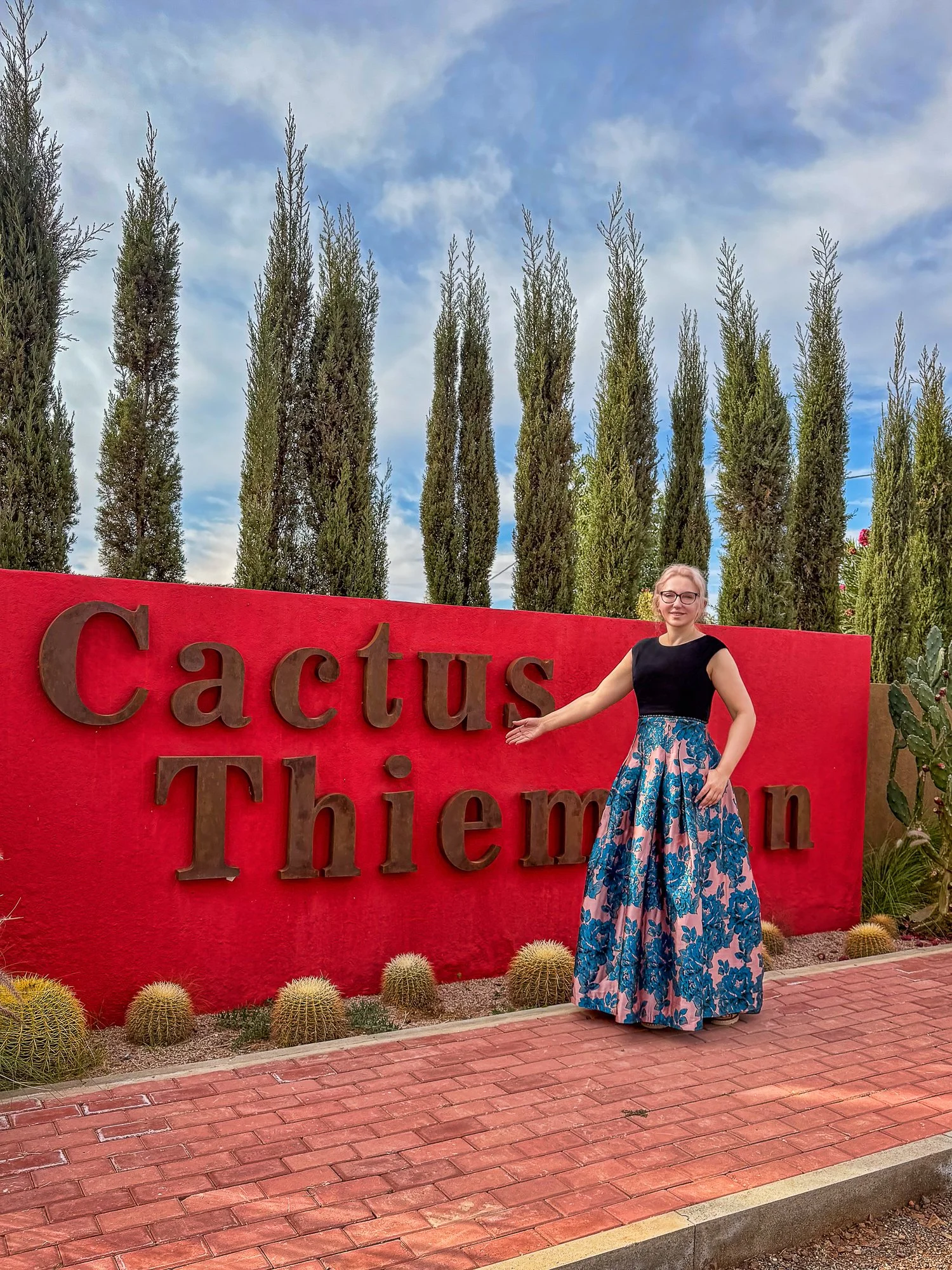
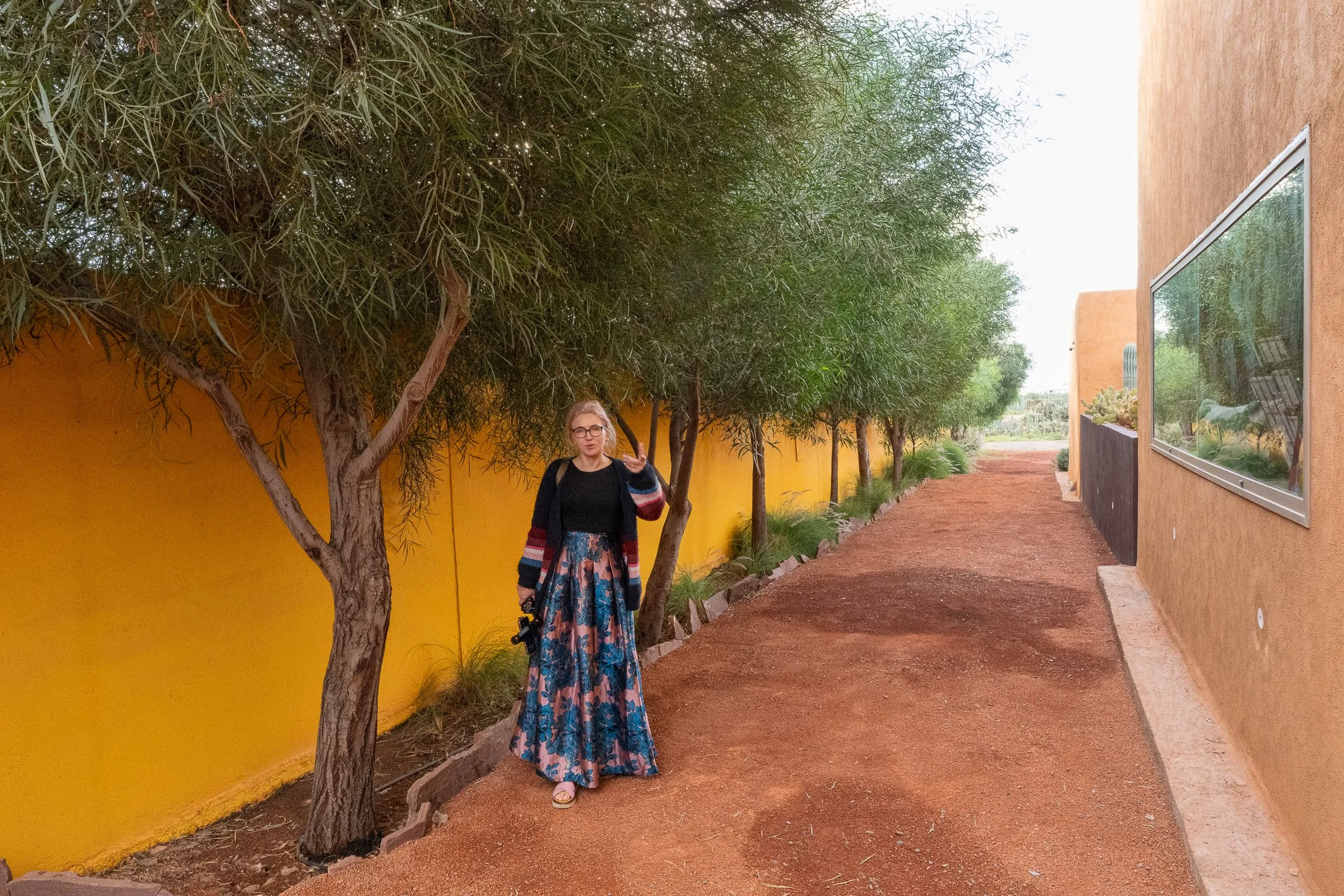
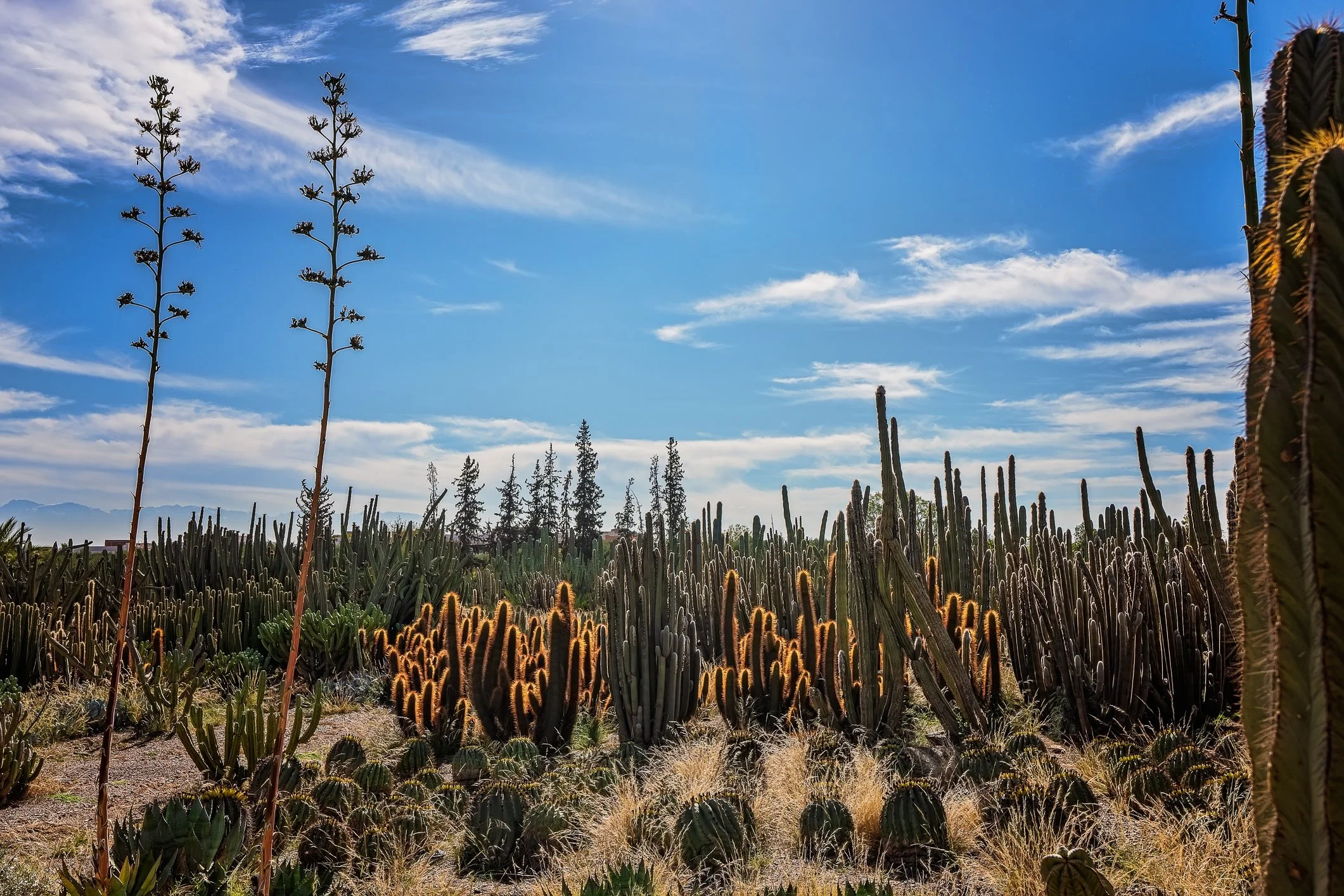
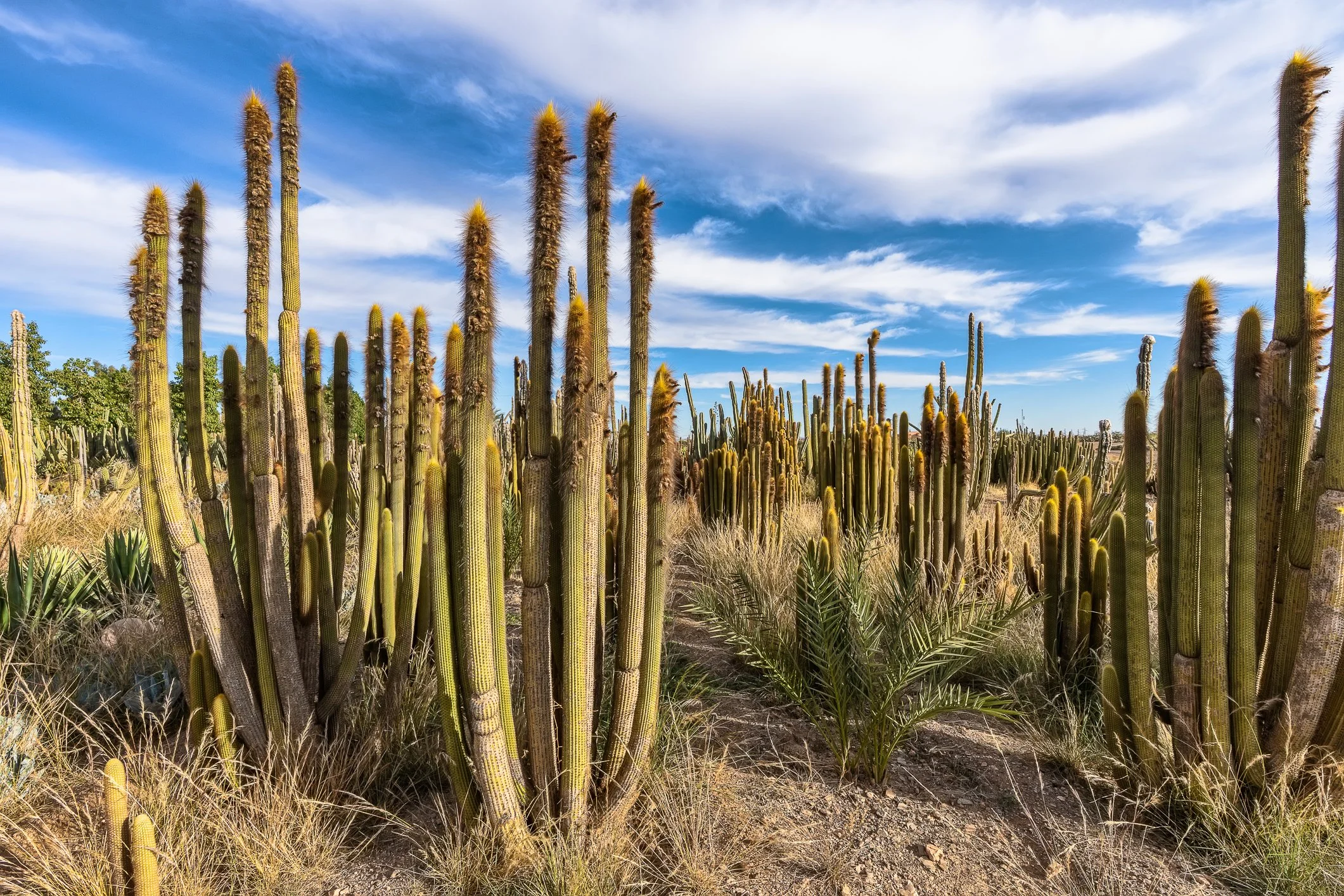
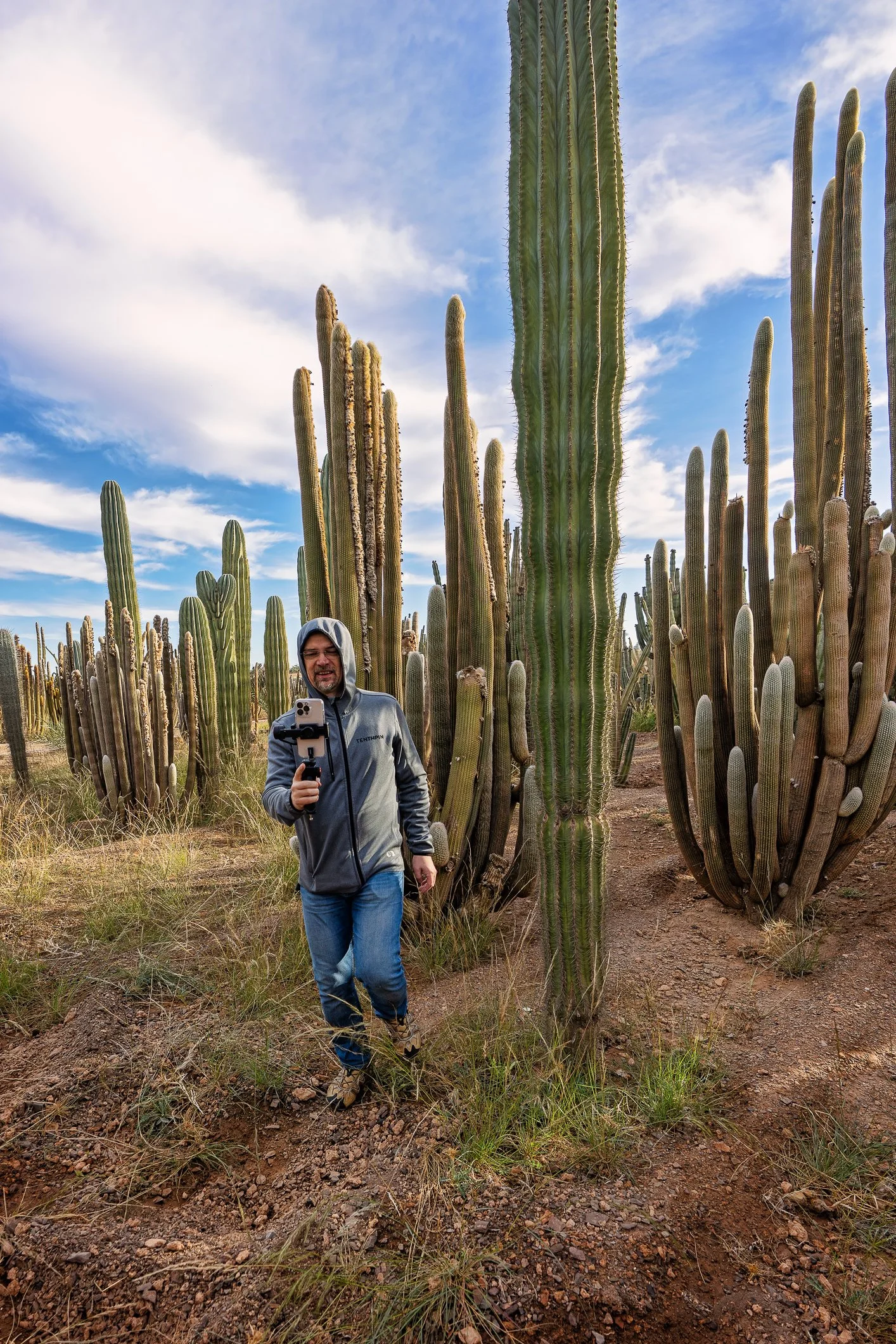
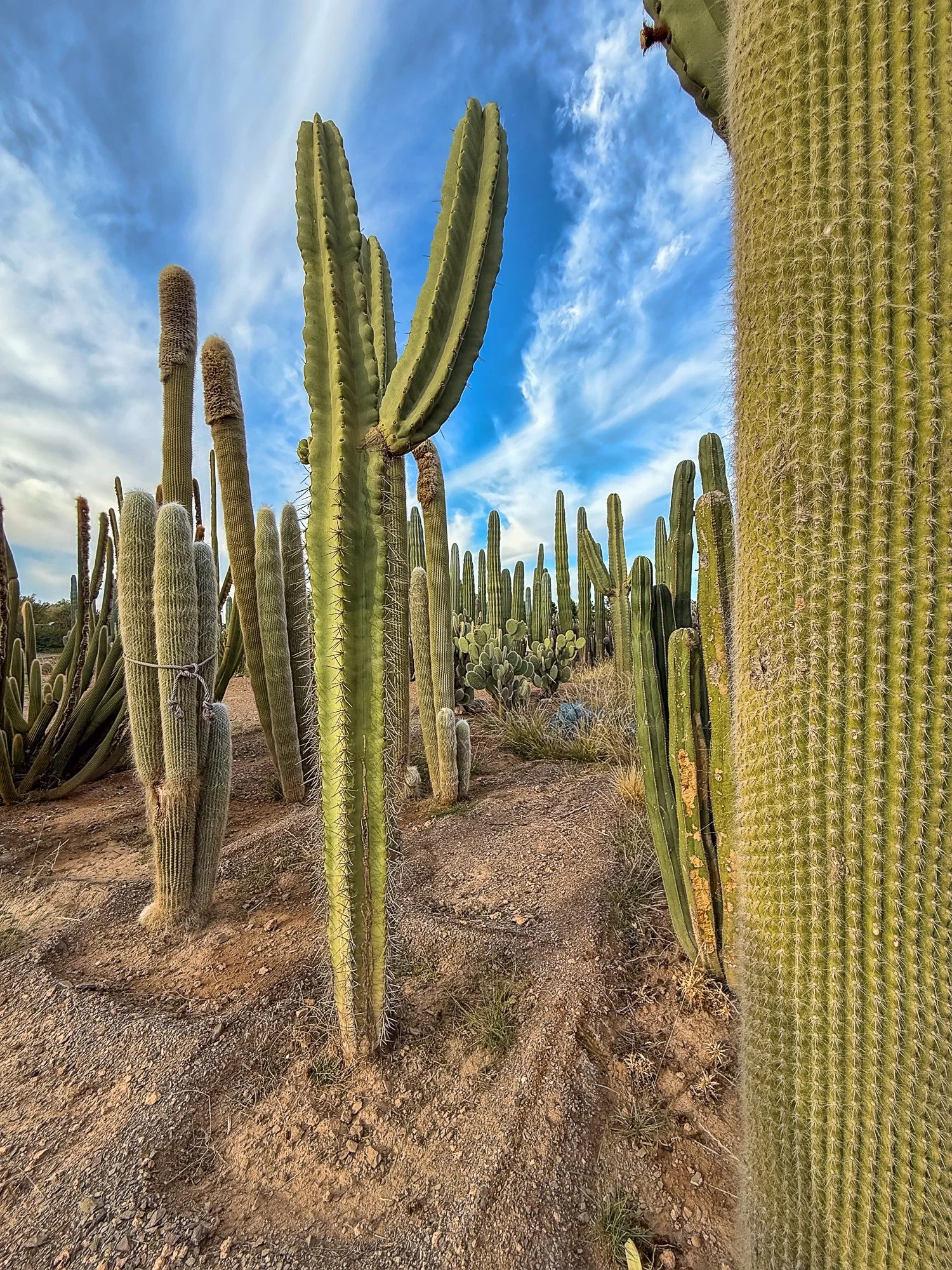
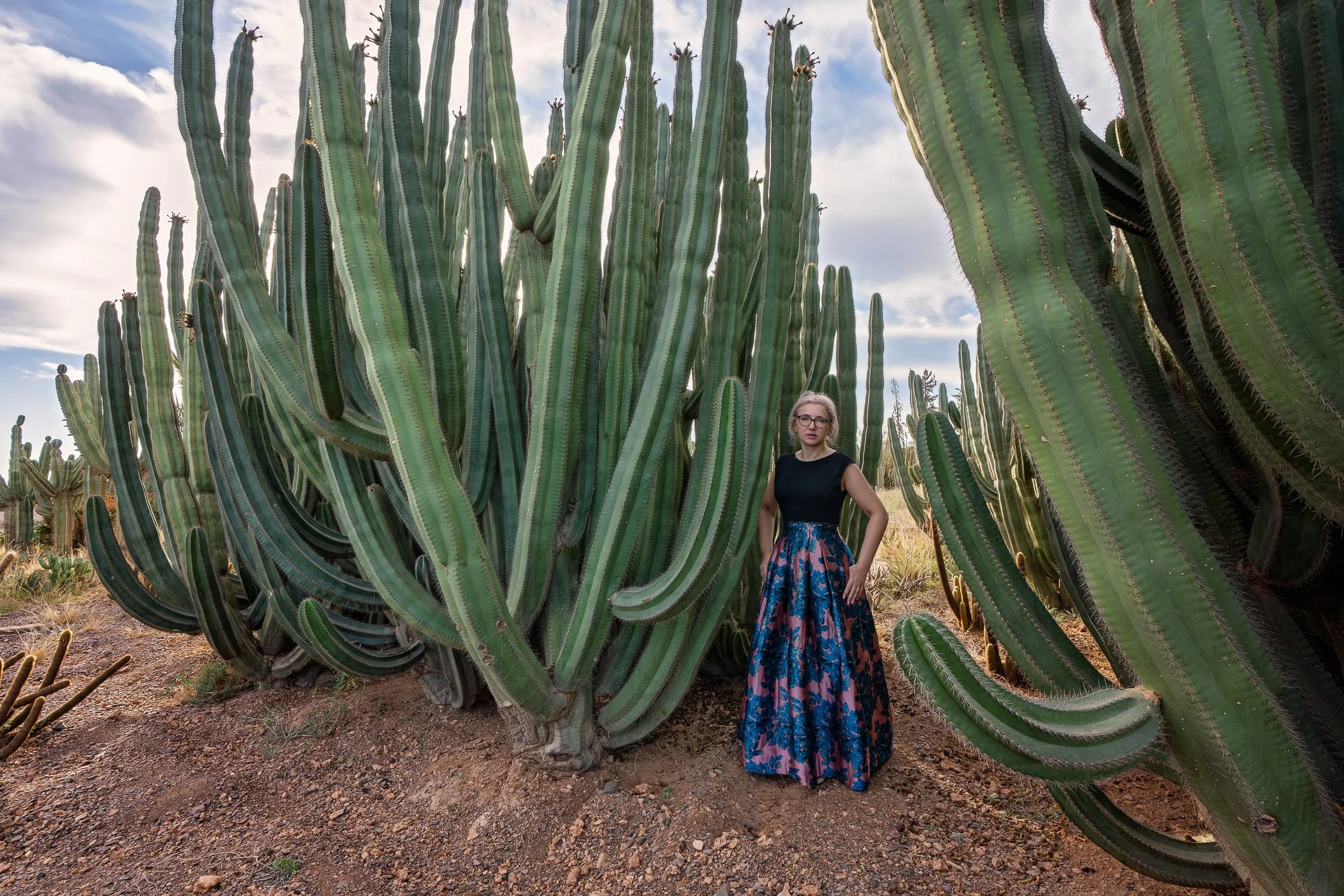
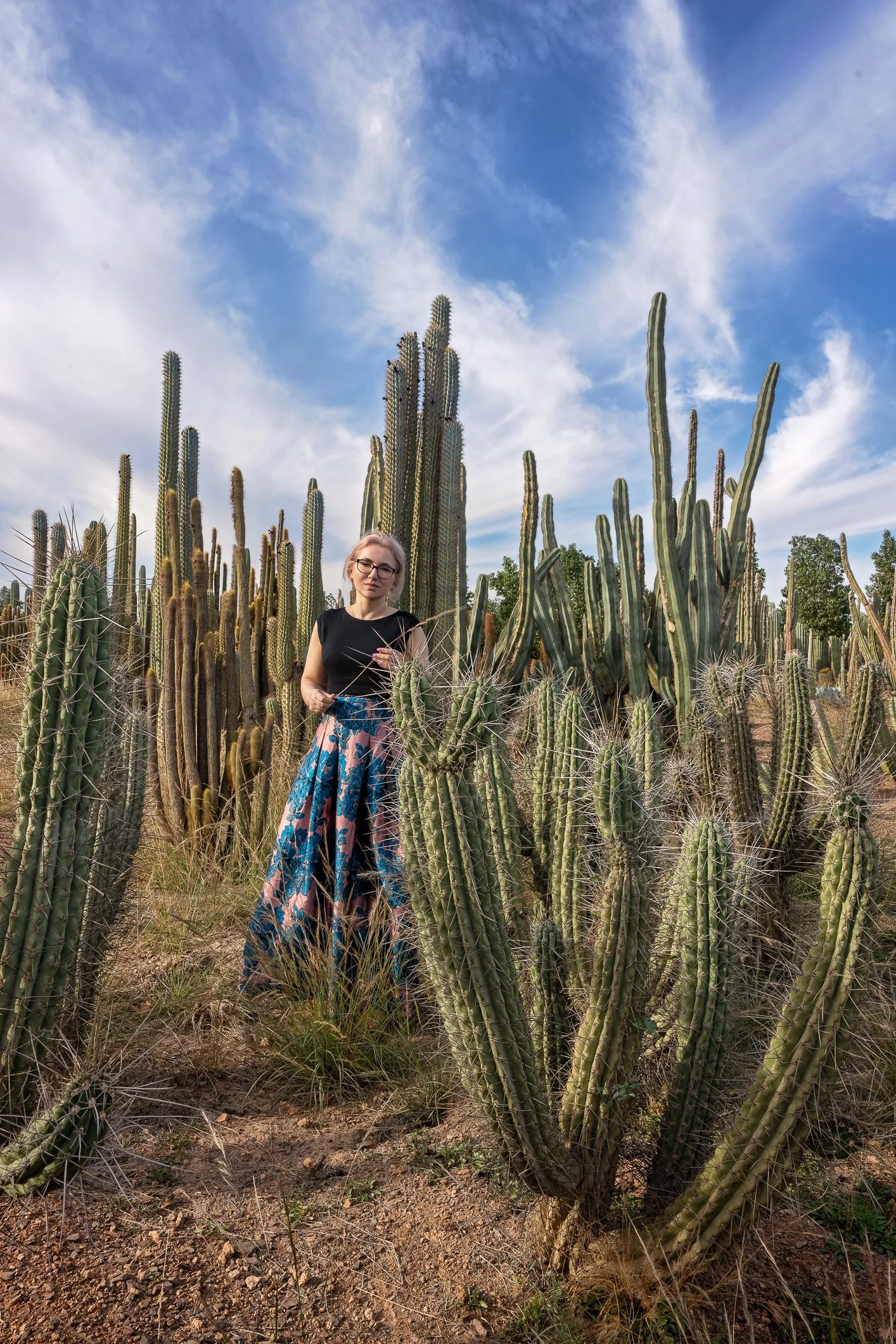
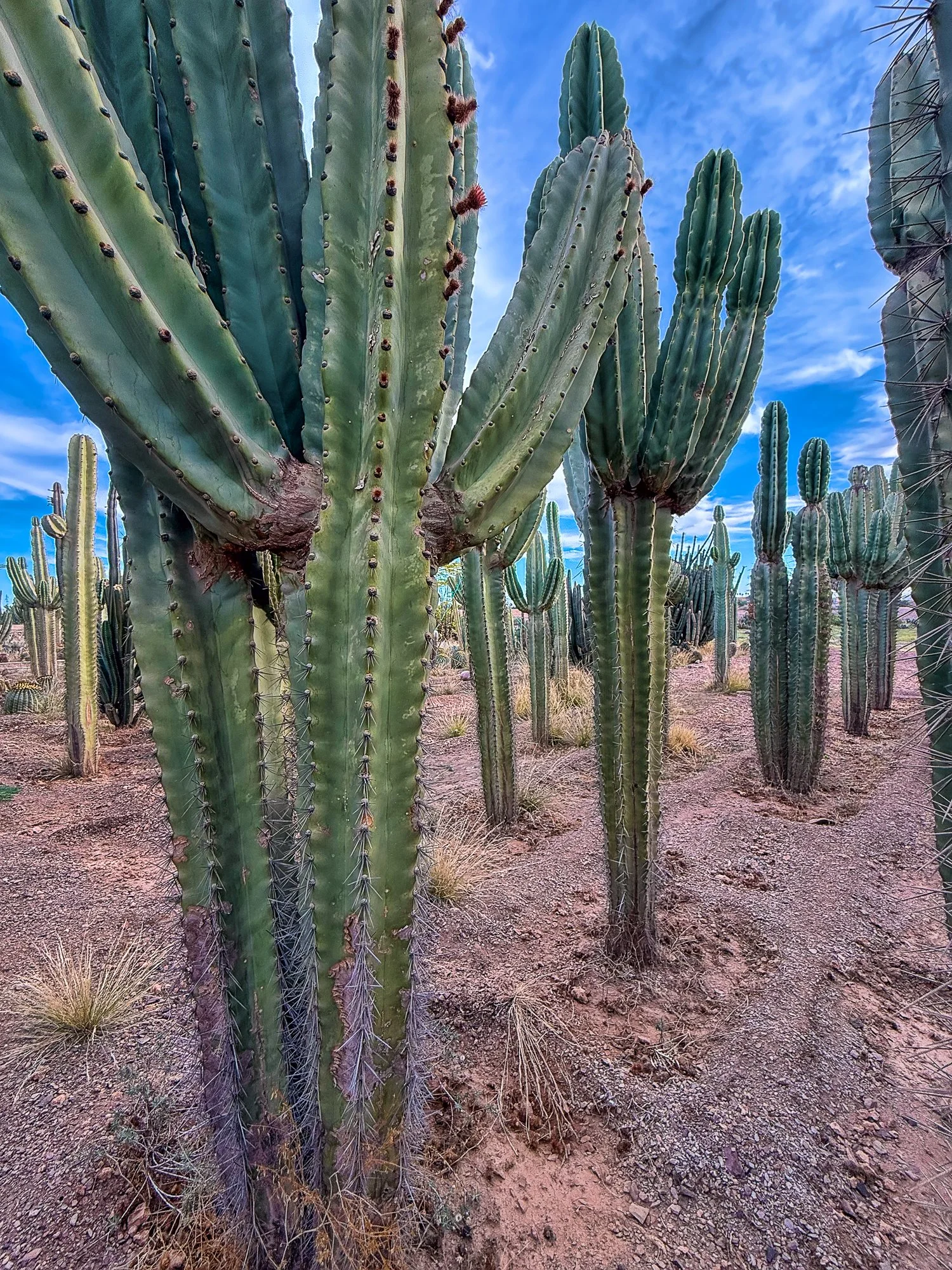
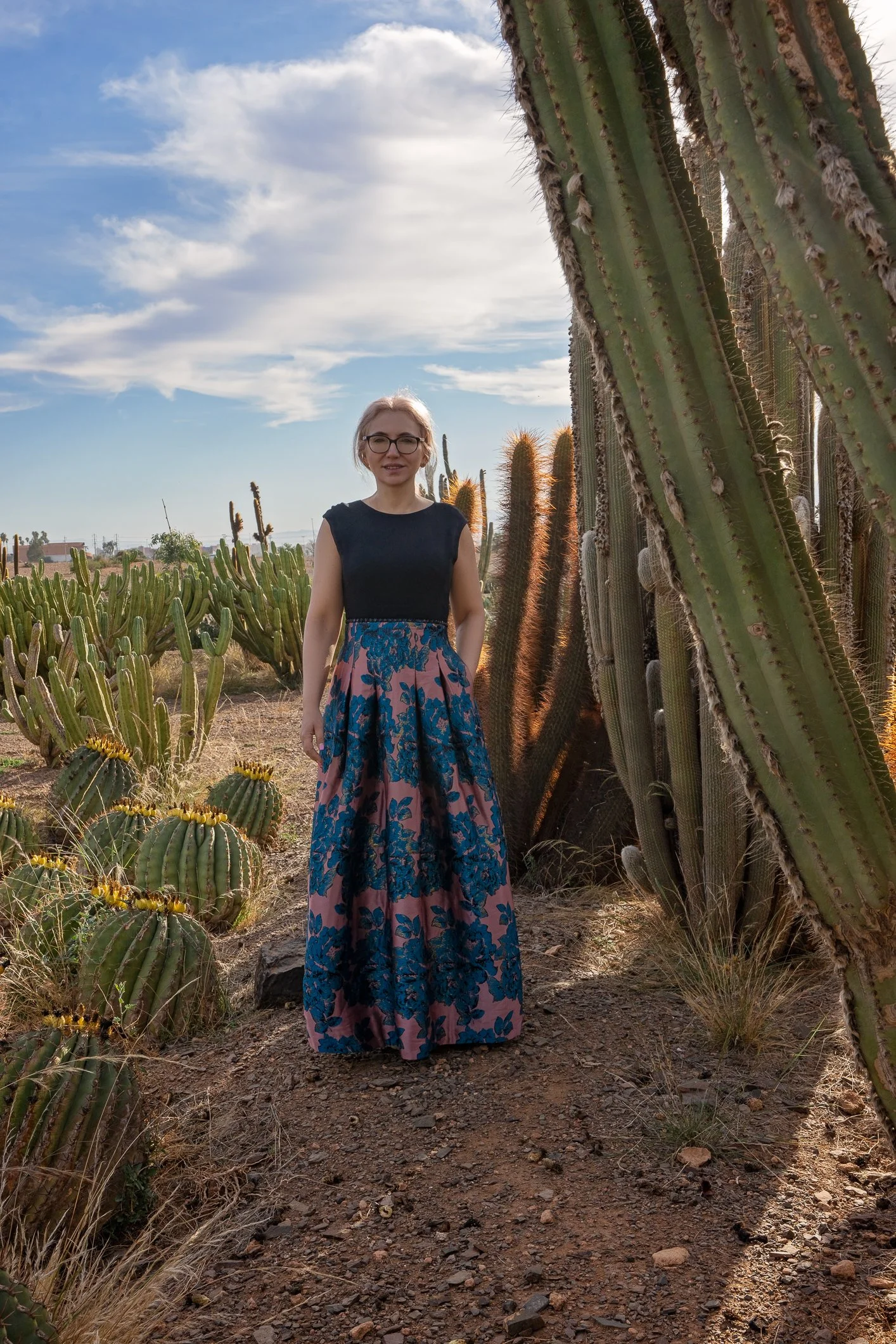
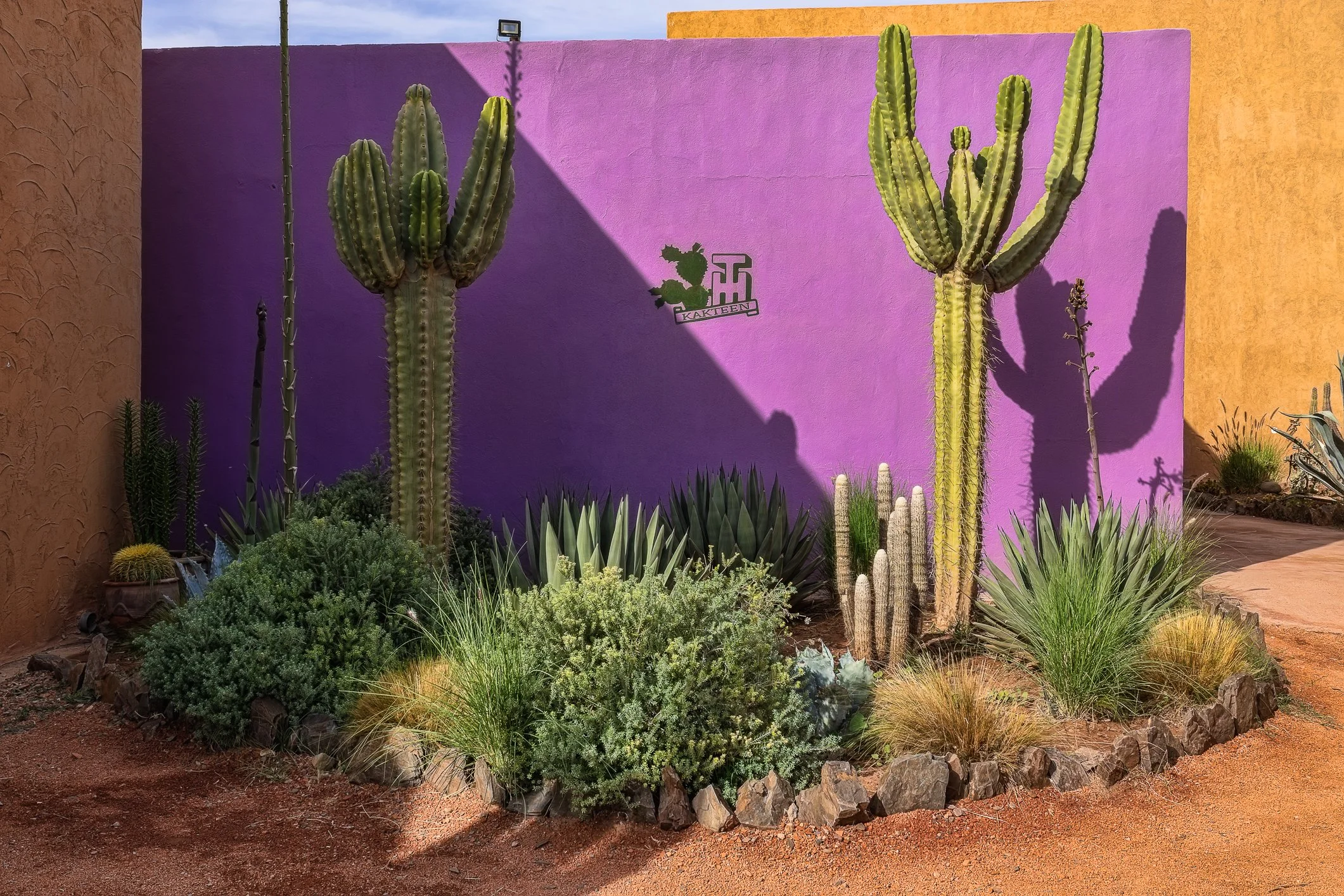
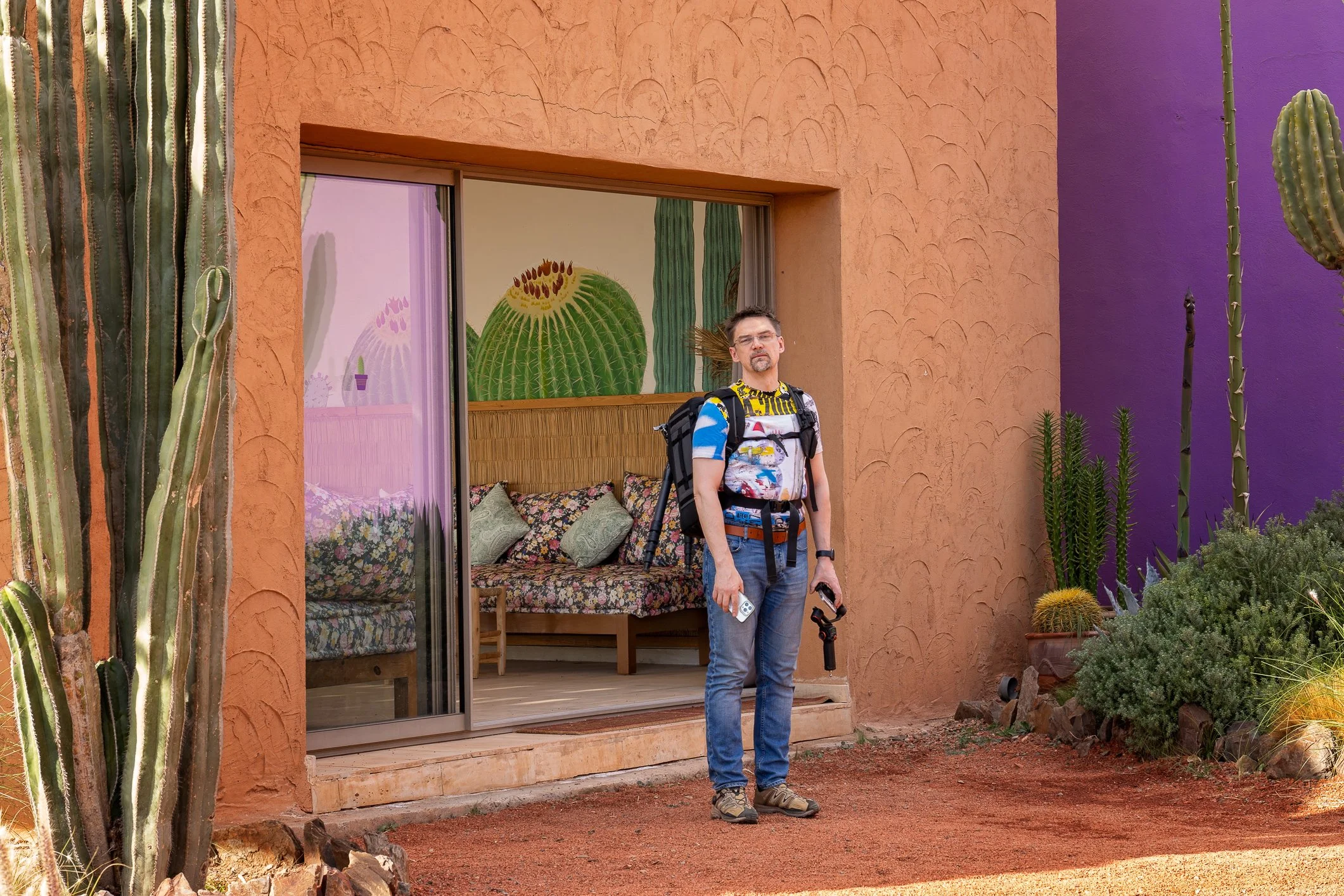
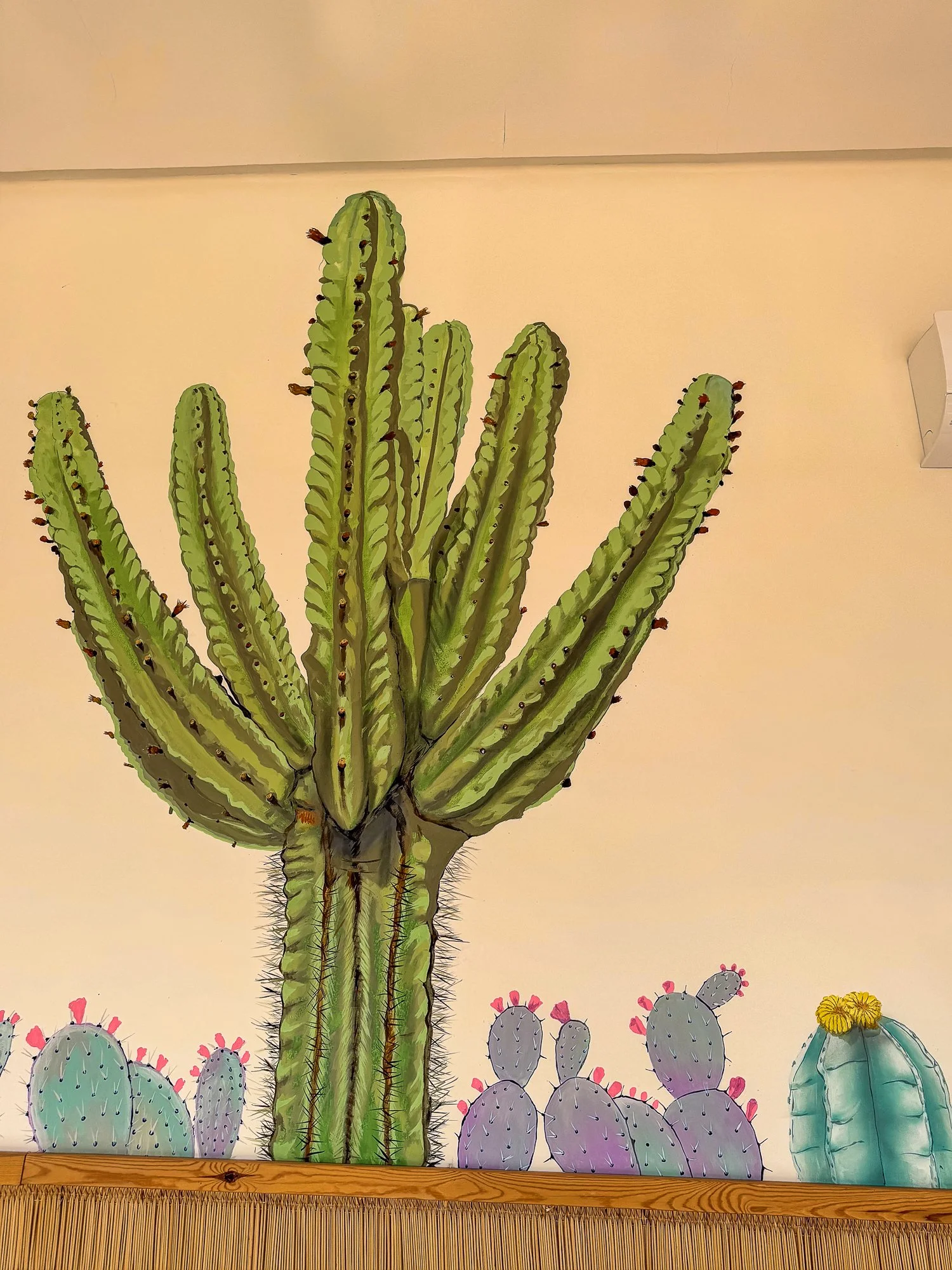
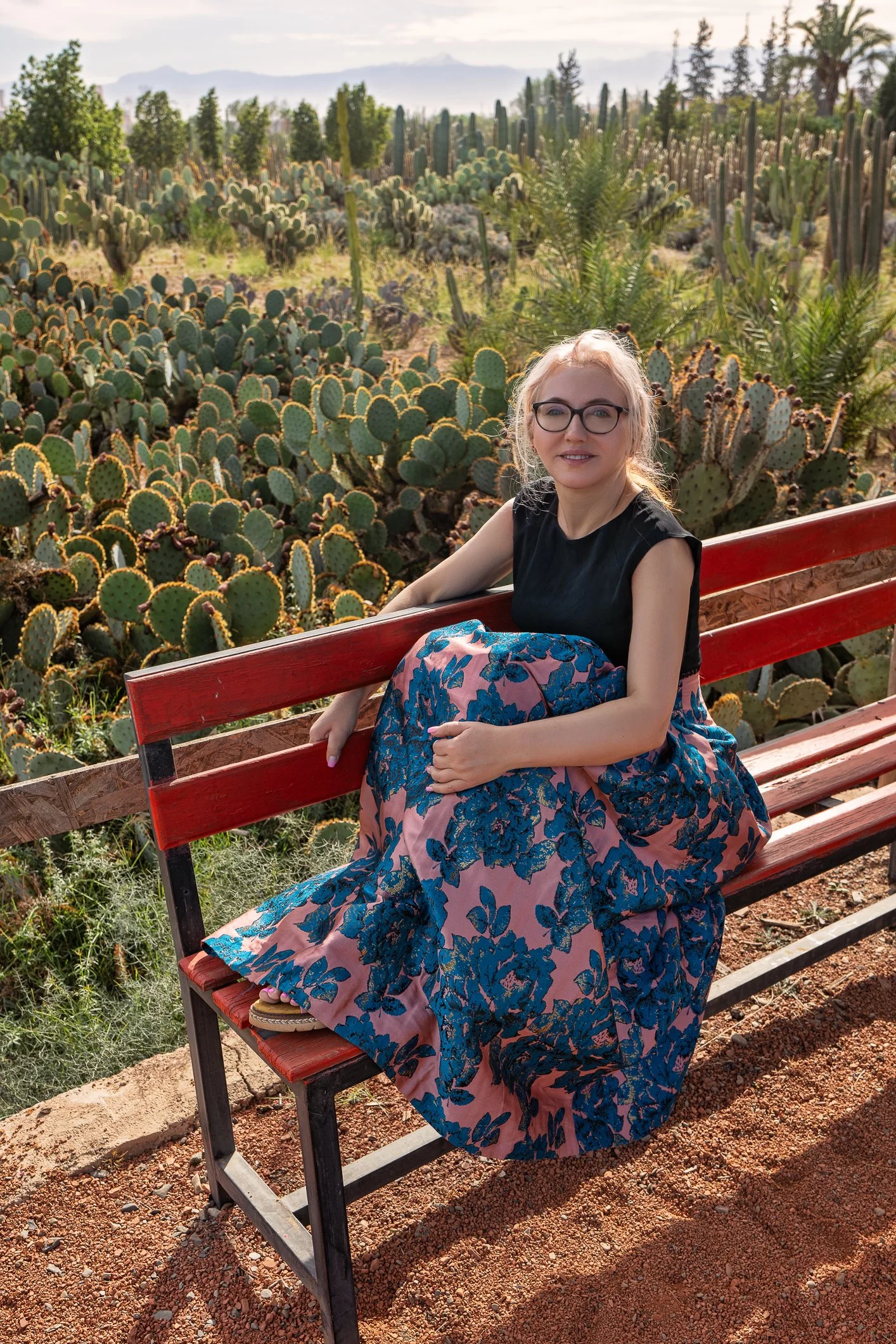
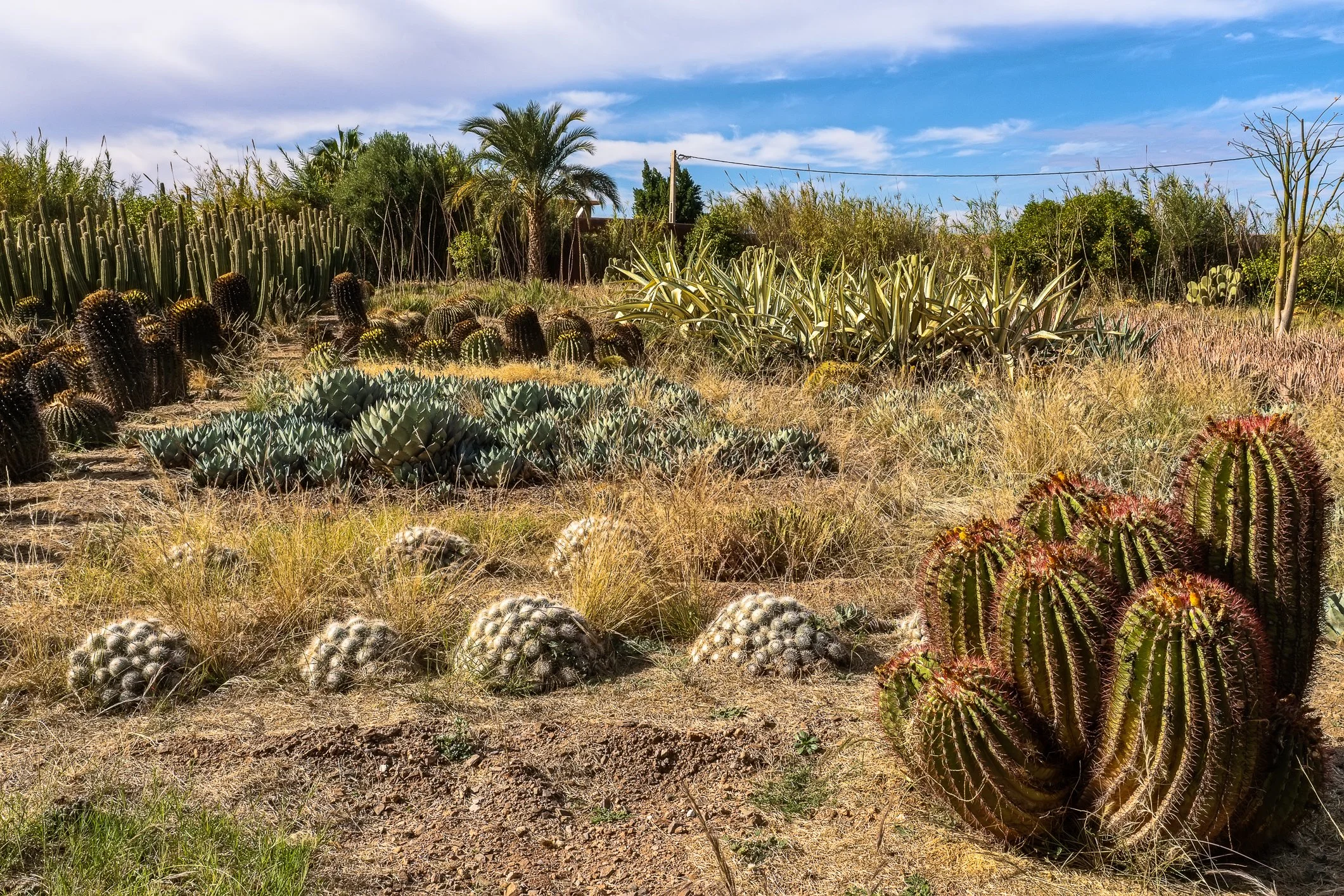
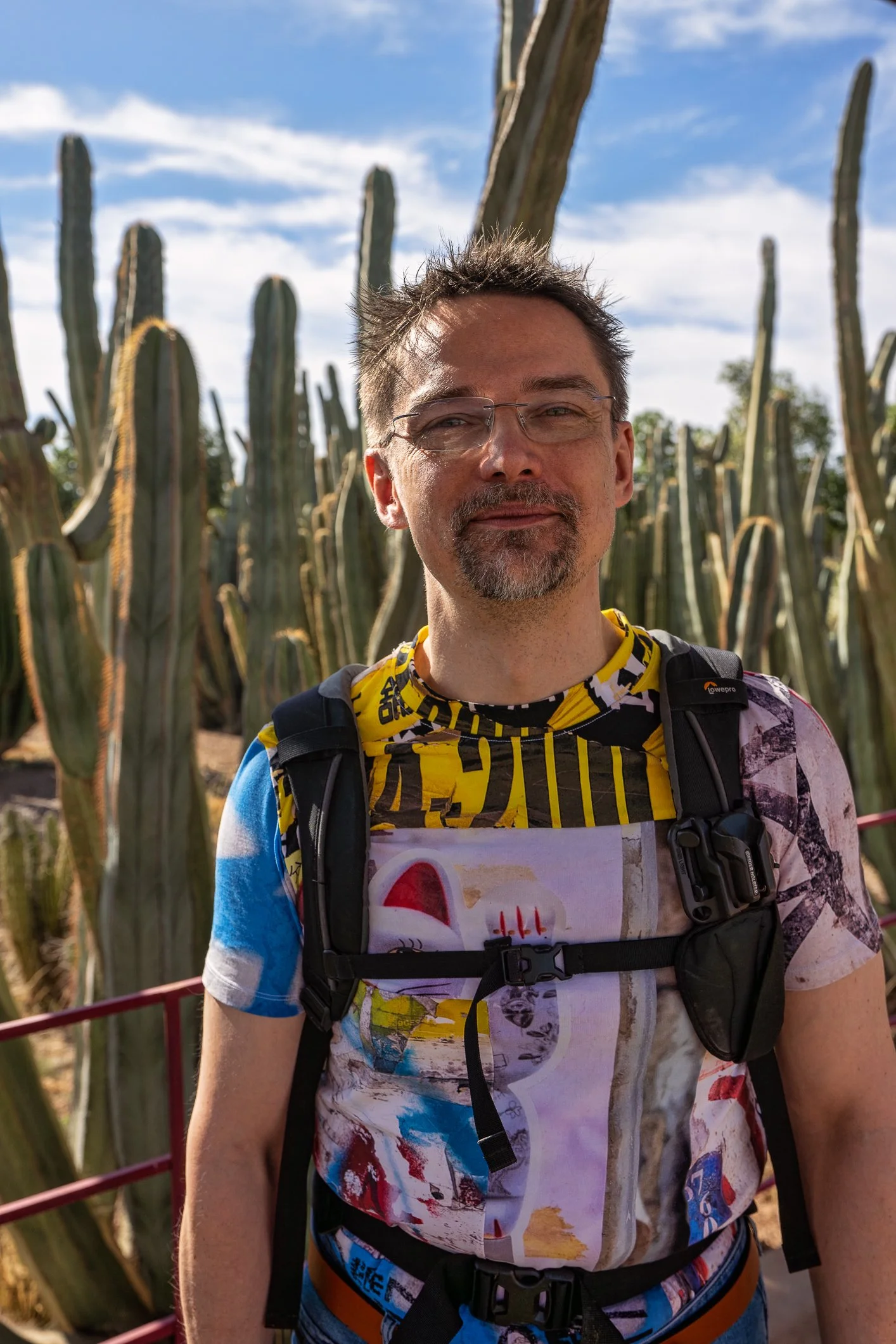
Cactus Thiemann sits about 10 km outside Marrakesh on the road toward Casablanca. It’s not a landscaped “designer garden” like Jardin Majorelle. It feels closer to a large-scale agricultural collection that just happens to be visually striking. The farm has also historically supplied plants to hotels and landscaping projects around Marrakesh, so it has had a commercial role alongside being a private collection. It was started in 1964 by Hans Thiemann, a German engineer who began importing and cultivating cactus species on what was essentially farmland.

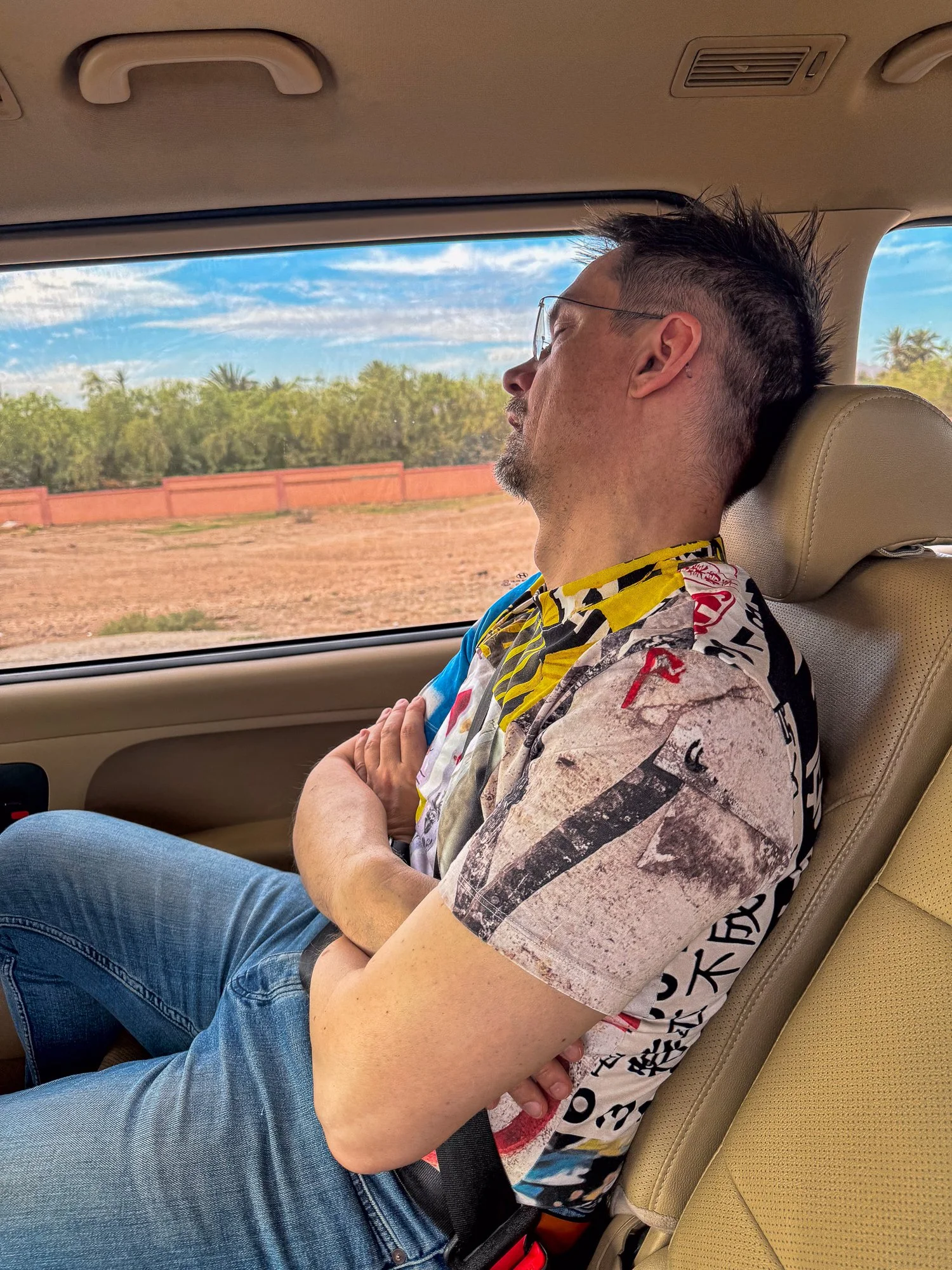
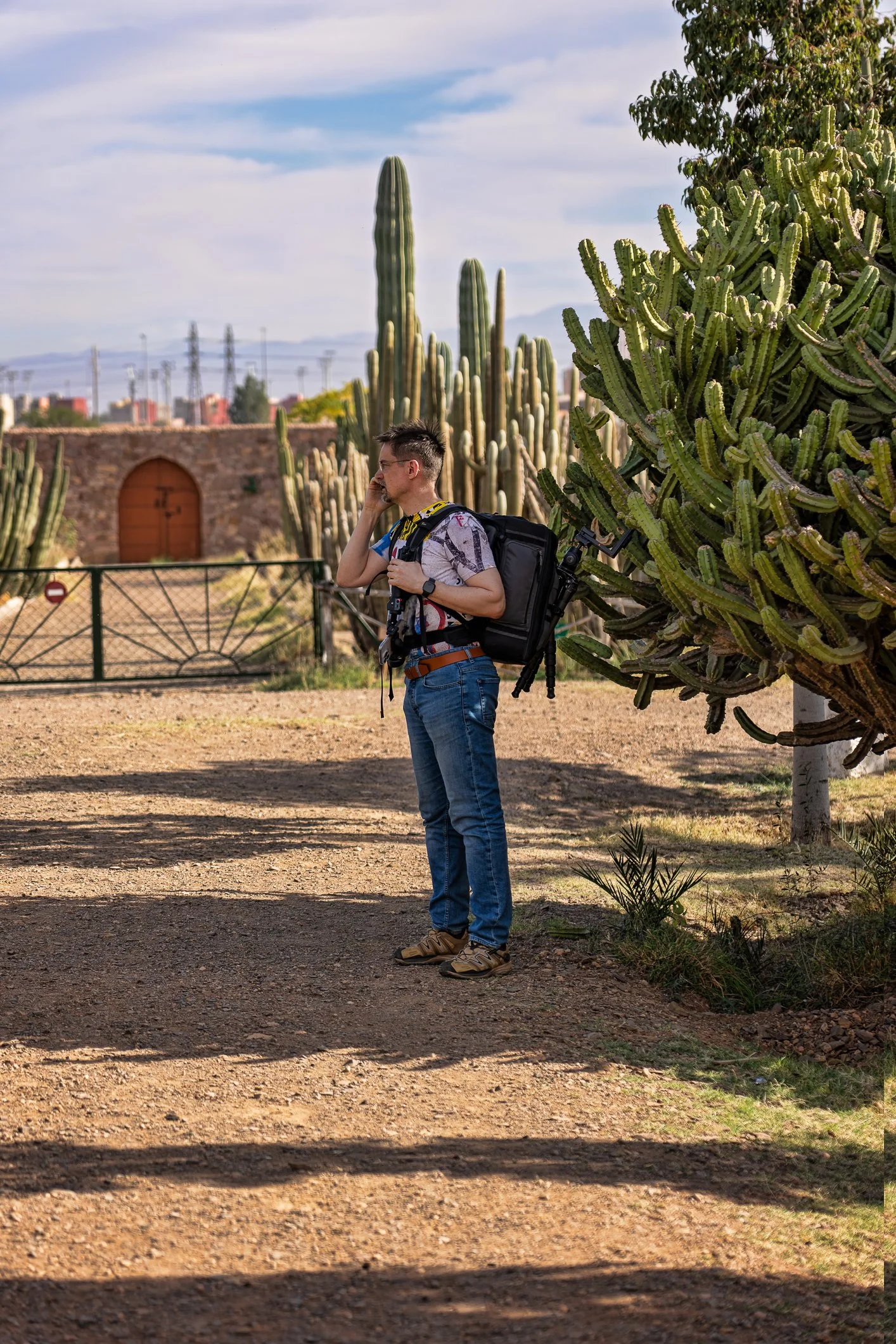
In terms of visiting, it’s relatively straightforward but slightly inconvenient. There’s no real public transport that drops you anywhere close to the entrance. We opted for transport included in the online ticket, and they collected us from central Marrakesh. The return, however, was too early for us, so we called a taxi to take us back in the late afternoon. The result was perfect: a nearly empty farm in the morning, and then no one else but us later on. It makes such a difference when you can take in all this beauty without crowds everywhere.


Cactus Thiemann znajduje się około 10 km od Marrakesz, przy drodze w kierunku Casablanki. Nie jest to wypielęgnowany, „designerski” ogród w stylu Jardin Majorelle. Bardziej przypomina rozległą kolekcję rolniczą, która przy okazji wygląda spektakularnie. Przez lata farma dostarczała rośliny do hoteli i projektów zieleni w Marrakeszu, więc oprócz funkcji prywatnej kolekcji miała też całkiem praktyczne zastosowanie. Miejsce zostało założone w 1964 roku przez Hansa Thiemanna, niemieckiego inżyniera, który zaczął sprowadzać i uprawiać kaktusy na terenie, który wcześniej był po prostu ziemią rolną.
Sama wizyta jest dość prosta do zorganizowania, choć nieco niewygodna logistycznie. Nie ma bowiem za bardzo transportu publicznego, który dowoziłby pod samo wejście. Jadąc w tamtą stronę skorzystaliśmy z transportu wliczonego w bilet kupiony online - odebrano nas z centrum Marrakeszu. Problem pojawił się przy powrocie, bo przewidziana godzina odjazdu do Marrakeszu była dla nas za wczesna, więc w końcu udało nam się zamówić taksówkę na późne popołudnie. Wyszło to jednak bardzo na plus: rano było niemal pusto, a później mieliśmy to miejsce praktycznie już tylko dla siebie. Zupełnie inne doświadczenie niż zwiedzanie w tłumie.

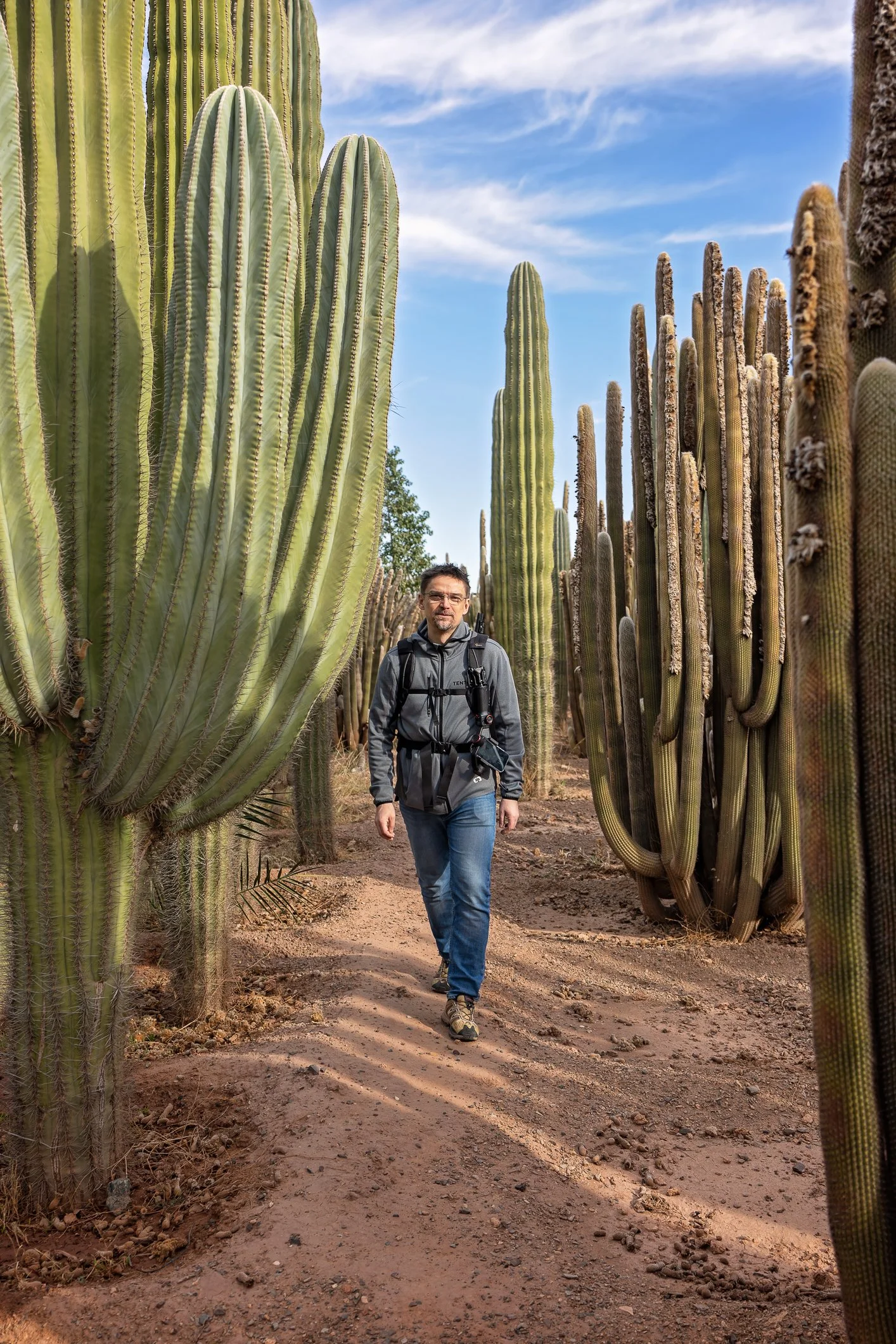
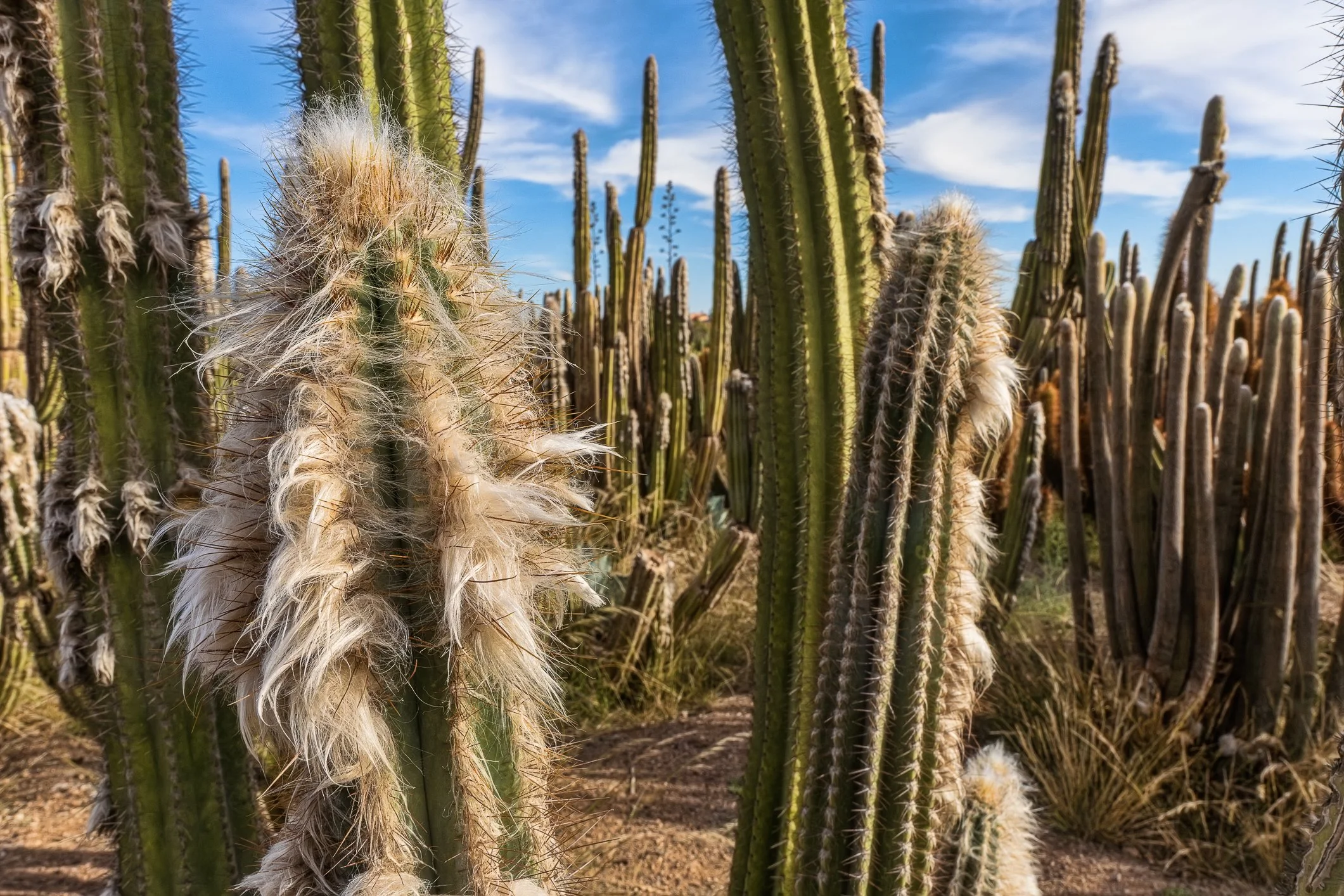
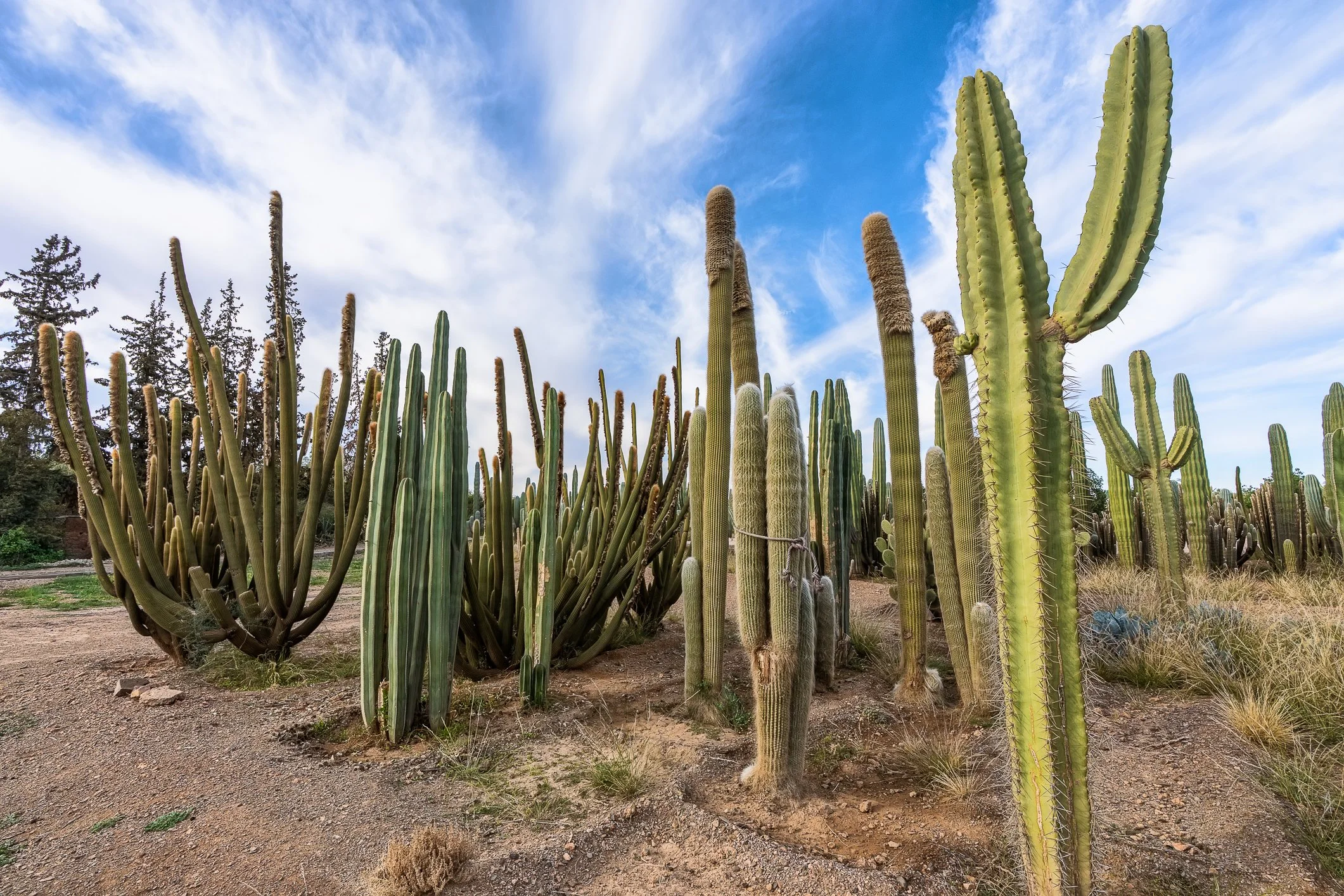
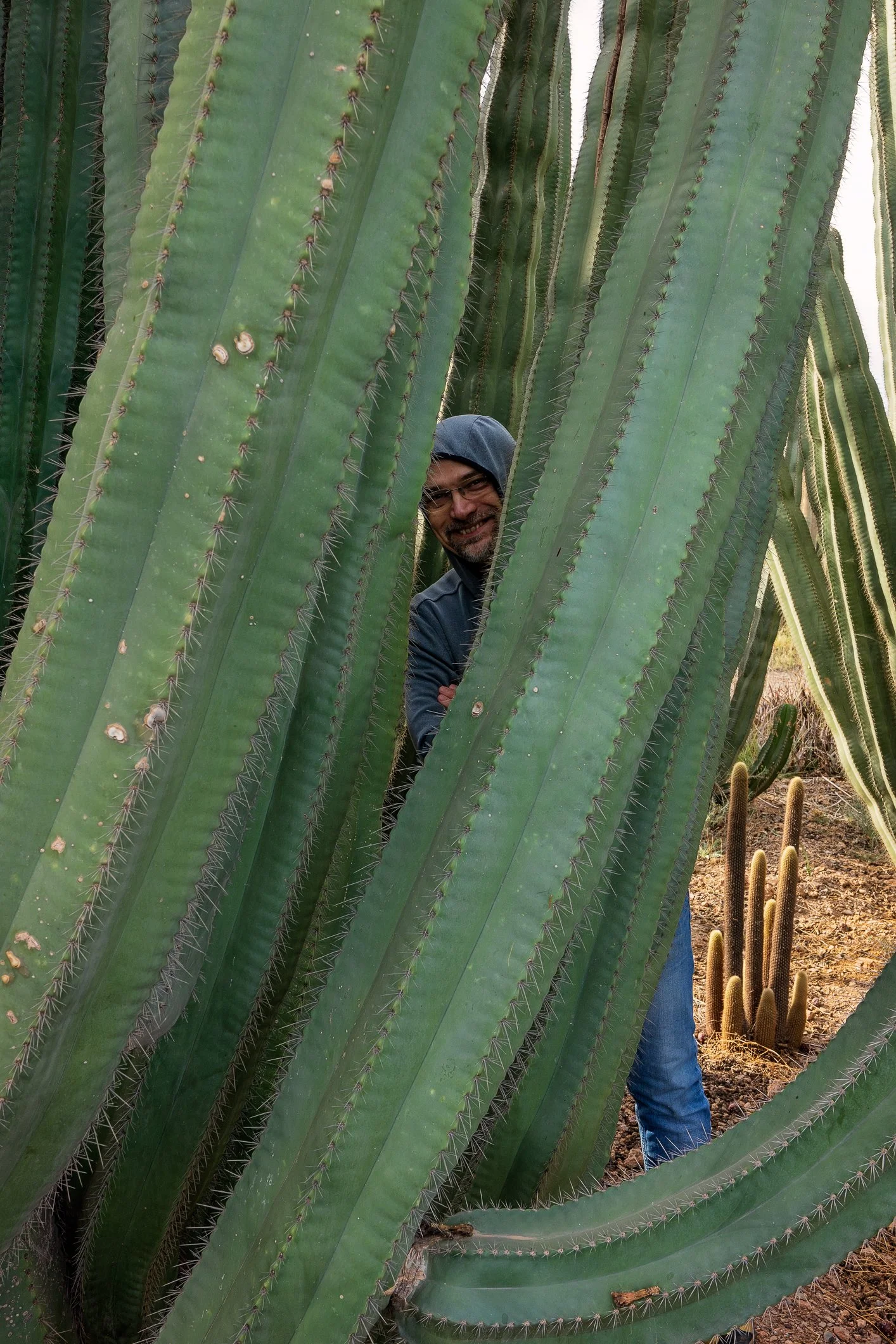
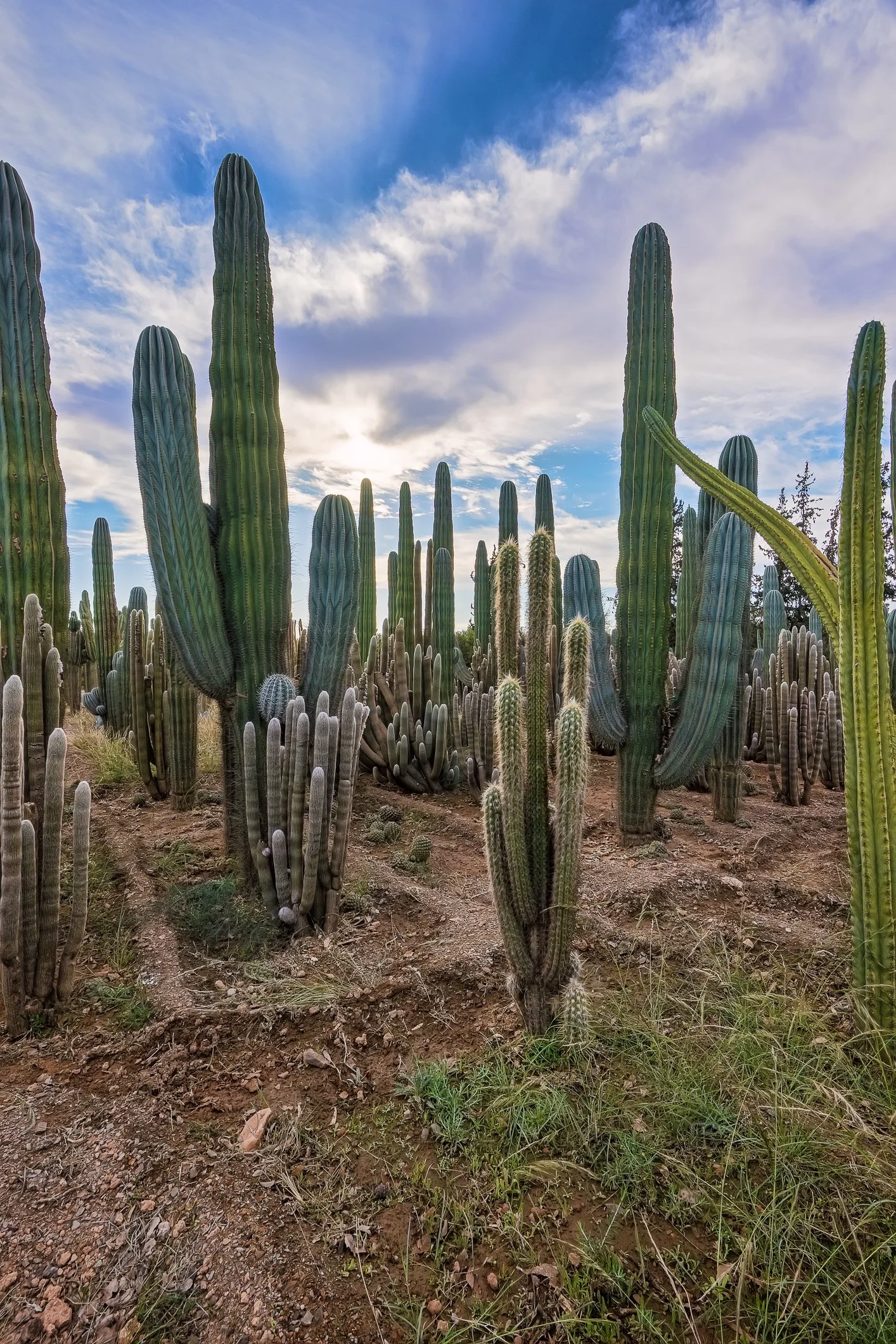
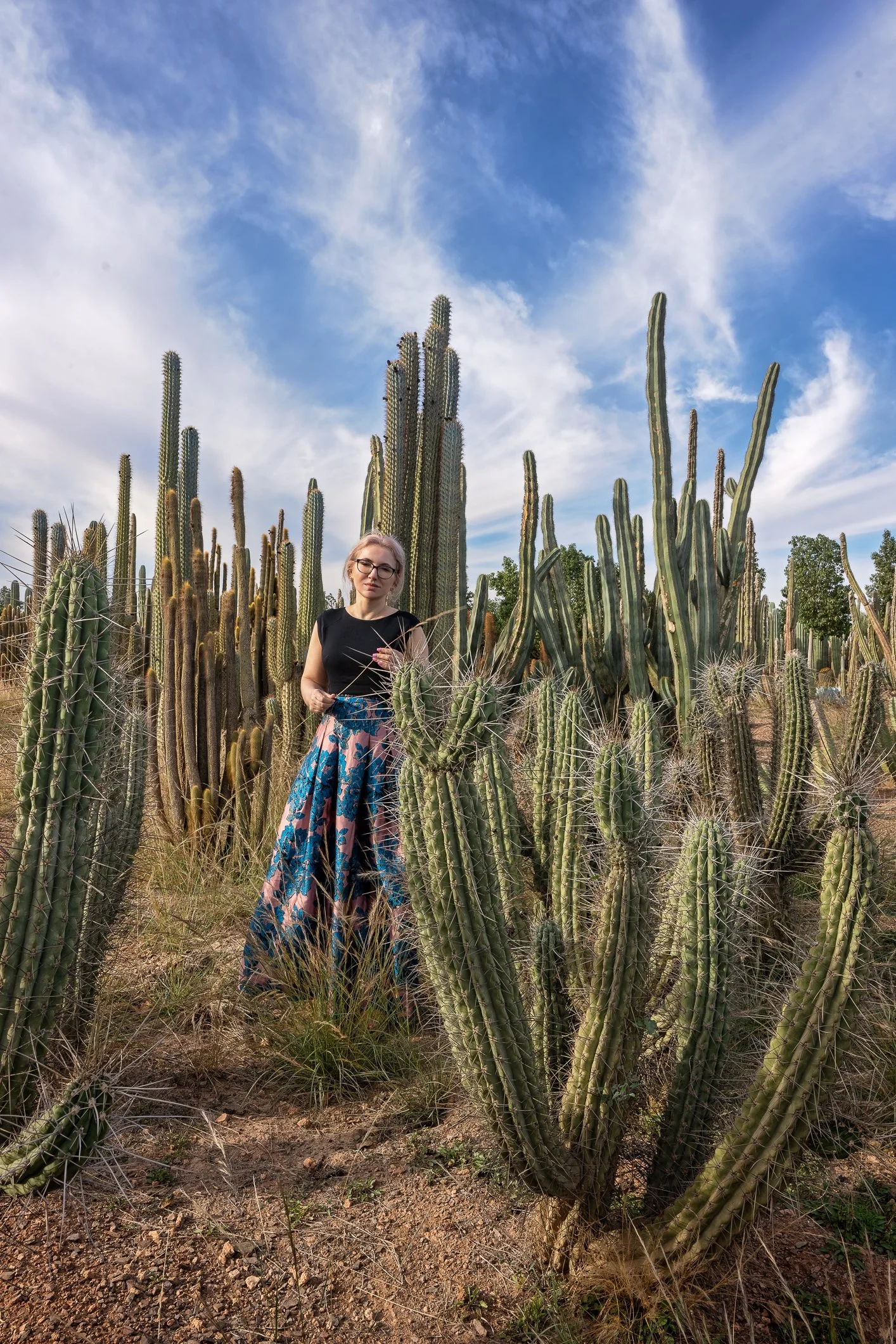
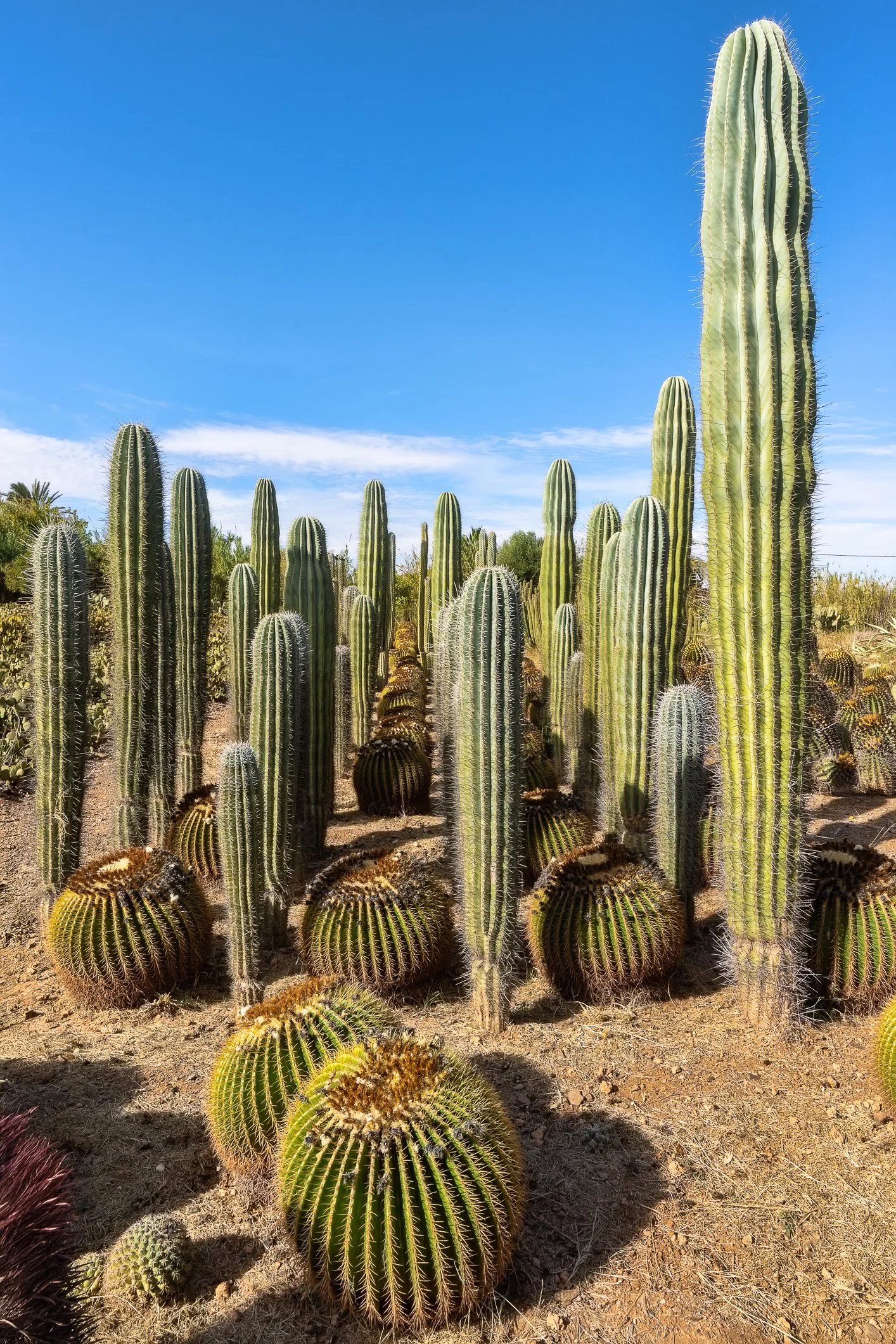
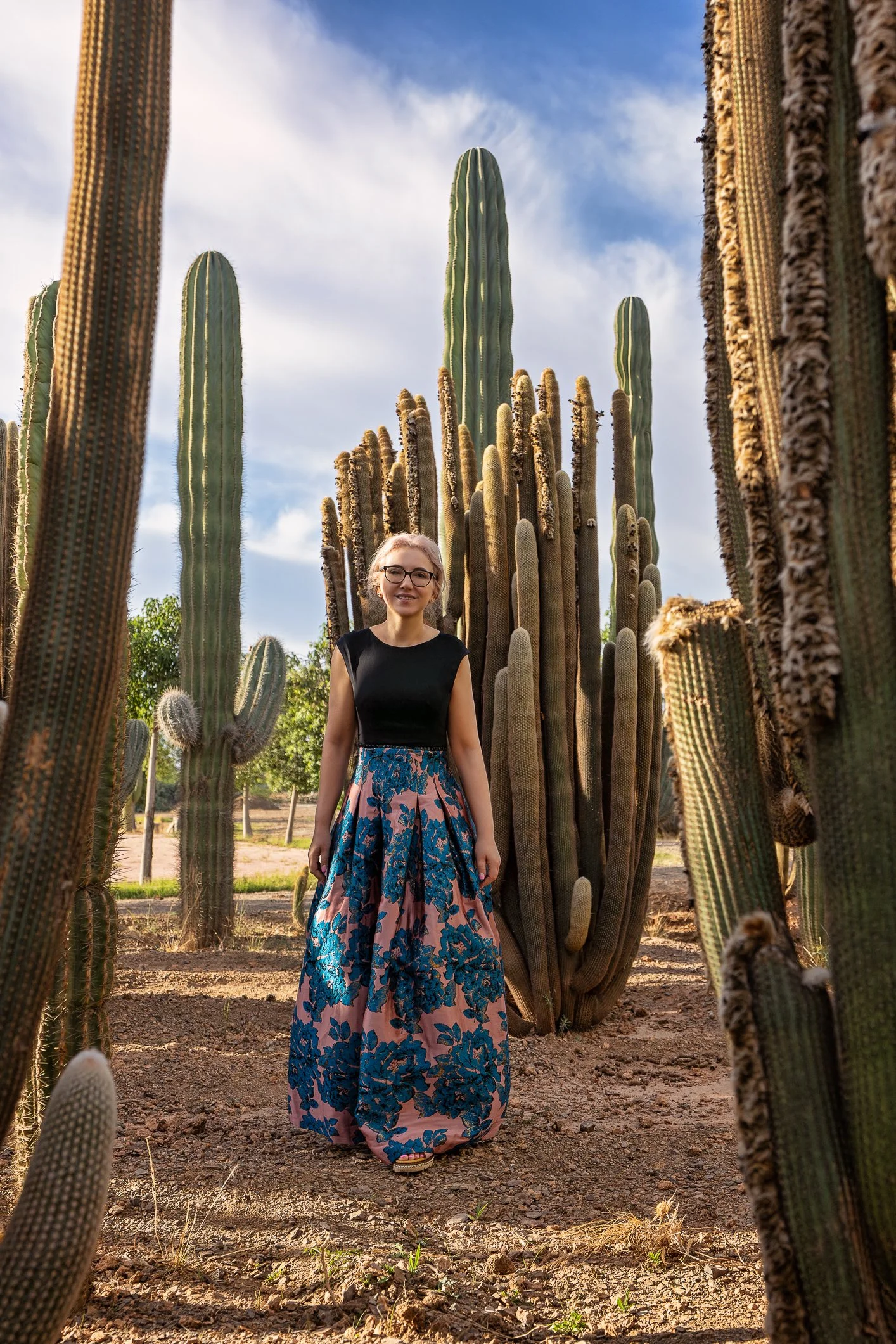
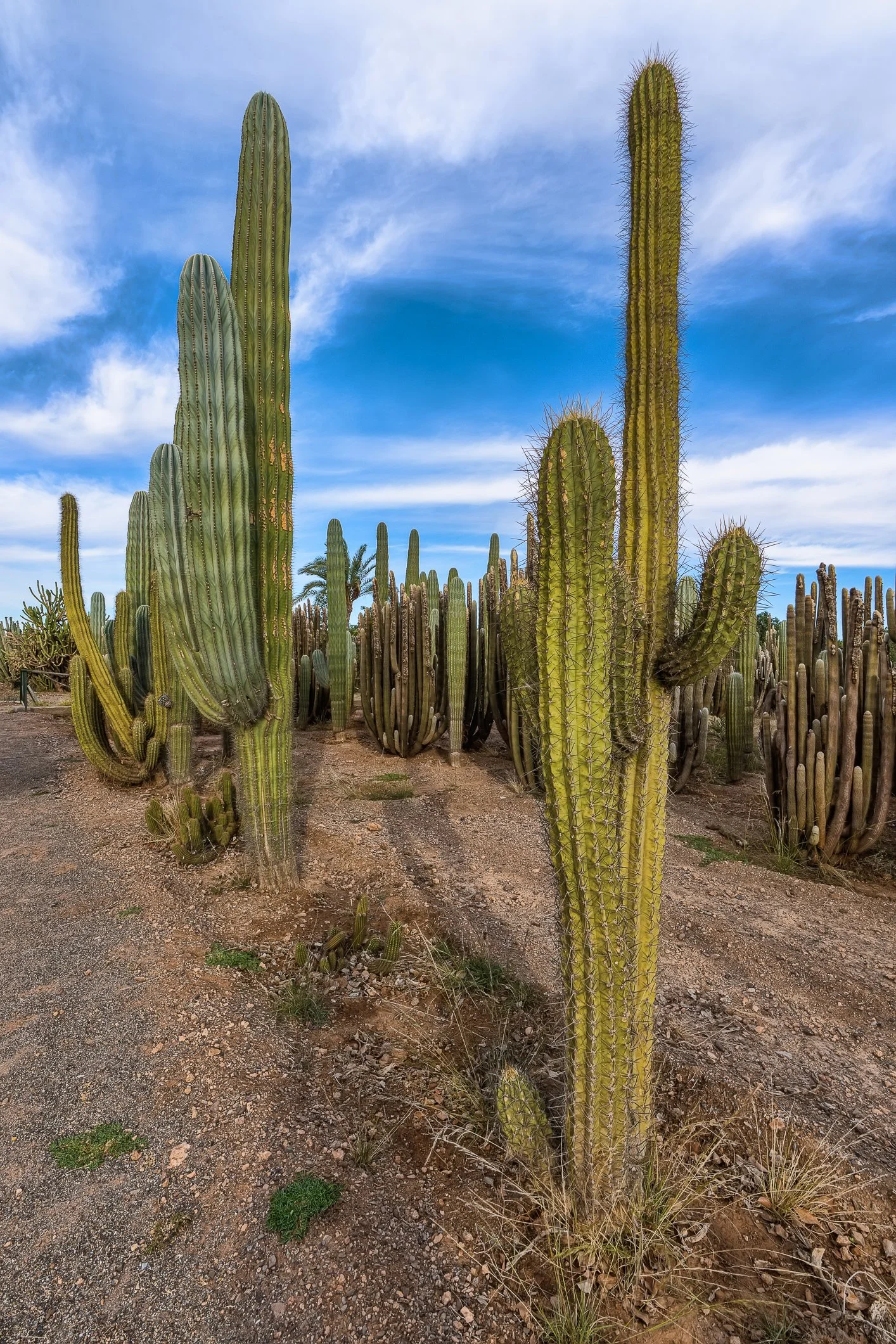
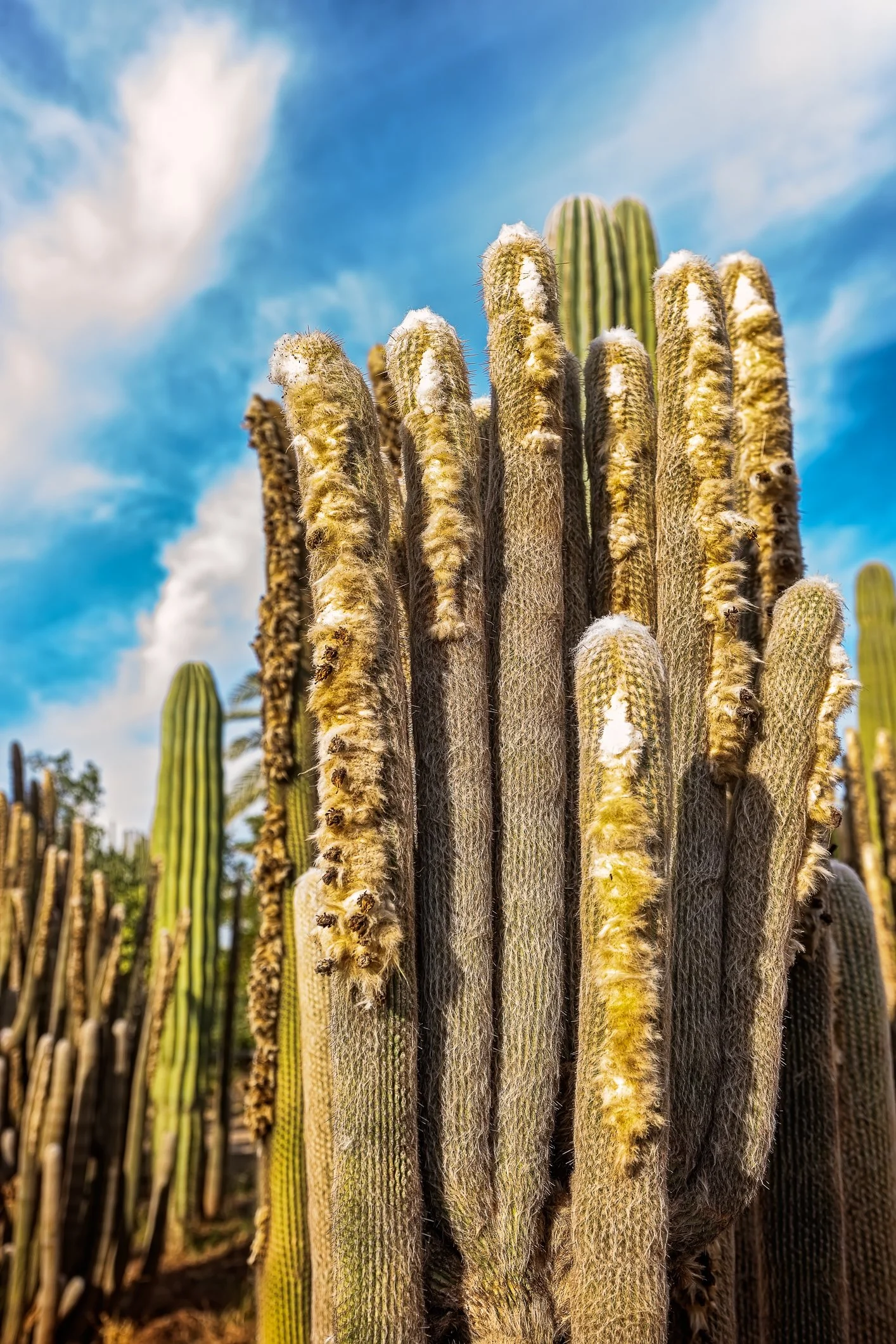
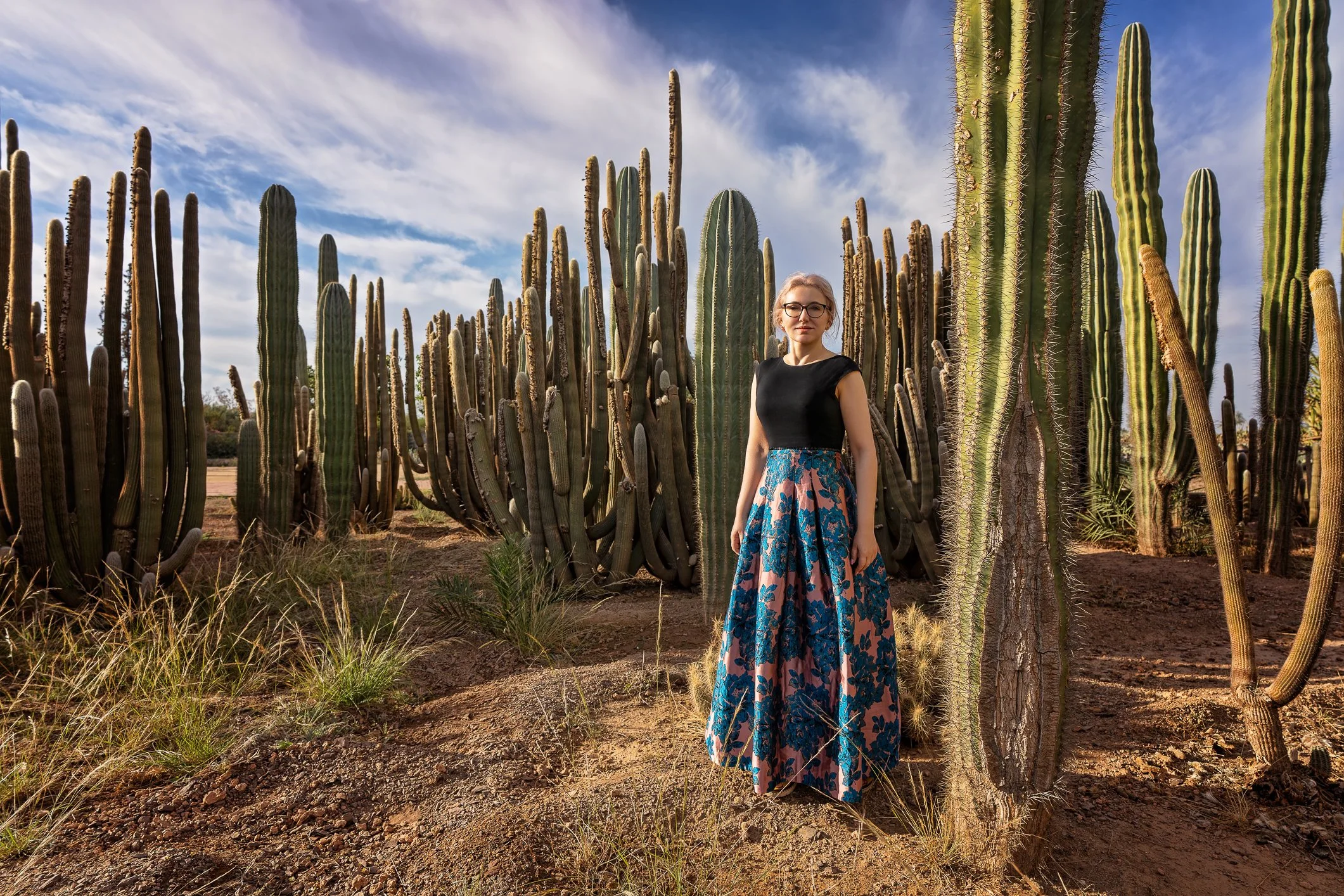
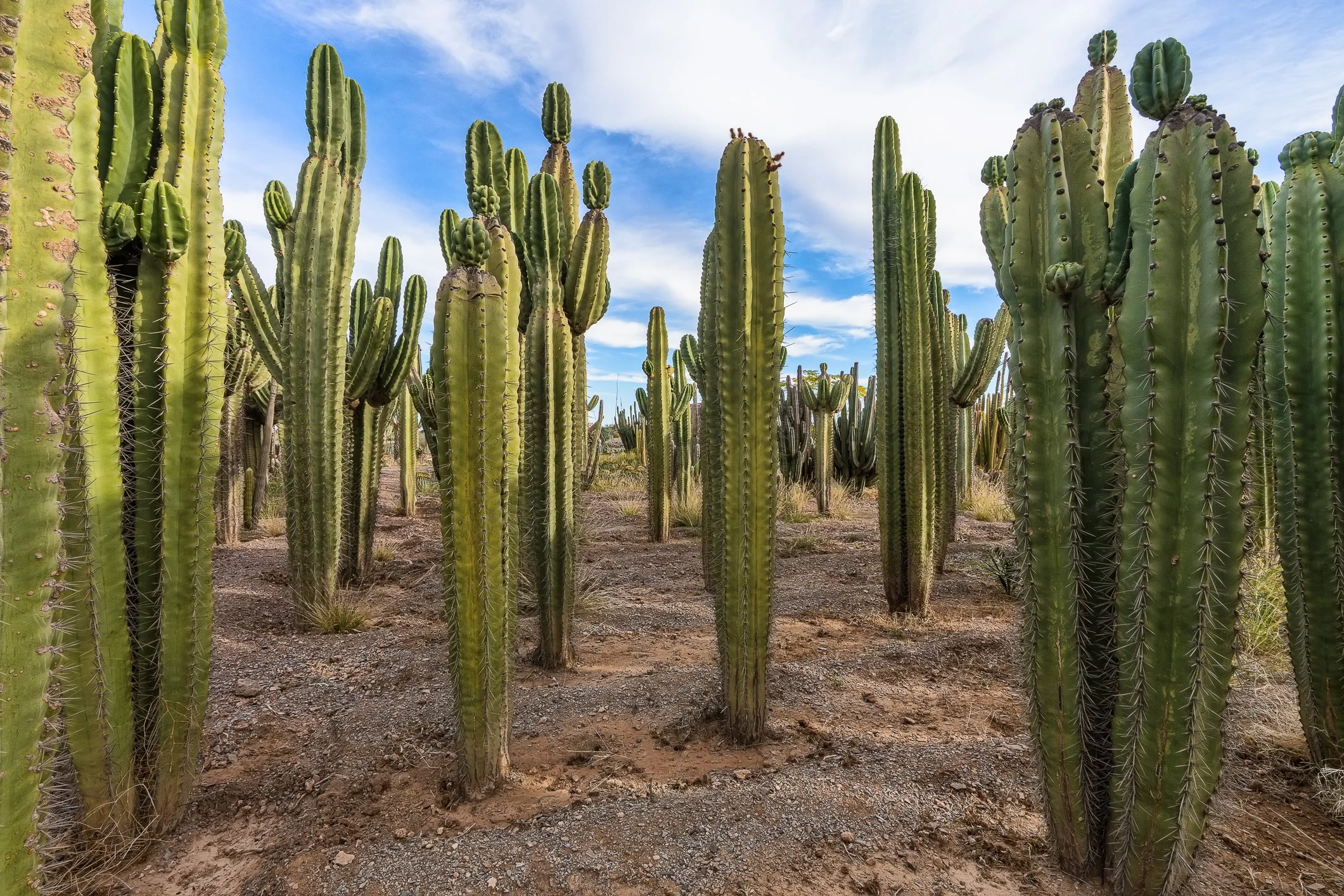
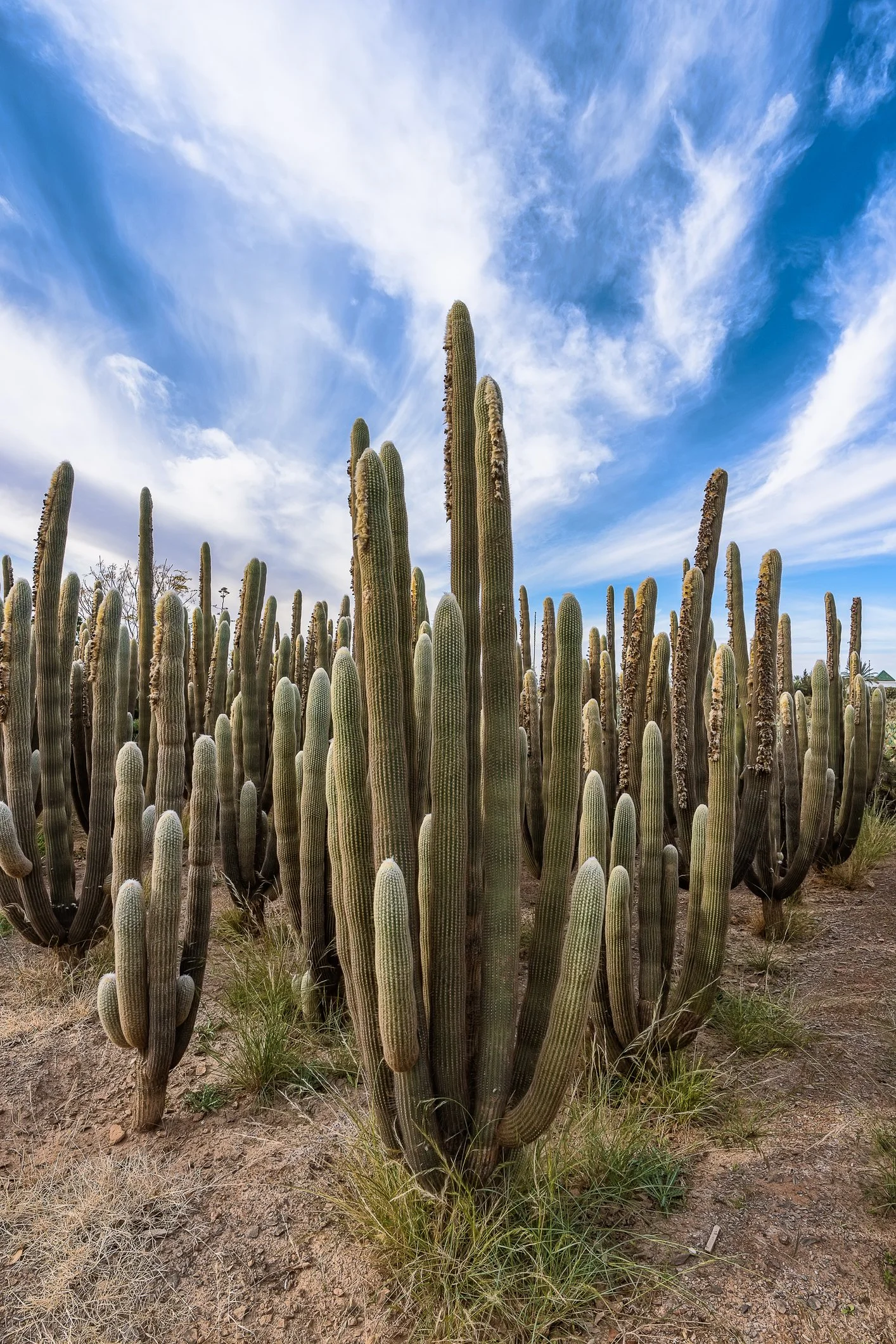
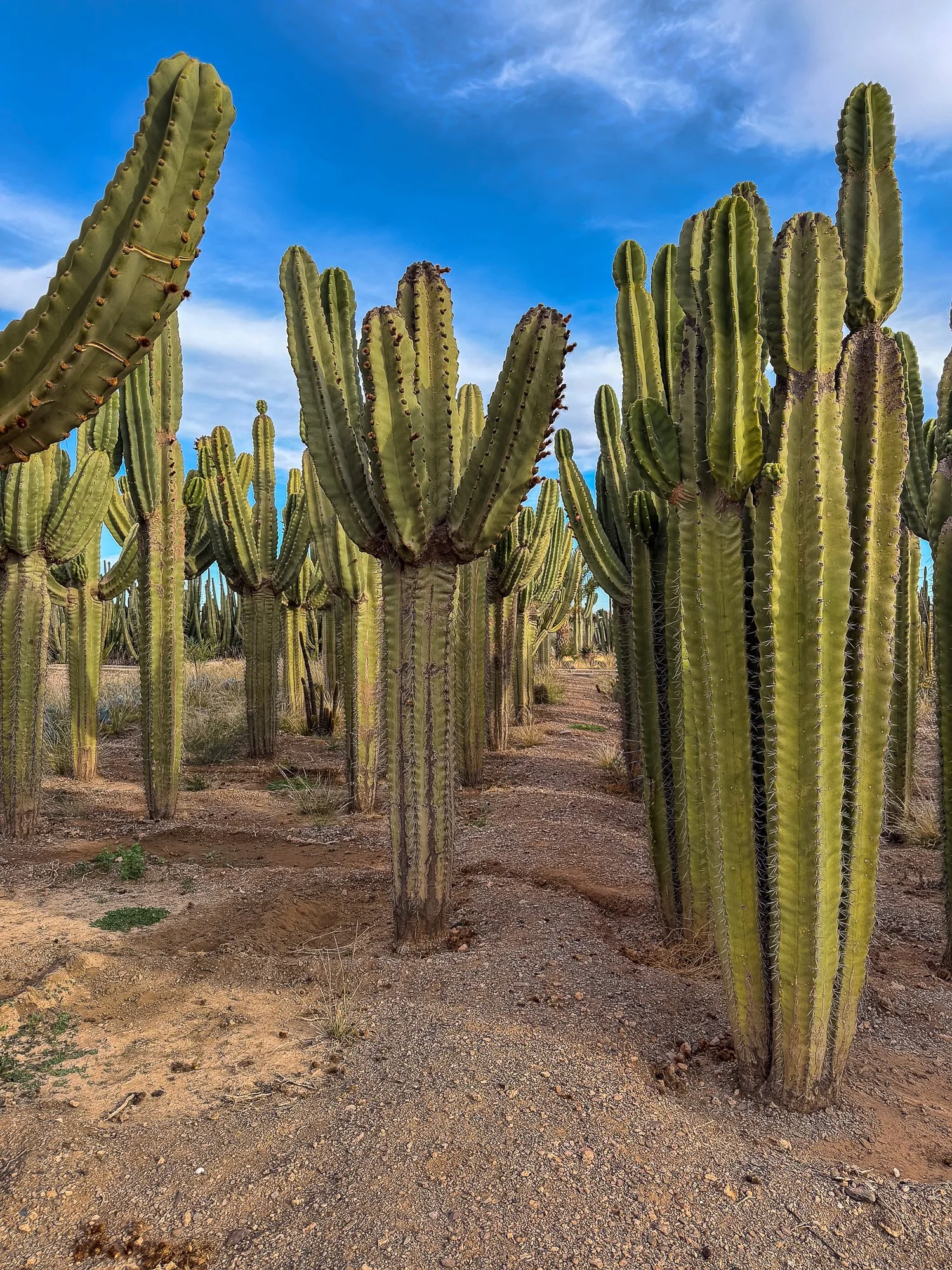
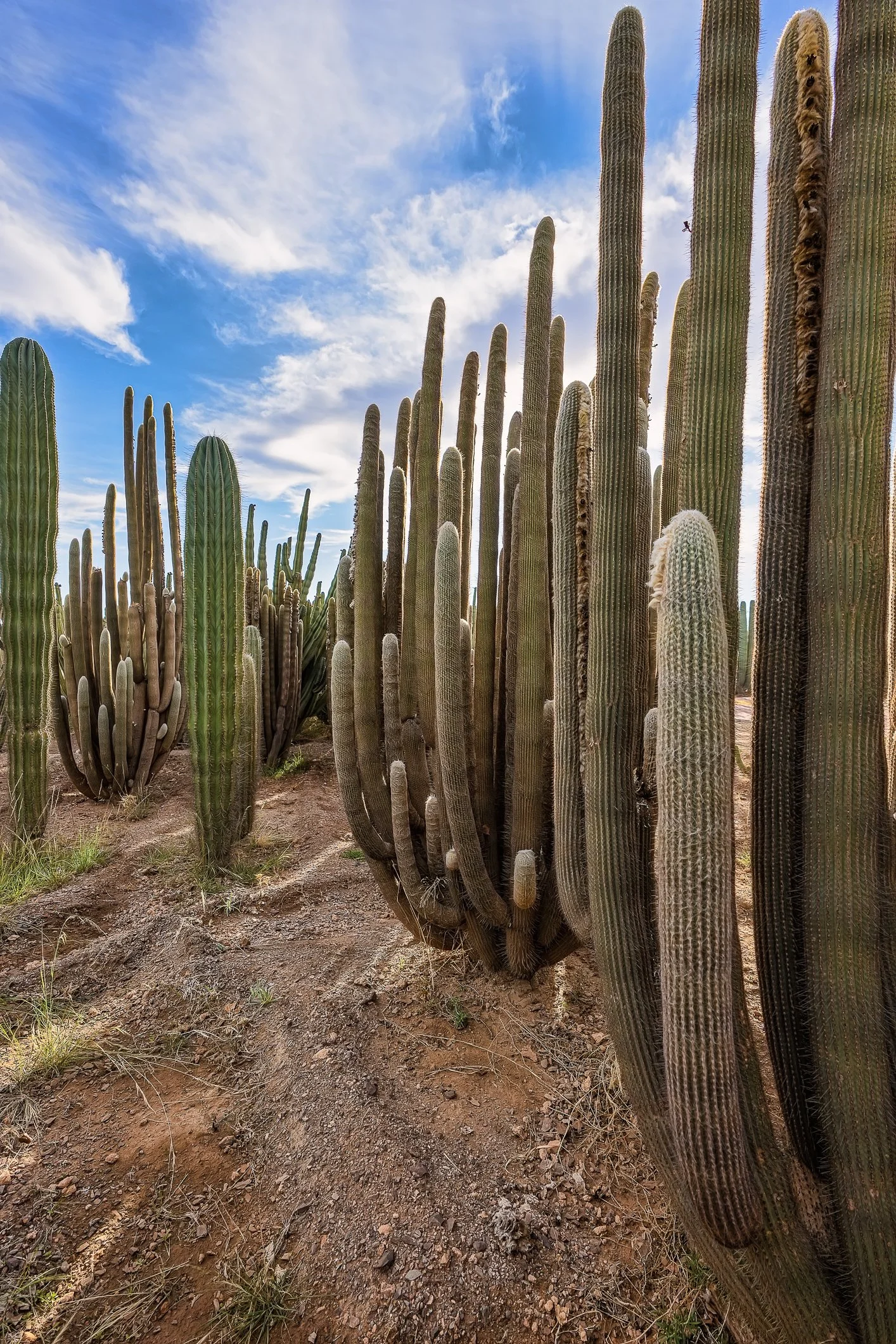
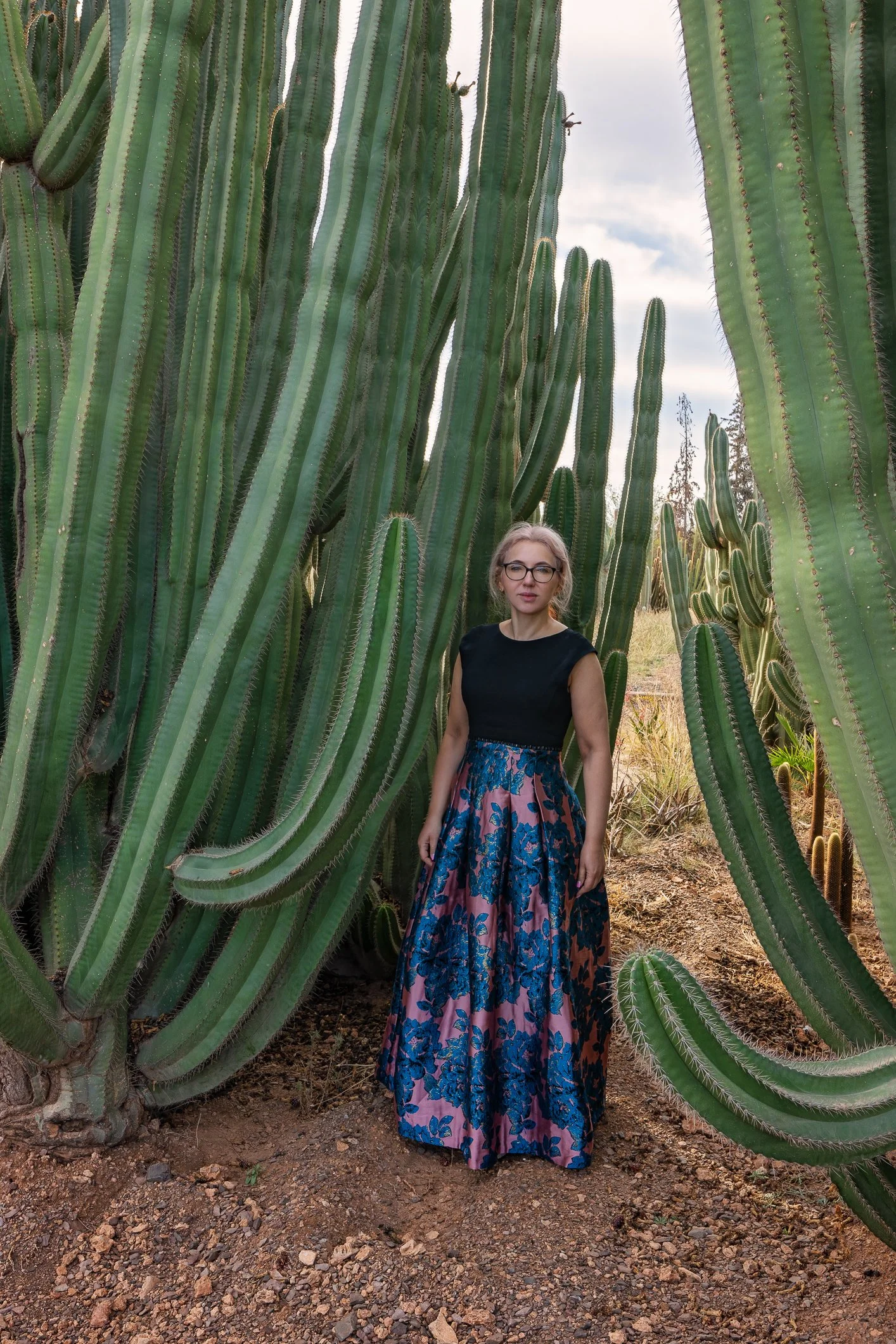
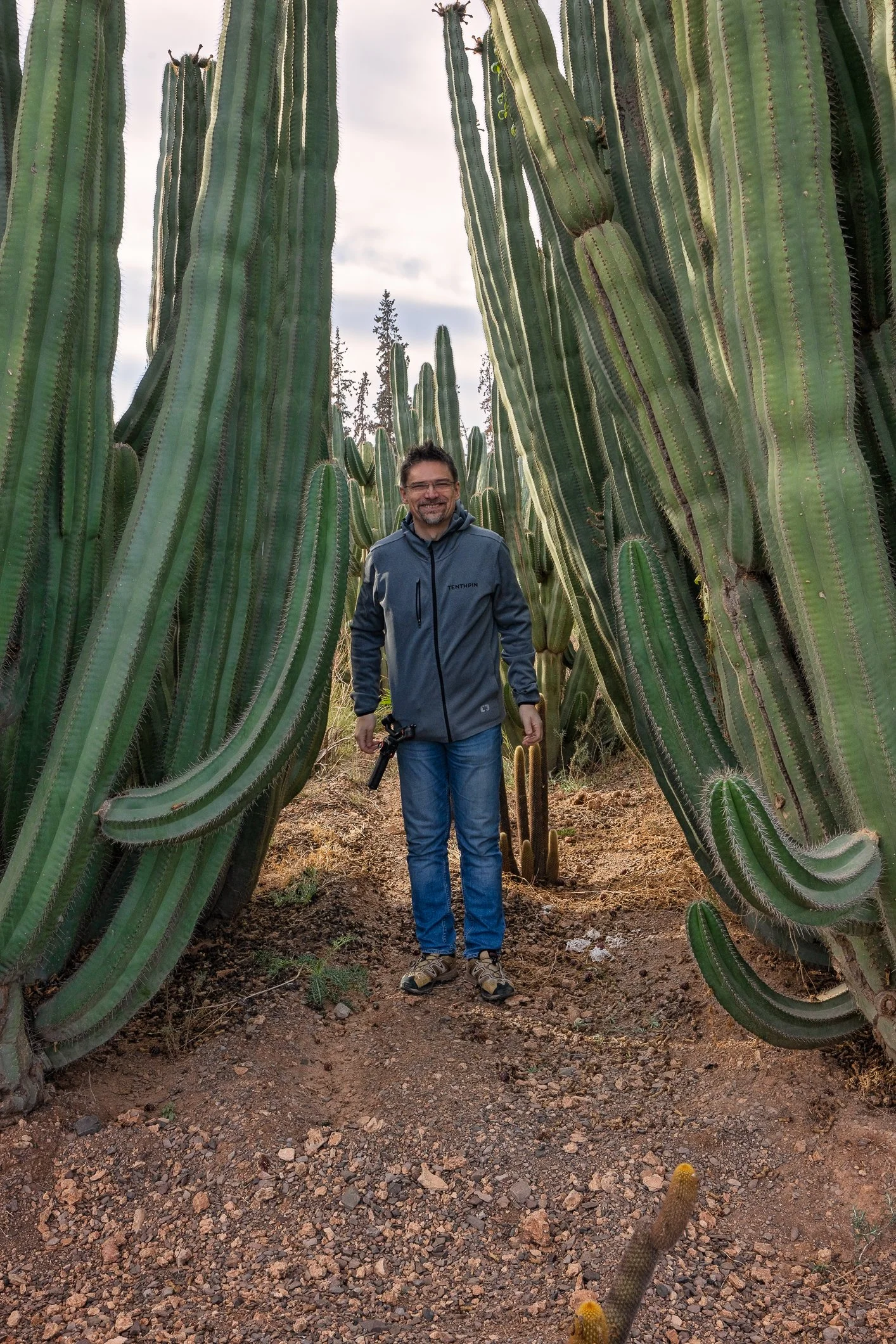
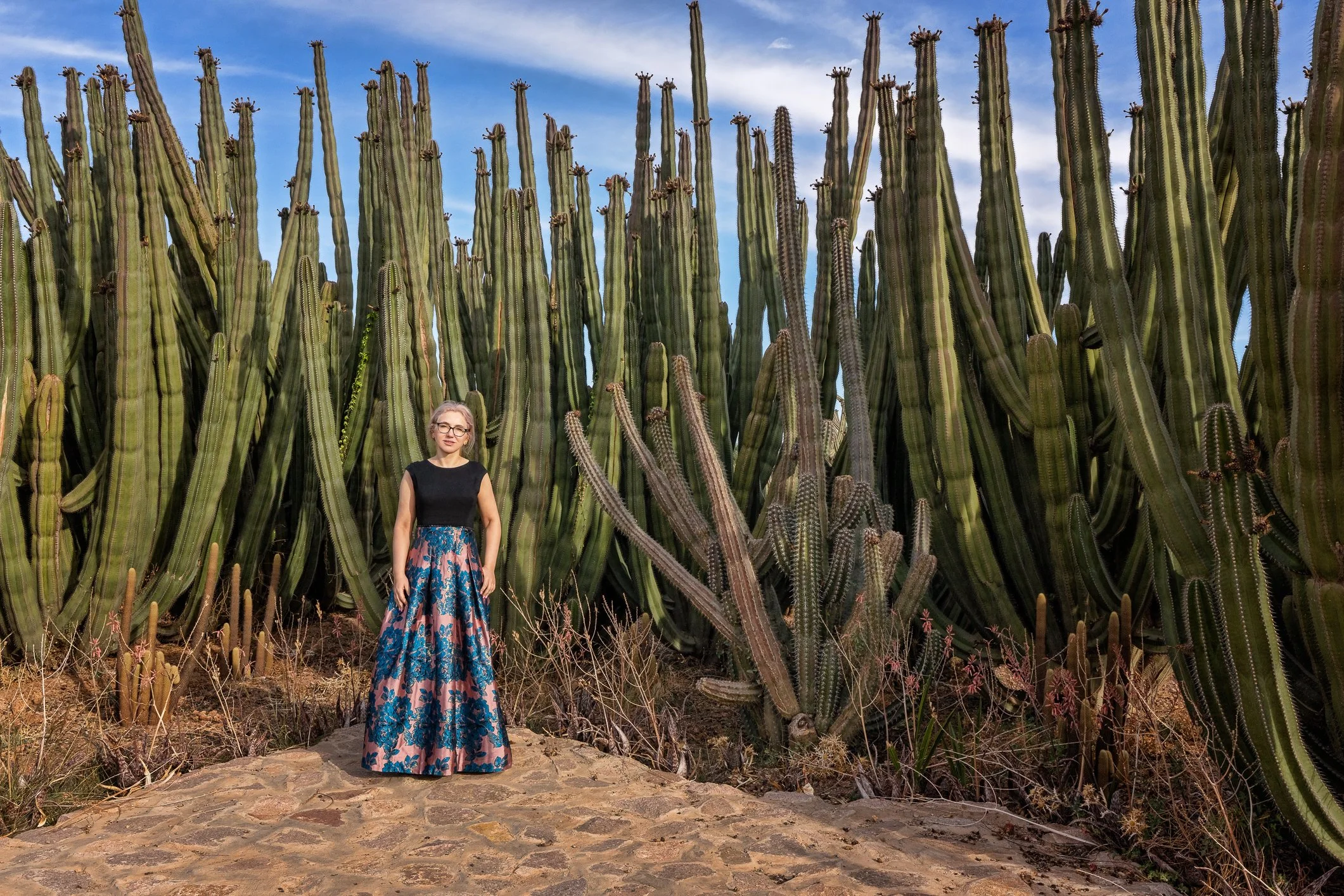
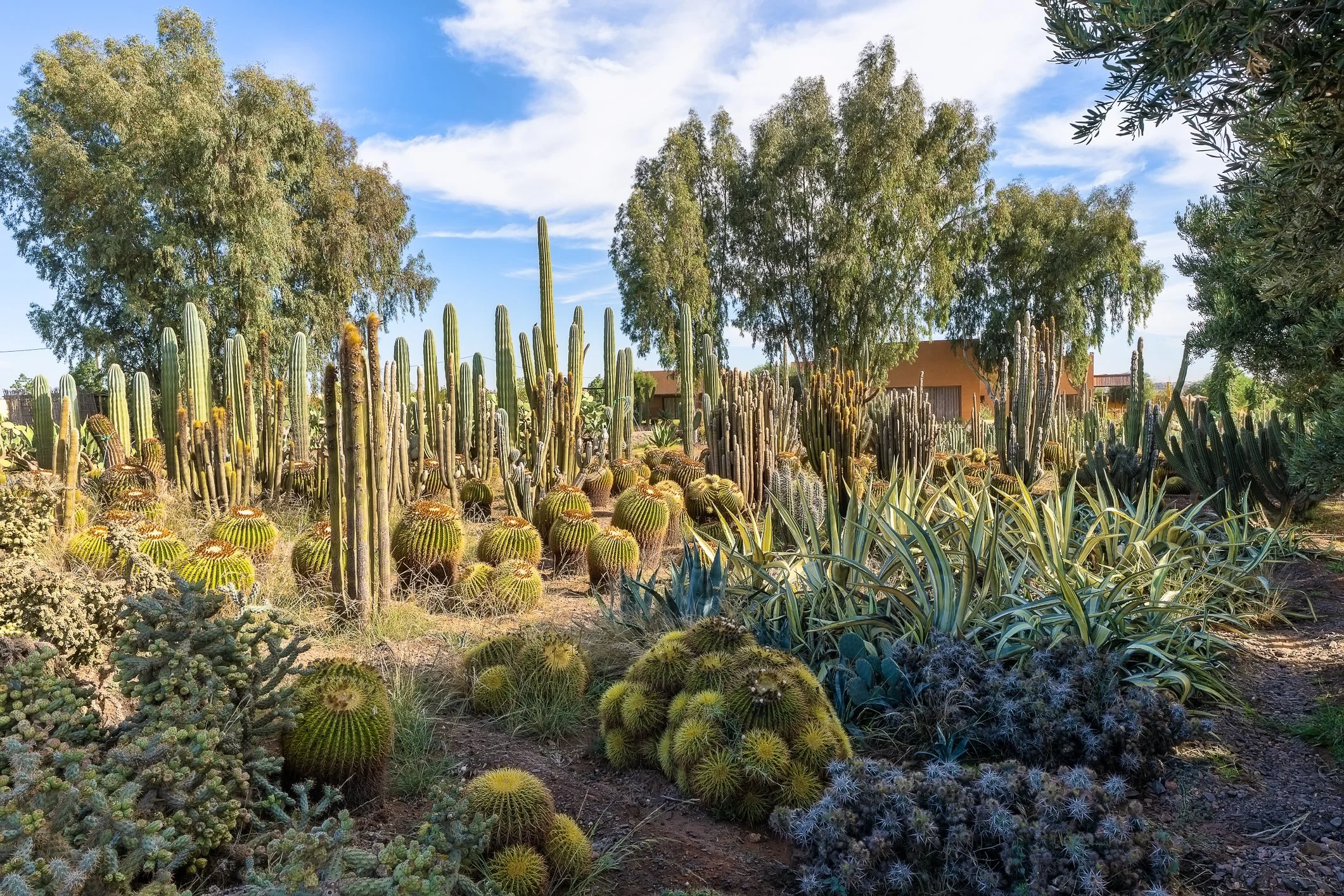
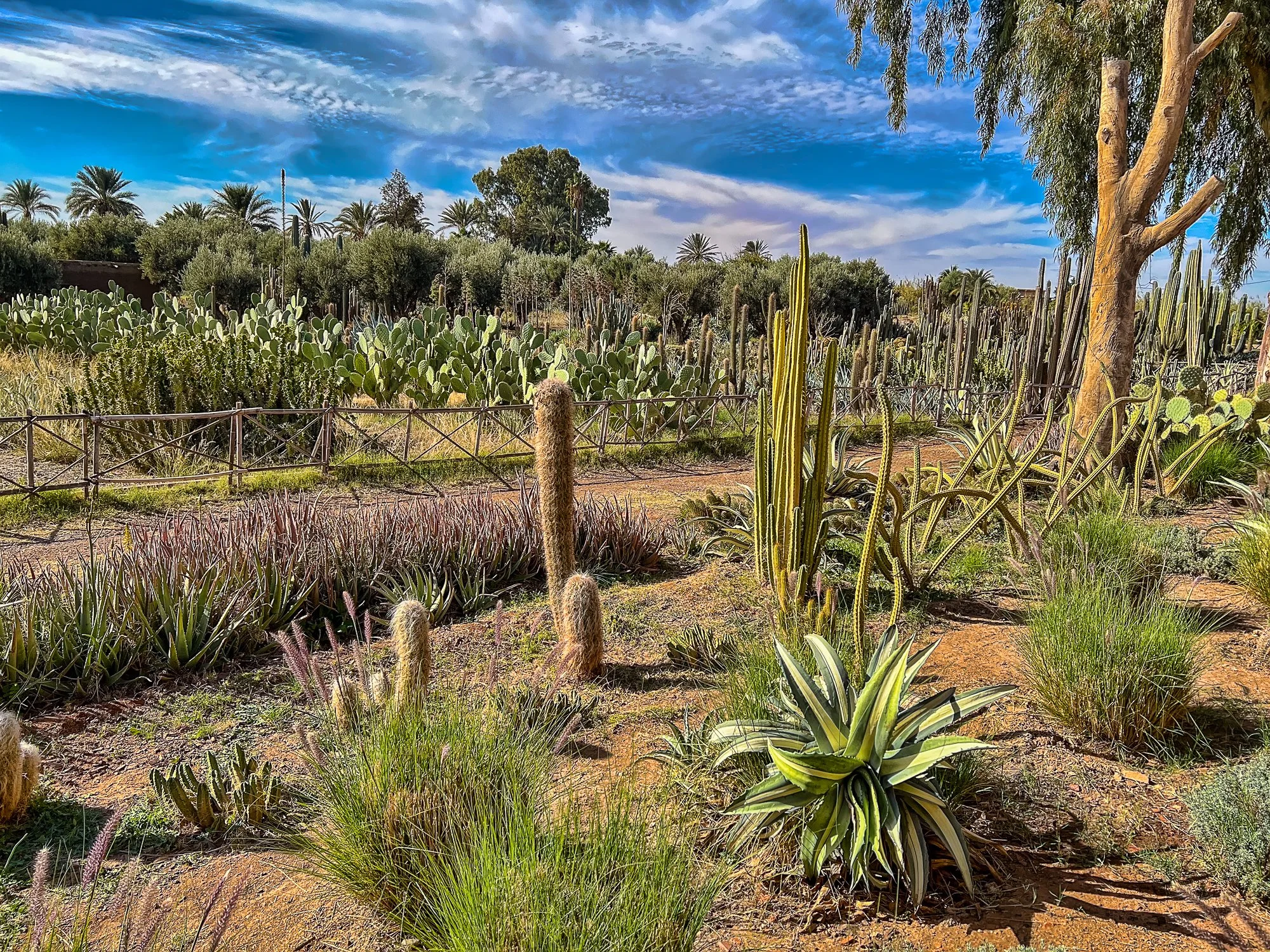
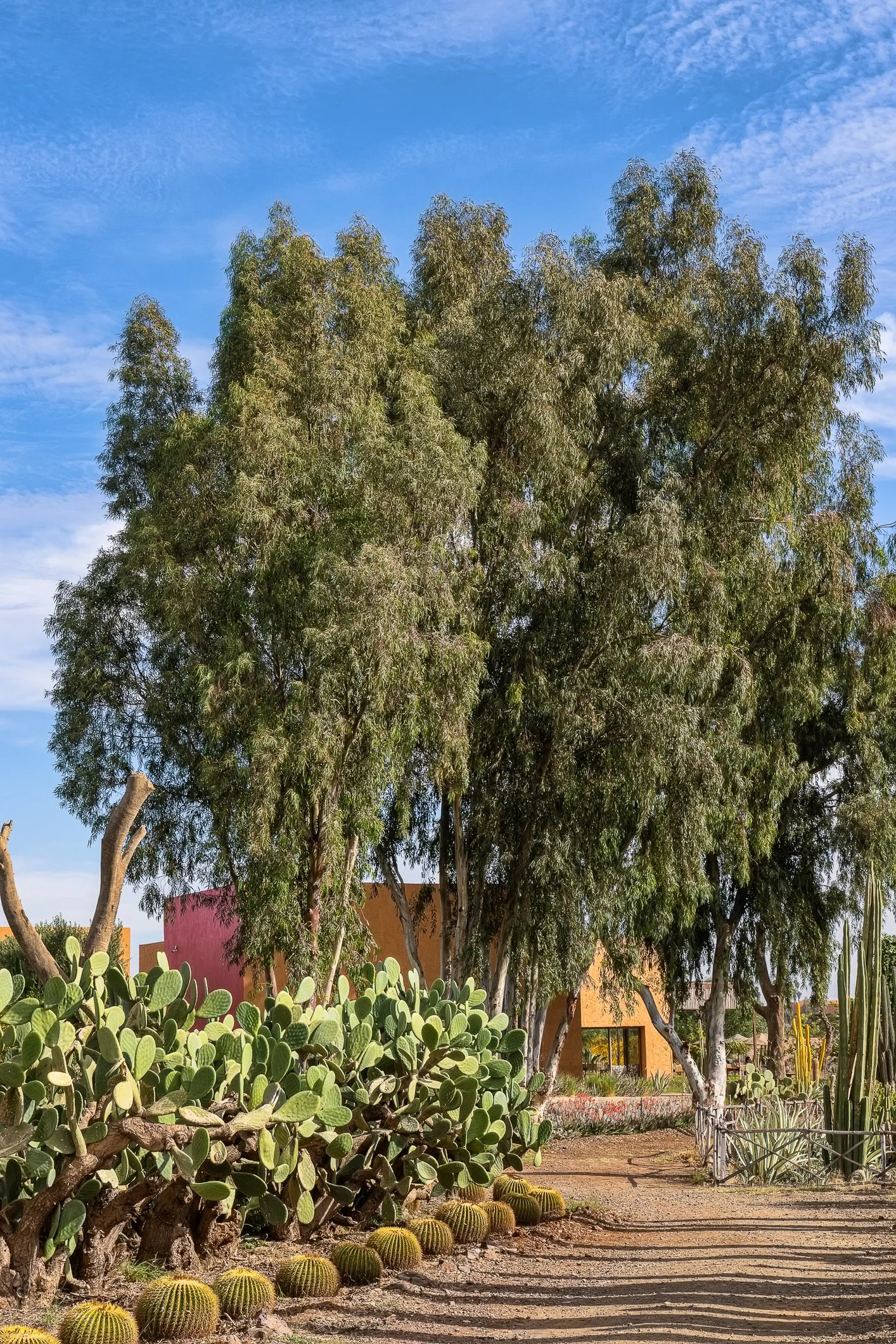
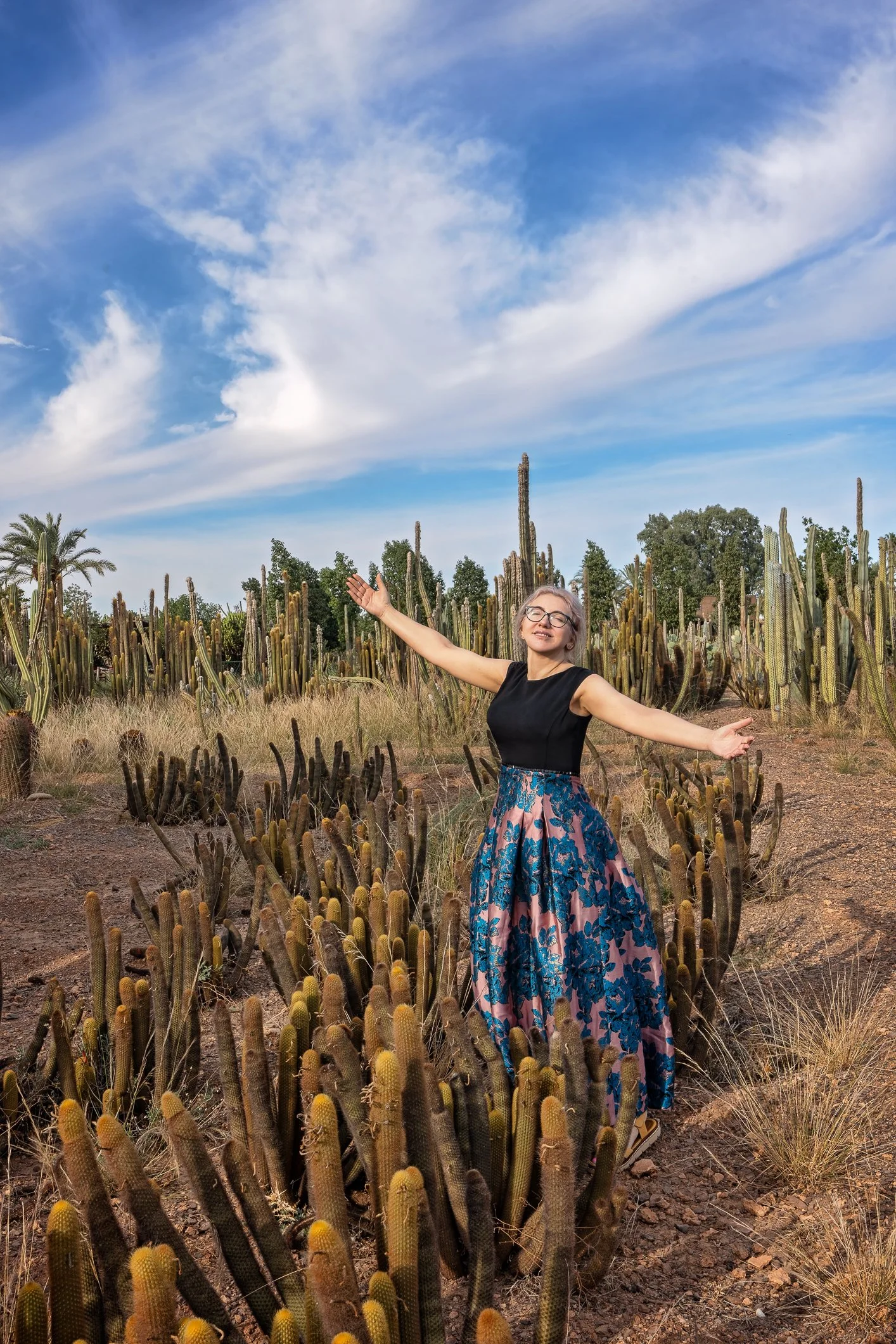
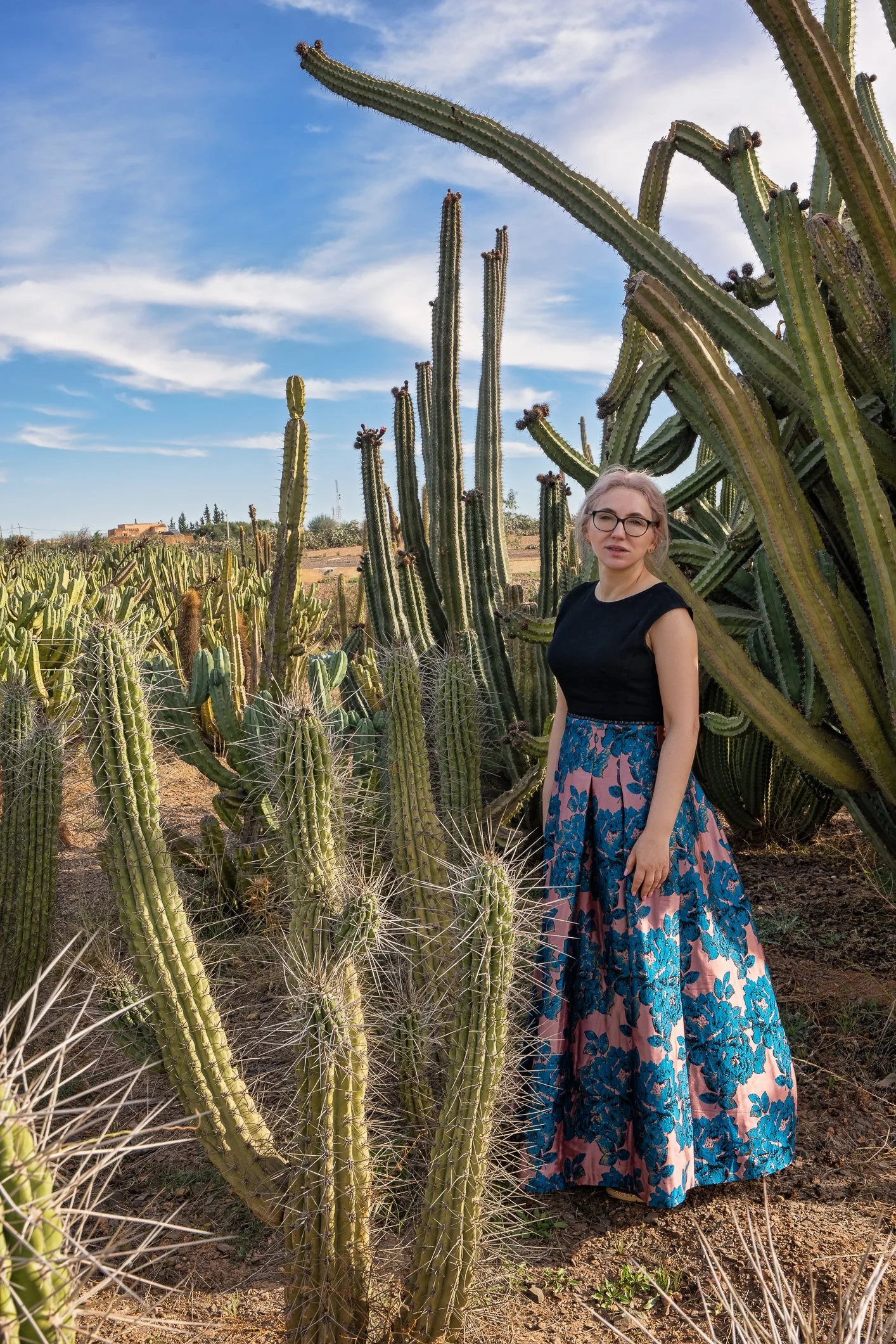
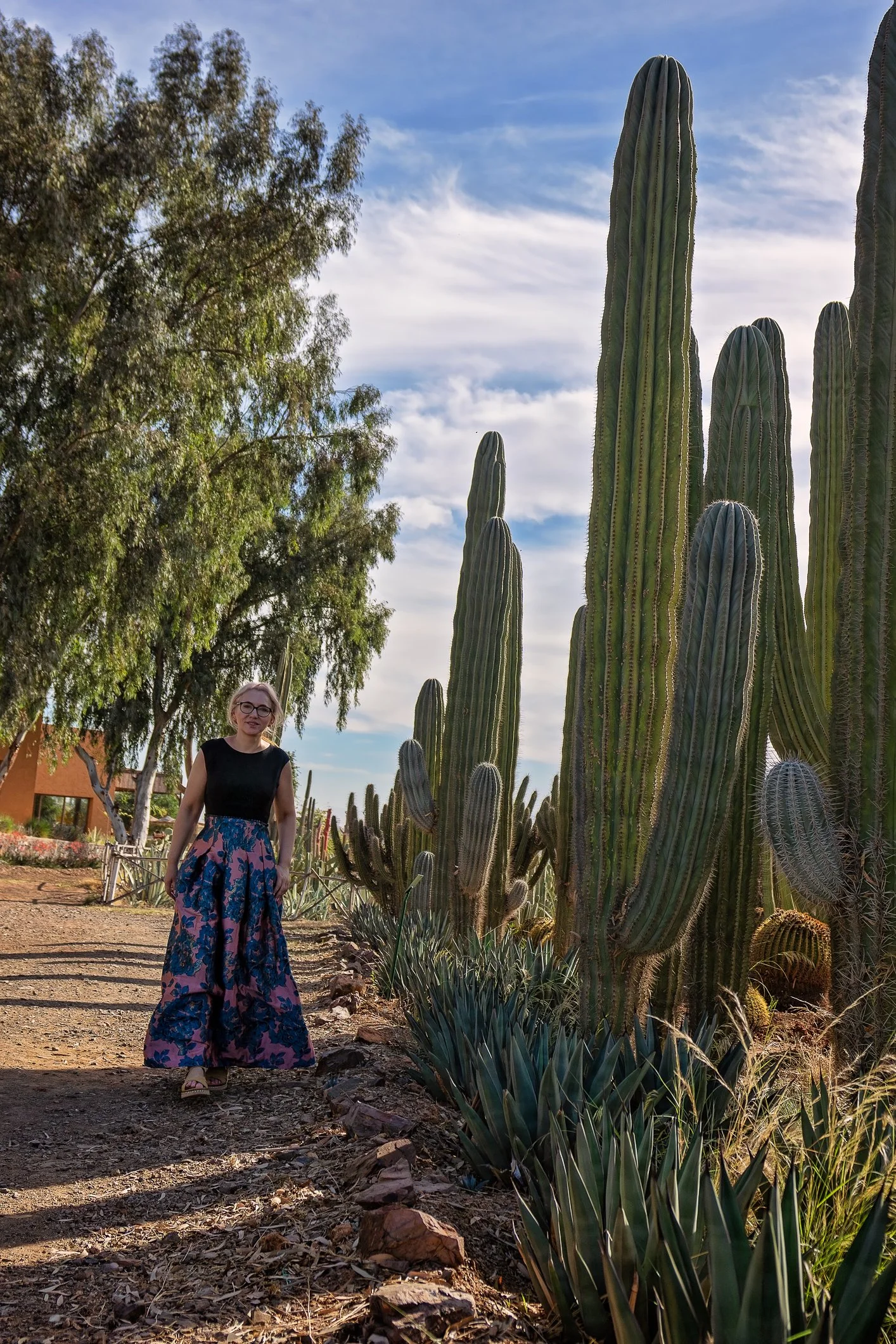
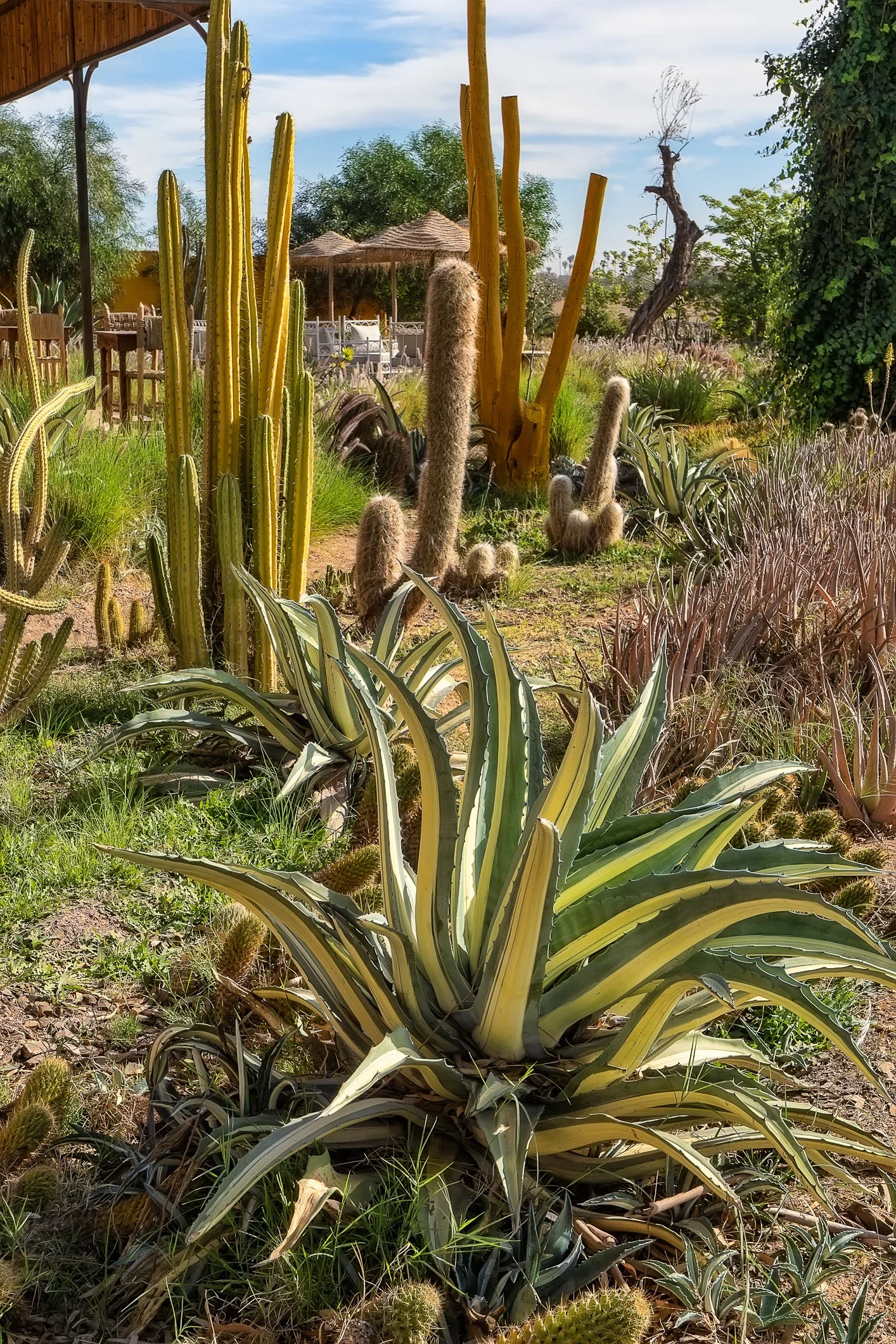
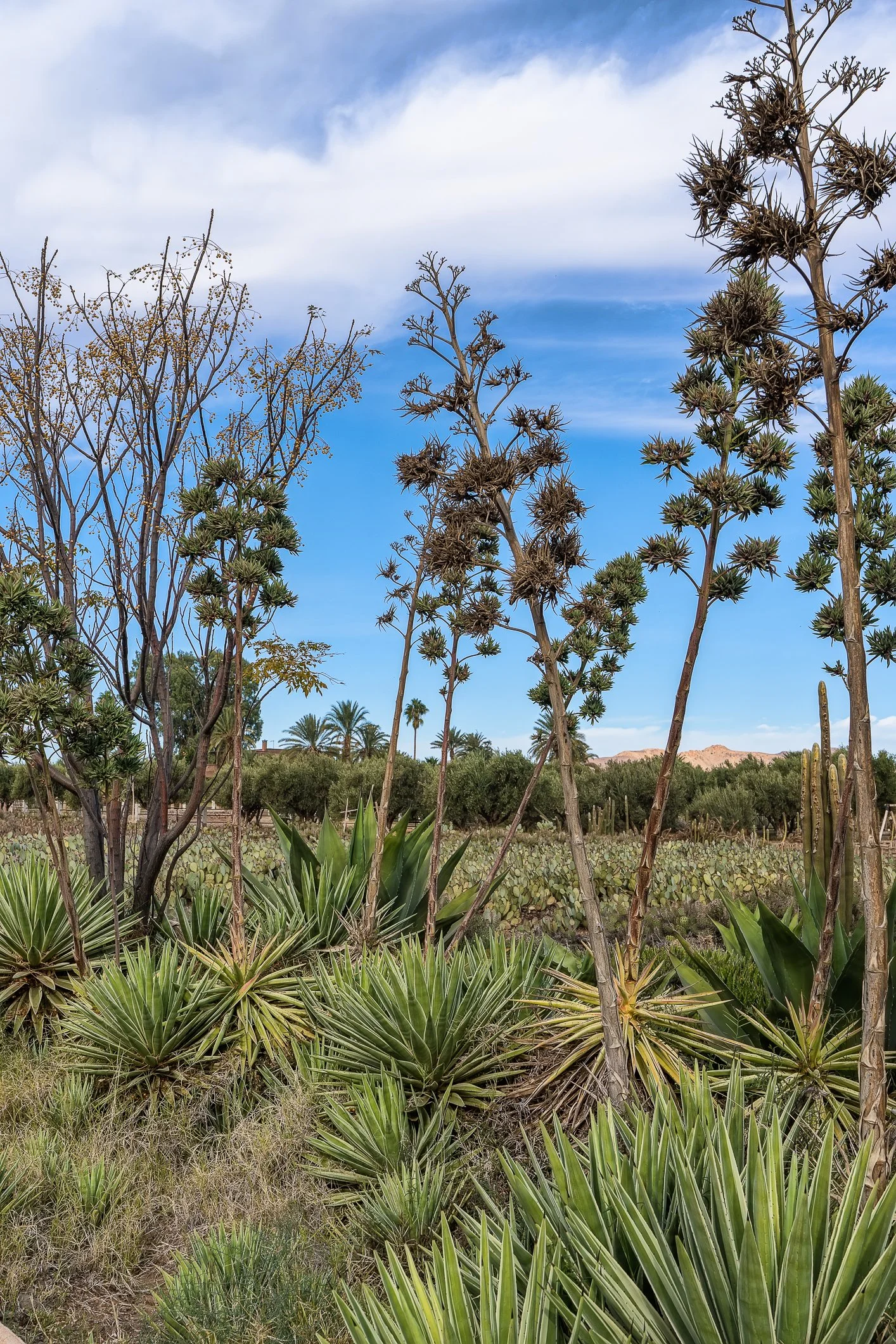
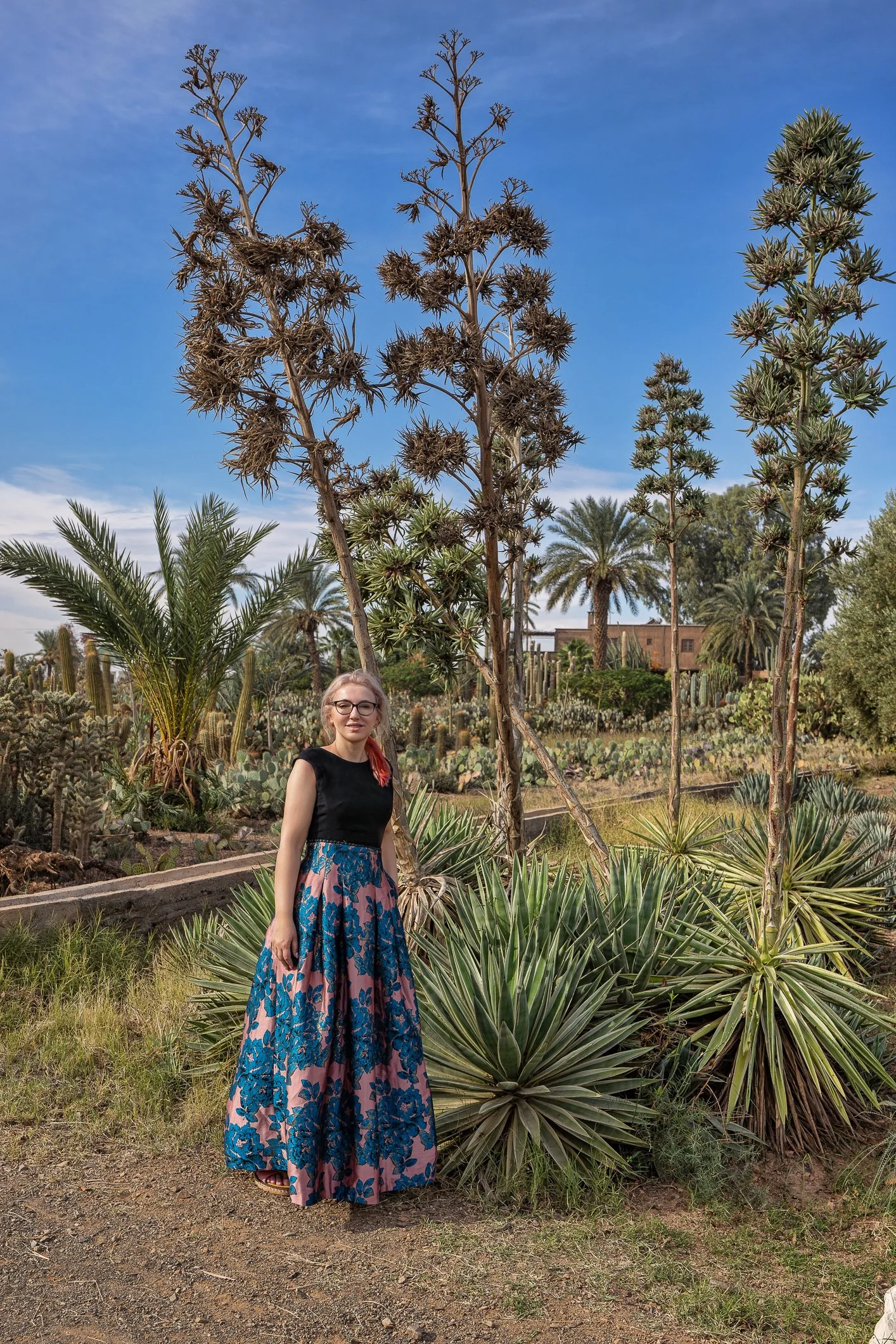
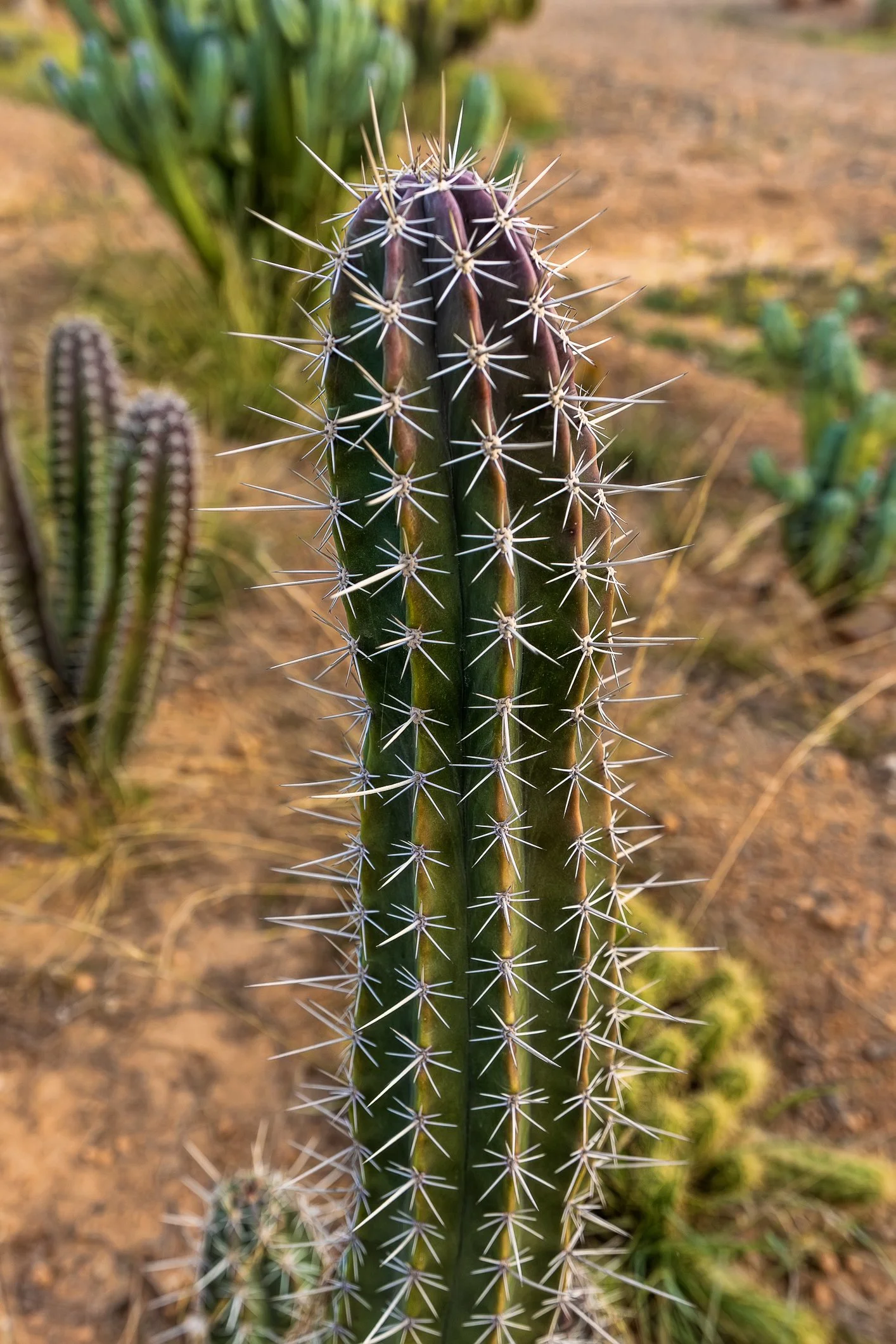
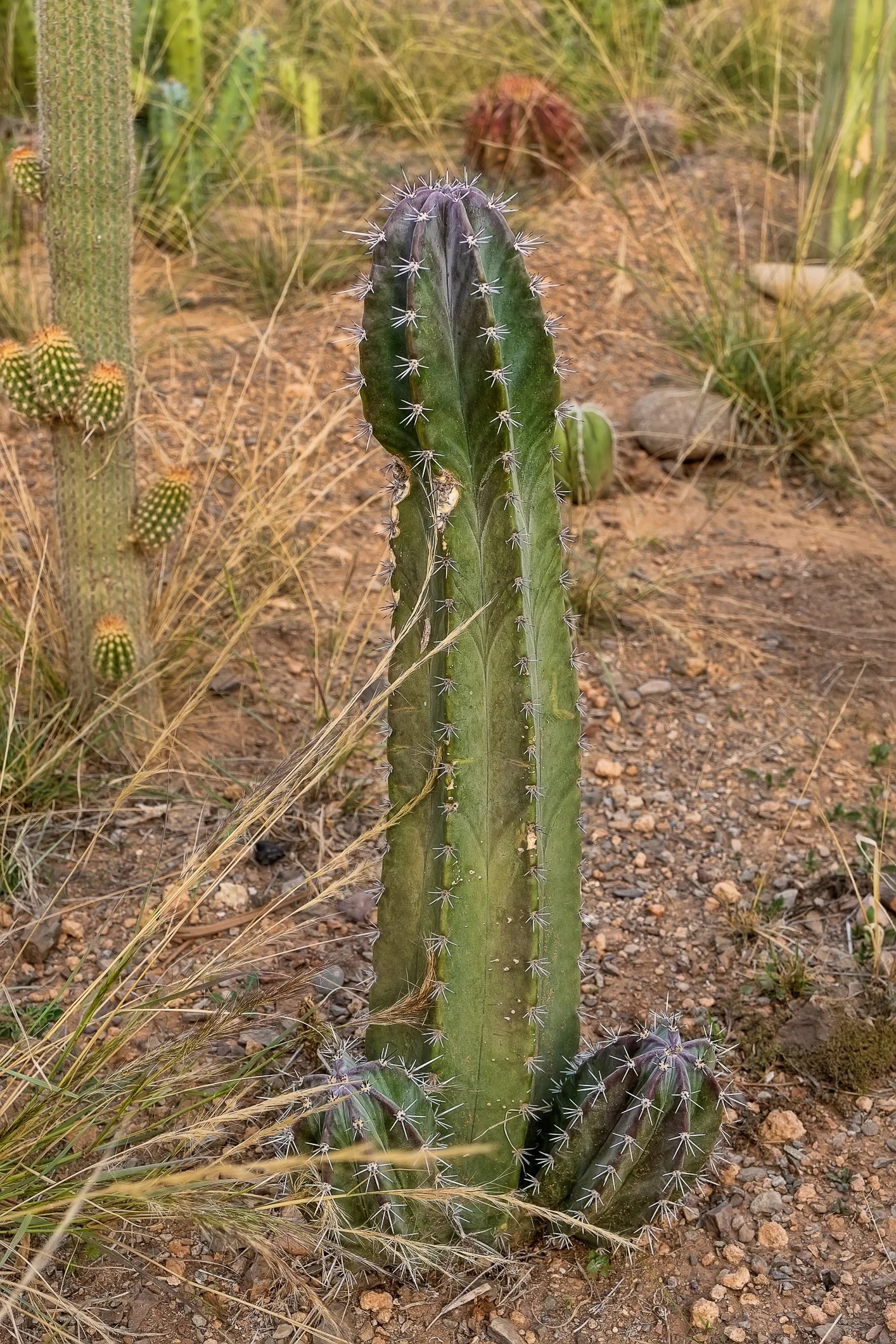
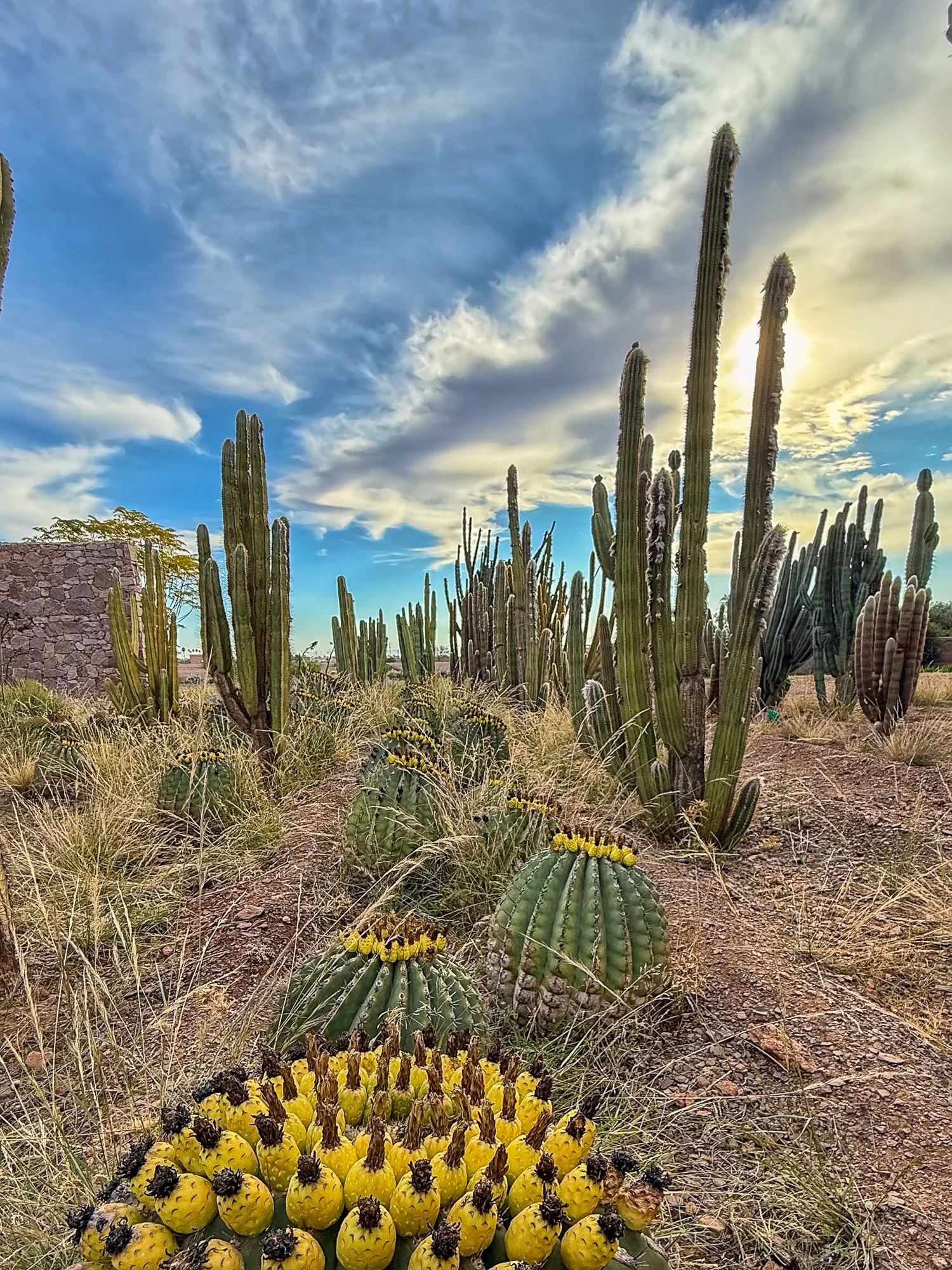
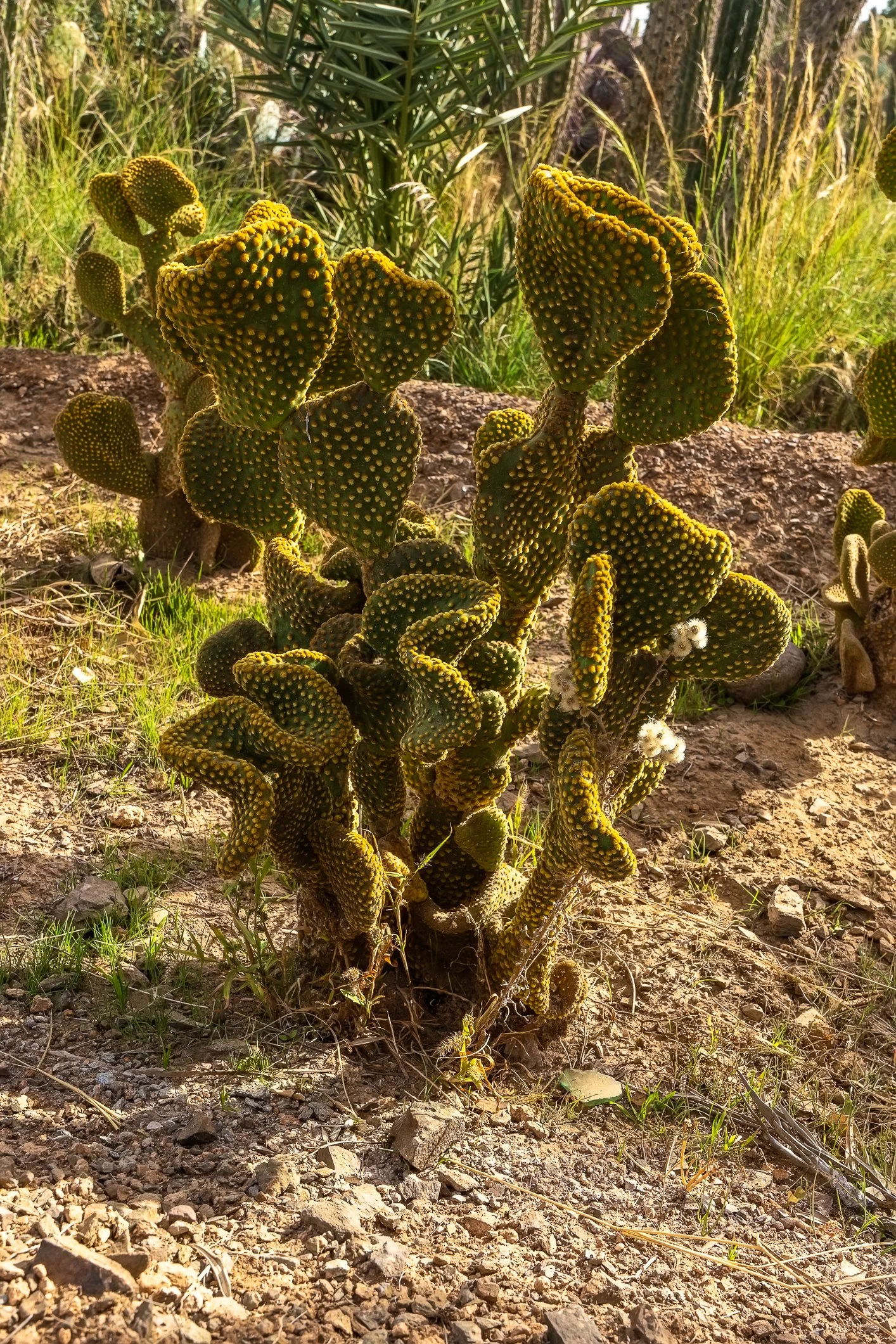
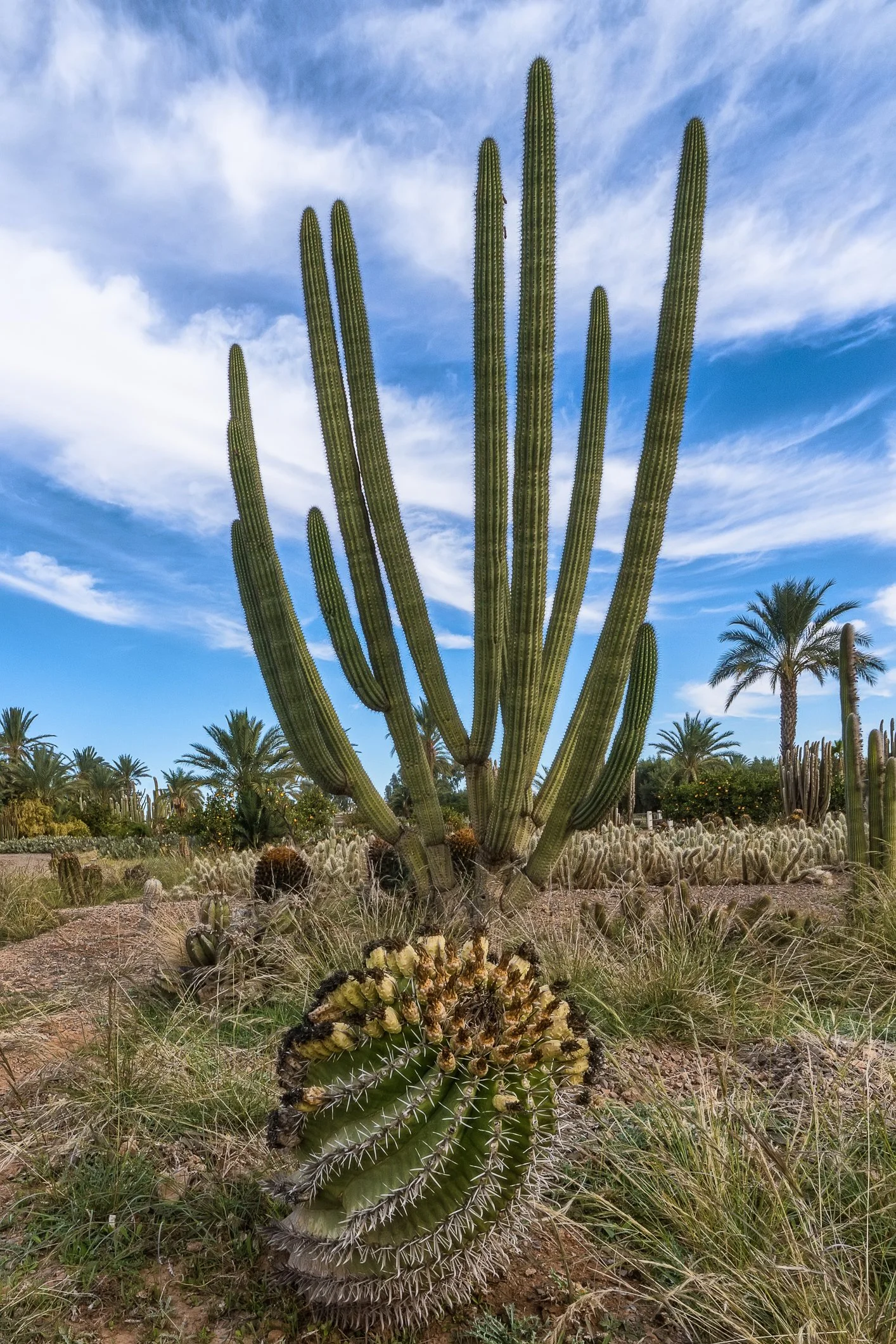
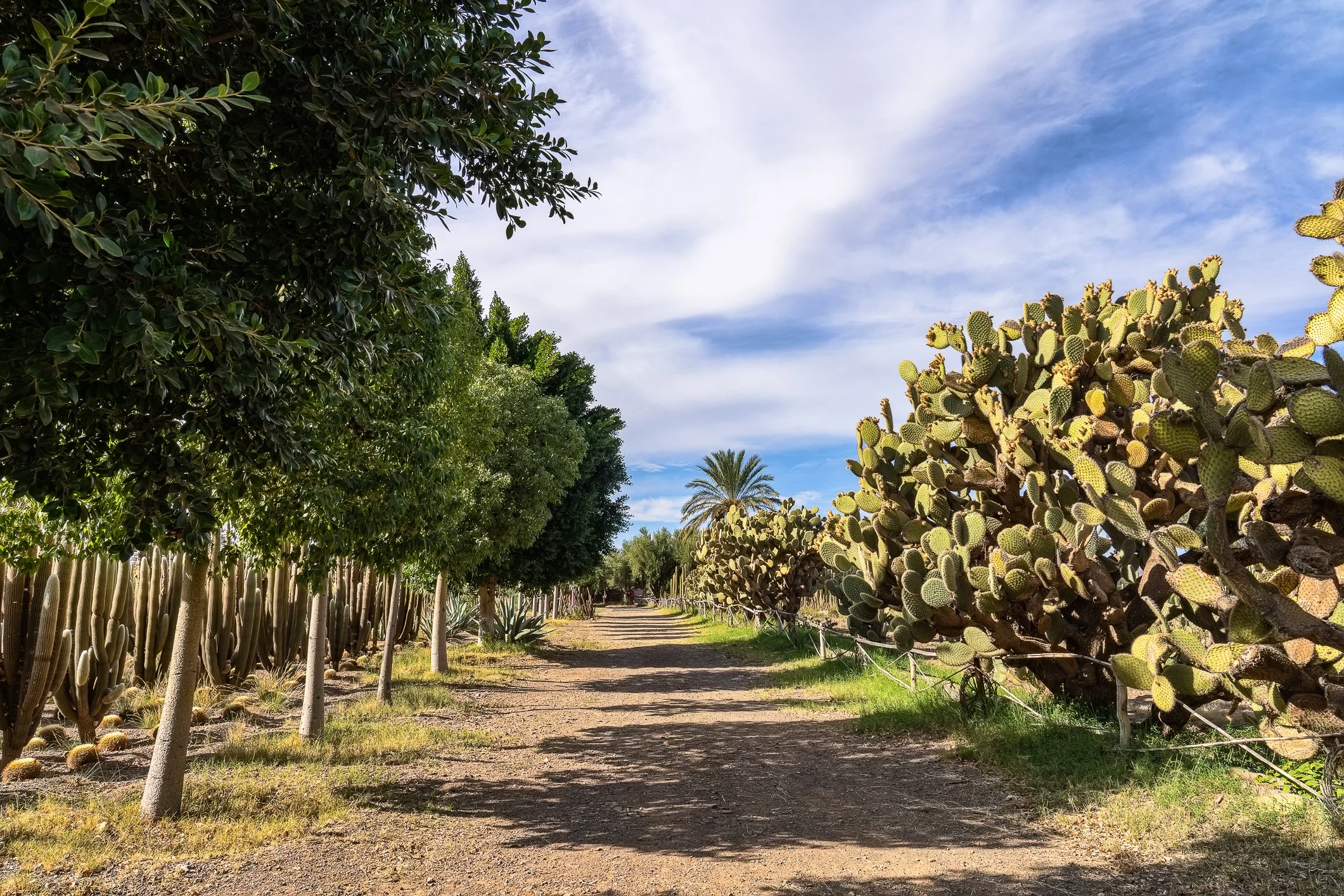
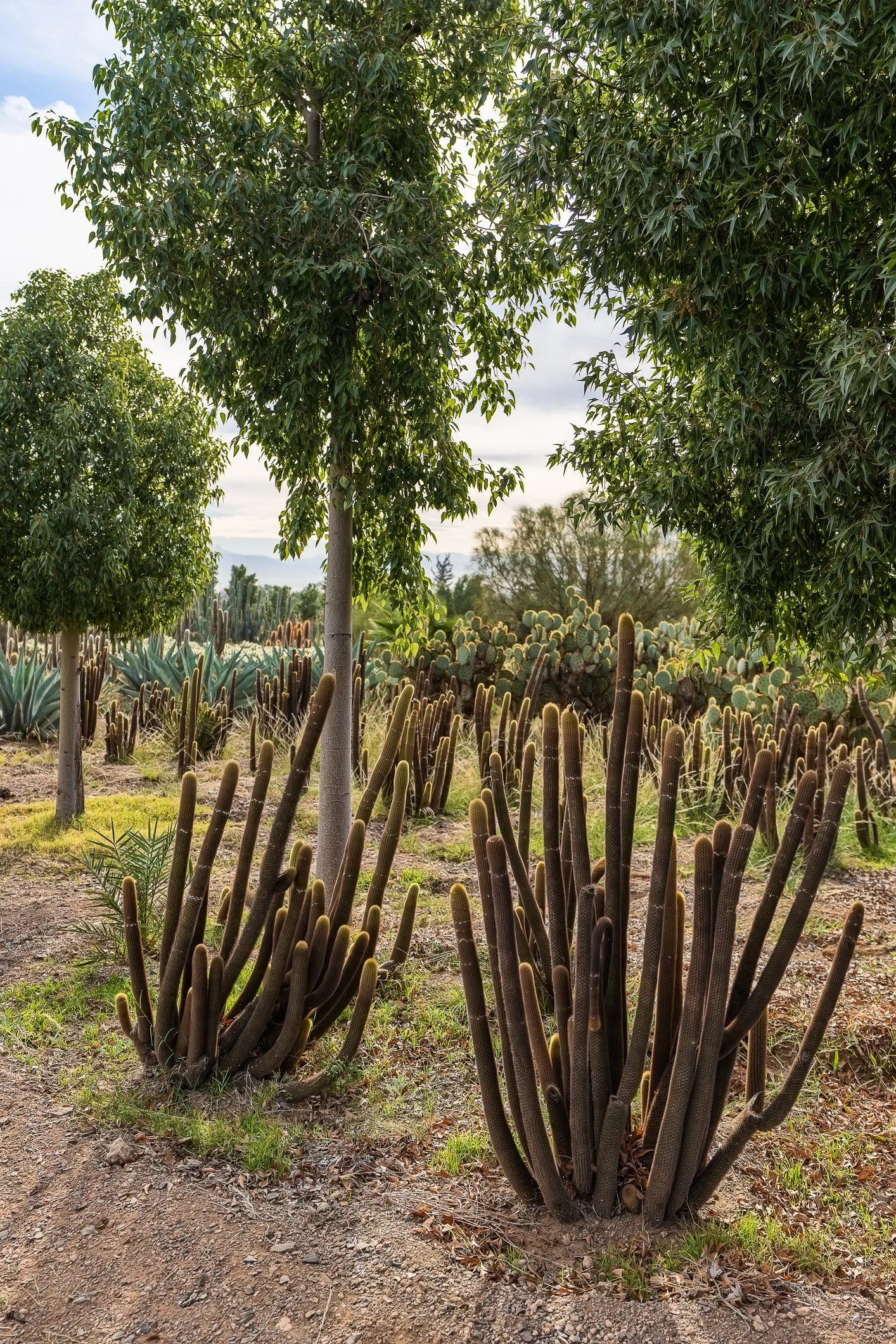
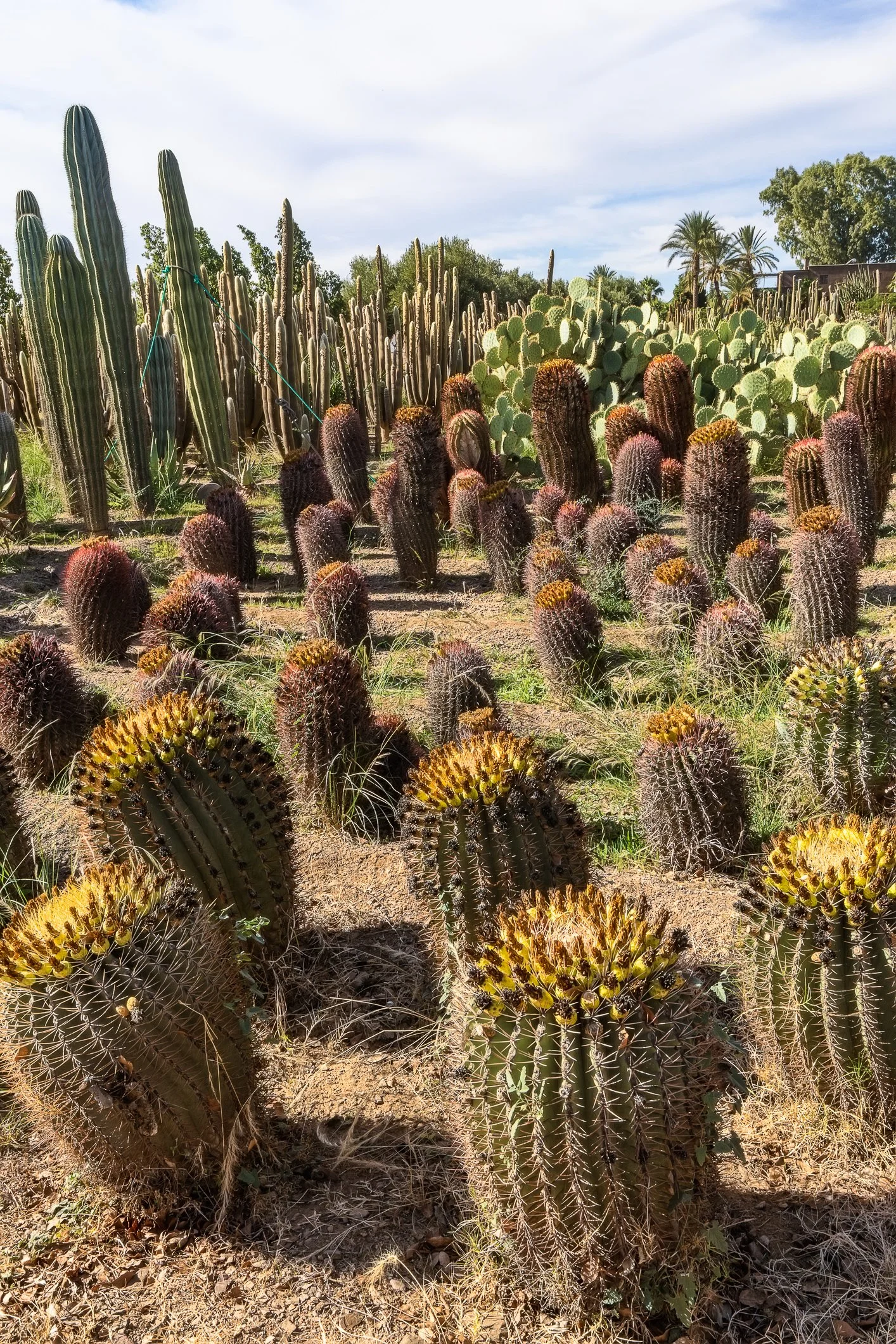
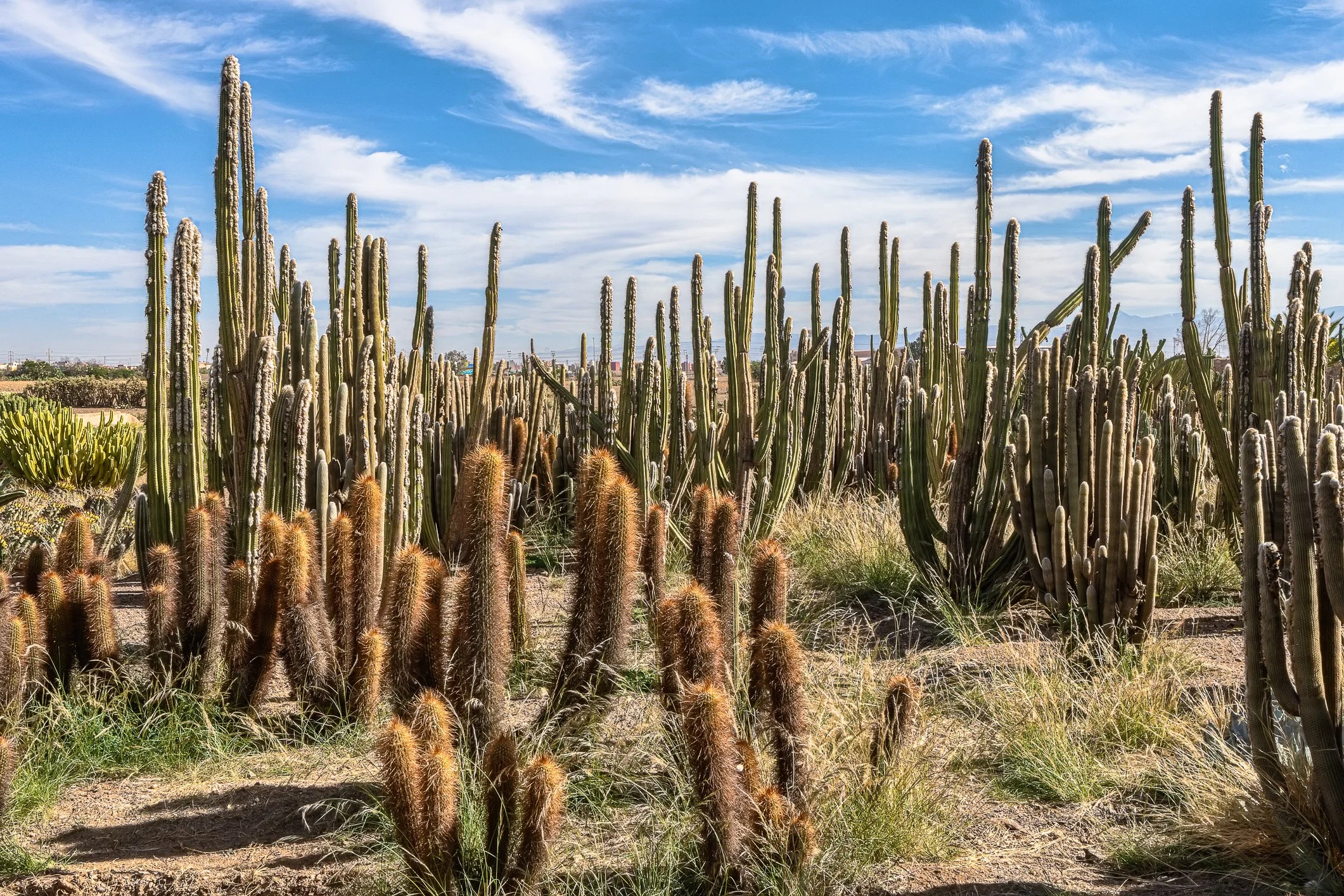
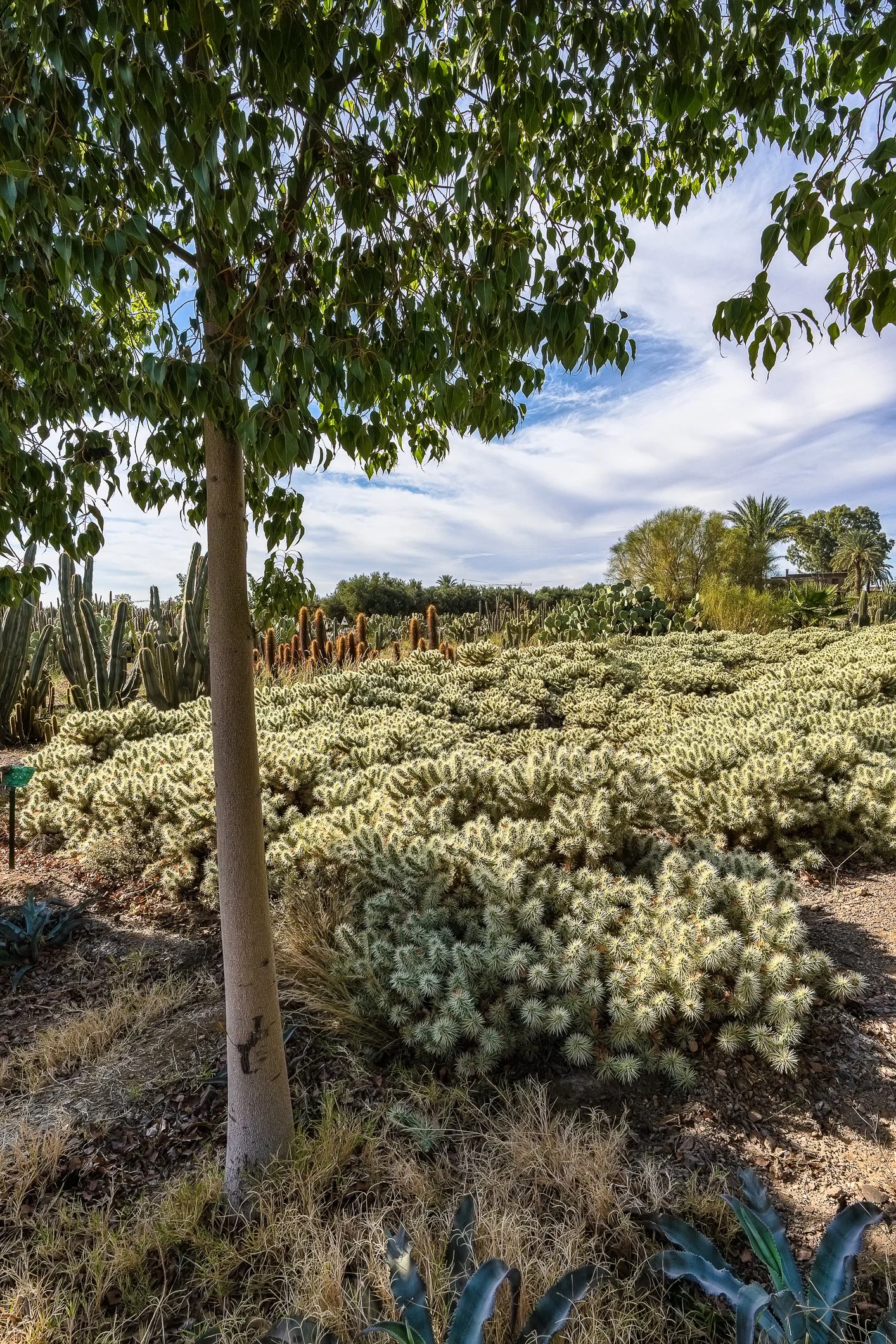
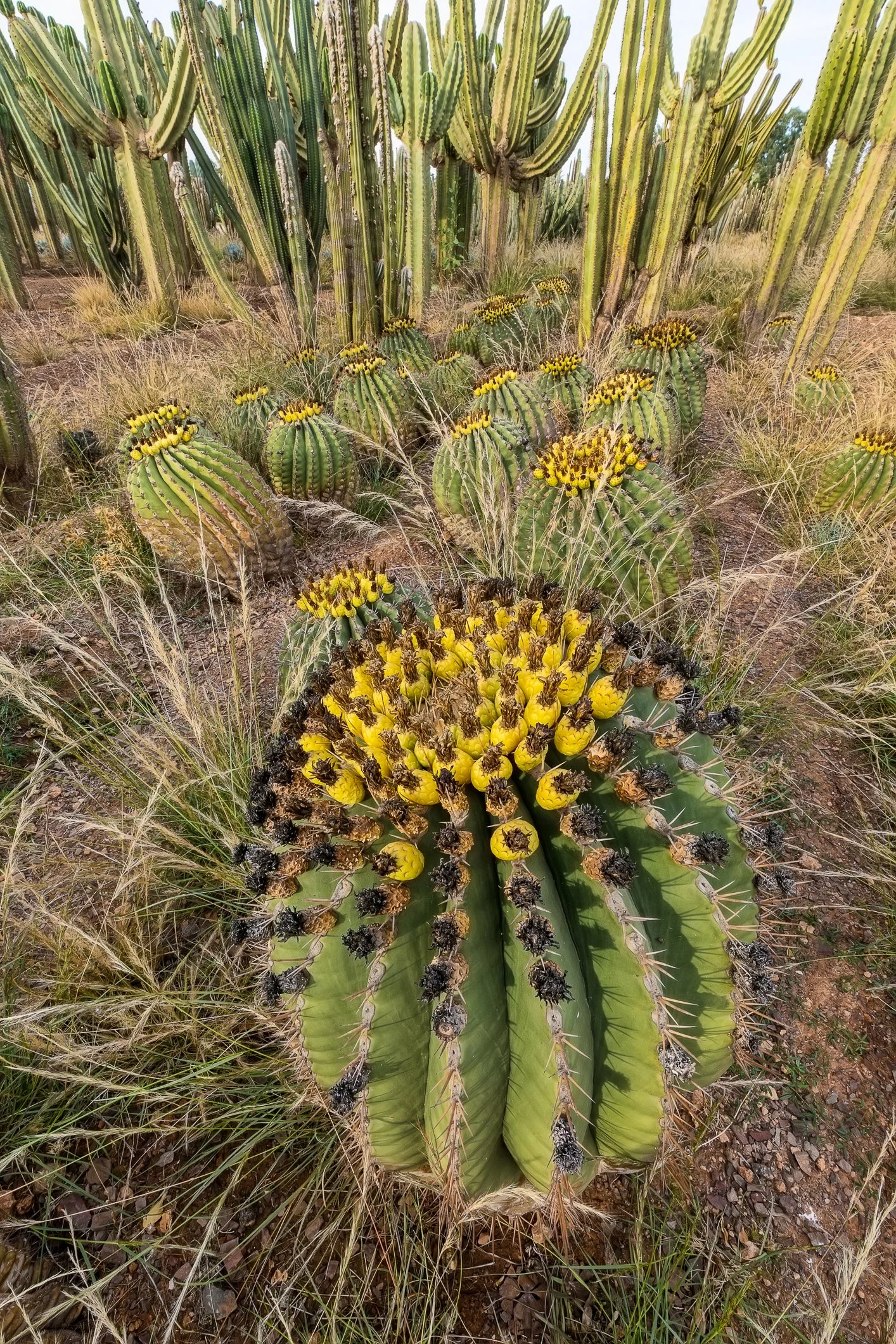
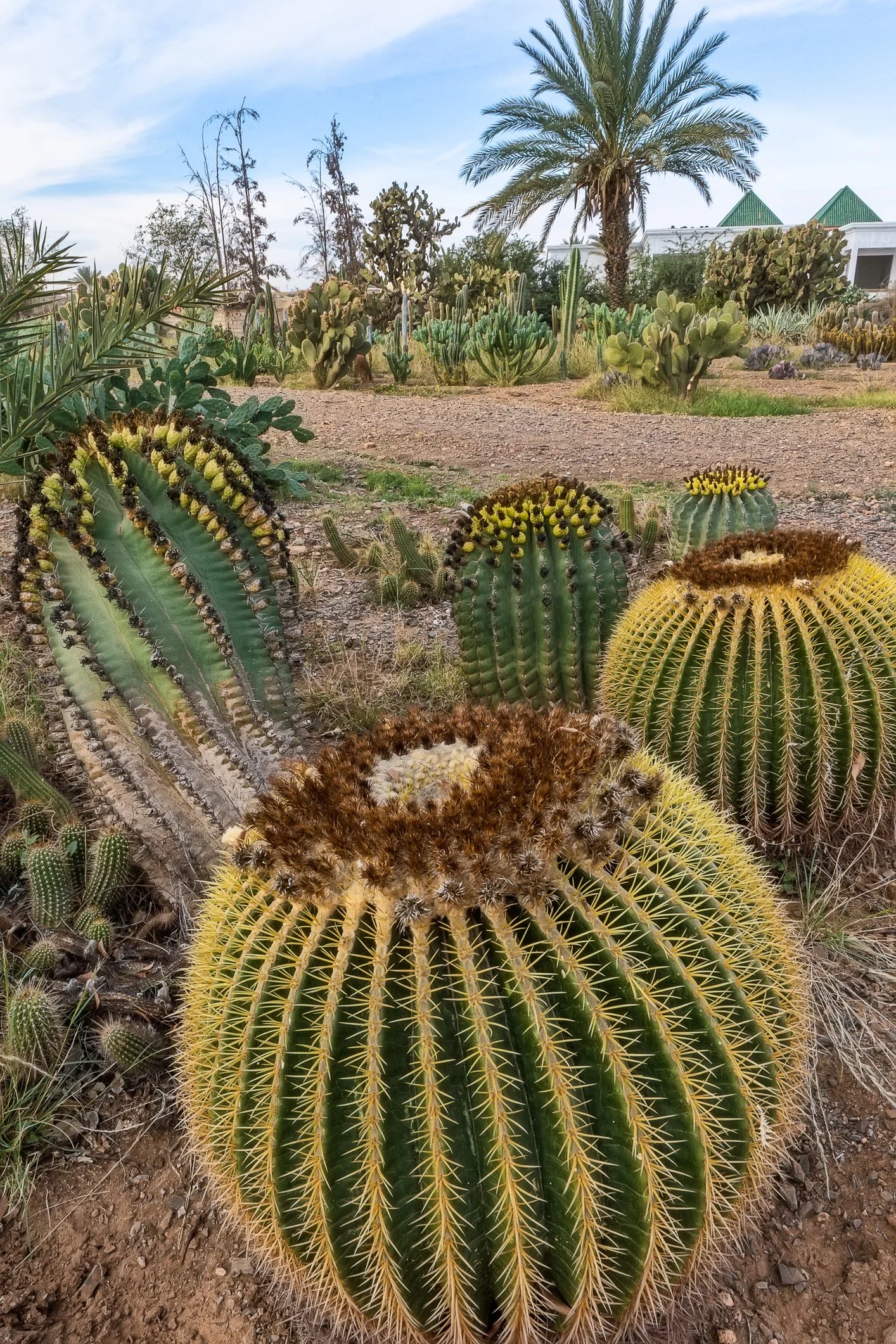
The scale is what makes this place notable. The site covers several hectares (figures vary depending on the source), with over 150 species of cacti and succulents. Many are mature specimens, some planted in the 1960s, so these are not decorative plants but fully grown desert flora. Columnar cacti reach several metres high, and there are dense groupings that resemble small forests rather than individual displays.

Największe wrażenie robi skala tego miejsca. Teren zajmuje kilka hektarów (dokładne dane różnią się w zależności od źródła) i rośnie tu ponad 150 gatunków kaktusów i sukulentów. Wiele z nich to dojrzałe okazy, sadzone jeszcze w latach 60-tych, więc nie są to małe rośliny ozdobne, tylko w pełni rozwinięta roślinność pustynna. Niektóre kaktusy osiągają kilka metrów wysokości, a ich skupiska przypominają raczej niewielki las niż klasyczny ogród.

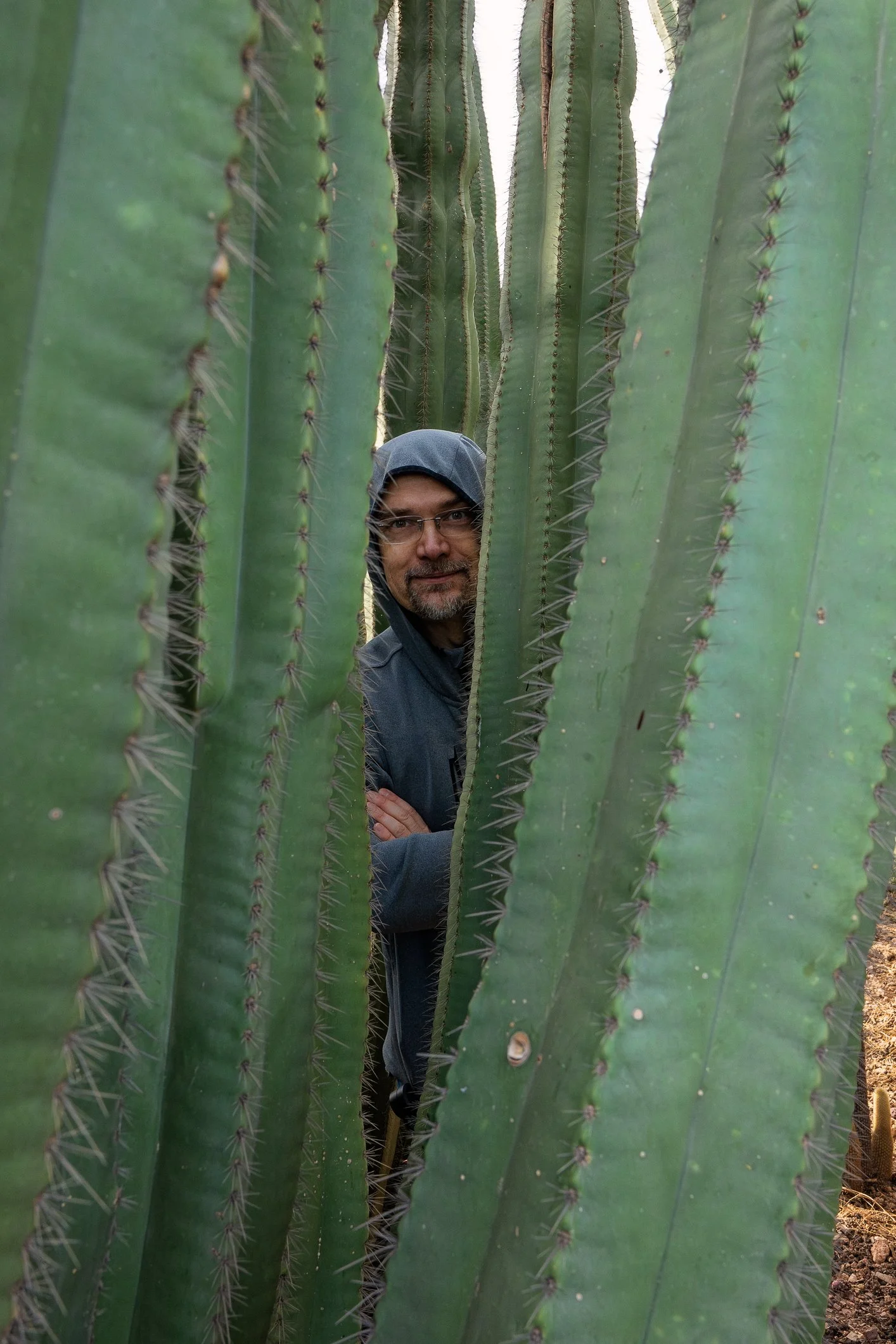
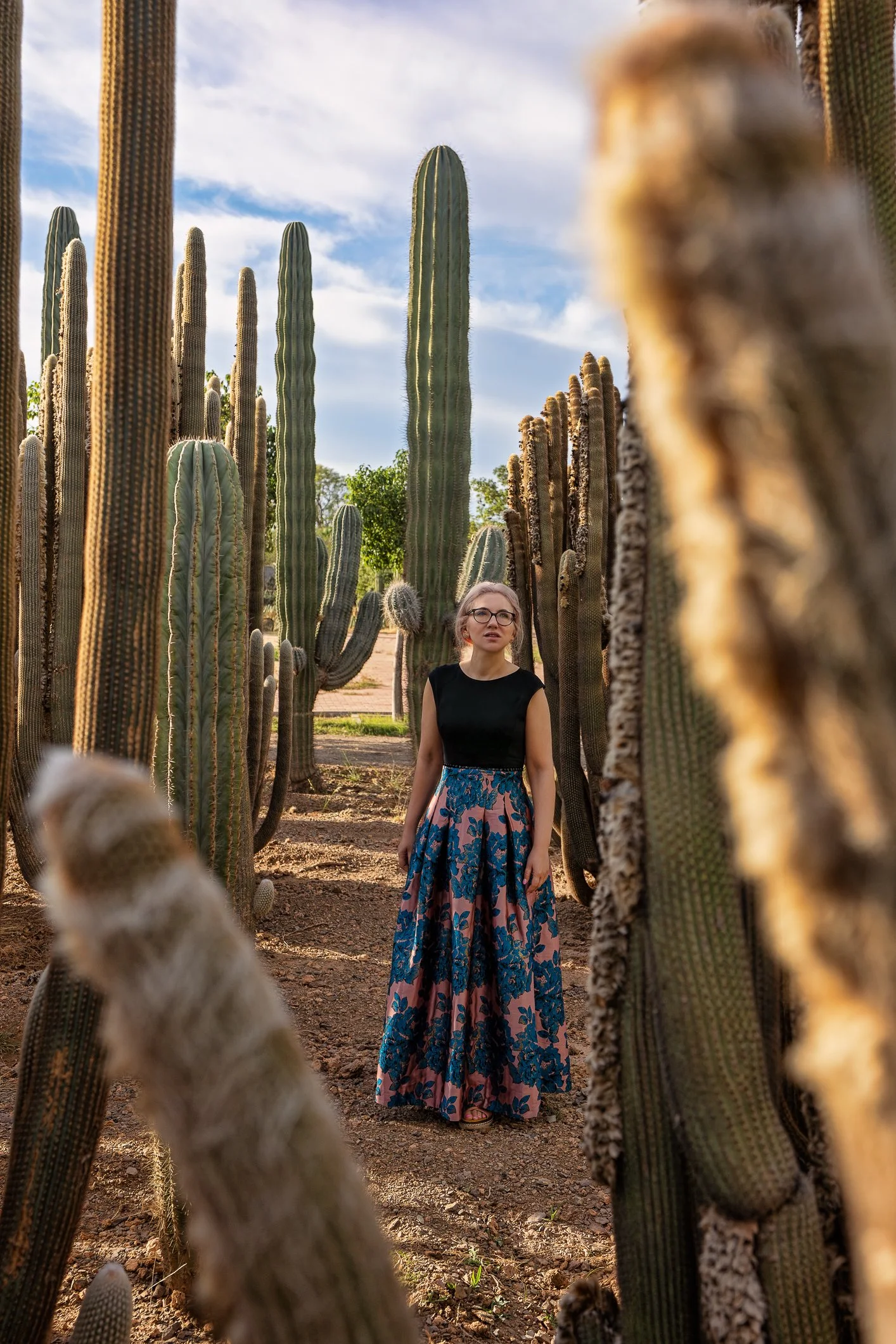
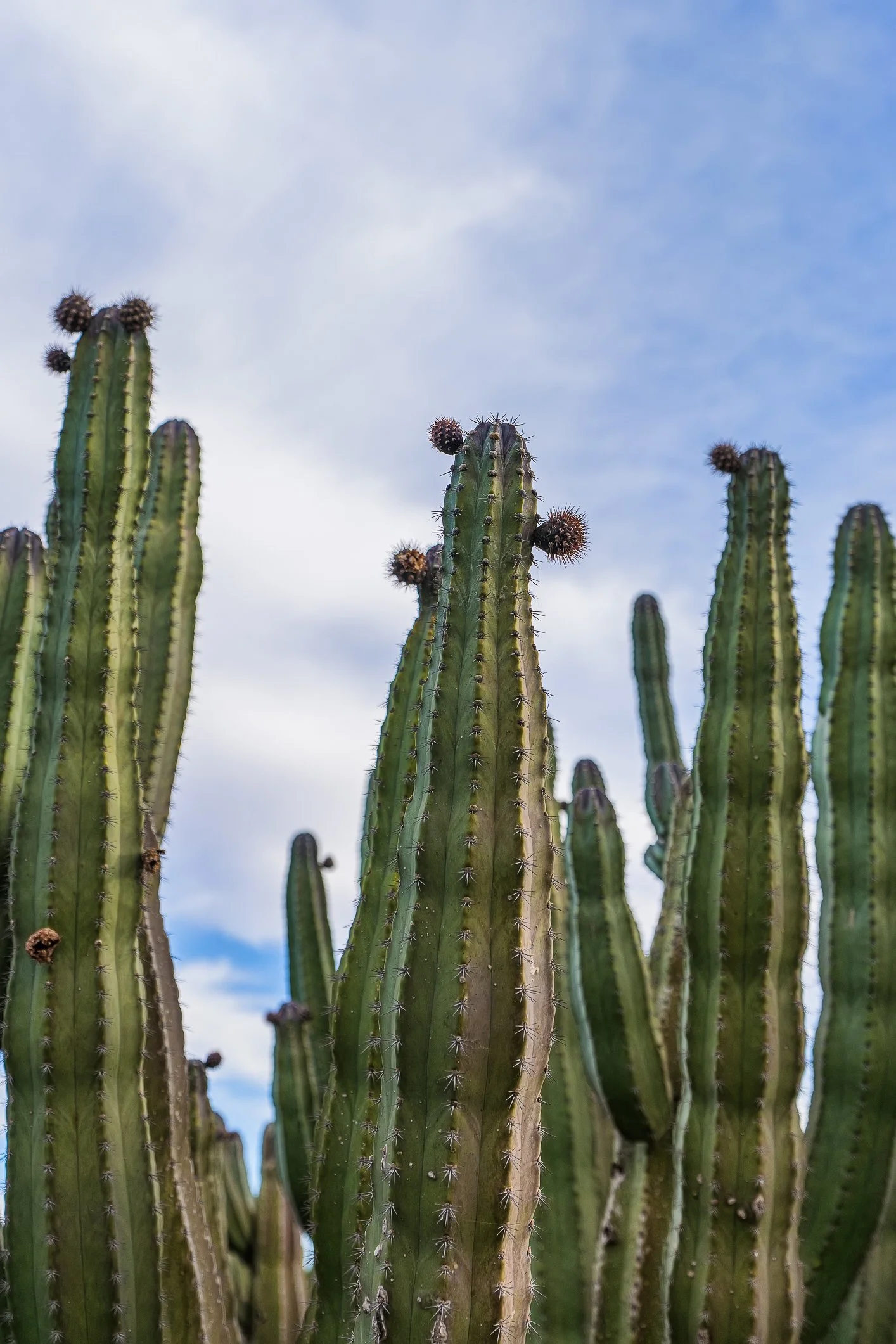
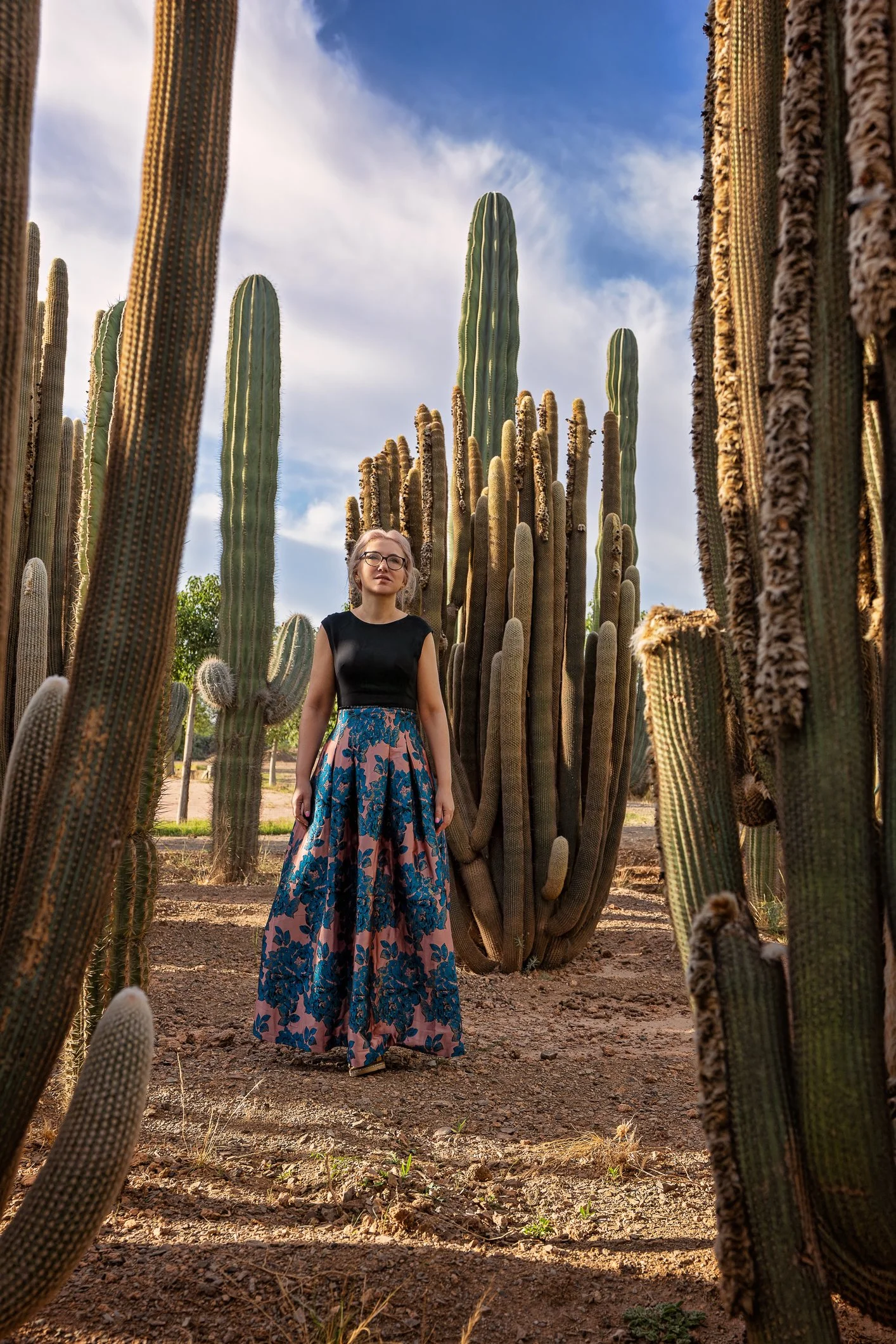
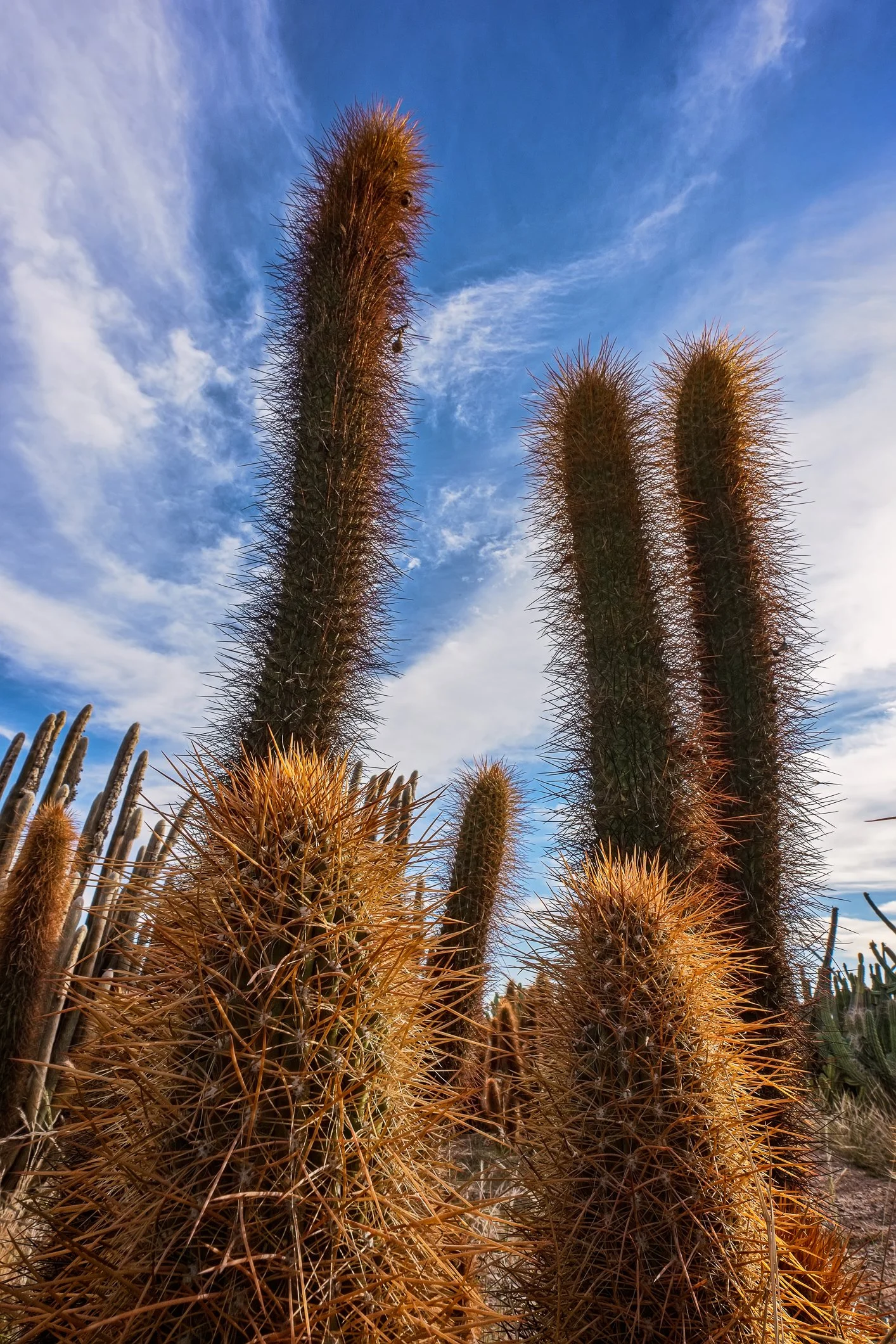
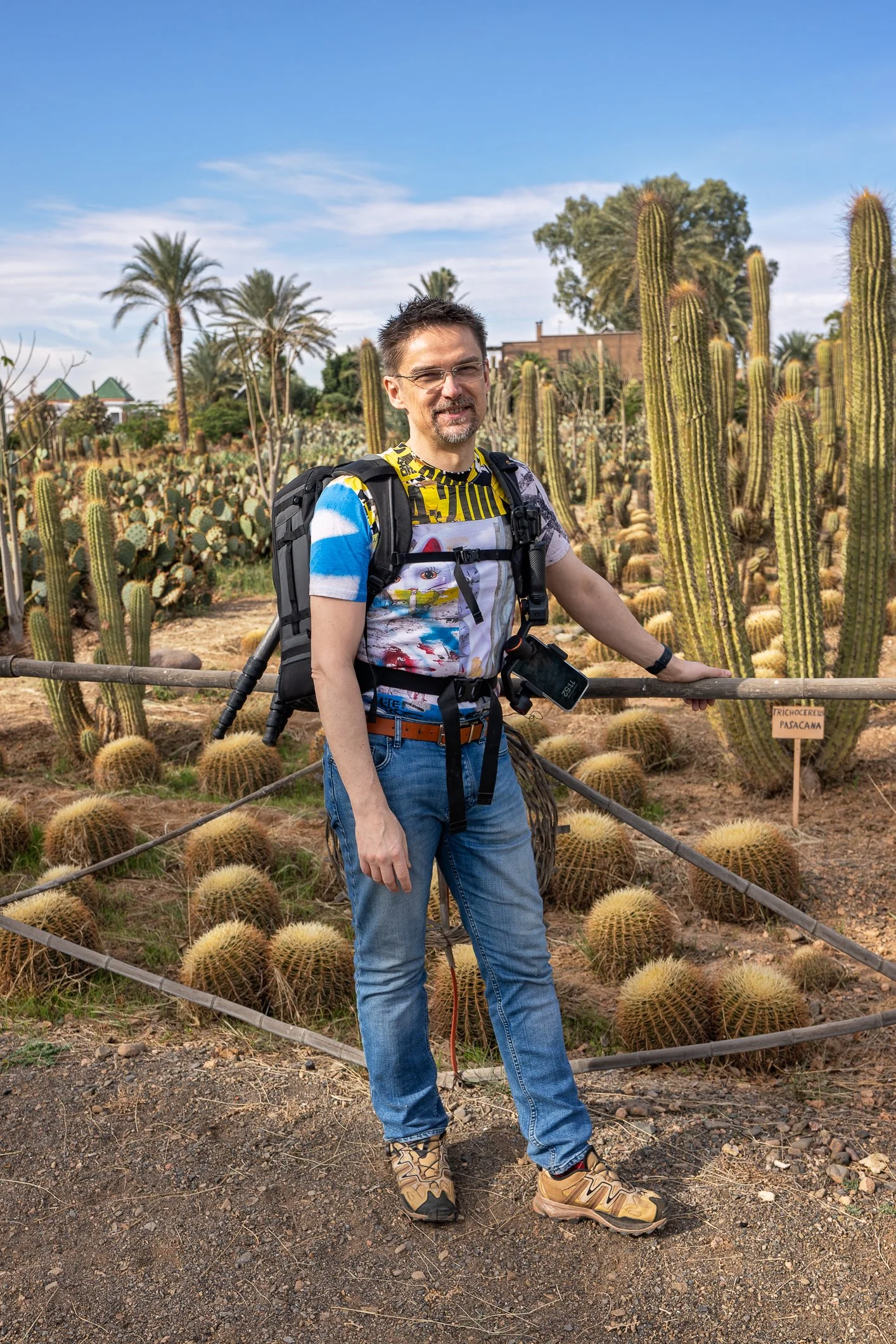
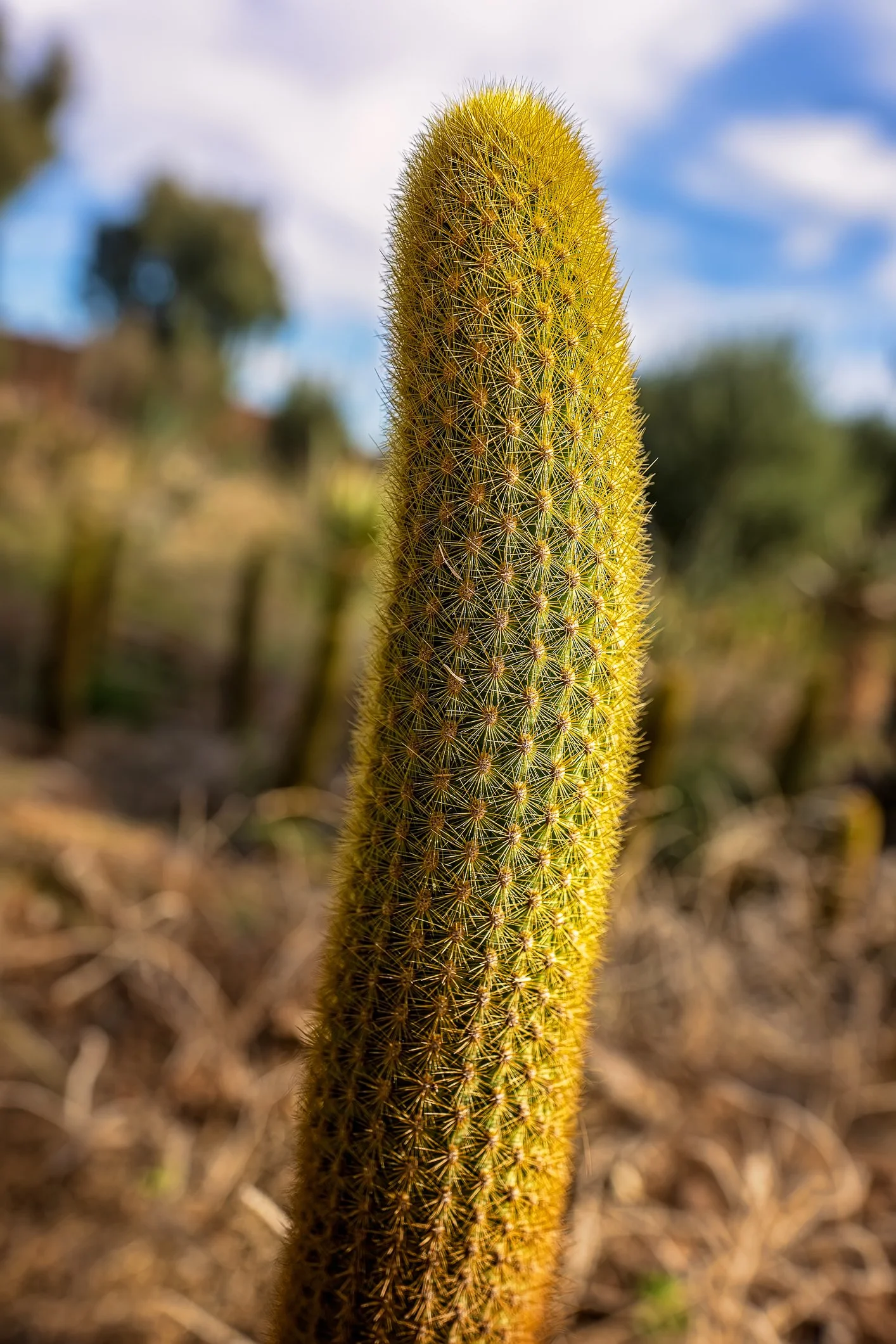
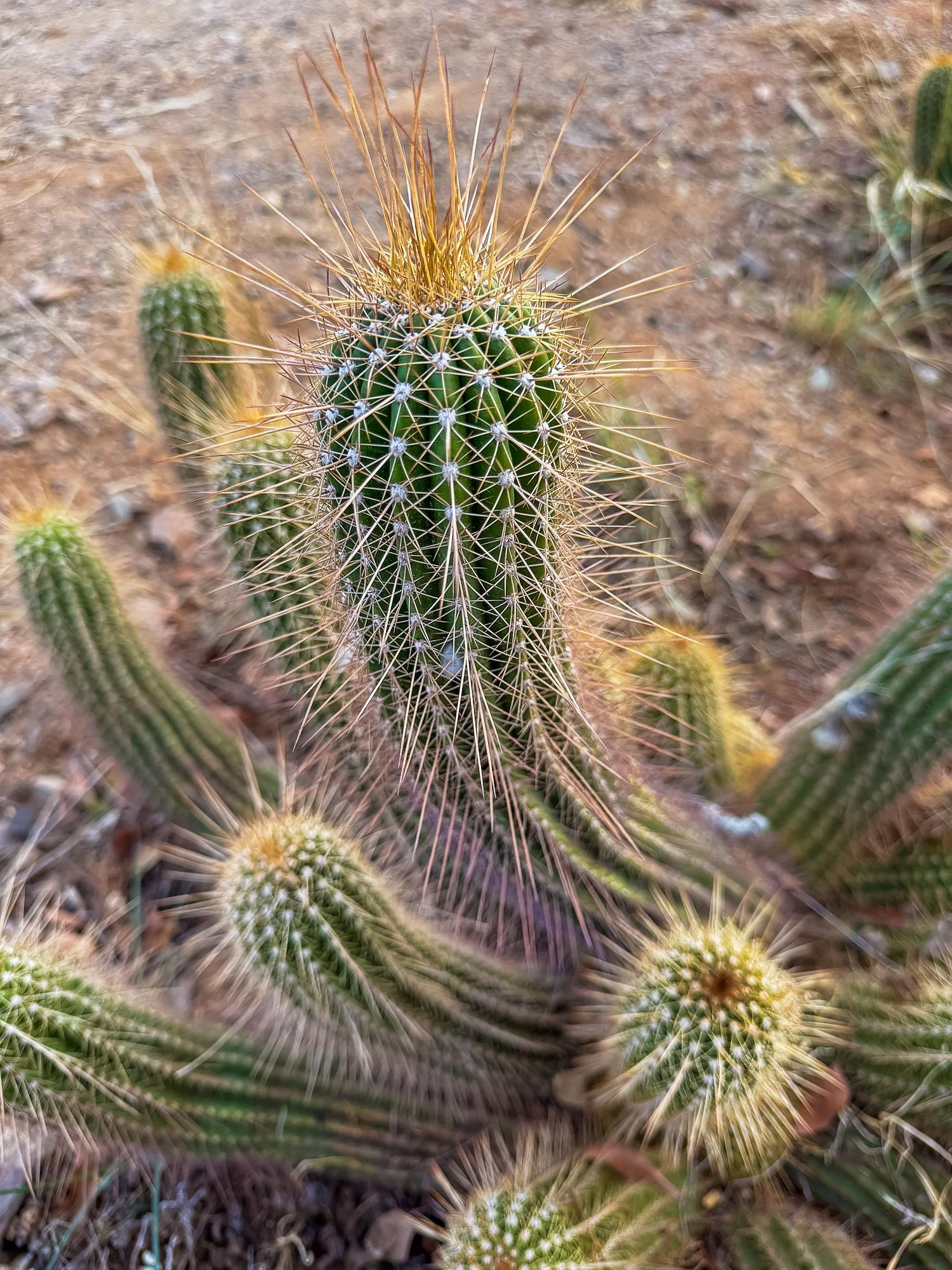
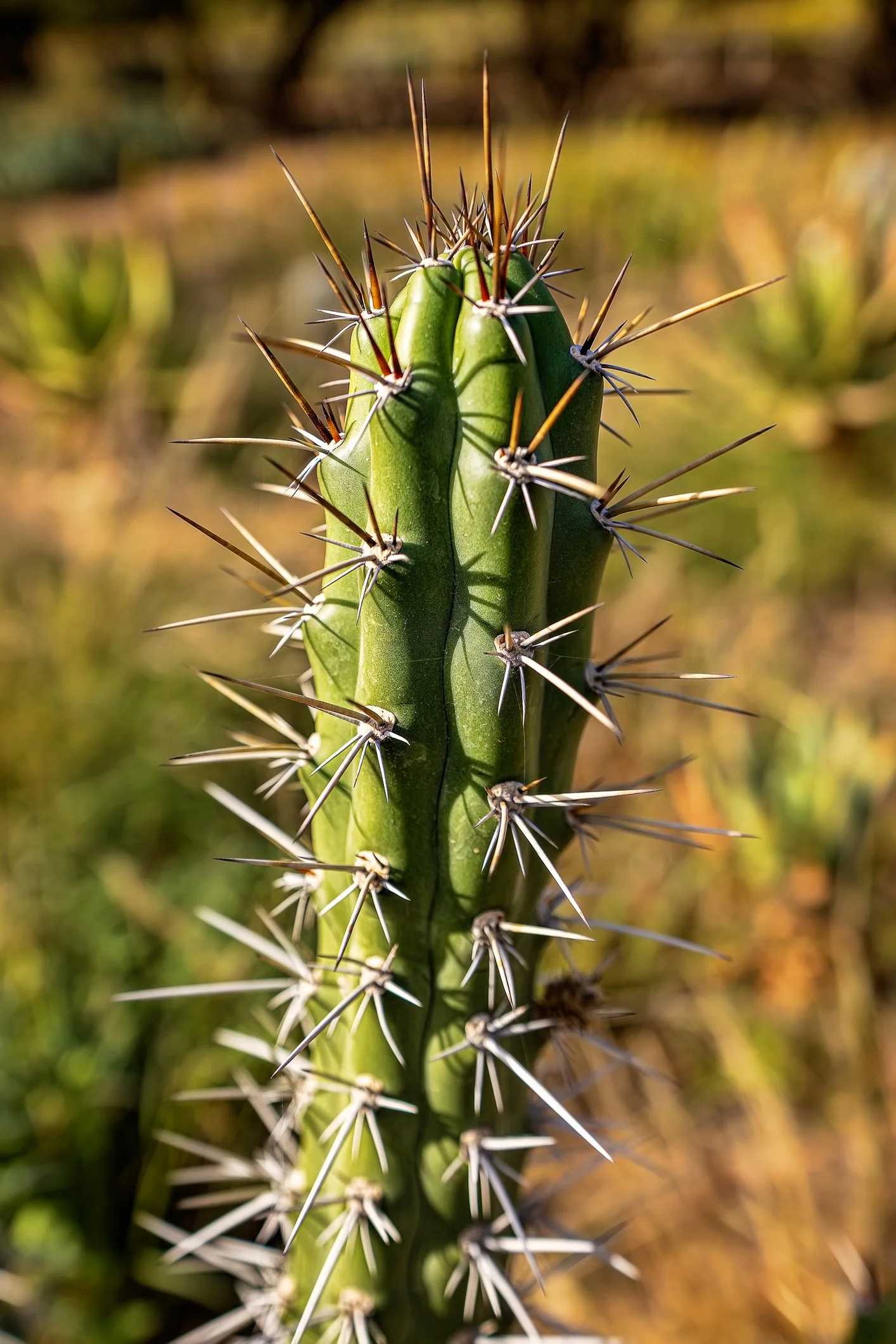
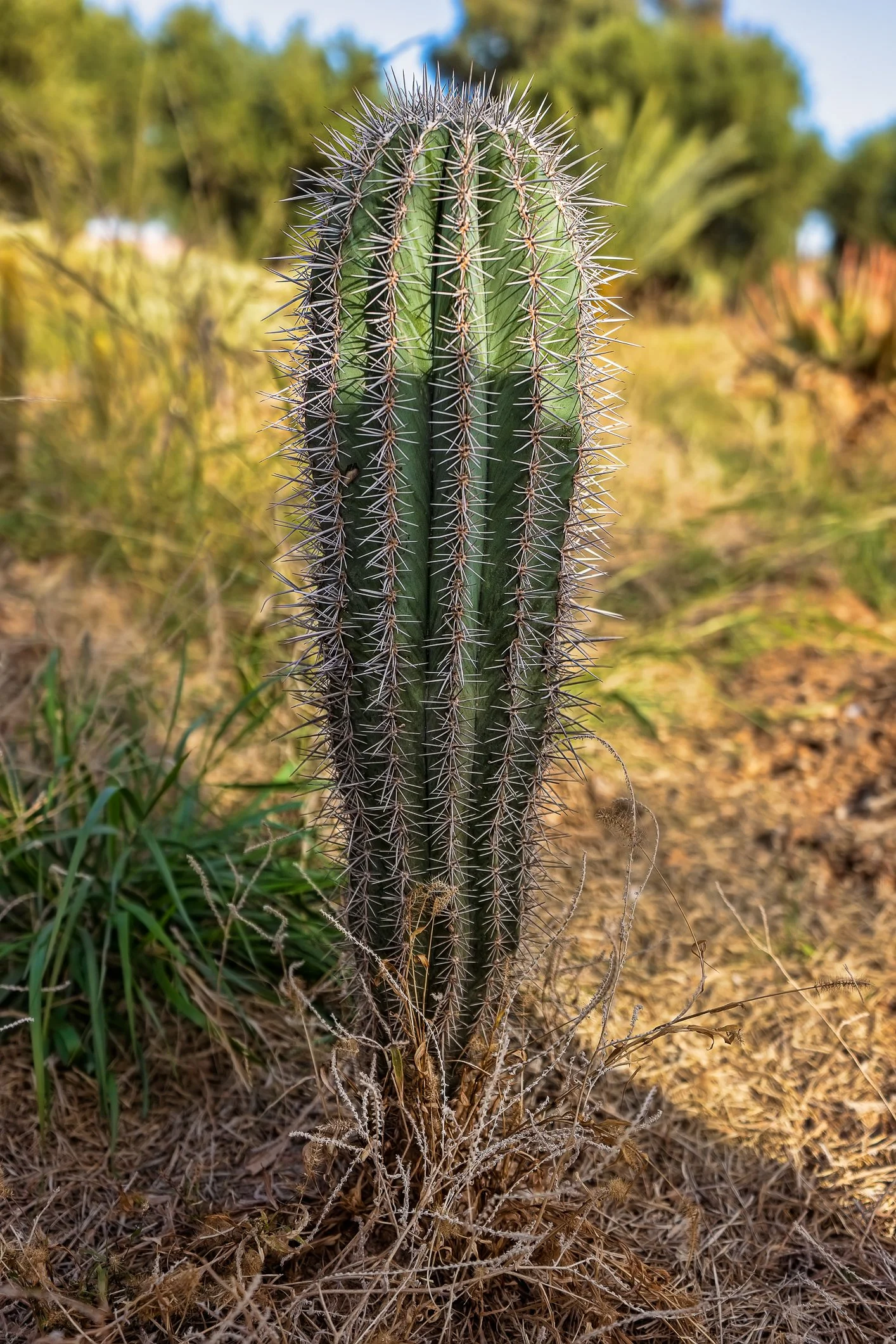
As we walk through the garden, the most striking plants are the tall, tree-like cacti. These include species from genera such as Pachycereus and Carnegiea, which can grow several metres high and create the impression of a cactus “forest.” Some of these are among the oldest plants on the site.
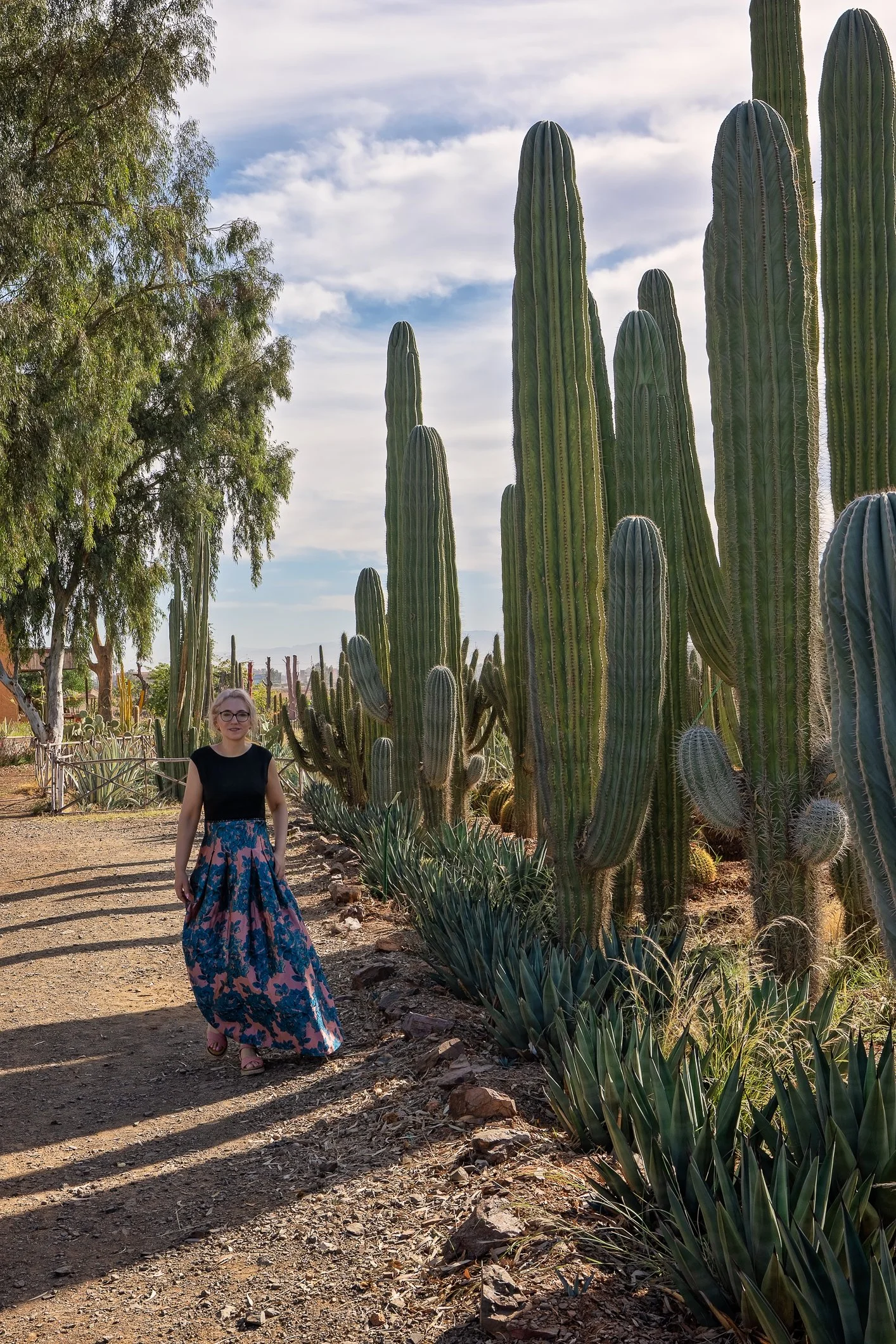
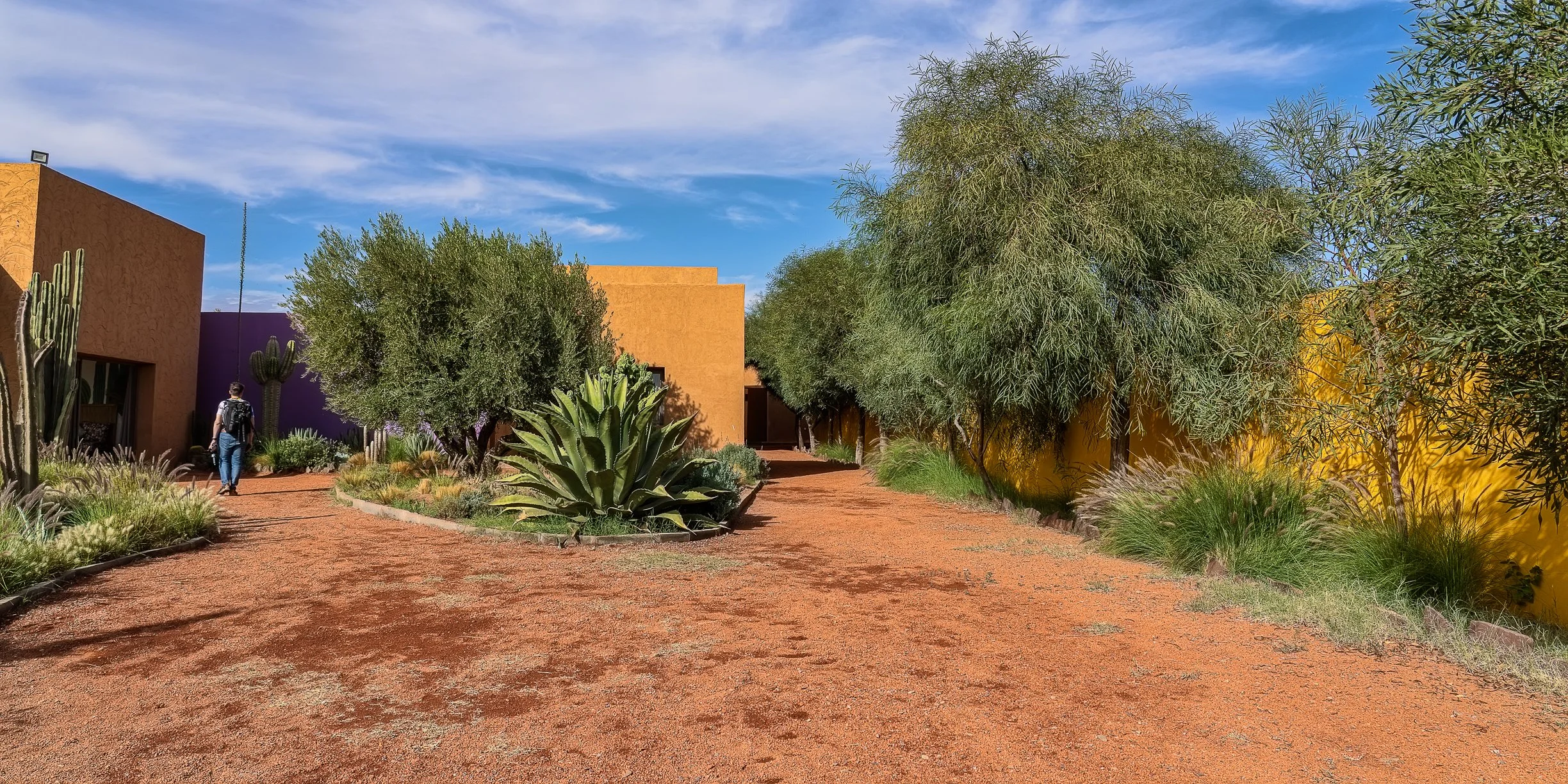
 

Spacerując po ogrodzie, największe wrażenie robią wysokie, drzewiaste kaktusy. Należą między innymi do rodzajów Pachycereus i Carnegiea, które mogą osiągać imponujące rozmiary i tworzą efekt „kaktusowego lasu”. To jedne z najstarszych roślin w całej kolekcji.

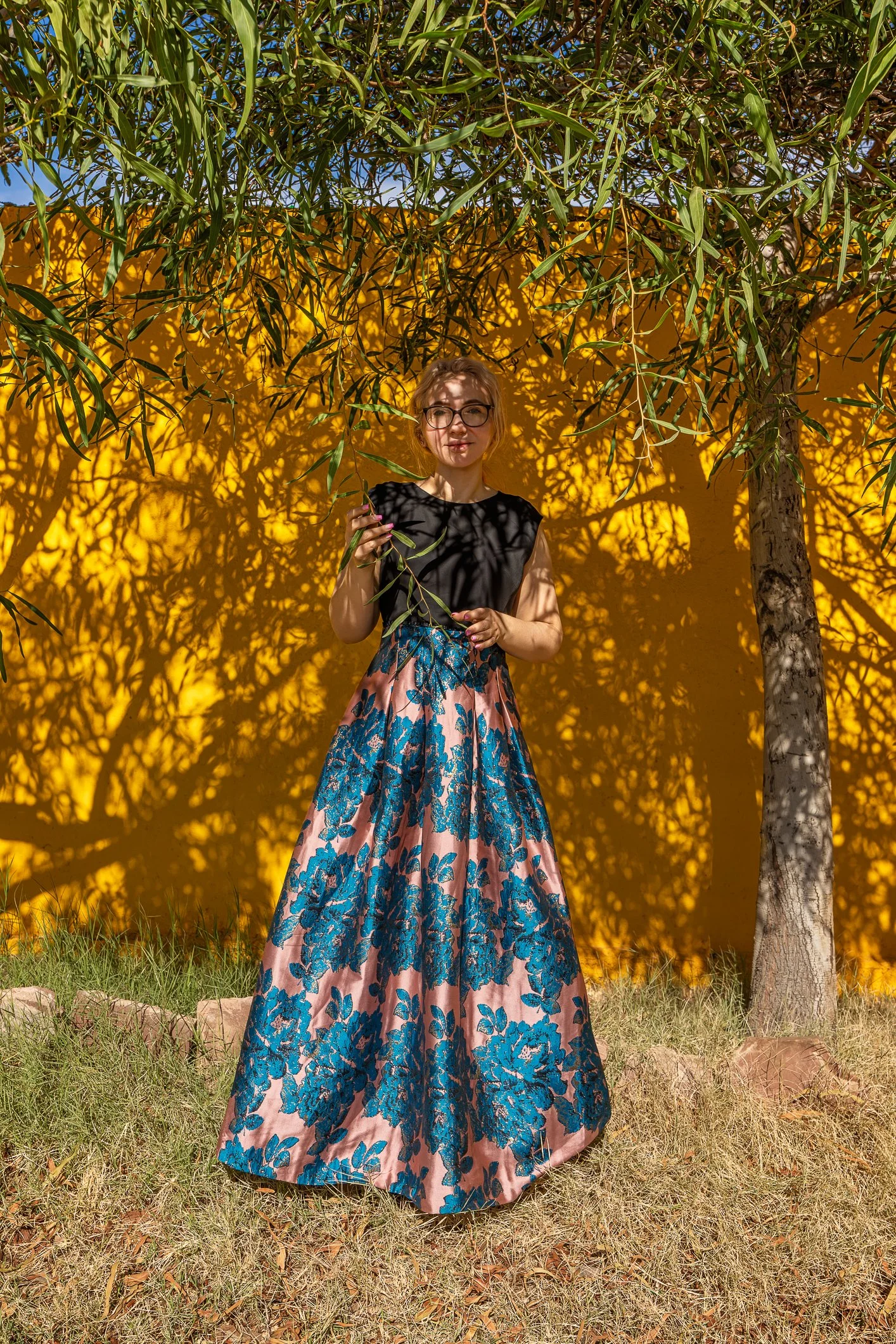
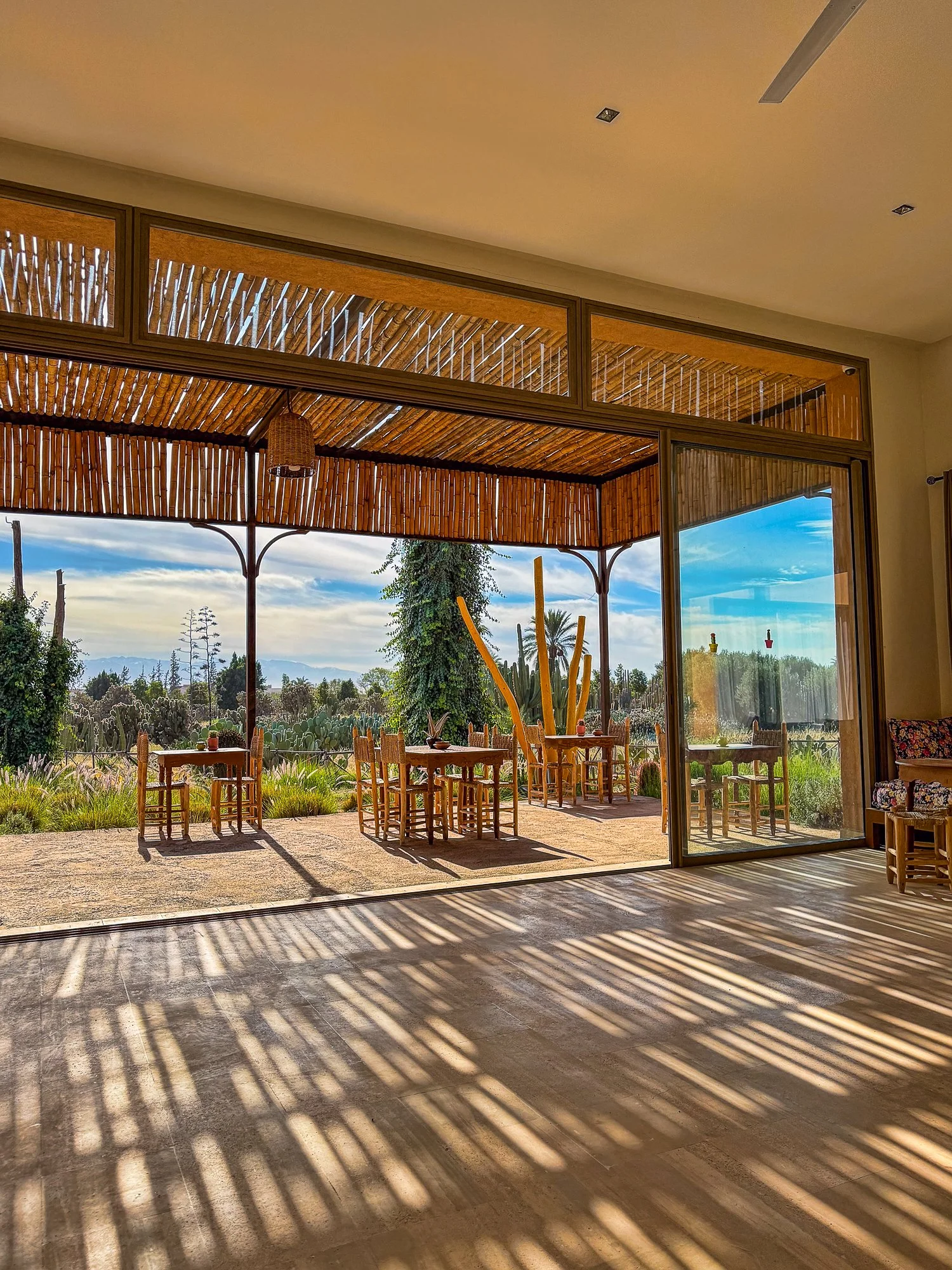
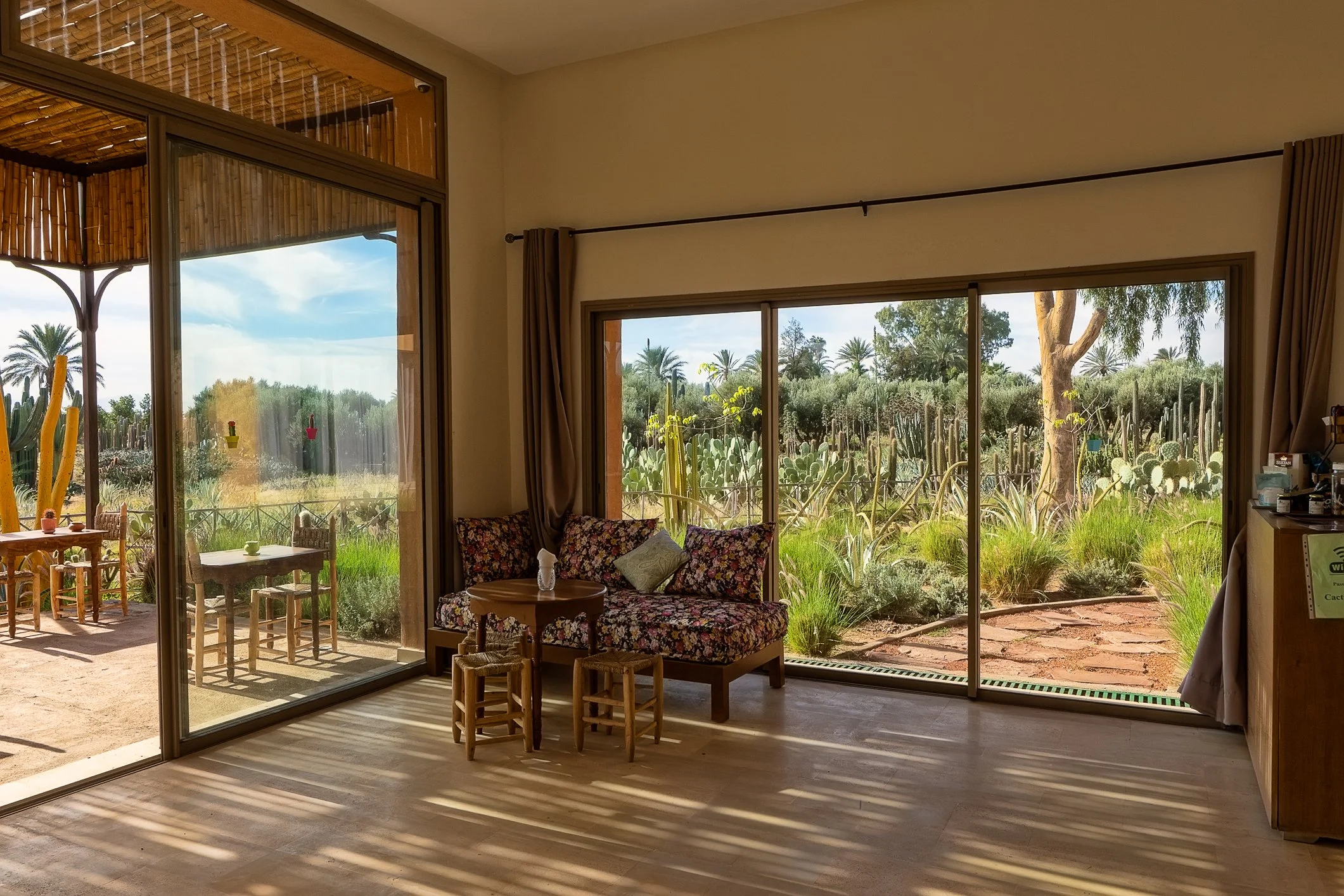
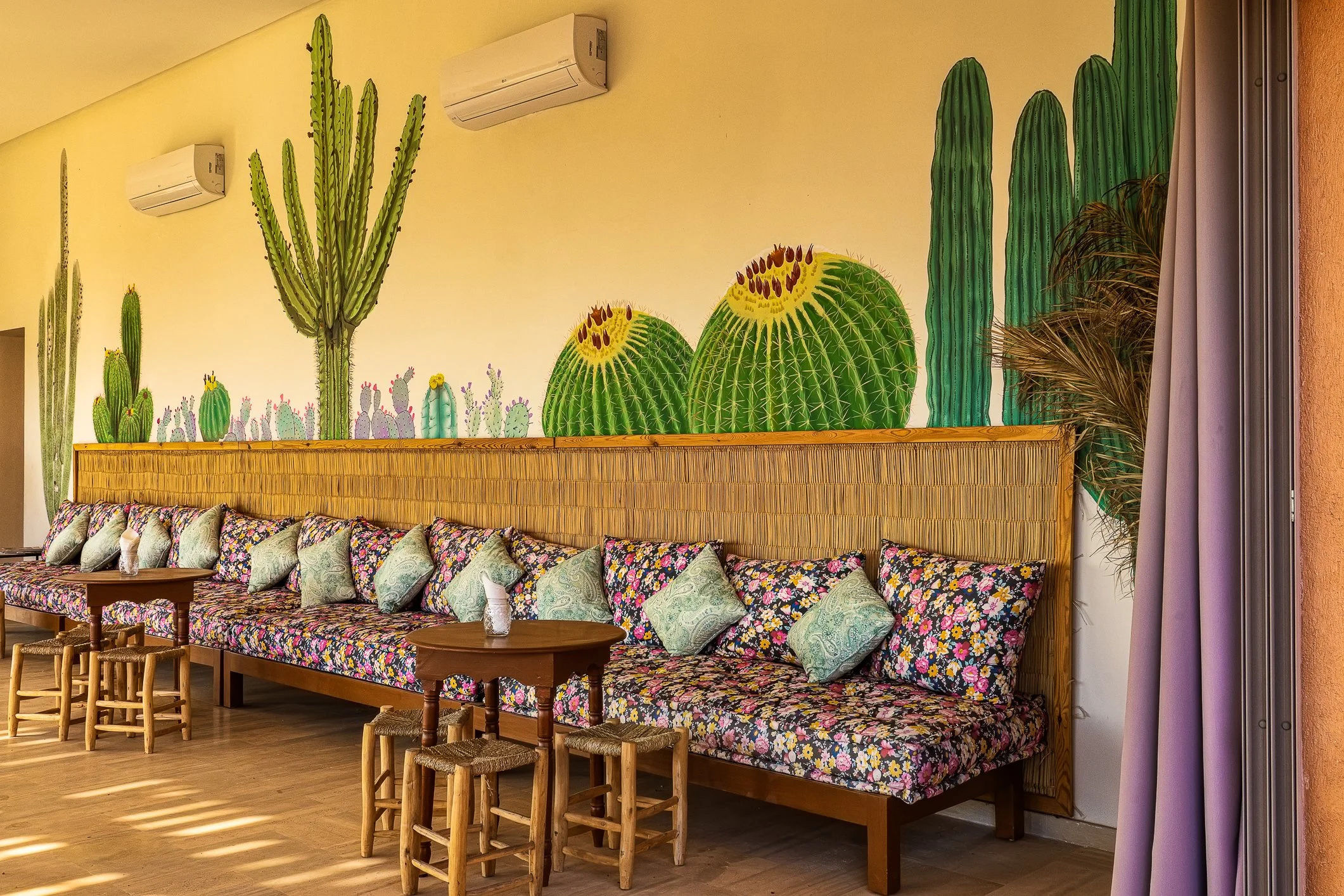
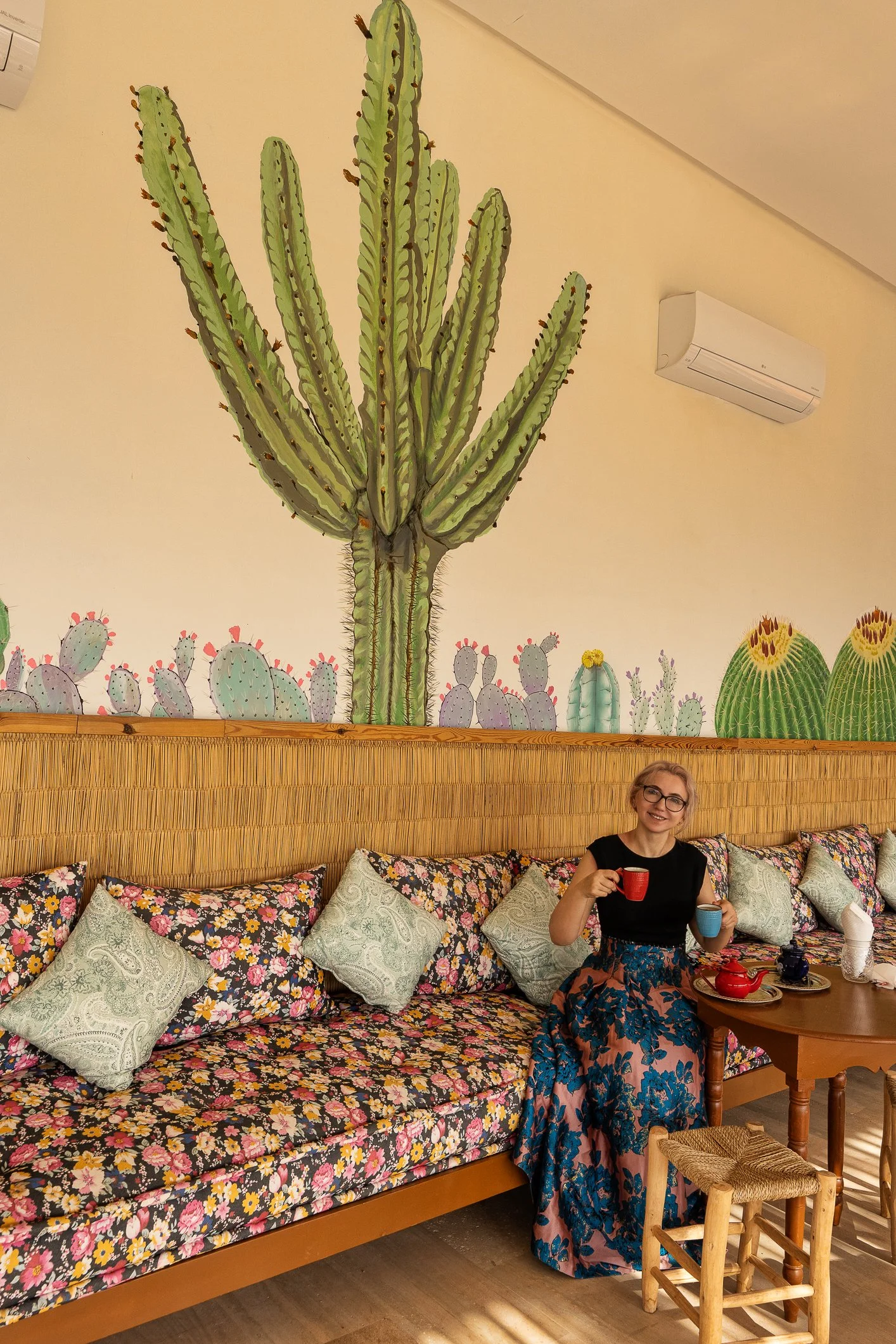
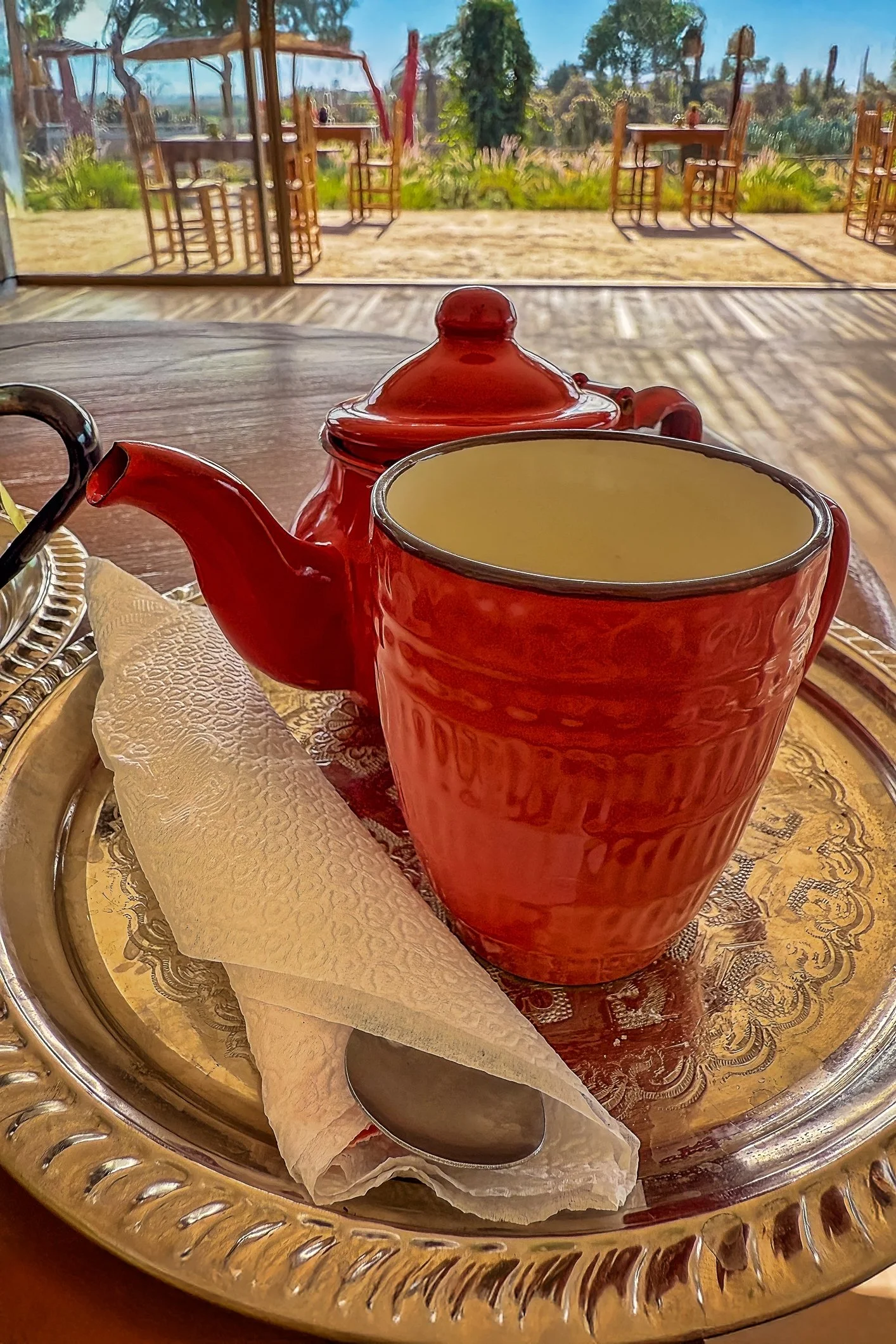
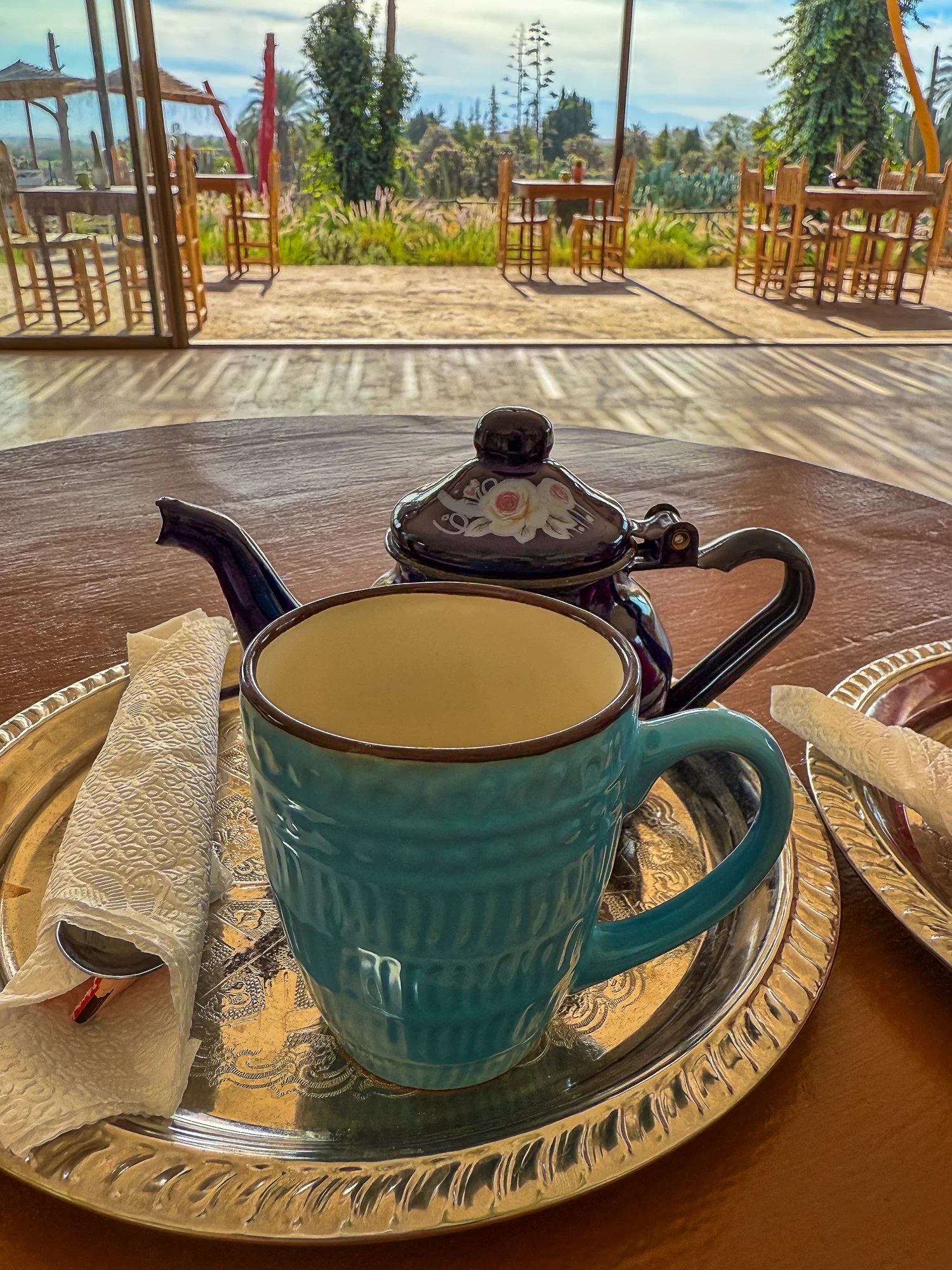
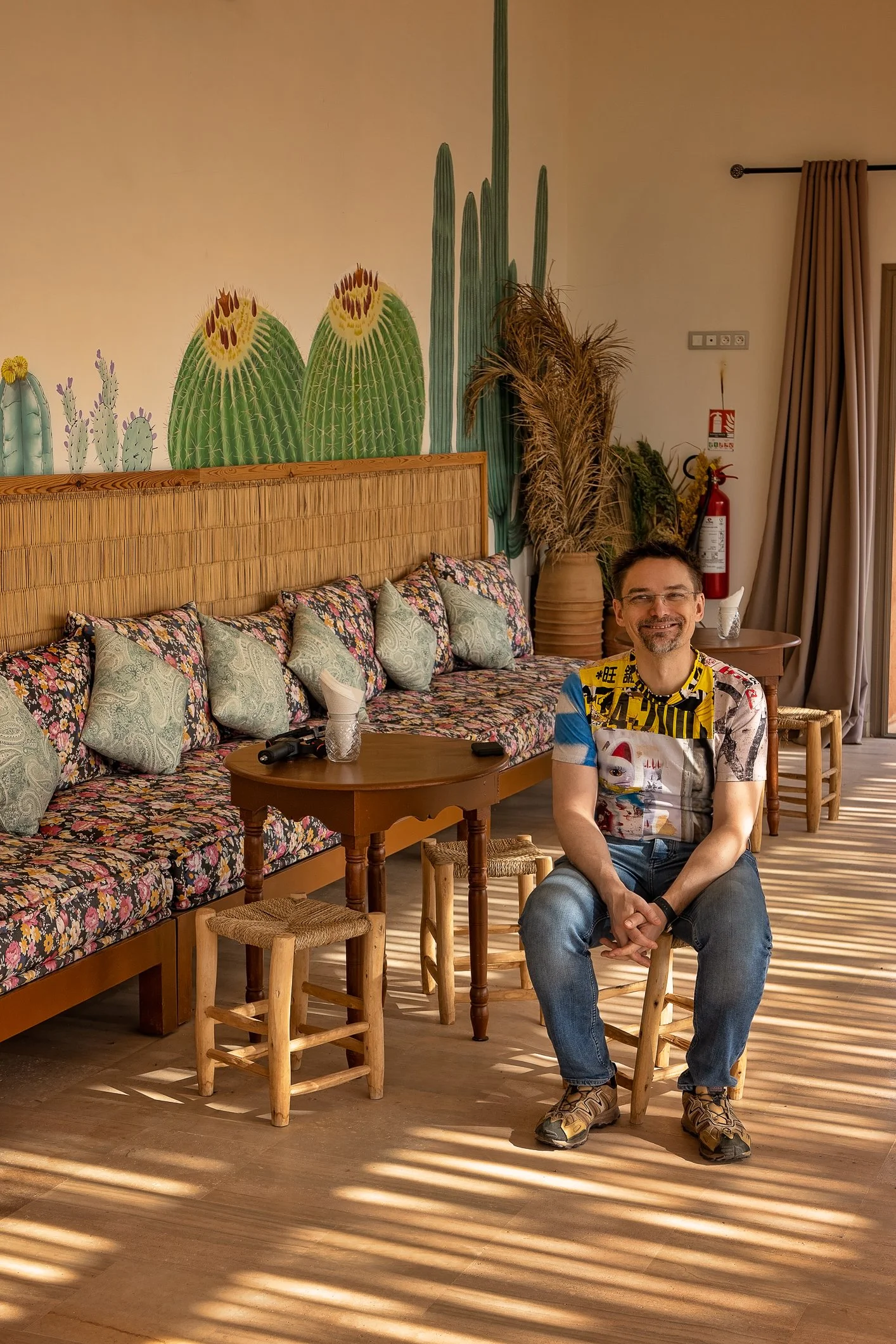
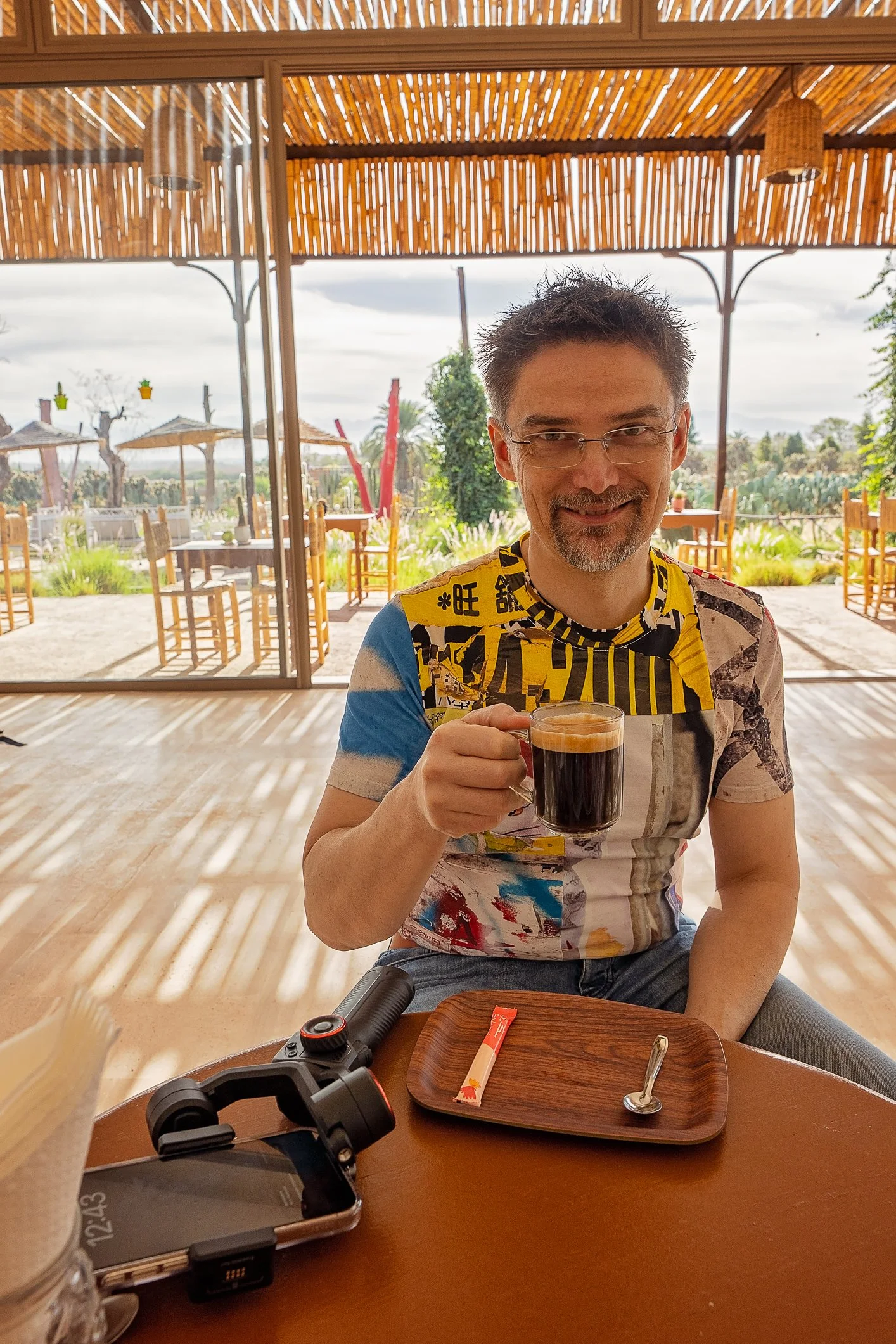
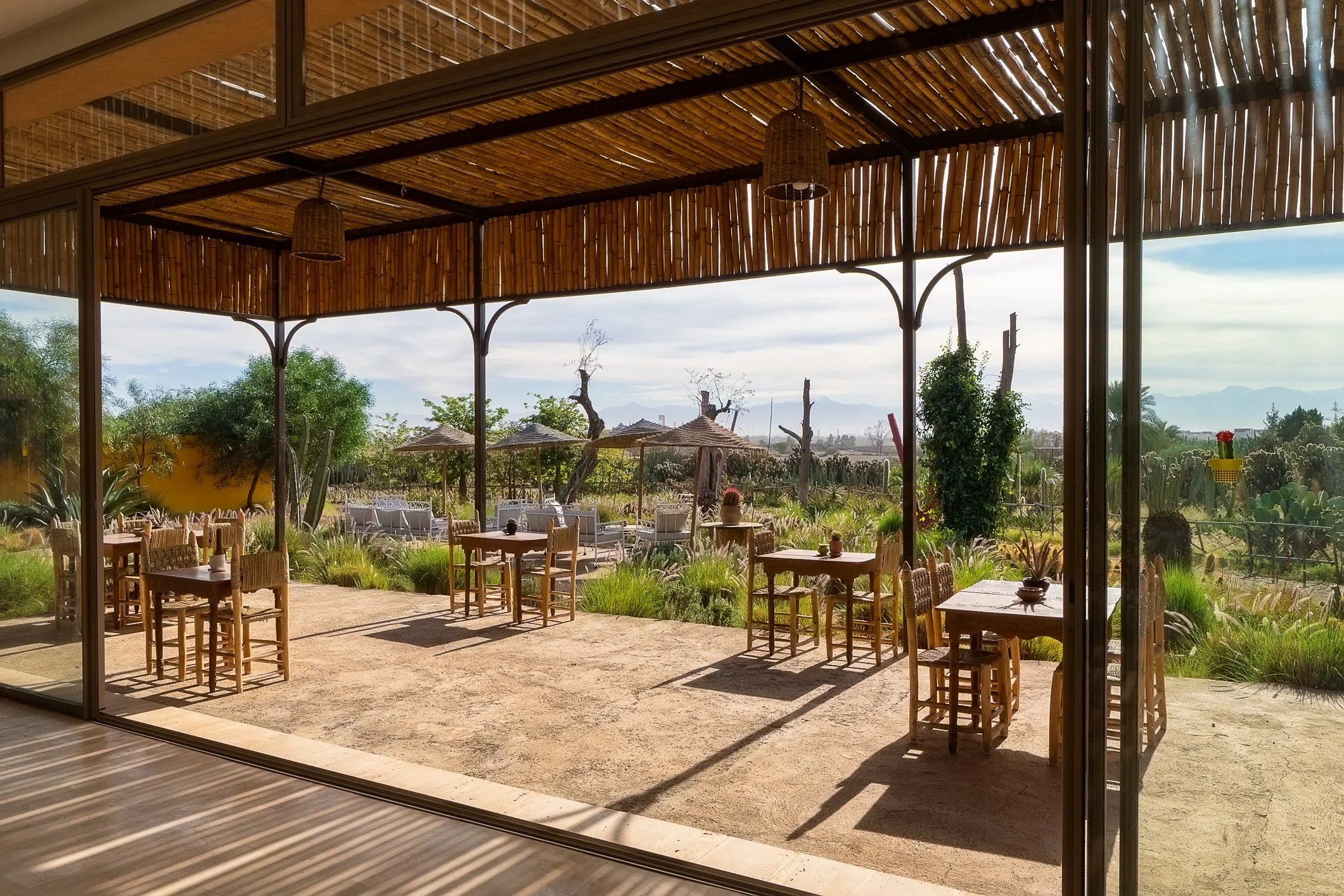
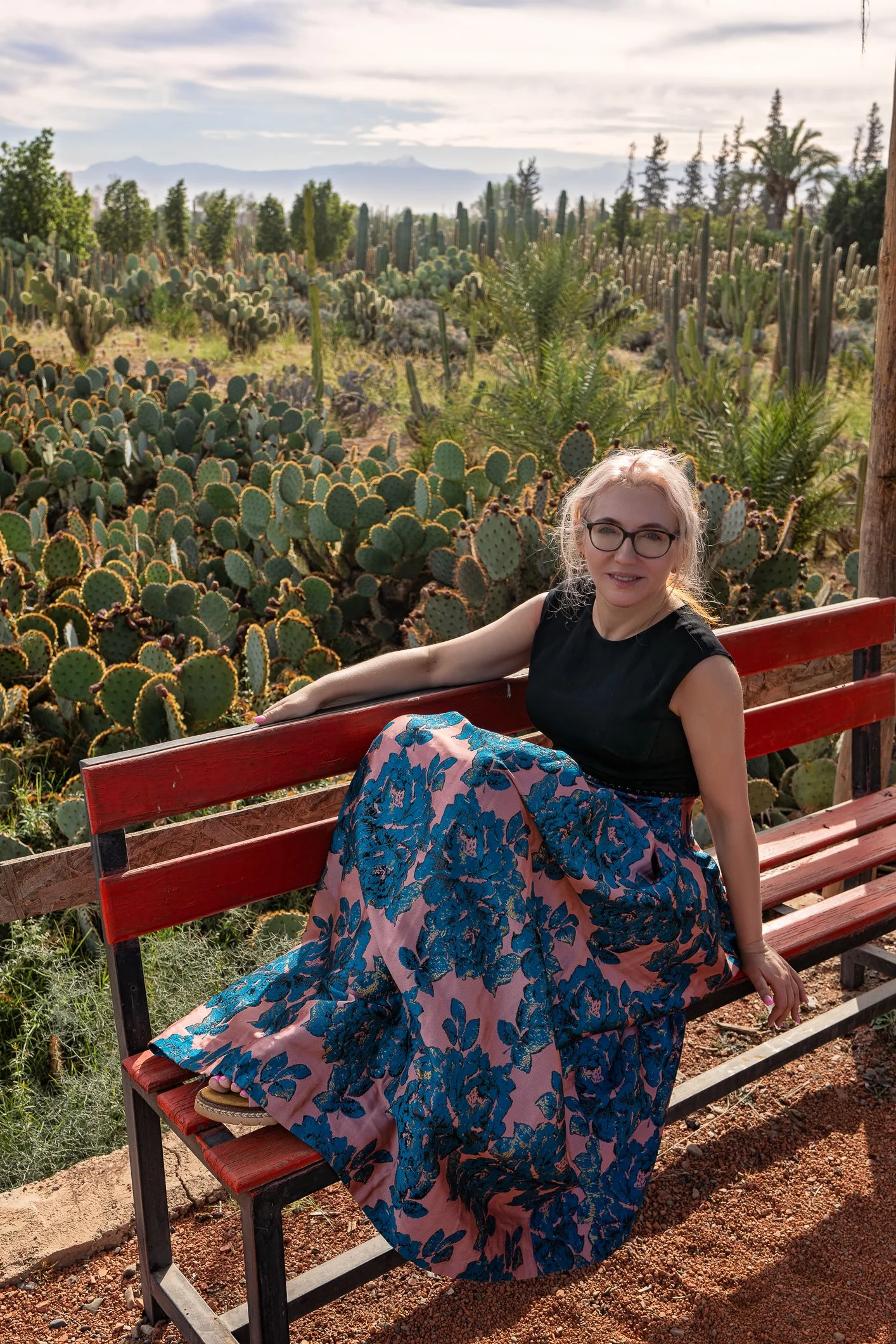
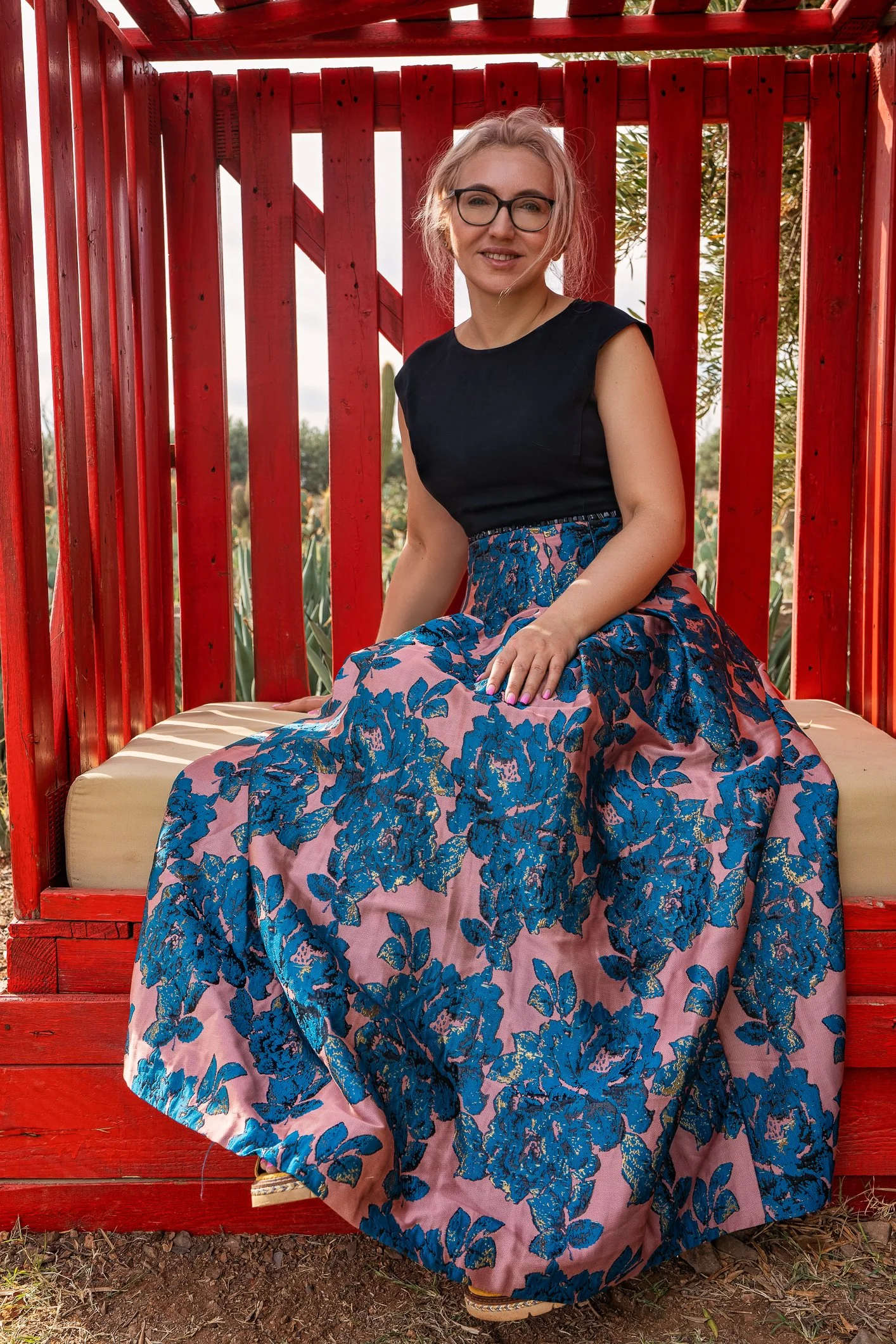
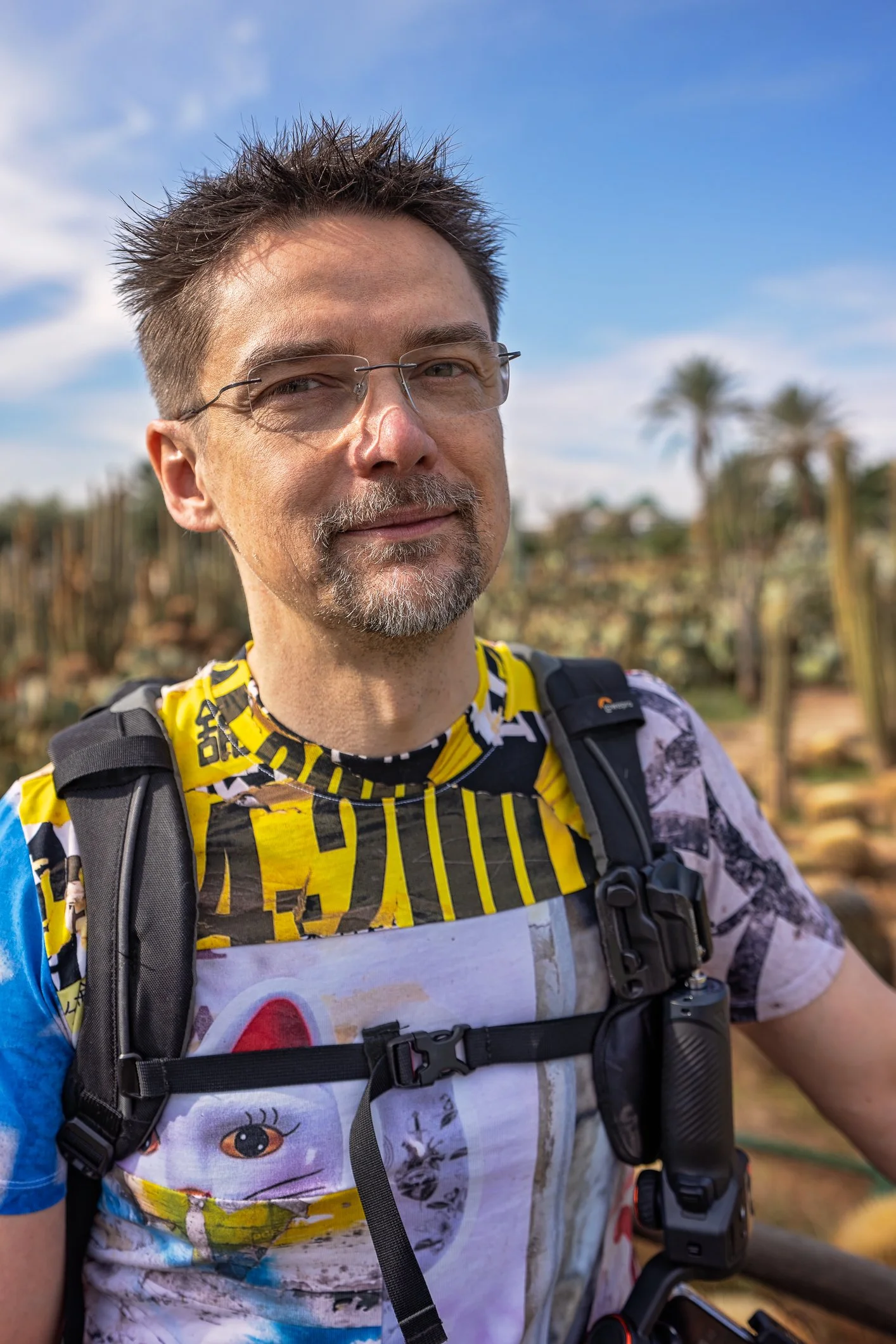
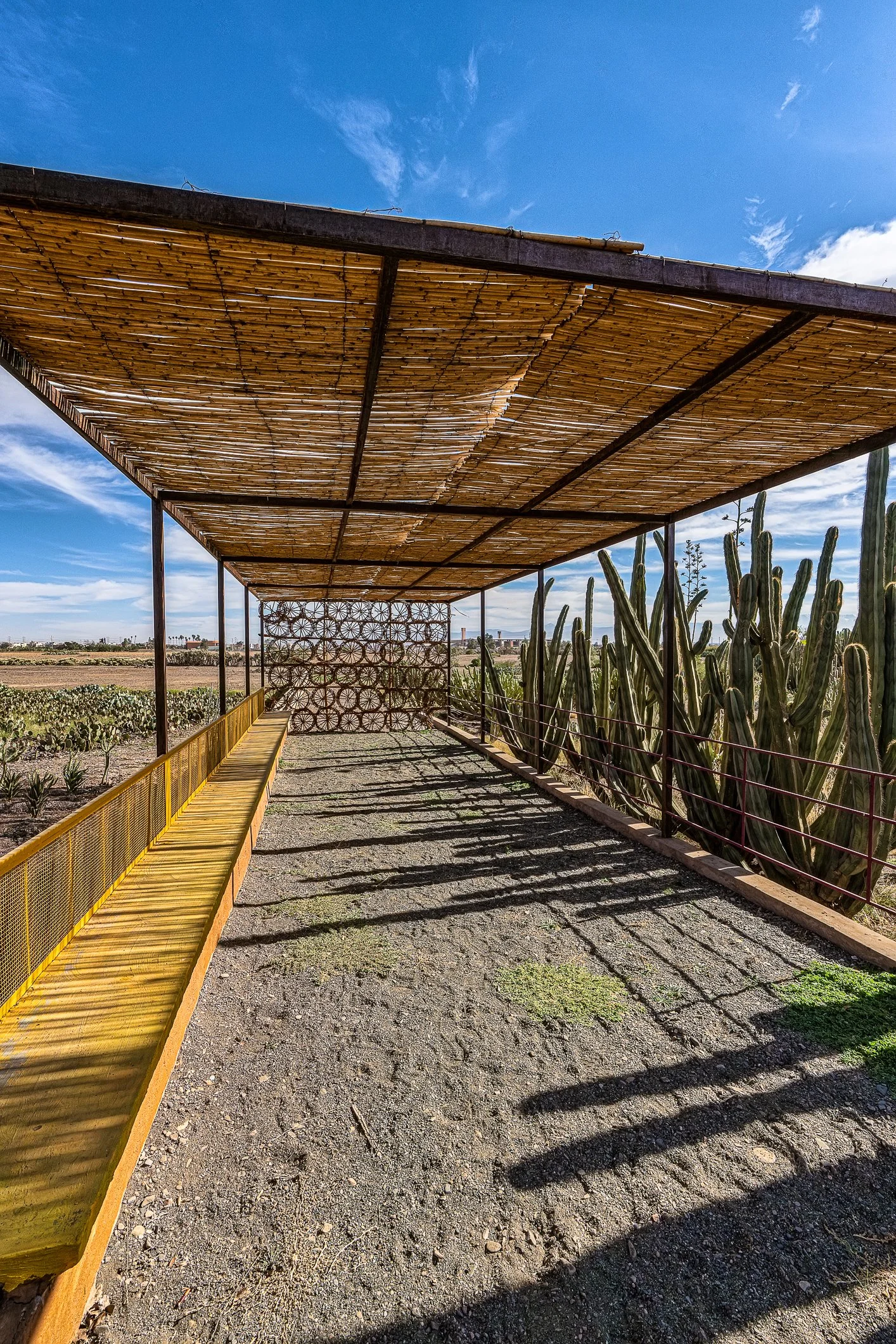
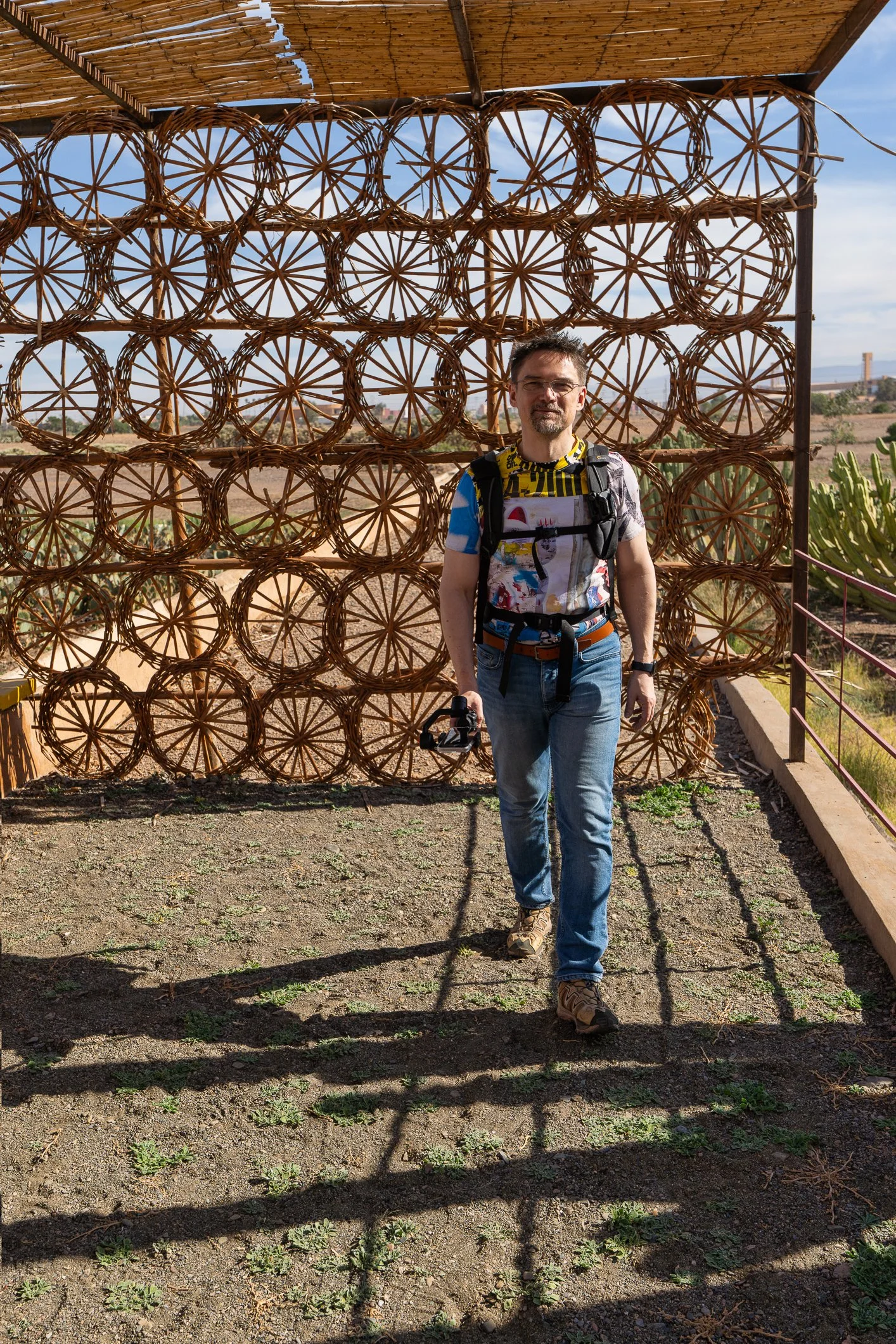
For a couple of hours, we meander through this “forest,” taking pictures and admiring the landscape. As the sun climbs higher, the day becomes hotter, and we retreat to the on-site café to rehydrate. The café is really charming, with light and shadow creating beautiful patterns, and it offers a commanding view over the garden.

Przez dobre kilka godzin spacerujemy po kaktusowym lesie, robimy zdjęcia i po prostu chłoniemy ten krajobraz. Tymczasem słonce wspina się po nieboskłonie i zaczyna przygrzewać więc udajemy się do kawiarni na terenie ogrodu w celu nawodnienia. Kafejka jest naprawdę urokliwa - gra światła i cienia tworzy piękne wzory w jej wnętrzu, a widok na ogród tylko dodaje klimatu.

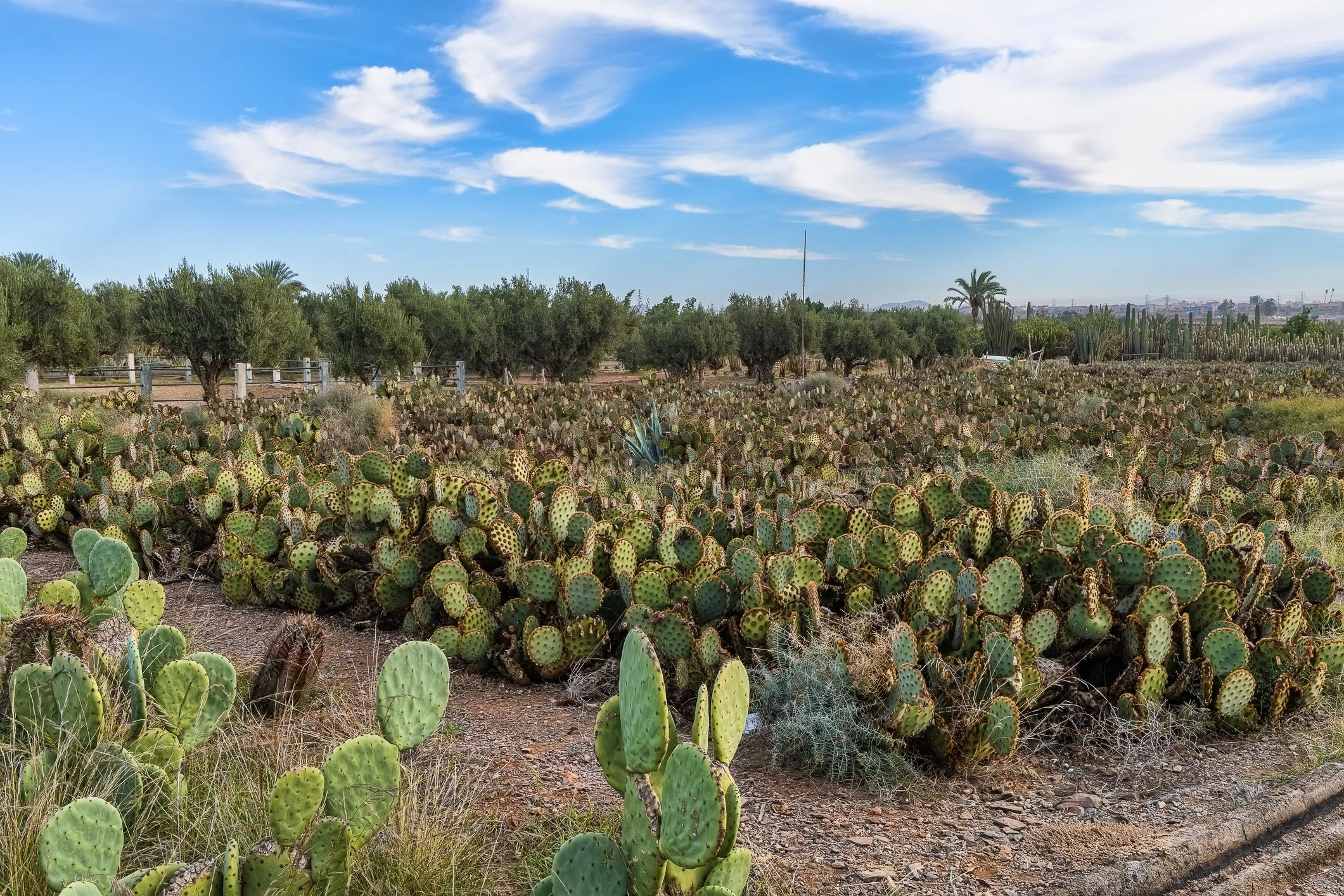
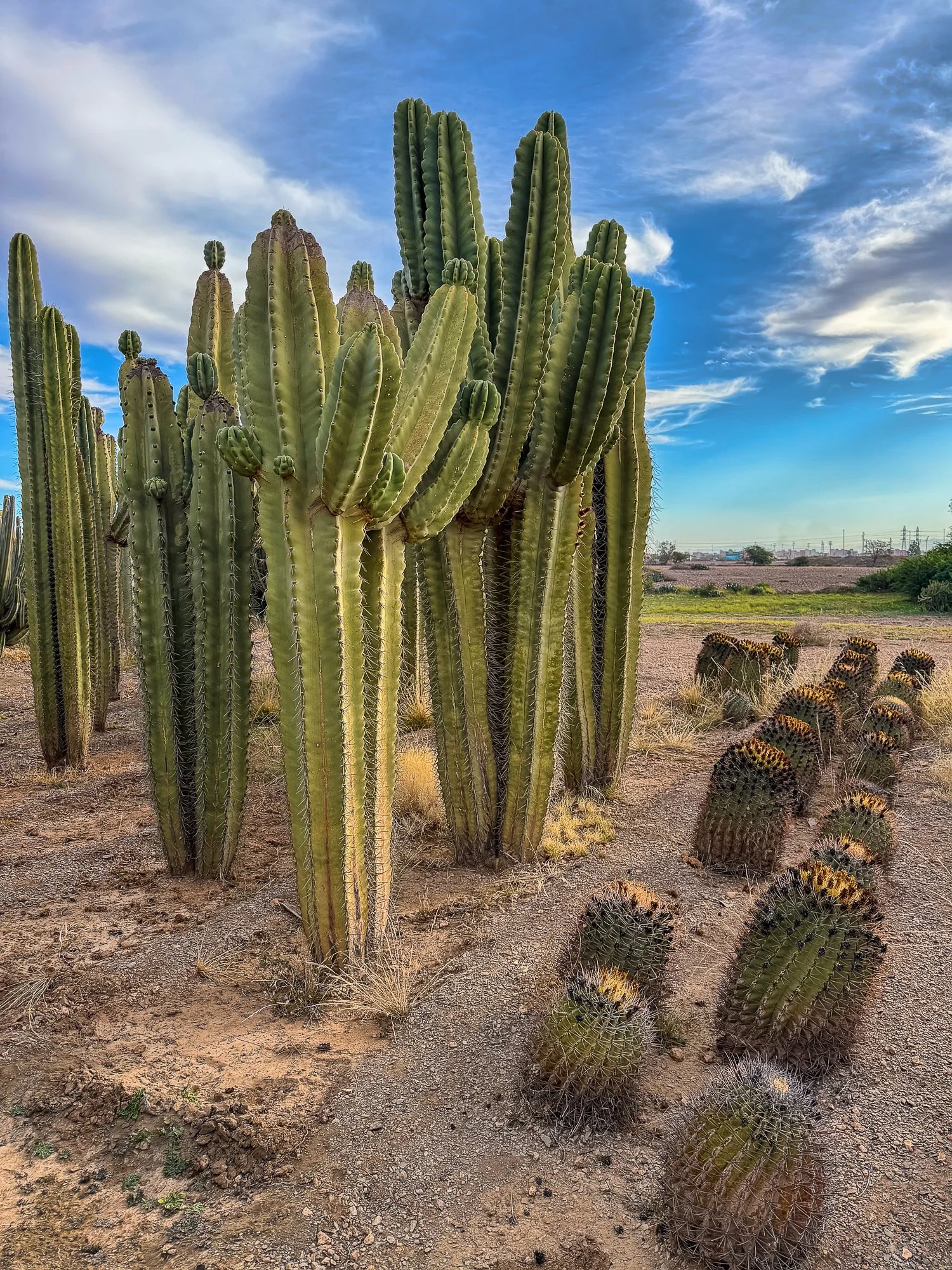
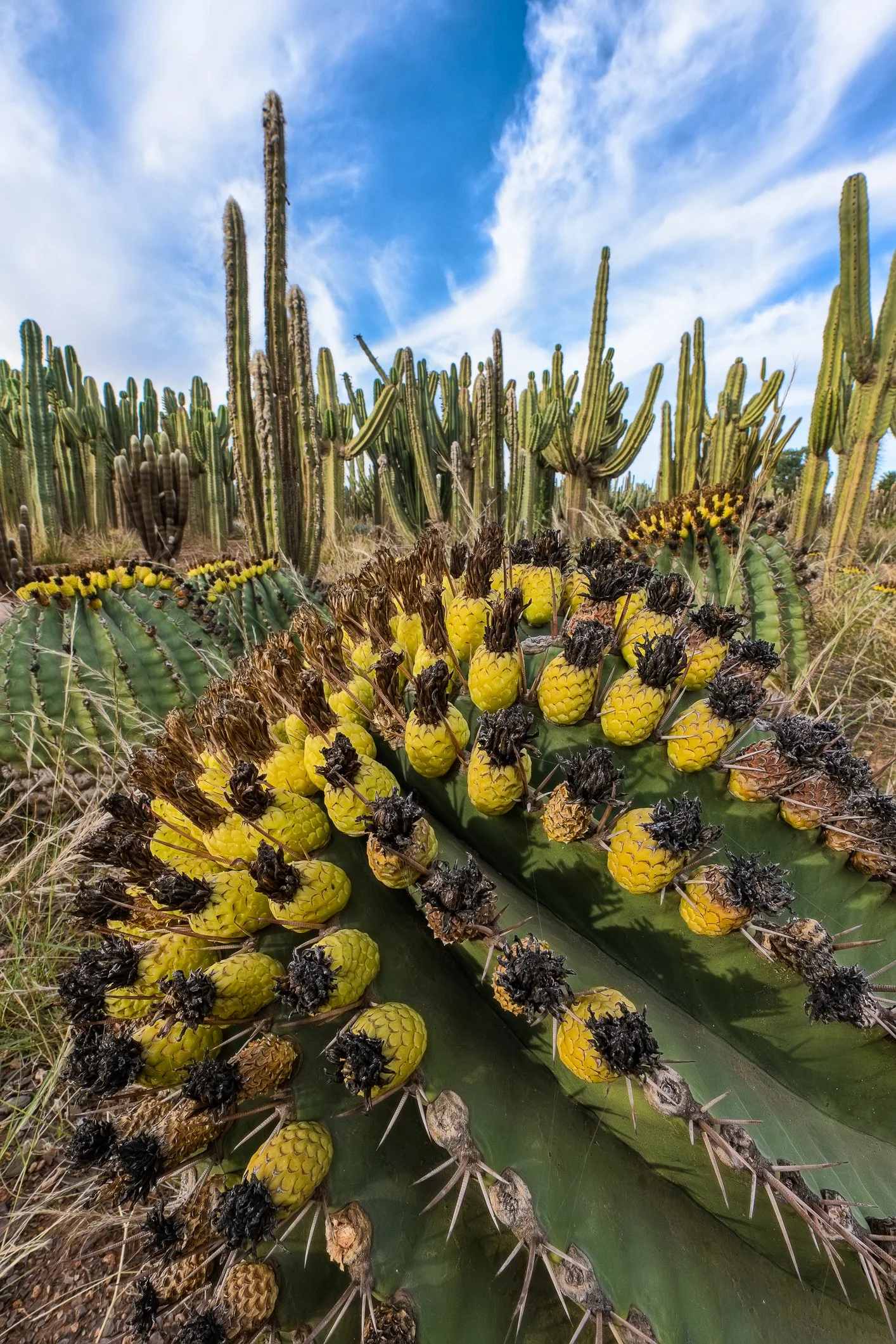
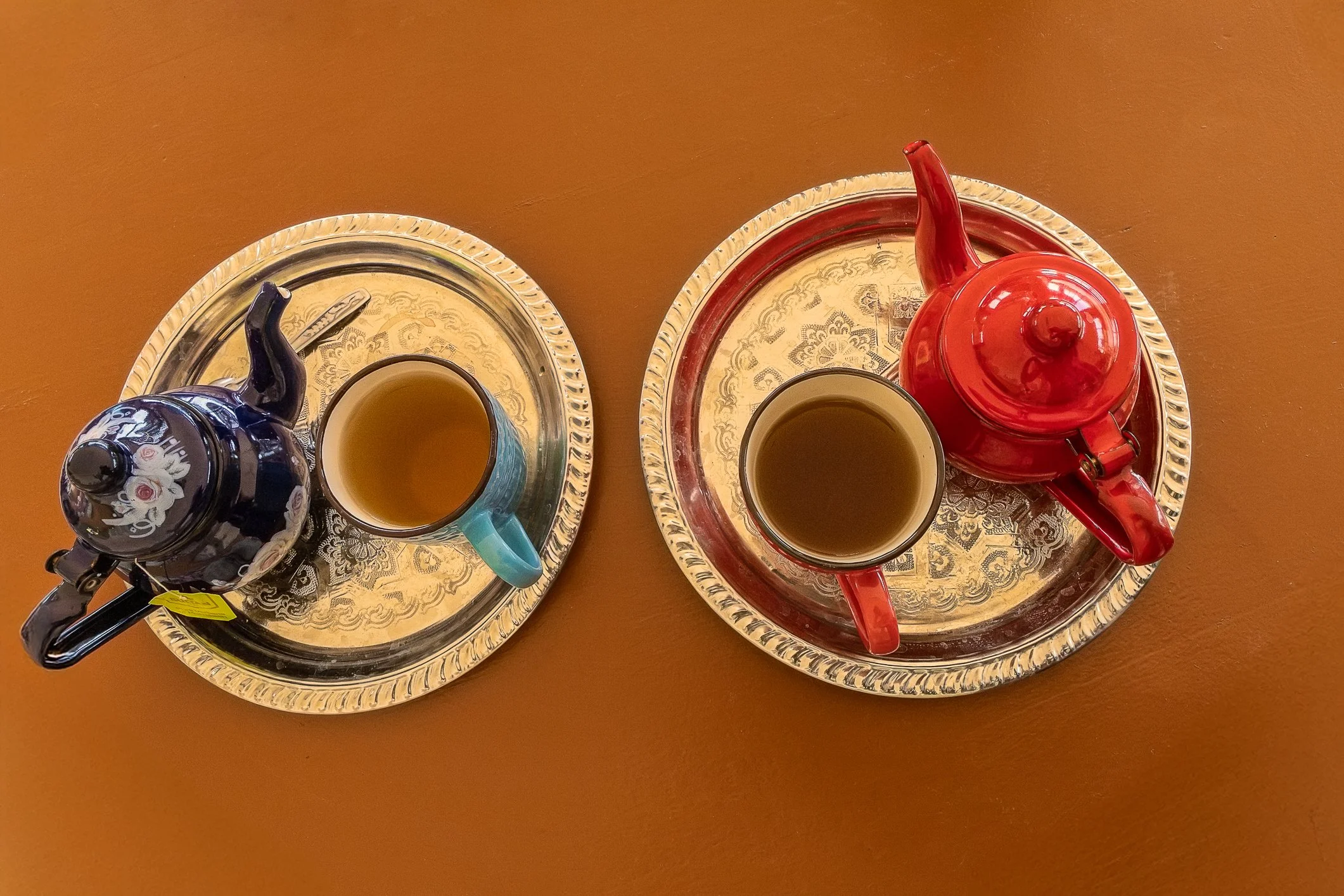
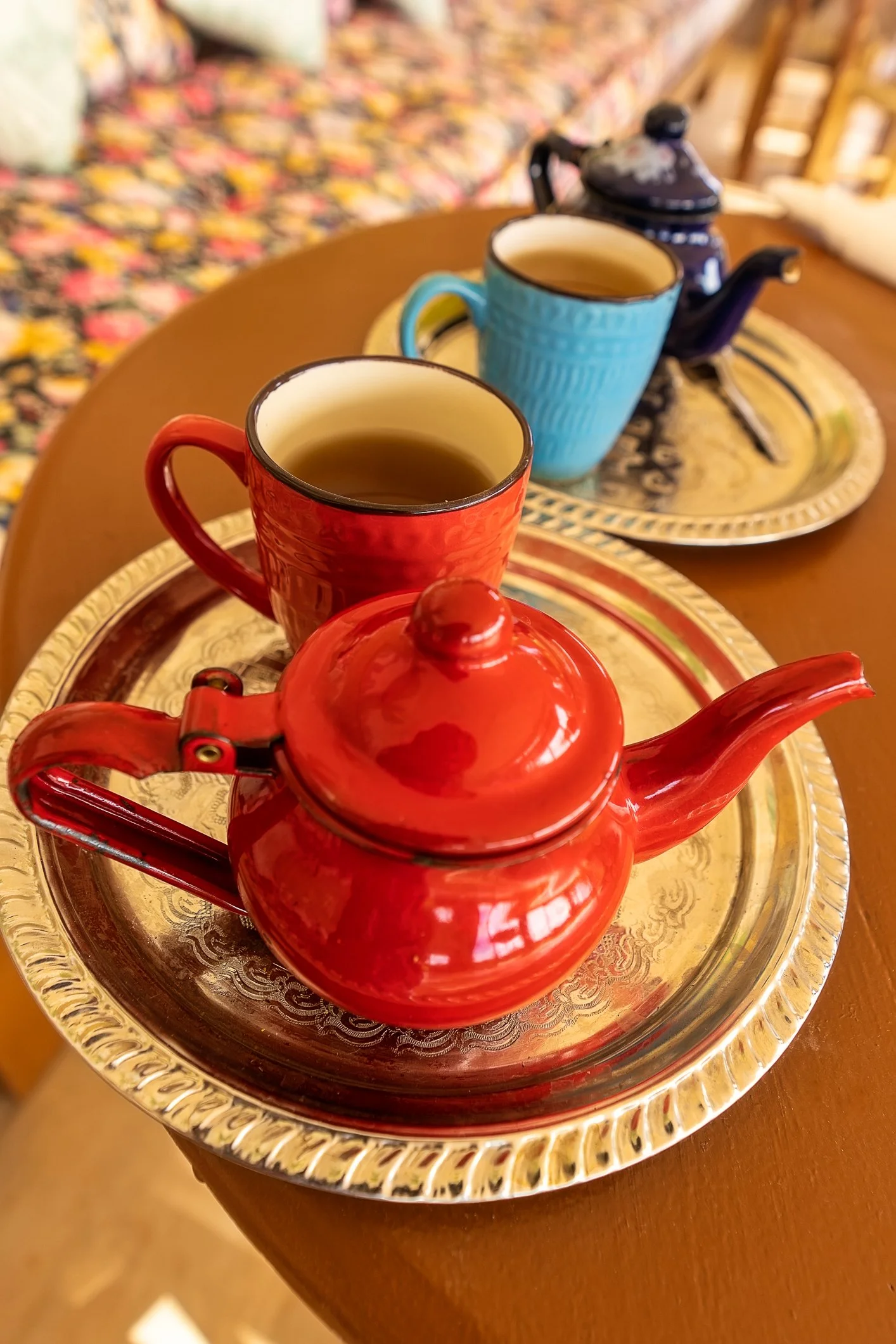
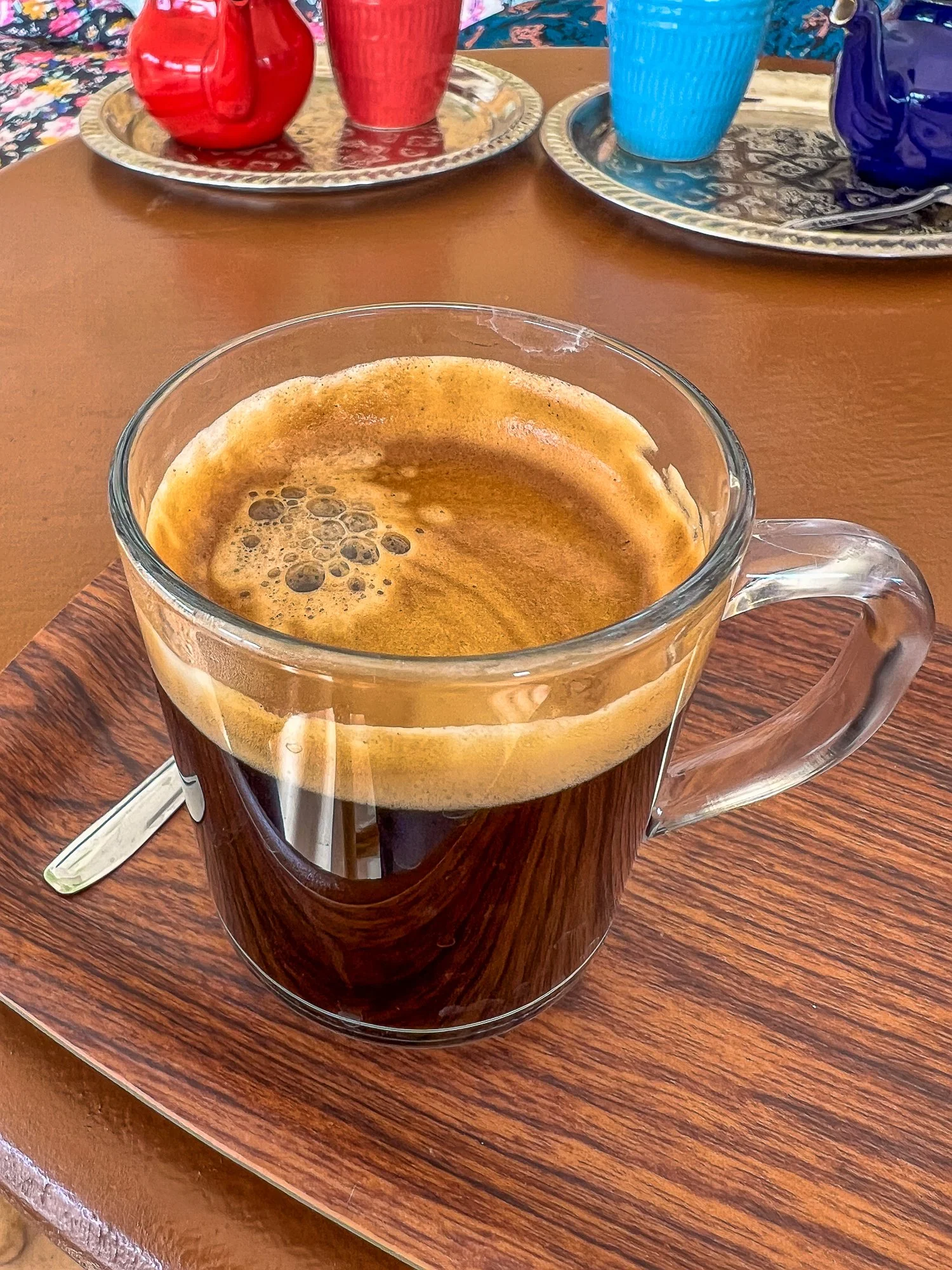
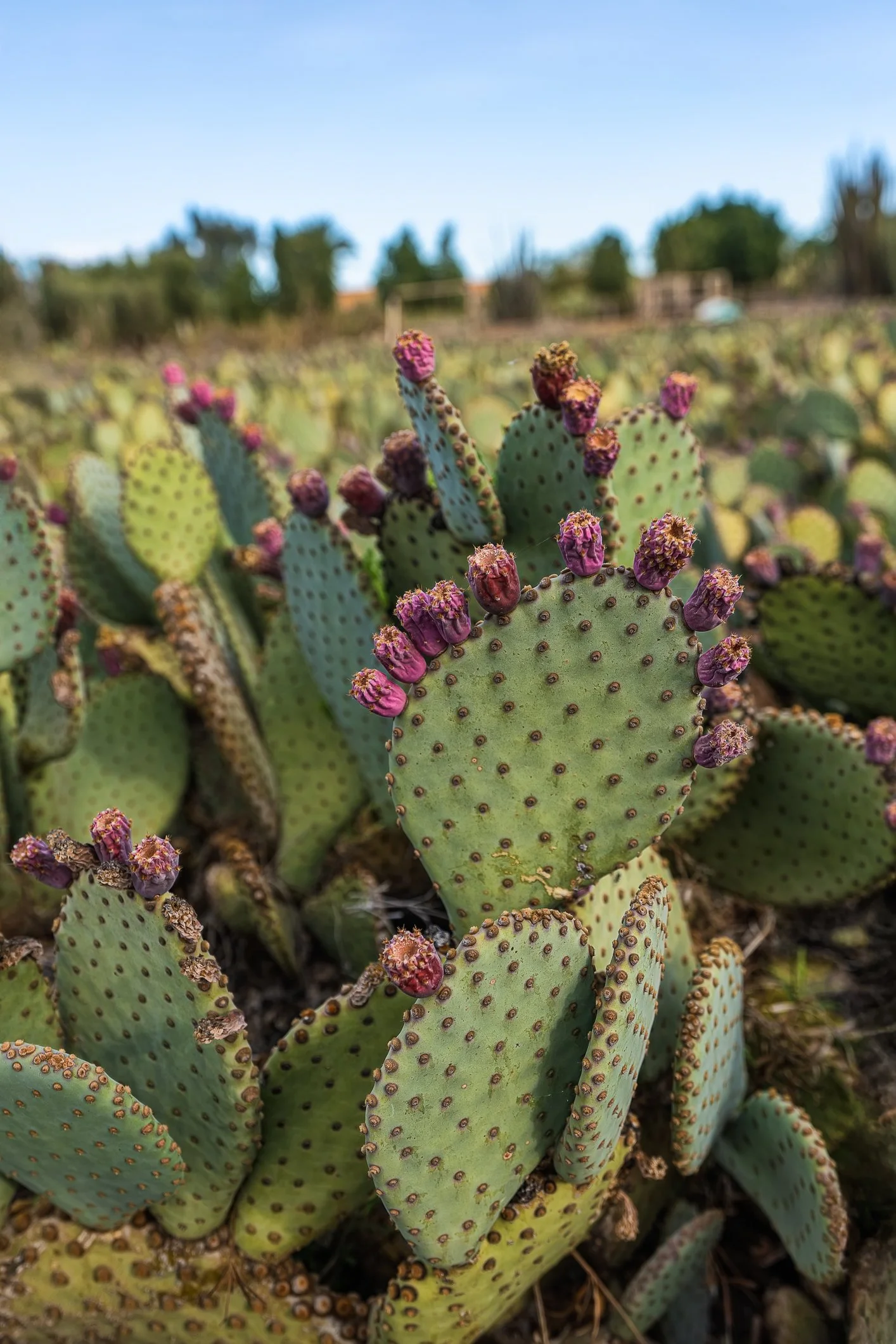
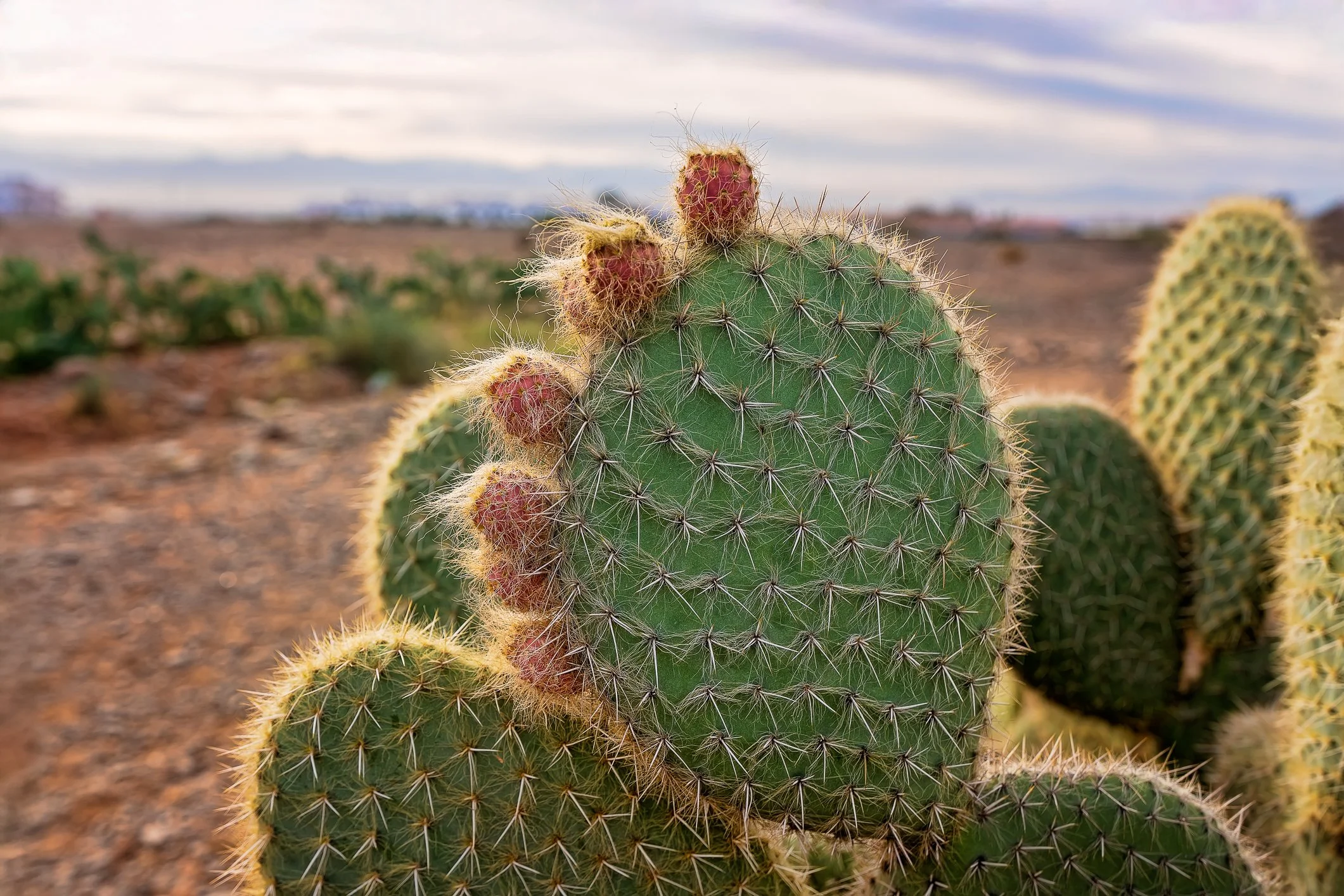
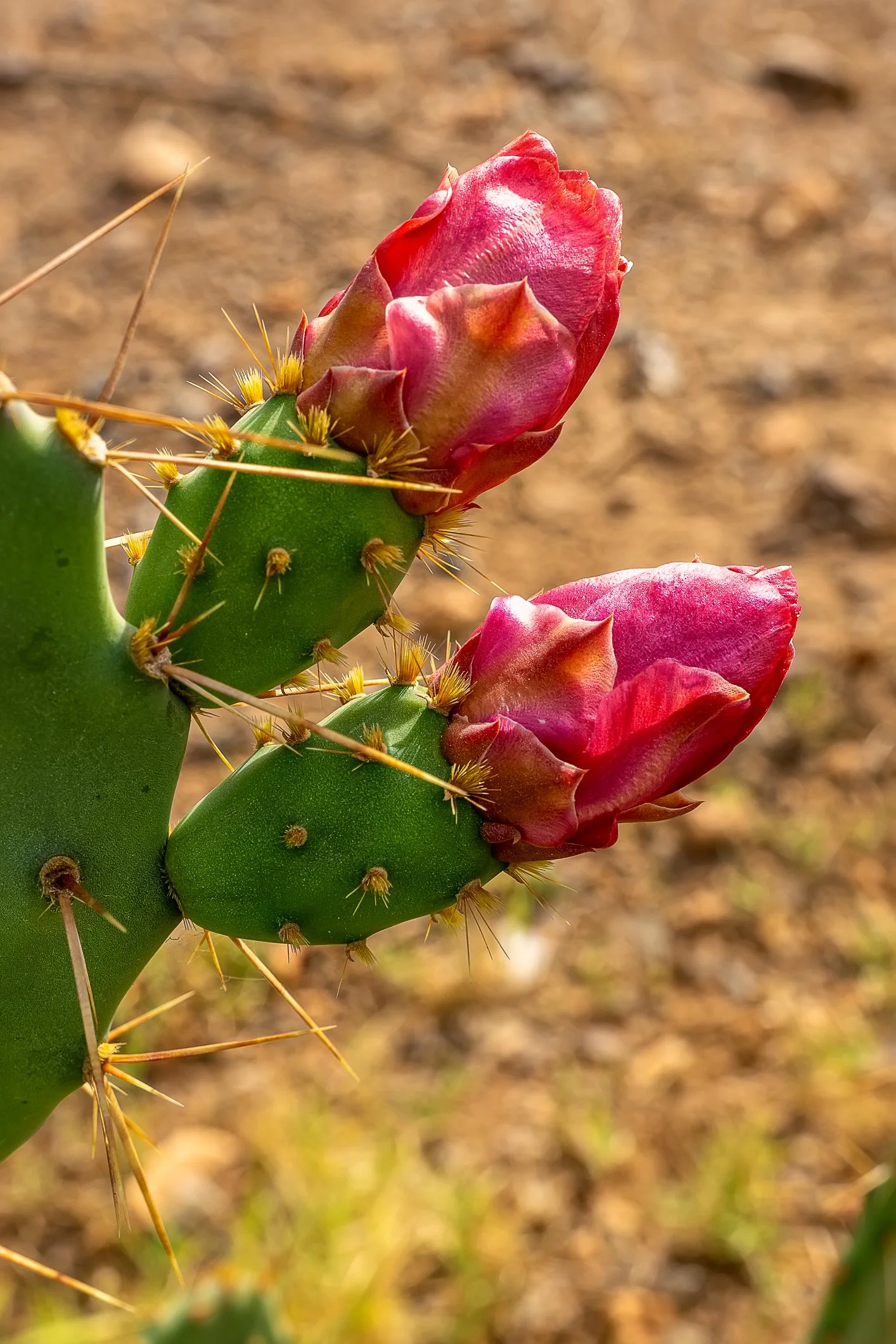
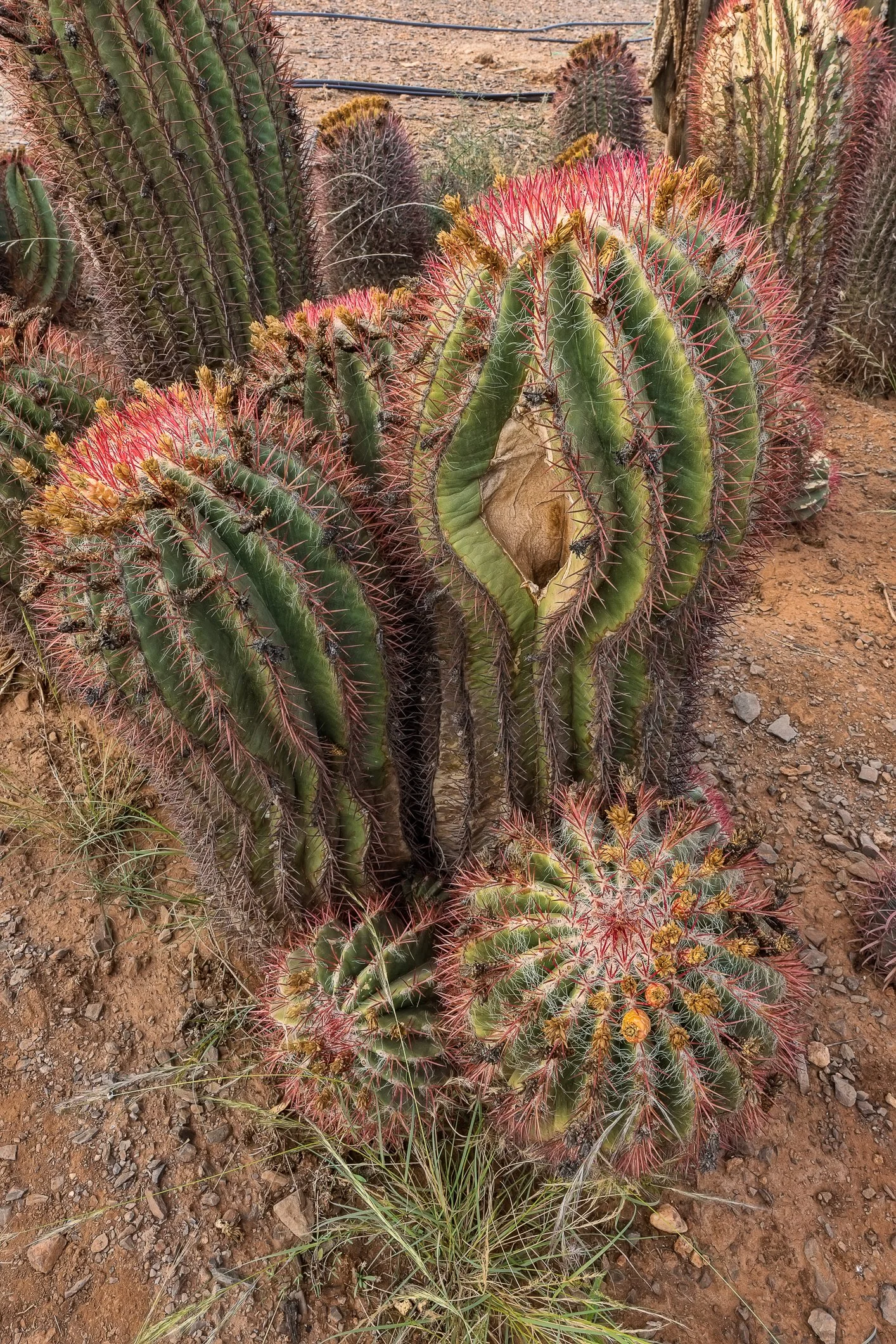
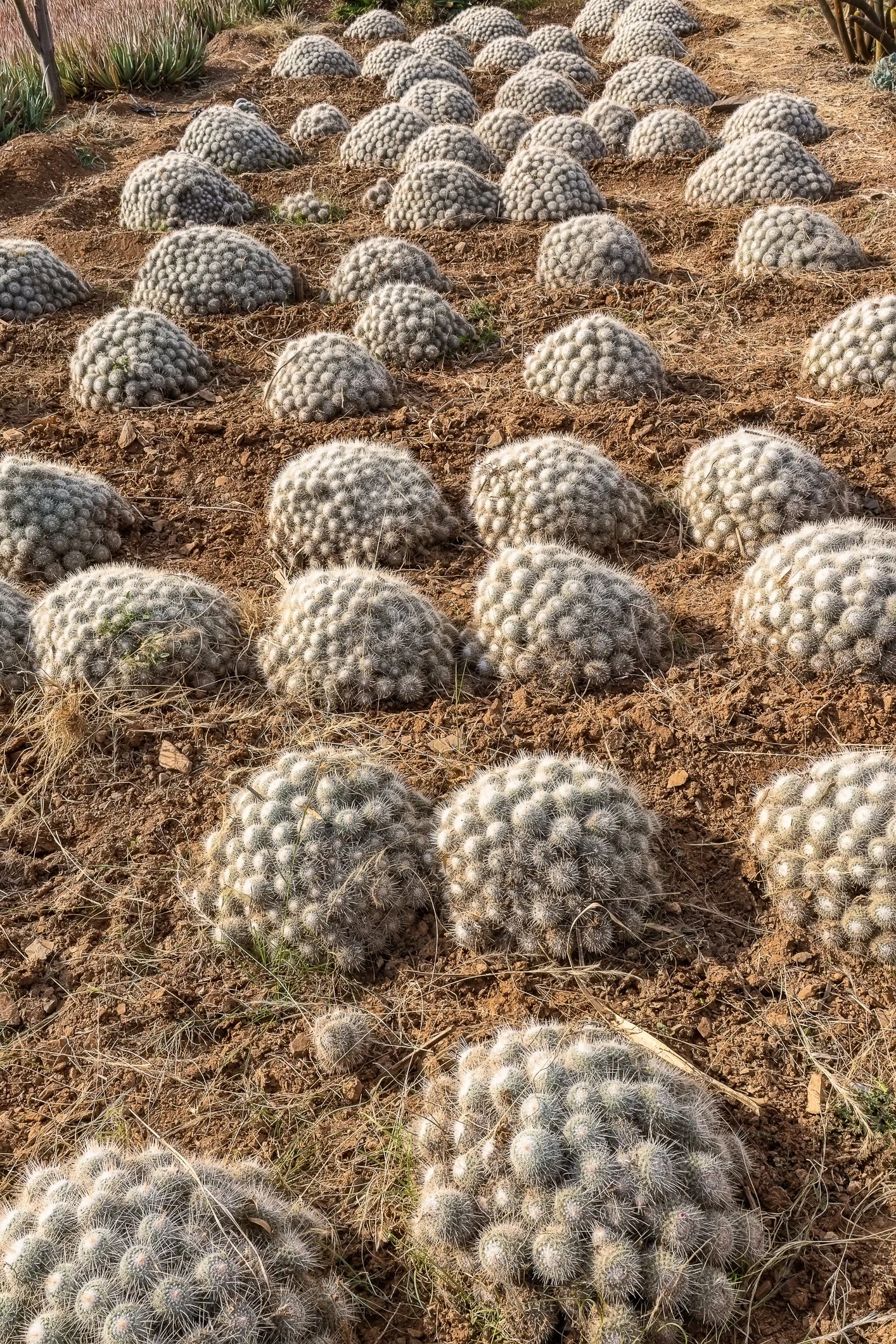
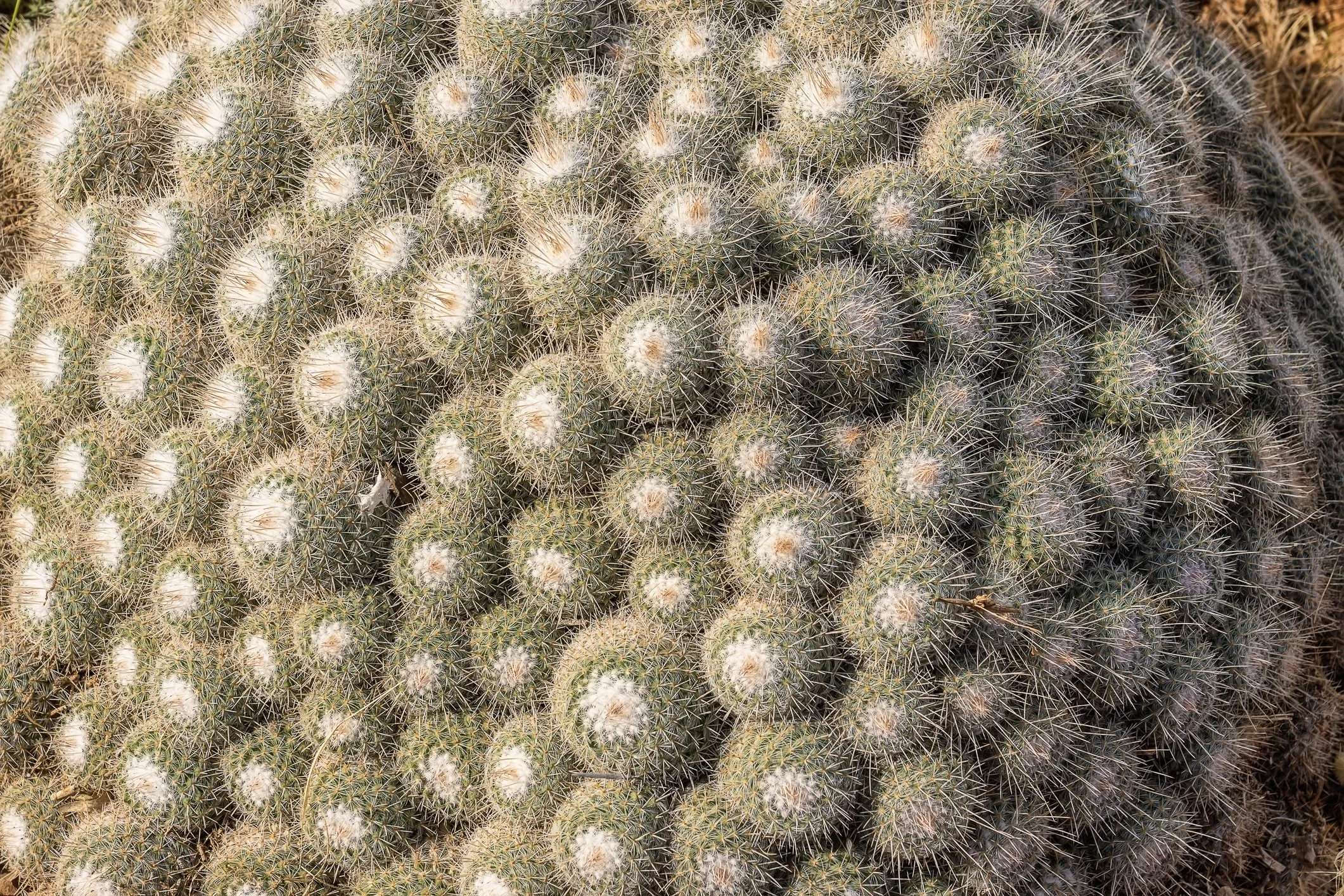
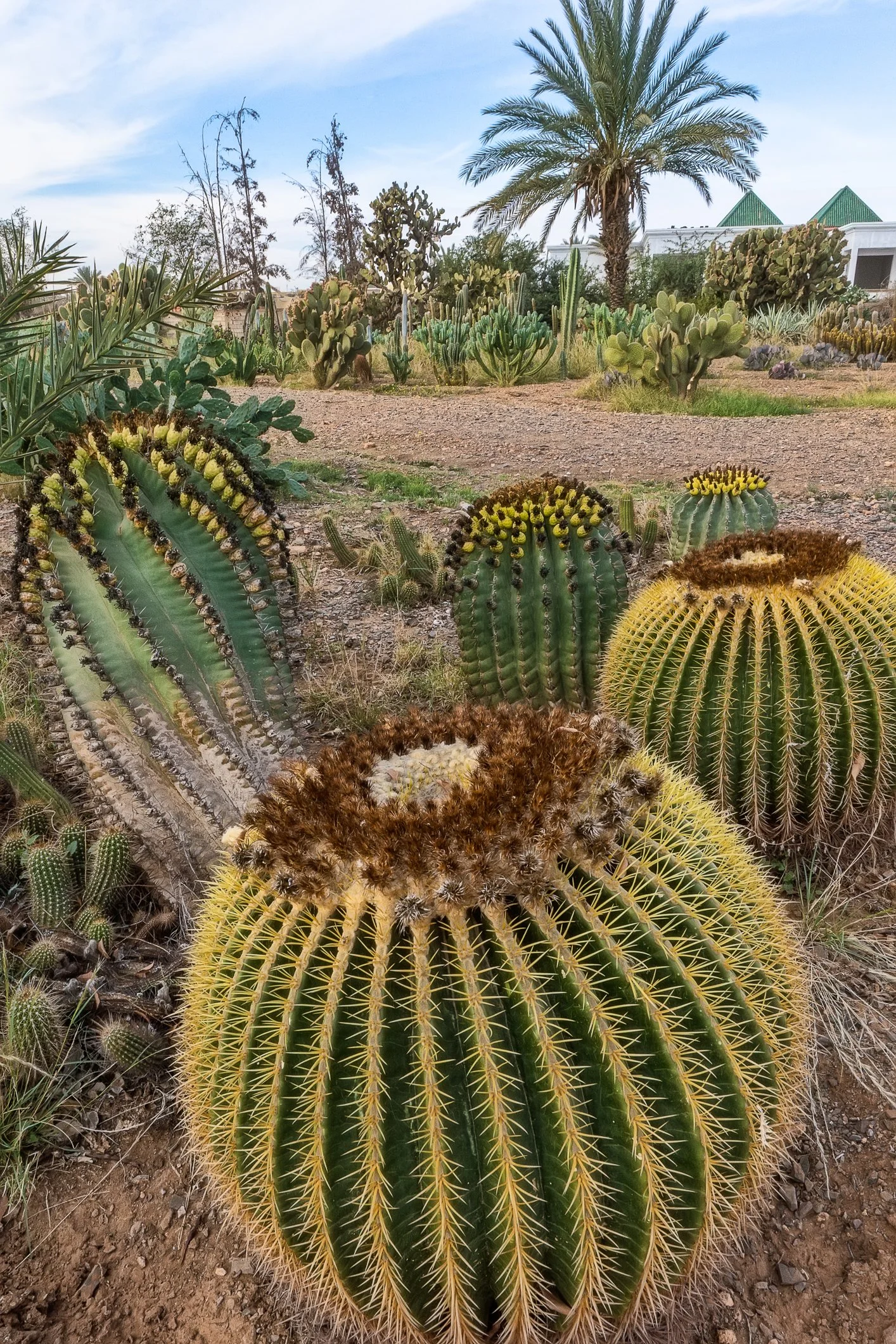
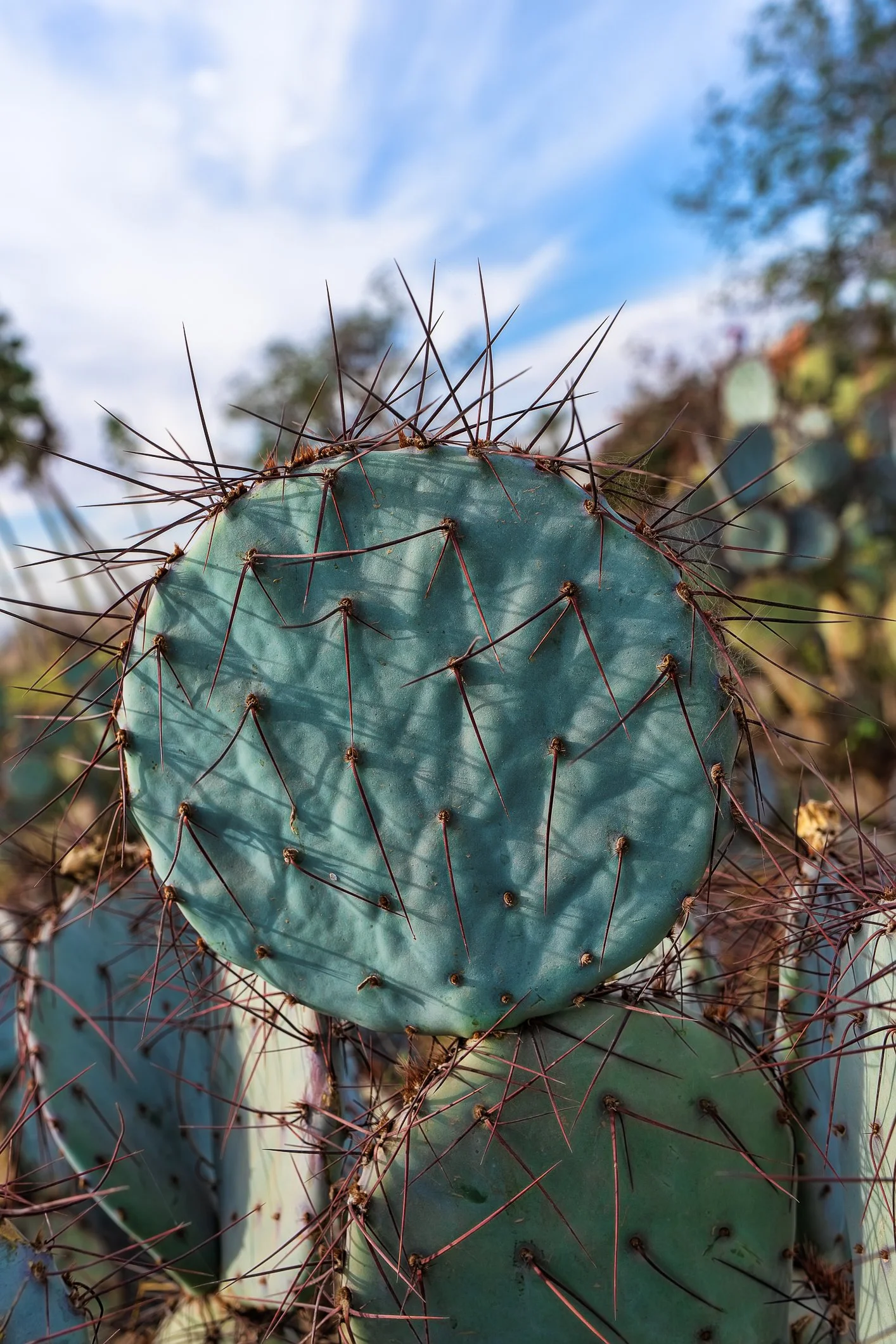
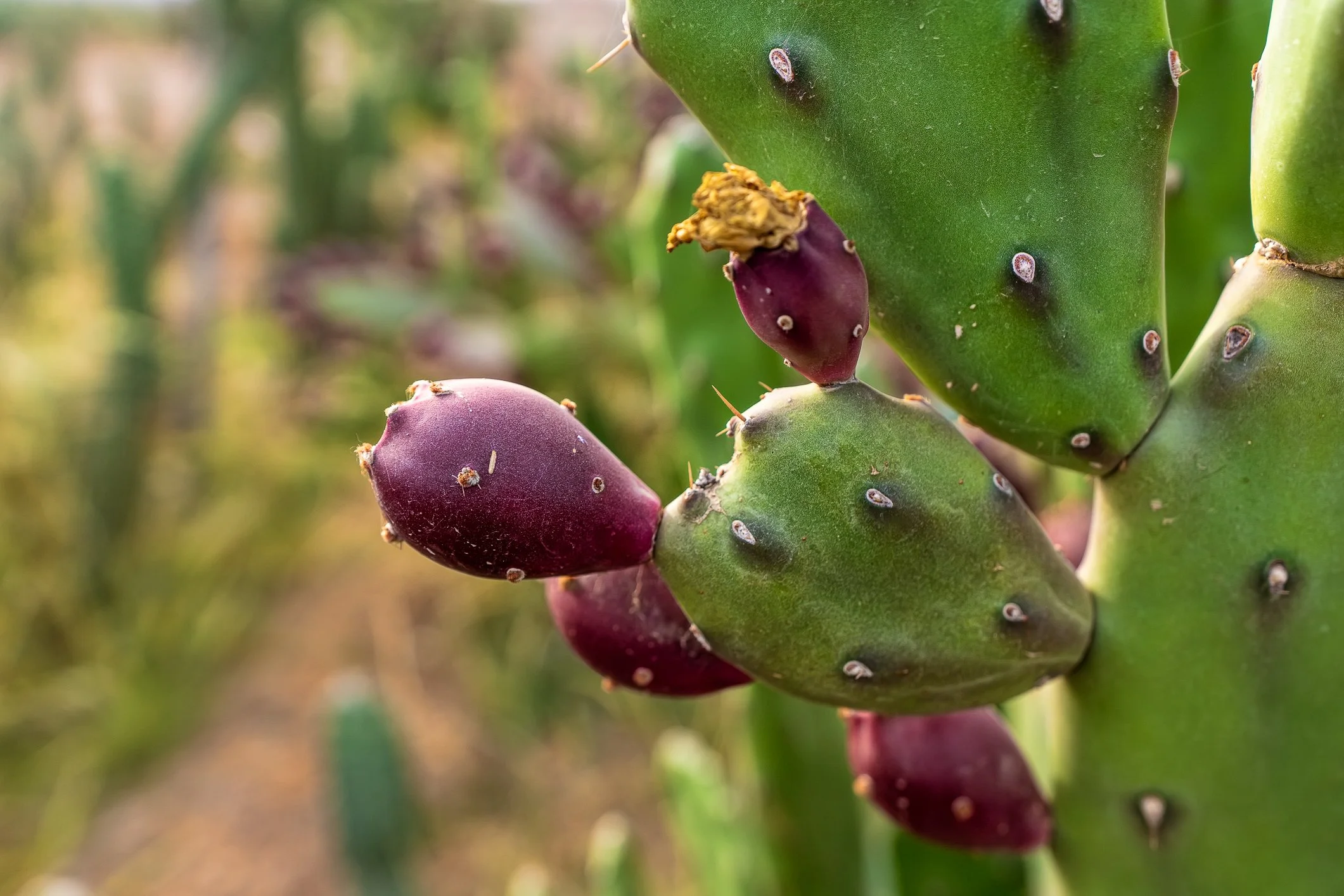
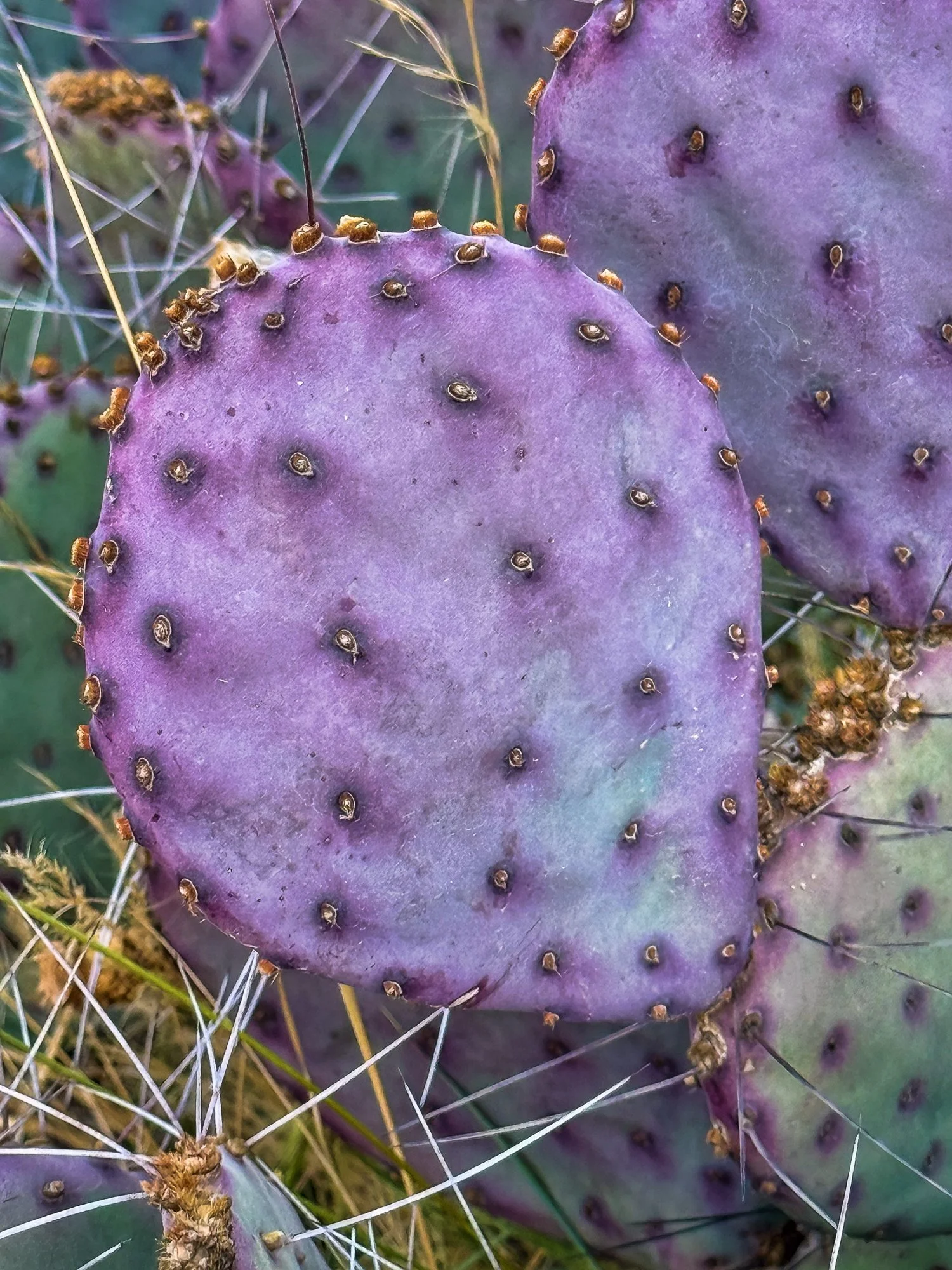
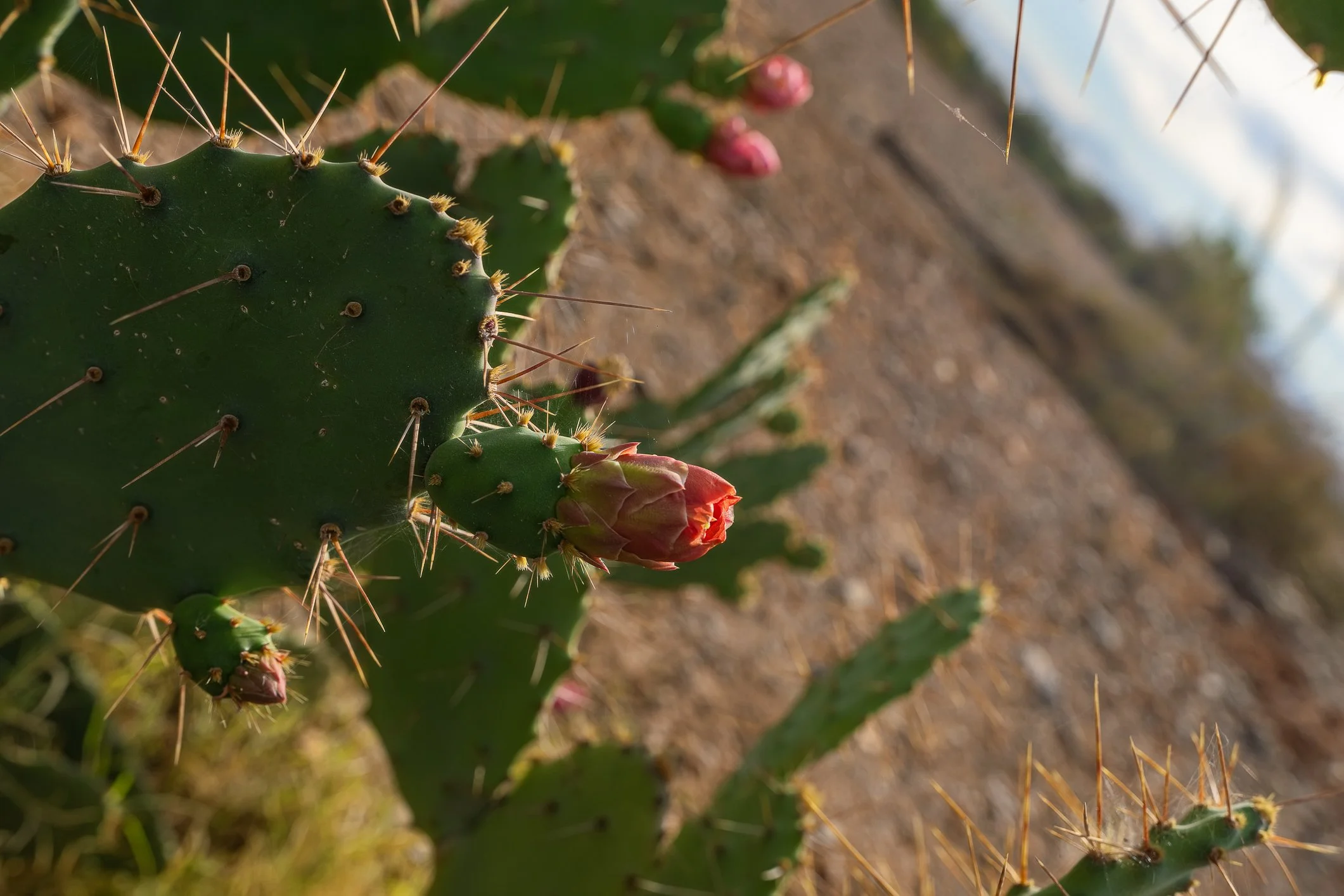
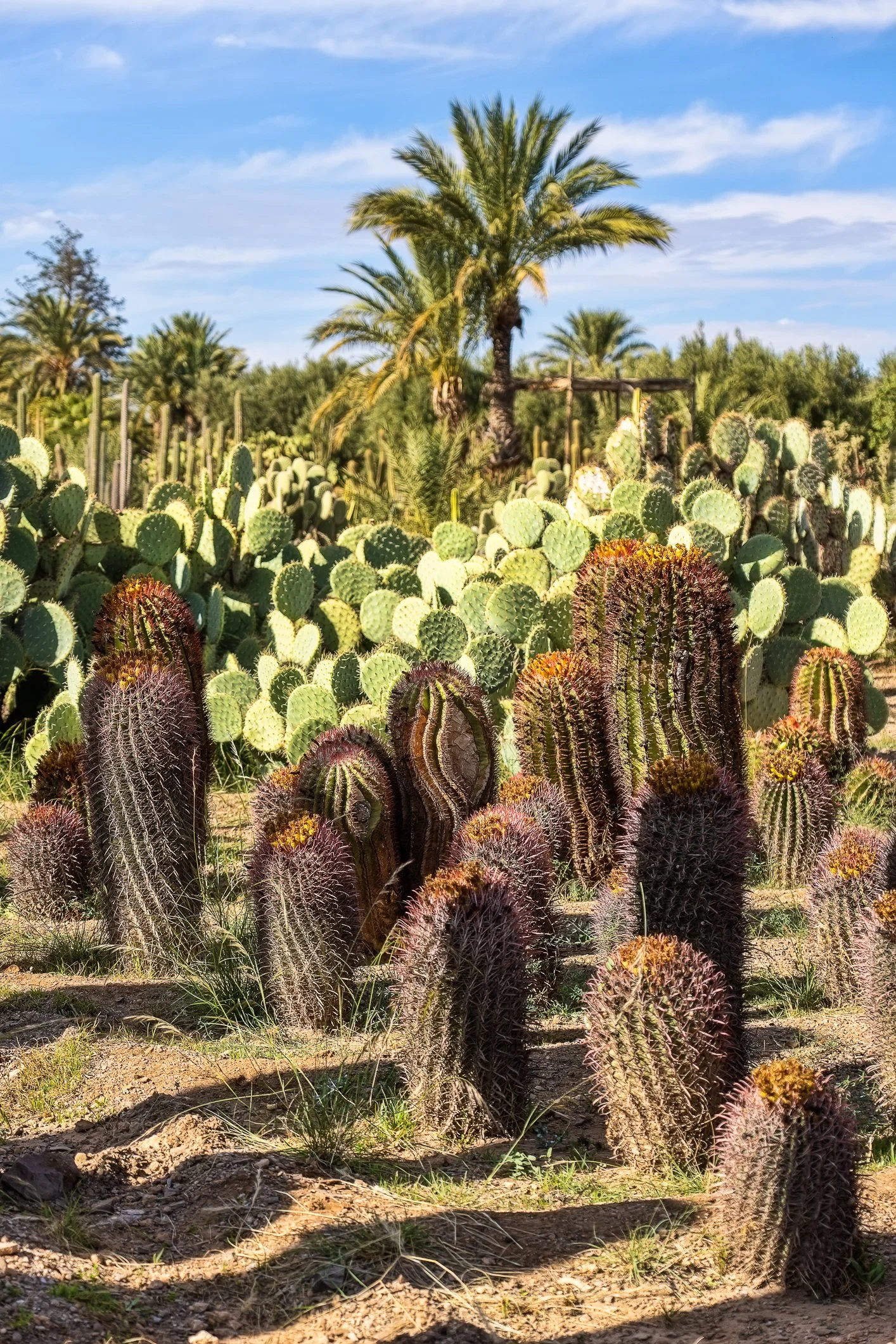
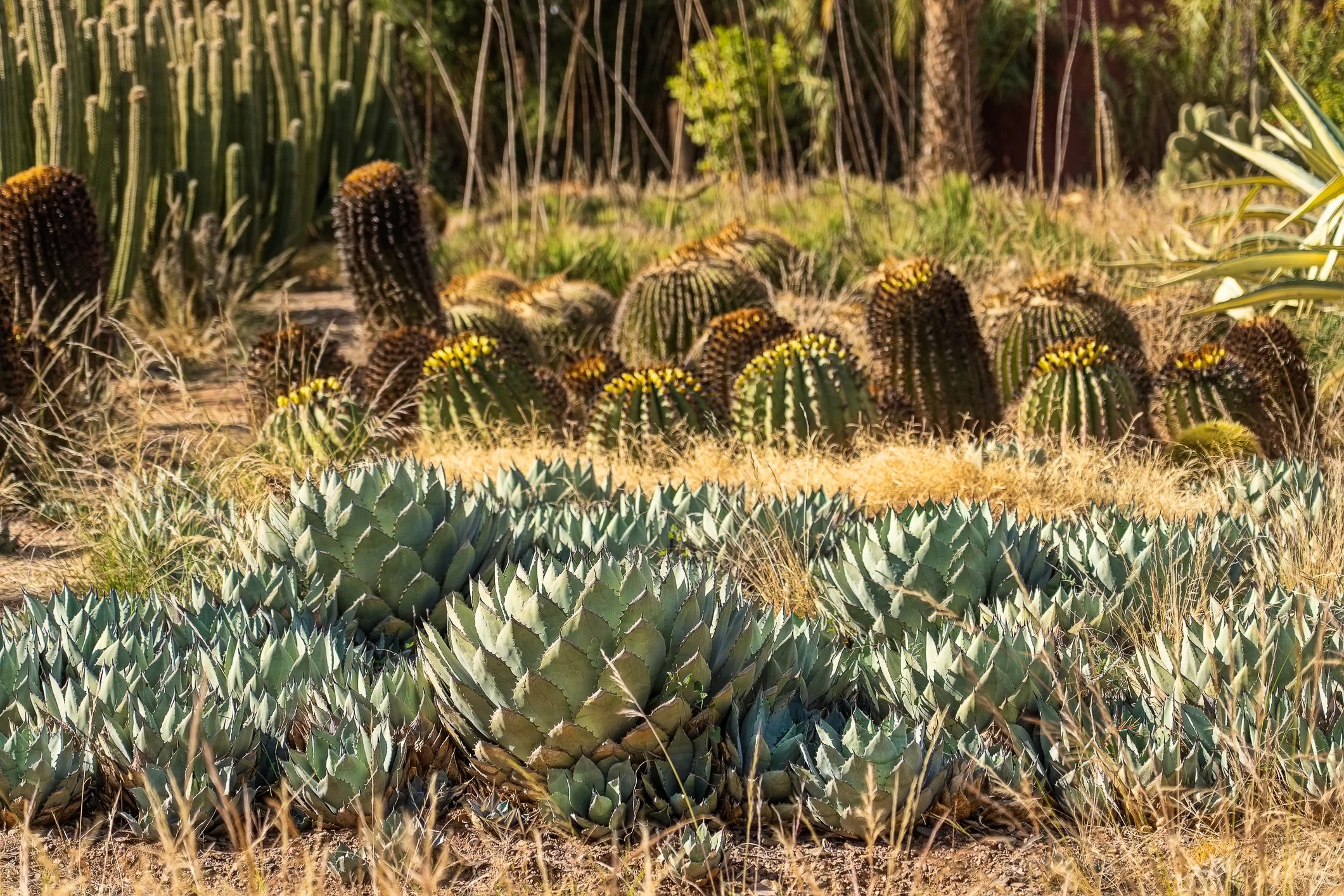
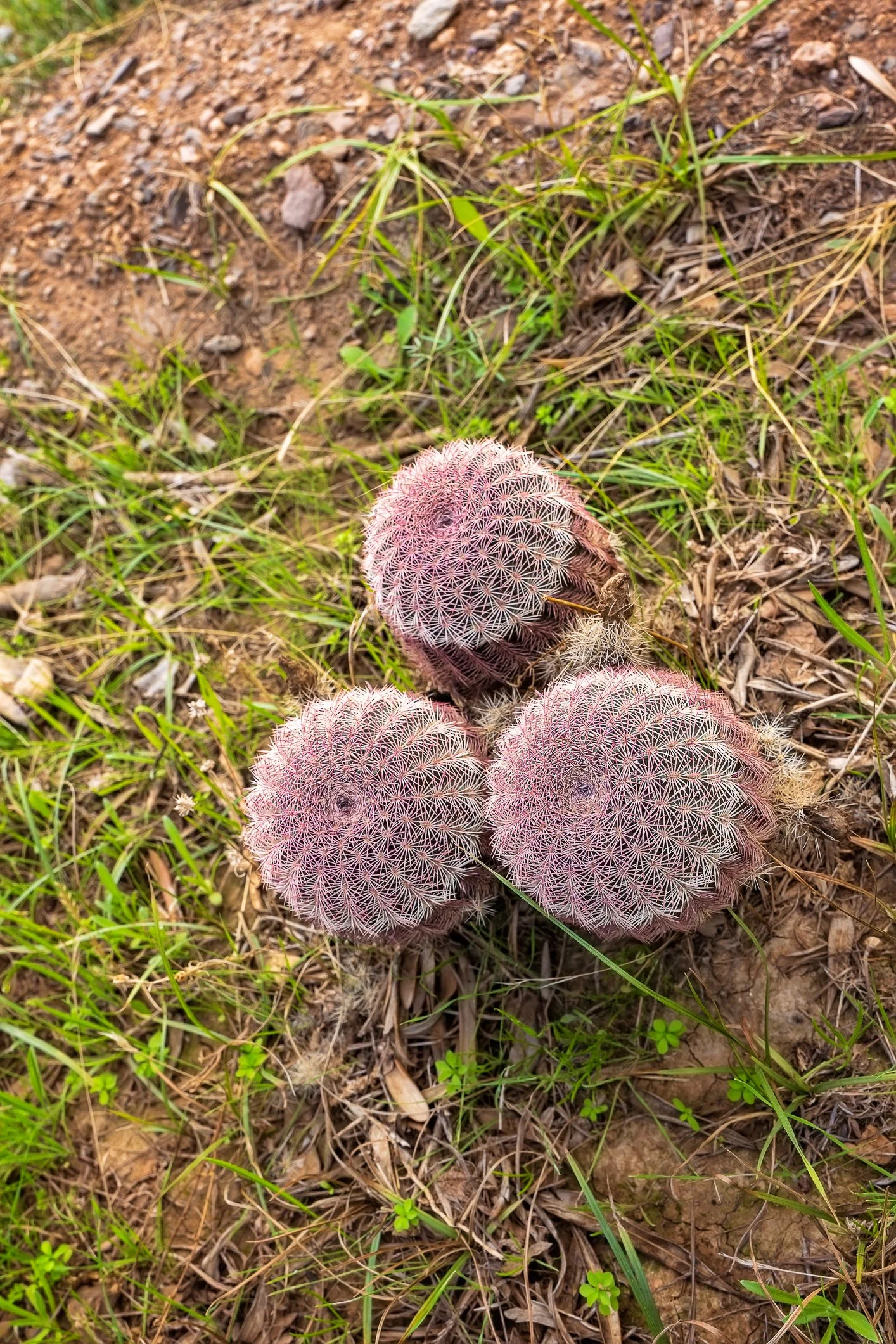
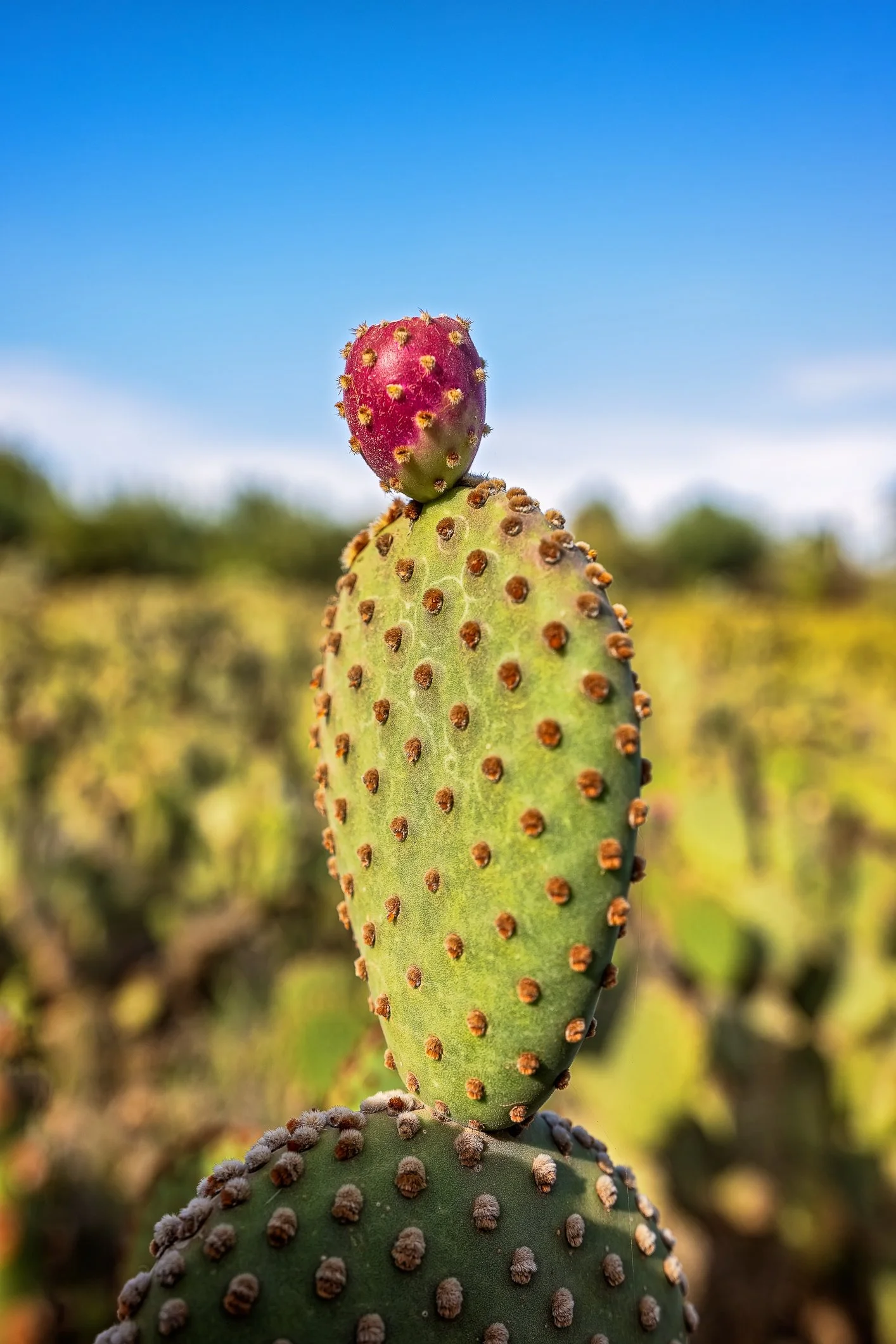
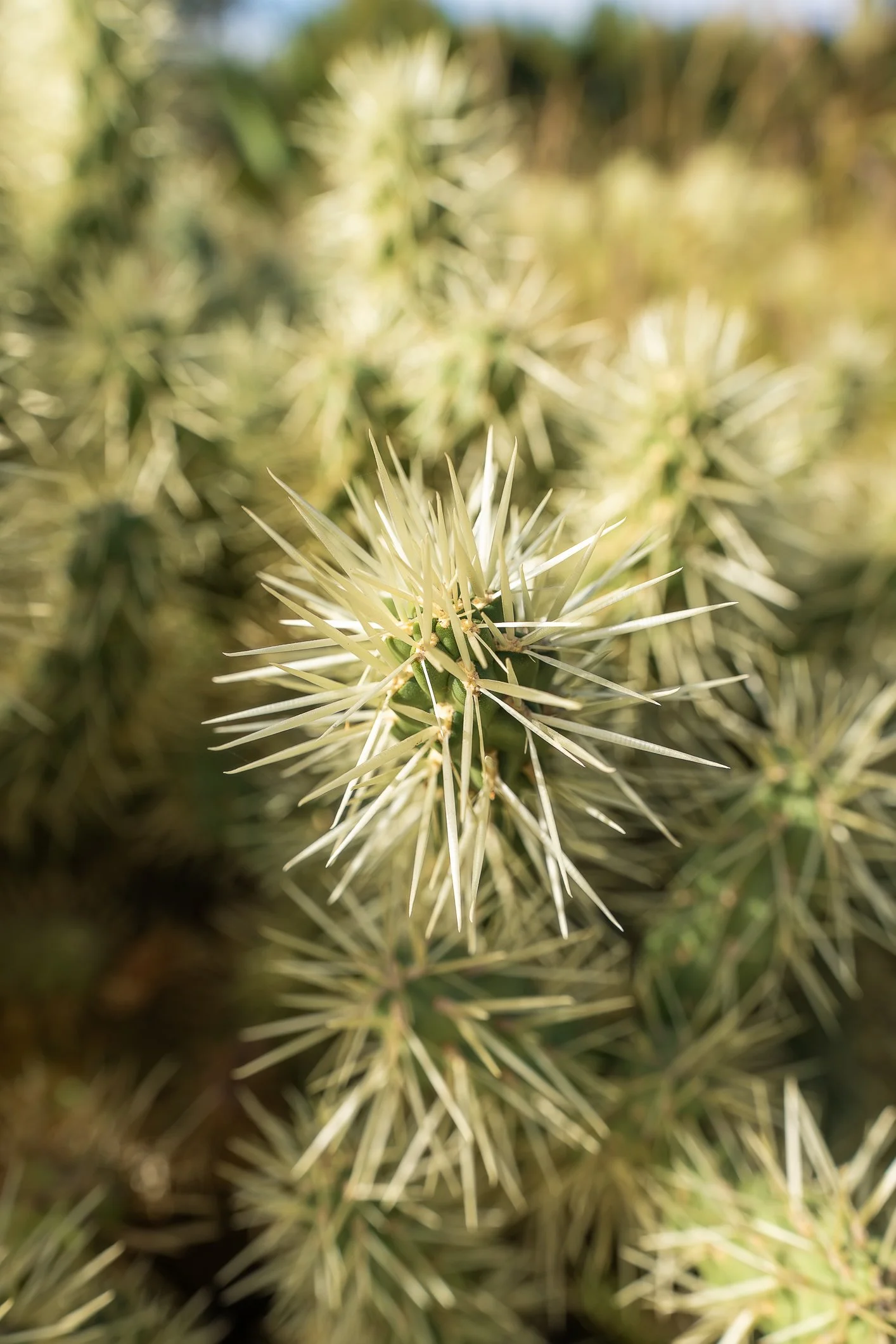
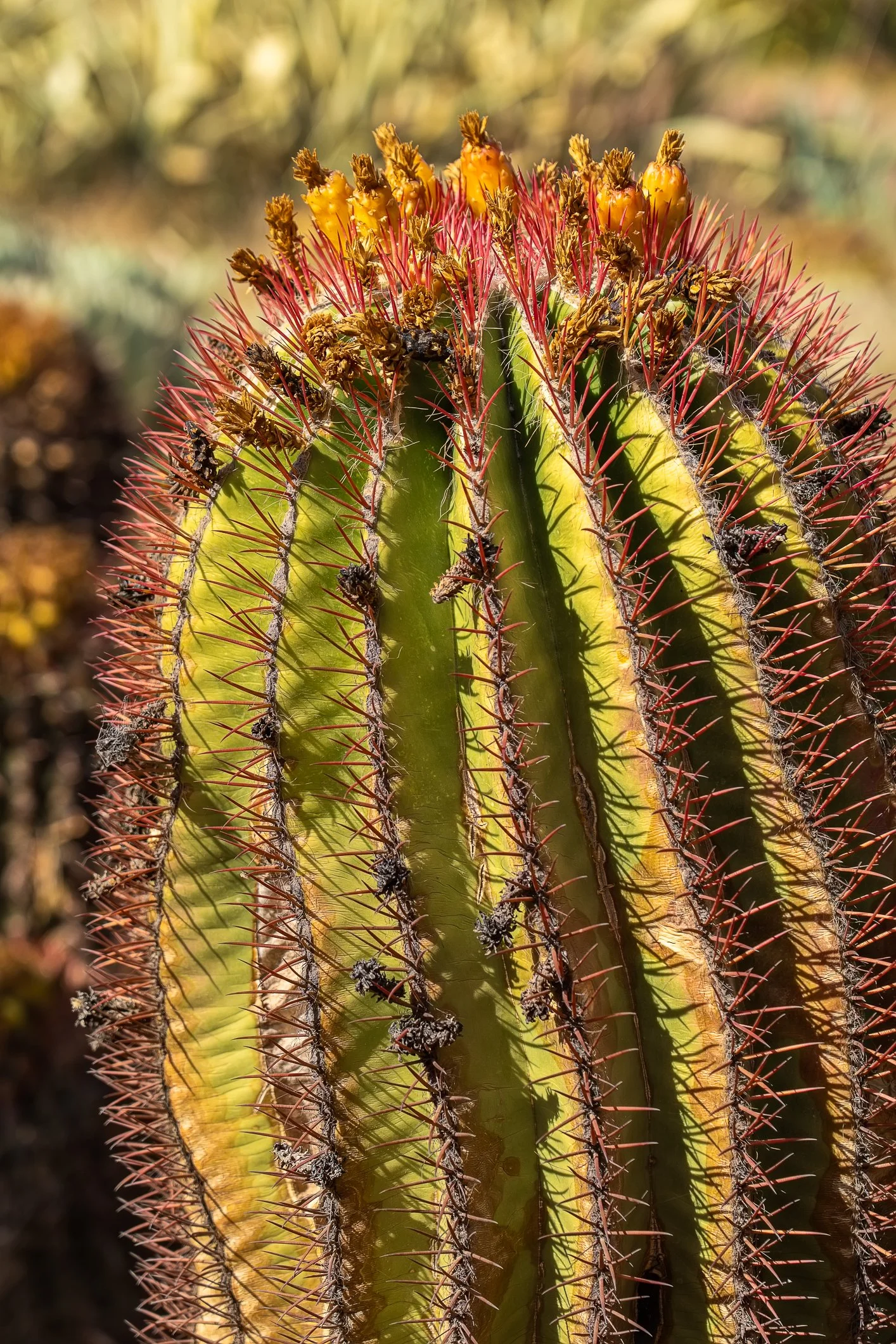
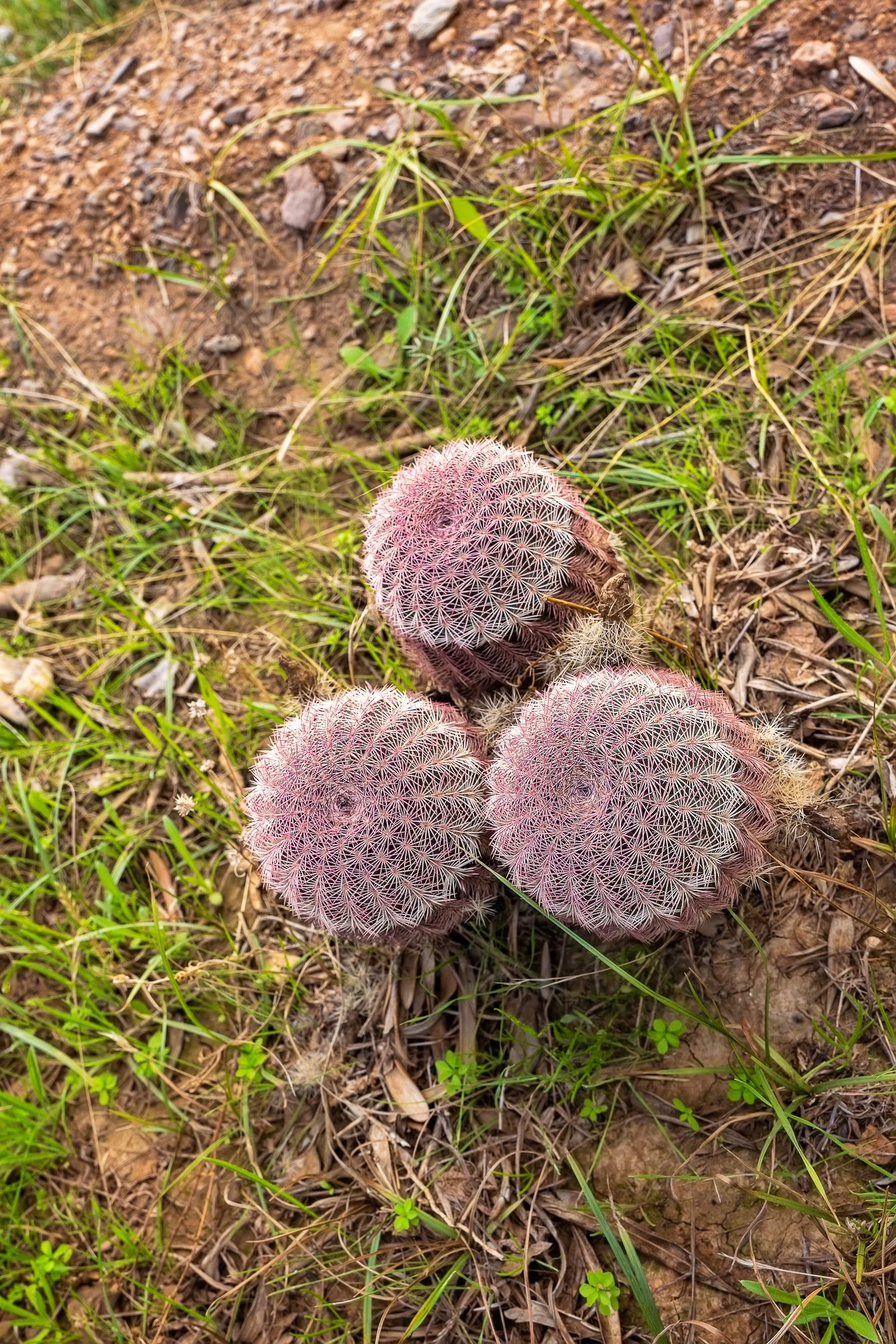
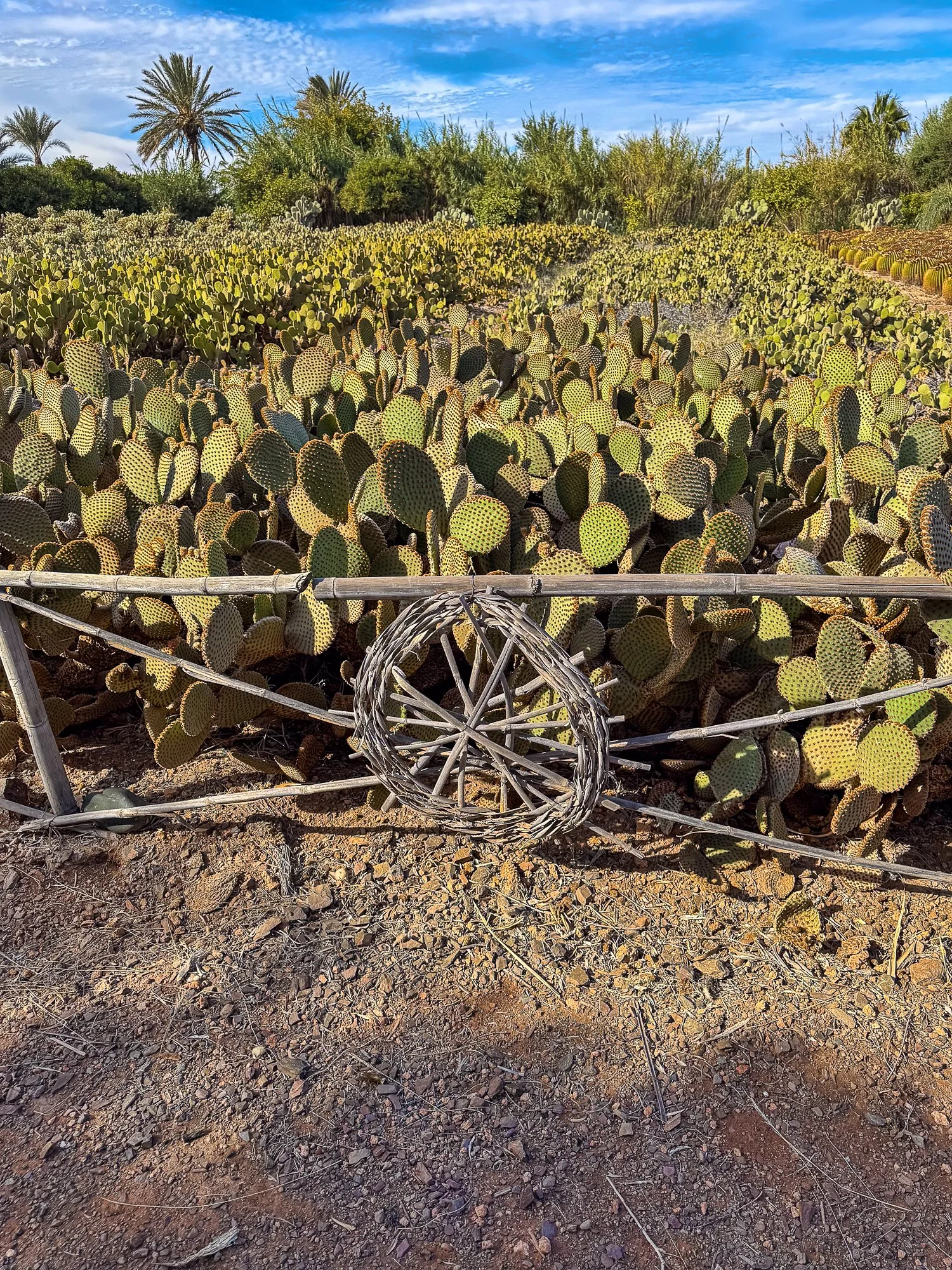
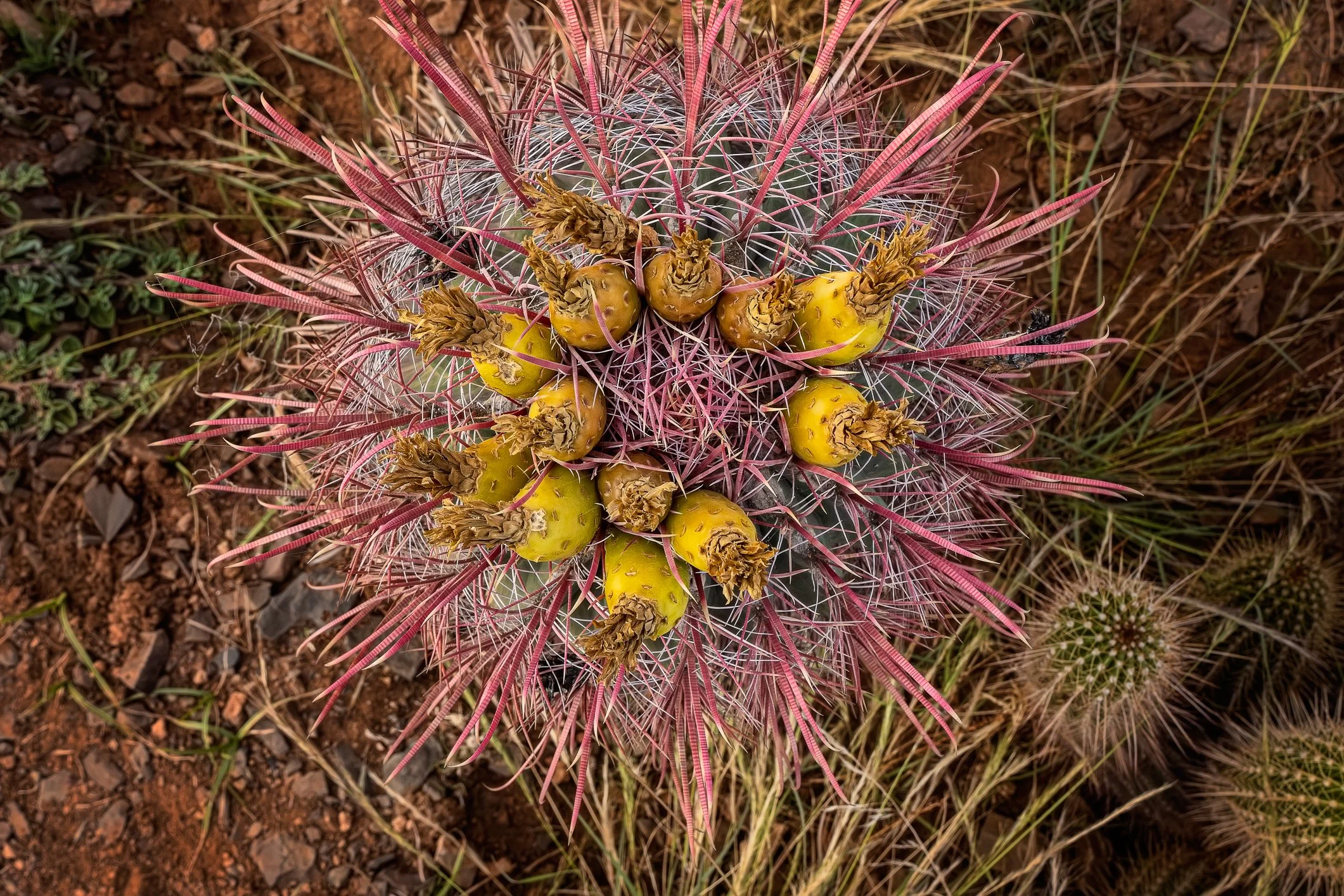
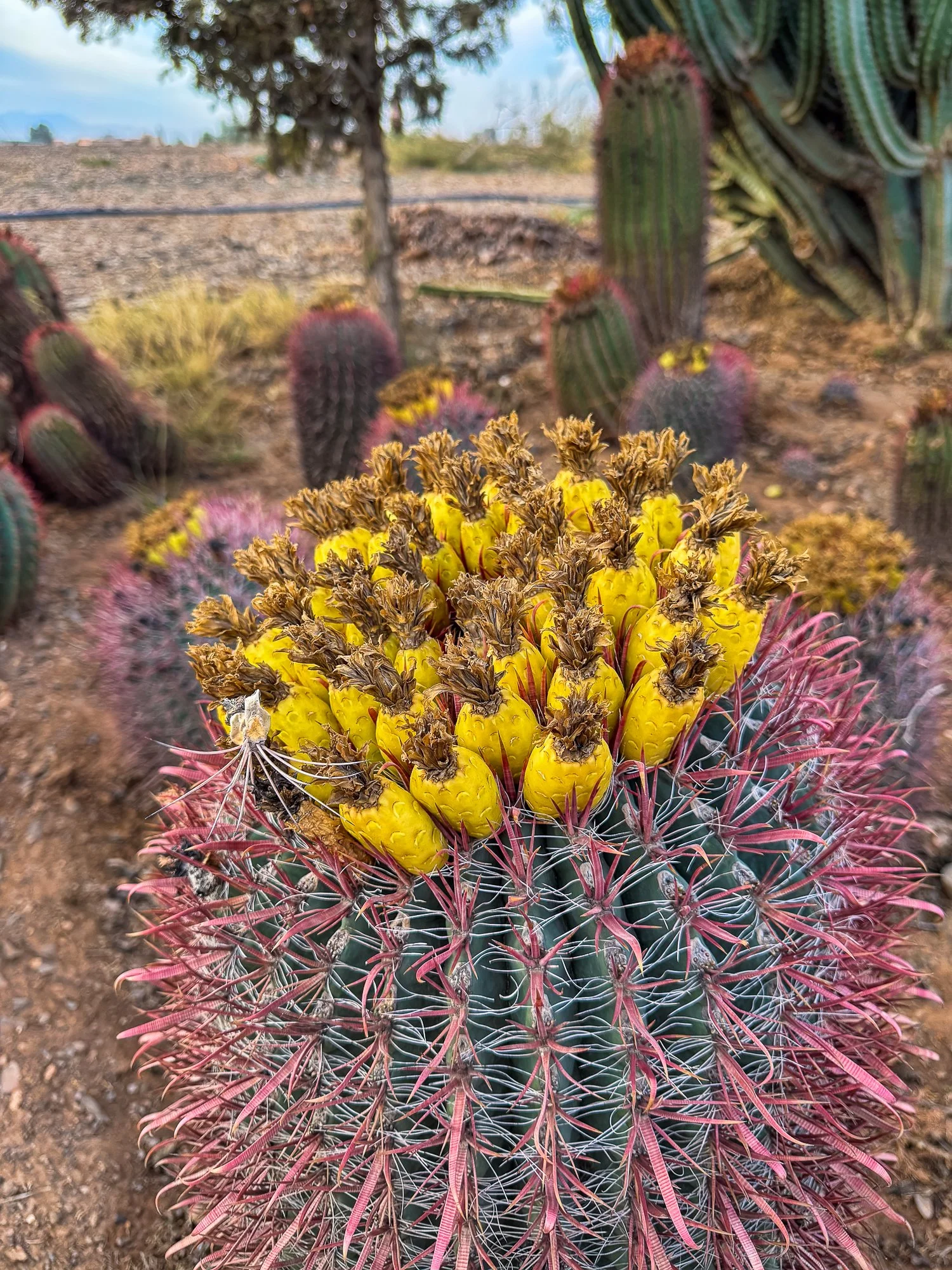
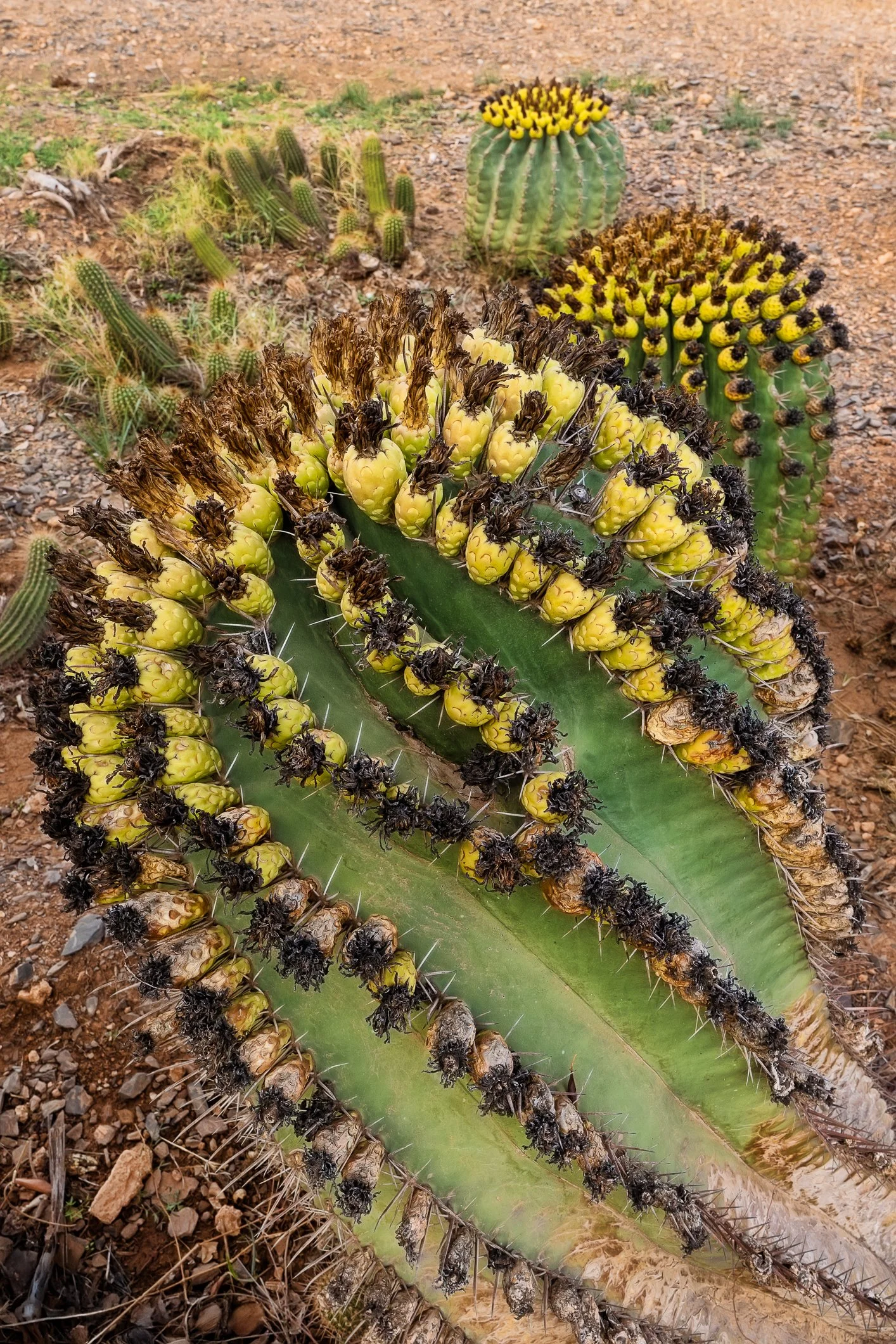
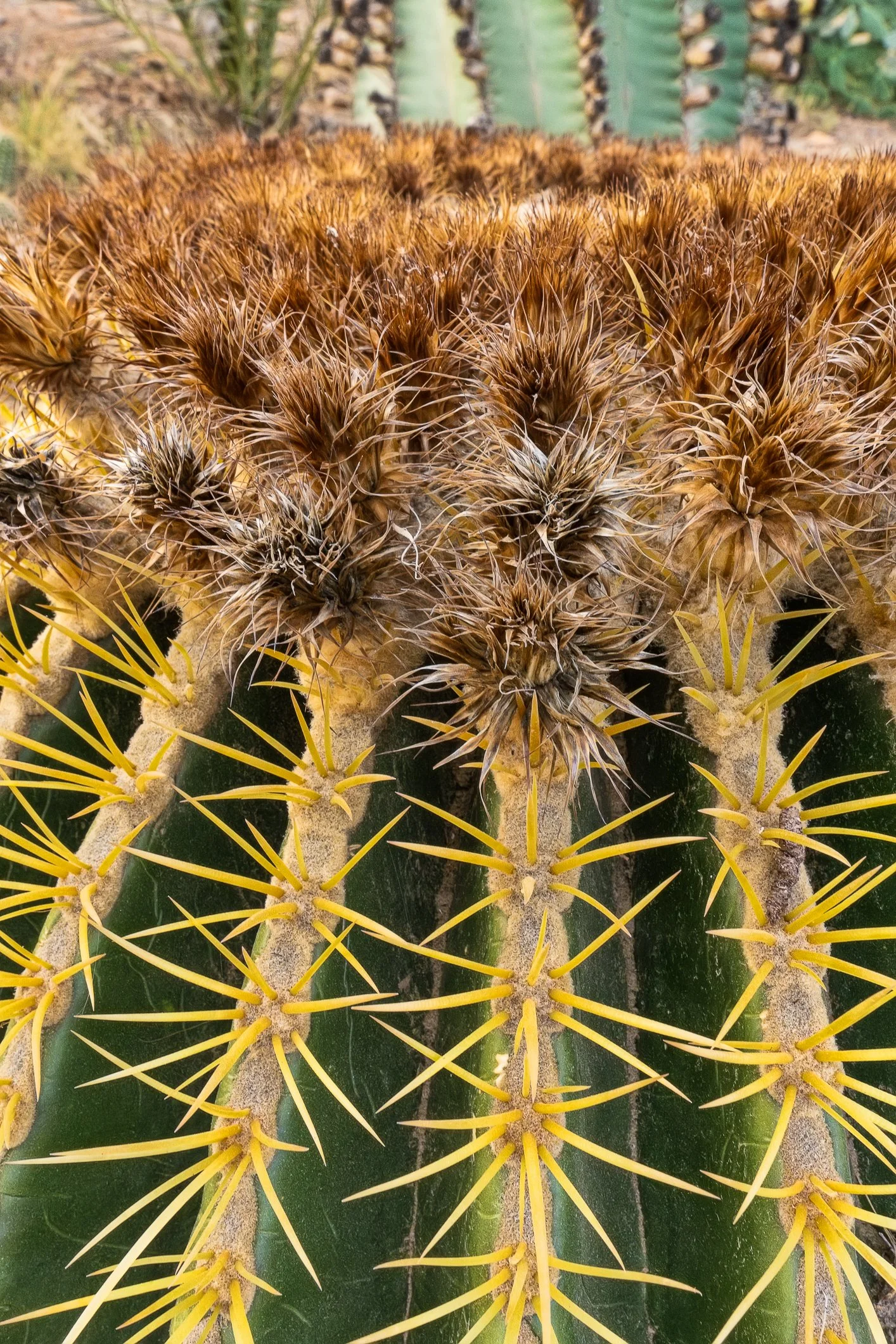
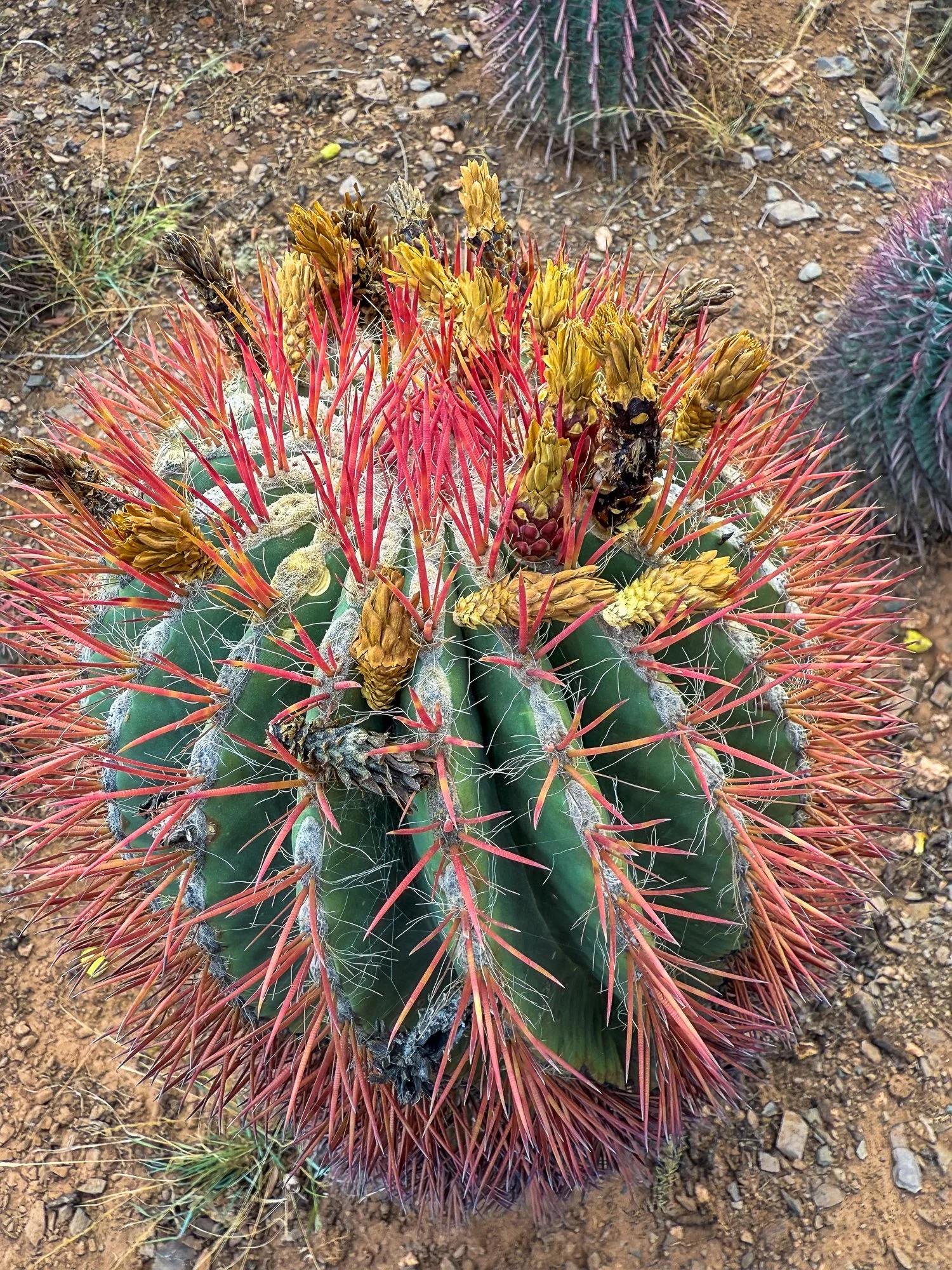
After a few cups of tea and coffee, we are ready to explore the remaining part of the farm. There are many flatter, paddle-shaped cacti from the genus Opuntia. These are quite familiar in Morocco and are known for producing edible fruit. We also find many round, spiny varieties such as those from Ferocactus and Echinocactus, which grow in compact, globe-like shapes. The collection also includes smaller and more delicate species, such as Mammillaria and Gymnocalycium, often admired for their detailed patterns and, at the right time of year, their bright flowers.

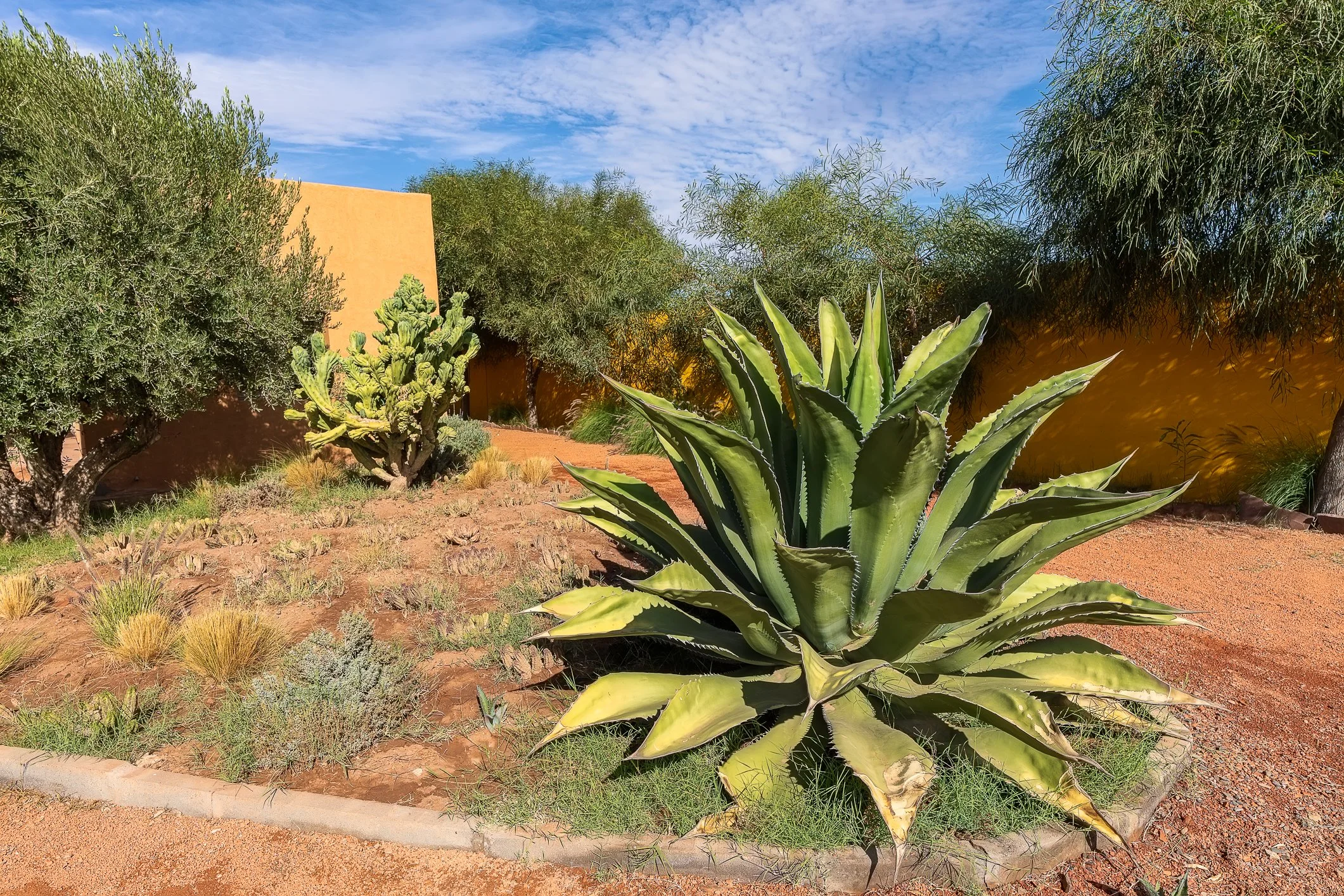
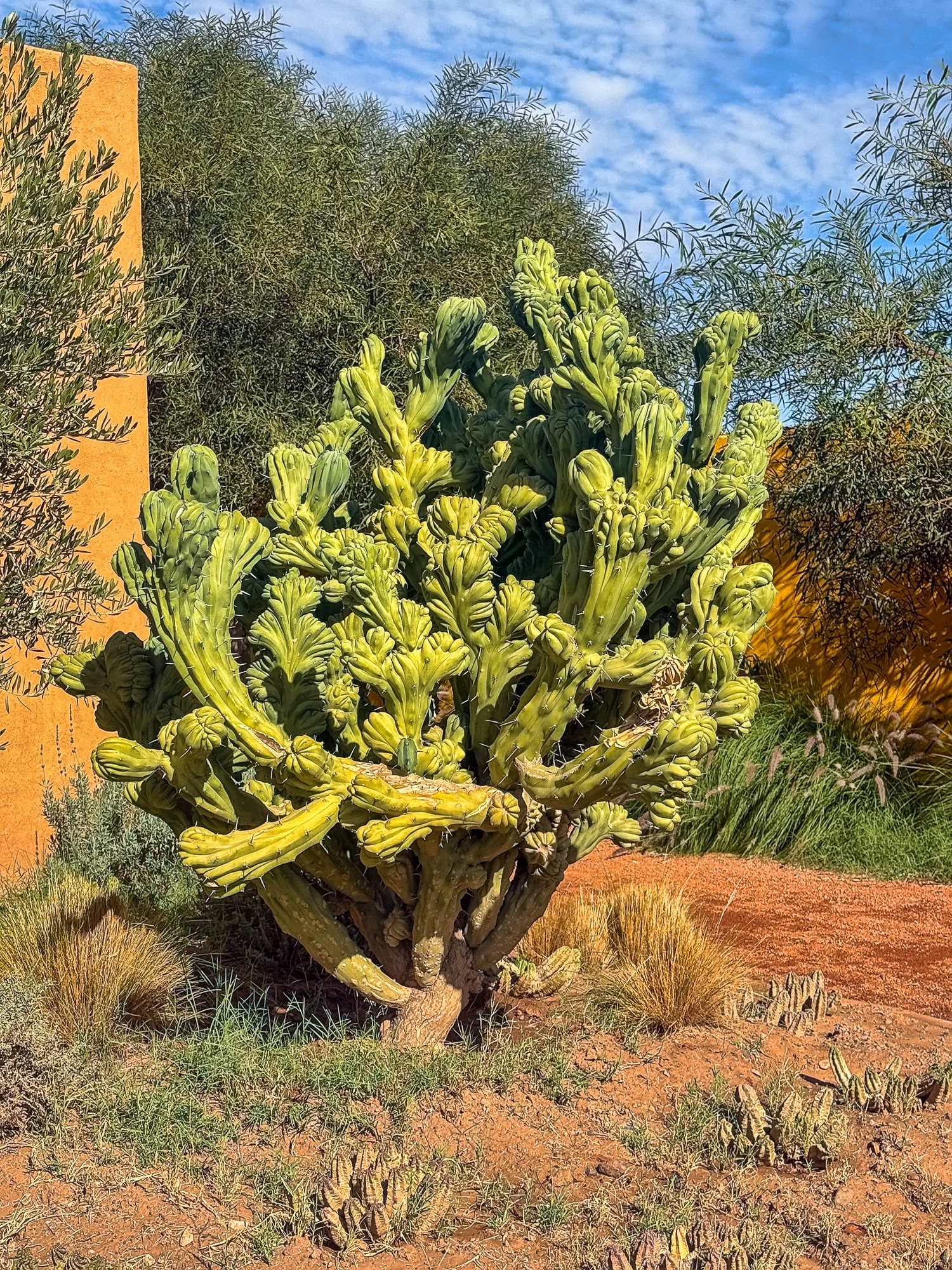
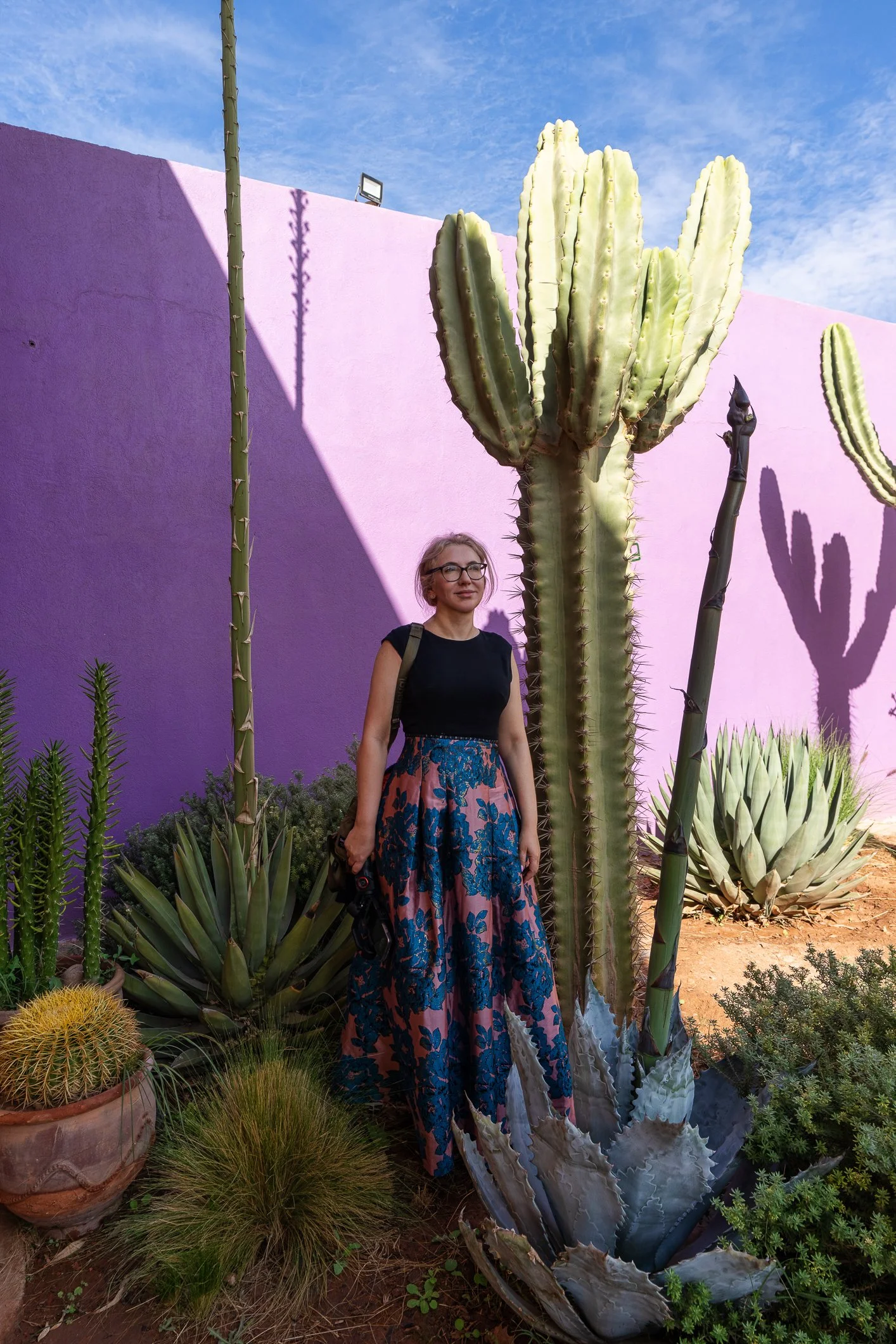
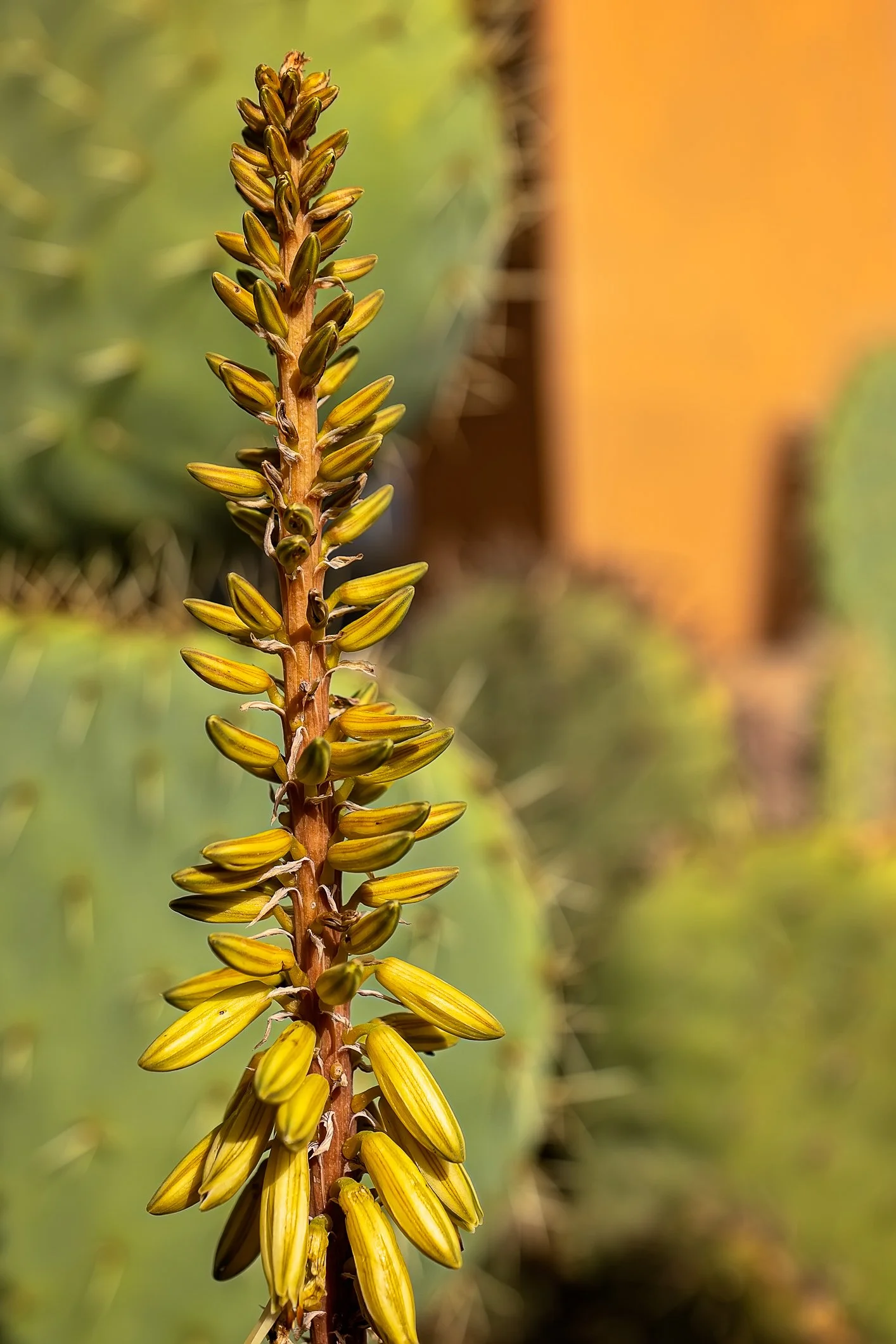
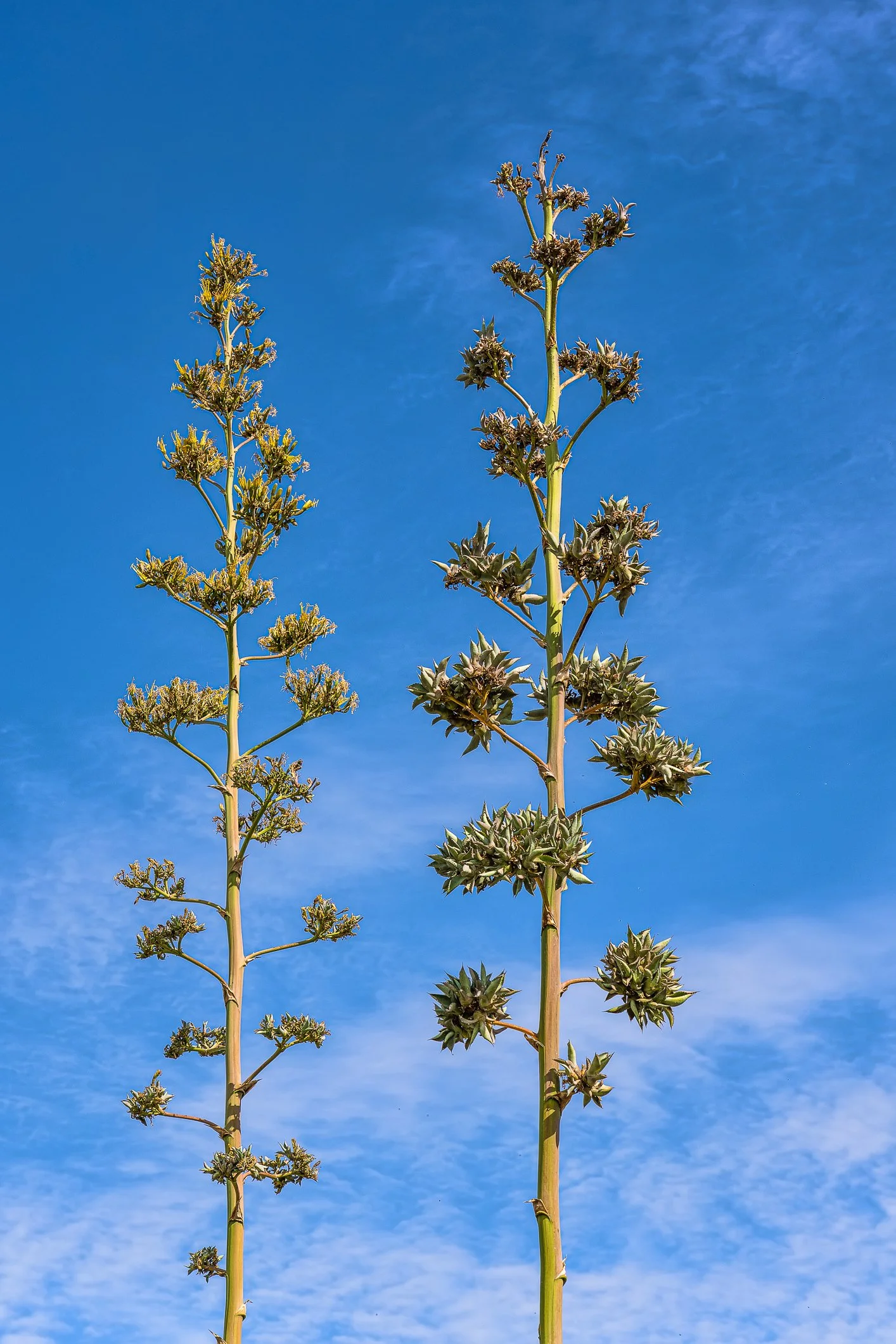
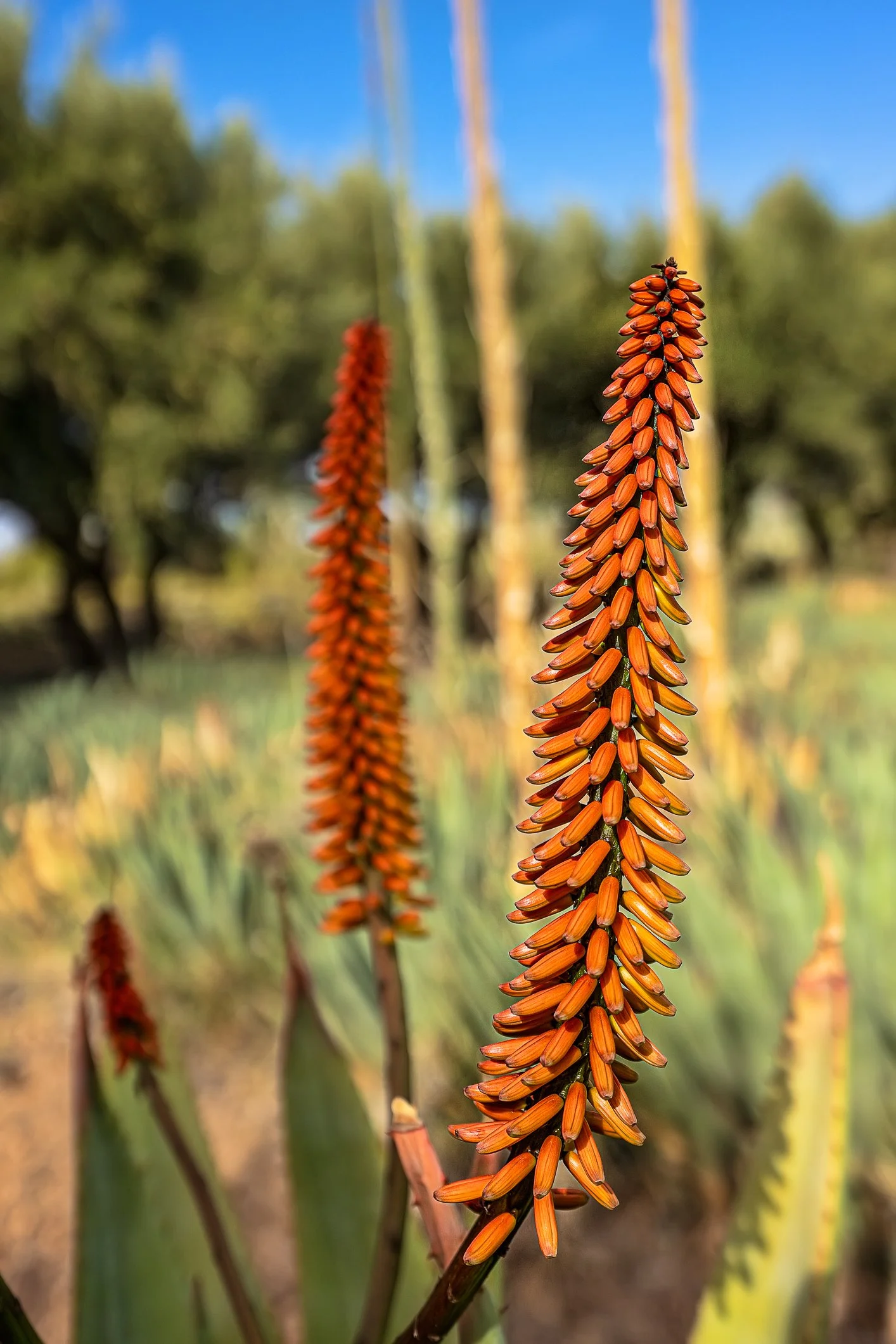
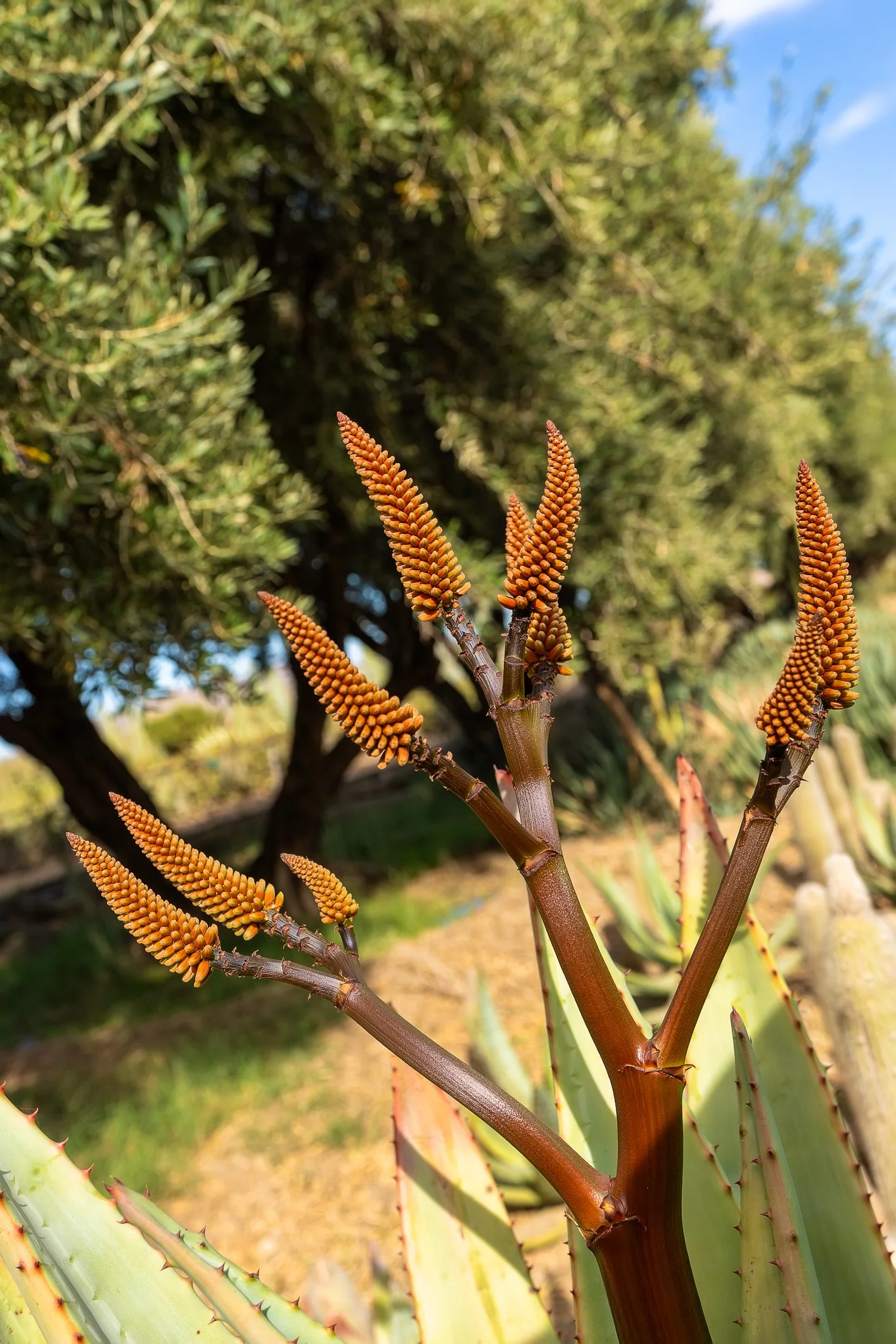
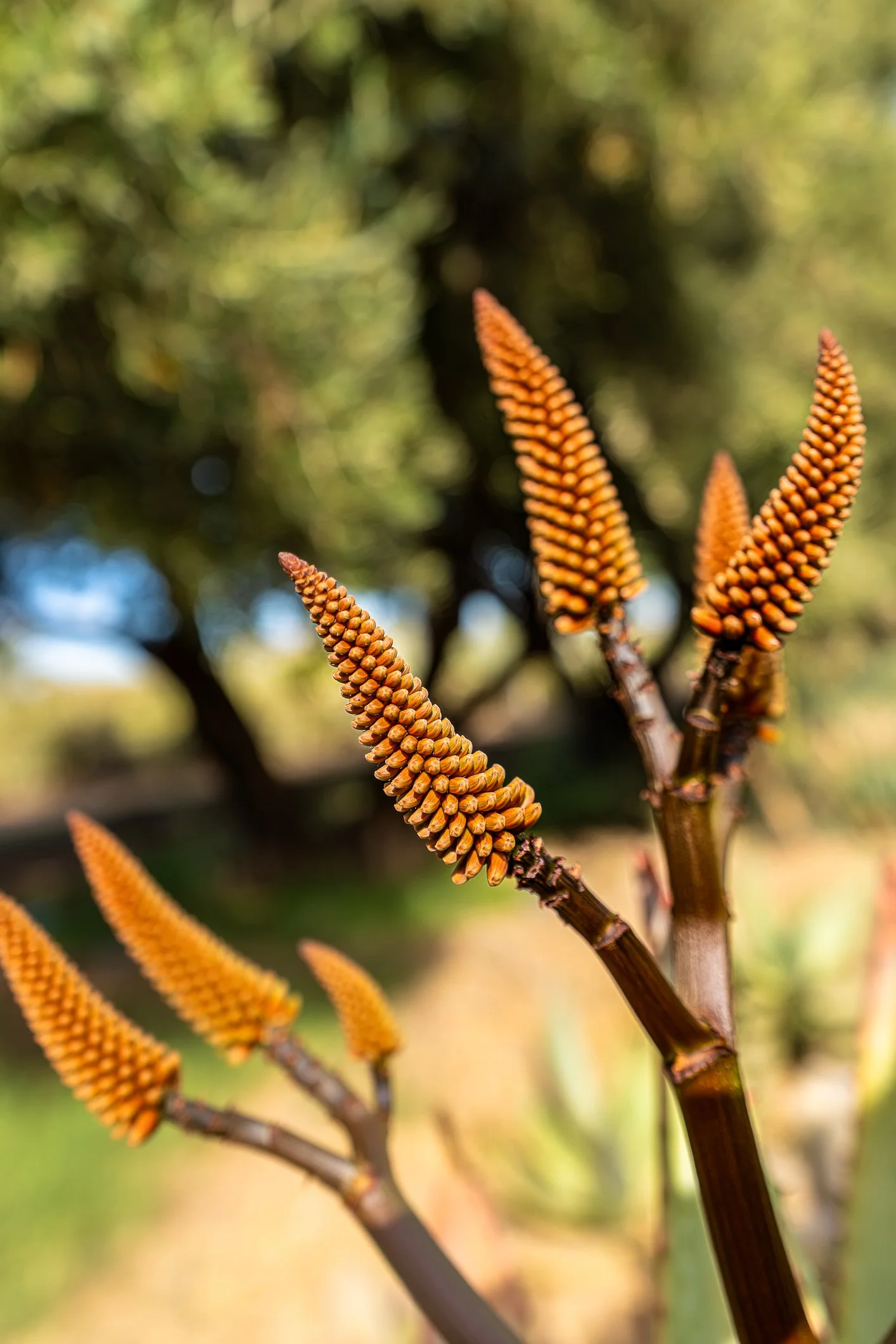
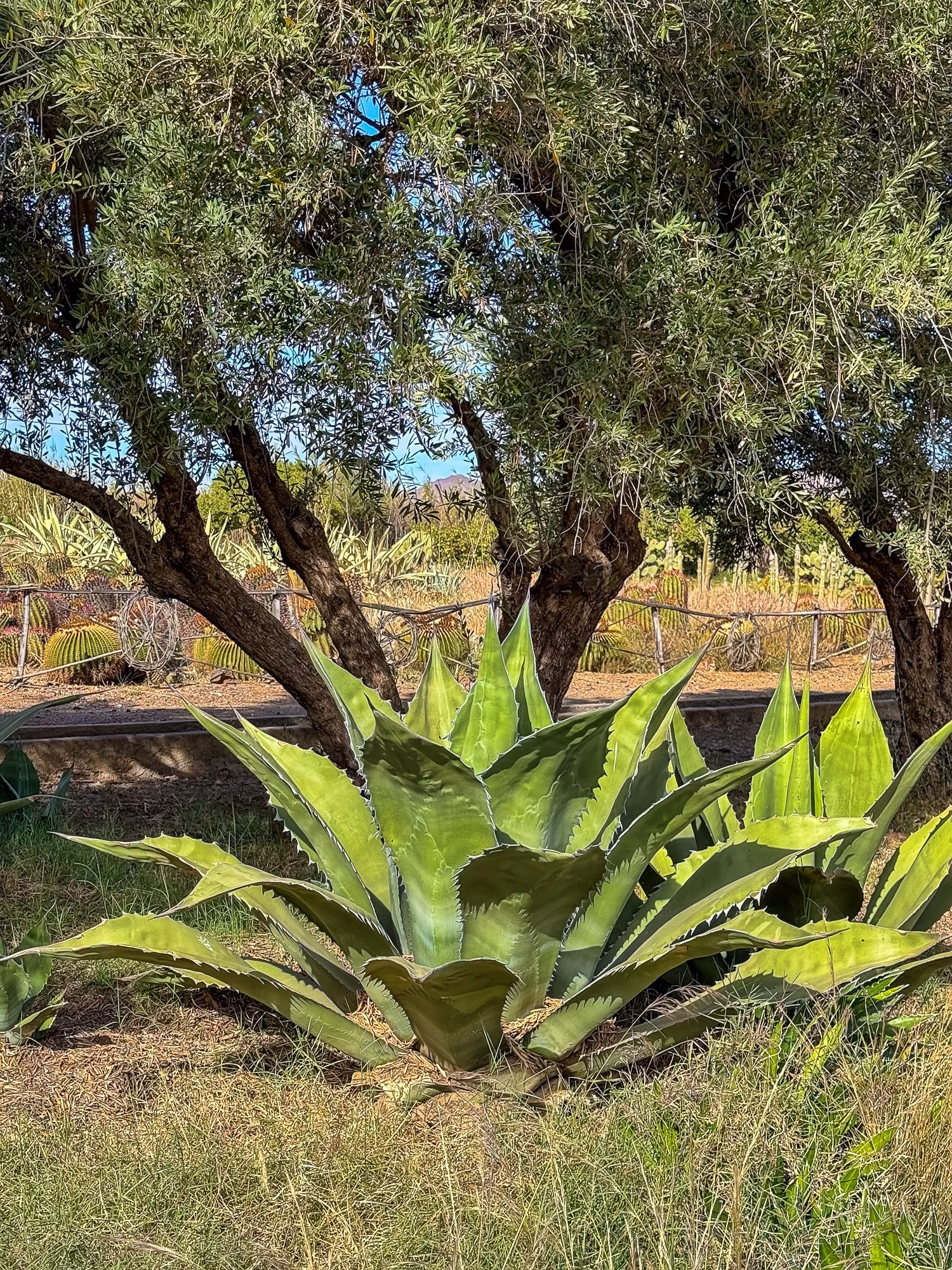
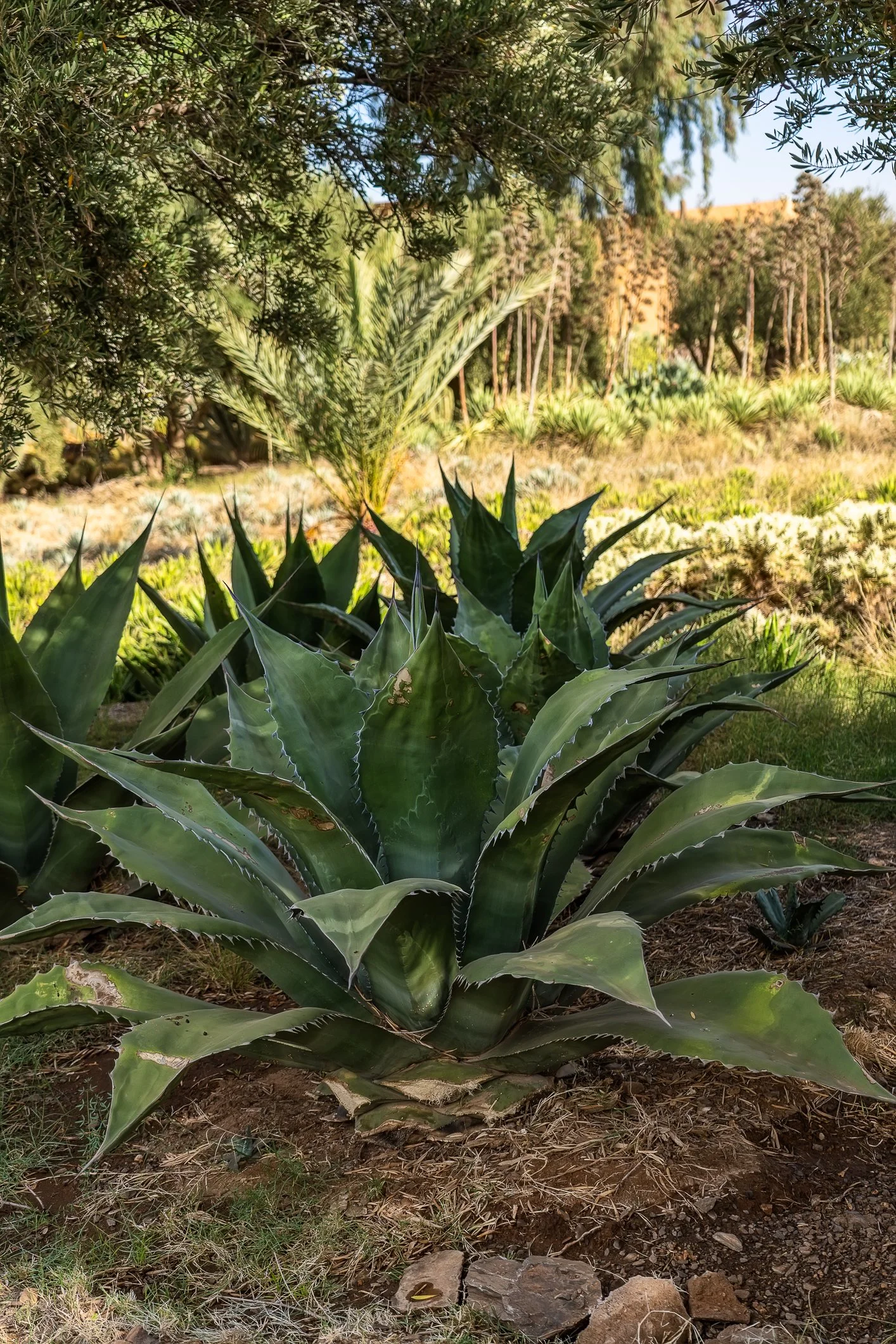
Botanically, it’s not just cacti. We also see agave, aloe, and other arid-climate plants, although the focus is clearly on large cactus species adapted to hot, dry environments.

Po kilku szklankach herbaty i kawy wracamy na dalsze zwiedzanie. W innej części ogrodu pojawiają się bardziej płaskie kaktusy z rodzaju Opuntia - bardzo popularne w Maroku i znane z jadalnych owoców. Widzimy też wiele kulistych, kolczastych form, takich jak Ferocactus czy Echinocactus. Są też mniejsze, bardziej delikatne gatunki, na przykład Mammillaria i Gymnocalycium, które zachwycają strukturą, a w odpowiednim sezonie także kwiatami.

Cactus Thiemann to jednak nie tylko kaktusy. Widzimy też agawy, aloesy i inne rośliny przystosowane do suchego klimatu, choć wyraźnie to właśnie kaktusy grają tu główną rolę.

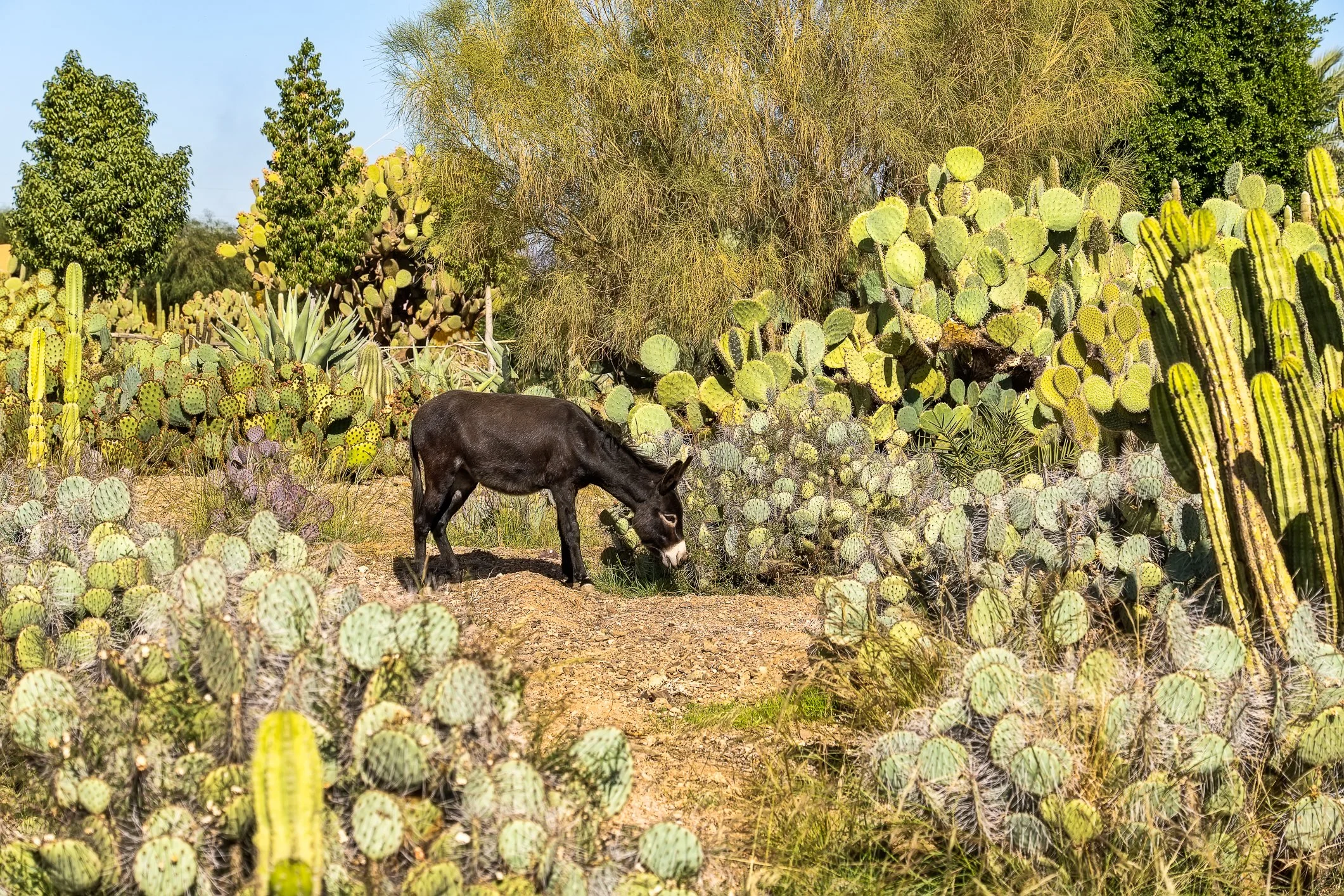
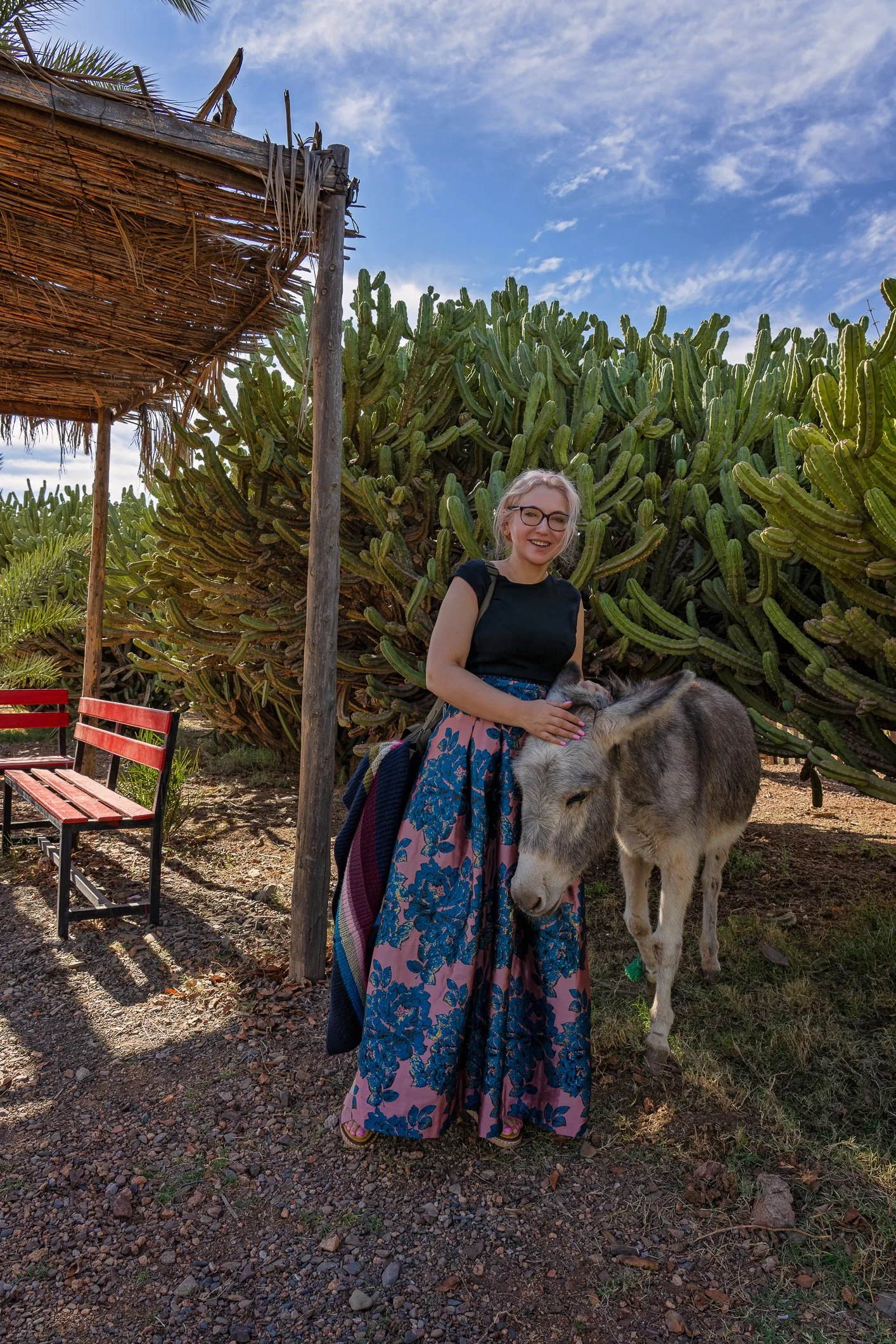
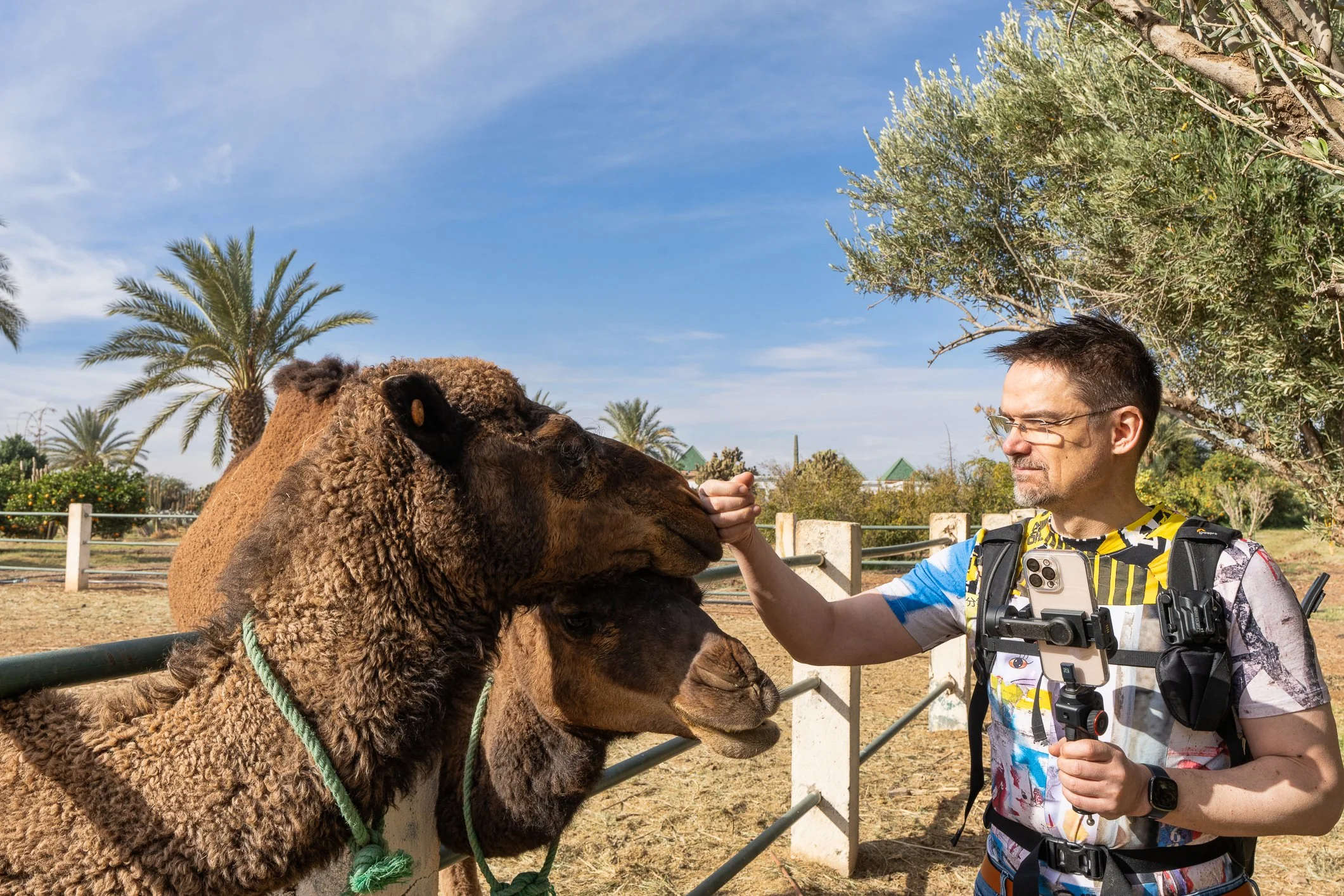
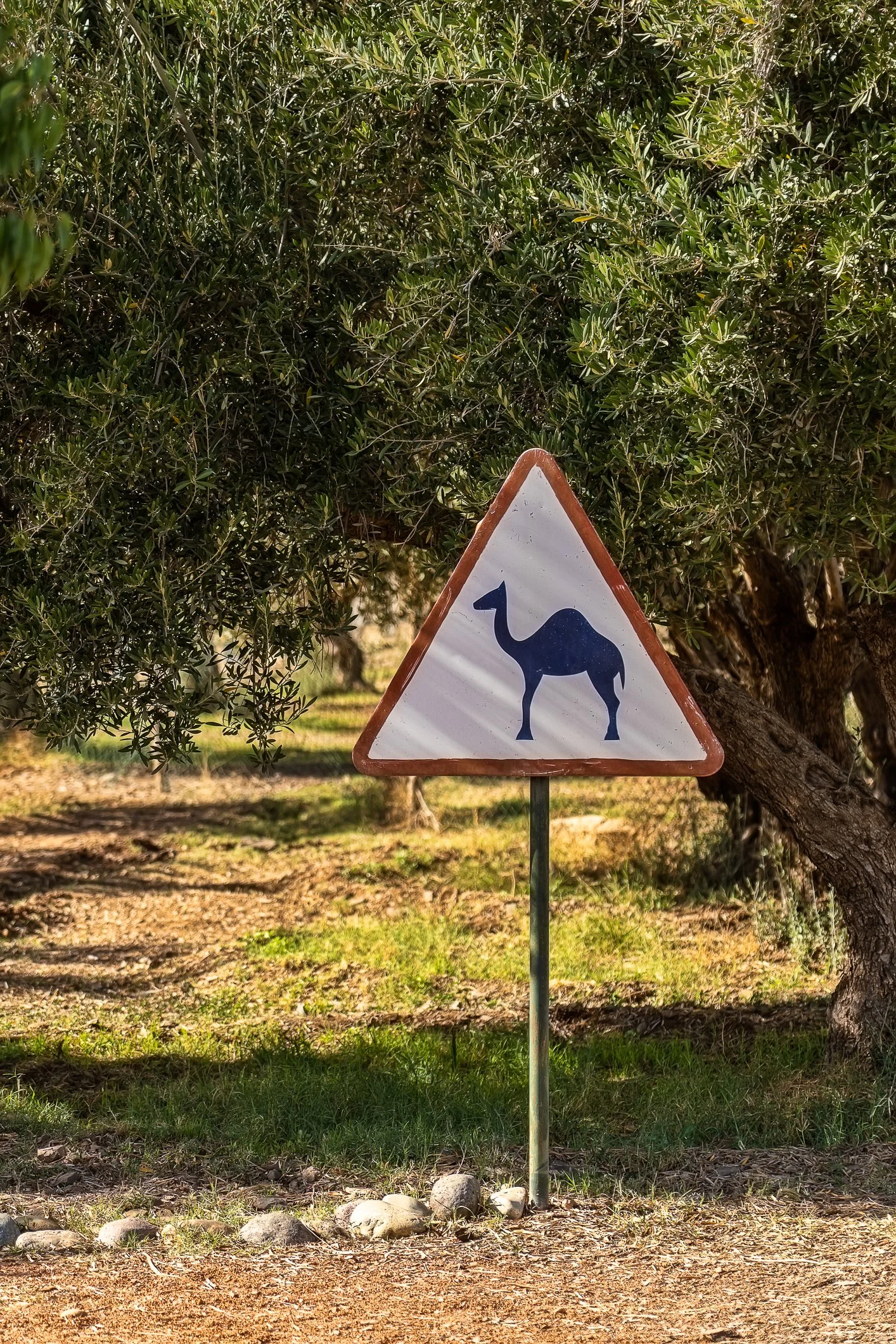
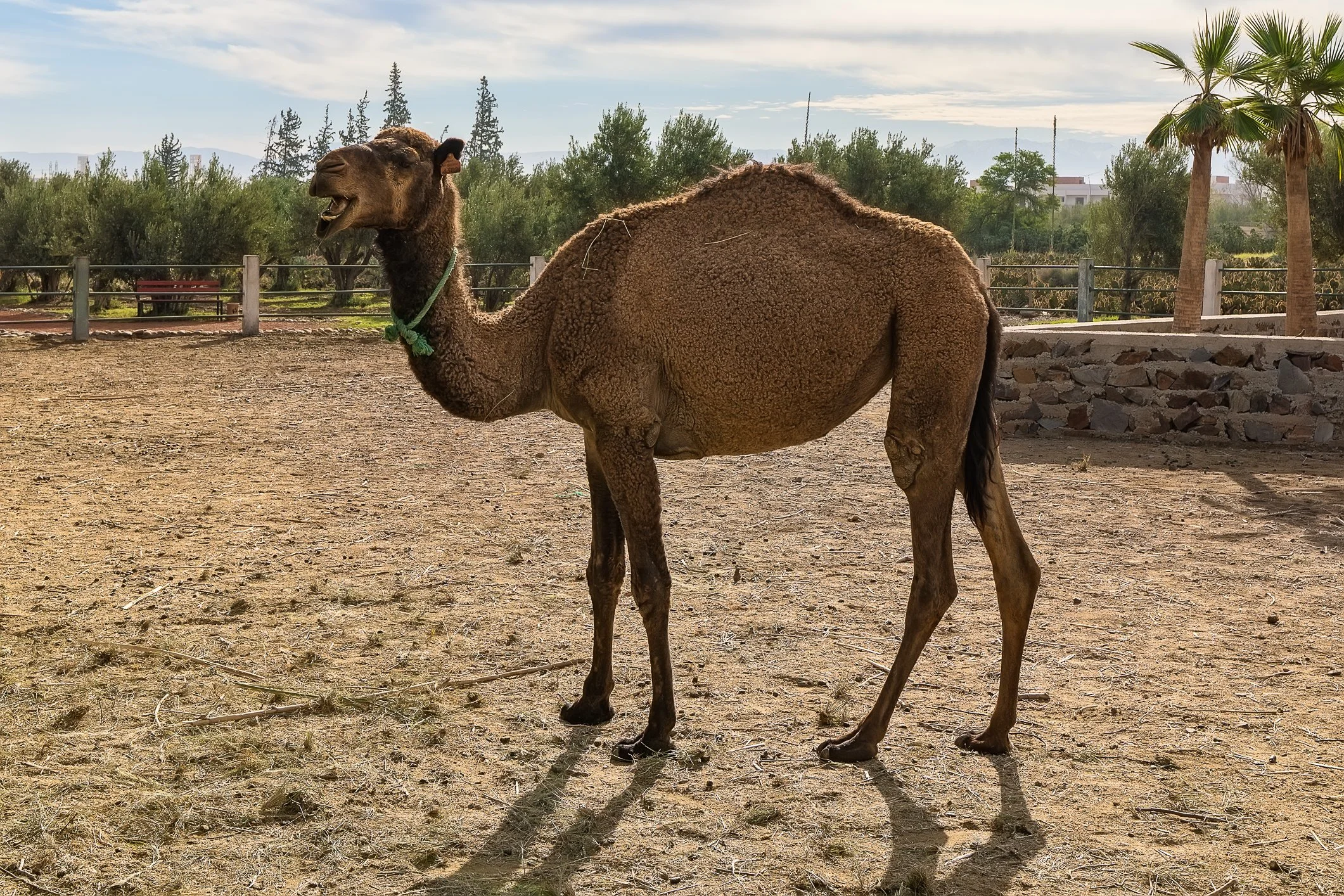
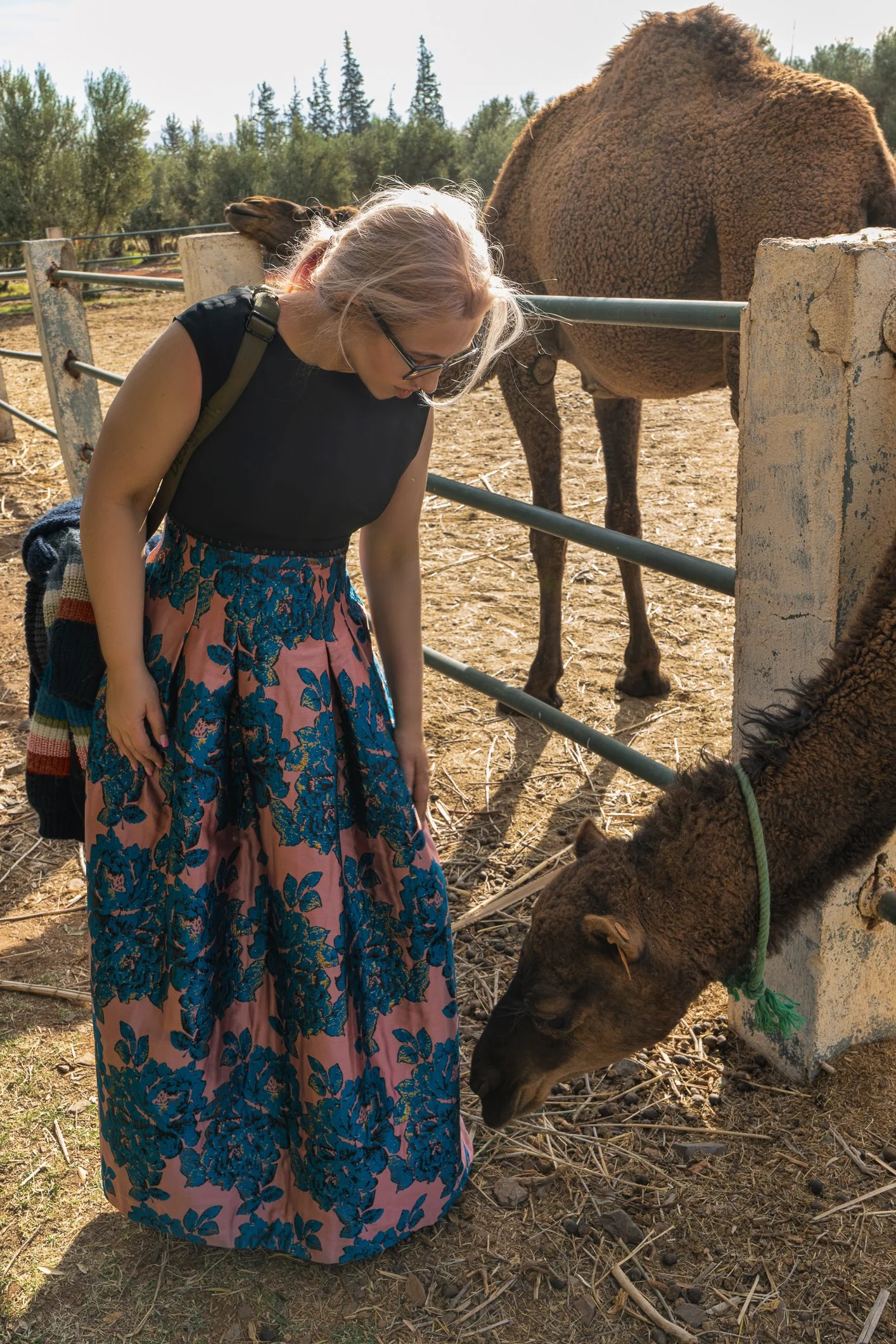
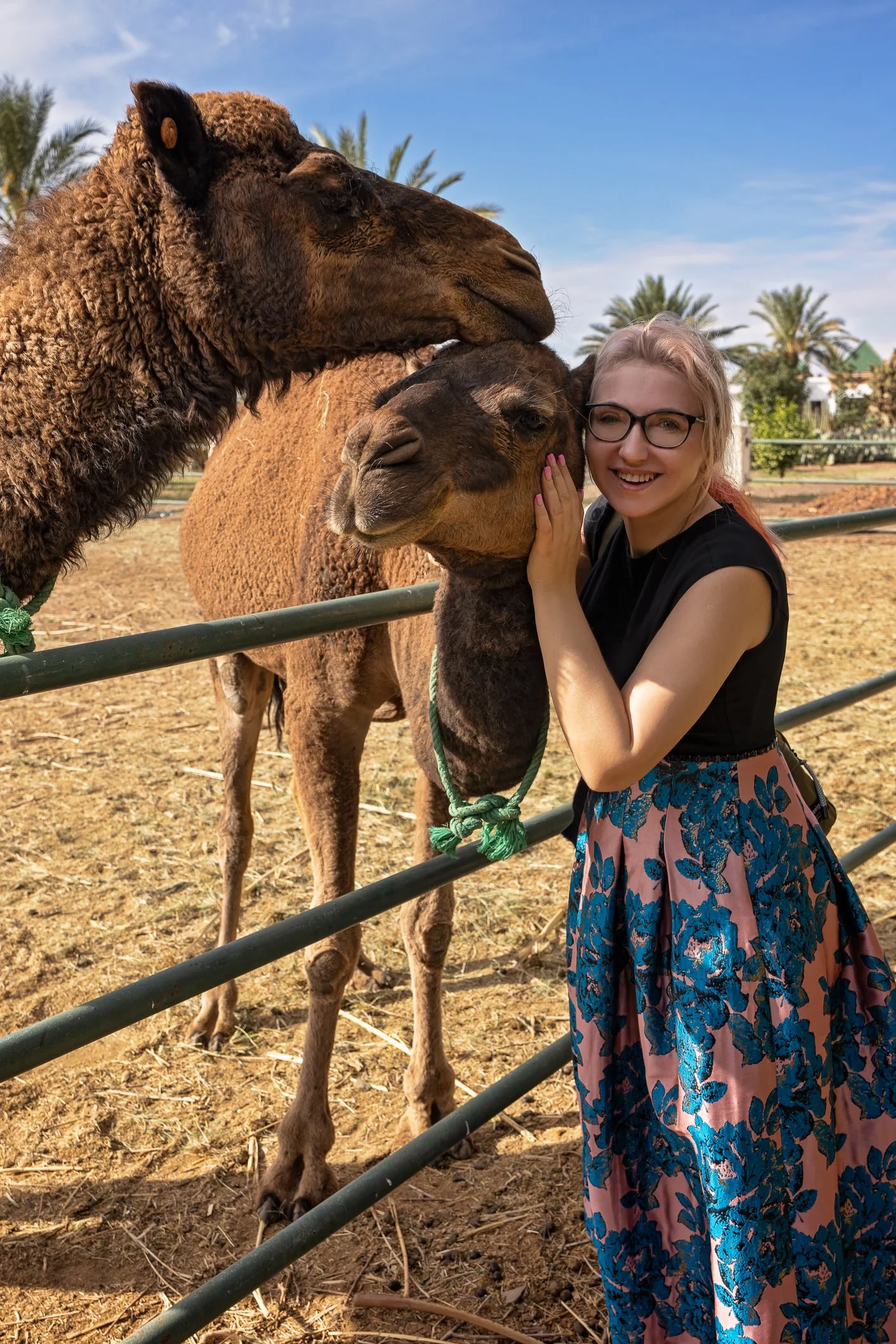
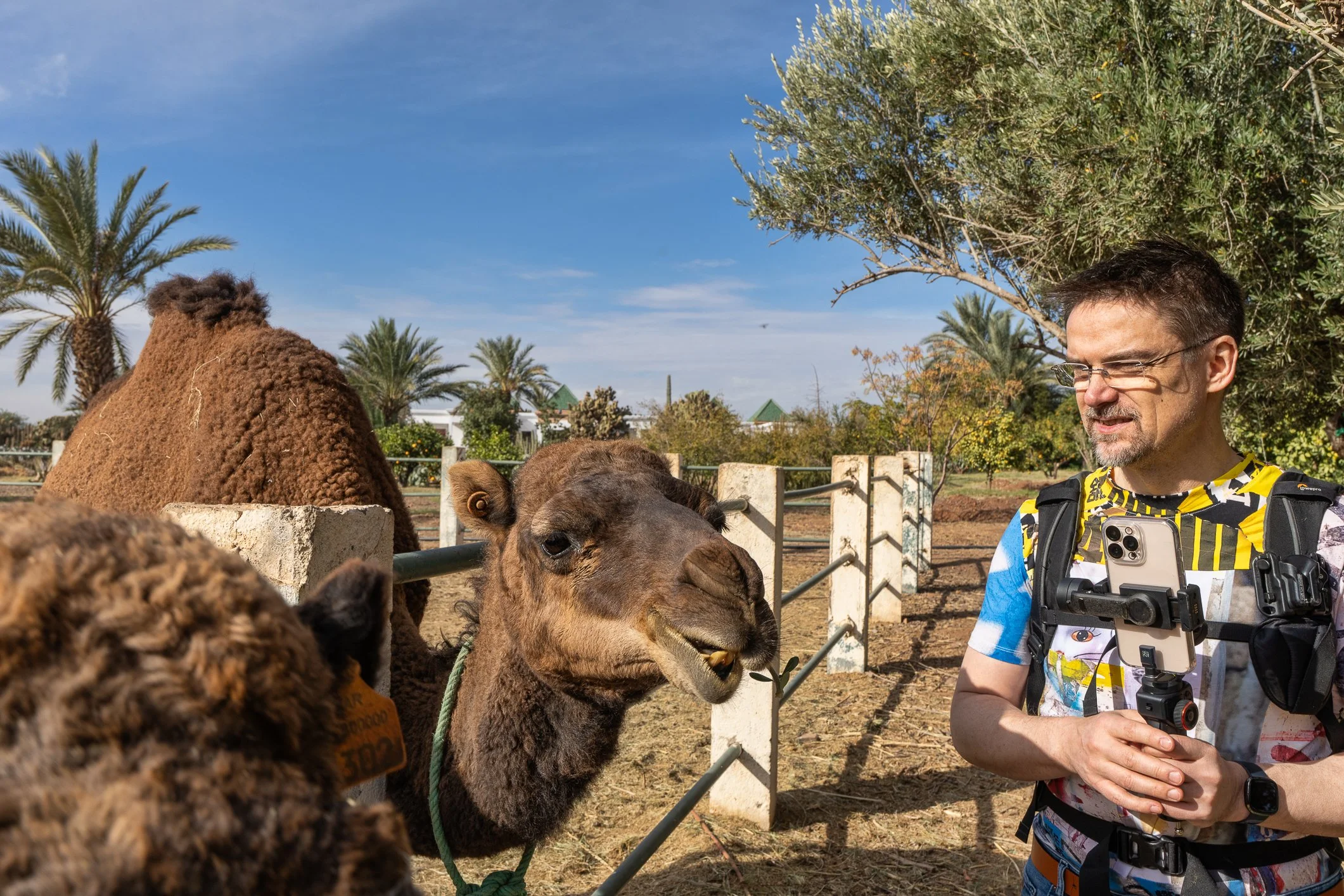
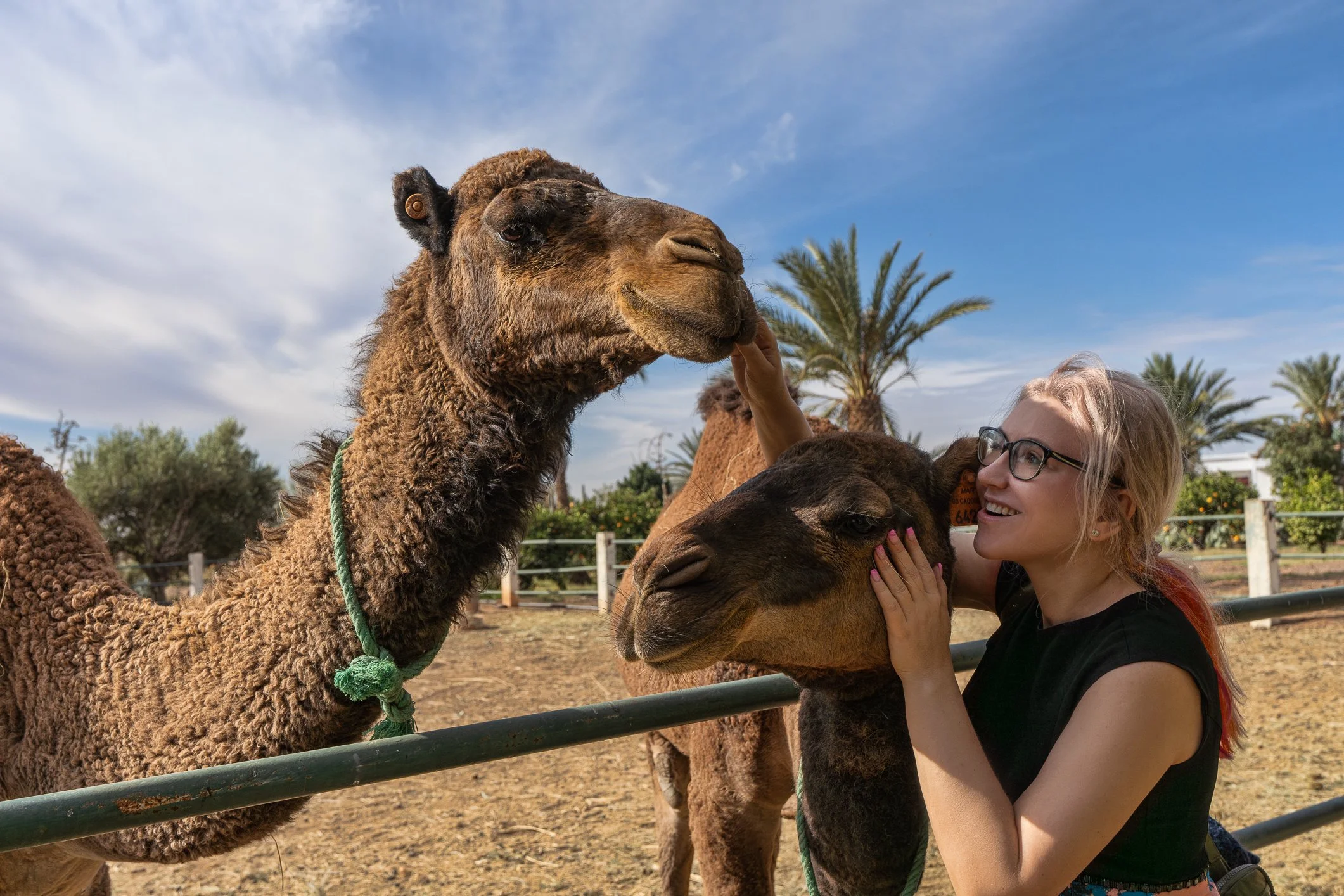
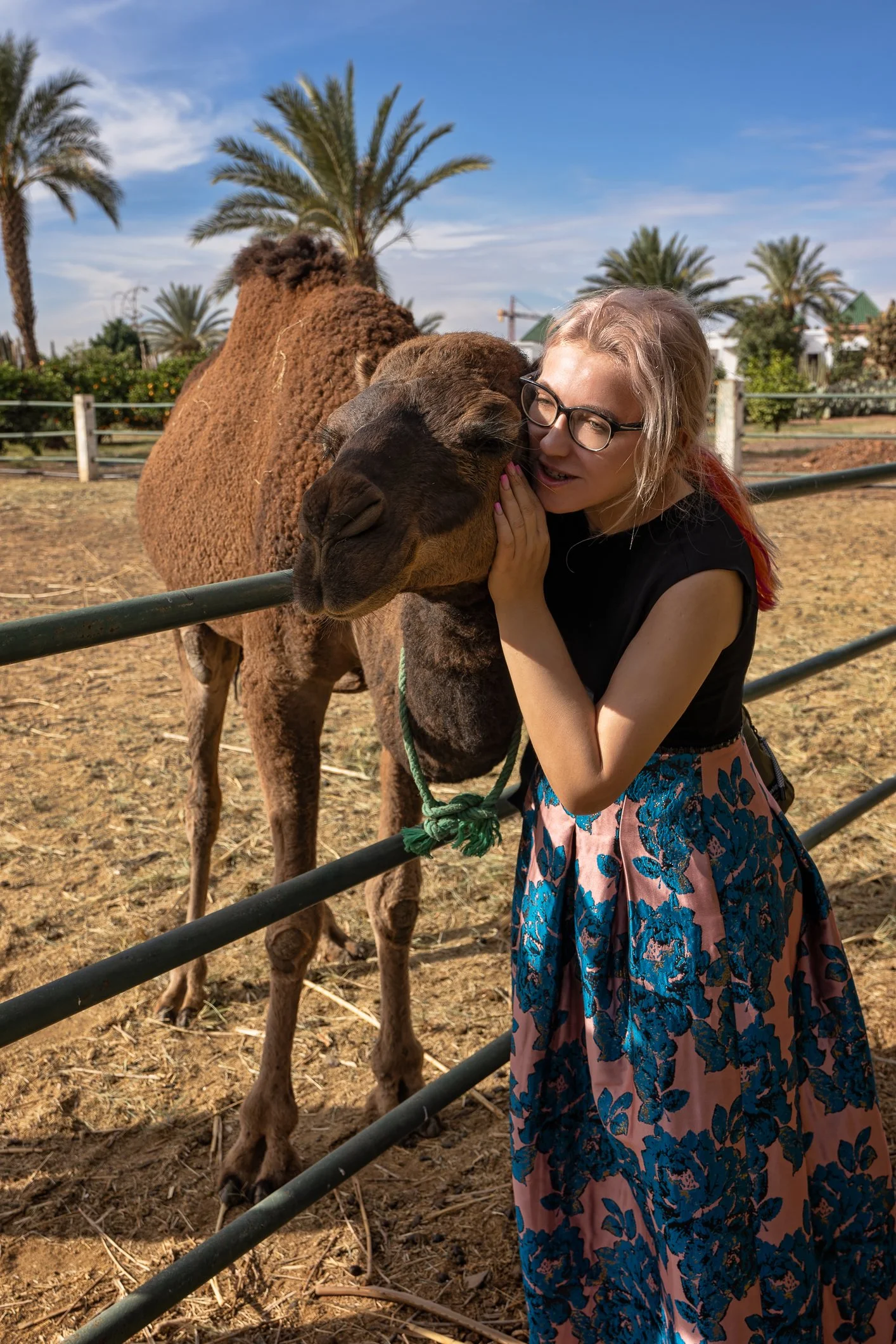
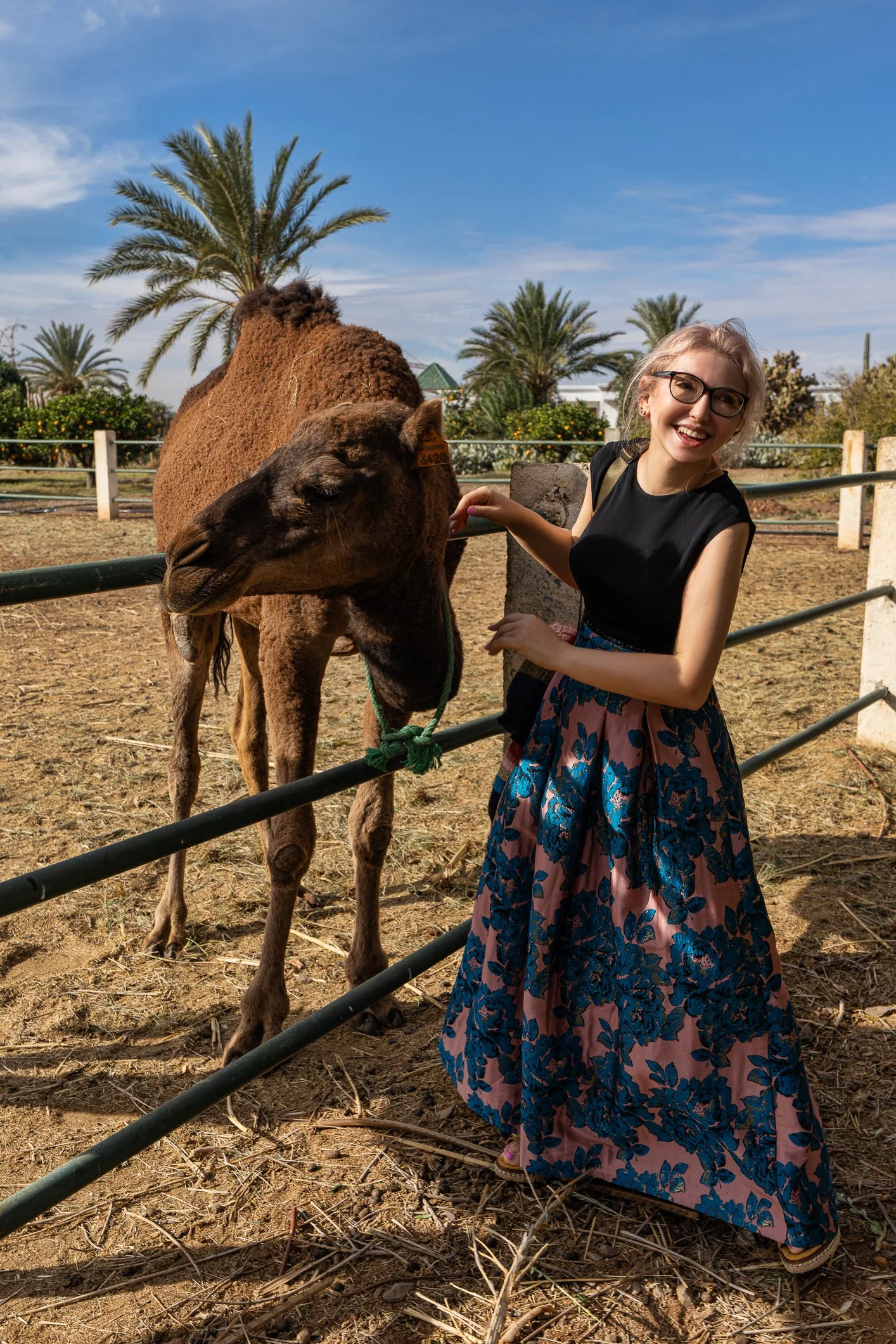
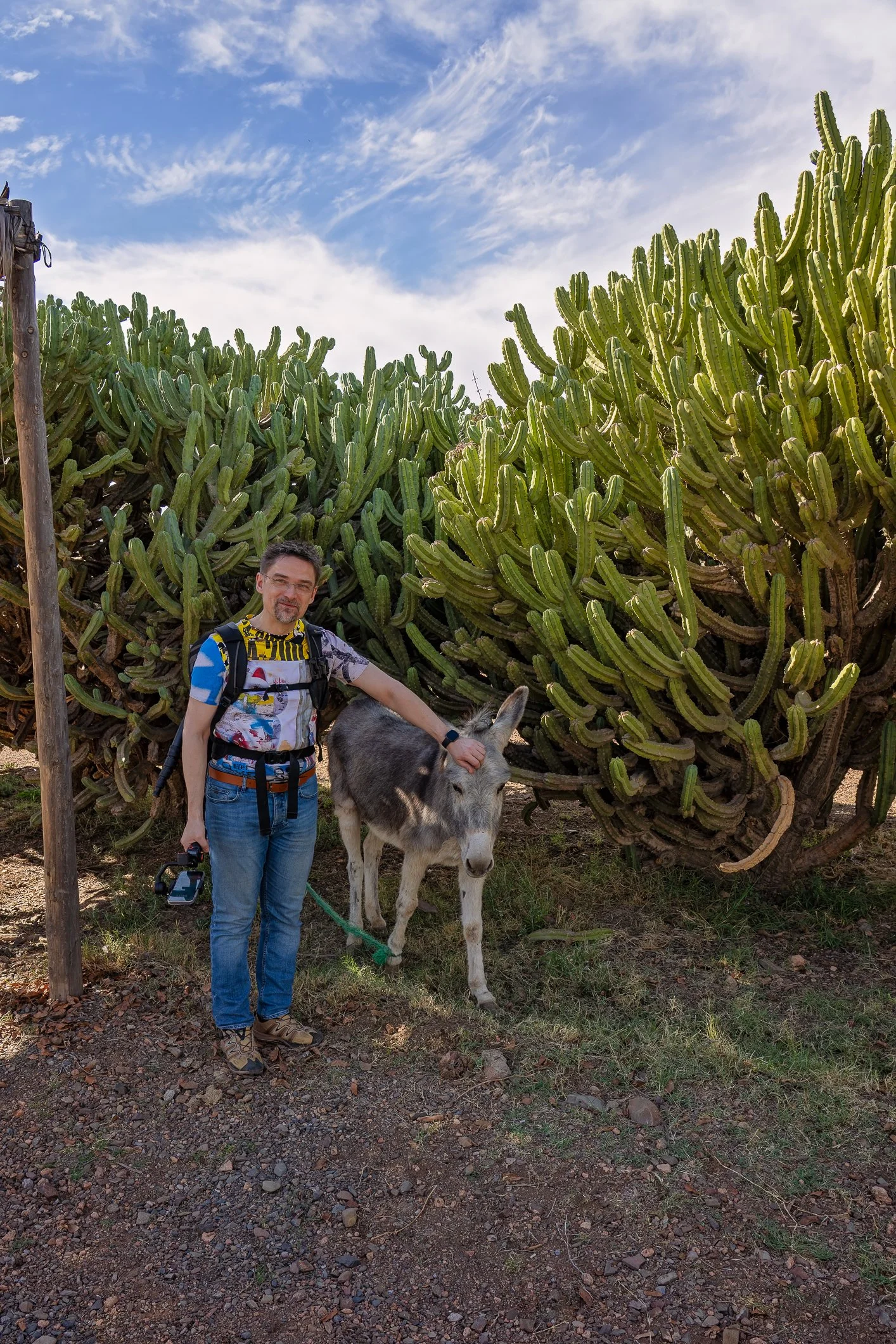
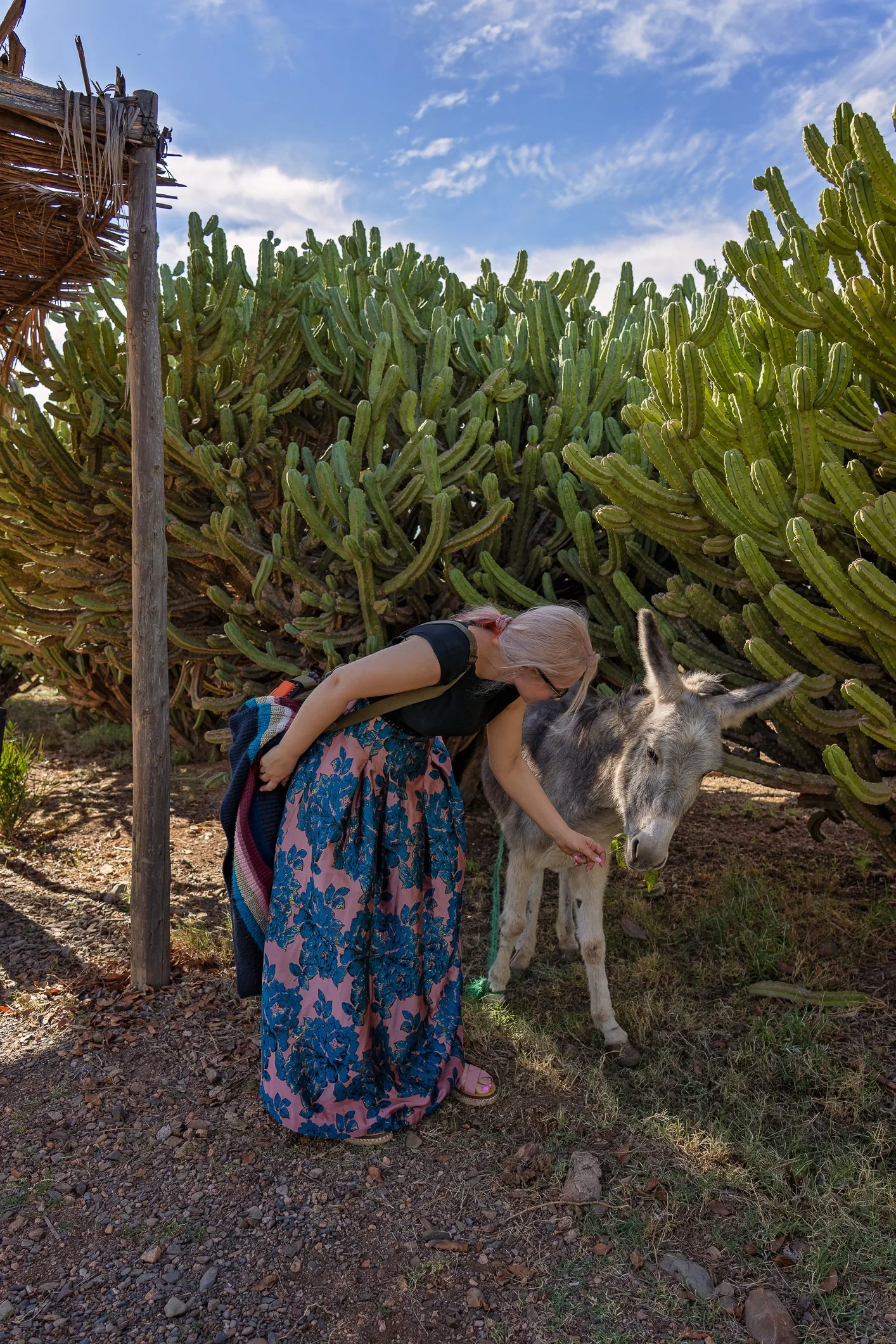
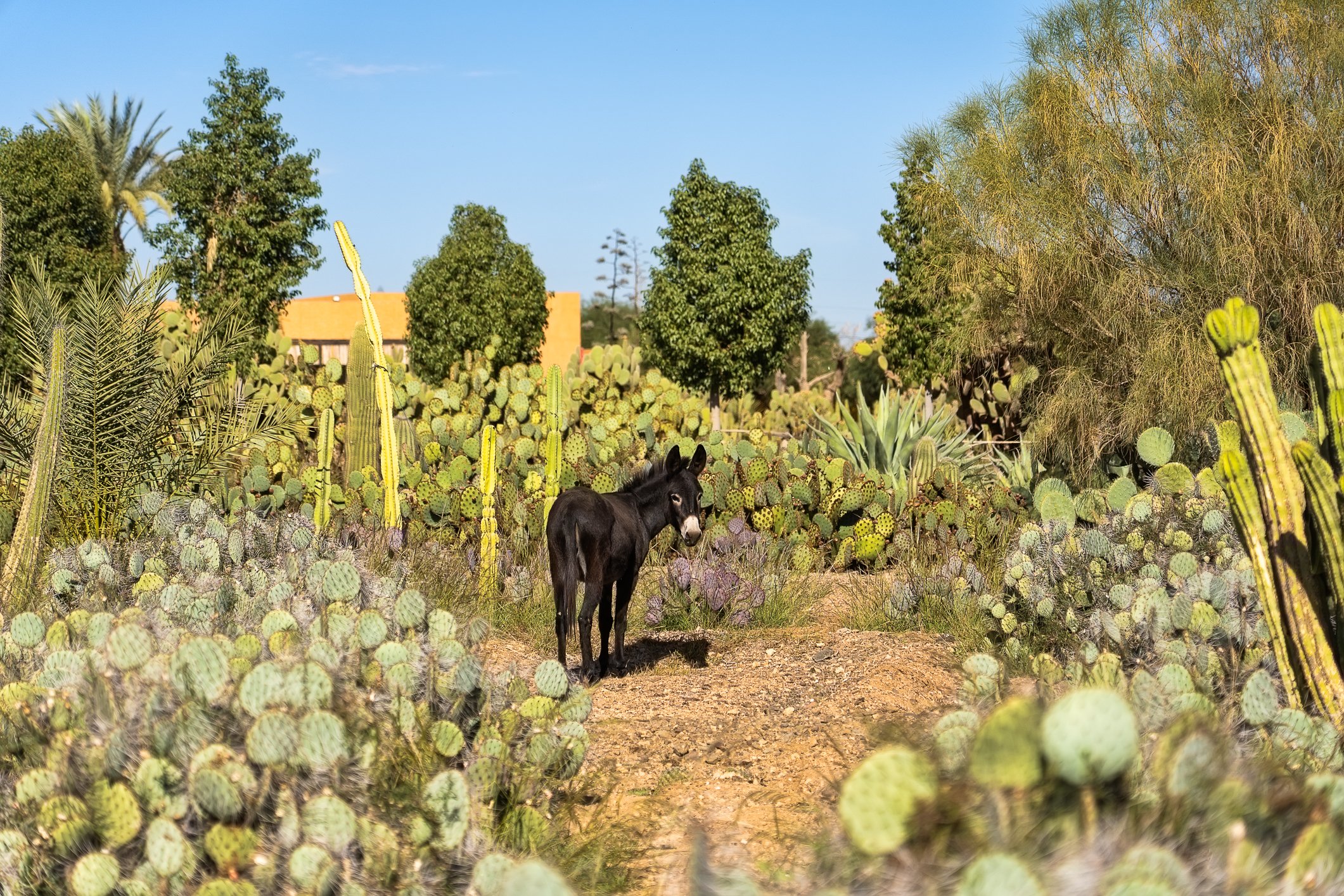
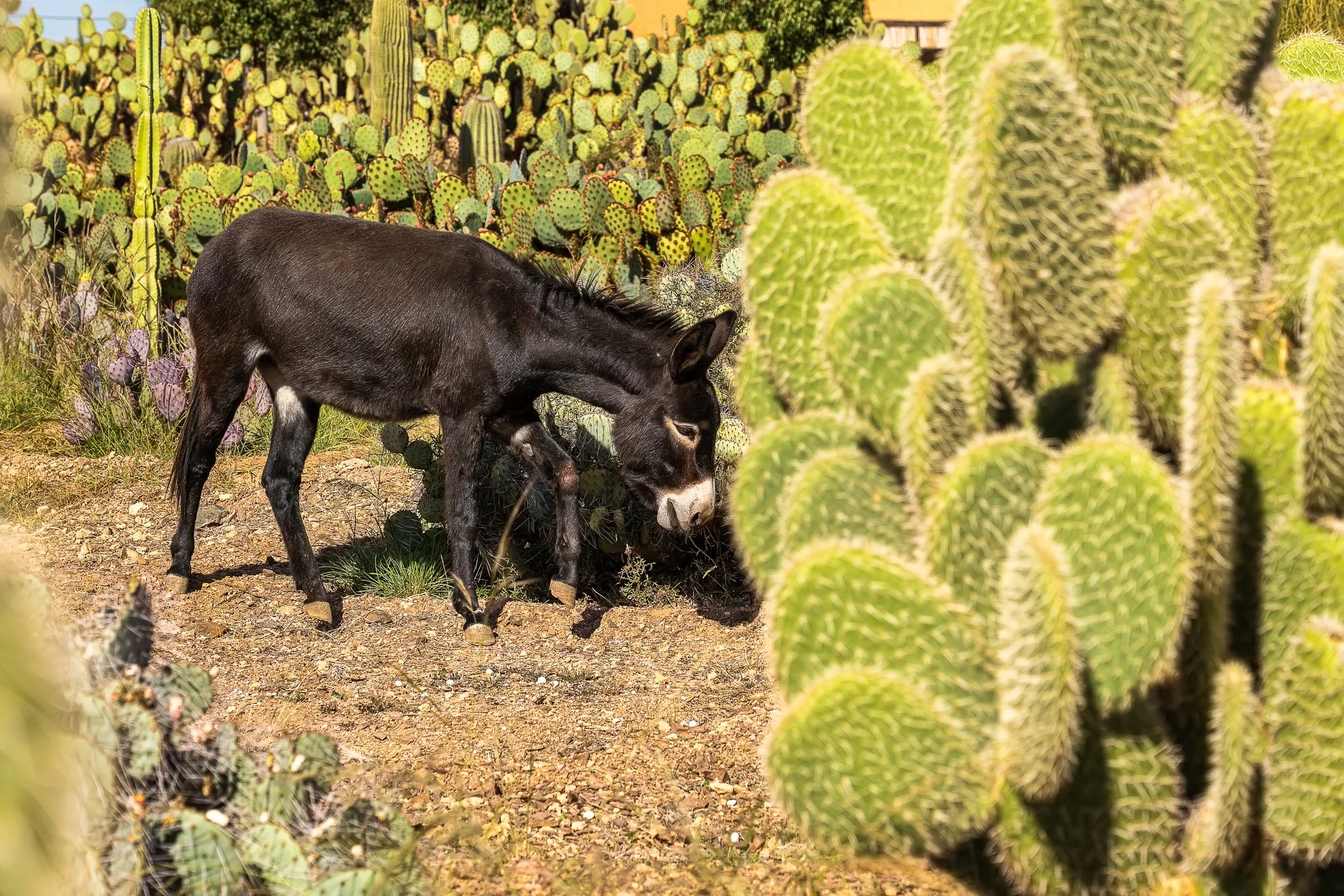
Alongside the plant collection from the Cactaceae, there are also a few animals, including Dromedary camels and Domestic donkeys - and we make friends with them immediately. The camels are kept in an enclosure they’ve eaten completely bare (so I guess we know why they are enclosed). They are very friendly and come up to us, expecting food, of course. A local worker notices us and brings some grass they like, and they are more than happy - not just to eat, but also to cuddle. One donkey we encounter is tied, but we spot several others walking freely through the fields.

Na terenie ogrodu są również zwierzęta, między innymi dromadery i osiołki. Oczywiście od razu się z nimi zaprzyjaźniamy. Wielbłądy przebywają na ogrodzonym terenie, który jest już całkowicie „wyjedzony”, więc łatwo się domyślić dlaczego. Są bardzo przyjazne, same podchodzą do nas, licząc na jedzenie. Jeden z pracowników przynosi nam trawę i wtedy zaczyna się prawdziwa interakcja: jedzenie, głaskanie i nawet trochę przytulania. Jeden napotkany przez nas osiołek jest uwiązany, ale kilka innych spaceruje swobodnie po terenie.

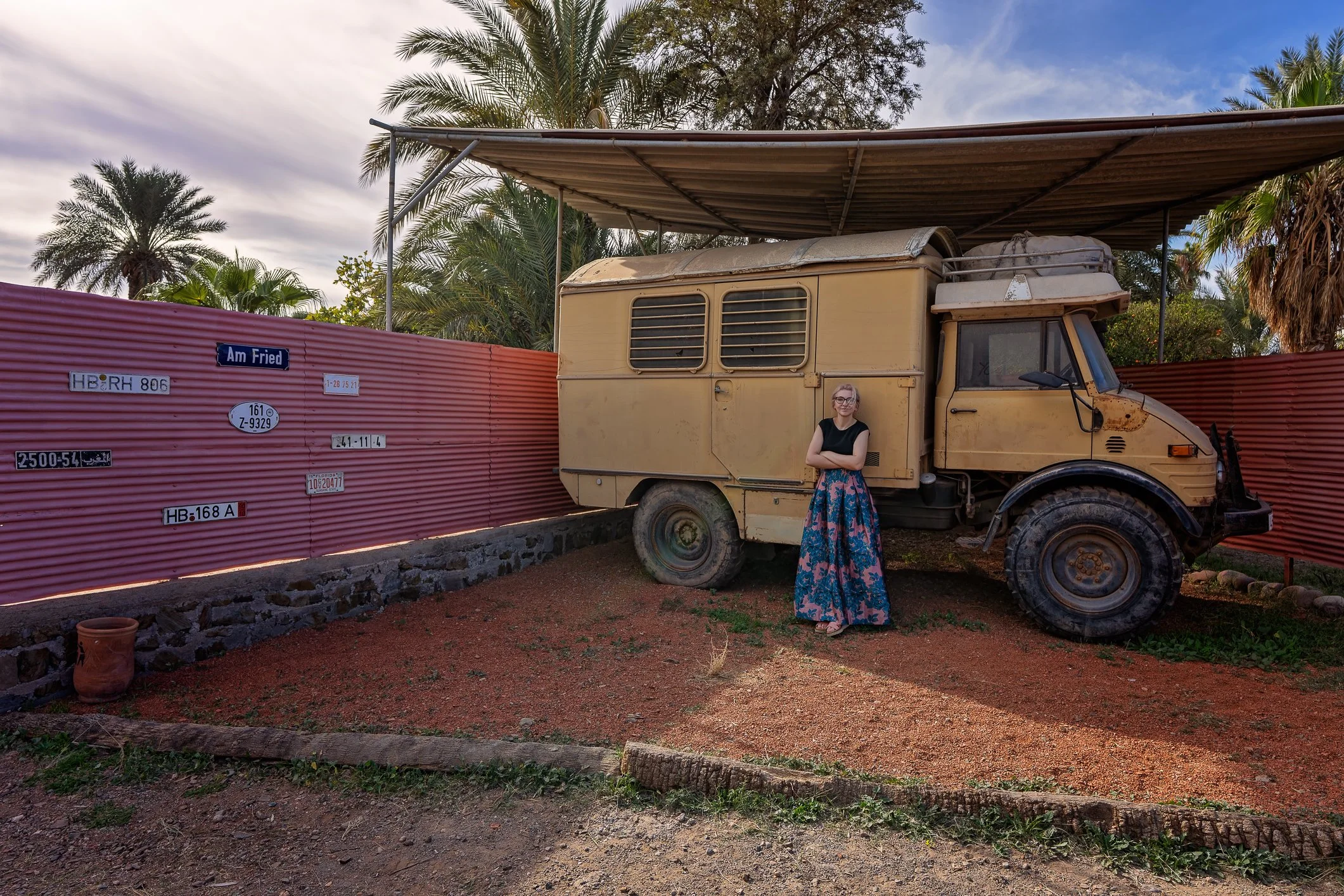
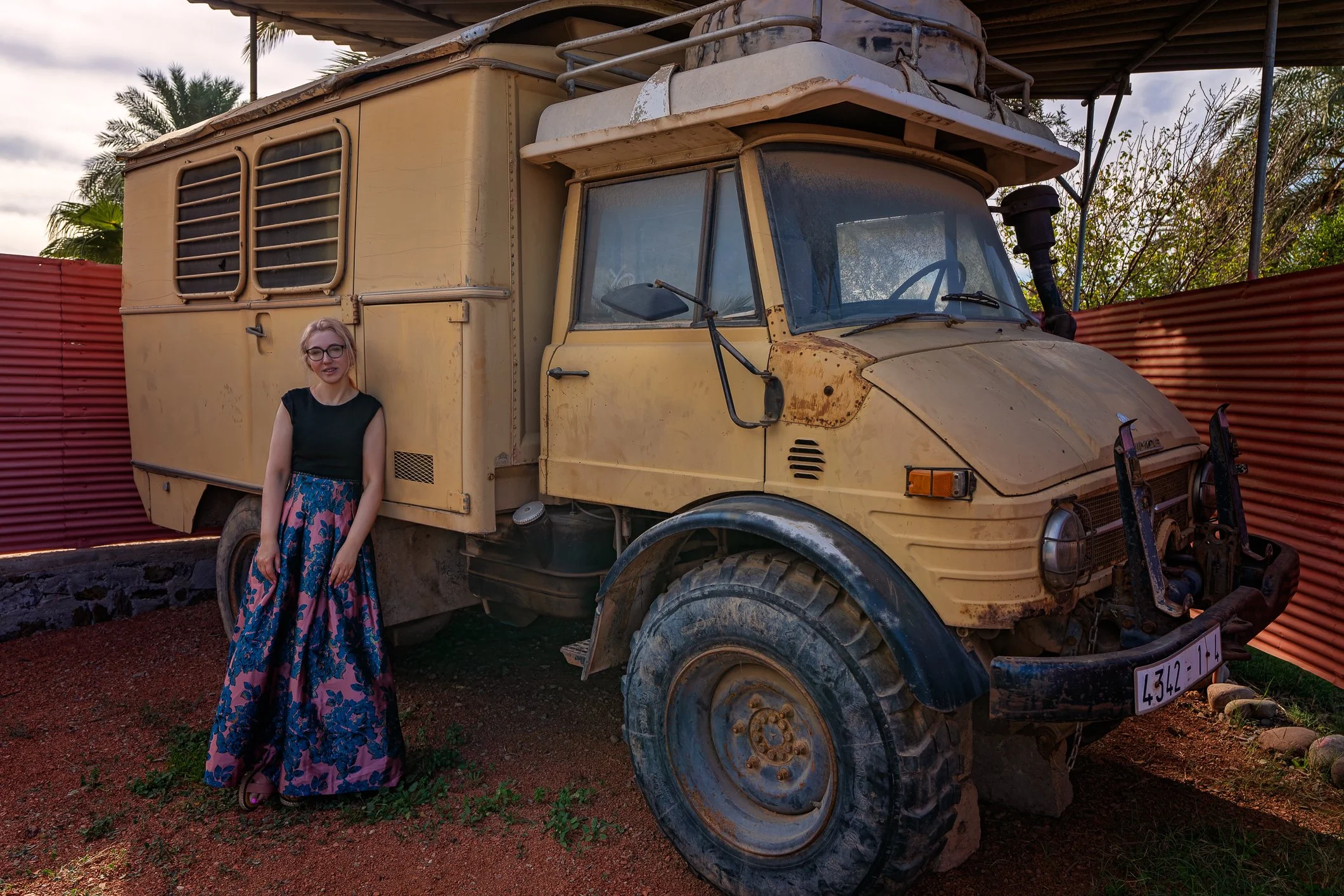
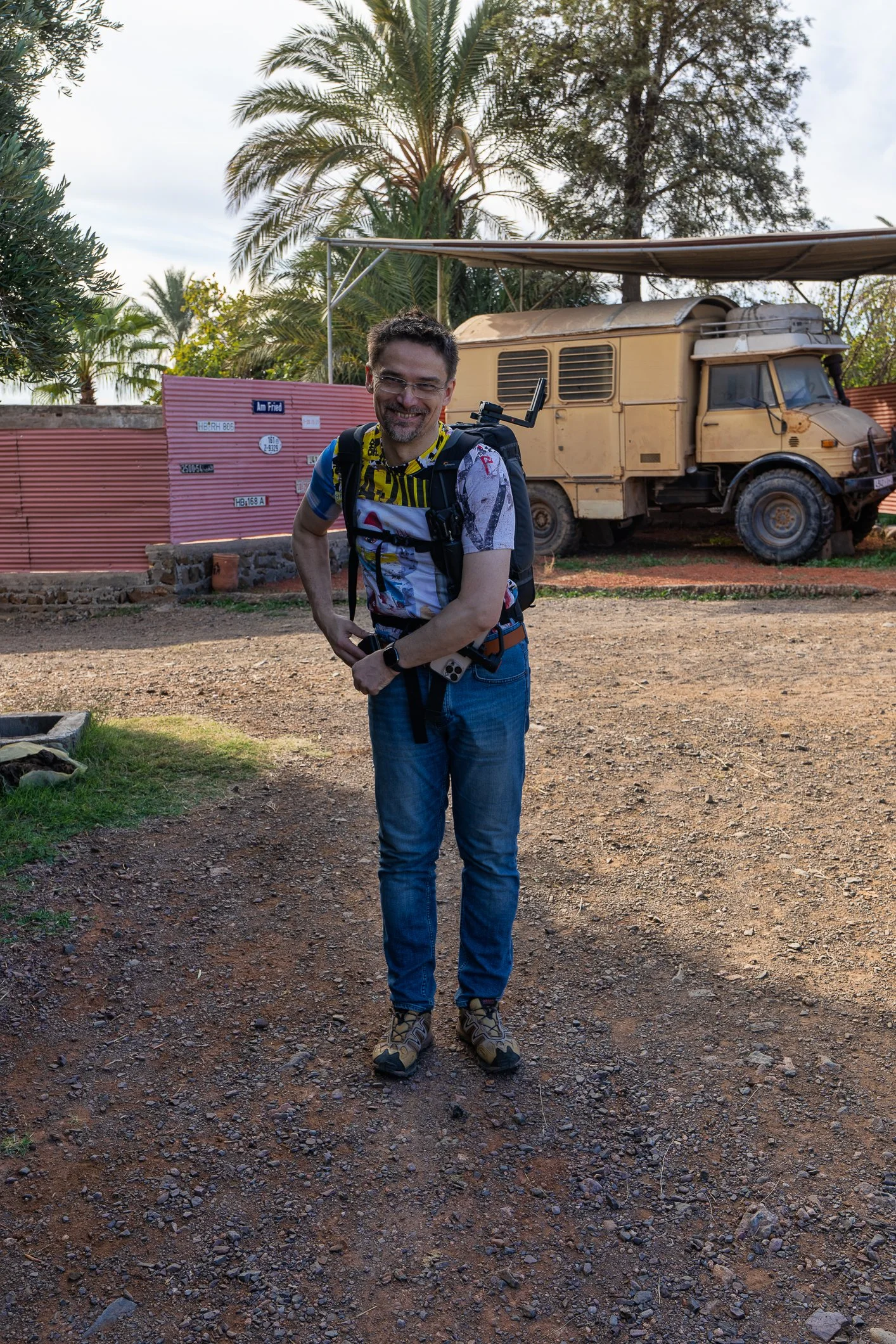
There is also an old truck on display that once belonged to Hans Thiemann. It is an Unimog, a legendary off-road utility vehicle made by Mercedes-Benz. Designed to handle extreme terrain like deserts, farms, and mountains, it has been used around the world since the 1950s for agriculture, military work, and expeditions. Thiemann used it when he first came to Morocco and when he was collecting and transporting cactus plants.

Na terenie ogrodu stoi też stary samochód należący kiedyś do Hansa Thiemanna. To Mercedes-Benz Unimog, legendarny pojazd użytkowy zaprojektowany do pracy w trudnych warunkach - na pustyni, w górach czy na farmach,  który przez dekady był wykorzystywany na całym świecie. Thiemann używał go do transportu kaktusów i pracy na farmie.

After quite a few hours of exploring, we are finally ready for our taxi. While waiting, we pop into the small shop selling cactus-related products like oils and honey. I treat myself to a rather luxurious hair oil and, of course, some chocolate. A perfect finish to a wonderful visit.

Po dobrych  kilku godzinach spędzonych na łażeniu po ogrodach jesteśmy w końcu gotowi na powrót. Czekając na taksówkę, zaglądamy jeszcze do małego sklepiku z produktami na bazie kaktusów - olejkami, miodami i innymi drobiazgami. Kupuję luksusowy olejek do włosów i, oczywiście, czekoladę. I jest to idealne zakończenie tej wizyty.

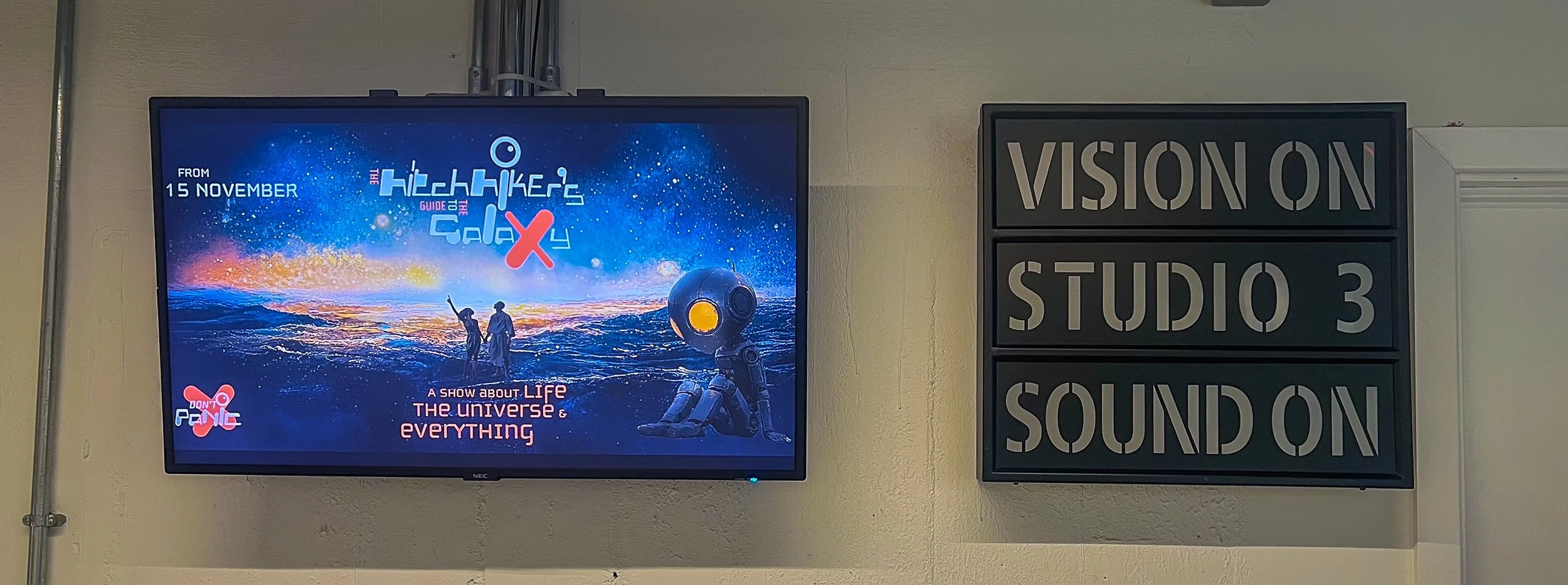
The Hitchhiker’s Guide to the Galaxy at the Riverside Studios

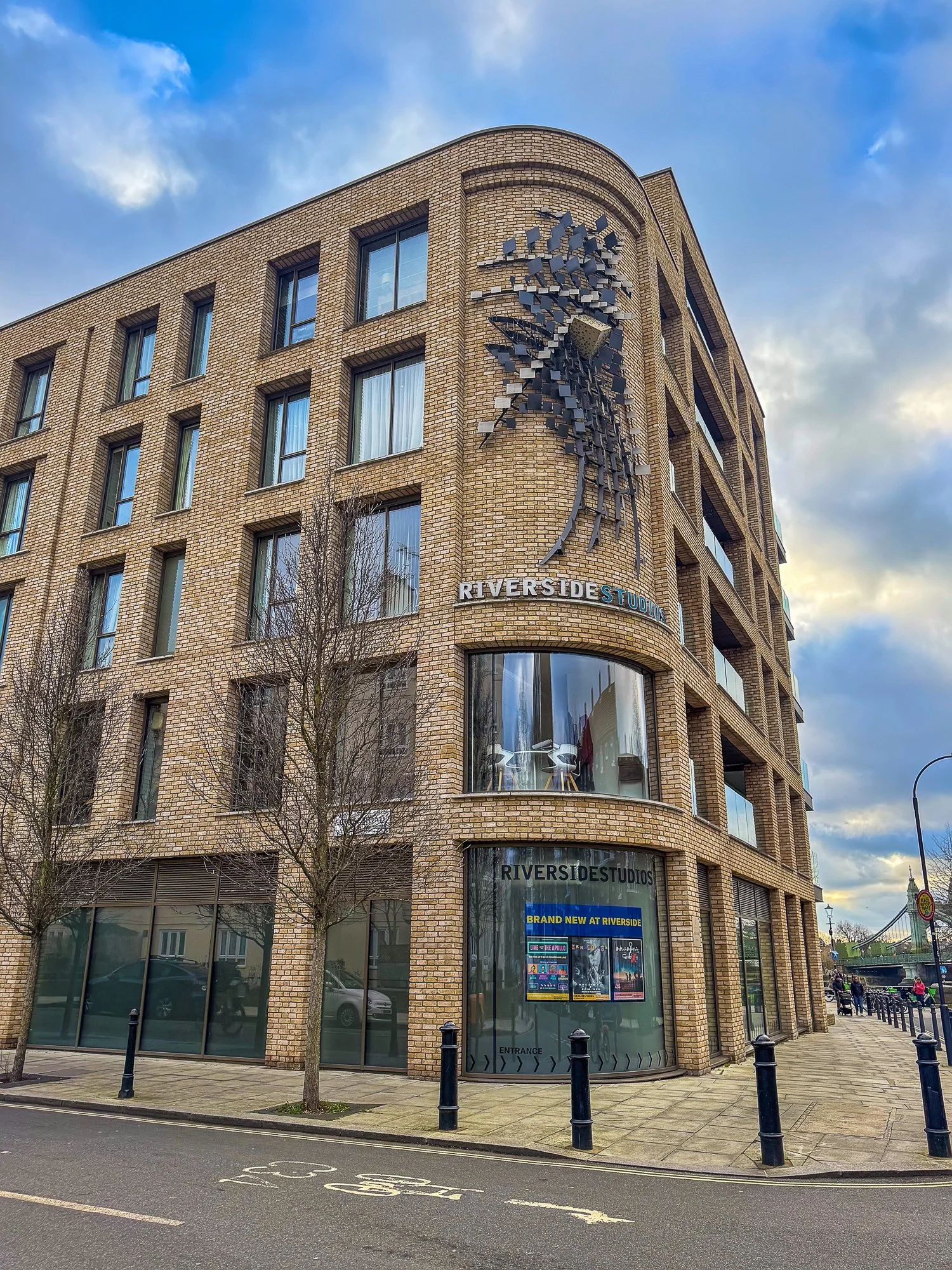
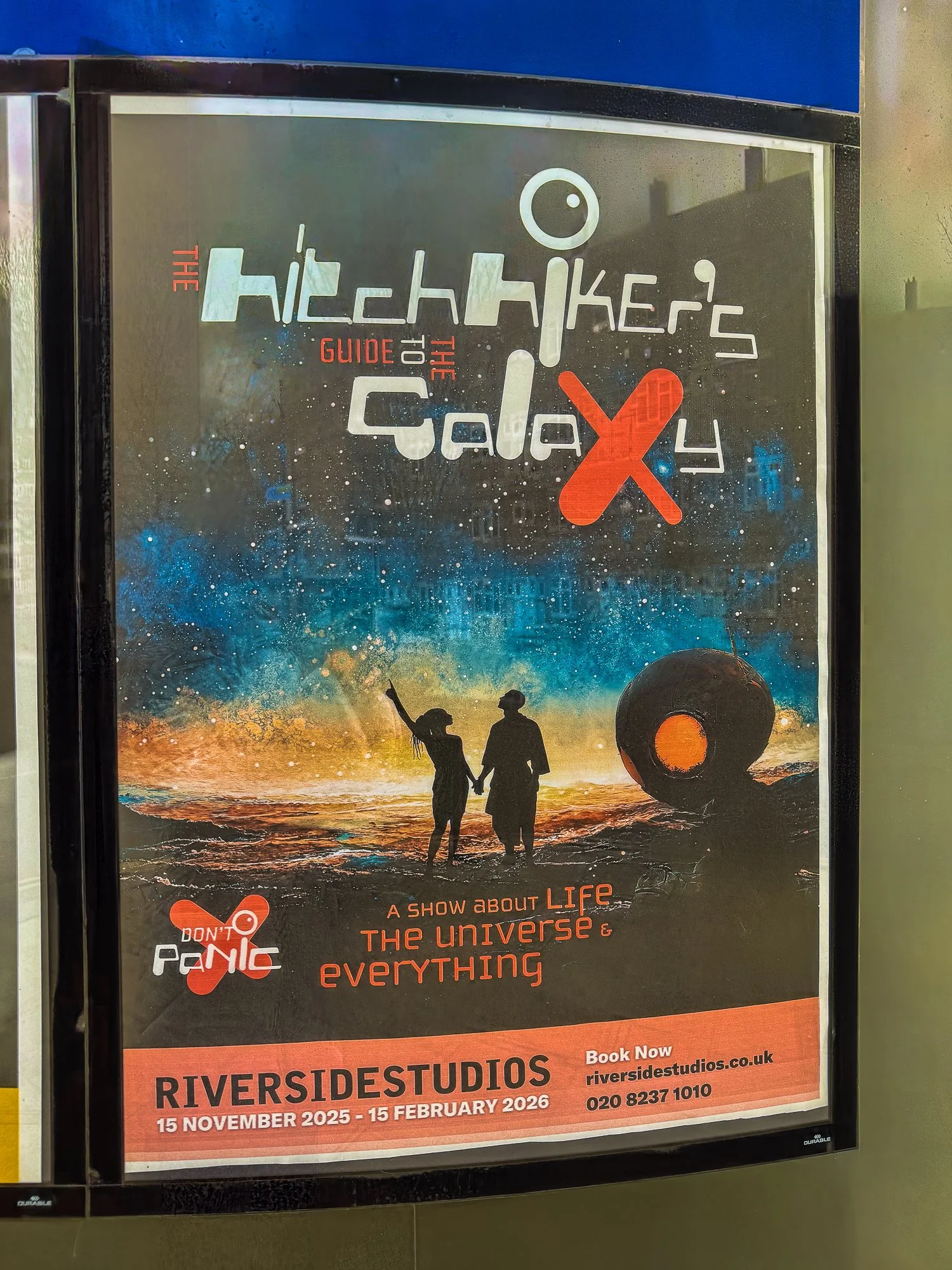
Here we are in the theatre again. Today it is our favourite kind of spectacle, immersion style. We are seeing The Hitchhiker’s Guide to the Galaxy, based on Douglas Adams’ iconic sci-fi comedy, and for the first time we find ourselves at Riverside Studios in London, Hammersmith.

I znowu jesteśmy w teatrze. Tym razem padło na nasz ulubiony rodzaj spektaklu, czyli formę immersyjną. Wybraliśmy się na The Hitchhiker’s Guide to the Galaxy, inspirowany kultową komedią science fiction Douglasa Adamsa, a przy okazji po raz pierwszy trafiliśmy do Riverside Studios w londyńskim Hammersmith.

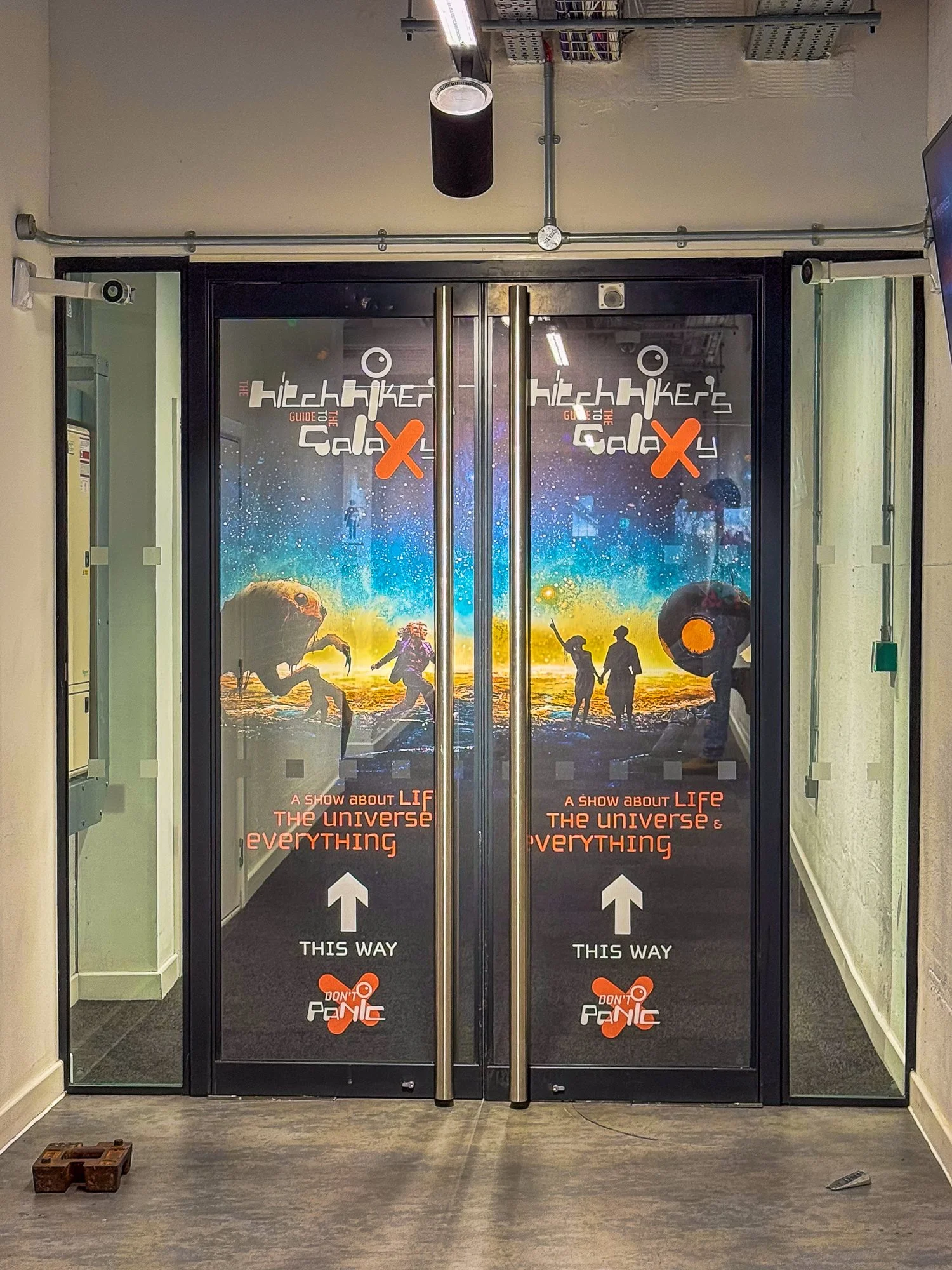
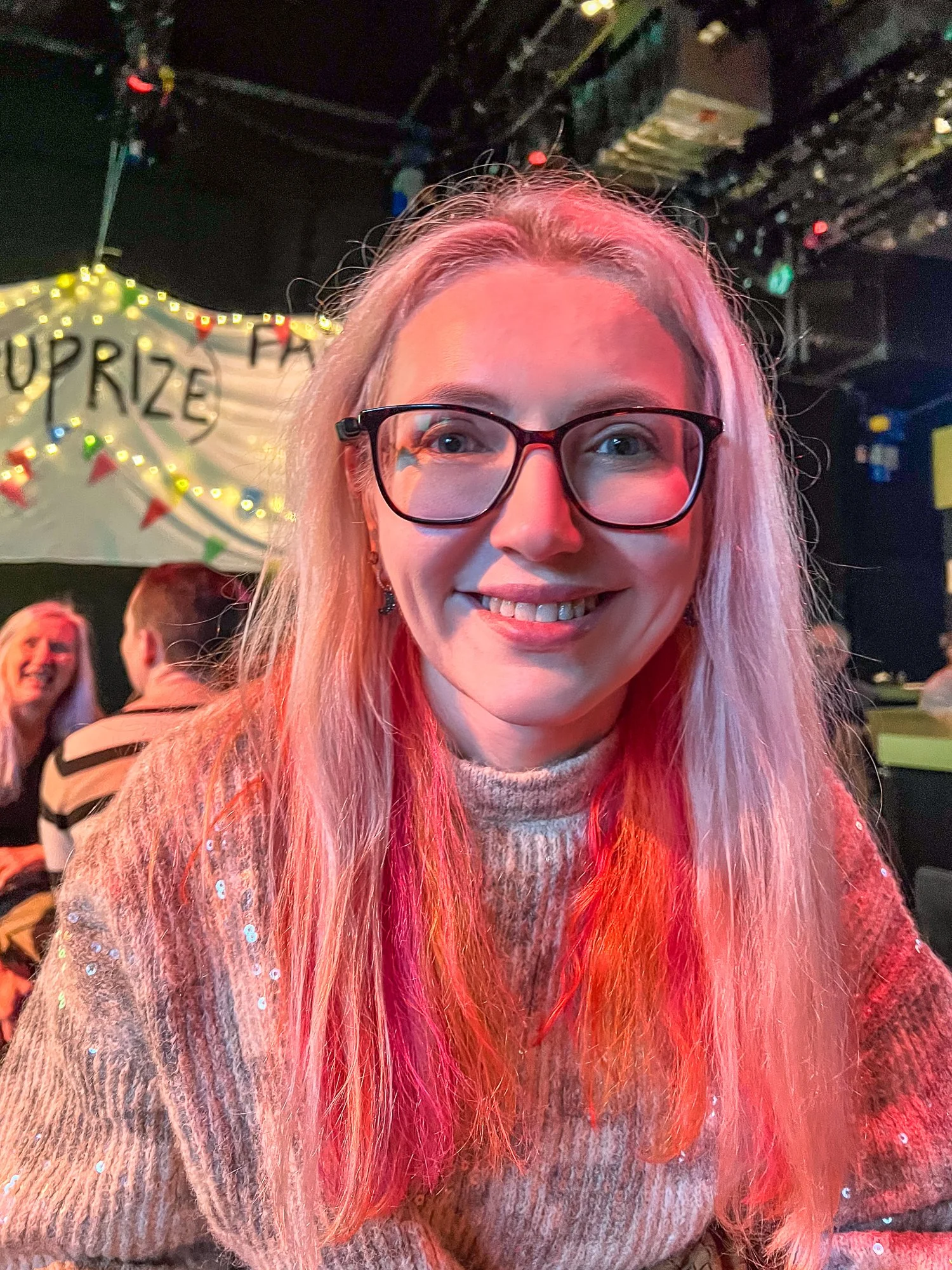
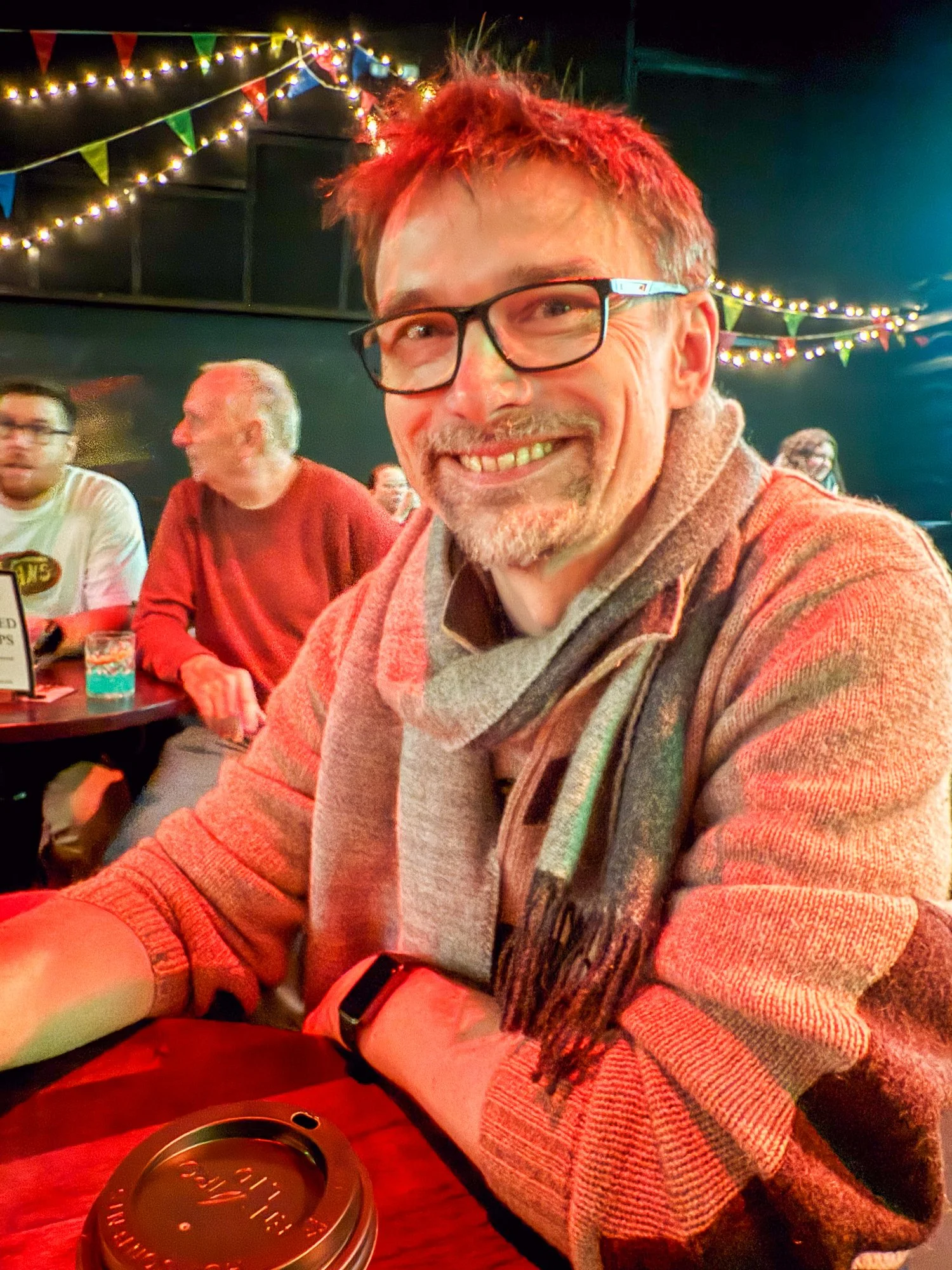
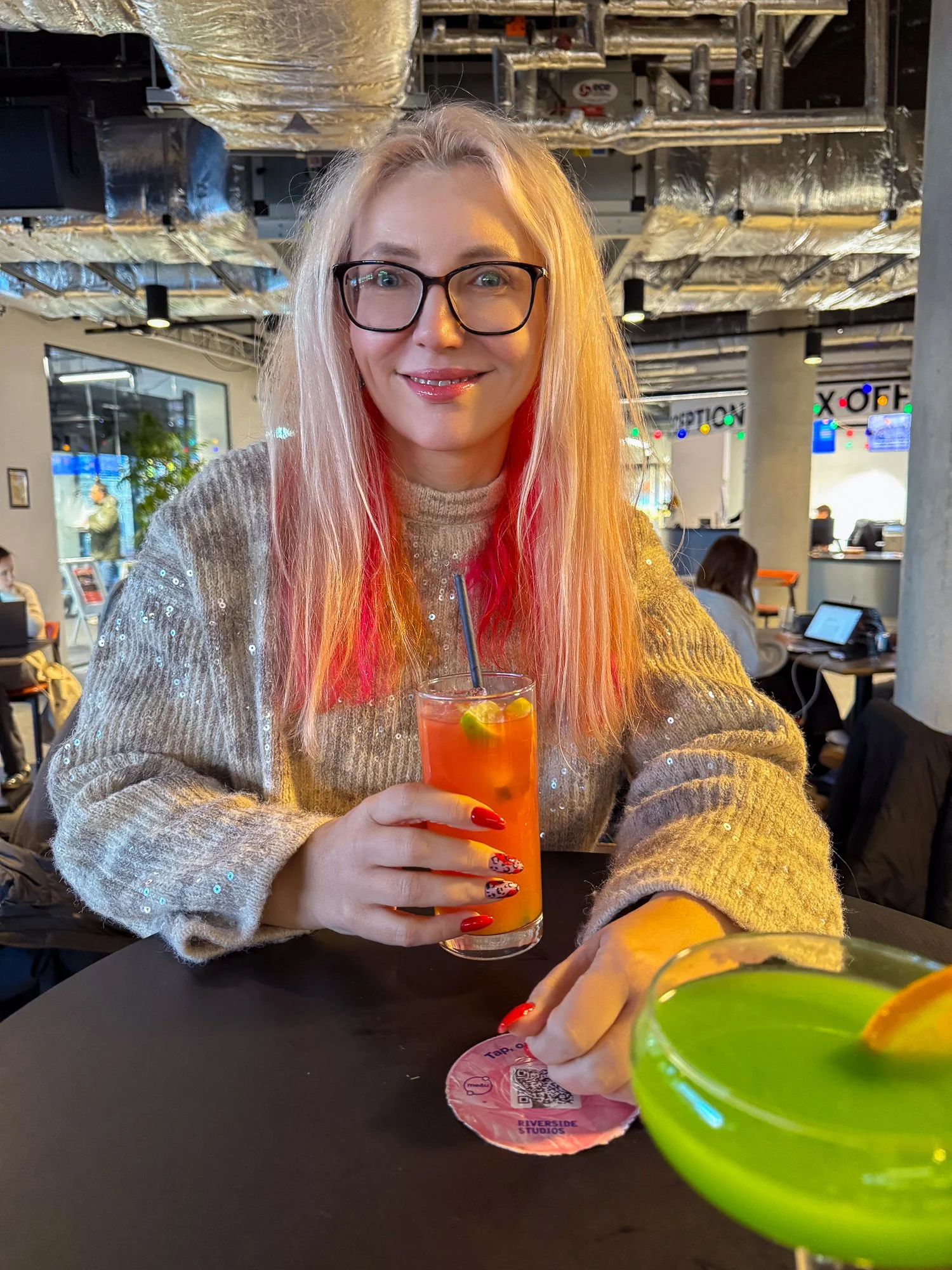
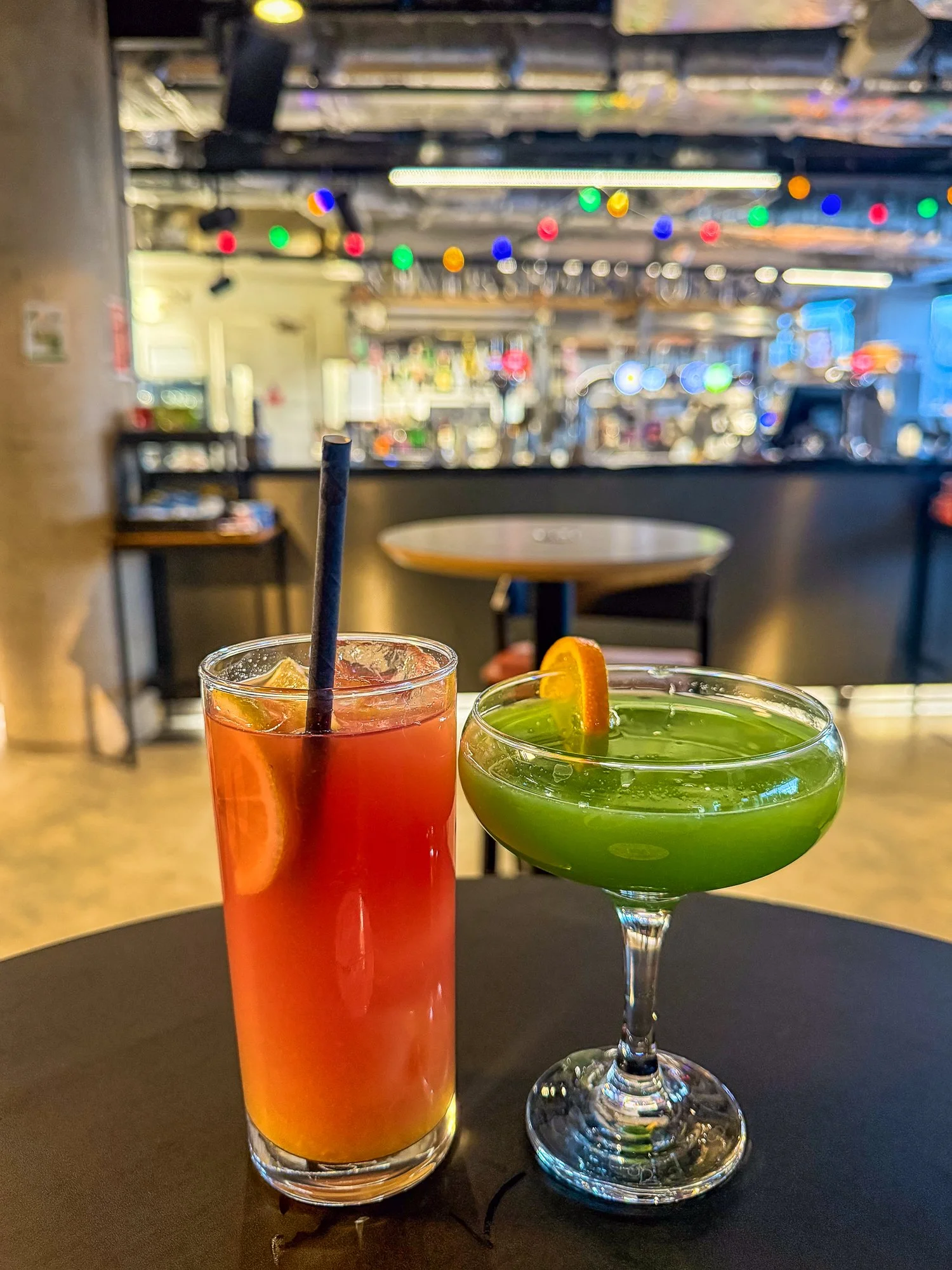
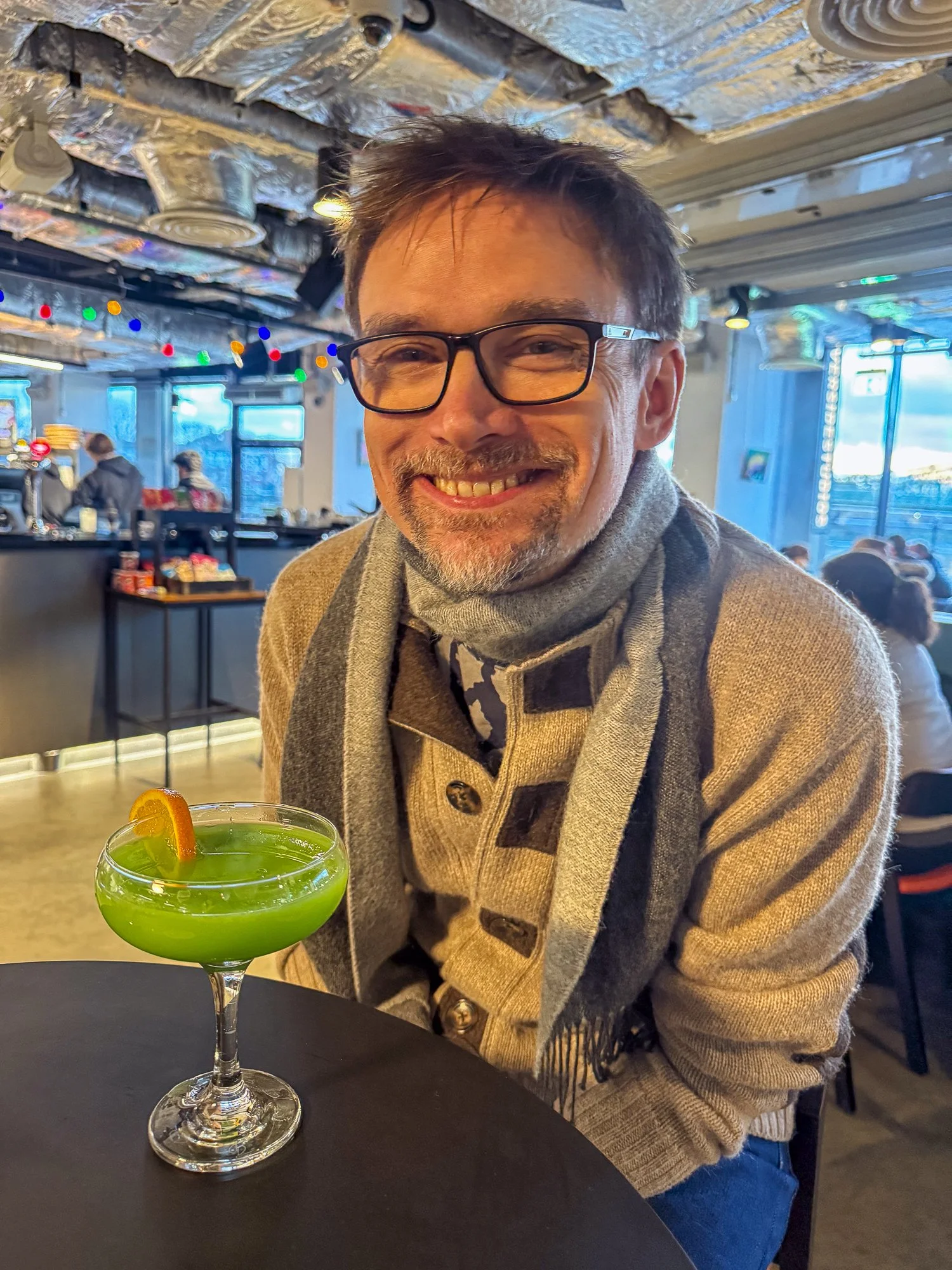
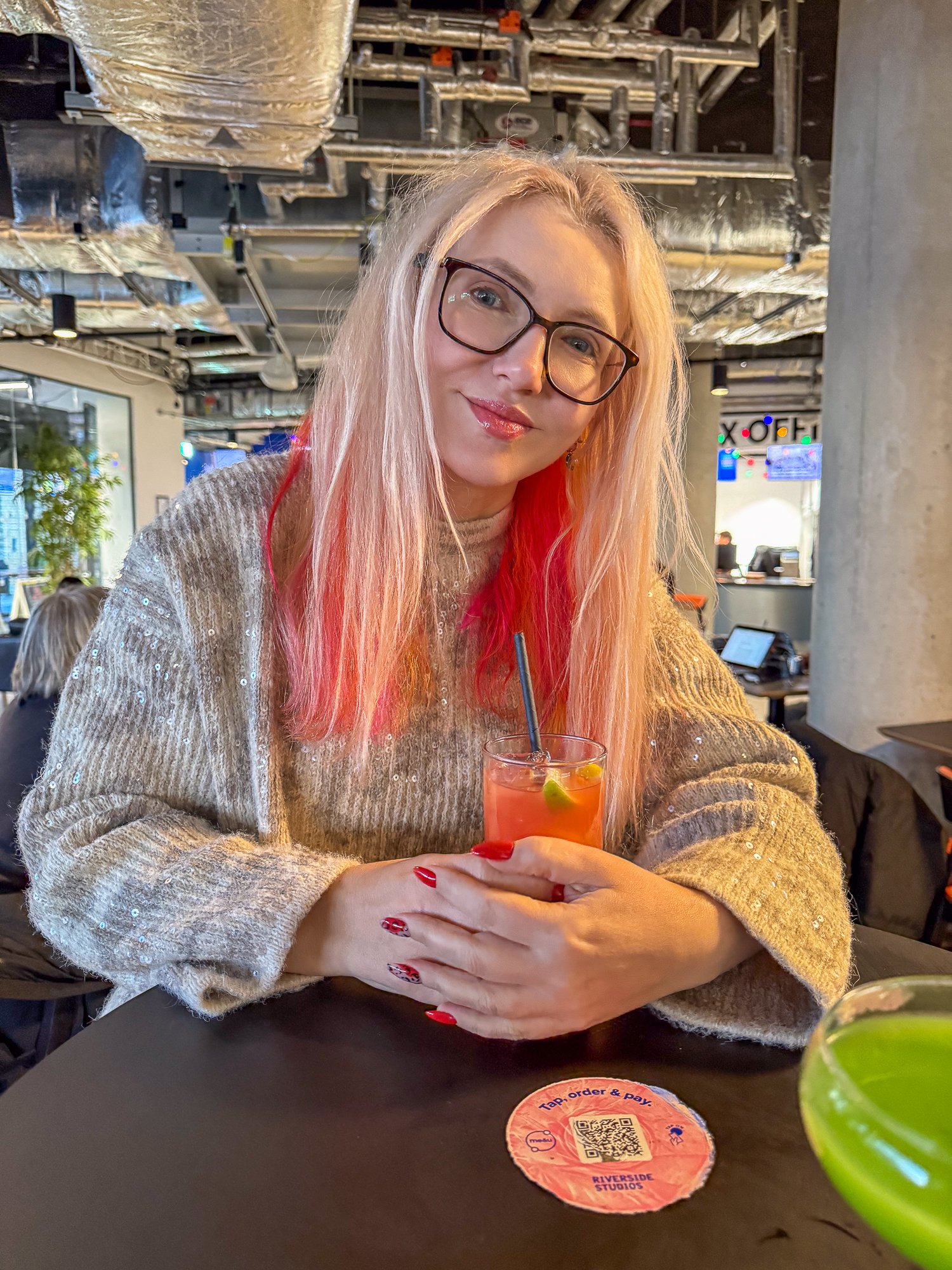
The story begins in an unusual pub setting, where we settle in with a drink of our choice thanks to our VIP tickets, and before we quite realise it, the actors blend in and start chatting with the audience. From that pub scene the performance expands into a series of interconnected spaces around the venue, and we move from room to room as the story unfolds. Arthur Dent, Ford Prefect, Zaphod Beeblebrox and a few others narrowly escape the destruction of Earth and hitch a ride on a passing spaceship, and we follow along. Along the way we meet the depressed yet wonderfully witty robot Marvin and join the quest to understand the mystery of Life, the Universe and Everything.

Wszystko zaczyna się w dość nietypowej przestrzeni pubowej. Z drinkiem w ręku, co było miłym dodatkiem do biletów VIP, spokojnie rozglądamy się dookoła, aż w pewnym momencie orientujemy się, że aktorzy już są wśród nas i zaczynają nawiązywać rozmowy z publicznością. Stamtąd akcja stopniowo przenosi się do kolejnych pomieszczeń, a my wędrujemy po całym budynku, podążając za historią. Arthur Dent, Ford Prefect, Zaphod Beeblebrox i kilku innych bohaterów w ostatniej chwili uchodzą z życiem przed zagładą Ziemi i ruszają w kosmiczną podróż, w którą zostajemy wciągnięci razem z nimi. Po drodze spotykamy Marvina, wiecznie przygnębionego, a przy tym błyskotliwego robota, i razem próbujemy zgłębić tajemnicę Życia, Wszechświata i Wszystkiego.

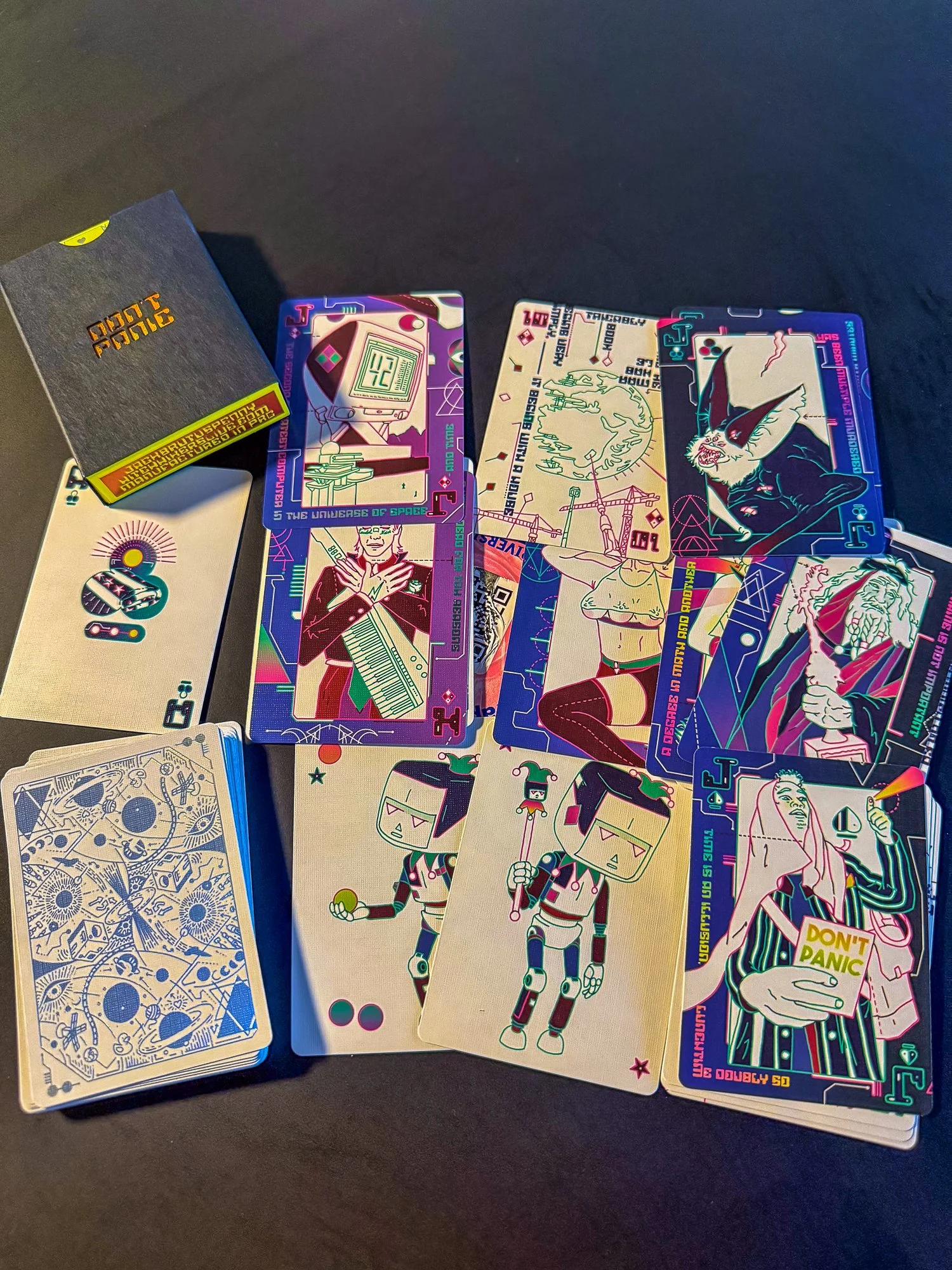
The performance is a blend of immersive staging, musical elements, dance and theatrical spectacle, and it lasts about ninety minutes. You do not strictly need to be deeply familiar with Douglas Adams’ books or the film adaptation to enjoy the experience, but knowing the story definitely helps you enjoy it more. As we had VIP tickets, which perhaps were not strictly necessary but we have no regrets, we also received a deck of cards printed with illustrations inspired by the book and the play. We stayed for one more soft drink afterwards, and then it was time to head off for dinner.

Całość łączy w sobie elementy teatru immersyjnego, muzyki, ruchu i wizualnego rozmachu, a spektakl trwa około półtorej godziny. Nie trzeba być zagorzałym fanem książek Adamsa ani znać filmu na pamięć, żeby dobrze się bawić, ale orientacja w tym świcie zdecydowanie dodaje przedstawieniu smaku. My skusiliśmy się na bilety VIP, co niekoniecznie dało jakieś wielkie przywileje, ale nie żebyśmy też szczególnie żałowali, zwłaszcza że dostaliśmy talię kart z ilustracjami inspirowanymi książką i spektaklem. Po przedstawieniu zostaliśmy jeszcze na jednego soft-drinka, a potem przyszedł czas ruszyć dalej, tym razem już na kolację.

Toto

We had booked a restaurant for tonight - no small feat, considering almost everything was closed. The plan seemed solid. All we were waiting for, was a confirmation email. But it never came, and Marcin forgot to follow it up. And this evening we discovered the obvious truth: they were closed, too.

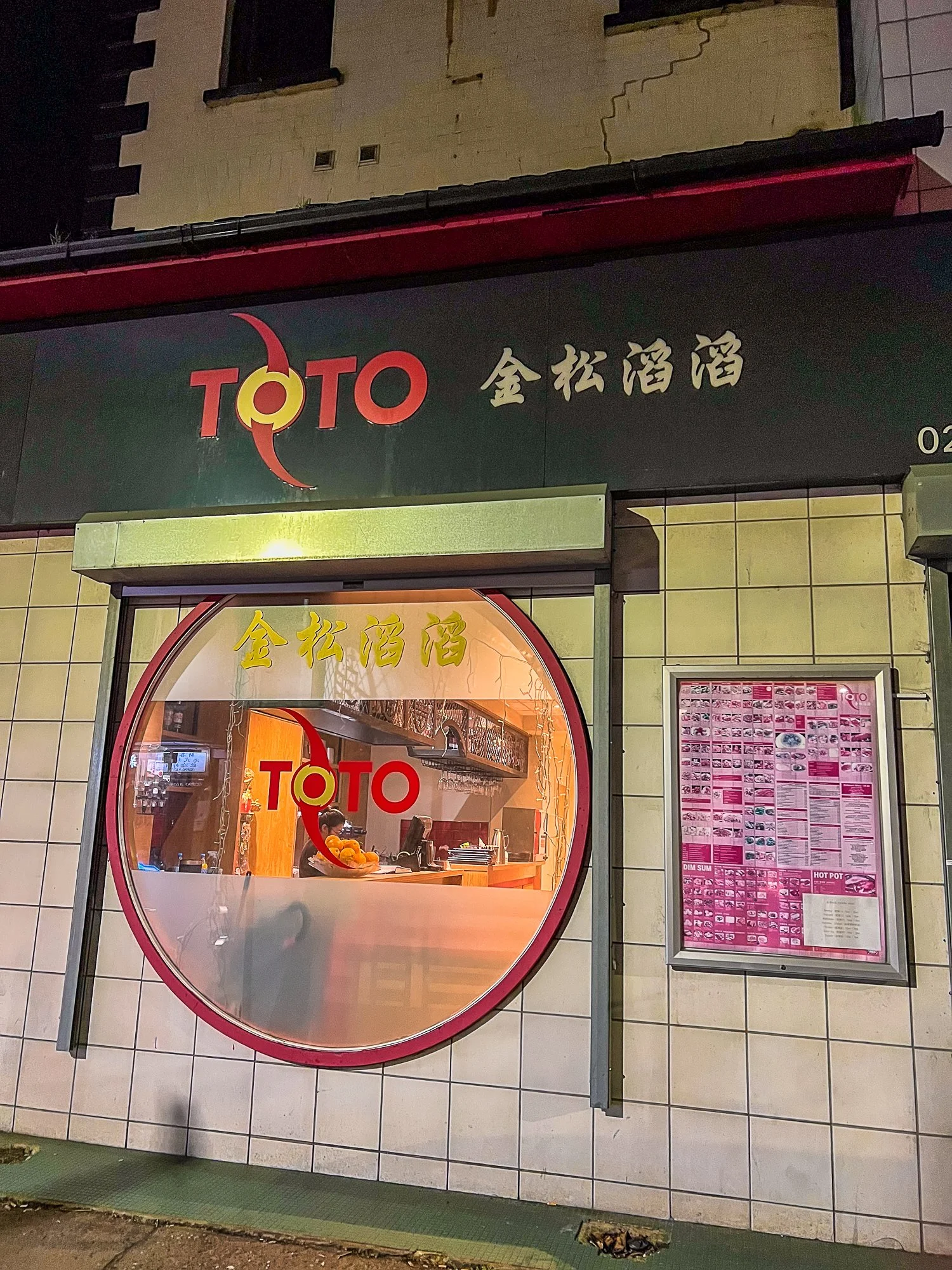
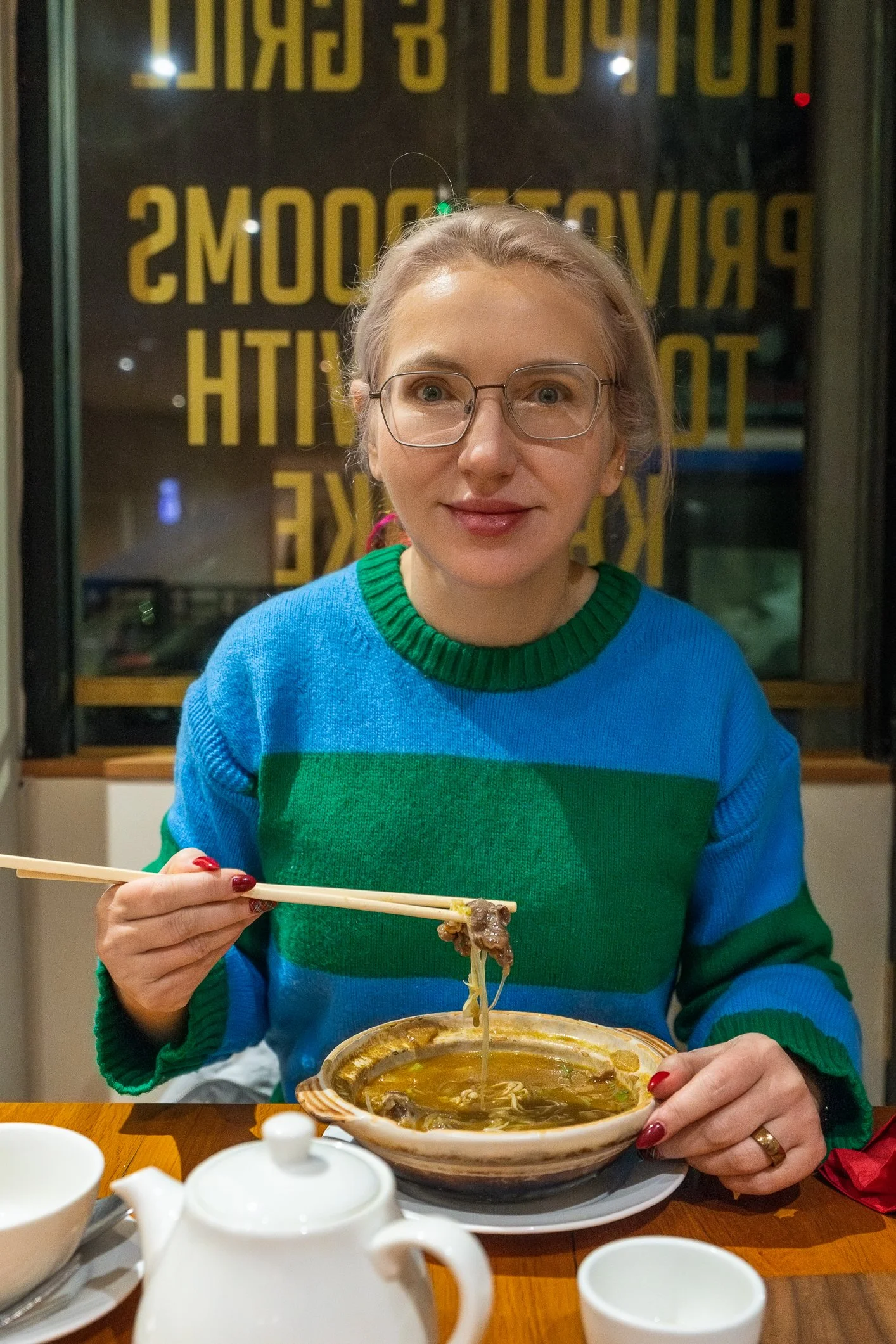
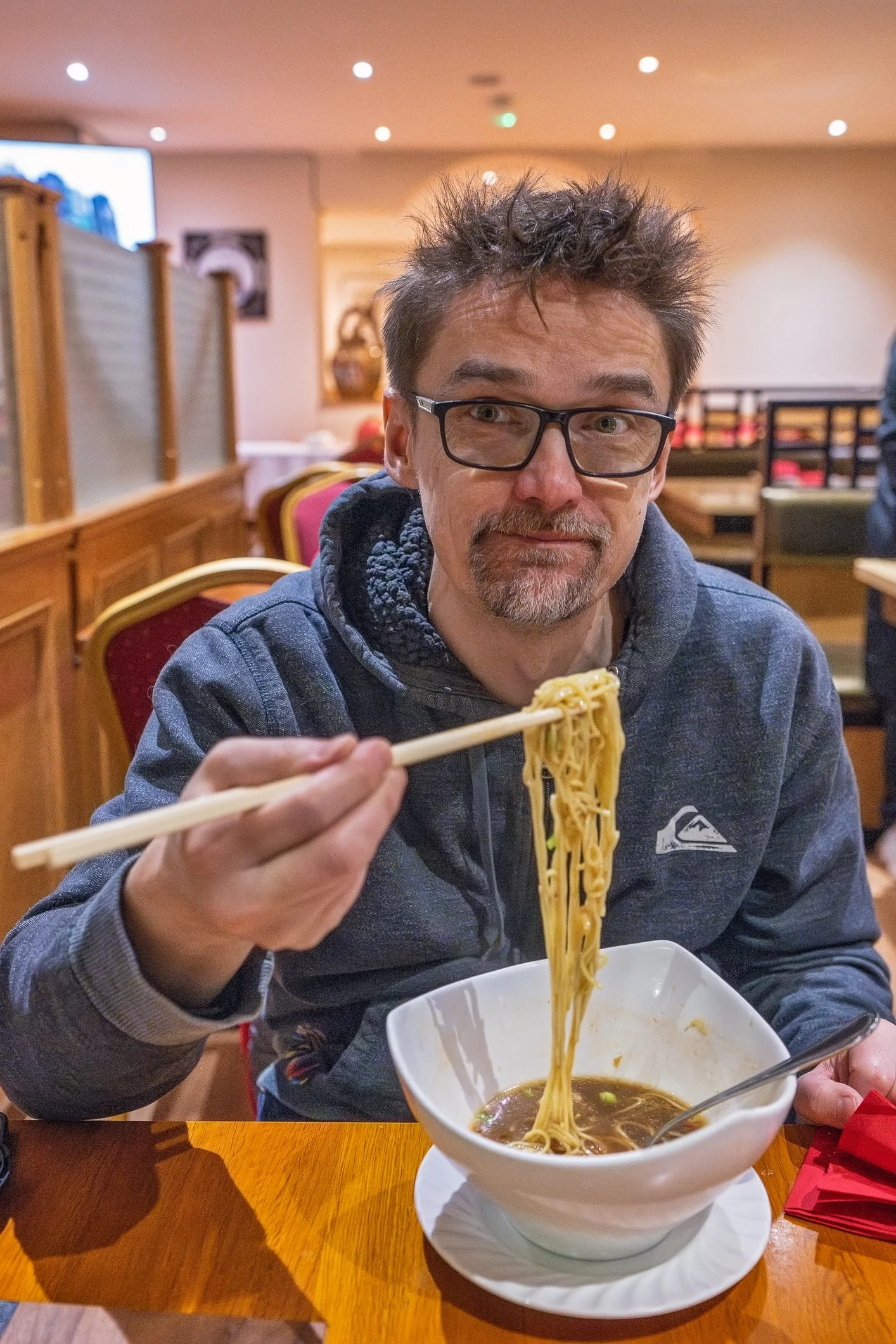
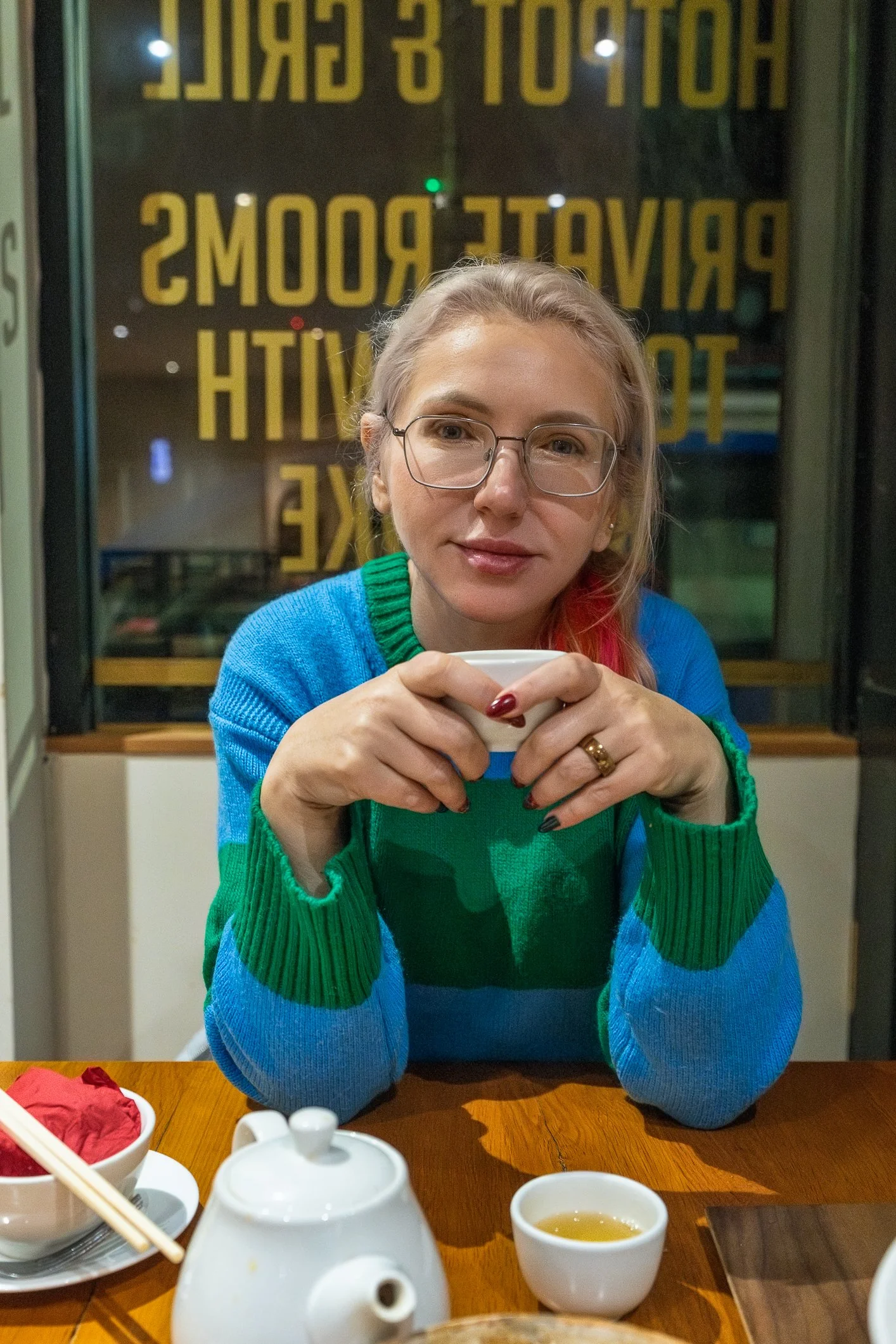
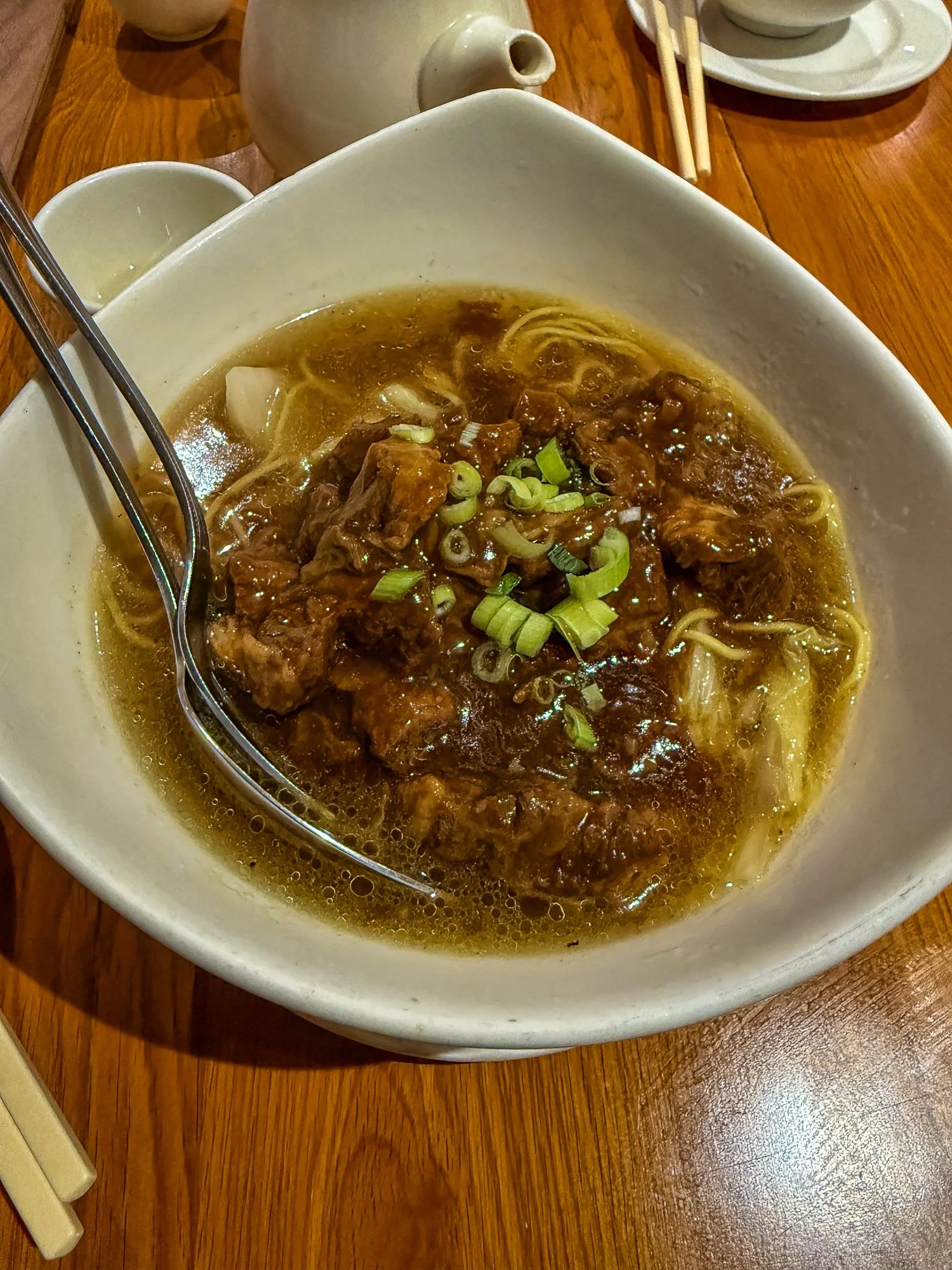
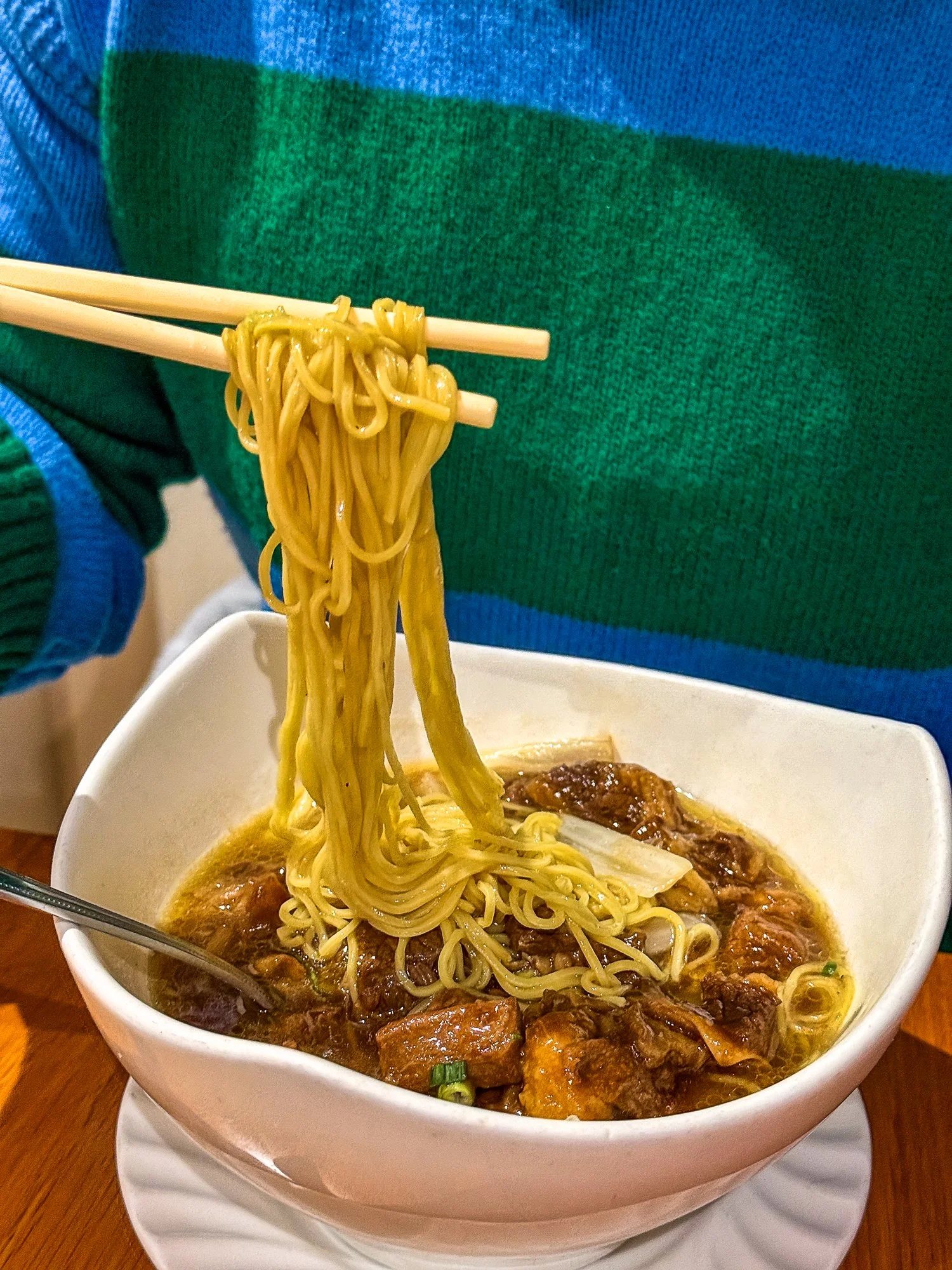
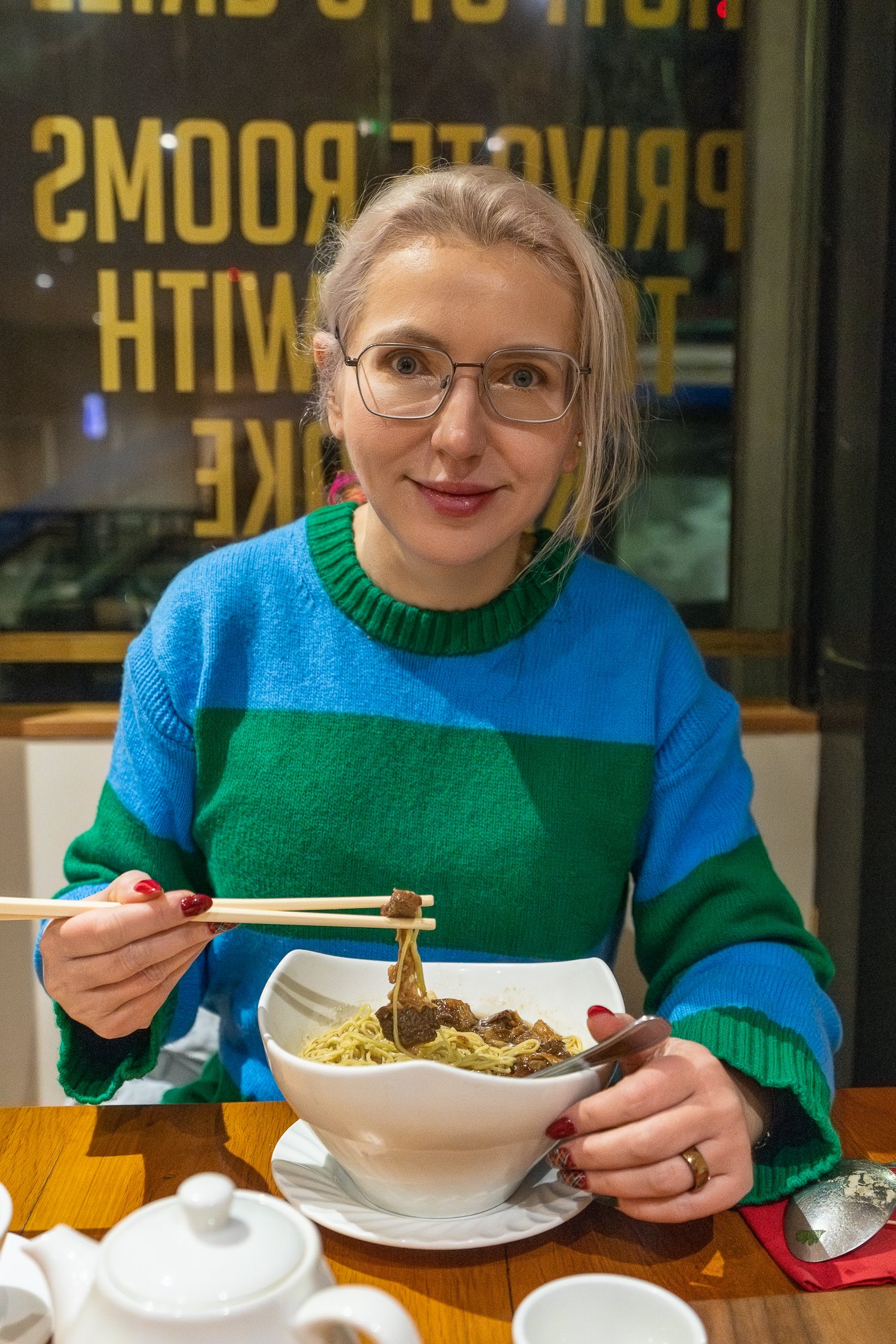
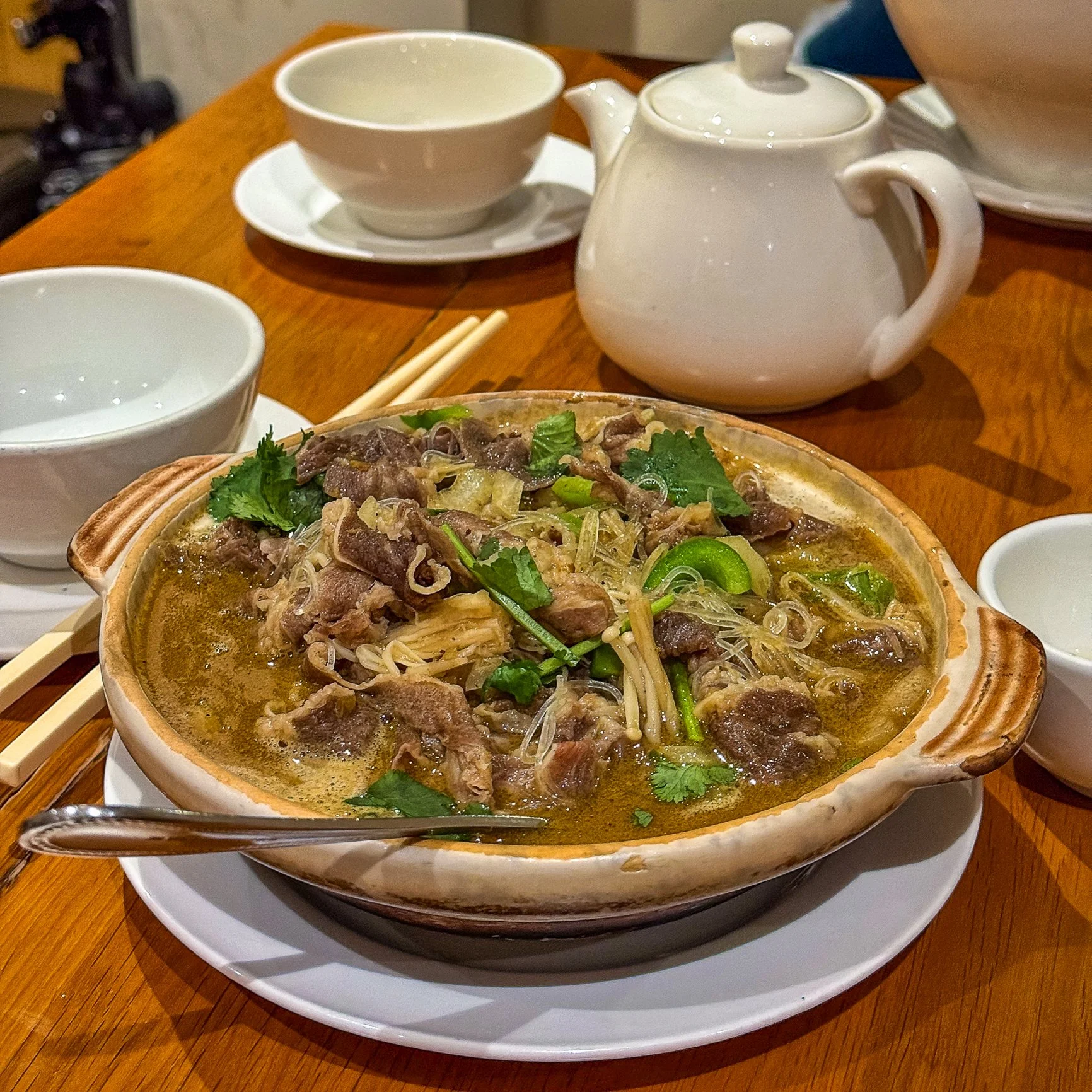
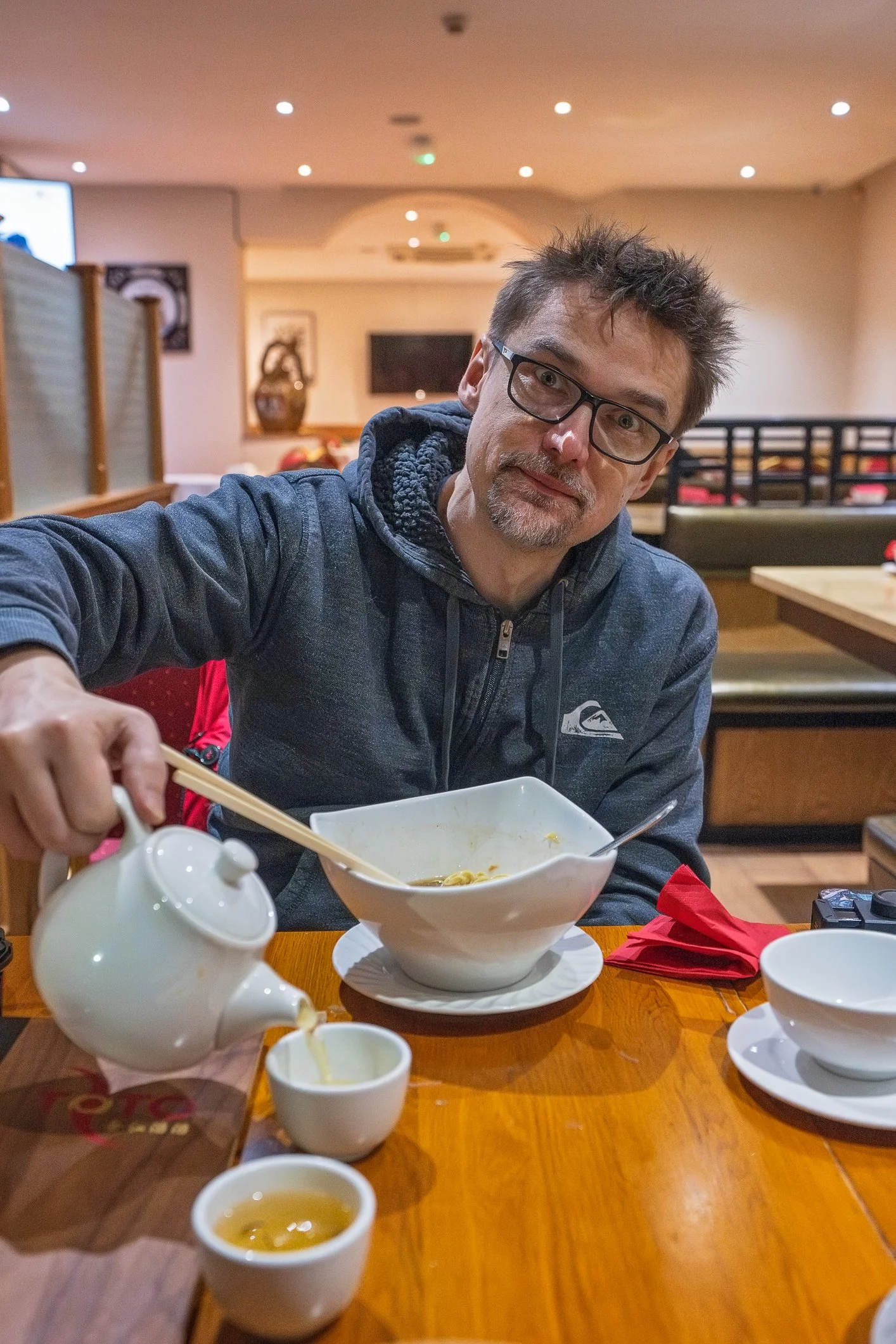
So, there we were - cold, hungry, but still somehow in good spirits - debating whether to retreat to the hotel and survive on snacks. Instead, we decided to wander around a little bit more. That’s when we spotted a Chinese restaurant called Toto. The lights were on, and a few staff members were visible inside. We bravely (or desperately) stepped in and asked if there was any chance we could have dinner. To our surprise, they took us to the table. The place was completely empty, and they were clearly cleaning up after what looked like a big event. Still, they welcomed us in. We ordered beef soup, noodles, and jasmine tea. The food arrived relatively quickly, warm and comforting. It was only halfway through the meal that we truly realised the restaurant was actually closed - they had stayed open just for us. It was incredibly kind of them to feed us.

This place – Toto - is a casual Chinese restaurant and dim sum spot offering a wide range of traditional dishes. The menu is extensive, with both classic favourites and less common specialties, all at moderate prices. We chose two beef dishes only because we felt like this, there were many other options. In the end, what started as a small travel mishap turned into a genuinely lovely dinner.


Kilka tygodni temu zarezerwowaliśmy restaurację na dzisiejszy wieczór, co wcale nie było łatwe, bo prawie wszystko było zamknięte. Plan wydawał się solidny. Mieliśmy tylko jeszcze dostać potwierdzenie mailowe. Tyle, że ono nigdy nie dotarło, a Marcin zapomniał to sprawdzić. I dziś wieczorem odkryliśmy, że ta restauracja również jest zamknięta.

Staliśmy więc na ulicy -  zmarznięci, głodni, ale wciąż w całkiem dobrych nastrojach  - zastanawiając się, czy nie wrócić do hotelu i nie zrobić sobie postu lub sprawdzić dostępne w lobby przekąski. Ostatecznie postanowiliśmy jednak jeszcze trochę się poszwendać po okolicy. I tak sobie łażąc napatoczyliśmy się na chińską restaurację o nazwie Toto. W środku paliło się światło, a kilka osób z obsługi krzątało się po sali. Odważnie (albo desperacko) otworzyliśmy drzwi z pytaniem, czy jest jakakolwiek szansa na obiad. Ku naszemu zaskoczeniu zaprosili nas do środka. Lokal był jednak zupełnie pusty, a obsługa wyraźnie sprzątała po czymś, co wyglądało na dużą imprezę. Mimo to posadzili nas przy stoliku. Zamówiliśmy zupę wołową, makaron z wołowiną i warzywami i herbatę jaśminową. Jedzenie pojawiło się dość szybko, ciepłe i smaczne. Dopiero w połowie posiłku tak naprawdę dotarło do nas, że restauracja była jednak zamknięta i było to z ich strony niezwykle miłe, że mimo wszystko nas nakarmili.

Miejsce, w którym wylądowaliśmy - Toto  - to chińska restauracja oferująca bardzo szeroki wybór tradycyjnych dań. Menu jest bardzo rozbudowane i zawiera zarówno klasyczne chińskie potrawy, jak i mniej oczywiste specjały, a ceny są umiarkowane. To, że zamówiliśmy dwa dania z wołowiną nie wynikało z ograniczeń dostępnych opcji, zwyczajnie mieliśmy na to ochotę. W efekcie nasza podróżna wpadka zamieniła się w naprawdę miły obiad.