art

The cathedral

As we step inside the Cusco Cathedral, we are entering a sacred space that blends centuries of history, art, and Andean spirituality. Built with massive blocks of stone brought from Sacsayhuaman between 1560 and 1664 (it took about 100 years!), the cathedral stands atop the Inca palace of Viracocha. It is a powerful testament to the fusion of indigenous and colonial cultures.

The architecture of the cathedral beautifully blends Spanish Renaissance and Gothic styles. Inside, the ceiling is supported by fourteen large cross-shaped pillars and features twenty-four vaulted sections. The cathedral is built in the shape of a traditional basilica, with three main aisles—one in the centre and one on each side. These aisles line up with the three doors you see on the front of the building. The pillars also help divide the space and support the large cross-shaped layout of the church.

Wchodząc do katedry w Cuzco, zanurzamy się w wieki historii, sztuki i duchowości andyjskiej. Zbudowana z masywnych bloków kamienia sprowadzonych z Sacsayhuamán w latach 1560–1664 (budowa trwała około 100 lat!), katedra powstała na miejscu dawnego pałacu Inków – Viracocha.

Architektura katedry to piękne połączenie stylów renesansu hiszpańskiego i gotyku. Wnętrze podtrzymuje czternaście masywnych filarów w kształcie krzyża, a sufit składa się z dwudziestu czterech sklepionych segmentów. Katedra ma klasyczny plan bazyliki – z trzema nawami: główną i dwiema bocznymi, które odpowiadają trzem wejściowym portalom. Układ wnętrza tworzy krzyż, co dodatkowo podkreśla sakralną symbolikę miejsca.

The cathedral is flanked by two churches: the Iglesia del Triunfo on the right, and the Sagrada Família on the left. We entered through the Iglesia del Triunfo. It is the first Christian church built in Cusco after the Spanish conquest. It was constructed in 1536 on the site of the Suntur Wasi, an Inca ceremonial building, according to the Spanish practice of building religious sites over indigenous ones to assert dominance and aid conversion. Its name, “Church of Triumph,” commemorates the Spanish victory over the Incas during the siege of Cusco—a victory that, according to Catholic tradition, was secured through divine intervention by Saint James the Great, patron saint of Spain. Legend holds that he descended from heaven to help the Spanish forces at a critical moment. Inside the church, a statue depicts Saint James on horseback defeating an Inca warrior, capturing this symbolic event. The chapel also contains several intriguing altars, paintings, and crucifixes.

Katedrę otaczają dwie boczne świątynie: po prawej stronie znajduje się Iglesia del Triunfo, a po lewej – Sagrada Família. Weszliśmy przez Iglesia del Triunfo, pierwszy kościół chrześcijański zbudowany w Cusco po hiszpańskim podboju. Powstał on w 1536 roku na miejscu Suntur Wasi – ceremonialnego budynku Inków – jako symbol dominacji Hiszpanów i chrystianizacji. Jego nazwa, „Kościół Triumfu”, upamiętnia zwycięstwo Hiszpanów nad Inkami podczas oblężenia Cusco. Zwycięstwo to, według katolickiej tradycji, było możliwe dzięki cudownej interwencji św. Jakuba Większego, patrona Hiszpanii, który miał zstąpić z nieba i pomóc hiszpańskim wojskom. Wewnątrz kościoła znajduje się rzeźba św. Jakuba na koniu, pokonującego wojownika Inków –symbol tego wydarzenia. W kaplicy można też zobaczyć historyczne ołtarze, obrazy i krucyfiksy.

From the Iglesia del Triunfo, we pass through a small archway into the main body of the cathedral.

In the central part of the cathedral stands the magnificent High Altar, crafted from over 1,250 kilos of silver. This neoclassical masterpiece is adorned with intricate carvings and gold leaf, showcasing the opulence of colonial artistry. At its centre stands a statue of the Virgin of the Immaculate Conception, the cathedral’s patron saint. Beneath the altar lies a small arched crypt containing the remains of former archbishops of Cusco.

Z Iglesia del Triunfo przechodzimy przez niewielki łukowaty korytarz do głównej części katedry.

W centralnym punkcie katedry znajduje się imponujący ołtarz główny, wykonany z ponad 1250 kilogramów srebra. W centrum ołtarza znajduje się figura Matki Boskiej Niepokalanego Poczęcia – patronki katedry. Pod ołtarzem znajduje się mała krypta z pochówkami dawnych arcybiskupów Cusco.

Adjacent to the altar is the sacristy, decorated with portraits of these bishops and a striking painting of the Crucifixion—possibly by Alonso Cano—depicting Christ’s agony with moving realism.

Obok ołtarza mieści się zakrystia, ozdobiona portretami biskupów oraz dużym obrazem Ukrzyżowania – przypisywanym Alonso Cano – który w realistyczny sposób ukazuje cierpienie Chrystusa.

The original wooden altar is located at the very back of the cathedral, behind the present silver altar. Opposite it are the choir stalls. The cathedral also features fourteen side chapels, each containing different works of art: statues of saints and virgins, as well as paintings.

Drewniany ołtarz pierwotnie będący głównym ołtarzem katedry dziś znajduje się za srebrnym ołtarzem, w tylnej części świątyni. Po przeciwnej stronie umieszczone są bogato rzeźbione stalle chórowe. Katedra posiada również czternaście bocznych kaplic, w których można podziwiać różnorodne dzieła sztuki: rzeźby świętych i Madonn, a także liczne malowidła.
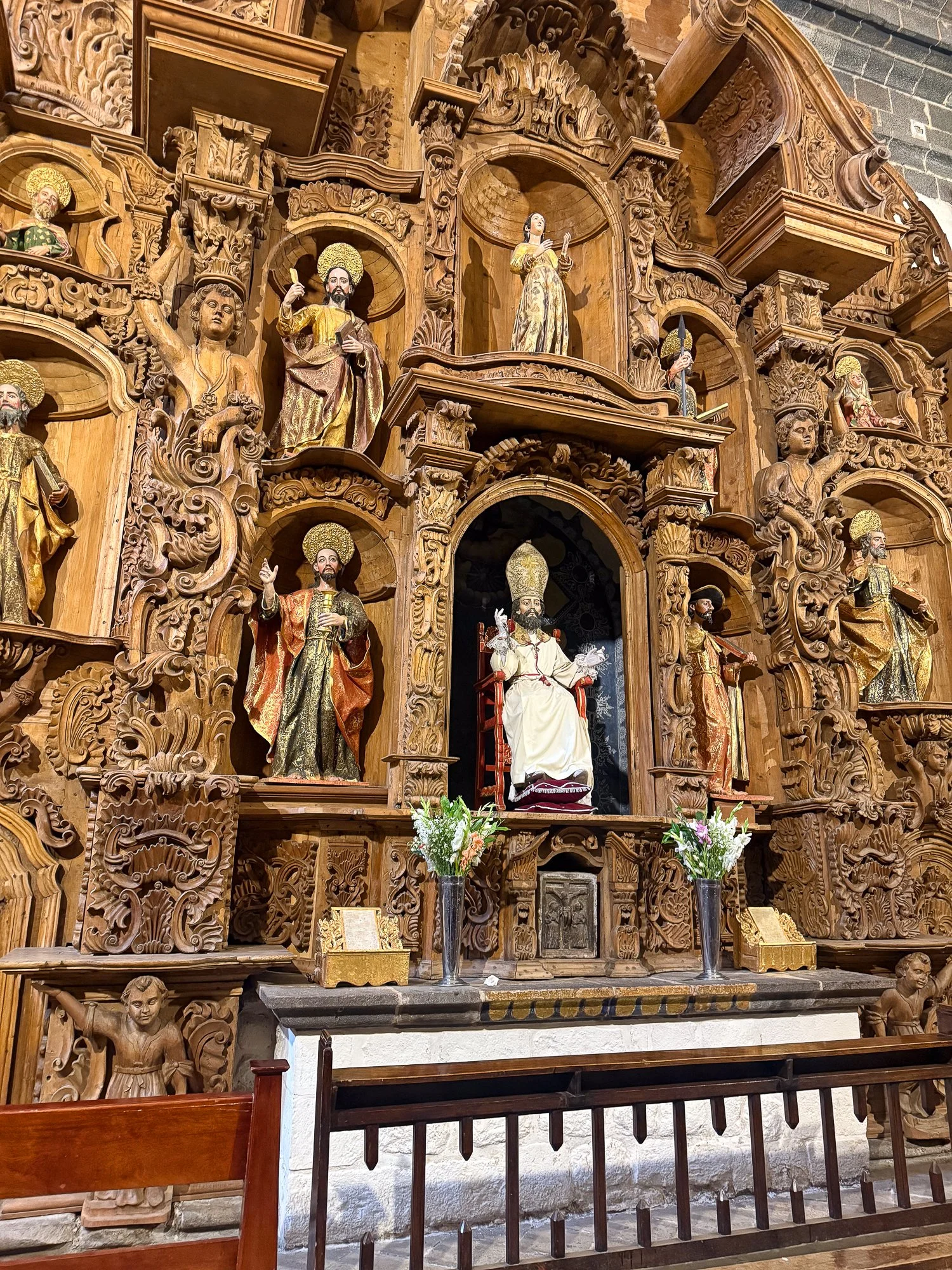
Much of this artwork comes from the Escuela Cuzqueña (Cusco School of Art), founded by the Spanish to train the descendants of the Incas in European Renaissance artistic techniques. This school is known for blending 17th-century European devotional styles with the vivid colour palette and iconography of indigenous Andean artists. Its most renowned representatives include Diego Quispe Tito, Basilio Santa Cruz Pumacallao, Basilio Pacheco, and Marcos Zapata. The latter is especially famous for his interpretation of the Last Supper, where the main dish is a traditional roasted guinea pig. Another iconic piece is a depiction of the Virgin Mary wearing a mountain-shaped skirt with a river flowing around its hem—an artistic fusion of the Virgin with Pachamama (Mother Earth), blending Catholic and Andean symbolism.

Wiele z tych dzieł pochodzi ze Szkoły Cuzqueña (Escuela Cuzqueña) – szkoły artystycznej założonej przez Hiszpanów w celu nauczania potomków Inków zasad europejskiego malarstwa renesansowego. Styl szkoły charakteryzuje się połączeniem ówczesnych europejskich technik i religijnych tematów z kolorystyką i symboliką rdzennych artystów andyjskich. Do najbardziej znanych przedstawicieli szkoły należą Diego Quispe Tito, Basilio Santa Cruz Pumacallao, Basilio Pacheco i Marcos Zapata. Ten ostatni zasłynął malowidłem Ostatniej Wieczerzy, na którym głównym daniem jest tradycyjna pieczona świnka morska (cuy). Innym niezwykłym przykładem synkretyzmu kulturowego jest wizerunek Matki Boskiej w spódnicy przypominającej kształtem górę, u której podnóża płynie rzeka – symboliczne nawiązanie do Pachamamy (Matki Ziemi).

The choir of the cathedral is carved entirely from cedar wood, in a Baroque style that often blends into neoclassical influences. It features images of 42 male saints and 38 female saints, along with 24 lower seats and another 40 higher ones.

There is also the Sala de la Plata (Silver Room), a small side chapel displaying a collection of religious silver objects, many of them over a century old.

In the Chapel of the Lord of the Earthquakes, there is a blackened crucifix known as Señor de los Temblores (The Lord of the Earthquakes). The oldest surviving painting in Cusco depicts the city during the devastating earthquake of 1650. Townspeople are shown parading through the plaza with this crucifix, praying for the tremors to cease—an event that, according to legend, miraculously occurred. Every Holy Monday, the Señor is carried through the streets of Cusco in a solemn procession. Devotees throw ñucchu flowers at him—small red blossoms that resemble drops of blood and symbolize the wounds of crucifixion. The flowers leave a sticky residue, which captures smoke from votive candles placed beneath the statue—this is why the figure is now black. This crucifix is depicted in hundreds of paintings in Cusco (look at the top altar painting).


Chór katedry wykonany jest w całości z drewna cedrowego, w stylu barokowym z elementami neoklasycznymi. Przedstawiono w nim wizerunki 42 męskich i 38 żeńskich świętych oraz 24 dolne i 40 górnych siedzisk dla chóru.

Warto też zajrzeć do Sali Srebra (Sala de la Plata) – bocznej kaplicy, w której znajduje się kolekcja ponad stuletnich srebrnych przedmiotów sakralnych.

W Kaplicy Pana Trzęsień Ziemi (Capilla del Señor de los Temblores) znajduje się poczerniały krucyfiks znany jako Señor de los Temblores (Pan Trzęsień Ziemi). Najstarszy zachowany obraz w Cusco przedstawia to wydarzenie: w czasie wielkiego trzęsienia ziemi w 1650 roku mieszkańcy miasta wynieśli tę figurę w procesji na główny plac, modląc się o zatrzymanie wstrząsów – i według legendy, trzęsienie cudownie ustało. Co roku w Wielki Poniedziałek krucyfiks jest wynoszony w uroczystej procesji, podczas której wierni rzucają w jego stronę czerwone kwiaty ñucchu – przypominające krople krwi i symbolizujące rany Chrystusa. Kwiaty zostawiają lepką warstwę, która z czasem pochłania dym z palonych pod krzyżem świec – dlatego figura dziś jest czarna. Ten krucyfix zobaczymy w różnych wersjach na dziesiątkach obrazów w Cuzco (górny obraz na tym ołtarzu).

Learning about the region (Museo Inka)

As this is our first full day in Cusco, we decided to take it a bit easy. We're still acclimatising to the high altitude—coca tea helps (headache’s gone!), but even a short uphill walk leaves us breathless.

So, instead of heading straight for the hills, we started with something gentle and close by: the Inca Museum, just a few steps from the cathedral. It’s not only conveniently located, but also one of the best places to dive into the Inca world and the rich patchwork of pre-Hispanic cultures that came before them.

The museum is housed in a stunning colonial mansion known as Casa del Almirante—the House of the Admiral. Built in the 17th century by Admiral Alderete Maldonado, it sits atop original Inca foundations. Despite being damaged in the 1950 earthquake and partially demolished in 1952, it has been beautifully restored. Above the doorway, a stone-carved coat of arms—a relic of the Alderete and Maldonado families’ legacy—is still visible. Stepping inside really does feel like entering a time portal.


To nasz pierwszy pełny dzień w Cusco, więc postanowiliśmy podejść do zwiedzania na spokojnie. Wysokość nad poziomem morza wciąż daje się nam we znaki — herbata z koki pomaga (ból głowy minął!), ale nawet krótki spacer pod górę kończy się spektakularną zadyszką. Zamiast więc od razu ruszać na podboje okolicznych ruin, zaczęliśmy od czegoś mniej wymagającego i odwiedziliśmy położone dosłownie kilka kroków od katedry Muzeum Inków. Nie tylko ze względu na to, ze było blisko, ale przede wszystkim dlatego, ze to jedno z najlepszych miejsc, by zacząć poznawać historię królestwa Inków i kultur, które istniały na tych terenach przed nimi.

Muzeum mieści się w pięknej kolonialnej rezydencji znanej jako Casa del Almirante, czyli Dom Admirała. Została ona wzniesiona w XVII wieku przez admirała Alderete Maldonado, na fundamentach dawnej budowli inkaskiej. Choć została poważnie uszkodzona podczas trzęsienia ziemi w 1950 roku i częściowo rozebrana dwa lata później, do dziś zachowała swój kolonialny urok. Nad wejściem ciągle można zobaczyć kamienny herb rodzin Alderete i Maldonado.

Despite the name, the Inca Museum doesn’t focus only on the Incas. It walks you through thousands of years of Peruvian history, from ancient cultures like the Chavín, Paracas, and Nazca, through the Moche, Wari, Chancay, and Chimú, up to the Inca Empire itself. Highland cultures like Pucará, Tiwanaku, and Collao also get a spotlight.


Wbrew nazwie, muzeum nie wystawia jedynie eksponatów związanych z Inkami. Wejście tu to prawdziwa podróż w czasie przez prekolumbijskie cywilizacje Peru — od najstarszych, jak Chavín i Paracas, przez Nazca, Moche, Wari, Chancay i Chimú, aż po samych Inków. Są też tu reprezentowane kultury z wyżyn, jak Tiwanaku czy Collao.

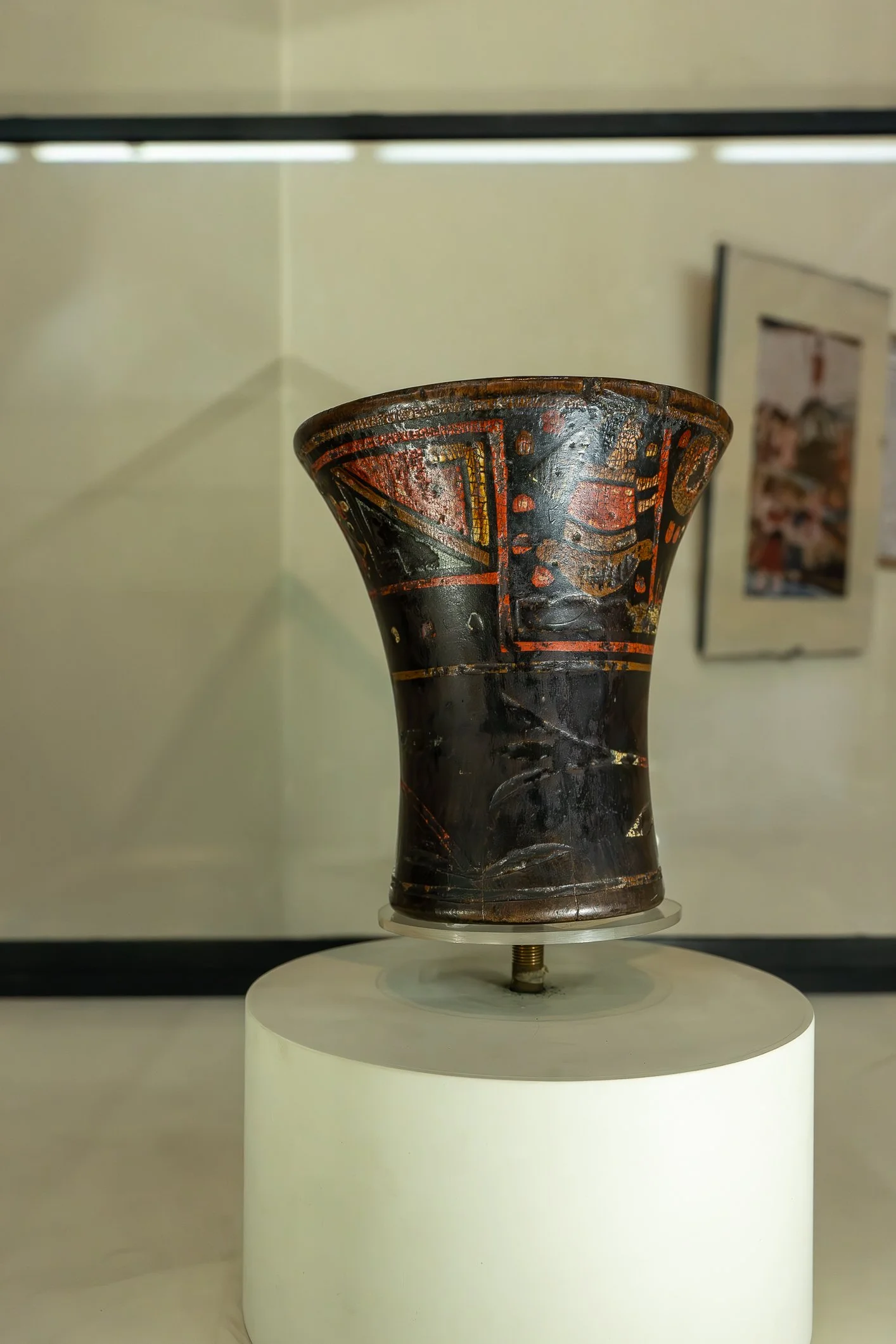
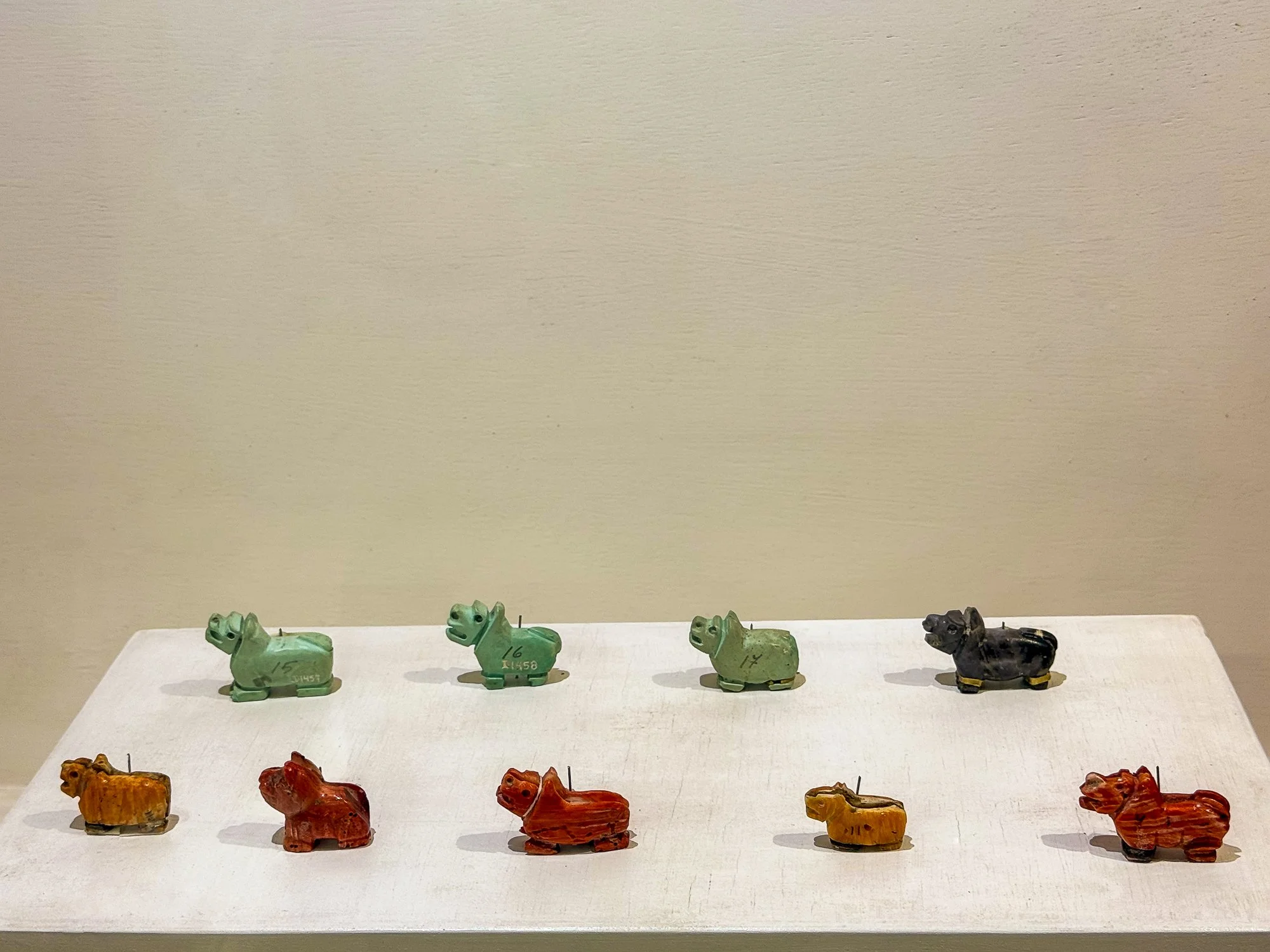
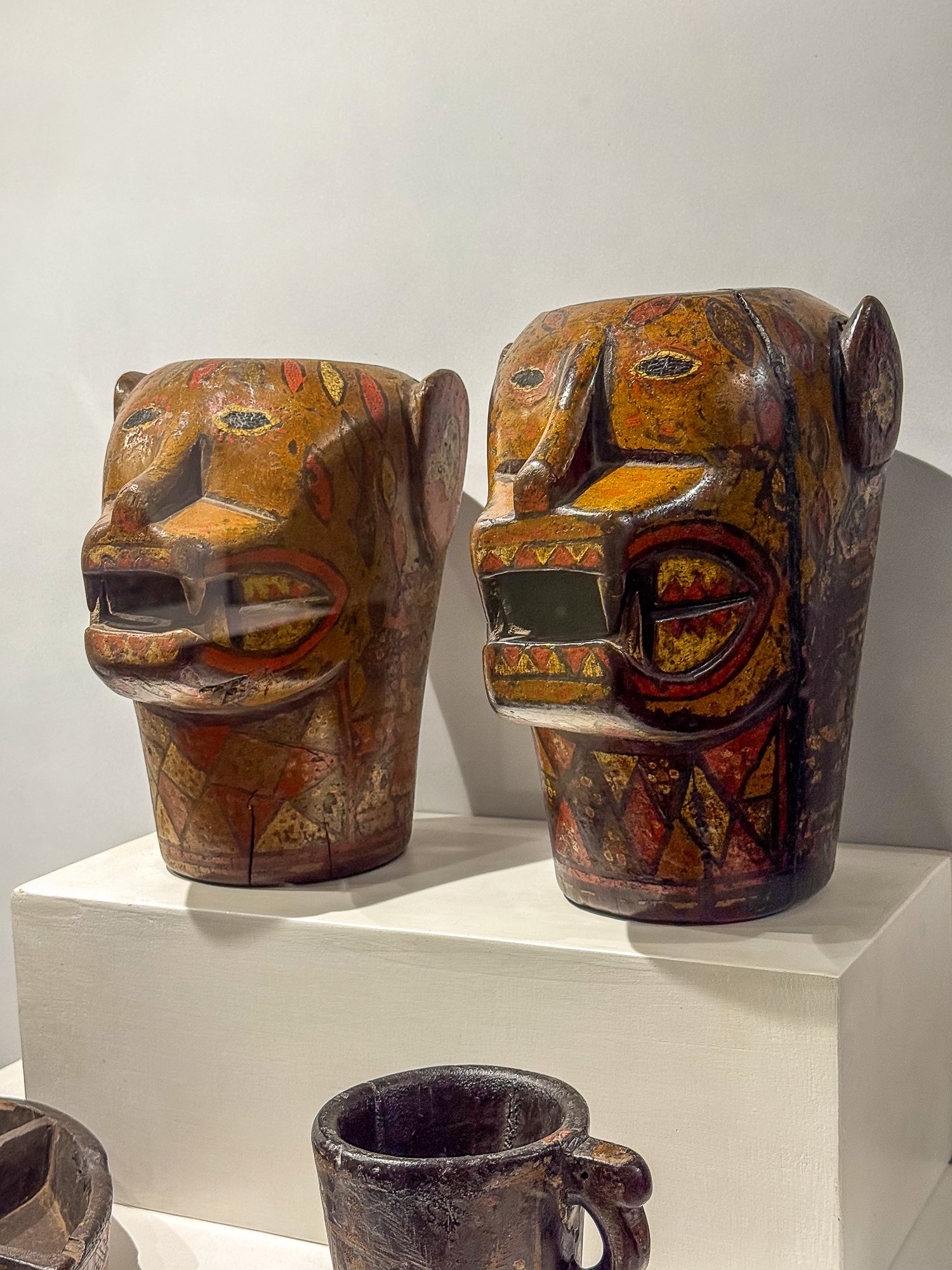
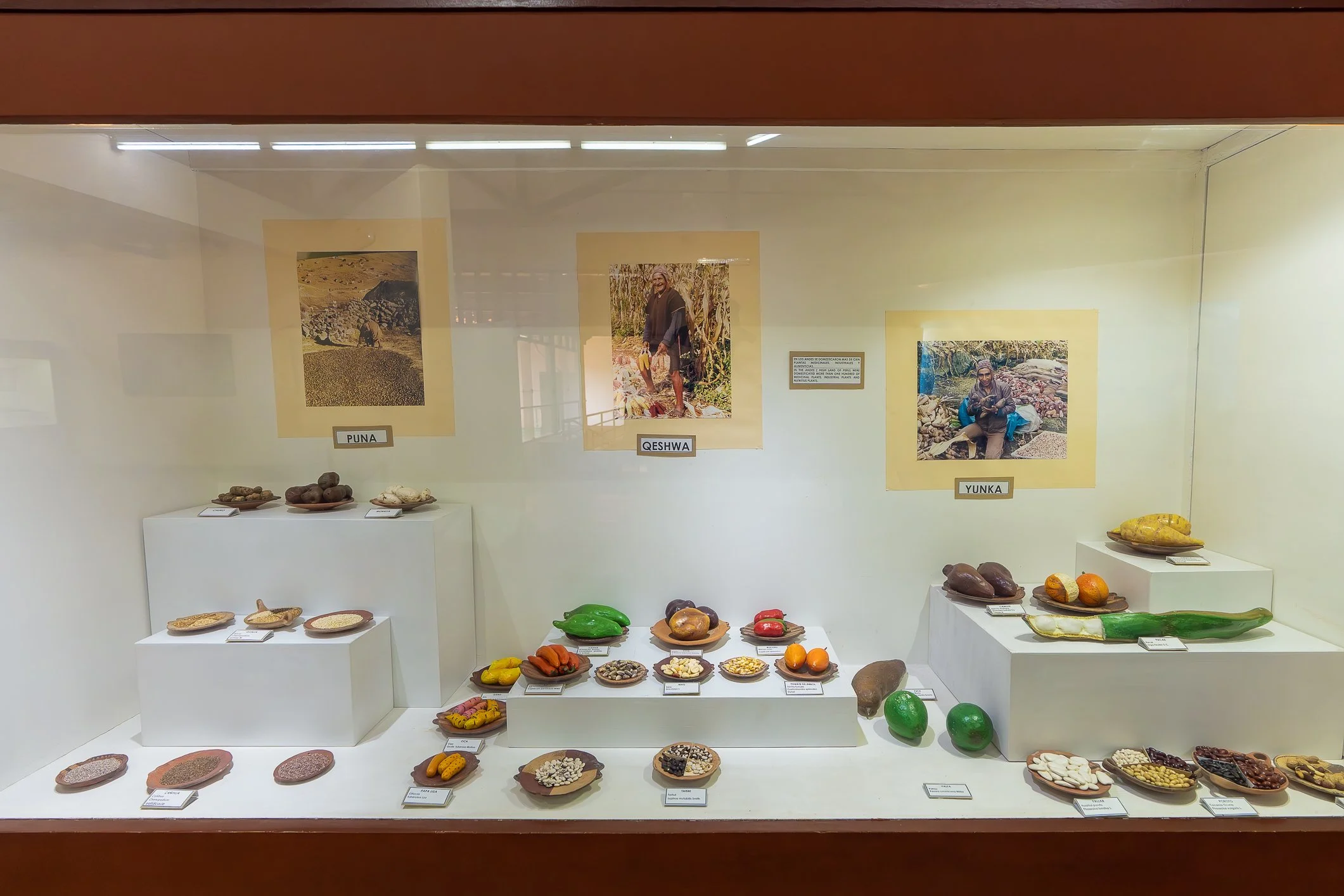
The museum holds a wide range of artifacts: ceramics and pottery from different periods, including an extensive collection of keros, the traditional Inca drinking vessels. There are also displays of textiles, jewellery, tools, and weapons, each offering insight into daily life, craftsmanship, and ceremonial practices. Throughout the exhibits, there’s plenty of contextual information linking these ancient cultures to present-day Quechua communities, highlighting continuity in traditions like weaving, agriculture, and spiritual life.


Ekspozycje zawierają ceramikę, naczynia rytualne, w tym pięknie zdobione keros – tradycyjne kubki do picia, tekstylia, ozdoby, narzędzia, broń… wszystko, co opowiada o codziennym życiu, rytuałach i wierzeniach dawnych lokalnych społeczności. Co ciekawe, muzeum świetnie pokazuje też ciągłość tych tradycji — wiele z nich (od tkania po rytuały rolnicze)  przetrwało do dziś w kulturze Quechua, którą w Cusco jest ciągle żywa.

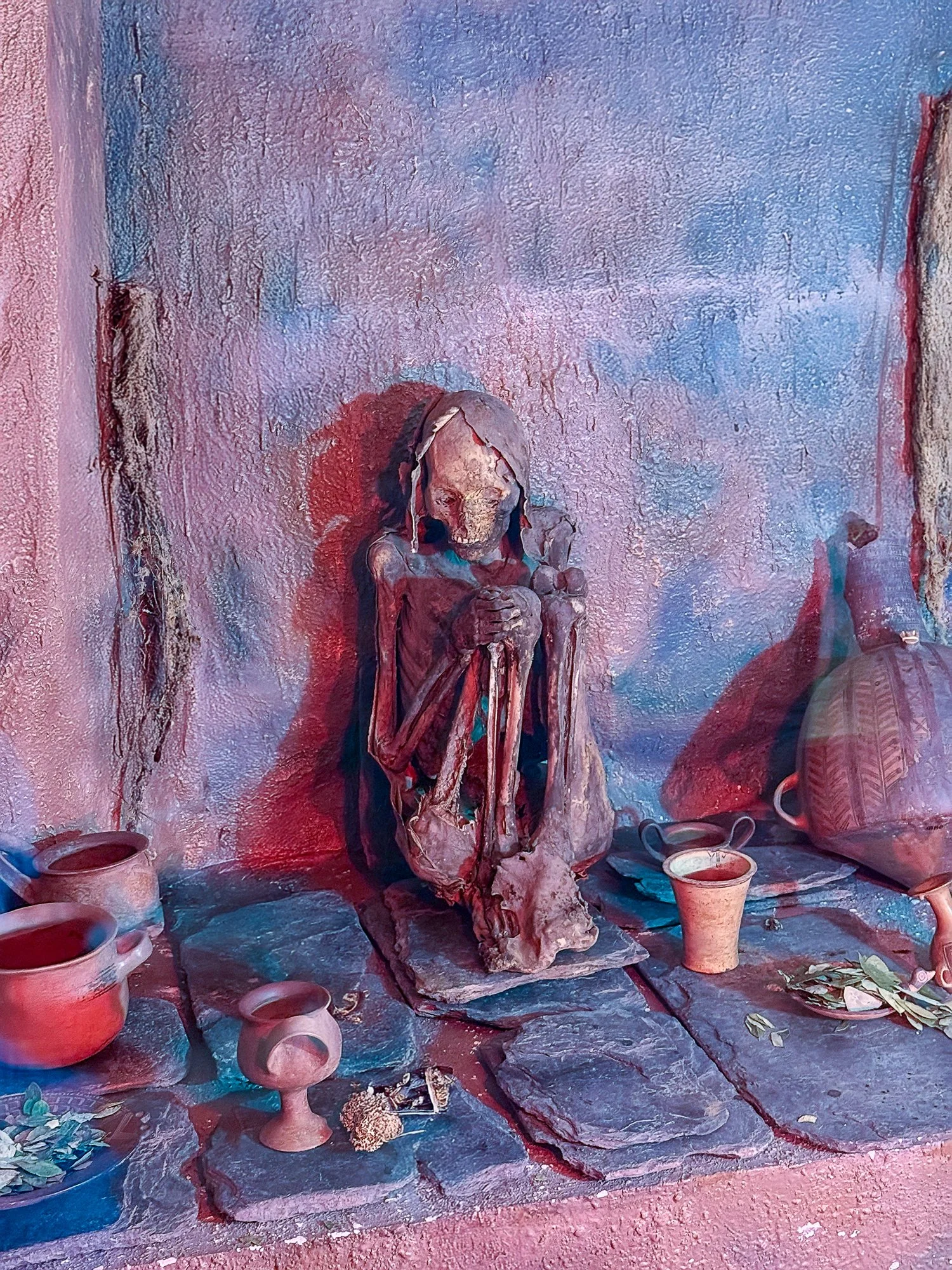
The museum also explores how the Incas viewed death and the afterlife, showing how these beliefs were deeply rooted in both daily life and ritual. There are real mummies on display—perfectly preserved and surrounded by burial offerings in a cave-like tomb.

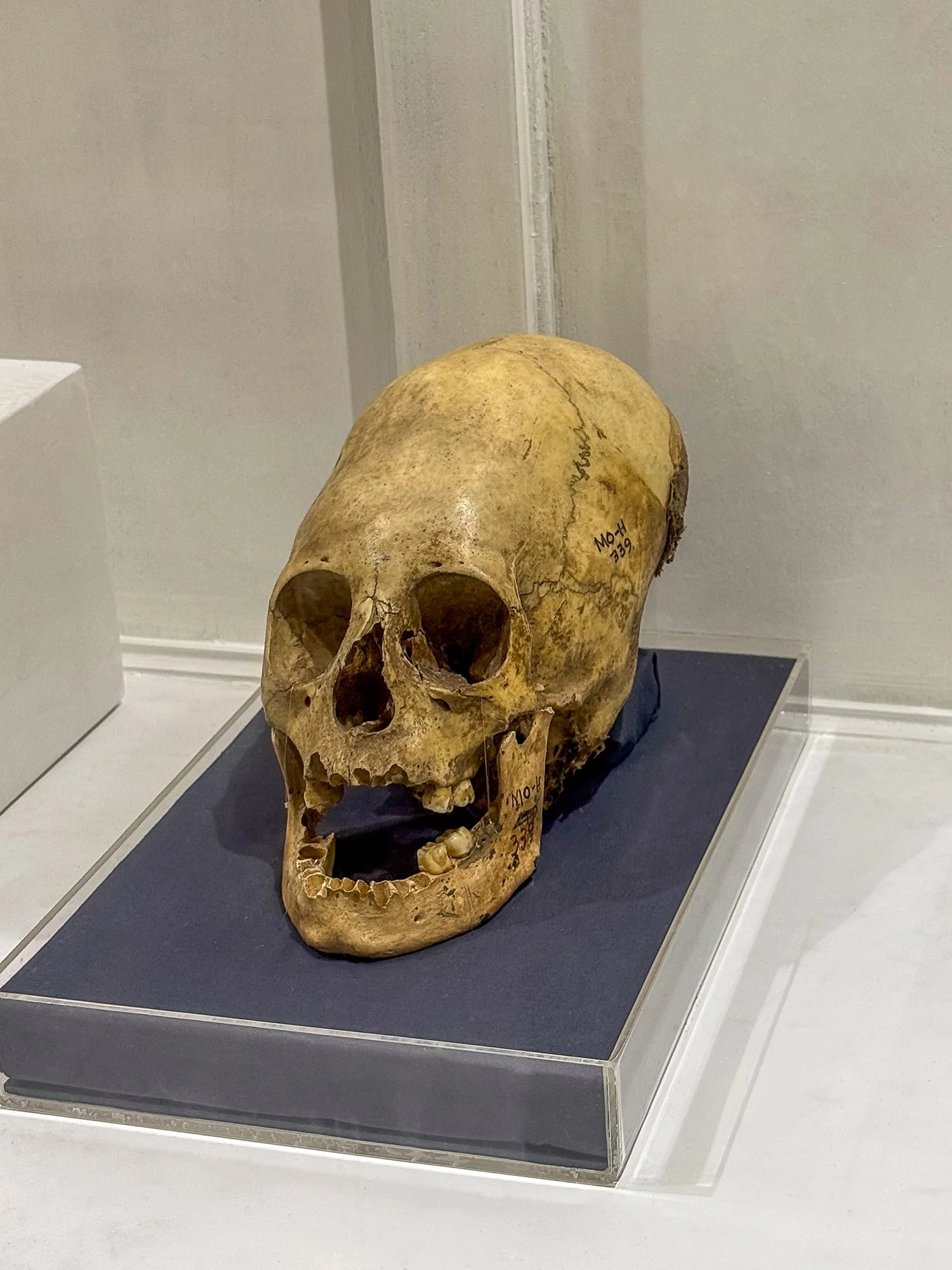
One section displays skulls showing evidence of trepanation—a form of ancient cranial surgery—as well as deliberate cranial shaping, both practiced by various pre-Columbian cultures.


Jedna z bardziej poruszających sal muzeum zawiera zmumifikowane ciała, ułożone w pozycji siedzącej. Mumie to ważny element wierzeń związanych ze śmiercią i życiem po życiu w andyjskich kulturach.

Zaskoczyły nas też czaszki z widocznymi śladami trepanacji i modelowania kształtu głowy — takie praktyki medyczno-rytualne stosowano tu na długo przed erą nowoczesnej chirurgii.

There are also dioramas and architectural models illustrating various aspects of traditional life as well as the layout of Cusco, designed in the shape of a puma, reflecting the city’s symbolic and spiritual significance. We also got our first proper look at Machu Picchu, with models and explanations that helped us understand its place within the Inca world and the broader Andean landscape.

Obejrzeliśmy również dioramy ilustrujące różne aspekty tradycyjnego życia oraz plany Cusco, miasta zaprojektowanego w kształcie pumy — symbolu siły i duchowej energii, a także makiety Machu Picchu, które pomogły nam lepiej zrozumieć, jak ta słynna osada wpisuje się w większy kontekst Imperium Inków.

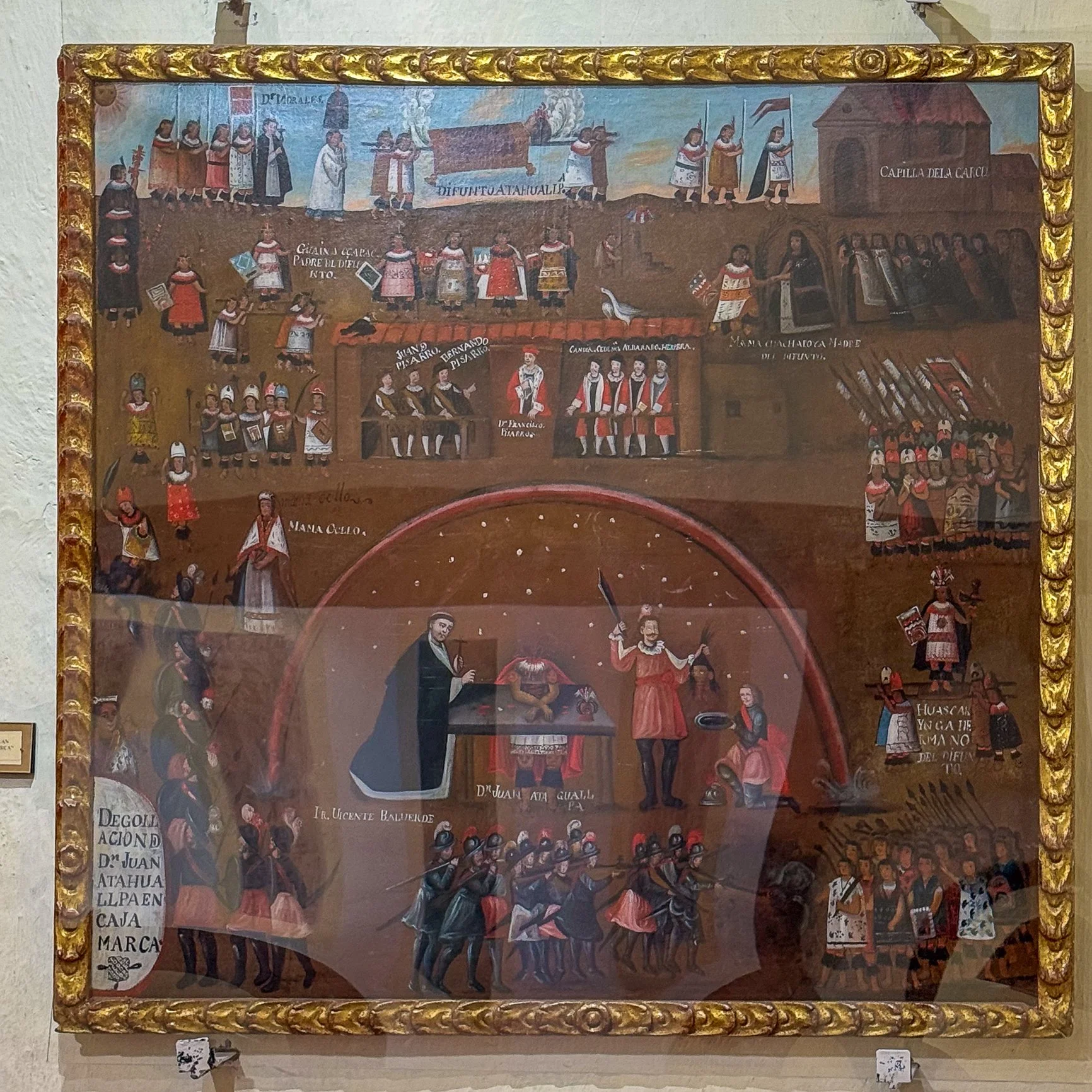
The final section of the museum covers the Spanish conquest, with displays showing the destruction and cultural fusion that followed. Colonial-era furniture, paintings, miniatures, and sculptures illustrate how Andean and European worlds collided and intertwined.


Ostatnia część wystawy poświęcona jest okresowi konkwisty i przemianom, które przyniósł kontakt z Hiszpanami. Pokazano meble kolonialne, portrety, miniatury i rzeźby, obrazujące zarówno zniszczenie, jak i stopniowe przenikanie się dwóch światów: andyjskiego i europejskiego.

If you’re used to sleek, interactive museums like the ones in London, Museo Inka might feel a bit old-school. There are lots of glass cases, paper labels, and worn display panels. But what it lacks in modern presentation, it makes up for with depth and richness.

We spent a few hours there, and honestly—we needed a break afterward just to process everything. It’s an incredibly comprehensive introduction to the Andes’ ancient cultures, and a perfect way to begin exploring Cusco.


Dla osób przyzwyczajonych do nowoczesnych, multimedialnych muzeów — jak te w Londynie — Museo Inka może wydawać się trochę staroświeckie. Wiele tu gablot, papierowych etykiet i plansz, które miejscami noszą ewidentne ślady zużycia. Mimo to muzeum nadrabia wszystko bogactwem ekspozycji i szerokim ujęciem tematu.

Spędziliśmy tam kilka godzin — i szczerze mówiąc, potrzebowaliśmy potem dobrej chwili, żeby to wszystko przetrawić. To świetne wprowadzenie do świata starożytnych kultur Andów, a także idealny początek naszej eksploracji Cusco.

Whales Beneath the Vaulted Ceiling

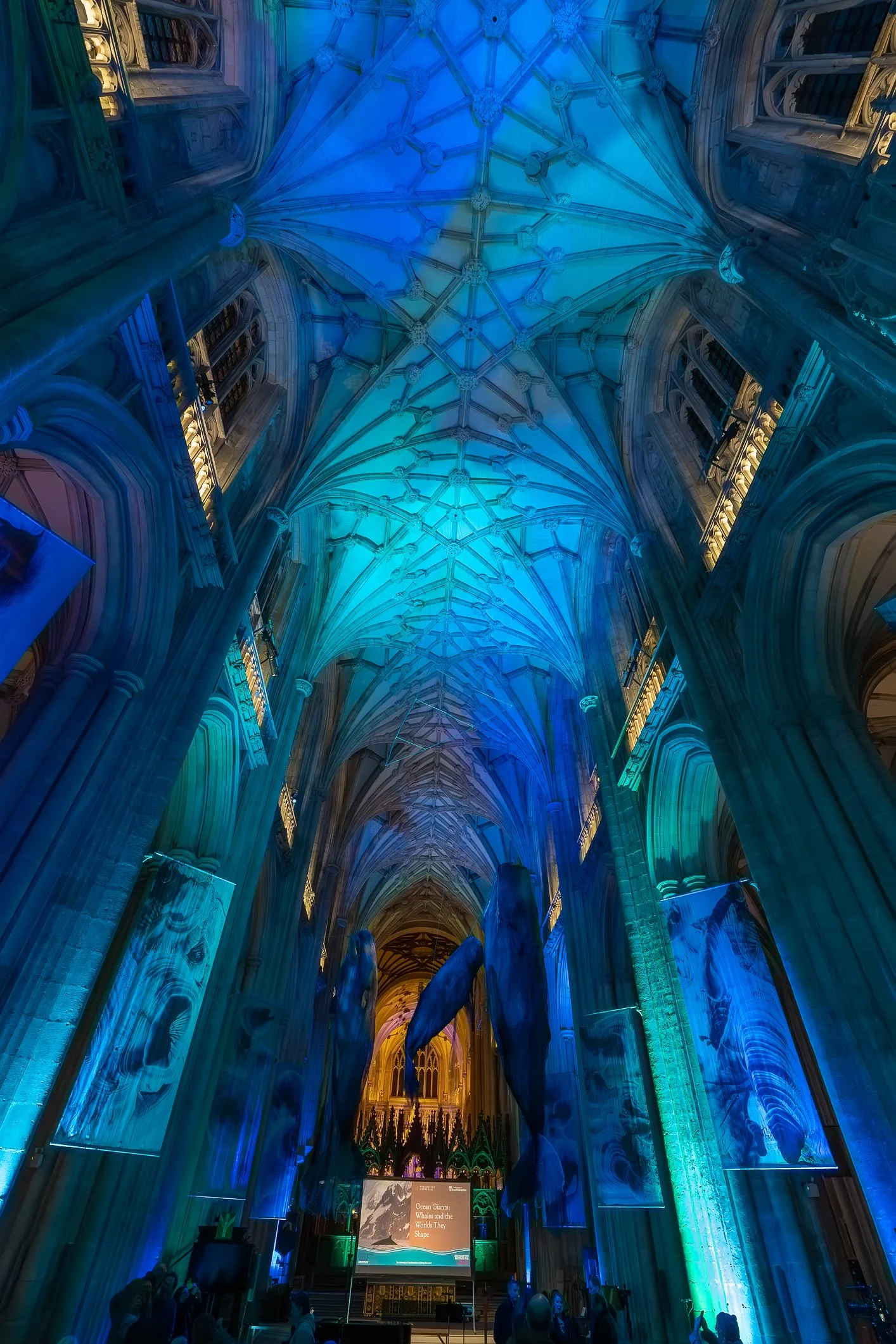
Last night, we stepped into a truly unforgettable world inside Winchester Cathedral—one filled with deep blue light, haunting music, and… whales.

Yes, whales. Three monumental sperm whale sculptures, suspended from the nave of the ancient cathedral, seemed to float through the air above us. The largest measured over five meters long. Created by artist Tessa Campbell Fraser, these breathtaking sculptures formed the centrepiece of an immersive exhibition that blends art, science, and awe.

We were there for a special event hosted by the University of Southampton—an evening of talks, performances, and reflection titled Whales: A Journey Through Worlds. It explored the incredible ways whales shape not just the ocean, but our entire planet, our laws, and even our imaginations.

Three standout talks anchored the night:

  • Professor Jon Copley shared astonishing insights about deep-sea ecosystems that form around whale carcasses, turning death into life for countless ocean creatures.

  • Dr Ryan Reisinger spoke about whale migrations and how these giants connect oceans across the globe, influencing ecosystems and even human life.

  • Dr Dina Lupin took us into the world of environmental law, revealing how whales are reshaping legal thinking about nature and rights.

And between the lectures, the evening flowed with poetry and live music.

Wczoraj wieczorem przenieśliśmy się do zupełnie innego świata — świata błękitnego światła, nastrojowej muzyki i… wielorybów.

Tak, wielorybów. Trzy monumentalne rzeźby tych ssaków, stworzone przez artystkę Tessę Campbell Fraser, zawisły pod sklepieniem nawy głównej w katedrze w Winchesterze.

Pojawiliśmysię tam na wyjątkowe wydarzenie zorganizowane przez Uniwersytet w Southampton – wieczór pod hasłem Whales: A Journey Through Worlds, pełen wykładów, występów artystycznych i refleksji. Tematem przewodnim były wieloryby i ich niezwykły wpływ na oceany, ekosystemy, kulturę i prawo.

Najważniejsze były trzy wykłady:

  • Profesor Jon Copley opowiadał o ekosystemach, które tworzą się na dnie oceanu wokół martwych wielorybów – śmierć jednych daje życie innym.

  • Dr Ryan Reisinger mówił o migracjach wielorybów i o tym, jak te olbrzymy łączą ze sobą oceany, wpływając na środowisko i życie ludzi.

  • Dr Dina Lupin przedstawiła fascynujące spojrzenie na rolę wielorybów w prawie – i jak zmieniają one sposób, w jaki myślimy o naturze i sprawiedliwości.

Między wykładami zaś rozbrzmiewała poezja i muzyka na żywo.

Orchid festival 2025

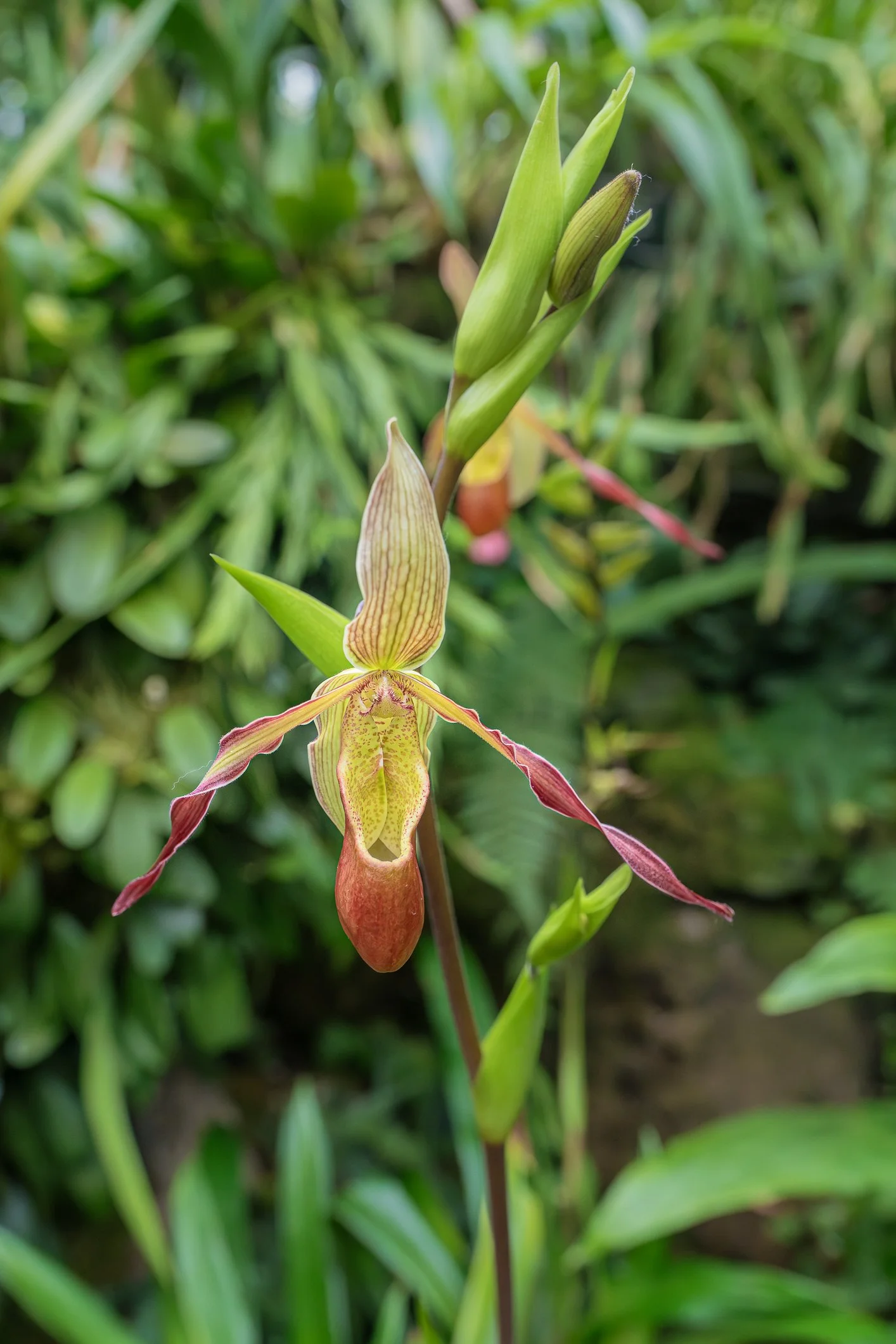
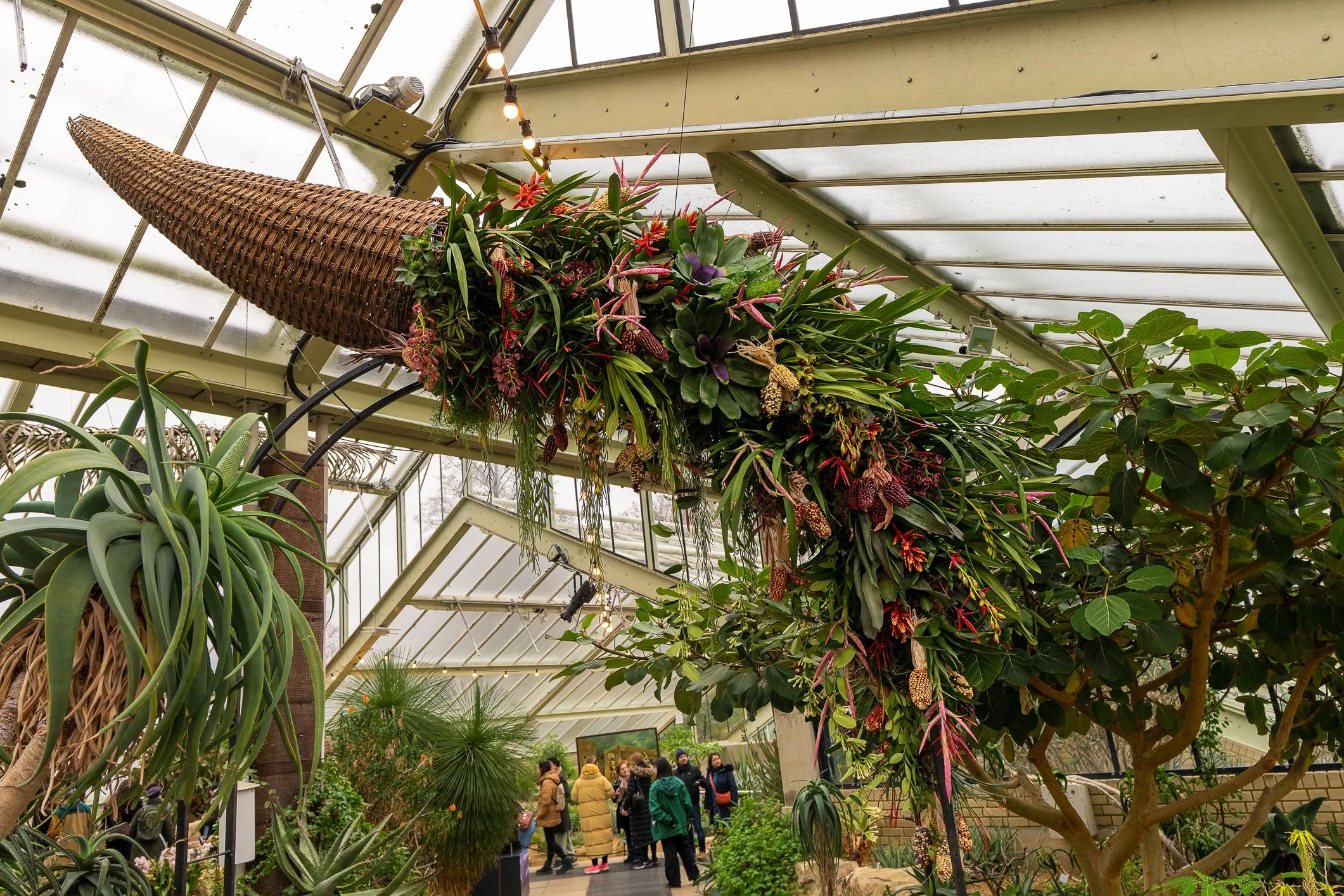
The Orchid Festival at Kew Gardens is back, and this year's theme is Peru! Talk about perfect timing - we're actually heading to Peru in March!

Tegorocznym tematem Festiwalu Orchidei w Kew Gardens jest Peru! O wilku mowa. W Marcu jakby nie było jedziemy na naszą pierwsza wyprawę do Peru.

As we were making our way to the conservatory, we bumped into a wild fox! It was clearly hungry and with a bit of a limp. The day was freezing, too. Luckily, I happened to have some cat food in my bag (I usually do), and the fox was incredibly pleased to get it. And that made us happy.

Po drodze do szklarni przydarzyło nam się spotkanie z liskiem. Lis wyraźnie głodny i trochę utykał, a dzień był wyjątkowo zimny. Na szczęście miałam w torebce saszetkę kociej karmy (od wyjazdu do Maroko zrobił mi się taki zwyczaj). Lis był bardzo zadowolony, że ją dostał. A my jeszcze bardziej.

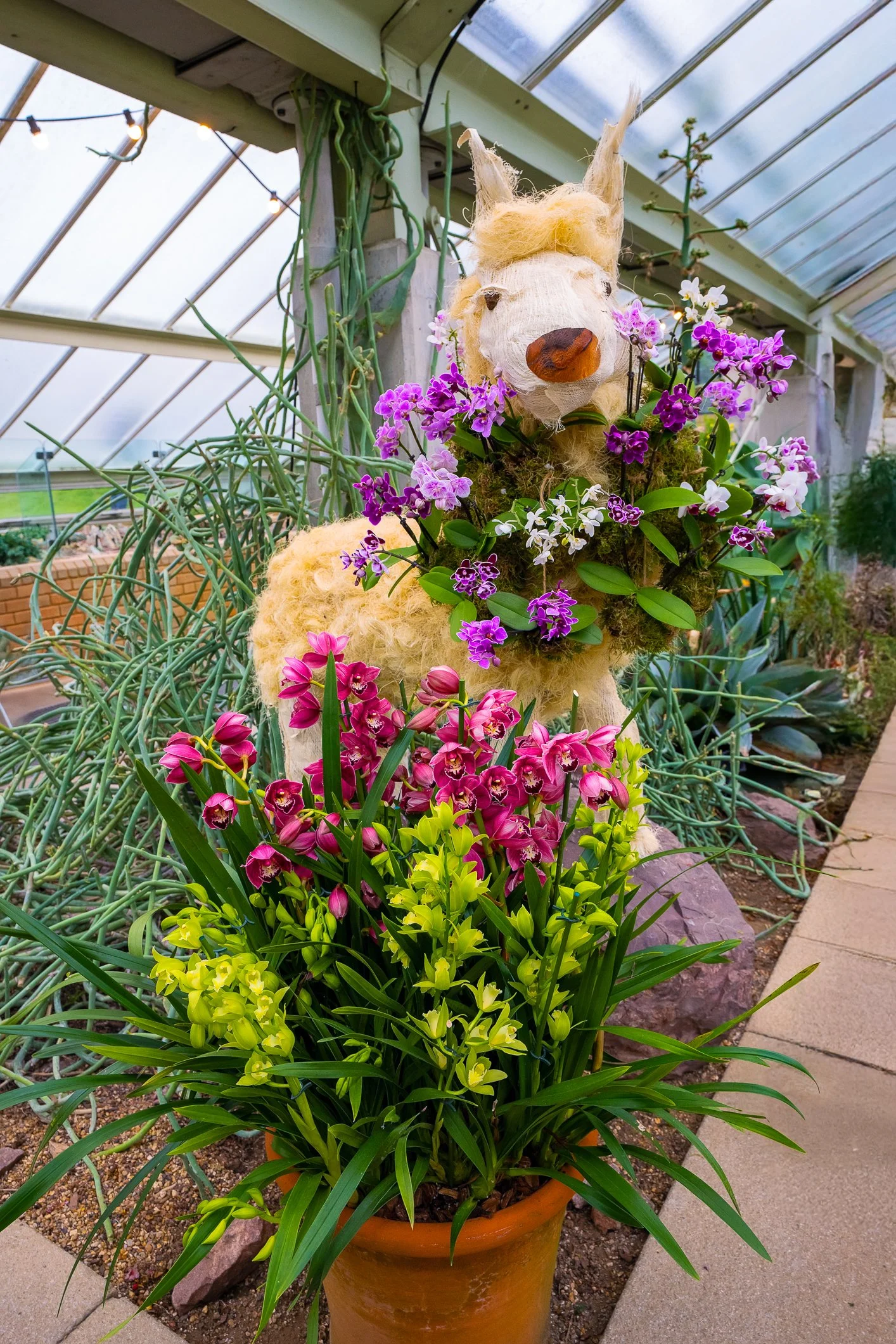
Walking into the glasshouse, we’re immediately greeted by an alpaca covered in orchids.

Wchodząc do szklarni, od razu wita nas alpaka pokryta orchideami.

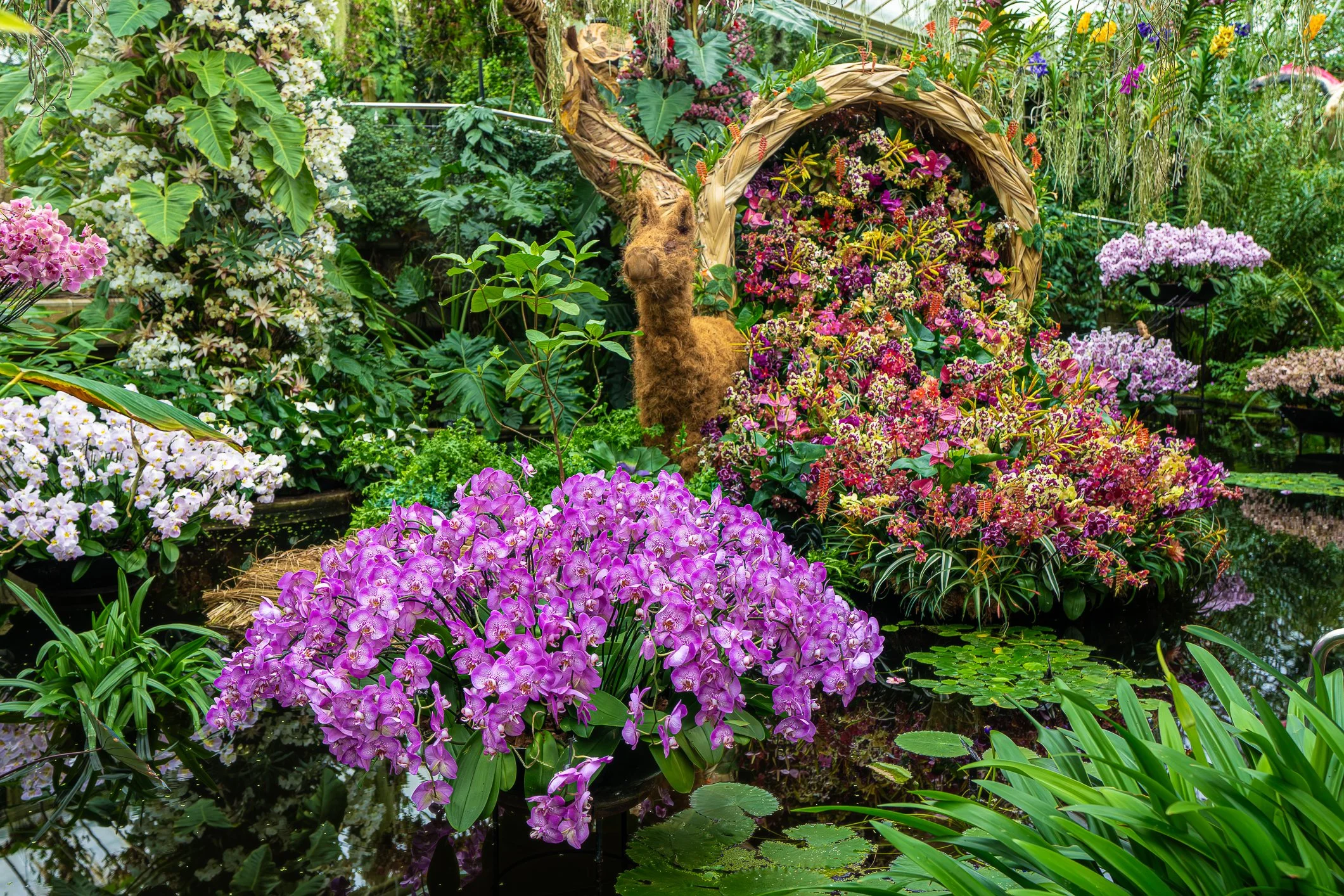
Then, the Peruvian landscape comes to life in floral form. The central pond is transformed into a scene reminiscent of Lake Titicaca, one of Peru’s national symbols. The flowers spill out, showcasing the country’s rich biodiversity. In the next pond, we find floral flamingos standing proudly against a backdrop of Machu Picchu – another iconic image.

Dalej peruwiański krajobraz odzwierciedlony jest w kwiatowych instalacjach. Centralny staw przekształca się w scenę przypominającą jezioro Titicaca, jeden z peruwiańskich symboli narodowych. Kwiaty wylewają się tu z każdego kąta, prezentując bogatą bioróżnorodność kraju. W kolejnym stawie kwiatowe flamingi stoją dumnie na tle Machu Picchu.

The next part of the exhibition has a form of an aviary with installations representing various birds to celebrate Peru's diverse bird populations.  There are also various butterflies and other insects.

Kolejna część wystawy ma formę woliery z instalacjami przedstawiającymi różne gatunki ptaków, symbol zróżnicowanej populacji ptaków w Peru. Na wystawie zobaczyć można również różne motyle i inne owady.

It was also nice to wander under a “night sky”, decorated with Allium flower heads recycled from Kew's outdoor gardens.

Miło było także powłóczyć się pod „nocnym niebem”, udekorowanym główkami kwiatów Allium uzbieranych w ogrodach Kew.

After browsing a souvenir shop where we ended up with unreasonable amount of locally made chocolate, we continued our walk and came across cute spectacled bears hiding among the flowers and close to the waterfall.

Po wizycie w sklepie z pamiątkami, z którego wyszliśmy z idiotyczną ilością lokalnie produkowanej czekolady, natknęliśmy się na urocze niedźwiedzie andyjskie ukrywające się wśród kwiatów i nad wodospadem.

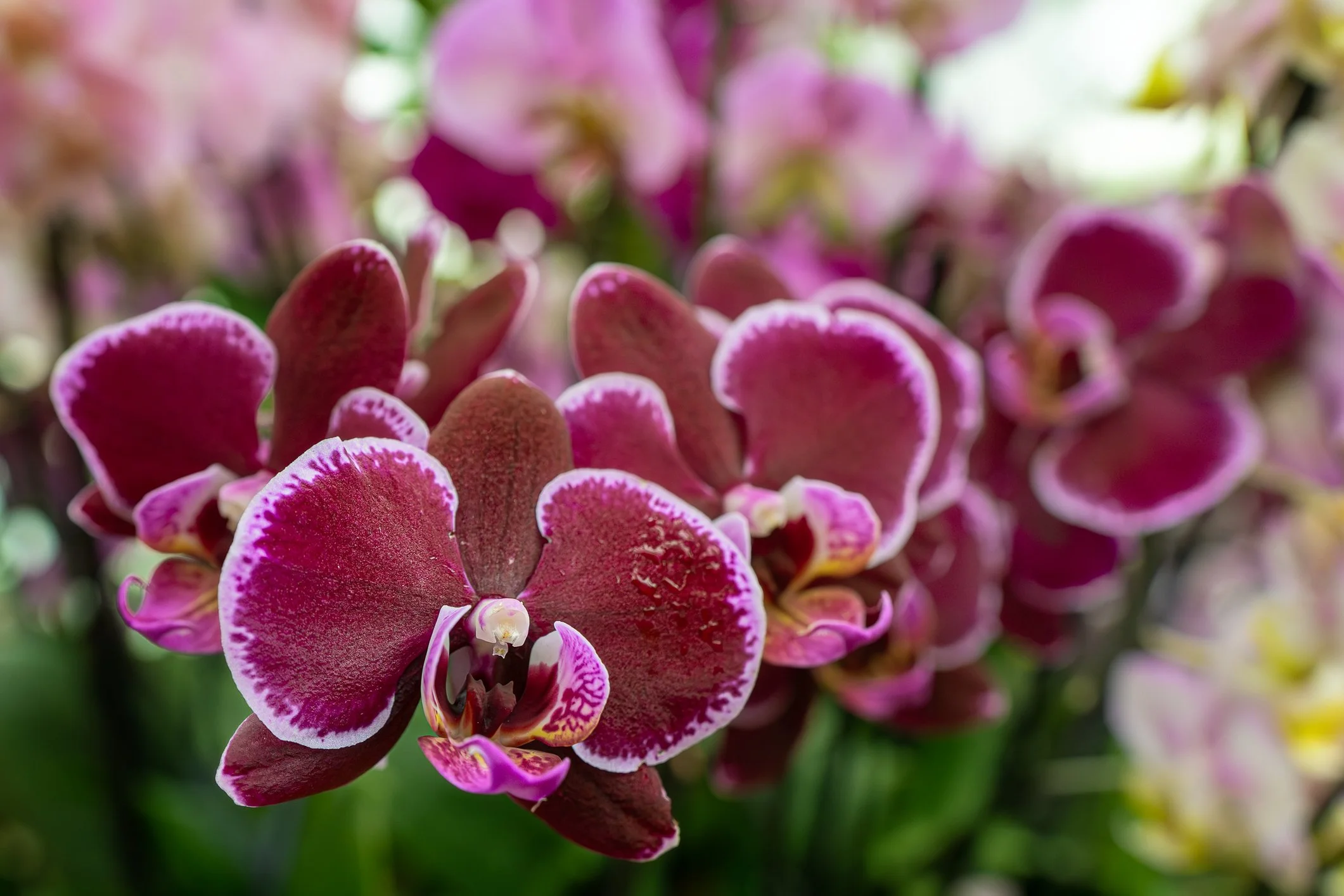
Peru's got it all, from stunning beaches and lush rainforests to dramatic deserts and towering mountains. It's also home to an incredible 3,000+ species of orchids, plus a ton of other amazing wildlife. The festival does a fantastic job of capturing that beauty and biodiversity in the Princess of Wales Conservatory.

Peru ma wszystko, od pięknych plaż i bujnych lasów deszczowych po dramatyczne pustynie i wznoszące się wysoko góry. Jest także domem dla ponad 3000 gatunków orchidei. Festiwal odbywający się całkowicie na terenie szklarni Princess of Wales pokazuje piękno i bioróżnorodności tego kraju.

Winter Lights 2025 part 2

See Winter lights 2025 part 1

Next, we find ourselves traversing the Chancellor Passage, where we stop for a moment at the permanent installation bit.fall by Julius Popp from Germany. This artwork (featured in my blog in 2024) is made of a cascading display of words, formed by thousands of precisely timed falling water droplets.

Następnie przechodzimy przez Chancellor Passage, gdzie zatrzymujemy się na chwilę przy stałej instalacji bit.fall autorstwa Juliusa Poppa z Niemiec. Ta praca (która znajdziecie już na na moim blogu w opisie festiwalu z zeszłego roku) składa się z kaskadowego pokazu słów, uformowanych przez tysiące precyzyjnie zsynchronizowanych spadających kropel wody.

Our exploration continues past "The Clew," a structure of 100 red lights encircling the Cubitt Steps Bridge (see also my previous year entry).

Kontynuując naszą trasę mijamy teraz „The Clew”, konstrukcję składającą się ze 100 czerwonych świateł otaczających Cubitt Steps Bridge (zobacz także mój wpis z zeszłego roku).

We then arrive at the Mackenzie Walk to view Aj Vana Be. This installation, crafted from 32 stacked bathtubs salvaged from socialist-era high-rise apartments, powerfully underscores the urgent need for water conservation.

Następnie docieramy do Mackenzie Walk, aby zobaczyć Aj Vana Be. Ta instalacja, wykonana z 32 wanien ustawionych jedna na drugiej, odzyskanych z apartamentowców z czasów socjalizmu, podkreśla pilną potrzebę oszczędzania wody.

At Riverside Circa, another light installation beautifully visualizes circadian and circannual rhythms. Each of the twelve light fixtures corresponds to the average light level for a specific month of the year, reflecting seasonal changes. On the other side there is a line of sparkling Christmas trees.(see the video clip as no pictures). On the other side there is a line of sparkling Christmas trees.

W Riverside Circa kolejna instalacja świetlna wizualizuje rytmy dobowe i okołoroczne. Każda z dwunastu opraw świetlnych odpowiada tu średniemu poziomowi światła w konkretnym miesiącu w roku, odzwierciedlając zmiany sezonowe (stąd jest tylko video). A po drugiej stronie ciągnie się linia świecących na złoto świątecznych choinek.

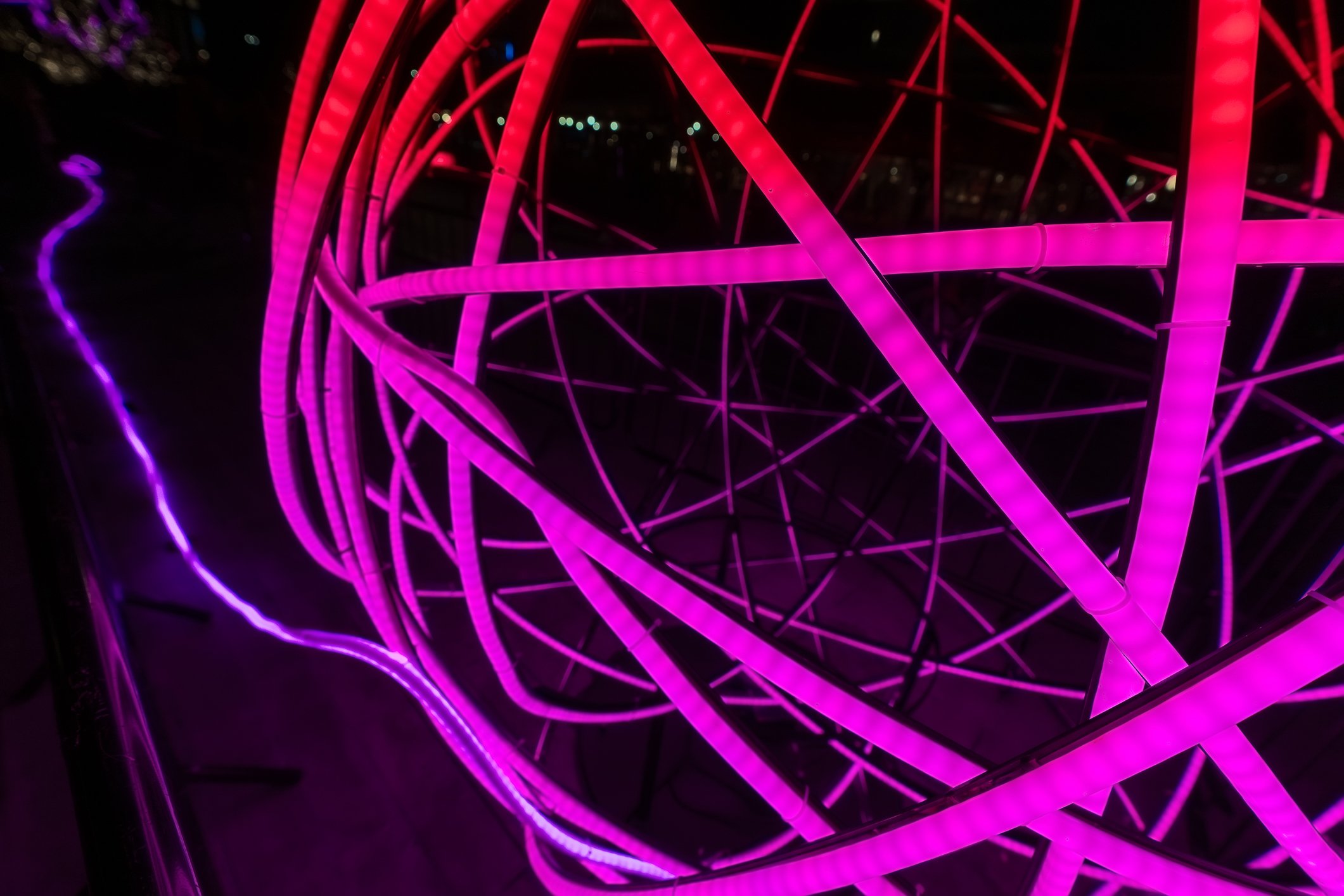
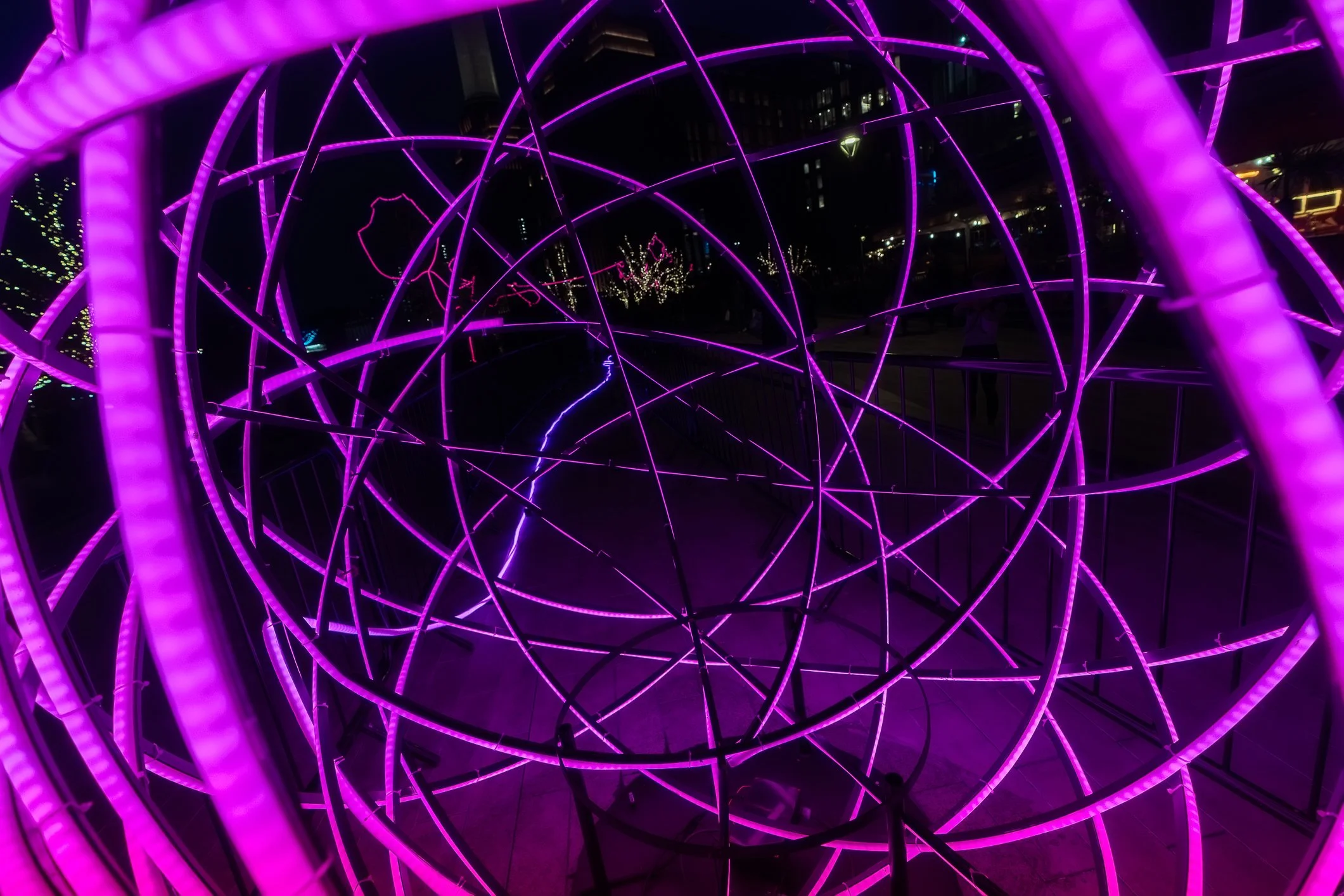
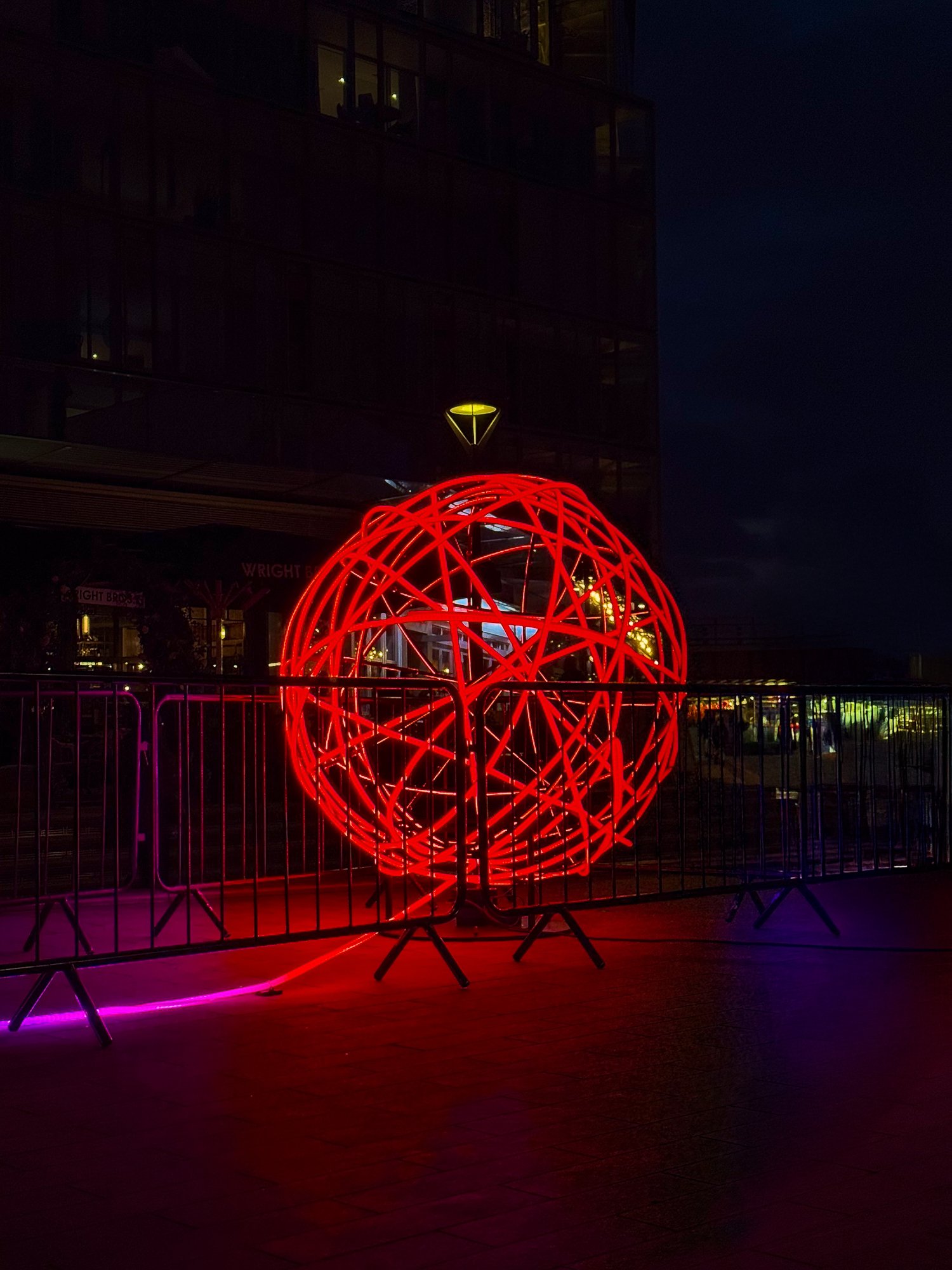
Westferry Circus consistently hosts impressive installations, and this year is no exception. "Error" by Vendel & de Wolf from the Netherlands takes center stage. Inspired by the role of errors in DNA and mutations in natural selection, "Error" is an abstract piece connecting universal randomness to technological chance.

Westferry Circus niezmiennie jest miejscem imponujących instalacji i ten rok nie jest wyjątkiem. Centralne miejsce zajmuje tu „Error”  firmy Vendel & de Wolf z Holandii. Zainspirowany rolą błędów w DNA i mutacjami w doborze naturalnym, „Error” jest abstrakcyjnym dziełem, opowiadającym o uniwersalnej i technologicznej przypadkowości.

In Columbus Courtyard, we find the "Wave" by the British Squidsoup collective. Approximately five hundred suspended orbs create the illusion of a breaking ocean wave.

Na Columbus Courtyard znajdujemy „Wave” autorstwa brytyjskiego kolektywu Squidsoup. Około pięćset zawieszonych kul tworzy tu iluzję rozbijającej się fali oceanicznej.

On Wren Landing, "Stitching Light," a collaboration between British and Bangladeshi artists, presents a poignant narrative. Utilizing traditional Bangladeshi materials like saris and jute, along with illuminated thread, the artwork shares the real-life stories of Bangladeshi women who have migrated to England.

Na Wren Landing „Stitching Light”, współpraca brytyjskich i bangladeskich artystów, przedstawia poruszającą opowieść. Wykorzystując tradycyjne bangladeskie materiały, takie jak sari i juta, a także iluminowane nici, ta instalacja opowiada prawdziwe historie kobiet które wyemigrowały z Bangladeszu do ​​Anglii.

Finally, in Cabot Square, the "Evanescent Droplets" by Atelier Sisu (Australia and Peru) tries to capture the fleeting nature of existence through the form of the soap bubble.

Na koniec, na Cabot Square, „Evanescent Droplets” autorstwa Atelier Sisu (Australia i Peru) próbuje uchwycic ulotną naturę bytu poprzez formę bańki mydlanej.