interior

The Ivy Cafe, Richmond

After the Orchid Festival, we treat ourselves to the cream tea at The Ivy Café. It is an all-day dining British café and restaurant, but it is far from a timid eatery. Instead, it offers a lavish, highly colourful interpretation of traditional brasserie design, brimming with marble, mirrored surfaces, burnt-orange upholstery, and playful wildlife accents.


Po Festiwalu Orchidei wpadliśmy do The Ivy Café na “cream tea”. To lokal, w którym można wpaść zarówno na kawę i ciasto, jak i zjeść coś konkretnego, ale spokojnej, typowej kawiarni tu nie znajdziecie. Wnętrze to prawdziwa uczta dla oczu: marmury, lustra, kanapy w pięknym kolorze ochry i wszechobecne motywy zwierzęce, które nadają mu wyjątkowego charakteru.

The bar is very much the star of the interior: a gleaming marble counter lined with striking tangerine leather stools. Nearby, banquettes and mid-century chairs appear to clash in a riot of shapes and colours, but the effect is entirely intentional.

Artwork near the windows nods to the restaurant’s proximity to Richmond Park, while the walls are crowded with an eclectic mix of paintings and drawings - from birds, hares, and other wildlife to charming depictions of dogs, including a very dapper pointer or two.

The Ivy style is immediately recognisable - you know it’s The Ivy the moment you step inside, yet each branch puts its own spin on the classic formula. That ability to blend a signature look with subtle, idiosyncratic touches is what sets the chain apart and makes me want to visit them all. In Richmond, the playful references to the park give the interior its own distinctive charm.

Bar zdecydowanie przyciąga wzrok: marmurowy blat otaczają skórzane stołki w intensywnym pomarańczowym kolorze. Wokół porozstawiane są kanapy i krzesła w stylu mid-century, które na pierwszy rzut oka wydają się być „nie od kompletu”, ale w rzeczywistości wszystko jest przemyślane i w pełnej harmonii. Prace na ścianach przy oknach nawiązują do bliskości restauracji z Richmond Park, podczas gdy pozostałe ściany wypełnia eklektyczna mieszanka obrazów i rysunków - od ptaków, zajęcy i innej dzikiej przyrody po urocze przedstawienia psów, w tym jednego czy dwóch wyjątkowo eleganckich pointerów.

Styl Ivy jest od razu rozpoznawalny - wiesz, że jesteś w Ivy, jak tylko przekroczysz próg kawiarni, nawet jeśli odwiedzasz zupełnie nową filię. A jednocześnie każdy lokal wprowadza własny, niepowtarzalny akcent: drobne i czasem zaskakujące detale, które nadają poszczególnym kawiarniom ich indywidualny charakter. To właśnie ta umiejętność łączenia charakterystycznego wystroju z subtelną, idiosynkratyczną różnorodnością sprawia, że chce się odwiedzać kolejne lokale tej sieci. W Richmond są to wspomniane elementy nawiązujące do pobliskiego parku.

We came straight from the gardens, so our outfits were comfortable and simple - but that was no problem. The Ivy is the kind of place that tempts you to dress up a little, yet you feel completely at home even if you don’t.

Our cream tea was a feast for both the eyes and the palate. We started with smoked salmon and cream cheese sandwiches – a perfectly executed classic. The grilled chicken brioche with truffle mayo added a rich, indulgent twist, while the scones, of course, came with clotted cream and strawberry jam that tasted like summer in a jar. Dessert was delightfully whimsical: a cake masquerading as a tiny flower pot, with chocolate-shaving “soil” and a delicate bloom on top, accompanied by macarons decorated with tiny honeybees.

Nasz posiłek był prawdziwą ucztą nie tylko dla podniebienia, ale także dla oczu. Zaczęliśmy od klasycznych kanapek z wędzonym łososiem i serkiem śmietankowym - perfekcyjnie przygotowana klasyka angielskiej „popołudniowej herbaty”. Grillowana pierś kurczaka w bułce brioche z majonezem truflowym dodała „małą nutkę dekadencji”, a oczywiście nie zabrakło także tradycyjnych skonów z gęstą śmietaną i truskawkowym dżemem. Było także ciastko udające małego kwiatka w doniczce, z „ziemią” z wiórków czekoladowych, a do tego makaroniki udekorowane maleńkimi pszczołami.

And then there was the ladies’ room - pure flamboyance. The ceiling is completely covered in silk peonies, while Chinoiserie tapestries of monkeys, flowers, and butterflies, shimmering with glossy details and golden accents, create a lush, jungle-like world - yet somehow it feels more like the refined elegance of Asia than a wild rainforest. You came to a bathroom, and found yourself in a baroque theatre, or perhaps a room Marie Antoinette herself might have called her own.

No i oczywiście gwóźdź programu w każdej kawiarni Ivy - damska toaleta. Czysta ekstrawagancja. Sufit całkowicie pokrywają jedwabne peonie, a tapiserie w stylu chinoiserie z małpami, kwiatami i motylami, połyskujące złotymi detalami, tworzą bujny, egzotyczny świat, który łączy w sobie wyrafinowaną estetykę Azji z prawdziwą dżunglą. Przyszłaś do toalety, a znalazłaś się w barokowym teatrze albo może po drugiej stronie lustra…

After leaving the restaurant, I spotted a small shop filled with home décor objects and couldn’t resist peeking inside. Through the window we could see oversized glass bowls planted like tiny forests under glass, along with an eclectic mix of decorative pieces. What really caught my eye, though, were the animals made from paper - not quite origami, but sculptural forms created by bending and gluing crisp white paper into geometric shapes. They had several large animals on display, and after a brief moment of admiration (and very little hesitation), we stepped in and ended up buying a cat for ourselves.

Po wyjściu z restauracji zauważyliśmy niewielki sklep z dekoracjami i nie mogłam się powstrzymać, żeby nie zajrzeć do środka. W witrynie stały duże szklane misy z roślinami tworzącymi małe „lasy w szkle”, a wokół nich różne ciekawe dekoracyjne przedmioty. Moją uwagę najbardziej przyciągnęły jednak papierowe zwierzęta — nie do końca origami, raczej rzeźby z białego papieru, powstałe przez zginanie i sklejanie geometrycznych elementów. Na półce stało kilka dużych okazów i po chwili oglądania weszliśmy do środka… a chwilę później jeden z nich był już nasz. Oczywiście jest to kot.

The Tower Hotel and The Anchor pub

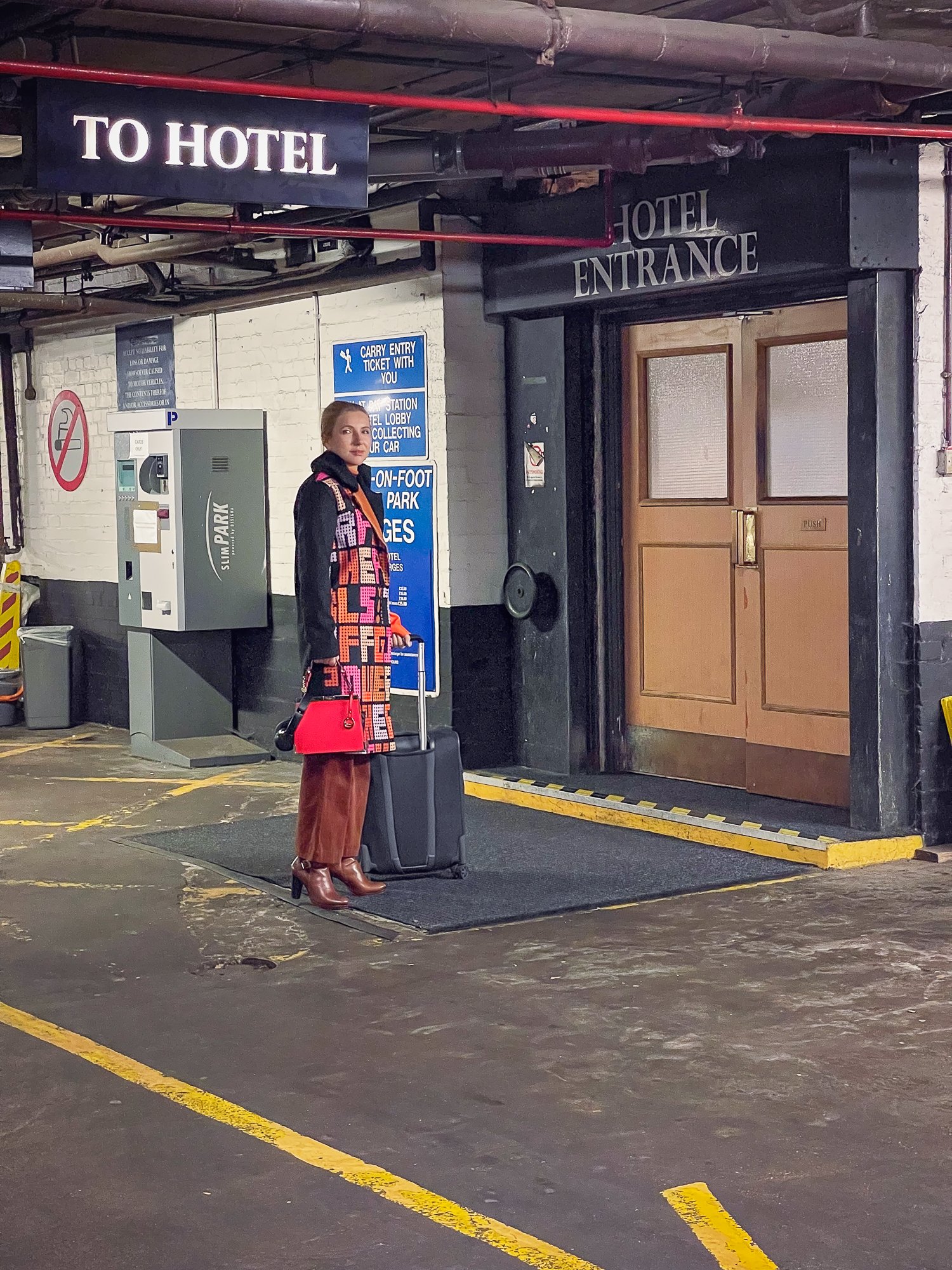
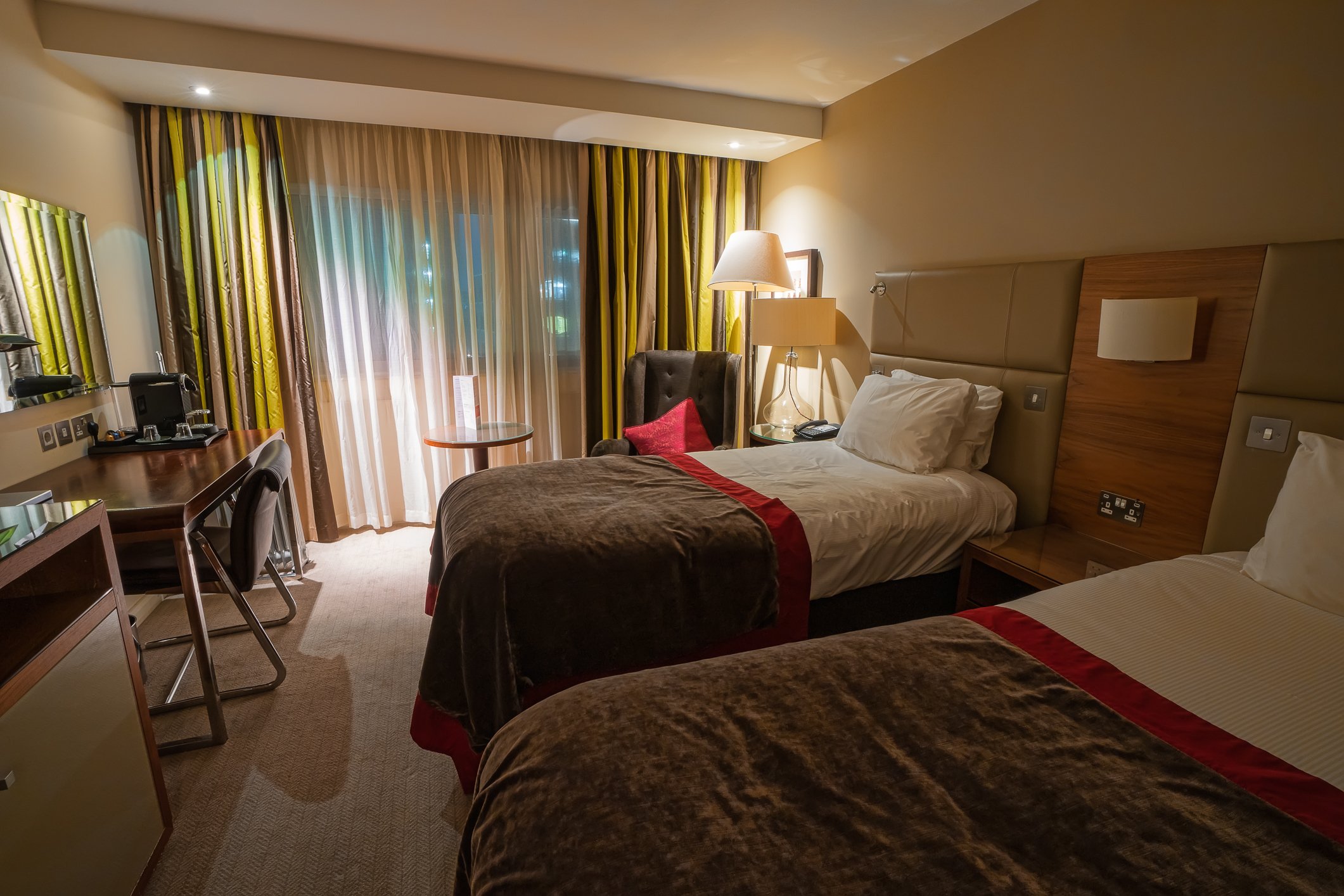
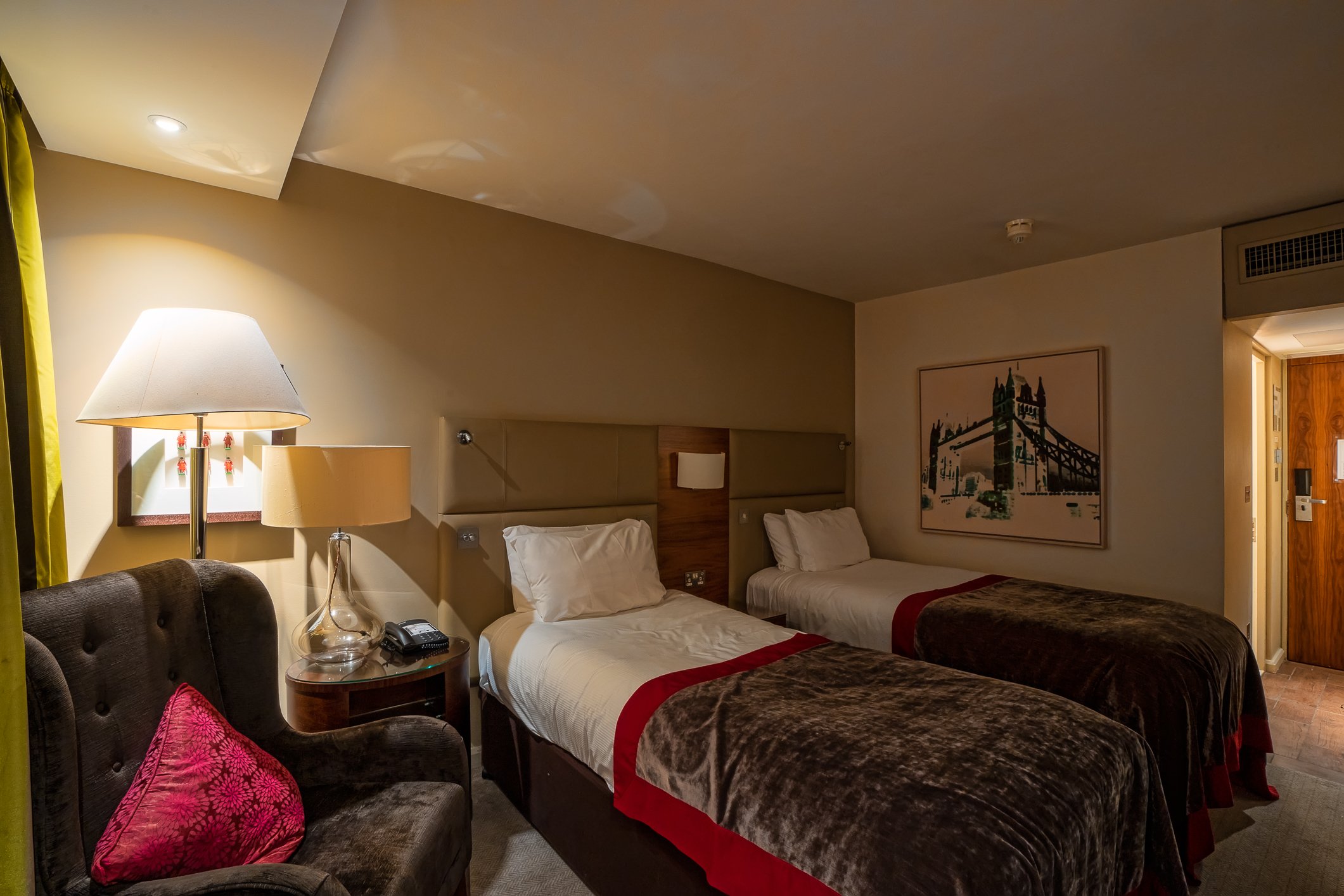
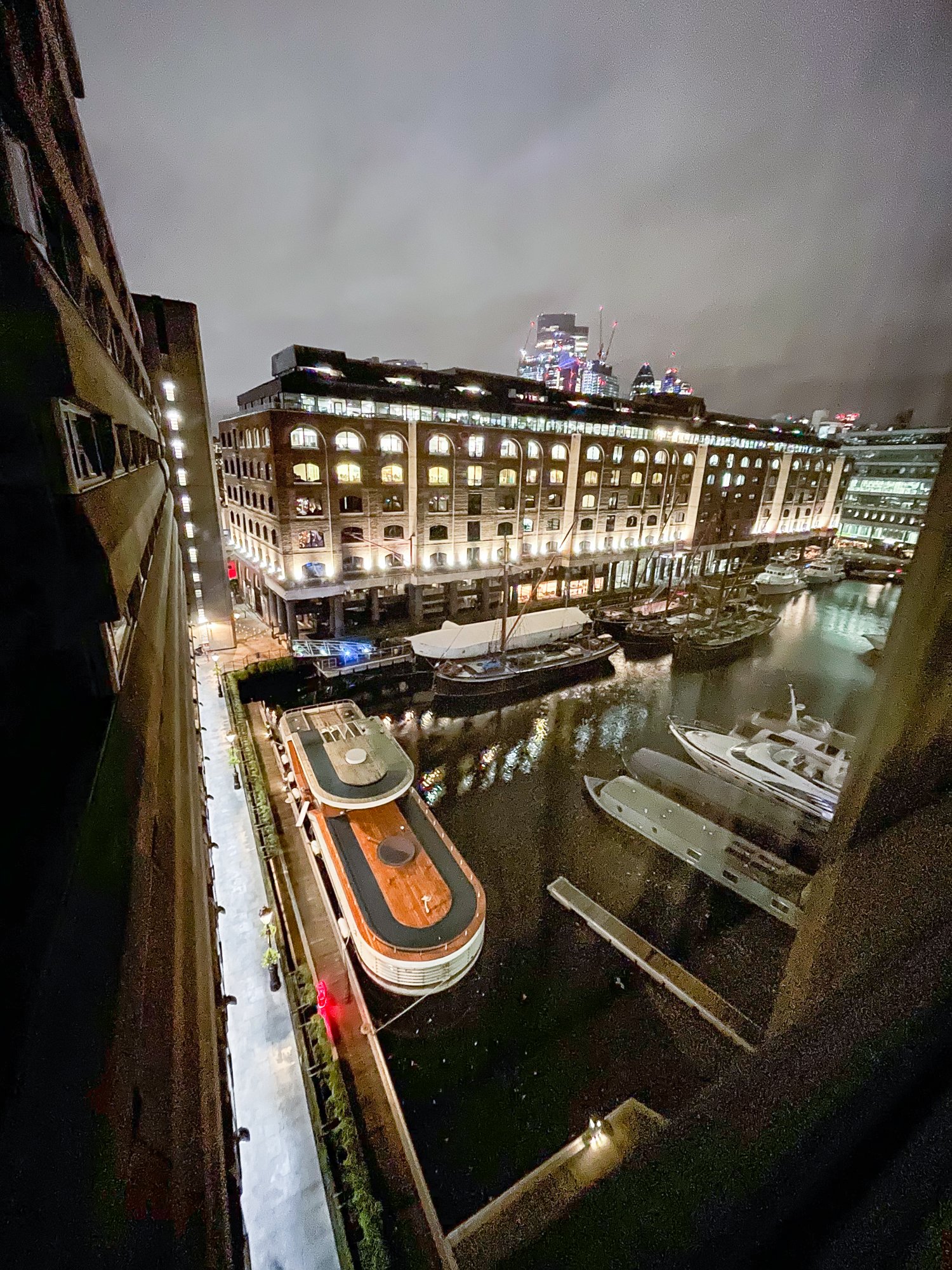
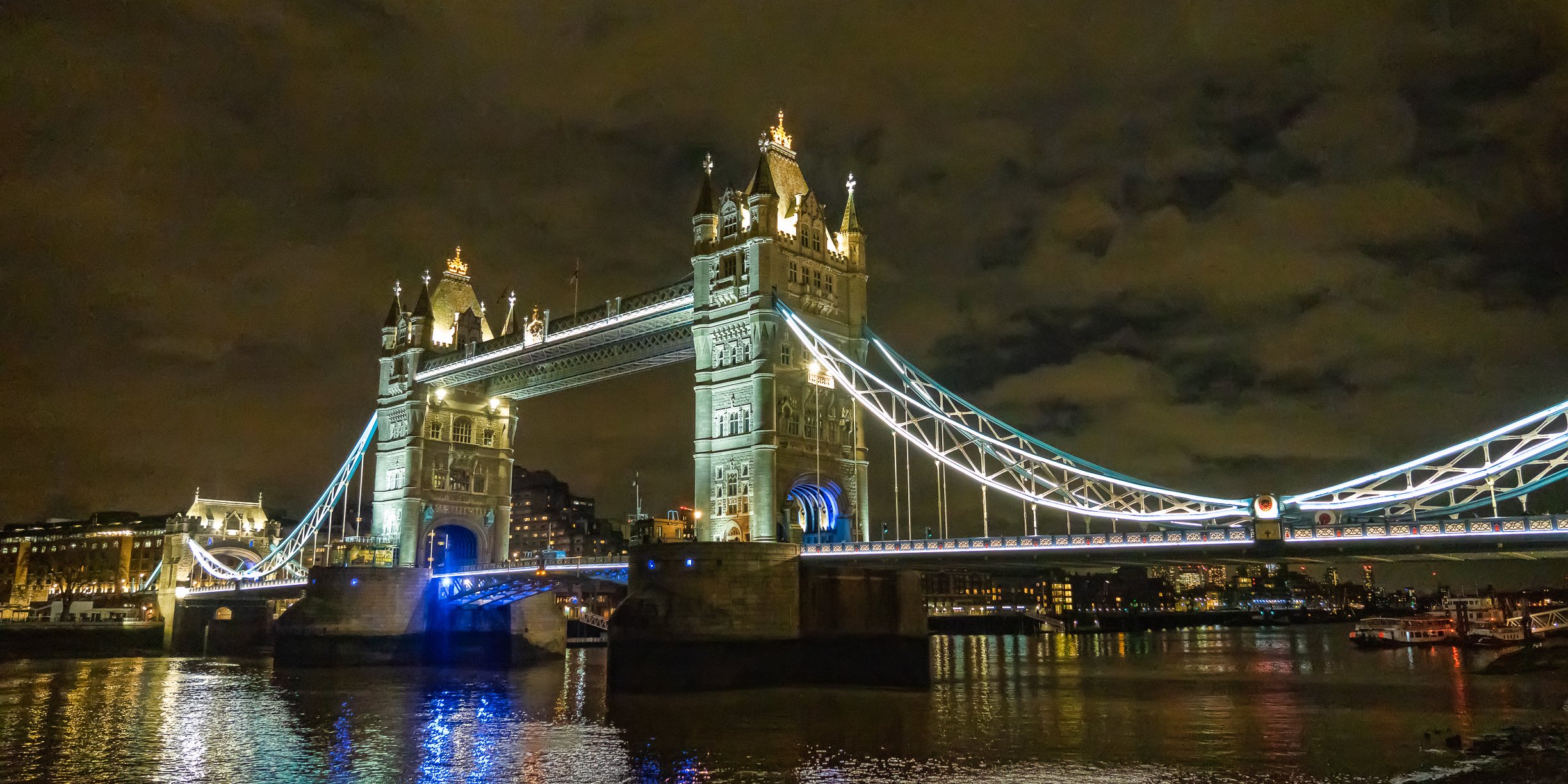
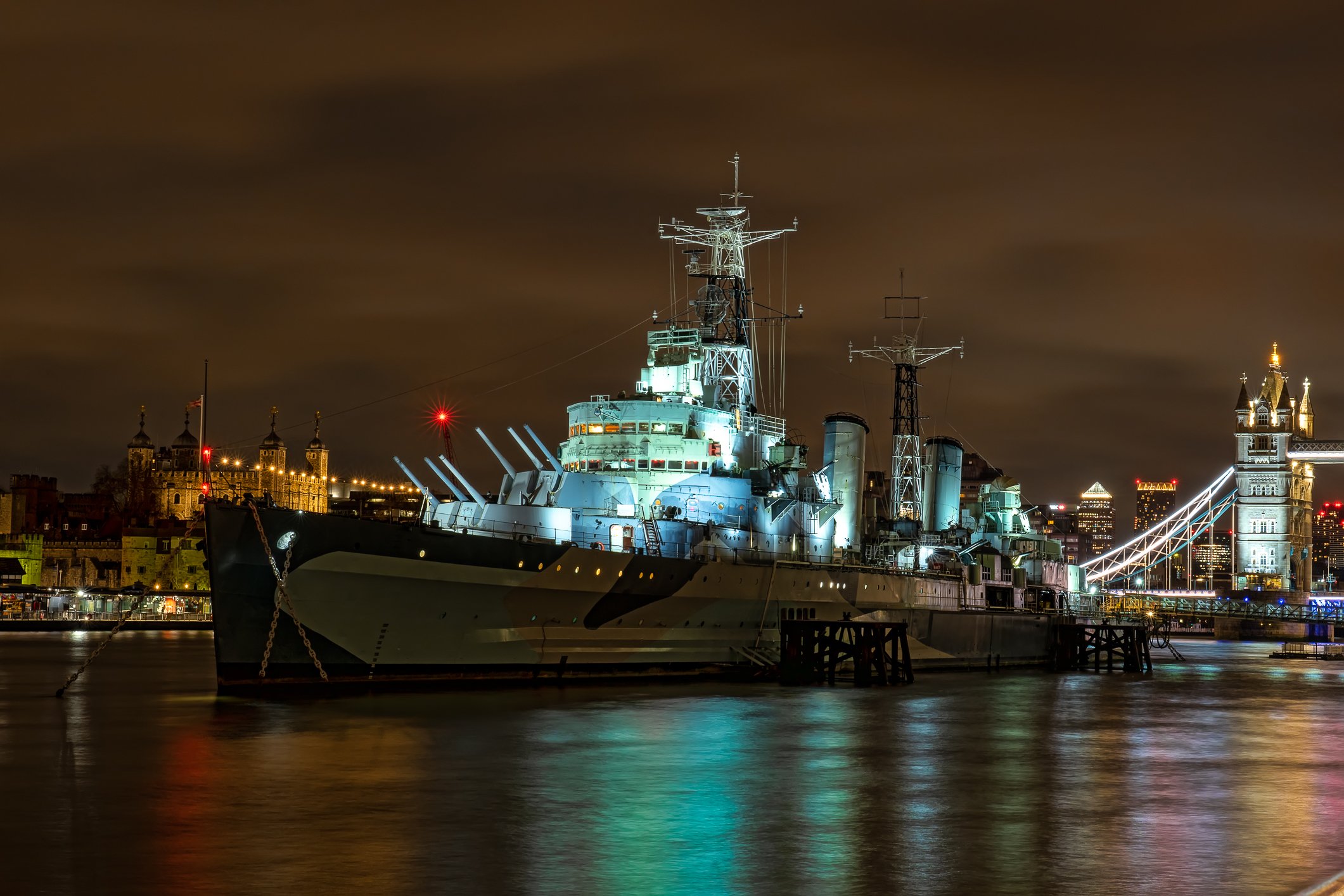
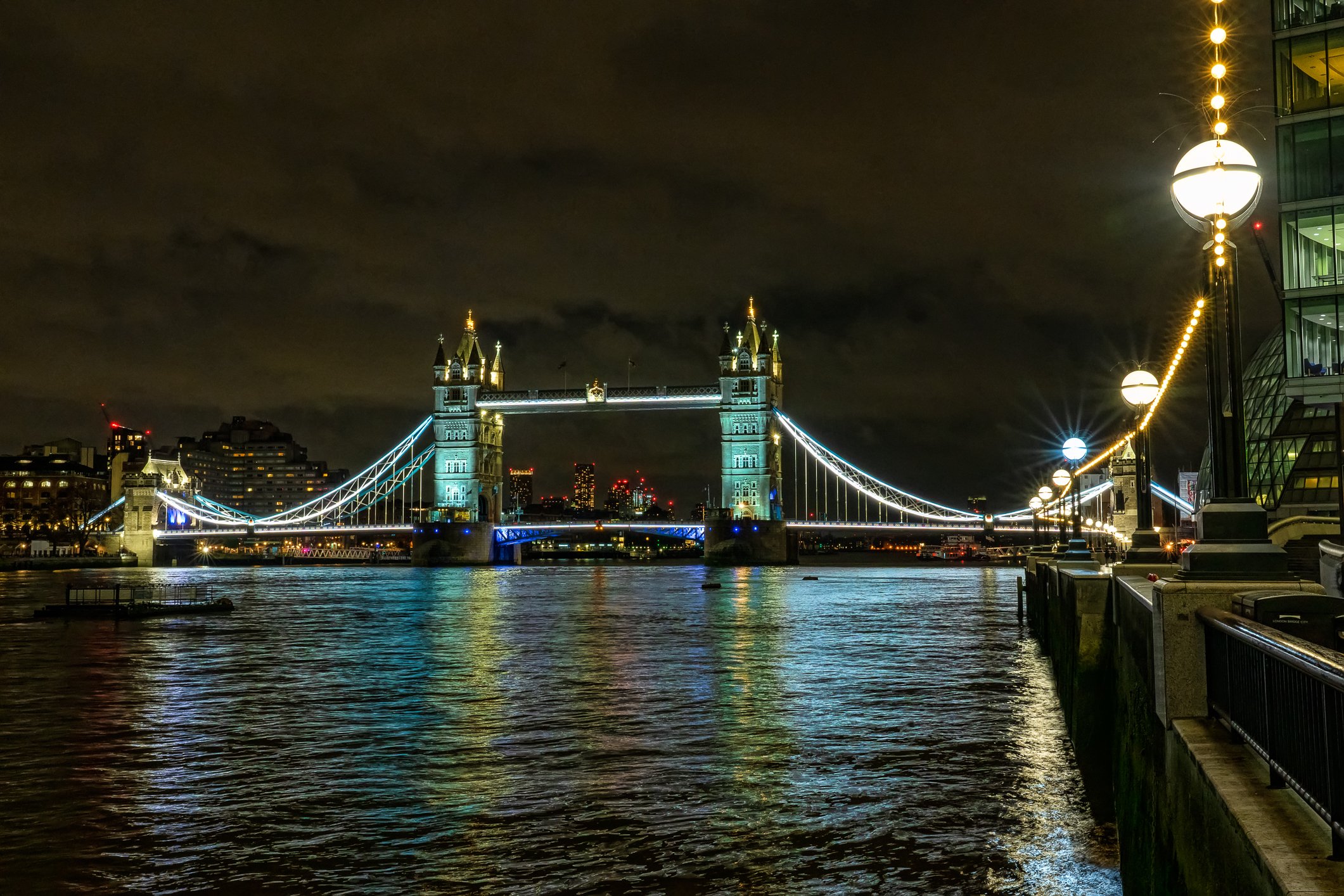
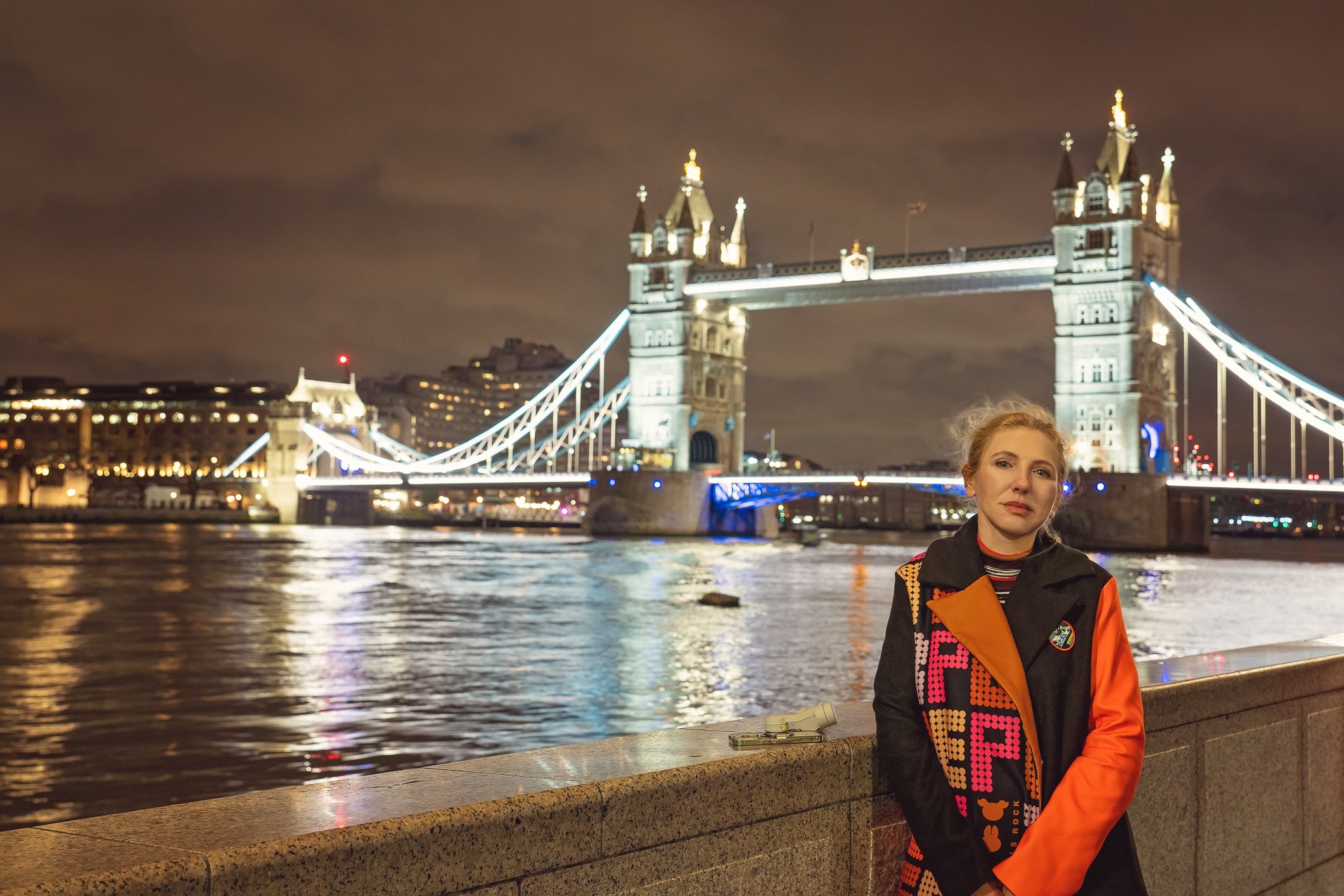
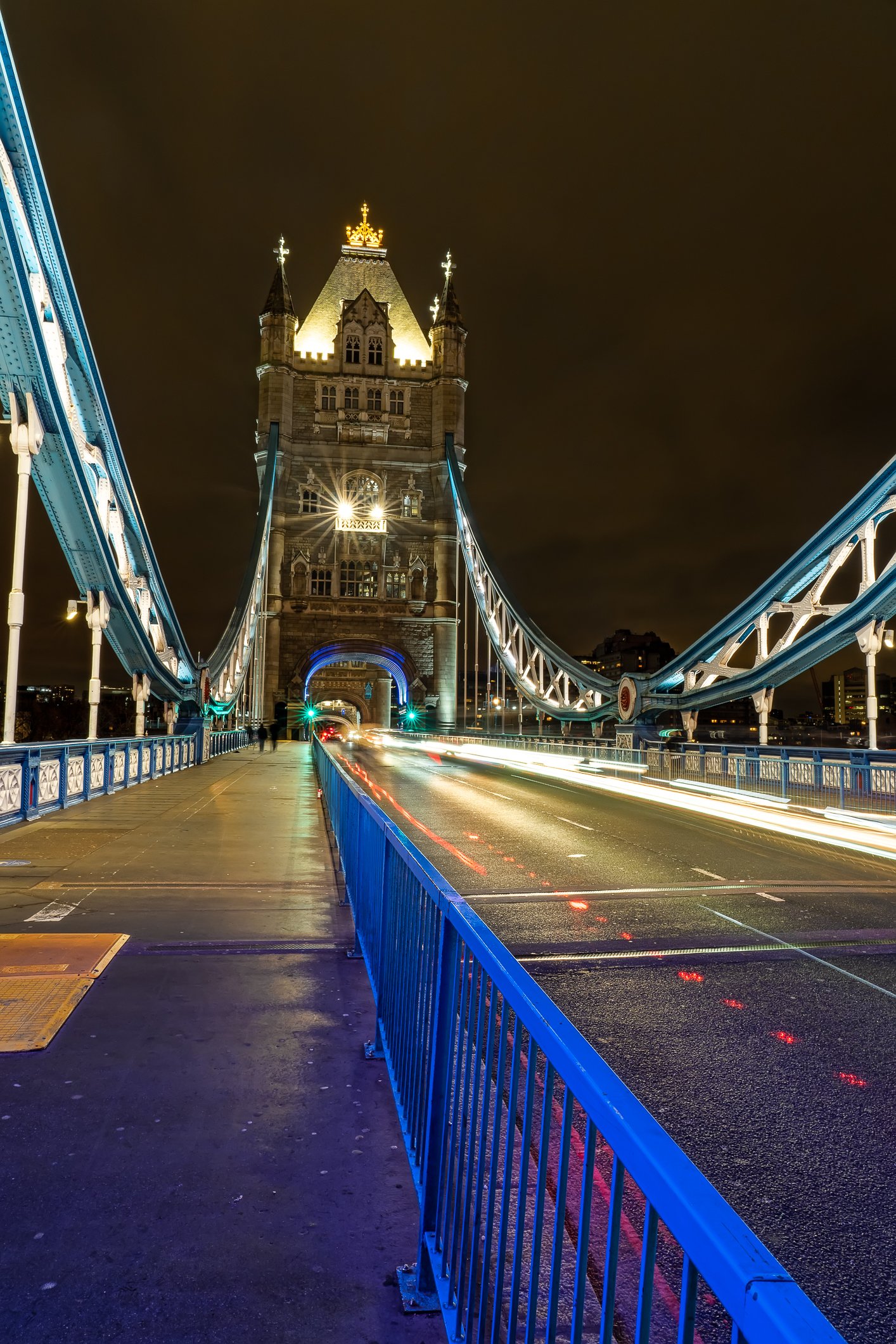
Due to some mistakes with hotel booking (the calendar is still too tricky for Marcin ;)), we have a room booked in the Tower hotel tonight. Work was busy today for both of us, so we arrived in London rather late. We drive straight to the hotel and check-in. The room is relatively modest, but the location is excellent – just in front of the Tower Bridge.
 

W związku z pewnymi błędami przy rezerwacji hotelu na spotkanie firmowe (kalendarz jest wciąż zbyt trudny dla Marcina ;)), mamy zarezerwowany na dzisiaj pokój w hotelu Tower. Oboje mieliśmy akurat urwanie gwizdka w pracy, więc do Londynu przyjechaliśmy dość późno. Jedziemy więc prosto do hotelu, żeby zrobić check-in. Pokój jest stosunkowo skromny, ale lokalizacja świetna – tuż przed Tower Bridge.

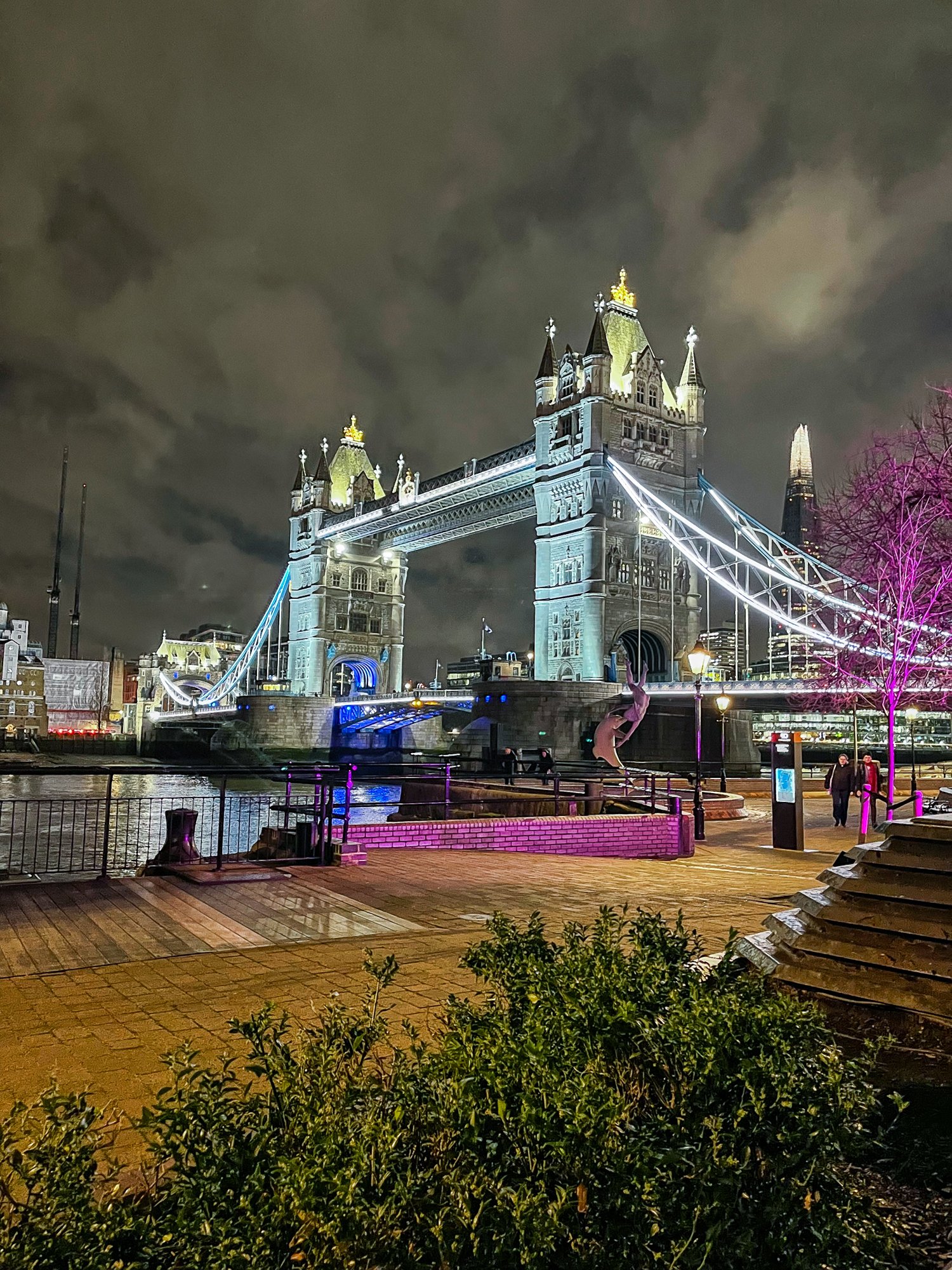
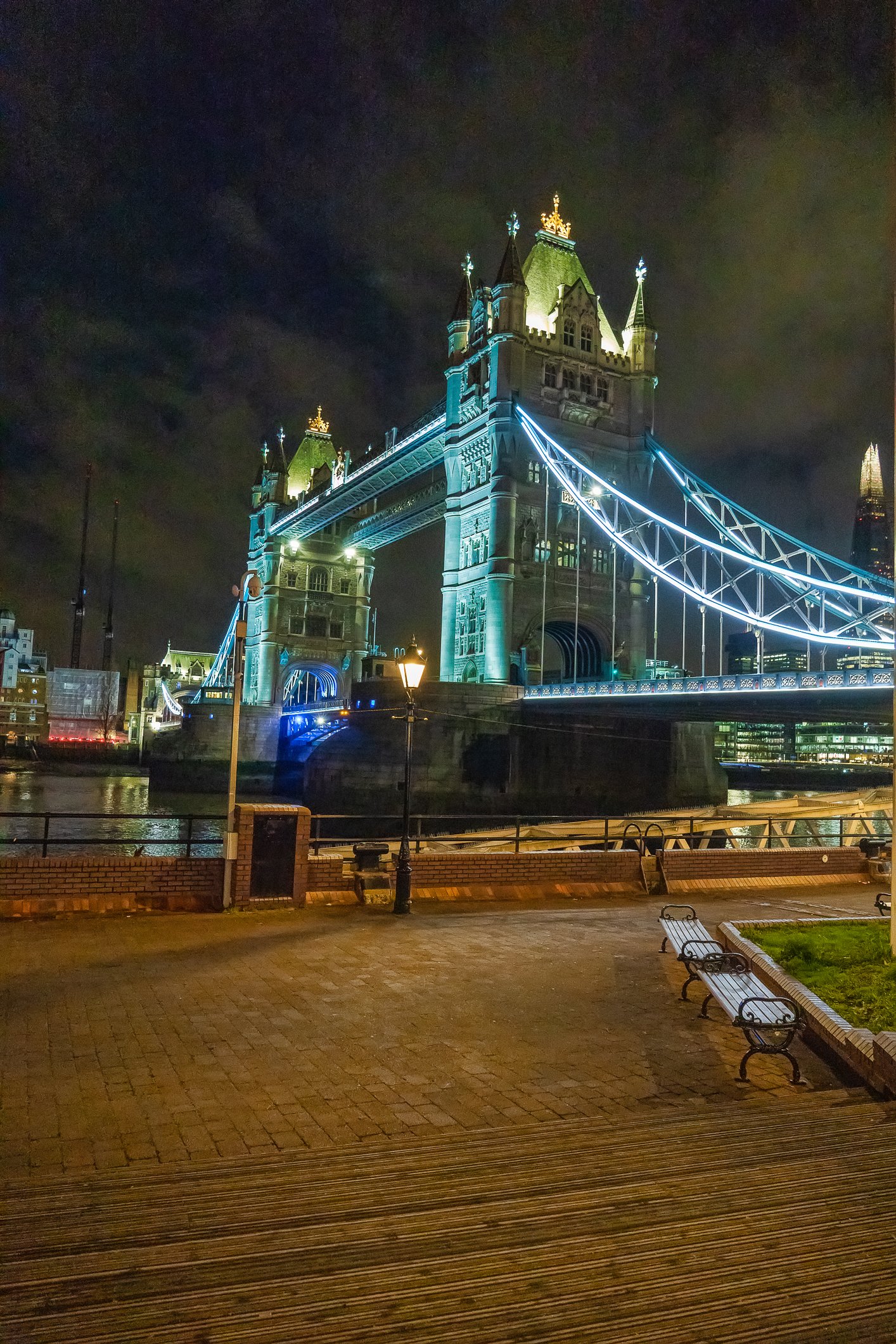
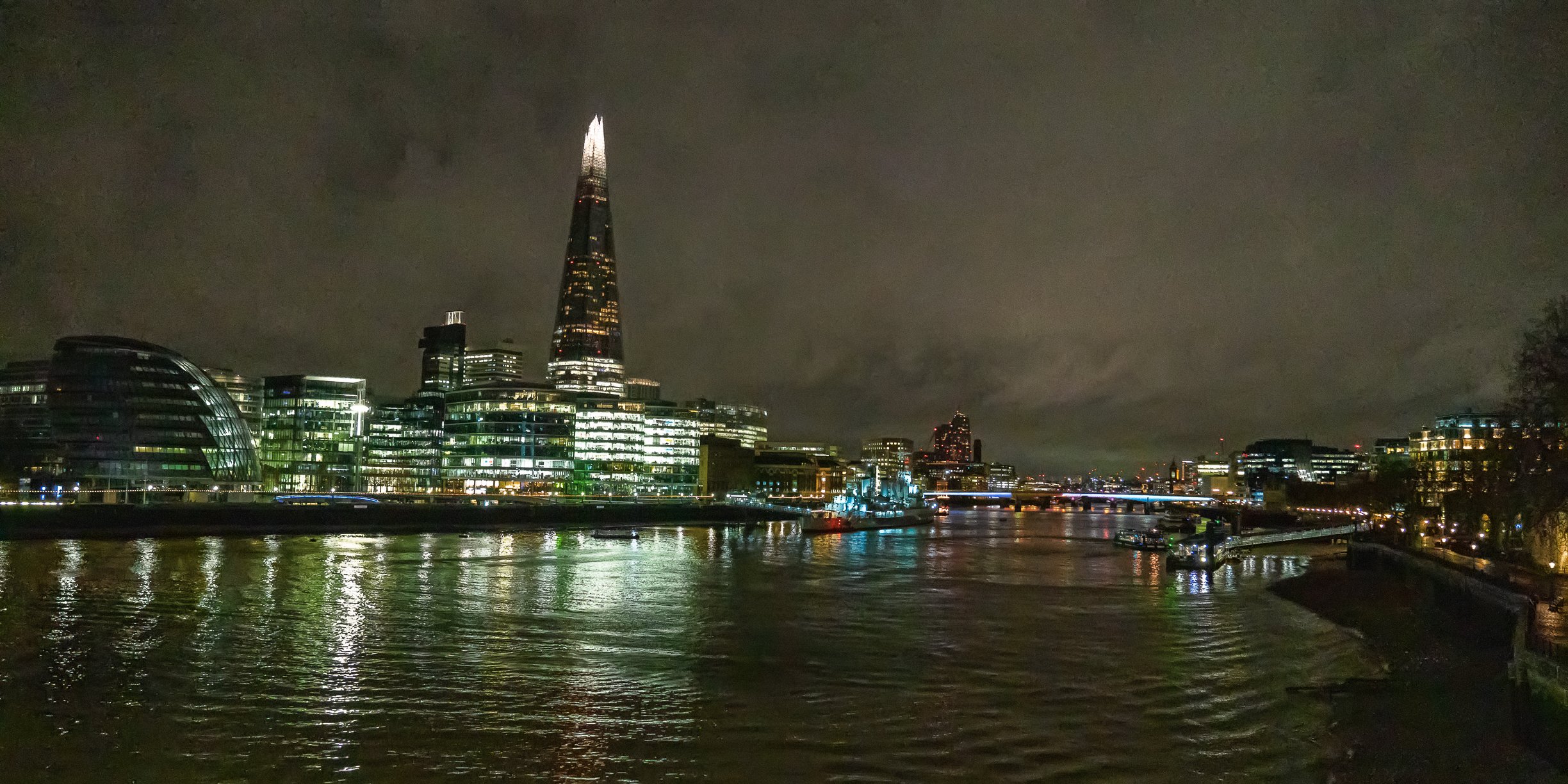
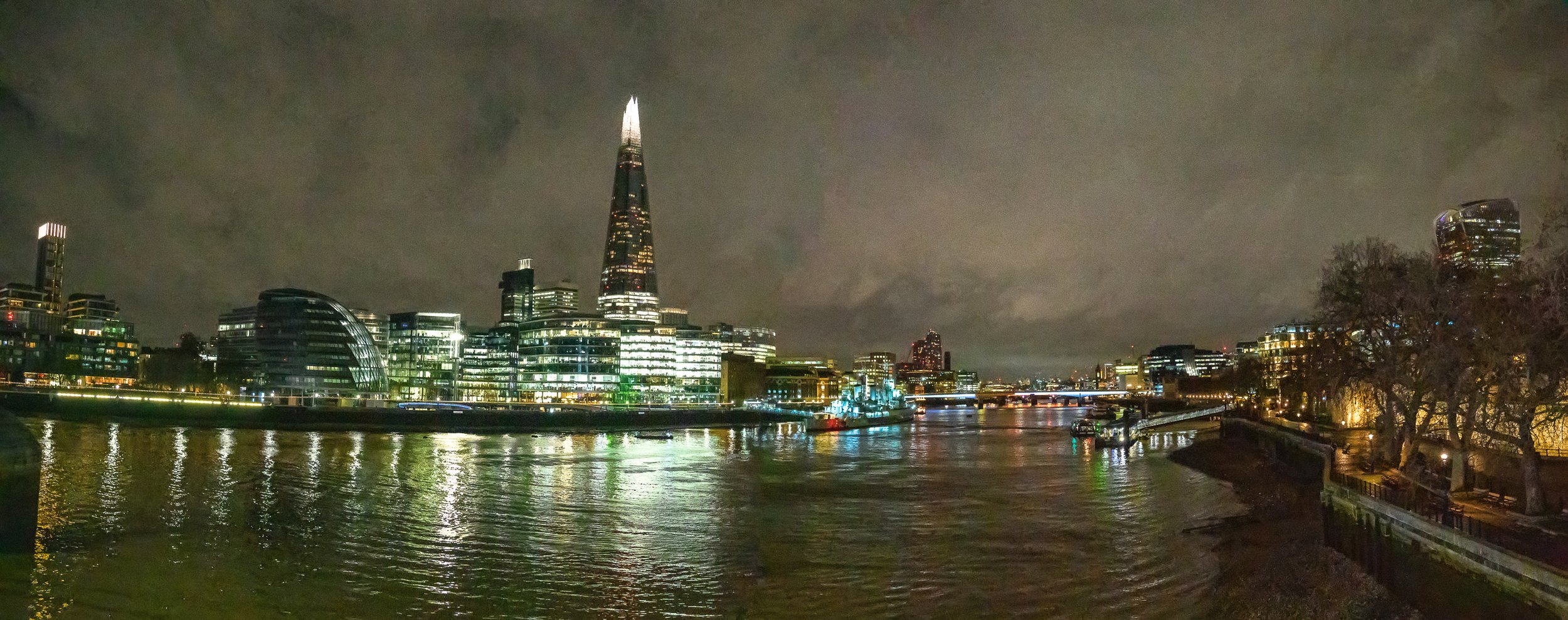
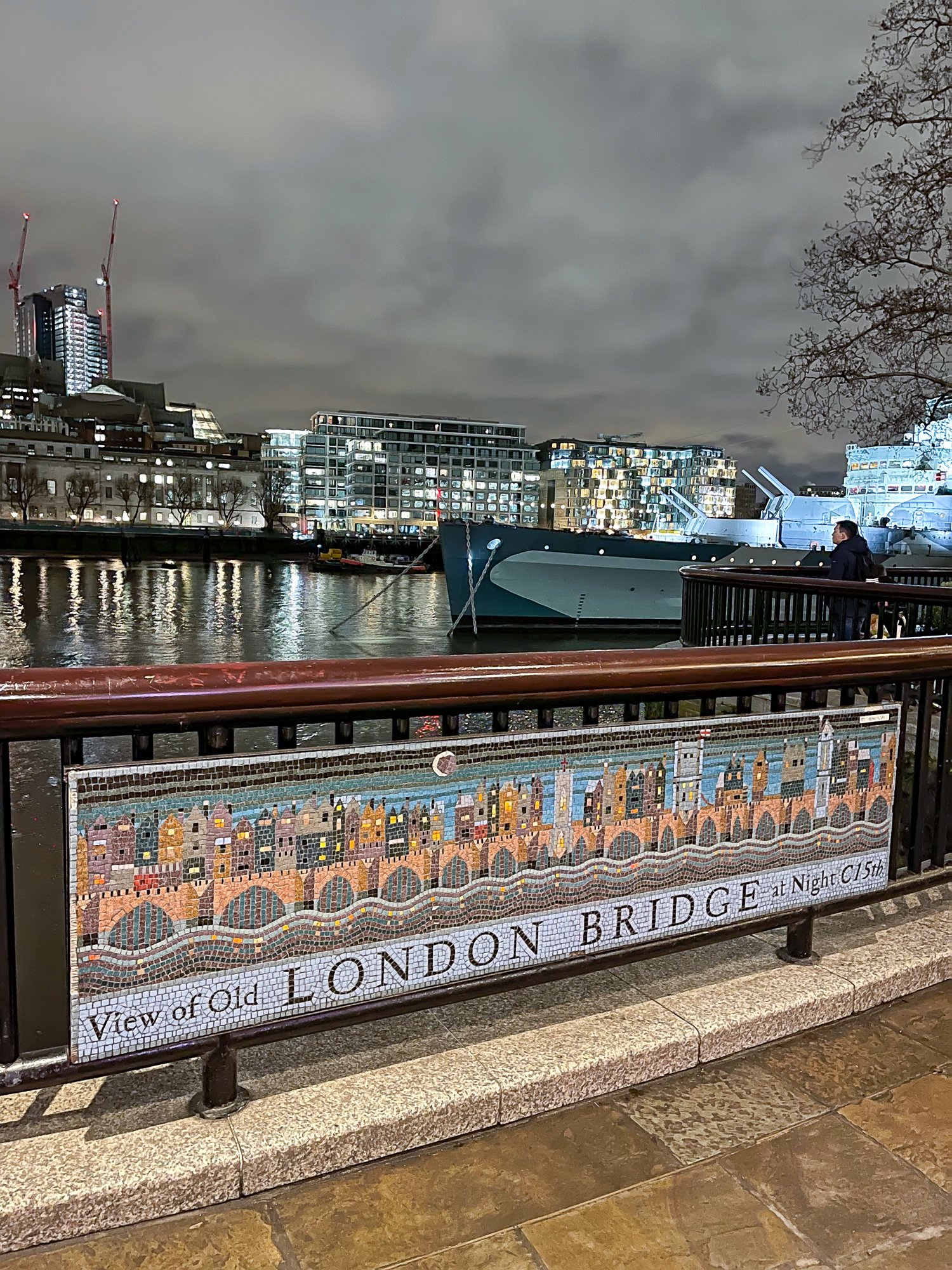
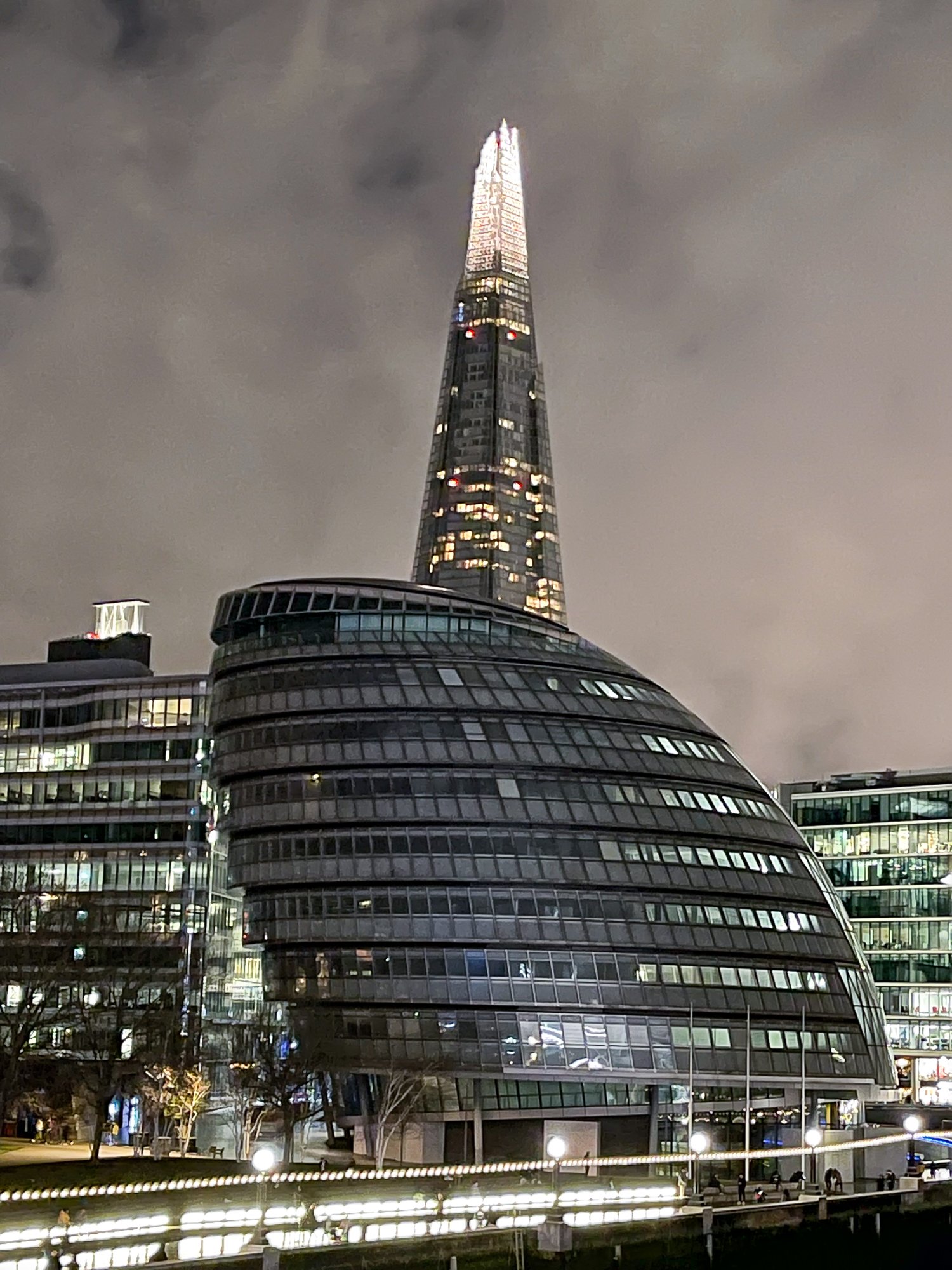
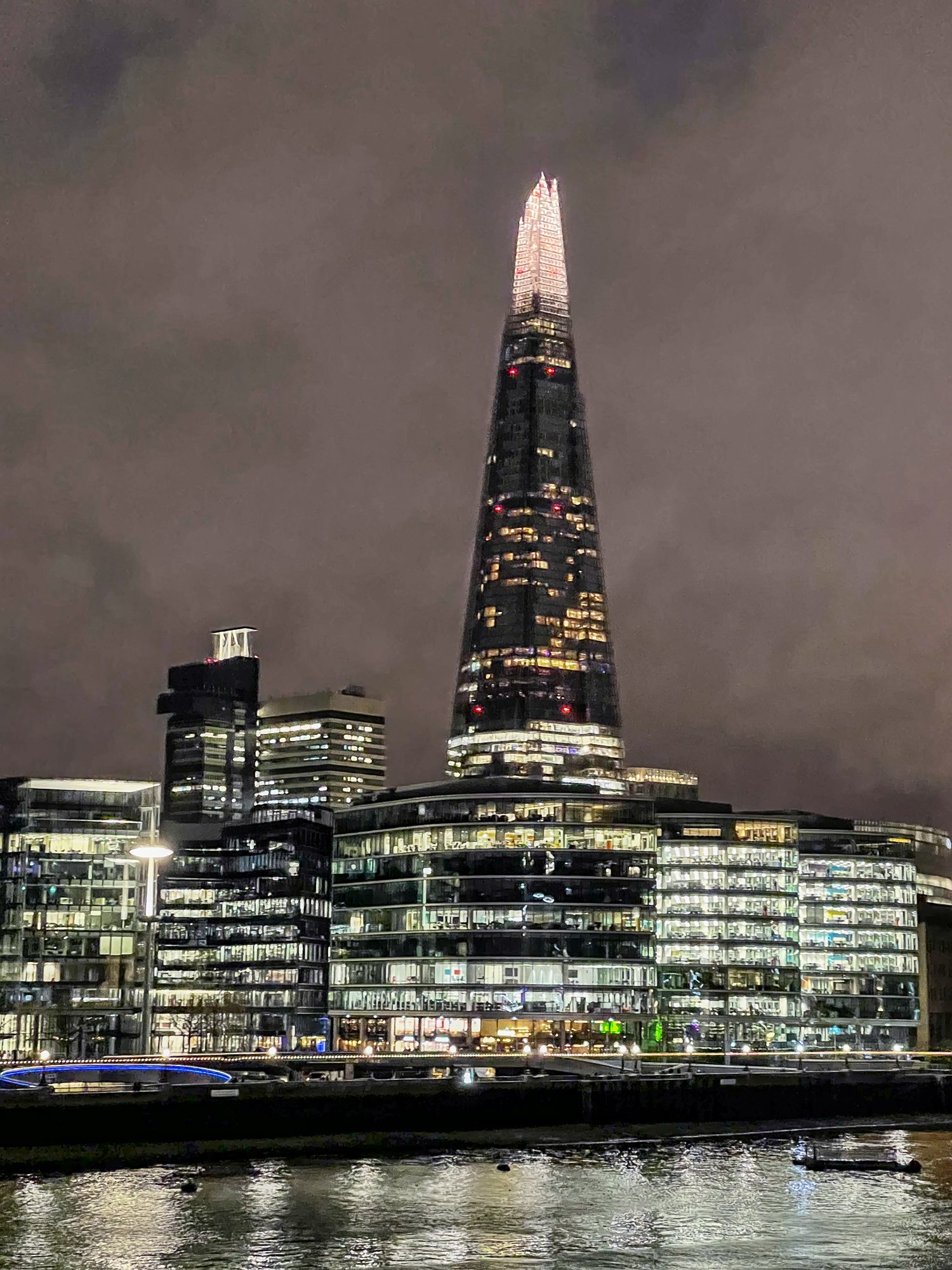
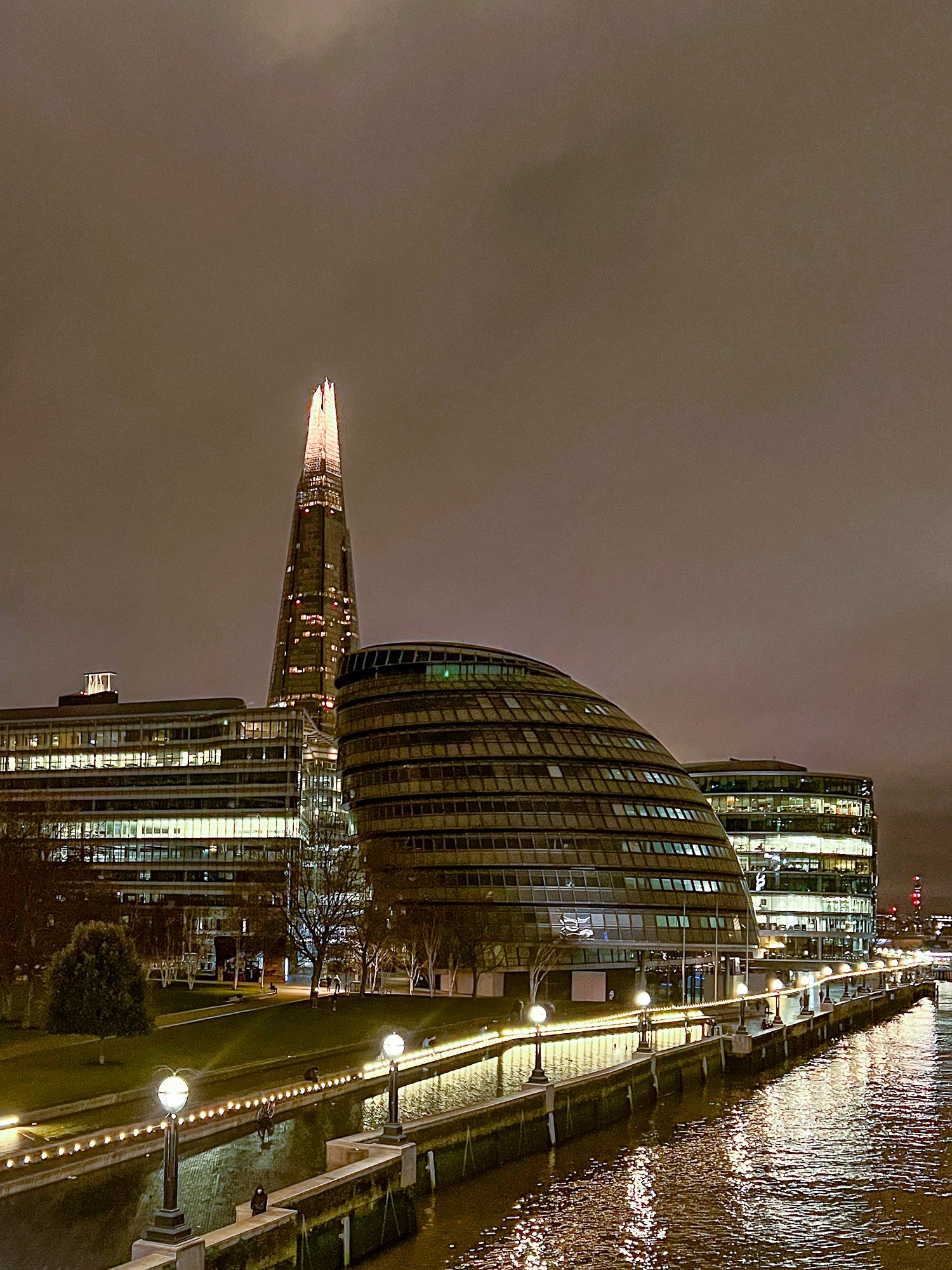
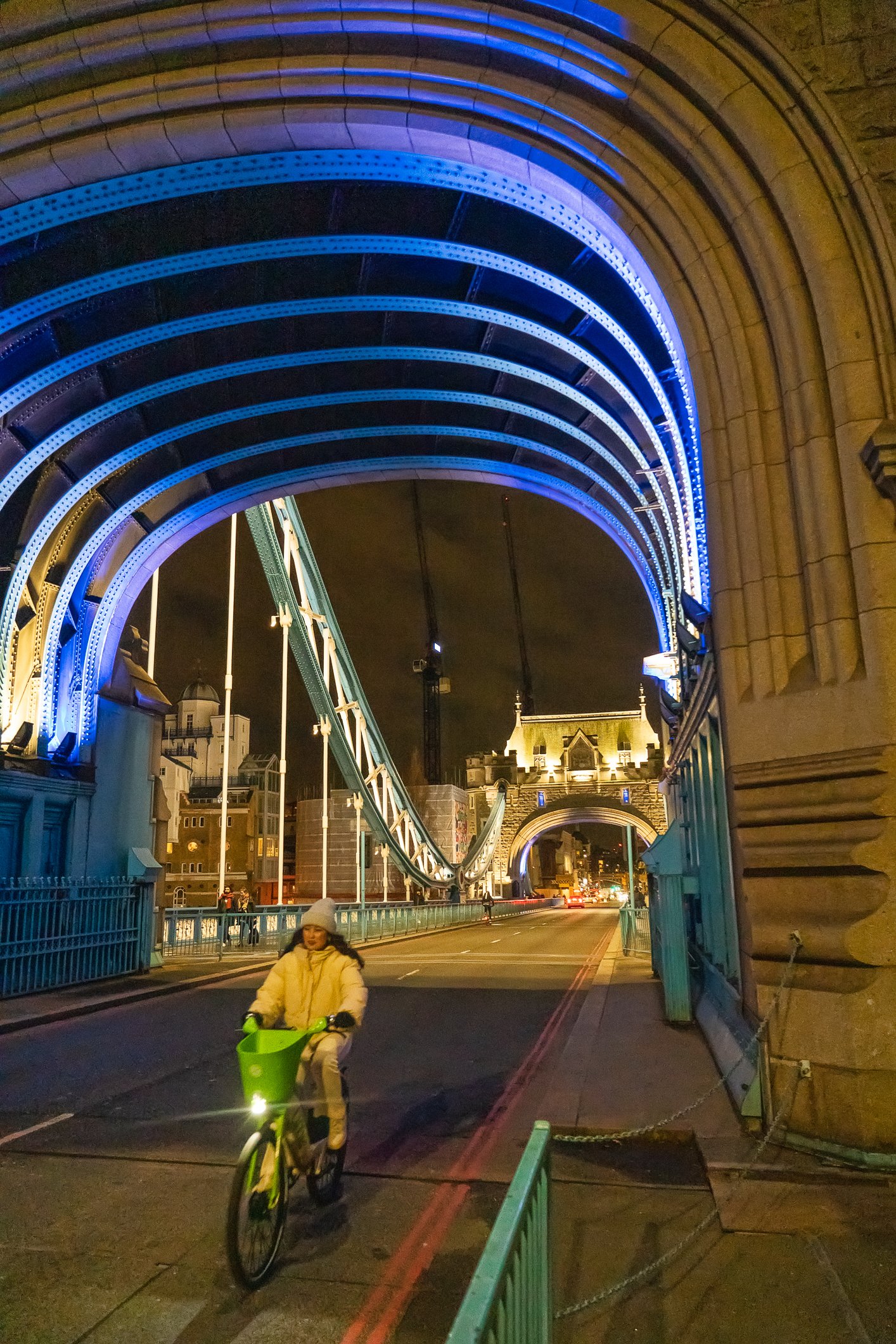
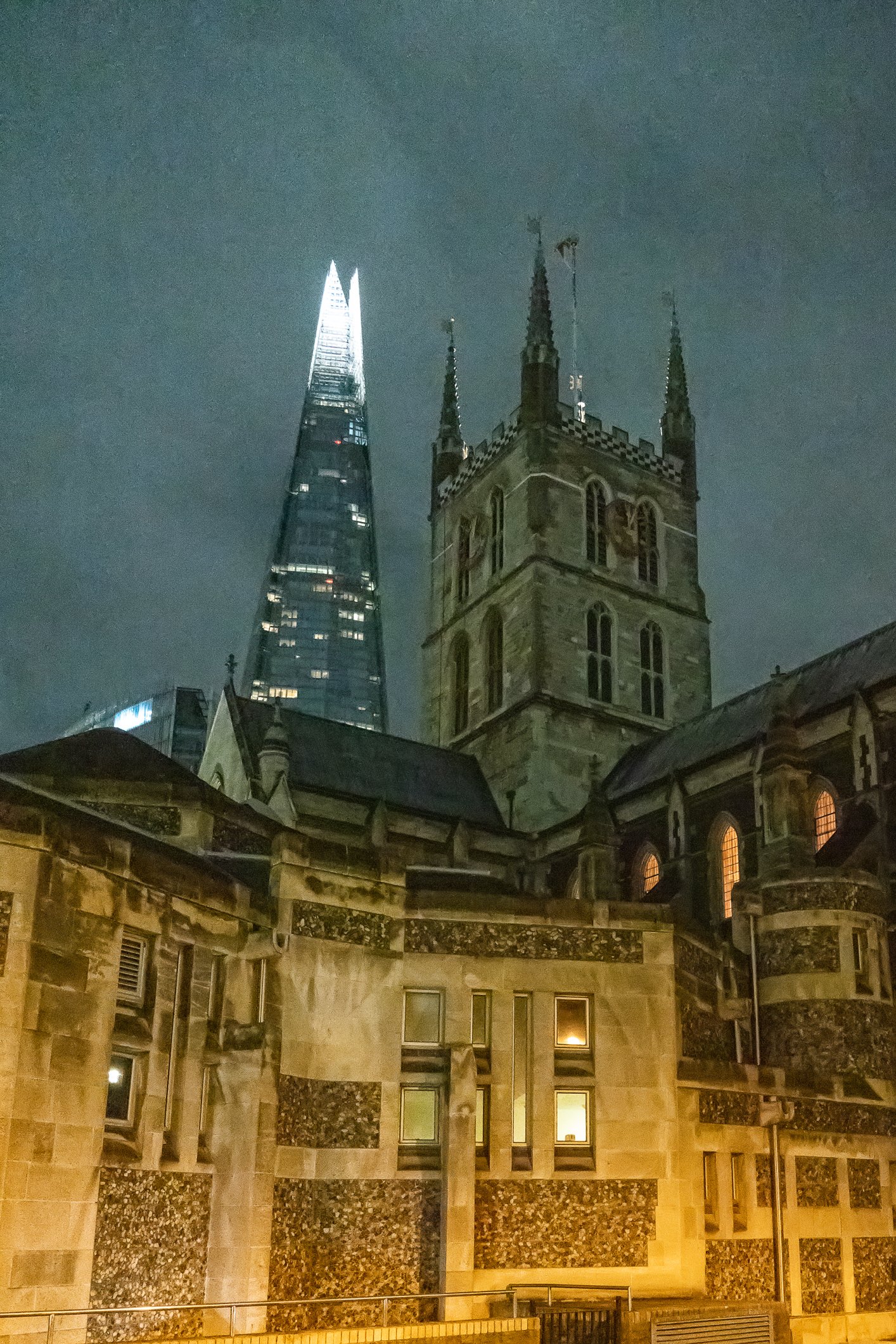
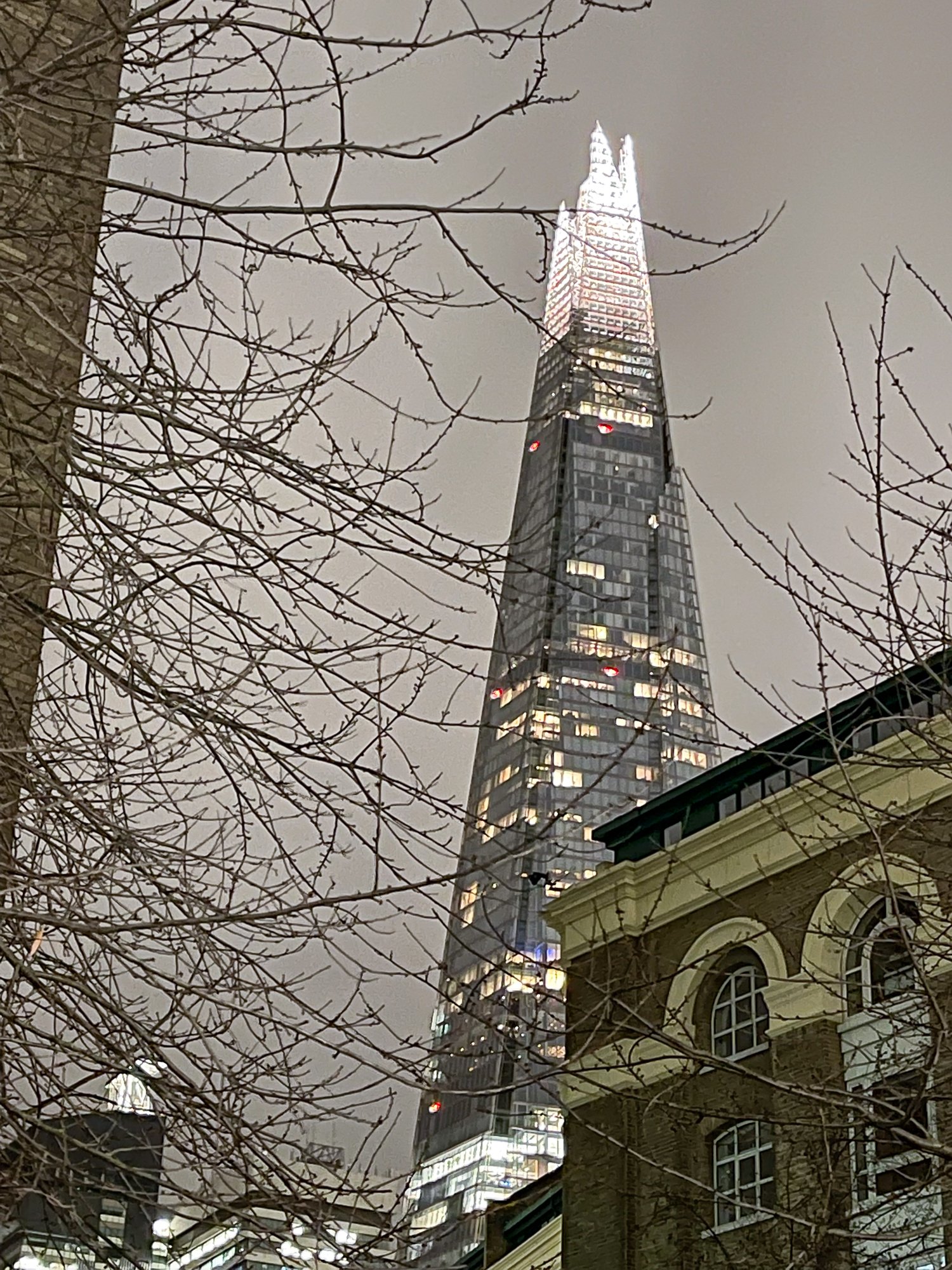
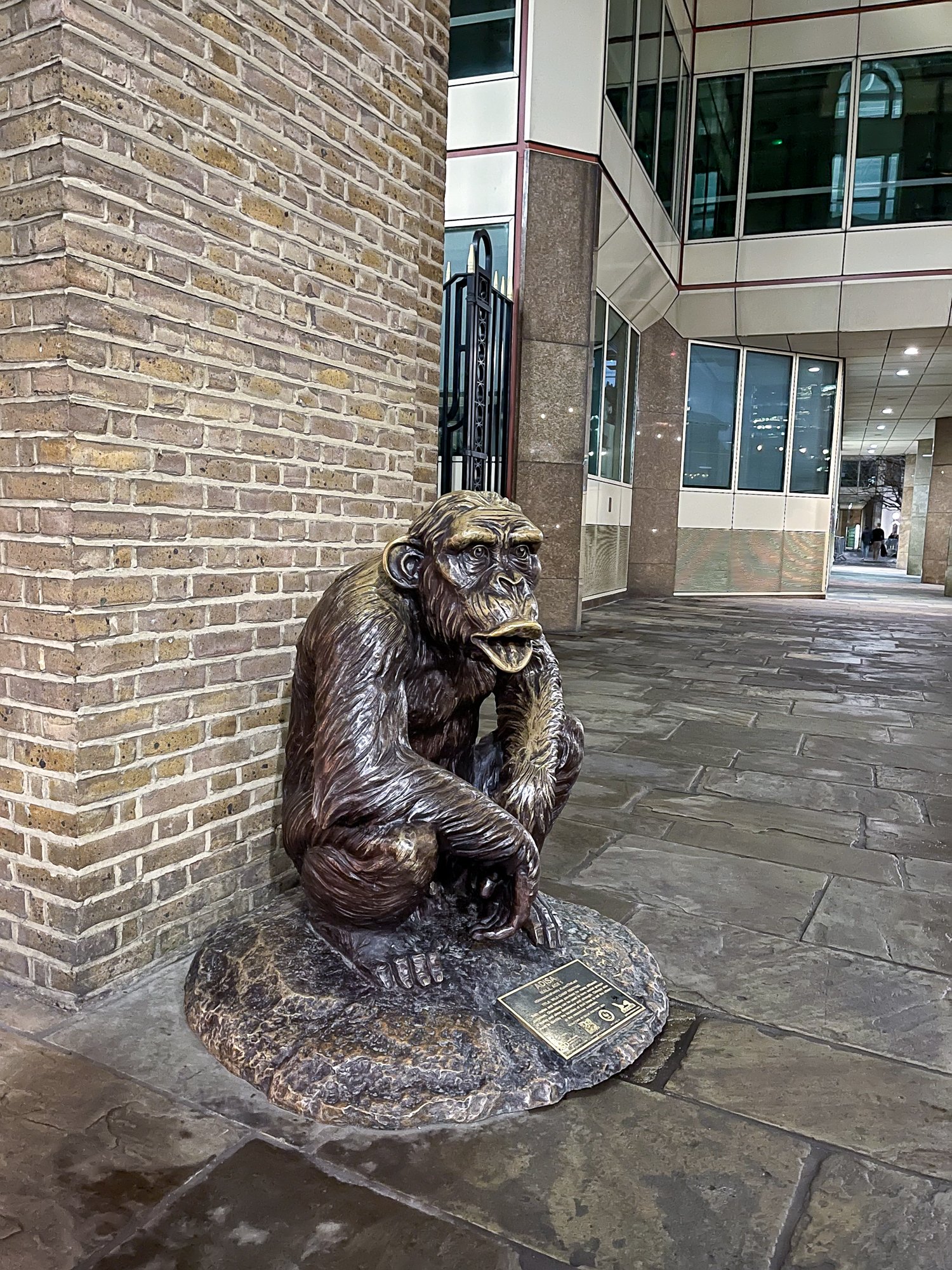
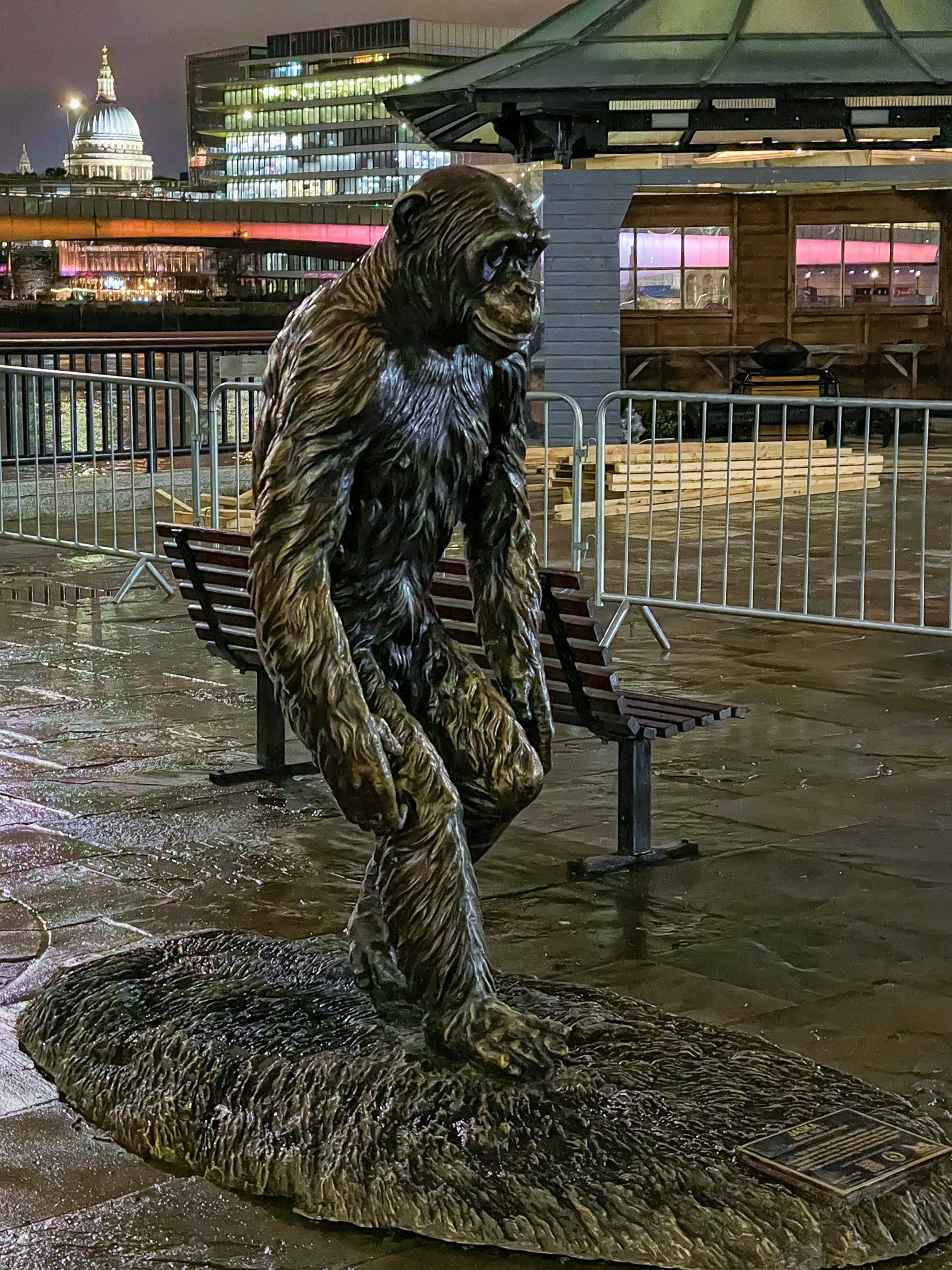
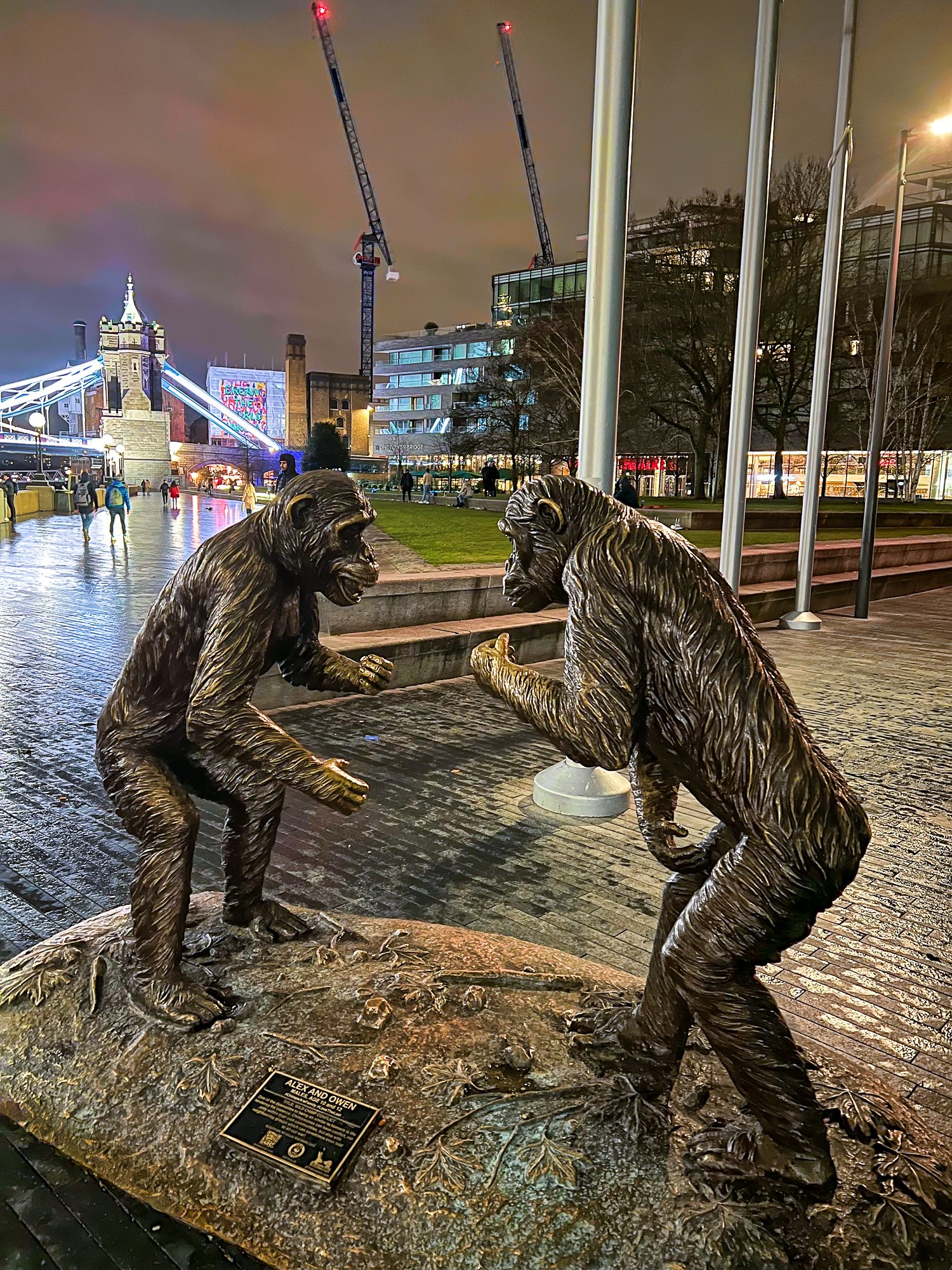
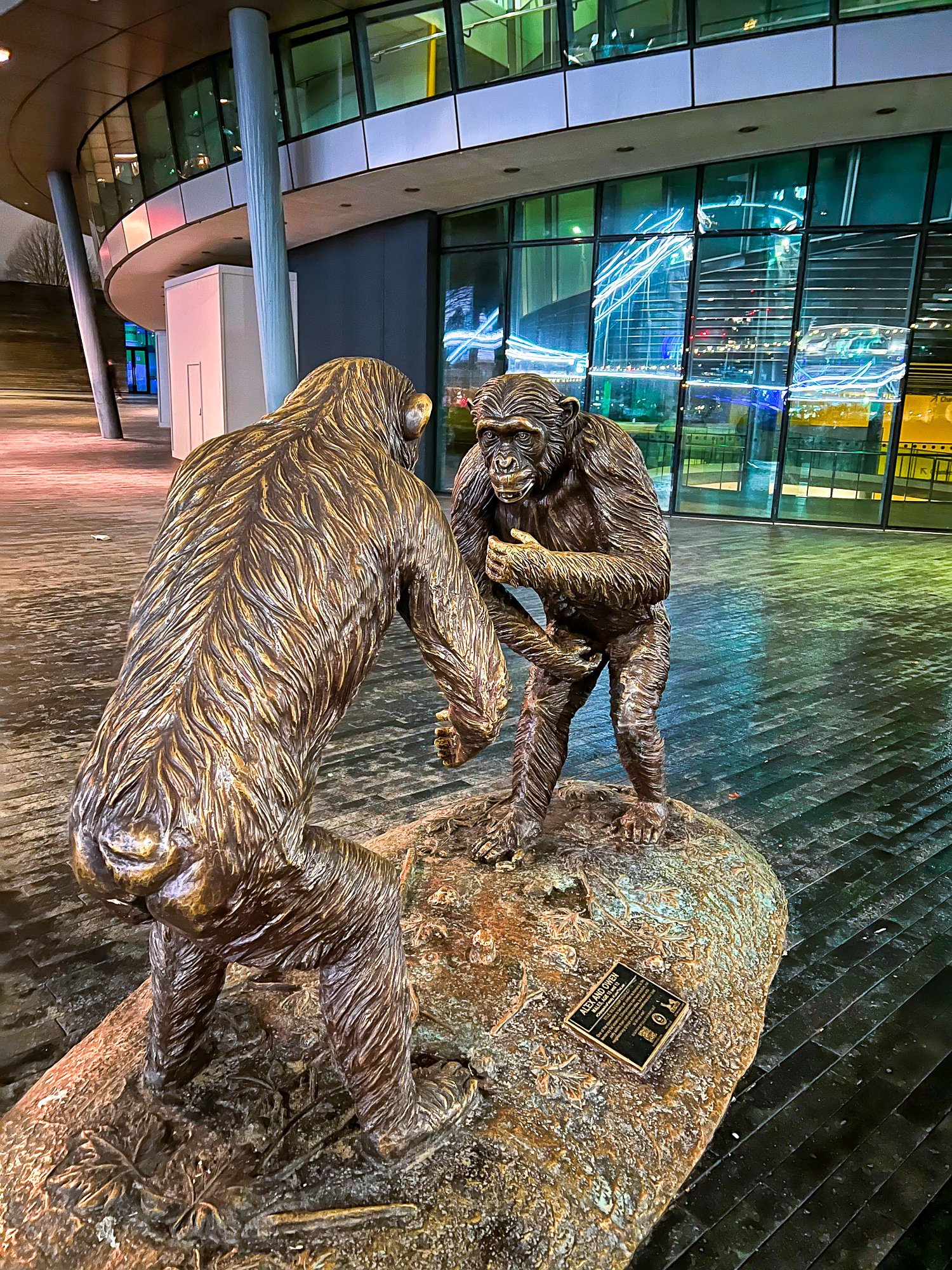
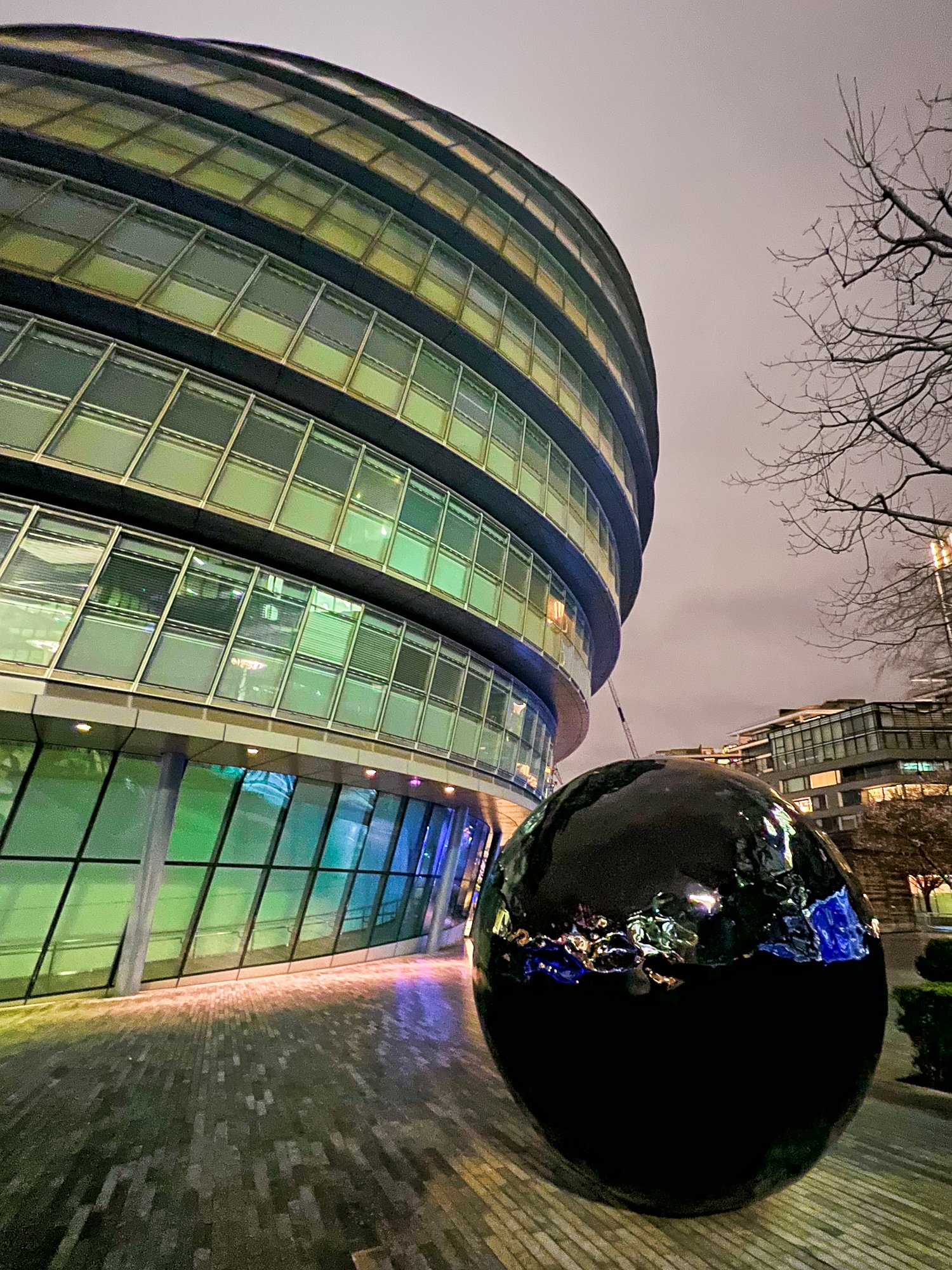
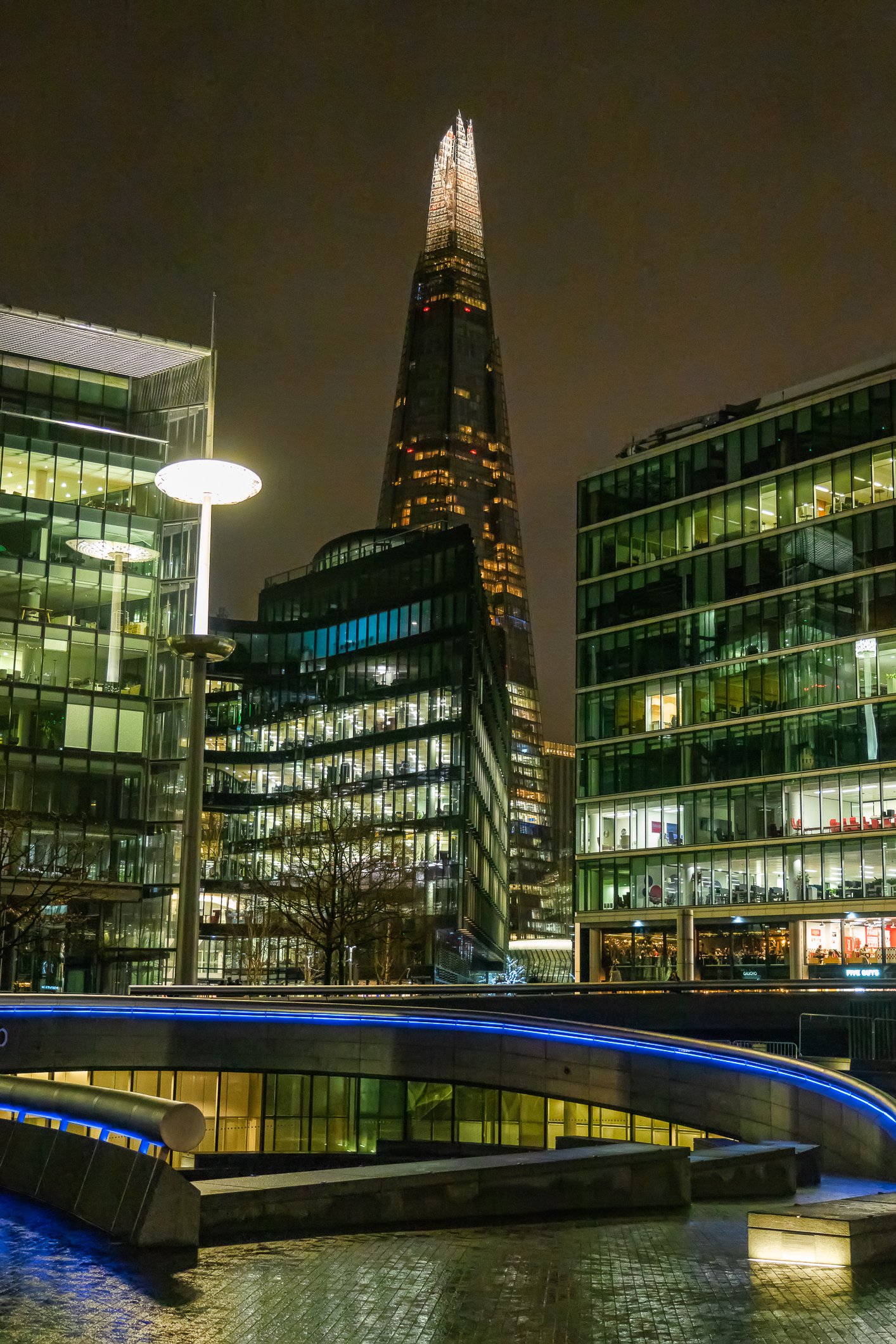
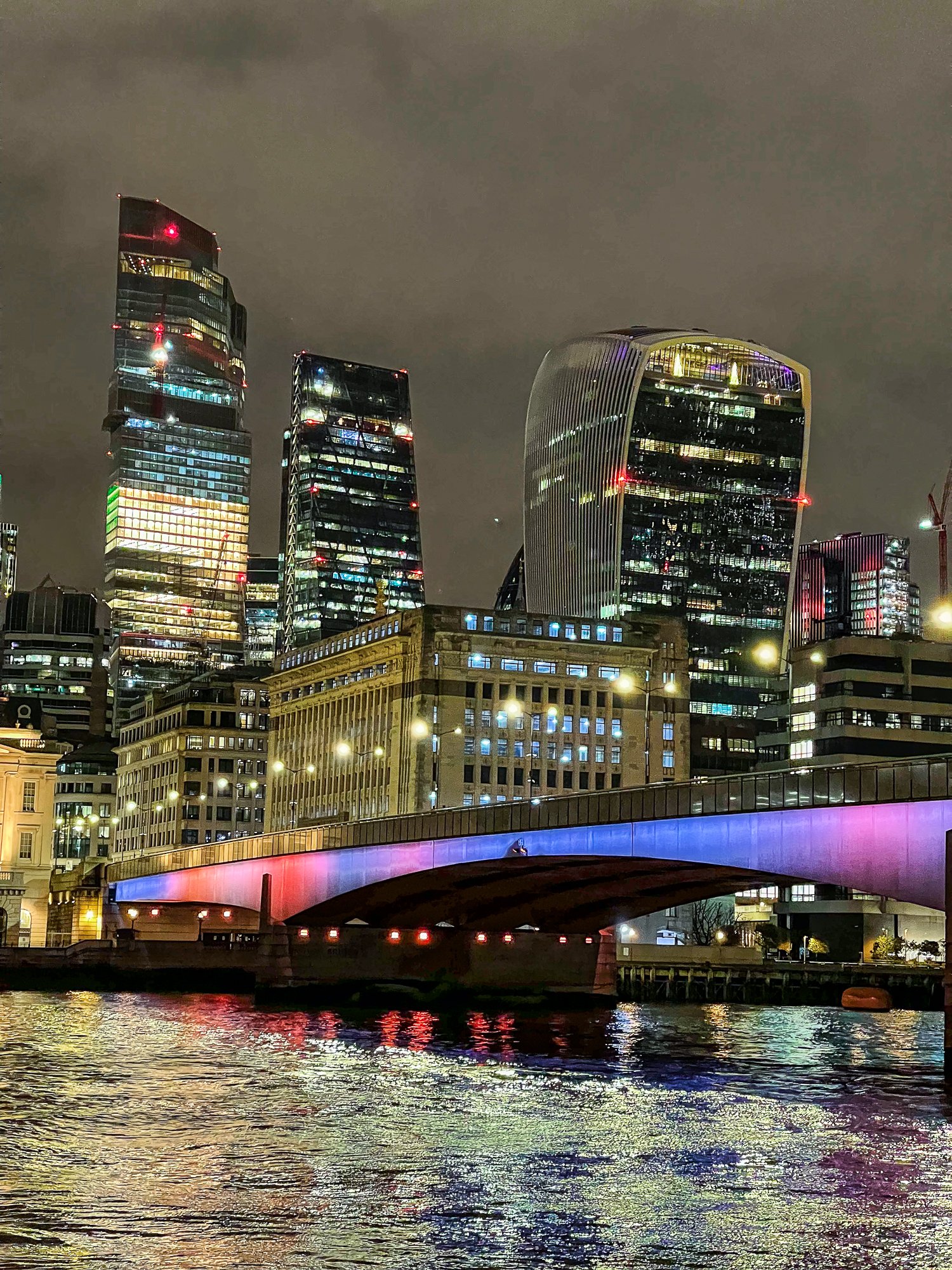
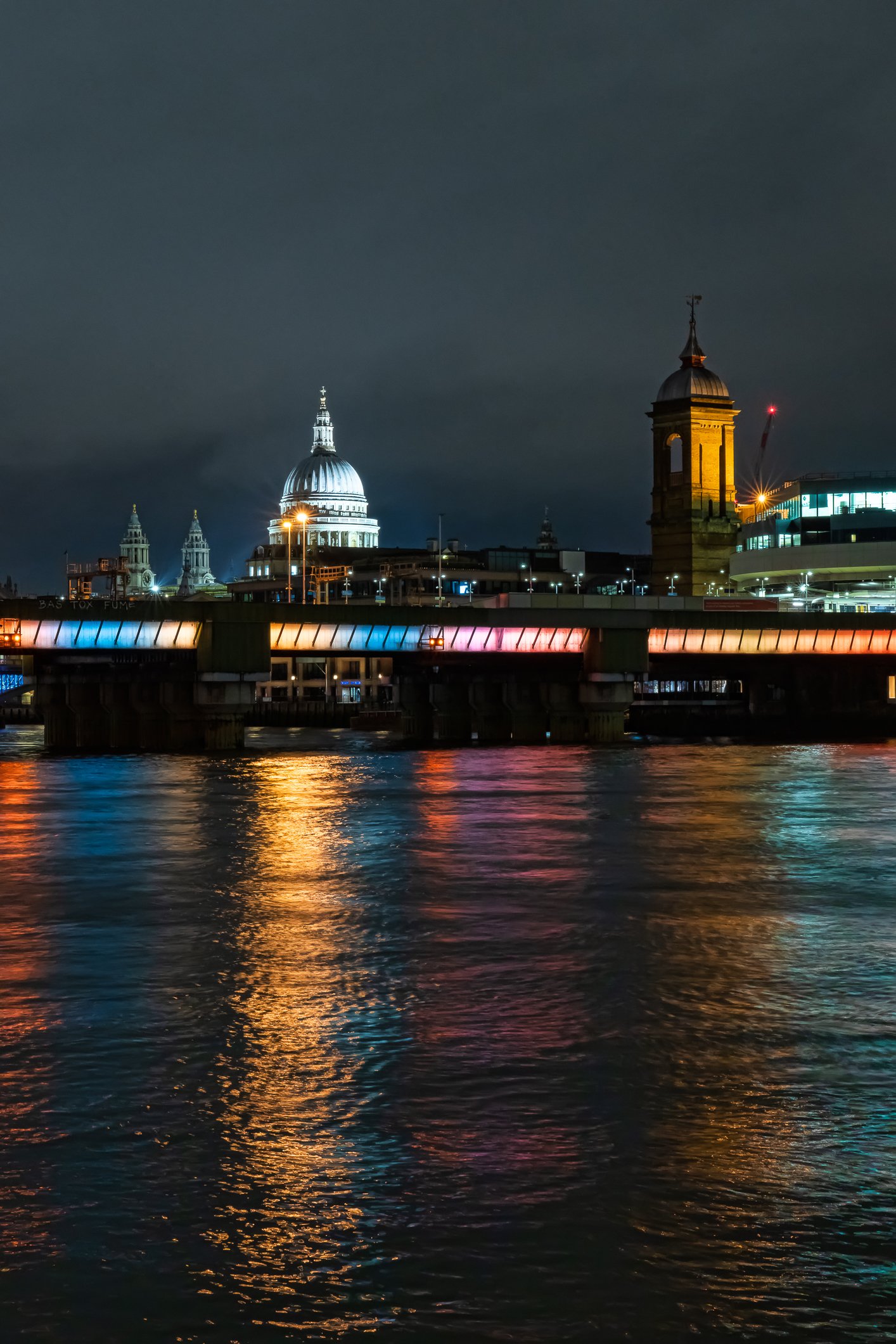
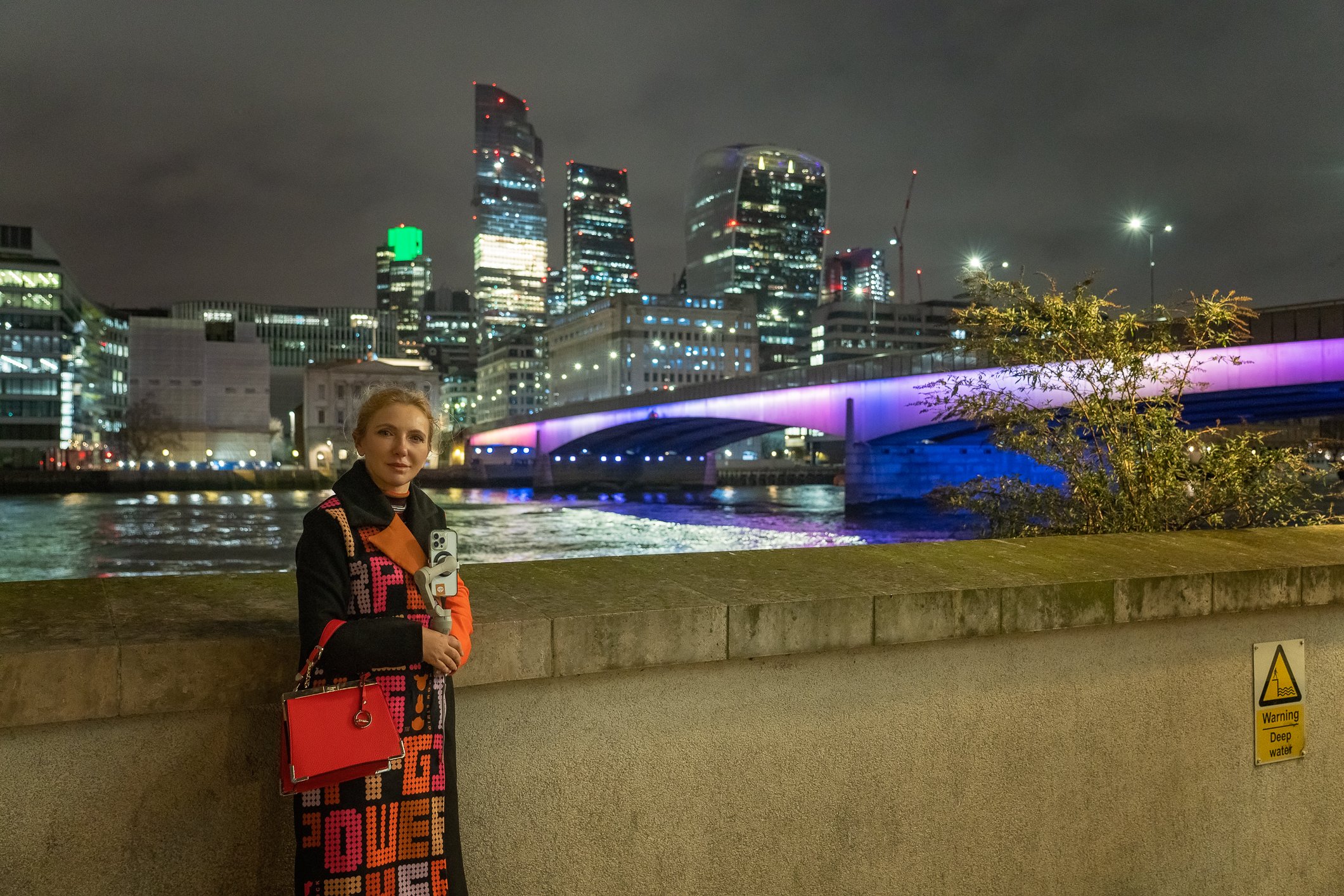
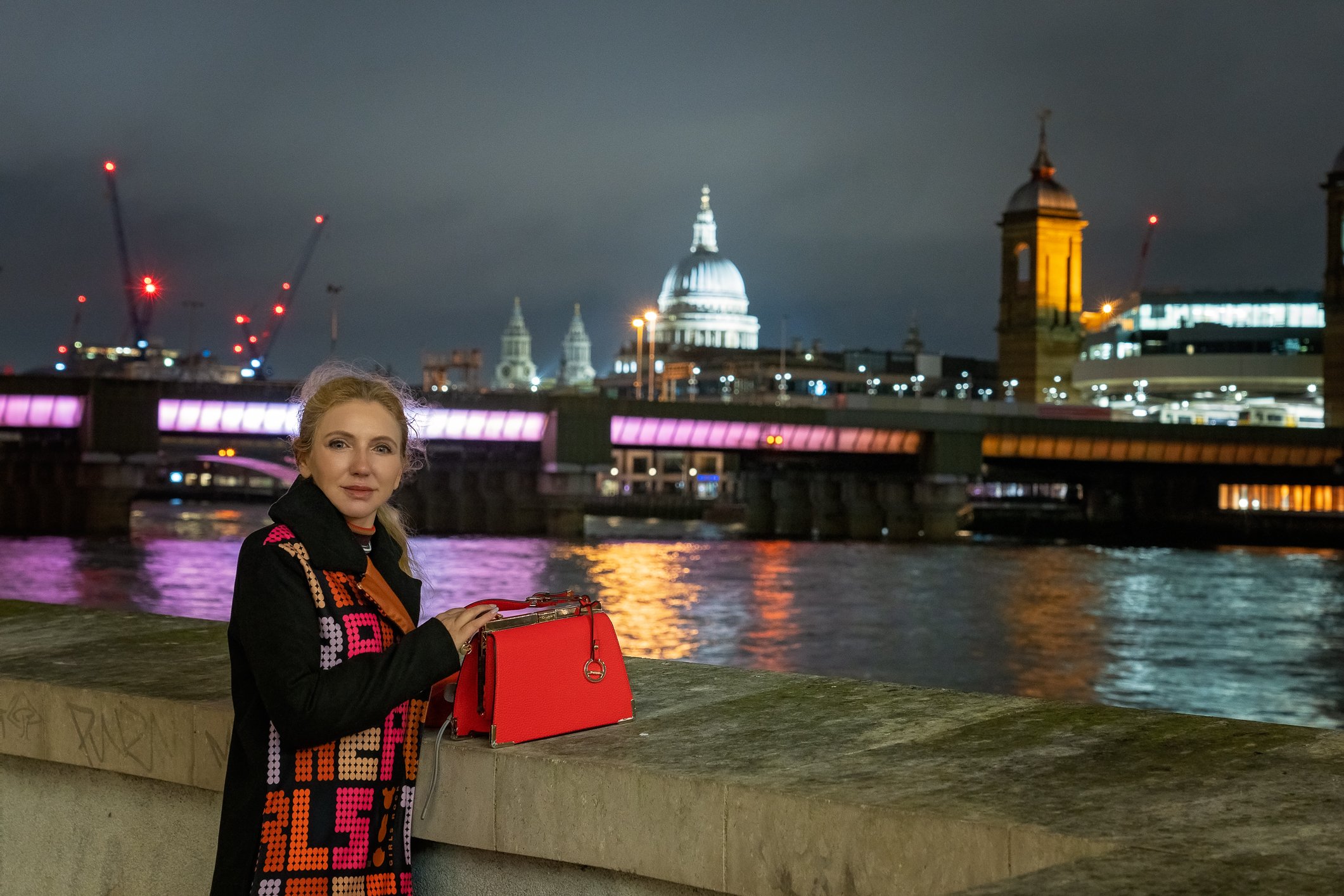
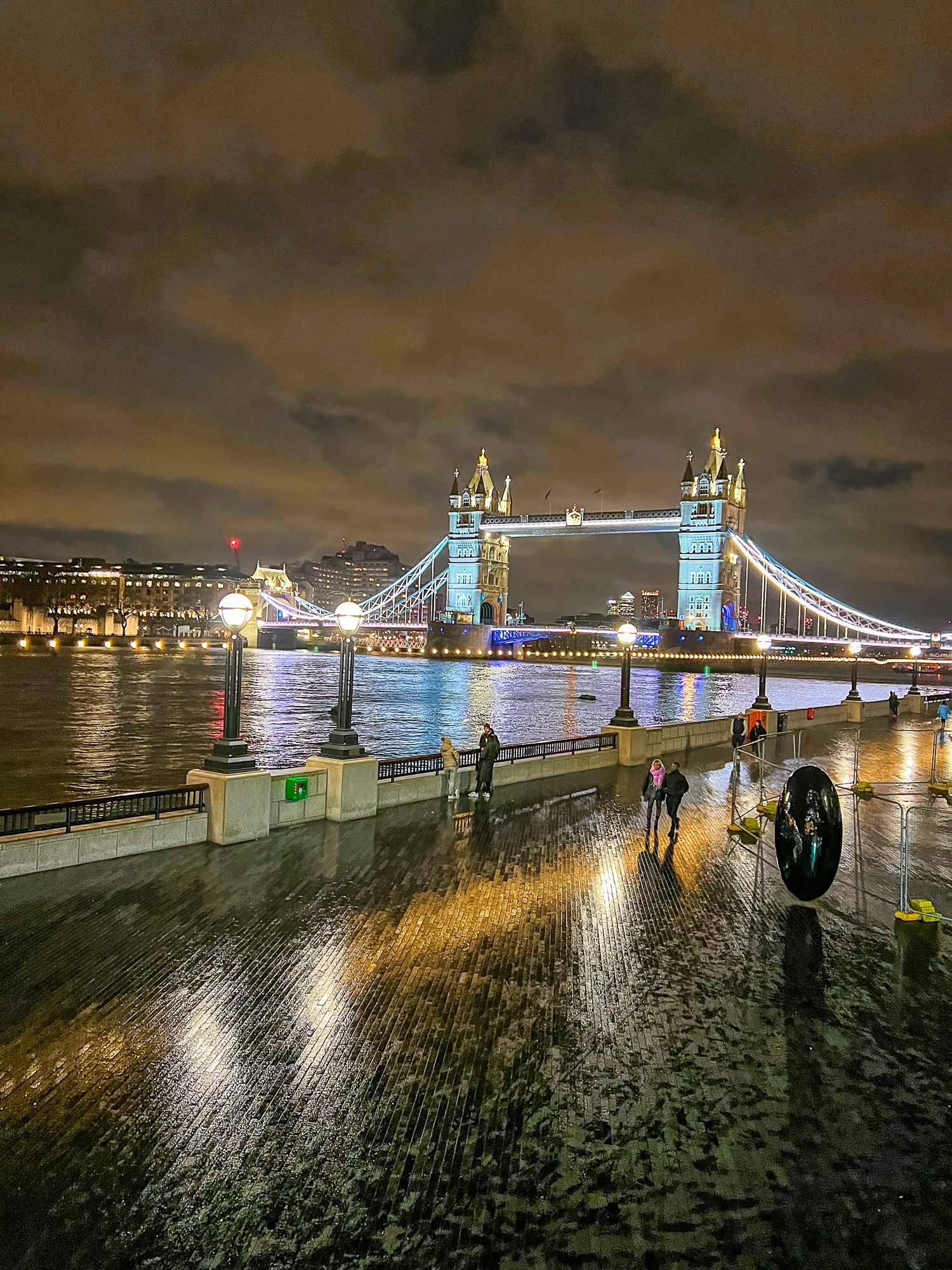
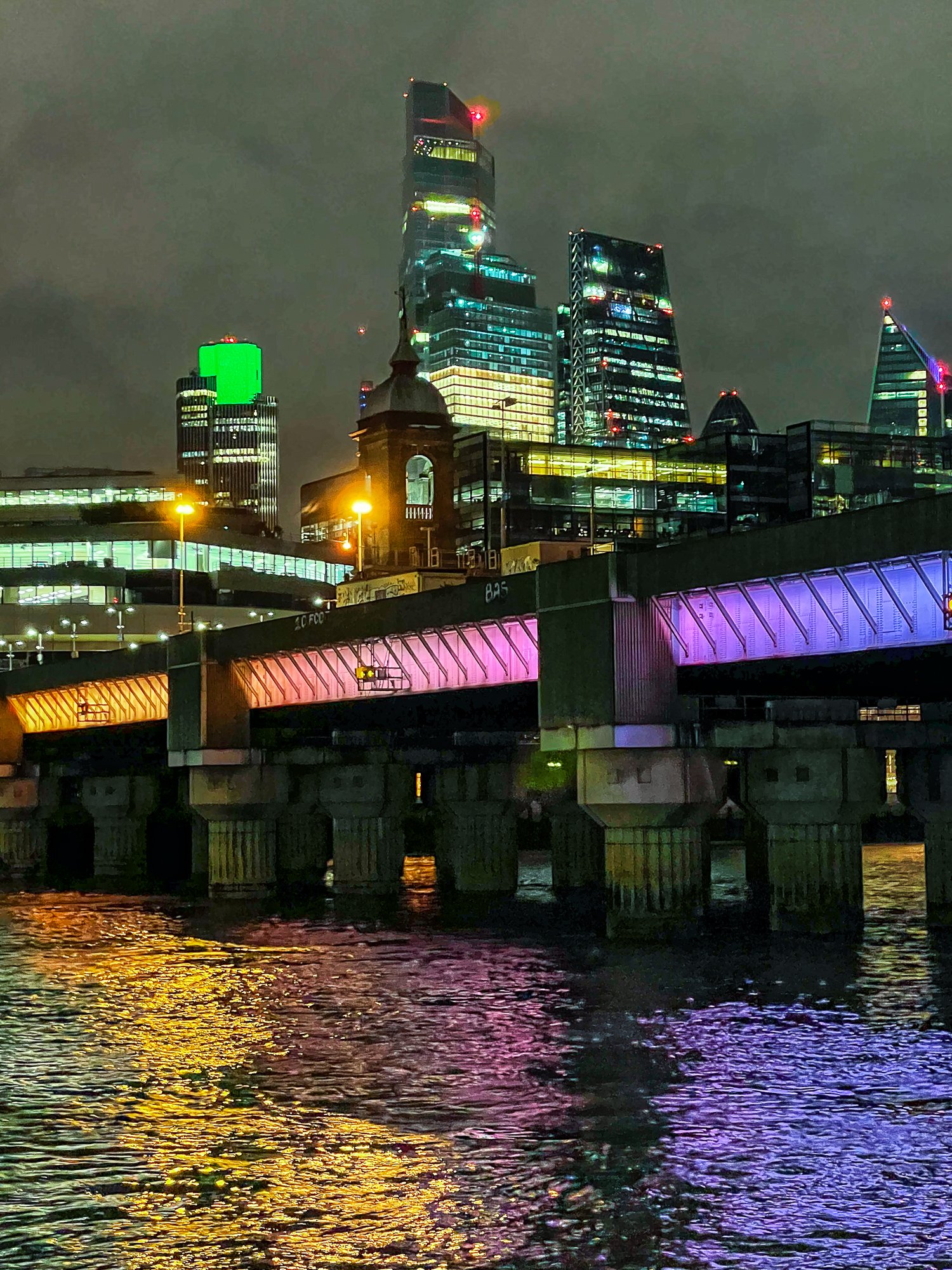
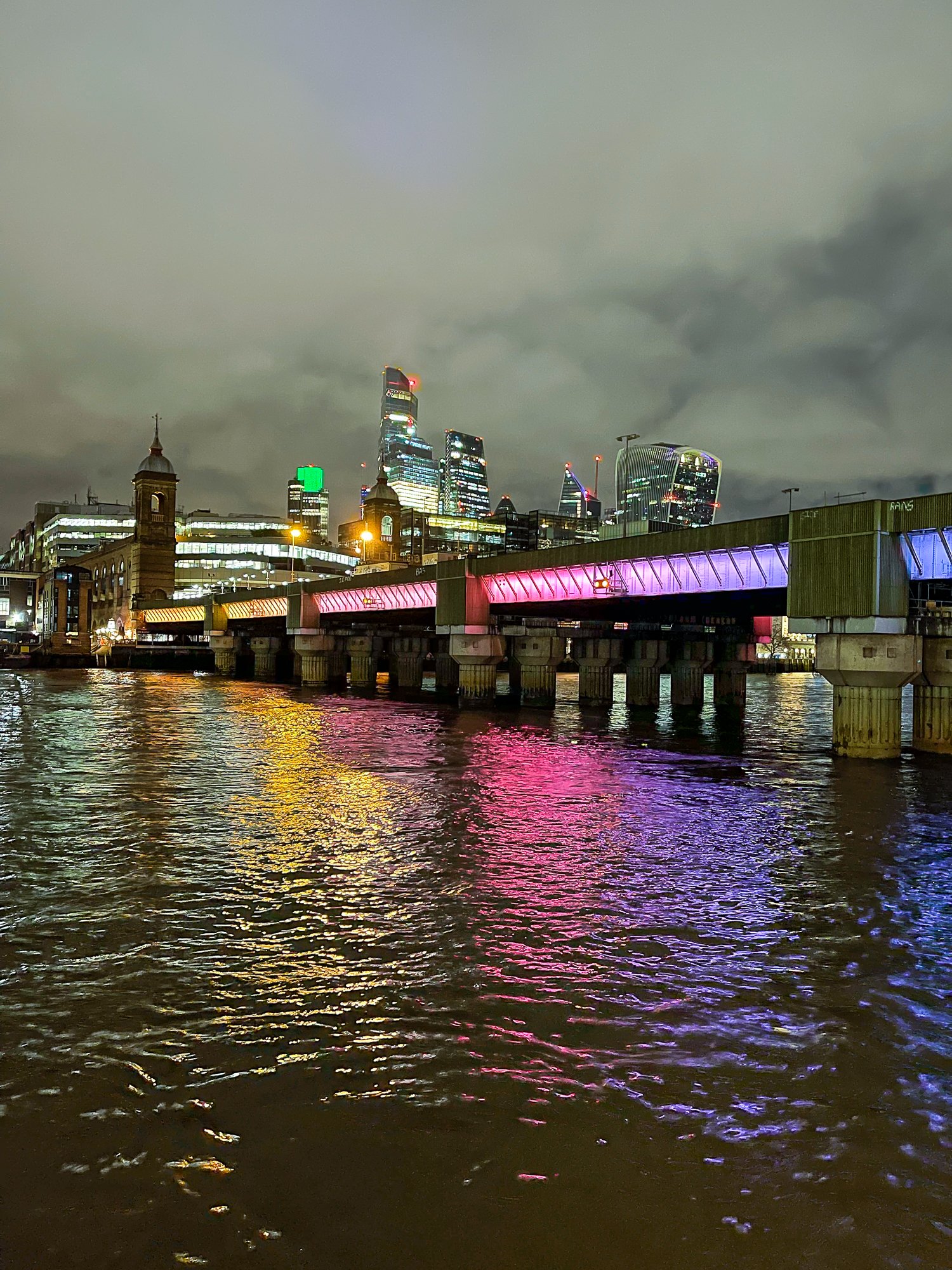
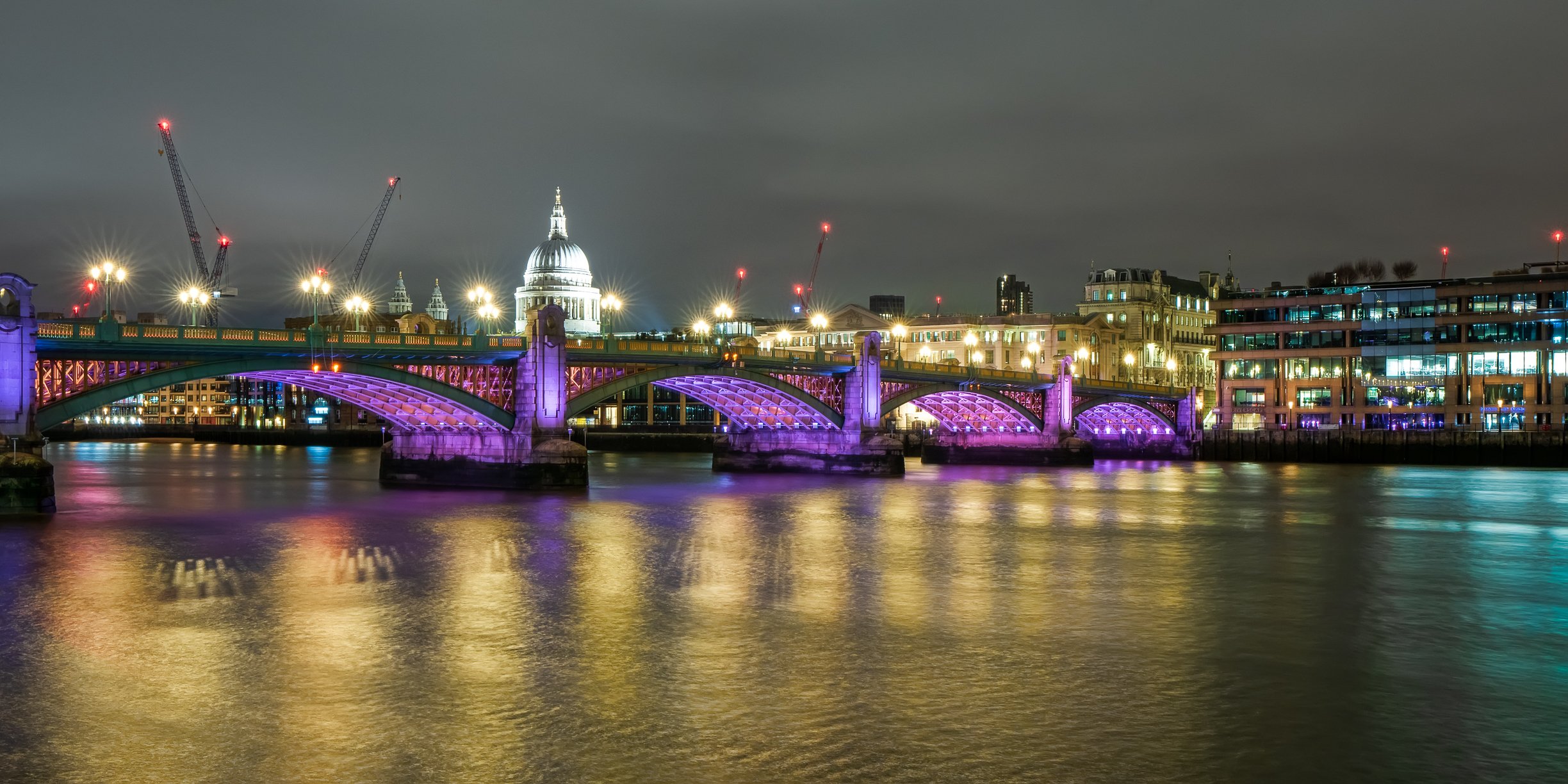
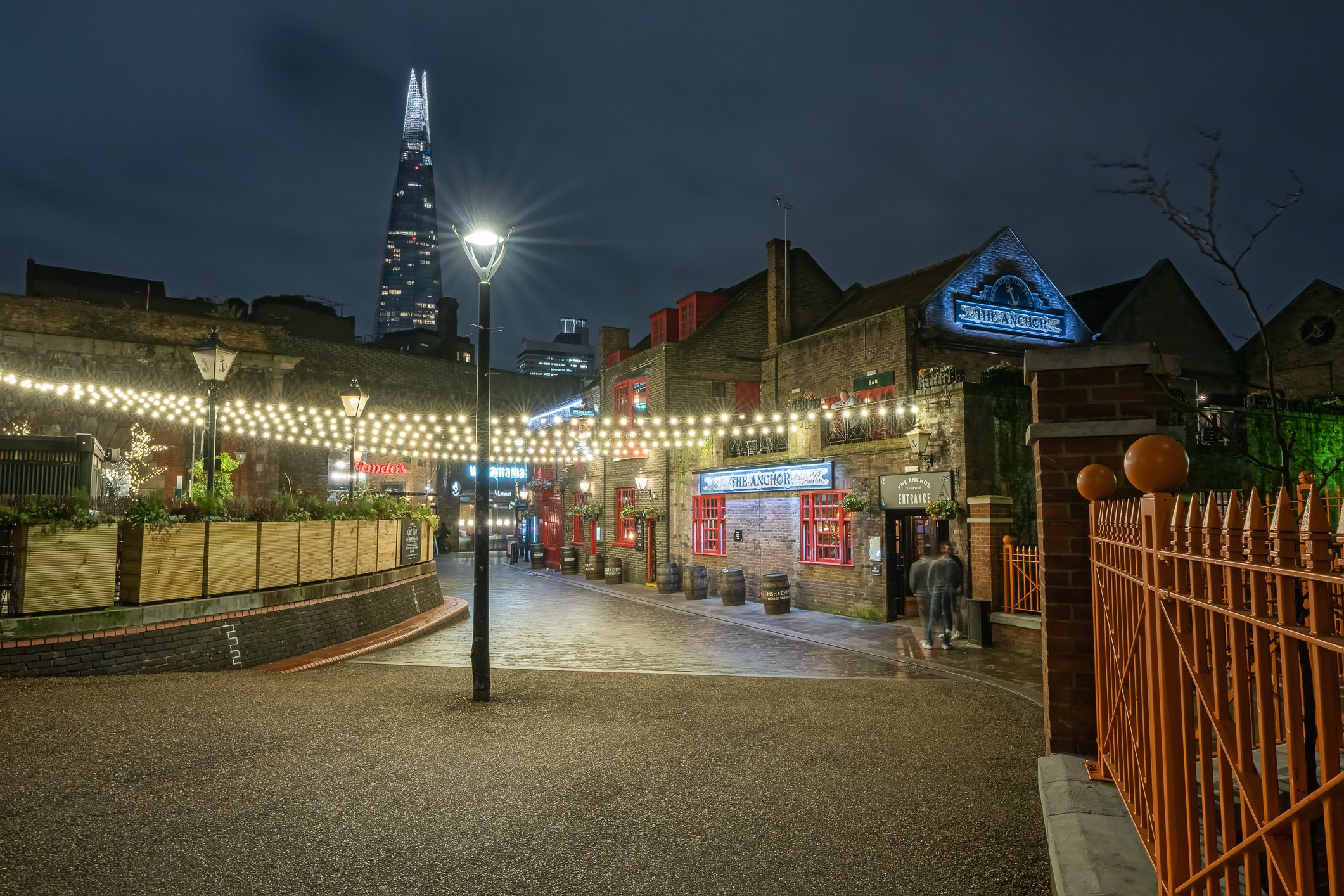
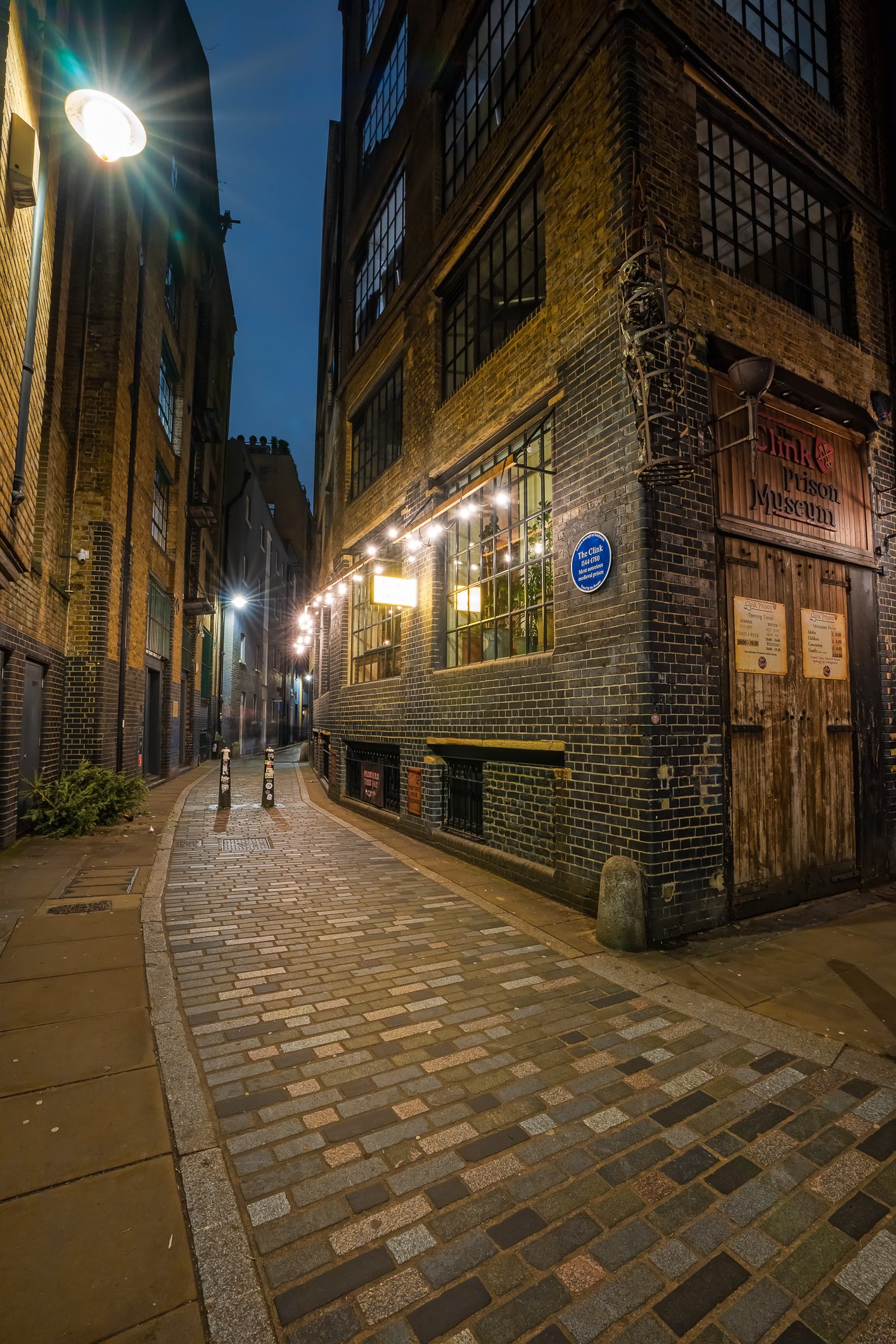
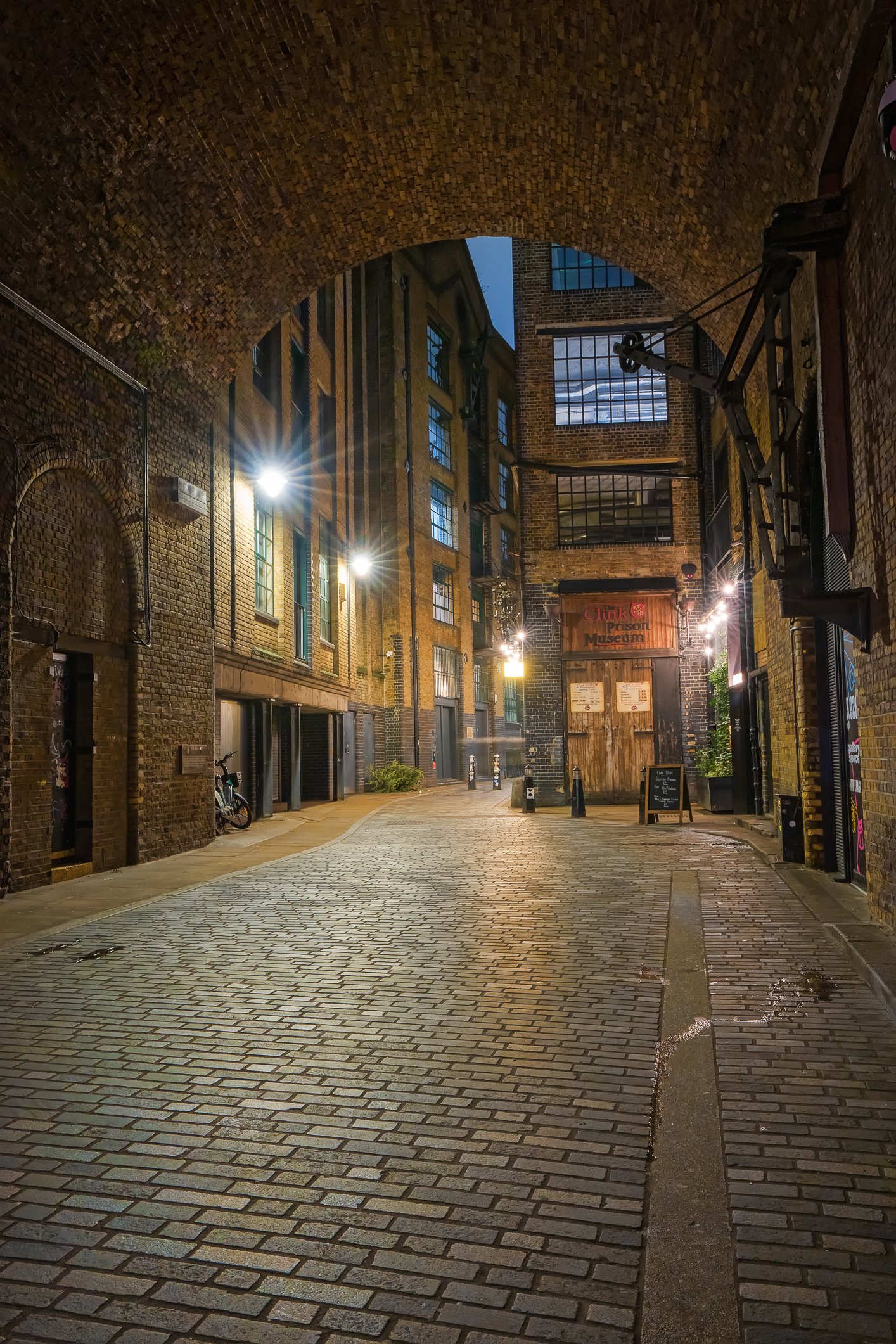
It is a bit too late for pictures, the sky is already black, without a hint of blue, but we still take some strolling across the bridge and then down the river on the south bank. It takes us less than half an hour to get to The Anchor, where we decided to have dinner tonight.
 

Trochę już za późno na zdjęcia, niebo jest już czarne, bez śladu koloru, ale i tak je robimy idąc przez most, a potem wzdłuż rzeki południowym brzegiem. Niecałe pół godziny zajmuje nam dotarcie do pubu The Anchor, gdzie postanowiliśmy zjeść dziś kolację.
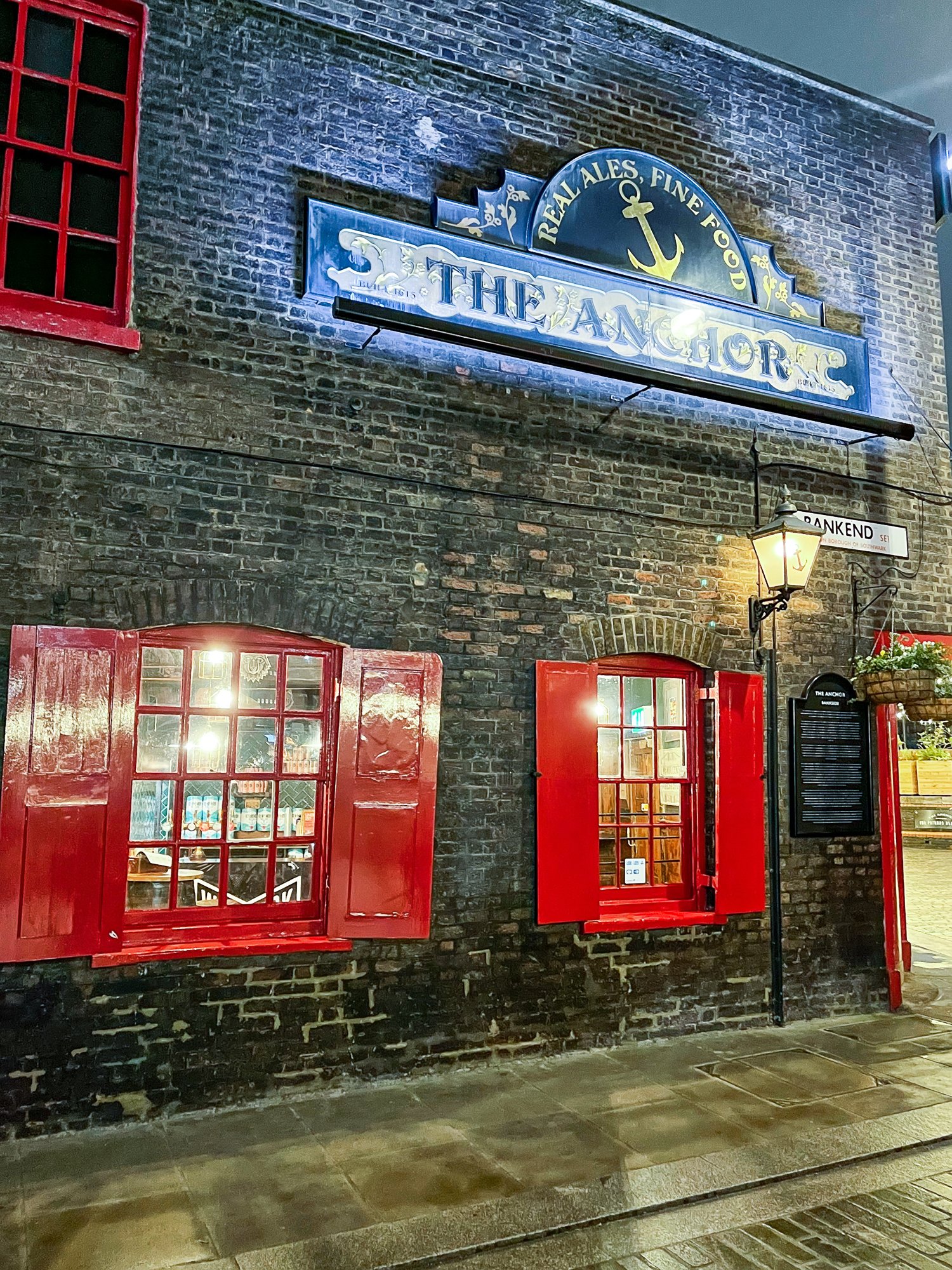
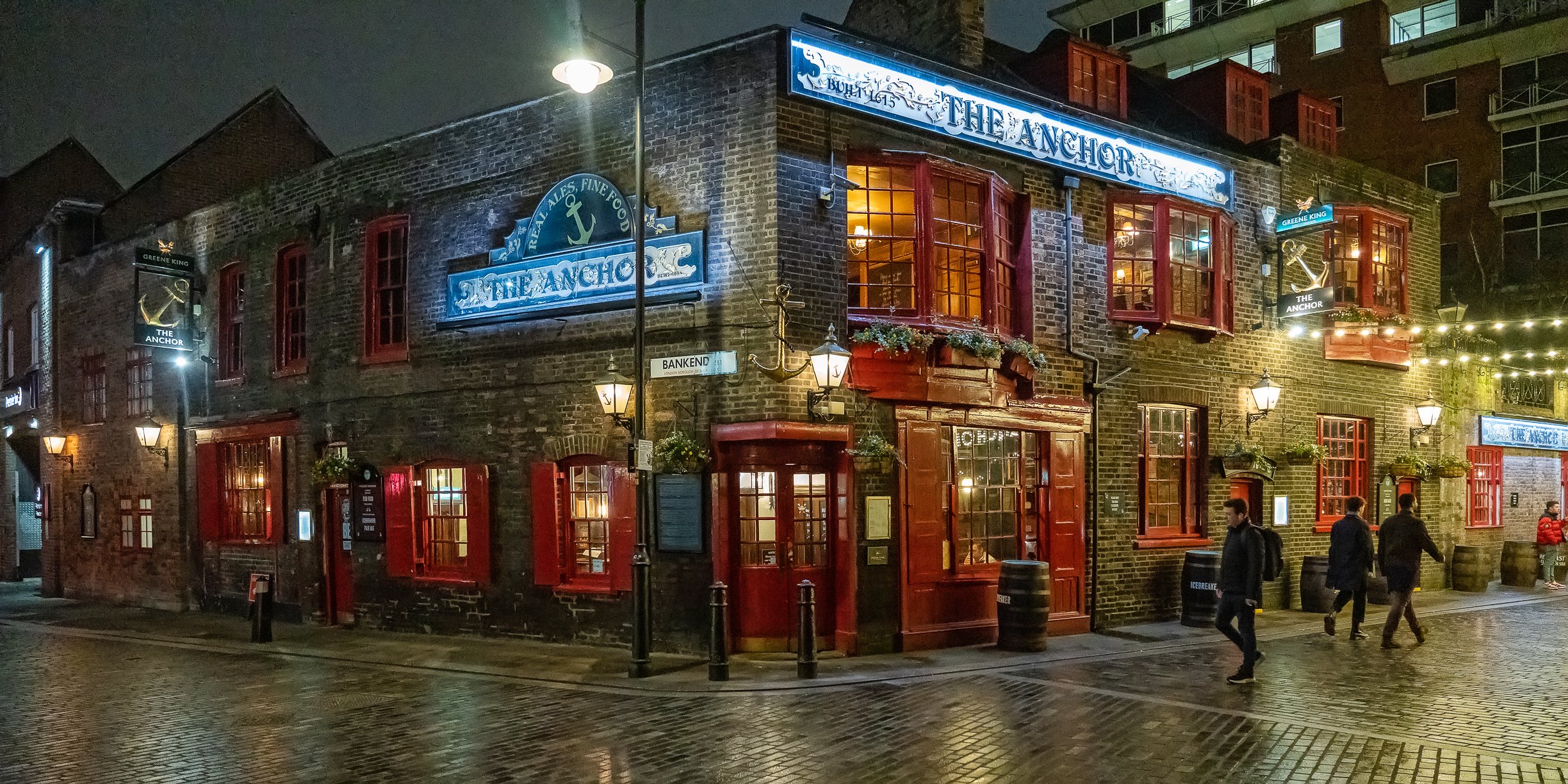
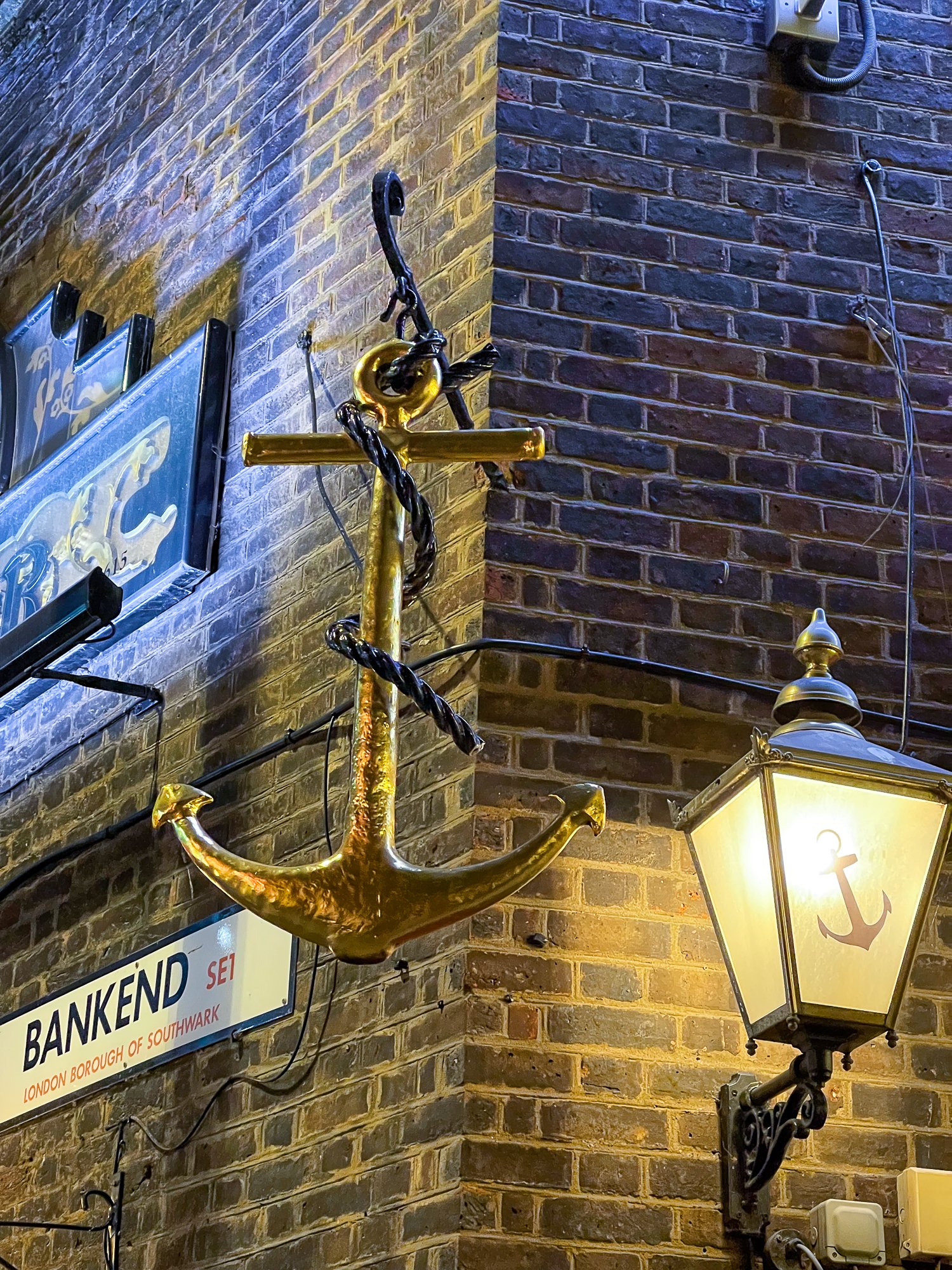
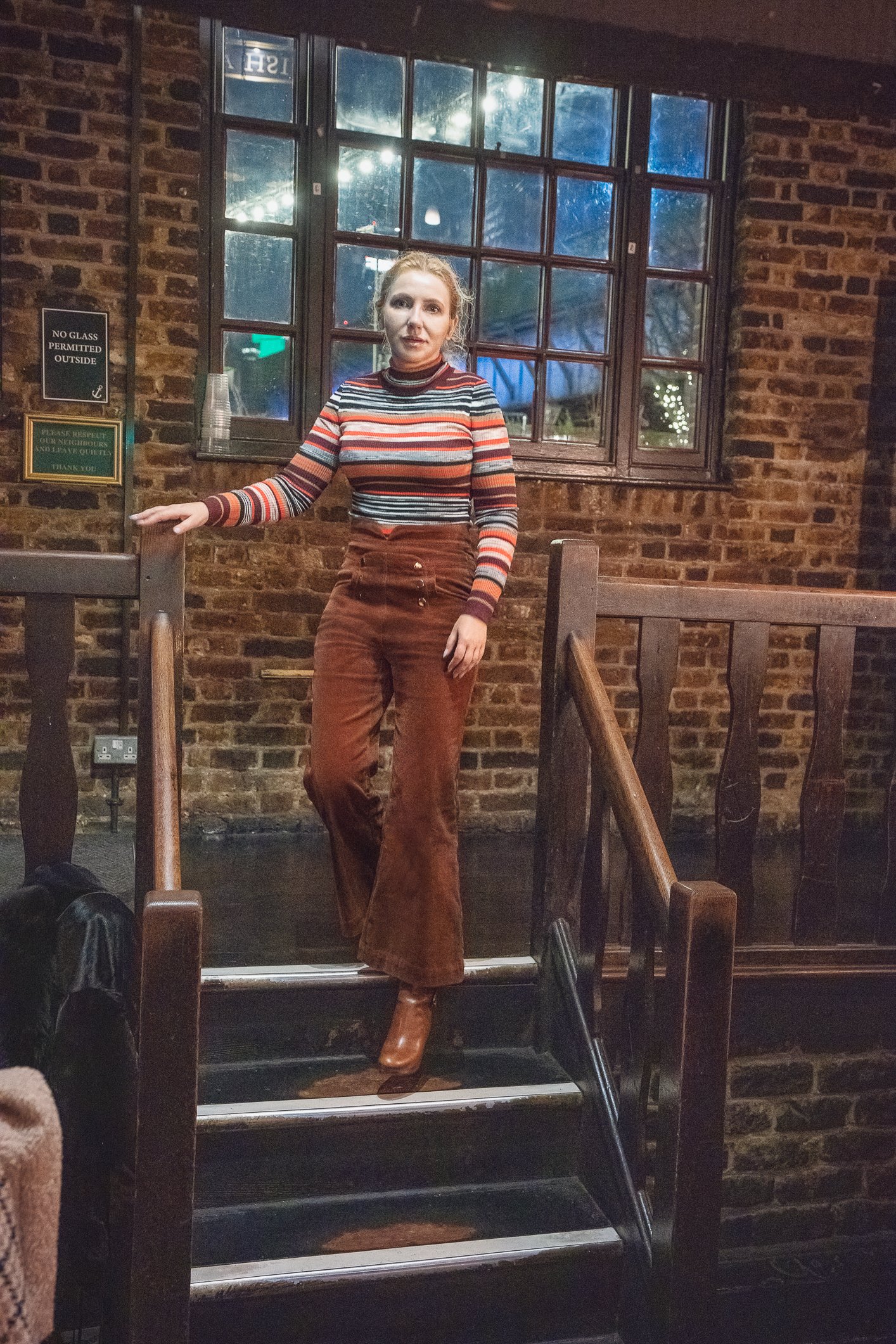
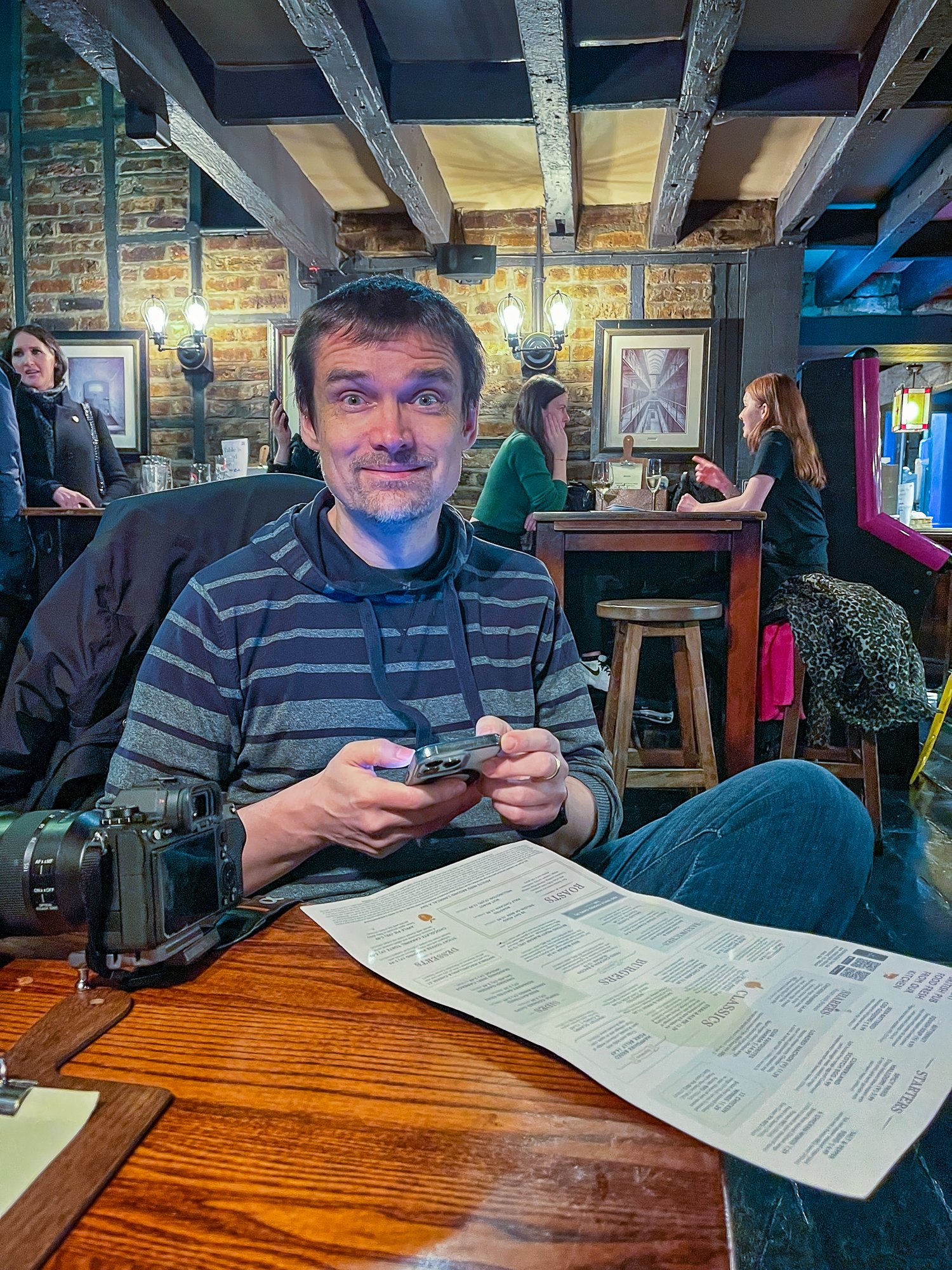
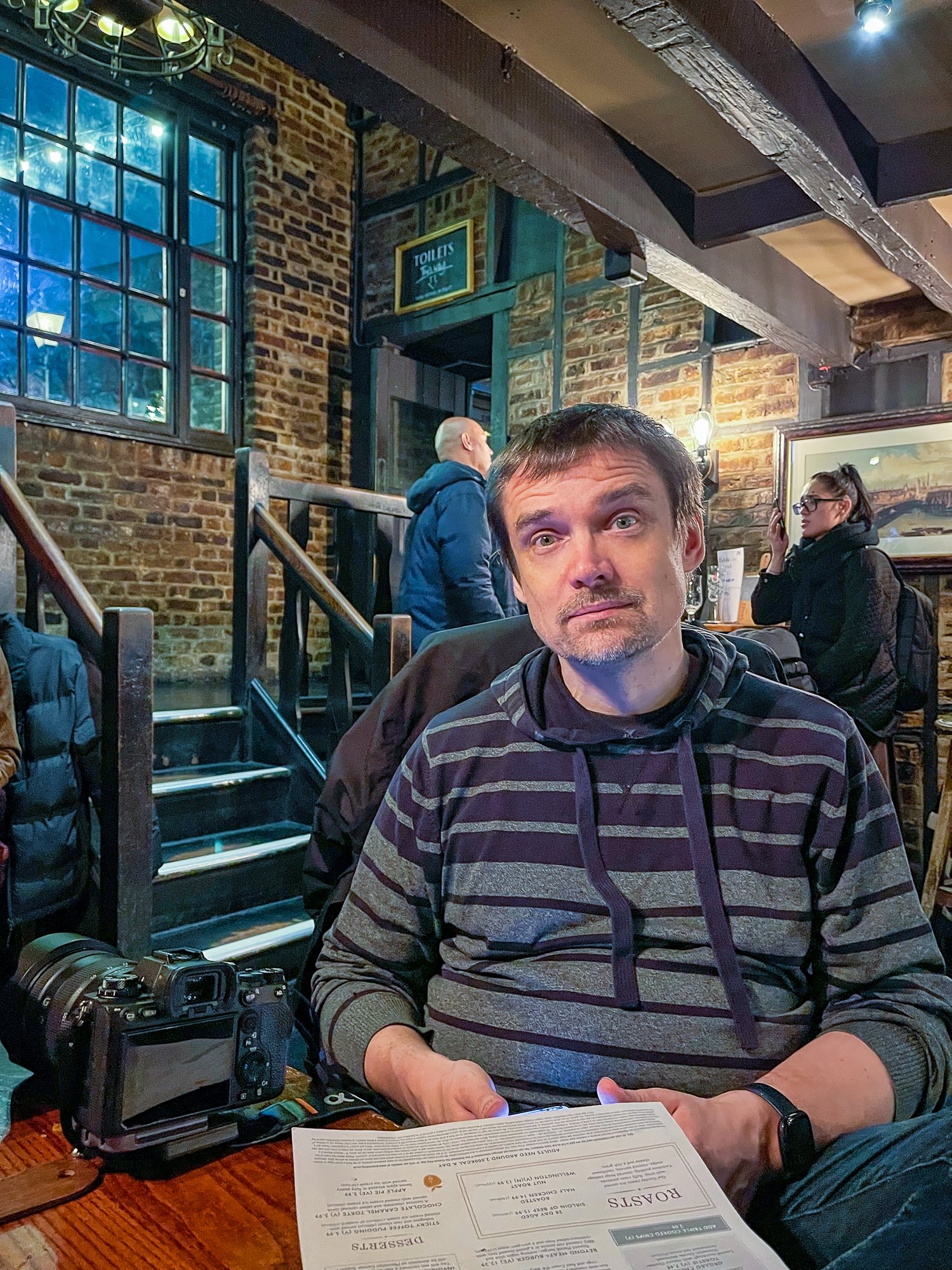
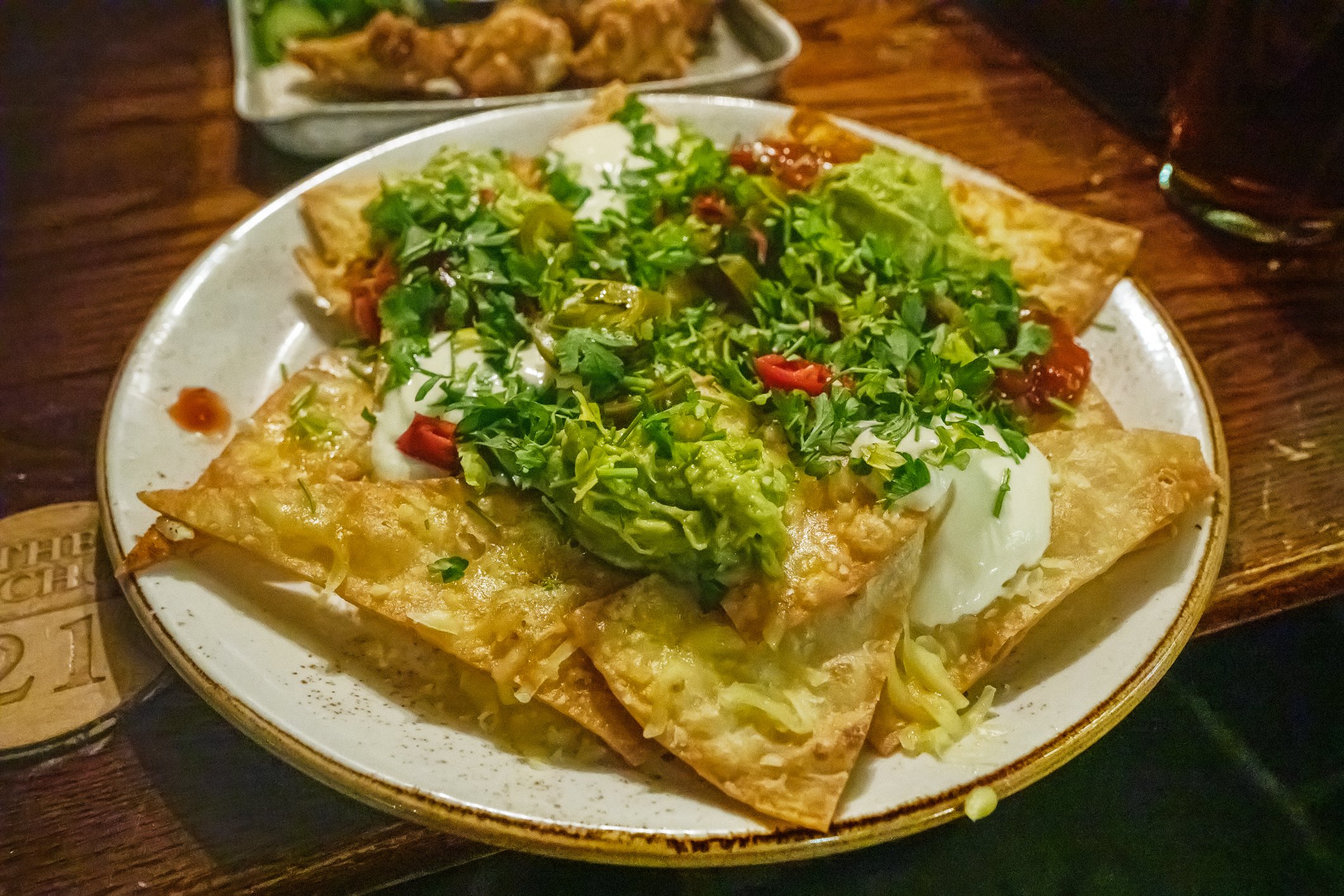
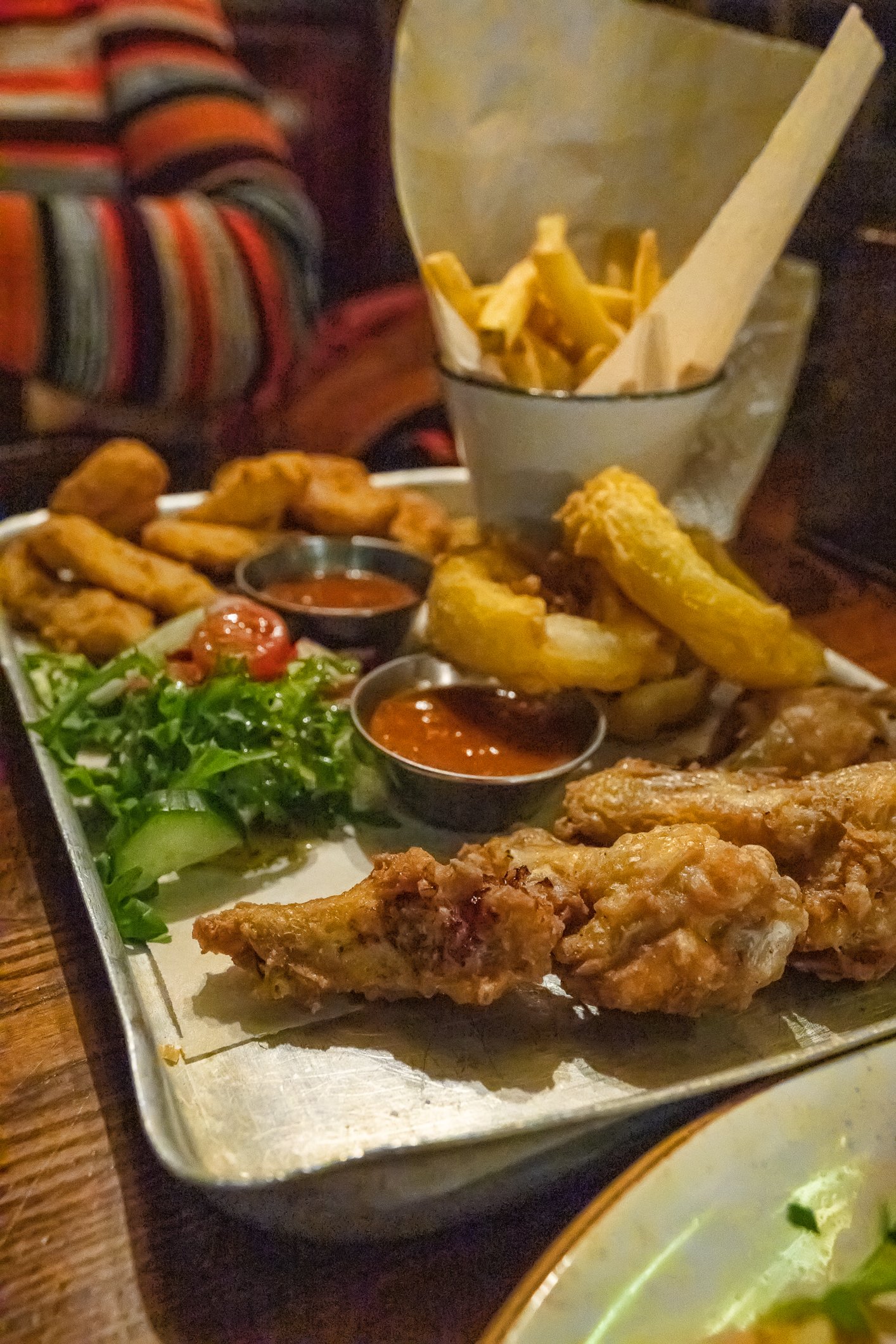
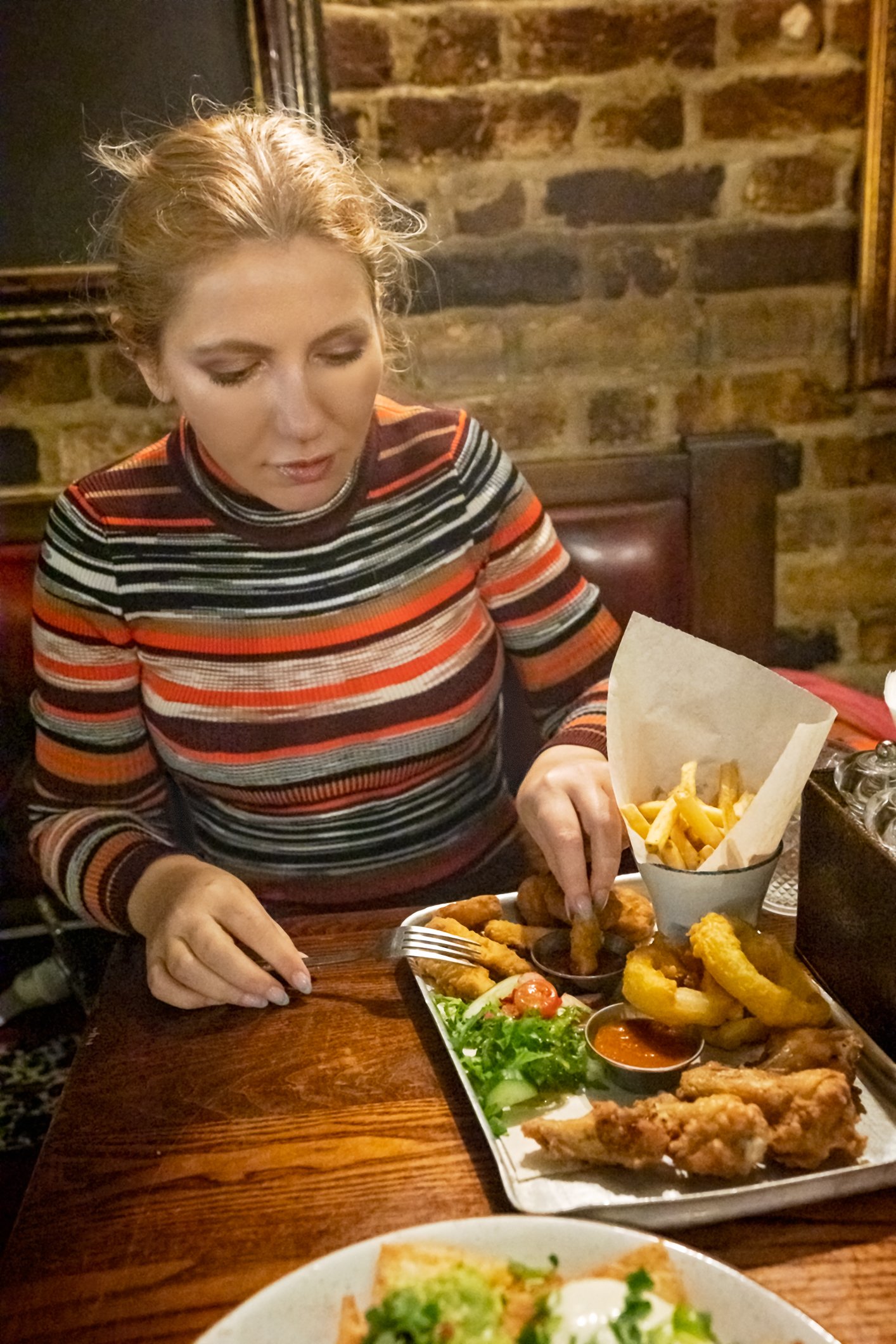
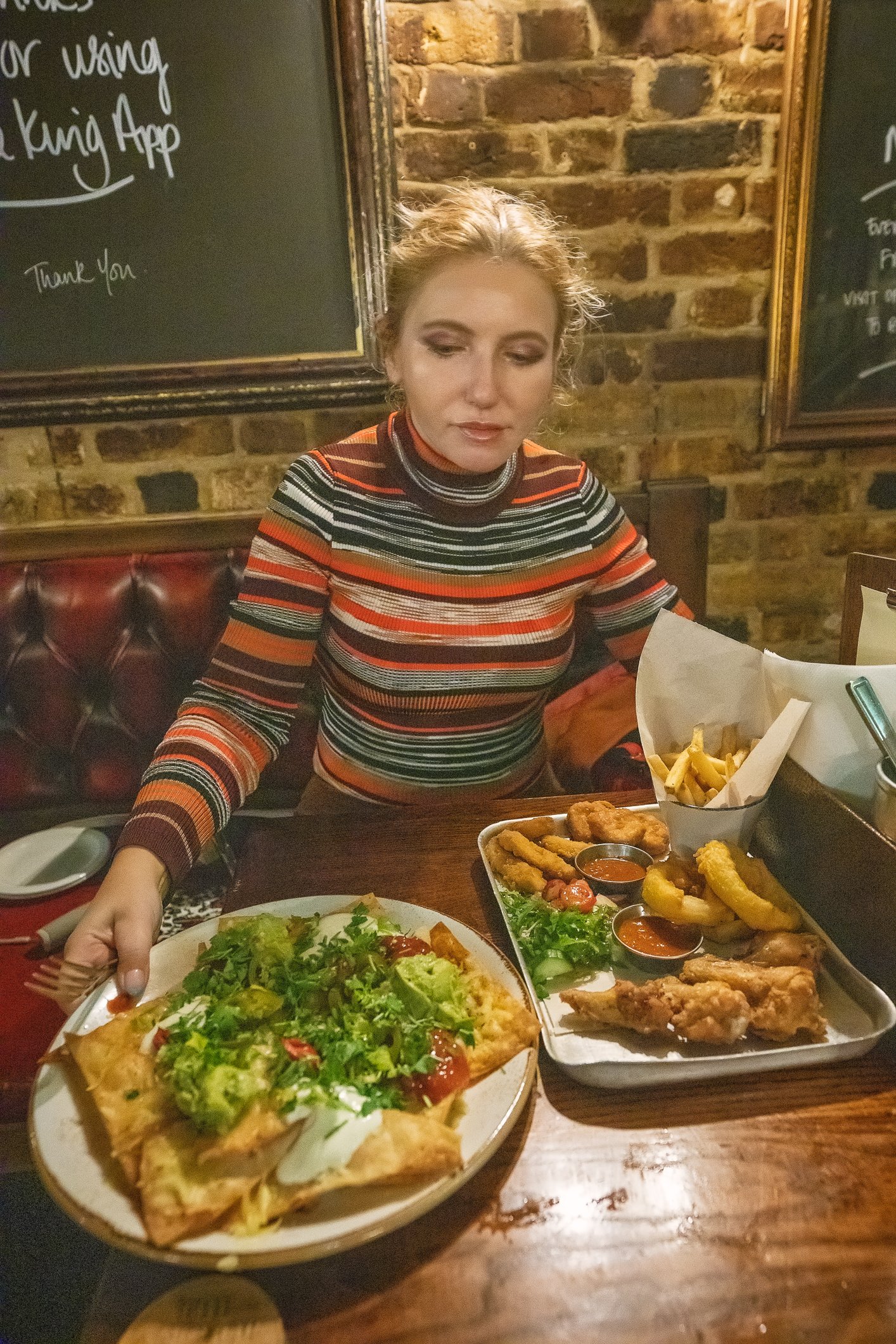
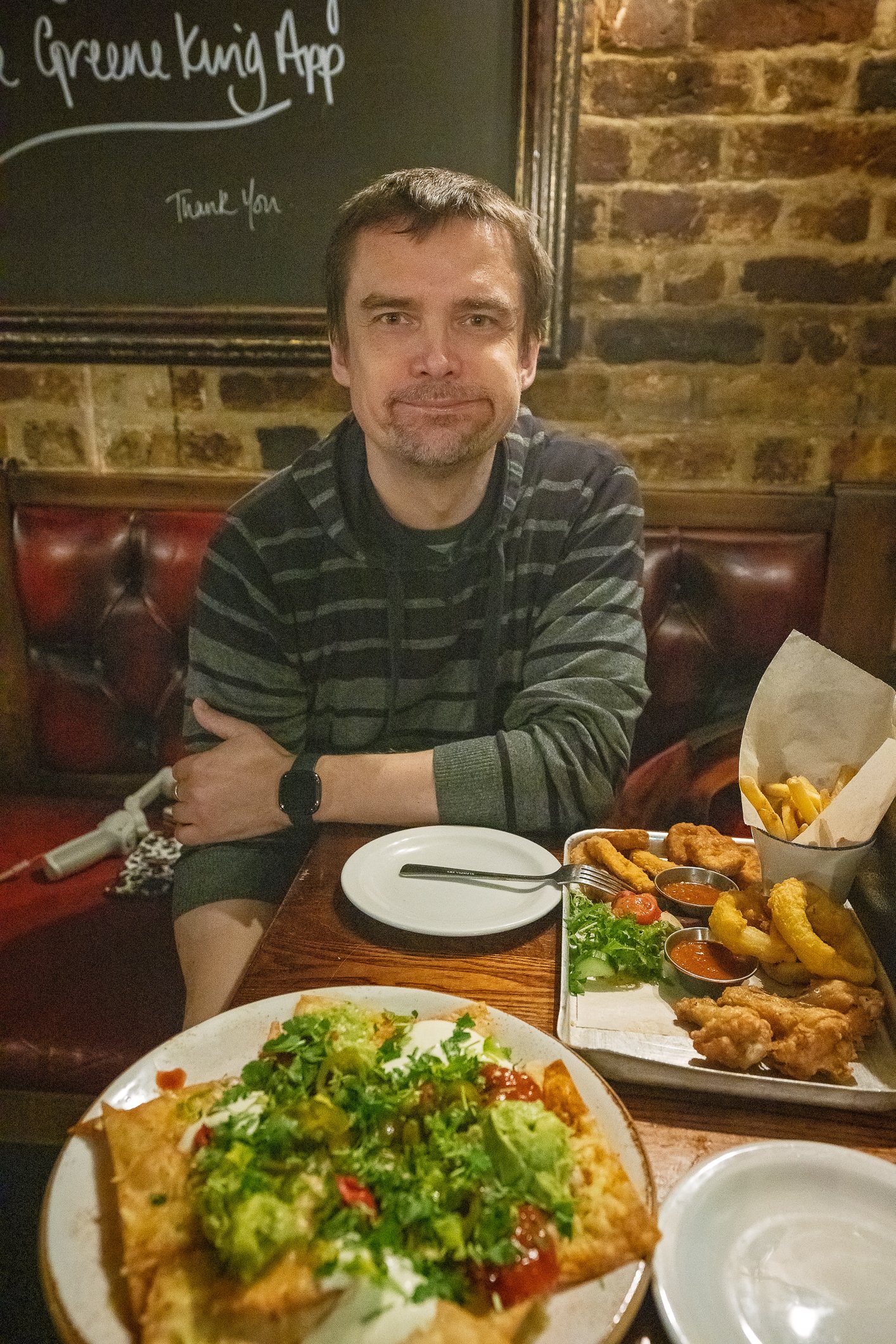
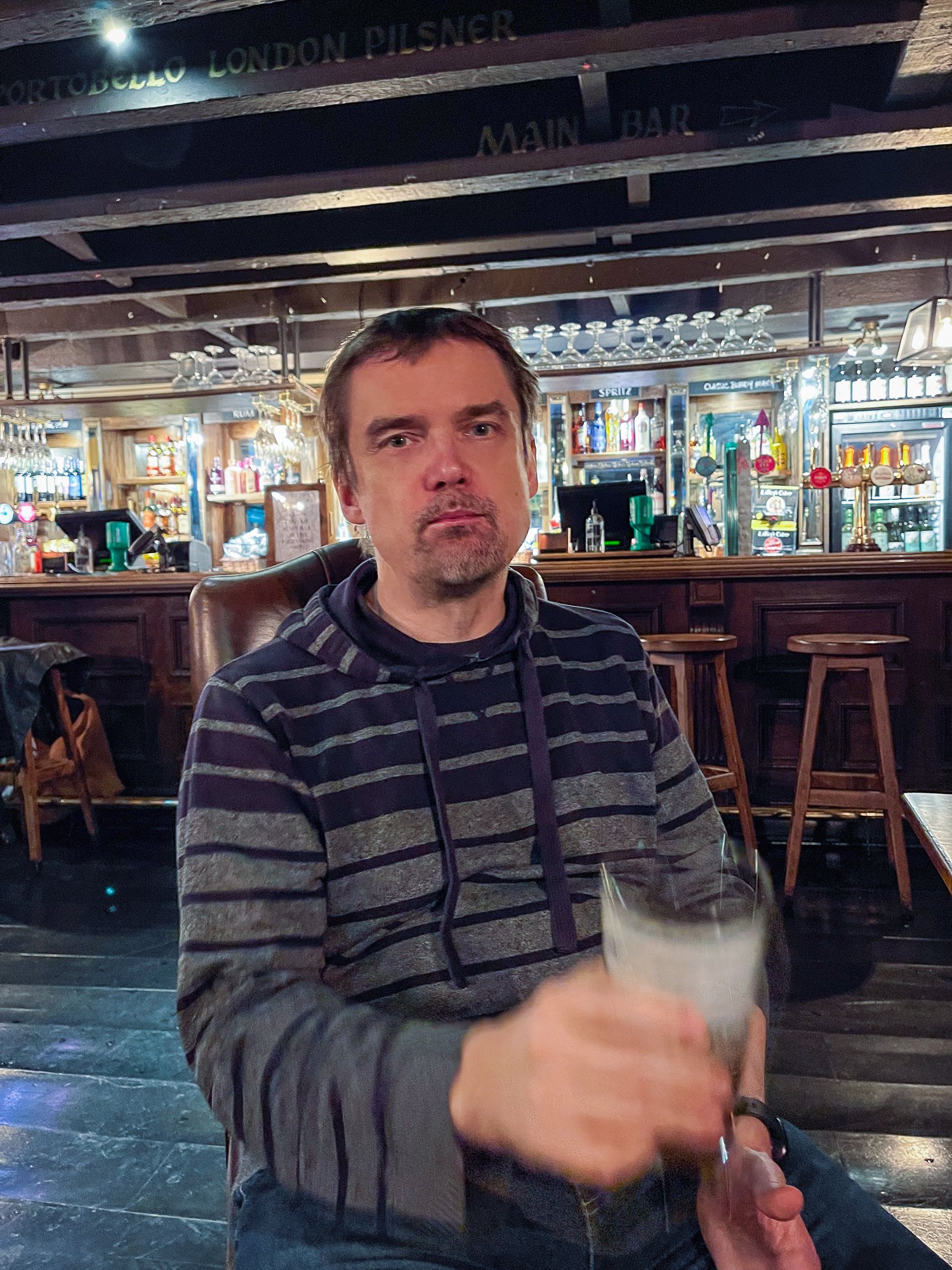
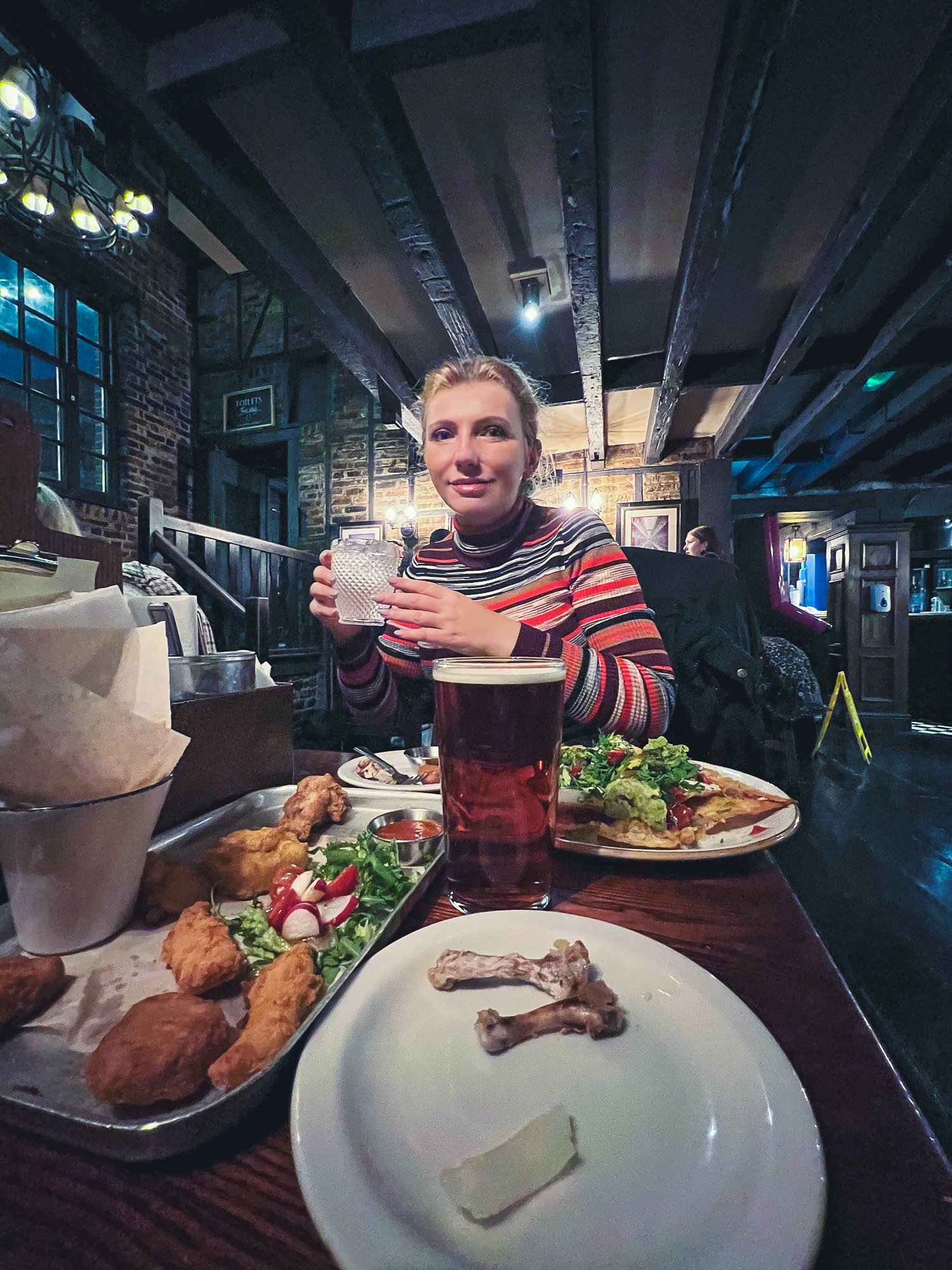
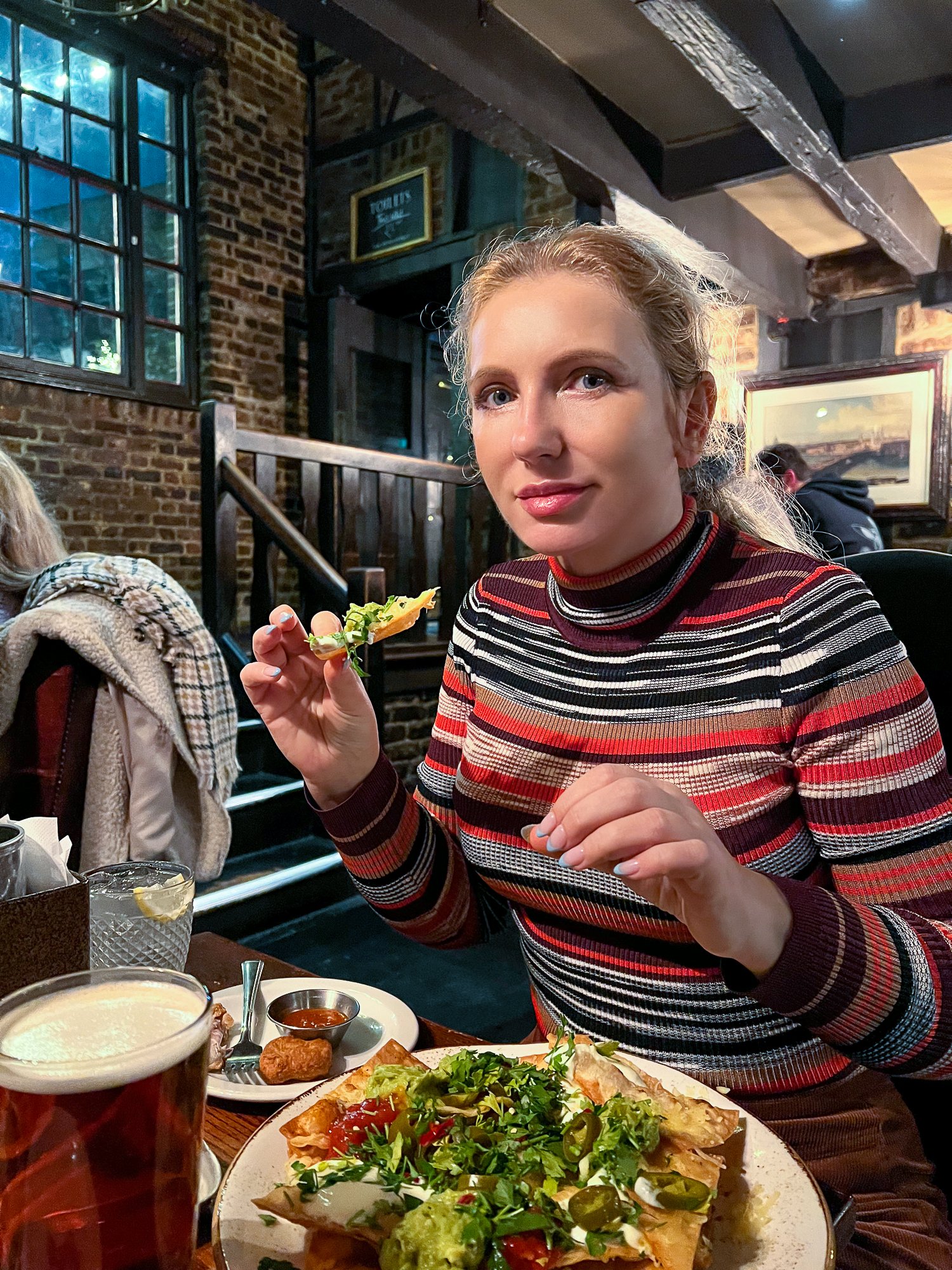
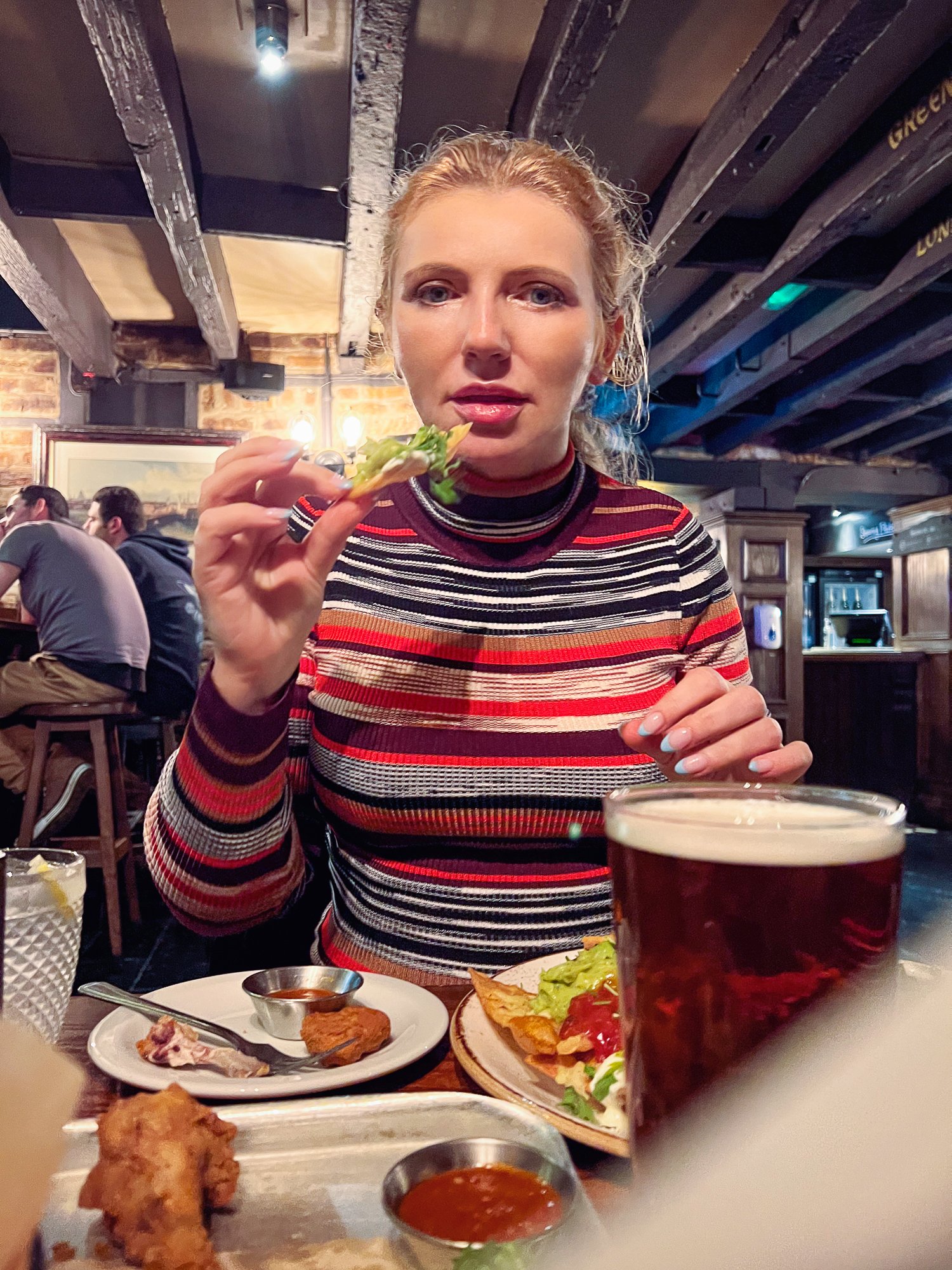
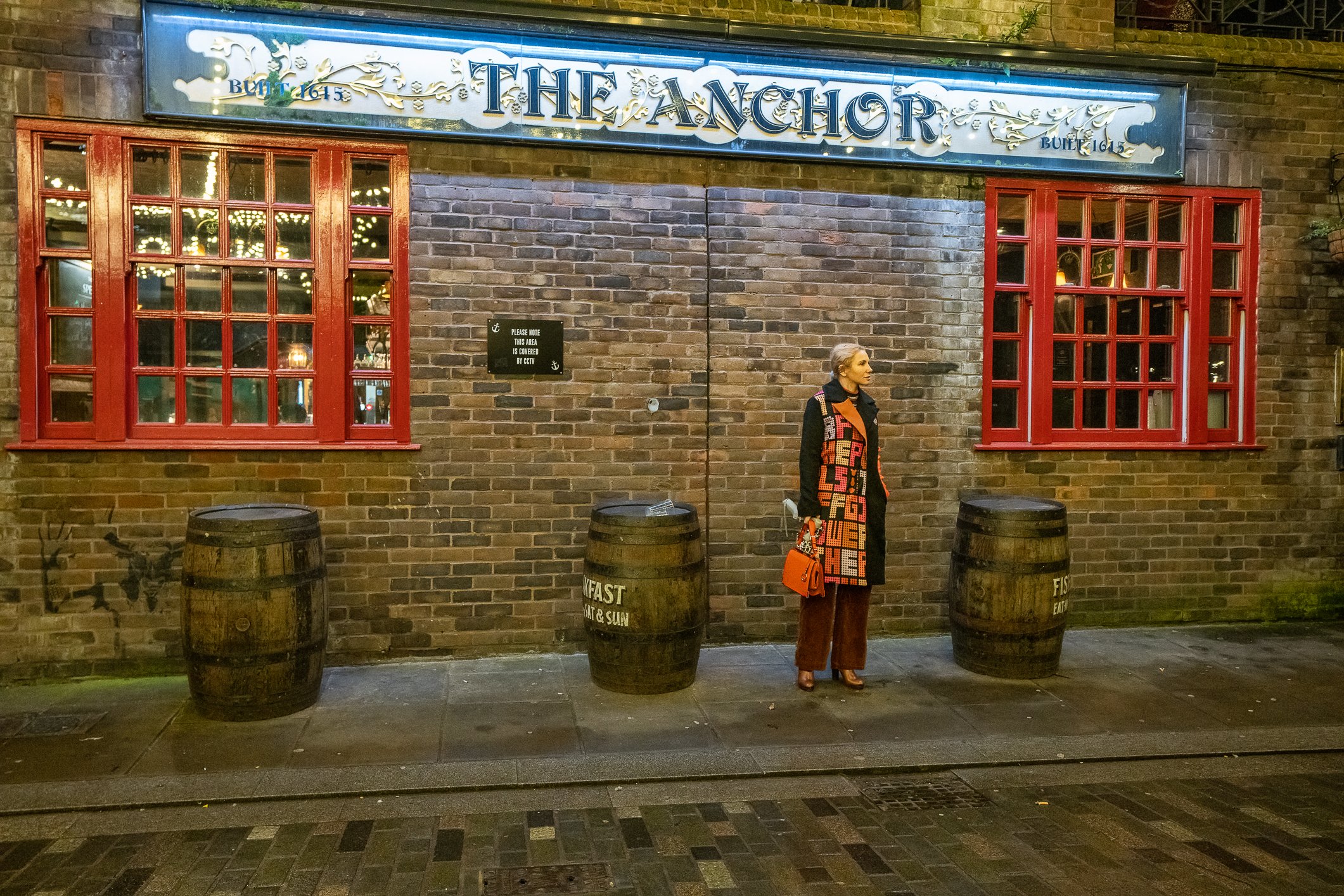
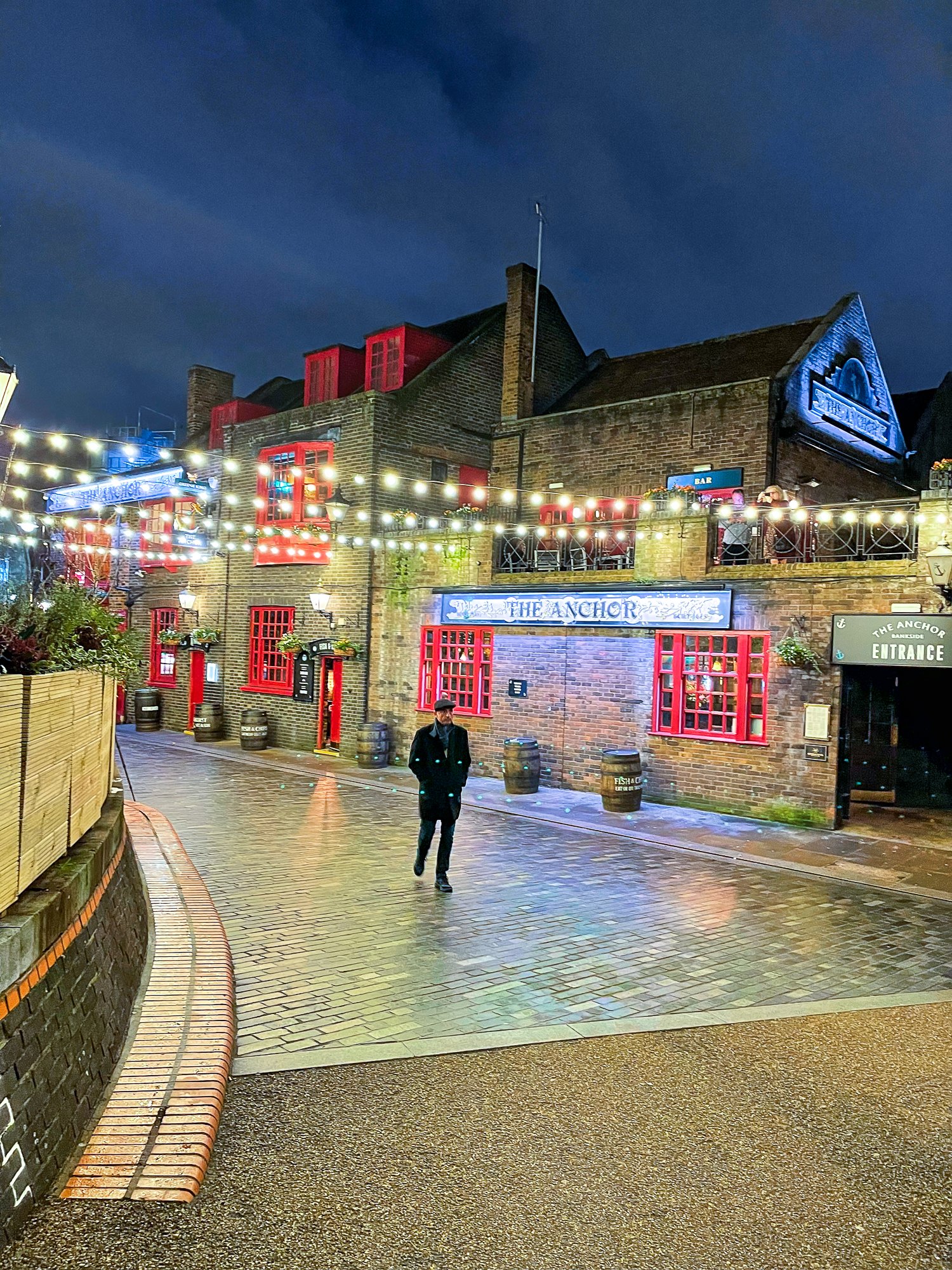
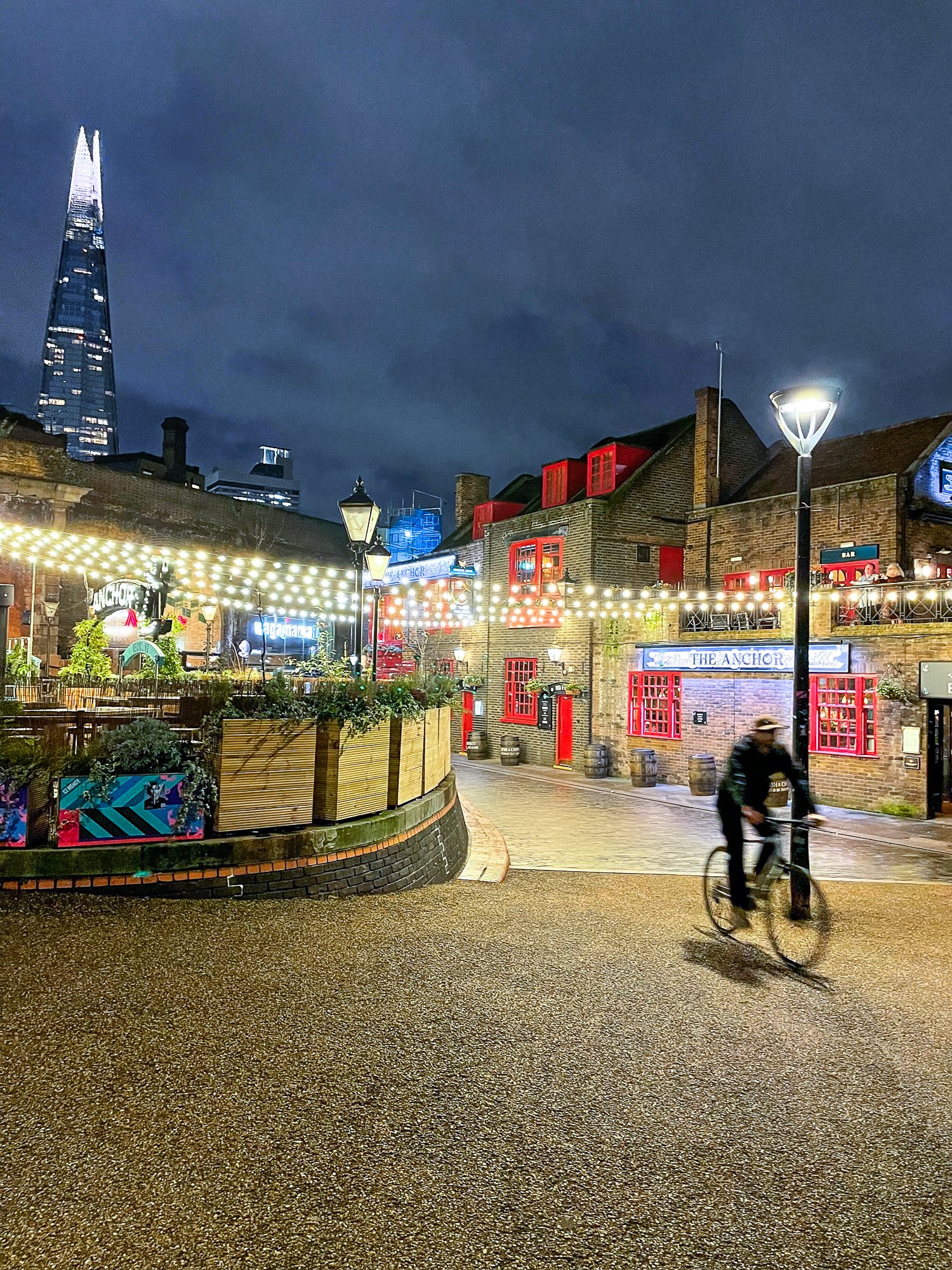
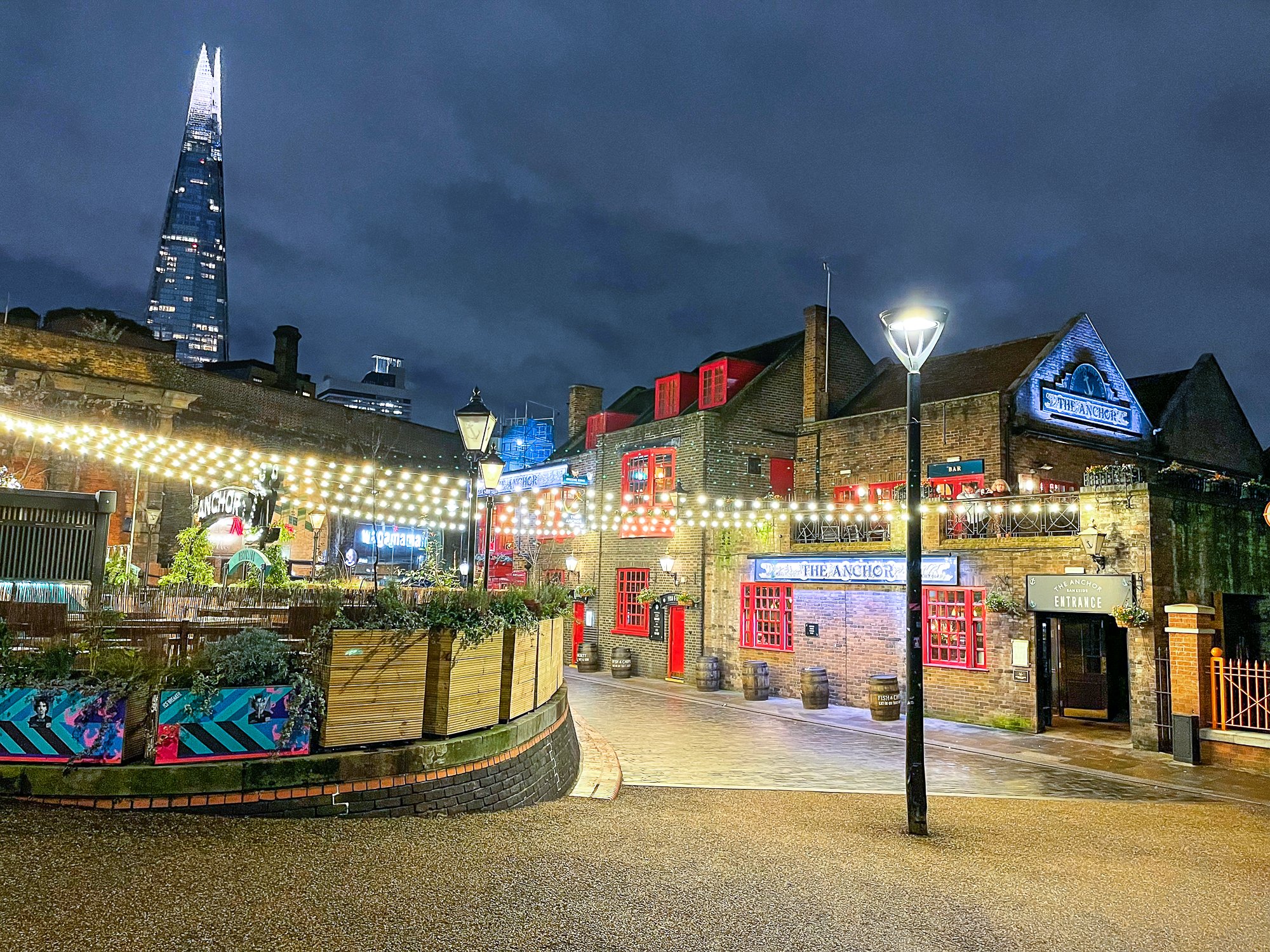
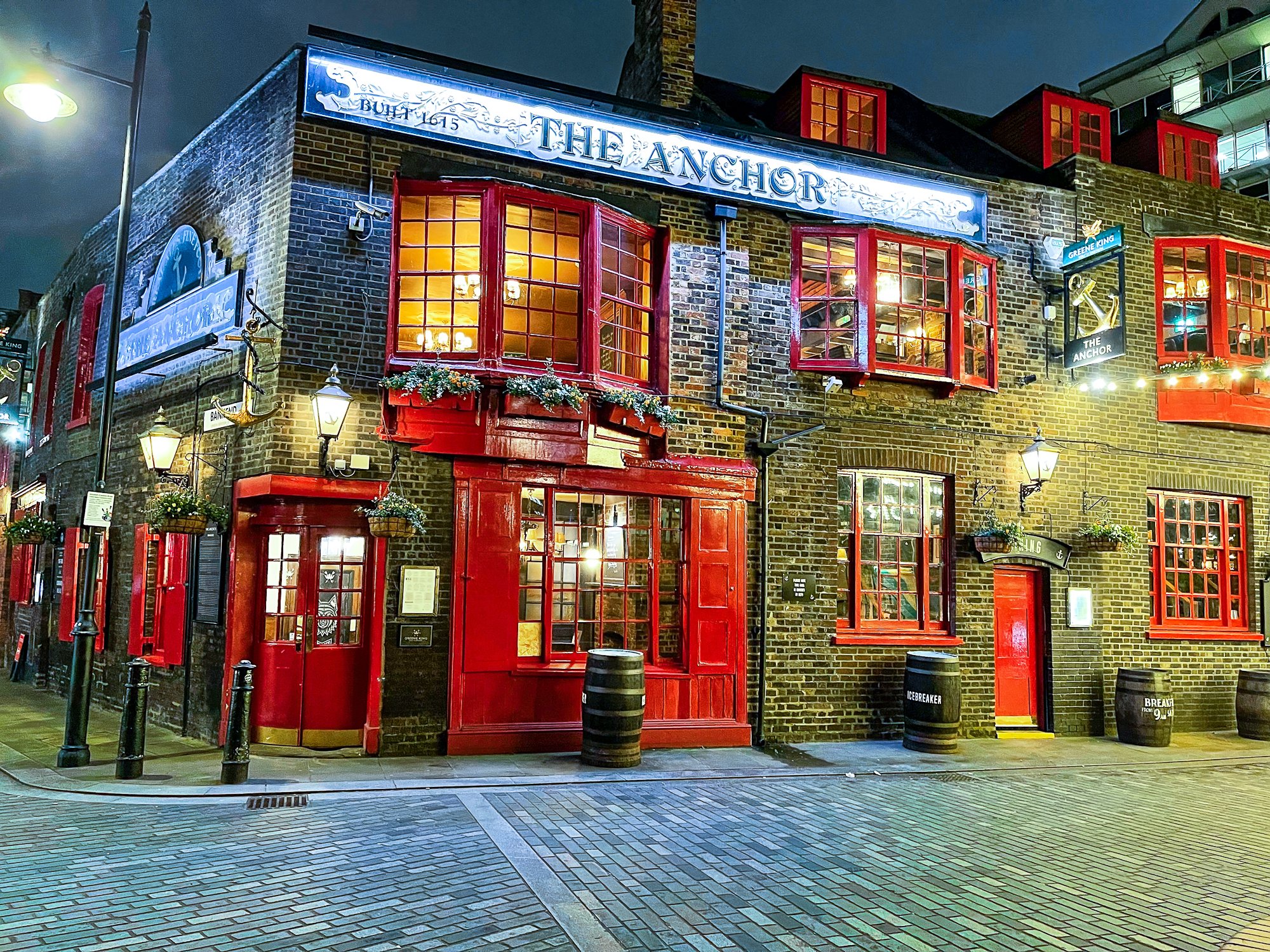
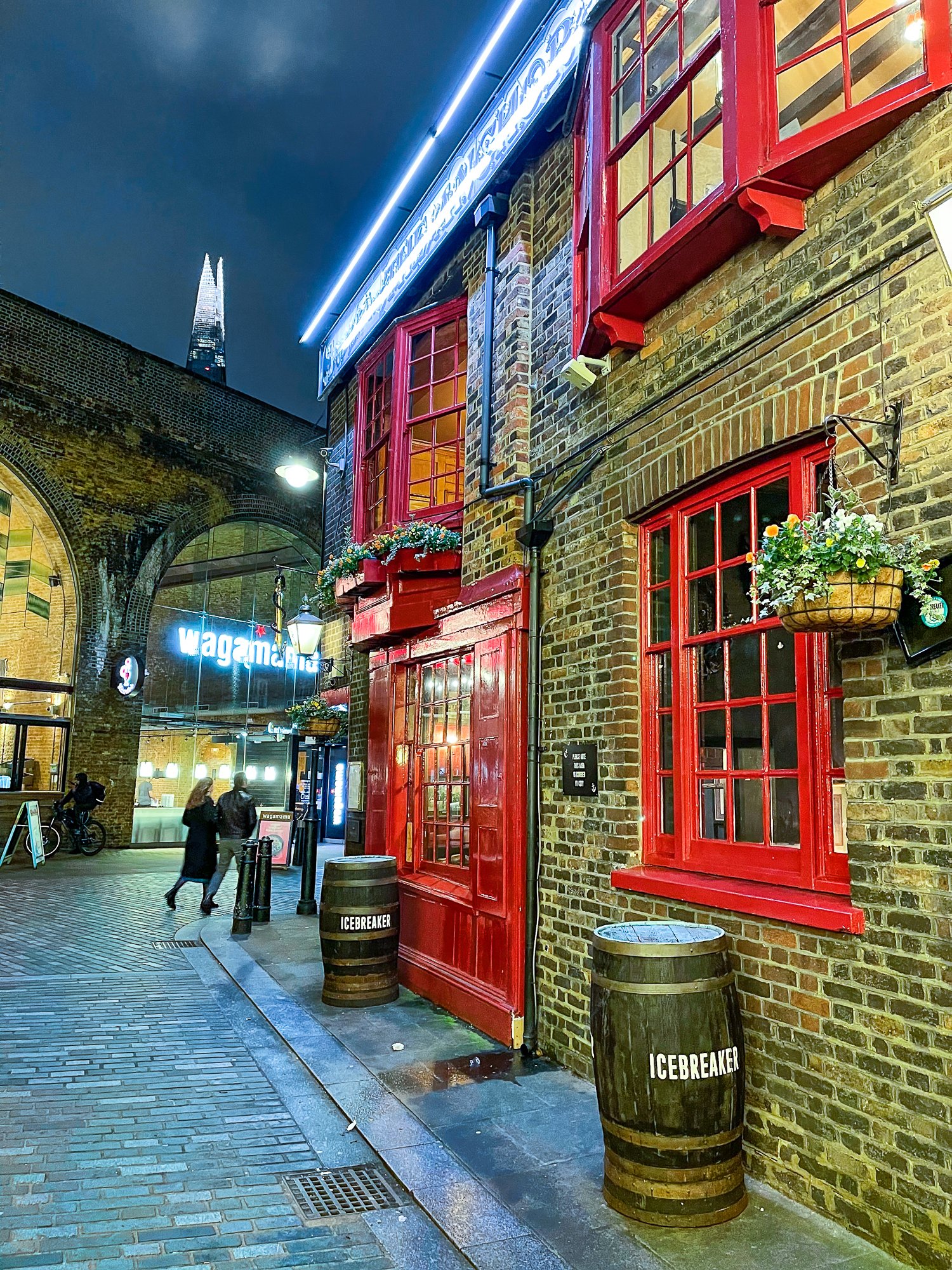
The Anchor is one of the iconic pubs of London. It was built in the XVIII century in a place of a previous pub that was there for a few hundred years. Some records claim that William Shakespeare used to drink here. The interior is very traditional, with wood, exposed brick walls and a fireplace. The food is average, to be honest, but we did not go to be hungry.


The Anchor to jeden z kultowych pubów w Londynie. Został zbudowany w XVIII wieku w miejscu wcześniejszej gospody, która istniała tam przez kilkaset lat. Niektóre źródła podają, że pił tu sam William Shakespeare. Wnętrze jest bardzo tradycyjne, z dominującym drewnem, odsłoniętymi ścianami z cegły i kominkiem. Szczerze mówiąc, jedzenie jest raczej średnie, ale nie głodni nie wyszliśmy.

Istanbul Archeological Museums part 3

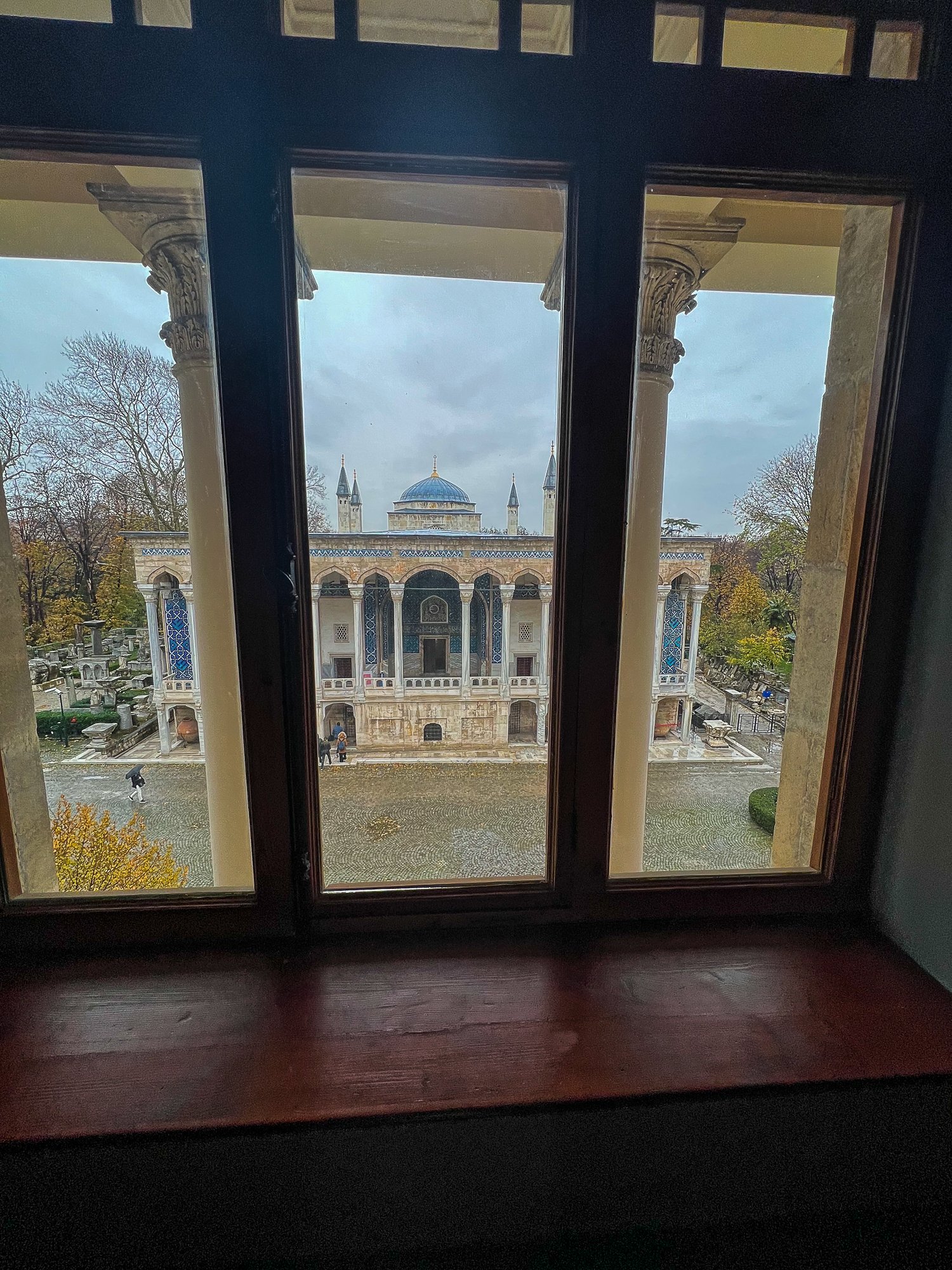
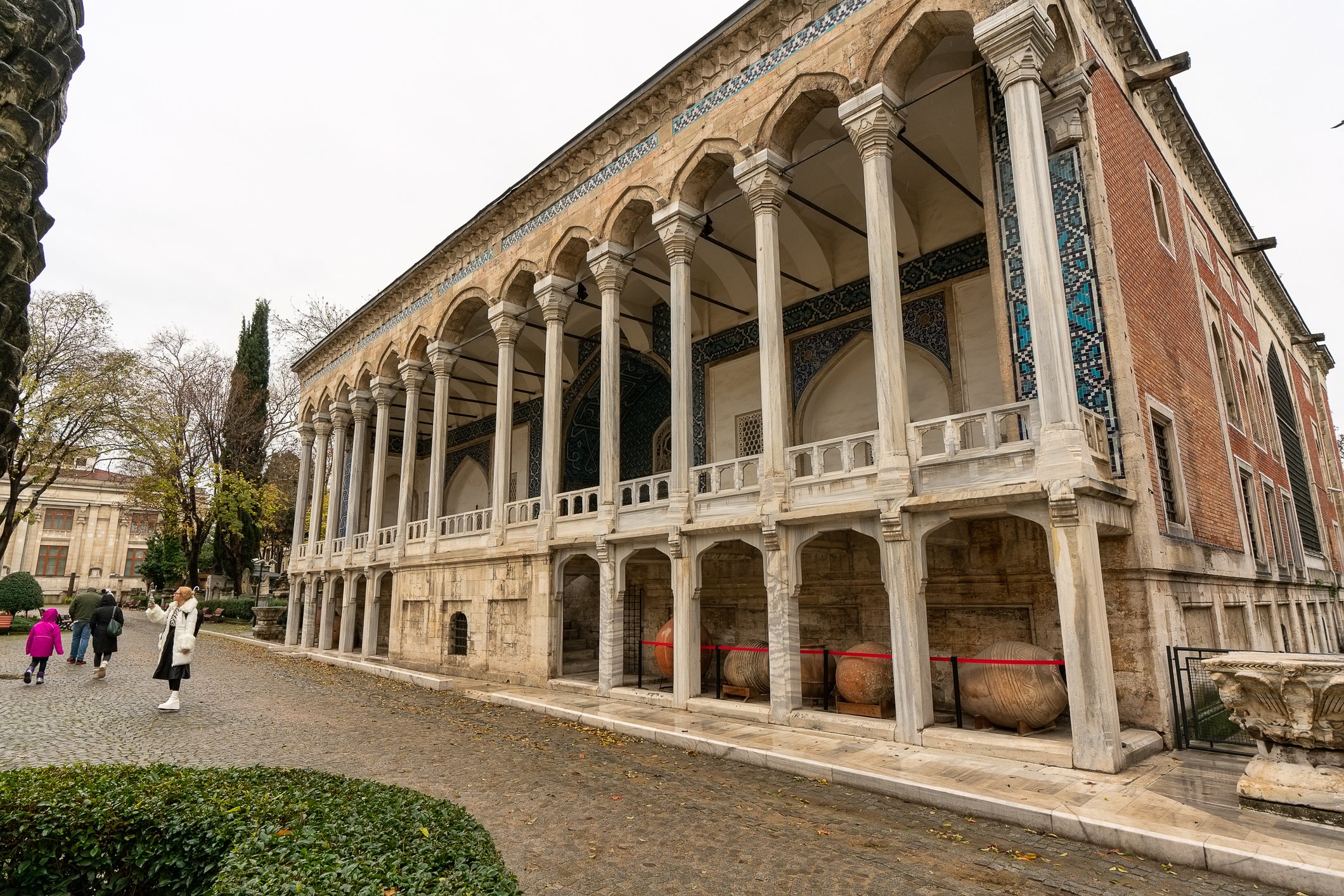
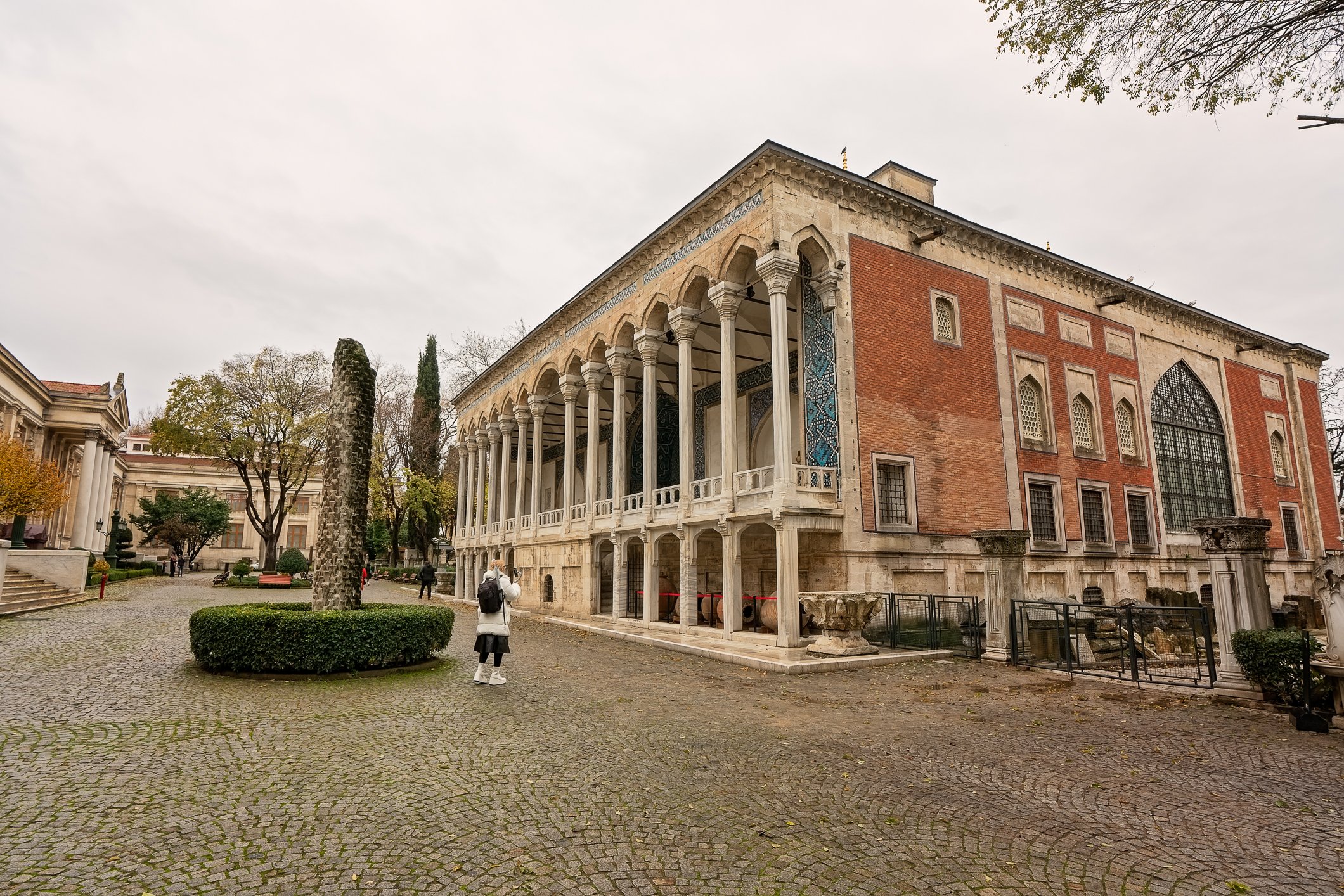
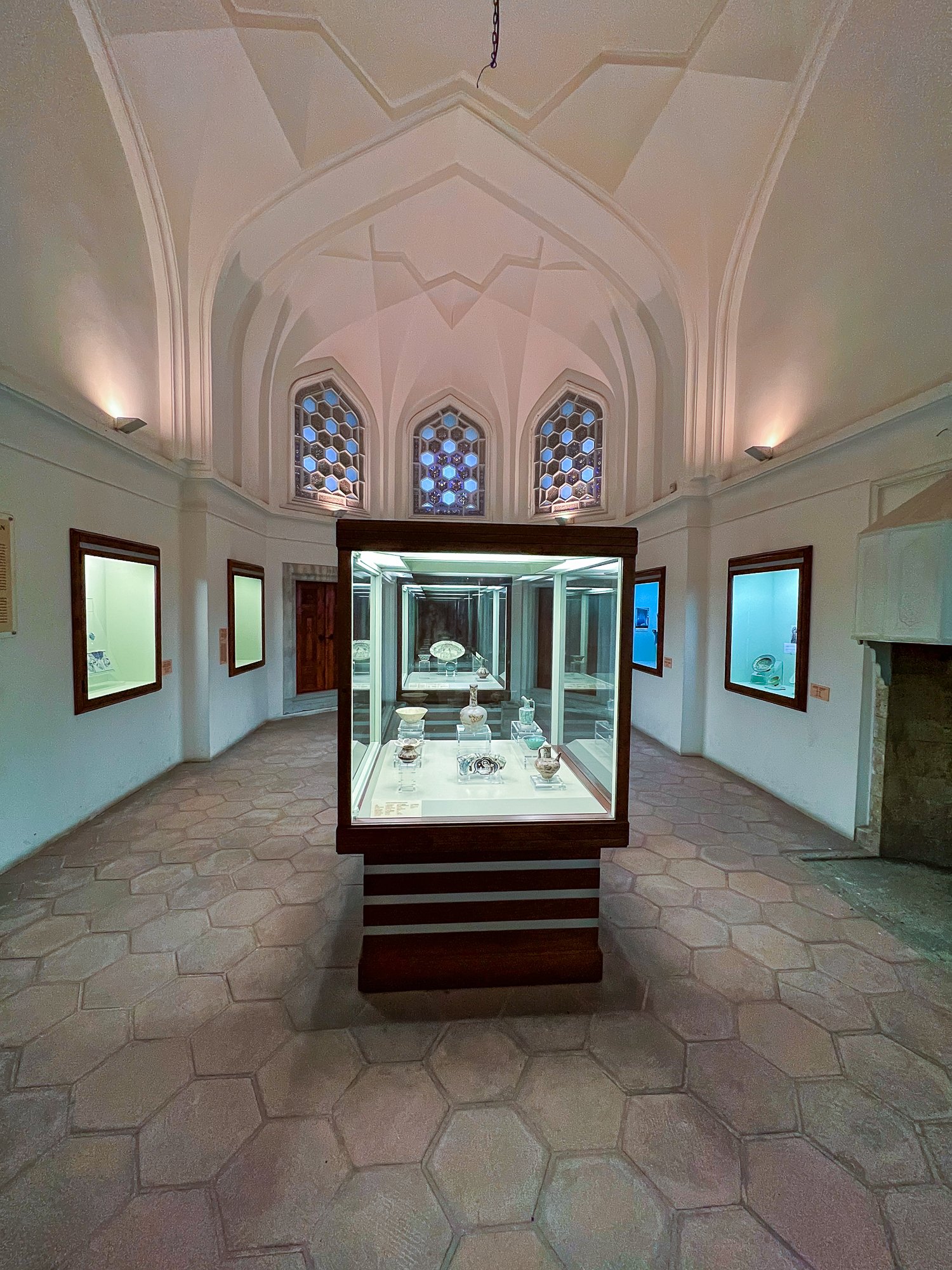
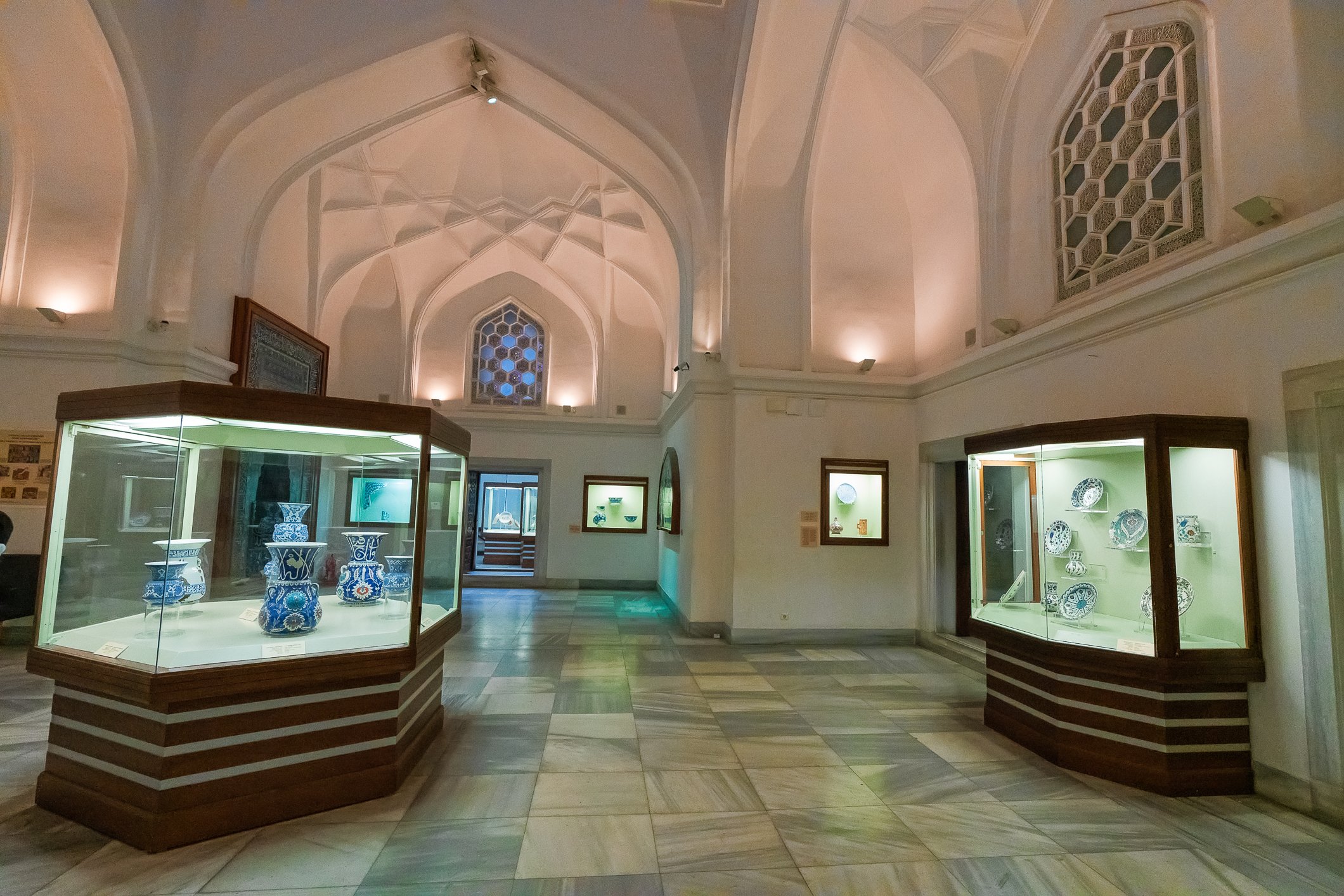
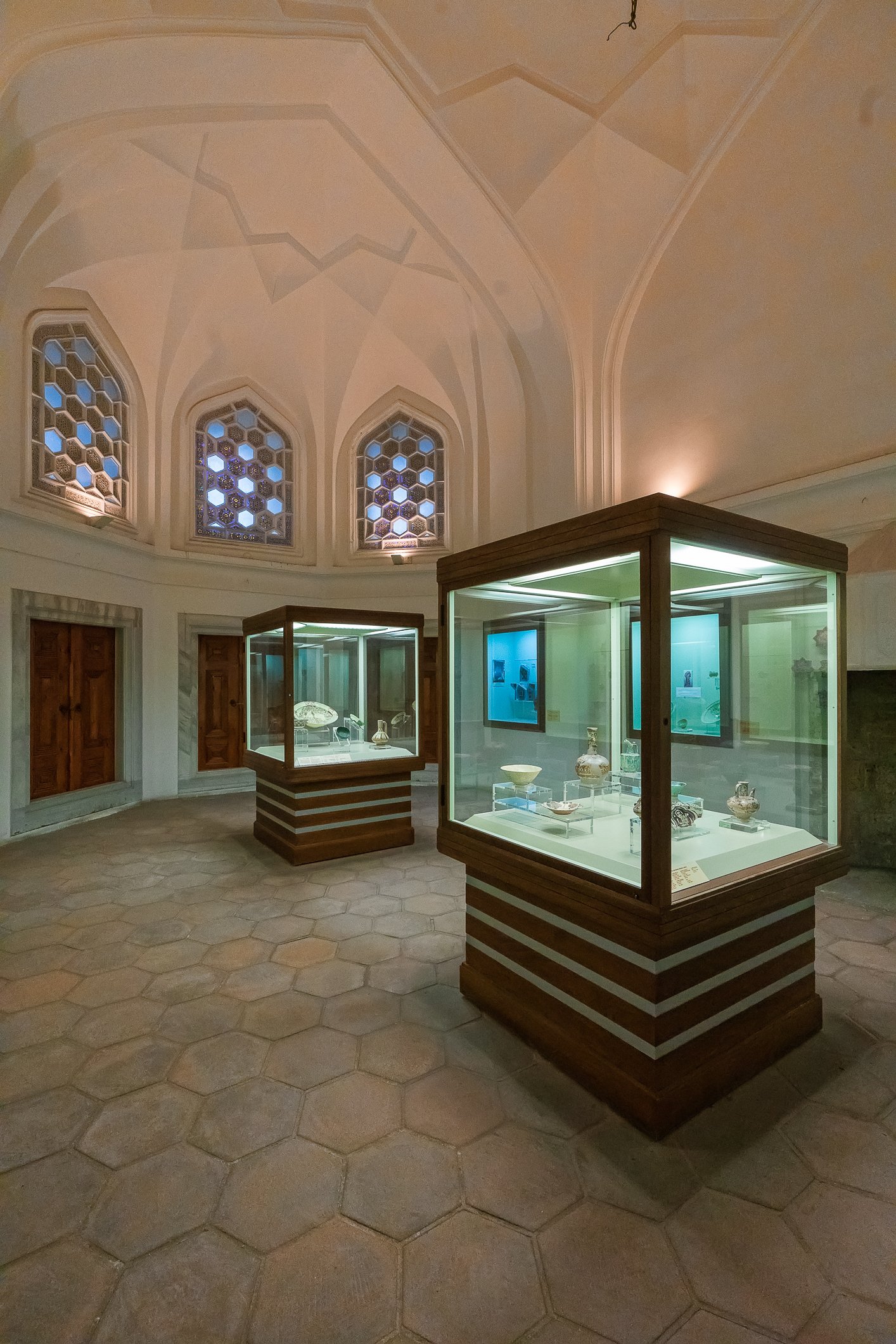
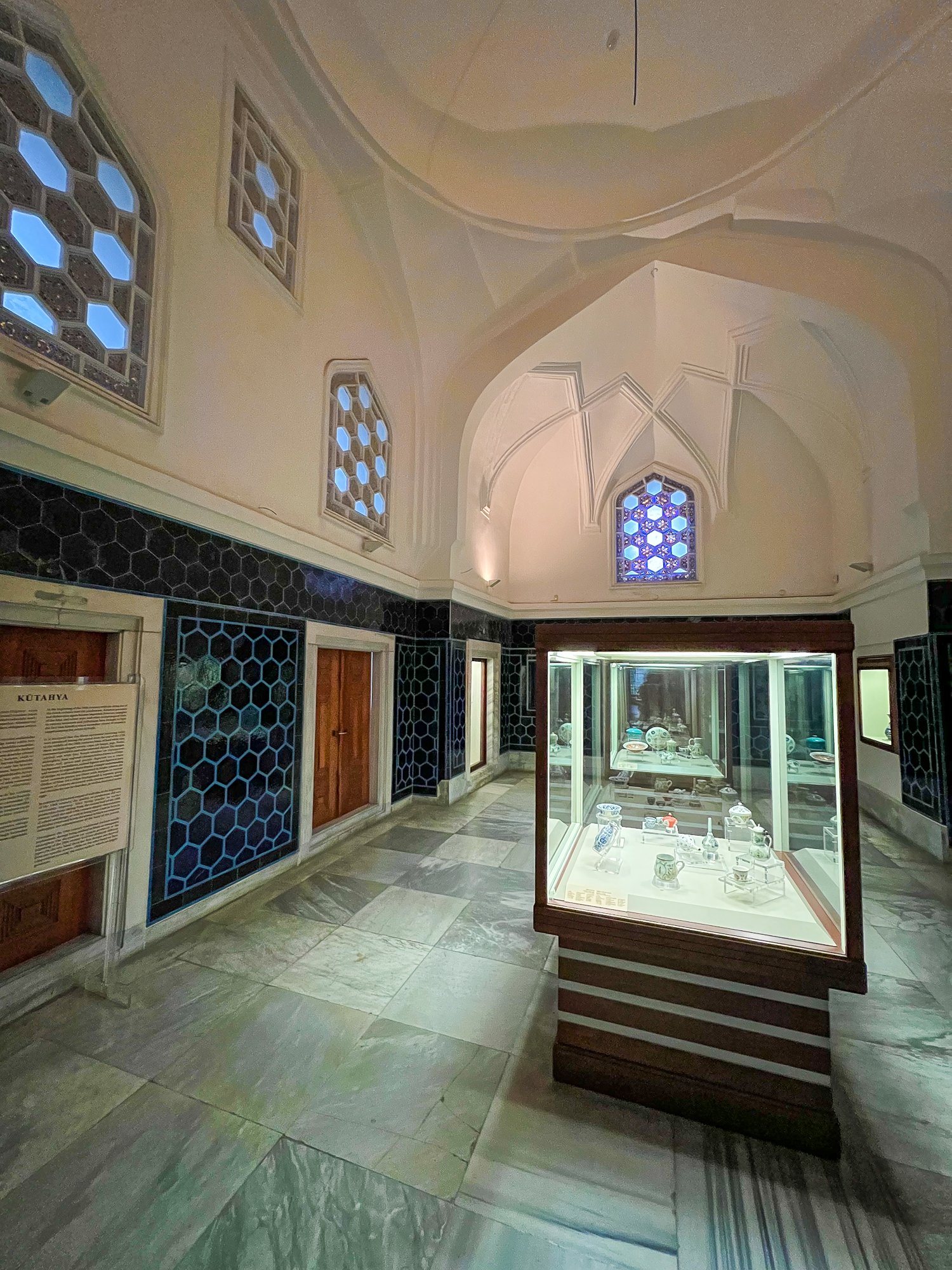
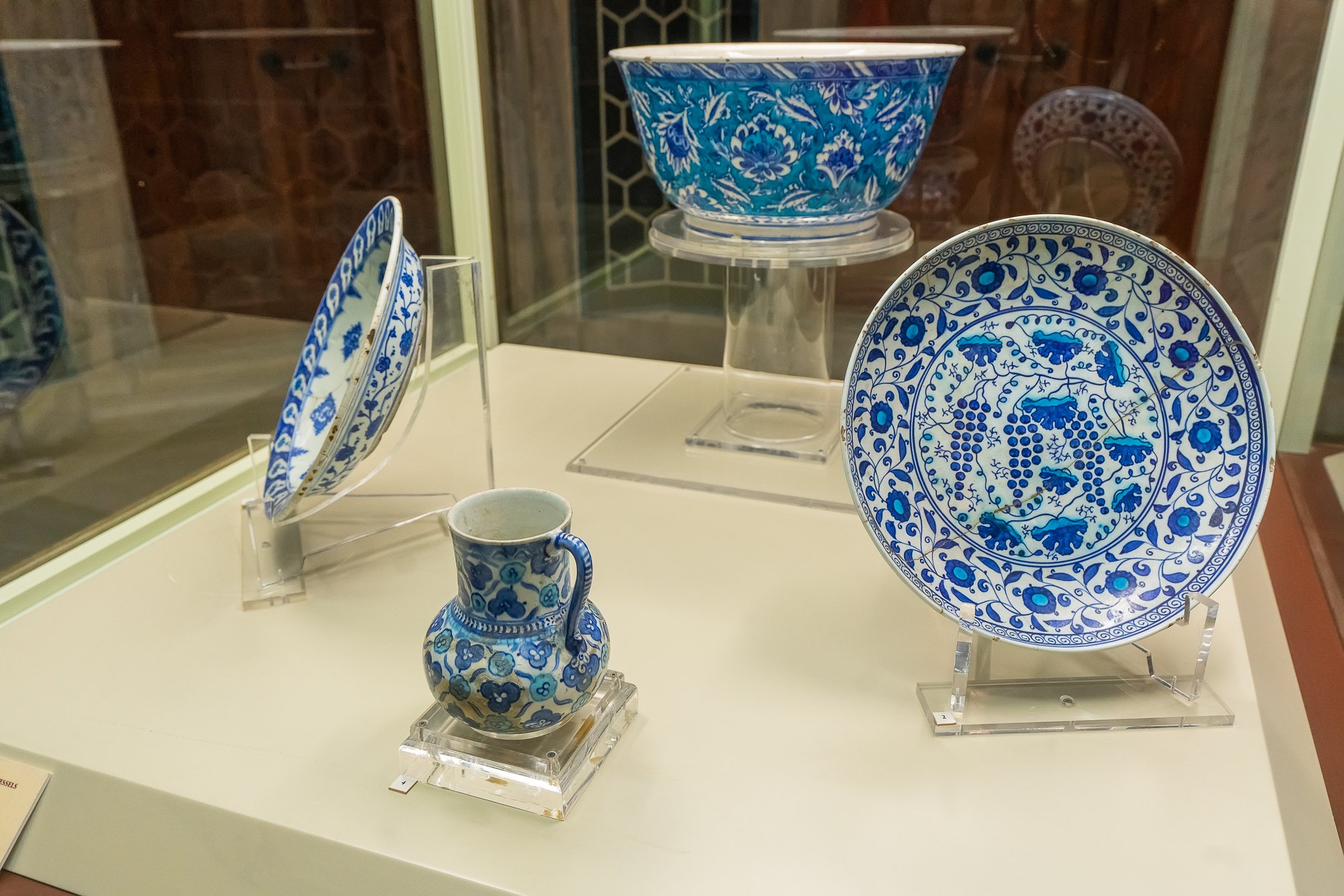
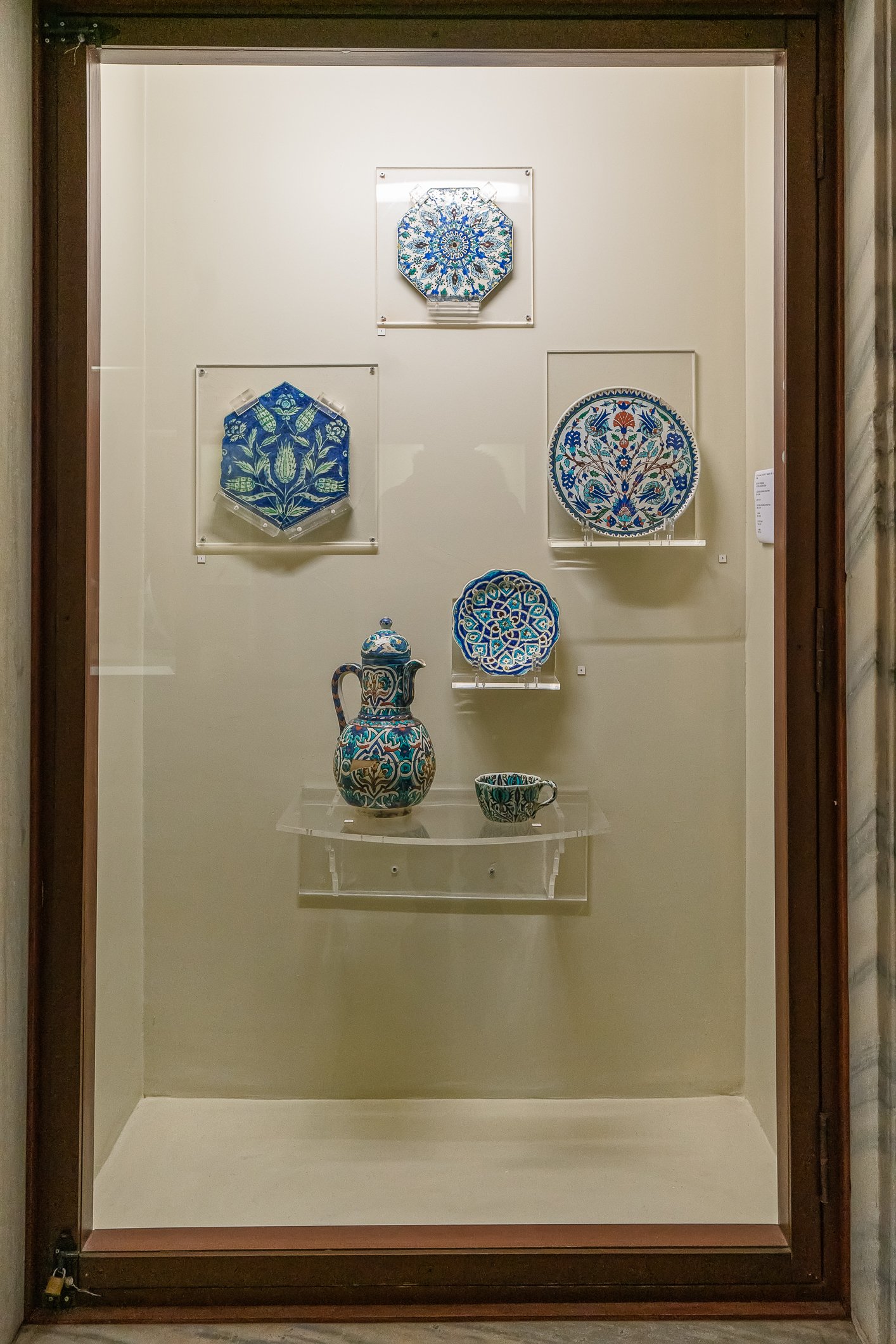
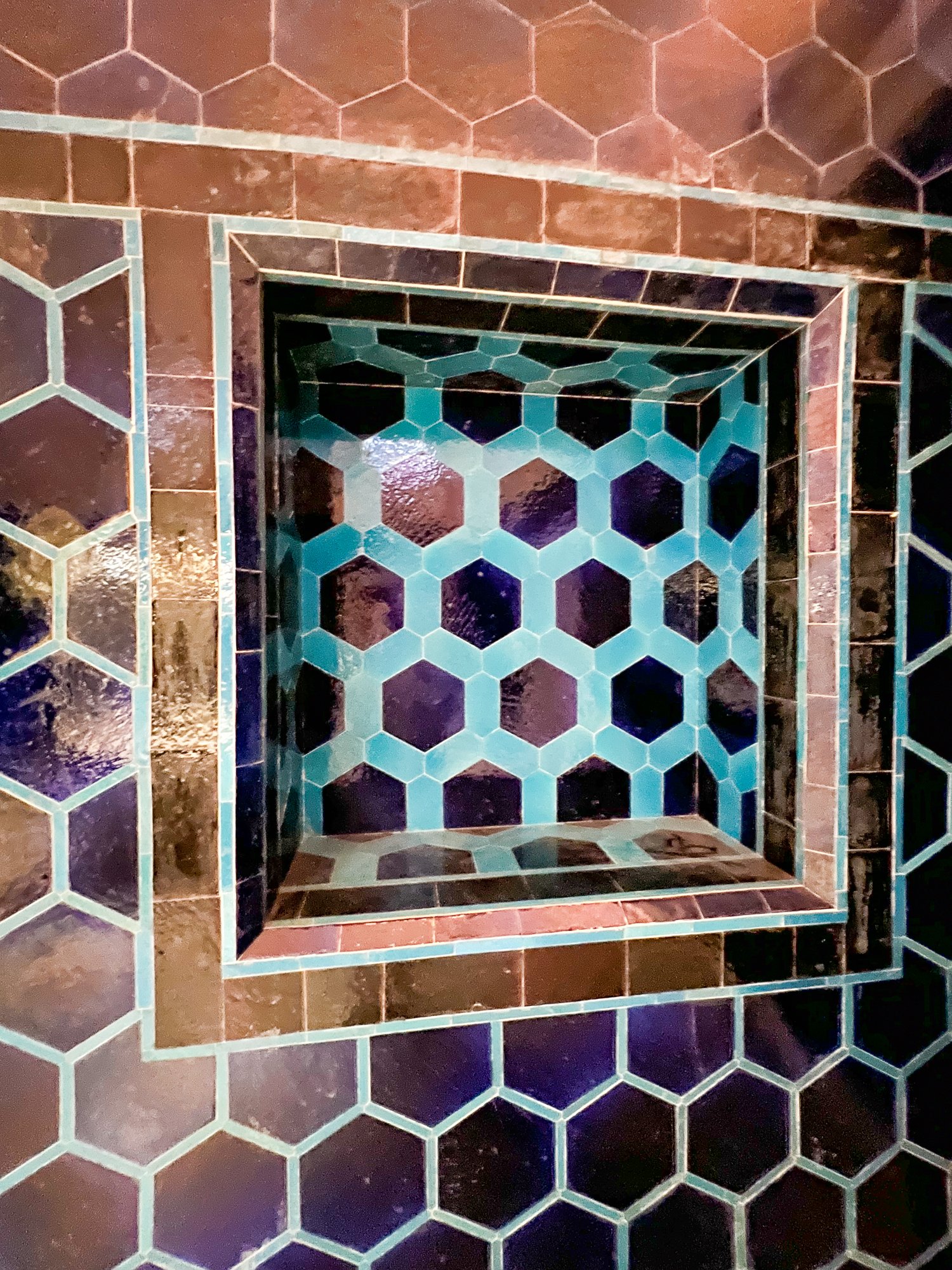
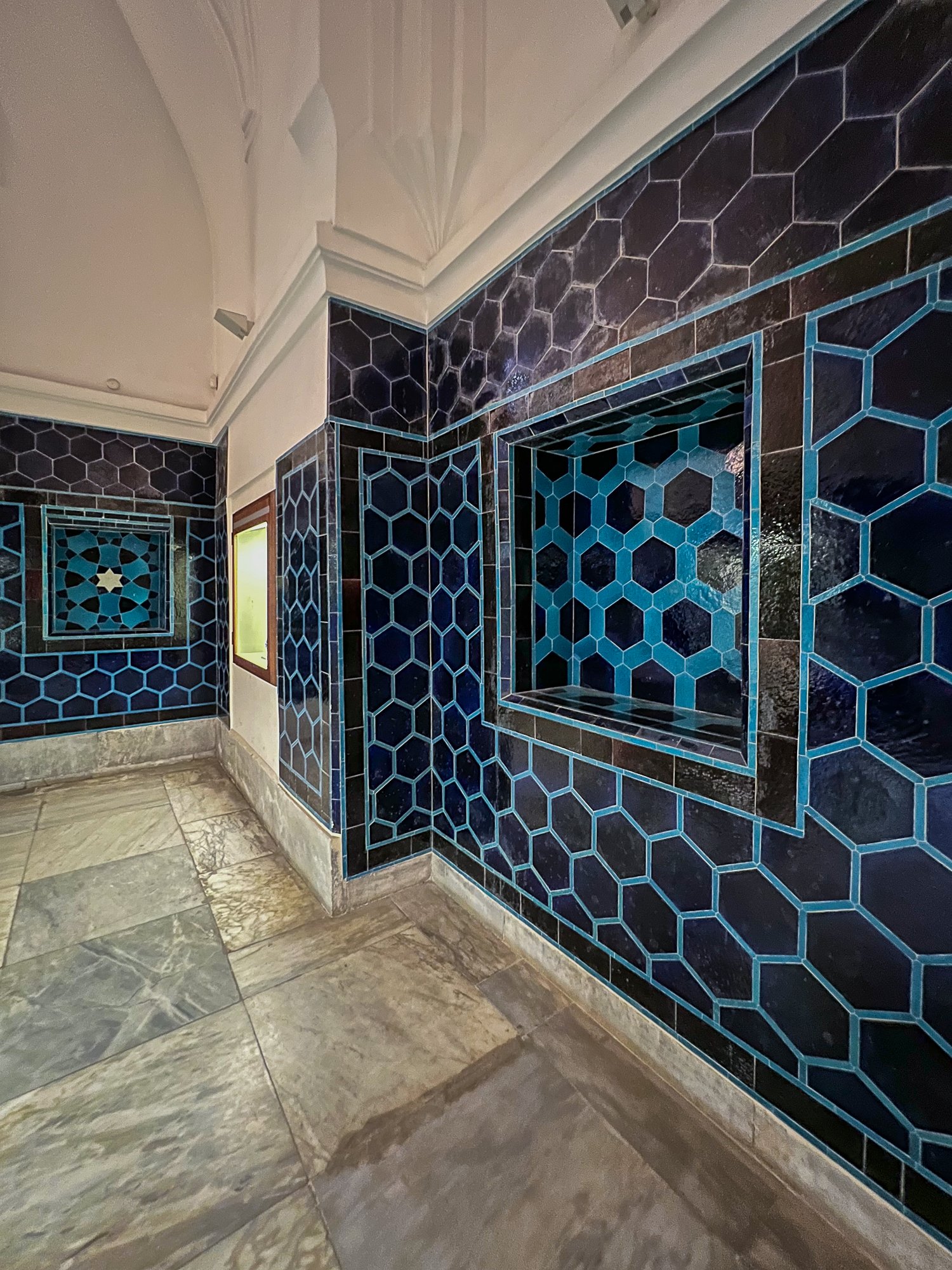
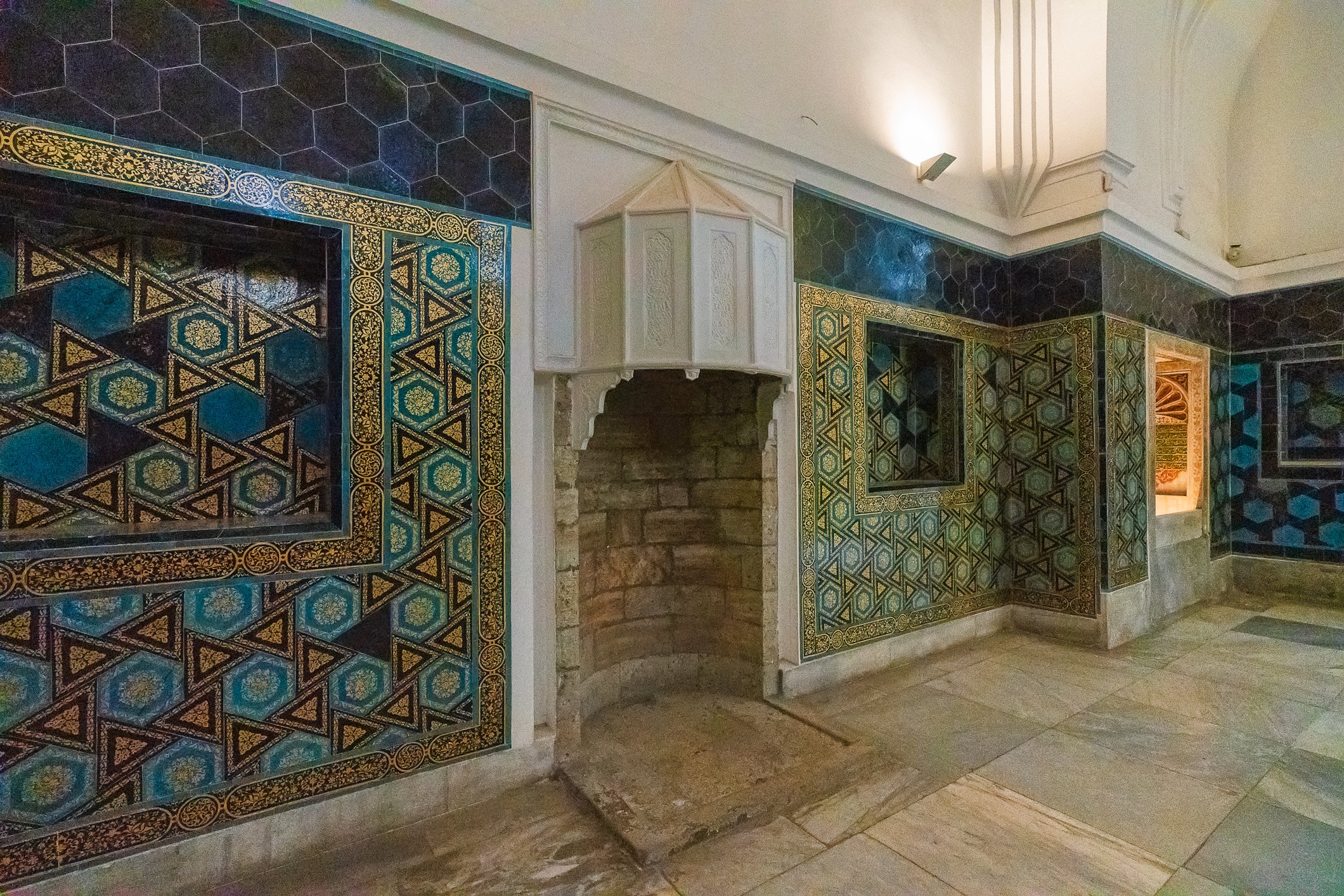
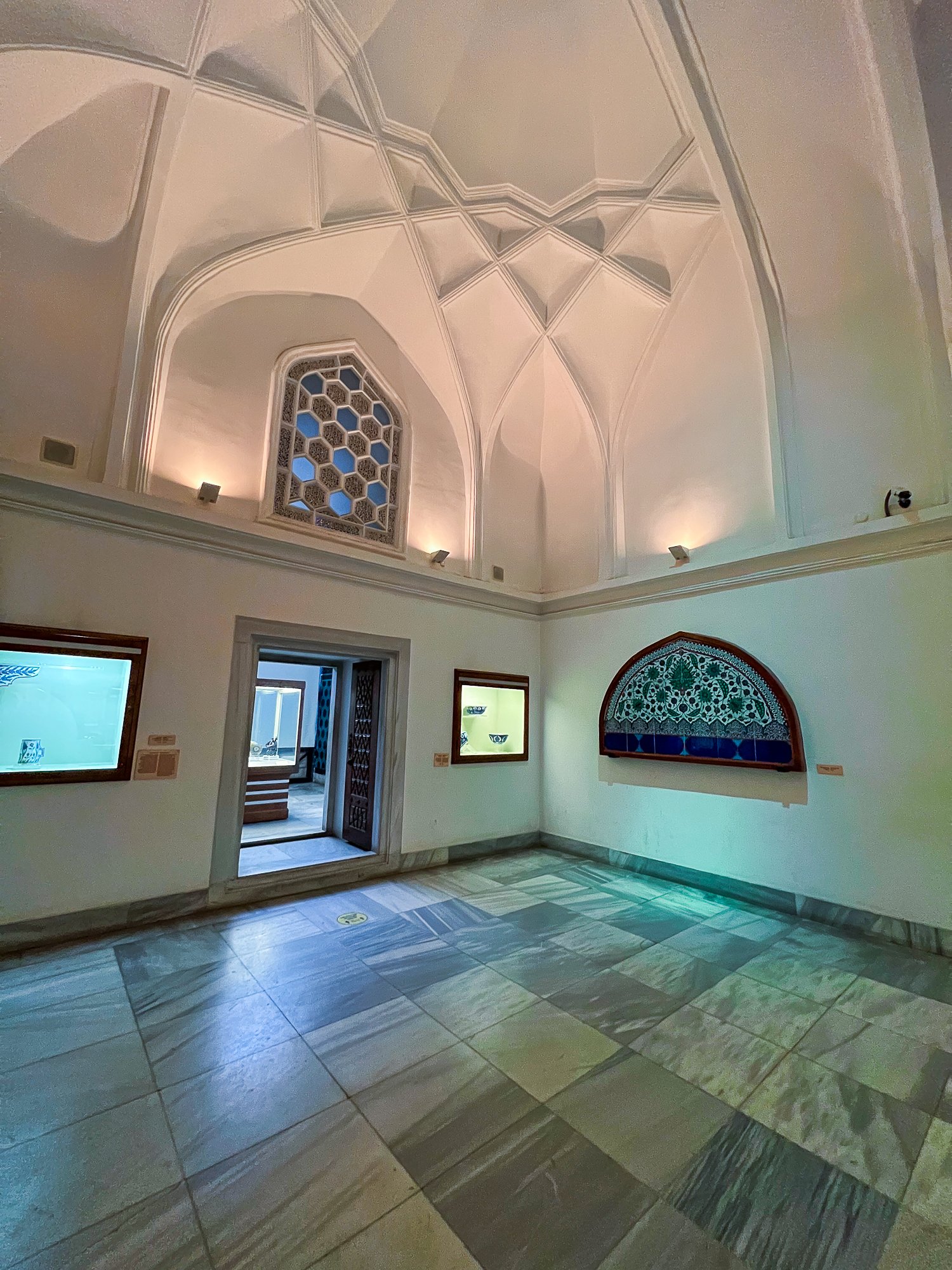
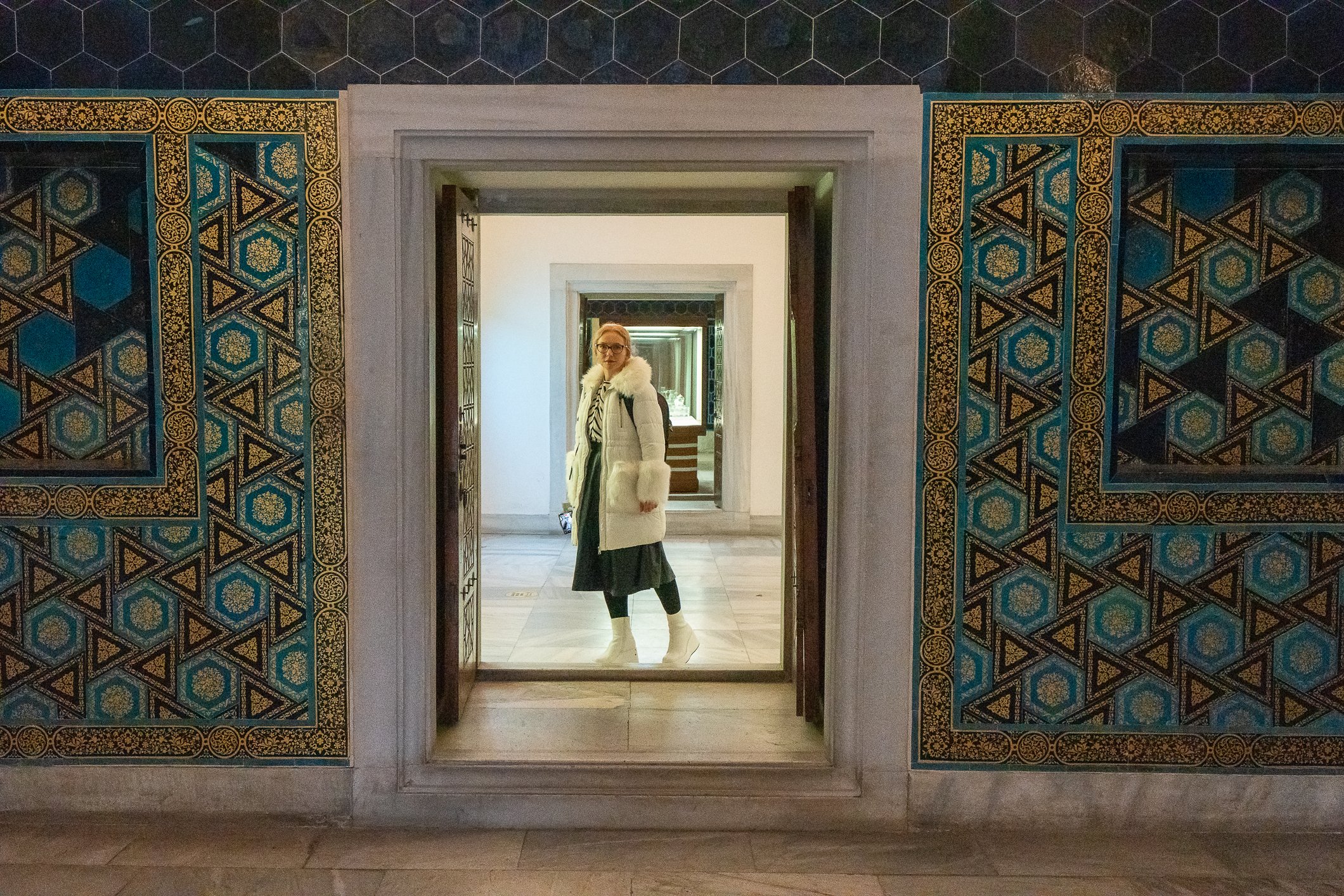
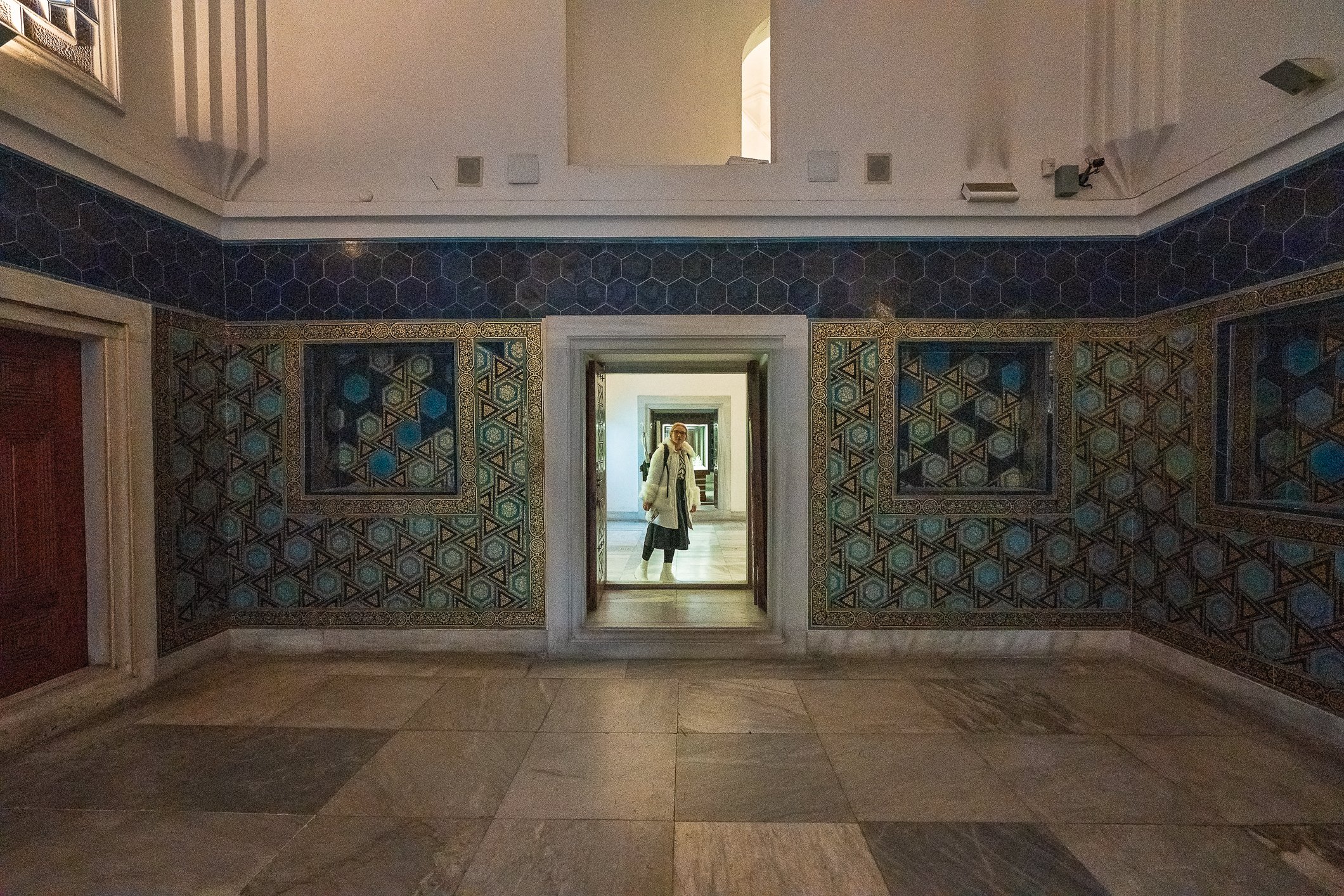
Opposite the main building, there is a beautiful Tiled Pavilion constructed in 1472. The portico, with its 14 marble columns, was added later.

Naprzeciw głównego budynku znajduje się piękny Pawilon Kaflowy zbudowany w 1472 roku. Portyk z 14 marmurowymi kolumnami został dodany później.

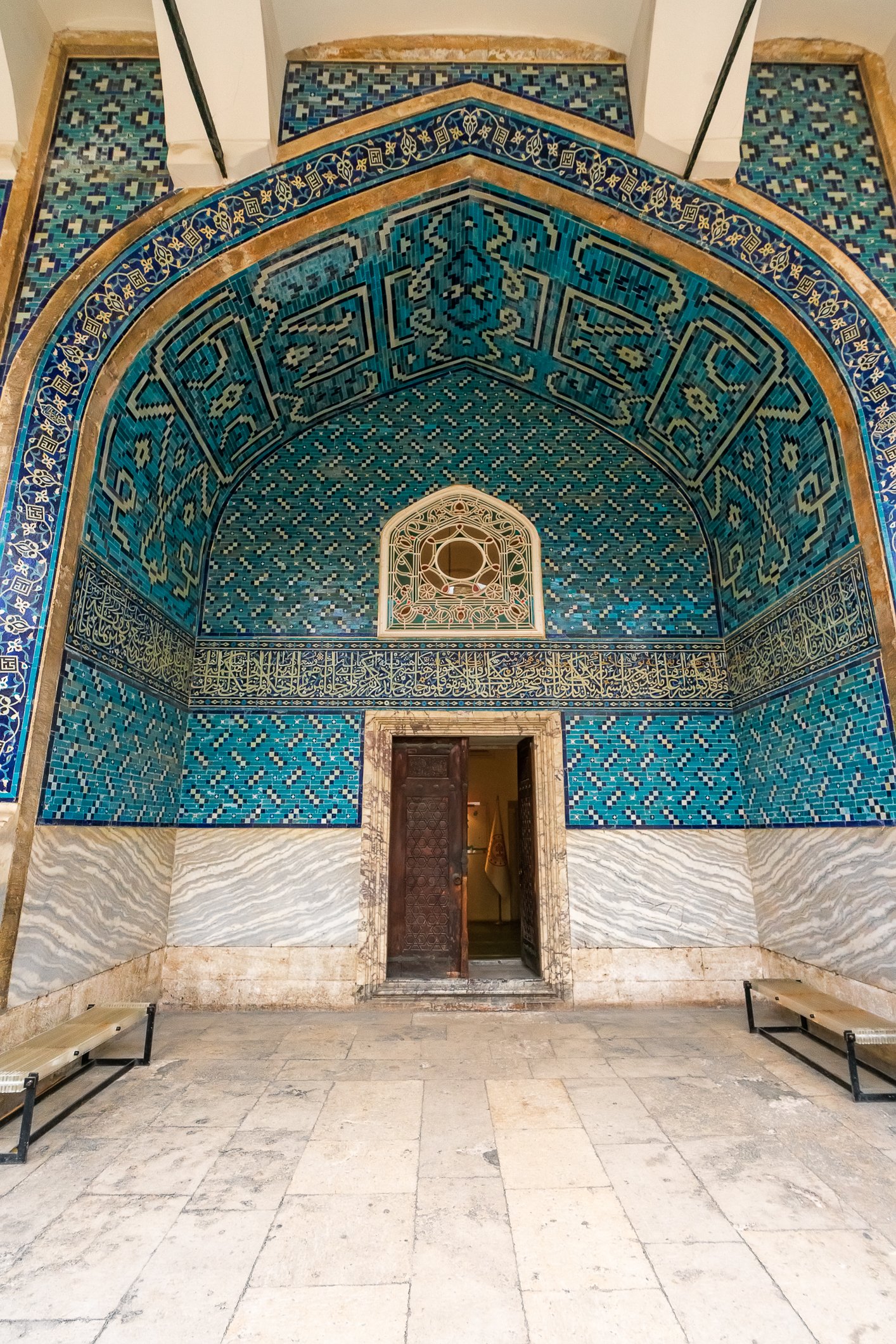
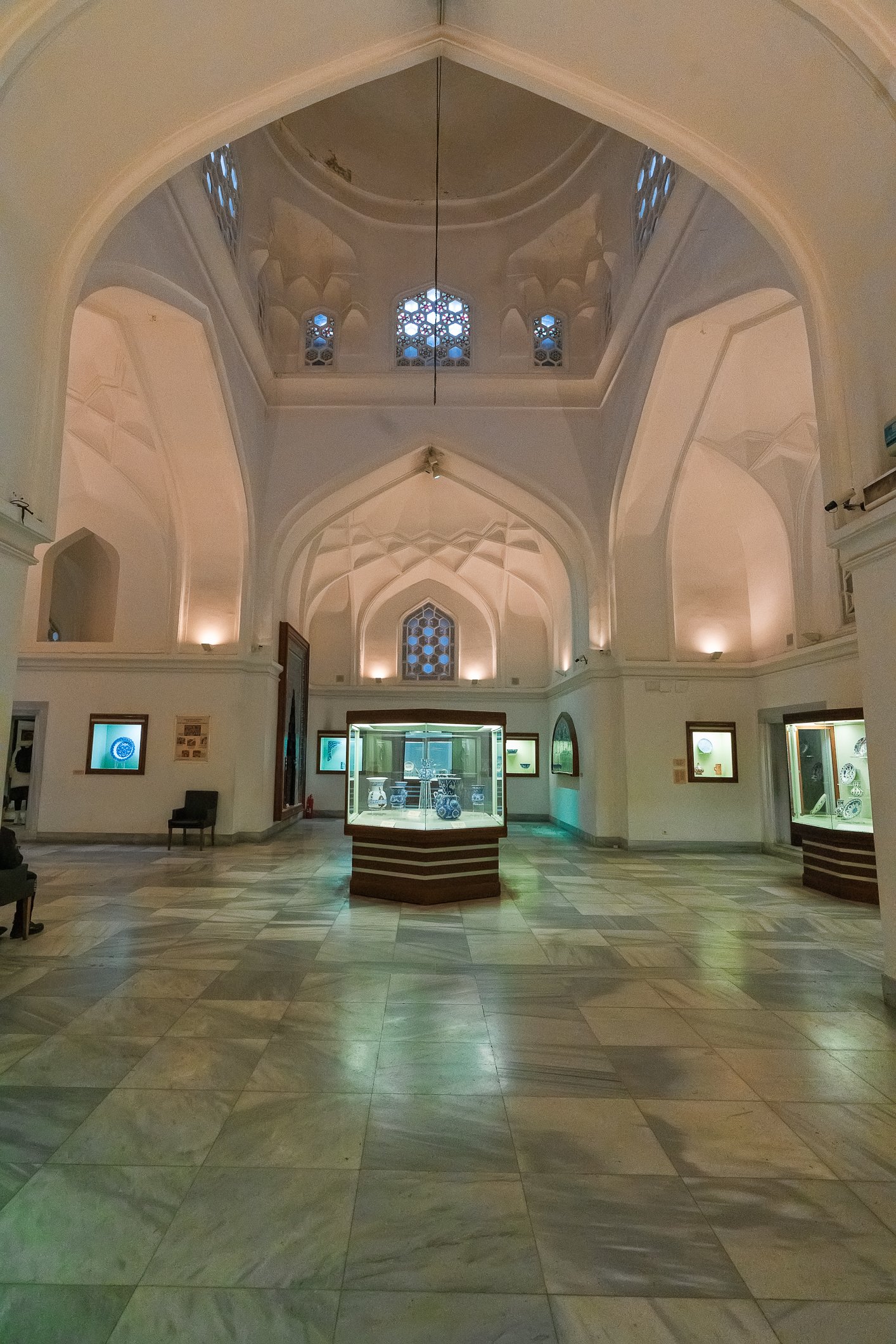
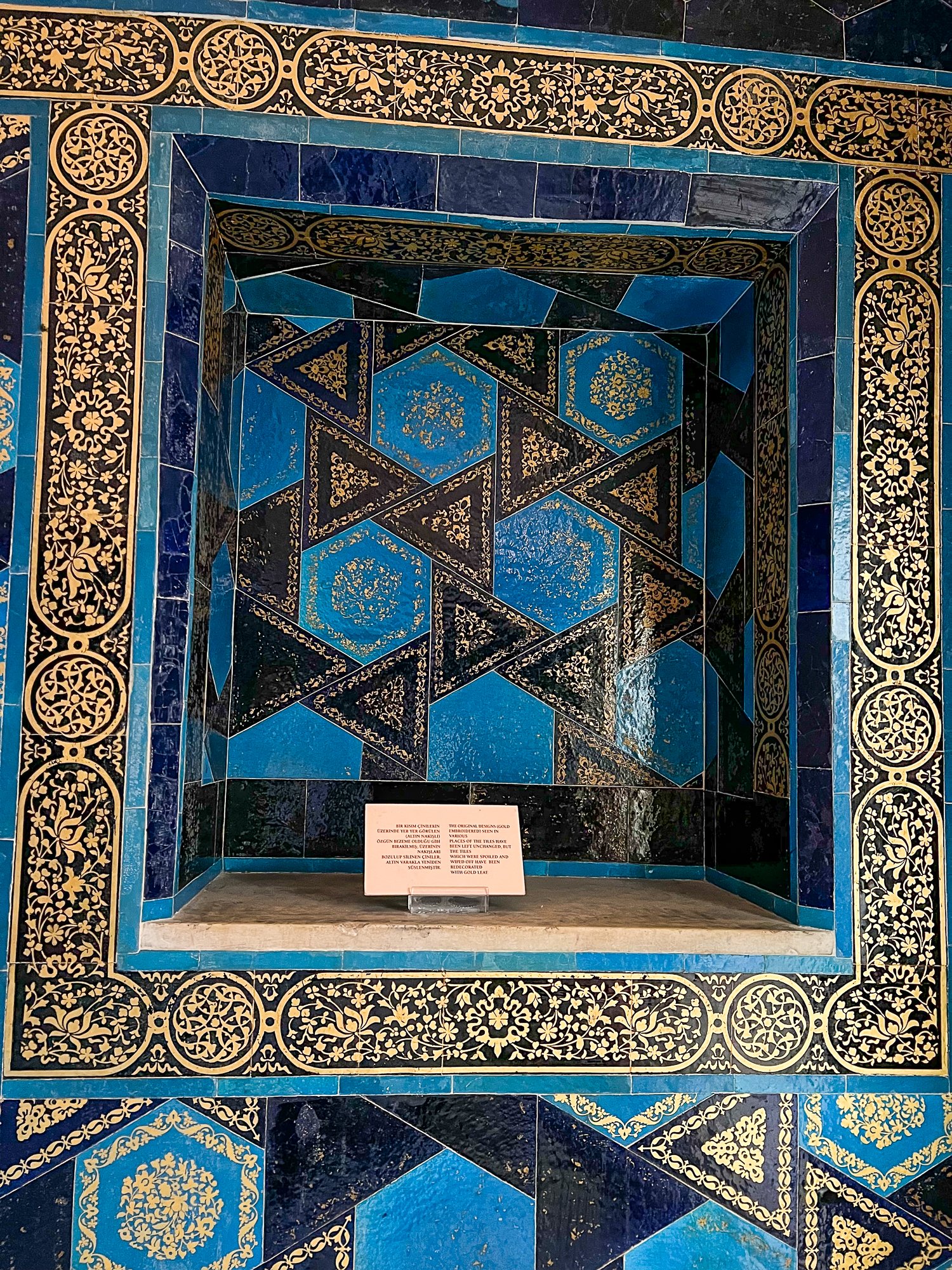
 It has some Seljuk, Anatolian and Ottoman tiles and ceramics on display, including famous Iznik tiles.


Kiosk zawiera wystawę seldżuckich, anatolijskich i osmańskich płytek i ceramiki, wliczając w to słynne kafelki z Iznika.

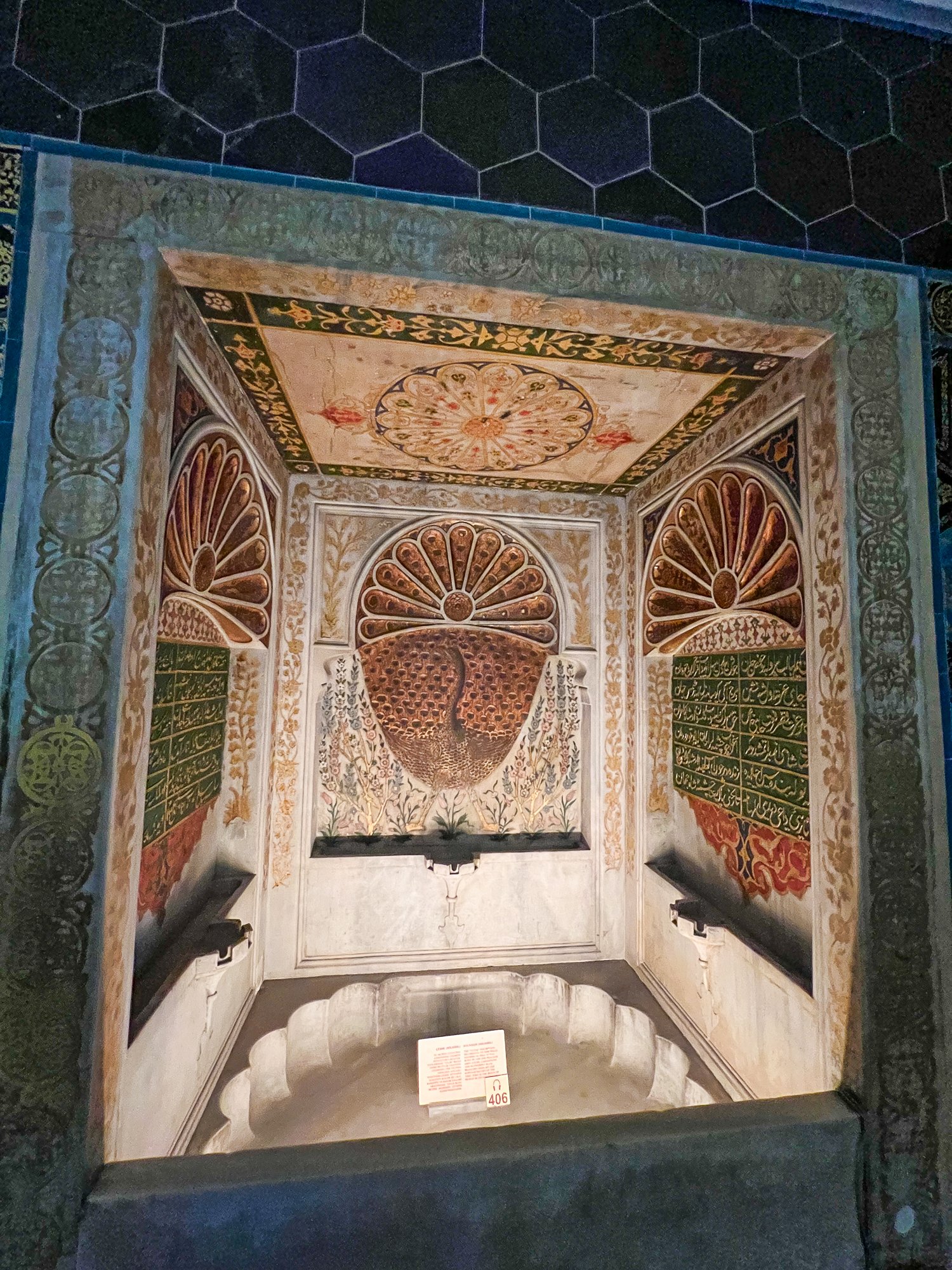
 The peacock fountain (also check the video below) testifies to the richness of Islamic design.


Fontanna z pawiem (zobacz też film poniżej) jest dobrą ilustracją  bogactwa islamskiej designu świadczy architektury.

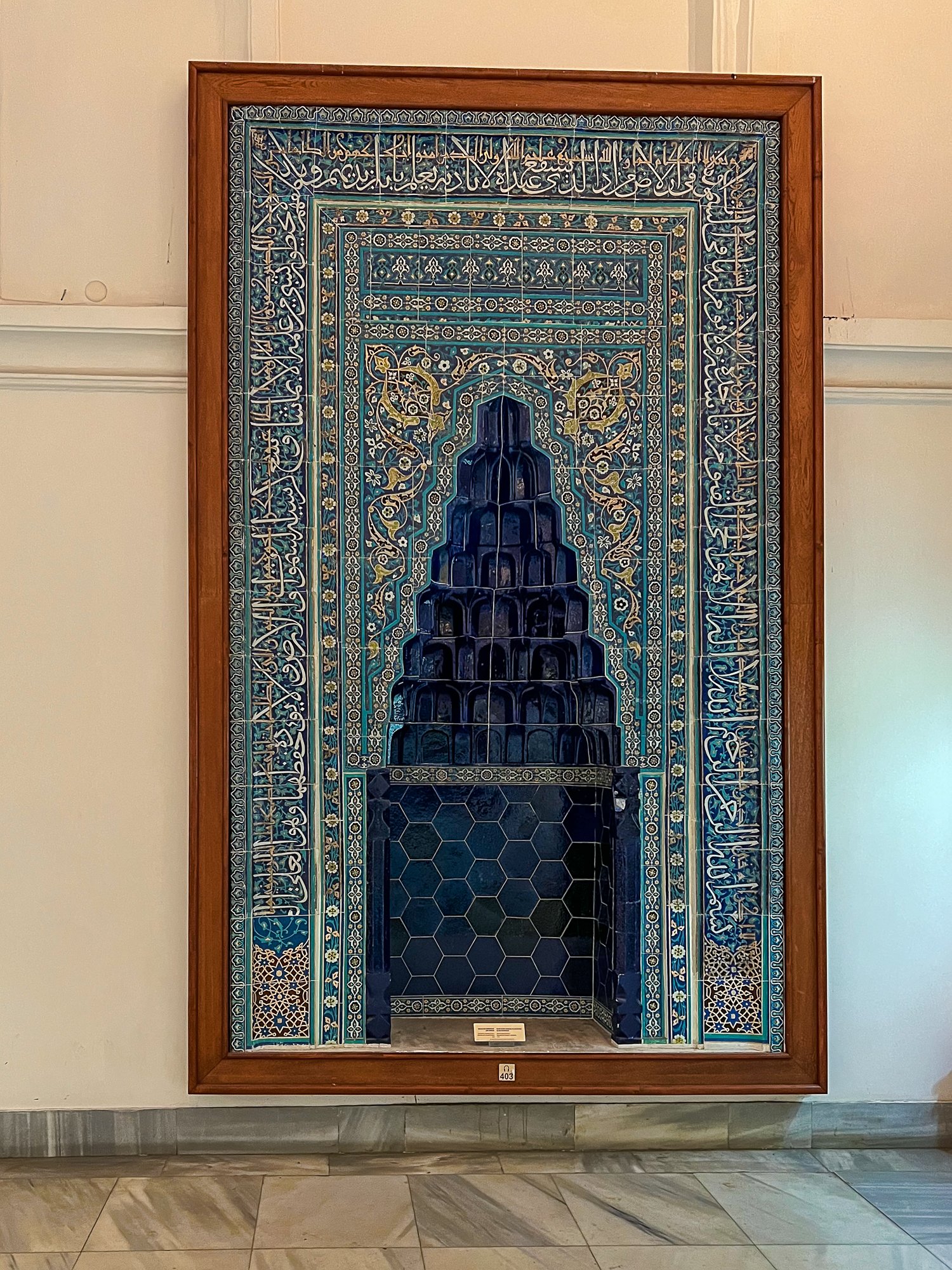
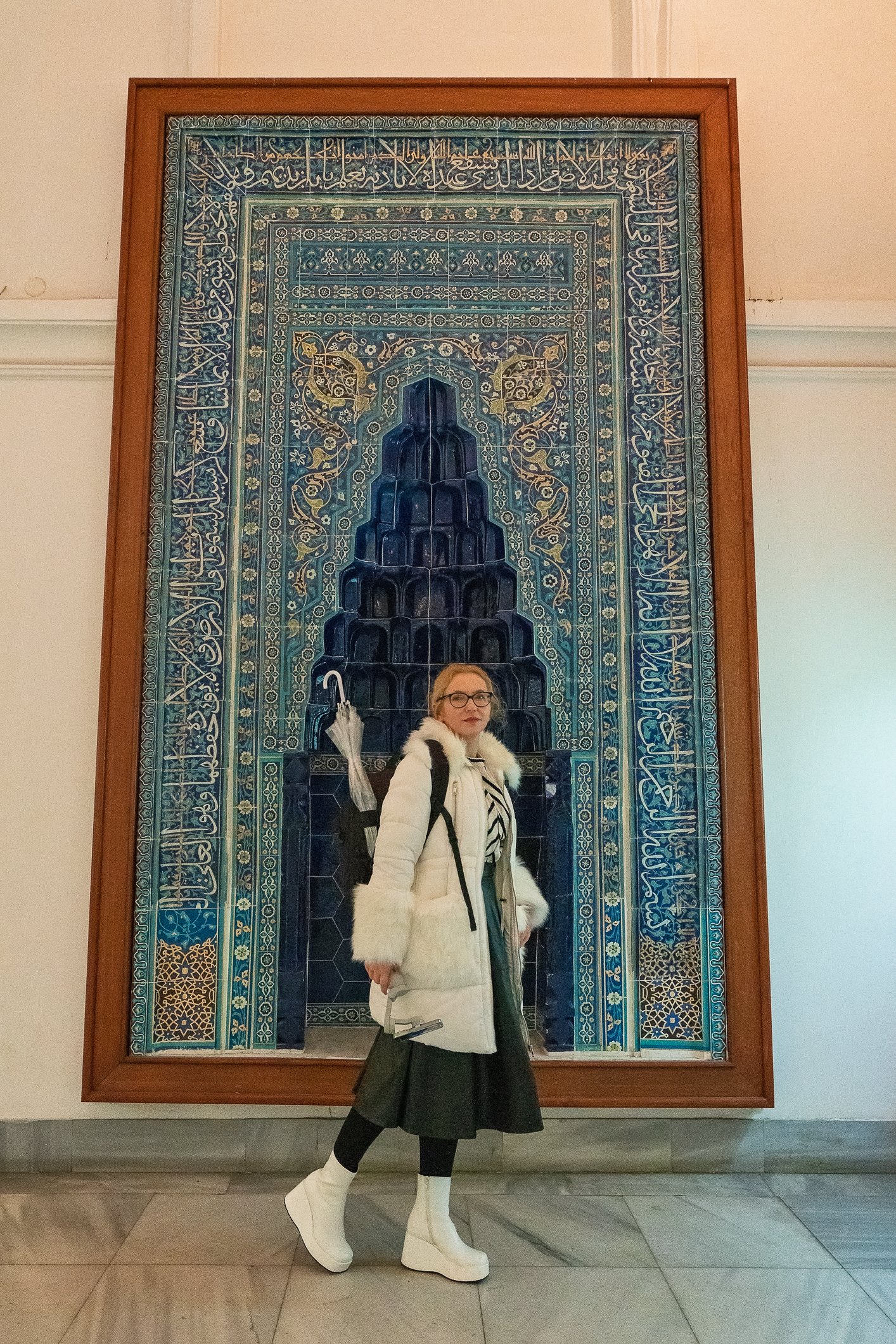
There is also a beautiful mihrab from 1432.


Znajduje się tu również piękny mihrab z 1432 roku.

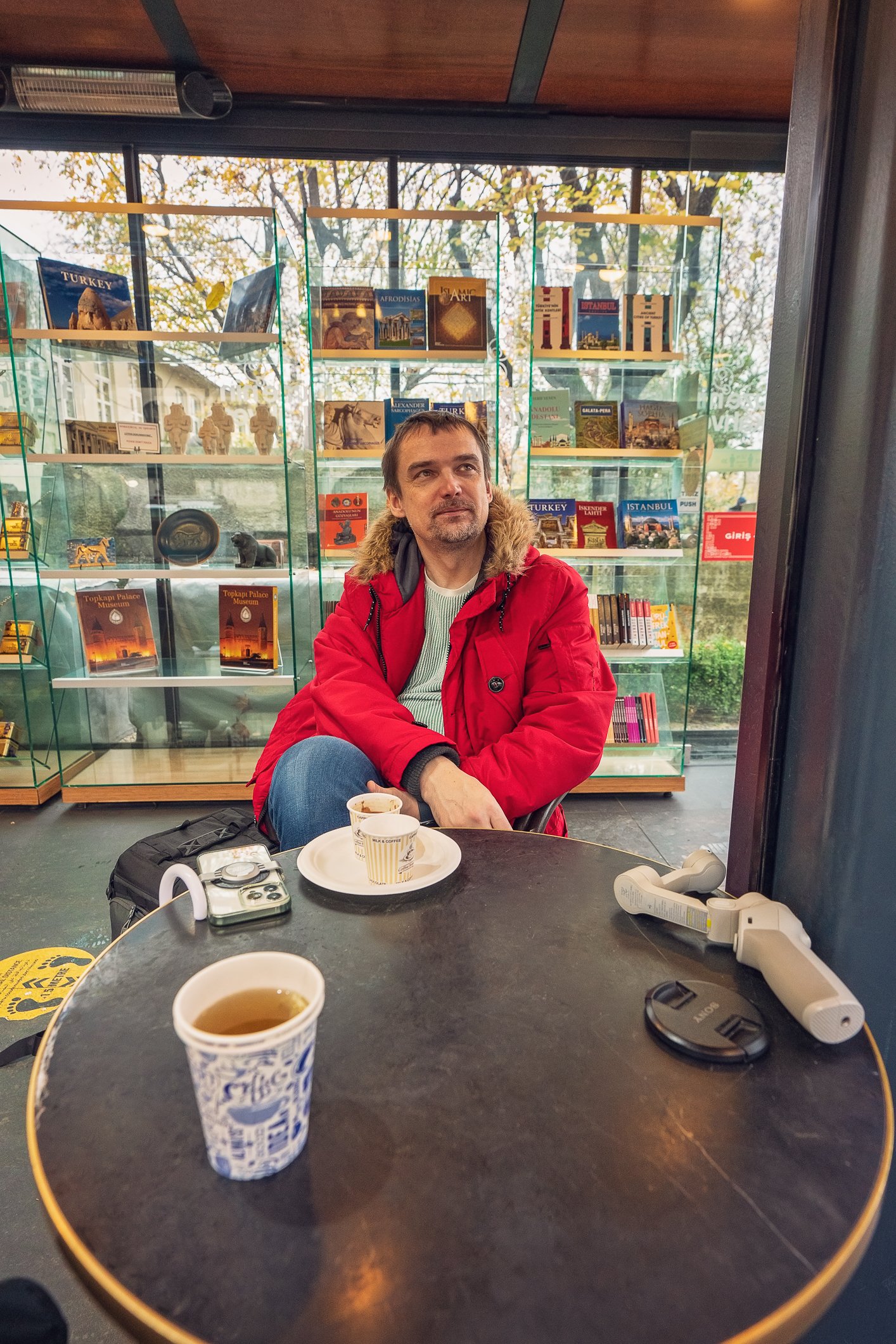
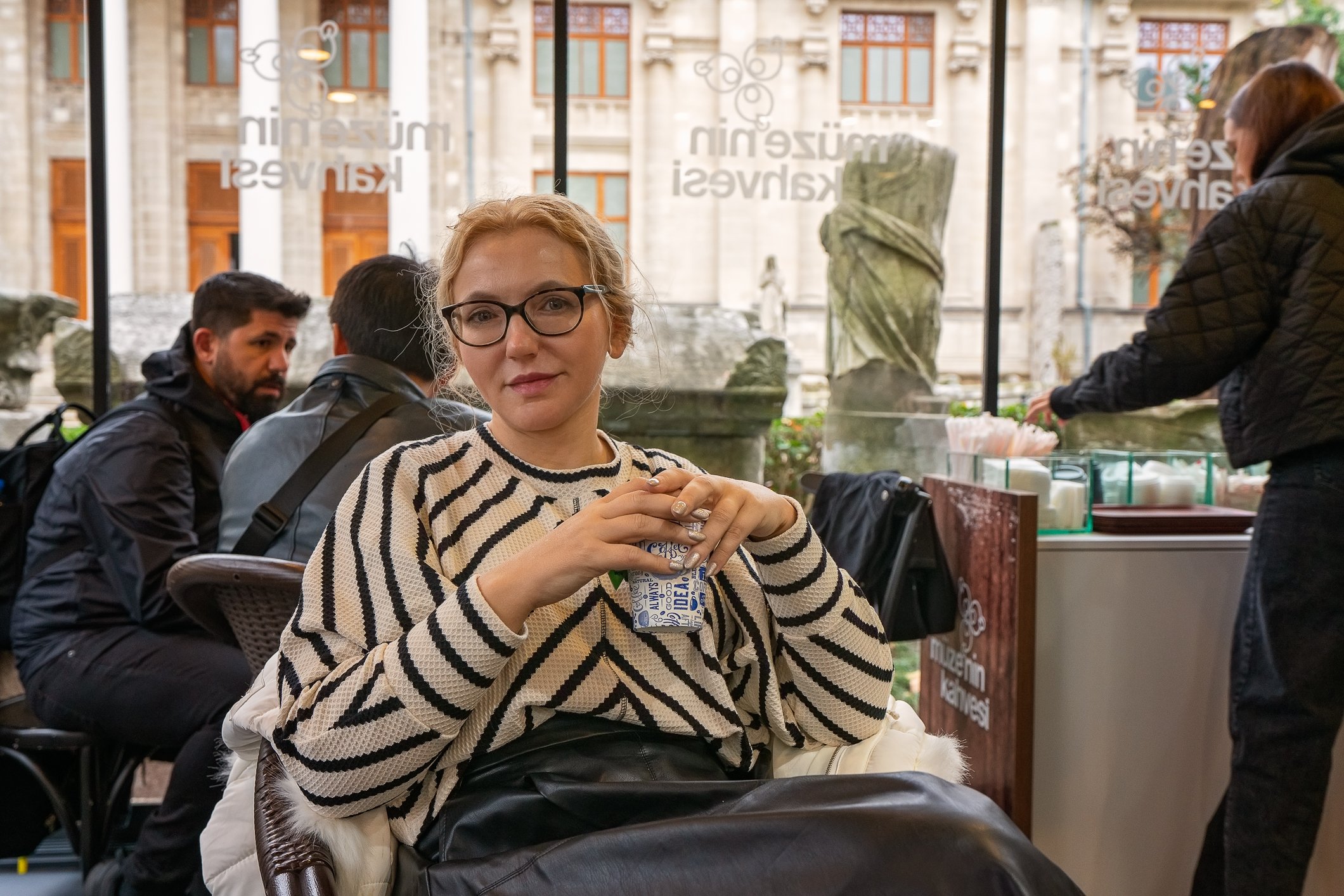
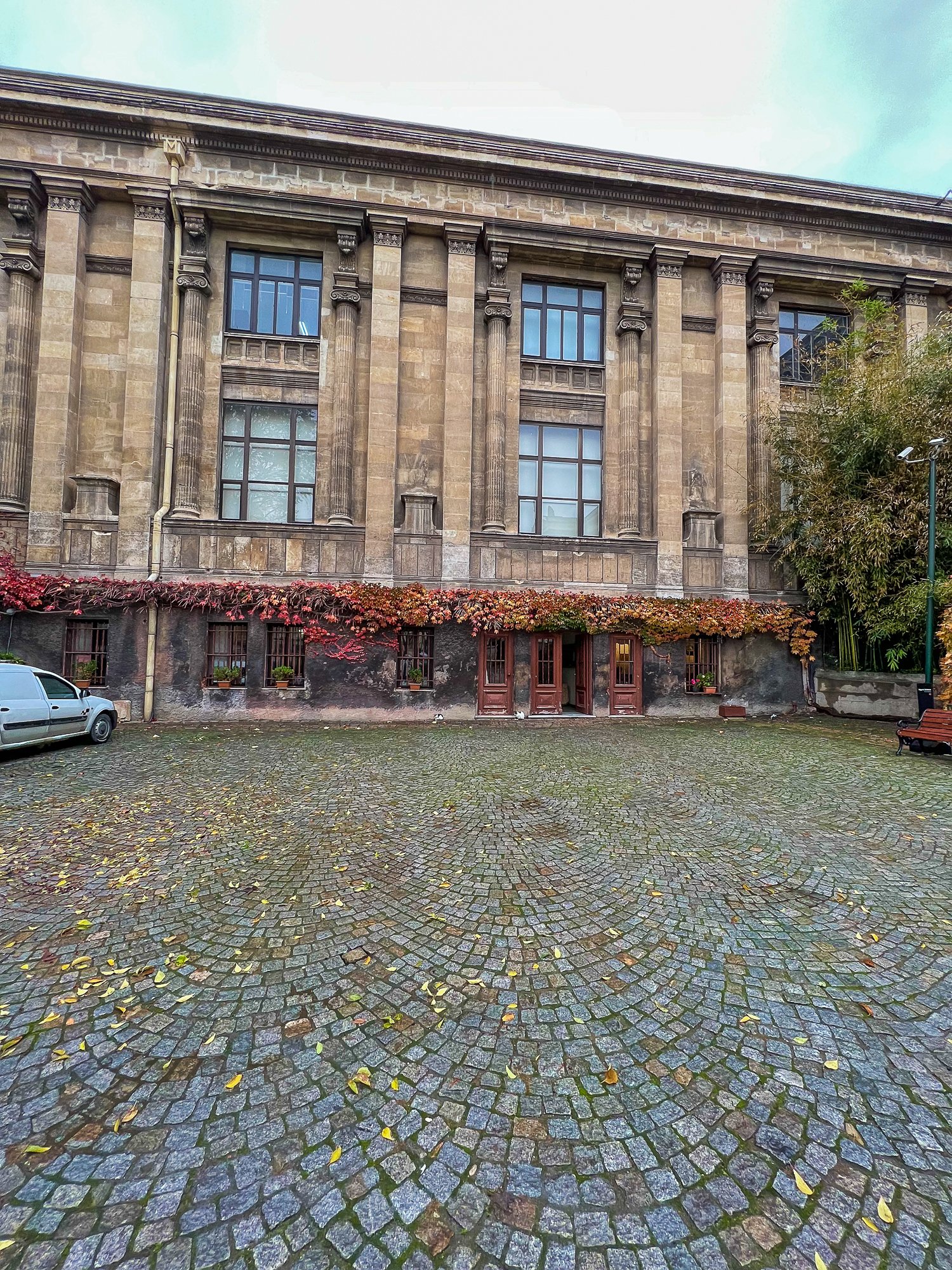
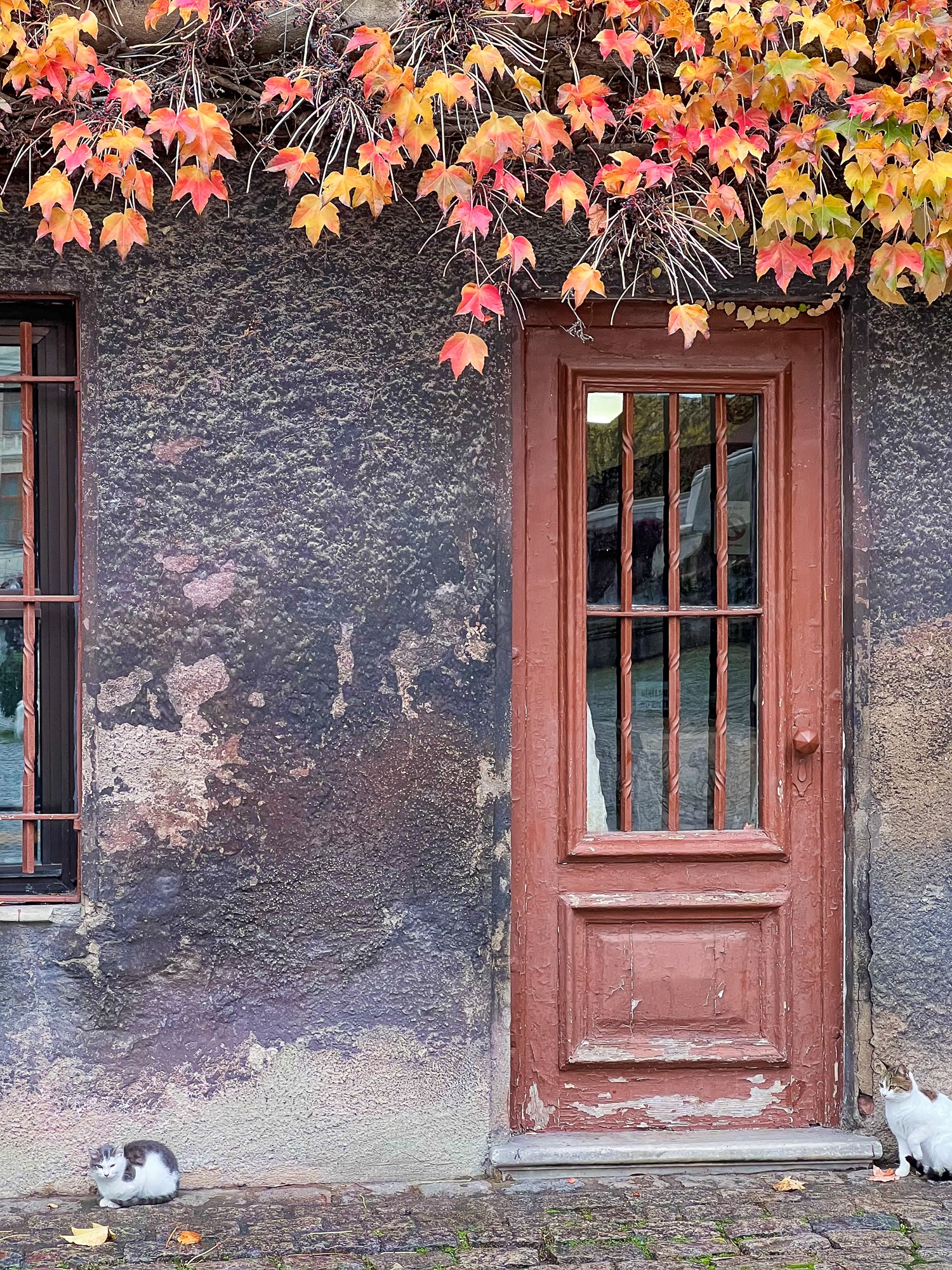
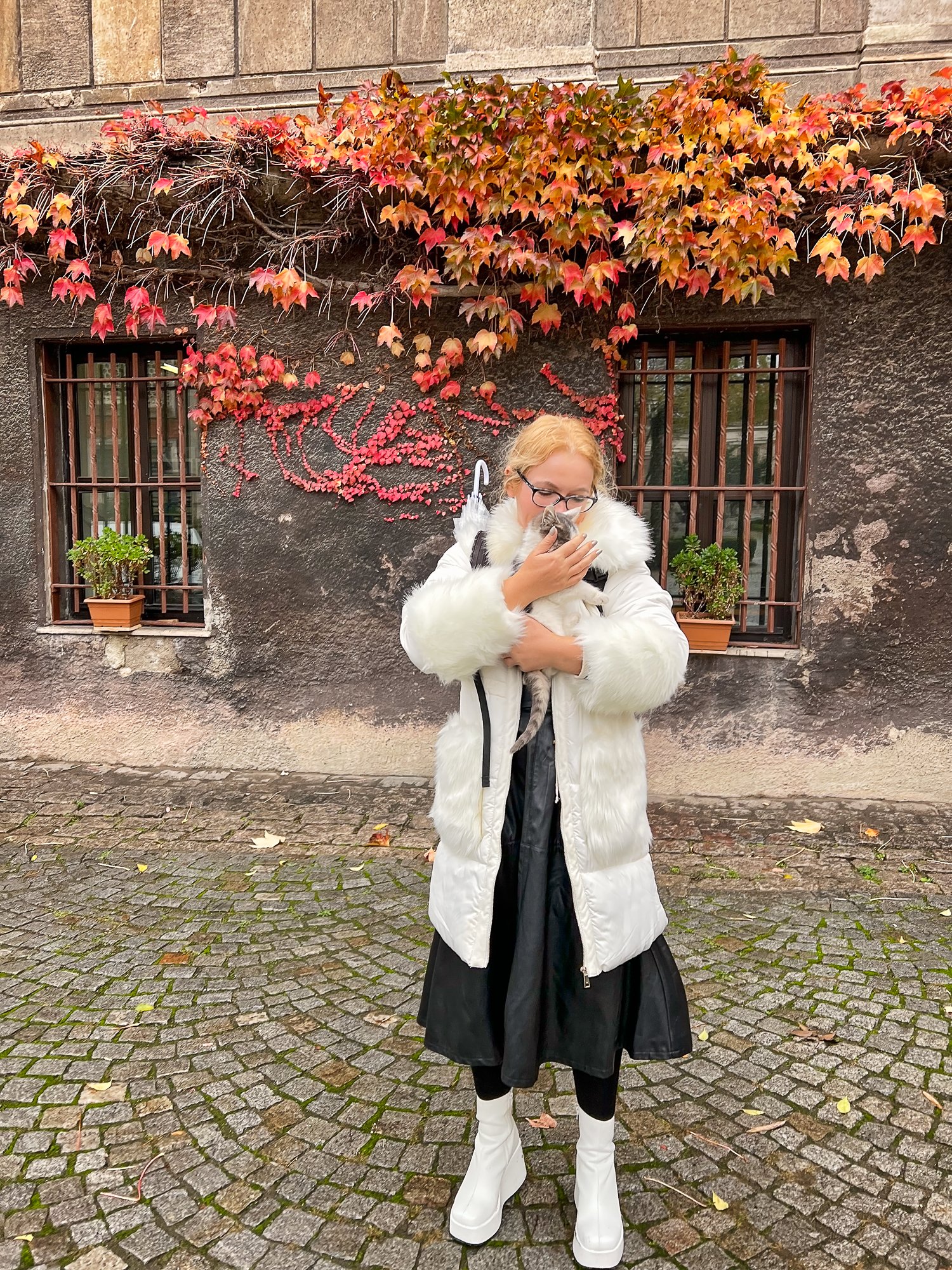
 After the Tiled Pavilion, we walk around for a while, visiting the small garden that contains a modest collection of columns and other architectural elements. Then it is time to visit a small museum cafe. (PS The cat I hold in the picture broke my heart; I am so sorry I could not take her).


Po wizycie w Pawilonie spacerujemy jeszcze chwilę po dziedzińcu, odwiedzając także mały ogród, w którym znajduje się skromna kolekcja kolumn i innych elementów architektonicznych. A potem jest już najwyższy czas, żeby odwiedzić małą kawiarnię muzealną. (PS Mała kocina, którą trzymam na zdjęciu, złamał mi serce; tak mi przykro, że nie mogłam jej zabrać).

Kybele

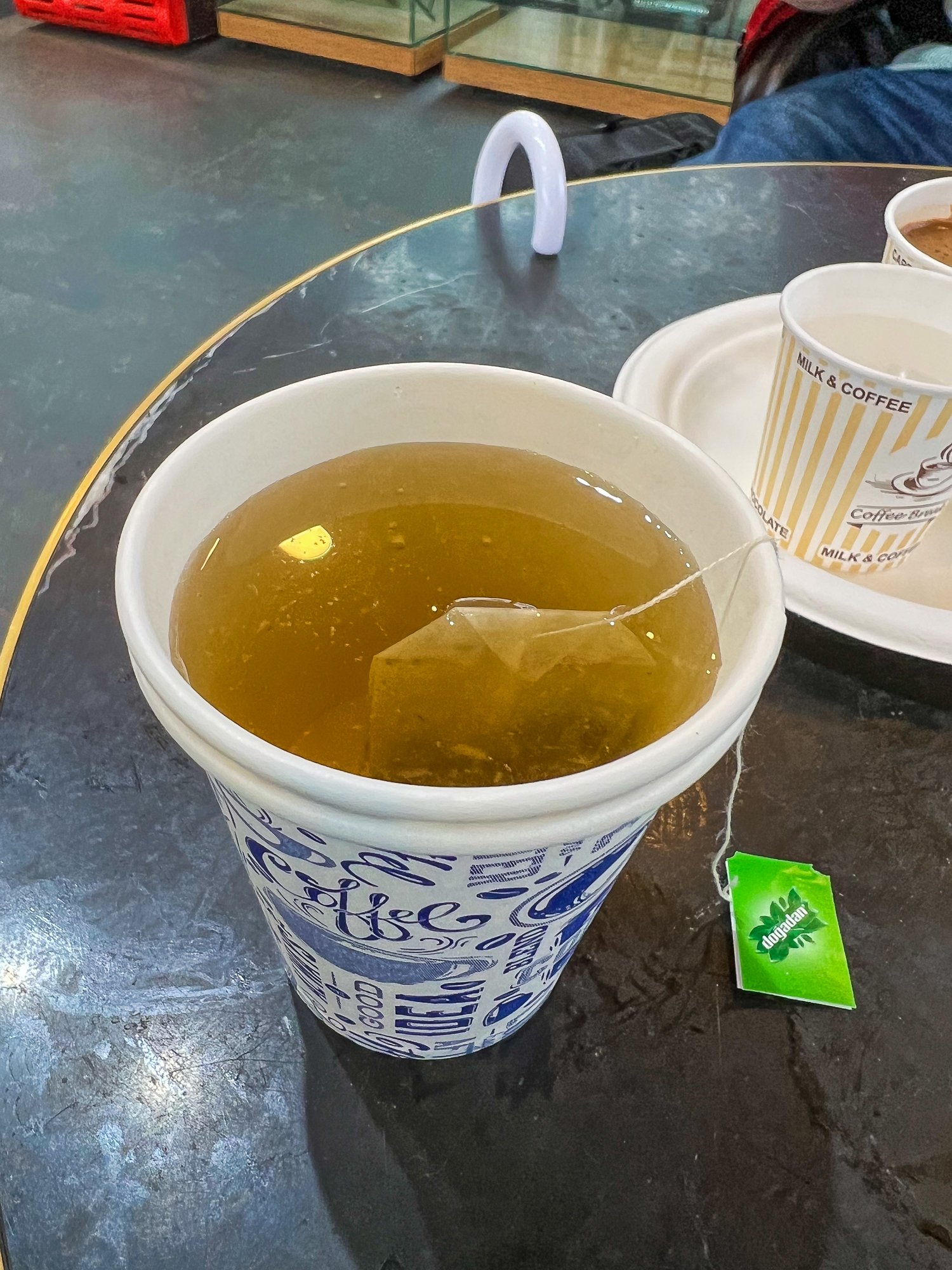
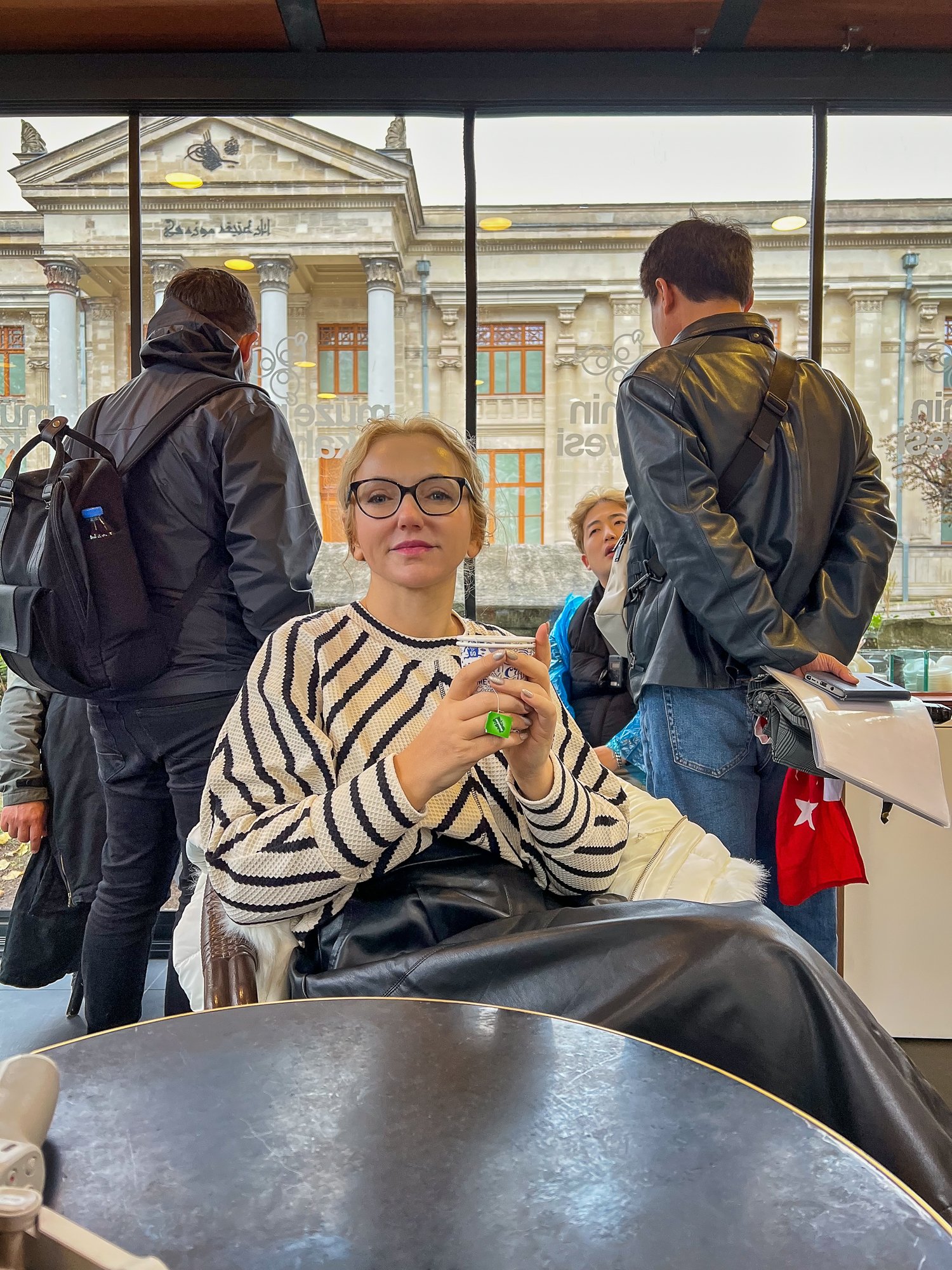
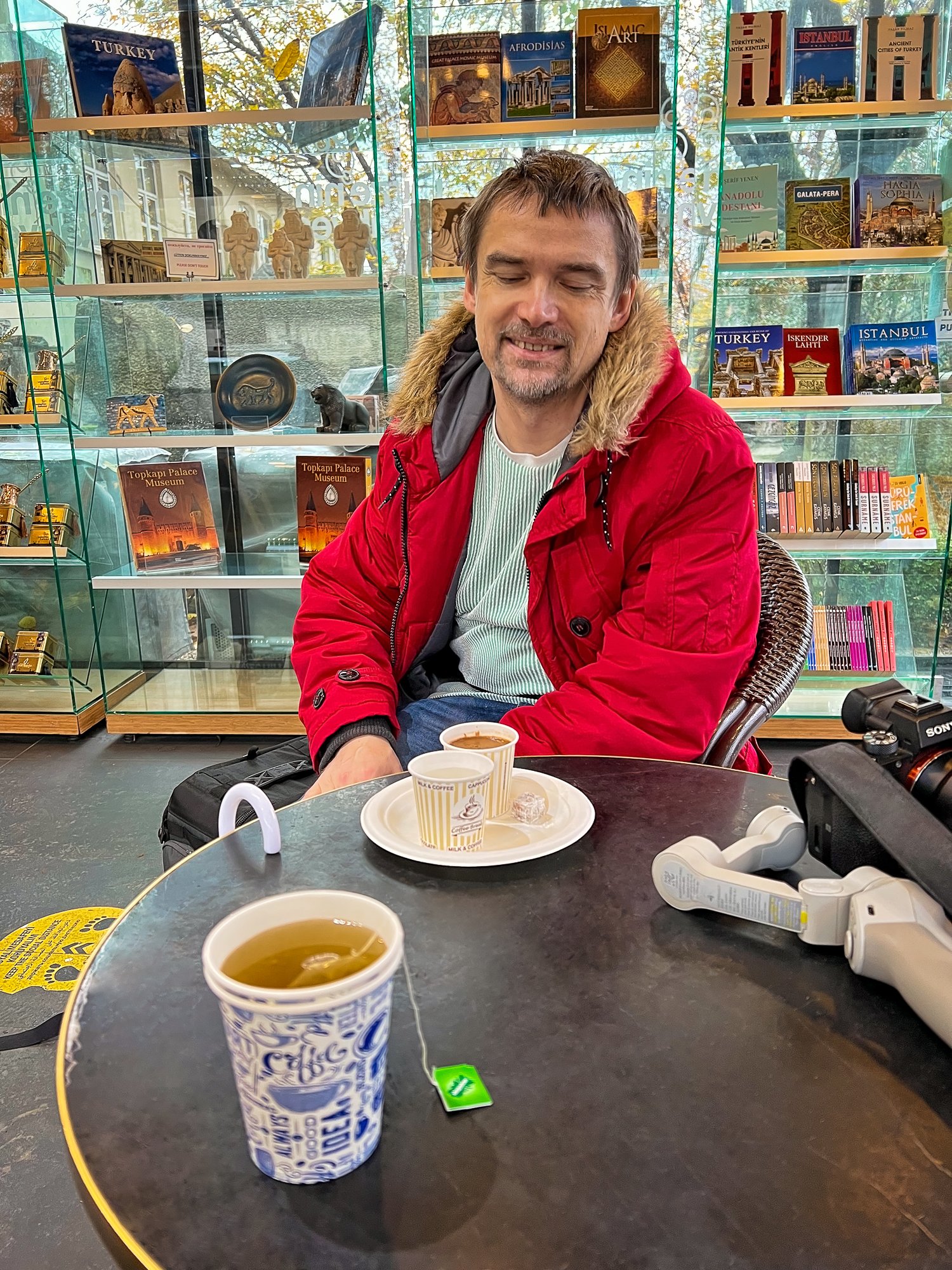
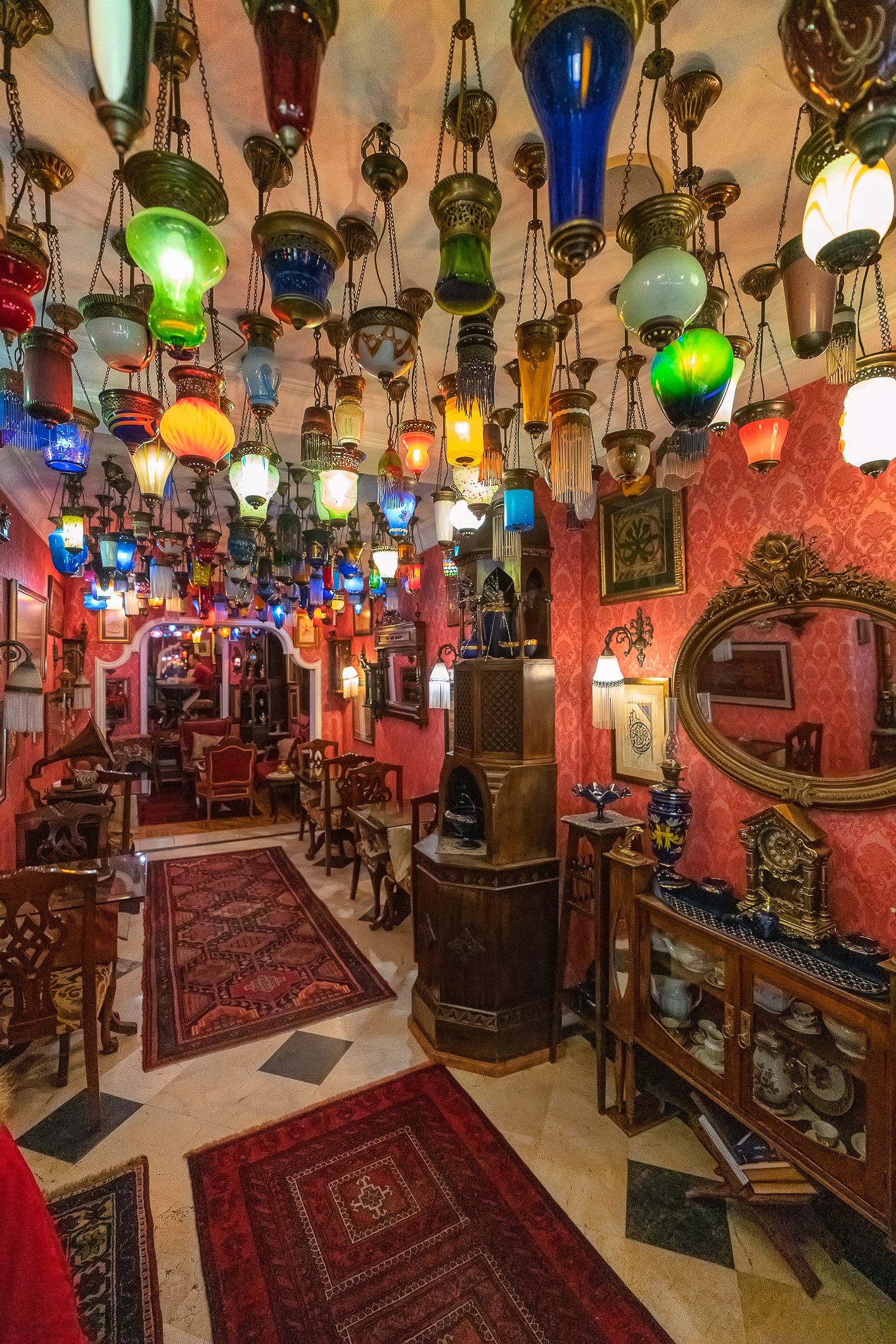
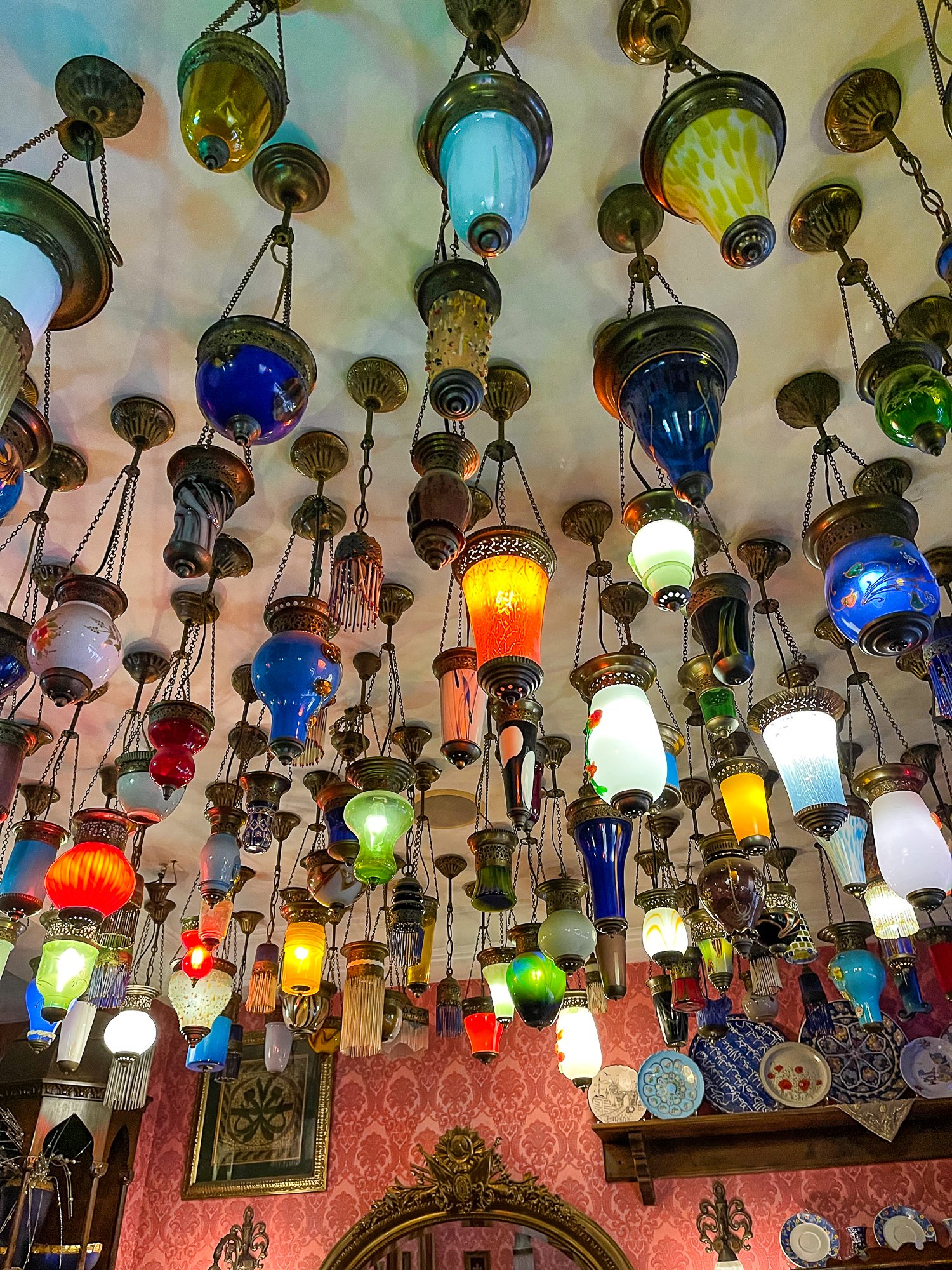
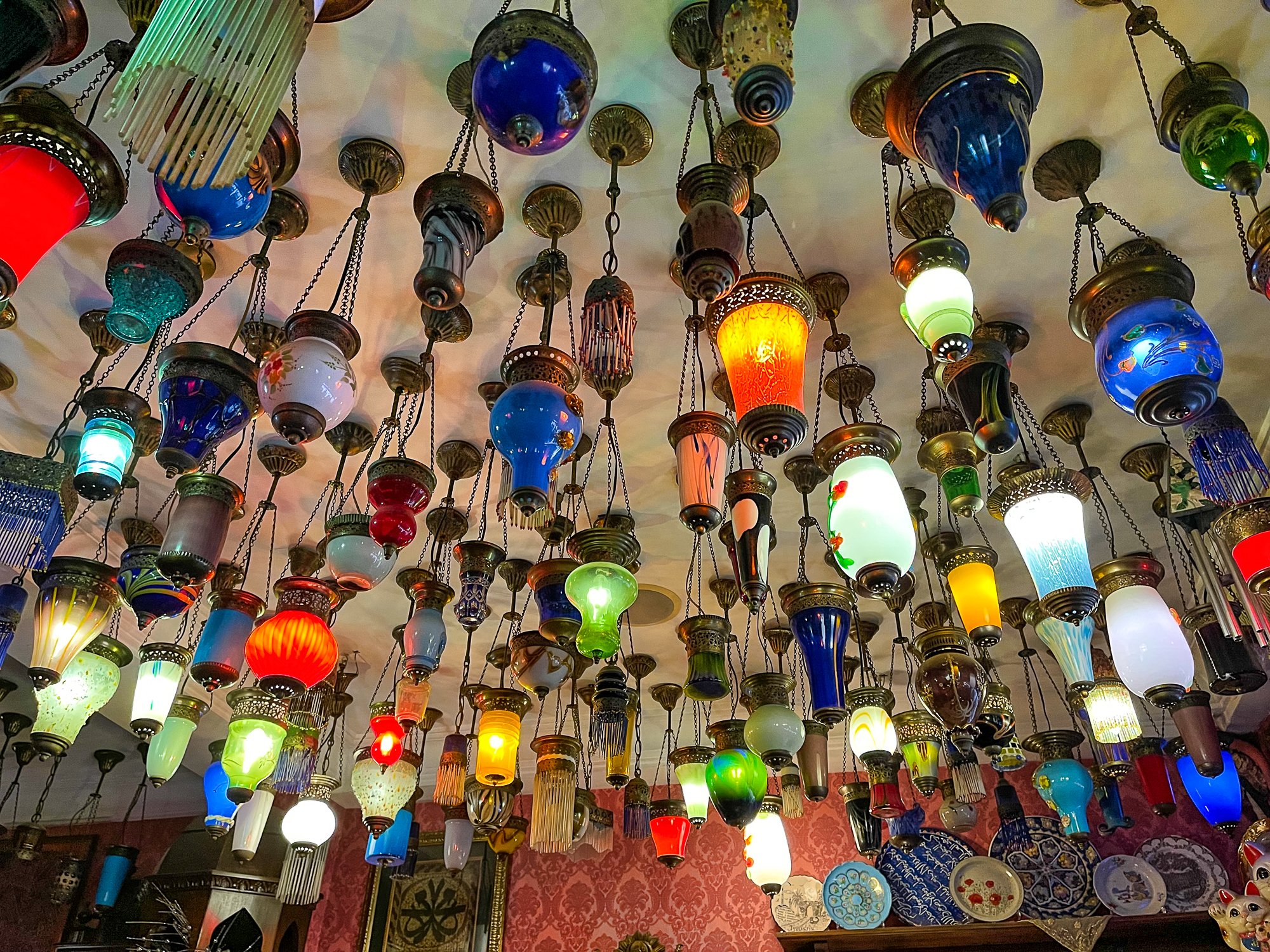
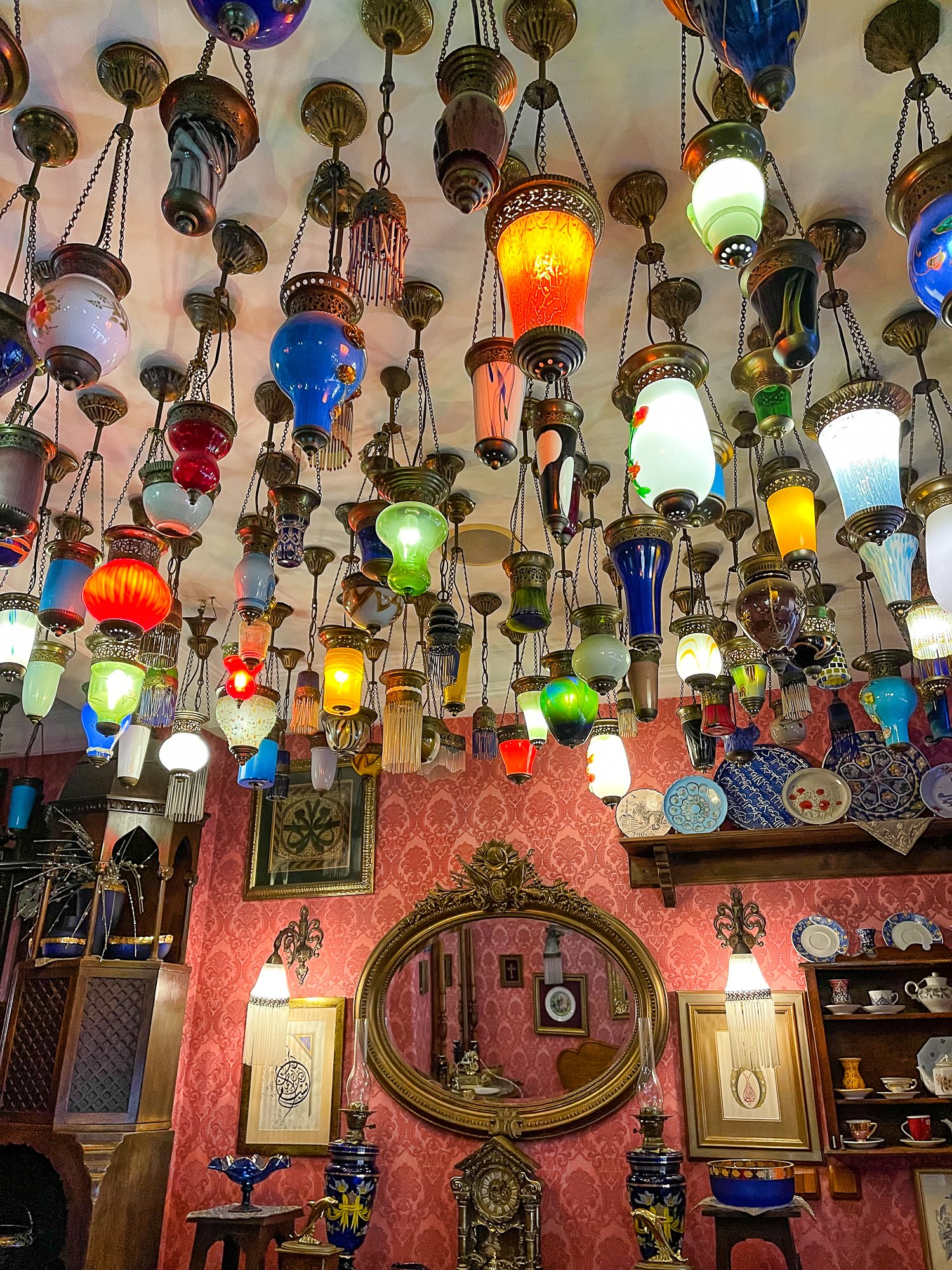
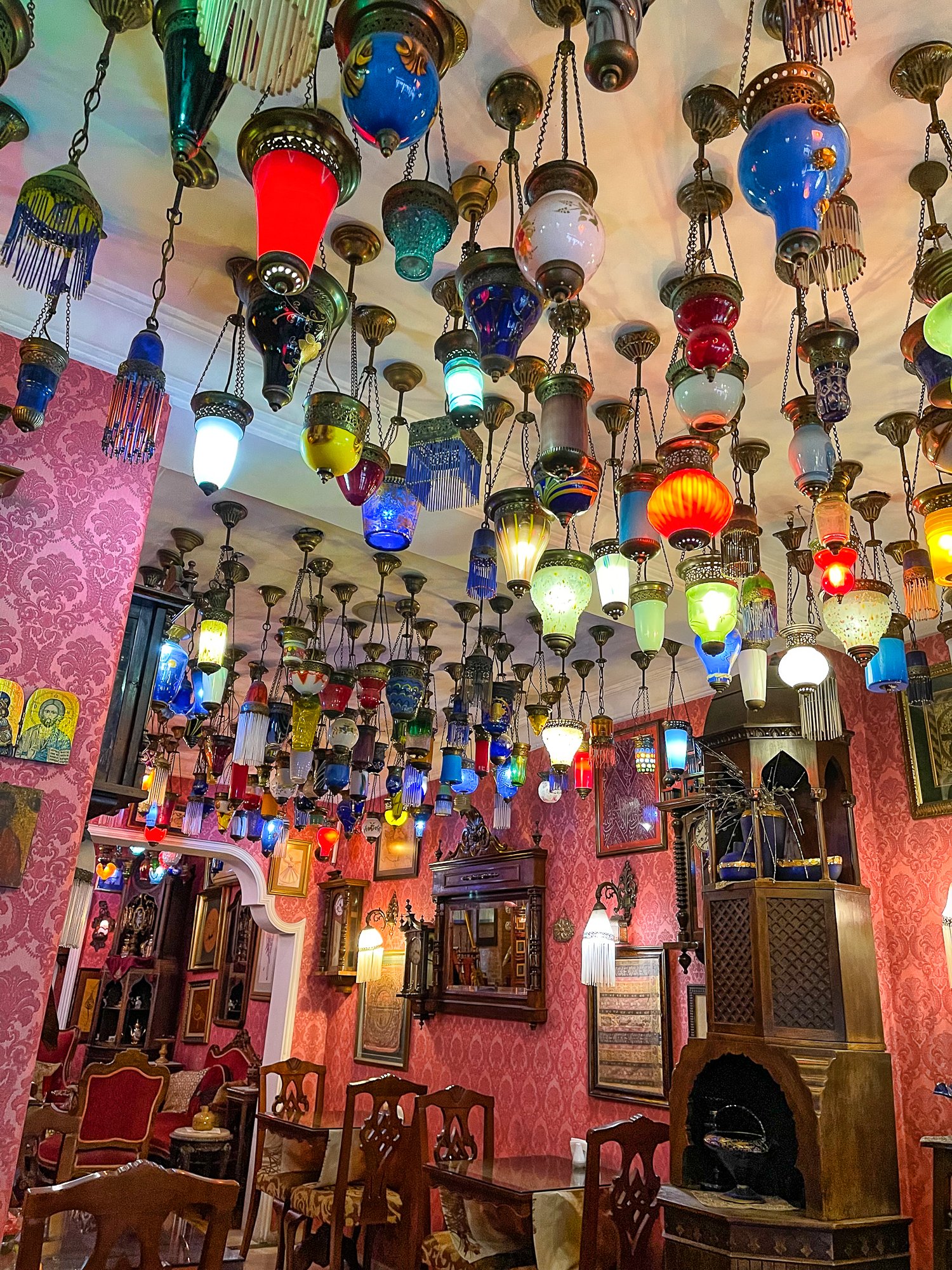
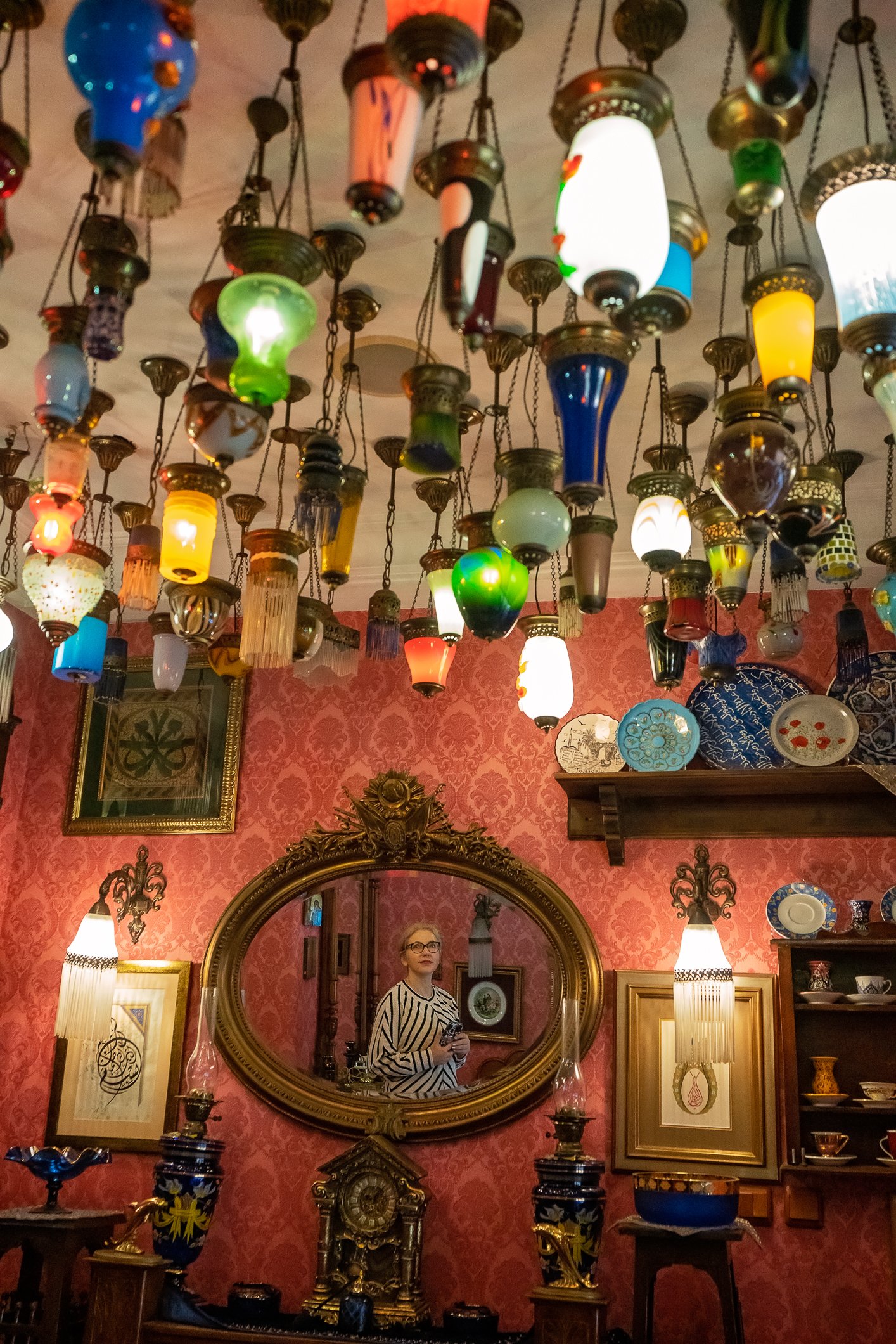
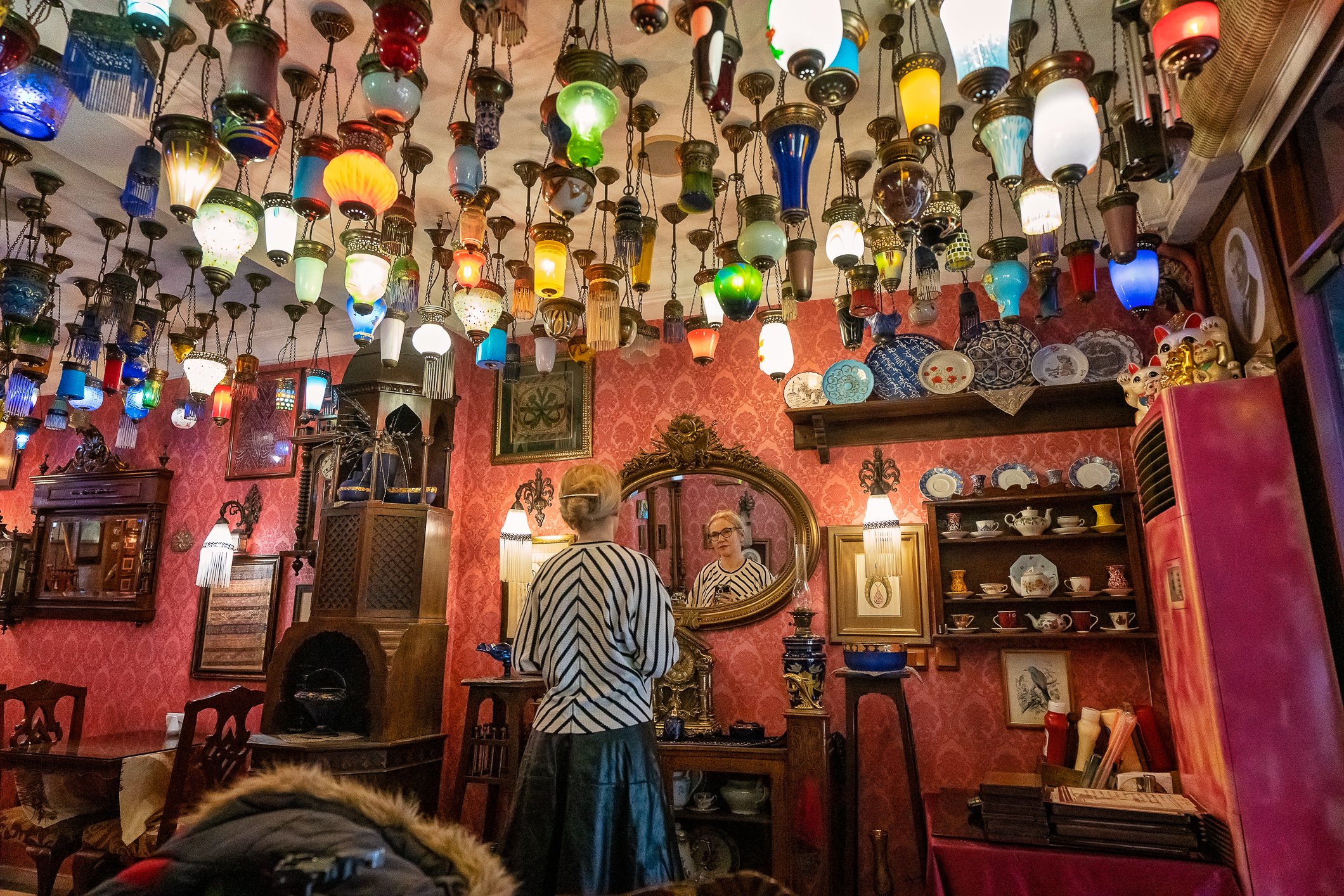
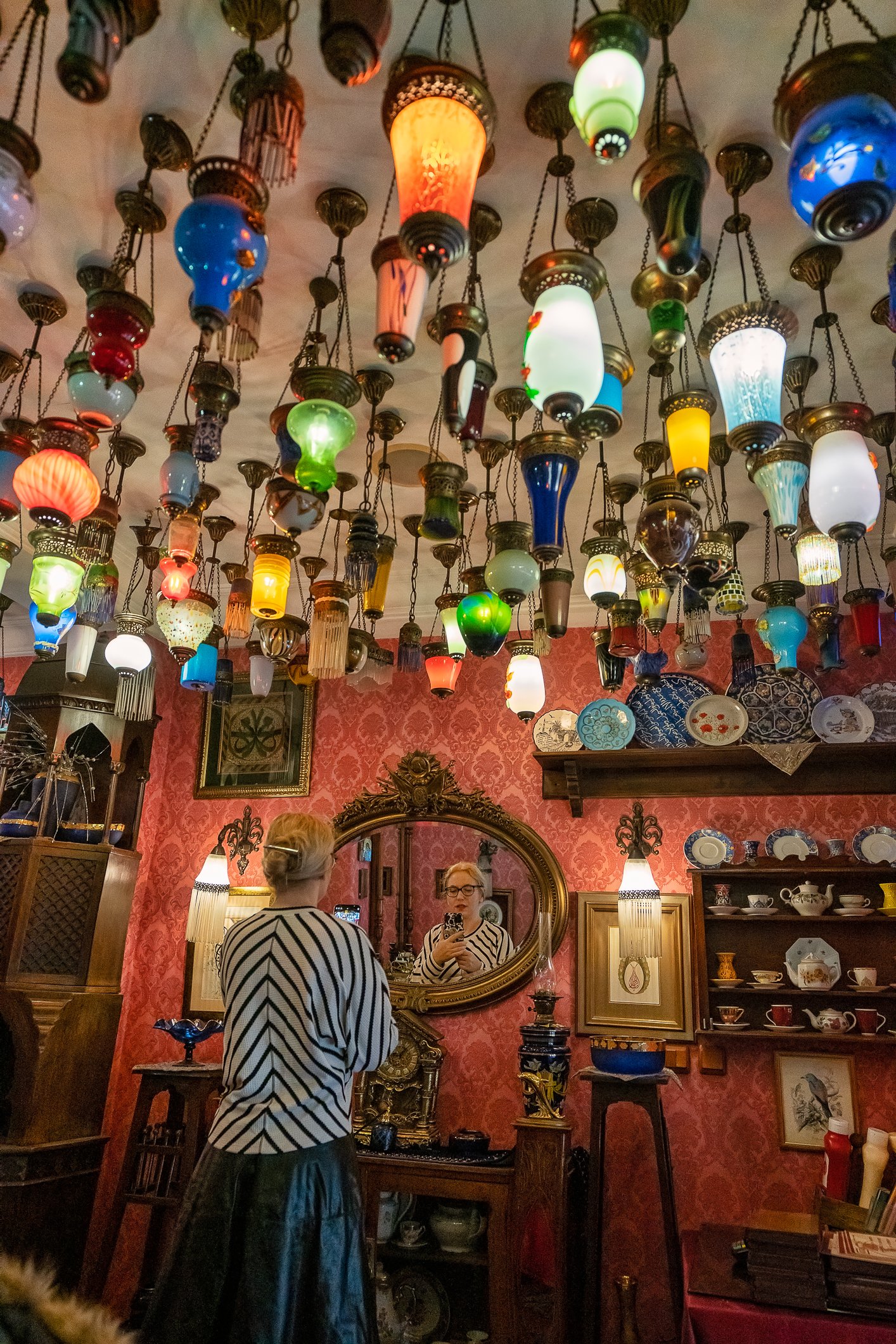
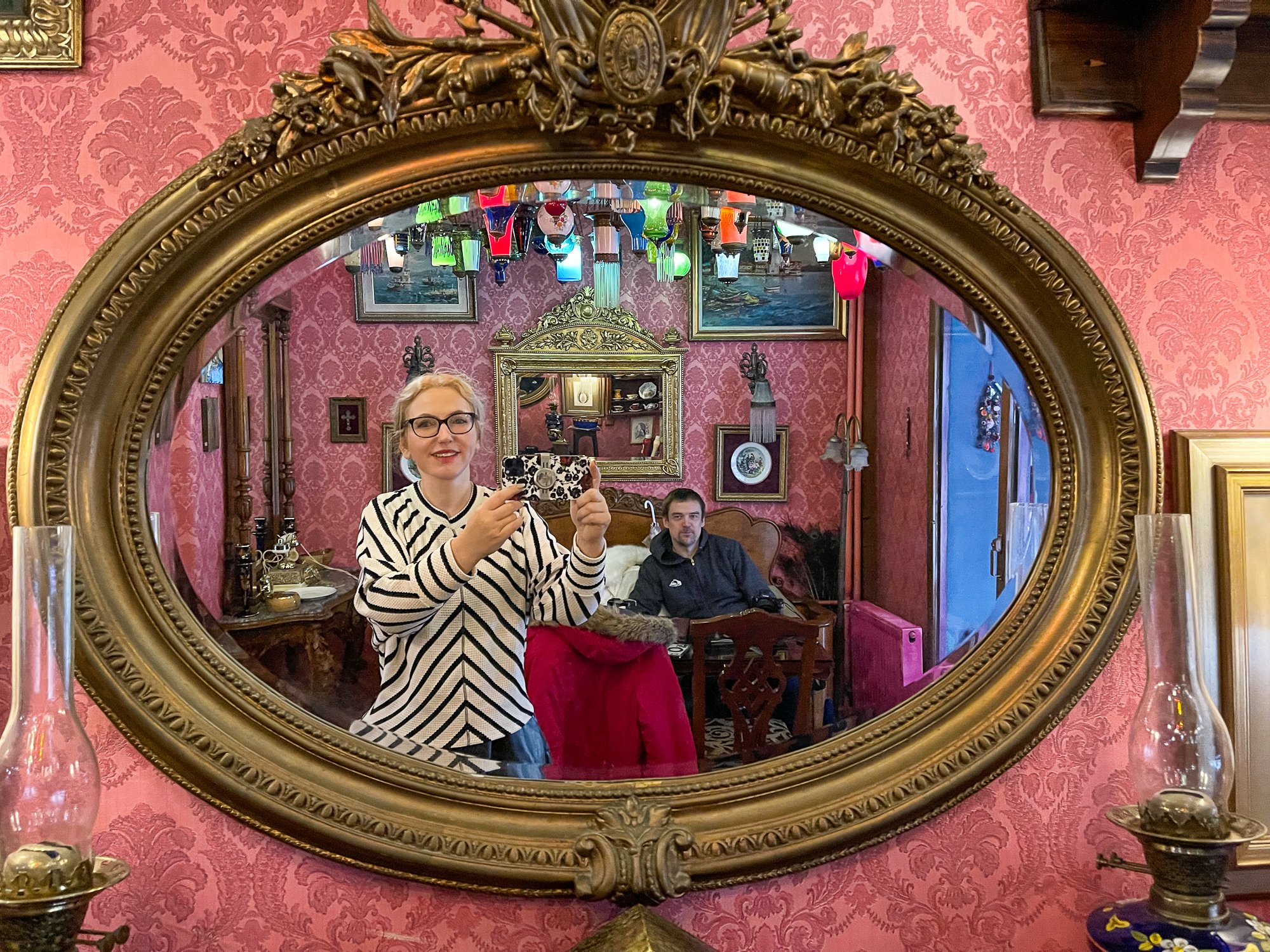
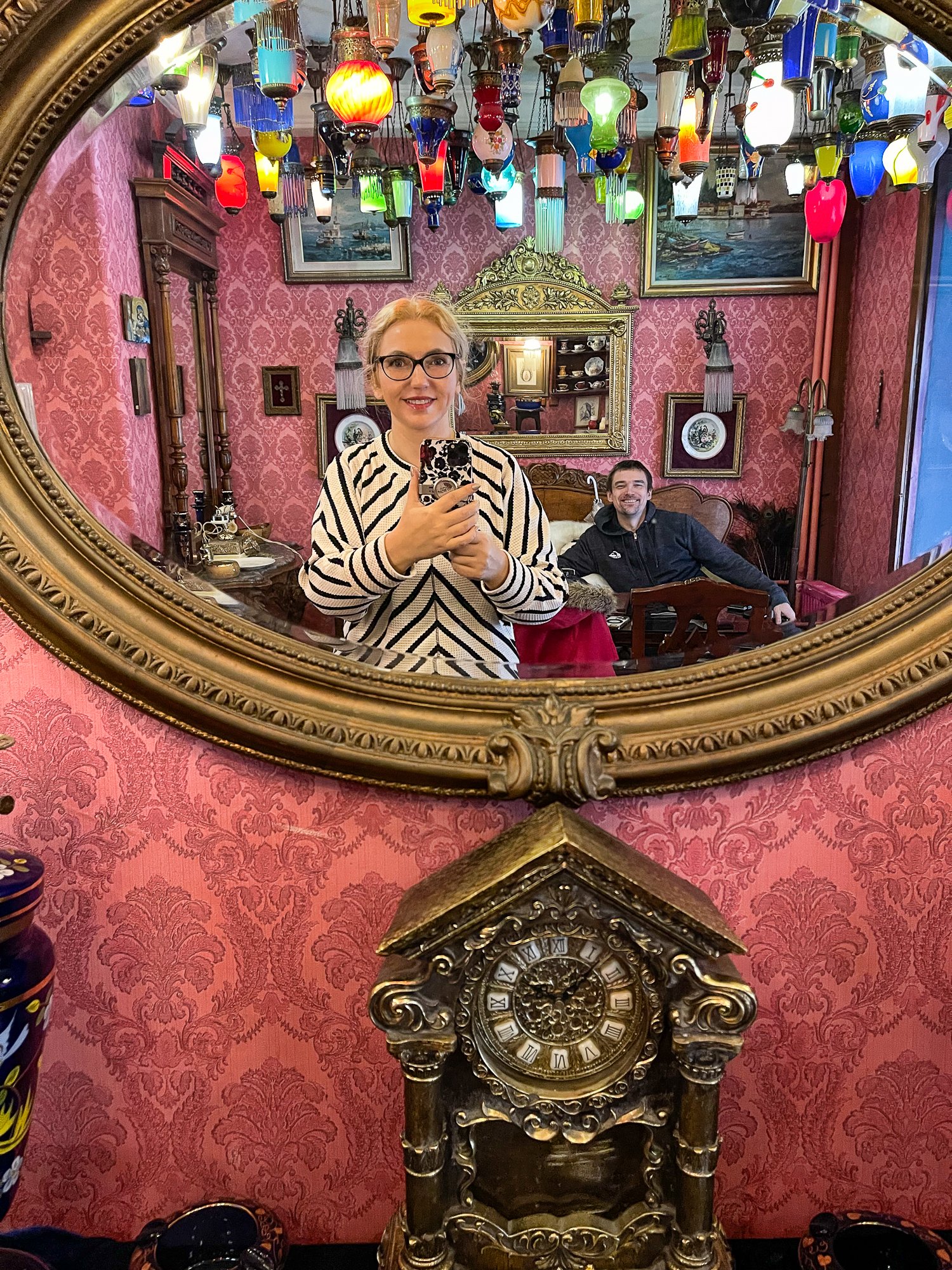
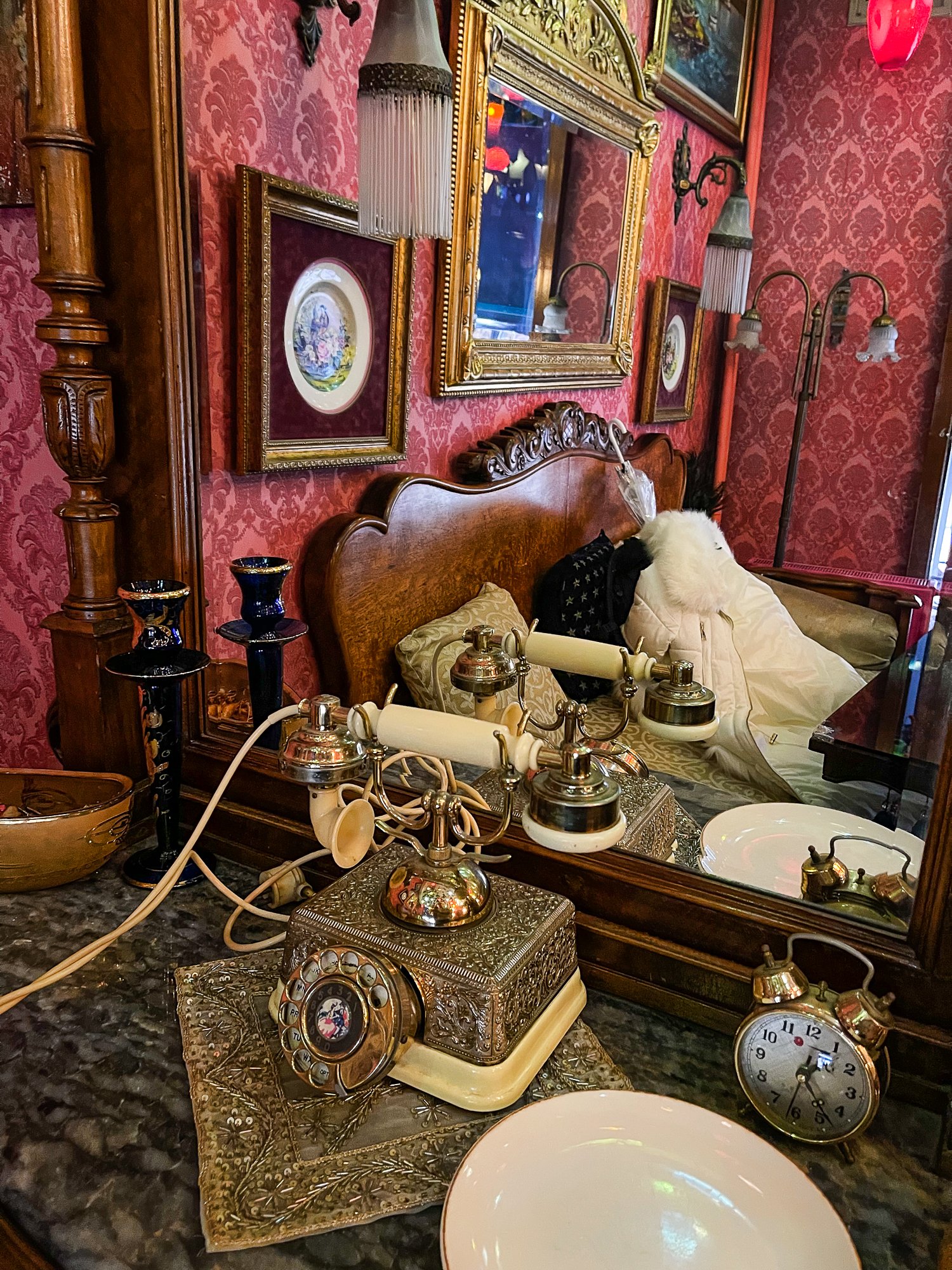
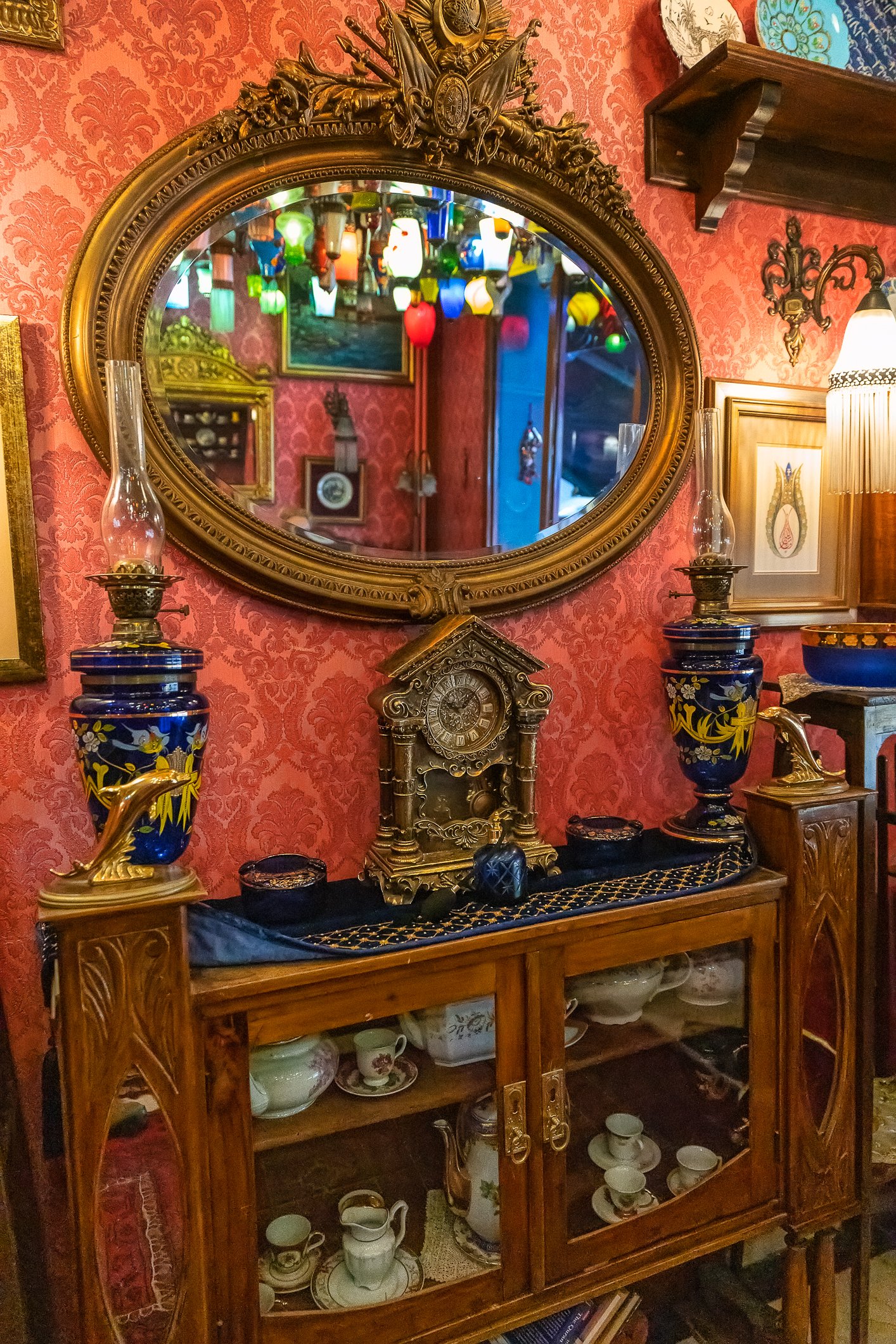
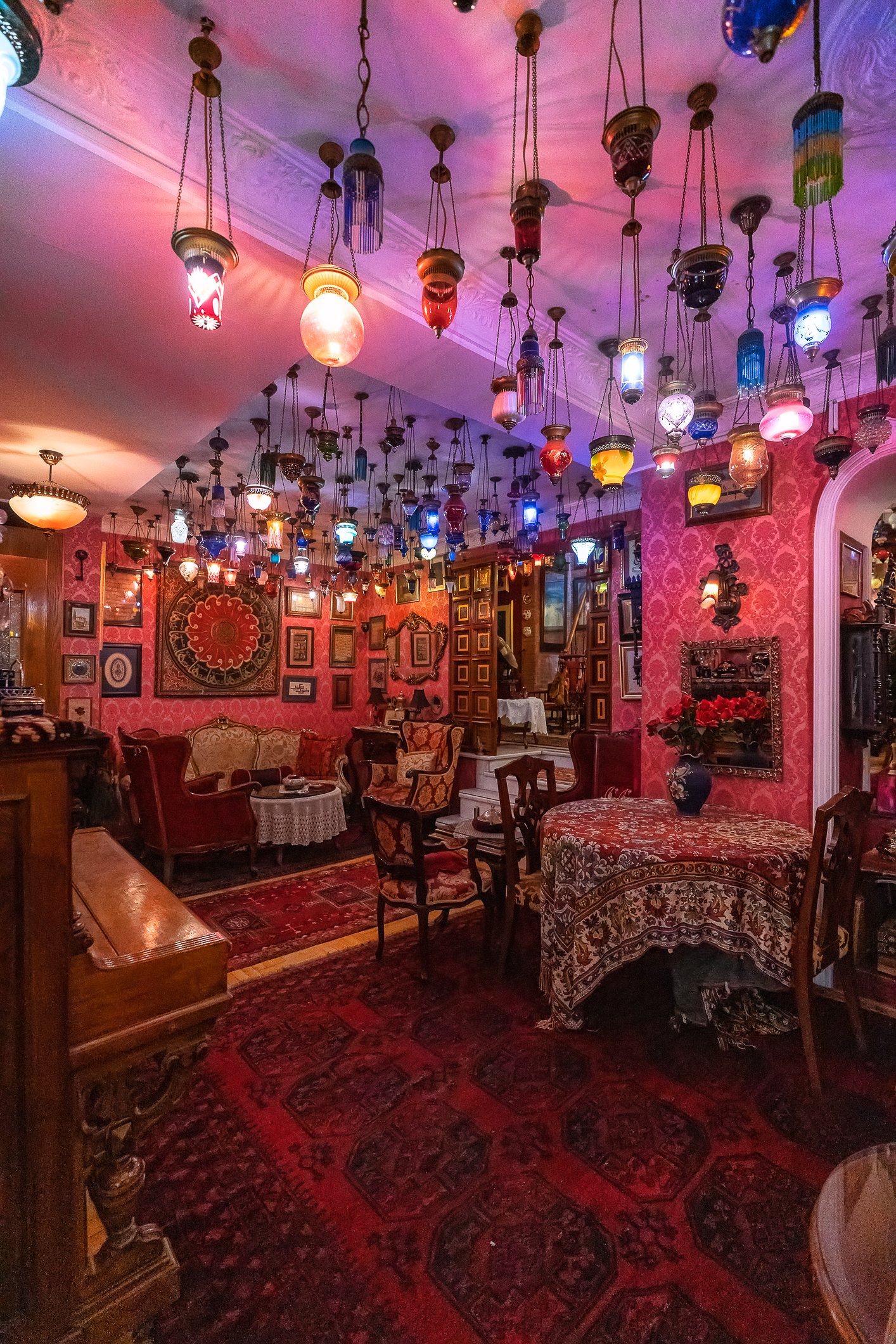
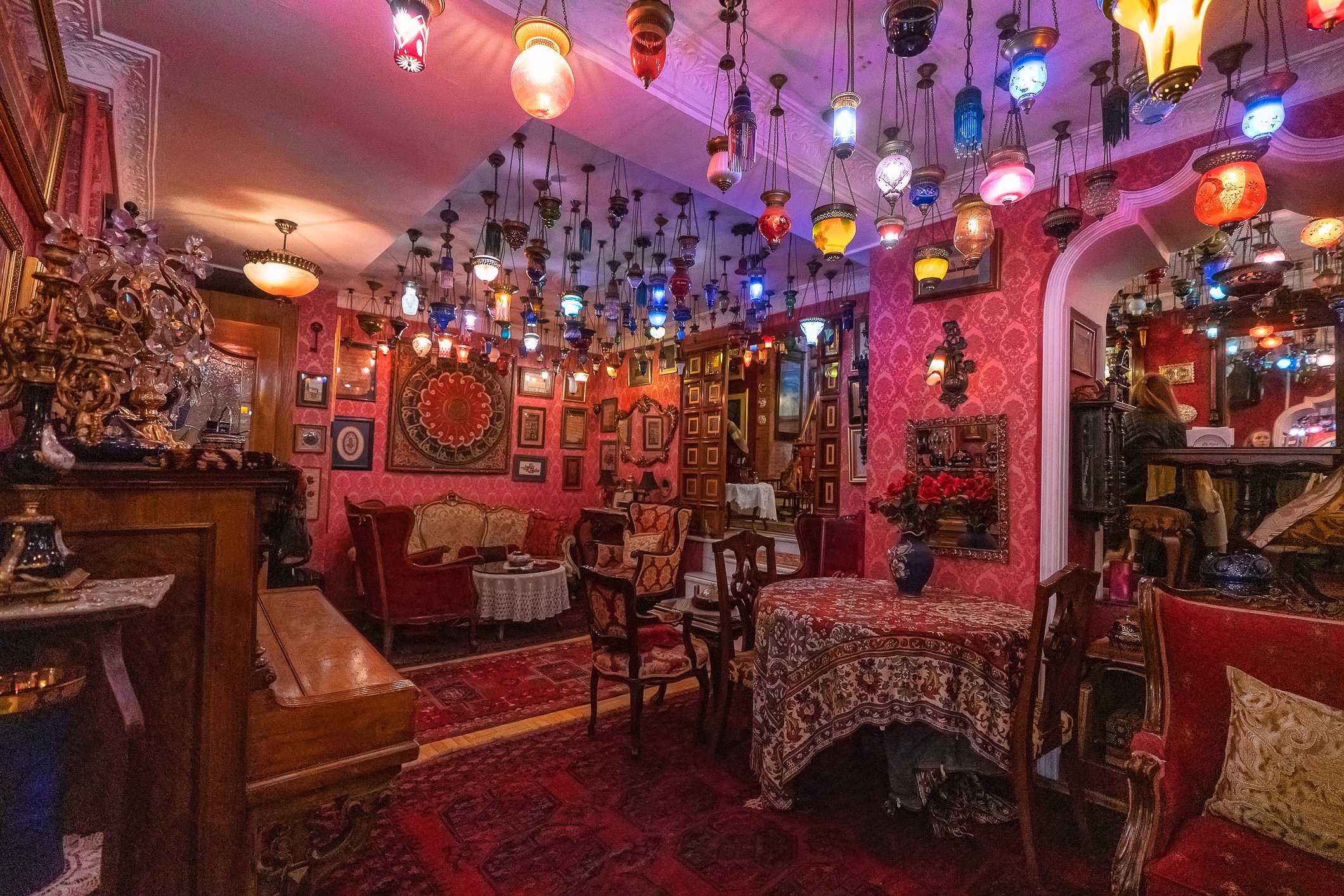
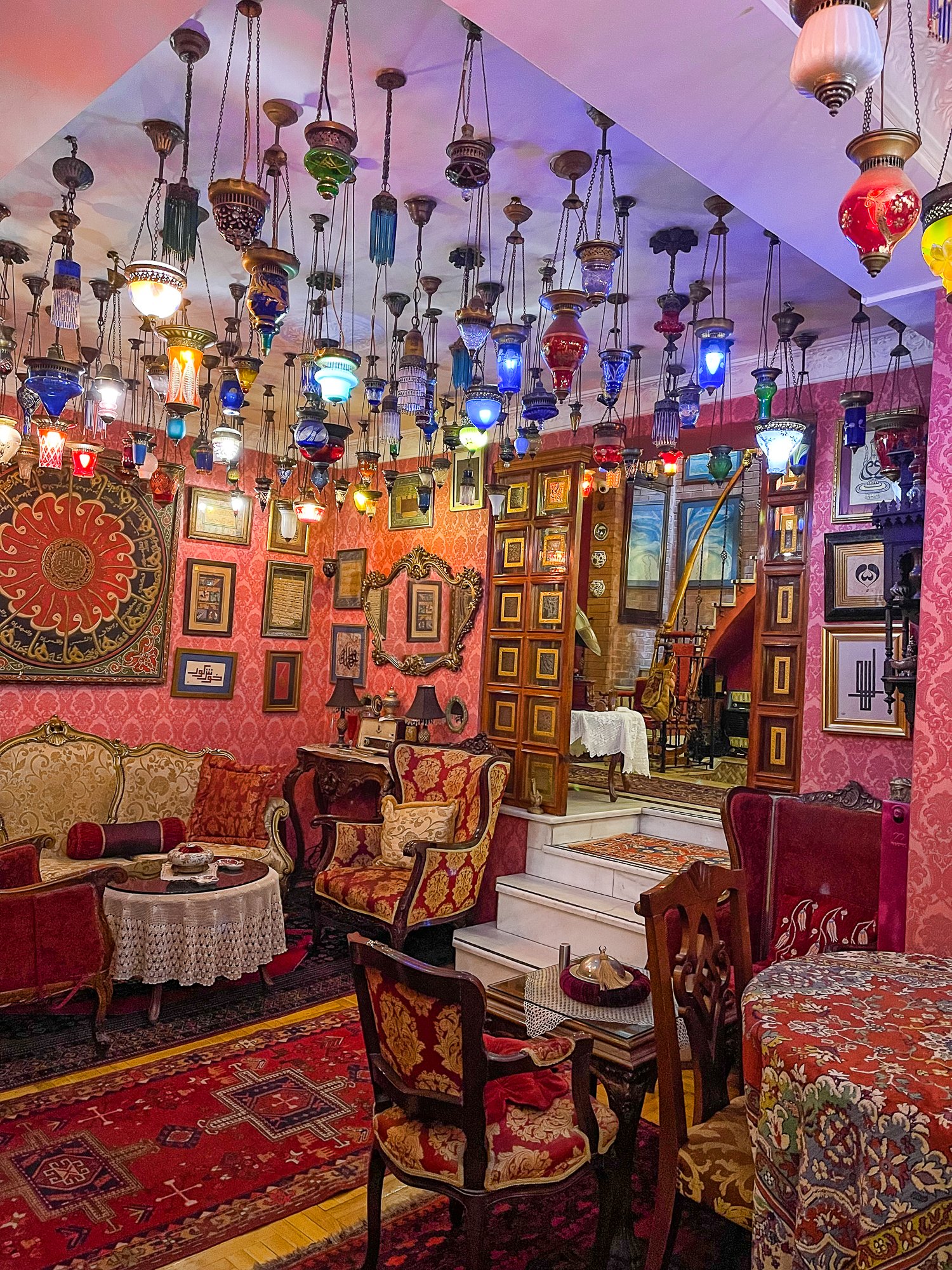
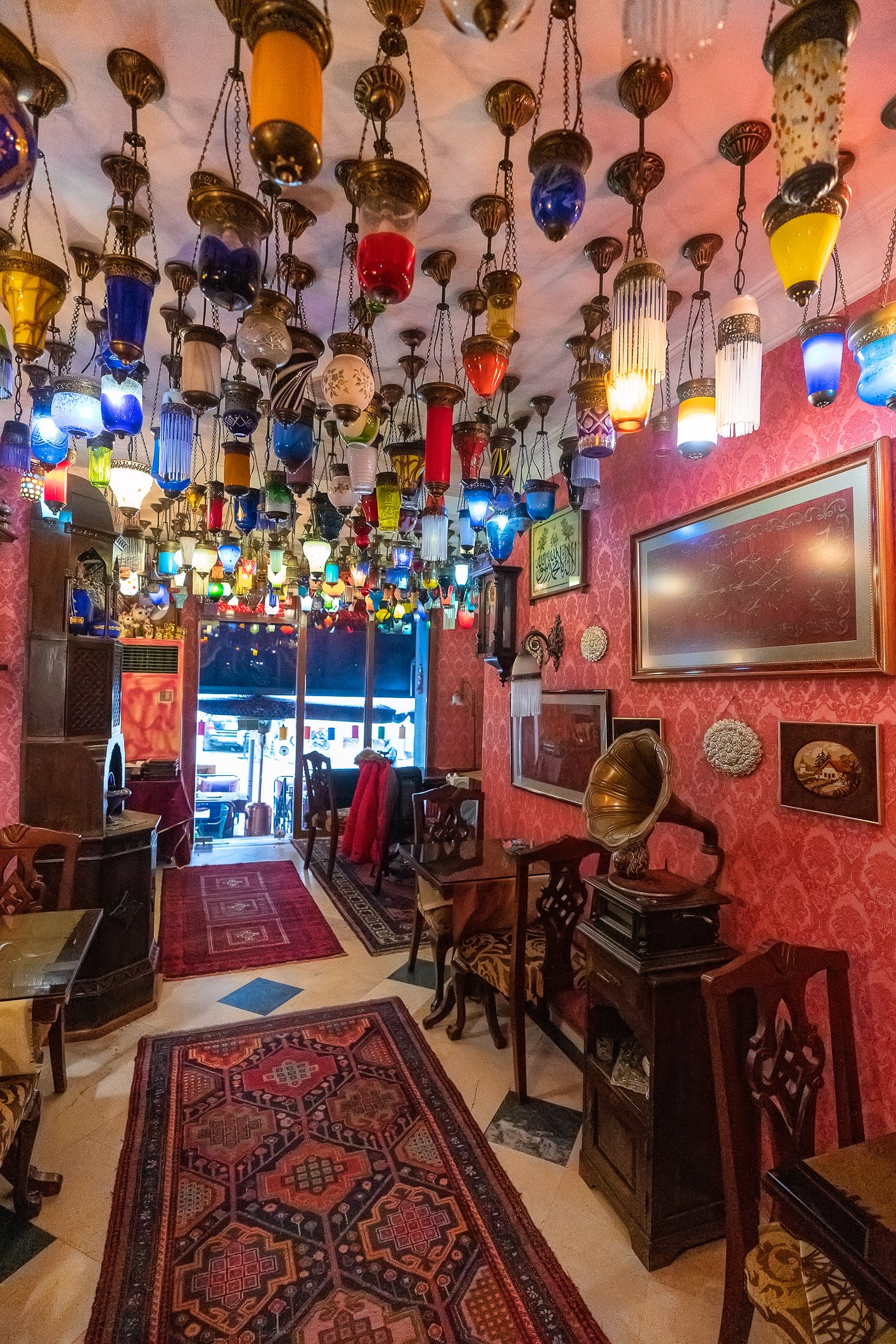
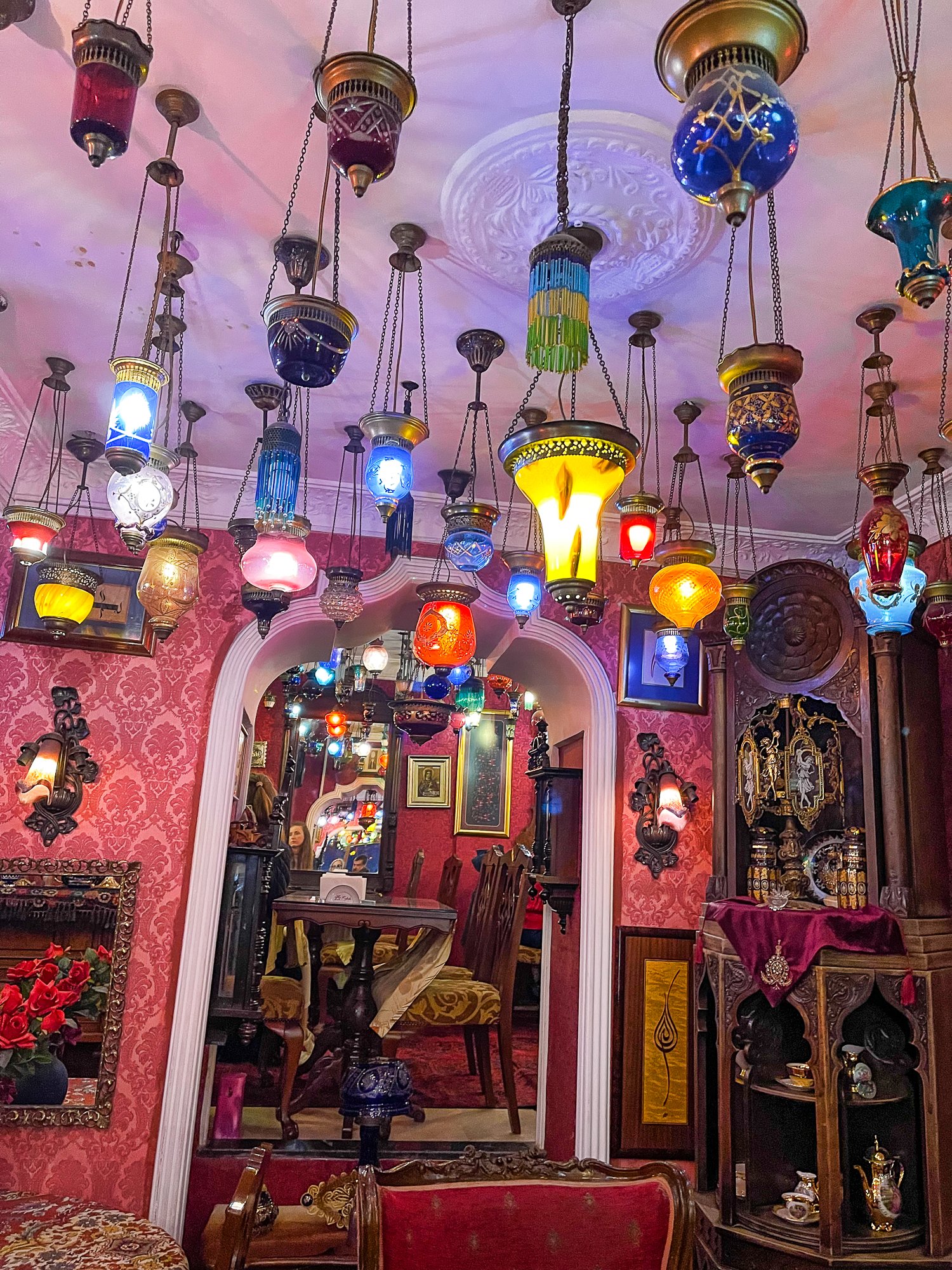
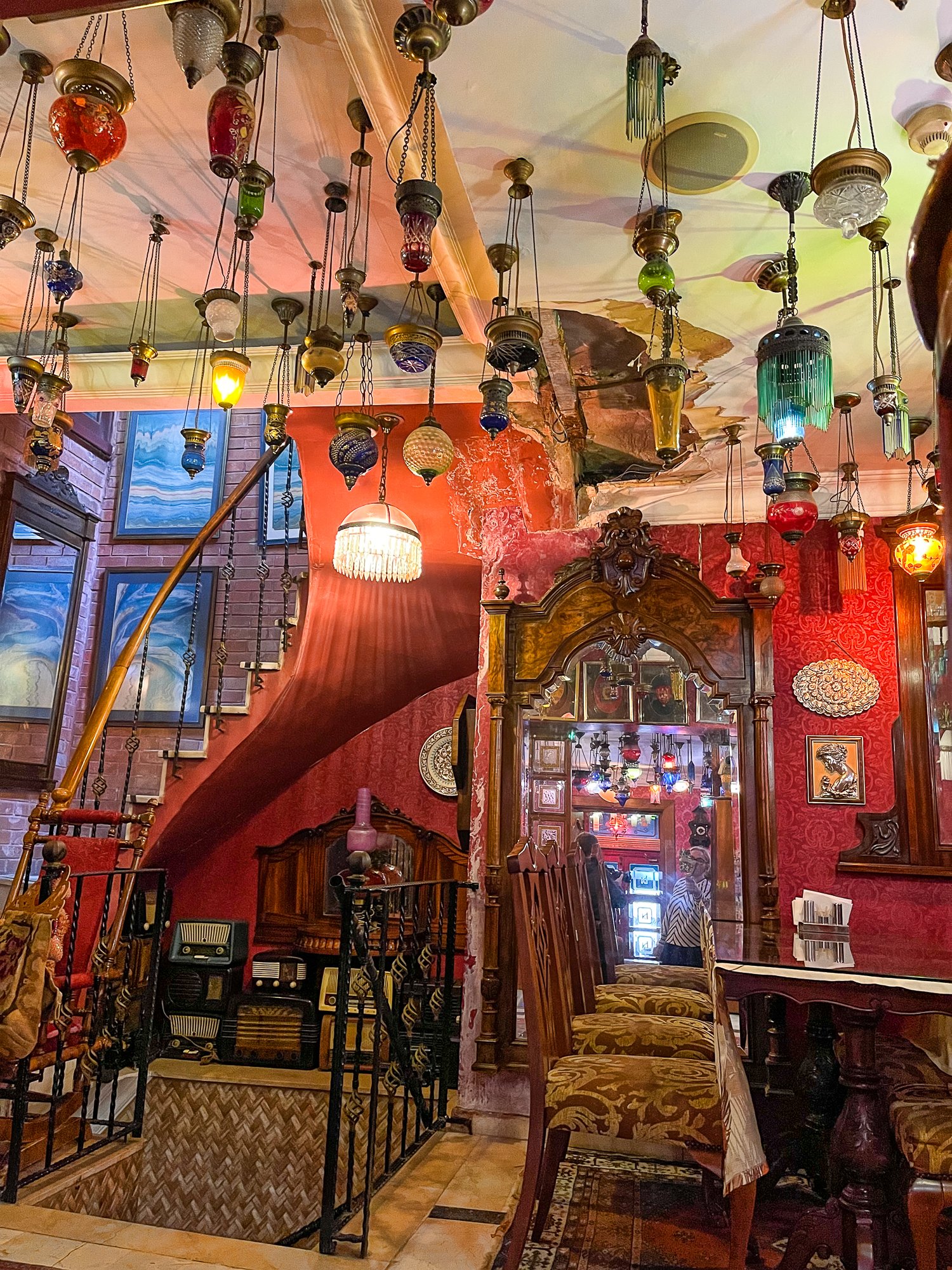
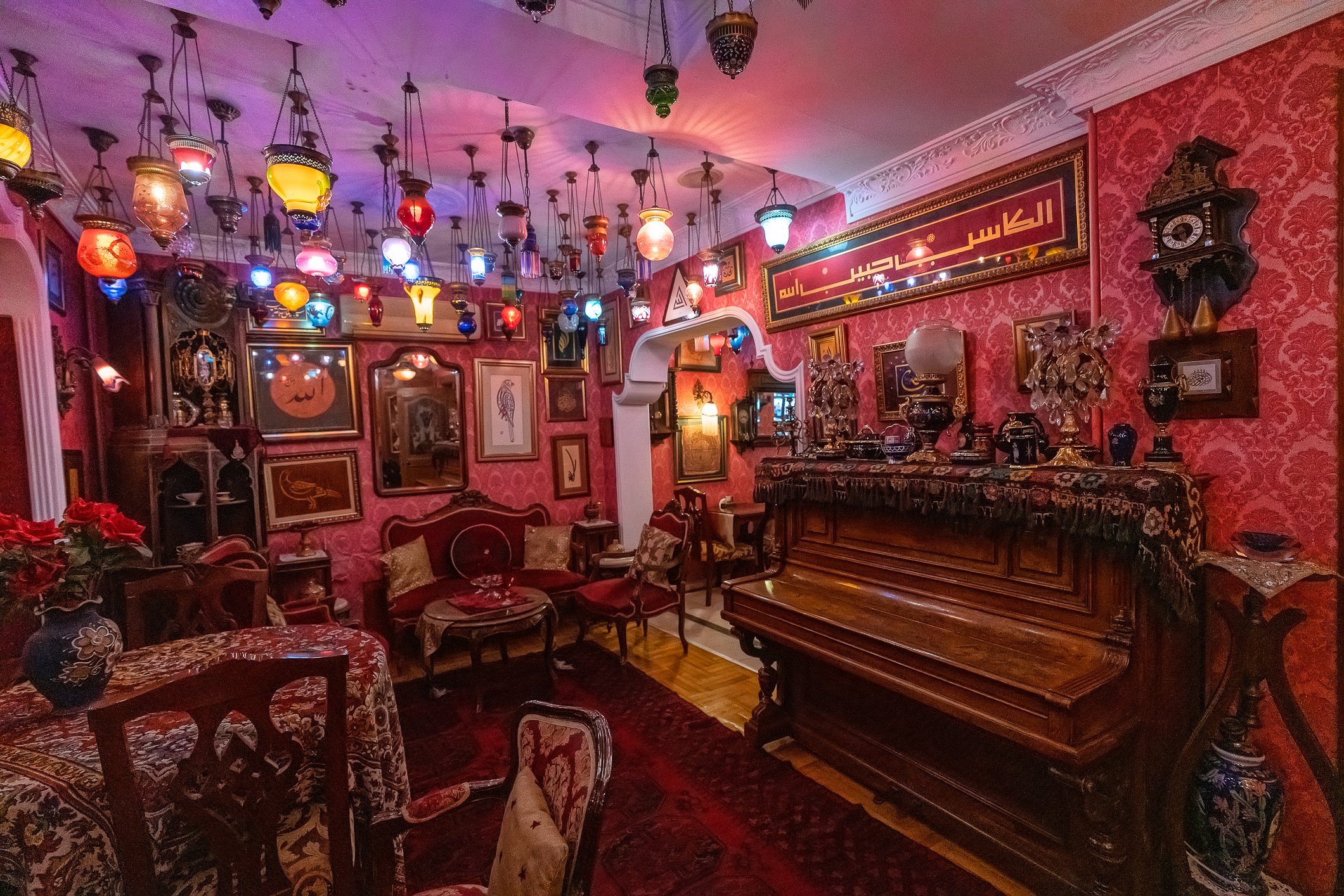
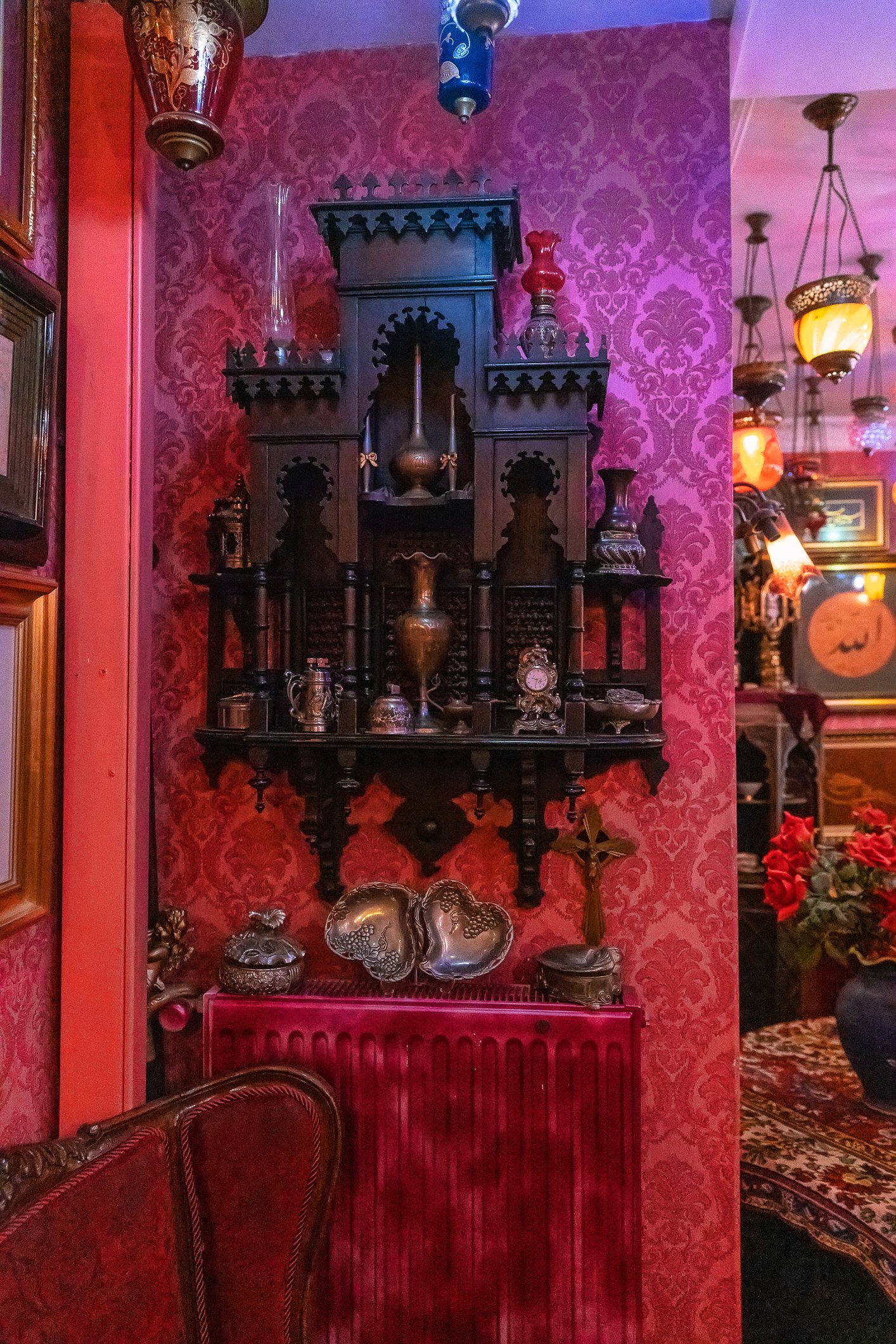
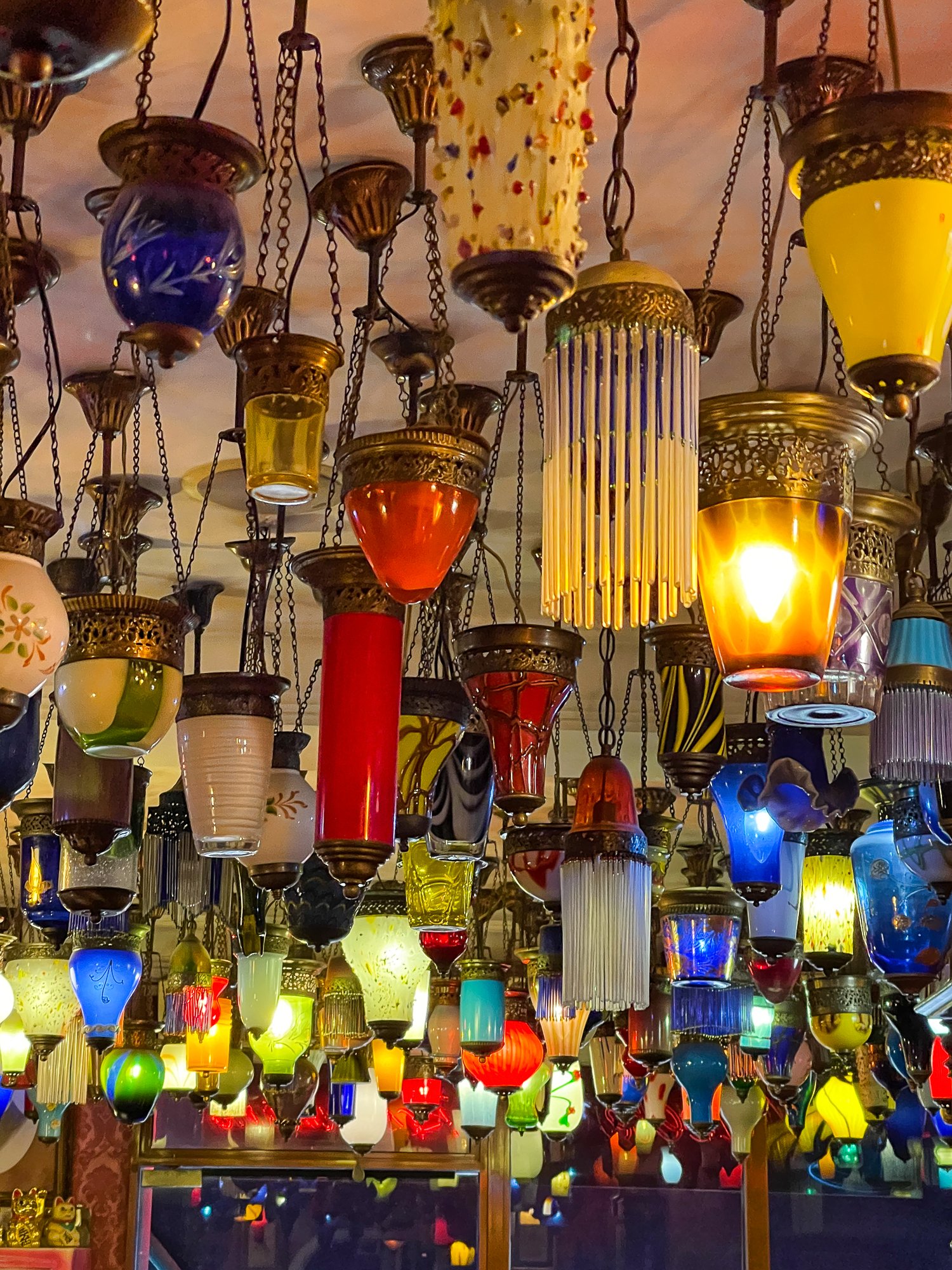
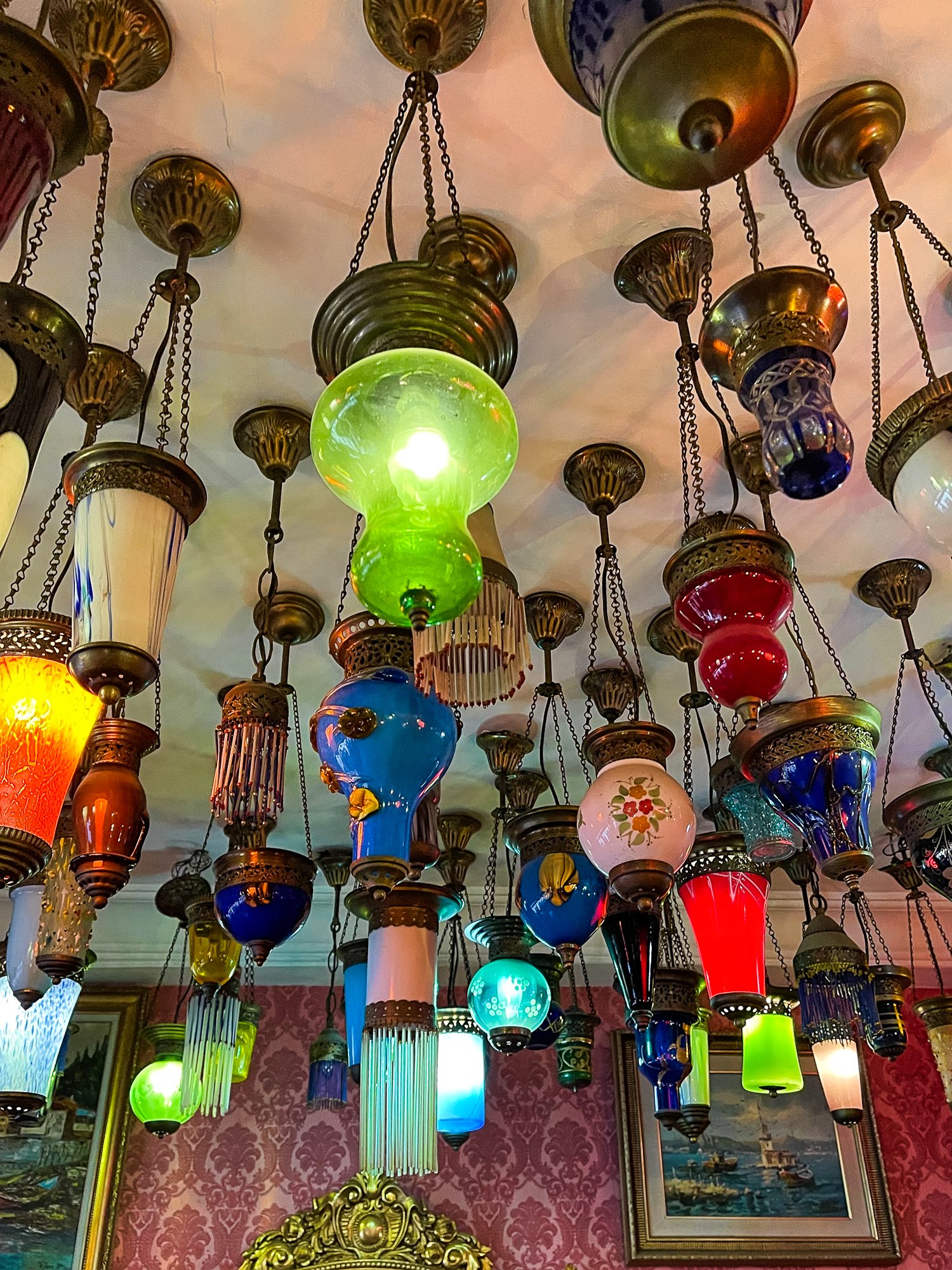
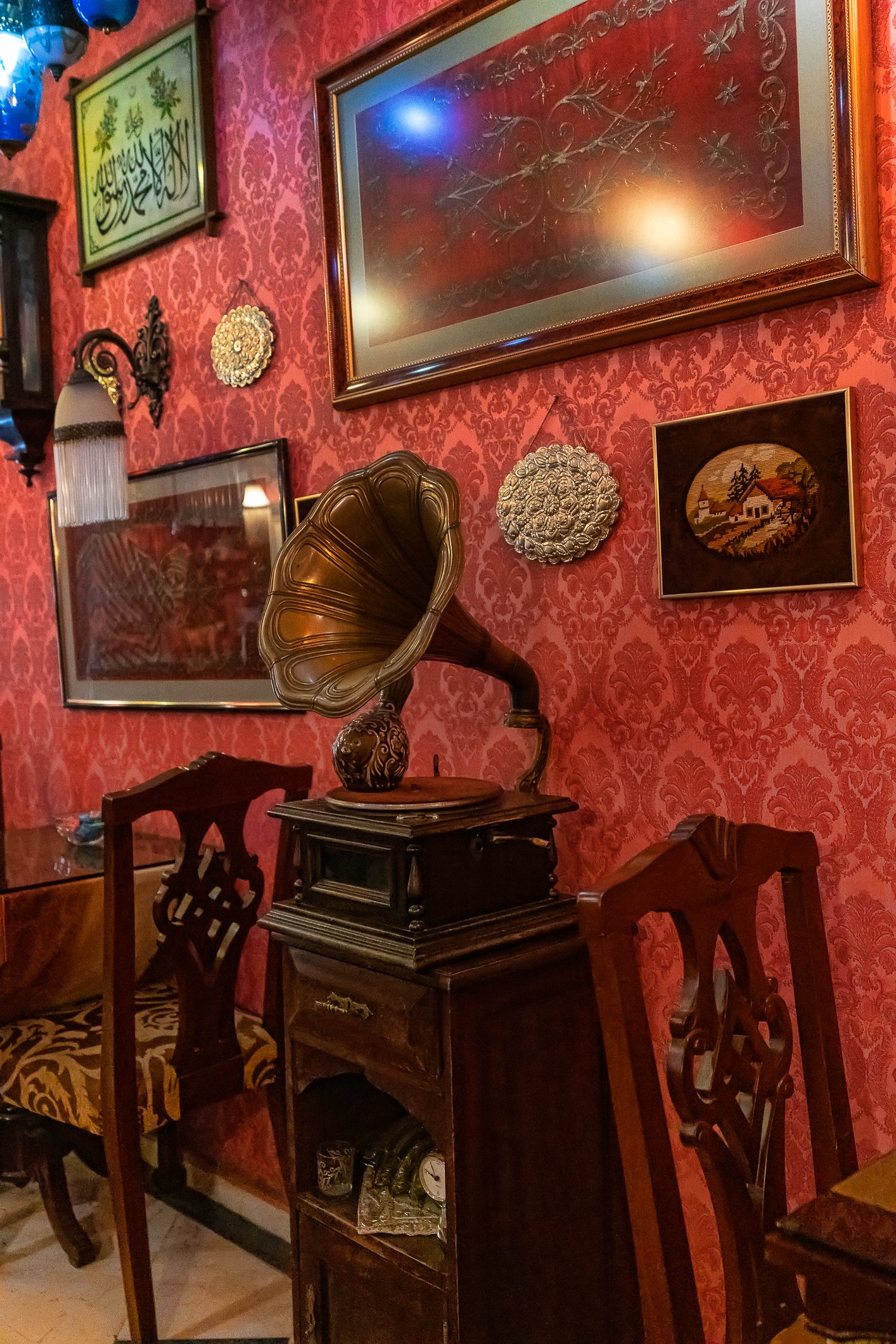
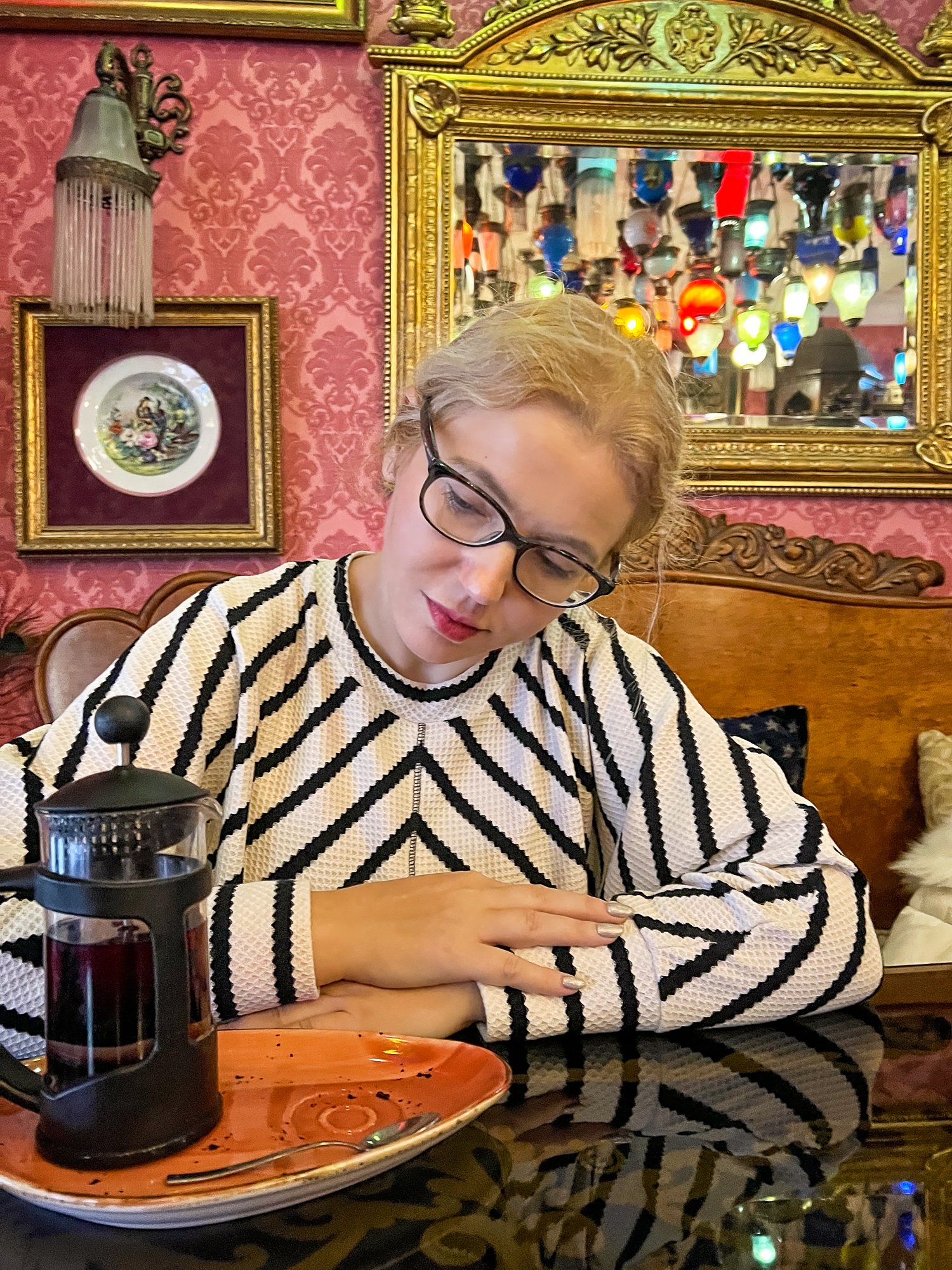
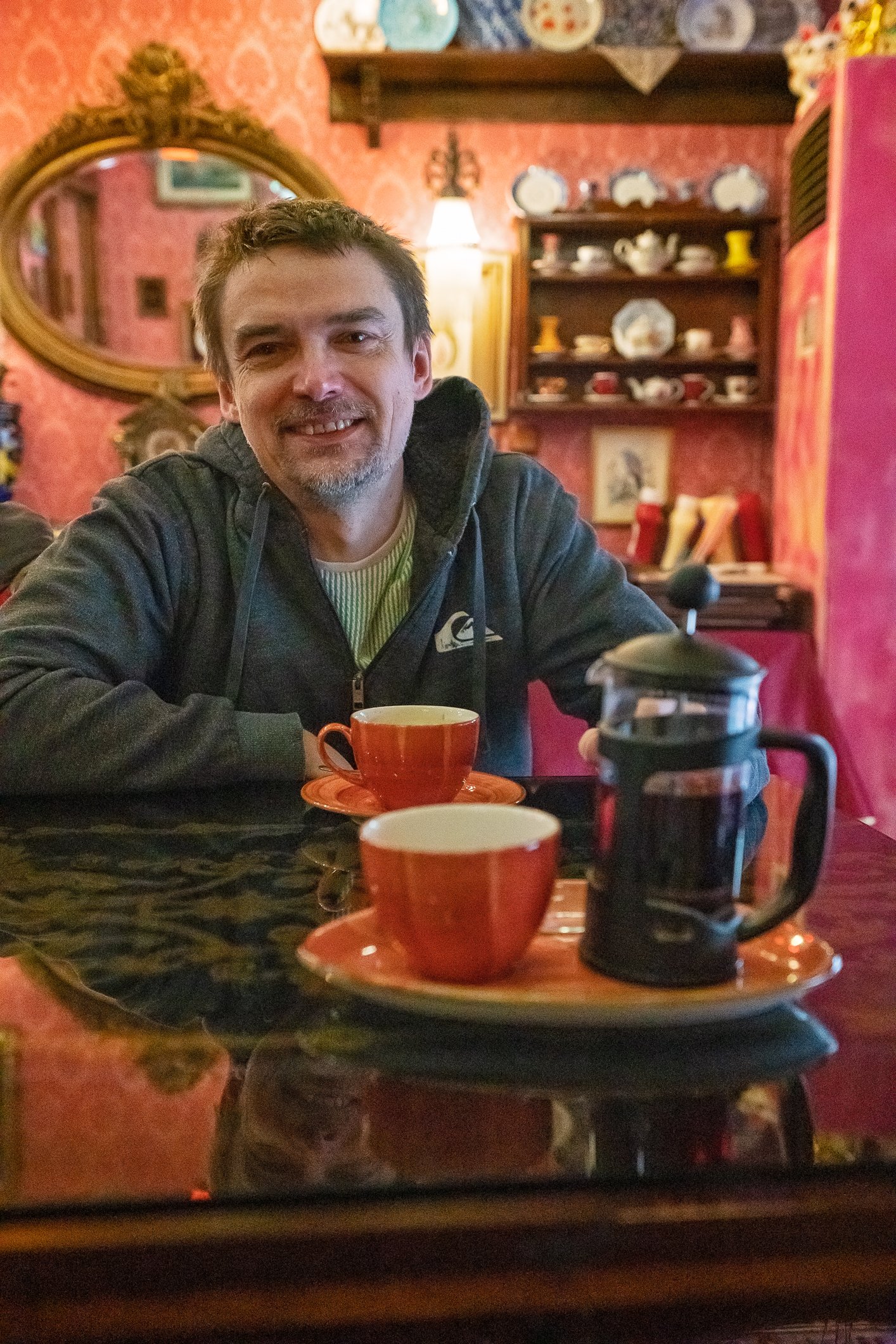
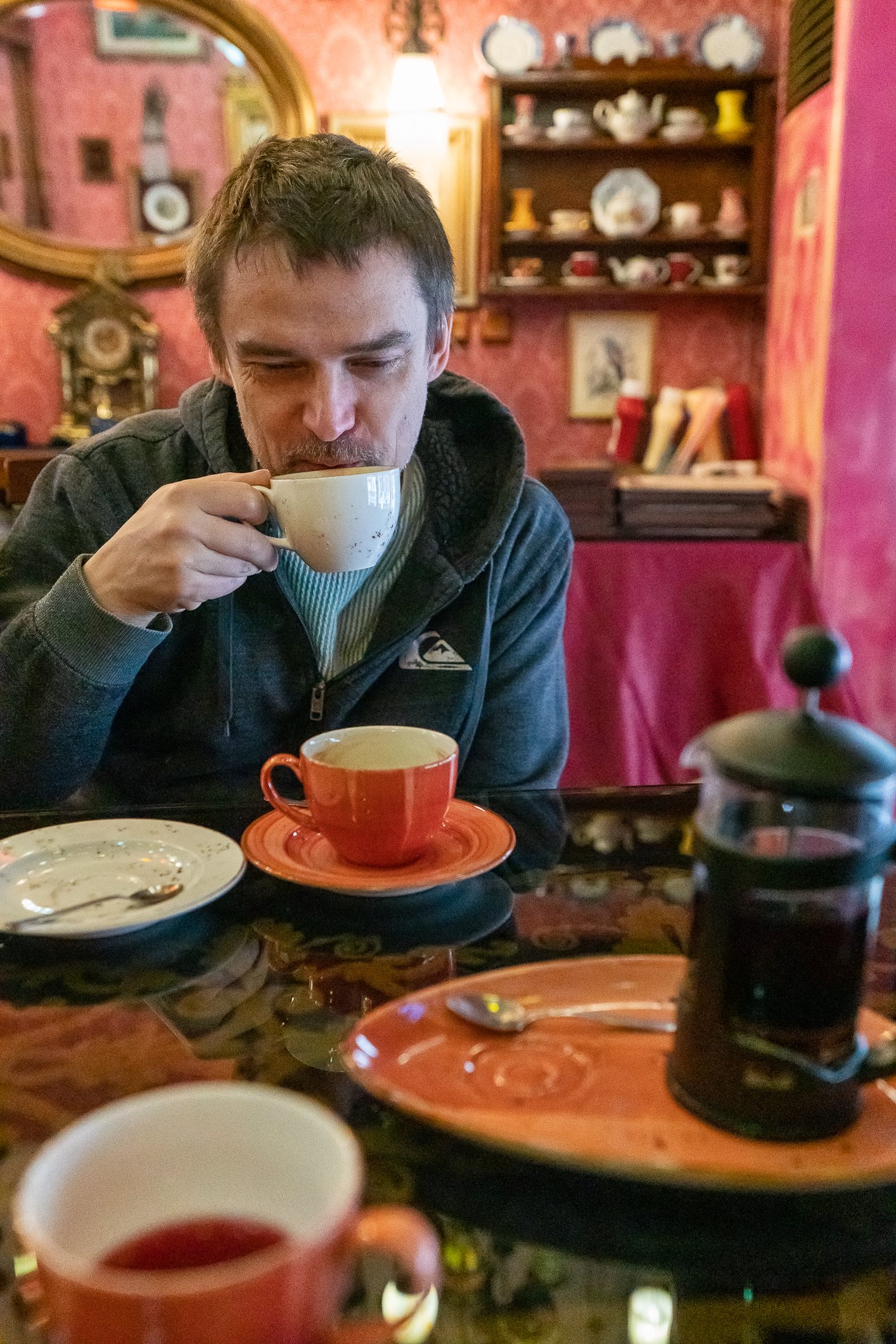
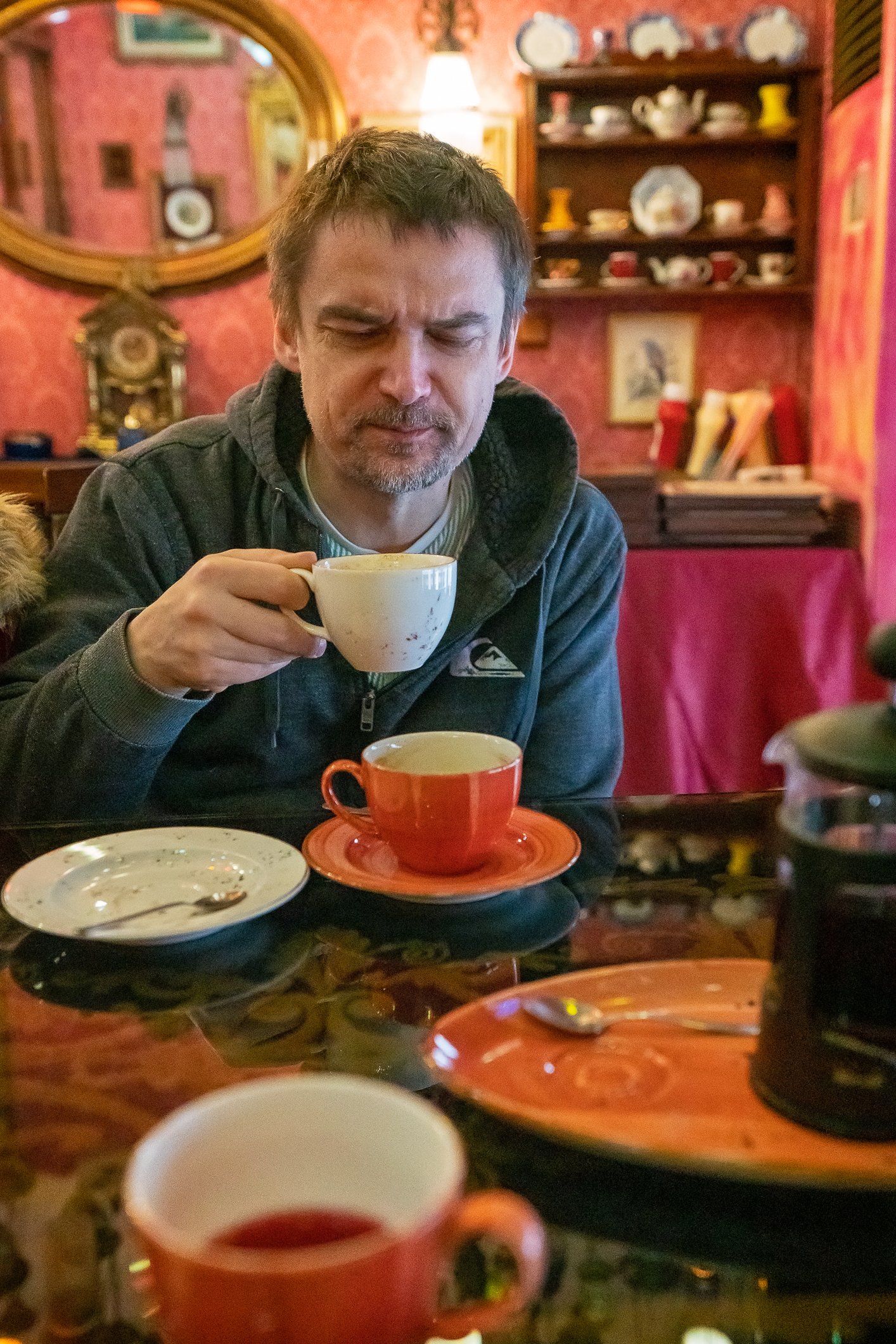
It is café time. And since I hardly drink coffee, I try to choose some good tea. We are sitting in the Kybele Cafe, which could very well be an antique shop - old furniture, mirrors, telephones, carpets and hundreds of colourful lamps hanging from every nook and cranny of the ceiling. I try to figure out the network of cables hidden in this ceiling for a moment, but the task is beyond my imagination.


Czas na kawę. A że ja prawie nie pijam kawy, to próbuję sobie wybrać jakąś dobrą herbatę. Siedzimy w Kybele Cafe, która mogłaby równie dobrze być sklepem z antykami-stare meble, lustra, telefony, dywany i setki kolorowych lamp zwisających z każdego zakamarka sufitu. Przez chwile próbuję wyobrazić sobie kable ukryte w tym suficie, ale to zadanie przerasta moją wyobraźnię.

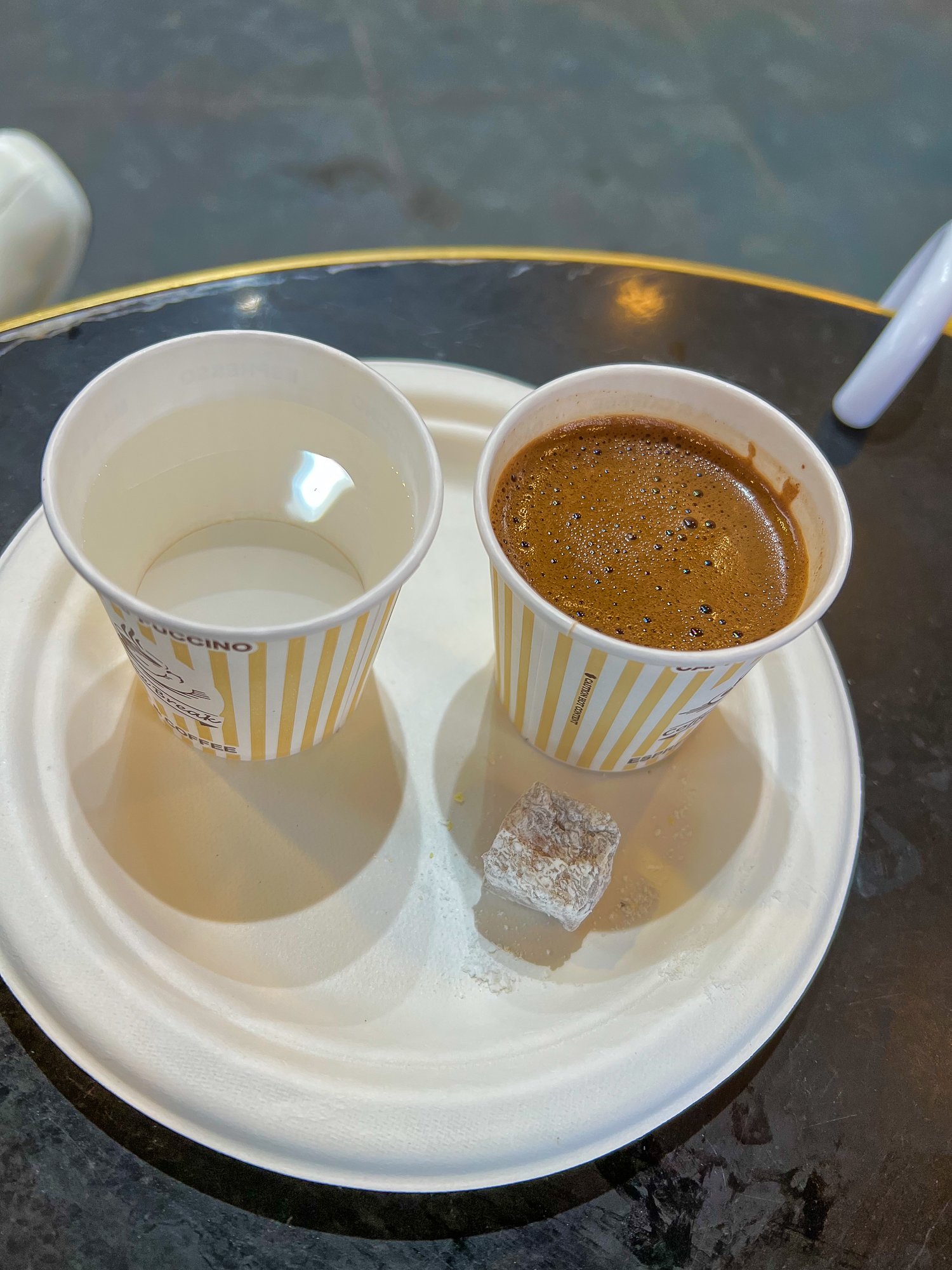
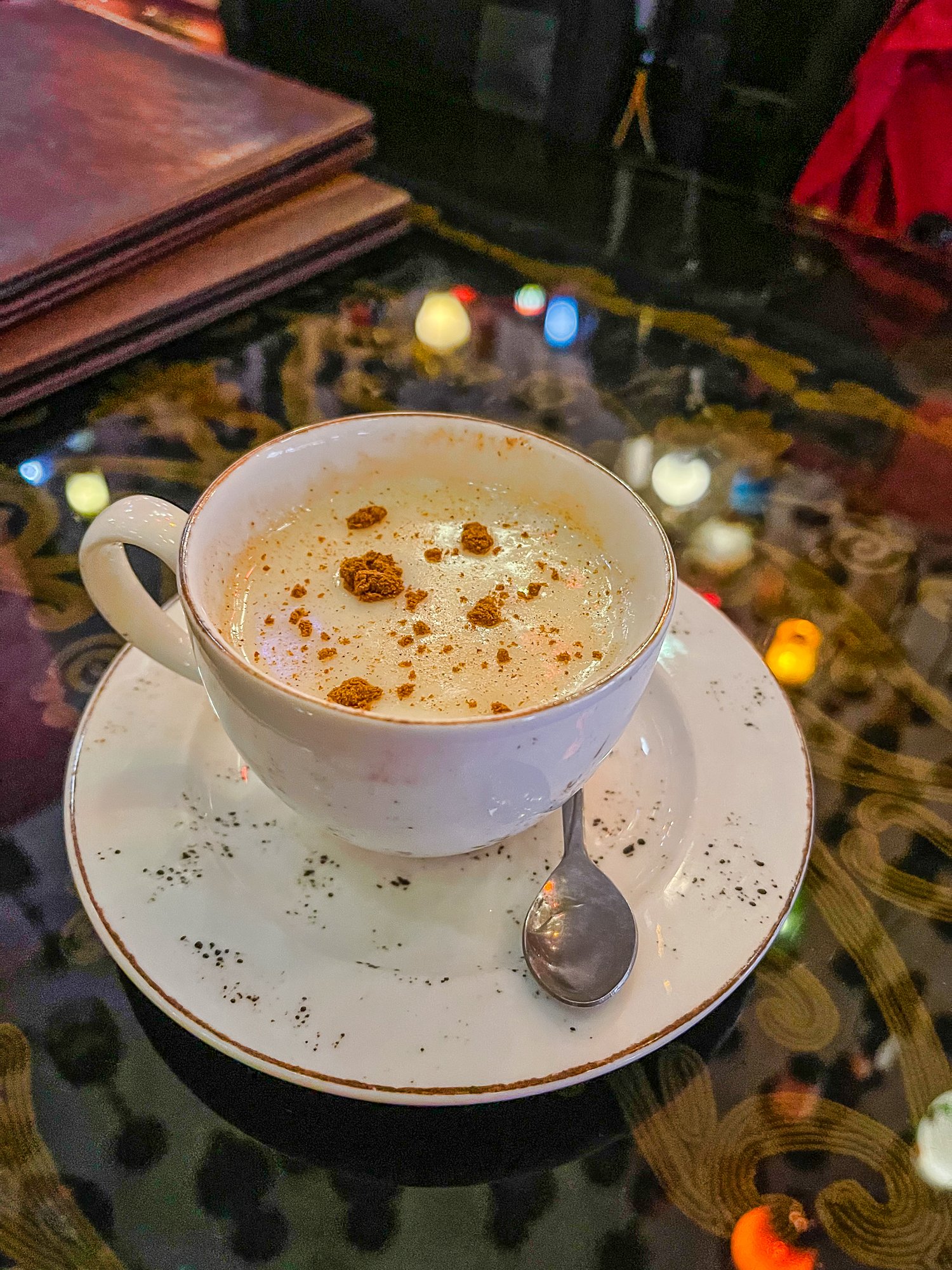
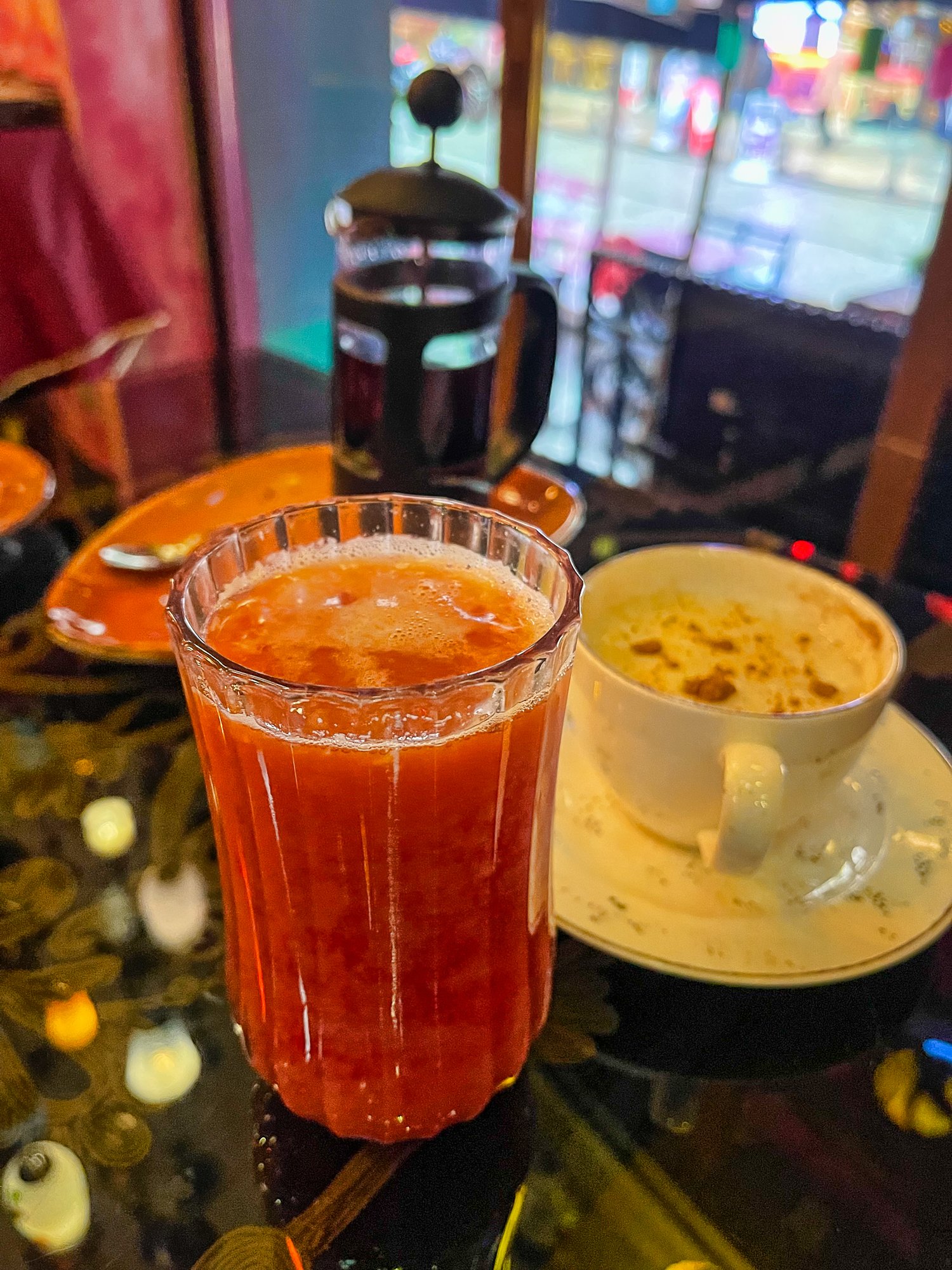
There are so many nice things to drink on the menu that we end up ordering sahlep (a popular drink here made with sweet milk and orchid flour, usually served with cinnamon), tea made of various fruits and herbs, freshly squeezed pomegranate and orange juice. We are going to the museum from here, so I assume there will be a working toilet there; otherwise it will be a challenge…


W menu jest tyle fajnych rzeczy do picia, że zamawiamy w końcu sahlep (popularny tu napój ze słodkiego mleka z mąką z orchidei, podawany zwykle z cynamonem), herbatę z różnych owoców i ziół, świeżo wyciskany sok z granatów i pomarańczy. Idziemy stad do muzeum, więc zakładam, że będzie tam czynna toaleta bo inaczej to będzie wyzwanie…  

Changdeokgung Palace (창덕궁) part 2

As we cross the Geumcheongyo (금천교), a spacious stone bridge noted for its symbolism of purification for those who traverse it, we arrive at the middle gate of Changdeokgung (창덕궁), known as the Jinseonmun (진선문). This gate features a single-story gablet roof with double eaves.

Upon entering Jinseonmun, Injeongmun (인정문) is located to the left (north) and Sukjangmun (숙장문) straight ahead (east).

These gates are interconnected, and the corridors between them create a trapezoidal yard. This area has historically served as a venue for various events and was also used by the king for interrogating or punishing criminals.

Przechodząc przez Geumcheongyo (금천교), przestronny kamienny most, będący symbolem oczyszczenia dla tych, którzy go przekraczają, docieramy do środkowej bramy Changdeokgung (창덕궁), znanej jako Jinseonmun (진선문). Ta brama ma jednopiętrowy dach szczytowy z podwójnym okapem.

Po przejściu przez Jinseonmun, widzmy dwie kolejne bramy: Injeongmun (인정문) - znajduje się po lewej (na północ), a Sukjangmun (숙장문) na wprost (wschód).

Bramy te są ze sobą połączone, a korytarze między nimi obrysowują trapezoidalny dziedziniec. Obszar ten historycznie służył jako miejsce różnych ceremonii i był również wykorzystywany przez króla do przesłuchiwania lub karania przestępców. 

Next, we proceed past Injeongmun (인정문), which leads to Injeongjeon (인정전), the hall where the king and his officials convened for important conferences. Injeongmun features a hipped roof, and its lower section includes a stylobate and stairs constructed from pole stones. A staircase is positioned in front of the king's eokan.

Originally built in 1418 during the reign of King Taejong, Injeongmun was later destroyed and subsequently reconstructed. The existing gate is believed to have been completed in 1745.


Następnie przechodzimy przez bramę Injeongmun (인정문), która prowadzi do Injeongjeon (인정전), sali tronowej, w której król i jego urzędnicy zbierali się na ważne konferencje. Brama Injeongmun ma czterospadowy dach, a jej dolna część obejmuje stylobat i schody zbudowane z kamieni słupowych. Schody znajdują się na wprost eokanu króla.

Pierwotnie zbudowana w 1418 roku za panowania króla Taejonga, brama Injeongmun została później zniszczona, a następnie odbudowany. Uważa się, że istniejąca brama została ukończona w 1745 roku.

Every palace features a main hall, adorned with decorations that symbolise the power and authority of the king. Injeongjeon served as the throne hall of Changdeokgung and was the venue for significant state affairs, including the coronation of new kings and the reception of foreign envoys. Originally constructed in 1405, the hall was rebuilt in 1610 following its destruction during the Japanese invasion of 1592, and again in 1804 after another fire.

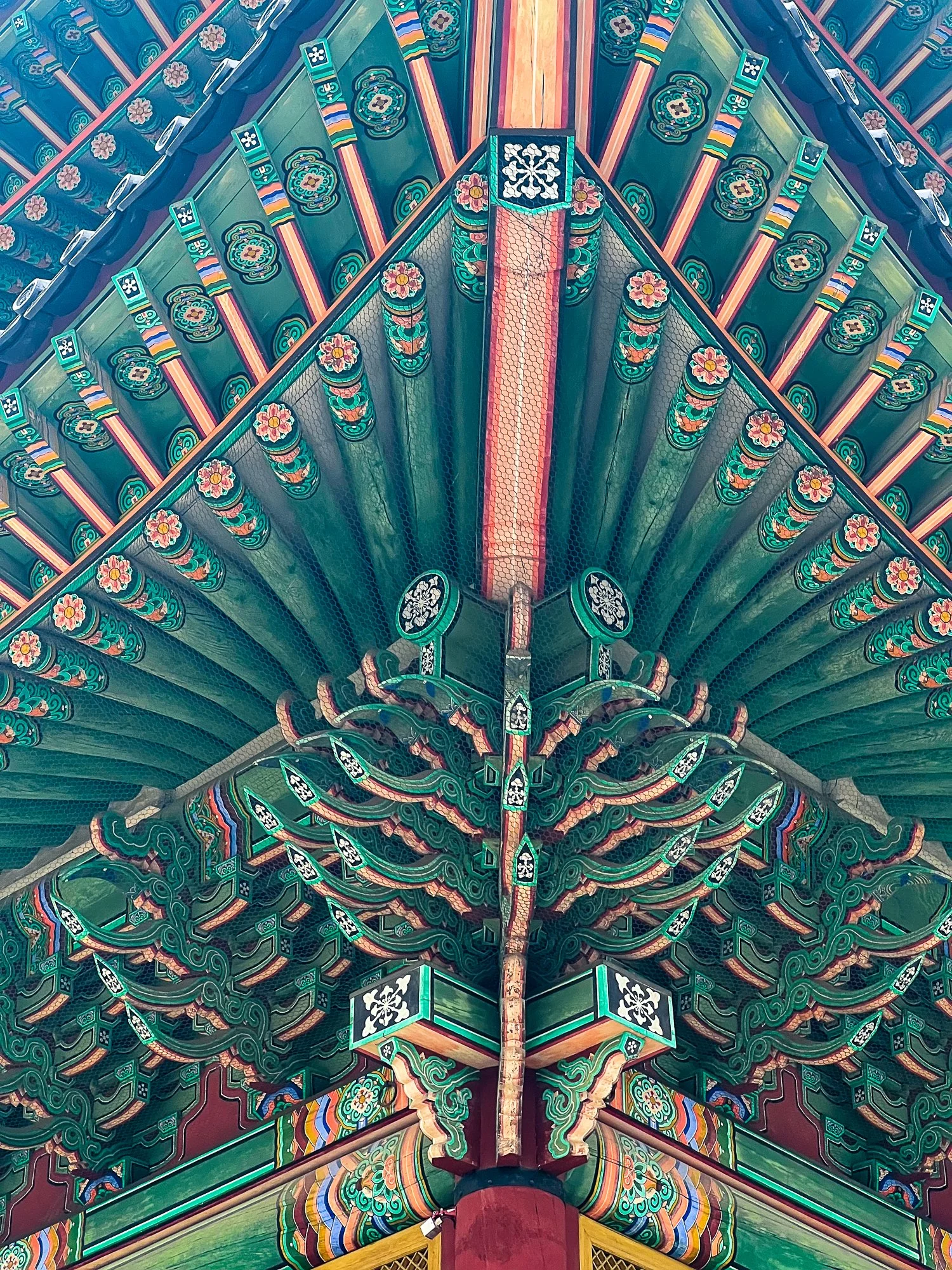
Injeongjeon is supported by a high foundation stone placed on a wide, two-tiered platform known as Woldae, overlooking an expansive ceremonial courtyard. The building occupies 20 kan and is designed as a two-story structure, with an open interior that lacks partitions between the two levels. Its hipped roof features double eaves and a complex bracket system characteristic of late Joseon Dynasty architecture. The roof is adorned with representations of the oyat flower, a symbol of the imperial court and the Korean Empire, which is a species of plum blossom native to Korea.

Każdy pałac posiada główną salę, ozdobioną dekoracjami symbolizującymi władzę i autorytet króla. Injeongjeon służył jako sala tronowa Changdeokgung i był miejscem ważnych wydarzeń państwowych, w tym koronacji nowych królów i przyjmowania zagranicznych posłów. Pierwotnie zbudowana w 1405 roku, sala została przebudowana w 1610 roku po jej zniszczeniu podczas japońskiej inwazji w 1592 roku, a następnie ponownie w 1804 roku po kolejnym pożarze.

Injeongjeon jest podtrzymywany przez wysoki kamień fundamentowy umieszczony na szerokiej, dwupoziomowej platformie znanej jako Woldae, z widokiem na rozległy dziedziniec ceremonialny. Budynek zajmuje 20 kan i jest zaprojektowany jako dwupiętrowa konstrukcja z otwartym wnętrzem, w którym brakuje przegród między dwoma poziomami. Jego czterospadowy dach ma podwójne okapy i złożony system wsporników charakterystyczny dla architektury późnej dynastii Joseon. Dach jest ozdobiony przedstawieniami kwiatu oyat, symbolu dworu cesarskiego i Imperium Koreańskiego. Jest to gatunek śliwy pochodzącym z Korei.

On either side of the hall, corridors with roofs provide additional space. The courtyard features a clear pathway down the centre, reserved for the king, with stone markers (pumgyeseok - 품계석) on either side indicating where officials would stand according to their rank. Civil servants occupied the east side, while military officers stood to the west.

Po obu stronach budynku korytarze z dachami zapewniają dodatkową przestrzeń. Przez środek dziedzińca biegnie ścieżka zarezerwowaną dla króla, z kamiennymi znacznikami (pumgyeseok - 품계석) po obu stronach wskazującymi, gdzie urzędnicy powinni stać według ich rangi. Urzędnicy państwowi zajmowali wschodnią stronę, podczas gdy oficerowie wojskowi stali po zachodniej.

Inside, two gilded phoenixes are featured in the centre of the ceiling. The interior is decorated with yellow cloth, curtains, and lighting, while windows and doors have been upgraded from traditional paper to glass.

Behind the high central pillars stands the throne, and behind the throne a folding screen is featured, decorated with the traditional “Irwoloakdo” (이르월악도), depicting the sun, the moon, and the five peaks.  

And here we must conclude our visit, as the palace is closing for the night. However, we will certainly return to explore more in the future.


Wewnątrz, na środku sufitu, znajdują się dwa pozłacane feniksy. Wnętrze jest udekorowane żółtym materiałem, zasłonami i światlem, a w oknach i drzwiach tradycyjnego papier został zastąpiony szkłem.

Za wysokimi centralnymi filarami stoi tron, a za tronem znajduje się składany parawan, ozdobiony tradycyjnym „Irwoloakdo” (이르월악도), przedstawiającym słońce, księżyc i pięć szczytów.

I tutaj musimy zakończyć naszą wizytę, ponieważ pałac zamyka się już na noc. Na pewno tu jeszcze wrócimy w przyszłości.