architecture

Portal de Panes and fountain controversy

The rain had been relentless during our Korean lesson that afternoon, drumming steadily against the windows, but as soon as the class concluded, the clouds parted with a sudden squint of sunlight—the kind that dappled the streets with gold, inviting us outside. With dinner still a few hours away (and snacks in our bellies), we decided to seize the moment and took a walk around the Plaza de Armas. Once the ceremonial Huacapata, the heart of the Incas, the square now echoes with the energy of tourists and locals alike. The northern and western sides overflow with small shops and cozy cafes. On the northeastern edge, the imposing cathedral stands like a guardian of the past, while the Templo de la Compañía de Jesús at the southeast corner boasts its impressive belfries.

Tego popołudnia podczas naszej lekcji koreańskiego lunął deszcz, ale gdy tylko lekcja się skończyła, deszcz także się skończył. Bardzo to było miłe z jego strony. Do obiadu było jeszcze sporo czasu (i przekąski swieżo w naszych brzuchach), postanowiliśmy więc wykorzystać tę chwilę i poszliśmy na spacer po Plaza de Armas. Kiedyś ceremonialna Huacapata, serce Inków, plac po dziś dzień jest samym pępkiem Cusco. Północna i zachodnia strona jest pełna małych sklepików i przytulnych kawiarni. Na północno-wschodnim krańcu wznosi się imponująca katedra, podczas gdy Templo de la Compañía de Jesús w południowo-wschodnim narożniku szczyci się imponującymi dzwonnicami.

We meander through the Portal de Panes, a covered cloister pavement with overhanding buildings, supported by stone pillars or arches, that is circling the plaza. It creates a rain-free and sun-shaded walking space nearly all the way around the square. The Portal de Panes used to be part of the palace of Pachacuti.


Okrążamy plac idąc przez Portal de Panes, kryty chodnik klasztorny z nadwieszonymi budynkami, podpartymi kamiennymi filarami i łukami, który okrąża plac. Tworzy on wolną od deszczu i zacienioną słońcem przestrzeń do spacerów niemal wokół całego placu. Portal de Panes był kiedyś częścią pałacu Pachacuti.

The ornamental fountain in the central part of the square is a cast-iron design, installed in 1872, and has quite the story to tell—one marred by a lot of controversy. Originally, it featured the figure known as “the Apache,” a striking image of a Native American named Chief Kisko. Why this figure topped the fountain instead of an Inca ruler sparked much debate. Some said it was a simple mistake during shipping; others suggested it was a peculiar choice by the rector of the local university. Even the famous explorer Hiram Bingham commented on the oddity of a Native American statue standing in the heart of the former Inca capital. In 2011, with a nod to history’s importance, the Apache statue was removed (story says it was a group of not completely sober local men who initiated it), replaced by a representation of Manco Capac, the first Inca ruler. Now, this figure proudly adorns the fountain, a testament to the city’s heritage and a reflection of its intricate past.

Ornamentalna fontanna w centralnej części placu to żeliwna konstrukcja zainstalowana tu w 1872 roku, której historia jest dość kontrowersyjna. Jeśli patrząc na jej rzeźby, myślicie, że są one tutaj - przepraszam za język - ni w pipę, ni w oko, to wcześniej było jeszcze gorzej. Pierwotnie na jej szczycie znajdowała się bowiem postać znana jako „Apacz”, uderzający wizerunek rdzennego Amerykańskiego wodza Kisko. Dlaczego to ta figura znajdowała się na szczycie fontanny, a nie reprezentacja władcy Inków jest przedmiotem wielu dyskusji. Niektórzy twierdzą, że był to zwyczajnie błąd podczas wysyłania fontanny (która była produktem masowej produkcji, zamówionej z katalogu), a inni sugerują, że był to osobliwy wybór rektora lokalnego uniwersytetu. Nawet słynny odkrywca Machu Picchu, Hiram Bingham, skomentował obecność posągu rdzennego Amerykanina stojącego w sercu dawnej stolicy Inków. W końcu, w 2011 roku, w uznaniu znaczenia historii, posąg Apacza został usunięty i zastąpiony postacią Manco Capac’a, pierwszego władcy Inków (niektórzy twierdzą, ze usunięciem Apacza zajęło się kilku mieszkańców miasta po pijaku...). Ta nowa figura Inki dumnie zdobi fontannę, będąc świadectwem dziedzictwa miasta i odzwierciedleniem jego skomplikowanej przeszłości.

As the sun dips below the horizon, casting a warm glow over the city, the lights around Plaza de Armas flicker on, bathing the entire square in golden radiance. Still wet cobblestones reflect the illumination making everything shimmer as if sprinkled with golden dust. It looks quite impressive.

PS. The church you can see on the hill is St Cristobal’s church and obviously we plan to climb there one day. The view must be respectable!

Gdy słońce chowa się za horyzontem, zapalają się światła wokół Plaza de Armas, zalewając cały plac złotym blaskiem. Nadal mokre od deszczu brukowane kamienie odbijają światło, sprawiając, że wszystko lśni, jakby posypane złotym pyłem. Wygląda to całkiem imponująco.

PS. Ten kościół, który widzicie na wzgórzu (San Cristobal)? My też już zauważyliśmy, że widok stamtąd musi być zacny i mamy w planach wizytę.

Whales Beneath the Vaulted Ceiling

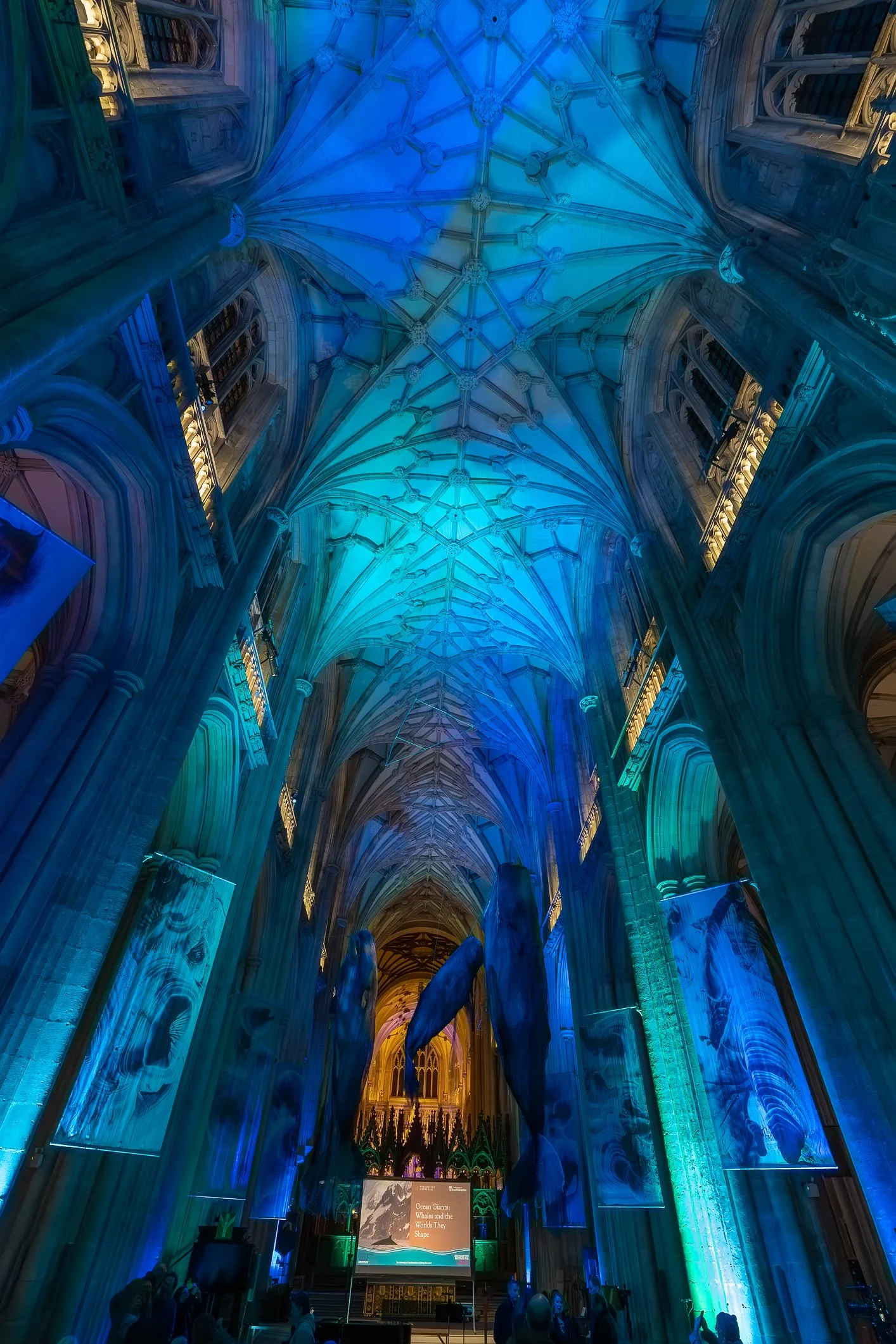
Last night, we stepped into a truly unforgettable world inside Winchester Cathedral—one filled with deep blue light, haunting music, and… whales.

Yes, whales. Three monumental sperm whale sculptures, suspended from the nave of the ancient cathedral, seemed to float through the air above us. The largest measured over five meters long. Created by artist Tessa Campbell Fraser, these breathtaking sculptures formed the centrepiece of an immersive exhibition that blends art, science, and awe.

We were there for a special event hosted by the University of Southampton—an evening of talks, performances, and reflection titled Whales: A Journey Through Worlds. It explored the incredible ways whales shape not just the ocean, but our entire planet, our laws, and even our imaginations.

Three standout talks anchored the night:

  • Professor Jon Copley shared astonishing insights about deep-sea ecosystems that form around whale carcasses, turning death into life for countless ocean creatures.

  • Dr Ryan Reisinger spoke about whale migrations and how these giants connect oceans across the globe, influencing ecosystems and even human life.

  • Dr Dina Lupin took us into the world of environmental law, revealing how whales are reshaping legal thinking about nature and rights.

And between the lectures, the evening flowed with poetry and live music.

Wczoraj wieczorem przenieśliśmy się do zupełnie innego świata — świata błękitnego światła, nastrojowej muzyki i… wielorybów.

Tak, wielorybów. Trzy monumentalne rzeźby tych ssaków, stworzone przez artystkę Tessę Campbell Fraser, zawisły pod sklepieniem nawy głównej w katedrze w Winchesterze.

Pojawiliśmysię tam na wyjątkowe wydarzenie zorganizowane przez Uniwersytet w Southampton – wieczór pod hasłem Whales: A Journey Through Worlds, pełen wykładów, występów artystycznych i refleksji. Tematem przewodnim były wieloryby i ich niezwykły wpływ na oceany, ekosystemy, kulturę i prawo.

Najważniejsze były trzy wykłady:

  • Profesor Jon Copley opowiadał o ekosystemach, które tworzą się na dnie oceanu wokół martwych wielorybów – śmierć jednych daje życie innym.

  • Dr Ryan Reisinger mówił o migracjach wielorybów i o tym, jak te olbrzymy łączą ze sobą oceany, wpływając na środowisko i życie ludzi.

  • Dr Dina Lupin przedstawiła fascynujące spojrzenie na rolę wielorybów w prawie – i jak zmieniają one sposób, w jaki myślimy o naturze i sprawiedliwości.

Między wykładami zaś rozbrzmiewała poezja i muzyka na żywo.

Breakfast at our riad

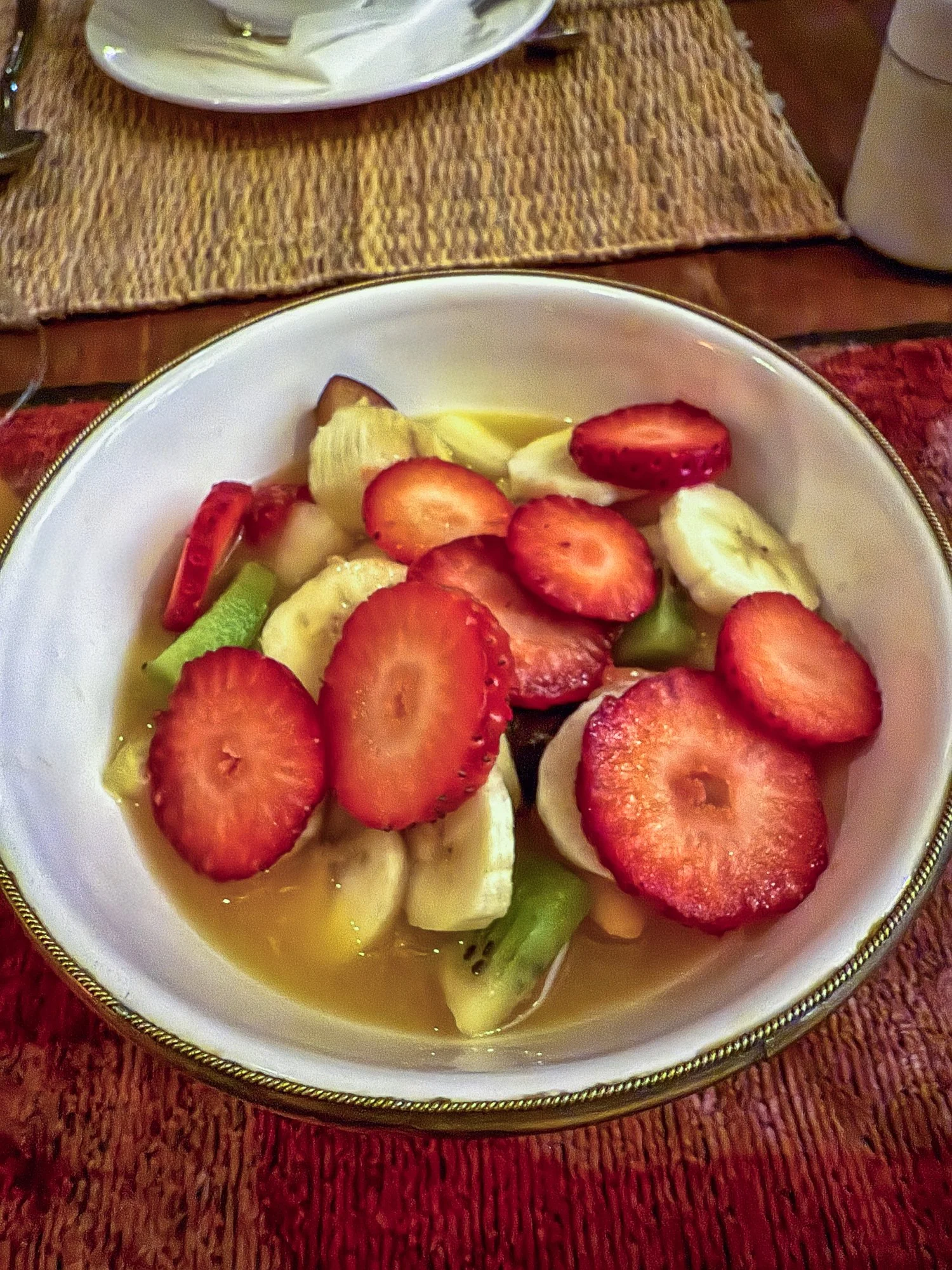
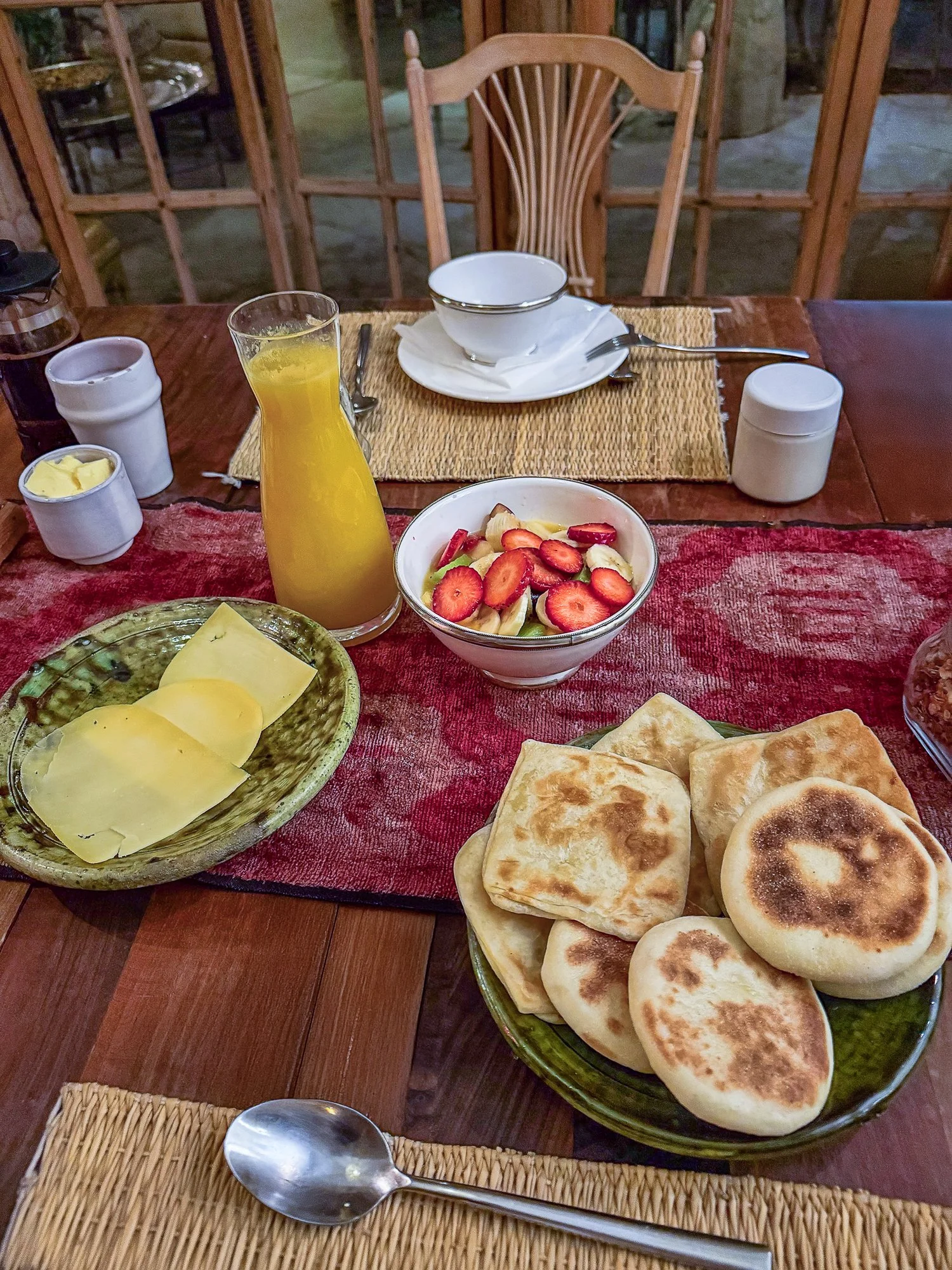
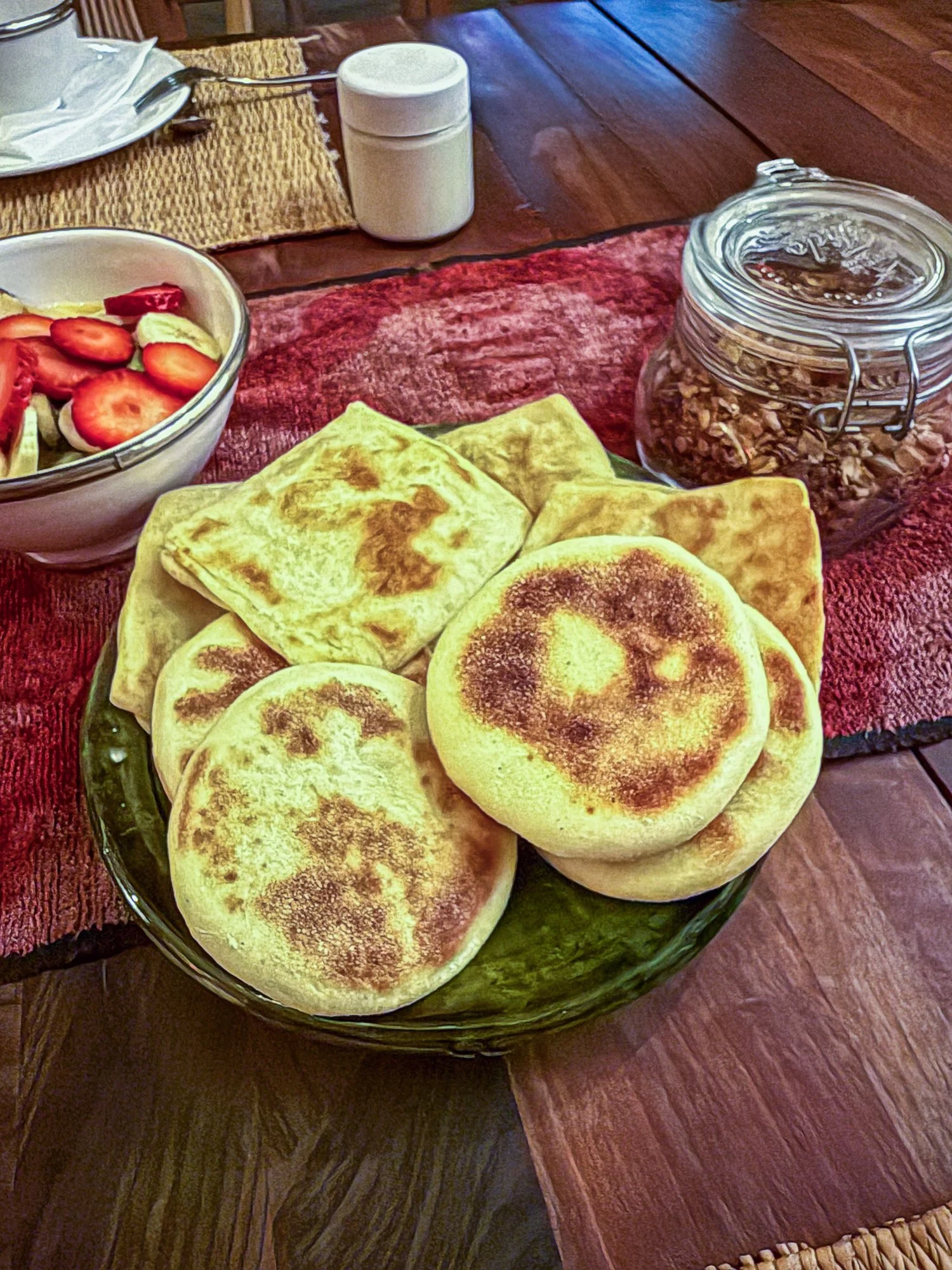
We start the day with a simple but satisfying breakfast, choosing the dining room over the terrace as the morning air is still a little chilly, and time is tight. By 9 a.m., we need to be at the back of the Koutoubia Mosque, where a shuttle will take us to Cactus Thiemann.

Zaczynamy dzień od prostego, ale smacznego śniadania. Wybieramy jadalnię zamiast tarasu  - poranek jest jeszcze dość chłodny, a czasu mamy niewiele. O 9:00 musimy być za meczetem Koutoubia, skąd shuttle zabierze nas do Cactus Thiemann.

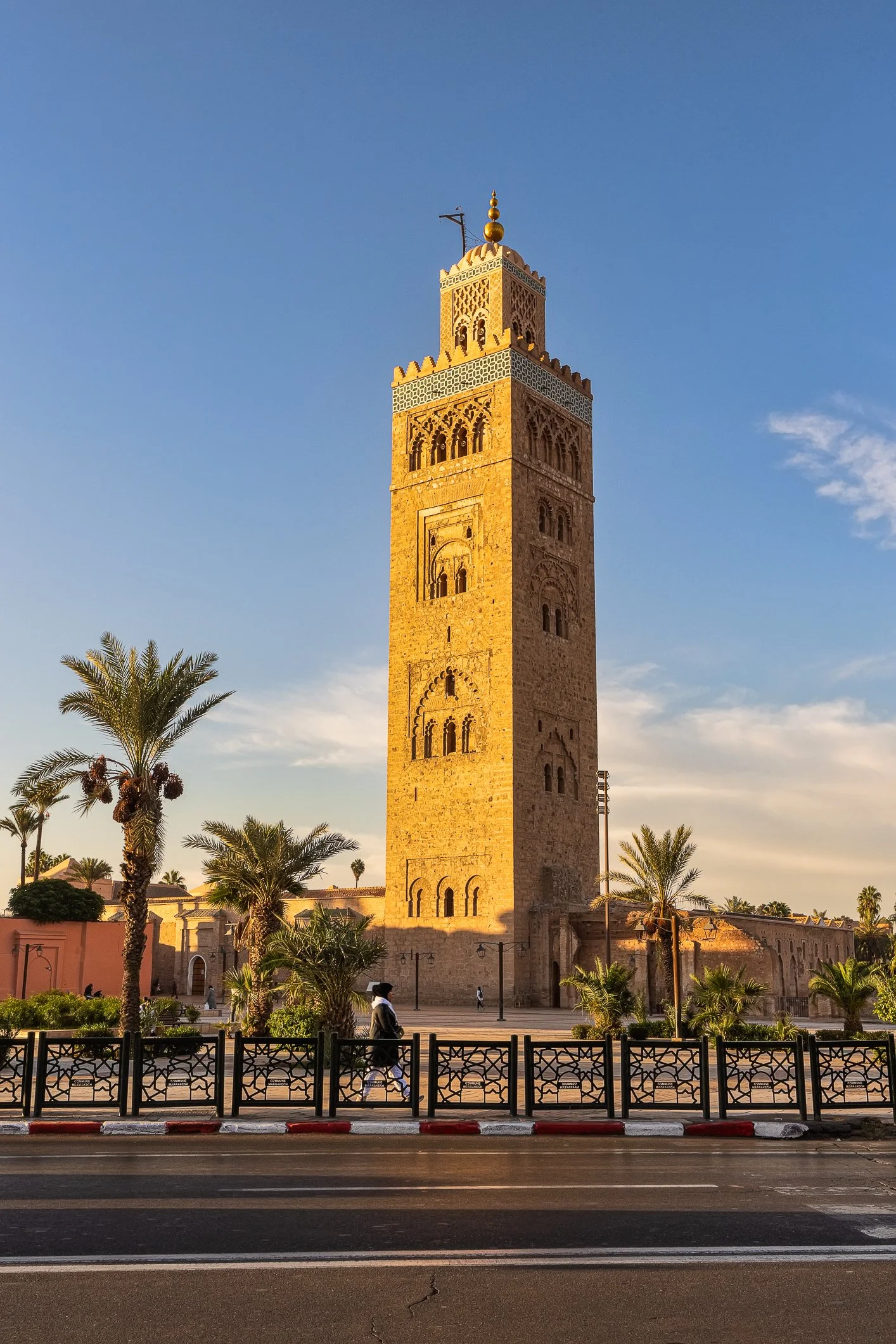
After breakfast, we stroll to the meeting point. The sun is already up, casting a warm glow over the mosque, which basks beautifully in the morning light. With the day beginning to unfold, we’re ready to discover the cacti.

Po śniadaniu idziemy spacerkiem do miejsca zbiórki. Słońce zdążyło już wzejść, a meczet pięknie wygrzewa się w jego ciepłym świetle. Dzień dopiero się zaczyna, a my jesteśmy gotowi odkrywać wielki świat kaktusów.

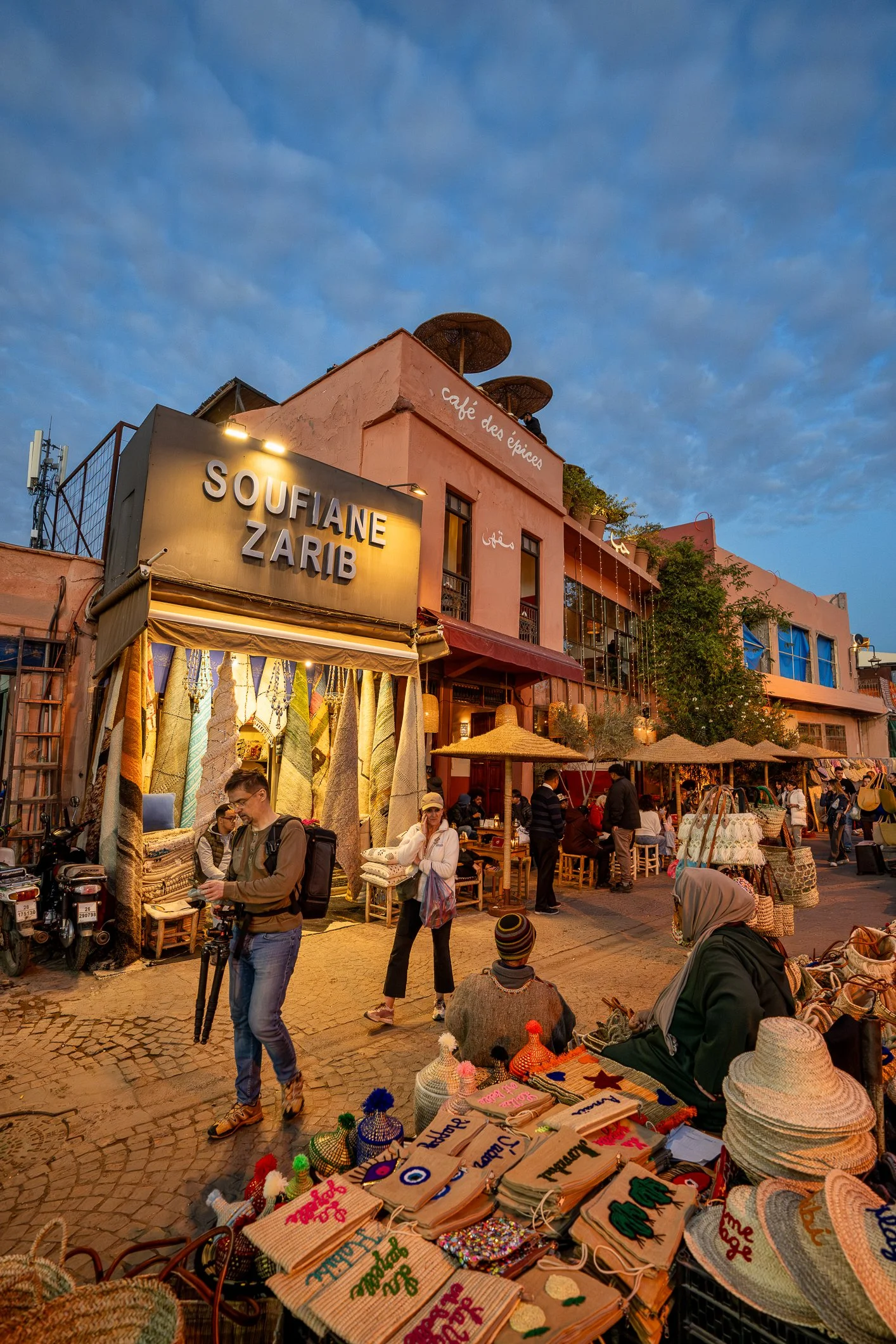
Café des Épices

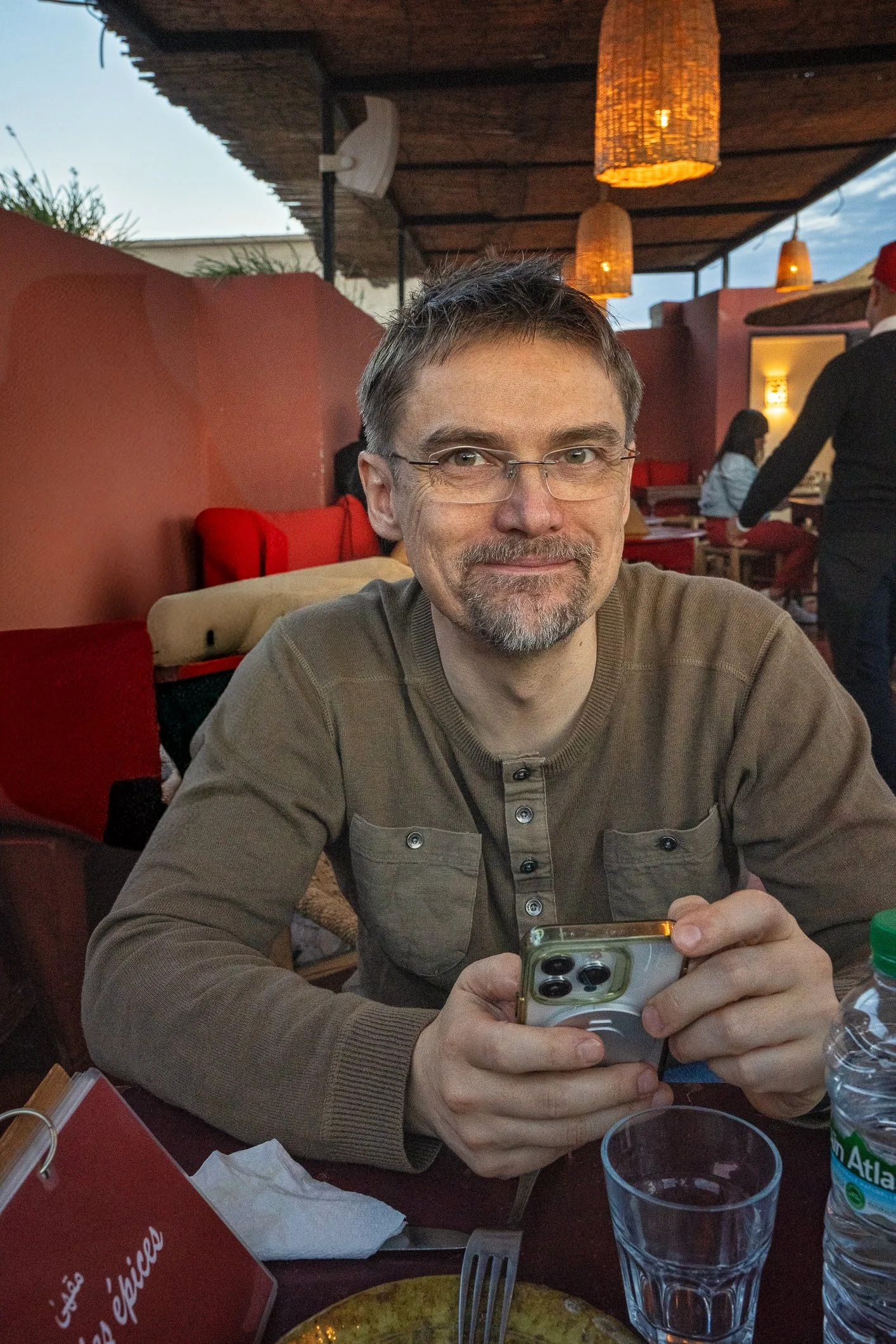
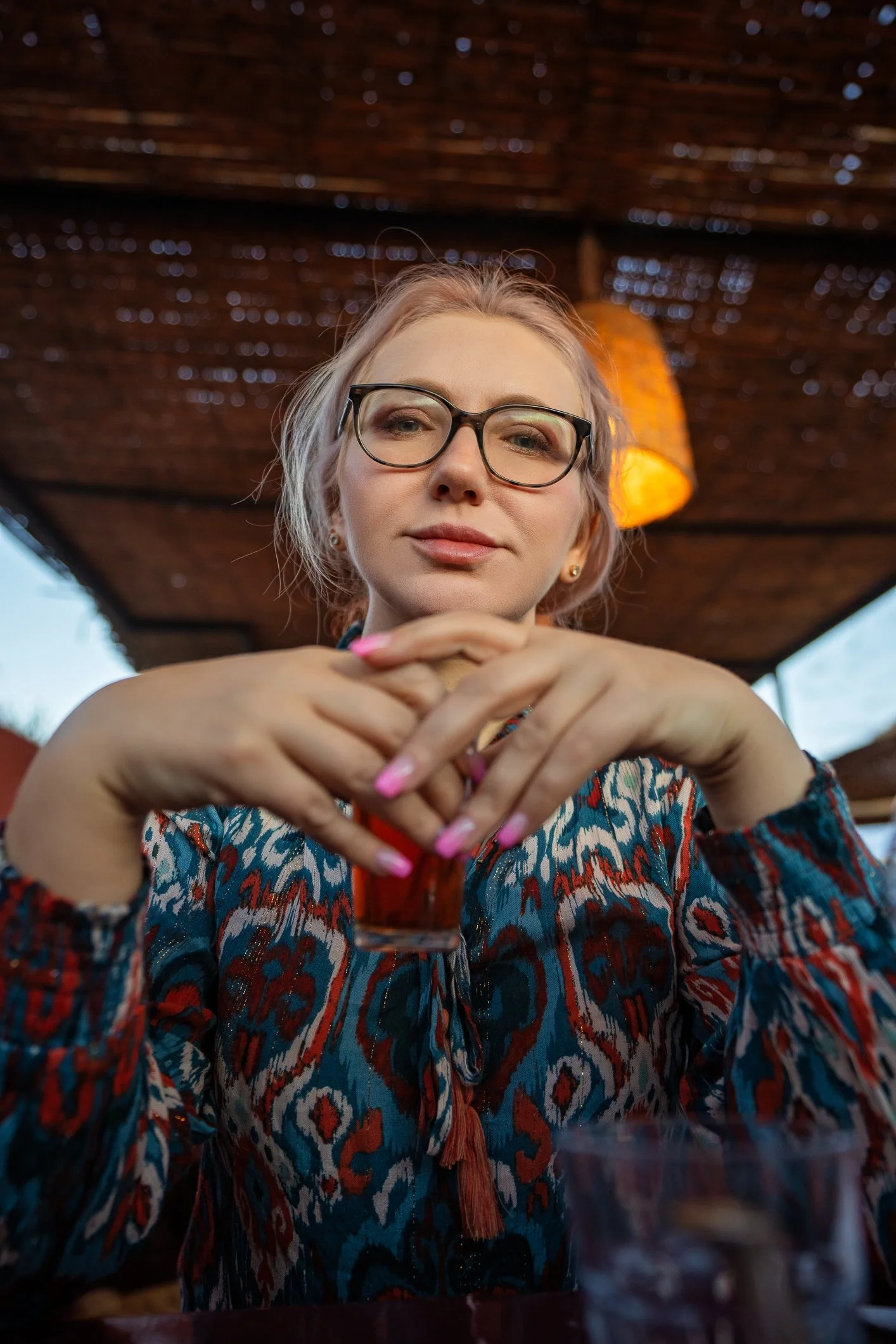
After a sleepless night, we are going to take it easy today. So, we lazily walk to Café des Épices, trading the hushed seclusion of a riad for the rhythmic pulse of the medina

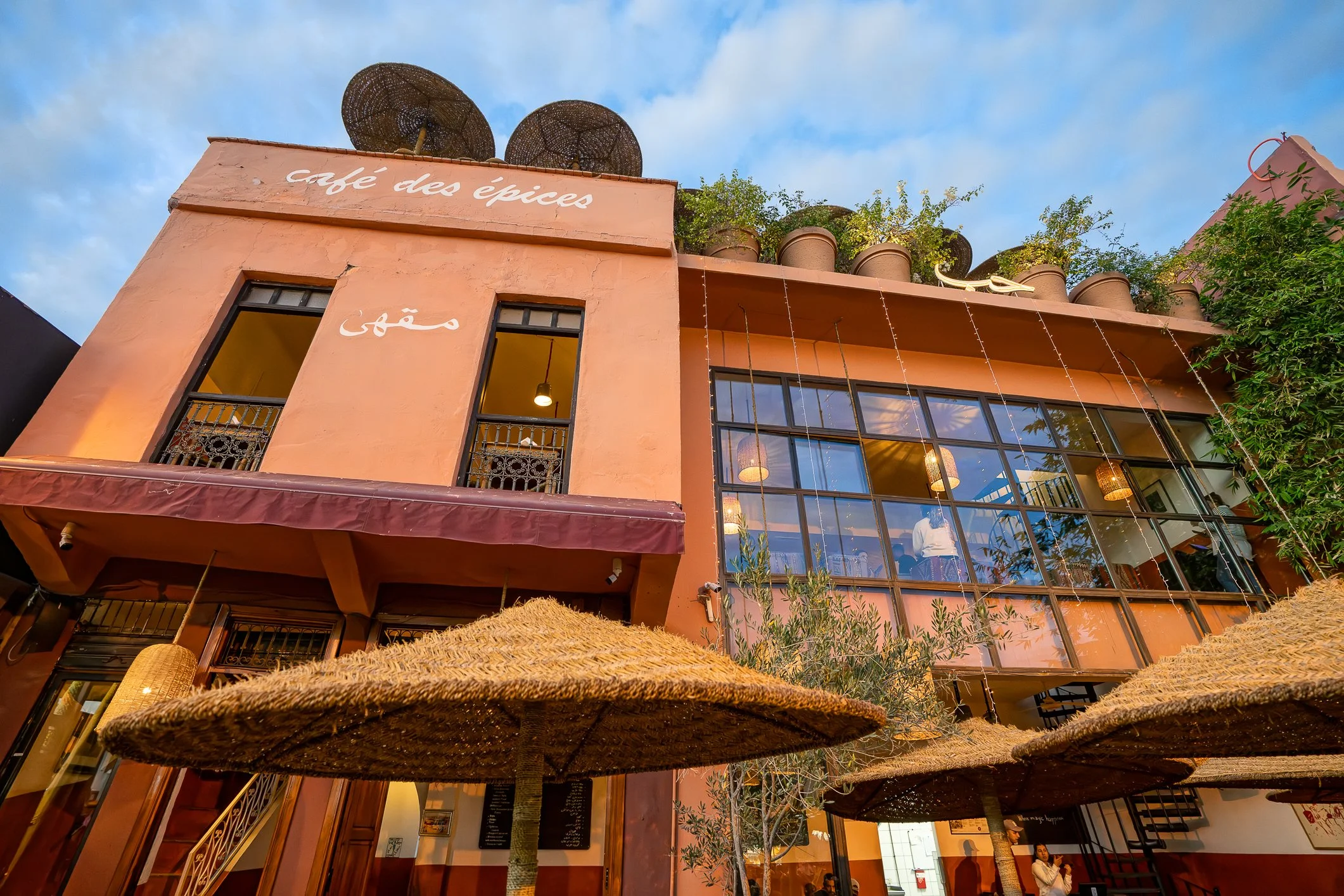
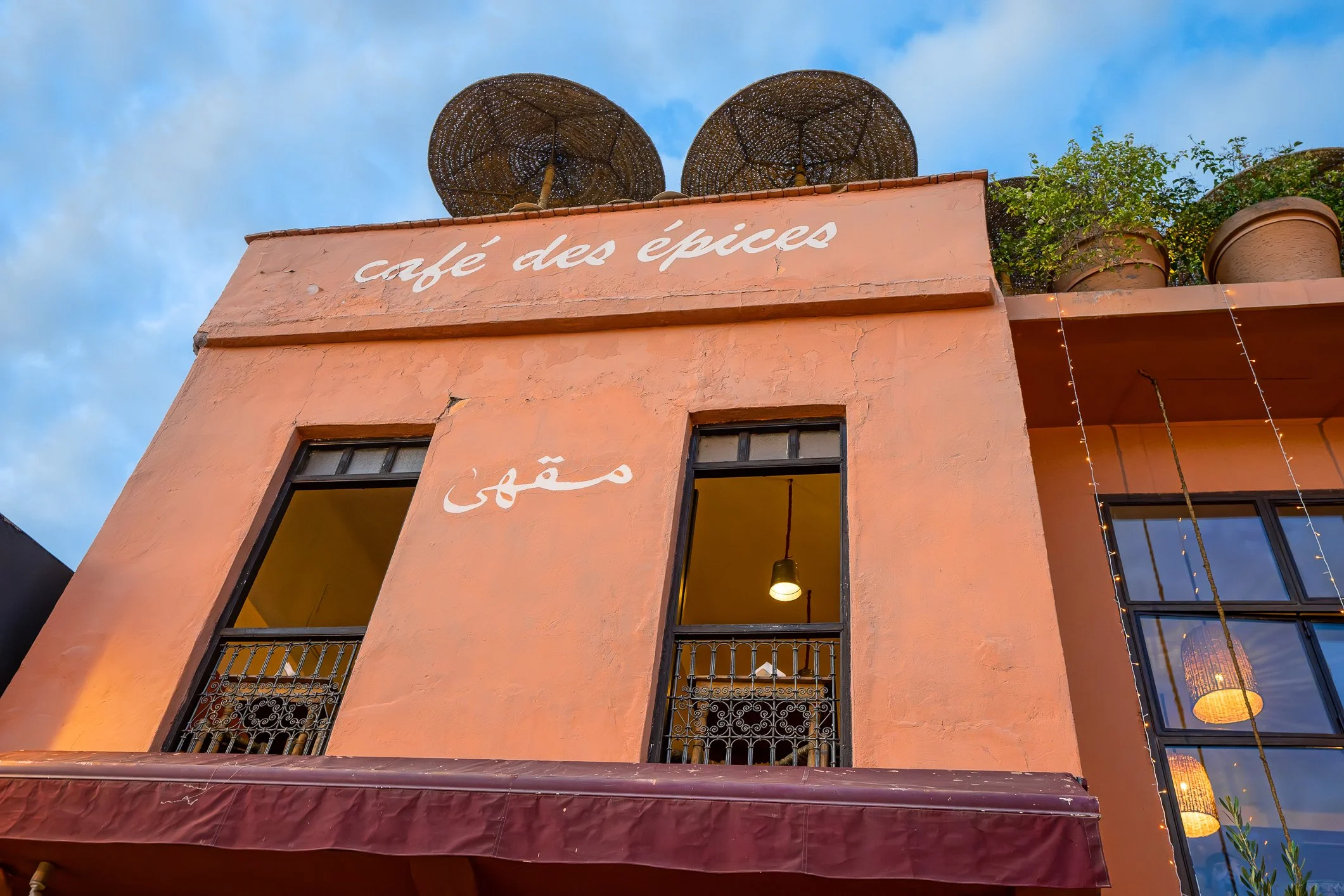
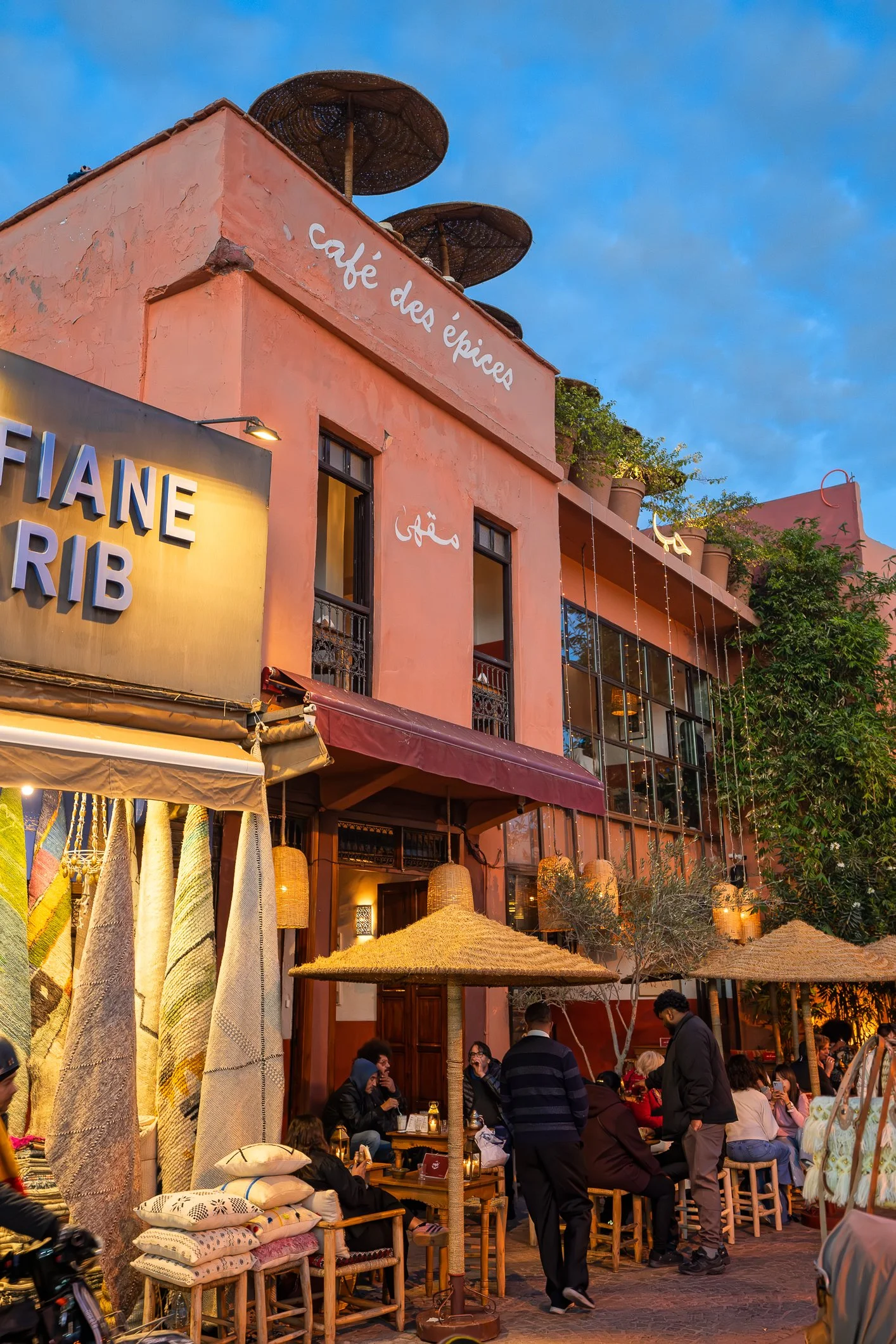
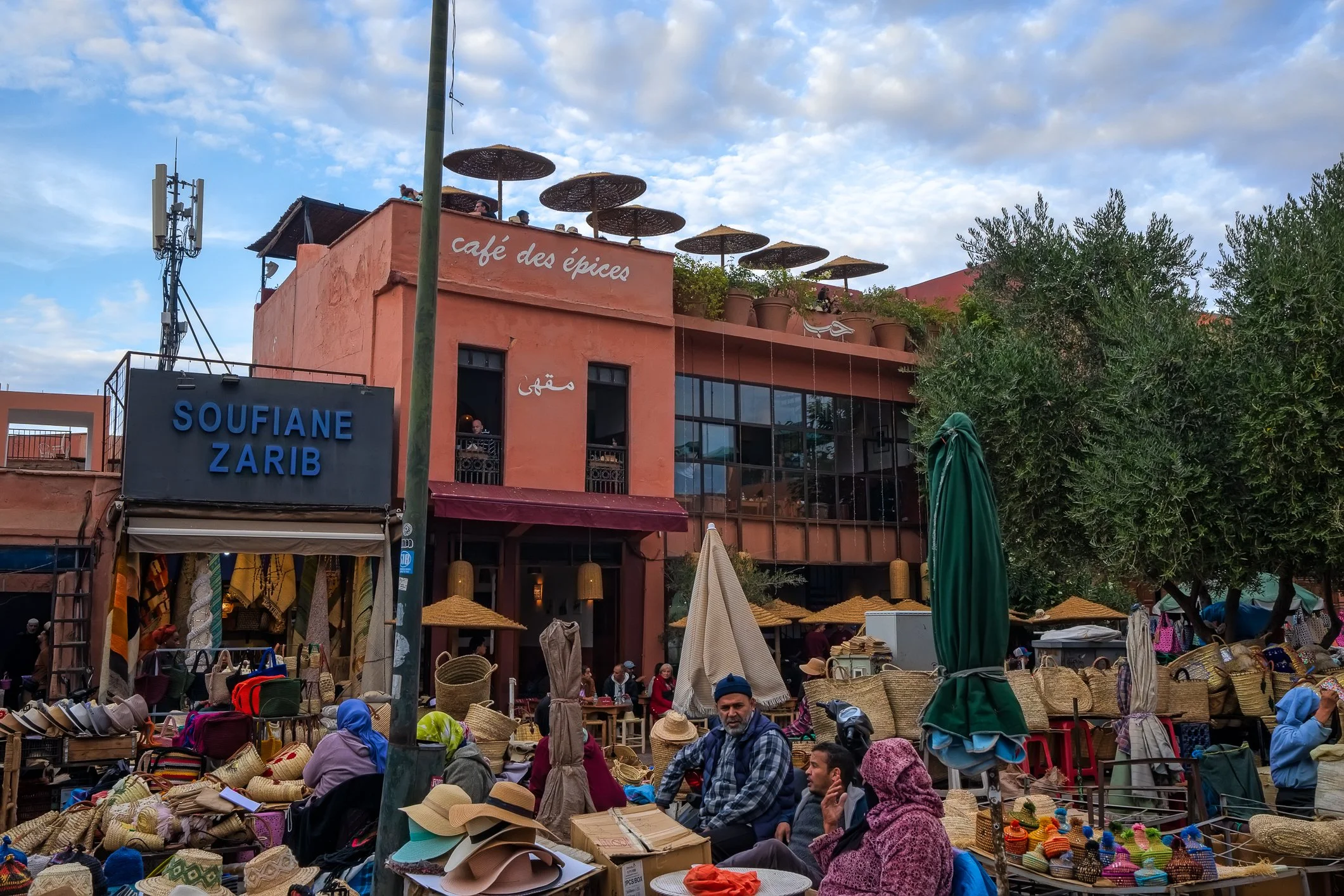
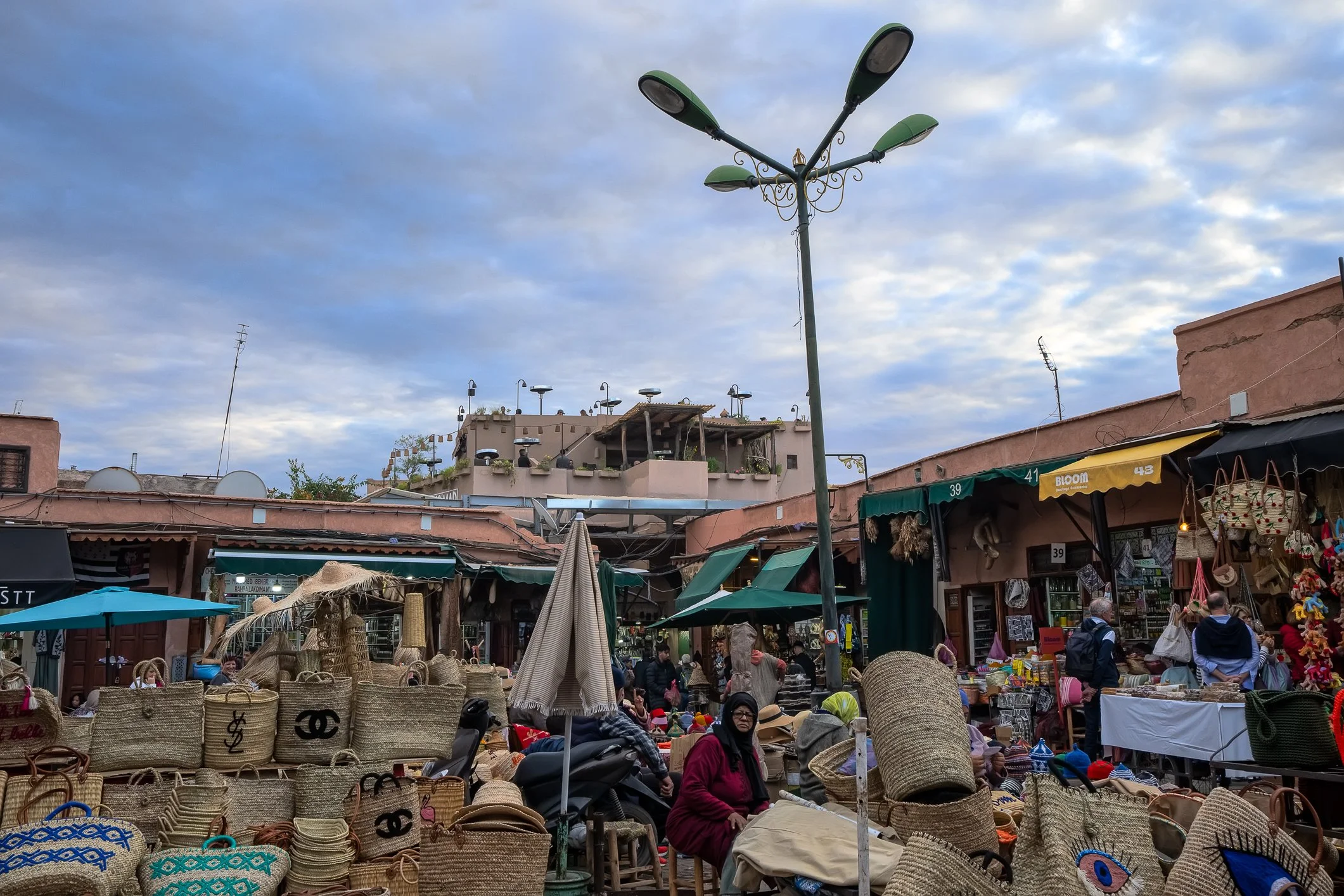
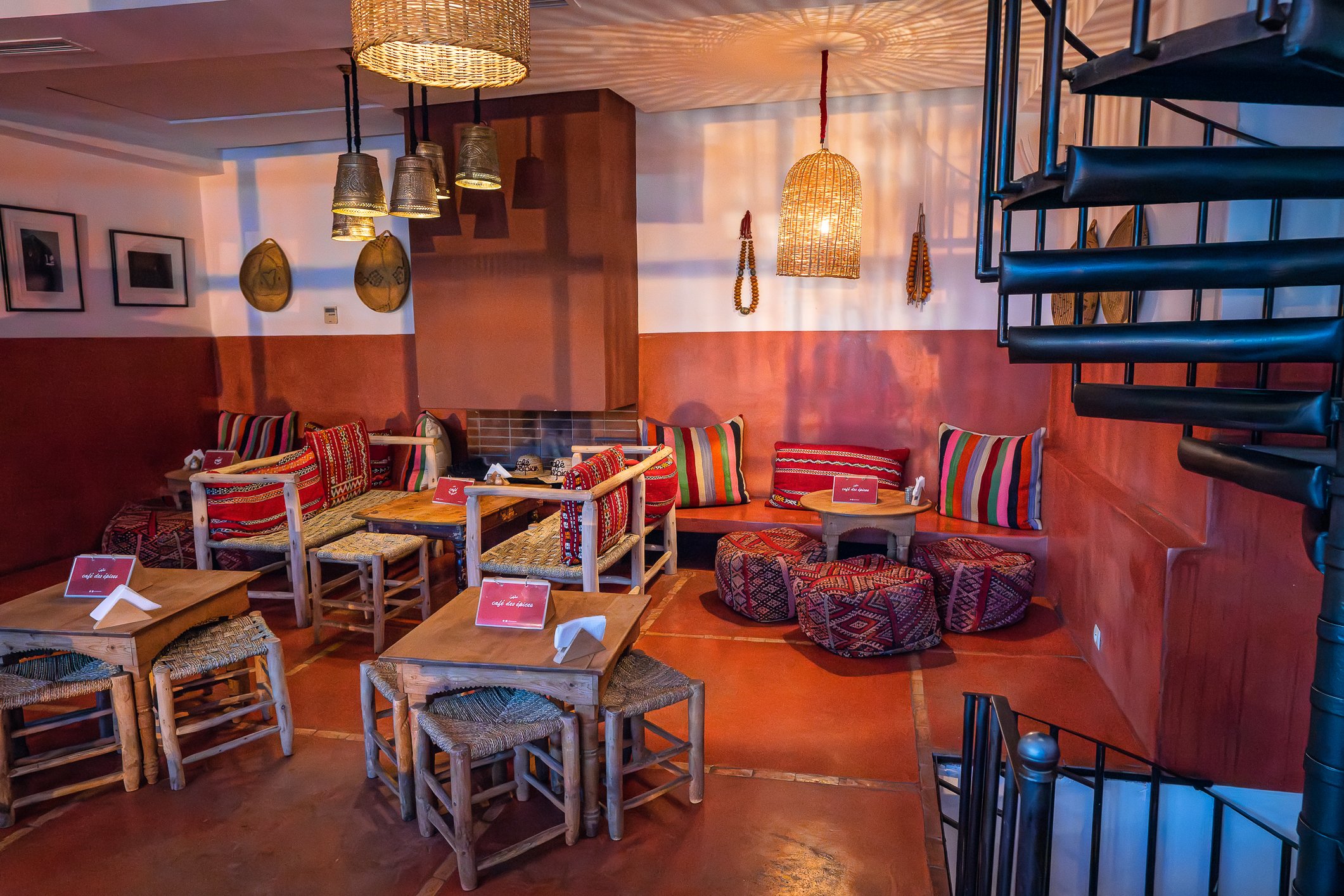
The café is located in the heart of Rahba Kedima (the vibrant Spice Square). Much like the architecture of Kbour & Chou, it serves as a masterclass in textures - though here, the palette shifts from lush garden greens to the warm, sun-baked ochres and terracottas of the desert.

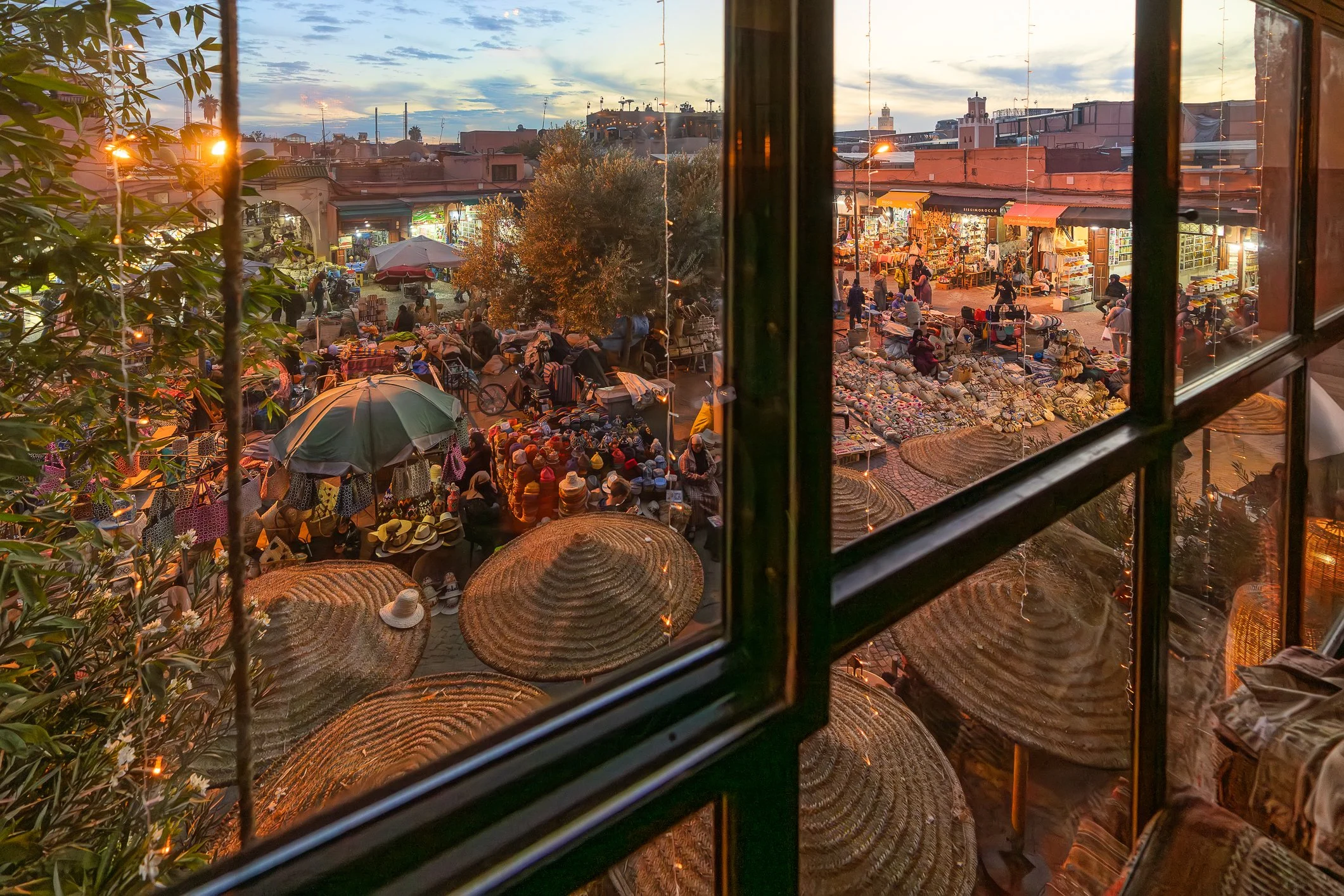
The design is a nod to "Beldi" chic - a refined, rustic simplicity. The walls are finished in a raw, earthy Tadelakt in shades of sand and apricot, providing a calm backdrop to the vibrant mounds of cumin and saffron sold just outside. Interior spaces feature dark wood accents, simple straw hats used as wall décor, and windows that frame the square like living postcards. The café opts for a clean, almost cinematic Moroccan vibe.


Po nieprzespanej nocy stawiamy dziś na powolne tempo. Idziemy sobie więc leniwym sacerem w stronę Café des Épices, zamieniając ciszę i spokój naszego riadu na rytm i puls medyny.

Kawiarnia ta to legendarne miejsce w samym sercu Rahba Kedima (tętniącego życiem Placu Przypraw). Podobnie jak w architekturze Kbour & Chou, mamy tu do czynienia z prawdziwym mistrzowskim operowaniem teksturą – z tą różnicą, że paleta barw zmienia się z soczystej ogrodowej zieleni na ciepłe, wypalone słońcem ochry i pustynną terakotę.
Wystrój to ukłon w stronę stylu „Beldi chic”- wyrafinowanej, rustykalnej prostoty. Ściany wykończone surowym, ziemistym tadelaktem w odcieniach piasku i moreli stanowią spokojne tło dla jaskrawych kopców kuminu i szafranu, sprzedawanych tuż za progiem. Wnętrza zdobią akcenty z ciemnego drewna, słomkowe kapelusze na ścianach i okna, które kadrują widok na plac niczym pocztówki.

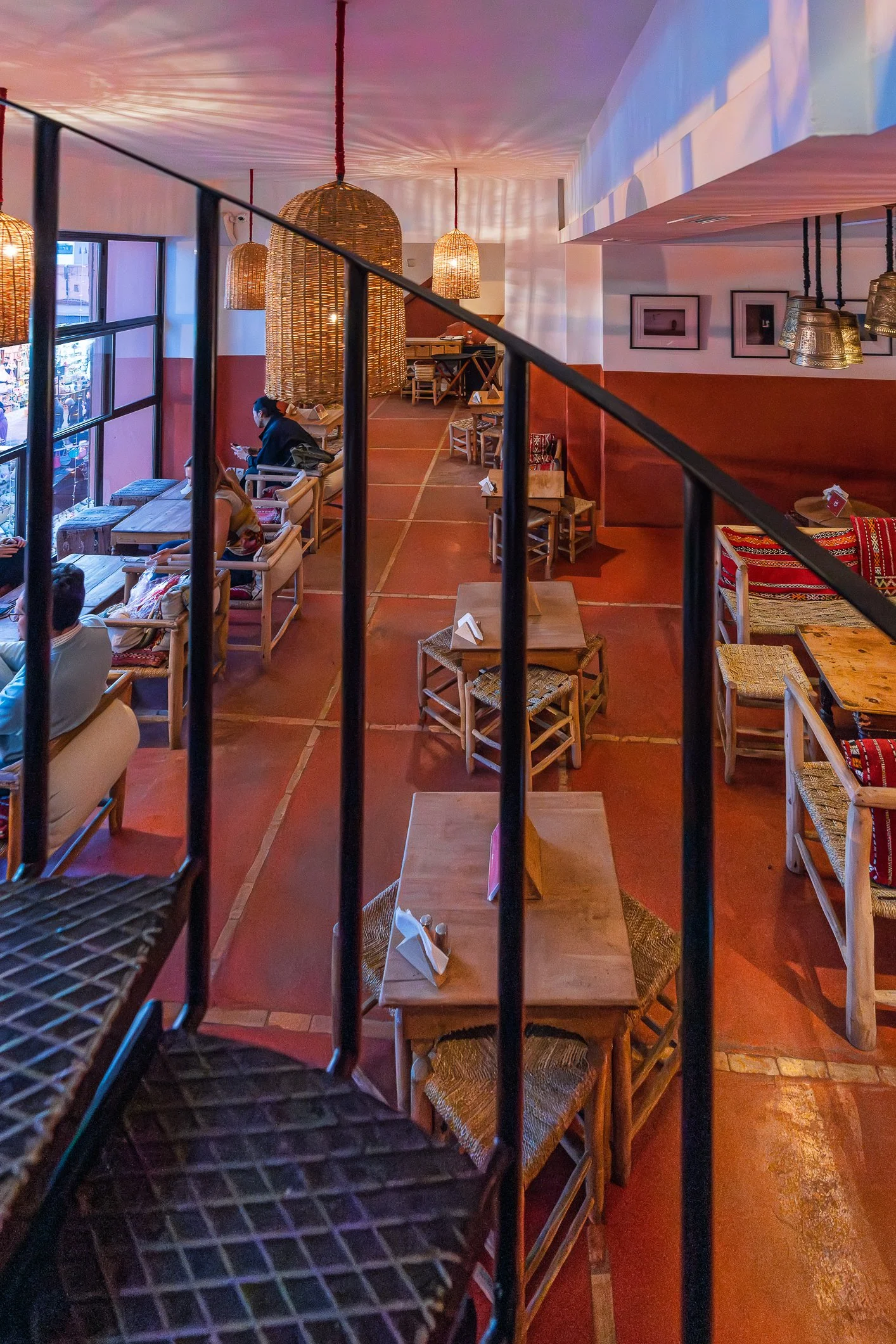
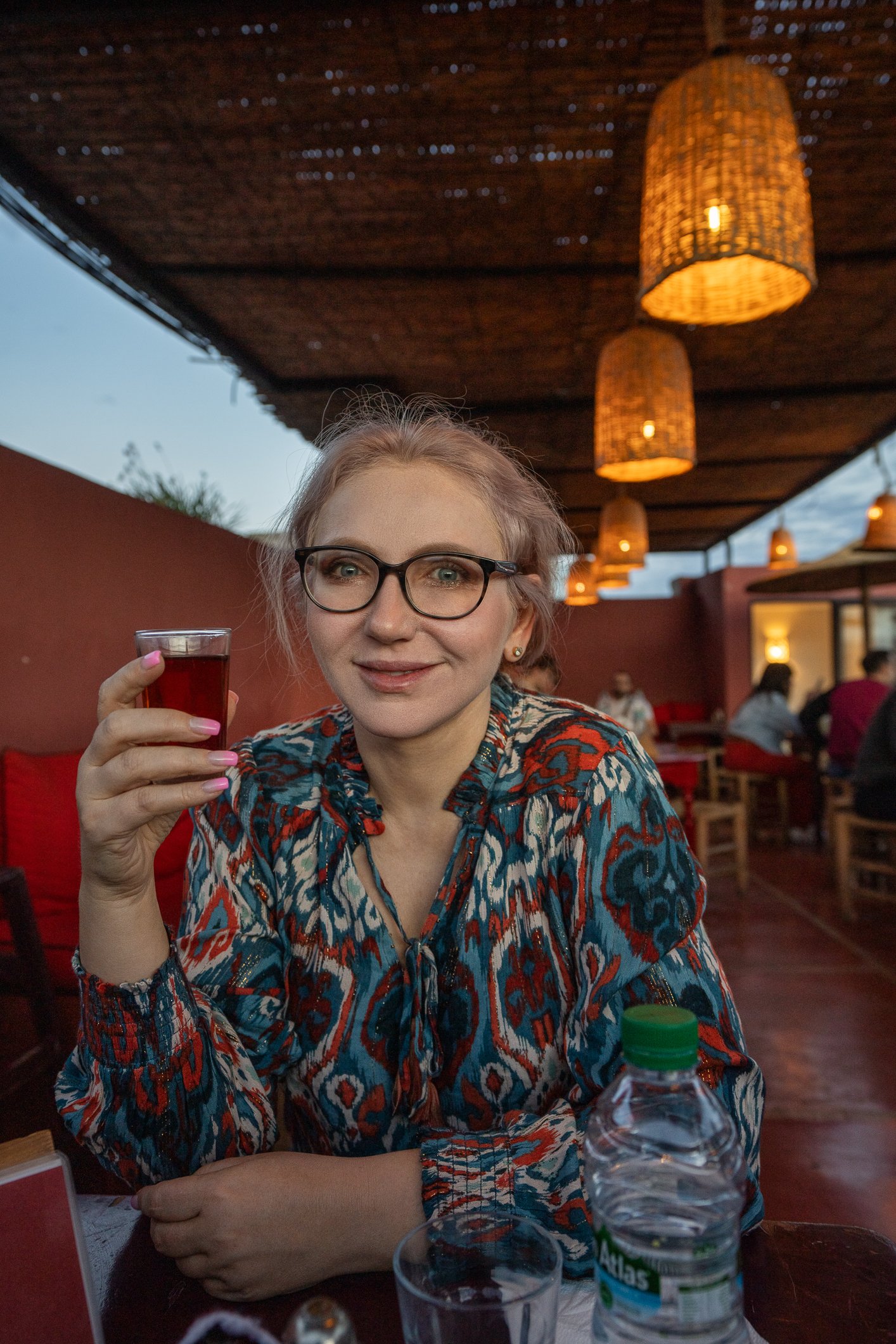
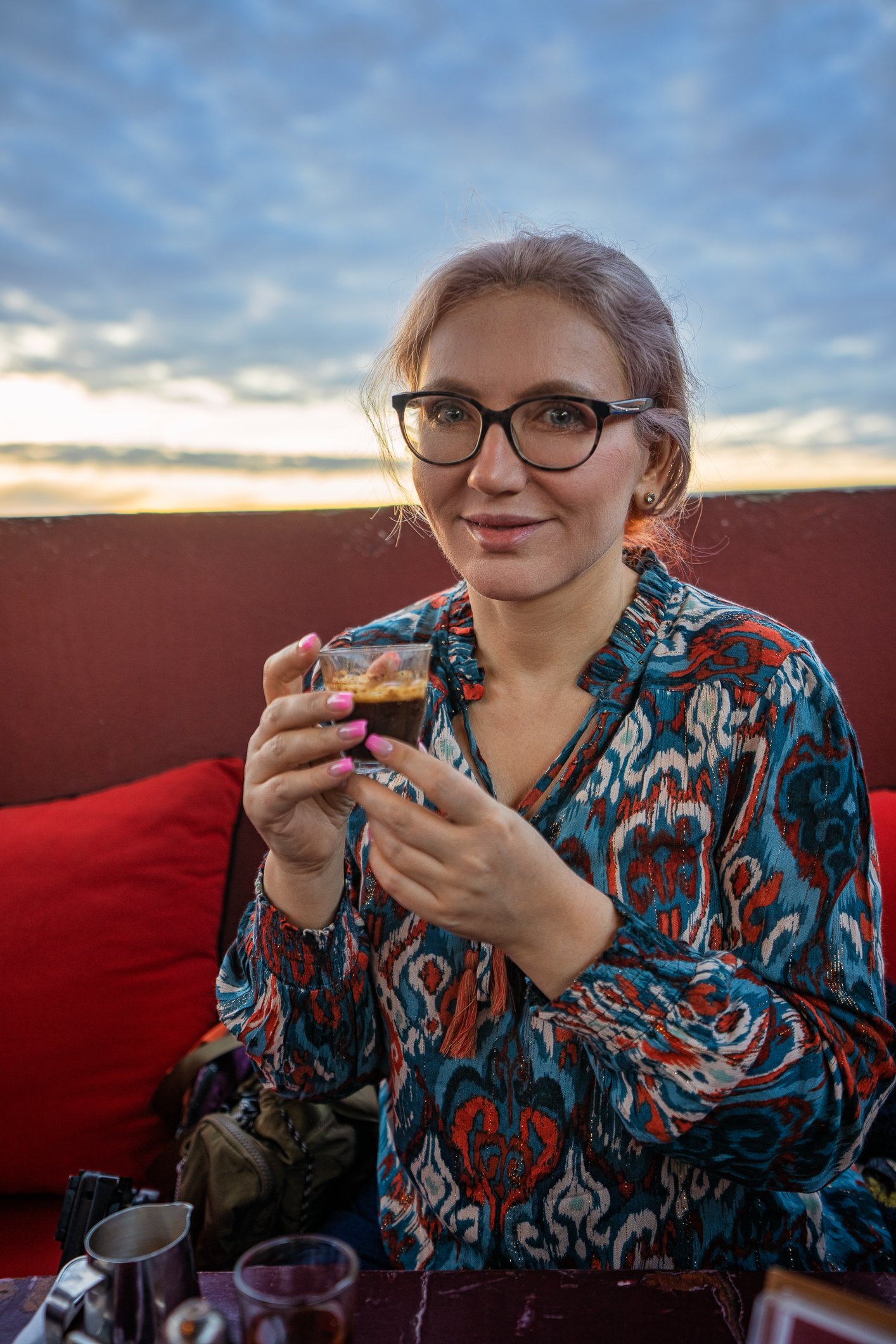
The ground floor is open to the square, a place for a quick espresso while watching herb sellers and carpet merchants haggle. The middle floor is more intimate and shaded, offering small "pockets" of seating—ideal for escaping the midday heat while still hearing the muffled roar of the market below. The rooftop terrace is the café’s crown jewel, providing a panoramic view of the "Red City." On clear days, the Atlas Mountains provide a jagged, snow-capped backdrop to the terracotta skyline. Some say it is the best spot in the medina to watch the sunset turn the square into a sea of long shadows and deep ambers.

Parter otwiera się bezpośrednio na plac - to idealne miejsce na szybkie espresso. Piętro jest bardziej kameralne i zacienione, oferując przytulne zakamarki pozwalające uciec przed częstym tu upałem. Taras na dachu to jednak prawdziwa tutejsza perła w koronie, oferująca panoramiczny widok na „Czerwone Miasto”. W pogodne dni góry Atlas stanowią postrzępione, pokryte śniegiem tło dla terakotowej linii horyzontu. Niektórzy nawet twierdzą, że to najlepszy punkt w medynie, by obserwować zachód słońca, który zmienia plac w morze długich cieni na tle głębokiego bursztynu.

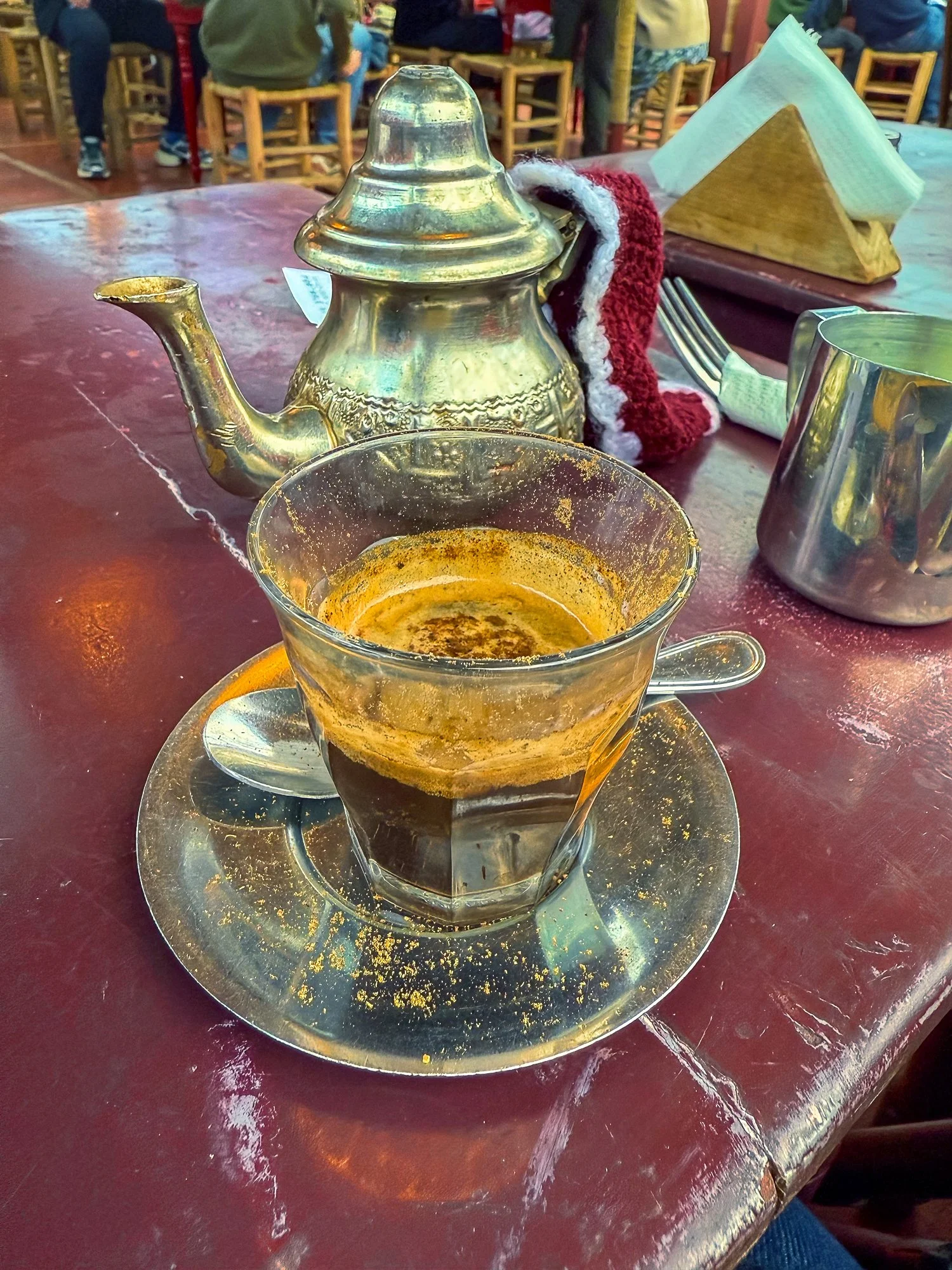
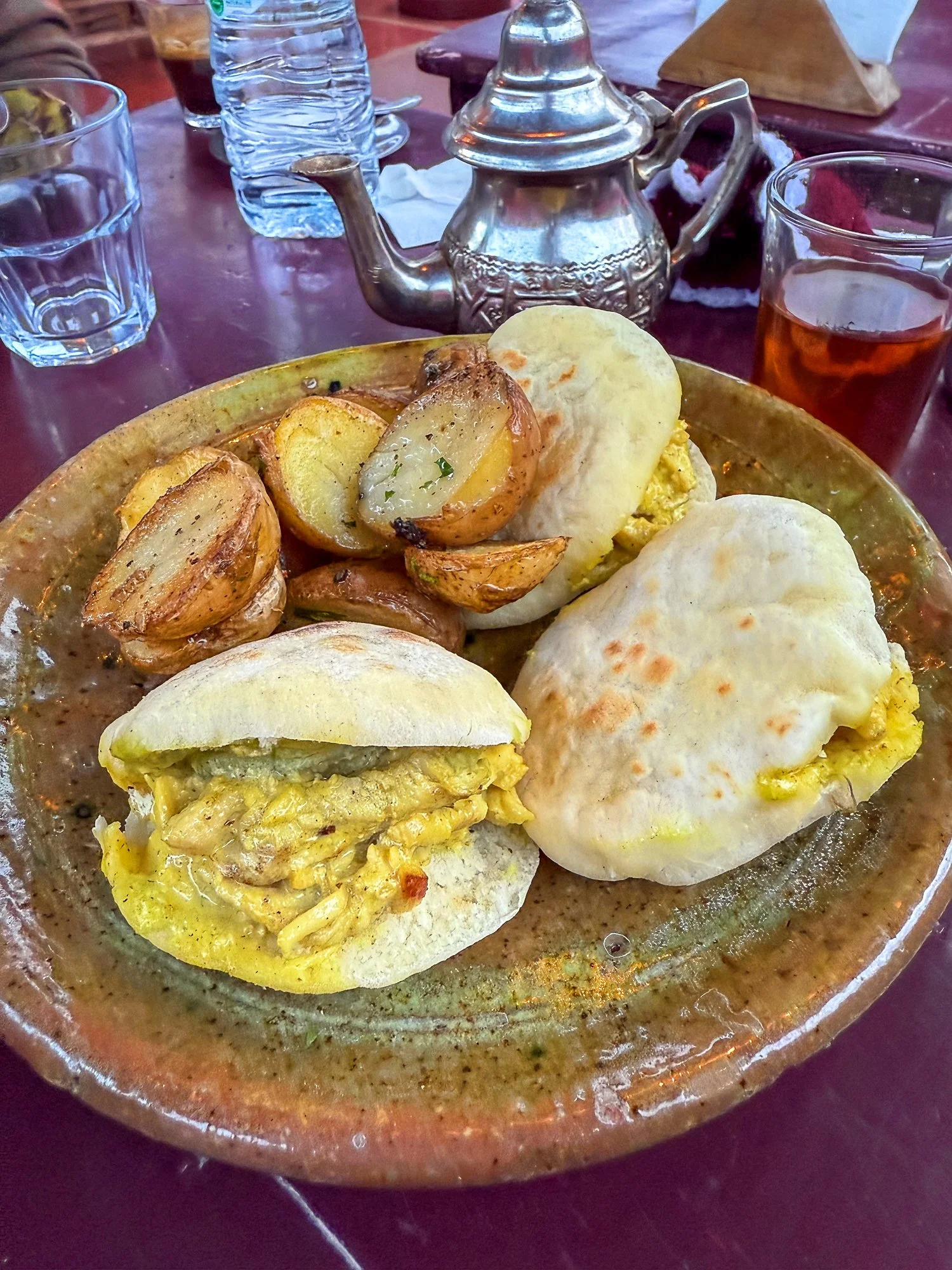
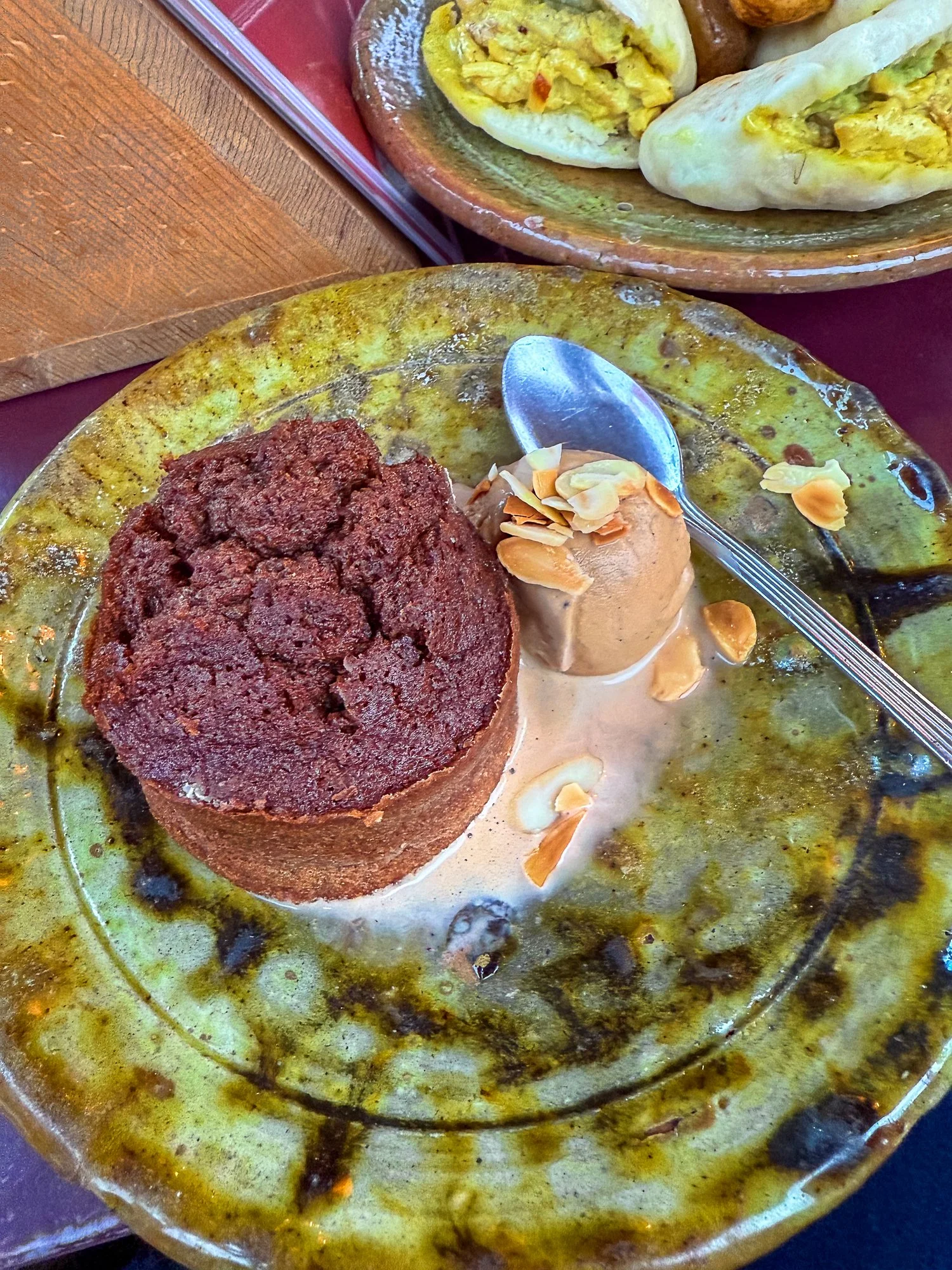
The food here is designed for the light-drenched terrace lifestyle. Their signature spiced coffee (infused with ginger and cinnamon) is a sensory bridge to the market below. Their mint tea is served traditionally, often accompanied by fresh pastries. The menu focuses on "market-to-table" simplicity and everything is delicious.

Tutejsza kuchnia idealnie pasuje do skąpanego w słońcu tarasu. Ich popisowa kawa z przyprawami (imbirem i cynamonem) to sensoryczny pomost łączący kawiarnię z targiem poniżej. Herbata miętowa podawana jest tradycyjnie, często w towarzystwie świeżych wypieków. Menu stawia na prostotę w duchu „market-to-table”, a wszystkie dania, które zamówiliśmy były pyszne.

Riad Kbour & Chou

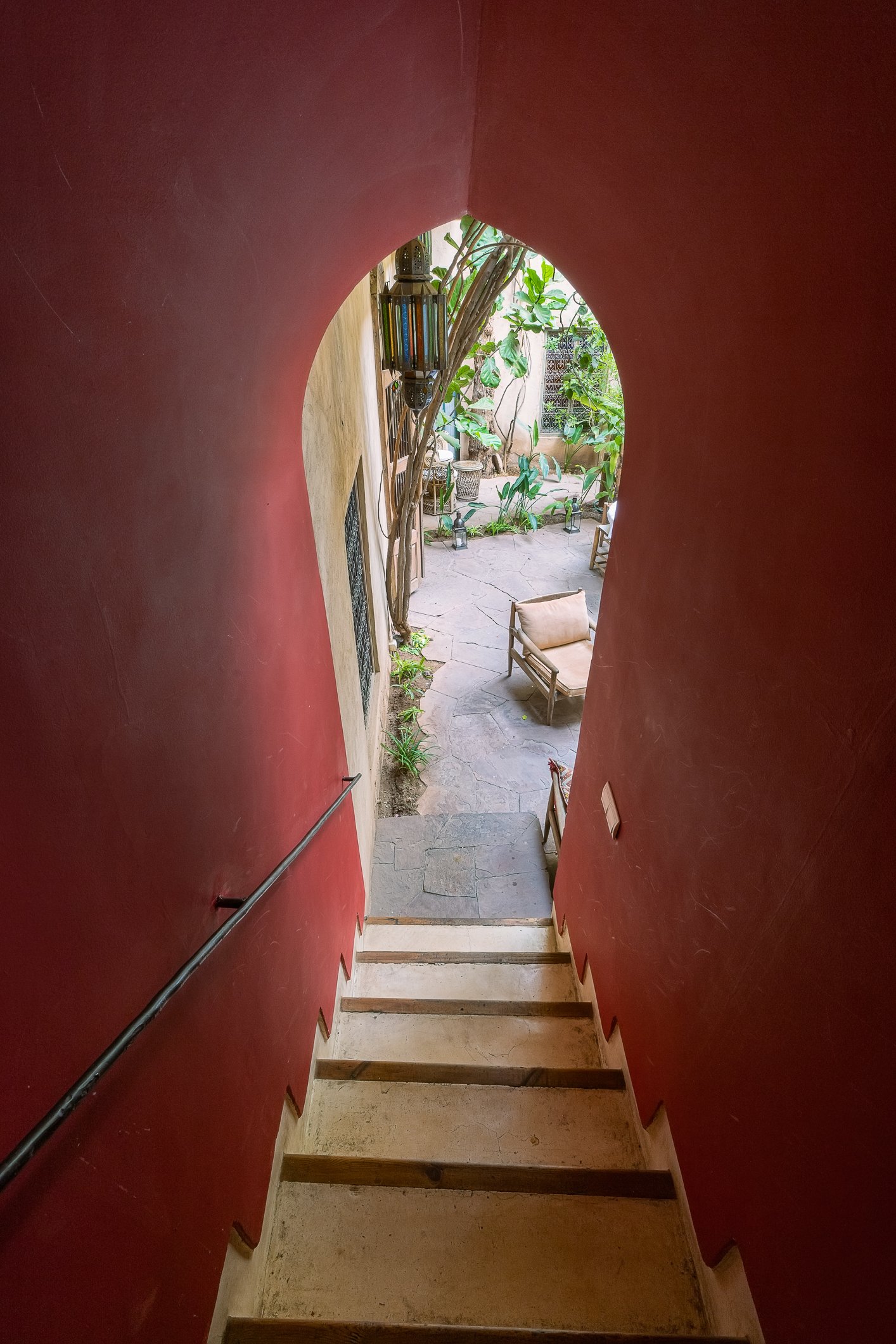
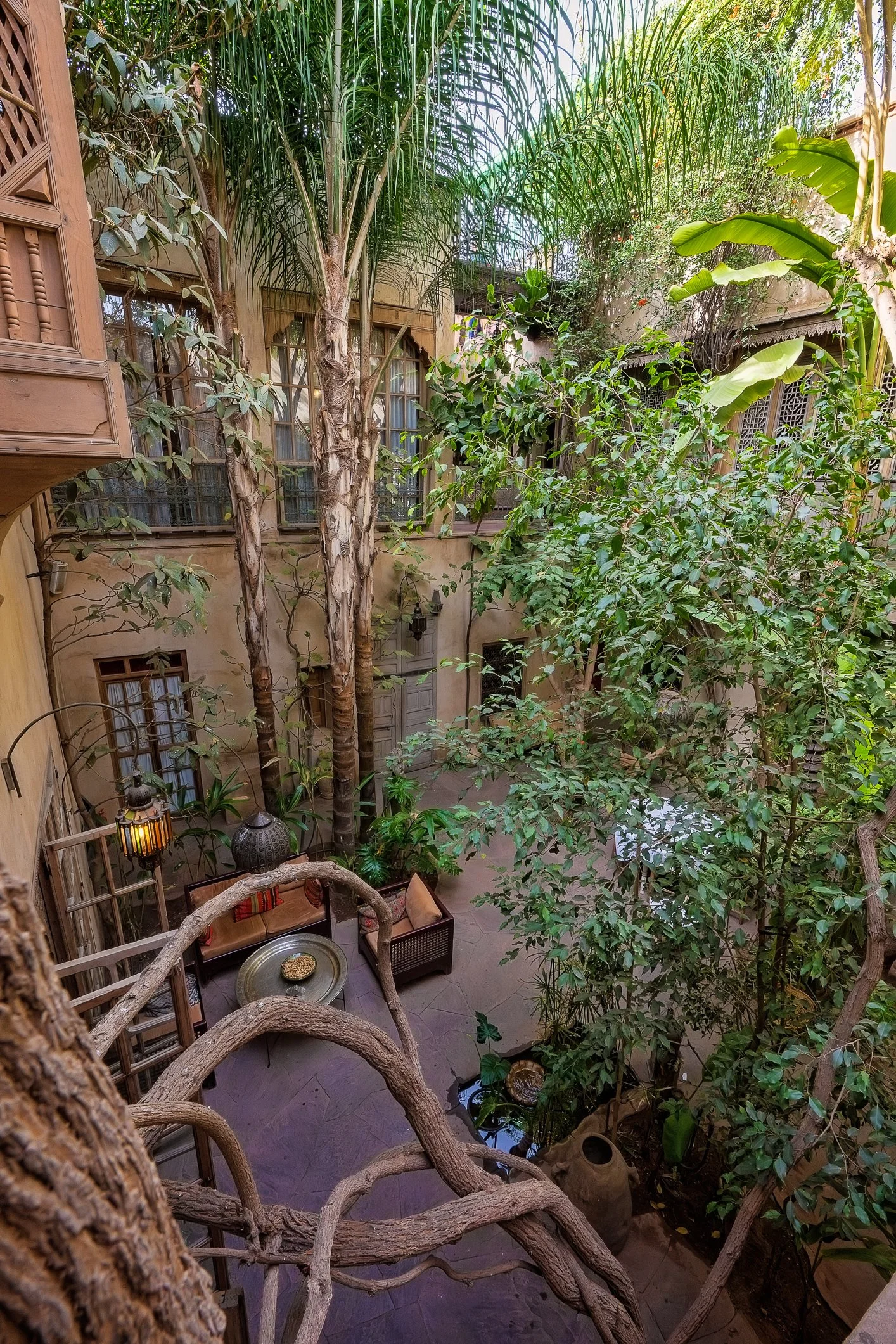
Our first riad this time is Kbour & Chou, located in the quiet northwest corner of the Marrakech medina. The riad is celebrated for its seamless blend of traditional Arab-Moorish architecture.

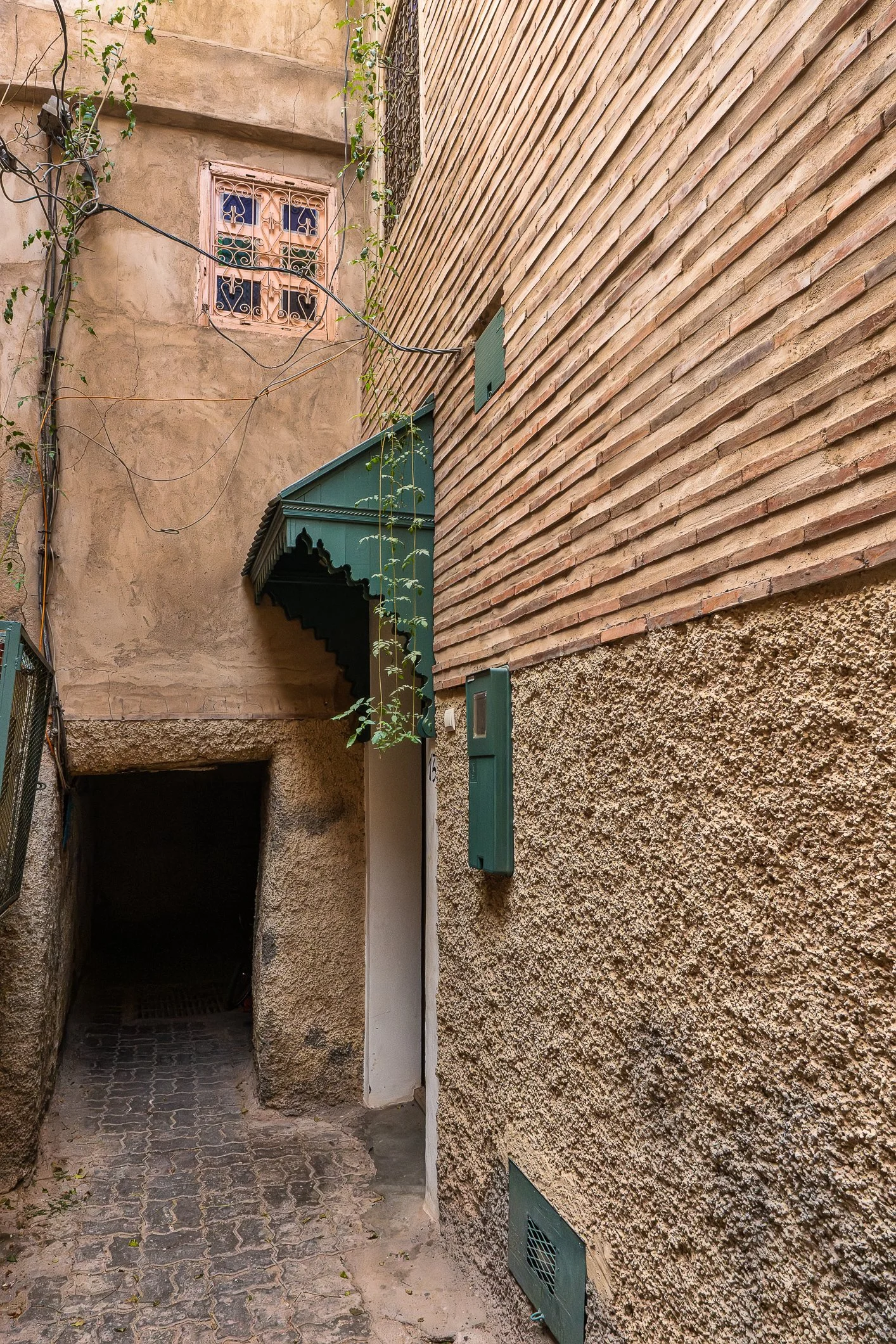
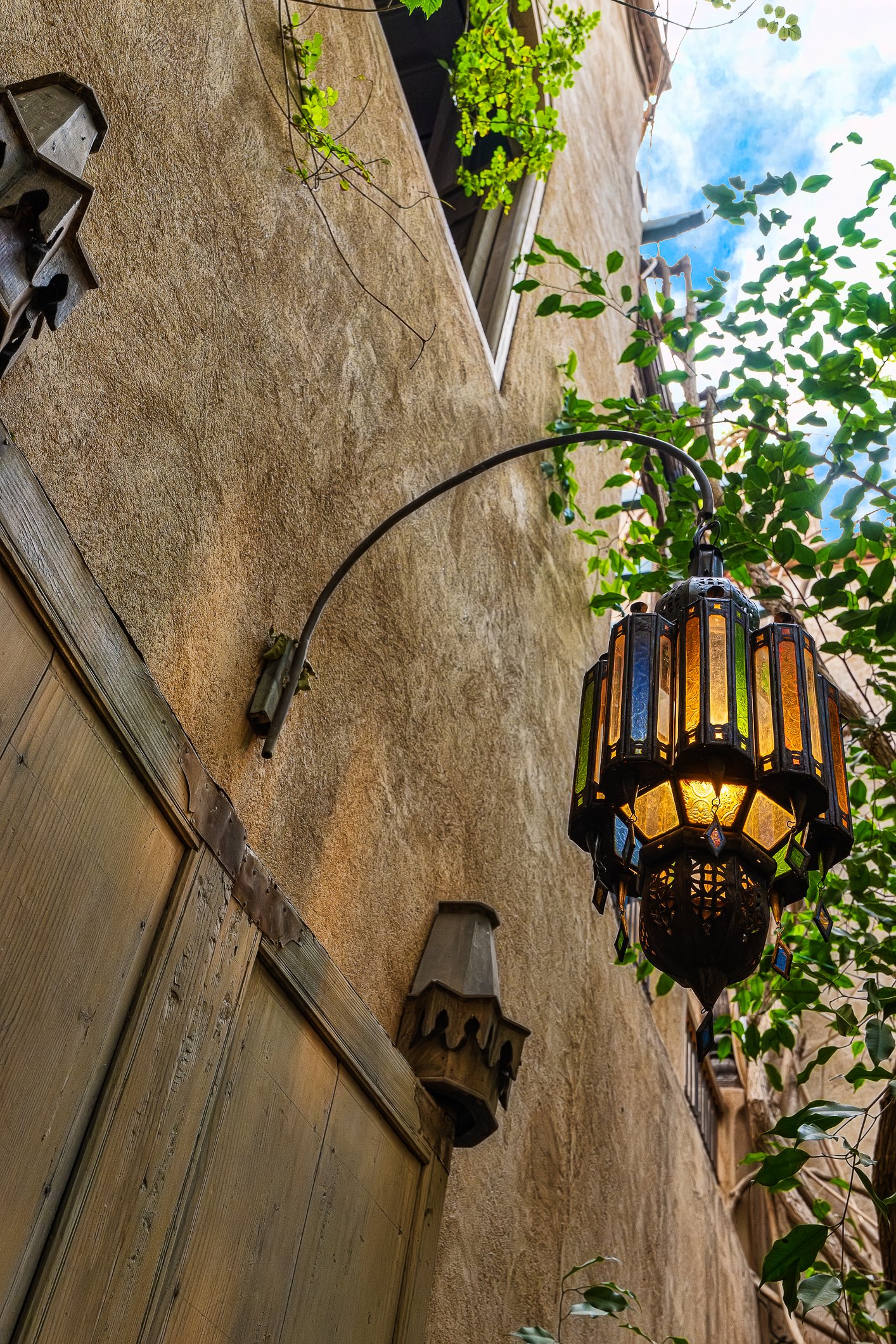
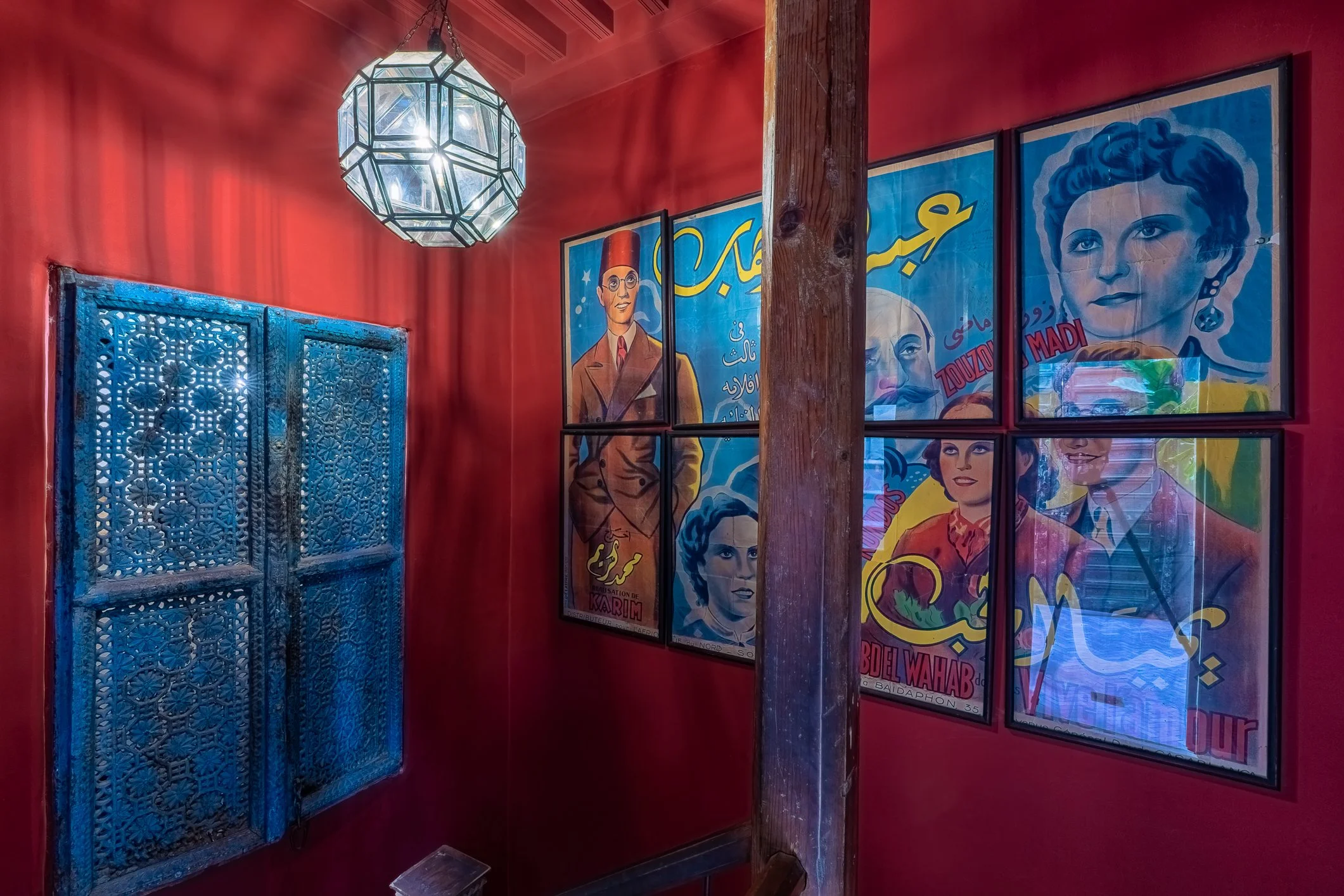
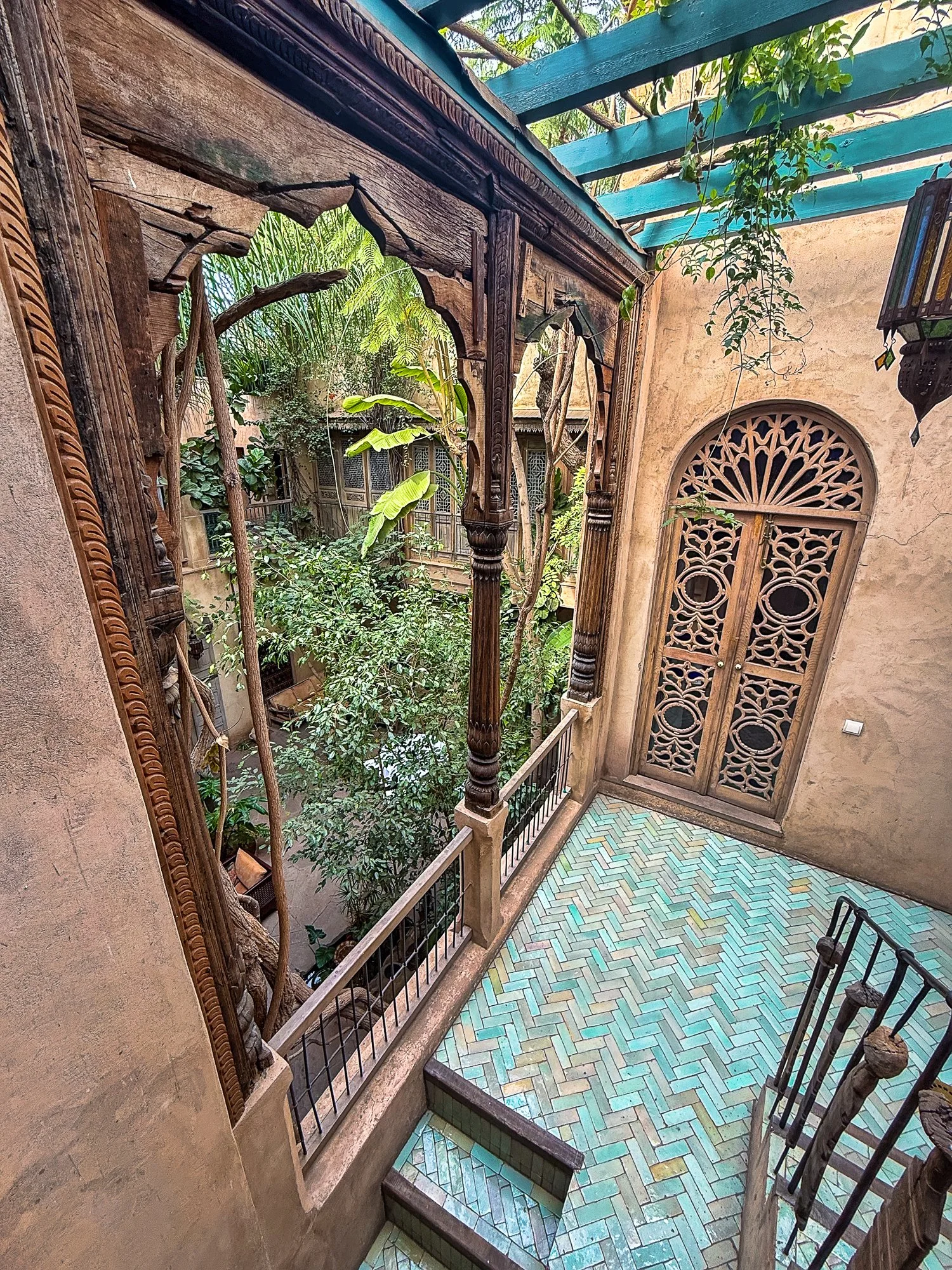
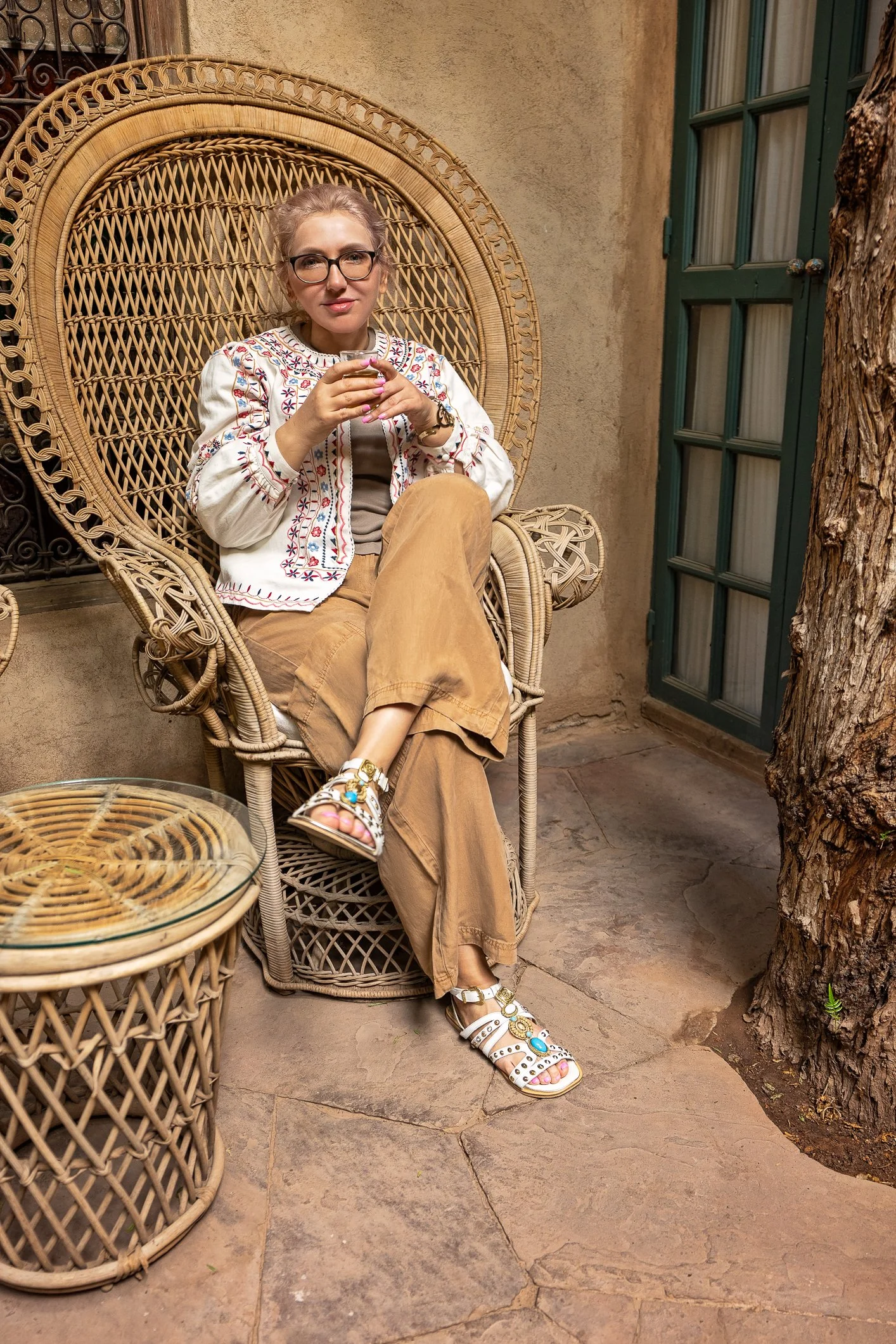
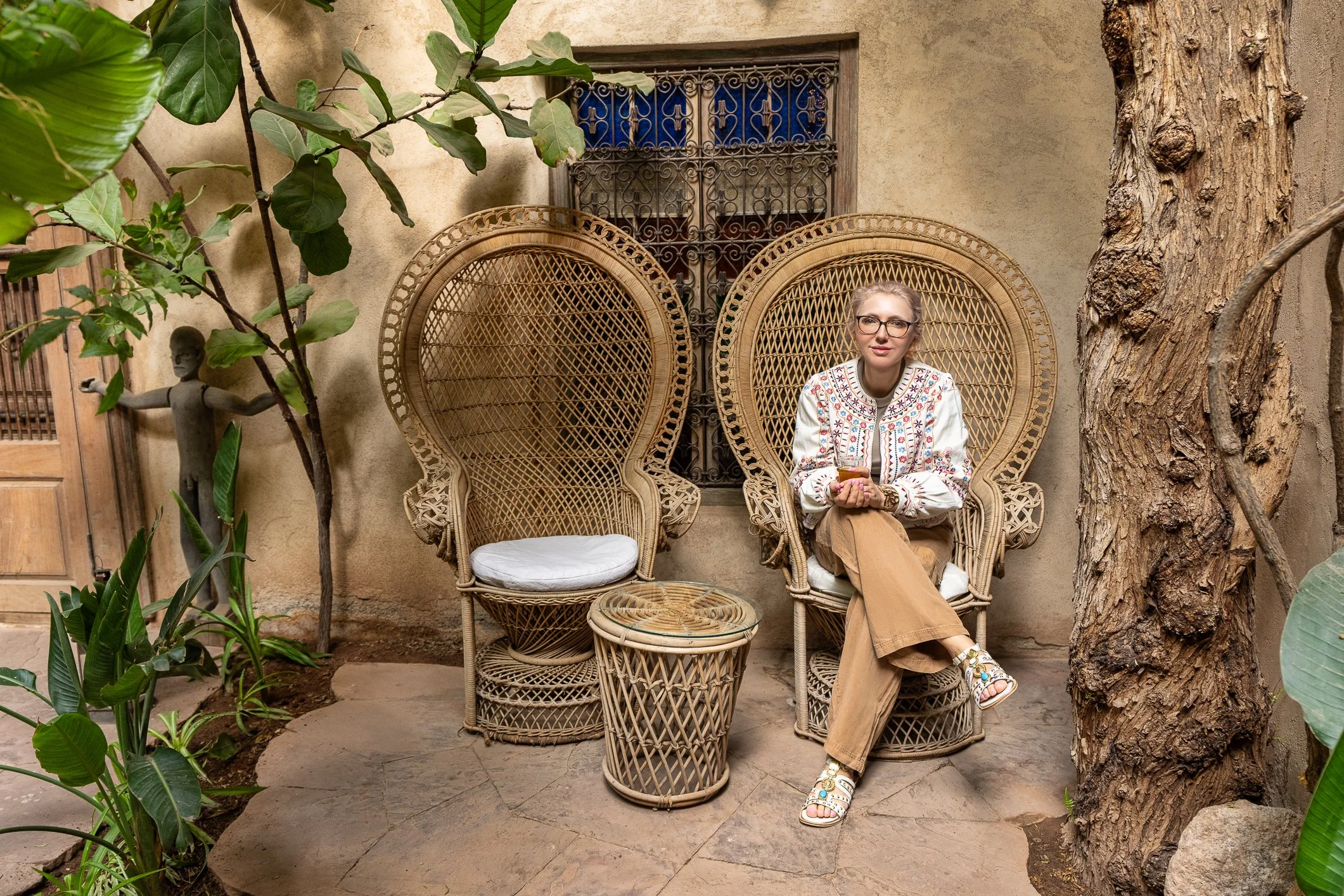
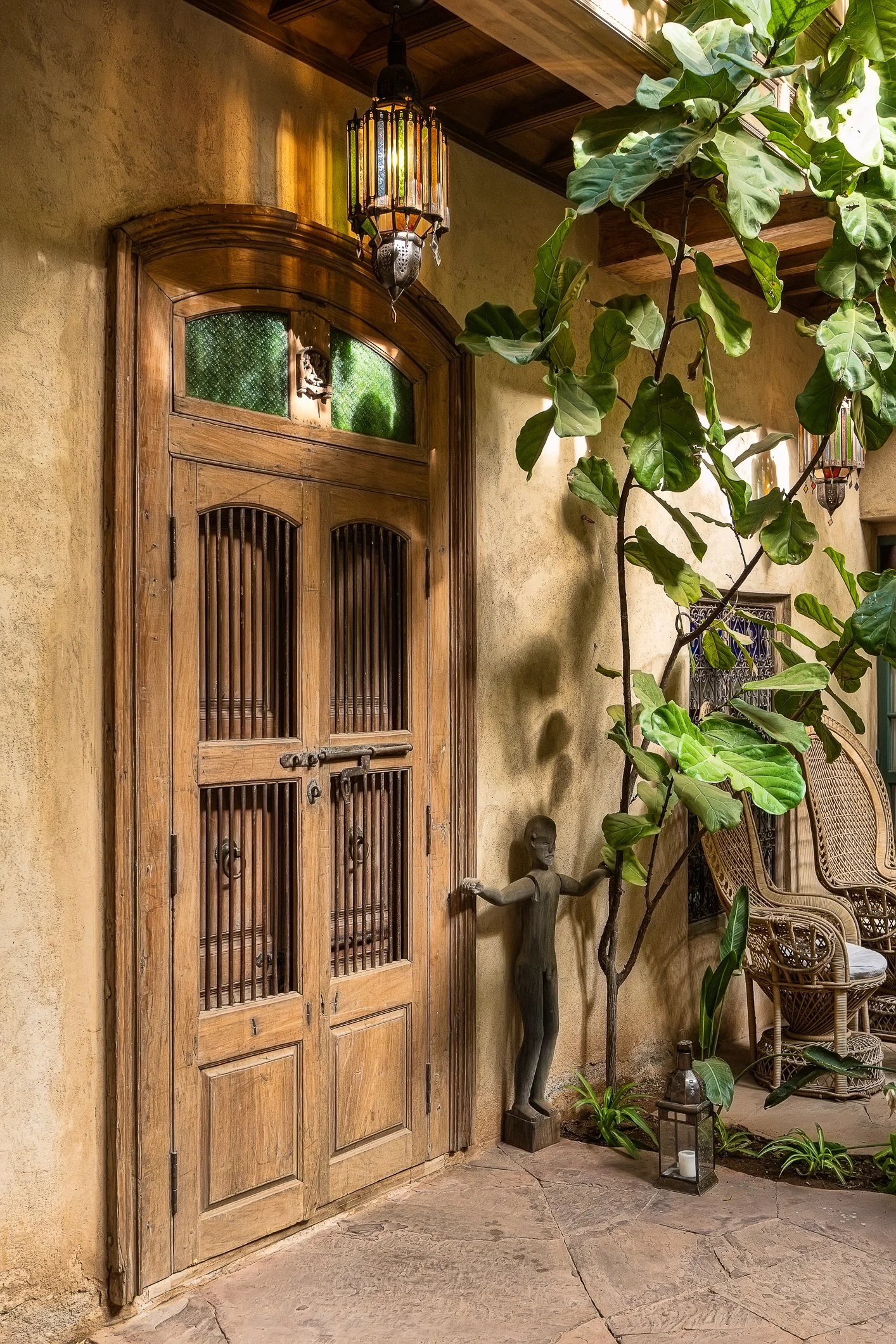
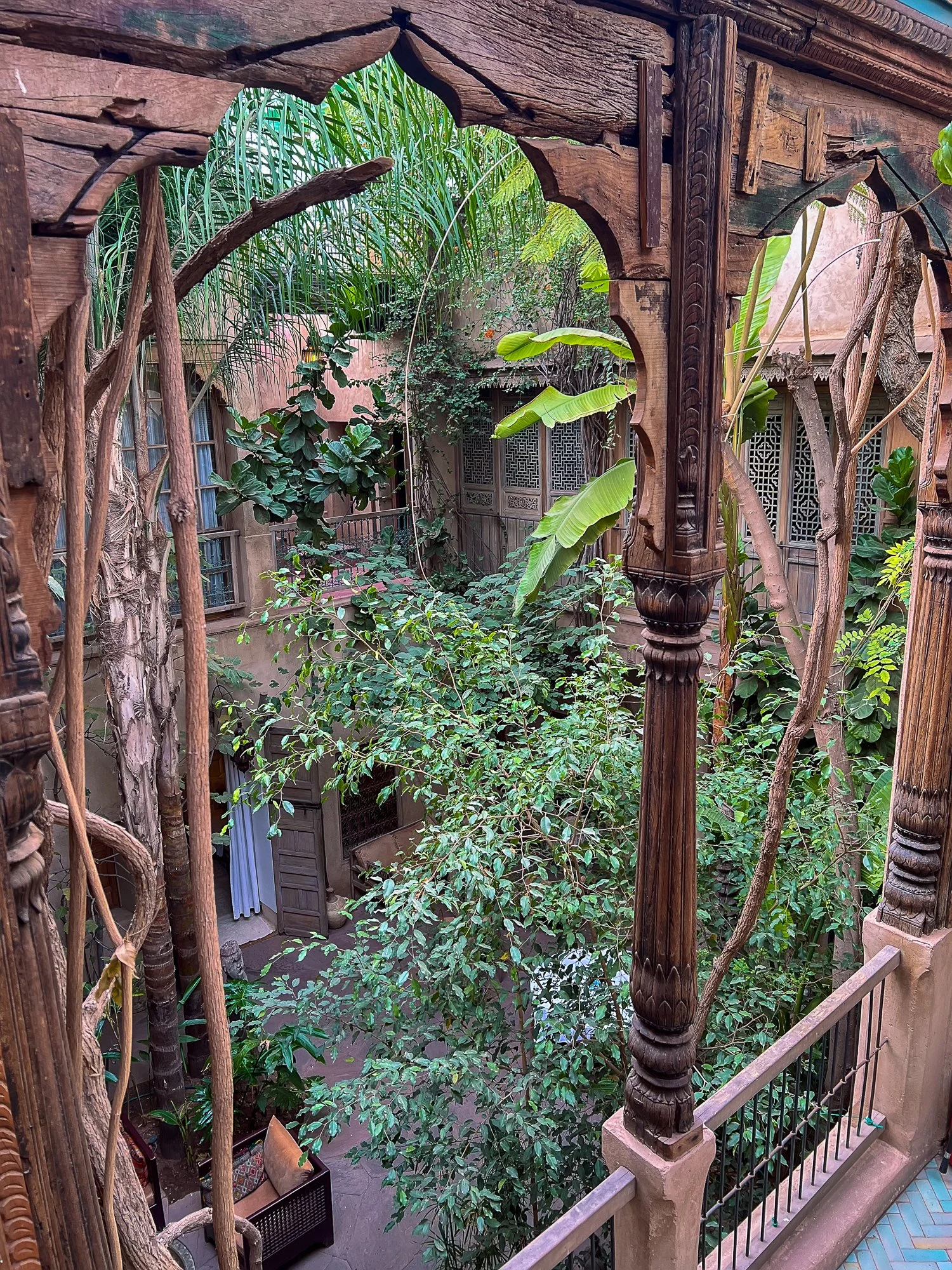
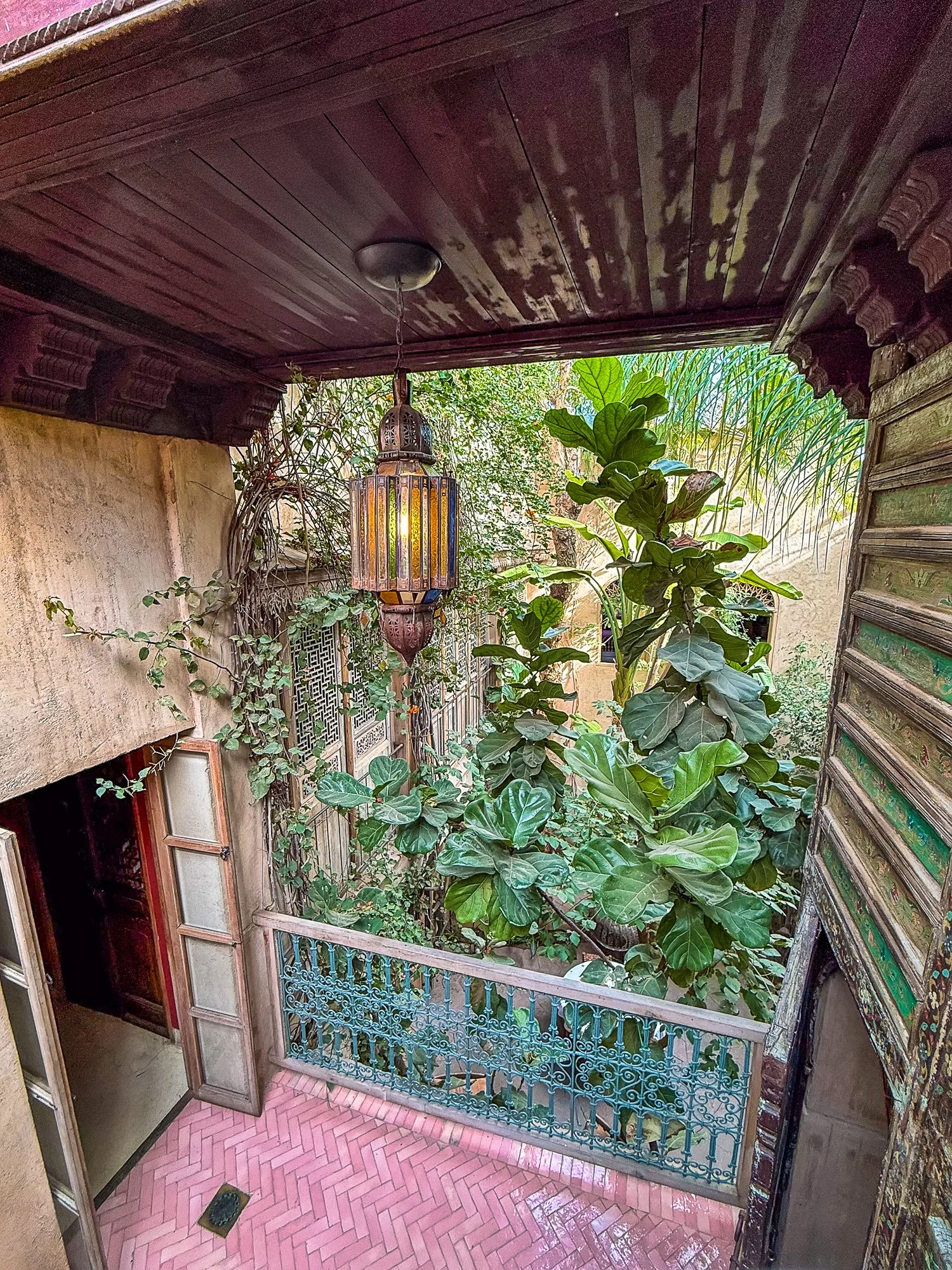
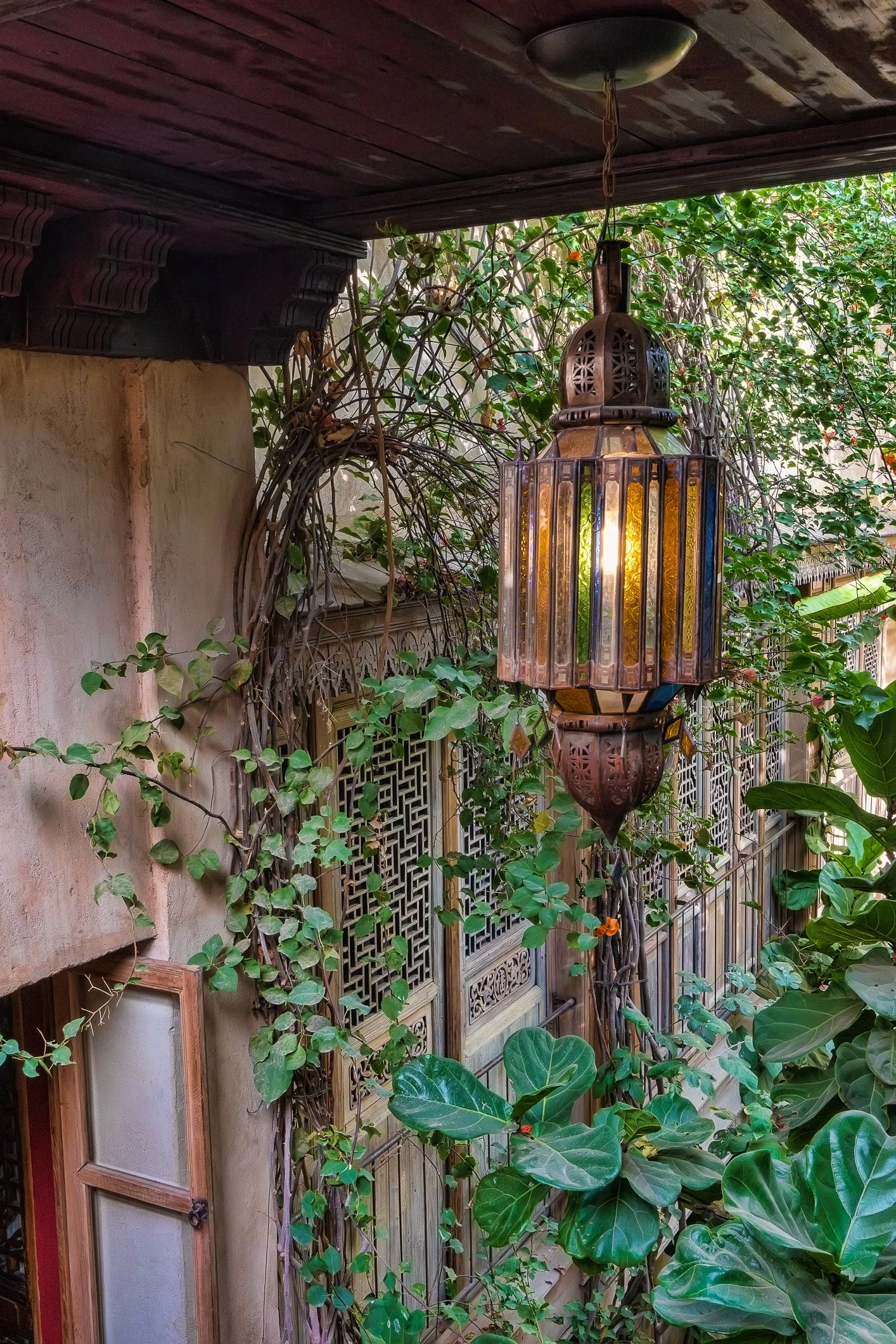
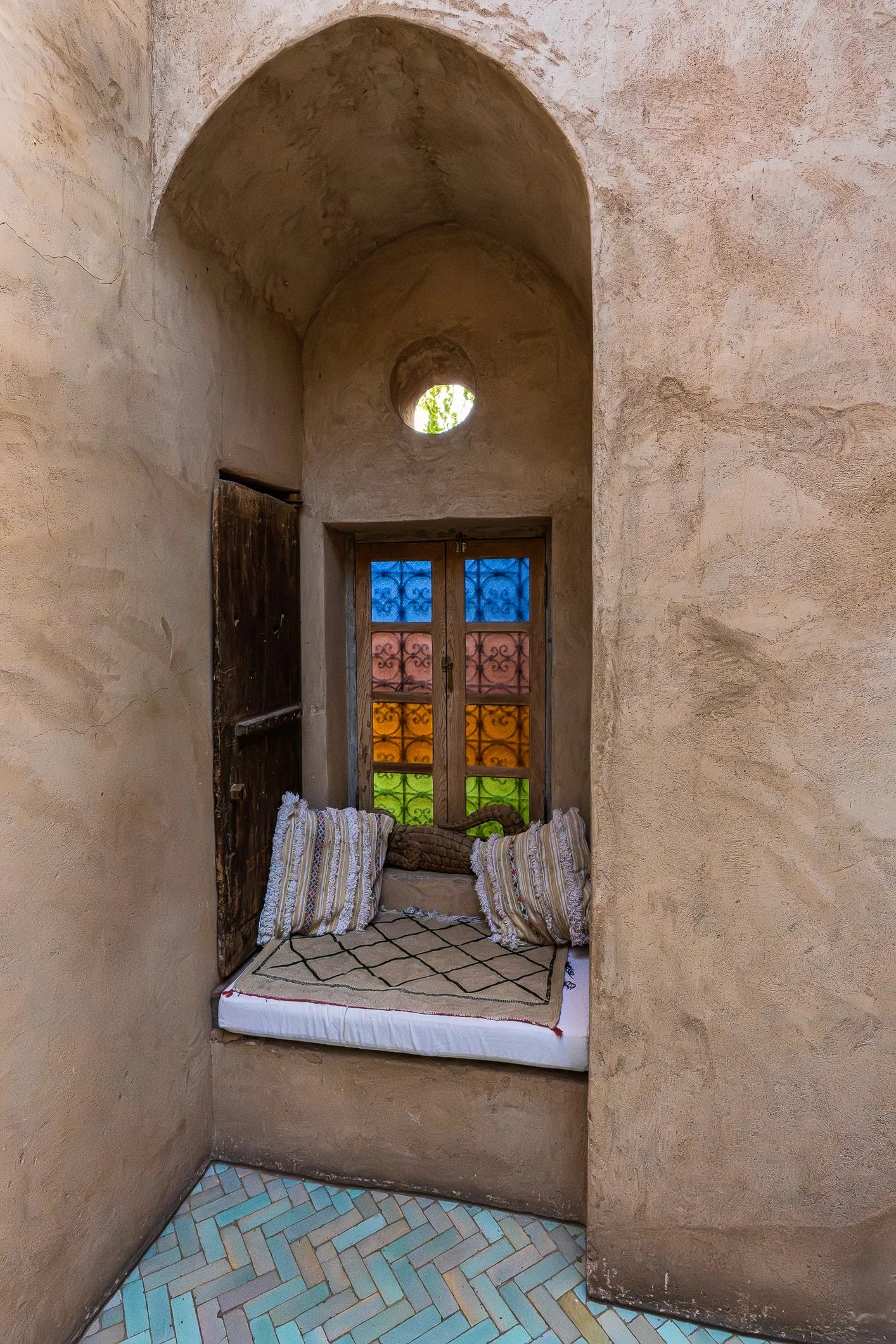
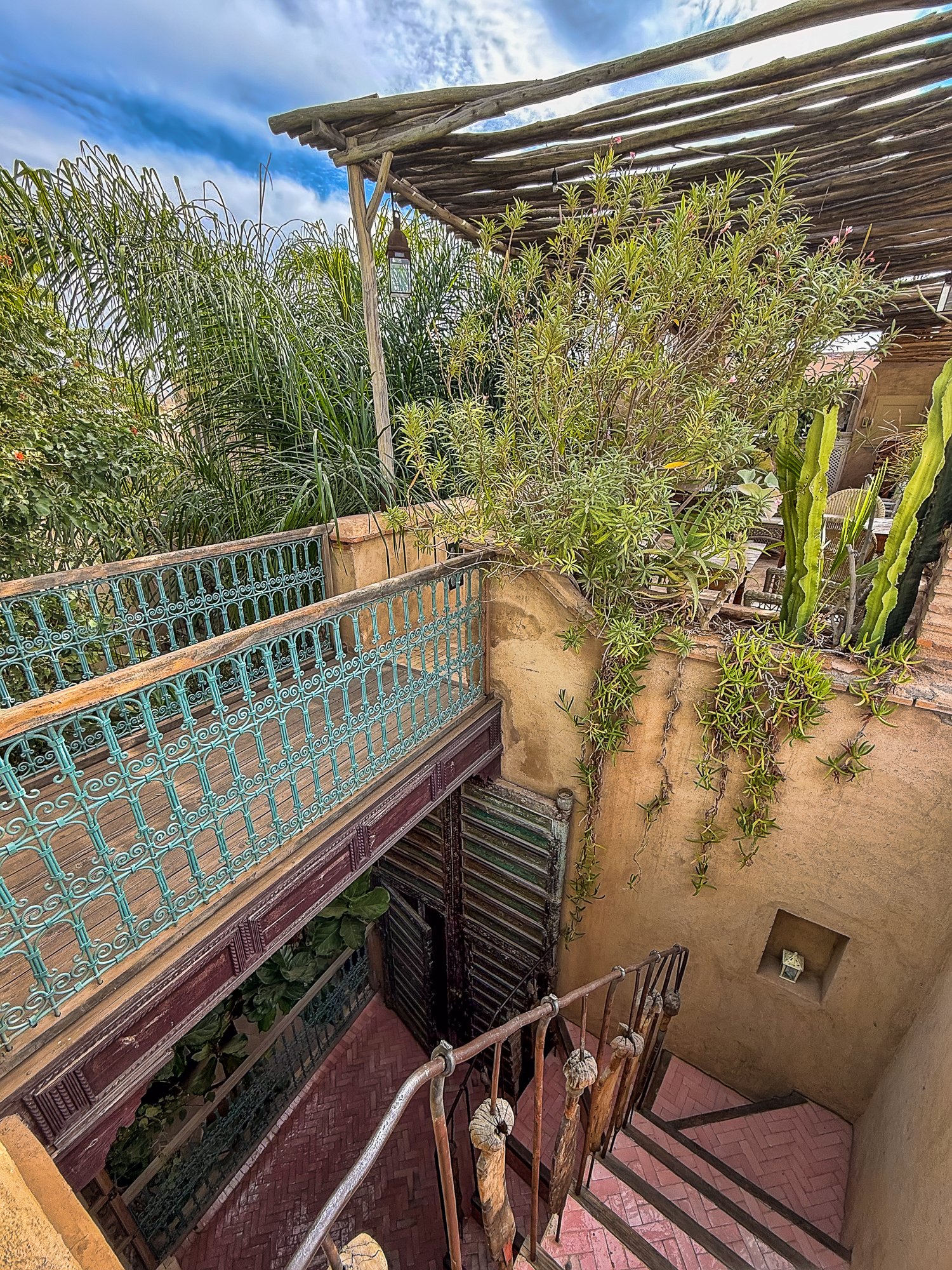
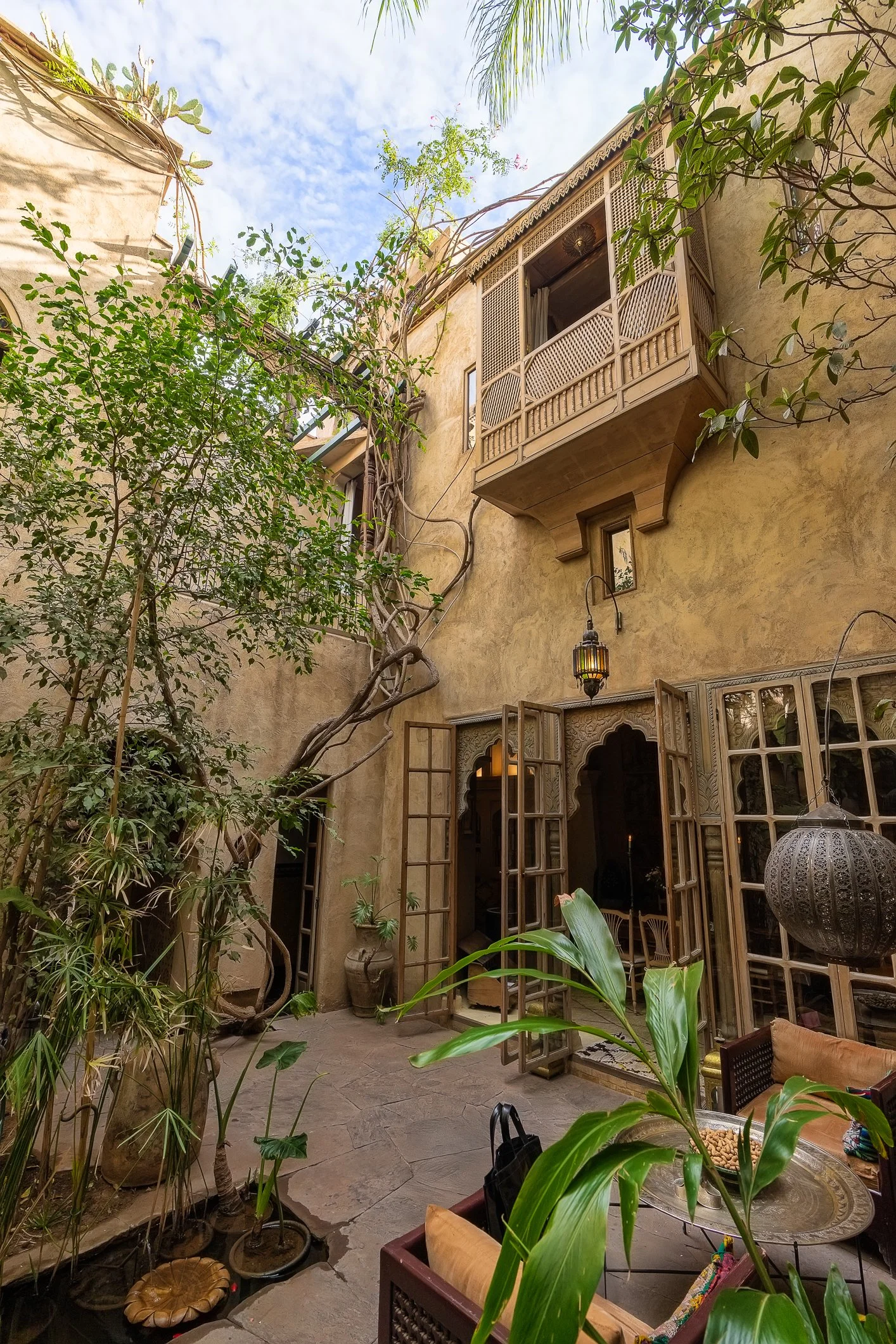
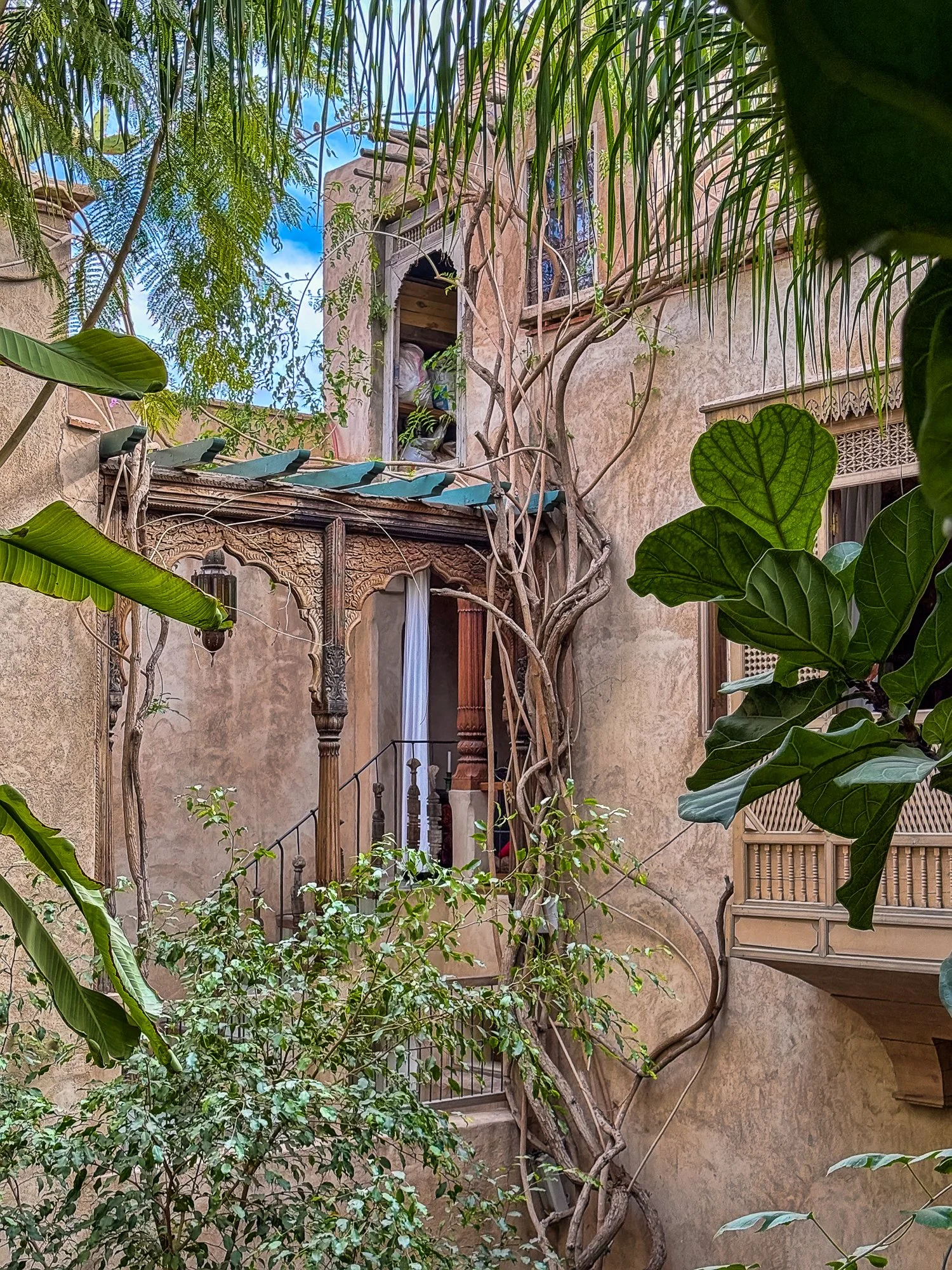
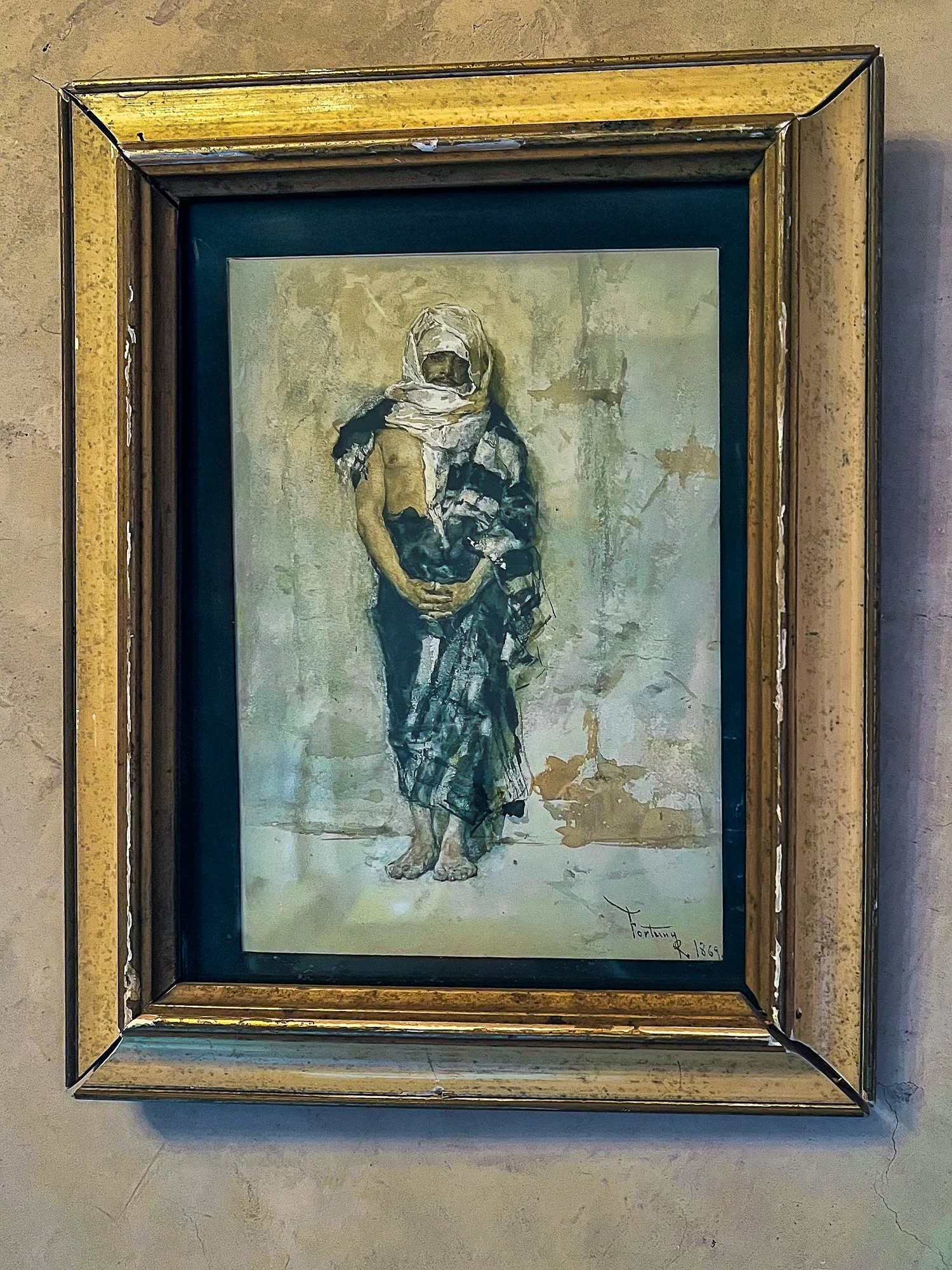
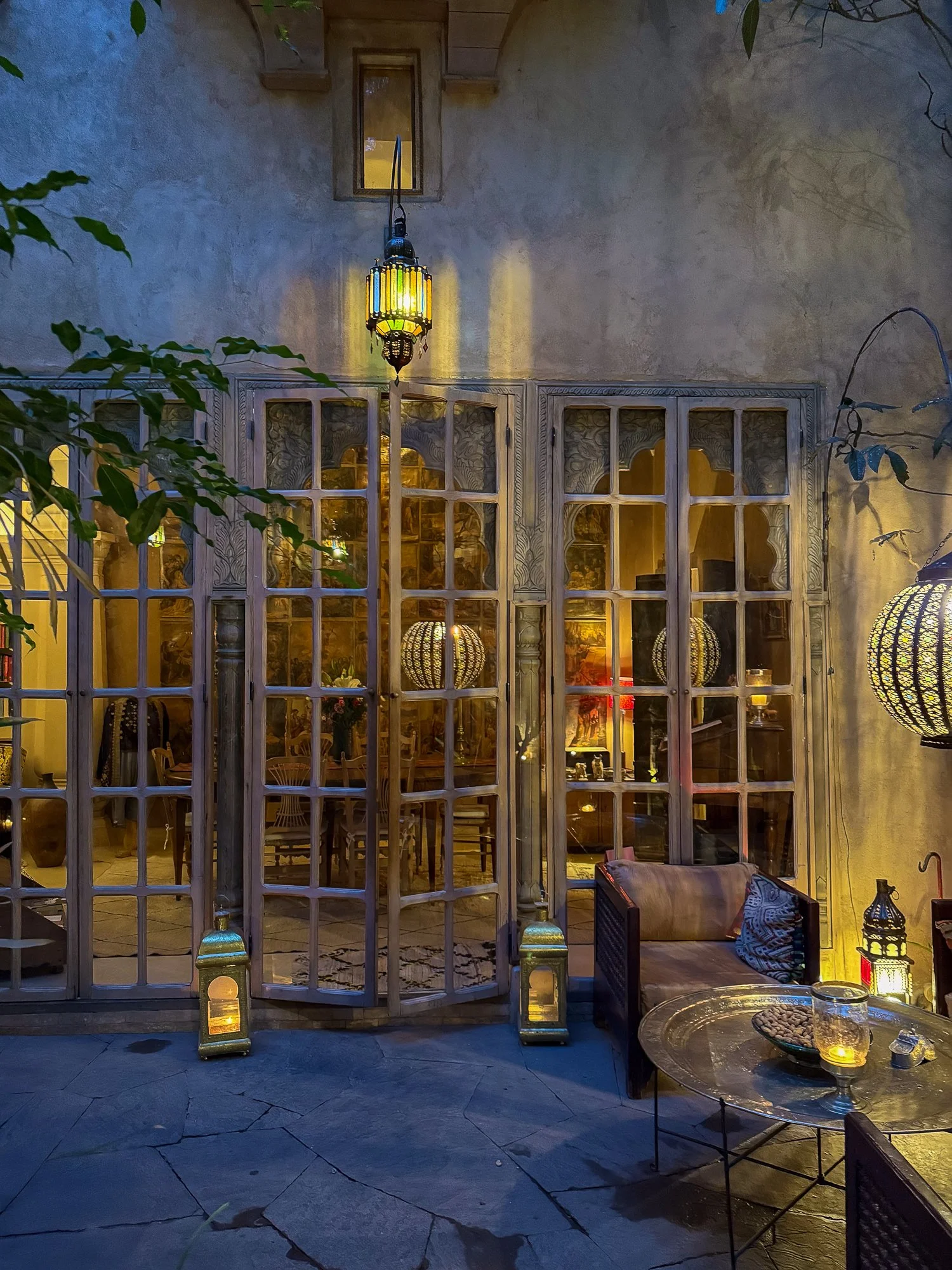
From the street, the riad is very discreet, tucked behind a modest door that offers little hint of the splendid and somewhat eccentric interior within. Upon entering, your attention is immediately captured by a wealth of interesting details: wrought-iron balconies, spiral staircases, and doorways that require a small dip of the head to pass through.


Naszą marokańską przygodę zaczynamy tym razem w północno-zachodniej części medyny, z dala od największego zgiełku. Tutaj, w cichym zakątku dzielnicy Zaouia el Abassia, kryje się Kbour & Chou – riad łączący w sobie architektuę arabsko-mauretańskią z dodatkową nutką artystycznej finezji.

Z zewnątrz budynek wygląda dość niepozornie i nie zdradza swoich tajemnic. Skromne drzwi są barierą oddzielającą uliczkę medyny od wnętrza pełnego niespodzianek. Po przekroczeniu progu od razu uderza bogactwo detali: od kręconych schodów i kutych balustrad po wąskie przejścia i malowane ręcznie drzwi.

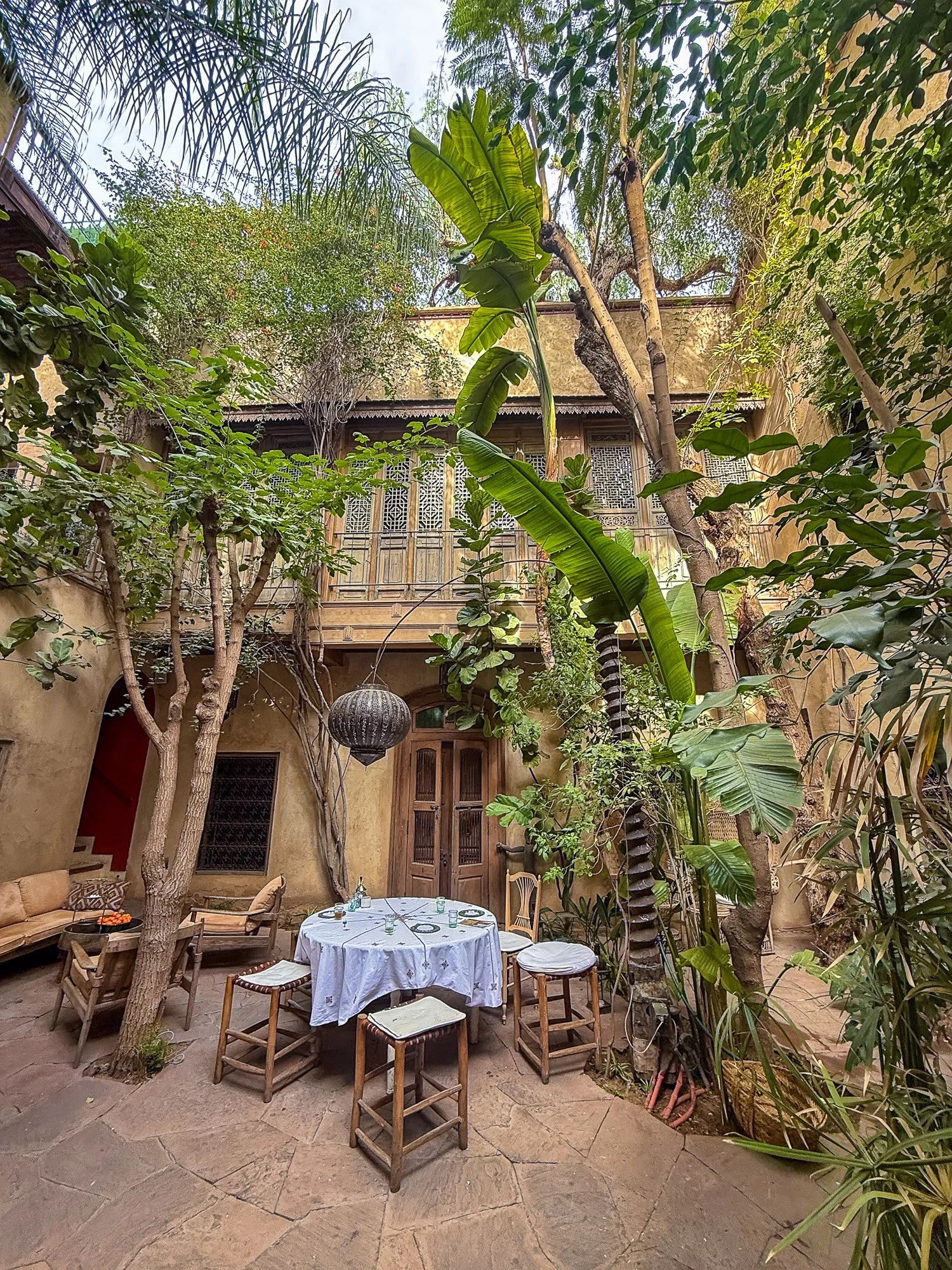
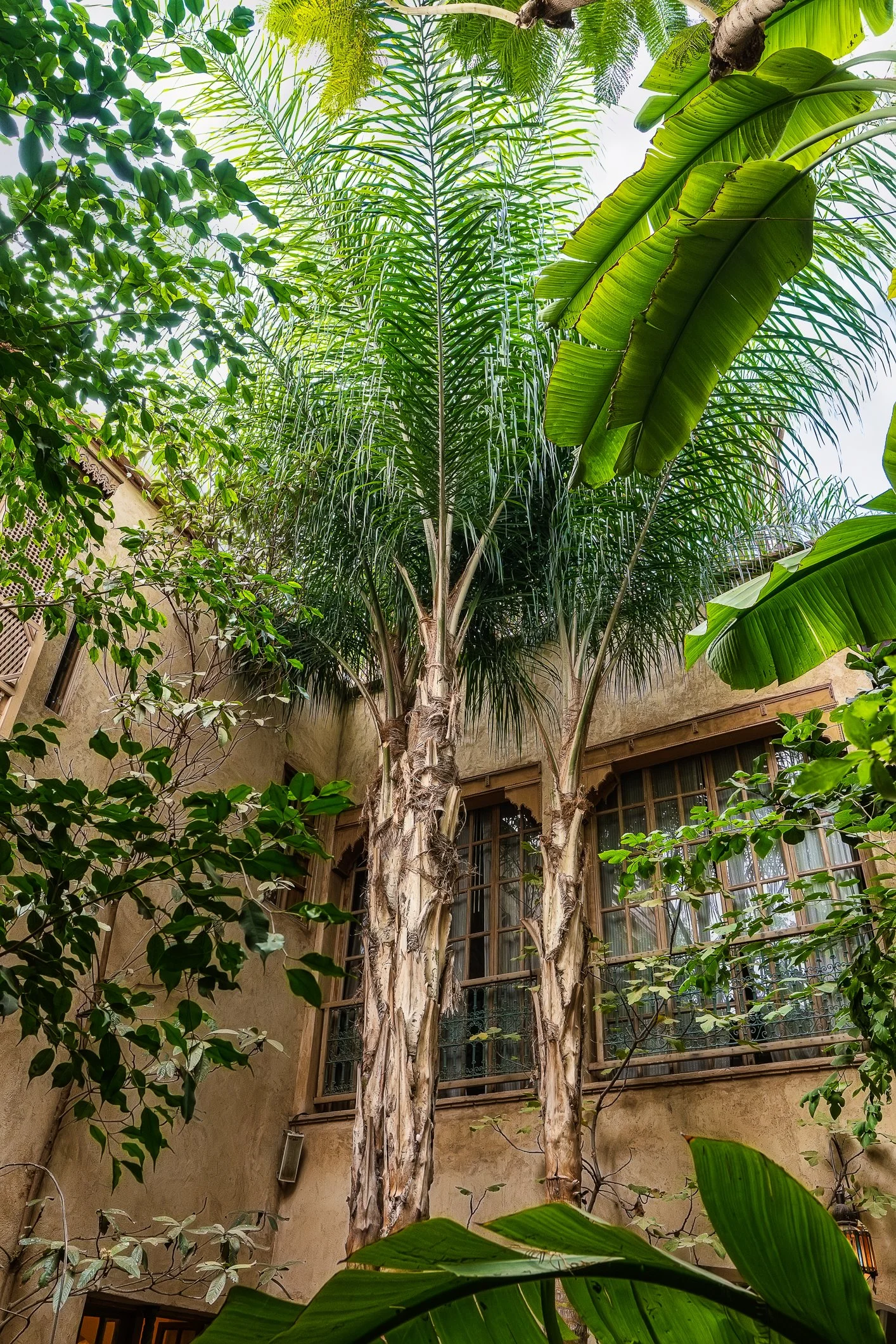
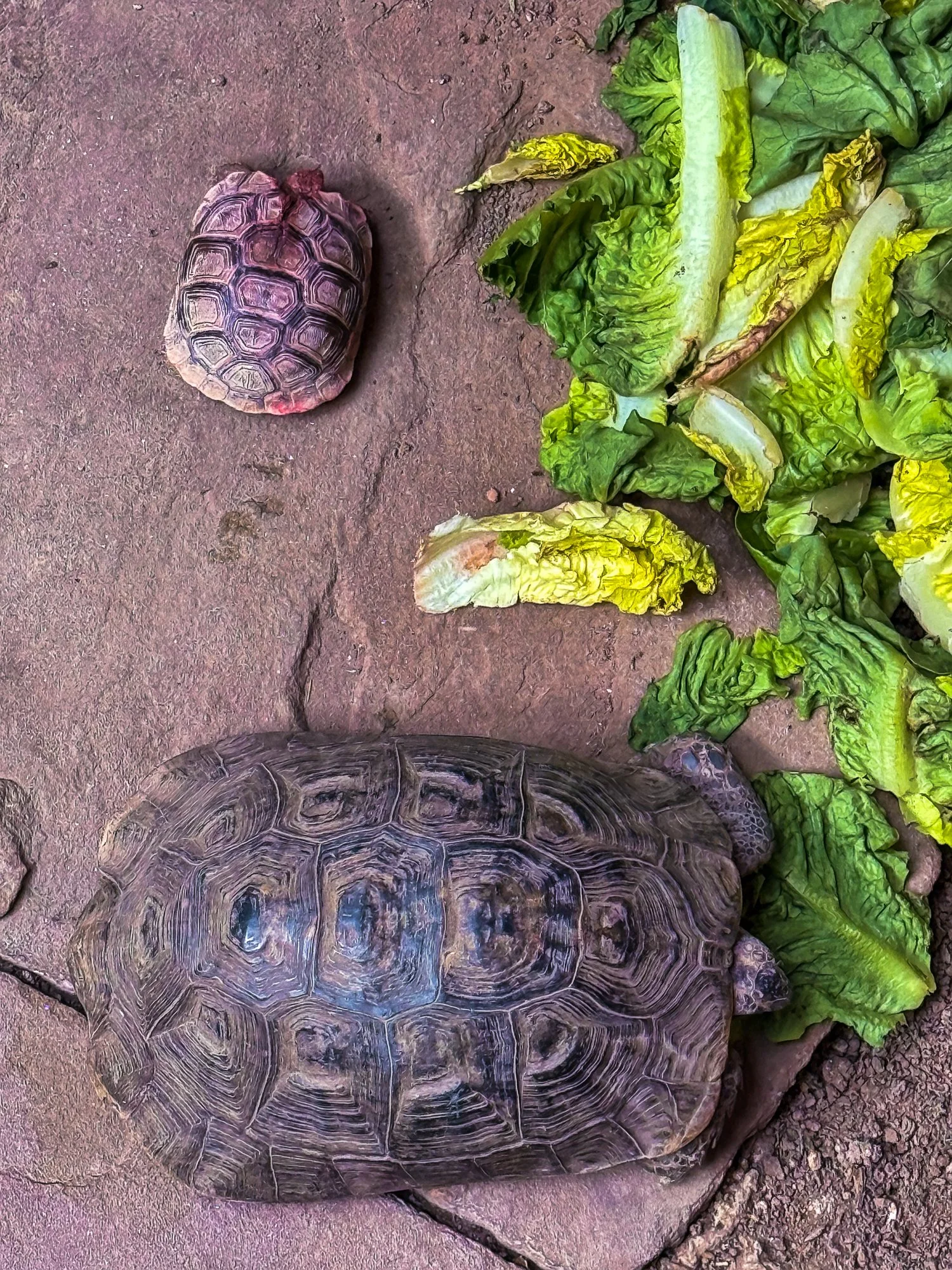
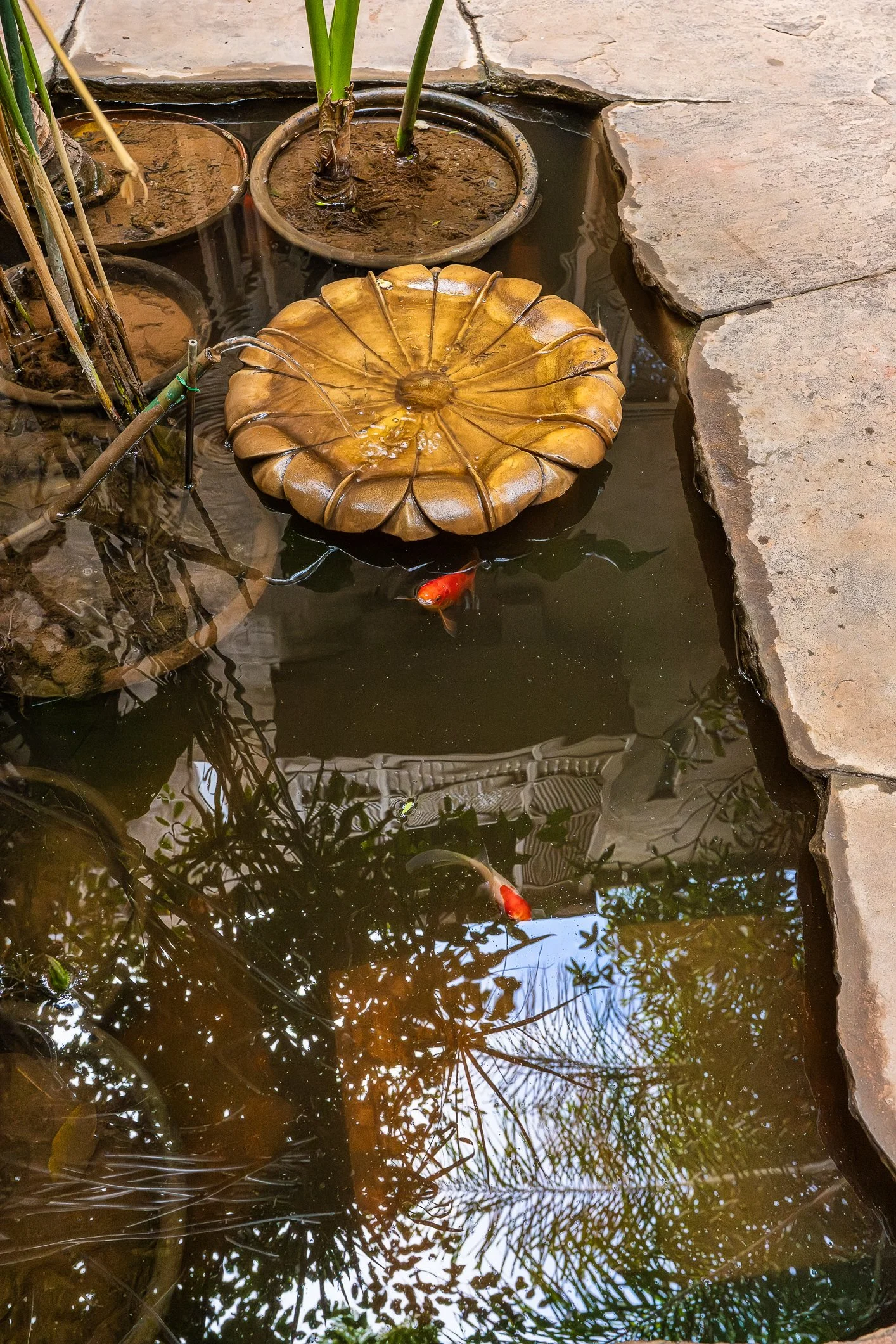
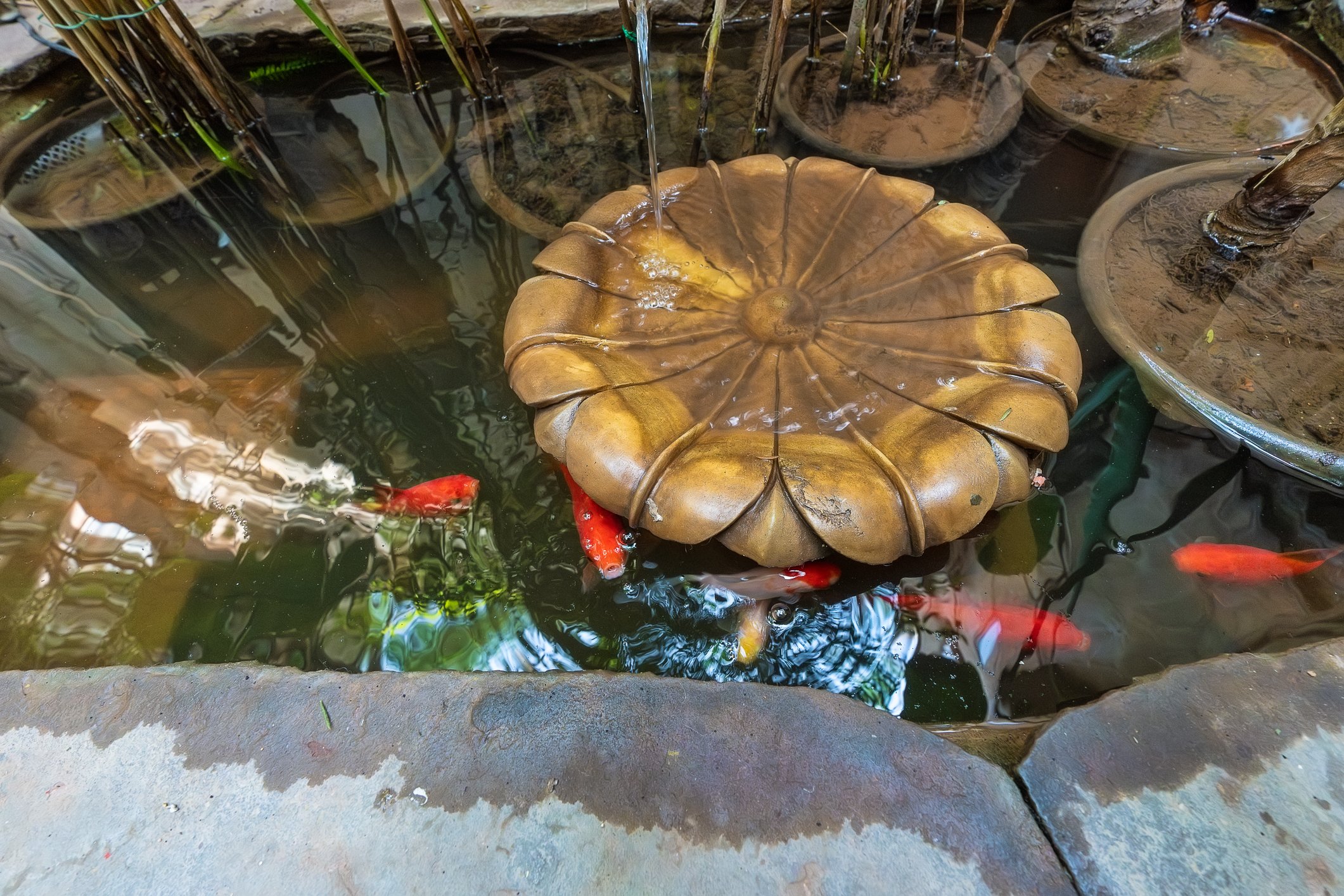
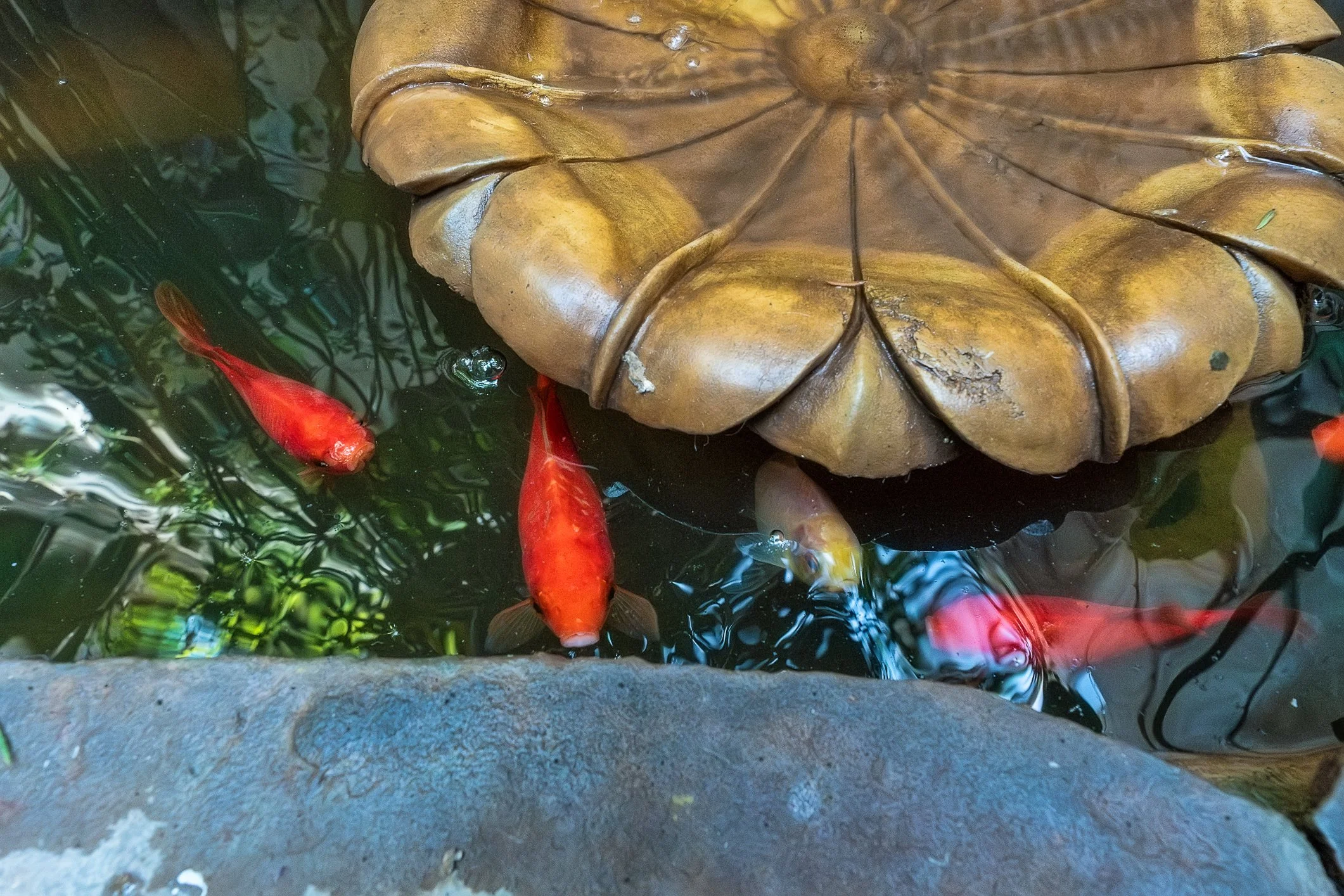
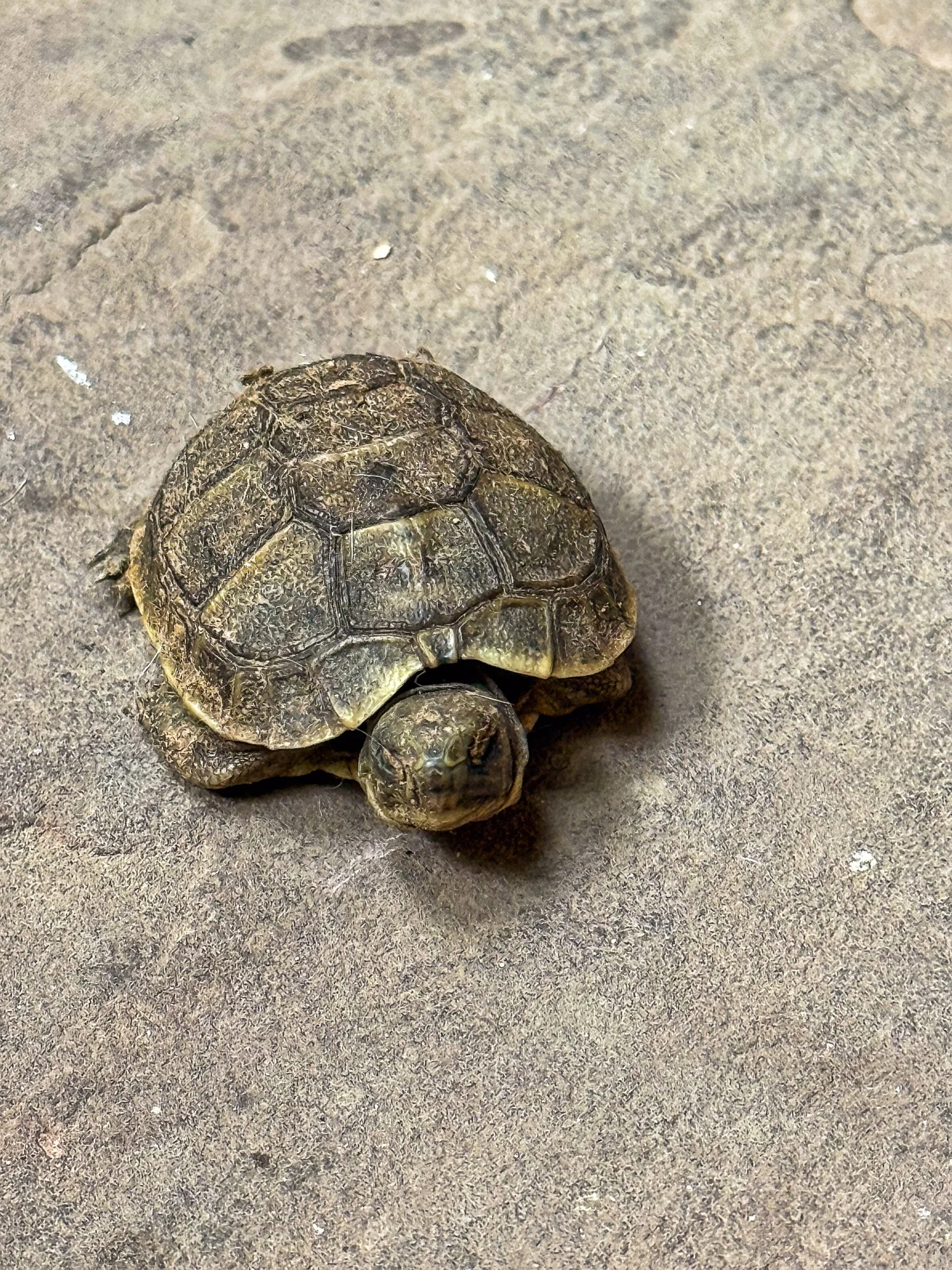
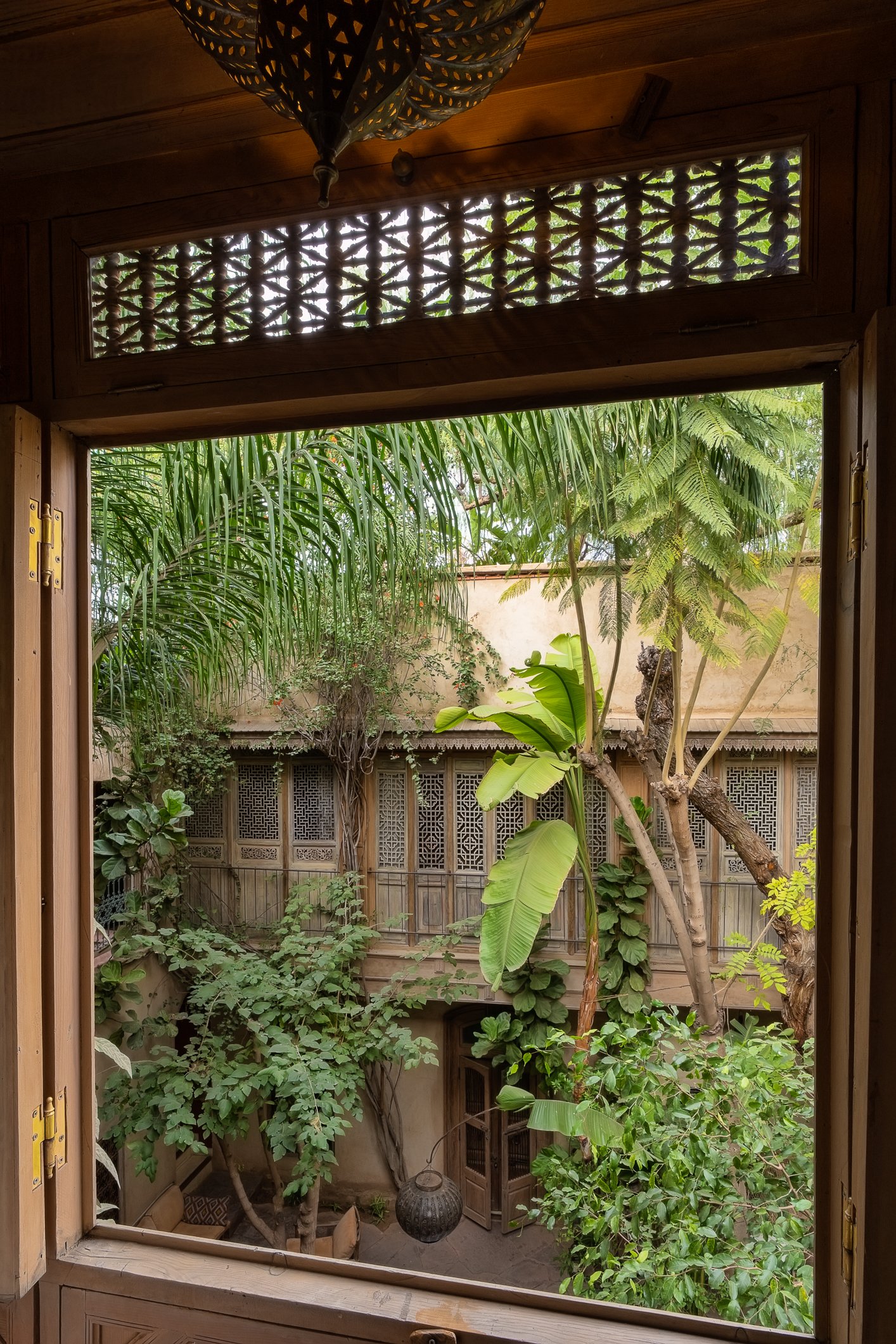
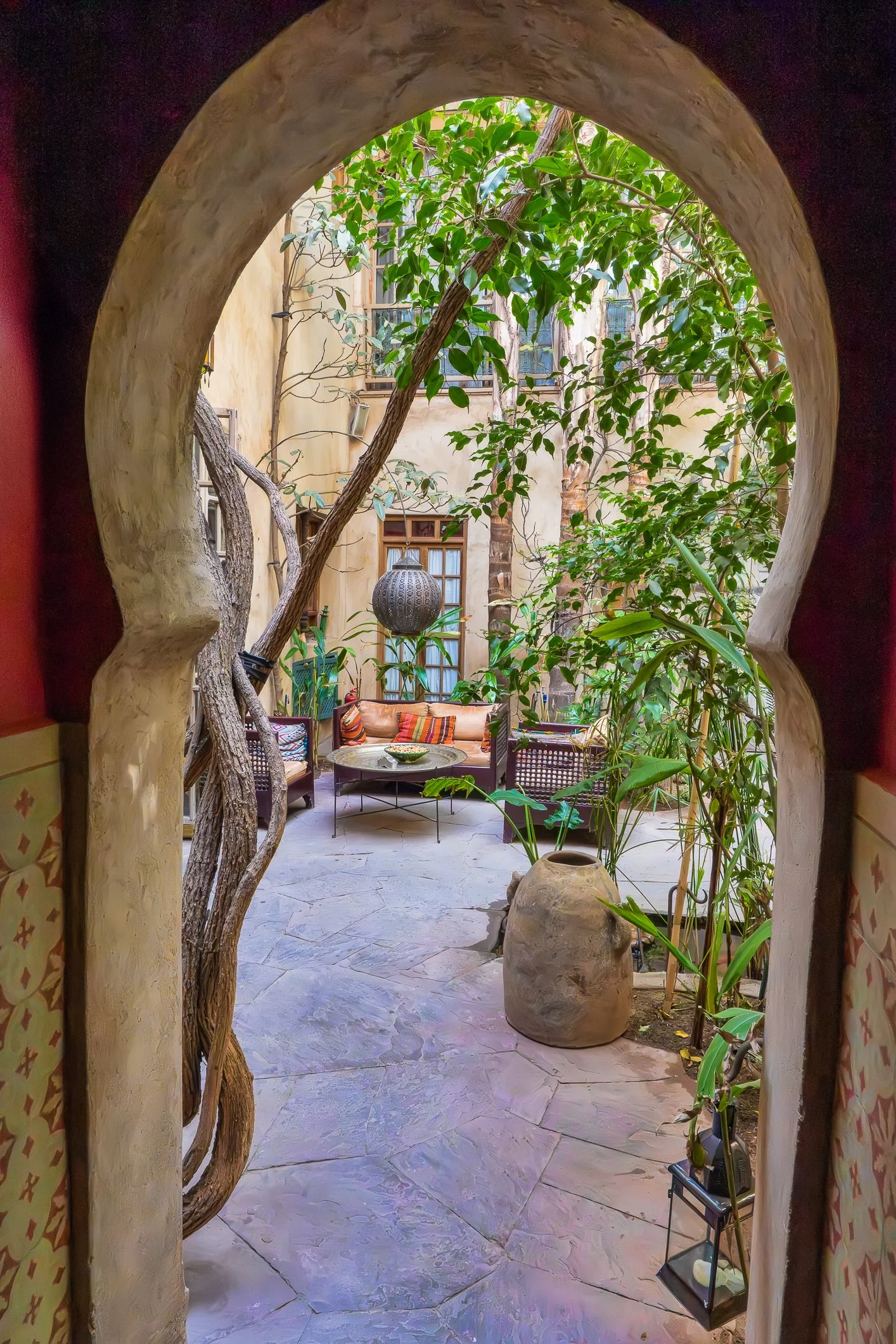
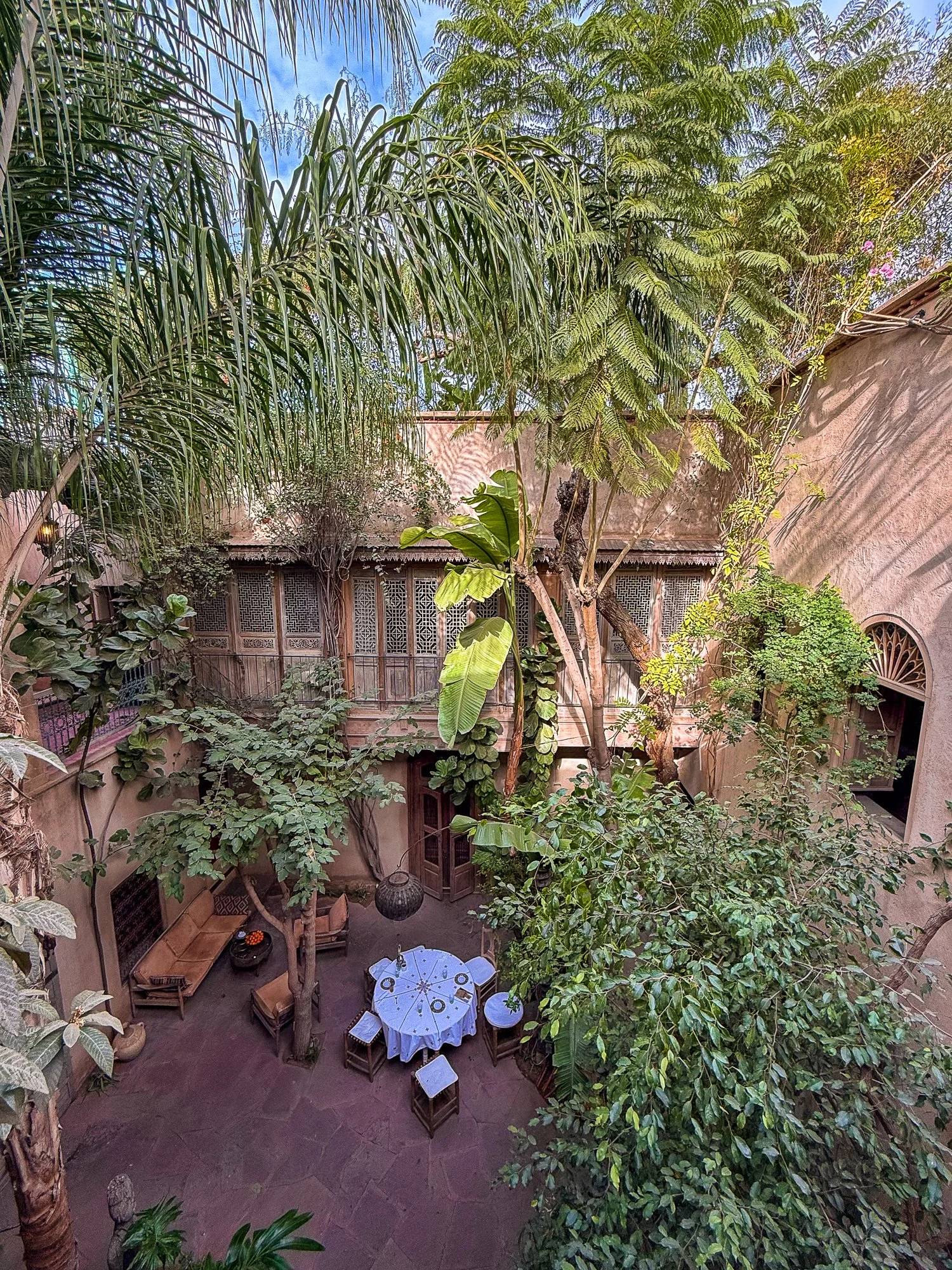
The central courtyard and garden serve as a lush, green oasis featuring 10-meter-tall eucalyptus and palm trees. It feels remarkably like a tropical hideaway. A traditional stone pond is home to several koi fish, and a few tortoises roam freely among the greenery.

Sercem riadu jest wewnętrzny ogród, który przypomina tropikalną dżunglę. Dziesięciometrowe palmy i eukaliptusy dają przyjazny cień, a pośród gęstej zieleni leniwie spacerują sobie mieszkające tutaj żółwie. W tradycyjnej kamiennej sadzawce pływają zaś karpie koi.
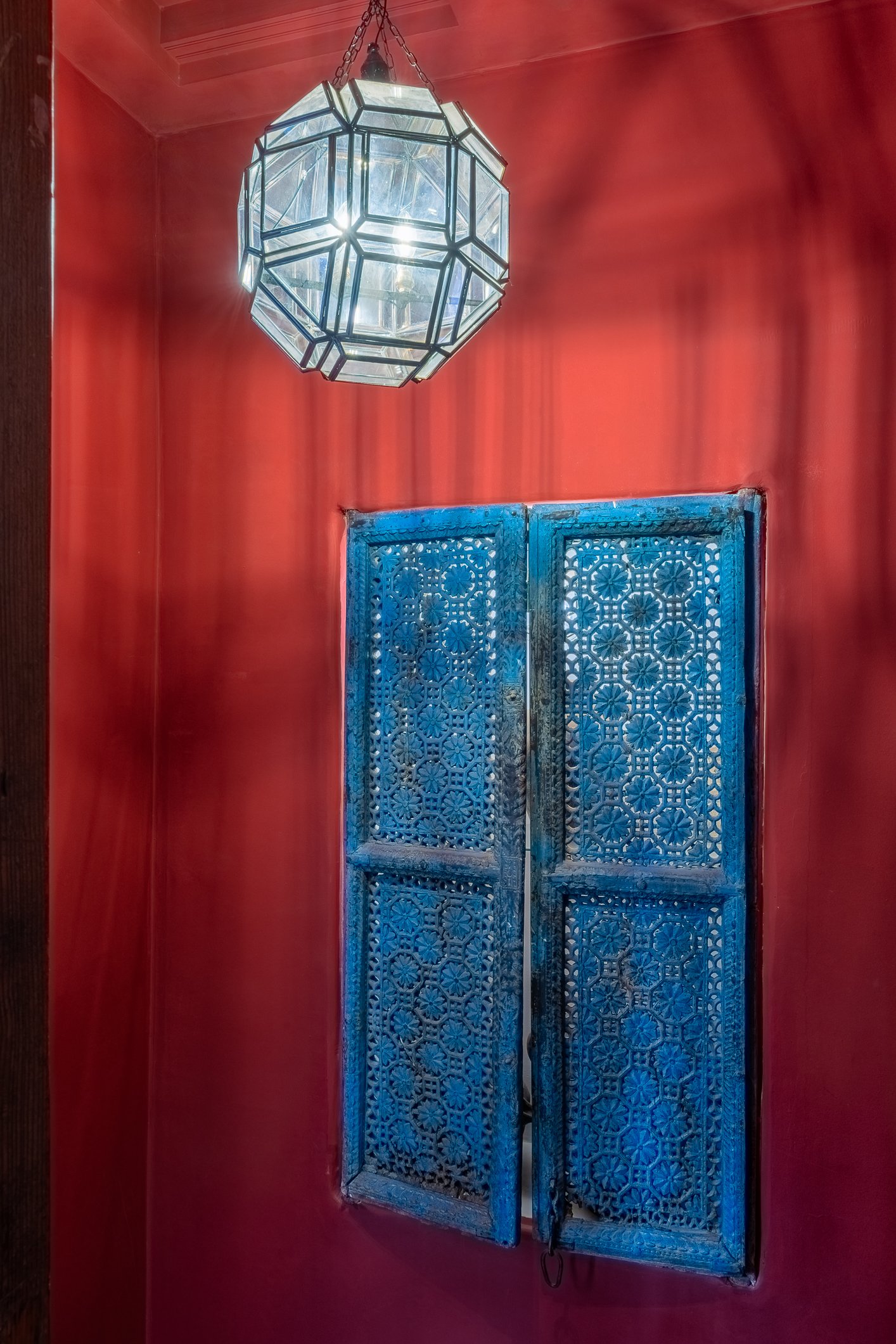
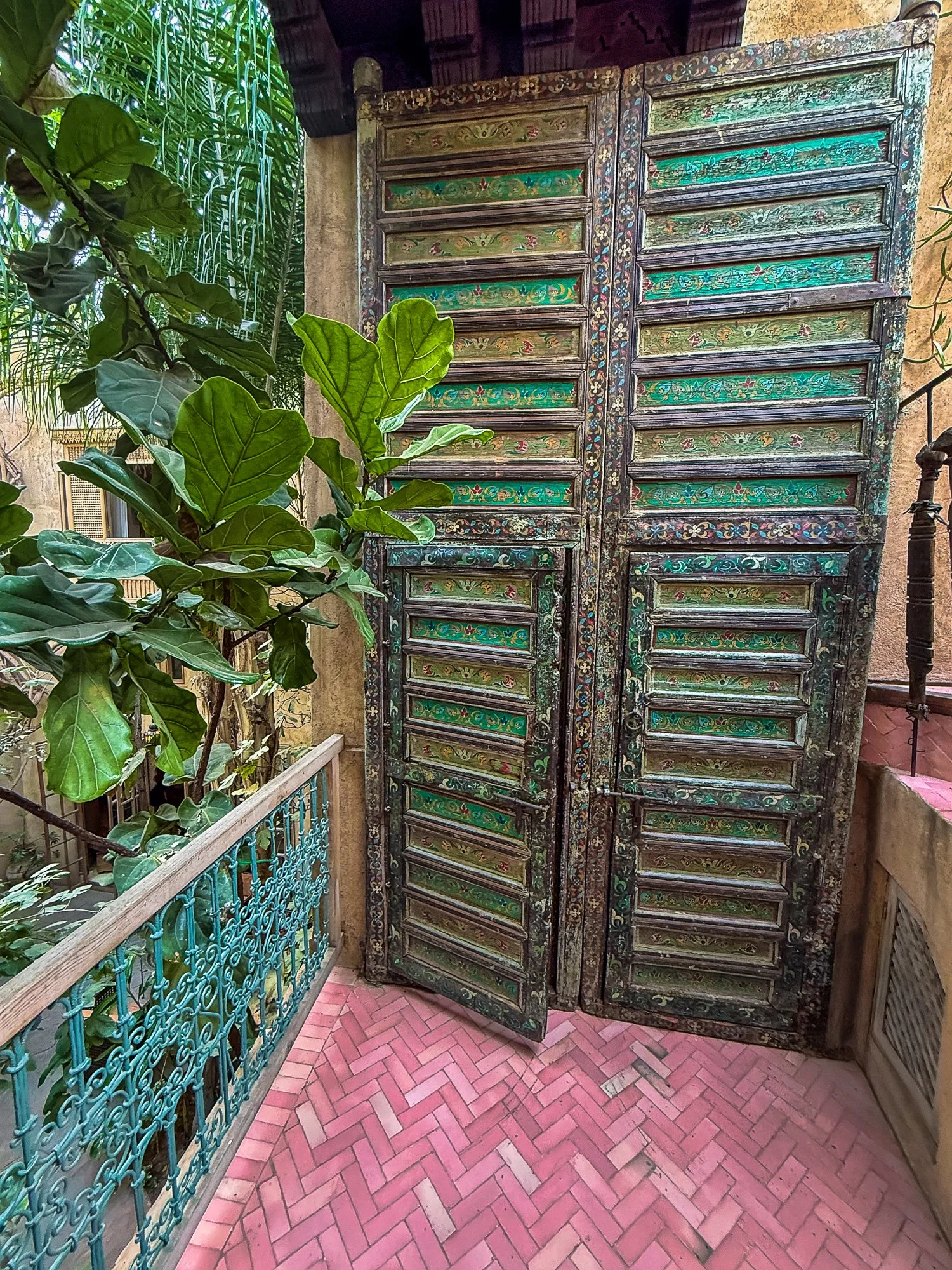
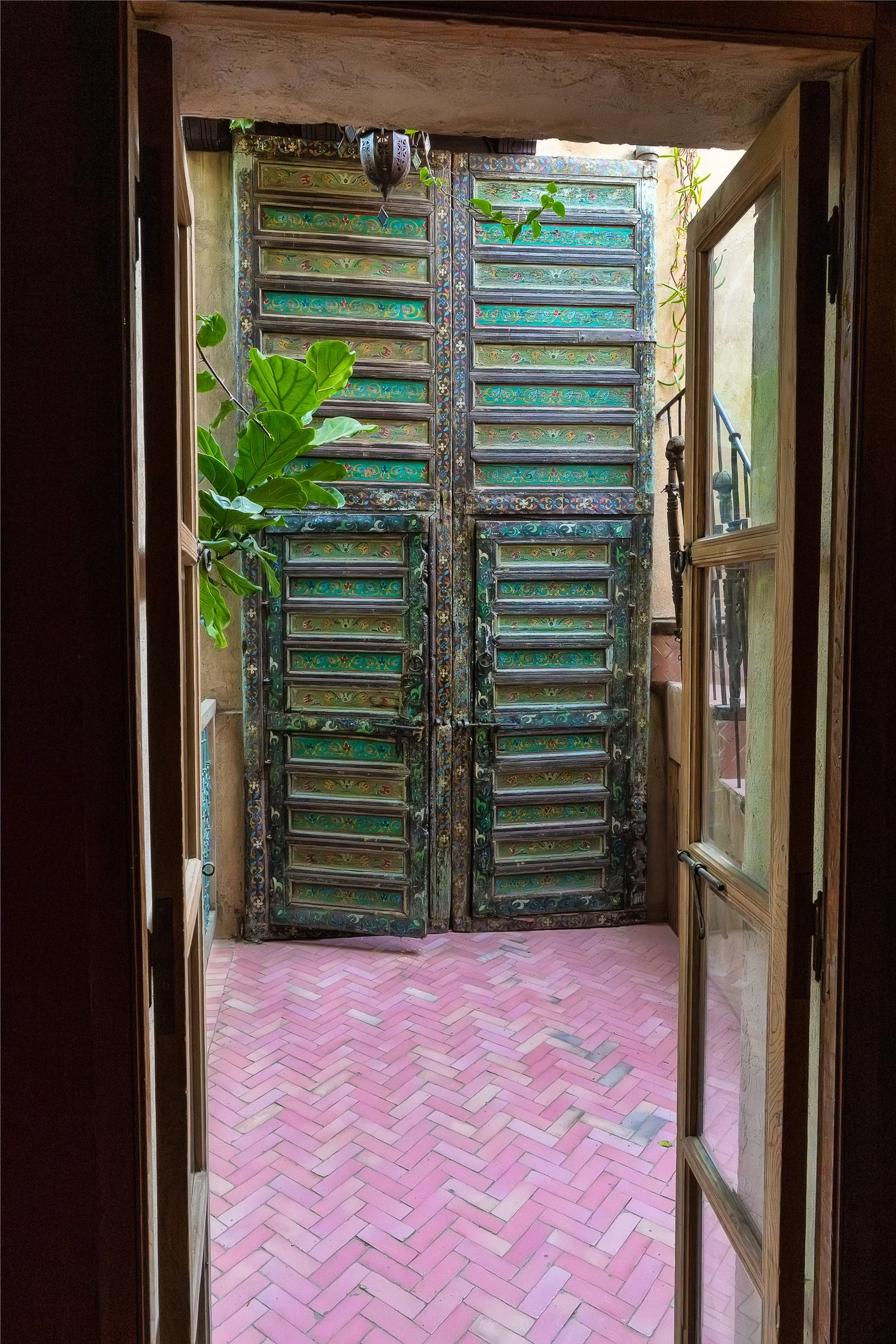
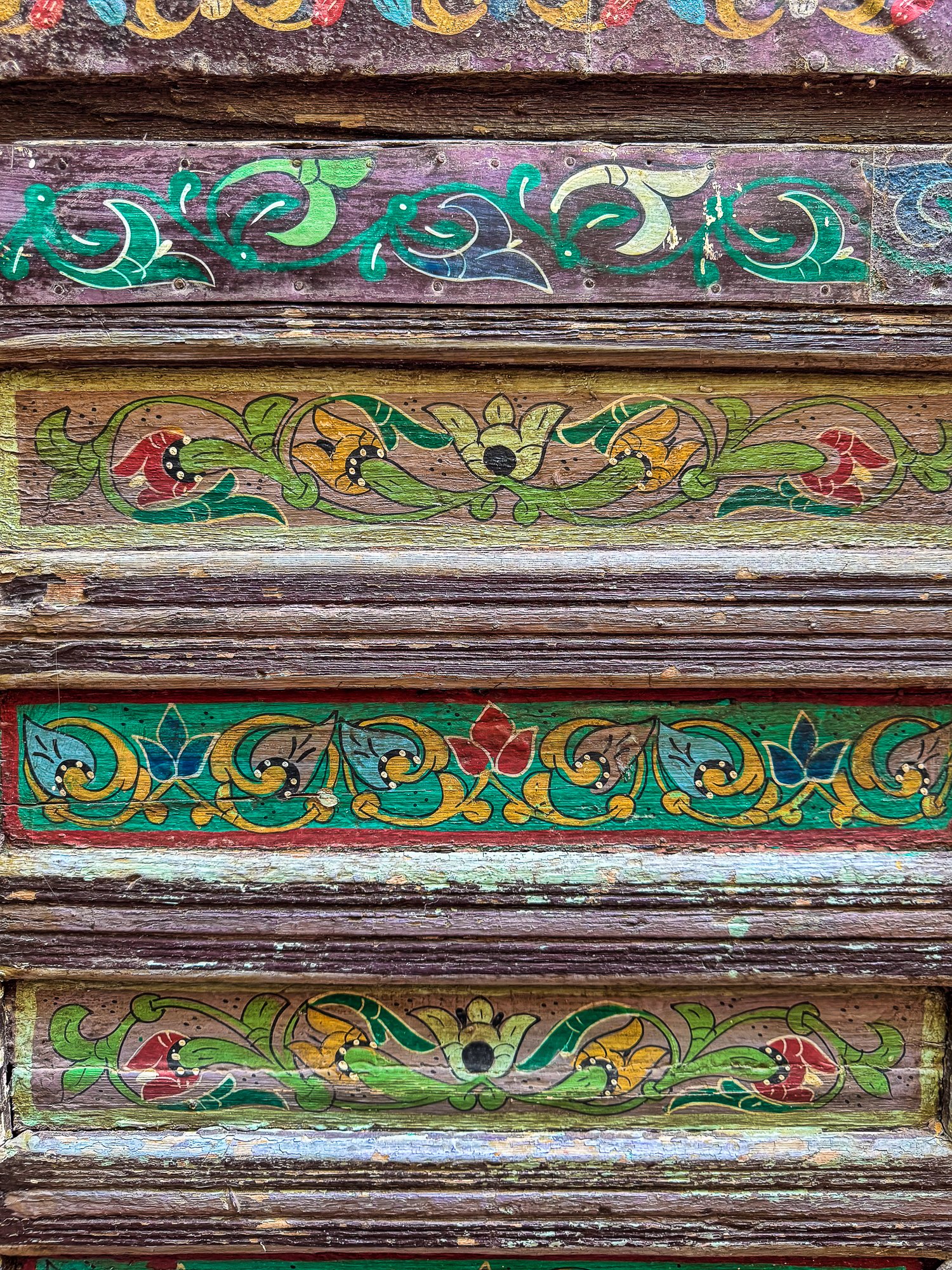
Throughout the riad, the floors utilize traditional terracotta tiles. Designs range from pure white bejmat (the rustic, rectangular bricks often used for a natural, earthy feel) to intricate zellige patterns, which are meticulously hand-cut tile mosaics. Hand-painted zouak doors are also featured, showcasing traditional floral and geometric motifs painted directly onto the wood.

To, co zachwyca w tym riadzie najbardziej, to autentyczność materiałów. Podłogi to surowe, terakotowe płytki bejmat lub misterne, ręcznie wycinane mozaiki zellige, ręcznie malowane drzwi zouak zdobią motywy roślinne, a sufity tatoui wykonane są z plecionych gałązek oleandra. Ściany są często wykończone gładkim, lśniącym tynkiem tadelakt, polerowanym rzecznymi kamieniami.

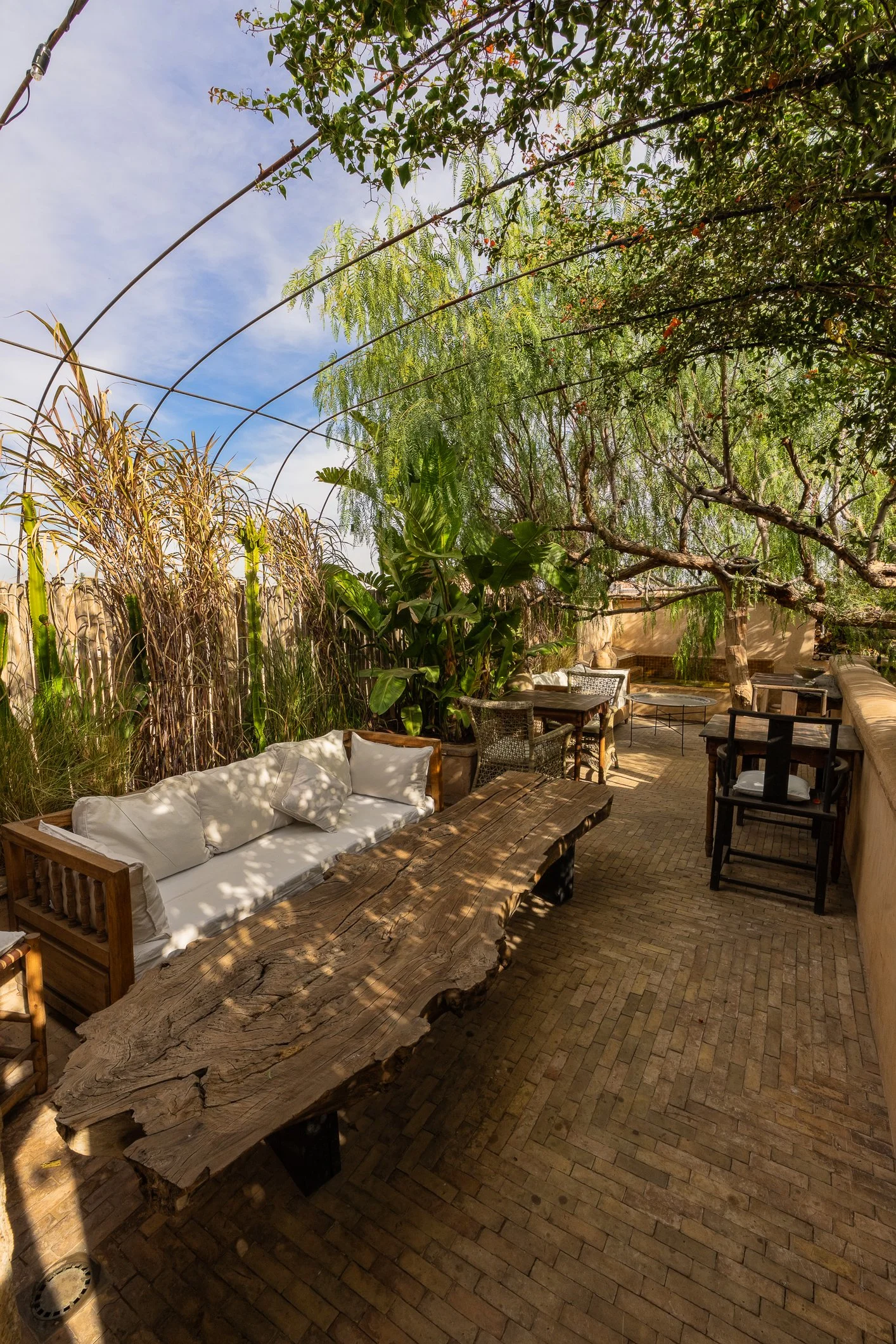
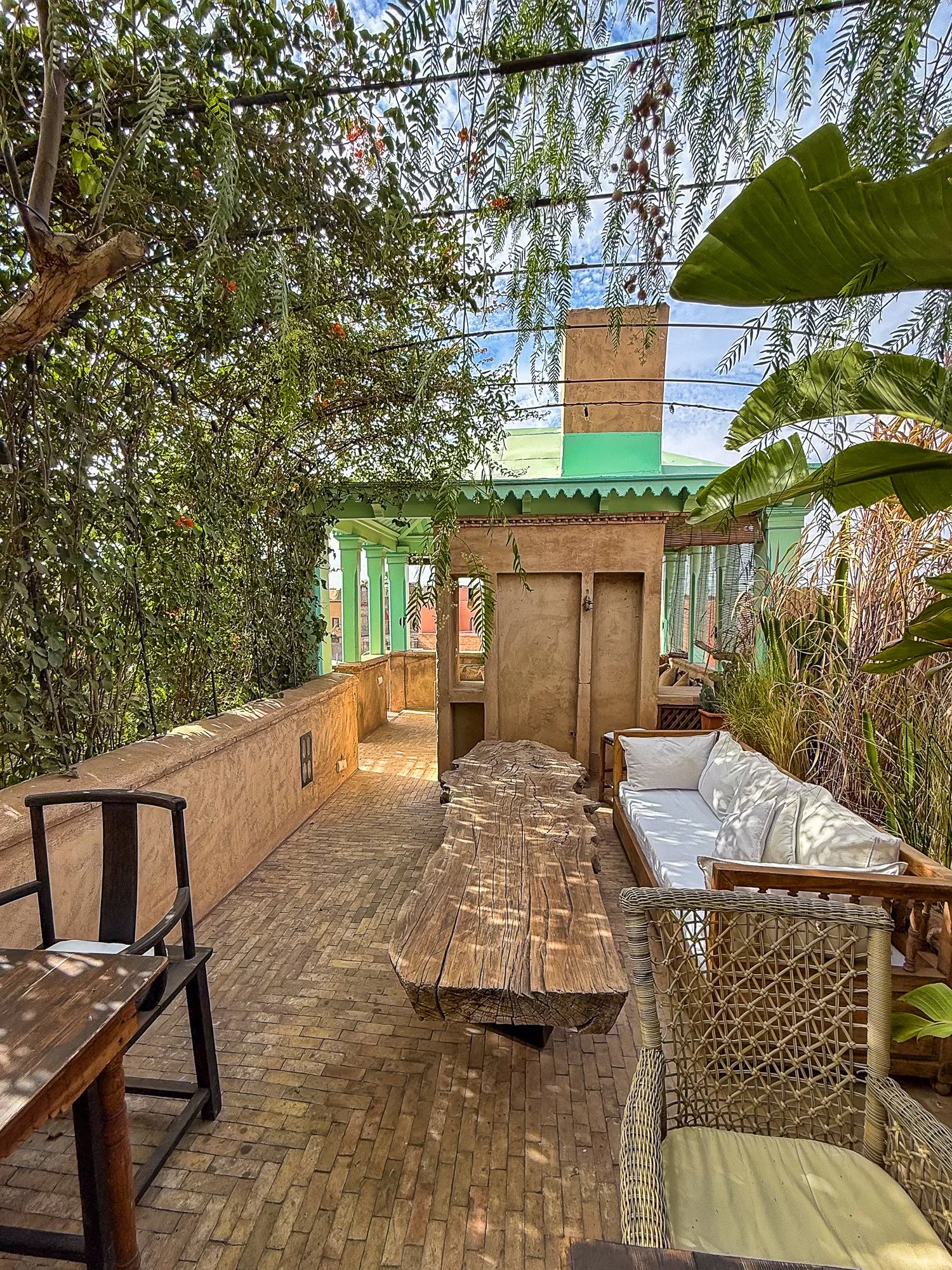
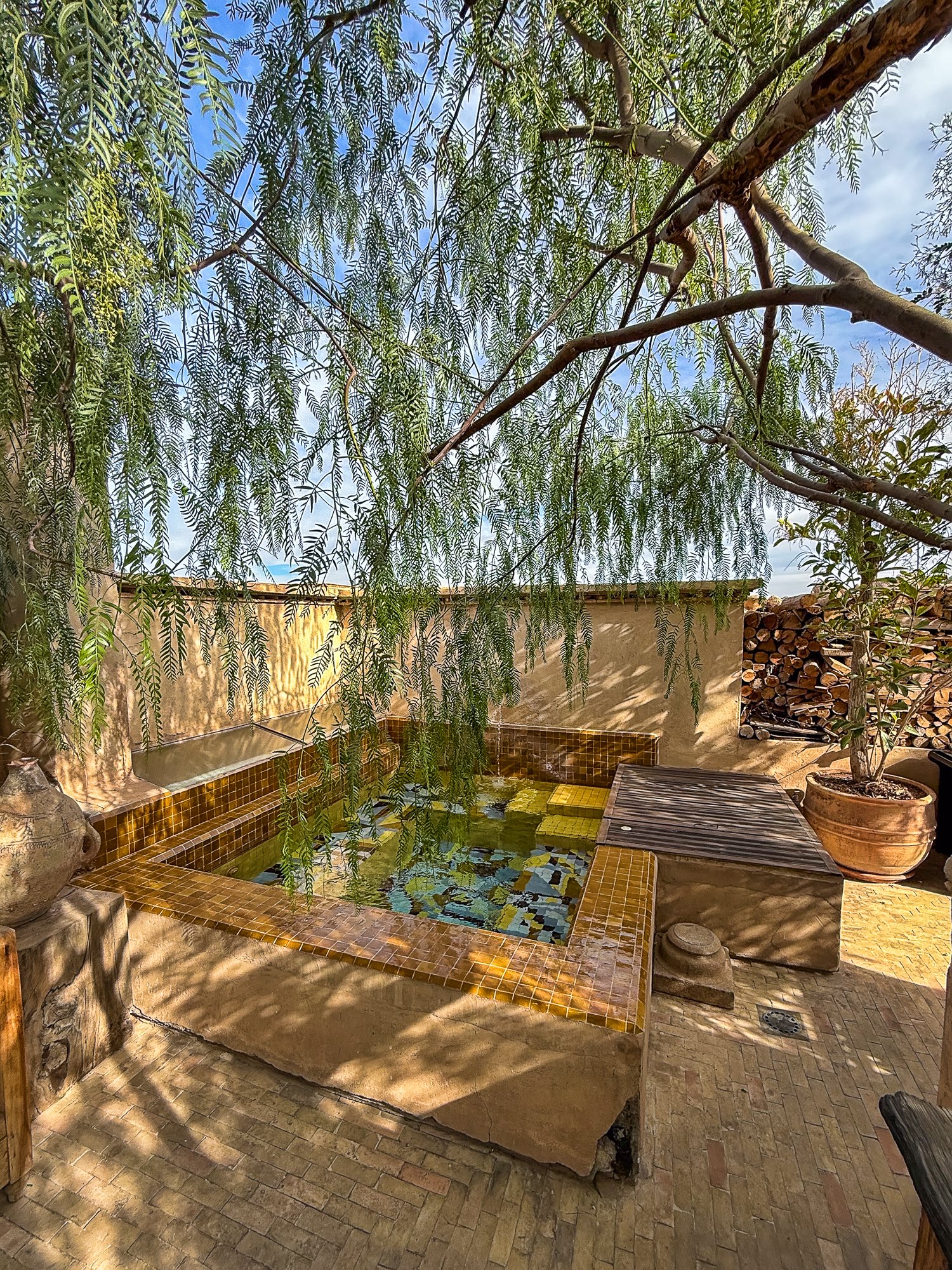
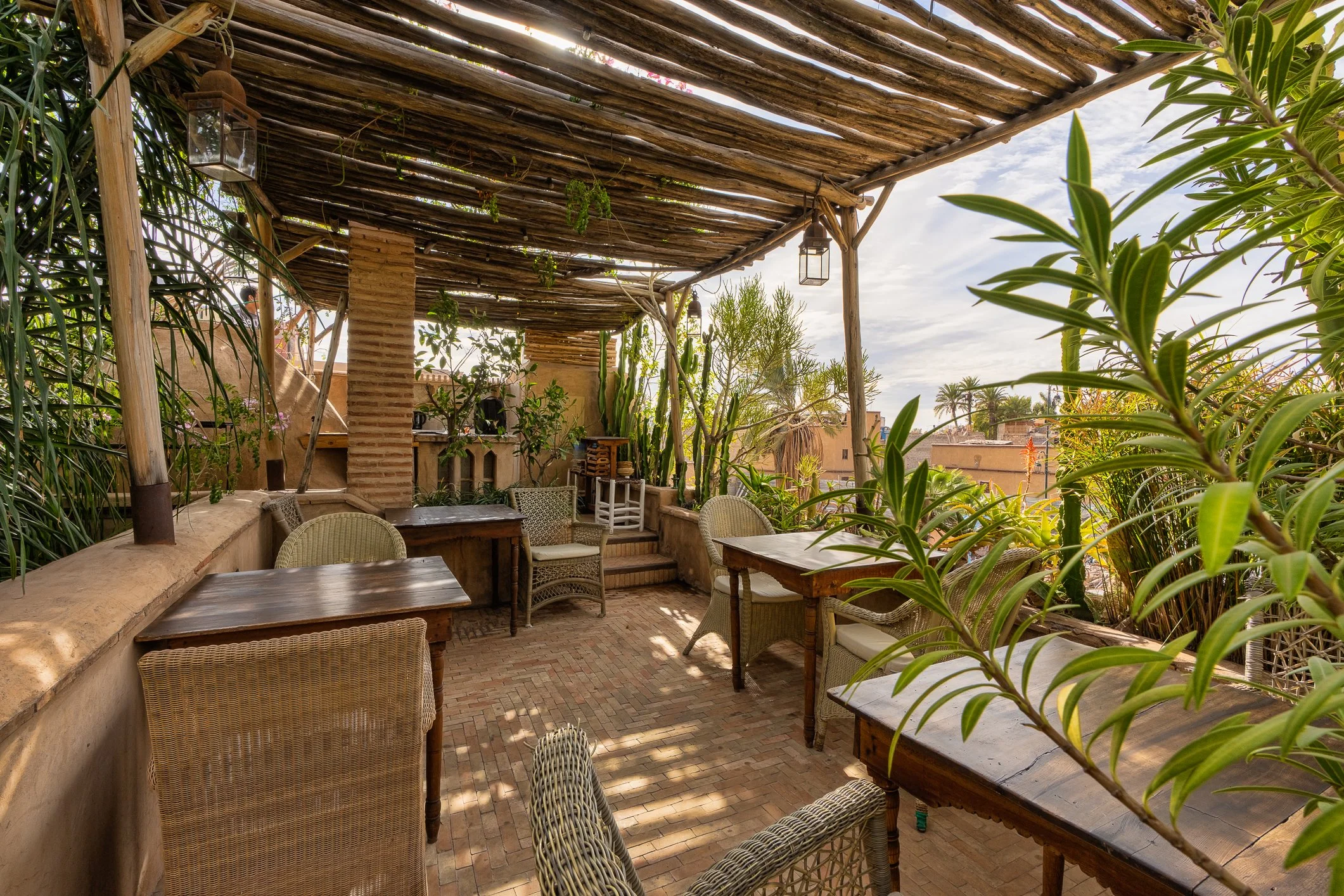
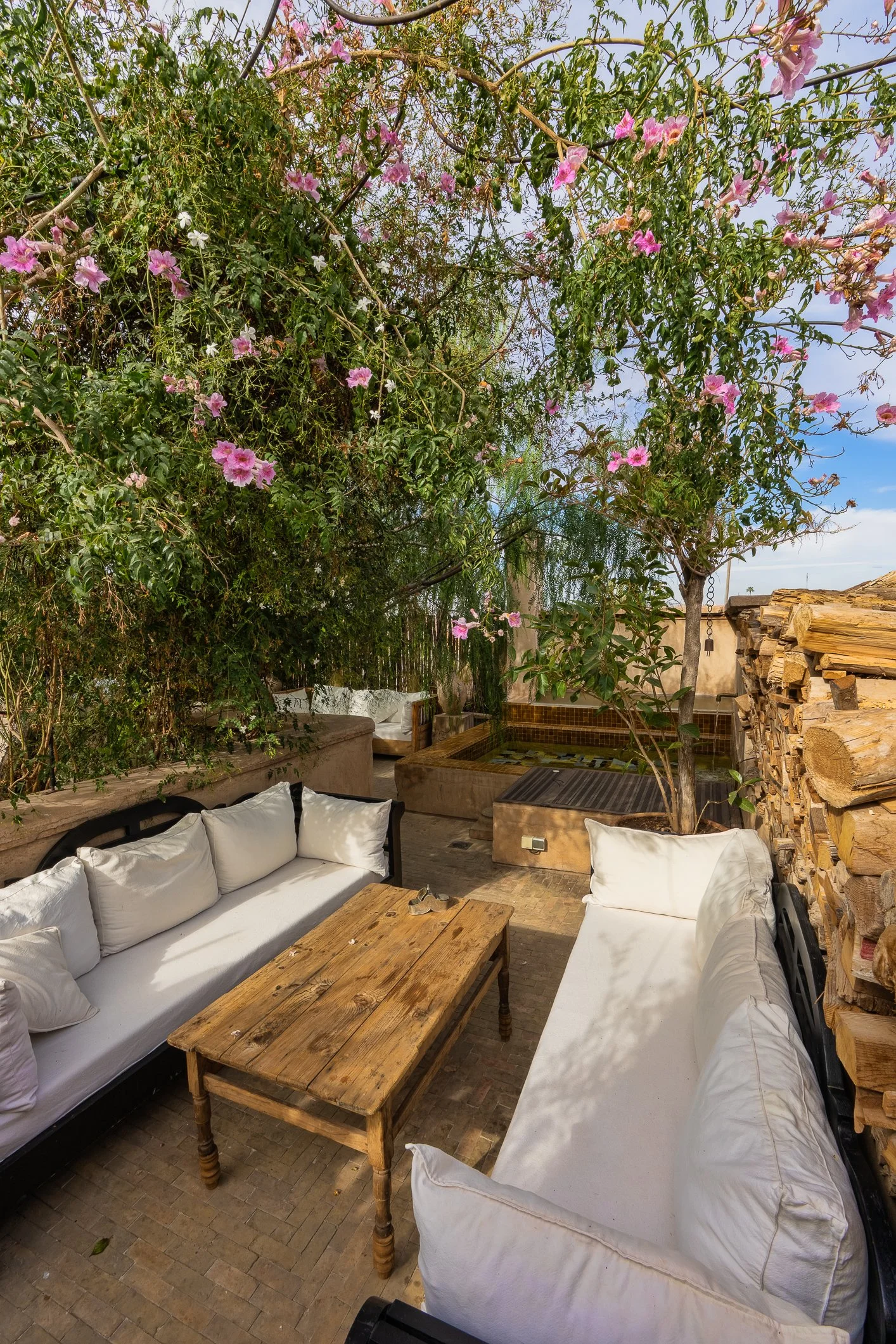
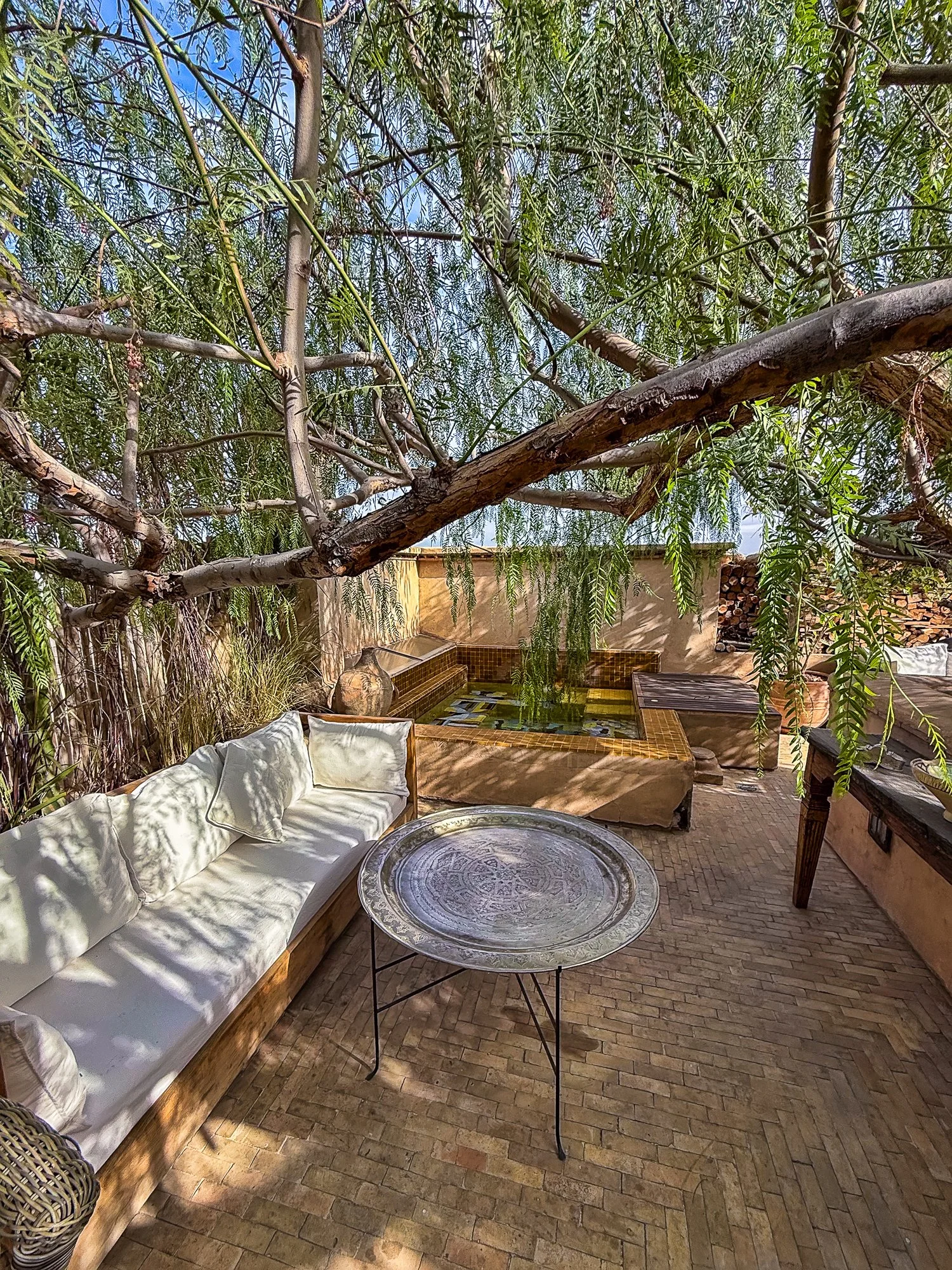
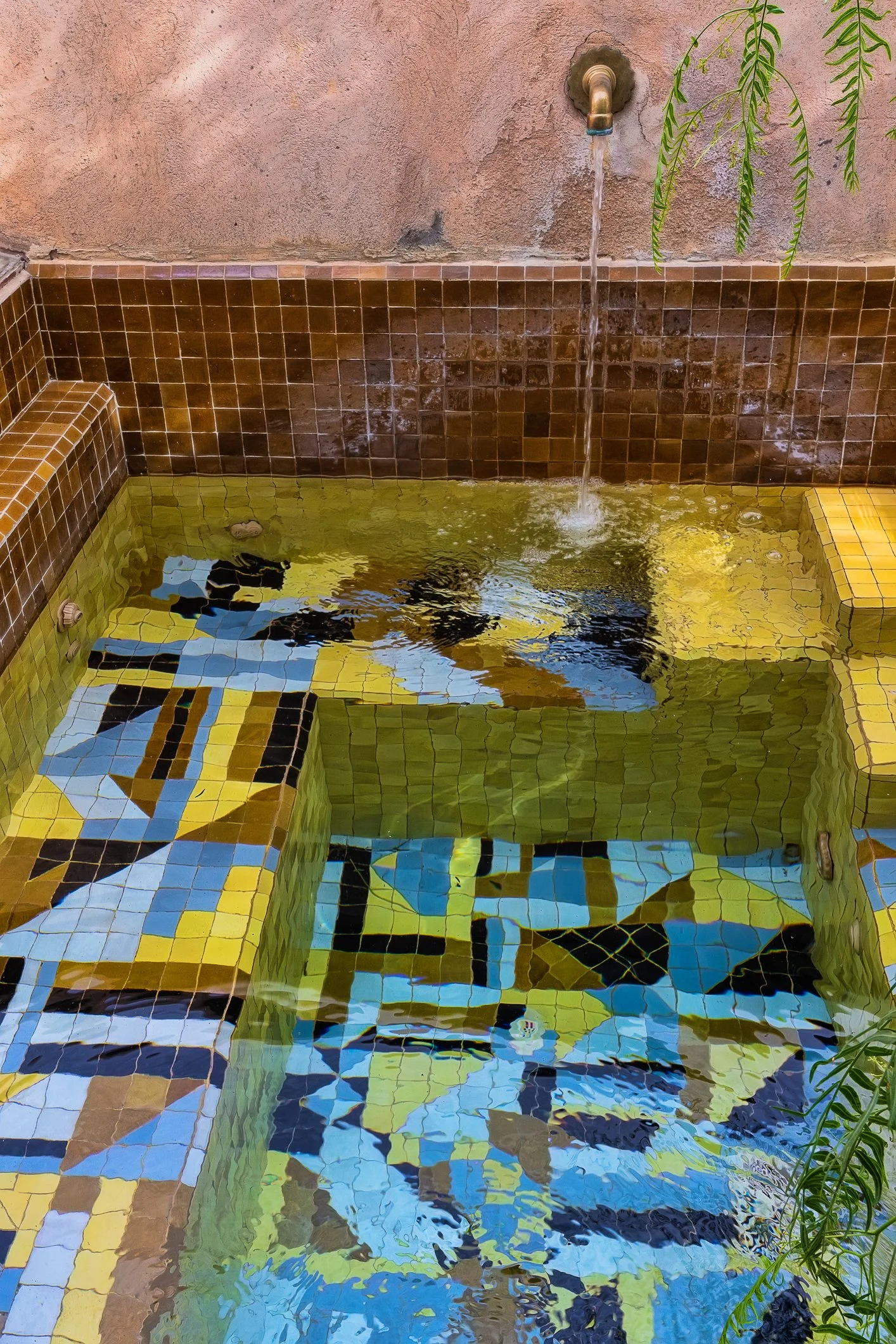
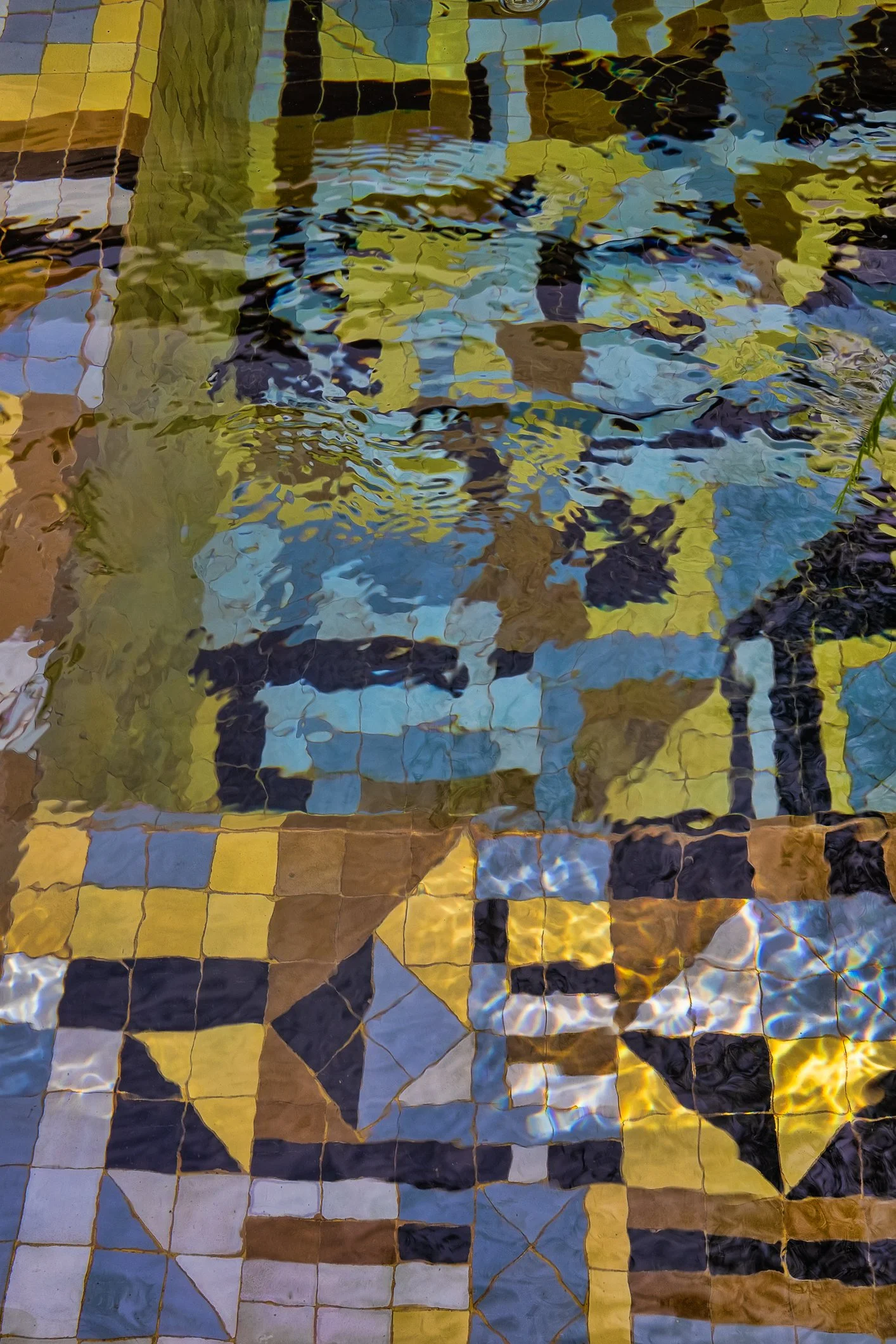
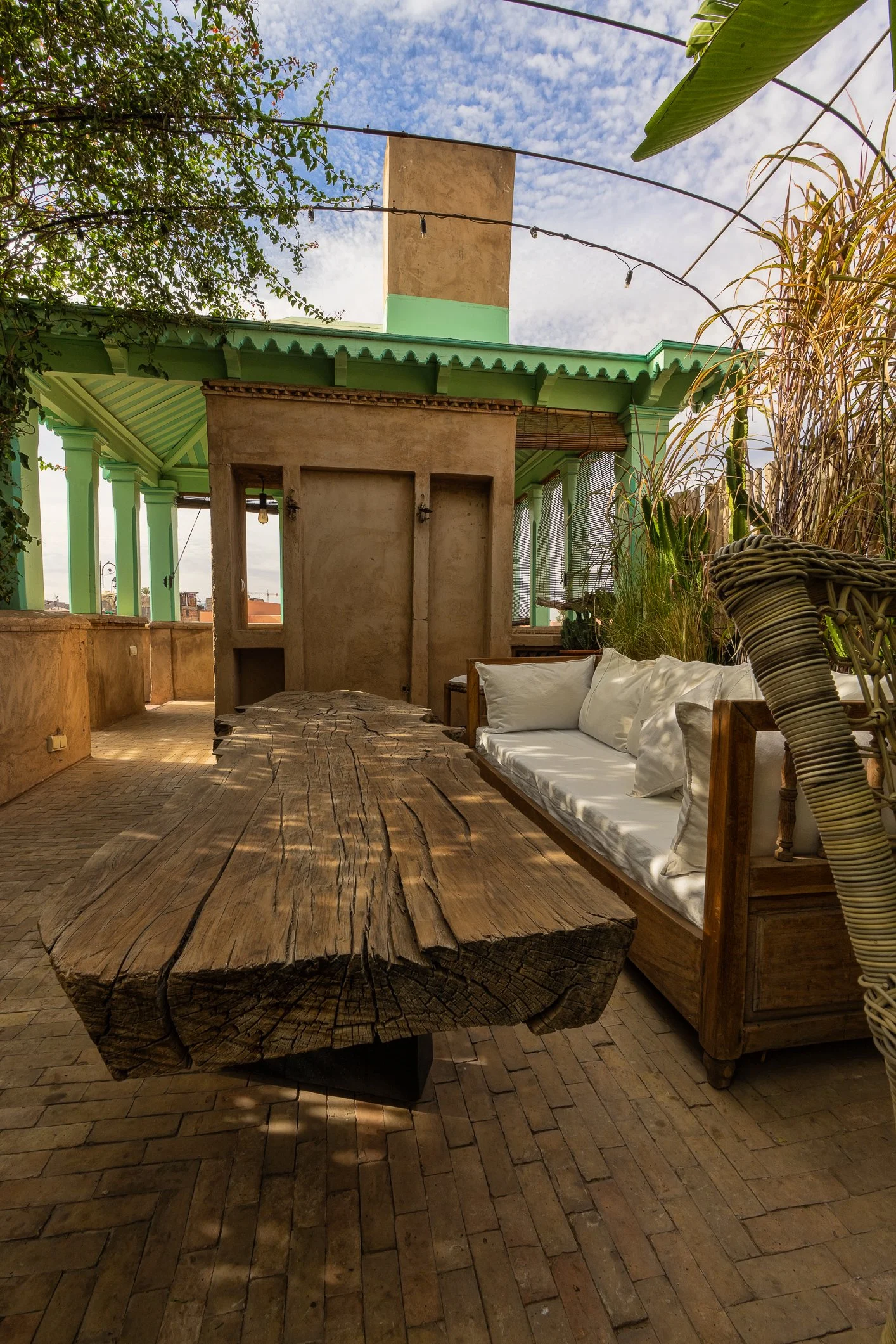
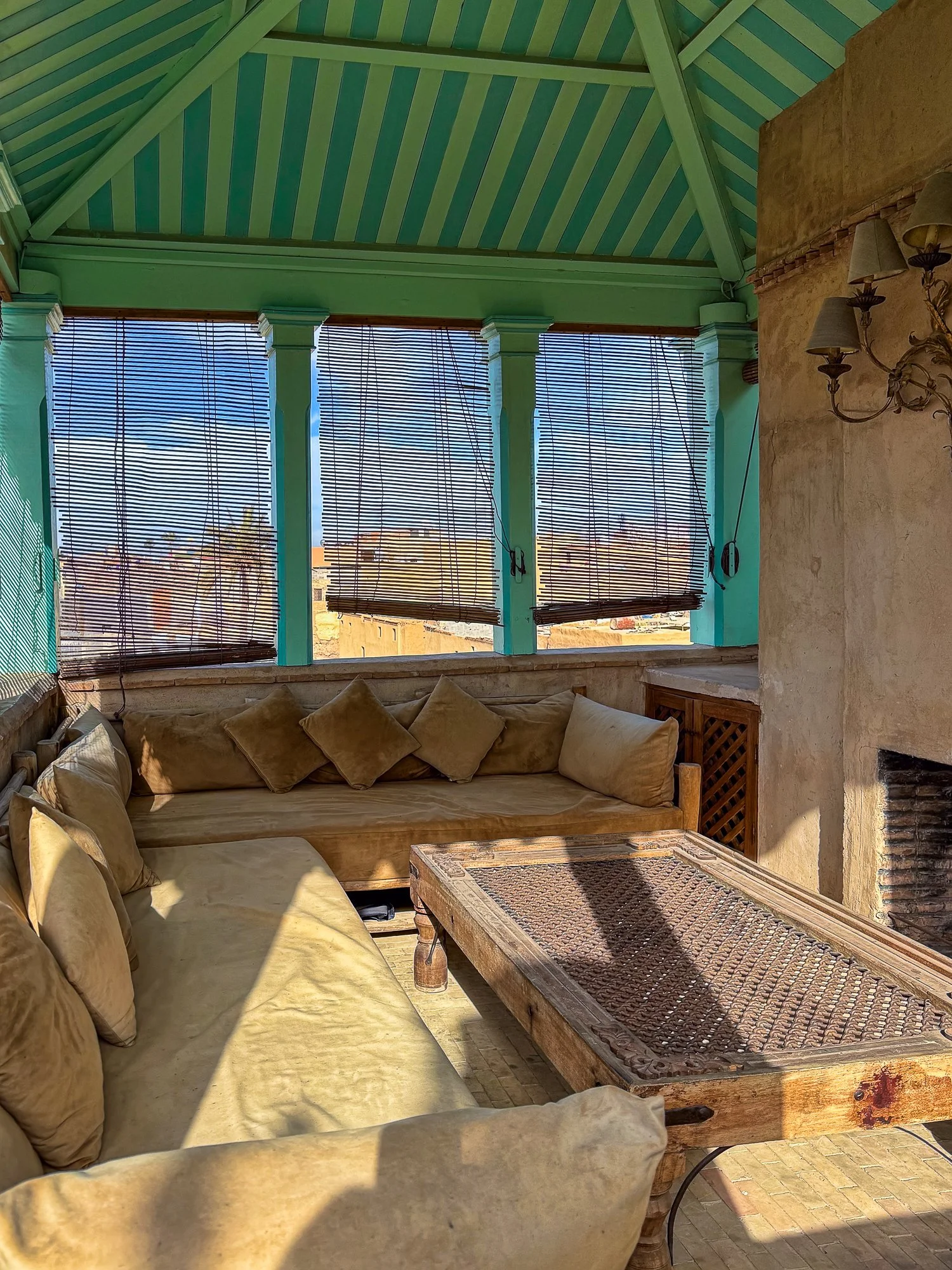
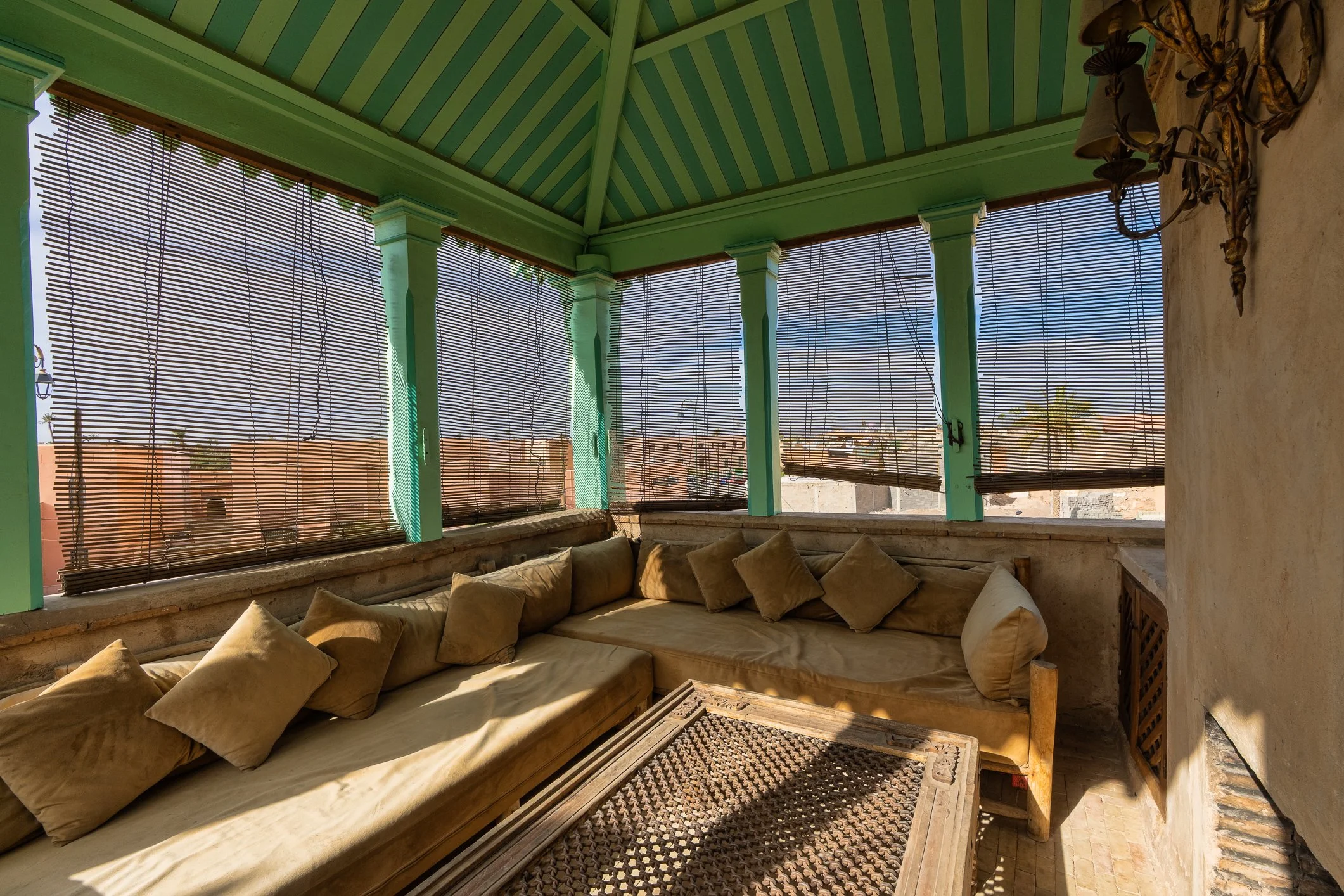
The terrace is designed as a series of intimate "pockets" rather than a large open plaza. It provides panoramic views over the authentic, less-developed Zaouia el Abassia quarter of the medina. A modest traditional plunge pool is integrated into the terrace design, providing a cool retreat from the heat. This is not the season though to jump in, at least not for us.

W przeciwieństwie do ogromnych, otwartych tarasów, ten w Kbour & Chou jest podzielony na kameralne wnęki. Można się w nich zaszyć z książką lub dzbankiem herbaty, obserwując panoramę mniej turystycznej, surowej części medyny. Dla ochłody przygotowano tradycyjny mały basen (plunge pool), idealnie wkomponowany w architekturę dachu. Latem pewnie byśmy już tam moczyli swoje odwłoki, ale Marrakesz o tej porze roku jest na to dla nas za zimny.

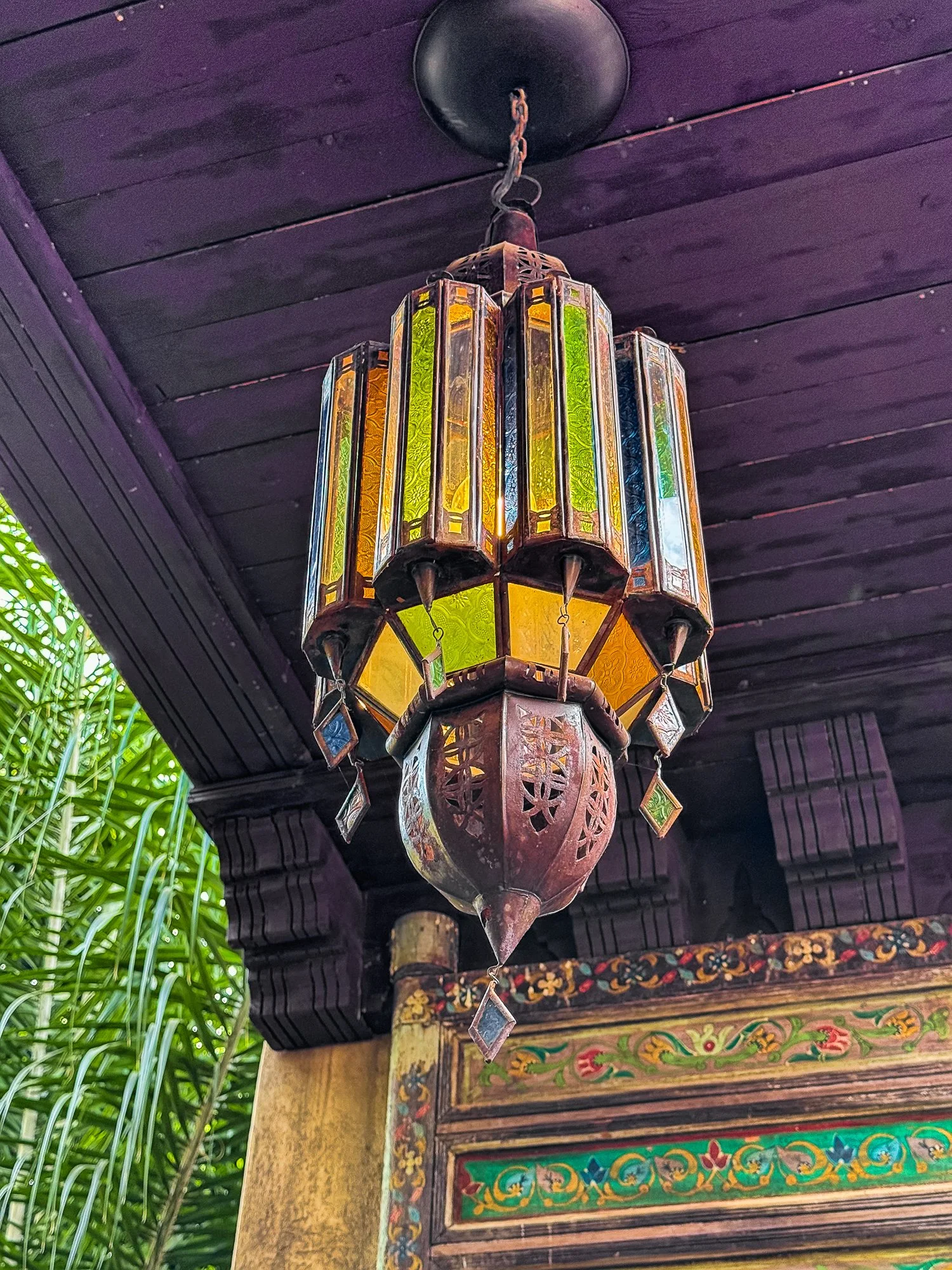
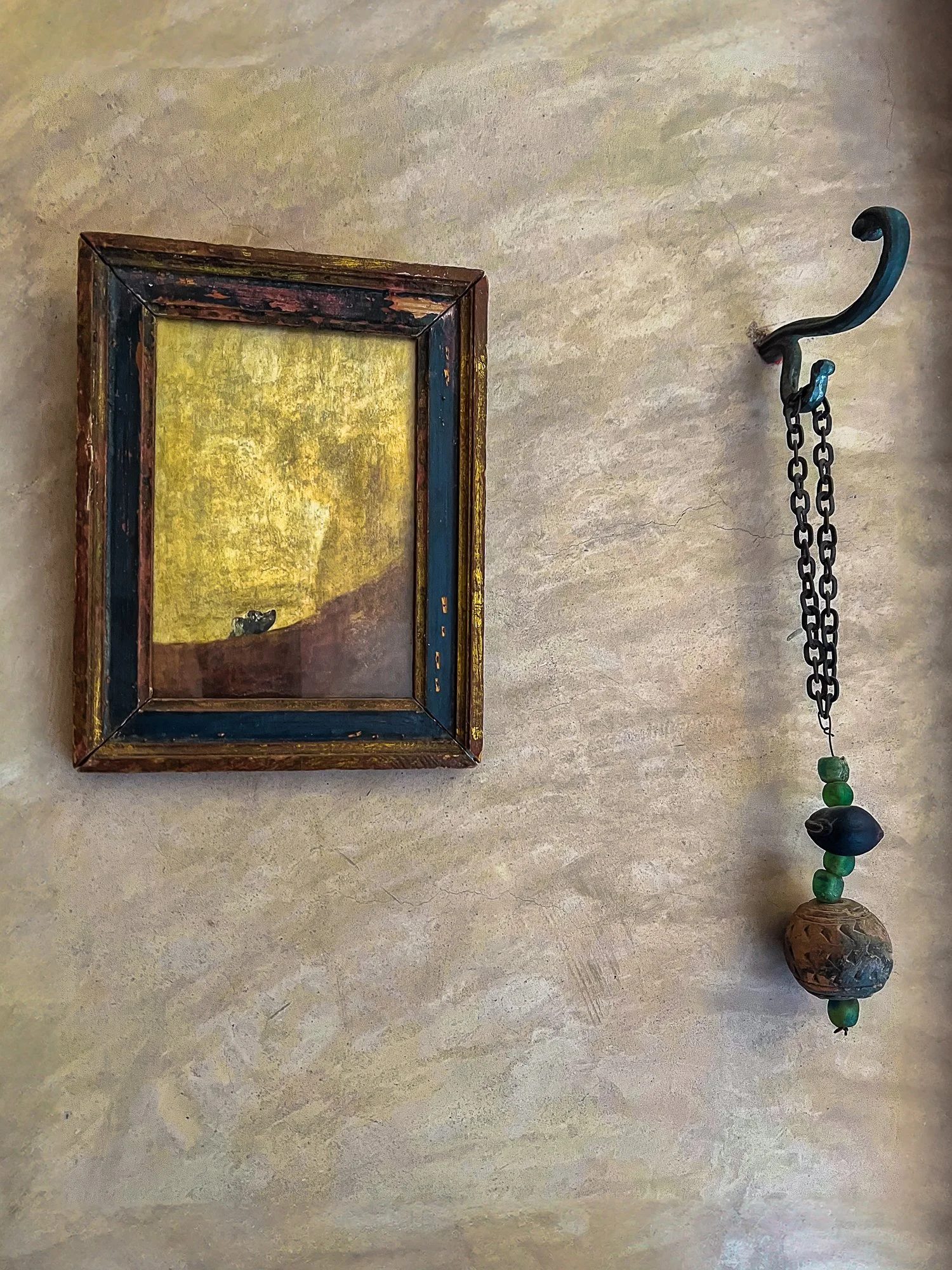
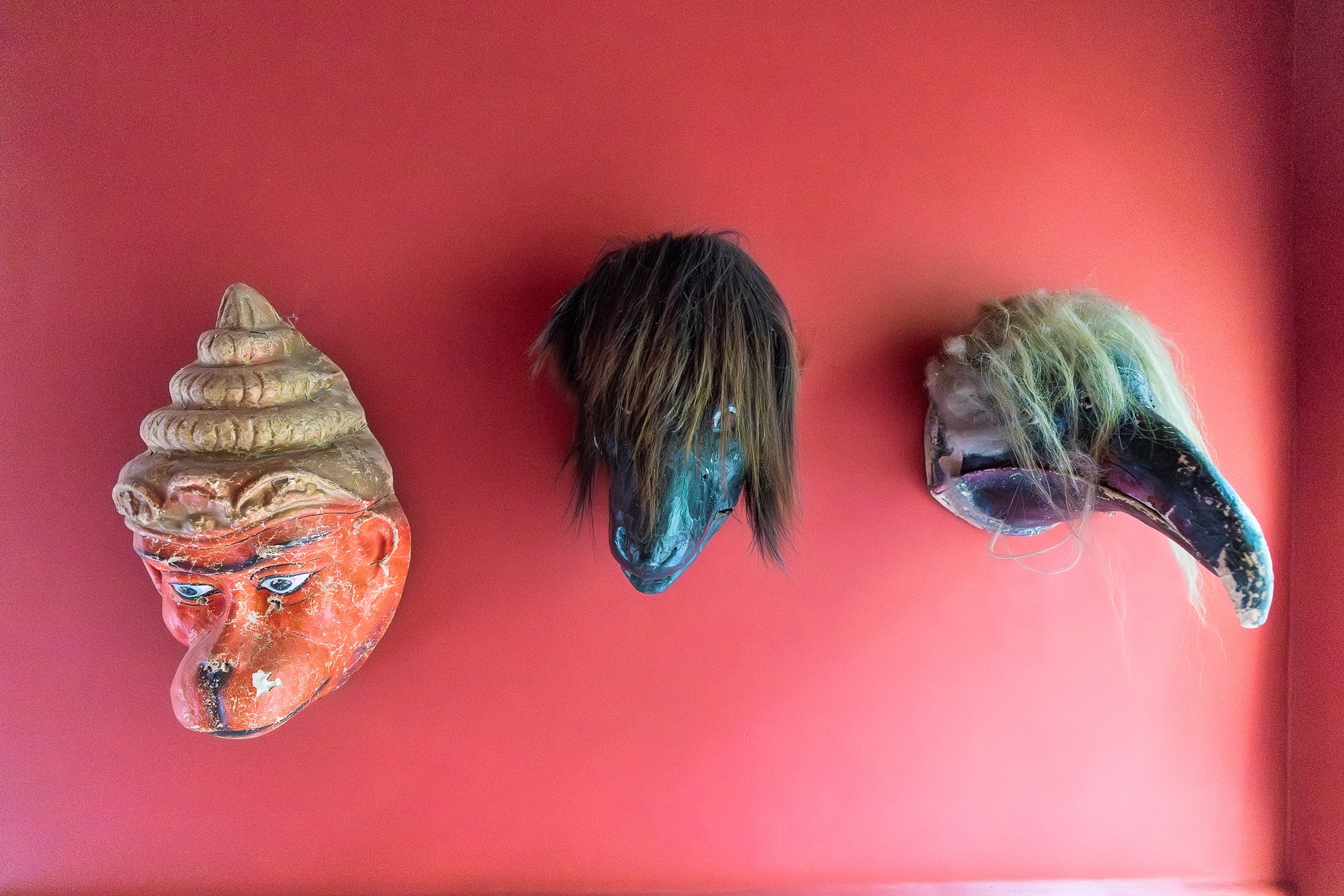
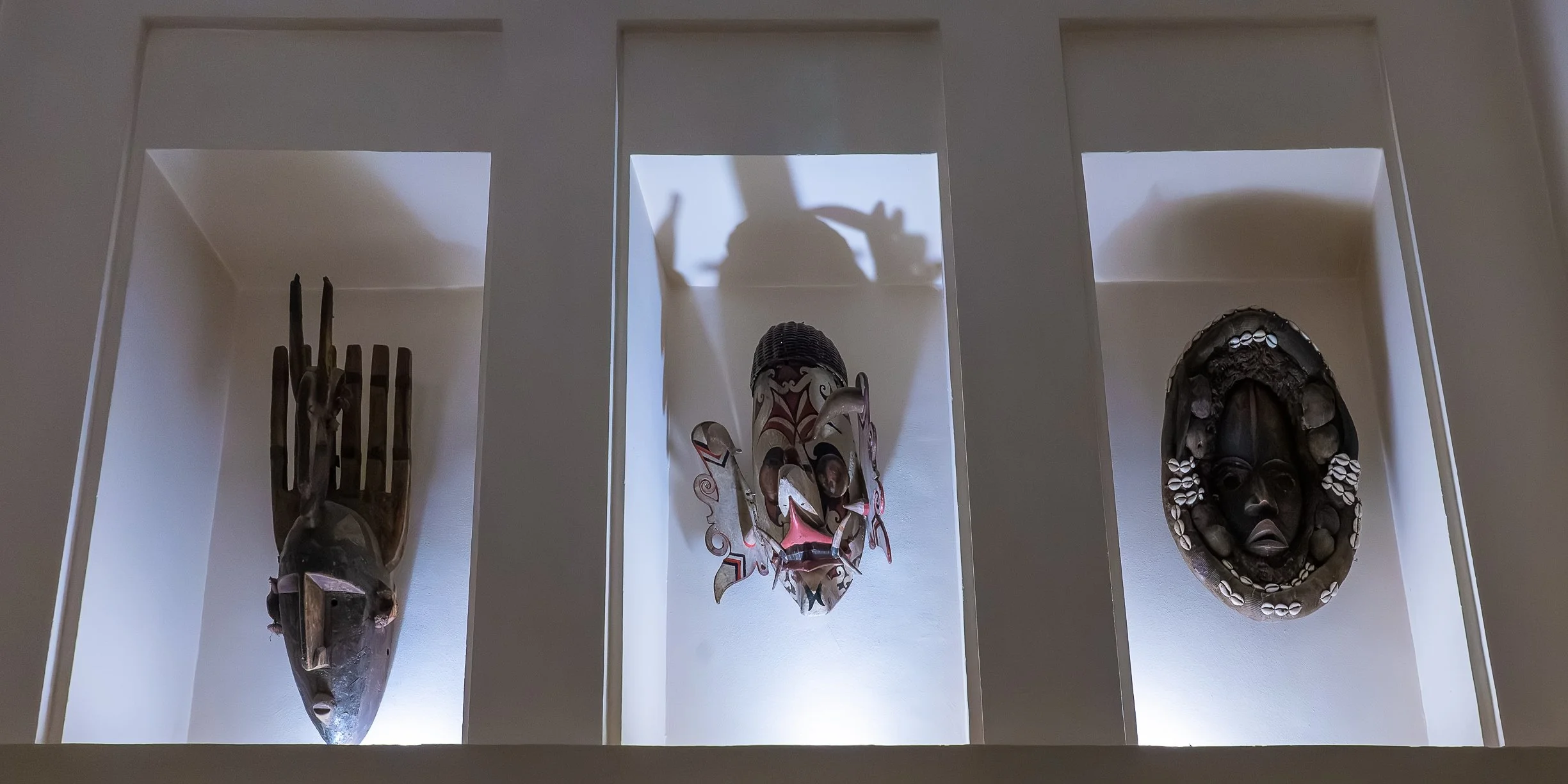
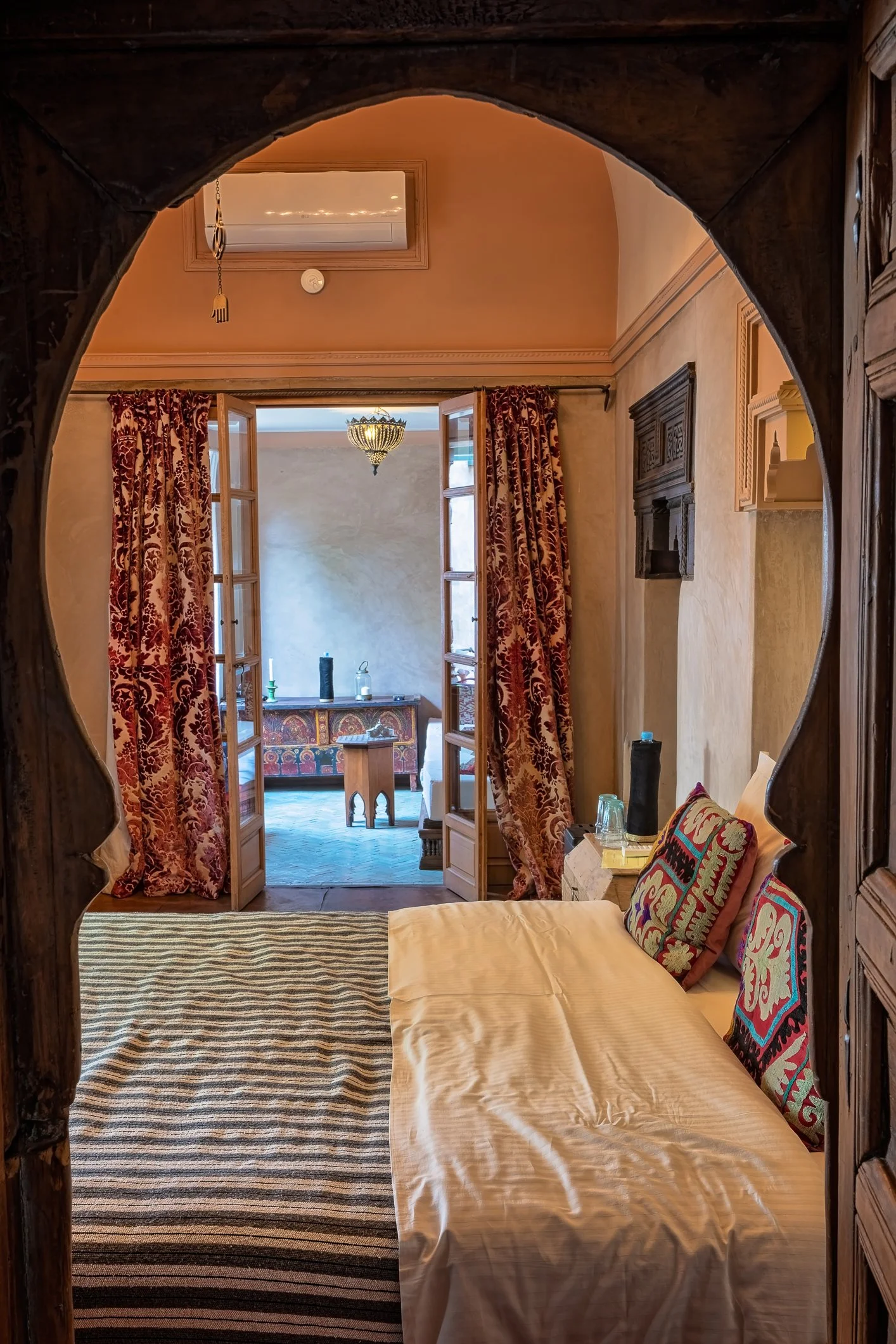
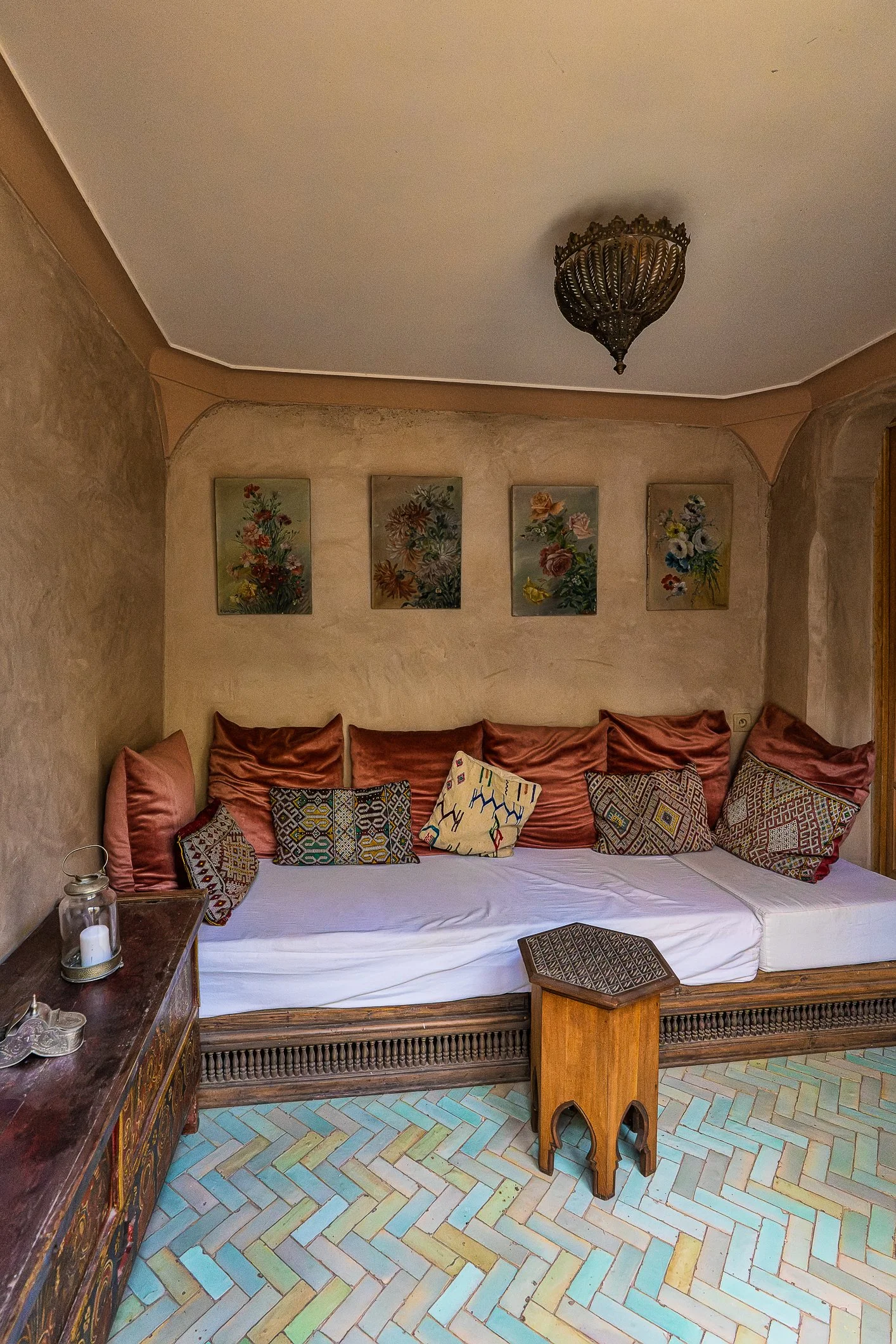
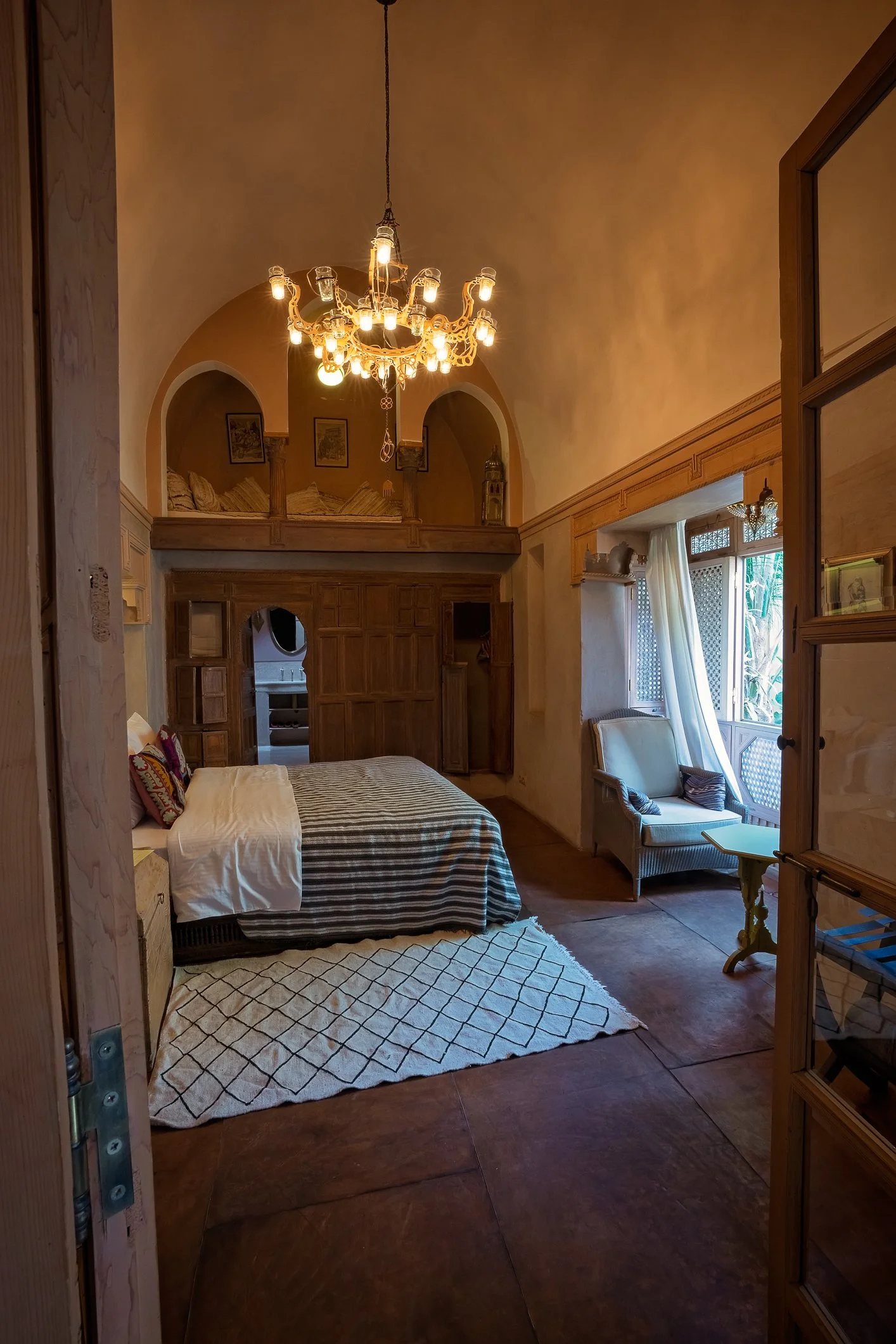
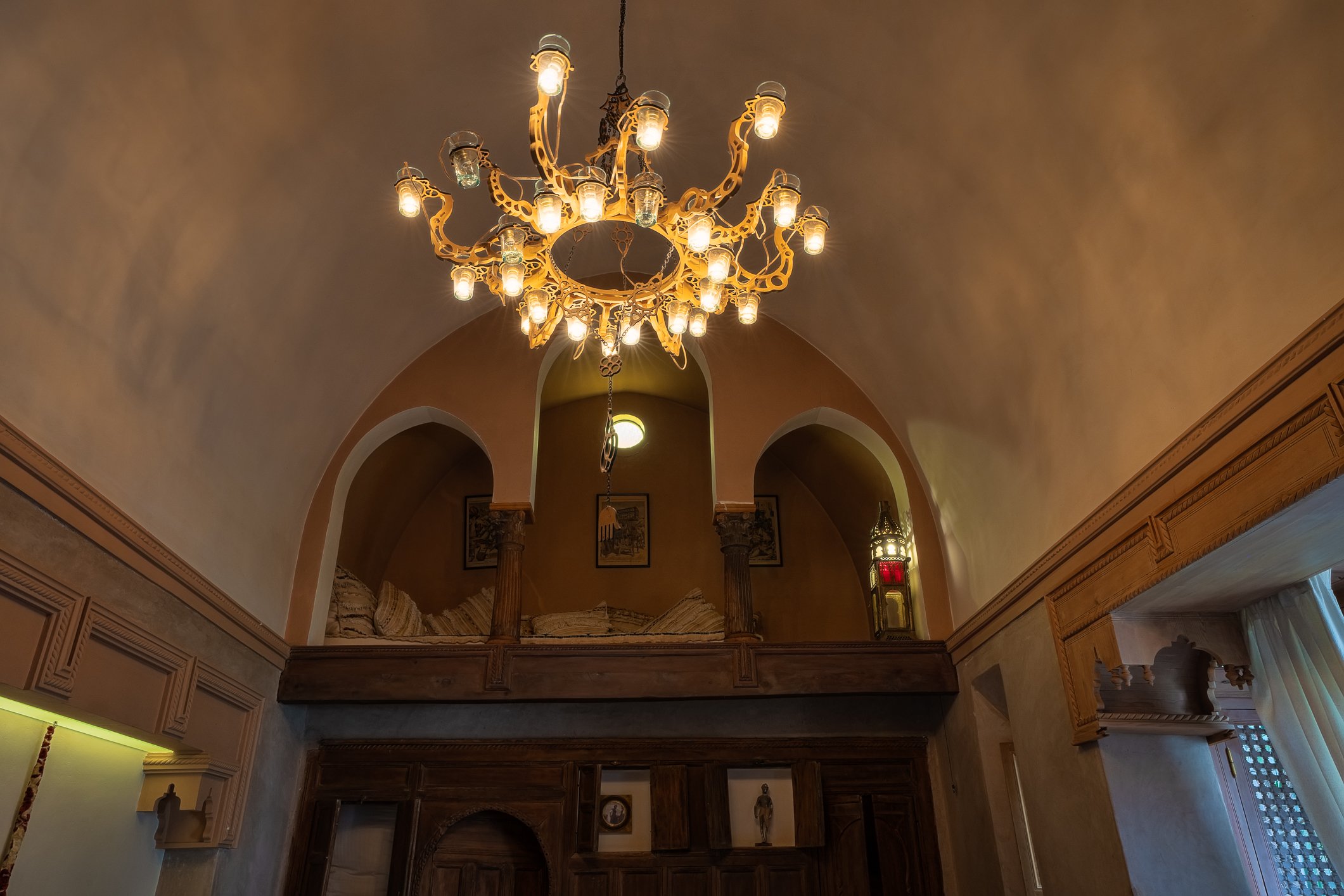
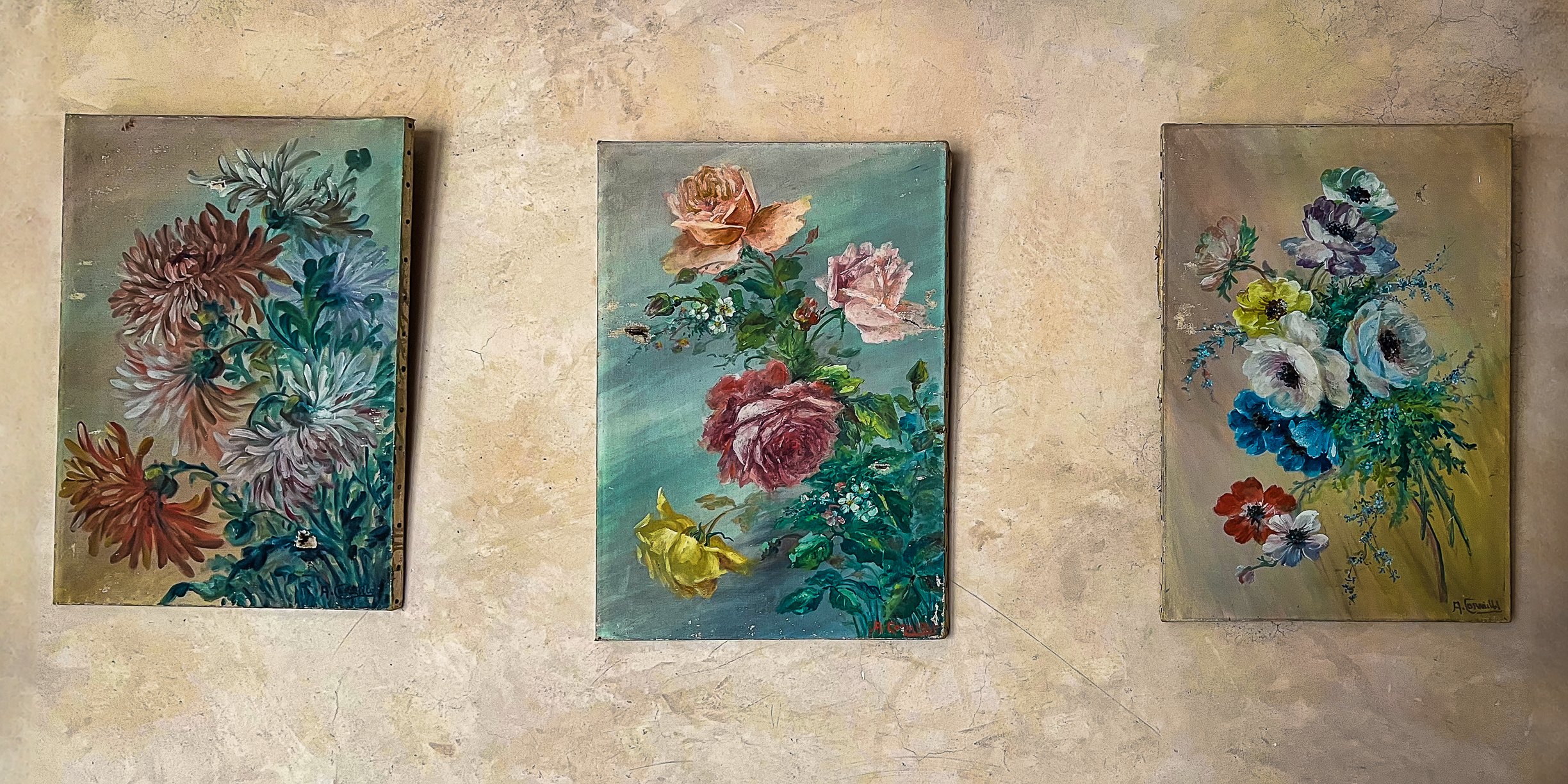
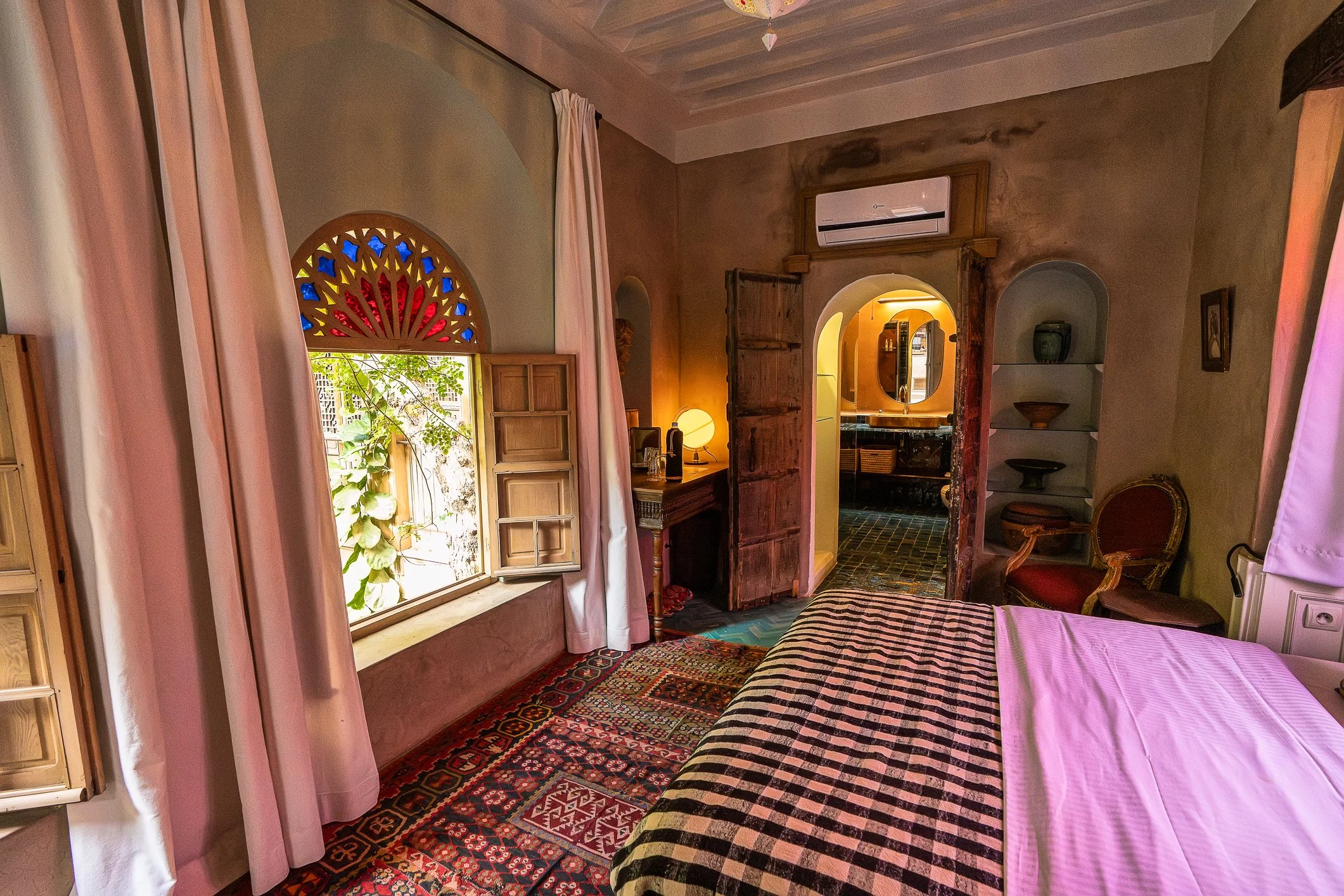
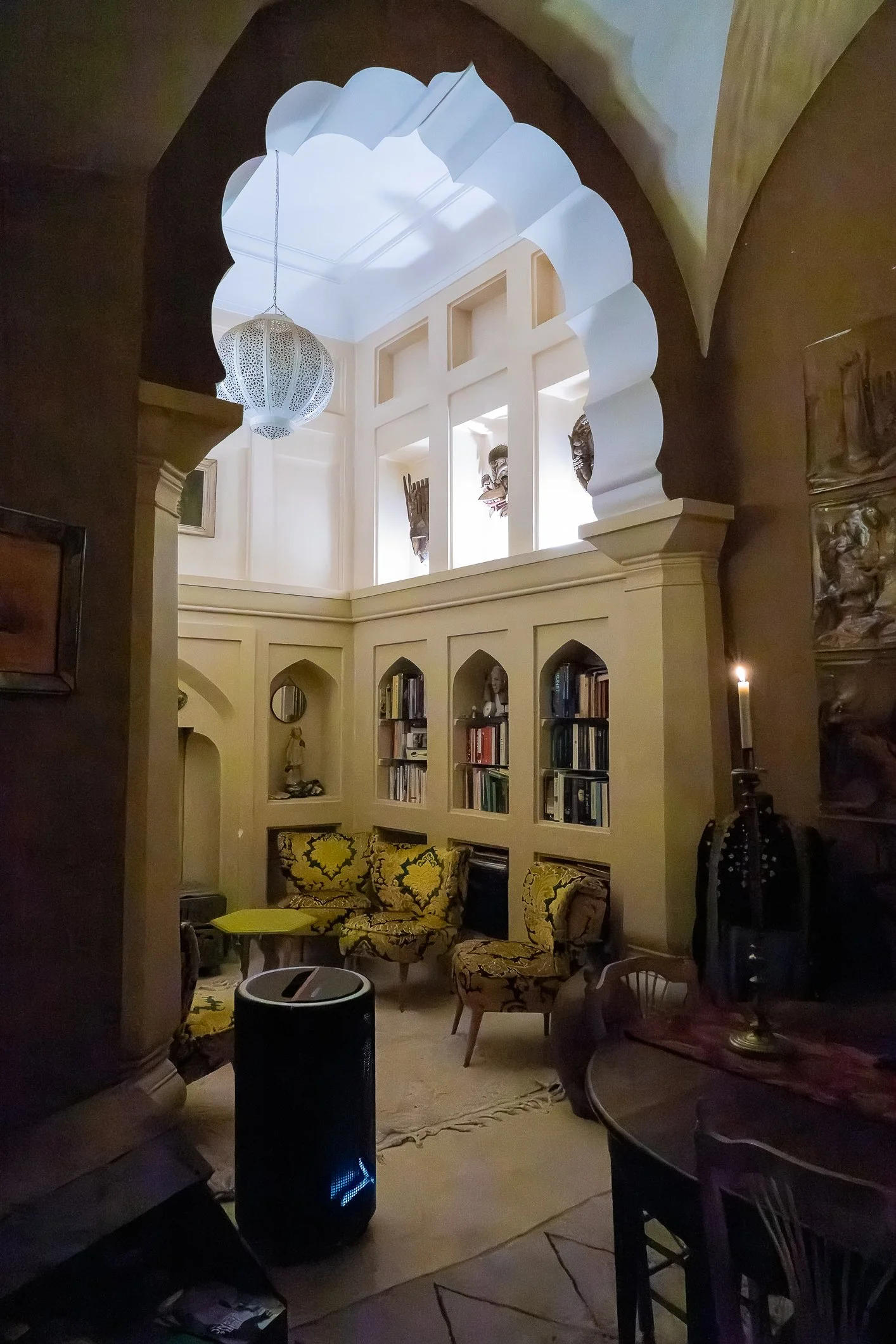
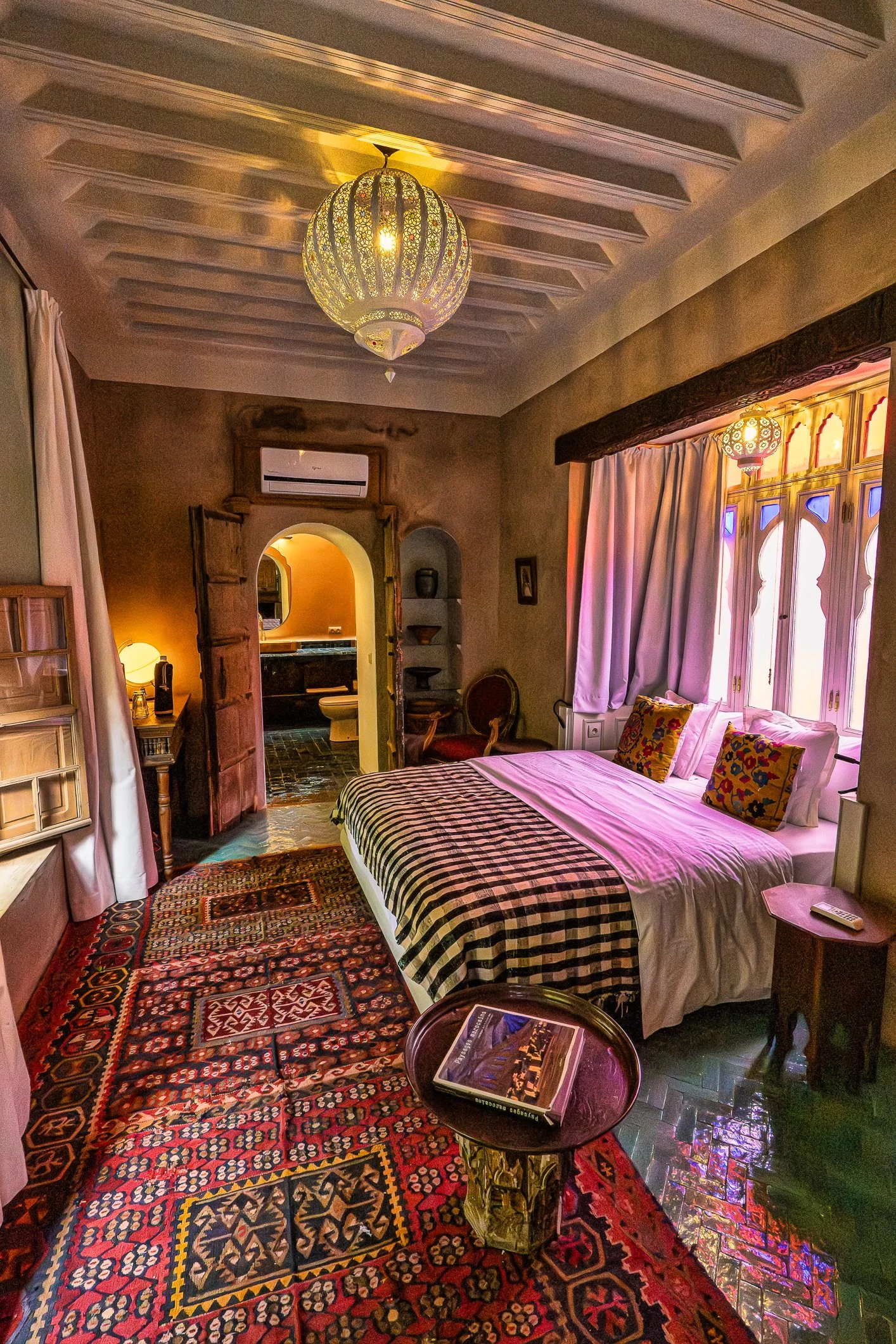
There are only seven rooms, each with its own character and distinct features: traditionally painted wooden arches and vaulted roofs, sculpted plaster, and tadelakt. You’ll also find tatoui ceilings made of woven oleander branches, antique Chinese moucharabieh doors featuring intricate lattice woodwork for privacy and ventilation, and stained glass alongside bejmat vaults.The spaces are further decorated with artefacts collected during the owners’ travels across Africa and the rest of the world.

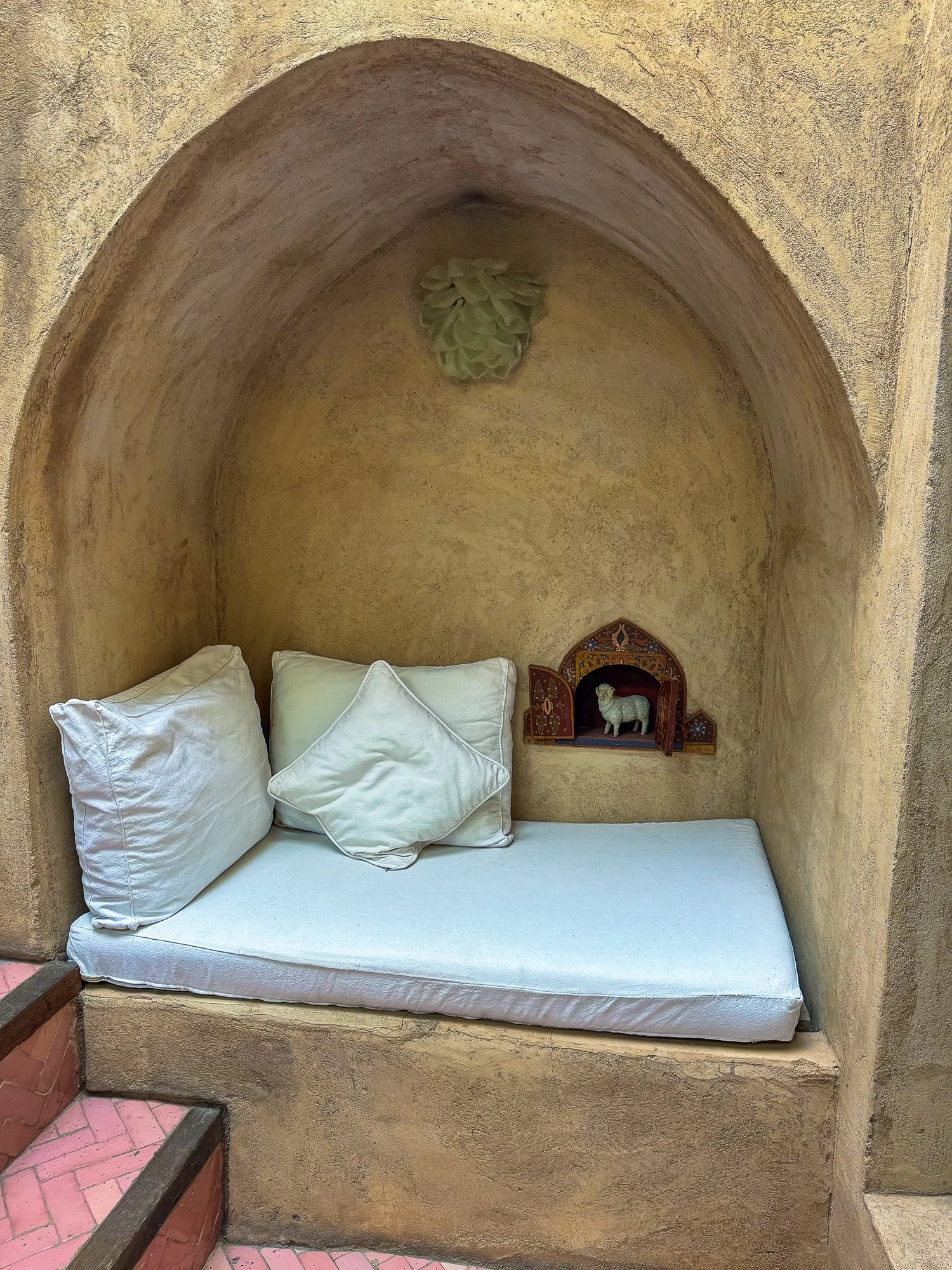
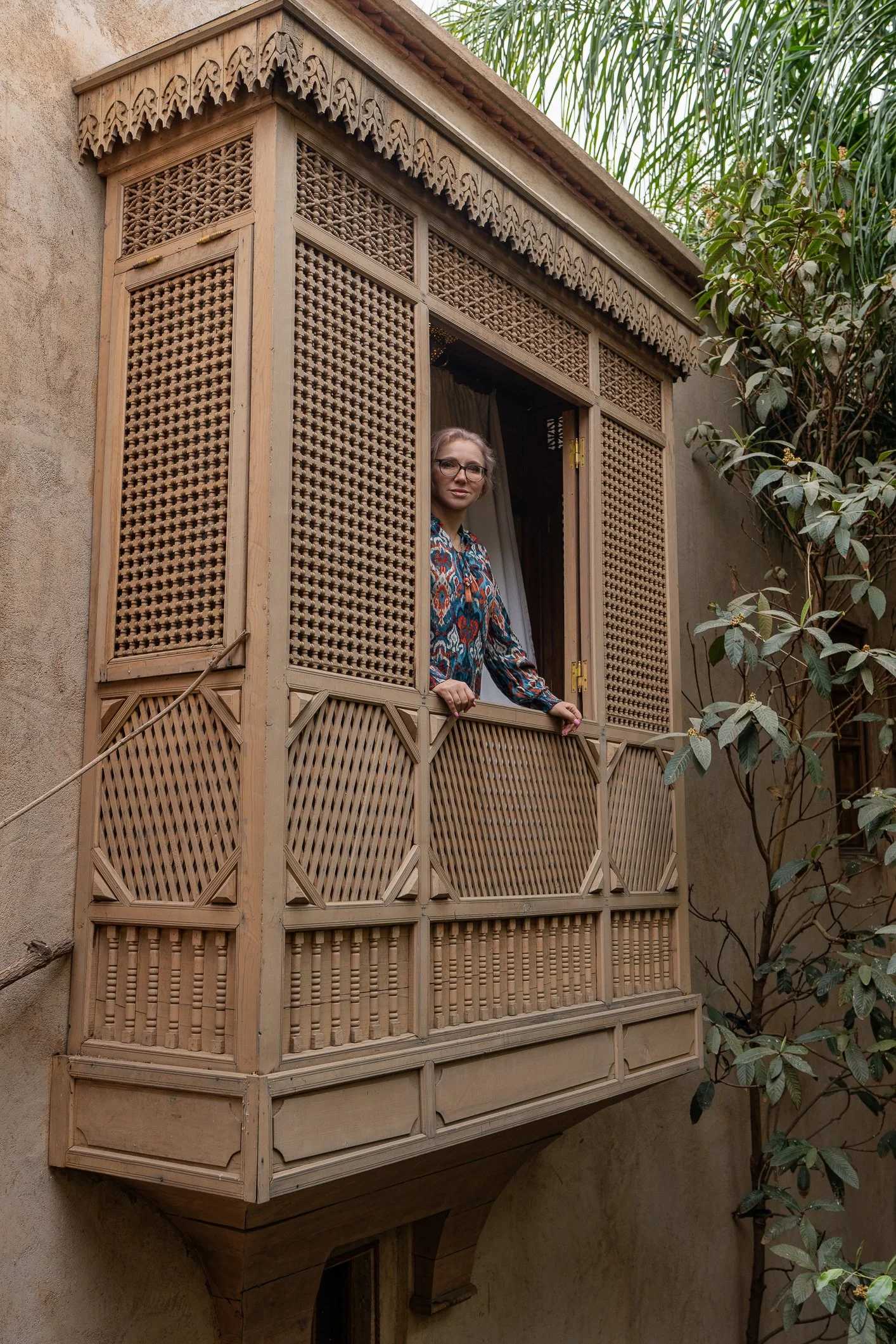
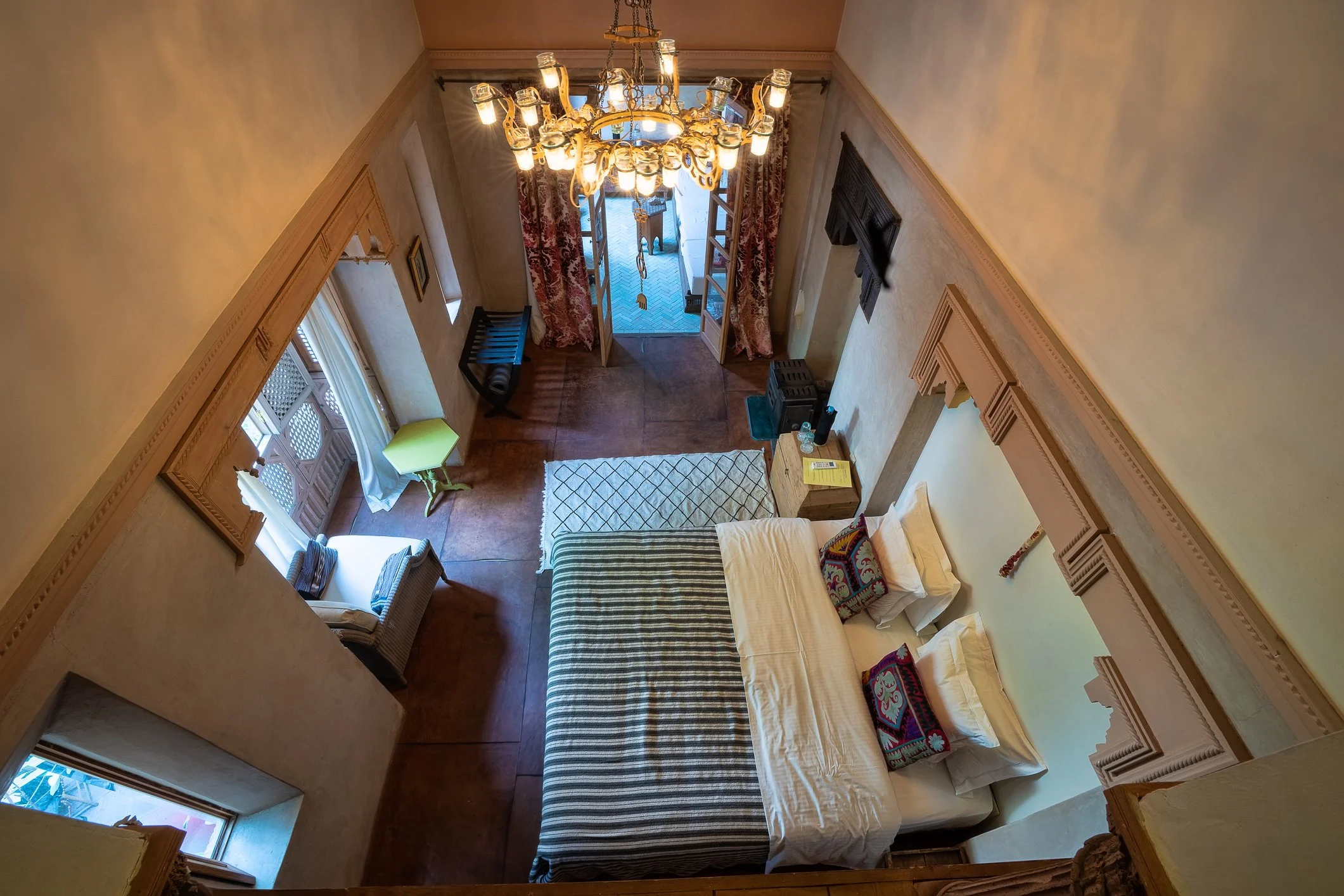
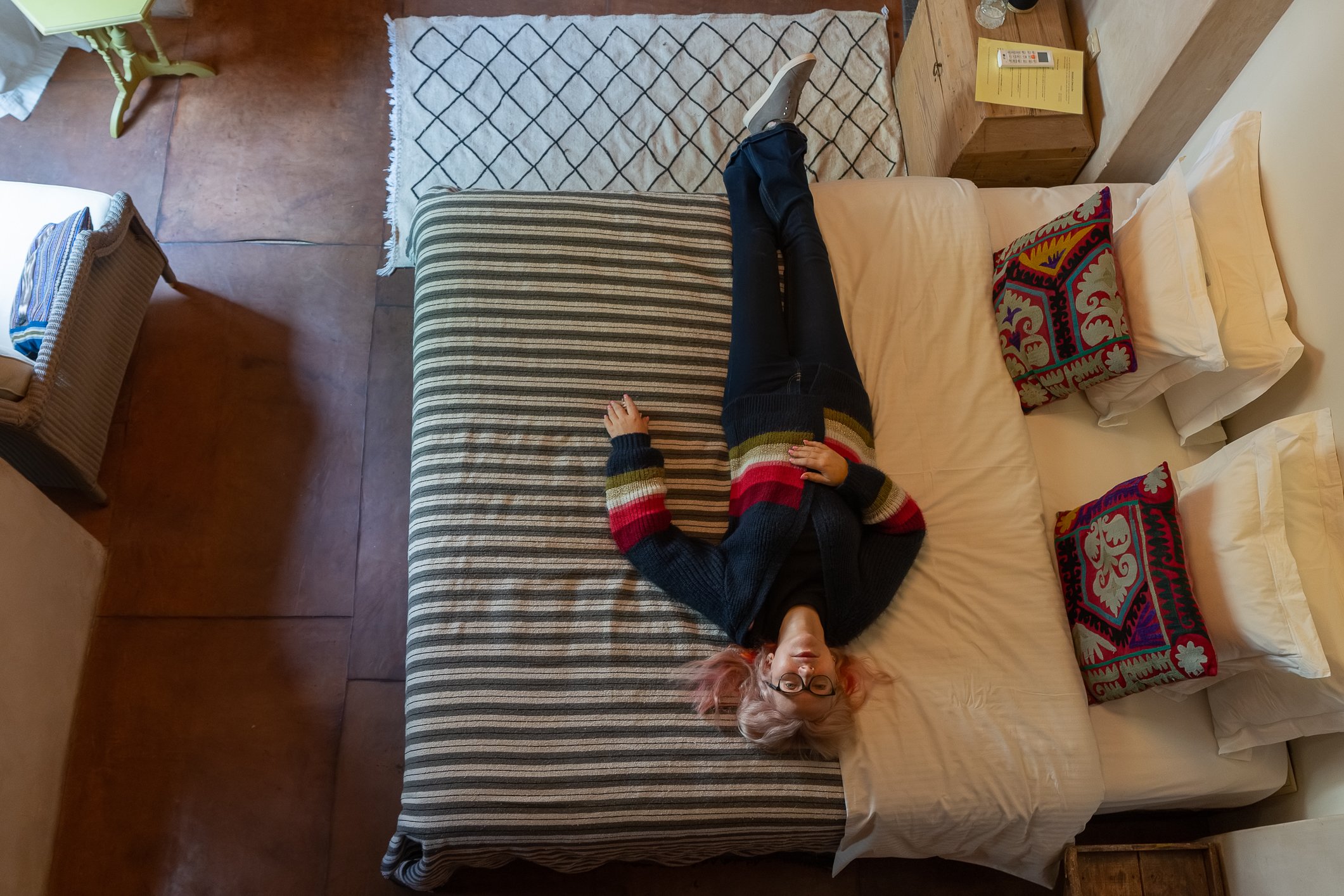
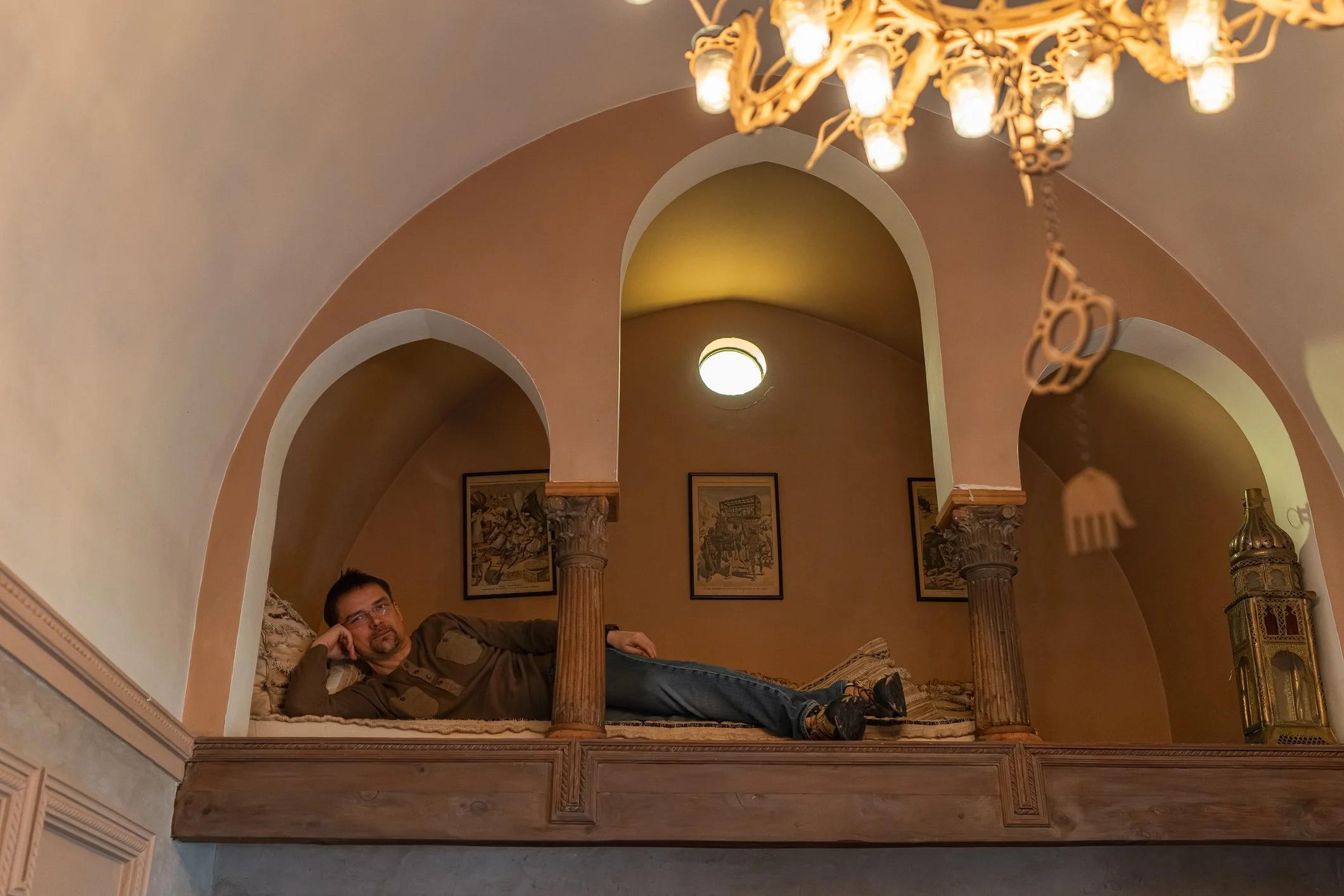
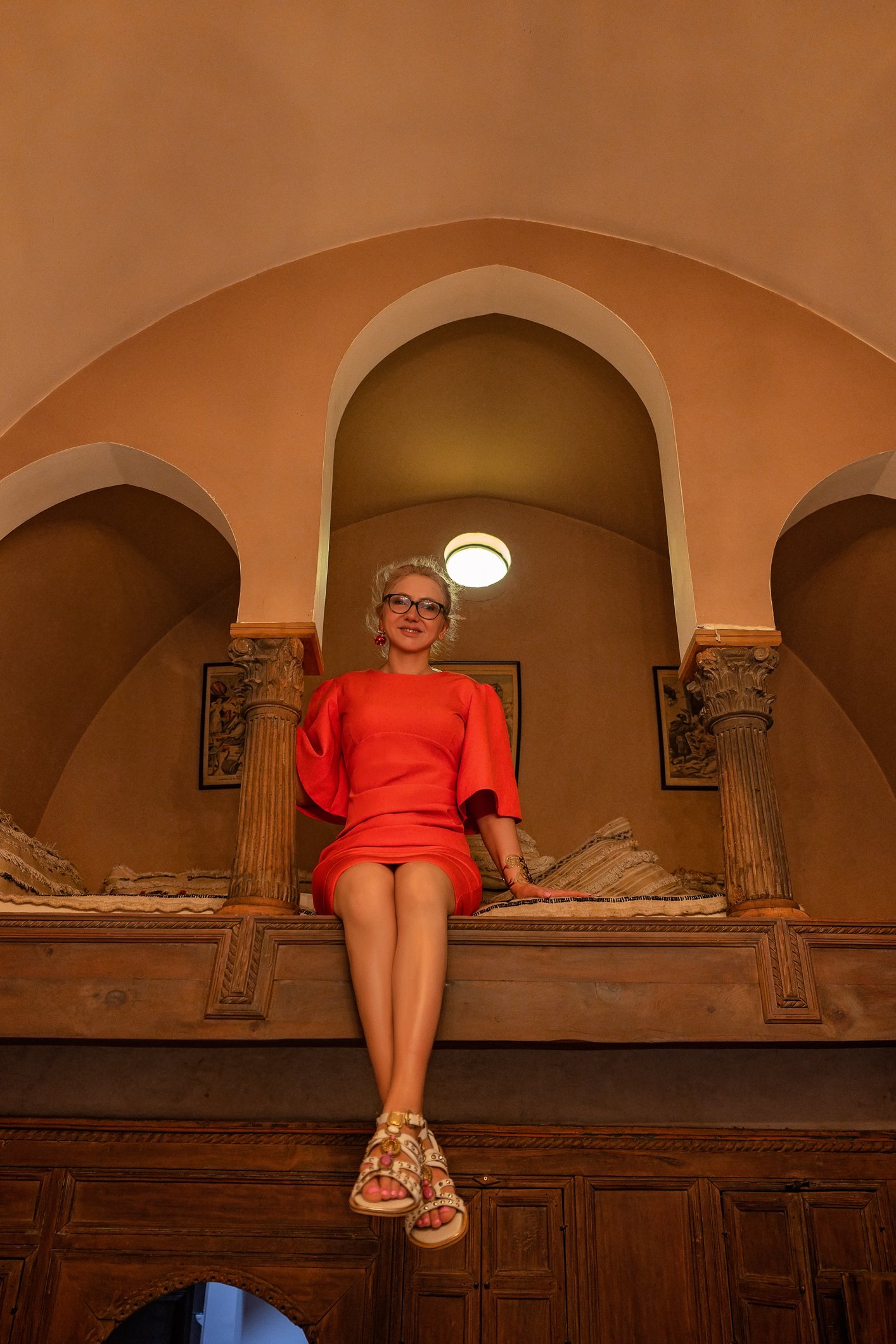
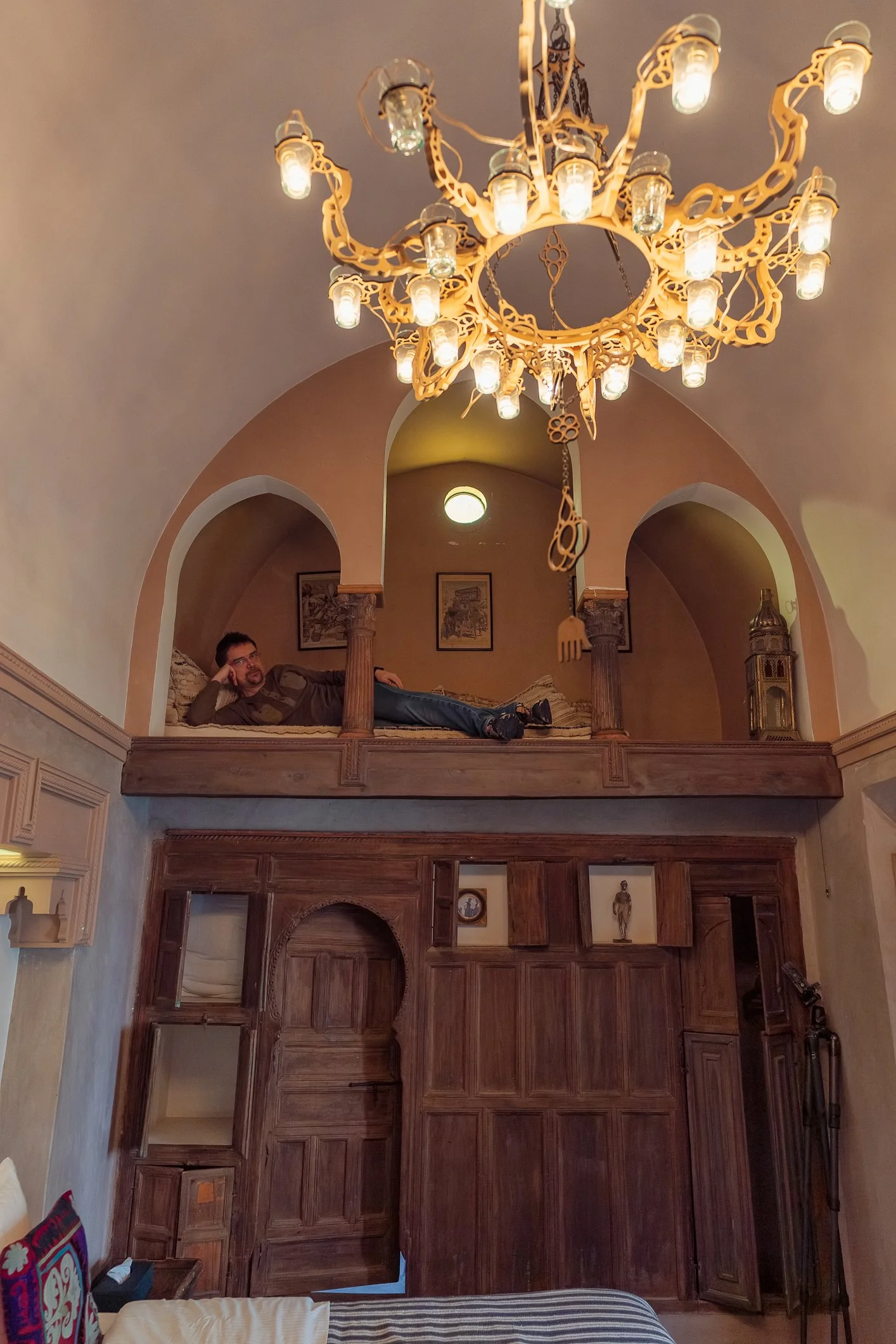
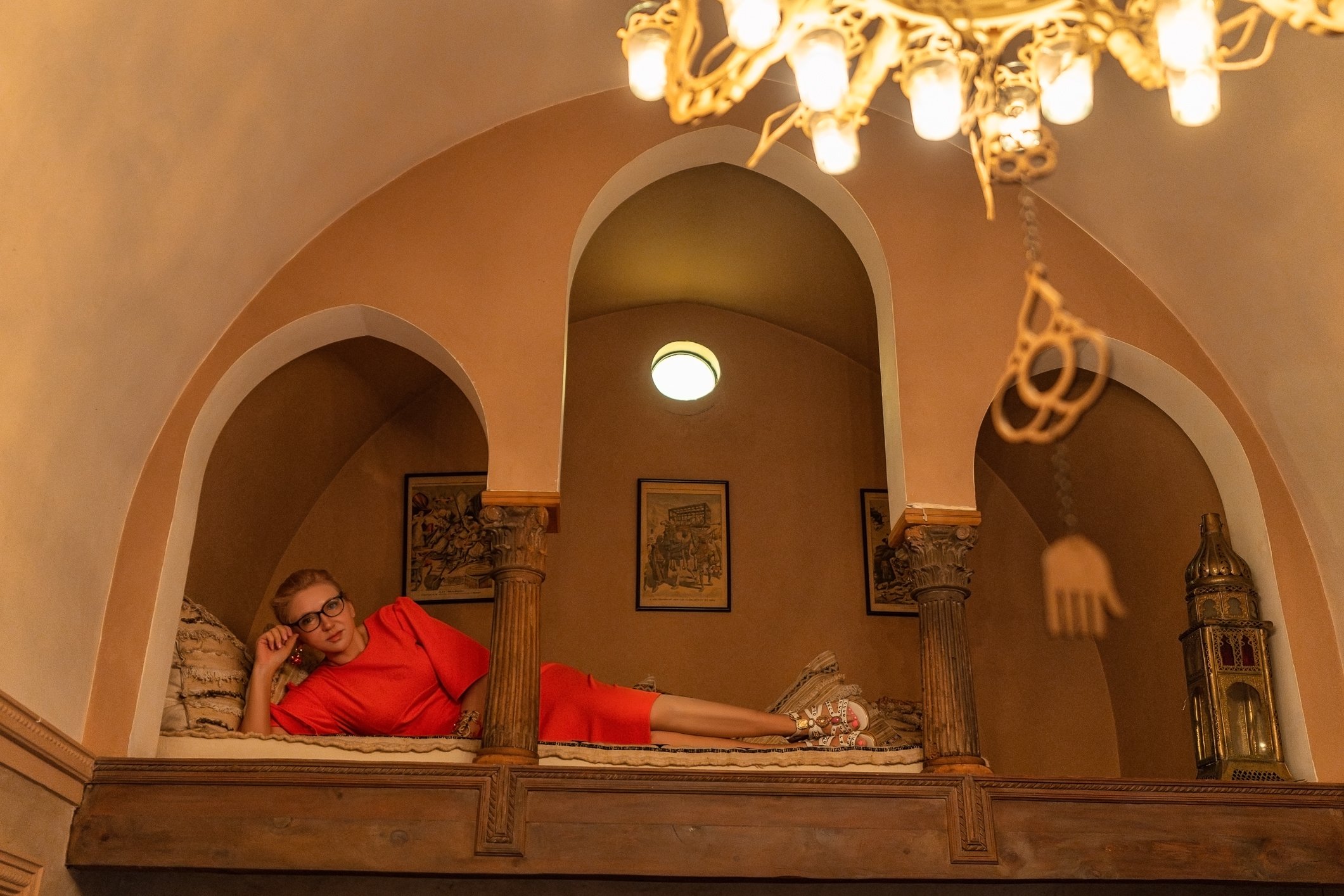
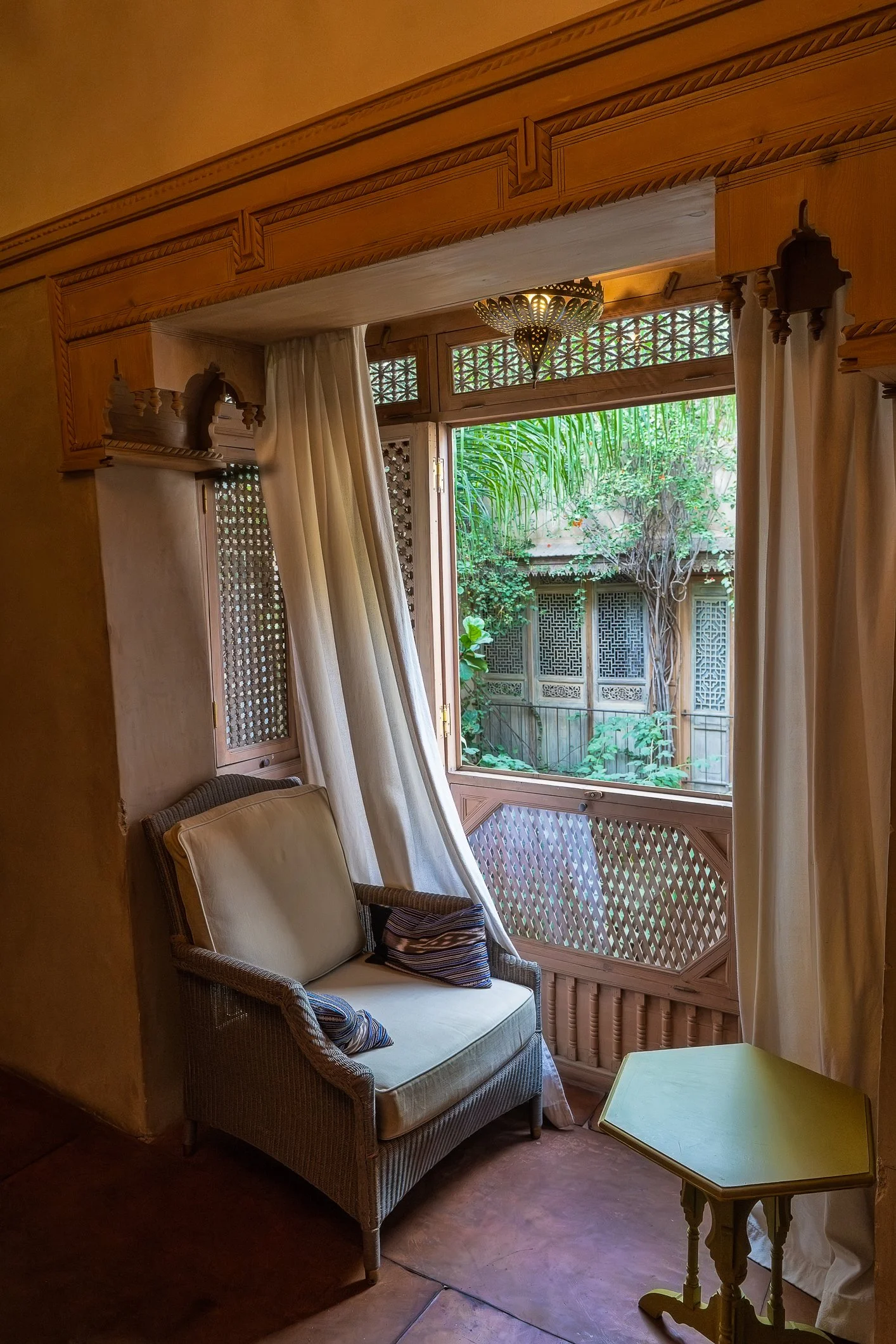
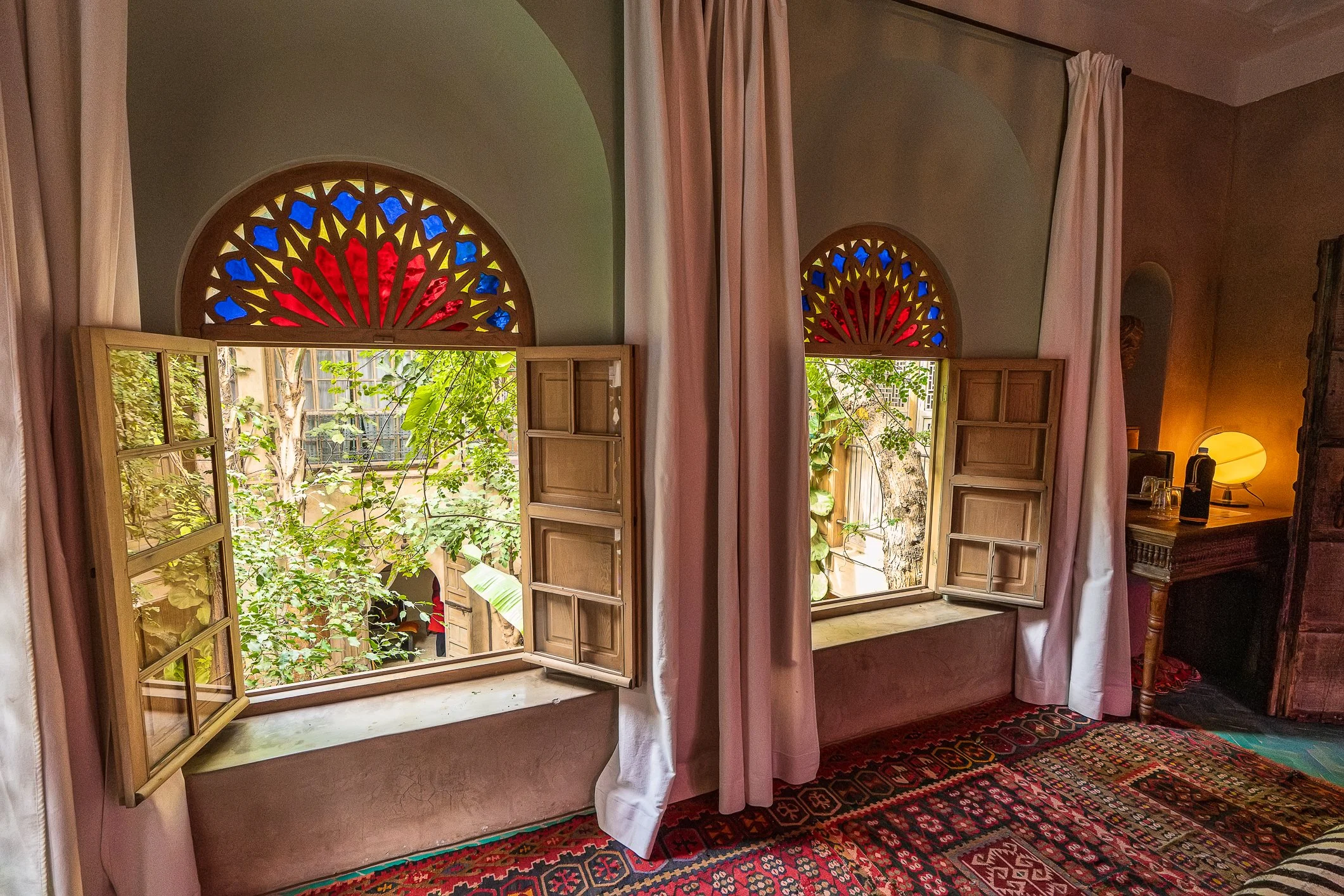
We chose the Koubba room for our stay. Koubba is the name for traditional brick vaults - masterpieces of Arab-Moorish architecture - and this suite features two of them (one in the main room, one in the bathroom). It also includes a private loggia with a daybed. The walls are finished in tadelakt. A menzeh (bow window) opens onto the lush greenery of the courtyard, while a wooden wall hides a ladder to a sleeping loft and the door to a very atmospheric bathroom.

W riadzie znajduje się tylko siedem pokoi, a każdy z nich ma swoj spcyficzny charakter. Wnętrza zdobią artefakty przywiezione przez właścicieli z dalekich podróży po Afryce i Azji.

My zatrzymaliśmy się w apartamencie Koubba. Nazwa nawiązuje do tradycyjnych ceglanych sklepień, które są wizytówką tego pokoju. Mamy tu też prywatną loggię z szezlongiem do popołudniowej drzemki oraz uroczy wykusz (menzeh) z widokiem na ogród. Największym zaskoczeniem są jednak ukryte za drewnianą ścianą schodki prowadzące na antresolę oraz bardzo nastrojowa łazienka.

The room closest to us, the Driba room, utilises coloured glass in the doors and windows to create kaleidoscopic light patterns.

Najblizej naszej suity znajduje się pokój Driba, gdzie kolorowe witraże w oknach i drzwiach tworzą na ścianach kalejdoskop barw, gdy tylko padną na nie promienie słońca.

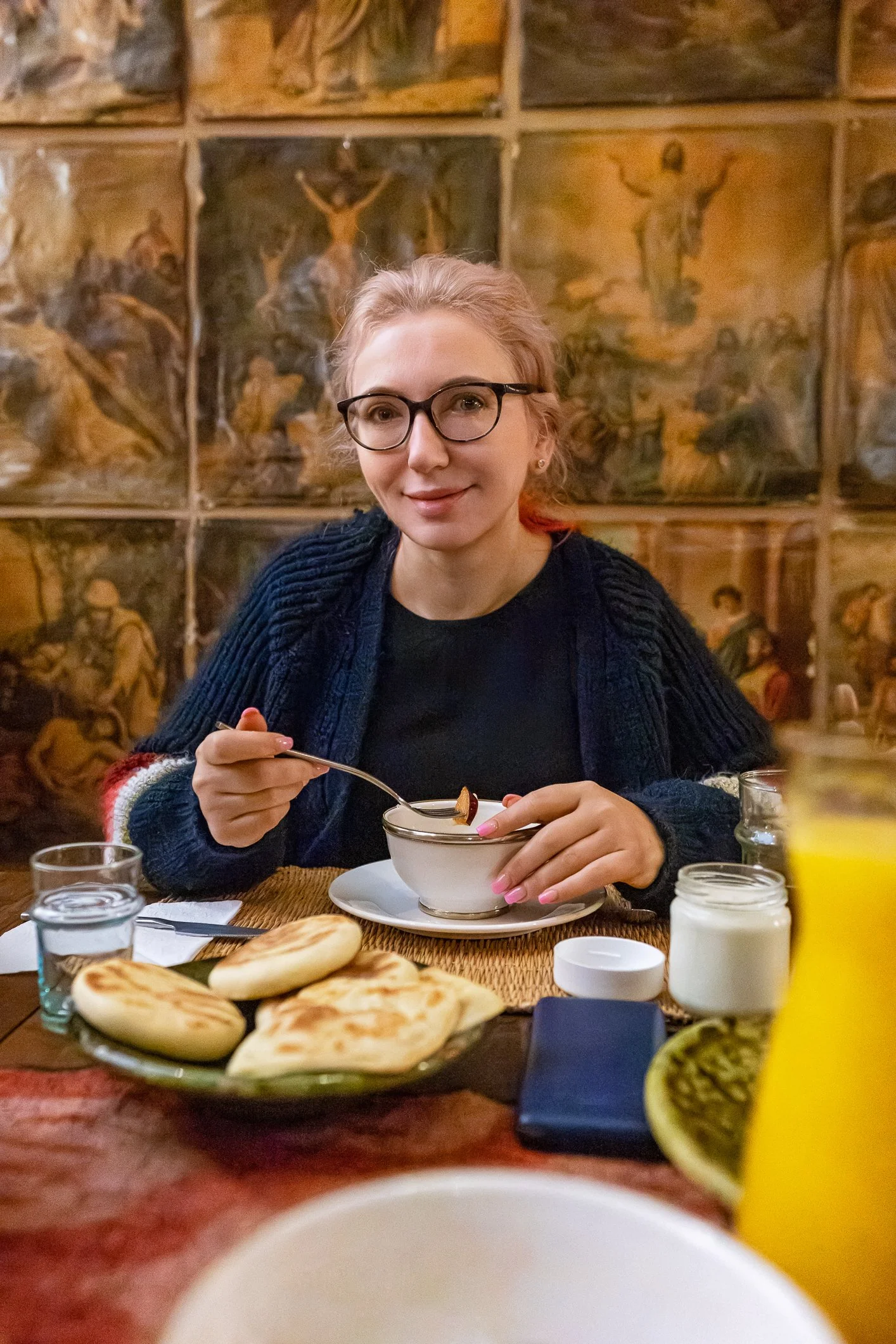
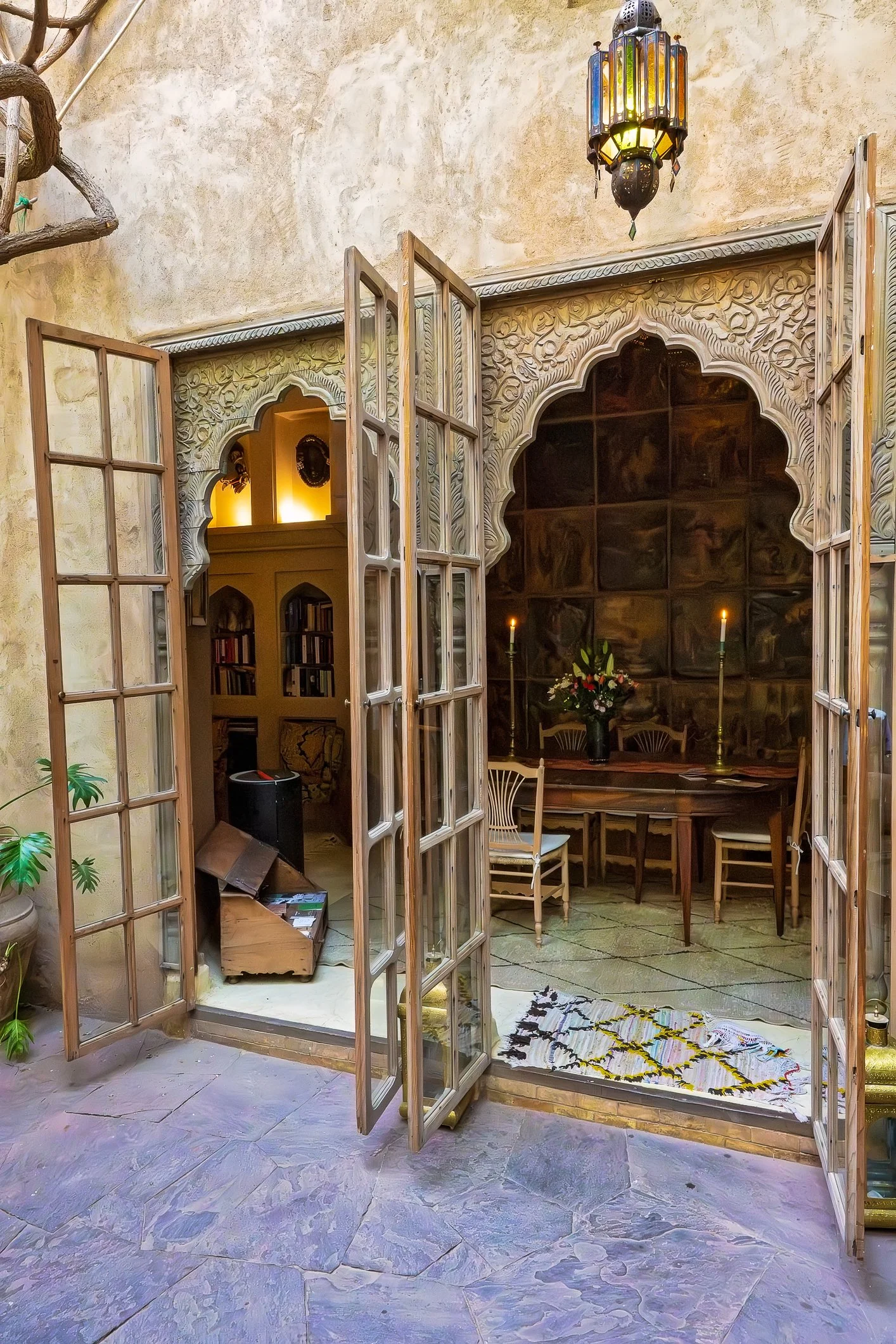
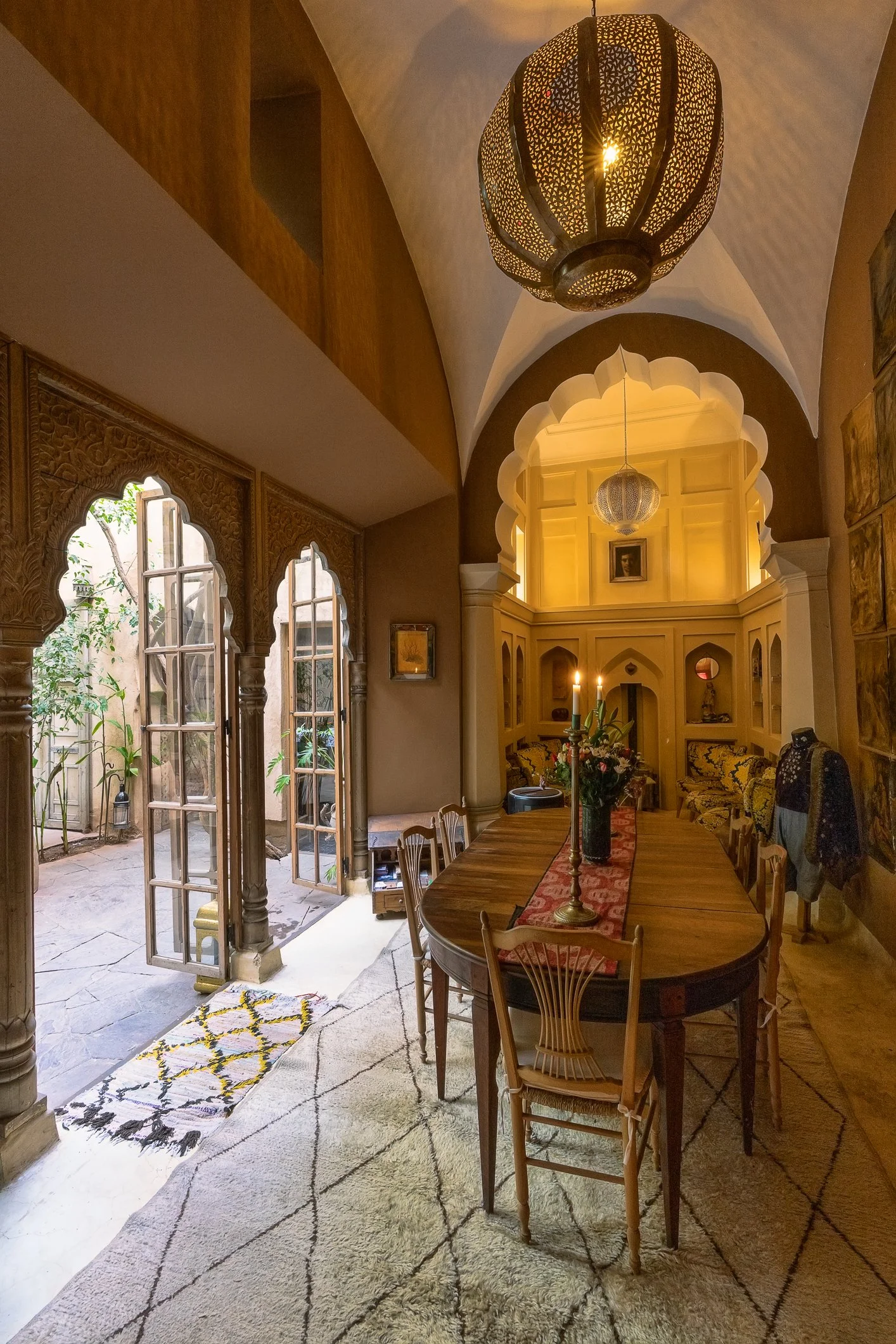
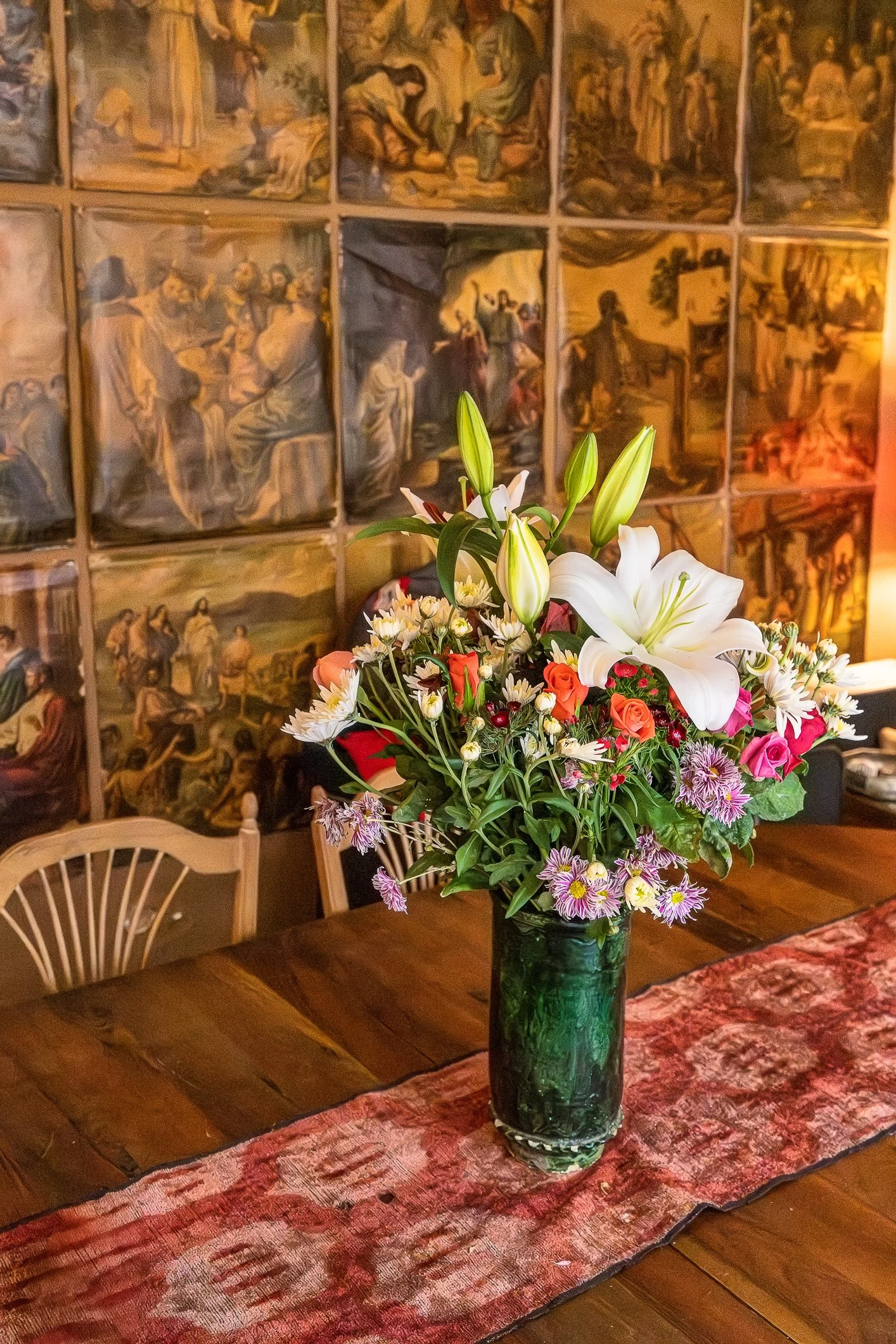
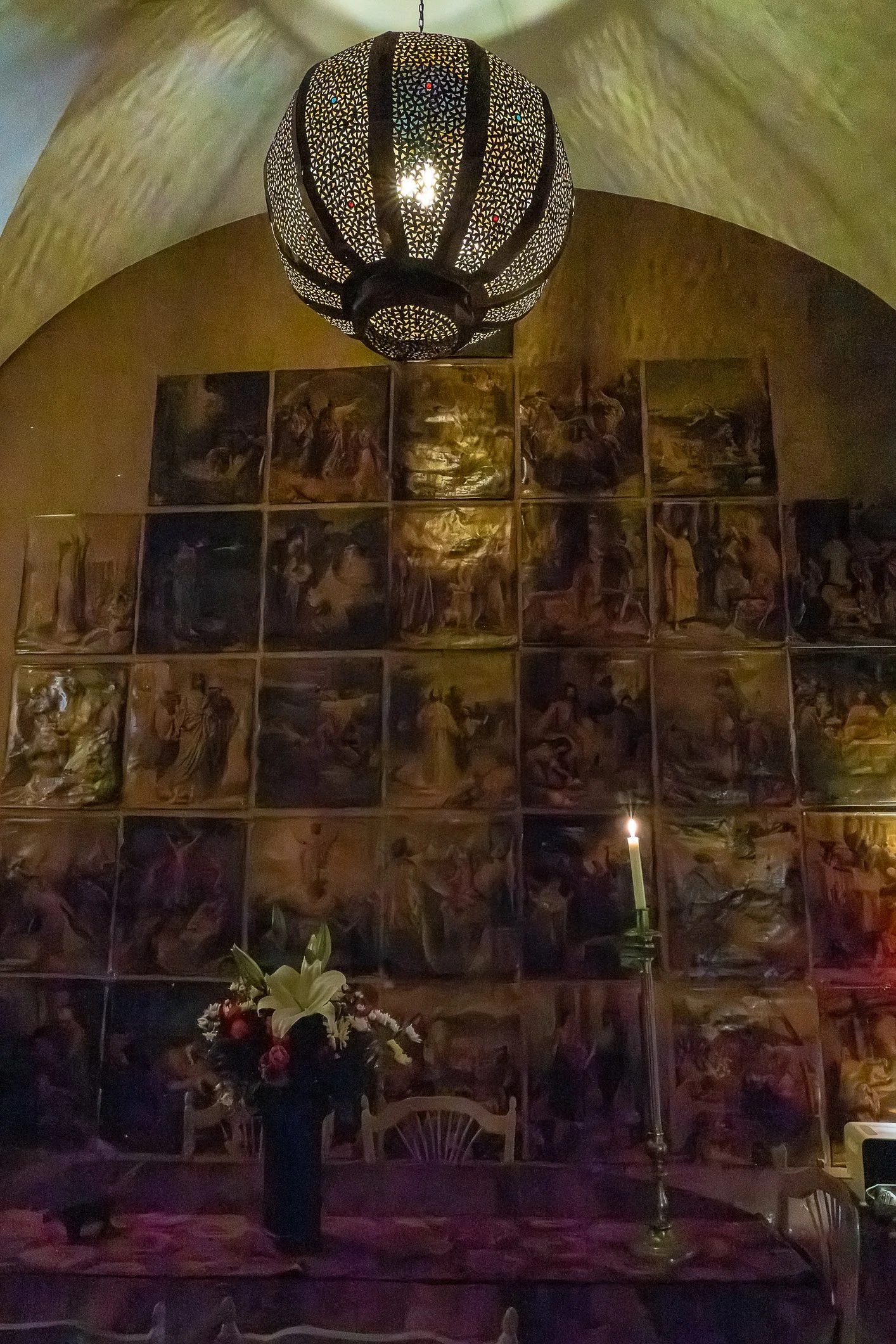
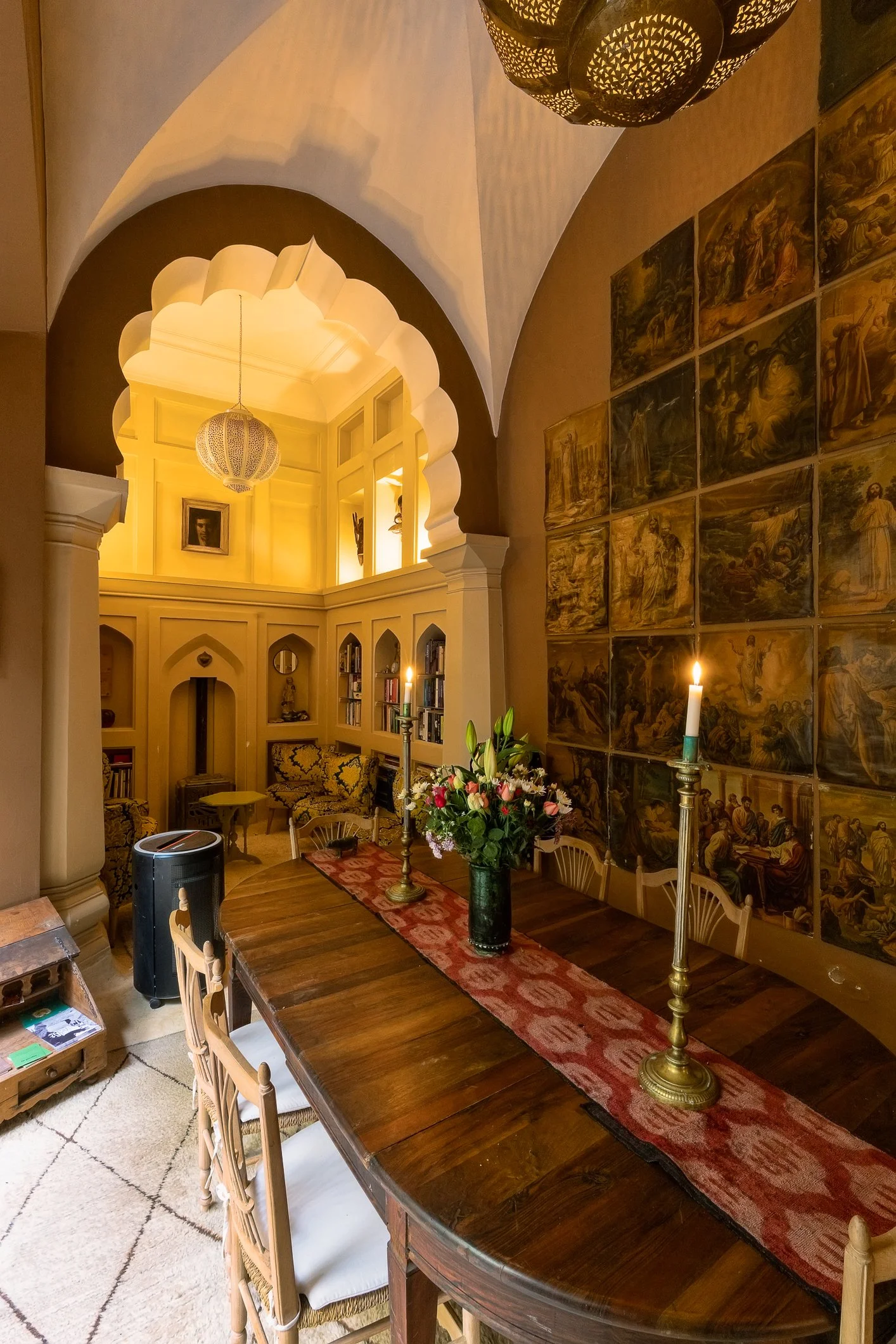
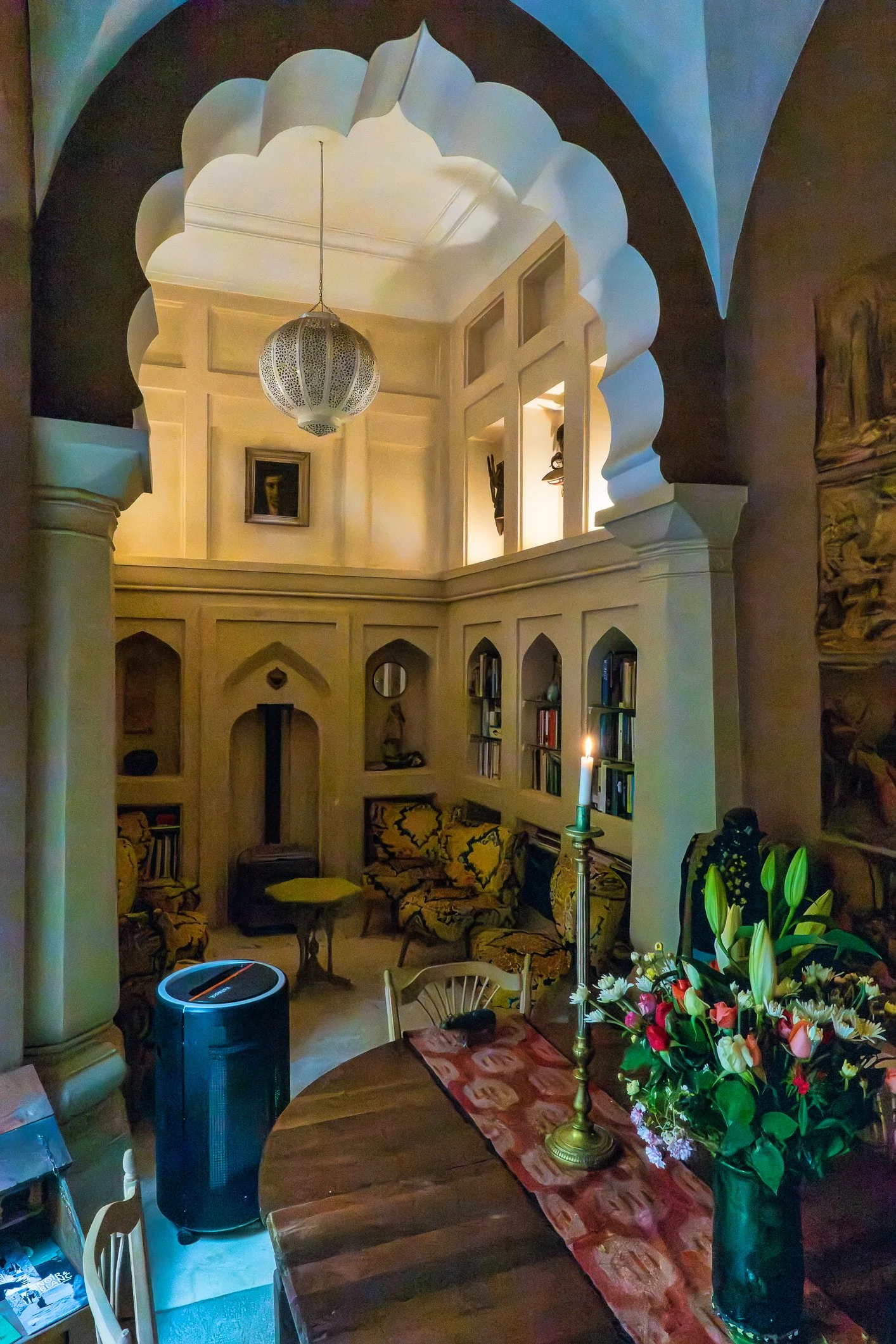
Dinner is traditionally served in an elegant, communal indoor salon. The room is designed with candlelit tables and features an eclectic aesthetic. The highlight is the striking wall of antique Dutch manganese tiles, often called "Bible tiles" (bijbeltegels). These tiles use a distinct purple-brown or reddish-sepia tone; under the dim, warm light, the scenes look like aged sepia ink on the walls.

Kolacje w Kbour & Chou serwowane są w eleganckim salonie w bardzo eklektycznym stylu. Największe wrażenie robi ściana wyłożona antycznymi holenderskimi płytkami z manganu, zwanymi "płytkami biblijnymi". W ciepłym świetle świec ich purpurowo-brązowe zdobienia wyglądają jak stare ryciny wykonane sepią, tworząc niesamowite tło dla tradycyjnych marokańskich potraw.